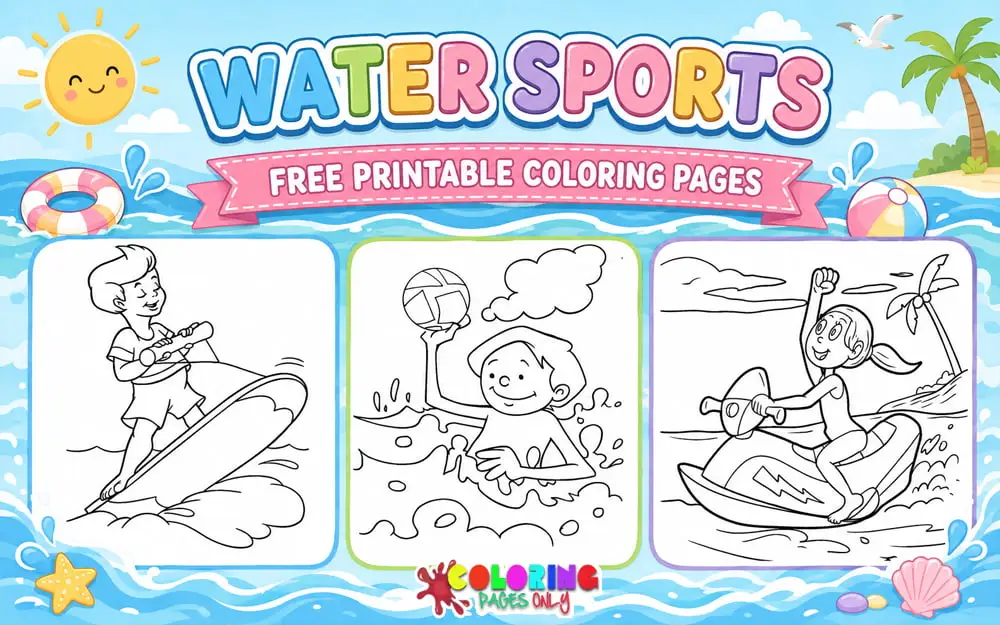
Water sports coloring pages: 30+ free printable PDF designs covering surface sports, underwater sports, in-water sports, and a small group of character crossovers. Every page is available as a printable PDF or to color in the browser, with no account required.
Water sports are split into three real categories: on top of the water, under it, and in it, and this collection covers all three. Surface sports like jet skiing, water skiing, kayaking, and surfing take place on top of the water. Underwater sports like scuba diving take place beneath it. In-water sports like swimming, water polo, and synchronized swimming take place within it, at the surface, but fully immersed. Three genuinely different relationships with water, all under one name.
This particular set works alongside the site’s more specific swimming, surfing, rowing, and sailing collections rather than replacing them, covering the wider range of water activities that don’t each get their own dedicated page.
These pages suit kids who love the water in every form it takes, families who split their time between the pool, the lake, and the open ocean, and anyone who wants a set with real variety rather than one repeated activity.


Quick Answer
Water sports coloring pages are a free set of 30+ printable PDFs and browser-based coloring sheets covering surface sports, underwater sports, in-water sports, and character crossovers.
Best for: children aged 3 and up, families who enjoy a wide range of water activities, and anyone who wants a set covering more than just swimming or surfing
Formats: printable PDF and online coloring
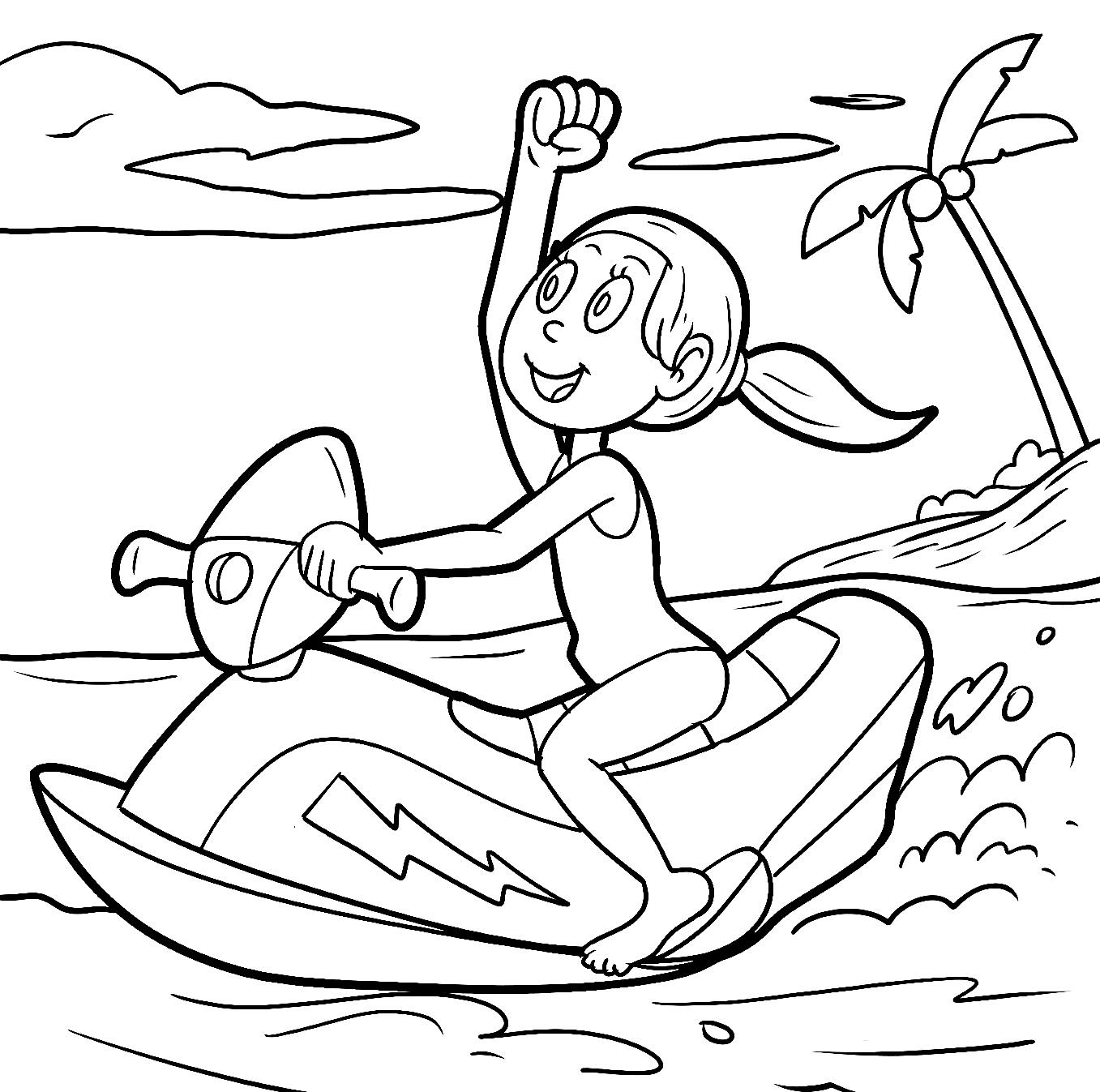
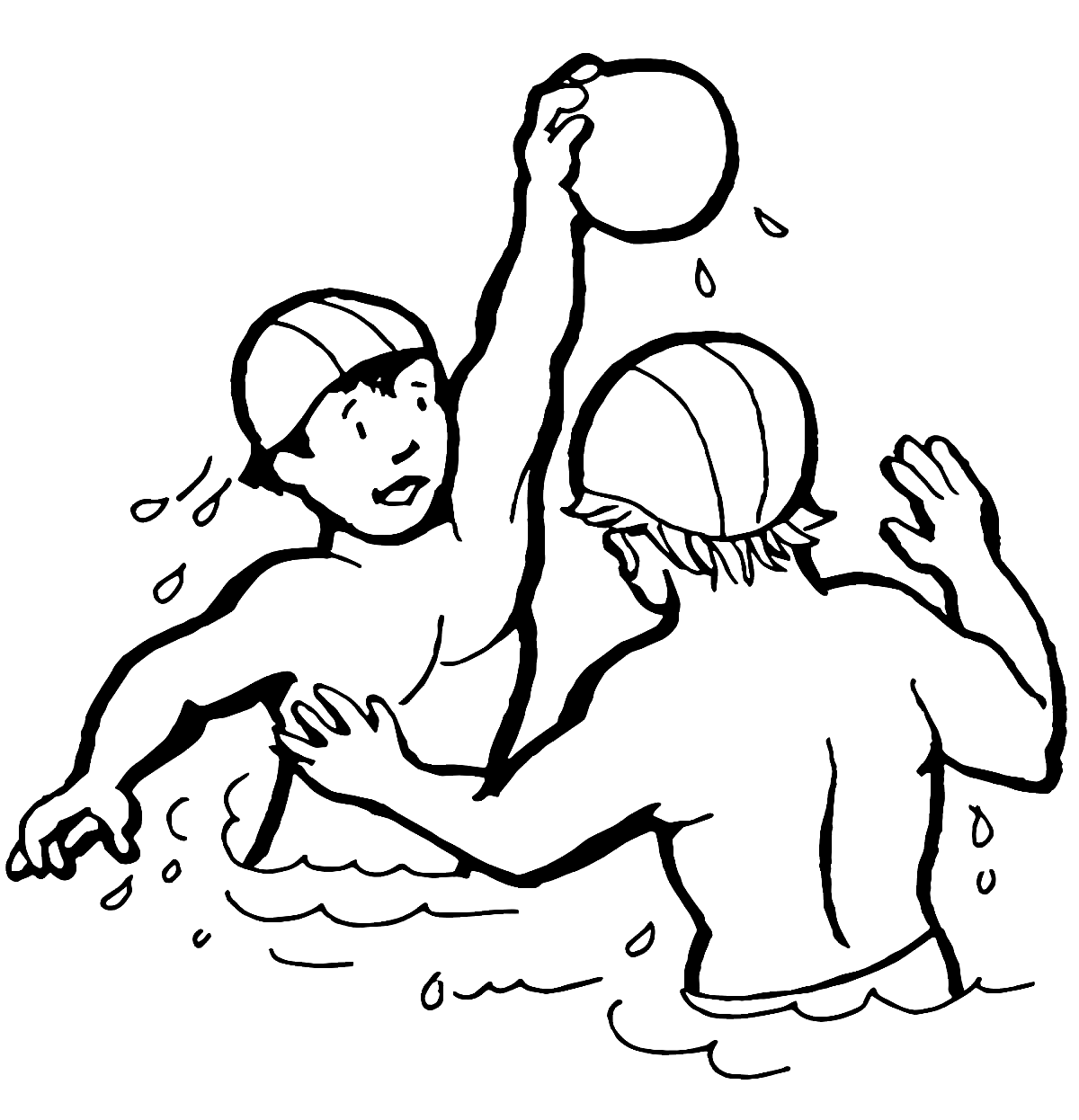
Popular pages: the jet ski, the scuba diver, the water polo scene, and the character crossovers
Creative uses: a three-zones-of-water board, a scuba gear study, a splash comparison, and a first-swim achievement card
What’s Inside Water Sports Coloring Pages
Surface Water Sports
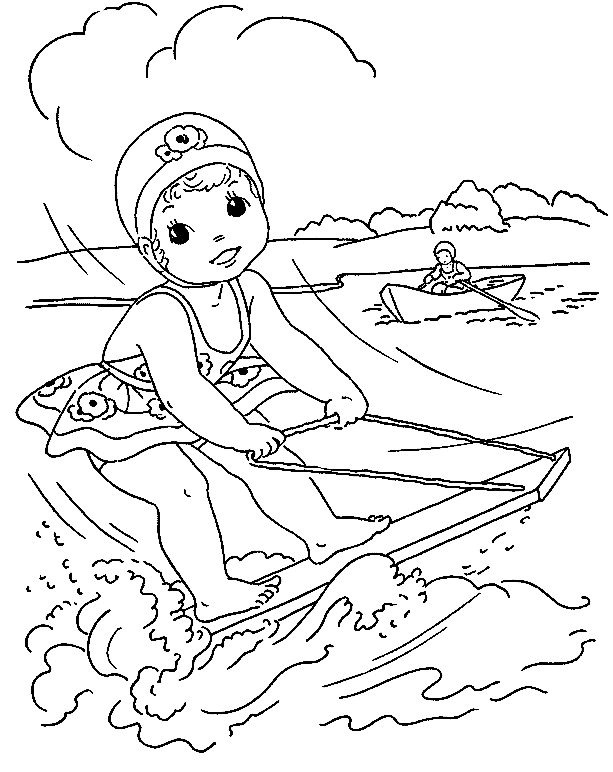
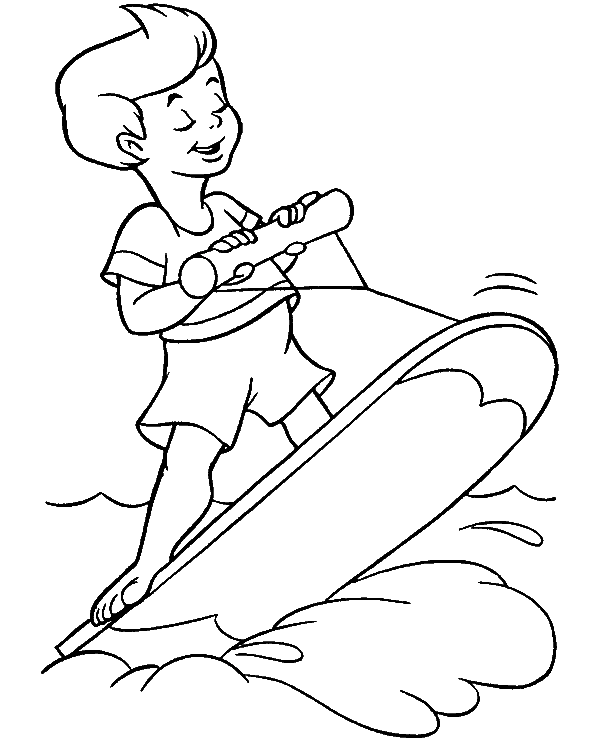
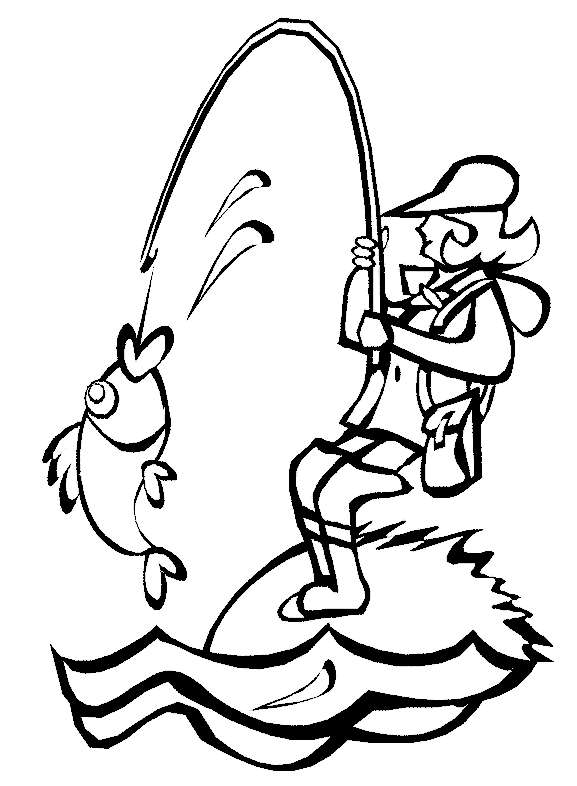
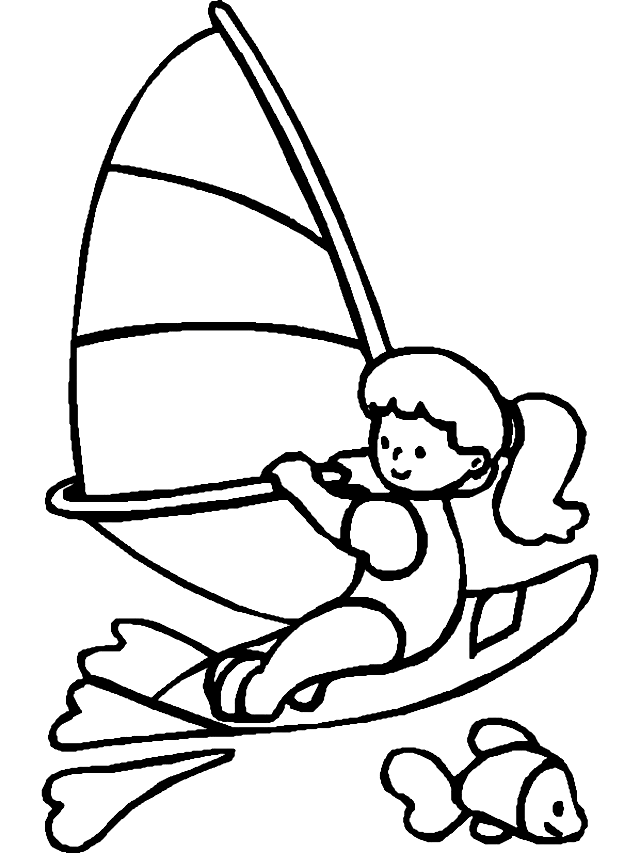
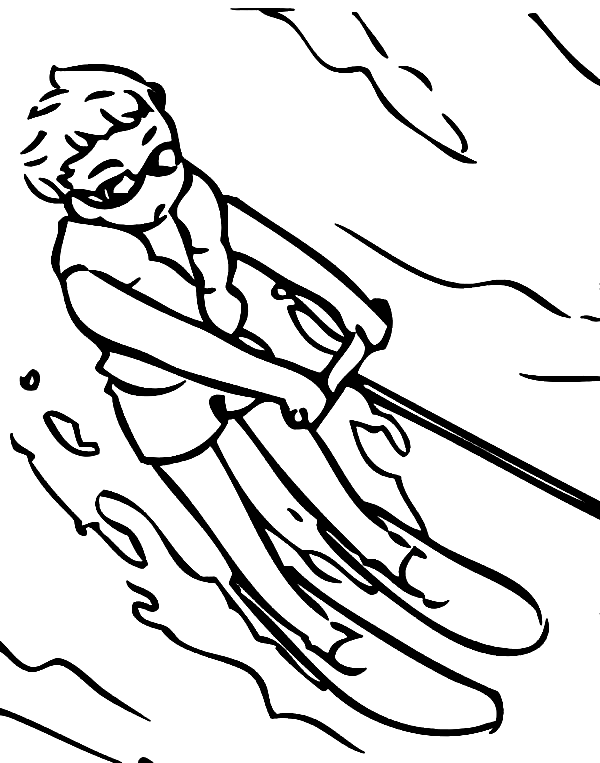
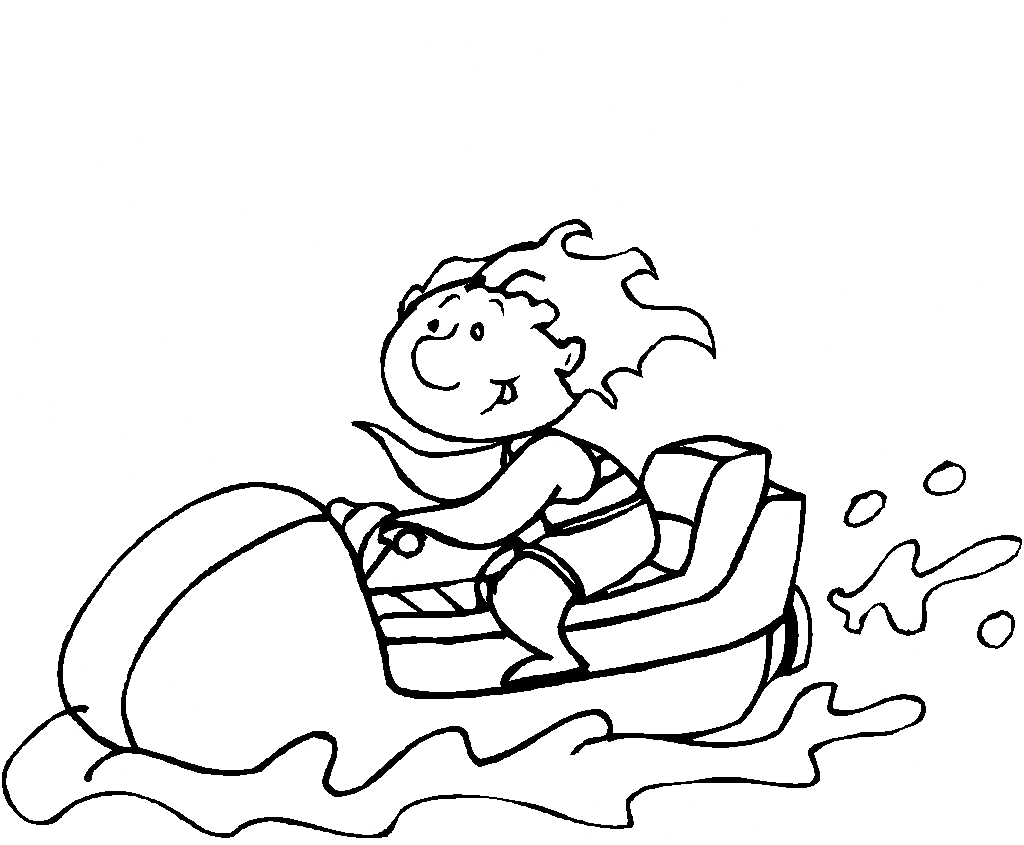
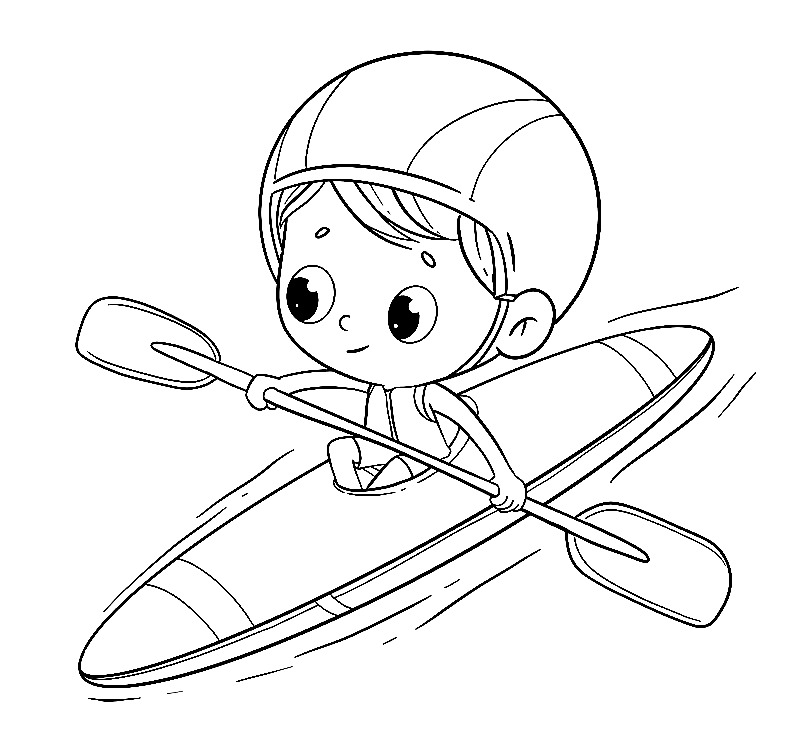
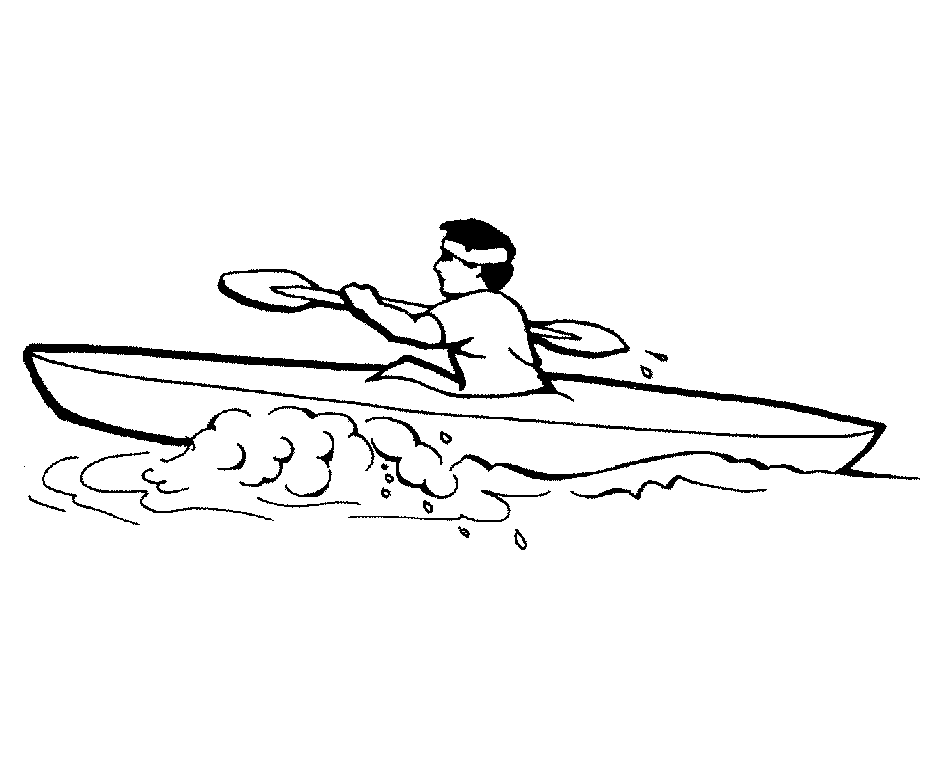
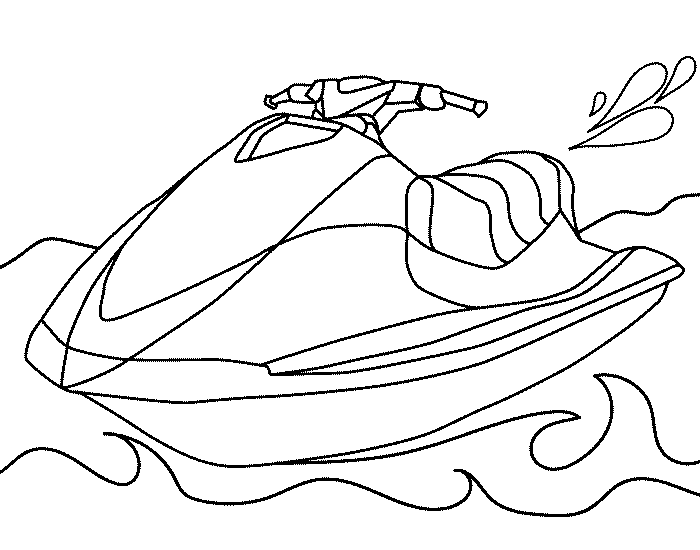
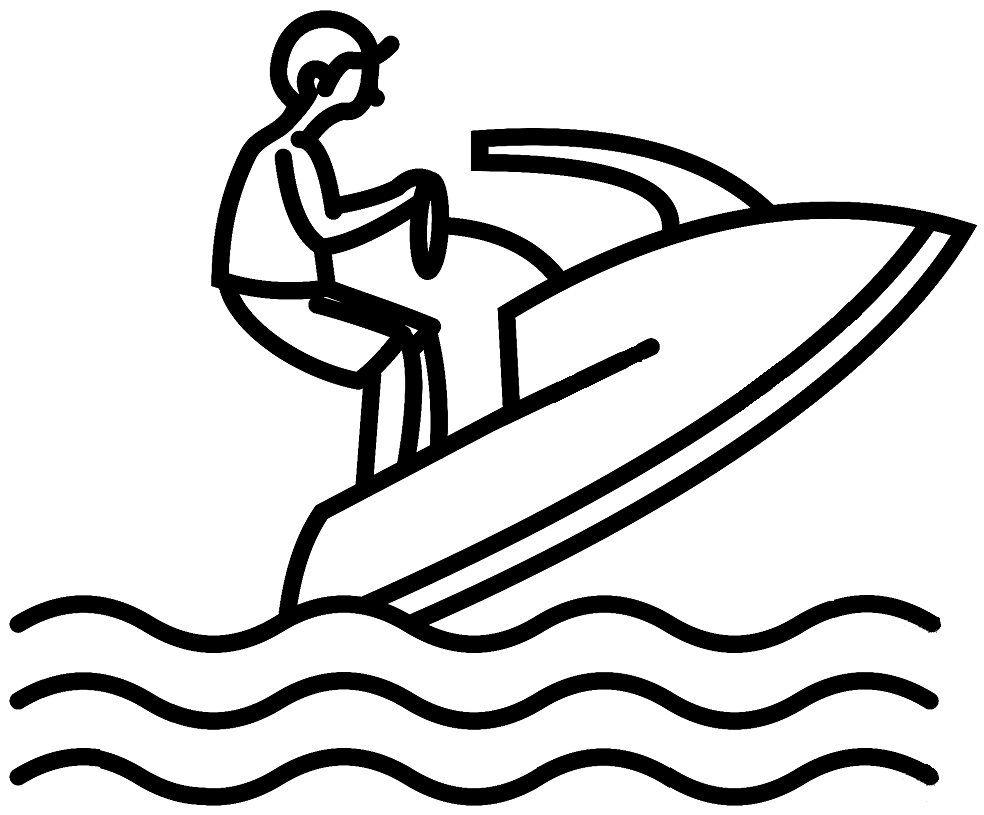
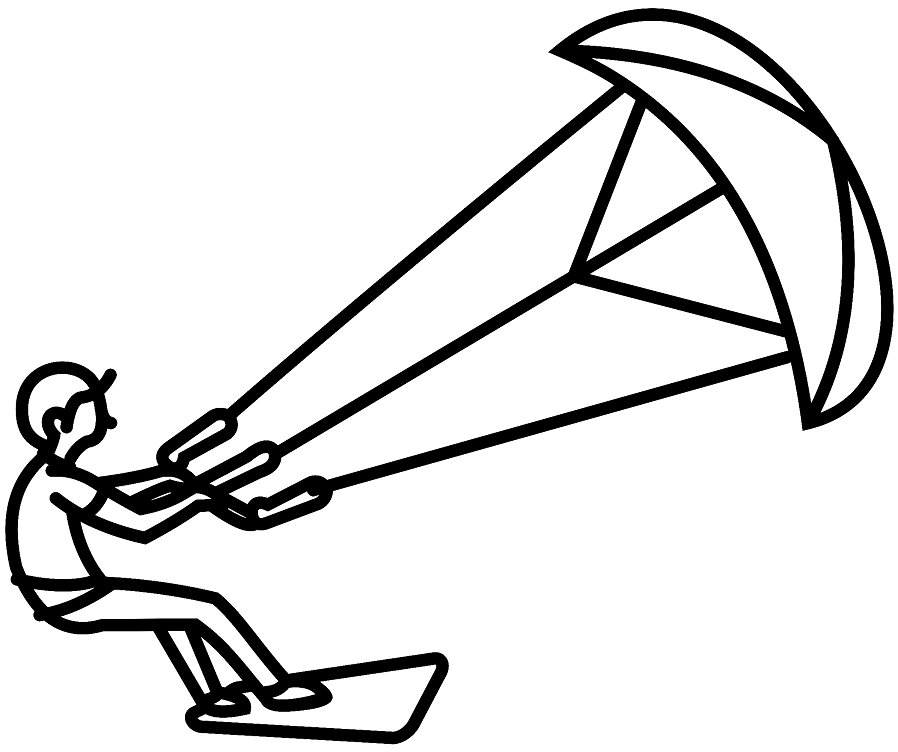
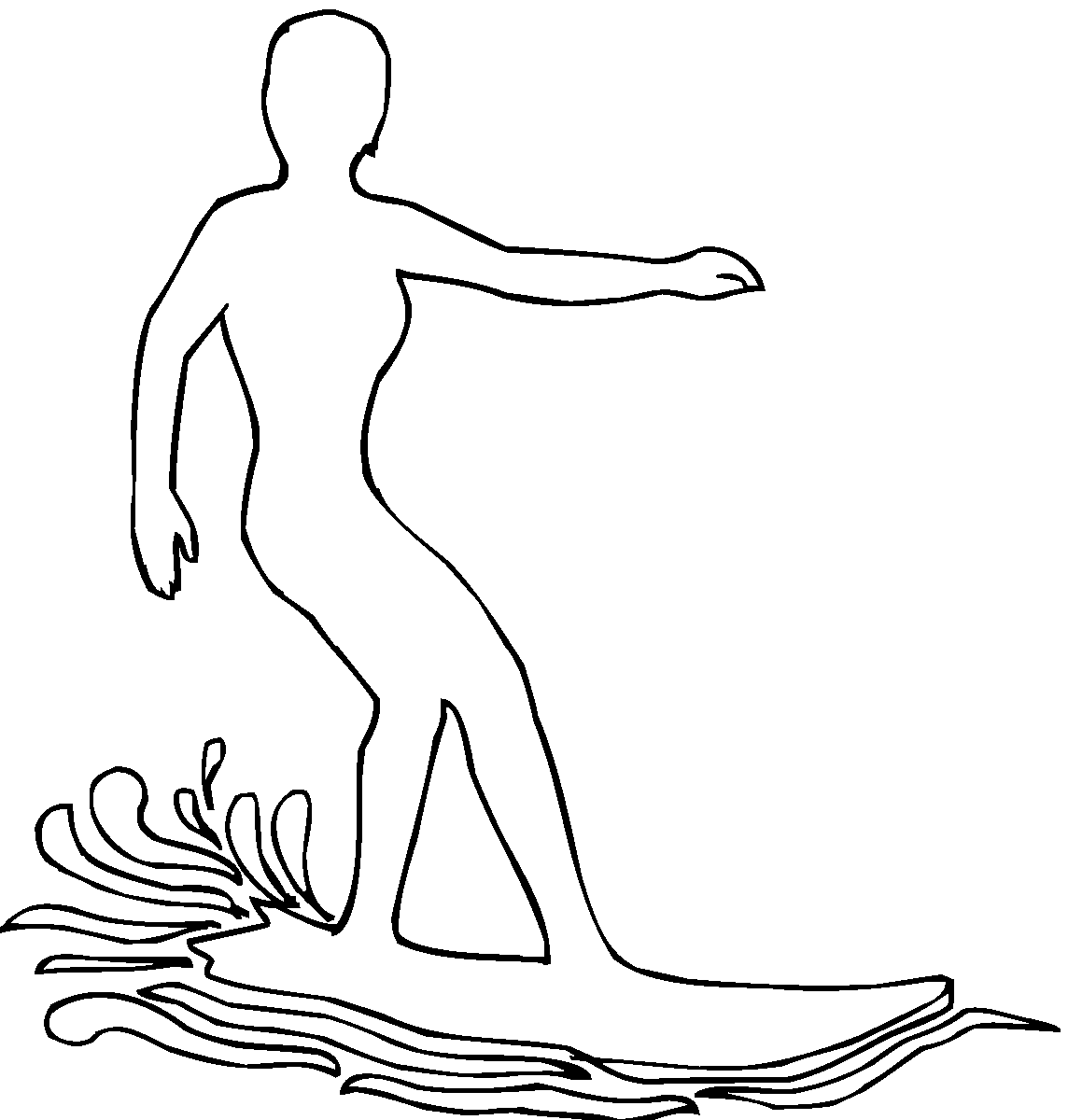
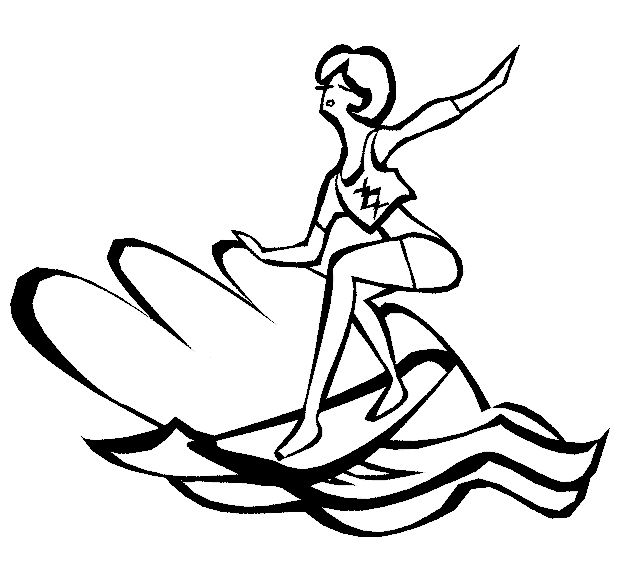
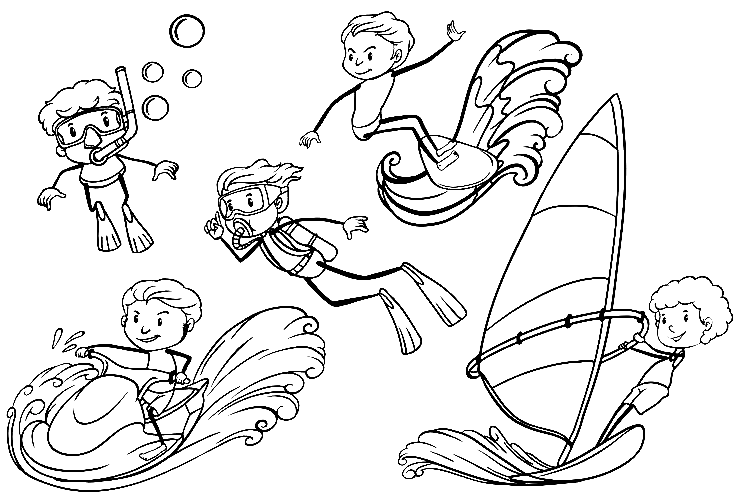
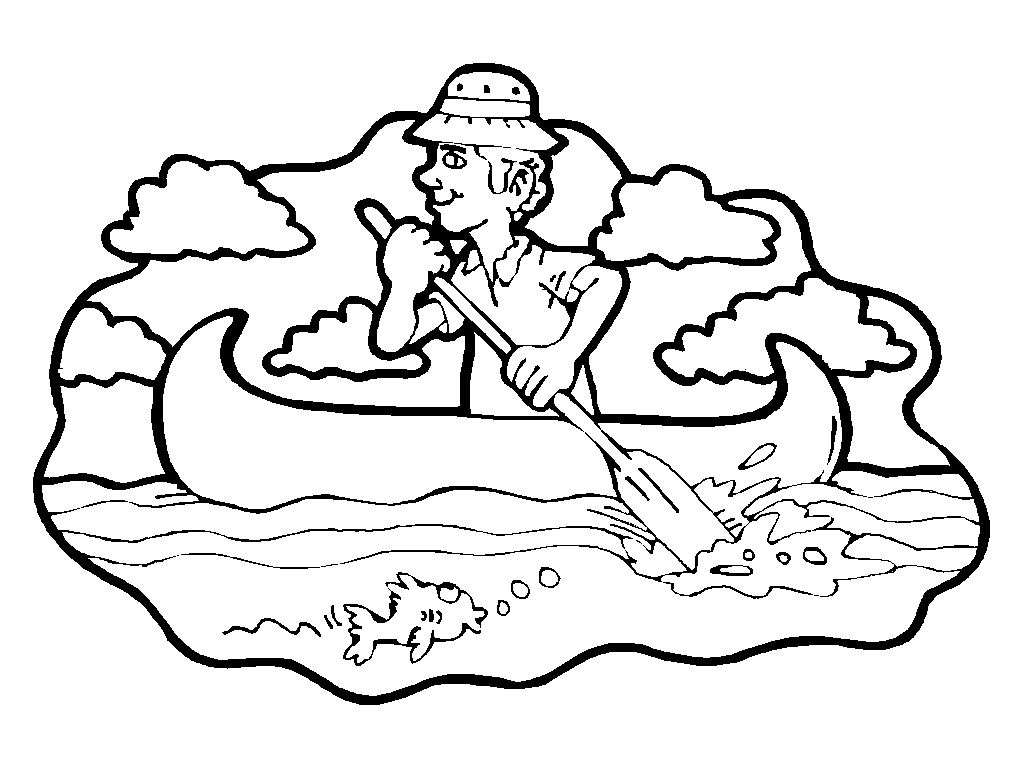
Everything in this group happens on top of the water rather than in it: jet skis, water skiing, kayaking, canoeing, kiteboarding, surfing, a single rowing scull, and a page built around sport fishing from a boat.
The equipment is really the whole story on these pages, since the water itself is mostly just a surface with spray and a wake trailing behind. A ski rope pulled taut, a kayak paddle mid-stroke, or a kite’s lines stretched overhead all do more to sell the specific sport than any amount of detail on the water itself.
Underwater Sports
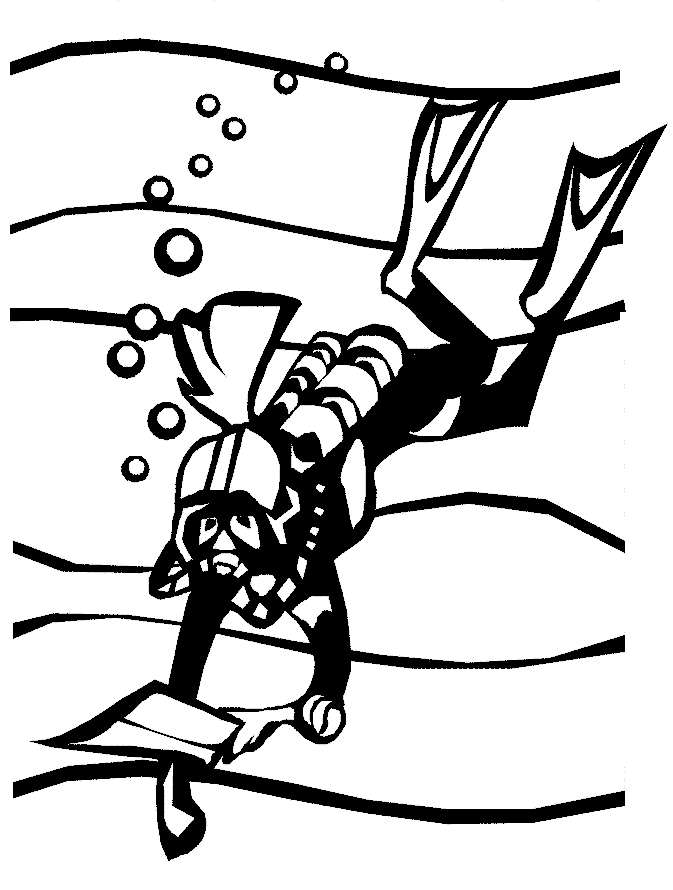
Just one design represents this entire category, a scuba diver, but it stands alone for a real reason: it’s the only sport in the set that actually happens beneath the surface rather than on or in it.
Full gear matters here in a way it doesn’t for the other categories: mask, tank, regulator, and fins. The water color should surround the diver, too, with a blue or green tint over the whole scene, rather than sitting as a strip at the bottom of the page, the way it might on a surface sport.
In-Water Sports
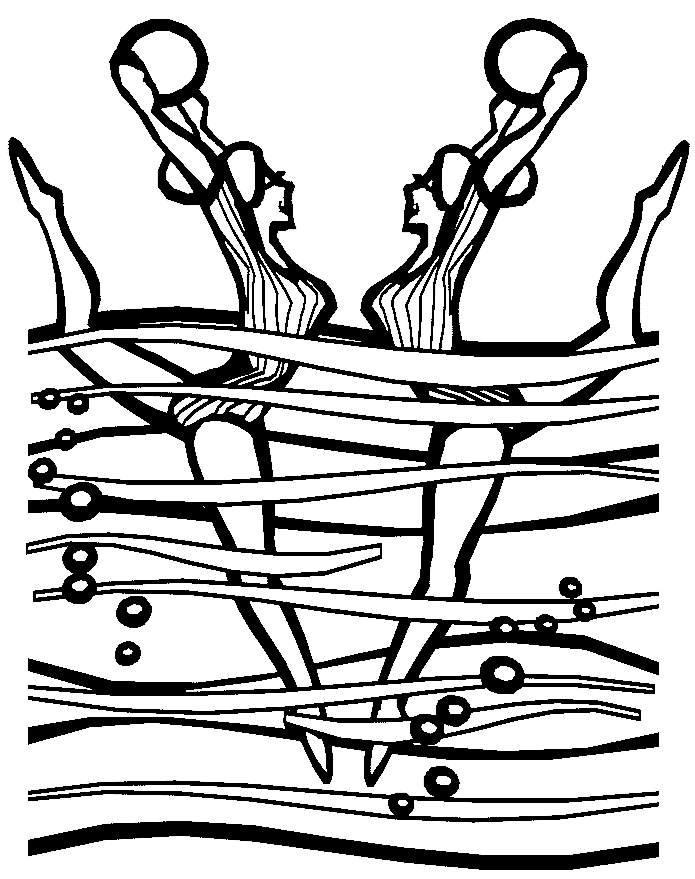
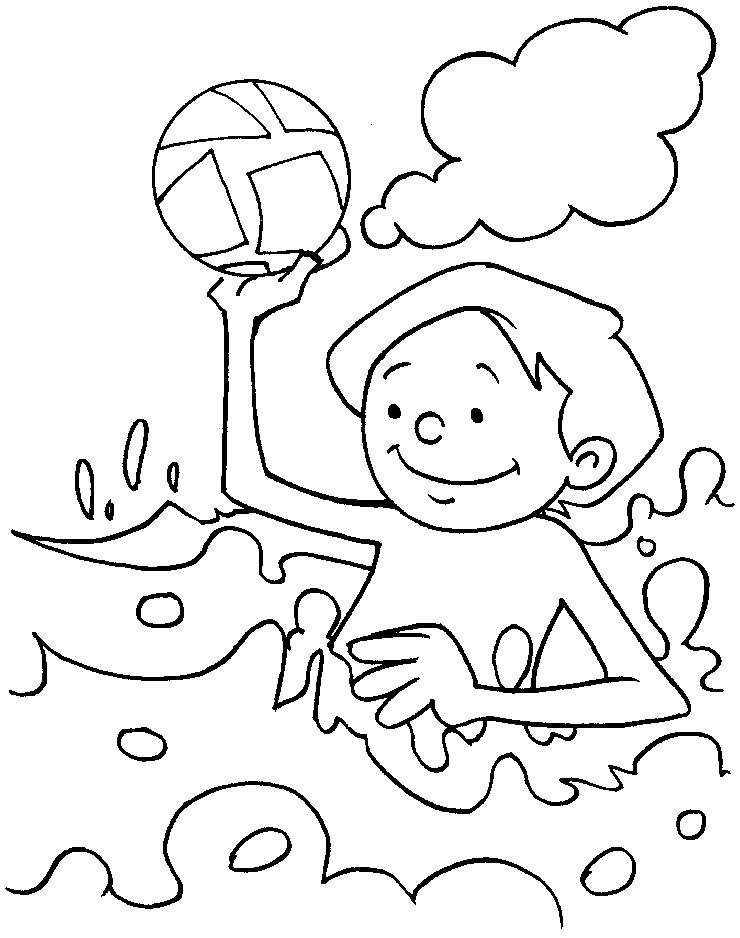
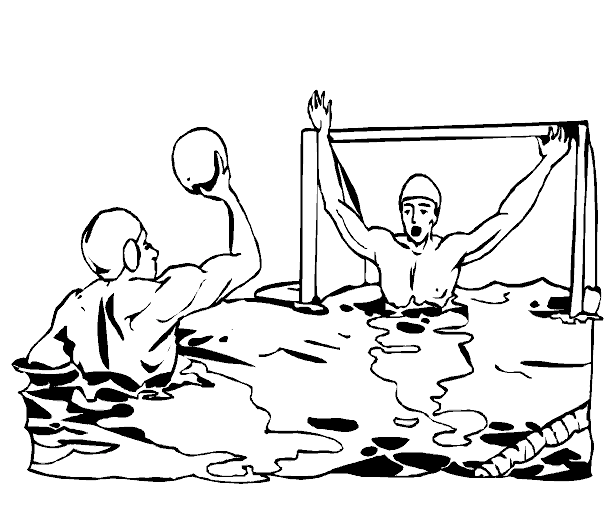
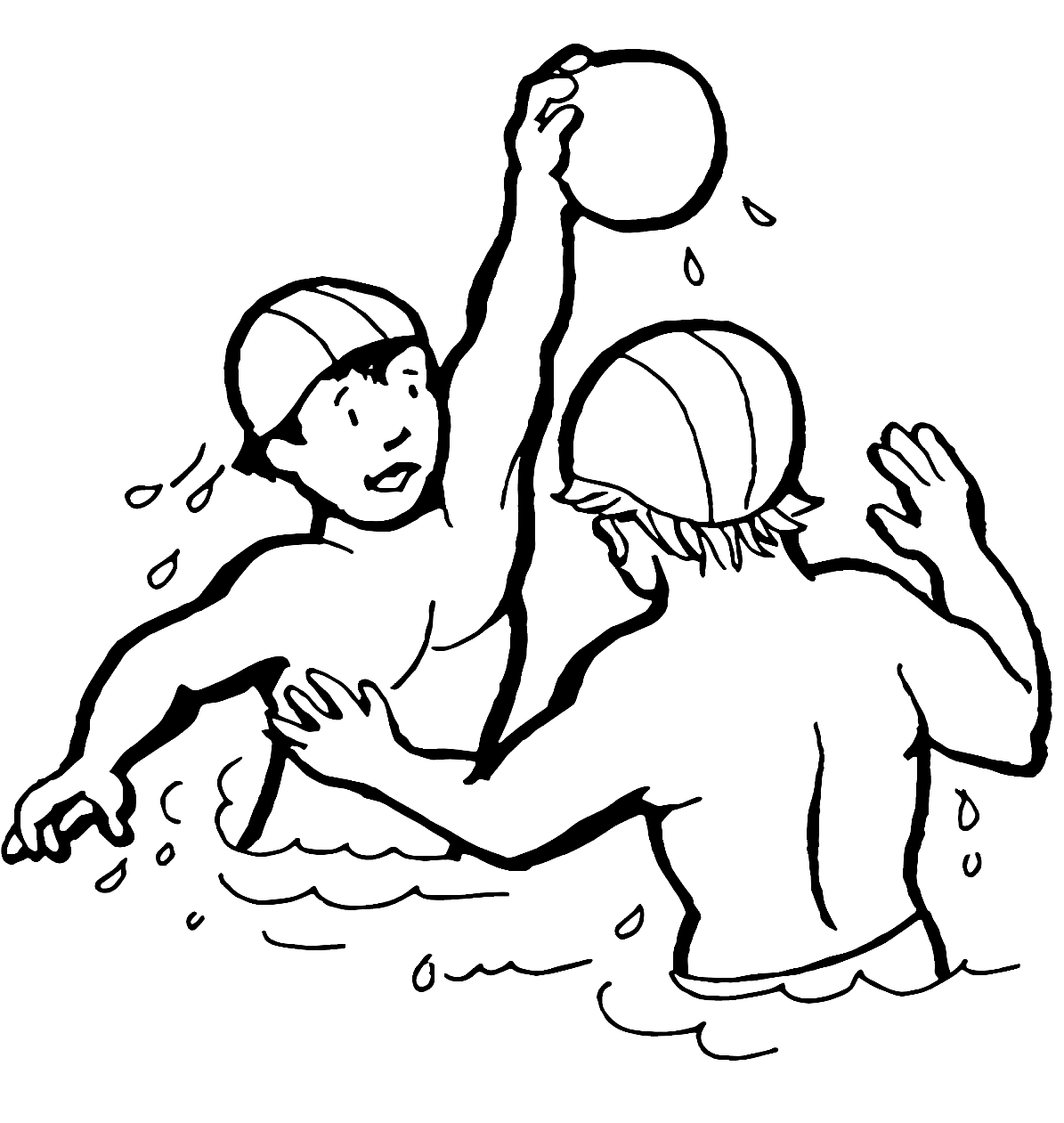
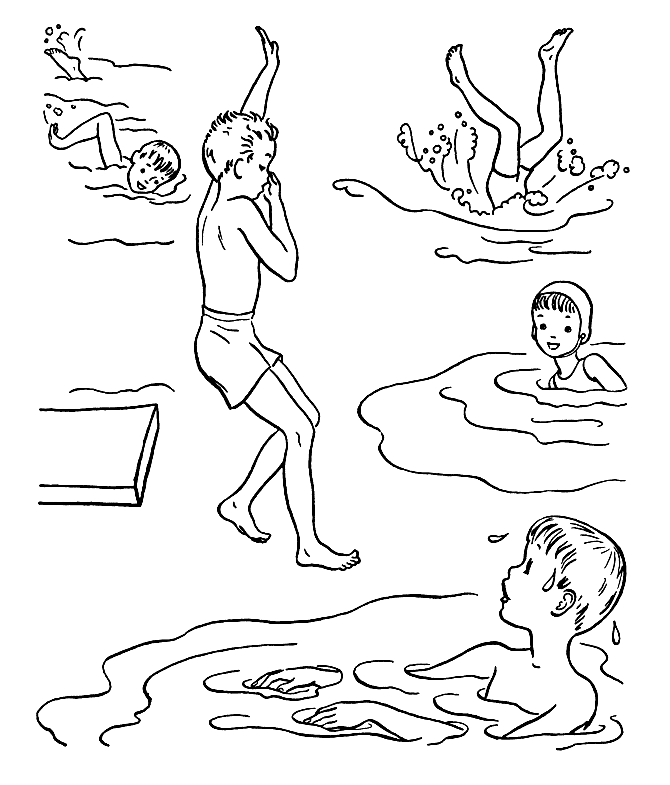
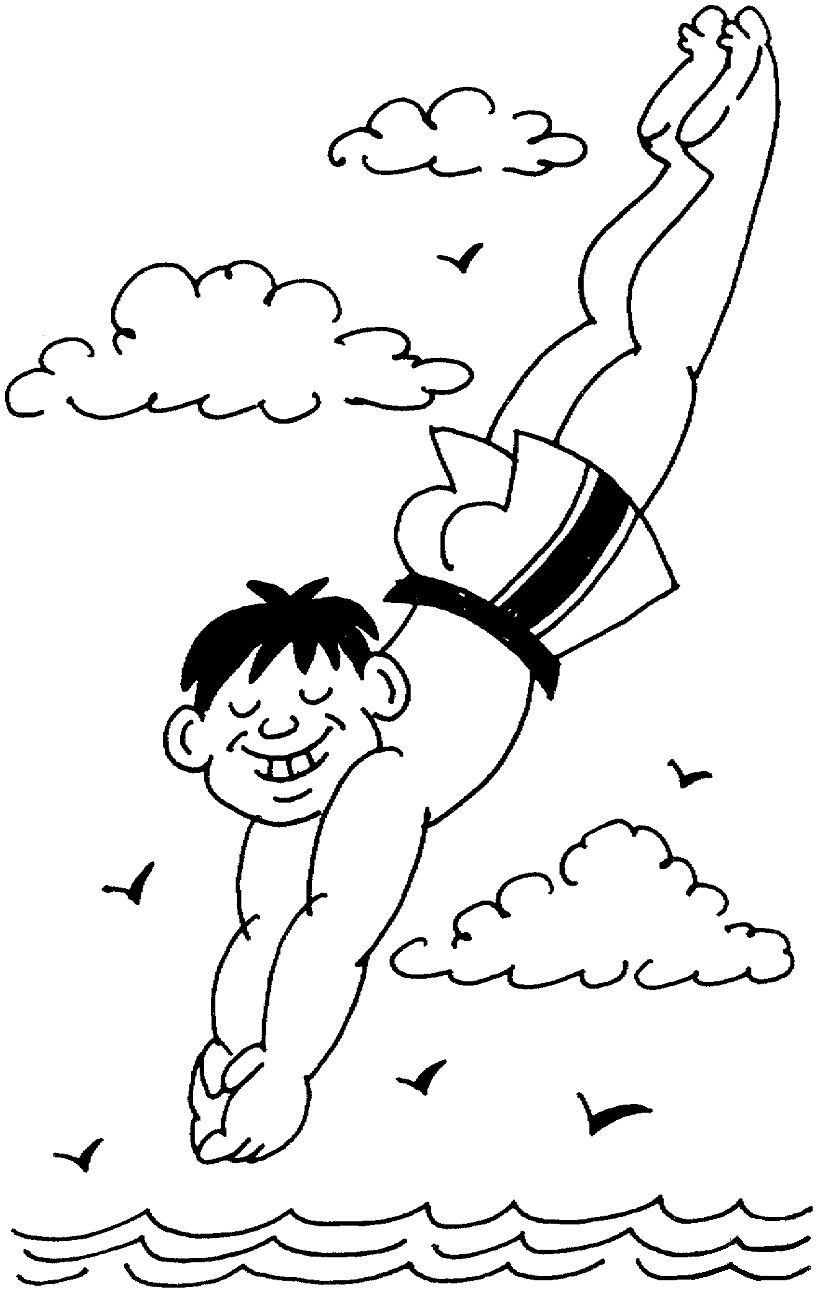
This group covers activities that happen fully immersed at the surface rather than gliding on top of it or diving beneath it: swimming, water polo, synchronized swimming, water volleyball, and a couple of diving-board scenes.
Equipment barely matters here, which is the opposite problem from the other two categories. A swim cap or a water polo ball is about as much gear as these pages need, since the body’s position in the water is what actually carries the page.
Character Crossovers
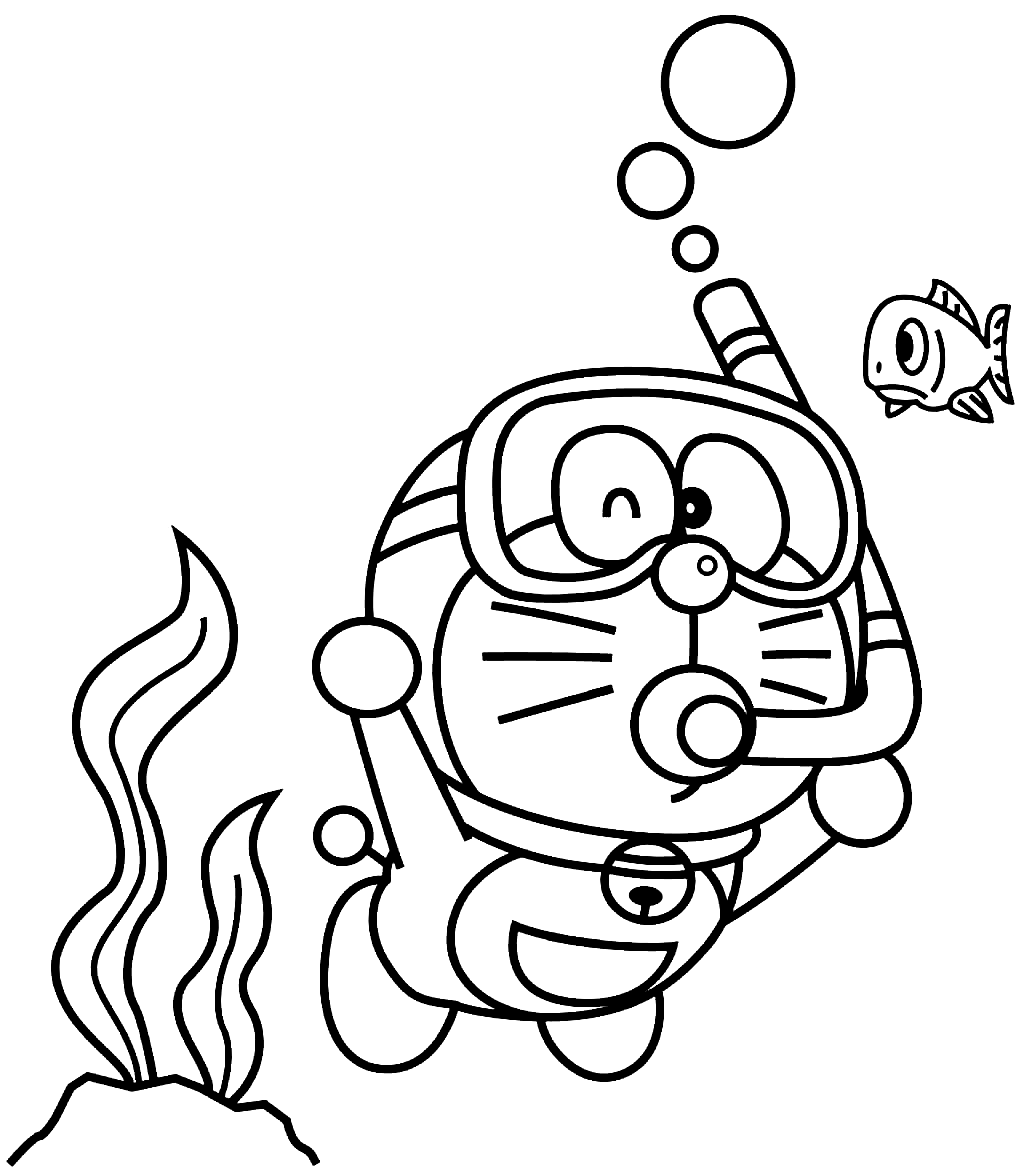
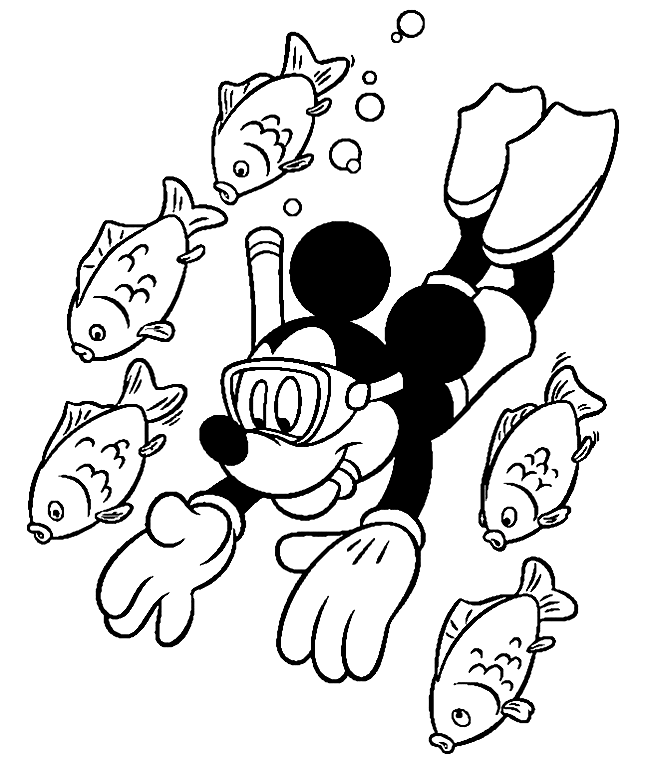
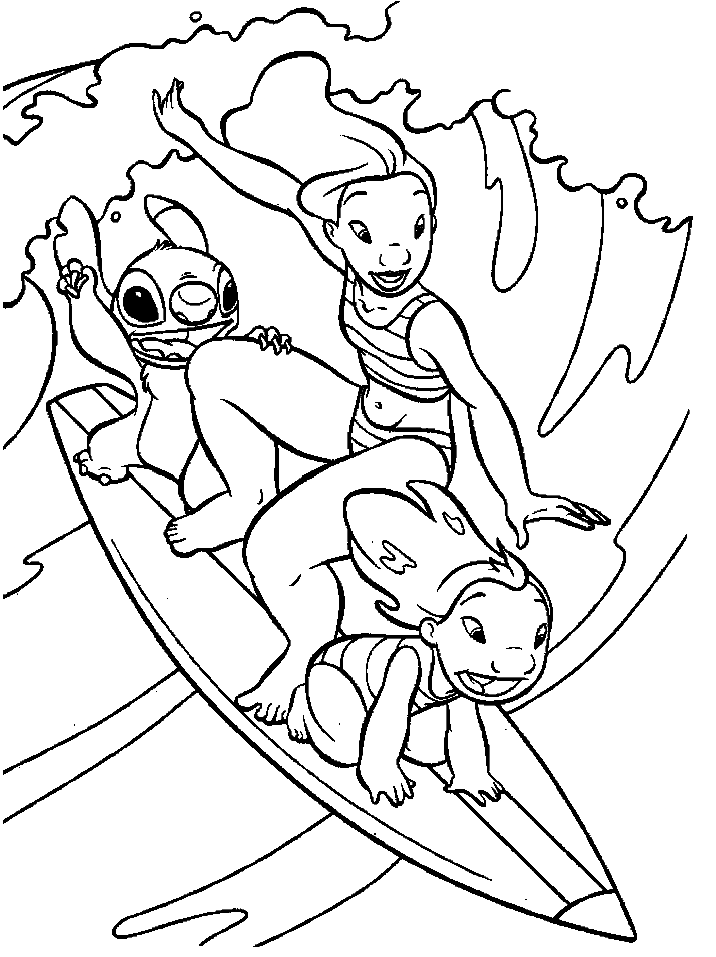
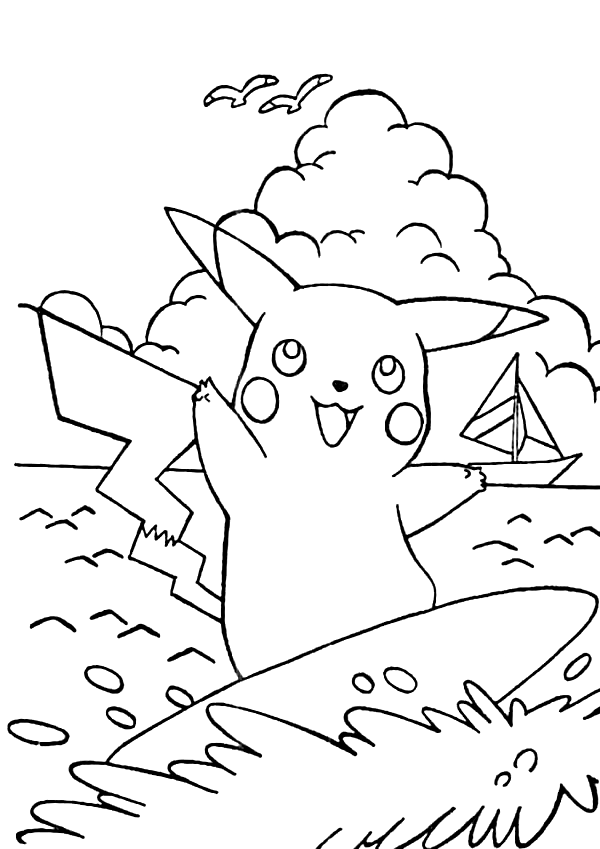
A small trio of pages puts familiar characters into the water for a lighter, more playful take on the theme, one diving, one surfing.
Keep each character’s usual colors intact and let the water and equipment carry whatever color suits the scene. These pages aren’t trying to fit into the surface, underwater, or in-water rules above.
What These Pages Do
The three-way split at the center of this set, surface, underwater, in-water, is a genuine way sports science actually organizes water-based activity, not just a convenient way to sort pages. A child who understands that scuba diving and water skiing belong to fundamentally different categories, even though both happen in a lake or ocean, has picked up a real piece of how these sports are actually classified.
Fine motor development gets three distinct workouts as a result. The American Academy of Pediatrics has pointed to structured coloring as a genuine contributor to fine motor development in children roughly between the ages of two and seven. This set’s three categories ask for three different kinds of attention: equipment-heavy linework for the surface sports, full-gear detail for the underwater page, and body-position awareness for the in-water scenes, where there’s barely any equipment to lean on at all.
There’s a specific calm tied to the underwater page that the rest of the set doesn’t really have. Art Therapy Practitioners have noted that imagery of weightlessness and suspension, the specific feeling scuba diving is often described as offering, can be read as calming differently than the more visibly exciting surface sports around it, jet skis and kiteboards built around speed and spray rather than stillness.
Real vocabulary comes with the territory, too. A child who knows that SCUBA actually stands for Self-Contained Underwater Breathing Apparatus, or that synchronized swimming was officially renamed artistic swimming in 2017, has picked up more than a generic “water sports” label would teach.
How to Color Water Sports Coloring Pages
Let the equipment carry the surface sports pages. A ski rope, a kayak paddle, or kite lines do more work than the water itself in selling exactly which surface sport a page is showing.
Surround the scuba diver in watercolor completely. Unlike the surface sports, this page should read as fully submerged, with a consistent blue or green tint across the whole scene rather than water confined to the bottom edge.
Keep in-water sports light on equipment, heavy on body position. A swim cap or a water polo ball is about all these pages need; the figure’s position in the water is what actually tells the story.
Let character crossovers ignore all three rules above. These pages are playful by design, so a character’s usual colors matter more than which water category they technically belong to.
5 Creative Craft Ideas with Water Sports Coloring Pages
Three Zones of the Water Board
Color one surface sport, the scuba diver, and one in-water sport, then arrange them together labeled “on the water,” “under the water,” and “in the water.” About twenty minutes for a genuinely accurate little reference board.
SCUBA Gear Study
Spend real time on just the scuba page, getting the mask, tank, regulator, and fins each colored with care: ten minutes, and a good one for a child who wants a smaller, more contained project.
Splash Comparison
Color a jet ski or water ski page next to the scuba diver and a swimming page, paying attention to how differently water gets drawn in each one: spray and wake, full submersion, waist-deep immersion. Fifteen minutes for a small study on how the same substance reads three different ways.
Character Crossover Corner
Color the diving and surfing character pages together and keep them visibly separate from the more realistic categories elsewhere in the display. Ten minutes, kept the light on purpose.
First Swim Achievement Card
Color one of the in-water or swimming pages, fold it into a card, and give it to a child marking a first swim lesson, a first time in open water, or any real water-based milestone—ten minutes, built around an actual first step.
FAQ About Water Sports Coloring Pages
Are these water sports coloring pages free, and can I color them online?
Yes. Every page is free, with no account, email, or payment required. Download the PDF to print at home, or open it in the online coloring tool to color on screen.
What age group are these water sports coloring pages best suited for?
The in-water and character crossover pages work well from age 3. The surface sports and the scuba diving page, with more equipment detail, suit ages 5 and up.
What’s the difference between this collection and the site’s dedicated Swimming, Surfing, Rowing, and Sailing pages?
Those four sports each have their own focused collection on this site. This Water Sports set covers the wider range of activities that don’t get a dedicated page of their own, jet skiing, water skiing, kayaking, canoeing, kiteboarding, scuba diving, and water polo, among them, so the collections are meant to be used alongside each other rather than as duplicates.
What are the three real categories of water sports?
Surface sports happen on top of the water, such as jet skiing, water skiing, kayaking, and surfing. Underwater sports happen beneath it, scuba diving being the clearest example. In-water sports happen fully immersed at the surface, such as swimming, water polo, and synchronized swimming.
What does SCUBA actually stand for?
Self-Contained Underwater Breathing Apparatus. It started as an acronym for the equipment itself before becoming the common name for the sport and activity built around it.
Is “synchronized swimming” still the correct name for the sport?
The sport was officially renamed artistic swimming by its international governing body in 2017, though synchronized swimming remains the more familiar name to many people and is still widely understood.
Are these pages based on a specific real athlete or brand?
No. The activities, equipment, and scenes are generic and inspired by these sports broadly, including their real classifications and terminology. Still, they are not licensed by or affiliated with any specific athlete, brand, or federation.
Can I use these pages for a swim school, summer camp, or classroom activity?
Yes. Swim schools use the in-water pages to introduce basic vocabulary, summer camps use the full set to preview the range of activities on offer, and teachers use the three-category framework for a simple science or classification lesson.
Start Coloring
Download any page by clicking the design. No account, email, or payment is required. Pages print directly from the browser at full resolution or open in the online coloring tool for screen use. Share finished pages on Facebook or Pinterest using the share buttons at the top of each design page.