Sports coloring pages at ColoringPagesOnly.com cover 2,940 pages across 44 sub-categories, the most comprehensive sports coloring collection on the site, spanning every major team sport, individual discipline, combat sport, water sport, winter sport, equestrian and motor sport, and the competitive spectacle of professional wrestling. The range here is genuinely global, from the world’s most-watched sports (soccer, basketball, American football, tennis) through the Olympic disciplines that define international athletic competition every four years, to the deeply regional sports with passionate followings in specific parts of the world (cricket, rugby, handball, field hockey), and the precision activities that blur the line between sport and art (gymnastics, archery, fencing). Every page in this collection is free to download as a PDF and print, or to color online directly in your browser.
The World’s Most Popular Ball Sports
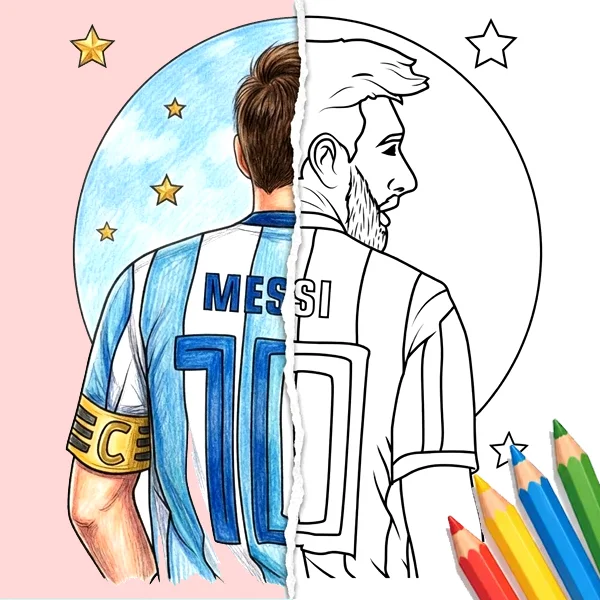
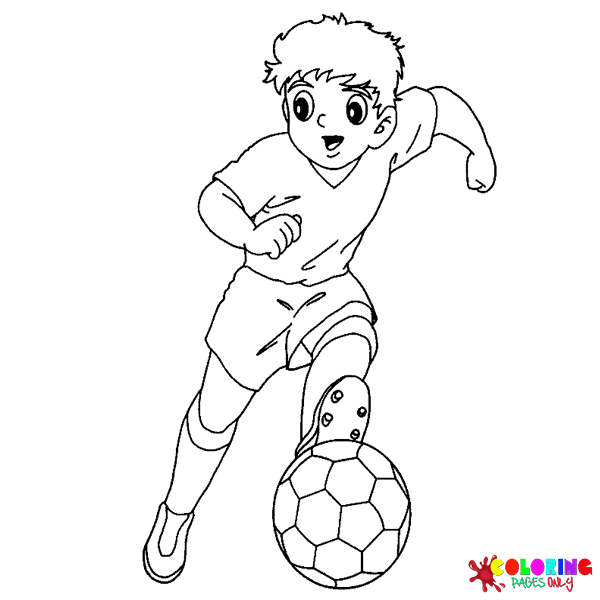
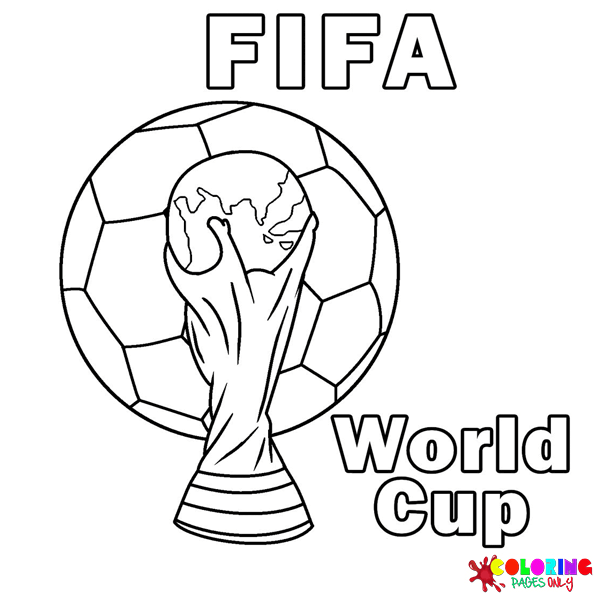
The largest and most globally recognized sports on earth all have dedicated sub-categories here, reflecting the scale of their worldwide fanbases. Soccer is the world’s most popular sport by every measure, participation, viewership, and cultural reach, and the largest individual sub-category in this collection, covering players in action, goalkeepers, the ball’s classic hexagonal panel pattern, and stadium atmosphere. The accompanying Famous Soccer Players sub-category covers individual player portraits featuring the sport’s most recognized athletes, and Leagues and Clubs covers the institutional dimension of professional soccer and other North American leagues, the club crests, the stadium scenes, and major league competitions. World Cup 2026 focuses specifically on the FIFA World Cup tournament, the most-watched single-sport event in the world.
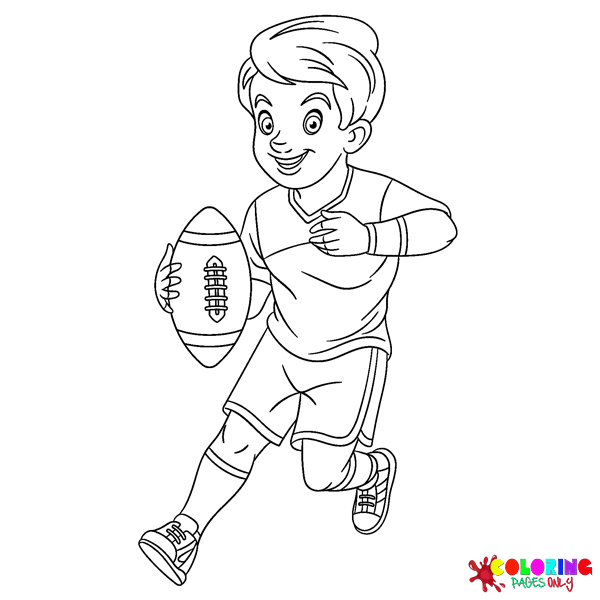
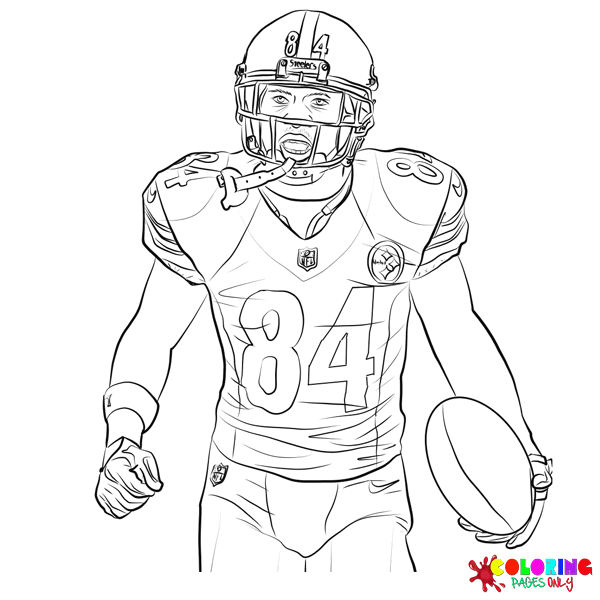
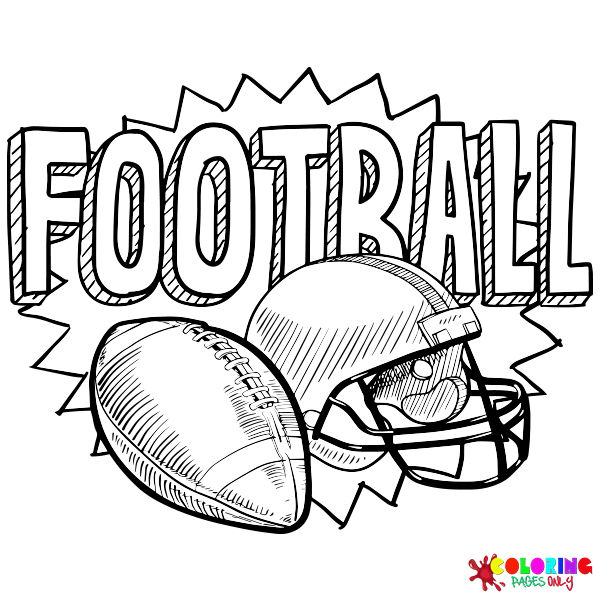
Basketball is one of the most visually dynamic sports for coloring illustration, the hang time above the rim, the arc of a three-point shot, and the orange of a basketball against the court’s warm hardwood floor. Football covers American football, the most-watched sport in the United States, capturing the full-equipment player in helmet and shoulder pads, the quarterback in throwing position, and touchdown celebrations. American Football Players extends this into dedicated player portraits, and Super Bowl covers the NFL championship game specifically, the most-watched single sporting event in the United States annually.
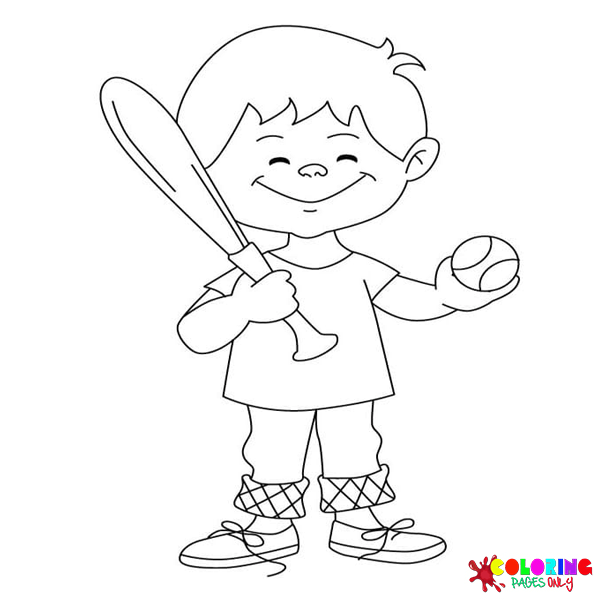
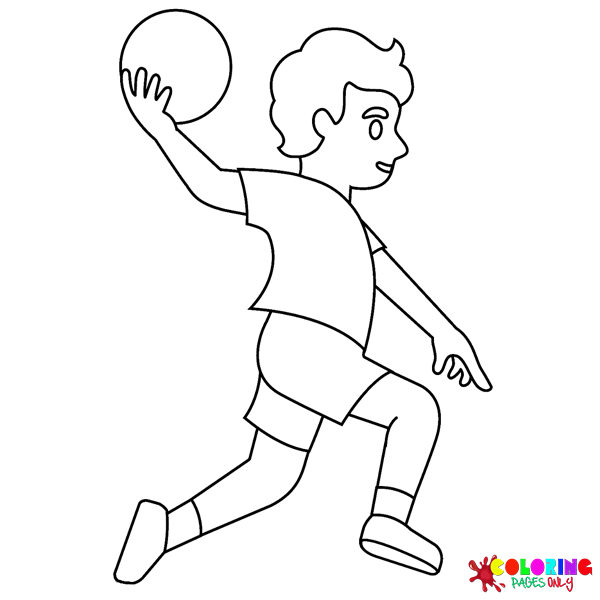
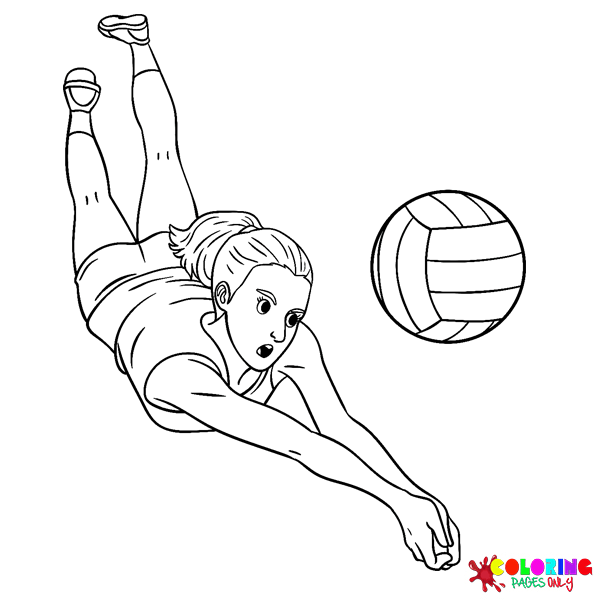
Baseball covers America’s historically foundational sport, the batter’s stance, the pitcher’s wind-up, and the summer afternoon atmosphere of a baseball game, while Softball covers the related bat-and-ball sport with its larger ball and underhand pitching. Volleyball covers both indoor court volleyball and beach volleyball, and Handball covers the fast-paced indoor team sport dominant in Europe with strong Olympic representation.
Racket Sports, Bat-and-Ball, and Individual Court Sports
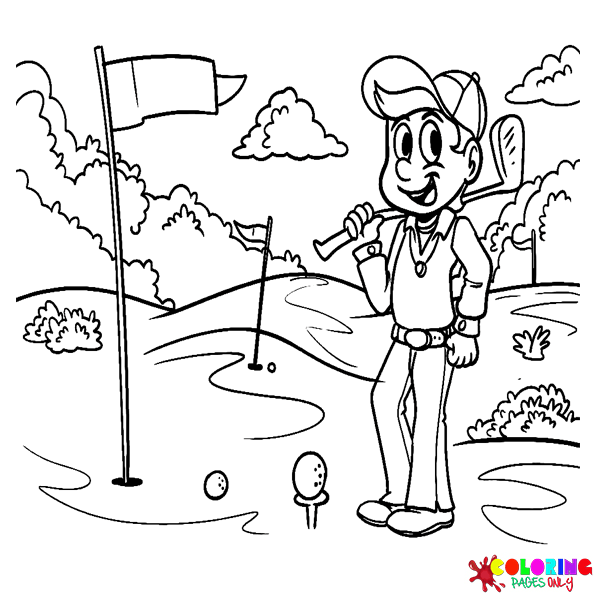
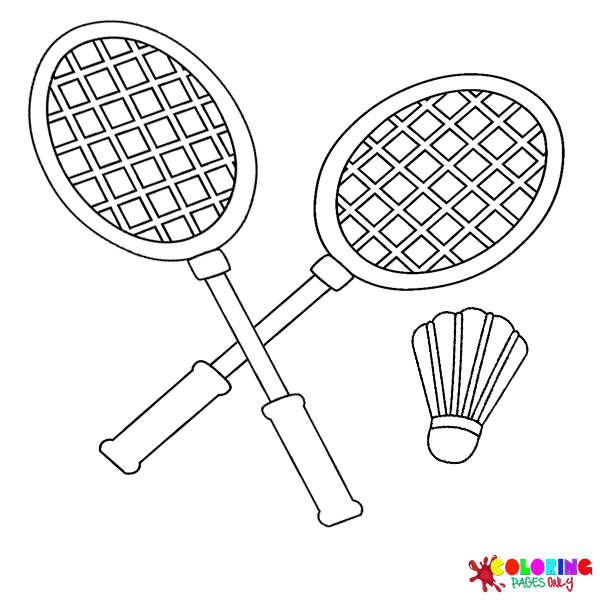
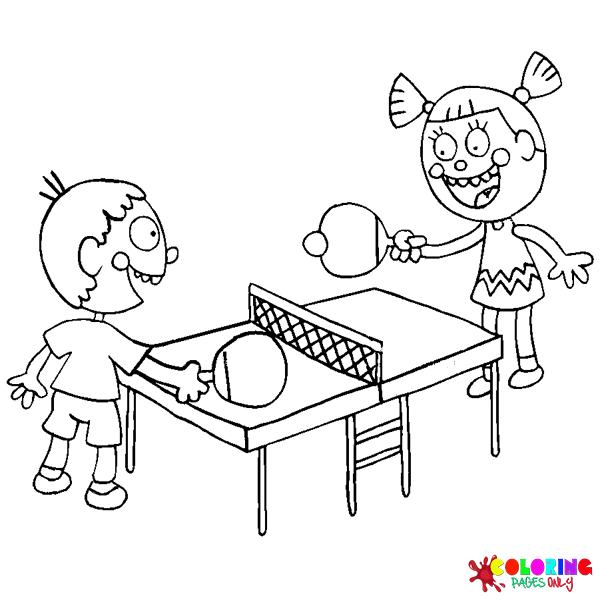
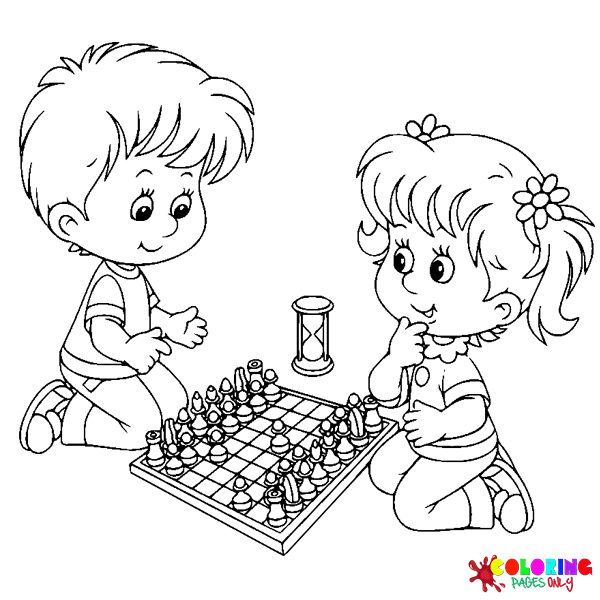
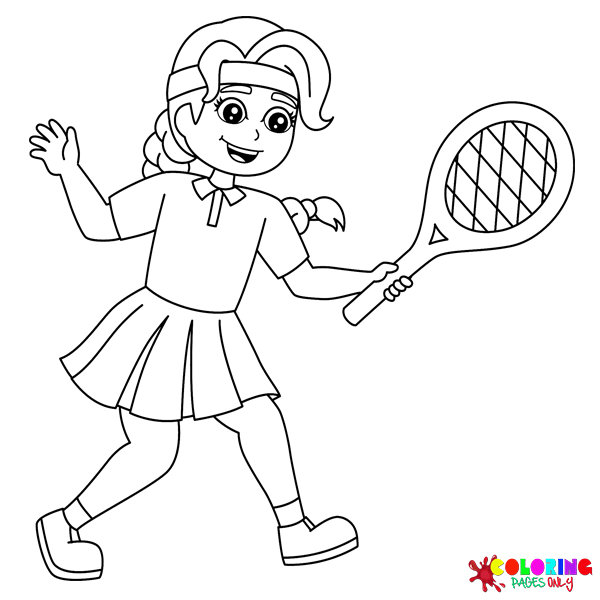
Tennis is the most globally prominent racket sport, with the service motion, forehand groundstroke, and clean court geometry making these pages compositionally clear. Badminton is the fastest racket sport in the world by shuttle speed, with enormous popularity across Asia, while Table Tennis covers the indoor paddle sport, combining speed with precise control. Golf covers a landscaped natural setting unlike any other in the collection, the swing, the putting stance, and the course’s specific green palette. Bowling covers the lane sport with its ten pins and colorful ball, and Chess covers the mind sport, recognized by the International Olympic Committee, with the board and pieces in their classical forms.
Athletics, Running, and Olympic Individual Sports
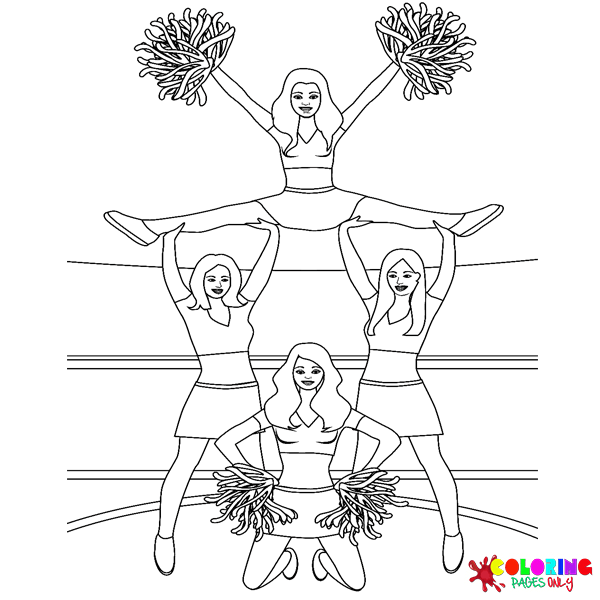
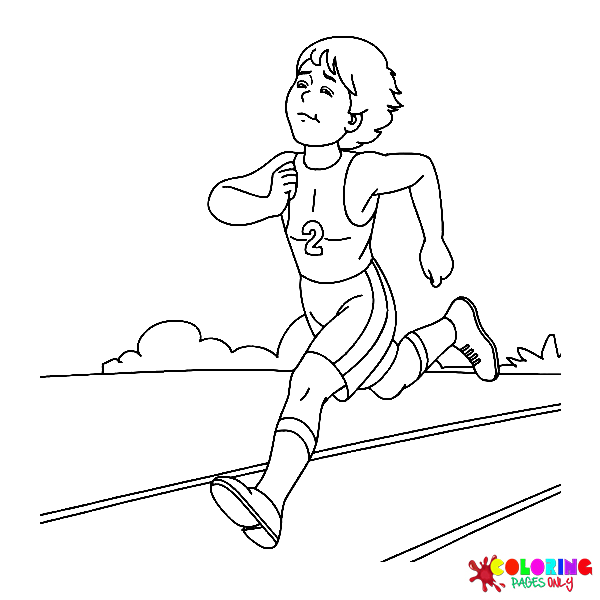
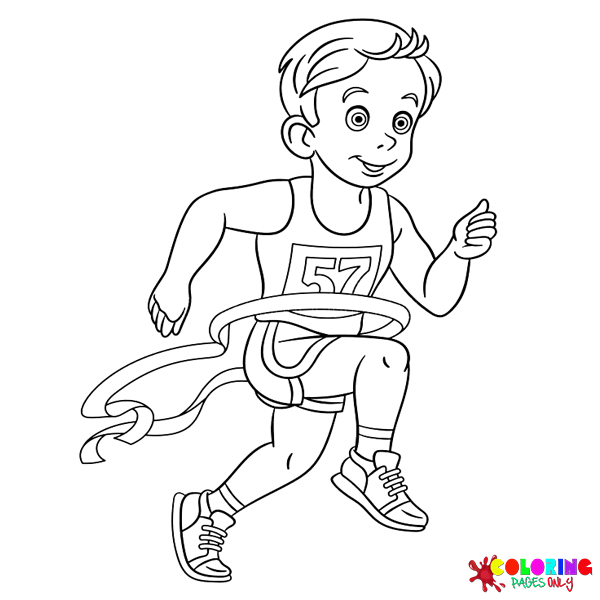
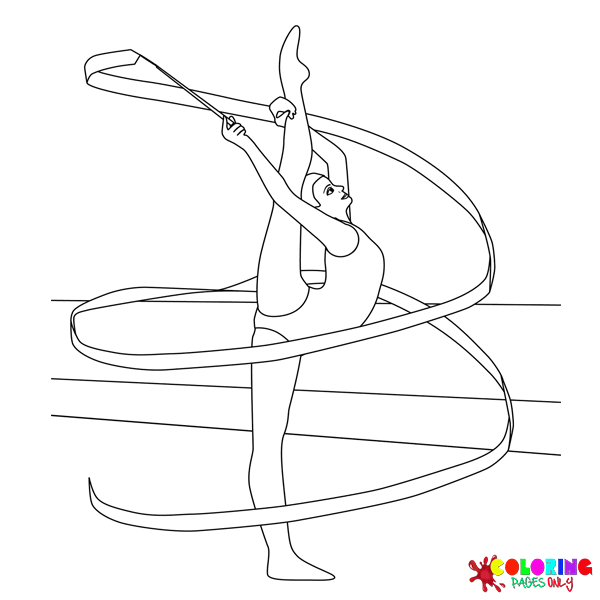
Athletics covers track and field as a complete discipline, including sprints, hurdles, relay races, and field events, such as long jump, pole vault, and javelin. Running covers road running, cross-country, and the marathon specifically, distinct from the multi-disciplinary world of track and field. Gymnastics produces some of the most visually complex athletic illustrations in the collection, such as the floor exercise, the balance beam, and the leotard as the primary coloring element. Cheerleading covers competitive cheerleading’s stunting and tumbling as well as sideline cheerleading traditions.
Combat and Strength Sports
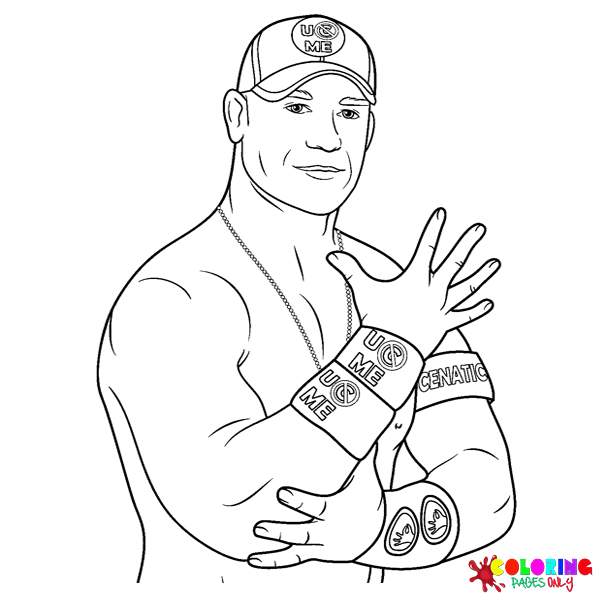
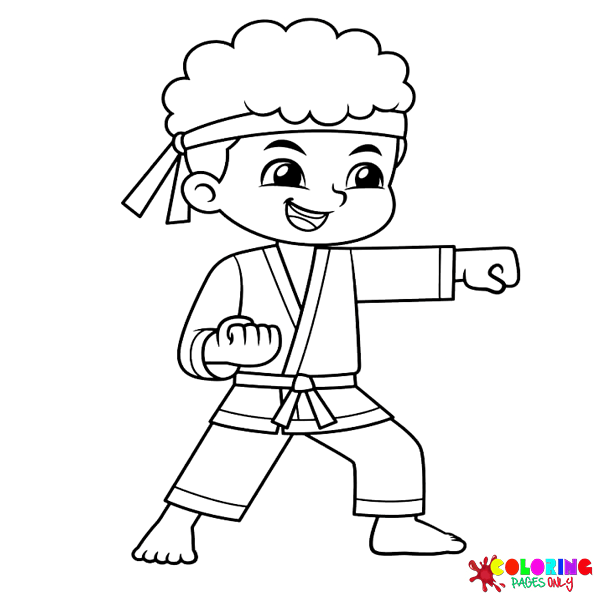
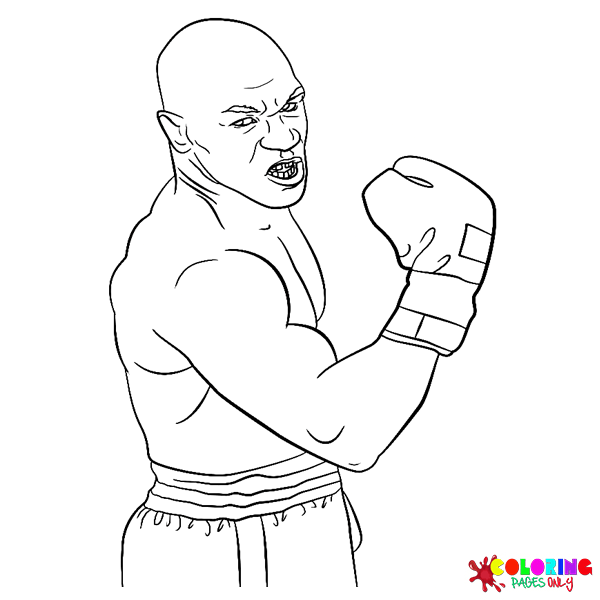
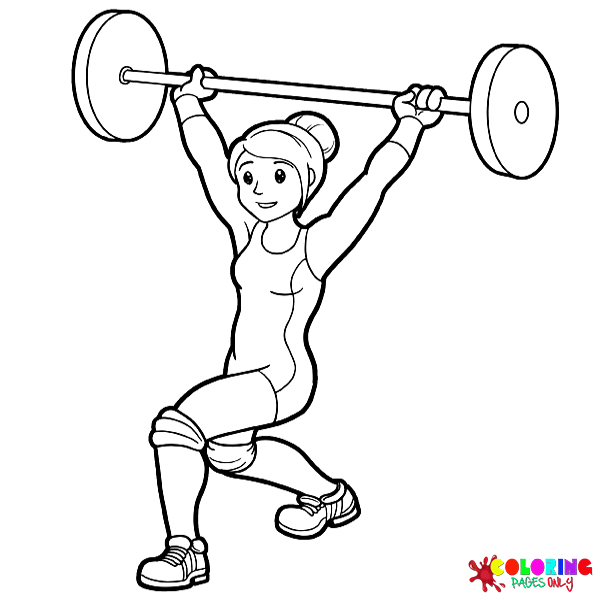
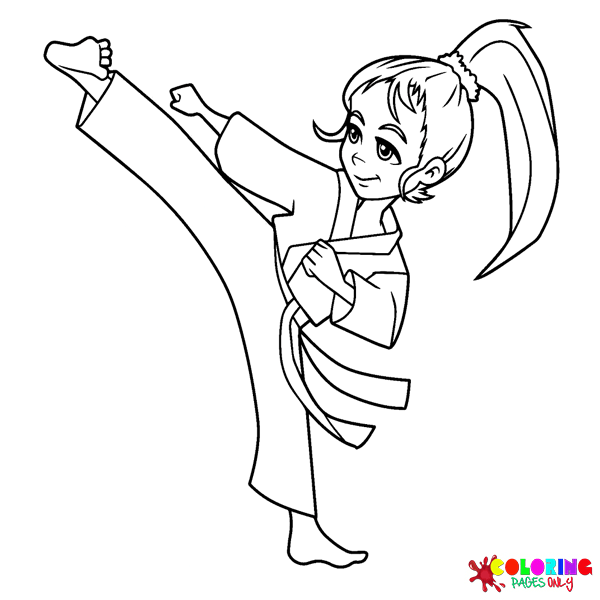
Boxing is one of the oldest competitive sports in human history, with the boxer’s guarded stance and gloved fists among the most recognizable sporting images in visual culture. Martial Arts covers the full breadth of the discipline, judo, taekwondo, wrestling, and striking arts, while Karate has its own dedicated sub-category reflecting its Olympic debut at Tokyo 2020, the kata, sparring, and the gi with its ranked belt colors. WWE covers professional wrestling entertainment, where the visual vocabulary is as much character design as athletic illustration, the ring entrance costume, the championship belt, and the arena spectacle. Weightlifting covers the Olympic snatch and clean-and-jerk, with the barbell’s standard plate color coding providing natural coloring guidance.
Water Sports and Winter Sports
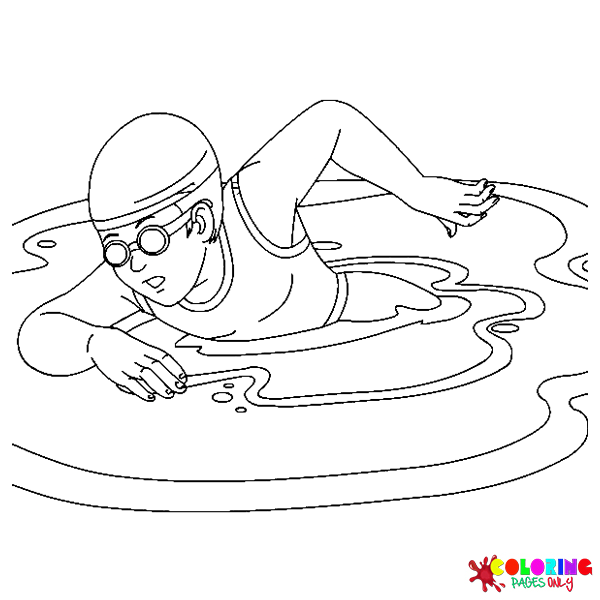
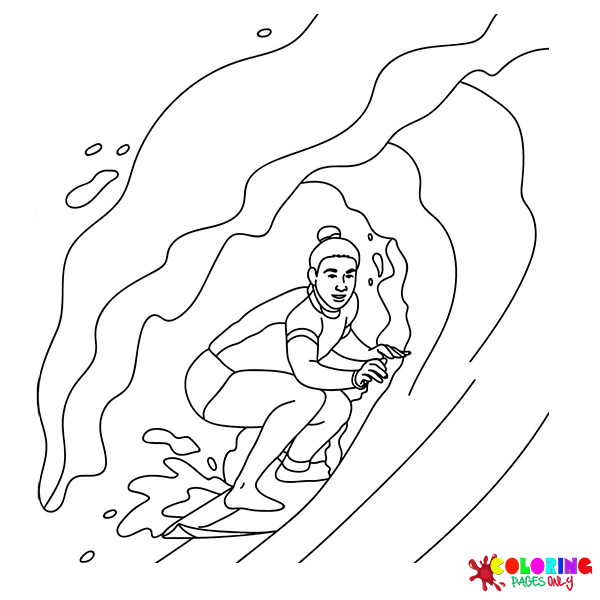
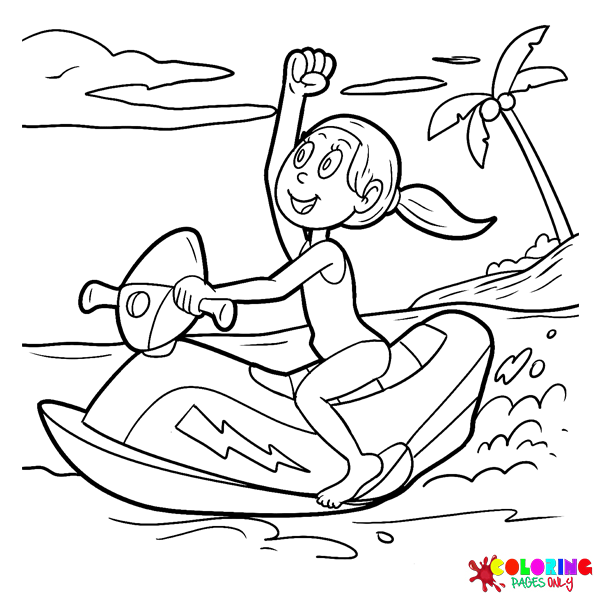
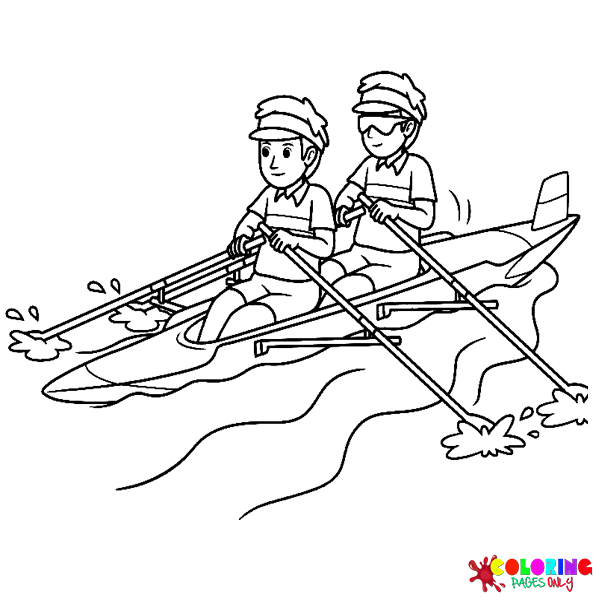
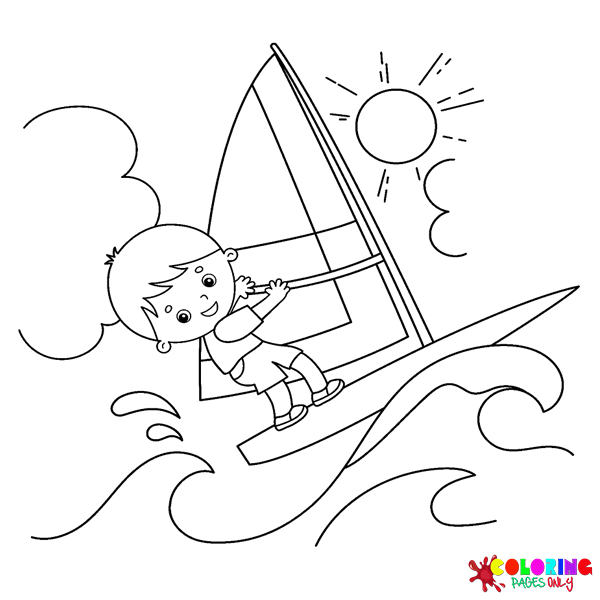
Water Sports covers the aquatic sports family broadly, a navigation point for the specific water disciplines below. Swimming covers competitive swimming’s four strokes, freestyle, backstroke, breaststroke, and butterfly, each producing distinct visual compositions. Surfing reflects the sport’s growing prominence through Olympic inclusion at Tokyo 2020 and Paris 2024, covering both competitive athletes and playful character-crossover pages. Rowing covers sculling and sweep rowing from the single scull to the eight-person crew, and Sailing covers wind-powered boat racing, billowing sails, and open-water settings.
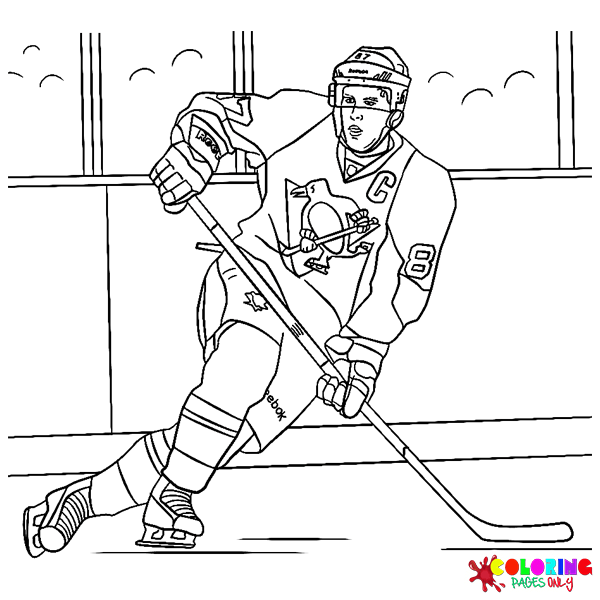
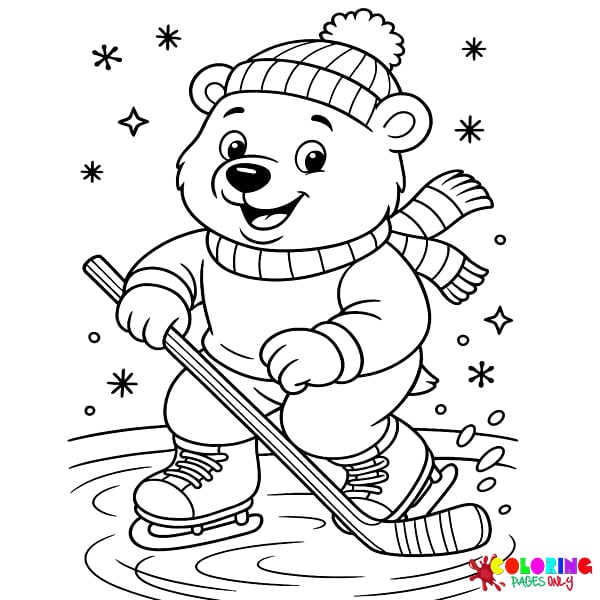
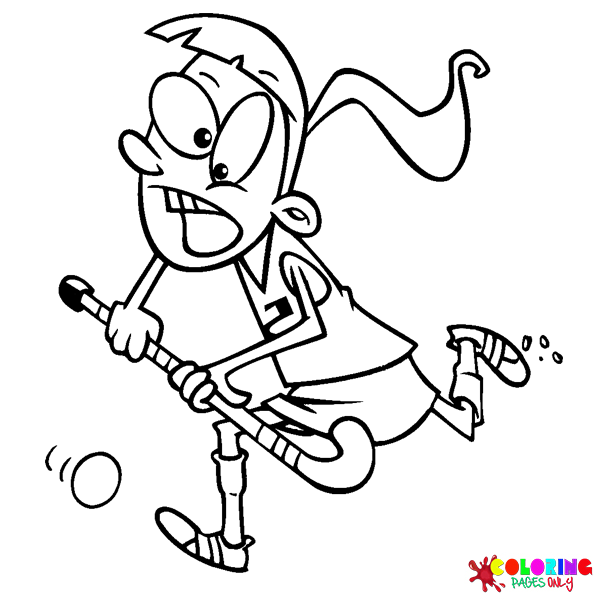
Winter Sports covers the full range of snow and ice disciplines, alpine skiing, snowboarding, speed skating, and bobsled, with a palette dominated by white against vivid racing-suit color. Hockey covers ice hockey specifically, the full-equipment player, the stick and puck, and the ice surface, while Field Hockey covers the grass and turf version dominant in South Asia, the Netherlands, and parts of Europe.
Olympic and Precision Sports
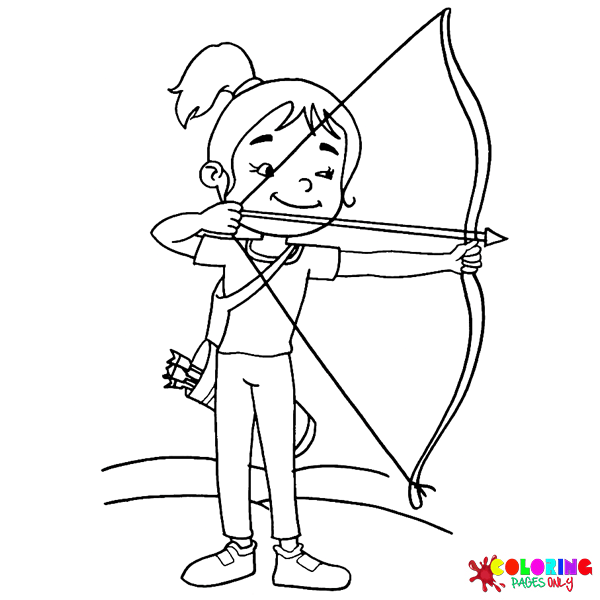
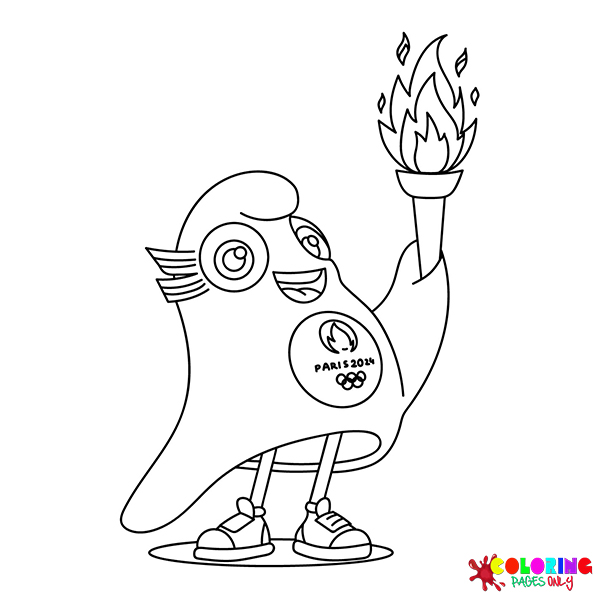
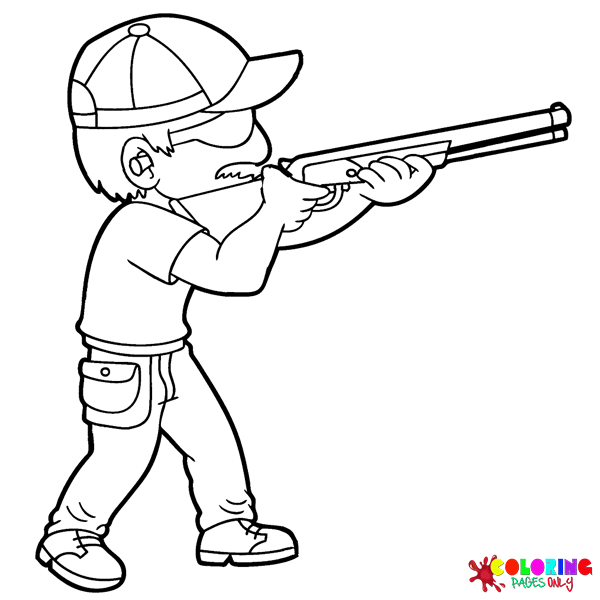
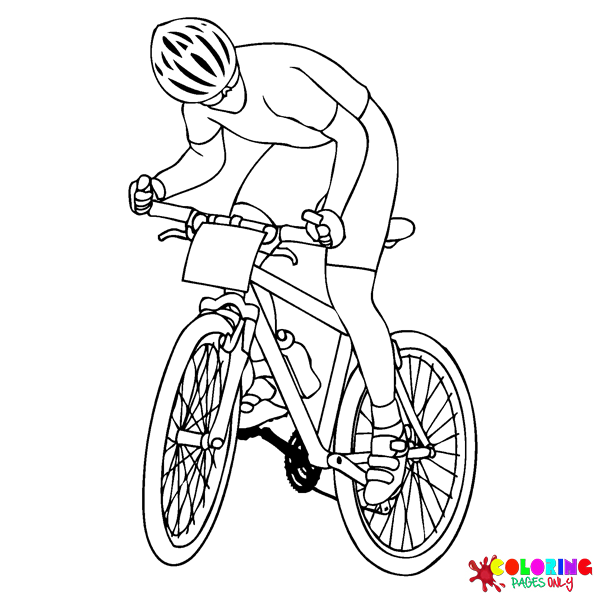
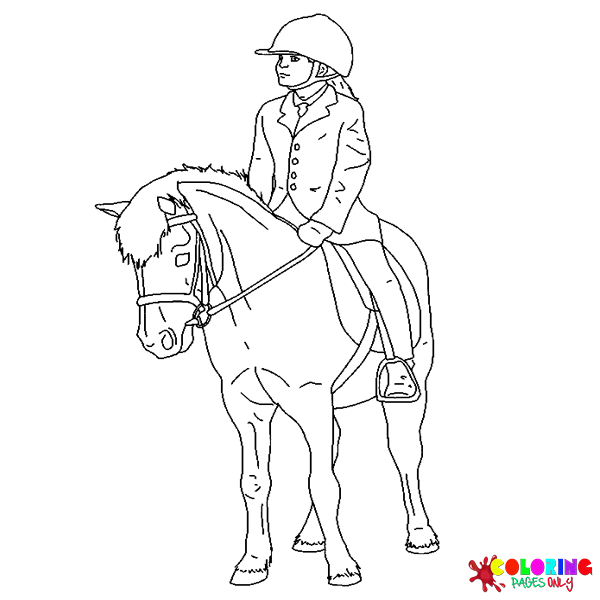
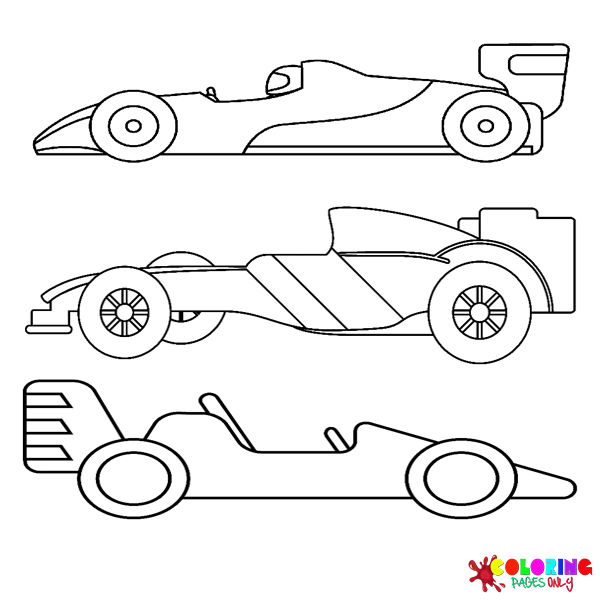
Olympics covers the Summer Games specifically, the athletes, venues, and defining moments of recent Games. Archery covers one of humanity’s oldest competitive skills, the draw position and the archery target’s naturally color-coded concentric rings, while Shooting Sports covers rifle, pistol, and shotgun events. Equestrian Sports covers the three Olympic disciplines, dressage, show jumping, and eventing, requiring both horse and rider to be rendered accurately. Cycling covers road racing’s Grand Tours, track cycling, mountain biking, and BMX, with the peloton’s shifting pattern of team-colored jerseys among the most visually spectacular images in sports illustration. Autosport covers Formula 1, NASCAR, IndyCar, and rally racing, where a car’s livery is among the most elaborately designed objects in any competitive sport.
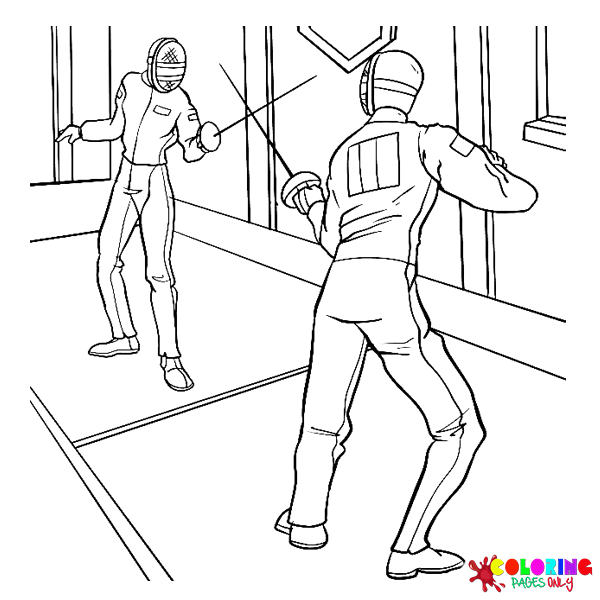
Rugby covers rugby union and league, the dominant team sports across England, New Zealand, South Africa, and several other nations, capturing the lineout, the scrum, and open-field running. Cricket Game covers the bat-and-ball sport that is the second most-watched sport in the world by global viewership, dominant across South Asia, with a visual vocabulary entirely distinctive from any other ball sport. Fencing covers the sword sport that has been part of the Olympic program since the first modern Games in 1896, the en garde stance and the lunge producing compositions unlike any other sport.
How to Color Sports Pages Well
- Football: Use Burnt Sienna or Raw Sienna for the leather ball, with darker brown shading along the edges for a three-dimensional form. For NFL jersey pages, reference official team colors: Silver and Royal Blue for the Dallas Cowboys, Dark Green and Gold for the Green Bay Packers.
- Basketball: standard NBA orange matches Crayola “Orange” or Prismacolor “Pumpkin Orange.” Add thin black seam lines with a fine-tip marker after the base color for cleaner results than coloring around pencil lines. The hardwood court works well in Yellow Ochre with a touch of Orange.
- Soccer: classic ball panels alternate black and white hexagons, use light grey shading inside the white panels rather than leaving them flat for depth. Stadium grass works best in two alternating green values applied in stripes.
- Swimming: pool water works in Cerulean Blue for the mid-pool area, shifting to Ultramarine Blue at the edges and beneath the swimmer to suggest depth. Lane rope floats are typically alternating red and white or blue and white.
- Gymnastics: leotard designs respond well to burnishing, building color in light layers, and pressing firmly with a colorless blender pencil for a fabric-like finish. Keep the apparatus in neutral pale grey or beige so the gymnast stays the visual focus.
- Combat sports (Boxing, Karate, WWE): boxing gloves in red or blue look most realistic, shaded from lighter at the top of the curve to deeper toward the bottom. Karate gi in plain white benefits from a cool grey shadow rather than flat white. WWE pages call for fully saturated, high-contrast color to support their theatrical visual style.
What These Pages Do
The American Academy of Pediatrics identifies fine motor skill development as a core benefit of structured coloring for children ages 2 through 7. Coloring intricate jerseys and dynamic action poses builds fine motor skills and hand-eye coordination for preschool and elementary students, while children who color a basketball court diagram or a soccer field layout often develop greater comprehension of basic game structure before playing.
A 2005 study in the Art Therapy Journal documented measurable reductions in stress markers following focused coloring sessions in adults. Sports-themed designs work particularly well for adult colorists who follow specific teams, combining the relaxation benefit of structured coloring with a personal connection to the subject, and detailed stadium or equipment cross-section pages provide the complexity that rewards sustained adult attention.
5 Creative Craft Ideas With Sports Coloring Pages
1. Team Jersey Design. Print a blank jersey outline from the Football or Basketball section. Color it in chosen team colors, add a player number, and draw a logo in the chest area, then laminate for a personal keepsake or party prop.
2. Sports Scoreboard Sheet. Print a basketball or football scoreboard page and complete it with a real or invented game score, using bold marker pens for the numbers, for a classroom display that combines sports interest with number recognition.
3. Olympic Nations Flag Set. Print the Olympics page alongside individual flag coloring pages for five to ten countries, color each accurately, and display the finished flags as a linked banner for a unit on world geography or the Olympics.
4. Sports Equipment Collage. Print equipment pages from multiple sports, a football, a basketball, a tennis racket, a hockey stick, and a baseball glove, color each, cut them out, and arrange them on poster board into a single sports collage.
5. Player Trading Card. Print a full-body sports player page, color it, trim to standard trading card dimensions, and attach to a backing card with a hand-written player name, position, and team for a durable, collectible set.
Frequently Asked Questions
What sports are covered in the collection?
The collection spans 44 sub-categories, including American football, basketball, baseball, and hockey, global sports like soccer, tennis, cricket, and rugby, combat sports like boxing, karate, and wrestling, water and winter sports like swimming, surfing, and sailing, and athletics like gymnastics, cycling, and equestrian sports. The Olympics and World Cup are covered as multi-sport event collections.
Do you have NFL team-specific coloring pages?
The football collection includes generic player designs, position-specific poses, and equipment pages. Specific NFL team intellectual property, official logos, trademarked helmet designs, and licensed uniforms fall under league licensing restrictions that prevent reproduction without a commercial agreement, so the collection focuses on player action poses, equipment diagrams, and Super Bowl event pages that work across team affiliations.
What age group are sports coloring pages for?
The collection covers all ages. Simple pages with large, bold outlines of balls, helmets, or single-player figures suit children ages 3 and up. Action scenes with multiple players and equipment detail suit ages 8 and above, and detailed equipment cross-sections and mandala-style athlete designs suit teens and adults.
Can teachers use these pages in PE or health classes?
Yes. Physical education and health teachers use sports coloring pages to introduce a new sport before or after a unit, as a structured cool-down activity, or as a visual component of a sports history or rules lesson. No account or sign-up is required to download any page.
Which sub-collection gets the most traffic?
WWE, Rugby, and Famous Soccer Players are among the strongest-performing sub-collections in this hub.
Are these pages suitable for sports birthday parties or events?
Yes. Sports coloring pages work well as party table activities or quiet-time activities between organized games, and equipment pages, helmets, balls, and bats also serve as activity stations at sports-themed events for mixed age groups.
Is coloring effective for adults who follow sports?
Yes. Sports-themed designs work particularly well for adult colorists who follow specific teams, and detailed stadium pages or equipment cross-sections provide the level of complexity that rewards sustained adult attention.
How often are new sports coloring pages added?
New pages are added regularly, timed to major sporting events, Super Bowl season in January and February, March Madness, MLB Opening Day, the Summer and Winter Olympics every four years, the World Cup every four years, and the start of the NFL season in September.
Start Coloring
Choose a sport above to browse that collection, or open any page to download it as a free PDF or color it online in the browser. No account, email, or payment is required. Share finished pages on Facebook or Pinterest with the share buttons on each page.
More Sports Coloring Pages
Jump straight to a specific collection: