
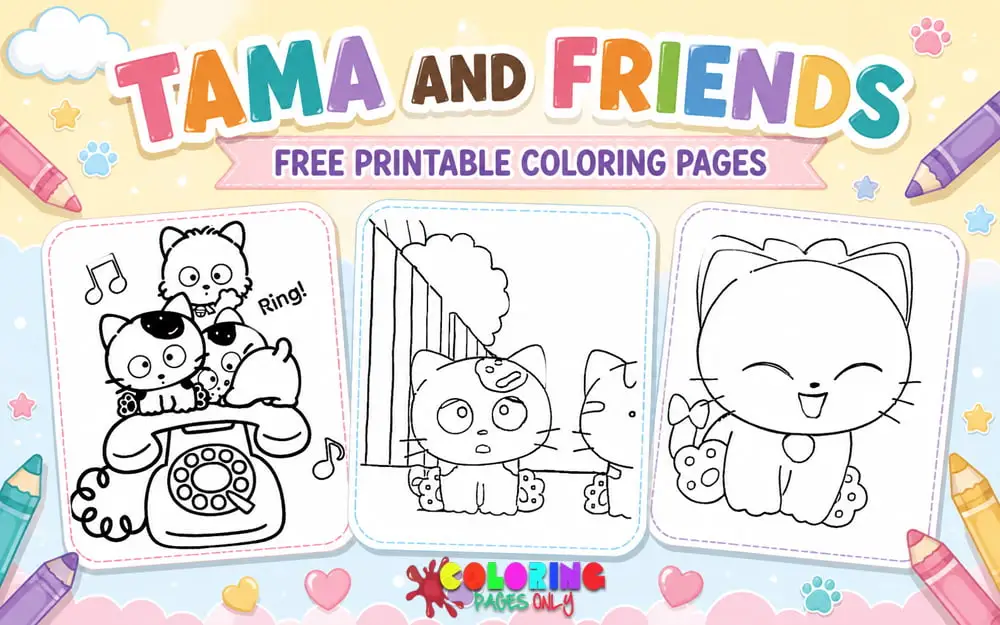
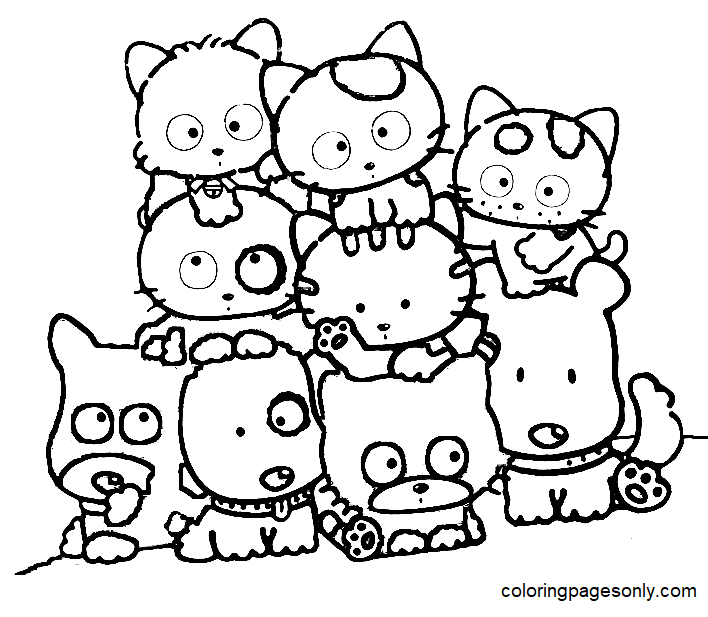
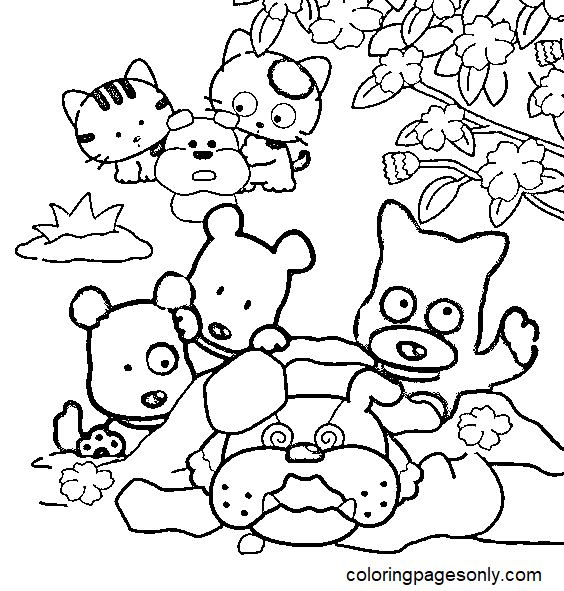
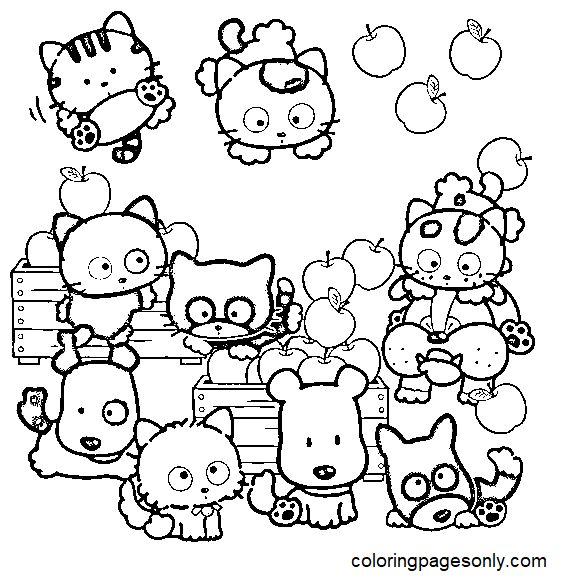
Free Tama and Friends Coloring Pages: 24 printable PDF designs of the playful pets of Third Street, starring the adventurous cat Tama in solo and cute portraits, his sweet friend Momo, the youngest kitten Koma, the gentle dog Pochi, the daredevil Tora, the laid-back dog Gon, and the bulldog Bull, who loves to boss the group around. Group pages pair Tama with Momo, Koma, Tora, and Gon, and several printable cast sheets show the whole neighborhood gang together. Every sheet comes as a free PDF and can be colored online, too.
Tama and Friends began in 1983 as a character brand from Sony Creative Products in Japan, built around a group of cats and dogs living on a quiet street called Third Street, or San-chōme. Group TAC animated the first video series from 1988 to 1990 and a 29-episode TV series in 1993 titled Uchi no Tama Shirimasen ka?, which translates to “Have you seen my Tama?” Later versions followed in 2006 and 2016, and in 2020, the studio MAPPA released Uchitama?!, a spin-off that reimagined the pets as humans. An English dub by 4Kids Entertainment introduced the series to American viewers in 2001.
The characters are drawn with round heads, tiny bodies, and simple facial features, so these pages are a great fit for young children. Solo portraits of Tama, Momo, Koma, Pochi, and Bull have just a few large shapes, while group pages with three or more pets give older kids the chance to give each character a distinct color scheme.
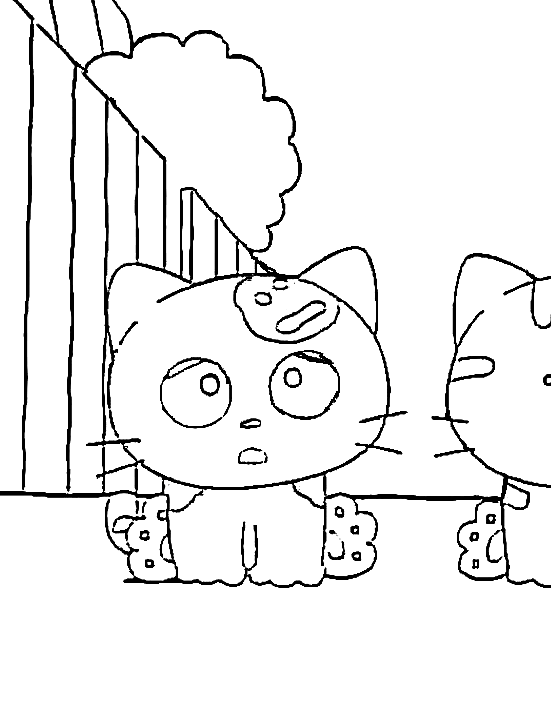
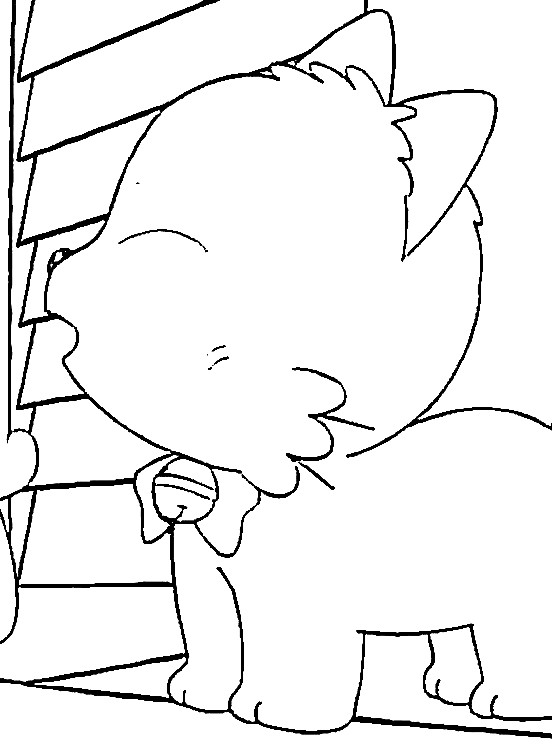
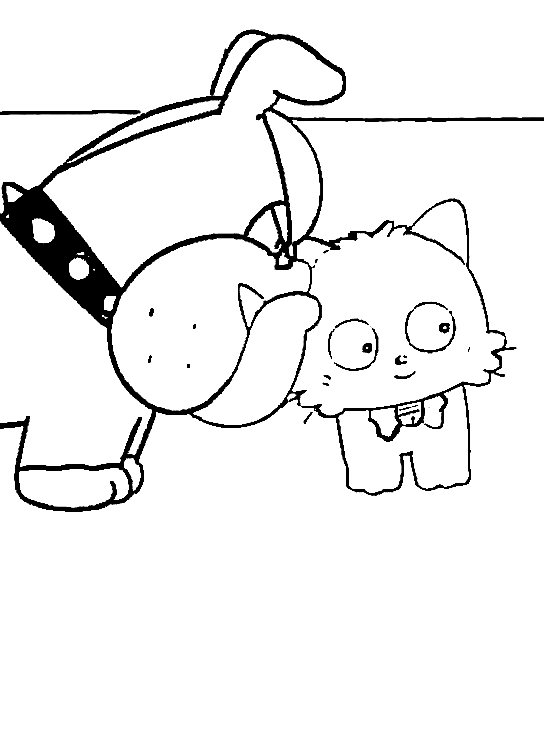
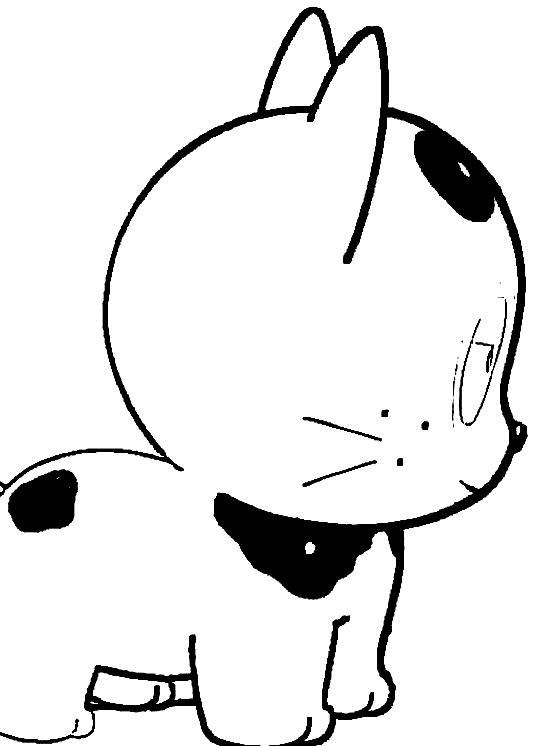
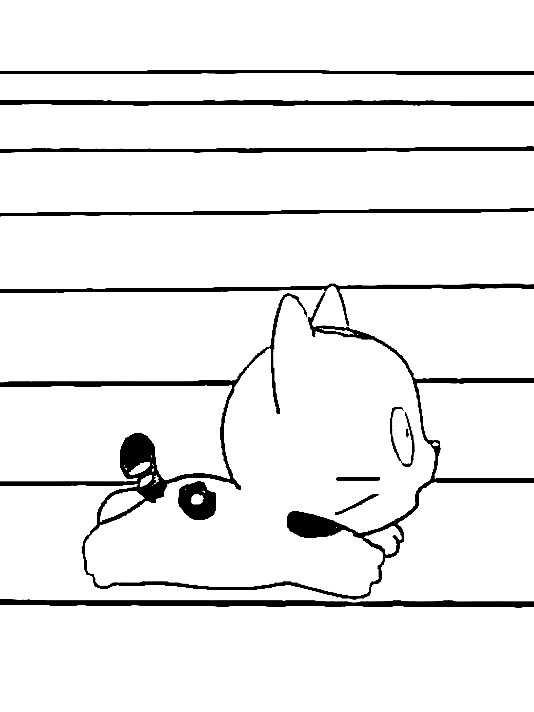
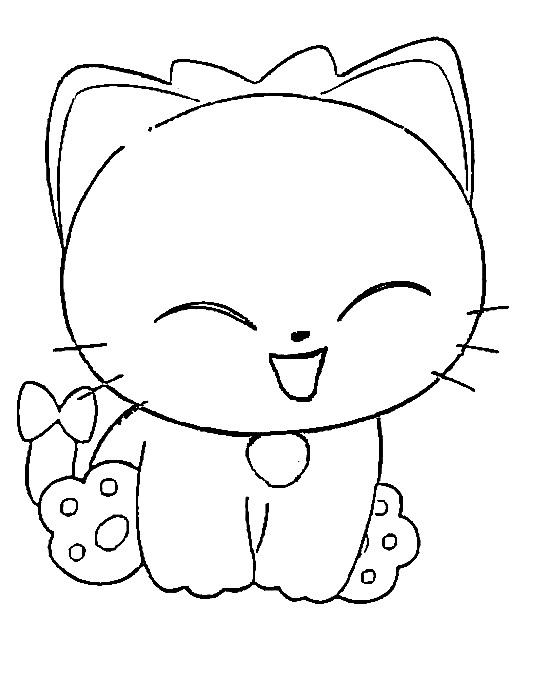
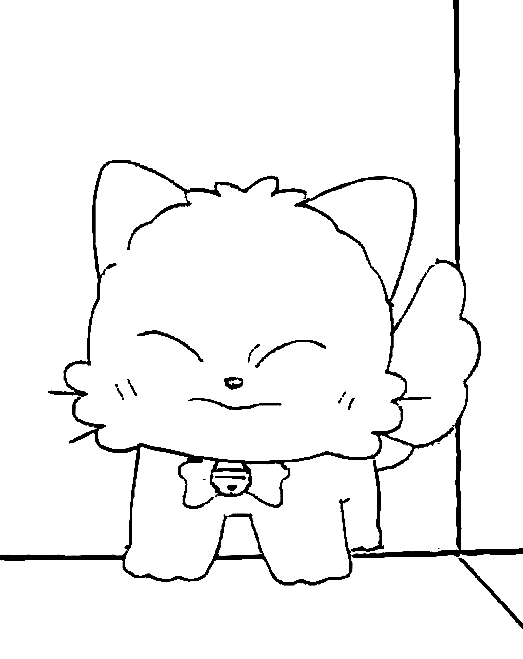
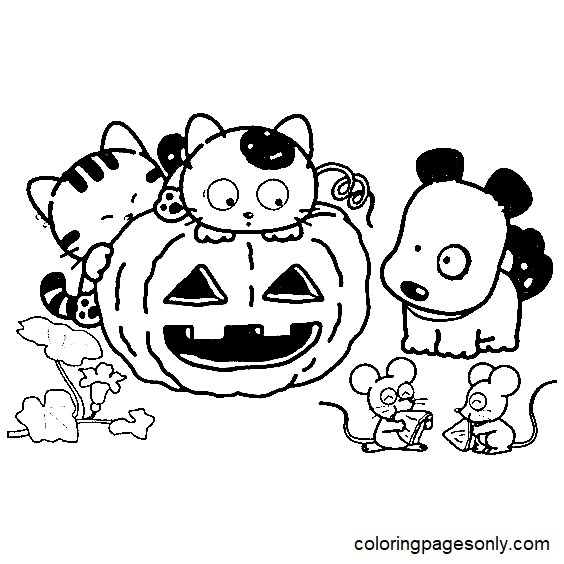
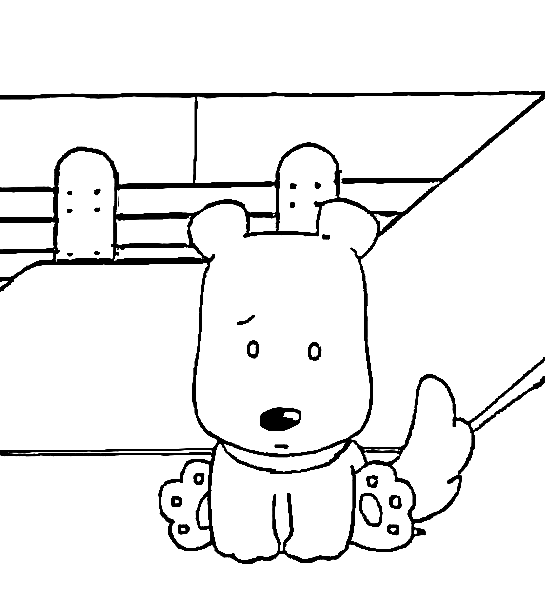
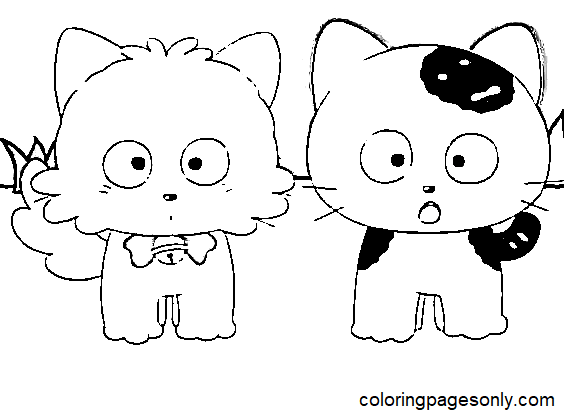
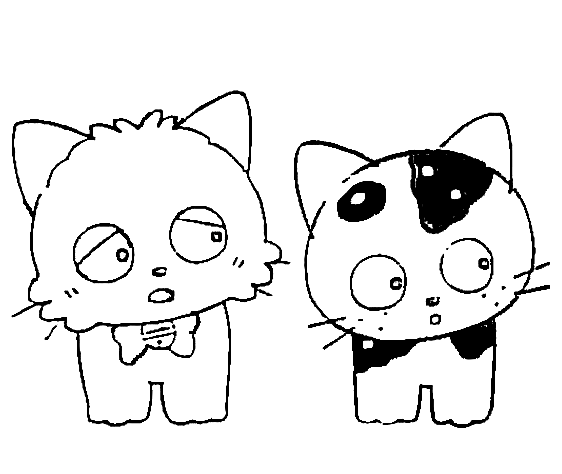

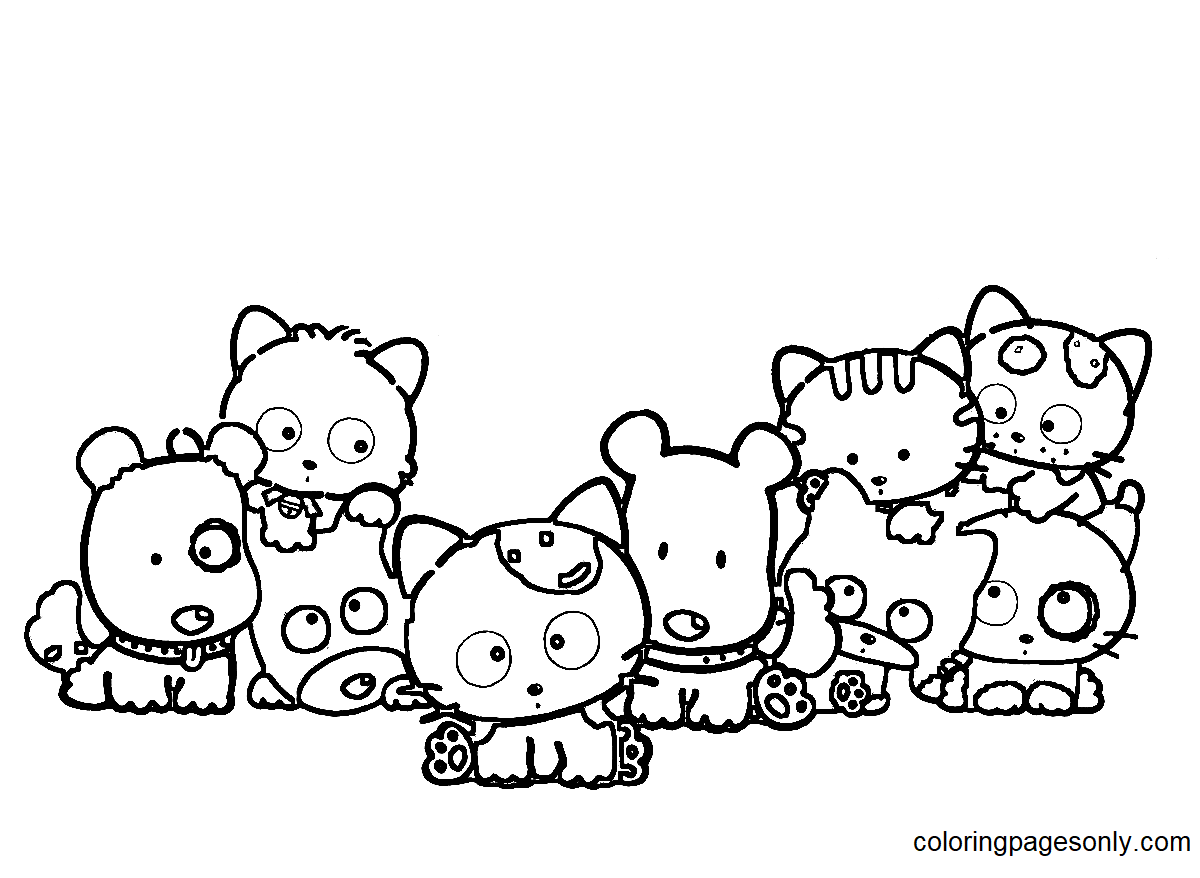
What’s Inside This Collection
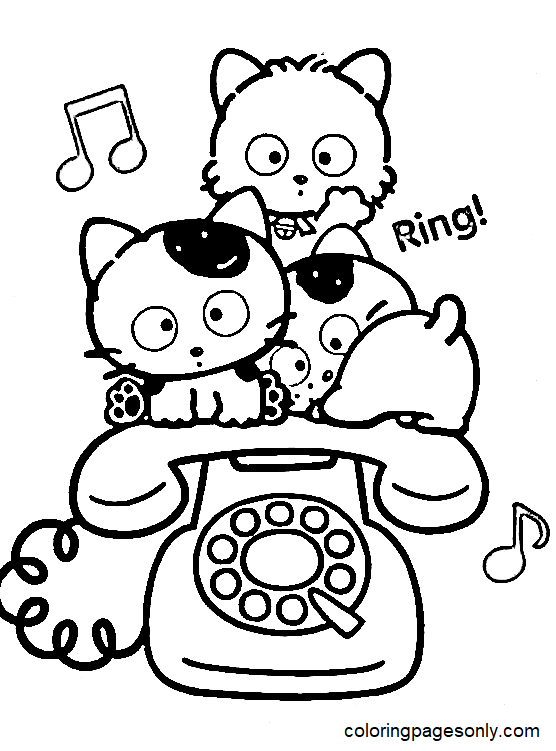
Tama and Momo lead the 24 designs, with Koma, Pochi, Bull, Tora, Gon, and full cast pages completing the neighborhood.
Tama
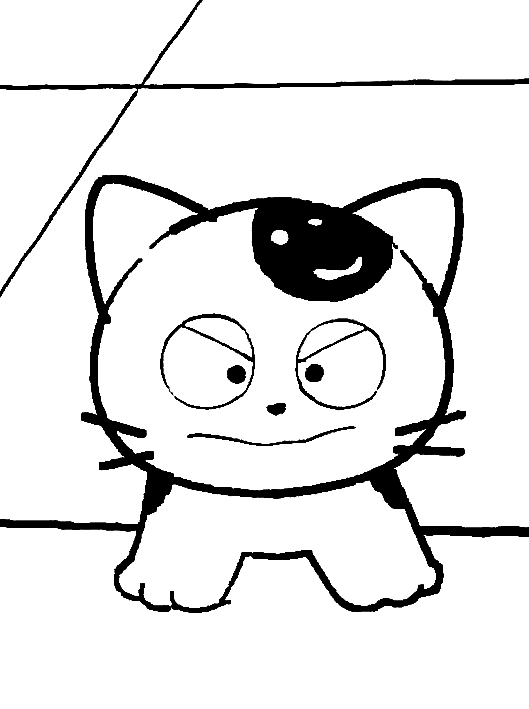
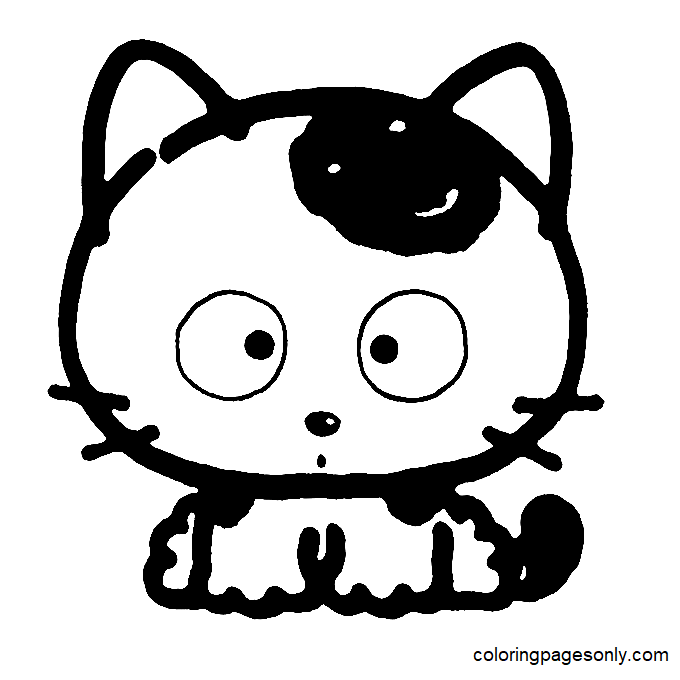
Tama poses alone, looks cute, and appears with friends on many pages. Try a bright White body with Black ear tips and a Black-tipped tail, and add a Red collar with a small Yellow bell.
Momo
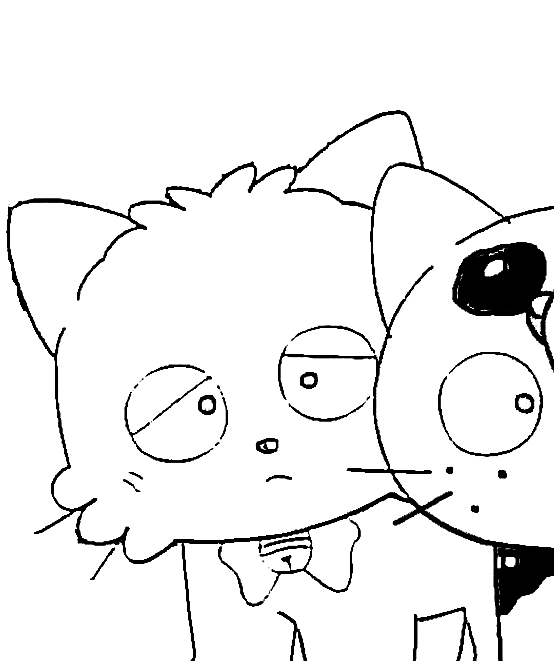
Momo appears solo, as a cute portrait, and beside Tama, Koma, and Bull. Give her a soft White or pale Cream coat and a Pink ribbon for her ladylike style.
Koma
Koma, the smallest of the gang, appears alone and with Momo. Use a light Tan or soft Orange body and keep the features simple and round.
Pochi and Gon
Pochi, Tama’s loyal dog friend, has a solo page, and Gon joins Tama and Tora in a group scene. Color Pochi White with Brown ears, and give Gon a sleepy Gray Brown coat.
Bull and Tora
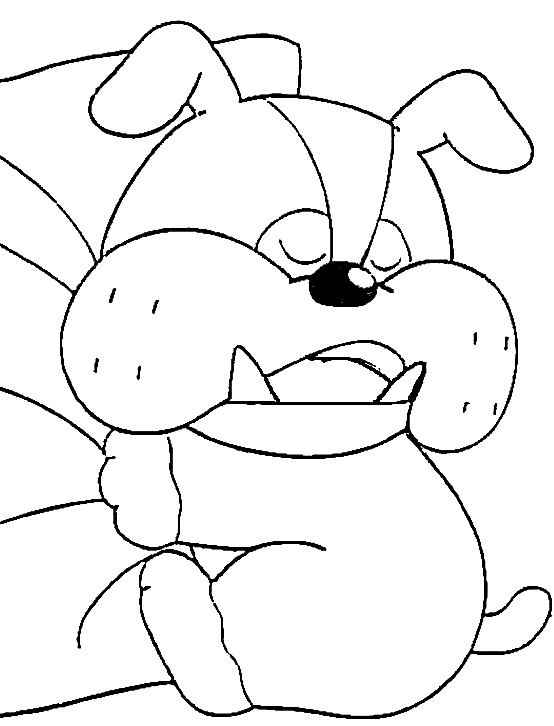
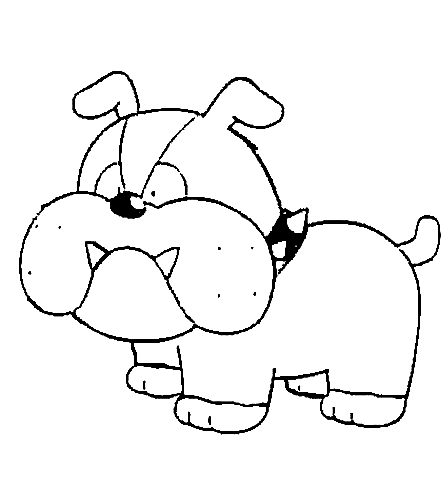
Bull the bulldog appears alone and with Momo, while Tora joins Tama and Gon. Shade Bull in Gray with darker jowls and a spiked Black collar, and give Tora bold Orange and Brown tiger stripes.
Group and Cast Pages
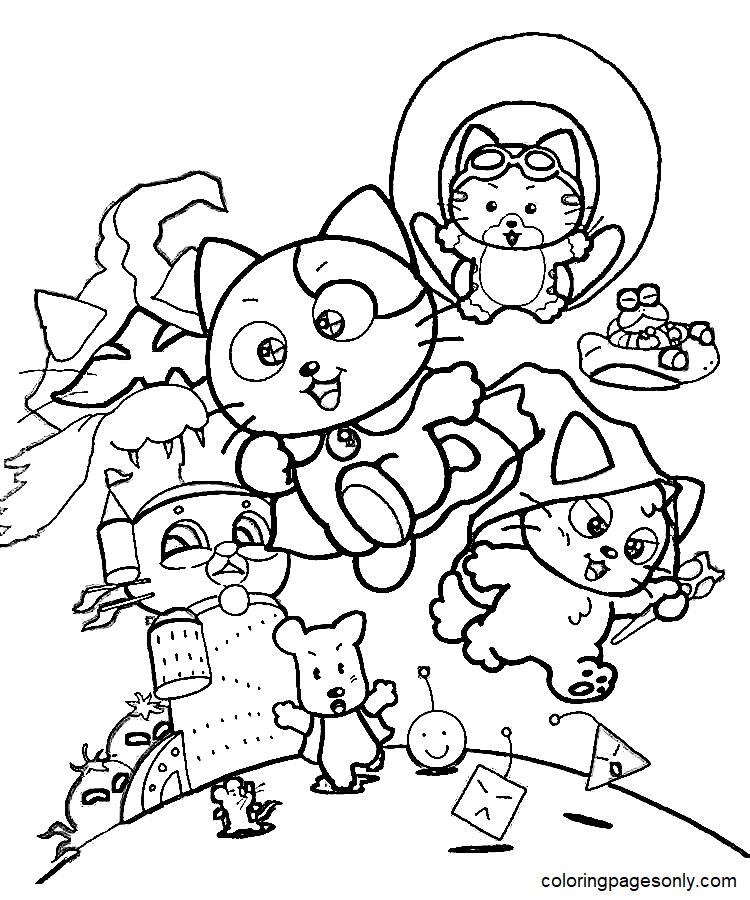
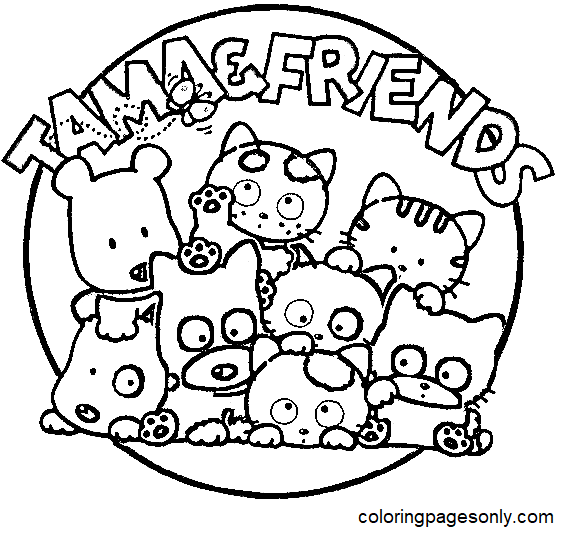
Several pages show the whole Third Street gang together. Assign every pet its own signature shade so young colorists can name each one at a glance.
What Tama and Friends Coloring Pages Do
Celebrating neighborhood friendships. Tama and his friends explore their street, help each other, and solve small problems together. Coloring them gives children a chance to talk about their own friends and neighbors.
Building first coloring skills. Big heads and compact bodies give little hands generous spaces to fill. The American Academy of Pediatrics identifies ages 2 to 7 as the most important years for developing the grip and coordination that later support writing.
Creating quiet moments. Structured coloring calmed adult participants, as the Art Therapy Journal described in 2005. The smiling pets of Third Street turn that same calm into a bedtime-friendly activity.
Learning about pets and their personalities. Each pet has its own personality, from brave Tama to shy Pochi. Children can compare them with real cats and dogs and talk about how to care for pets kindly.
How to Color Tama and Friends Pages Well
- Clean White coats: Leave Tama and Momo mostly White and add soft Gray shadows near the edges.
- Bright accessories: Use Red, Pink, and Yellow for collars, bells, and ribbons.
- Distinct colors: Give every pet a unique main color in group pages so they stand out.
- Stripes for Tora: Draw thick Brown stripes over an Orange base.
- Rosy faces: Dab a light Peach blush under each eye for extra charm.
- Neighborhood scenes: Draw a fence, flowers, and a blue sky to place pets on Third Street.
5 Creative Craft Ideas With Tama and Friends Coloring Pages
1. Tama and Pochi Friendship Card
Color: Tama and Pochi together and fold the page into a friendship card. Write a short note inside about a favorite thing to do with a best friend.
2. Momo and Koma Duo Frame
Color the Momo and Koma page and mount it on pink cardstock with paper hearts in the corners. Display it on a shelf as a sweet friendship picture.
3. Third Street Cast Gallery
Color the full cast pages and solo portraits, then arrange them along a strip of paper drawn like a street. Label each pet’s house to build a mini neighborhood map.
4. Bull and Momo Contrast Display
Bull in dark, bold colors, and Momo in light pastels, and place the pages side by side. Talk about how color choices can show a character’s personality.
5. Pet Name Tags
Color small Tama, Momo, or Pochi heads, trim them, and mount each on a cardstock tag. Punch a hole and tie on yarn to hang them on backpacks or gift bags.
Frequently Asked Questions
What are Tama and Friends Coloring Pages?
Twenty-four free outlines here show Tama, Momo, Koma, Pochi, Bull, Tora, Gon, and the Third Street gang, each available free on paper or on a tablet.
Who created Tama and Friends?
Sony Creative Products created Tama and Friends in 1983. Group TAC produced the first animated versions in the late 1980s and 1990s.
Who is Tama?
Tama is an energetic, curious cat who loves new adventures and leads his friends around Third Street.
Who is Pochi?
Pochi is a timid but kind dog and Tama’s best friend. In the English dub, he was renamed Doozle.
Who is Bull?
Bull is a bulldog who likes to push the other pets around, though he has a soft spot for Momo.
What does “Have you seen my Tama?” mean?
It is the English meaning of the 1993 TV series title Uchi no Tama Shirimasen ka?, which echoes the lost-pet posters people put up when a cat goes missing.
What age are Tama and Friends coloring pages for?
Kids near 3 can manage the solo pet sheets, while children 5 and older enjoy the busier group and cast pages.
Where is Third Street?
Third Street, or San-chōme, is the fictional Japanese neighborhood where Tama and his friends live.
Start Coloring
Choose Tama, Momo, Pochi, or a full cast page from the 24 designs and enjoy it on paper or on screen, with no fee and no registration. Share finished Third Street art on Facebook or Pinterest.