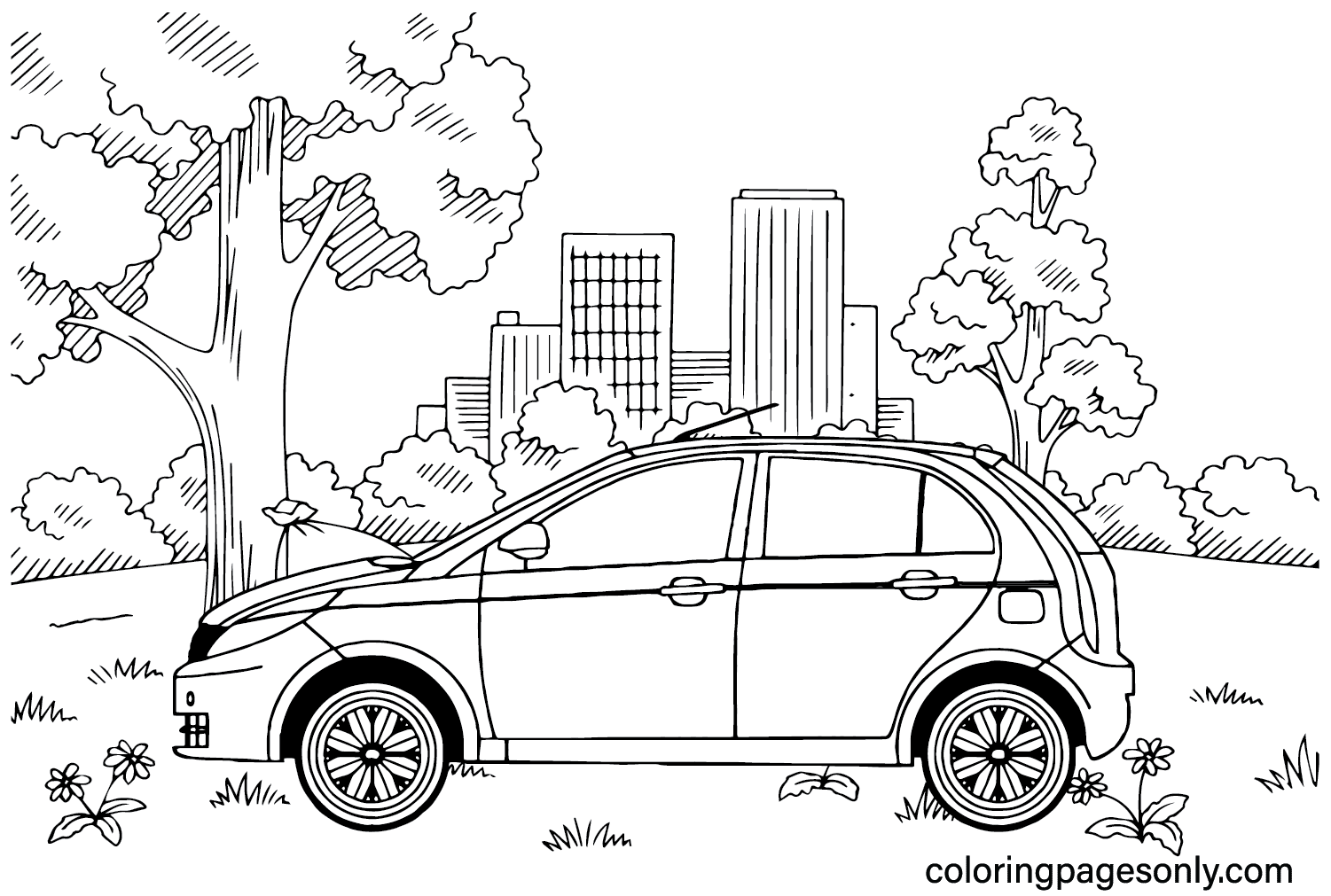
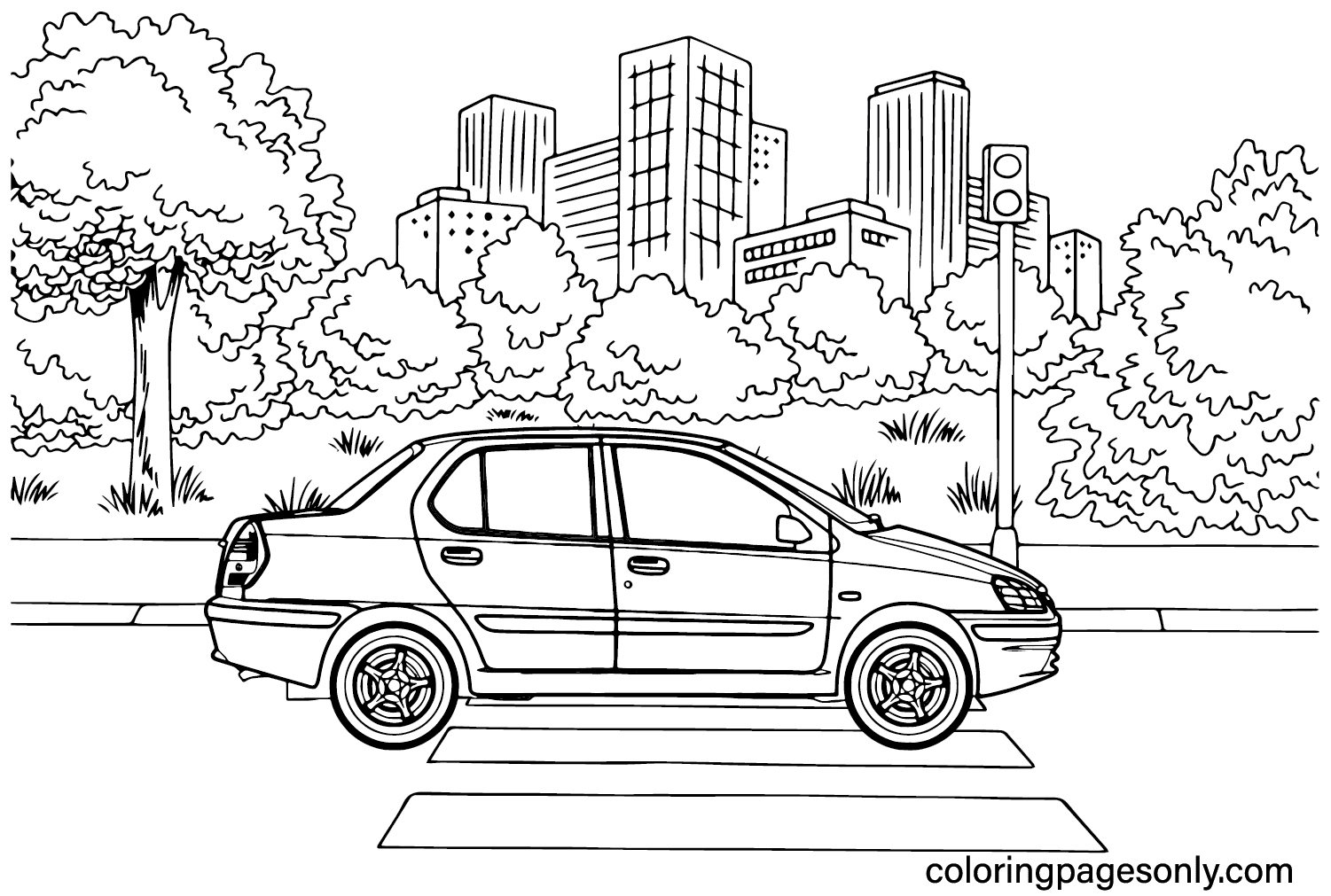
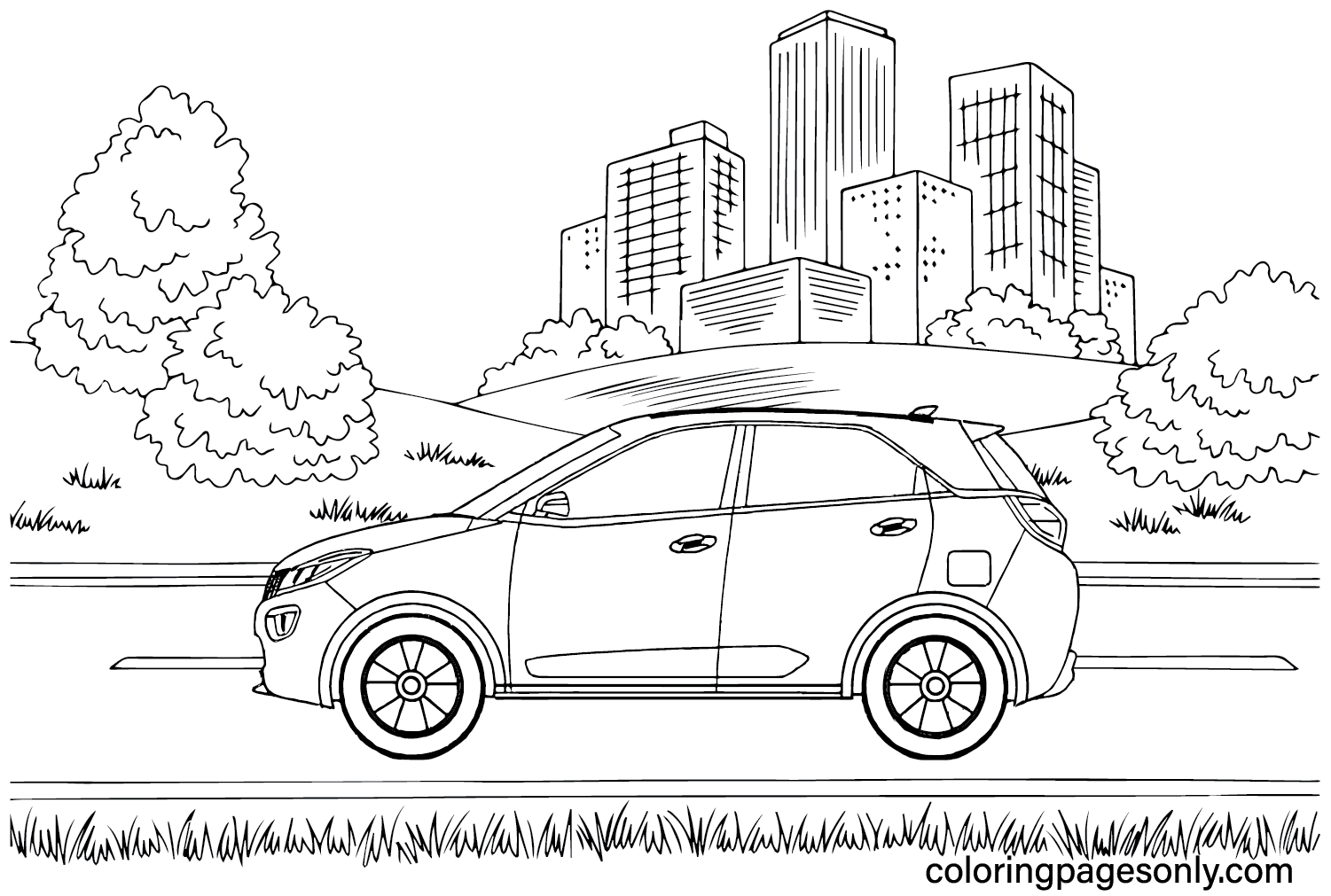
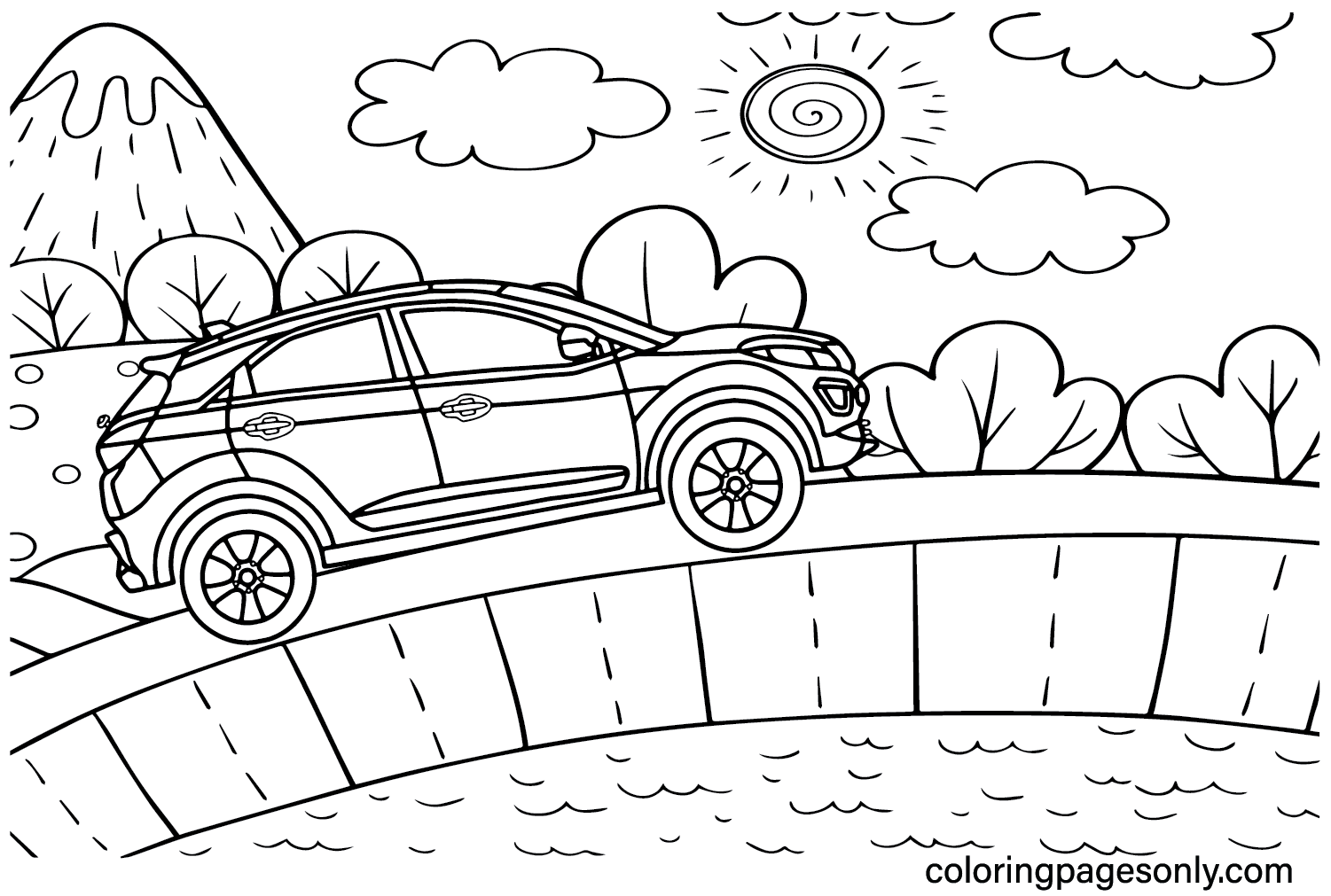
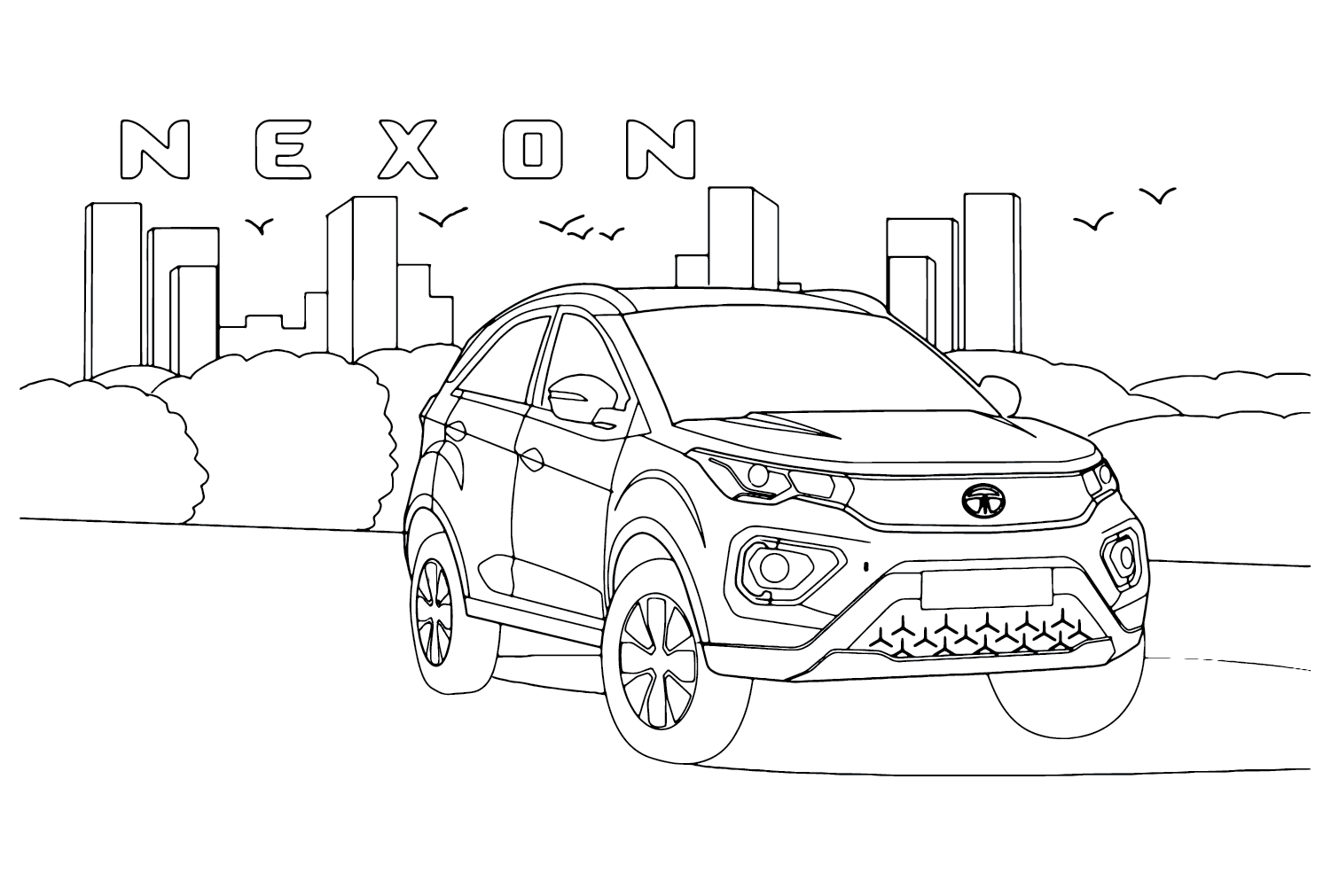
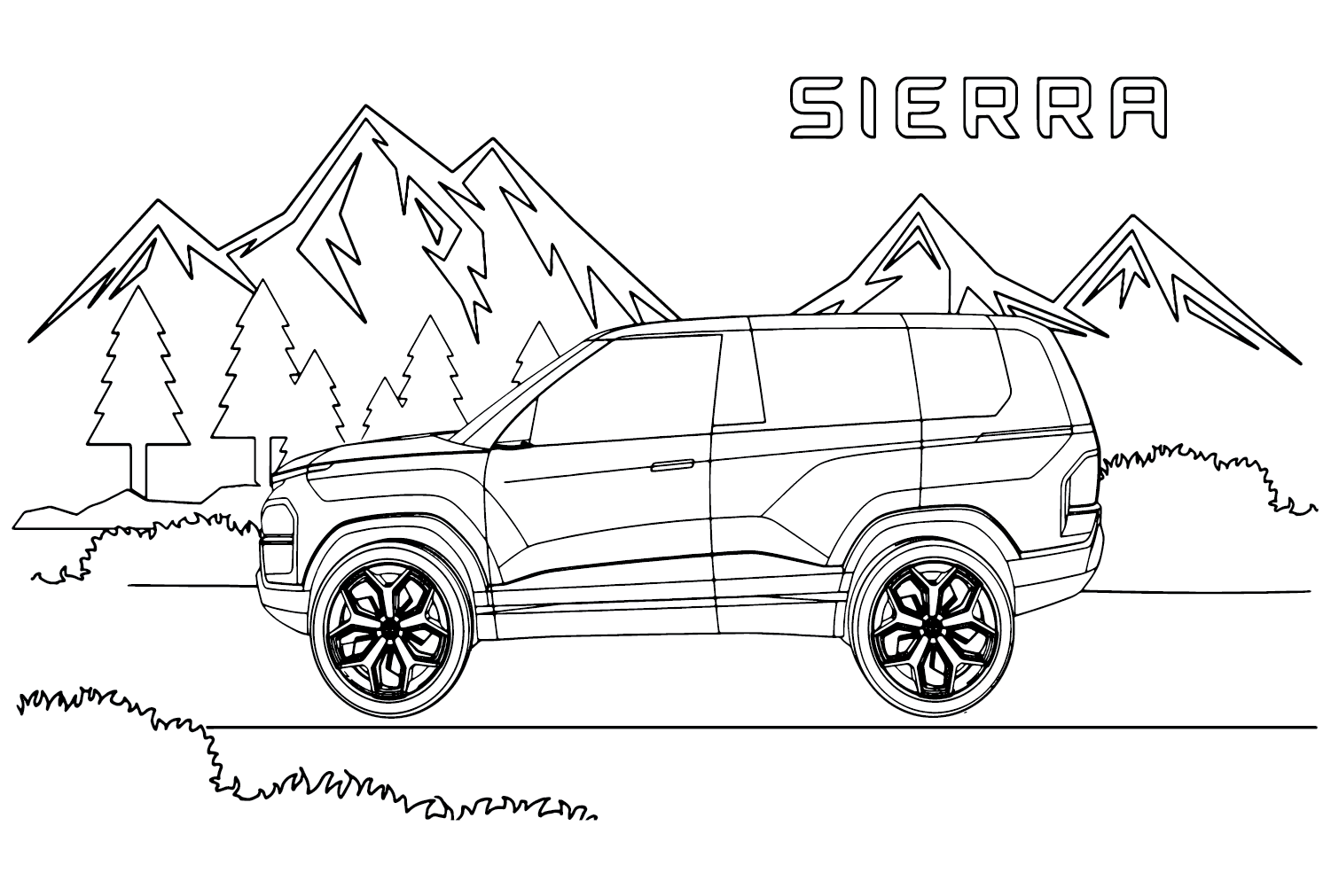
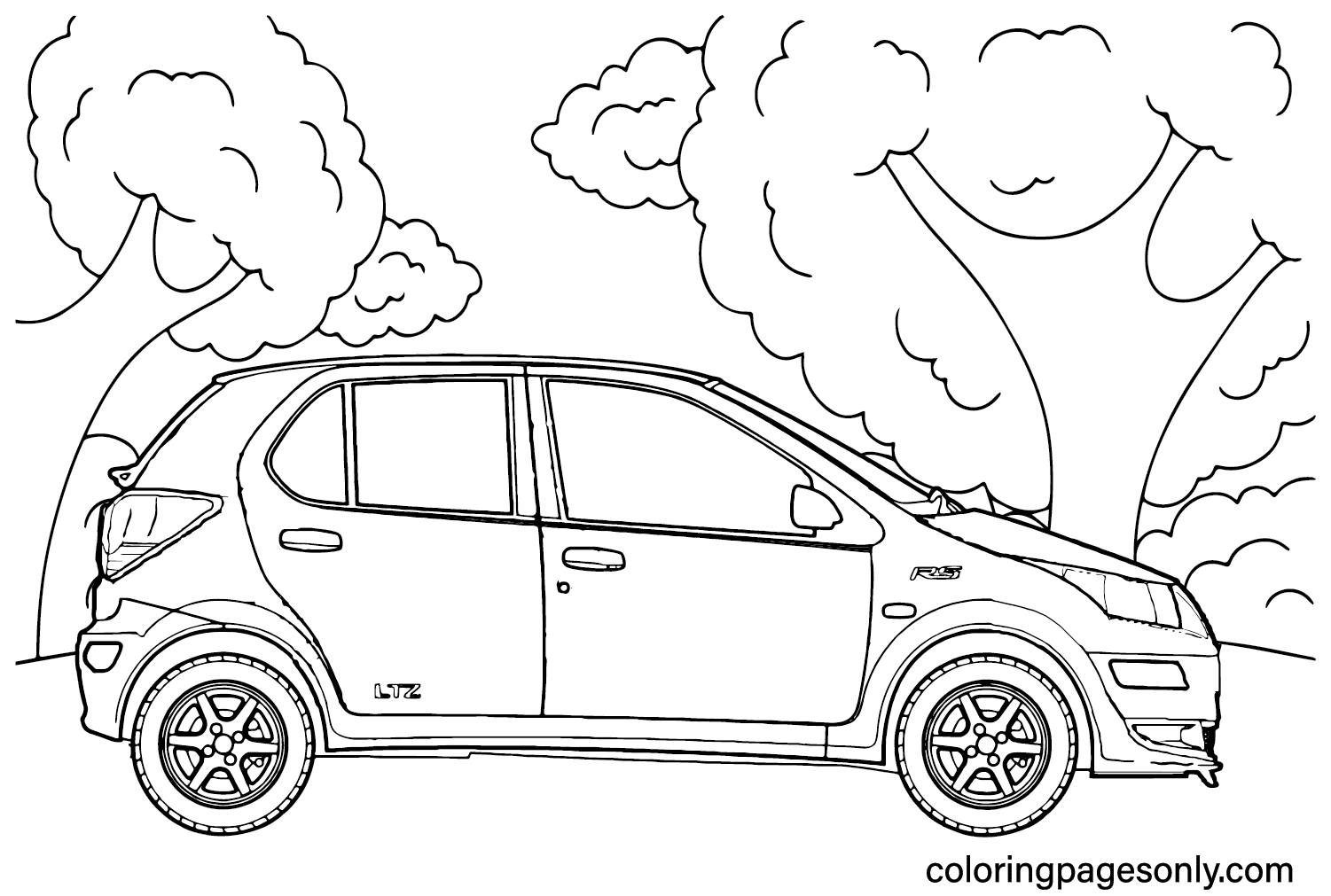
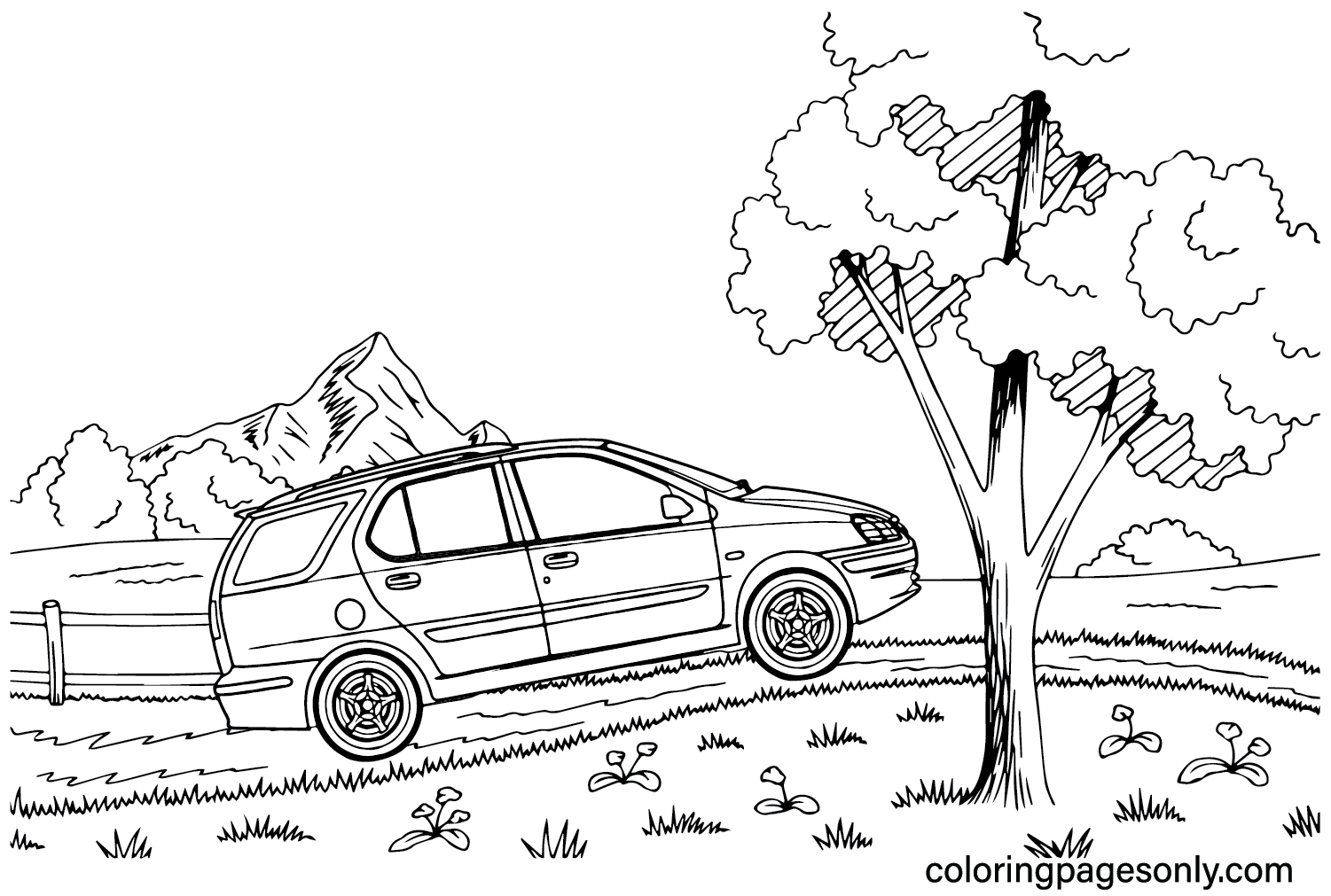
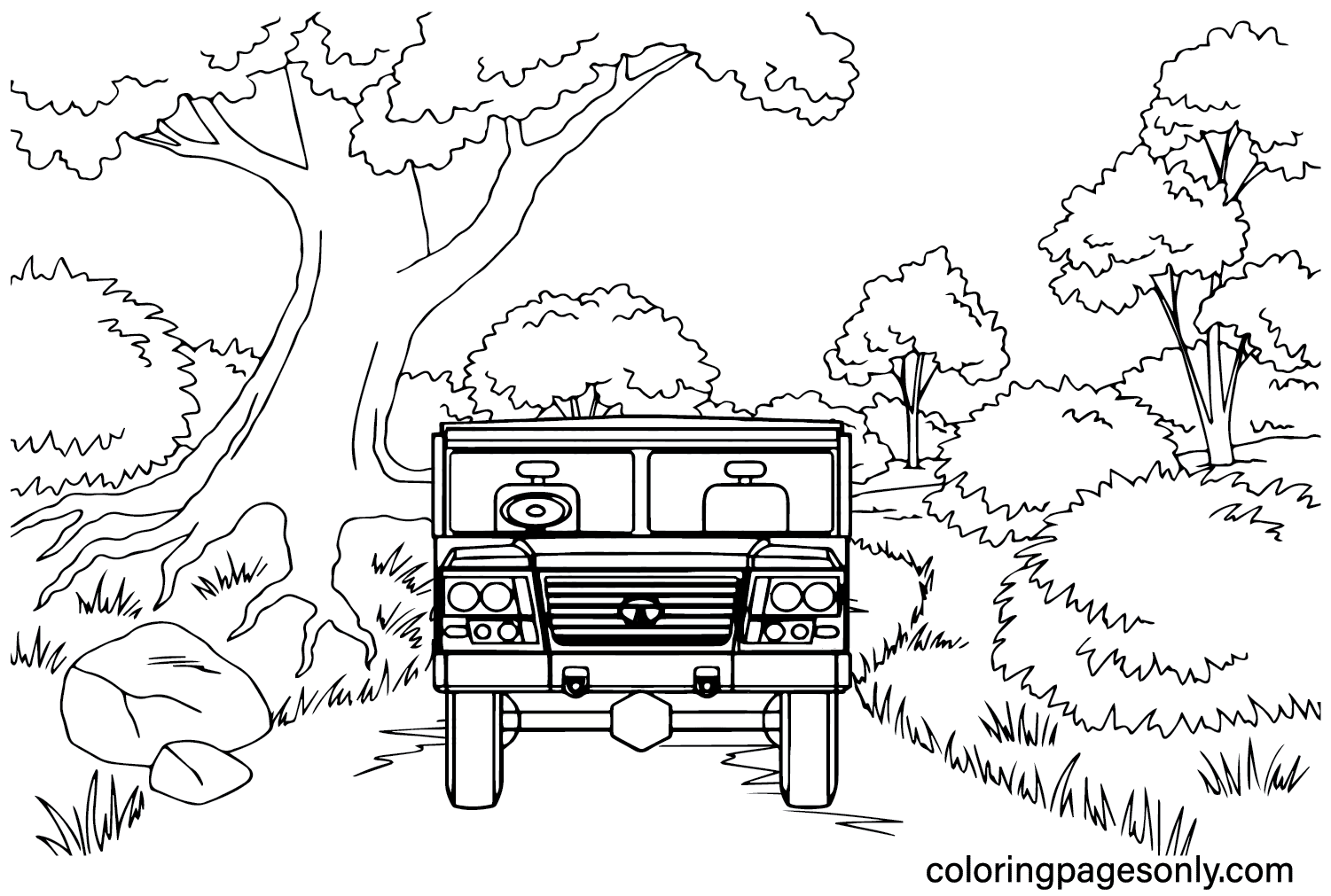
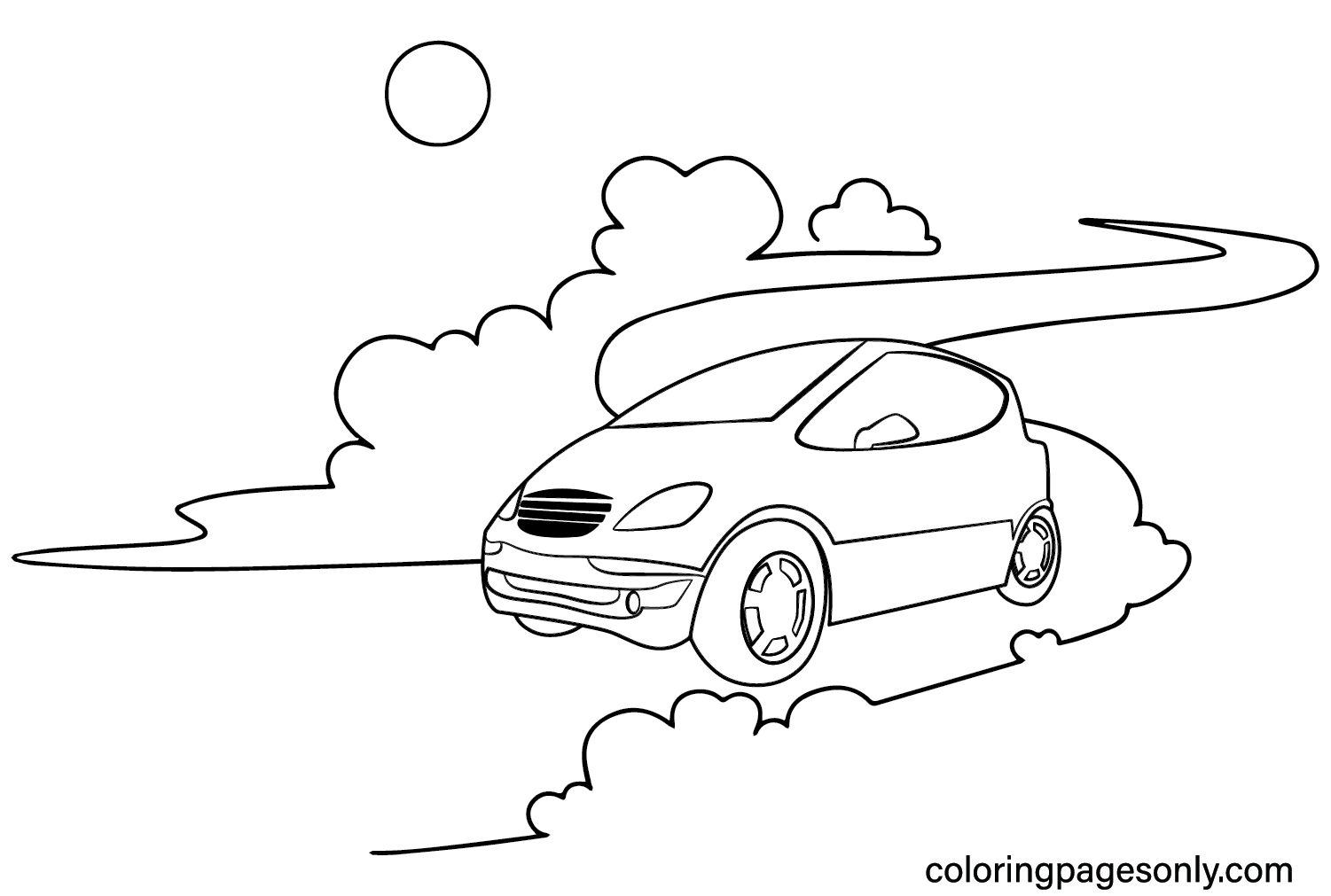
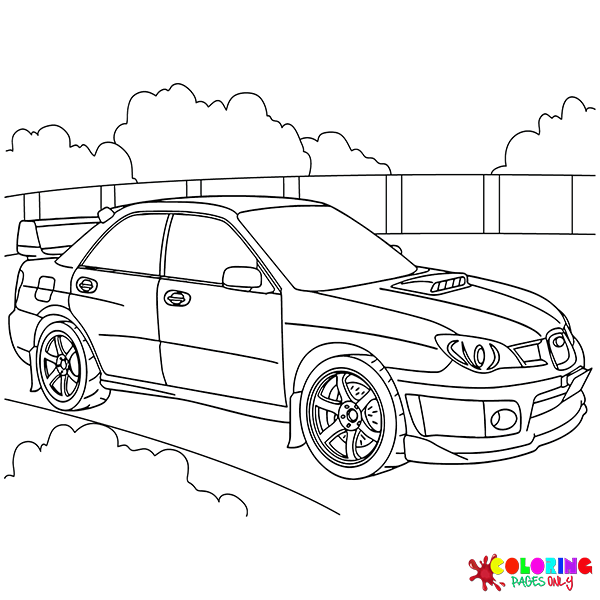
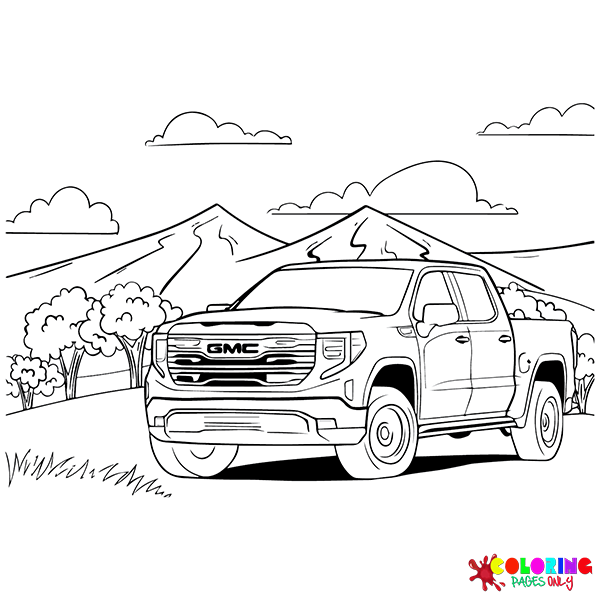
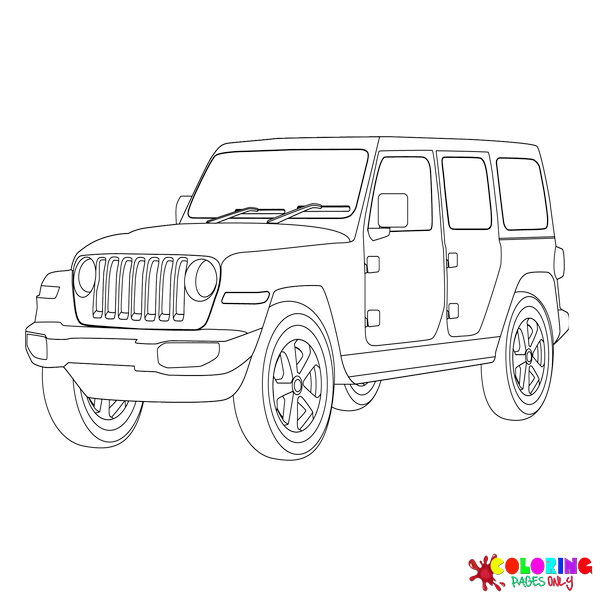
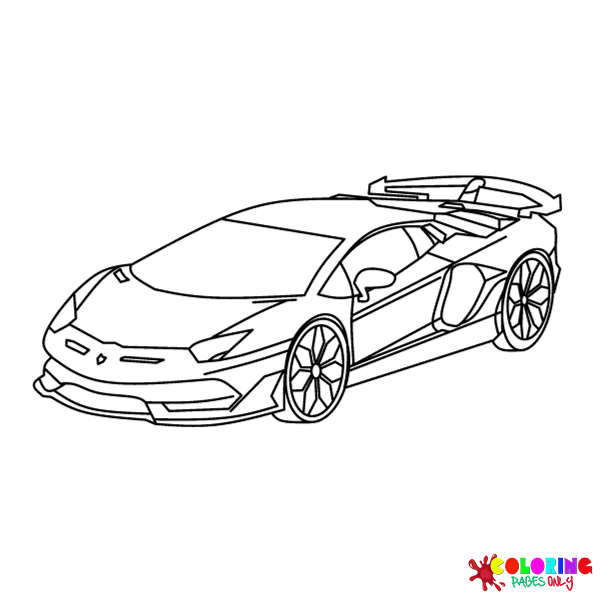
Free Tata coloring pages – 20+ pages featuring the Tata Nano, Tata Nexon, Tata Harrier, Tata Safari, Tata Punch, Tata commercial vehicles, and models from across the brand’s history – free printable PDF and online coloring for automotive fans and followers of India’s most globally significant car manufacturer.

Tata Motors was founded in 1945 as the Tata Engineering and Locomotive Company – a division of the Tata Group, India’s largest industrial conglomerate, whose origins reach back to Jamsetji Tata’s founding of the broader enterprise in 1868. The automotive division began with commercial vehicles, in collaboration with Daimler-Benz, before producing India’s first indigenously designed passenger car – the Tata Indica – in 1998. That car’s launch was a milestone: it demonstrated that an Indian manufacturer could design, engineer, and build a passenger vehicle without foreign licensing.

In 2008, two things happened that defined Tata Motors’ place in global automotive history. At the Delhi Auto Expo on January 10, Ratan Tata – the group’s chairman – unveiled the Tata Nano, a car priced at one lakh rupees (approximately $2,000 USD) designed specifically to provide India’s families with a safe, four-wheeled alternative to the motorcycle. Ratan Tata had conceived the Nano after watching a family of four riding through monsoon rain on a single bike. Later that same year, Tata Motors acquired Jaguar Land Rover from Ford for $2.3 billion – placing one of Britain’s most prestigious automotive brands in Indian hands.

These 20+ free pages at ColoringPagesOnly.com span the full Tata Motors range. All free, PDF or PNG, print or color online.

What’s Inside

Tata Nano – The People’s Car

The Nano is the most discussed car in Tata Motors’ history and one of the most discussed cars in the history of automotive product development. Its origin is documented: Ratan Tata was driven to create it by seeing a family of four on a motorcycle in the rain, the parents holding children between them. He wanted to give Indian families a safer, more stable, four-wheeled option at a price that motorcycle buyers could realistically consider. The resulting vehicle – launched at Rs 1 lakh, the target price that gave it the nickname “the One Lakh Car” – was the world’s most affordable new car at its introduction.

Its design is compact and rounded, shaped primarily by the engineering constraint of absolute minimum cost: a rear-mounted engine, a wheelbase shorter than any competitive vehicle, and a body designed with the minimum material that could contain four adult passengers safely. The result is a car with a distinctive visual personality – small, somewhat bubble-like, immediately recognizable – that coloring pages capture with particular clarity because the simple, rounded shapes translate effectively to line drawing.

The Nano was produced from 2008 to 2018. Business schools continue to teach their development as a case study in disruptive pricing – specifically in how the perception of “cheapness” can undermine a product that achieved every one of its engineering targets.

Coloring the Nano: The Nano’s rounded body translates well to the three-zone metallic technique across its simple surfaces. Its most common launch colors were Sunrise Yellow, Champagne Gold, and Cloud White – the warm, accessible colors that Tata used to communicate the car’s cheerful, approachable market positioning. A warm yellow or champagne gold body with a lighter highlight along the upper surface reads as the most historically resonant Nano coloring choice.

Tata Nexon – The SUV Leader

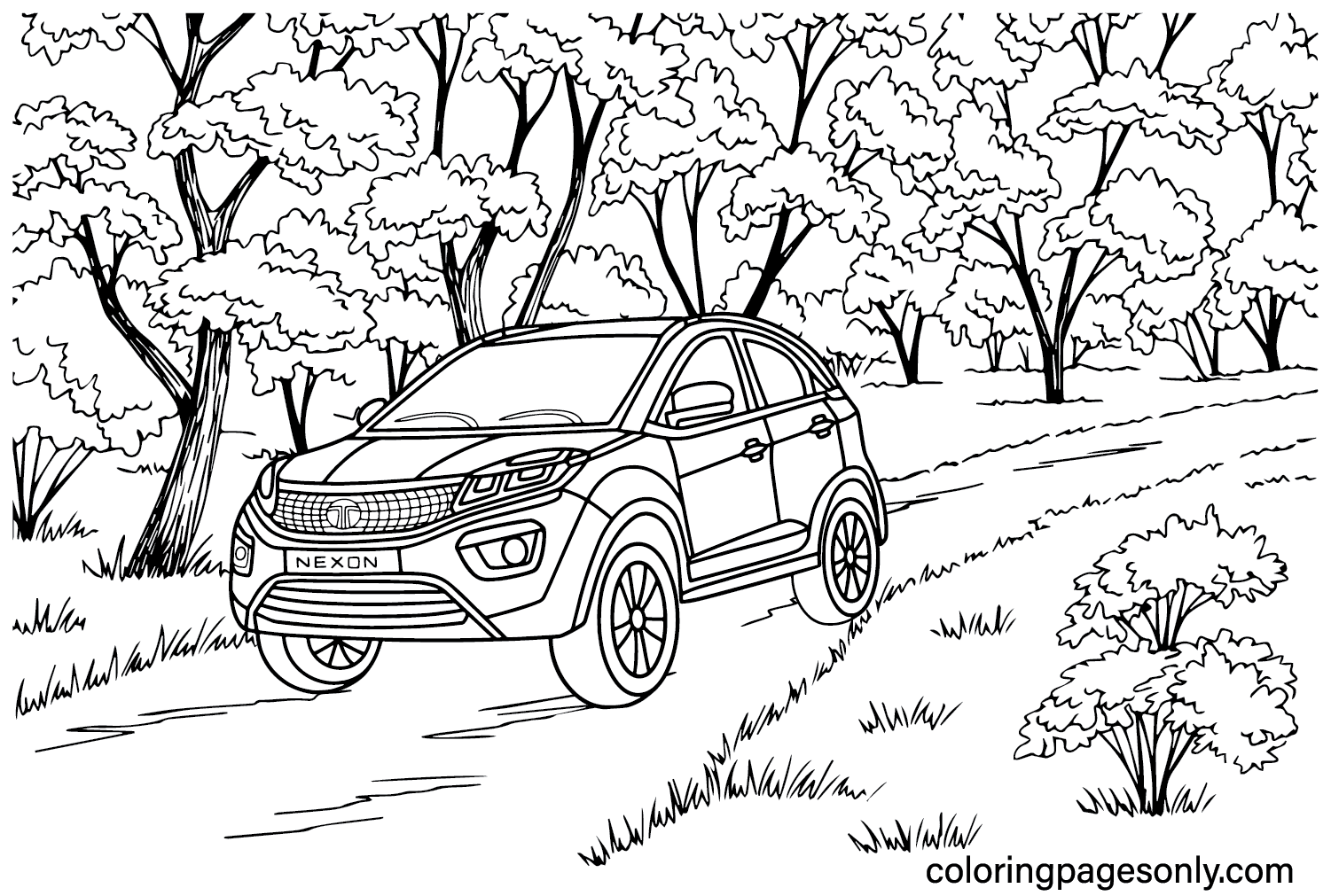
The Nexon is Tata Motors’ most commercially significant recent product – a compact SUV that has ranked among India’s best-selling vehicles in its segment for multiple consecutive years. It is also the foundation of India’s electric vehicle market: the Nexon EV has been India’s best-selling electric car, holding that position through a period in which the Indian EV market grew substantially.

Its design uses the angular, dynamic language of contemporary compact SUV design – floating roofline, strong character lines, aggressive front fascia with LED light signatures – while maintaining the accessibility in terms of size and price that makes it relevant to India’s primary urban buyer. The Nexon established that Tata Motors could produce a competitive, stylish product in the segment that determines the Indian passenger car market’s direction.

Coloring the Nexon: The Nexon’s strong character lines – the body crease that runs from the front door handle to the rear light cluster, the flared wheel arches – are this page’s most important coloring elements. Apply the body’s primary color first across all main surfaces. Then add a darker version of the same color in the recesses created by those character lines – each crease should have a shadow side (darker, facing away from the light) and a highlight edge (lighter, the very top of the crease). This treatment makes the angular design read as dynamically three-dimensional.

Tata Harrier and Safari – The Premium SUVs

The Harrier and Safari represent Tata Motors’ premium SUV positioning – vehicles that benefited directly from the Jaguar Land Rover acquisition through the sharing of engineering platforms. The Harrier was built on a modified version of Land Rover’s D8 platform, which underpins the Land Rover Discovery Sport. The result was a mid-size SUV with suspension geometry and structural technology derived from one of the world’s most capable off-road vehicle lineups.

The Harrier’s design uses the IMPACT 2.0 design language – a more muscular, premium-positioned approach than the original IMPACT design – with a wide, imposing front fascia, slim LED headlights, and a silhouette that emphasizes height and road presence. The Safari added a third row of seating, extending the Harrier’s platform into the seven-seat family SUV segment.

Coloring the Harrier: The Harrier’s wide front fascia is dominated by its horizontal light bar connecting the two LED headlight units – render this in a bright, near-white silver-grey to emphasize the design’s width. Its body is available in deep metallic tones – Calypso Red, Oberon Black, and the distinctive Telesto Grey that became associated with the model. The Calypso Red is the most visually striking single color in the Harrier range for coloring purposes – a deep, warm red that rewards the full three-zone treatment.

Tata Punch – India’s Bestseller

The Punch is Tata Motors’ smallest SUV and, in 2023, became India’s overall best-selling passenger vehicle. This commercial achievement made it one of the most sold cars in the world by volume in that period. Its success reflected a shift in Indian buyer preferences: compact footprint, SUV stance, accessible entry price, and the “adventure” design language that Tata applied through its ALFA Arc design vocabulary.

The Punch’s design is deliberately rugged – exposed wheel arch cladding, prominent skid plates front and rear, raised ground clearance – on a vehicle that competes in the microcar segment by footprint but presents itself as an adventure vehicle by design intention. The Punch EV brought battery-electric power to this accessible price point, extending Tata’s EV leadership down into the market’s most price-sensitive segment.

Coloring the Punch: The Punch’s exposed wheel arch cladding – the dark grey or black plastic trim around each wheel opening – is its most visually distinctive detail and the element that most clearly communicates its adventure positioning. Apply a dark grey to all cladding elements: the wheel arch surrounds, the lower door cladding, and the bumper protection strips. These darker elements frame the body color in a way that makes the SUV’s stance read clearly, even at the compact size of the Punch.

Tata Commercial Vehicles – The Foundation

Tata Motors’ commercial vehicle heritage predates its passenger car business by decades and remains a major part of its global operations. Tata trucks, buses, and light commercial vehicles serve markets across India, Africa, Southeast Asia, and beyond – the Tata ACE mini-truck in particular has become one of the most ubiquitous small commercial vehicles in Indian urban environments.

The commercial vehicle pages in the collection give a visual register completely different from the passenger cars – the taller, more utilitarian proportions of a truck cab, the flat surfaces of a van body, the visible cargo areas of light commercial vehicles. These pages require different coloring approaches from the aerodynamic passenger cars.

Coloring commercial vehicles: Commercial vehicles traditionally use white, grey, or fleet-specific colors as body color – the utilitarian palette of working vehicles. The most visually effective coloring choice for a Tata truck page is a deep, slightly warm white body with the Tata blue-navy accent on the cab’s details and a mid-grey for the wheel arches and underbody. The cab interior, visible through the windshield in some pages, should be rendered in a warm dark grey that reads as occupied and functional.

What These Pages Do

Tata Motors’ history connects India’s industrial ambition to the global automotive mainstream. The Indica in 1998, the Nano in 2008, the JLR acquisition in 2008, the Nexon EV’s market leadership – these are documented moments in the story of what Indian manufacturing has become in the twenty-first century. Coloring through the model generations traces that story in a direct visual form.

The Nano’s design brief is one of automotive history’s most human origin stories. A chairman who saw a family riding in monsoon rain and spent years designing a car they could afford – that is the most documented and most taught product origin story in Indian business history. The Nano pages carry that context: they are illustrations of a car whose existence was a deliberate act of empathy applied at an industrial scale.

Automotive surface design as a technical coloring challenge. The Harrier’s premium surface complexity, the Punch’s rugged cladding contrasts, the Nano’s simple, rounded form – three completely different design languages in a single collection, each requiring a different technical approach to coloring. The 2005 Art Therapy Journal study on structured coloring and anxiety reduction applies across this range: the focused, sustained attention required to render a complex automotive surface correctly produces exactly the calm, absorbed state the research identifies.

Fine motor development. The American Academy of Pediatrics identifies fine motor skill development as a key milestone throughout early childhood. The wheel spoke detail, the grille texture, the character line precision – all provide the motivated, sustained practice that is most developmentally effective for young fans learning car recognition through coloring.

How to Color These Pages Well

Tata’s design identity has evolved through distinct eras – know which era you’re coloring. The Nano-era design (2008-2015) is rounded, accessible, and economical in its line count. The IMPACT design language (Nexon original generation) introduced sharp creases and angular surfaces. The IMPACT 2.0 design (Harrier, Safari, new Nexon) adds premium surface complexity and wider stances. Each era requires a different technical approach: the Nano rewards smooth gradients across its simple curves; the IMPACT 2.0 vehicles reward precise edge highlighting along their sharp character lines.

The Tata brand color is deep blue. Tata Motors’ corporate color – the specific navy blue of the Tata logo and brand communications – appears as an accent element on many vehicles: grille trim, badge surrounds, and body accent details. This navy is a deep, slightly cool blue – darker than cobalt and cooler than royal blue. Apply it consistently across all corporate accent elements to establish the brand identity across multi-vehicle pages.

Indian market paint colors have a warm bias. The Tata range for the Indian market has historically emphasized warm, vivid body colors – the Harrier’s Calypso Red, the Nexon’s Flame Red, the Punch’s Fearless Purple, the Safari’s Orcus White. These are more saturated and warmer in tone than the neutral silvers and greys that dominate European automotive palettes. When in doubt, push the body color toward warmth and saturation: Indian automotive color palettes are designed to be visible and vivid in the specific light conditions of the subcontinent.

Jaguar Land Rover’s premium palette is in the opposite direction. If the collection includes JLR vehicles alongside mainstream Tata models, the palette shift is deliberate and significant. JLR’s range emphasizes British Racing Green, Portofino Blue, and various premium metallic neutrals – cooler, more restrained, with a patina of restraint that communicates premium positioning. The contrast between the warm Indian market palette and the cool British premium palette is the visual story of what the JLR acquisition meant: two completely different color philosophies under one ownership.

The Nano’s simplicity rewards precision, not complexity. The Nano’s body has very few character lines and very simple surface transitions. The most effective coloring technique for these pages is not the complex multi-zone treatment that works on the Harrier or Nexon – it is a two-zone approach: lighter tone on the upper surfaces and darker tone on the lower. The simplicity should be honored rather than overcome with artificial complexity.

5 Creative Craft Ideas

India’s Automotive Journey Timeline

Print one page representing each major era of Tata Motors’ passenger car history: the Indica (1998 – India’s first indigenous car), the Nano (2008 – world’s most affordable), the original Nexon (2017 – the competitive SUV era), and the current Harrier or Punch. Color each in a warm, India-market color – saffron orange for the Indica era, sunshine yellow for the Nano, vivid red for the Nexon, deep navy for the Harrier.

Mount all four in chronological order on a backing sheet. Below each: the year, the model name, and one line about its significance. The finished timeline shows the specific arc of Indian automotive product development – from licensed assembly through indigenous design through global acquisition to EV leadership – as a visual sequence.

(Image placeholder: India’s Automotive Journey Timeline)

The Nano’s Origin Story Card

Print the Tata Nano page. Color it in Sunrise Yellow – the warm yellow that Tata used in the Nano’s initial marketing. Mount on cardstock.

On the back, write the Nano’s origin story in one paragraph: Ratan Tata, the monsoon rain, the family on the motorcycle, the decision to build a car at one lakh rupees. Add one line: “January 10, 2008. Delhi Auto Expo. Rs 1,00,000. The world’s most affordable new car.”

The finished card is a piece of automotive and social history documentation, made personal through the coloring process.

Tata vs. JLR Palette Contrast

Print one mainstream Tata India-market vehicle (Nexon, Harrier, or Punch) and one Jaguar or Land Rover model if available in the collection. Color the Tata in the warmest, most vivid India-market color available – Flame Red or Fearless Purple. Color the JLR vehicle in the most restrained, premium British palette – British Racing Green or Santorini Black.

Mount both side by side on a neutral grey backing sheet. Add labels: “Tata Motors – India” on the left, “Jaguar Land Rover – UK” on the right, and below both: “One company. Two worlds. One acquisition: 2008.”

Ratan Tata Memorial Page

Ratan Tata – the chairman who conceived the Nano and who oversaw the Jaguar Land Rover acquisition – passed away on October 9, 2024. He was 86. He is widely considered one of the most admired business leaders India has produced.

Print the Tata Nano page – the car most associated with his personal vision. Color it carefully in its canonical yellow. Below the colored image, hand-lettered: “Ratan Naval Tata, 28 December 1937 – 9 October 2024. He wanted to give every family a safe way home.”

The finished page is a memorial artifact – the specific car that represented the specific vision of the specific person who created it, rendered by hand.

Electric India – Tata EV Fleet Display

Print pages representing Tata’s electric vehicle range – the Nexon EV, the Punch EV, and any other EV variants available in the collection. Color all in Tata’s EV sub-brand color language: the “Tata. EV” branding uses a specific teal-blue-green that distinguishes electric variants from combustion models in the showroom.

Mount all EV pages together on a deep navy backing sheet with the title: “Tata EVv – India’s Electric Future.” Below each vehicle, add the model name and range figure. The finished display celebrates the specific achievement of a domestic manufacturer leading its country’s EV transition.

Frequently Asked Questions

Who founded Tata Motors, rs and when was it established? Tata Motors was founded in 1945 as the Tata Engineering and Locomotive Company (TELCO), a division of the Tata Group – India’s largest industrial conglomerate, itself founded by Jamsetji Tata in 1868. The automotive division was established with the specific goal of building India’s own manufacturing capability in strategic industries rather than remaining dependent on foreign suppliers. The company began with commercial vehicles, developed in collaboration with Daimler-Benz of Germany, before expanding into passenger cars. The name was changed to Tata Motors Limited in 2003.

What is the Tata N, an,o, and why is it historically significant? The Tata Nano is a microcar produced from 2008 to 2018, launched at a price of Rs 1,00,000 – approximately $2,000 USD at launch rates – making it the world’s most affordable new car at its introduction. Ratan Tata conceived the Nano after observing a family of four traveling through monsoon rain on a single motorcycle, and the project was his direct response to the safety risk that represented. The Nano was unveiled at the Delhi Auto Expo on January 10, 2008, to global media attention. Despite achieving its engineering targets, it struggled commercially – in part because “India’s cheapest car” became a marketing liability rather than an asset. Production ended in 2018. The Nano is now taught in business schools internationally as a case study in disruptive pricing, product perception, and the challenges of designing for price-sensitive emerging markets.

What is Jaguar Land Rover, and how is it connected to Tata Motors? Jaguar Land Rover (JLR) is a British automotive manufacturer producing Jaguar luxury performance cars and Land Rover/Range Rover premium SUVs. Tata Motors acquired JLR from Ford Motor Company in June 2008 for $2.3 billion – one of the largest acquisitions by an Indian company to that point. The acquisition gave Tata Motors access to premium automotive engineering, global distribution networks, and two of Britain’s most historically significant automotive brands. JLR operates as a largely autonomous subsidiary, headquartered in Coventry, UK. The acquisition significantly changed Tata Motors’ global profile: a company primarily known for commercial vehicles and affordable passenger cars in India became the owner of Range Rover and Jaguar.

What is Tata Motors’ position in India’s electric vehicle market? Tata Motors has been India’s leading electric vehicle manufacturer by sales volume for several consecutive years. The Tata Nexon EV held the title of India’s best-selling electric car for an extended period, and the Tata Punch EV extended the company’s EV presence into the micro-SUV segment. Tata Motors’ EV strategy operates under the “Tata EV” sub-brand, which gives electric variants a distinct visual and marketing identity. The company’s EV success reflects both the quality of its specific models and the broader context of being an established Indian brand with a trusted service network at a moment when many Indian EV buyers are cautious about committing to newer, less-established manufacturers.

What are Tata Motors’ most significant current models? Tata Motors’ current passenger vehicle lineup is led by the Punch (which became India’s overall best-selling passenger vehicle in 2023), the Nexon (consistently among India’s top-selling compact SUVs), the Harrier (mid-size premium SUV), and the Safari (three-row version of the Harrier). The lineup also includes entry-level products, including the Tiago hatchback and Tigor sedan. The Curvv – a coupe-SUV – was added to the range as a more premium, design-forward option. All major models are available in both internal combustion and battery electric variants.

Who was Ratan Tat, and what was his significance to the company? Ratan Naval Tata (December 28, 1937 – October 9, 2024) was the chairman of Tata Sons – the holding company of the Tata Group – from 1991 to 2012, and remained an influential figure until his death. He is credited with transforming the Tata Group from a predominantly Indian conglomerate into a global company through a series of significant international acquisitions, of which the Jaguar Land Rover purchase was the most prominent in the automotive context. Within Tata Motors specifically, the Nano was his most personal project – an expression of his belief that Indian industry could address India’s specific social needs through engineering. He was widely considered one of India’s most respected business leaders, known equally for his business acumen and his philanthropic commitments.

Browse the full collection at ColoringPagesOnly.com. All 20+ pages free, no sign-up, PDF or PNG, print or color online.

Ratan Tata watched a family of four in monsoon rain on a motorcycle and decided to build them a car. The Nancostsst one lakh rupees. It was the world’s most affordable new car. It was also, in the same year, the year Tata Motors bought Jaguar Land Rover for $2.3 billion from Ford, placing Range Rover and Jaguar in Indian hands.

Both things happened in 2008. The most affordable car anyone had ever offered, and the acquisition of two of Britain’s most prestigious automotive names. From the same chairman, in the same year, for the same company.

That is the Tata Motors story. Not one thing but two, always in the same frame.

Pick up your yellow for the Nano. Pick up your deep green for the Range Rover. They belong to the same collection.

Share your work on Facebook and Pinterest and tag #Coloringpagesonly. We especially want to see India’s Automotive Journey timelines and the Ratan Tata memorial pages.

Color the people’s car. Color the British icon. One company holds both.

These related coloring collections will help you explore the wonderful world of colors. Let’s choose, be creative, and show us your great pictures!

Mantasstonys Allen – Designer

Hello! I'm Mantasstonys Allen, a web designer at Coloringpagesonly.com. My passion is bringing creativity to life through beautiful and user-friendly designs. I'm here to make your experience on our site smooth, fun, and inspiring—so you can focus on what matters most: coloring and unleashing your imagination!