
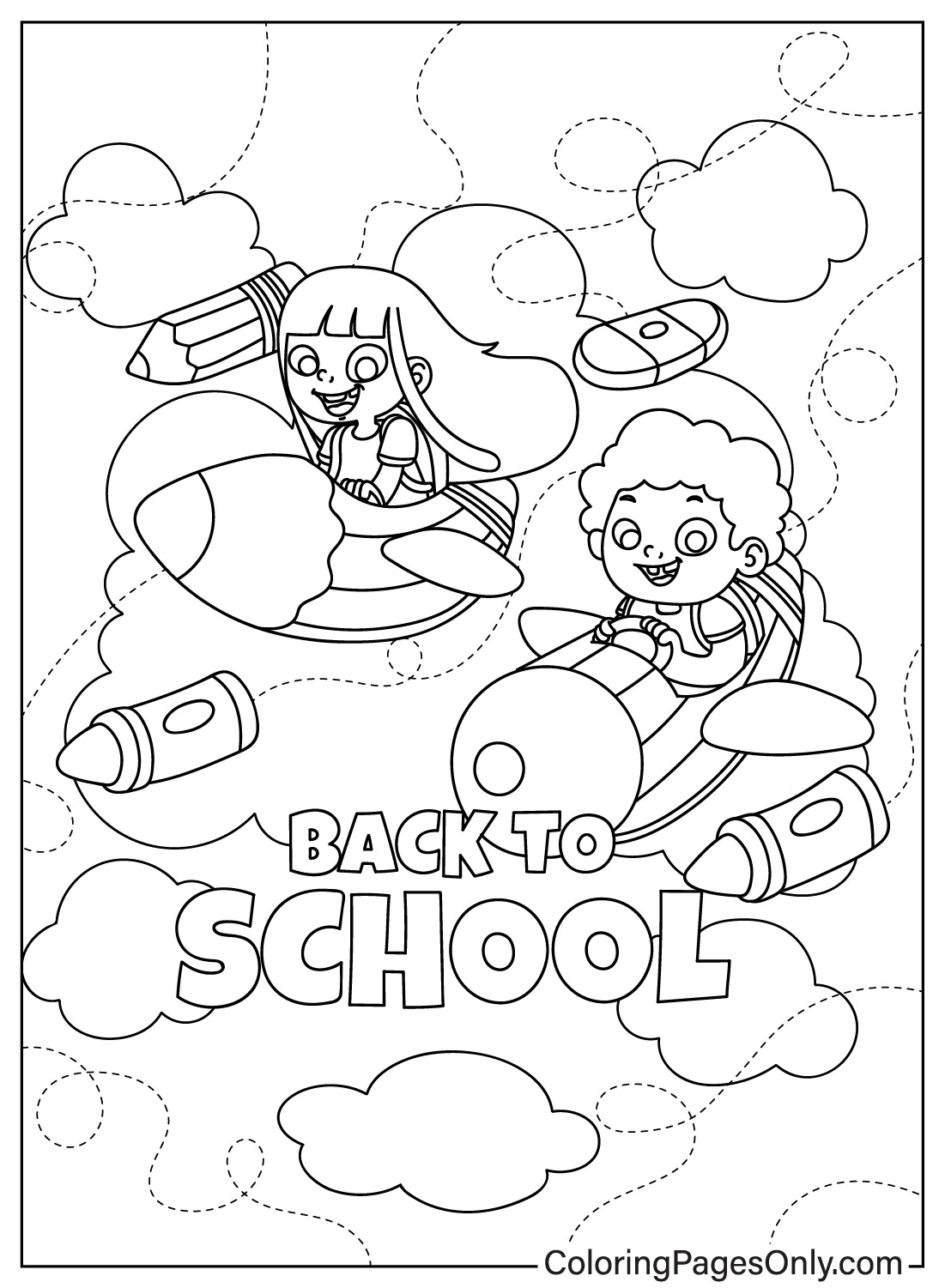
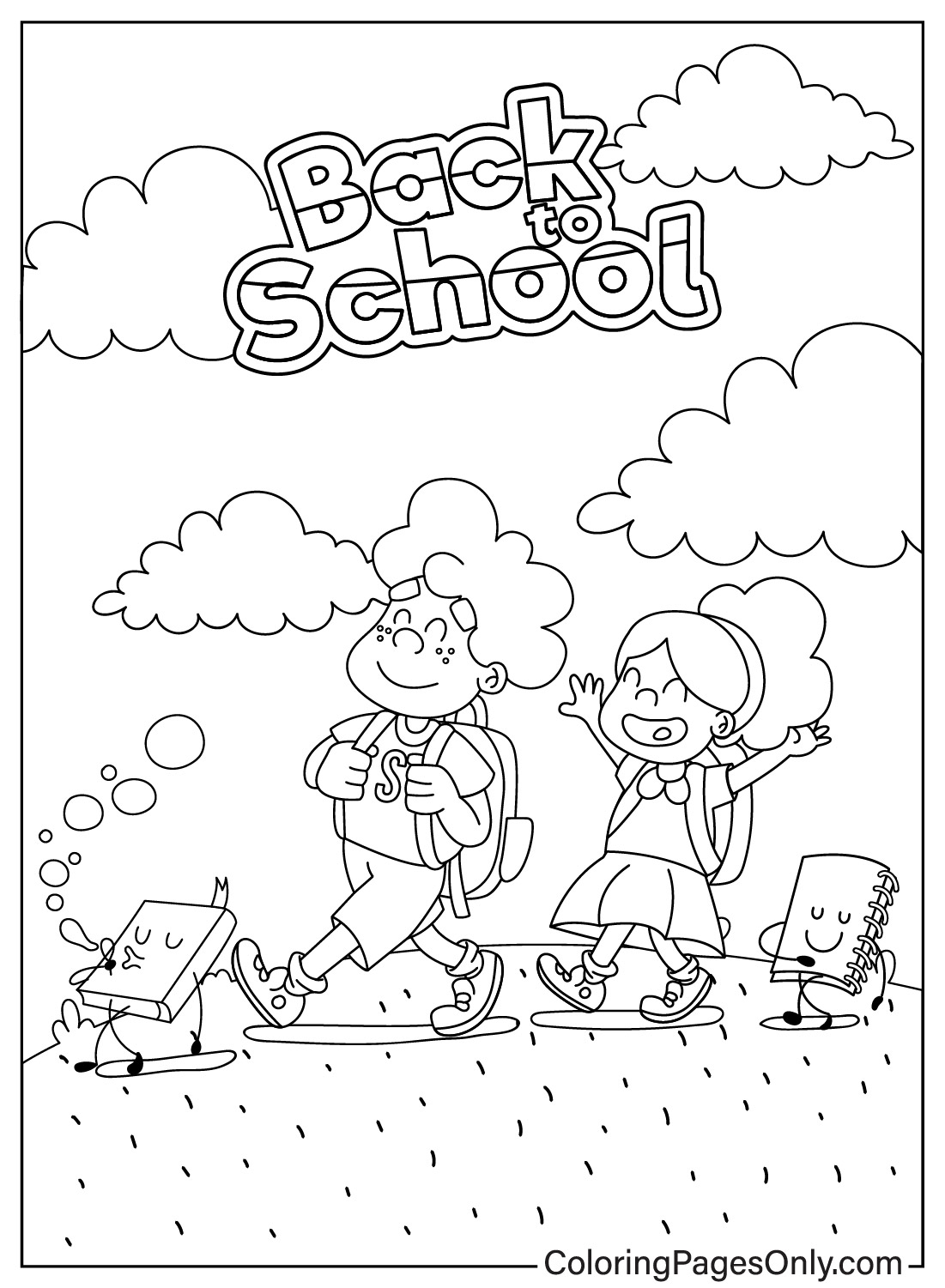
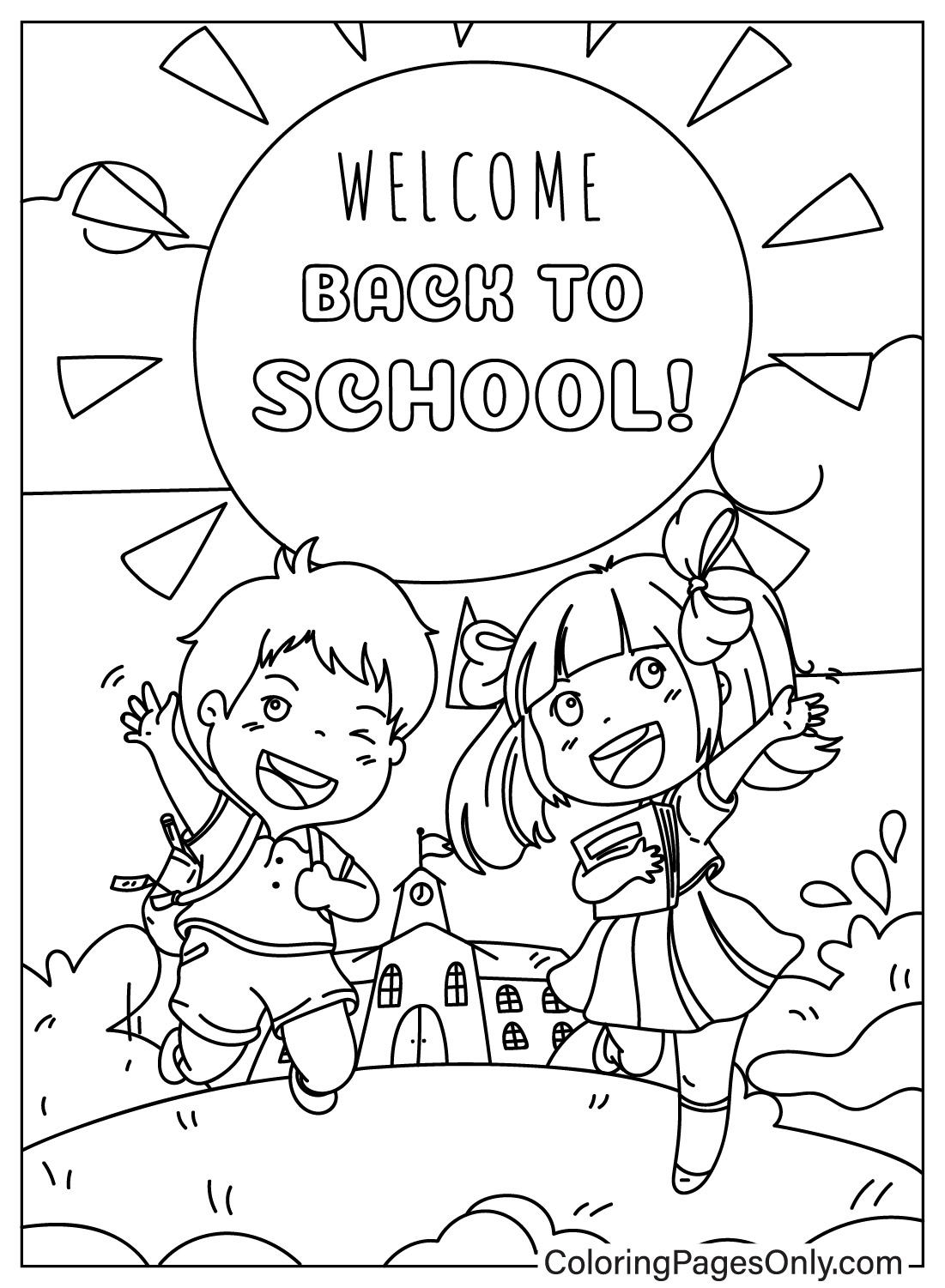
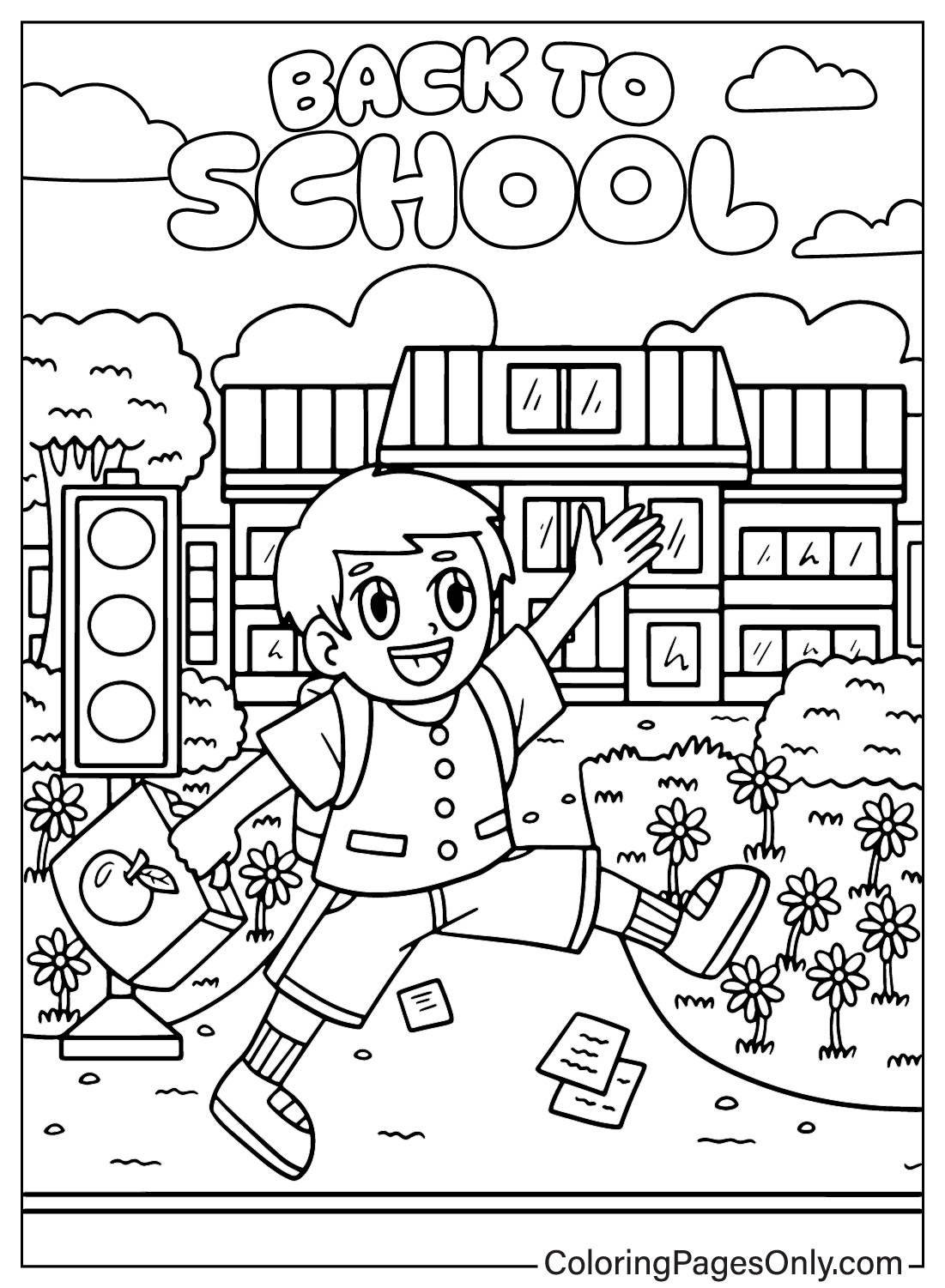
Back to School Coloring Pages at ColoringPagesOnly.com brings together 35 free printable pages celebrating the annual return to learning – school buses packed with students, children comparing backpacks and new supplies, classrooms being set up for the year ahead, cheerful banners declaring “Welcome Back,” pencils and crayons arranged for the first lesson, and the particular energy of a season that combines fresh starts with familiar routines. Download any page as a free PDF to print, or color online directly in your browser.
This collection sits within the Educational Coloring Pages hub. For pages focused on the very first day of school – particularly for preschoolers and kindergarteners experiencing school for the first time – see First Day of School Coloring Pages. For year-round school themes, explore School Kindness Coloring Pages, Growth Mindset Coloring Pages, and Thank You Teacher Coloring Pages.

Back to School vs. First Day of School – Two Different Occasions
These two phrases are often used interchangeably, but they describe meaningfully different emotional and practical situations – and this collection serves both, while leaning primarily toward the broader back-to-school experience rather than the first-time kindergartener’s transition.
First Day of School is primarily about children who have never been to school before: preschoolers, kindergarteners, and sometimes first-graders at a new school. The emotional register is about separation anxiety, novelty, and the challenge of trusting a new environment without the presence of caregivers. The coloring pages that best serve that moment are scenes of children being walked to school by parents, teachers welcoming students at the door, and a child with their very first backpack.
Back to School is a broader, season-long phenomenon that includes returning students – children who already know what school is and are anticipating the resumption of academic routine after summer. For them, the back-to-school experience is about the excitement of reuniting with friends, seeing which classroom they have this year, using new supplies, meeting a new teacher, and re-engaging with the structured rhythms of learning. The pages in this collection – school buses full of children, students studying in classrooms, groups of kids with backpacks, collections of school supplies – speak to this broader, more familiar relationship with school.
Back to school is also one of the most culturally consistent annual experiences in modern life. It happens at a specific, predictable time, involves specific, predictable rituals (new supplies, new clothes, school supply shopping), and carries a specific emotional weight that most adults recall vividly from their own childhoods. This is why back-to-school pages resonate across age groups: a parent coloring these pages alongside their child is often also reliving their own memories of September mornings and freshly sharpened pencils.
The History of Back to School – How the Season Was Invented
The “back to school” season, as most people experience it today – concentrated in late August and early September in North America and Europe – did not always exist. Its current timing is a 19th-century artifact of competing scheduling pressures that were eventually standardized by the demands of the industrial era.
Before standardization: the agricultural calendar. In rural communities throughout the 19th century, the school calendar revolved around the farm. Children were needed for planting in spring and harvesting in fall – the two most labor-intensive periods of the agricultural year. As a result, rural schools often ran in winter months when farm work was lightest, and they held irregular schedules that accommodated harvest seasons. A “back to school” moment did not coincide with any particular calendar date; children returned to class whenever the crops allowed.
Urban schools ran year-round. In cities, where children were not needed on farms, schools often ran nearly year-round – because their families depended on factory and industrial work that didn’t pause seasonally, and because urban parents needed somewhere for children to be supervised. The extended summer vacation familiar to modern students was not an original feature of urban schooling; it developed gradually.
Standardization in the late 19th and early 20th centuries. As public school systems became more regulated through the late 1800s and early 1900s, states and municipalities standardized their academic calendars. The compromise that emerged – roughly September through June, with summer vacation – was partly shaped by the remaining agricultural traditions, partly by the desire of middle-class families (who began taking summer holidays as the railway system expanded) to keep schools empty in the hottest months, and partly by educators who argued for summer breaks on pedagogical grounds. By the early 20th century, the September start had become the dominant model across the United States.
The back-to-school shopping phenomenon. By the mid-20th century, the commercial dimension of back-to-school had solidified. Retailers discovered that families needed to equip children with new supplies, new clothing, and sometimes new shoes every September – a predictable, recurring spending event. Department stores began running back-to-school sales in August, and by the 1970s and 1980s, back-to-school had become the second-largest retail season in the United States after Christmas. Today, the supplies depicted in this collection’s pages – pencils, crayons, backpacks, notebooks, lunchboxes – are precisely the items that define the annual shopping ritual that marks the season for most families.
Back to School Around the World
While the specific timing varies, virtually every country with a formal education system has a back-to-school moment – and many have developed unique traditions to mark it. The pages in this collection speak to a universal human experience of seasonal renewal through education, even though its expression differs remarkably by culture.
Germany – the Schultüte. Perhaps the world’s most distinctive first-day-of-school tradition belongs to Germany: the Schultüte, a large, brightly decorated paper or cardboard cone given by parents, grandparents, and godparents to children starting their very first year of school. The cone is filled with school supplies, candy, small toys, and treats. The tradition began in Saxony in the early 19th century and spread throughout Germany over the following decades. The Schultüte is intended to make the transition into formal schooling feel festive and celebratory rather than daunting – a tangible expression of family support for the child’s new chapter. The pages in this collection featuring school supply collections share this spirit: the objects of school (pencils, backpacks, crayons) presented as exciting, colorful, positive things.
Ukraine and Russia – Knowledge Day (September 1). In Ukraine and Russia, September 1 is officially called “Den Znaniy” – “The Day of Knowledge” – and is treated as a national celebration. First-graders particularly receive special attention: they attend formal opening ceremonies, dress in their best school uniforms, and traditionally bring fresh flowers to their teachers. Older students often welcome first-graders into the school community with ceremonies and performances. The school year begins not with a quiet administrative morning but with a celebratory public event.
Japan – the Randoseru. In Japan, where the school year begins in April rather than September, children starting their first year of primary school receive a randoseru – a stiff leather or synthetic backpack designed to last all six years of elementary school. The randoseru tradition transforms the school bag from a practical item into a significant gift and symbol of educational commitment. A child’s first randoseru is typically purchased by grandparents as a meaningful present. The backpack pages in this collection – like “Bus carrying Students Back to School” and the various student-with-backpack tiles – tap into this universal association between back to school and the carrying bag that symbolizes the student identity.
Vietnam – September 5 is a national celebration. In Vietnam, the first day of school on September 5 carries national significance rooted in a letter written by President Ho Chi Minh to students on September 5, 1945, celebrating Vietnam’s first school year as an independent country. The date has been commemorated every year since, with ceremonies at schools across the country featuring artistic performances and community celebrations.
India – Praveshanotsav. In several Indian states, the first day of school is called Praveshanotsav (“Admission Day”) and is treated as a joyful occasion. Children receive gifts – often practical ones like umbrellas, which are especially useful given that the Indian school year typically begins during monsoon season – and are welcomed into school with community ceremonies that reflect the high cultural value placed on educational opportunity.
The Vocabulary of Back to School – The Objects in This Collection
The pages in this collection are built around a specific visual vocabulary: the objects, scenes, and people that define the back-to-school experience. Understanding the cultural and practical significance of each element makes coloring them more intentional and more rewarding.
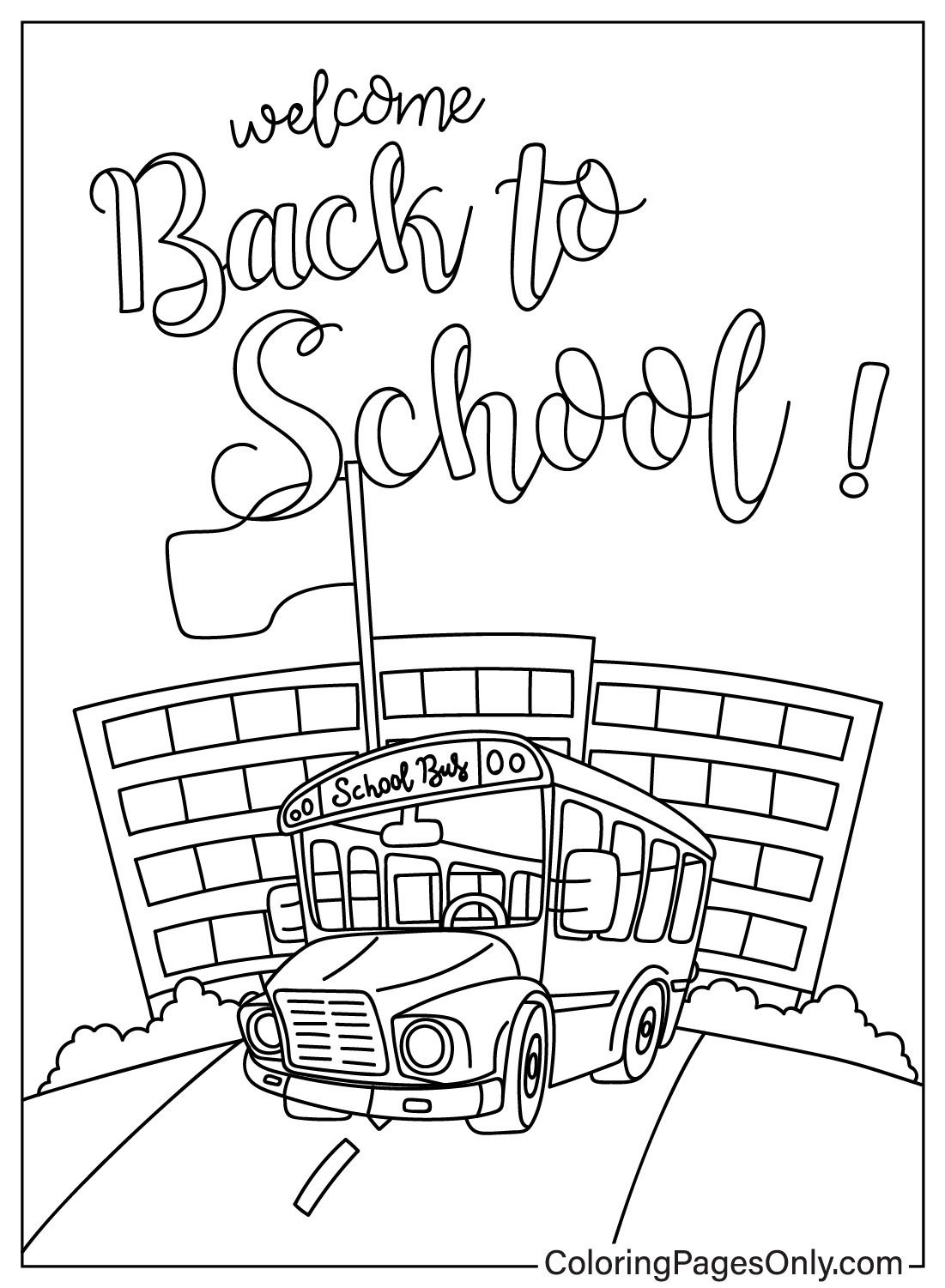
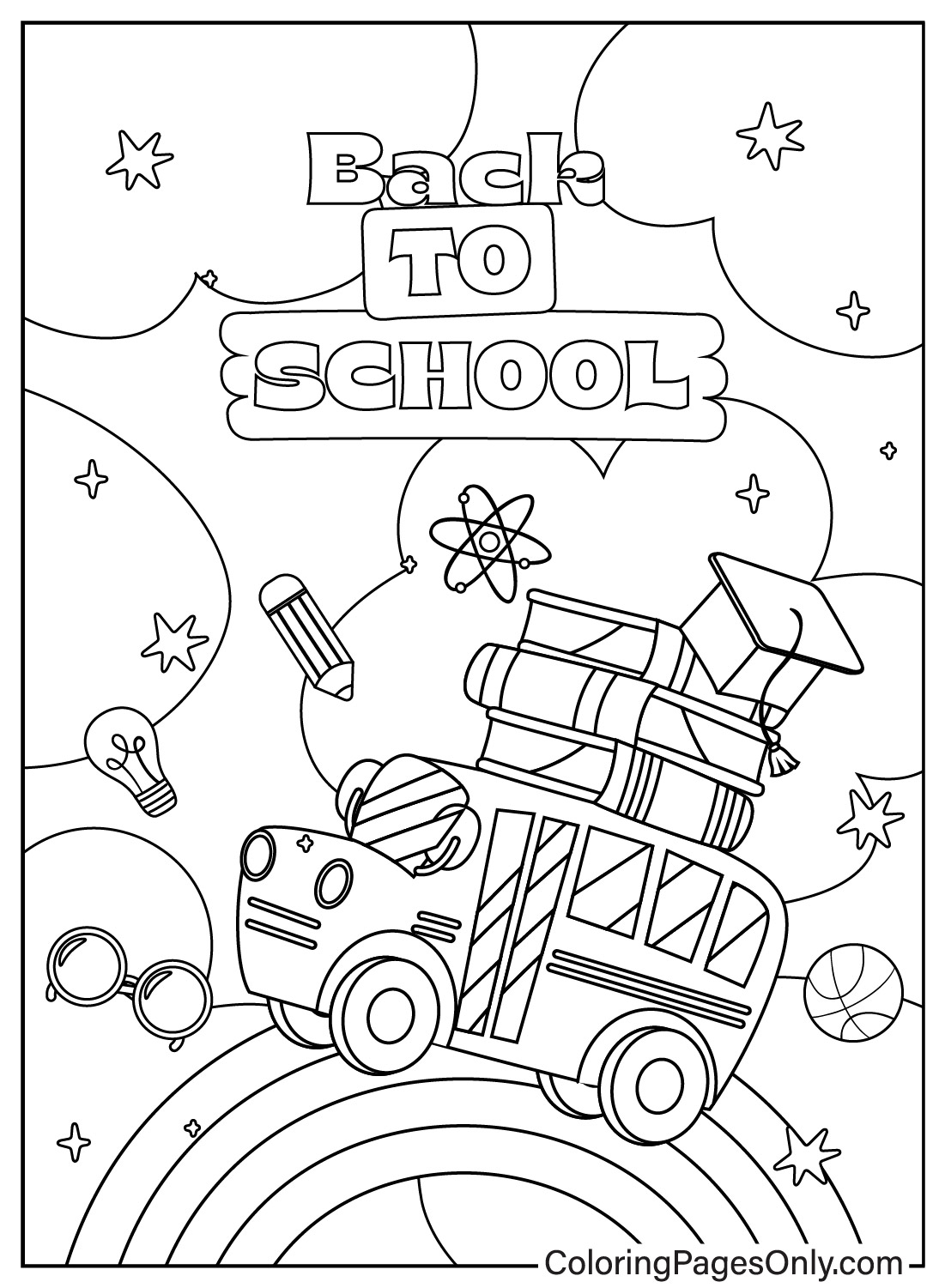
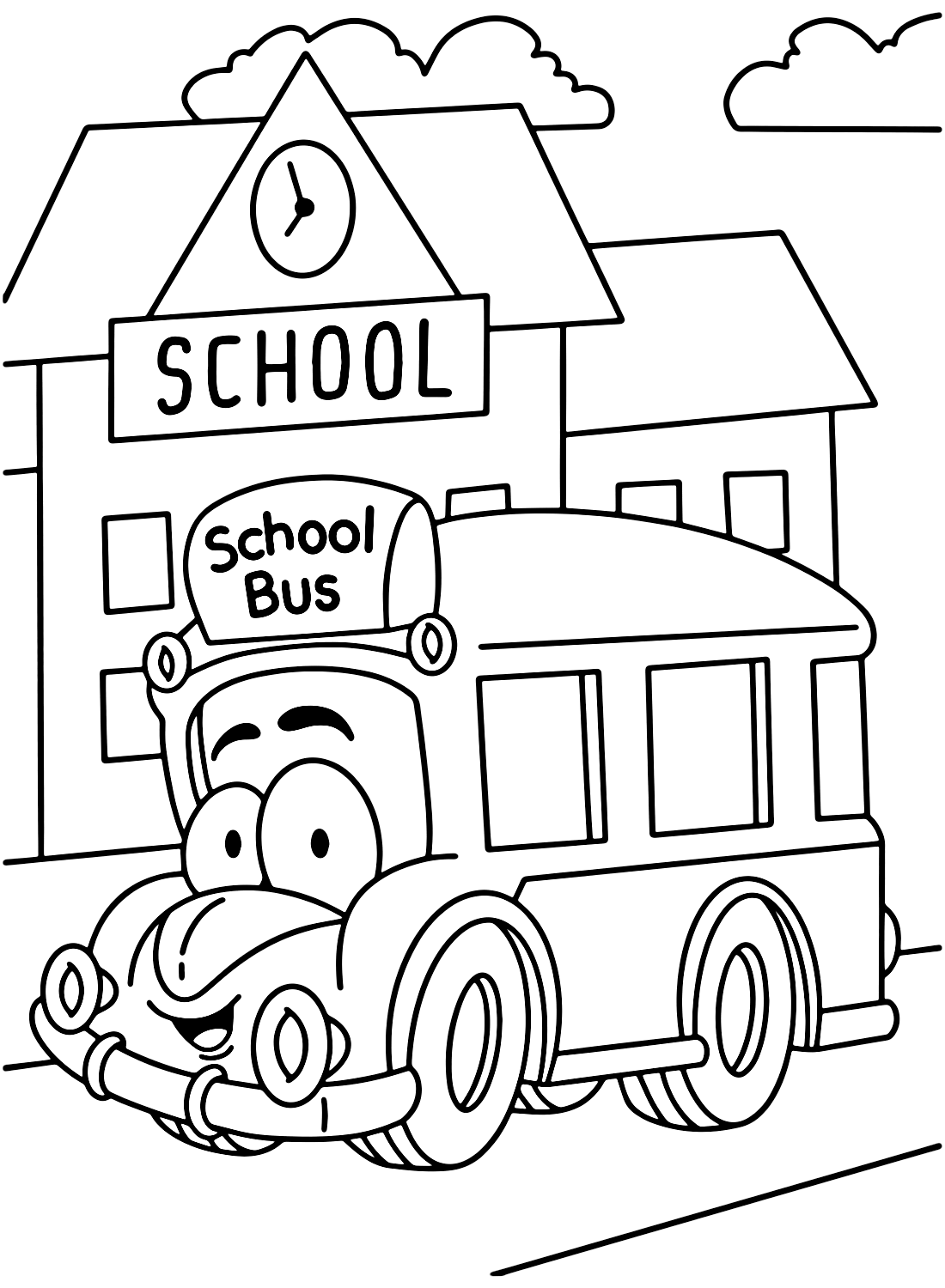
The school bus is arguably the single most iconic image of American back-to-school – the yellow bus appearing on a September morning is one of the most universally shared childhood images in the United States. The yellow color of school buses is not arbitrary: it was standardized in 1939 at the first National Conference on School Transportation, which determined that “National School Bus Chrome Yellow” was the most visible color in peripheral vision, especially in the low-light conditions of early morning. Several pages in this collection – “Bus carrying Students Back to School” and “Cute School Bus” – feature this iconic vehicle.
The backpack as a school item is younger than most people assume. Canvas school bags existed in various forms for centuries, but the modern frame backpack – a rigid-framed bag designed to distribute weight across the back and shoulders – was not widely available or commonly used for school until the 1970s and 1980s. Before that, children typically carried books and supplies in leather satchels worn over one shoulder, or simply in their hands. The large, colorful, character-branded backpacks familiar from contemporary school shopping are a phenomenon of the past forty years. Pages featuring children with backpacks depict a remarkably recent historical innovation.
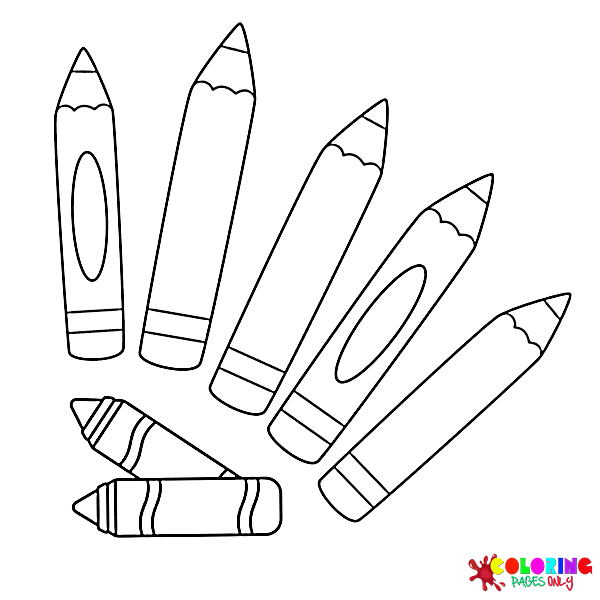
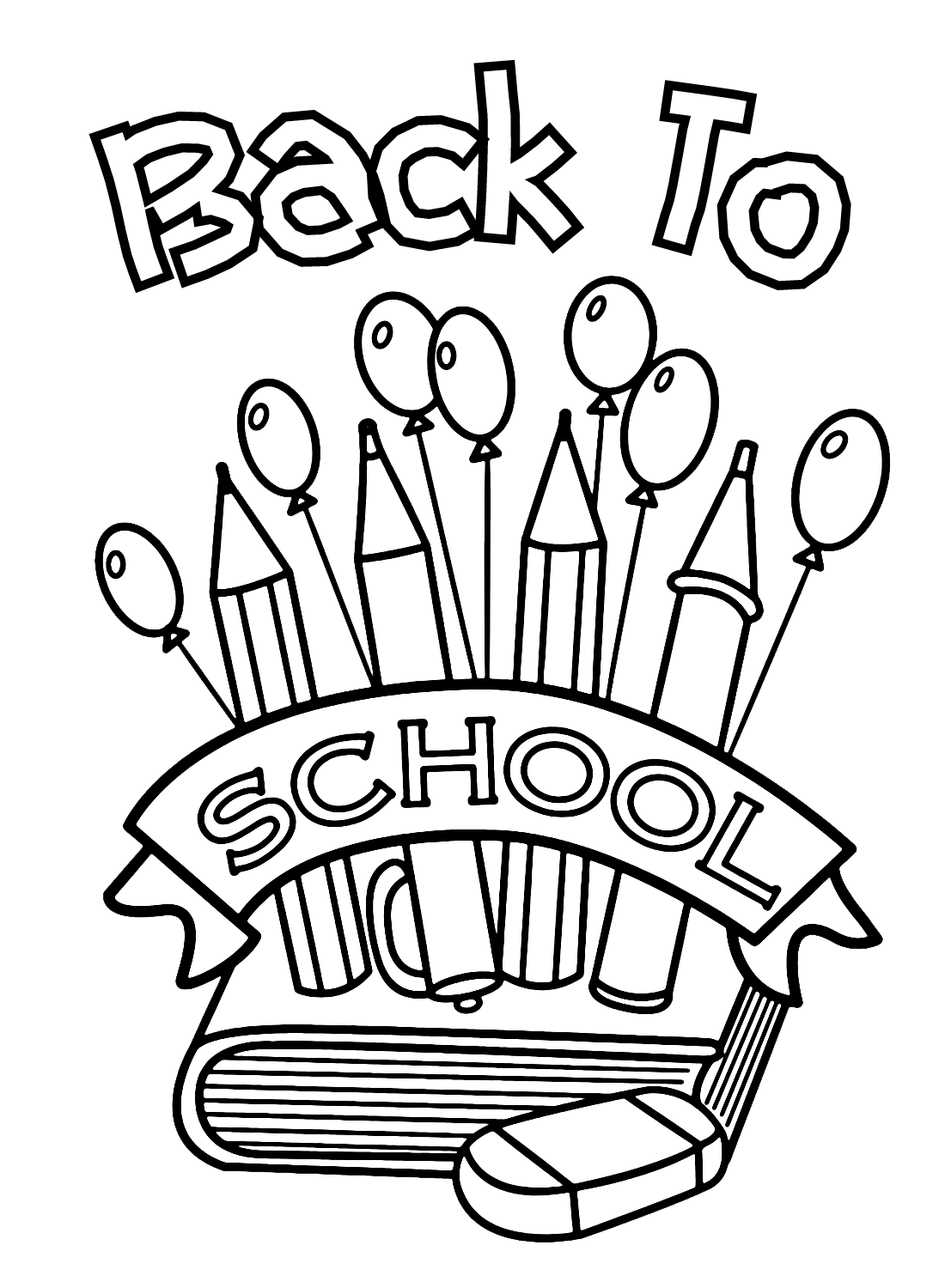
Pencils, crayons, and school supplies – including the pages titled “Important School Items” and “School Items for Children” – represent the toolkit of learning in its most visible, colorable form. A newly sharpened pencil is one of the most universally recognized symbols of academic readiness: it means the work hasn’t started yet, the mistakes haven’t been made yet, the possibilities are still open. The collection of colored crayons in particular connects directly to the coloring activity: children coloring a page of crayons are using crayons to color crayons, a delightfully recursive creative moment.
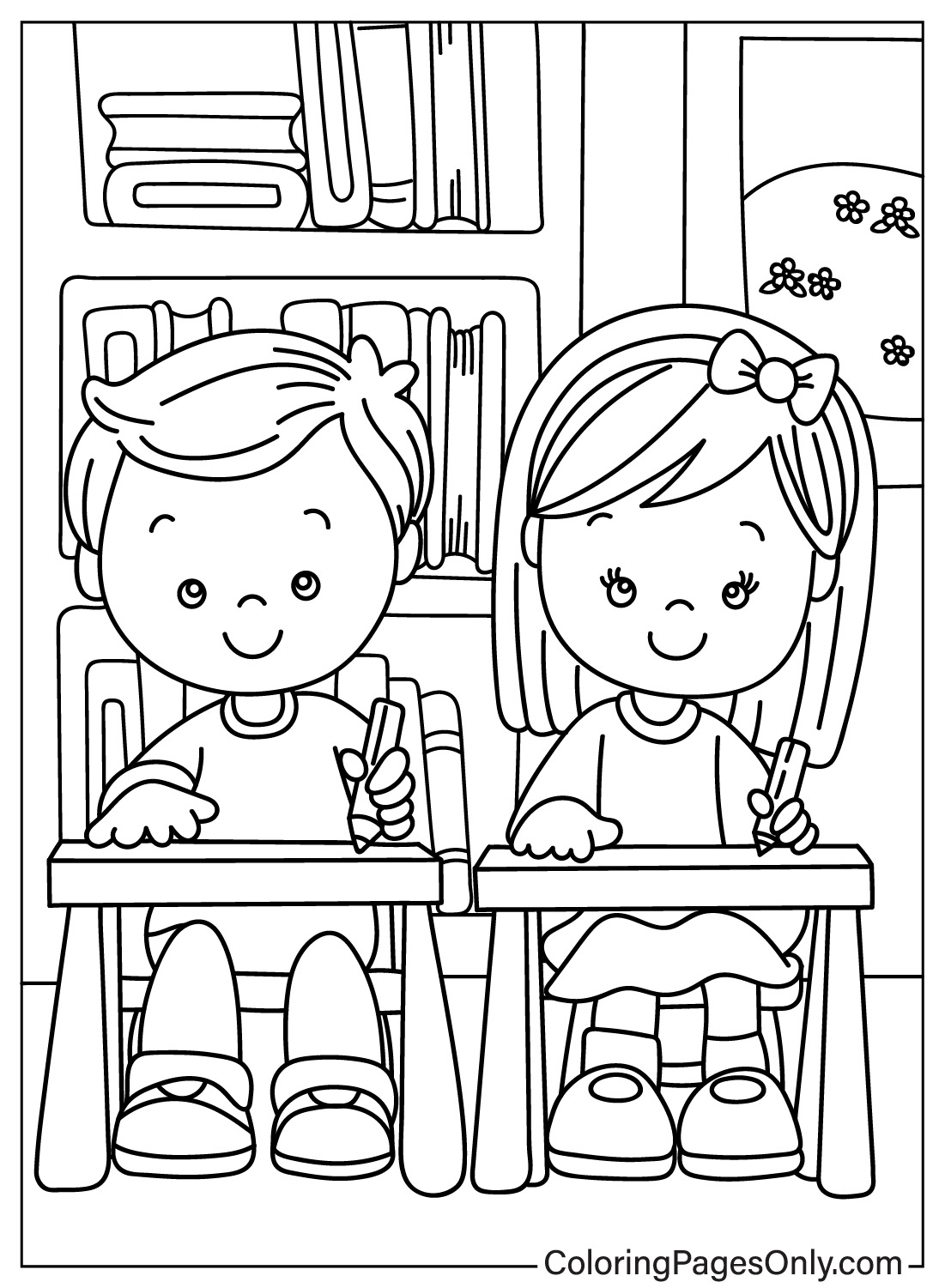
The classroom – as depicted in “Students Studying in the Classroom” – represents the destination that all the school-morning preparation is aimed at. A classroom in back-to-school illustration is typically shown in its ideal state: organized, bright, welcoming, with desks arranged for active learning, blackboards ready for the day’s lessons, and windows letting in the light of a new academic year. This idealized version of the classroom functions as an aspirational image – what learning could look like, not necessarily what it always does.
How to Use These Pages – Timing and Context
In the weeks before school starts. The back-to-school season typically begins, in terms of family awareness and preparation, four to six weeks before the first day. This is when the pages in this collection are most immediately relevant: a child coloring school bus scenes and backpack illustrations during the last weeks of summer is building positive associations with the approaching school year through the same familiarity-building mechanism that reduces anxiety. Unlike the First Day of School collection – which targets the specific emotional challenge of a child’s first separation from home – the Back to School collection is appropriate for a wider age range and for children who have attended school before and are returning to familiar territory.
On the first day of school, as a classroom opening activity. Teachers who want an immediate, no-setup, universally-accessible activity for the very first minutes of the school year consistently find that a coloring page works better than any alternative. It requires no instruction, no materials beyond a crayon or marker, and no prior knowledge. Every child already knows how to do it, which means no one begins the year feeling behind or confused. A “Welcome Back to School” page placed on each desk before children arrive gives each student something to do the moment they sit down, allowing the classroom to settle and the teacher to manage the entry of thirty children without chaos.
As a classroom decoration project. Multiple back-to-school pages colored by different students can be combined into a display: a bulletin board featuring the school bus pages, or a window display featuring the school supply illustrations colored by the entire class. This collective display project gives students a creative stake in the physical environment of their new classroom – the space contains something they made, which contributes to the sense that the classroom belongs to them.
As a summer-to-school transition tool. For children who find the end of summer and the return to school emotionally challenging – not because school is new to them, but because summer is over – the back-to-school coloring pages provide a gentle, creative bridge between the two seasons. Coloring a school bus page or a classroom scene during the final week of summer is not a formal school activity; it is still a vacation activity. But it begins to move the child’s mental focus toward the school-year context, making the actual transition less abrupt.
Coloring Tips for Back-to-School Pages
School yellow is the defining color of this theme. Every color in a back-to-school scene is familiar and specific, but the most distinctive is the vivid, warm yellow of school buses, pencils, and crayon wrappers. This specific golden-yellow – warmer than lemon, brighter than gold, more saturated than butter – should be consistent across every instance where it appears on the same page. A school bus and a pencil on the same page should be the same yellow; inconsistency between these two iconic yellow objects creates a visual disconnect that makes the page feel less coherent.
School supply pages reward careful attention to the details. Pages featuring collections of school supplies – pencil cases, crayons, rulers, scissors, notebooks, protractors – have the most visual variety of any pages in the collection. Each object has its own canonical color range: crayons in a rainbow of colors (each stick a different hue), pencil bodies in yellow with a silver metal ferrule and pink eraser at the tip, rulers in transparent plastic (clear, pale yellow, or pale blue), scissors with red or orange handles, notebooks in any color with white pages showing at the edges. Coloring each object with careful attention to its actual visual characteristics produces a page that reads as a genuine inventory of real school supplies rather than a random arrangement of colored shapes.
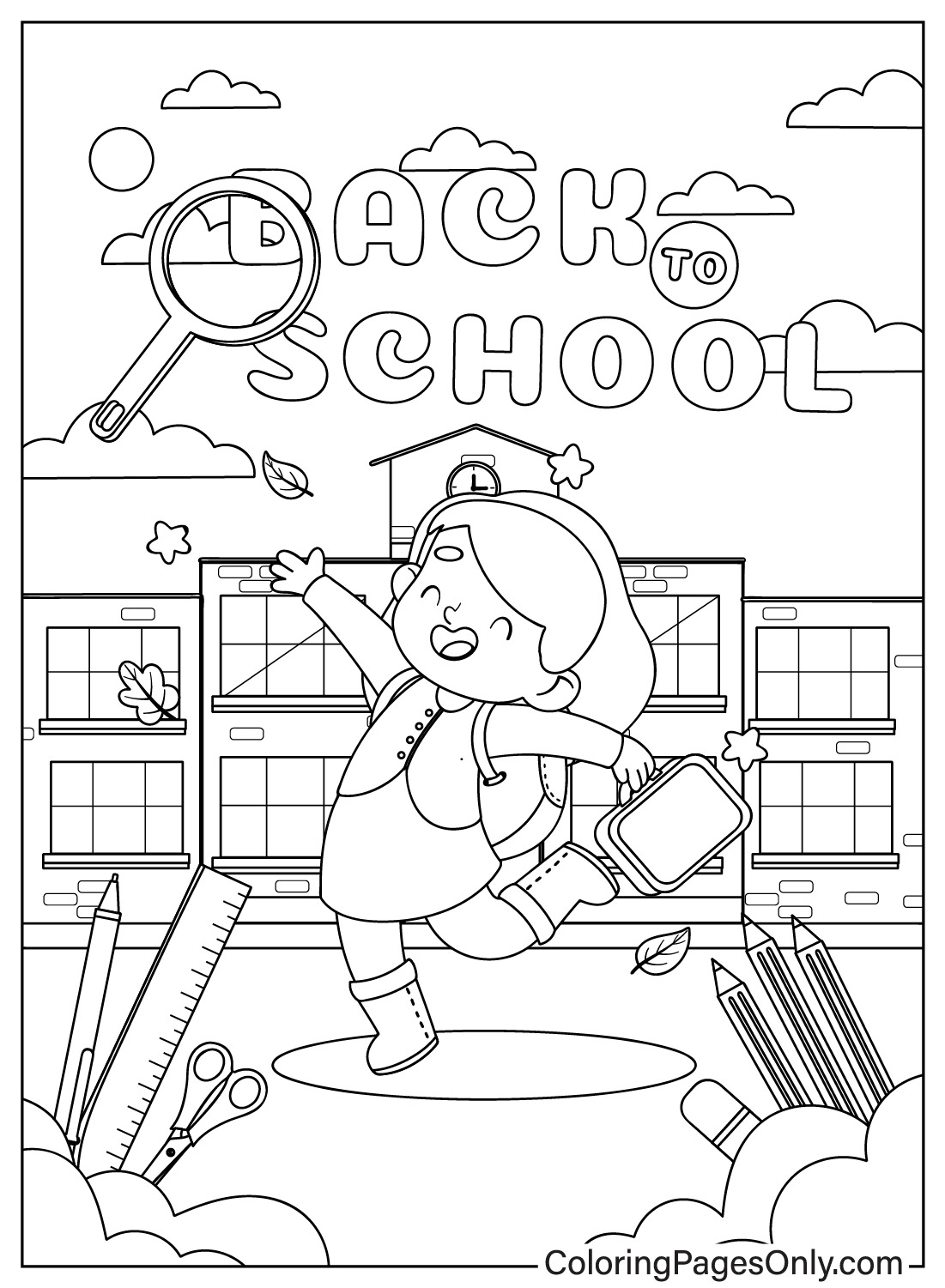
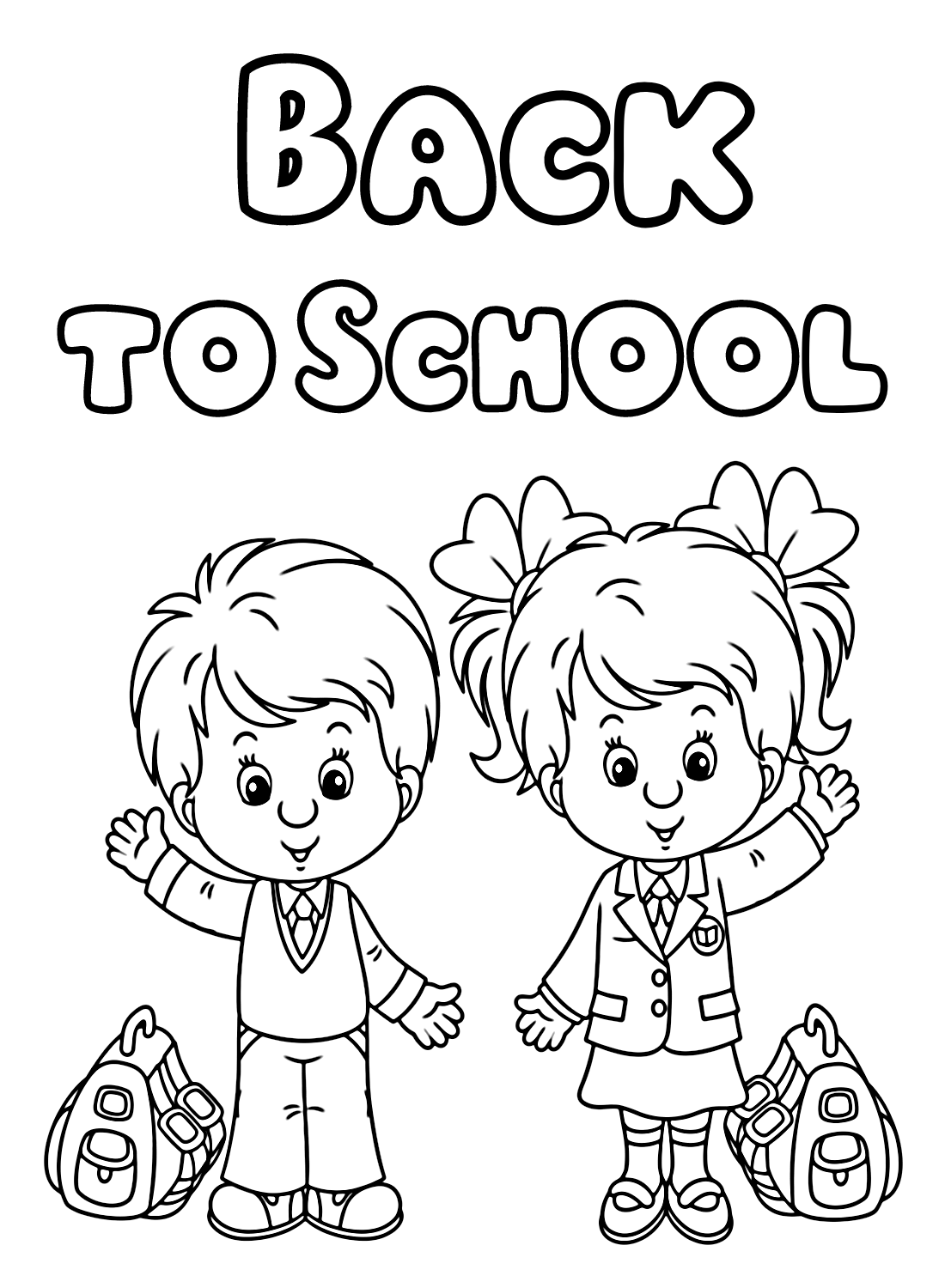
Children’s clothing in back-to-school scenes – bright, fresh, specific. The children depicted in scenes like “Bus carrying Students Back to School,” “Children welcome Back to School,” and “Students Studying in the Classroom” are almost always shown in their first-day best – crisp, colorful, cheerful clothing that communicates the fresh-start quality of the back-to-school moment. Resist muted, worn, or grey tones for the clothing in these scenes. The visual convention of back-to-school illustration calls for vivid, saturated clothing colors that convey the energy and optimism of the season.
The school bus interior and exterior are different zones. Pages featuring the “Bus carrying Students Back to School” tile have two distinct visual environments: the exterior of the bus (the canonical yellow) and the interior (the children visible through windows, the seats, the aisle). The exterior should be an uncompromising vivid yellow; the interior should be slightly cooler and dimmer – perhaps with a warm blue or green for the upholstered seats, and slightly softer colors for the children’s faces and clothing as seen through glass. This interior/exterior distinction creates depth and makes the bus illustration feel three-dimensional rather than flat.
“Welcome Back” text and banners deserve the most celebratory treatment. Several tiles feature illustrated banners or letter-by-letter “Welcome Back to School” or “Back to School” lettering. These text elements are the most joyful visual elements on their pages and should receive the most vibrant color treatment: each letter in a different vivid color (the classic primary-color banner), alternating warm and cool colors, or a consistent bright palette that makes the banner read as festive from across the room. The text element is usually the smallest part of these pages’ total area, but carries the most emotional weight – it says directly what the season is about.
5 Activities
The school supply inventory coloring game. Print any of the school supply collection pages (Important School Items, School Items for Children). Before coloring, ask the child to look at each item and name it aloud – ruler, pencil, eraser, backpack, notebook, scissors, glue stick. For each item they can name correctly, they “earn” that item to color first. For items they’re uncertain about, the parent or teacher provides the name, and they color it last. This simple name-the-object game before coloring turns the visual inventory page into a vocabulary learning exercise: the child has an active stake in identifying each item, and the subsequent coloring reinforces each name through extended visual engagement with the corresponding object. Children who complete this activity reliably know the names of twelve to fifteen school supply items by the time they’re done – a vocabulary gain delivered through a coloring session that takes twenty minutes.
The classroom design project. Give the child a blank piece of paper and invite them to design their ideal classroom. Before they design, look together at the “Students Studying in the Classroom” page and discuss: what furniture does the classroom have? What’s on the walls? What’s on the teacher’s desk? What does a good classroom need? Color the provided page, then separately design the ideal classroom: where would you put the desks? What color would the walls be? What would be in the reading corner? This design exercise deepens the child’s mental engagement with the classroom as a physical, intentional space, which builds the sense of ownership and belonging that makes returning to school feel less like an imposition and more like entering a place you have some connection to. Children who have thought about what makes a good classroom environment tend to engage more actively with their actual classroom because they have developed opinions about classroom design.
The bus route story. Using the “Bus carrying Students Back to School” page as the visual anchor, create a collaborative story about the children on the bus. Before coloring, decide: where did the first child board? What’s their name? What is the child in the third window looking forward to today? Color each child visible in the bus windows in a different color of clothing, then give each one a name and one detail about their day. This storytelling-while-coloring activity builds the same positive social anticipation of school that research on back-to-school transitions consistently identifies as protective against school anxiety: a child who has imagined friendly peers on the school bus arrives with an existing positive mental narrative about the social environment.
The then-and-now comparison activity. Share with a child (or a class) the historical information that school looked completely different 100 to 200 years ago: no backpacks (children carried books by hand or in leather satchels), no pencils as we know them (children wrote on small individual chalkboards called slates), no school buses (children walked, sometimes several miles), no electricity in the school building (heat came from a wood stove), and often a single teacher for all ages in one room. Then color the “Important School Items” or “School Items for Children” page with careful attention to each modern supply. After coloring, make a list of all the items on the page and mark each one: “Would students in 1820 have had this?” Most items will be marked “No” – pencils as we know them only became widely available in the mid-19th century; notebooks were rare and expensive; backpacks didn’t exist until the 20th century; crayons were invented in 1903. This historical comparison makes the familiar supplies on the coloring page suddenly interesting and historically significant.
The international back-to-school traditions book. After coloring any three pages from this collection, create a simple illustrated page describing a back-to-school tradition from another country – Germany’s Schultüte, Japan’s randoseru, Ukraine’s Knowledge Day flowers, or India’s Praveshanotsav umbrellas. Draw a simple illustration of the tradition (a child holding a large decorated cone; a child receiving a backpack from a grandparent; a child carrying flowers; a child with an umbrella in the rain), color it, and write or dictate a one-paragraph description. Combine the colored back-to-school pages with the international tradition page to make a small personal “Back to School Around the World” book. This activity connects the child’s own back-to-school experience to a global human practice – the beginning of the school year is not just their event, but a moment of collective renewal that billions of children experience in different forms across every country. Children who complete this activity consistently express greater positive orientation toward school as an institution because they understand it as part of something larger than their own routine.