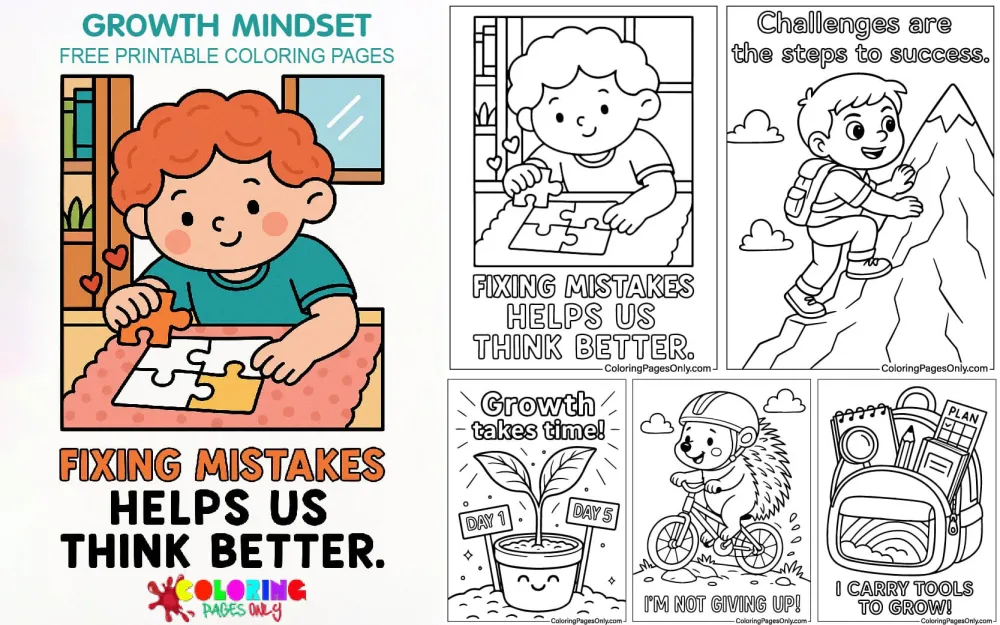
Growth Mindset Coloring Pages at ColoringPagesOnly.com brings together 40+ free printable pages built around one of the most influential ideas in contemporary educational psychology – the belief that intelligence and ability are not fixed at birth but grow through effort, strategy, and a willingness to learn from mistakes. These pages feature illustrated affirmations, animal characters carrying growth mindset messages, and motivational scenes depicting the joy of trying, the value of persistence, and the power of believing in the process of learning. Download any page as a free PDF to print, or color online directly in your browser.
This collection sits within the Educational Coloring Pages hub alongside closely related school-year collections: School Kindness Coloring Pages, Safety at School Coloring Pages, Thank You Teacher Coloring Pages, and Back to School Coloring Pages.









The Research Behind Growth Mindset – Carol Dweck and Stanford
The concept of growth mindset was developed by Carol Dweck, the Lewis and Virginia Eaton Professor of Psychology at Stanford University, through decades of research on motivation, failure, and the beliefs children hold about their own intelligence. Her foundational insight – and it was genuinely counterintuitive when she first articulated it in the 1980s and 1990s – was that how children think about their intelligence matters at least as much as how much intelligence they actually have.
Dweck identified two distinct belief systems. In a fixed mindset, people believe that intelligence and talent are innate traits – you either have them or you don’t, and effort is largely irrelevant. People with a fixed mindset tend to avoid challenges (to avoid revealing their limitations), give up when they encounter difficulty (because difficulty signals they aren’t smart enough), and interpret failure as a verdict on their ability rather than as information about their approach. In a growth mindset, people believe that intelligence and ability can be developed through dedication, effective strategies, and a willingness to learn. People with a growth mindset seek out challenges, persist through difficulty, and treat failure as part of the learning process rather than as a judgment on who they are.
Dweck’s research found that approximately 40% of children and adults hold a fixed mindset, 40% hold a growth mindset, and about 20% fall in between. And – crucially – she found that these mindsets are not stable characteristics that children simply arrive with. They are shaped by the messages they receive from parents, teachers, and the broader culture: specifically, by how the adults in their lives respond to their successes and failures.
The Praise Problem – Why “You’re So Smart” Backfires
Dweck’s most striking early finding concerned how adults praise children. In a landmark series of studies conducted with Claudia Mueller, Dweck gave children a set of problems to solve. After a first round that most children found manageable, they praised some children for their intelligence (“You must be really smart at this”) and others for their effort (“You must have worked really hard”). Both groups had performed equally well. Then the children were given a much harder set of problems that most would not complete successfully.
The results were dramatic. Children who had been praised for their intelligence – person praise – showed a sharp increase in fixed mindset behavior. They chose easier problems on subsequent rounds (to avoid exposing their “smartness” as possibly limited), reported less enjoyment of the task, performed worse on a subsequent set of problems comparable in difficulty to the first round, and were more likely to misreport their scores to make themselves look better. A single phrase – “You must be really smart” – had measurably damaged their motivation and performance.
Children praised for their effort – process praise – showed the opposite pattern. They were more likely to choose harder problems on subsequent rounds, reported more enjoyment, maintained their performance on comparable problems, and showed none of the defensiveness or dishonesty about scores. They had internalized the message that effort and strategy matter, so when they hit difficulty, they responded by trying harder and trying differently rather than by concluding they were incapable.
Dweck’s follow-up research demonstrated that this effect begins remarkably early. A long-term study tracking parents and children found that the proportion of process praise given to toddlers at ages 1, 2, and 3 predicted those children’s belief that intelligence is developable when they were in 2nd and 3rd grade – and then predicted their academic achievement in math and reading comprehension in 4th grade. Seven years of academic outcomes, shaped in part by how parents spoke to toddlers about their efforts during everyday activities.
The practical implication is precise: praise the process, not the person. Not “you’re so smart” but “you worked really hard on that.” Not “you’re a natural” but “you tried a different strategy, and it worked.” Not “you’re so talented” but “you kept going even when it was difficult.” This language distinction – consistently applied – is one of the most powerful and most accessible interventions available for shaping children’s relationship with learning.
The Neuroscience – Your Brain Actually Grows
The growth mindset framework draws direct support from contemporary neuroscience, specifically from research on neuroplasticity – the brain’s capacity to form new neural connections throughout life, not just in early childhood as was once believed.
When a person learns something new or practices a skill, neurons in relevant brain regions form new connections and strengthen existing ones. This process – synaptogenesis and synaptic strengthening – is not metaphorical. It is a physical change in the structure of the brain. Every time a student struggles with a difficult math problem and works through it, the neural circuits for mathematical reasoning are literally rewiring. The struggle is not a sign of inability; it is the mechanism of growth.
Dweck found that teaching children this neuroscience directly – explaining that their brains form new connections when they try hard things, and that this is how intelligence develops – produces measurable changes in both mindset and academic performance. In a study of students transitioning to middle school (one of the periods of greatest academic challenge and mindset vulnerability), students who were taught a structured program about how the brain grows through effort showed a significant rebound in grades during the difficult transition, while students who had not received this teaching showed the continued grade decline typical of this transition period.
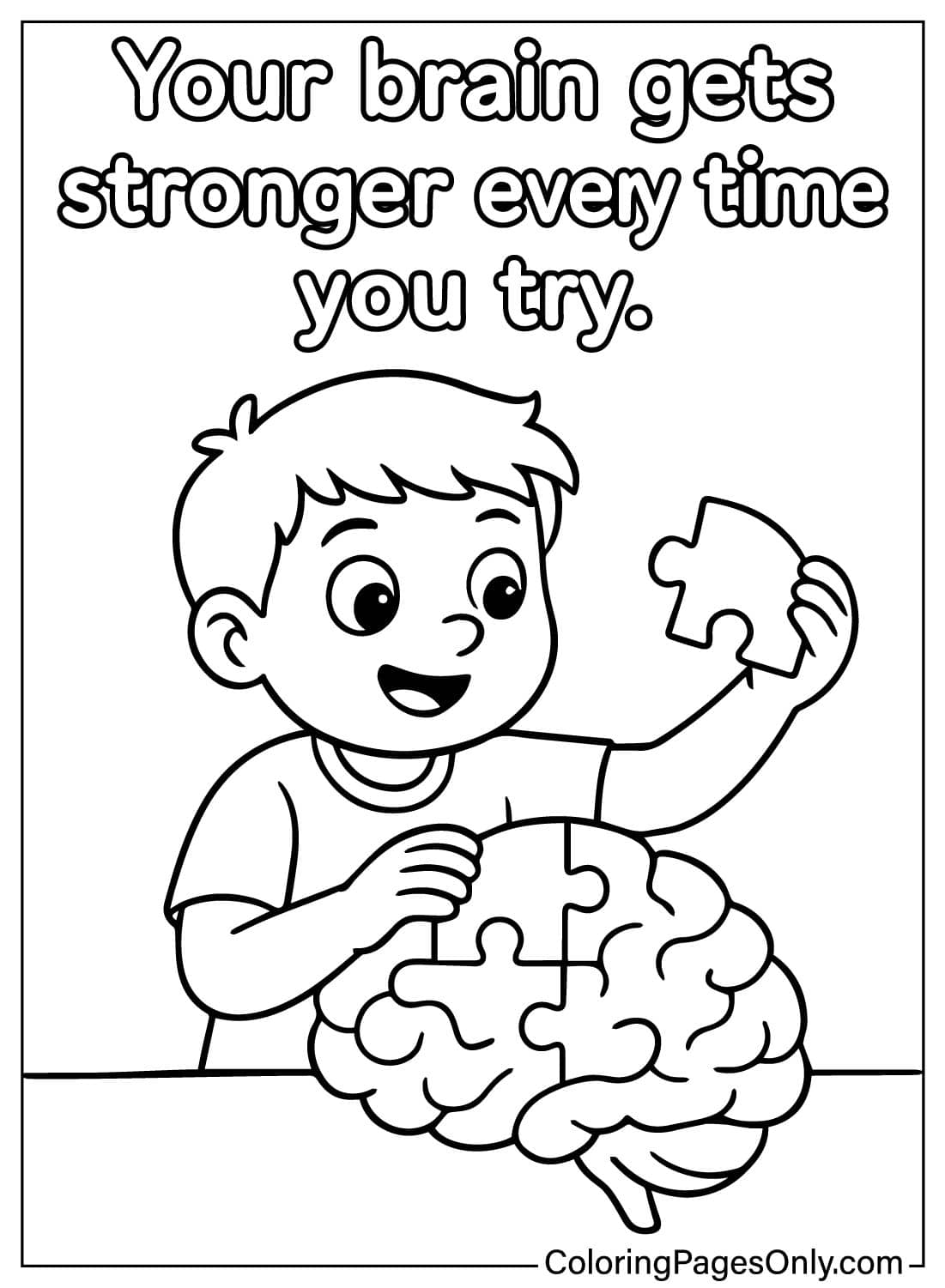
The key teaching point is simple and memorable: your brain is a muscle that grows stronger with exercise. Every mistake you make and learn from is a brain workout. Every challenge you persist through builds real neural capacity. This is not reassurance or cheerleading – it is a description of how learning actually works.
The Power of “Yet” – One Word That Changes Everything
One of the simplest and most powerful tools Dweck’s research produced is the addition of a single word: “yet.”
A child who says “I can’t do this” has made a fixed statement about their current ability with no path forward. A child who says “I can’t do this yet” has made a present-tense observation that contains within it the possibility of future change. The word “yet” reframes inability from a permanent verdict to a temporary location on a developmental journey.
Dweck has described the absence of “yet” from a child’s vocabulary as one of the most limiting experiences in education: “If you get a failing grade, you think you’re nothing, you’re nowhere. But if you get the grade ‘Not Yet,’ you understand you’re on a learning curve.” The grade “Not Yet” tells a student that they haven’t arrived, but arrival is possible. Fixed-grade failure tells them only that they failed.
Teachers and parents who consistently use “yet” – “You haven’t learned to read that word yet,” “You can’t do long division yet,” “You haven’t figured out how to be a reliable friend yet” – embed this perspective in children’s self-talk. Over time, children begin to use it themselves, which restructures their internal response to difficulty from “I’m not smart enough” to “I haven’t got there yet.”
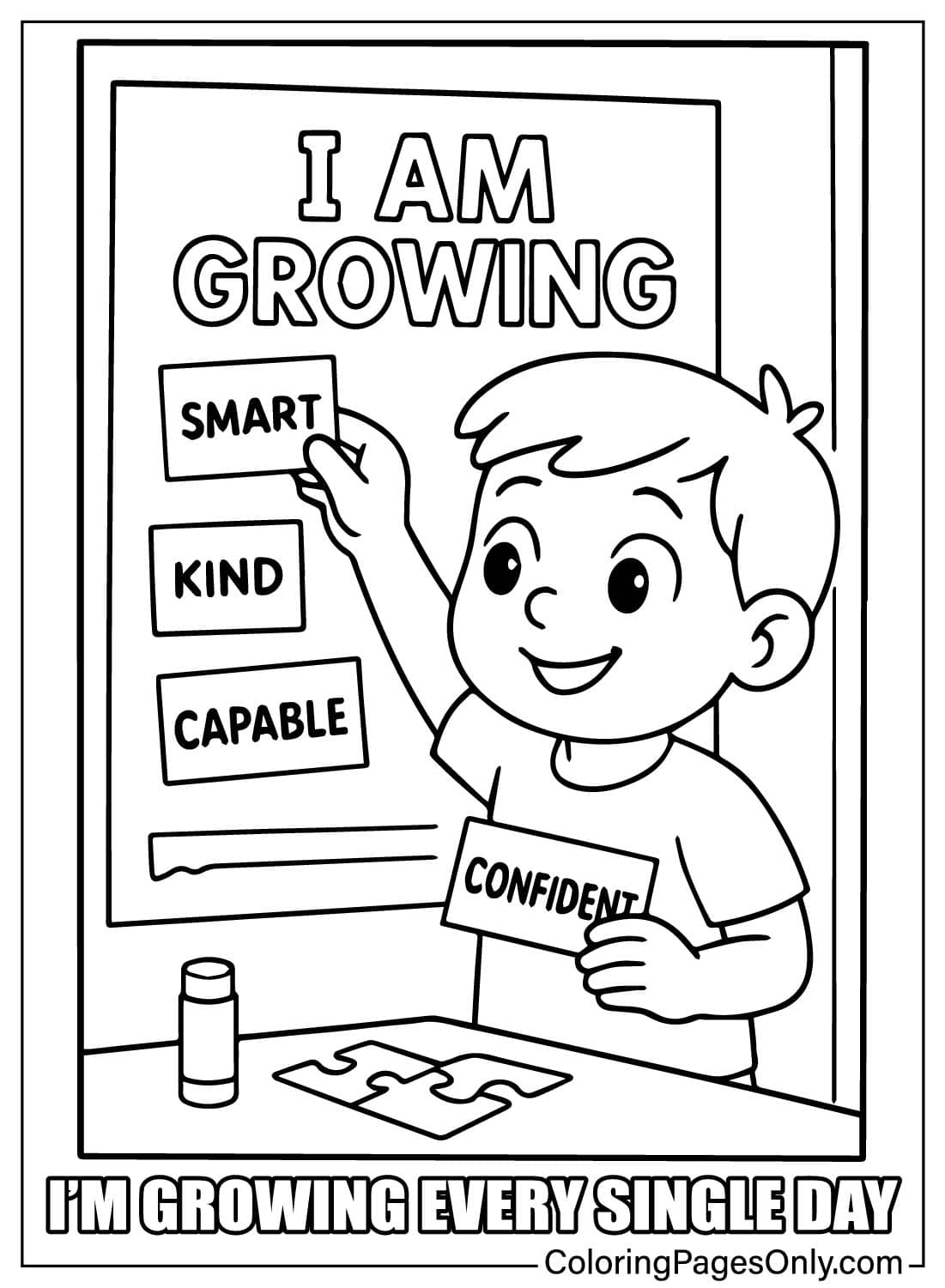
The pages in this collection that carry affirmations like “I am growing,” “I try,” and “I can learn” are doing precisely this work in visual and coloring form: giving children their own hand-made record of growth-oriented self-talk, rendered in their own colors, displayed in their own space.
What’s in This Collection – Four Types of Growth Mindset Pages
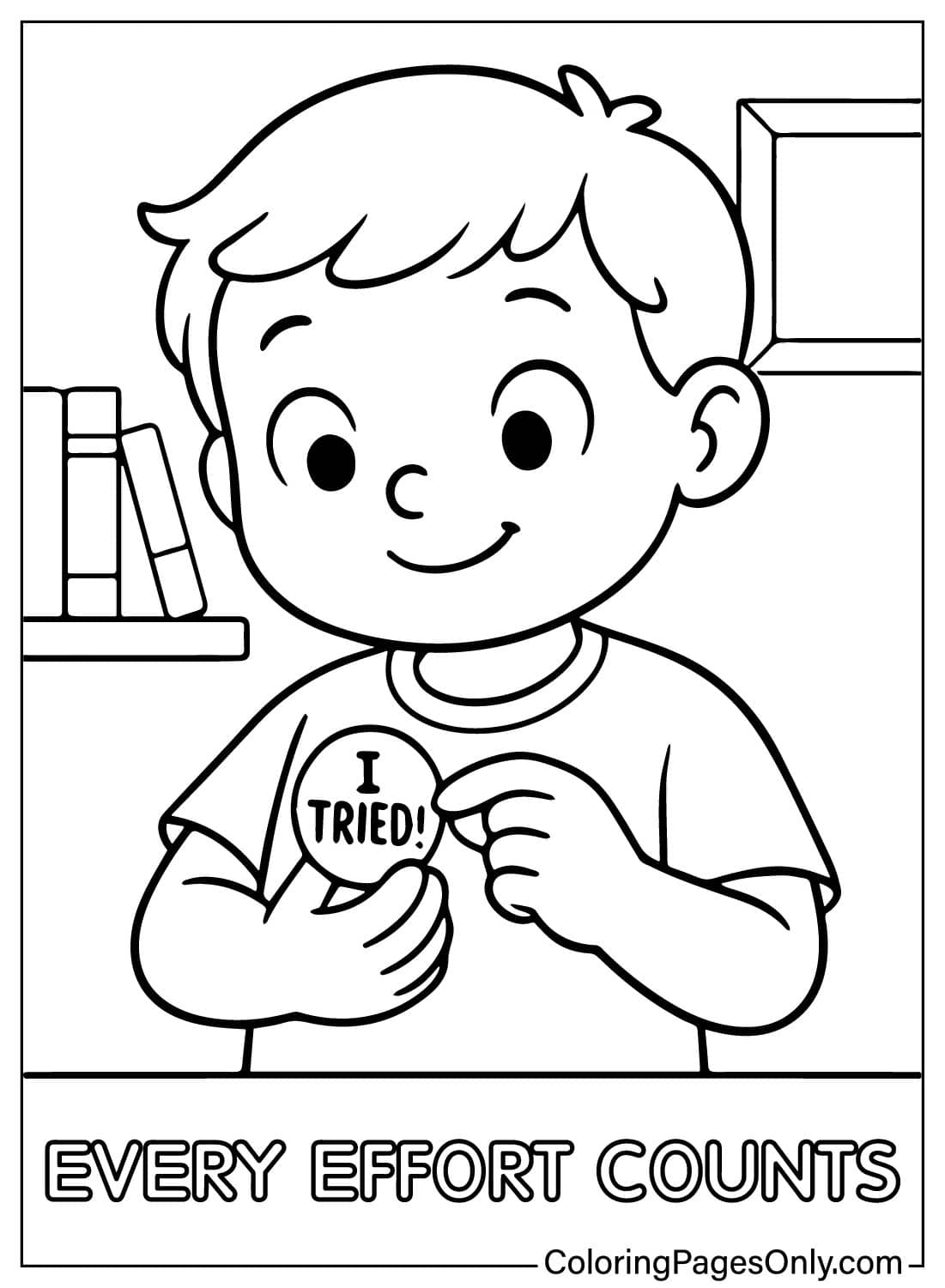
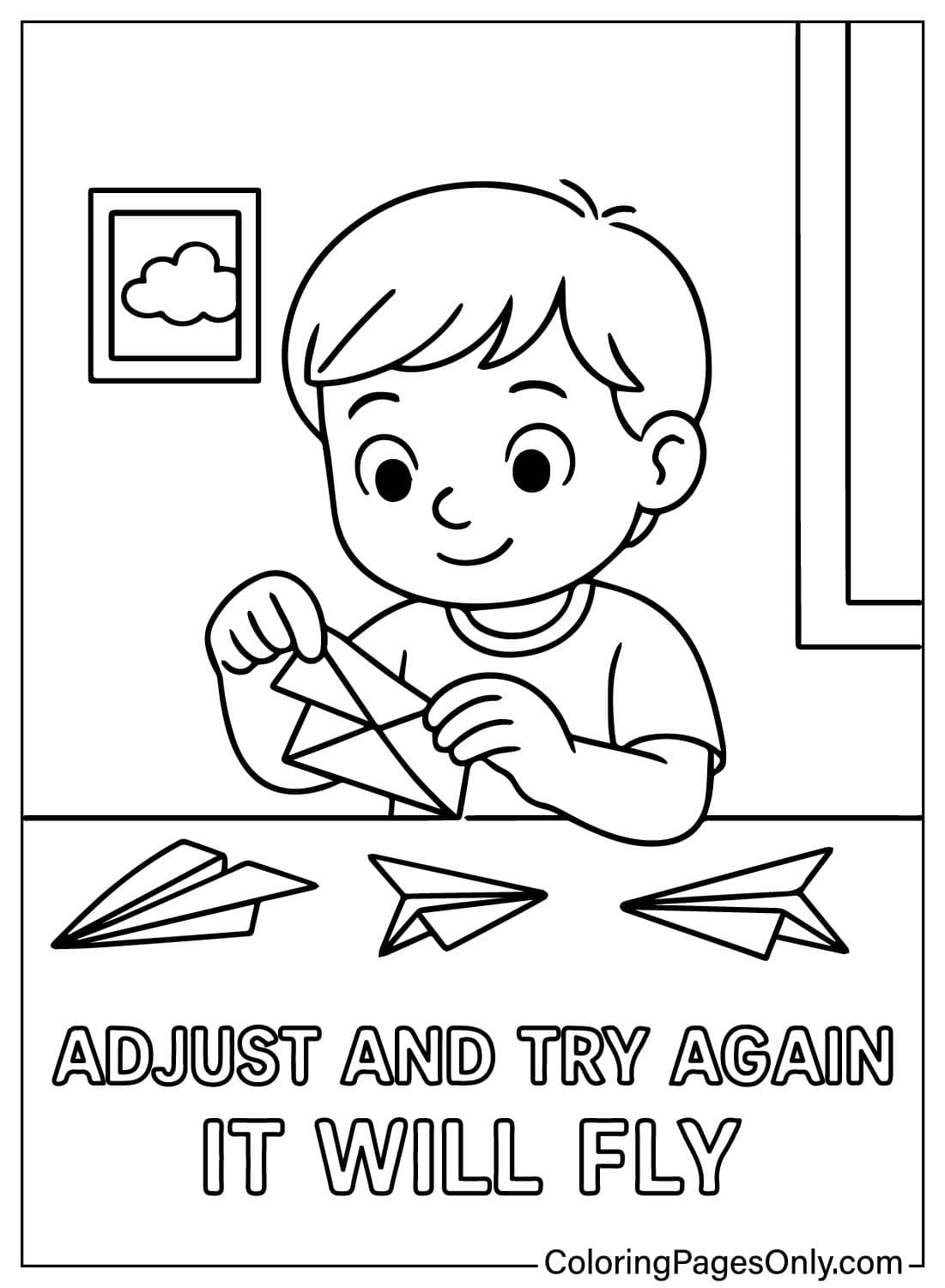
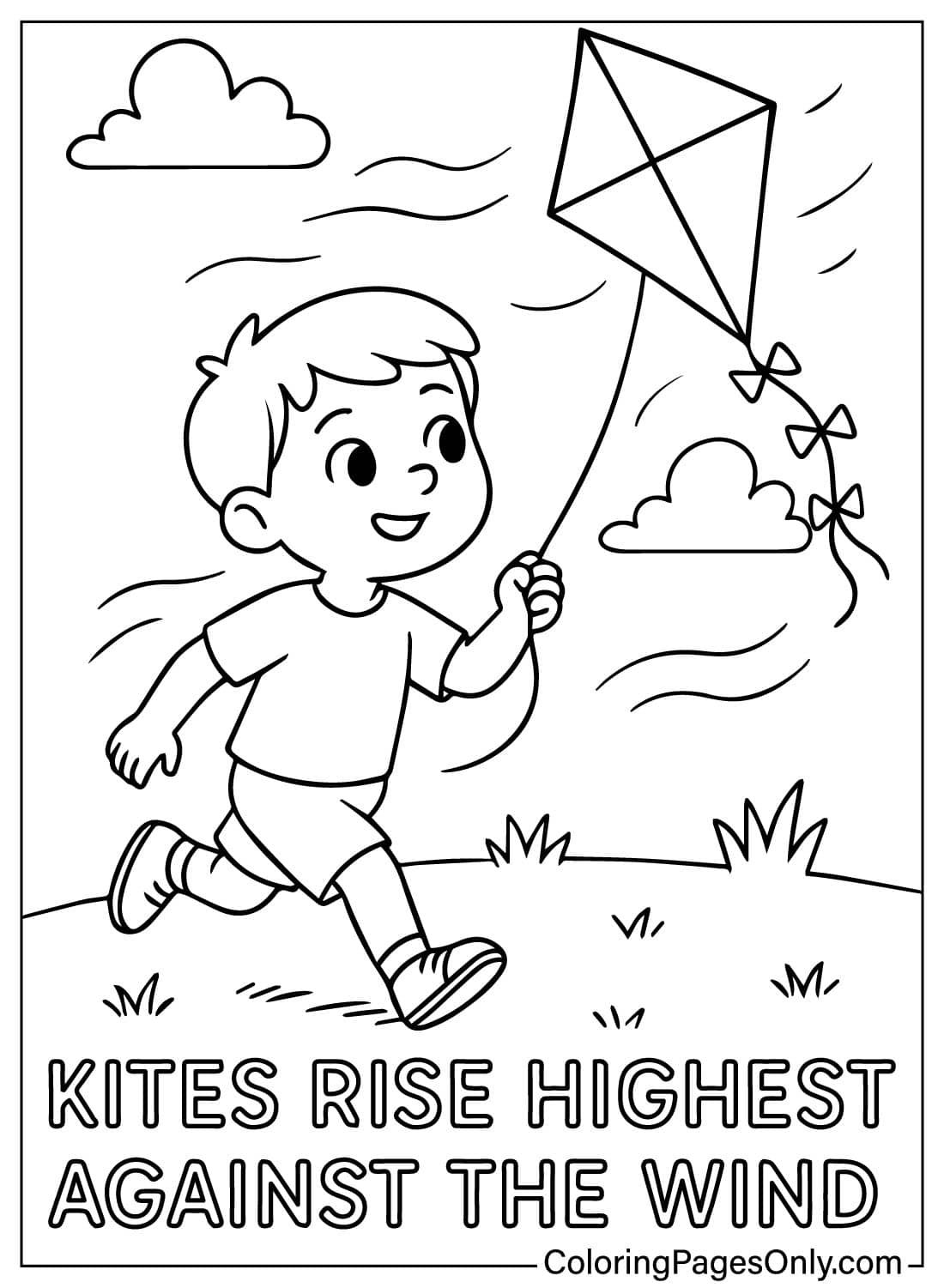
The 40+ pages in this collection fall into four distinct visual formats, each serving the growth mindset message through a different approach.
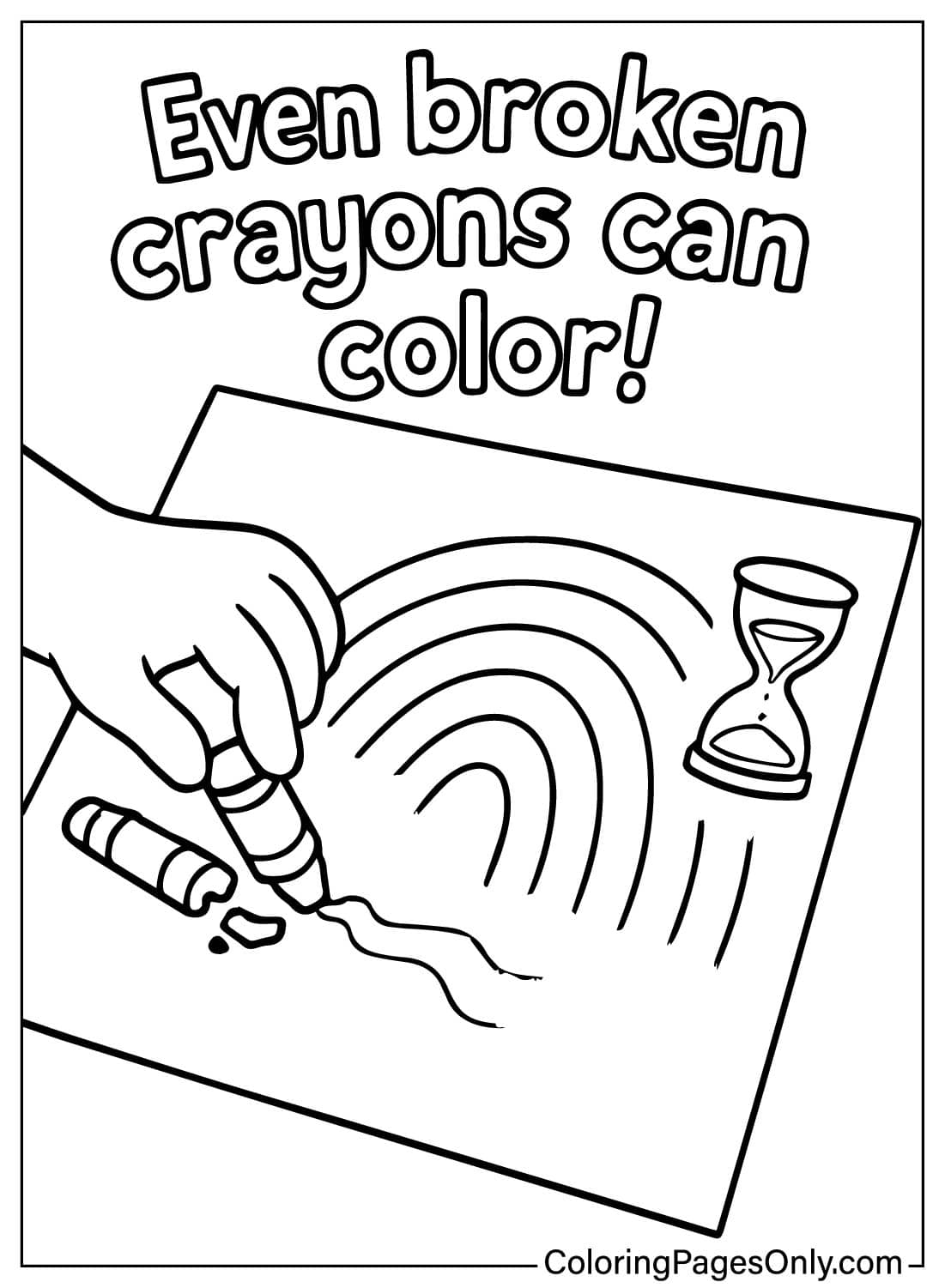
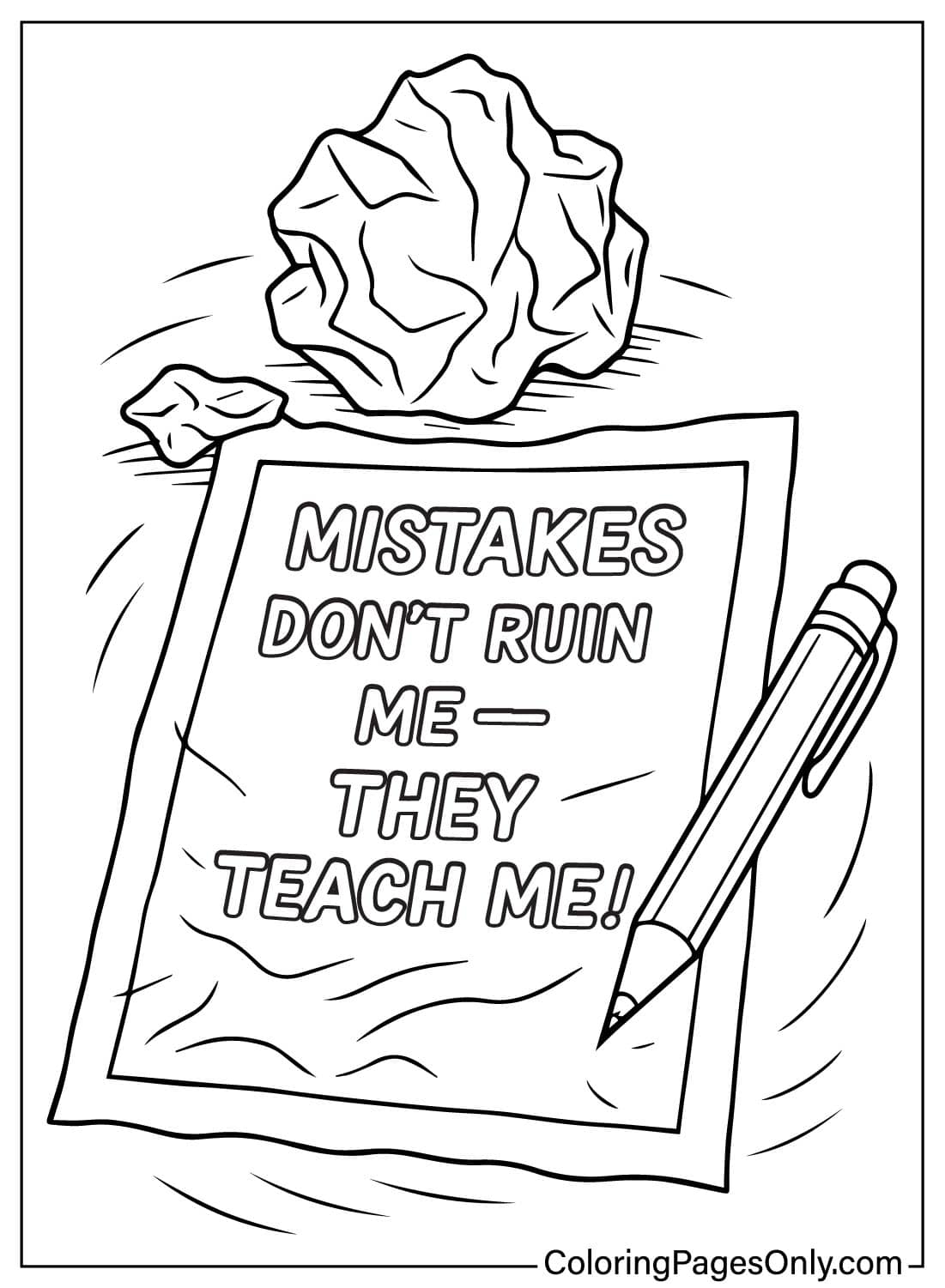
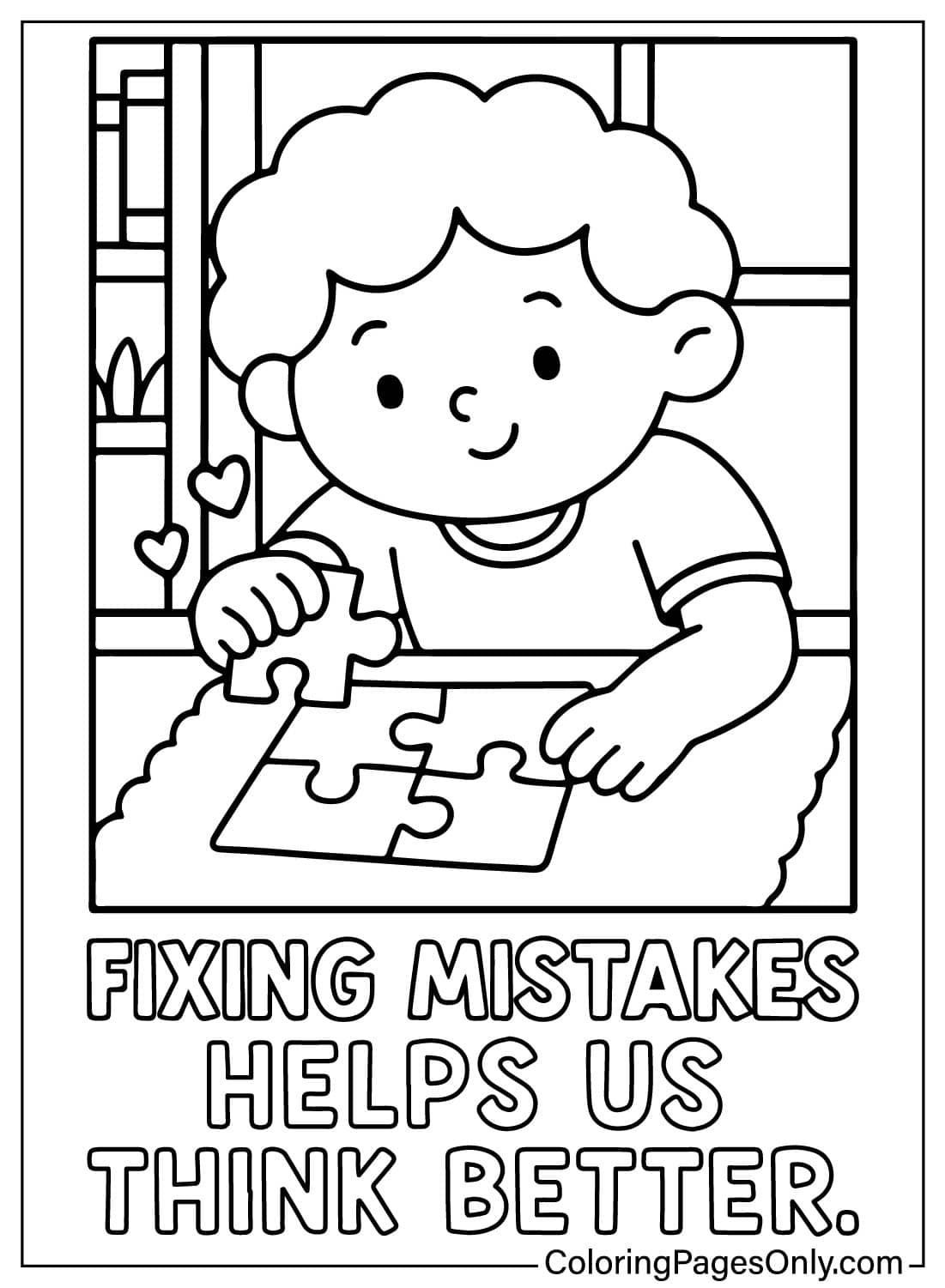
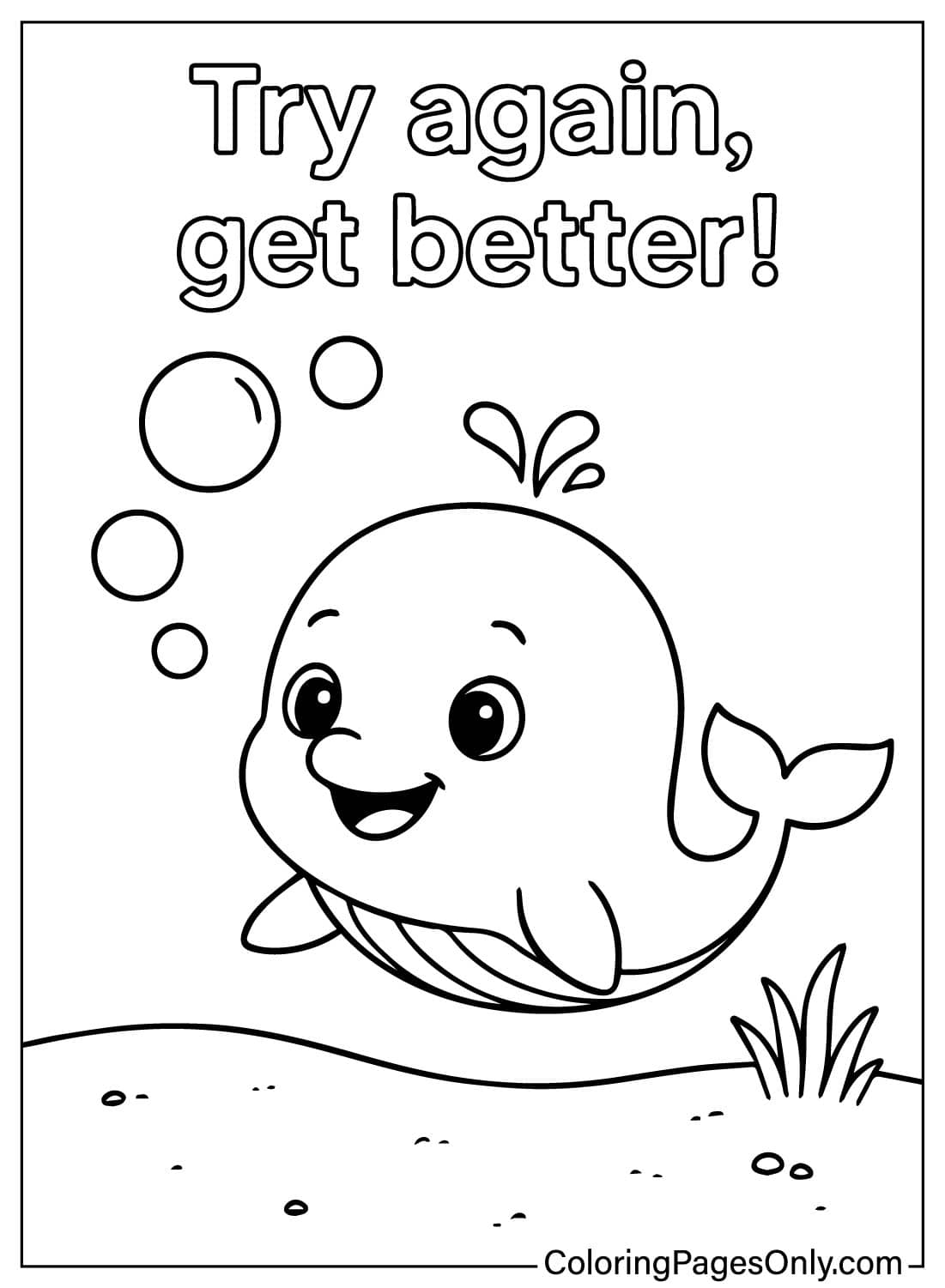
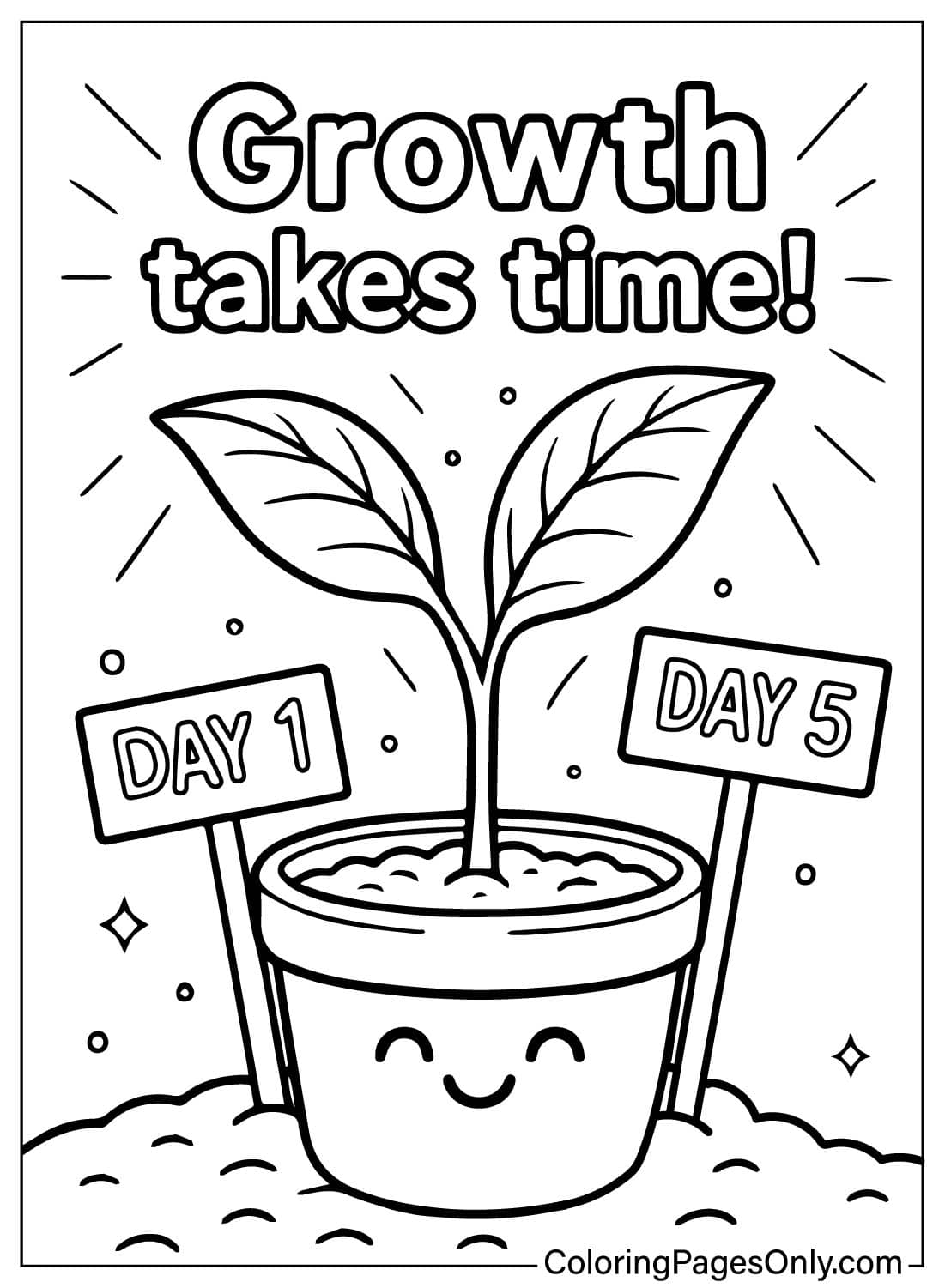
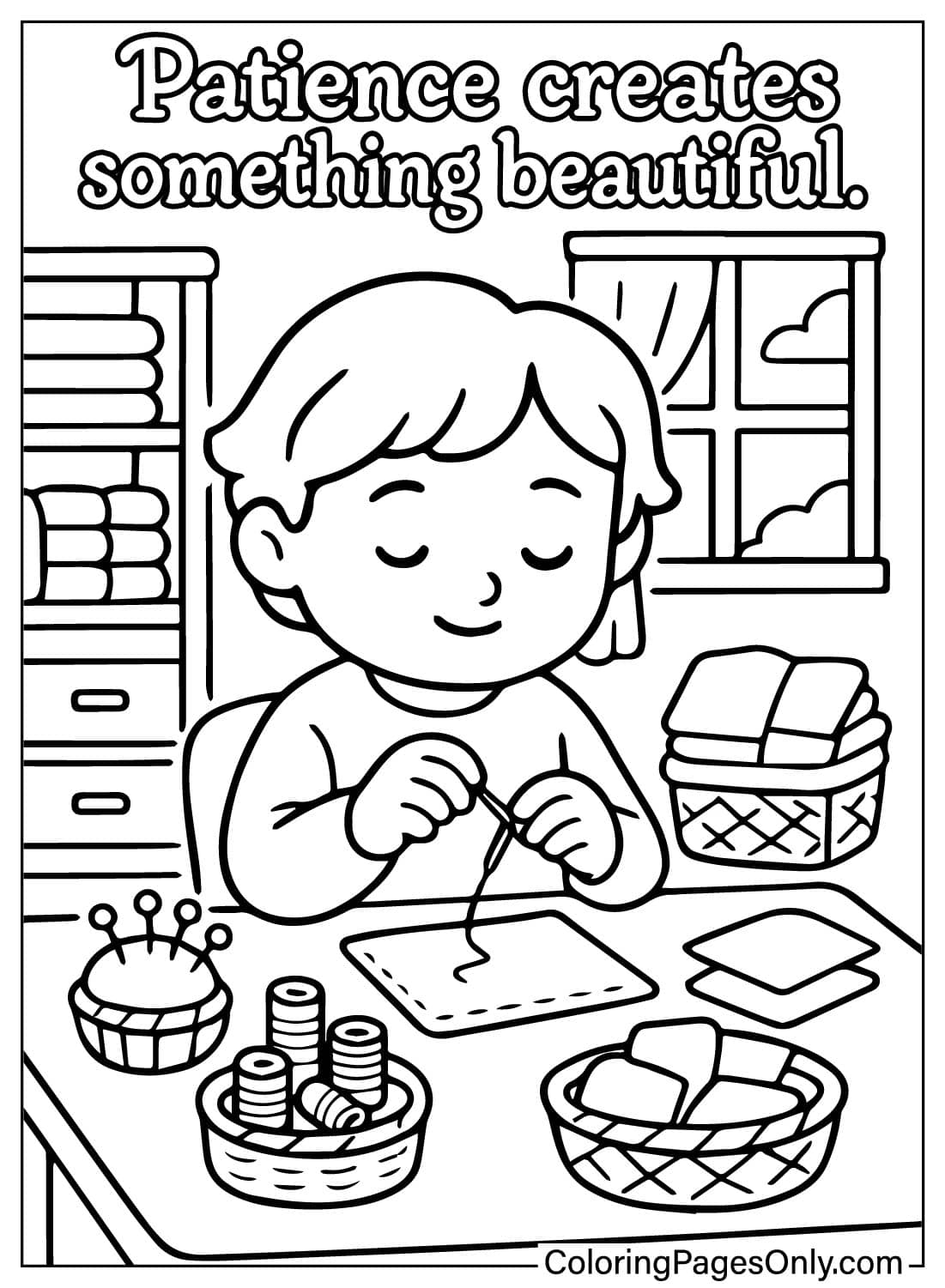
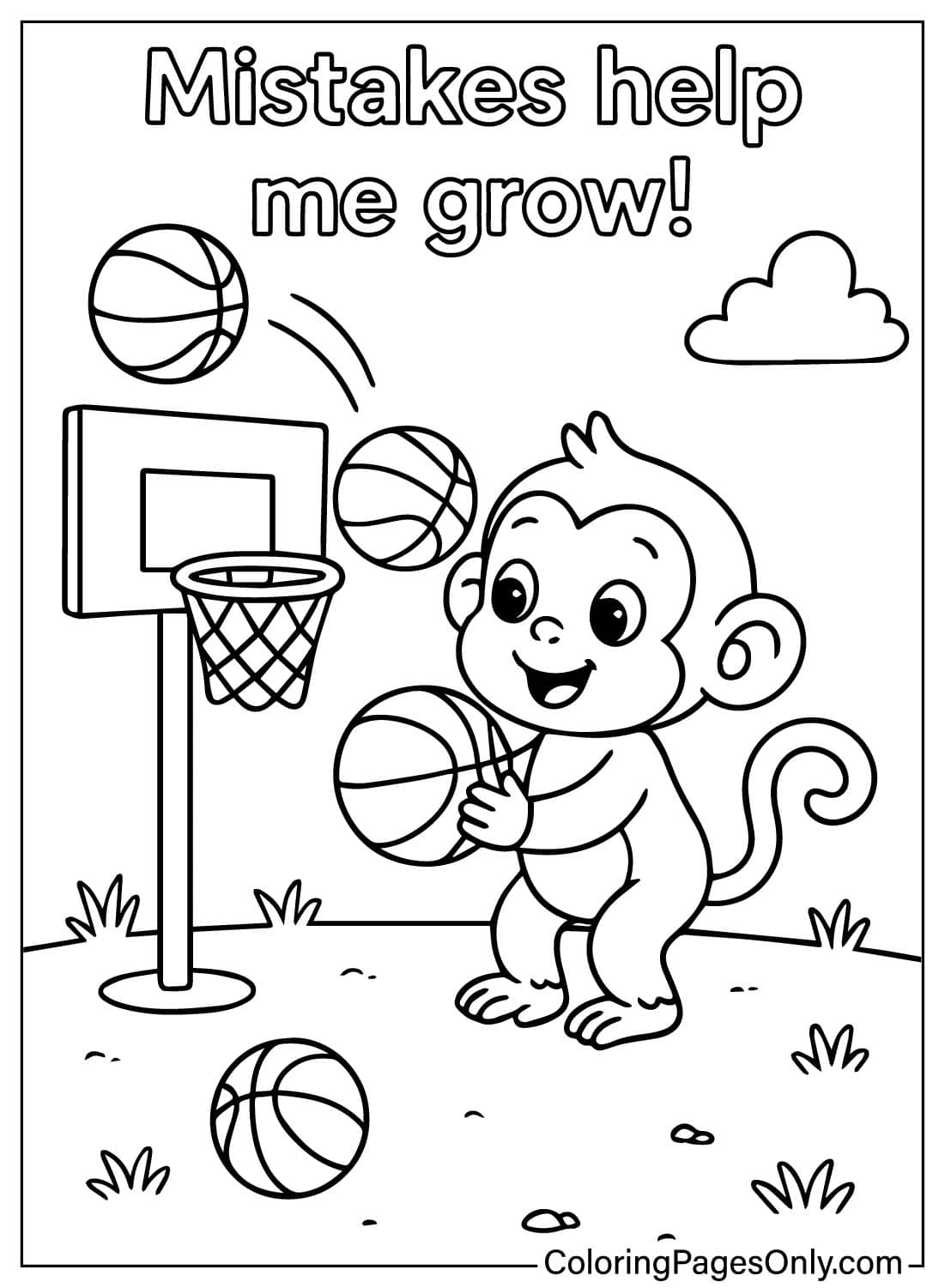
Quote and affirmation pages are the most numerous type – pages where the central visual element is a growth mindset statement, beautifully illustrated with decorative surroundings, plants, stars, geometric shapes, or abstract patterns. Statements like “I am growing,” “I try with a growth mindset,” “I can learn anything,” “Mistakes help me grow,” and “I believe in myself” are rendered in bold, outlined lettering that the child fills with color. These pages serve as personalized motivational posters: once colored, they are genuinely intended for display, as a child-made affirmation artifact that the child sees daily. The act of coloring each letter carefully is itself a small act of focused effort, which is the growth mindset behavior being endorsed.
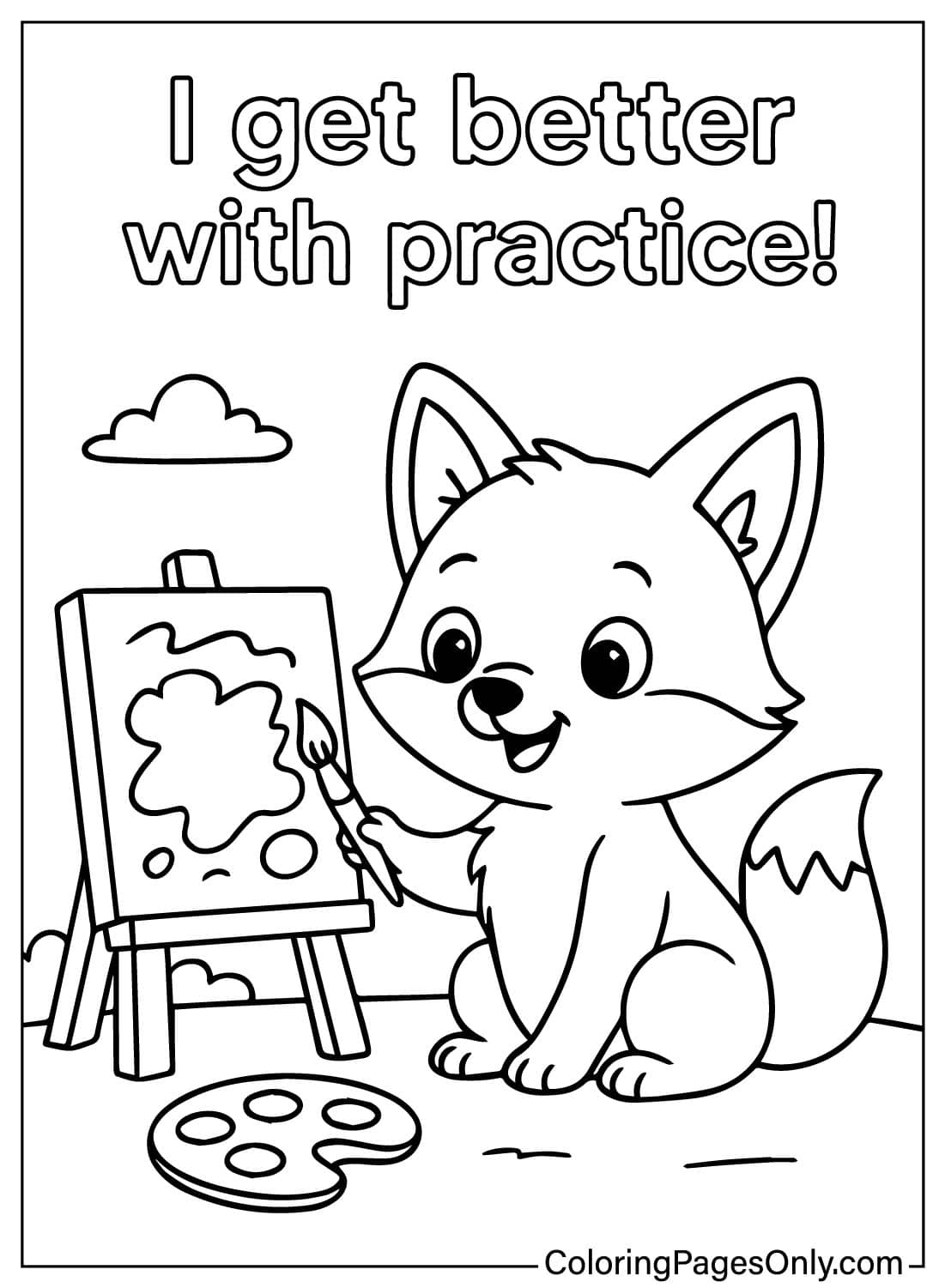
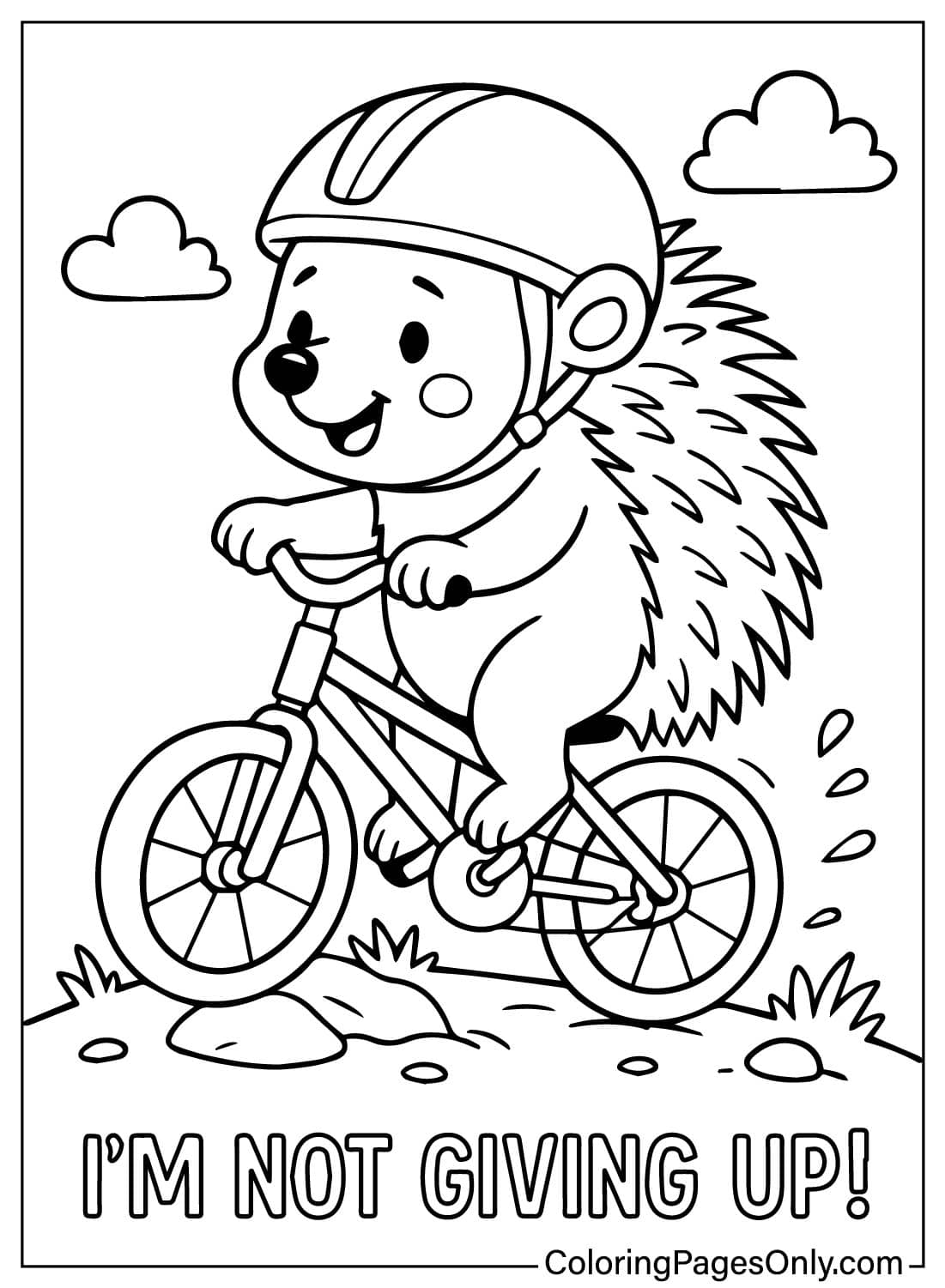
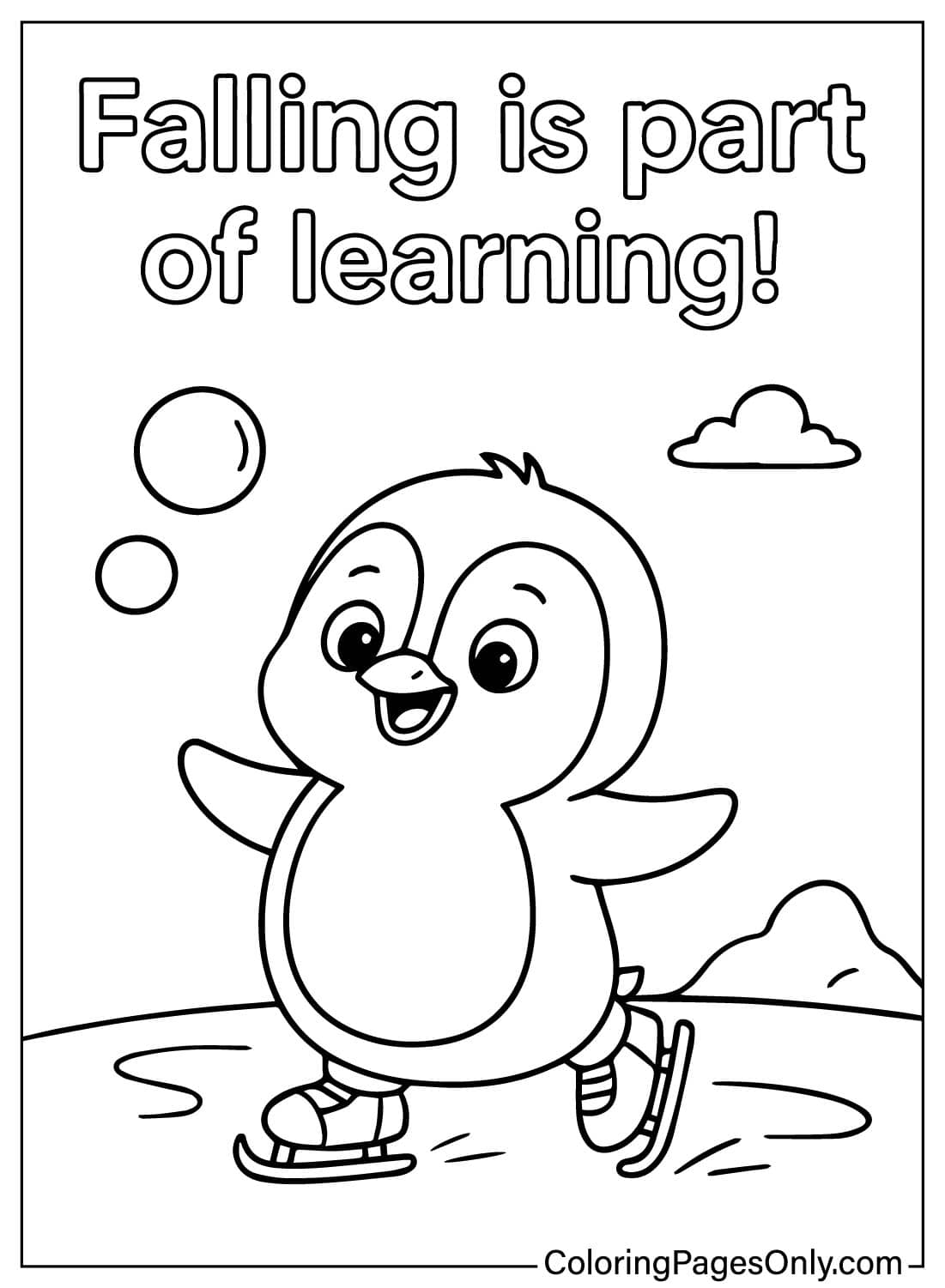
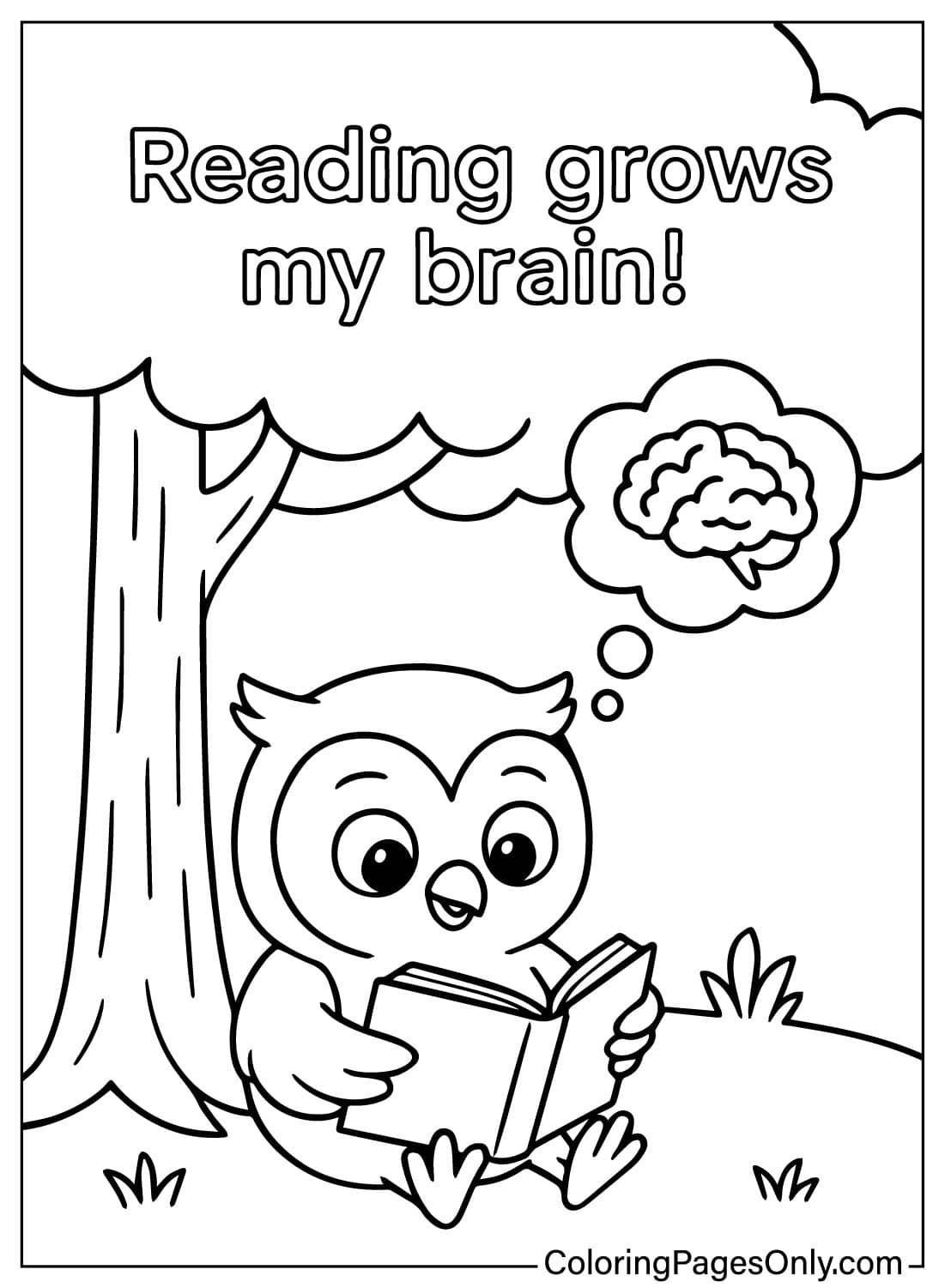
Animal character pages – featuring the fox, rabbit, and other animal characters visible in this collection’s tile names – use the universal appeal of illustrated animals as mascots for growth mindset messages. A rabbit with a thought bubble about persistence, a fox with a book about learning from mistakes, a bear working hard at something difficult – these anthropomorphized characters deliver growth mindset content through narrative and character identification. Children often connect more deeply with an animal mascot carrying a message than with the abstract message alone, because the character provides an identification point: “The fox is like me. The fox tries hard and keeps going.”
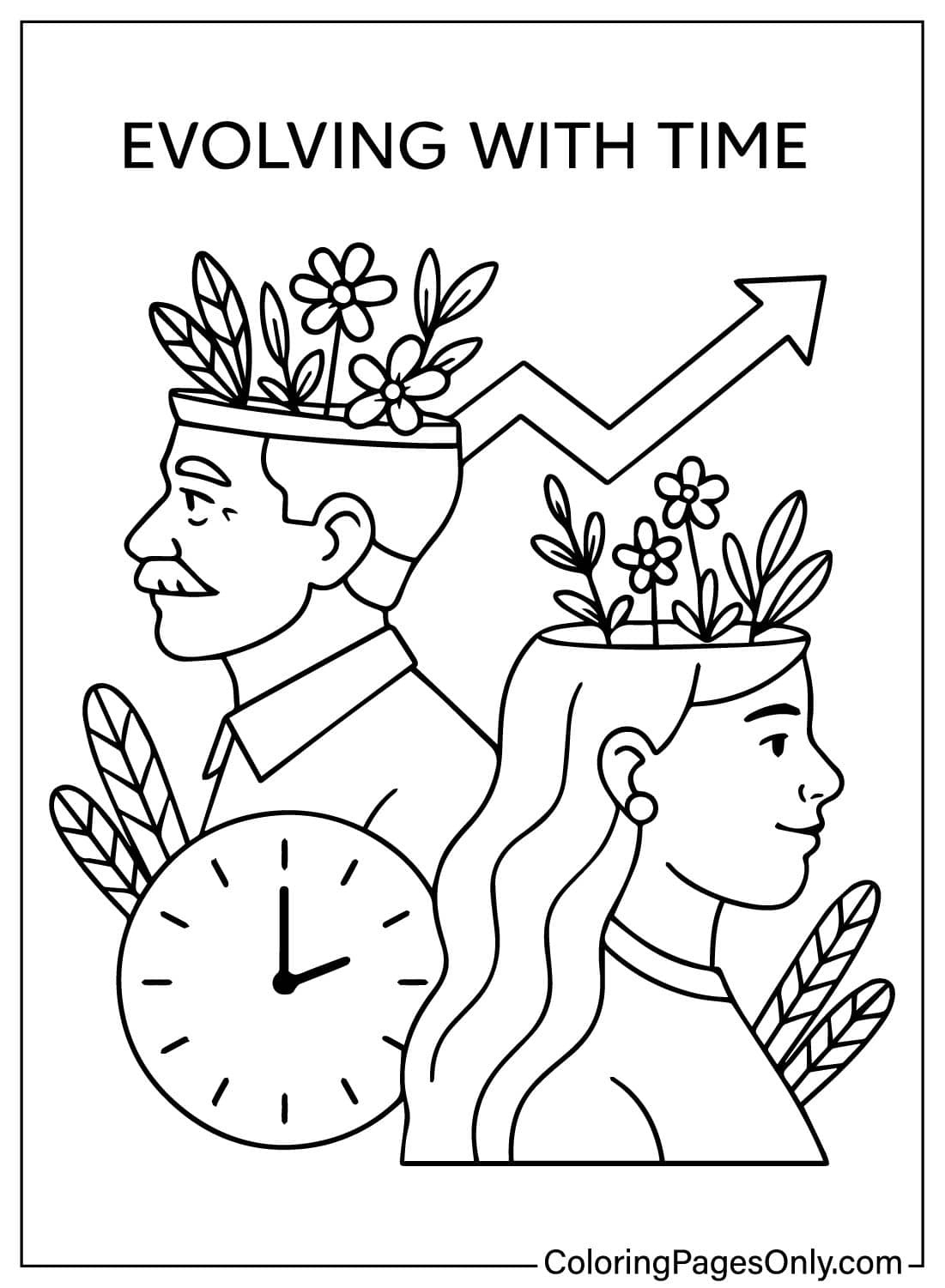
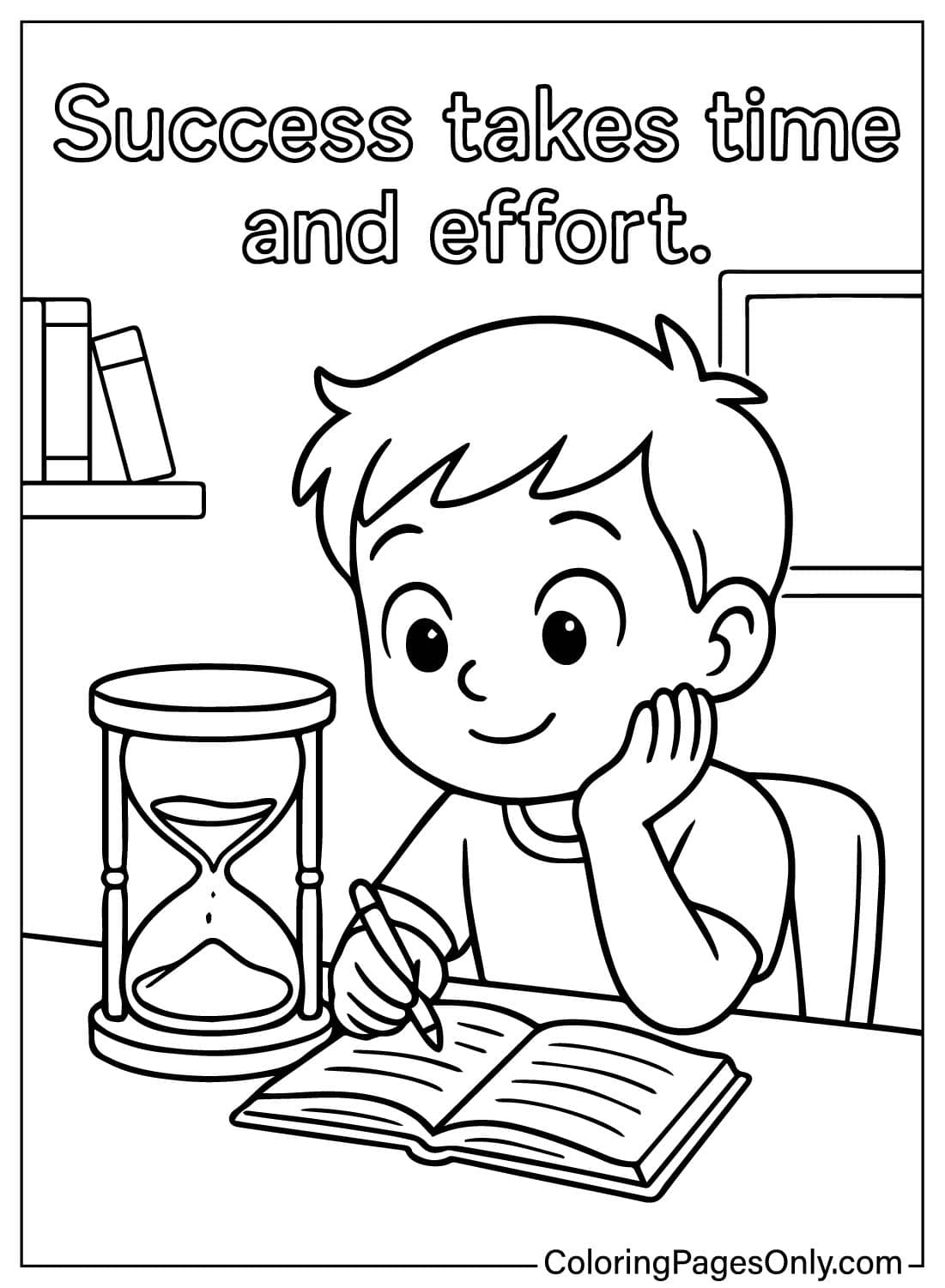
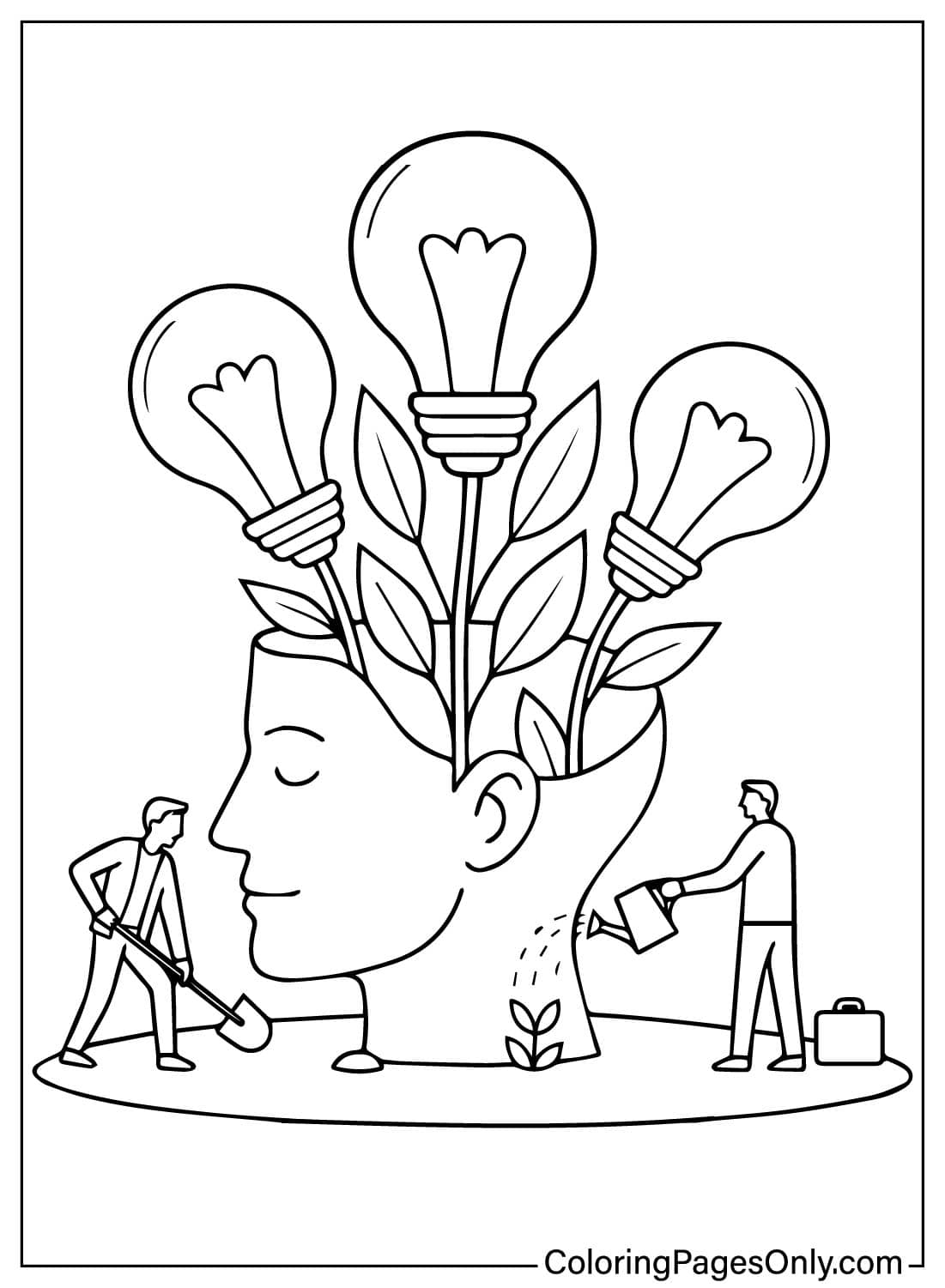
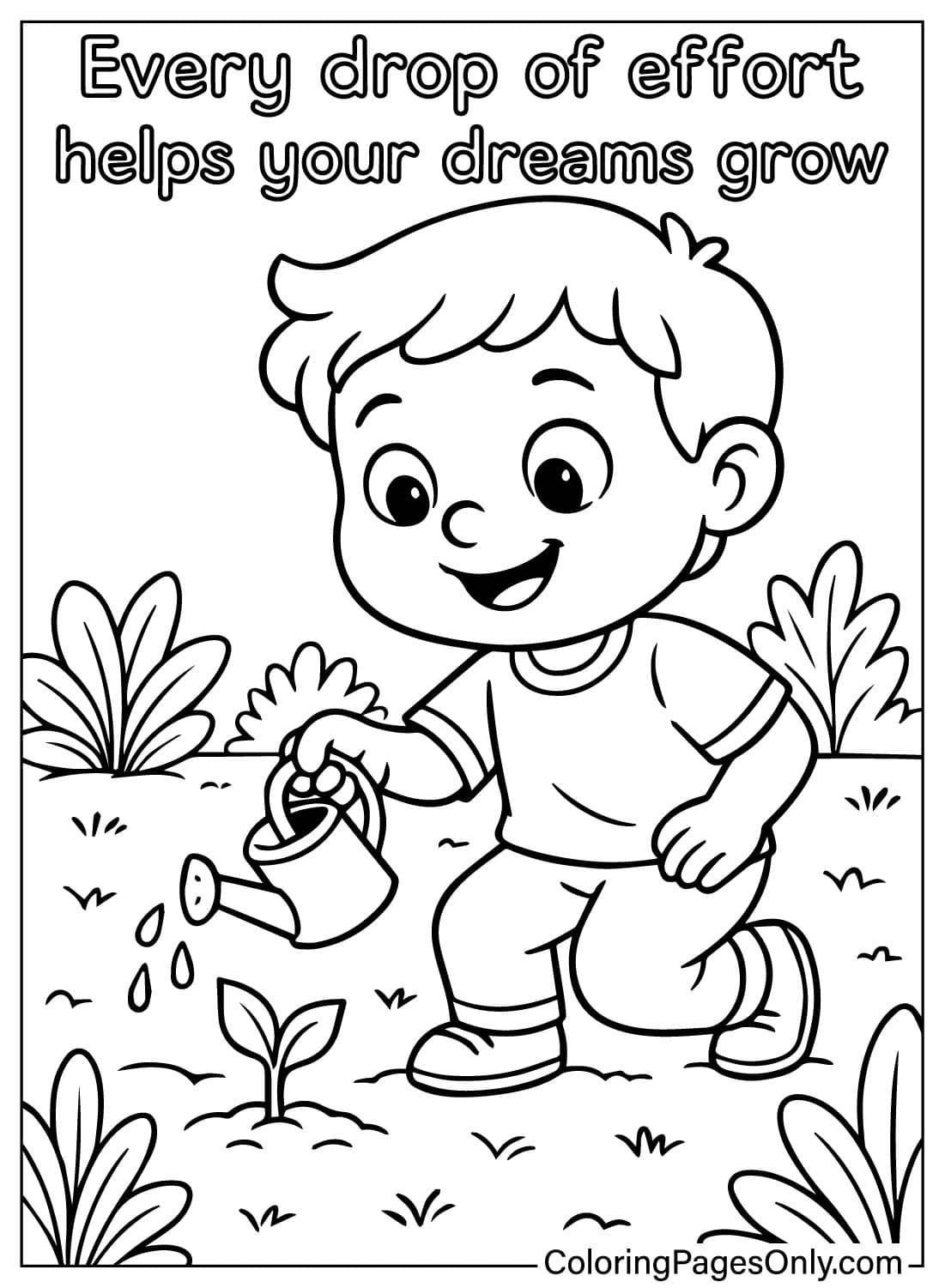
Theme and concept pages – tiles like “Growth Mindset for Effort,” “Growth Mindset with Time,” “Growth Mindset and Success” – illustrate specific dimensions of the growth mindset framework. The effort page might show a child working hard at something; the time page might show a progress arc; the success page might show the connection between persistent work and positive outcomes. These are the most educational of the collection’s page types, as they illustrate the causal mechanism of the growth mindset rather than just the affirmation.
Activity and worksheet-style pages – tiles like “Growth Mindset with Backpack” and “Growth Mindset with Drawing Image” – embed the growth mindset message in a specific context (school preparation, creative activity) that connects the abstract concept to a concrete, familiar situation. A backpack labeled with growth mindset terms tells the child that these beliefs go with them to school, every day, packed alongside their pencils and notebooks.
Coloring as a Growth Mindset Activity – The Meta-Connection
There is a particularly fitting relationship between growth mindset and the act of coloring itself, which deserves explicit attention because it makes these pages more than just a delivery mechanism for affirmations.
Coloring is not an activity where children either have the skill or they don’t. It is an activity in which skill visibly develops with practice. A 4-year-old’s coloring is characterized by strokes that overshoot lines and uneven color application. A 7-year-old’s coloring, having practiced for three years, is characterized by more controlled pressure, more deliberate color choices, and greater respect for the boundaries of the illustration. The child who colors a “I am growing” page at age 5 and then colors the same page again at age 8 has concrete visual evidence of their own growth – not because they were told they grew, but because the two pages sit side by side and the development is unmistakable.
This is a growth mindset made tangible: not as a concept described on a worksheet, but as a lived experience visible in the coloring page itself. The child who struggled to stay within the lines when they first encountered these pages is now doing it without conscious effort – because they practiced, because they persisted, because ability genuinely grows through effort and time.
Teachers and parents can use this explicitly: “Look at how carefully you colored that letter. Do you remember when staying inside the lines was hard? You kept trying, and now it’s easy. That’s what growth mindset looks like – that’s what ‘growing’ actually means.” The coloring page becomes evidence, not just an illustration.
Additionally, Dweck herself observed that a child’s natural relationship with learning – before the fixed mindset begins to form through praise and cultural messaging – is characterized by curiosity, delight in challenge, and tolerance for failure. She described the photo of a 5-month-old nephew beaming with joy at turning on a computer for the first time: “That’s what we were all like. We were all once that excited about learning something new.” Creative activities like coloring, especially when approached without evaluation or competition, recover some of that natural joy of engagement. A child who colors a growth mindset page is practicing, in real time, the very orientation toward creative effort that growth mindset describes as the foundation of learning.
For Teachers – Five Specific Classroom Uses
As a unit introduction. Before beginning a growth mindset classroom lesson or SEL unit, distribute one affirmation page as a 10-minute opening activity. A child who has just finished coloring “I am growing” arrives at the lesson discussion with the phrase already active in their mind – and in their hands as a physical artifact. The lesson has a concrete, personally-made visual anchor.
As a morning meeting starter. One growth mindset page per week, as a 5-minute morning meeting warm-up, builds a sustained visual vocabulary around growth-oriented language. Over a semester, the class builds a personal collection of 20+ growth mindset affirmations they have made themselves – each one colored in their own palette and meaningful to them.
As a response to “I can’t.” When a student says “I can’t do this” or “I’m not good at this,” a growth mindset page – particularly one with the “I am growing” or “try” message – can be gently offered as a concrete, non-shaming response. “Let’s color this together while we talk about what you’ve tried so far.” The coloring activity gives the student something productive to do with their hands while the conversation shifts from fixed to growth language. It also introduces a tiny element of success (I can color this page successfully) in a moment when the student is experiencing a sense of failure.
As a classroom display. Each student in the class colors the same page – or each student colors a different affirmation from the collection – and all finished pages are displayed together. The display communicates that a growth mindset is a shared classroom value, not an individual achievement, and the variety of colors used across identical pages demonstrates that there are many ways to engage with the same idea.
As a homework-and-family-connection activity. Send home one growth mindset page per month with a brief note to parents: “This week we talked about the idea that our brains grow stronger when we try hard things. While coloring this page together, you might ask your child: What’s something you’re working hard on at school? What’s something that used to be hard that’s now easy?” This extends growth mindset language into the home context in a way that requires no specialist knowledge and creates a natural conversation.
For Parents – Building Growth Mindset at Home
Make process praise a language habit. The most impactful thing a parent can do for a child’s growth mindset is also the simplest: change the language of praise. Replace “You’re so smart” with “You worked really hard on that.” Replace “You’re a natural” with “You kept trying until you figured it out.” Replace “You’re so talented” with “All that practice is really paying off.” These substitutions cost nothing and take no extra time – they are the same praise, differently directed. The coloring pages in this collection can serve as a prompt for this language practice: while a child colors “Growth Mindset for Effort,” the parent can narrate the child’s own efforts in process terms.
Use “yet” consistently. Every time your child says, “I can’t do something,” or “I’m not good at something,” add “yet.” “You can’t tie your shoes yet.” “You’re not reading that word easily yet.” The “yet” is not false reassurance – it is an accurate description of the current developmental moment. Skills develop over time with practice. “Yet” tells that truth.
Color alongside your child, imperfectly. One of the most powerful growth mindset lessons a parent can demonstrate is visible struggle followed by continued effort. Color a page together and be genuine about difficulty: “I’m finding it hard to stay in these small sections. Let me try a different approach.” When your child sees a trusted adult encounter difficulty, try a different strategy, and continue without shame or frustration, they learn that difficulty is normal – not a sign that they aren’t good enough.
Display the finished pages. A child’s colored growth mindset pages are genuinely worth displaying – both as decorative objects and as motivational artifacts. A “I am growing” page in a child’s room that they colored themselves is more personally meaningful than any commercially produced motivational poster, because they made it. Seeing their own hand-made affirmation daily builds the repeated environmental exposure to growth-oriented language that research identifies as important for mindset formation.
Coloring Tips for Growth Mindset Pages
Letter-based affirmation pages – give each letter a different color. The most visually engaging way to color growth mindset quote pages is to assign a different color to each letter of the keyword or phrase, creating a rainbow or gradient effect across the text. “I AM GROWING” with each letter in a different vivid color produces a vibrant finished page that reads as celebratory and energetic – the visual register appropriate for a growth mindset affirmation. This multi-color letter technique also turns the coloring of each individual letter into a color-decision moment, which keeps the child more engaged than filling all letters the same color.
Backgrounds – bold and dynamic, not static. The decorative backgrounds of growth mindset pages – stars, plants, geometric shapes, rays, swirls – should be rendered in bold, energetic tones rather than muted ones. Growth mindset is an active, dynamic orientation toward learning, and the visual palette should reflect this. Deep blues and purples for space/sky backgrounds, vivid greens for plant and nature elements, bright gold and yellow for star and sunburst motifs. The background should feel alive, not flat.
Animal character pages – warm, inviting facial expressions. For the fox, rabbit, and other animal character pages, the face is the emotional center of the image. The animal’s expression should be colored to communicate effort and engagement – a slightly warm, focused expression rather than either blank or exaggerated. The eyes of the animal character, rendered with a subtle warm highlight point, convey the quality of attentive curiosity that is the growth mindset’s emotional signature.
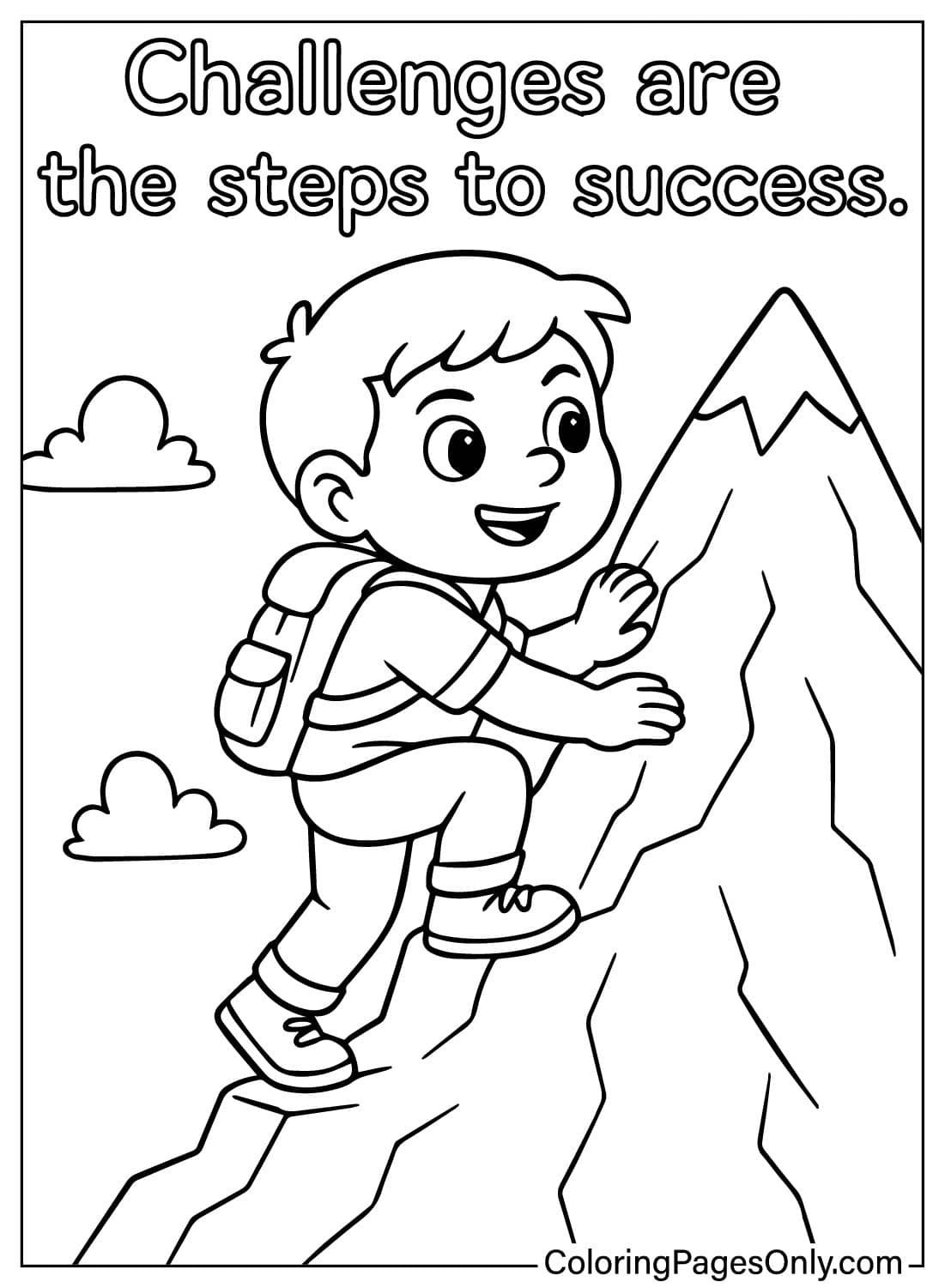
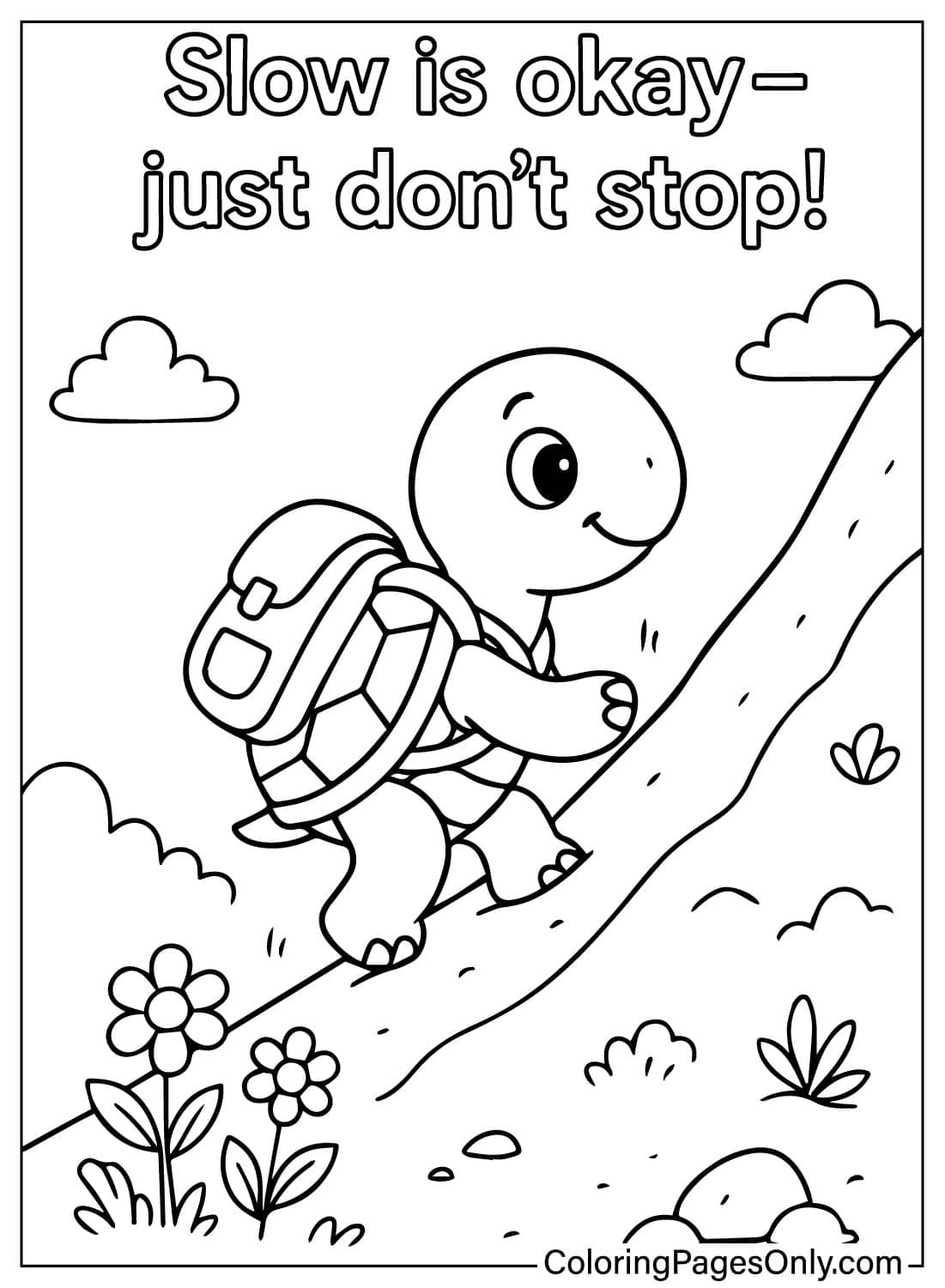
Progress and effort illustrations – use a gradient to show movement. Pages that depict progress – a child climbing, a plant growing, a path leading upward – benefit from a directional gradient that reinforces the sense of upward movement. For a climbing scene, colors might shift from slightly cooler, darker tones at the base to warmer, lighter tones at the top – mirroring the experience of moving from difficulty toward achievement. This color direction makes the growth message visual as well as textual.
Leave the central quote letters slightly lighter than the surroundings. When coloring pages with bold letter-based central quotes, there is a frequent tendency to color the letters and the background with similar saturations, which makes the text harder to read from a distance. A useful technique is to color the background decorations in deeper, more saturated tones while keeping the letter fill slightly lighter or more vivid – so that the letters read clearly as the foreground element. The quote should be the first thing the eye goes to; the decorations should support it without competing with it.
5 Activities
The “I used to… and now I…” growth timeline. After coloring any page from the collection, create a simple two-column timeline on a separate sheet: on the left, the child writes or dictates three things that used to be hard (“I used to not be able to ride a bike,” “I used to not know how to read,” “I used to not be able to tie my shoes”). On the right, they write “and now I can.” For each pair, they draw a small illustration – the struggle version on the left, the success version on the right – and add it to the colored growth mindset page as a border or companion piece. This activity produces a concrete, personally specific evidence base for a growth mindset that is far more powerful than any abstract affirmation. A child looking at their own documented growth – “I used to not be able to read, and now I can” – has proof that the growth mindset framework is true in their own life. Abstract belief is transformed into demonstrated personal history.
The fixed-to-growth language translator. Write down five fixed mindset statements that children commonly say or think: “I’m not good at math.” “I can’t draw.” “I’ll never be able to do this.” “This is too hard.” “I give up.” For each statement, work together to translate it into a growth mindset version: “I’m not good at math yet, but I’m working on it.” “I’m still learning to draw.” “This is hard right now – let me try a different approach.” “Let me take a break and come back to this.” “What strategies haven’t I tried yet?” Write the growth mindset translations in the illustrated lettering style of the coloring pages – in bold, colorful, outlined text, decorated with small stars or doodles – and display the finished translations alongside the colored growth mindset pages. This translation exercise builds the specific language substitution habit that Dweck’s research identifies as the most accessible entry point for mindset change.
The “not yet” journal. For two weeks following the completion of three or more pages from this collection, keep a simple “not yet journal” – a notebook where the child records one thing each day that they couldn’t do yet: “I can’t whistle yet.” “I can’t multiply fractions yet.” “I can’t remember all my spelling words yet.” Alongside each entry, write what they are doing to eventually get there: “I’m practicing.” “I’m asking my teacher to explain it differently.” “I’m spending five more minutes before bed.” At the end of two weeks, review the journal: have any of the “not yets” become “nows”? This reflection produces two important outcomes: it normalizes the experience of not being able to do things yet (everyone has a “not yet” list – even adults), and it documents the strategy-and-effort connection between current difficulty and future capability. The journal is also a record of intellectual honesty about current limitations, which Dweck identifies as essential to a true growth mindset, as opposed to the “false growth mindset” of pretending everything is fine or praising effort without honestly engaging with where improvement is needed.
The brain workout journal. Using the neuroscience framework that Dweck found so effective – explaining that the brain forms new connections when we try hard things – create a “brain workout journal” in which the child records one “brain workout” per day: a moment when they tried something difficult, made a mistake and tried again, or struggled through something frustrating. Each entry gets a simple note: “Today my brain worked hard on ___.” After a week, count the brain workouts. After a month, look back at the full record. This journal does two things simultaneously: it reframes difficulty and struggle from a sign of incompetence to a record of brain development (a reframe Dweck’s research found to produce measurable grade improvements in struggling students), and it builds the metacognitive habit of noticing and reflecting on one’s own learning process – which research consistently identifies as one of the most powerful academic skill-builders available.
The growth mindset gallery and teaching challenge. After the child or class has completed five or more pages from the collection and engaged with the growth mindset concepts through discussion, challenge them to teach the concept to someone else. This could be a younger sibling, a grandparent, another class, or even a stuffed animal. The teaching challenge is: explain what a growth mindset is, explain why it matters, and share one concrete thing the person being taught can do differently this week. The teaching role is more developmentally powerful than the learning role for mindset formation: preparing to teach the concept requires the child to understand it clearly enough to explain it, which produces a depth of processing that receptive learning does not. Research on the “protégé effect” – the cognitive benefit of learning with the intention of teaching – consistently shows that people who learn with the goal of teaching others retain the material better, understand it more deeply, and are more likely to apply it in their own lives. A child who has explained growth mindset to their grandmother and watched her nod in recognition has done more to internalize the concept than a child who has simply colored the pages.