Octopus Coloring Pages
 By:
Jennifer Thoa – Content Editor & Designer
Updated:
By:
Jennifer Thoa – Content Editor & Designer
Updated:
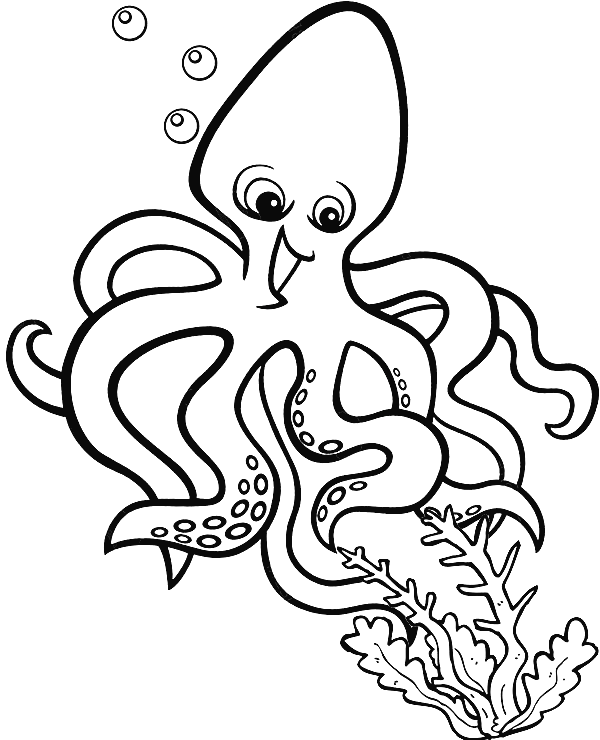
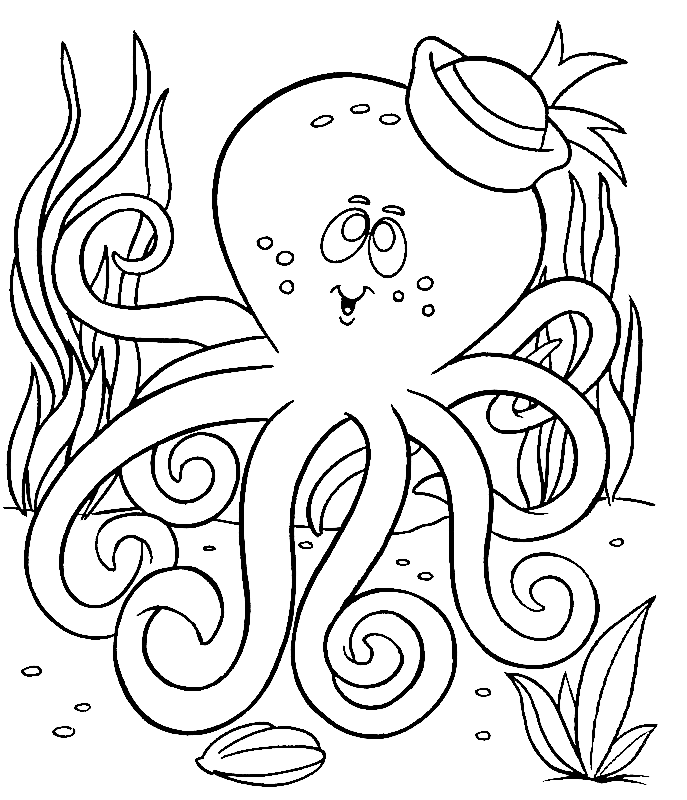
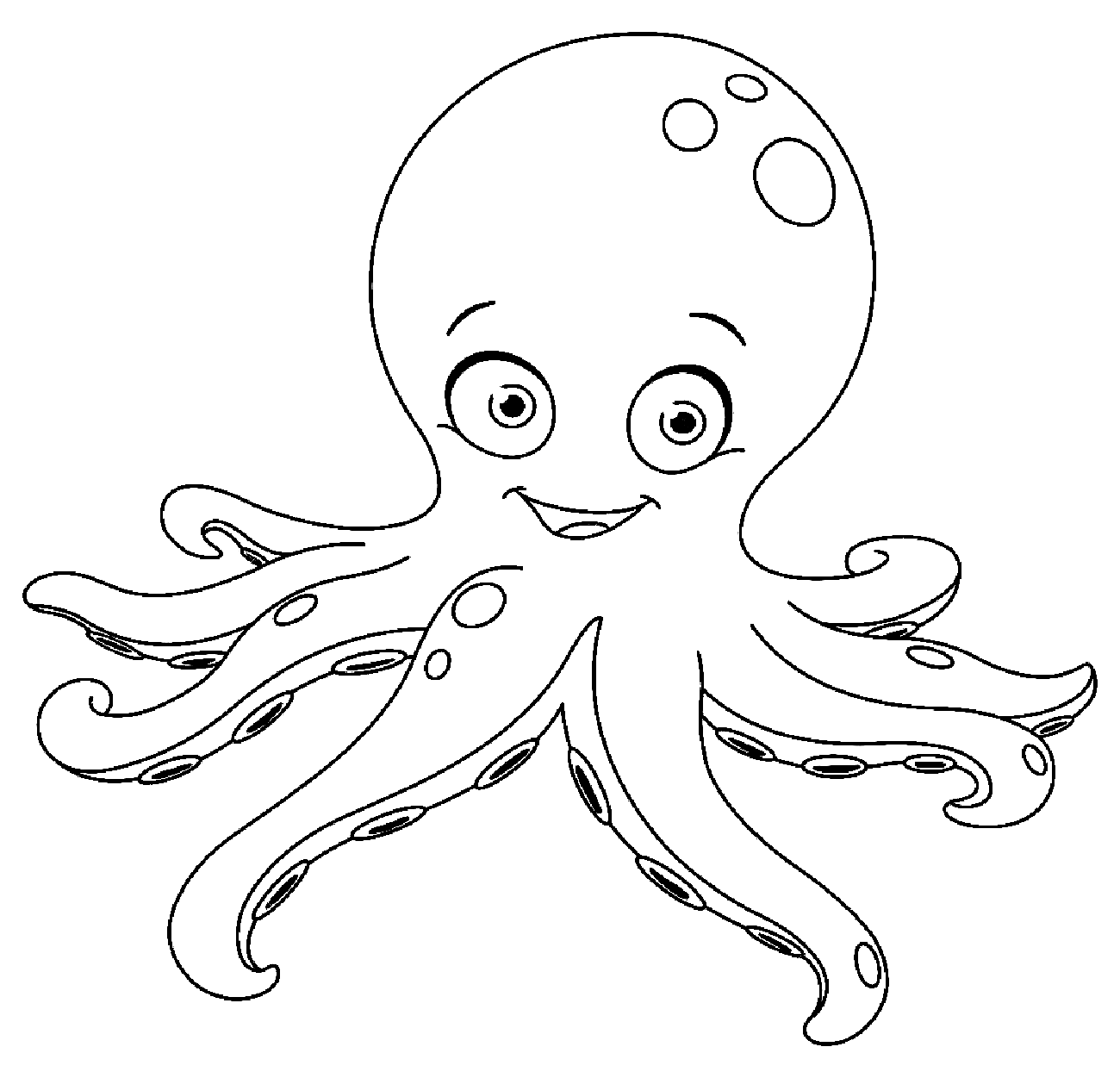
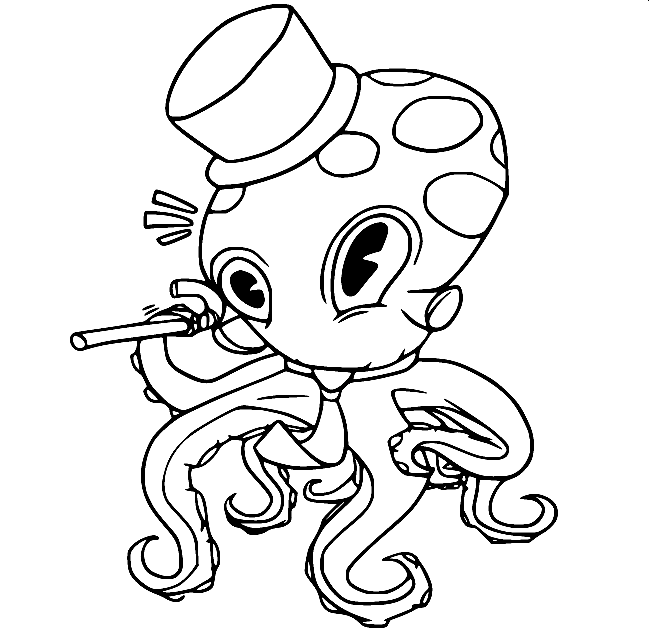
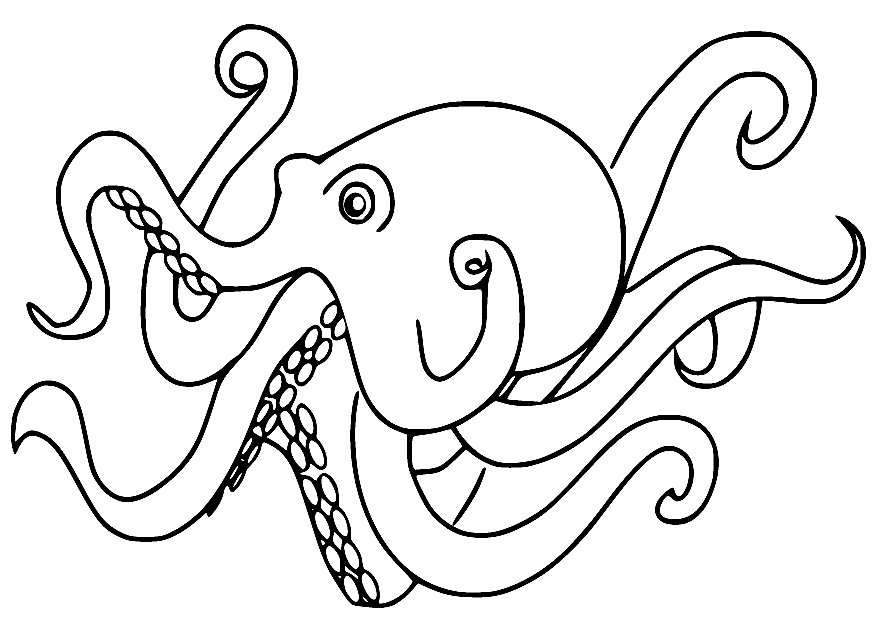
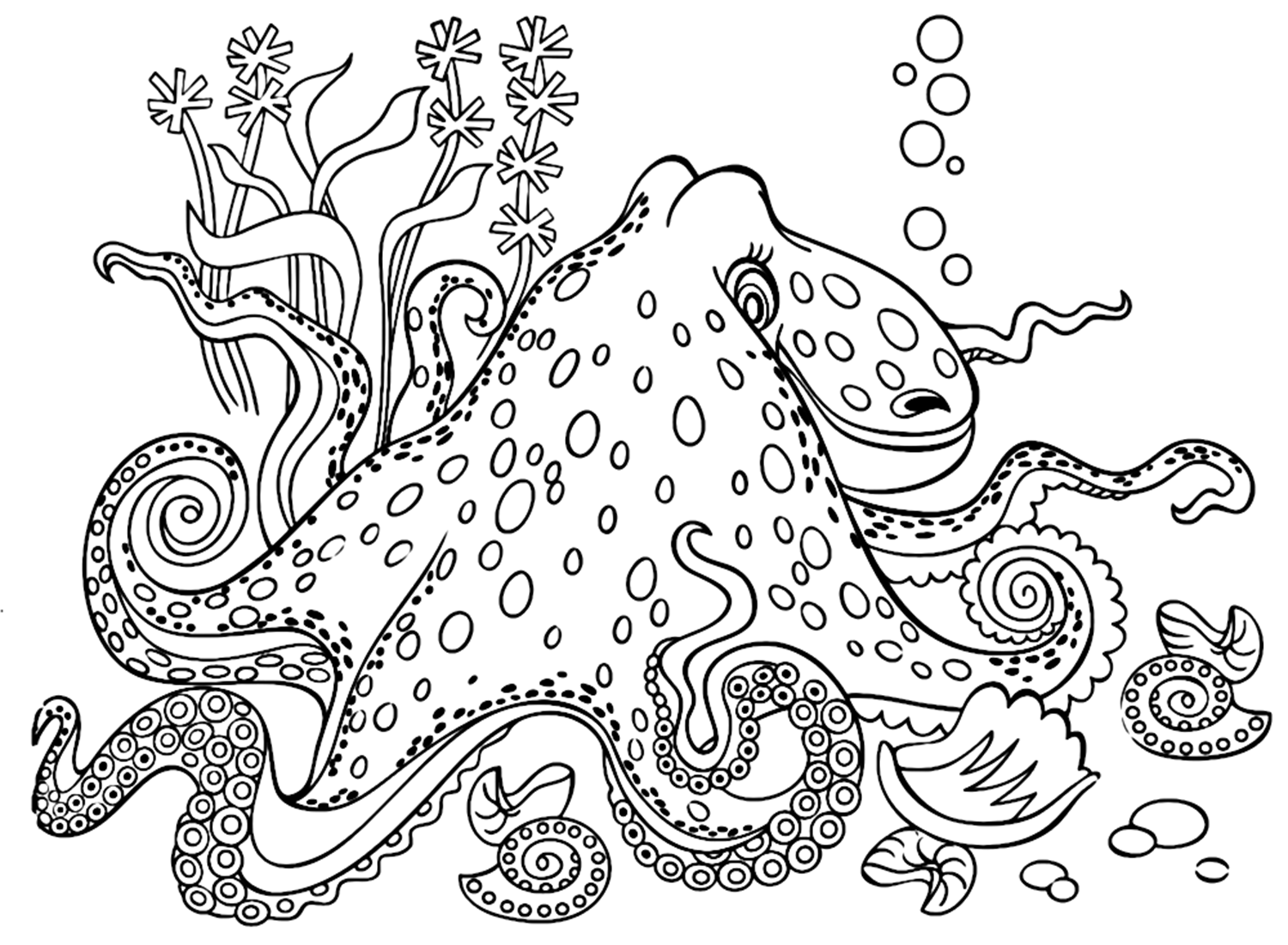
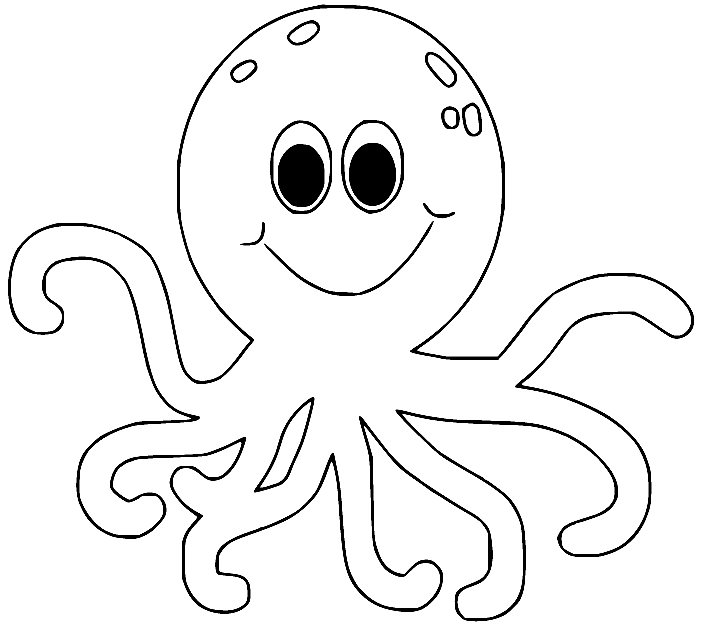
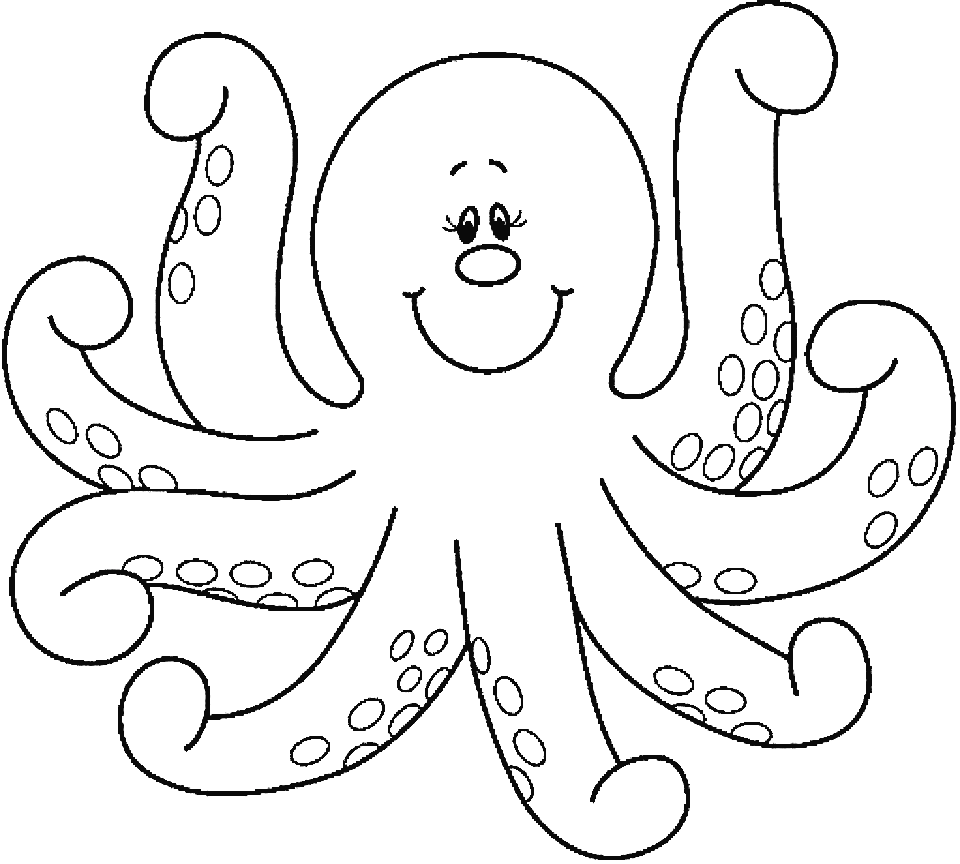
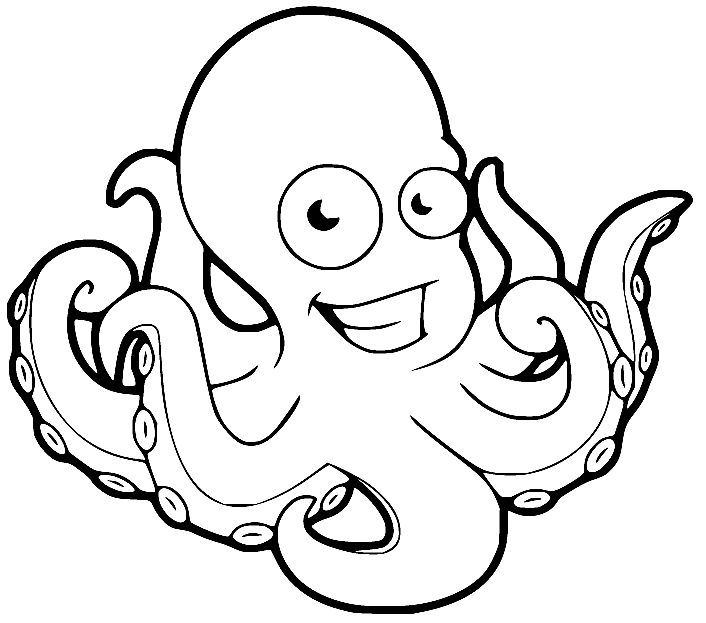
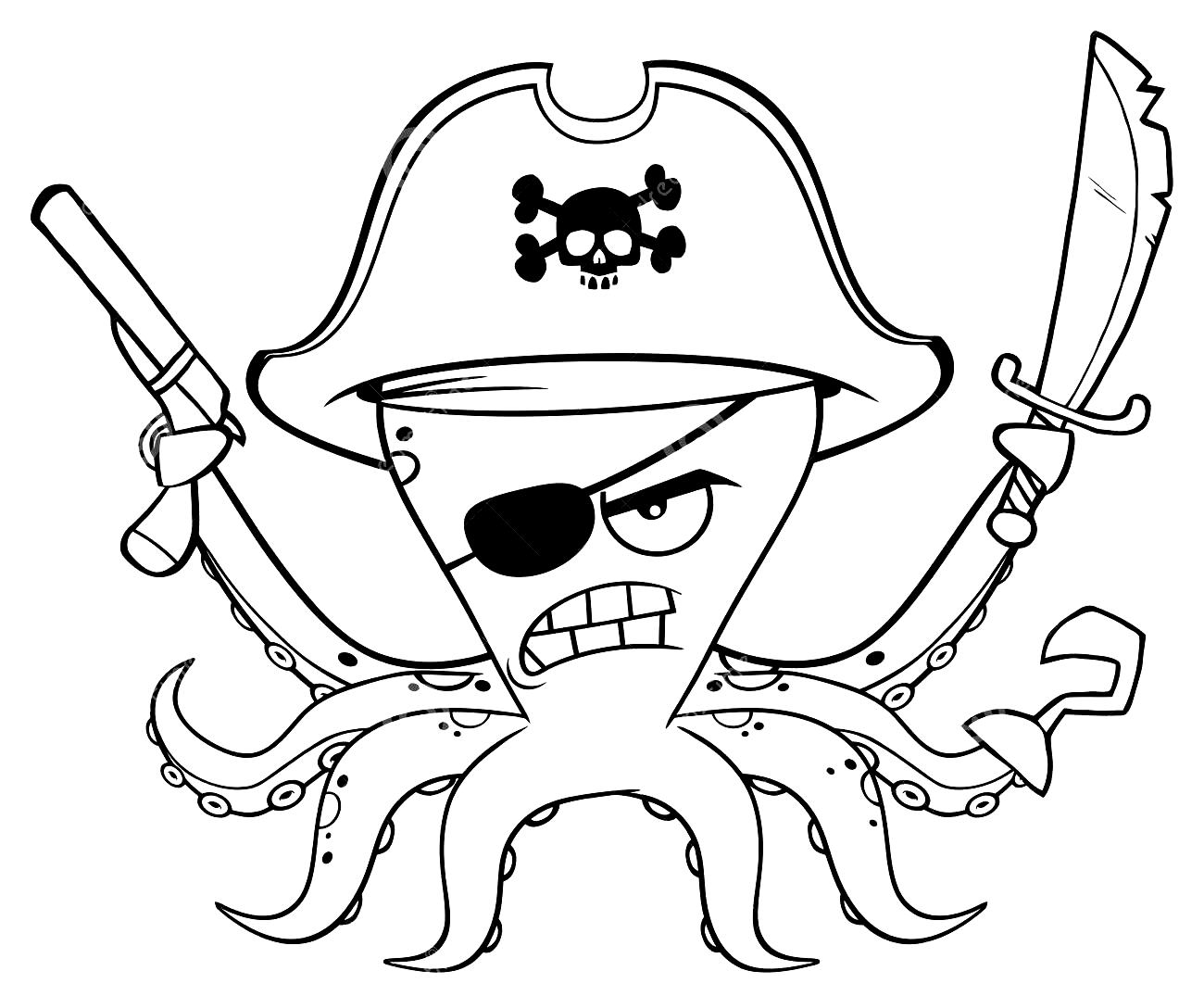
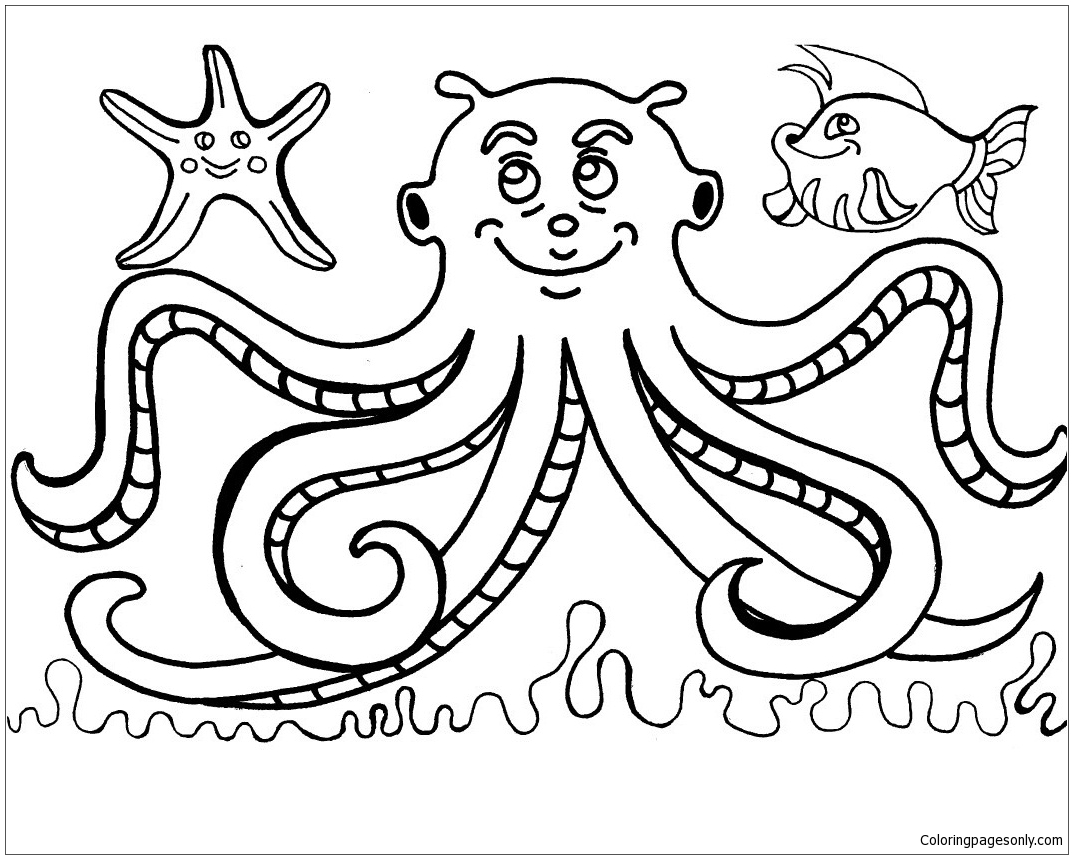
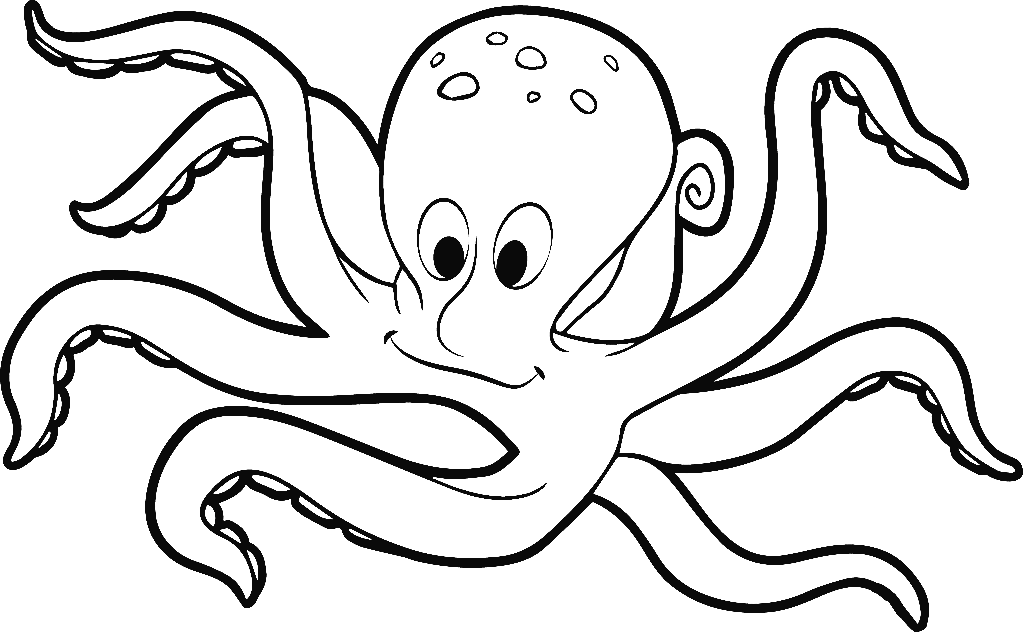
Free octopus coloring pages: 57 printable PDF designs featuring cute cartoon portraits, costumed and character scenes, real octopus species, and ocean settings with other sea life. Each page can be downloaded as a PDF to print or colored online in the browser.
An octopus has eight arms lined with suction cups, three hearts, and blue blood, the result of a copper-based pigment called hemocyanin rather than the iron-based pigment that makes human blood red. Its skin holds thousands of pigment cells called chromatophores, which the animal expands and contracts to shift color and pattern within seconds, a form of camouflage rather than a fixed identity. This set works for a family building a marine-life unit, a child who wants a cartoon character with unusual anatomy, and anyone looking for a page detailed enough to hold an adult’s attention for a while.
Because a real octopus does not stay one color, this collection sidesteps the usual coloring-page problem of matching a fixed, correct palette. A page can be pink, orange, or deep red and still be accurate, which puts the real coloring decision on texture and shading rather than which crayon to reach for first.




What Is Inside This Collection
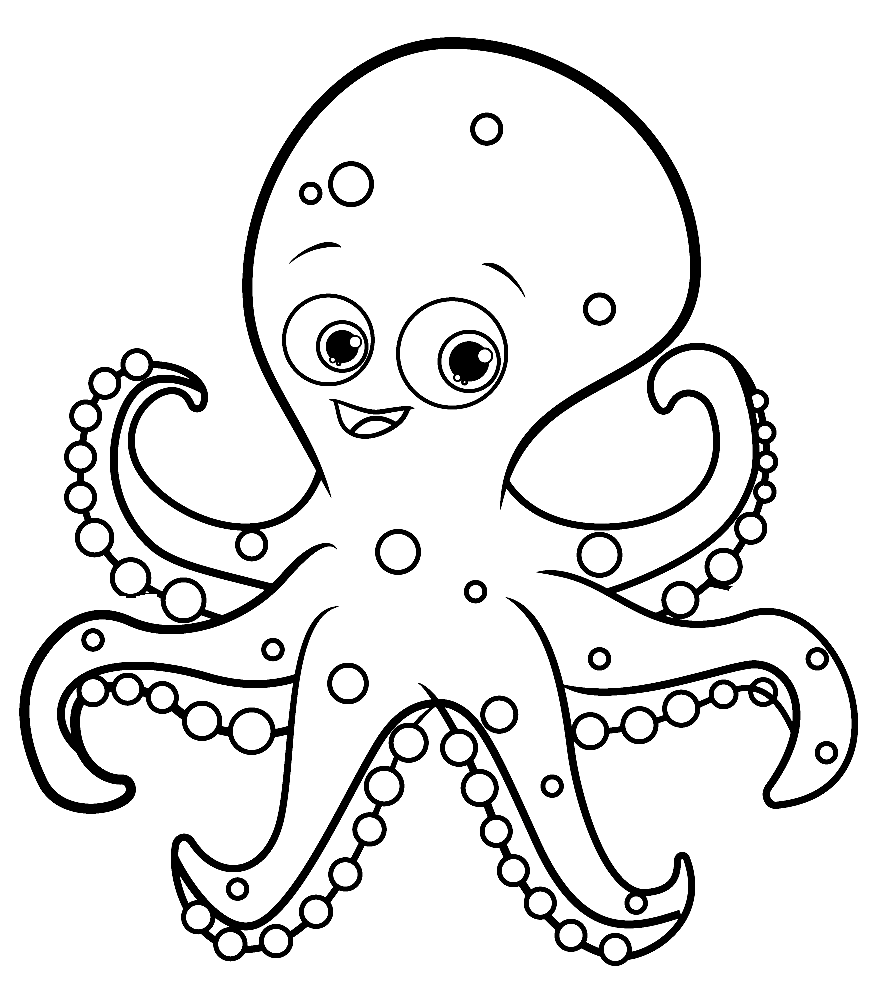
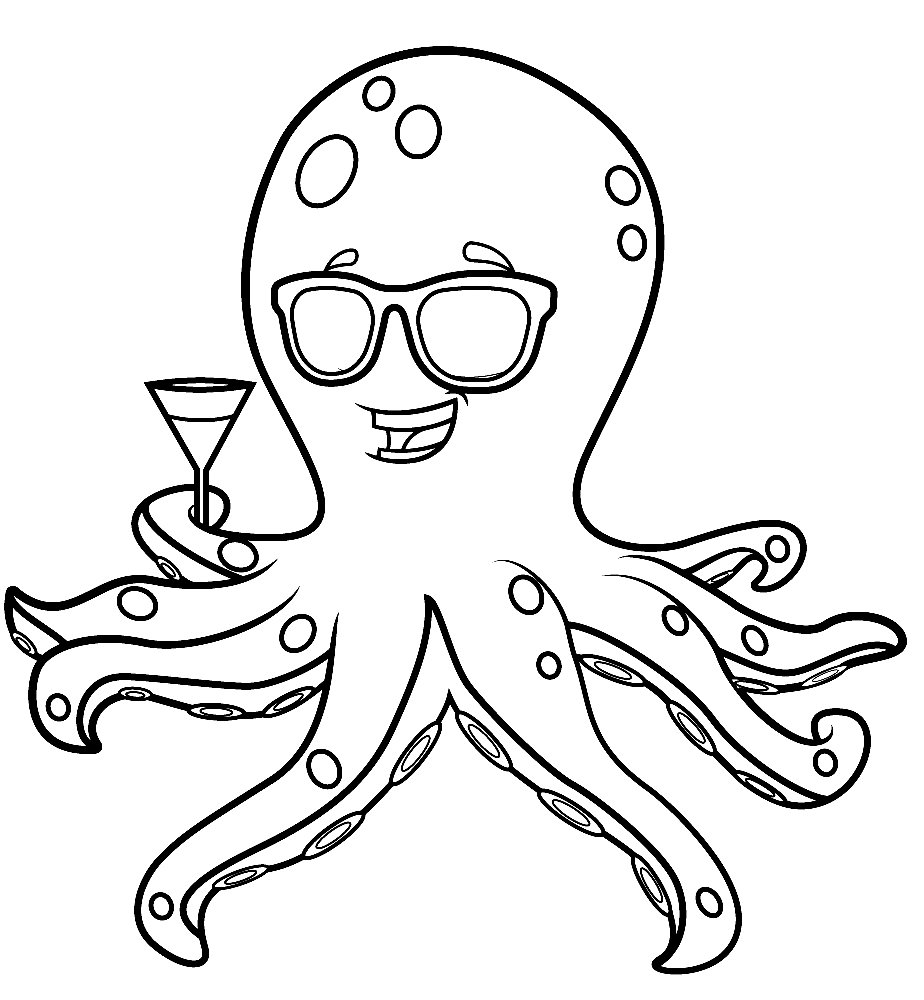
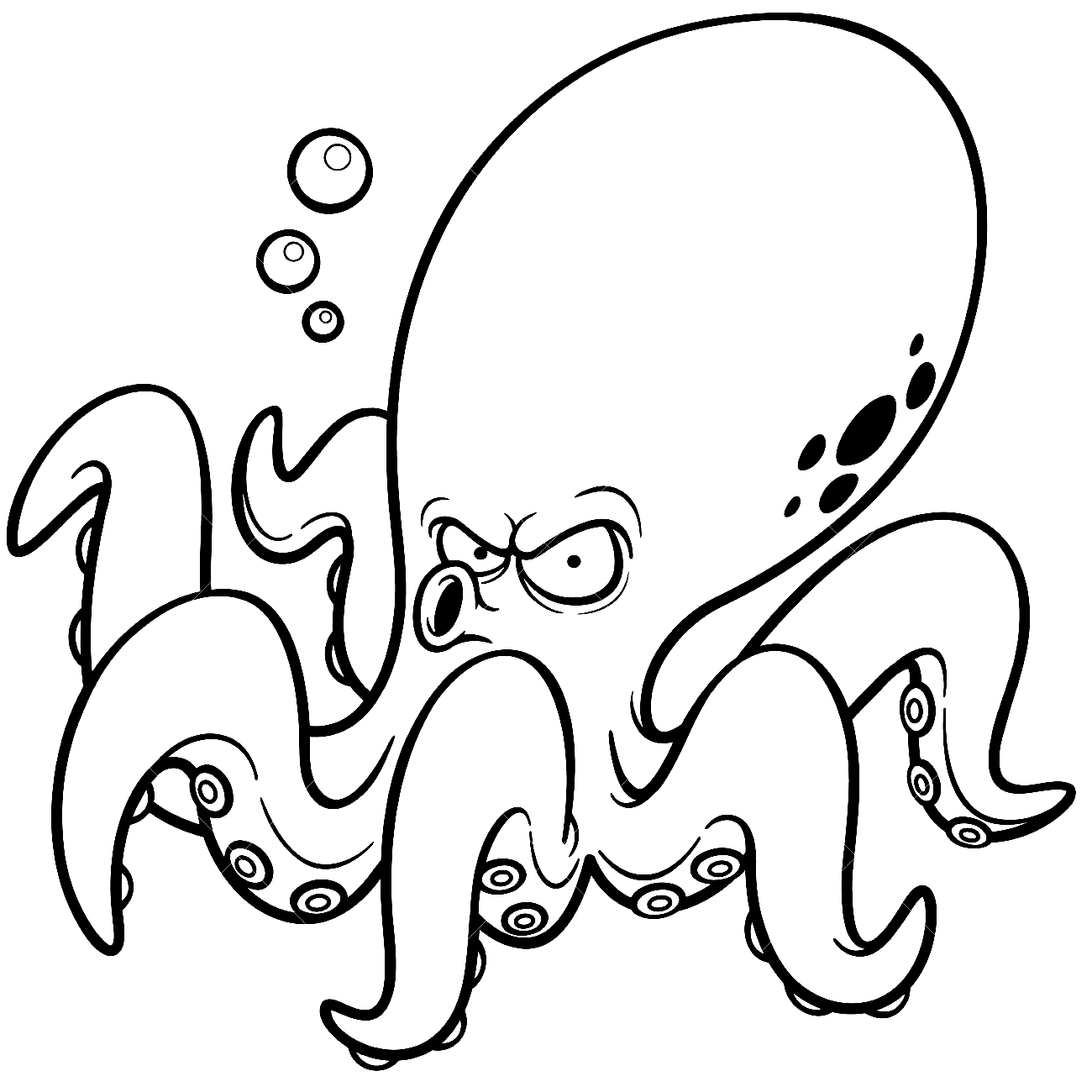
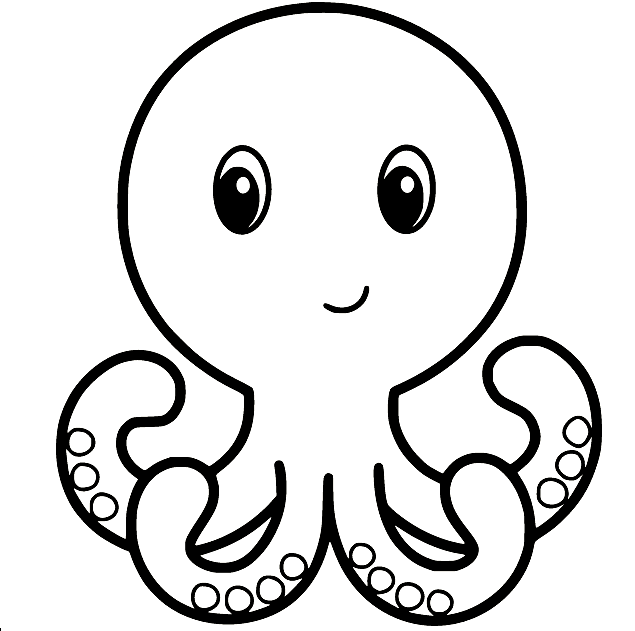
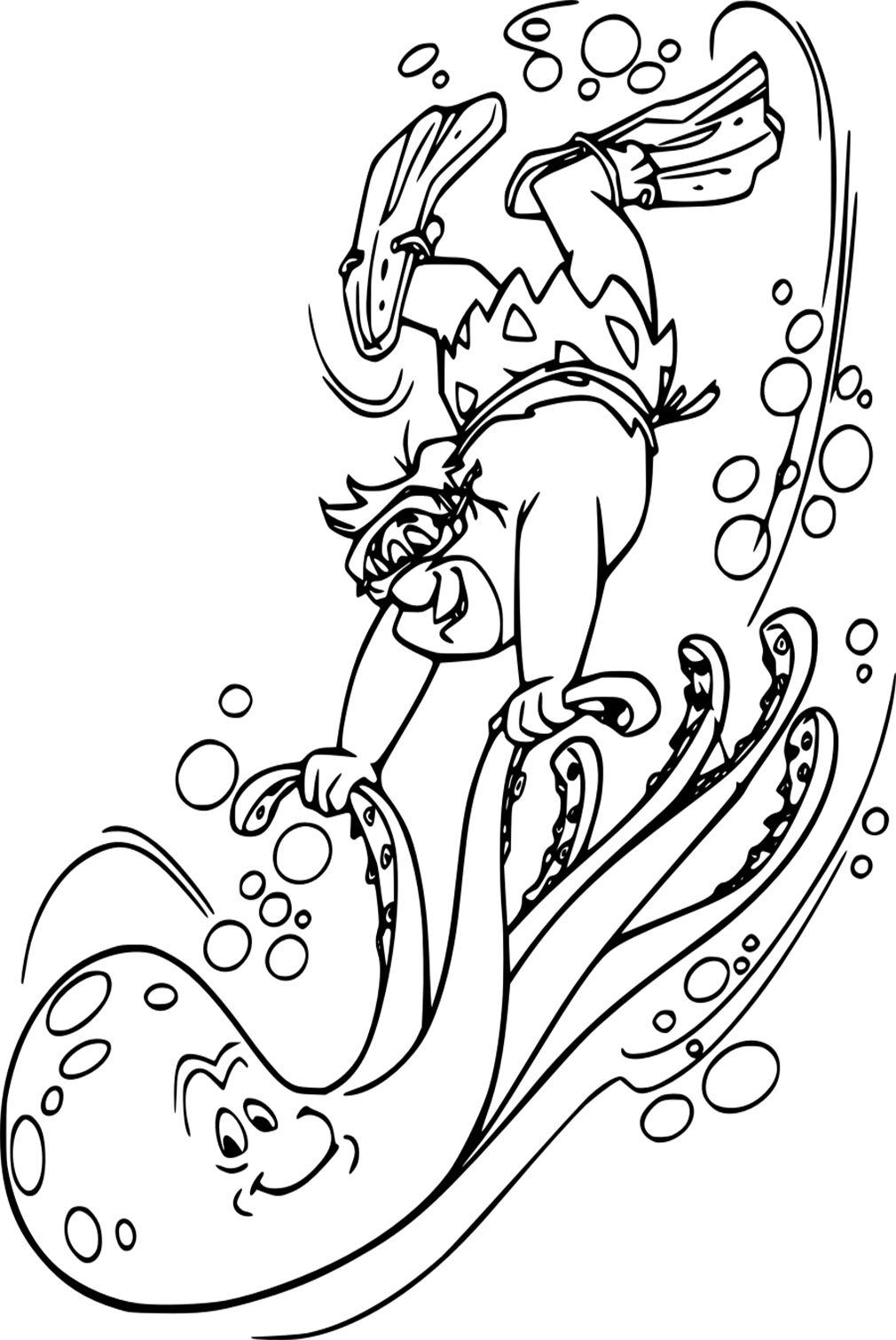
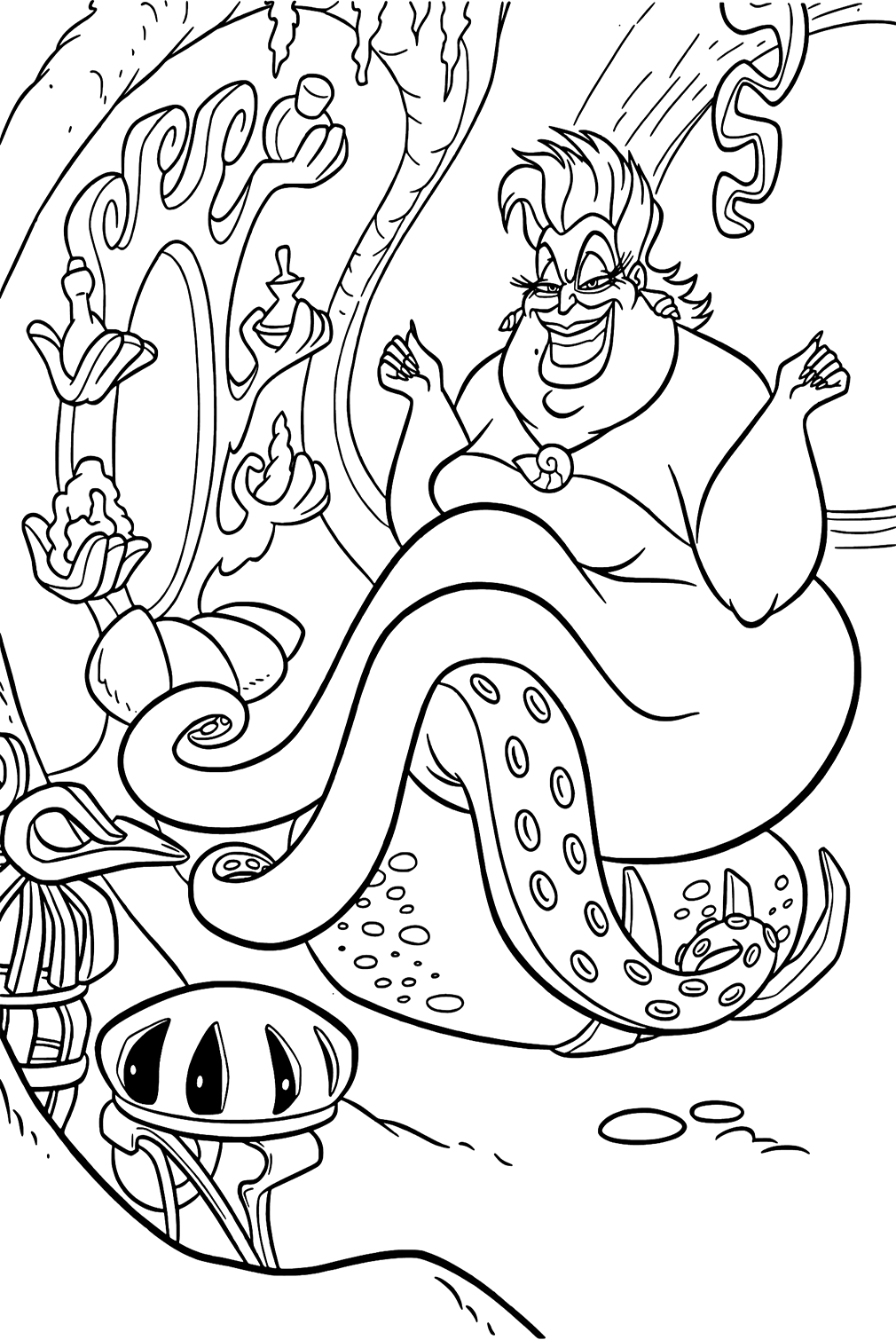
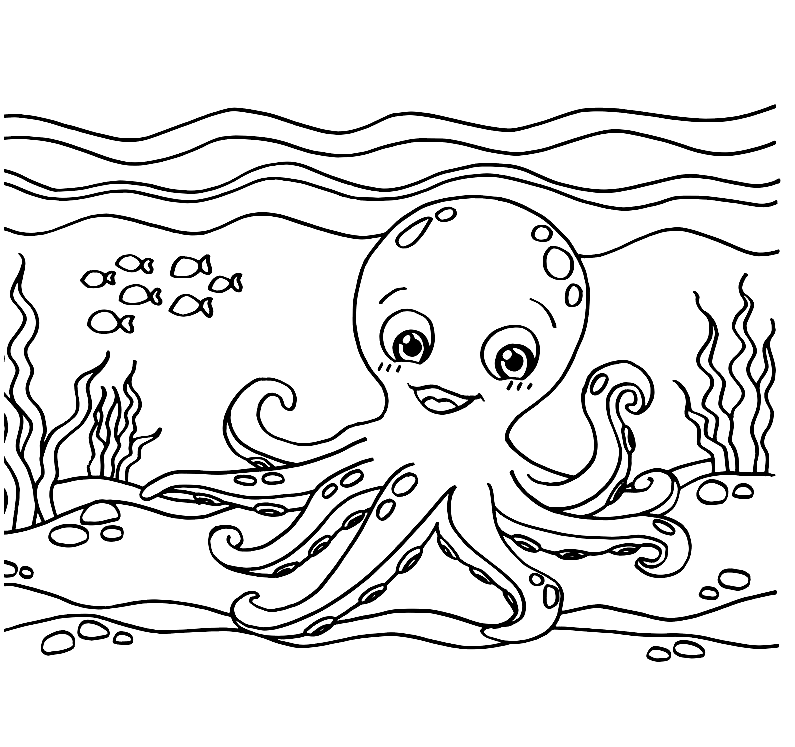
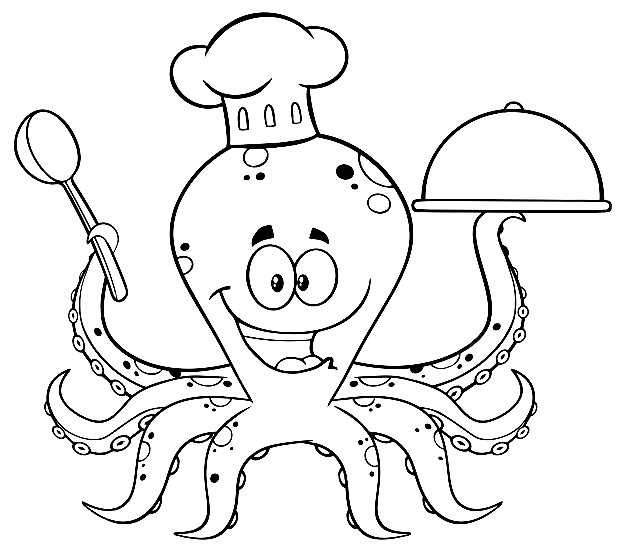
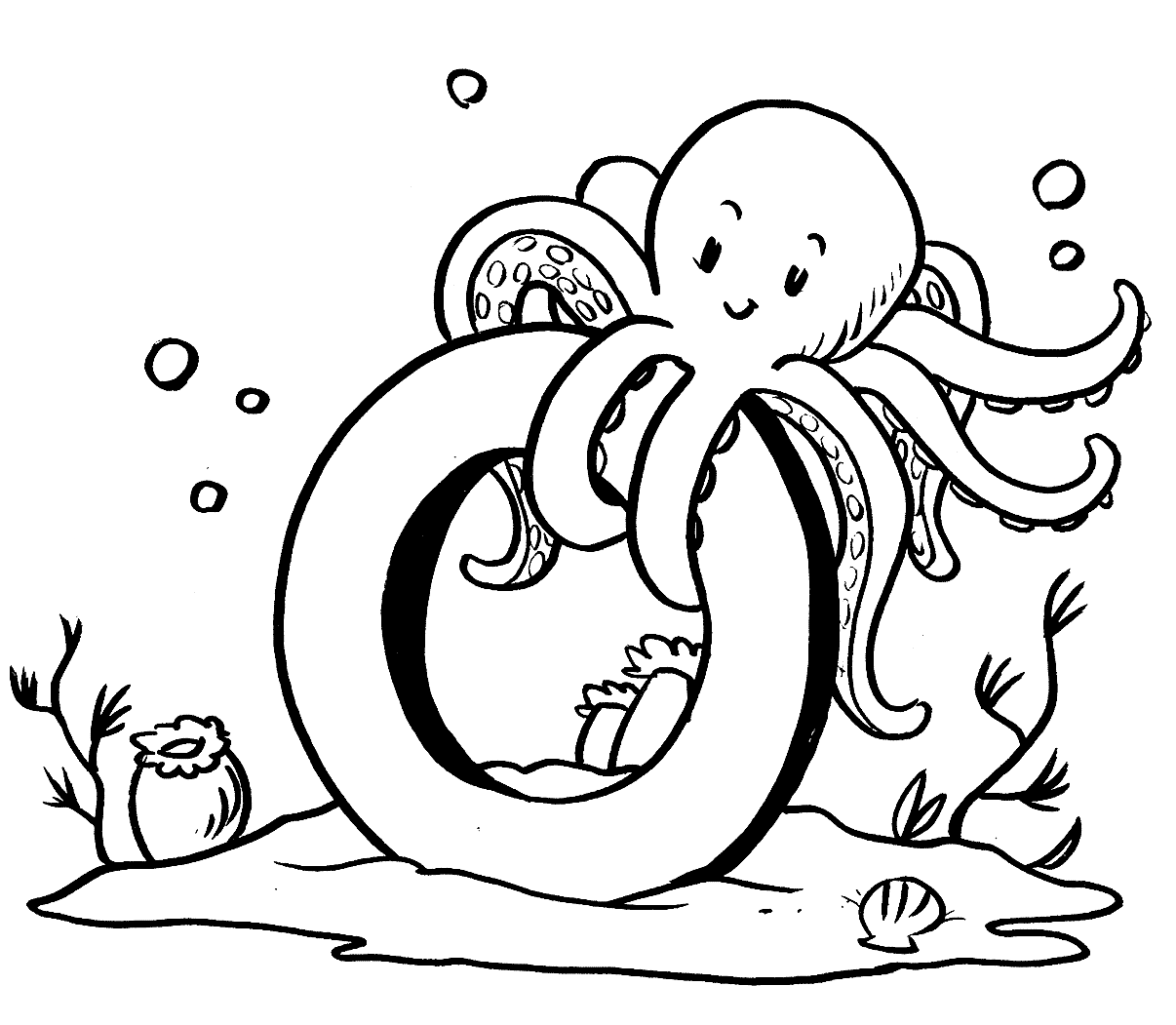
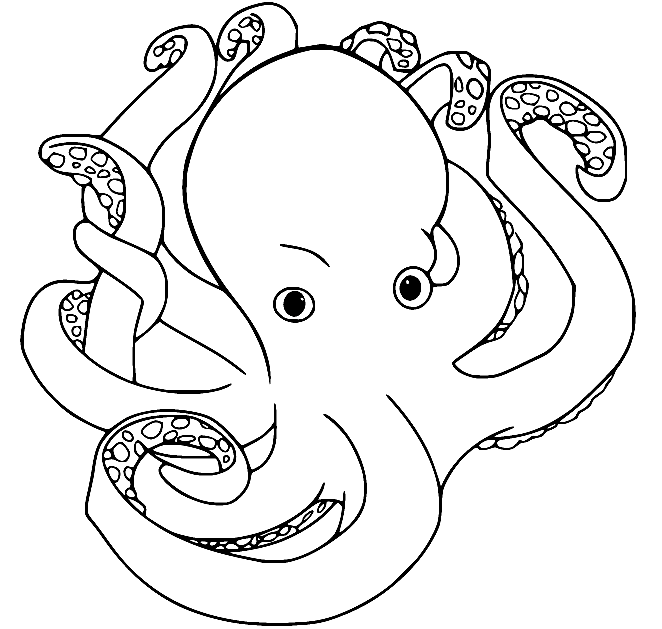
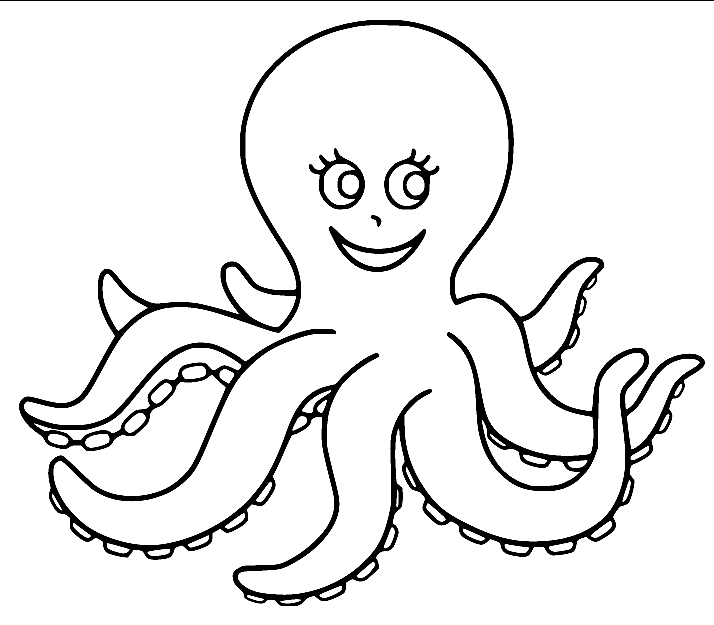
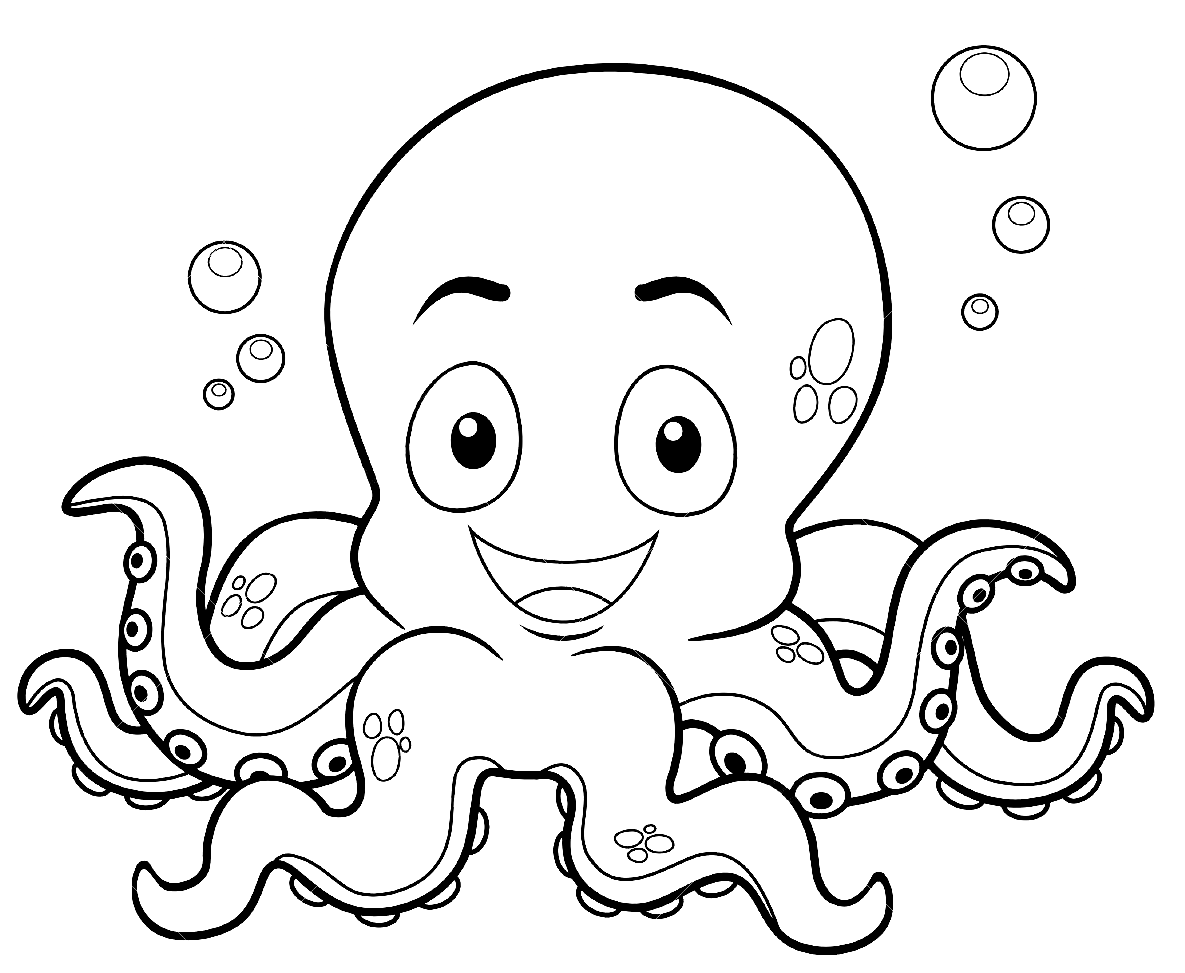
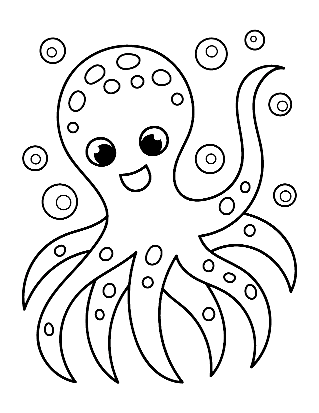
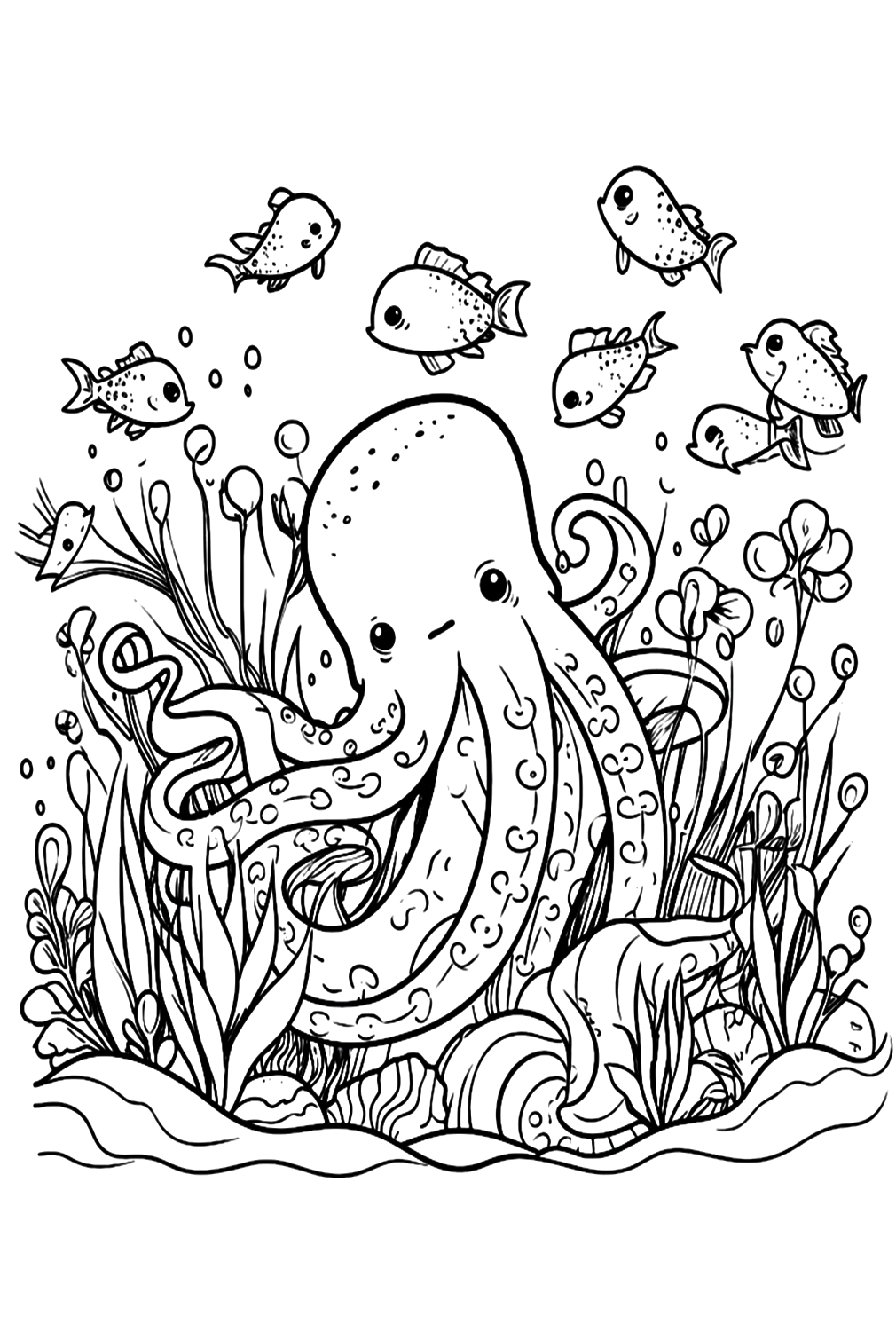
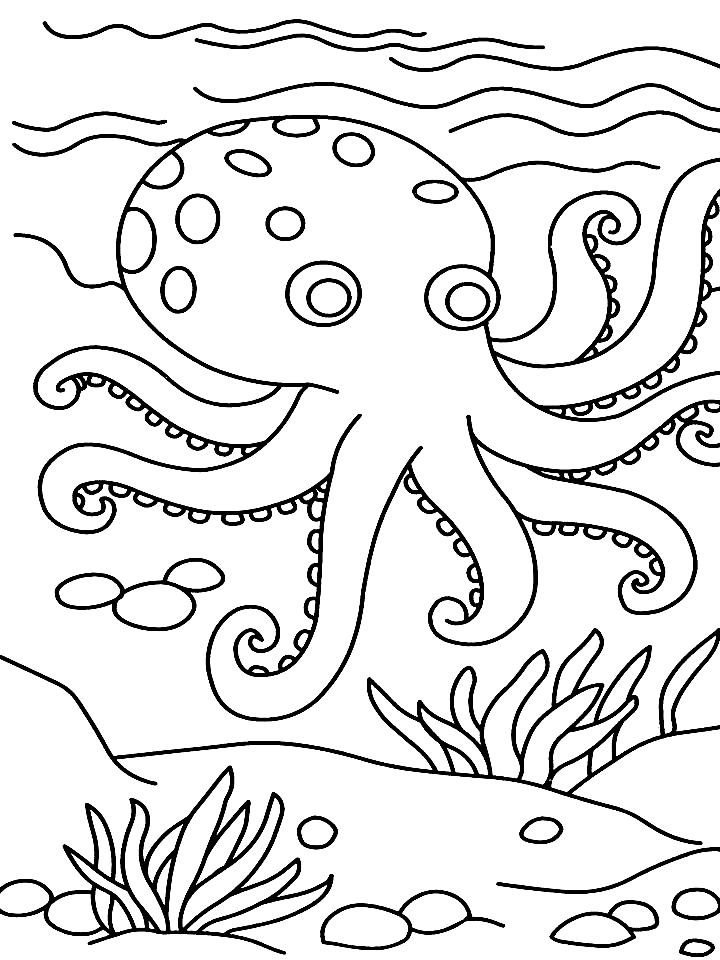
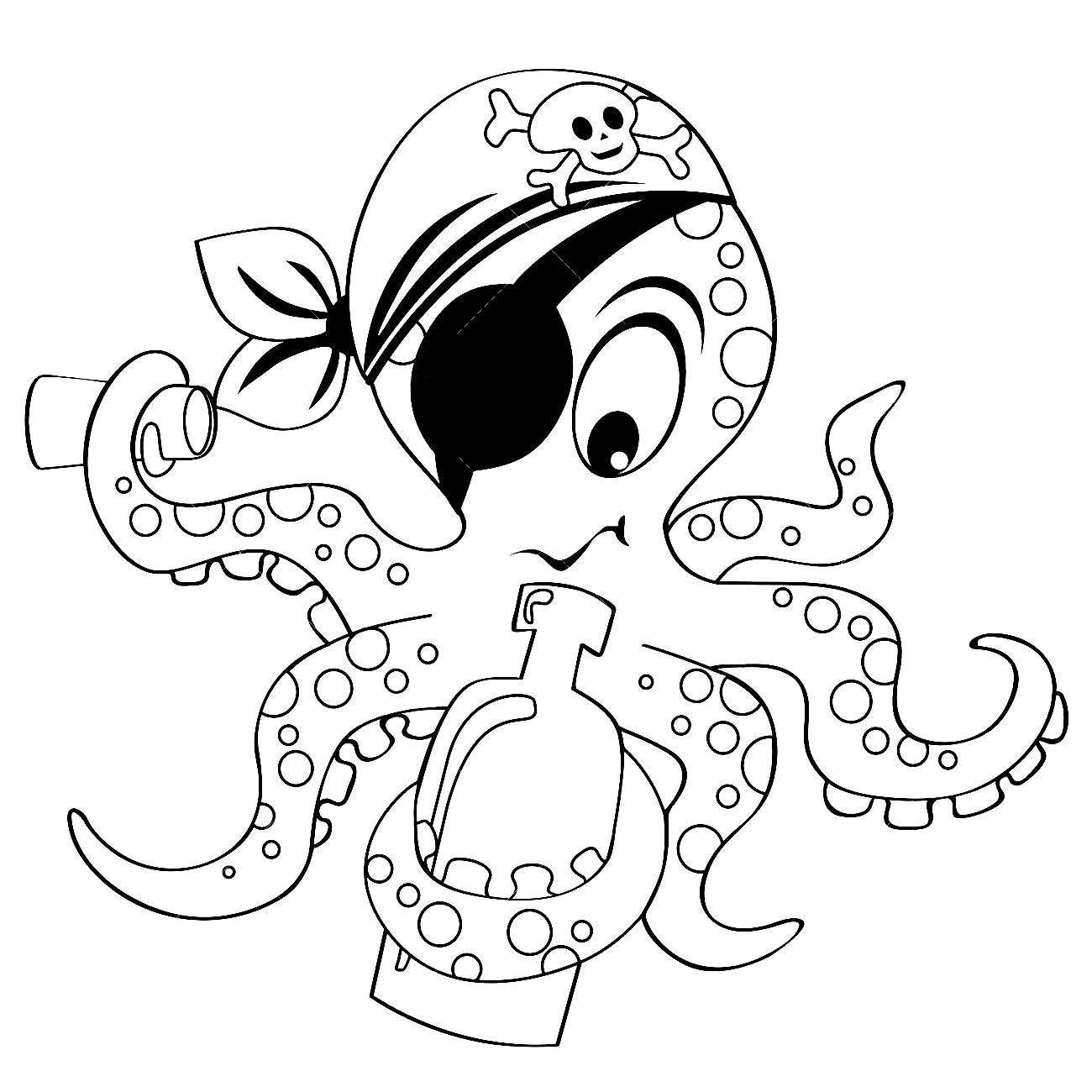
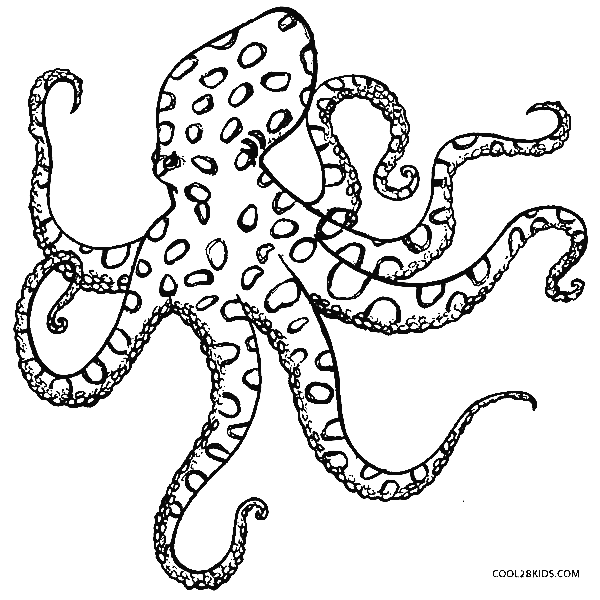
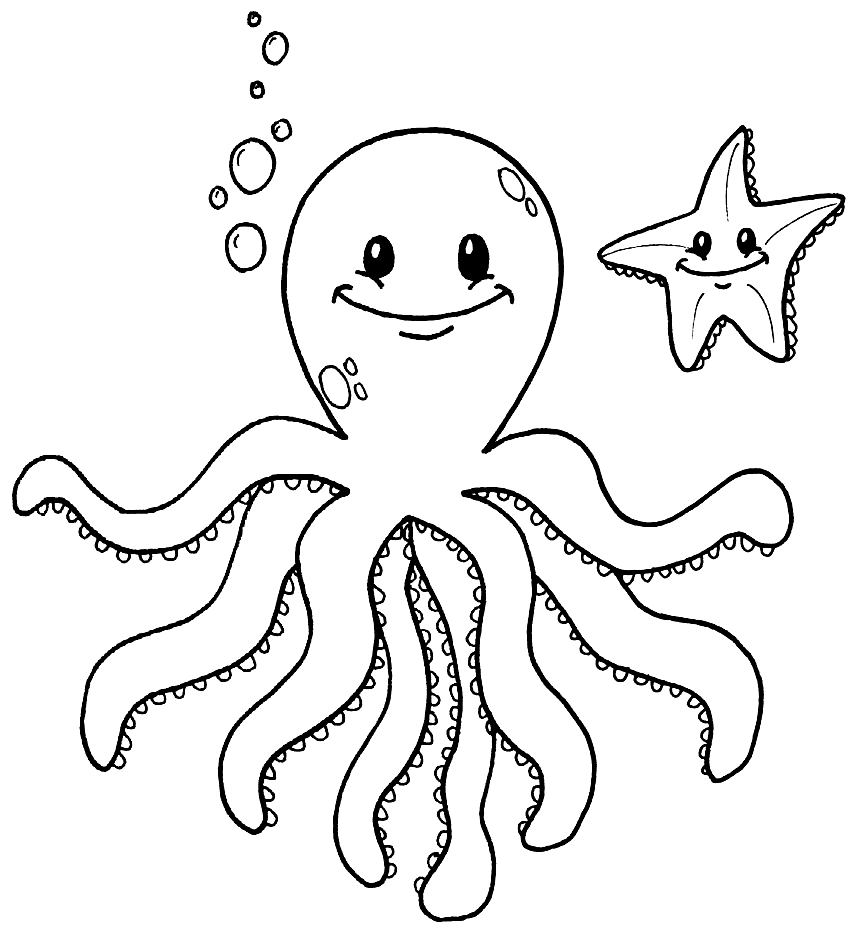
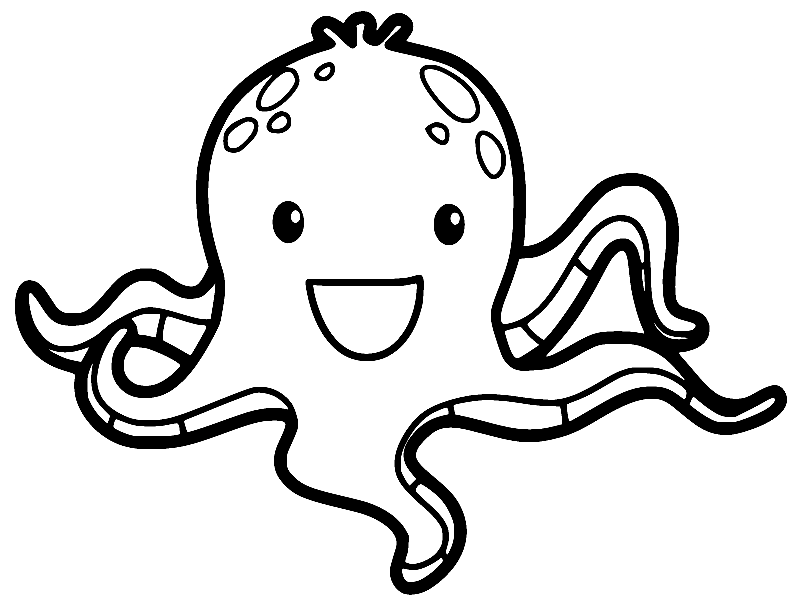
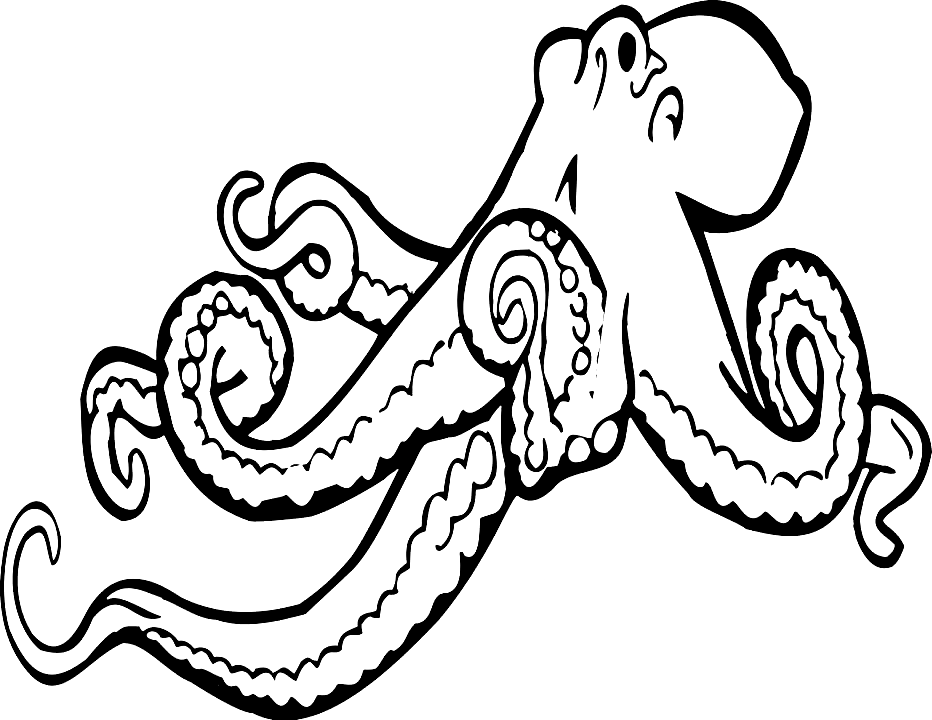
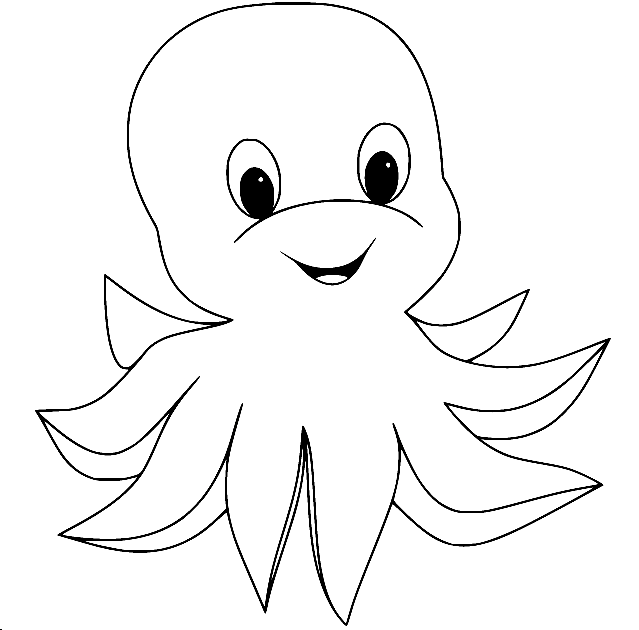
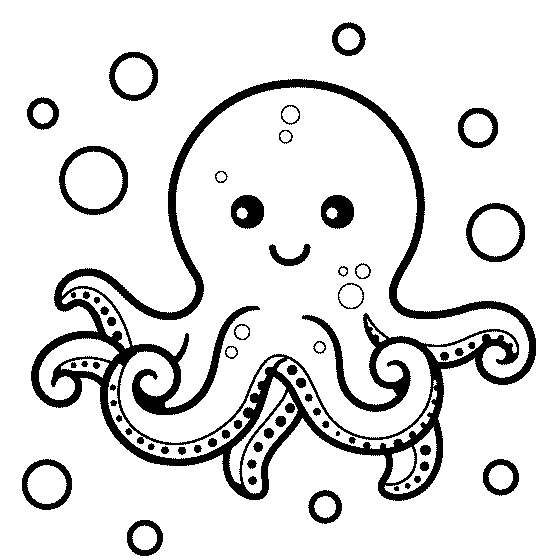
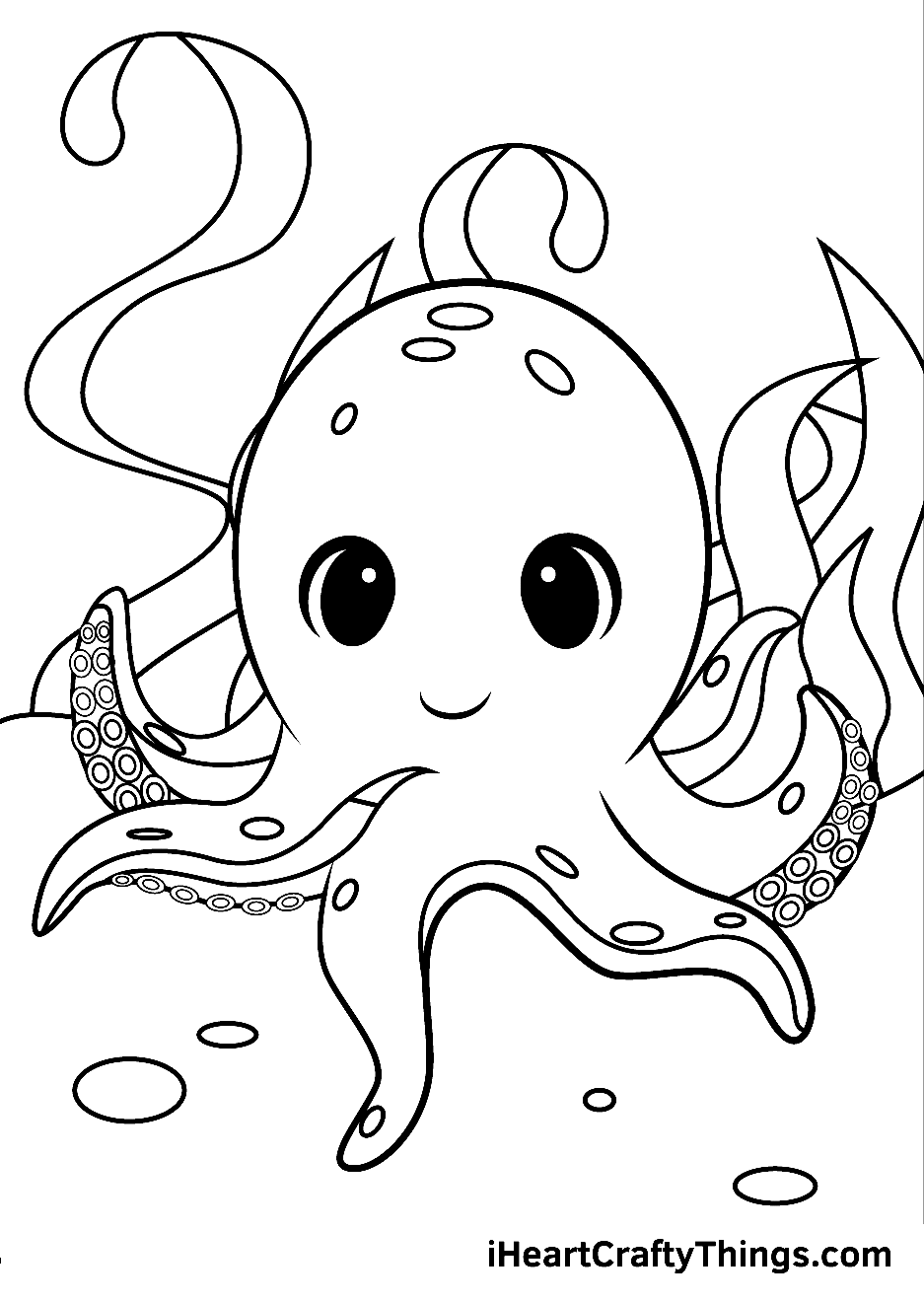
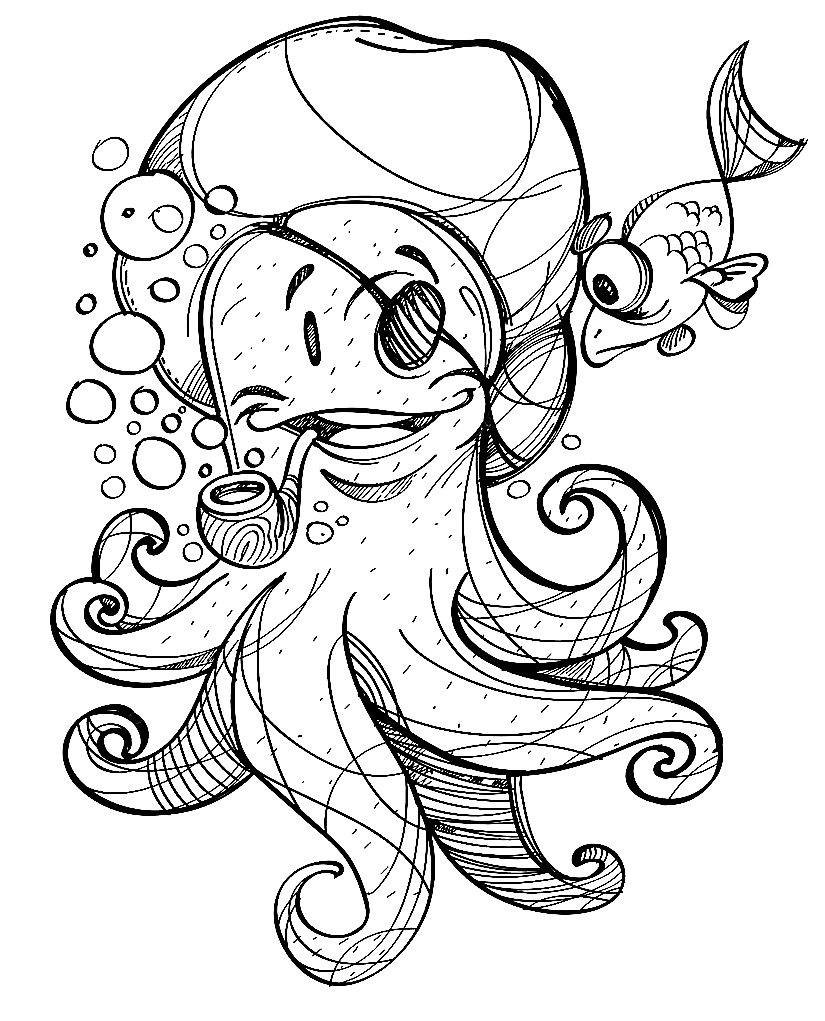
The 57 pages fall into a few clear groups, built around simple, cute portraits, real species, costumed characters, and ocean scenes with other sea life.
Simple and Cute Portraits
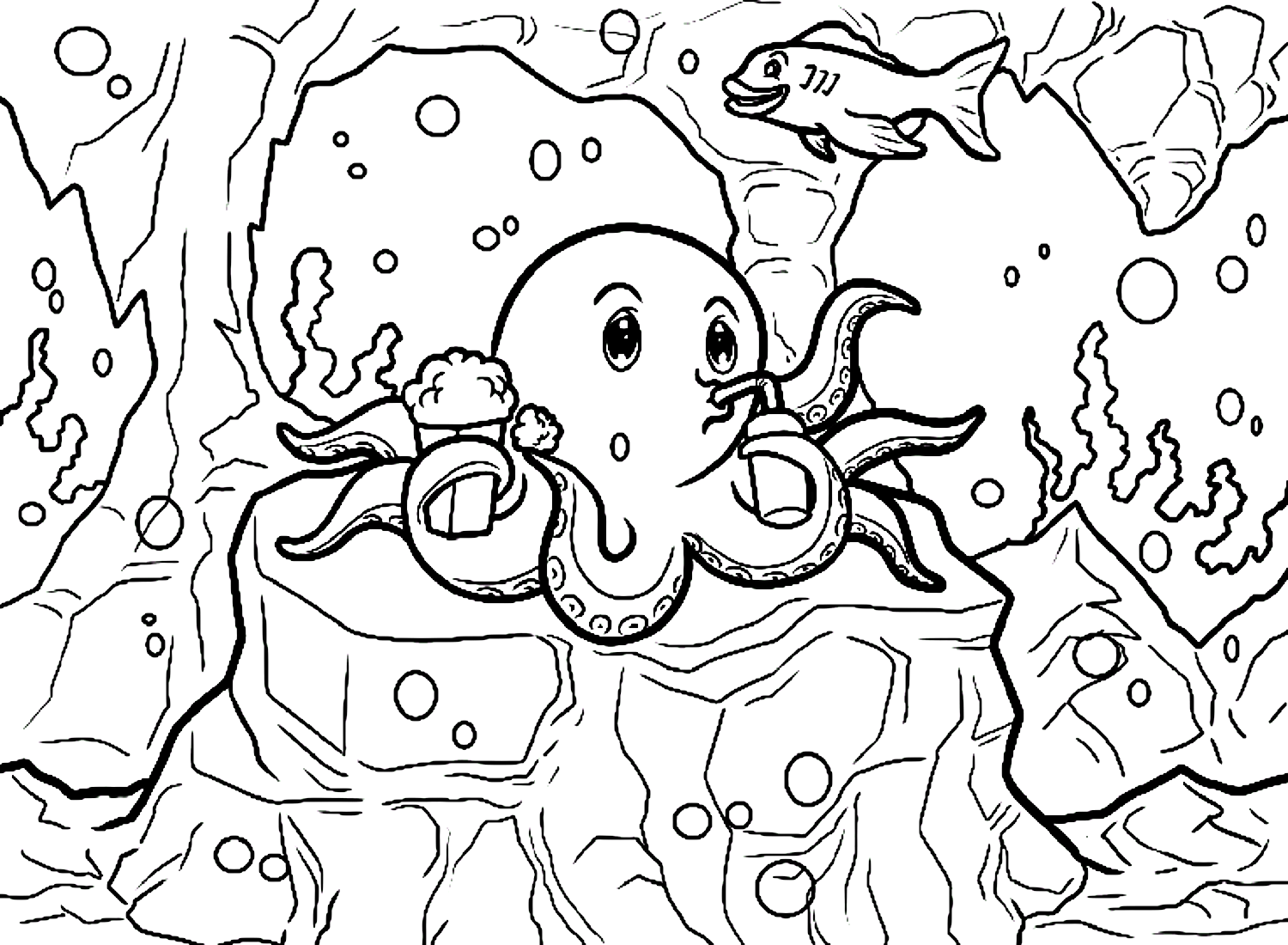
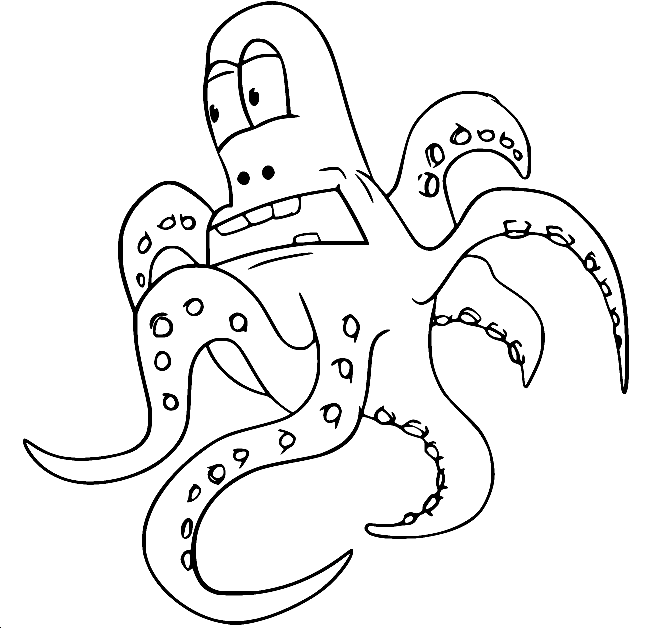
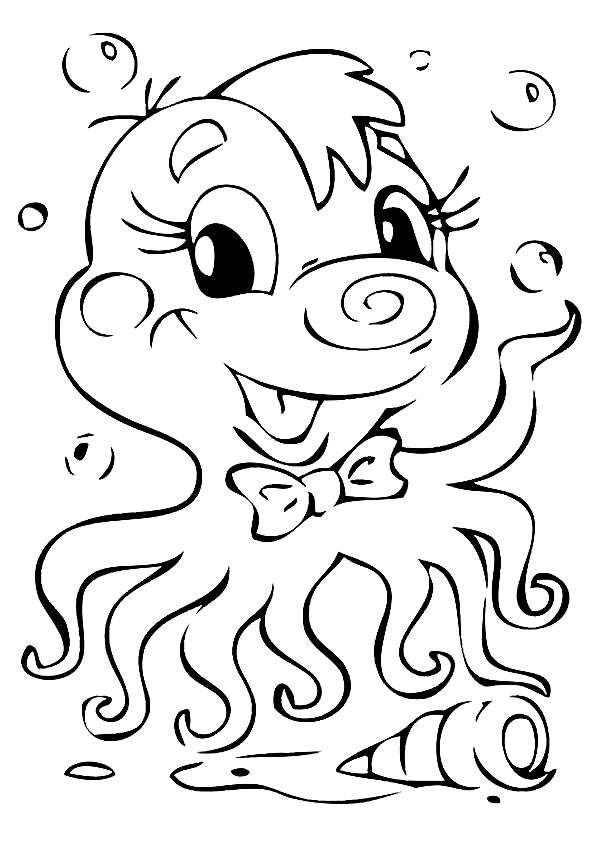
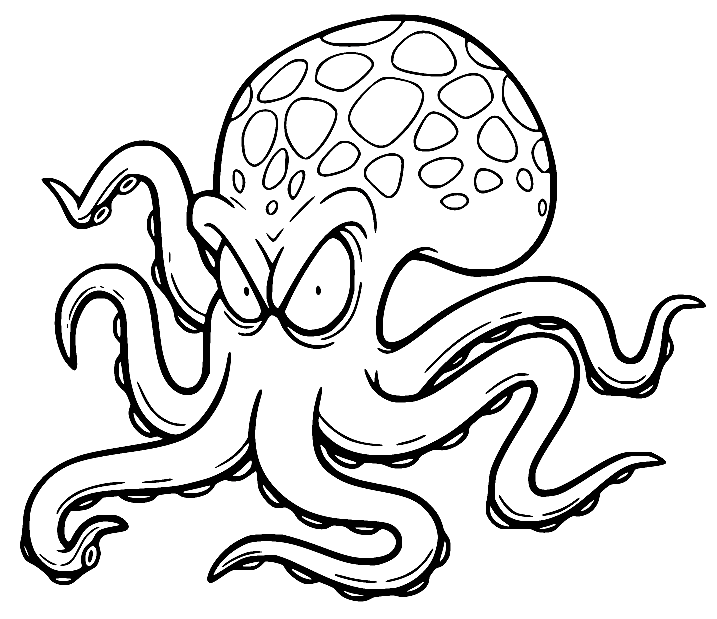
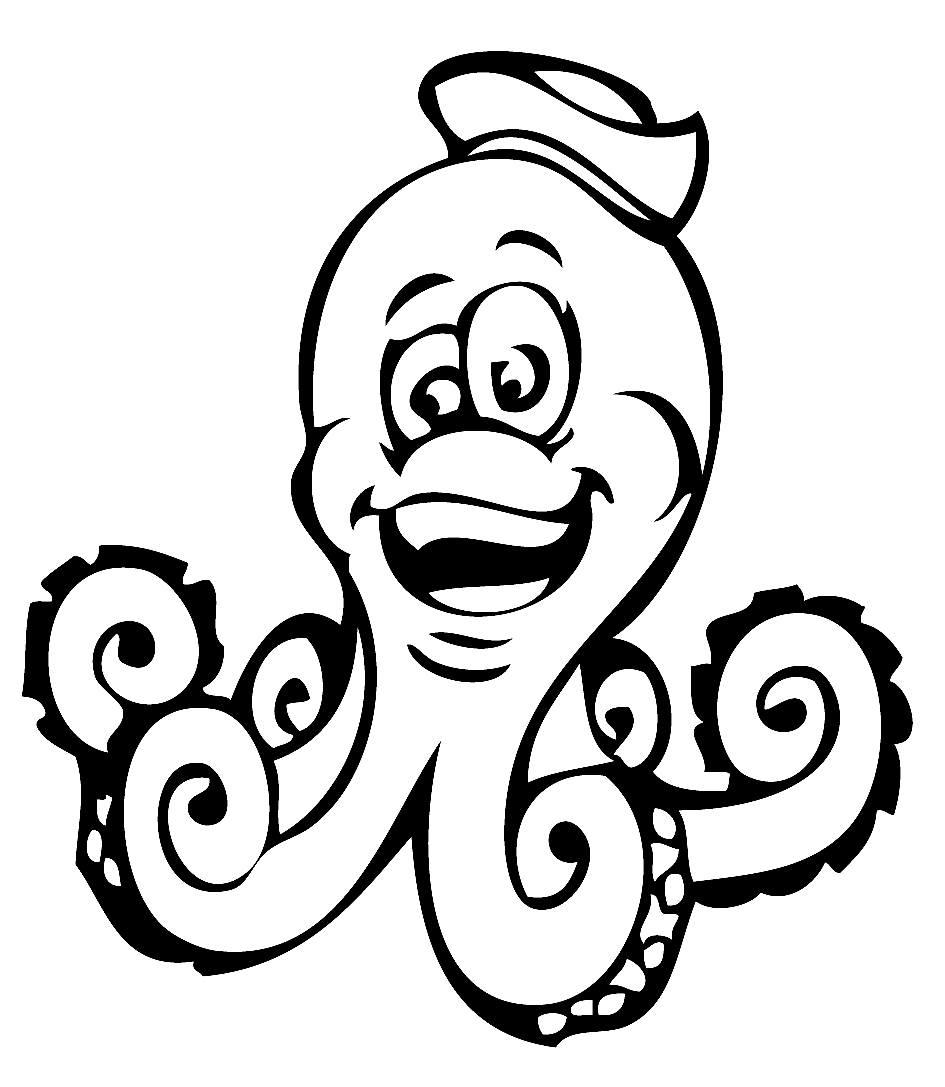
Thirty-three pages are solo octopus portraits without a background scene, ranging from a very basic outline to a fuller, smiling cartoon design. Several are aimed at younger colorers, including a baby octopus and a simplified letter-O design for early alphabet practice. A single warm color, Coral, Orange, or Magenta, is enough to complete most of these pages.
Real Octopus Species
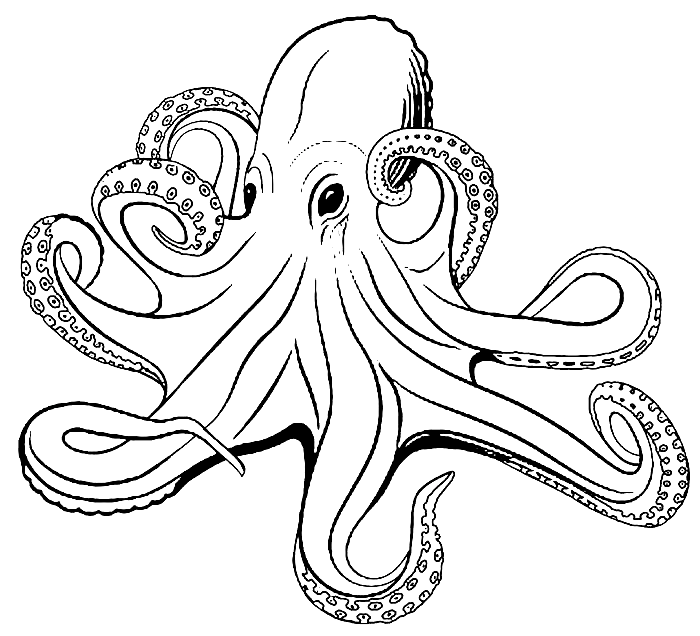
Eight pages are modeled on actual octopus species and behavior rather than a cartoon character: a North Pacific giant octopus, a smoothskin variety, an Atlantic pygmy octopus, and a coconut octopus, a real species known for carrying coconut shells as portable shelter. These pages reward a more muted, camouflage-style palette. Reddish-brown, Tan, and Olive Green suit these designs better than bright cartoon colors.
Costumed Characters and Job Scenes
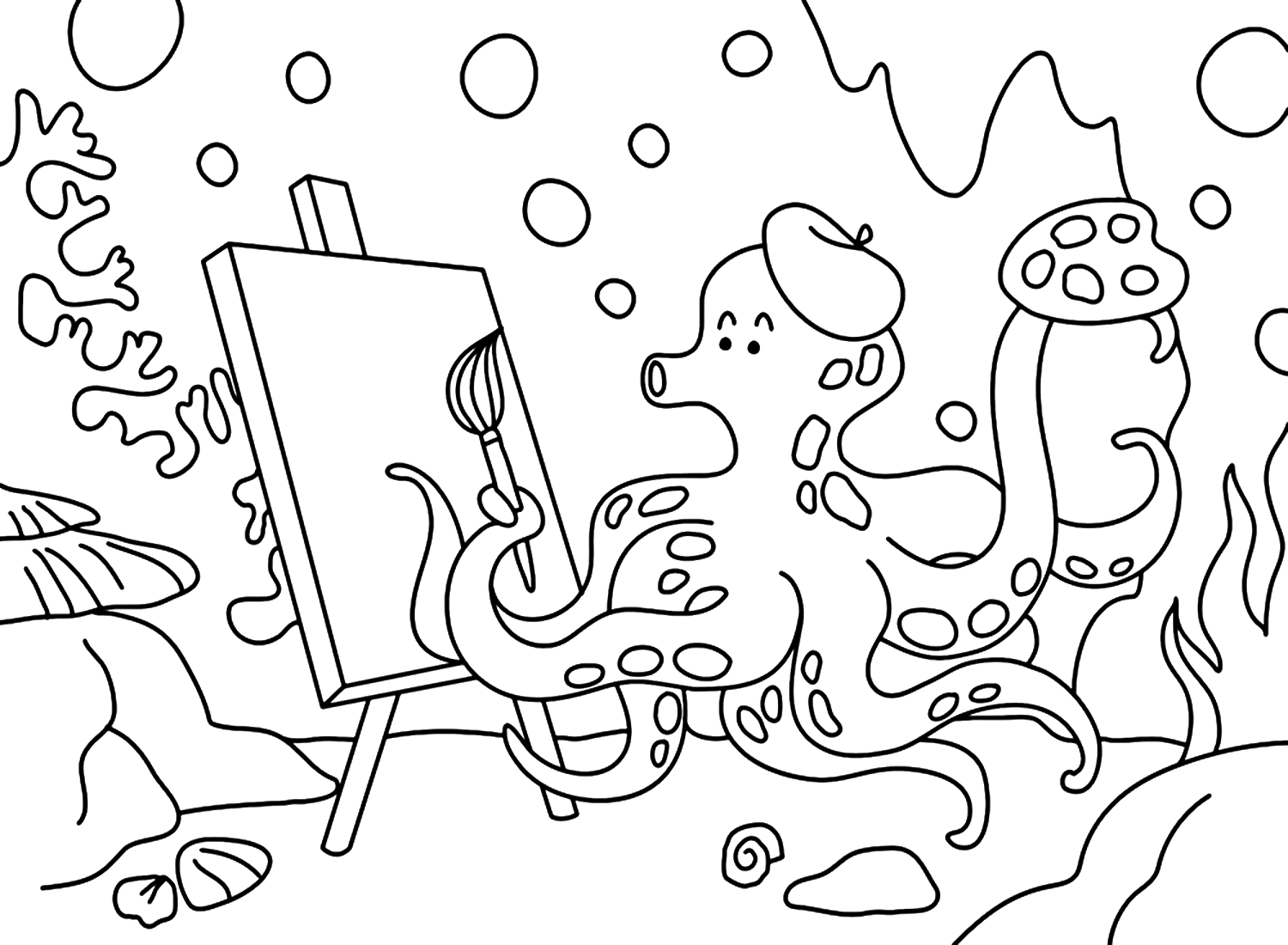
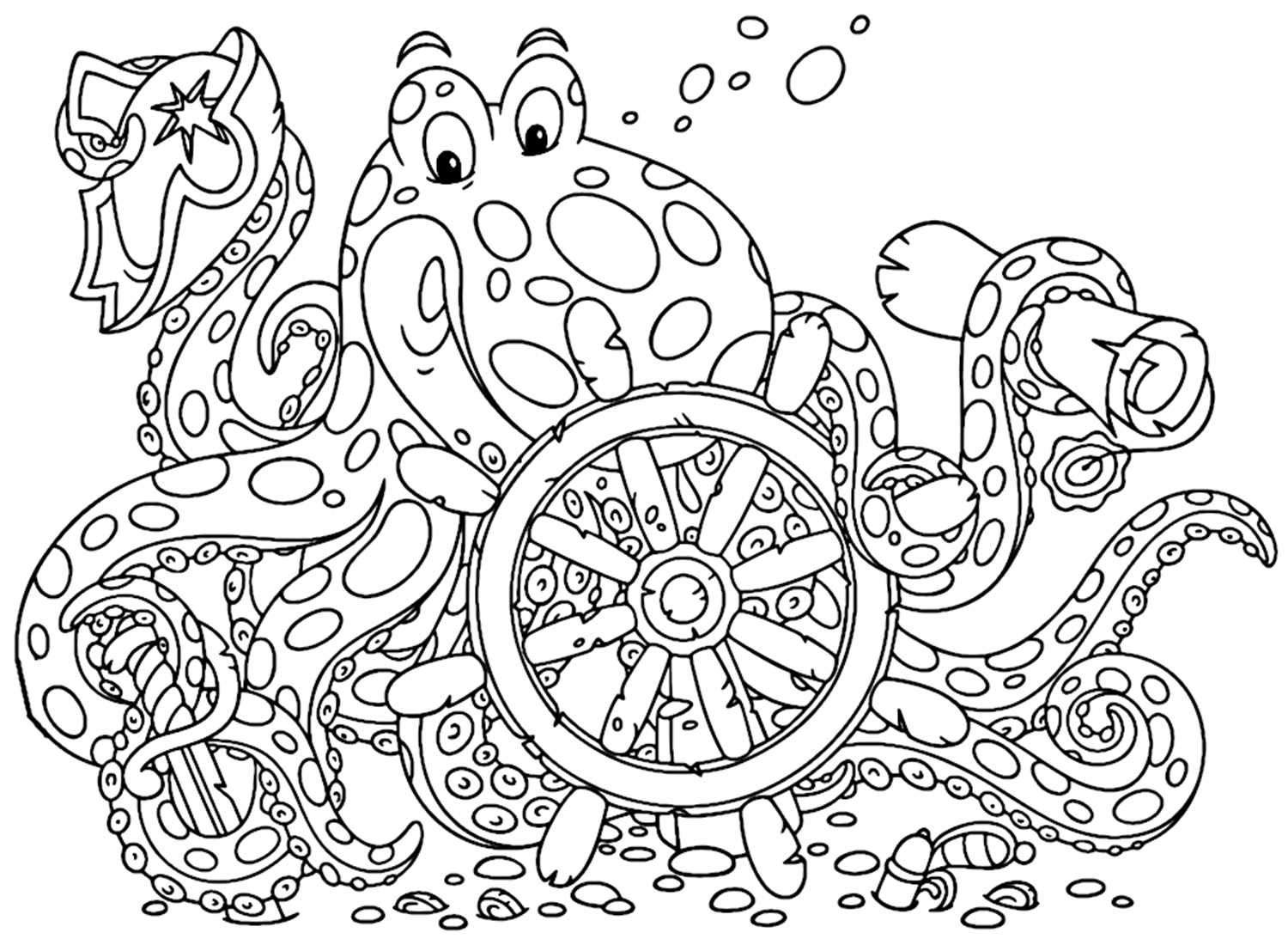
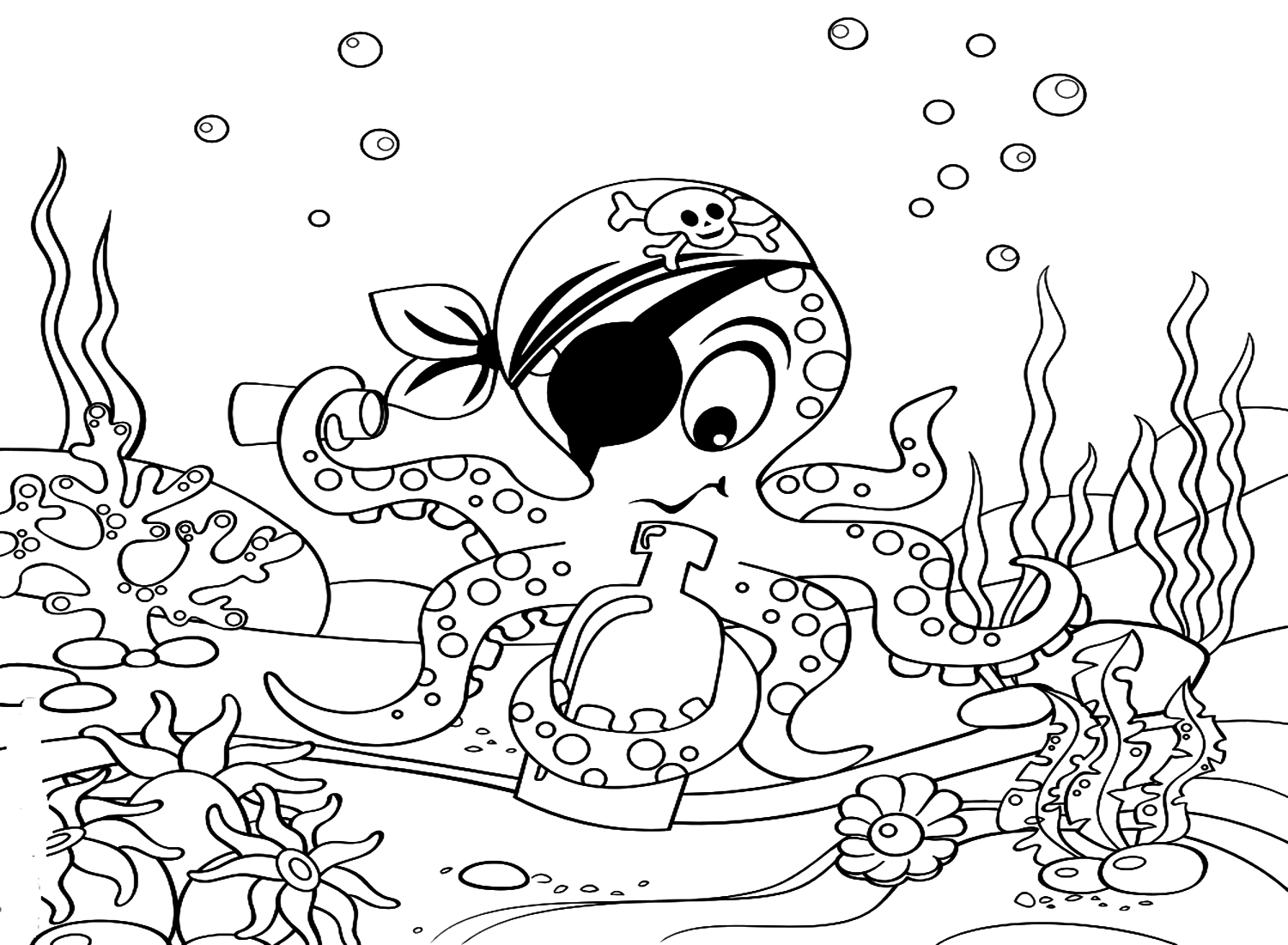
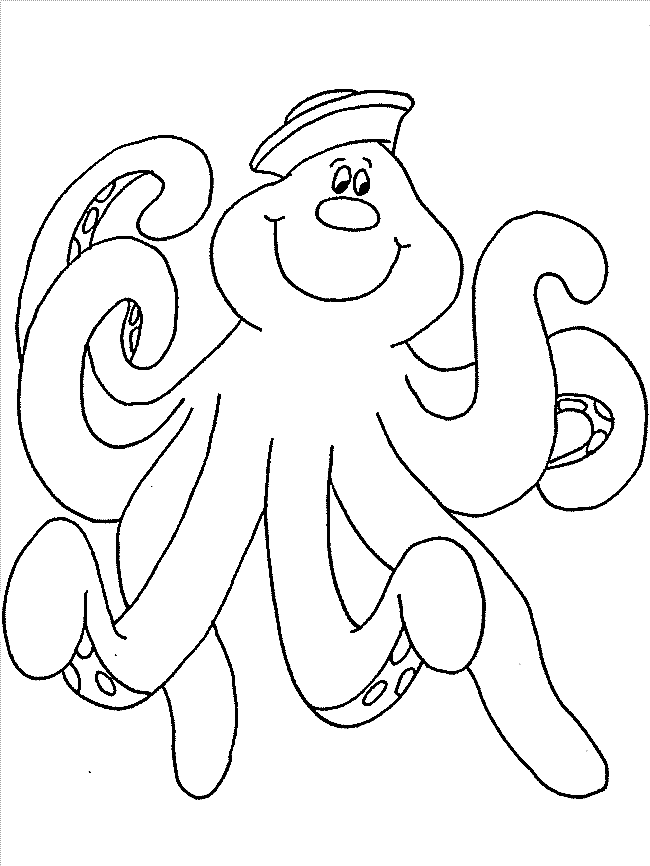
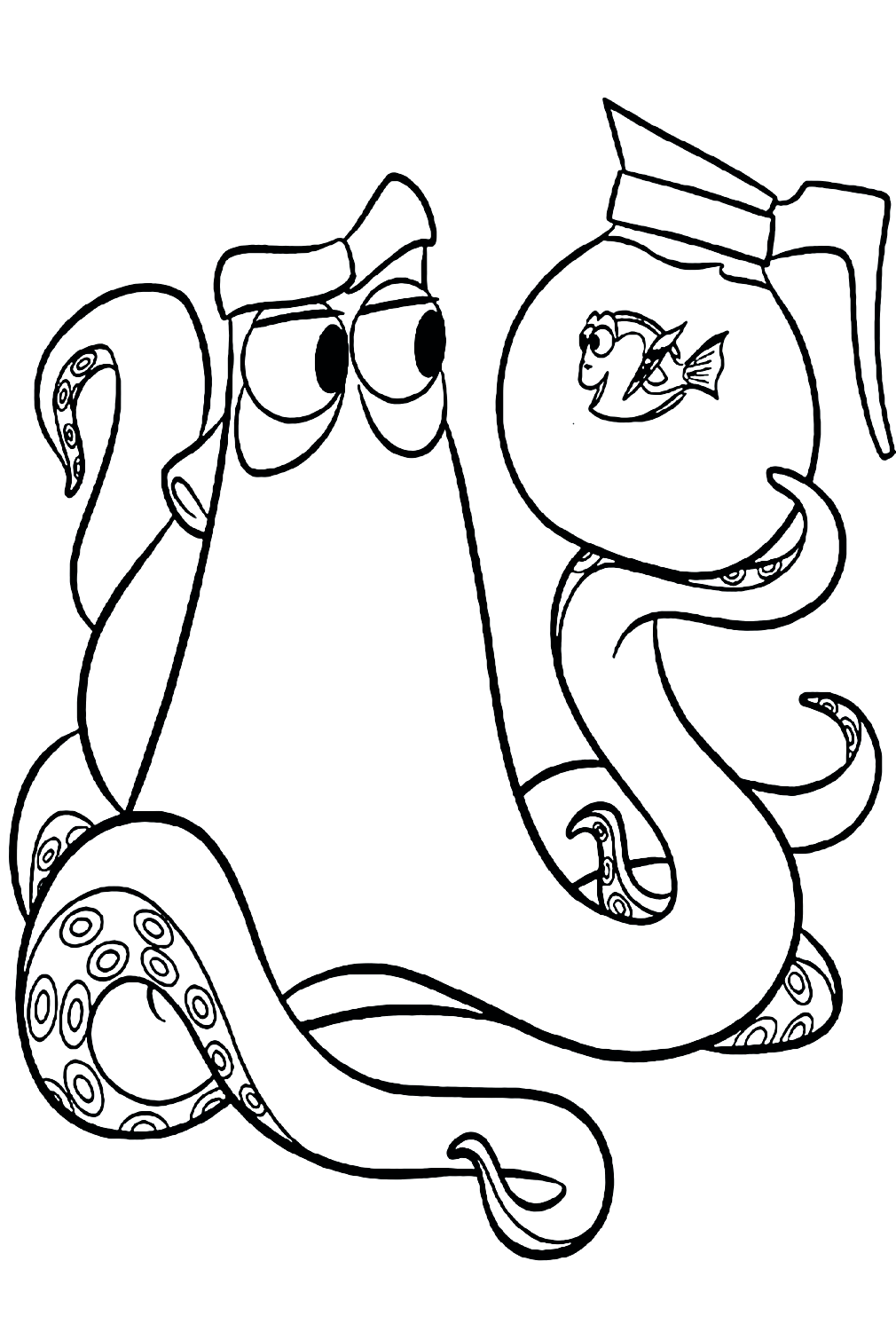
Twelve pages put an octopus into a costume or role: a pirate, a sailor, a magician, a chef, and a couple of pages referencing well-known villain characters. These pages are the most playful in the set and lean on the costume’s own colors, Black and Red for a pirate hat, White for a chef’s coat, more than on the octopus itself.
Ocean Scenes with Other Sea Life
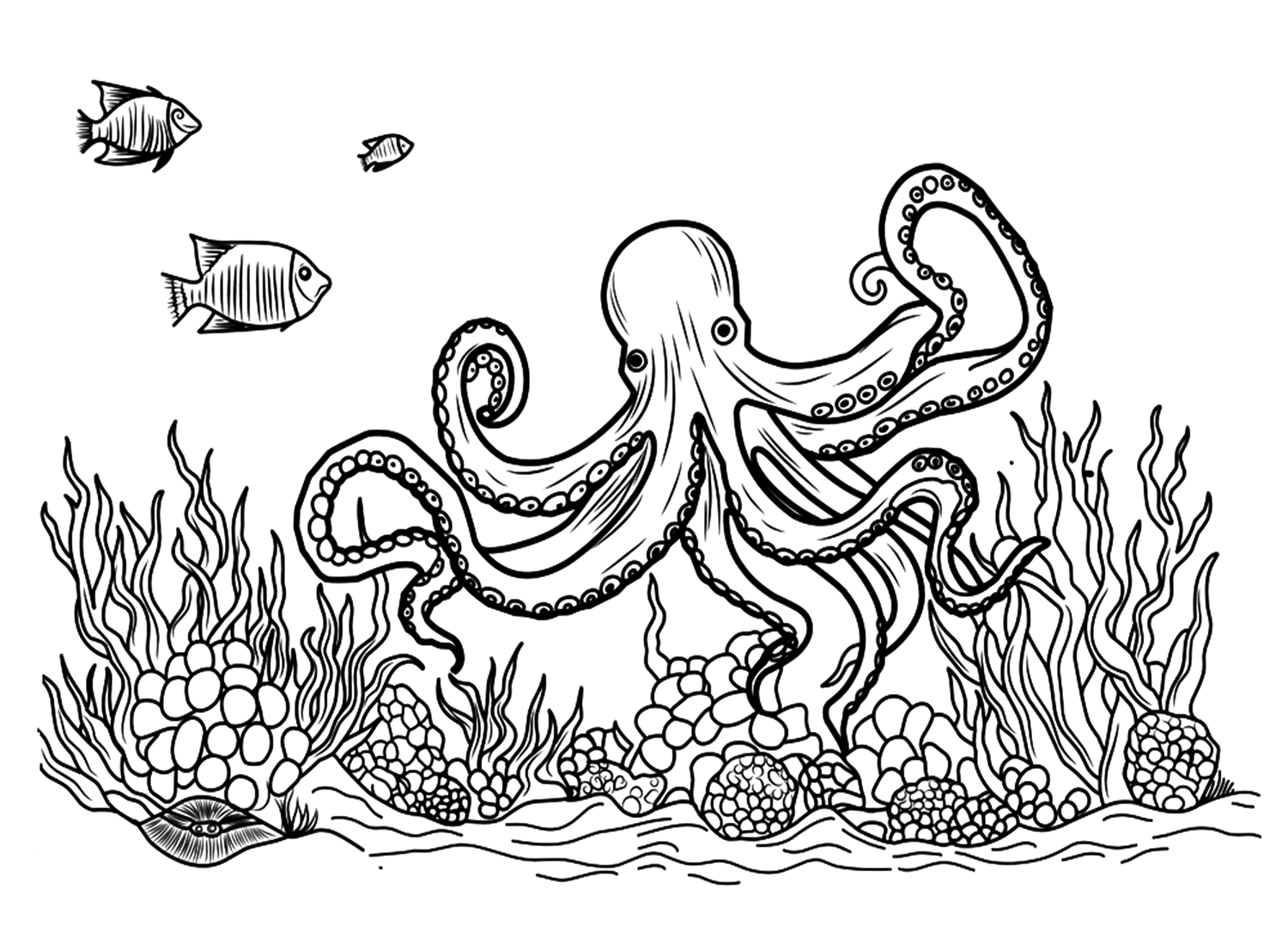
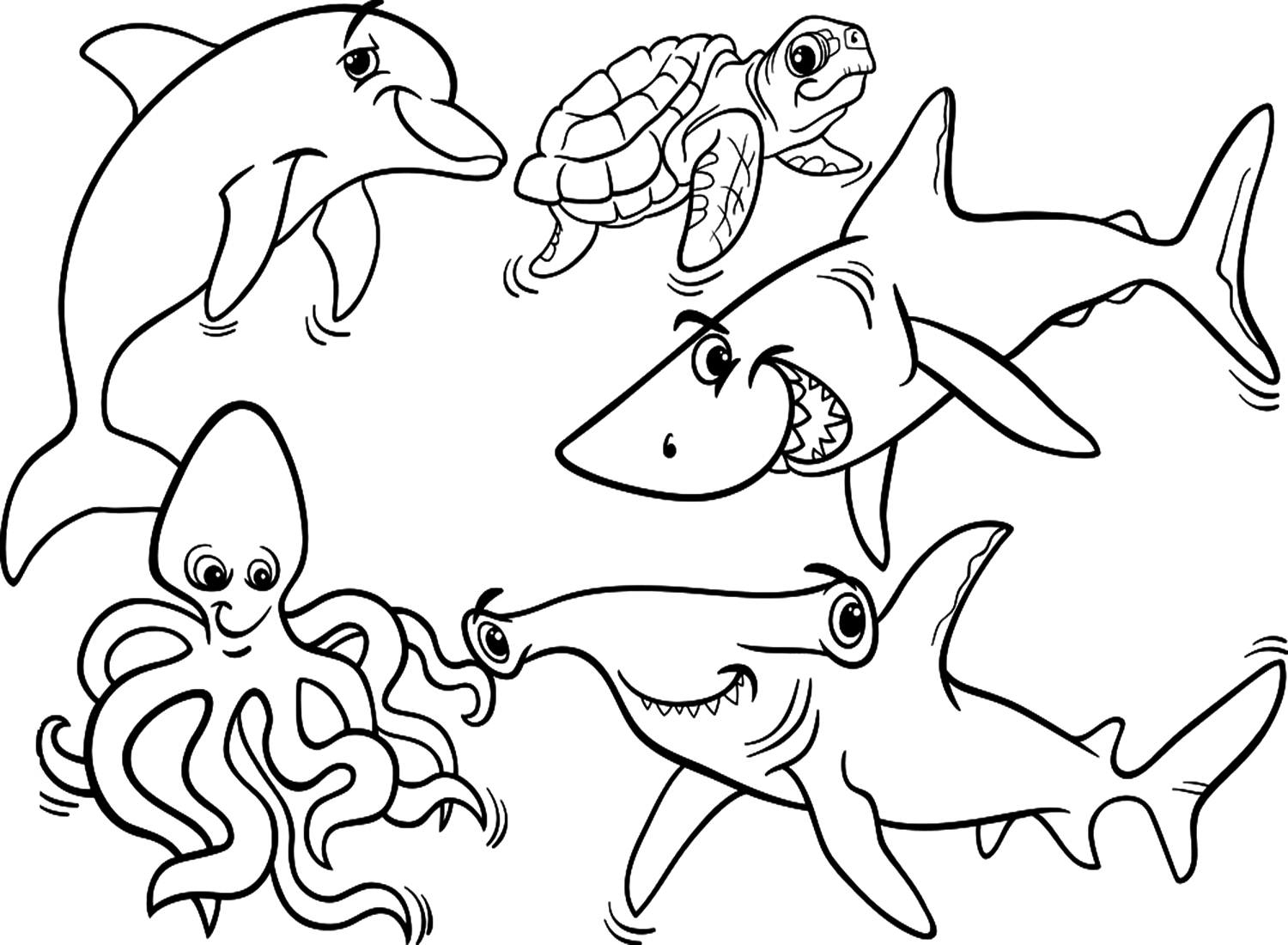
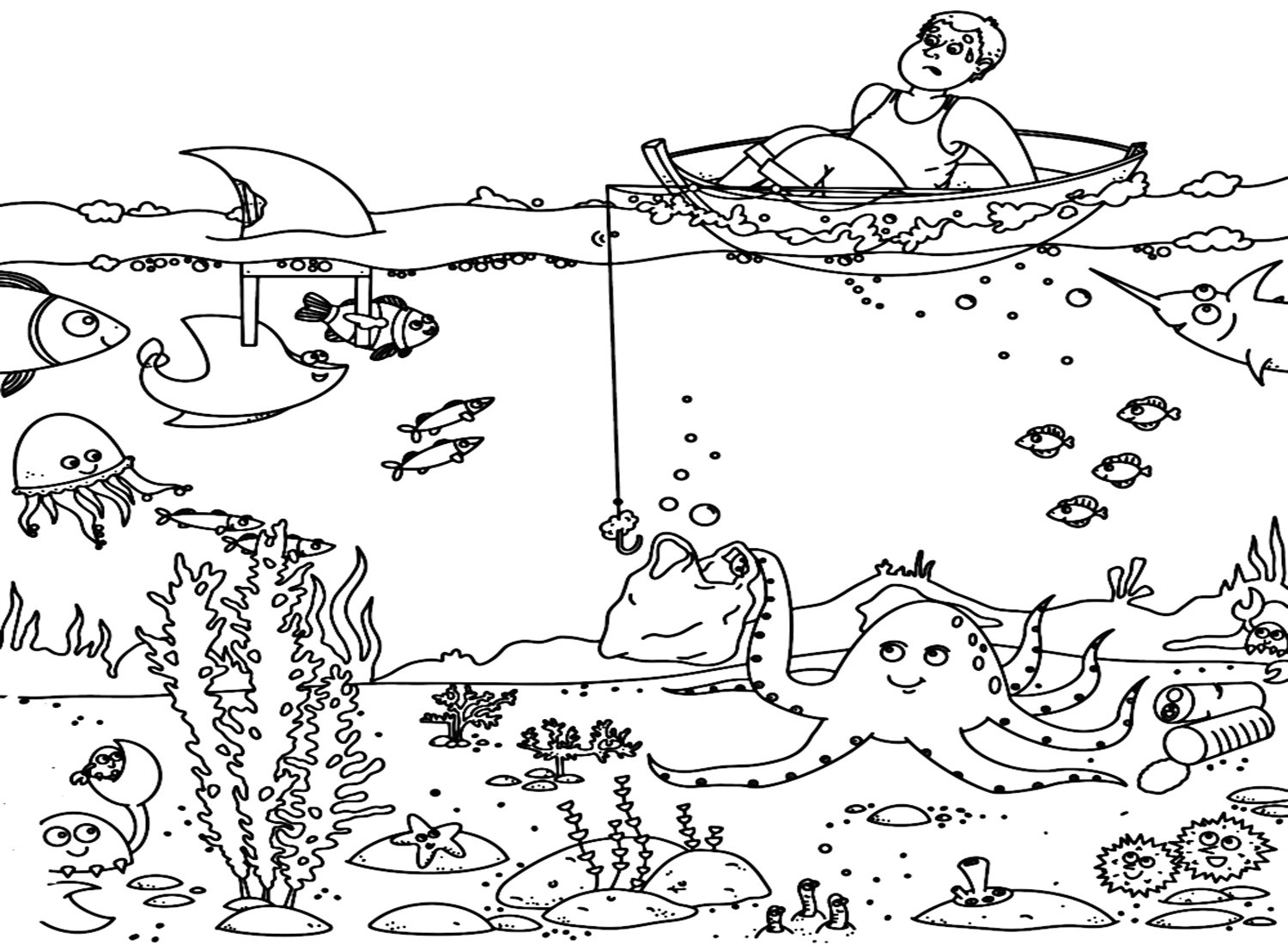
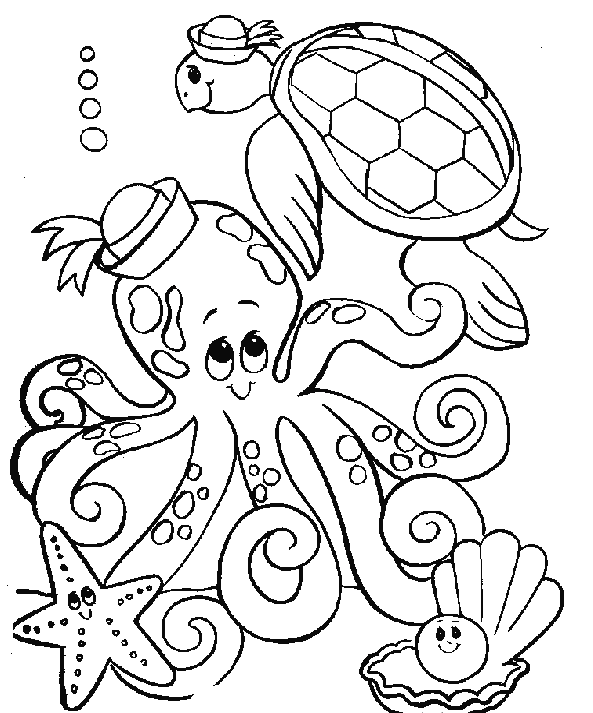
Four pages place the octopus alongside other ocean animals: fish, starfish, and a broader underwater community. These pages have the most background detail in the set. Layer in Blue and Teal for water, with Sandy Beige for the ocean floor, before finishing the octopus itself.
What These Pages Do
Nothing to get wrong. Real octopuses shift color and pattern within seconds using their chromatophores, so there is no single correct shade for a page like this. That freedom is unusual in a coloring collection and worth pointing out to a child who is used to sticking to “real” colors for an animal.
Small hands, many arms. Pediatric guidance from the American Academy of Pediatrics ties hand strength and control in children two to seven to exactly this repeated, small-scale practice, and an octopus page delivers it eight times over, since each arm and its own row of suction cups amounts to a miniature coloring task on its own.
A page that doubles as a biology lesson. An octopus has three hearts and blue blood, facts strange enough to hold a child’s attention while they work and simple enough to explain out loud mid-page without turning the activity into a lecture.
Where the calm comes from. Researchers publishing in the Art Therapy Journal in 2005 tracked lower anxiety in people coloring within set lines compared with those drawing freely, a result that lines up with what these repeating suction-cup rows and curling arms ask a colorist to do, page after page.
How to Color Octopus Pages Well
- Vary the arms instead of repeating one flat color: Shift between two or three related shades, such as Coral, Salmon, and Magenta, across the eight arms rather than coloring all of them identically, since real octopus skin rarely holds one perfectly even tone.
- Give suction cups their own lighter shade: Color the row of suction cups along each arm a lighter version of the arm’s main color, White or pale pink, against a darker body, so they stay visible as individual details rather than blending into the limb.
- Keep real-species pages muted: For the species-based portraits, favor Reddish-brown, Tan, and Olive Green over bright primary colors, since camouflage-ready skin tones are closer to the real animal than a bold cartoon palette.
- Match costumes to their own color logic, not the octopus: On pirate, sailor, or chef pages, color the hat, coat, or apron with its own standard colors first, then keep the octopus body separate and secondary.
- Build ocean scenes back to front: Lay down Blue or Teal water and Sandy Beige seafloor before coloring the octopus itself, so the background does not accidentally overpower the main subject.
- Add a mottled texture for realism: On any page aiming for accuracy, dab in small patches of a second, closely related color across the body instead of one solid fill, mimicking the blotchy camouflage pattern real octopus skin shows.
5 Creative Craft Ideas With Octopus Coloring Pages
- Octopus Arm Garland. Materials: a colored octopus page, scissors, twine, and clear tape. Cut out the colored octopus, tape it to the twine, and hang it with a few extra colored sea-life pages for a simple ocean-themed garland.
- Ocean Scene Diorama. Materials: colored ocean-scene pages, scissors, glue, and a shallow box. Cut out the colored octopus and fish, arrange them inside the box with blue paper as a backdrop, and build a small underwater scene.
- Octopus Bookmark Set. Materials: two or three colored octopus pages, scissors, clear contact paper, and a hole punch. Cut each colored page into a bookmark-sized strip, cover both sides with contact paper, and punch a hole for a ribbon.
- Sea-Life Fact Poster. Materials: several colored octopus and other sea-creature pages, a poster board, glue, and a marker. Glue the colored animals onto the poster board, then write one fact about each underneath, such as the octopus’s three hearts or its camouflage ability.
- Ocean Greeting Card. Materials: a colored octopus page, folded cardstock, scissors, and glue. Trim the colored page to fit the card front, glue it in place, and write a message inside for a birthday or thinking-of-you card.
Frequently Asked Questions
What are octopus coloring pages?
Octopus coloring pages are printable designs featuring cute cartoon octopuses, costumed characters, real species, and ocean scenes. This collection includes 57 free designs available as printable PDFs or online coloring pages.
How many arms does an octopus have?
An octopus has eight arms, each lined with rows of suction cups that it uses to grip, taste, and manipulate objects.
Is it true that octopuses have three hearts?
Yes. Two hearts pump blood to the gills, and one pumps it to the rest of the body, and the main heart actually stops beating while the octopus swims.
Why is octopus blood blue?
Octopus blood contains hemocyanin, a copper-based pigment that carries oxygen, rather than the iron-based hemoglobin that makes human blood red.
How do octopuses change color?
Octopus skin contains thousands of pigment-filled cells called chromatophores, which the animal can expand or contract within seconds to shift its color and pattern for camouflage.
What is a coconut octopus?
A coconut octopus is a real species known for collecting coconut shells or shells from the seafloor and carrying them as portable shelter, a behavior included in this collection’s real-species pages.
Are octopus coloring pages suitable for young children?
Yes. The simple, cute portraits, including a baby octopus and a letter-O design, suit ages 3 and 4. The costumed and ocean-scene pages, with more detail, suit ages 5 and up.
Are any characters in this collection based on real movies or shows?
A couple of pages reference well-known octopus characters from popular animation. Still, this collection does not reproduce any studio’s artwork, plot, or dialogue, only an original design inspired by the general idea of an octopus character.
Start Coloring
Download any page by clicking the design. No account, email, or payment is required. Pages print directly from the browser at full resolution or open in the online coloring tool for screen use. Share finished pages on Facebook or Pinterest with the share buttons at the top of each design page.