
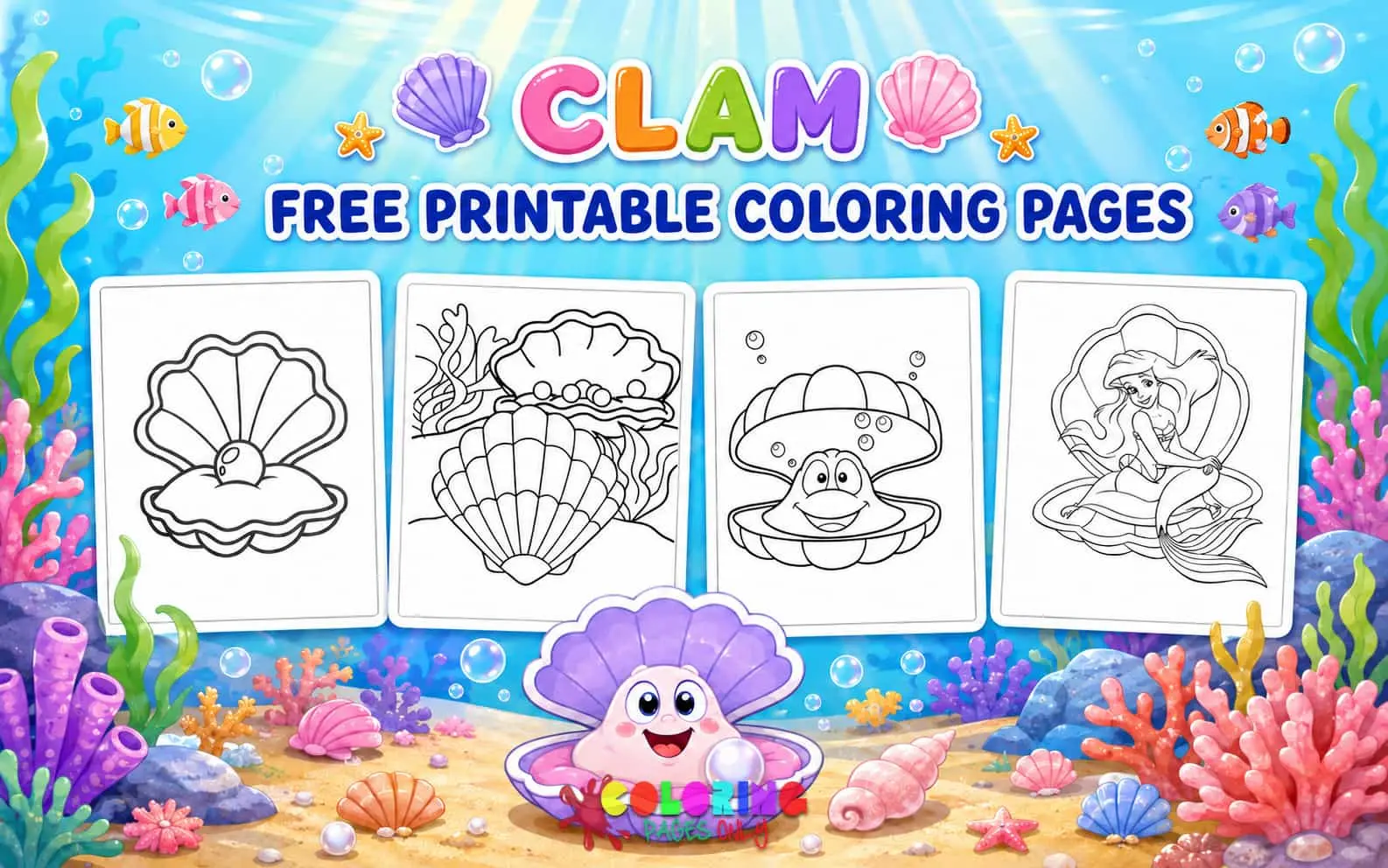
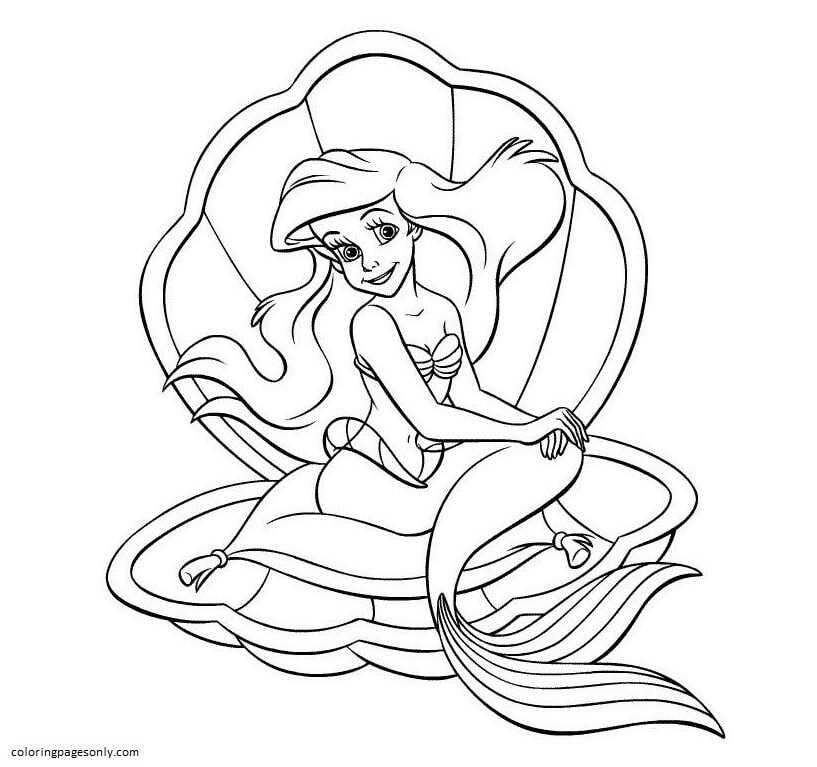
Free Clam Coloring Pages: 30 printable PDF designs of these hinged-shell sea creatures, including simple open and closed clam shells, clams holding round pearls, a gigantic reef clam, a slender Pacific razor clam, a ridged cockle, a soft-shell clam covered in barnacles, cartoon clams with friendly faces, clams beside a seahorse and other marine life, patterned shells, and a clam shell earring. Two fantasy pages show a mermaid sitting on a clam-shell throne. Each design prints from a PDF and can also be colored online.
Clams are bivalve mollusks, which means their soft bodies live inside two shells, called valves, joined by a flexible hinge. Strong adductor muscles hold the shells shut, and a muscular foot lets many clams dig into sand or mud within seconds. They feed by pulling in seawater through tubes called siphons and filtering out tiny bits of plankton.
The largest living species, the giant clam of Indo-Pacific coral reefs, can grow about 4 feet across and weigh more than 400 pounds. At the other extreme of time, an ocean quahog clam nicknamed Ming was found to be about 507 years old, making it one of the oldest individual animals ever recorded.


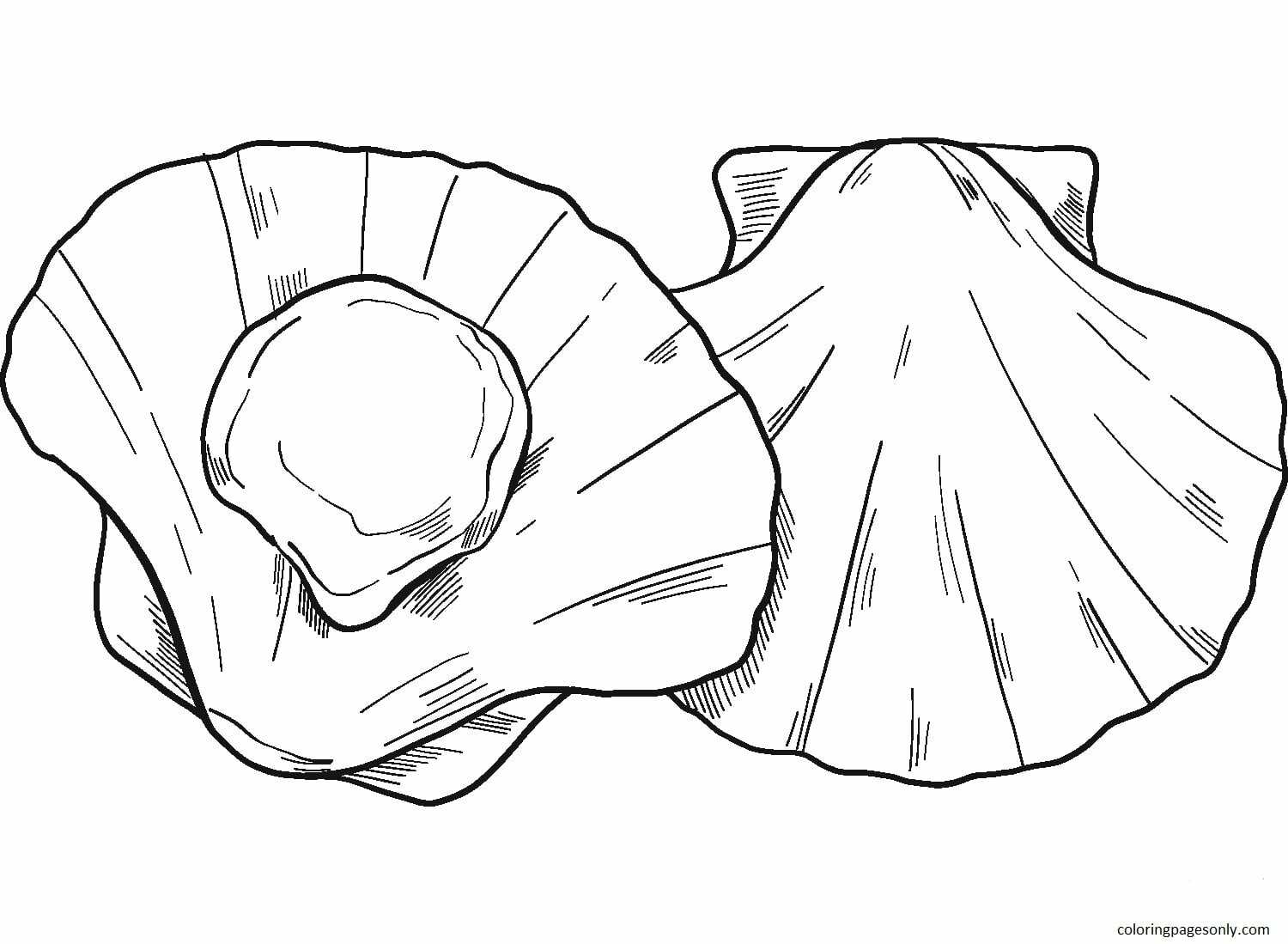
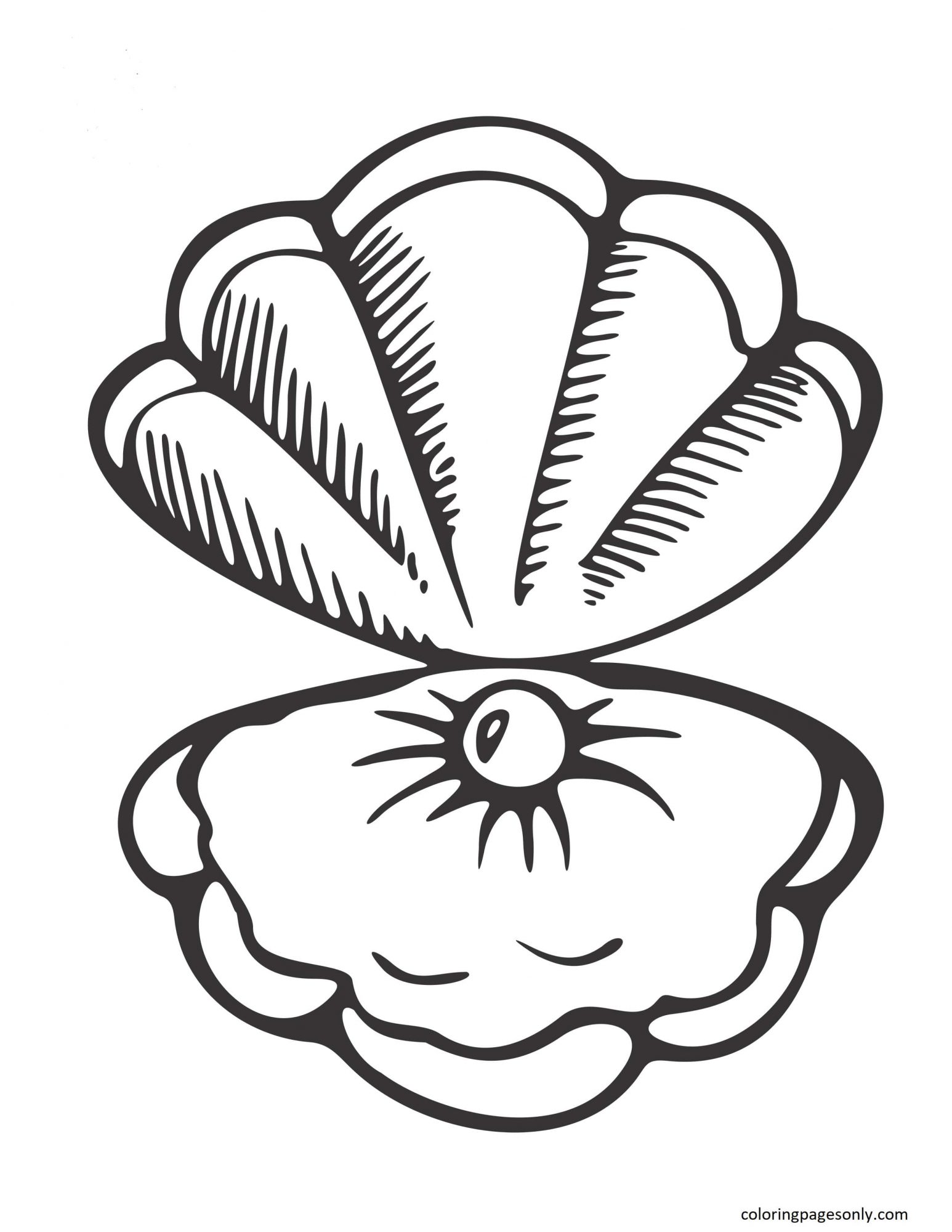
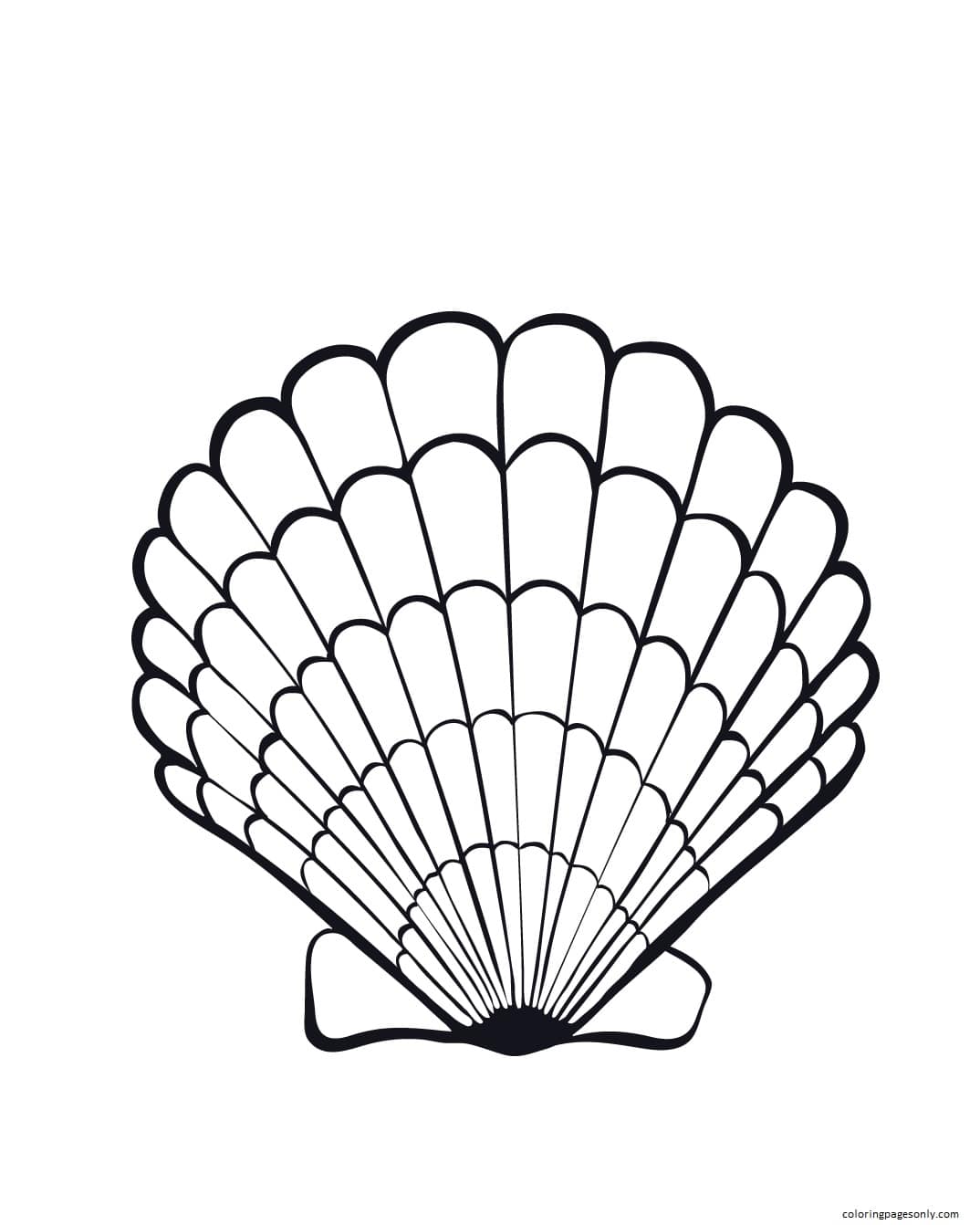
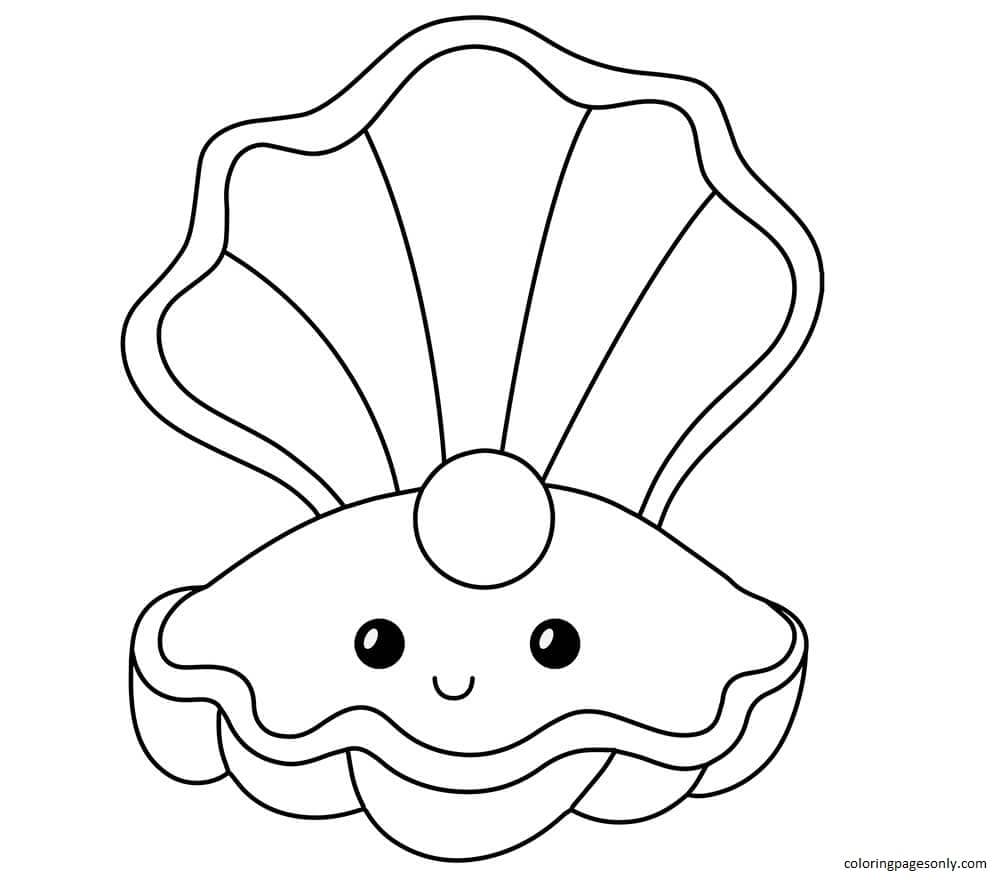

What’s Inside This Collection
Plain clam shells account for most of the 30 designs, with pearls, real species, ocean scenes, and fantasy pages adding variety.
Simple and Printable Clam Shells
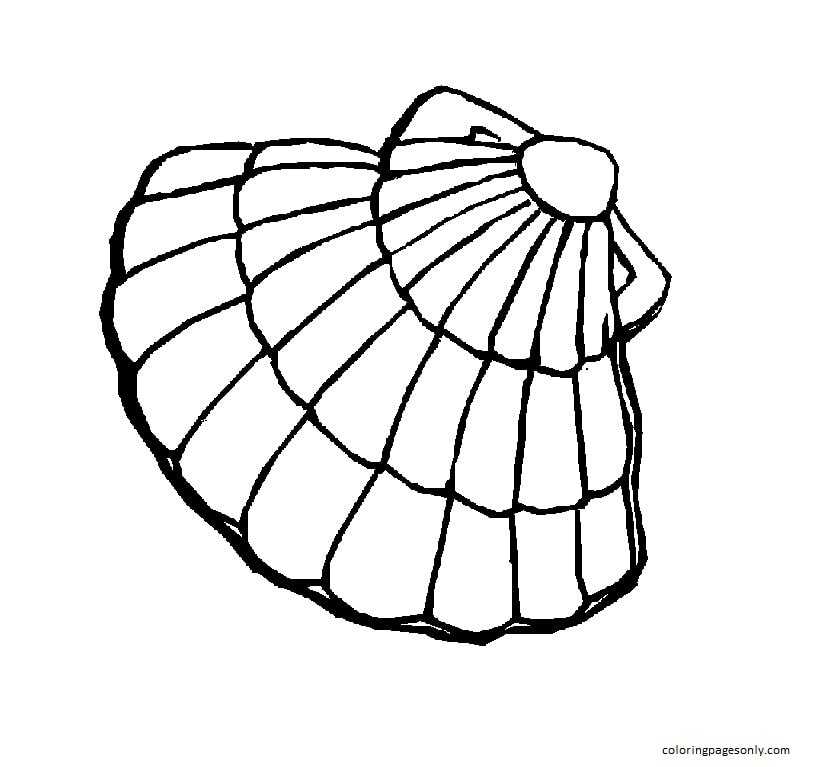
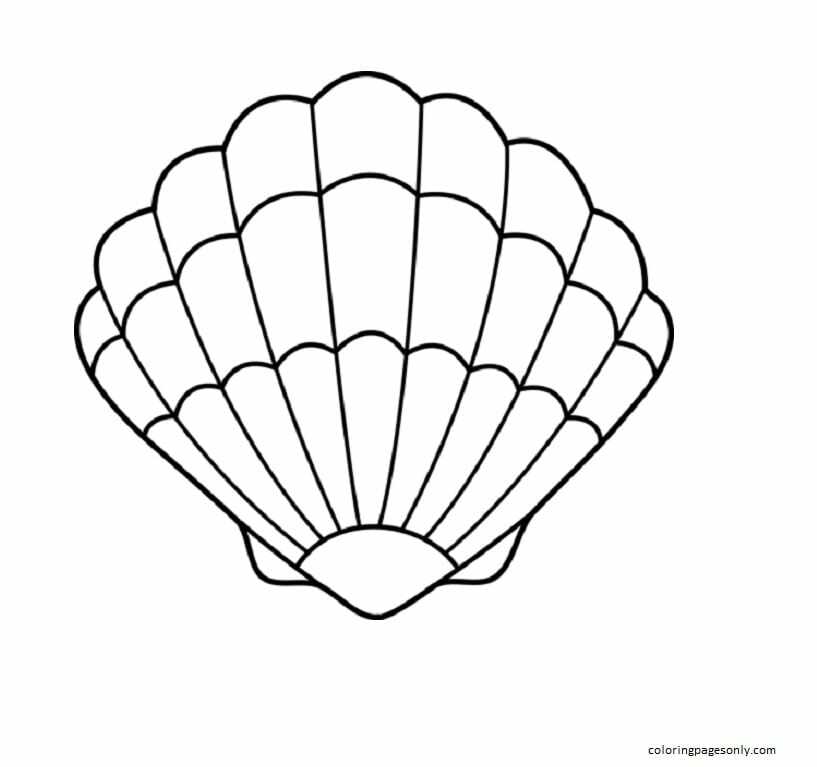
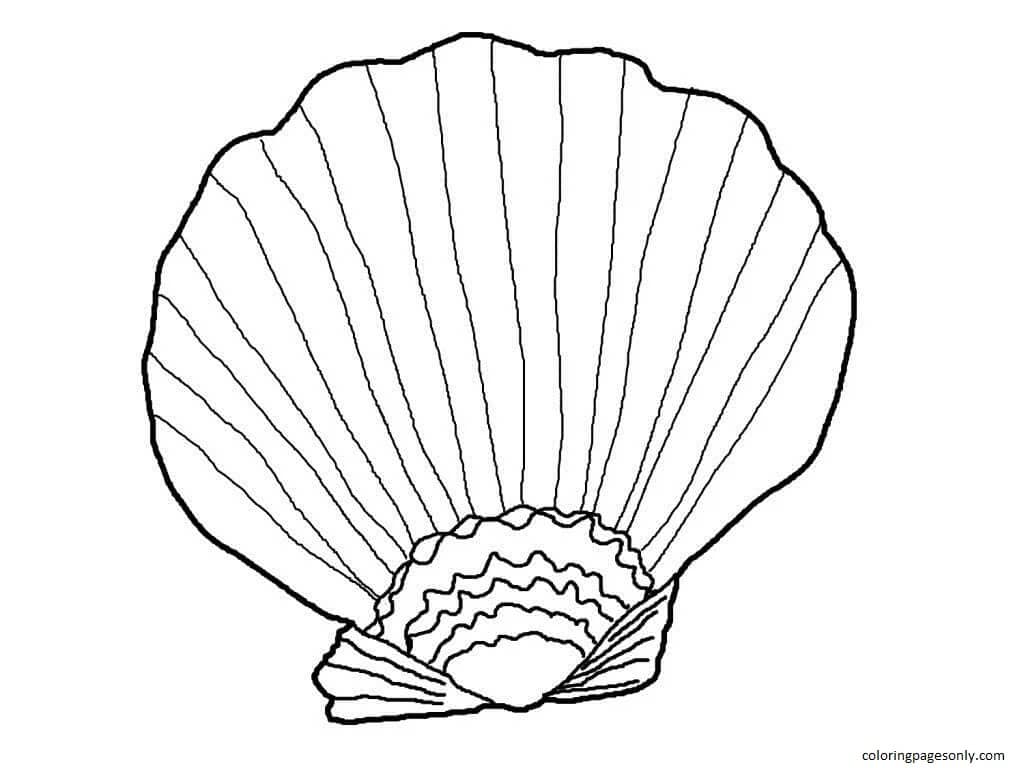
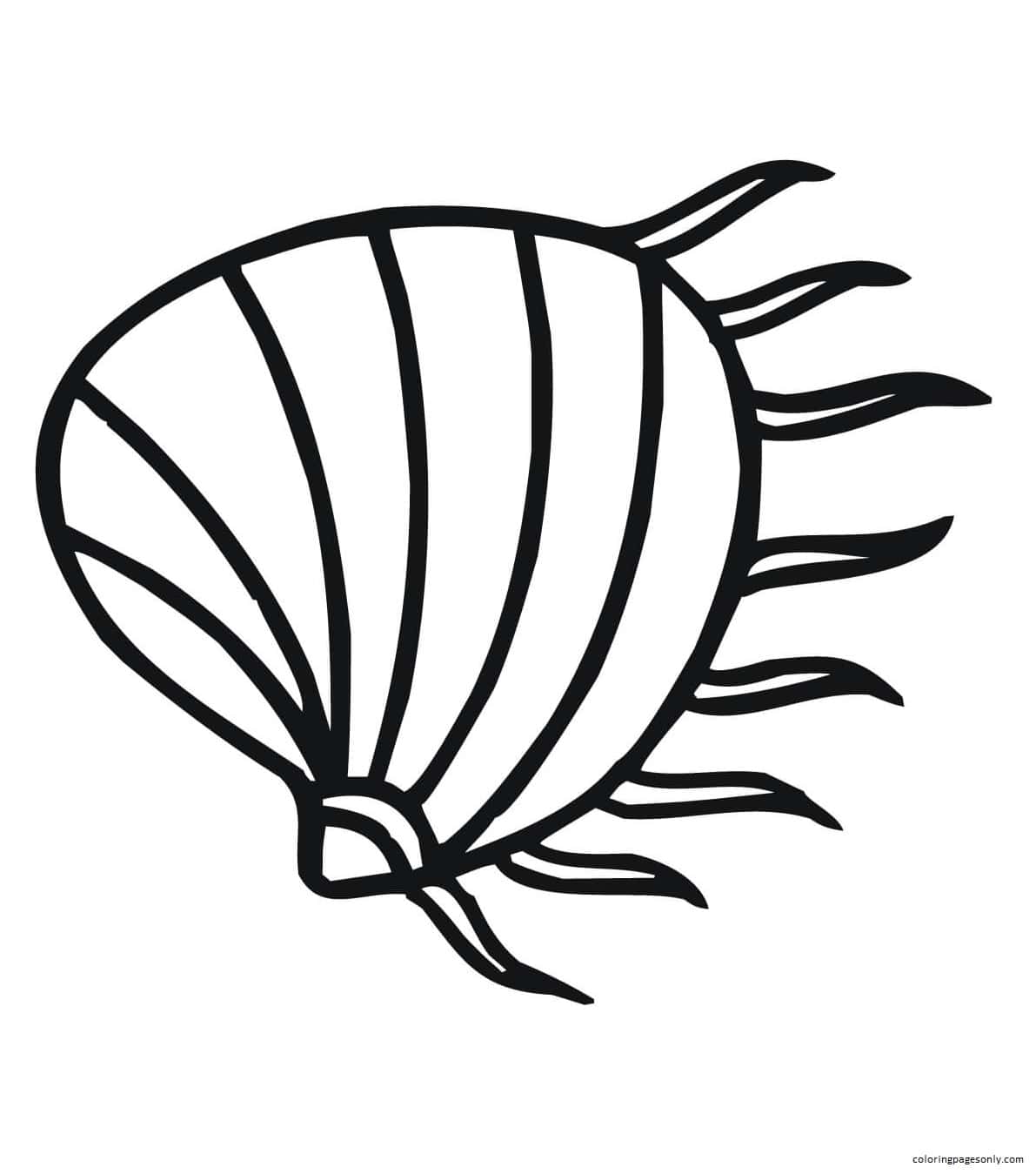
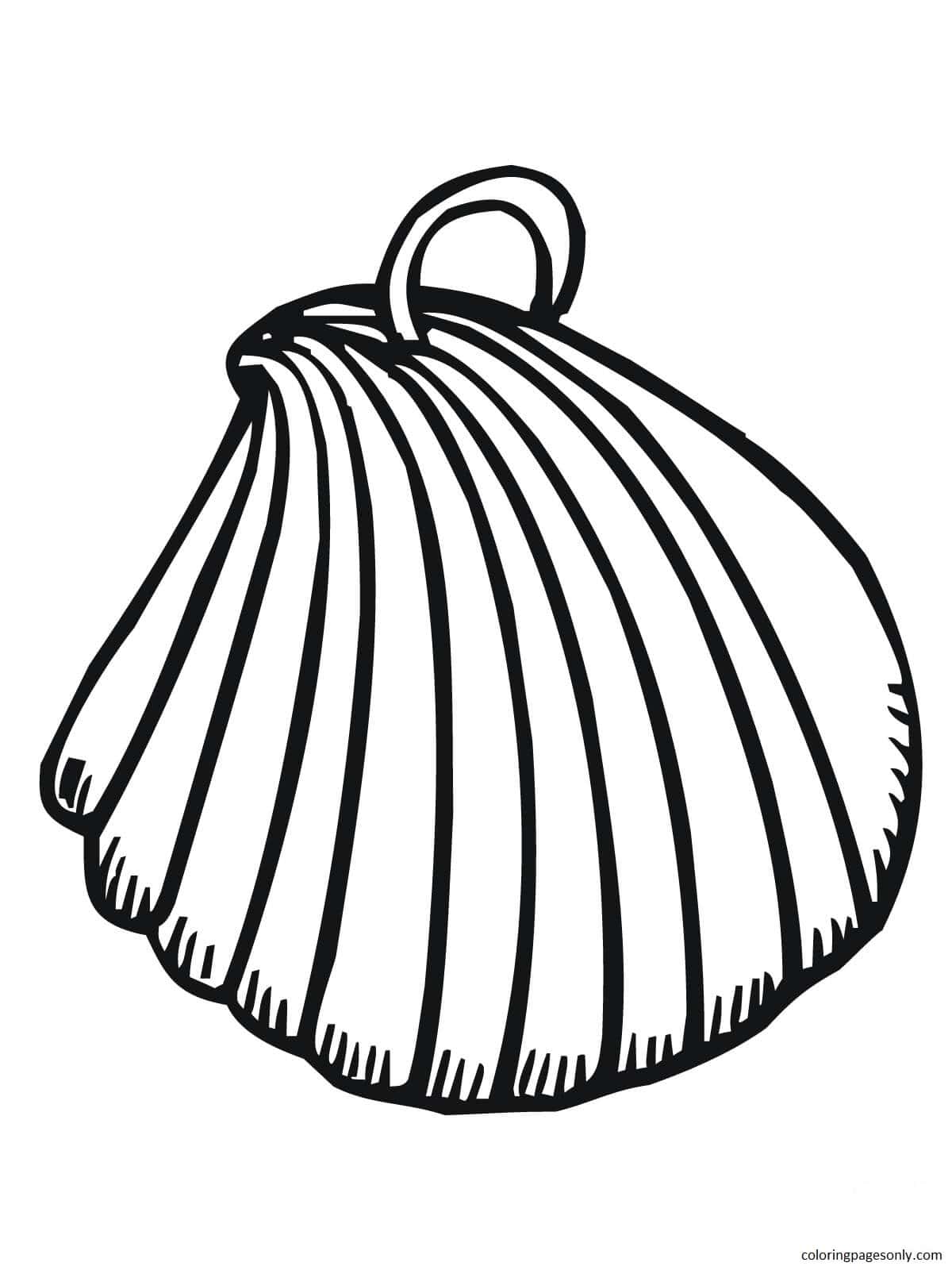
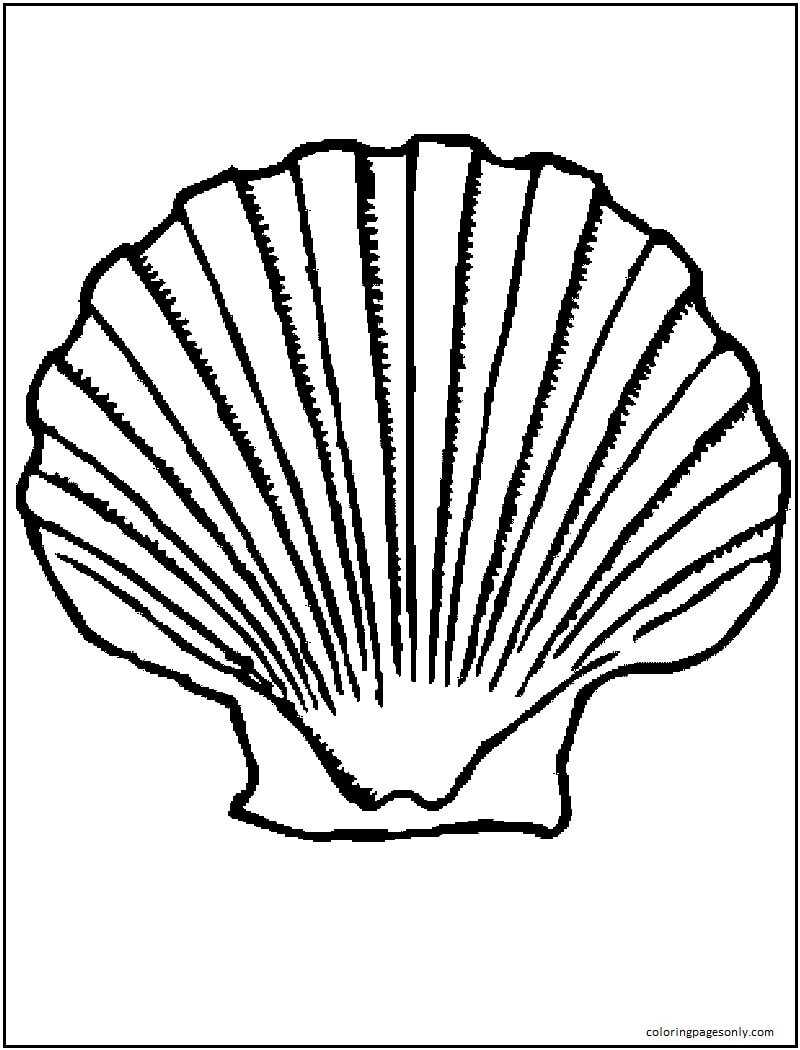
Clam shell, seashell, clam image, and several printable shell pages offer clean, fan-shaped outlines. Color the ridges in alternating Peach and Tan, or try soft Lavender and Pink for a pastel beach look.
Clams with Pearls
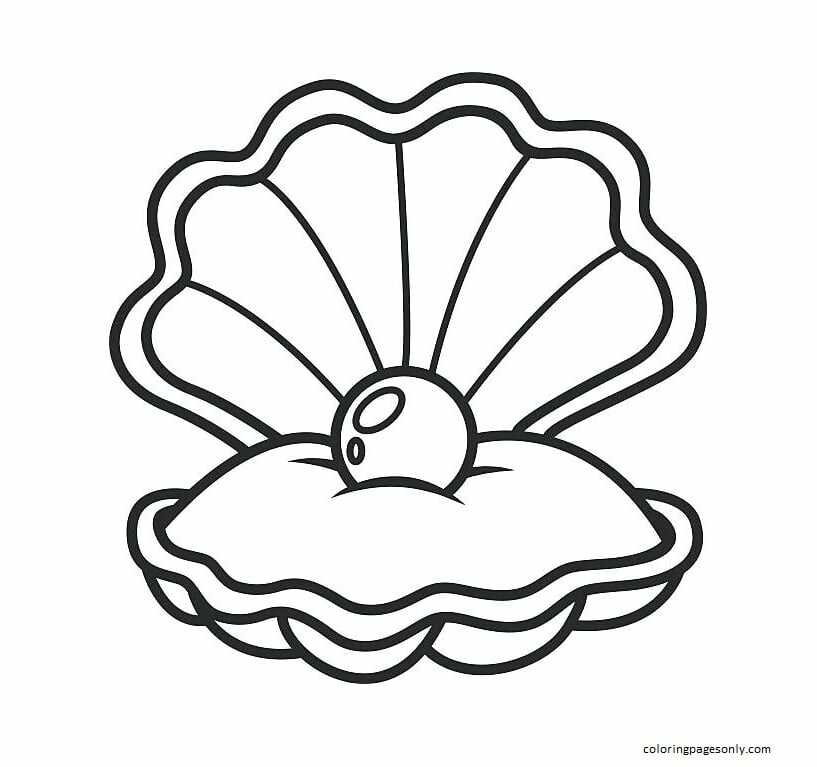
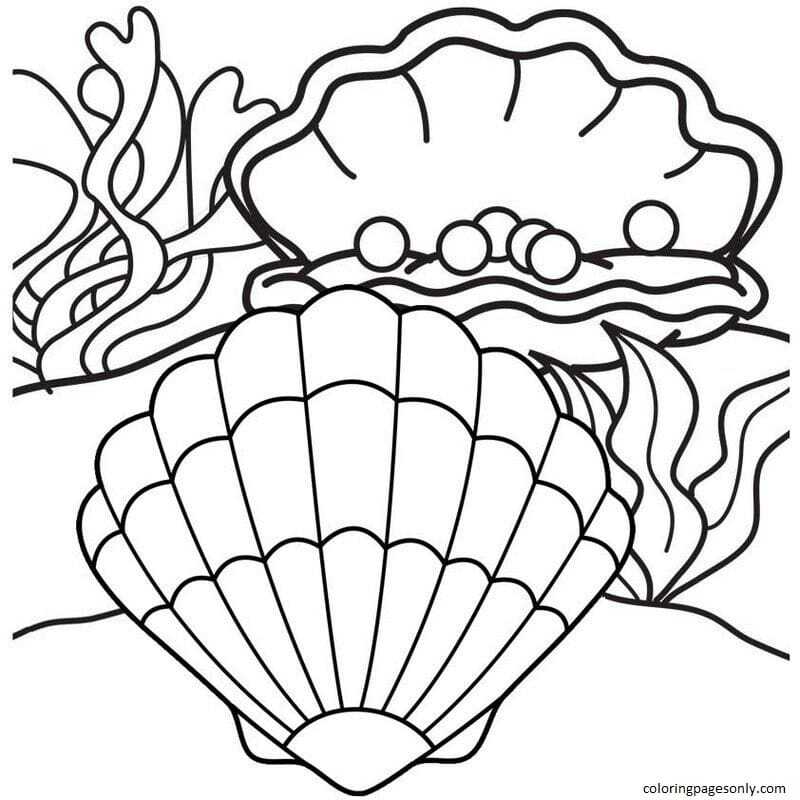
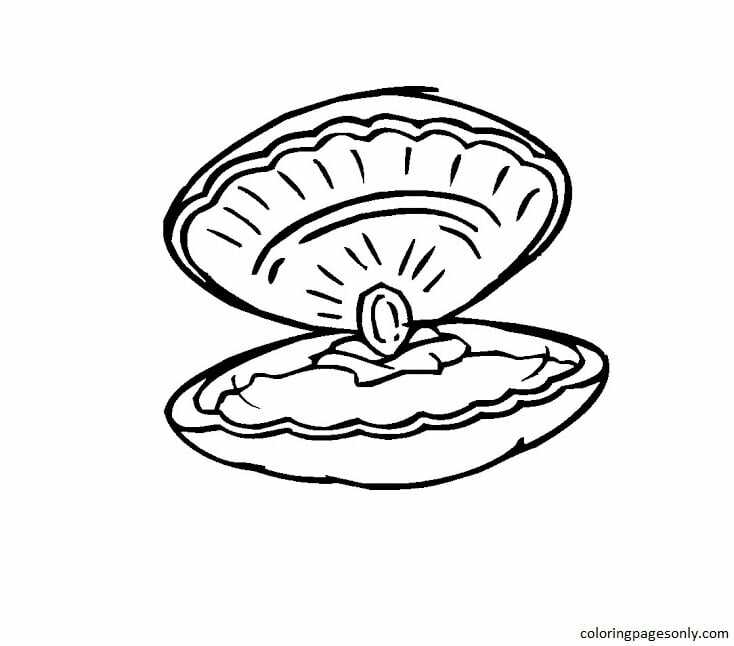
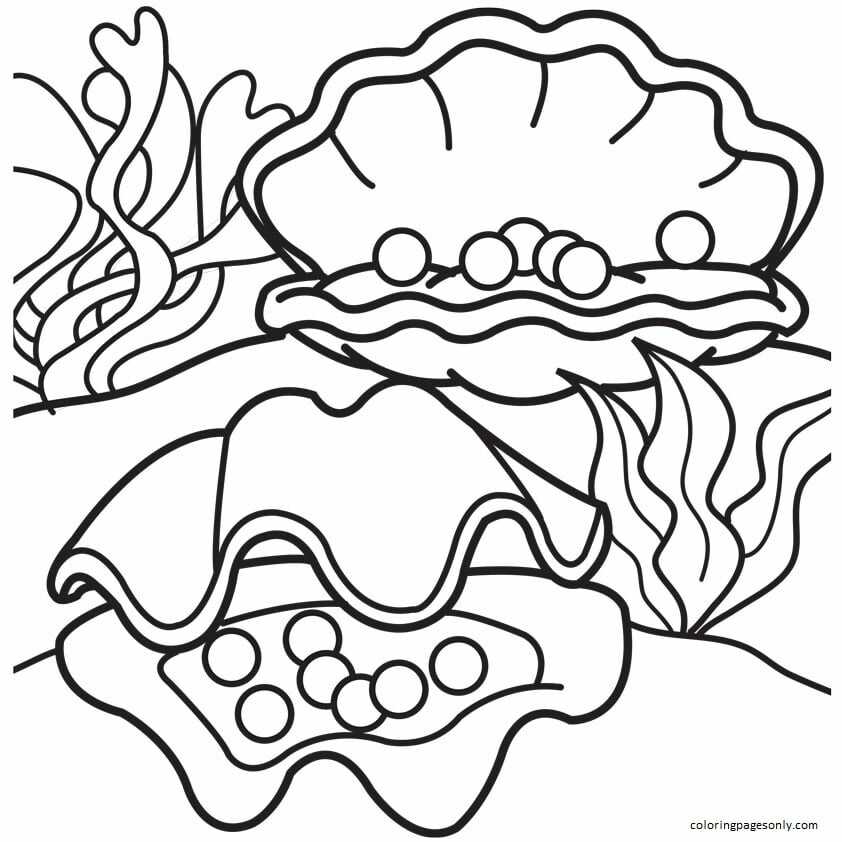
Pearl with clam and clam with pearl pages show an open shell holding a single round treasure. Leave the pearl mostly white with a faint Pink or Lavender shine, and color the inside of the shell a pearly Light Gray.
Real Clam Species
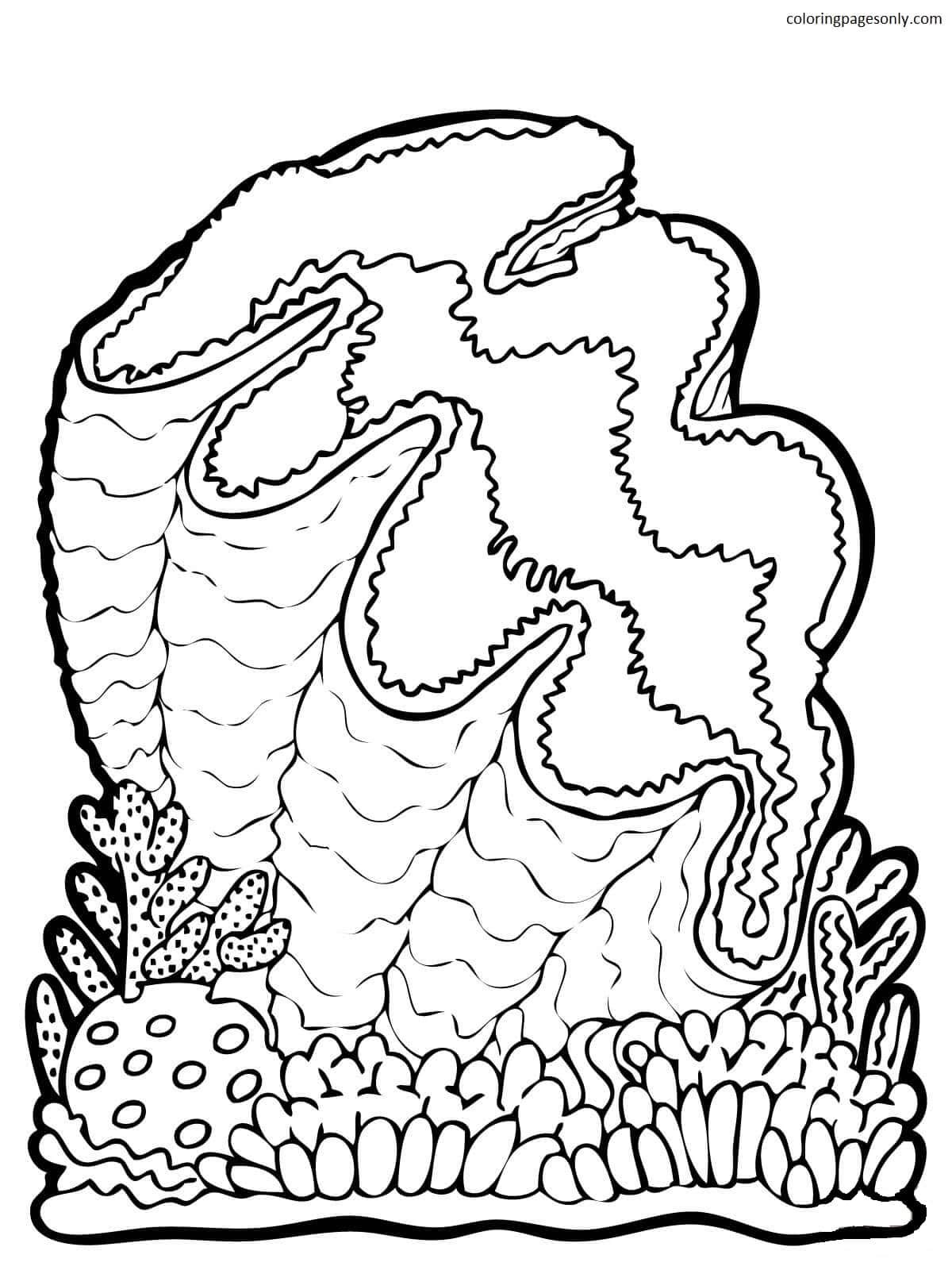
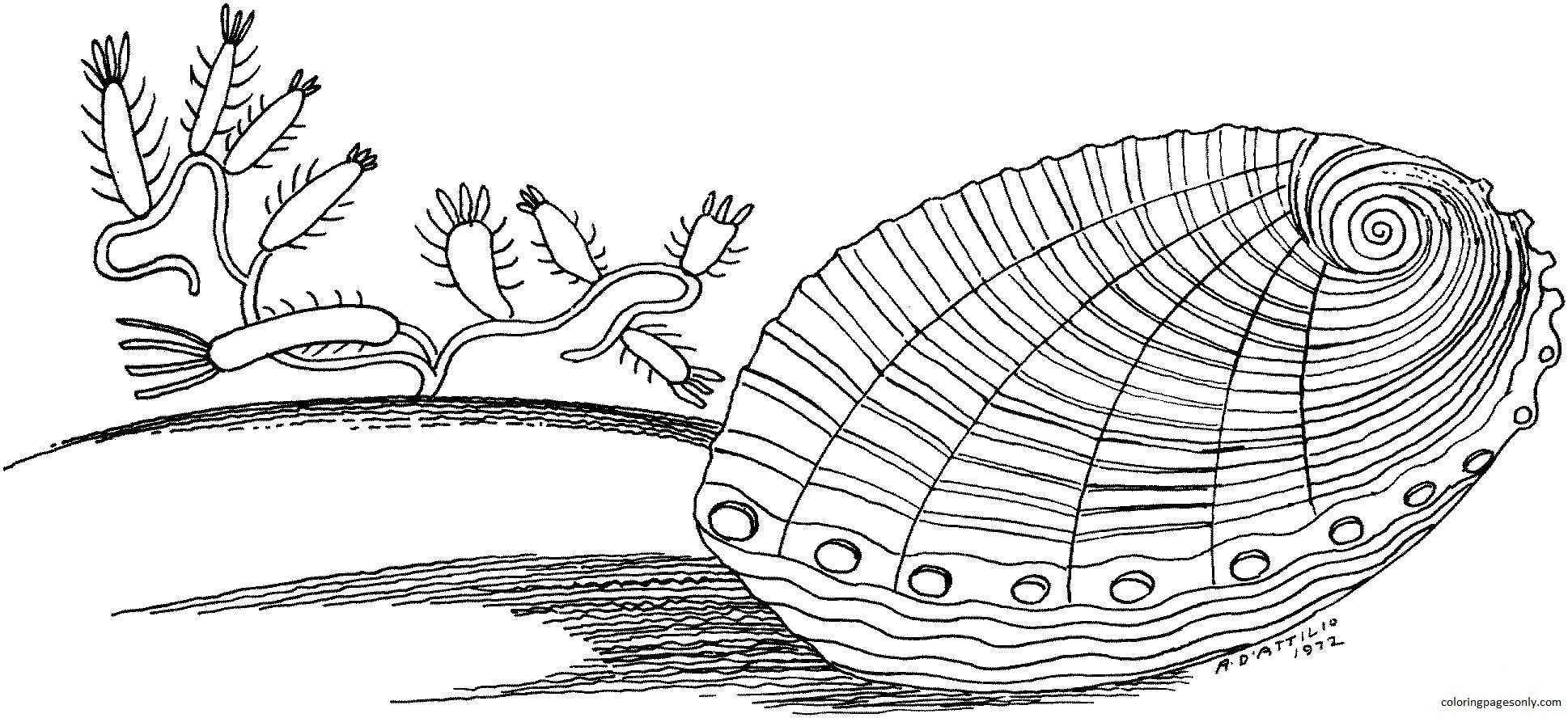
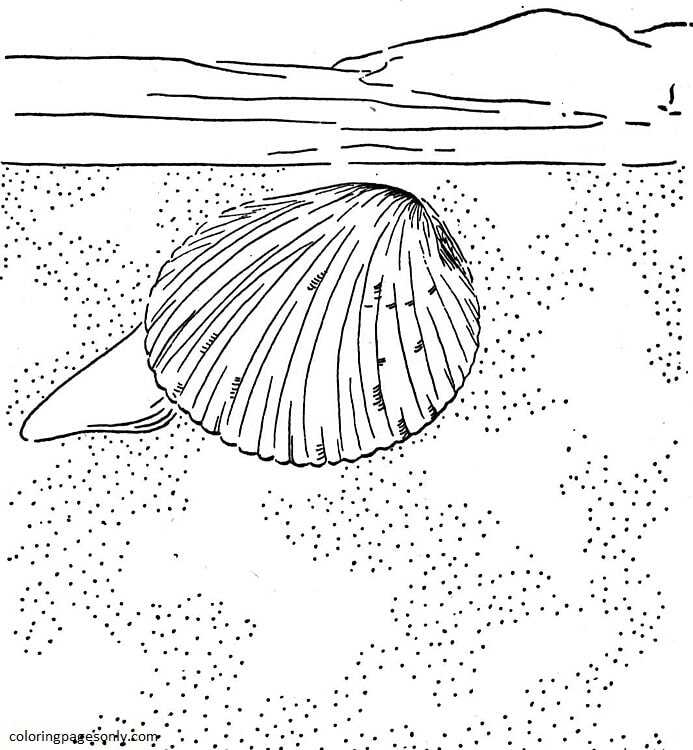
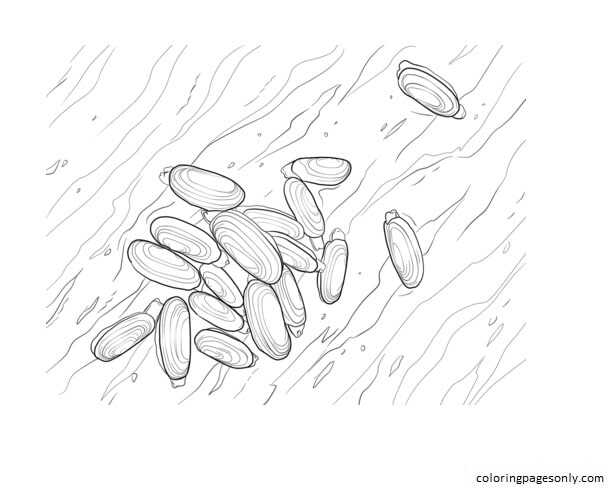
The giant clam, Pacific razor clam, cockle, and soft-shell clam with barnacles show how different clams look in nature. Giant clams have colorful fleshy mantles, so try Turquoise Blue, Purple, and Green spots; color the razor clam’s long shell Olive Green fading to Tan, and the cockle a warm Raw Sienna.
Underwater and Marine Life Scenes
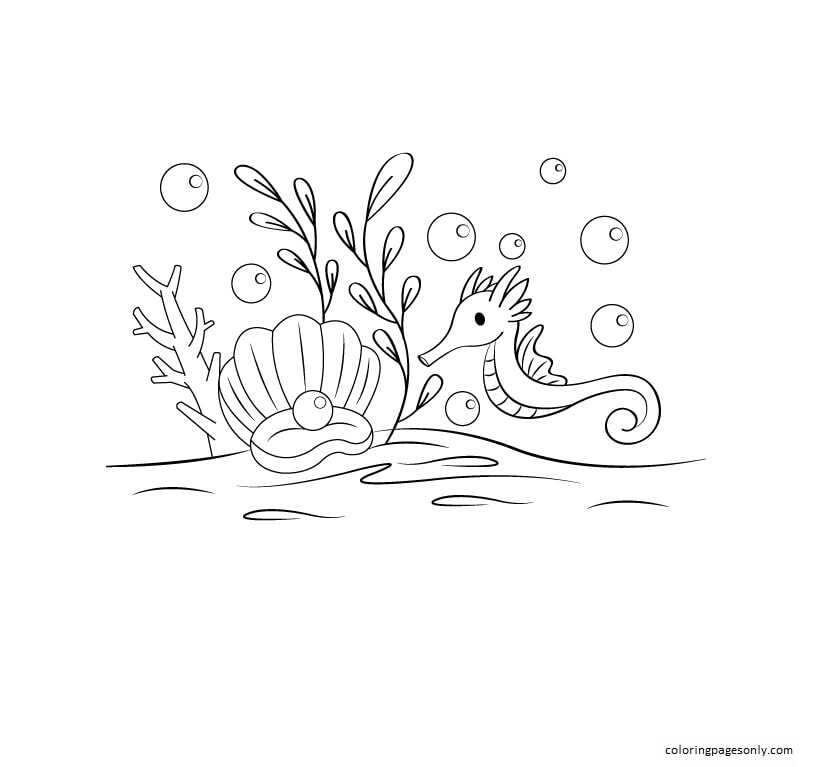
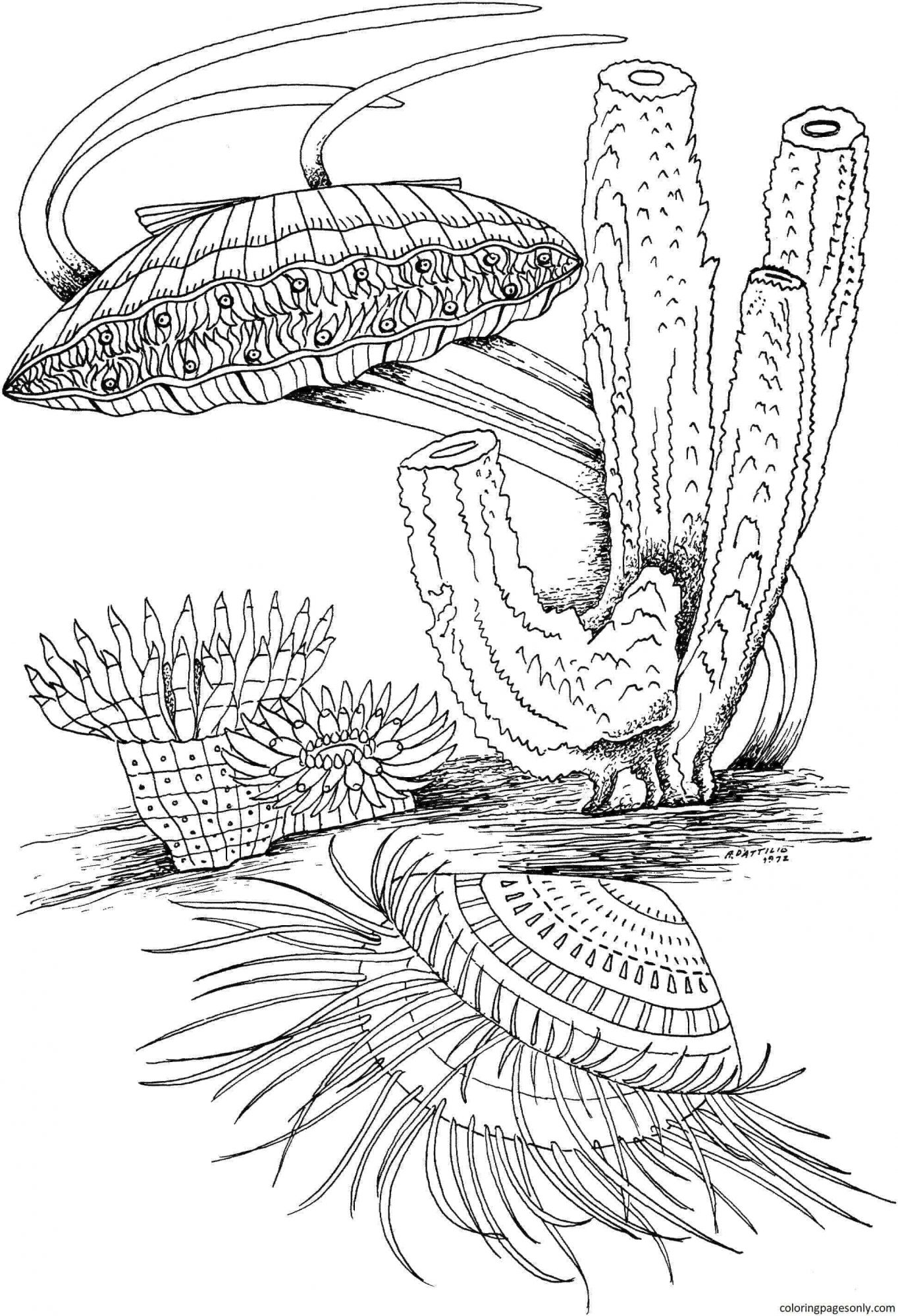
Clam and seahorse, clam shell and marine life, clam underwater, and clam on the ocean bottom pages place clams in their habitat. Use Aquamarine and Cerulean for water, Sandy Tan for the seafloor, and a Yellow or Orange seahorse for contrast.
Patterns, Cartoons, and Fantasy Pages
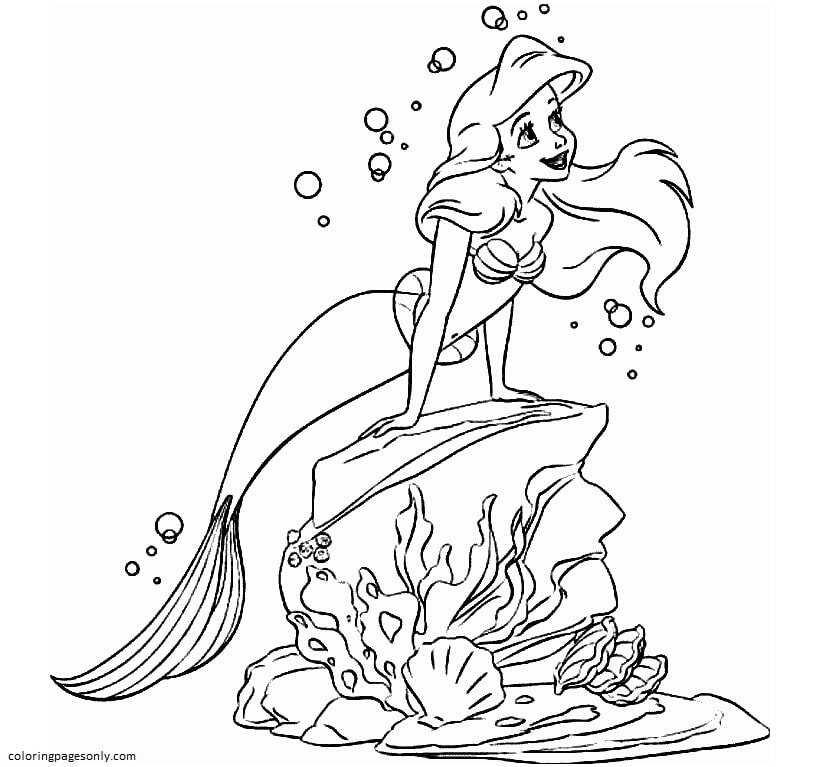
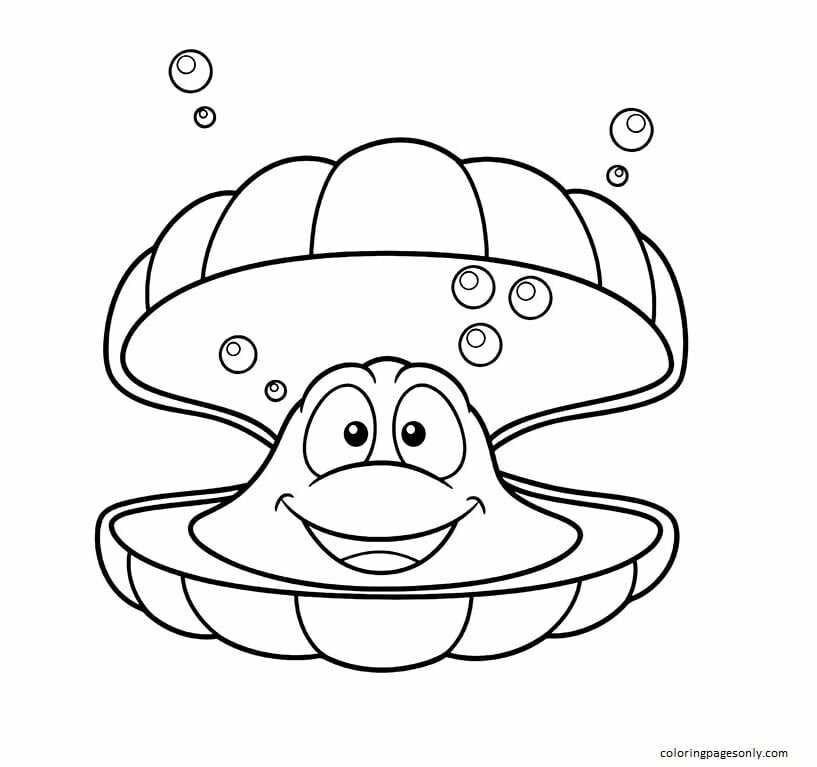
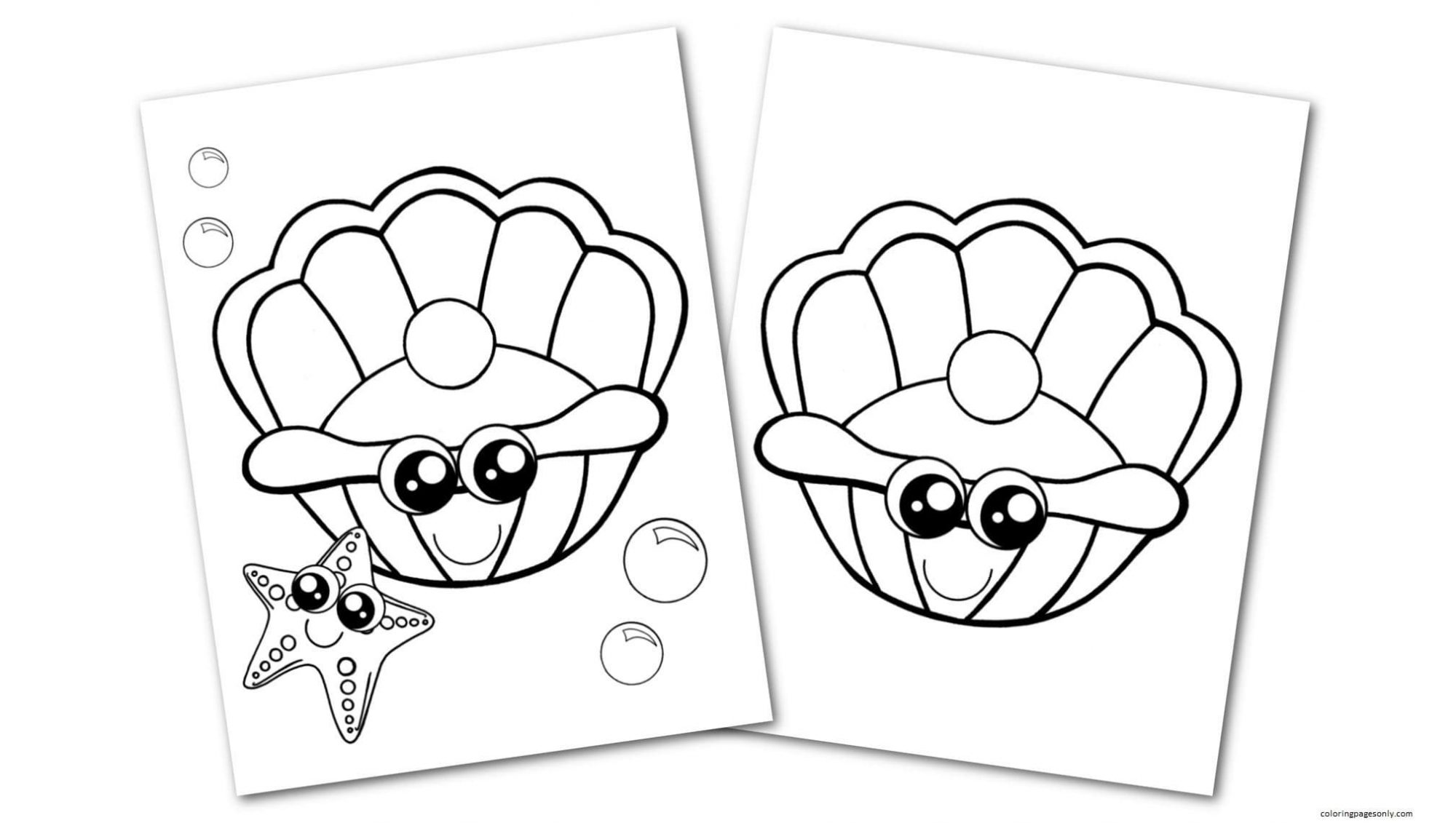
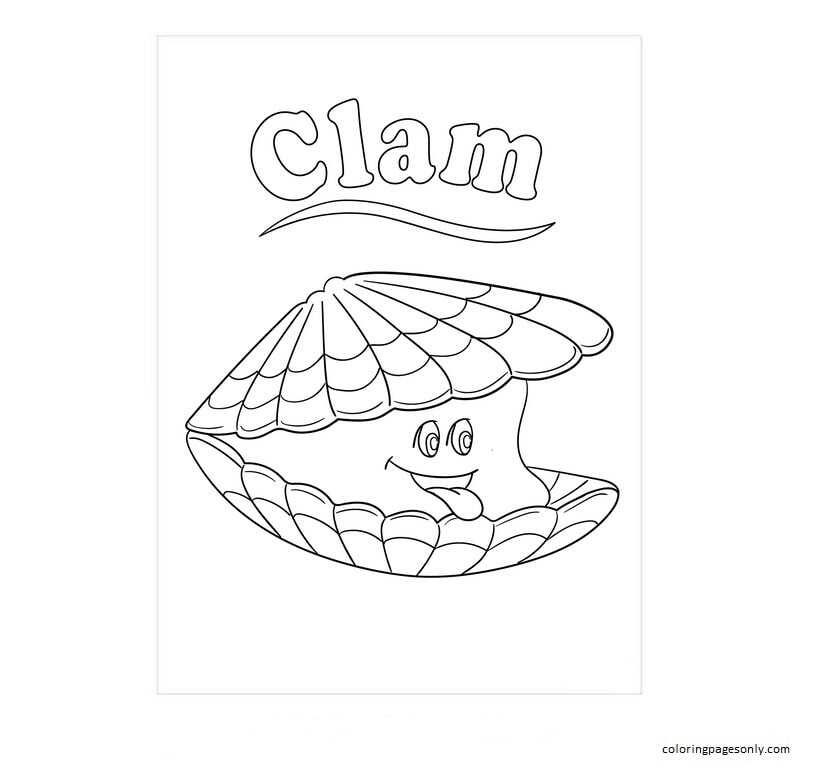
Clam patterns, cartoon clams, a clam shell earring, and mermaid throne pages add playful and decorative options. Fill pattern shells with repeating colors, give cartoon clams Pink cheeks, and use Gold for the earring.
What Clam Coloring Pages Do
Learning about ocean animals. Clams are a perfect introduction to mollusks and filter feeders, animals that clean water as they eat. Coloring different species helps children see how a giant clam, a razor clam, and a cockle share the same two-shell design but look very different. Teachers can pair the pages with real shells from a beach or a science kit.
Practicing lines and patterns. The ridges and growth lines on clam shells offer great practice for steady, controlled strokes, which strengthen the fine motor control of children 2 to 7, an area of growth the American Academy of Pediatrics outlines for early childhood. Simple shells suit toddlers, while patterned and barnacle pages challenge older children. Following the curved ridges also strengthens hand-eye coordination.
Calm, beachy relaxation. Coloring within set outlines eased anxiety, according to 2005 findings from the Art Therapy Journal. Soft ocean colors and repeating shell patterns create a peaceful activity that works well for quiet time at home or in class. Many adults also enjoy the detailed pattern pages.
Understanding how pearls form. When a bit of sand or other irritant gets inside some mollusks, they cover it in layers of shell material, slowly forming a pearl. Coloring the pearl pages opens a conversation about this natural process and why real pearls are rare. Kids are often surprised to learn that most gem pearls come from oysters and mussels rather than clams.
How to Color Clam Pages Well
- Ridged shells: Color every other ridge in a slightly darker shade to make the shell look three-dimensional.
- Growth rings: Draw thin lines of Brown following the curves of the shell to show the growth rings, which work much like the rings of a tree.
- Shiny pearls: Leave a white highlight on each pearl and shade one side with very light Gray or Lavender.
- Giant clam mantles: Use bright blues, purples, and greens with small dots to recreate their real, jewel-like colors.
- Inner shell: Color the inside of open shells with soft Pink or Lavender to show the glossy layer.
- Ocean floor: Add Sandy Tan dots and small pebbles in Gray under the clams resting on the bottom.
5 Creative Craft Ideas With Clam Coloring Pages
1. Pearl Surprise Card
Color a clam with pearl page, fold it so the shell opens like a card, and glue a white bead or pom-pom inside as the pearl.
2. Tide Pool Poster
Color clams, seahorses, and other sea life, trim each one, and lay them out on blue poster board with sand-colored paper at the bottom.
3. Shell Pattern Art
Color the clam pattern page in a repeating rainbow sequence and frame it for a bright beach-themed wall decoration.
4. Ocean Mobile
Color several clams and a seahorse, trim around each, and dangle them on yarn below a paper plate decorated like a wave.
5. Clam Species Fact Cards
Color the giant clam, razor clam, and cockle, mount each one on a sturdy card, and note a fun fact on the reverse.
Frequently Asked Questions
What are Clam Coloring Pages?
Clam Coloring Pages feature 30 no-cost outlines of clam shells, pearls, real clam species, underwater scenes, and cartoon clams, ready to print or to color on a device.
What is a clam?
A clam is a bivalve mollusk, an animal with a soft body protected by two hinged shells. Clams live in oceans, rivers, and lakes, often buried in sand or mud.
How do clams eat?
Clams are filter feeders. They draw water in through a siphon, trap tiny plankton and food particles, and push the filtered water back out.
Do clams make pearls?
Some clams can make pearls, but they are usually not shiny like gem pearls. Most valuable pearls come from oysters and freshwater mussels.
How big can a giant clam get?
Giant clams can grow about 4 feet wide and weigh more than 400 pounds. They live on coral reefs in the Indian and Pacific Oceans.
How long do clams live?
Many clams live for several years, and some live much longer. An ocean quahog clam named Ming was estimated to be about 507 years old.
What age are the coloring pages for?
Plain shell outlines work for children as young as 3, while giant clam, barnacle, and pattern pages work well for kids 7 and up and for adults.
What is the difference between a clam, an oyster, and a scallop?
All three are bivalves with two shells. Clams usually have smooth, rounded shells and burrow in sand, oysters have rough, irregular shells and attach to rocks, and scallops have fan-shaped ribbed shells and can swim by clapping their shells.
Start Coloring
All 30 clam designs come as free PDFs for paper, and each also opens for screen coloring with no sign-up. Proud beachcombers can share finished shells and pearls on Facebook or Pinterest with a single click.