Squid Coloring Pages
 By:
Jennifer Thoa - Content Editor & Designer
Updated:
By:
Jennifer Thoa - Content Editor & Designer
Updated:
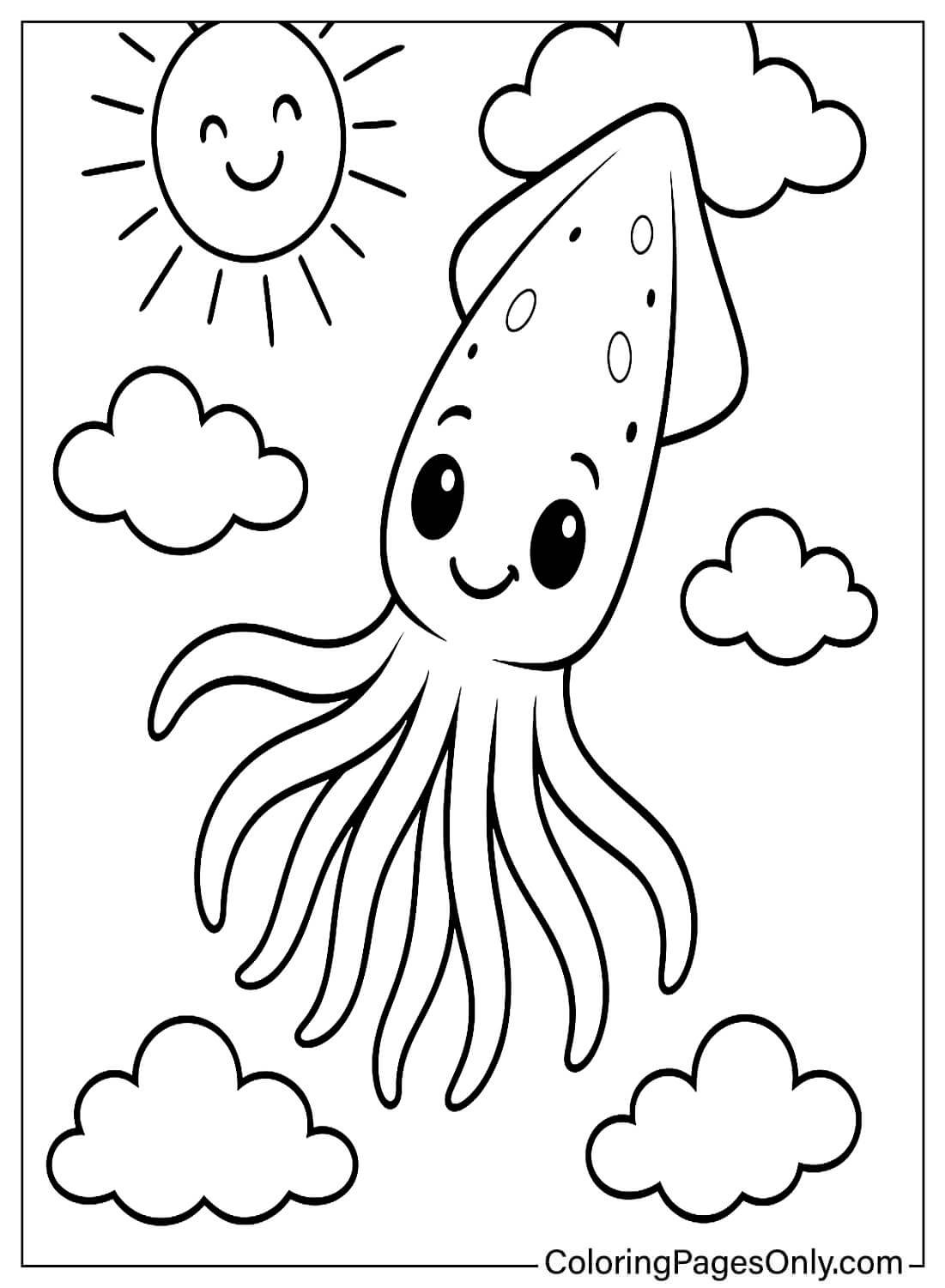
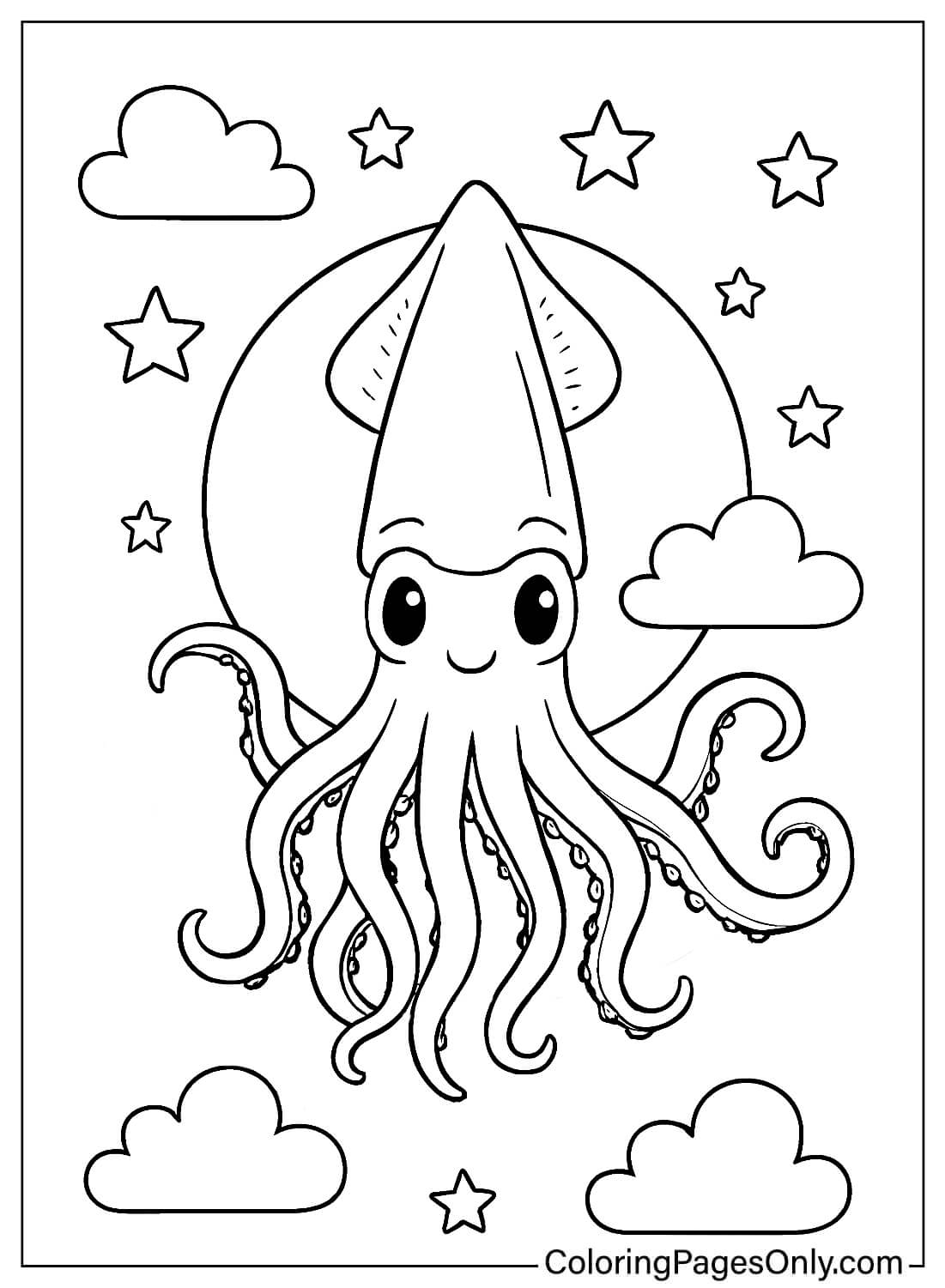
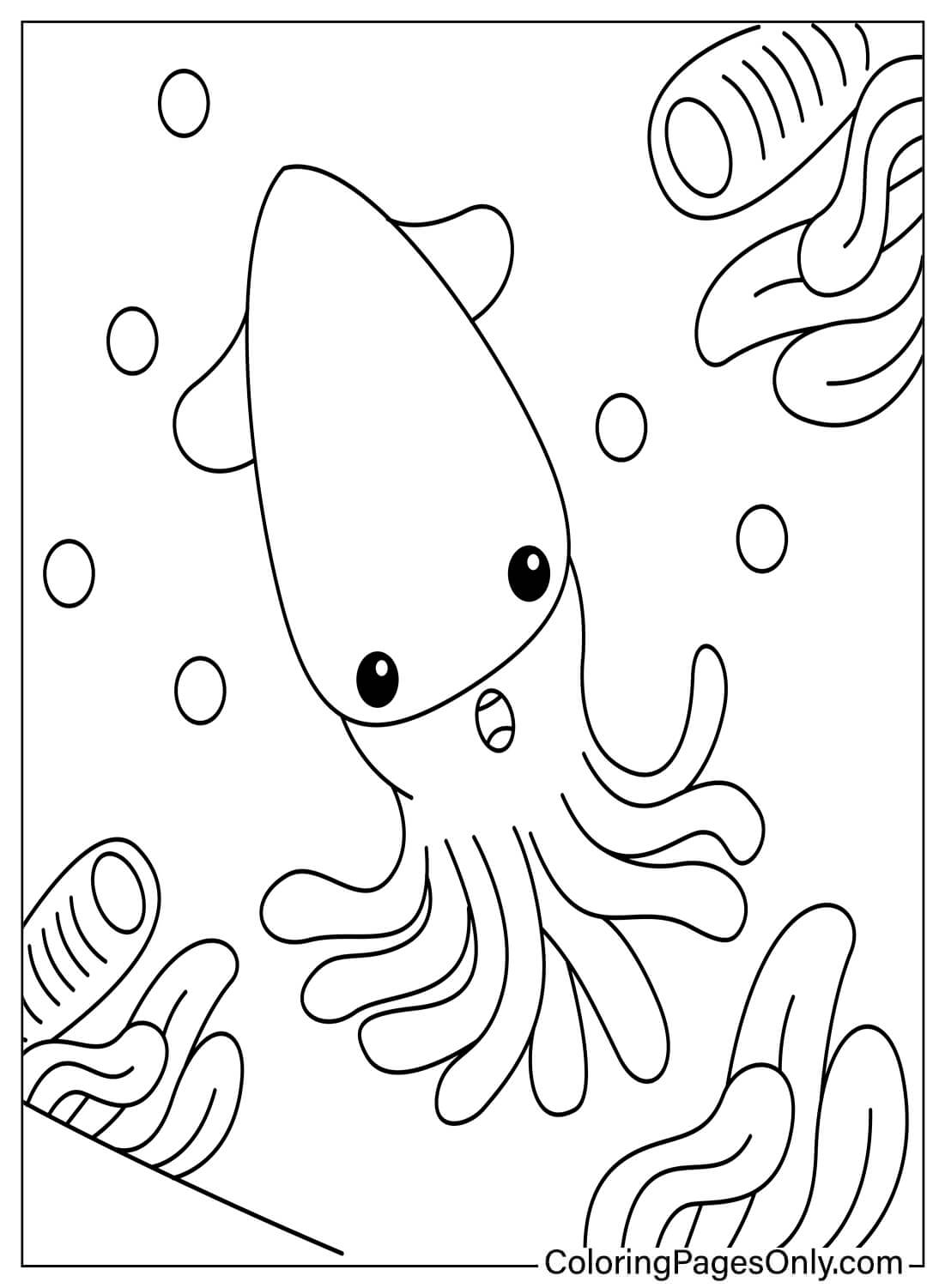
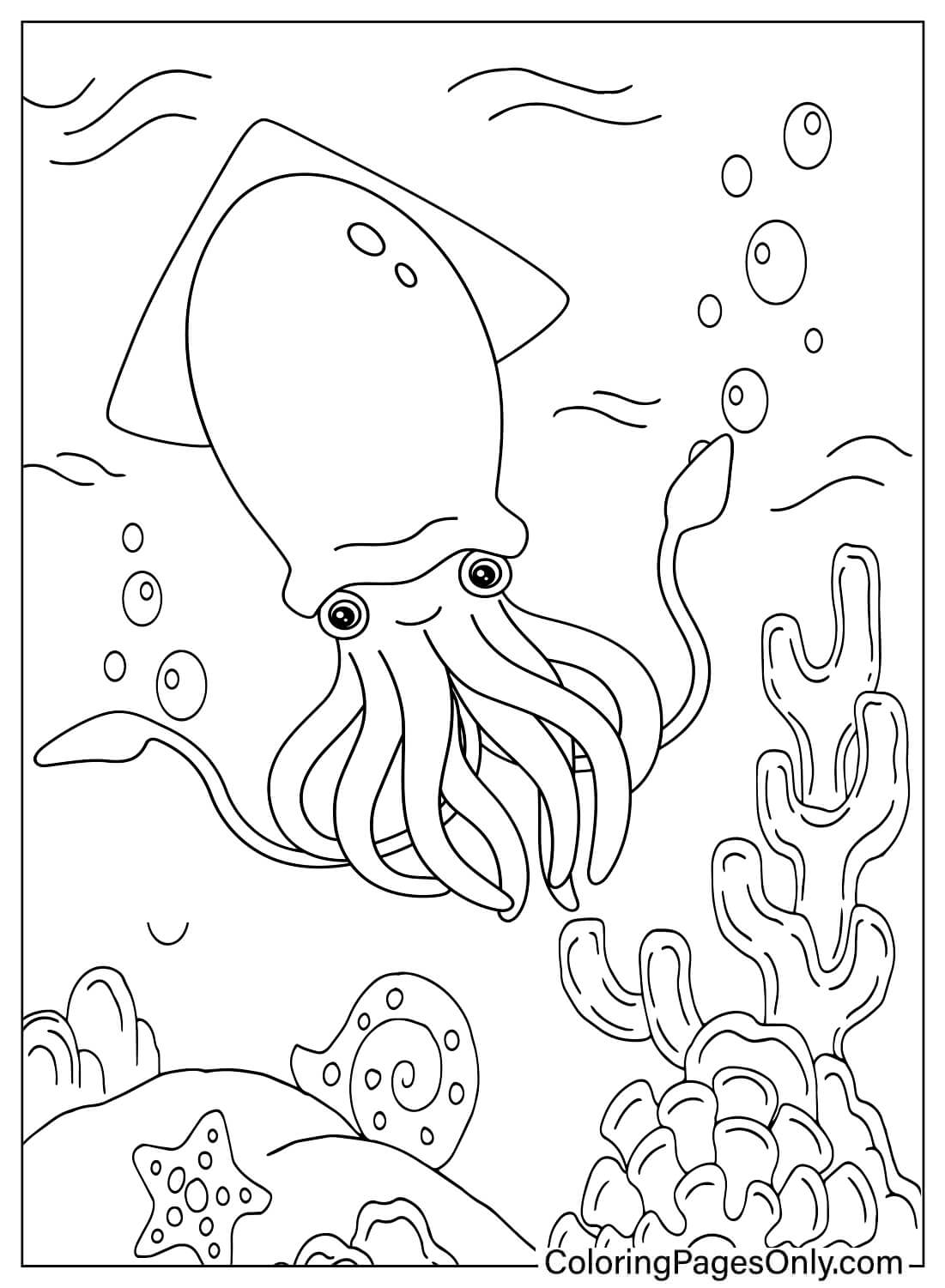
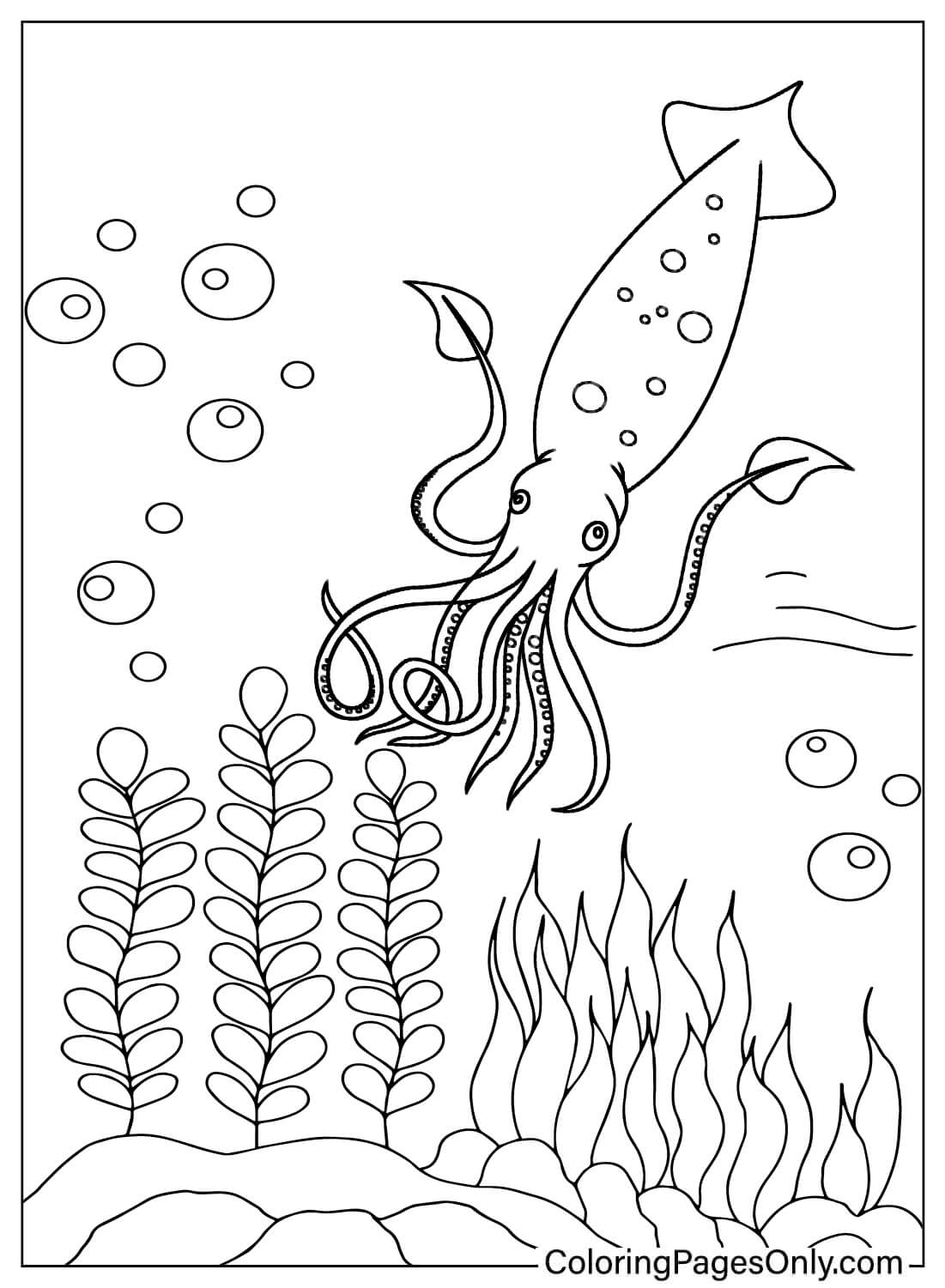
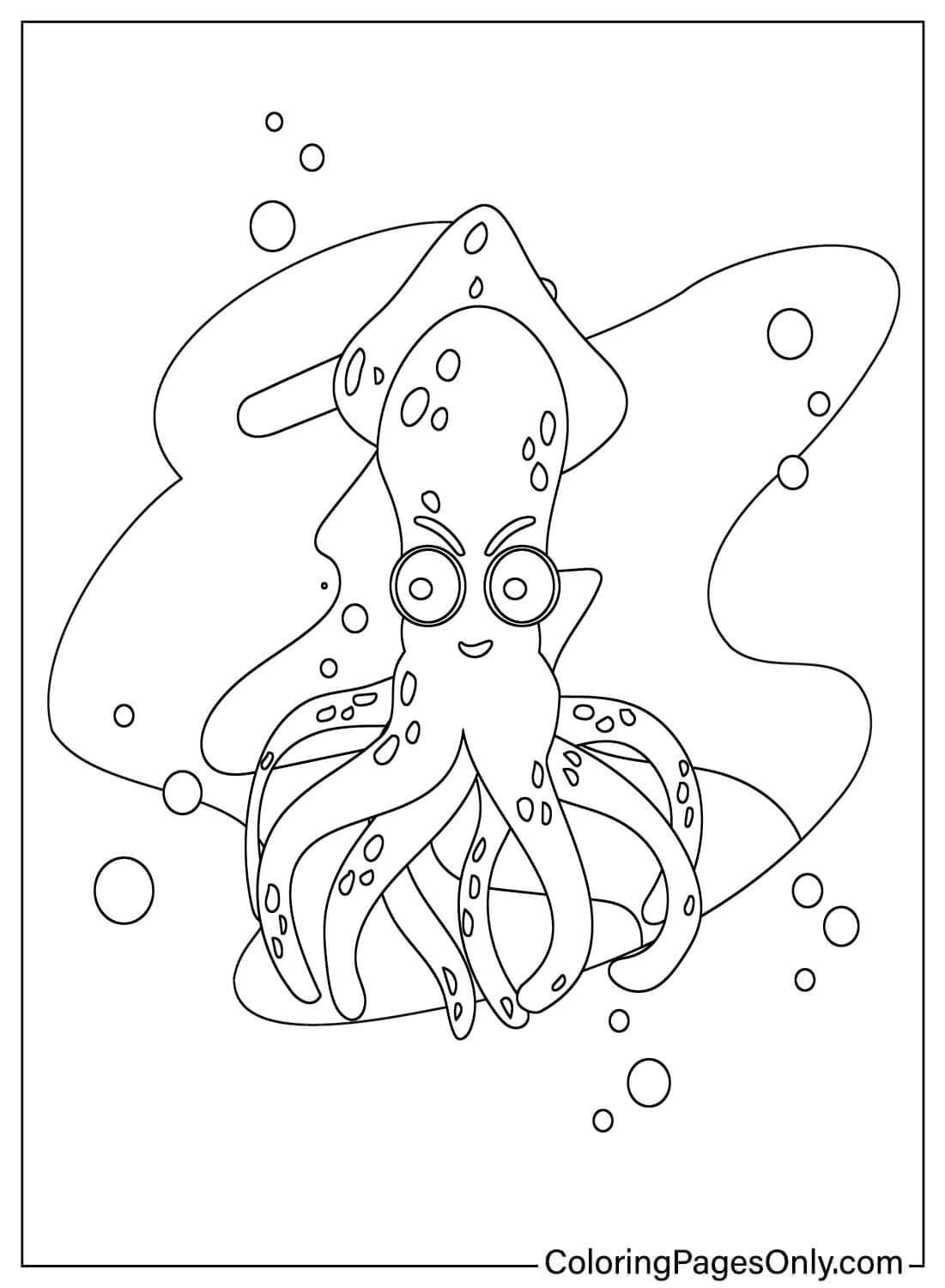
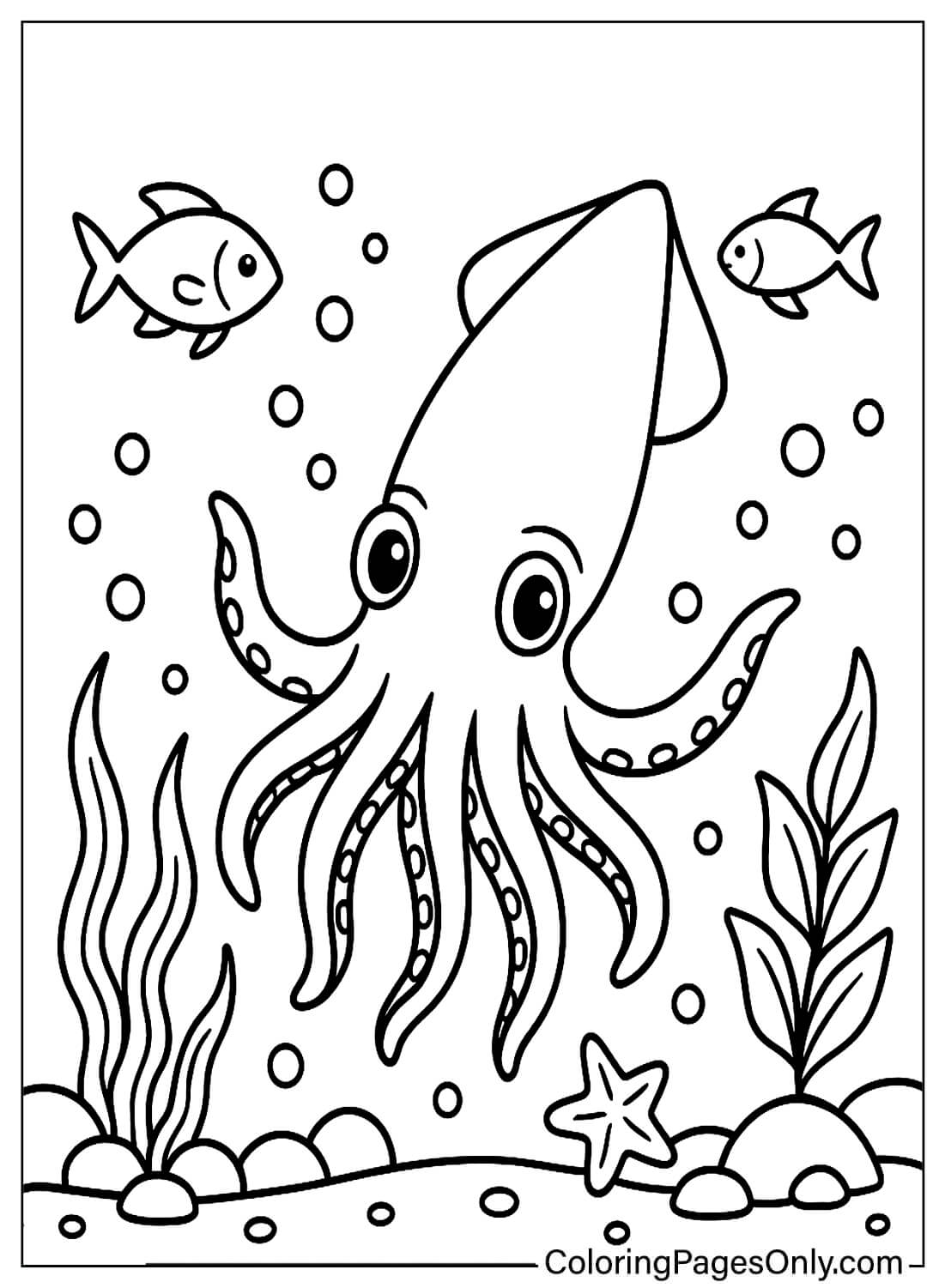
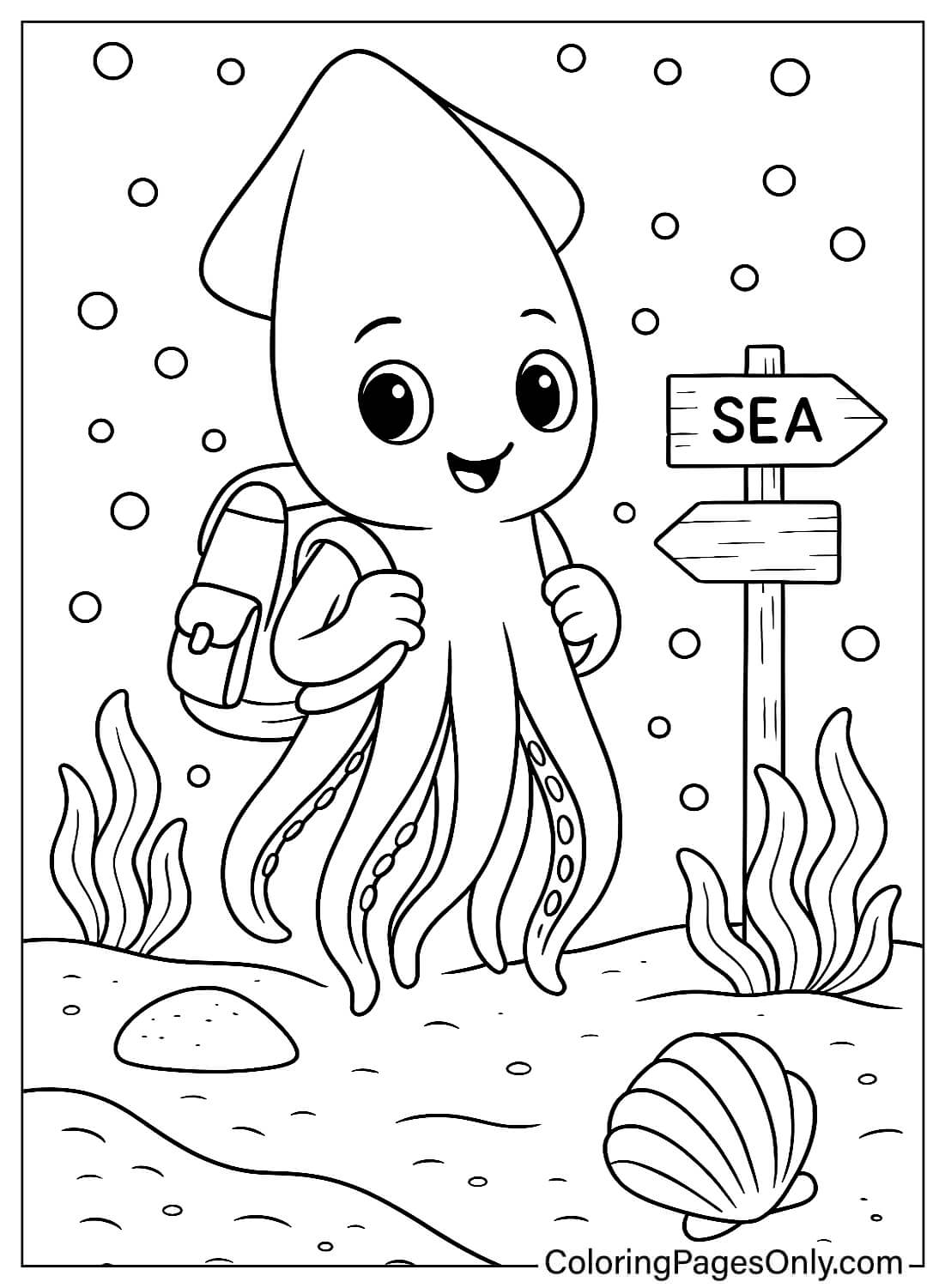
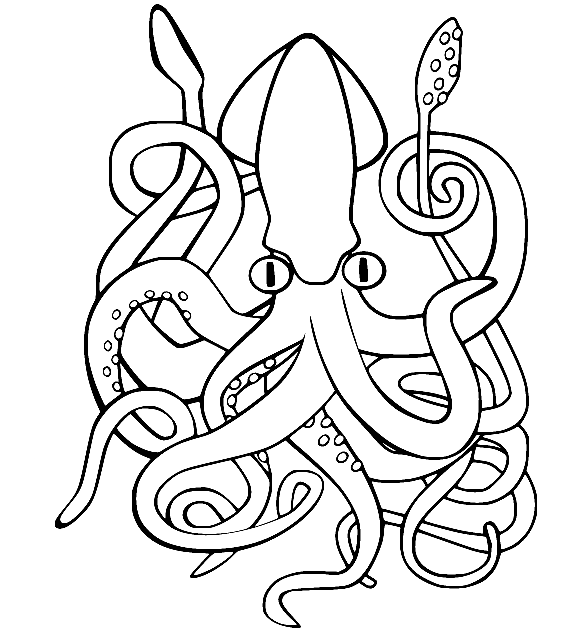
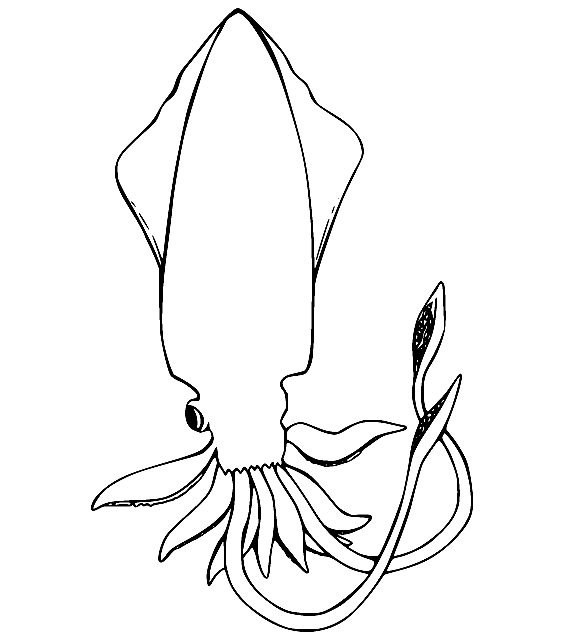
Free Squid Coloring Pages: 60+ pages featuring cute squid, funny squid, cartoon squid, baby squid, simple squid outlines, dot-to-dot squid pages, squid with fish, underwater squid scenes, giant squid, Humboldt squid, bigfin reef squid, European squid, deep-sea squid, moonlit squid pages, and playful story squid designs such as squid reading, cooking, making tea, playing music, gardening, traveling, becoming a superhero, or exploring space. All free, printable PDFs and online coloring pages are ready for home, classroom, ocean units, mollusk lessons, cephalopod activities, sea animal crafts, summer projects, and relaxing creative time.
Squids are fast, flexible marine animals in a group called cephalopods, along with octopuses, cuttlefish, and nautiluses. Most squid have a long mantle, large eyes, side fins, eight shorter arms, and two longer tentacles, often used for catching prey. They move by jet propulsion, pulling water into the mantle and pushing it out through a siphon. Many squid can also release ink, change color, and use body patterns to respond to their surroundings. These real features make squid coloring pages especially useful because children can color both the animal and the science behind it: mantle shape, fins, arms, tentacles, suckers, eyes, ink clouds, ocean water, bubbles, fish, and imaginative underwater scenes.
This collection gives younger colorists simple squid outlines, cute baby squid, smiling cartoon squid, and easy dot-to-dot pages. At the same time, older children, teens, and adults can work on giant squid, Humboldt squid, reef squid, patterned squid, moonlit ocean pages, fantasy squid characters, and detailed cephalopod designs. These 60+ free pages at ColoringPagesOnly.com cover squid, cephalopods, ocean animals, tentacles, fish, baby squid, giant squid, funny characters, dot-to-dot pages, printable outlines, and imaginative underwater designs. All free, PDF or PNG, print or color online.


What’s Inside
Simple Squid Outlines and Easy Printable Pages
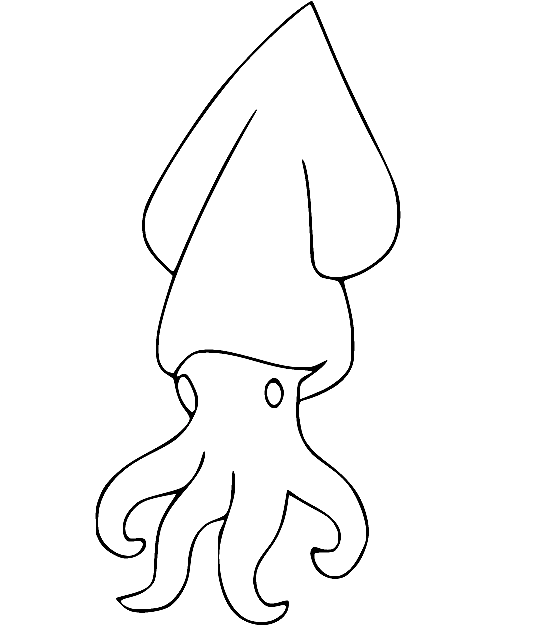
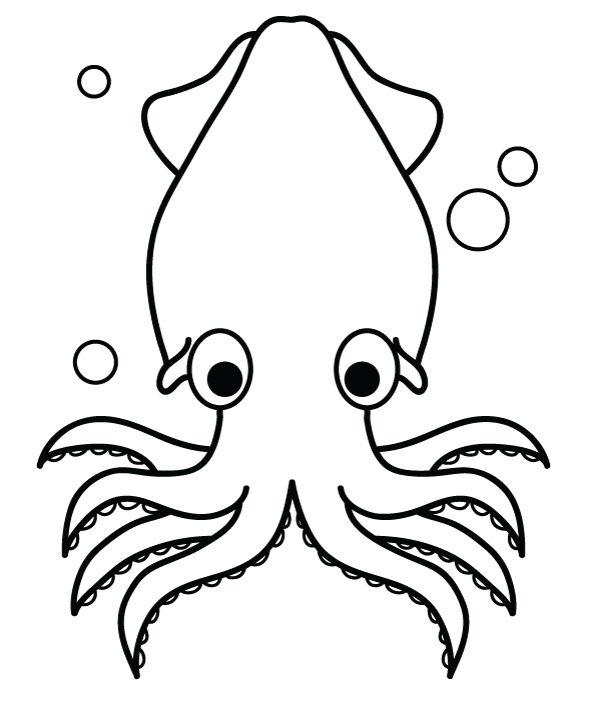
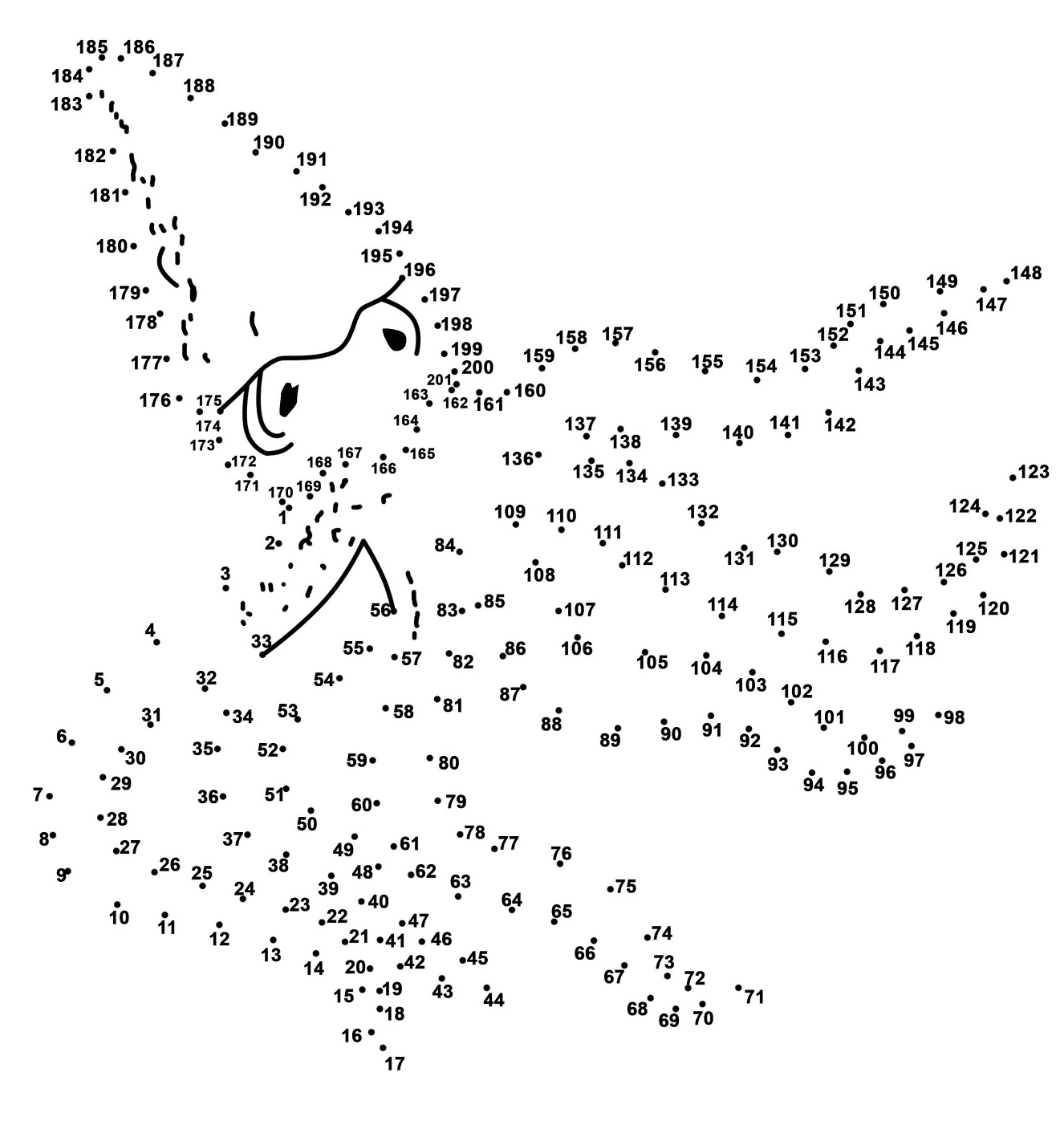
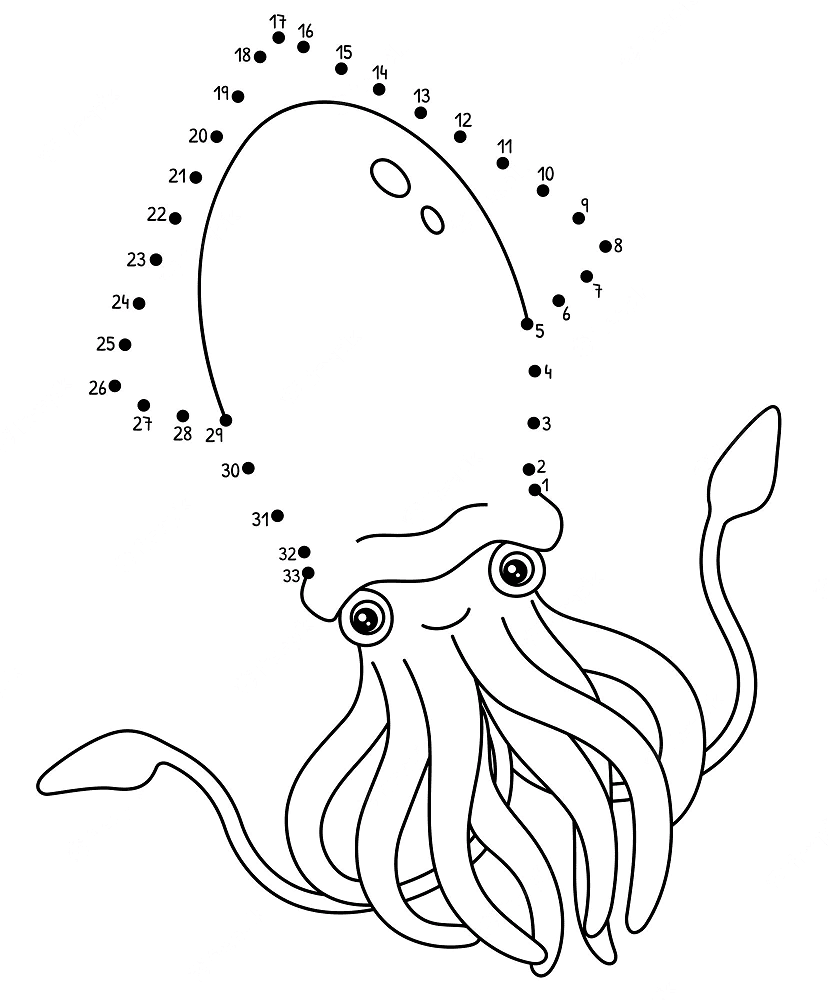
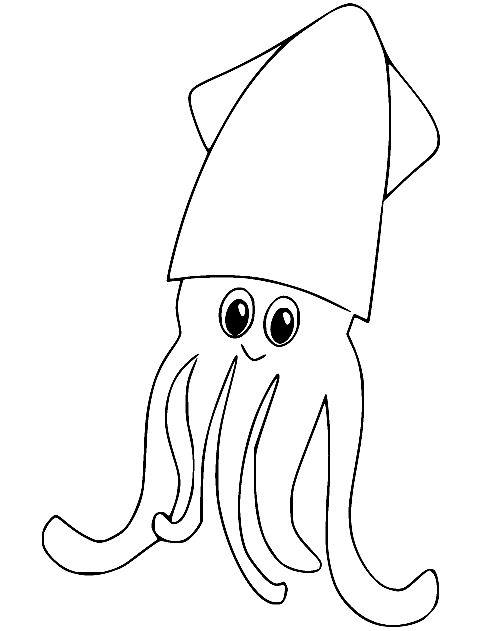
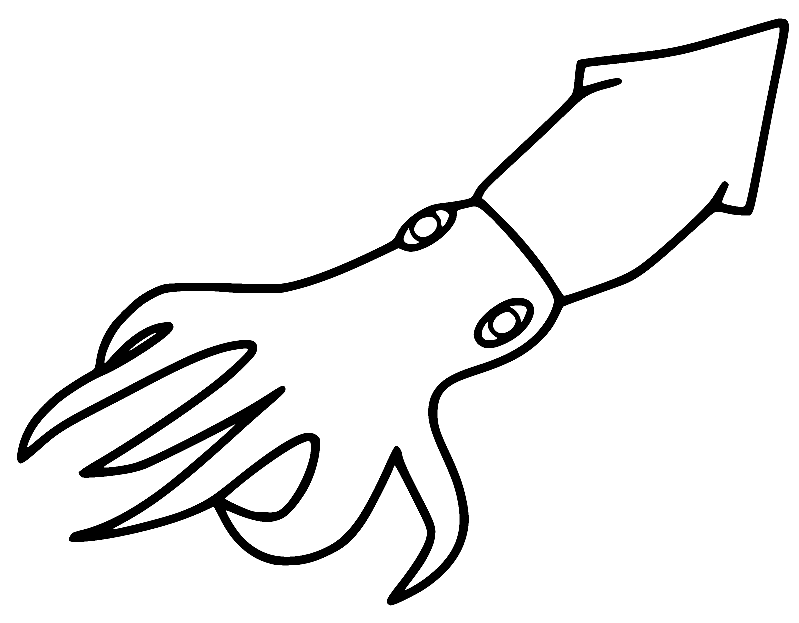
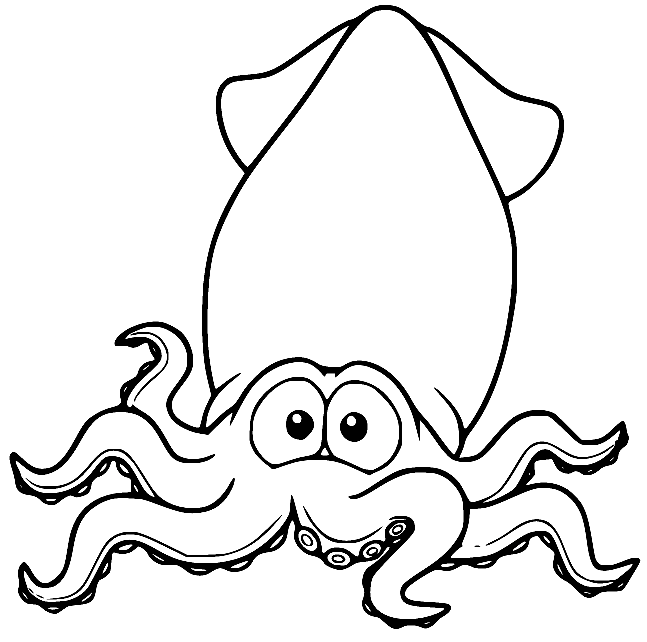
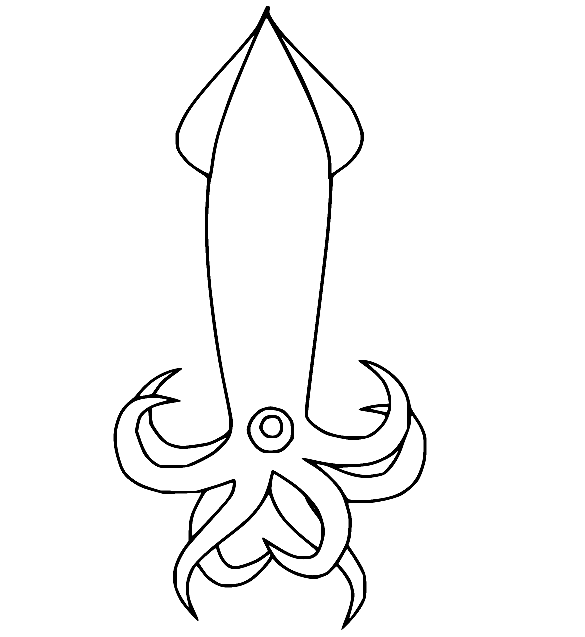
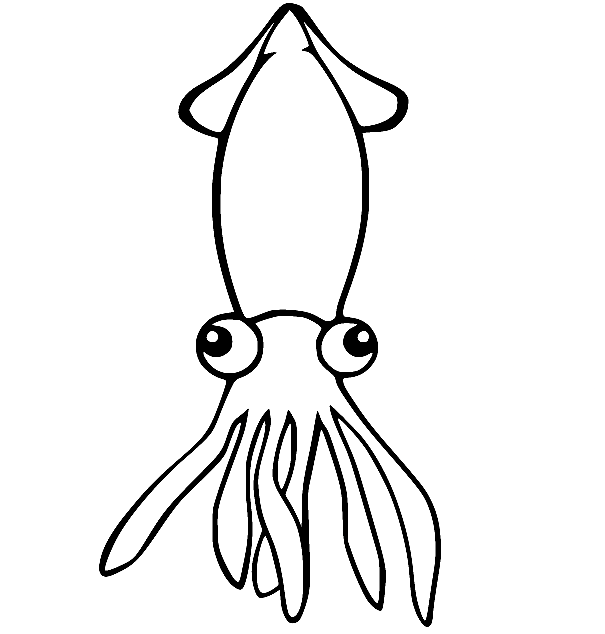
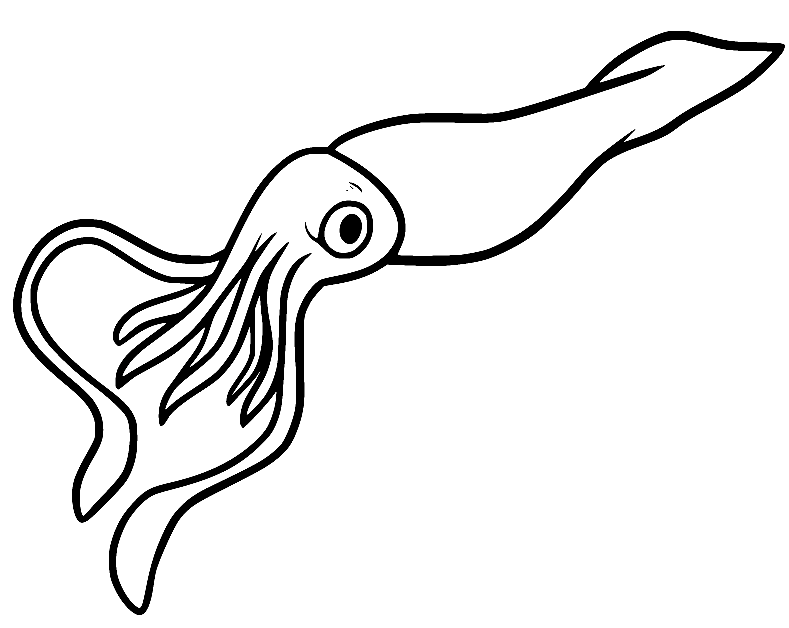
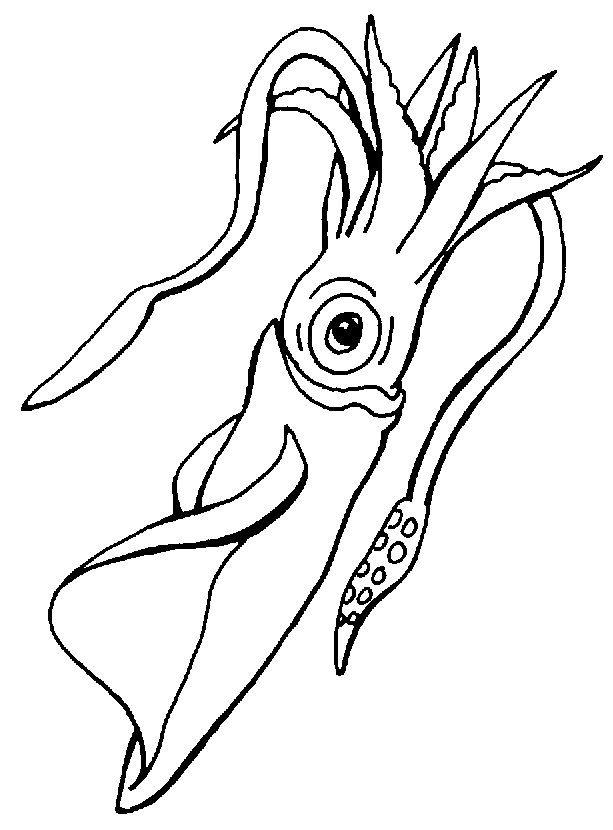
The easiest pages focus on one squid with a clear mantle, large eyes, side fins, arms, tentacles, and open spaces for coloring. These designs are useful for younger children because the squid body can be separated into simple parts: mantle at the top, fins on the sides, eyes near the front, and arms or tentacles flowing downward. Printable squid outlines and dot-to-dot squid pages also work well for cutting, labeling, classroom sea animal displays, and beginner ocean activities.
Coloring simple squid pages: Use soft pink, pale lavender, sandy beige, light orange, pearl grey, or seafoam green for the squid body. Color the mantle first, then the fins, then the arms and tentacles. The common mistake is coloring all arms as one dark block; keep the limbs separate with light shading so each tentacle remains visible.
Cute, Funny, and Cartoon Squid
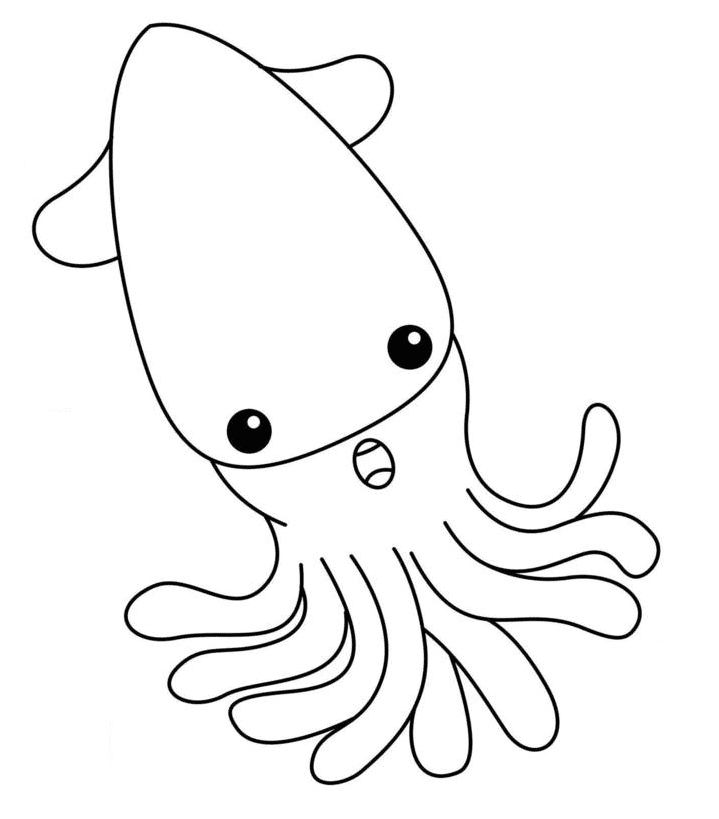
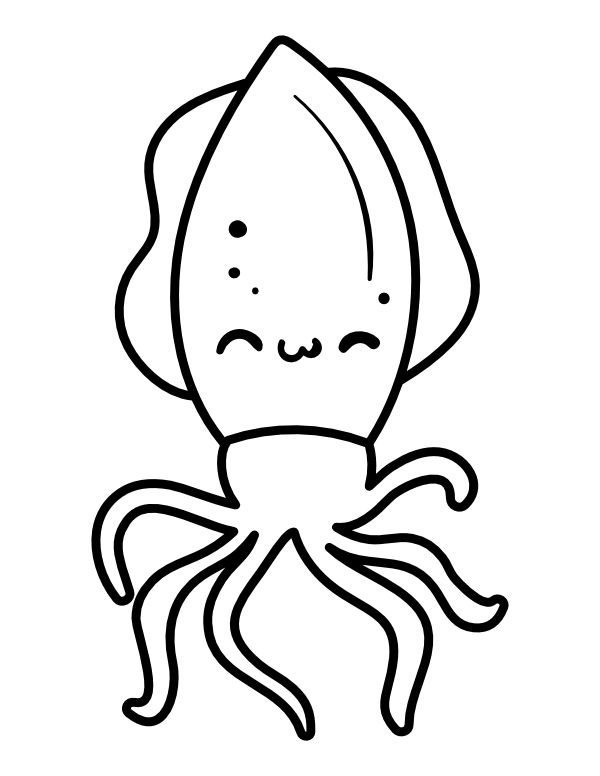
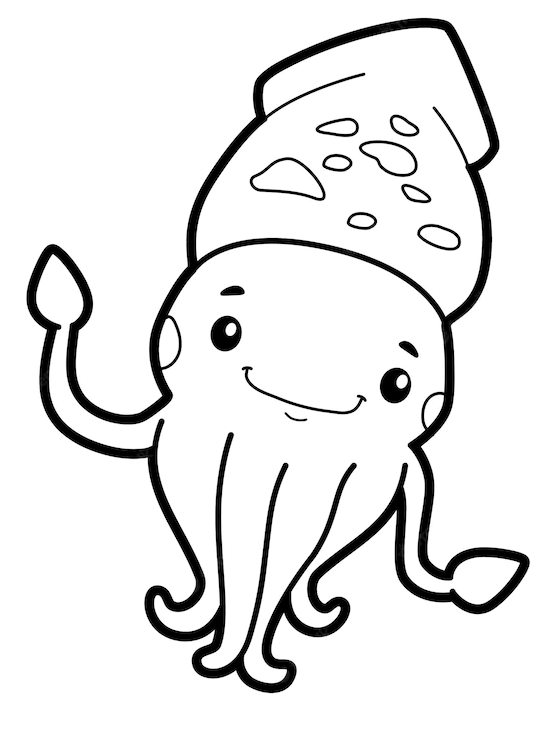
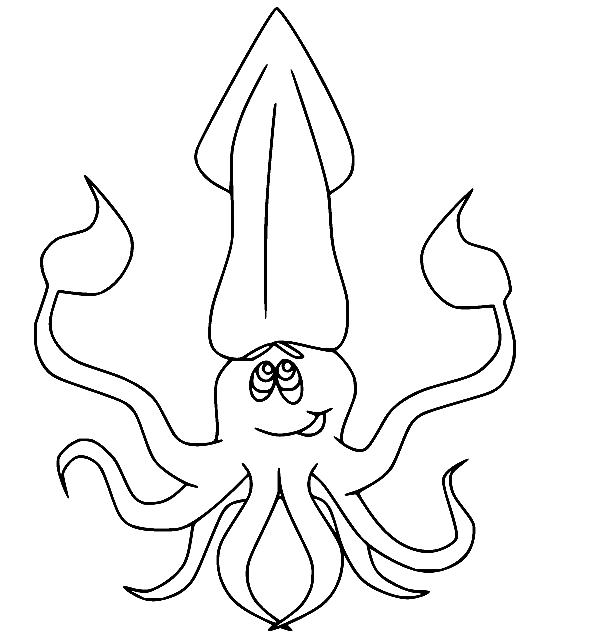
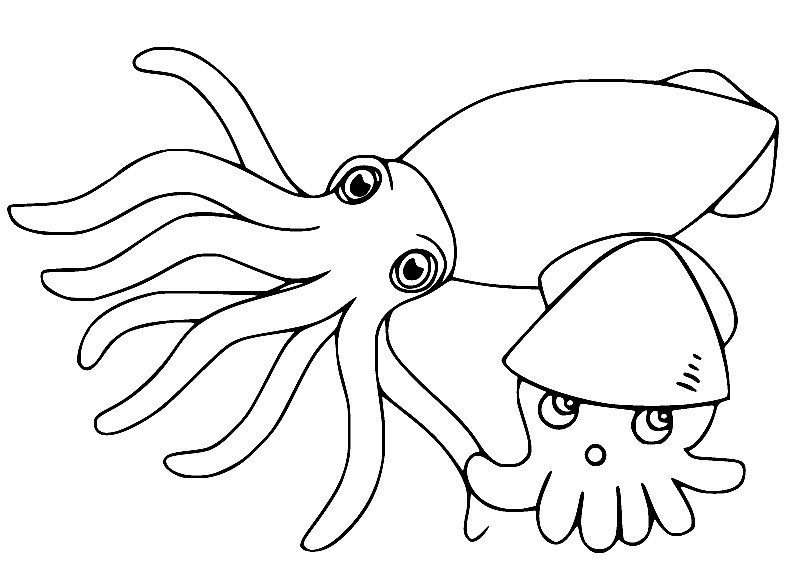
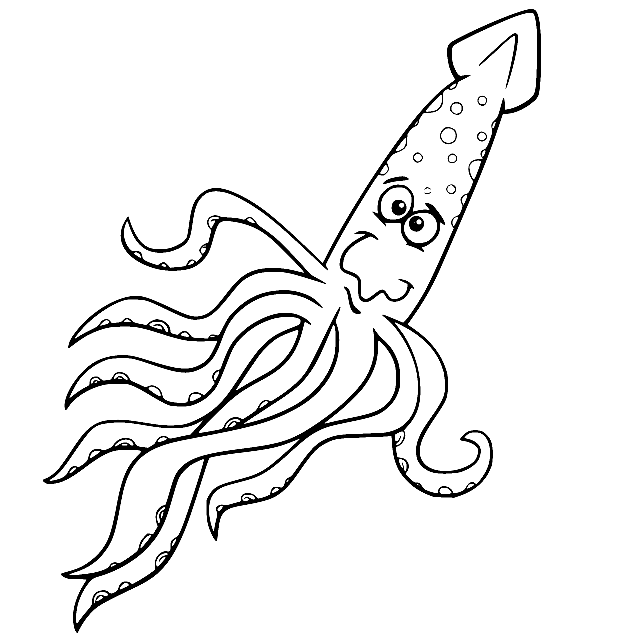
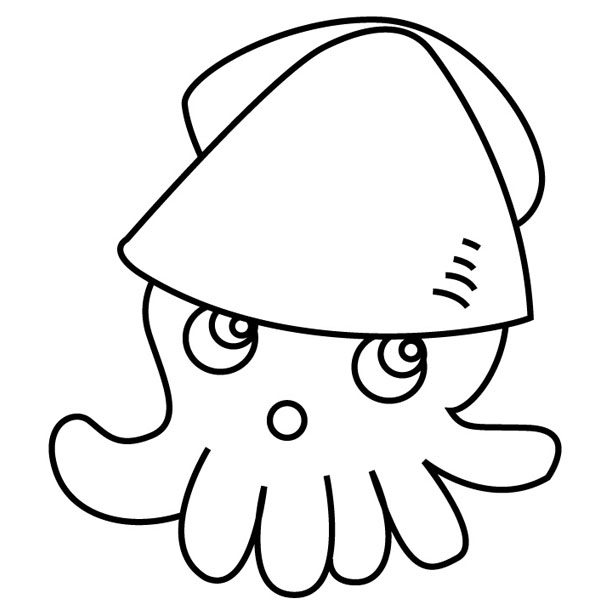
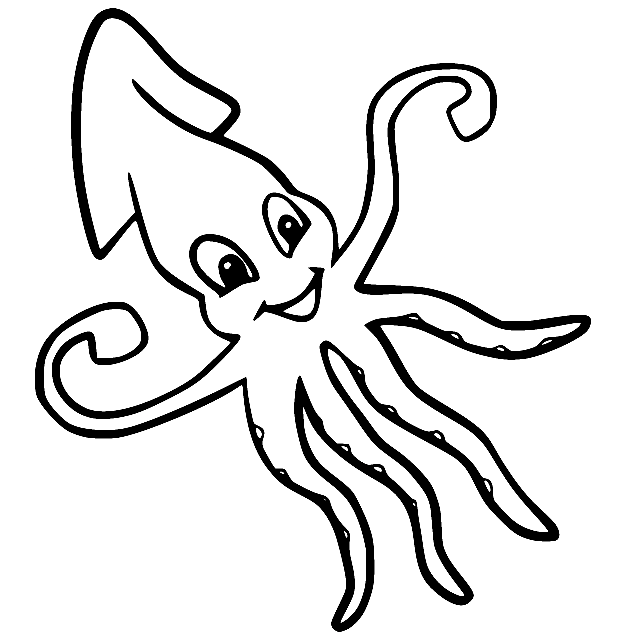
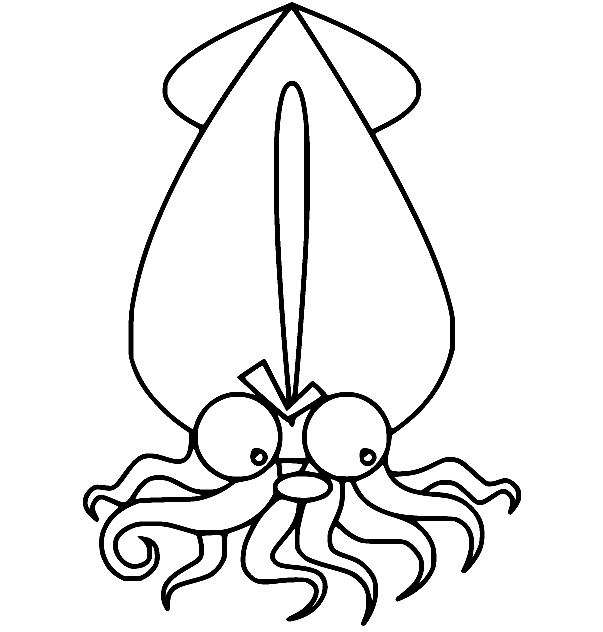
Cute squid pages work best when the expression stays clear: big eyes, rounded cheeks, simple arms, and a bright face area. This group includes smiling squid, funny cartoon squid, baby squid, kawaii squid, pretty squid, two cute squid, and playful character designs. These pages keep the squid recognizable but make it friendly enough for younger colorists, greeting cards, puppet crafts, classroom writing prompts, and early ocean vocabulary.
Coloring cute squid characters: Use pastel purple, coral pink, baby blue, soft peach, mint green, or light yellow for the body. Keep the eyes and mouth clean, then add tiny blush marks only if the page has a cartoon face. The common mistake is making the face area too dark; cute squid look friendlier when the center of the face stays bright.
Realistic Squid, Giant Squid, Humboldt Squid, and Reef Squid
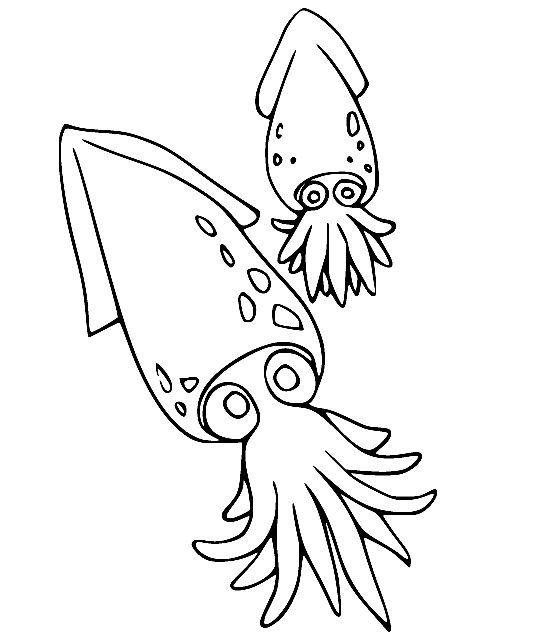
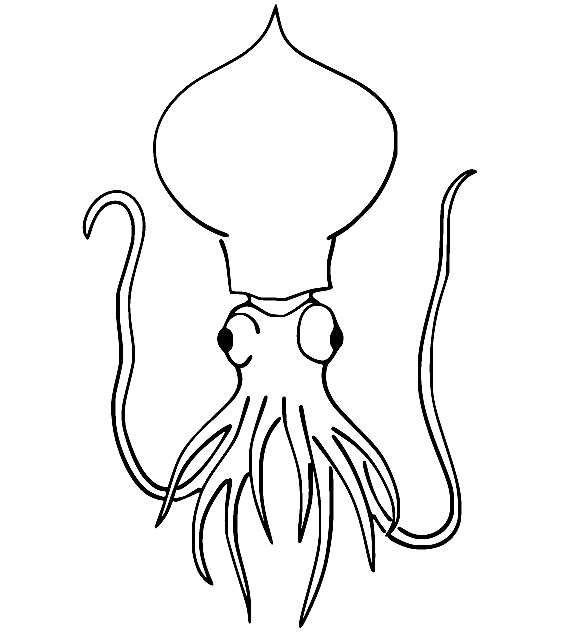
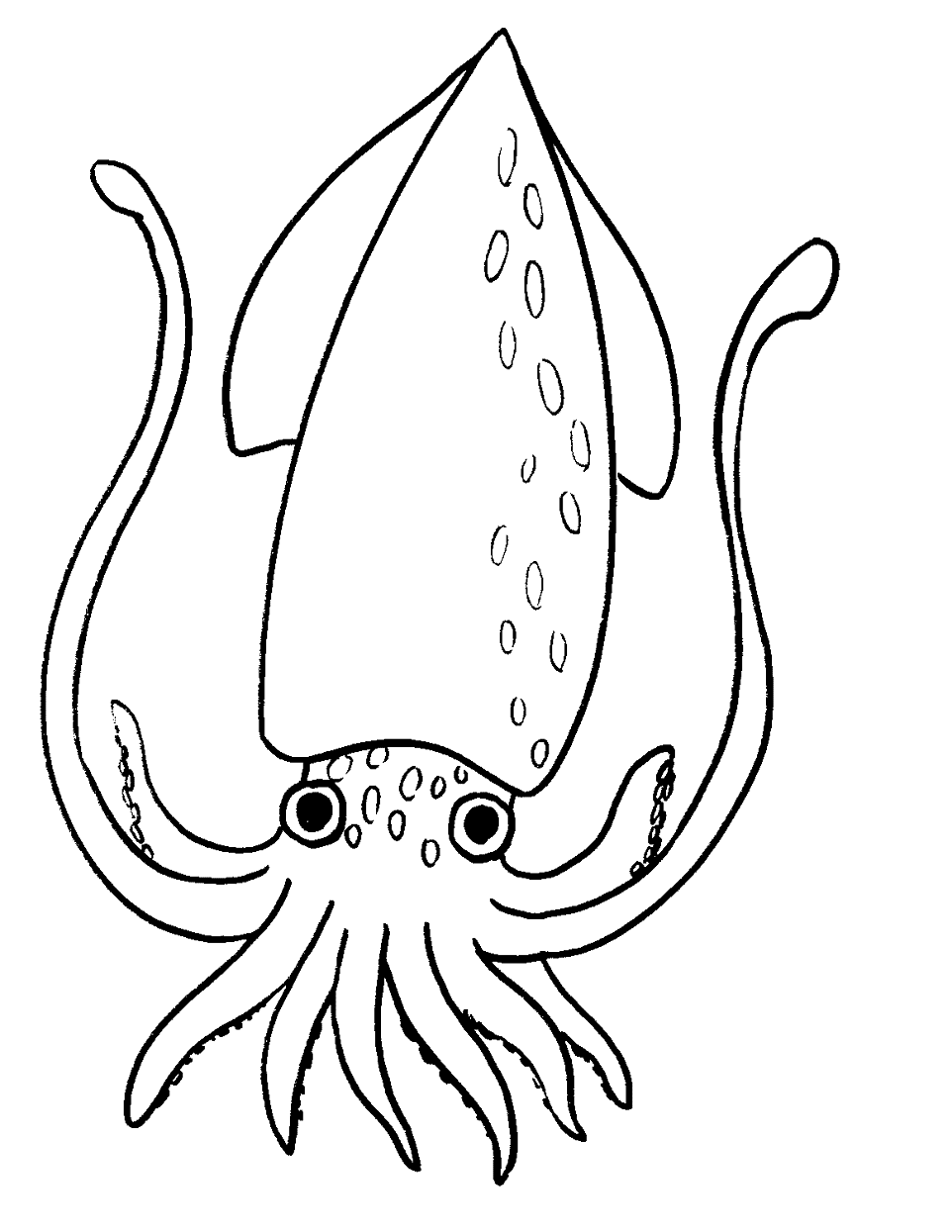
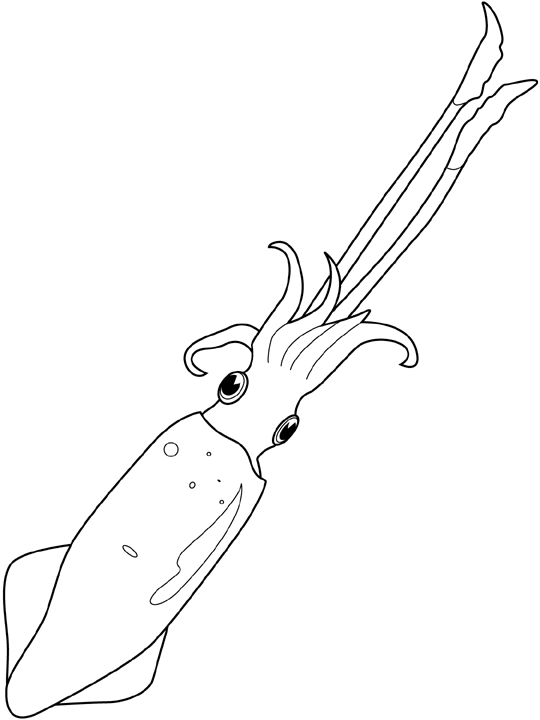
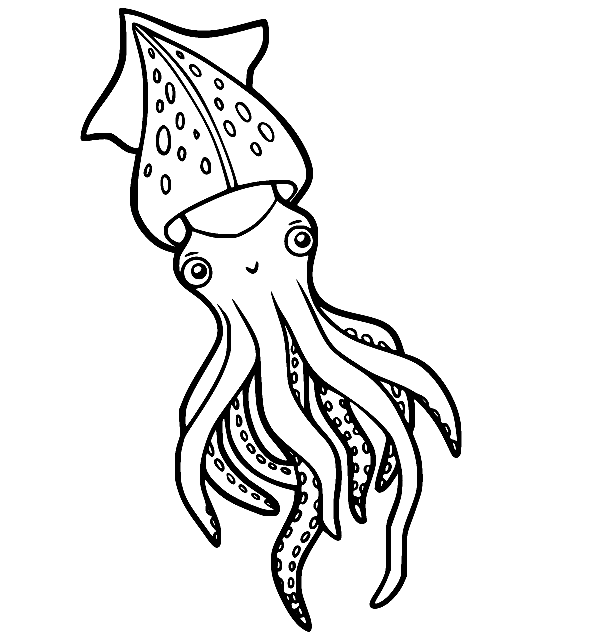
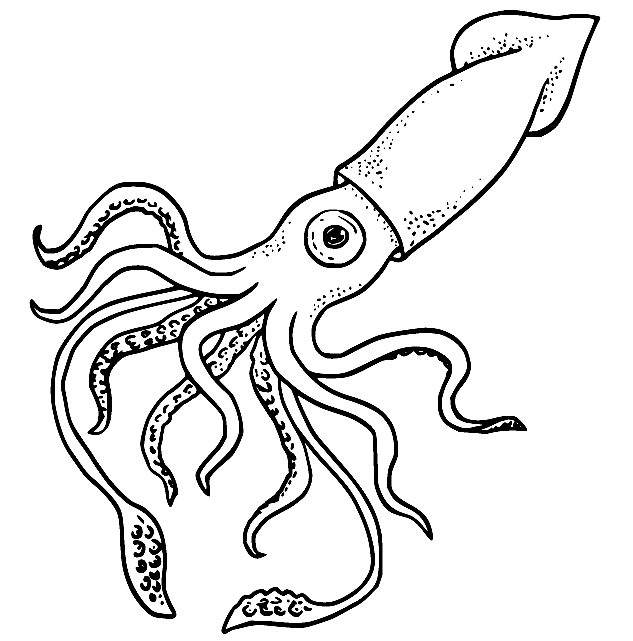
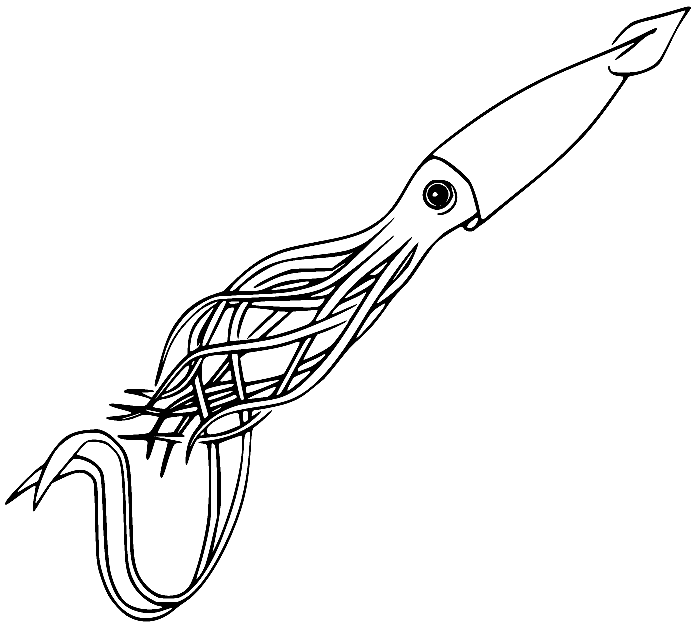
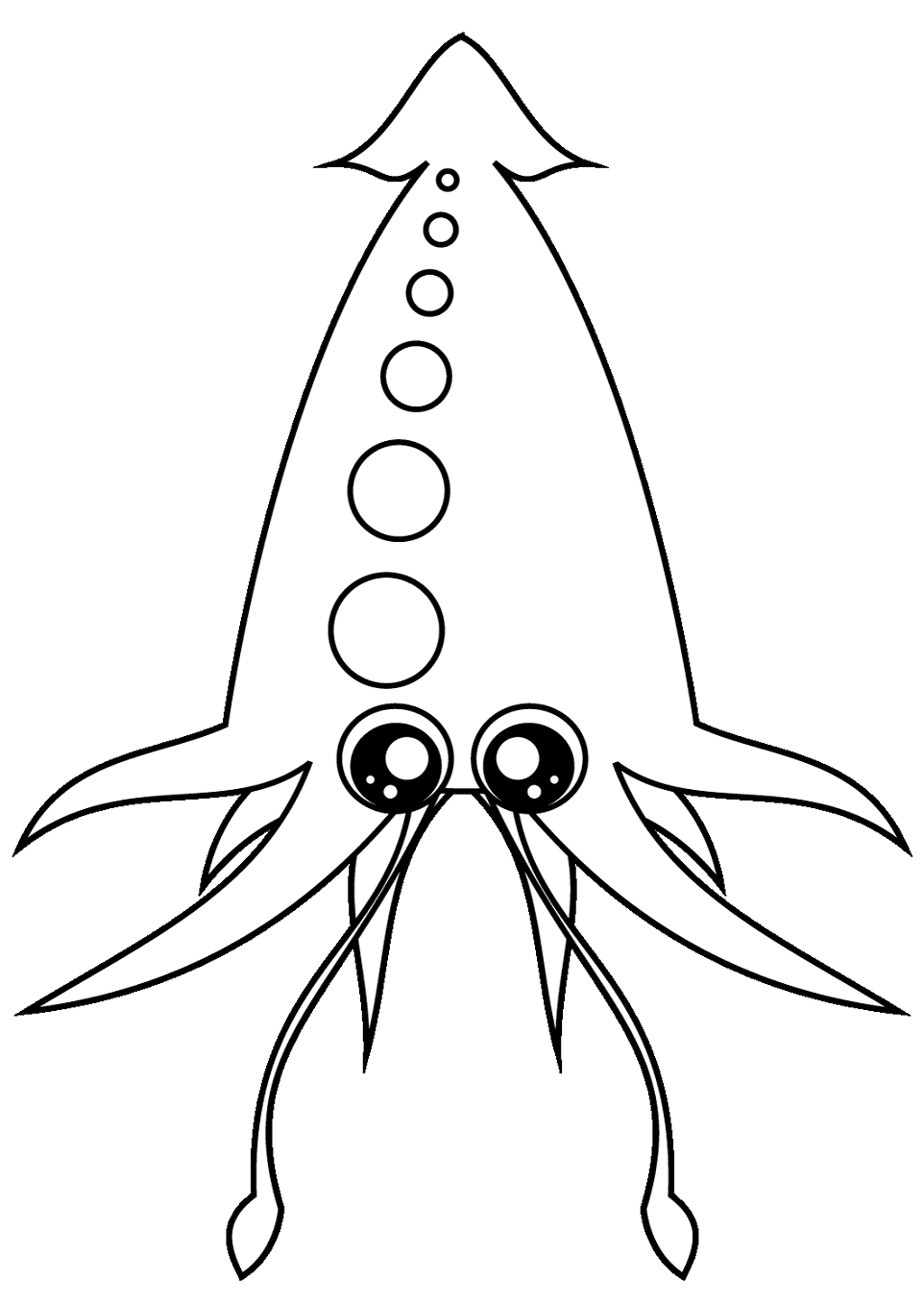
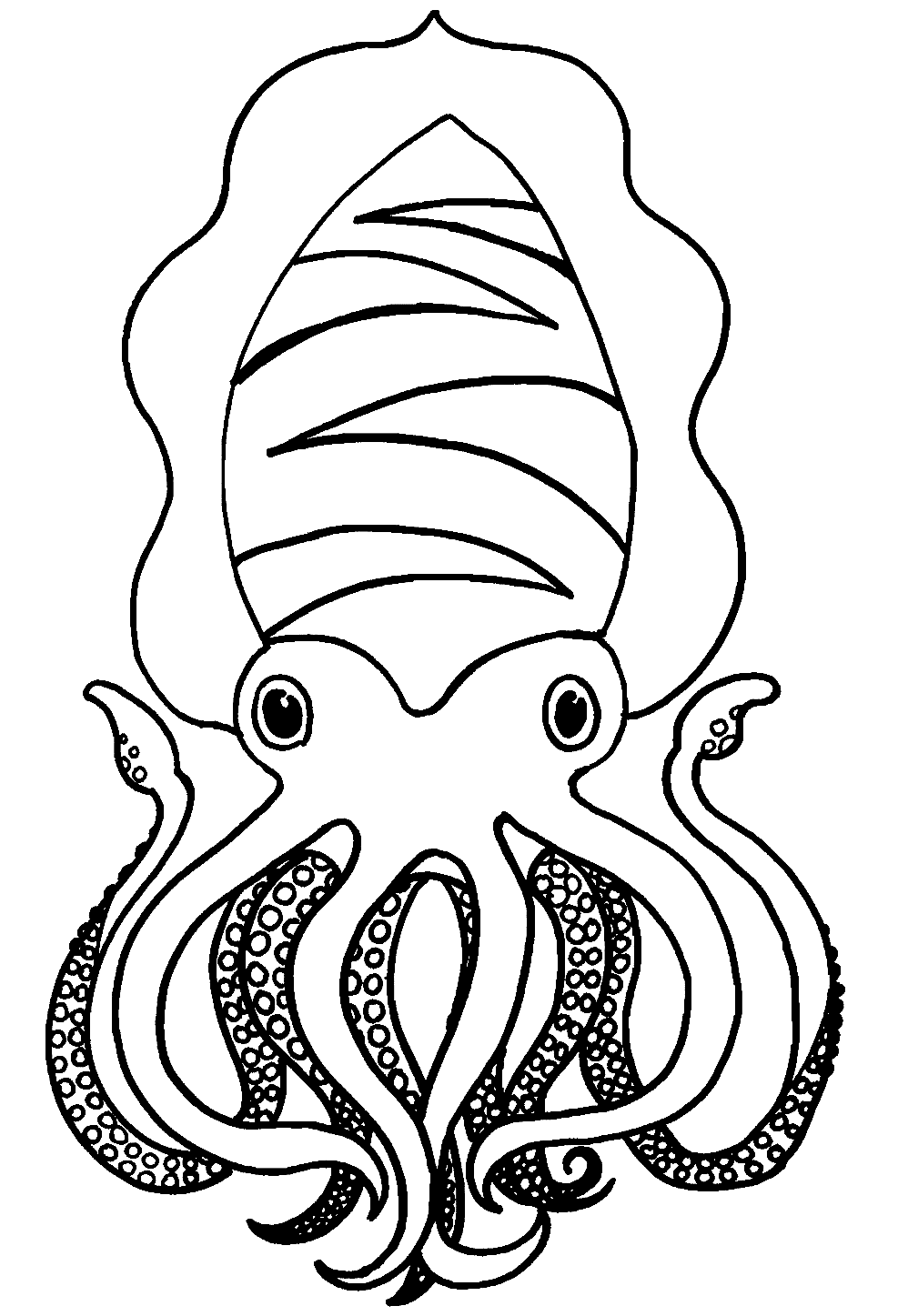
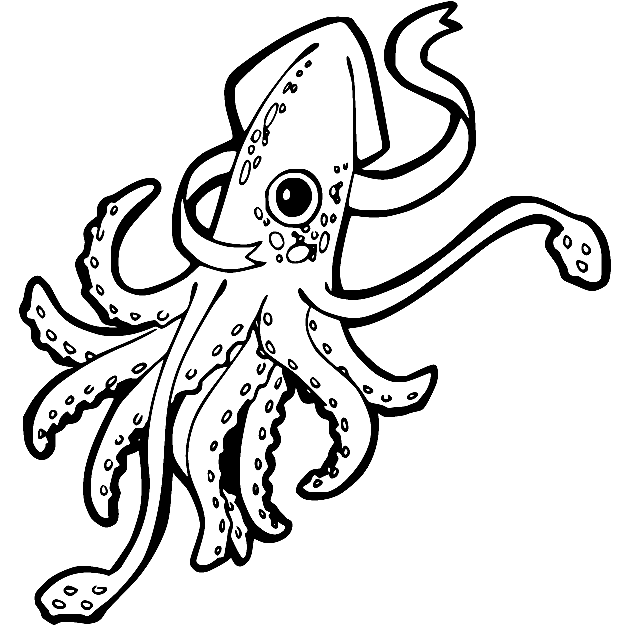
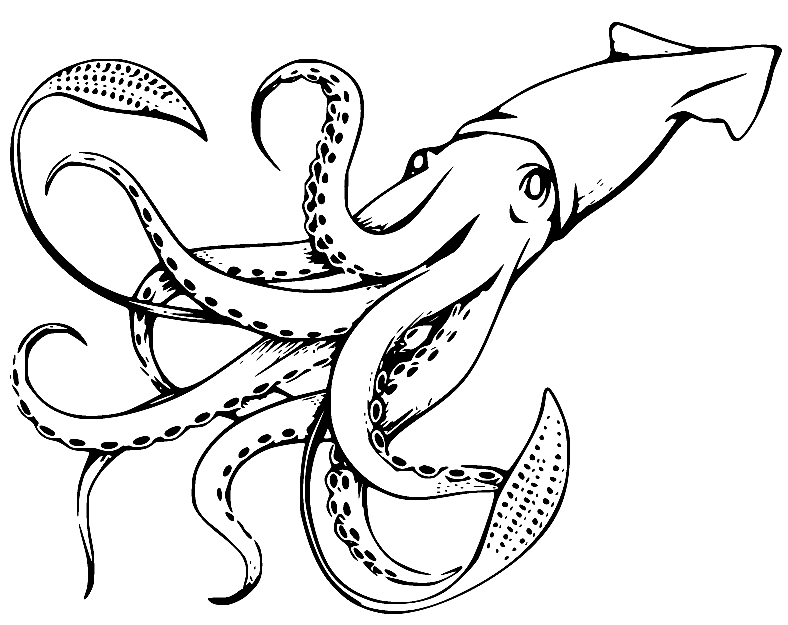
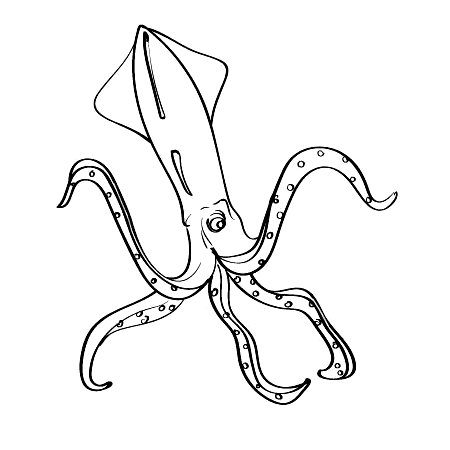
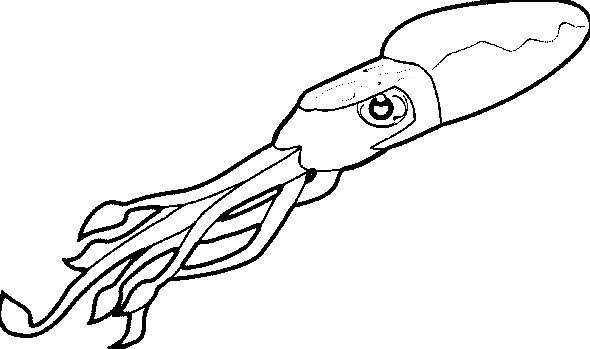
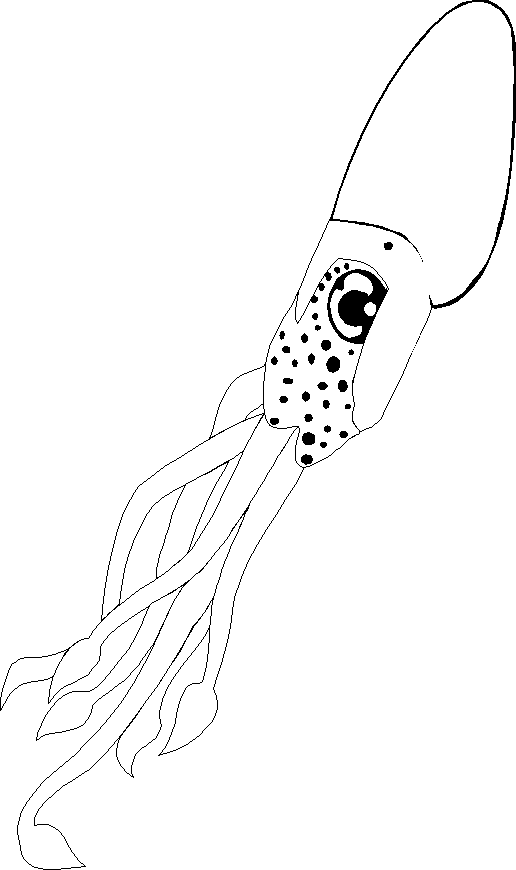
Realistic squid pages give older colorists more anatomy to observe. Giant squid, Humboldt squid, bigfin reef squid, European squid, long squid, veined squid, and swimming squid pages may show a tapered mantle, side fins, large eyes, extended tentacles, shorter arms, sucker rows, and body markings. These pages are useful for science lessons because they introduce squid as real cephalopods, not just funny ocean characters.
Coloring realistic squid pages: Use reddish brown, rusty orange, muted purple, pale grey, cream, or translucent pink for natural squid tones. Add darker shading along the mantle sides, under the fins, around the siphon area, and near the base of the arms. The common mistake is making the whole squid one solid color; realistic squid look better with soft gradients, speckles, and lighter highlights along the mantle.
Squid with Fish, Ocean Friends, and Underwater Scenes
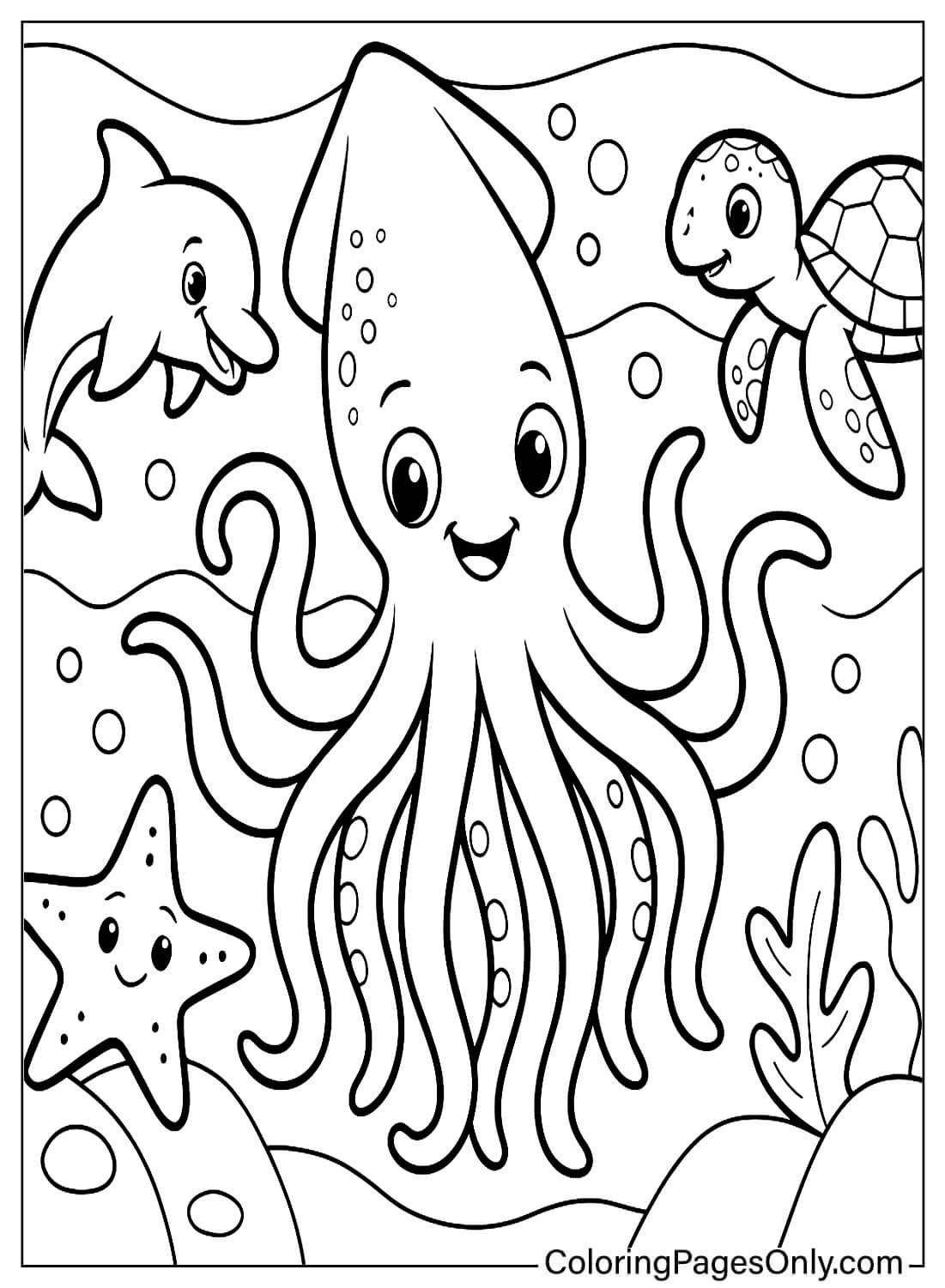
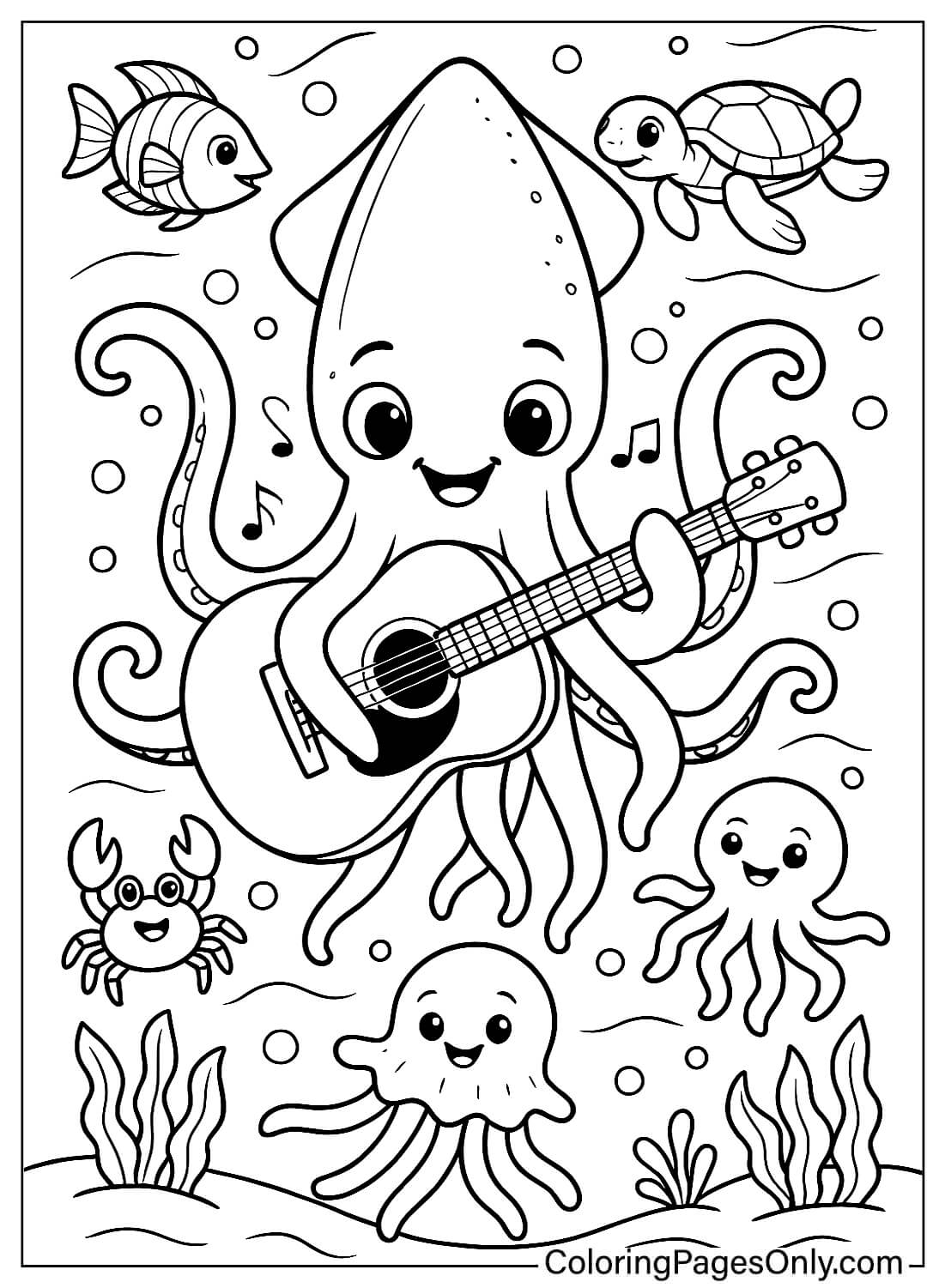
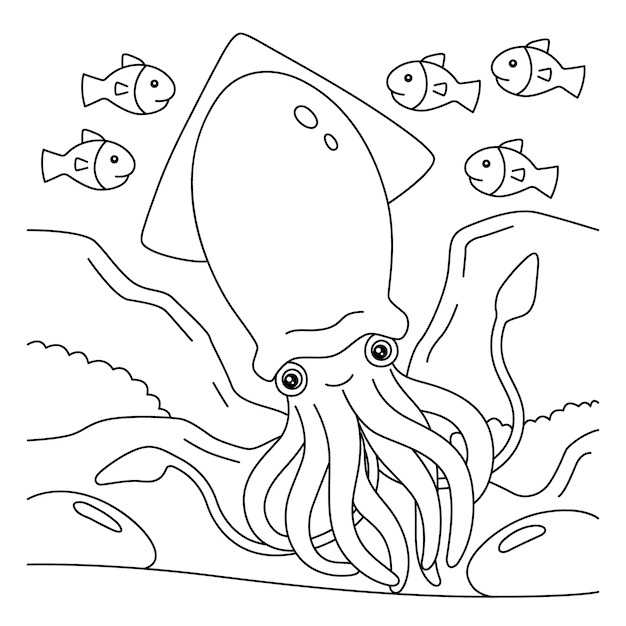
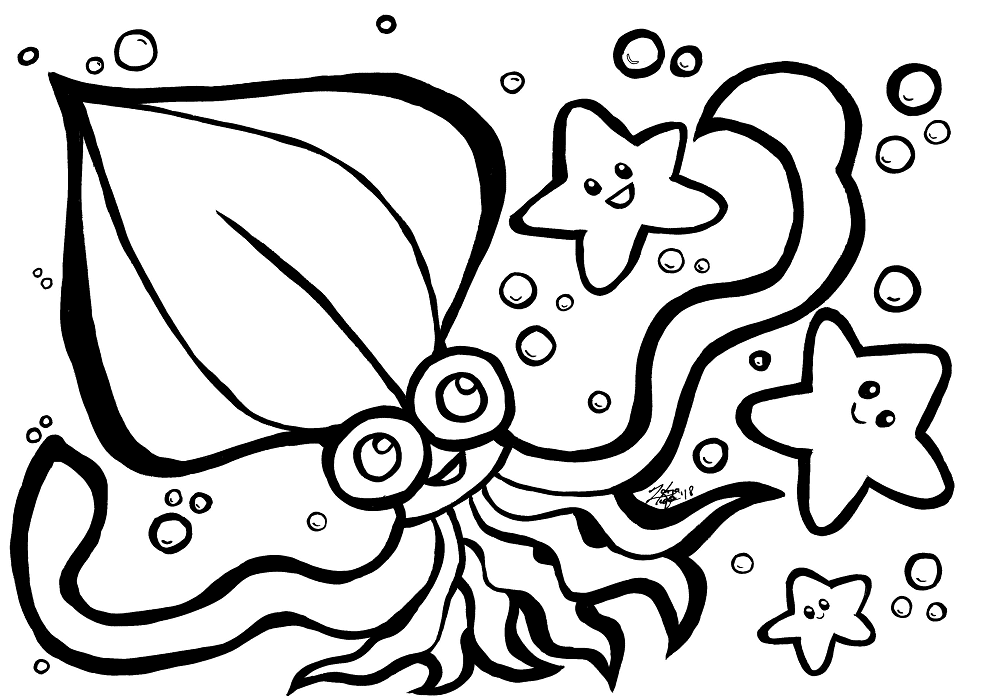
A squid page feels richer when the animal has water around it: fish passing nearby, bubbles rising behind the mantle, seaweed lines showing movement, and sand or rocks anchoring the scene. Underwater squid pages may include fish, bubbles, sea plants, moonlight, clouds, ocean floors, open water, or swimming scenes. These pages help children see squid as part of a marine setting instead of a floating shape.
Coloring underwater squid scenes: Color the squid first with pink, lavender, orange, grey, or reddish brown, then use ocean blue, turquoise, deep teal, sea-glass green, fish orange, and sand beige for the habitat. Keep the background water lighter around the squid so the body and tentacles are easy to see. The common mistake is filling the whole ocean with dark blue; leave pale water and white bubble highlights to keep the scene open.
Fantasy, Adventure, and Story Squid Pages
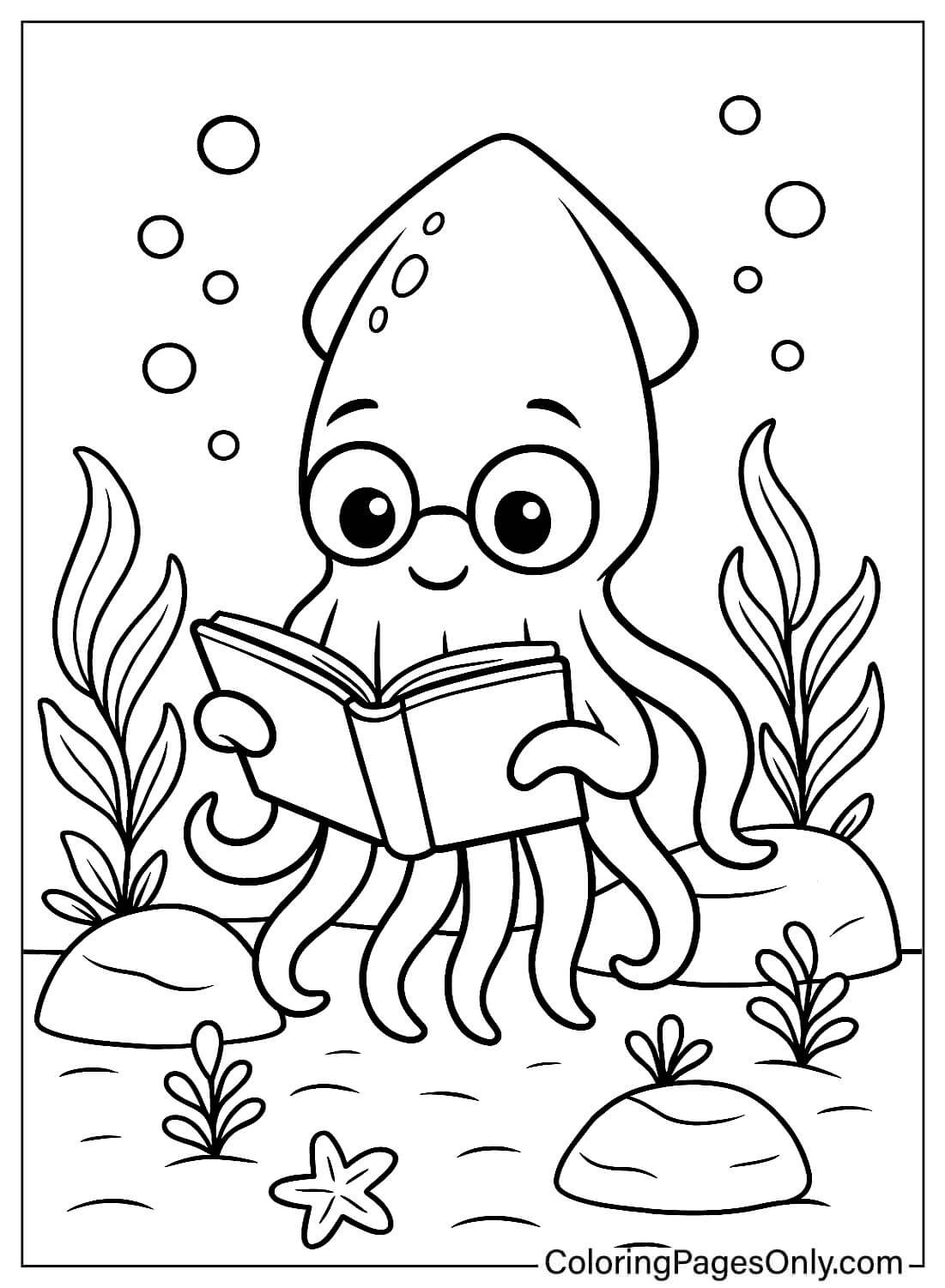
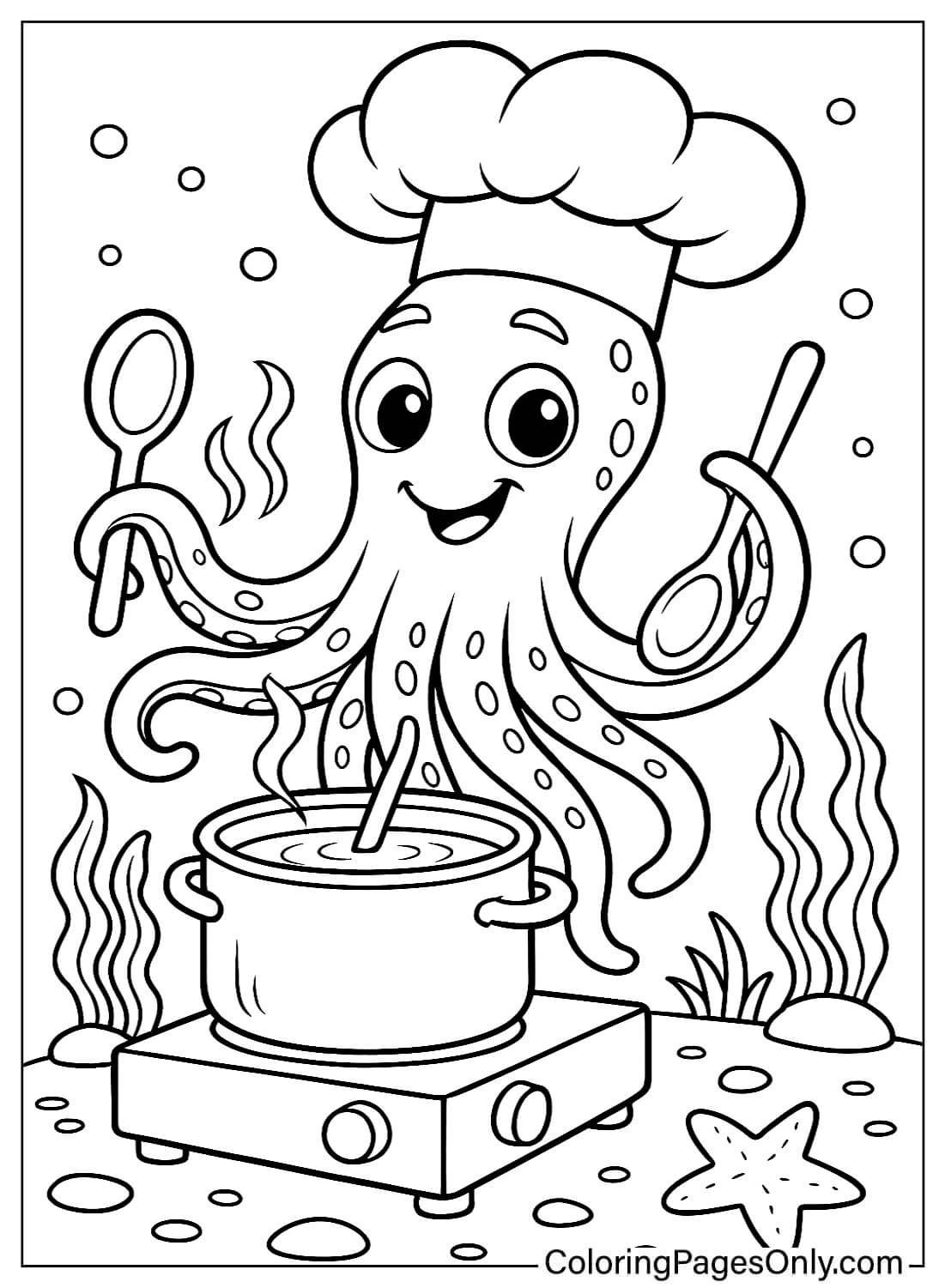
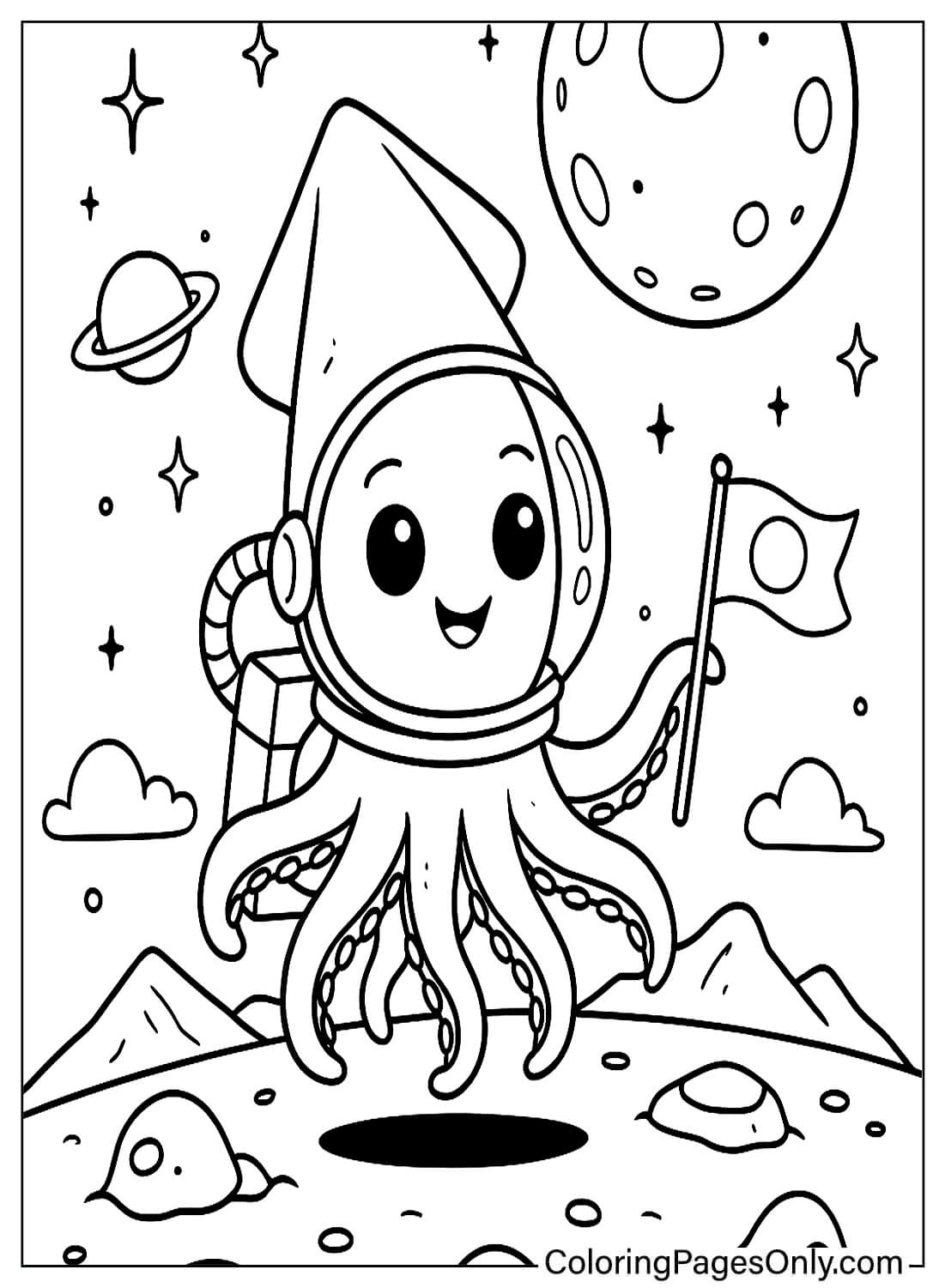
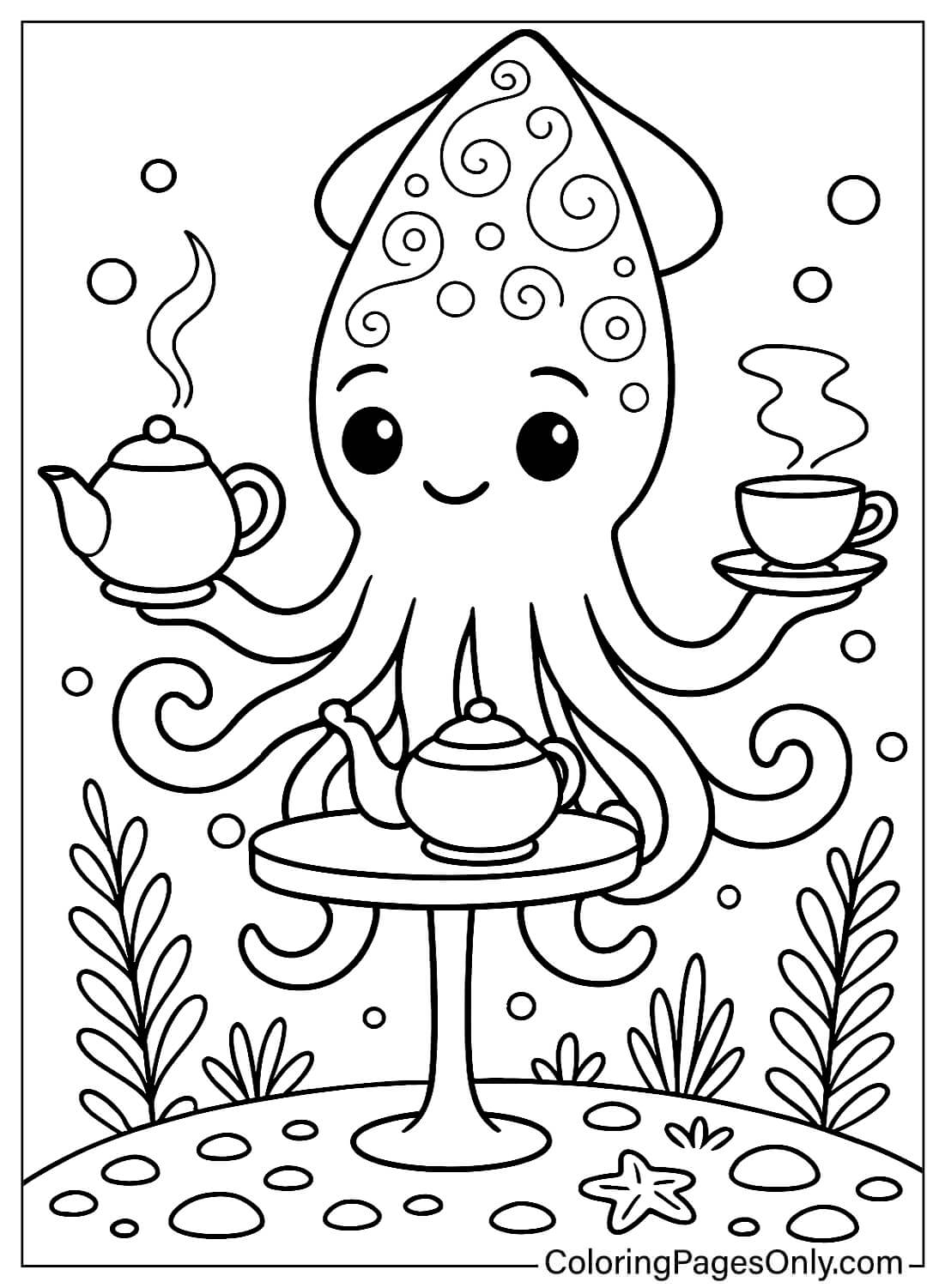
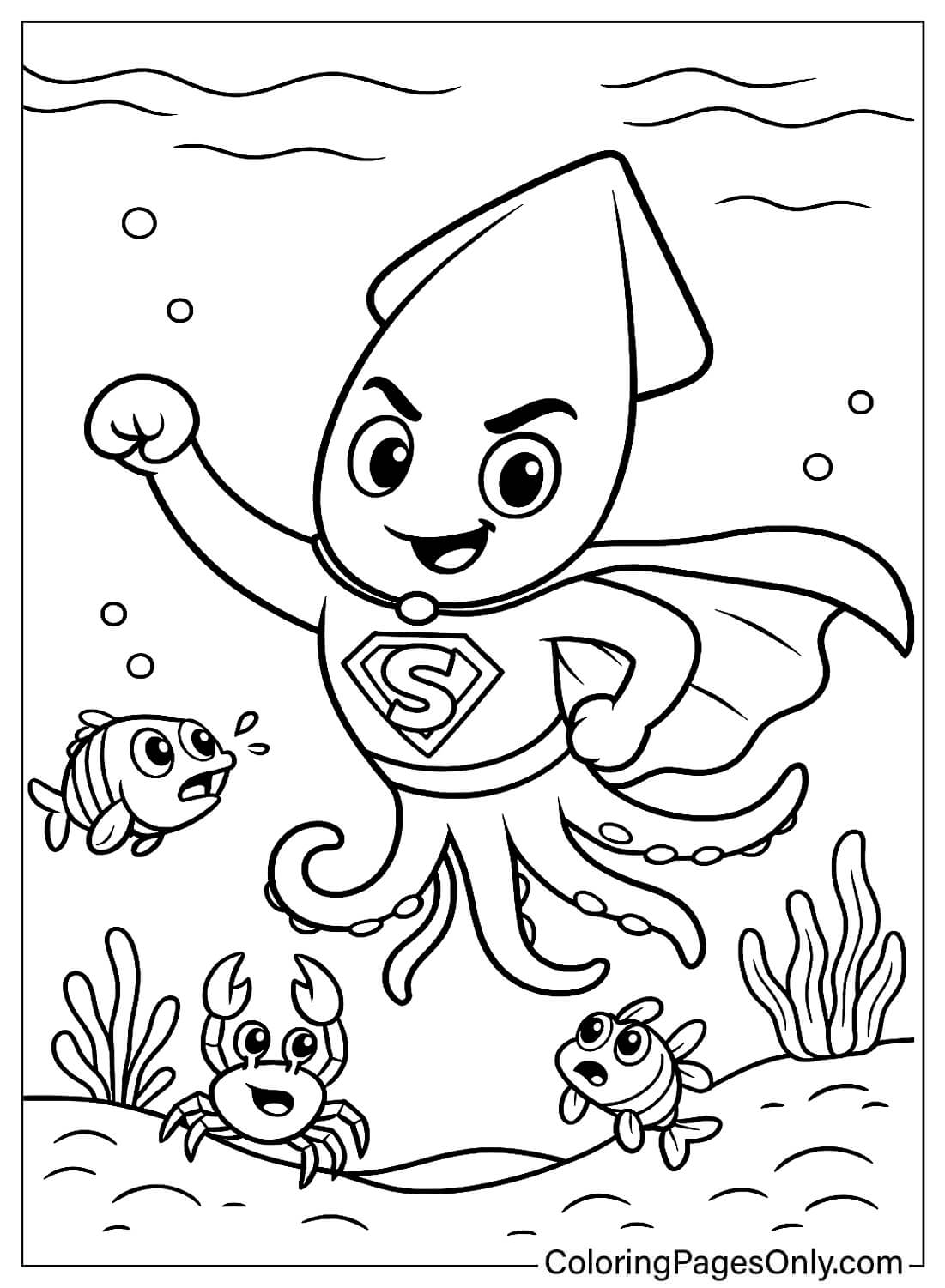
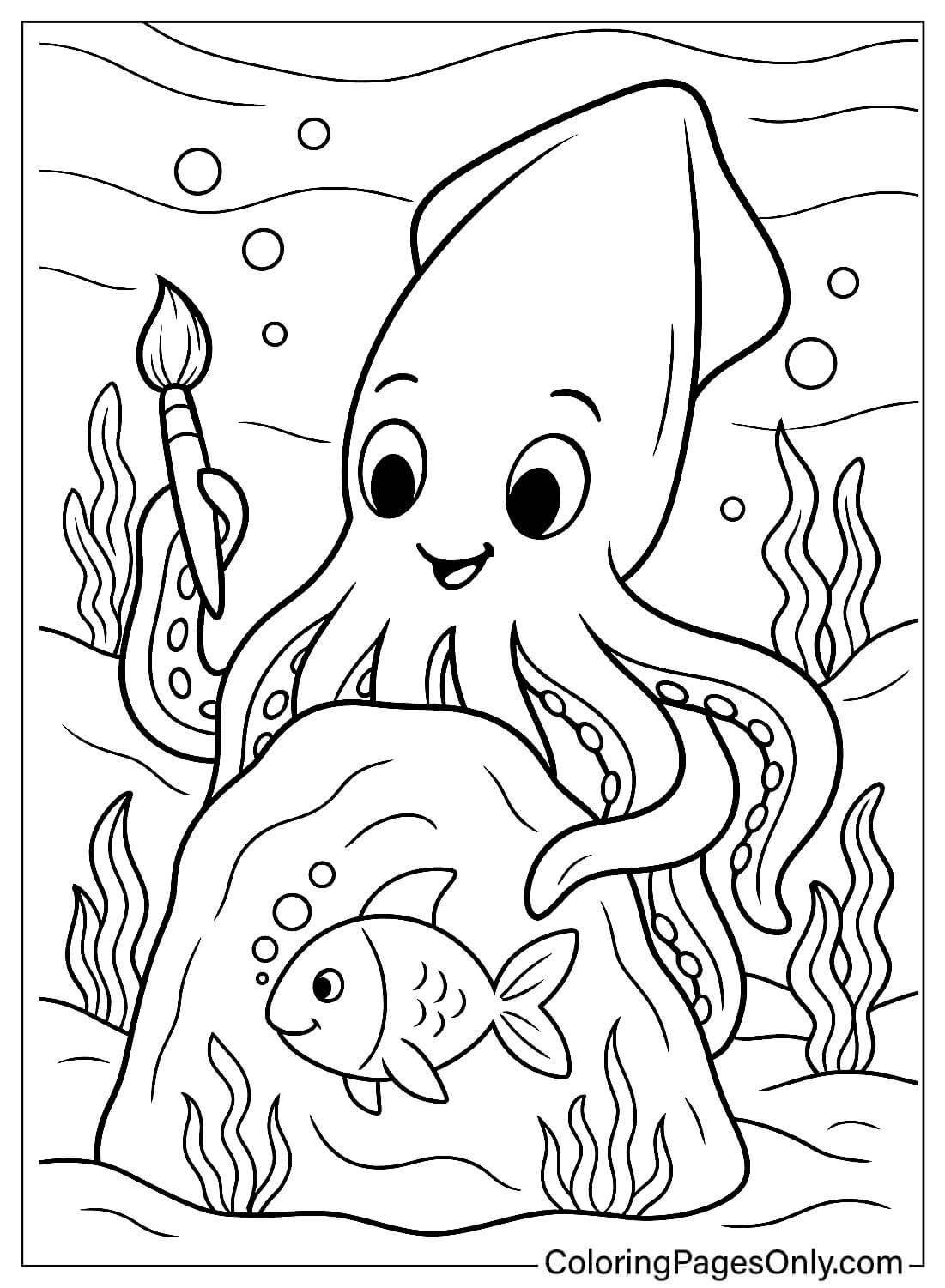
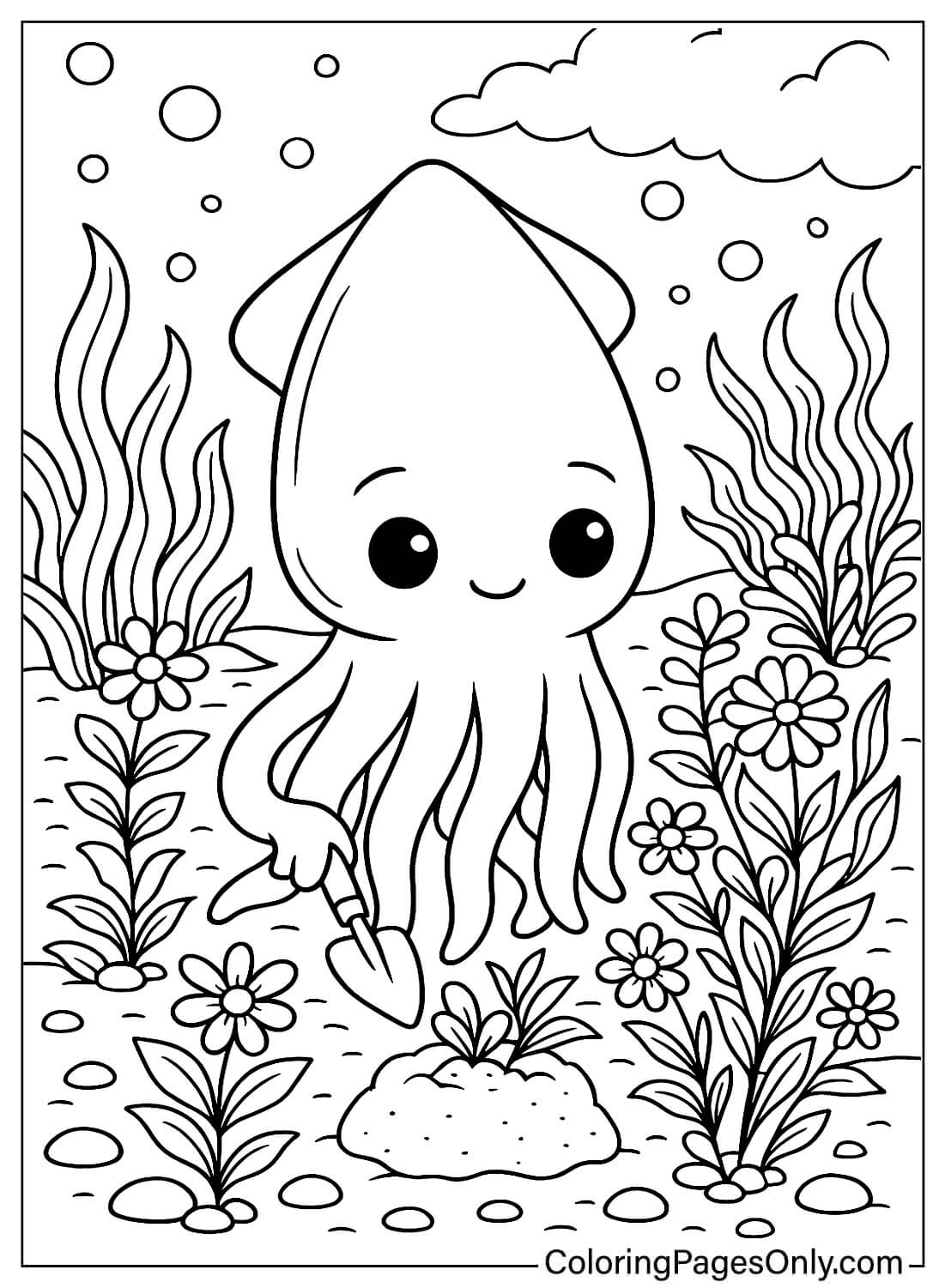
The collection also includes imaginative squid pages: an astronaut squid exploring space, a superhero squid, a chef squid cooking, a squid making tea, an artist squid, a music squid, a squid reading a book, a garden squid, a traveling squid, and magical-pattern squid designs. These pages are not meant to be realistic. They turn the squid into a character with a setting, role, and story, making them useful for creative writing, pretend play, classroom prompts, and children who enjoy unusual ocean characters.
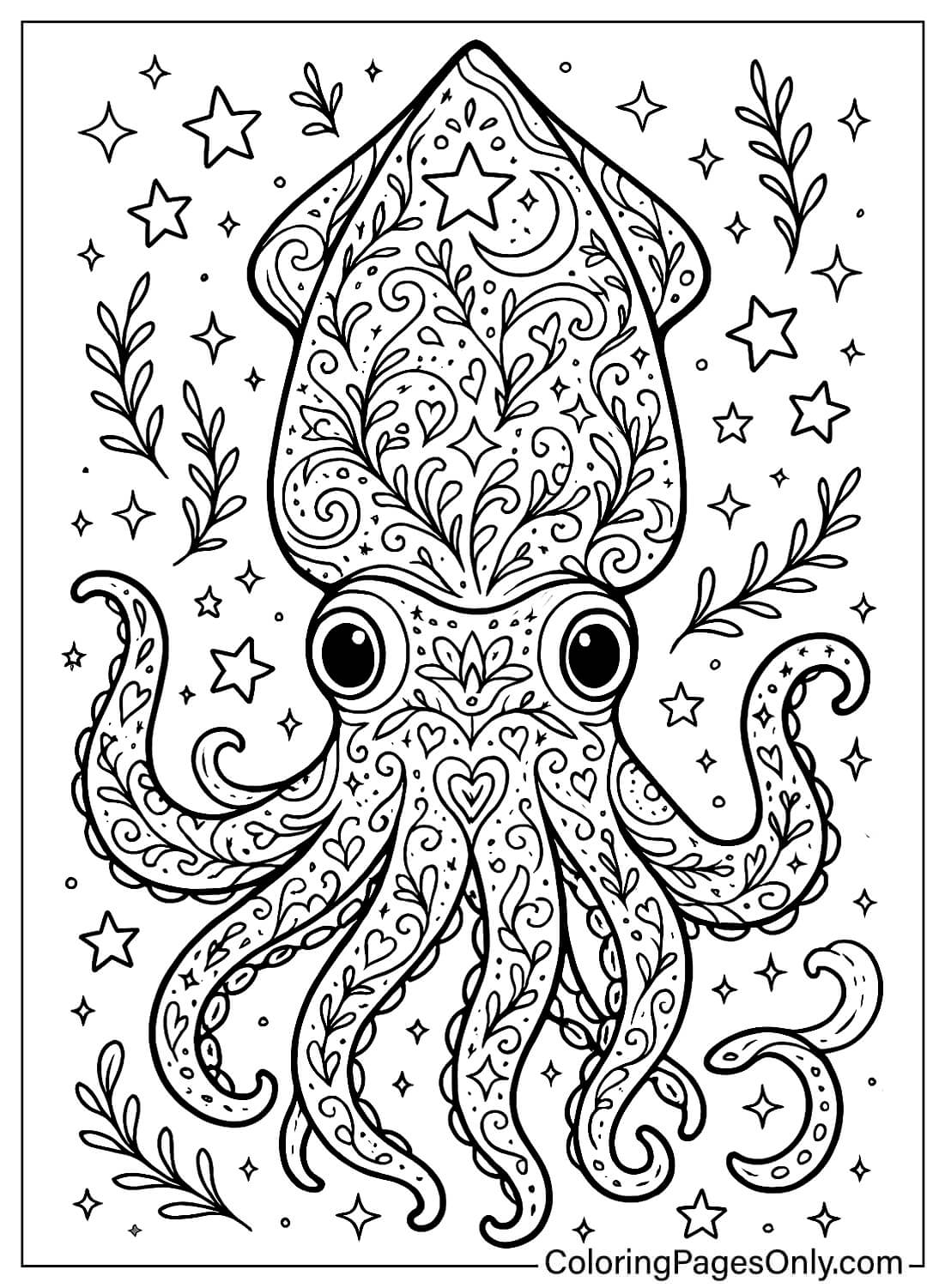
Coloring fantasy squid pages: Choose the scene mood first. Use deep navy, purple, and silver for astronaut pages; red, blue, and gold for superhero pages; warm browns and soft greens for tea or cooking scenes; and bright coral, mint, lavender, and yellow for magical-pattern pages. The common mistake is using every bright color at once; choose one story palette and let the squid character remain clear.
What These Pages Do
Squid coloring pages connect children to ocean science through an animal that looks unusual, active, and expressive. A squid is not a fish; it is a cephalopod, a type of marine mollusk with a soft body, arms, tentacles, a mantle, fins, and a siphon. Coloring pages can introduce words such as mantle, fin, siphon, arms, tentacles, suckers, ink, cephalopod, reef squid, giant squid, and jet propulsion in a simple visual way.
These pages also teach design through movement, rhythm, and line control. A squid has flowing arms and tentacles that require careful direction. A realistic squid page uses long body curves, fin edges, sucker rows, large eyes, and soft color gradients. A cartoon squid page uses face shape, expression, and rounded limbs. A fantasy squid page adds costumes, tools, books, planets, music, or garden details. This variety helps the page function as both an ocean animal collection and a creative character collection.
Squid also gives children a simple way to learn about animal adaptations. Jet propulsion helps squid move quickly. Ink can help them escape danger. Large eyes help many squid sense their surroundings. Color change and skin patterns can support camouflage, communication, or response to light and environment. These facts add depth to the coloring activity without turning the page into a heavy science lesson.
The American Academy of Pediatrics identifies fine motor skill development as a key milestone throughout early childhood. HealthyChildren.org, the parenting site from the American Academy of Pediatrics, lists coloring with crayons or chalk among quiet-time activities that can help improve a 3-year-old child’s hand abilities. Squid pages support that development through curved tentacles, small suckers, eye shapes, fin edges, bubble circles, fish outlines, ink clouds, dot-to-dot lines, and detailed fantasy props.
The 2005 Art Therapy Journal study on structured coloring and anxiety reduction applies well to squid pages because many designs include repeated tentacles, sucker rows, bubbles, wave lines, fish scales, stars, and patterned bodies. The squid body gives a clear central shape, while the arms and background details create organized, smaller spaces to finish. This kind of structured coloring can feel calm and focused because children can complete one section at a time: mantle, eyes, fins, tentacles, bubbles, fish, background, and story details.
Squid pages can also support ocean awareness. Children can enjoy funny squid characters while learning that real squid are living cephalopods with special adaptations for swimming, sensing, hiding, and surviving in the sea. That helps the collection serve both creative coloring and simple marine animal learning, especially for classroom ocean units and mollusk lessons.
How to Color These Pages Well
Start with the mantle before the tentacles. The mantle is the main body shape, so color it first with soft pink, lavender, peach, grey, orange, or reddish brown. Then move to the fins and finally the arms and tentacles. The common mistake is coloring the tentacles first and smudging the body area later; starting with the mantle keeps the squid organized.
Keep each arm and tentacle readable. Squid pages often have many curved limbs close together. Use light pressure along each limb and add darker shading only on one side. That keeps the tentacles separate instead of turning them into one dark mass.
Add small sucker details carefully. If the page includes suckers, color them with pale cream, light grey, or a slightly darker version of the tentacle color. Do not outline every sucker with heavy black. The common mistake is making the suckers too dark; soft dots look cleaner and more natural.
Keep the eyes bright and focused. Many squid pages have large eyes, especially realistic or deep-sea designs. Use dark grey, black, amber, or deep brown for the pupil area, but leave one tiny white highlight. A clean highlight makes the squid feel alert without making the eye too heavy.
Use gradients and speckles for a realistic squid. Real squid can appear reddish, brownish, pink, grey, or translucent depending on species and light. Start with a pale base color, then add rusty orange, muted purple, or brown speckles near the mantle and fins. A light belly or highlight along the mantle makes the squid look more three-dimensional.
Make ink clouds soft and smoky. If the page includes ink, use deep purple, blue-black, charcoal, or dark teal with light pressure around the edges. Keep the center darker and the outside softer. The common mistake is drawing a hard black blob; ink looks better when it fades into the water.
Choose a deep-sea mood for giant squid pages. Giant squid and moonlit squid pages work well with dark blue, muted purple, silver grey, and small pale highlights. Keep the background darker than usual, but leave light around the eyes, mantle edge, bubbles, or moonlight. That helps the squid stand out in a deep-ocean scene.
Separate realistic ocean pages from fantasy pages. For natural squid scenes, use ocean blue, deep teal, seafoam green, grey, and muted coral. For astronaut, superhero, tea, music, cooking, or magical-pattern squid, choose a stronger story palette. Decide whether the page is science-based or story-based before choosing colors.
5 Creative Craft Ideas
Squid Anatomy Label Poster
Use a squid outline, a printable squid, or a realistic squid page to create a simple anatomy poster. Materials include printed squid pages, poster board, crayons or colored pencils, scissors, glue, and small labels. Children color the squid, cut it out, and place it on a poster board. Add labels such as “mantle,” “fins,” “eye,” “arms,” “tentacles,” “suckers,” and “siphon.” Older children can add a short note: “Squids are cephalopods, not fish.” This craft works best for ages 7-12 because it combines coloring, vocabulary, observation, and marine animal learning. The finished poster can support ocean units, mollusk lessons, or classroom science walls.
Jet Propulsion Squid Motion Card
Use a swimming squid page to show how squid move through the water. Materials include a printed squid page, cardstock, crayons, scissors, glue, and markers. Children color the squid and glue it to a blue card. Behind the squid, draw water lines moving away from the siphon to show jet propulsion. Add arrows or bubbles to show that water is pushed out, helping the squid move in the opposite direction. This project works well for ages 8-12 because it turns a real squid’s behavior into a simple visual diagram. It connects art with movement, science, and cause-and-effect thinking.
Ink Cloud Ocean Scene
Use squid underwater pages, squid with fish pages, or funny squid pages to make an ink cloud scene. Materials include printed pages, crayons or colored pencils, blue construction paper, scissors, glue, and tissue paper or dark paper for ink. Children color the squid and ocean friends, then add a soft ink cloud behind or beside the squid using purple, dark blue, or charcoal tissue paper. The cloud should fade at the edges, not cover the whole page. This craft works well for ages 5-10 because it introduces squid defense behavior while staying playful. The finished scene can be used in an ocean animal display or creative writing activity.
Squid Adventure Story Puppets
Use cartoon squid, baby squid, superhero squid, astronaut squid, chef squid, artist squid, or music squid pages to make storytelling puppets. Materials include printed pages, crayons, scissors, glue, popsicle sticks or paper straws, and a background sheet. Children color one or more squid characters, cut them out, and attach them to sticks. Then they create a simple stage: underwater reef, moonlit ocean, kitchen, garden, or outer space, depending on the page. Younger children can tell a short story, while older children can include science words such as “tentacles,” “ink,” “siphon,” and “cephalopod.” This craft works well for ages 4-9 and supports coloring, speaking, vocabulary, and imaginative play.
Deep-Sea Squid Shadow Box
Use giant squid, long squid, Humboldt squid, bigfin reef squid, or squid under the moon pages to create a dramatic deep-sea display. Materials include a shoebox lid, printed squid pages, crayons or colored pencils, scissors, glue, folded paper tabs, dark blue paper, and small paper stars or bubbles. Children color the squid with muted red, brown, purple, or silver tones, then place it inside the box with layered water, fish, bubbles, and moonlight details. Use darker colors in the background and lighter highlights on the squid’s mantle and eyes. This project works best for ages 8-12 because it requires planning, layering, and mood-building. The finished shadow box feels like a small deep-ocean scene.
Frequently Asked Questions
What is a squid?
A squid is a marine cephalopod, a type of mollusk related to octopuses, cuttlefish, and nautiluses. Squid usually have a long mantle, large eyes, fins, eight arms, and two longer tentacles. They live in the ocean and can move quickly through the water. In coloring pages, squid may appear as realistic animals, cute cartoon characters, underwater creatures, or fantasy story characters.
Are squid fish?
No. Squid are not fish. They are cephalopods, which are marine mollusks with soft bodies and arms or tentacles. Fish have backbones, fins, and gills, while squid have a mantle, siphon, arms, tentacles, and no backbone. That makes squid coloring pages useful for gentle science lessons about ocean animal groups.
What is the difference between squid and octopus?
Squid and octopuses are both cephalopods, but they are shaped differently. Most squid have a long mantle, side fins, eight arms, and two longer tentacles, while octopuses usually have a rounder body and eight arms without the two long feeding tentacles. Squids are often built for faster open-water swimming, while many octopuses are known for crawling, hiding, and using their arms to explore surfaces. This difference helps children notice body shape and animal movement when coloring ocean pages.
How many arms and tentacles does a squid have?
Most squid have eight shorter arms and two longer tentacles. The arms help hold and move food, while the longer tentacles are often used to catch prey. In coloring pages, children can look for the longer tentacles and separate them from the shorter arms. That helps make the drawing more accurate and easier to color.
How do squid move?
Squid can move by jet propulsion. They pull water into the mantle and push it out through a siphon, which moves the body in the opposite direction. They can also use fins to help steer or glide. In coloring activities, children can show motion with water lines, bubbles, or arrows near the siphon.
Why do squid release ink?
Many squid can release ink as a defense when threatened. The ink cloud can distract or hide the squid long enough for it to escape. In coloring pages, an ink cloud can be shown with dark purple, blue-black, charcoal, or deep teal. The best effect comes from soft edges rather than a solid black shape.
What colors work best for Squid Coloring Pages?
Natural squid colors can include pink, lavender, reddish brown, rusty orange, pale grey, cream, and muted purple. Ocean backgrounds work well with turquoise, deep teal, ocean blue, seafoam green, and sand beige. Cute or fantasy squid can use brighter colors such as coral pink, mint green, baby blue, yellow, or purple. Realistic squid look better with gradients, speckles, and soft highlights.
Can Squid Coloring Pages be used for ocean or mollusk lessons?
Yes. Squid coloring pages can support lessons about cephalopods, mollusks, jet propulsion, ink defense, arms and tentacles, ocean habitats, and animal adaptations. An anatomy poster can help children label the mantle, fins, arms, tentacles, and siphon. A jet propulsion card can show how water movement helps squid swim. These pages work especially well when art is paired with simple observation and science vocabulary.
Squid coloring pages bring one of the ocean’s most unusual animals into a creative, approachable activity: a long mantle, bright eyes, flowing tentacles, a soft ink cloud, or a funny squid reading, cooking, traveling, or exploring space. Each page gives colorists a chance to explore both marine science and underwater imagination.
Browse the full collection at ColoringPagesOnly.com. All 60+ pages free, no sign-up, PDF or PNG, print at home or color online.
These pages fit many creative moments: an ocean science lesson, a mollusk unit, a cephalopod activity, a summer craft table, a storytelling prompt, or a calm coloring break at home. They also give children a useful challenge because squid look best when the mantle, fins, arms, tentacles, and background details stay clear.
For the final pass, keep each tentacle readable, make ink clouds soft, leave tiny highlights in the eyes, and decide whether the page is realistic ocean science or playful story art. A few light highlights on the mantle, eyes, or bubbles can make the whole squid scene feel brighter and more natural.
Share your work on Facebook and Pinterest and tag #Coloringpagesonly. We especially want to see your Jet Propulsion Squid Motion Card and Deep-Sea Squid Shadow Box.
Flowing tentacles / deep water/ocean stories in color.