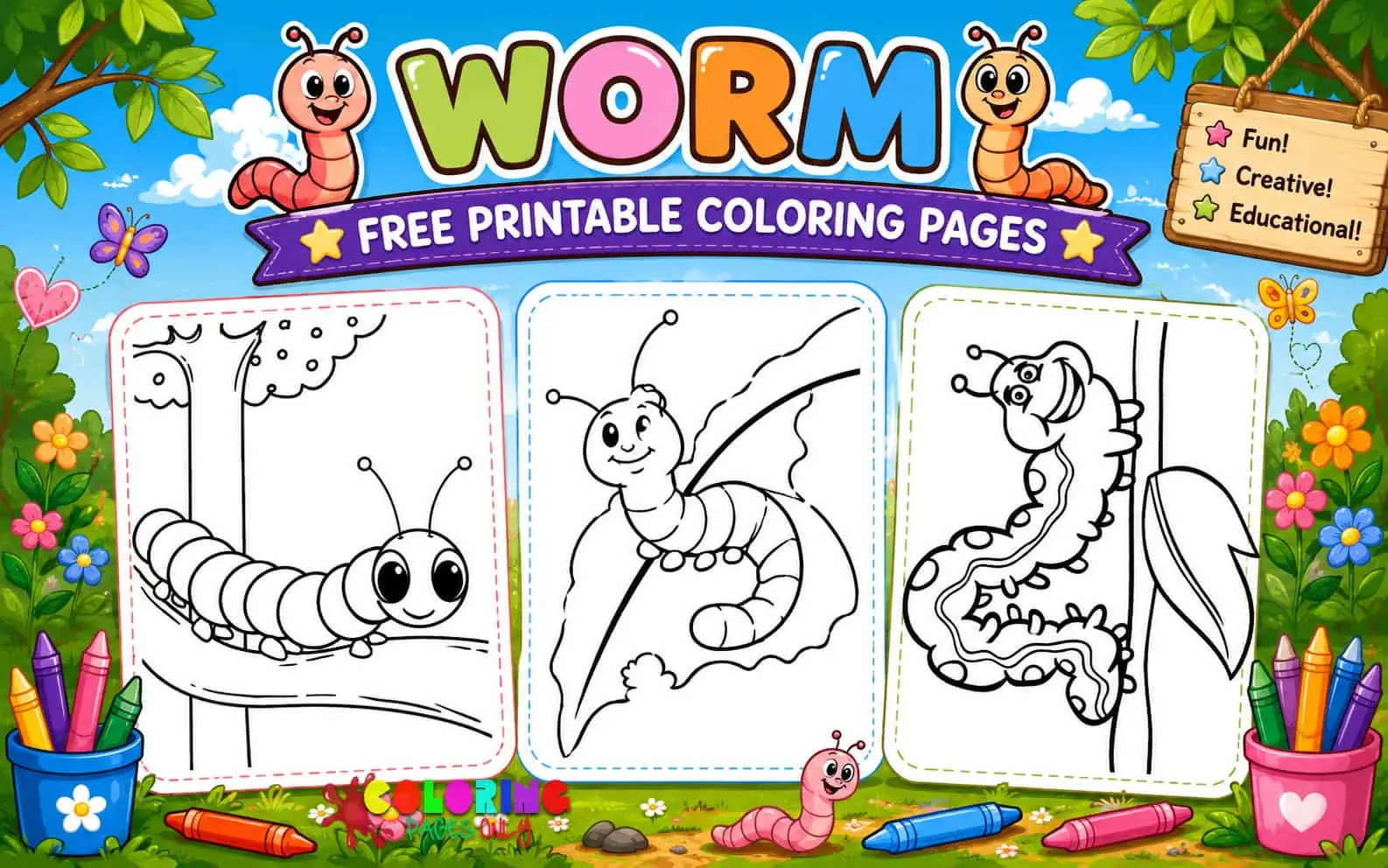
Free Worm Coloring Pages: 40+ printable PDF pages featuring cartoon earthworms, happy and funny worms, caterpillars, bookworms, apple and worm scenes, and a connect-the-dots sheet. All free, download PDF to print, or color online.
A worm page is deceptively simple. The shape is just a tube with a face, which means all the personality has to come from the color, the expression, and what the worm is doing. A happy worm holding an apple reads completely differently from a daydreaming caterpillar under a leaf. That range is exactly what makes this set more interesting than it first looks.
The set covers two related creatures: the earthworm, a familiar garden visitor that spends its life underground aerating and enriching the soil, and the caterpillar, the larva of a butterfly or moth at the very beginning of one of nature’s most dramatic transformations. Both are simple enough for young children to color, and both carry a real science story that gives older kids and adults something to think about while they work. Plainer outlines and the connect-the-dots page suit preschoolers, while the detailed caterpillar sheets and camp scenes give older colorists more to explore.
They work well at home, in the classroom, or as part of a nature or STEM activity for all ages. Because both creatures are real animals, no character or licensing disclaimer is needed here.



Quick Answer
Worm coloring pages are a free set of 40+ printable PDFs and online coloring sheets featuring cartoon earthworms, smiling and funny worms, caterpillars, bookworms, apple-and-worm scenes, and a connect-the-dots sheet. Clean, friendly outlines make them a good fit for young children, while the caterpillar life-cycle angle gives older learners a STEM thread to follow.
Best for: young children, preschoolers, nature fans, parents, and teachers.
Formats: printable PDF and online coloring.
Popular styles: happy cartoon worms, caterpillars, bookworm and apple scenes, cute and funny worms, and clean, simple designs.
Creative uses: STEM life-cycle activities, garden science projects, reading-themed displays, classroom nature units, and early coloring practice
What’s Inside Worm Coloring Pages
Worm Coloring Pages
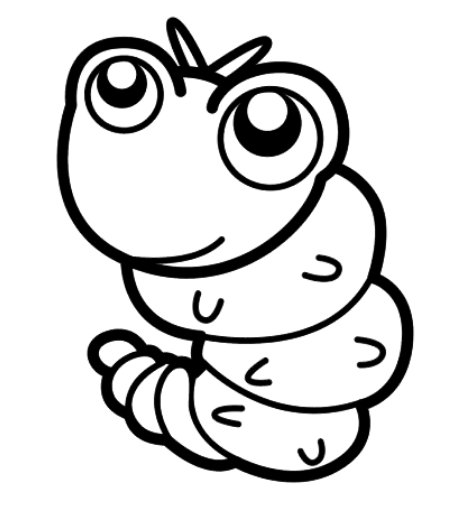
The core of the set is a range of cartoon earthworms: happy, smiling, funny, cute, adorable, pretty, and simple versions, all drawn as friendly tube-shaped characters with expressive faces.
Coloring cartoon earthworms: real earthworms run from pinkish-brown to reddish-brown, but cartoon versions welcome any color. A classic rosy pink or soft terracotta keeps them recognizable, while bright green or cheerful yellow suits a more playful page. Adding a slightly darker tone along the top of the body and a lighter one on the belly gives the round tube shape some dimension.
Worm with Apple Pages
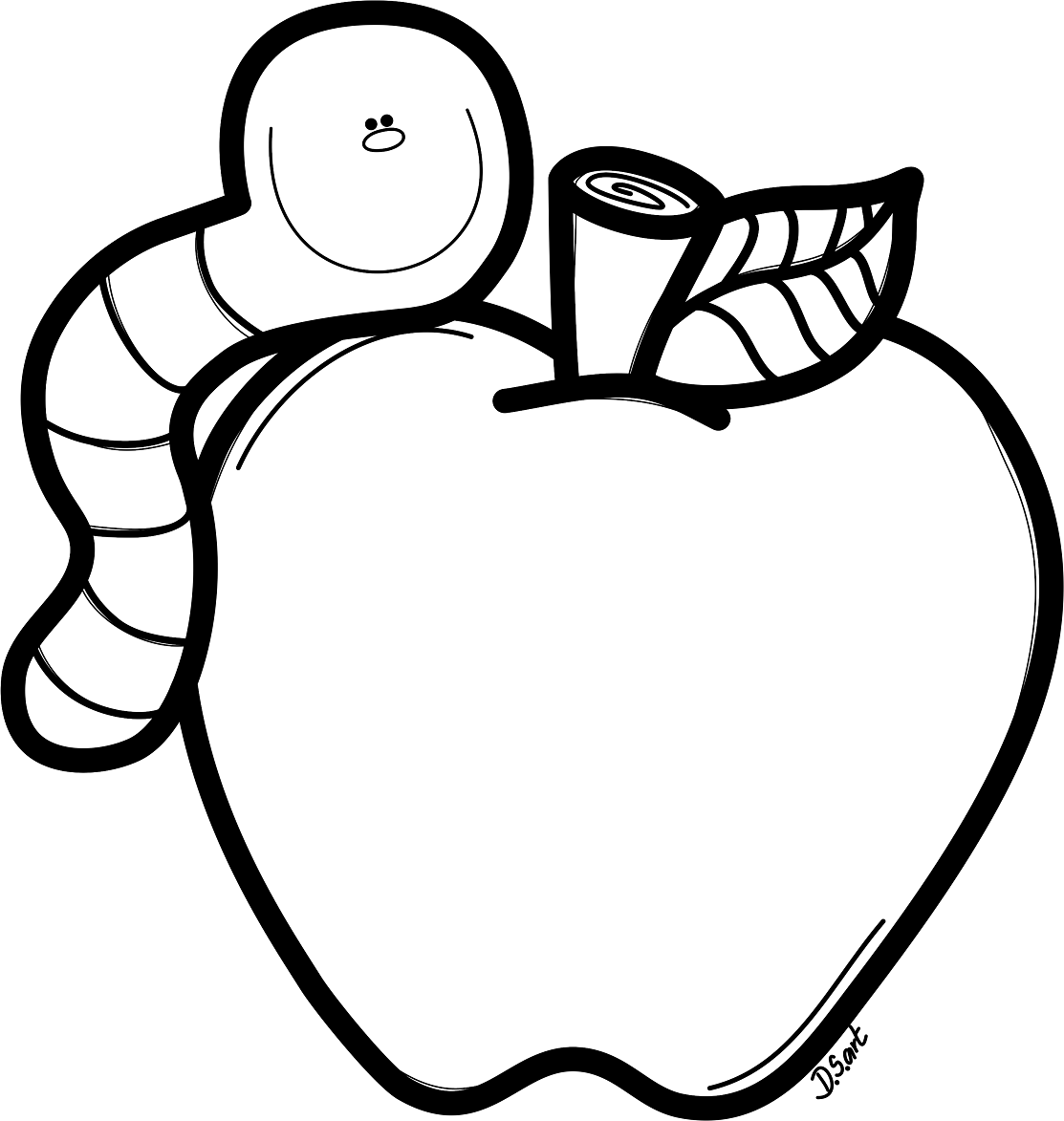
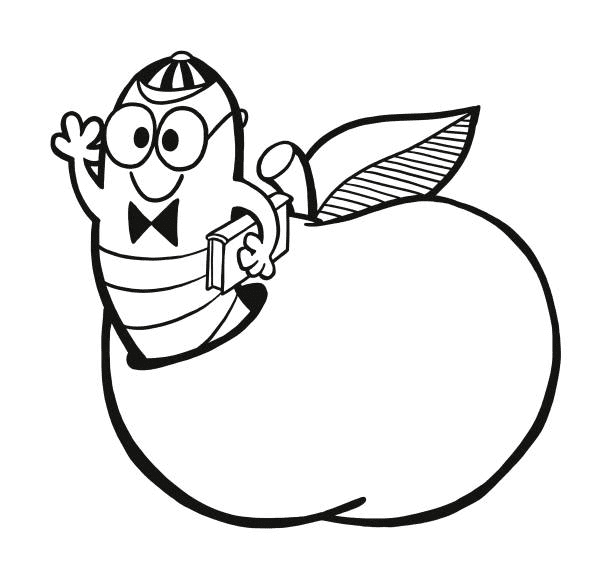
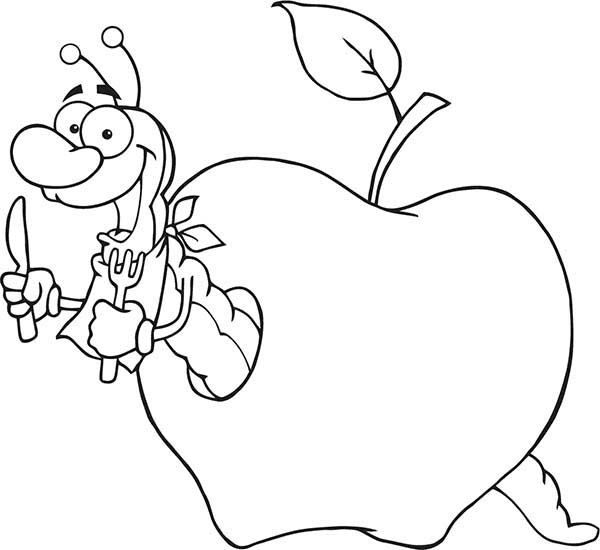
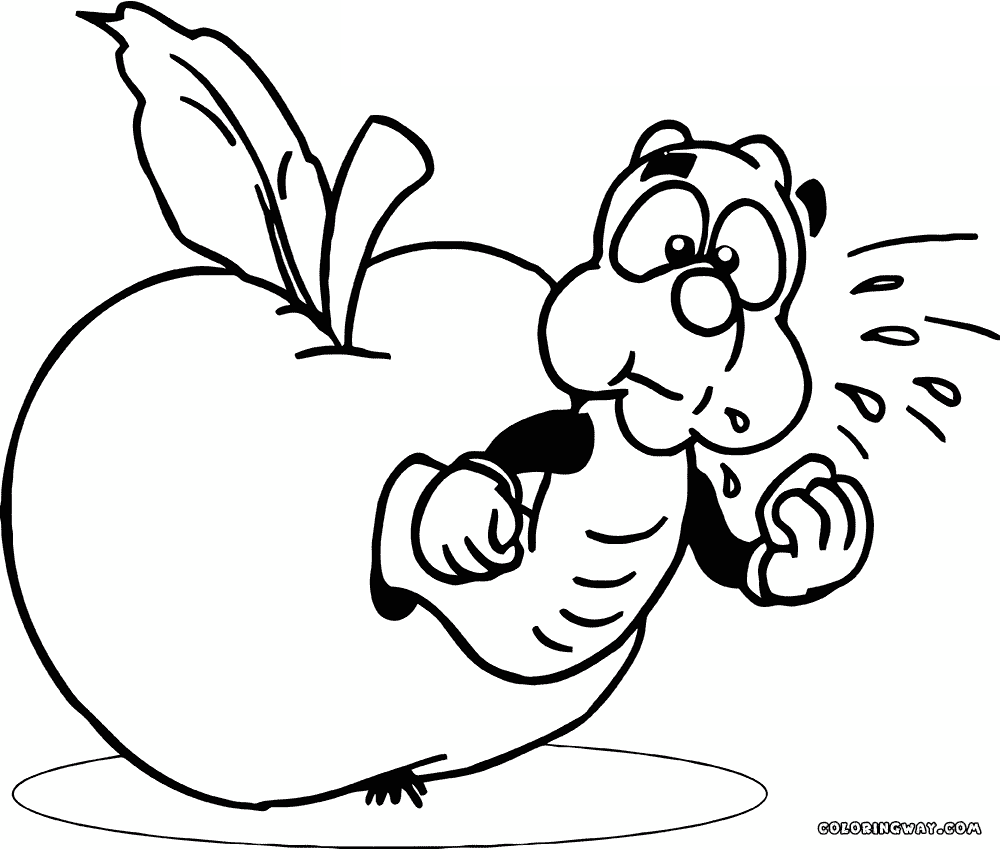
Several sheets pair a worm with an apple, the classic image of a garden worm peeking out of fruit.
Coloring the apple and worm: make the apple a bold, solid red or green first, then let the worm stand out in a contrasting tone. A bright red apple with a rosy worm reads as charming; a green apple with a warm brown worm has more contrast. Leave a small white highlight on the apple’s skin to give it a glossy, round look.
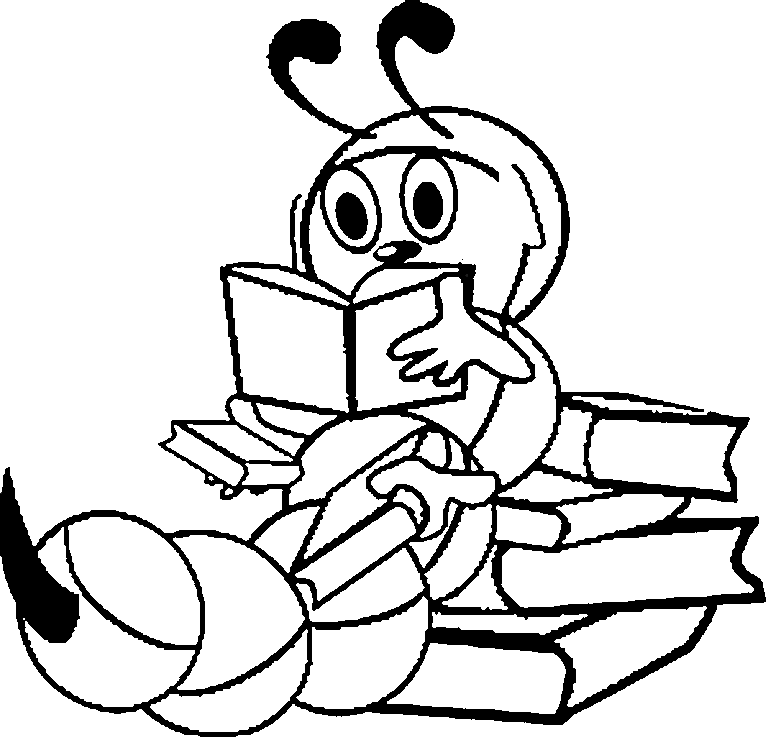
Bookworm Pages
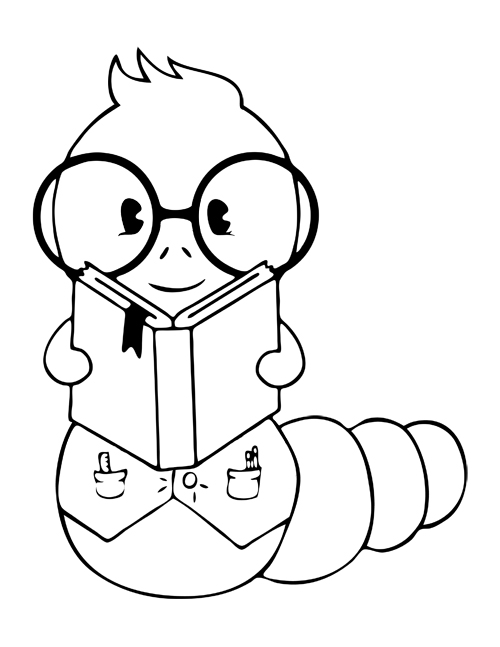
A few sheets show a worm holding or reading a book, making them a natural fit for a reading-themed display or classroom corner.
Coloring the bookworm: give the book a bright cover in a color that contrasts with the worm. Blue, yellow, or red covers all work well. Keep the worm warm-toned so it stands out, and add glasses if the design includes them.
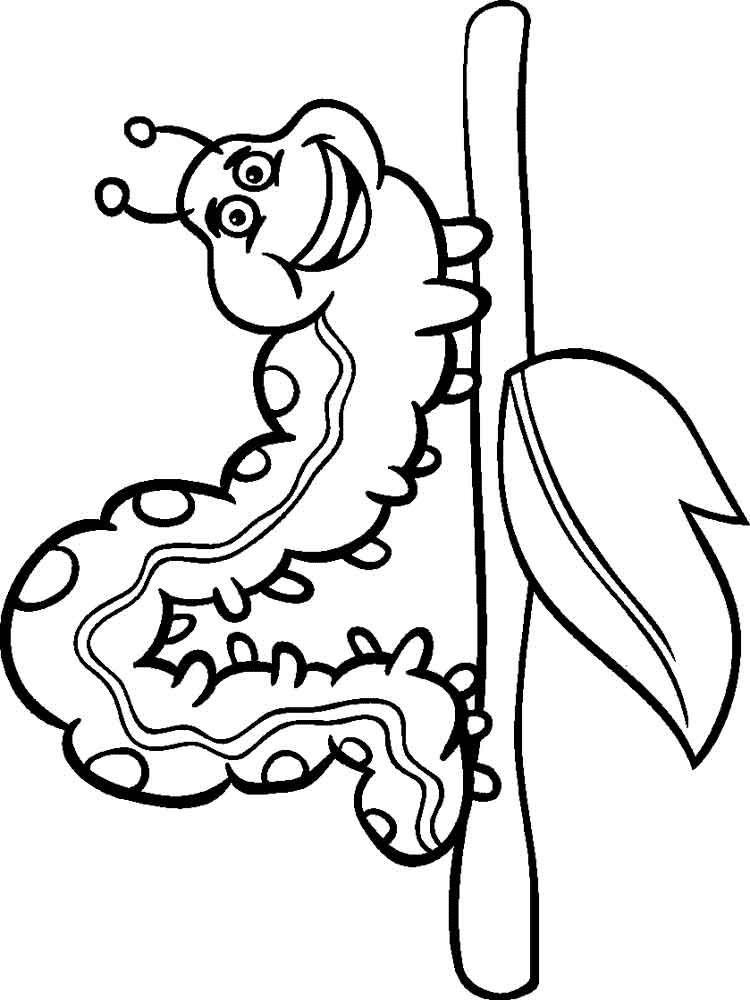
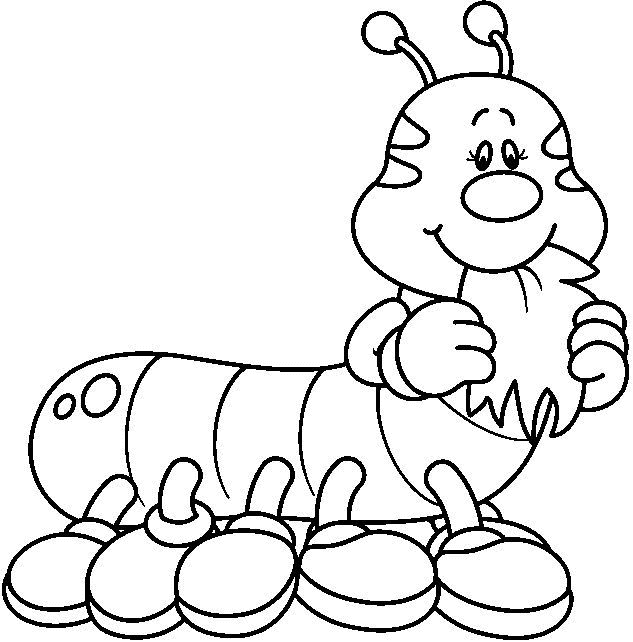
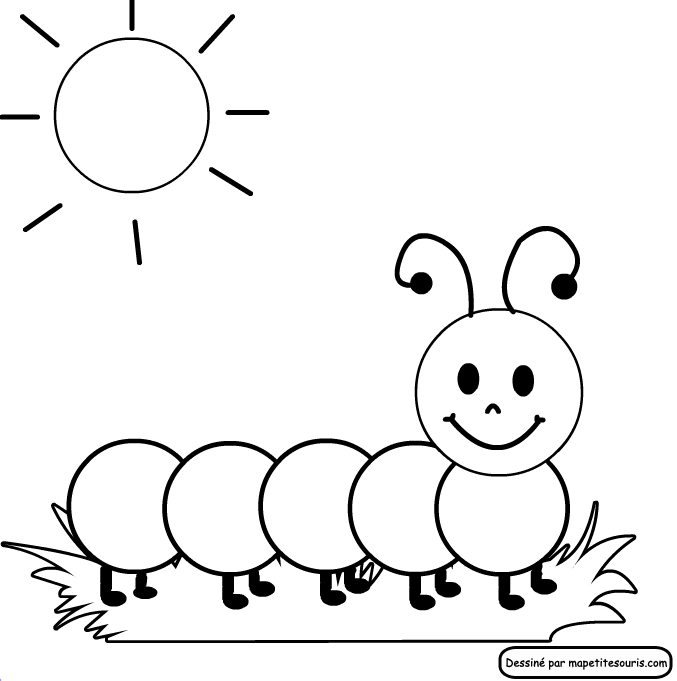
Caterpillar Coloring Pages
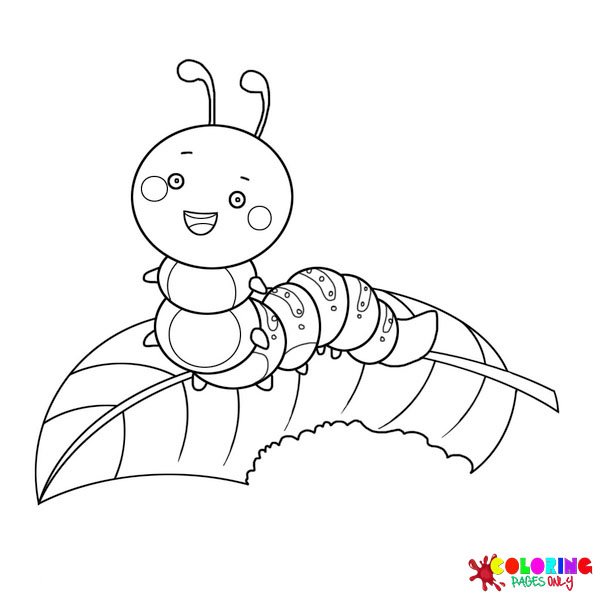
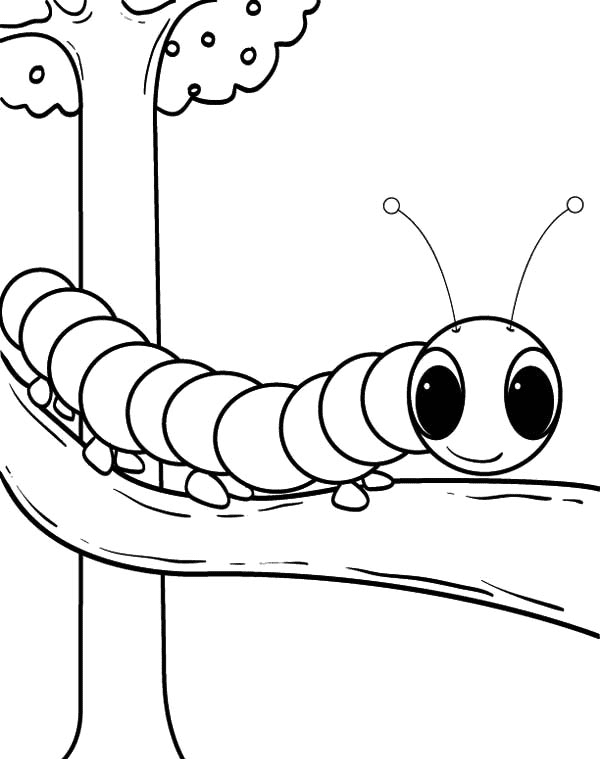
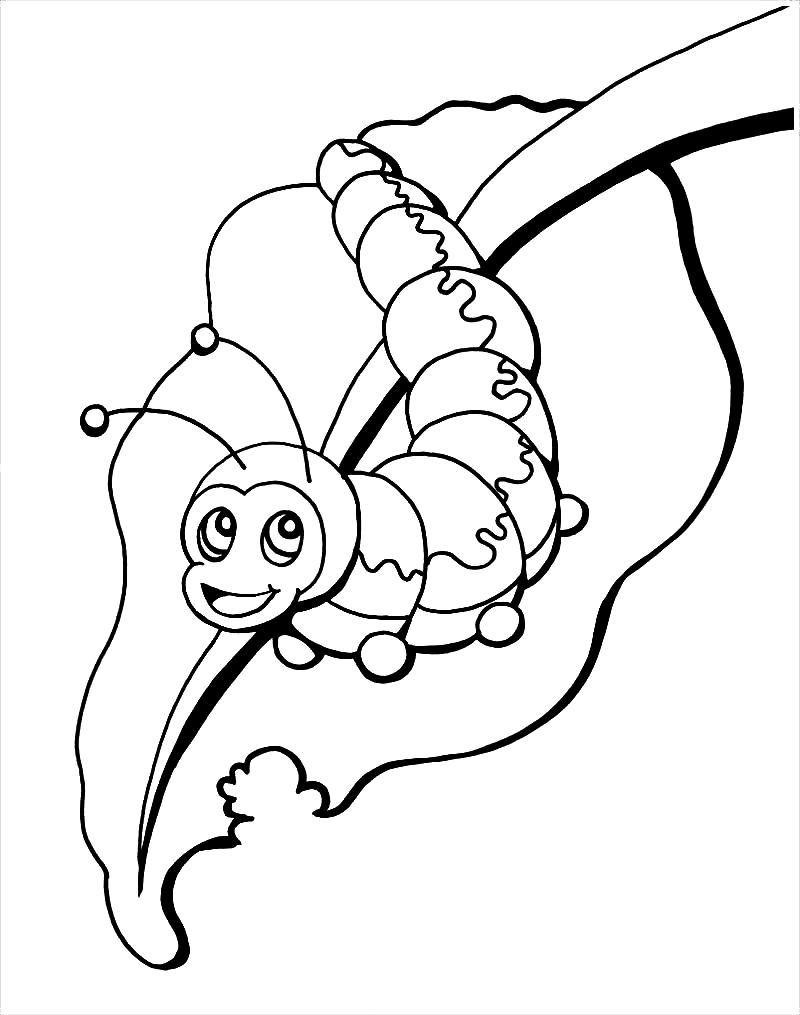
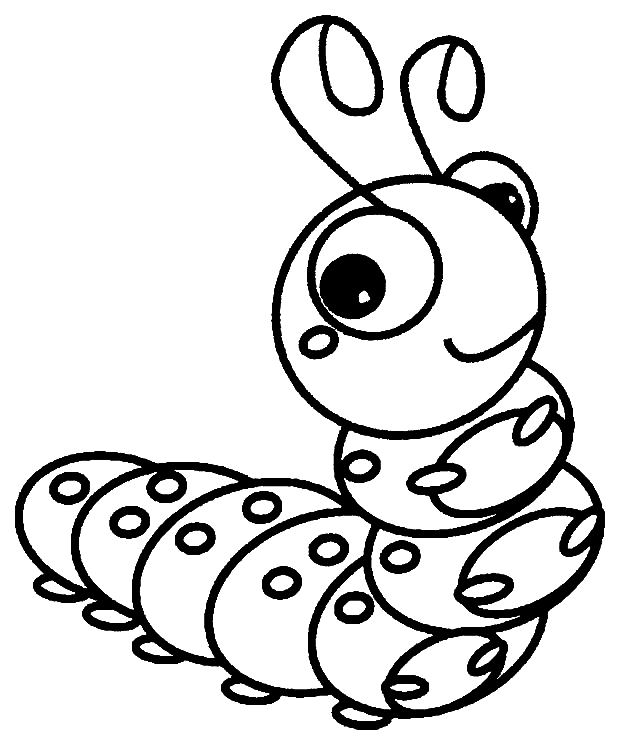
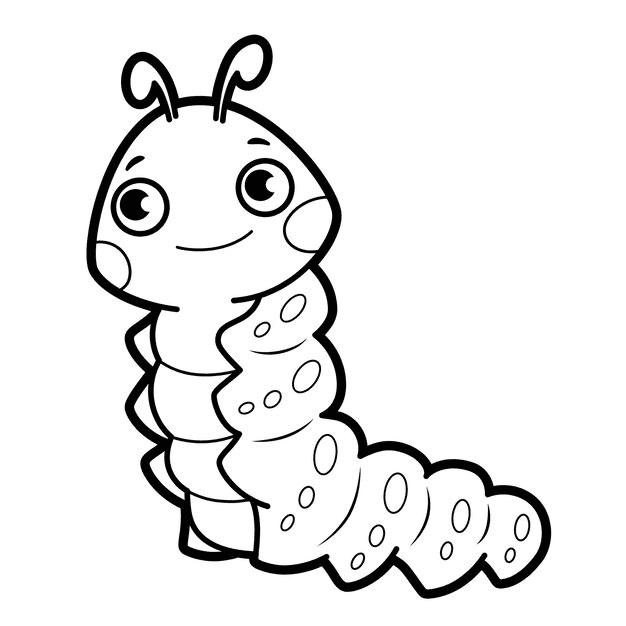
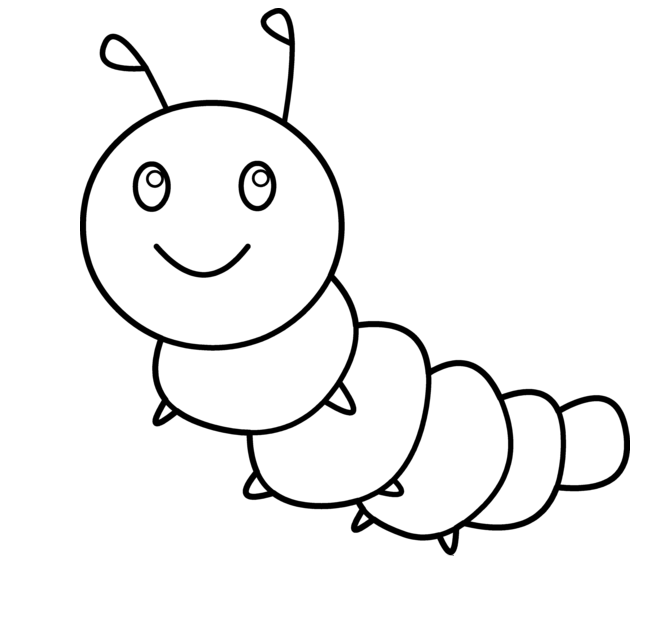
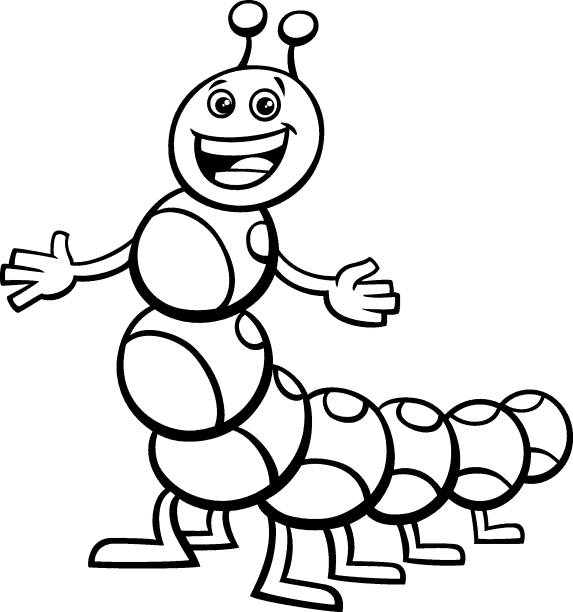
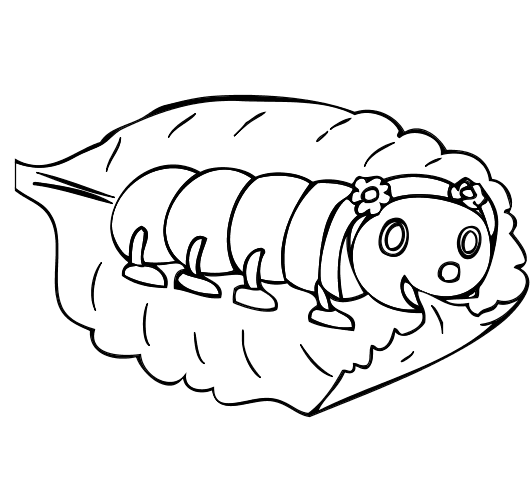
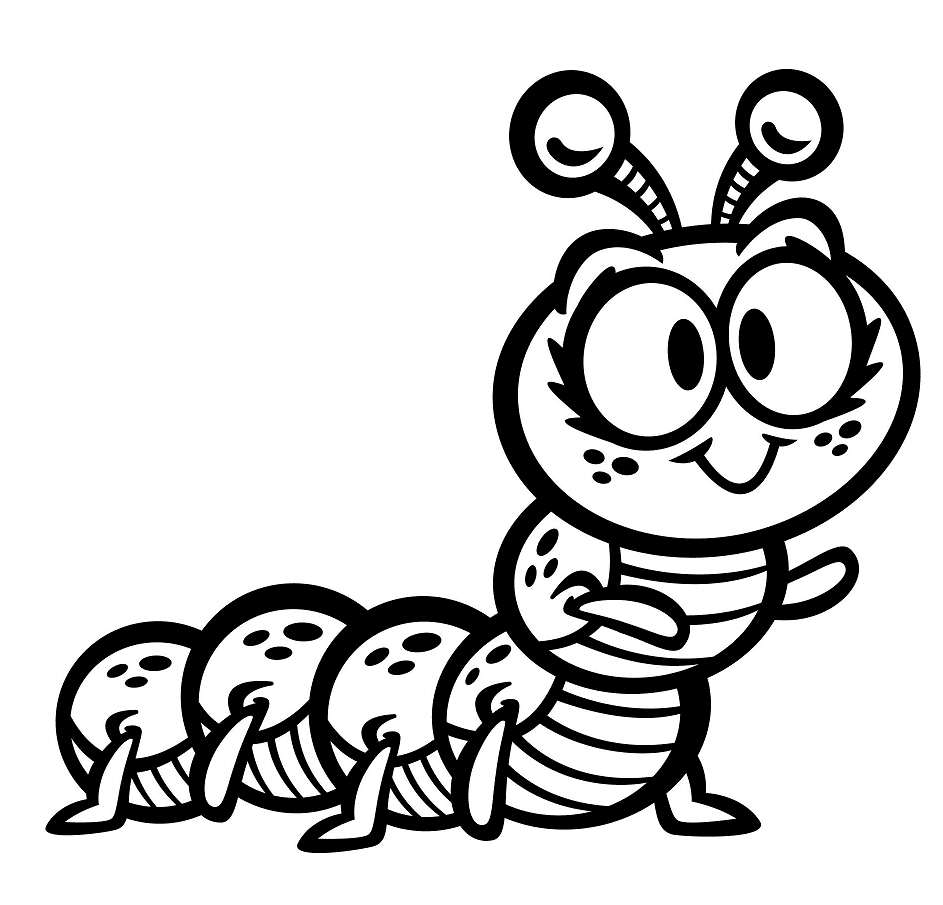
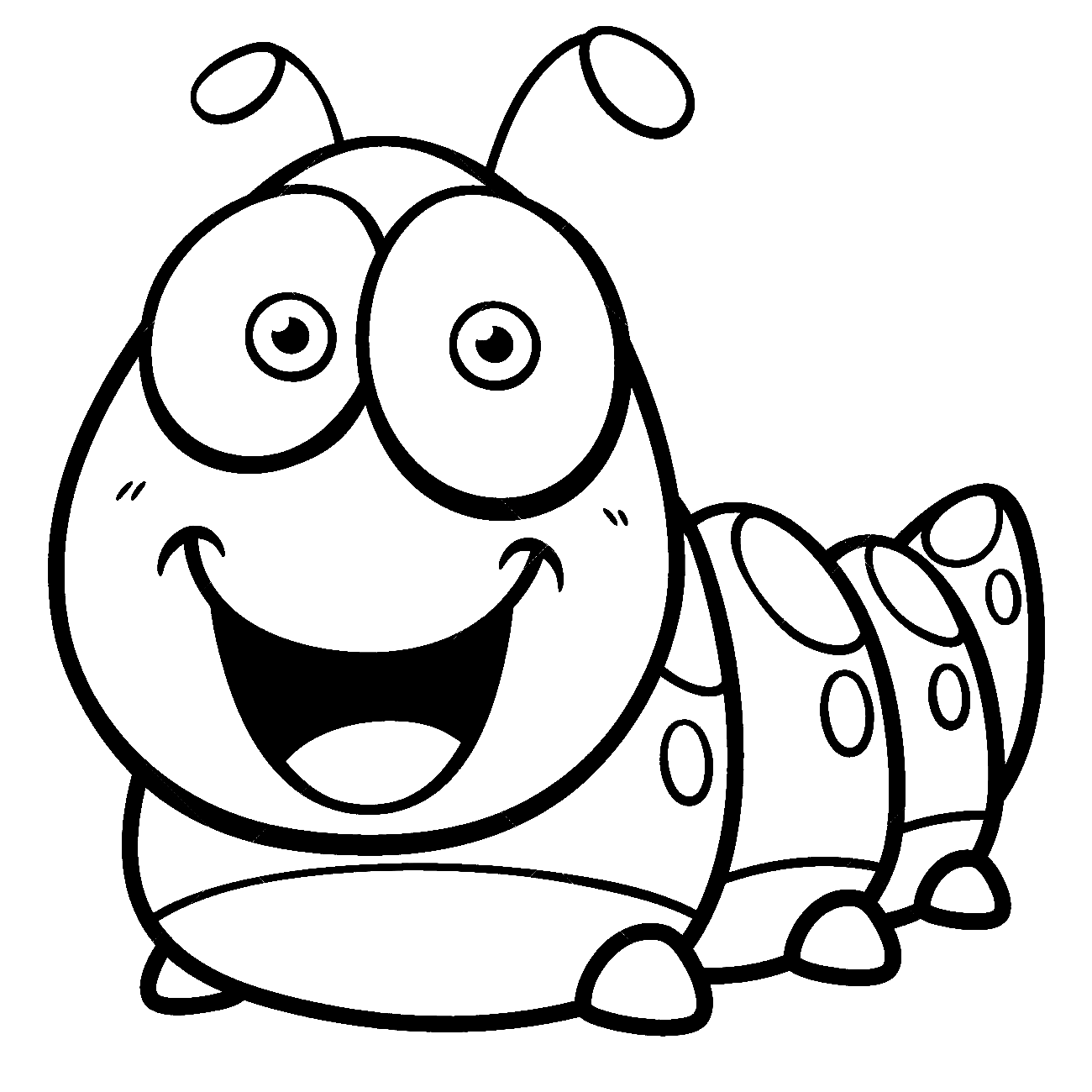
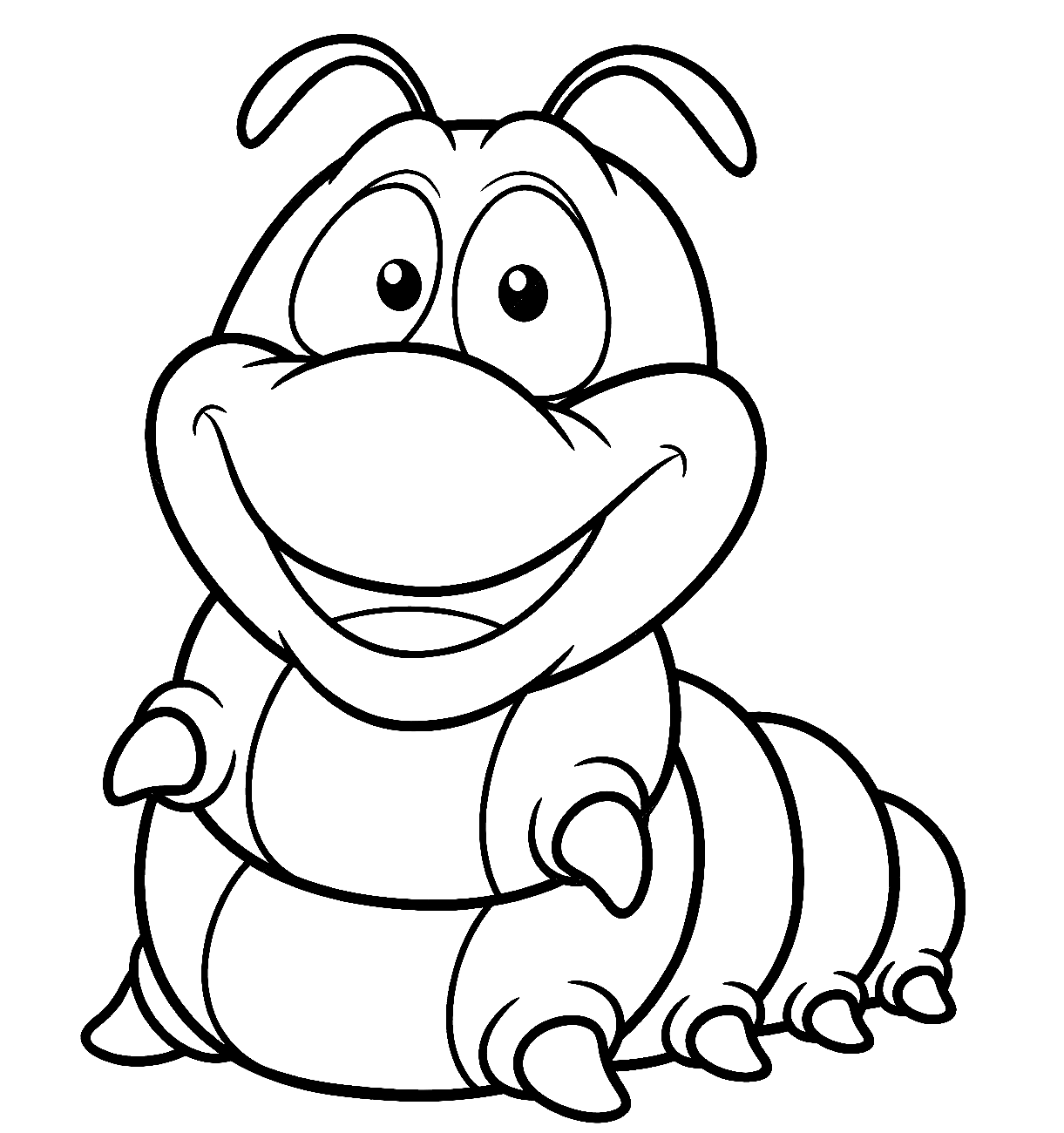
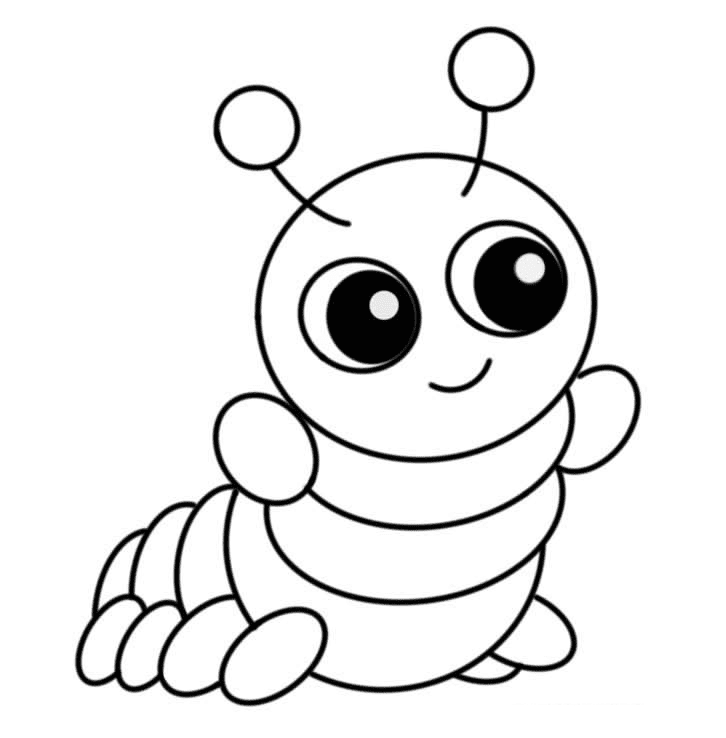
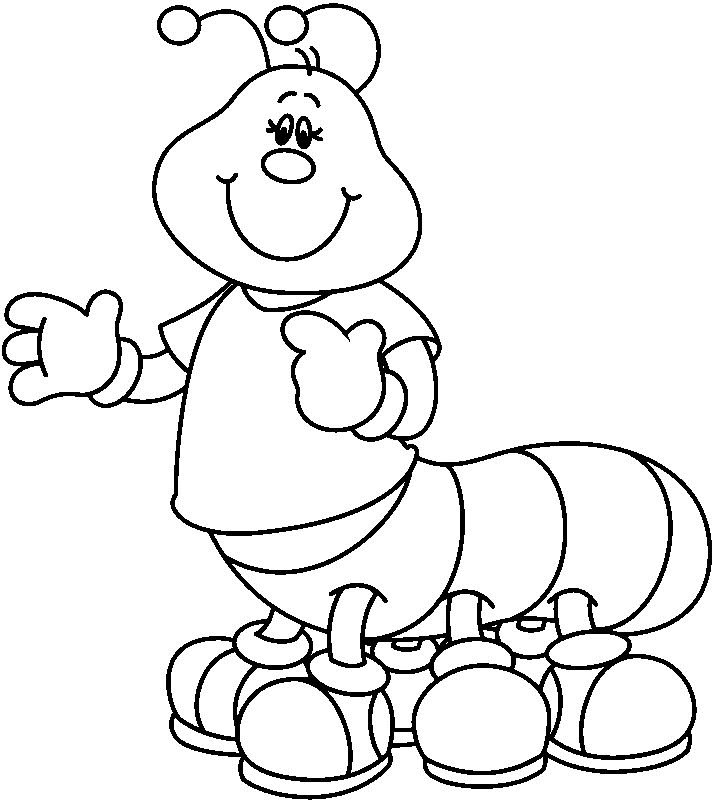
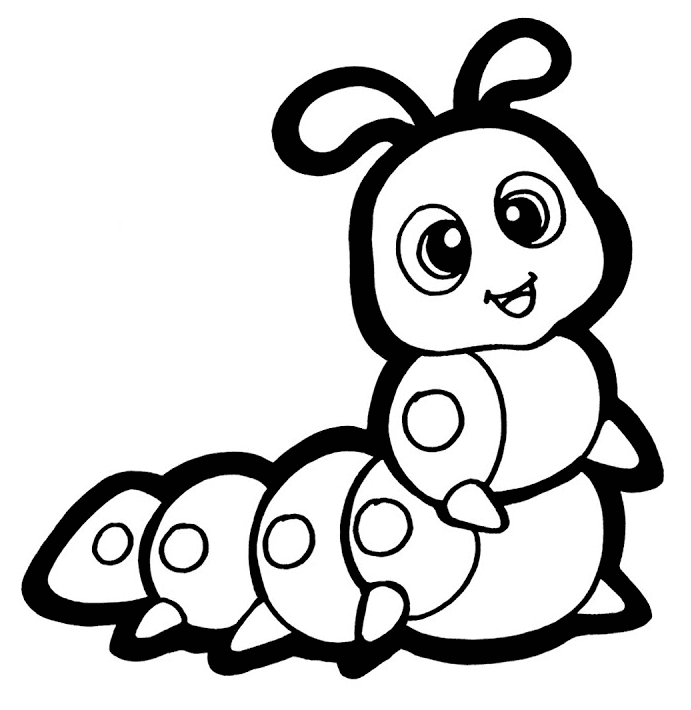
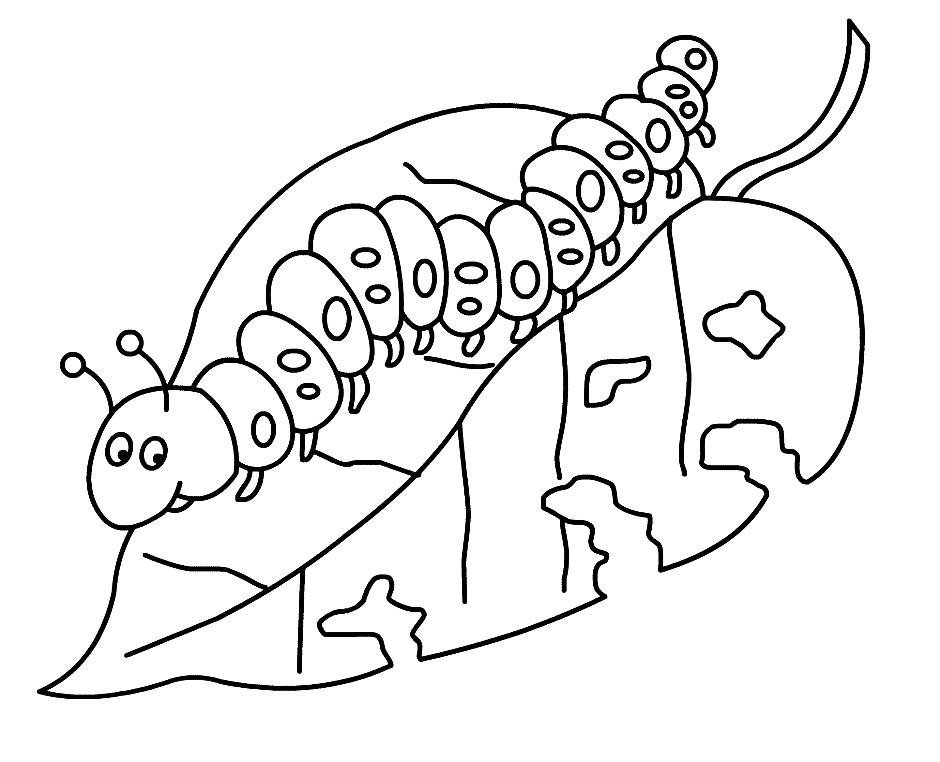
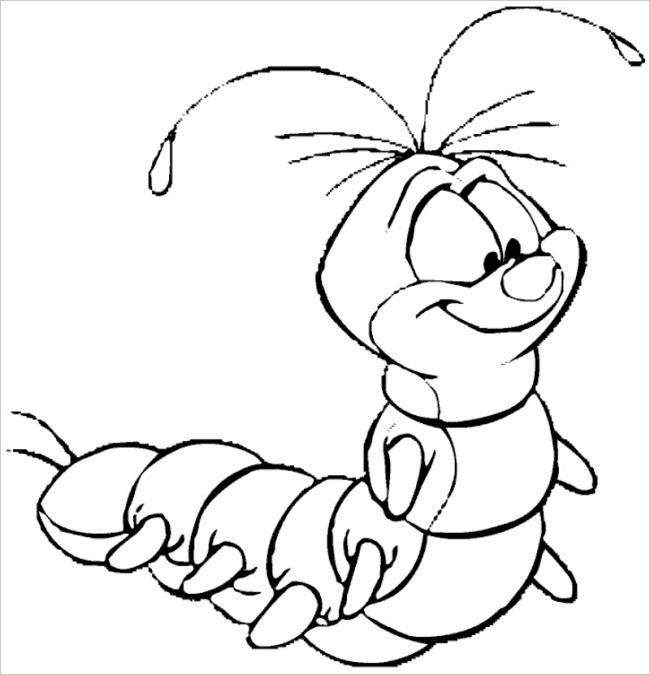
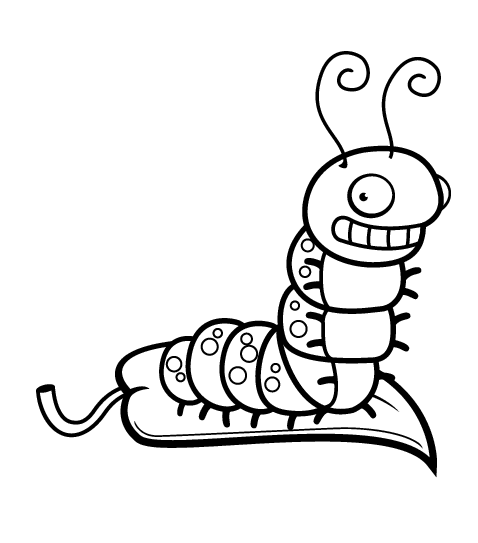
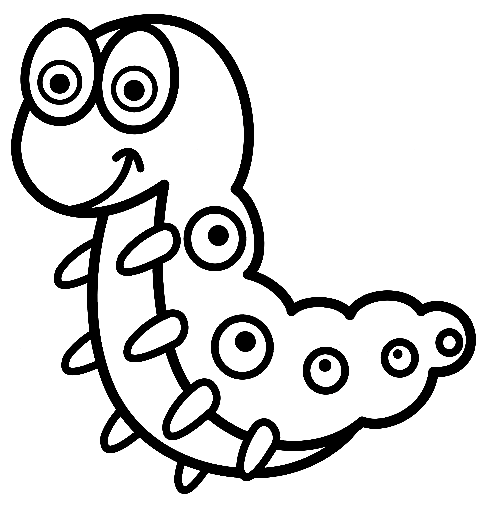
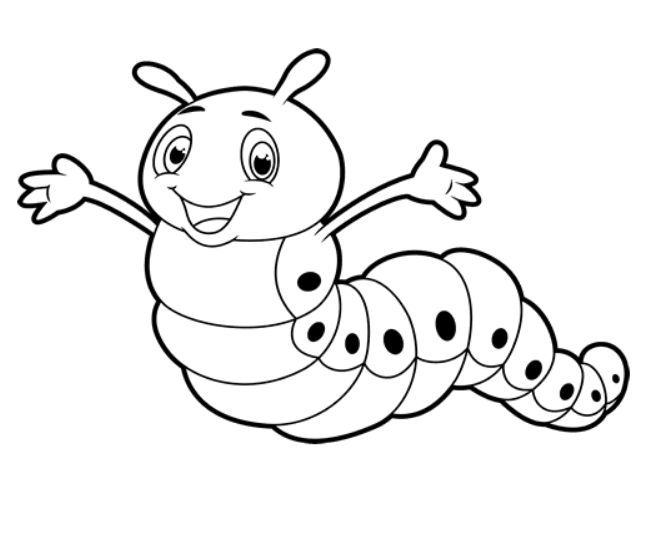
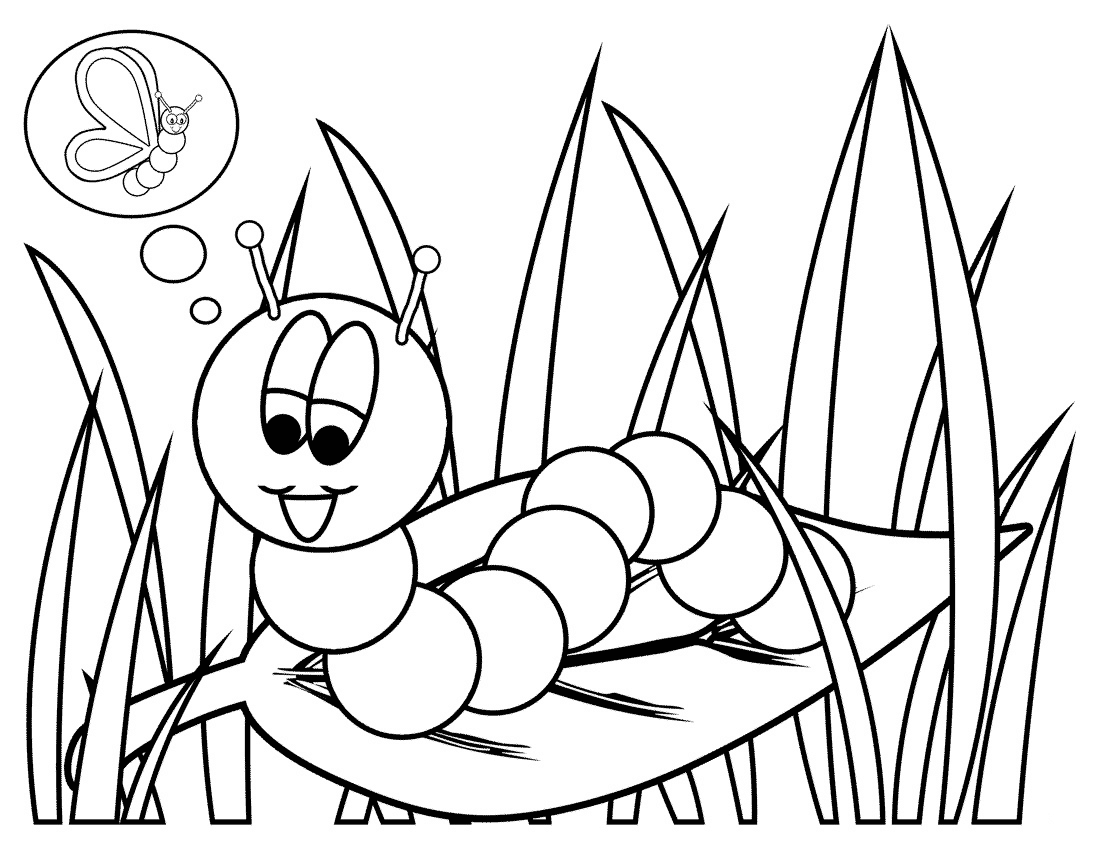
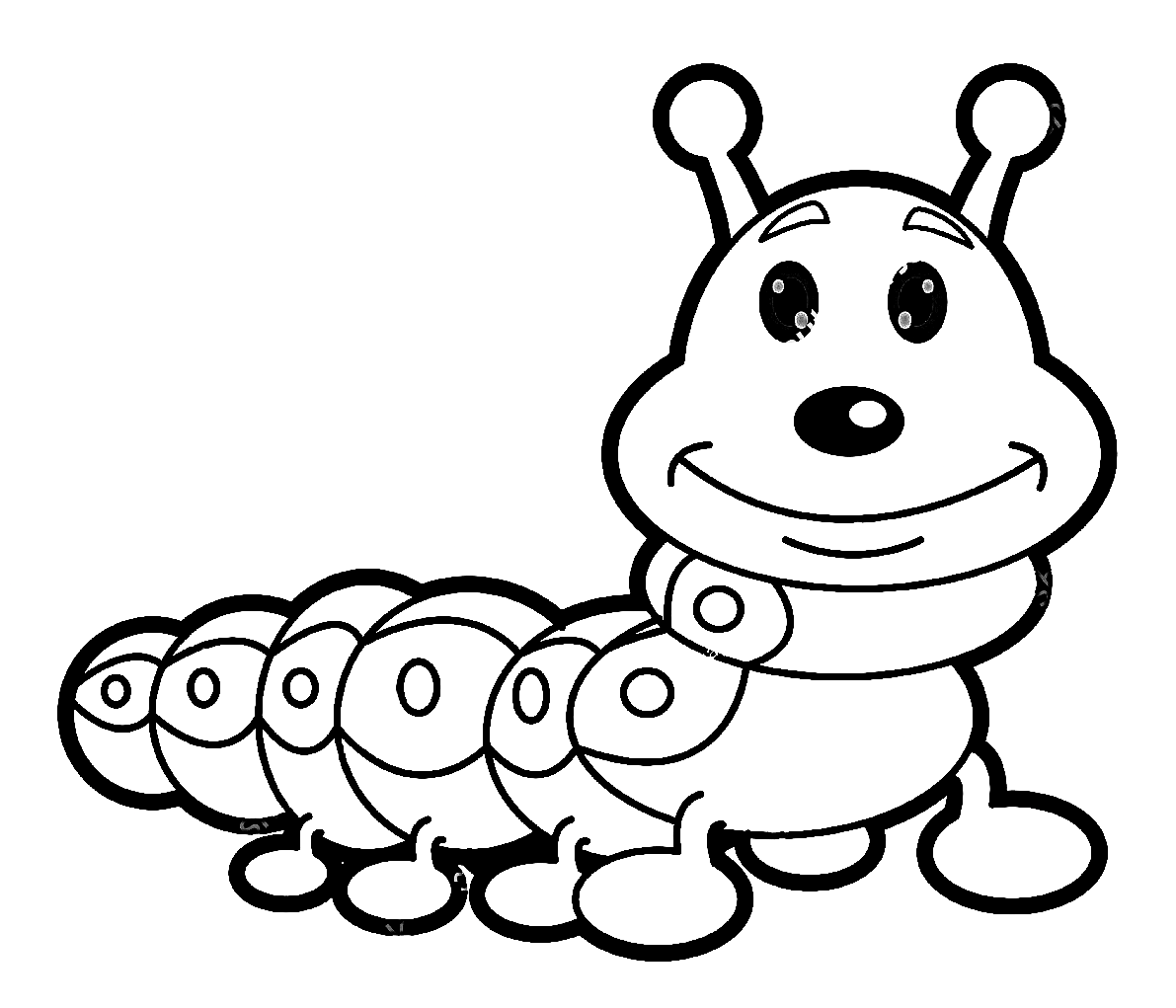
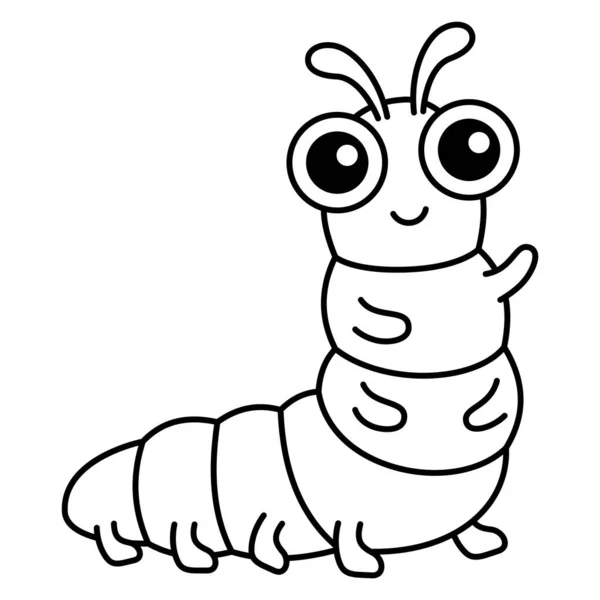
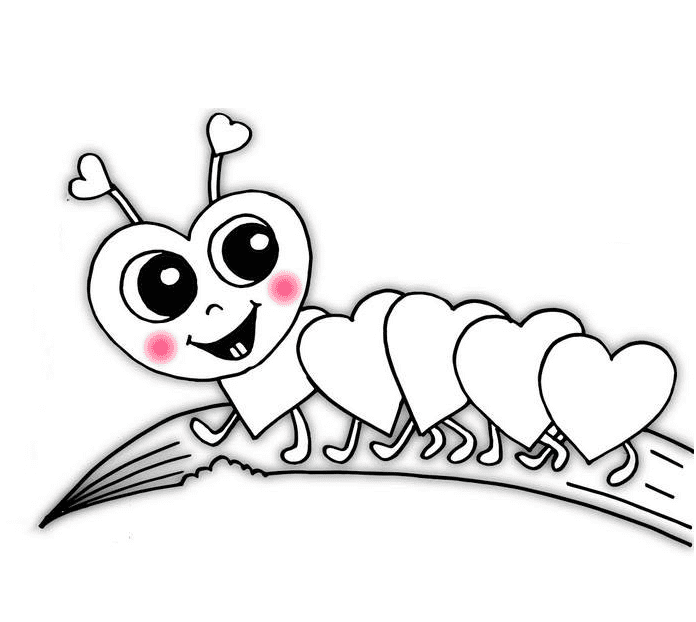
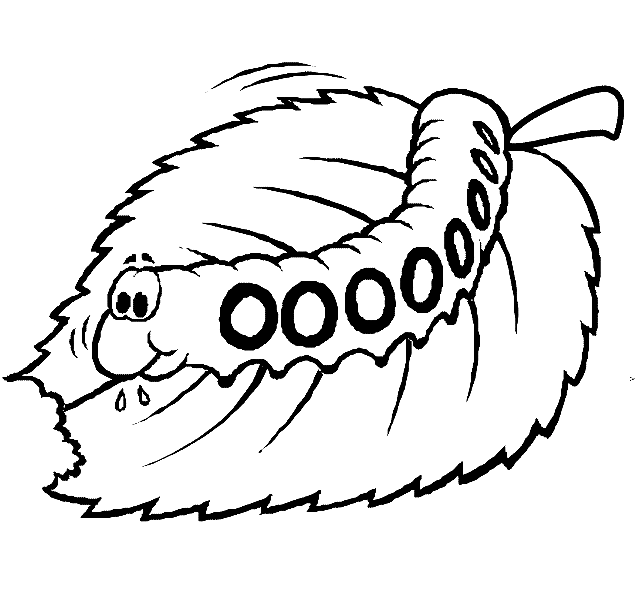
Several sheets feature caterpillars: cute, cartoon, happy, and one dreaming of becoming a butterfly, a single page that captures the whole idea of metamorphosis.
Coloring caterpillars: Caterpillars are naturally segmented, which makes them ideal for a multi-color approach. Give each body segment its own alternating tone (green and yellow, orange and red, or blue and green) so the ring pattern reads clearly. The “dreaming of a butterfly” page invites a second palette for the imagined butterfly in the thought bubble.
Worm with Leaves and Nature Pages
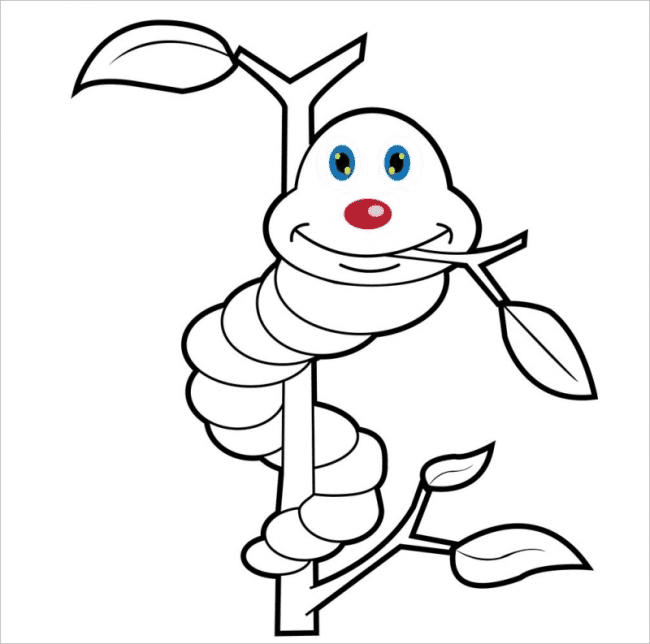
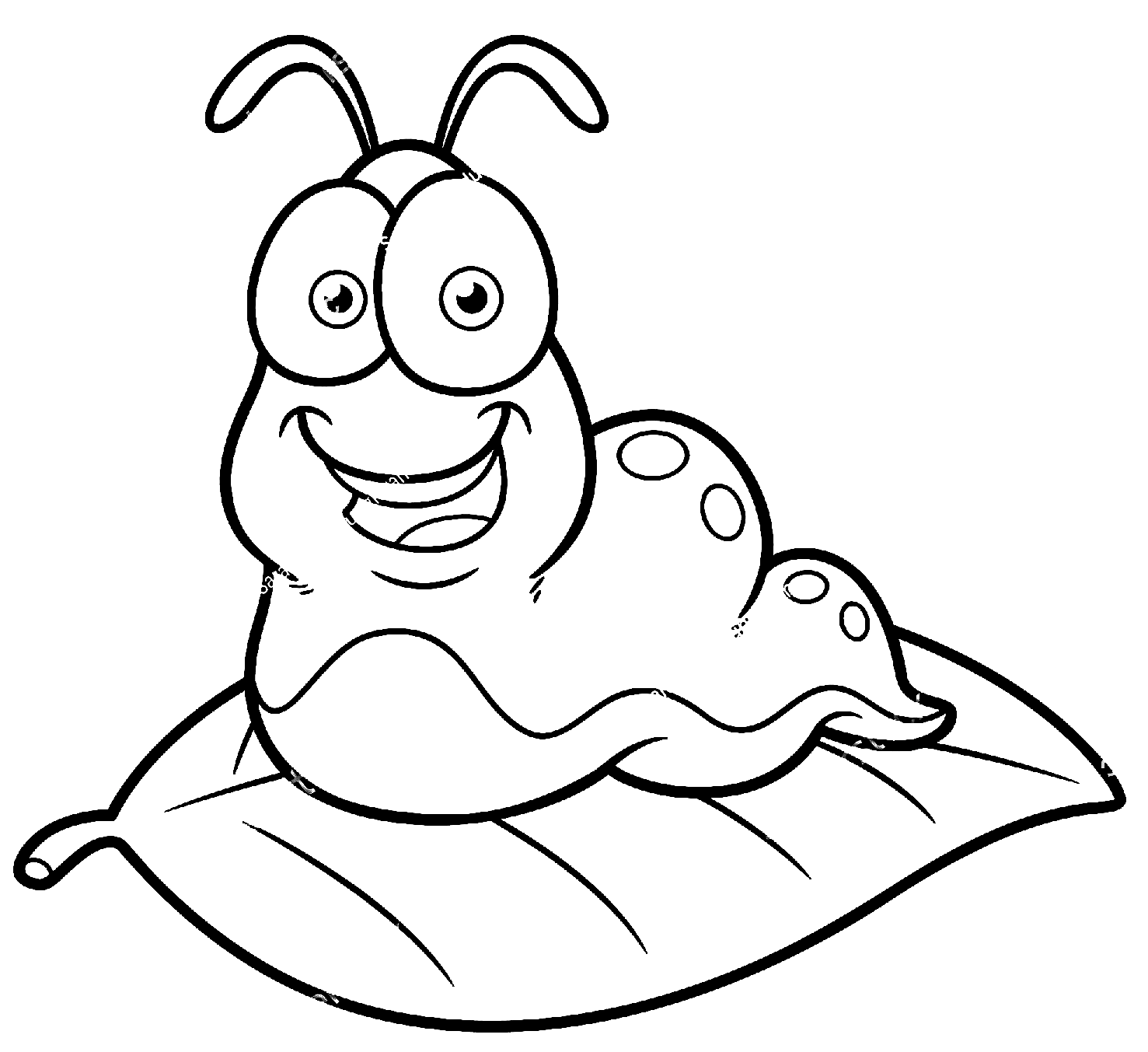
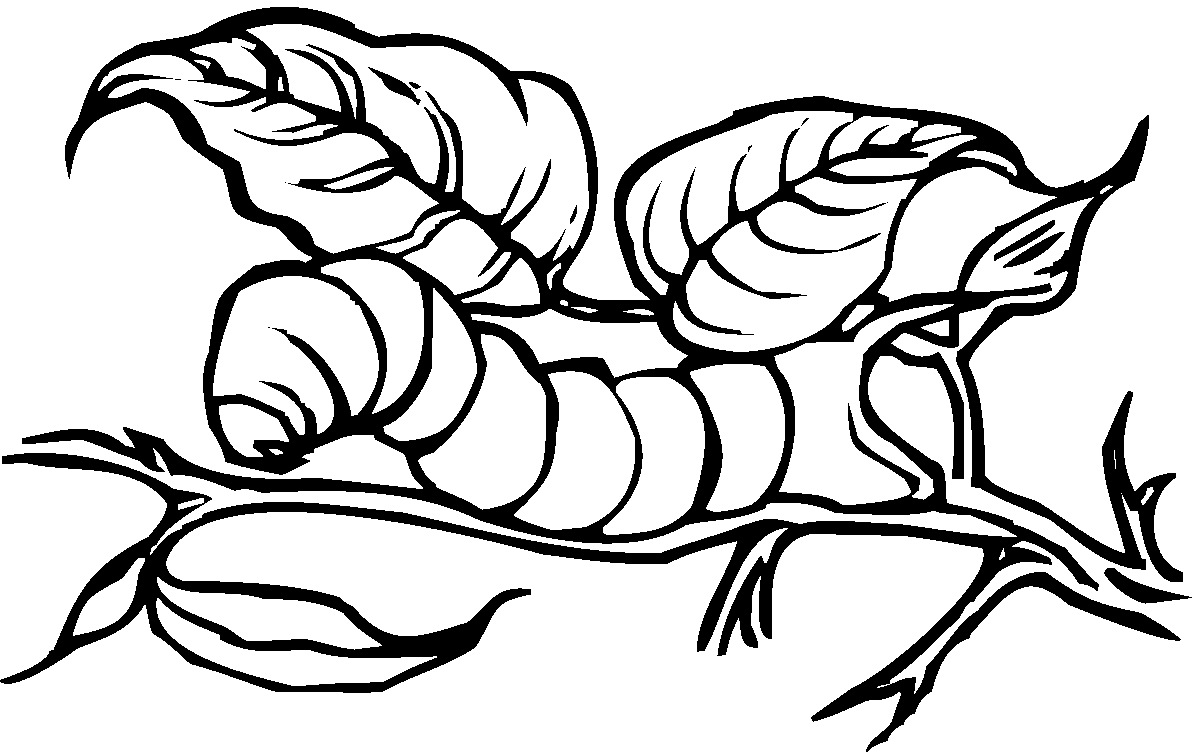
Other sheets show worms lying on leaves, eating leaves, or sitting beside mushrooms, placing them in their natural garden setting.
Coloring the nature scenes: Use a range of greens for leaves (light, mid, and dark) so each leaf reads as a separate shape. Earth tones (brown, tan, and ochre) for soil and mushroom stems keep the palette grounded and natural.
Simple, Baby, and Connect-the-Dots Pages
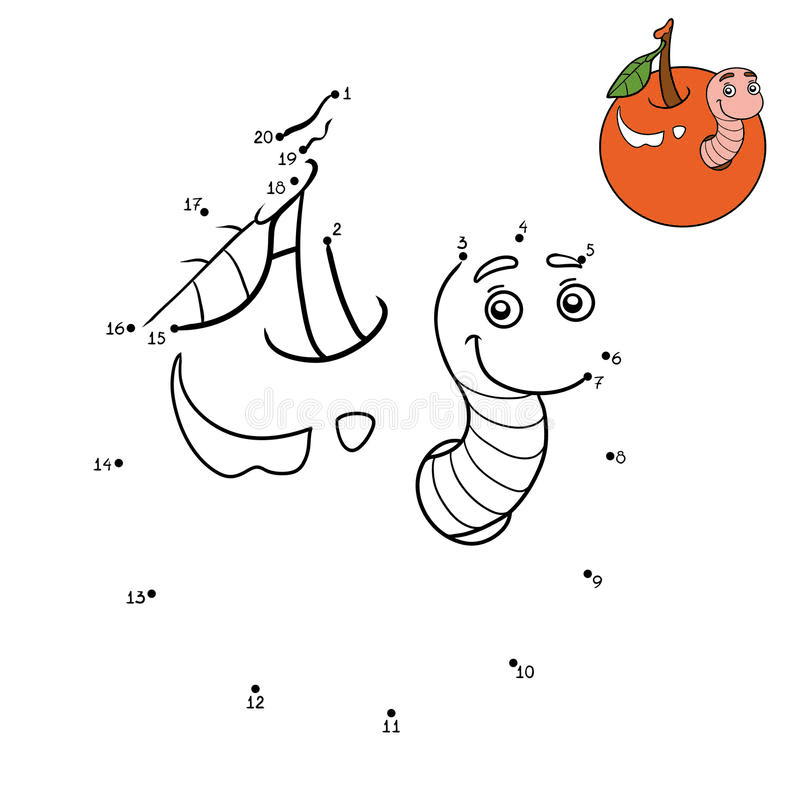
The simplest sheets in the set, including a baby worm and a connect-the-dots page, are made for the youngest colorists.
Coloring the simple pages: thick outlines and large open areas make these ideal for toddlers and preschoolers still developing their pencil grip. The connect-the-dots sheet adds a fine-motor and number-recognition step before the coloring even begins.
Printable PDF and Online Worm Coloring Pages
Every design comes in two ways: a printable PDF for paper, or the same artwork colored on screen.
Using both formats: print the PDF when you want a clean sheet for crayons, pencils, or markers, and use the on-screen version when there is no printer nearby. The PDF holds clean outlines on standard letter or A4 paper, which suits the simple, bold shapes in this set.
What These Pages Do
Worms are one of the best-kept secrets in a garden, and coloring them is a low-key way to start a conversation about why. Earthworms are vital to soil health because they transport nutrients and minerals from below to the surface via their waste, and their tunnels aerate the ground, letting air and water reach plant roots. According to National Geographic Kids, a single earthworm can eat up to a third of its body weight in a day, processing decomposing leaves and organic matter as it moves. Coloring a page of a cheerful earthworm eating a leaf, then talking about what that creature does underground, turns a simple art session into a real-world science moment. The caterpillar pages carry a different story: complete metamorphosis, one of the most dramatic life-cycle changes in the natural world. A caterpillar is not a young butterfly but an entirely separate stage of the same creature, and the “dreaming of a butterfly” sheet captures that transformation in a single image, making it a useful visual anchor for any life-cycle lesson. Both threads fit naturally under insect coloring pages, and butterfly coloring pages complete the caterpillar story.
The American Art Therapy Association is clear that everyday coloring is recreation and self-care rather than clinical therapy, so these pages are simply for enjoyment. That enjoyment is enough on its own, and the American Academy of Pediatrics underlines why: open-ended, hands-on creative activities are a recognized part of healthy development, supporting fine-motor skills, focus, and early scientific curiosity all at once.
How to Color Worm Coloring Pages
The tips above cover each style. These steps work for any page in the set.
Pick a color mood before you start. Decide whether you are going for a realistic (warm pinks, earth tones, natural greens) or playful (bright yellows, blues, purples) look. Committing to one mood keeps the finished page looking intentional.
Use the tube shape to add depth. A worm’s body is a cylinder, so shading the top edge a touch darker and leaving the underside lighter makes it look round rather than flat. This is easy enough for older children to try on any outline page.
Let the segments guide color choices on caterpillars. Each ring of a caterpillar’s body is a natural boundary. Alternating two colors across the segments is the quickest way to make it look lively.
Make the background work for the worm, not against it. A warm-pink worm disappears against a pink background. Choose a contrasting color so the main character stays the focus of the page.
Save small details for last. Eyes, spots, glasses, and accessories are small enough to handle at the end. Getting the main body color right first means the details land cleanly without smudging into the base.
5 Creative Craft Ideas with Worm Coloring Pages
Life-Cycle Display
Color the caterpillar page and a butterfly page side by side, then arrange them in sequence with labels for each stage: egg, caterpillar, chrysalis, and butterfly.
Pin the sequence on a wall or fold it into a mini booklet for a hands-on life-cycle activity.
Garden Science Poster
Color an earthworm page and add hand-written labels pointing to the segments, the clitellum (the band near the front end), and the mouth.
Pair it with a short note about what earthworms do for the soil to make a simple, accurate science display.
Apple and Worm Story Card
Color an apple-and-worm page, cut it out, and glue it to the front of a folded card.
Write a short story from the worm’s point of view to combine the art activity with a creative writing prompt.
Bookworm Reading Chart
Color the bookworm page and write the title of a book being read on the open pages the worm is holding.
Use it as a reading log cover or a bookmark, and update the title each time a new book is started.
Underground Garden Mural
Color several worm, leaf, and mushroom pages, cut them out, and arrange them on a large sheet of brown paper to create an underground scene.
Add green grass at the top, a layer of roots in the middle, and worms tunneling through the lower section for a classroom display that doubles as a soil science visual.
FAQ About Worm Coloring Pages
Are these worm coloring pages free, and can I color them online?
Yes. Every page is free, with no account, email, or payment required. Download the PDF to print at home, or color the design on screen in the browser.
What types of worm pages are included?
You will find happy and funny cartoon earthworms, worms with apples, bookworm scenes, caterpillar sheets, worms with leaves and mushrooms, a baby worm, and a connect-the-dots page.
Are there caterpillar pages in the set?
Yes. Several sheets feature caterpillars, including cute and cartoon versions and one showing a caterpillar dreaming of becoming a butterfly, which works well as a life-cycle activity.
What colors should I use for a cartoon earthworm?
Warm pink, pinkish-brown, or terracotta match how real earthworms look and are the most natural choices. Bright or playful colors work just as well for a fun, cheerful result.
Are these pages good for very young children?
Yes. The baby worm and connect-the-dots sheet, with their clean, bold shapes, are ideal for toddlers and preschoolers. More detailed caterpillar and scene pages suit older children and adults.
What is an earthworm, and why is it important?
An earthworm is a soft-bodied invertebrate that lives in soil, tunneling through it to aerate the ground and break down organic matter as it feeds. It plays a key role in keeping soil healthy and fertile. You can read more at National Geographic Kids.
Can I use these for a classroom nature or STEM lesson?
Yes. The caterpillar and life-cycle pages work well for a metamorphosis unit, and the earthworm pages pair naturally with a soil science activity. Both are accessible enough for the youngest learners and detailed enough to prompt good questions.
What is the connect-the-dots page?
It reveals a worm outline as children draw lines between numbered dots, adding a number-recognition and fine-motor step before the coloring begins.
Are there worm and apple pages?
Yes. Several sheets show a worm beside or peeking out of an apple, and the bookworm pages add a reading theme to the same idea.
What crafts can I make with these pages?
Popular options include a life-cycle display, a garden science poster, an apple-and-worm story card, a bookworm reading chart, and an underground garden mural.
More Insect and Nature Coloring Pages
Browse the full set at ColoringPagesOnly.com, then open any design to print it or color it on screen.
These pages suit home use, the classroom, and nature or STEM activities for all ages. They are original coloring designs free to use for personal and educational purposes.
For the final pass, keep the worm warm-toned, the background contrasting, and the caterpillar segments colorful. Simple shapes reward bold, confident color choices more than careful shading.
Share your work on Facebook and Pinterest and tag #ColoringPagesOnly. We would love to see your life-cycle displays, bookworm reading charts, and underground garden murals.