Insects Coloring Pages
 By:
Jennifer Thoa - Content Editor & Designer
Updated:
By:
Jennifer Thoa - Content Editor & Designer
Updated:
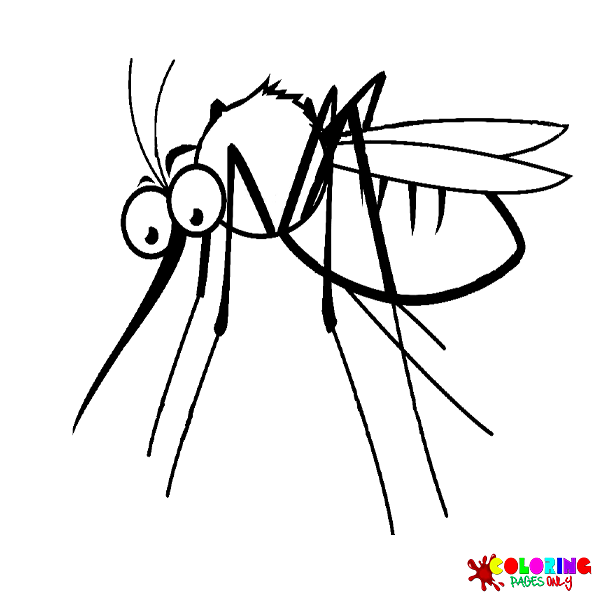
Free insect coloring pages: 660 printable designs featuring butterflies with symmetrical wings, bees, ladybugs, ants, caterpillars, dragonflies, praying mantises, spiders, scorpions, and a wide range of garden bugs and crawling creatures. The collection ranges from simple, bold outlines suited to toddlers to detailed, realistic insect anatomy that challenges older children and adults. Every page is free to download as a PDF and print, or to color online directly in the browser.
Insects and small creatures are among the most accessible coloring subjects for young children because they are familiar from everyday outdoor experience. A child who has watched a ladybug cross a leaf or a line of ants on a path brings that observation to the page. The subject also supports early science learning: coloring a butterfly’s life cycle, a bee’s body segments, or a spider’s eight legs pairs creative activity with concrete biology. The collection is organized below by insect type.

What Insects Are Included in This Collection?
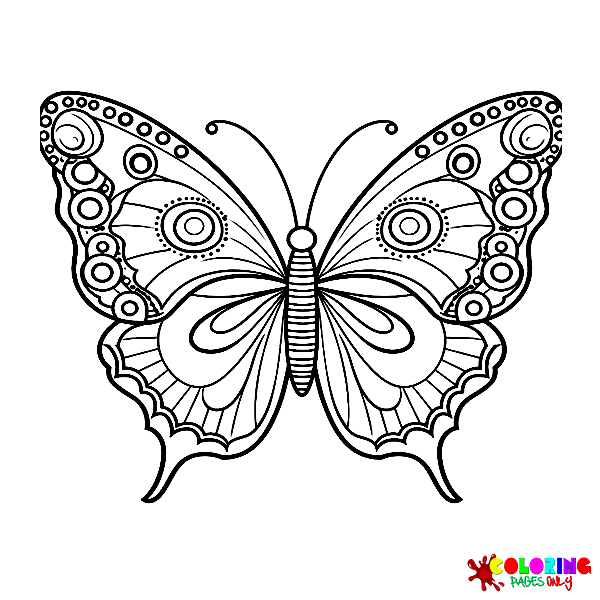
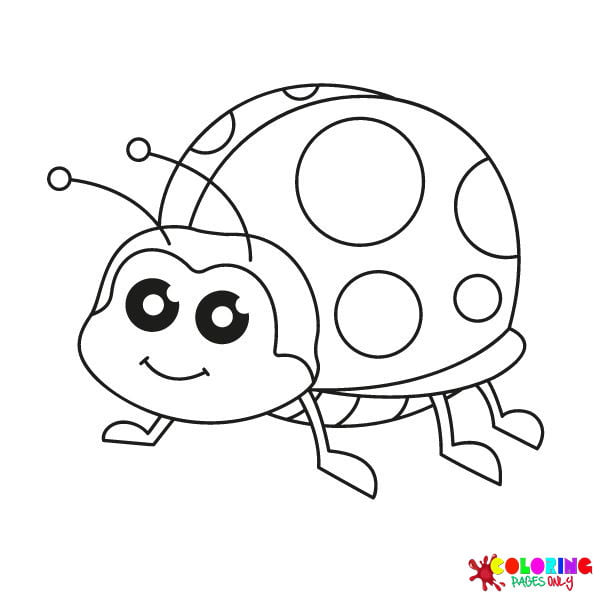
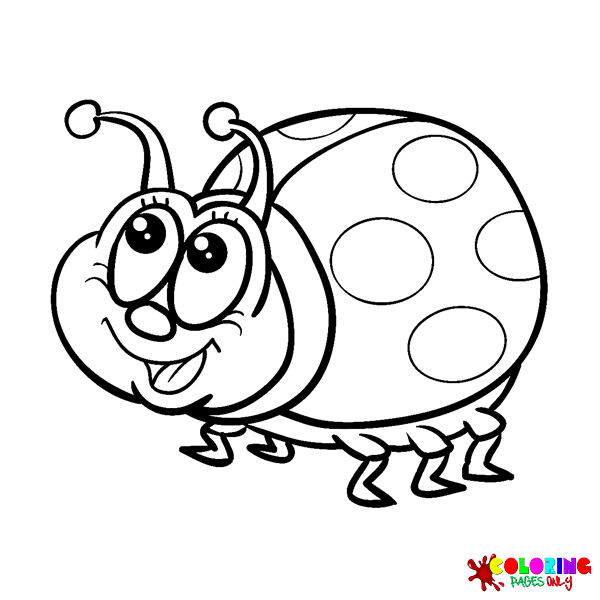
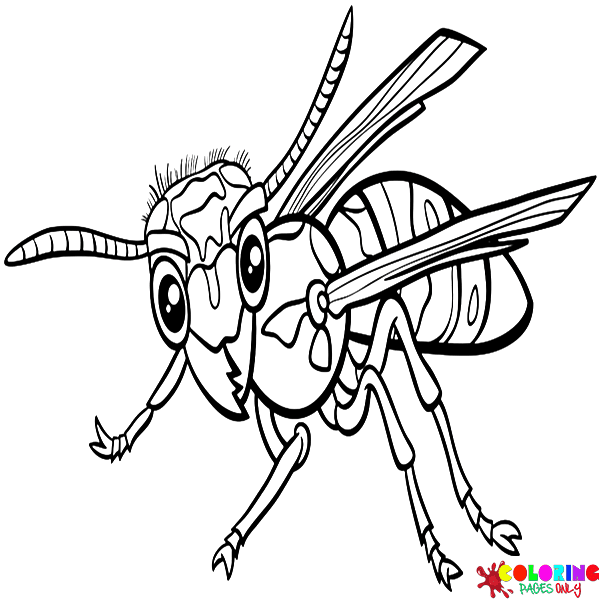
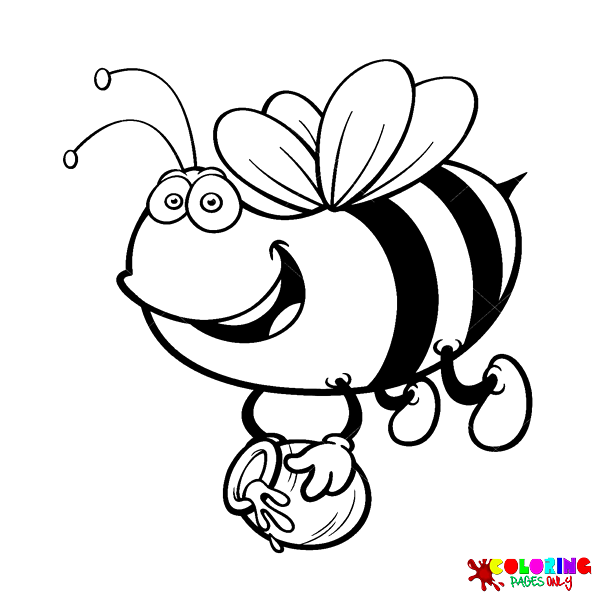
The collection covers the insects and small creatures children encounter most often. Butterfly pages are among the largest groups, ranging from simple outlines to detailed designs with symmetrical wing patterns. Bee pages include honeybees, bumblebees, and wasps. Ladybug pages feature the recognizable spotted shell that makes one of the easiest first coloring subjects for toddlers.
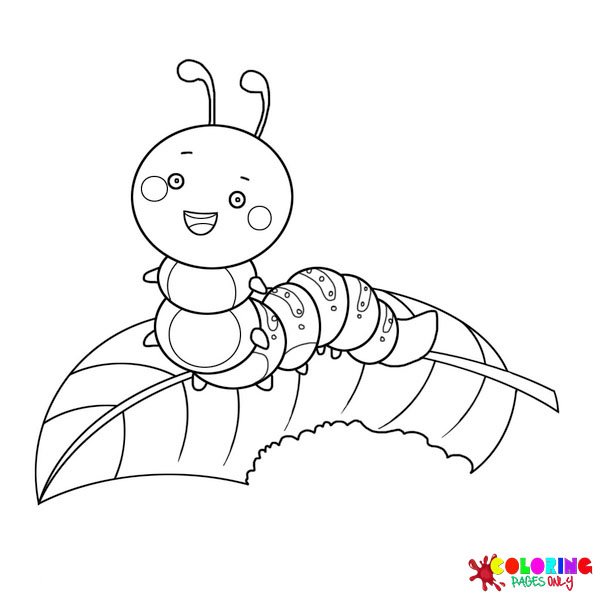
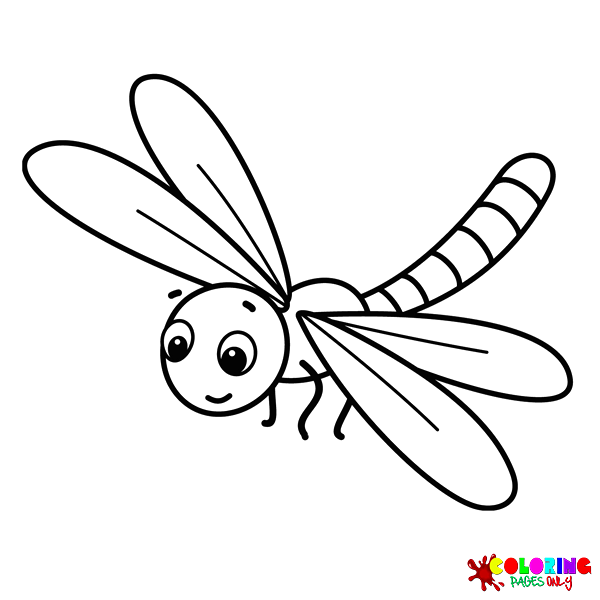
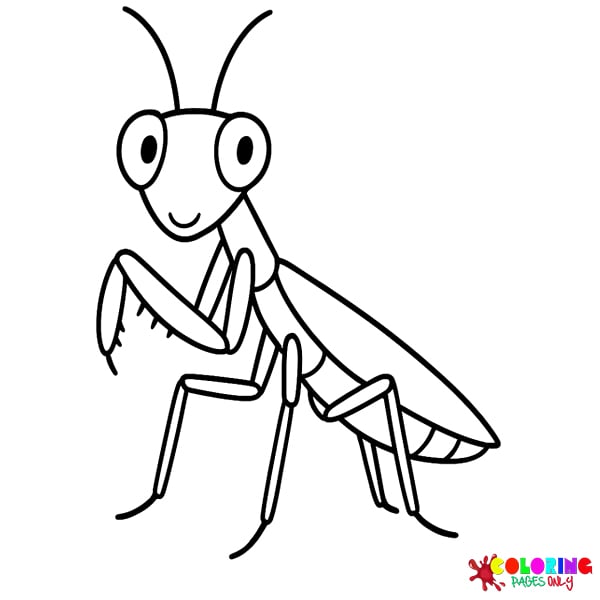
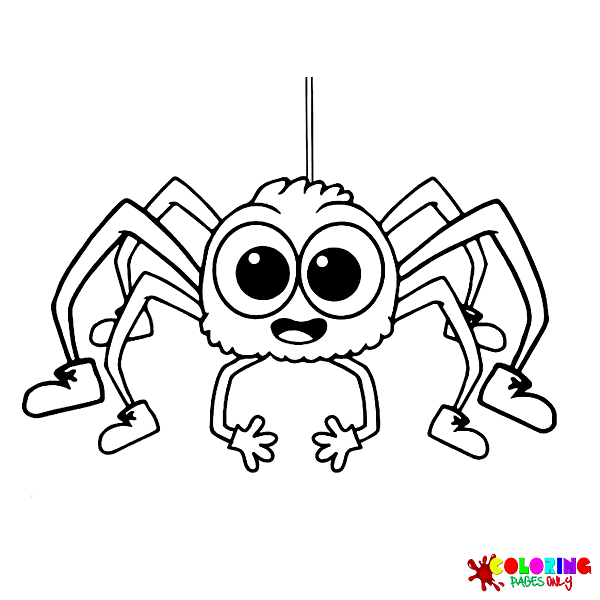
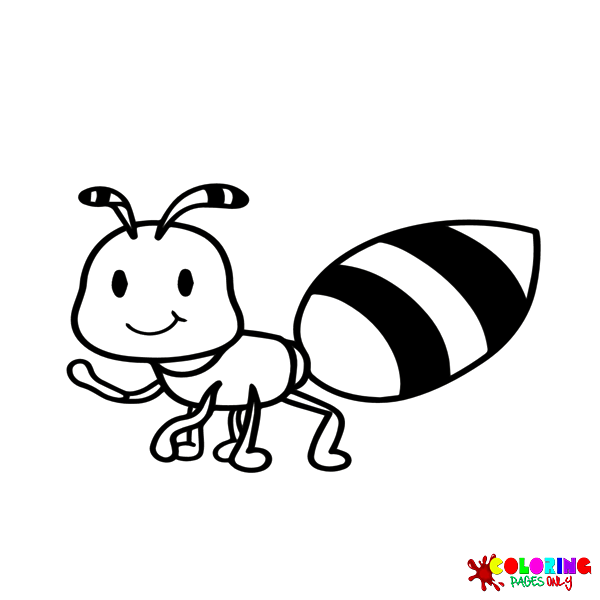
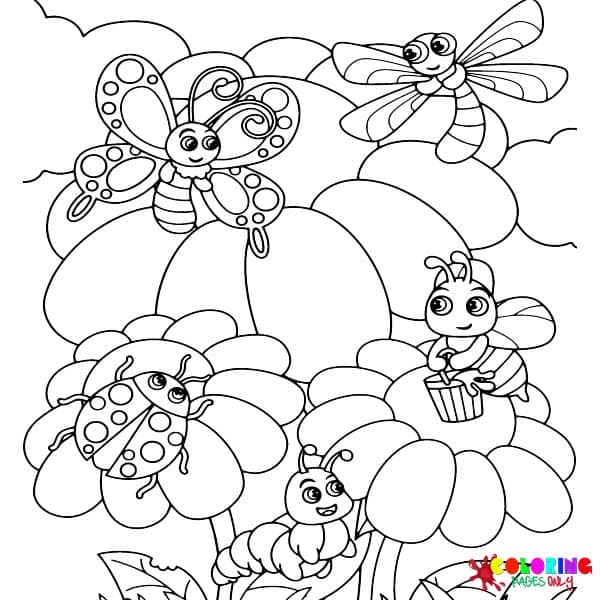
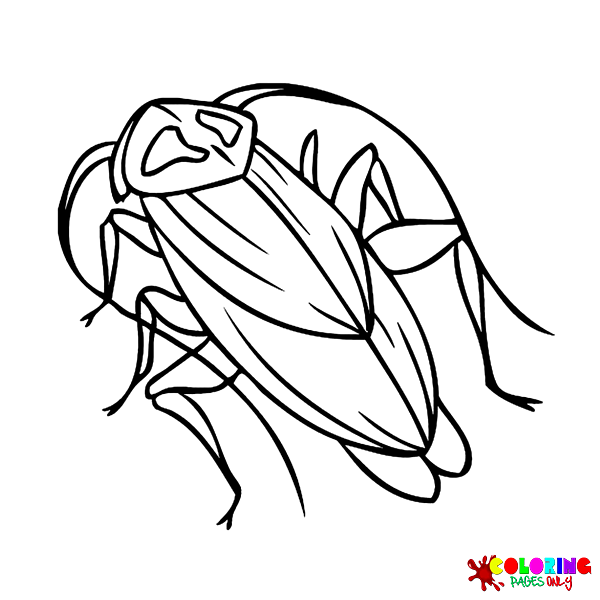
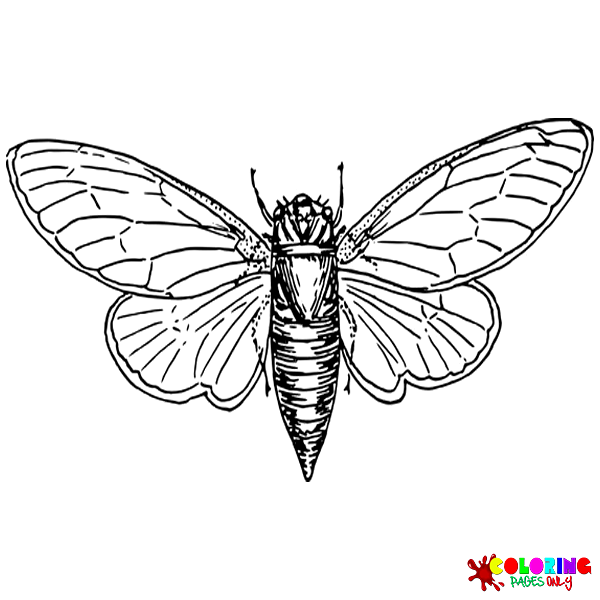
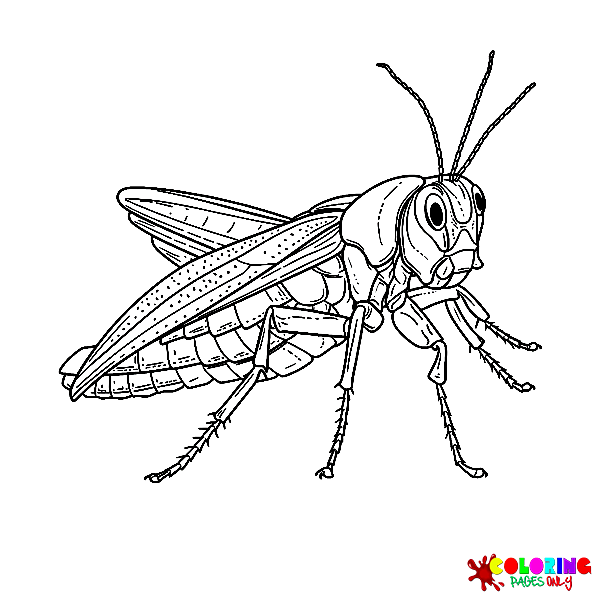
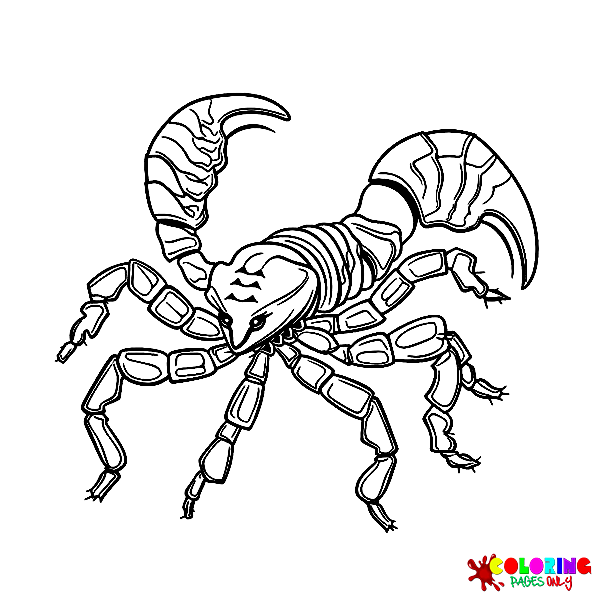
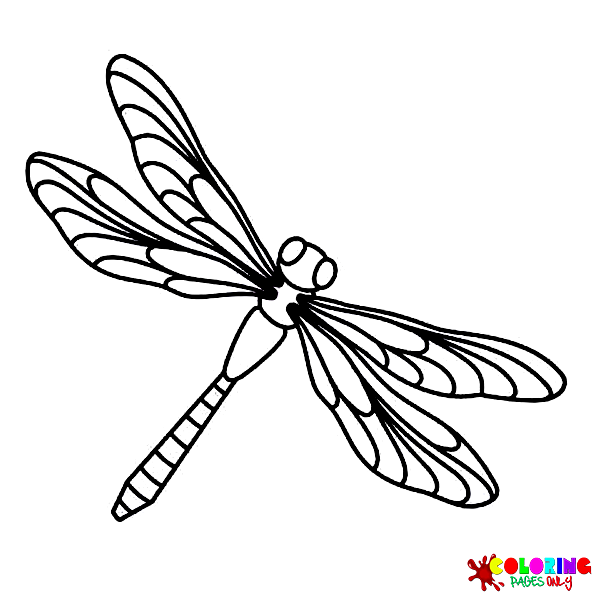
Other pages cover ants, caterpillars, dragonflies, and damselflies with translucent wings, praying mantises, cicadas, locusts, and crawling creatures such as spiders, scorpions, and worms. Spiders and scorpions are arachnids rather than true insects, but this collection groups them here the way most families use the word “bugs,” alongside seasonal spring insect pages and general bug scenes that combine several creatures in a single composition for children ready for a more complex page. Each design is available as a free PDF download or through the online coloring tool.
What These Pages Do
Fine motor development. The American Academy of Pediatrics identifies fine motor skill development as a core benefit of structured coloring for children ages 2 through 7. Insect pages support a progressive range of difficulty: a toddler colors the large, rounded shell of a ladybug, while an older child manages the fine, symmetrical detail of a butterfly’s wings or the segmented legs of a praying mantis. This range lets the same collection grow with a child’s developing hand control.
Early science and observation. Insect coloring pages pair naturally with early biology. Coloring a bee while naming its head, thorax, and abdomen, or working through a butterfly’s life cycle from caterpillar to chrysalis to adult, reinforces concepts through visual engagement. The activity builds observation skills that children carry back into the garden, where they notice the spots, segments, and wing patterns they have colored.
Anxiety reduction through focus. A 2005 study in the Art Therapy Journal documented measurable reductions in anxiety following structured coloring sessions. The repetitive, symmetrical patterns common to insect pages, butterfly wings, beetle shells, and spider webs, provide the kind of focused, detailed task associated with the study’s calming findings, making detailed insect pages effective for older children and adults.
Creative color exploration. Insects allow both realistic and imaginative coloring. A child can color a monarch butterfly in its true orange and black, or invent an entirely new color scheme. This freedom to choose between accuracy and imagination makes insect pages a flexible tool for creative expression at any age.
How to Color Insect Pages Well
- Butterflies: Color one wing first, then match the pattern and colors exactly on the opposite wing to preserve the symmetry that defines a butterfly. For monarchs, use Crayola “Orange” or Prismacolor “Pale Vermilion” for the wing panels with black outlining the veins. Add a light dusting of yellow near the wing edges for depth.
- Ladybugs: Use a bold red base, Prismacolor “Scarlet Red” or Crayola “Red,” and leave the spots crisp black. A small white highlight on the shell suggests its glossy, curved surface.
- Bees and wasps: Alternate Crayola “Yellow” and black bands across the body, keeping the stripes even. Color the wings in pale grey or light blue with a colored pencil pressed lightly to suggest translucence rather than solid color.
- Dragonflies and damselflies: Use iridescent blues and greens for the long body, layering Prismacolor “True Blue” over “True Green” and burnishing for a metallic sheen. Keep the wings very light, tracing the vein pattern in pale grey.
- Spiders and webs: Keep the spider’s body dark, Payne’s Grey or black, and leave the web uncolored or trace it in light grey so the fine lines stay visible against the colored background.
- Praying mantises: Use a base of Prismacolor “Chartreuse” or “Apple Green” for the classic green mantis, with a slightly darker green pressed into the leg joints and along the body segments to show its structure.
5 Creative Craft Ideas With Insect Coloring Pages
1. Butterfly Symmetry Study. Print a blank butterfly outline and have the child design one wing, then match it exactly on the other side. This combines coloring with an early lesson in symmetry and careful observation.
2. Garden Bug Mobile. Color and cut out several insects, then hang them at different heights from a coat hanger or stick with thread to create a hanging garden mobile for a bedroom or classroom.
3. Life Cycle Sequence. Print caterpillar, chrysalis, and butterfly pages, color each, and arrange them in order to build a visual butterfly life cycle, a craft that doubles as a science lesson.
4. Bug Identification Cards. Color each insect, then write its name and one fact on the back to create a set of homemade nature flashcards for outdoor walks.
5. Ladybug Counting Game. Color several ladybugs with different numbers of spots, then use them as a counting and matching activity for younger children.
Frequently Asked Questions
What insects are included in the coloring collection?
The collection includes butterflies, bees, wasps, ladybugs, ants, caterpillars, dragonflies, damselflies, praying mantises, cicadas, locusts, and crawling creatures such as spiders, scorpions, and worms. Butterfly pages are among the largest groups, ranging from simple outlines to detailed symmetrical designs. Garden and spring insect scenes combine several creatures in one composition.
Are insect coloring pages suitable for toddlers?
Yes. Ladybugs, simple butterflies, and large bee outlines are among the most accessible first coloring subjects for children ages 2 and up, because the shapes are bold and the creatures are familiar from everyday outdoor experience. More detailed pages with fine wing patterns and insect anatomy suit children ages 6 and above.
Are scorpions and spiders really insects?
No. Scorpions and spiders are arachnids, with eight legs and two main body segments, while true insects have six legs, three body segments, and often wings. This collection includes them alongside true insects because most families search for garden creatures under the general term “bugs” rather than by strict scientific classification.
What are the educational benefits of insect coloring pages?
Insect coloring pages support early science learning by pairing creative activity with biology. Coloring a bee’s body segments, a butterfly’s life cycle, or a spider’s eight legs reinforces observation and classification skills. The American Academy of Pediatrics also identifies coloring as a core activity for fine motor development in children ages 2 through 7.
How do I color a butterfly so both wings match?
Color one wing completely first, noting the colors and pattern used, then replicate them exactly on the opposite wing. Butterflies are symmetrical, so matching both sides produces the most realistic result. This also makes butterfly pages a useful early lesson in the concept of symmetry.
What colors are realistic for a monarch butterfly?
A monarch butterfly is orange and black, with white dots along the wing edges. Use an orange such as Crayola “Orange” or Prismacolor “Pale Vermilion” for the wing panels, black for the veins and border, and small white highlights along the edge for accuracy.
Are these insect coloring pages free to print?
All pages are free to download as a PDF and print, or to color online in the browser. No account, email, or payment is required. Pages can be printed at home on standard paper for personal and classroom use.
Can these pages be used in a classroom science unit?
Yes. Insect pages are widely used in early science units on bugs, life cycles, and garden ecosystems. They work as printable supplements for lessons on insect anatomy, the butterfly life cycle, and classification, and require no account or signup to download.
Start Coloring
Download any page by clicking the icon or design. No account, email, or payment is required. Pages print directly from the browser at full resolution or open in the online coloring tool for screen use. Share finished pages on Facebook or Pinterest with the share buttons at the top of each design page.