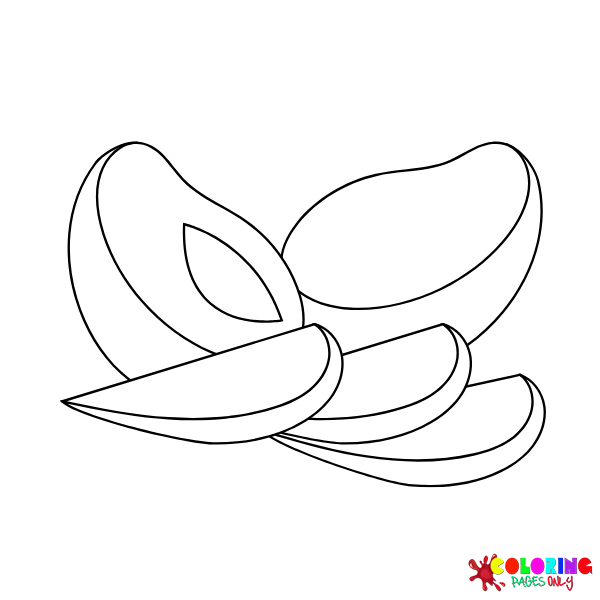

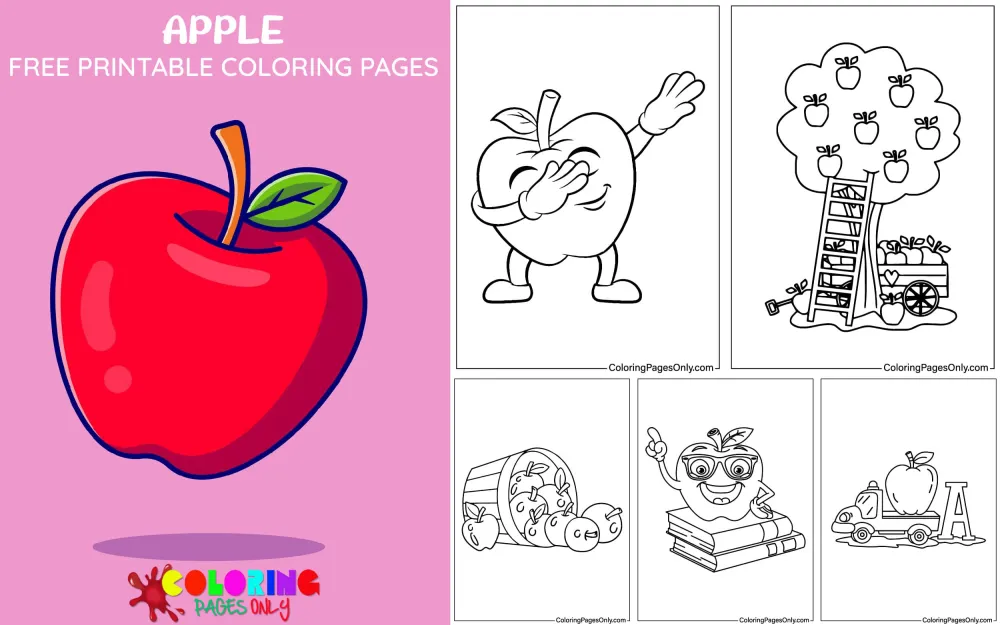
Free Apple coloring pages: 43 printable PDF designs of the classic fruit, from simple portraits to playful characters, trees, and orchard scenes. Each page can be downloaded as a PDF to print or colored online in the browser.
The apple, Malus domestica, is a member of the rose family, Rosaceae, and traces its origin primarily to Malus sieversii, a wild apple species still found growing in the mountains of Kazakhstan. Domestication began somewhere between 4,000 and 10,000 years ago in Central Asia, and apples later spread west along the Silk Road into Western Asia and Europe. Because apple seeds do not grow true to the parent tree, meaning a seed from a Honeycrisp apple will not grow into another Honeycrisp tree, growers rely on grafting, attaching a cutting from a known variety onto separate rootstock, to reliably reproduce specific apple varieties.
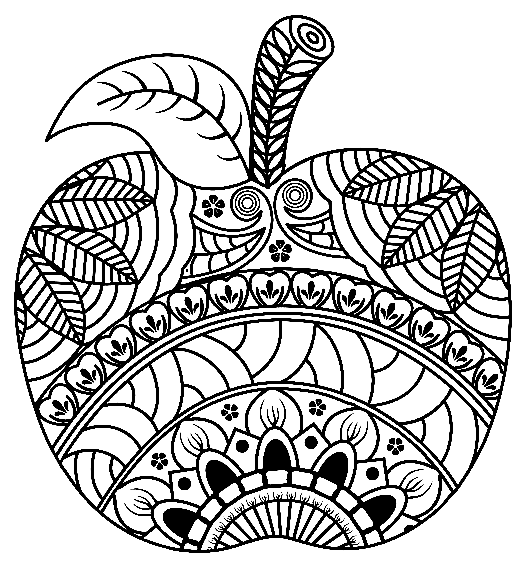
This collection spans 43 pages, grouped into solo portraits, apple characters and activities, and trees, baskets, and orchard scenes. The coloring angle ranges from simple outlines to fuller scenes with people and other objects.
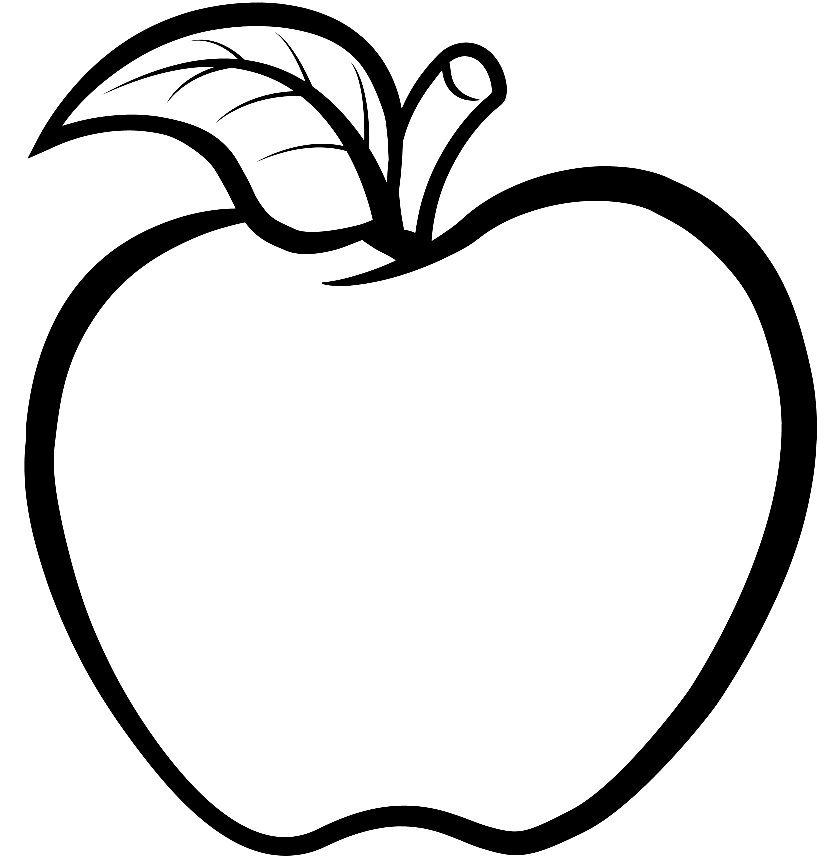
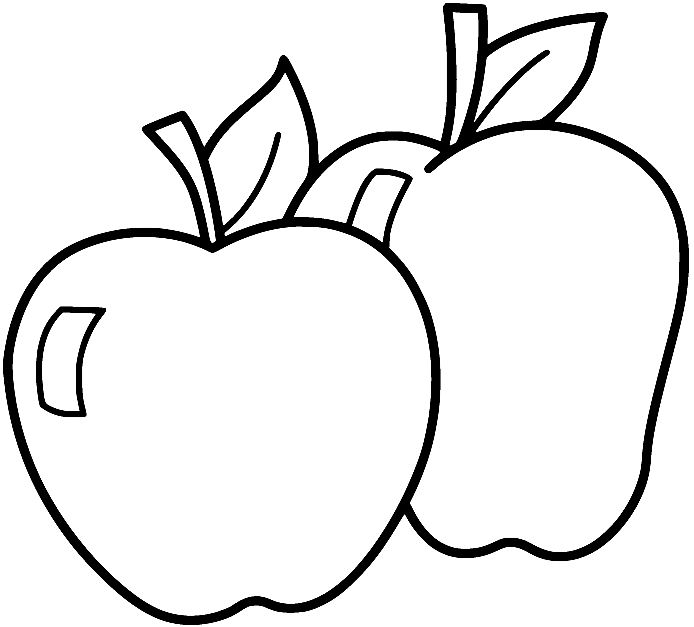
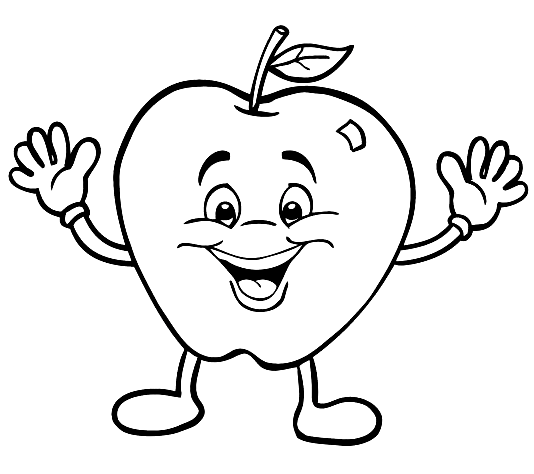
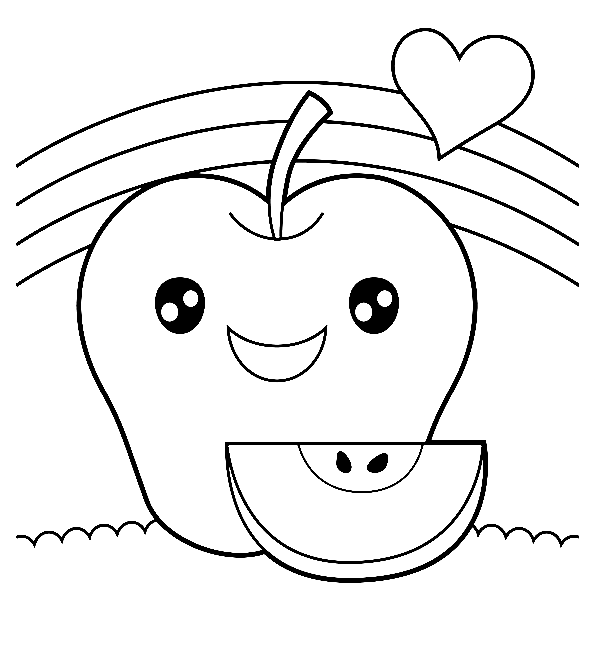
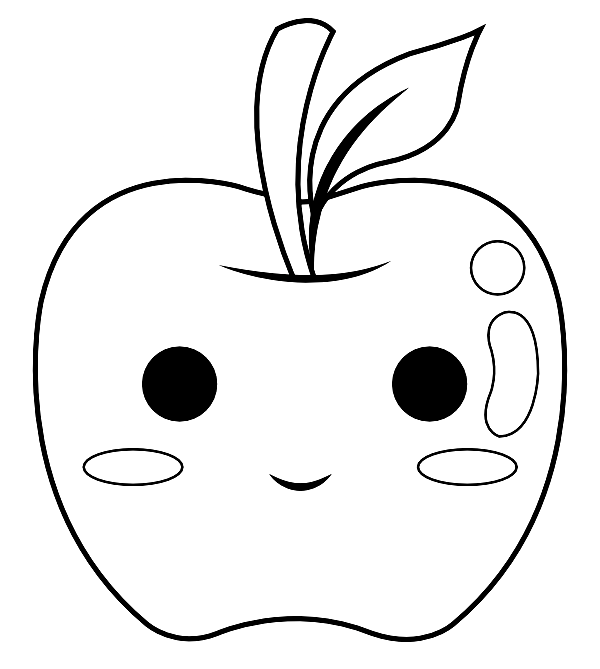
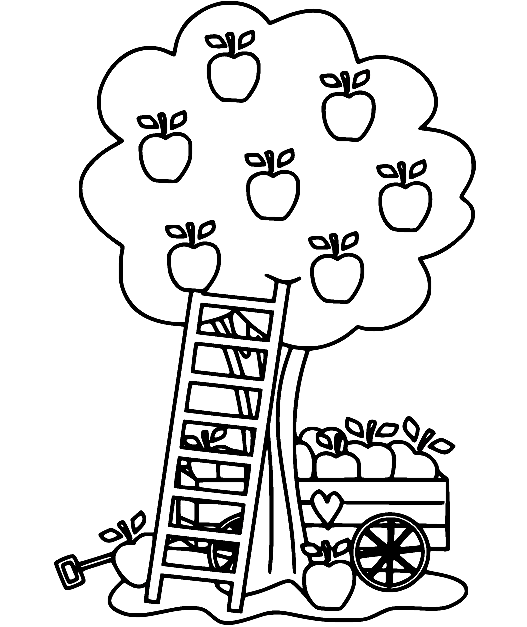
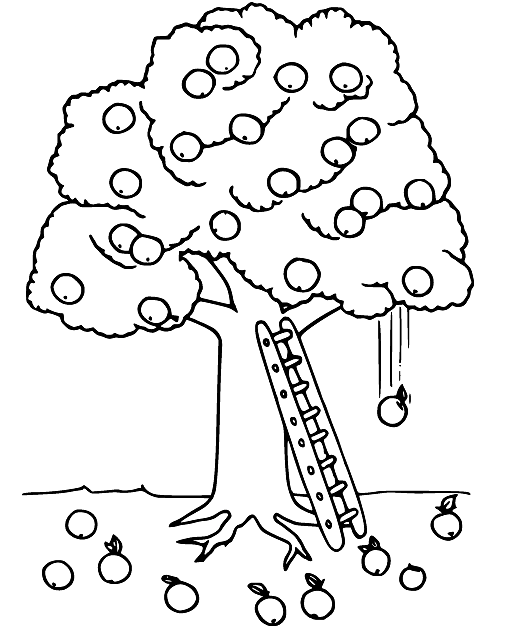
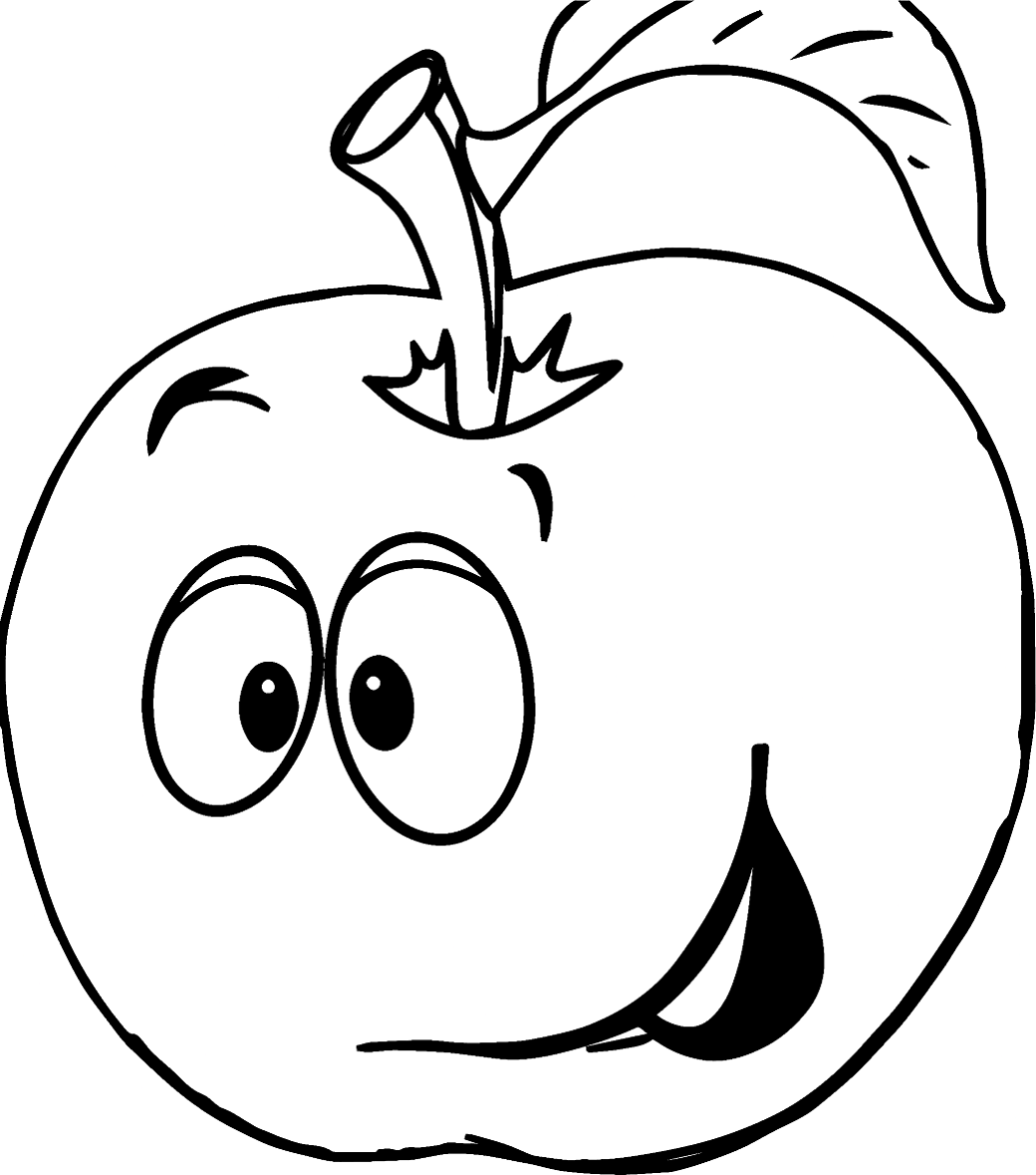




What’s Inside This Collection
The 43 designs group into three categories, from simple portraits to fuller orchard scenes.
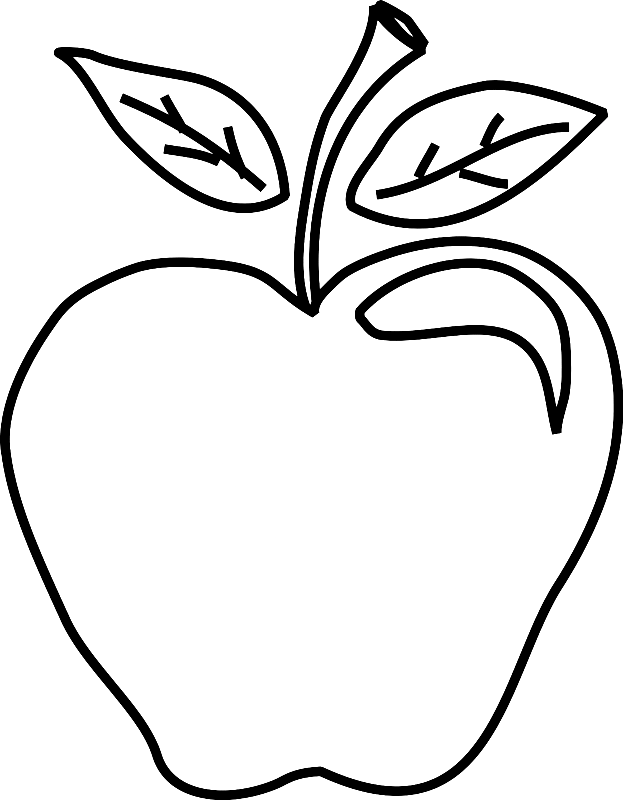
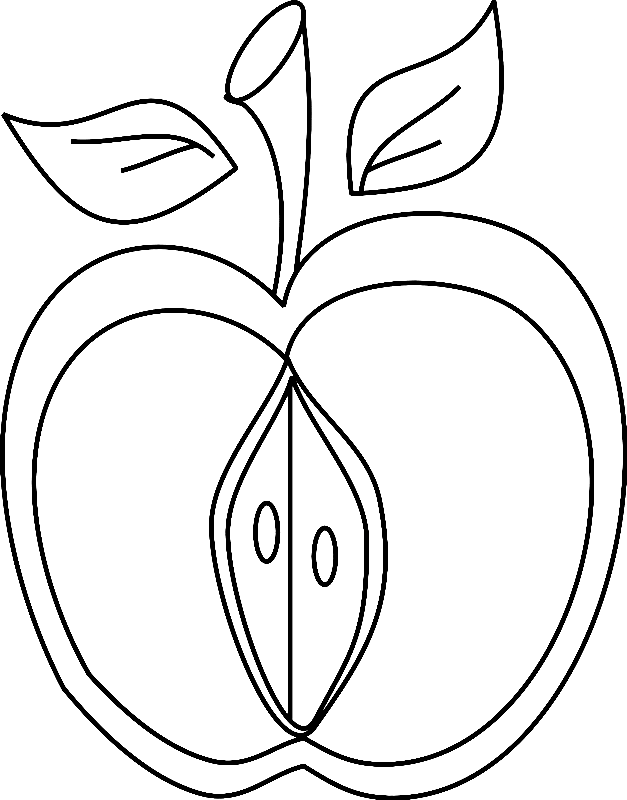
Solo and Simple Apple Portraits
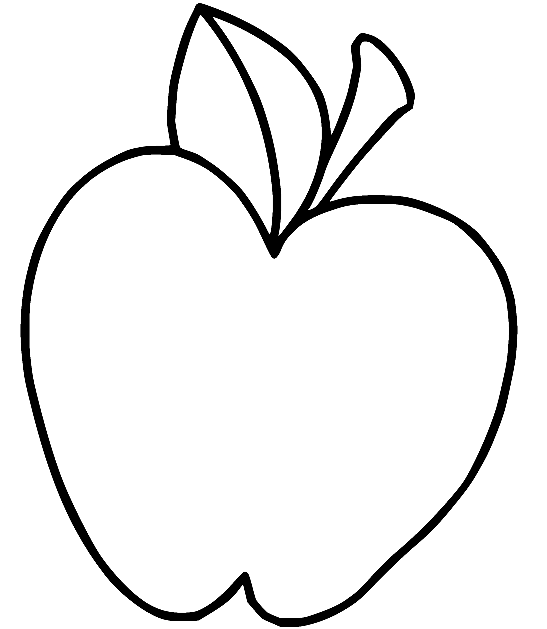
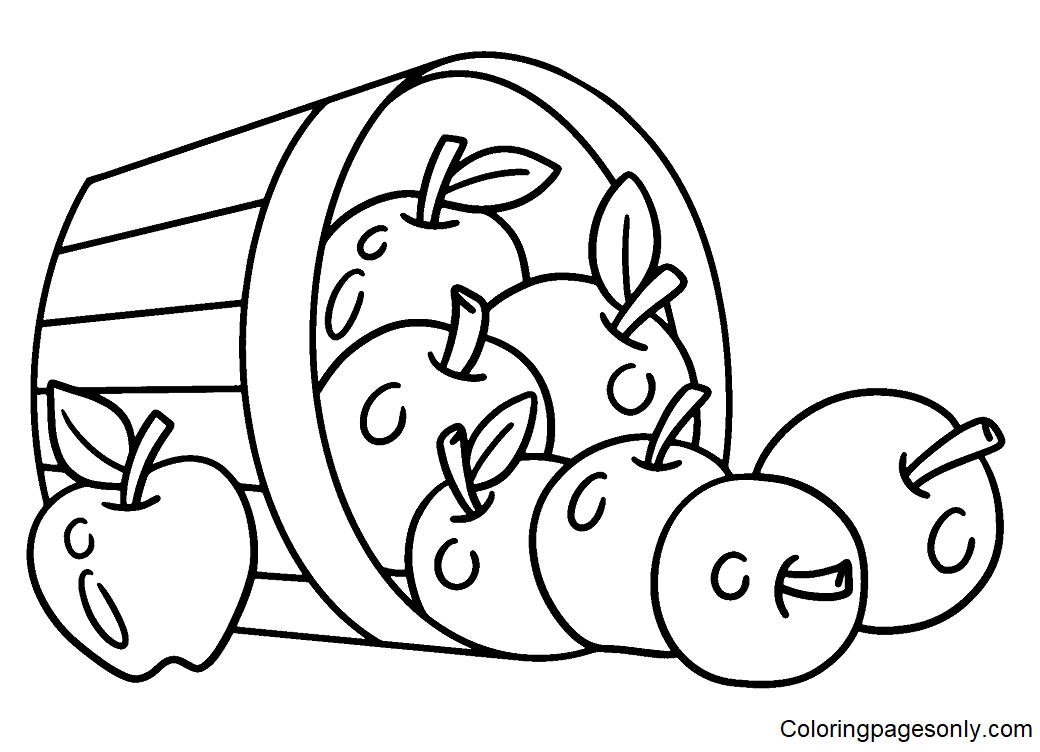
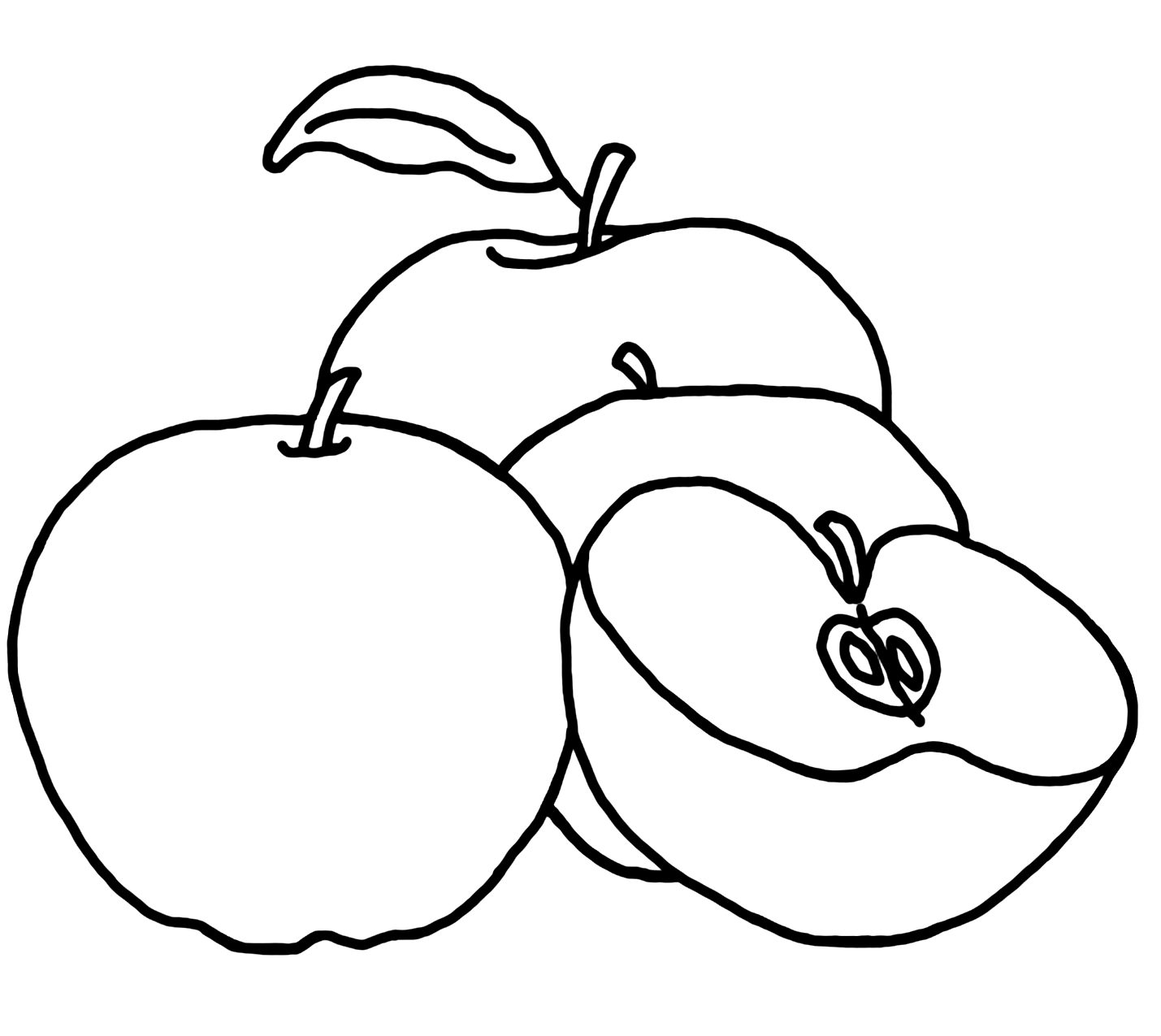
Most pages show one or two apples, whole or sliced, with clean, bold lines suited to a quick, straightforward coloring session.
Apple Characters and Activities
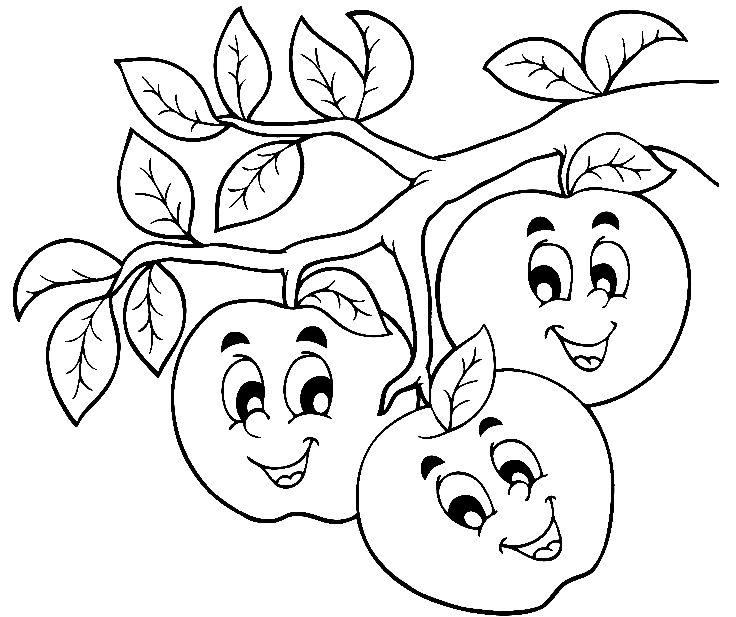
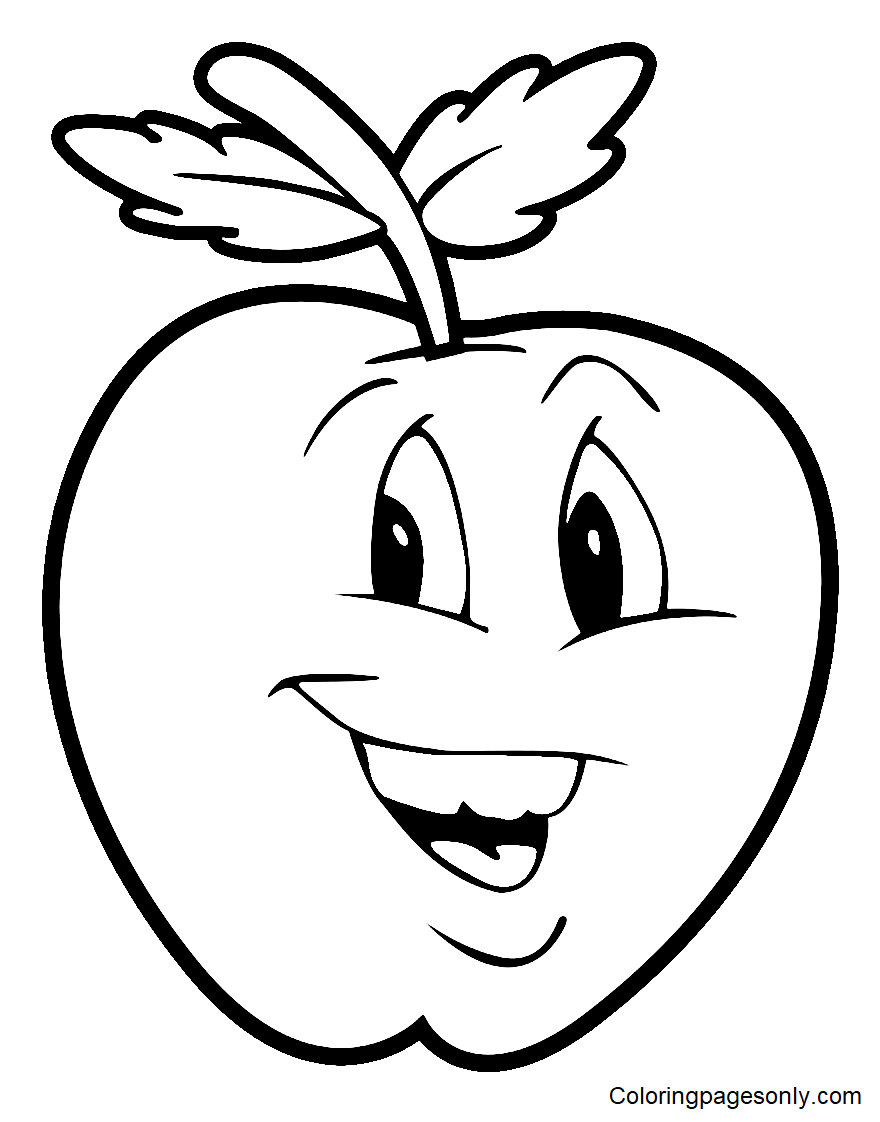
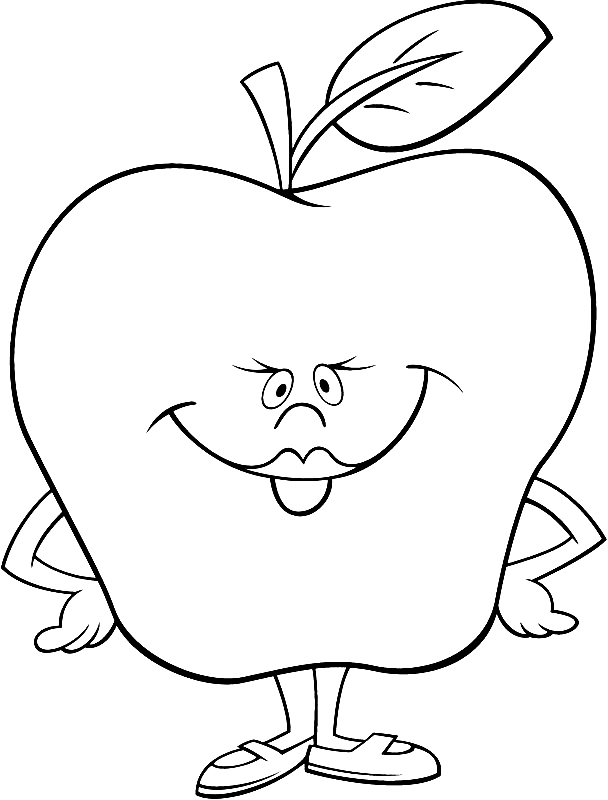
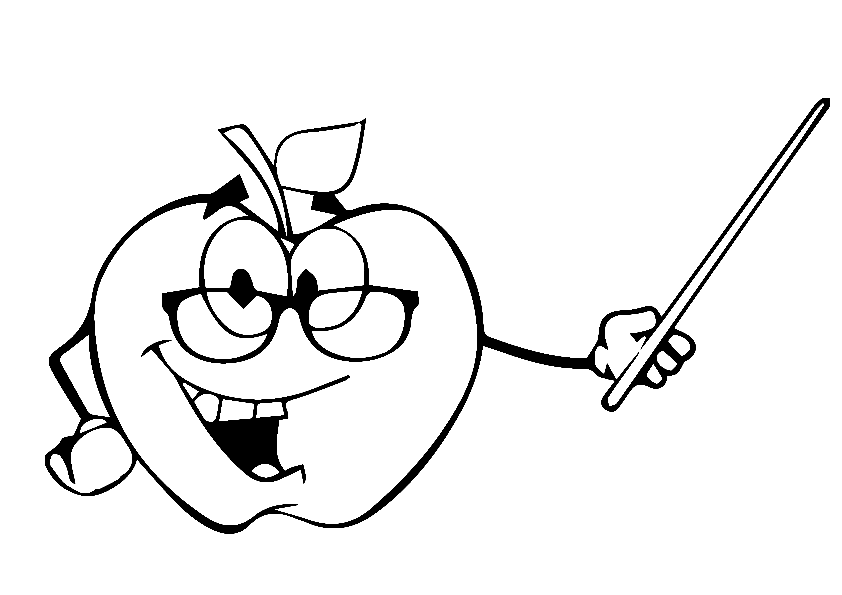
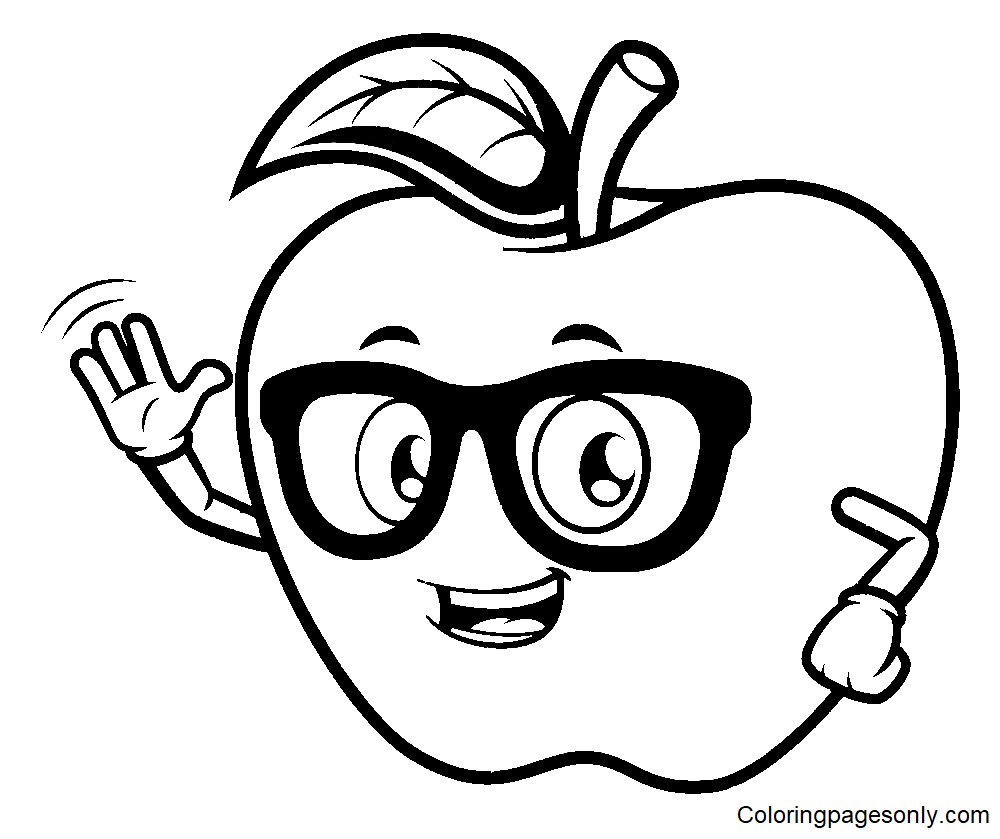
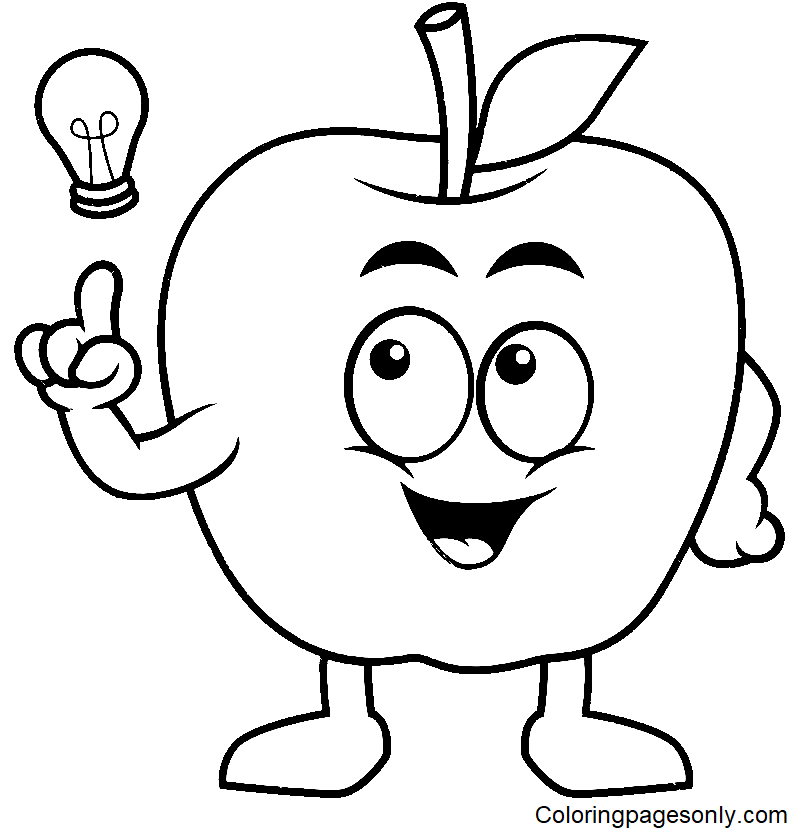
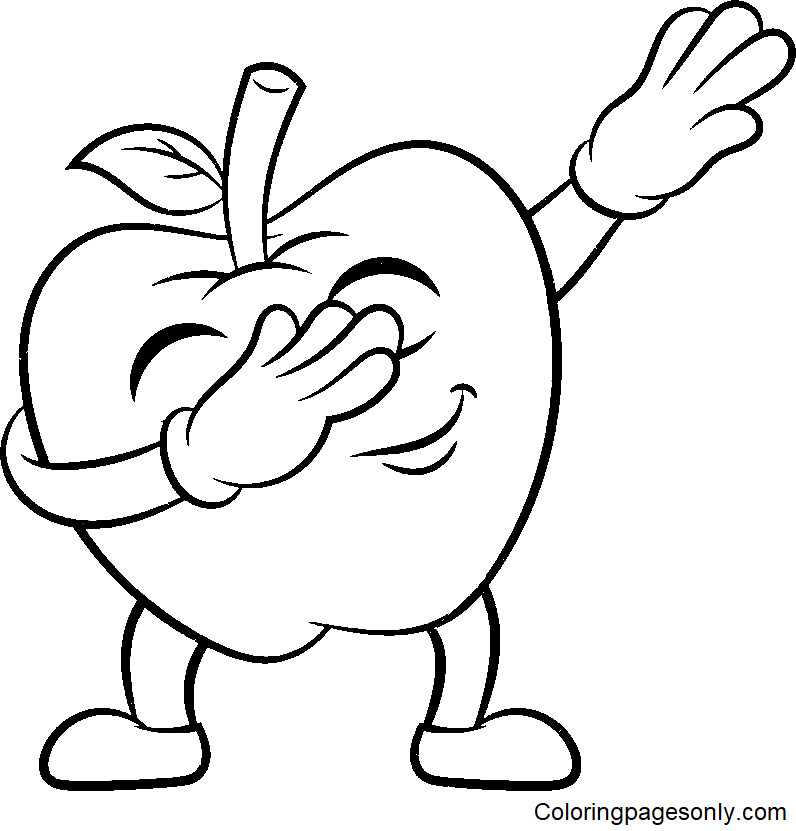
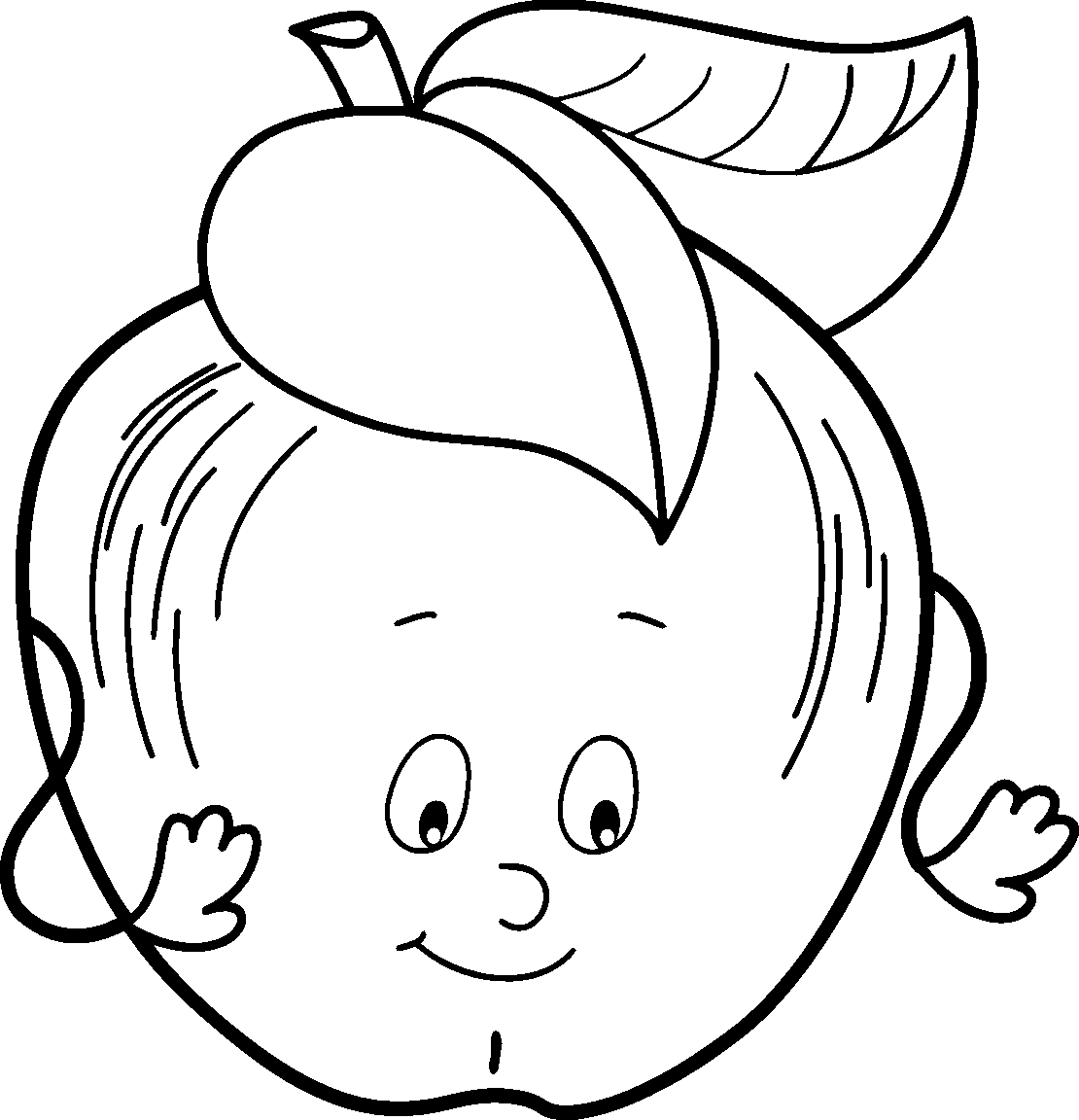
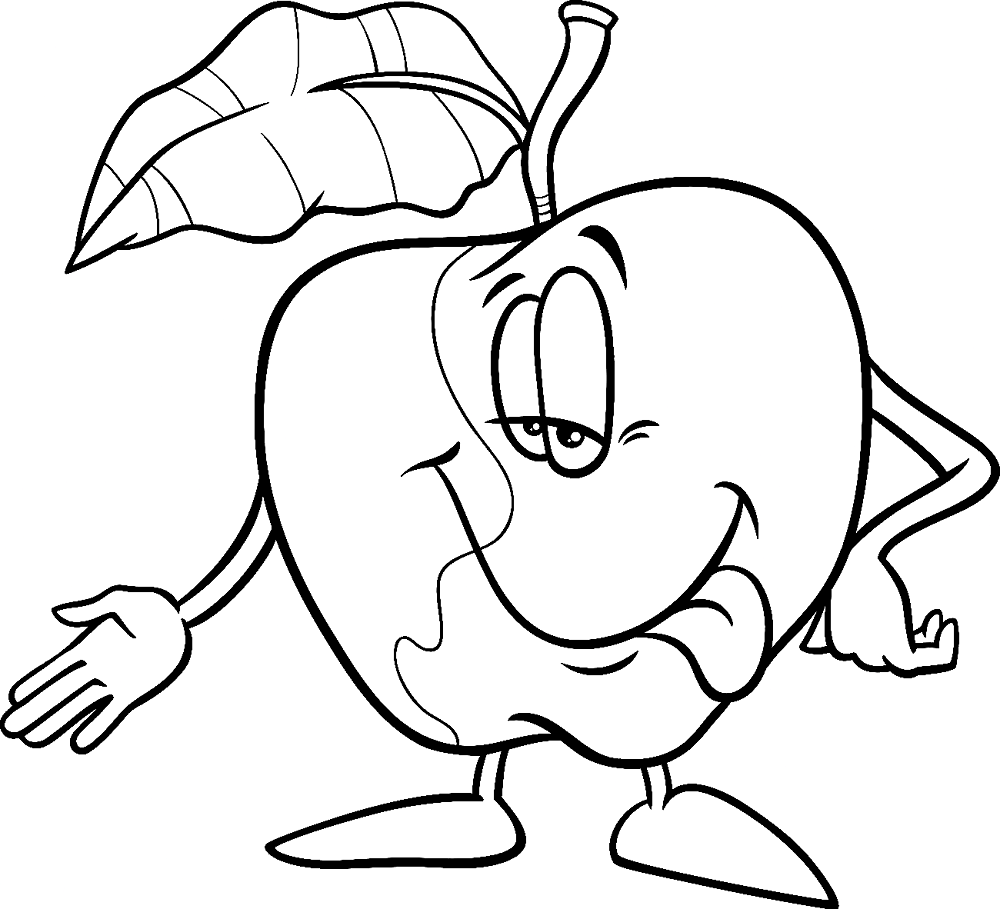
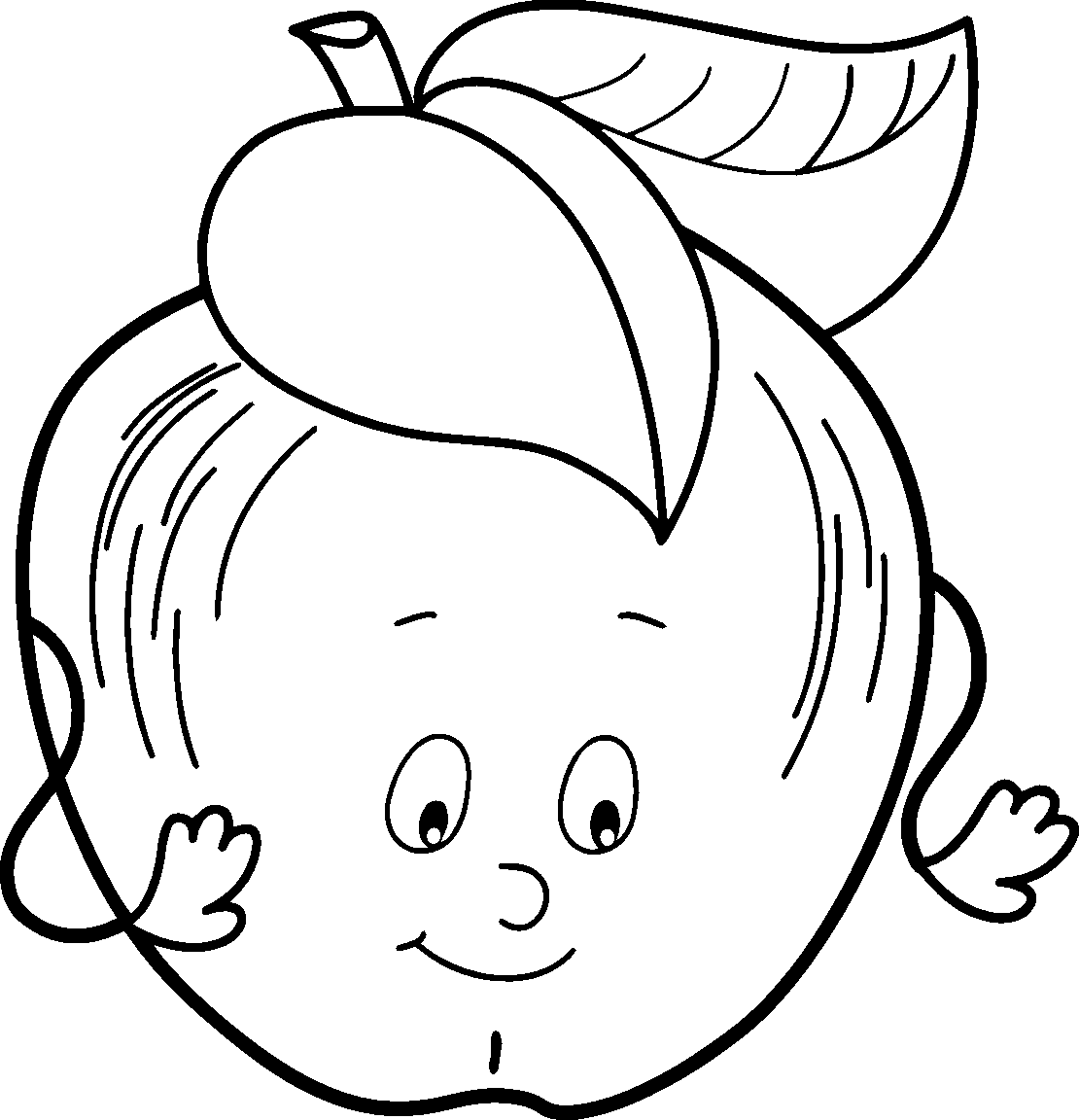
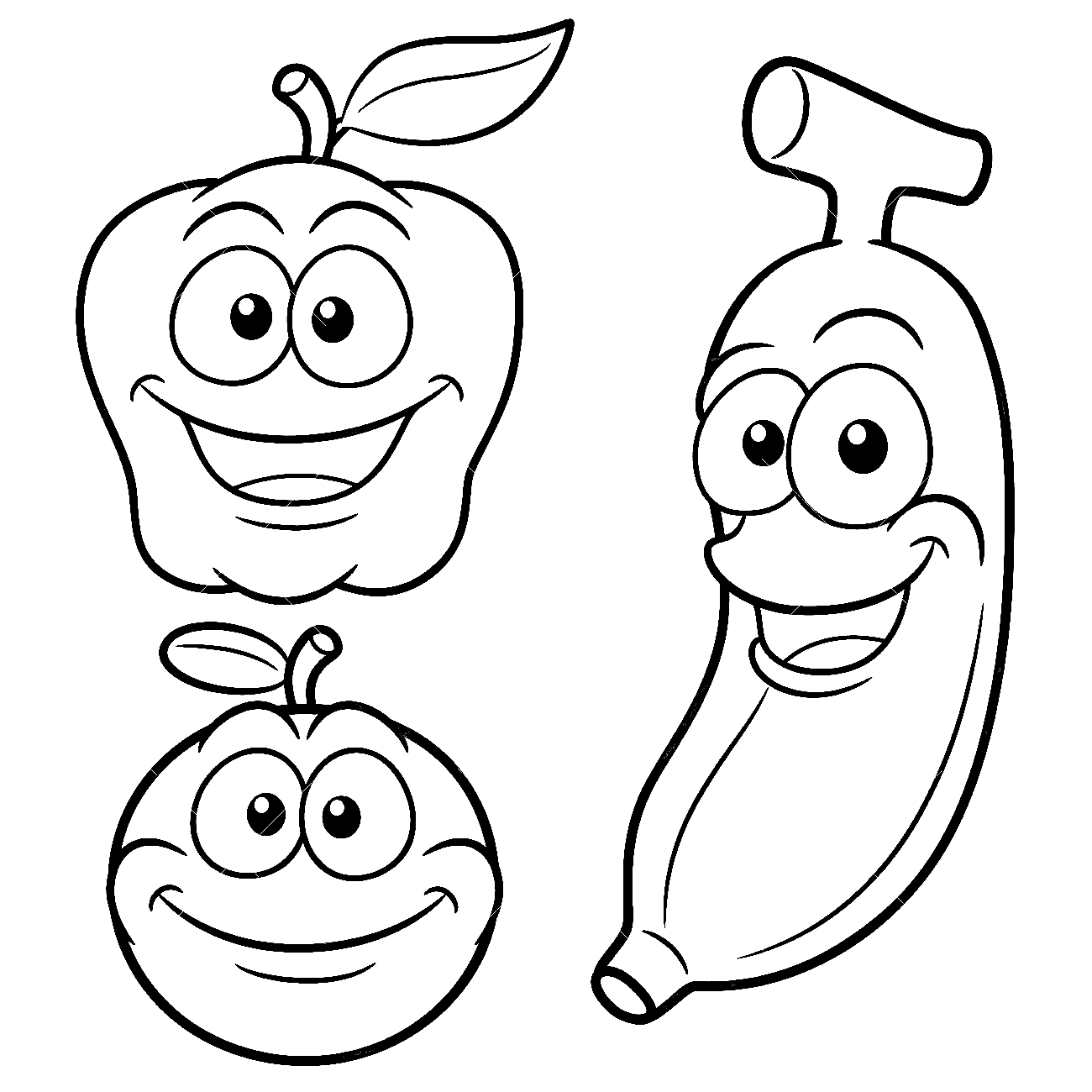
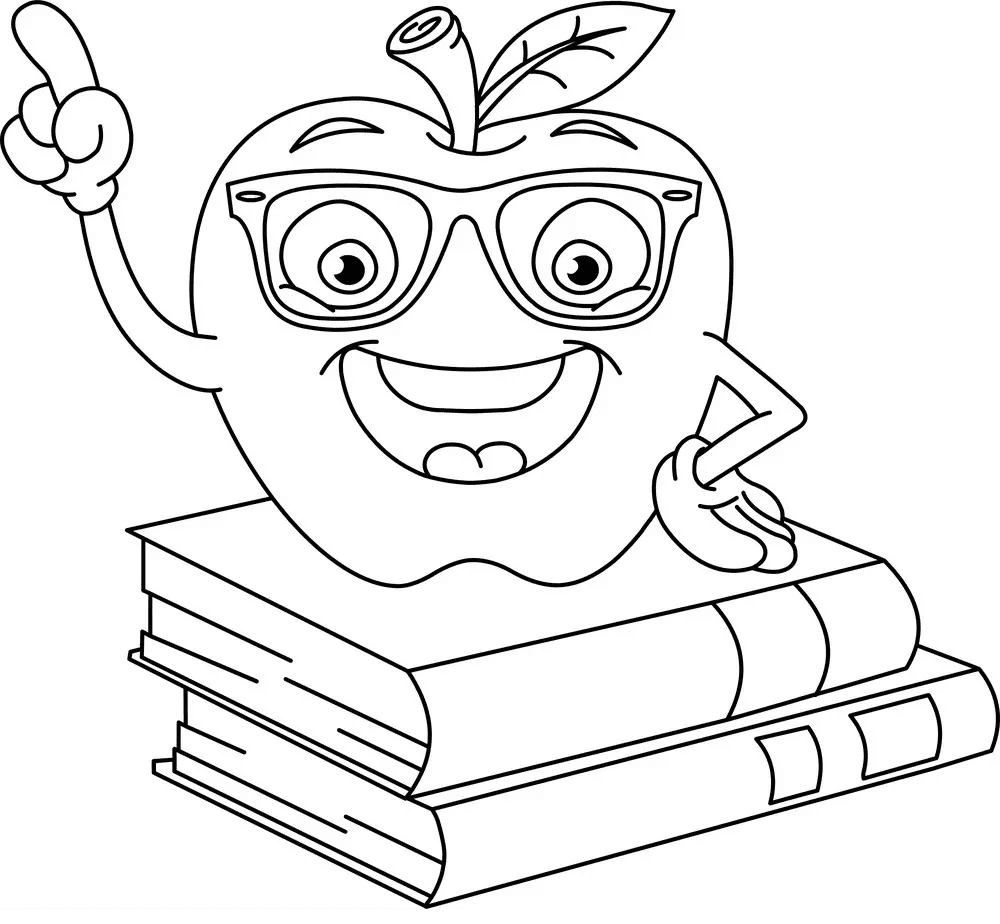
Several pages give an apple a face and personality, including a graduation-themed apple, a teacher apple, and a cartoon apple lifting weights.
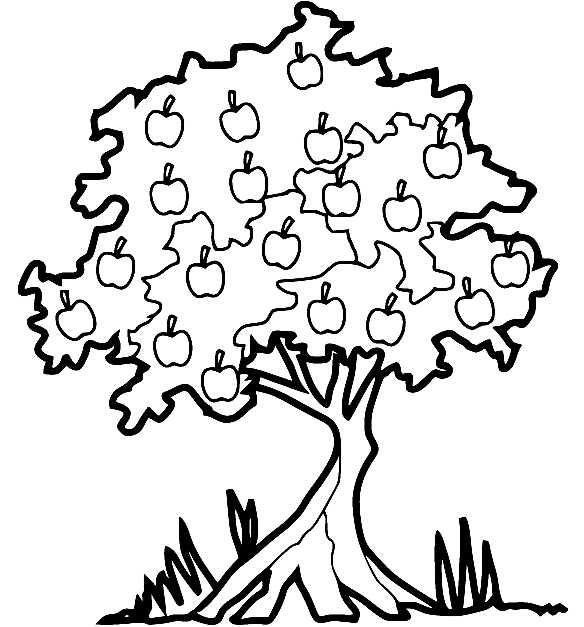
Apple Trees, Baskets, and Orchard Scenes
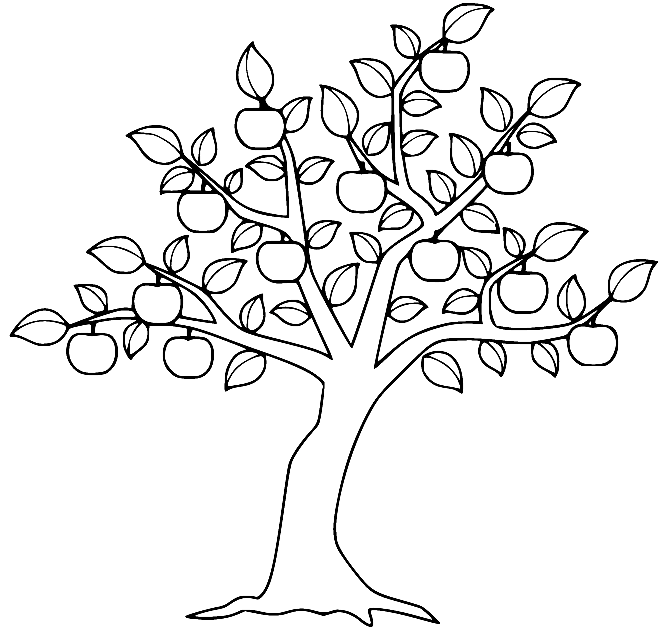
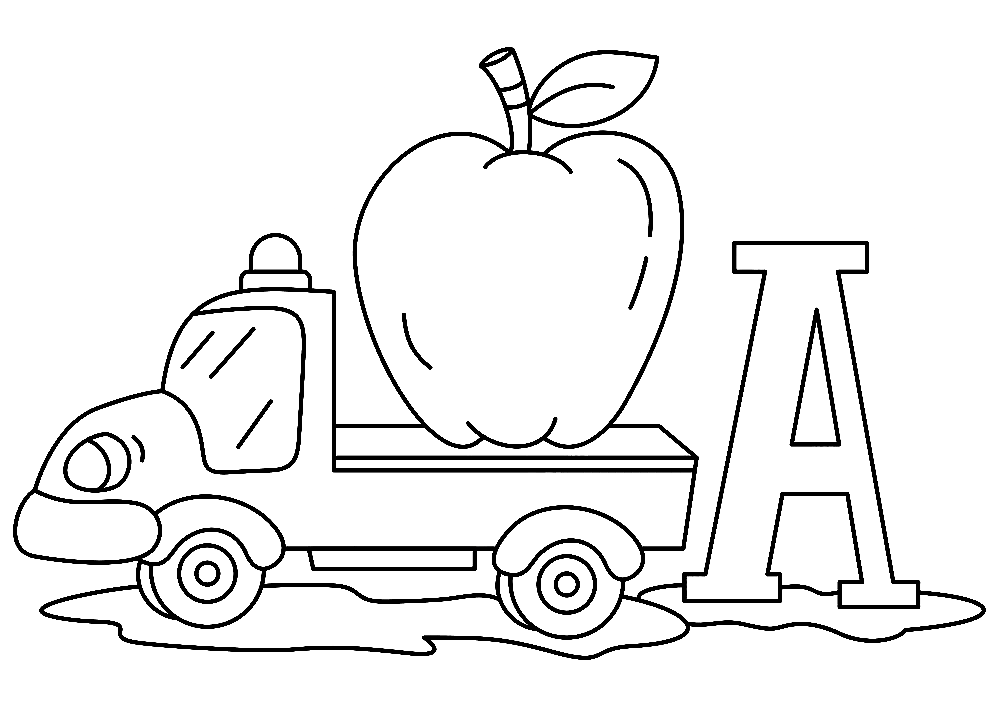
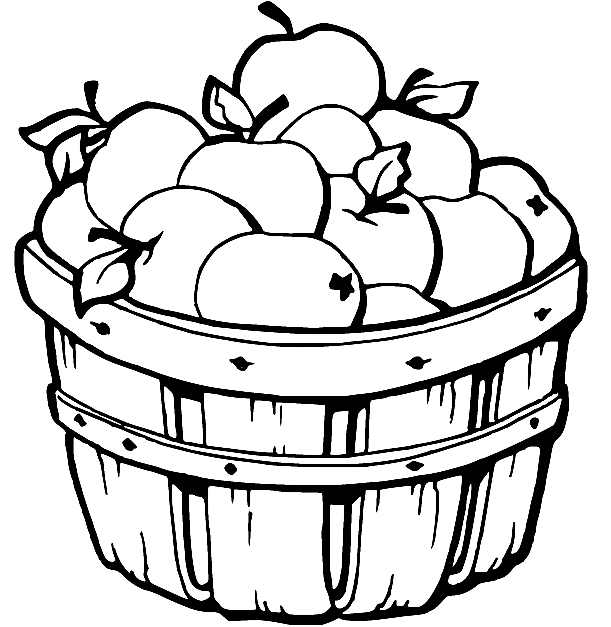
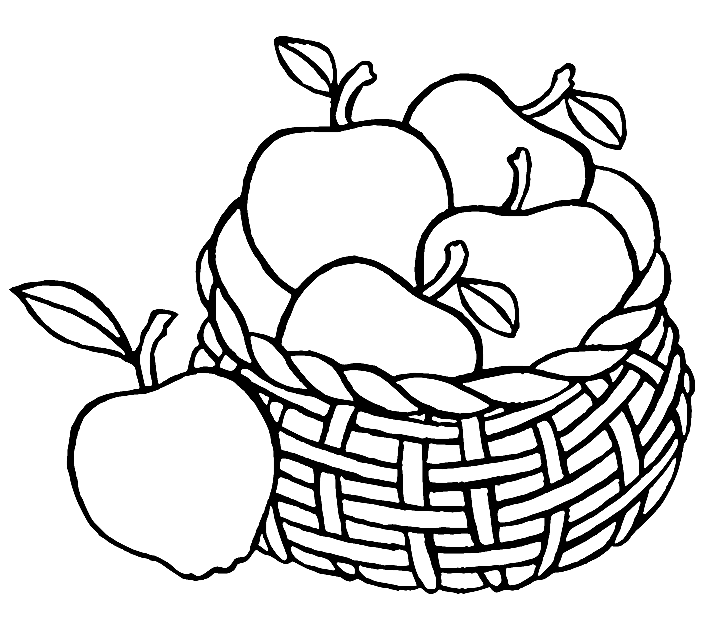
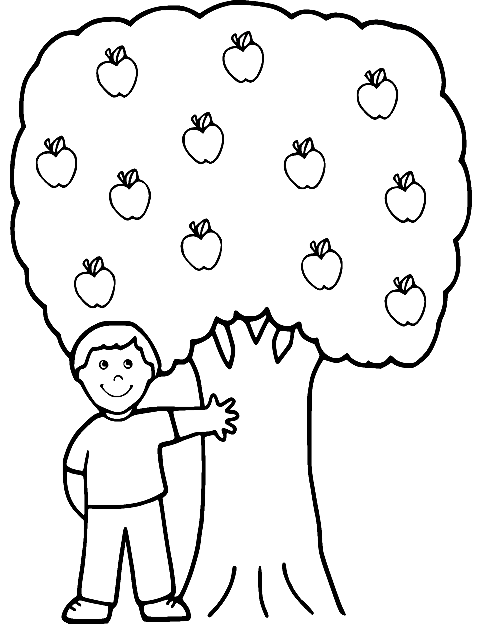
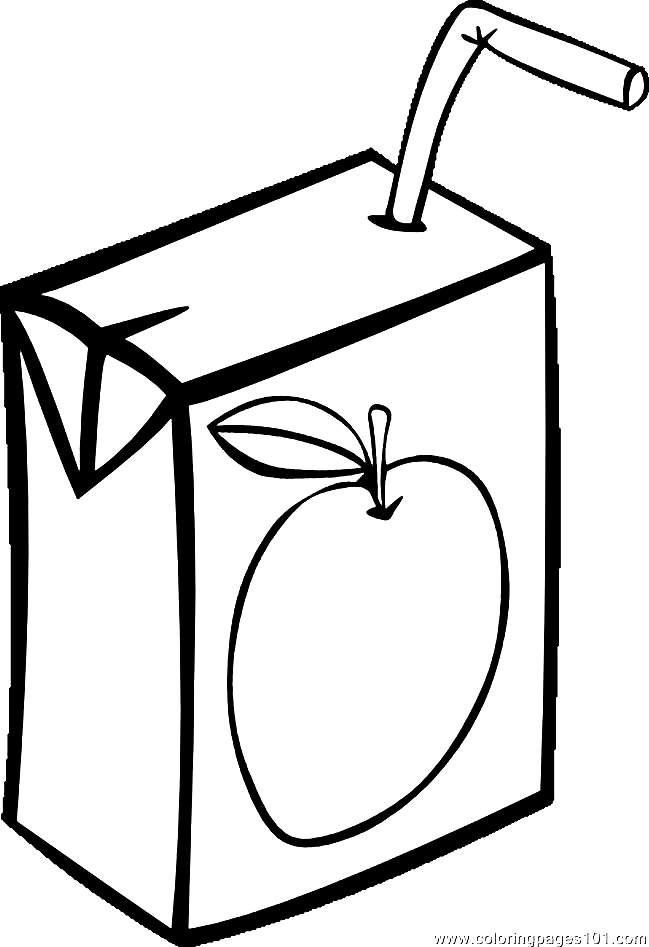
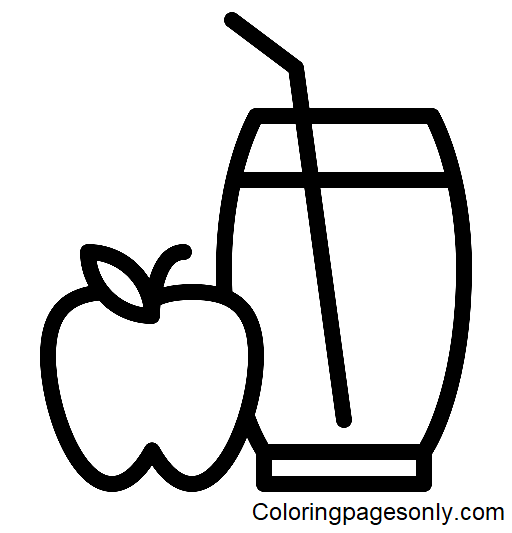
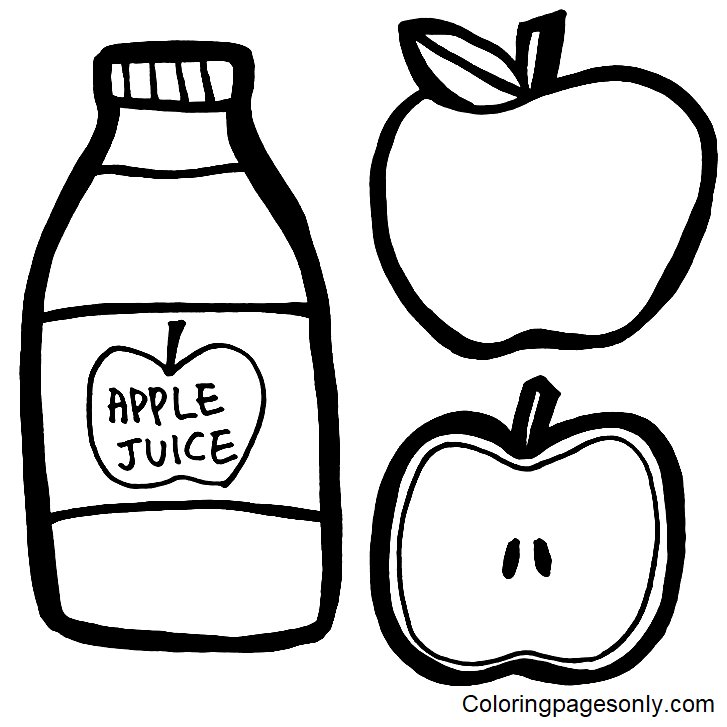
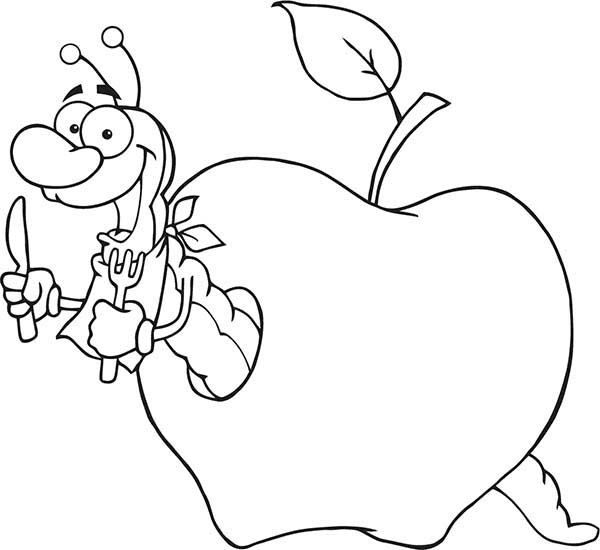
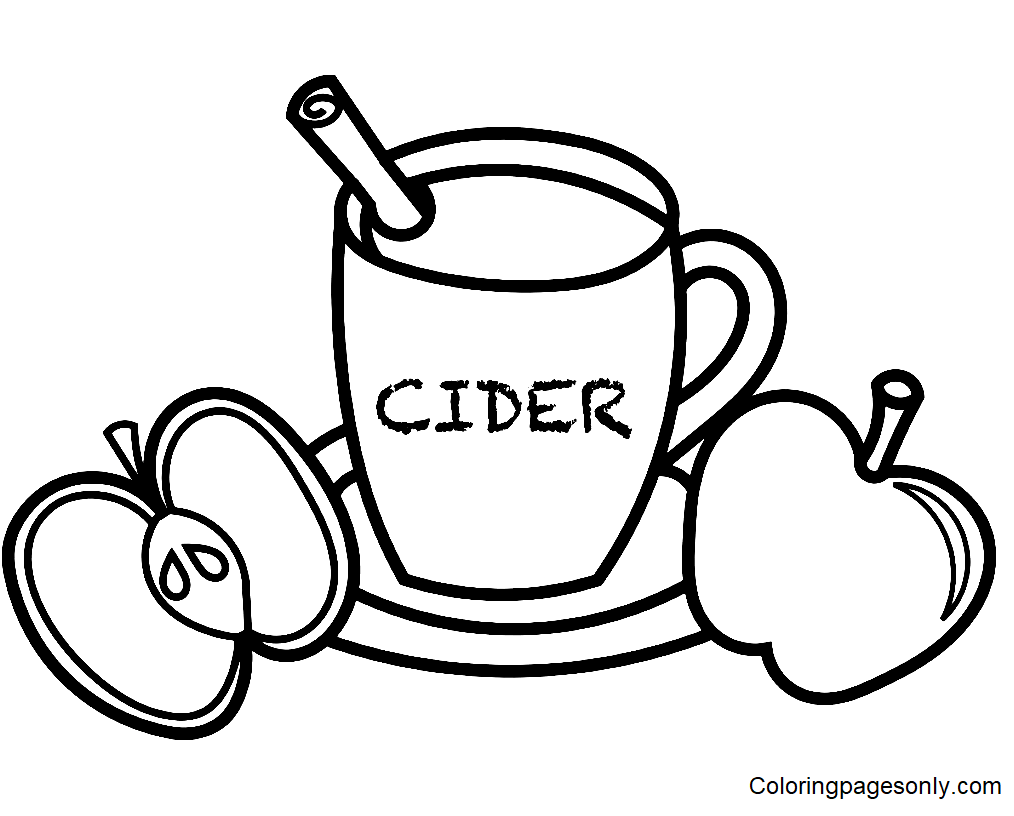
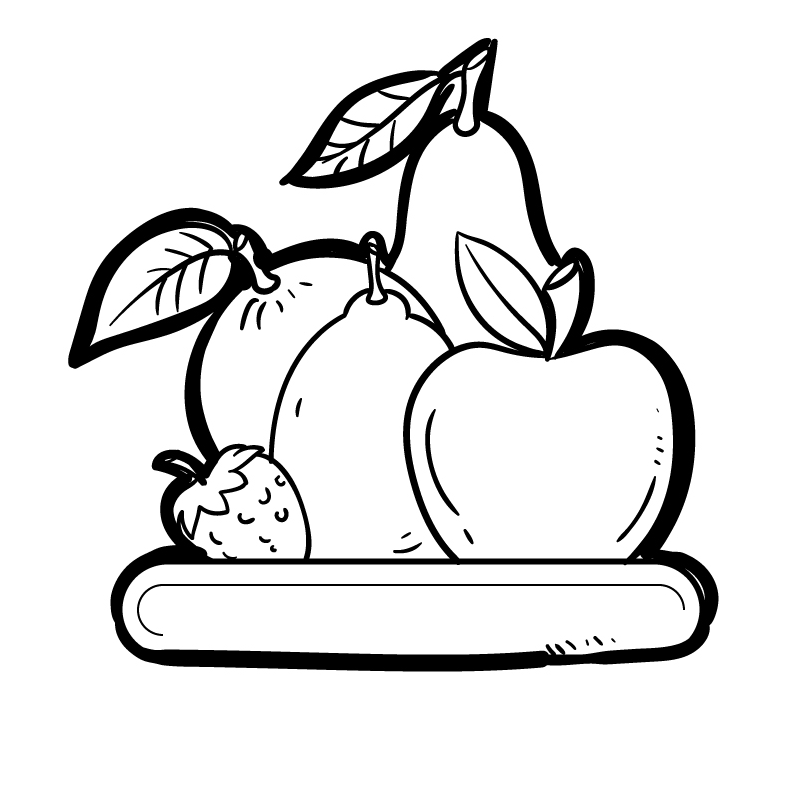
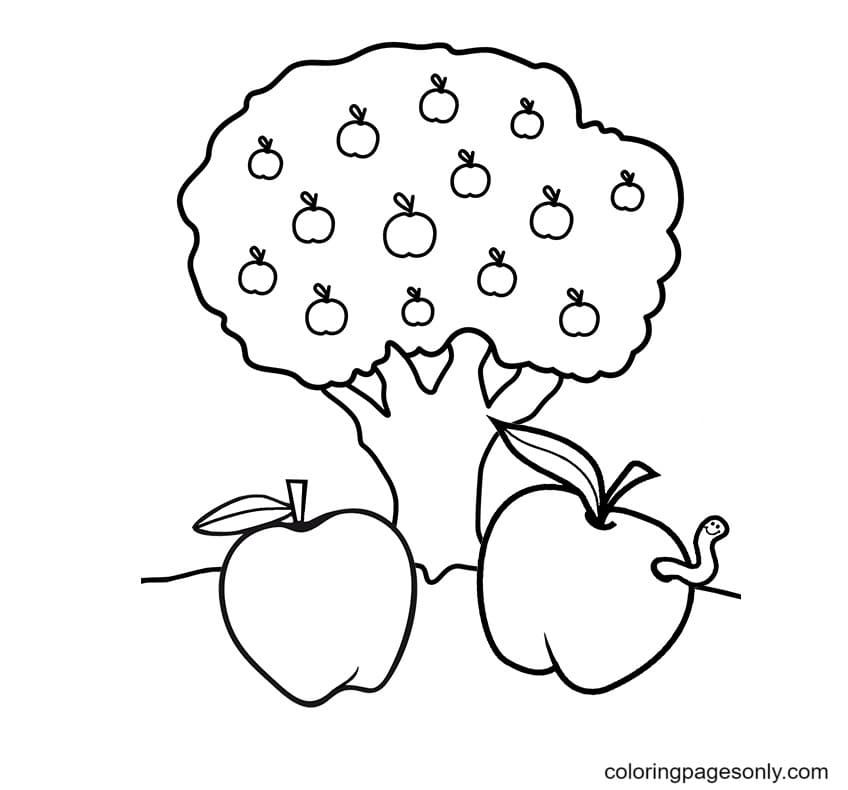
The remaining pages widen the view to full apple trees, baskets of harvested fruit, apple juice and cider, and small scenes featuring worms, books, or other objects alongside the apple.
What Apple Coloring Pages Do
Fine motor development through stem and leaf detail. The American Academy of Pediatrics identifies fine motor skill development as a core benefit of structured coloring for children ages 2 through 7, and staying inside the curved outline, stem, and leaf lines of an apple calls for exactly that kind of controlled, contained pencil movement.
A fun introduction to plant science. Coloring an apple page is a natural opening to a surprising fact: because apple seeds do not grow true to the parent tree, growers use grafting rather than seeds to reliably reproduce a specific variety.
Anxiety reduction through focus. A 2005 study in the Art Therapy Journal documented measurable reductions in anxiety following structured coloring sessions, and working through a set of similarly simple, cheerful pages offers that same steady, repetitive rhythm.
Practice mixing a range of related colors. Because apples come in shades from deep red to green to yellow, these pages give colorists a focused way to practice several related color families within one familiar shape.
How to Color Apple Pages Well
- Red apples: Use a deep Red base, adding a darker Maroon shade along one side to suggest natural shadow and roundness.
- Green apples: Use a bright Green for a Granny Smith-style apple, with a lighter Yellow-Green highlight near the top.
- Yellow apples: Use a warm Yellow-Gold base, adding a soft Orange blush on one side for variety.
- Stem and leaf: Color the stem a simple Brown and the leaf a fresh Green.
- Sliced apple flesh: Use a pale Cream or off-White for the inner flesh, with small Brown dots for the seeds.
- Orchard backgrounds: Use Sky Blue for the sky, Brown for tree trunks, and Green for surrounding foliage.
5 Creative Craft Ideas With Apple Coloring Pages
1. Personalized Apple Magnets. Color an apple design, cut it out, glue it onto sturdy cardboard, and attach a small magnet to the back for a handmade fridge magnet.
2. Apple-Shaped Bookmark. Color a design, cut it out, laminate it for durability, punch a hole at the top, and add a ribbon for a simple bookmark.
3. Festive Apple Garland. Color several apple designs in different colors, cut them out, and attach them to a string or ribbon to make a decorative garland.
4. Apple Gratitude Tree. Color and cut out several apples, write something you’re grateful for on each one, and attach them to a tree-shaped poster or cutout.
5. DIY Apple Gift Bags. Color an apple design, cut it out, and glue it onto a plain paper gift bag for a personalized touch.
Frequently Asked Questions
What are Apple coloring pages?
Apple coloring pages are printable line-art designs of the classic fruit, from simple portraits to playful characters, trees, and orchard scenes. This collection includes 43 free designs available as PDFs or online coloring.
What family does the apple belong to?
The apple, Malus domestica, belongs to the rose family, Rosaceae, which also includes fruits like pears and cherries.
Where do apples originally come from?
Apples trace their origin primarily to Malus sieversii, a wild apple species native to the mountains of Kazakhstan in Central Asia.
Why do apple growers use grafting instead of growing trees from seed?
Apple seeds do not grow true to the parent tree, so a seed from a specific variety will produce a genetically different tree, which is why growers graft cuttings onto rootstock to reliably reproduce a known variety.
How did apples spread from Central Asia to the rest of the world?
Apples spread west from Central Asia along the Silk Road, reaching Western Asia and Europe through trade over thousands of years.
How many apple varieties are there?
There are thousands of recognized apple varieties worldwide, ranging from popular commercial types to rare heirloom and regional cultivars.
Are Apple coloring pages suitable for young children?
Yes. The simple, bold outlines in this collection suit preschool and early elementary colorists, while the more detailed character and scene pages work well for older children and adults.
Why do apples sometimes float in water?
Apples float because roughly a quarter of their volume is made up of air pockets within the flesh, making them less dense than water.
Start Coloring
Download any page by clicking the design. No account, email, or payment is required. Pages print directly from the browser at full resolution or open in the online coloring tool for screen use. Share finished pages on Facebook or Pinterest with the share buttons at the top of each design page.