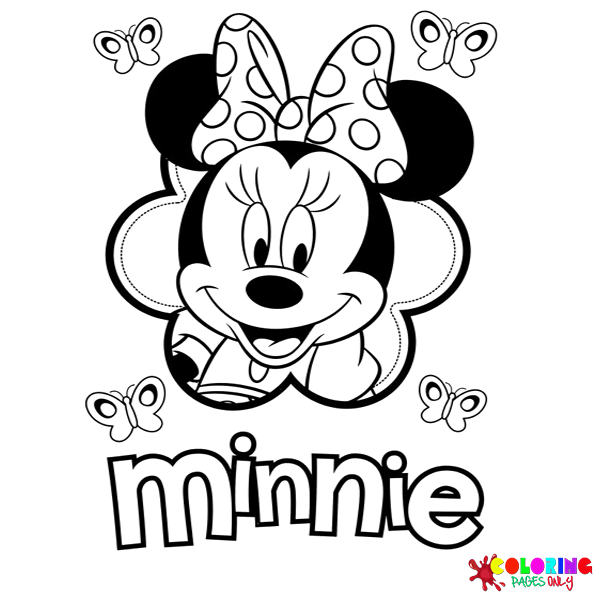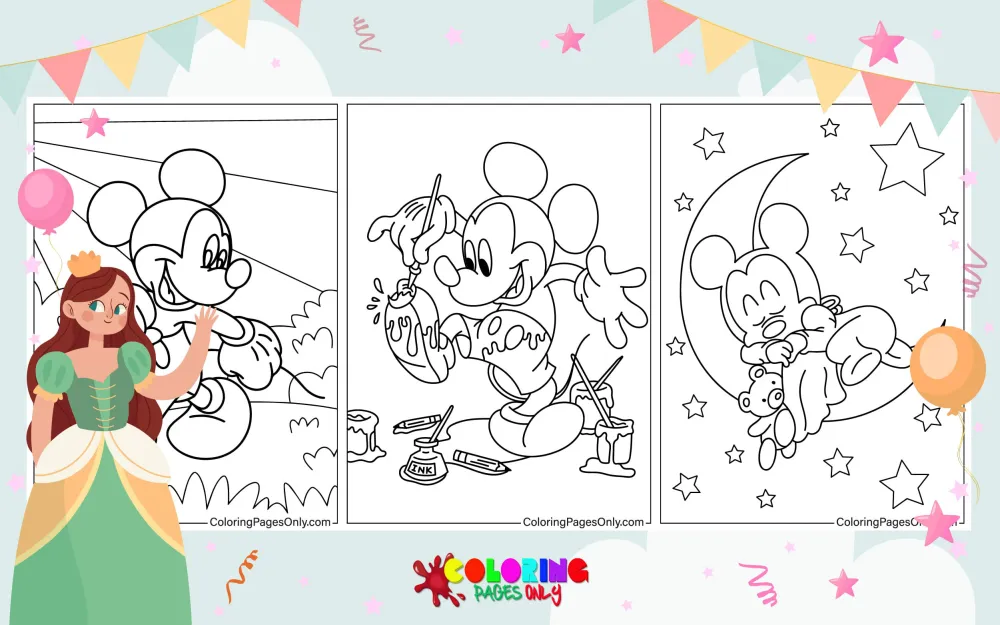
Free Mickey Mouse coloring pages: 54 printable PDF designs featuring Mickey in classic poses, sports and hobby scenes, Christmas and Halloween themes, and moments with Minnie Mouse, Goofy, and Pluto. Each page can be downloaded as a PDF to print or colored online in the browser.
Mickey Mouse was co-created in 1928 by Walt Disney and animator Ub Iwerks, and he made his public debut that November in Steamboat Willie, one of the first cartoons with synchronized sound. Nearly a century later, that same round-eared design is the starting point for this collection, which turns Mickey’s familiar shapes into pages built specifically for coloring: clean outlines, distinct color zones, and enough variety in pose and scene that no two pages feel repetitive.
The set spans 54 designs, from simple standing portraits to seasonal scenes and pages with his closest friends, and it is built to grow with a child rather than serve just one age group, roughly preschool through early elementary. Parents and teachers can lean on the simpler portraits for early scissor and coloring practice, use the friend scenes to talk through Mickey’s relationships with Minnie, Goofy, and Pluto as a light vocabulary exercise, or keep a few pages on hand as a quiet, screen-free activity for car rides, waiting rooms, or classroom transitions.



What Is Inside This Collection
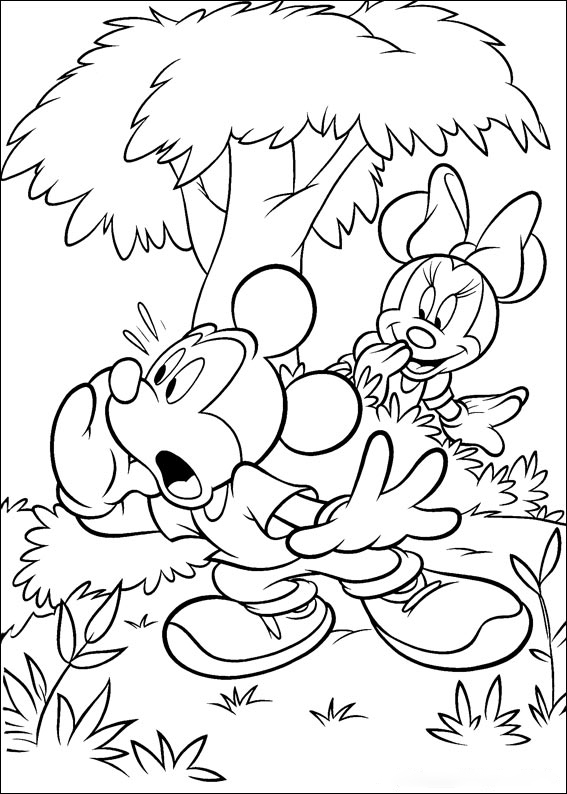
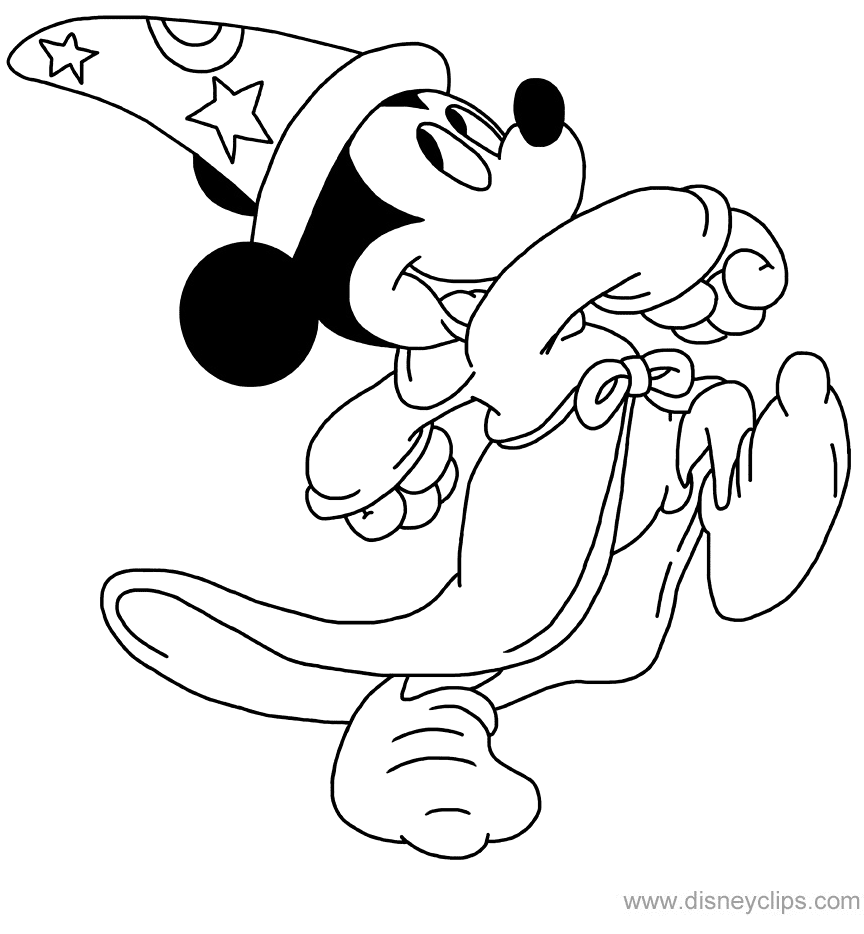
The 54 pages fall into a few clear groups, built around Mickey solo, Mickey with friends, seasonal themes, and everyday activities.
Classic Mickey Portraits
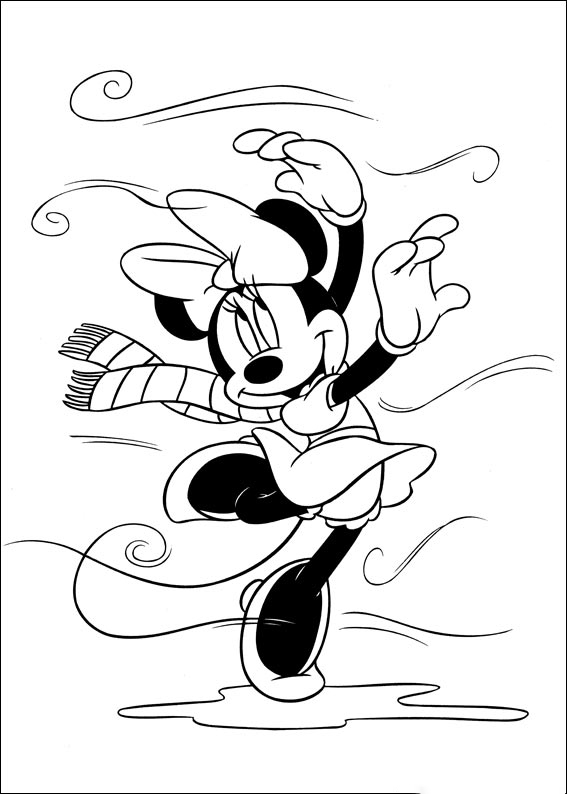
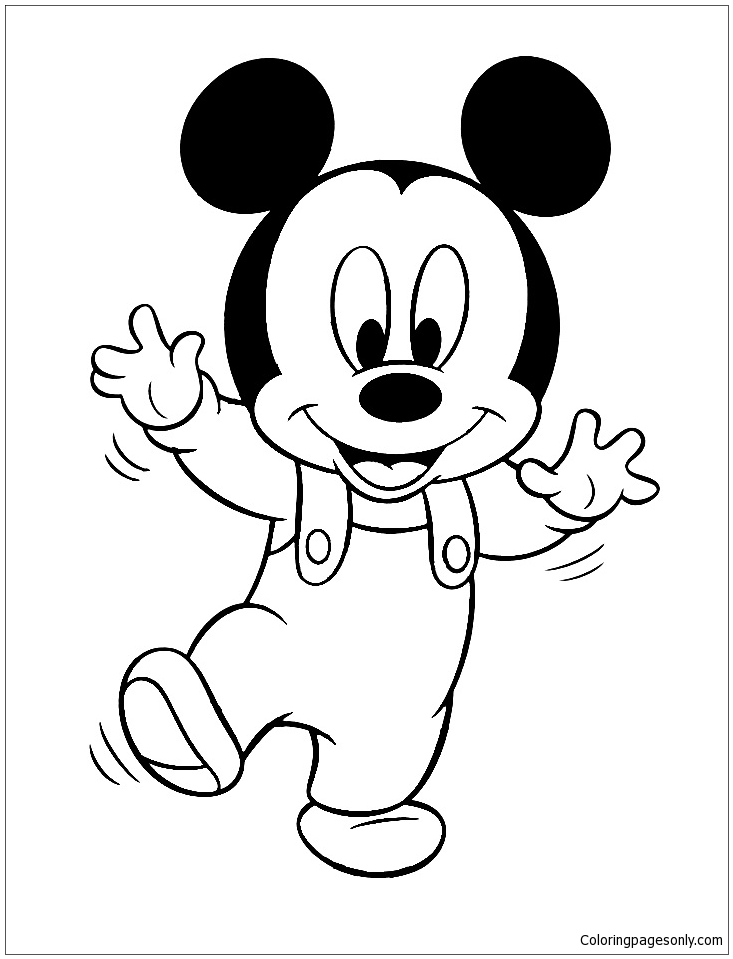
A core set of pages shows Mickey standing, walking, or dancing in simple, clean poses with few background details, making them the easiest place to lock in his core color key: solid Black for the body, Scarlet for the shorts, White for the gloves, and Dandelion for the shoes.
Mickey and Friends
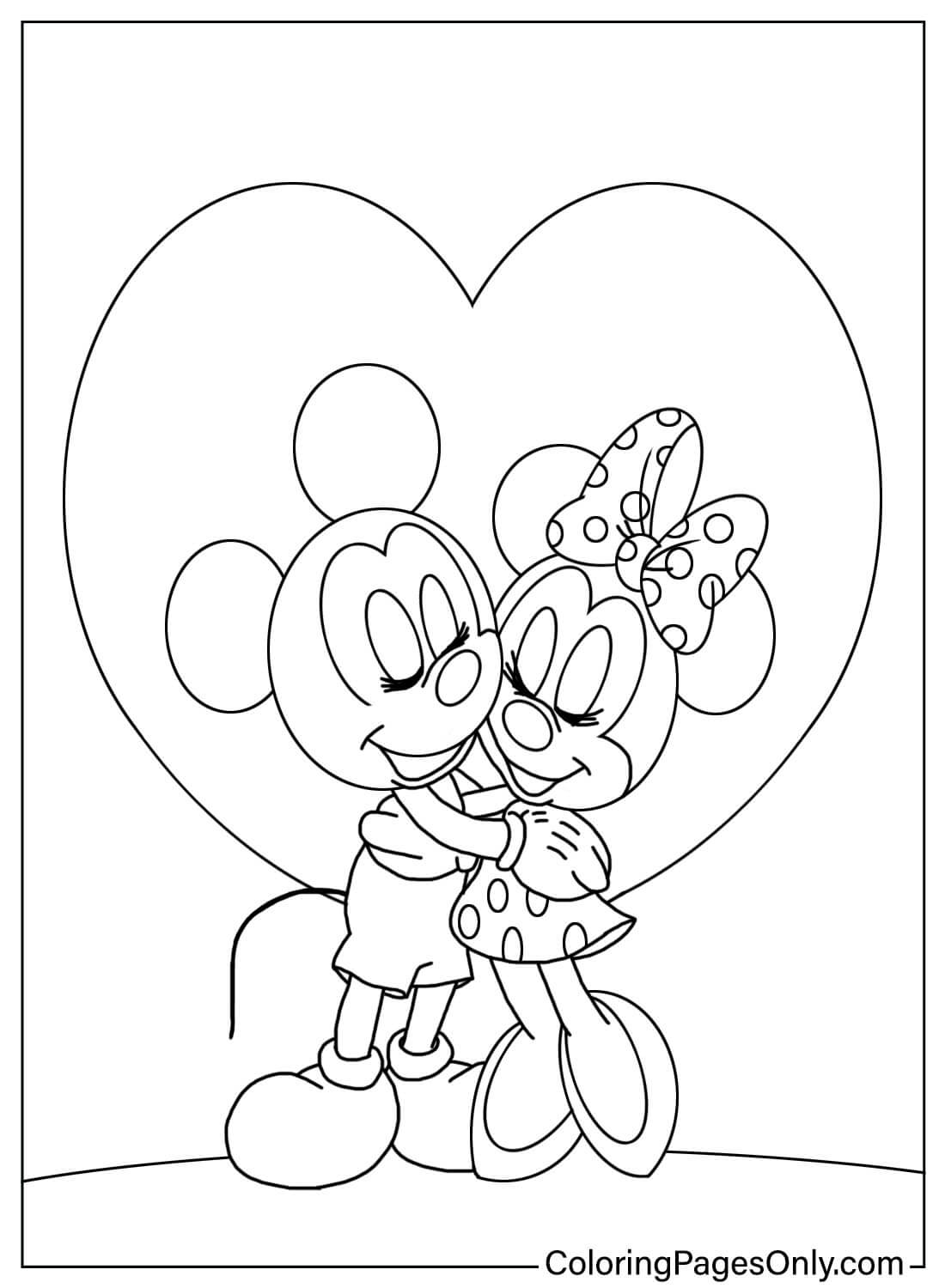
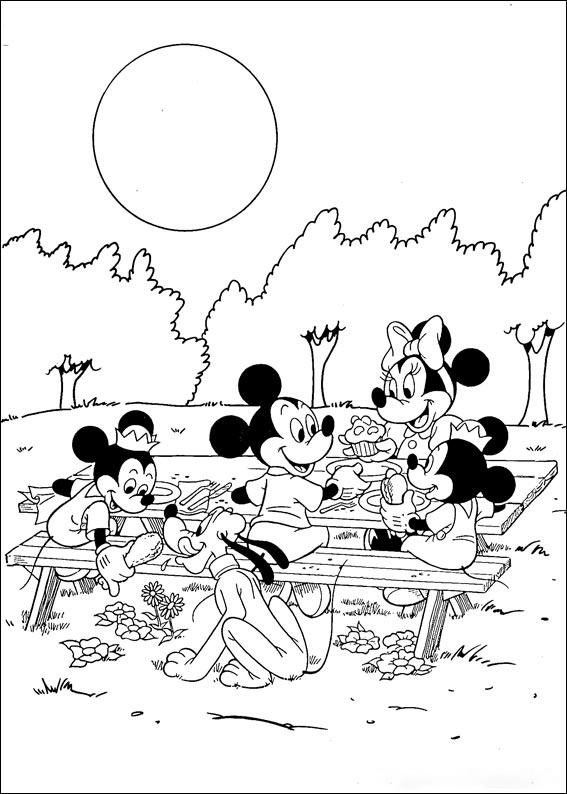
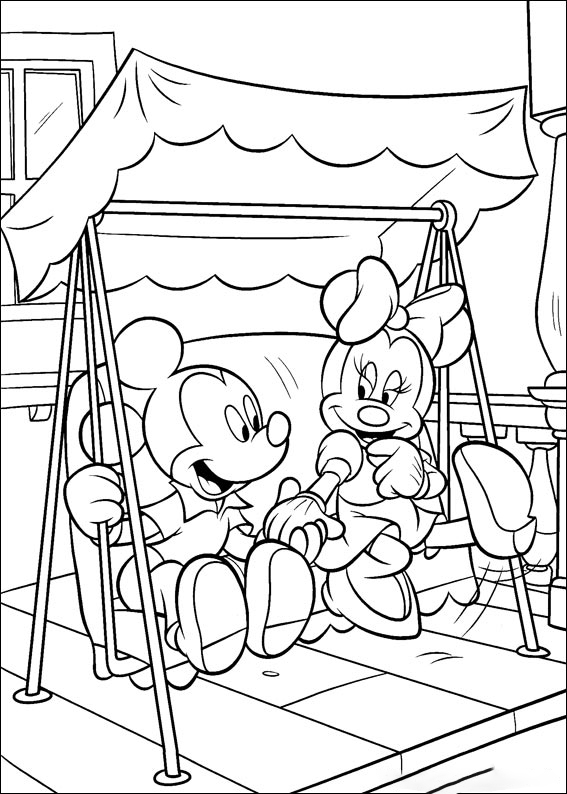
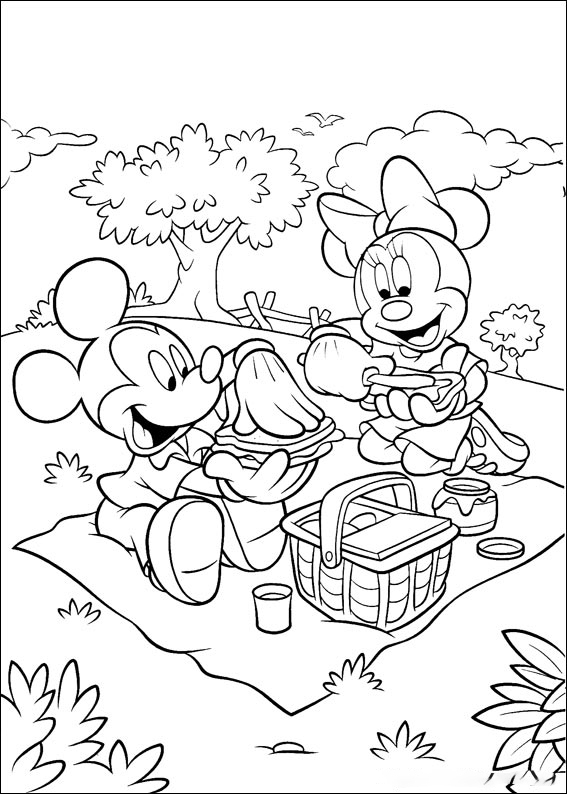
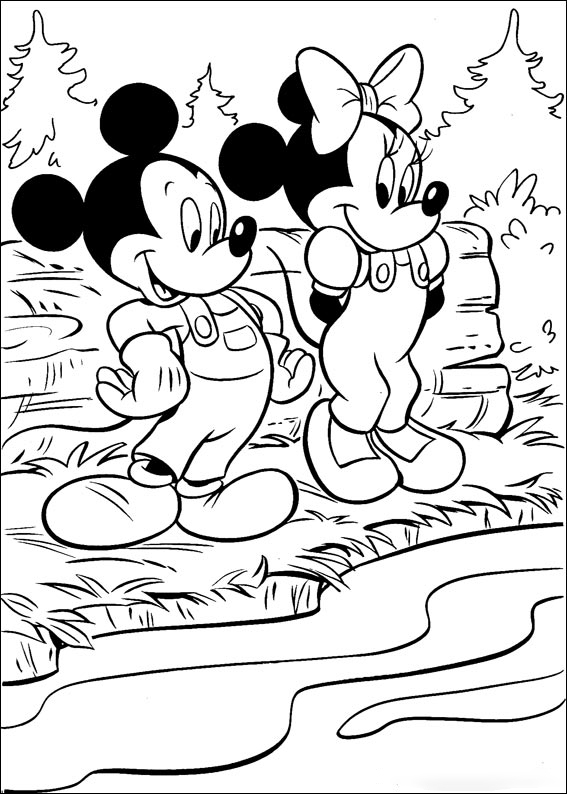
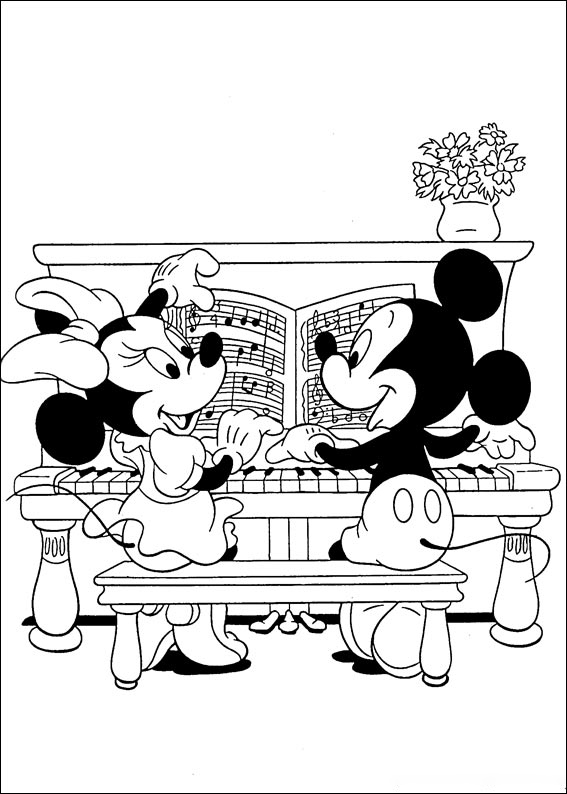
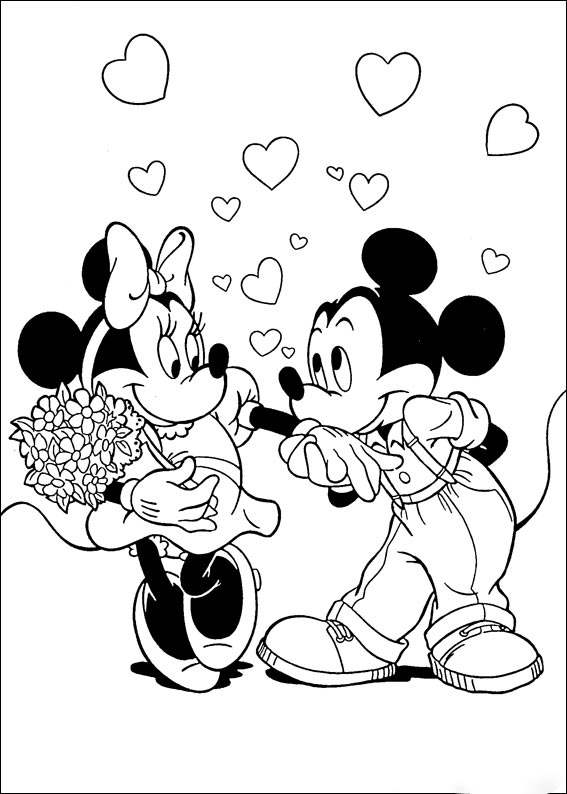
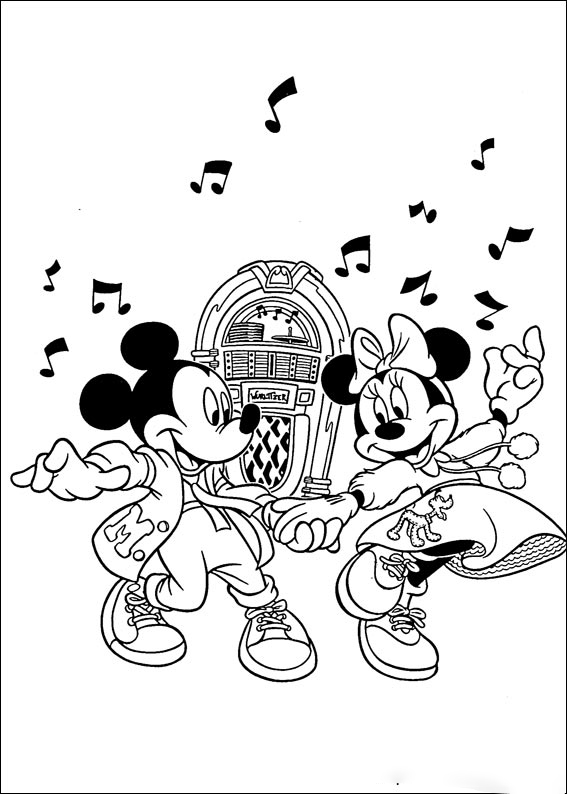
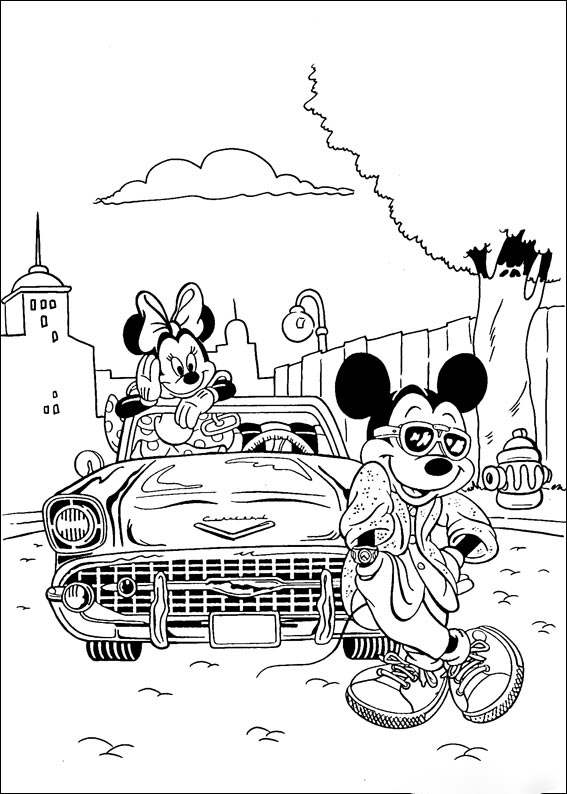
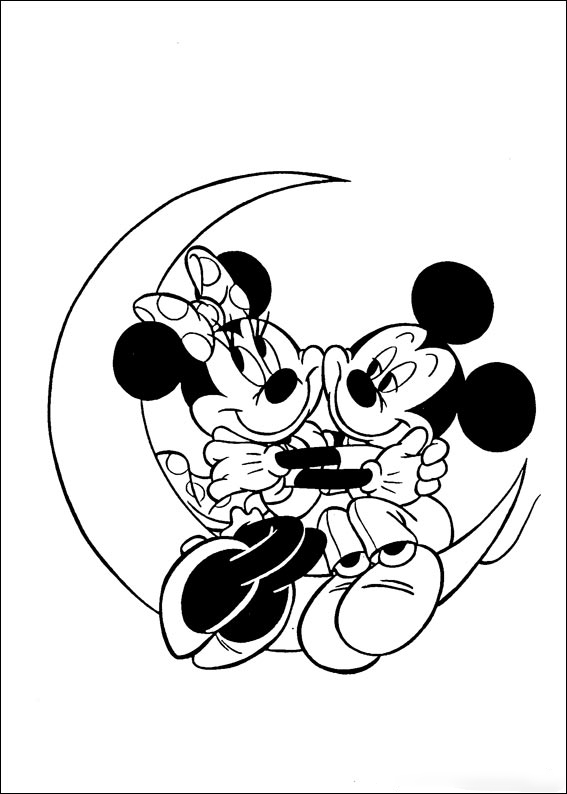
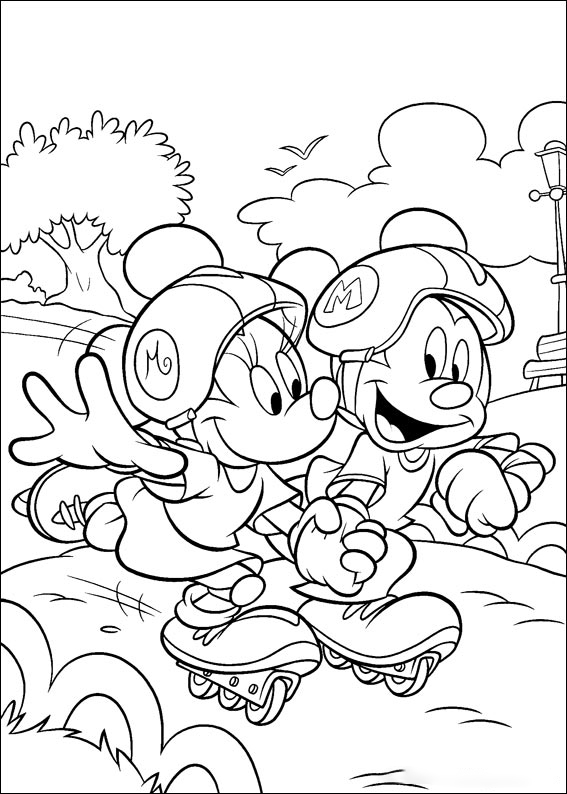
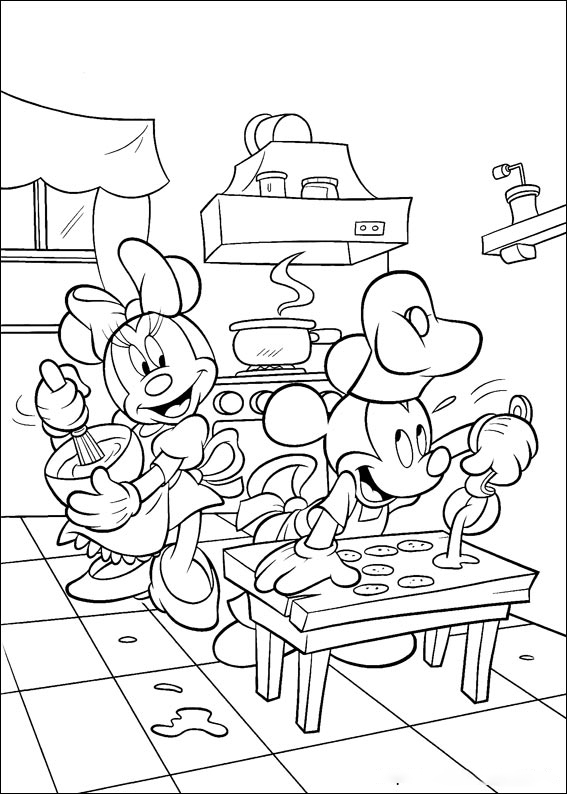
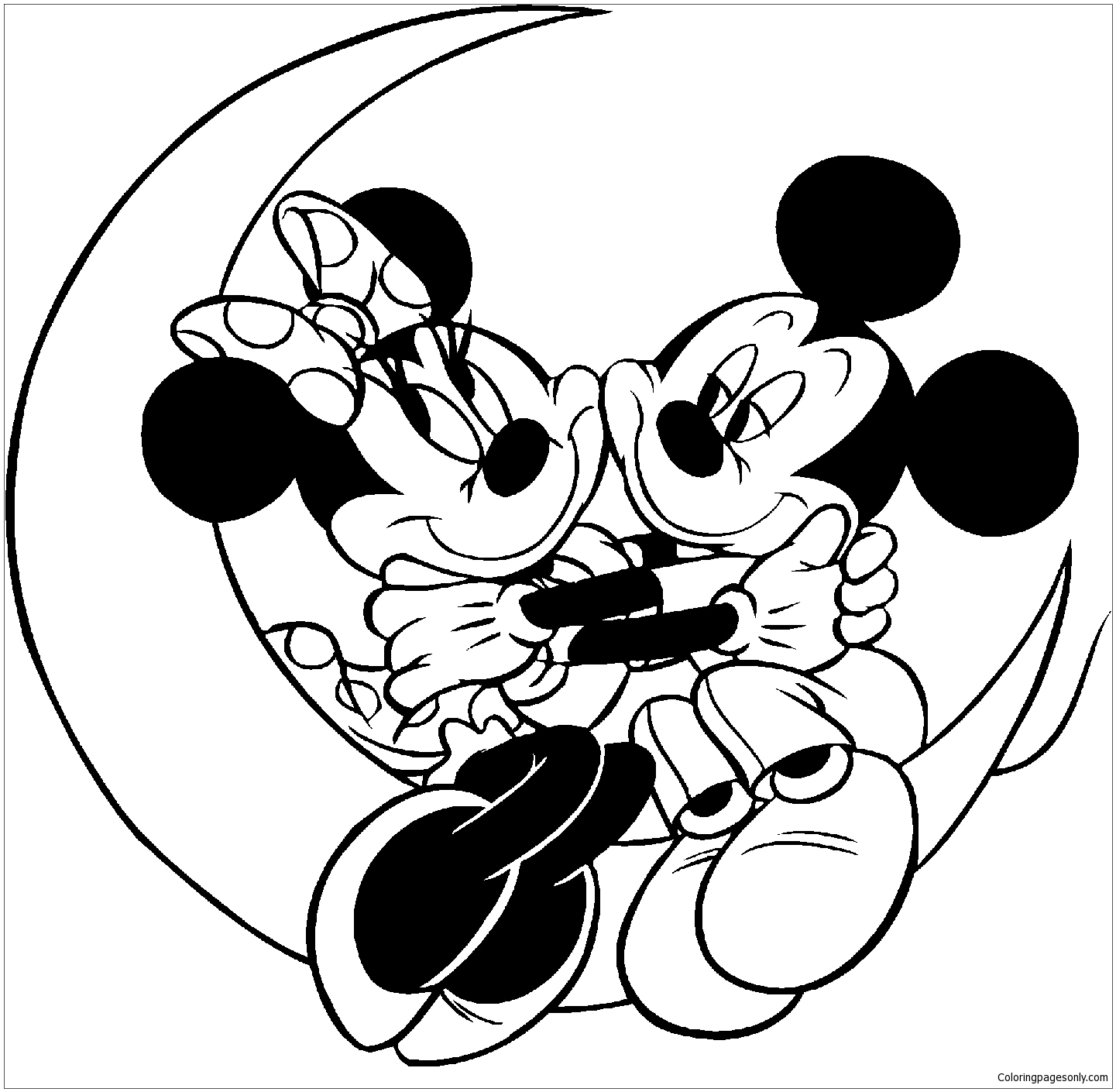
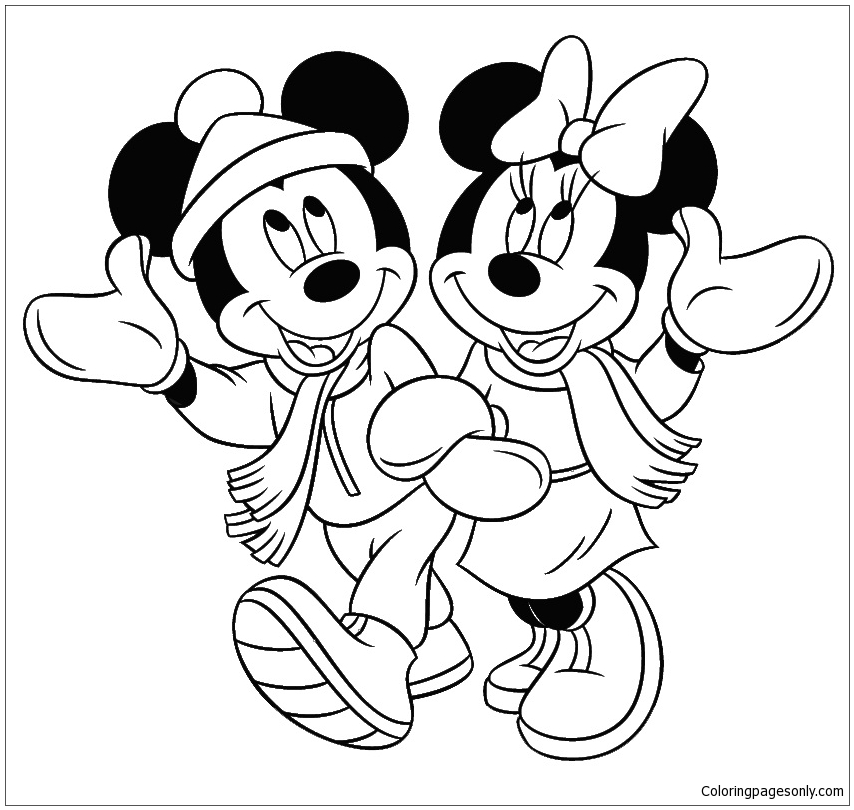
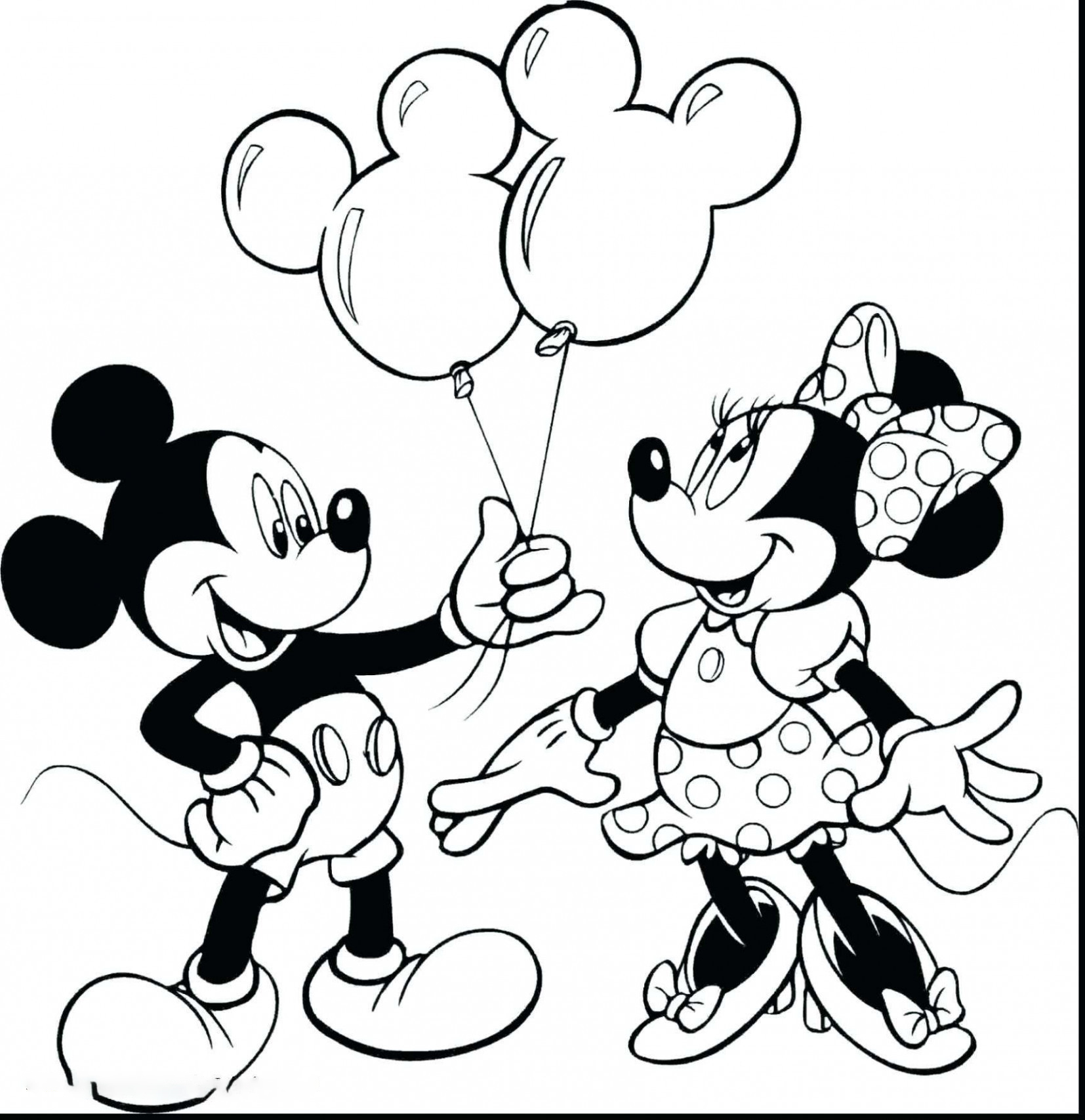
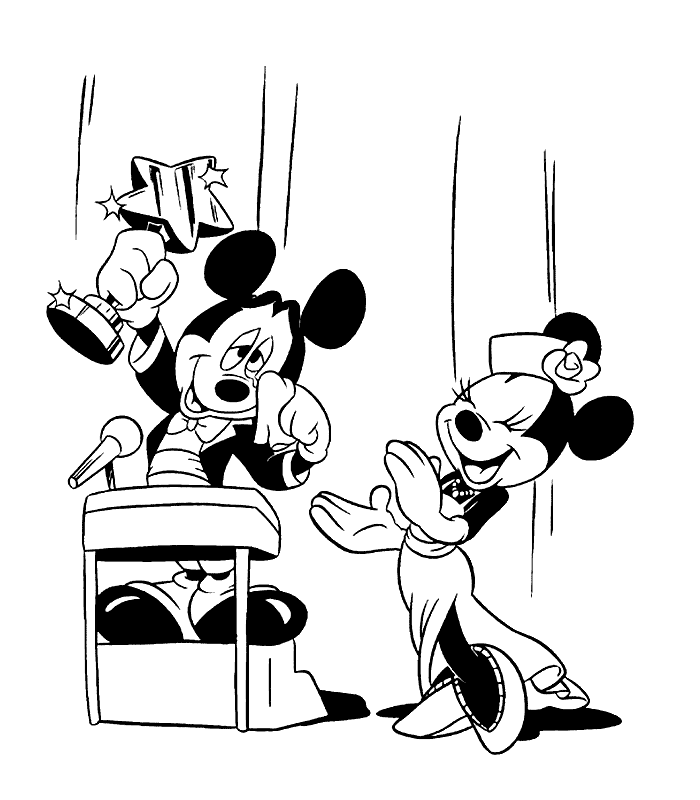
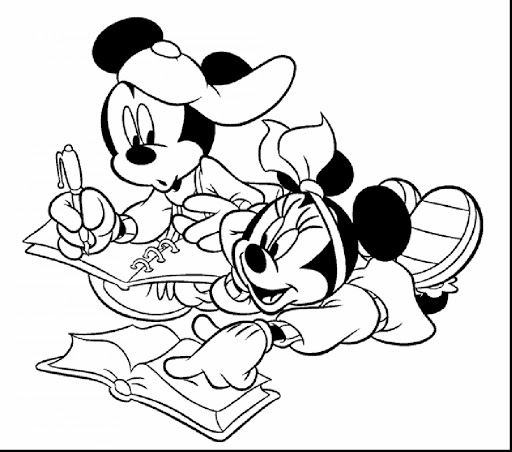
Many pages pair Mickey with Minnie Mouse, Goofy, or his dog Pluto in shared activities: swinging together, roller skating, baking, playing piano, or riding to the moon, the supporting cast that has surrounded him since his earliest cartoons. Keep each friend distinct with their own palette: red and white for Minnie, golden brown for Pluto, and orange or peach for Goofy.
Sports and Everyday Activities
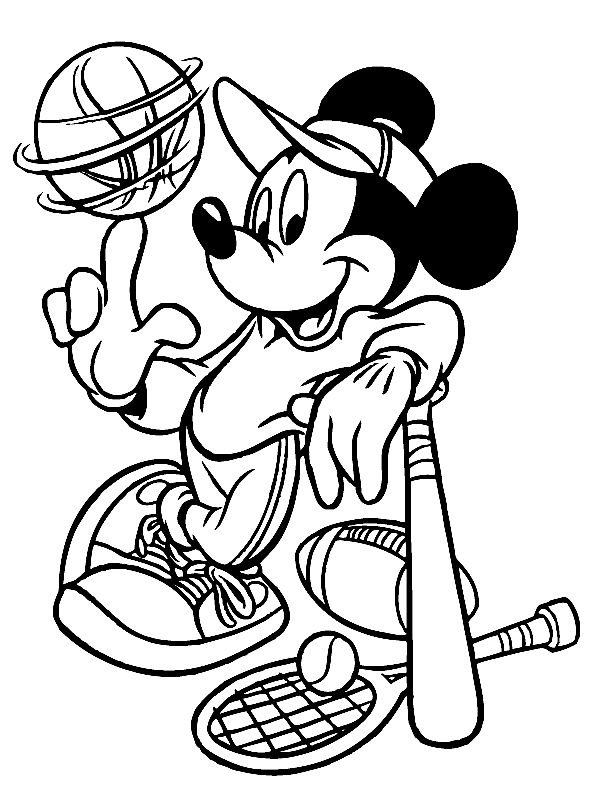
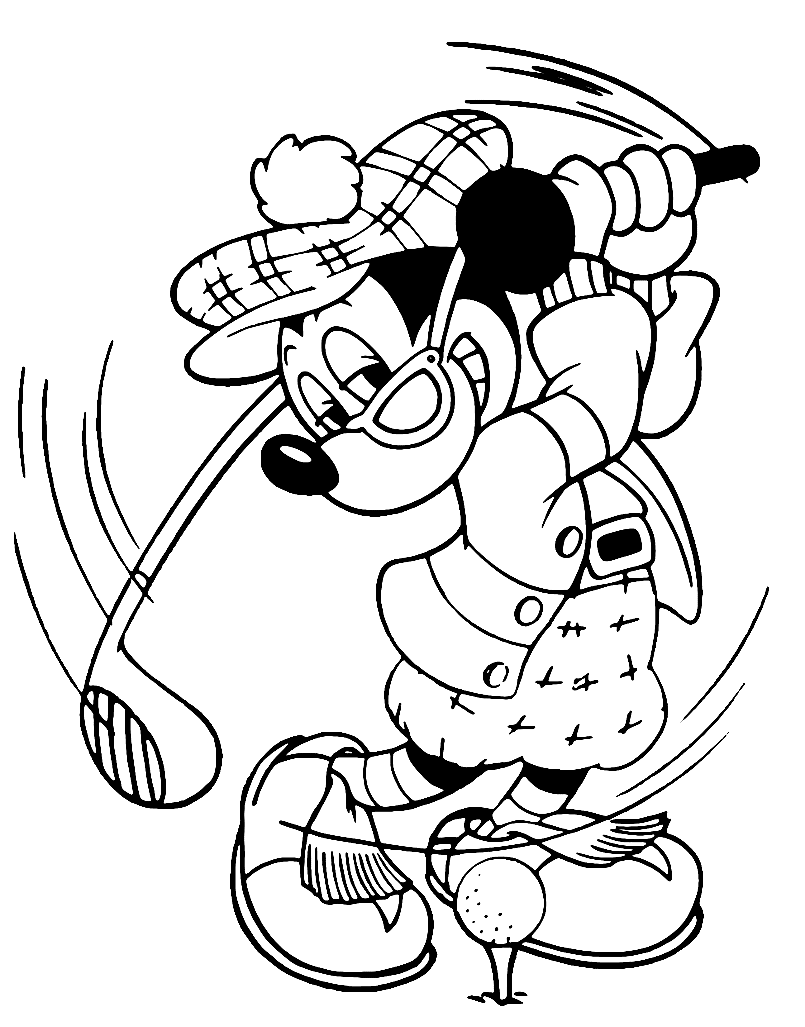
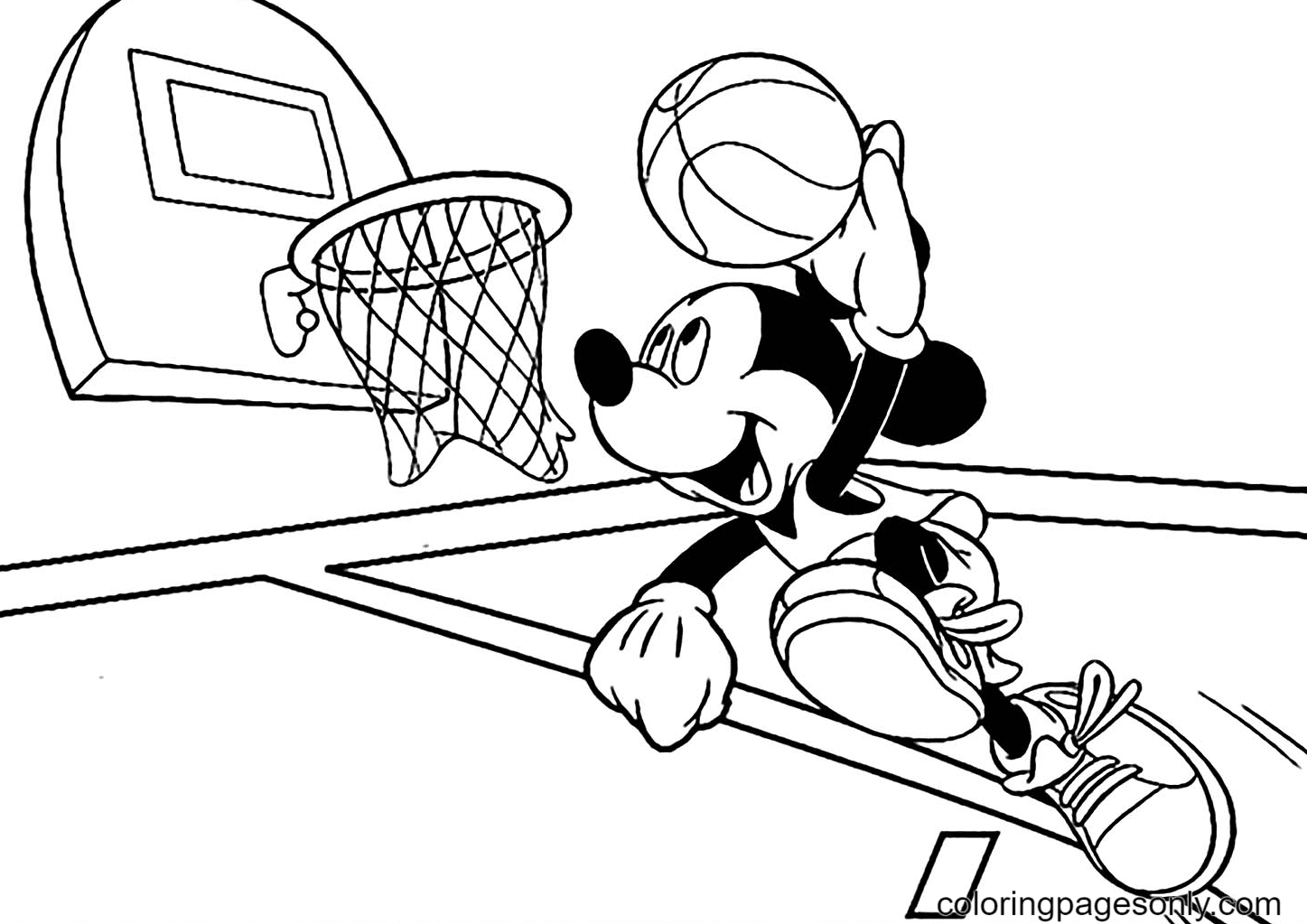
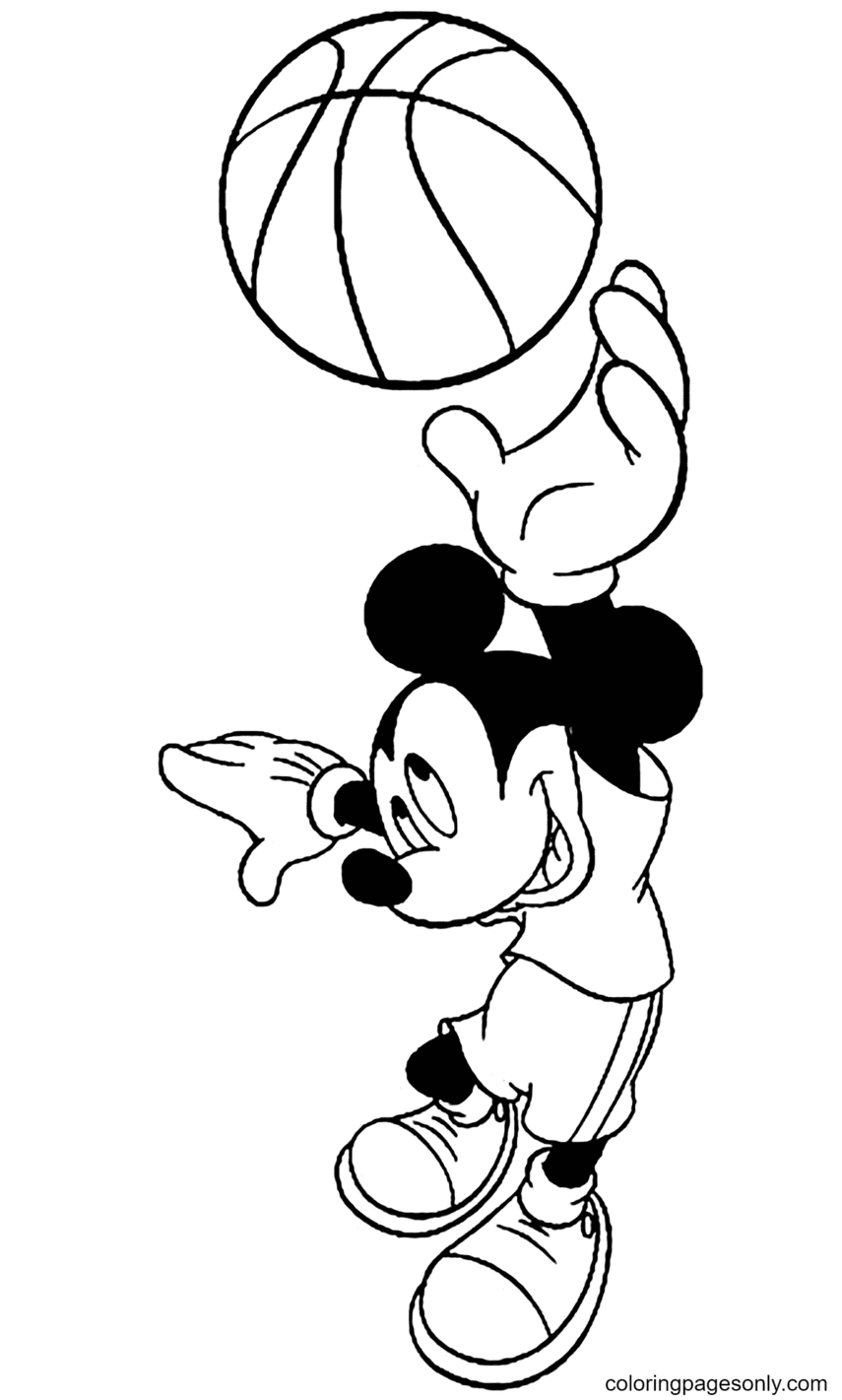
A group of pages shows Mickey mid-activity rather than posed: playing basketball, golfing, throwing a ball into a net, gardening, and painting his own slippers, with more small details than the classic portraits. Let the equipment carry extra color, a bright orange basketball or green golf gear, so each scene reads as its own activity at a glance.
Holiday and Seasonal Mickey
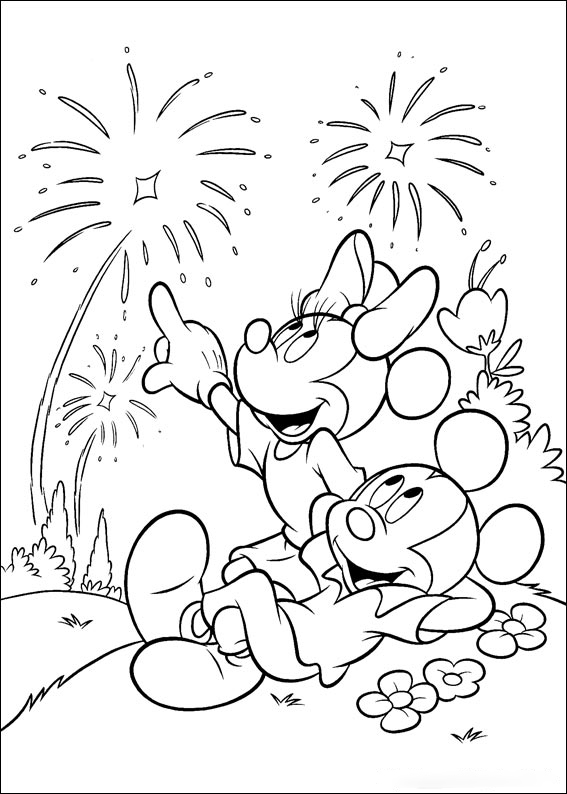
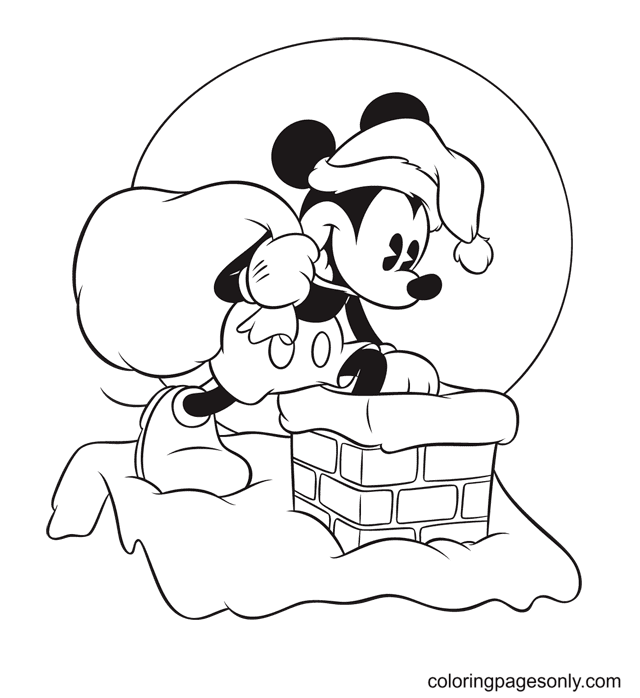
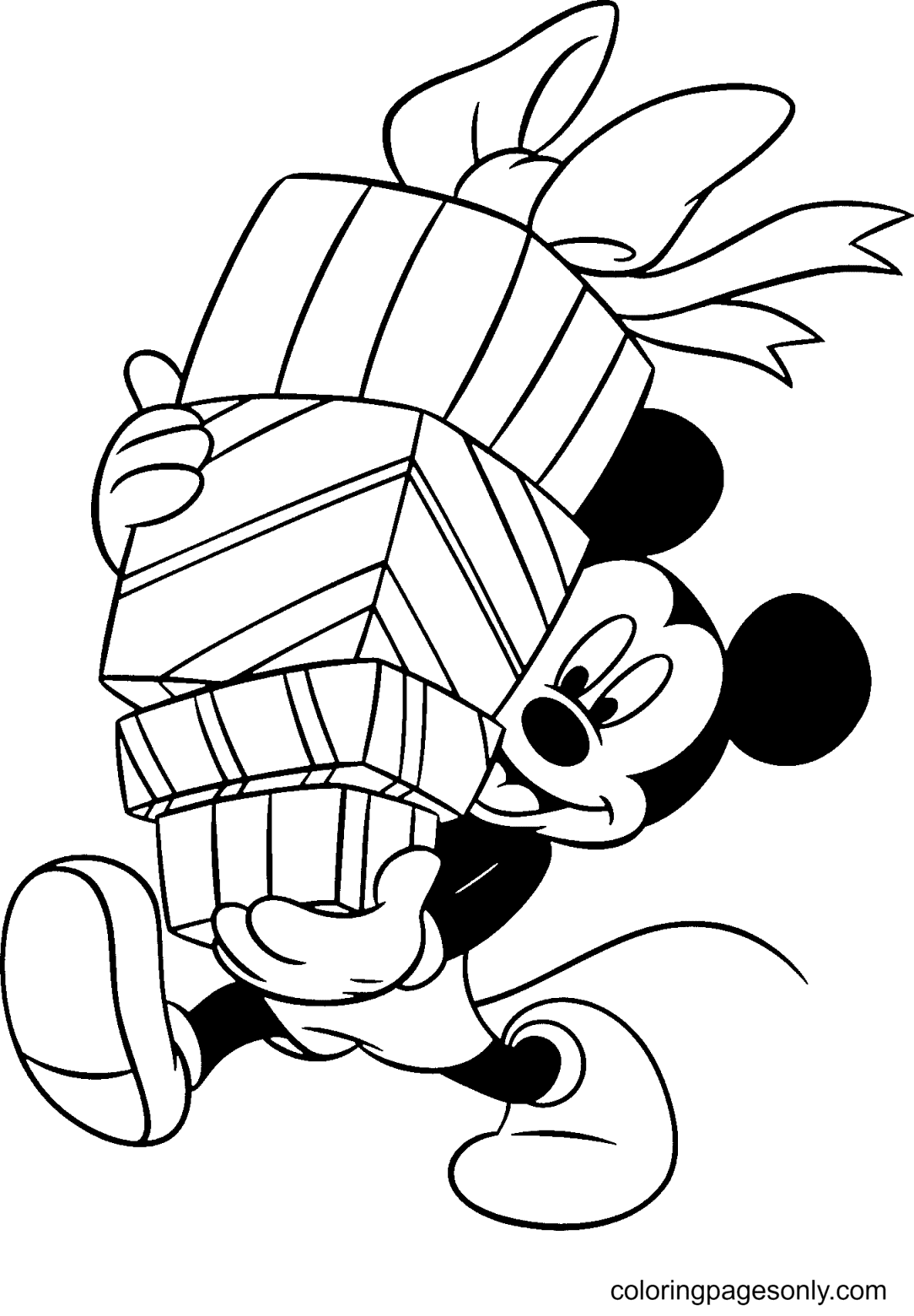
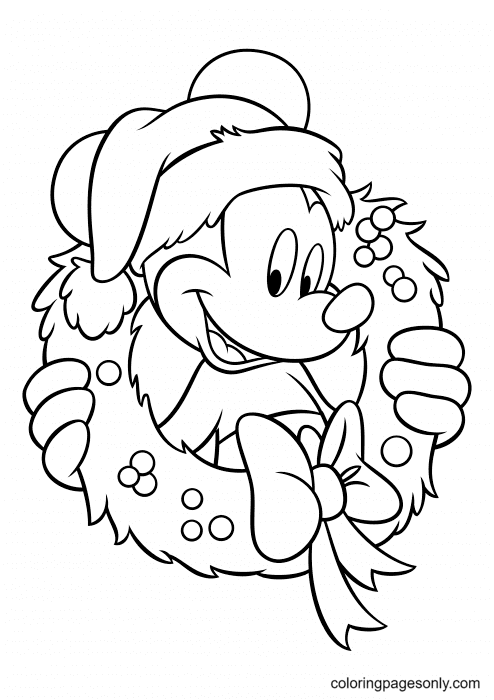
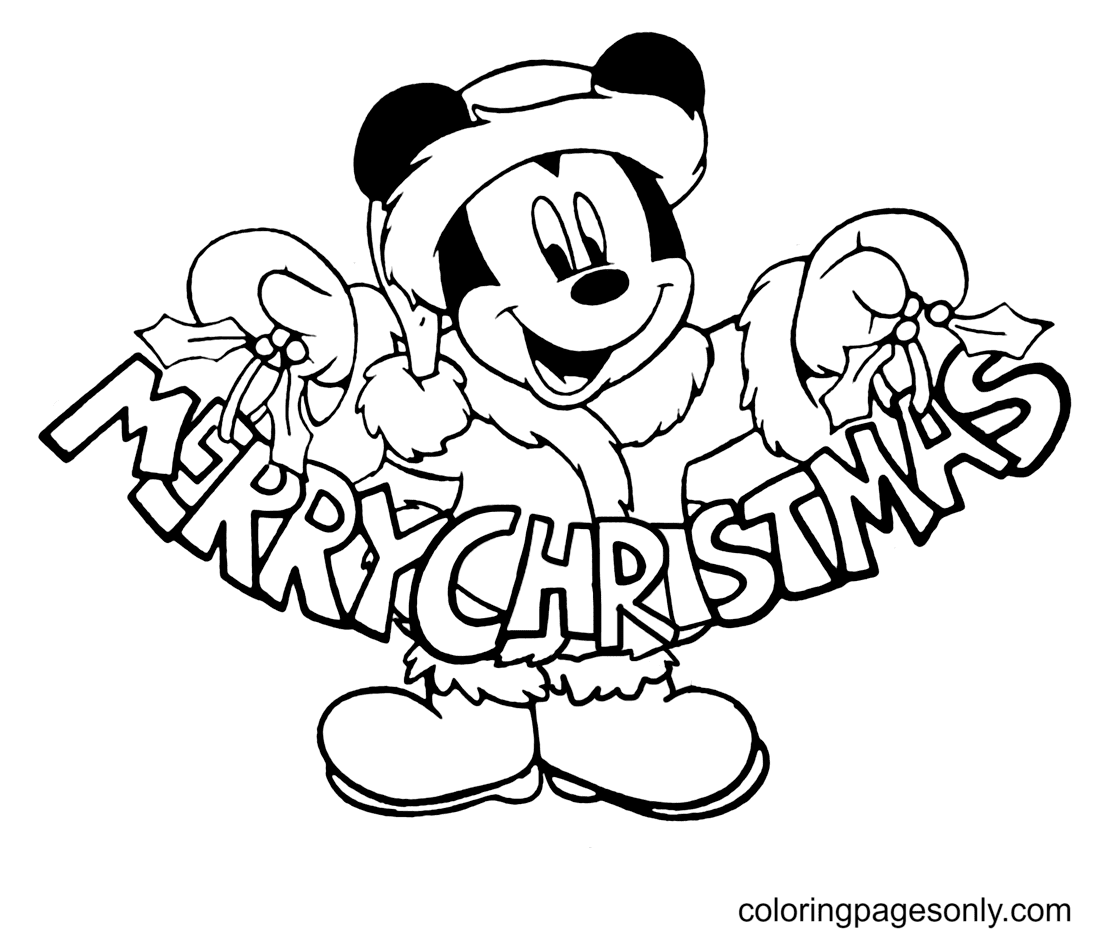
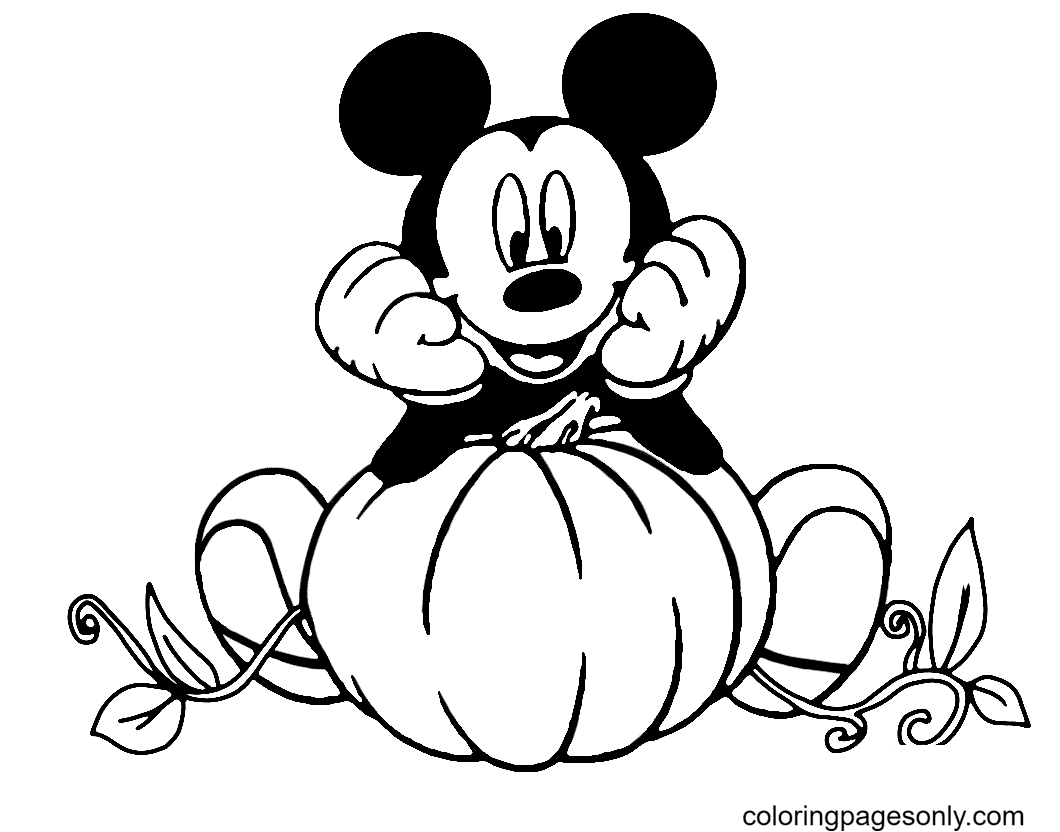
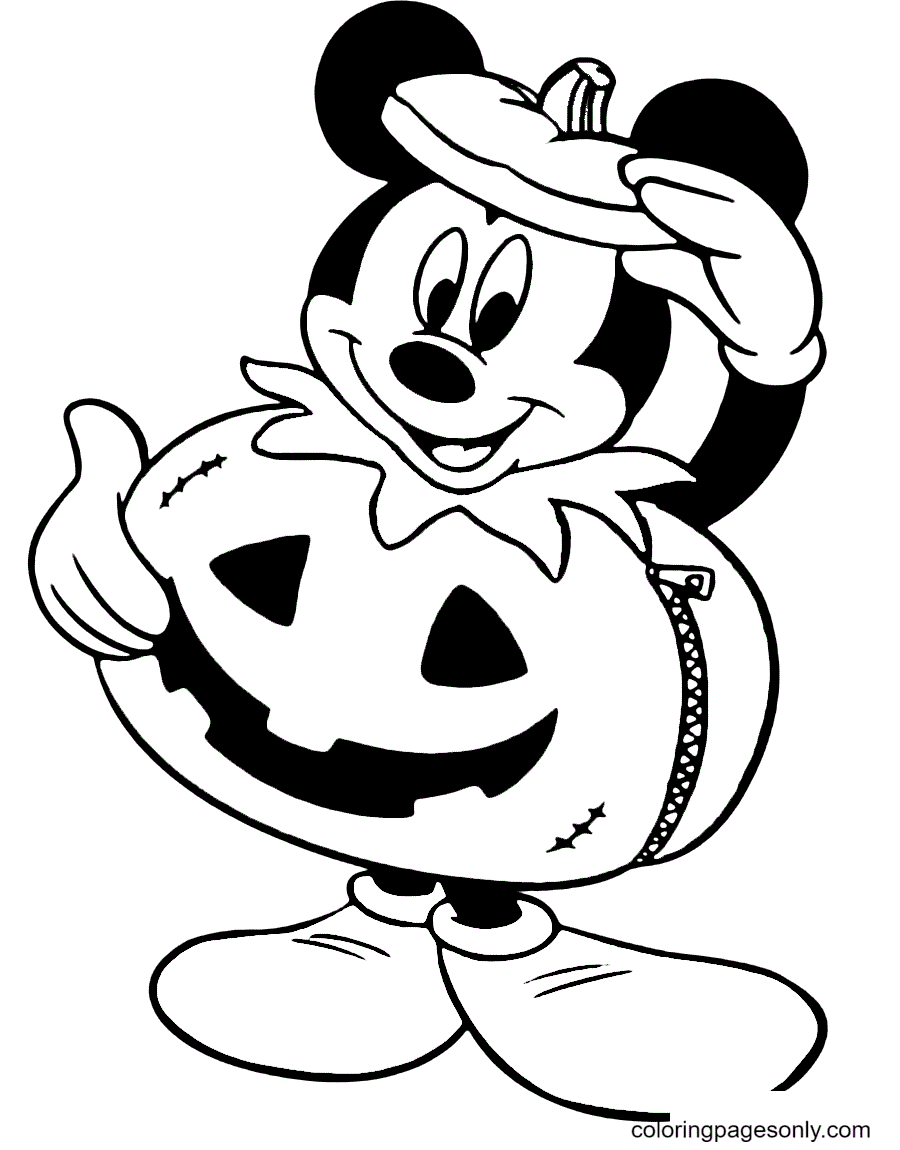
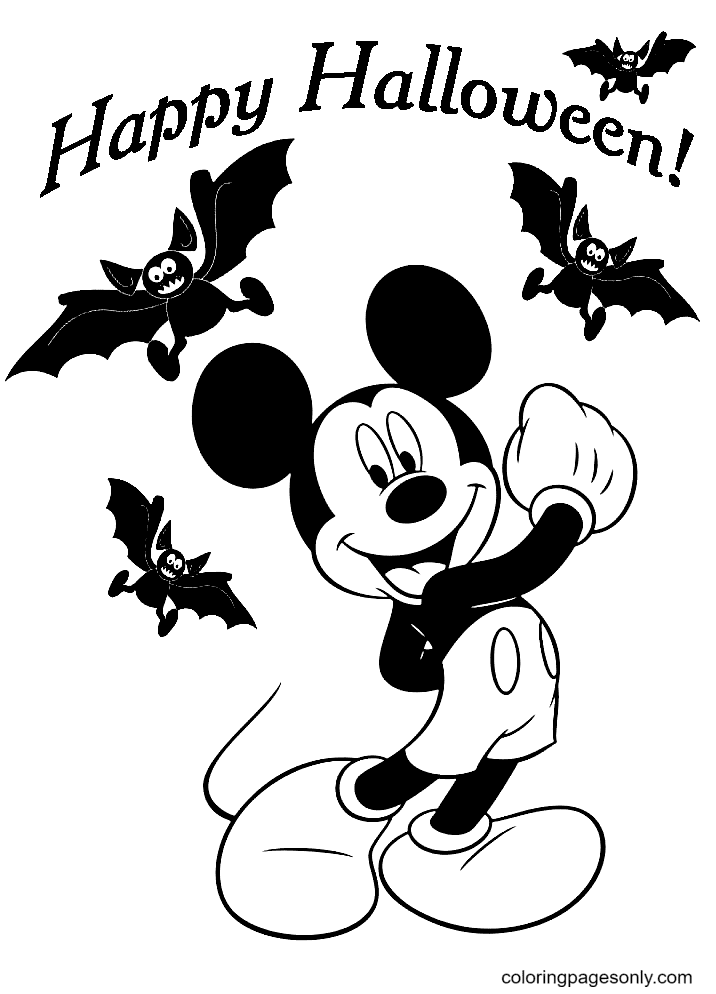
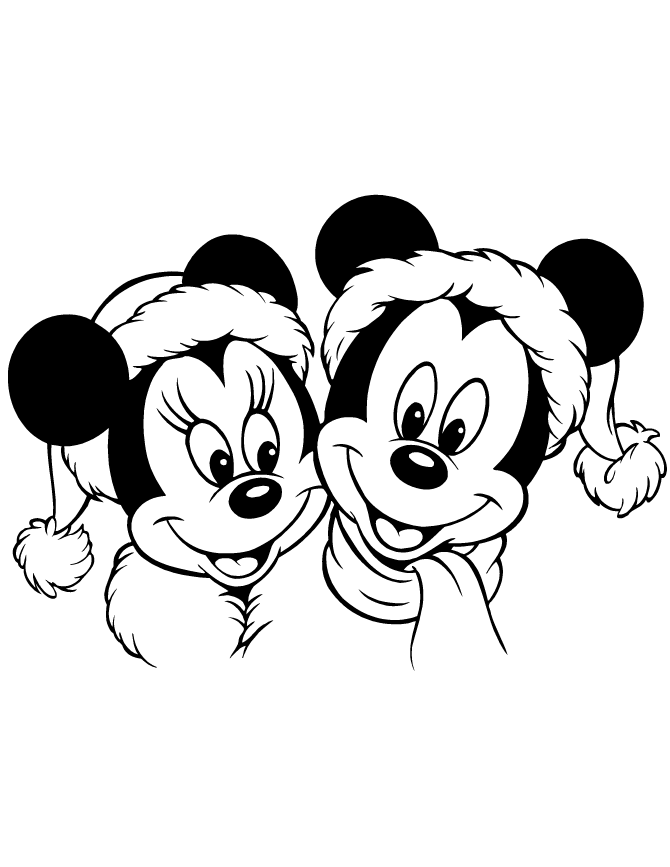
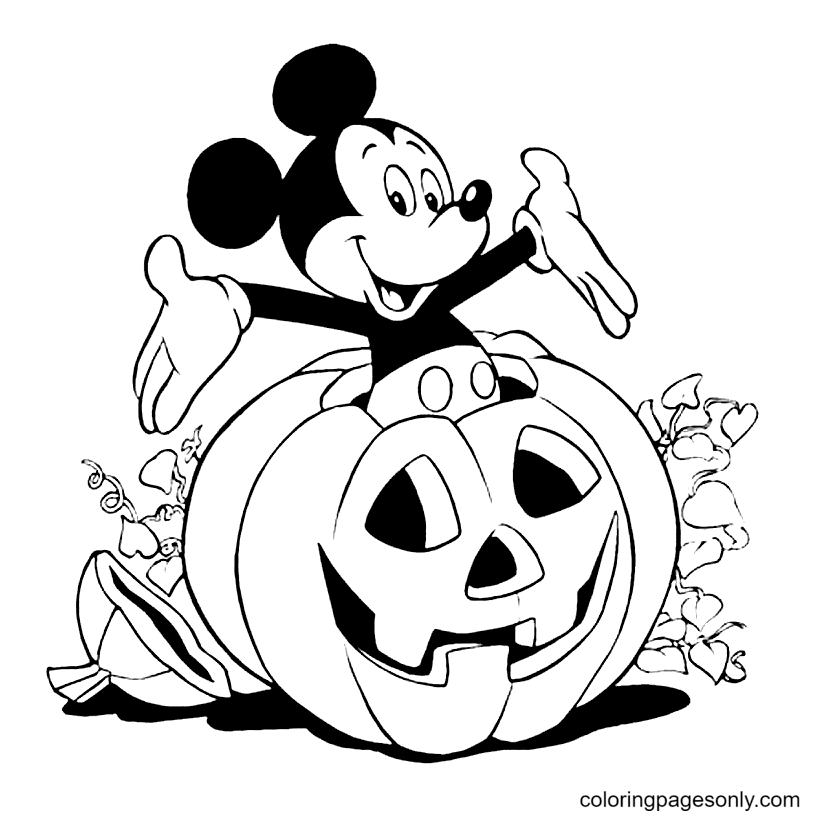
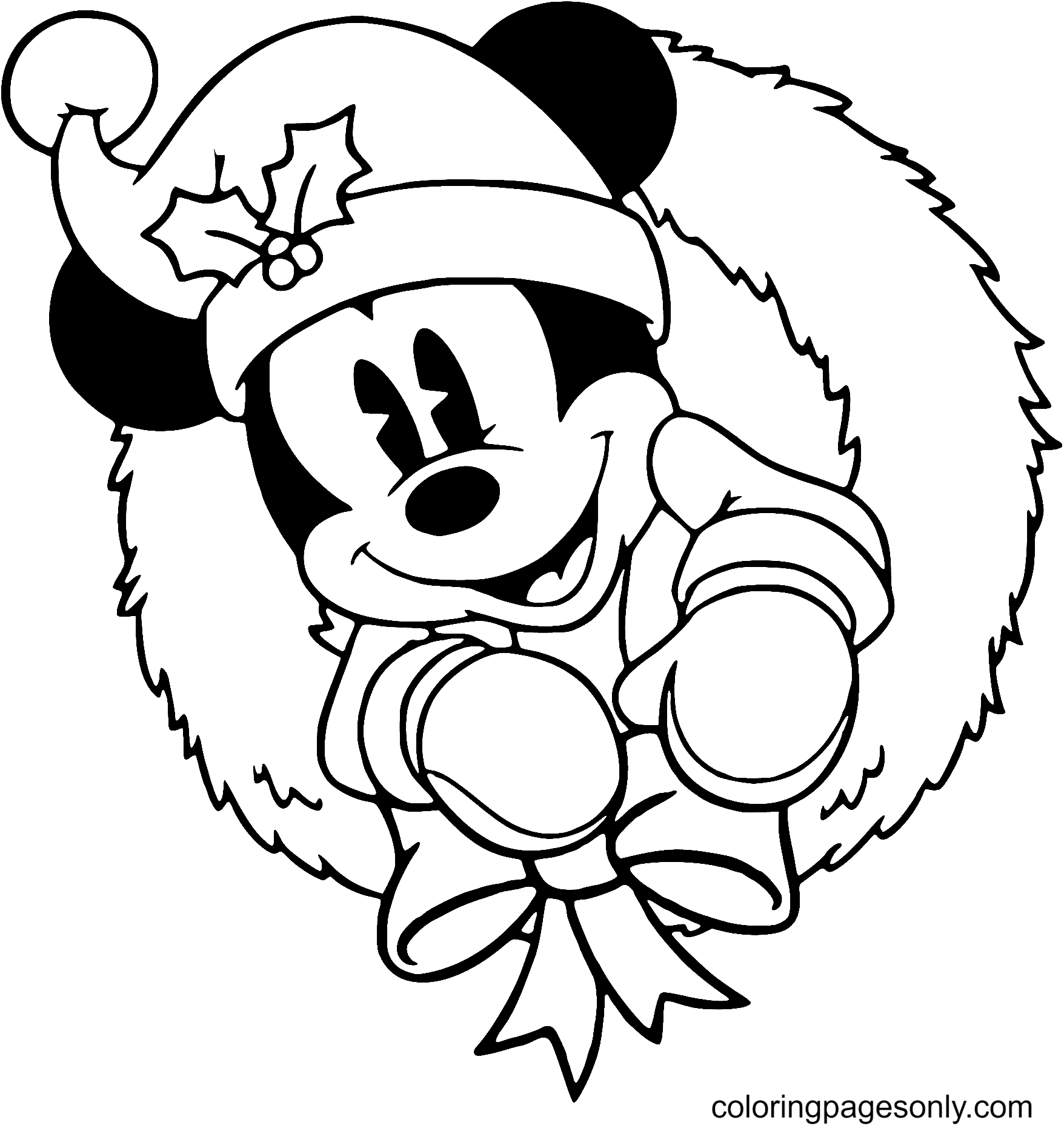
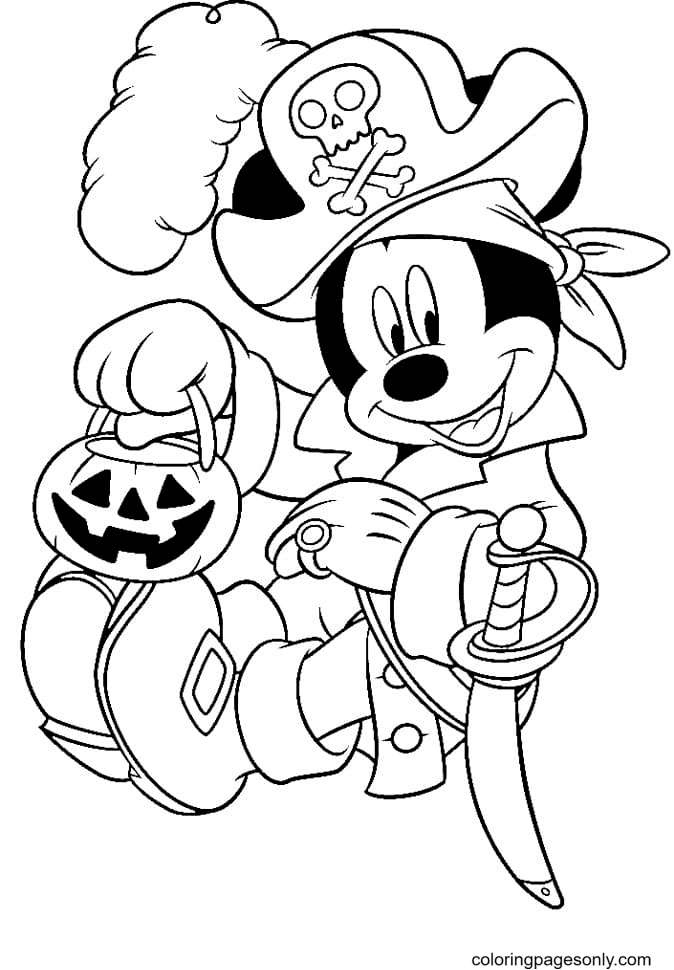
The collection includes a full run of Christmas designs, Santa Mickey, gift-giving scenes, and wreaths, alongside Halloween pages with pumpkins, bats, and a pirate costume, plus a fireworks scene for summer. Lean into each season’s palette: red and green for Christmas, orange and black for Halloween, and warm gold for the fireworks page.
What Mickey Mouse Coloring Pages Do
Fine motor development. Working inside Mickey’s rounded ears and small gloved hands takes more hand control than filling a large open space, real fine motor practice rather than just a way to pass the time. The American Academy of Pediatrics lists structured coloring like this as a core contributor to fine motor skill development in children ages 2 through 7.
A familiar face lowers the barrier to starting. Mickey Mouse has been part of American animation for nearly a century. Hence, most children already know his shape and colors before they ever pick up a crayon, which makes it easier for a reluctant colorer to begin.
A calmer way to focus. Coloring a familiar pose at an unhurried pace has a calming effect, researchers have measured directly: a 2005 study in the Art Therapy Journal found that participants coloring structured designs showed larger drops in anxiety than those doing unstructured drawing. This pattern applies just as well to a child working through a Mickey page.
Keeping a color key consistent. Mickey’s own color scheme took years to settle into its current form, and matching red shorts, white gloves, and a black body across dozens of pages gives a child low-stakes practice at holding a consistent color key across a longer project.
How to Color Mickey Mouse Pages Well
- Black body, warm face: Use Black for the main body and ears, but color the face, muzzle, and hands a warm cream tone such as Crayola Peach or Almond rather than pure white, so Mickey’s features stand out clearly against the Black.
- Red shorts, every time: Color the shorts Scarlet or Red with the two round buttons left white or pale yellow. Red only became Mickey’s official color in 1935, and it has stayed his signature shade ever since.
- White gloves with the three lines: Keep the gloves White or a very light Gray, and if the design shows the three short lines on the back of each glove, trace them in thin gray or black rather than skipping them. Those lines are a signature detail of the original glove design.
- Large yellow shoes: Color the shoes Dandelion or Yellow-Orange, and keep them noticeably oversized compared to the legs. Mickey’s shoes have always been drawn large and rounded on purpose, so exaggerating the proportion looks more correct than shrinking it down.
- Build the face from circles: Mickey’s head, muzzle, and ears are all based on circles. Coloring the ears a solid black and the face a lighter cream helps that circular structure read clearly, especially on the simpler portrait pages.
- Keep each friend in their own palette: On pages with Minnie Mouse, color her in her own red-and-white polka dot scheme rather than matching Mickey’s colors, and use warm brown or tan for Pluto and Goofy so every character stays visually distinct on multi-character pages.
5 Creative Craft Ideas With Mickey Mouse Coloring Pages
- Greeting Card. Materials: a colored Mickey page, folded cardstock, glue stick, scissors, and markers. Cut around the colored design, glue it to the front of the folded card, then write a message inside. Younger children can decorate the edges with stickers or crayons before the card is ready to give.
- Mickey Bookmark. Materials: a small colored Mickey portrait, a cardstock strip about 2 by 6 inches, a glue stick, a hole punch, and a ribbon. Glue the colored portrait onto the cardstock strip, punch a hole near the top, and tie on a short length of ribbon. The finished bookmark is ready to mark a page in a favorite book.
- Framed Wall Art. Materials: a full-page Mickey design, markers or watercolor paints, and a picture frame sized to match. Color the page with extra care since it will be on display, letting the watercolor dry flat for at least an hour. Once dry, slide it into the frame and hang it in a bedroom, playroom, or reading corner.
- Seasonal Garland. Materials: three to five holiday-themed Mickey pages, scissors, a hole punch, and string or twine. Color each page, cut around the main figure, and punch a small hole at the top of each cutout. Thread the string through all the pieces in order and hang the finished garland along a window, mantel, or bulletin board.
- Character Match Game. Materials: two copies each of a Mickey page and two or three friend pages, scissors, and plain cardstock backing. Color each pair to match exactly, cut them into the same-sized cards, and back them with cardstock so the images cannot show through. Lay the cards face down and take turns flipping pairs, turning the finished pages into a simple memory game.
Frequently Asked Questions
What are Mickey Mouse coloring pages?
Mickey Mouse coloring pages are printable designs featuring the Disney character in different poses, activities, and seasonal themes. This collection offers 54 free designs as printable PDFs or online coloring pages, including solo portraits and scenes with Minnie Mouse, Goofy, and Pluto.
Who created Mickey Mouse?
Mickey Mouse was co-created in 1928 by Walt Disney and animator Ub Iwerks. He made his public debut on November 18, 1928, in the short film Steamboat Willie, one of the first cartoons released with synchronized sound, and has appeared in animation ever since.
What colors does Mickey Mouse wear?
Mickey has a black body, a cream or tan face and hands, white gloves, and large yellow shoes. His red shorts, closed with two round buttons, became his official color in 1935 with the cartoon The Band Concert, after earlier merchandise had shown both red and green versions.
Is Mickey Mouse in the public domain?
Only the earliest, black-and-white version of Mickey from the 1928 film Steamboat Willie entered the United States public domain on January 1, 2024. The colorful, modern Mickey design shown throughout this collection, with gloves and his current proportions, remains a copyrighted and trademarked Disney character.
Who are Mickey Mouse’s friends featured in this collection?
This set includes Mickey alongside Minnie Mouse, his longtime companion, his dog Pluto, and his friend Goofy, shown in shared activities like swinging, baking, and roller skating. The related links below also lead to standalone Donald Duck and Daisy Duck coloring collections.
Why does Mickey Mouse only have three fingers on each hand?
Mickey has always been drawn with three fingers and a thumb rather than five. The simplified hand was both an artistic choice, since a mouse’s hand with five full fingers looked cluttered on screen, and a practical one, since animators had to redraw his hands thousands of times per short film.
Are Mickey Mouse coloring pages suitable for young children?
The simple standing and walking portraits suit children around ages 3 and 4 who are just starting to color inside the lines. The activity and multi-character scenes, with more background detail, suit ages 5 and up, and the holiday designs work for any age looking for a seasonal page.
What age group are the sports and activity pages best for?
The sports and activity pages, such as Mickey golfing or playing basketball, have more small details and background elements than the classic portraits, so they suit children around ages 6 and up who have some coloring experience and can manage smaller spaces.
Start Coloring
Download any page by clicking the design. No account, email, or payment is required. Pages print directly from the browser at full resolution or open in the online coloring tool for screen use. Share finished pages on Facebook or Pinterest with the share buttons at the top of each design page.