Disney Princess Coloring Pages
 By:
Jennifer Thoa - Content Editor & Designer
Updated:
By:
Jennifer Thoa - Content Editor & Designer
Updated:
On this page, you’ll find 613 free Disney Princess coloring pages – the biggest princess collection on ColoringPagesOnly.com, all free to download as PDFs or color online. For the first time, all 13 official Disney Princesses have their own dedicated collection here: Snow White, Cinderella, Aurora, Ariel, Belle, Jasmine, Pocahontas, Mulan, Tiana, Rapunzel, Merida, Moana, and Raya – every princess from the very first feature-length animated film in 1937 to the warriors of the modern era. Each sub-collection has dozens of pages: portrait scenes, ballgown close-ups, action moments, sidekick pages, and enchanted settings from every princess’s world.
These pages are perfect for Disney fans of all ages – young children coloring their first Cinderella ball gown, older kids recreating Merida’s wild curls and Celtic details, families enjoying a creative afternoon together, and adults who find Disney’s most beautifully designed characters worth bringing to life in color. Once colored, use them as wall art, birthday decorations, handmade cards, or just keep them as a growing personal gallery!
The Disney Princess Franchise – The Brand That Almost Didn’t Happen
The Disney Princess brand – one of the most valuable entertainment franchises on Earth, generating an estimated $3 billion or more in merchandise sales every year – was not part of Walt Disney’s original vision. It was created in January 2000 by Andy Mooney, a Disney executive, after a single moment of observation at a Disney on Ice show.
Mooney noticed that many children in the audience had come dressed as princesses – but in costume pieces that were not authentic Disney merchandise. “They were generic princess products they’d appended to a Halloween costume,” he later told The New York Times. The next morning, he proposed that Disney formalize a Princess franchise for the first time – bringing characters from different, entirely separate films together under one unified brand.
The idea met opposition. Walt Disney’s nephew Roy E. Disney objected, worried that the company had long “avoided mingling characters from its classic fairy tales in other narratives” and that combining them would “weaken the individual mythologies.” This was a genuine creative concern – each princess existed in her own self-contained world, with no narrative relationship to any of the others.
Mooney’s commercial instinct prevailed. The franchise launched in 2001, initially pairing existing characters on merchandise without an original storyline, and grew rapidly into one of the most recognized brands in children’s entertainment worldwide.
Today, it stands at 13 official members – one of the most meticulously managed character franchises in entertainment history, with every addition requiring a formal induction process and specific qualifying criteria.
The 13 Official Disney Princesses – Who Qualifies and Why Some Beloved Characters Don’t
Not every Disney heroine automatically earns a place in the official lineup. Disney maintains strict criteria: characters must be the lead protagonist of a Walt Disney Animation Studios theatrical film, must be human, must achieve royal status through birth, marriage, or Disney-recognized leadership, and must meet the franchise’s “inspiring qualities” standard.
This is why some of the most beloved Disney heroines are not official Disney Princesses. Elsa and Anna from Frozen – among Disney’s most popular recent characters globally – are not official members because Frozen operates as its own standalone franchise, kept separate for marketing purposes. Elsa is also technically a queen, not a princess. Similarly, Mirabel from Encanto, Moana’s induction was notable precisely because she famously disputes the “princess” label in her own film – yet Disney includes her because she qualifies as the future leader of Motunui.
A notable clarification: three of the 13 official princesses – Mulan, Pocahontas, and Moana – are not royalty in the traditional sense. Mulan is the daughter of a retired soldier; Pocahontas and Moana are daughters of tribal chiefs. Disney’s use of “princess” for the franchise reflects heroic leadership qualities rather than strict royal lineage.
The complete 13: Snow White · Cinderella · Aurora · Ariel · Belle · Jasmine · Pocahontas · Mulan · Tiana · Rapunzel · Merida · Moana · Raya.
The Three Eras – A Complete Visual History
The Disney Princess collection spans more than 85 years of animation history. Each era has a distinct visual style, storytelling approach, and character design philosophy that directly affects what the coloring pages look like and how they’re best approached.
🏰 Classic Era (1937–1959) – Snow White · Cinderella · Aurora
Three princesses define this era – the golden age of hand-drawn Disney animation, when every frame was painted individually on glass cells, and the visual design drew heavily from medieval illustration, European tapestry art, and fairy-tale book illustration traditions.
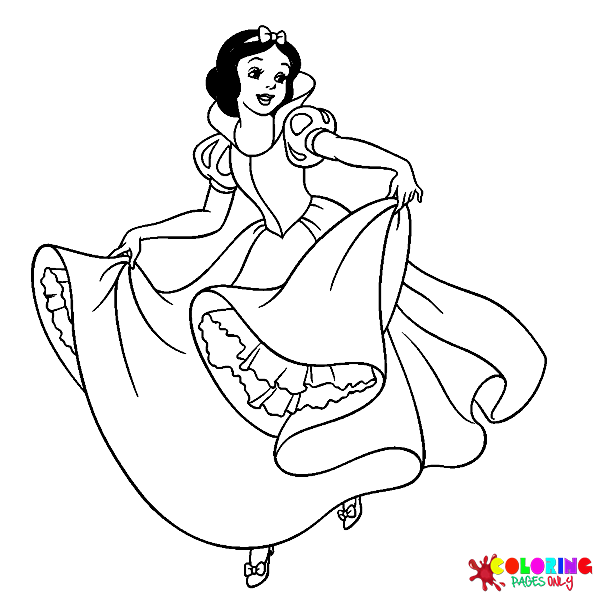
Snow White (1937) was not just the first Disney Princess – she was the heroine of the world’s first feature-length animated film. The project was openly mocked during production as “Disney’s Folly,” dismissed as an impossible and financially ruinous ambition. The animators had to develop entirely new techniques for depicting human movement and facial expression that had never existed in animation before. Snow White is the youngest official princess at 14 and the only Disney Princess with a star on the Hollywood Walk of Fame – received in 1987 on the film’s 50th anniversary, the first fictional female character to receive that honor.
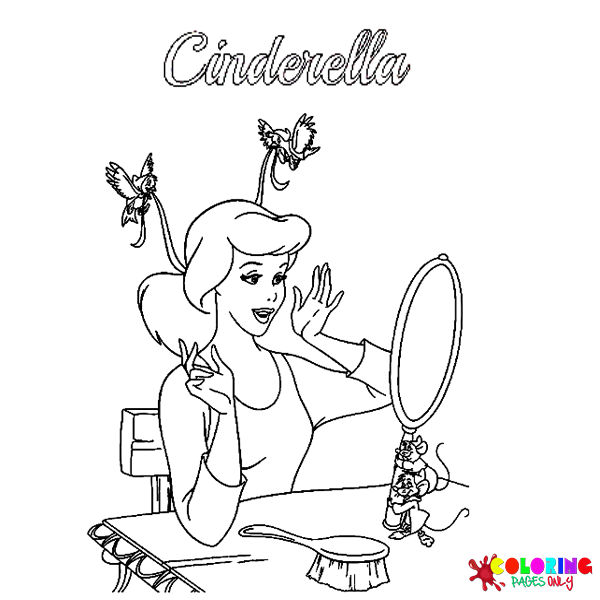
Cinderella (1950) arrived during a financially difficult period for Disney Studios. Its massive commercial success stabilized the company and funded the theme park ambitions that would eventually produce Disneyland in 1955. Her ice blue ball gown – originally silver in the film, recolored to powder blue for franchise merchandise – is arguably the single most recognizable garment in Disney Princess visual history. One widely misremembered detail: the prince is never called “Prince Charming” in the actual film. That name comes entirely from marketing.
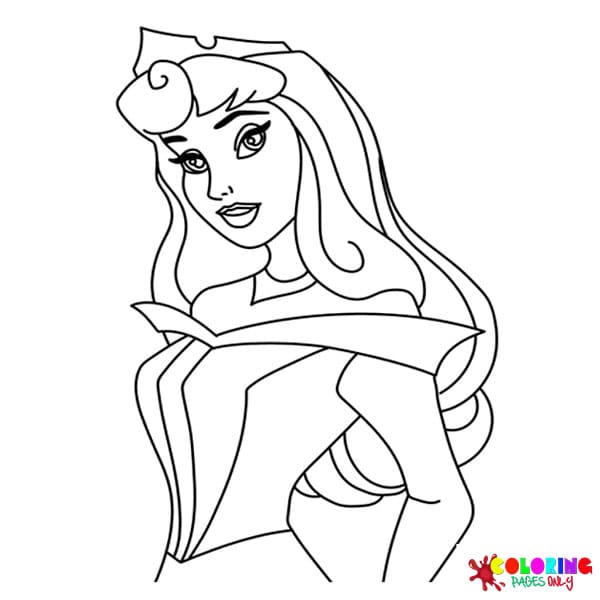
Aurora (1959) holds a fascinating record: she has the fewest speaking lines of any Disney Princess – just 18 lines of dialogue throughout Sleeping Beauty. The film is as celebrated for its villain (Maleficent, widely considered Disney’s greatest antagonist) and its visual design (influenced directly by medieval tapestry art, with flat, stylized backgrounds unlike any other Disney film) as for Aurora herself. Her gown is the subject of one of Disney animation’s most charming internal debates – the fairies Flora and Merryweather change it from pink to blue and back throughout the film. Official franchise merchandise settles on pink.
✨ Renaissance Era (1989–1998) – Ariel · Belle · Jasmine · Pocahontas · Mulan
After nearly 30 years without a major princess film, Disney’s creative renaissance produced five of the most beloved and culturally significant princess stories in rapid succession – each one deliberately expanding what a Disney princess could be and do.
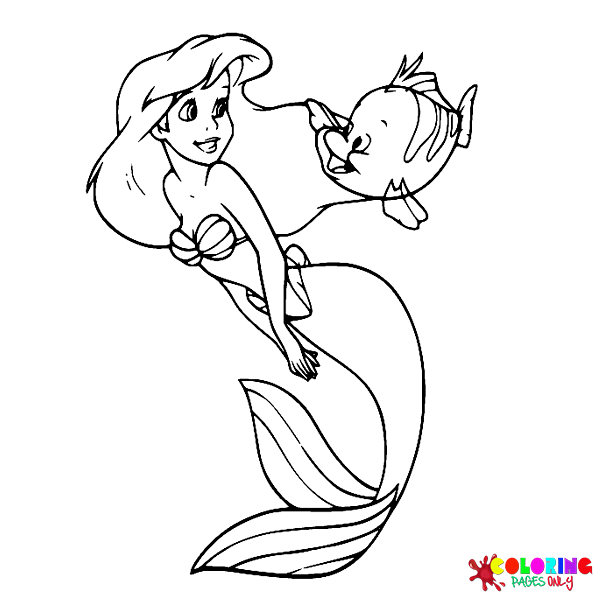
Ariel (1989) opened the renaissance with The Little Mermaid and was a deliberate departure: a princess defined by insatiable curiosity who drives her own story rather than waiting for rescue. She is the first Disney Princess to have not been born human, and the first confirmed to have a child (her daughter, Melody, in the sequel).
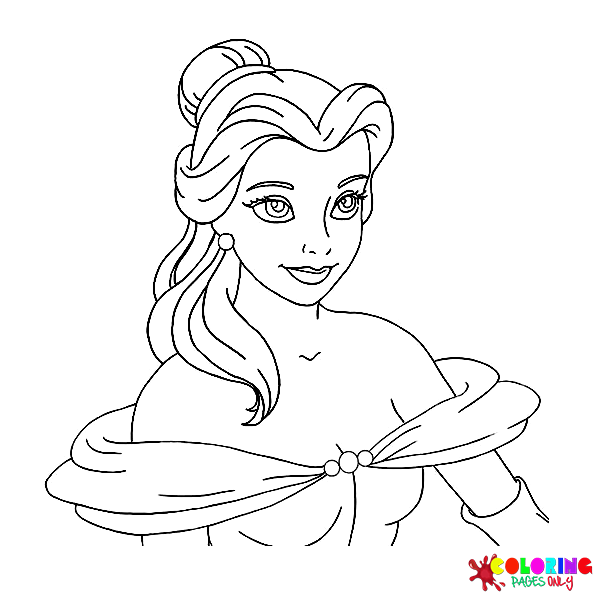
Belle (1991) from Beauty and the Beast became one of the most academically discussed Disney characters – a princess defined by intellectual ambition and love of books at a time when Disney was consciously reframing what princess heroism could mean. Beauty and the Beast was the first animated film nominated for the Academy Award for Best Picture.
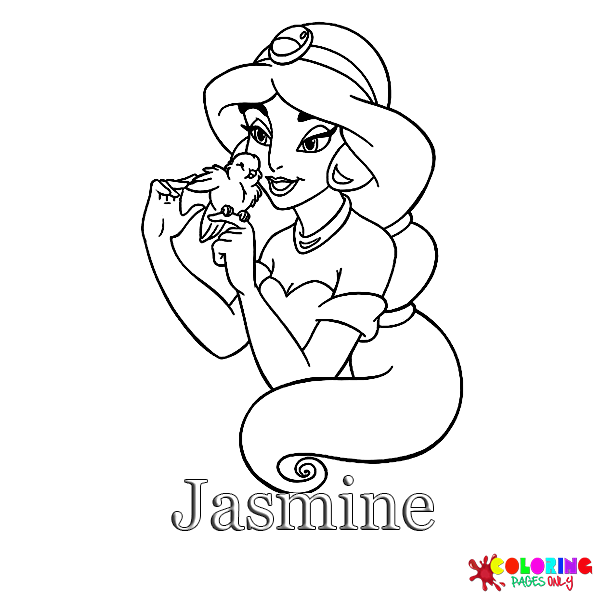
Jasmine (1992) from Aladdin was the first Disney Princess from a non-European cultural setting and one of the earliest Disney heroines explicitly frustrated by the constraints of royal life. She is the only princess depicted wearing the outfit of other princesses, and the only princess whose casual outfit – rather than a ballgown – became the franchise’s canonical representation.
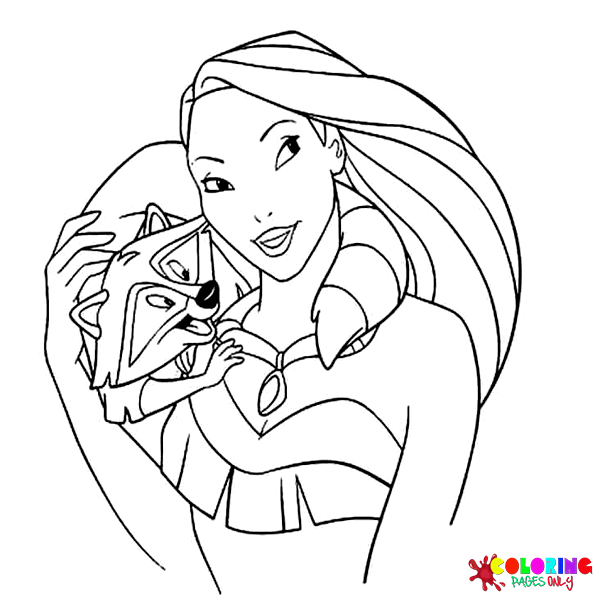
Pocahontas (1995) is the only Disney Princess based on a historical figure, though the film takes significant creative liberties. She is the first Disney Princess from an Indigenous North American culture, and the only princess depicted in a historically real setting rather than a purely fictional one.
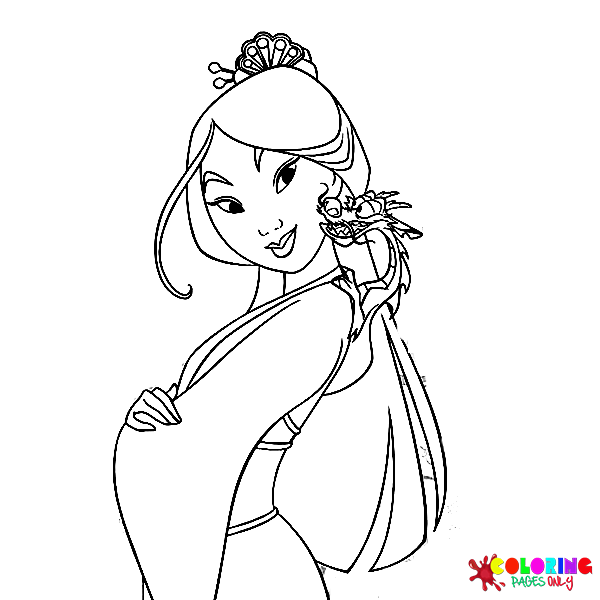
Mulan (1998) is unique in the entire lineup: the only princess who earns her place through military service rather than royalty or romance. She disguises herself as a man to serve in her injured father’s place, saves China from Shan Yu’s invasion, and is offered a position on the Emperor’s council – which she declines to return to her family. Her story is drawn from the ancient Chinese poem Hua Mulan, known in China for over 1,500 years.
🌺 New Age Era (2009–Present) – Tiana · Rapunzel · Merida · Moana · Raya
The modern Disney Princess era reflects the studio’s evolving understanding of heroism, identity, cultural representation, and storytelling. Each of these five characters breaks from one or more conventions of the earlier princess model.
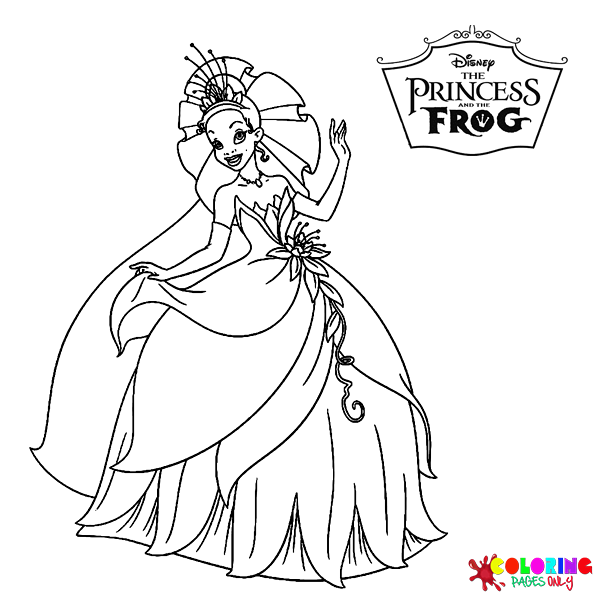
Tiana (2009) from The Princess and the Frog was Disney’s first Black princess – a milestone that arrived 72 years after Snow White and was met with both celebration and ongoing critical discussion. She is also the only princess whose defining characteristic is entrepreneurial ambition: her dream throughout the film is to open her own restaurant, not to find a prince. She is considered the “most stylish” Disney Princess, wearing more outfit changes in her film than any other princess.
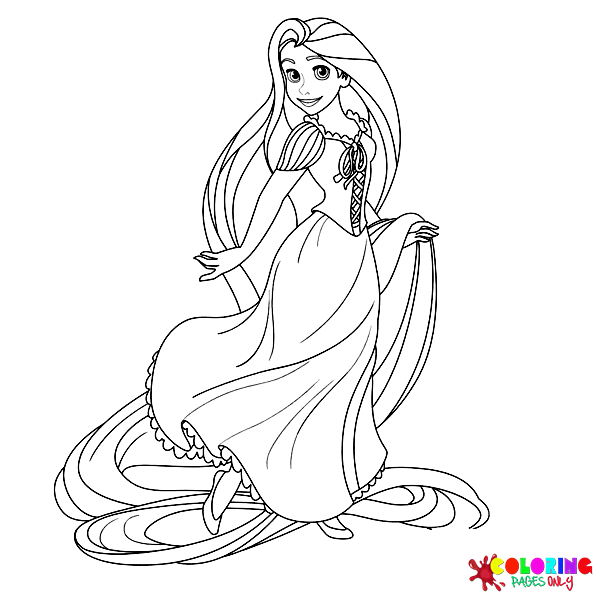
Rapunzel (2010) from Tangled was the first princess whose film used computer-generated animation rather than traditional 2D, and the first princess in a decade. Her enormous golden blonde hair – 70 feet long in the film – is the most visually distinctive feature of any princess in the collection, and her lavender dress with pink floral embroidery is the most intricately patterned costume in the entire princess lineup.
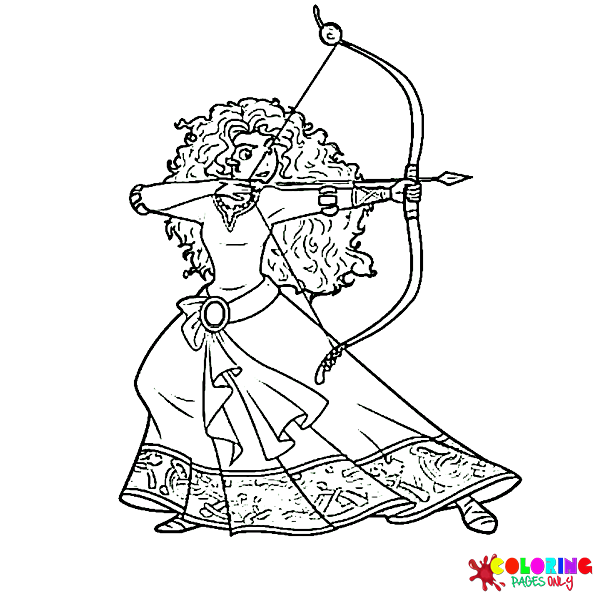
Merida (2012) from Brave is the only Pixar princess in the official lineup, and the first Disney Princess whose film was co-directed by a woman (Brenda Chapman). She was the first princess to explicitly reject the romance storyline entirely – her story is about her relationship with her mother, not a prince. She was formally inducted into the Disney Princess franchise in a ceremony at Magic Kingdom on May 11, 2013 – the franchise’s first official coronation ceremony held inside a Disney park.
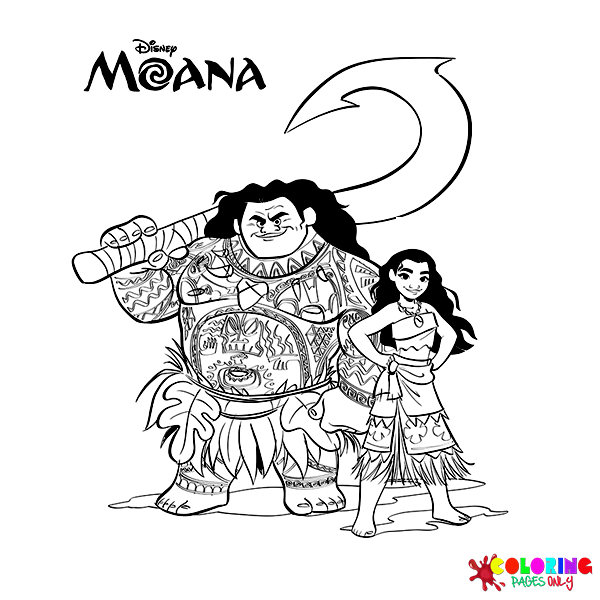
Moana (2016) is the daughter of the sea and the island’s future chief. She is the only official Disney Princess whose outfit contains no shade of blue – her canonical look is a warm red-orange pareo (wrapped skirt) with a natural tan tapa cloth top, reflecting the warm tones of her Polynesian setting. Moana herself famously disputes being called a princess in her film (“If you wear a dress and have an animal sidekick, you’re a princess”), yet she meets Disney’s criteria for the franchise through her chieftain leadership role. Moana 2 was released in 2024, expanding her story and deepening her connection to the ocean.
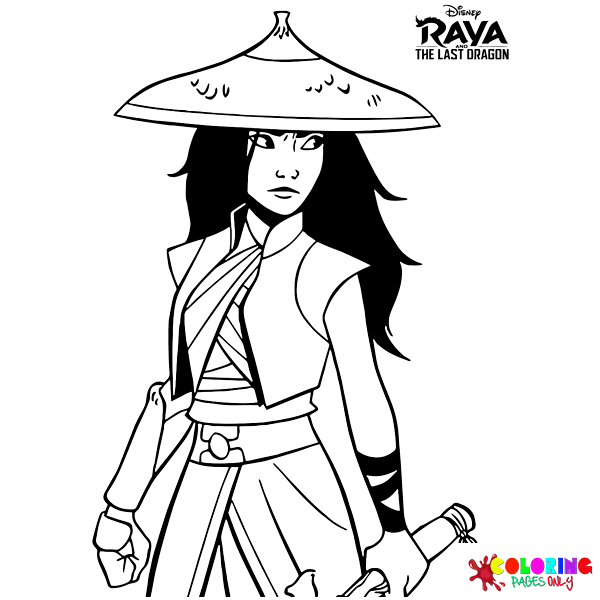
Raya (2021) from Raya and the Last Dragon is the most recent princess and the franchise’s newest addition, officially inducted in 2022. A trained warrior and guardian of the Dragon Gem, Raya is set in the mythical world of Kumandra – inspired by Southeast Asian cultures, including Vietnamese, Thai, Filipino, Indonesian, Cambodian, and Malay traditions. She is fiercely independent, occasionally distrustful, and driven by the mission to reunite a fractured world rather than by romance or personal comfort. Her name is the shortest of any Disney Princess, and her warrior aesthetic – deep purple-blue armor, golden belt, black hair, accompanied by her round companion Tuk Tuk – makes her pages the most action-oriented in the entire collection.
Your Sub-Collection Guide – 13 Collections, Each with Dozens of Pages
Snow White Coloring Pages – Blue bodice, yellow skirt, red-and-blue puffed sleeves, white collar, dark maroon cape. The Seven Dwarves’ cottage, the enchanted forest, and the Evil Queen’s castle provide classic fairy-tale storybook settings. The most color-complex costume of the Classic era.
Cinderella Coloring Pages – Powder blue ball gown, glass slippers, and the magical transformation sequence (pumpkin carriage, fairy godmother, midnight chase). Some of the most narratively rich scene pages in the collection.
Aurora Coloring Pages – Pink canonical gown in forest cottage, enchanted forest, and castle settings. Sleeping Beauty’s medieval tapestry visual style gives these pages a distinctive graphic quality unlike any other sub-collection.
Ariel Coloring Pages – The most visually versatile sub-collection because Ariel has two canonical forms: mermaid (purple seashell top, green tail) and human (teal off-shoulder gown). Underwater scenes with seaweed, light shafts, and sea creatures are the collection’s richest multi-subject pages.
Belle Coloring Pages – Two equally iconic costumes: the simple blue provincial dress and the gold/amber ball gown. The Beast’s castle – candlelit ballroom, library, enchanted rose – provides dramatic architectural backgrounds.
Jasmine Coloring Pages – Turquoise/aqua two-piece outfit with Agrabah marketplace and palace garden settings. Magic carpet scenes and Arabian Nights visual contexts make this the collection’s most ornate sub-collection.
Pocahontas Coloring Pages – Natural buckskin dress with Virginia forest settings: rivers, cliffs, willow trees, autumn leaves. The most nature-focused and warmly earthy palette in the collection.
Mulan Coloring Pages – Three visual contexts: the rose-pink hanfu of home life, the green-silver battle armor of military service, and the red bridal hanfu. Imperial China settings with dramatic architectural scale.
Tiana Coloring Pages – Deep emerald green ball gown in Mardi Gras, New Orleans, and the Louisiana bayou. Jazz-era settings and warm Southern atmosphere make Tiana’s pages visually distinctive from any other princess era.
Rapunzel Coloring Pages – The lavender dress with pink floral embroidery and the enormous golden blonde hair is the collection’s most technically challenging and visually spectacular element. Tower, forest, and kingdom lantern festival settings.
Merida Coloring Pages – Dark teal Celtic dress, wild red-orange curls, archery scenes, and Scottish Highlands settings. The collection’s most dramatic, windswept atmosphere and the most technically demanding hair rendering challenge.
Moana Coloring Pages – The warm red-orange pareo, natural tapa cloth top, and the vast Pacific Ocean setting. Moana’s pages are the collection’s most water-movement-rich – sailing scenes, wave sequences, and deep ocean encounters with Maui and Te Kā – and the most broadly lit, open-sky compositions.
Raya Coloring Pages – Deep purple-blue warrior’s outfit with golden belt, alongside Sisu the dragon (blue-purple-white iridescent) and the lush, complex jungle-and-temple settings of Kumandra. The most action-oriented pages in the entire collection, with the highest frequency of combat stances, dramatic landscape depth, and architectural detail.
The Canonical Colors Guide – Every Princess’s Exact Palette
Getting a Disney Princess’s signature colors right transforms a coloring page from a generic princess figure into an unmistakably specific character. These are the canonical colors as used across Disney’s official franchise merchandise and films.
Snow White – Blue bodice · yellow/gold skirt · red and blue puffed sleeves · white high collar · dark maroon cape · red headband with bow · short black hair · pale white skin · red lips
Cinderella – Ice/powder blue ball gown (originally silver in film, franchise is blue) · blonde hair in updo · white gloves · small glass slippers
Aurora – Pink gown (franchise canonical, despite in-film pink/blue dispute) · golden blonde flowing hair · blue eyes · small gold tiara
Ariel (mermaid) – Purple seashell bikini top · vivid emerald-green mermaid tail · vivid red hair · blue-green eyes. (human) – Teal/turquoise off-the-shoulder gown
Belle (daily) – Blue and white provincial dress with white pinafore apron. (ballgown) – Rich warm gold/amber yellow gown with off-shoulder neckline · warm brown hair · brown eyes
Jasmine – Turquoise/aqua midriff top and matching full pants · black hair in low ponytail · warm golden-brown skin · gold jewelry
Pocahontas – Single-shouldered natural buckskin tan dress · long straight black hair · warm medium-brown skin · turquoise necklace · feathers at earrings
Mulan (hanfu) – Rose/pink Chinese hanfu with flower embroidery. (armor) – Green/silver battle armor with red sash. (finale) – Red and gold bridal hanfu
Tiana – Deep emerald green ball gown with gold lily-pad details · black hair · warm dark brown skin · small gold headpiece
Rapunzel (tower) – Lavender/medium purple dress with pink, white, and teal floral embroidery · very long golden blonde hair · green eyes. (post-haircut) – Short dark brown hair
Merida – Deep midnight teal/dark blue Celtic dress with gold embroidery at neckline and sleeves · wild thick curly red-orange hair · green eyes · dark blue hair ribbon
Moana – Red-orange pareo (wrap skirt) with geometric tan/cream tapa cloth strapless top · long wavy black hair · warm deep-brown Polynesian skin · white whale tooth necklace with grandmother’s hook pendant
Raya – Deep purple-blue armored outfit with dark indigo details · golden/amber belt and sash accents · long straight black hair with partial braid or knot · warm medium-brown Southeast Asian skin · pale lavender-blue and violet Sisu
Coloring Tips for Disney Princess Pages
Ballgown volume – three tonal zones, not flat fill. Every Disney princess ball gown has extraordinary fabric volume. Divide any gown into three tonal zones: the lightest tone for the topmost fabric surfaces catching direct light (add white to the base color), the canonical color for the main body of the gown, and a darker, slightly more saturated tone for the deep fold lines and shadow areas (add the color’s complement or a small amount of dark brown). Apply each zone cleanly, with gradual transitions across larger areas and sharper transitions at fold lines. This three-zone approach transforms a flat shape into a convincing fabric with real depth.
Hair – each princess requires a different technique. Snow White’s sharp black bob needs flat blue-black with no highlights (geometric, not soft). Ariel’s red must be a bold, saturated crimson-red – never orange-toned – with individual strand lines visible at the hairline. Rapunzel’s gold needs directional strokes following the hair’s weight, with pale, warm cream highlights at the outermost strands. Merida’s wild red curls need three tones per curl: dark red-brown in the curl’s depths, medium red-orange on the main body, and lighter copper-orange on the outermost highlight edge. Moana’s long, wavy black hair needs to be rendered as a very deep dark brown (not flat black) with warm highlights where light catches each wave.
Aurora’s gown – make a decision and commit. Aurora’s gown is pink in franchise merchandise but changes between pink and blue throughout the film. This is genuinely your choice as a colorist. If pink: warm medium-saturation rose-pink (not pastel, not hot pink) with deeper magenta shadows and near-white blush highlights. If blue: warm periwinkle (not cold royal blue) to maintain visual warmth consistent with Aurora’s overall warm-toned design. Avoid rendering both colors simultaneously – the gown’s visual impact depends on a single committed decision.
Moana’s ocean setting – movement and light. Moana’s pages contain more dynamic water than any other princess sub-collection. The key to rendering ocean pages: work in directional layers from deep to shallow, darkest to lightest. The deepest ocean is a rich dark teal-blue; moving toward the surface, shift progressively toward medium aqua, then pale bright blue-white at the wave crests. Add small bright white highlights at the very tips of breaking waves and where light penetrates the water’s surface. Moana herself should be the warmest element on any ocean page – her red-orange pareo and warm brown skin provide thermal contrast against the cool blues of her setting.
Raya’s armor – metallic and geometric precision. Raya’s warrior aesthetic requires a different approach than the fabric-dominant costumes of the Classic and Renaissance era princesses. Her deep purple-blue armor has hard edges and clean geometric panels rather than the flowing curves of a gown. Render the armor panels in a rich, deep purple-blue with slightly lighter highlights along the upper ridge of each panel and very dark purple-black in the panel gaps. The golden/amber belt and sash accents should be rendered at maximum warmth and saturation – they are the page’s primary warm-against-cool color contrast and need full boldness to read clearly against the deep purple surround.
3 Activities
The 13 princesses’ color map. Color one portrait page from each of the 13 sub-collections in strict canonical colors. Once all 13 are finished, arrange them chronologically – Snow White through Raya – in a long row and look at the entire collection together. Observe: how does the palette range of Disney princesses as a group change from 1937 to 2021? The Classic era princesses cluster around primary colors and European fairy-tale palettes. The Renaissance era introduces more culturally specific palettes (Jasmine’s turquoise, Pocahontas’s earth tones, Mulan’s rose-and-gold). The New Age era expands into emerald green (Tiana), lavender (Rapunzel), deep teal (Merida), warm red-orange (Moana), and deep violet (Raya). The full 13-page display becomes a visual timeline of Disney’s expanding conception of what a princess looks like – made entirely by hand.
The era comparison project. Choose one page from each of the three eras: any Classic era princess (Snow White, Cinderella, or Aurora), any Renaissance era princess (Ariel, Belle, Jasmine, Pocahontas, or Mulan), and any New Age era princess (Tiana, Rapunzel, Merida, Moana, or Raya). Color all three and compare: how has the line quality changed? Classic era pages have simpler, more geometric lines and broader color areas. Renaissance era pages have more dynamic poses and expression detail. New Age pages have the most detailed texture, pattern work, and environmental complexity. Write three sentences on the back of each page describing what that era’s art style prioritizes. The finished triptych – one page from each era – is a hand-colored visual history of Disney animation across 85 years.
The “princess and her world” triptych. Choose any single princess sub-collection and color three pages that together represent different dimensions of that princess’s story: one portrait page (the princess herself, in canonical colors), one setting page (her world – the ocean, the castle, the forest, New Orleans, Kumandra), and one companion or action page (her sidekick, her signature moment, or her most dramatically posed action scene). Display all three together as a triptych with a hand-written caption below each: who she is, where she lives, and what she does. This activity requires knowing the princess’s specific story well enough to select the most representative pages and produce a display piece that communicates genuine knowledge of the character alongside precise, canonical coloring skills.
Princess bookmark set. Color a small portrait of four or five different princesses, trim each into a bookmark shape, and laminate or tape them for a durable, mixed-era set.
Princess greeting card. Fold cardstock in half, mount a colored princess portrait on the front, and write a message inside for a birthday or celebration card.
Frequently Asked Questions
How many official Disney Princesses are there? There are currently 13 official Disney Princesses: Snow White, Cinderella, Aurora, Ariel, Belle, Jasmine, Pocahontas, Mulan, Tiana, Rapunzel, Merida, Moana, and Raya. Disney maintains the lineup as a specific curated brand – not all Disney heroines automatically qualify for membership.
Are Elsa and Anna Disney Princesses? Elsa and Anna are not part of the official Disney Princess franchise lineup, despite being two of Disney’s most popular recent characters. The Frozen series operates as its own standalone franchise, kept separate from the Princess brand for marketing purposes. Find their pages at Elsa Coloring Pages and Anna Coloring Pages.
Which Disney Princess came first? Snow White is the first Disney Princess, debuting in Snow White and the Seven Dwarfs (1937) – the world’s first feature-length animated film. She was the first fictional female character to receive a star on the Hollywood Walk of Fame in 1987.
Who is the newest Disney Princess? Raya, from Raya and the Last Dragon (2021), was officially inducted into the Disney Princess franchise in 2022, making her the most recent addition. She is the only princess from a Southeast Asian-inspired setting and the franchise’s most action-oriented warrior princess.
Are all 13 Disney Princesses represented here? Yes – this collection now includes all 13 official Disney Princesses across 13 dedicated sub-collections. Each sub-collection has dozens of individual pages covering the princess’s full visual world.
Which princess is not technically royalty by birth? Mulan, Pocahontas, and Moana are not royalty in the traditional sense. Mulan is the daughter of a retired soldier, and Pocahontas and Moana are daughters of tribal chiefs. Disney’s use of “princess” reflects heroic leadership qualities rather than strict royal lineage.
What are the canonical colors for the most popular princesses? Cinderella wears ice/powder blue, Ariel’s tail is vivid emerald-green with vivid red hair, Belle’s ballgown is warm gold/amber, and Elsa (though not an official princess) wears icy blue. Each princess has a specific, documented palette used consistently across Disney merchandise.
Are these coloring pages suitable for young children? Yes. Simple portrait pages from the Classic era (Snow White, Cinderella, Aurora) suit young children, while detailed New Age era pages (Rapunzel’s hair, Raya’s armor) suit older children and adults.