Anteater Coloring Pages
 By:
Jennifer Thoa - Content Editor & Designer
Updated:
By:
Jennifer Thoa - Content Editor & Designer
Updated:
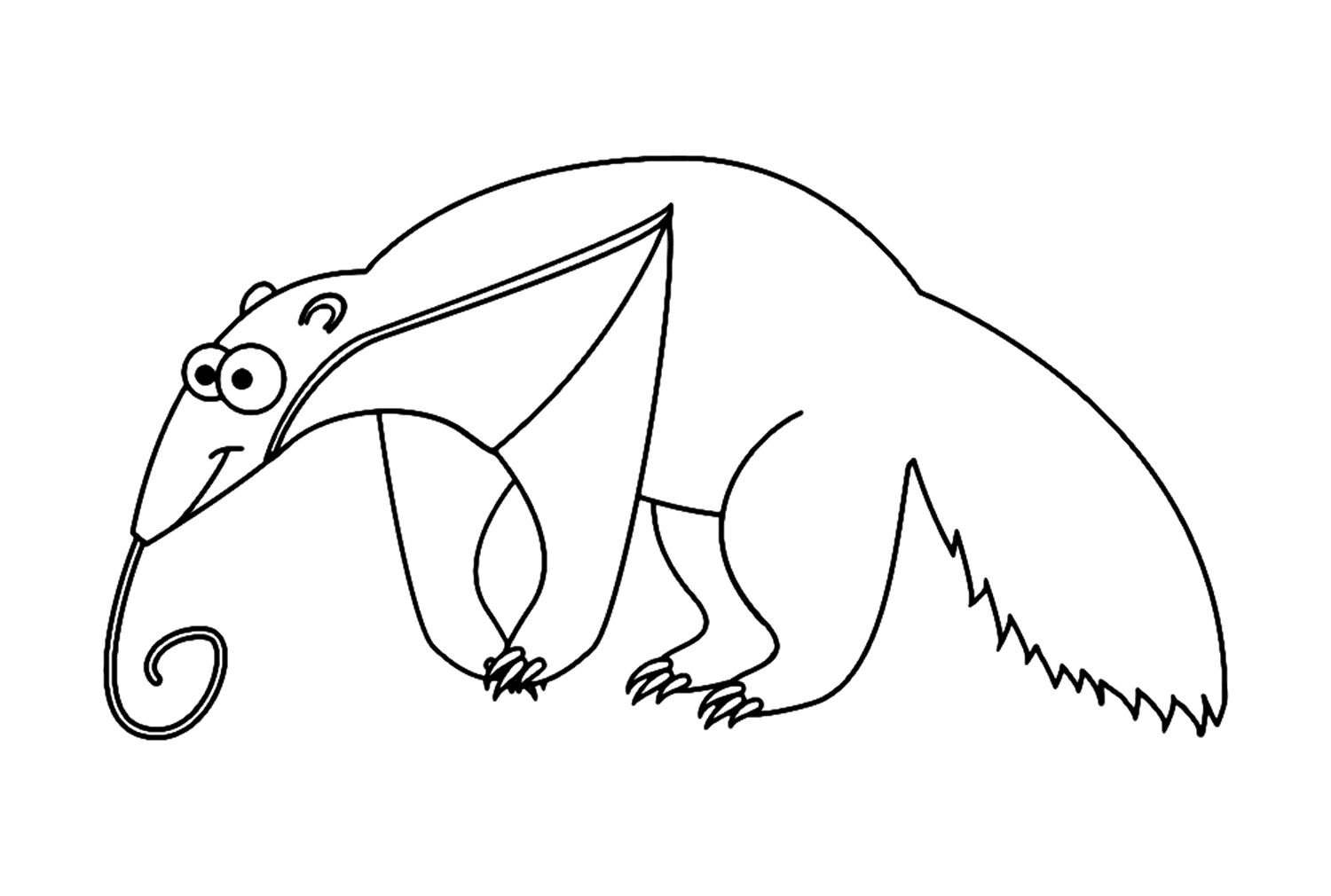
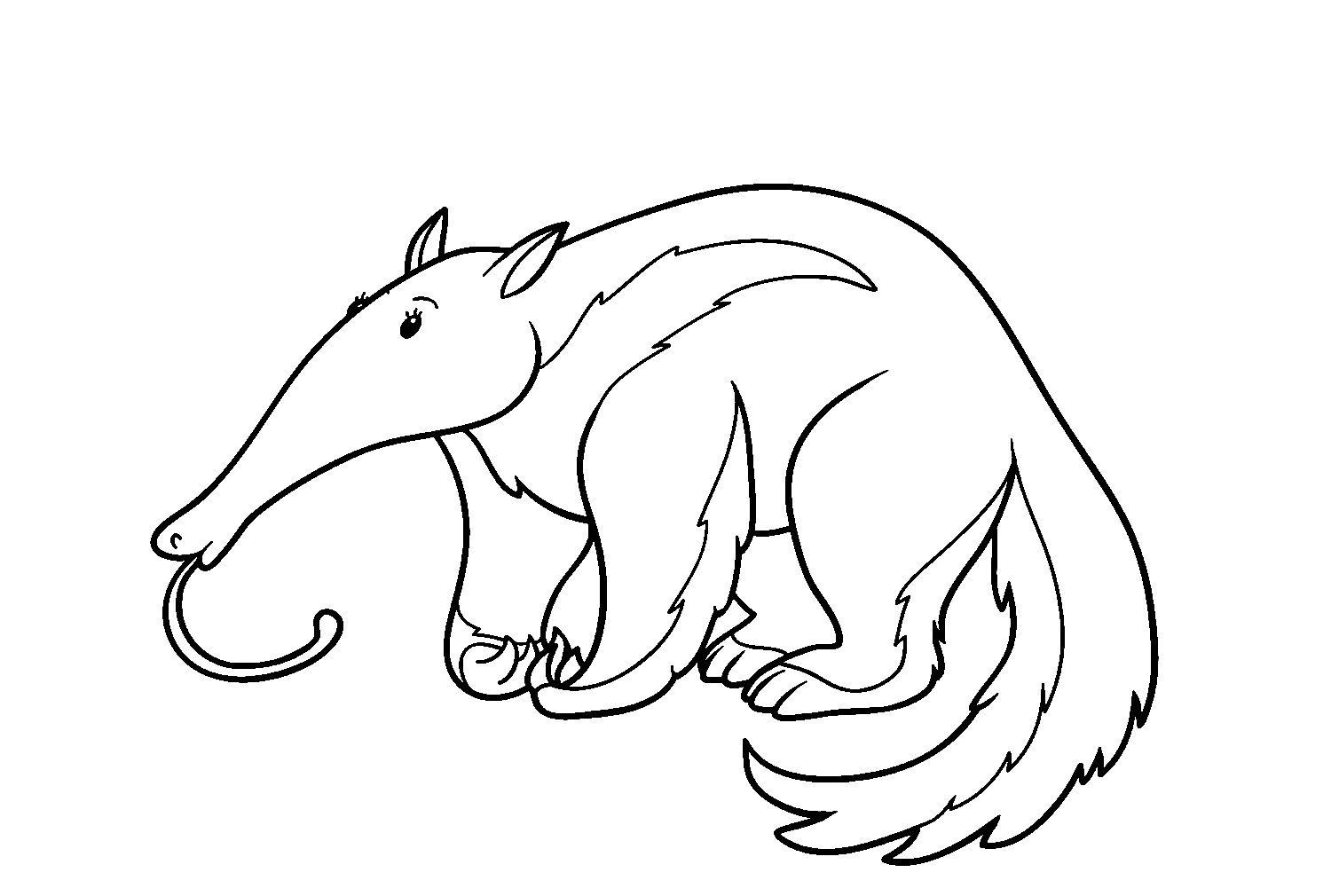
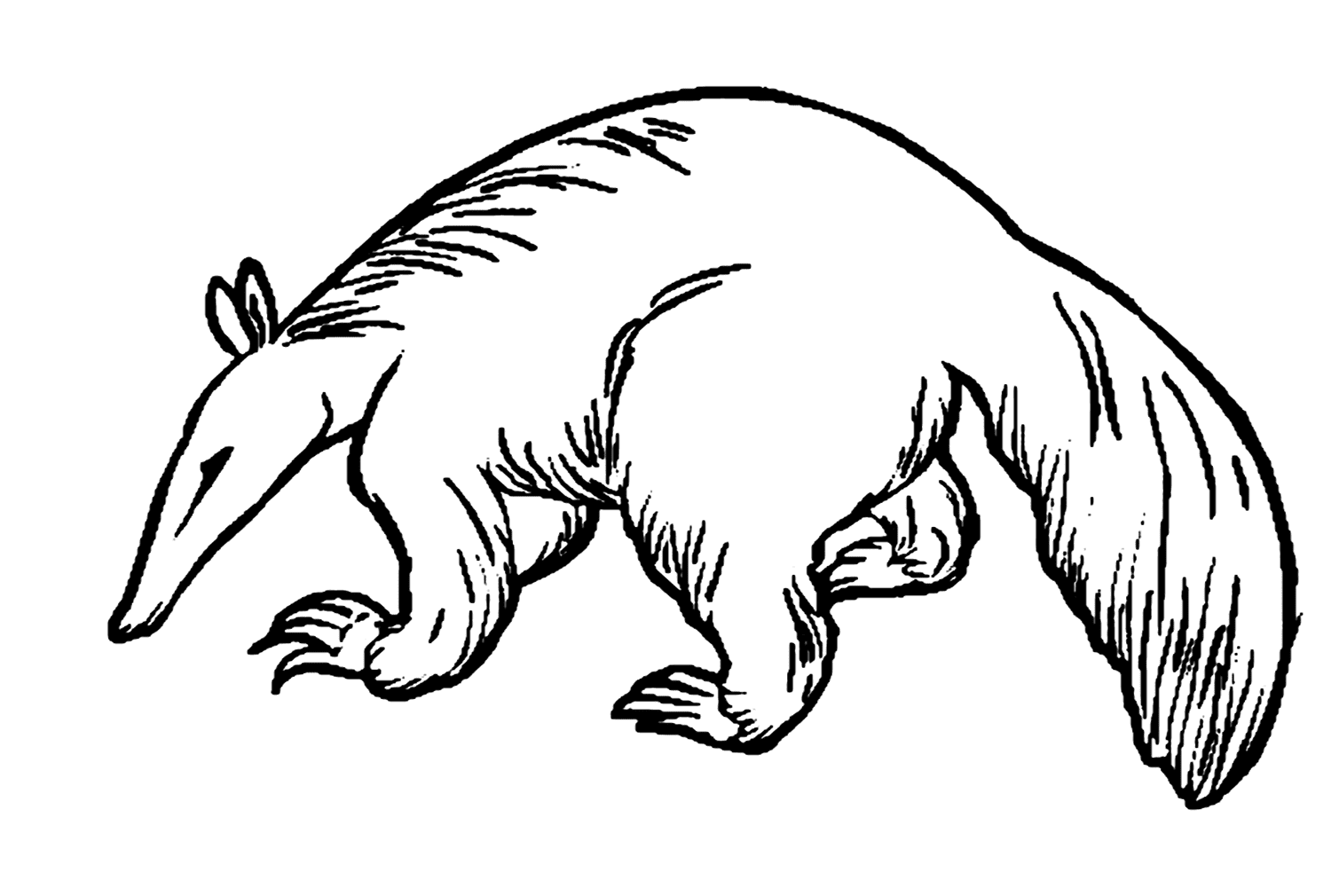
Free Anteater Coloring Pages: 24 printable PDF designs featuring this toothless, long-snouted mammal in realistic portraits, forest habitat scenes, and a range of cartoon character styles. Each page can be downloaded as a PDF to print or colored online in the browser.
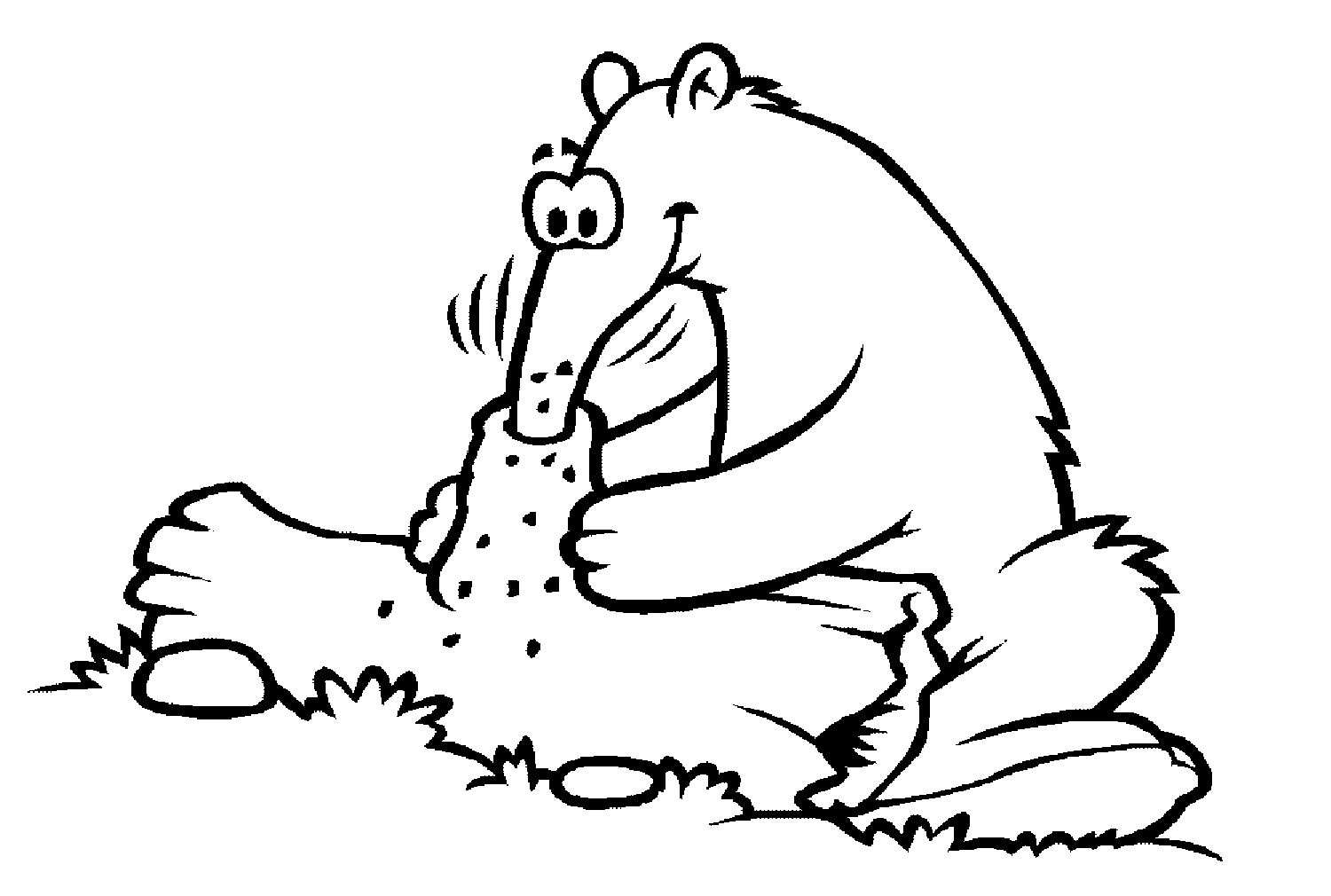
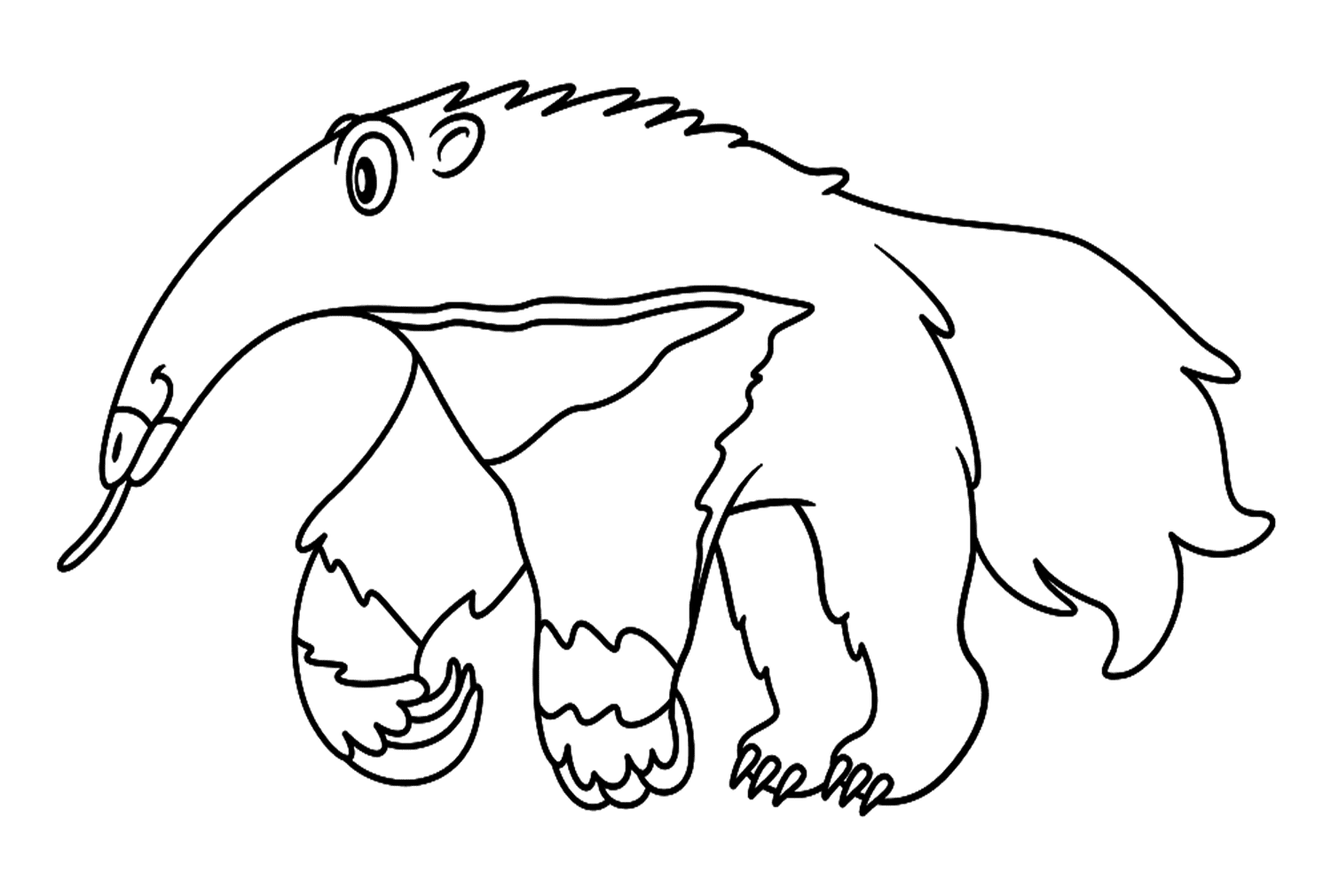
An anteater has no teeth at all, so it relies entirely on a sticky, spine-covered tongue that can flick in and out of an ant or termite mound up to 150 times a minute. This collection holds 24 anteater coloring pages, ranging from detailed, realistic portraits that show off the long snout and claws to forest scenes and a set of cartoon designs, including a couple of playful crossover pages with other animals.
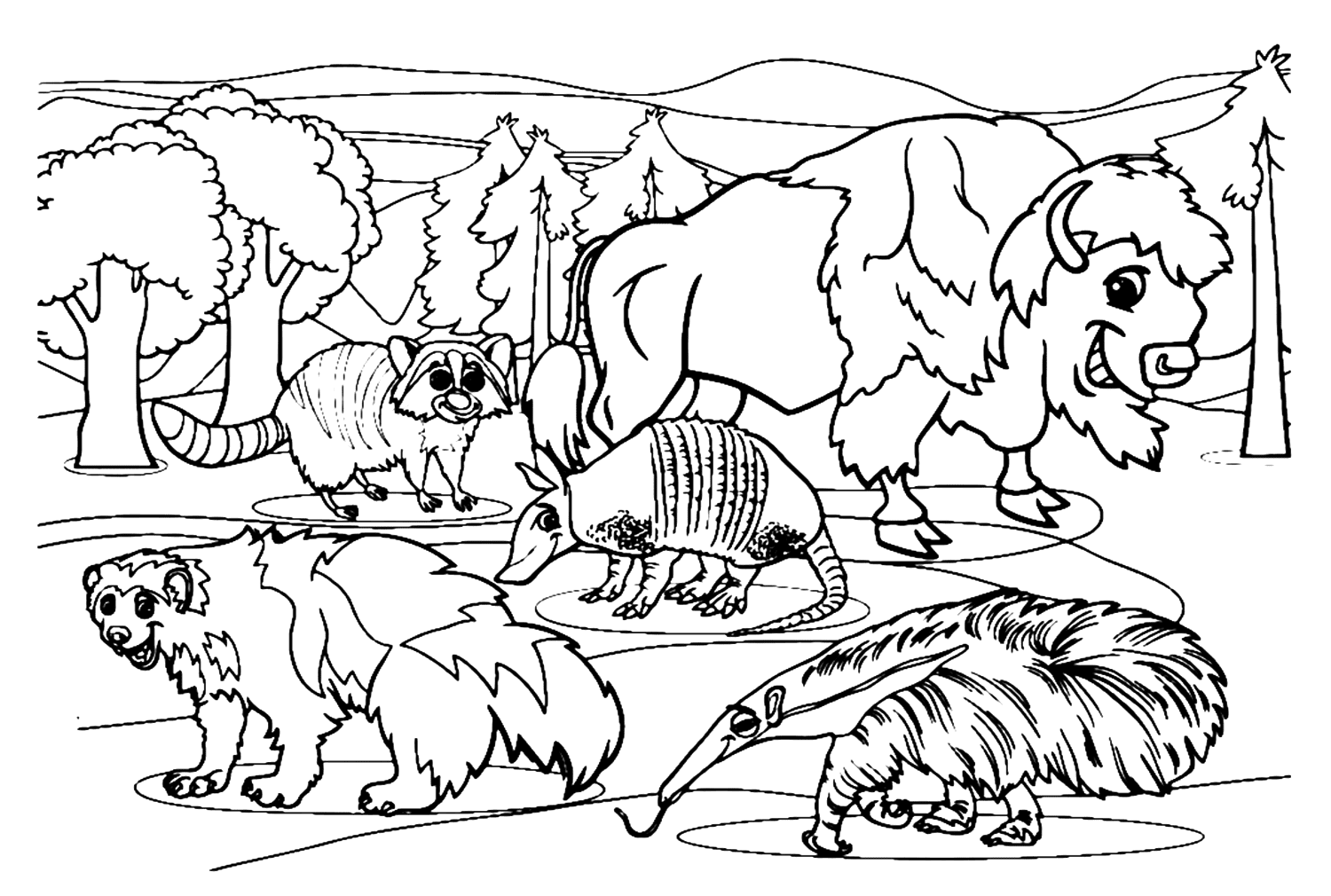
The set includes solo realistic portraits, forest and habitat scenes, action and behavior scenes, and a group of pattern and early-learning pages. Every page downloads as a free PDF or opens directly in the browser for online coloring, with no account required.

What Is Inside This Collection
Realistic Anteater Portraits
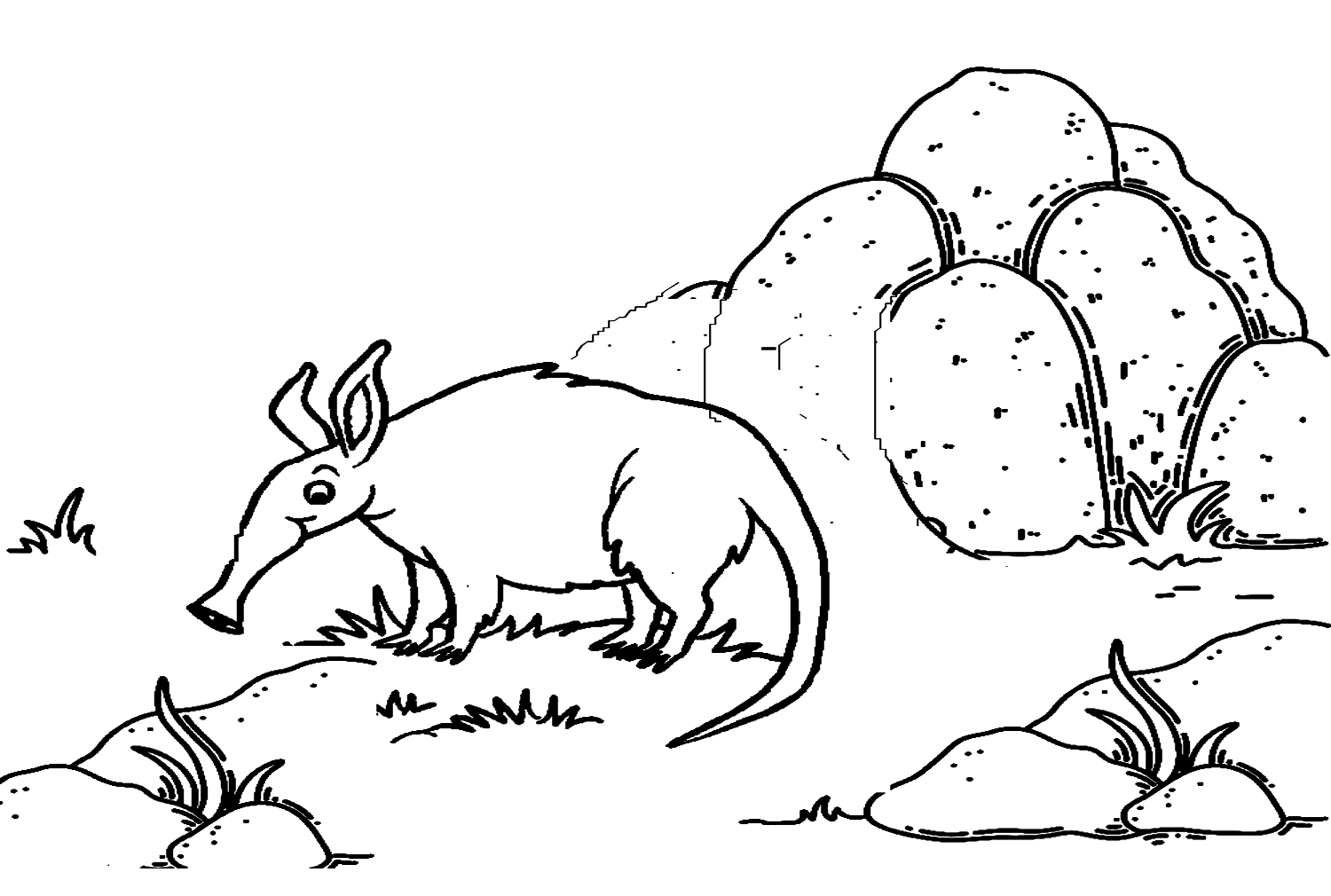
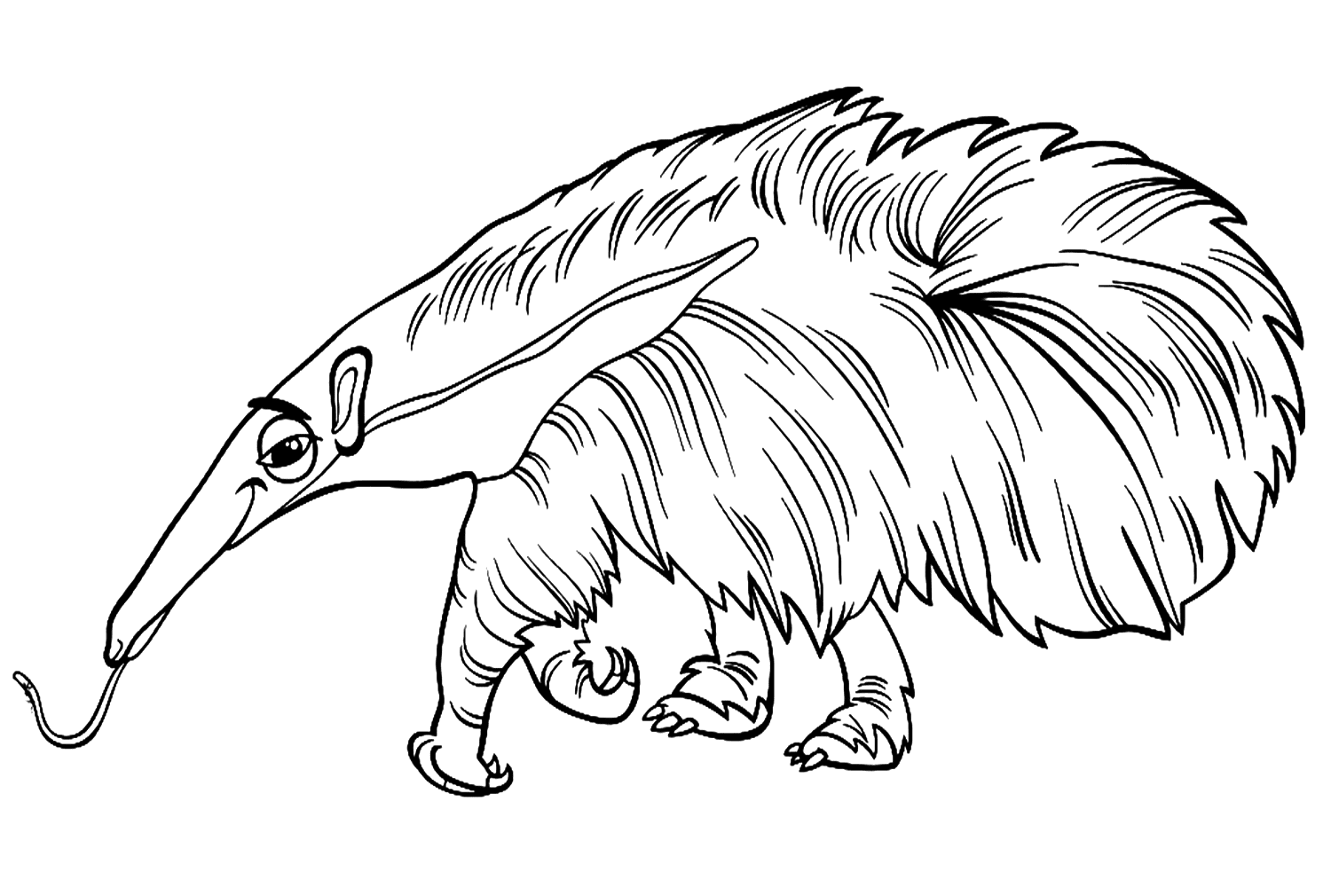
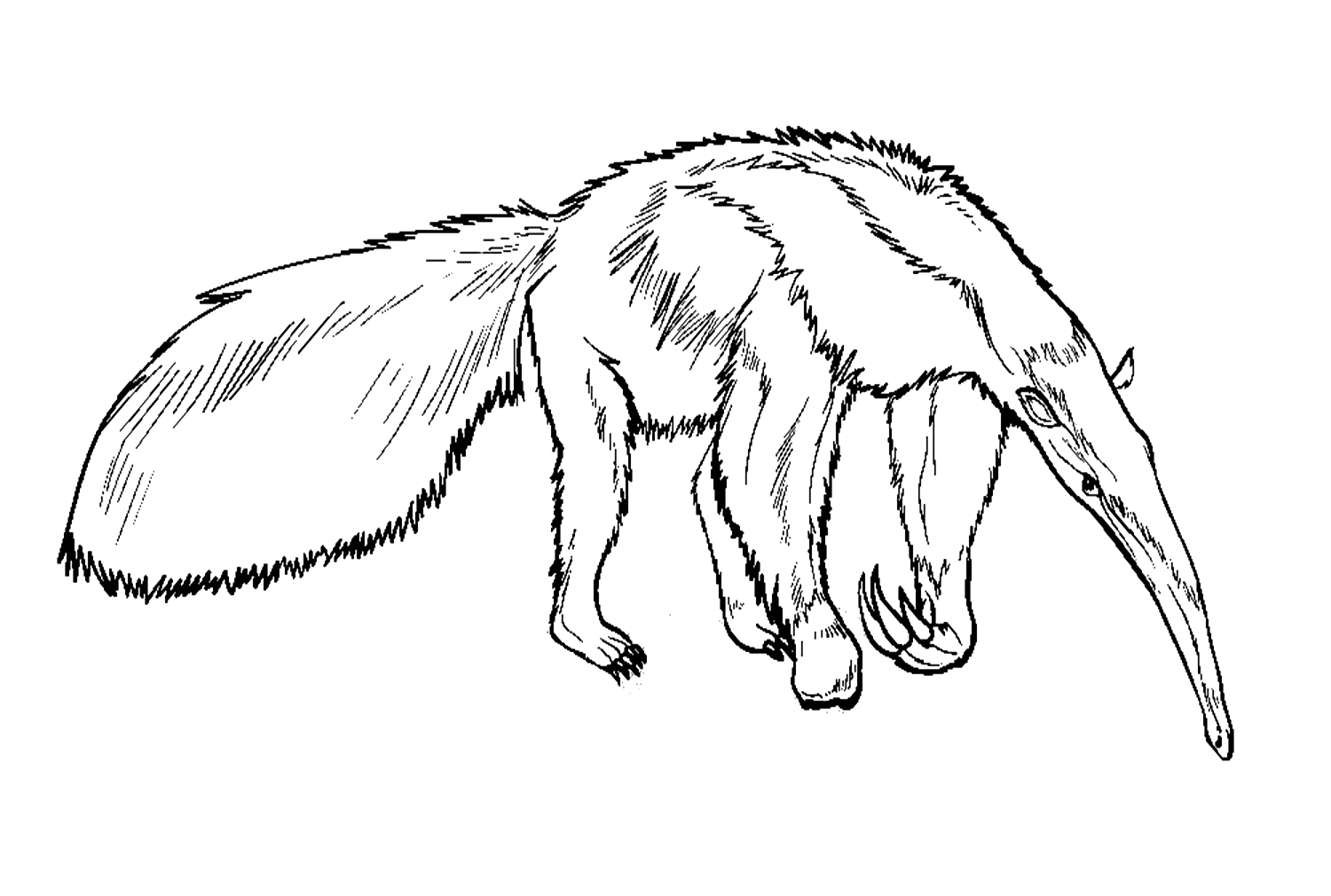
These pages focus on the anteater’s true physical features, including its long snout, bushy tail, and sharp front claws. Realistic Anteater and Realistic Giant Anteater give colorists an accurate subject to study in detail.
Forest and Habitat Scenes
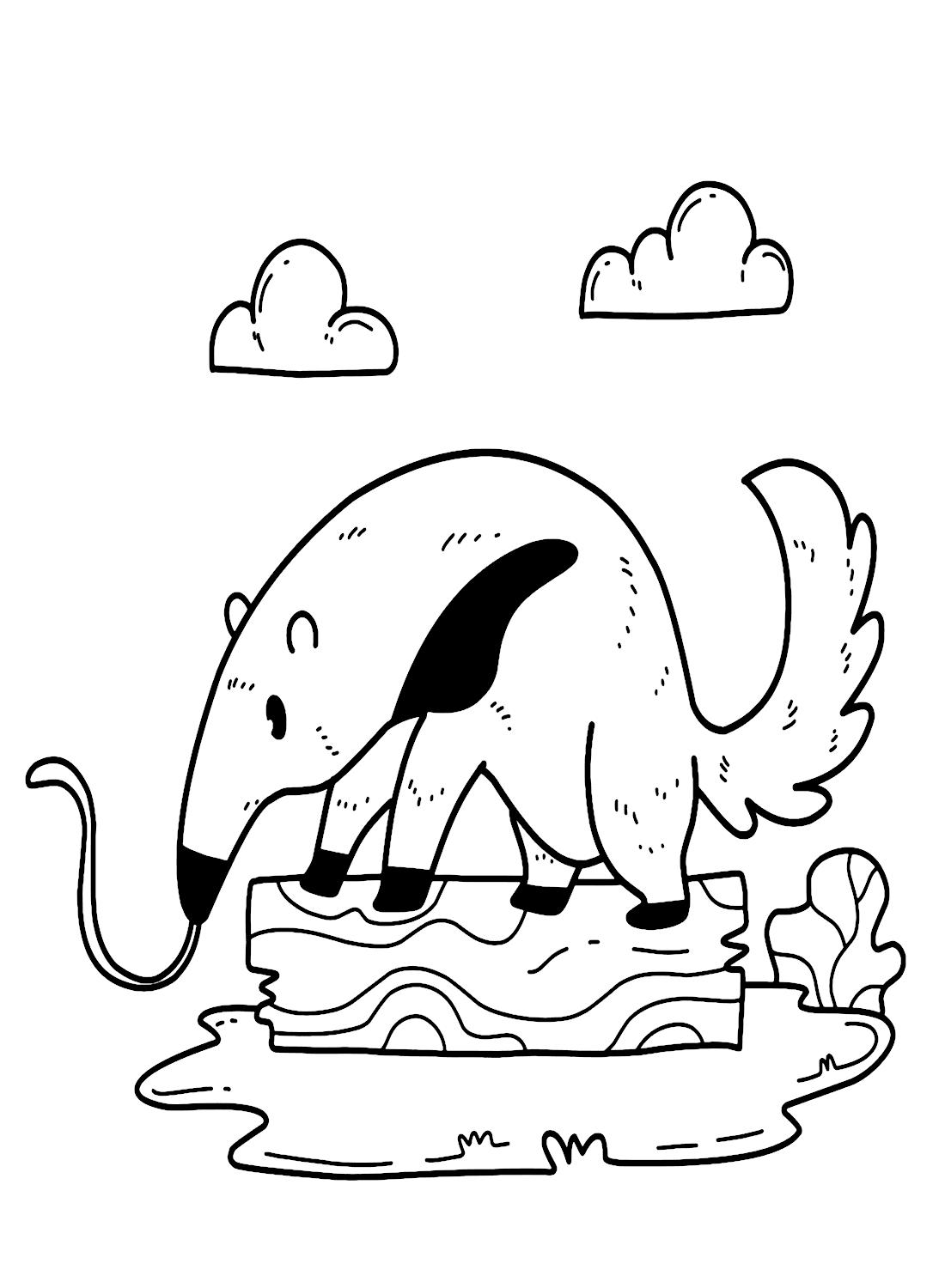
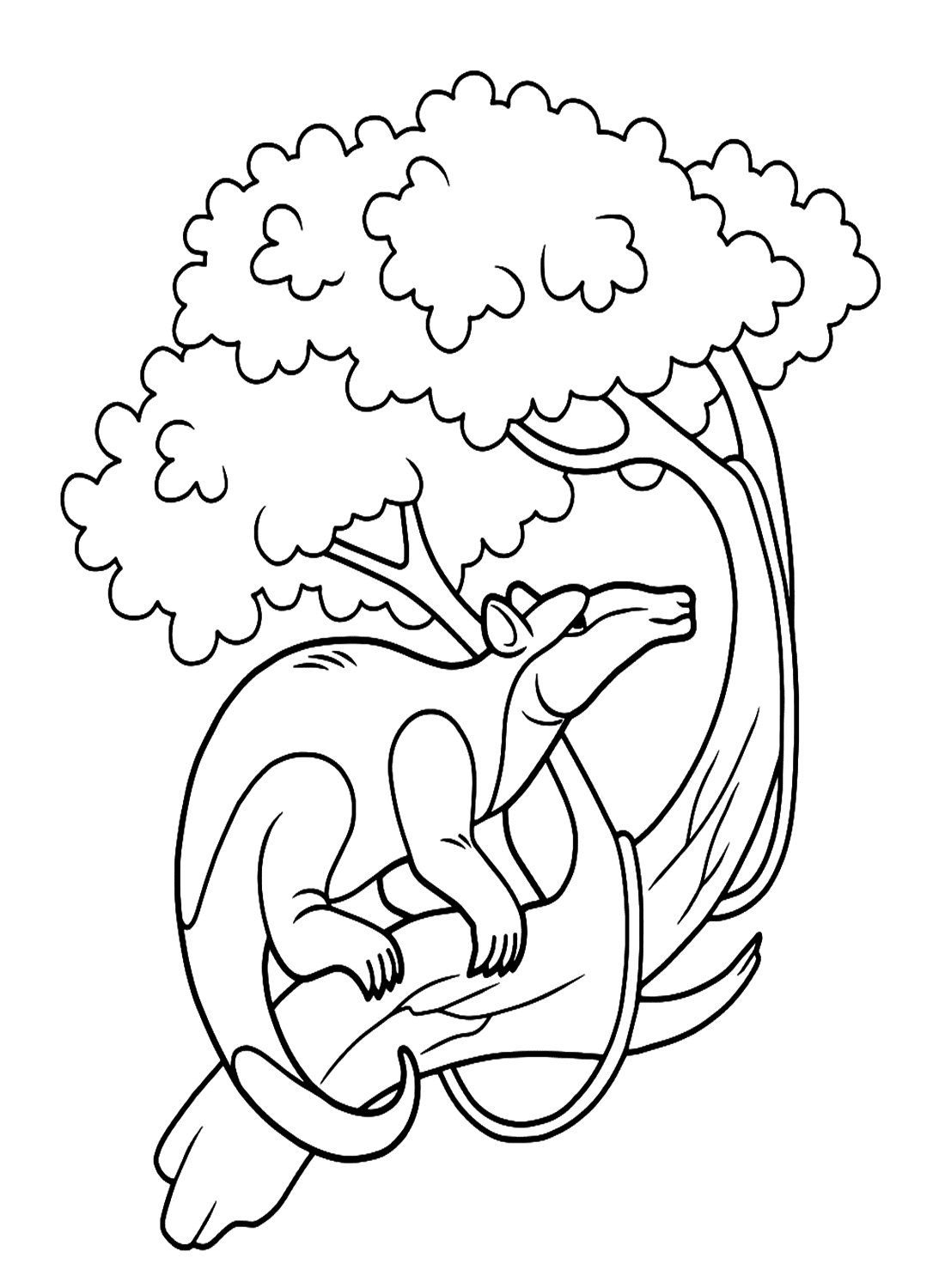
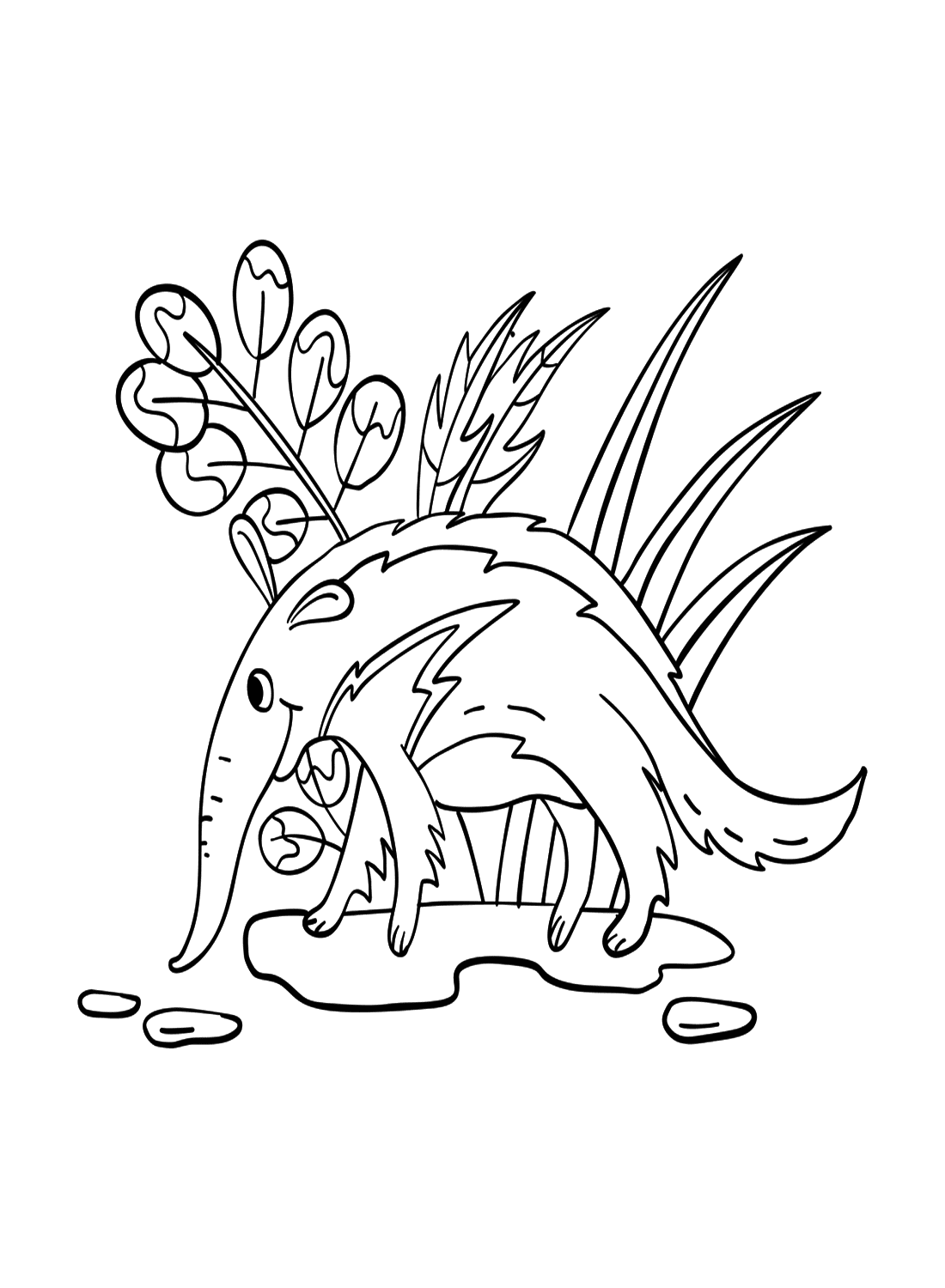
A group of pages sets the anteater in the grasslands and forests it actually lives in, resting on a log or walking through open terrain. Anteater in Forest and Anteater On The Log help colorists build the surrounding habitat around the animal.
Action and Behavior Scenes
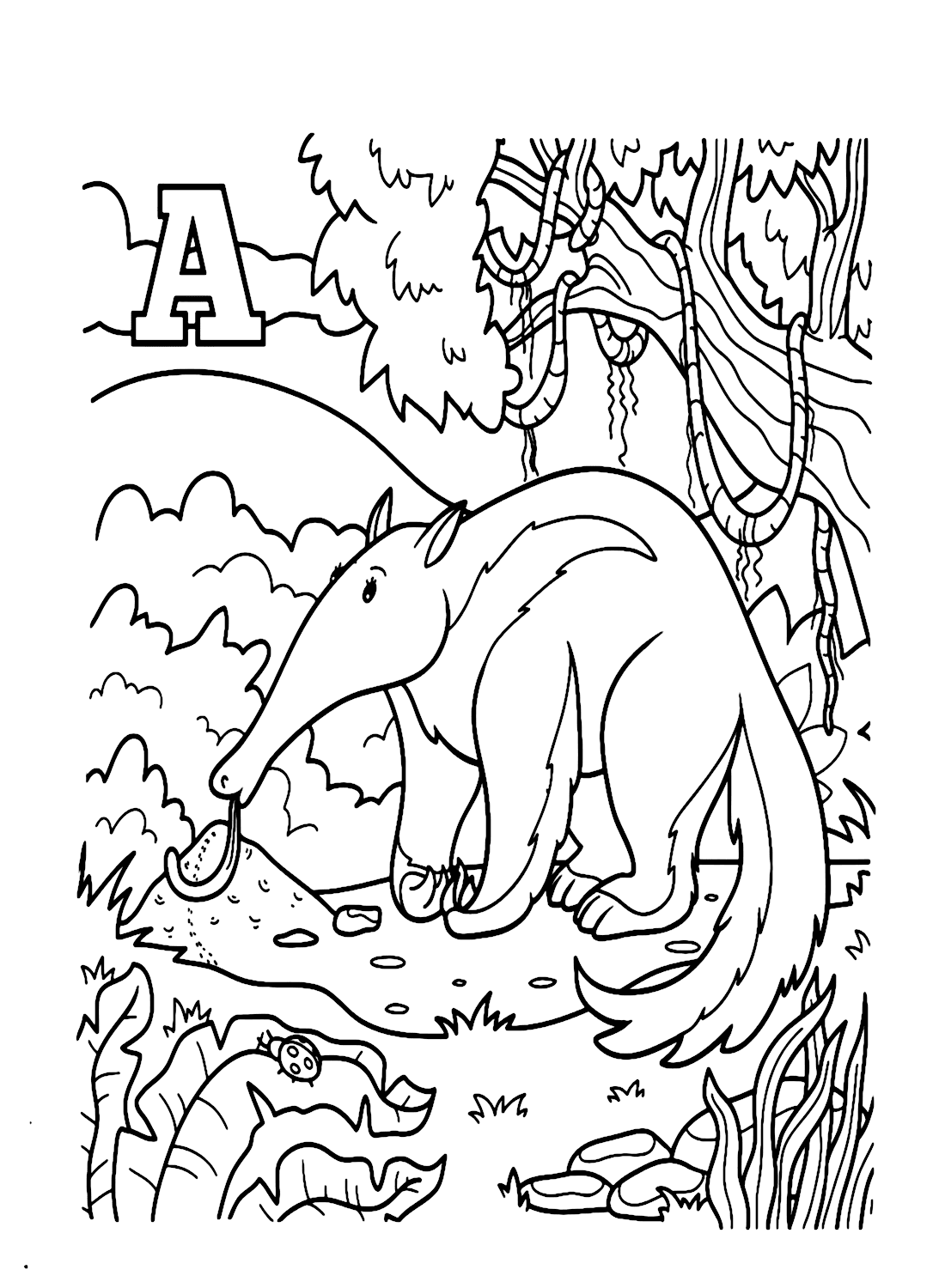
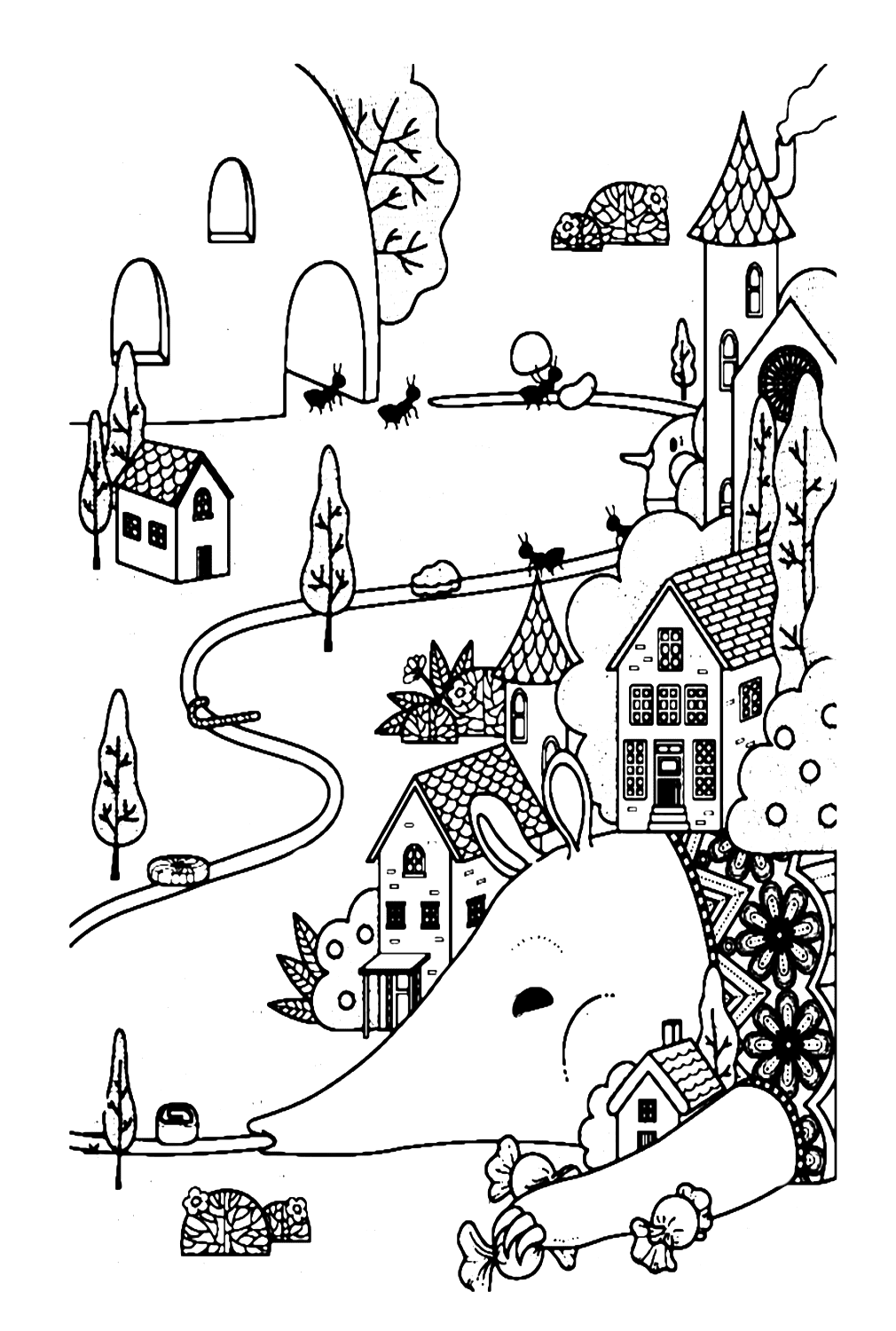
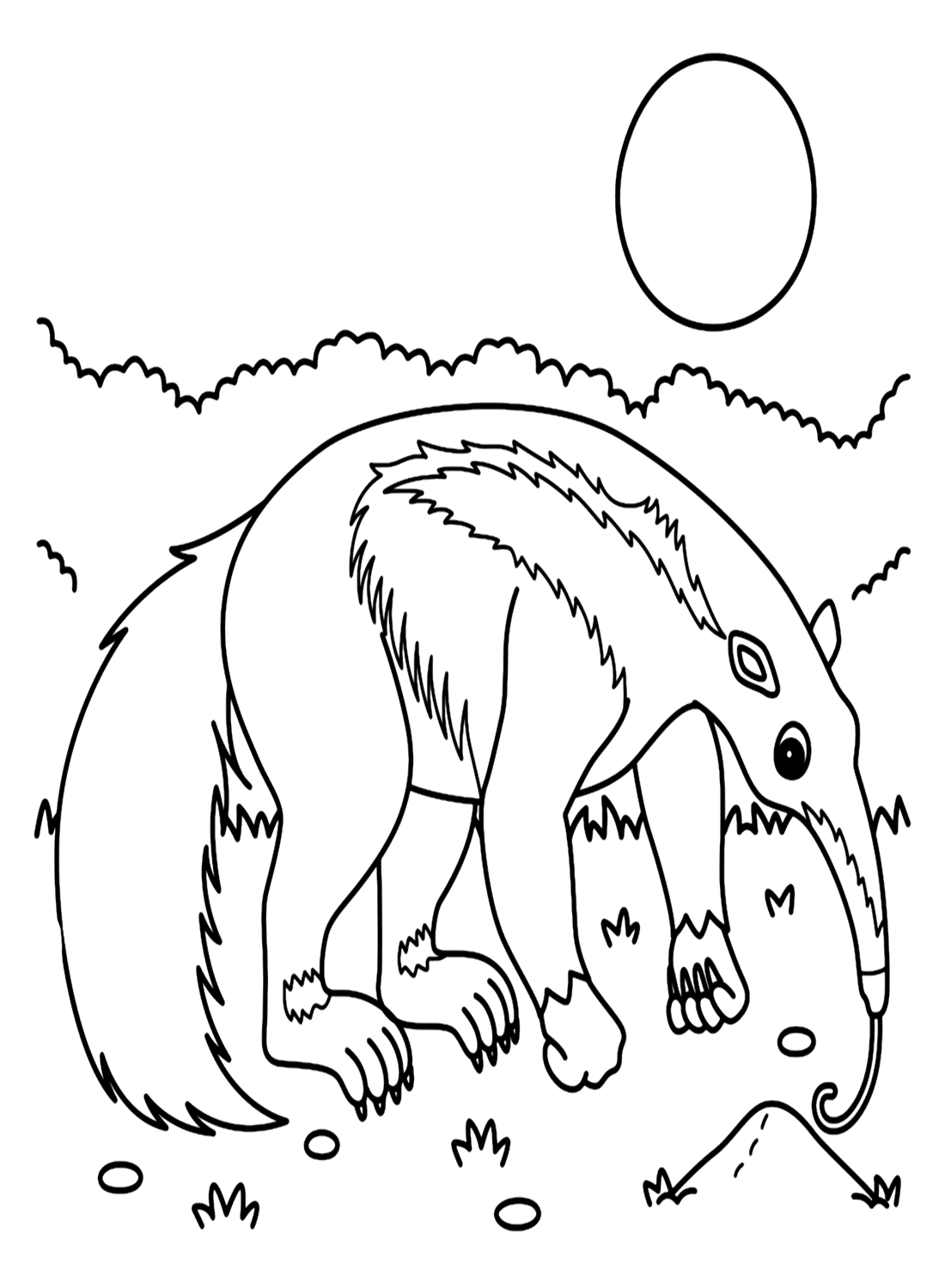
Several pages capture the anteater in the middle of a specific behavior, such as searching for food or resting. Anteater Finding Ant and Anteater Hunting focus on what the animal is actually doing rather than a still portrait.
Pattern and Early-Learning Pages
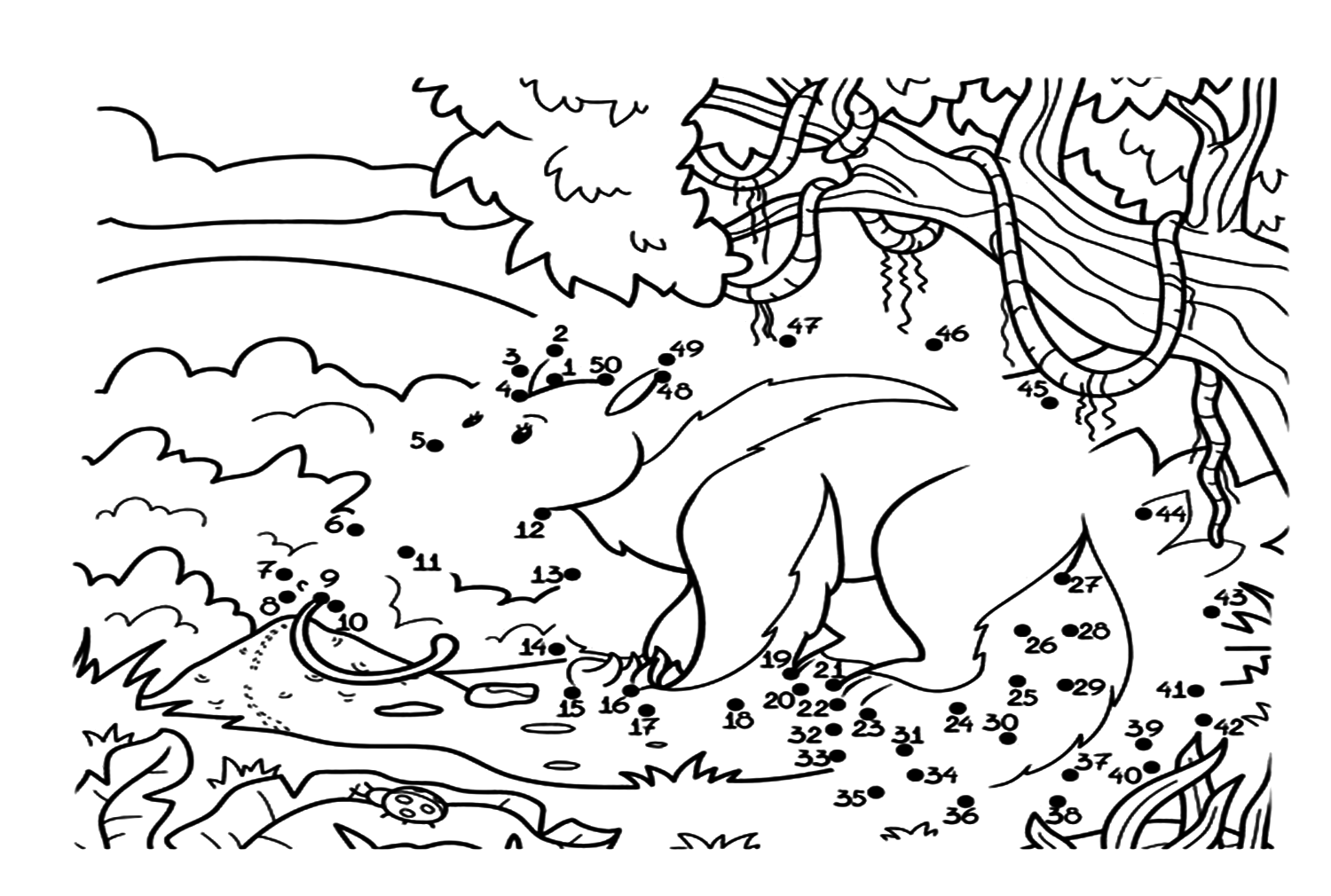
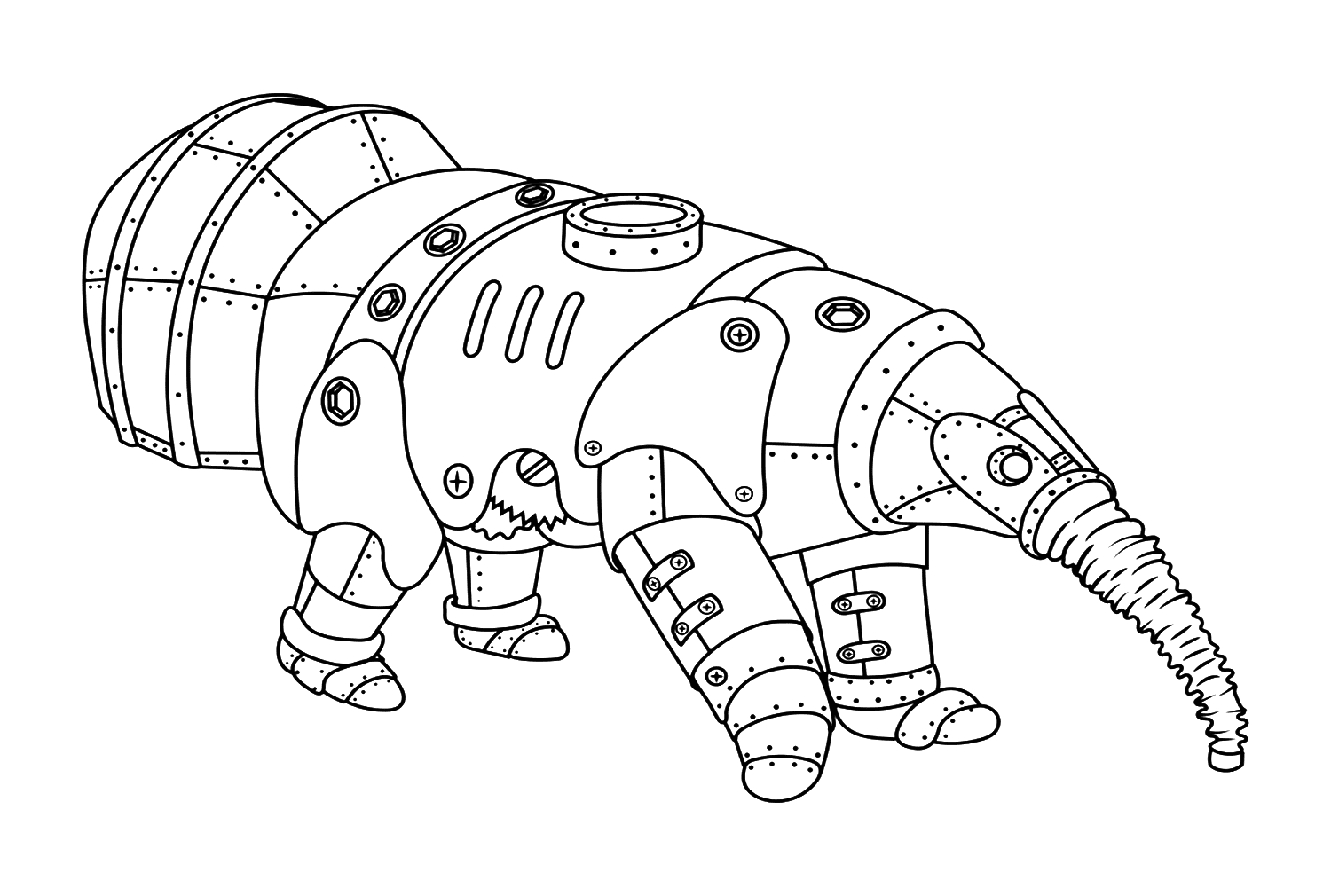
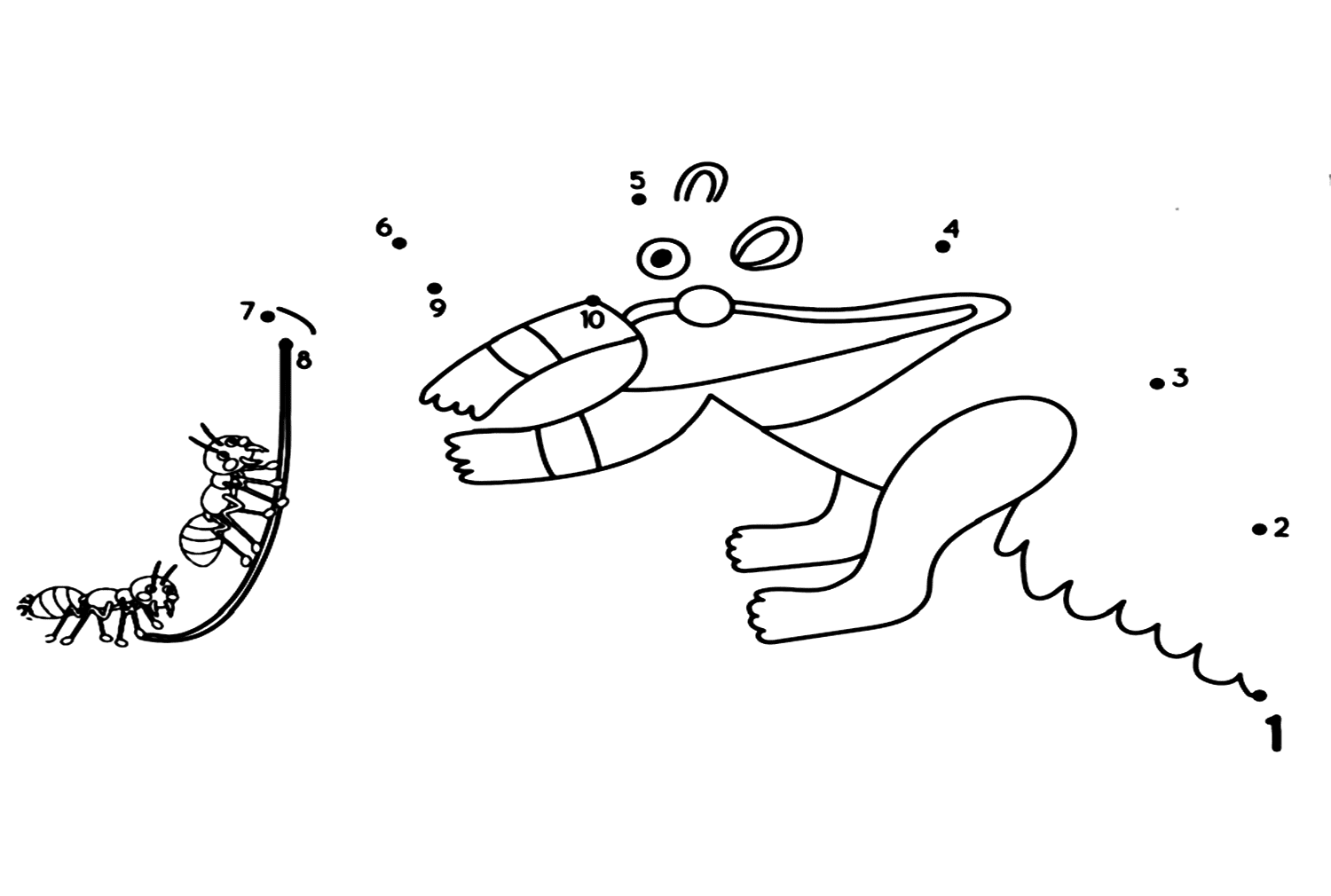
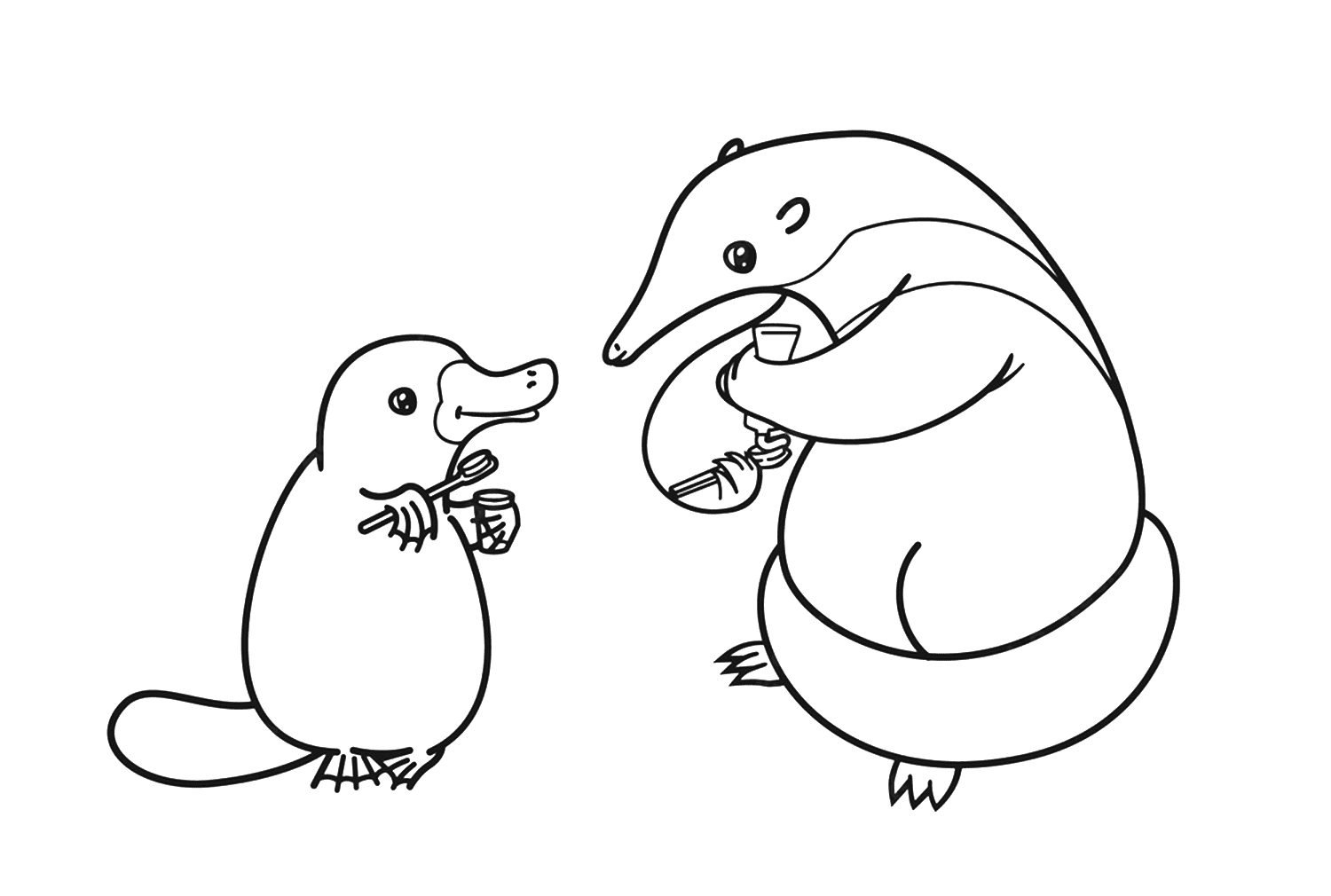
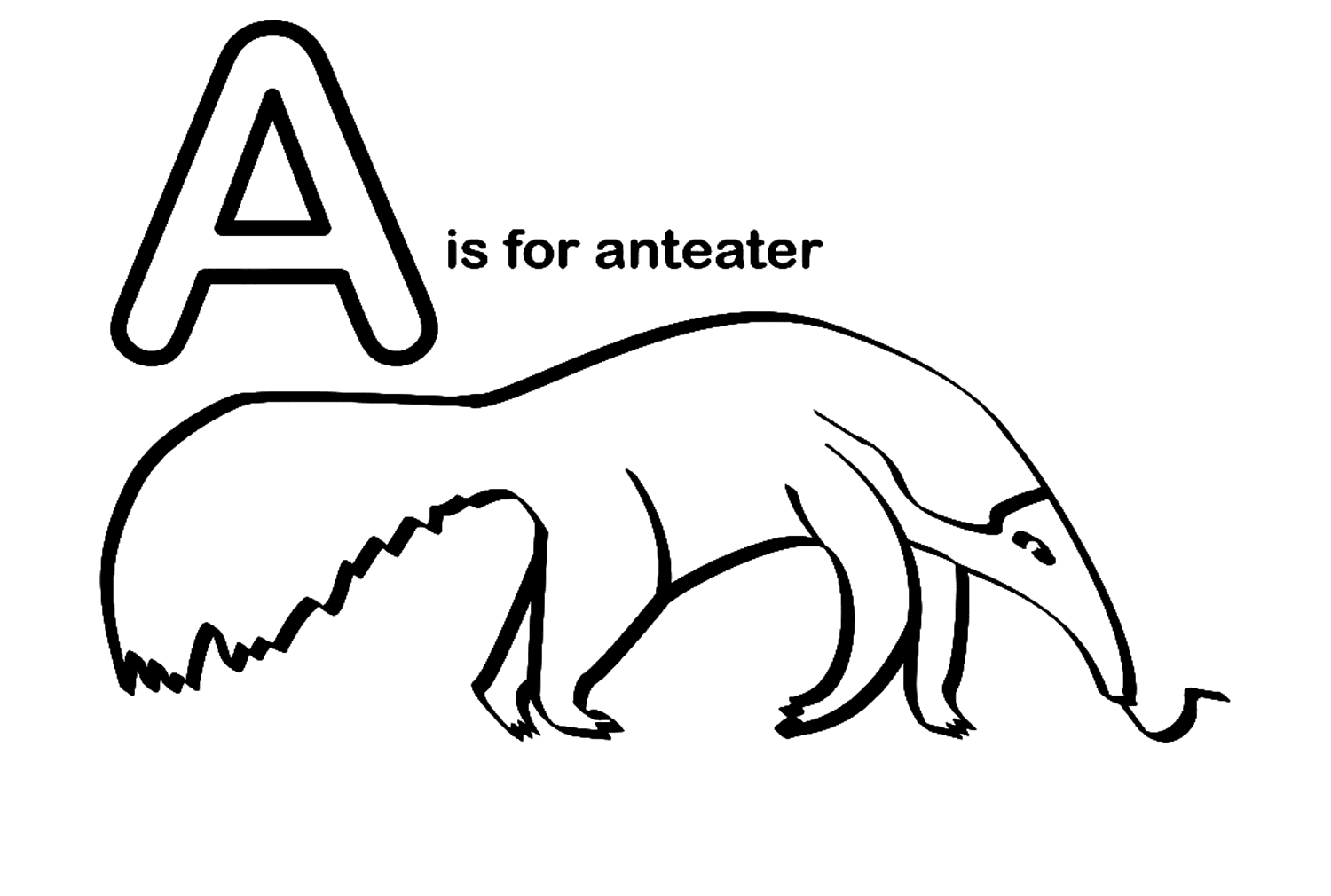
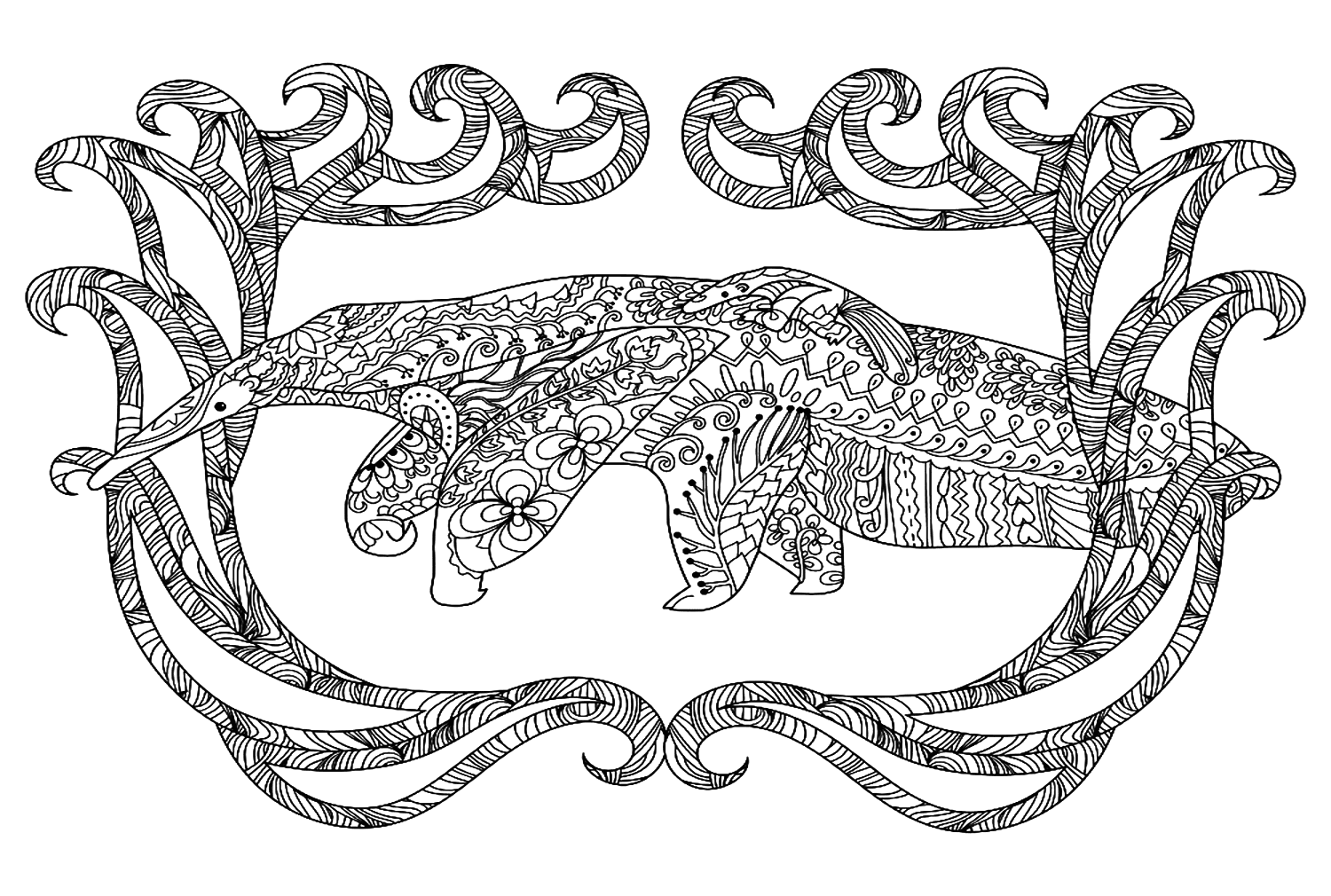
Letter A for Anteater and Dot to Dot Anteater are built as early-learning practice pages. At the same time, Mandala Anteater and Anteater in Steampunk Style offer more detailed, stylized options for older colorists.
What Anteater Coloring Pages Do
A close look at eating without teeth. An anteater has no teeth at all and instead relies on a long, sticky tongue that flicks in and out of an insect mound up to 150 times a minute to gather its food. The American Academy of Pediatrics points to structured coloring as a reliable way to build fine motor control, and tracing the anteater’s narrow, elongated snout calls for exactly that kind of careful, deliberate line work.
A lesson in trade-off adaptations. An anteater’s claws are sharp enough to tear open a termite mound. Still, they are also so long that the animal has to walk on its knuckles to keep them from dragging on the ground, giving a coloring session a natural opening to talk about how one useful trait can also come with a real cost.
Calm focus through coarse, textured fur. A 2005 study in the Art Therapy Journal documented measurable reductions in anxiety following structured coloring sessions, and the anteater’s coarse, bristly coat invites slow, layered strokes rather than smooth, flat color fills.
A window into insect-hunting strategy. Because an anteater only spends about a minute at any single mound before moving on to protect its future food supply, the action-based pages in this set offer a chance to talk about how some animals manage a resource carefully instead of using it all at once.
How to Color These Pages Well
- Body base: Use Sepia or Raw Umber for most of the coat, since giant anteaters are patterned in various shades of brown.
- Stripe pattern: On realistic pages, add a bold Black diagonal stripe running from the front leg toward the spine, since this is the giant anteater’s most recognizable marking.
- Front legs: Color the front legs a lighter White or Cream to match the real contrast seen on a giant anteater’s body.
- Tail: Use long, layered strokes in Brown and Black for the bushy tail, since its texture resembles a coarse mane more than smooth fur.
- Snout and claws: Keep the snout a flat Gray or Dark Brown, and shade the claws with a sharp highlight to make them stand out as a defining feature.
- Forest background: Blend Olive Green into Tan for grassland scenes, or use Forest Green and Raw Umber for a denser wooded setting.
5 Creative Craft Ideas With Anteater Coloring Pages
1. Termite Mound Craft
Build a small paper mound from rolled brown paper and dot it with tiny paper circles to represent termites, then place a colored anteater page nearby.
2. Pull-Tab Tongue Card
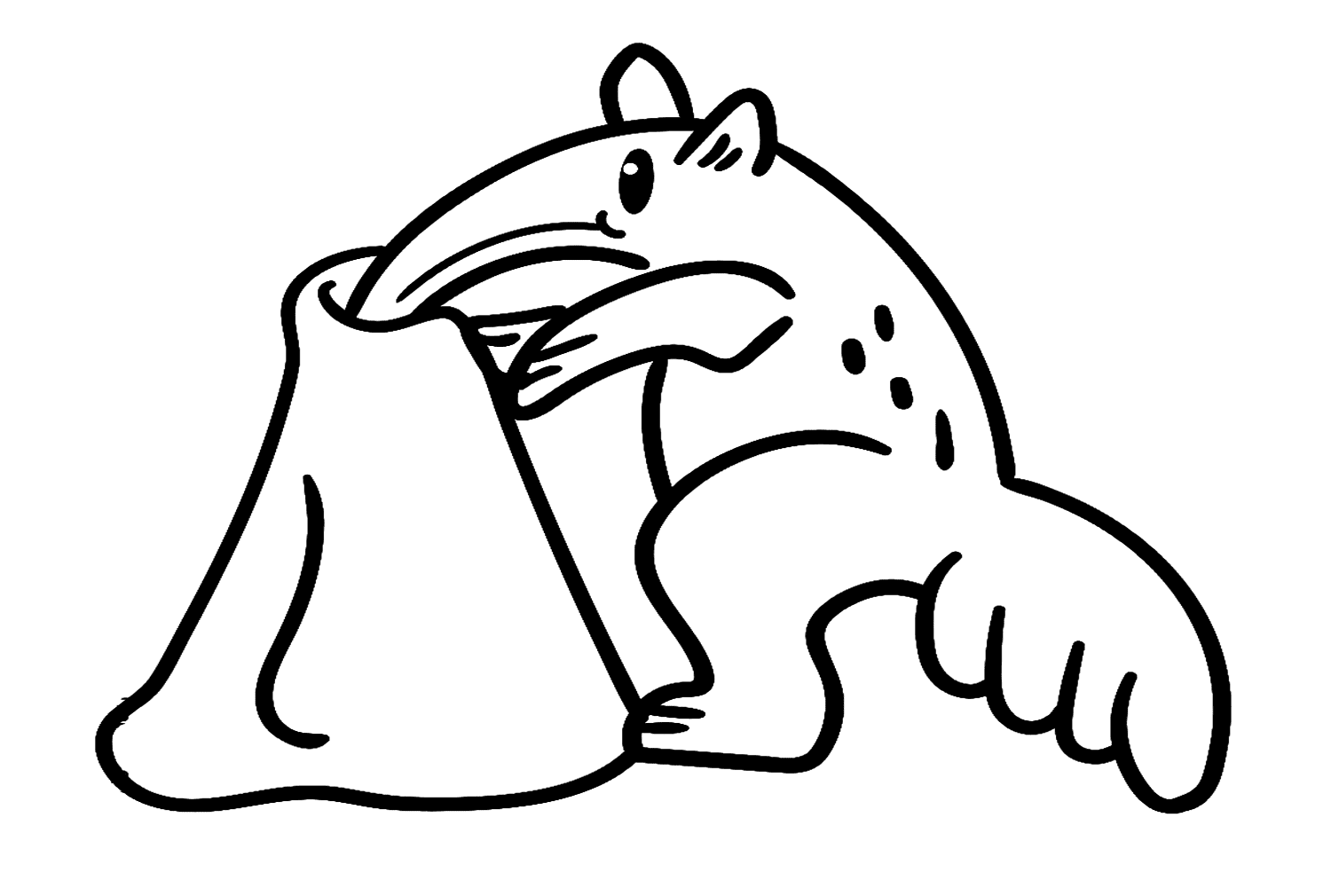
Color an anteater and attach a long paper strip behind the snout that can be pulled out to show the tongue extending toward a mound.
3. Anteater Bookmark
Trim a simple anteater page into a tall strip and laminate it, or cover it in clear contact paper.
4. Greeting Card
Glue a colored anteater onto a folded card for a birthday or nature-themed thank-you note.
5. Striped Fur Pattern Practice
Color several simple anteater outlines with different stripe widths and placements to practice keeping a clean, consistent line along the body.
Frequently Asked Questions
What are anteater coloring pages?
Printable line-art designs of anteaters in realistic, forest-habitat, and cartoon styles. Free to download as a PDF or color online, no account needed.
How many species of anteater are there?
There are four living species: the giant anteater, the northern tamandua, the southern tamandua, and the silky anteater.
Do anteaters have teeth?
No. Anteaters have no teeth at all and instead use a long, sticky tongue covered in tiny backward-pointing spines to gather ants and termites.
How fast does an anteater’s tongue move?
An anteater can flick its tongue in and out of a mound up to 150 times a minute while feeding.
Are anteaters dangerous?
Anteaters are not naturally aggressive, but a giant anteater will rear up on its hind legs and use its sharp claws to defend itself if cornered or threatened.
Where do anteaters live?
Anteaters live in the grasslands, forests, and wetlands of Central and South America.
Are anteater coloring pages appropriate for all ages?
Yes. Simple, outlined, and early-learning pages suit toddlers and preschoolers, while the detailed, realistic portraits and pattern pages suit older kids, teens, and adults.
Can these anteater coloring pages be used for a classroom lesson on animal adaptations?
Yes. The realistic portraits and action scenes pair well with a lesson on specialized feeding adaptations, since the anteater’s toothless jaw, long tongue, and knuckle-walking claws all evolved together.
Start Coloring
All 24 anteater designs are free to download as a PDF or open for online coloring, no account required. Print a page for a classroom activity, or pull it up on a tablet for coloring on the go. Once finished, share it on Facebook or save it to Pinterest.