Free Possum Coloring Pages: 20 printable PDF designs of the tree-dwelling marsupials of Australia and nearby islands, featuring a fluffy common brushtail possum, the tiny feathertail glider, the rare mountain pygmy possum, and a spotted cuscus, alongside possums hanging upside down from branches, climbing trees, and drawn as realistic studies. Cartoon pages add a baby possum and a bookworm possum reading a story. Each sheet has a free PDF for home printing, and the website’s tool opens the same drawings for screen coloring.
In Australia, “possum” refers to a group of tree-climbing marsupials that live across Australia, New Guinea, and the Indonesian island of Sulawesi. They are a separate group from the American opossum, although both carry their young in pouches, and the names are often mixed up. The common brushtail possum is one of the most familiar wild animals in Australian cities, often found in backyards and on rooftops. At the other extreme, the feathertail glider weighs only about 12 grams and is the smallest gliding mammal in the world. At the same time, the mountain pygmy possum is critically endangered and was known only from fossils until a living one turned up at a ski resort on Mount Hotham in 1966.
Because this set mixes several species, the pages range widely in shape and difficulty. Cartoon and baby possums have large, round eyes and soft bodies for young children; the brushtail and branch scenes add bushy tails and leafy backgrounds, and the realistic, glider, and cuscus pages show fine fur, feathery tails, and spotted coats for more patient artists.
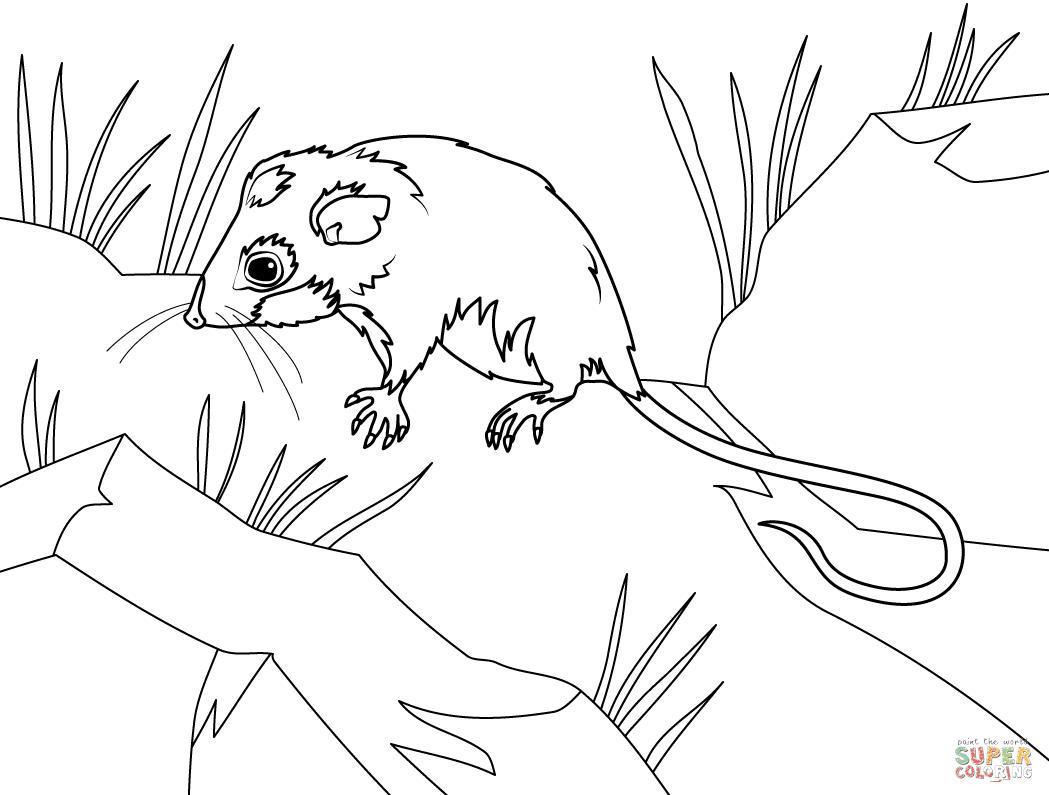

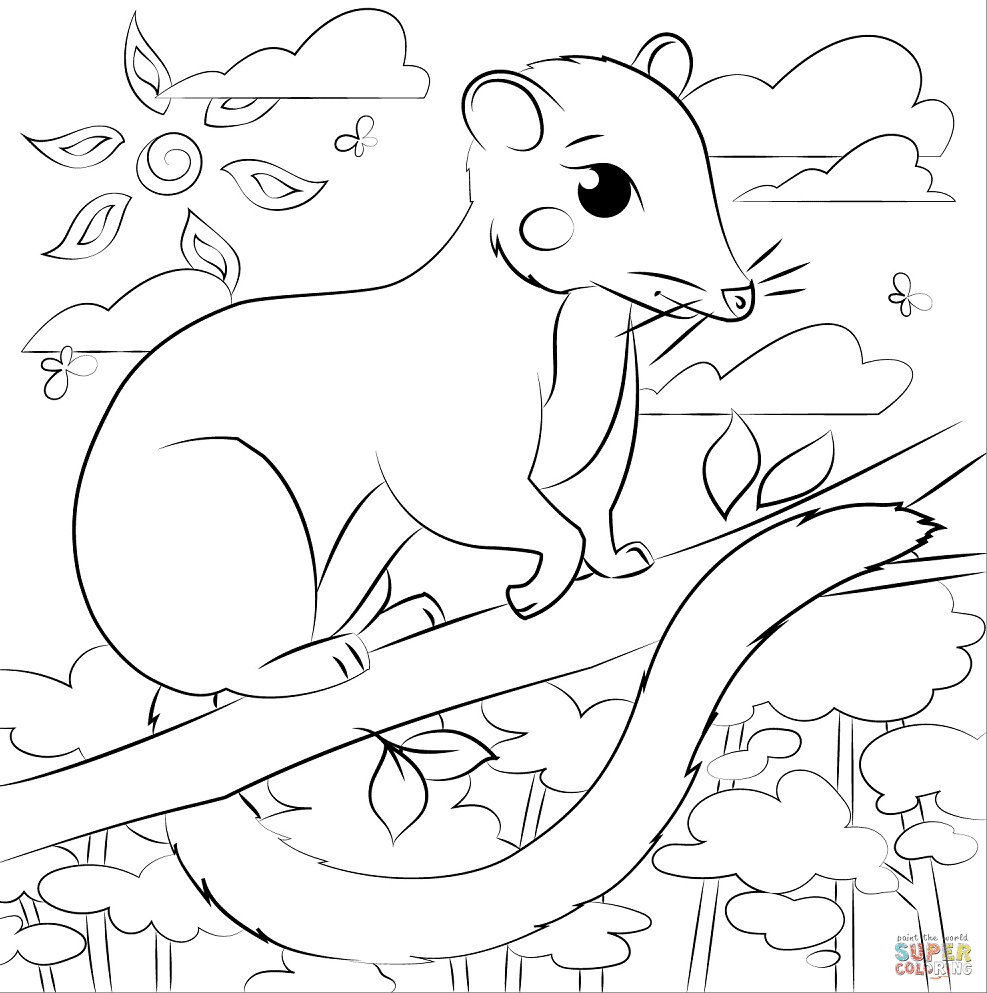
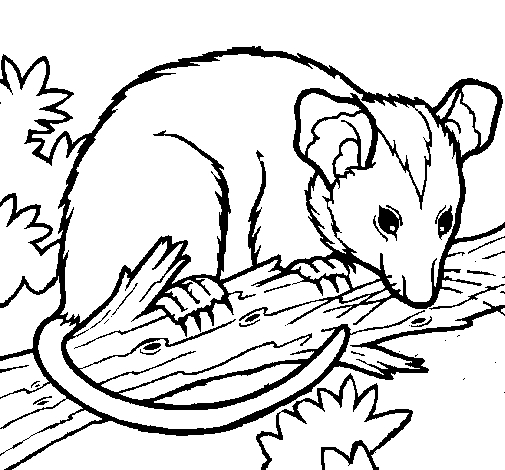
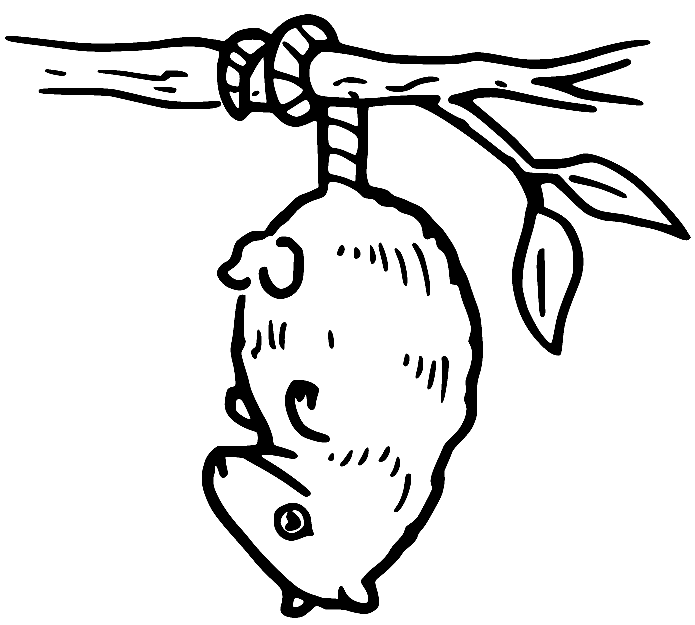
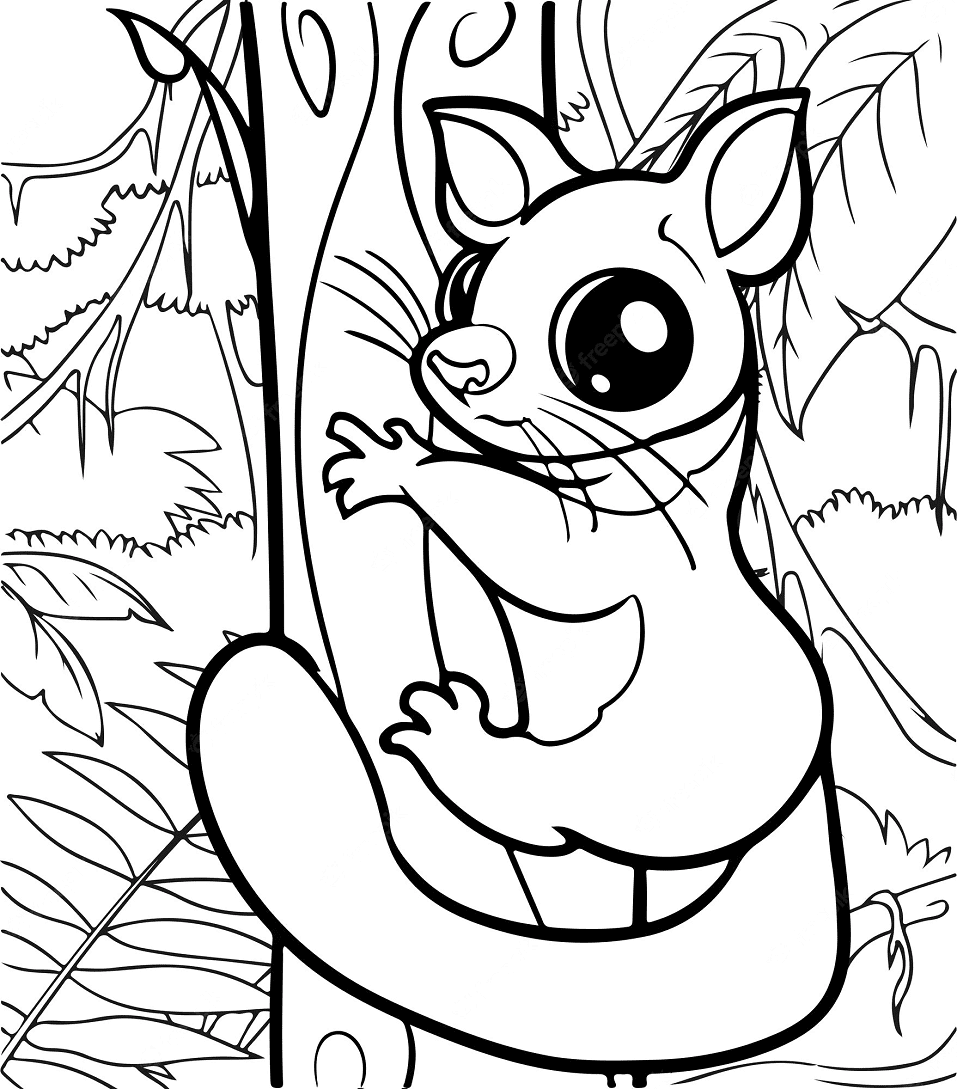
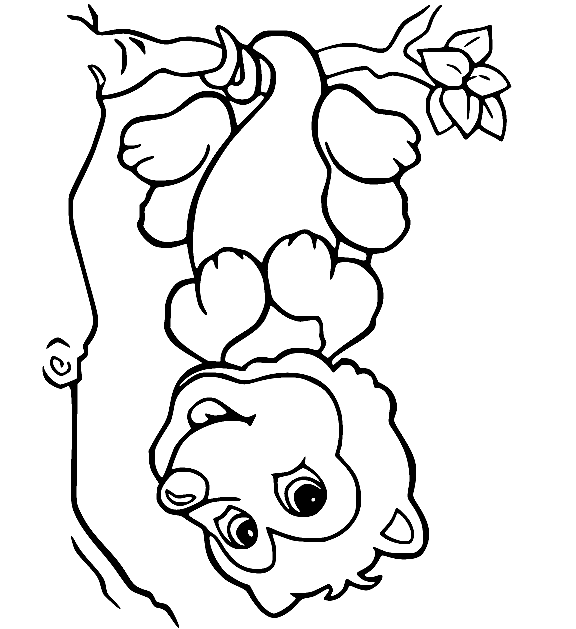
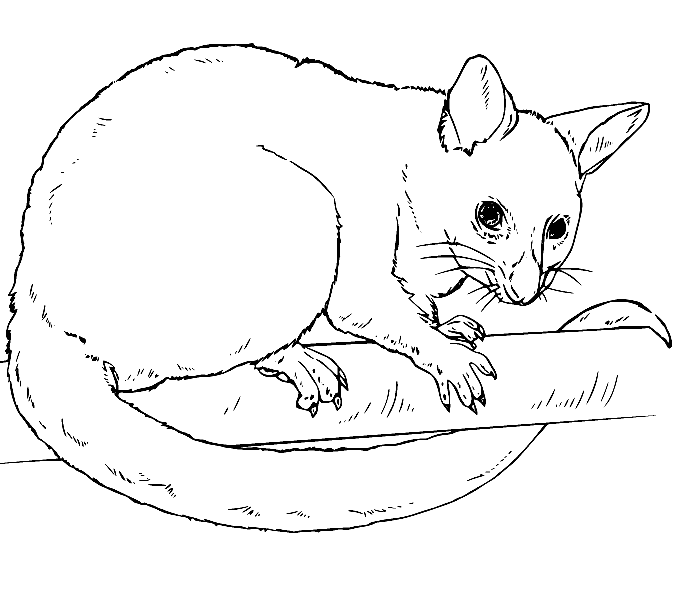

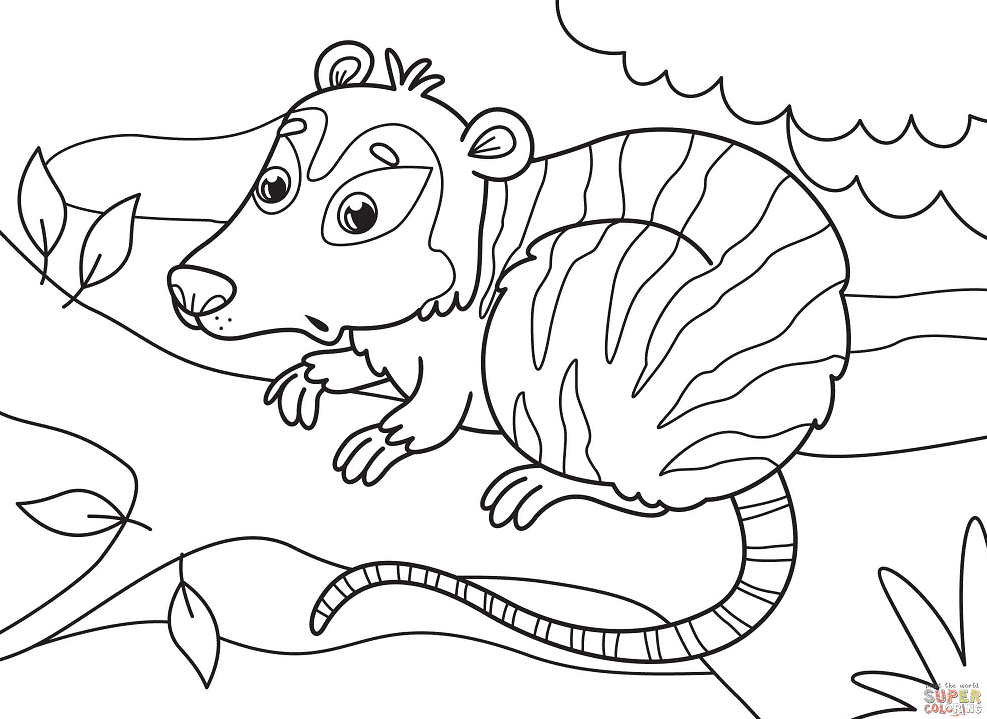
What’s Inside This Collection
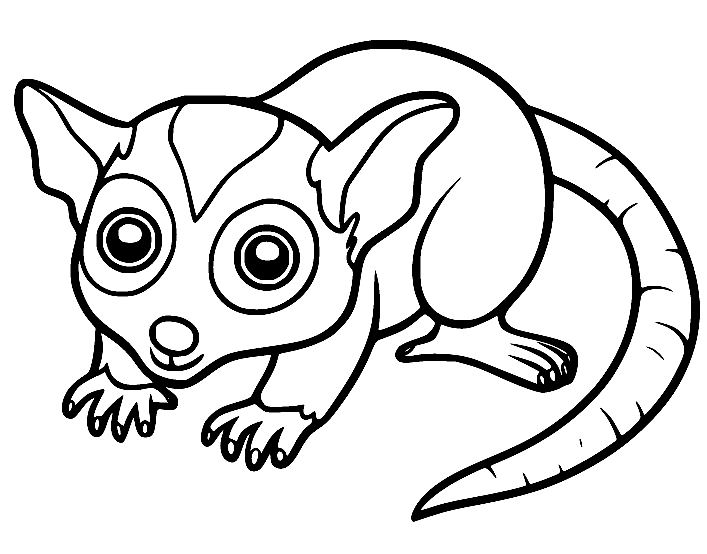
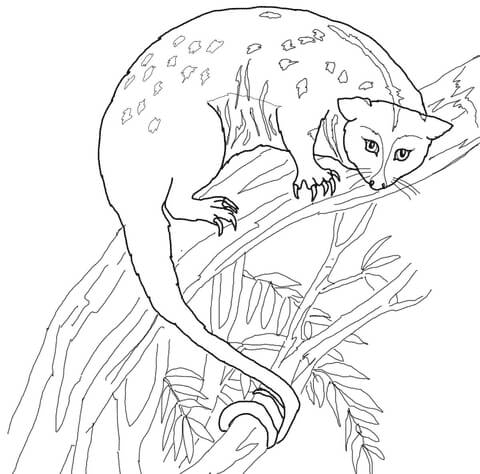
Twenty sheets here feature brushtail possums, three special species pages, baby and cartoon possums, and outline and portrait sheets.
Common Brushtail Possums
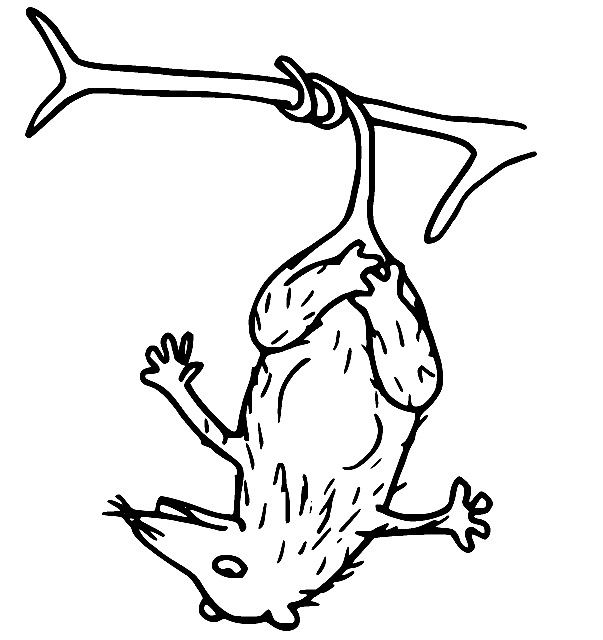
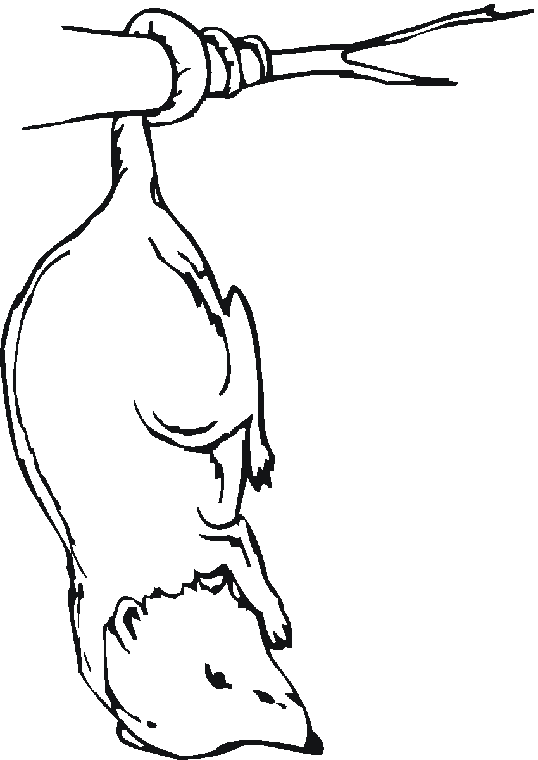
Cute brushtail possum, hanging possum, possum on the tree, and several portrait pages show Australia’s best-known possum. Color the fur a soft Silver Gray, the bushy tail a darker Charcoal fading to Black at the tip, and the nose and ear lining Pink.
Feathertail Glider
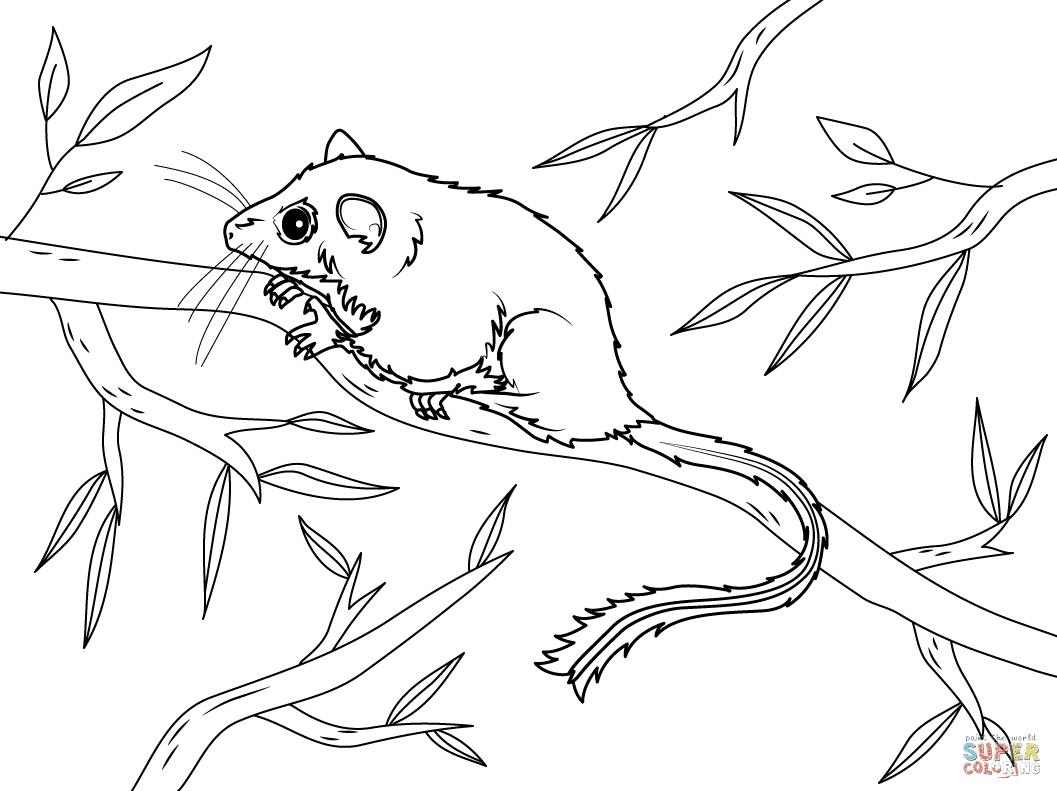
This tiny gliding possum has a tail fringed with stiff hairs like a feather. Use Gray Brown on the back, Cream on the belly, a dark stripe around each eye, and short, careful strokes along the feathery tail.
Mountain Pygmy Possum
The alpine pygmy possum appears on its own detailed page. Color its fur Warm Gray Brown with a lighter underside and keep its long, thin tail a soft Pink Gray.
Spotted Cuscus
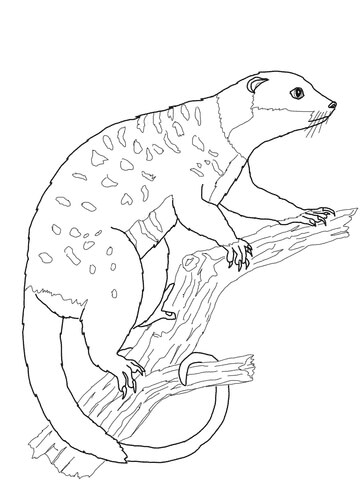
The cuscus page shows a round-faced, slow-moving cousin of the possum. Try a Cream base with irregular Gray or Brown spots and bright orange-red eyes for a striking look.
Baby and Cartoon Possums
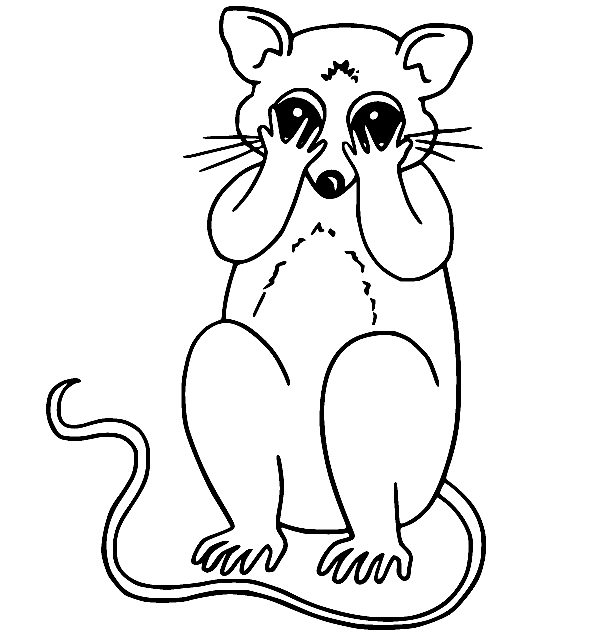
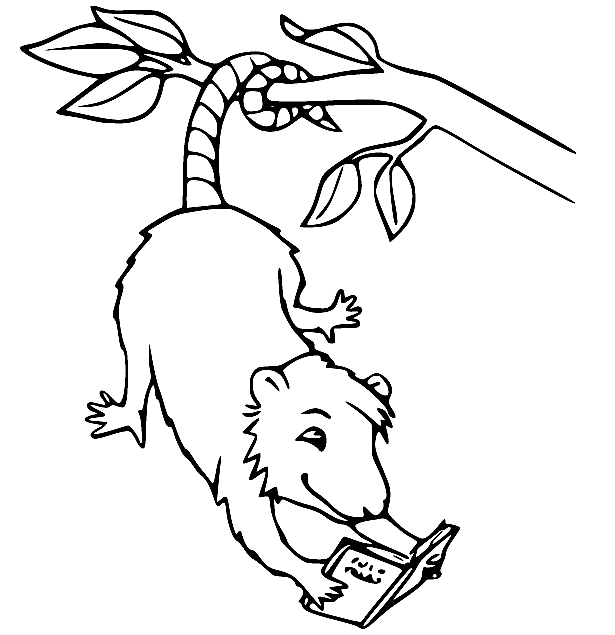
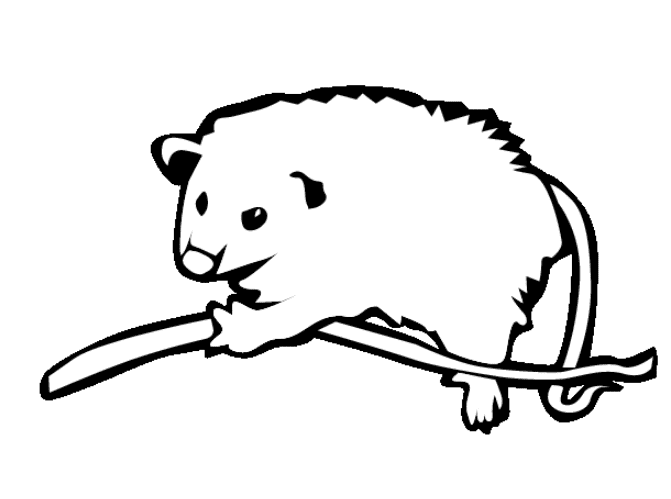
Baby possum, cartoon baby possum, cartoon possum, and a possum reading a book offer friendly designs. Use pastel Grays and Pinks, and give the reading possum a colorful book in Red or Blue.
Realistic, Outline, and Printable Pages
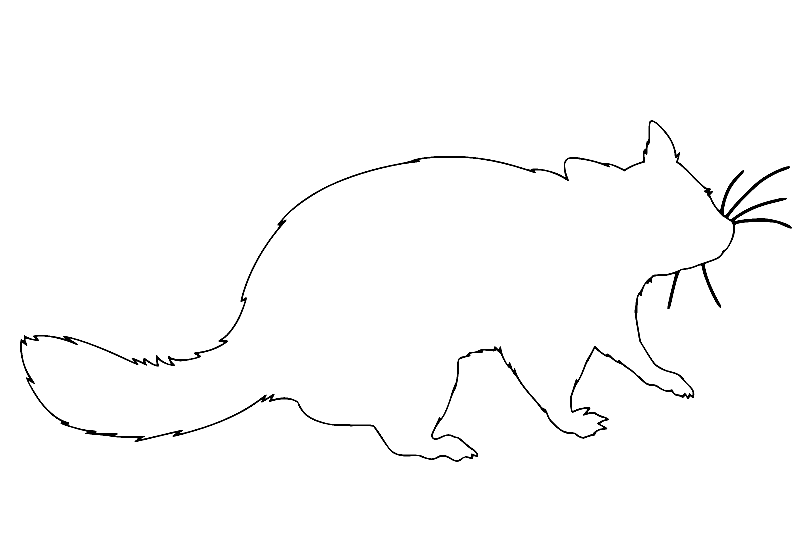
Realistic possum, possum outline, and several printable pages give simple and detailed choices. Shade realistic fur in layers of Light Gray and Charcoal, and leave the outline page bright for young colorists.
What Possum Coloring Pages Do
Introducing Australian wildlife. Possums, gliders, and cuscuses rank among the most unusual animals of Australia and New Guinea. Coloring different species shows children how varied marsupials can be, from tiny gliders to sturdy cuscuses.
Practicing gentle, detailed strokes. Bushy tails, feathery fringes, and spotted coats encourage children to vary pressure and stroke length. Ages 2 to 7 lay the groundwork for the hand coordination writing requires, an idea American Academy of Pediatrics resources repeat often, and the realistic pages carry that practice further.
Unwinding with nature. Quiet focus on structured designs reduced anxiety in adults, according to a 2005 report in the Art Therapy Journal. Peaceful tree scenes and sleepy-looking possums make these pages easy to enjoy at the end of a day.
Learning about conservation. The mountain pygmy possum survives in only a few alpine areas, and its numbers are small. Coloring it opens a conversation about protecting endangered animals and their habitats.
How to Color Possum Pages Well
- Silver fur: Build brushtail fur in light Gray first, then add darker strokes along the back.
- Bushy tails: Use long, flicking strokes that get darker toward the tip of the tail.
- Big night eyes: Color possum eyes dark and glossy with a single white highlight, since they are active at night.
- Glider fringe: Add fine side strokes on the feathertail glider’s tail to show its comb-like hairs.
- Cuscus spots: Color the base first, then add uneven spots so they look natural.
- Gum tree setting: Surround possums with Blue Green eucalyptus leaves and a dusky Indigo sky.
5 Creative Craft Ideas With Possum Coloring Pages
1. Australian Species Chart
Color the brushtail, feathertail glider, pygmy possum, and cuscus pages, then lay the four out across a labeled poster. Add one fact under each animal so the chart doubles as a mini science lesson.
2. Size Comparison Strip
Color the tiny feathertail glider and the larger brushtail possum and mount the pair together on a long paper strip. Write each animal’s approximate weight underneath to show how different possums can be.
3. Night Forest Shadow Box
Color a hanging possum and place it inside a shoebox painted dark blue with paper gum leaves. Poke small holes in the lid to let light through like stars.
4. Baby and Parent Pair
Color the baby possum and an adult brushtail page and mount them together on one card. Add a short note about how possum babies grow inside a pouch.
5. Reading Possum Bookmark
Color the possum reading a book, trim around it, and fasten it onto the upper end of a colored cardstock band. Slip the finished bookmark into a favorite picture book for bedtime reading.
Frequently Asked Questions
What are Possum Coloring Pages?
Twenty free outlines here show Australian possums, including the brushtail, feathertail glider, mountain pygmy possum, and spotted cuscus, plus cartoon and baby possums, printable at home or colorable through the site.
Where do possums live?
Possums live in Australia, New Guinea, and Sulawesi, in forests, woodlands, and even city suburbs, where the brushtail is a common backyard visitor.
Are possums and opossums the same animal?
Possums are tree-dwelling marsupials from Australia and nearby islands, while opossums live in the Americas. They belong to different groups, even though both carry babies in pouches.
What is a feathertail glider?
The feathertail glider is the world’s smallest gliding mammal, weighing about 12 grams. It glides between trees using skin flaps and steers with its feather-like tail.
Is the mountain pygmy possum endangered?
Yes. It is listed as critically endangered and lives only in a few alpine areas of southeastern Australia, where it hibernates under the snow in winter.
What is a cuscus?
A cuscus is a slow-moving, round-faced relative of possums found in New Guinea and northern Australia. The spotted cuscus has a patterned coat and bright eyes.
What age are possum coloring pages for?
Cartoon and baby possum pages suit children from about 3, brushtail pages fit early grade school, and realistic, glider, and cuscus pages reward older kids and adults who like detail.
Are possums nocturnal?
Yes. Most possums are active at night, using their large eyes to find food such as leaves, flowers, fruit, and insects.
Start Coloring
Choose a brushtail possum, a feathertail glider, or a cartoon baby from these 20 designs; the PDF costs nothing, and the online tool needs no registration. Finished Aussie critters are fun to post on Facebook or Pinterest.