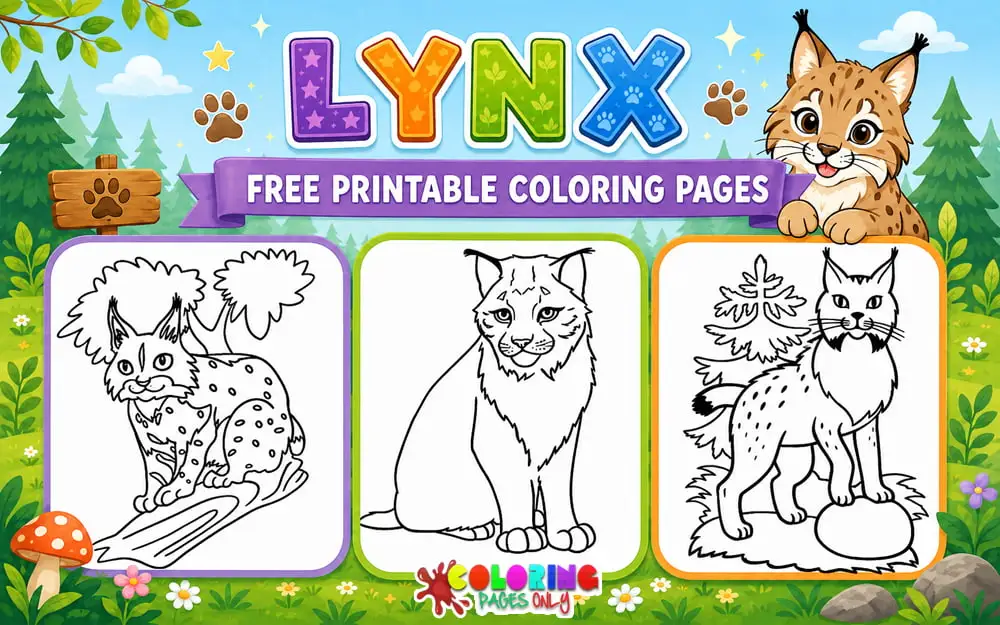
Free Lynx Coloring Pages: 44 printable PDF designs of the tufted-eared wild cats, including Canada, Eurasian, and Iberian lynx portraits, four bobcats, Lynx stretching, running, and perched on branches, a lynx gazing at the moon, a snowy scene, baby lynx, cartoon lynx, a lynx mask, and one caracal on the hunt. Every sheet is free.
There are four lynx species: the Canada lynx, the Eurasian Lynx, the Iberian Lynx, and the bobcat. All share black ear tufts, a ruff of fur around the face, and a short tail with a dark tip. The Eurasian Lynx is the largest, while the bobcat is the most widespread wildcat in North America. Canada lynx have huge furry paws that work like snowshoes, and their numbers rise and fall in a roughly 10-year cycle that follows their main prey, the snowshoe hare. The Iberian Lynx dropped to about 100 animals around 2002, then rebounded past 2,000 through conservation, and in 2024, it was moved from Endangered to Vulnerable.
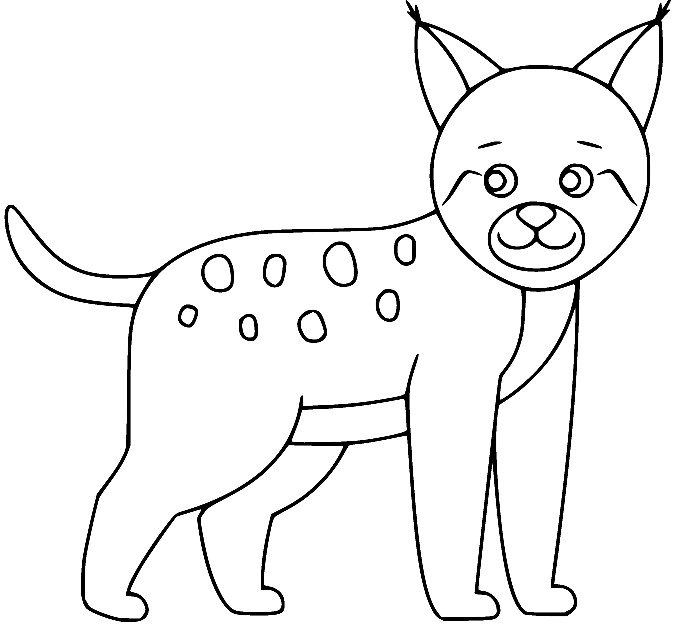
Cartoons and baby lynx suit young kids. Realistic portraits and forest scenes give older artists plenty of fur to shade.
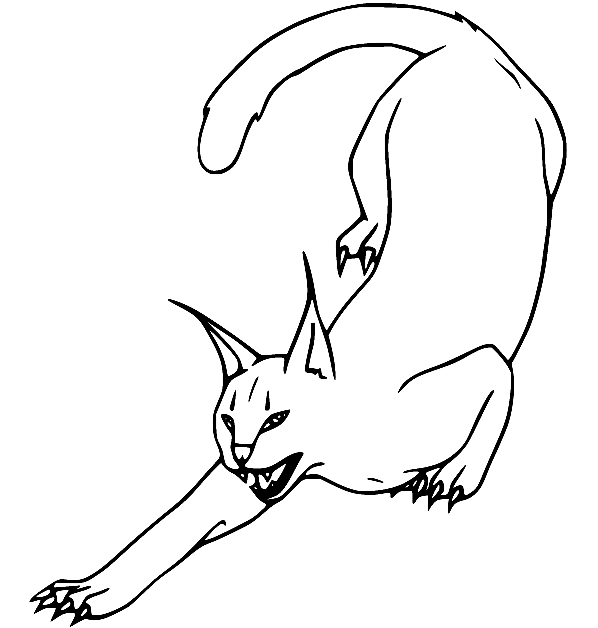
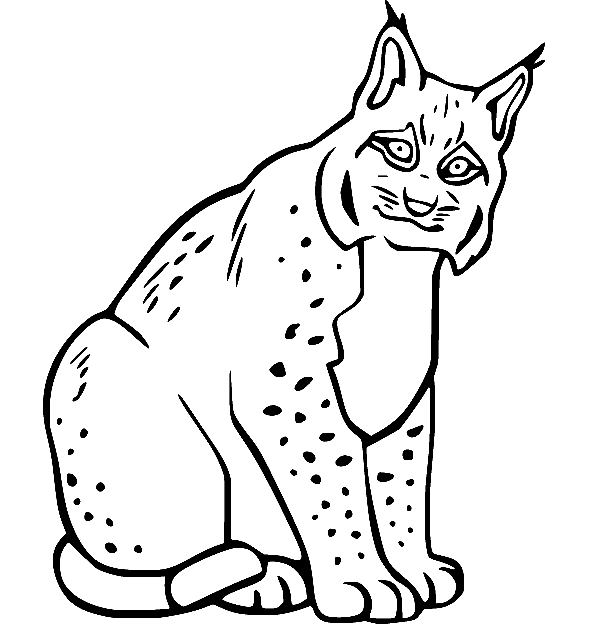
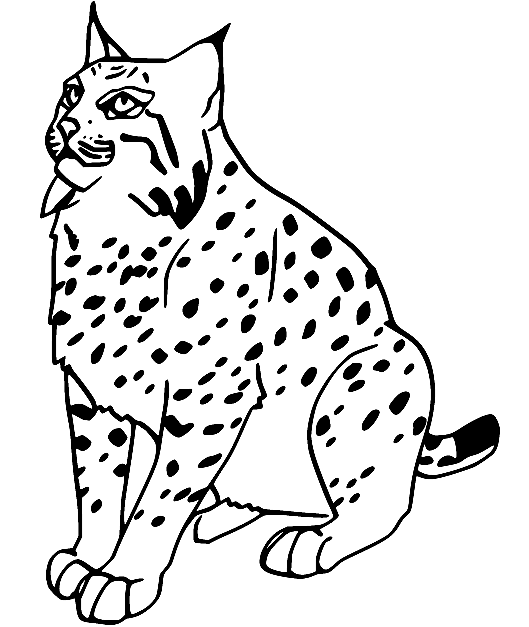
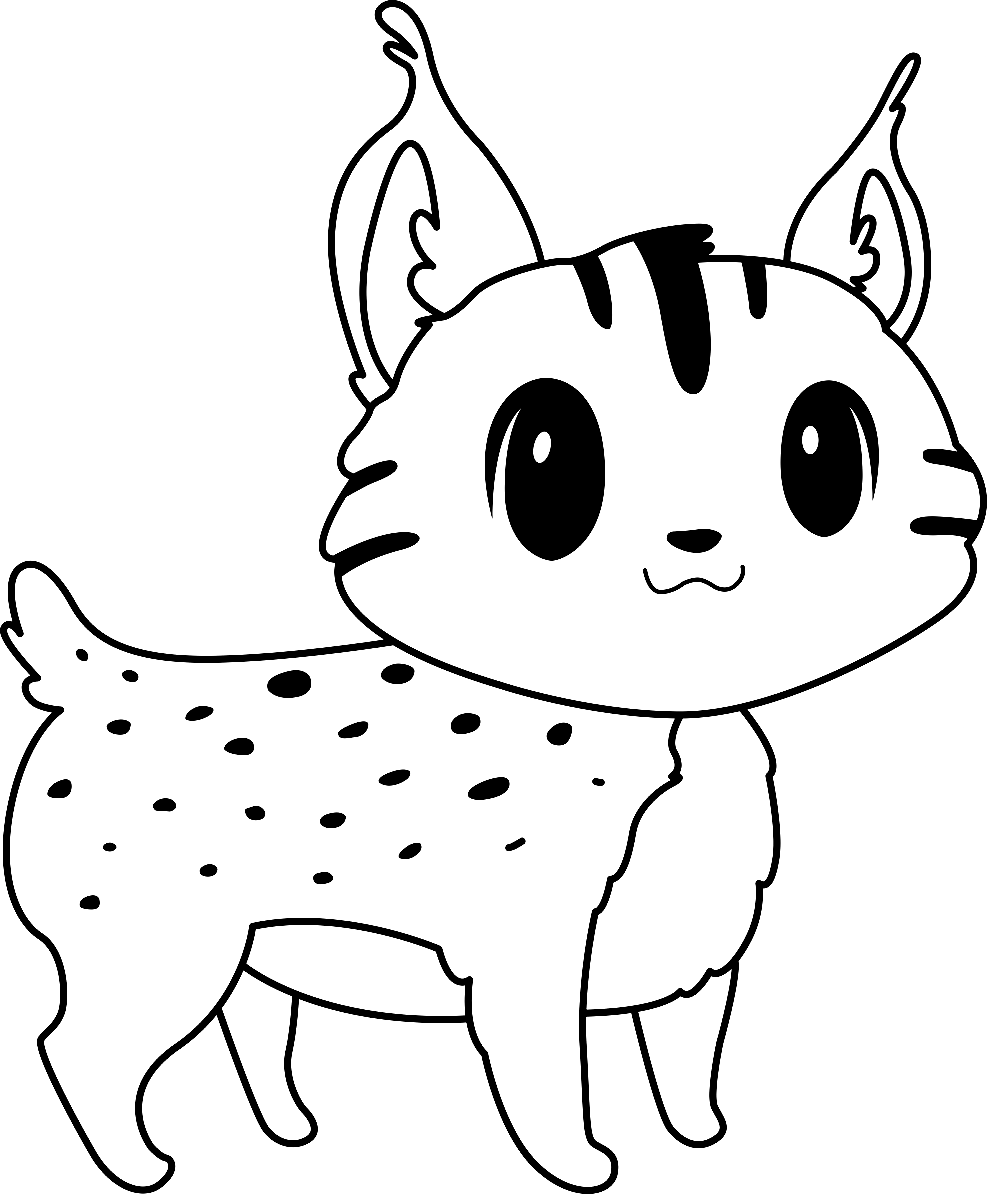
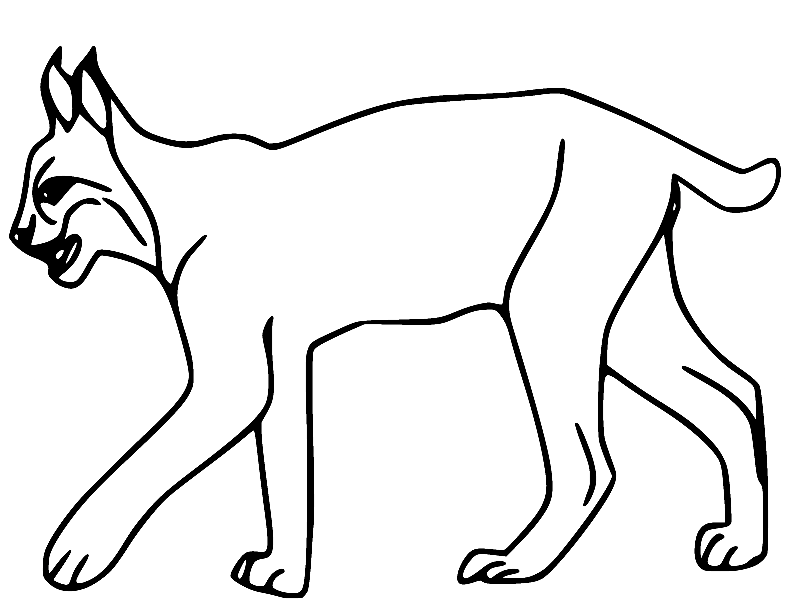

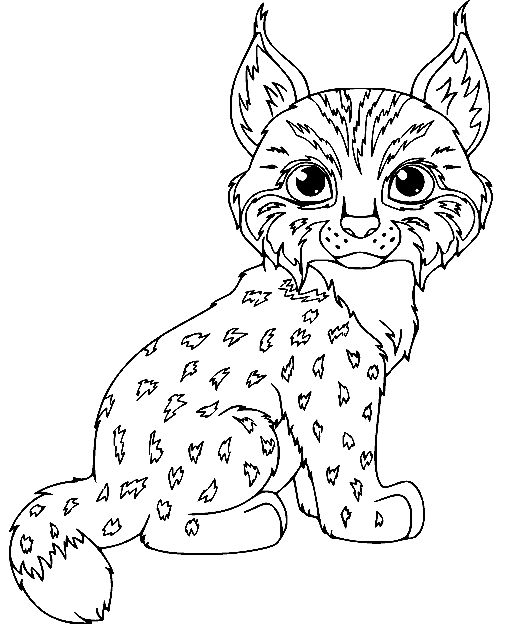
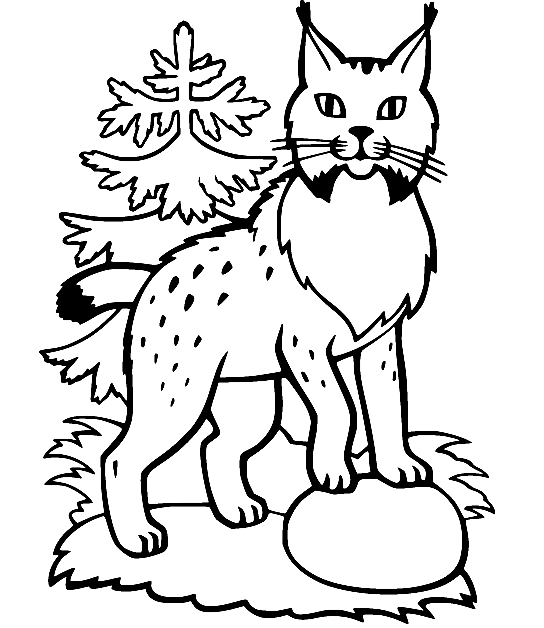
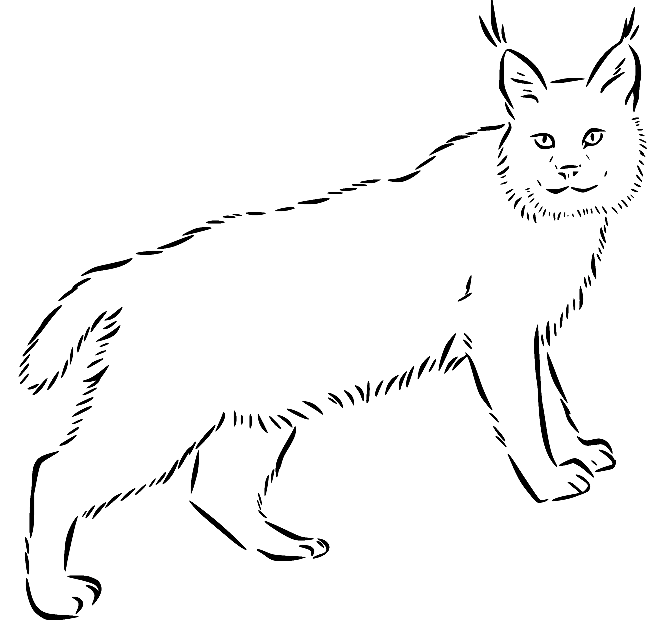
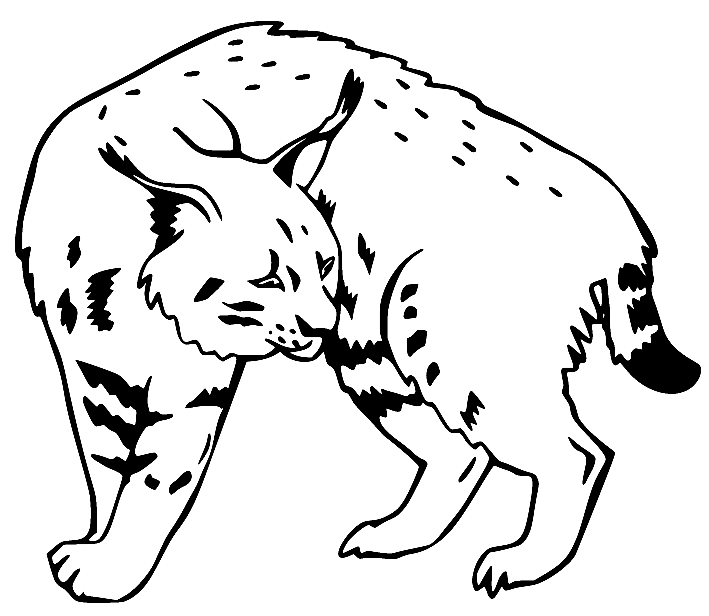
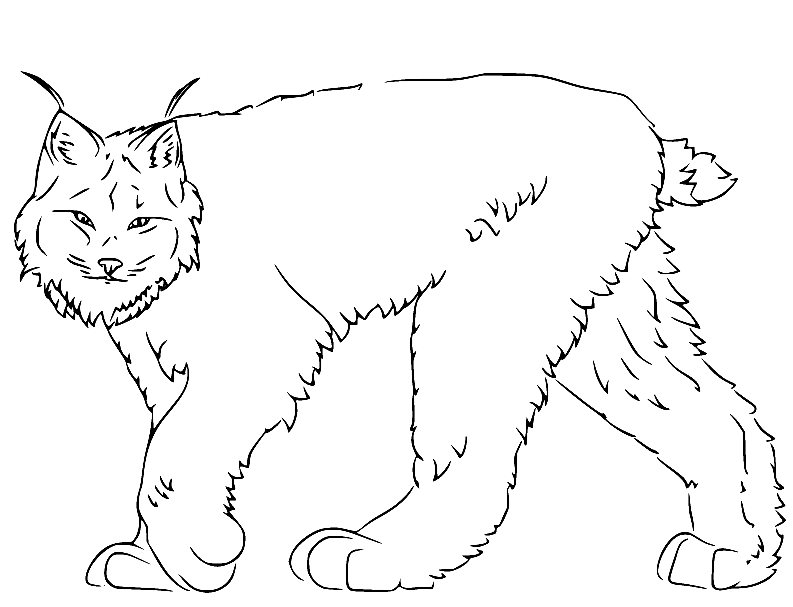
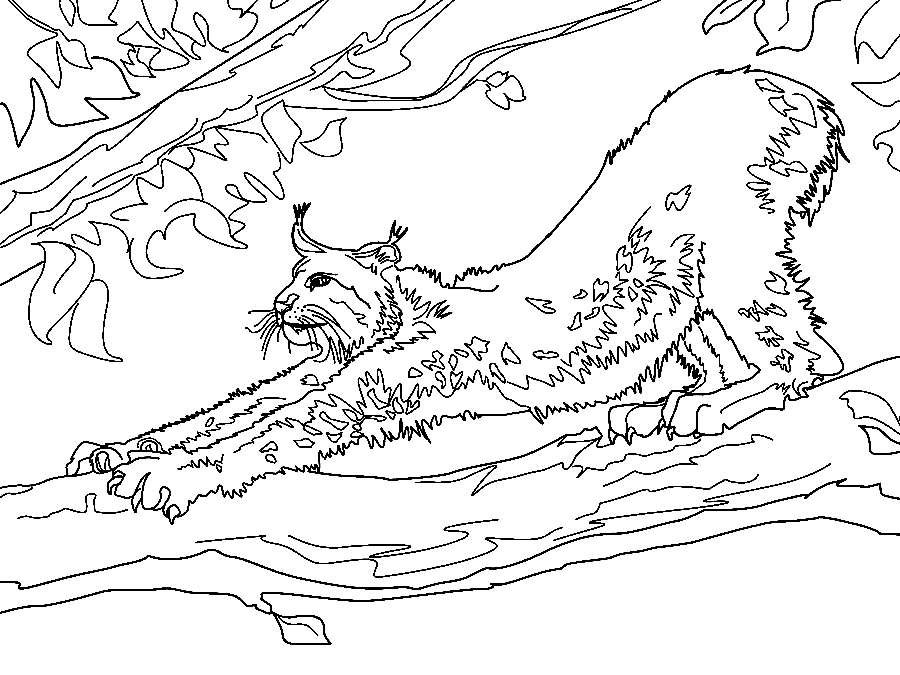
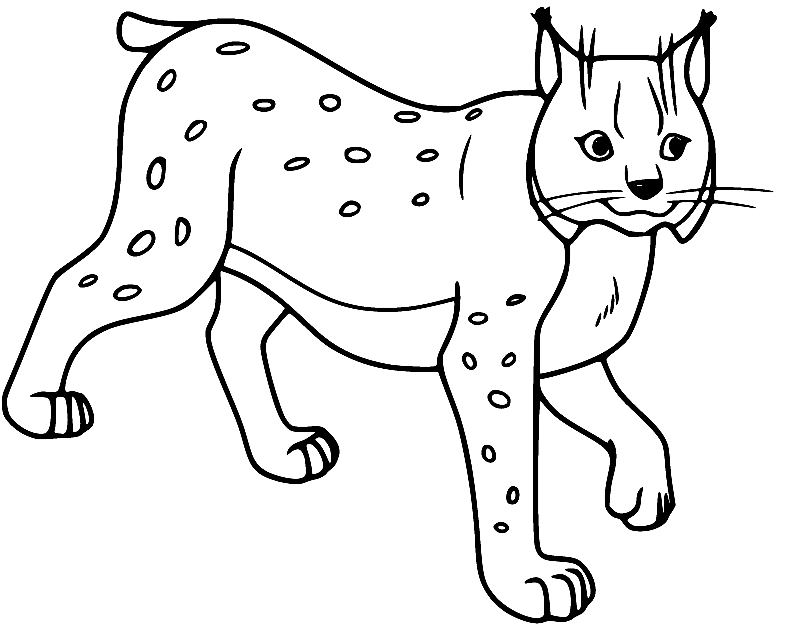
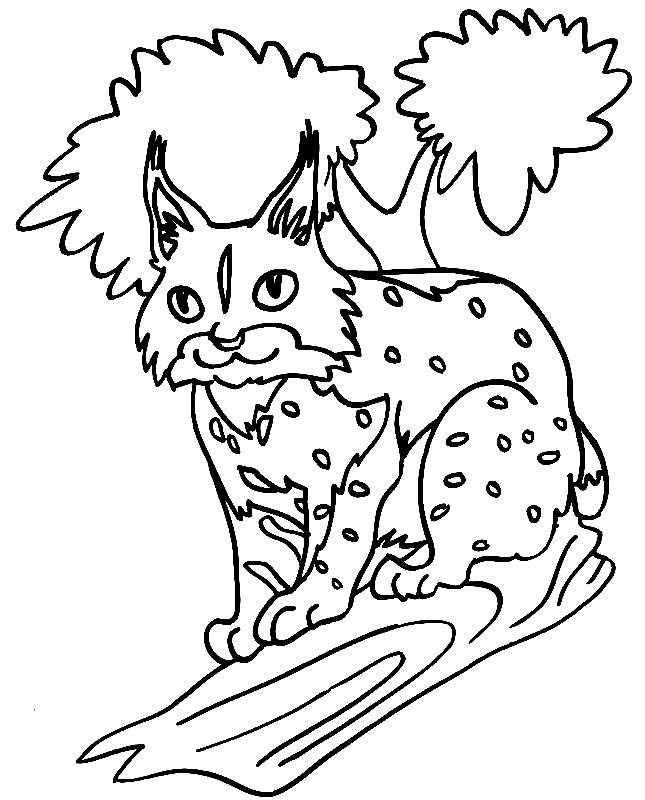
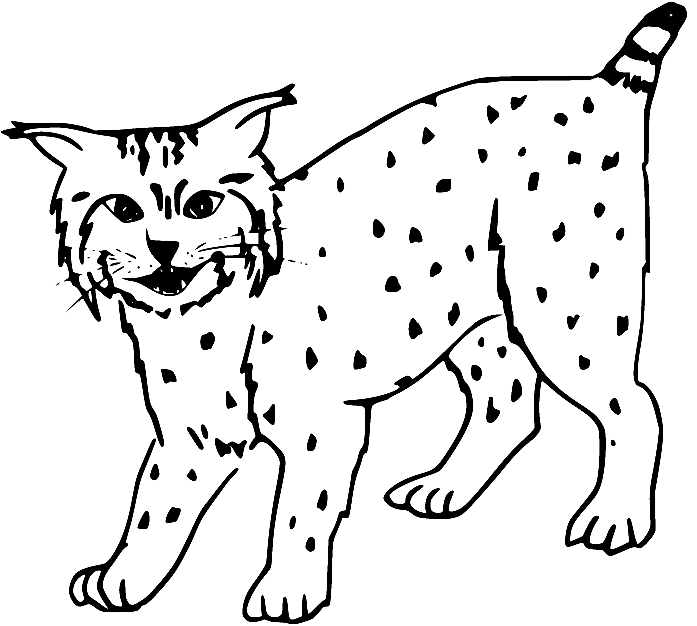
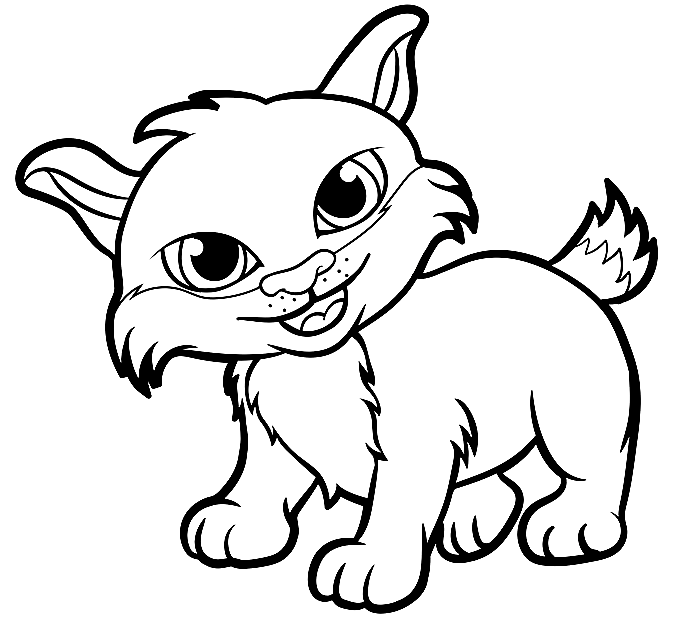
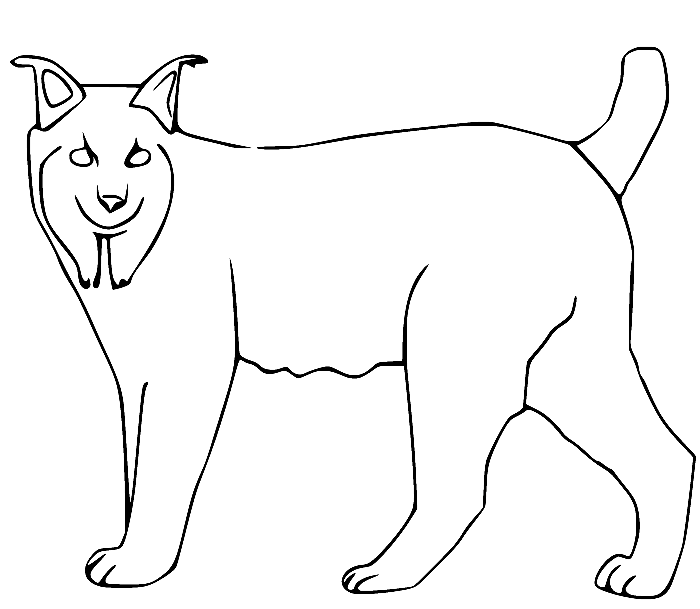
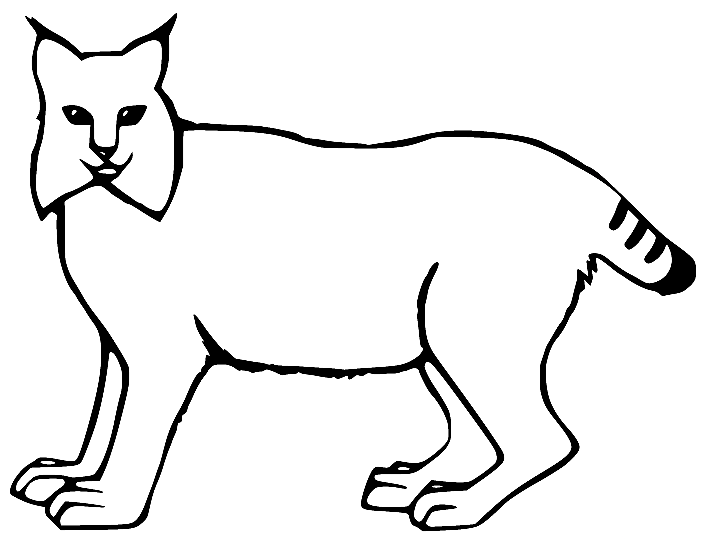

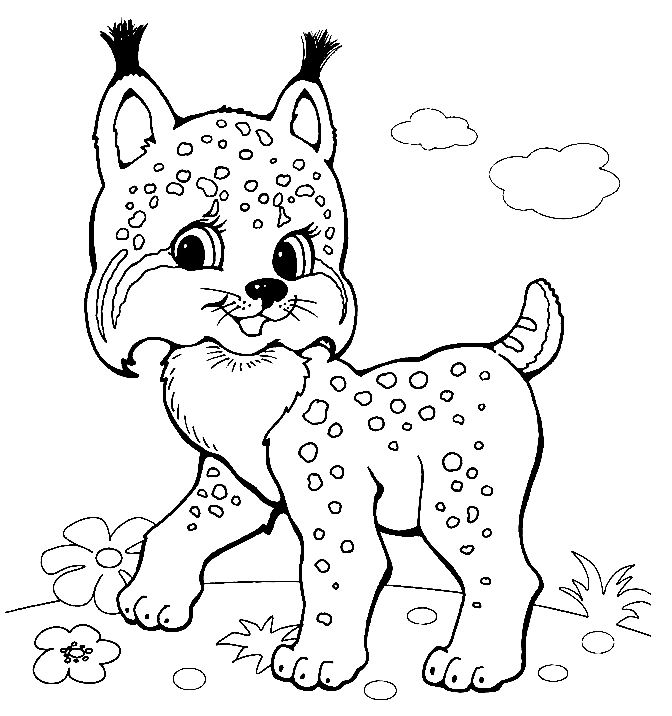
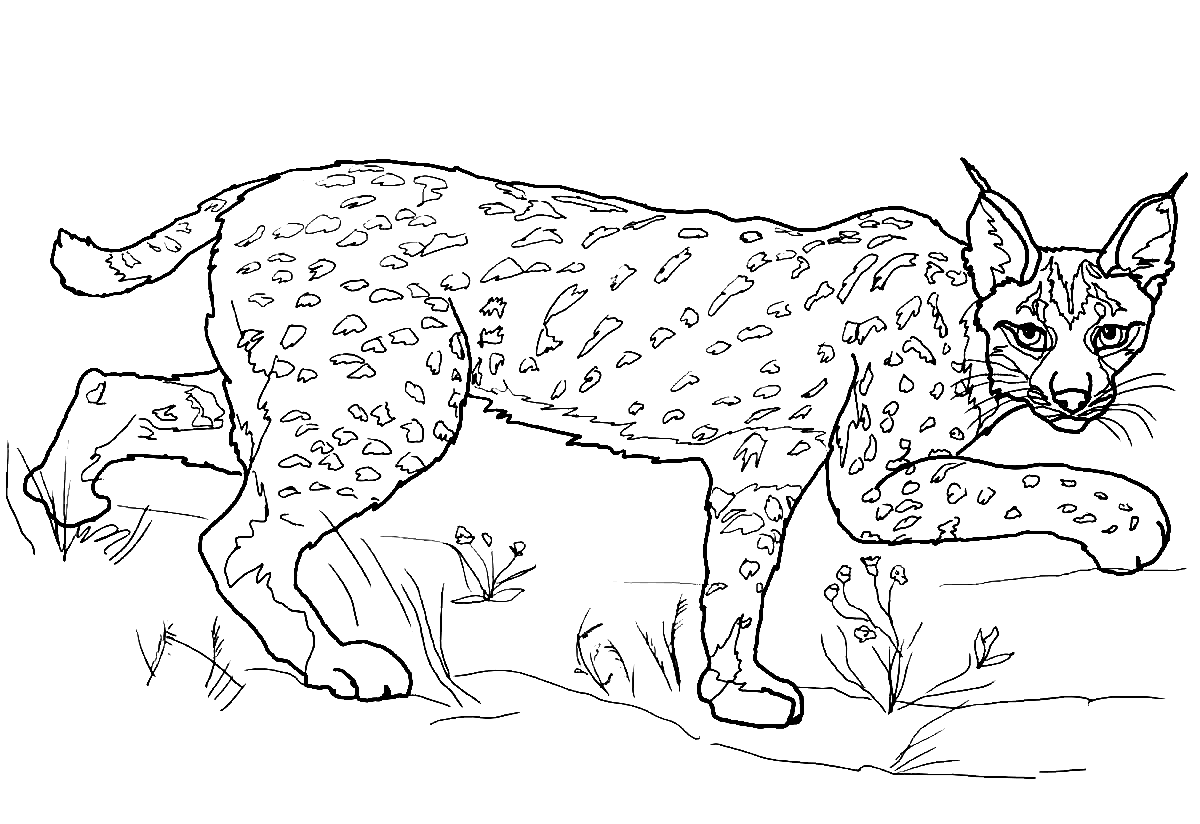
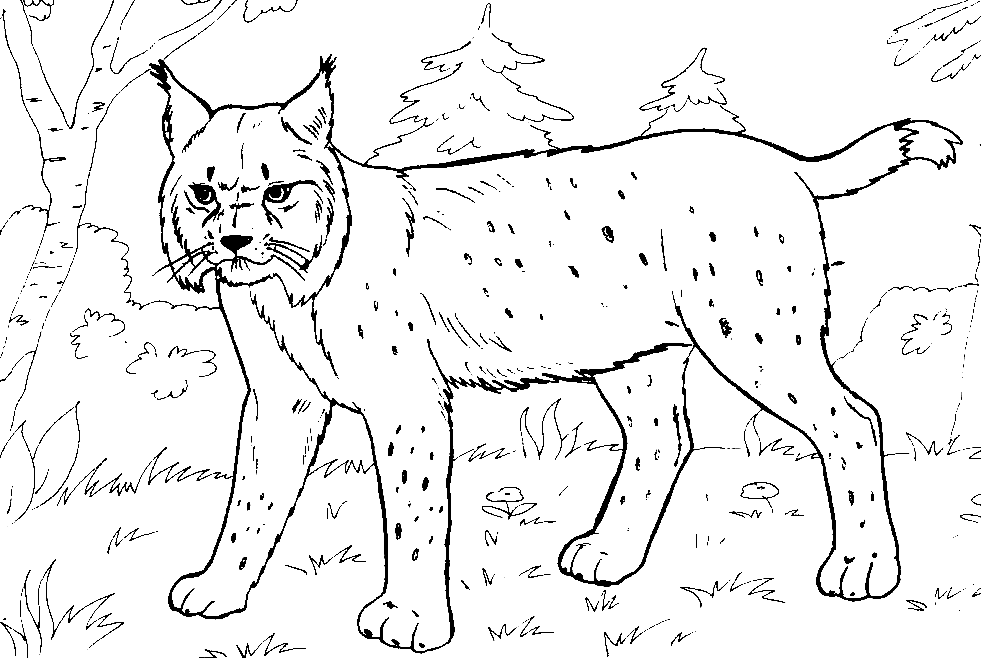
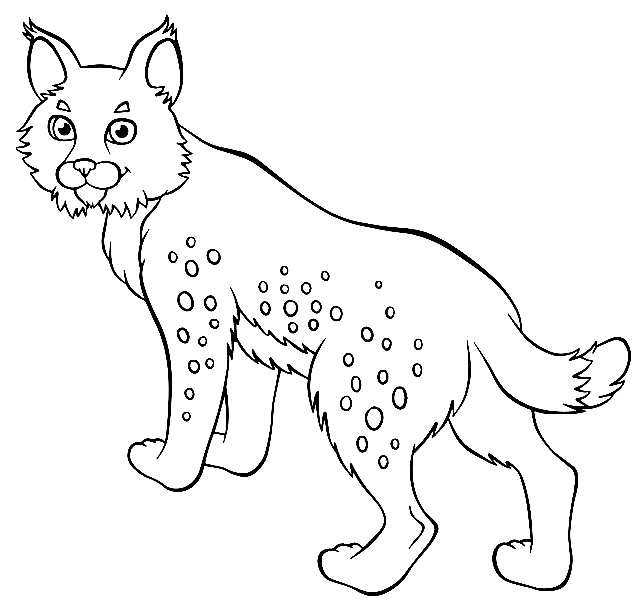
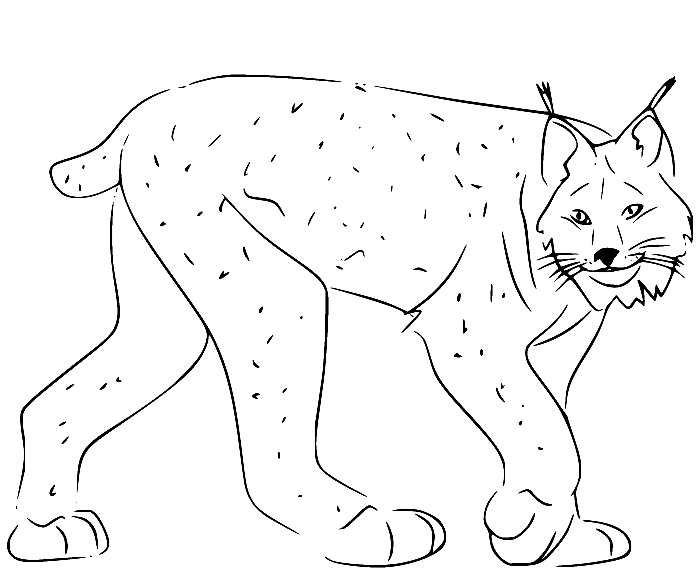
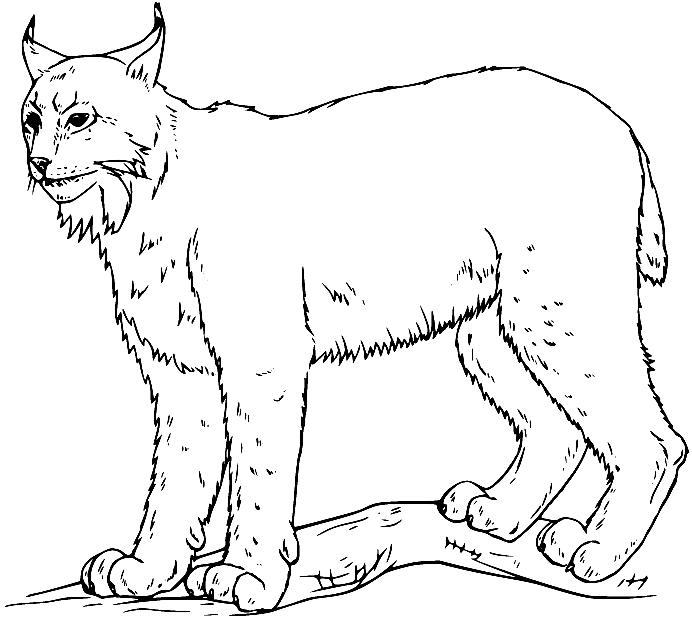
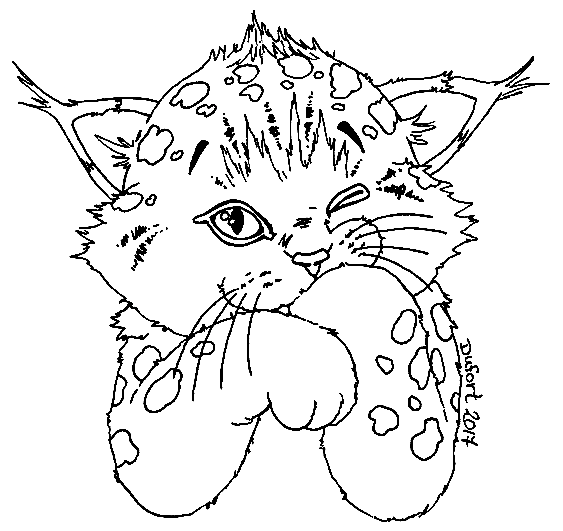
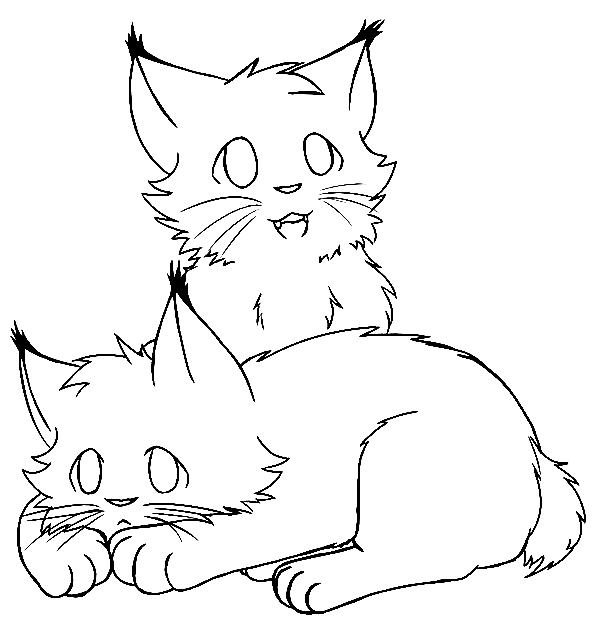
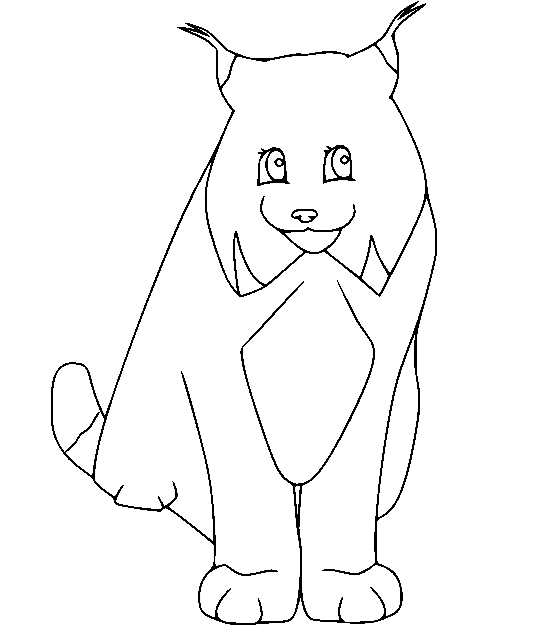
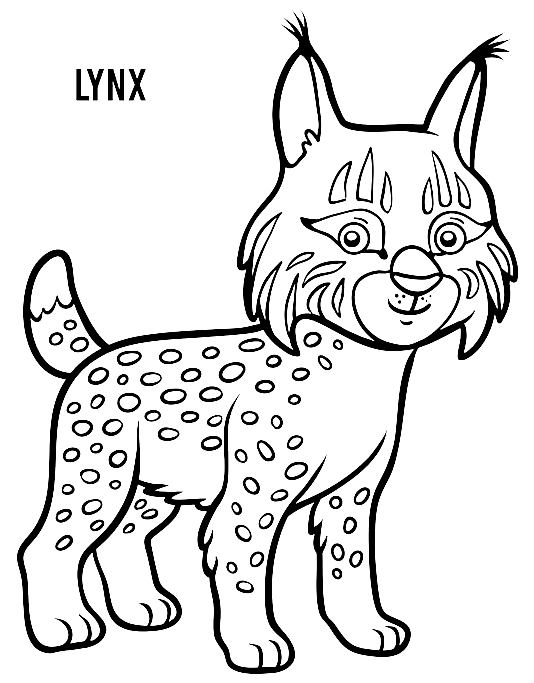
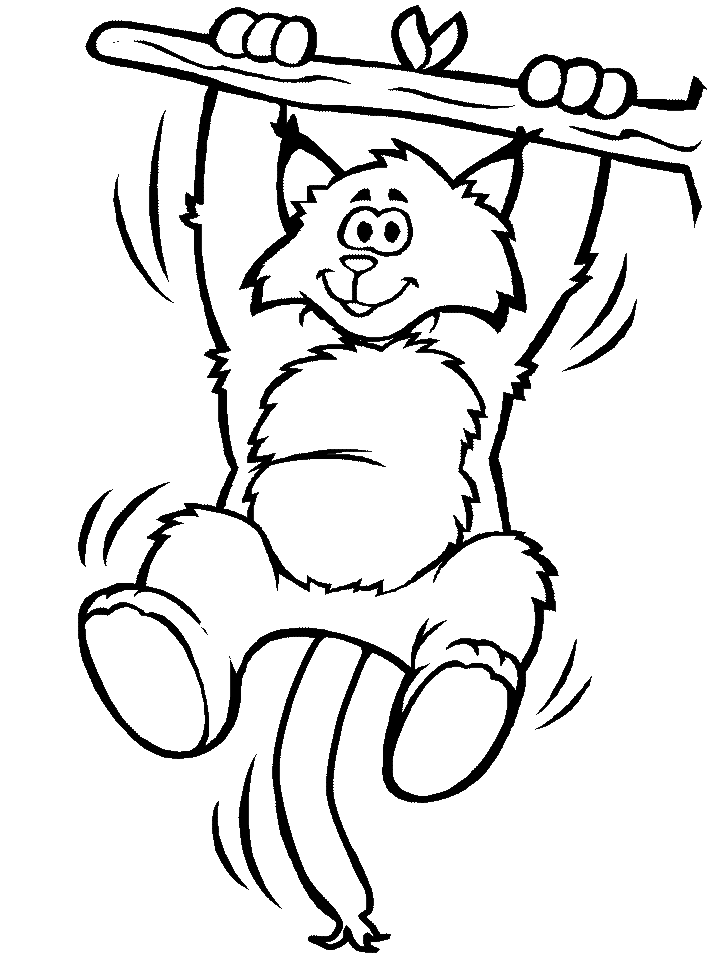
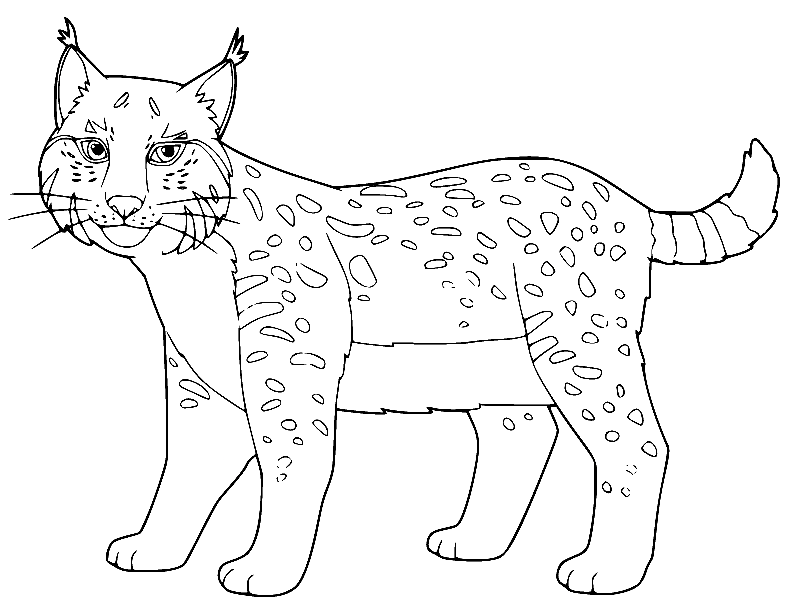
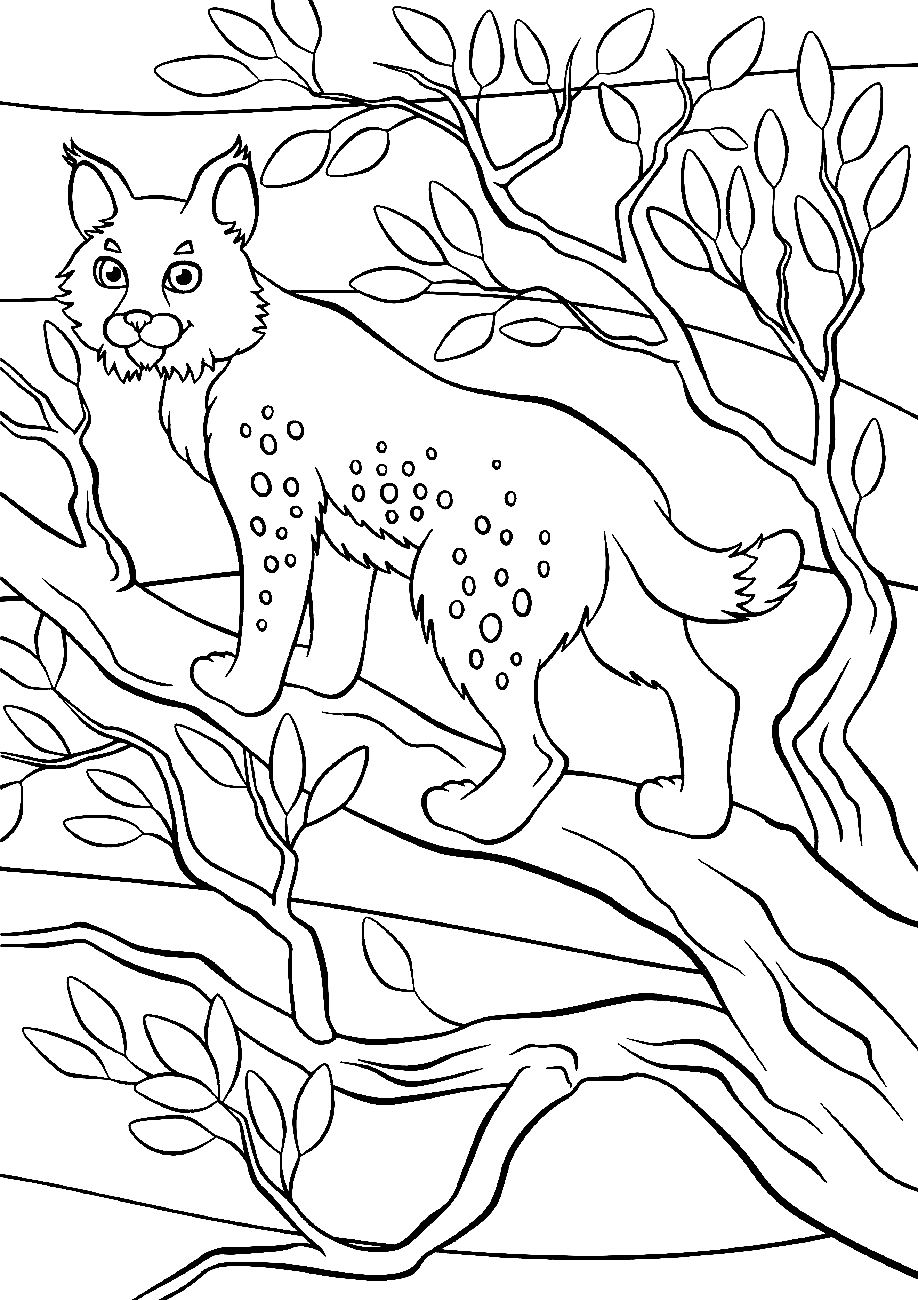
What’s Inside This Collection
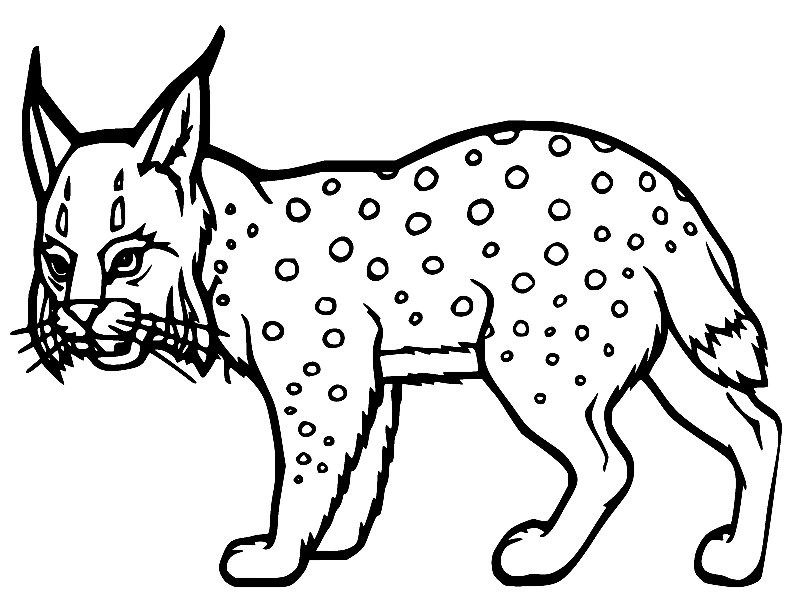
Realistic species portraits, bobcats, Lynx in action and habitat, young lynx, cartoon lynx, and easy printables make up the 44 designs.
Realistic Species Portraits
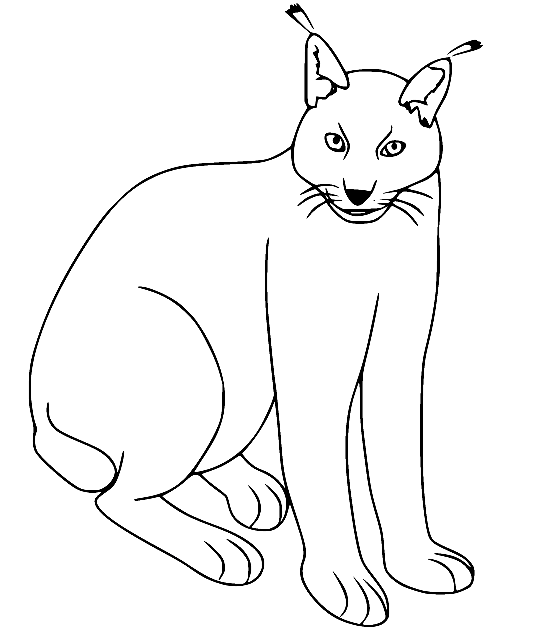
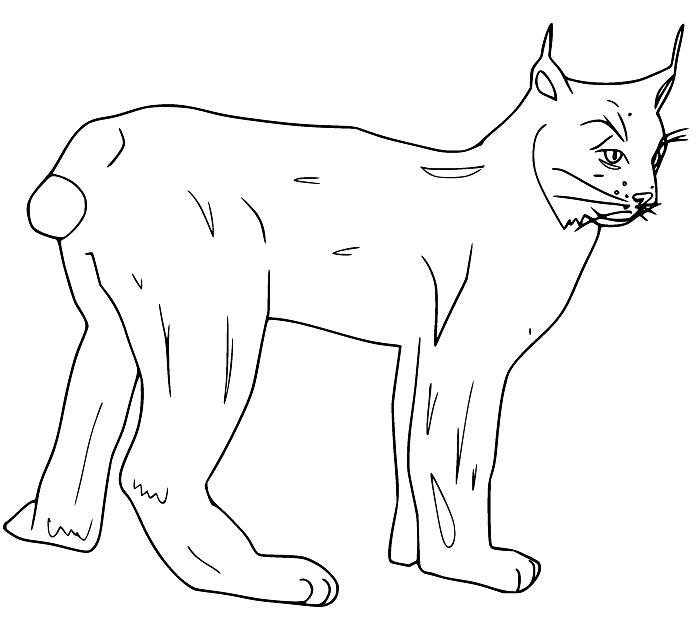
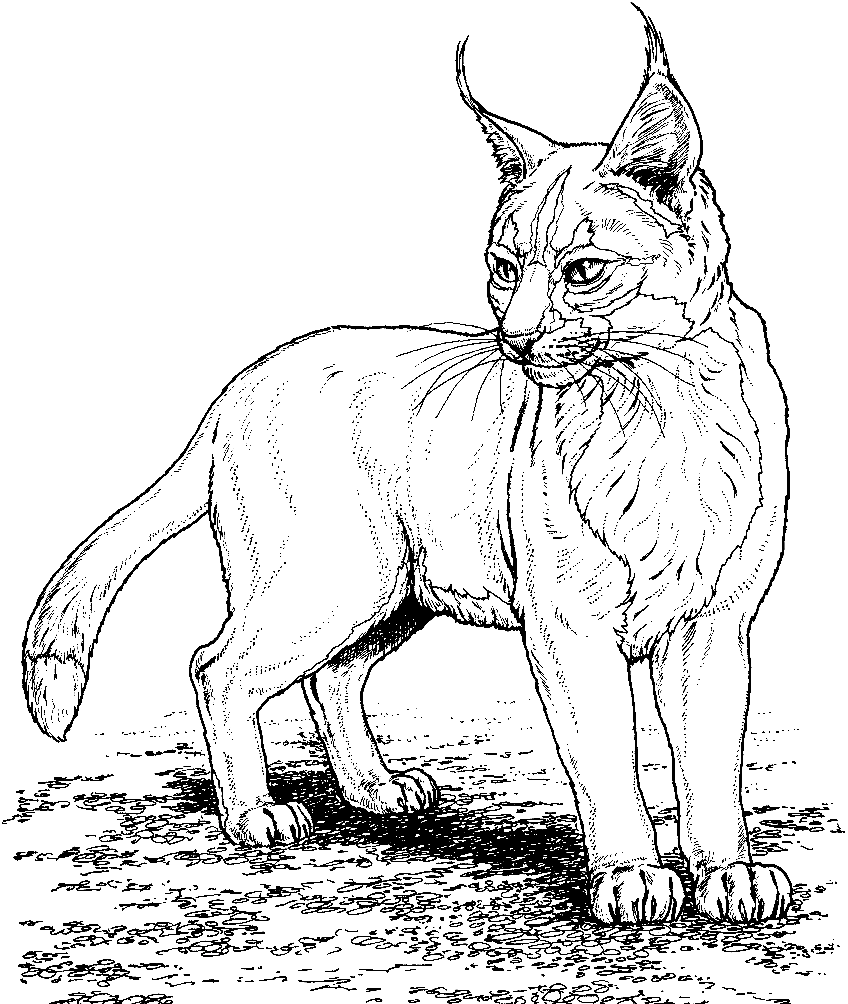
Eight pages show the Canada lynx, Eurasian Lynx, Iberian Lynx, a realistic lynx, and a caracal. Color the Canada lynx a frosty Silver Gray, give the Iberian Lynx Tawny fur with bold Sepia spots, and leave the caracal a smooth Sandy Tan with long black ear tufts.
Bobcats
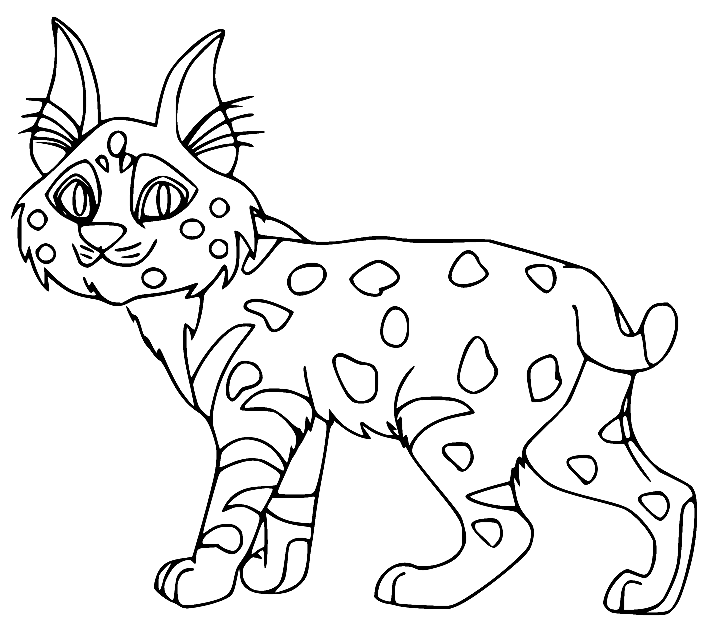
Four sheets feature a fat bobcat, a little bobcat, and two simple bobcat outlines. Use Cinnamon Brown with darker spots and stripes, and add a White underside on the short tail.
Lynx in Action and Habitat
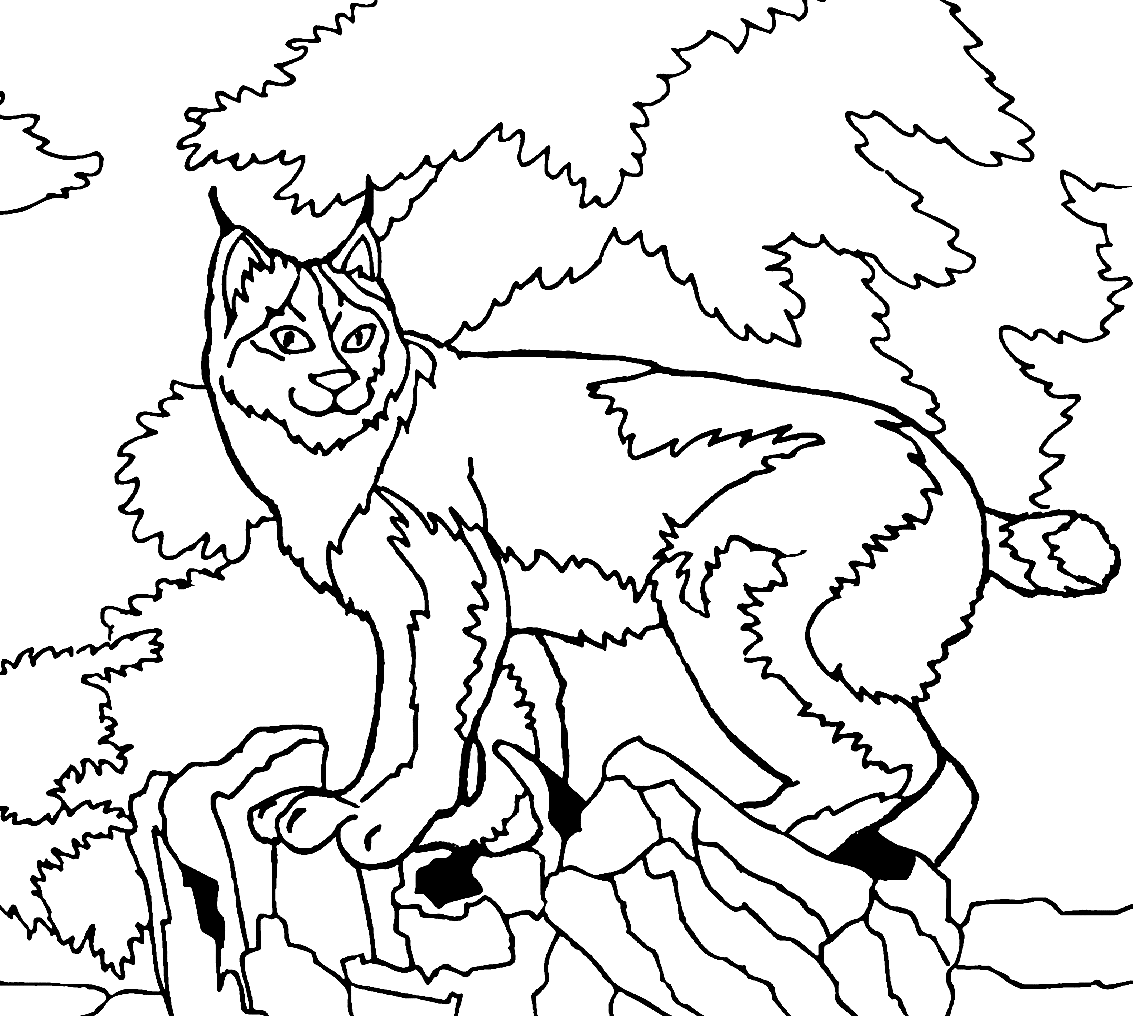
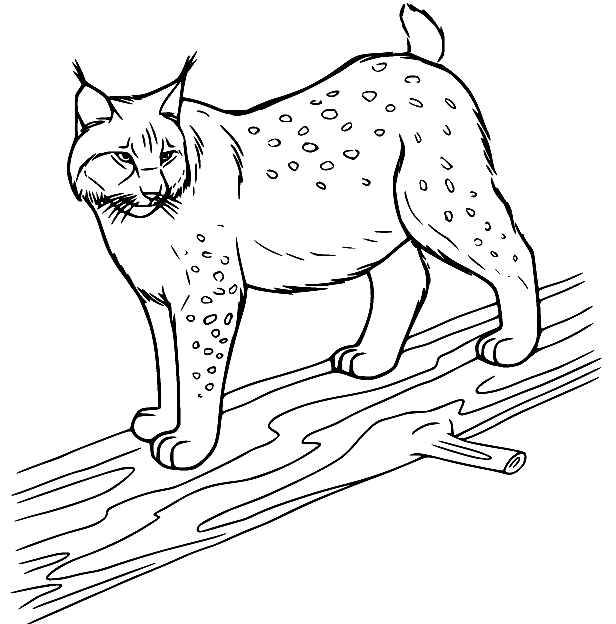
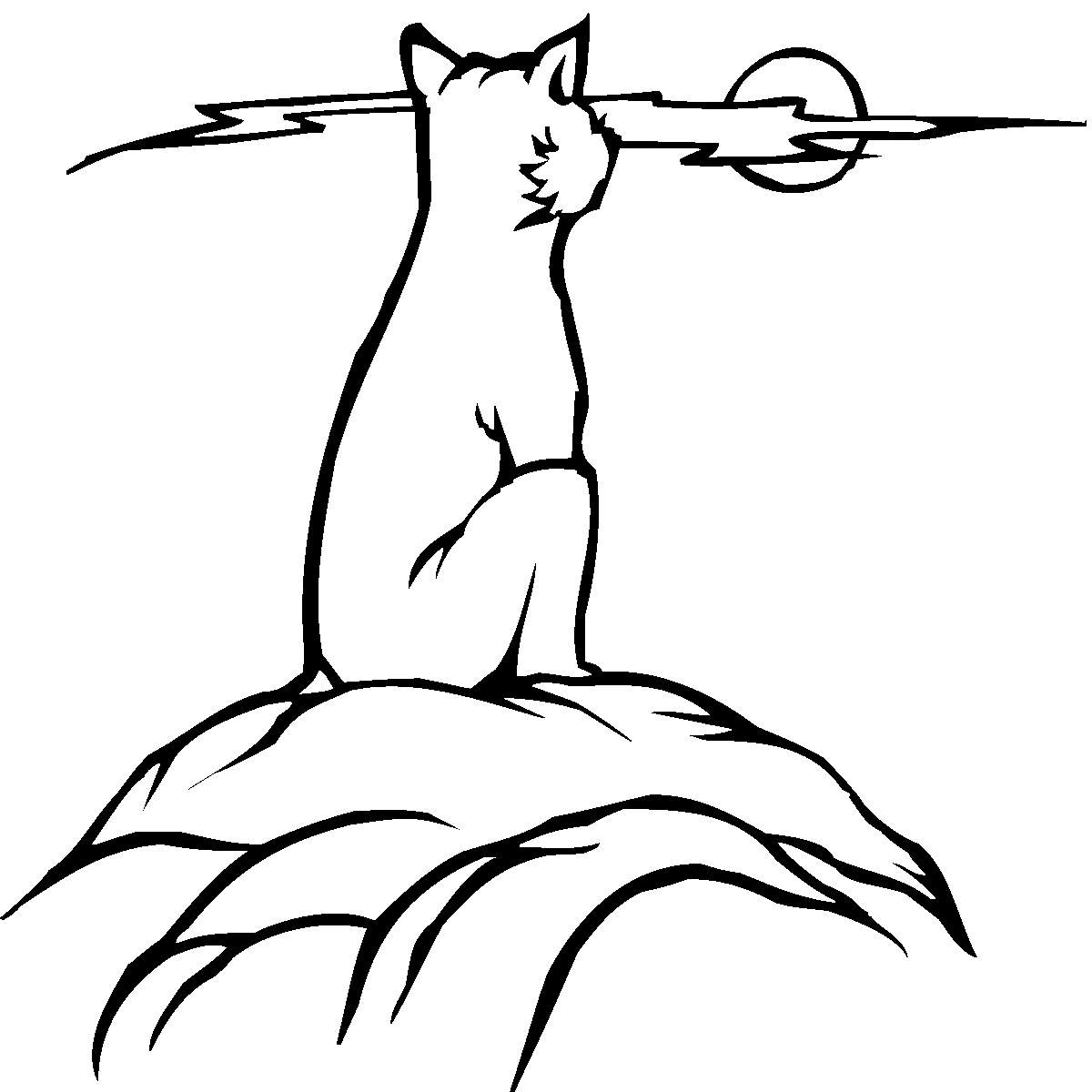
Twelve designs show Lynx walking, running, stretching, standing in trees, resting on grass and the ground, prowling through a forest, sitting in the snow, and looking at the moon. Shade snowy scenes with pale Blue shadows and the forest in layered Pine and Moss greens.
Young Lynx
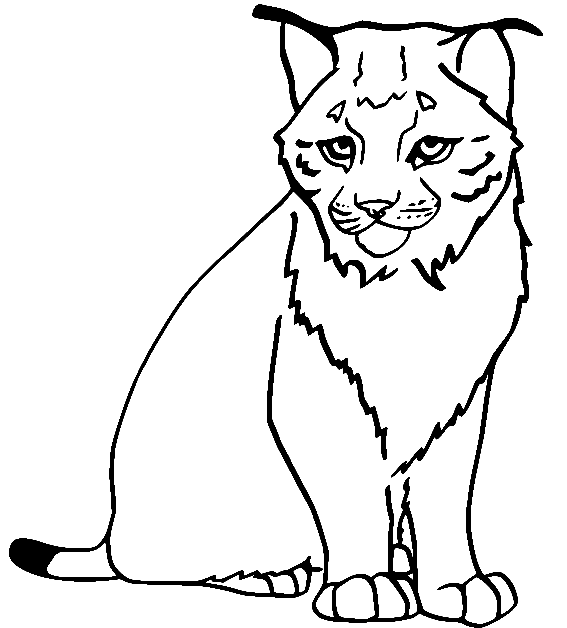
Five pages feature baby, young, and little Lynx. Keep kitten fur soft and light, mixing Buff and Cream with faint gray spots.
Cartoon and Cute Lynx
Seven sheets include cute, adorable, and walking cartoon lynx. Big eyes in Amber or Chartreuse make these pages extra playful.
Easy Lynx and Printables
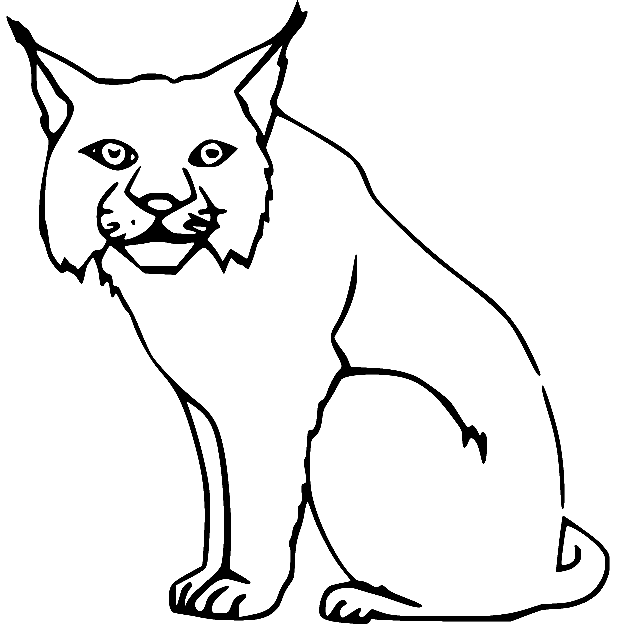
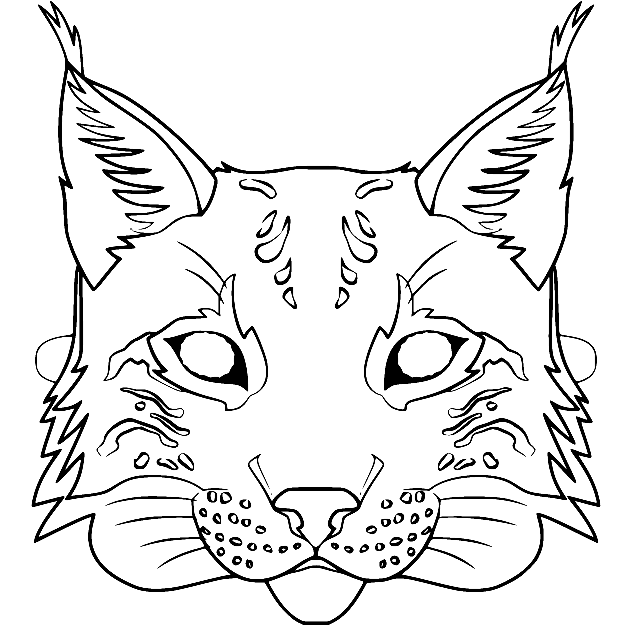
Eight designs offer a simple lynx for kids, an easy Canada lynx, a simple Eurasian lynx, a lynx mask, and a general printable lynx. Bold outlines make these a good first step before the realistic pages.
What Lynx Coloring Pages Do
Learning about wild cats of the north. Lynx live in cold forests across Canada, Alaska, the northern United States, Europe, and Asia. Coloring each species shows children how wild cats adapt to snow, from wide paws that keep them from sinking to thick winter coats. Families can compare the Canada lynx with a pet cat, noting the ear tufts, the face ruff, and the stubby tail.
Understanding predators and prey. The Canada lynx depends so heavily on snowshoe hares that both populations rise and fall together over about a decade. This makes a simple, memorable example of a food chain. After coloring, kids can draw a hare beside the Lynx and talk about how the number of one animal affects the other, an early introduction to ecology.
Practicing for texture and spots. Realistic lynx pages invite short, layered strokes to show thick fur, plus careful dots for spots and stripes. That patient’s detailed work builds finger strength. Controlled crayon and pencil marks are a key step toward handwriting, and milestone pages published under the American Academy of Pediatrics’ HealthyChildren.org brand list them for ages 3 to 5.
Finding calm in quiet nature scenes. A lynx sitting under the moon or resting in a snowy forest naturally sets a peaceful mood. Nancy Curry and Tim Kasser, writing in the Art Therapy Journal for 2005, showed that stressed adults unwound patterned outlines faster than those handed plain paper. Repeating fur strokes and spots gives kids that same soothing rhythm.
How to Color Lynx Pages Well
- Ear tufts: Color the long tufts on top of each ear solid Black. These tufts are the clearest sign that a cat is a lynx.
- Face ruff: Layer Gray and Cream around the cheeks in short outward strokes. The ruff frames the face and looks fluffy.
- Spotted coat: Start with a light Tan or Gray base, then add small dark spots. Spots should be more visible on the Iberian Lynx and bobcat.
- Snowshoe paws: Make the oversized paws lighter than the legs, with soft Gray shading. Big pale paws show how the Canada lynx walks on snow.
- Tail tip: Color the short tail tip Black all around for Lynx and Black only on top for bobcats. That small detail helps tell the species apart.
- Golden eyes: Use Yellow or Amber for the eyes with a dark pupil. Bright eyes give the face its piercing look.
5 Creative Craft Ideas With Lynx Coloring Pages
1. Snowy Forest Diorama
Color a lynx in the snow, trim around it, and stand it in a shoebox with cotton ball snow and paper pine trees. Add a paper snowshoe hare hiding nearby.
2. Lynx Species Chart
Color the Canada, Eurasian, Iberian, and bobcat pages and arrange the four cats across a big poster. Below each, add one fact about where each species lives.
3. Moonlight Night Picture
Color the Lynx looking at the moon and mount it on midnight-blue card stock. Add silver star stickers to finish the night sky.
4. Predator and Prey Mobile
Color a lynx and draw a snowshoe hare, then hang both from a hanger at different heights. Use it to explain how their populations are linked.
5. Fur Texture Collage
Color a realistic lynx and glue small pieces of faux fur or cotton onto the face ruff. The texture shows how thick lynx fur really is.
Frequently Asked Questions
What are Lynx coloring pages?
There are 44 free sheets featuring Canada, Eurasian, and Iberian Lynx, bobcats, baby and cartoon lynx, habitat scenes, and one caracal. Download any PDF for a paper, or color a wild cat on screen.
What are the four species of Lynx?
The four species are the Canada lynx, Eurasian Lynx, Iberian Lynx, and bobcat. They all belong to the genus Lynx.
Is a caracal a lynx?
No, the caracal belongs to a separate genus, even though it has similar black ear tufts. It lives in Africa, the Middle East, and parts of Asia.
Why do Lynx have ear tufts?
Scientists are not completely sure, but the tufts may help with hearing or communication between Lynx. Spotting those black tufts is the quickest way to identify a lynx.
Why does the Canada lynx population change?
Canada lynx rely mostly on snowshoe hares for food. When hare numbers rise and fall over a roughly 10-year cycle, lynx numbers follow.
Is the Iberian Lynx endangered?
The Iberian Lynx fell to about 100 animals around 2002 but has recovered to more than 2,000. In 2024, its status was improved from Endangered to Vulnerable.
What age are Lynx coloring pages for?
The core audience is roughly ages 4 through 12, with realistic portraits that win over teens and grown-ups as well. Cartoons and baby lynx suit younger kids, while habitat scenes fit older artists.
How is a bobcat different from other lynxes?
Bobcats are smaller, with shorter ear tufts and a tail that is black only on top. Other Lynx have larger paws and a fully black tail tip.
Start Coloring
Choose a Canada lynx in the snow, a spotted bobcat, or a cute baby lynx, then grab the PDF or dot in the spots online, no account needed. Animal lovers can share their finished wild cats on Facebook or Pinterest.