Clock Coloring Pages
 By:
Jennifer Thoa - Content Editor & Designer
Updated:
By:
Jennifer Thoa - Content Editor & Designer
Updated:
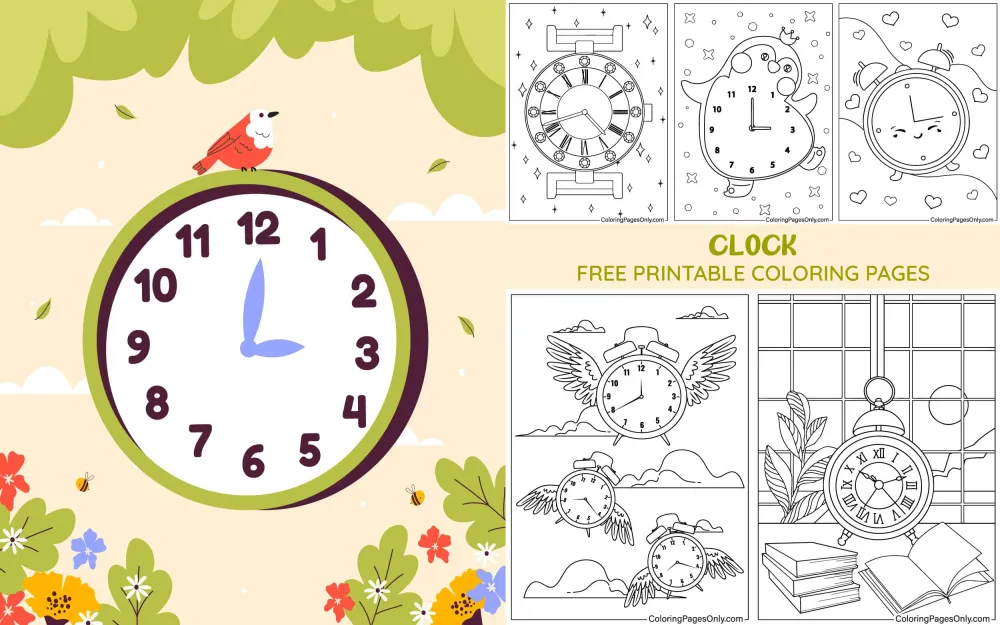
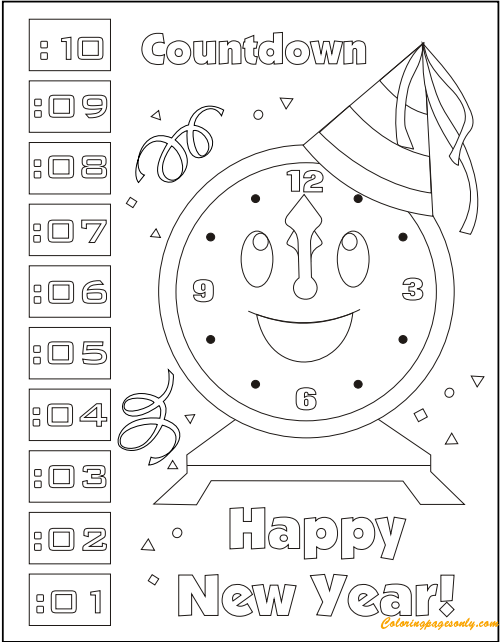
Free clock coloring pages: 46 printable PDF designs featuring alarm clocks, wall clocks, wristwatches, and simple time-telling faces. Each page can be downloaded as a PDF to print or colored online in the browser.
People have measured time for thousands of years, starting with sundials and water clocks in ancient Egypt, later adopted and refined by the Greeks and Romans. Mechanical clocks did not appear until the late 13th and early 14th centuries in Europe, when the first weight-driven clocks were installed in cathedrals and town squares. This collection reflects that long history of timekeeping, with pages ranging from ornate grandfather clocks and cuckoo clocks to plain classroom-style clock faces built for practicing how to tell time.
The set covers 46 pages in total, from simple clock faces suited to early colorers to more detailed decorative and antique-style clocks for older kids and adults.


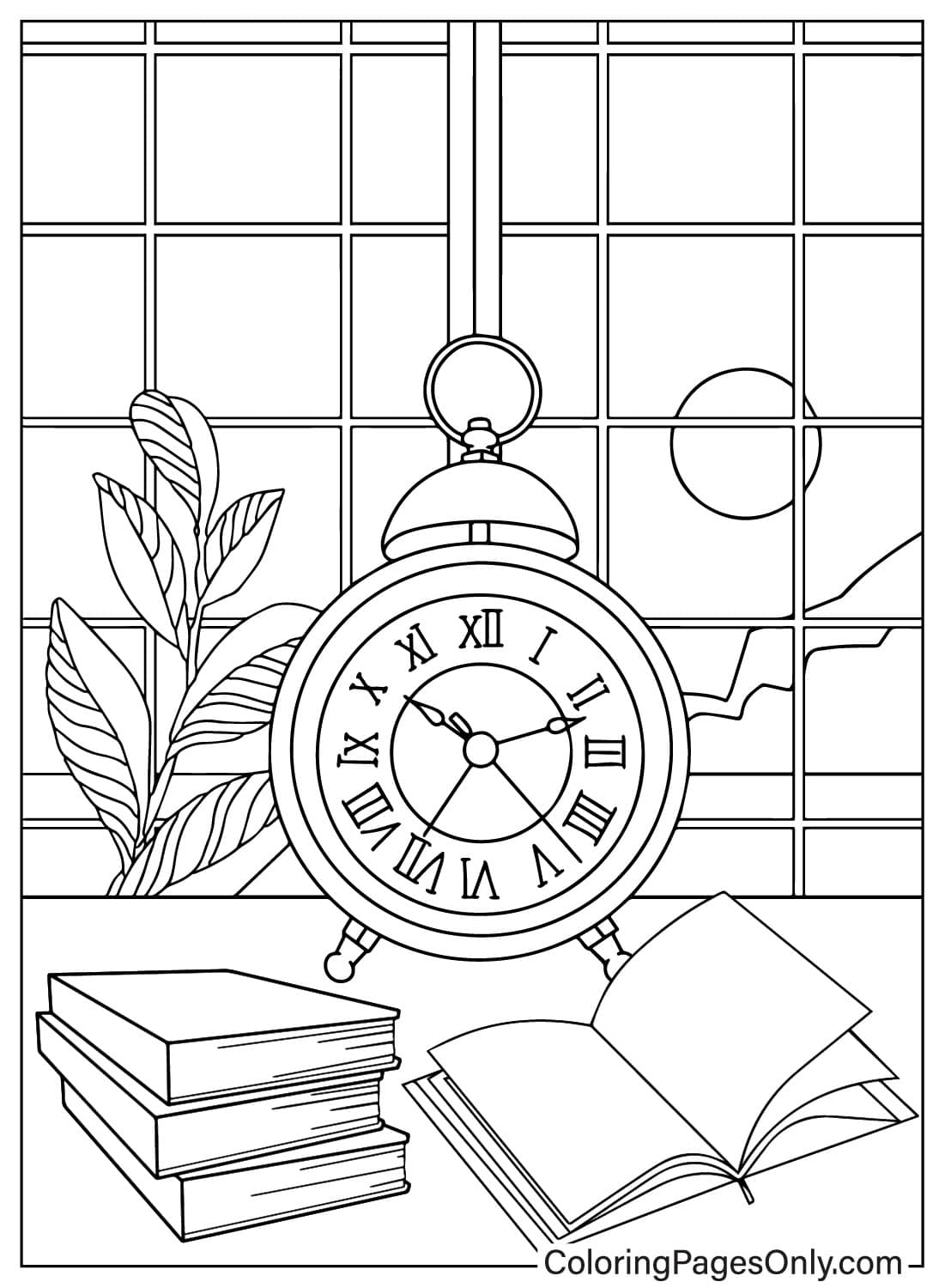


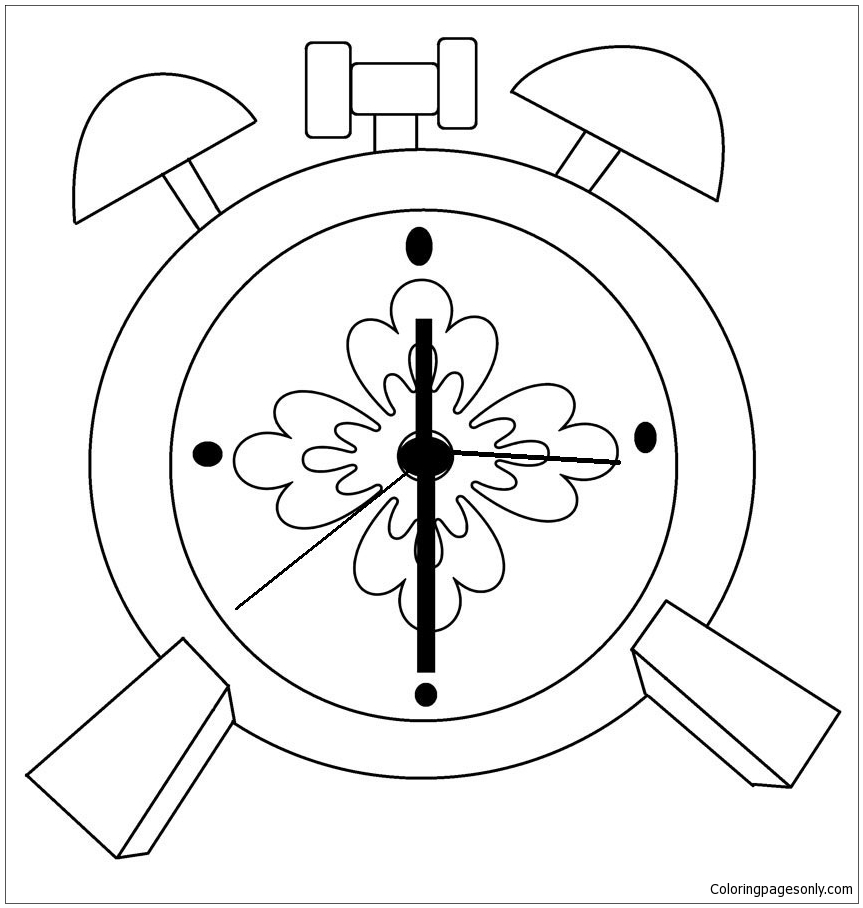
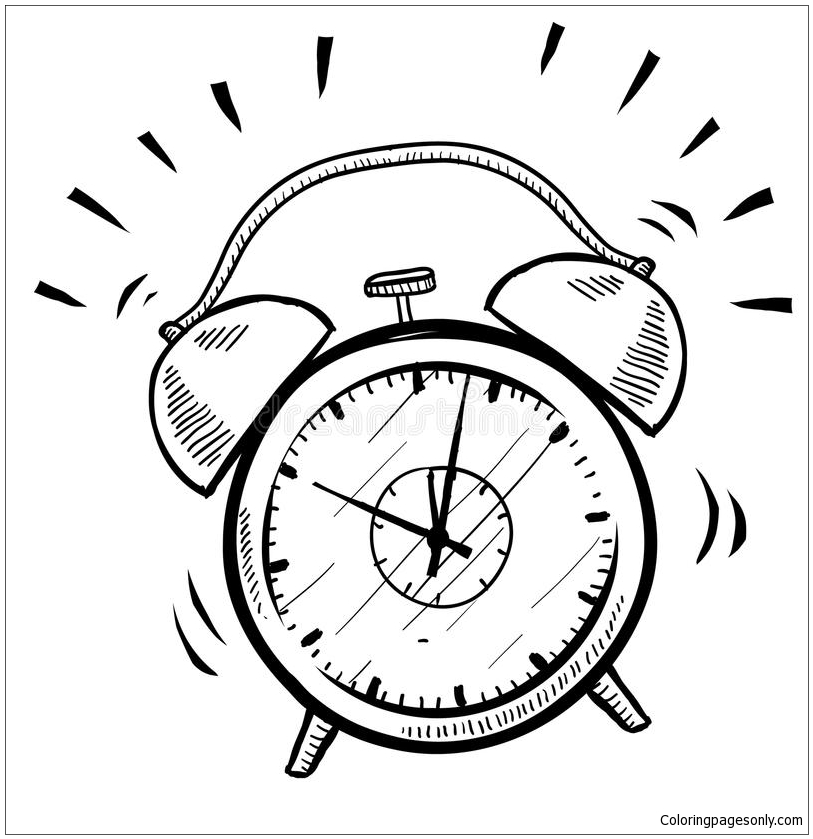





What Is Inside This Collection
The 46 pages group into a few recurring clock types, from everyday alarm clocks to decorative antiques and plain time-telling faces.
Alarm Clocks
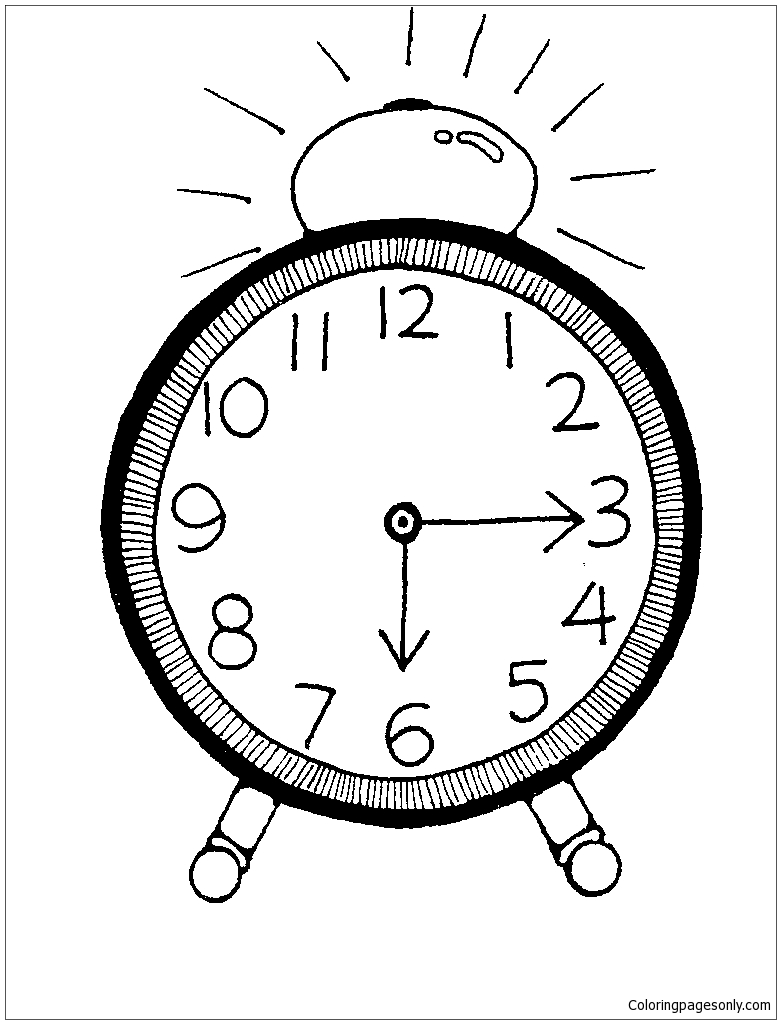
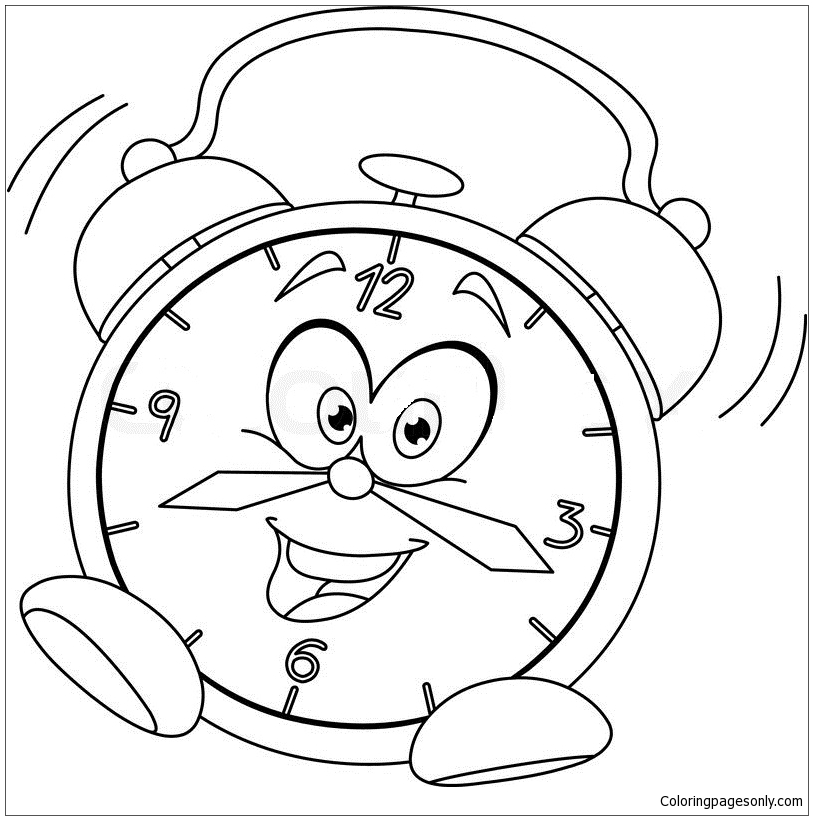
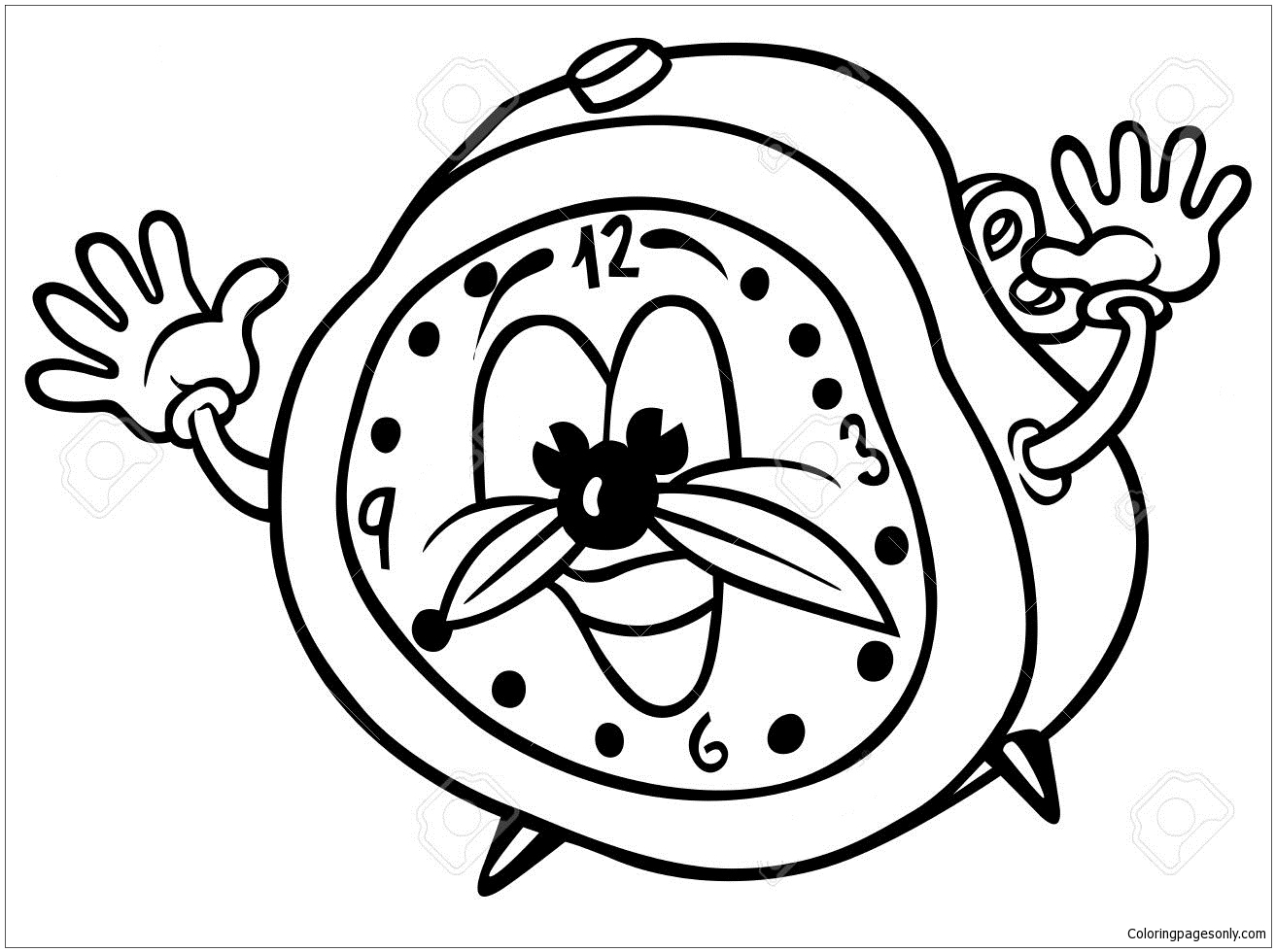
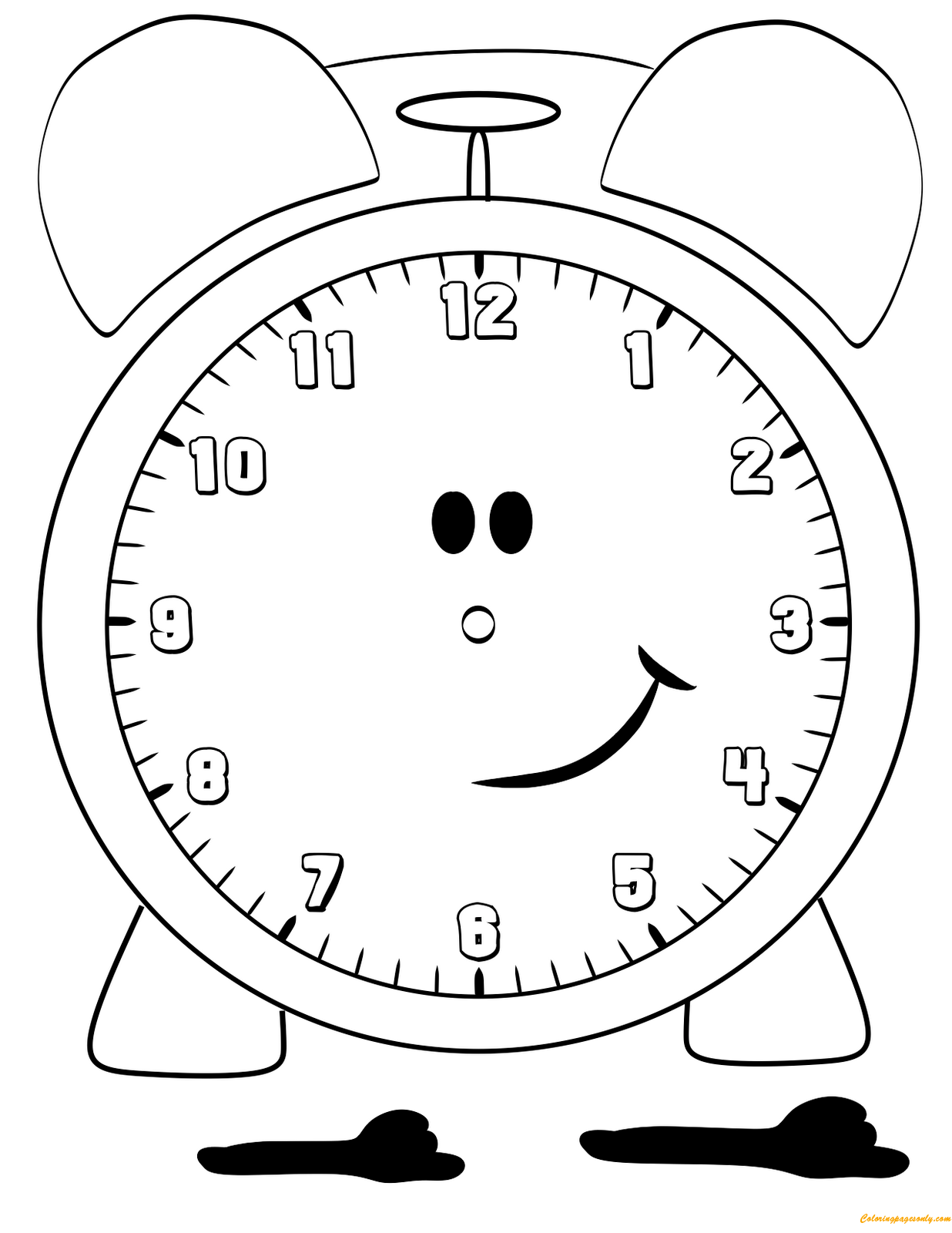
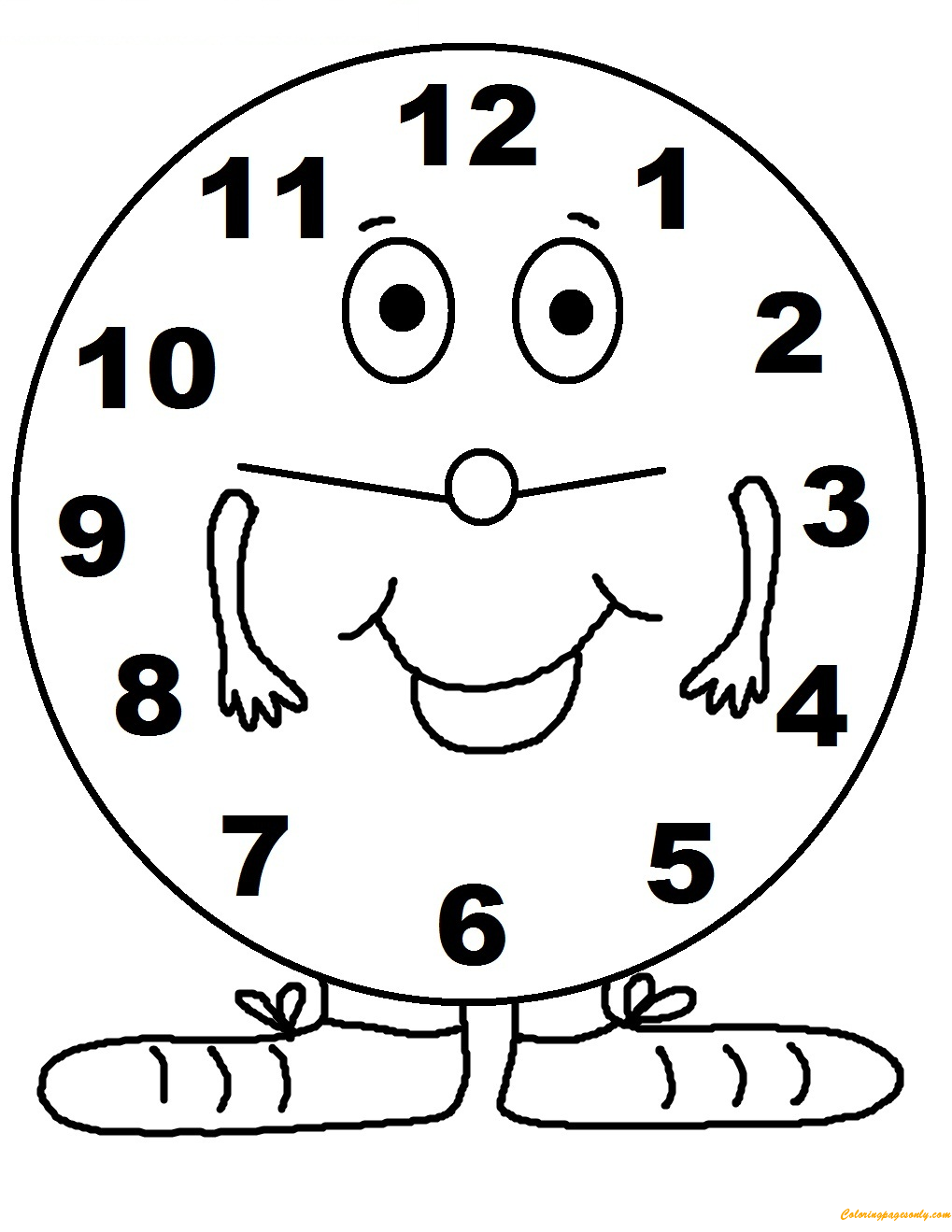
Alarm Clock, Cute Alarm Clock, Retro Alarm Clock, Cartoon Alarm Clock, Simple Alarm Clock, and Flower Alarm Clock cover the bedside alarm clock in several different styles.
Wall and Home Clocks
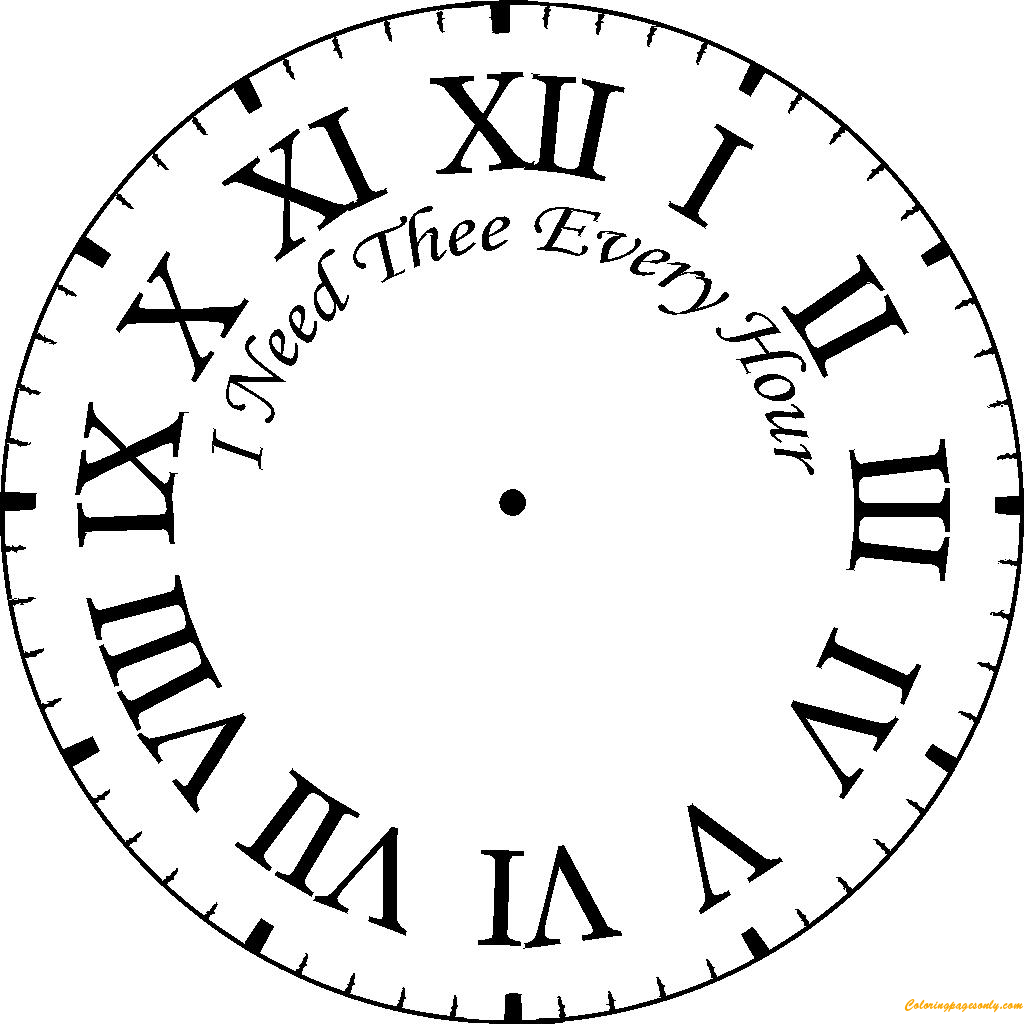
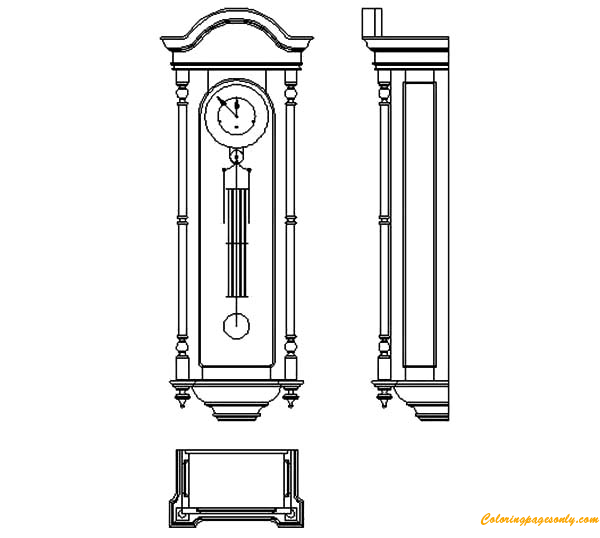
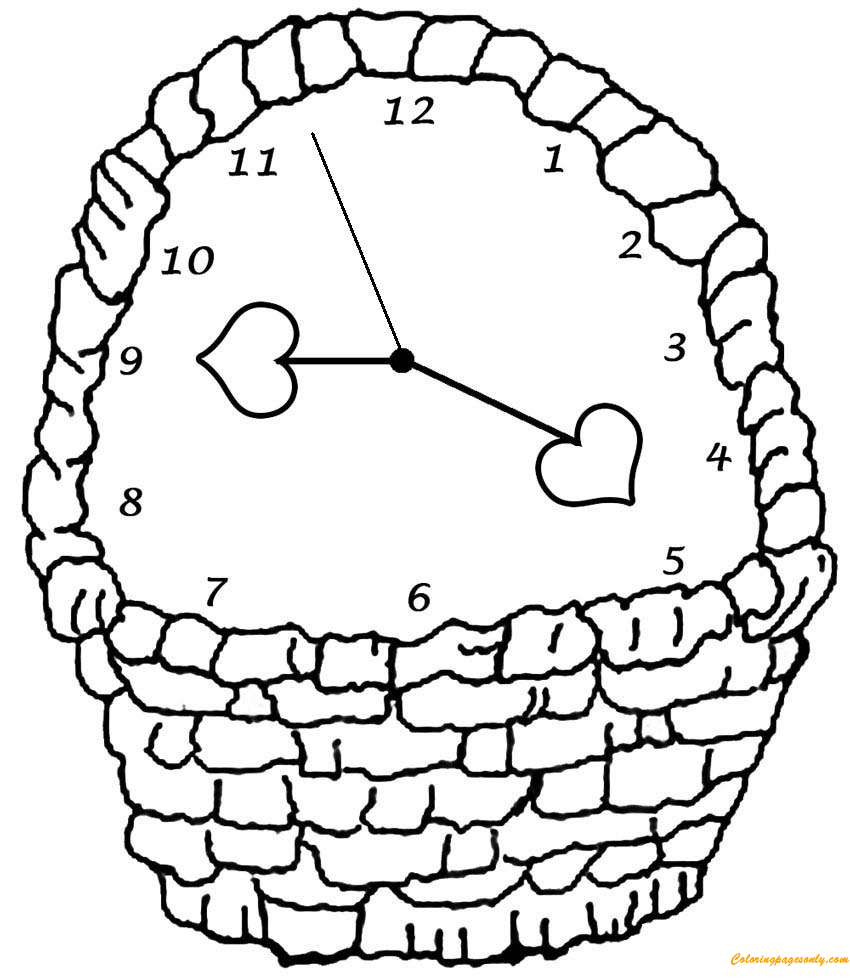
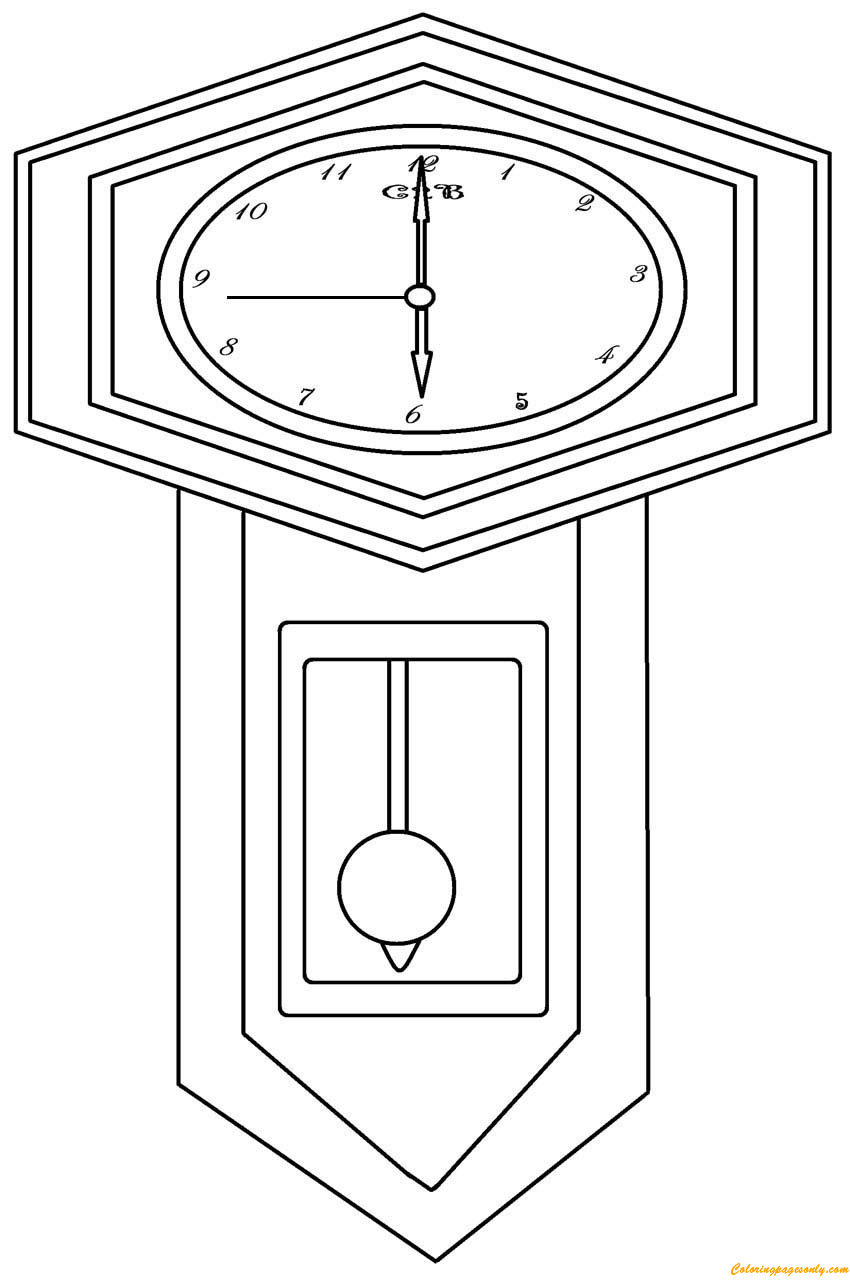
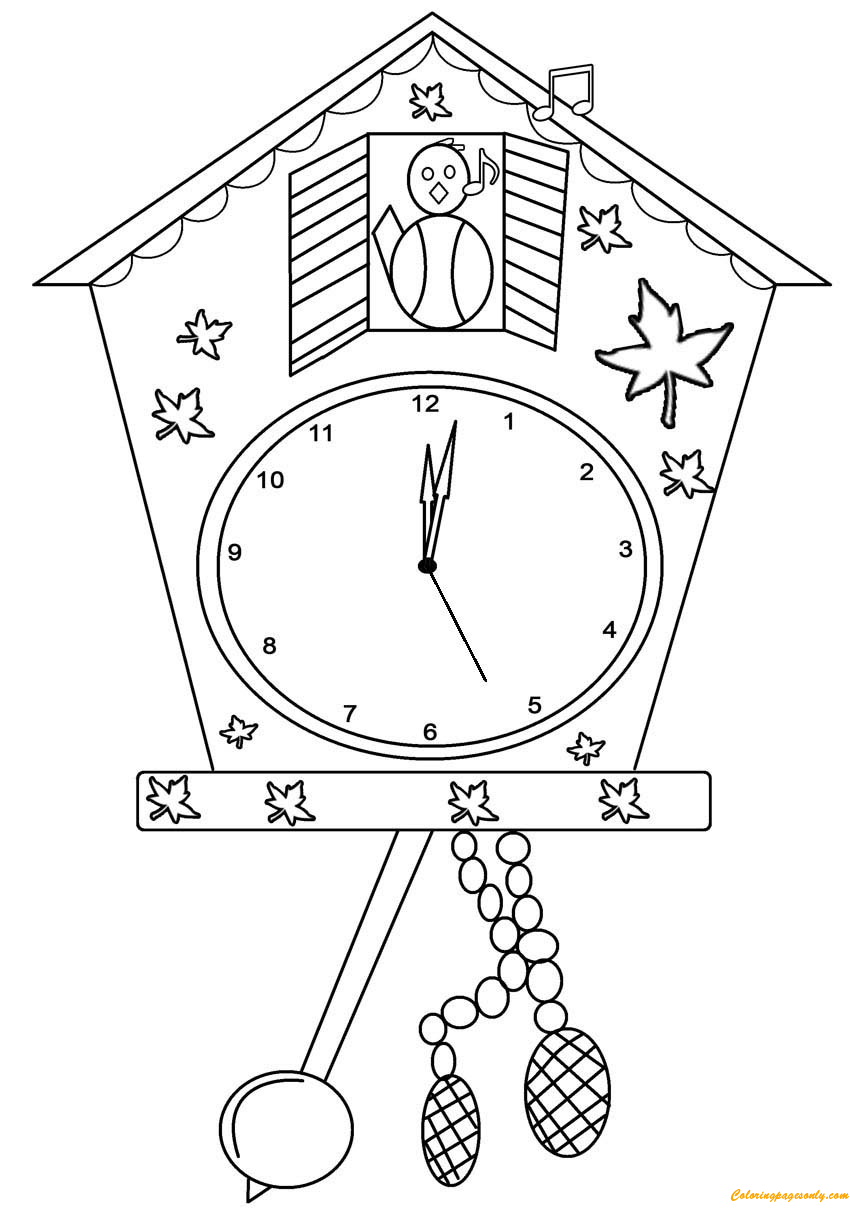
Grandfather Clock, Longcase Clock, Cuckoo Clock, Basket Wall Clock, Roman Wall Clock, and Steampunk Wall Clock focus on larger clocks meant for a wall or floor.
Wristwatches and Time-Telling Faces
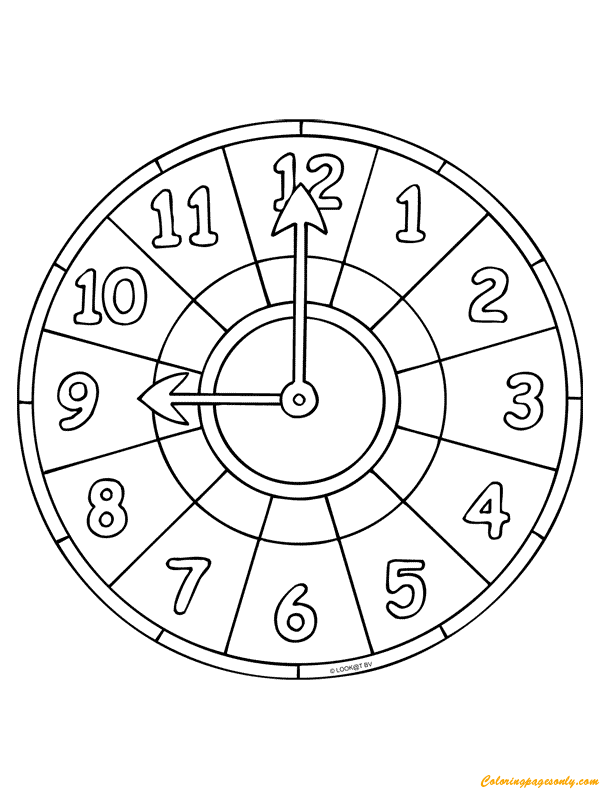
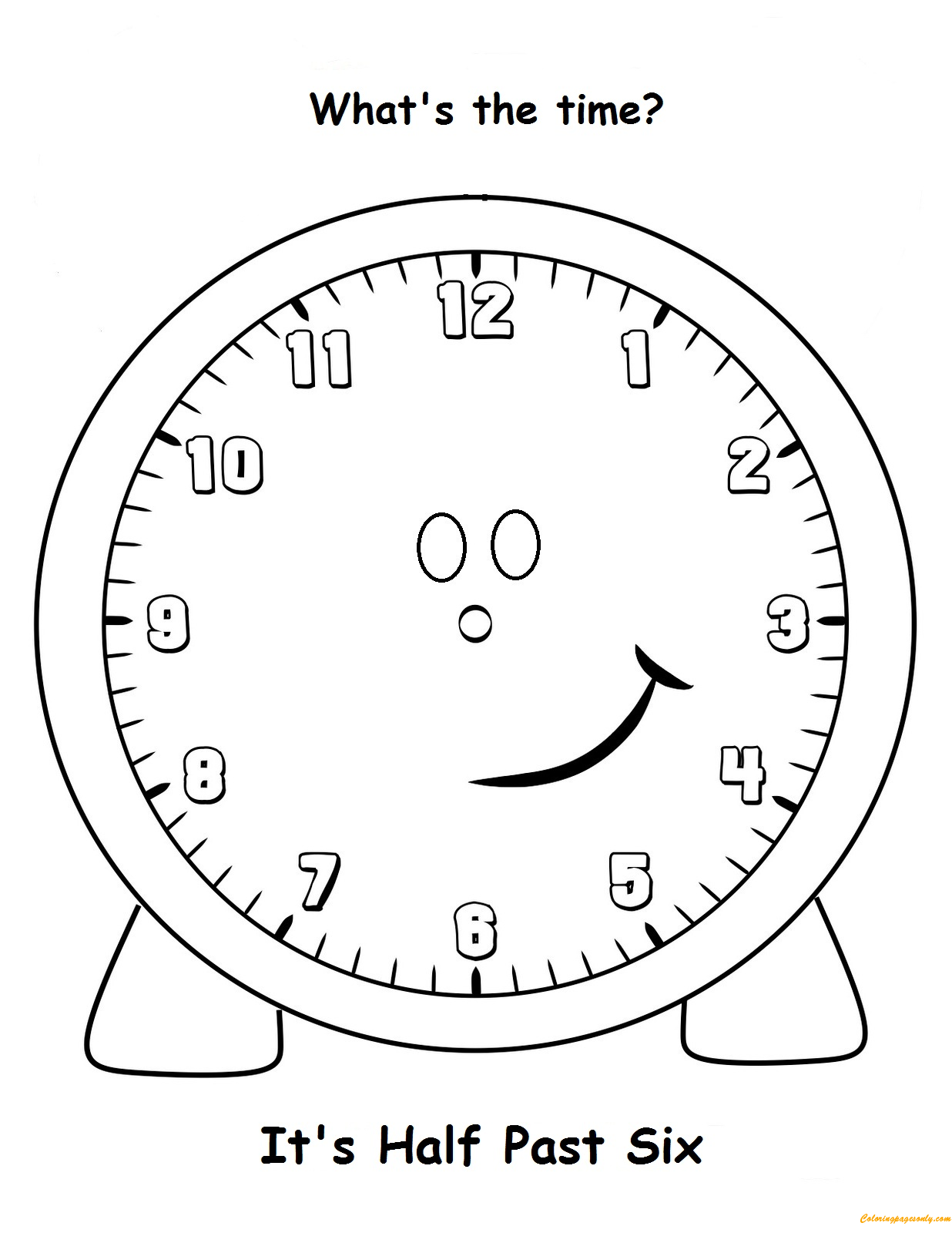
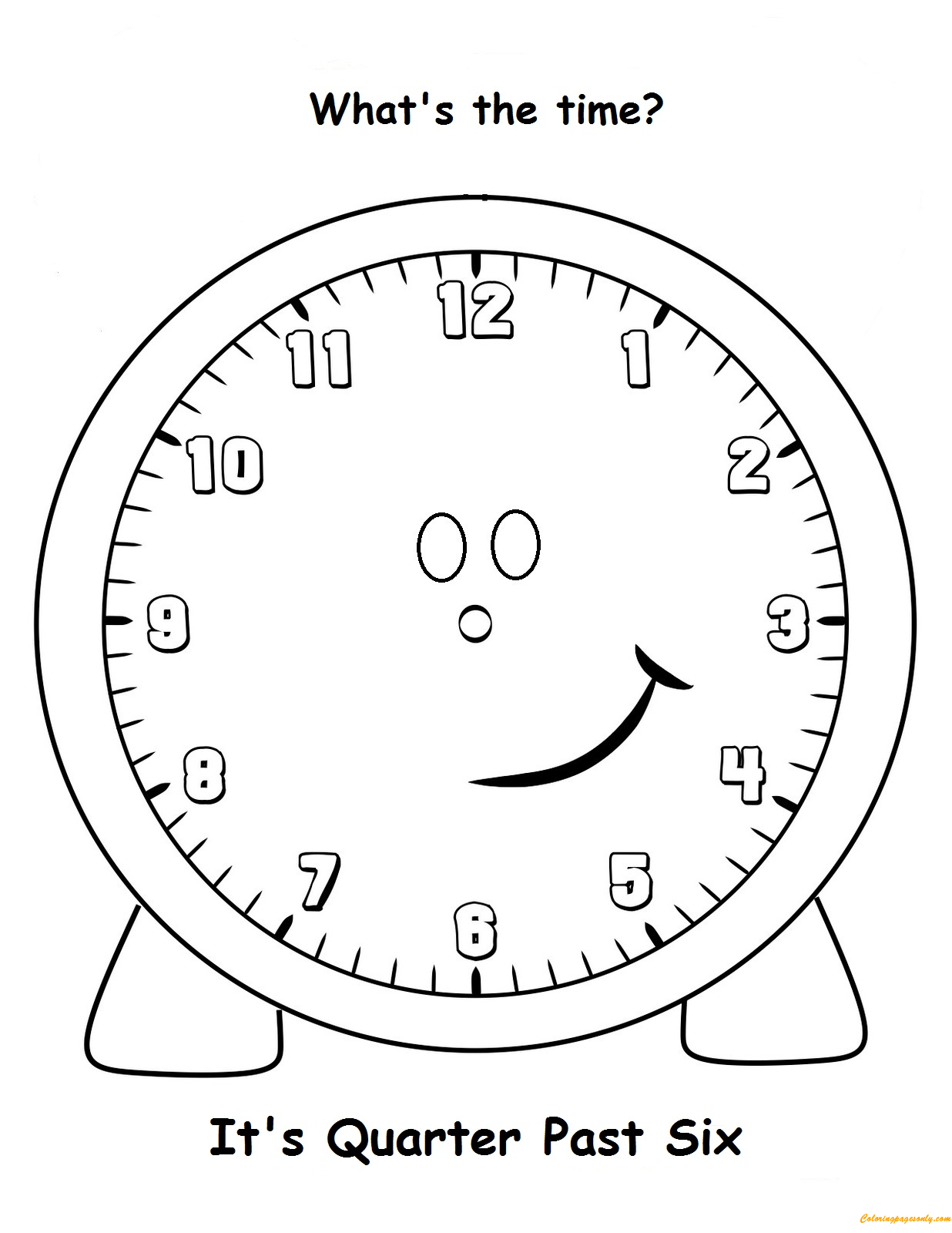
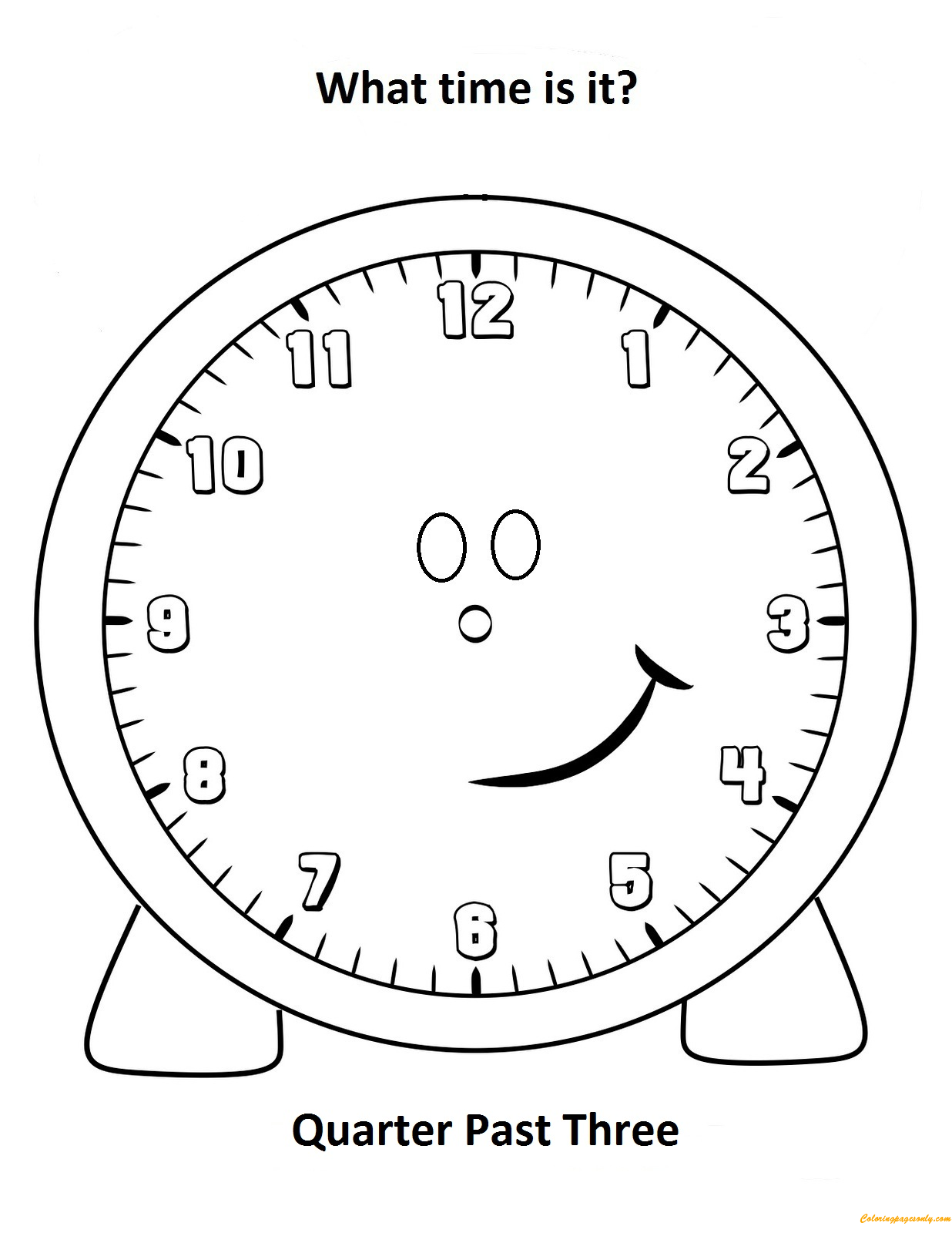
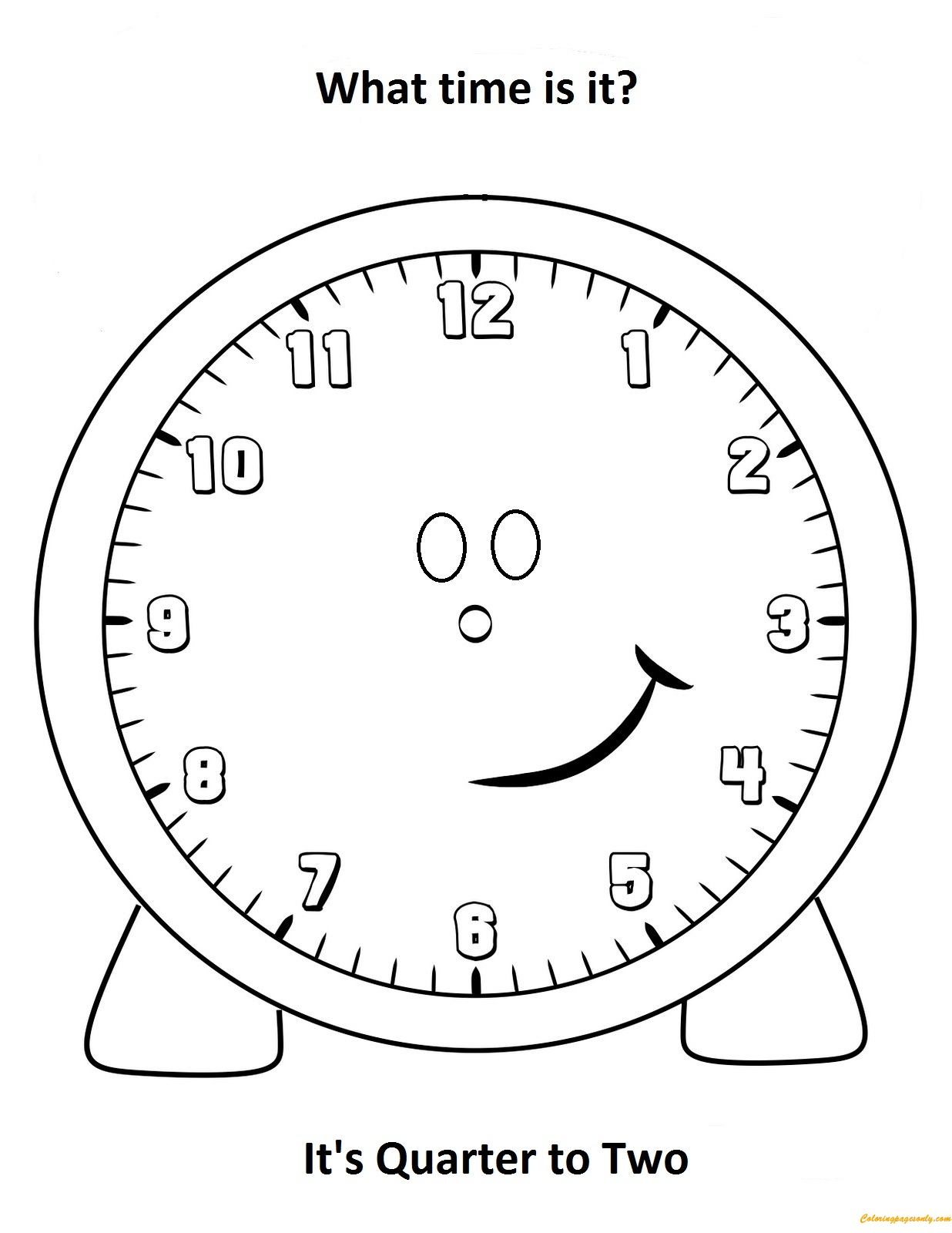
Wristwatch, Pocket Clock, Automatic Watch, Half Past Six, Quarter Past Six, Quarter to Two, Kids Clock One Minute Intervals, and Clock Face mix wearable timepieces with plain faces built for practicing how to read the hands.
Themed and Novelty Clocks
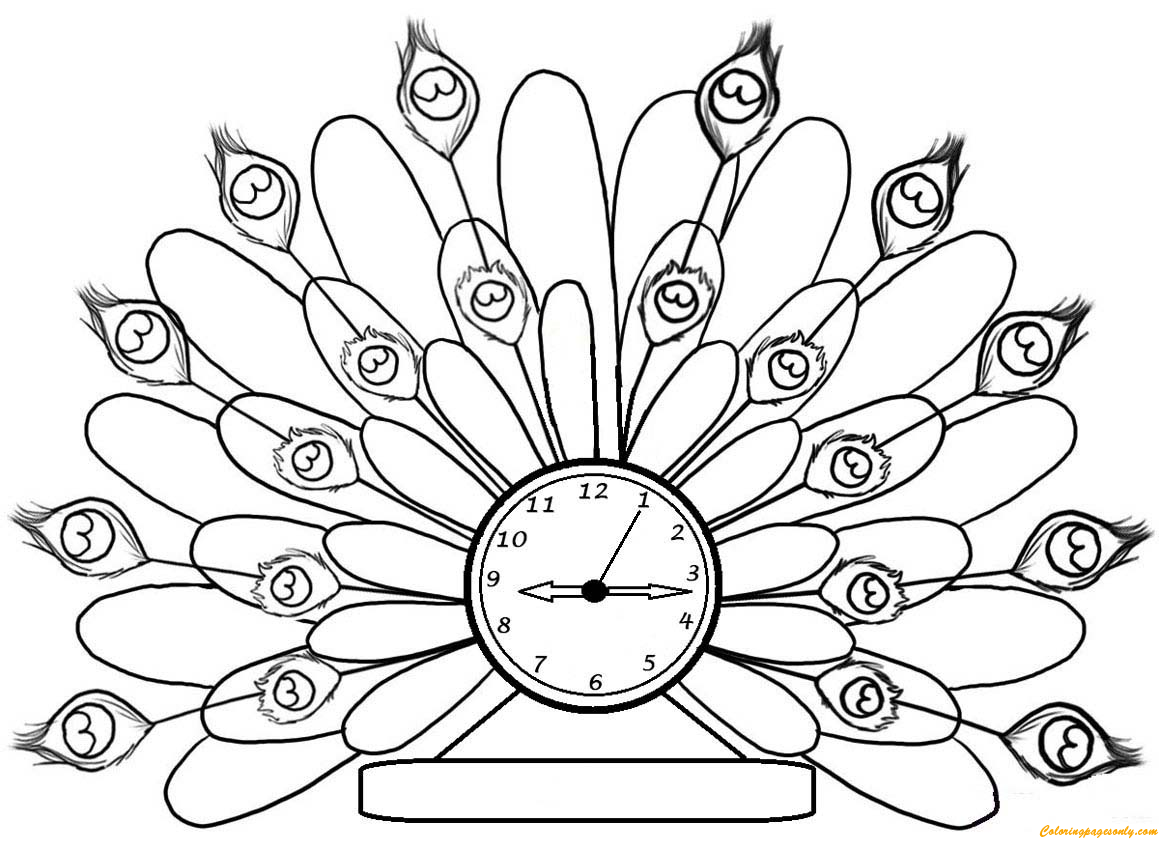
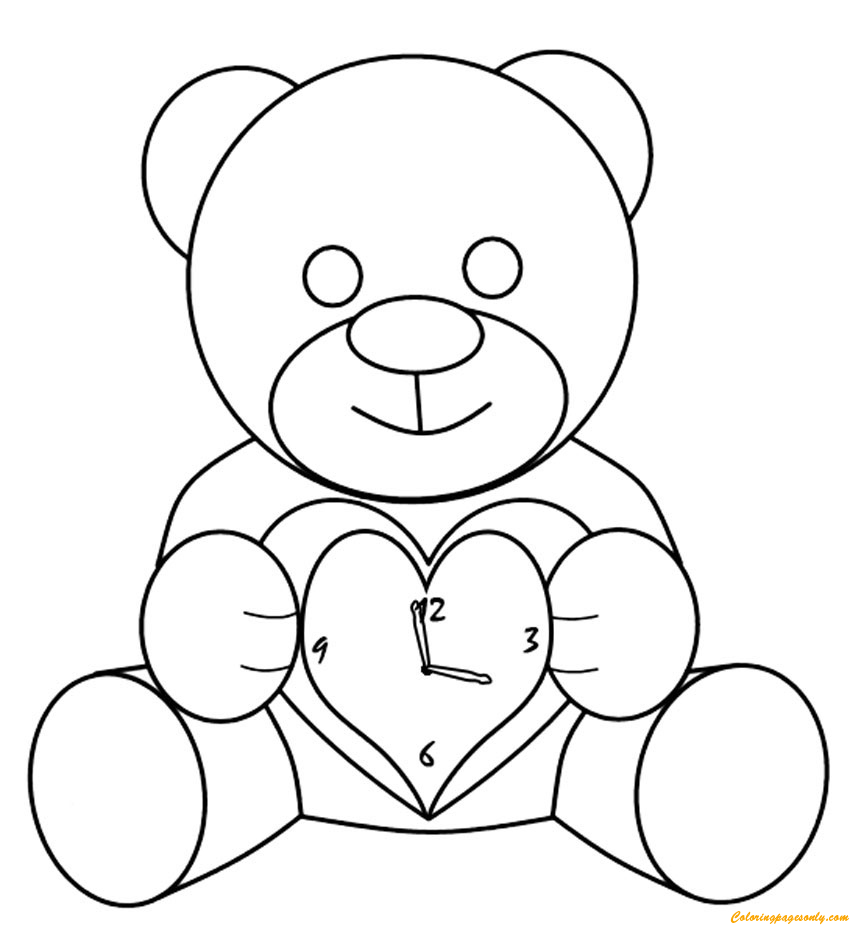
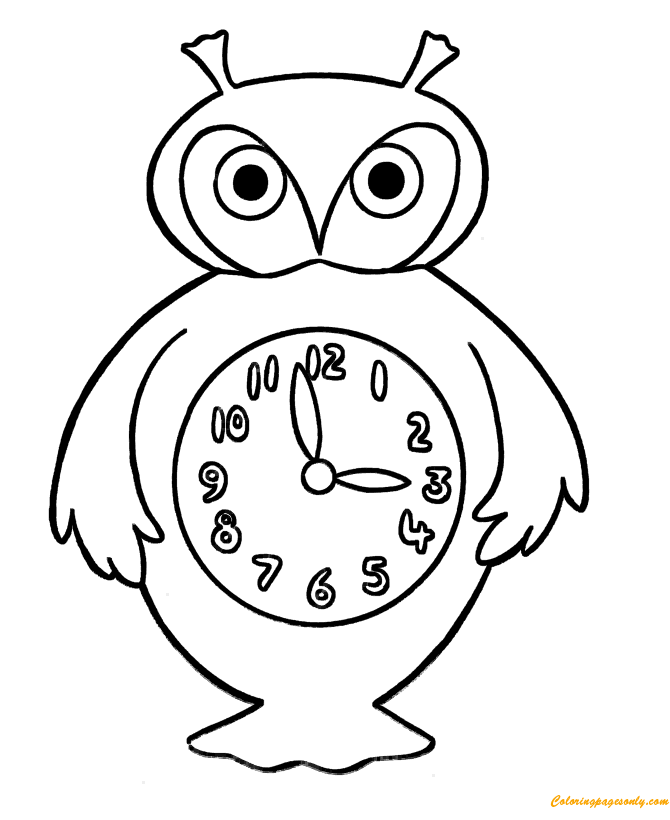
Penguin Shaped Clock, Owl Clock, Peacock Clock, Teddy Bear Clock, Heart Clock, and Mandala Clock use animal shapes and decorative patterns instead of a plain round face.
What Clock Coloring Pages Do
Fine motor development. The American Academy of Pediatrics identifies fine motor skill development as a core benefit of structured coloring for children ages 2 through 7. The numbers and thin clock hands on these pages give kids practice with small, controlled strokes.
Reinforces number recognition and time-telling. Coloring a clock face gives kids a reason to look closely at where each number sits and how the hour and minute hands relate to each other, supporting the same skills used when learning to tell time.
Anxiety reduction through focus. A 2005 study in the Art Therapy Journal documented measurable reductions in anxiety following structured coloring sessions. The simpler alarm clock and wristwatch pages in this set work well for a short, calming coloring session.
Builds attention to pattern and symmetry. Decorative clocks like the mandala and Roman-numeral designs ask kids to notice repeating shapes around a circle, a useful step toward recognizing symmetry in other contexts.
How to Color Clock Pages Well
- Clock face: Keep the background White or Cream so the numbers and hands stay easy to read once colored.
- Numbers and hands: Use Black or dark Brown for numbers and hands so they stand out clearly against a lighter face.
- Wood-cased clocks (grandfather, cuckoo): Color the case in Brown or Walnut tones, adding a slightly darker shade along carved edges for depth.
- Alarm clock bells and trim: Use Silver or Gold for metal bells, feet, and trim details to make them read as metallic against the painted body.
- Animal-shaped clocks (owl, penguin, peacock): Match each animal’s natural colors, Brown and White for the owl, Black and White for the penguin, and Blue and Green for the peacock, so the shape reads clearly at a glance.
- Decorative mandala and patterned clocks: Repeat a small set of two or three colors around the circle in the same order to keep the pattern even and balanced.
5 Creative Craft Ideas With Clock Coloring Pages
1. Greeting Card. Color a small clock page, cut it to size, and glue it to the front of a folded piece of cardstock for a simple handmade card.
2. Clock Stickers. Color a simple clock page, cut around the shape, and add double-sided tape to the back to make a reusable sticker.
3. Working Paper Clock. Color a wall clock page, cut it into a circle, and attach paper clock hands to the center with a brass fastener so they can move.
4. Clock Collage. Color several clock pages, cut them out, and arrange them on a piece of poster board to build one larger display of different clock styles.
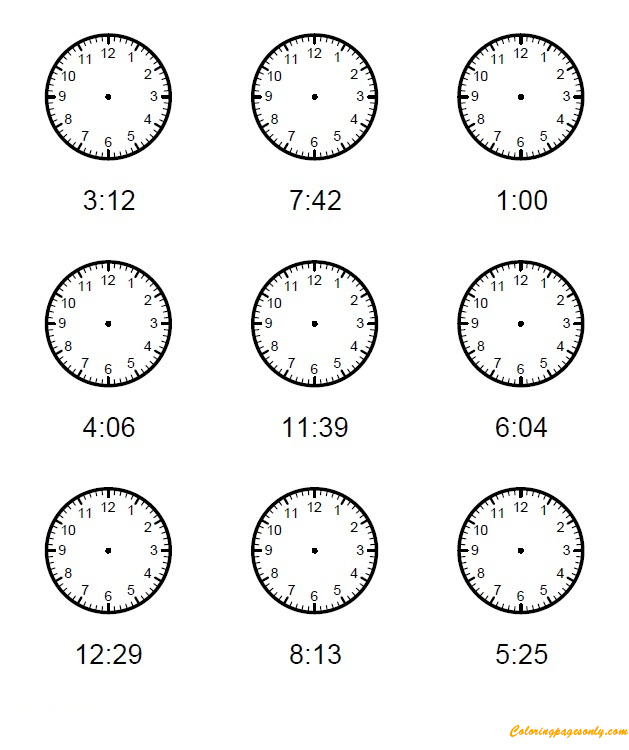
5. Learn-to-Tell-Time Activity. Color a blank clock face page, then take turns drawing the hands to match a called-out time, starting with simple hours before moving to quarter and half hours.
Frequently Asked Questions
What are clock coloring pages?
Clock coloring pages are free printable or online designs showing alarm clocks, wall clocks, wristwatches, and time-telling faces. This collection has 46 pages, available as PDF downloads or in the browser-based coloring tool.
When were the first clocks invented?
Sundials and water clocks date back to ancient Egypt and were later refined by the Greeks and Romans. Mechanical clocks did not appear until the late 13th and early 14th centuries in Europe, when the first weight-driven clocks were installed in cathedrals and town squares.
What types of clocks are included in the collection?
The set covers alarm clocks, wall clocks like grandfather and cuckoo clocks, wristwatches and pocket watches, and animal-shaped novelty clocks such as an owl or penguin design.
What are the time-telling pages for?
Pages like Half Past Six, Quarter Past Six, Quarter to Two, and Kids Clock One Minute Intervals show a specific time on the clock face, giving kids a chance to practice reading hour and minute hands while they color.
What styles of decorative clocks appear in the collection?
Decorative styles include Roman-numeral wall clocks, a steampunk-style wall clock, a mandala-pattern clock, and antique-style designs like the longcase and grandfather clocks.
Are there any character-themed clocks in the collection?
One page, Cat in the Hat clock, references a well-known illustrated character alongside the collection’s animal-shaped designs, like the owl and penguin clocks.
Are clock coloring pages suitable for young children?
Yes. The alarm clock and simple time-telling pages use bold, uncluttered shapes suited to preschool and early elementary colorers, while the decorative wall clocks offer more detail for older kids and adults. None of the designs includes content that would concern parents.
How can these pages help kids learn to tell time?
Coloring a clock face gives kids a reason to look closely at the numbers and hands, and the blank time-telling pages can be paired with a simple activity where a caregiver calls out a time for the child to draw on the clock.
Start Coloring
Download any page by clicking the design. No account, email, or payment is required. Pages print directly from the browser at full resolution or open in the online coloring tool for screen use. Share finished pages on Facebook or Pinterest with the share buttons at the top of each design page.