Mirror Coloring Pages
 By:
Jennifer Thoa - Content Editor & Designer
Updated:
By:
Jennifer Thoa - Content Editor & Designer
Updated:
Free Mirror Coloring Pages: 44 printable PDF designs featuring wall and table mirrors, hand and face mirrors, realistic mirror illustrations, cartoon and fantasy designs, and sketch-style line art. Each page can be downloaded as a PDF to print or colored online in the browser.
Mirrors are far older than glass itself. The earliest known mirrors were made around 6000 BC from polished obsidian, a natural volcanic glass, in what is now Turkey, long before ancient Egyptians and Mesopotamians began crafting small handheld mirrors from polished bronze and copper around 2000 BC. Glass mirrors with a reflective metal backing did not become widely available until Renaissance Venice perfected the technique in the 15th and 16th centuries. This collection spans that long history in miniature, from simple hand mirrors to ornate framed designs and fantasy-inspired magic mirrors.
This collection groups its 44 pages by style, from wall and table mirrors to cartoon and fantasy designs, so kids and adults can pick a version that matches their skill level. Each page is available as a downloadable PDF or as an online coloring tool that works directly in the browser.


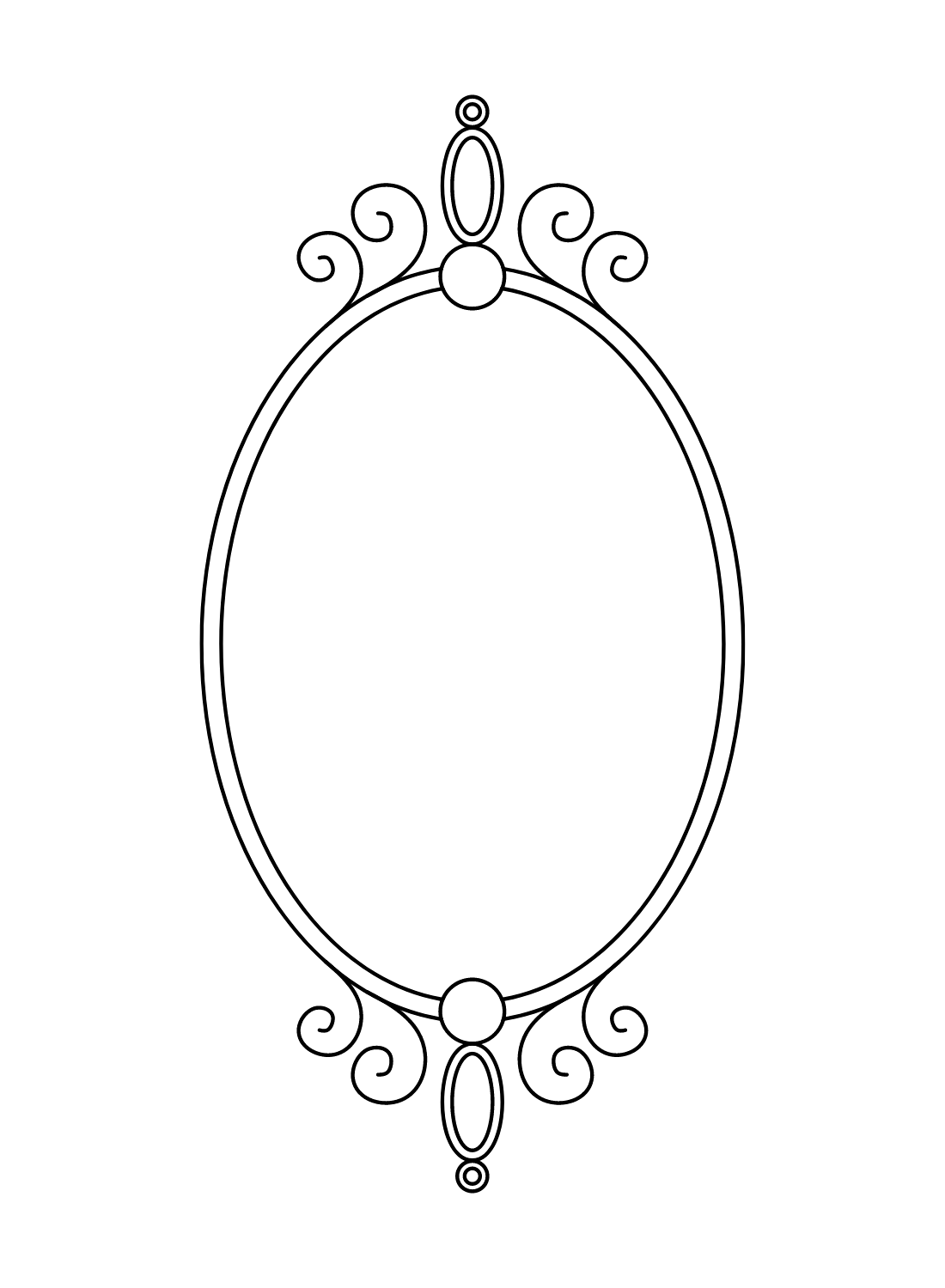
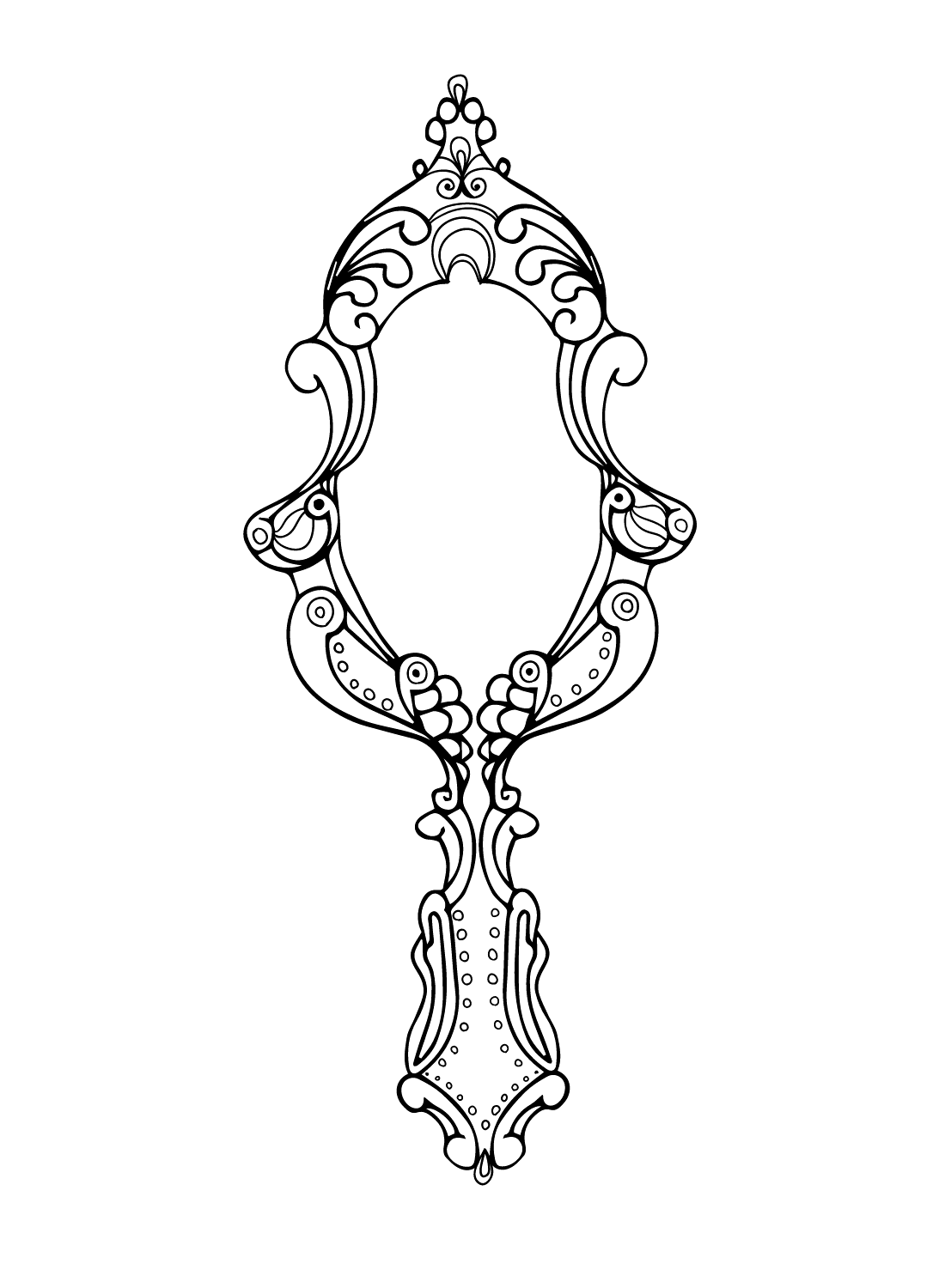
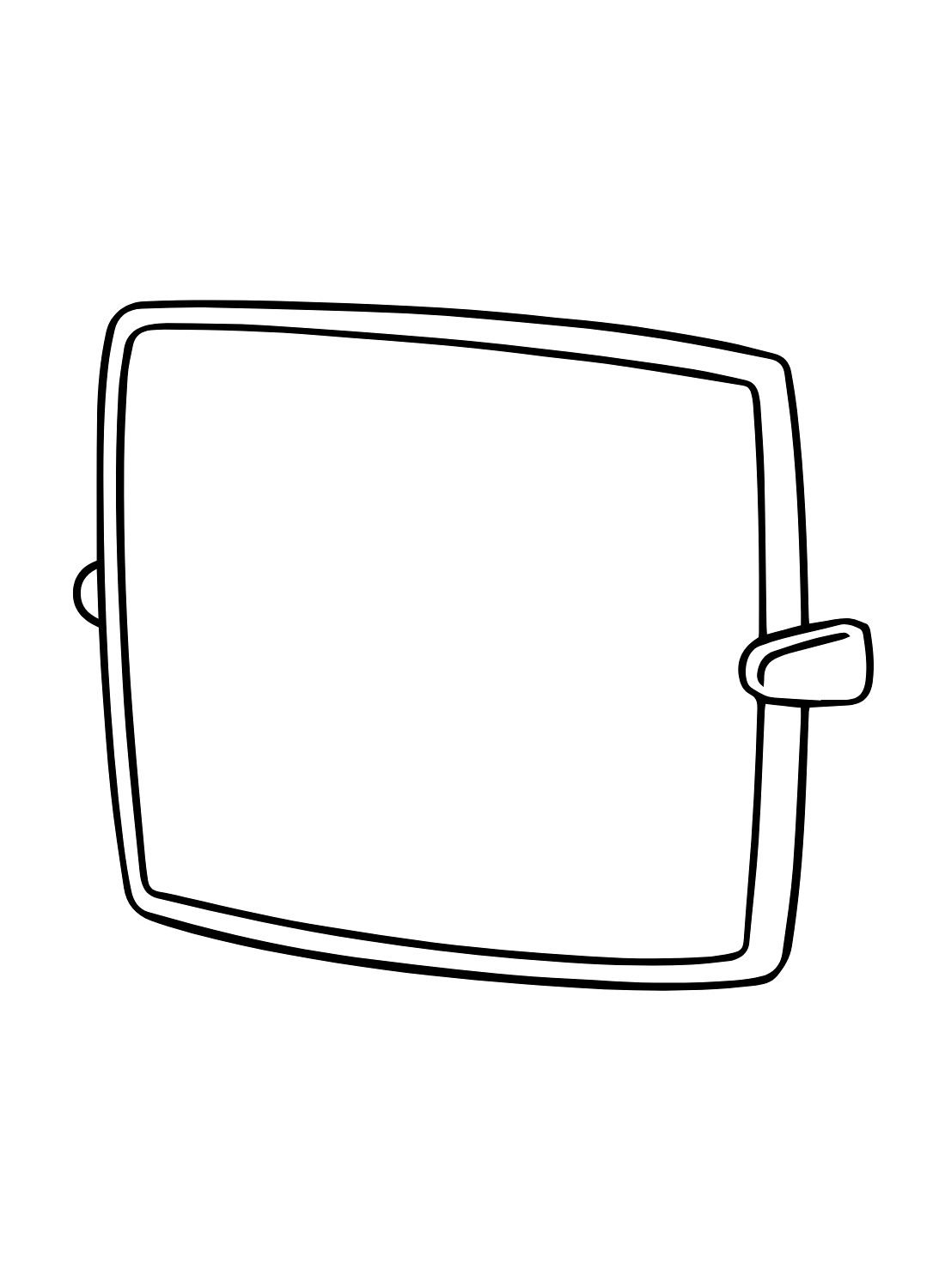
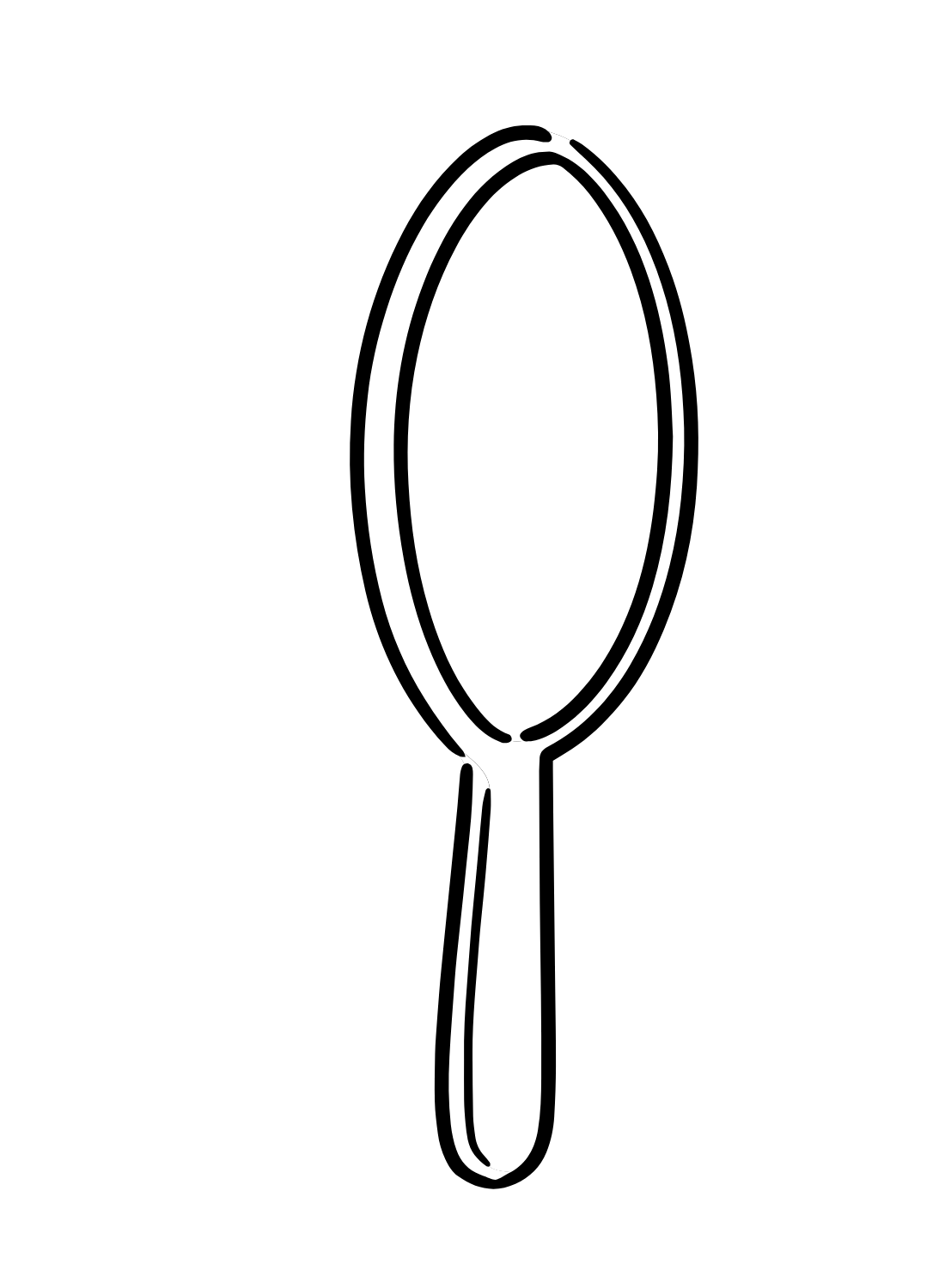
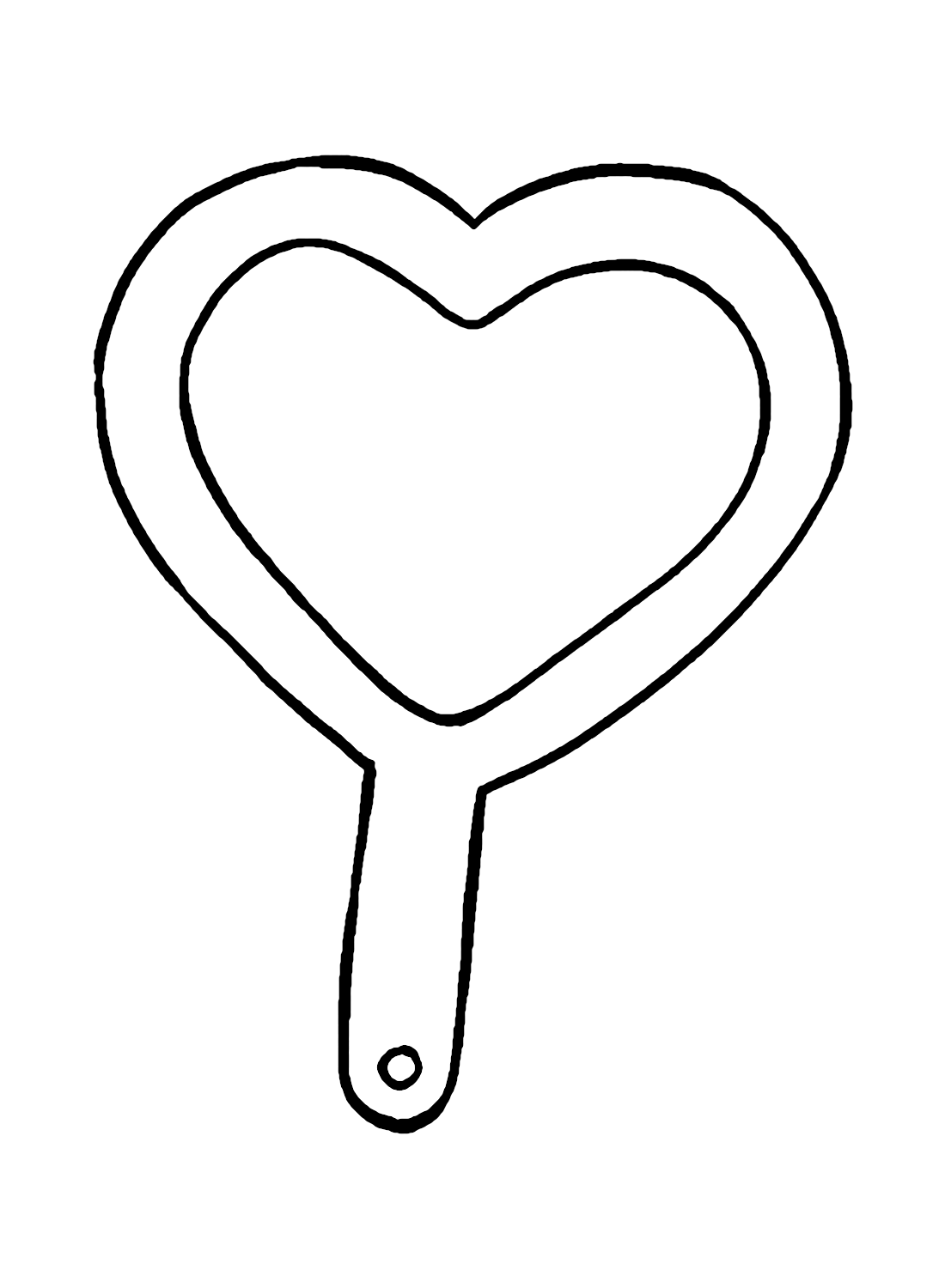
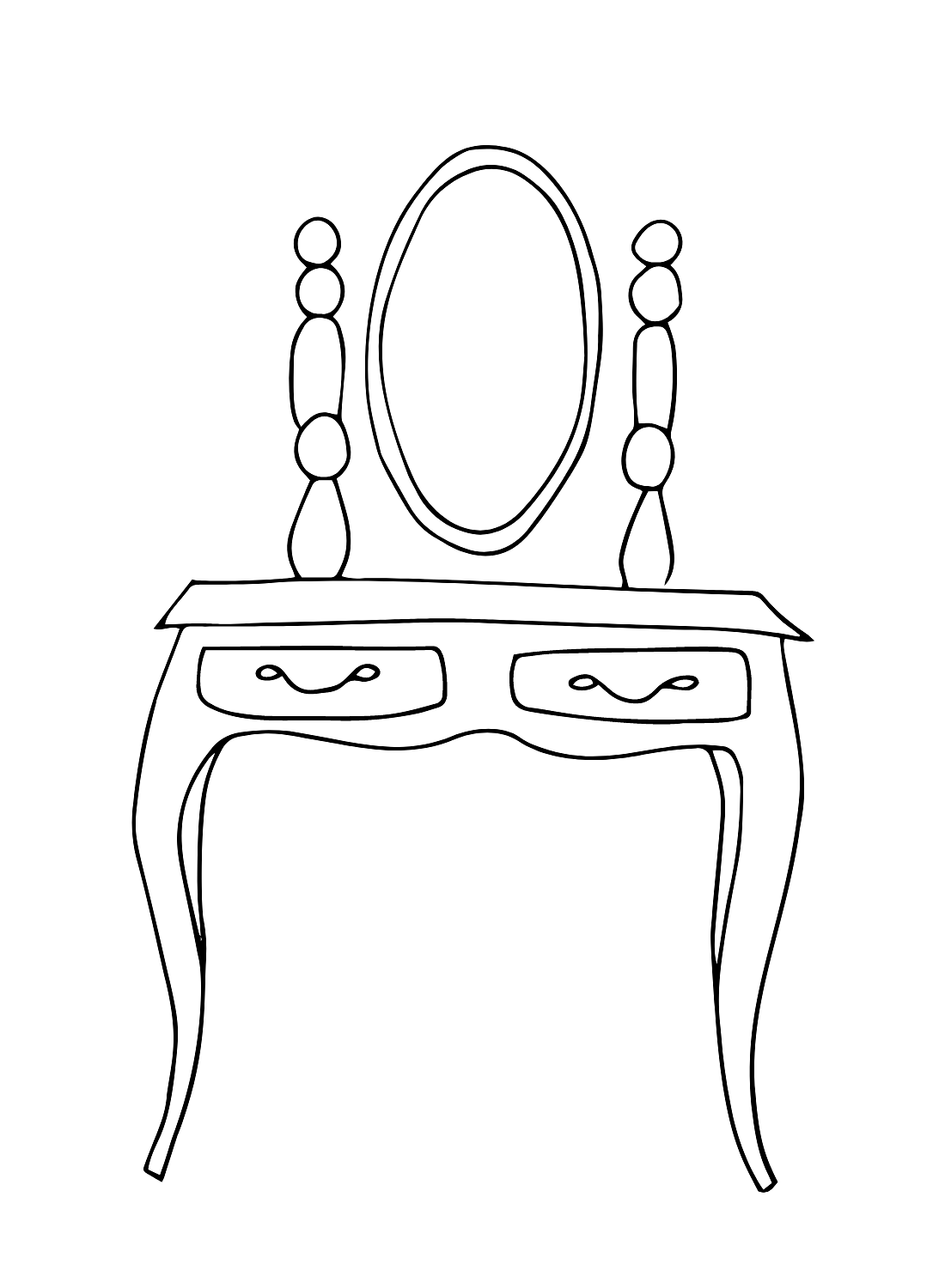

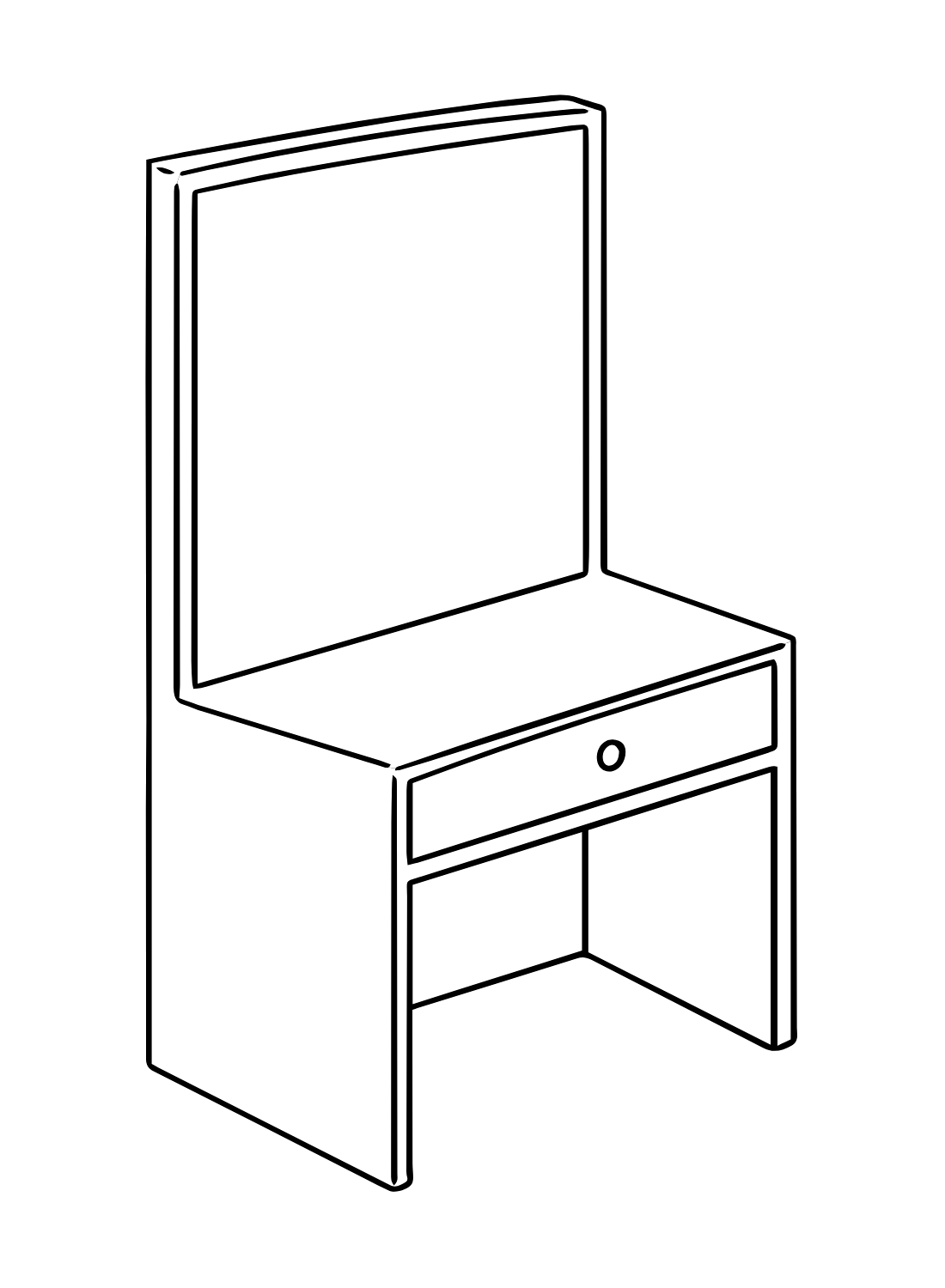
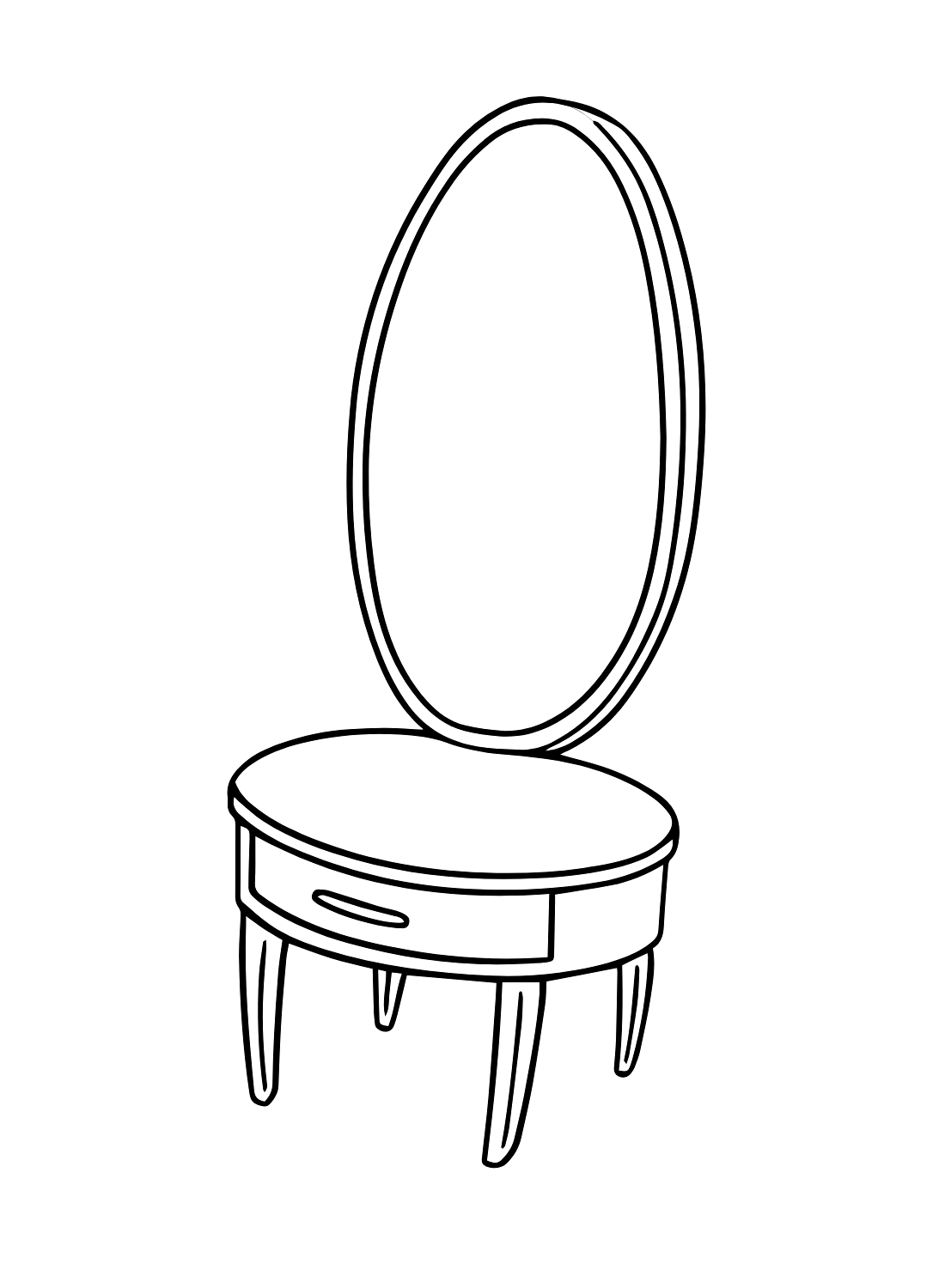
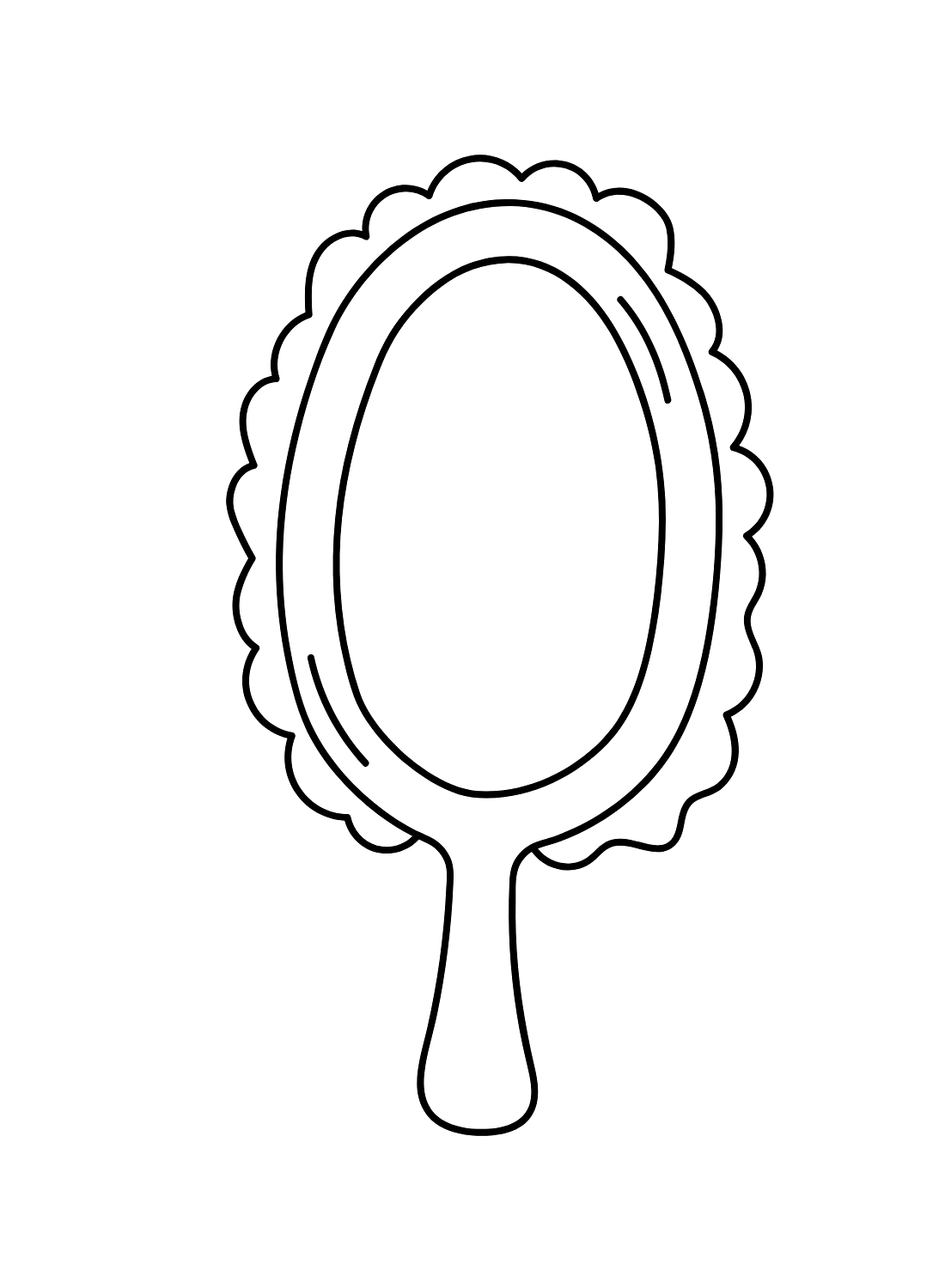
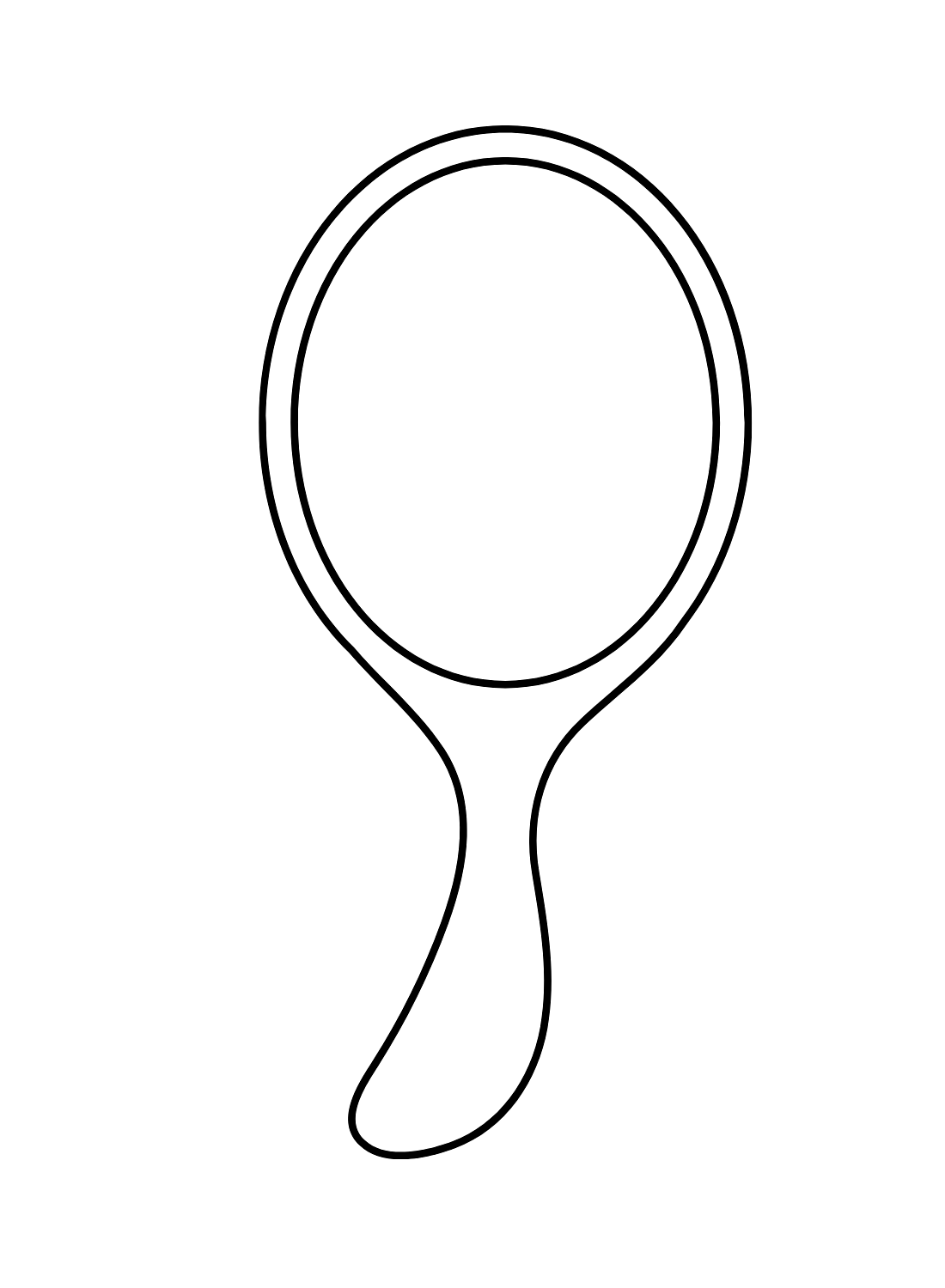

What Is Inside This Collection
The 44 pages are split into five groups based on style and complexity, ranging from detailed, realistic mirrors to simple fantasy shapes.
Wall, Table, and Dressing Mirrors
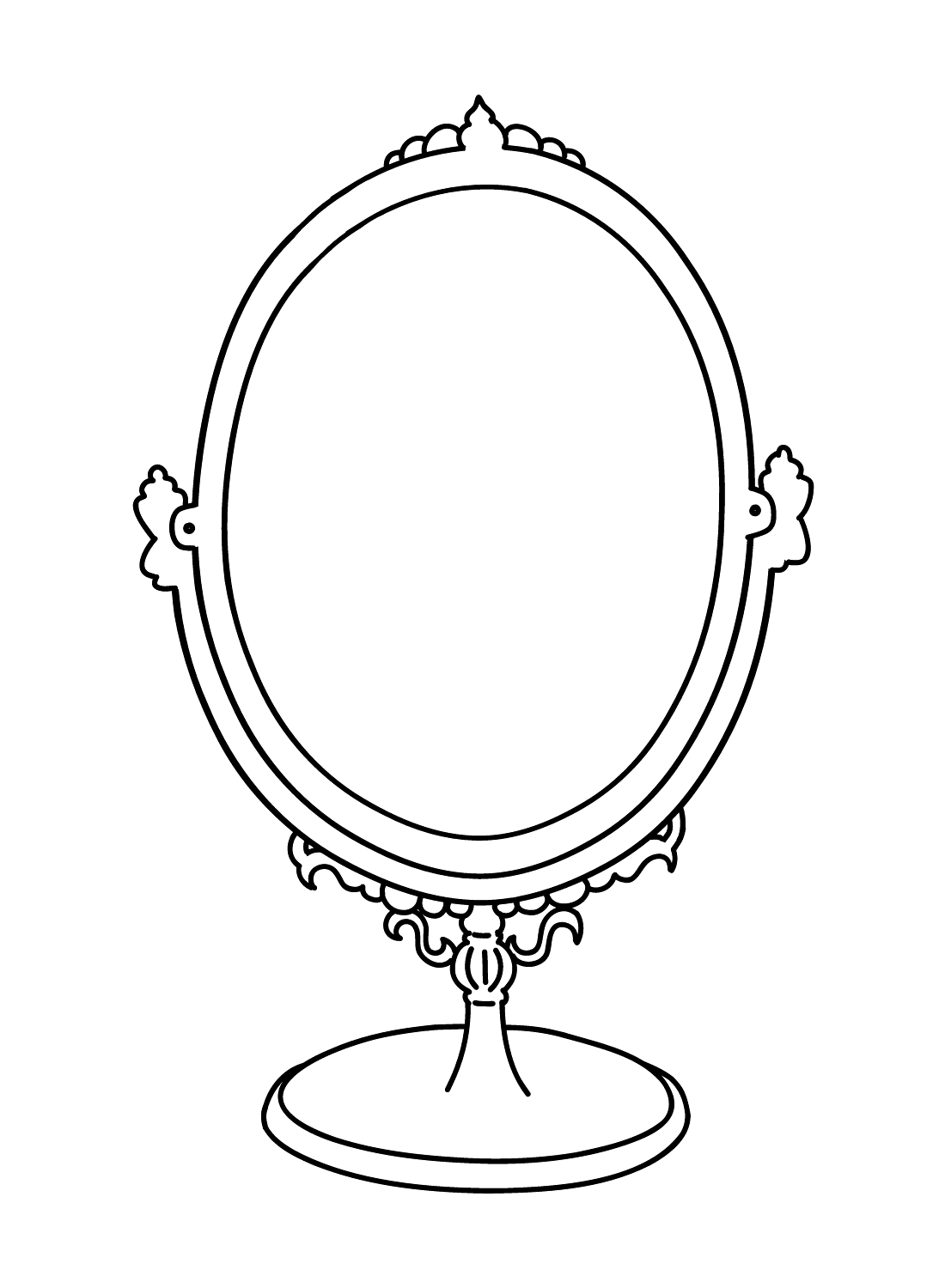
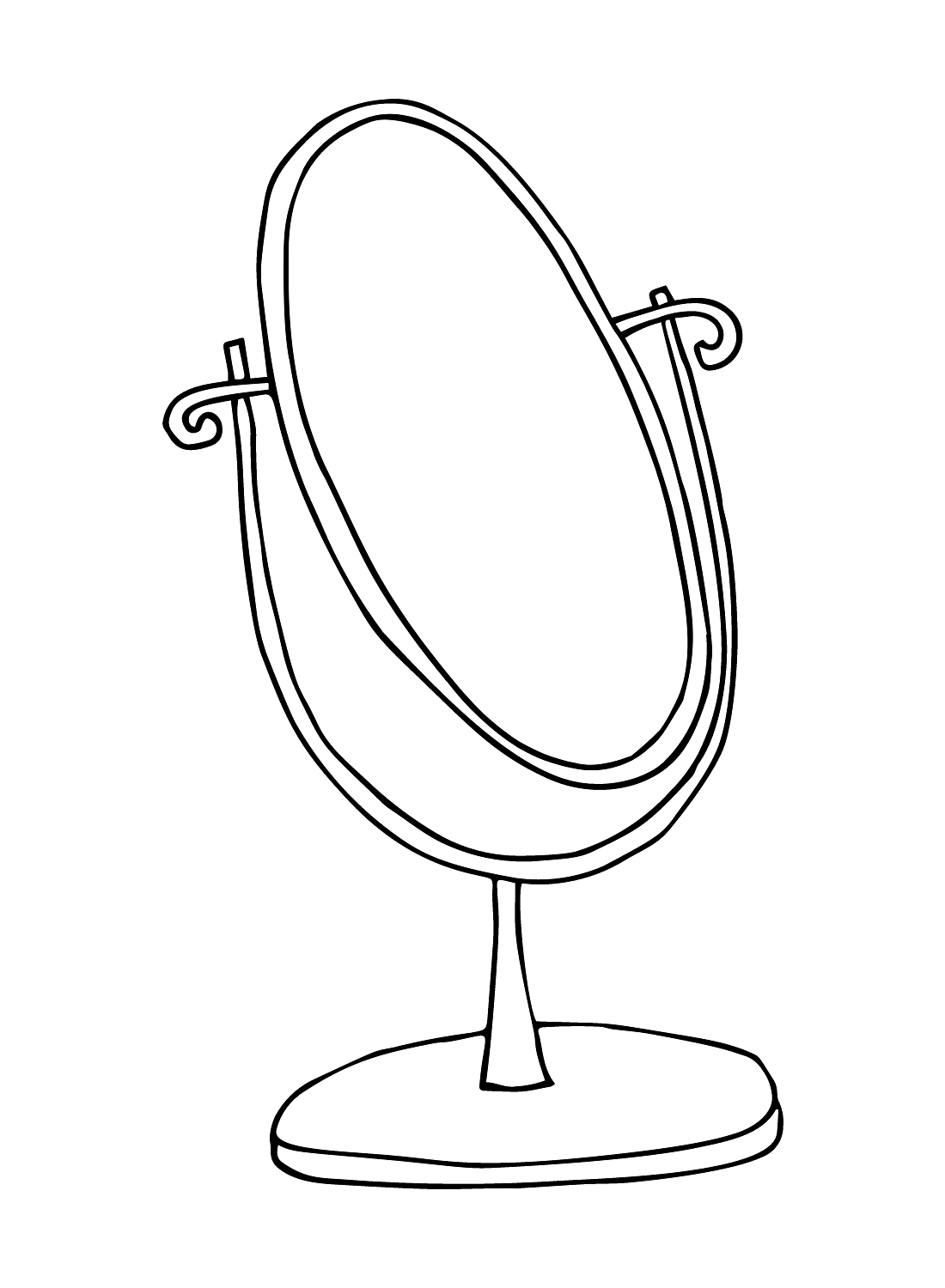
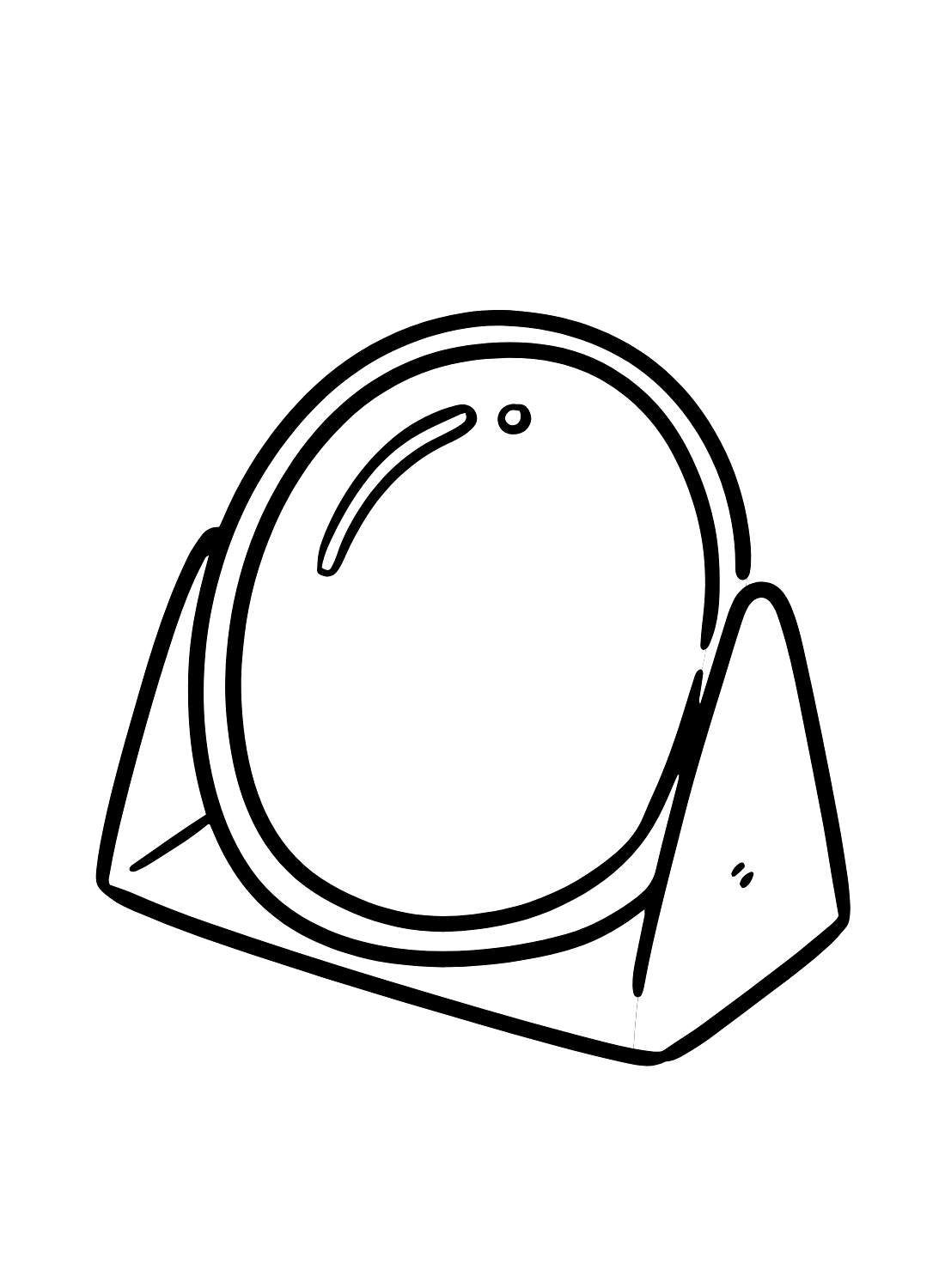
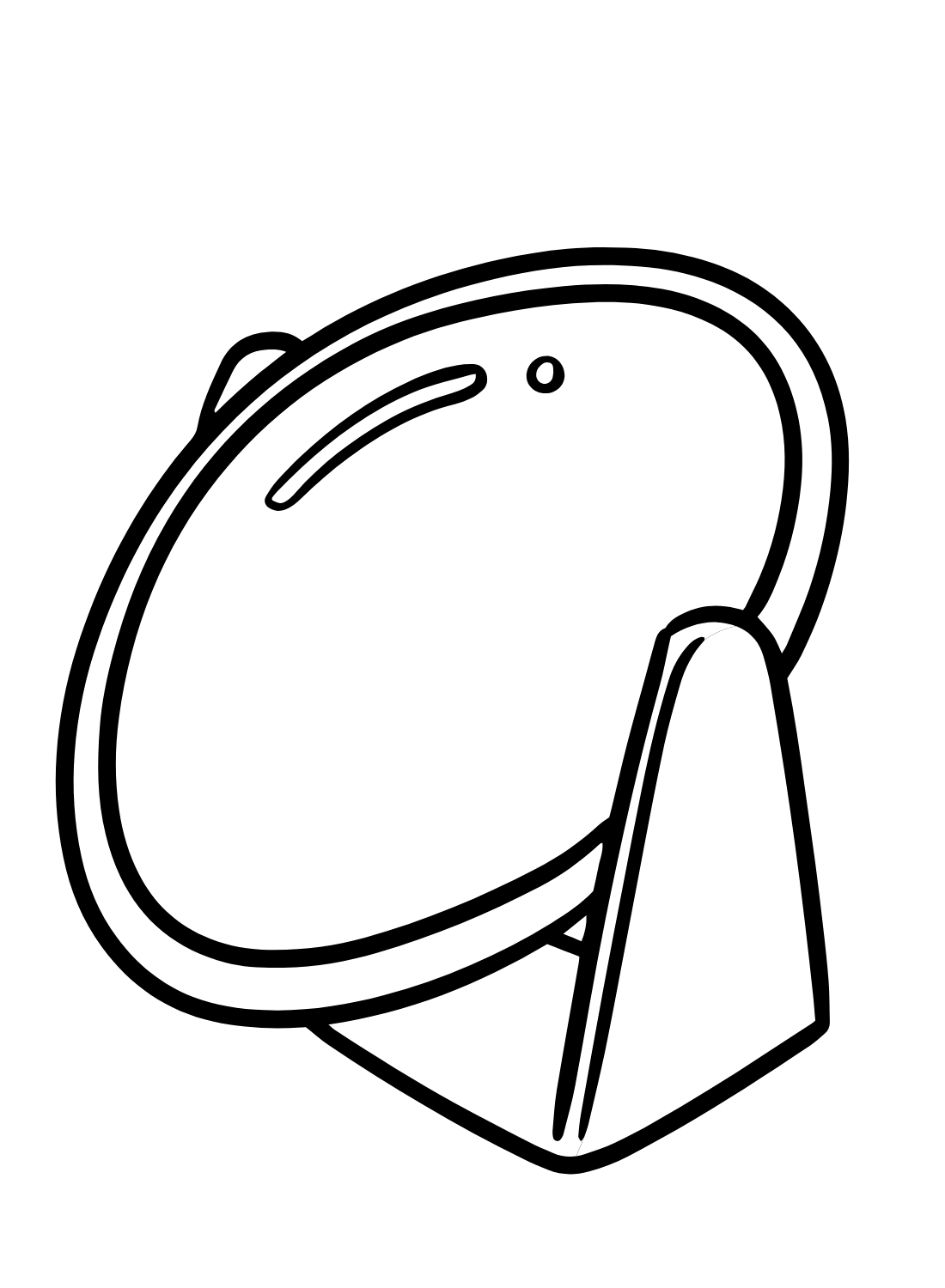
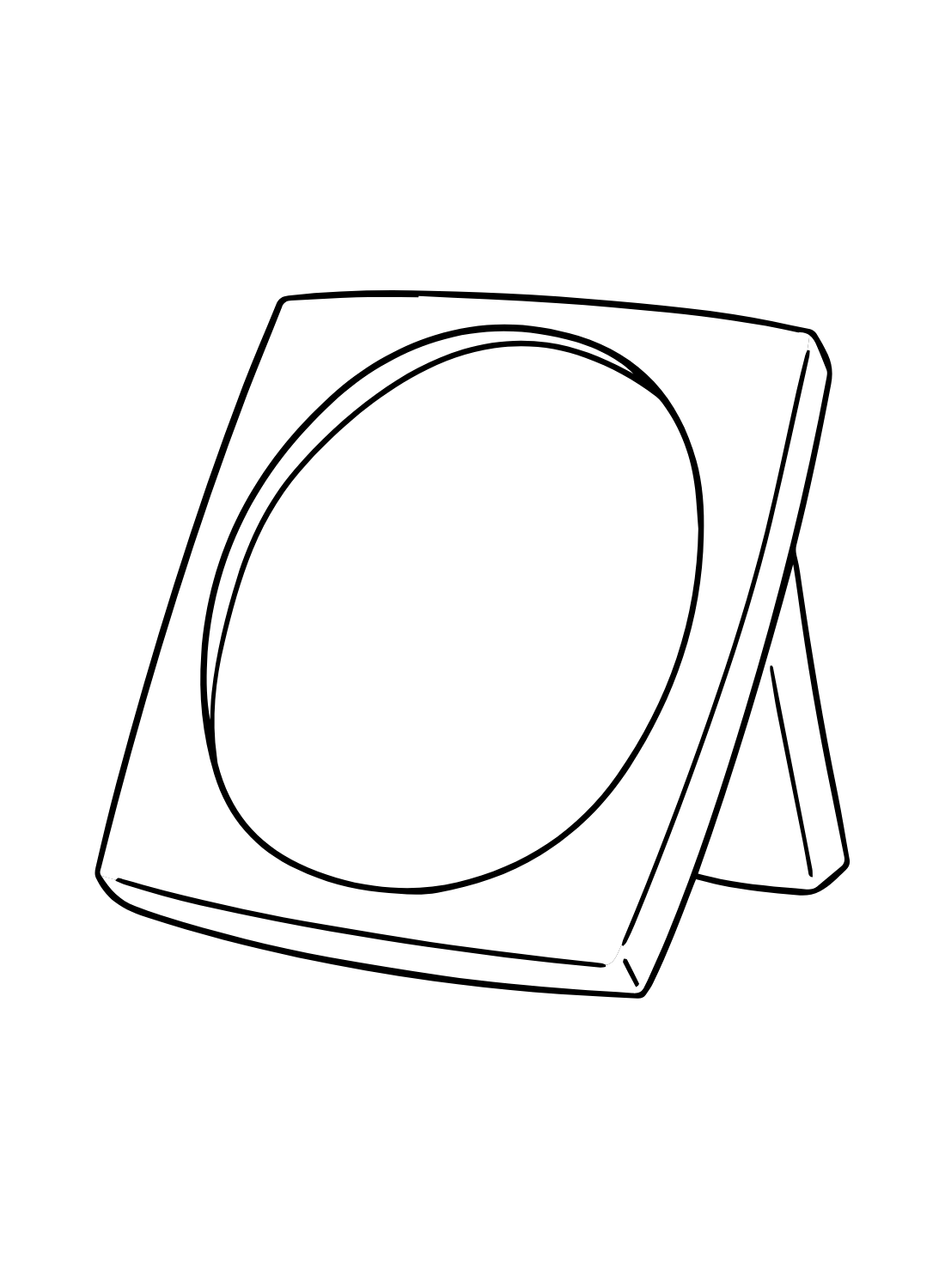
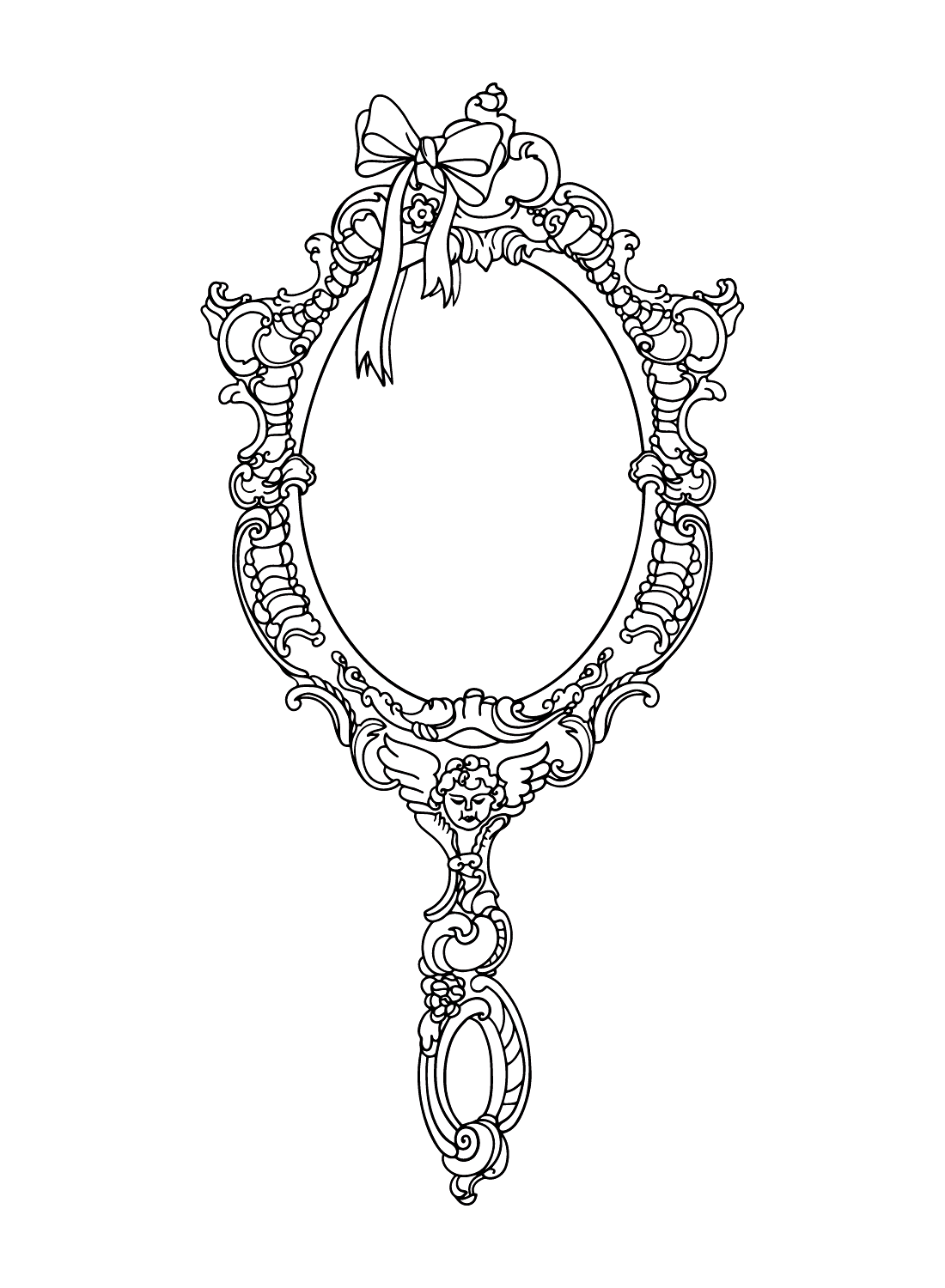
Eight pages show larger mirrors meant to sit on furniture or hang on a wall, including vintage and dressing table styles. Use Brown or Sepia for a wood frame, or Gold for an ornate gilded one, and keep the reflective glass a cool Light Blue or Silver Gray.
Hand and Face Mirrors
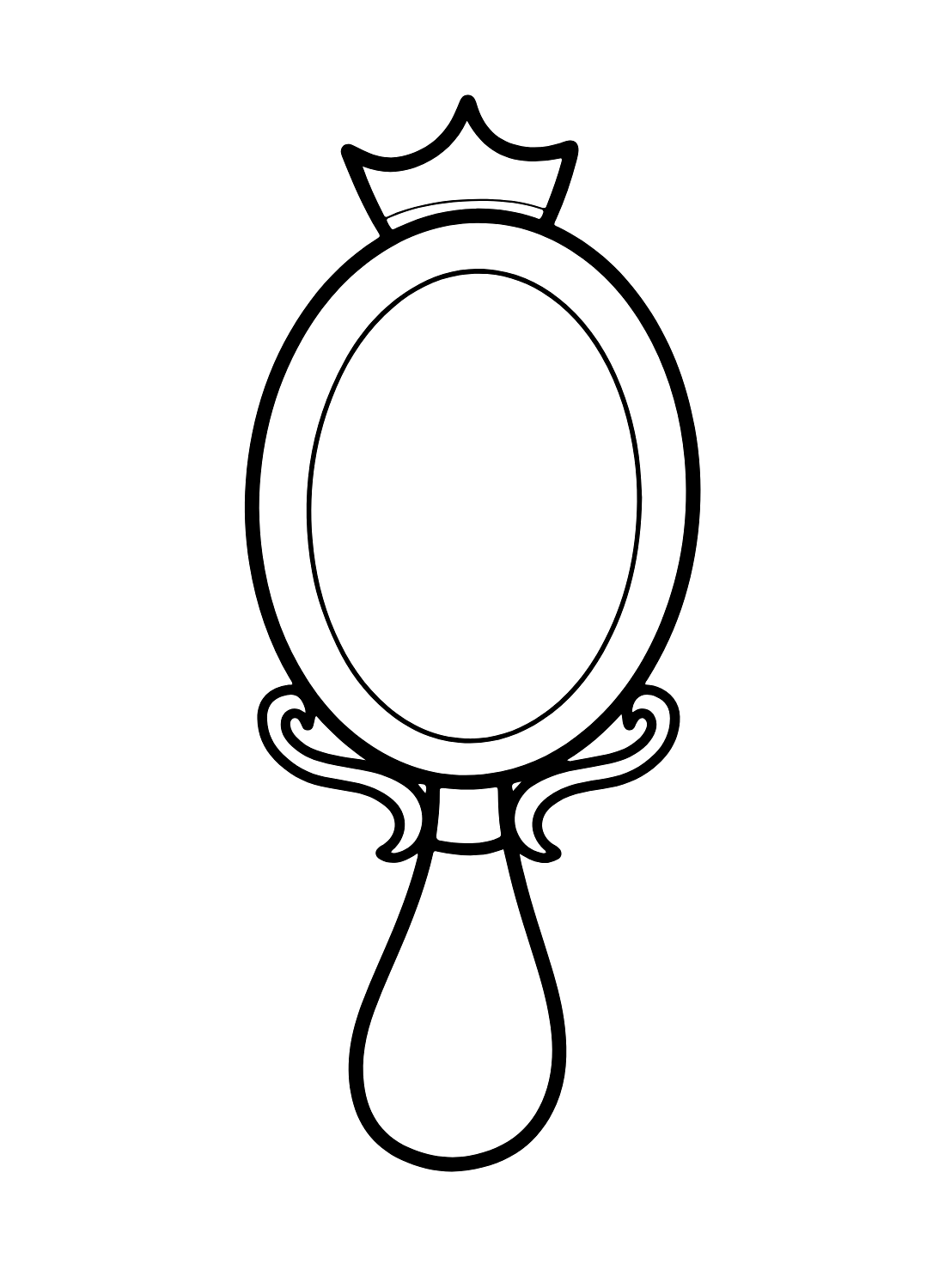
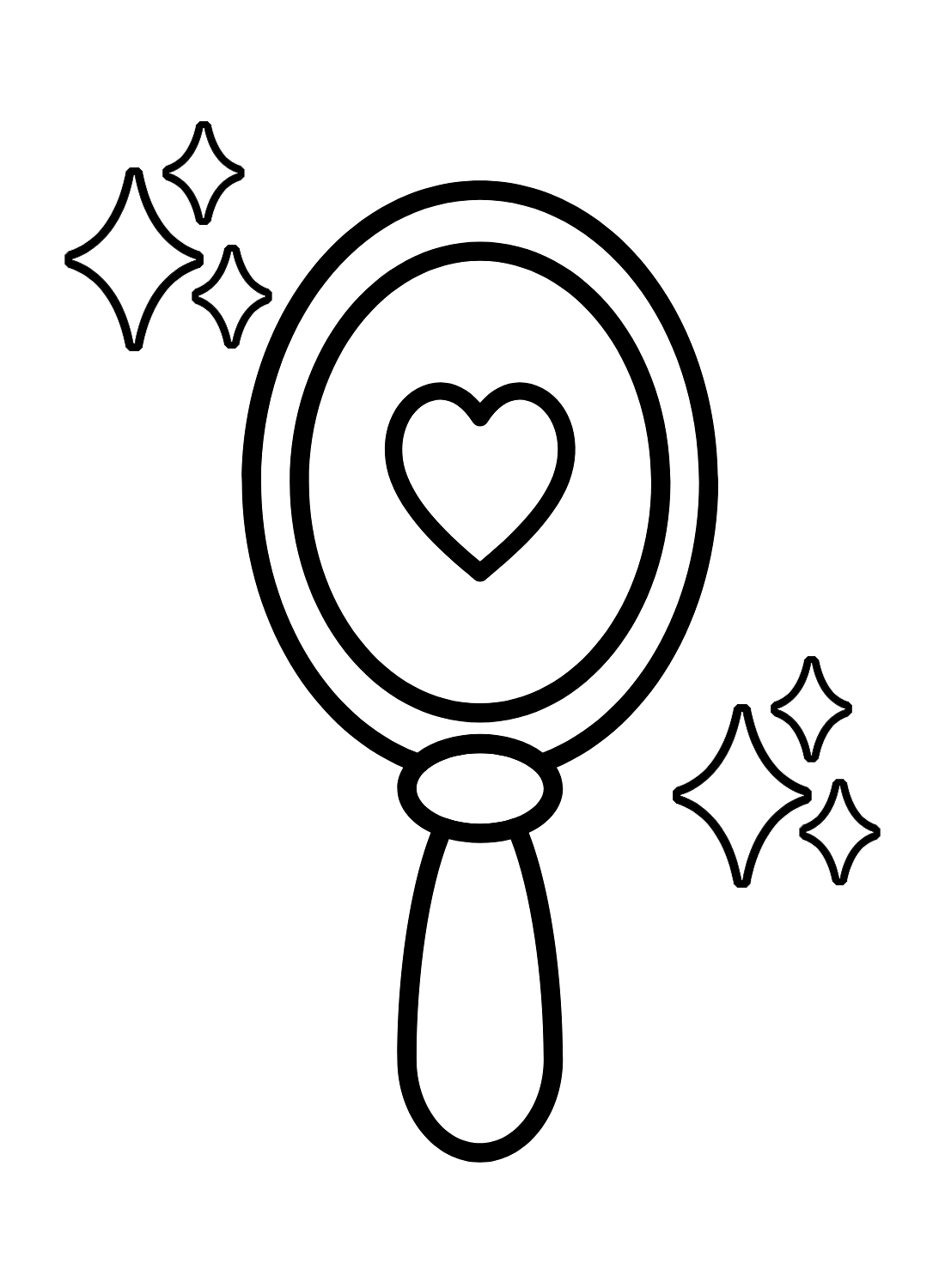
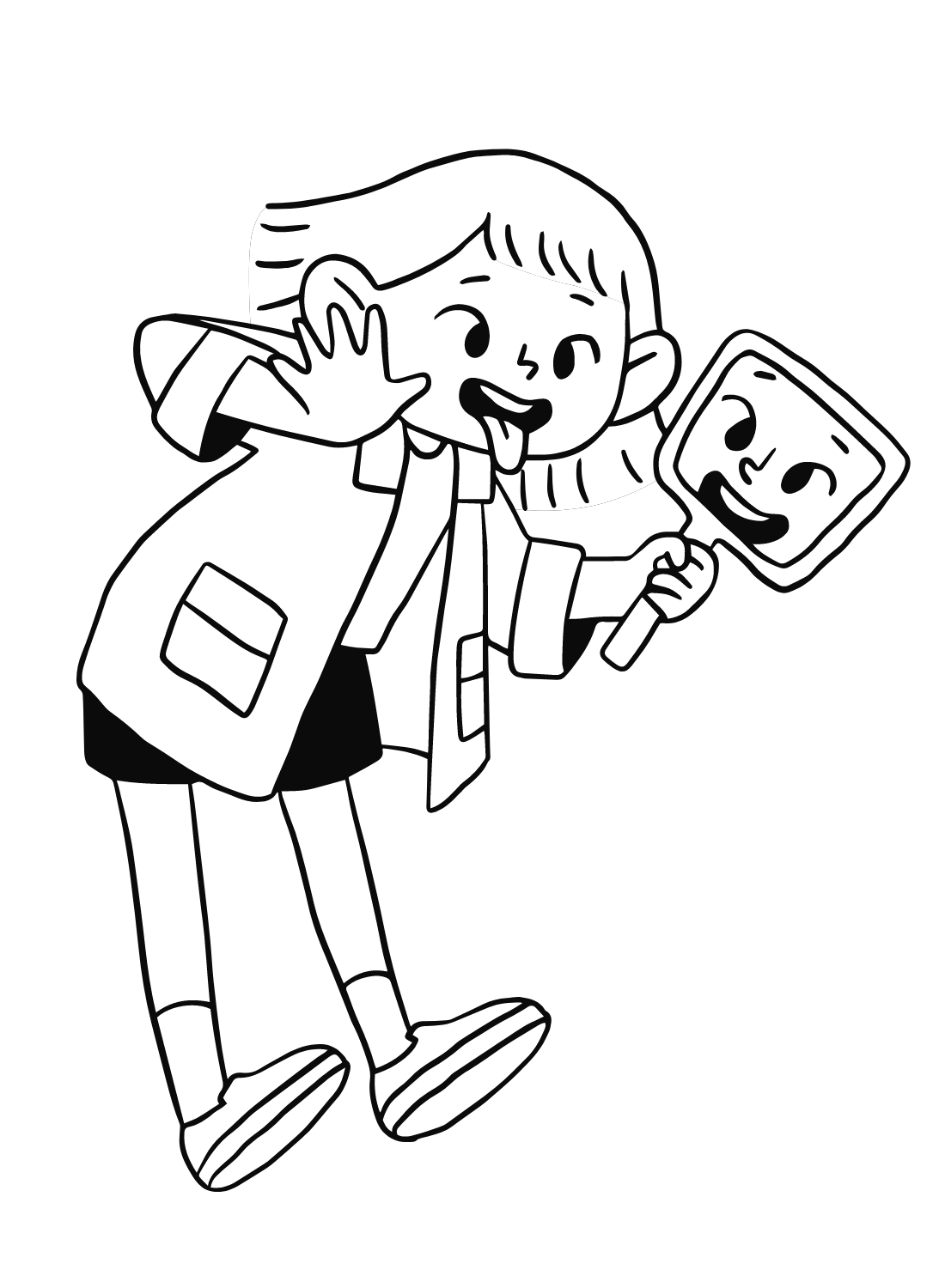
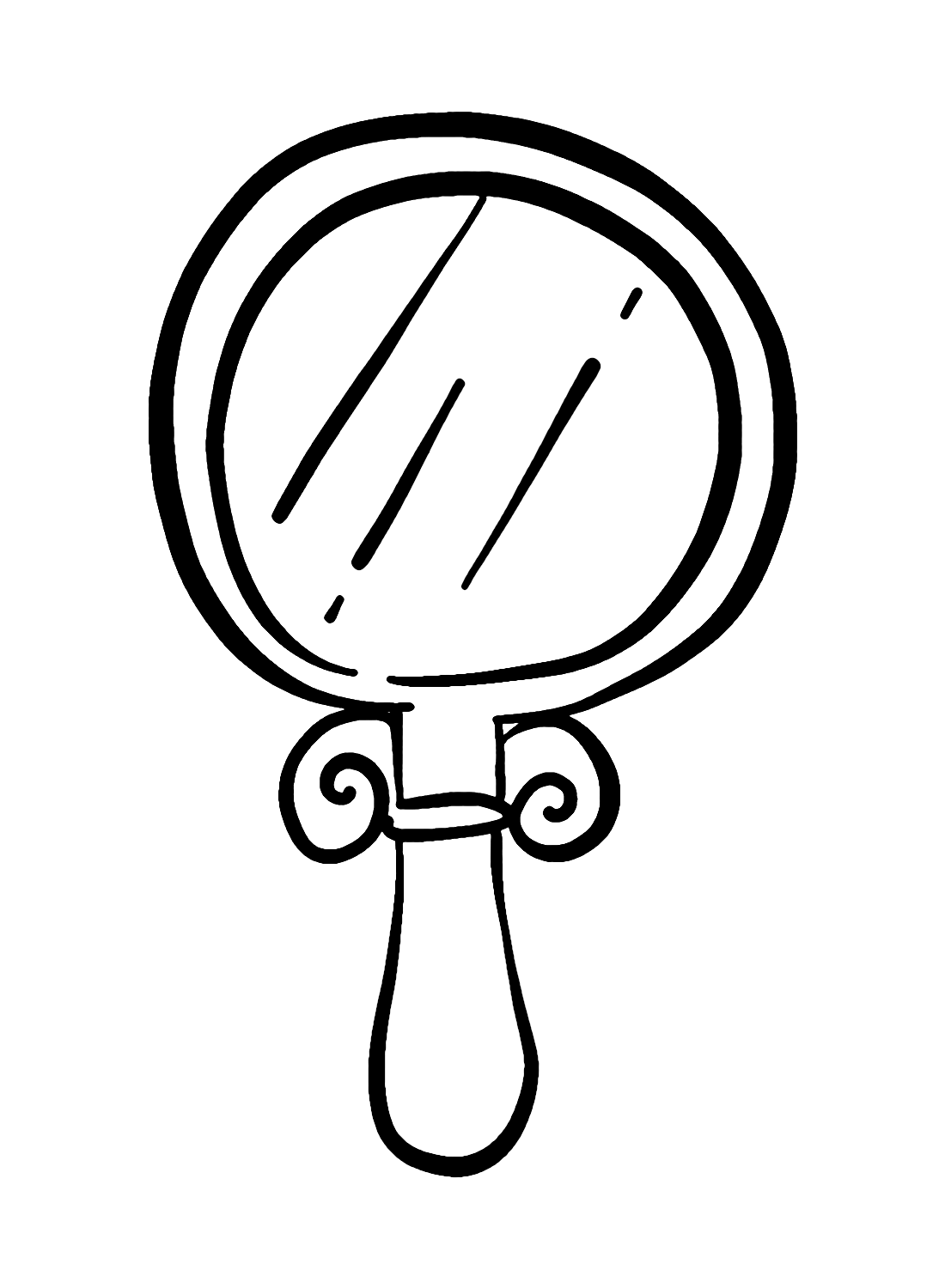
Eleven pages show smaller, portable mirrors with decorative handles, some with bows or ornate detailing. Color the handle in a pastel like Pink or a metallic Silver or Gold, and keep the mirrored surface a soft Light Blue to distinguish it from the frame.
Realistic Mirror Designs
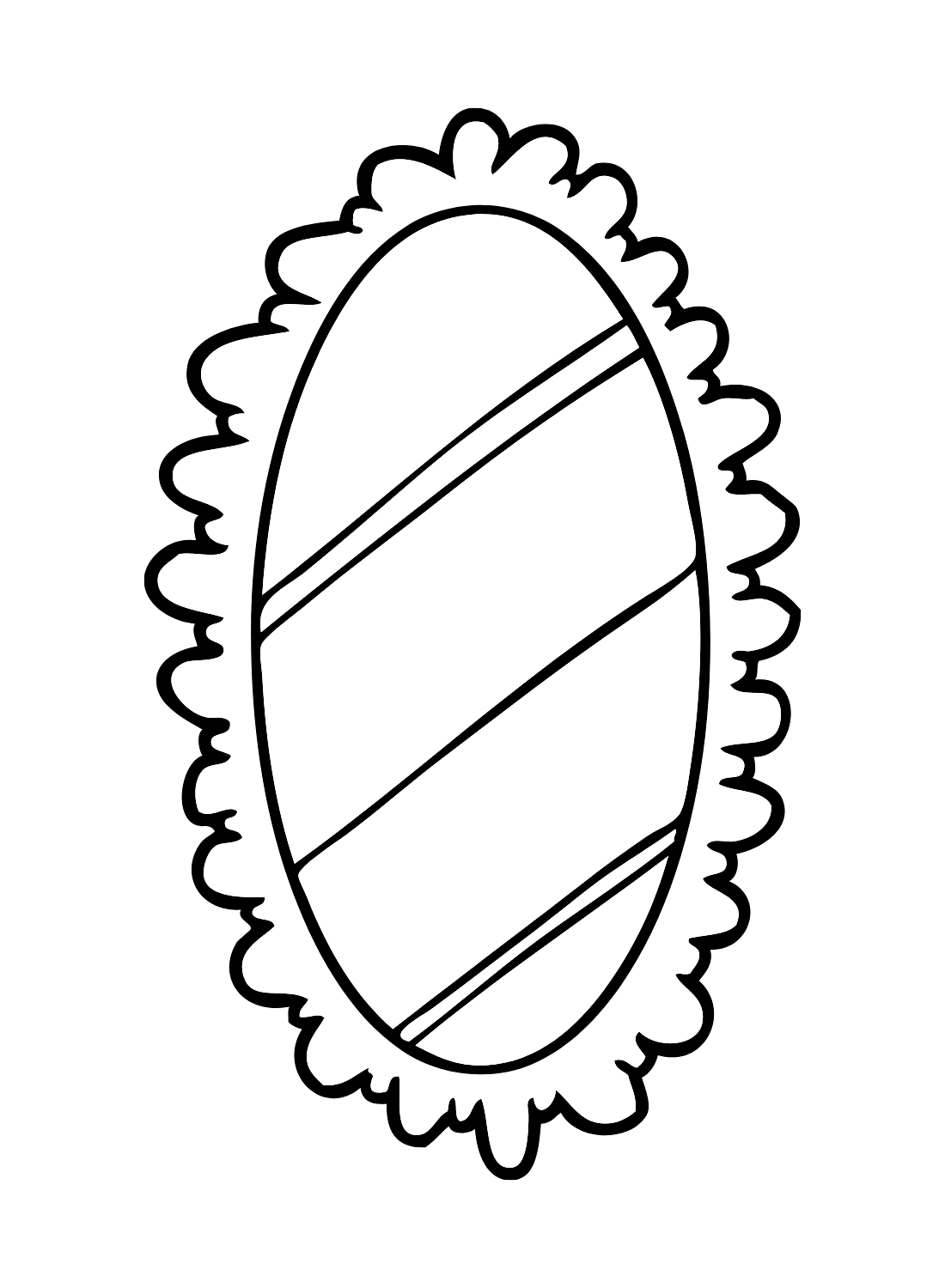
The largest group shows simple mirrors set against a plain background. Use a straightforward Silver or Brown frame with a Light Blue or Gray reflective surface for a clean, realistic look.
Cartoon, Fantasy, and Kid-Friendly Mirrors
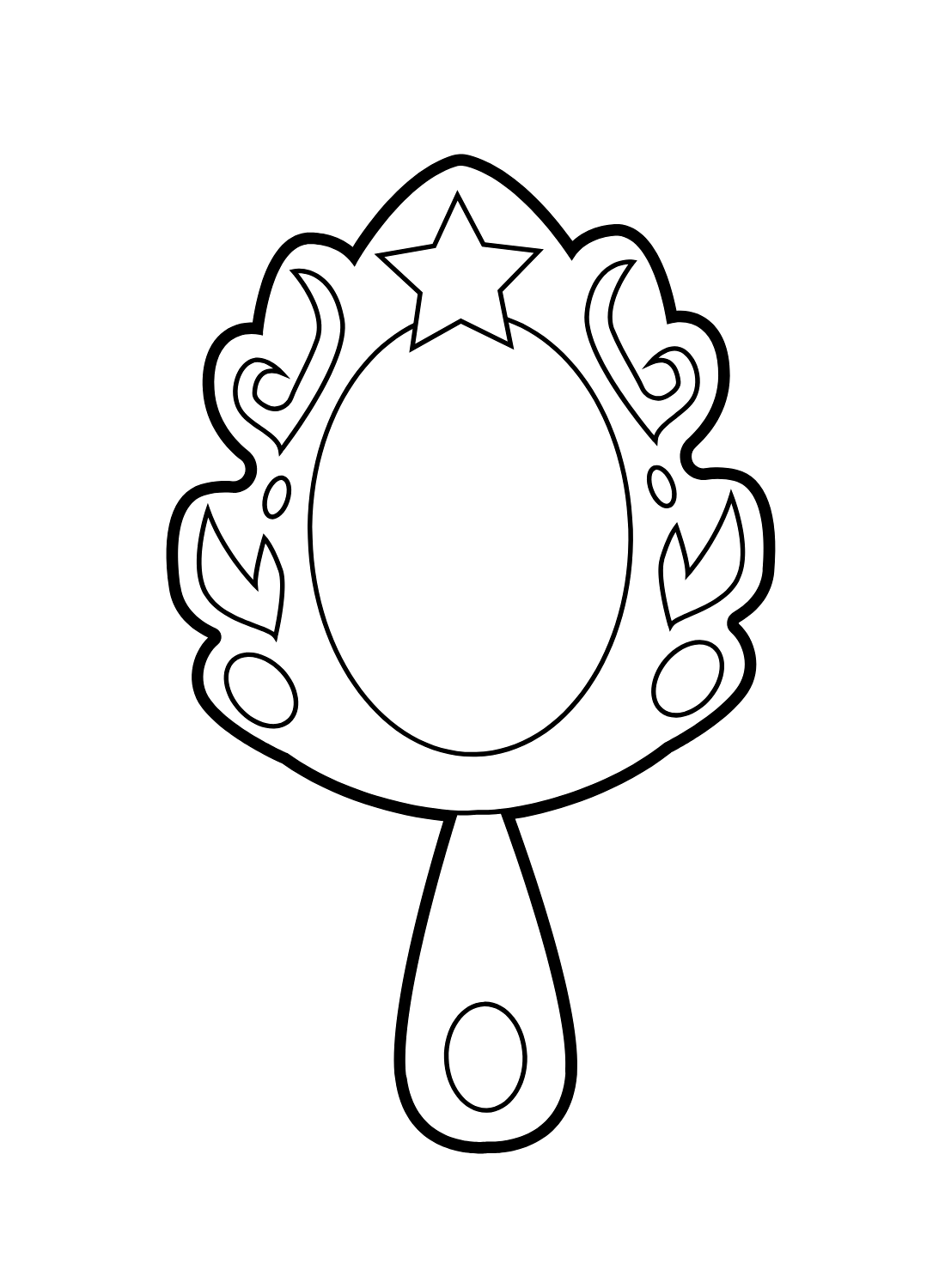
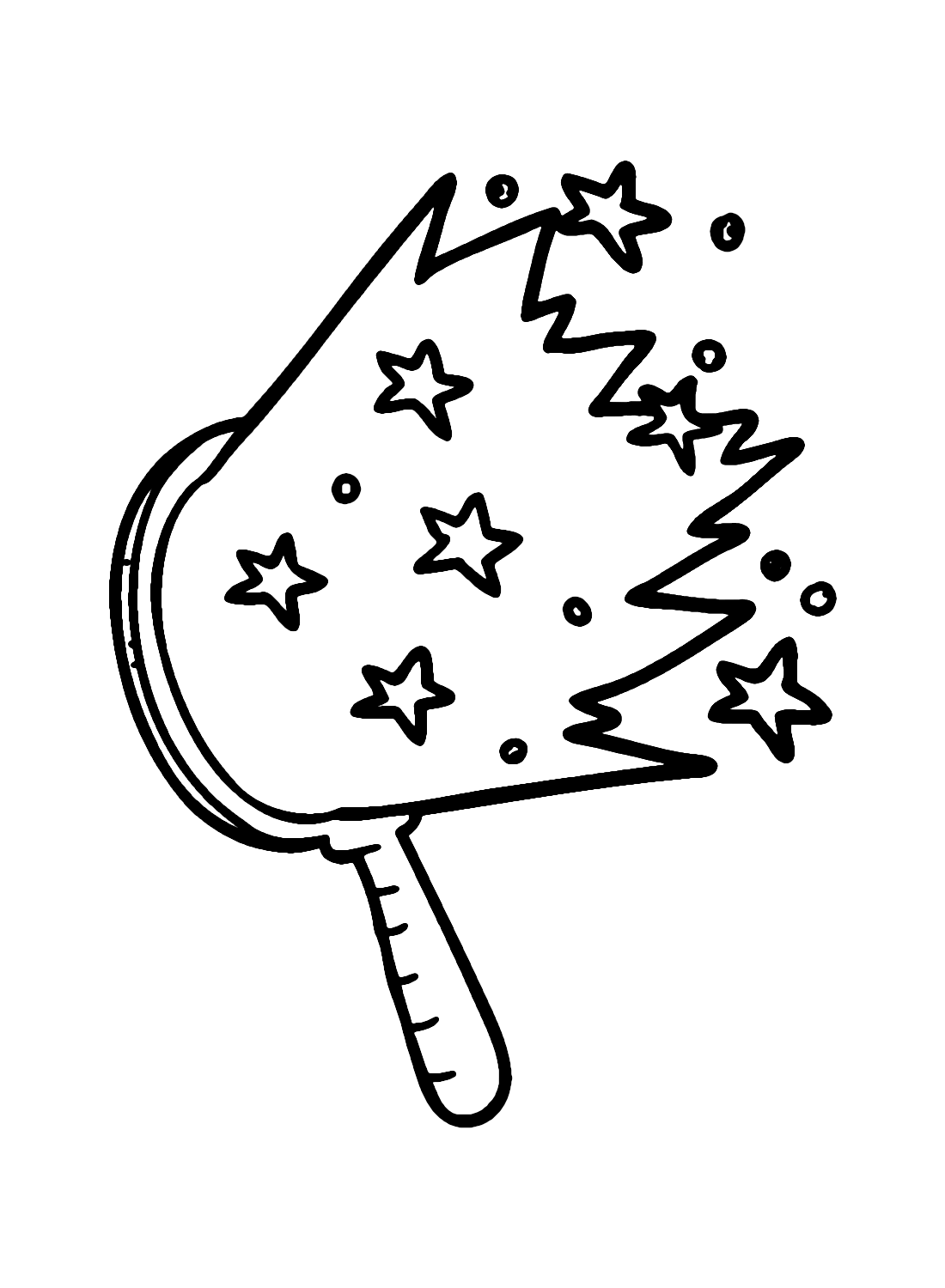
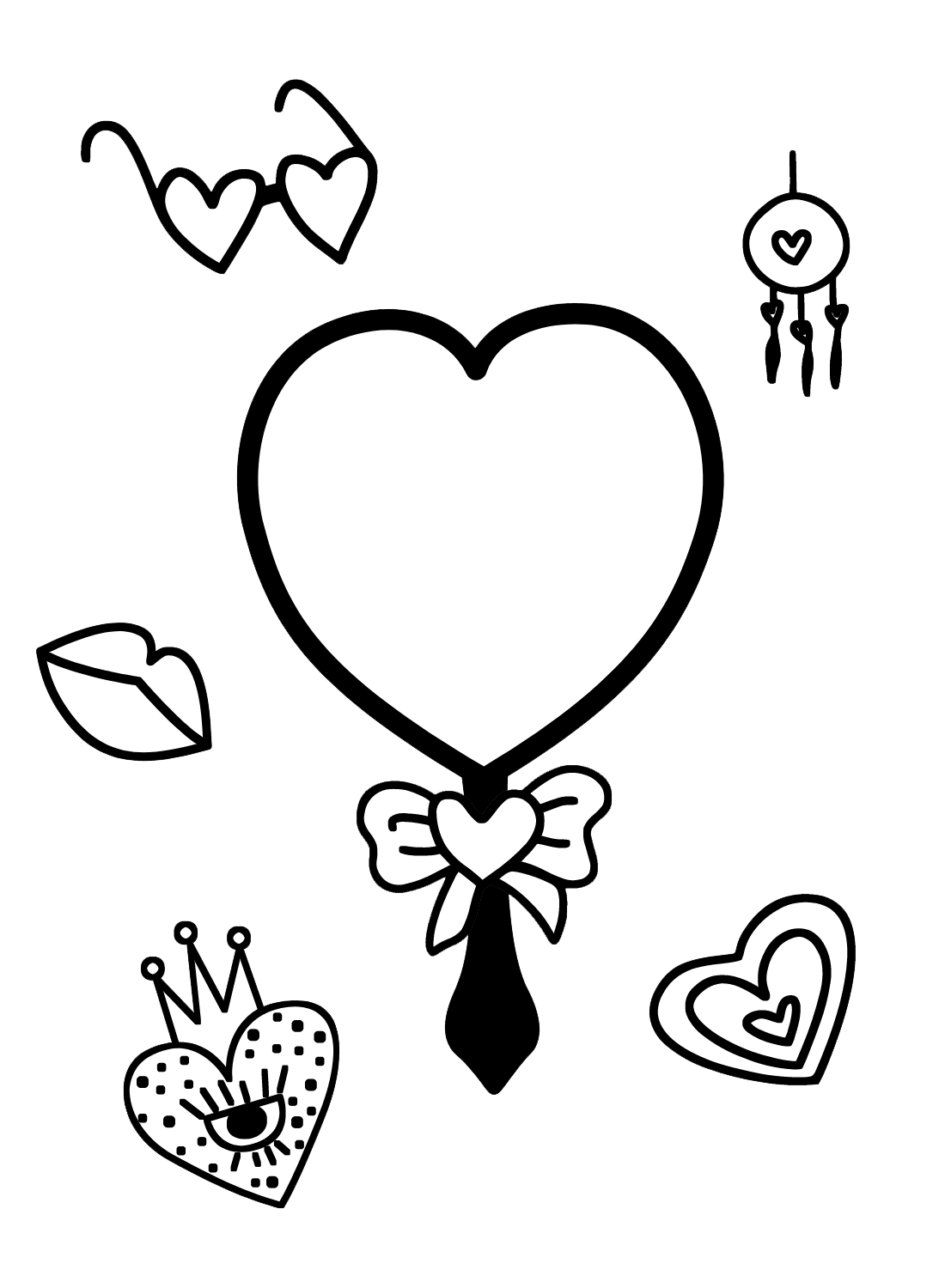
Nine pages give the mirror a playful or magical theme, including a crown princess design and a magic mirror. Use bright Purple or Pink for a fantasy frame, add Gold sparkle accents, and keep the glass area a dreamy Light Blue or Lavender.
Sketch and Line-Art Style
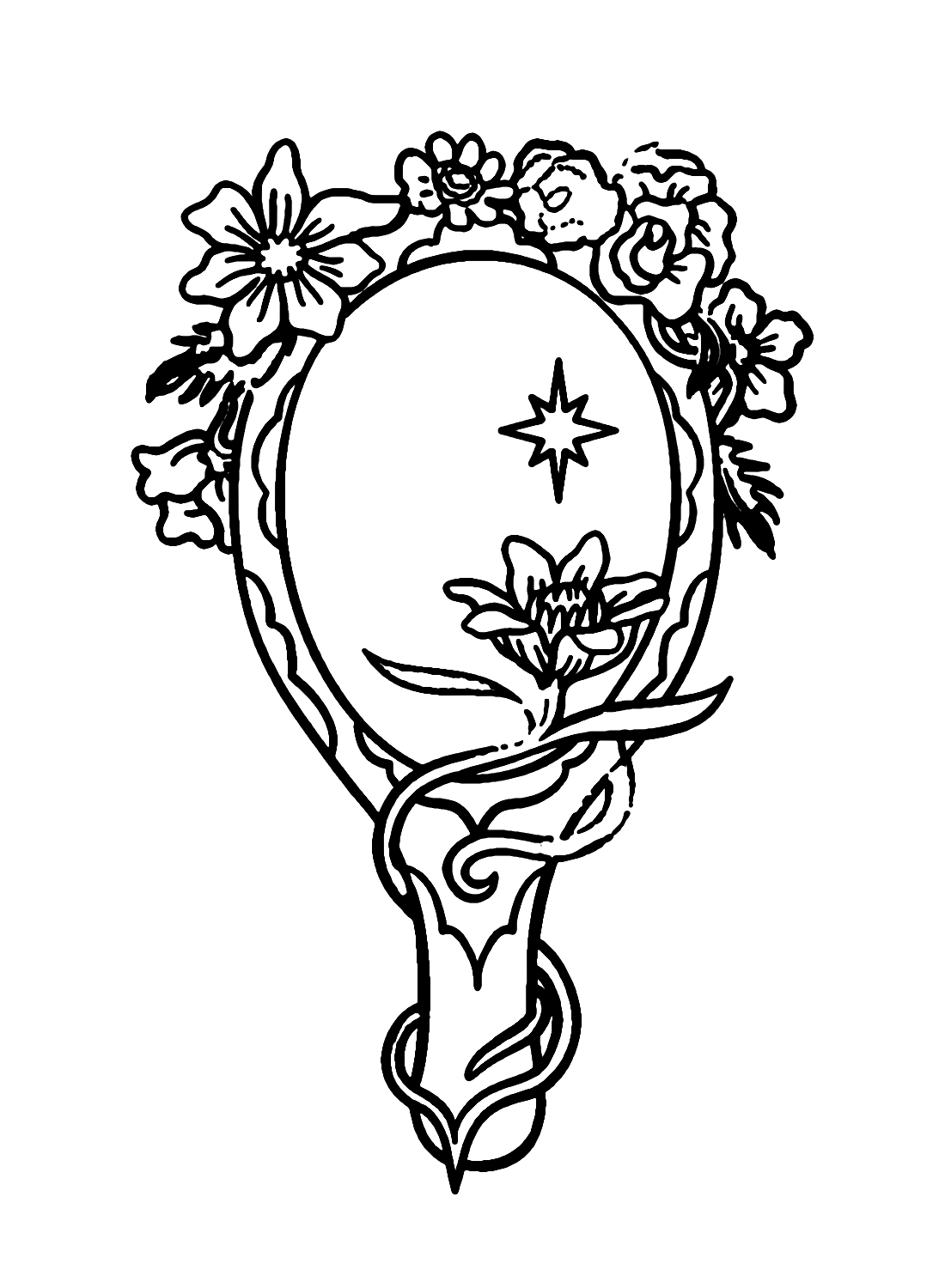
Two pages use a looser, hand-drawn outline instead of a clean, simple design. Colored pencil suits this style better than marker, starting with a light Gray base and adding Silver or Black shading only along the frame’s edges.
What Mirror Coloring Pages Do
Fine motor development. Many mirror frames in this collection have curved, decorative edges rather than plain straight lines, and tracing those curves cleanly takes closer hand control than filling in a simple rectangle. The American Academy of Pediatrics identifies fine motor skill development as a core benefit of structured coloring for children ages 2 through 7, and an ornate mirror frame gives that practice a genuinely curved line challenge.
A much older object than it looks. The mirror is one of humanity’s oldest tools, with polished obsidian versions dating back roughly 8,000 years, long before anyone had glass. That gives parents and teachers a natural opening to talk about how an everyday object like a mirror has a much longer and stranger history than most people realize.
Anxiety reduction through focus. A 2005 study in the Art Therapy Journal documented measurable reductions in anxiety following structured coloring sessions. The repeated framing and detail work across a page full of mirror designs suits that steady, unhurried coloring particularly well.
Contrast and color practice. A mirror page naturally splits into two distinct areas, a decorative frame and a cool, reflective surface, giving colorists practice in choosing contrasting tones rather than filling an entire page with one palette.
How to Color Mirror Pages Well
- Wood or ornate frames: Use Crayola Brown or Sepia for a simple wood frame, or Gold with a touch of Goldenrod for an ornate, gilded one.
- Reflective glass: Keep the mirrored surface a cool Light Blue, Silver, or Gray to visually separate it from the warmer tones of the frame.
- Hand mirror handles: Color decorative handles in a pastel like Pink, or a metallic Silver or Gold, matching the overall style of the piece.
- Fantasy and magic mirrors: Use bold Purple or Pink for the frame, add small Gold accents for a sparkle effect, and shift the glass toward a dreamy Lavender rather than a plain gray.
- Cartoon and kid-friendly designs: Keep the frame a single bright, flat color, and use a simple Light Blue for the glass without extra shading.
- Sketch-style line art: Layer colored pencil starting with a light Gray base, then add Silver or Black shading only along the frame’s decorative edges.
5 Creative Craft Ideas With Mirror Coloring Pages
1. Paper Frame Collage
Color several mirror frame pages, cut out just the frames, and layer them onto a plain paper circle or square to build a colorful mixed-frame collage.
2. Vanity Table Diorama
Color a table or dressing mirror page, cut it out, and set it up inside a small box with paper cutouts of a brush and jewelry box to build a mini vanity scene.
3. Mirror Fact Poster
Color a large mirror page and add hand-written facts around it, such as what the earliest mirrors were made from, for a simple classroom history poster.
4. Mirror Bookmark
Color one of the smaller mirror designs, trim it to a bookmark shape, and add a ribbon or paper tassel through a hole punched at the top.
5. Mirror Garland
Color multiple mirror pages, cut around each one, and string them together with twine for a playful room decoration.
Frequently Asked Questions
What are mirror coloring pages?
Mirror coloring pages are printable designs that show mirrors in different styles, including wall and table mirrors, hand and face mirrors, realistic illustrations, cartoon and fantasy designs, and sketch art. This collection includes 44 pages, each downloadable as a PDF or available to color online.
When were mirrors invented?
The earliest known mirrors date back to around 6000 BC and were made from polished obsidian, a natural volcanic glass, in what is now Turkey. Metal mirrors made from polished bronze and copper followed a few thousand years later in Egypt and Mesopotamia.
When did glass mirrors become common?
Glass mirrors with a reflective metal backing were not perfected until Renaissance Venice in the 15th and 16th centuries. Before that, most mirrors were made of polished metal rather than glass.
Why do mirror frames often look so decorative?
Historically, mirrors were rare and expensive, so owning one was a sign of wealth. That status often carried over into elaborately carved or gilded frames meant to be admired alongside the reflection itself.
What is the difference between a hand mirror and a wall mirror?
A hand mirror is small and portable, usually with a decorative handle meant to be held, while a wall or table mirror is larger and fixed in place, often set into a frame designed to match nearby furniture.
How many mirror coloring pages are in this collection?
This collection includes 44 mirror coloring pages, split across wall and table mirrors, hand and face mirrors, realistic designs, cartoon and fantasy styles, and sketch-style line art.
Are mirror coloring pages suitable for young children?
Yes. The simple, realistic, and cartoon designs use bold, easy shapes that suit toddlers and preschoolers. The ornate frame and fantasy pages, with their curved decorative details, suit older children and adults who want more shading practice.
Why do some mirror pages look magical or fantasy-themed?
A handful of pages in this collection, including a magic mirror and a crown princess design, lean into the mirror’s long-standing role in stories and folklore, where mirrors are often shown as objects with hidden power or the ability to reveal hidden truths.
Start Coloring
Download any page by clicking the design. No account, email, or payment is required. Pages print directly from the browser at full resolution or open in the online coloring tool for screen use. Share finished pages on Facebook or Pinterest with the share buttons at the top of each design page.