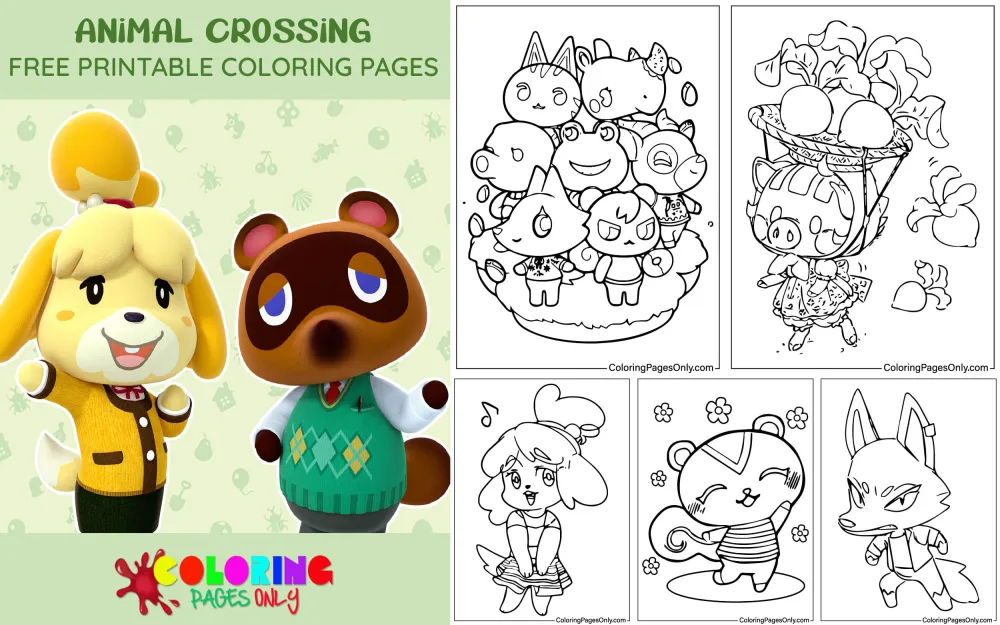
Free Animal Crossing Coloring Pages: 22 pages featuring Isabelle, Tom Nook, K.K. Slider, Marshal, Blathers, Daisy Mae, Timmy and Tommy, Audie, cute villagers, island life scenes, cozy homes, music moments, nature details, friendly animal characters, and printable Nintendo-inspired game pages for kids and fans. All free, printable PDFs, JPGs, PNGs, and online coloring pages are ready for home, classroom centers, game-themed activities, quiet creative time, travel folders, rainy-day fun, and screen-free relaxation.
Animal Crossing is a beloved Nintendo game series known for its gentle pace, charming animal villagers, cozy homes, seasonal events, fishing, gardening, collecting, decorating, and building a peaceful village or island life. Instead of fast battles or stressful missions, the world of Animal Crossing invites players to slow down, talk with neighbors, decorate spaces, enjoy nature, and create a personal little community.
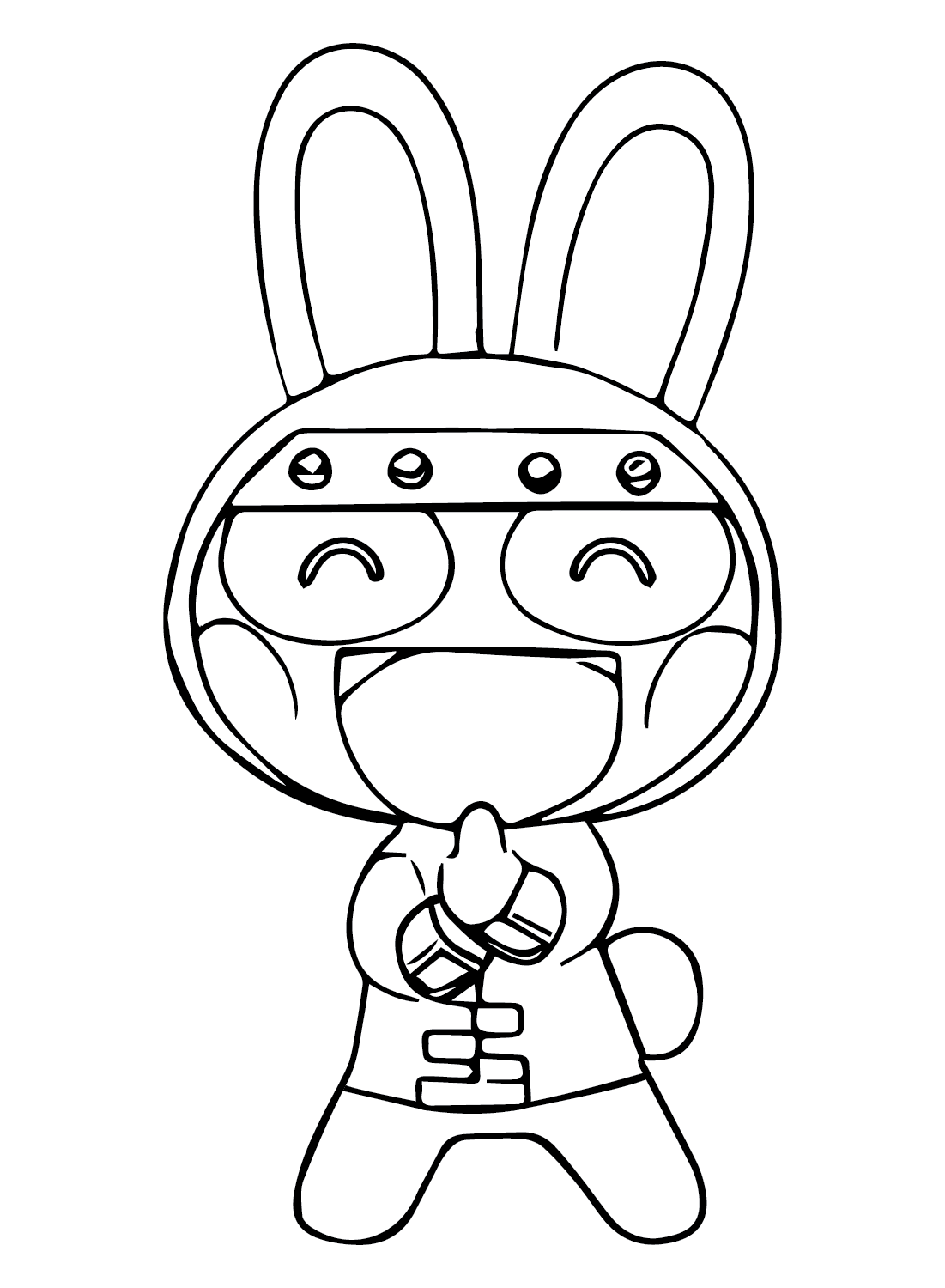
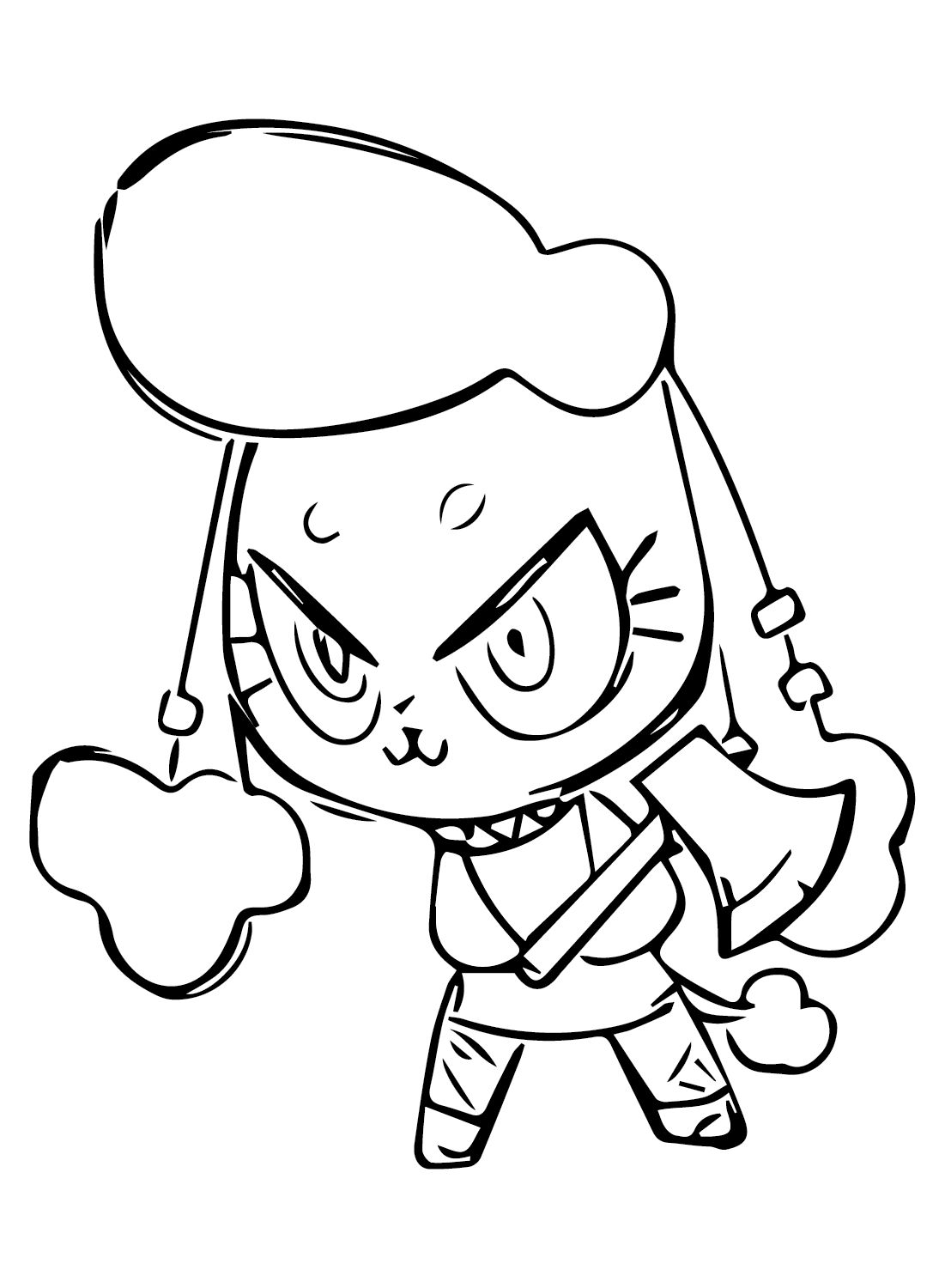
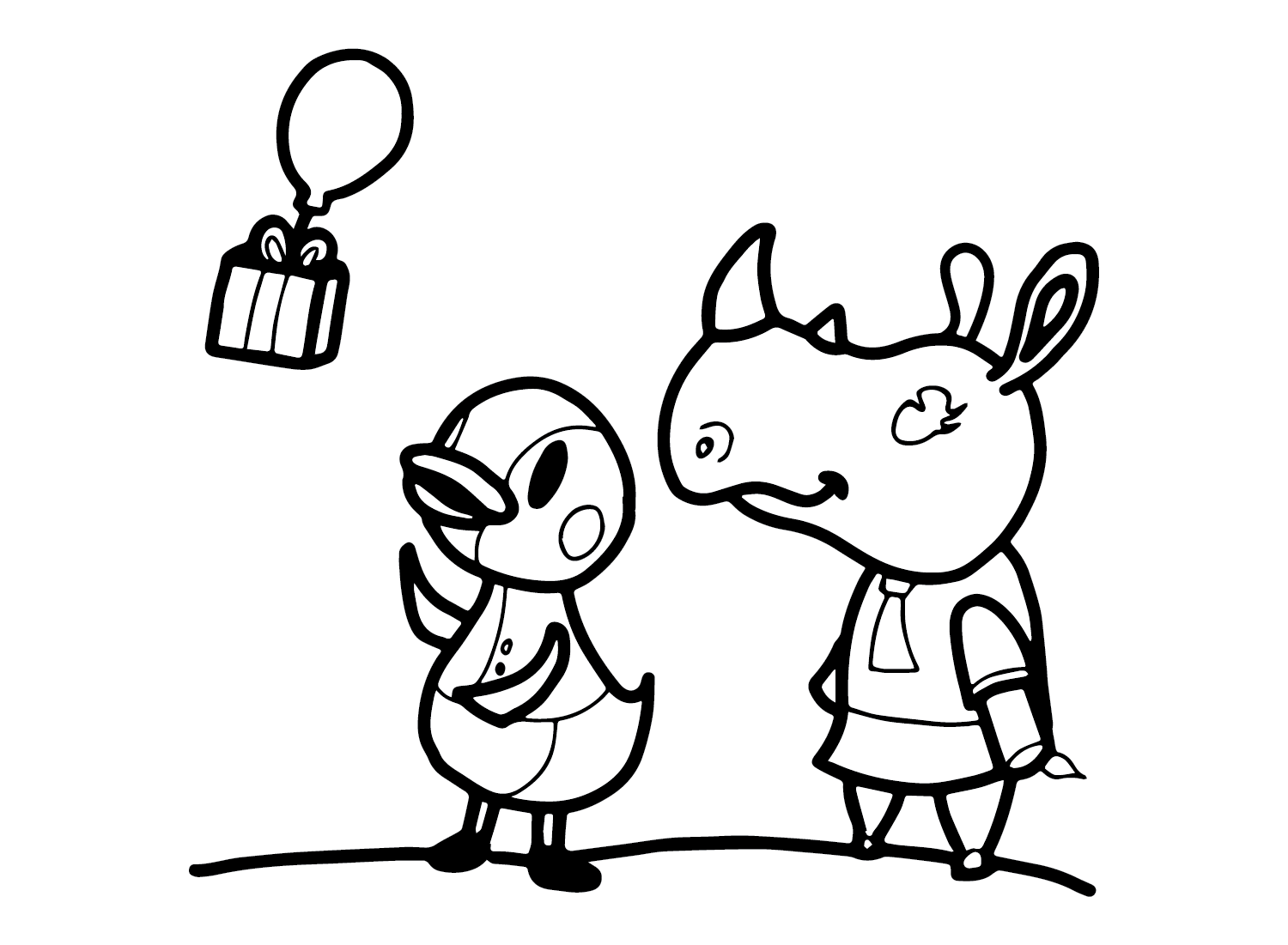
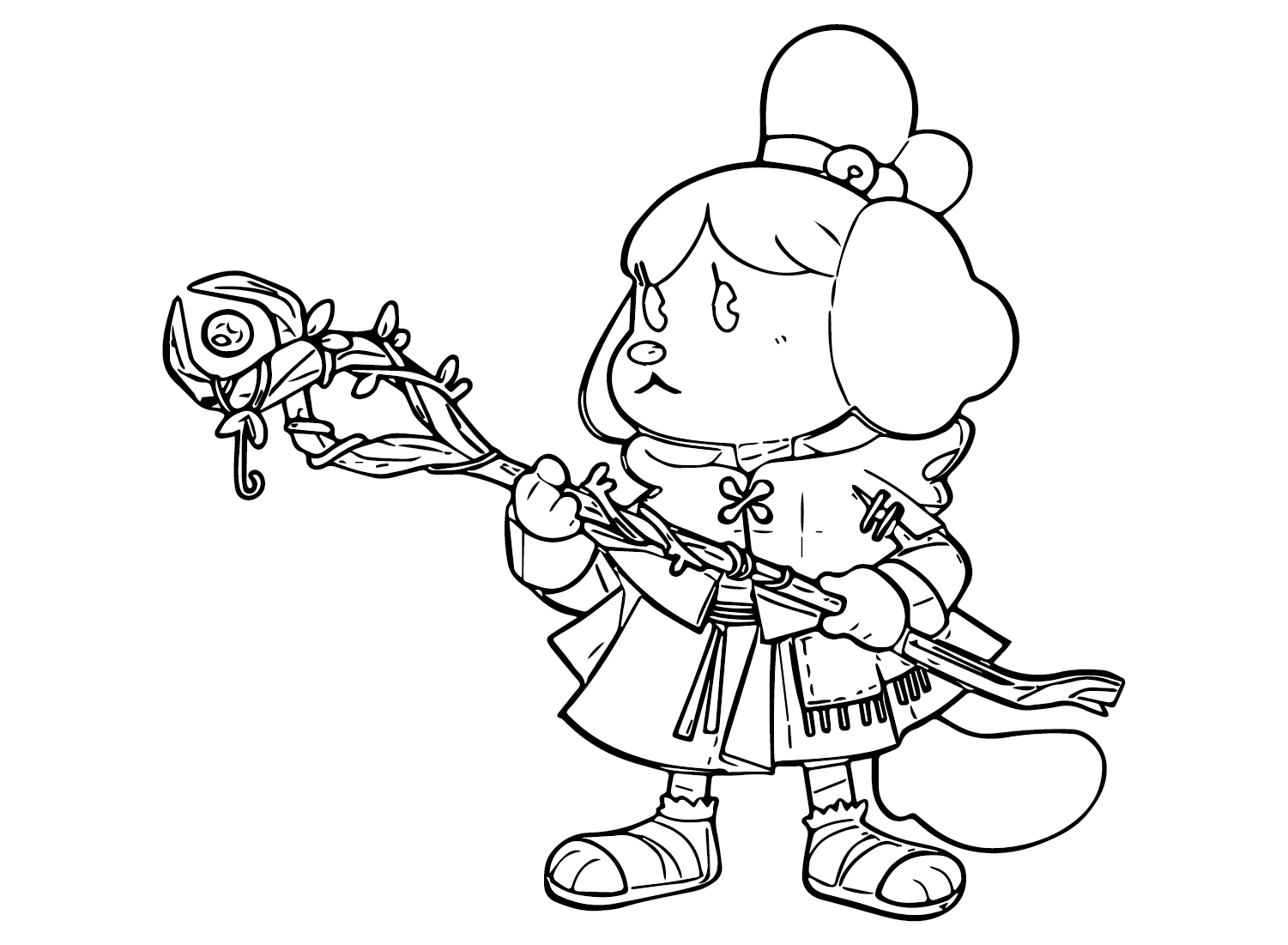
That relaxing world makes Animal Crossing a strong coloring theme. Children can color Isabelle’s cheerful face, Tom Nook’s island style, K.K. Slider with his guitar, Blathers at the museum, Daisy Mae with turnips, Timmy and Tommy, Marshal, Audie, cozy houses, flowers, trees, paths, furniture, and cute villager scenes. Younger colorists can start with simple character pages, while older kids and fans can enjoy fuller island scenes, home designs, seasonal pages, and detailed village moments. These 22 free pages at ColoringPagesOnly.com cover Animal Crossing characters, villagers, island life, nature scenes, music pages, cozy home pages, easy pages, and detailed game-inspired pages. All free, PDF, JPG, or PNG, print or color online.
What’s Inside
Isabelle Coloring Pages
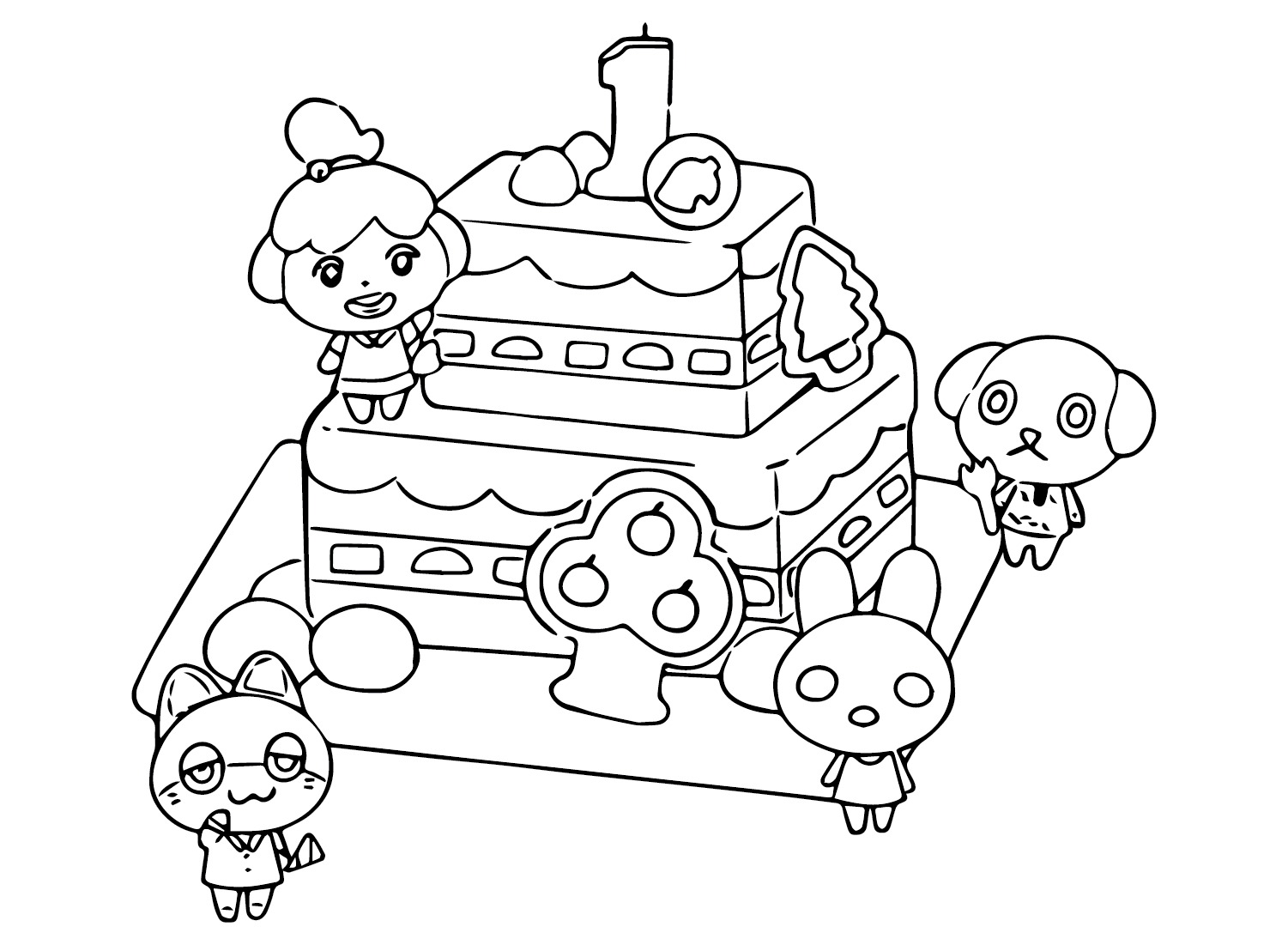
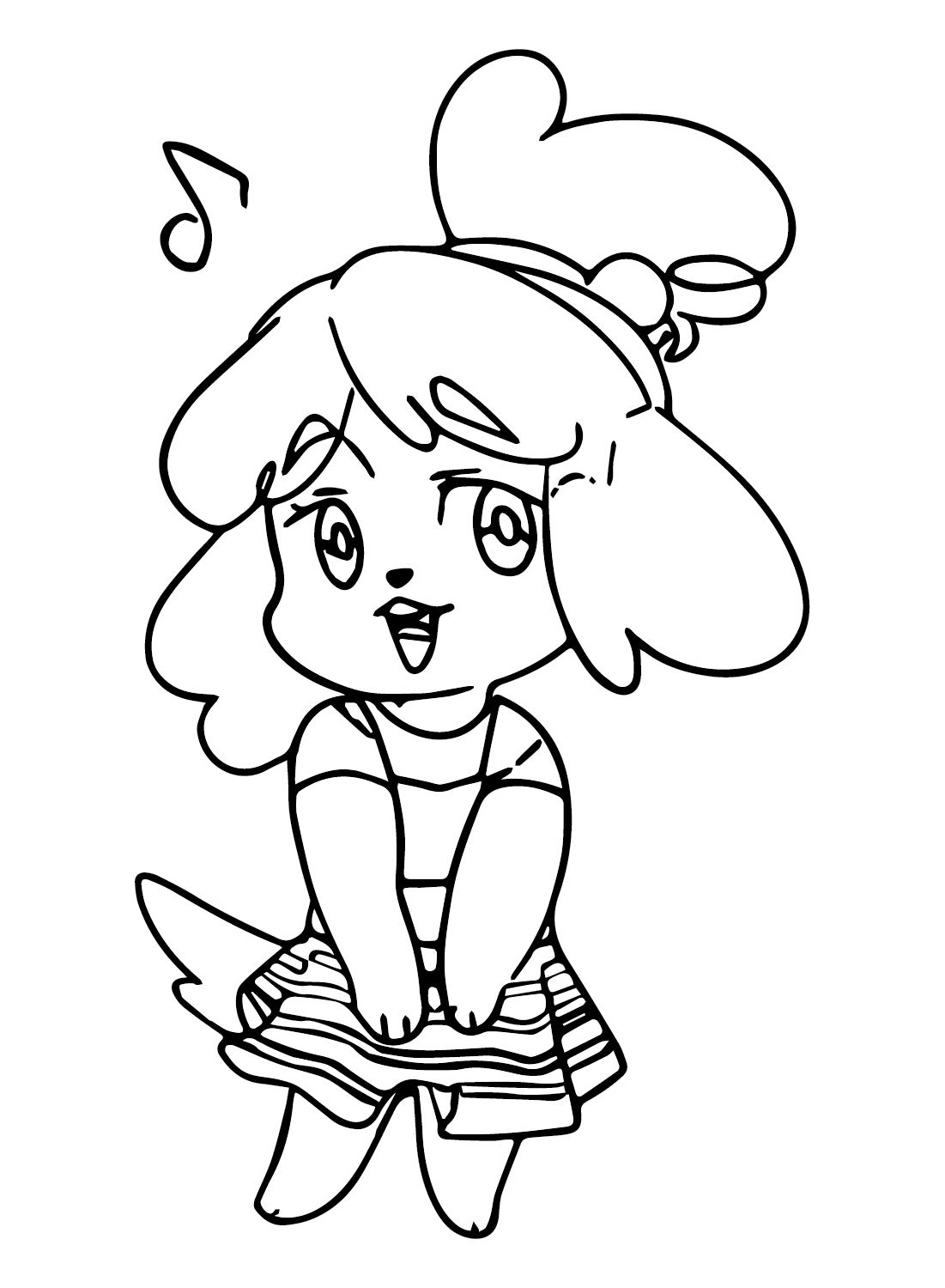
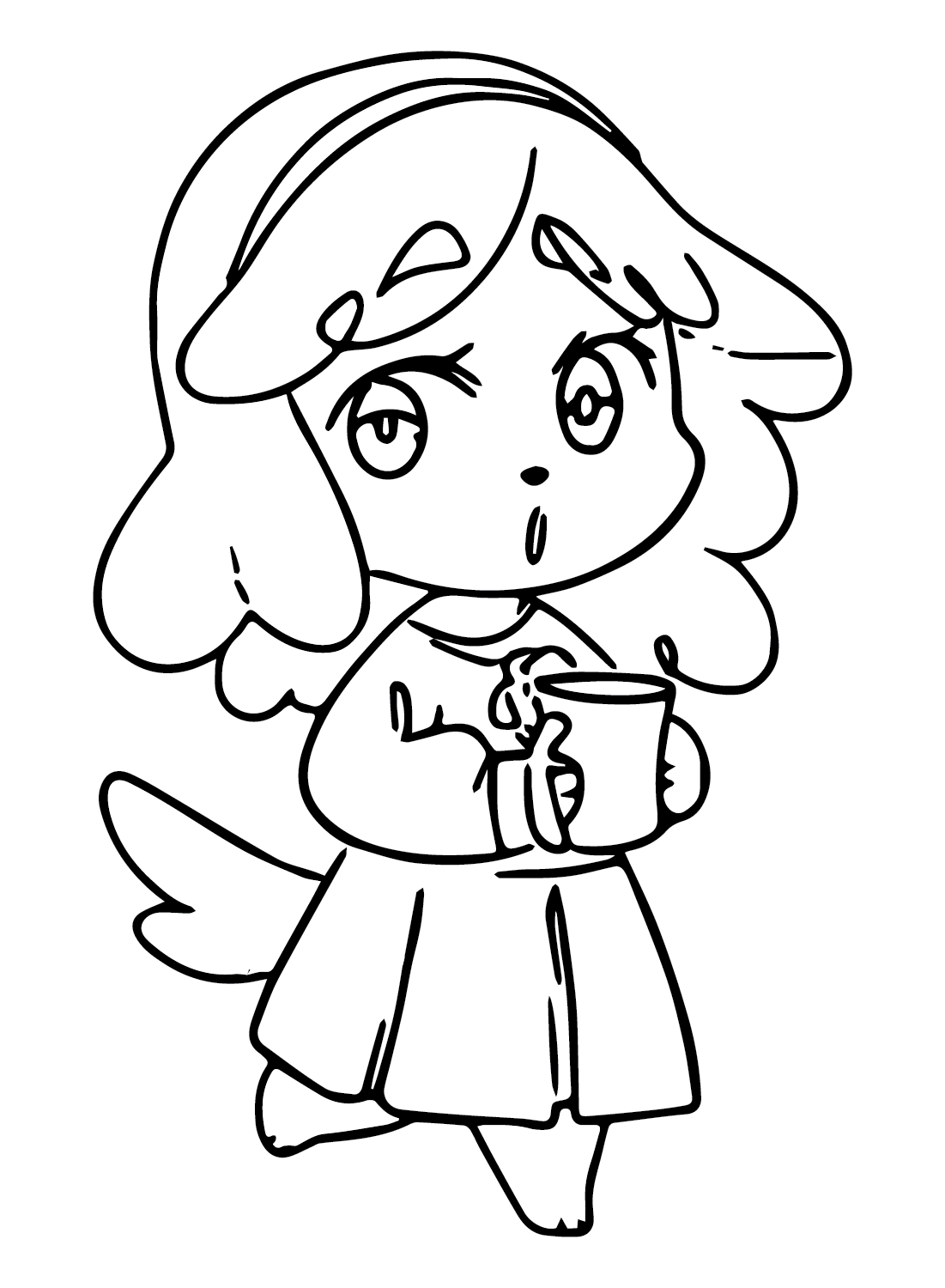
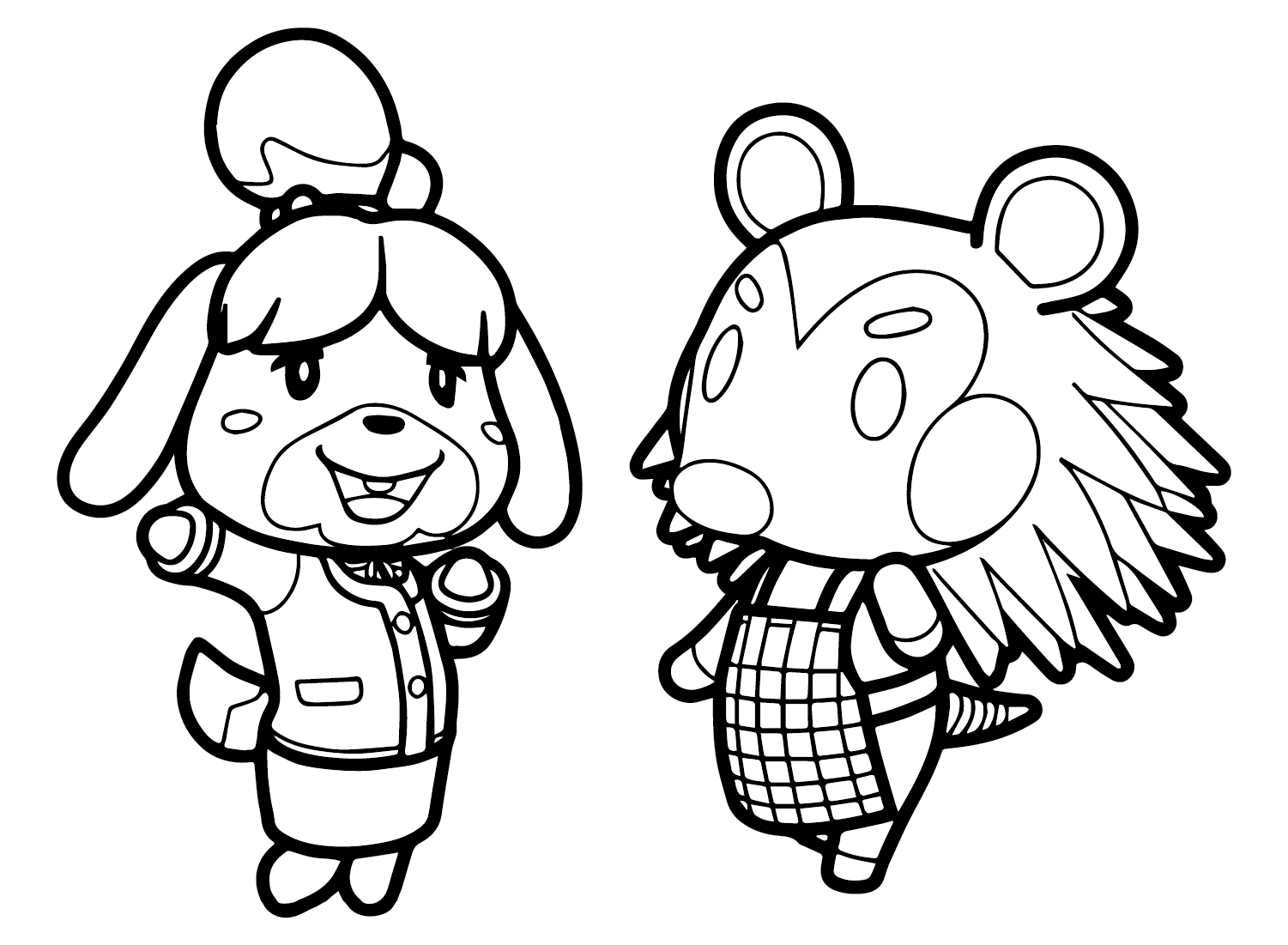
Isabelle pages are some of the most recognizable designs in this collection. She often appears cheerful, helpful, and full of friendly energy. These pages may show her smiling, singing, standing in a cute pose, or appearing with other Animal Crossing characters.
Coloring Isabelle pages: Use warm yellow or golden tones for her fur, soft pink for her cheeks, brown or orange for her hair tie, and green, yellow, or pastel colors for her outfit. Keep her face bright and clear because her expression is the main focus. A soft background with flowers, stars, or light village colors works better than a heavy, dark scene.
Tom Nook Coloring Pages
Tom Nook pages bring the island-building and shopkeeper side of Animal Crossing into the collection. He may appear standing, smiling, helping with island life, or shown in a friendly village scene. These pages are good for children who like characters with strong personalities and simple shapes.
Coloring Tom Nook pages: Use brown, tan, cream, and soft beige tones for his fur. His shirt or island outfit can use green, blue, yellow, or tropical colors. Keep the character colors warm and natural, then use lighter tones for the background so Tom Nook remains easy to see.
K.K. Slider Music Pages
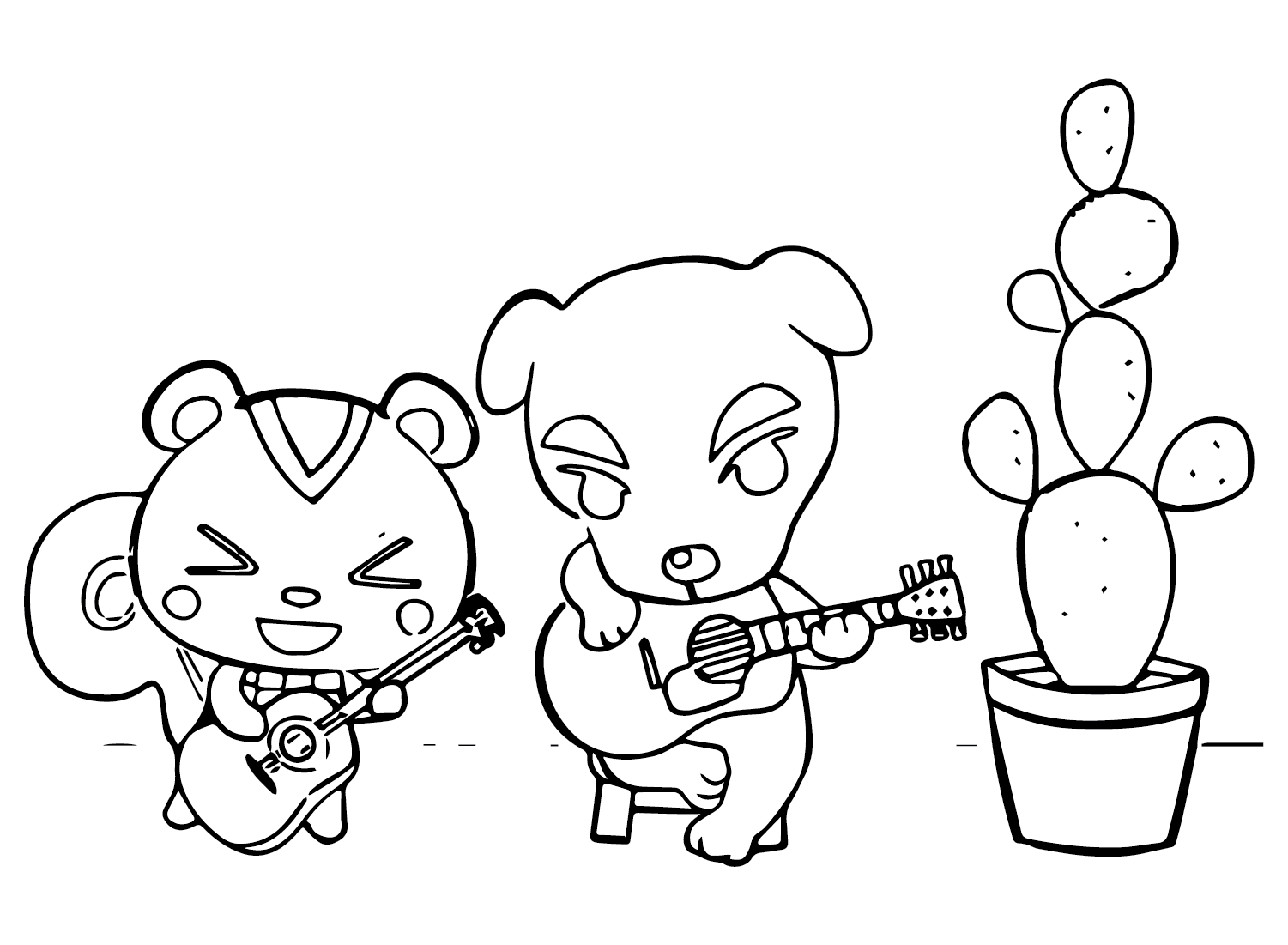
A K.K. Slider page works best when the music mood is easy to feel: a guitar, a few notes, a small stage, or a relaxed concert pose. These pages add a calm and creative feeling to the collection and are especially fun for fans who enjoy the musical side of Animal Crossing.
Coloring K.K. Slider pages: Use white, cream, or very light gray for his fur, then add brown or tan for the guitar. If the page includes music notes, stage details, or a night concert setting, use soft blue, purple, yellow, or warm light colors. Keep the music elements light so they support the scene without covering the character.
Villager Character Pages
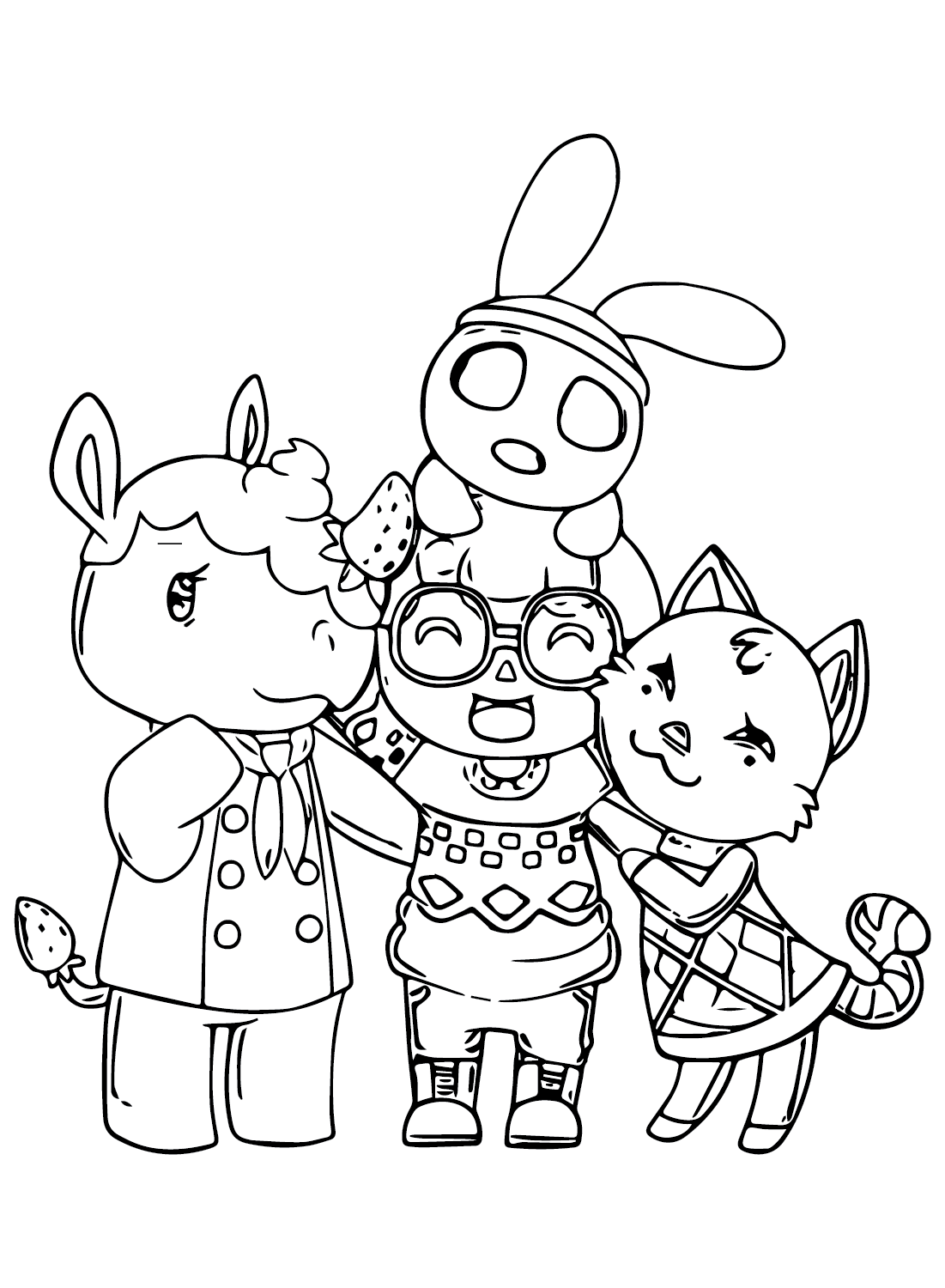
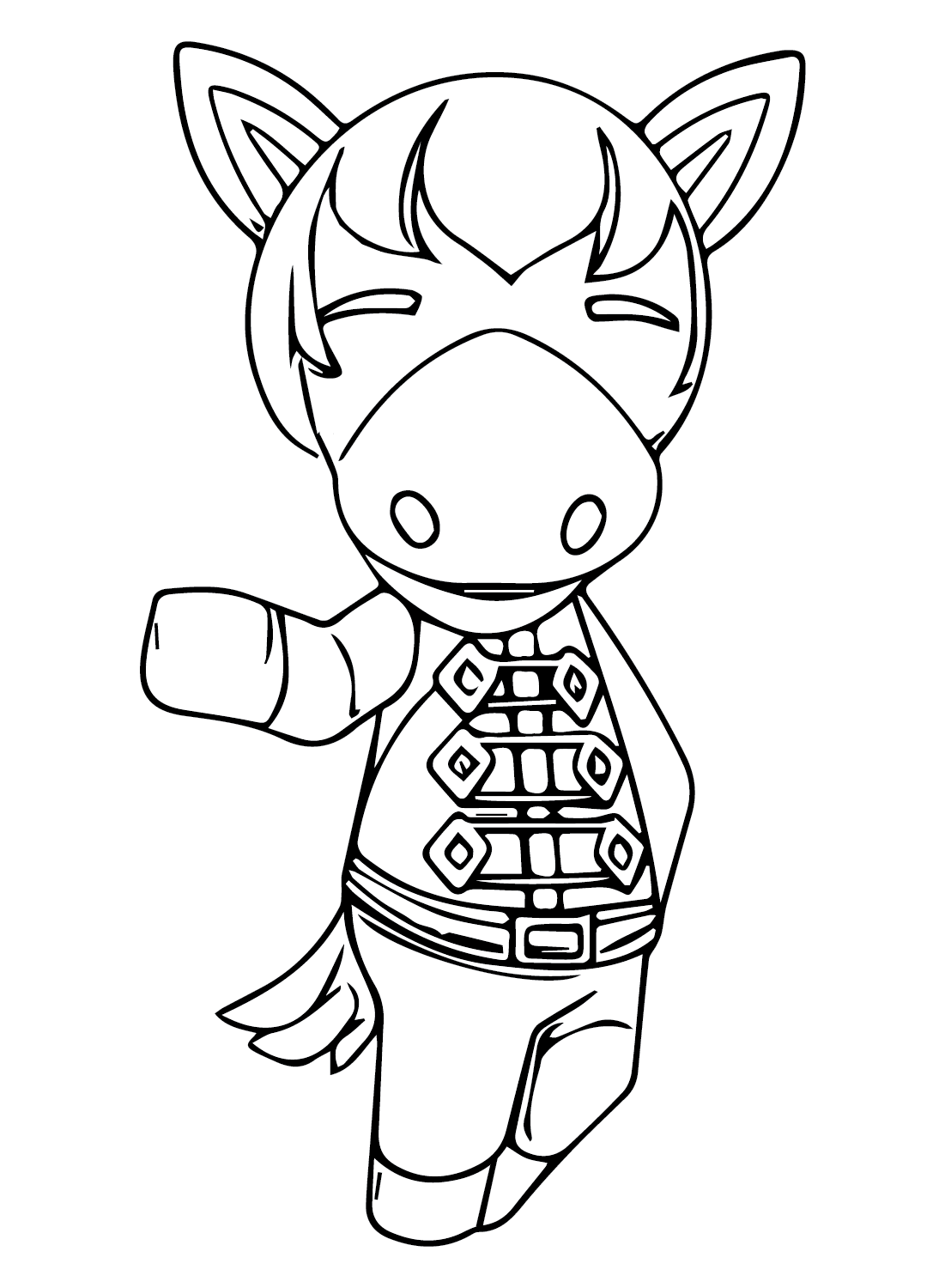
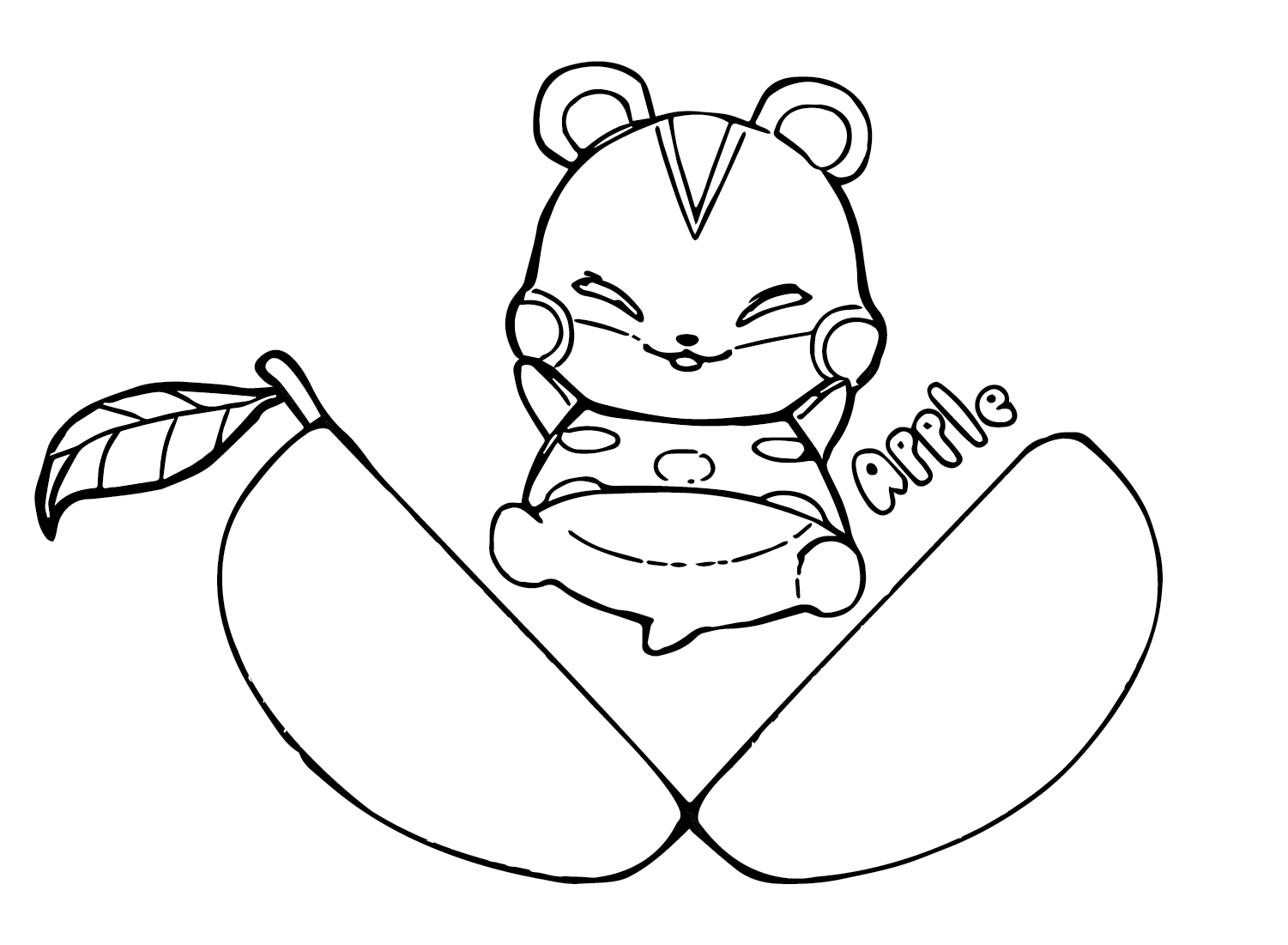
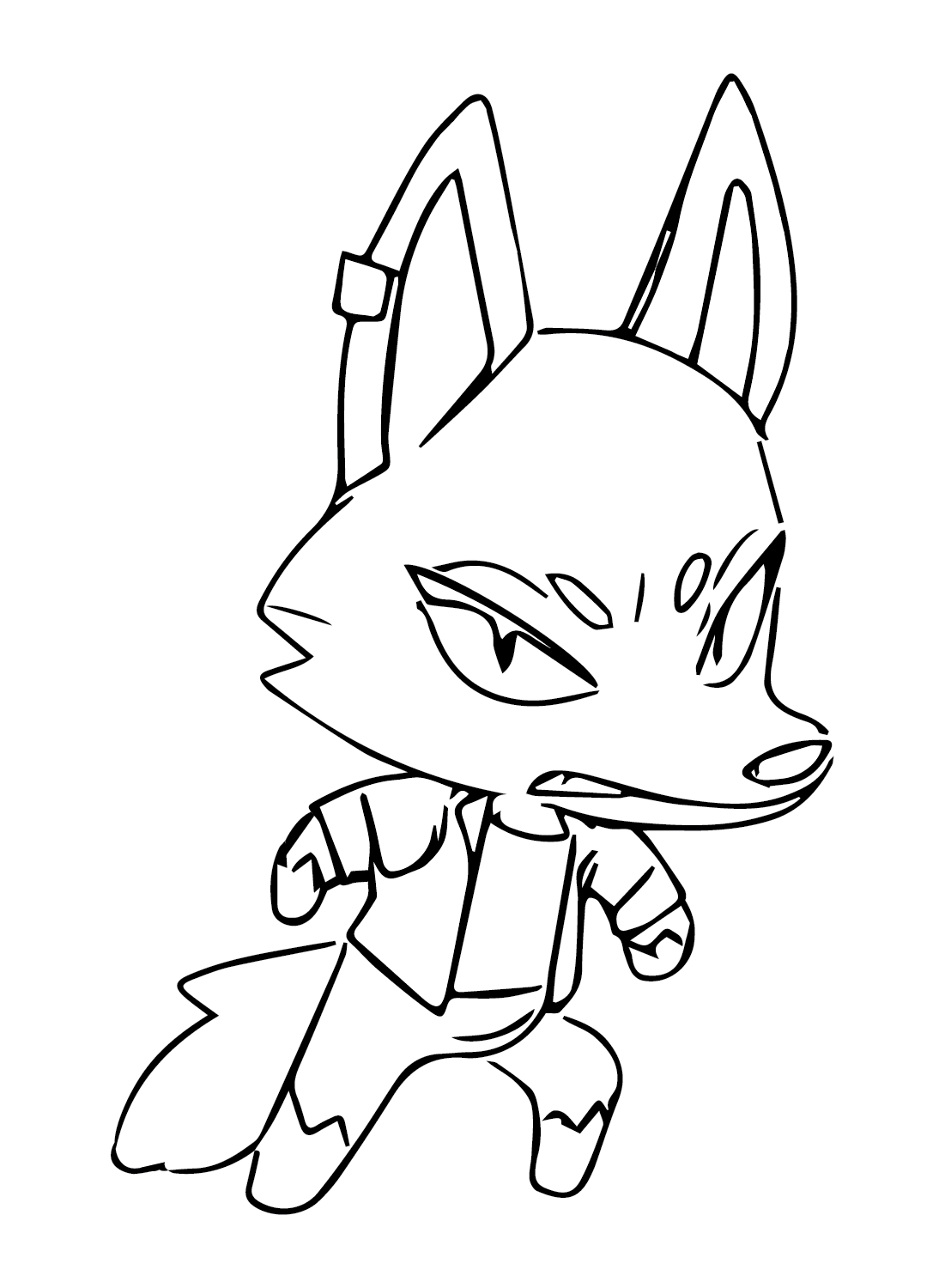
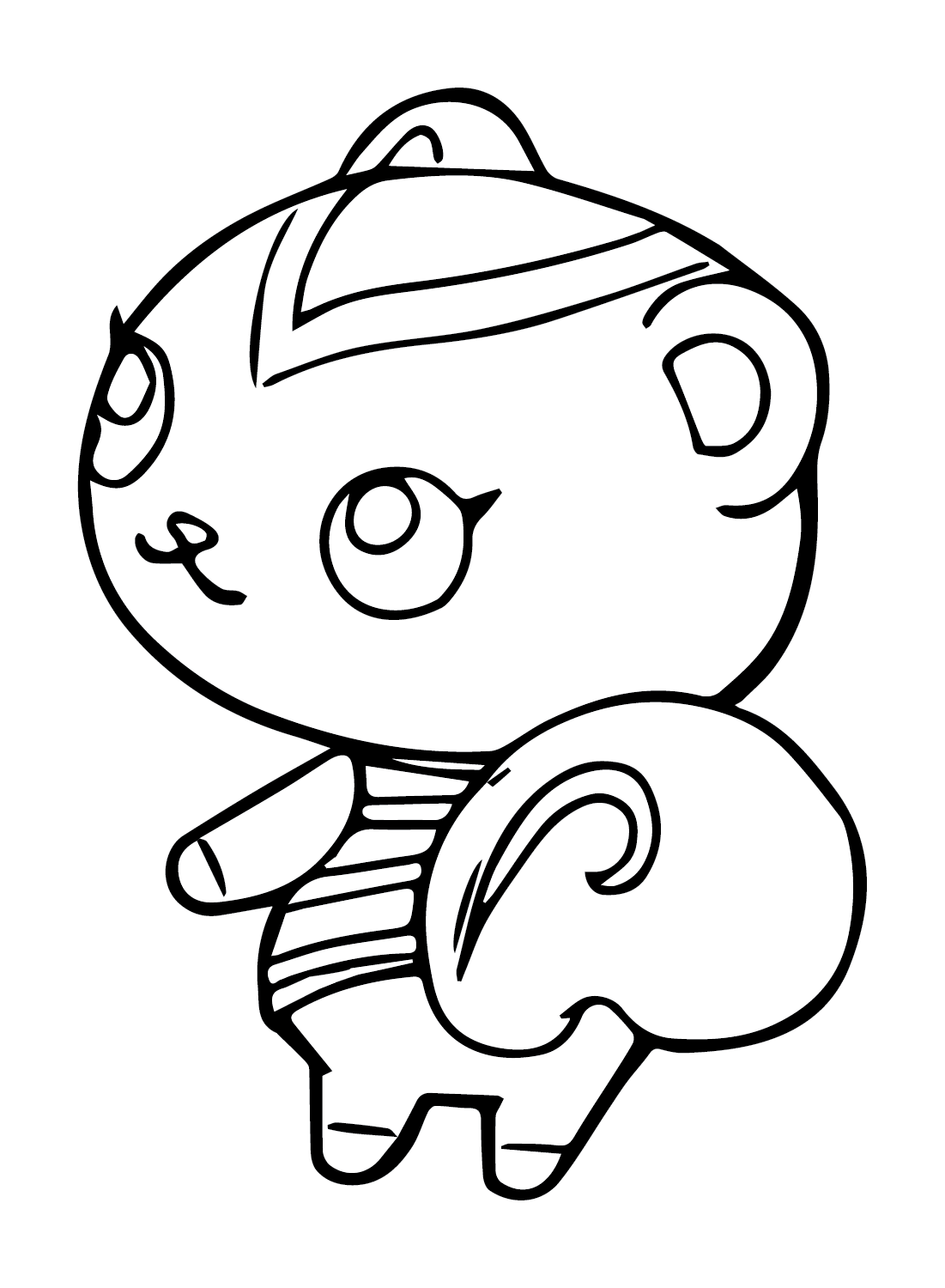
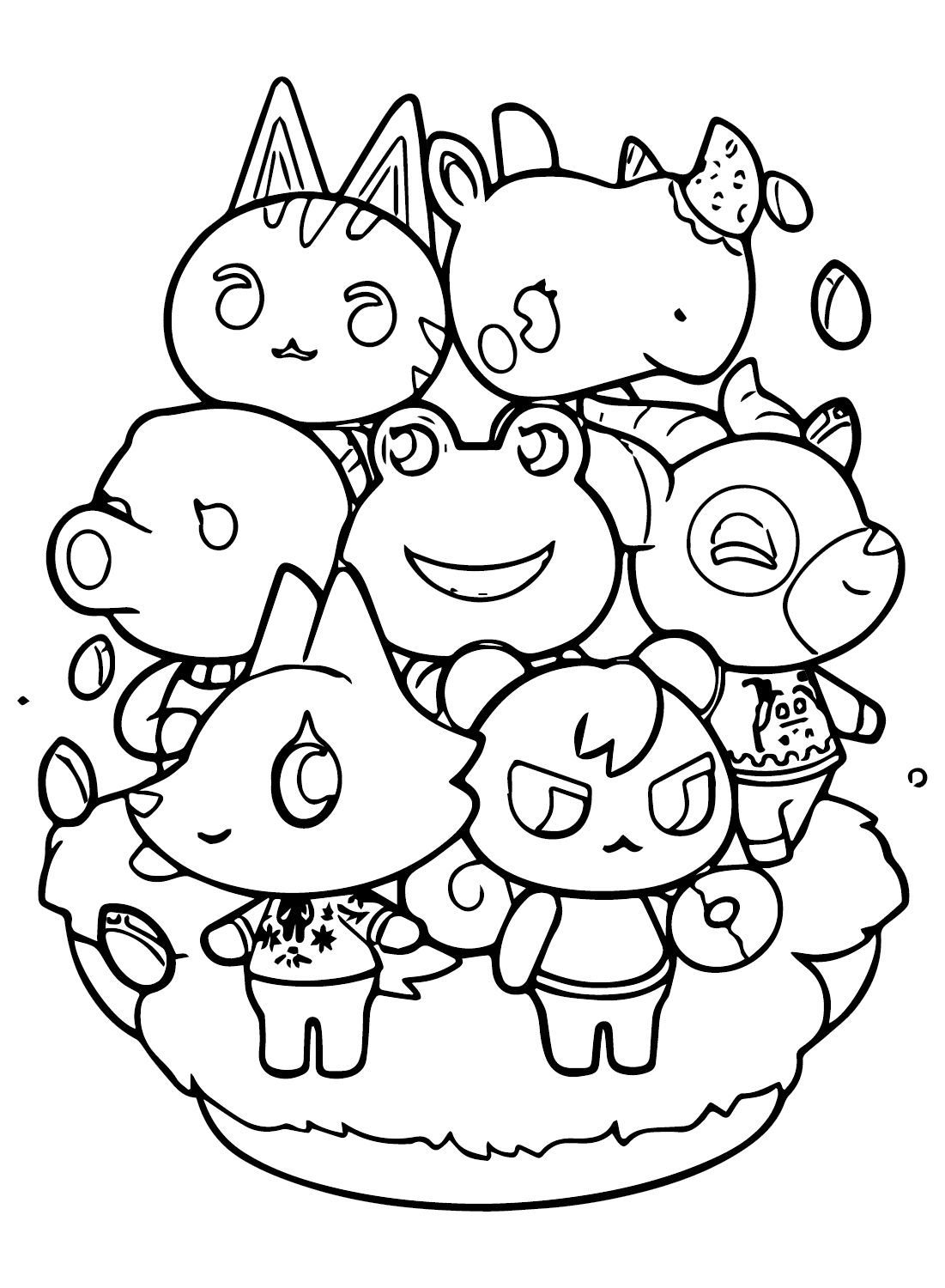
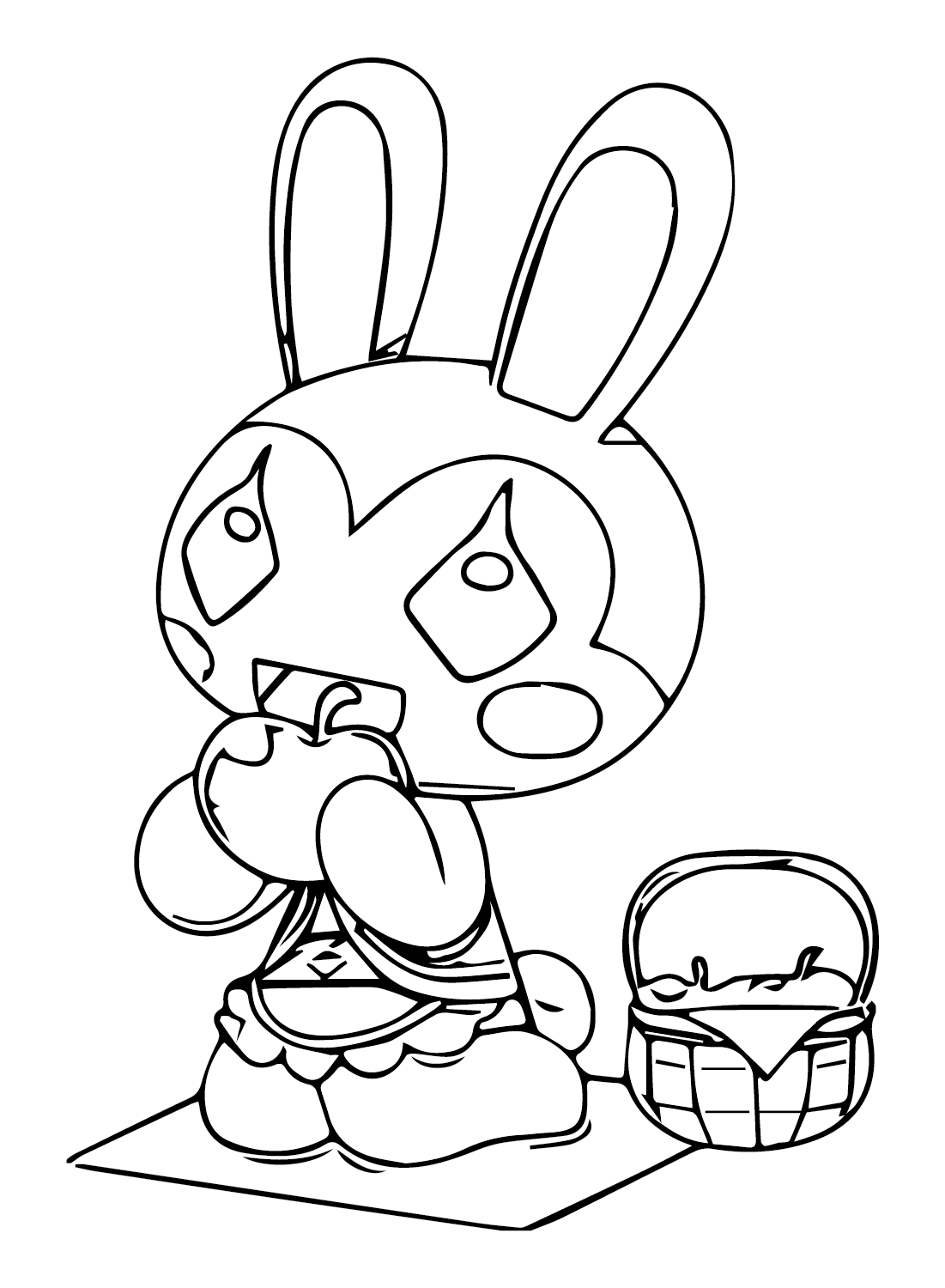
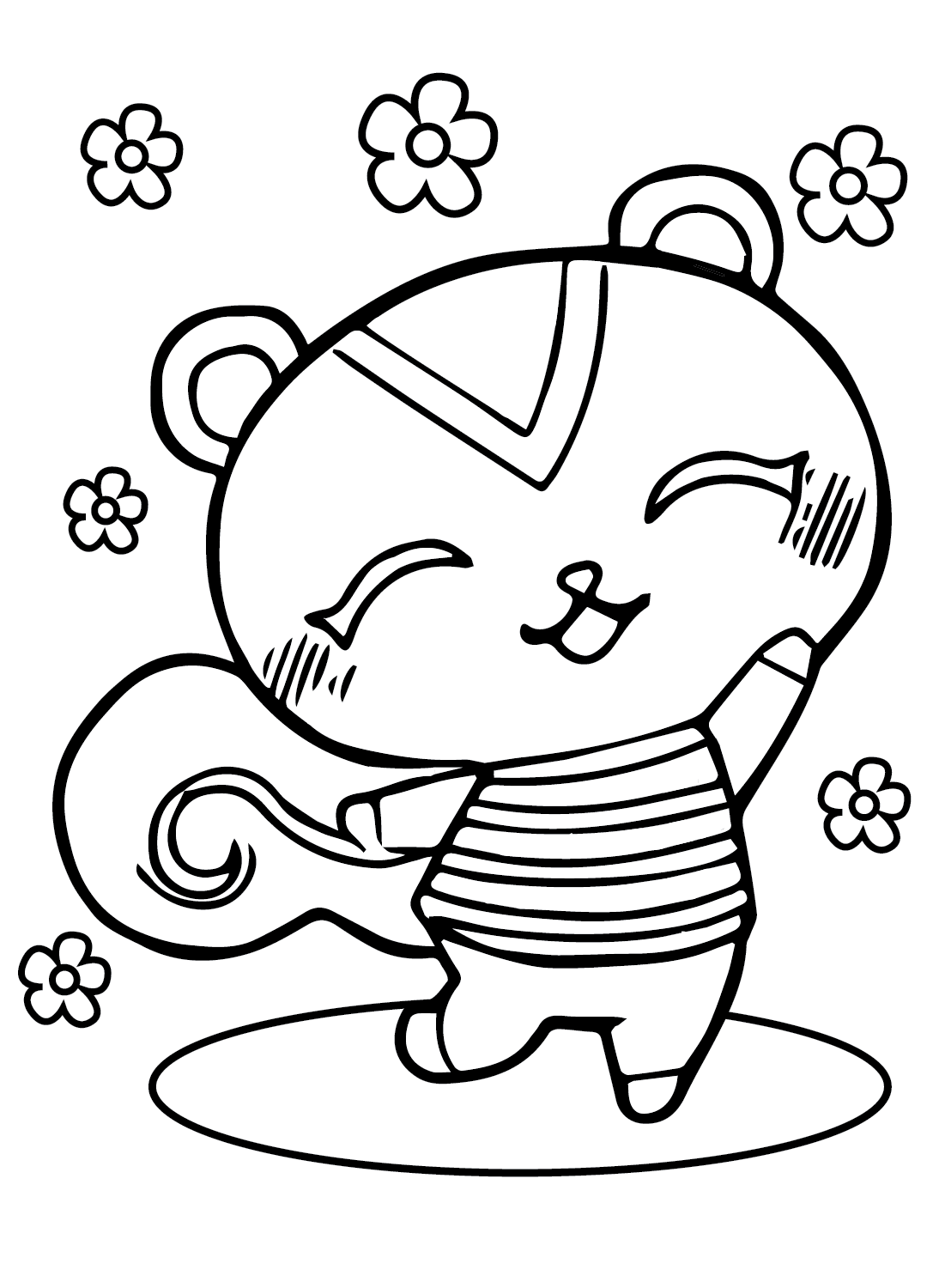
Animal Crossing is loved because of its many cute villagers. This collection may include characters such as Marshal, Audie, and other friendly animal figures with different personalities, faces, outfits, and poses. These pages are especially fun because each villager can have a different color style.
Coloring villager character pages: Look at the animal type first: squirrel, wolf, dog, cat, bird, bear, deer, or another villager shape. Choose fur or feather colors that match the character’s mood. Pastels, warm browns, soft oranges, light grays, and bright outfit colors all work well. Add small details last, such as cheeks, eyes, clothes, and accessories.
Blathers and Museum Pages
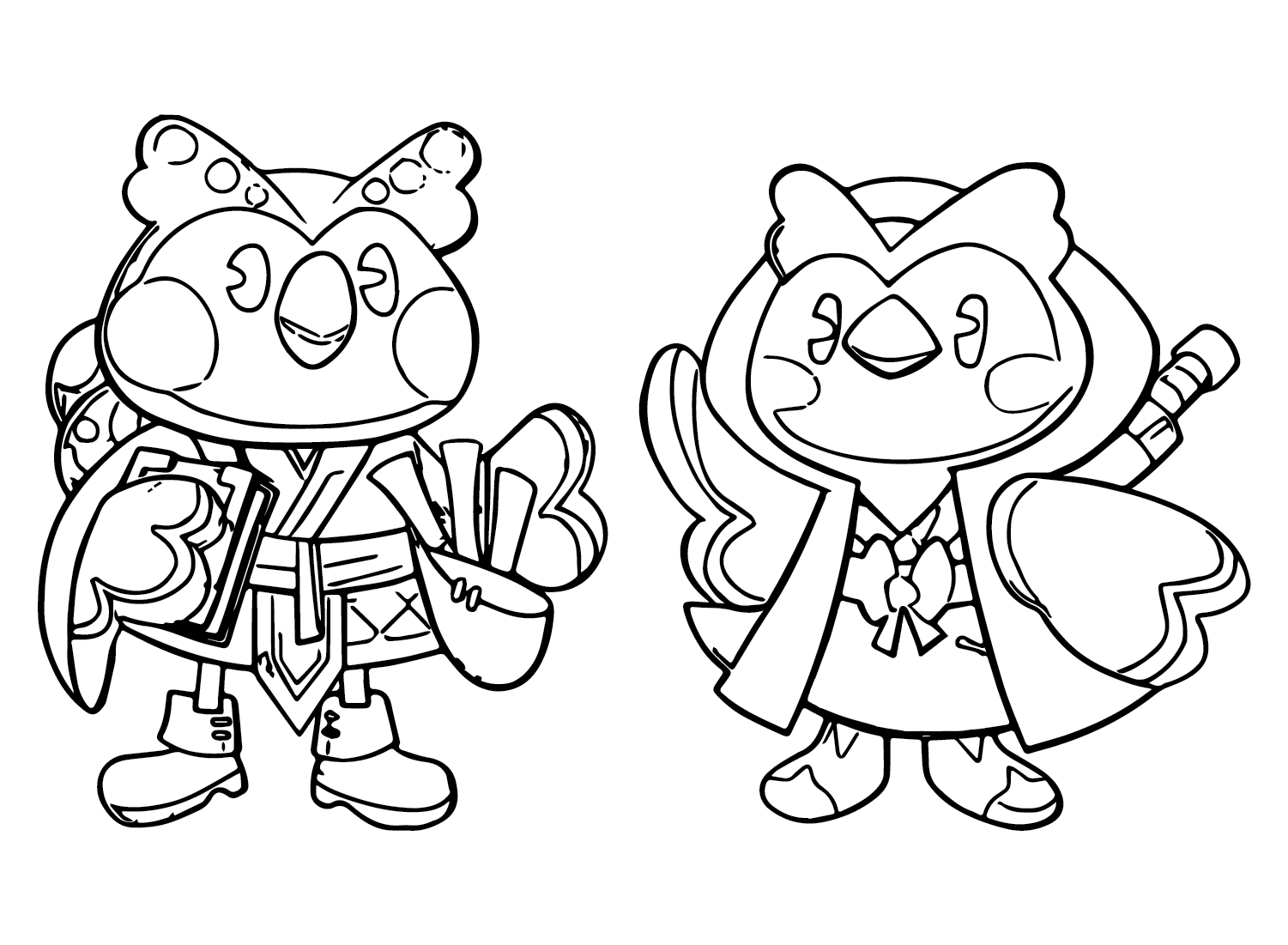
Blathers pages bring the museum side of Animal Crossing into the collection. These pages may show him standing, looking thoughtful, or appearing in scenes connected with fossils, insects, fish, or learning. They are useful for kids who enjoy nature, collecting, and discovery.
Coloring Blathers pages: Use brown and cream tones for Blathers, with darker accents around the wings and face. Museum backgrounds can use warm beige, soft gray, blue, or gold. If the page includes fossils, insects, or fish, use natural colors so the scene feels educational and calm.
Daisy Mae and Turnip Pages
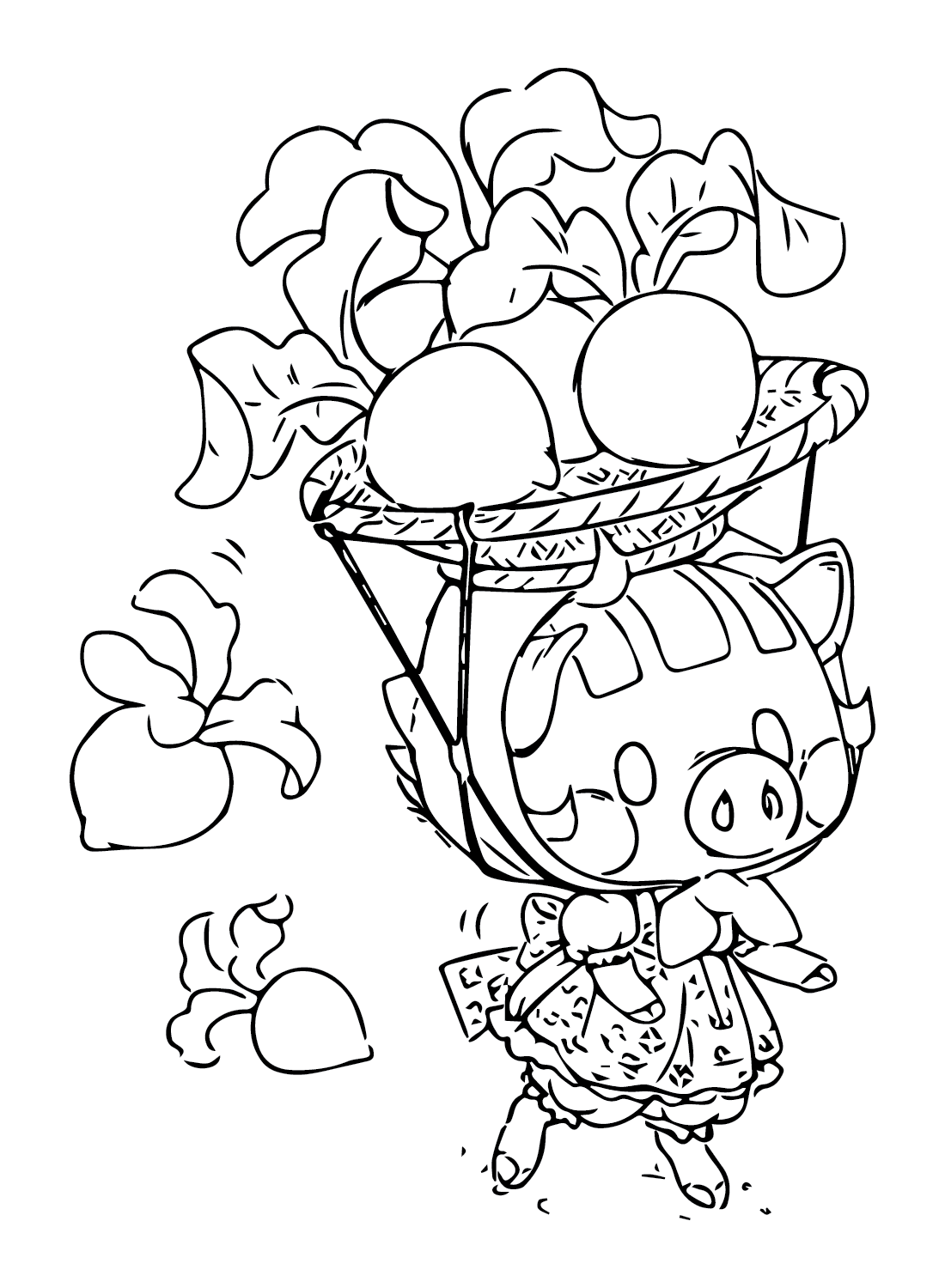
Daisy Mae pages are cute, playful, and often very easy for children to enjoy. She may appear carrying turnips, smiling, or standing in a simple pose. These pages connect well with farm, market, and village-life themes.
Coloring Daisy Mae pages: Use soft orange, peach, brown, or cream tones for the character. Turnips can be white, pale purple, green, or light tan. Use gentle market colors in the background, such as soft yellow, light green, or warm brown. Keep the turnips clear because they are an important part of the scene.
Timmy and Tommy Pages
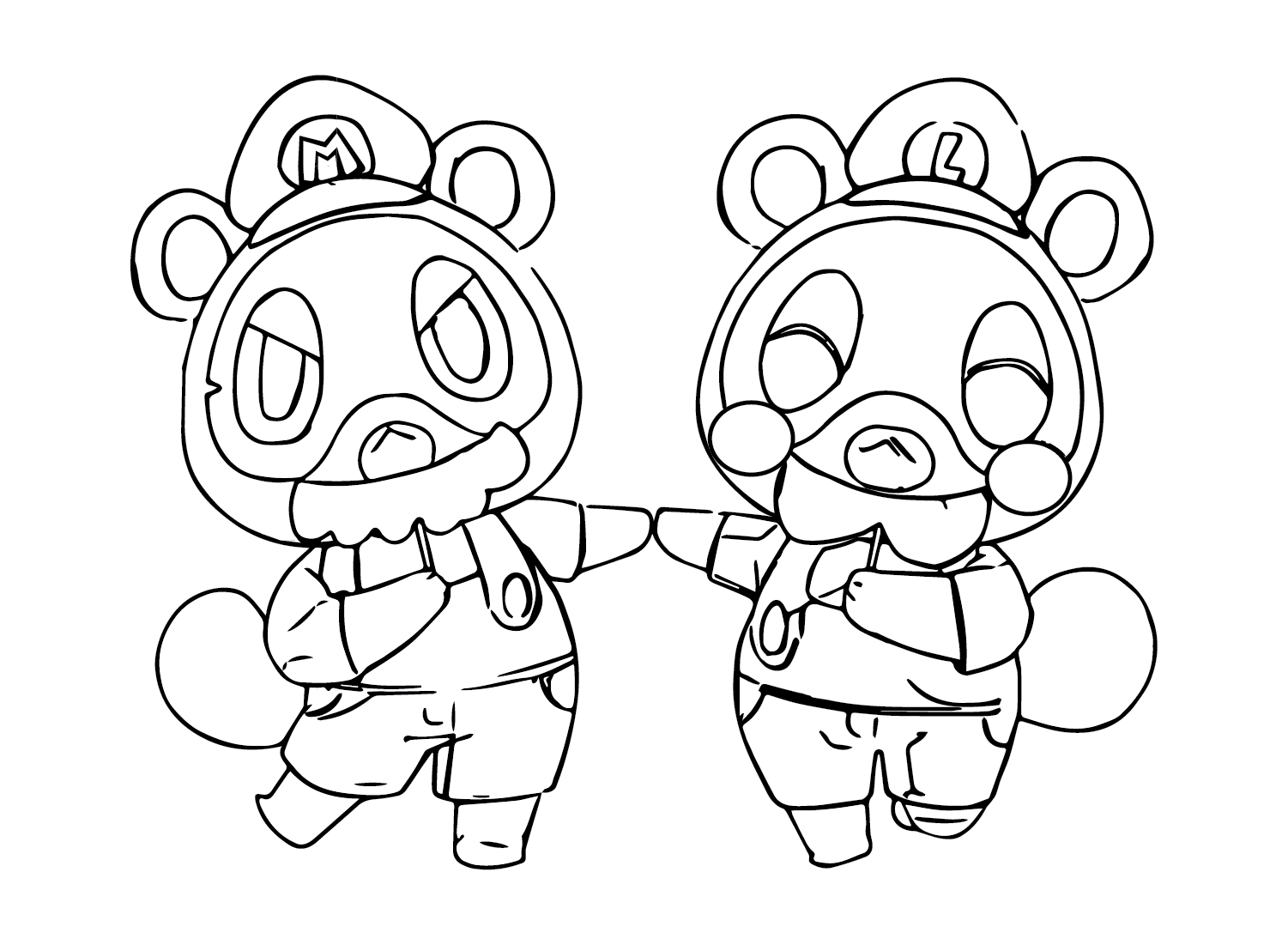
Timmy and Tommy pages add a cute shop-and-family feeling to the collection. These two small characters often appear together, which makes the page feel friendly and balanced. They are good for younger children because the shapes are usually simple and rounded.
Coloring Timmy and Tommy pages: Use tan, brown, and cream tones for their fur, then choose blue, green, or soft shop colors for clothing and background details. Because they may look similar, small differences in shading or outfit accents can help each character stand out.
Island Life and Cozy Home Pages
Island life pages show the peaceful setting that makes Animal Crossing special. These pages may include houses, trees, paths, flowers, furniture, fences, rivers, beaches, gardens, or small outdoor spaces. They give children more room to create their own version of an island.
Coloring island life pages: Use soft greens for grass and trees, light blue for water and sky, tan for paths and beaches, and warm colors for houses or furniture. Choose a calm palette before starting so the page feels cozy instead of crowded. Small flowers, windows, doors, and furniture details can be colored last.
Seasonal and Nature Pages
Animal Crossing is strongly connected with the changing seasons. Some pages may include flowers, leaves, trees, outdoor objects, village decorations, or nature-inspired details. These pages are good for children who enjoy gentle scenes rather than action-heavy designs.
Coloring seasonal and nature pages: Use spring colors such as pink, green, and yellow for flower scenes; orange, red, and brown for autumn pages; blue, white, and silver for winter scenes; and bright greens or sunny yellows for summer scenes. Let the season guide the whole page so the colors feel connected.
Easy Animal Crossing Pages for Younger Kids
Easy Animal Crossing pages are made for children who need large outlines, simple characters, and fewer small details. These pages may include one villager, Isabelle, Timmy, and Tommy, or a simple standing character with little background.
Coloring easy Animal Crossing pages: Use crayons or washable markers and keep the plan simple: one main character color, one outfit color, and one light background color. Younger children do not need perfect character colors. The goal is confidence, hand control, color recognition, and finishing a page with joy.
Detailed Animal Crossing Pages for Older Kids
Detailed Animal Crossing pages include more character details, island backgrounds, flowers, homes, furniture, music scenes, museum elements, and village decorations. These pages are better for older children, teens, or fans who enjoy careful coloring and cozy world-building.
Coloring detailed Animal Crossing pages: Choose a small palette before starting. Soft greens, blues, browns, creams, pastels, and warm accent colors usually work well. Color the main character first, then the home or island setting, and finish with tiny details such as flowers, furniture, signs, paths, and accessories.
What These Pages Do
Animal Crossing coloring pages give children a calm game-inspired world where characters, nature, homes, and small community moments all work together. Instead of focusing on speed or conflict, these pages invite children to slow down and notice friendly faces, outfits, flowers, houses, paths, music notes, and cozy island details.
These pages also support creative decision-making. In Animal Crossing, players often choose where to place furniture, how to decorate a house, what clothes to wear, how to shape an island, and how to enjoy the seasons. Coloring pages can echo that same spirit. A child can decide what color Isabelle’s outfit should be, how bright the flowers look, whether a home feels warm or pastel, and what mood the island scene should have.
The collection can help with fine motor practice, too. Simple villager pages give younger children large shapes to fill. In contrast, detailed island scenes give older kids smaller areas such as windows, flowers, leaves, signs, furniture, music notes, and character accessories. That supports hand control, focus, color planning, and patience in a relaxed way.
Animal Crossing also connects naturally with pretend play and daily routines. Children can imagine greeting villagers, visiting the museum, listening to K.K. Slider, planting flowers, decorating a room, or walking along a beach path. This kind of gentle pretend play also connects with ideas often emphasized by the American Academy of Pediatrics, which describes play as an important part of child development, including social connection, emotional growth, problem-solving, and parent-child interaction. In these Animal Crossing pages, those ideas appear through gentle choices: building a home, caring for a small community, choosing colors, and telling a peaceful island story.
Coloring can also create a quiet, structured creative break. Research published in the Art Therapy Journal in 2005 found that coloring organized patterns was associated with lower anxiety than less structured coloring tasks. Animal Crossing pages are not therapy and should not be treated as medical tools, but their cozy outlines, repeated nature details, friendly characters, and predictable spaces can make them useful for quiet time, classroom transitions, or screen-free relaxation after a busy day.
The pages also build useful vocabulary. Children can talk about villagers, islands, museums, guitars, turnips, flowers, homes, furniture, gardens, beaches, rivers, paths, shops, seasons, and communities. Parents and teachers can ask simple questions: Who lives on this island? What season is it? What color should the house be? Is K.K. Slider playing music? What would you add to this village?
How to Color These Pages Well
Start with the main character before filling the island scene. Animal Crossing pages often include cute villagers, homes, flowers, furniture, and outdoor details. Color the main character first so the page has a clear center. After that, add clothes, accessories, background objects, and small nature details.
Use soft, cozy colors instead of harsh colors everywhere. Animal Crossing has a gentle, friendly feeling, so pastel colors, warm browns, soft greens, light blues, cream, peach, yellow, and gentle pink often work well. Bright colors can still be used, but they look better as accents on clothing, flowers, signs, or furniture.
Let each character’s personality guide the palette. Isabelle looks cheerful with warm yellow, green, pink, and soft brown tones. Tom Nook works well with tan, brown, green, and island-style colors. K.K. Slider looks best with white, cream, soft gray, and warm guitar browns. Marshal can use light gray, cream, or pastel outfit colors, while Audie can use warmer orange, red, or tropical tones.
Color faces gently so expressions stay cute. Many Animal Crossing characters have small eyes, simple mouths, soft cheeks, and rounded faces. Avoid making the face too dark. Use light pressure around cheeks, eyes, and muzzle areas so the expression remains friendly and easy to see.
Use natural colors to create a peaceful island mood. Trees, flowers, grass, rivers, beaches, and sky areas should support the cozy feeling. Use green for grass and leaves, tan for paths and sand, blue for water, and soft yellow for sunlight. Small flowers can use brighter colors, but the overall scene should still feel balanced.
Choose the season before coloring the whole page. If the page feels like spring, use pink blossoms, fresh green leaves, and light blue skies. For summer, use bright greens, sunny yellows, and beach colors. For autumn, use orange, red, brown, and gold. For winter, use pale blue, white, gray, and soft silver. A seasonal plan keeps the page from looking random.
Make cozy homes and furniture feel warm. Animal Crossing home scenes can use wood browns, cream walls, pastel furniture, and soft rug colors. Windows can be light yellow or pale blue. Furniture should not all be the same color; choose two or three main colors so the room looks designed rather than crowded.
Keep music pages light and relaxed. For K.K. Slider pages, use soft colors around the guitar and music notes. A concert scene can use pale blue, lavender, warm yellow, or gentle gray. If the background is too dark, the calm music feeling may disappear.
Use small details as the final layer. Flowers, leaves, signs, music notes, turnips, museum objects, buttons, bags, and furniture patterns should be colored after the main character and background. That helps children avoid getting overwhelmed by tiny areas too early.
Let younger children use simple color choices. Preschoolers can color one villager with one main body color, one outfit color, and one background color. They do not need to match the game exactly. The activity should feel easy, cheerful, and confidence-building.
Encourage older children to design their own island style. Older kids can make the page more personal by choosing a theme: pastel island, forest village, beach town, autumn market, winter museum, or cozy cottage. That makes the coloring page feel like a small design project.
Turn the finished page into a village story. After coloring, ask children what is happening in the scene. Is Isabelle welcoming a new neighbor? Is K.K. Slider playing a song? Is Daisy Mae selling turnips? Is the villager decorating a home? That turns coloring into storytelling and helps children connect images with ideas.
The common mistake is using too many strong colors at once. Animal Crossing pages look best when the main character, island scene, and small details feel calm and connected. Use soft base colors first, then add brighter accents for flowers, outfits, signs, and special objects.
5 Creative Craft Ideas
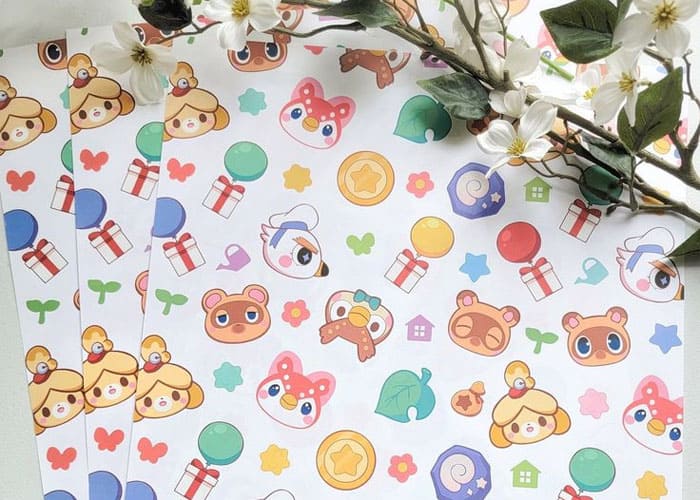
Personalized Animal Crossing Gift Wrap
Turn finished Animal Crossing coloring pages into custom gift wrap for birthdays, classroom gifts, game-themed parties, or small handmade presents. Children can color Isabelle, Tom Nook, K.K. Slider, Marshal, Audie, Timmy, and Tommy, flowers, houses, turnips, or island scenes, then cut out the finished designs.
Glue the colored characters onto plain kraft paper, white wrapping paper, or a paper gift bag. Add extra decorations such as leaves, bells, stars, shells, flowers, tiny hearts, or handwritten messages like “Welcome to My Island” or “A Gift from Your Favorite Neighbor.” This craft is useful because it turns coloring pages into something practical, personal, and gift-ready.
Nook’s Cranny Mini Shop Sign
Create a small shop sign inspired by the cozy store feeling in Animal Crossing. Children can color Timmy and Tommy, Tom Nook, turnips, tools, furniture, flowers, or villager pages, then use the finished artwork to decorate a paper shop sign.
Write a shop name such as “Nook’s Cranny,” “Island Market,” “Flower Shop,” “Turnip Stand,” or “Cozy Furniture Store.” Add prices, tiny product drawings, bells, baskets, and shelves. This activity is strong for pretend play because children can invent what their shop sells and use the finished sign for a classroom market, party table, or bedroom display.
Animal Crossing Memory Book
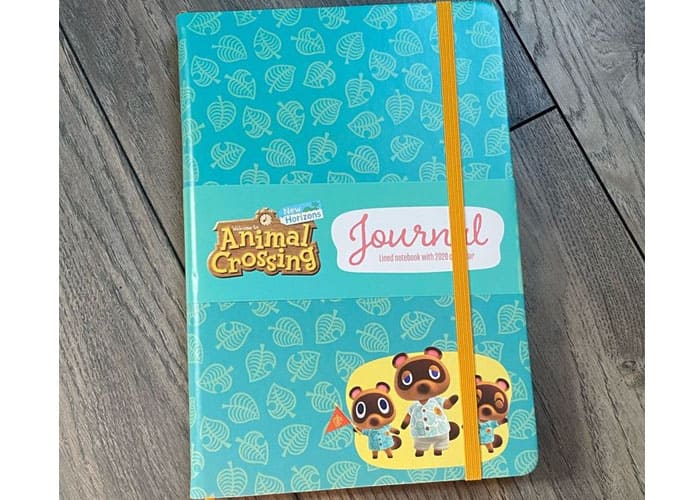
Create a small memory book using several finished Animal Crossing coloring pages. Print a mix of character pages, island scenes, music moments, museum pages, cozy homes, and seasonal designs. After coloring, place the pages in order and staple them together, bind them with ribbon, or glue them into a scrapbook.
Each page can have a short caption, such as “My Favorite Villager,” “A Day at the Museum,” “K.K. Slider’s Concert,” “Turnip Market Day,” or “My Dream Island.” Children can also write one or two sentences about what is happening in each scene. This craft is stronger than a simple coloring packet because it turns the collection into a personal storybook or fan keepsake.
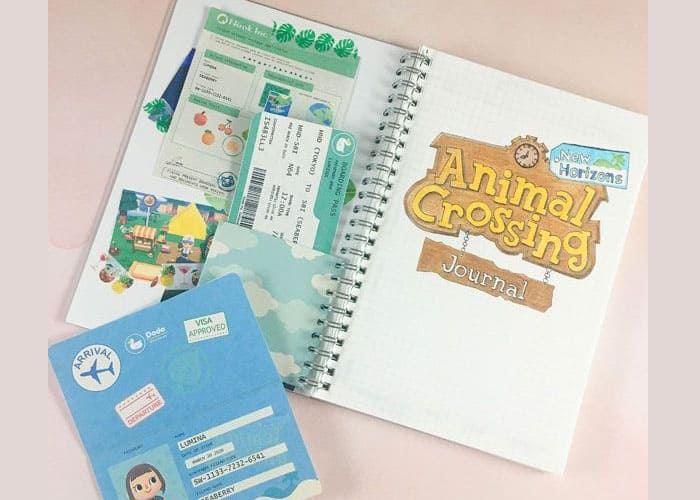
Animal Crossing Fridge Magnets
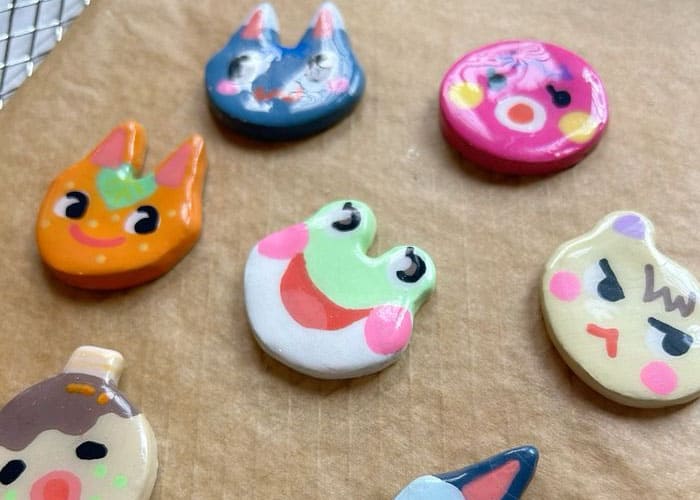
Turn small finished coloring designs into DIY magnets for a fridge, locker, classroom board, or magnetic whiteboard. Children can color characters, houses, flowers, shells, fruit, turnips, music notes, or small villager scenes, then cut out the best parts with adult help.
For durability, glue the cutouts onto cardstock or thin cardboard, cover them with clear tape or laminate them, and attach a small magnet to the back. These magnets can be used to decorate a kitchen, display schoolwork, hold notes, or create a small Animal Crossing island scene on a magnetic surface. This craft works especially well with simple character pages and small object details.
Animal Crossing Coloring Page Bookmarks
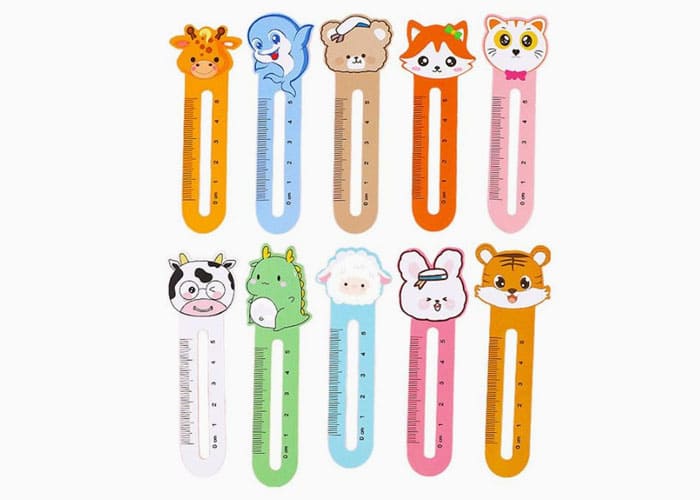
Use finished coloring pages to make custom bookmarks for books, notebooks, planners, or classroom reading corners. Choose pages with characters, flowers, trees, music notes, houses, or island patterns, then cut the colored artwork into long bookmark strips.
Glue each strip onto cardstock to make it stronger. Add a hole at the top and tie a ribbon, yarn, or string through it. Children can decorate the bookmark with stickers, leaf shapes, bells, or a short phrase such as “Reading on My Island,” “K.K. Reading Time,” or “Cozy Book Break.” This craft is simple, useful, and perfect for turning leftover coloring page sections into something children can use every day.
Frequently Asked Questions
Are Animal Crossing Coloring Pages free?
Yes. These Animal Crossing coloring pages are free for personal, classroom, and creative use. Parents and teachers can print them for quiet time, game-themed activities, classroom centers, travel folders, party tables, or screen-free fun.
Children can also use available online coloring options when they want to color directly on a device without printing first.
Can I print Animal Crossing coloring pages as PDF files?
Yes. The printable PDF option is useful when you want clean outlines and easy home printing. PDF pages work well for classrooms, family coloring time, activity folders, birthday tables, and group coloring stations.
Some pages may also be available as JPG or PNG files, which are helpful for saving, sharing, or using with digital coloring tools.
Can I color Animal Crossing pages online?
Yes. When online coloring is available, children can color Animal Crossing pages directly on a computer, tablet, or mobile device without printing first. That is useful for quick creative time, travel, classroom stations, or families who want a paper-free option.
Online coloring also lets children try different colors, change their choices, and experiment with villagers, outfits, flowers, and island backgrounds before saving or printing a finished page.
What are Animal Crossing Coloring Pages?
Animal Crossing Coloring Pages are printable and online coloring sheets inspired by the Animal Crossing game world. They may feature Isabelle, Tom Nook, K.K. Slider, Marshal, Audie, Blathers, Daisy Mae, Timmy and Tommy, villagers, island homes, nature scenes, and cozy community moments.
These pages are useful for kids and fans who enjoy cute animal characters, relaxing game worlds, decorating, village life, and screen-free creativity.
How many Animal Crossing Coloring Pages are in this collection?
This collection includes 22 free Animal Crossing coloring pages. The pages range from simple character outlines to more detailed villager scenes, music pages, island life pages, cozy homes, nature details, and seasonal-style designs.
Because the collection includes different levels of detail, younger children can choose easy character pages, while older kids and fans can enjoy fuller island scenes.
Which characters are included in the collection?
The collection may include familiar Animal Crossing characters such as Isabelle, Tom Nook, K.K. Slider, Marshal, Audie, Blathers, Daisy Mae, Timmy and Tommy, and other cute villagers.
Some pages focus on one character, while others include friendship moments, island scenes, music moments, shops, homes, or village-style settings.
Are these pages good for preschoolers?
Yes. Simple Animal Crossing pages with one character, large outlines, rounded shapes, and fewer background details can work well for preschoolers. Isabelle, Timmy, Tommy, and easy villager pages are especially beginner-friendly.
For younger children, the goal is not perfect coloring or exact game colors. The goal is to help them enjoy color, practice hand control, recognize friendly characters, and finish a page with confidence.
Are there pages for older kids and fans?
Yes. Older children and fans can enjoy detailed Animal Crossing pages with island backgrounds, homes, flowers, furniture, music scenes, museum elements, seasonal details, and multiple characters.
These pages allow color planning, gentle shading, personal design choices, and more careful work with small details.
What colors should I use for Animal Crossing pages?
Soft greens, light blues, warm browns, cream, peach, yellow, pink, lavender, and pastel colors work very well. Animal Crossing has a cozy and relaxed look, so gentle colors often fit better than harsh or overly dark colors.
Use brighter colors for flowers, clothing, signs, furniture, or special objects. Keep backgrounds soft, so the characters are easy to see.
Can these pages help with storytelling?
Yes. Animal Crossing pages are strong for storytelling because each scene can suggest a small daily-life moment. Children can imagine a villager moving in, Isabelle making an announcement, K.K. Slider playing music, Daisy Mae selling turnips, or friends decorating an island.
Parents and teachers can ask simple prompts: Who lives here? What season is it? What is the villager doing? What would you add to the island?
Can teachers use Animal Crossing pages in class?
Yes. Teachers can use Animal Crossing coloring pages for game-themed art centers, community lessons, nature activities, creative writing prompts, classroom calm time, and fine motor practice.
Students can color a character, name the setting, describe the island, design a room, or write a short story about village life. Finished pages can become posters, cards, maps, shop signs, bookmarks, magnets, or small display pieces.
Can finished pages be used for crafts?
Yes. Finished pages can become gift wrap, shop signs, memory books, fridge magnets, bookmarks, classroom displays, scrapbook pages, party decorations, or cozy fan projects.
Crafts extend the value of the page because children can cut, arrange, write, display, decorate, and build with their finished artwork.
Animal Crossing coloring pages bring cozy island life, cute villagers, friendly characters, peaceful homes, nature details, music moments, decorating ideas, and gentle game-inspired creativity into one relaxing collection. Each page gives children and fans a chance to color a familiar world while imagining their own village, island, room, or small daily-life story.
Browse the full collection at ColoringPagesOnly.com. All 22 pages are free, available as PDF, JPG, or PNG, ready to print at home or color online.
These fan-friendly pages are created for personal, classroom, and creative coloring use. They fit many moments: game-themed activities, preschool quiet time, classroom art centers, cozy weekend coloring, travel folders, birthday tables, fan crafts, and screen-free breaks.
For the final pass, keep the villagers soft and expressive, make the island colors cozy, use pastel backgrounds, add bright accents to flowers, outfits, furniture, and signs, and let each page feel peaceful rather than crowded. A calm palette, clear character shapes, and a few cheerful details can make the whole Animal Crossing page feel complete.
Share your work on Facebook and Pinterest and tag #Coloringpagesonly. We especially want to see your Animal Crossing Gift Wrap, Nook’s Cranny Mini Shop Sign, and Animal Crossing Coloring Page Bookmarks.
Build your island / color your village / make every neighbor shine.