Deserts Coloring Pages
 By:
Jennifer Thoa - Content Editor & Designer
Updated:
By:
Jennifer Thoa - Content Editor & Designer
Updated:
Free Deserts Coloring Pages: 88 printable PDF designs featuring desert landscapes, camels, desert mammals and birds, reptiles and arachnids, cacti and desert plants, and general scenes. Each page can be downloaded as a PDF to print or colored online in the browser.
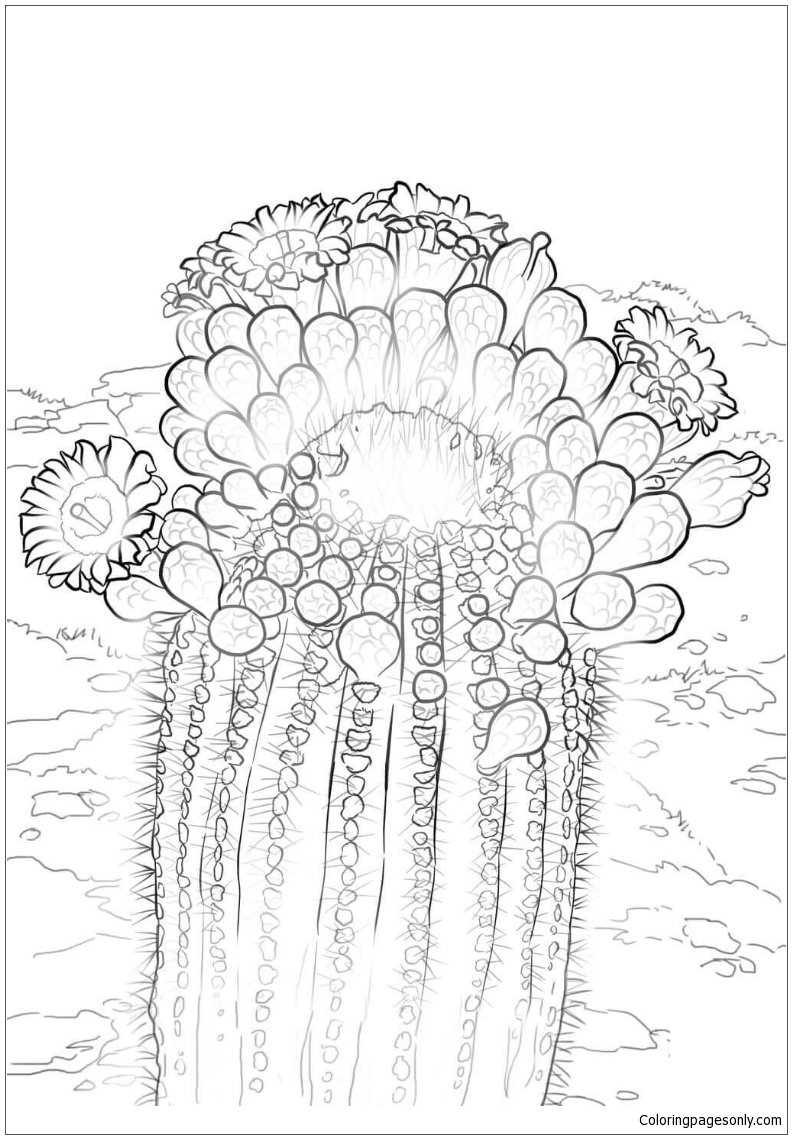
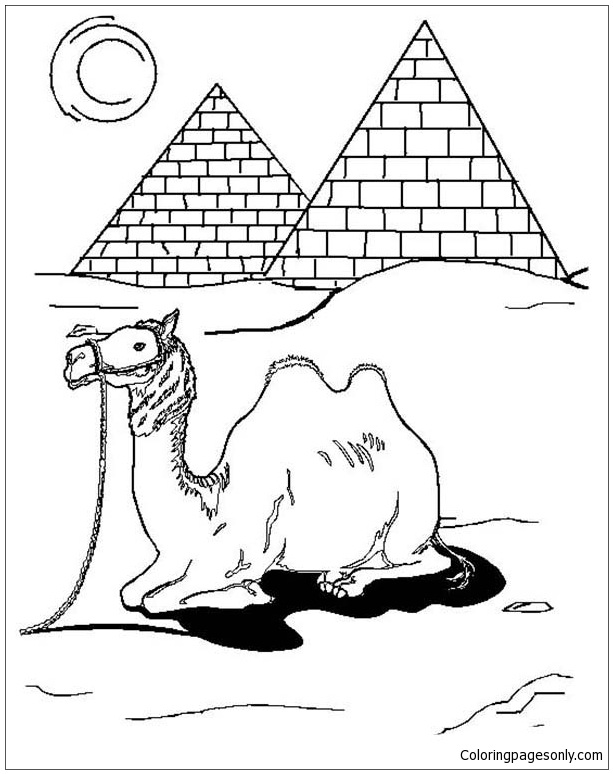
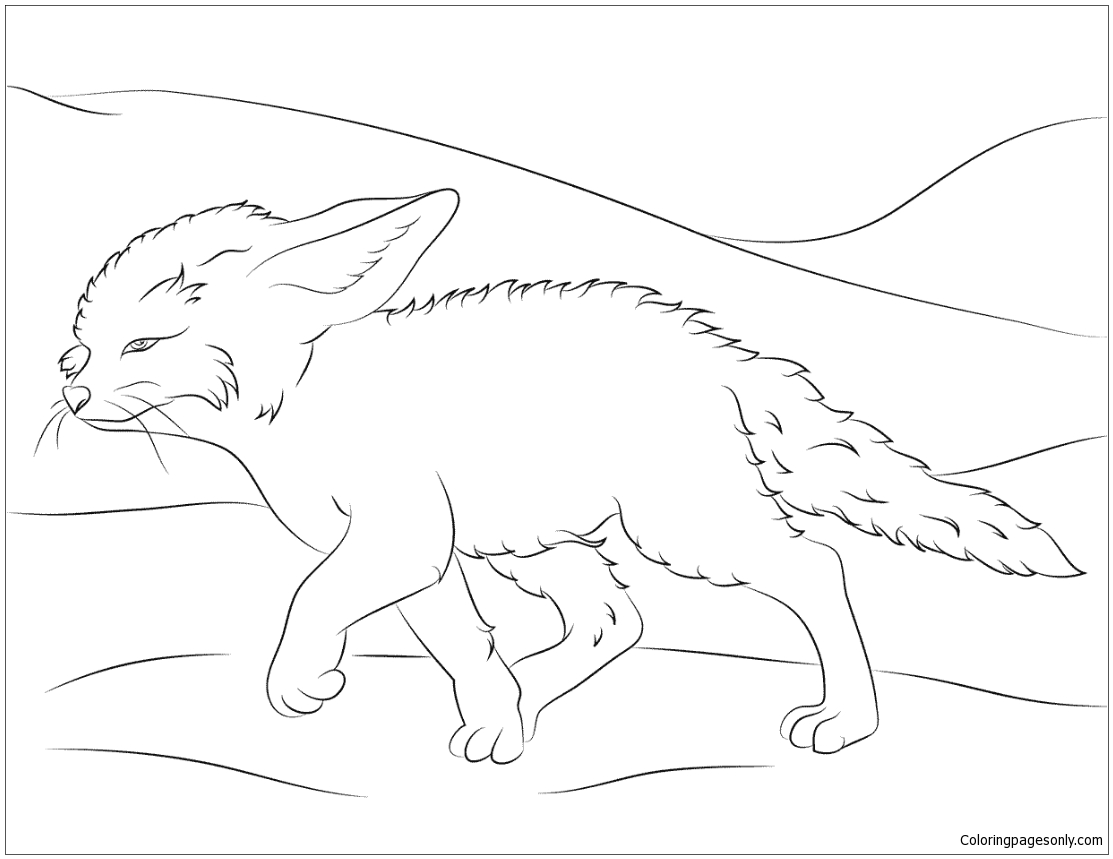
A desert is defined by how little precipitation it receives, not by heat alone, which is why Antarctica, despite its ice, technically counts as the largest desert on Earth. Most deserts get less than 10 inches of rain a year, and the plants and animals that live there have developed striking ways to cope. The camel, often called the ship of the desert, stores fat rather than water in its hump, converting it to energy when food is scarce, while the fennec fox uses its oversized ears to release body heat and stay cool in the Sahara. The saguaro cactus, one of the most recognizable desert plants, can live for more than 200 years and grow as tall as 40 feet, making it one of the longest-lived organisms found in this collection’s many desert scenes.
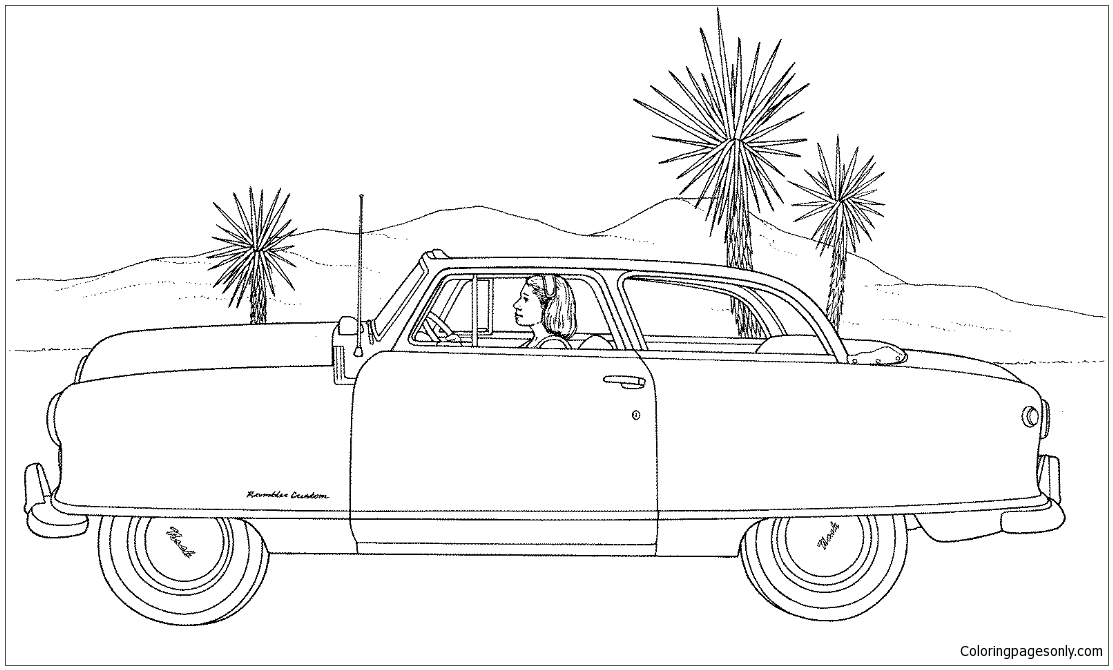
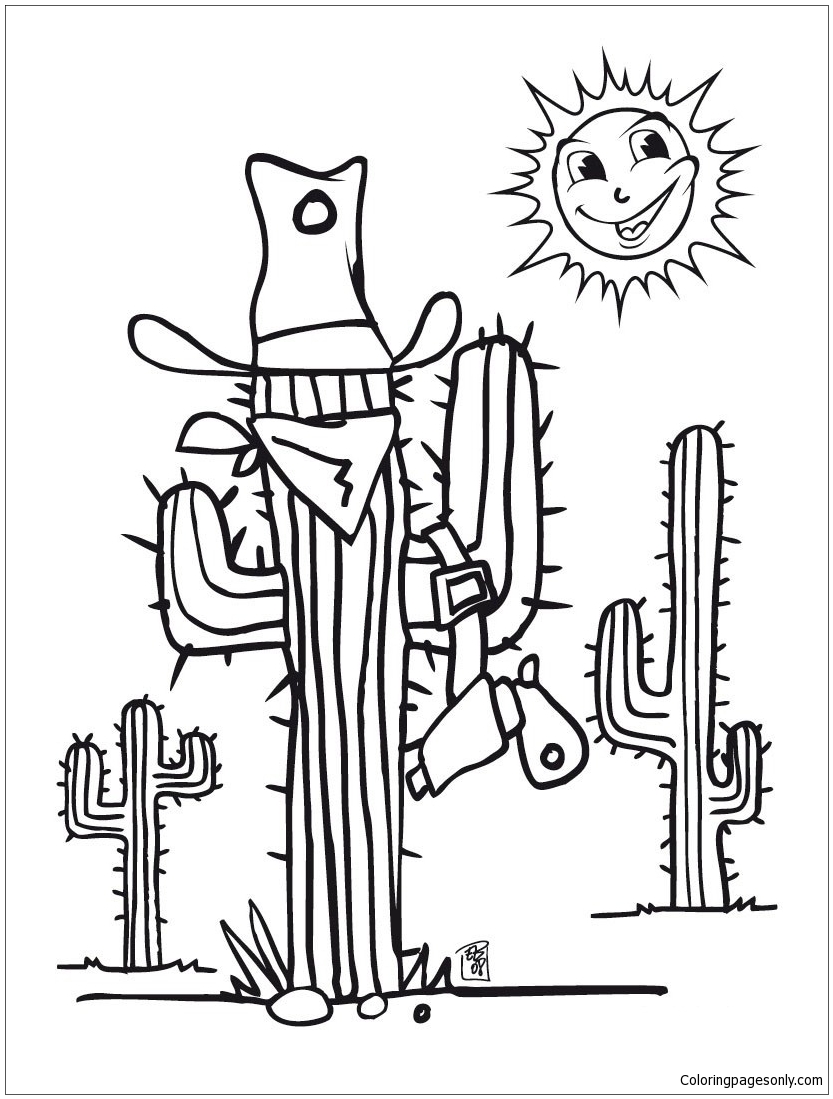
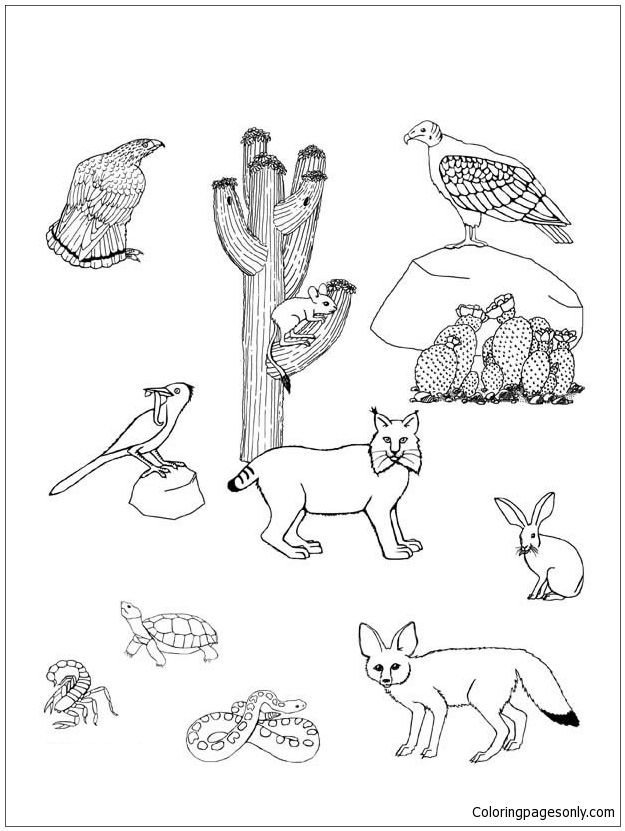
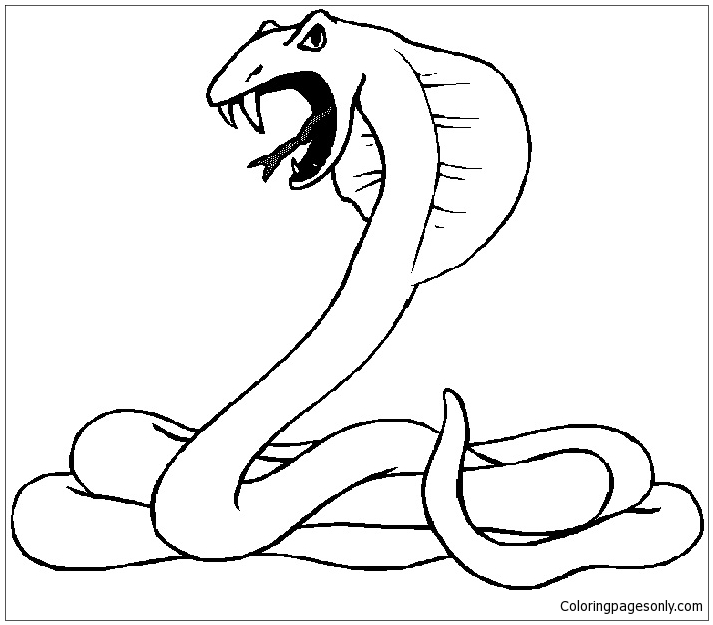
This collection spans 88 pages, split between desert landscapes, camels, desert mammals and birds, reptiles and arachnids, cacti and desert plants, and general scenes. The coloring angle ranges from a single standalone cactus to full desert environments.




What’s Inside This Collection
The 88 designs group into six categories, from desert landscapes to general scenes.
Desert Landscapes
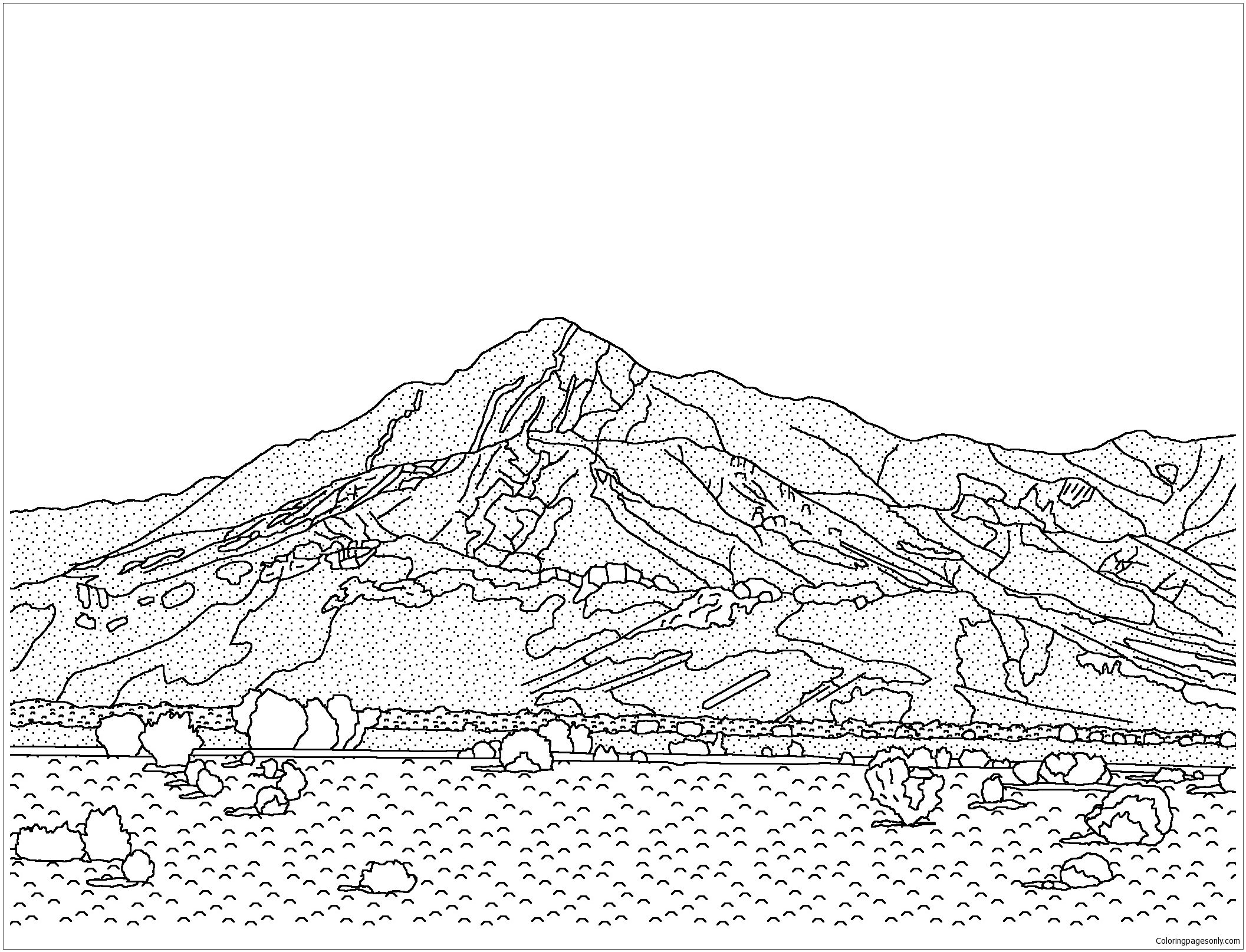
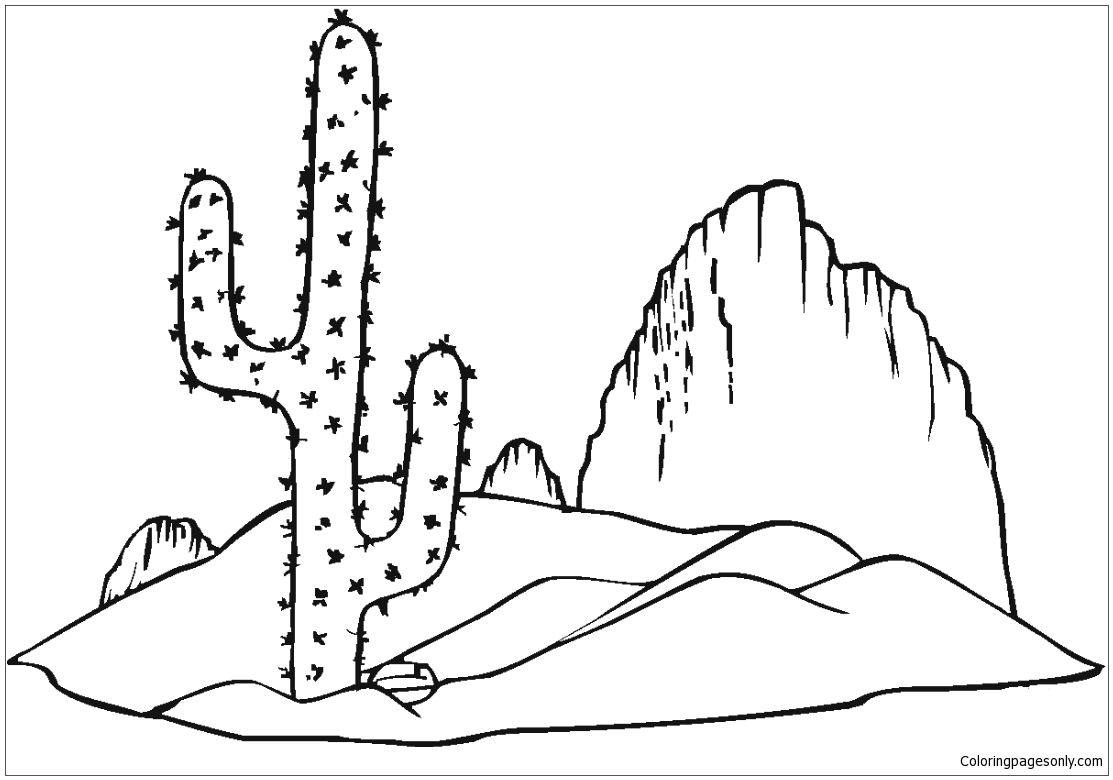
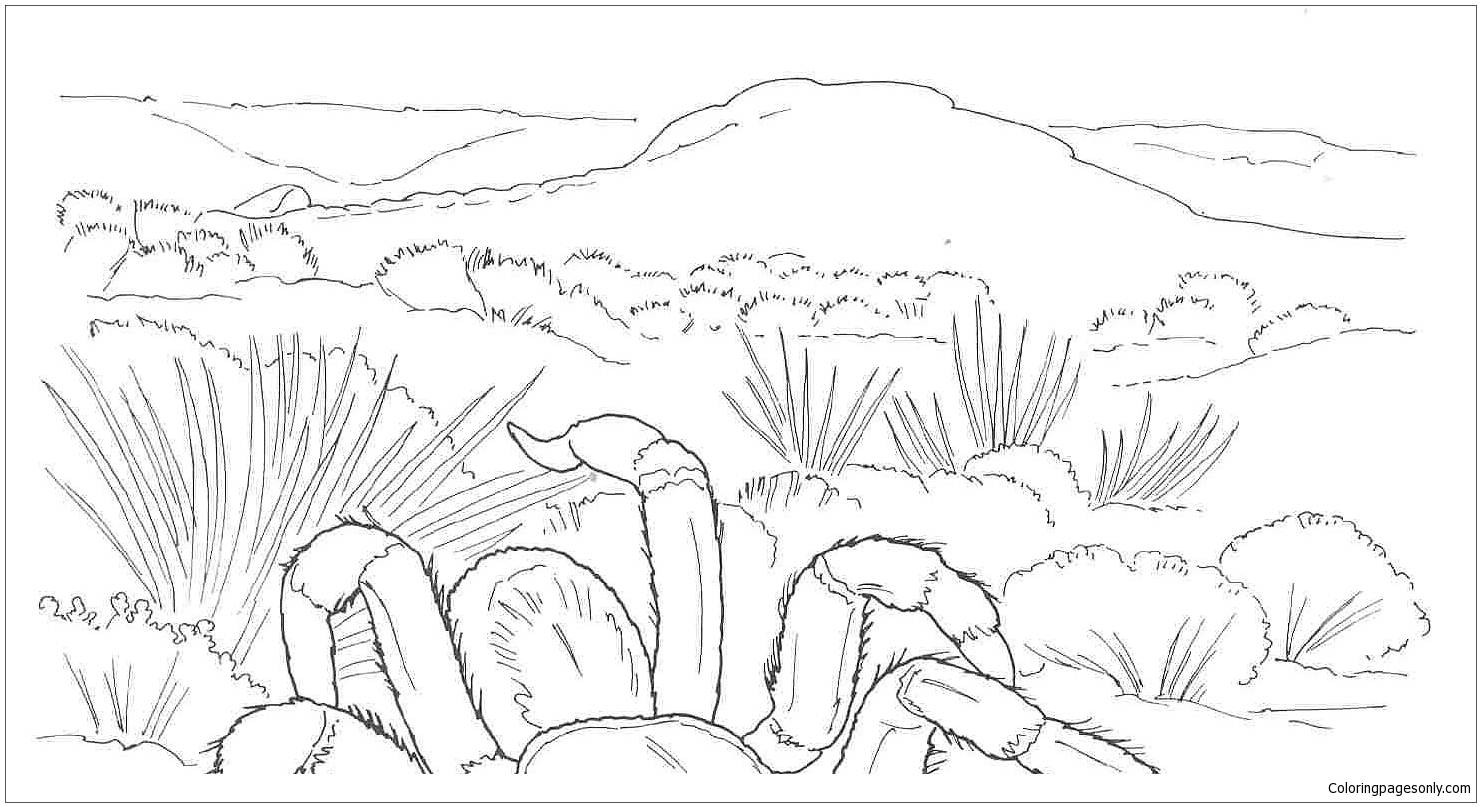
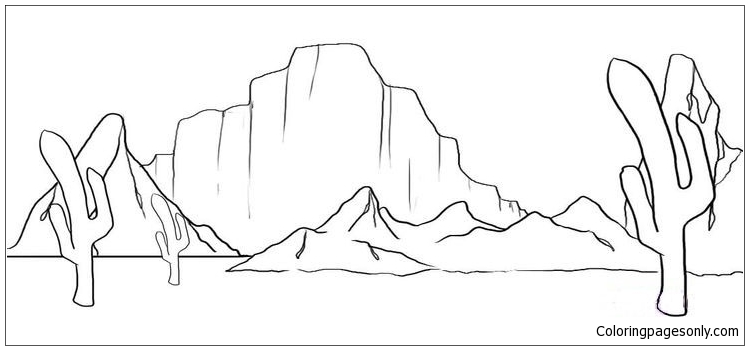
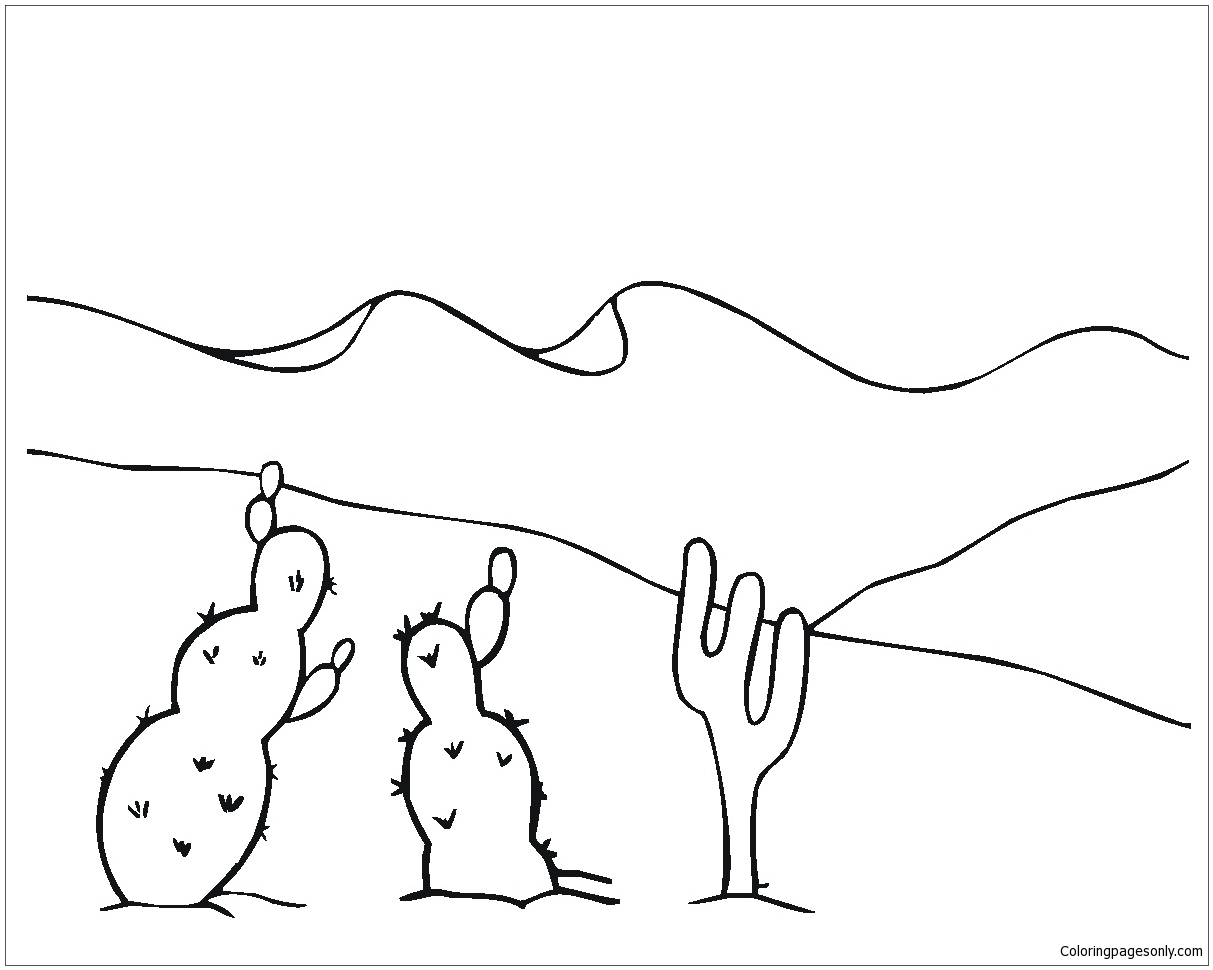
Seven pages capture wide desert scenery, from the Sahara to specific regions like Arizona and California. Warm tans, oranges, and soft purples for the sky work well here, capturing the classic look of a desert sunset or open dune field.
Camels
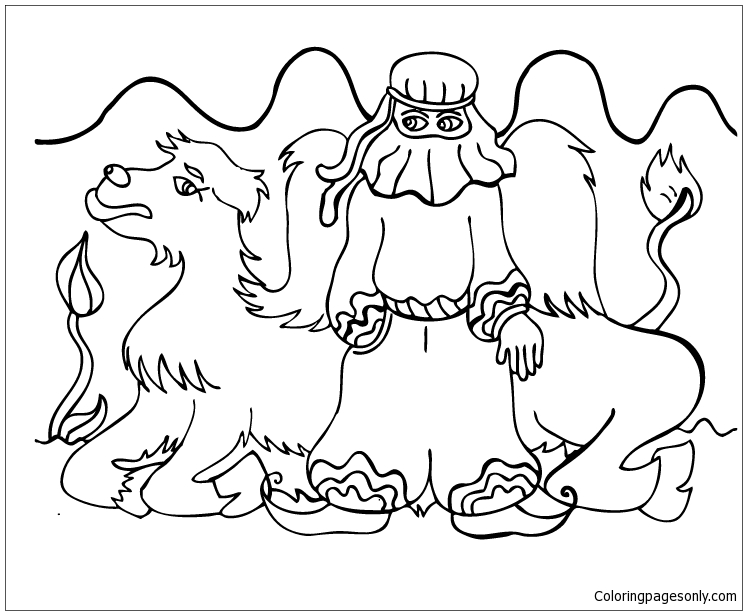
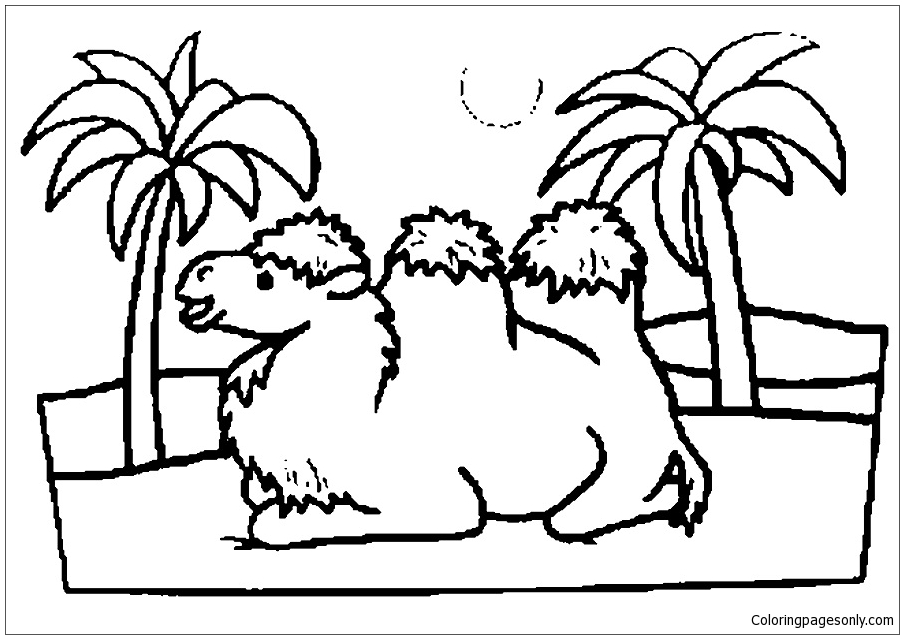
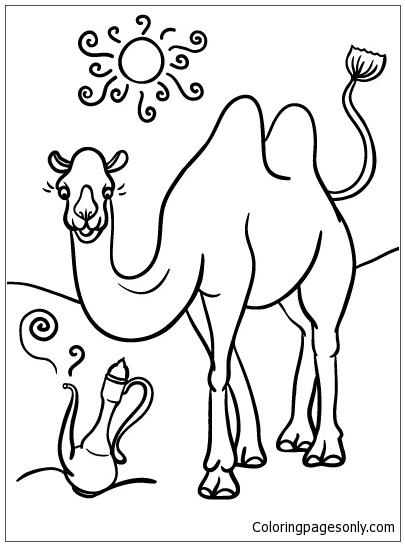
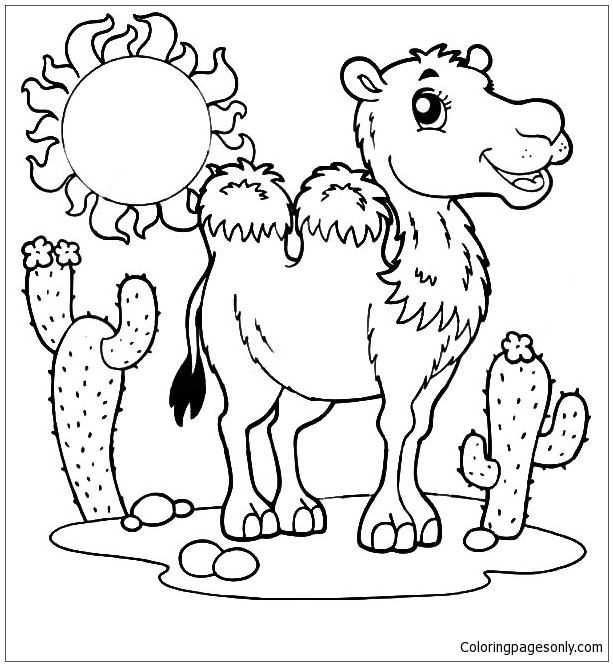
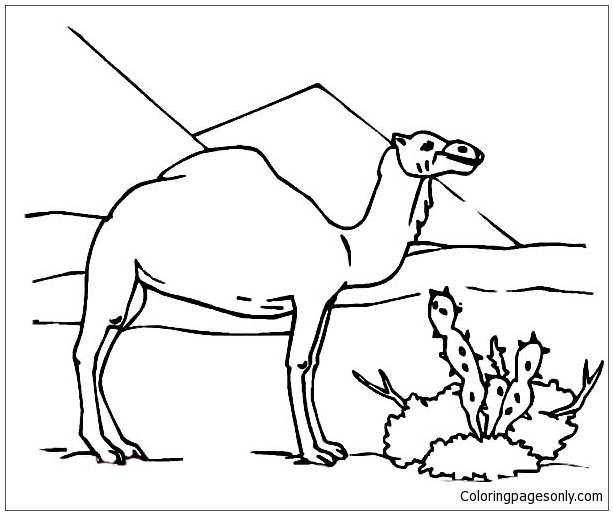
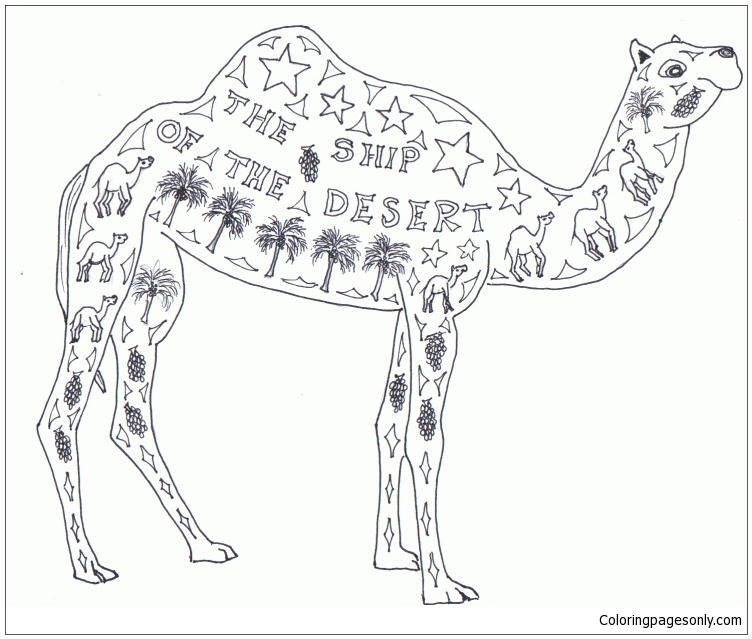
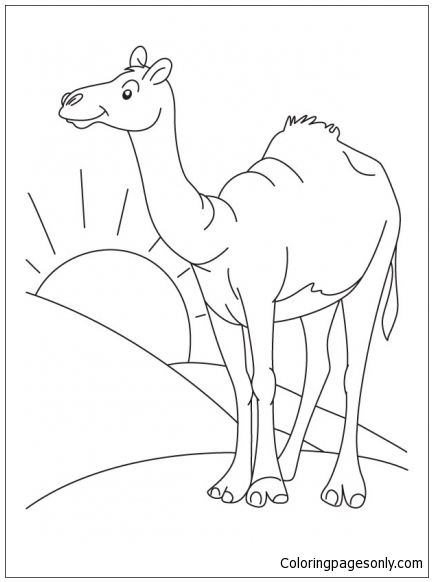
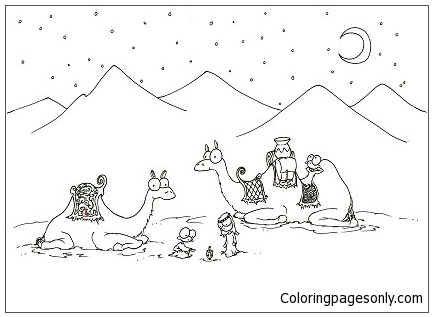
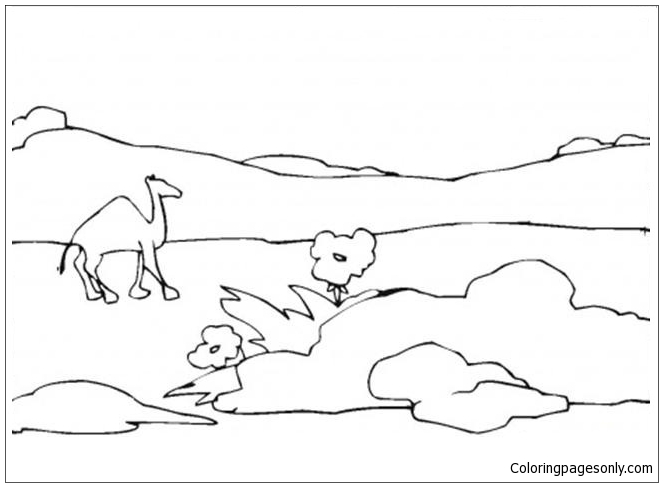
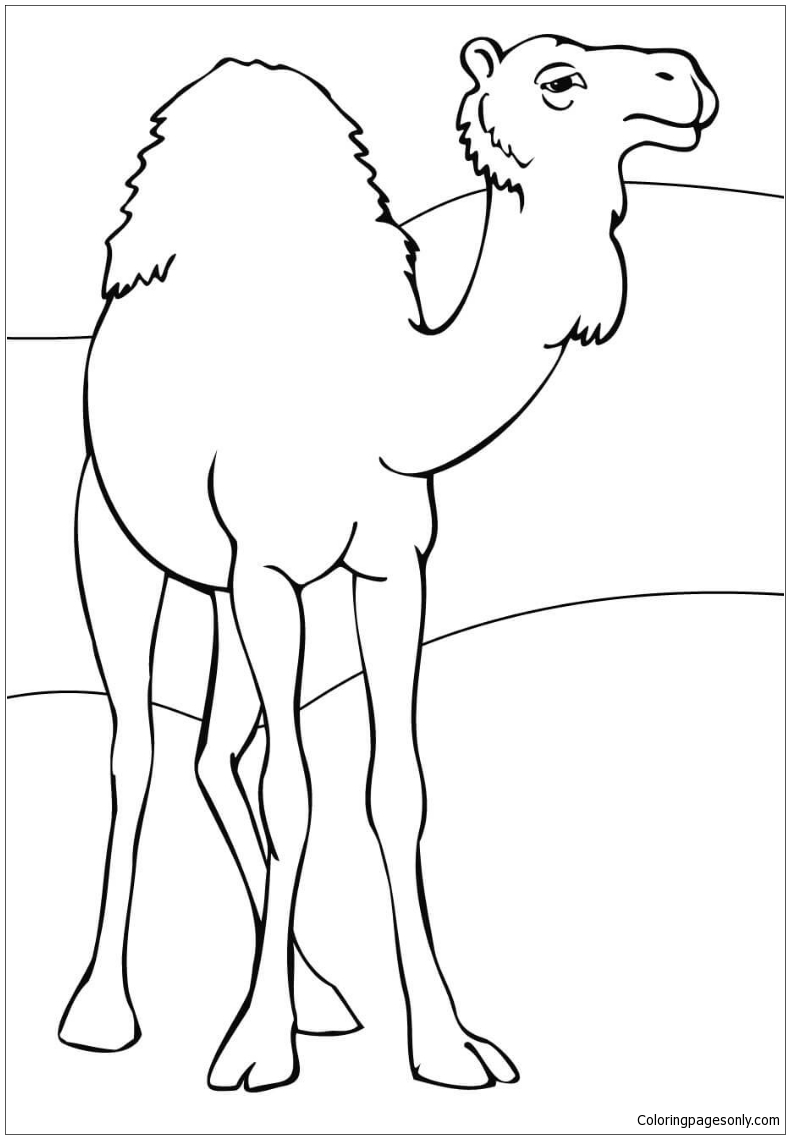
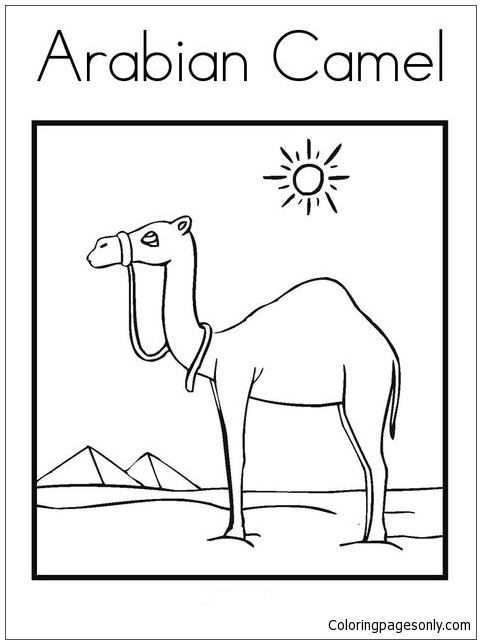
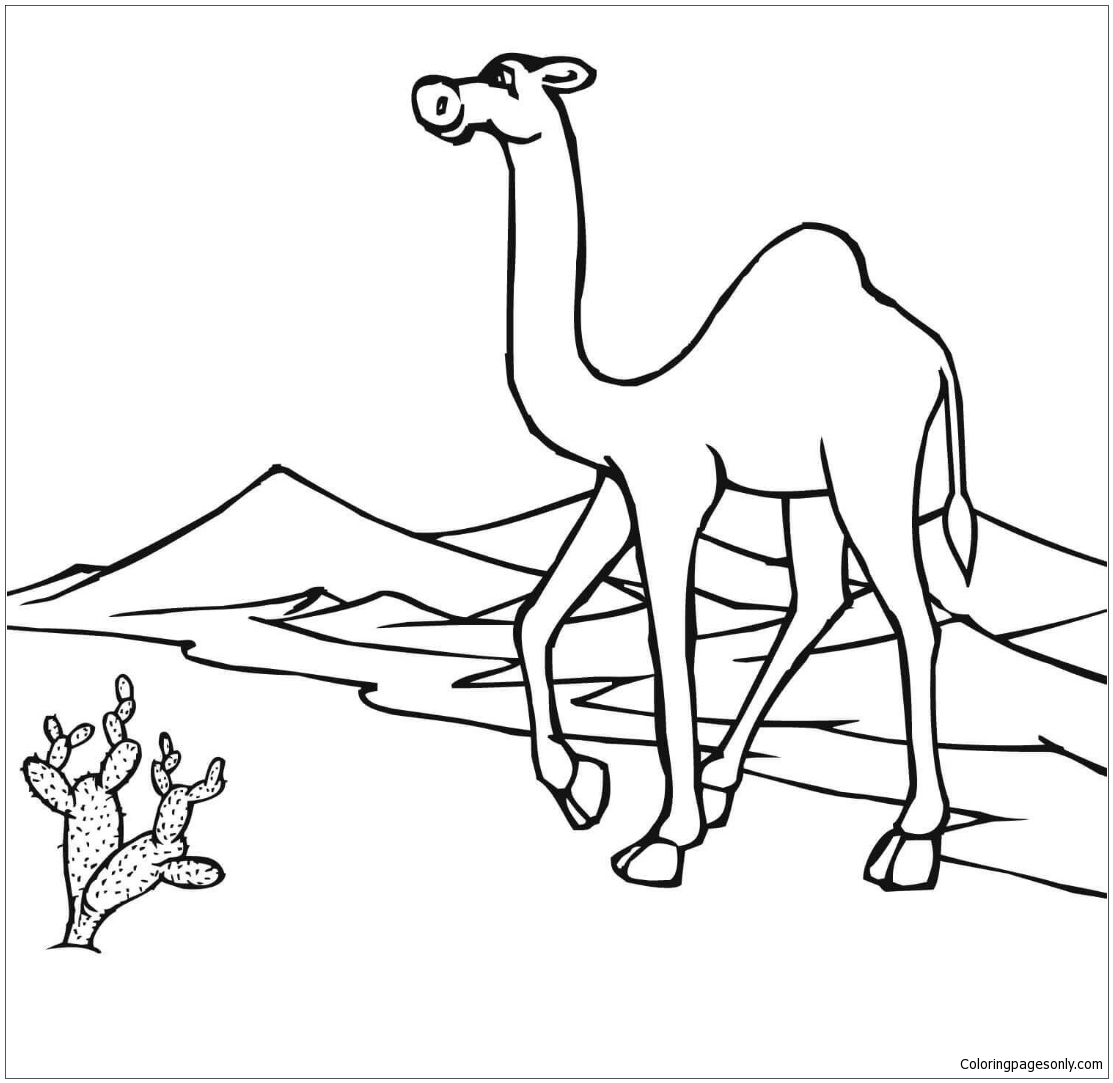
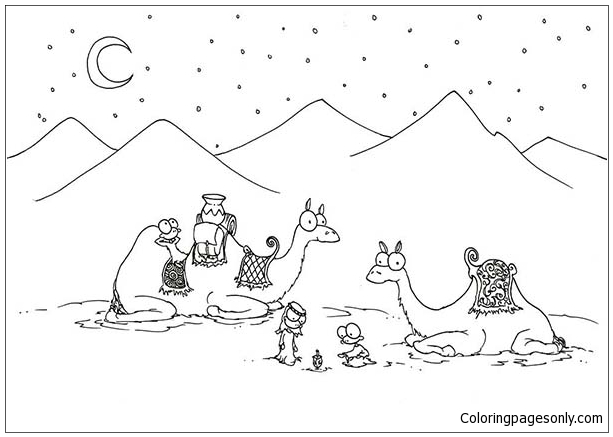
Fourteen pages feature camels in various poses and settings, often alongside cacti or a desert backdrop. A warm sandy brown for the camel’s coat pairs well with the surrounding landscape colors.
Desert Mammals and Birds
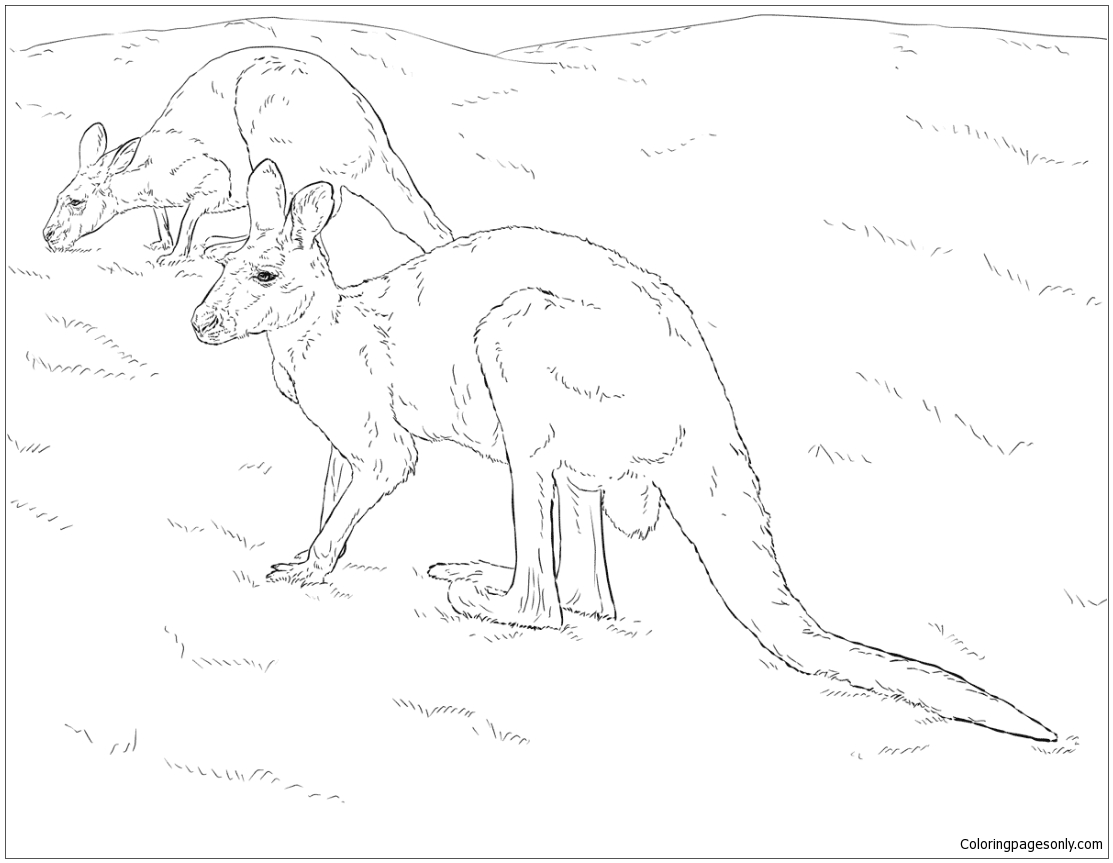
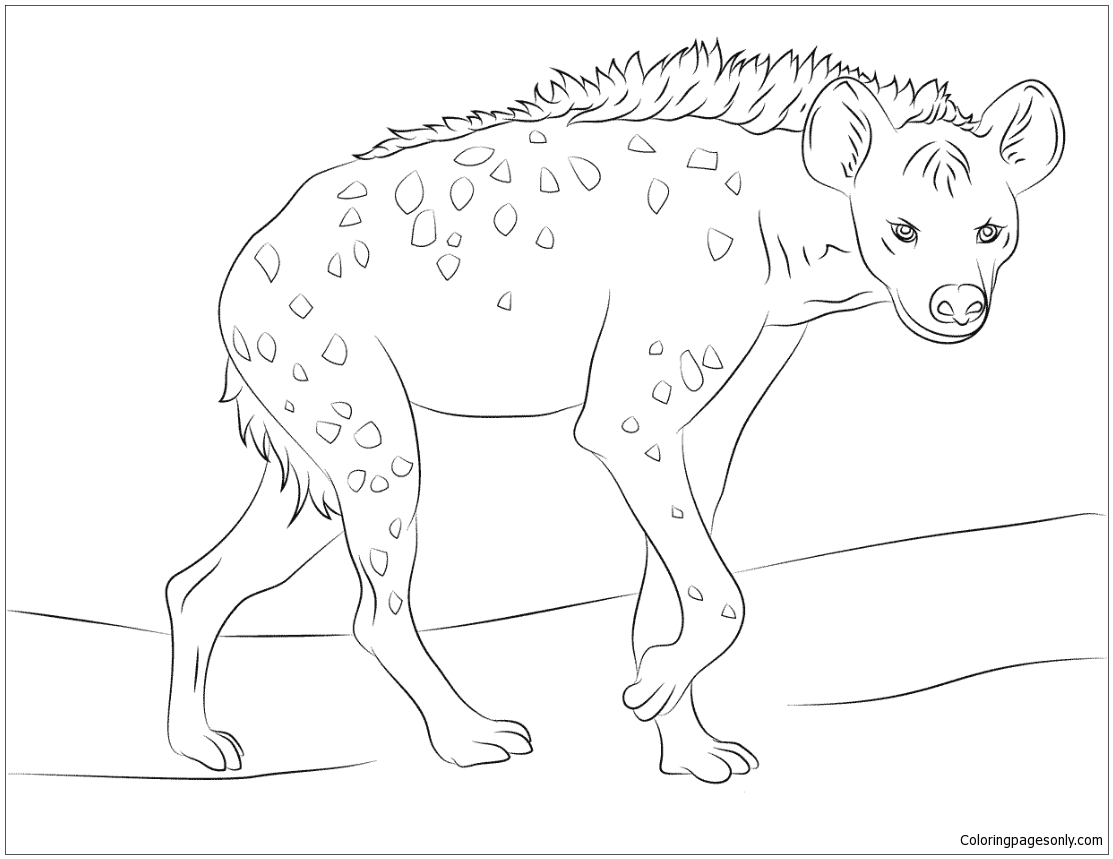
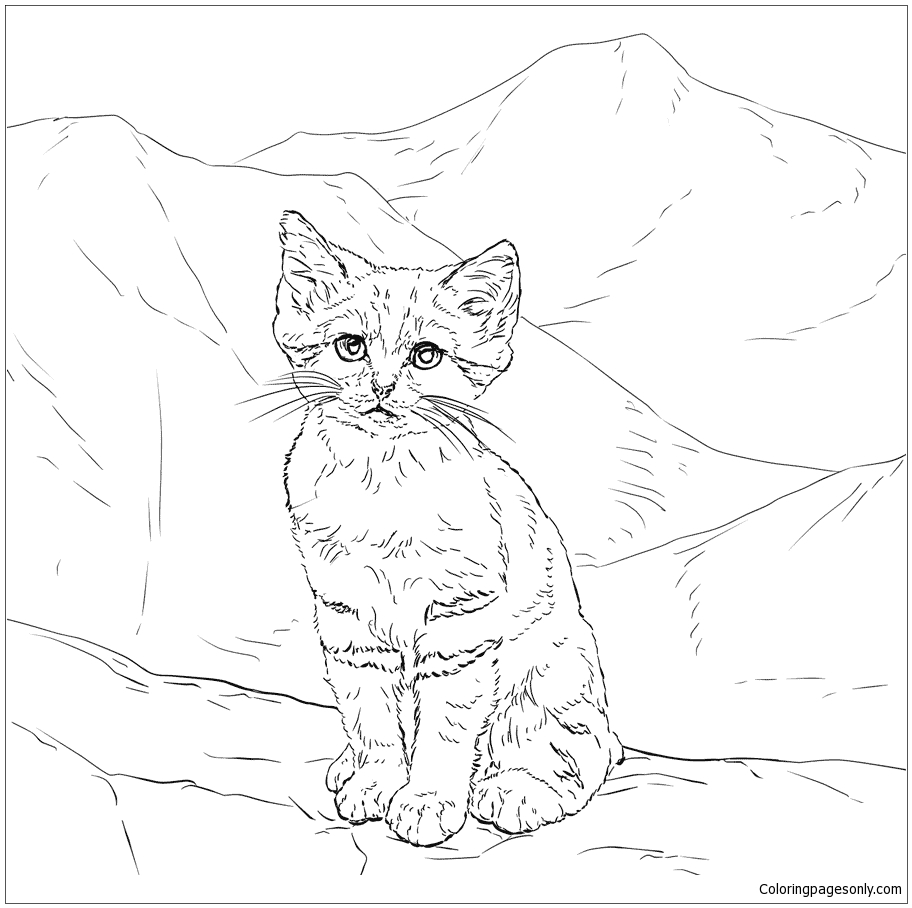
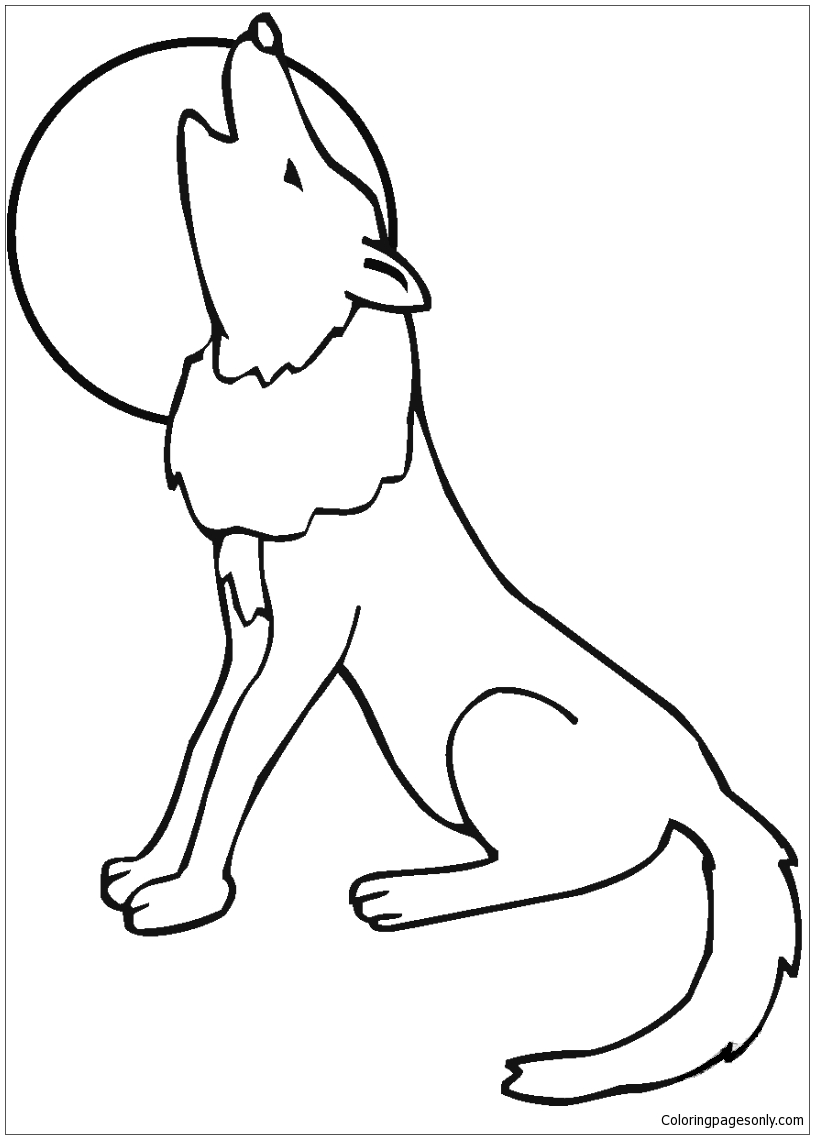
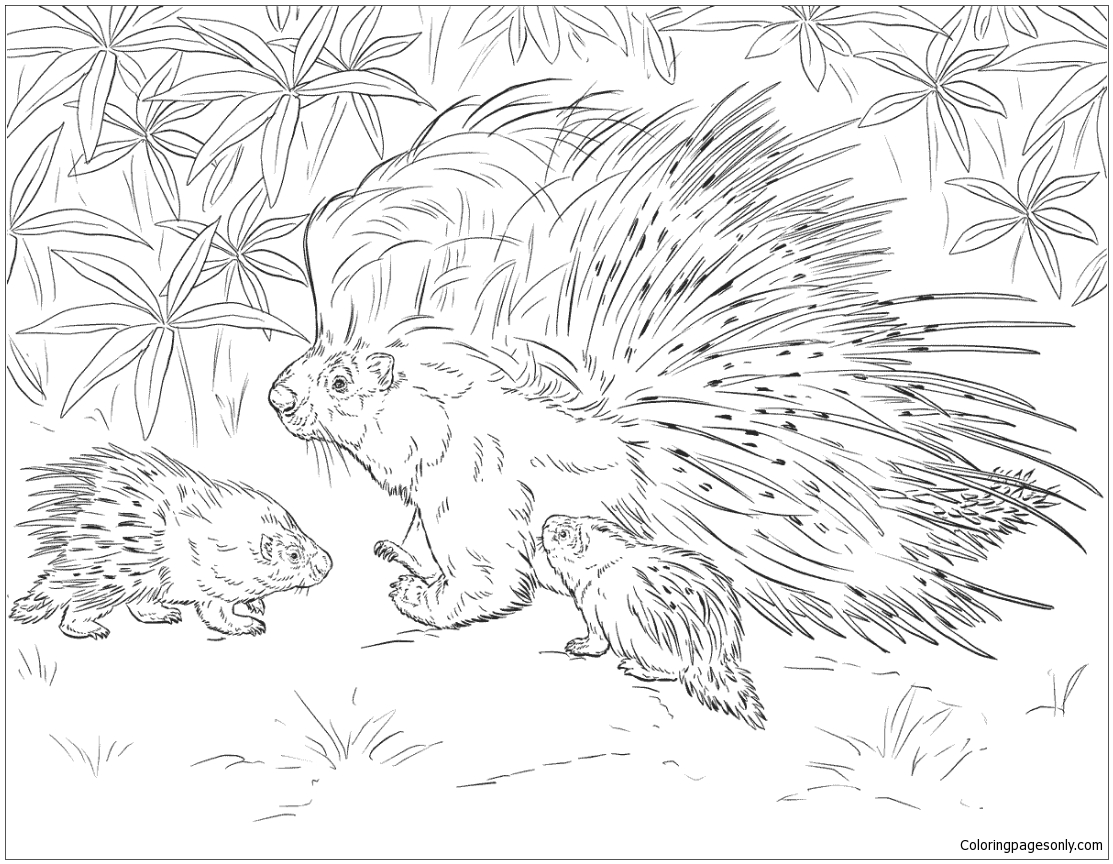
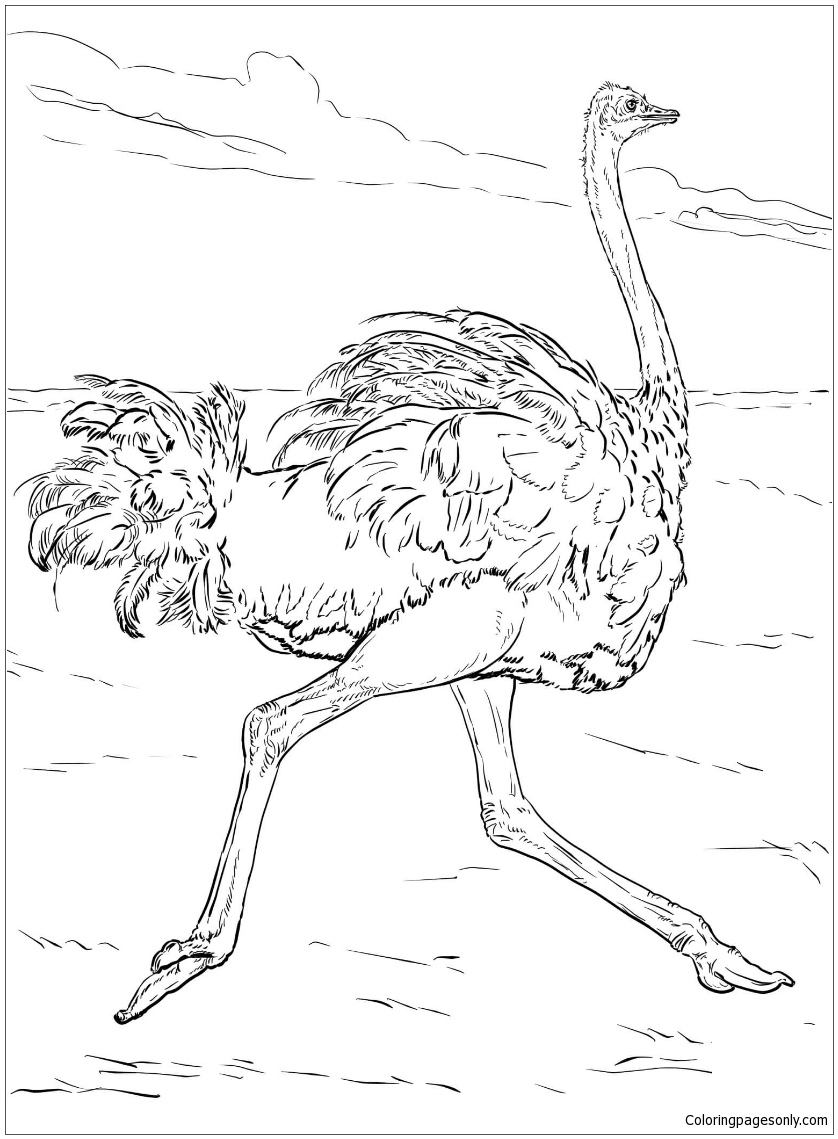
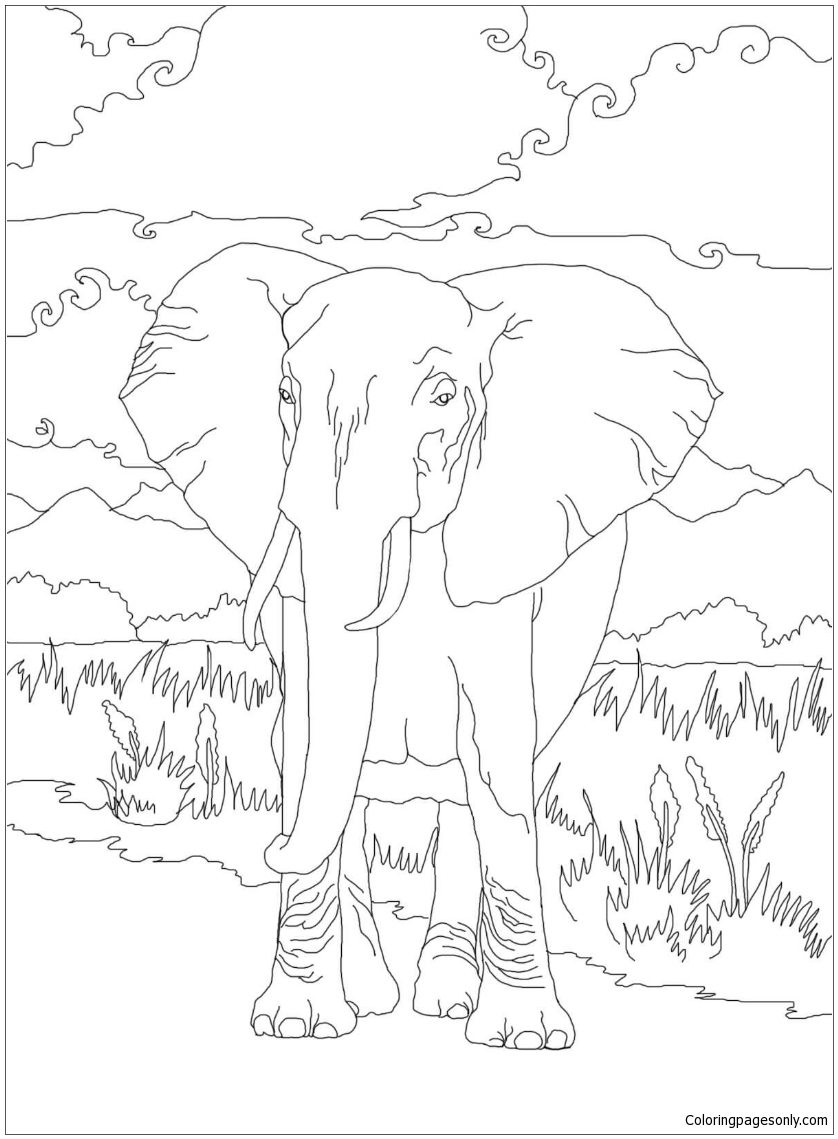
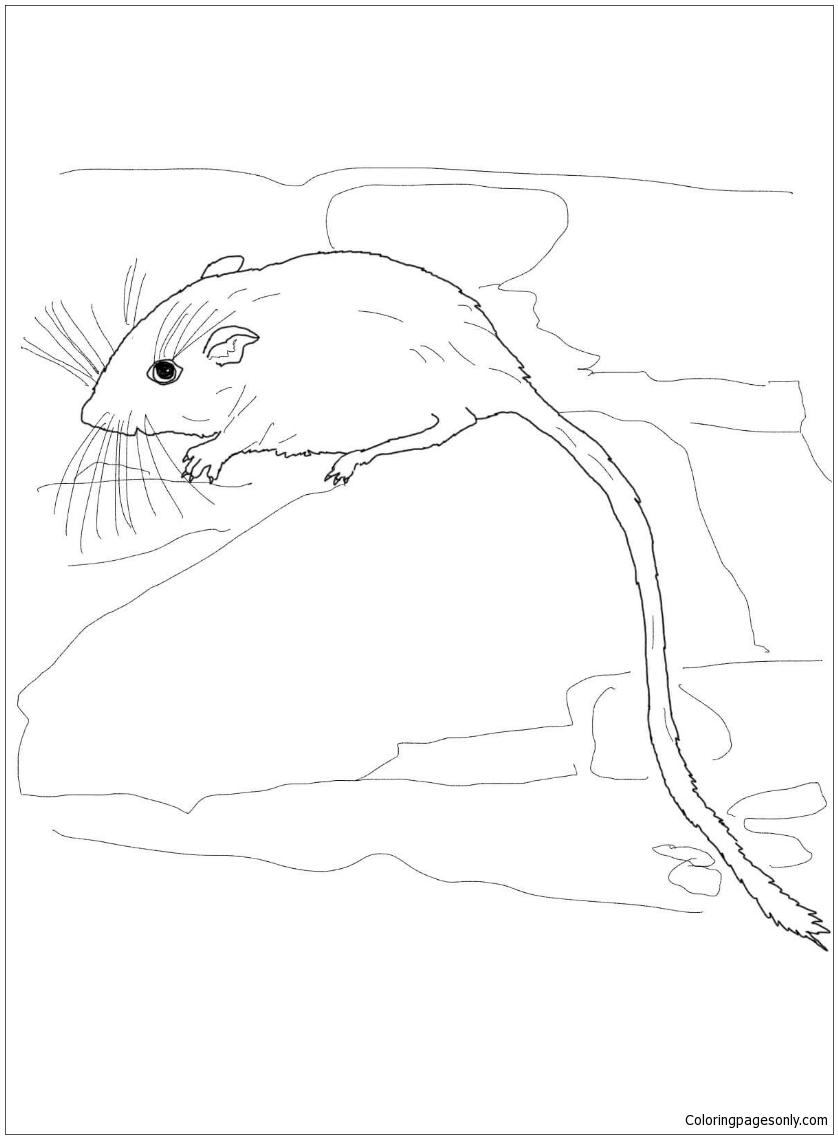
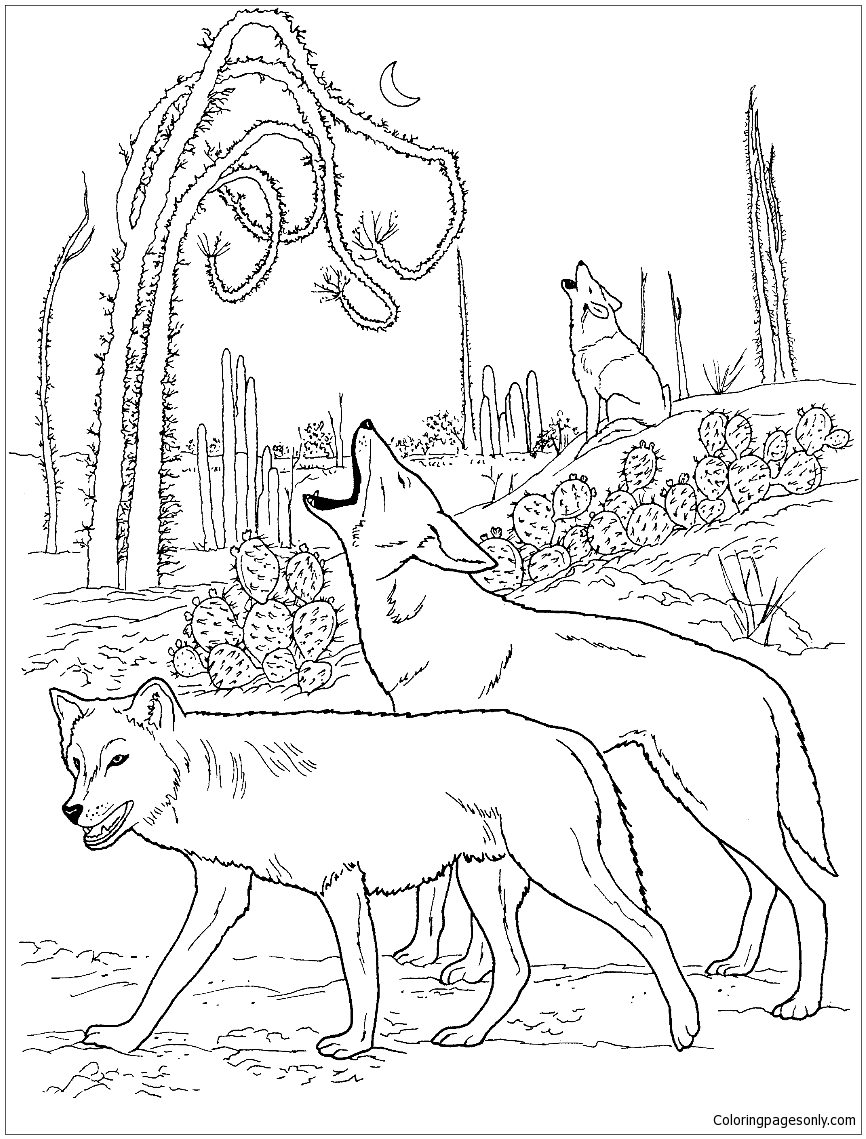
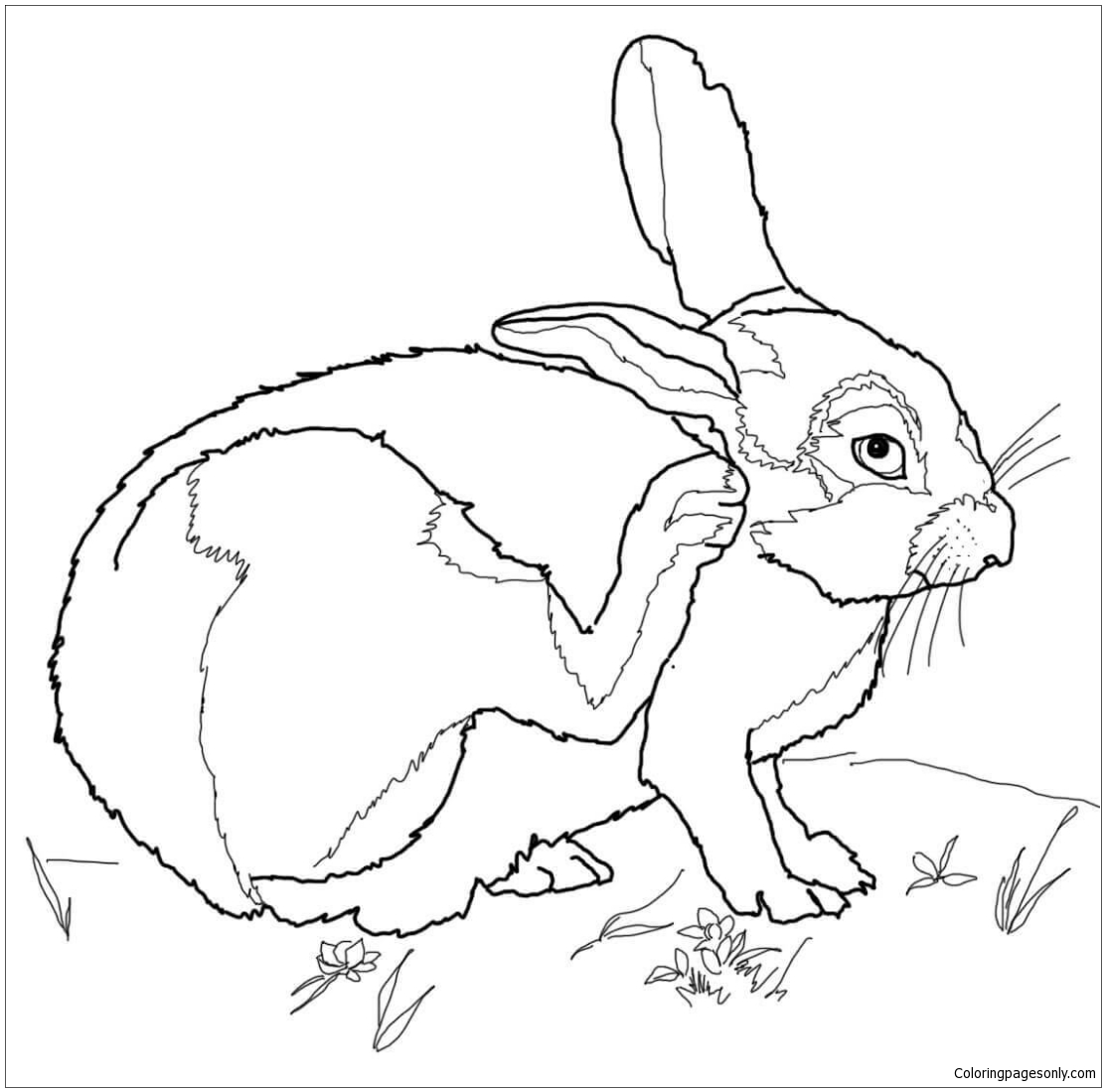
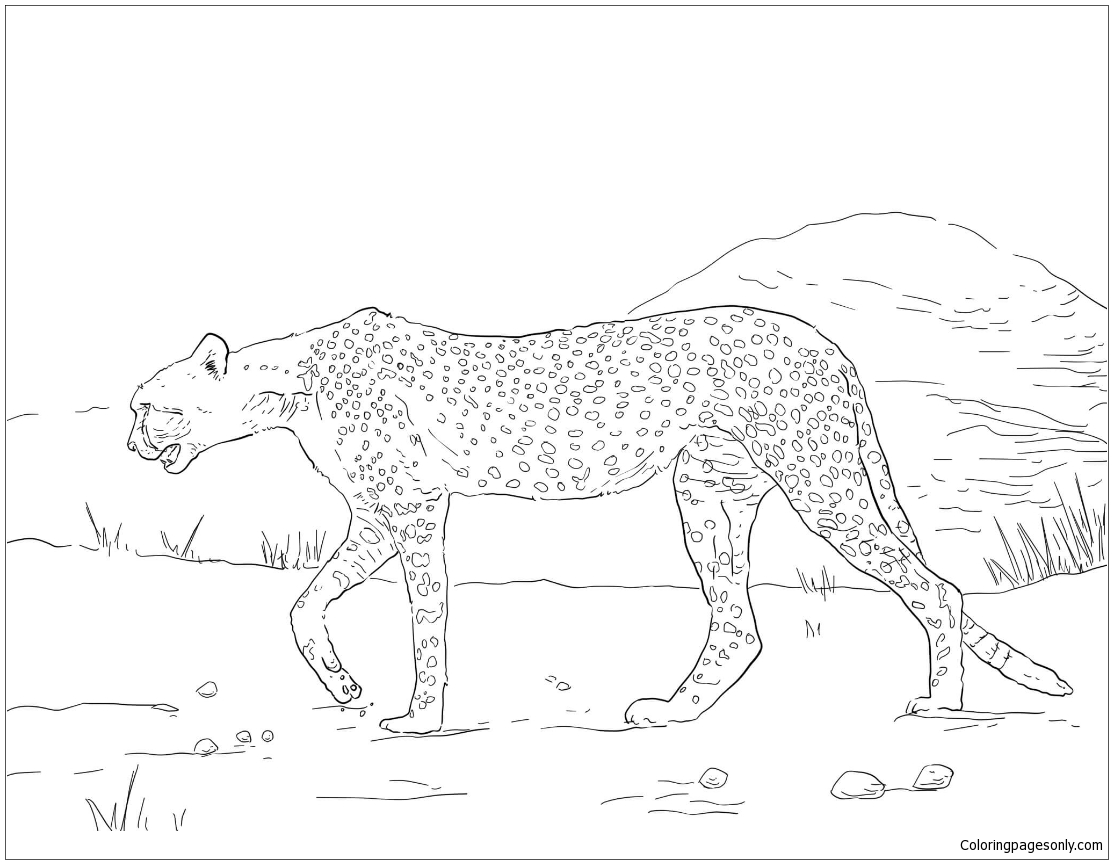
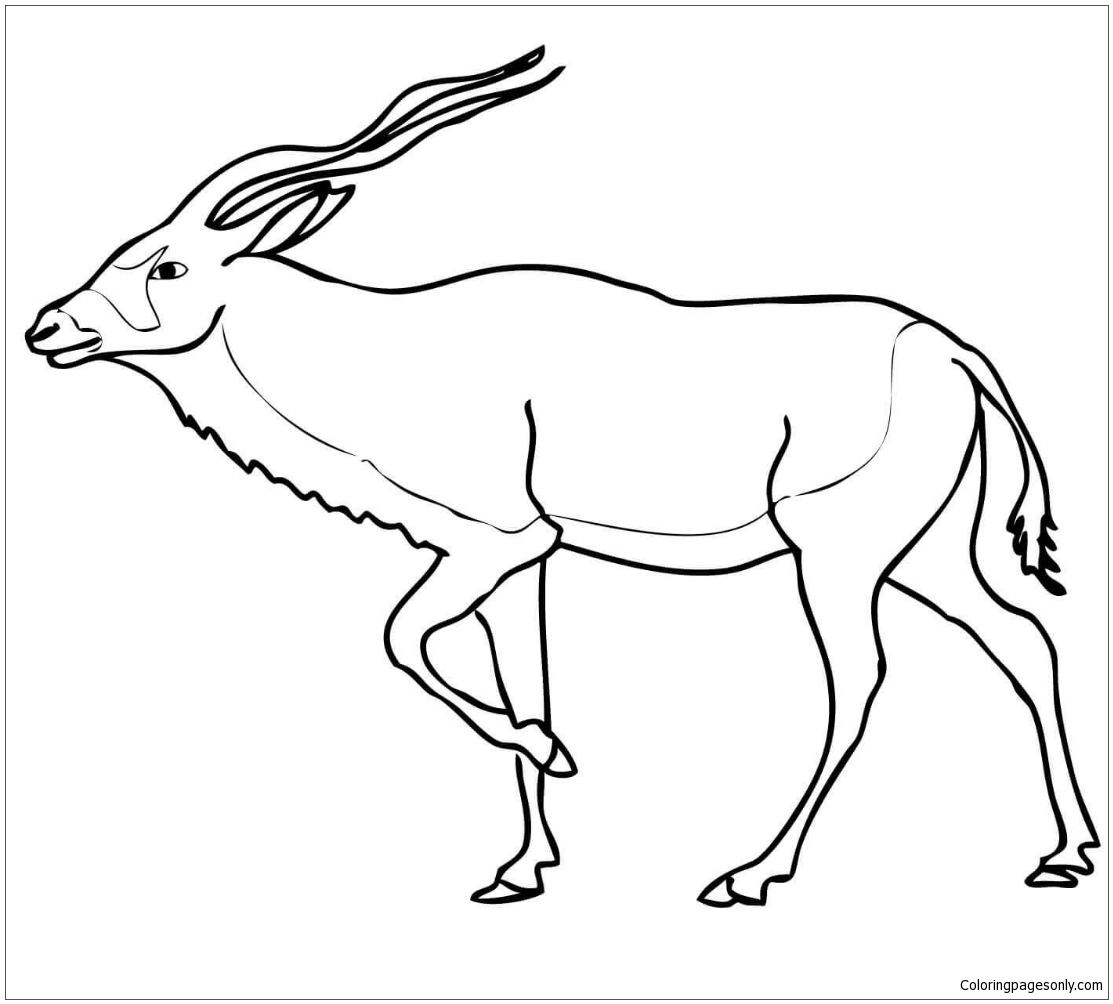
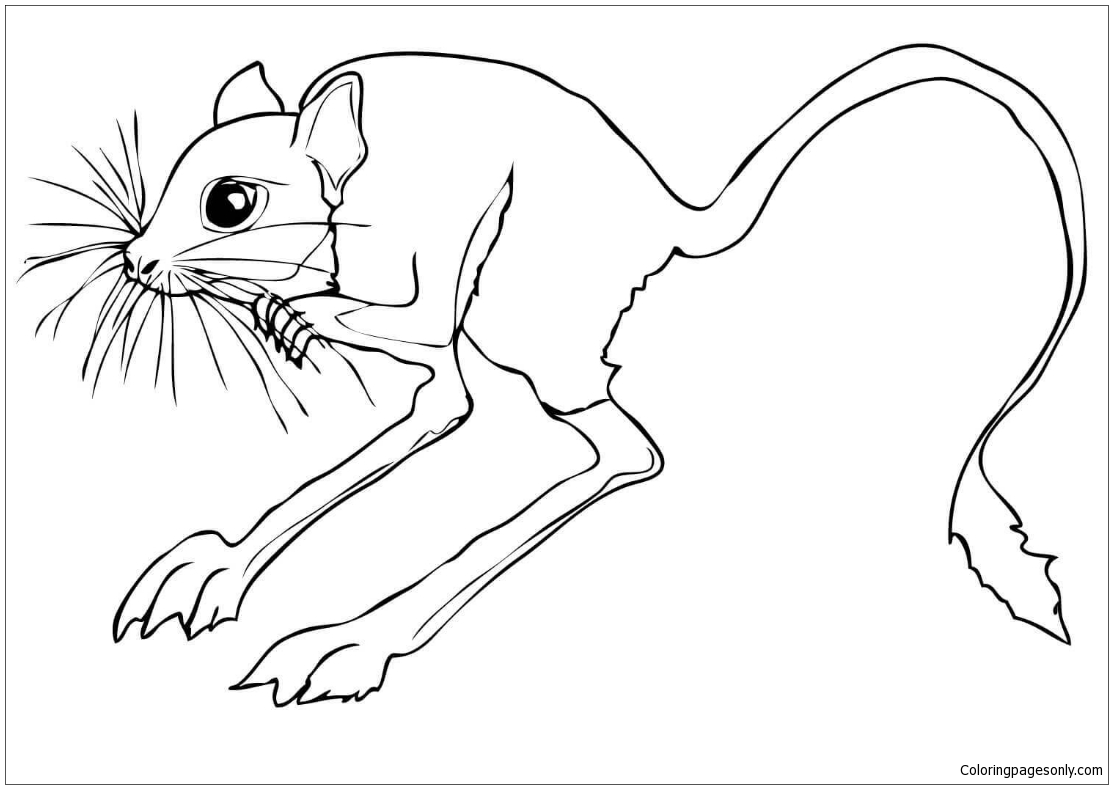
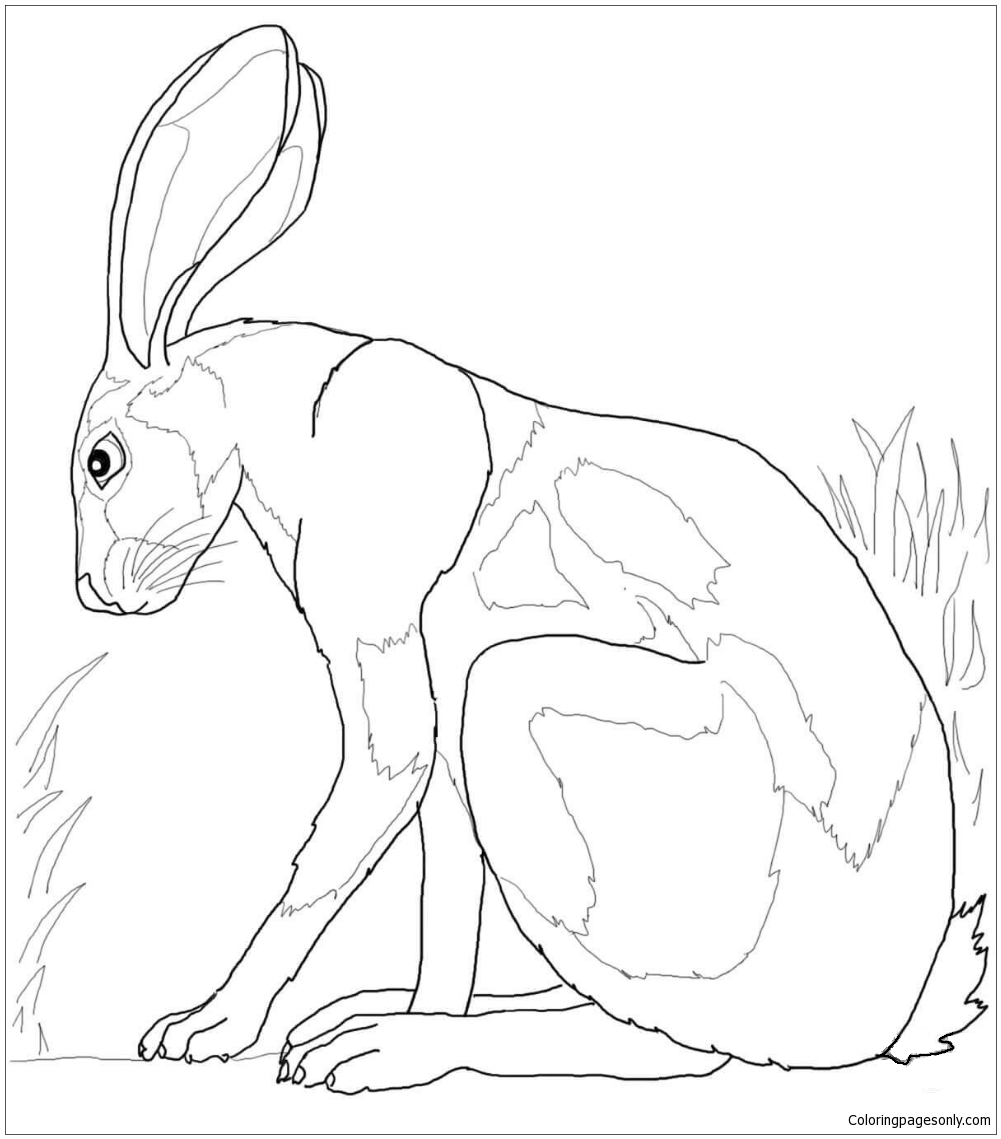
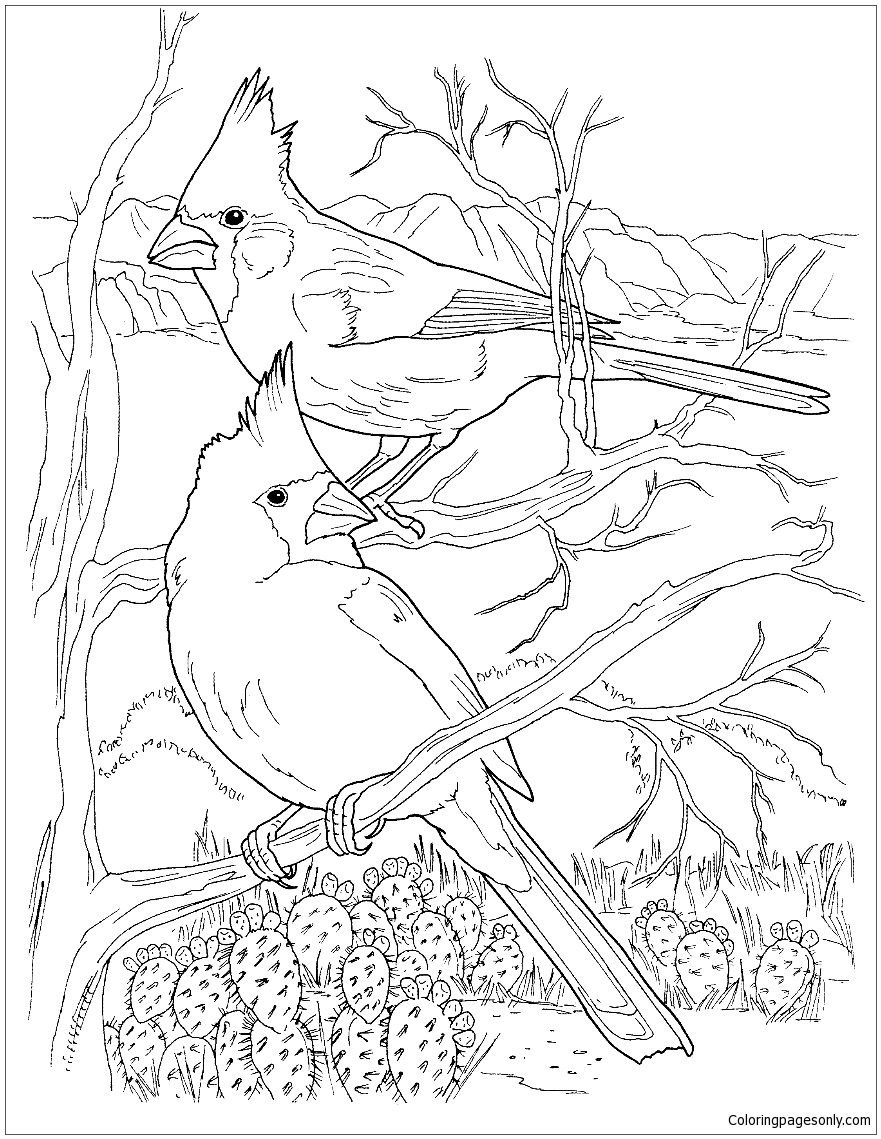
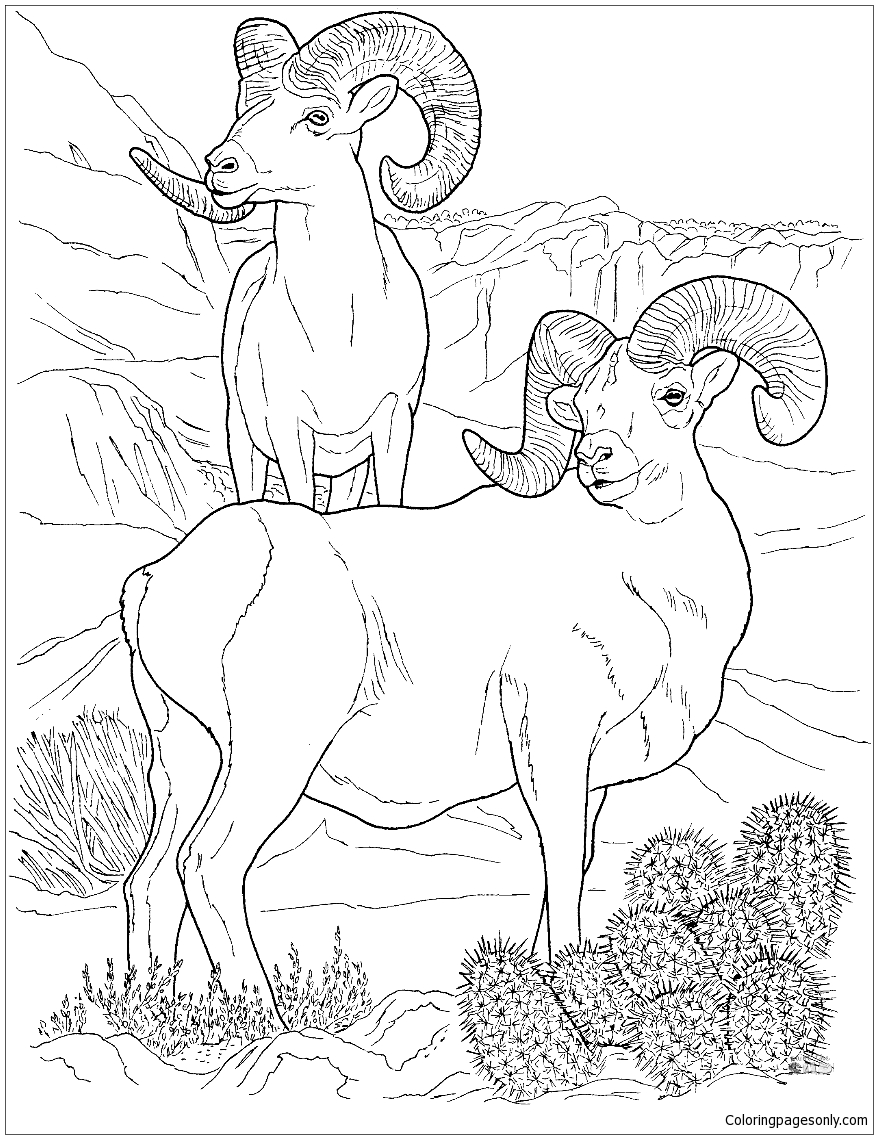
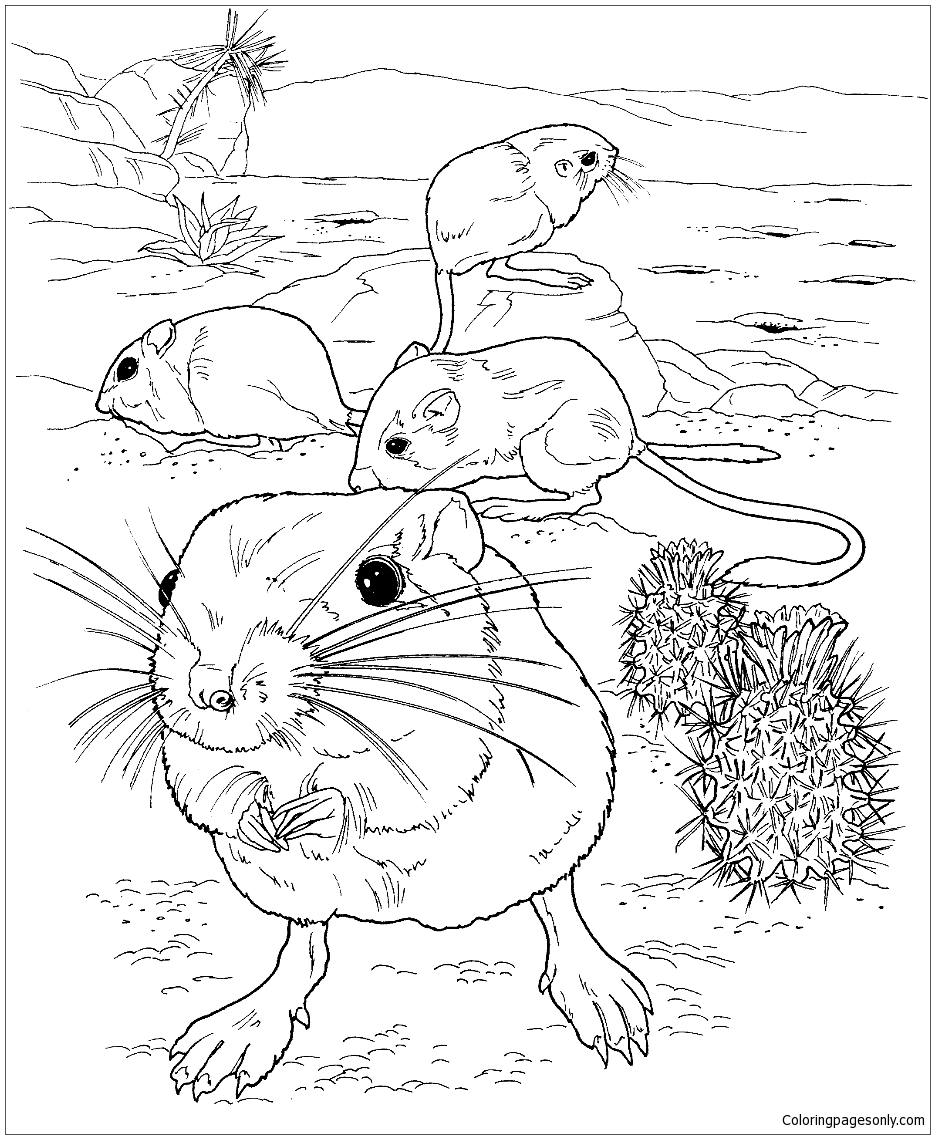
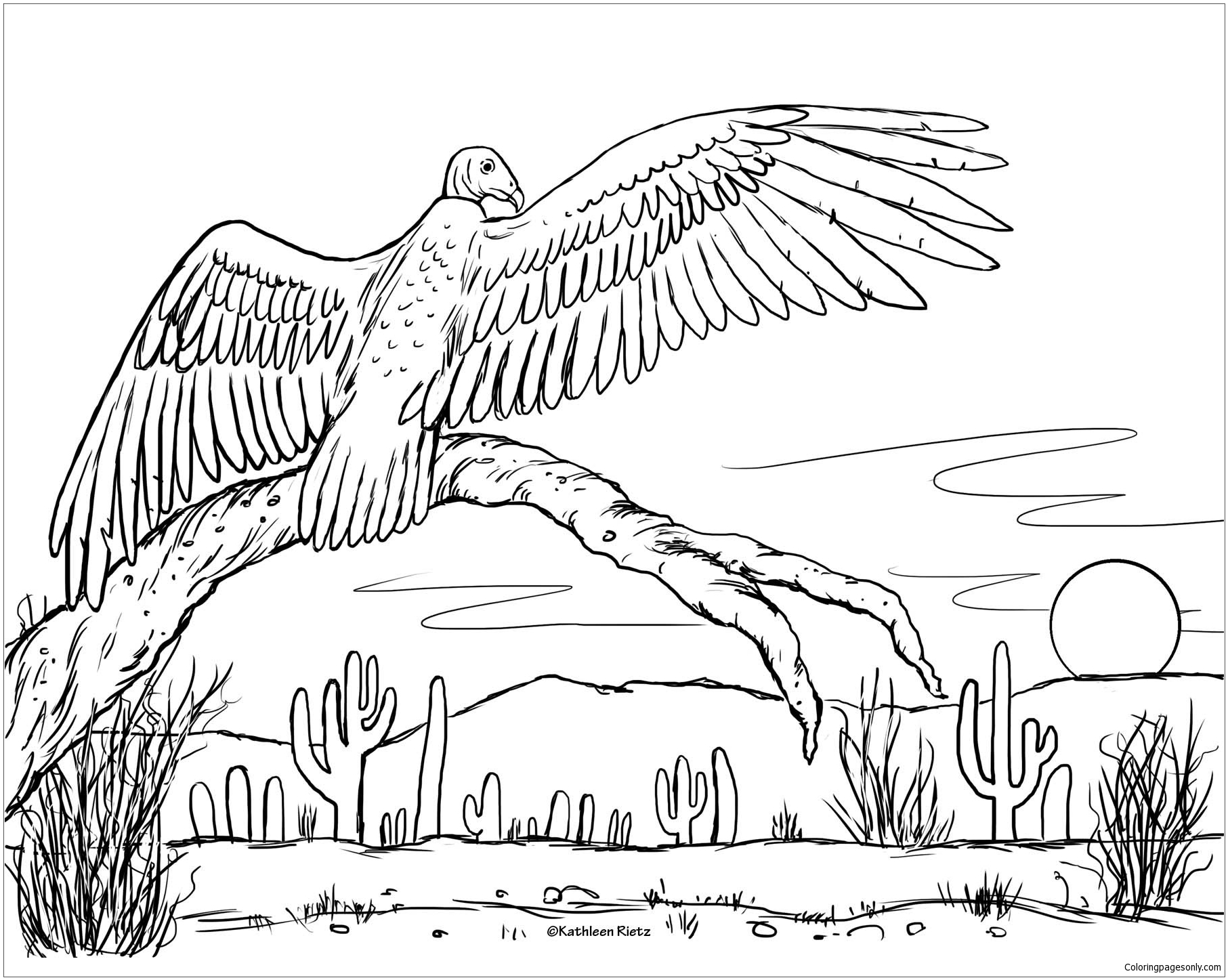
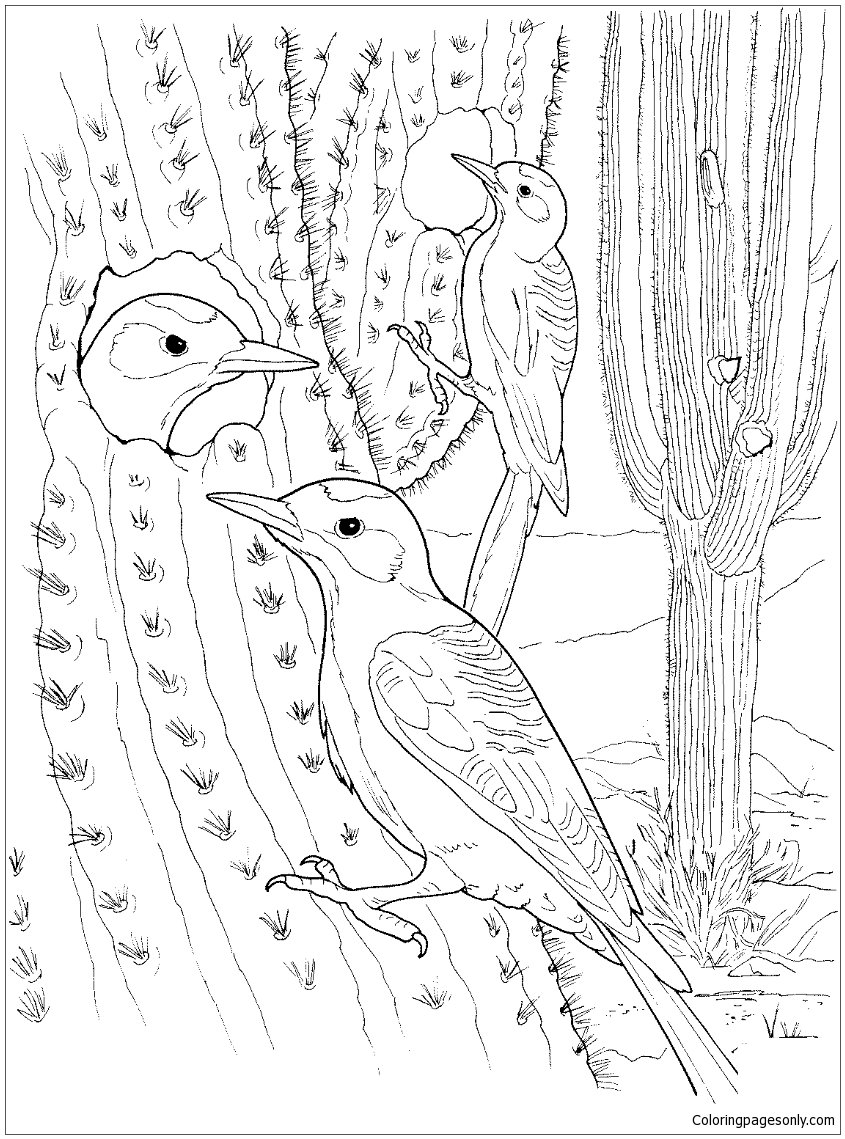
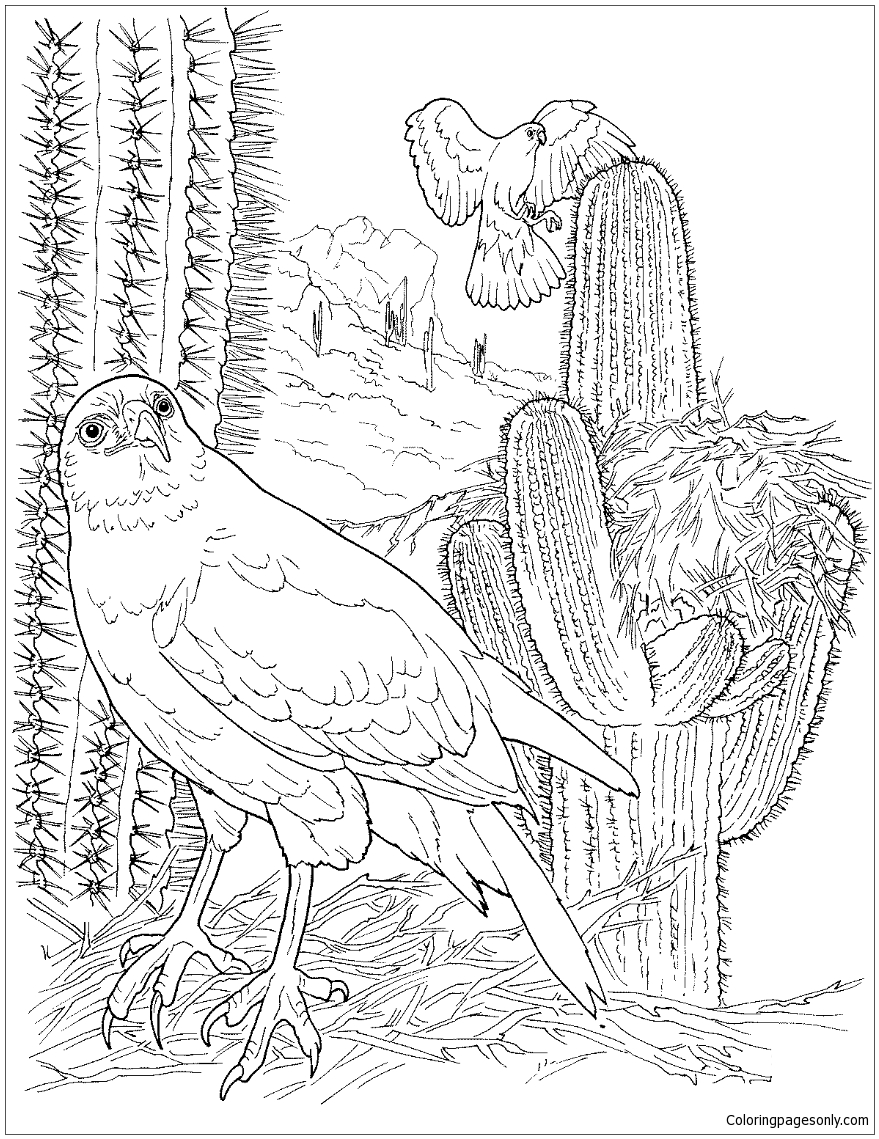
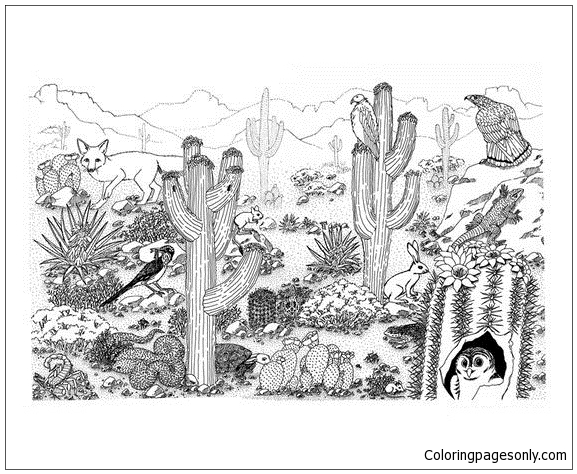
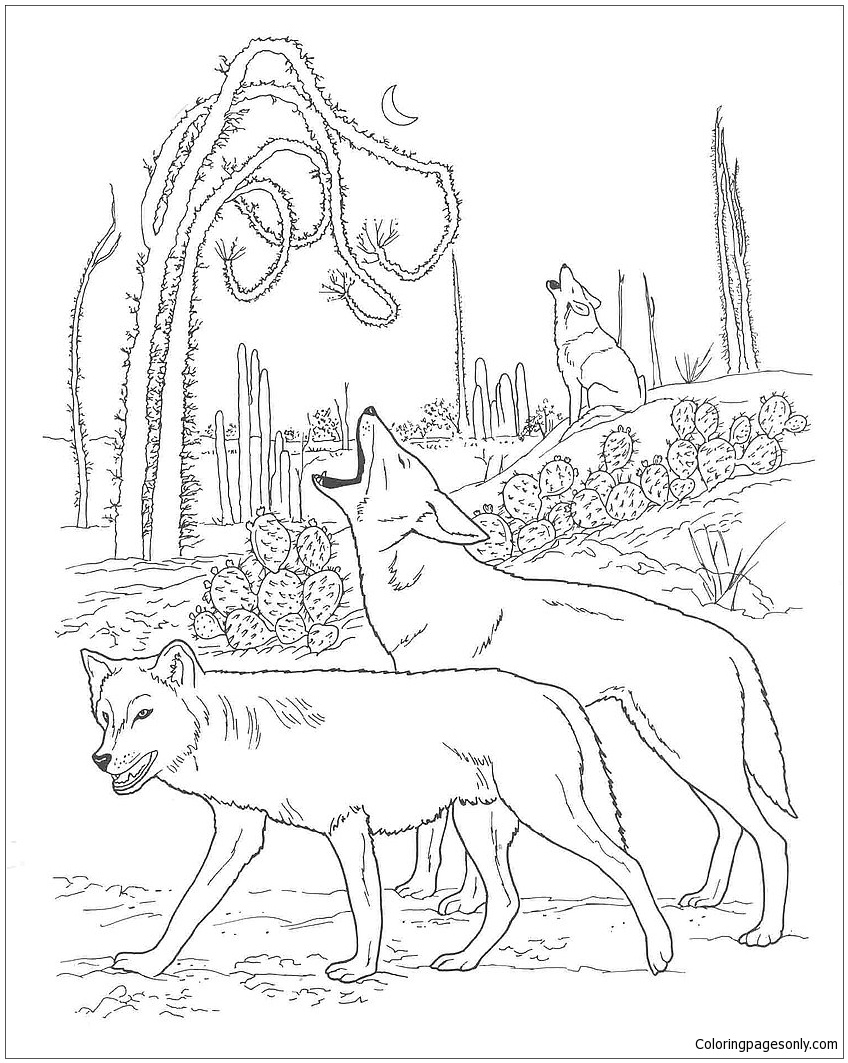
Twenty-two pages cover a wide range of desert wildlife, from kangaroos and hyenas to the fennec fox and desert cardinal. Research each animal’s real coloring for the most accurate result, since this group spans a very diverse set of species.
Reptiles and Arachnids
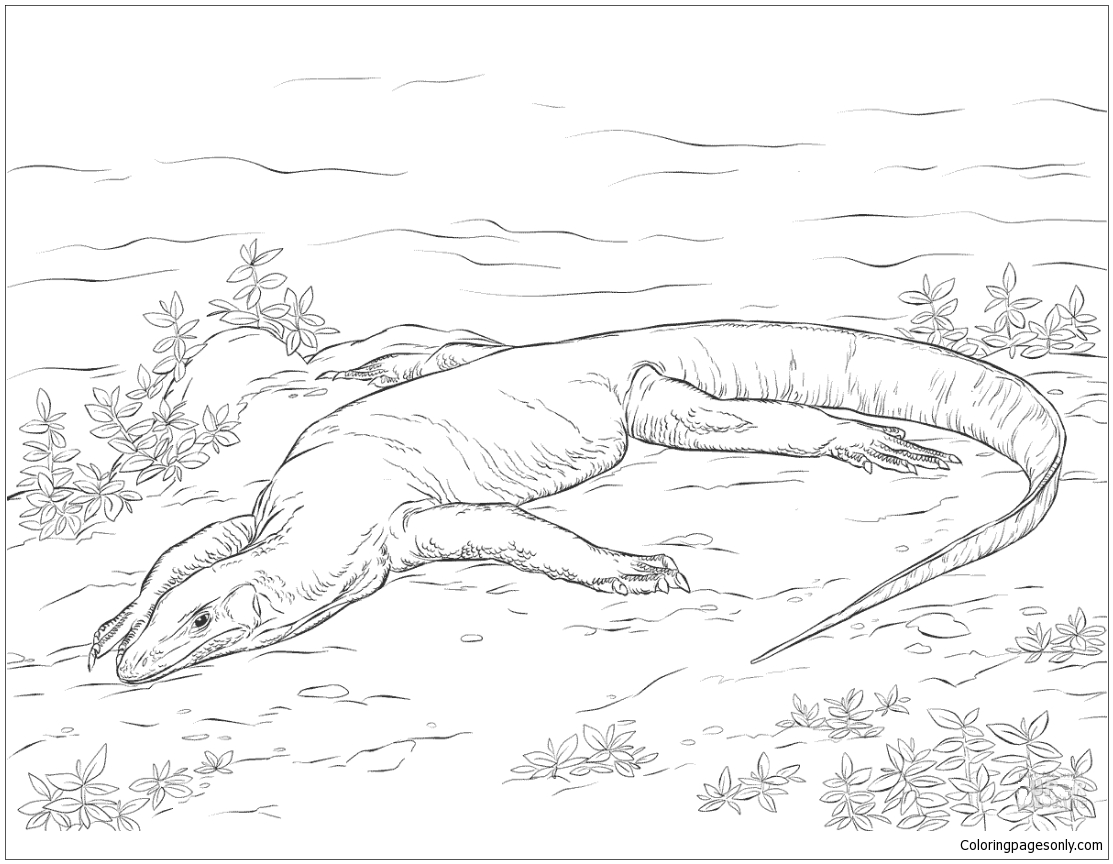
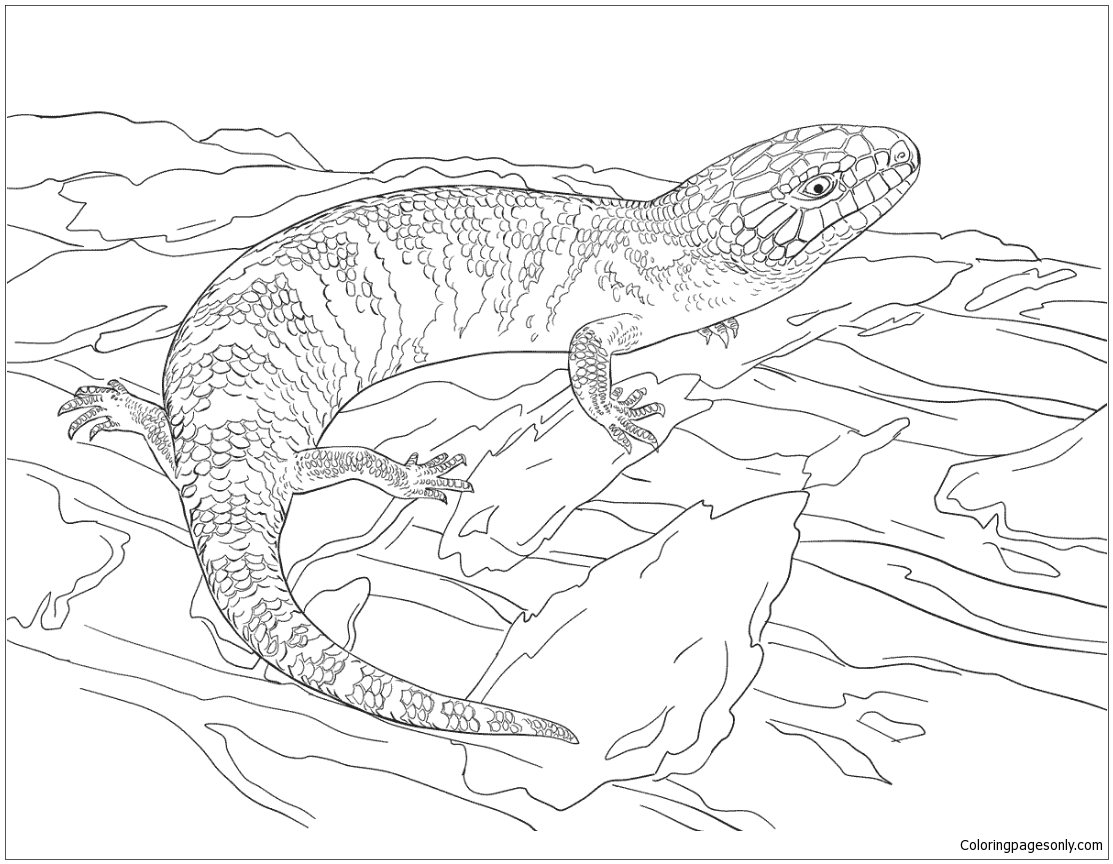
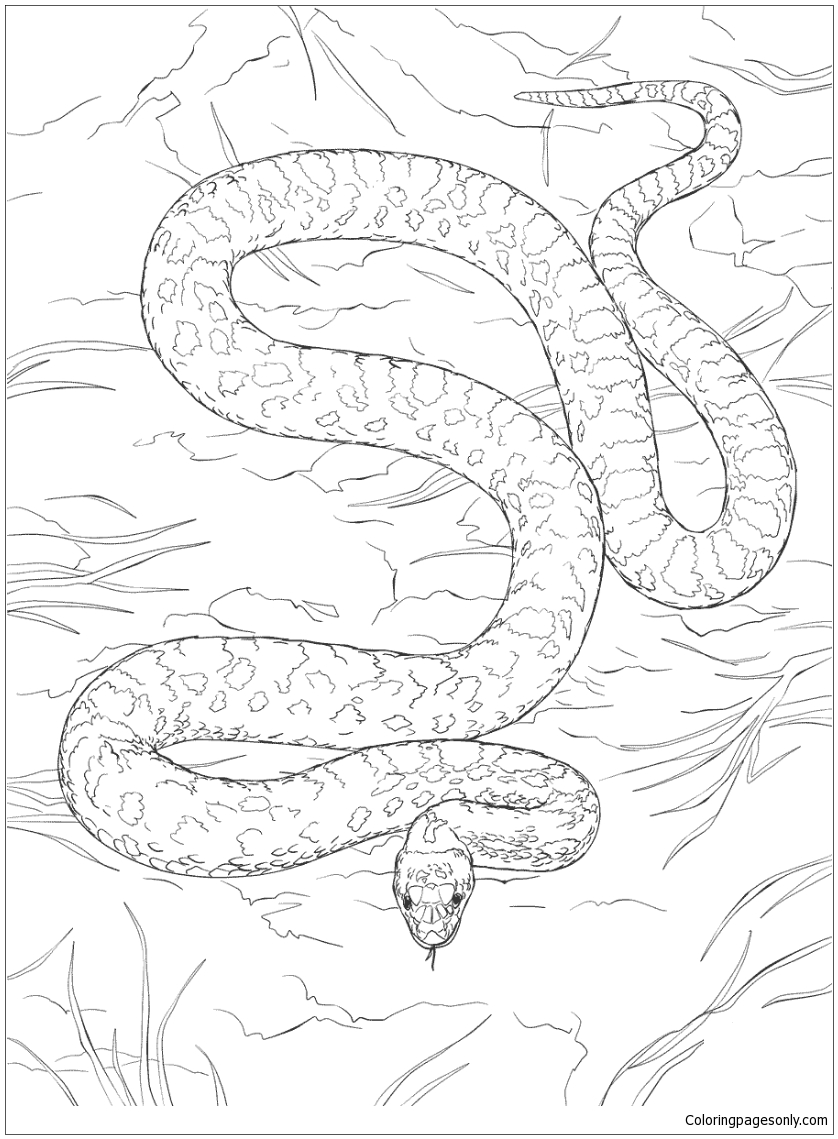
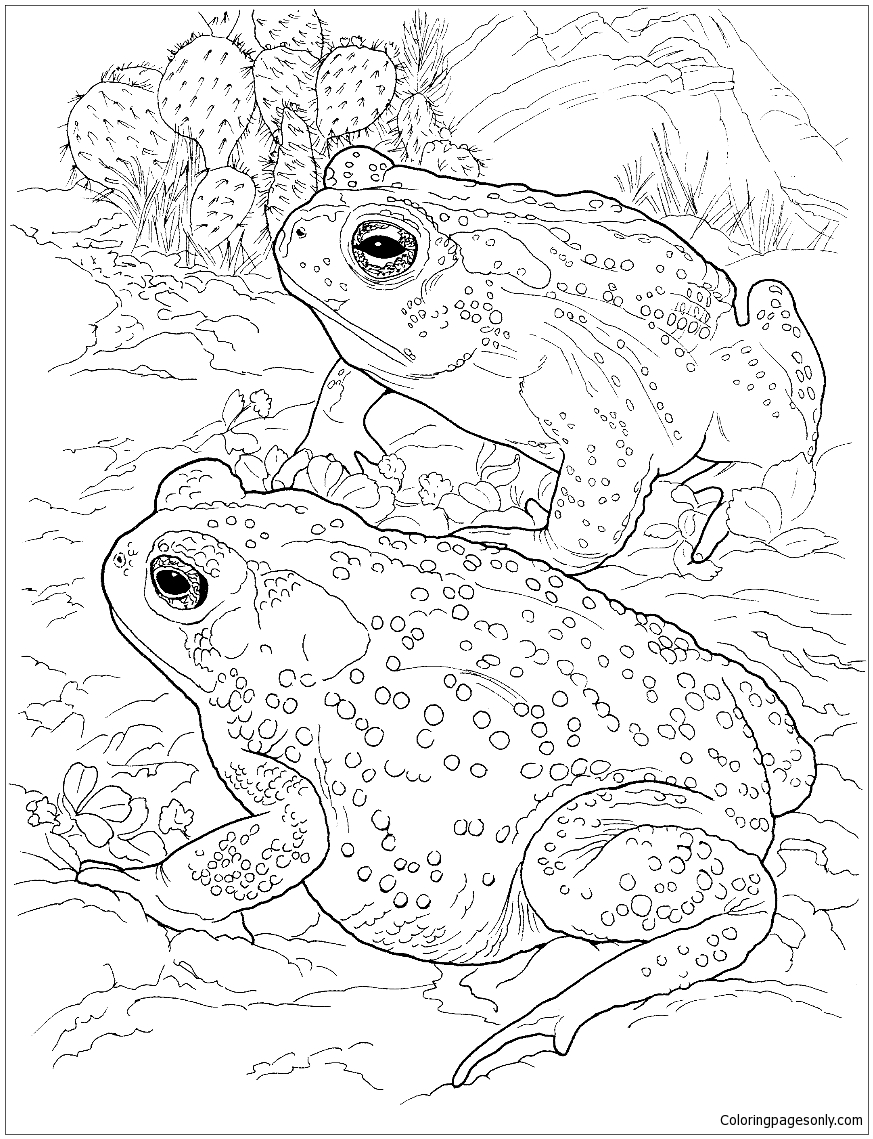
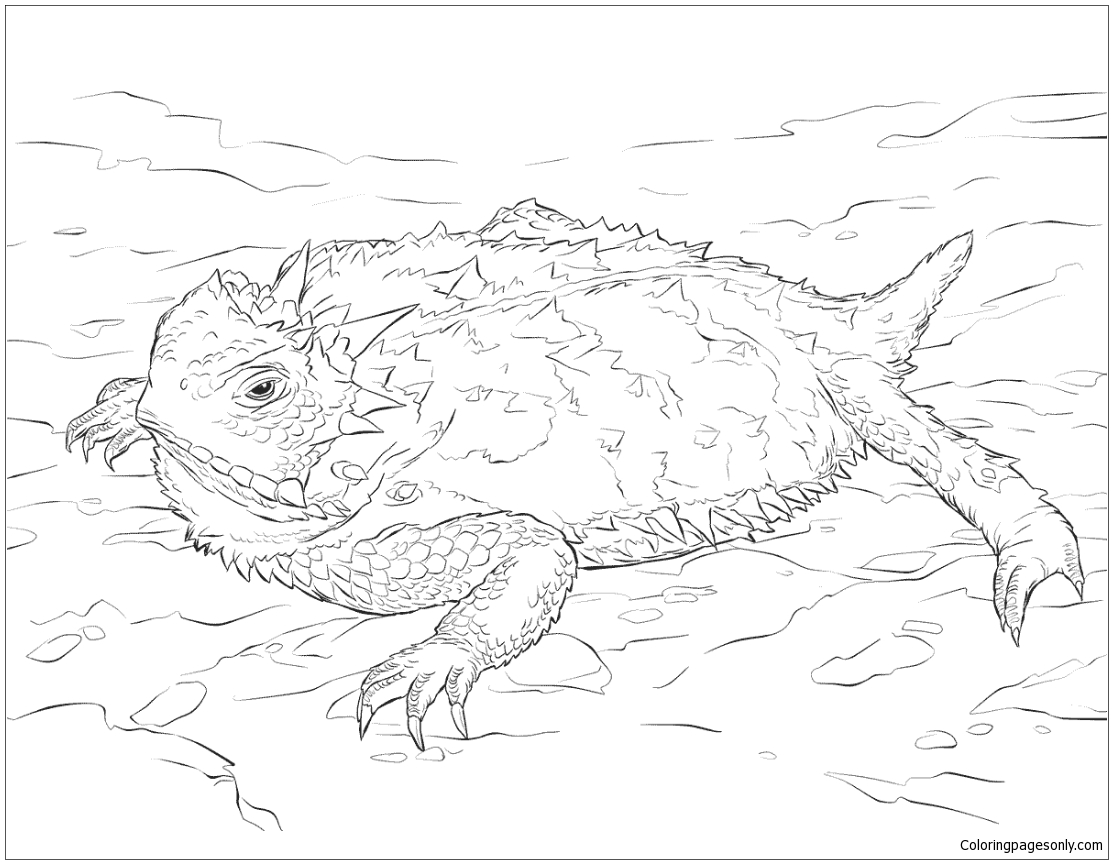
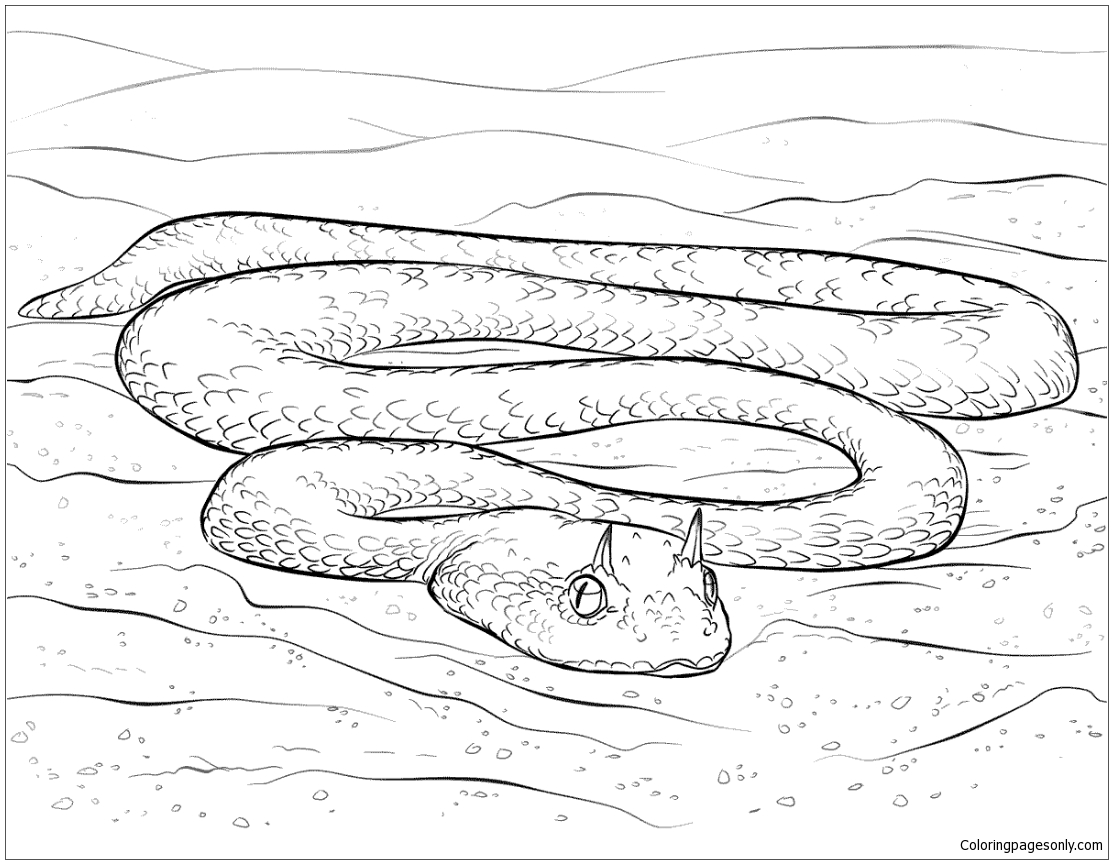
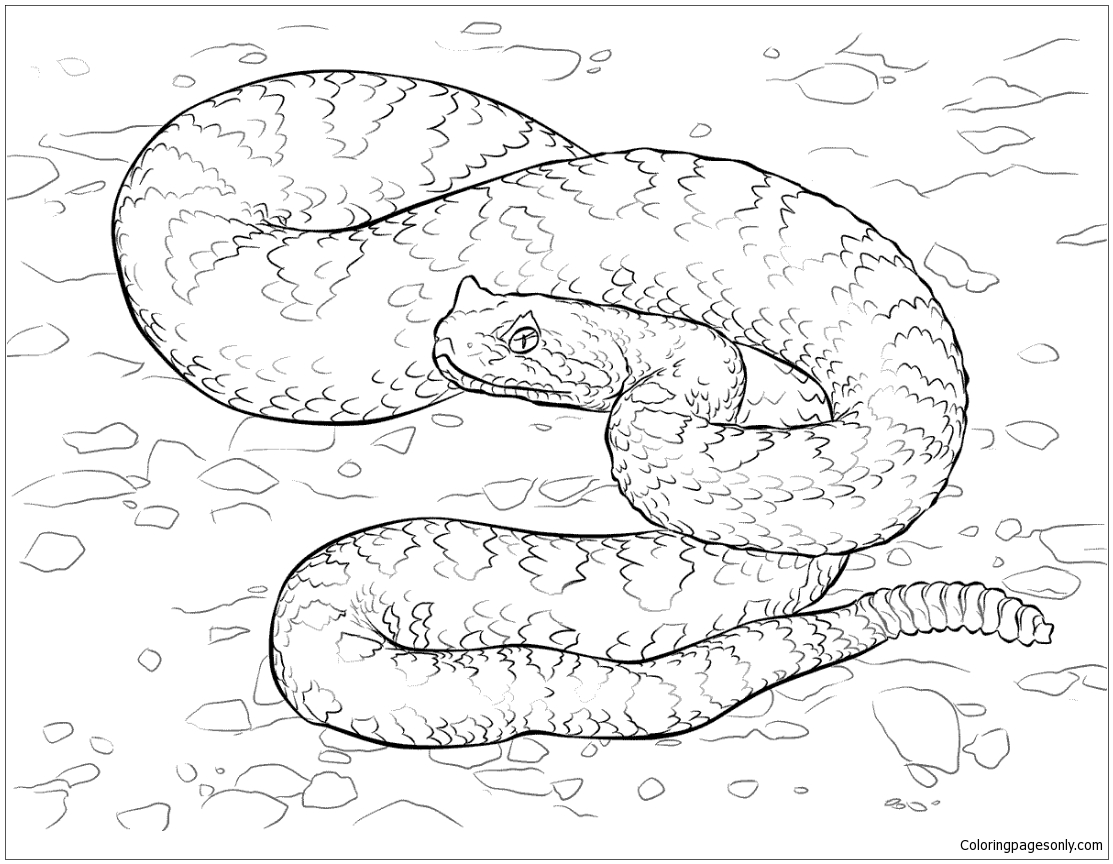
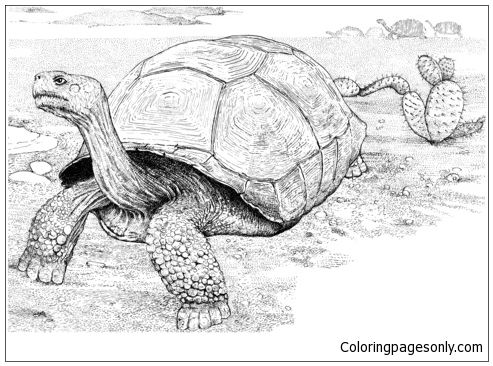
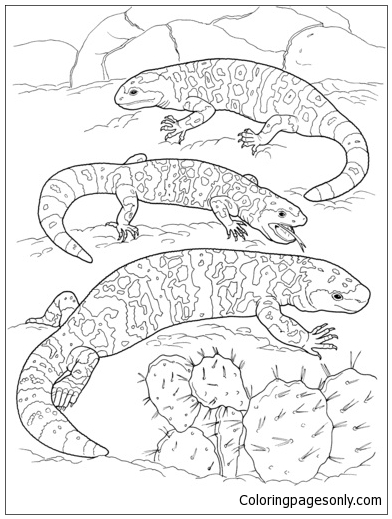
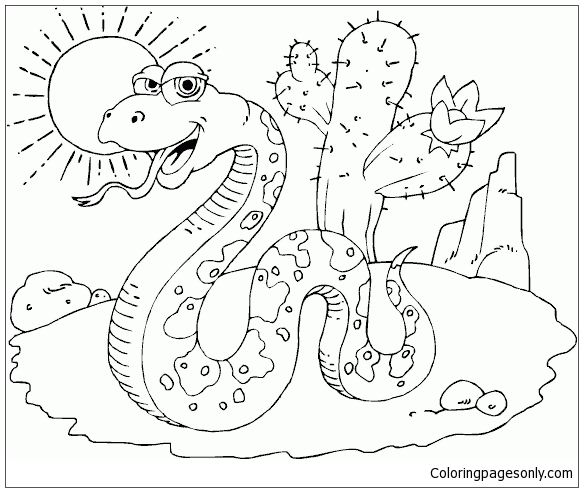
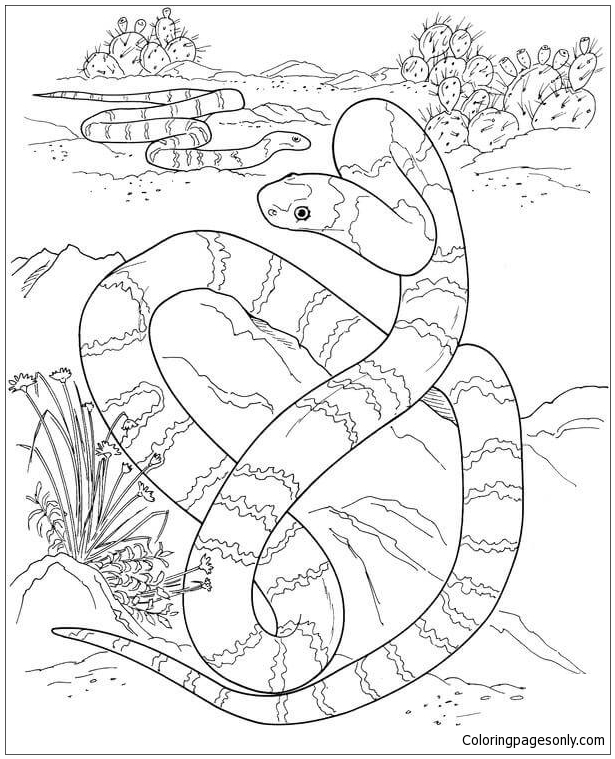
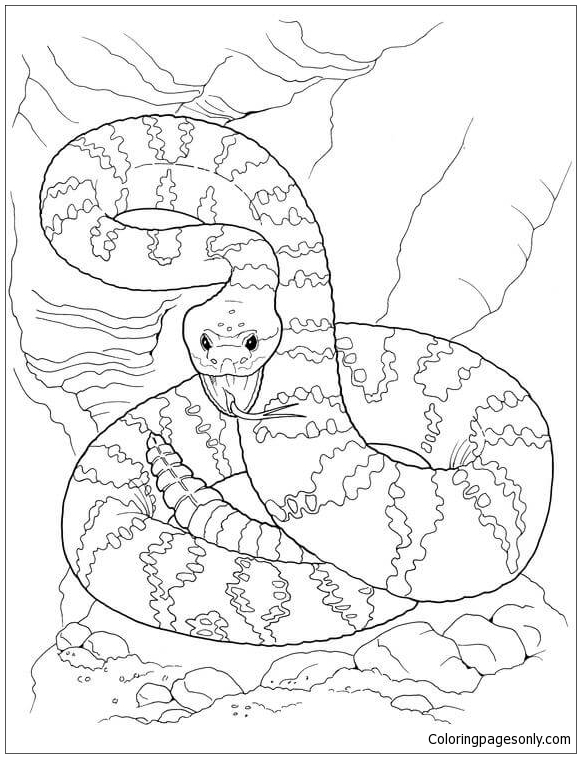
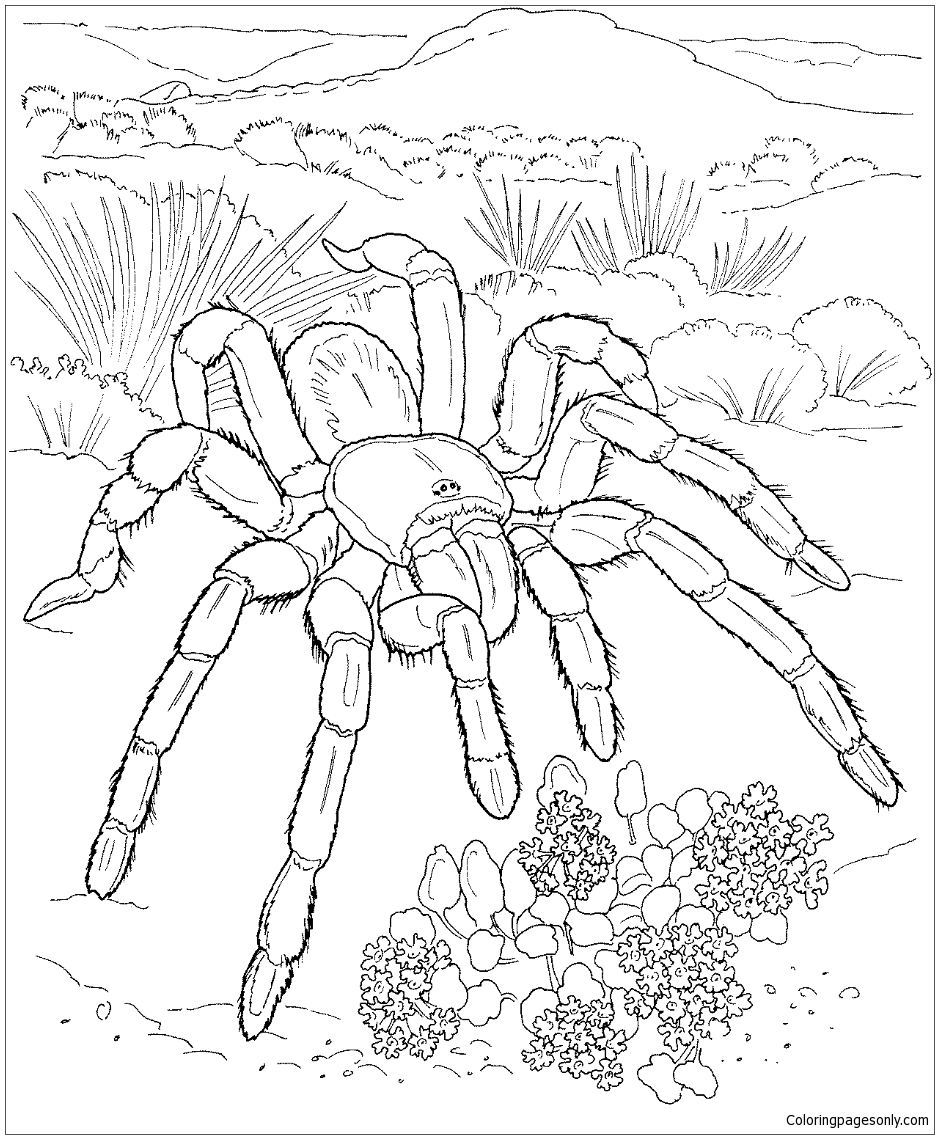
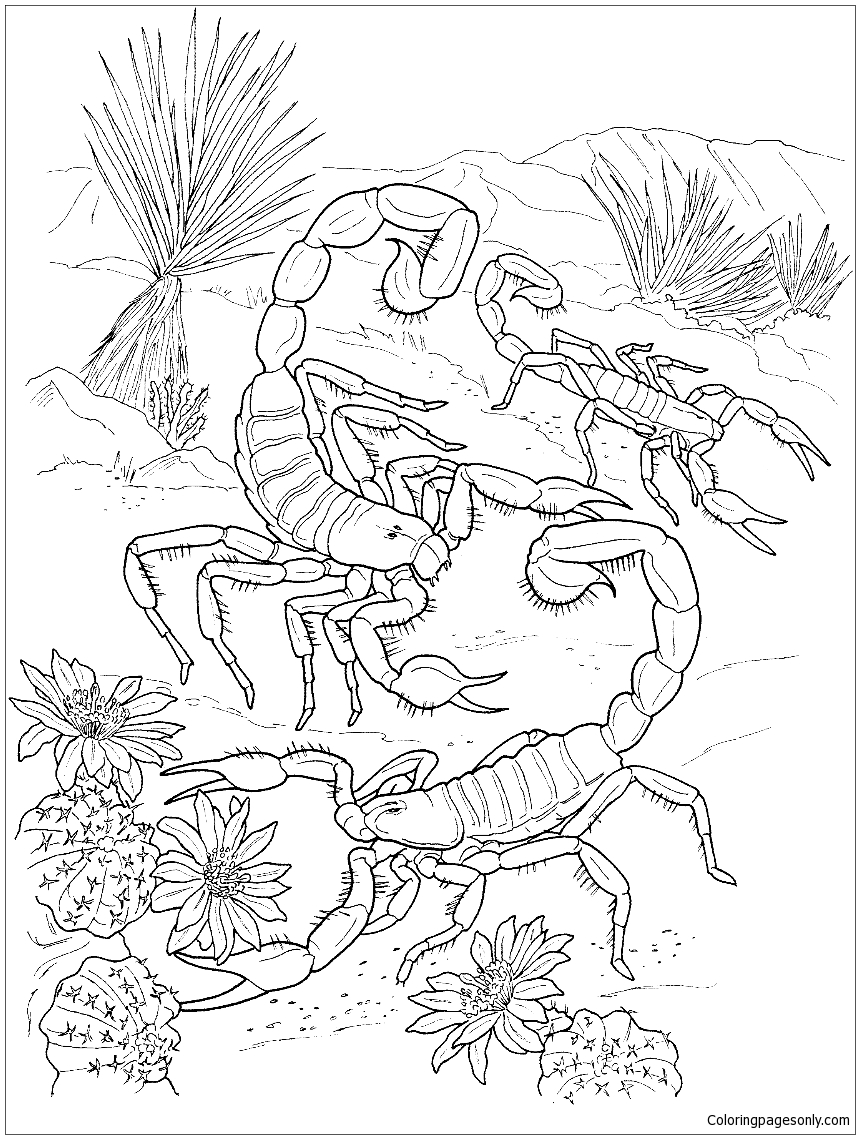
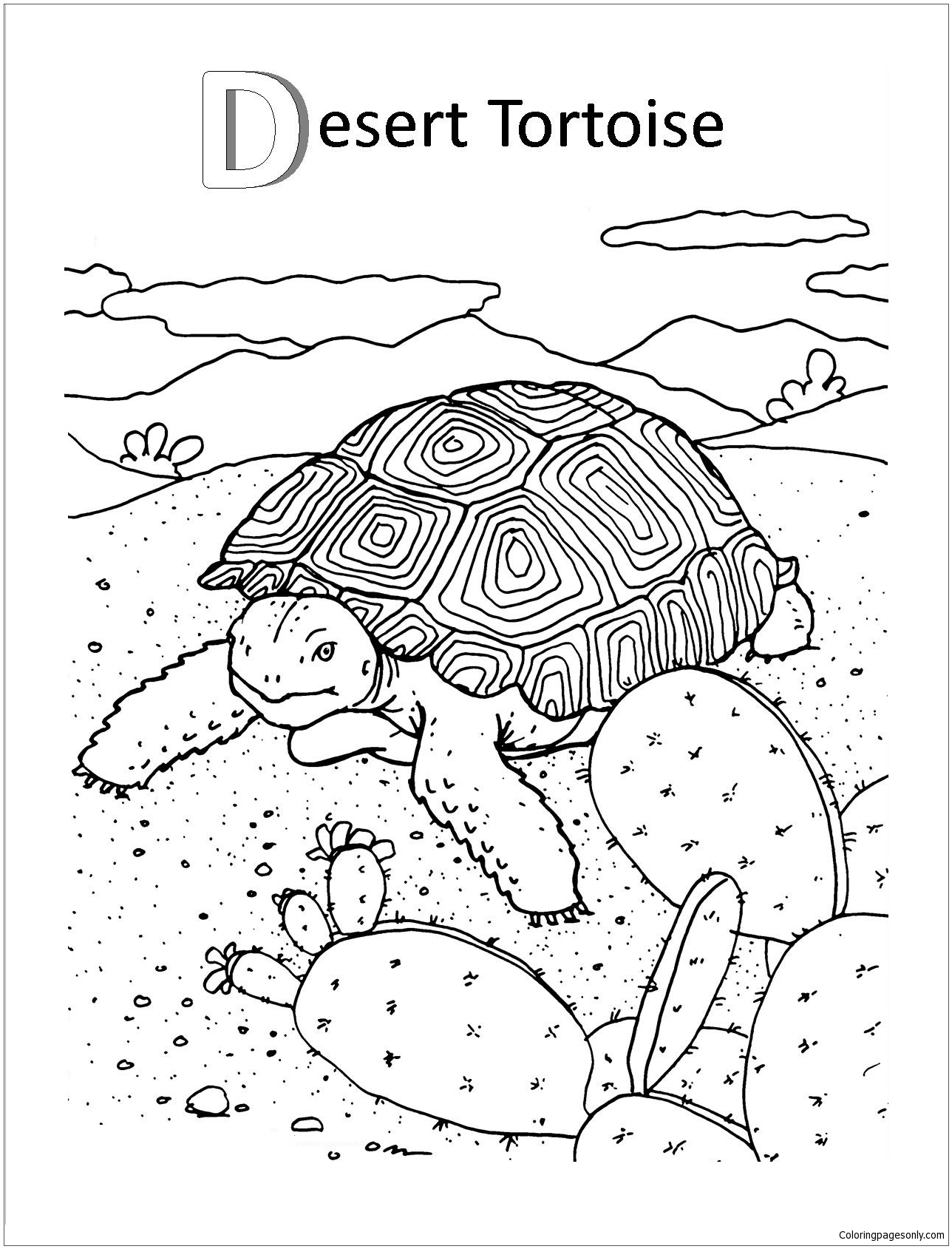
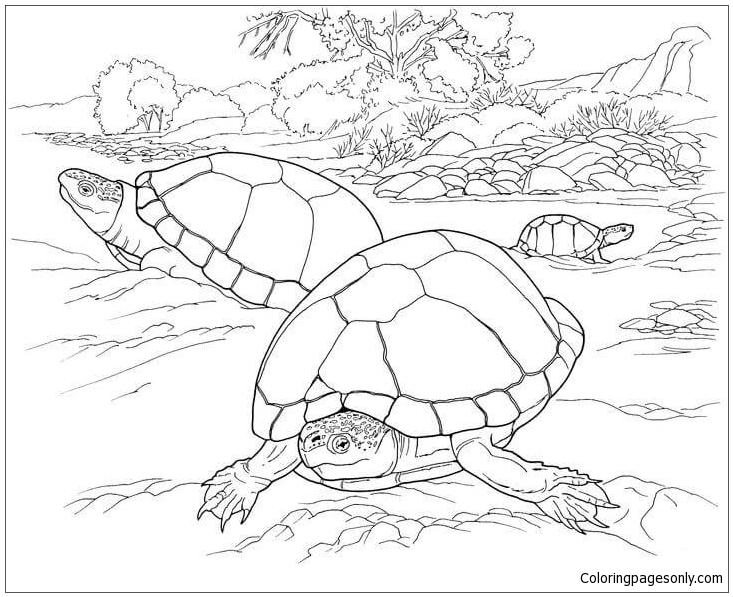
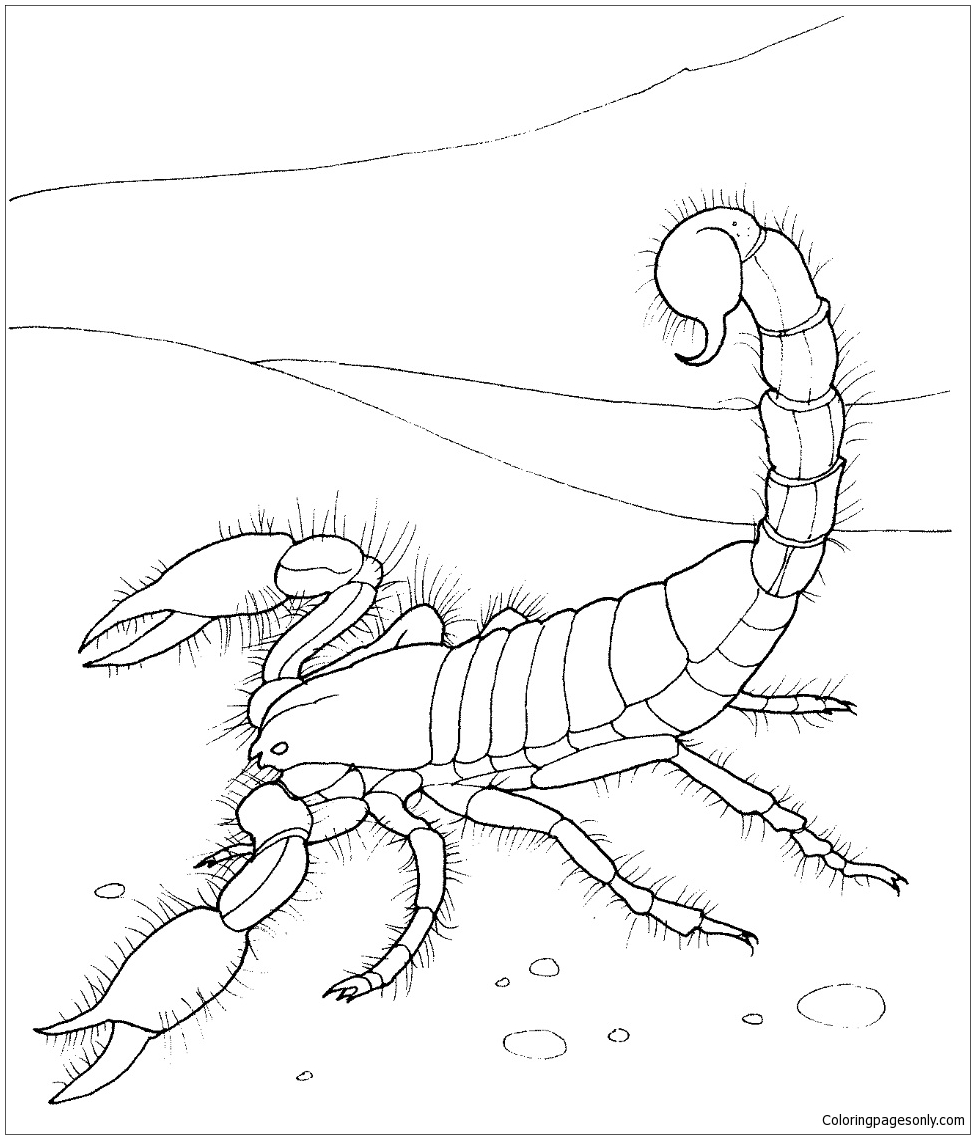
Eighteen pages feature snakes, lizards, tortoises, scorpions, and spiders adapted to desert life. Muted browns, tans, and grays suit most of these designs, echoing the natural camouflage many desert reptiles rely on.
Cacti and Desert Plants
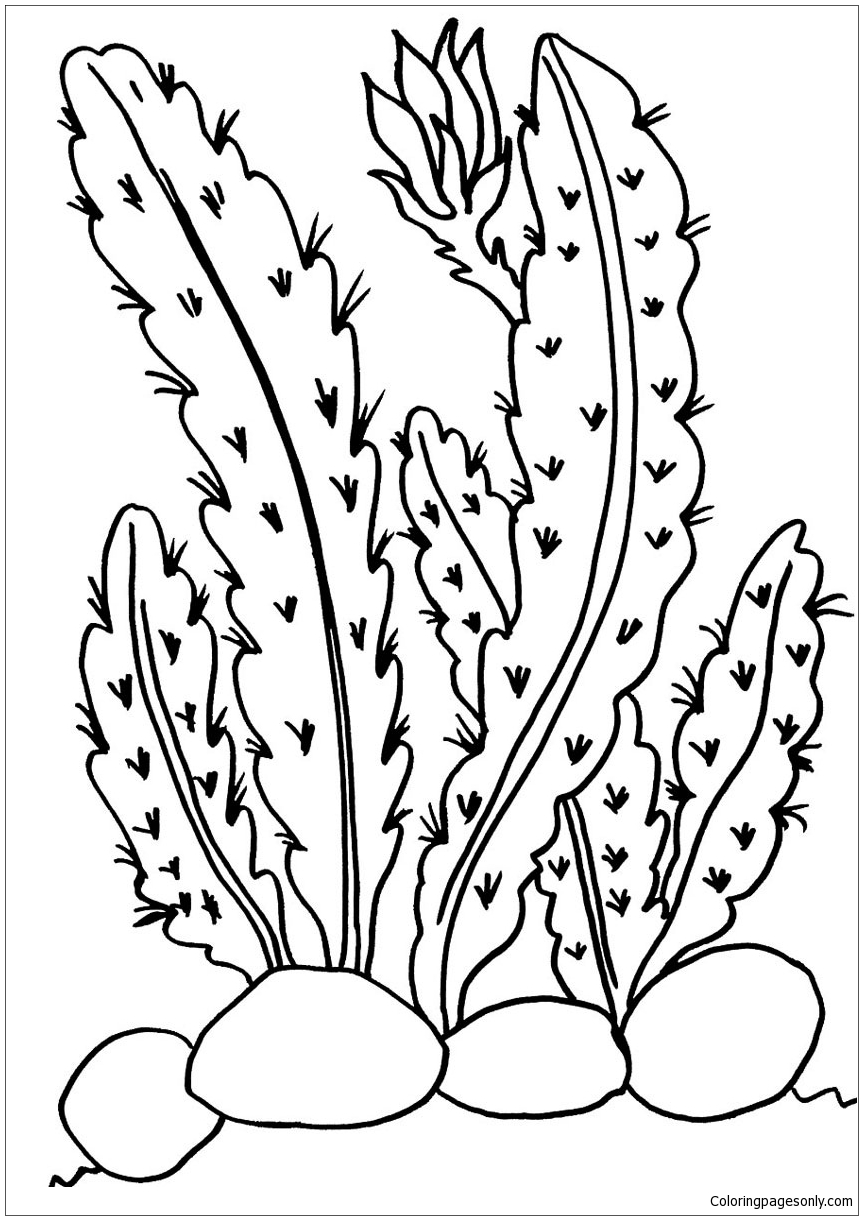
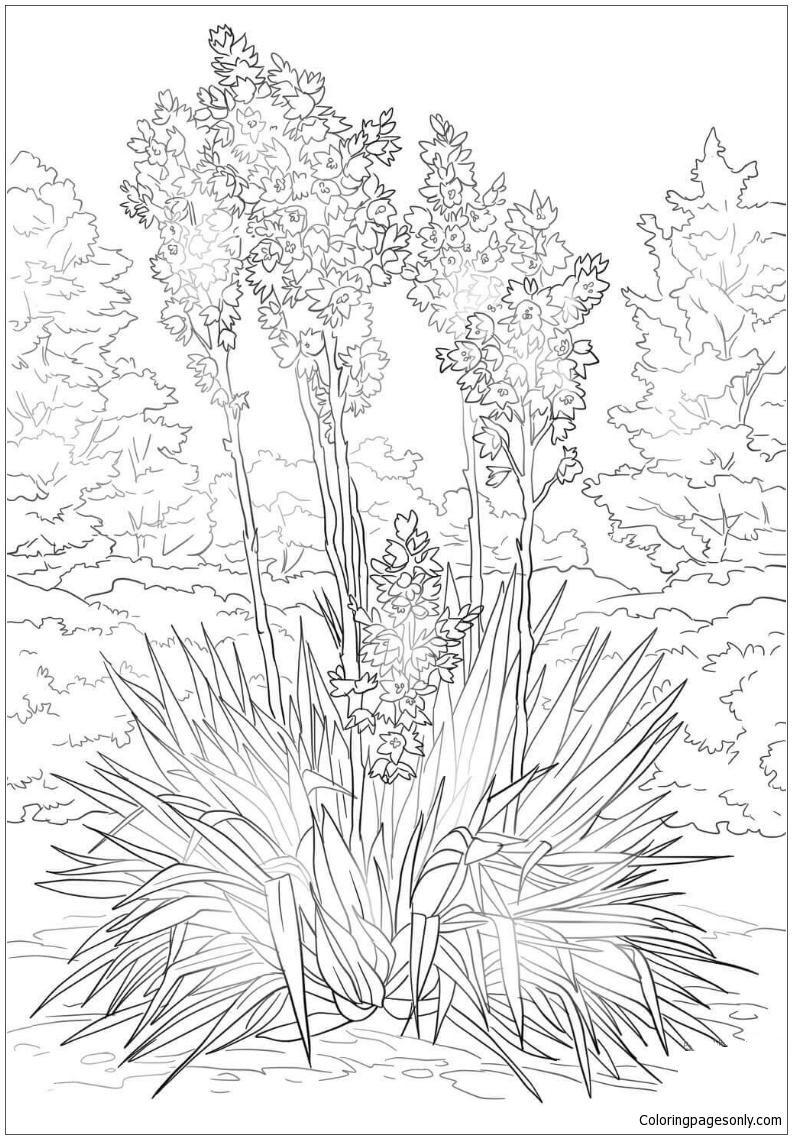
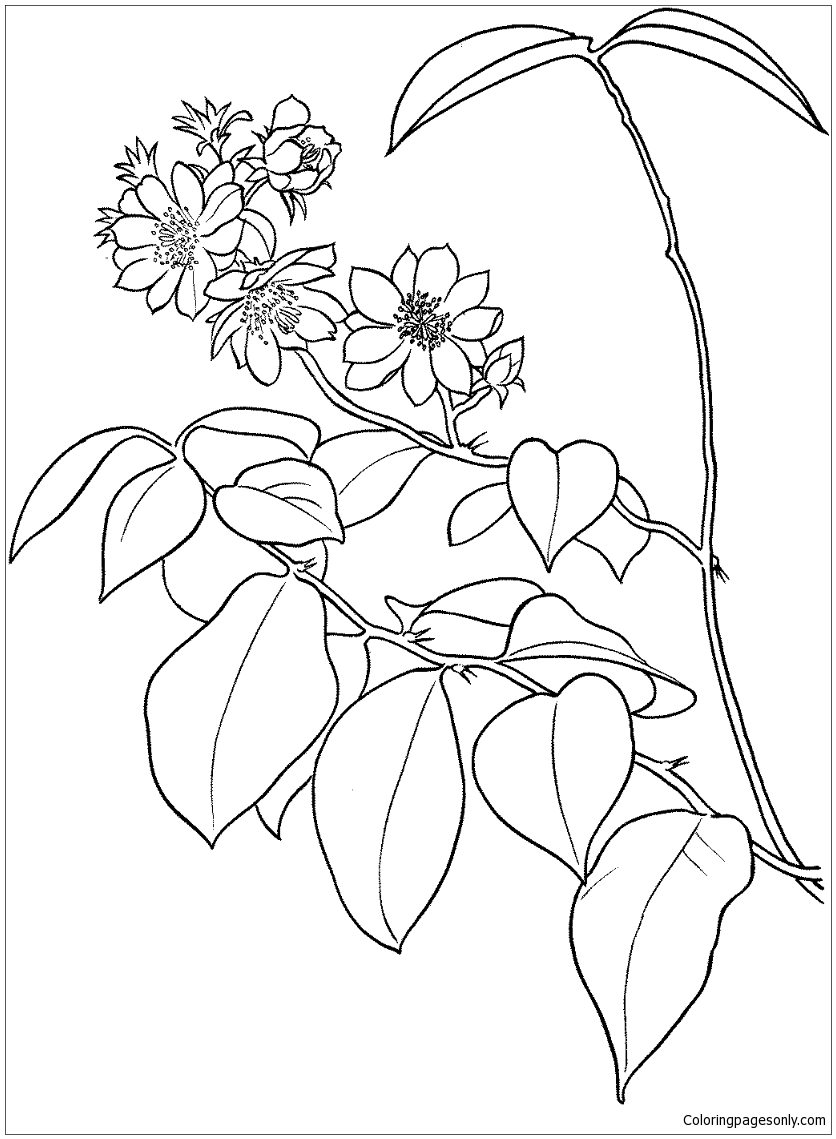
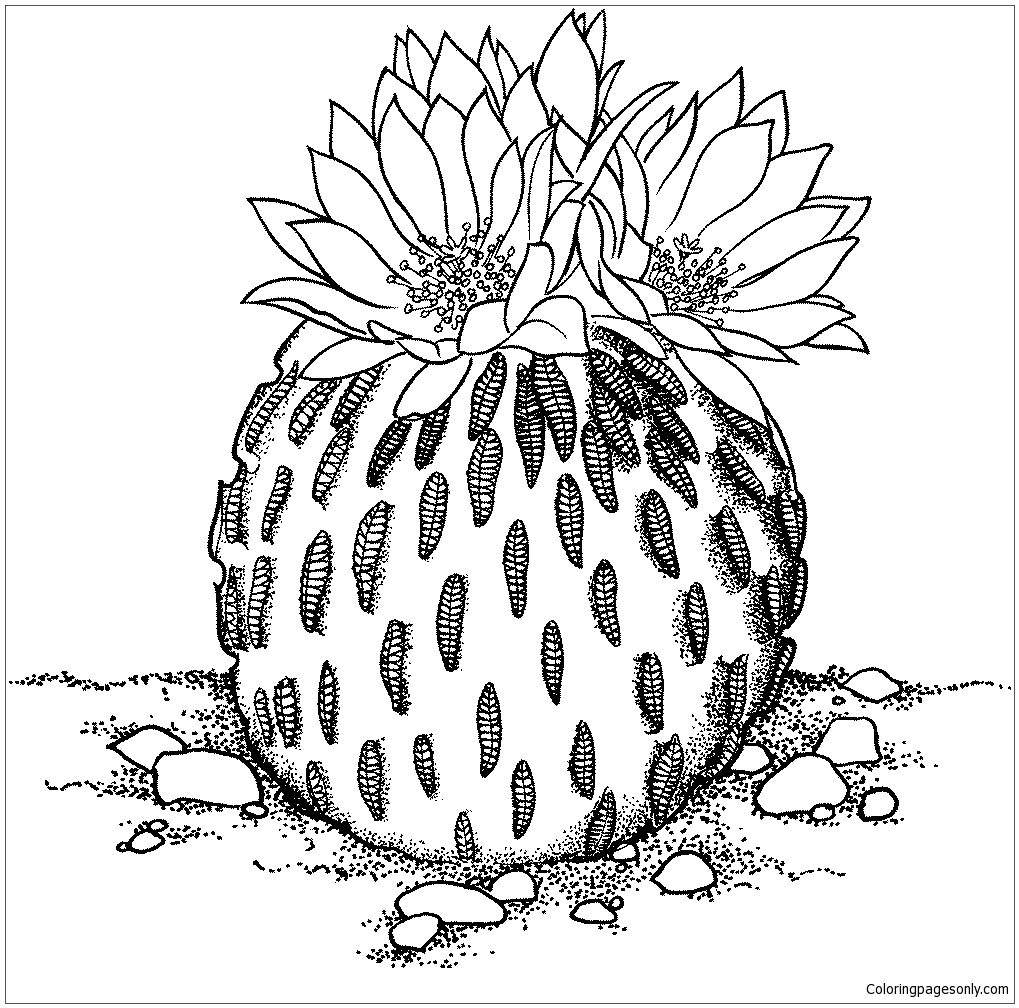
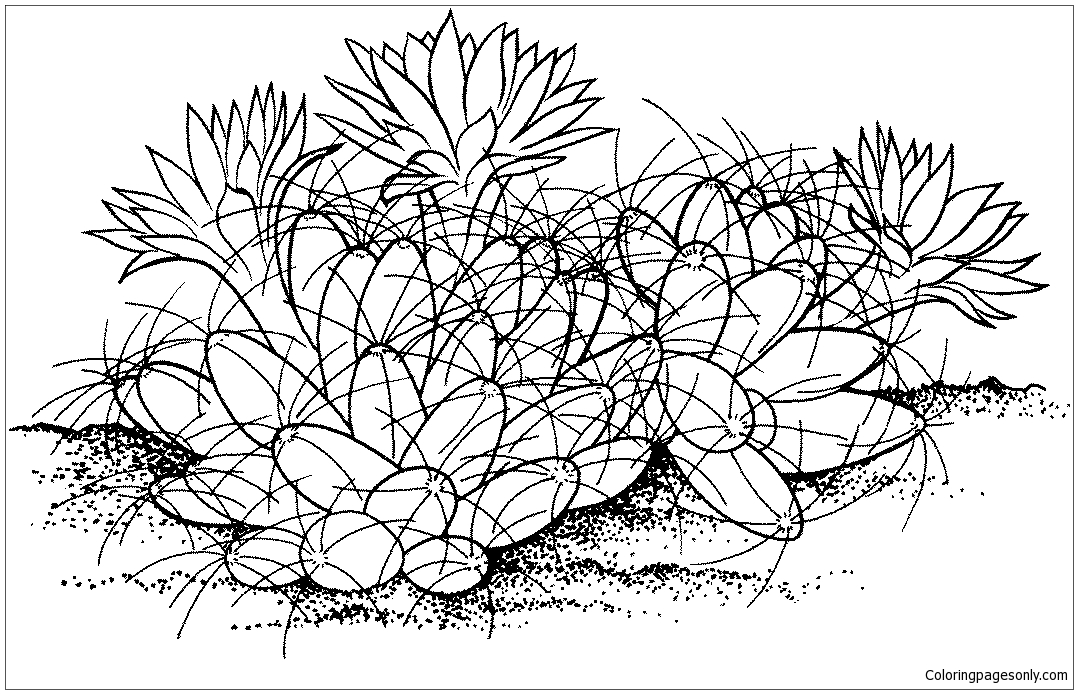
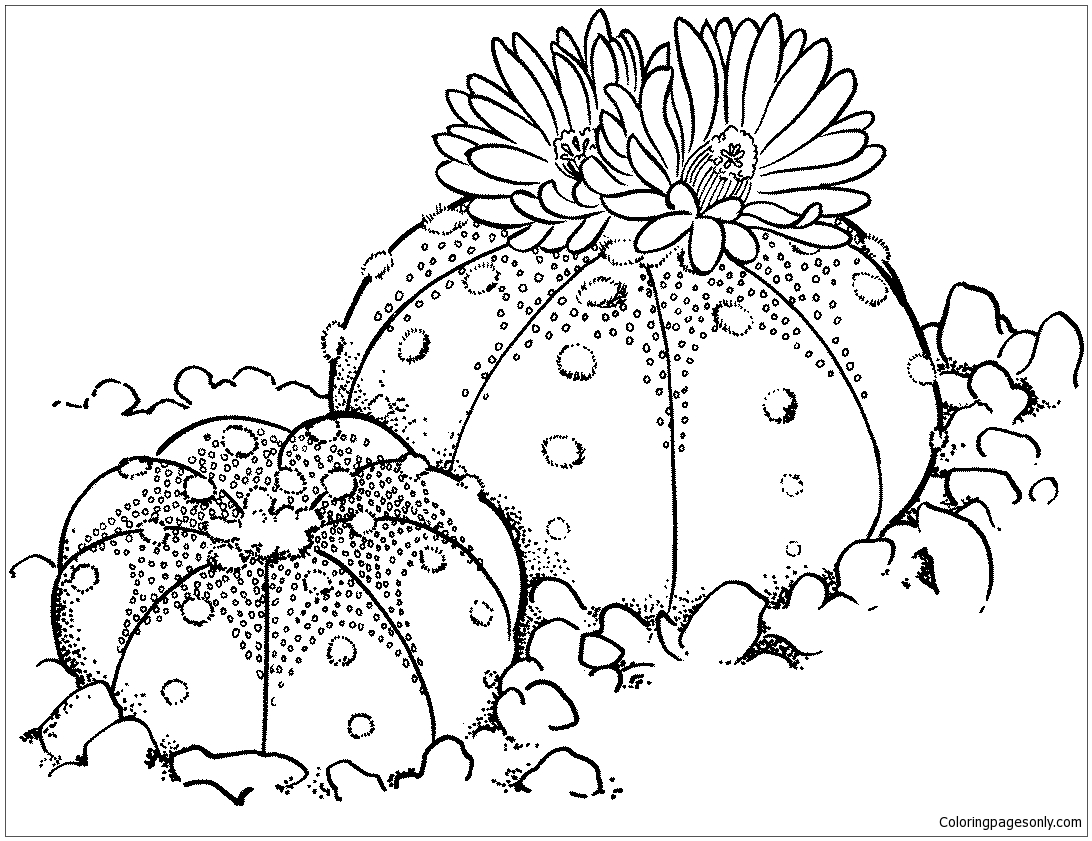
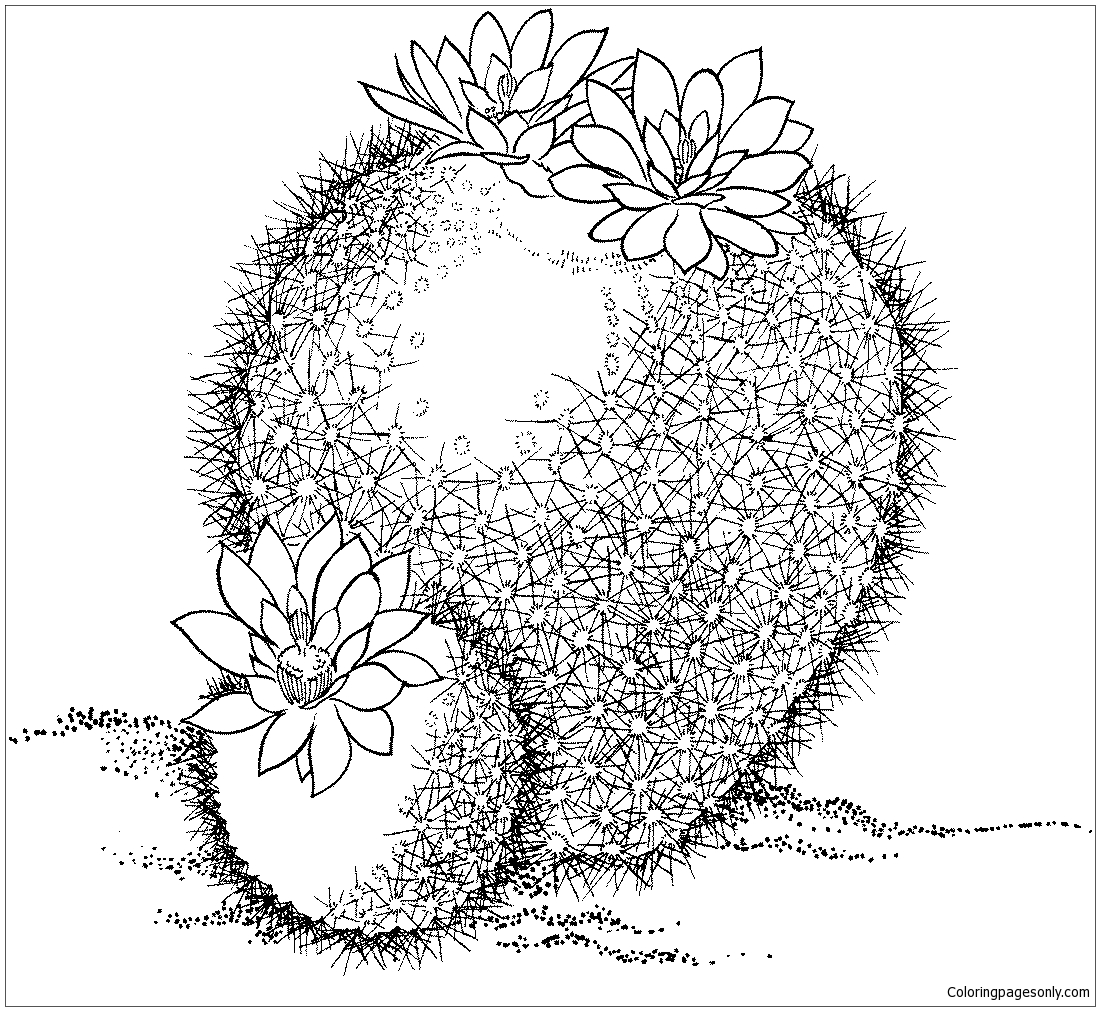
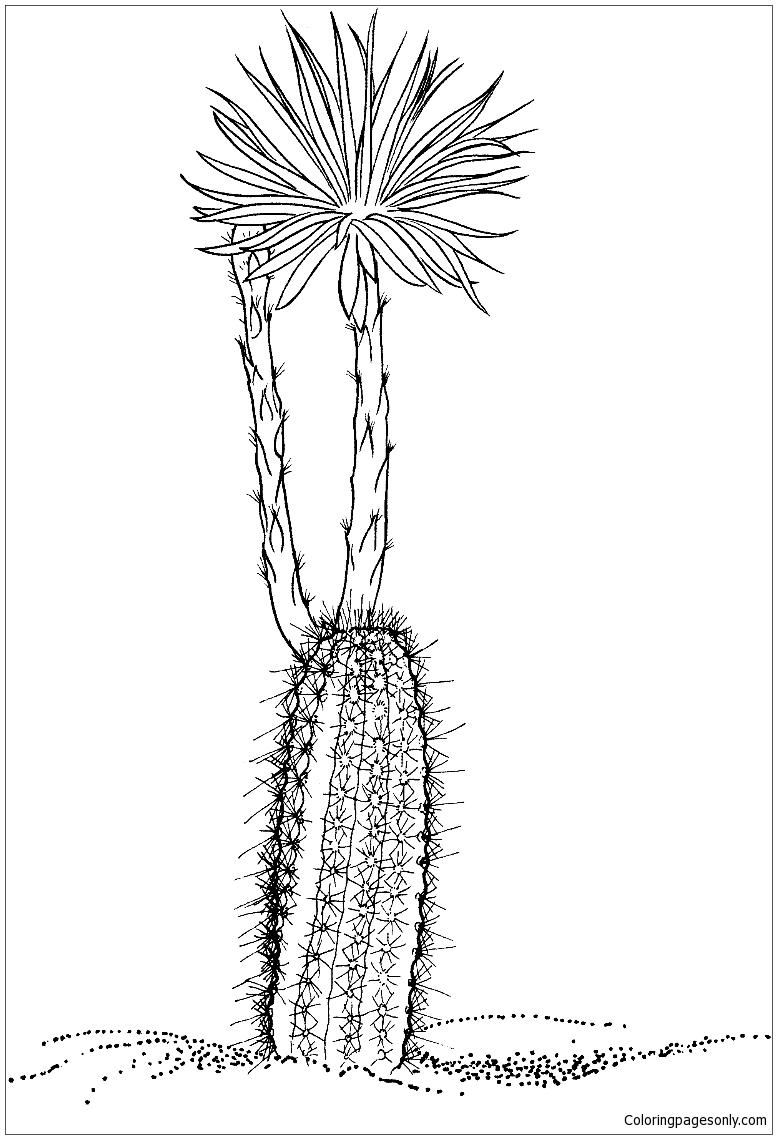
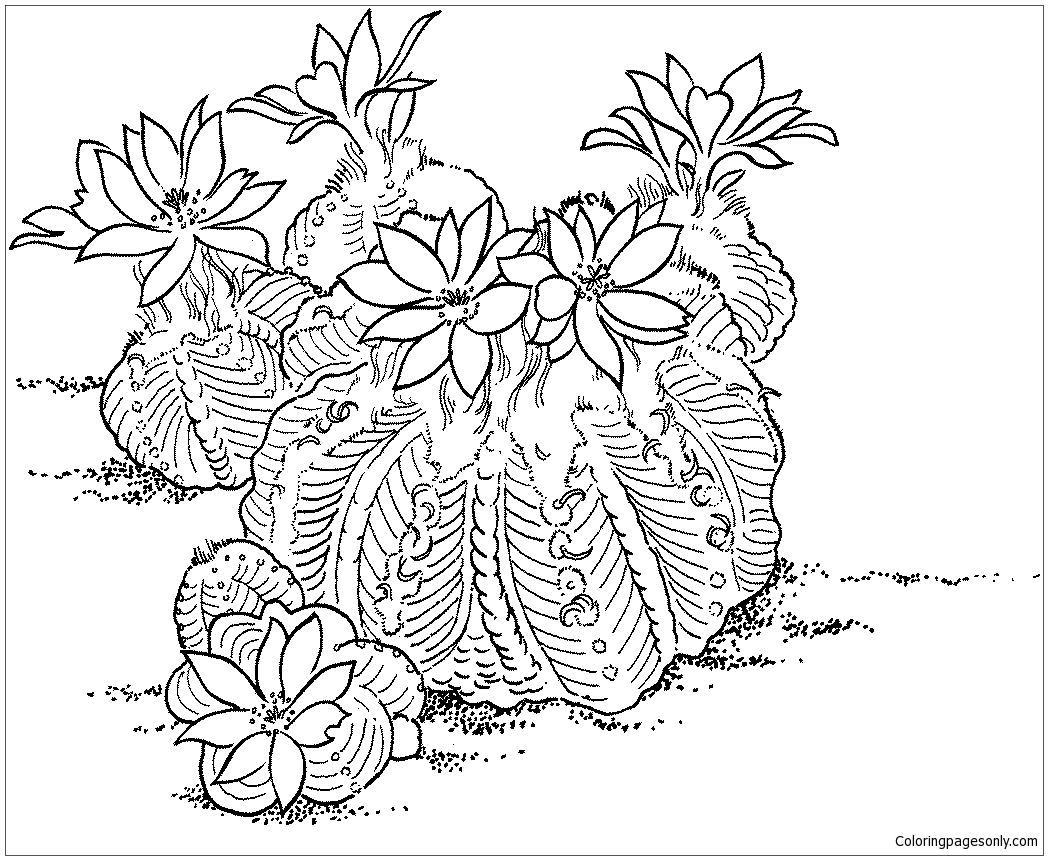
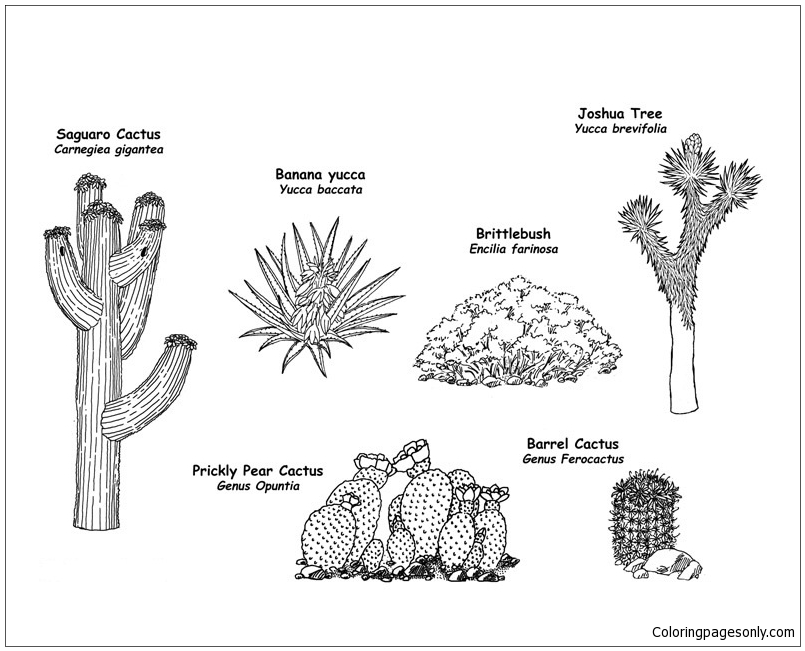
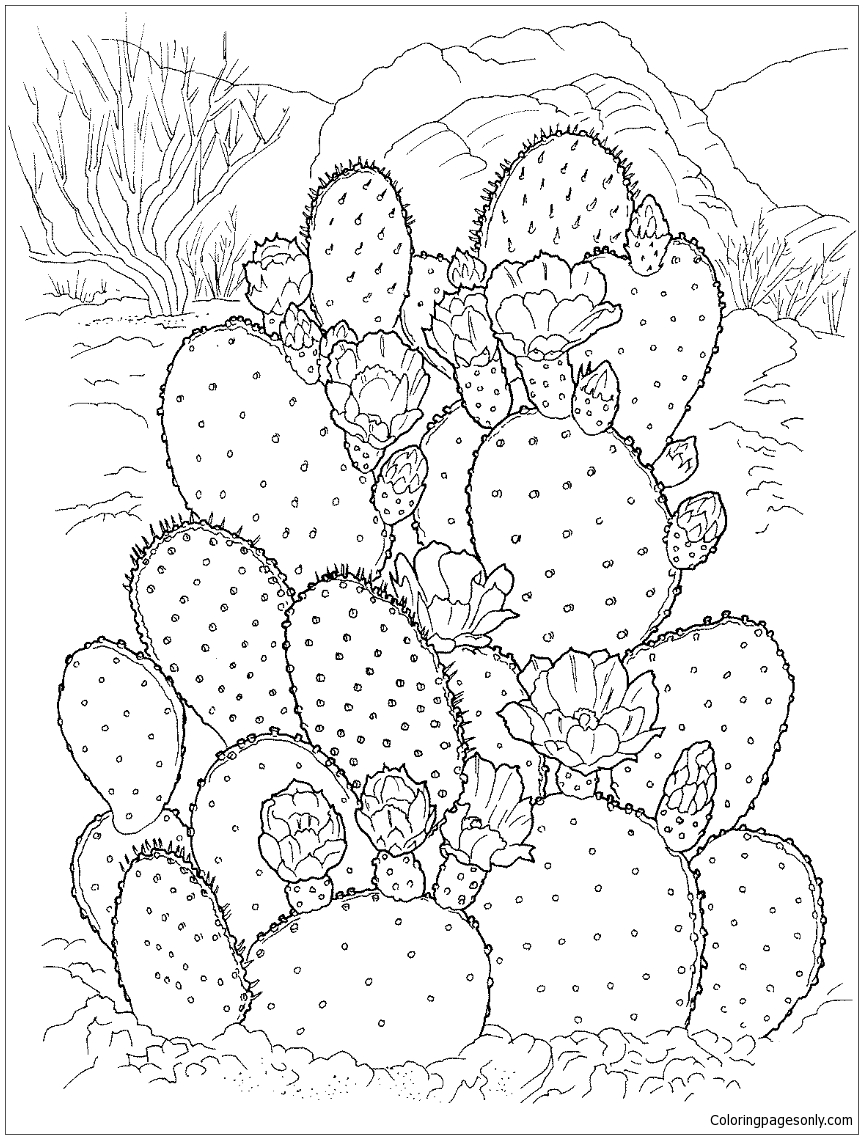
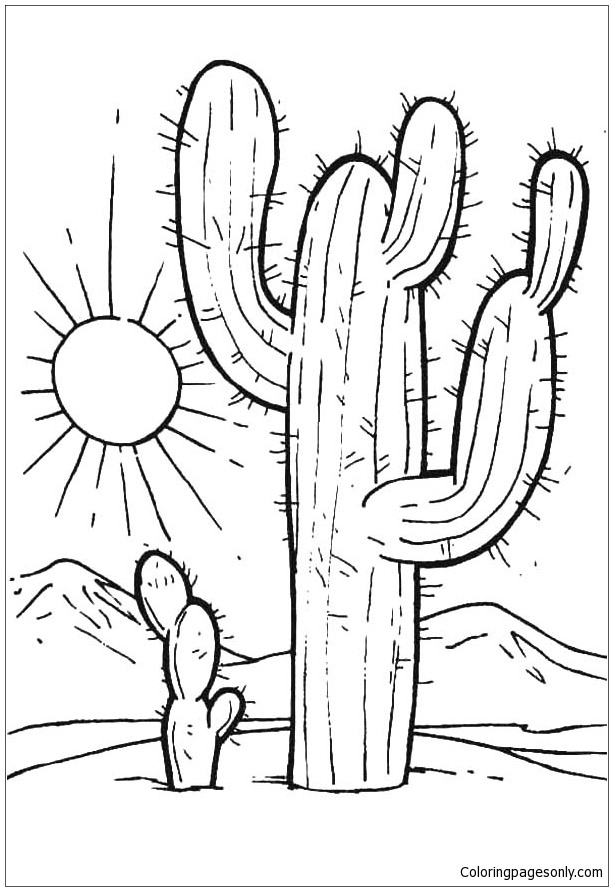
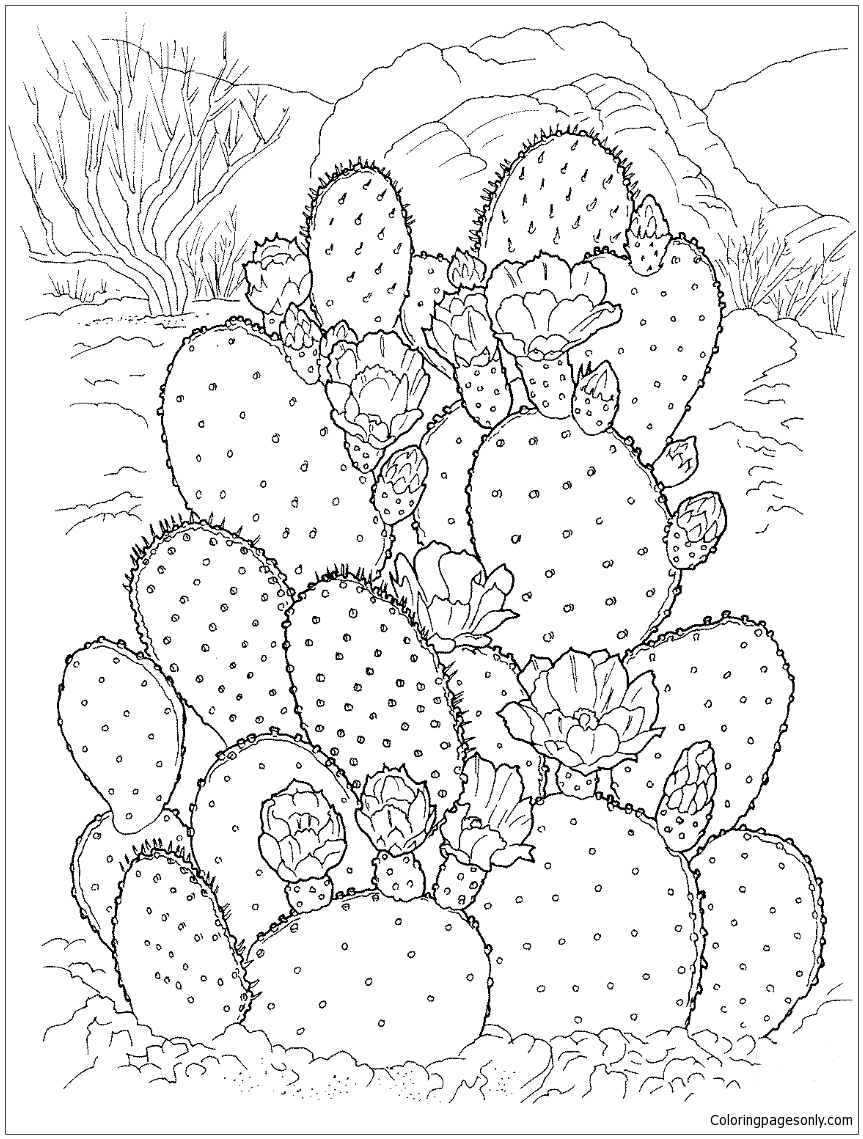
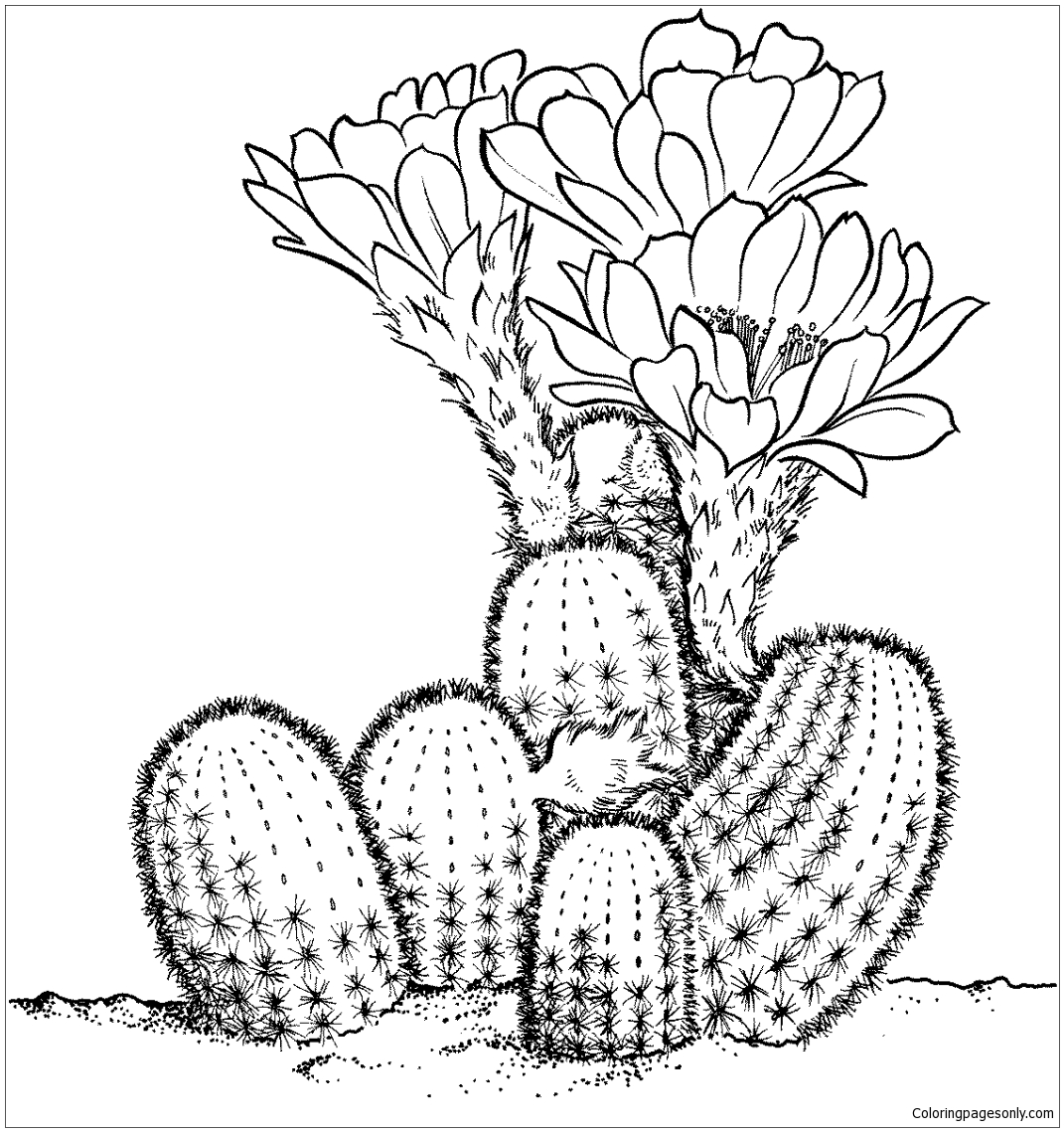
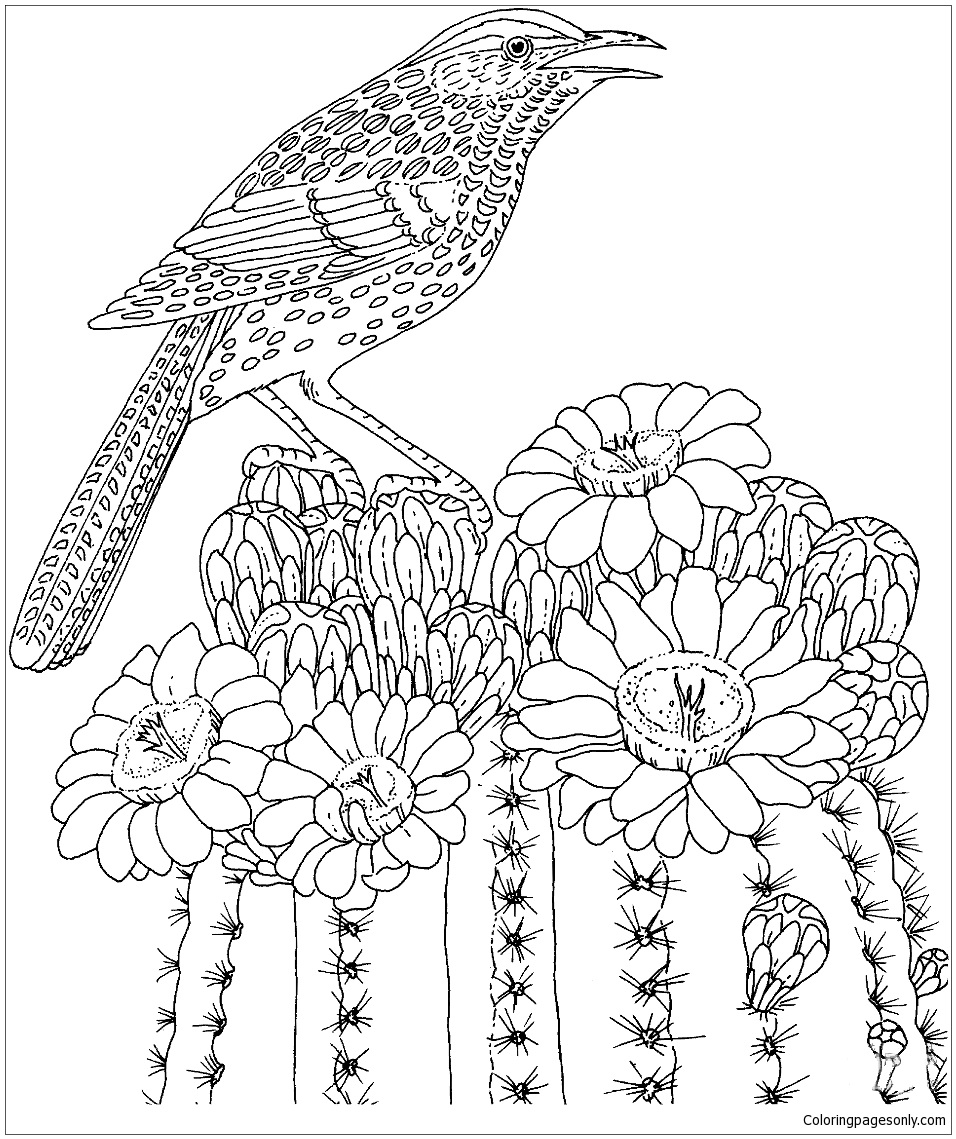
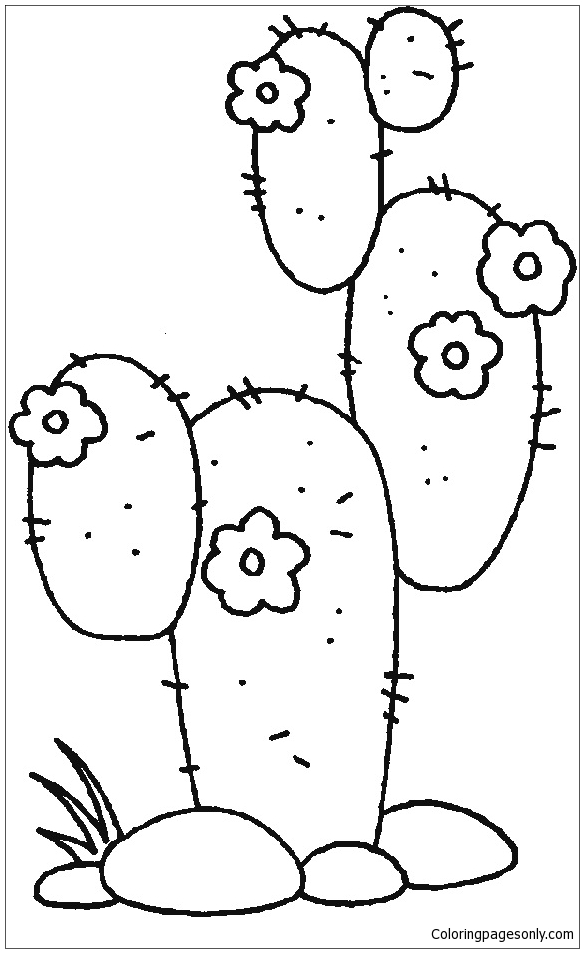
Twenty pages showcase a wide variety of cacti and other desert plants, from the towering saguaro to smaller flowering species. Greens ranging from soft sage to deep forest work well, with bright accent colors for any blossoms.
General and Mixed Scenes
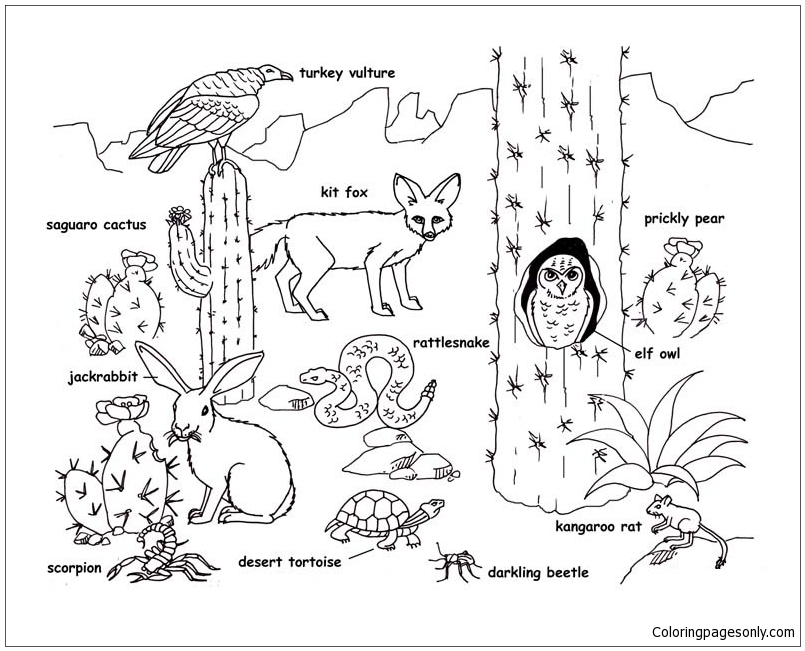
Seven pages combine multiple desert elements into a single scene or take a broader, general approach to the theme. These pages work well with any combination of the colors used throughout the rest of the collection.
What Deserts Coloring Pages Do
Careful strokes for spines, scales, and fine plant detail. Filling in a cactus’s tiny spines or a lizard’s individual scales without crossing the lines calls for controlled, contained pencil movement, and the American Academy of Pediatrics points to this kind of precise coloring as a way to build fine motor skills in children between ages 2 and 7.
A hands-on way to explore an environment most kids rarely see. Since deserts cover more than a fifth of the world’s land but are unfamiliar to many children, coloring these pages offers a low-cost way to explore an entire biome, its animals, plants, and landscape, without leaving the table.
A steady, repeatable rhythm. A 2005 study published in the Art Therapy Journal recorded measurable drops in anxiety among participants who completed structured coloring sessions, and the detailed, focus-driven work required by many of these designs offers that same steady, low-pressure task.
Practice with research-based, muted color choices. Because so many desert plants and animals rely on camouflage rather than bright colors, coloring this collection naturally encourages looking up reference photos, turning a coloring session into a small research project along the way.
How to Color Desert Coloring Pages Well
- Sand and landscape: Use warm Tan, Beige, or light Orange for sand and rock formations, adding subtle shading to suggest dunes and texture.
- Camels: A sandy Brown works well for the coat, with a slightly darker shade around the hump and legs for depth.
- Cacti: Use a range of Greens, from soft sage to deep forest, with small white or yellow dots to suggest spines.
- Reptiles: Muted browns, tans, and grays suit most desert reptiles, reflecting the natural camouflage many species rely on for survival.
- Desert sky: Warm oranges, pinks, and purples work well for sunset scenes, while a clear pale blue suits a bright midday setting.
- Small mammals and birds: Research each species individually for the most accurate result, since desert wildlife varies widely in natural coloring.
5 Creative Craft Ideas With Deserts Coloring Pages
1. Desert Diorama
Color several cactus, animal, and landscape pages, cut them out, and glue them into a small shoebox diorama to build a miniature desert scene.
2. Wildlife Fact Cards
Color several desert animal pages, write a fact about each one on the back, and use the set as simple flash cards for at-home or classroom learning.
3. Bookmark
Trim a small colored desert design to size, laminate or cover with clear tape, and punch a hole for ribbon to make a durable reading bookmark.
4. Classroom Biome Poster
Color several pages representing plants, animals, and landscapes, arrange them on a poster board, and label each element to build a simple desert biome display.
5. Greeting Card
Fold cardstock in half, mount a small colored desert design on the front, and write a message inside for a nature-themed card.
Frequently Asked Questions
What are desert coloring pages?
Desert coloring pages are printable line-art designs featuring desert landscapes, camels, desert wildlife, reptiles and arachnids, cacti, and general scenes. This collection includes 88 free designs available as PDFs or online coloring.
What actually defines a desert?
A desert is defined by how little precipitation it receives, typically less than 10 inches a year, rather than by heat alone, which is why cold regions like Antarctica are technically classified as deserts too.
Do camels store water in their humps?
No. Camels store fat, not water, in their humps, converting it to energy and water when food is scarce, a common misconception about the animal often called the ship of the desert.
How does the fennec fox stay cool in the desert?
The fennec fox uses its unusually large ears to release body heat, helping it survive the high daytime temperatures of the Sahara Desert.
How long can a saguaro cactus live?
A saguaro cactus can live for more than 200 years and grow as tall as 40 feet, making it one of the longest-living organisms found in desert environments.
Are all deserts hot?
No. Deserts are classified by low precipitation rather than temperature, and cold deserts like the Gobi Desert experience long, freezing winters despite still being classified as deserts.
Are desert coloring pages suitable for young children?
Yes. The simpler standalone plant and animal designs in this collection use bold, uncluttered outlines suited to preschool and early elementary colorists. At the same time, the detailed landscape and wildlife scenes work well for older children.
What colors work best for desert scenes?
Warm tans, browns, and oranges for the landscape, paired with muted greens for cacti and natural camouflage tones for wildlife, create the most realistic desert look.
Start Coloring
Download any page by clicking the design. No account, email, or payment is required. Pages print directly from the browser at full resolution or open in the online coloring tool for screen use. Share finished pages on Facebook or Pinterest with the share buttons at the top of each design page.