Nature & Seasons Coloring Pages
 By:
Jennifer Thoa - Content Editor & Designer
Updated:
By:
Jennifer Thoa - Content Editor & Designer
Updated:
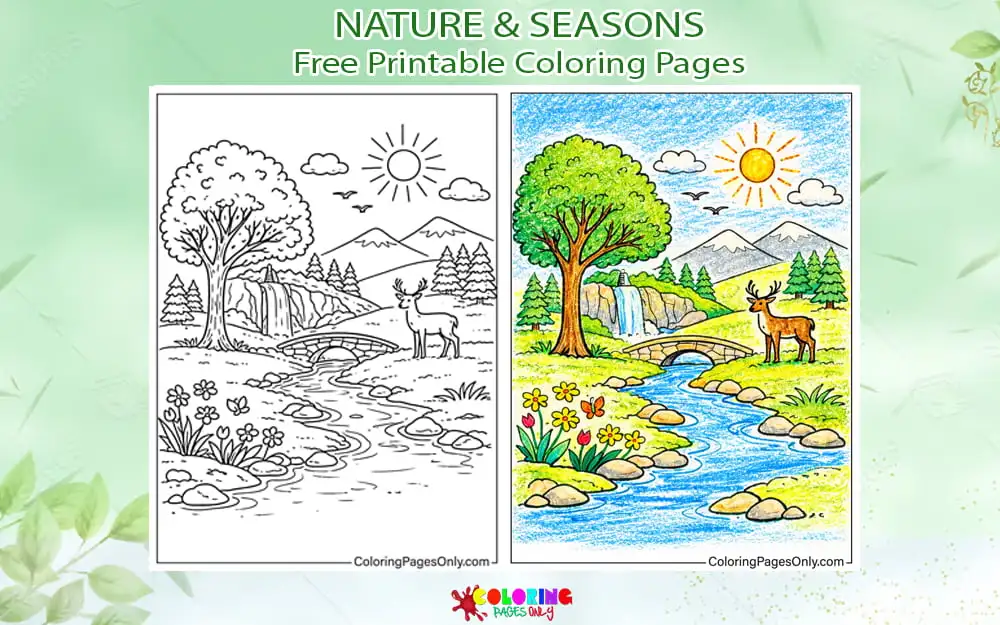
Nature and seasons coloring pages at ColoringPagesOnly.com cover 2,357 pages across 28 sub-categories, the full range of the natural world as a coloring subject, from the four seasons and their monthly rhythms to the specific geography of forests, deserts, oceans, and mountain ranges, the phenomena of weather and natural events, and the botanical detail of individual plants, leaves, and trees. Every page is free to download as a PDF and print, or color online in the browser.
Seasons and Seasonal Time
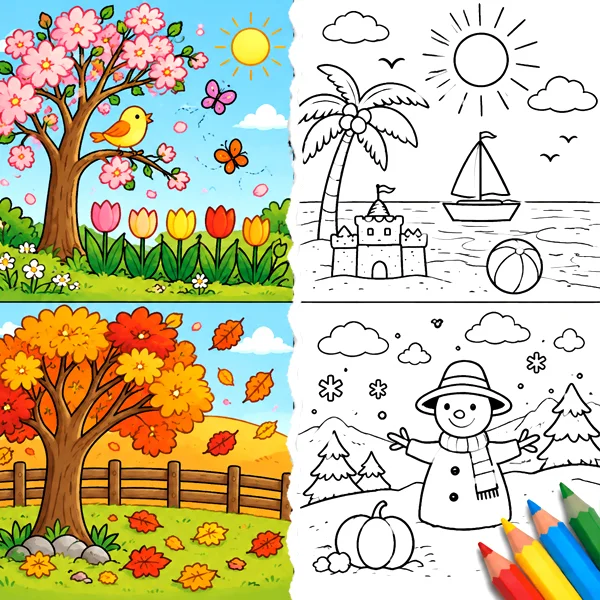
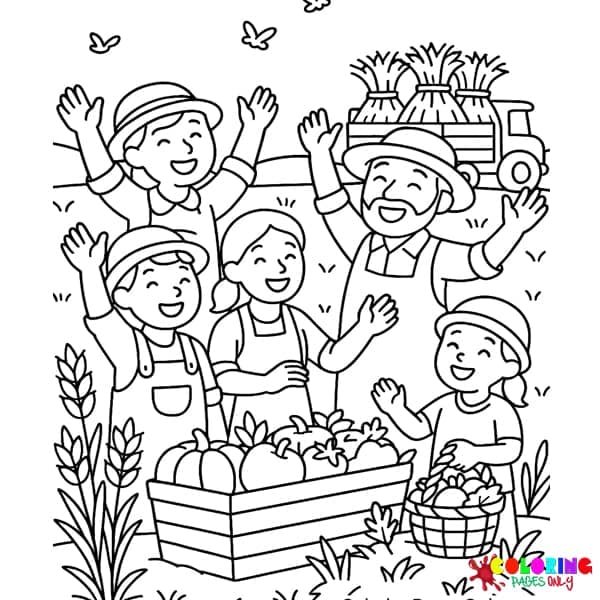
Seasons is the primary seasonal hub, covering the four-season cycle and the twelve calendar months as coloring subjects. Spring, Summer, Fall, and Winter each have their own dedicated sub-categories within them, as do the individual months from January through December, making this the go-to starting point for seasonal classroom activities and monthly themed pages. Farm-to-Table Autumn sits adjacent to Seasons, focusing on the harvest and agricultural dimension of fall, the farmers market aesthetic, root vegetables, orchard picking, and the warm amber-and-ochre palette of late October.
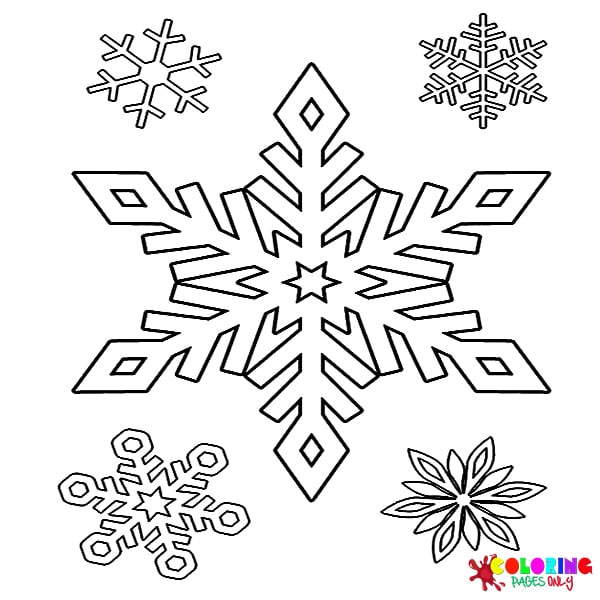
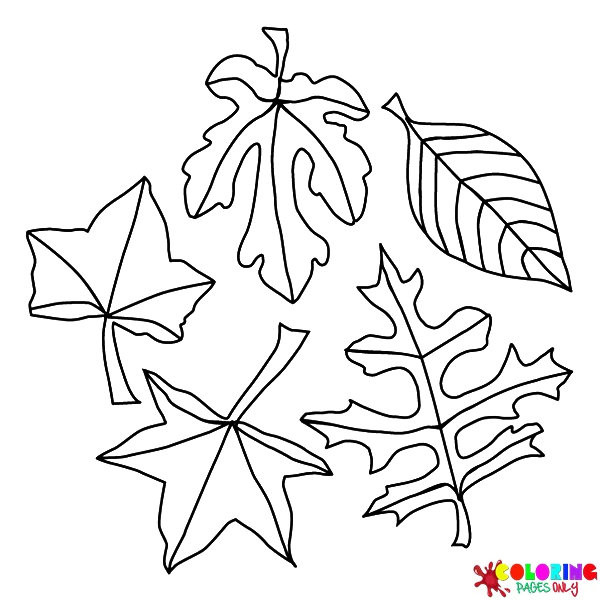
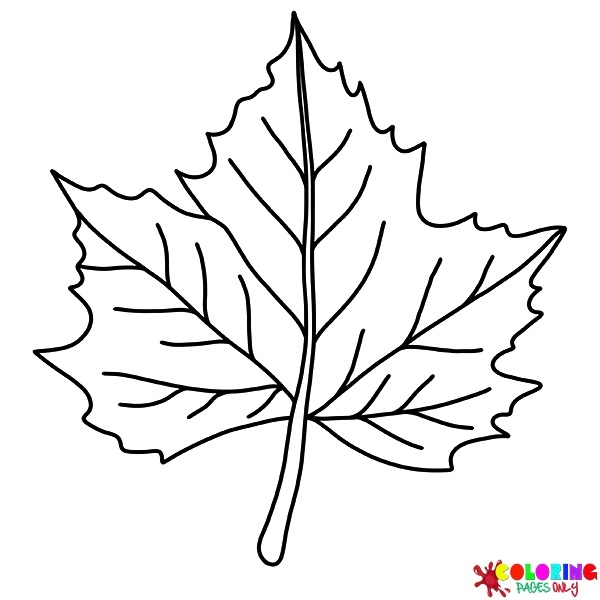
Autumn Leaves covers the falling leaf as its own dedicated coloring subject, the individual leaf detached from its tree, in species variety: maple, oak, birch, ginkgo, and sweetgum. These pages are among the most searched in October and November. Snowflake covers the individual snow crystal, from simple six-pointed shapes for young children to intricate mandala-style patterns for adults, plus character snowflakes and winter landscape pages.
Botanical and Plant Life
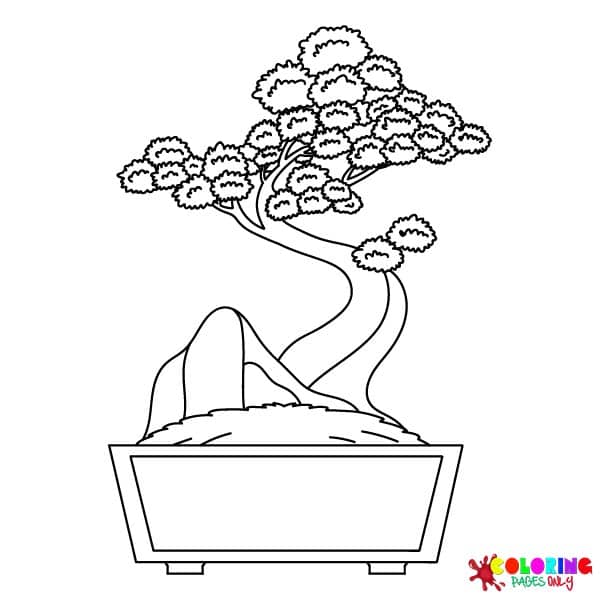
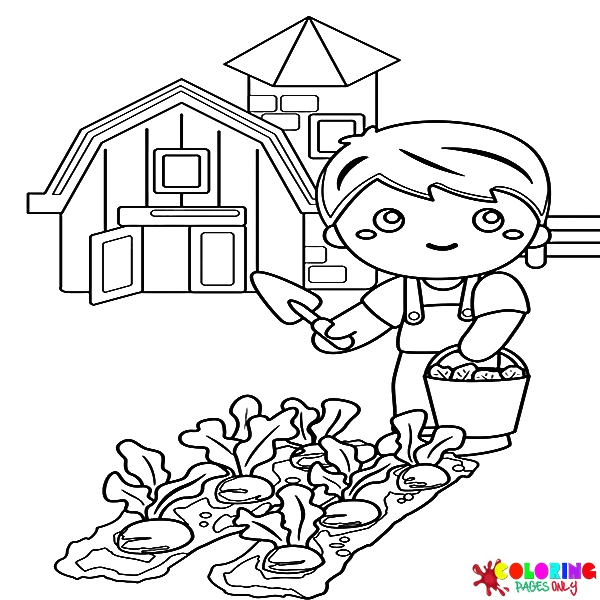
Tree covers trees in their full variety, the single tree as a botanical specimen, the tree in seasonal states from spring blossom to bare winter silhouette, and specific tree species. Leaf covers the individual leaf as a botanical subject rather than as a falling autumn leaf; the vein patterns and silhouettes of different species are used in educational plant identification. Grass covers low-level plant life, grasslands, meadow scenes, and the textural background element that grounds most outdoor illustrations. Gardens cover cultivated outdoor spaces, flower gardens, vegetable gardens, garden paths, and the organized beauty of a human-maintained natural space.
Weather and Atmosphere
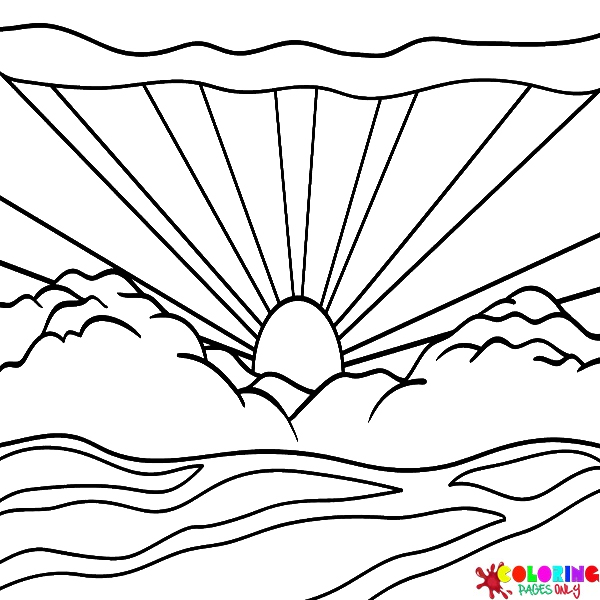
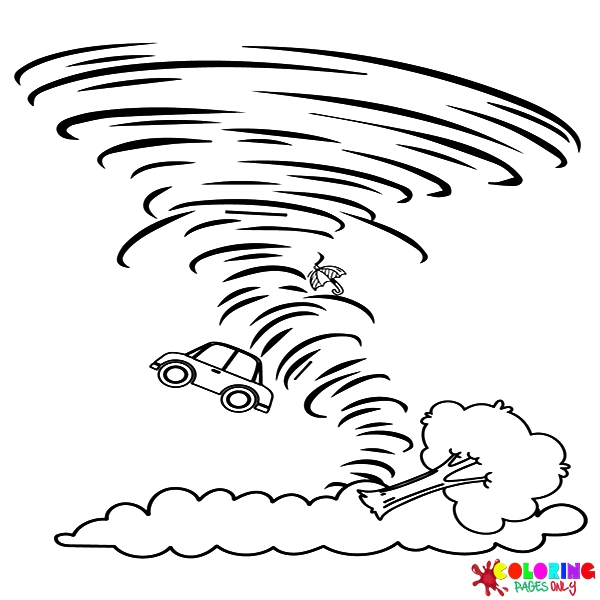
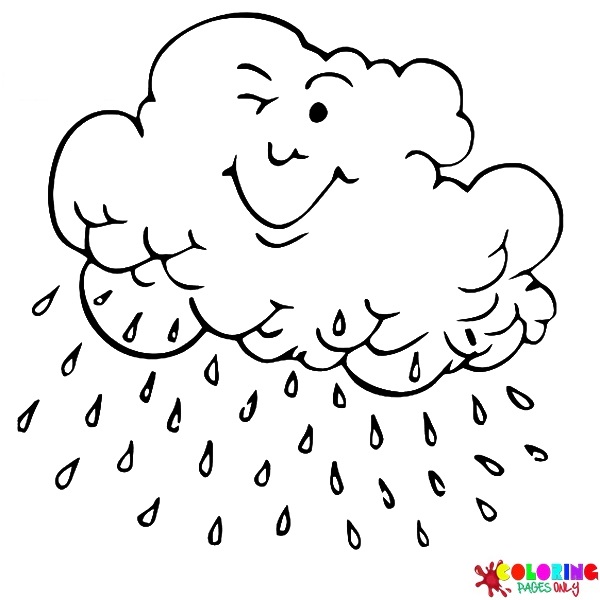
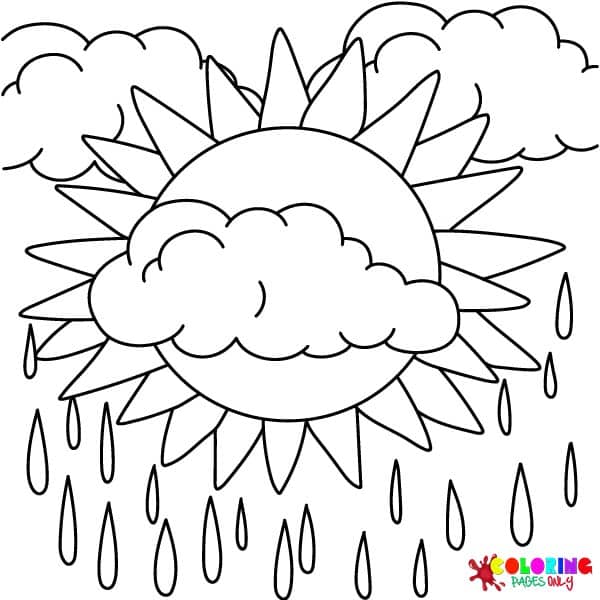
Weather is the broad atmospheric sub-category, including sunshine, clouds, rain, wind, fog, and the visual vocabulary of the sky as it changes day to day. Precipitation focuses specifically on forms of falling water, rain, snow, sleet, and hail, distinct from Snowflake, which emphasizes the individual crystal rather than the weather event. Tornado covers the funnel cloud weather event, the rotating column of air, and the dark sky backdrop. Natural Phenomena covers events that don’t fit neatly elsewhere, such as rainbows, auroras, eclipses, and mirages. Sunset covers the changing colors of the sky at dusk, from simple orange-and-pink gradients for young colorists to detailed layered cloud studies.
Landscapes and Terrain
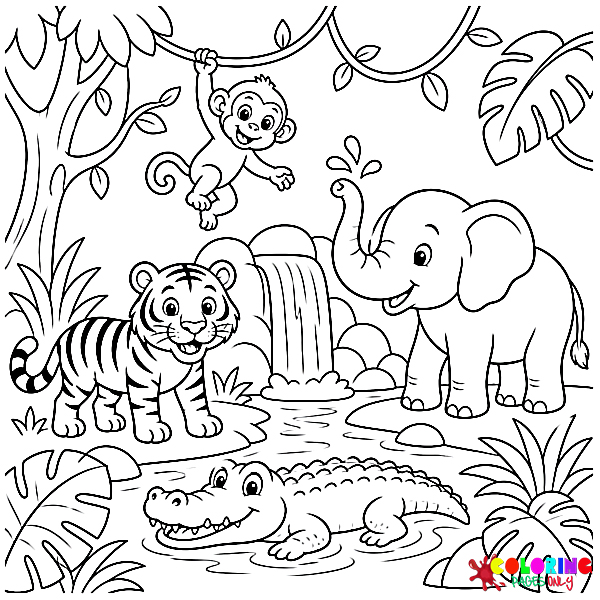
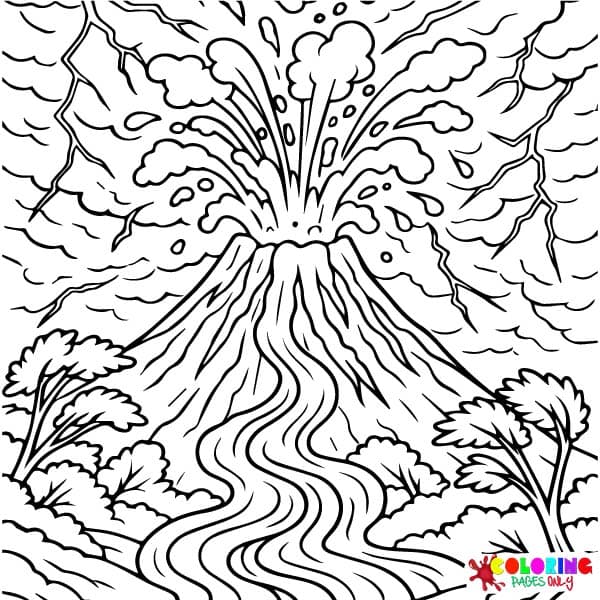
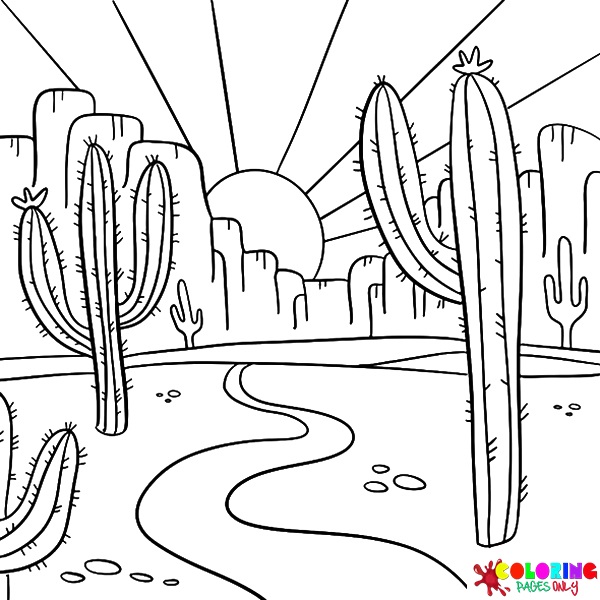
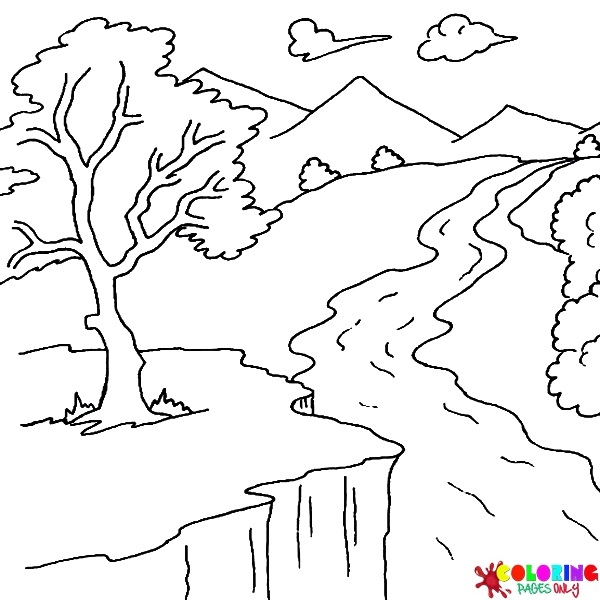
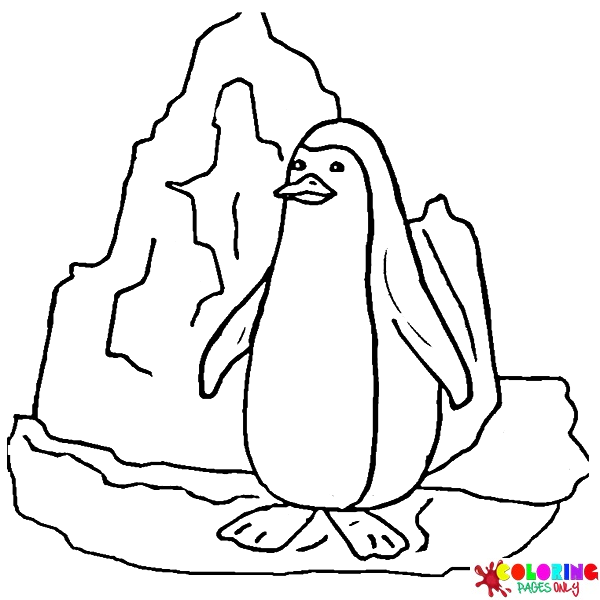
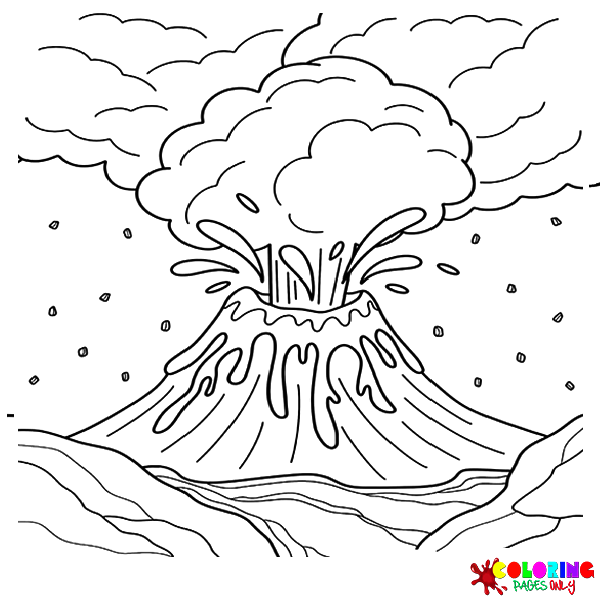
Mountains cover elevated terrain, snow-capped peaks, rocky ridgelines, forested slopes, and alpine meadows. Volcanoes cover the geological feature in its various states: dormant cone, active eruption, and lava flow. Deserts cover arid landscapes, sand dunes, cacti, and rock formations. Forest covers the temperate woodland environment, dense tree canopies, and forest floors. Jungle covers tropical dense forest with an adventure-and-exploration register, while Rainforest covers the same biome through its ecological character, canopy structure, and biodiversity. The North and South Poles cover Arctic and Antarctic landscapes of ice, snow, and glaciers.
Water
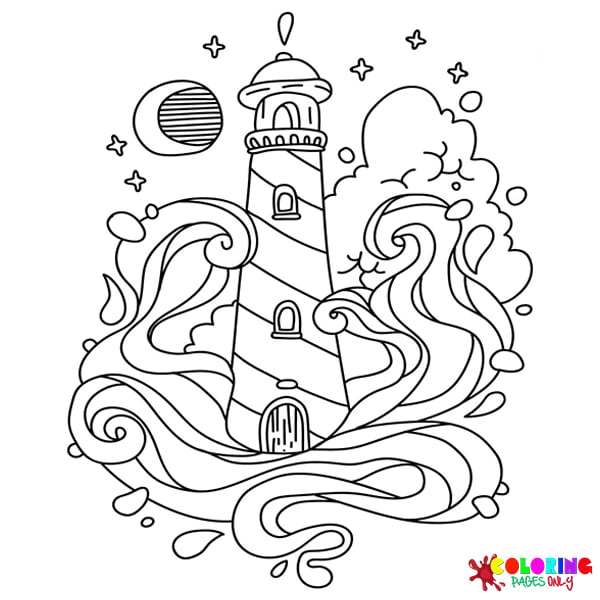
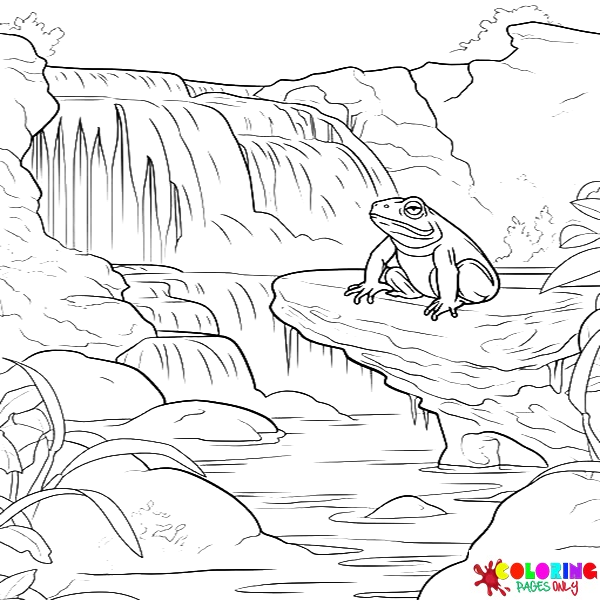
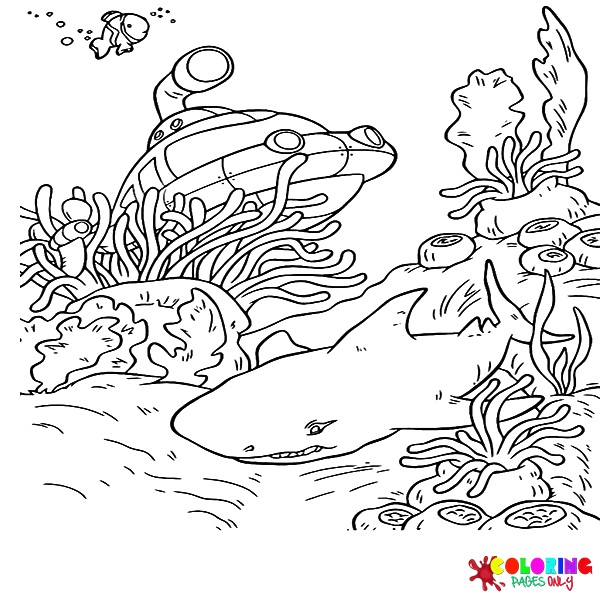
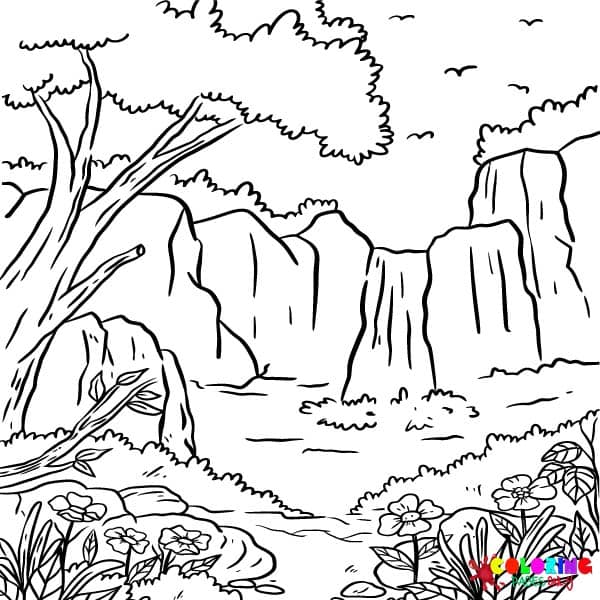
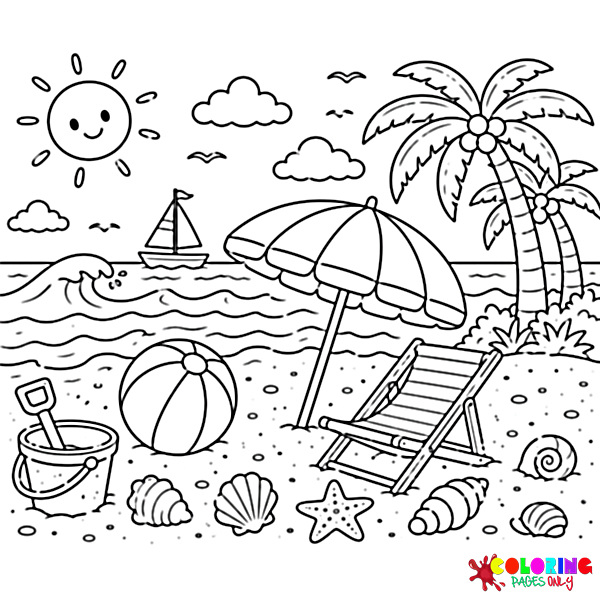
Seas and Oceans covers the open ocean and its coastlines, waves, the open sea horizon, and coral reefs. Beach covers the shoreline specifically, sand, waves breaking on shore, tide pools, and beach umbrellas, and is summer’s most searched nature sub-category, peaking in June through August. Rivers cover freshwater flowing water, riverbeds, riverbanks, and rapids. Waterfalls cover falling water as a dramatic landscape feature, from small forest cascades to large cliff-face falls. A lighthouse covers the navigational structure at the boundary of land and sea.
Natural Events and Human Relationship to Nature
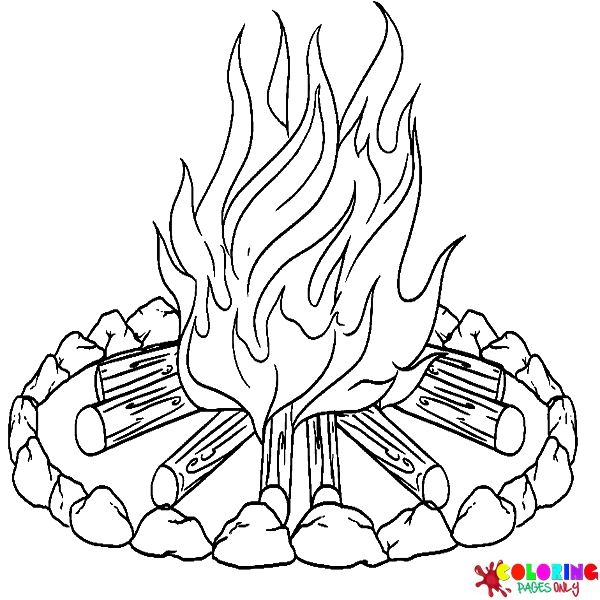
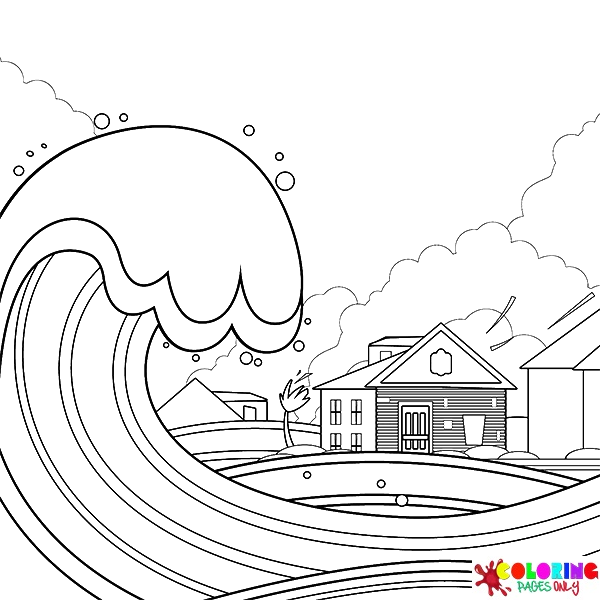
Disasters covers natural disaster subjects, earthquakes, floods, wildfires, and hurricanes, appearing primarily in educational contexts. Fire covers fire as a natural element, campfire, forest fire, and hearth fire, and the color gradient from blue at the base to orange and yellow at the tips of a flame. Recycling sits apart from the rest of the category in subject matter, covering environmental stewardship, recycling symbols, and waste sorting rather than the natural world itself, appearing primarily in early childhood education contexts.
How to Color Nature and Seasons Pages Well
- Autumn Leaves: Use Burnt Sienna, Goldenrod, and Scarlet, blended rather than kept in flat blocks, to capture how a real autumn leaf shifts color across its surface.
- Snowflake: keep the crystal itself white or pale Sky Blue against a darker background, since the contrast is what makes the six-pointed structure read clearly.
- Volcano: use Scarlet and Yellow Orange for lava against dark Gray or black for cooled rock, keeping the two palettes sharply separated for maximum contrast.
- Sunset: layer Yellow Orange near the horizon into Magenta and Violet higher in the sky, since a real sunset gradient rarely stays in one color family.
- Forest and Jungle: Use at least three distinct greens, Forest Green in the background, Fern for the midground, and Yellow Green for sunlit leaves, to create depth.
What These Pages Do
The American Academy of Pediatrics identifies fine motor skill development as a core benefit of structured coloring for children ages 2 through 7. Simple seasonal shapes, a snowflake or a sun, suit the youngest colorists, while detailed landscape pages in the Mountains, Forest, or Waterfalls collections challenge older children and adults with more demanding linework.
A 2005 study in the Art Therapy Journal documented measurable reductions in anxiety following structured coloring sessions. The slow, layered work of shading a sunset gradient or a forest’s overlapping canopy suits the kind of sustained, detailed focus associated with the study’s calming findings.
5 Creative Craft Ideas With Nature and Seasons Coloring Pages
1. Four Seasons Wall Display. Color one page representing each season, Autumn Leaves for fall, Snowflake for winter, Gardens for spring, and Beach for summer, and mount them in a row to build a year-round seasonal display.
2. Weather Observation Chart. Color several Weather pages, sun, rain, and clouds, laminate them, and use them as a daily weather chart for a classroom or kitchen calendar.
3. Pressed Leaf Comparison, Card. Color an Autumn Leaves page next to a real pressed leaf collected outside, and label the parts of the leaf, the vein pattern, stem, and blade, for a botany comparison card.
4. Landscape Diorama. Color a mountain, Forest, or Desert page, cut it out, and stand it inside a shoebox with small paper foreground elements to build a simple 3D landscape scene.
5. Natural Disaster Fact Poster. Color a disaster or Volcano page, glue it to a poster board, and write three real facts about that natural event around the border for a science-class presentation.
Frequently Asked Questions
What is included in the Nature and Seasons collection?
The collection spans 28 sub-categories and 2,357 pages, covering the four seasons and months, botanical subjects like trees and leaves, weather and atmospheric phenomena, landscapes and terrain, water features, and natural events like disasters and fire.
Which sub-collection gets the most traffic?
Snowflake, Sunset, and Jungle are among the strongest-performing sub-collections in this hub.
What is the difference between a jungle and a rainforest?
Jungle covers tropical dense forest through an adventure-and-exploration lens, the classic children’s book jungle aesthetic, while Rainforest covers the same biome through its ecological character, canopy structure, biodiversity, and specific flora and fauna.
What is the difference between Snowflake and Precipitations?
Snowflake focuses on the individual snow crystal as a decorative and pattern subject, usable year-round in craft and design. Precipitation covers snow, rain, sleet, and hail as a weather event actively falling from the sky.
Are these pages suitable for young children?
Yes, for most of the collection. Simple shapes in the Snowflake, Sunset, and Beach sub-collections work well for children ages 3 to 6, while detailed landscape pages in the Mountains, Forest, and Waterfalls collections suit older children and adults.
Can these pages be used for a classroom science unit?
Yes. The Weather, Disasters, and Natural Phenomena sub-collections in particular work well as printable supplements for Earth science lessons on weather systems, natural disasters, and atmospheric events.
Are these pages free to print?
All pages are free to download as a PDF and print, or to color online in the browser. No account, email, or payment is required.
When is the best time to use the Beach and Autumn Leaves collections?
Beach is summer’s most searched nature sub-category, peaking in June through August, while Autumn Leaves is most searched in October and November, making both useful for seasonal classroom timing.
Start Coloring
Choose a season or landscape above to browse that collection, or open any page to download it as a free PDF or color it online in the browser. No account, email, or payment is required. Share finished pages on Facebook or Pinterest with the share buttons on each page.
More Nature and Seasons Coloring Pages
Jump straight to a specific collection: