Seasons Coloring Pages
 By:
Jennifer Thoa - Content Editor & Designer
Updated:
By:
Jennifer Thoa - Content Editor & Designer
Updated:
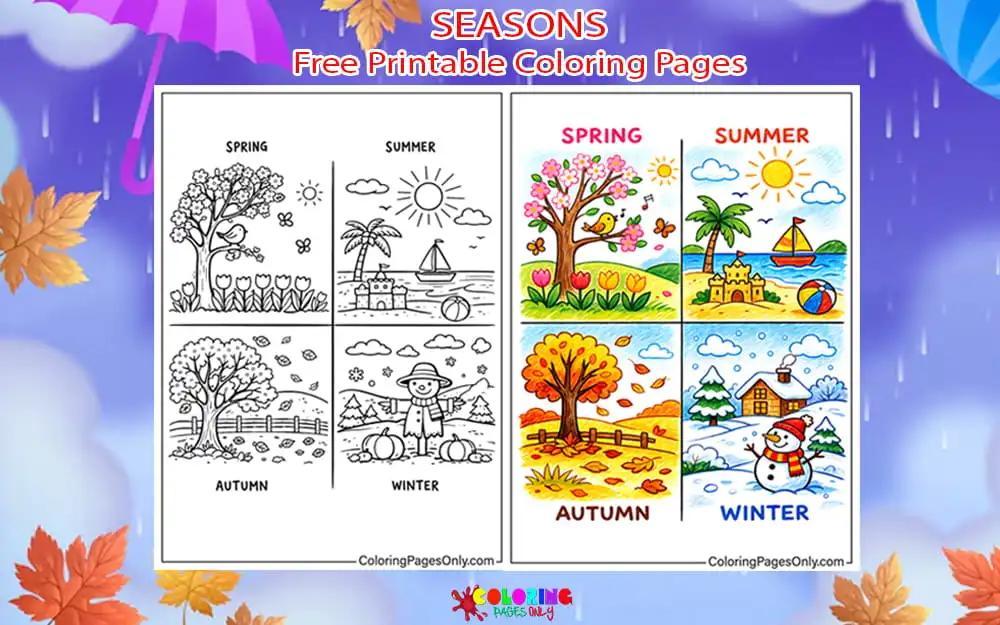
Seasons coloring pages at ColoringPagesOnly.com cover 977 pages across 19 sub-categories, organized around the two ways people actually think about seasonal time: the four named seasons (Spring, Summer, Fall, Winter) and the twelve calendar months (January through December). Every page is free to download as a PDF and print, or color online in the browser. The full collection sits within Nature and Seasons Coloring Pages.



The Four Seasons
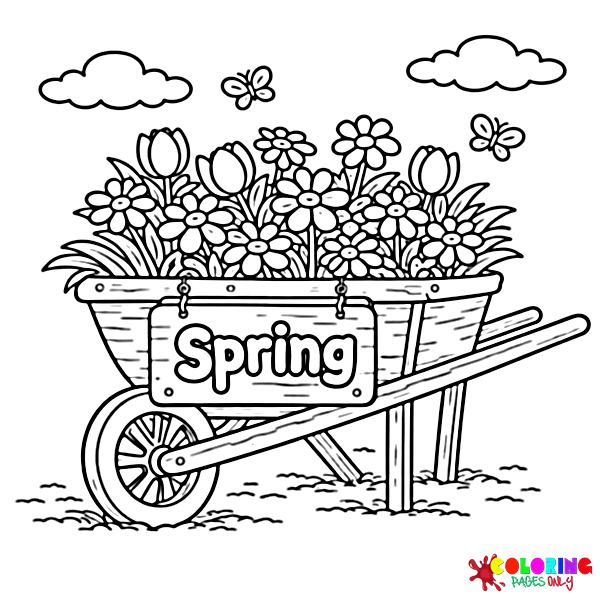
Spring is the largest single-season sub-category in the collection, covering the full visual range of the season, flowers coming up, rain and puddles, birds returning, green spreading back across bare branches, and the bright light quality of March through May. First Day of Spring focuses specifically on the March equinox and the imagery associated with winter’s end, the first crocuses, the last frost, and the transition between the cold palette and the warm one.
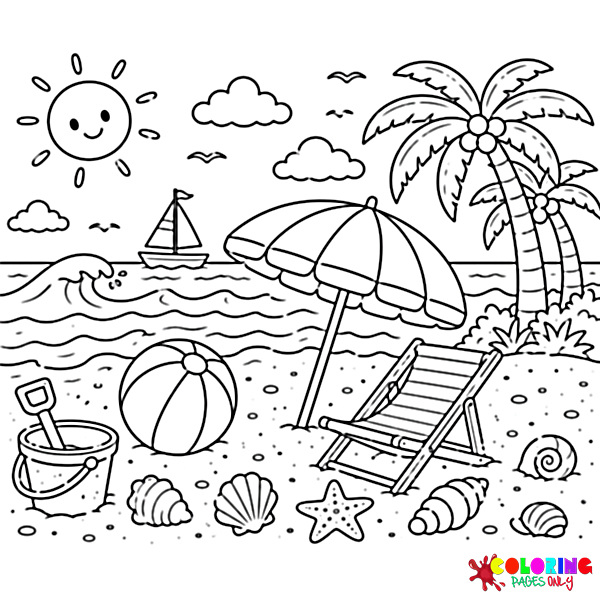
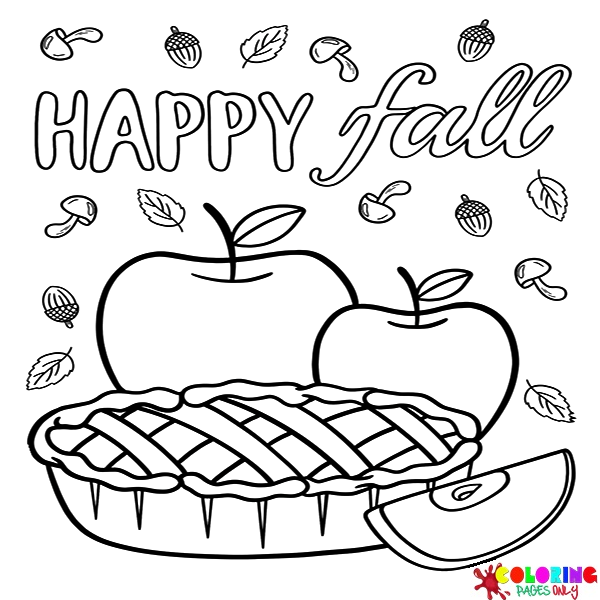
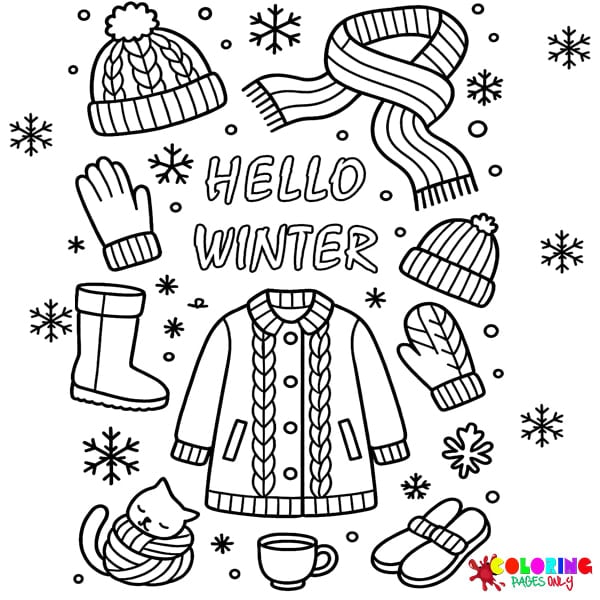
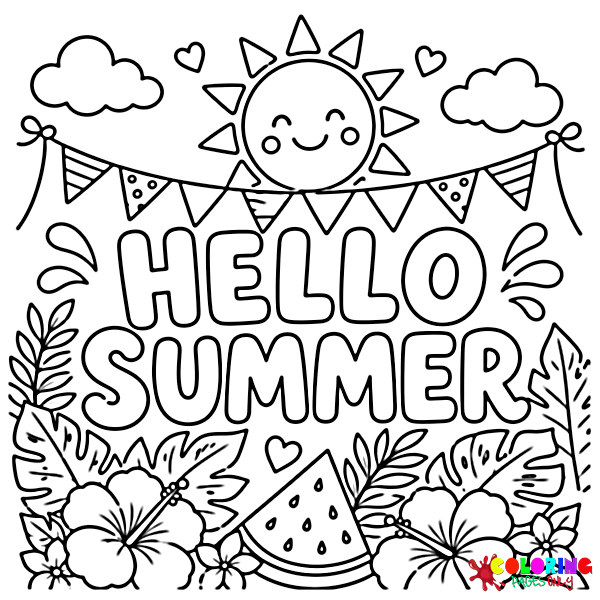
Summer covers the long-light months at peak saturation, beach scenes, sunshine, outdoor activities, and the broad open-sky quality that defines summer illustration. Fall covers the October-palette season that is among the most searched coloring subjects of the year, the amber, rust, burgundy, and gold of deciduous trees turning, fallen leaves, pumpkins, and harvest imagery. Winter covers the cold-palette season, bare trees, snow-covered landscapes, frost on windows, and the cozy-interior aesthetic of sheltering from the cold outside.
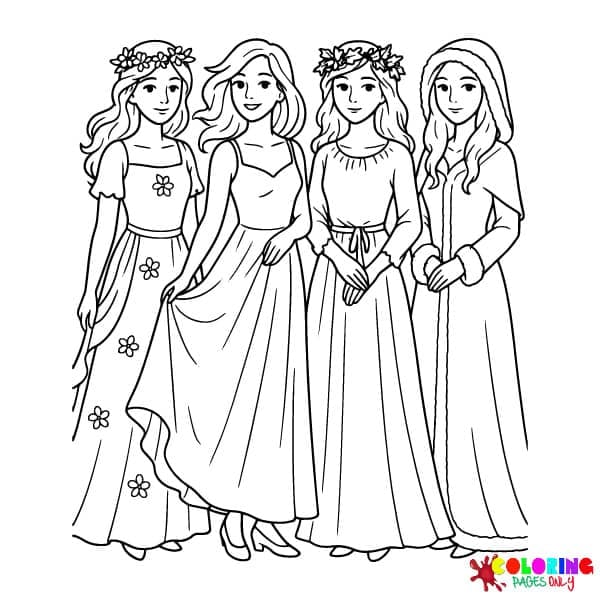
Four Seasons Girls offers a specific illustration format that appears consistently in coloring page searches, a female figure shown in four different seasonal outfits or settings, presented on a single page or as a four-part series. These pages work well as a comparative coloring exercise, since each panel calls for a completely different palette.
The Twelve Months
The month-by-month sub-categories, January through December, offer pages organized around each calendar month’s specific visual associations rather than the broader season. This is a meaningful distinction: a Winter page is generically cold-season, while a January page might include New Year’s imagery, a February page has Valentine’s Day elements alongside the winter palette, and a March page sits at the hinge between winter and spring.
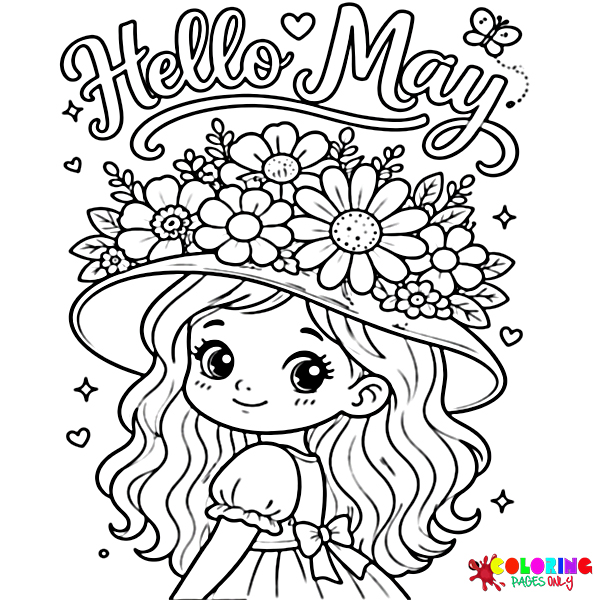
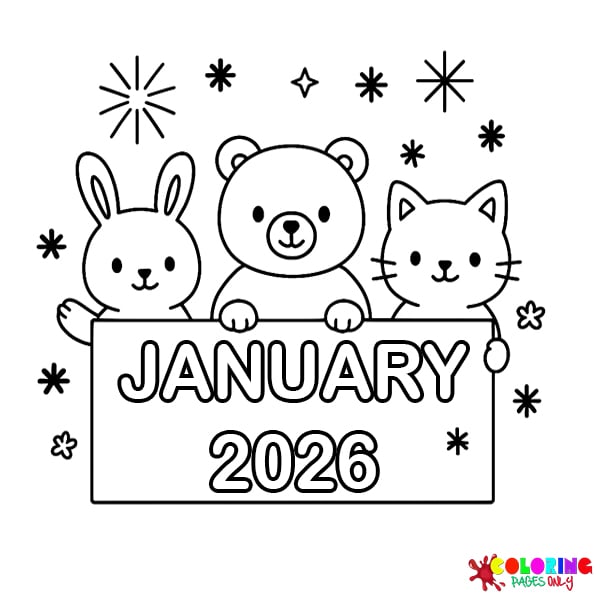
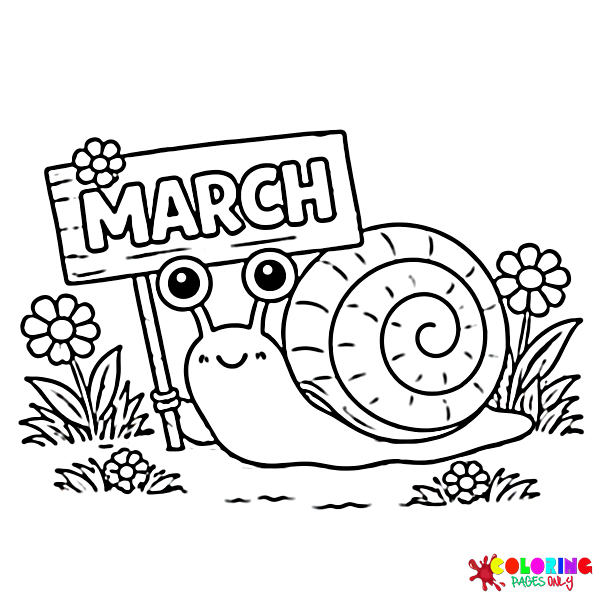
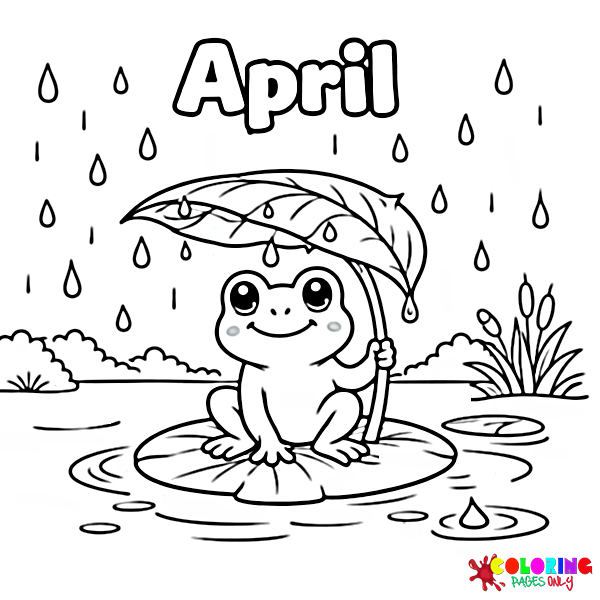
January carries the blue-white palette of deep winter alongside the fresh-start energy of the new year. February combines winter’s cool palette with Valentine’s Day’s warm reds and pinks. March is the transitional month, still cold enough for snow imagery but beginning to show the first green hints of spring, with St. Patrick’s Day contributing its green shamrock palette. April is fully spring, Easter imagery, fresh-growth greens, and pastels. May covers spring at peak bloom, with Mother’s Day imagery and warm light.
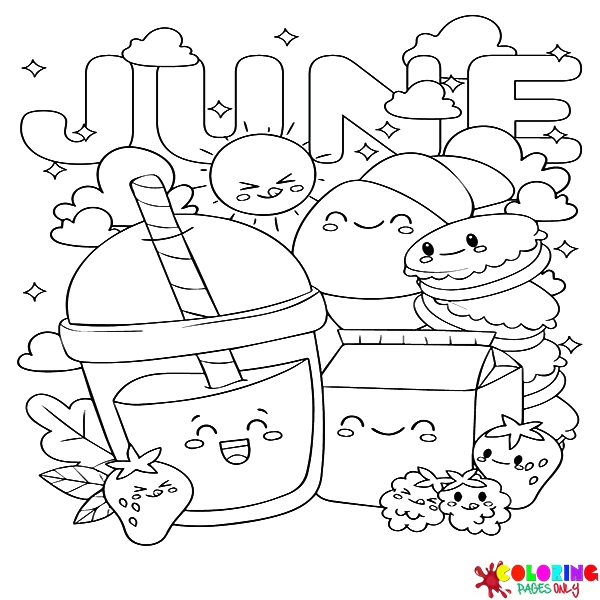
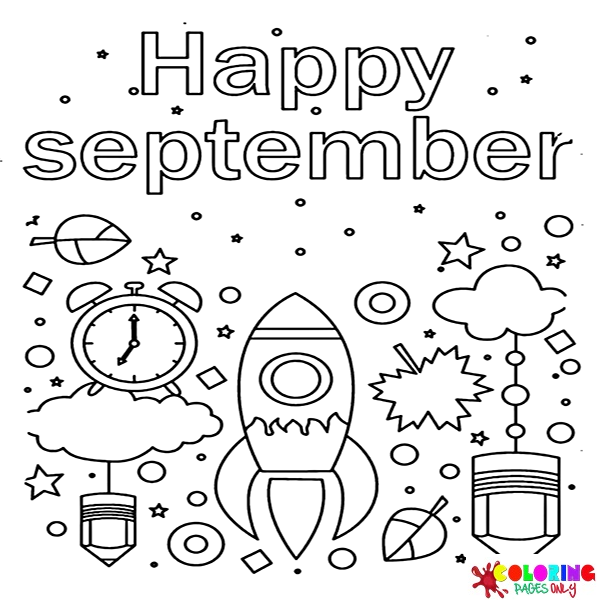
June marks summer’s arrival, the solstice, school’s end, and outdoor freedom. July is high summer, peak heat and outdoor activity, with July 4th Independence Day contributing a red, white, and blue palette in the US. August is late summer, the fullest, most saturated version of the summer palette. September is the most emotionally complex month, summer is over but fall hasn’t fully arrived, school begins, and the first color changes appear in the leaves.
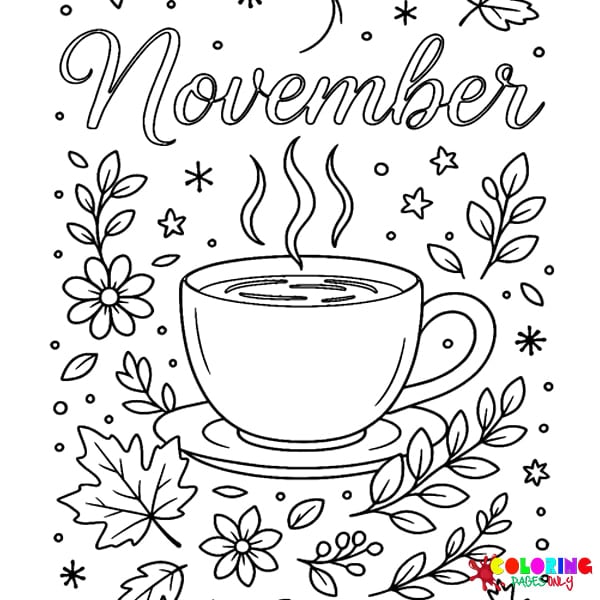
October is the month fall arrives at full force, with Halloween contributing pumpkins, bats, ghosts, and its distinctive orange and black. November carries the deepest fall palette, the most saturated oranges and reds, and in the US, Thanksgiving’s harvest imagery. December is the most visually loaded month, Christmas imagery, Hanukkah, the winter solstice, and the red, green, and gold of the holiday palette.
Calendar covers pages built around the calendar format itself, dated grids and month layouts designed to be used as functional planning tools rather than standalone illustrations, particularly useful for classroom morning routines.
How to Color Seasons Pages Well
- Spring: use fresh Yellow Green and pale pastels, Carnation Pink and Sky Blue, keeping colors light rather than saturated to match the season’s new-growth quality.
- Summer: use the most saturated palette of the year, Turquoise Blue skies and deep Forest Green foliage, since summer illustration reads best at full color intensity.
- Fall: layer Burnt Sienna, Goldenrod, and Scarlet for foliage, blending at the edges rather than keeping each leaf a single flat color.
- Winter: leave snow white or pale Sky Blue and let bare branches carry the contrast in Sepia or black, since winter pages work best when most of the page stays uncolored.
- December: combine Pine Green and Scarlet for the holiday palette, with Goldenrod accents, since this month’s pages carry the most color information of any in the series.
What These Pages Do
The American Academy of Pediatrics identifies fine motor skill development as a core benefit of structured coloring for children ages 2 through 7. The month-by-month format in particular suits a classroom routine, since a simple monthly page gives even the youngest colorists a consistent, repeatable coloring task tied to a real calendar milestone.
A 2005 study in the Art Therapy Journal documented measurable reductions in anxiety following structured coloring sessions. The deliberate, layered work of blending a fall leaf’s colors or filling in a detailed December scene suits the kind of sustained, focused task associated with the study’s calming findings.
5 Creative Craft Ideas With Seasons Coloring Pages
1. Twelve-Month Wall Calendar. Color one page from each month, January through December, and mount them on a wall calendar grid, using the Calendar sub-category for the grid itself.
2. Four Seasons Window Display. Color one Spring, Summer, Fall, and Winter page and rotate them in a window frame or display board as the actual season changes throughout the year.
3. Seasonal Palette Swatch Book. Color small sample squares in each season’s characteristic colors, spring pastels, summer saturation, fall ambers, and winter blues and whites, and bind them into a reference swatch book.
4. Birthday Month Bookmark. Color the page for a child’s birthday month and trim it down to bookmark size for a simple, personal keepsake.
5. Season Transition Garland. String colored pages from adjacent months, February into March, or August into September, onto twine to visualize how one season gradually becomes the next.
Frequently Asked Questions
What is included in the Seasons collection?
The collection spans 19 sub-categories and 977 pages, covering the four named seasons, Spring, Summer, Fall, and Winter, the twelve calendar months from January through December, plus First Day of Spring, Four Seasons Girls, and a functional Calendar sub-category.
Which sub-collection gets the most traffic?
Spring, Fall, and Winter are the strongest-performing sub-collections in this hub by search demand, though all three currently rank at a weak average position relative to that demand.
What is the difference between a season page and a month page?
A season page like Winter is generically cold-season, while a month page like January or February includes that specific month’s own visual associations, such as New Year’s imagery or Valentine’s Day elements, layered on top of the broader seasonal palette.
What is First Day of Spring, and how is it different from Spring?
First Day of Spring focuses specifically on the March equinox and the transition moment out of winter, the first crocuses and the last frost, while the broader Spring sub-category covers the full season from March through May.
Are these pages suitable for young children?
Yes. The month-by-month pages in particular work well for classroom and homeschool routines with young children, since each page ties a simple, repeatable coloring task to a real calendar milestone.
Can these pages be used for a classroom calendar routine?
Yes. The Calendar sub-category is built specifically as a functional planning tool, dated grids and month layouts, and pairs well with the Twelve-Month Wall Calendar craft above for a full-year classroom display.
Are these pages free to print?
All pages are free to download as a PDF and print, or to color online in the browser. No account, email, or payment is required.
How is this collection different from the full Nature and Seasons hub?
This collection focuses specifically on the four named seasons and the twelve calendar months. The broader Nature and Seasons hub also covers landscapes, weather, water features, and natural events that fall outside seasonal time itself.
Start Coloring
Choose a season or month above to browse that collection, or open any page to download it as a free PDF or color it online in the browser. No account, email, or payment is required. Share finished pages on Facebook or Pinterest with the share buttons on each page.
More Seasons Coloring Pages
Jump straight to a specific collection: