Famous Inventions and Inventors Coloring Pages
 By:
Jennifer Thoa - Content Editor & Designer
Updated:
By:
Jennifer Thoa - Content Editor & Designer
Updated:
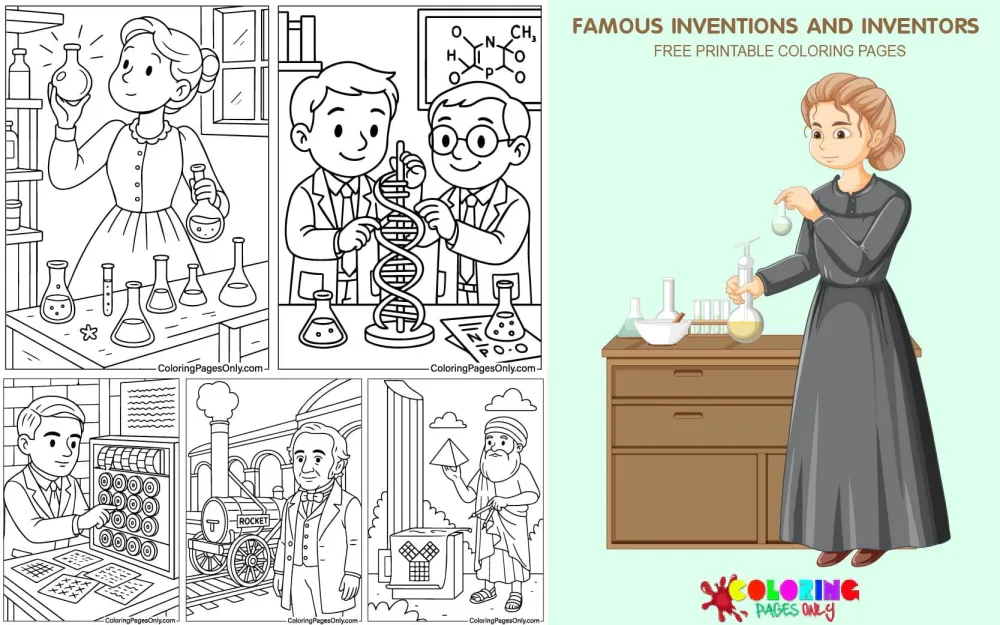
Free Famous Inventions and Inventors Coloring Pages: 33 printable PDF designs featuring scientists, inventors, and the breakthroughs that changed how people live. Each page can be downloaded as a PDF to print or colored online in the browser.
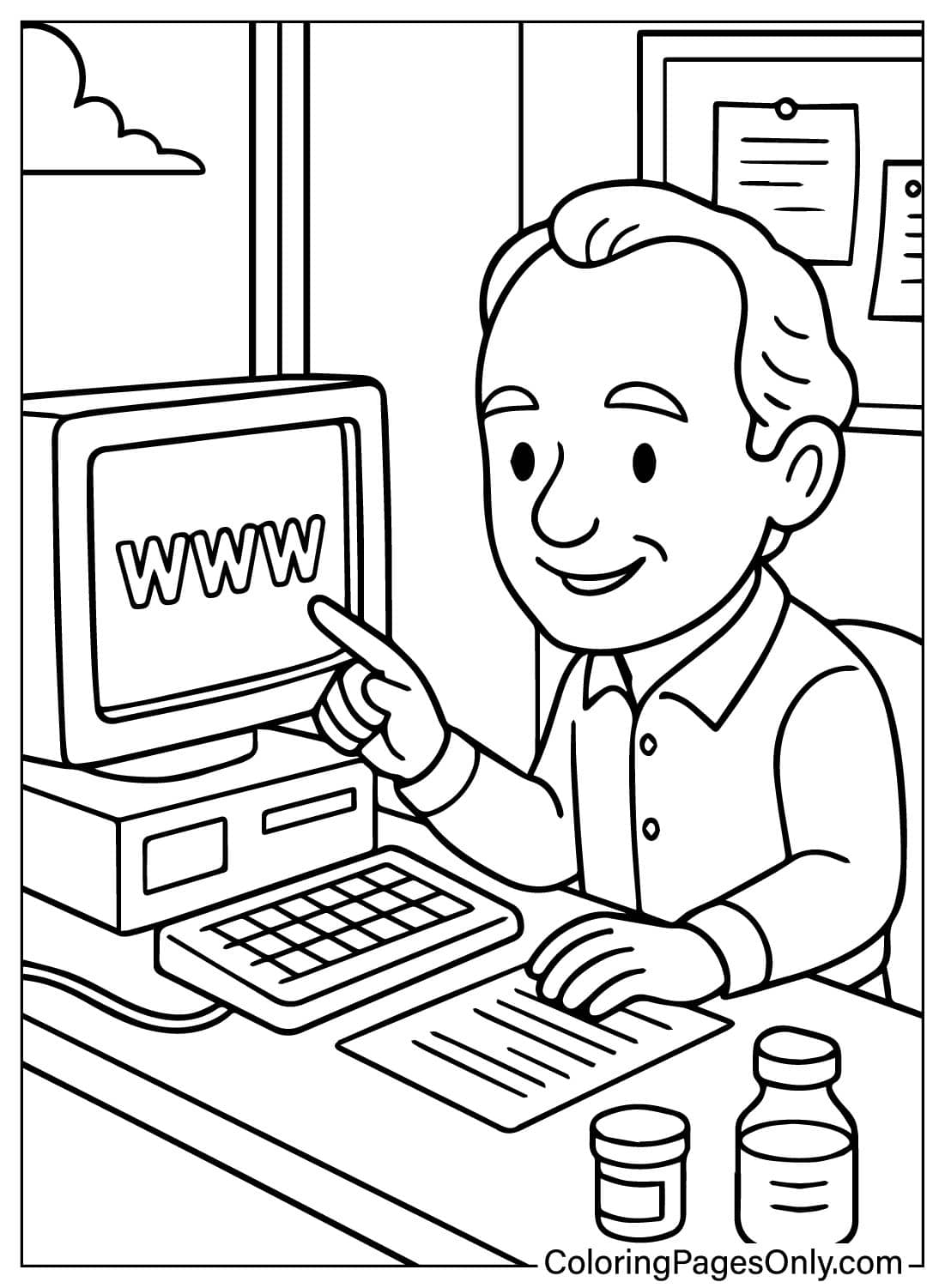
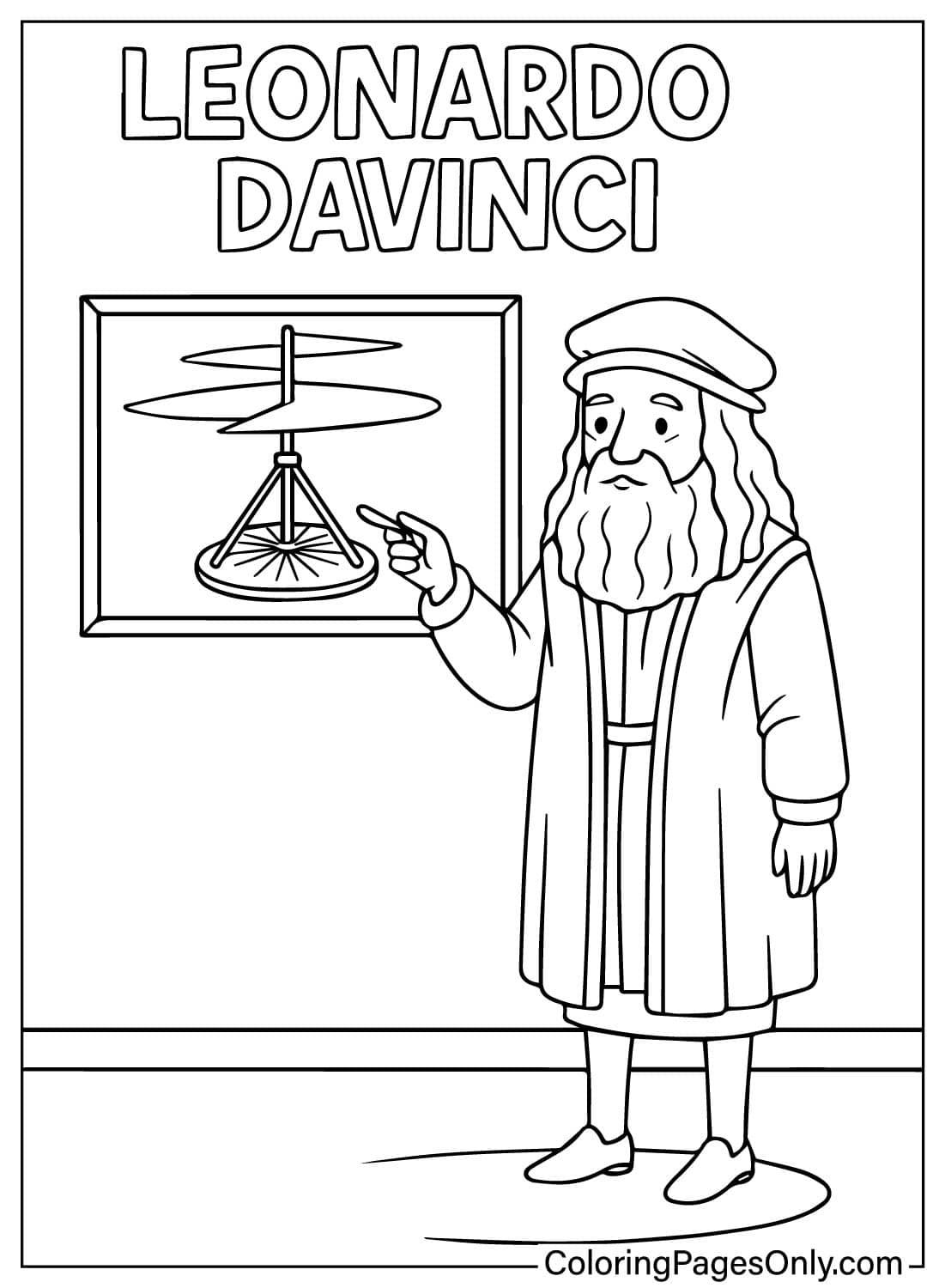
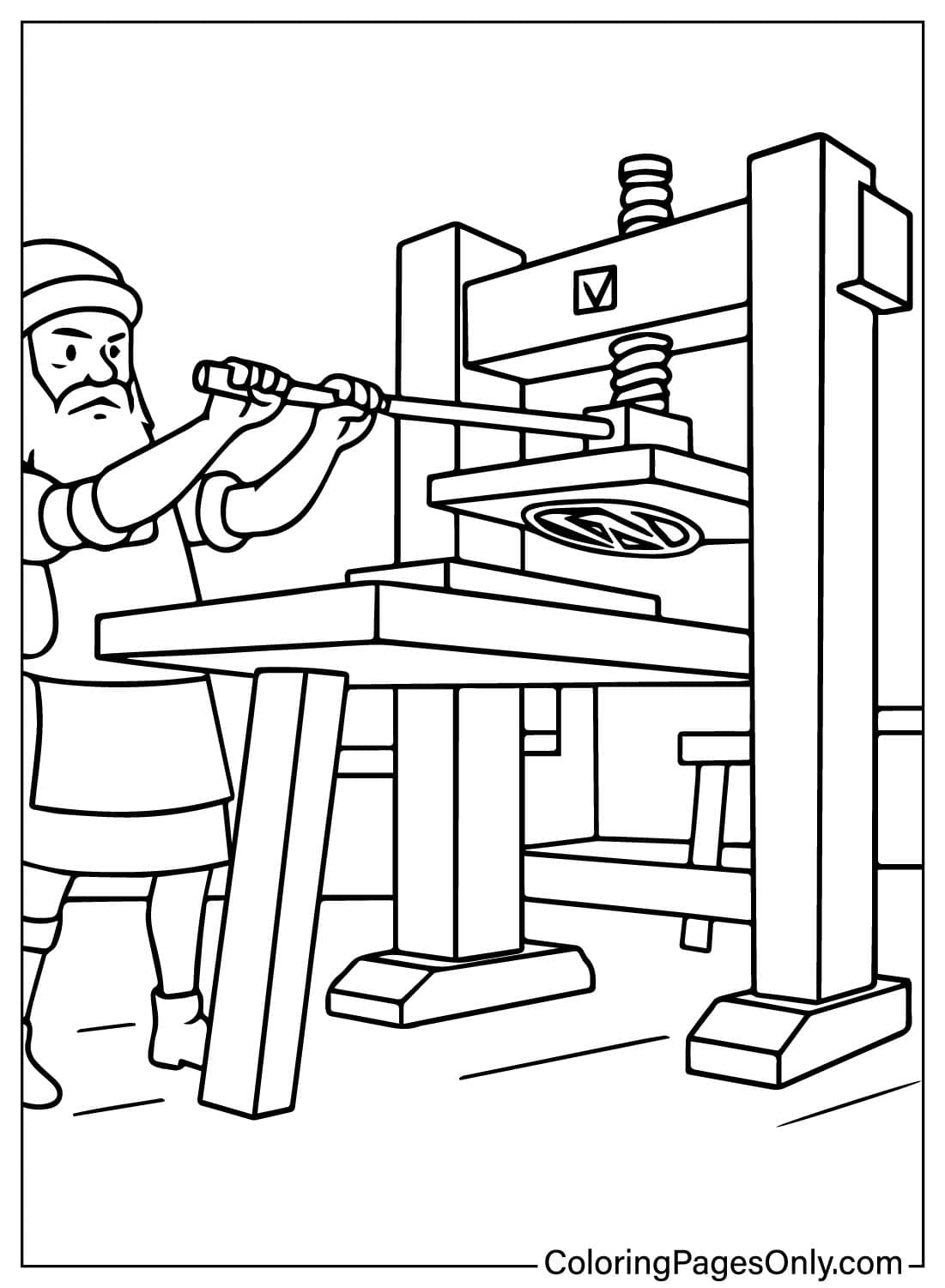
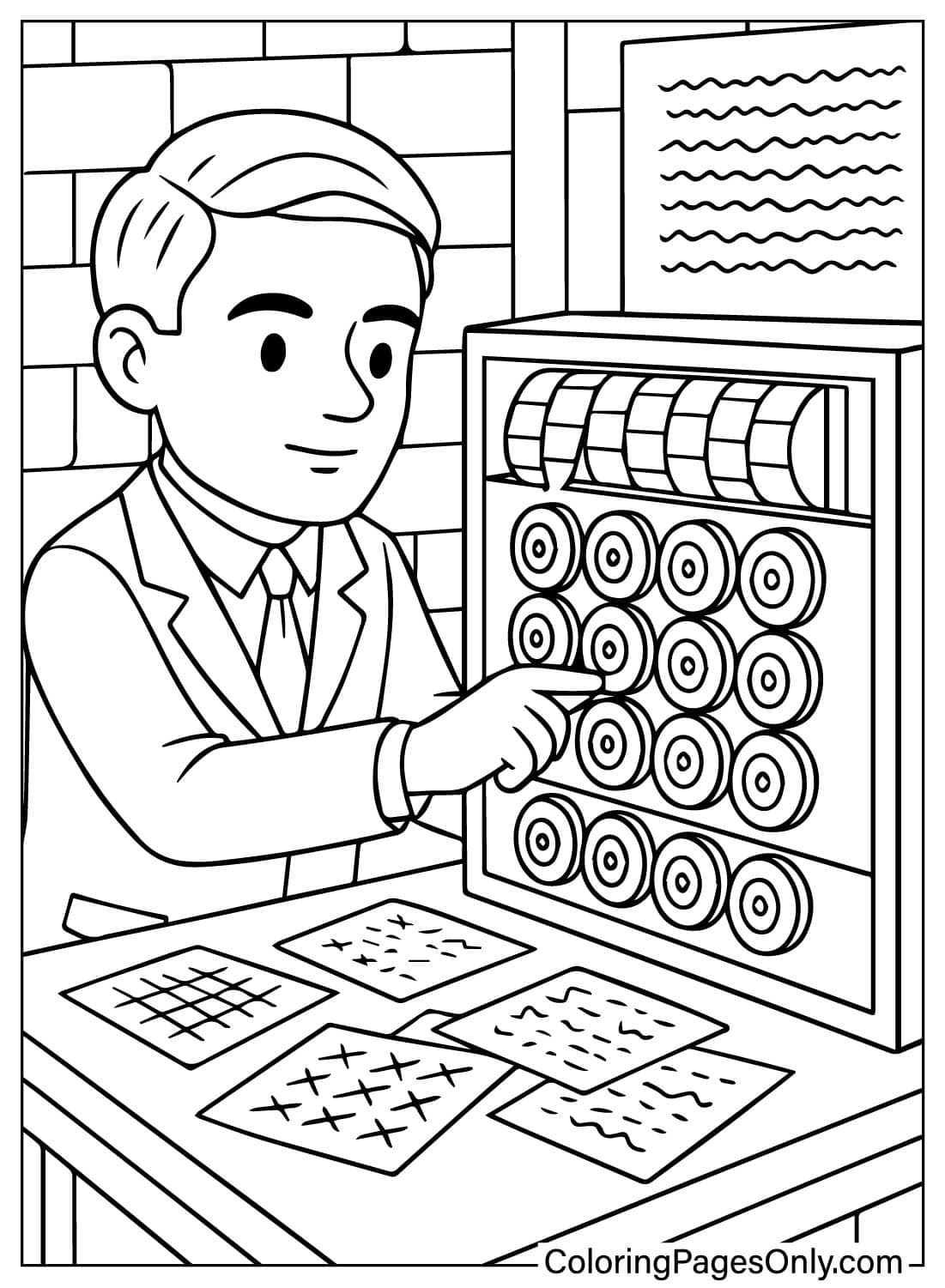
From Johannes Gutenberg’s printing press to Alan Turing’s early computing machine, history is shaped by inventors who solved real problems with new ideas. This Famous Inventions and Inventors Coloring Pages collection pairs a simple portrait-style illustration of each historical figure with the invention or discovery they are best known for, spanning centuries of science, medicine, and technology.
The set spans 33 designs, covering figures from ancient Greece through the modern space industry.
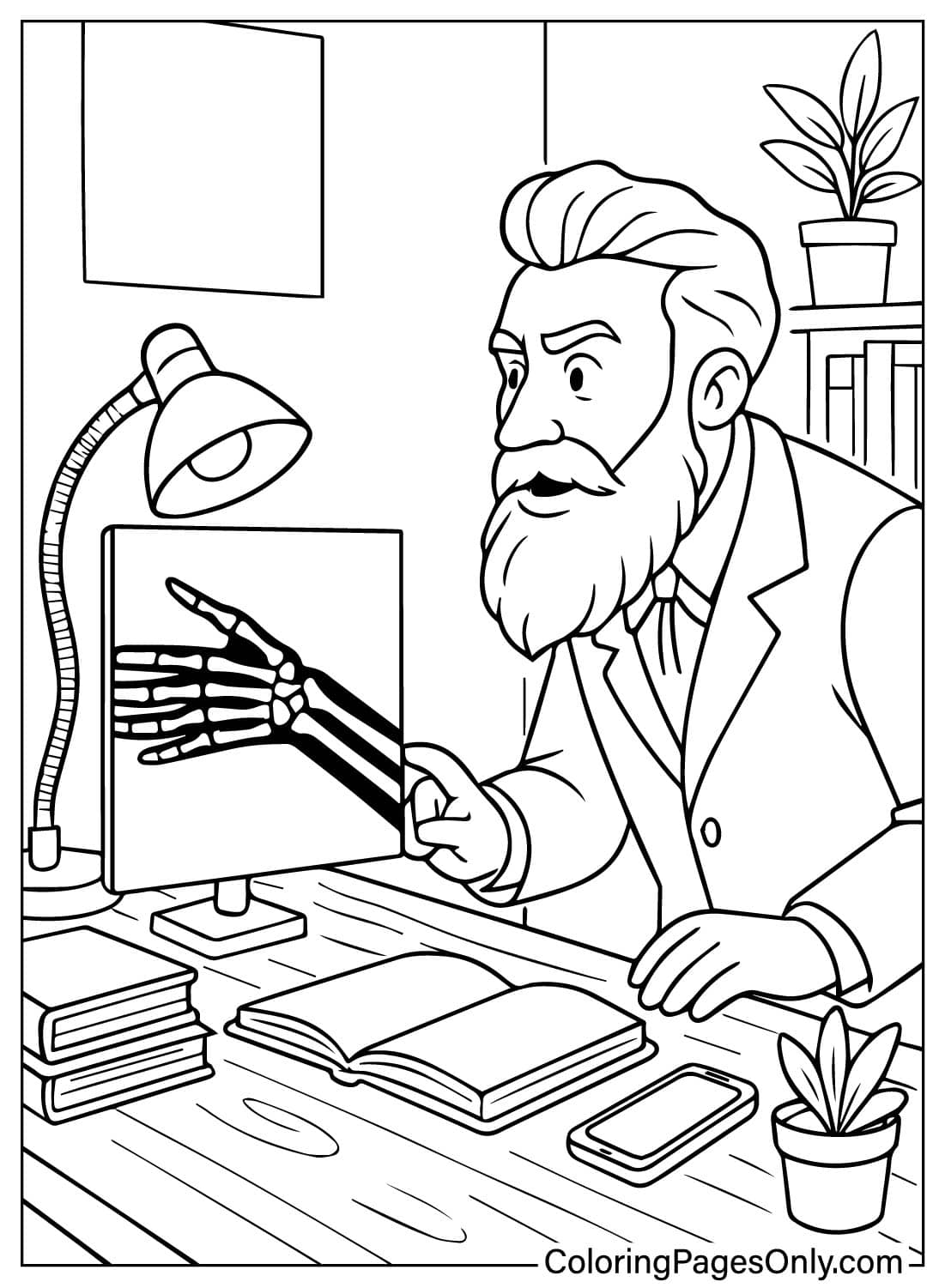
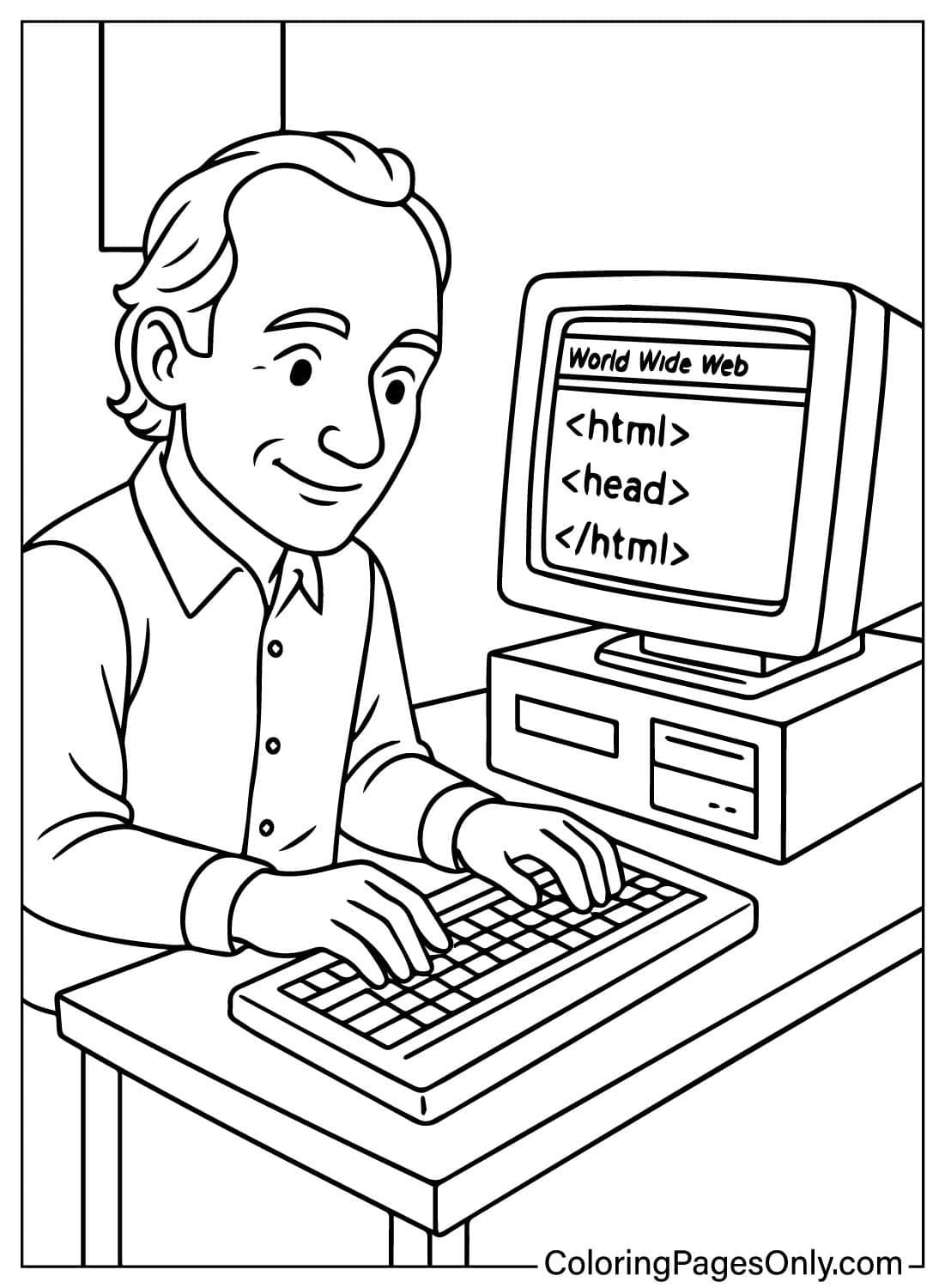
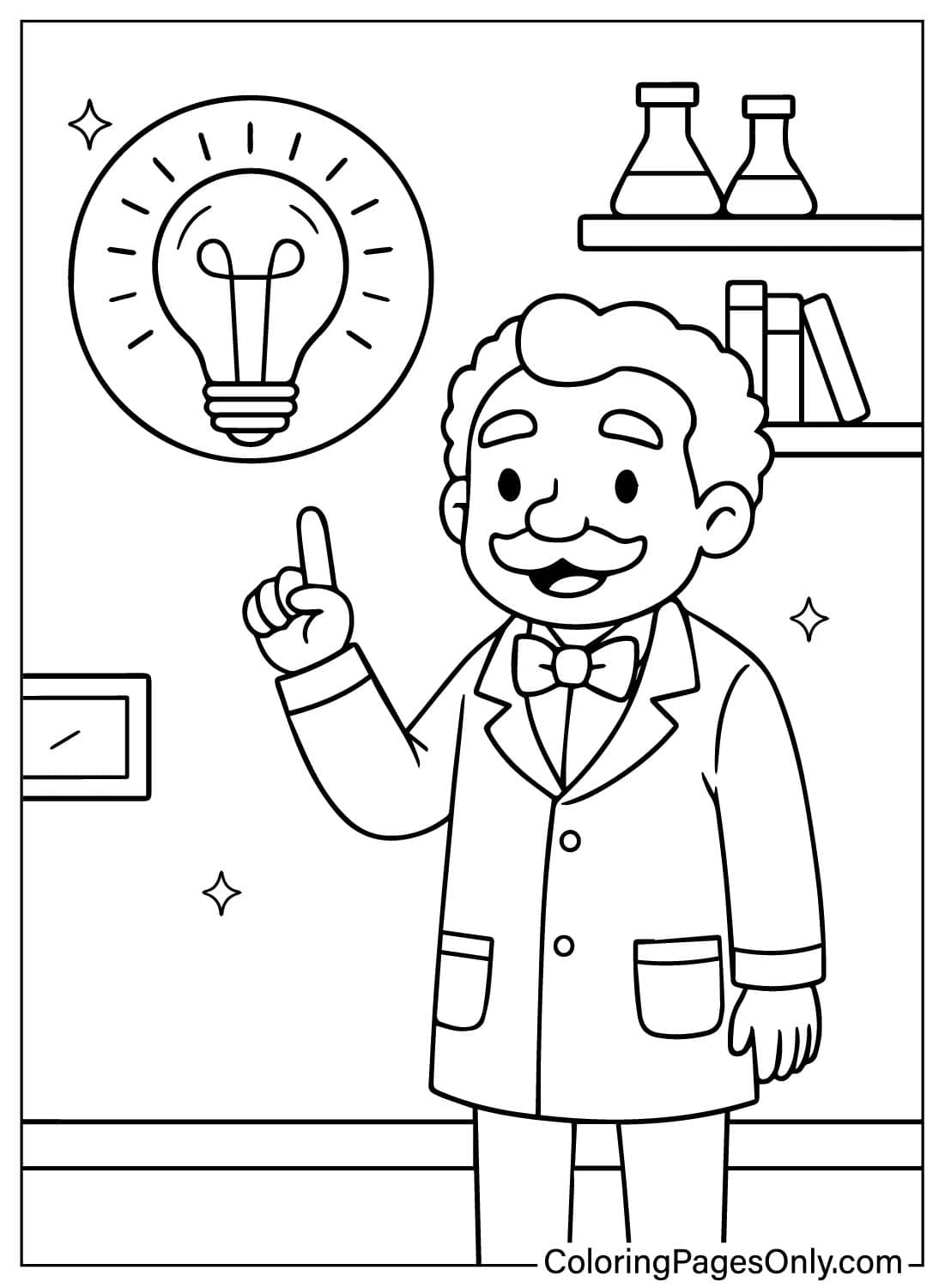
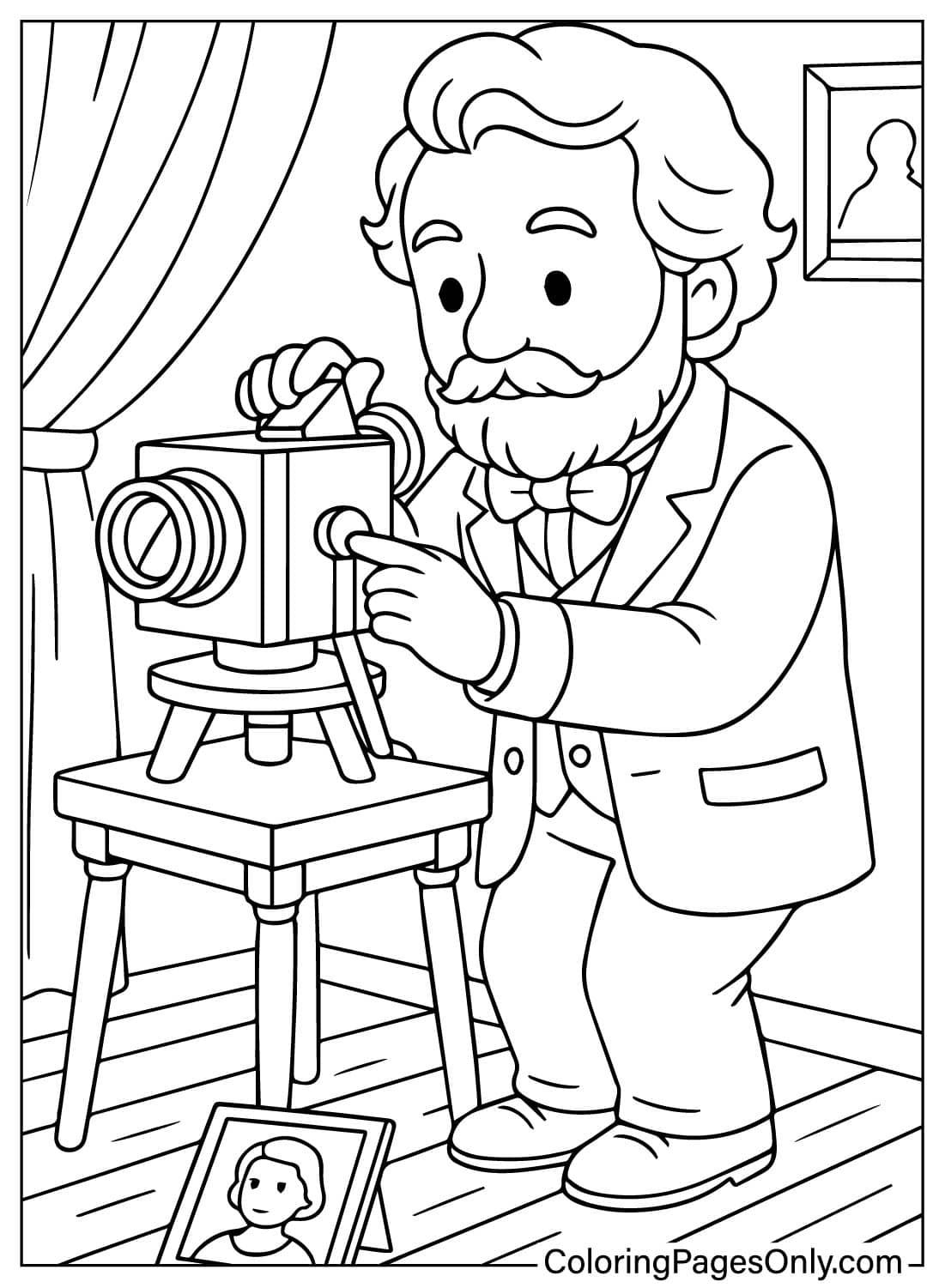
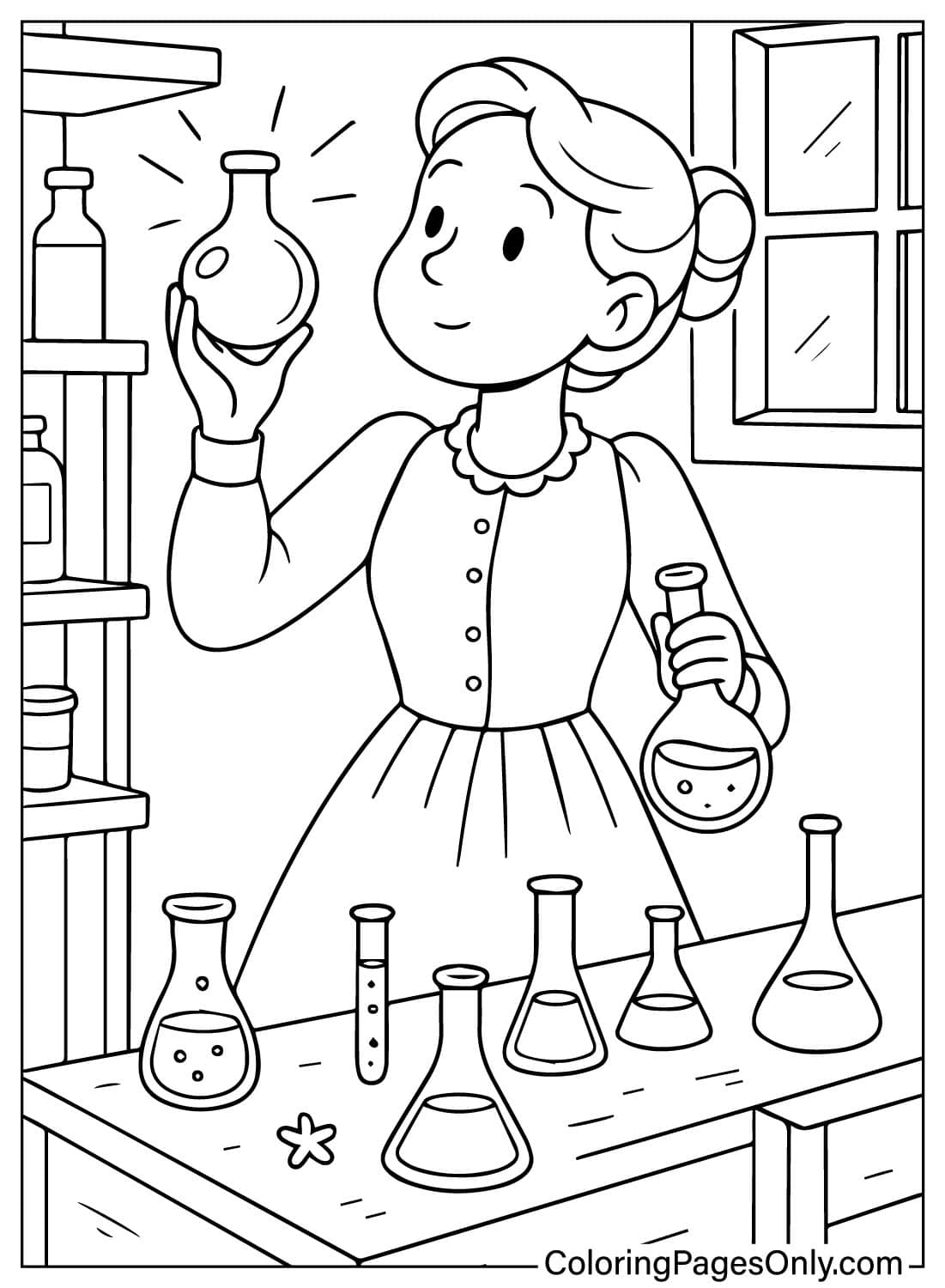
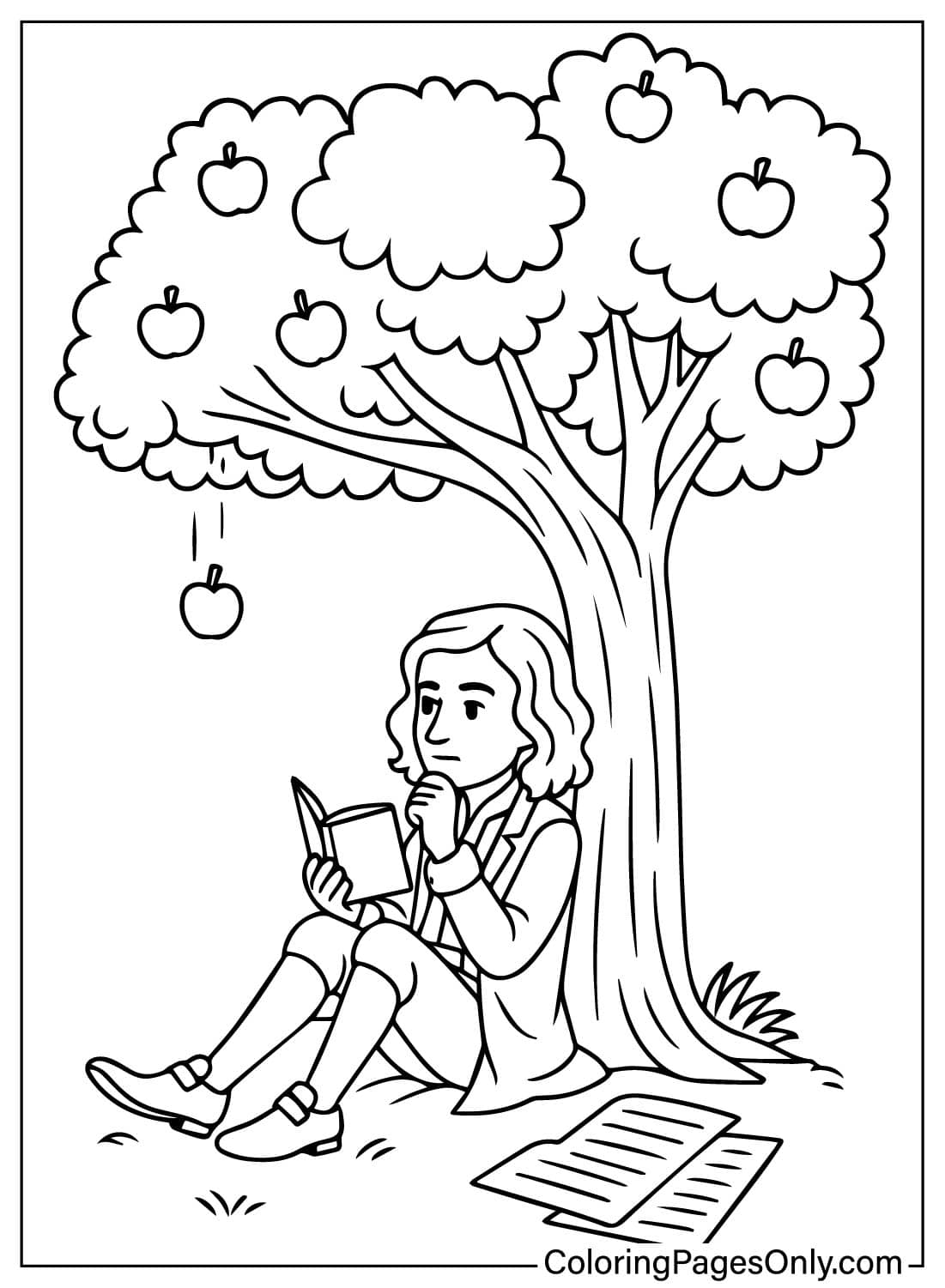
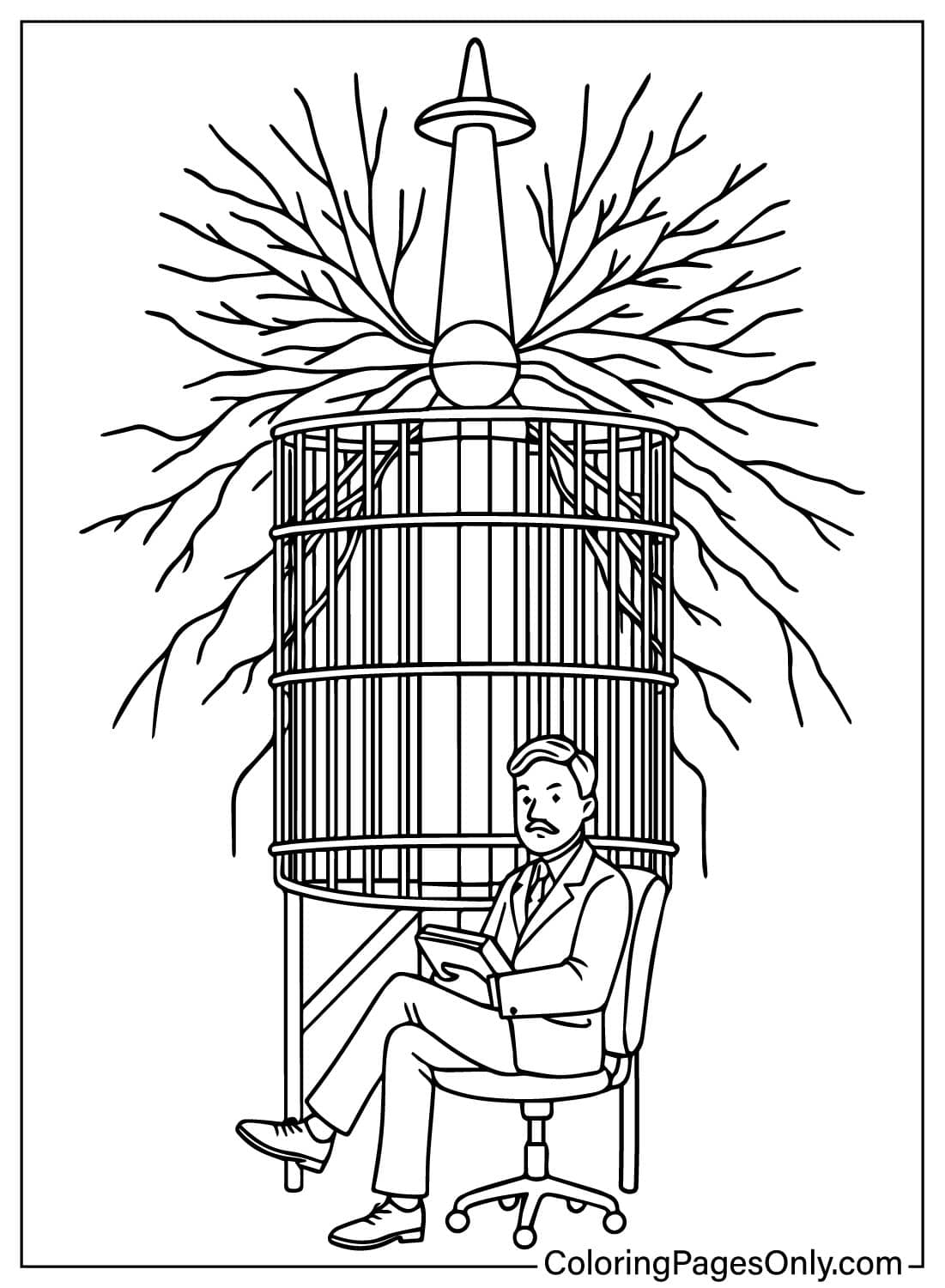
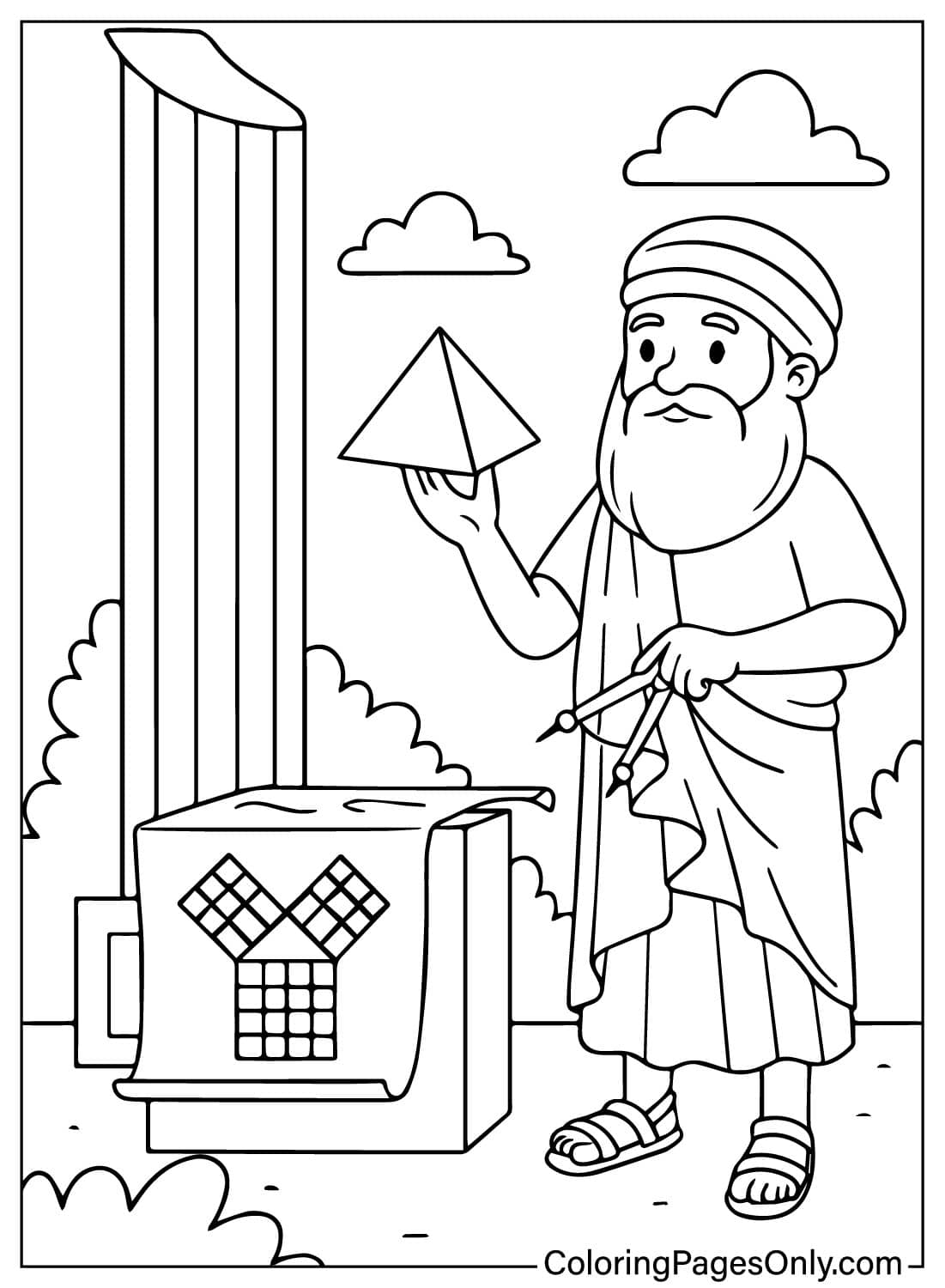
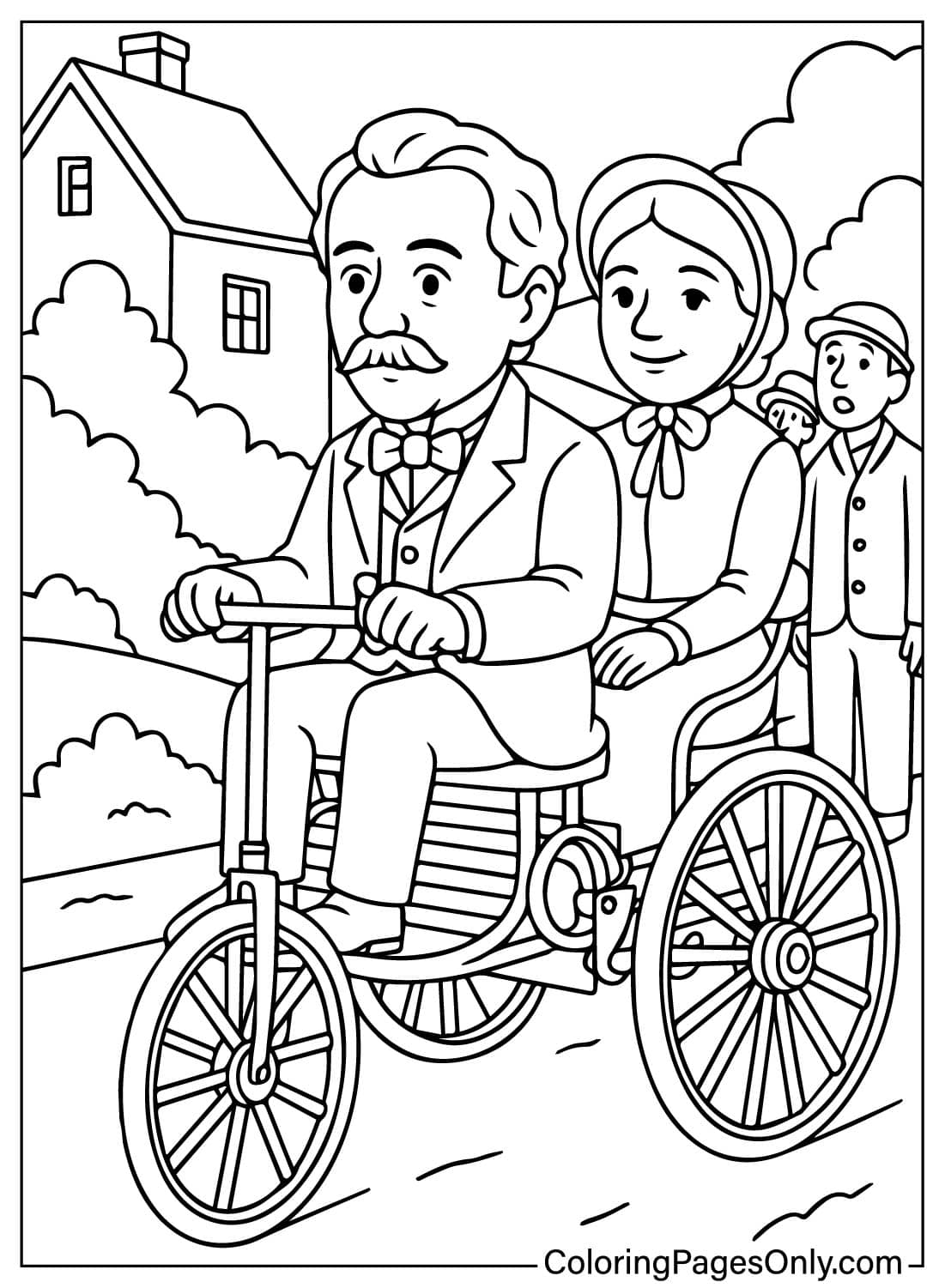
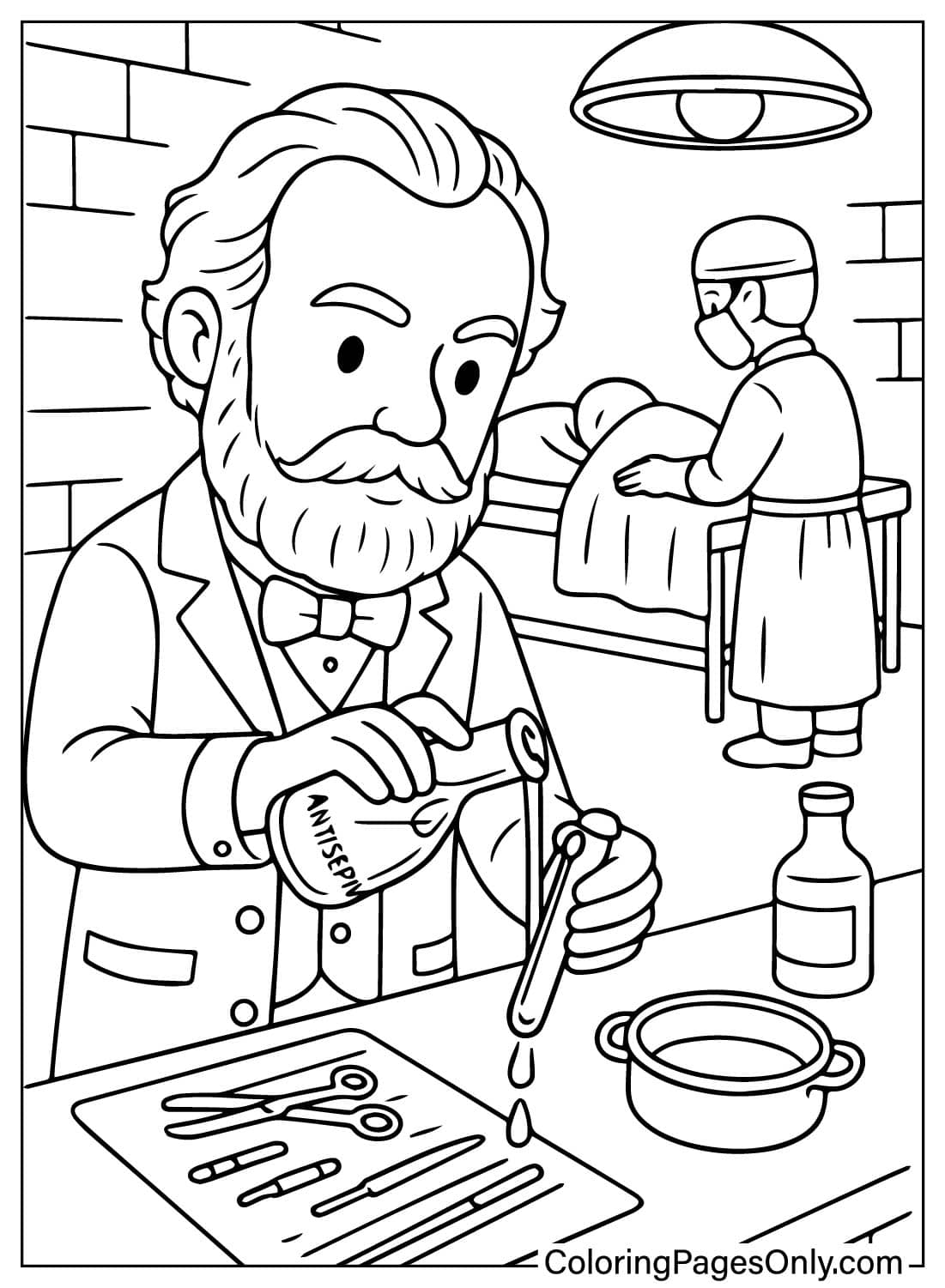
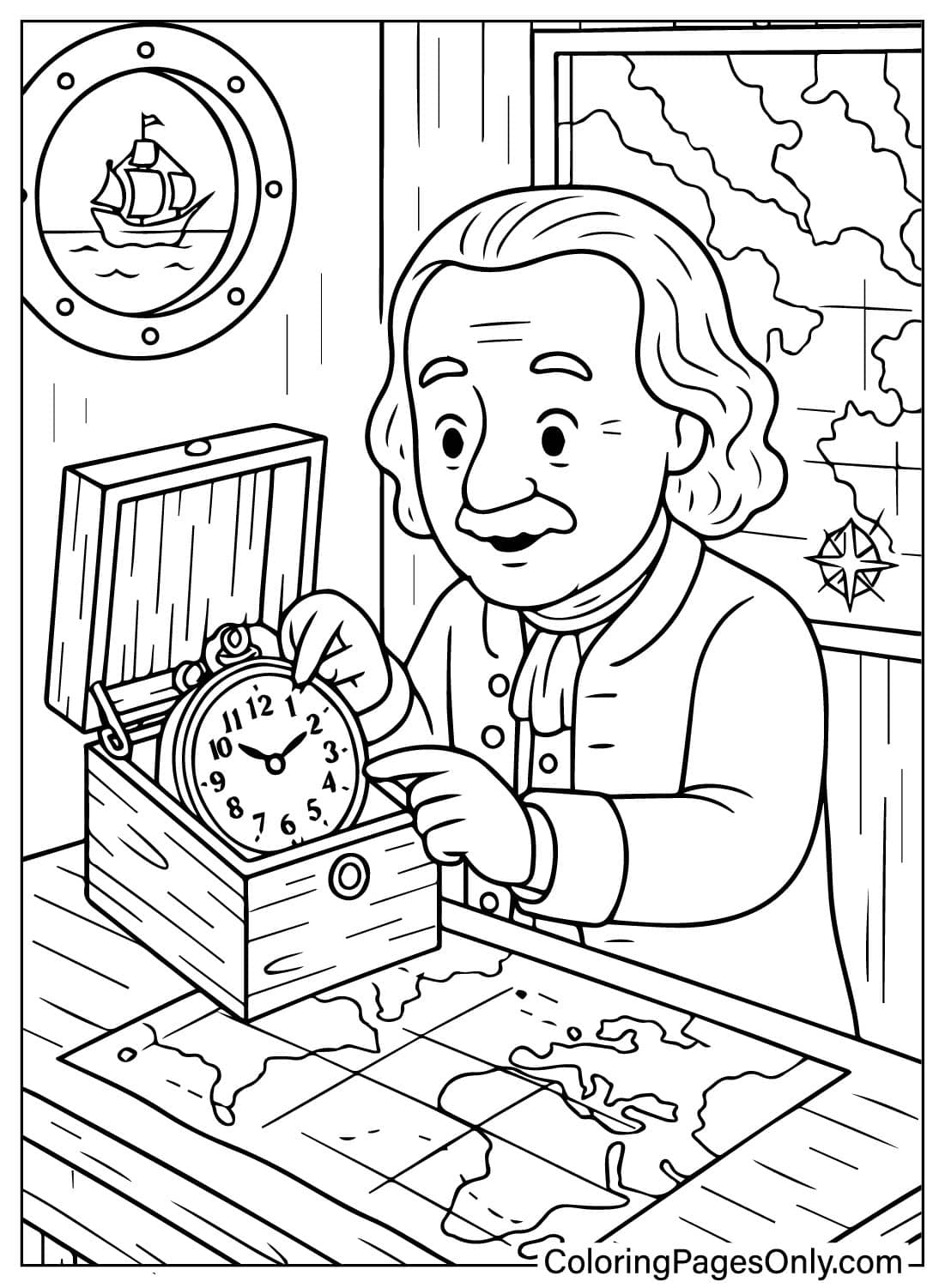
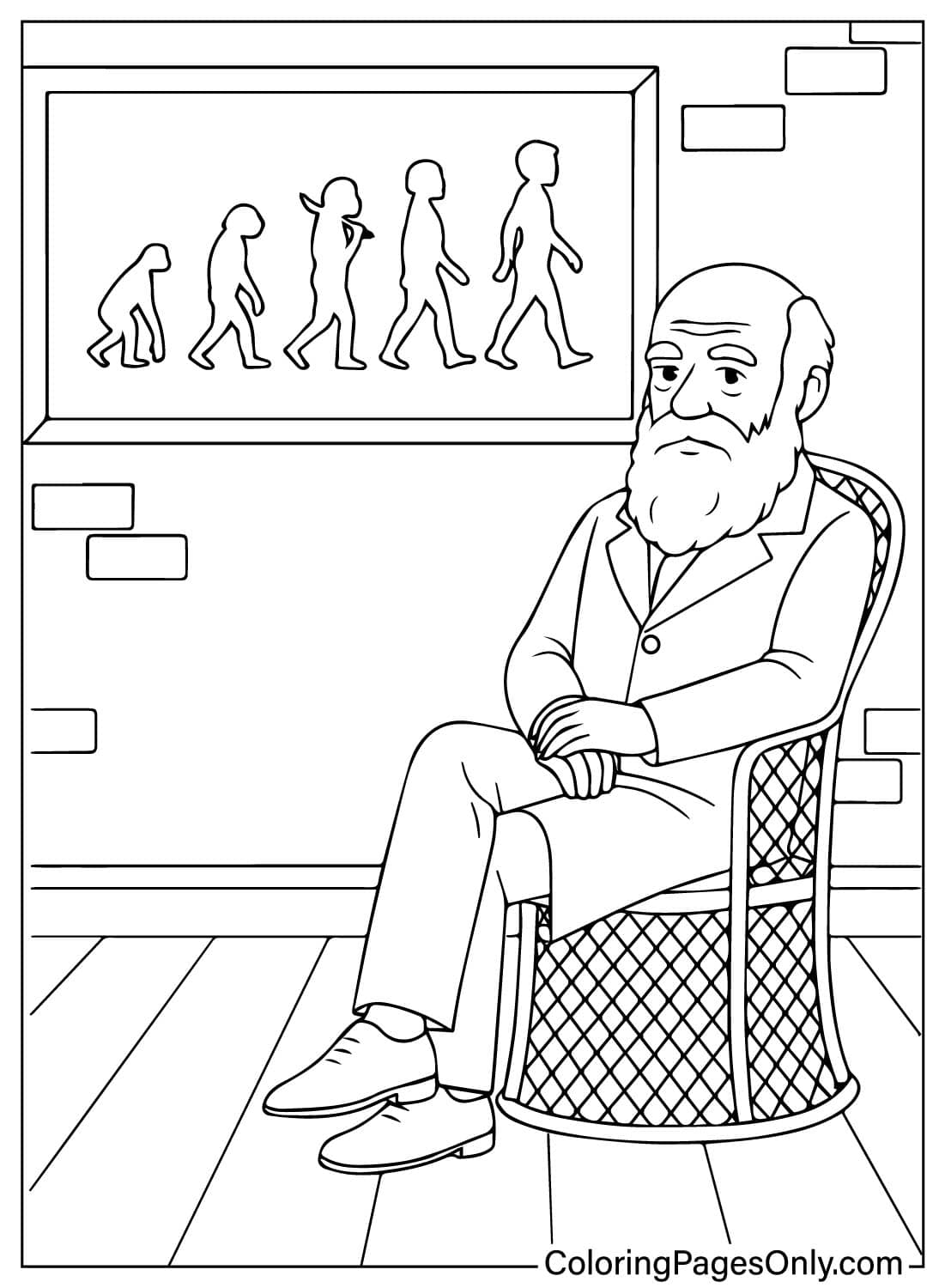
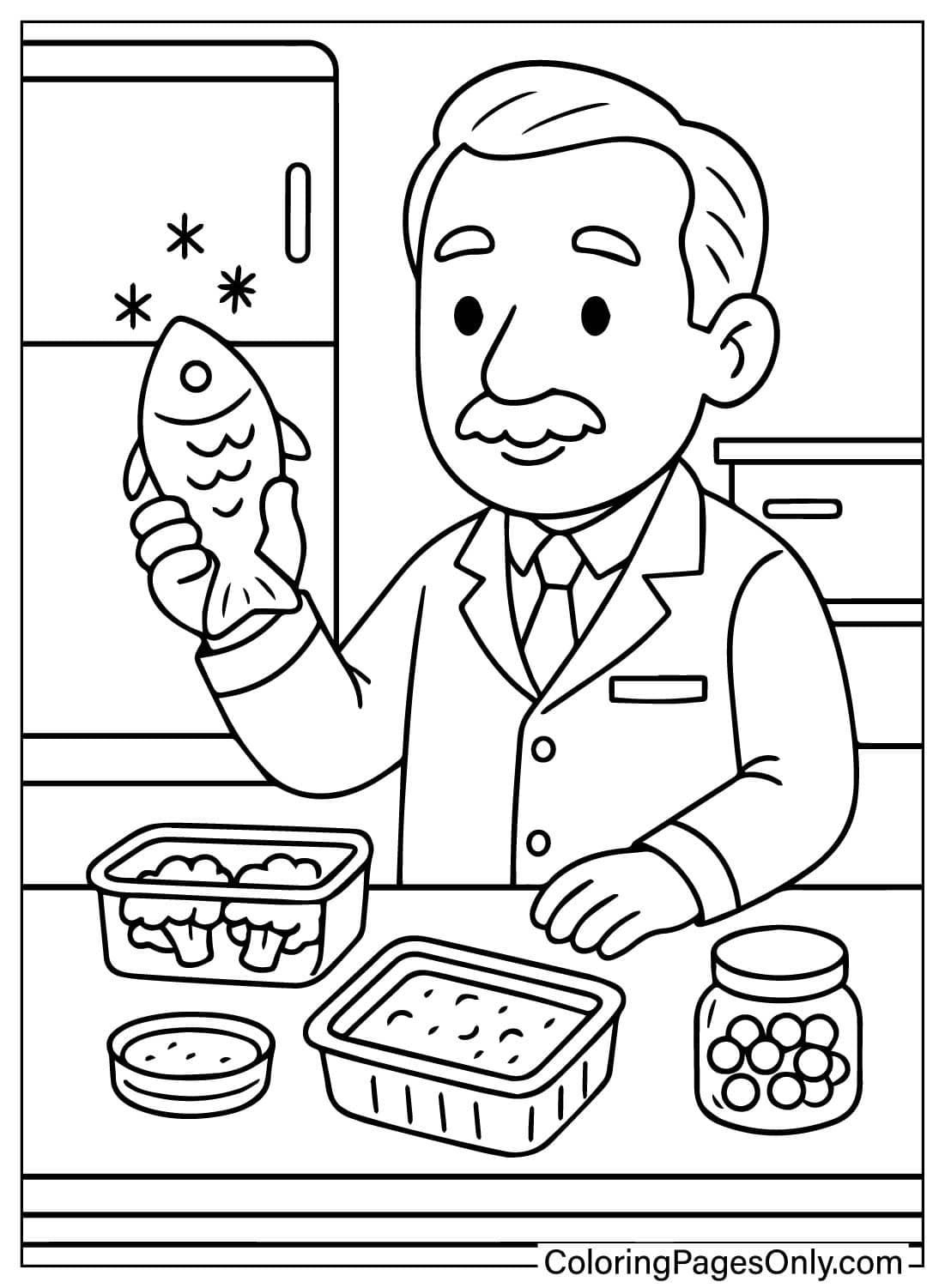
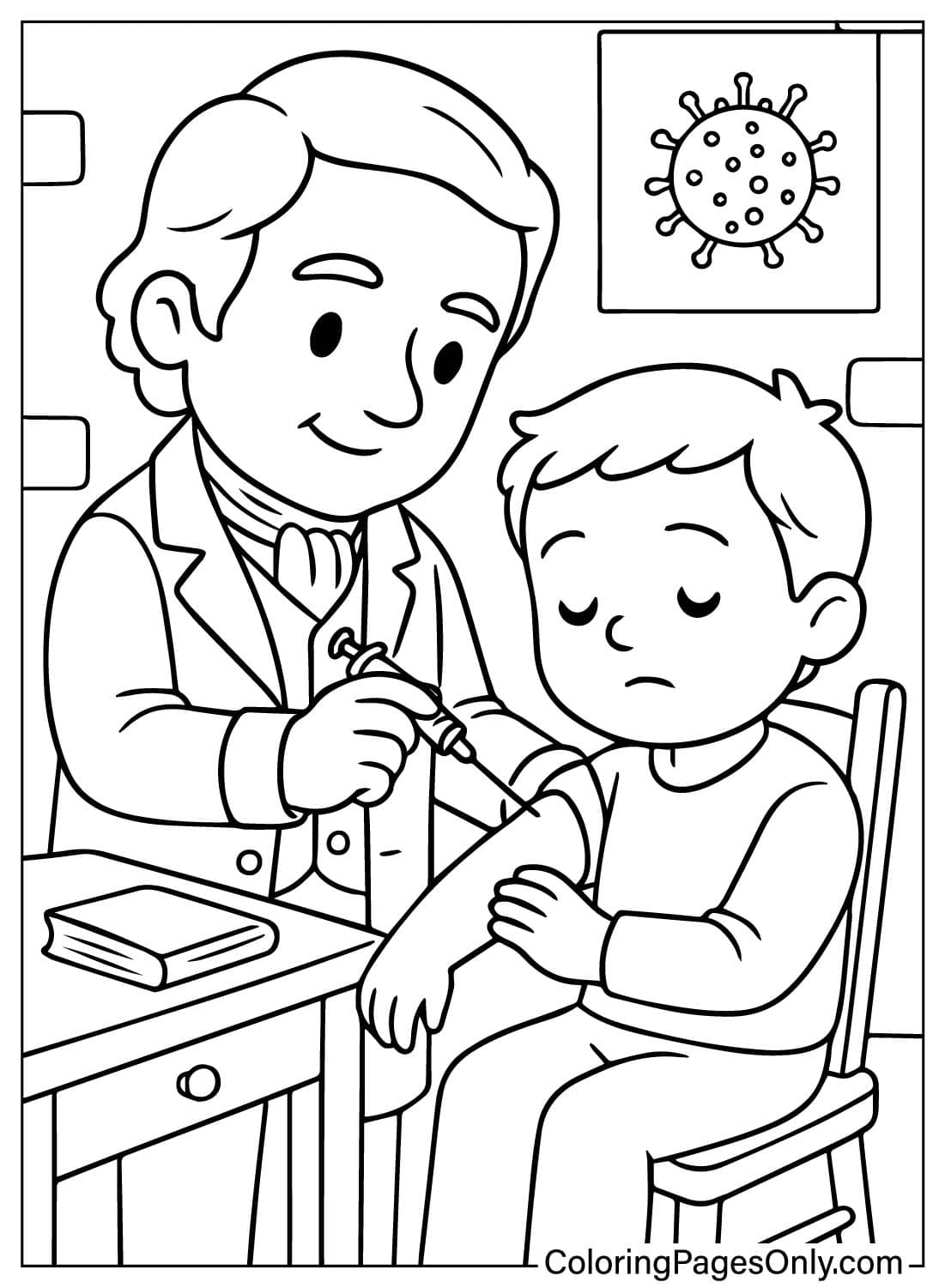
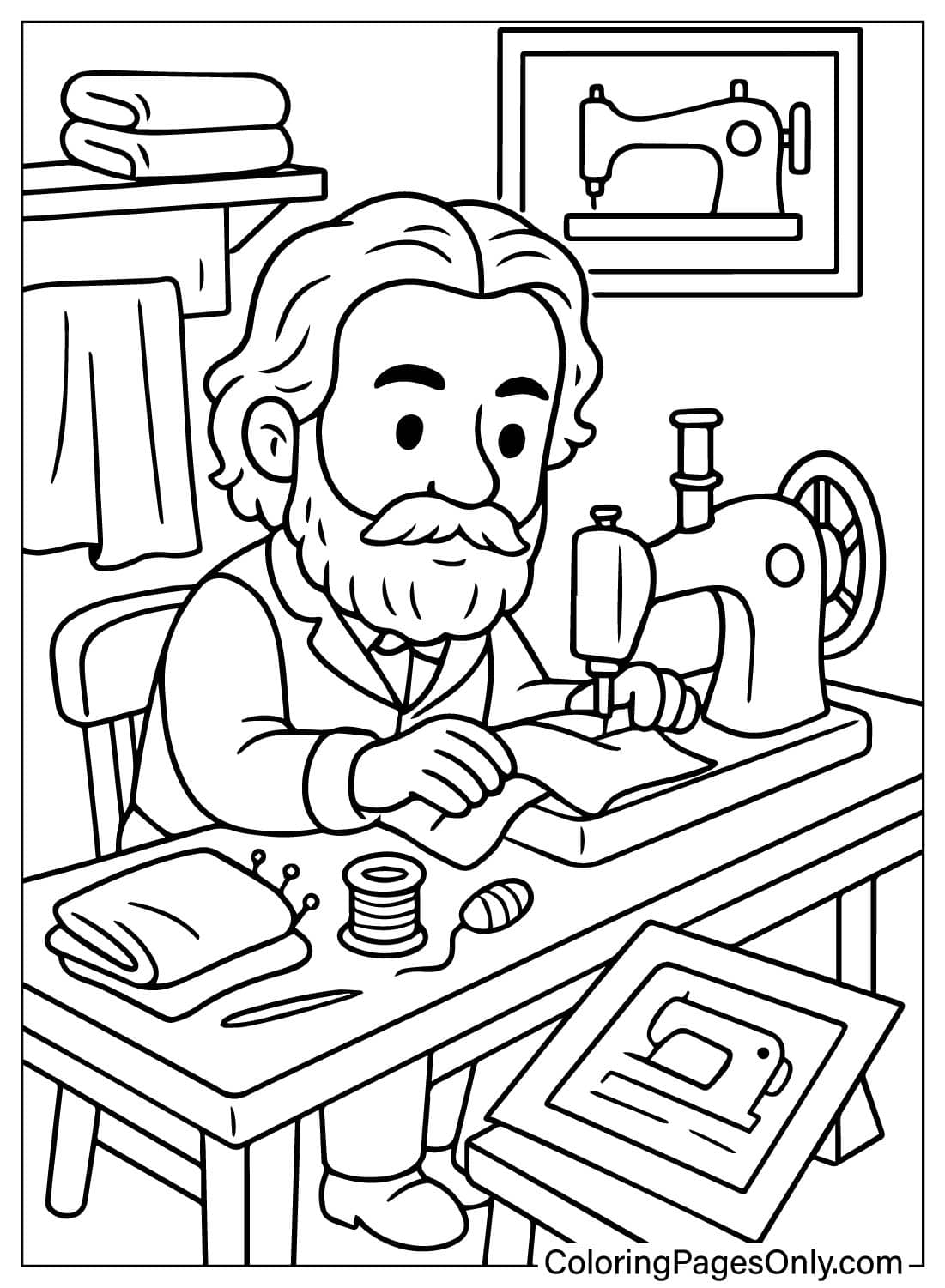
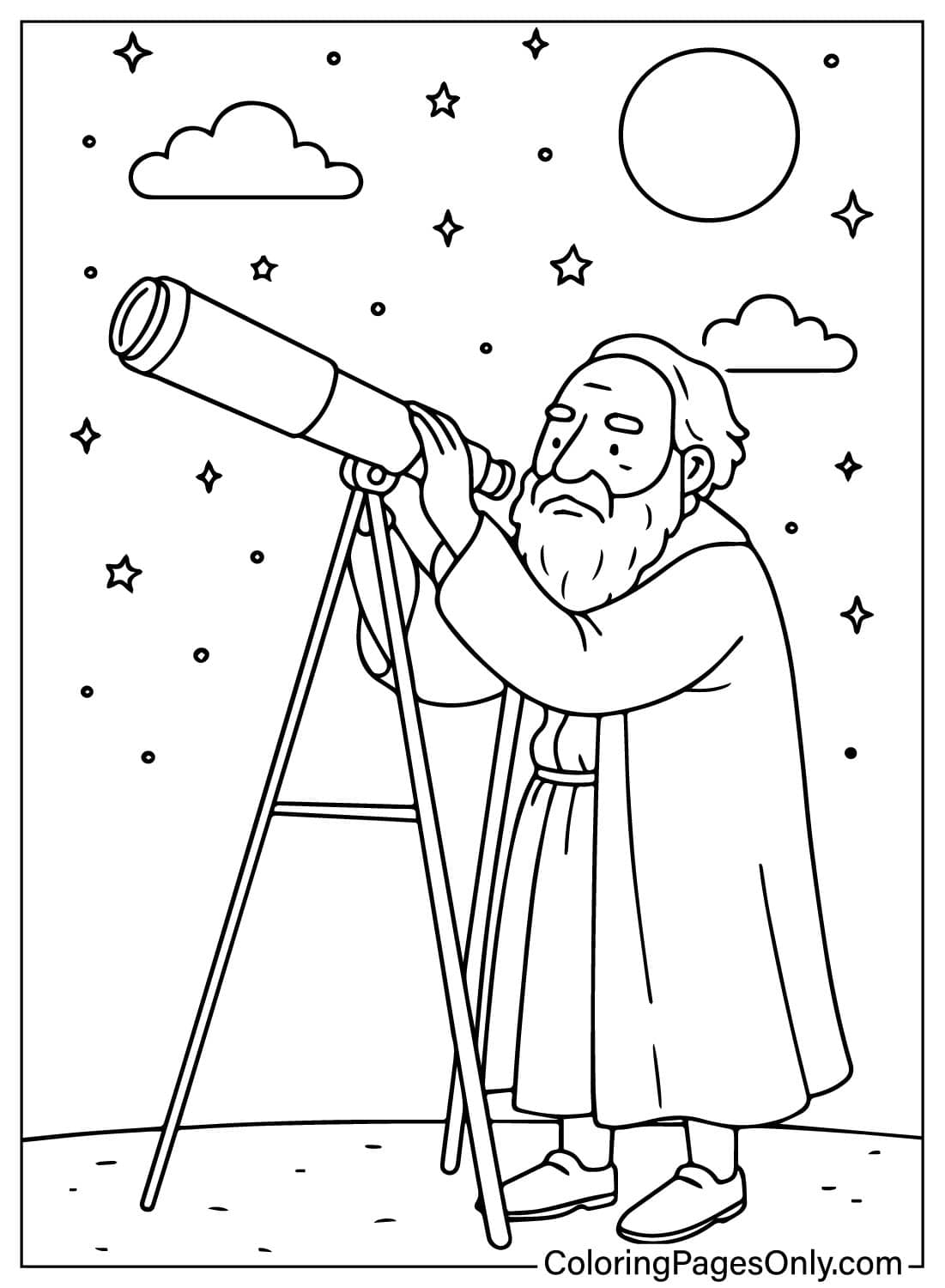
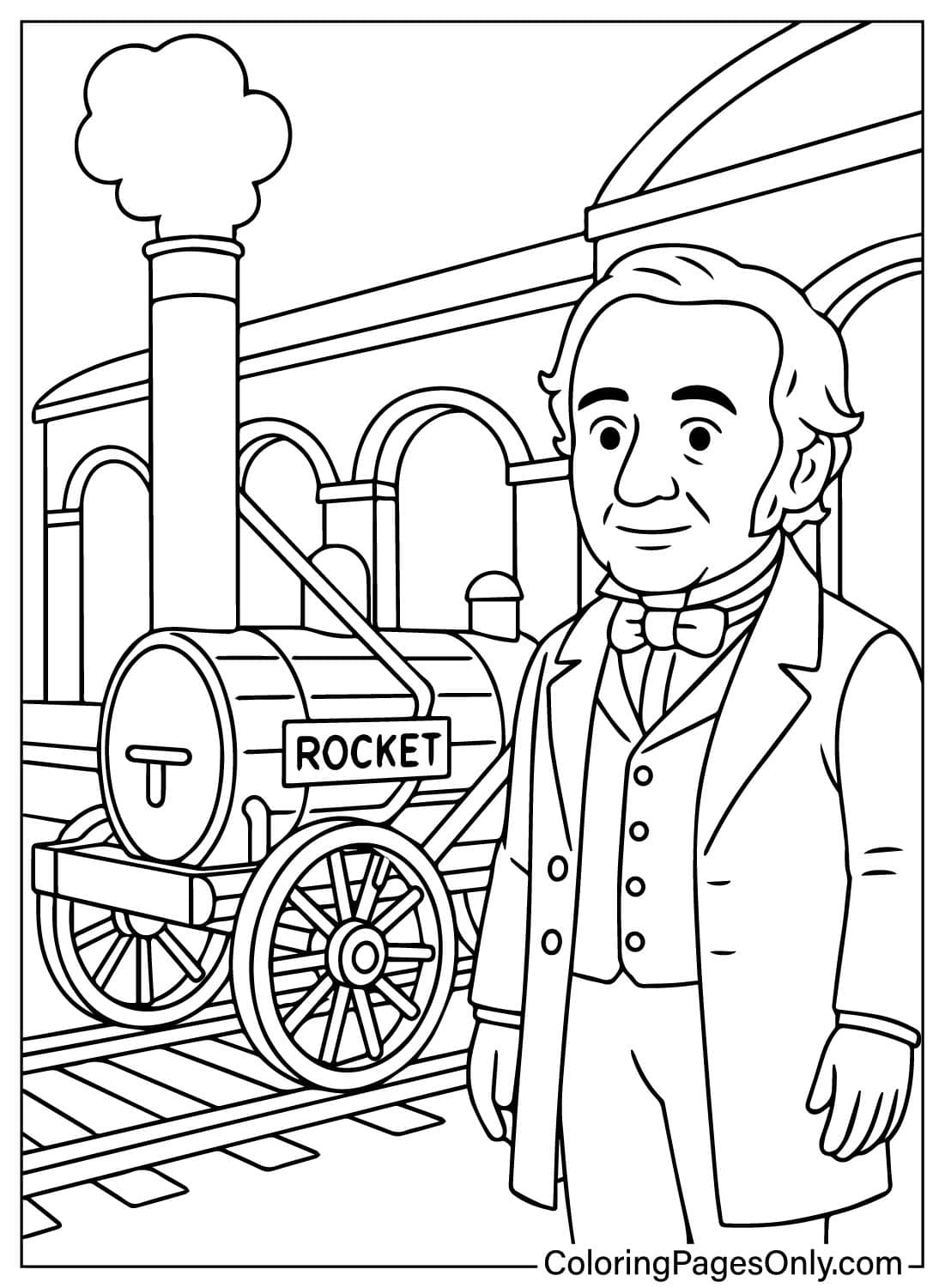
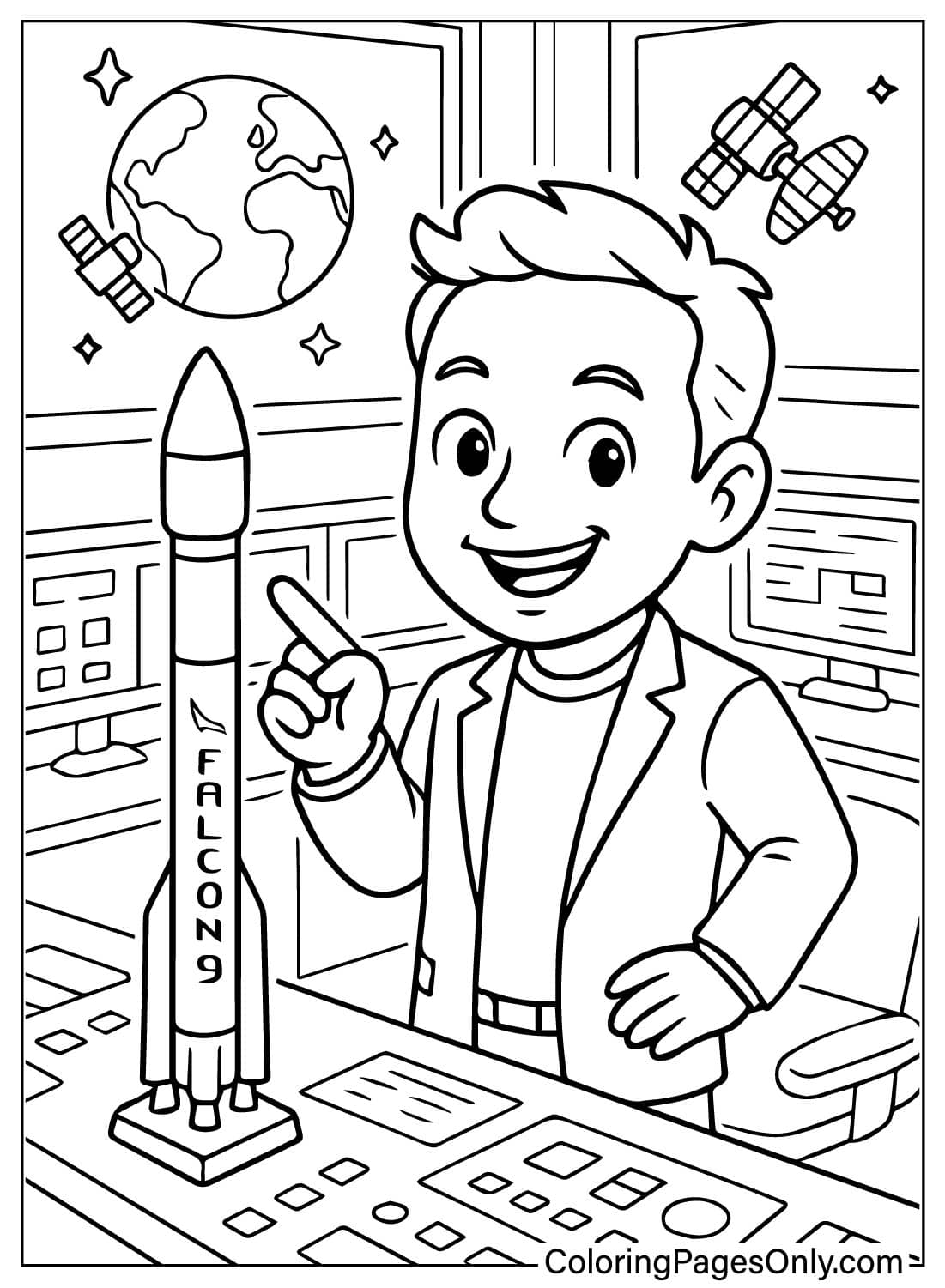
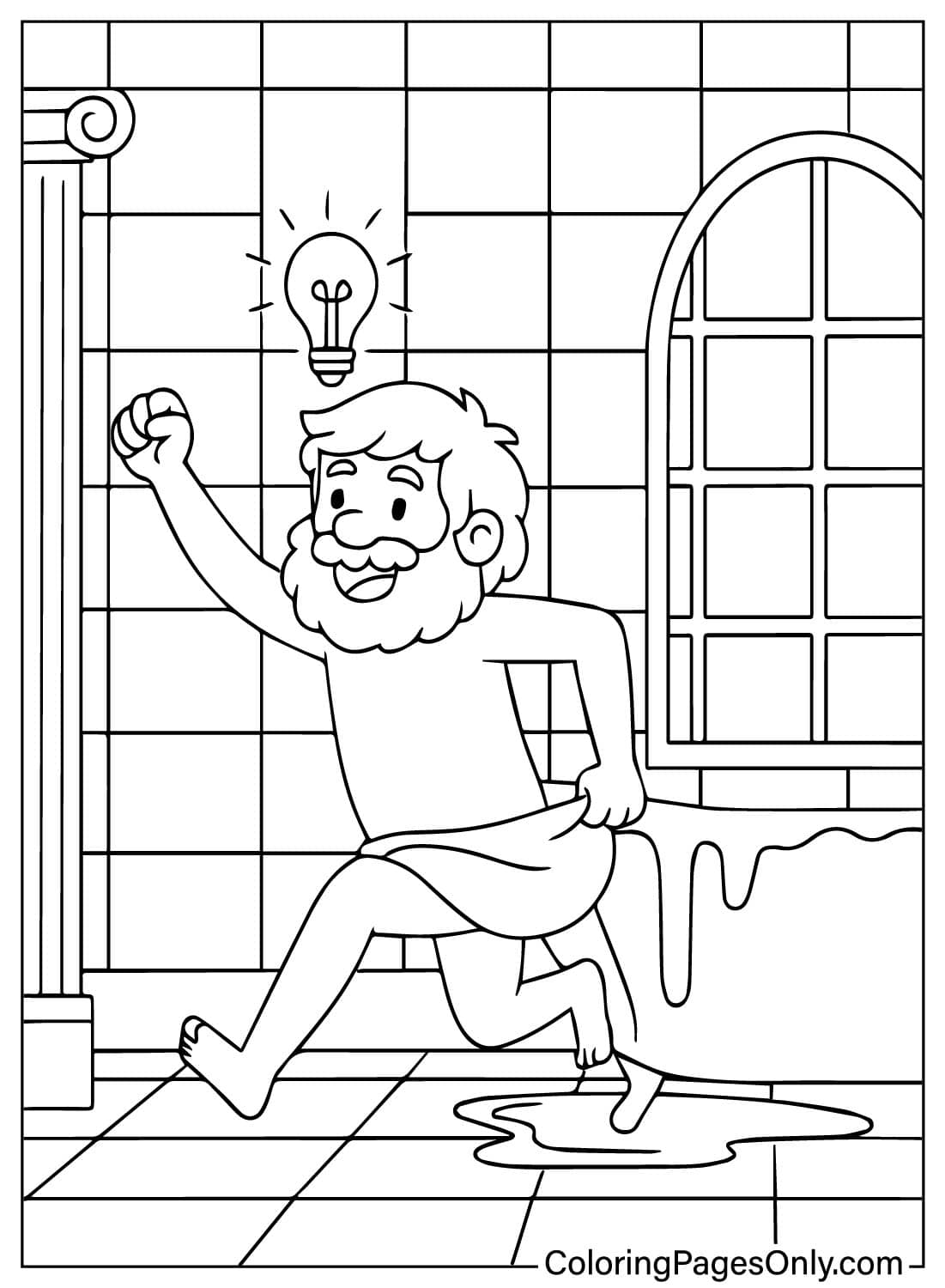
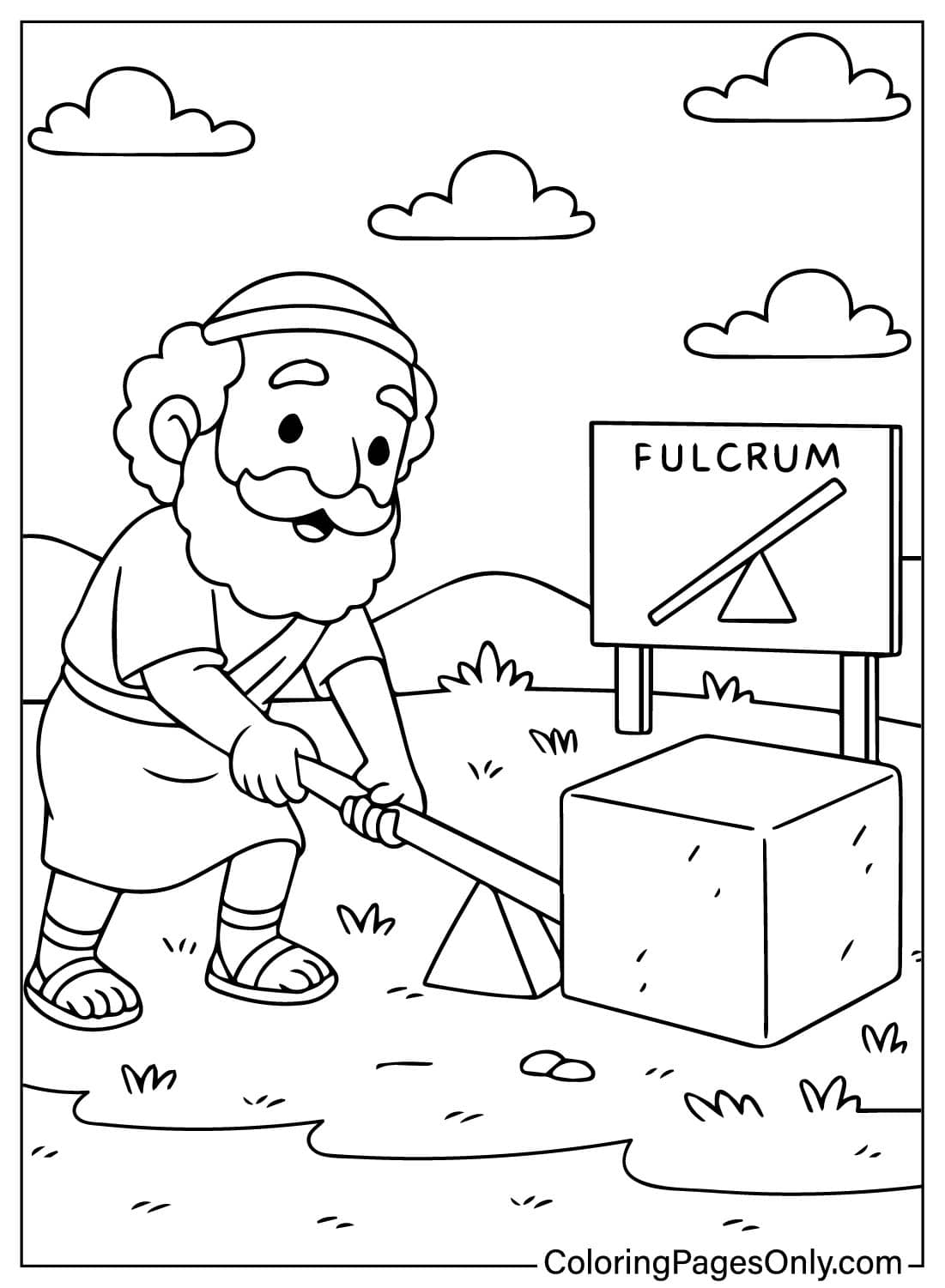
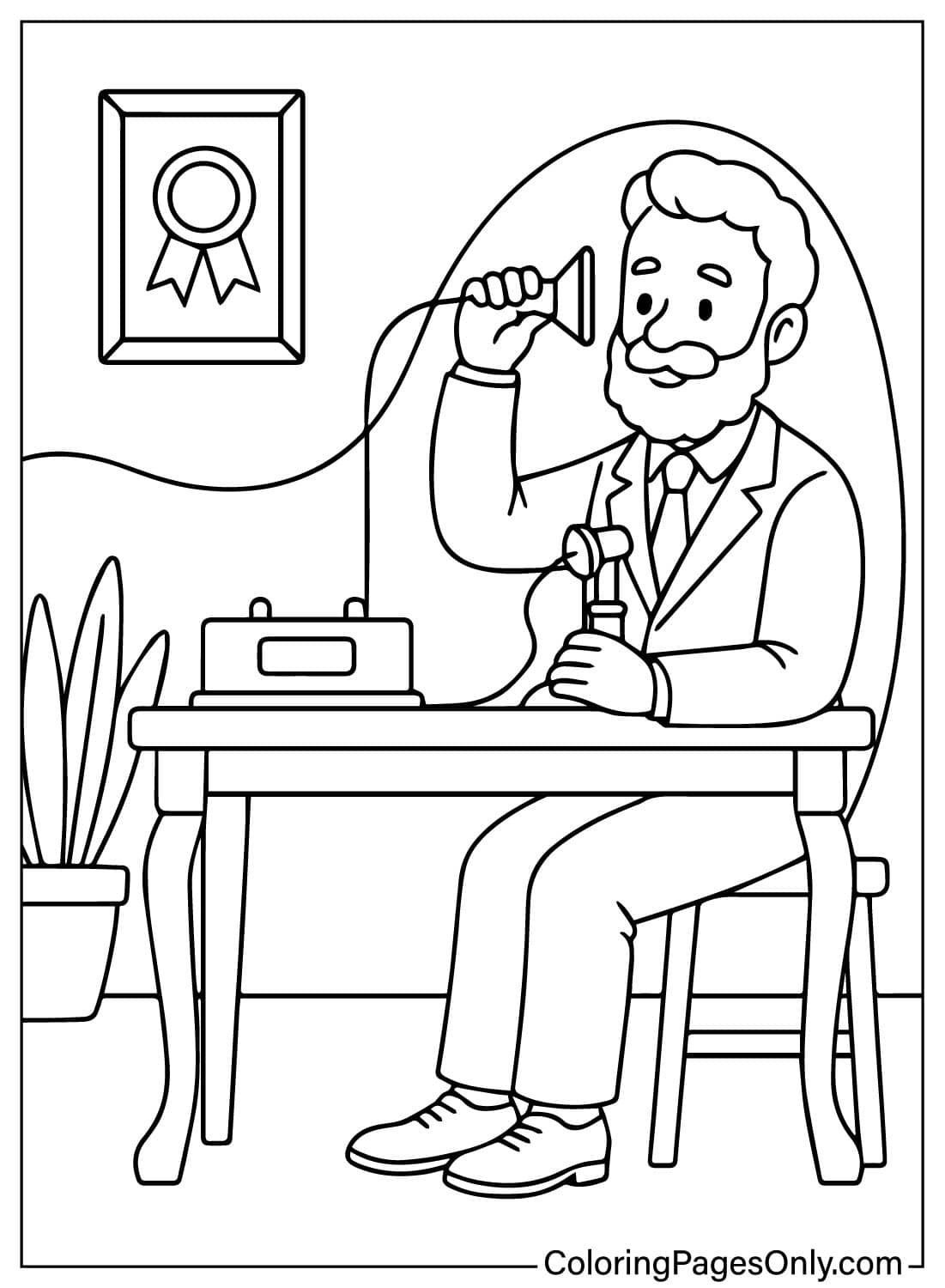
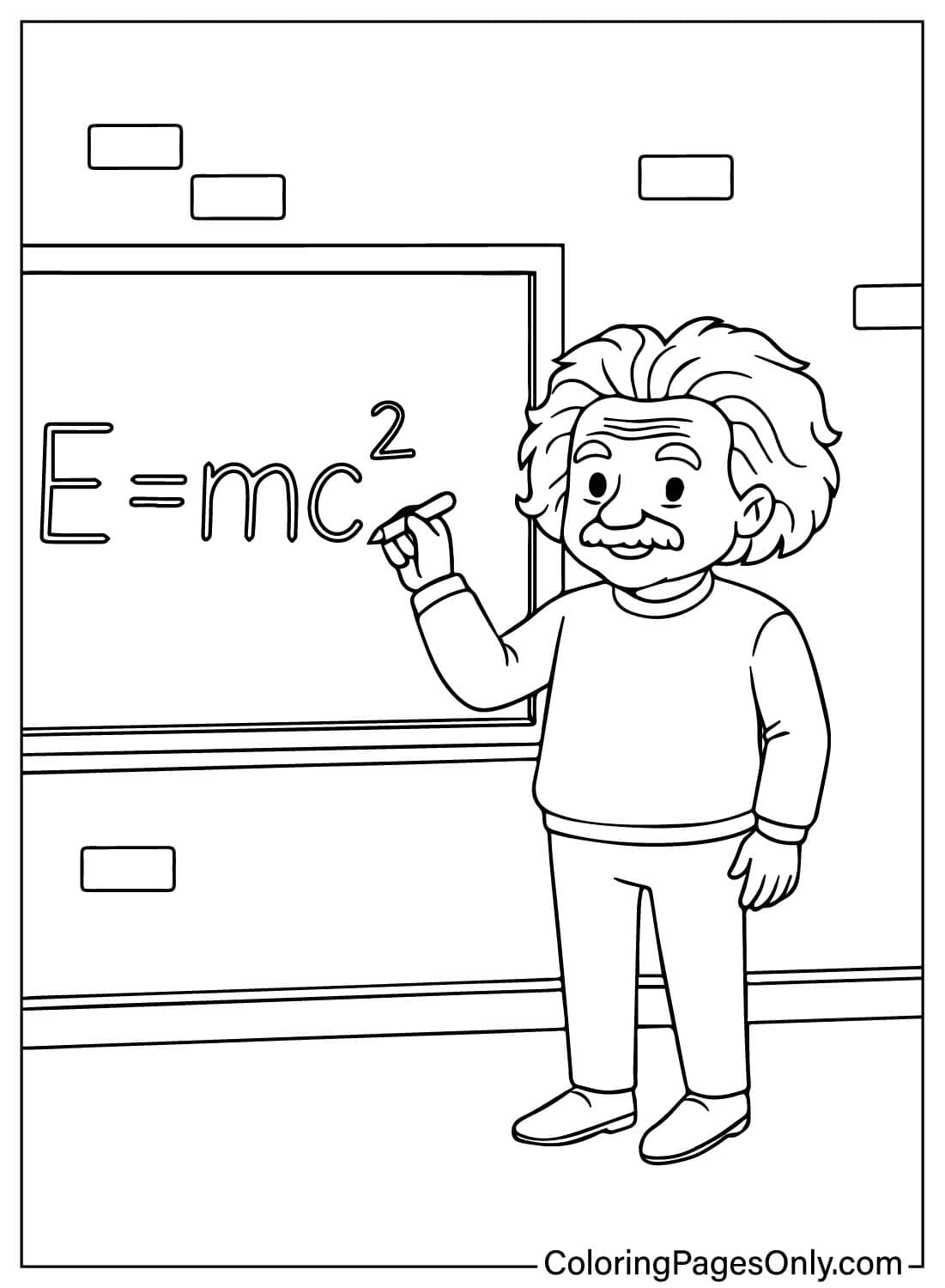
What Is Inside This Collection
The 33 pages fall into four recurring groupings.
Scientists Who Changed How We Understand the World
Several designs cover foundational scientists, such as Newton and the Law of Universal Gravitation. These pages focus on figures whose work reshaped physics, biology, or mathematics.
Inventors of Everyday Technology
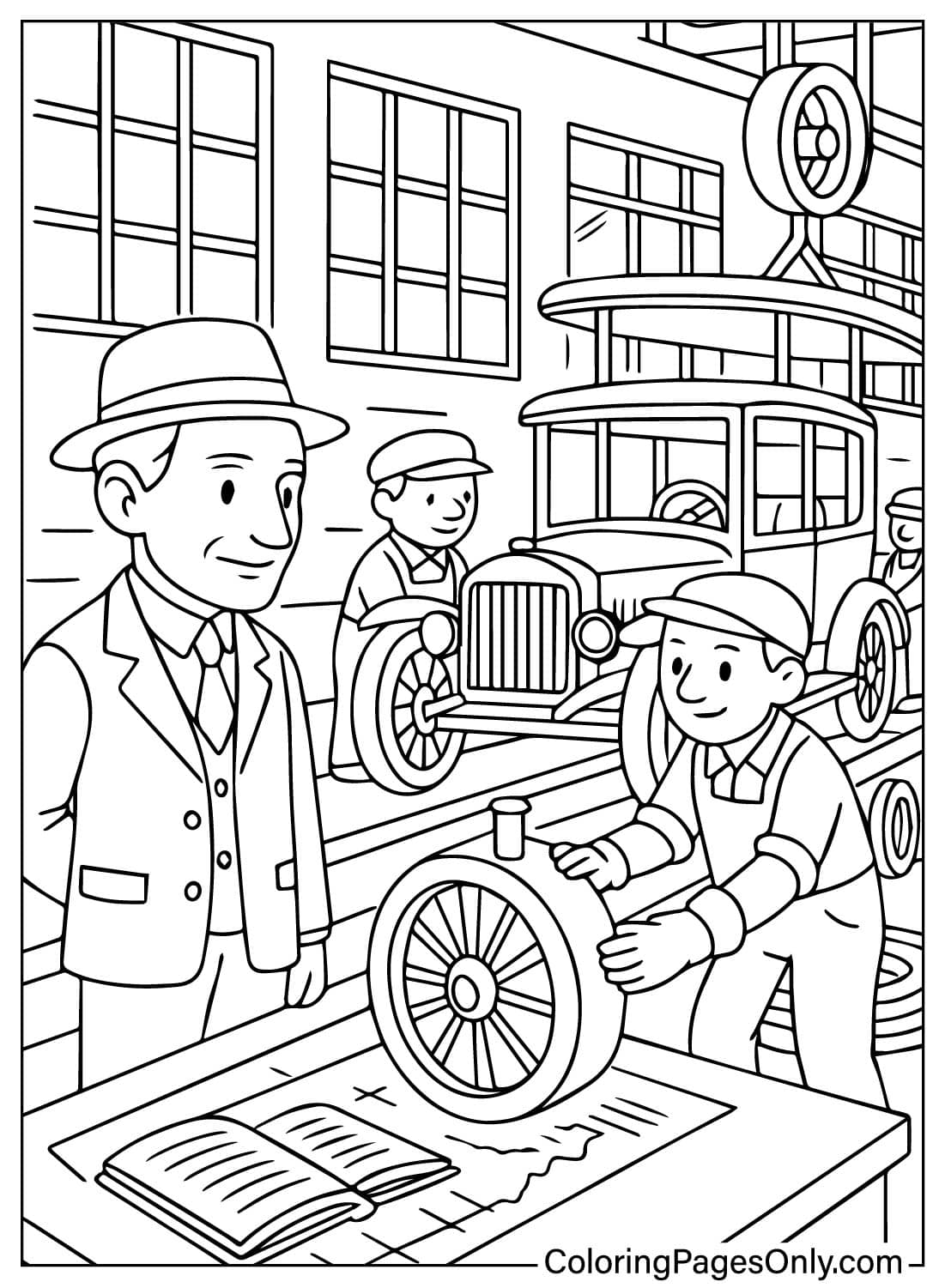
A group of pages covers the inventors behind now-common devices, such as Thomas Edison and the Light Bulb. These designs highlight technology that many kids and adults use without thinking about its origins.
Pioneers in Medicine and Accessibility
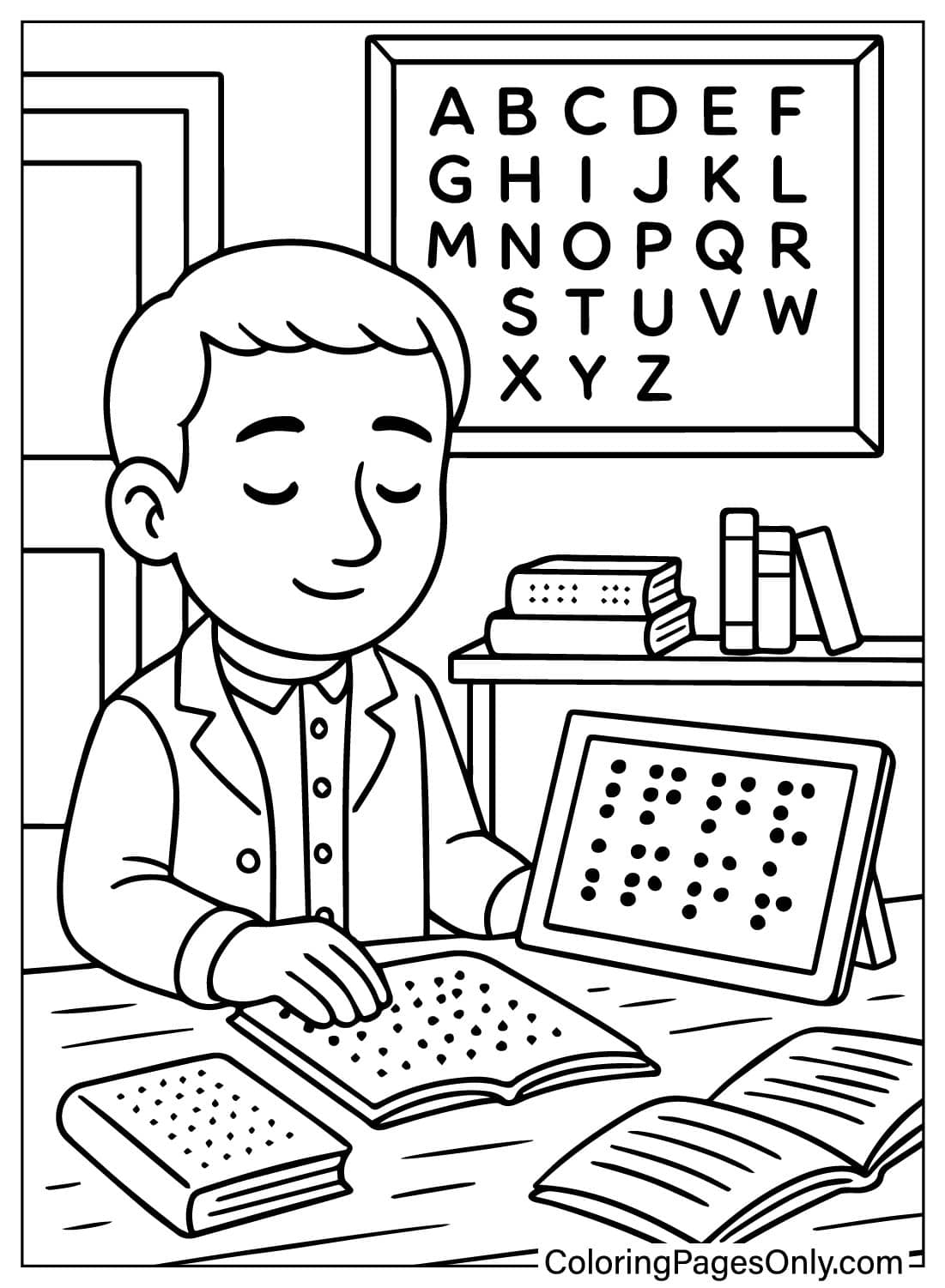
Some designs focus on medical and accessibility breakthroughs, such as Edward Jenner and Vaccines. These pages cover figures whose work directly improved health and daily life for millions of people.
Transportation and Modern Innovation Pioneers
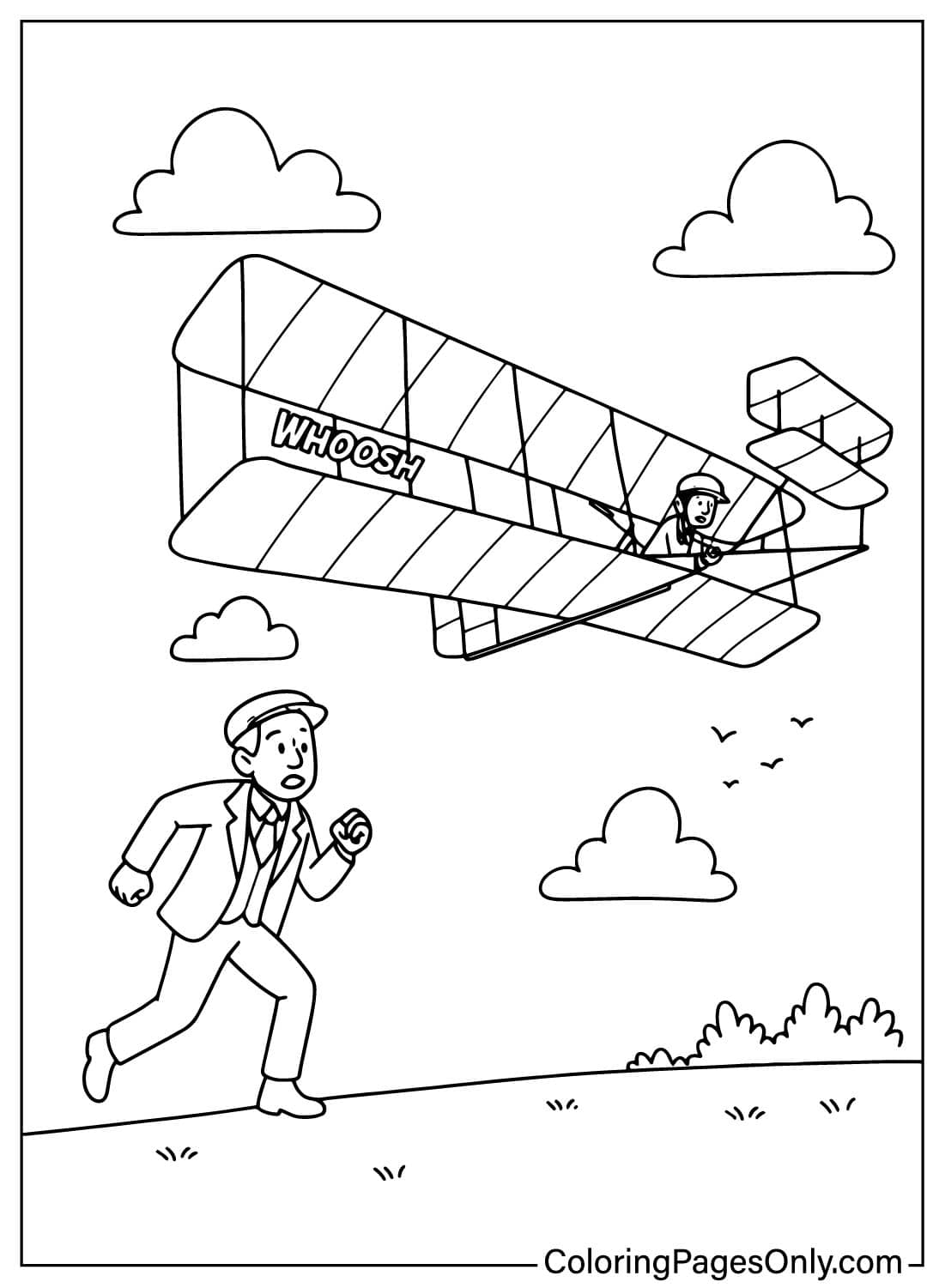
A number of pages cover transportation and more recent technology, such as the Wright Brothers and the First Airplane. These designs bring the timeline forward from early flight to modern computing and space exploration.
What Famous Inventions and Inventors Coloring Pages Do
Fine motor development. The American Academy of Pediatrics identifies fine motor skill development as a core benefit of structured coloring for children ages 2 through 7, and the mix of simple portrait outlines and more detailed invention illustrations in this set lets a child progress as their control improves.
A visual anchor for real history. Because each page pairs a real person with a specific, verifiable achievement, coloring gives children a concrete image to connect with a name and date they might otherwise only encounter as text in a textbook.
Calm focus paired with active learning. A 2005 study in the Art Therapy Journal documented measurable reductions in anxiety following structured coloring sessions, and pairing that calming activity with a history or science fact turns a relaxing task into a light form of active recall.
A starting point for deeper research. Because each page focuses on one figure and one achievement, the collection works well as a jumping-off point for kids to look up more details about a specific inventor after finishing the page.
How to Color Famous Inventions and Inventors Pages Well
- Portraits: Keep skin tones and hair in natural, muted shades so the historical figure reads clearly without looking overly stylized.
- Period clothing: Use Charcoal, Navy, or Burgundy for formal 19th and early 20th century clothing, and simpler earth tones for ancient Greek figures like Archimedes or Pythagoras.
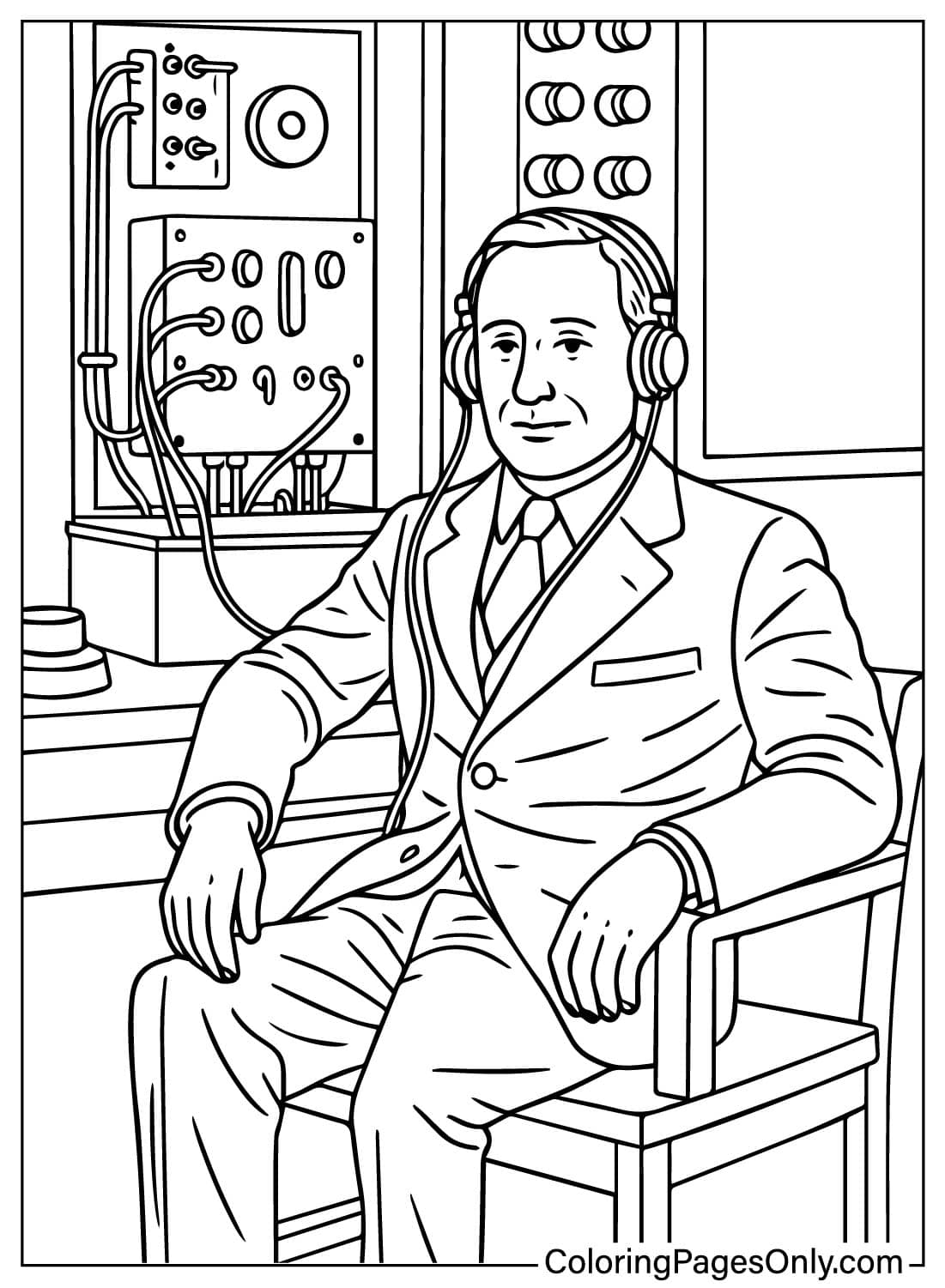
- Machines and devices: Metallic Silver or Gray works well for mechanical inventions, like locomotives or early telephones, with small Black shading in the joints for depth.
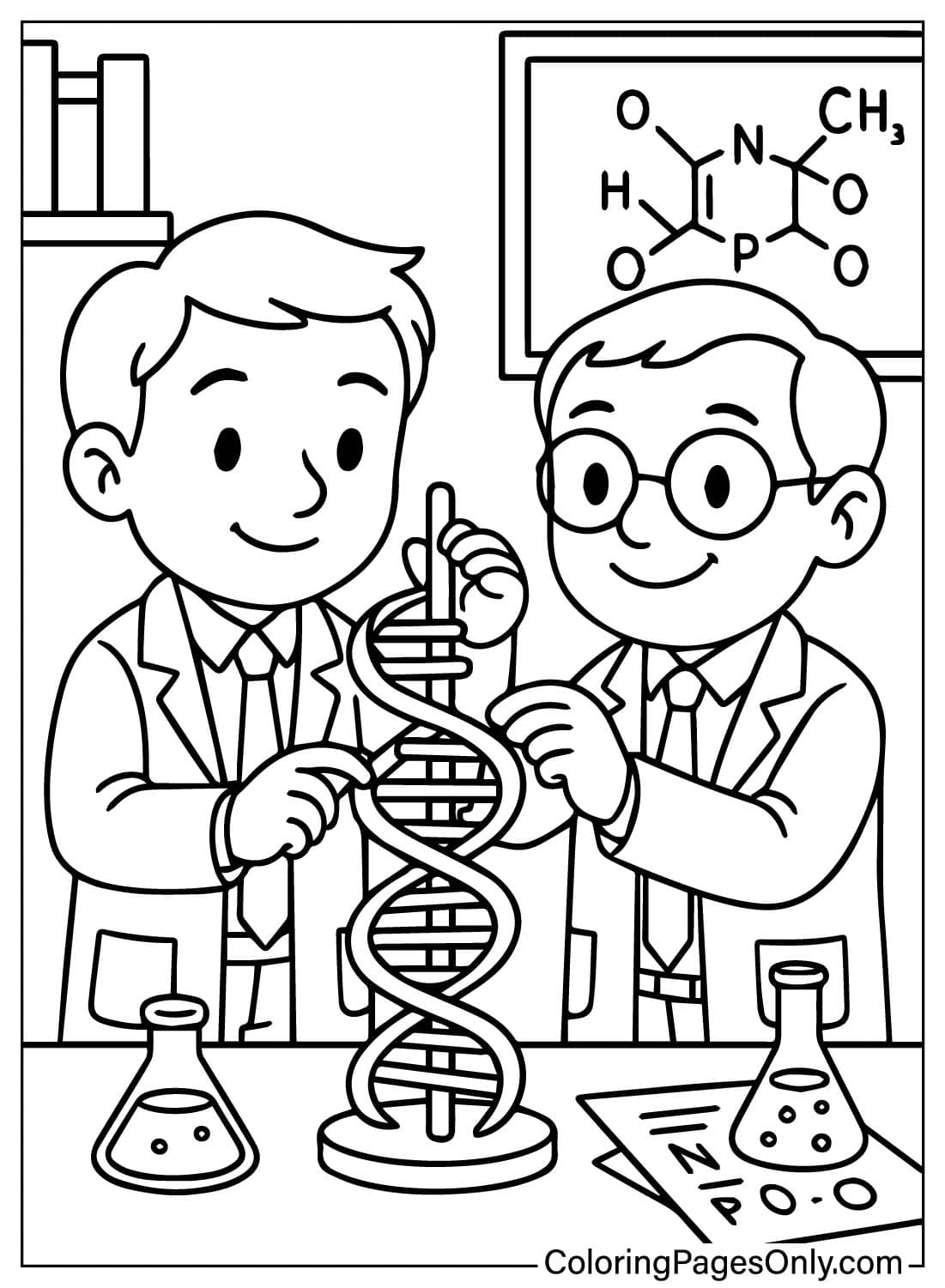
- Scientific diagrams: Keep diagram elements, like DNA strands or gravity illustrations, in a limited two- or three-color palette so the underlying concept stays easy to read.
- Backgrounds: Muted Tan or soft Blue backgrounds keep the focus on the figure and invention rather than competing with busy scenery.
- Modern technology: Cooler tones like Steel Blue or Silver suit more recent inventions, like computers or spacecraft, helping them read as distinct from older, more mechanical designs.
5 Creative Craft Ideas With Famous Inventions and Inventors Coloring Pages
1. Invention Timeline Poster
Color several pages and arrange them in order along a long strip of paper marked with each figure’s approximate era. Adding a short date range under each portrait turns the poster into a simple visual timeline of scientific history. This works well paired with a classroom discussion on how earlier inventions often led to later ones.
2. Inventor Fact Card
Trim a colored inventor page to a small card size and write two or three real facts about the person’s achievement on the back. Making several cards at once lets kids build a small reference set to study from or trade. Laminating the finished cards helps them hold up to repeated handling.
3. Design Your Own Invention Sketch
Color an inventor page, then use a blank sheet alongside it to sketch an original invention idea inspired by a real-world problem the child has noticed. Pairing the historical figure with an original sketch encourages kids to see themselves as potential inventors, too. This works especially well as a creative writing or STEM classroom extension.
4. Science Fair Display Card
Color a page related to an upcoming science fair topic and mount it on a poster board alongside a student’s own project summary. Using the colored portrait as a visual anchor gives the display a polished, finished look. This pairs well with any classroom science fair or history day project.
5. Inventor Bookmark
Trim a simple inventor portrait to bookmark size and laminate or cover it with clear tape for a durable, everyday bookmark. Punching a hole at the top and threading a short ribbon through makes it easy to spot inside a stack of books. Making a small set with different inventors gives a reader several to rotate through.
Frequently Asked Questions
What are Famous Inventions and Inventors coloring pages?
They are printable illustrations pairing historical scientists and inventors with the discoveries or inventions they are best known for. This collection has 33 designs available as free PDF downloads or for coloring directly online.
Which historical figures are included in this collection?
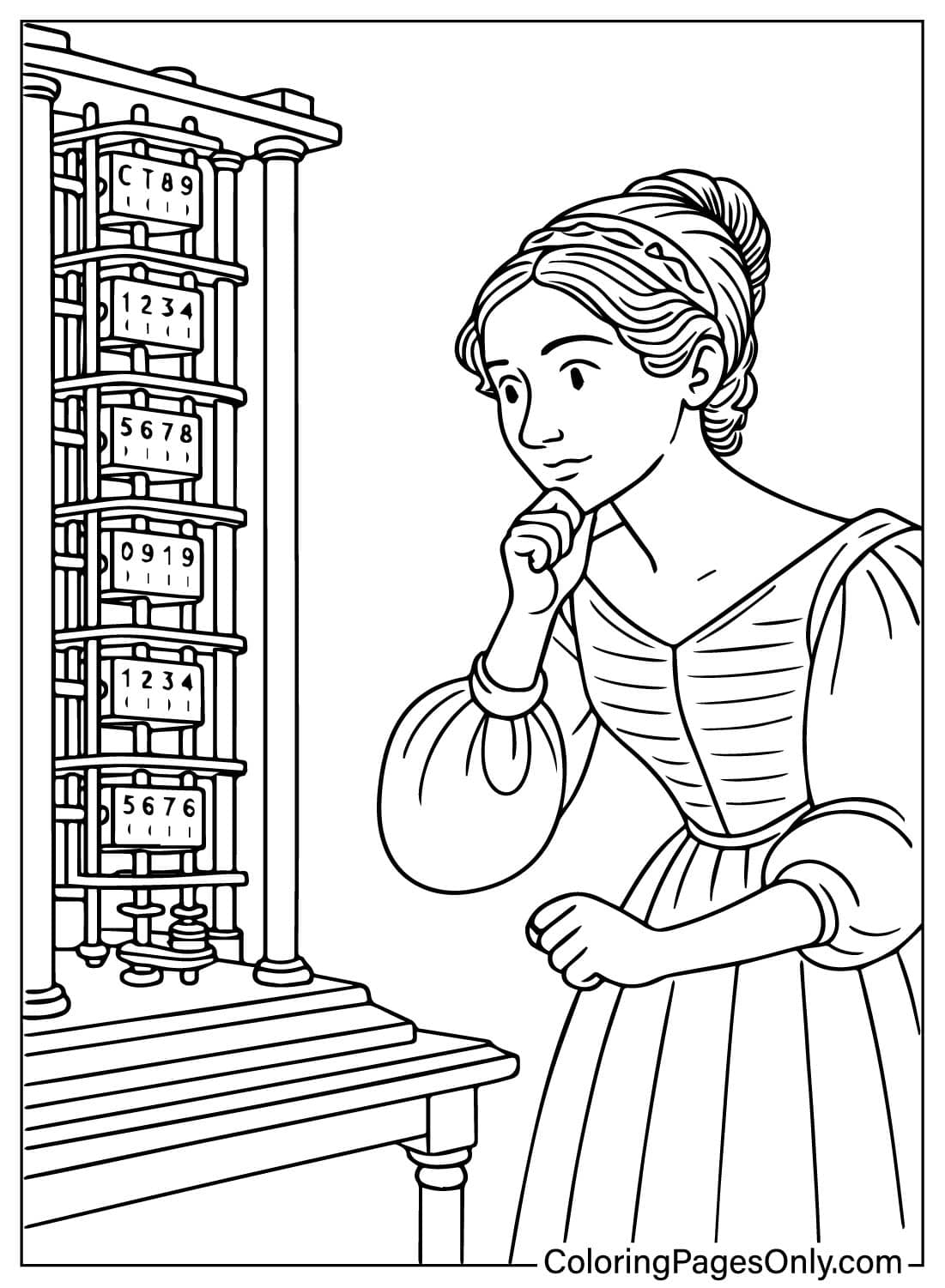
The collection spans figures from ancient Greece, like Archimedes and Pythagoras, through more recent history, including Thomas Edison, Marie Curie, Albert Einstein, Alan Turing, and Ada Lovelace.
Who actually discovered the structure of DNA?
The double helix structure of DNA was jointly discovered by James Watson and Francis Crick in 1953, building on critical X-ray diffraction data produced by Rosalind Franklin, so credit for the discovery is generally shared among all three scientists.
Are these pages historically accurate?
Each page is based on a real, documented achievement, though, as with any simplified educational illustration, some pages focus on the most well-known figure in a discovery rather than every contributor involved.
What colors work best for these designs?
Muted, natural tones suit portraits and period clothing, metallic silver or gray works well for mechanical inventions, and cooler steel blue tones help modern technology read as distinct from older designs.
Are Famous Inventions and Inventors coloring pages suitable for young children?
Yes. The designs use simple portraits and inventive illustrations with no graphic content, and the collection works for a range of ages depending on how much historical detail a child is ready to discuss.
Can this collection be used for a STEM or history classroom unit?
Yes. The range of figures across science, medicine, and technology suits a STEM enrichment unit, a history timeline project, or an inventor-of-the-month classroom activity.
Can these pages be paired with other educational collections?
Yes. Since these pages sit within the site’s broader educational content, they pair naturally with other history or science-themed coloring collections for a larger classroom or homeschool activity.
Start Coloring
Download any page by clicking the design. No account, email, or payment is required. Pages print directly from the browser at full resolution or open in the online coloring tool for screen use. Share finished pages on Facebook or Pinterest with the share buttons at the top of each design page.