Hammerhead Shark Coloring Pages
 By:
Jennifer Thoa - Content Editor & Designer
Updated:
By:
Jennifer Thoa - Content Editor & Designer
Updated:
Hammerhead Shark coloring pages: 24 printable PDF designs spanning real named species, ocean habitat scenes, and cute or cartoon-style sharks. Each page can be downloaded as a PDF to print or colored online in the browser.
A hammerhead’s distinctive, wide, flattened head is called a cephalofoil, not to be confused with a cephalopod, the group of animals that includes octopuses and squid. Researchers think the cephalofoil serves several jobs at once: it spreads out the shark’s electroreceptors, called ampullae of Lorenzini, over a wider area, making it easier to detect prey hidden under sand, and it may also work something like an aircraft wing, improving the shark’s ability to turn sharply while swimming. There are about ten recognized hammerhead species, and they don’t all look or act alike. The bonnethead, the smallest species, is the only shark ever scientifically confirmed to be omnivorous, since it can digest seagrass as part of its diet. In contrast, the great hammerhead, the largest species, specializes in hunting stingrays and often carries old stingray barbs embedded in its body from the fight. This collection includes both realistic, named species and plenty of friendlier cartoon designs.
With 24 pages split between real species, ocean scenes, cute cartoons, and simple portraits, the set works as a quick shark-coloring session and as a small introduction to how differently the various hammerhead species actually live.
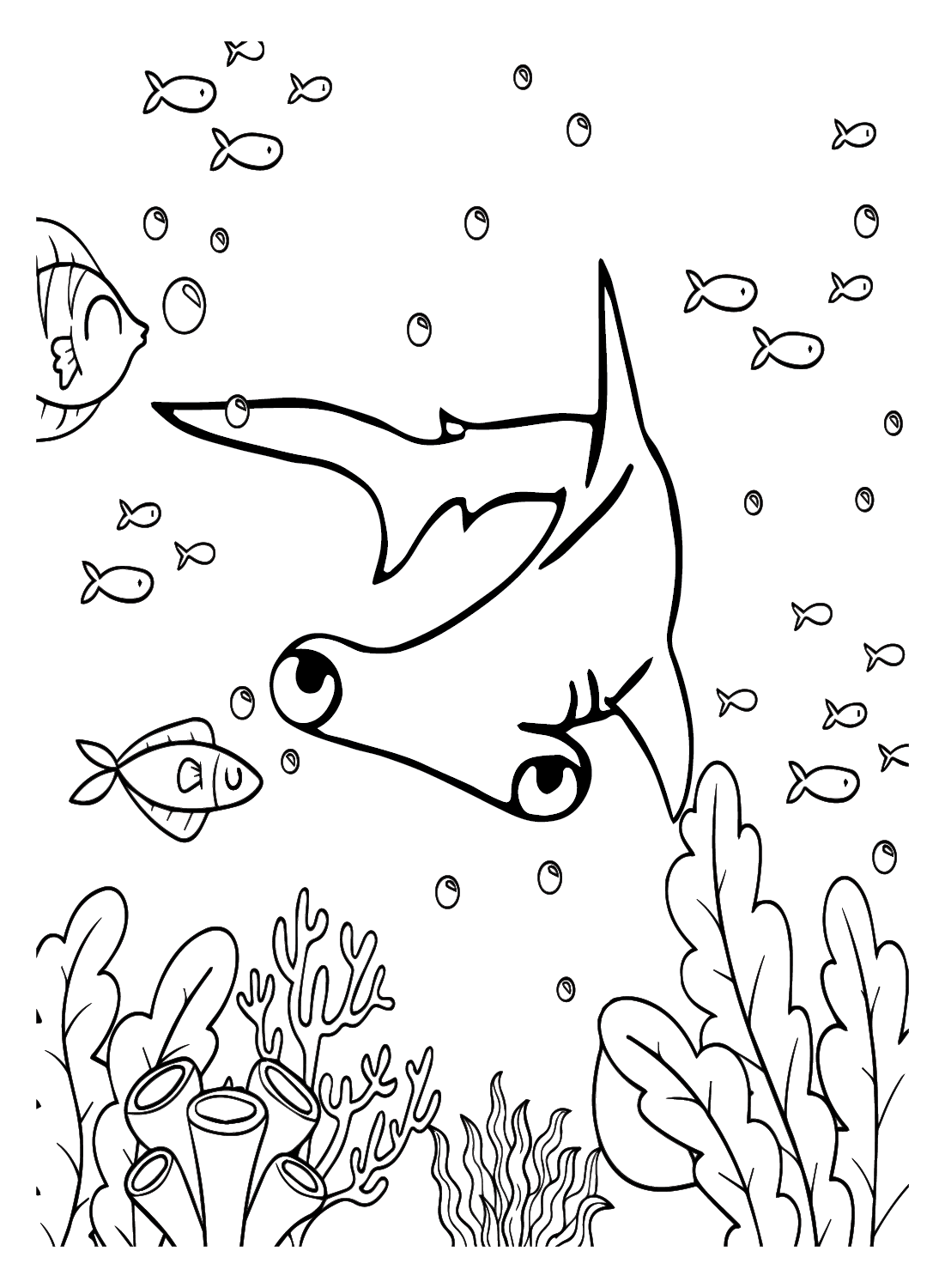
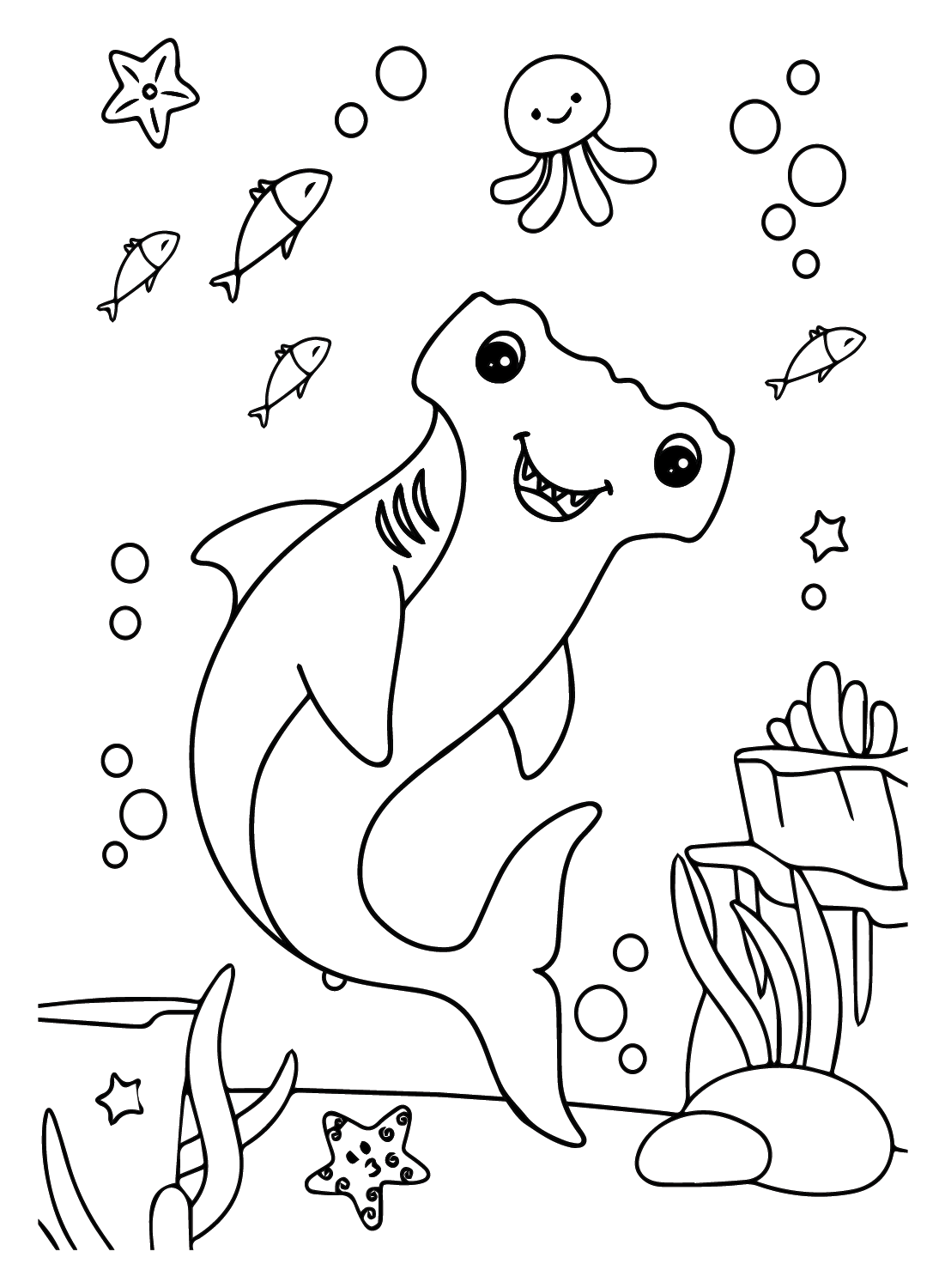
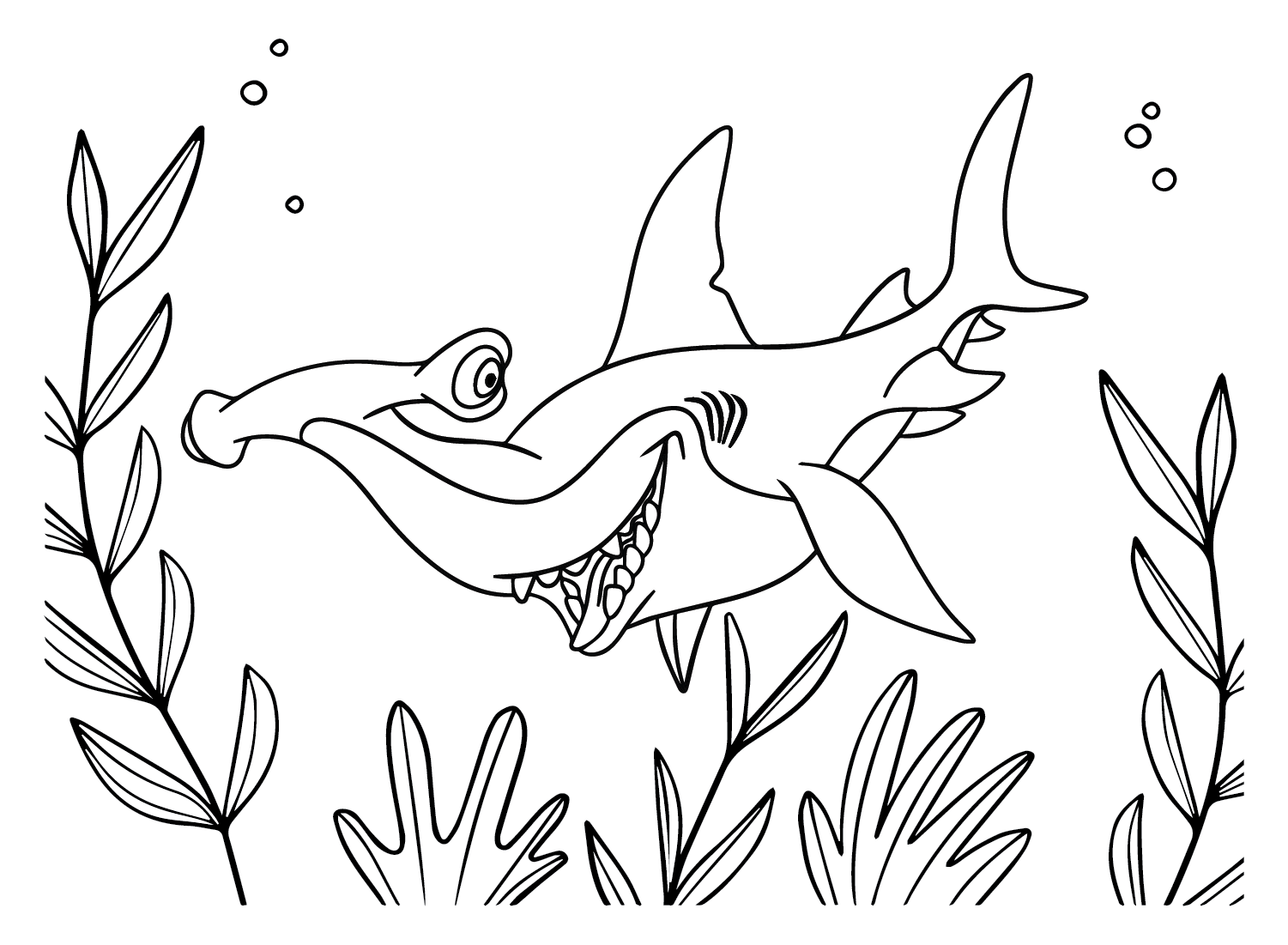
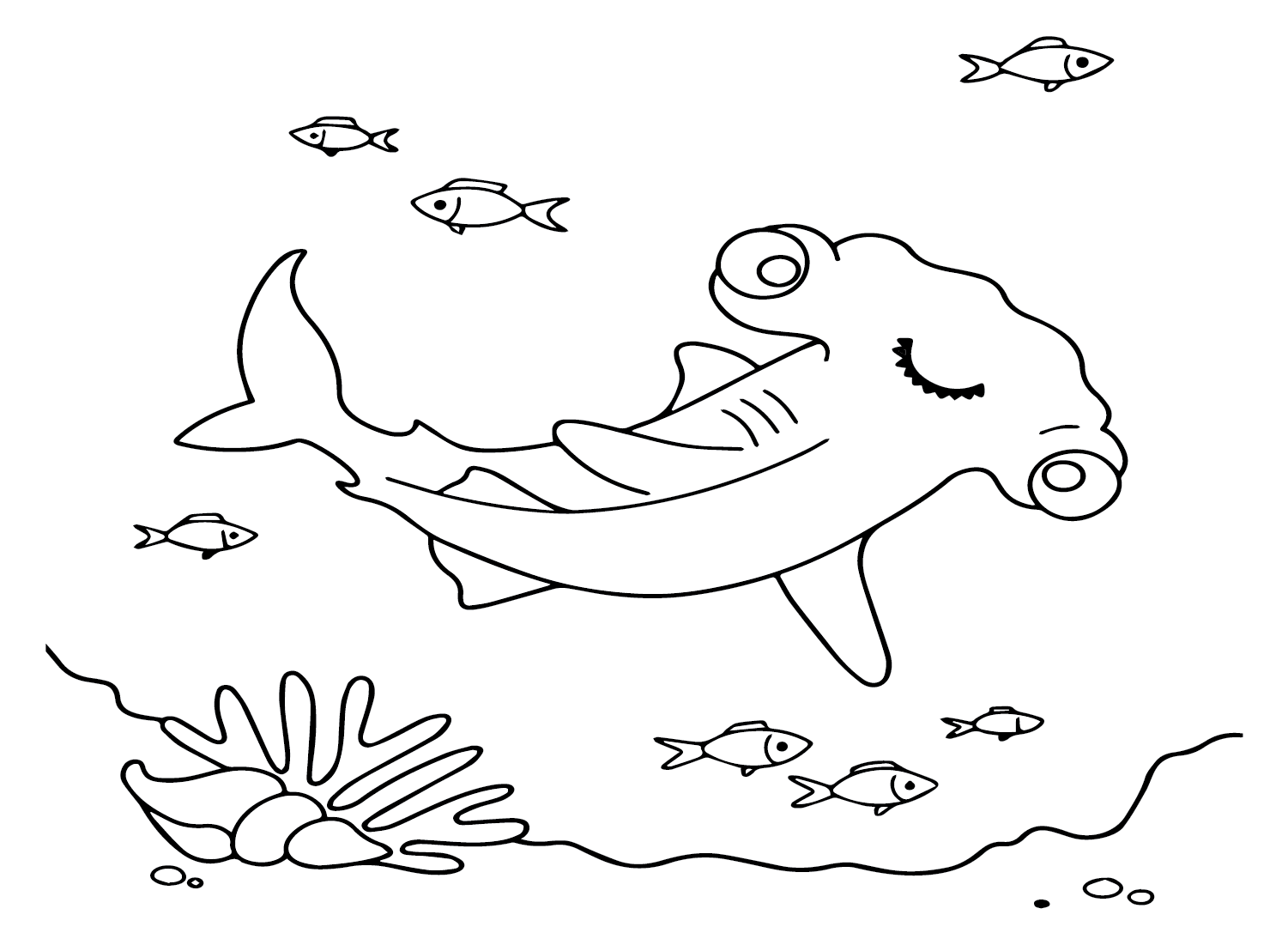
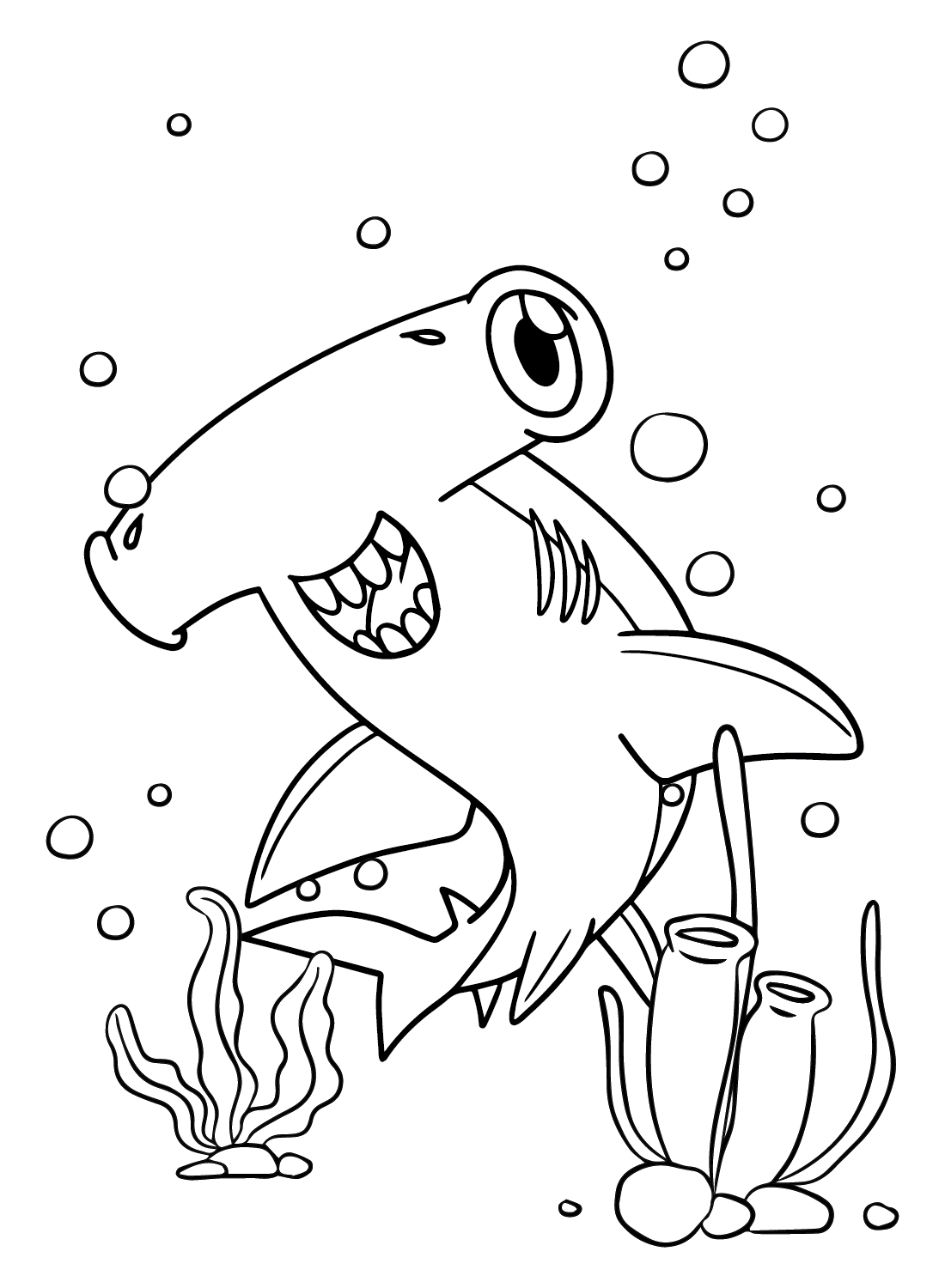
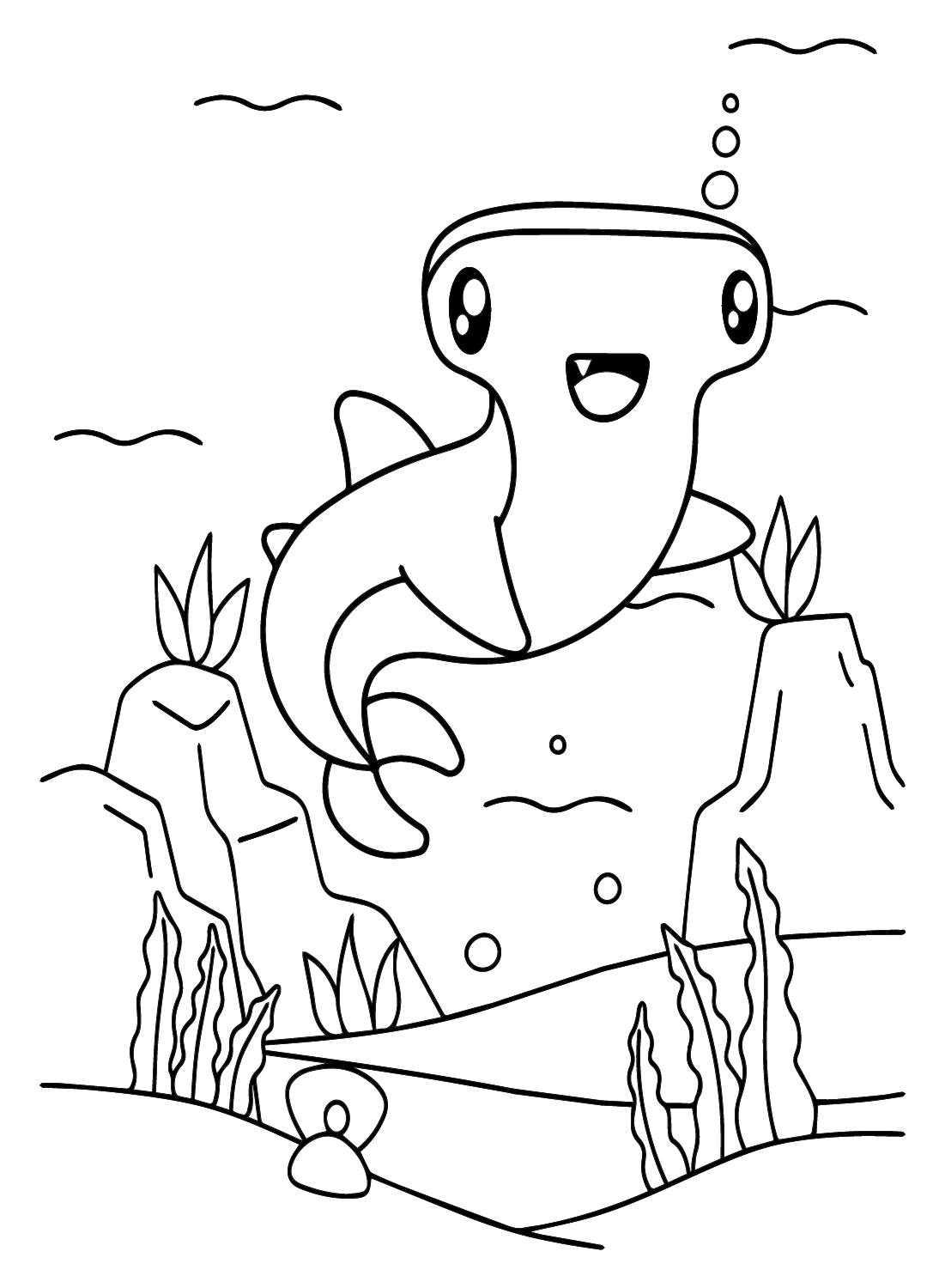
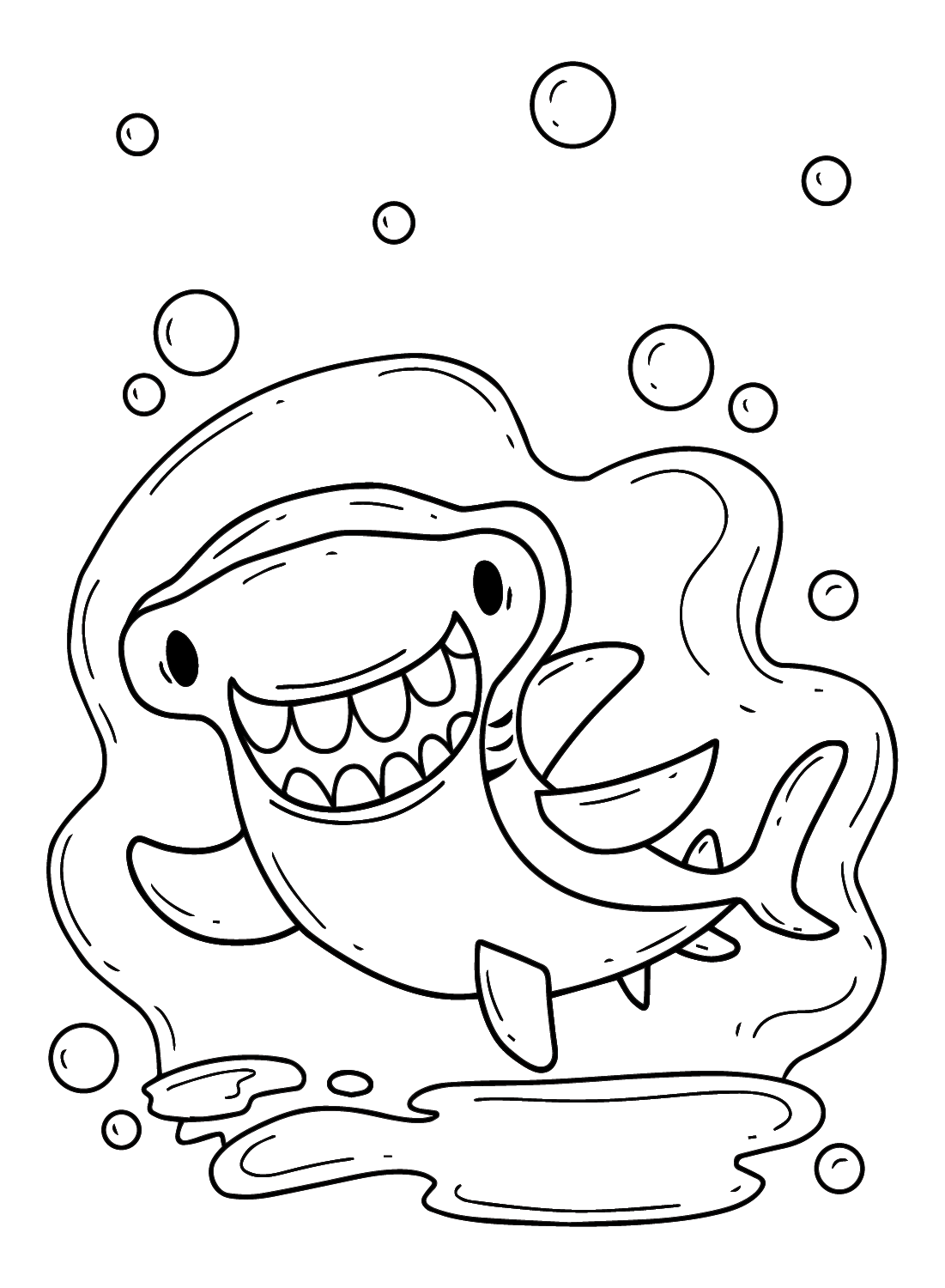
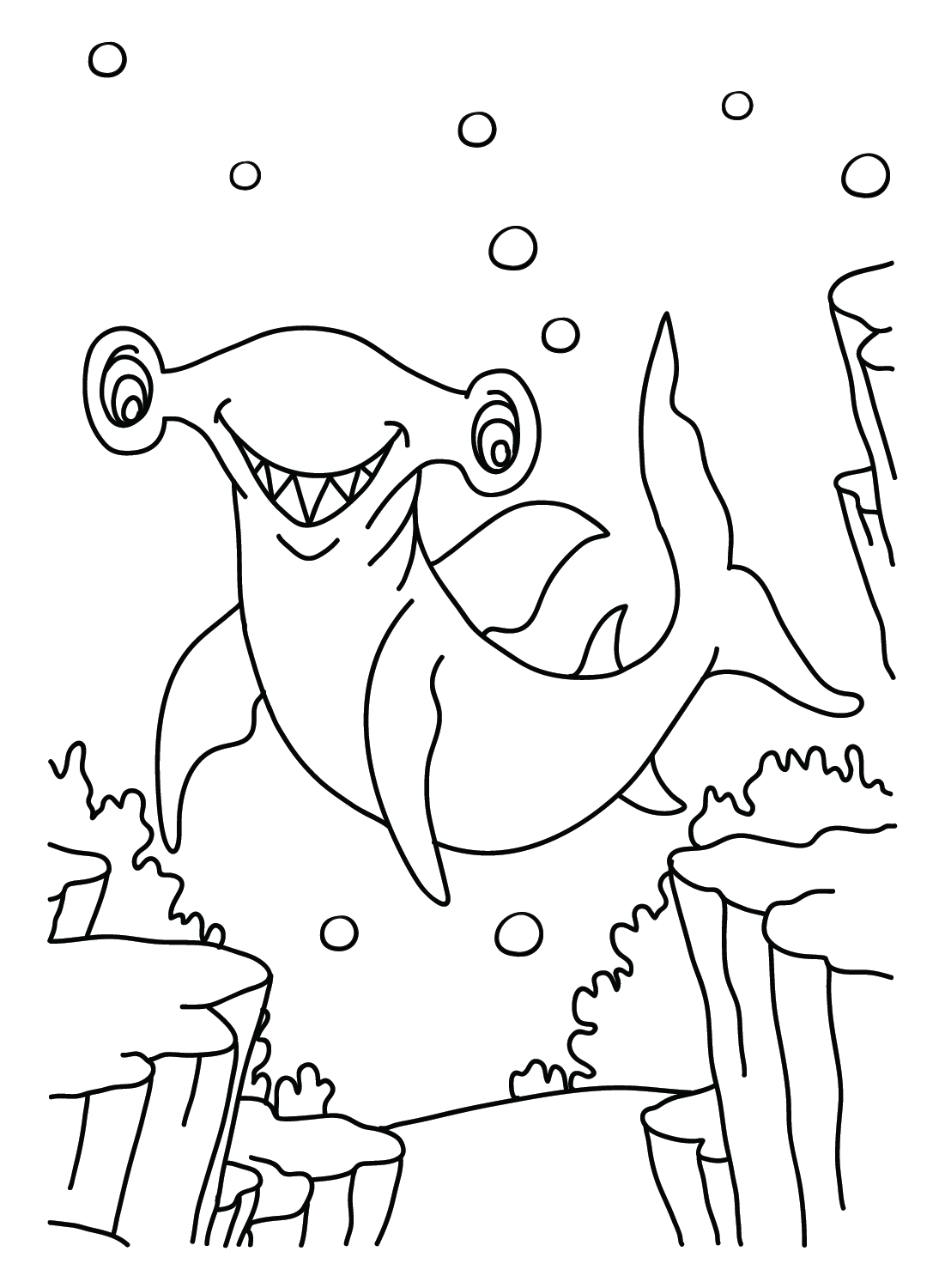
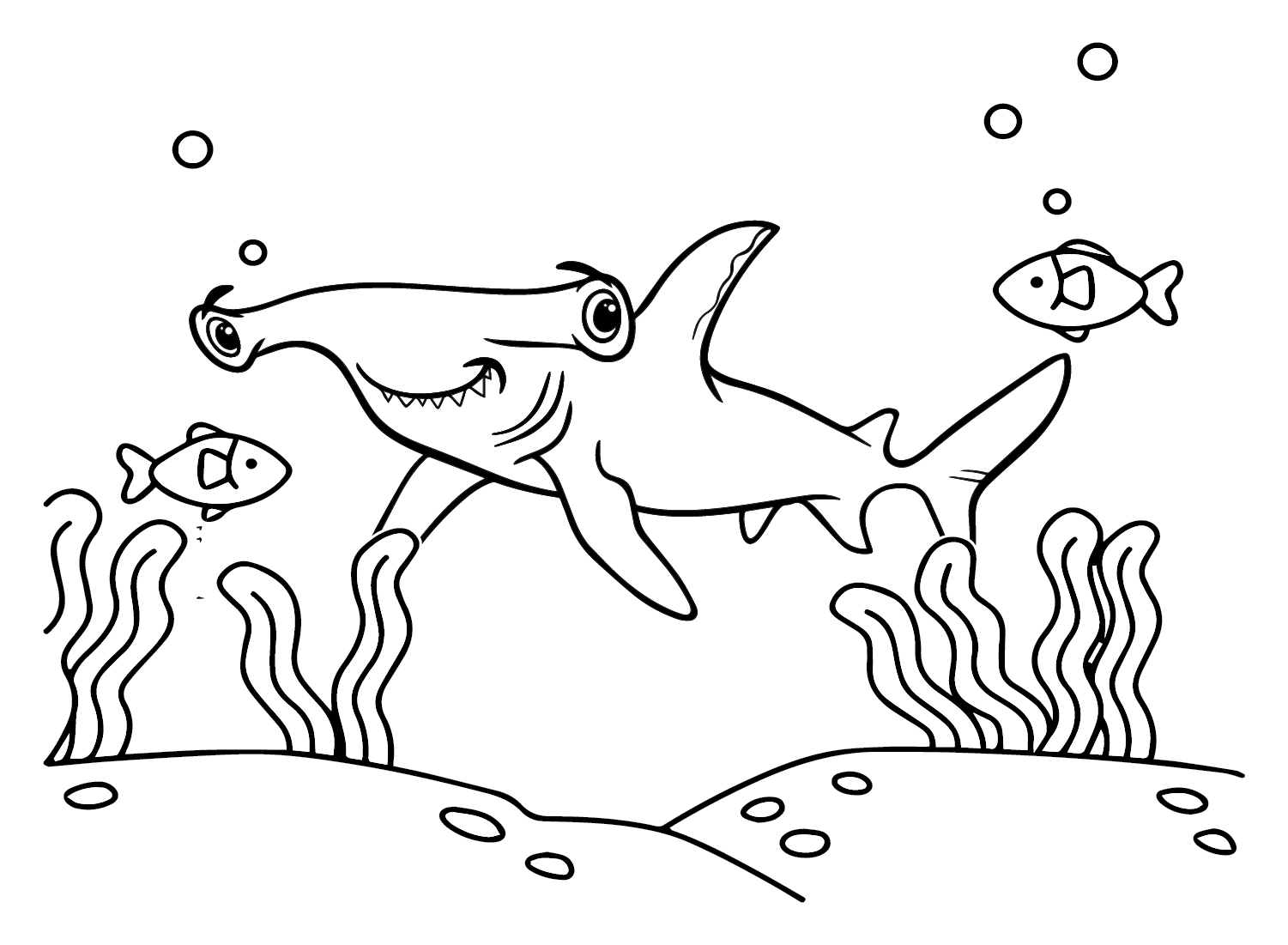
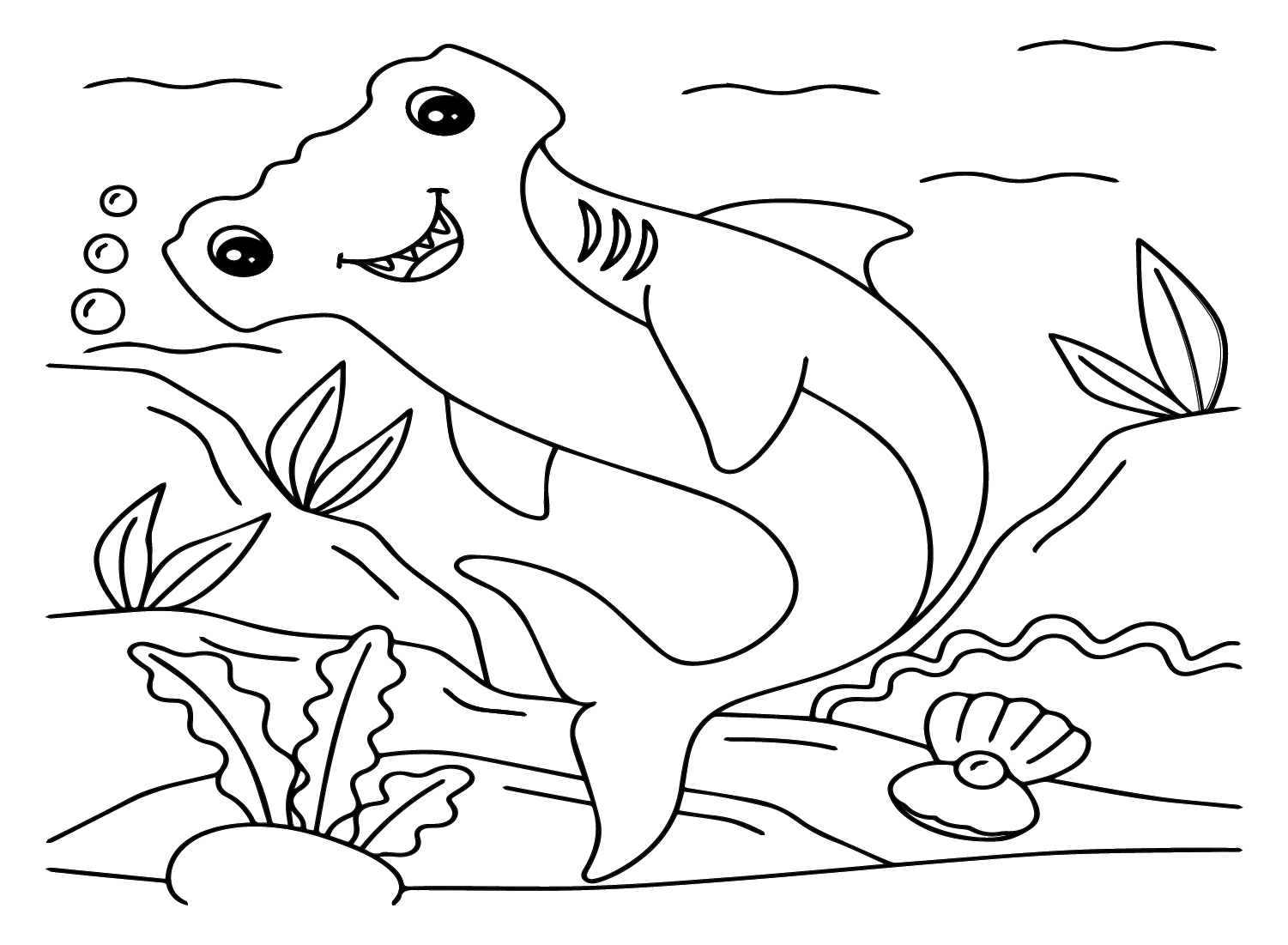
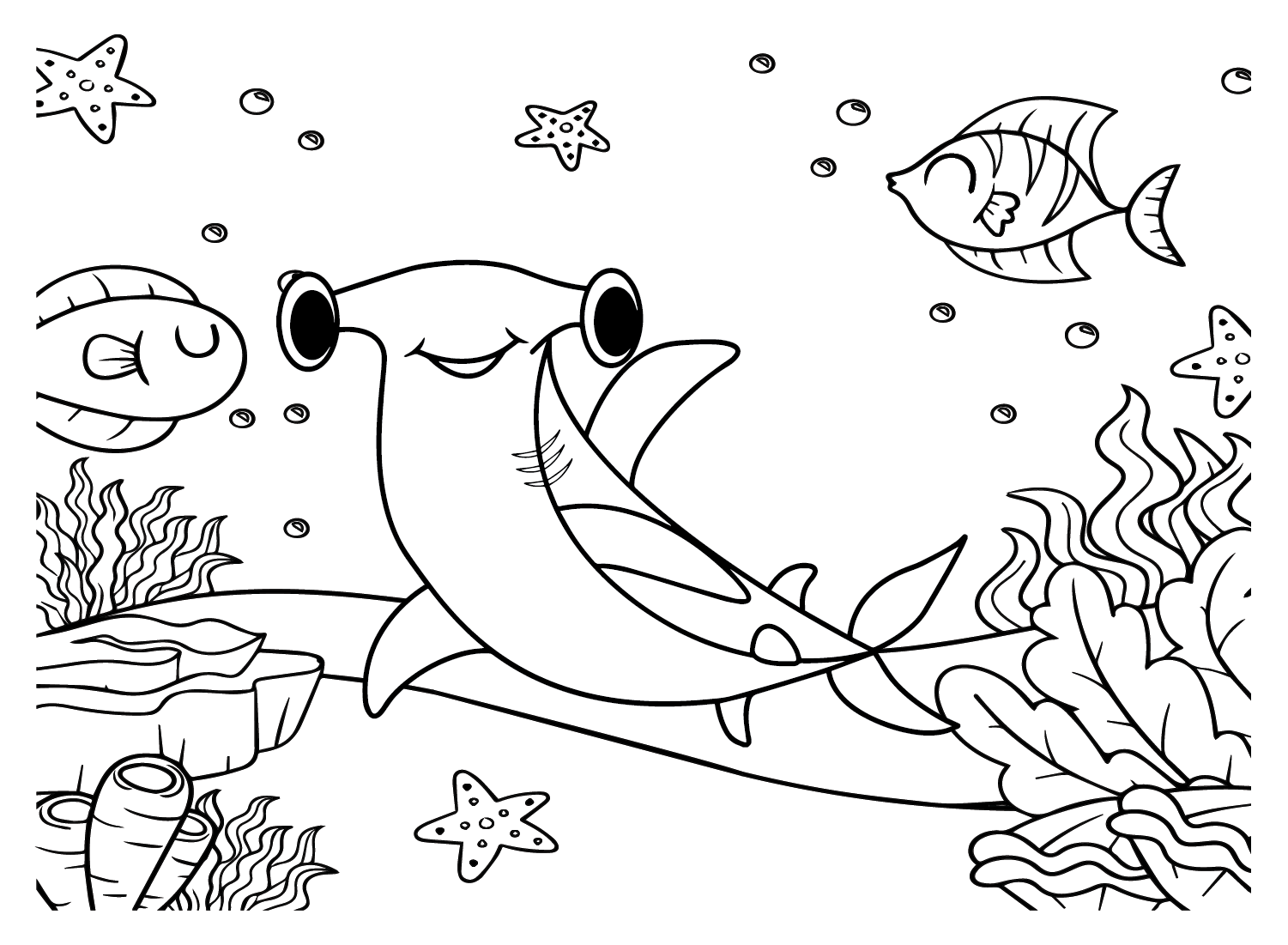
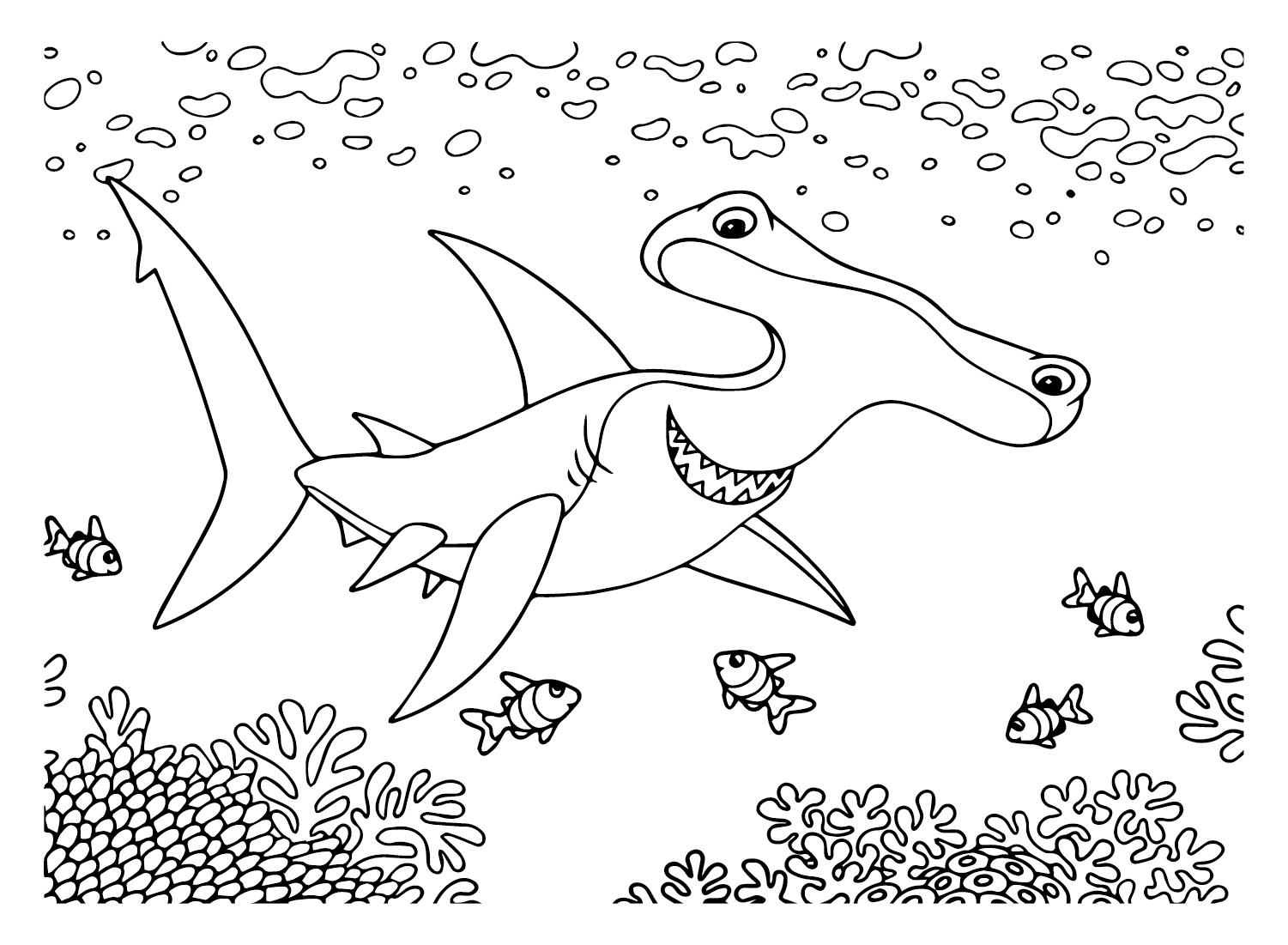
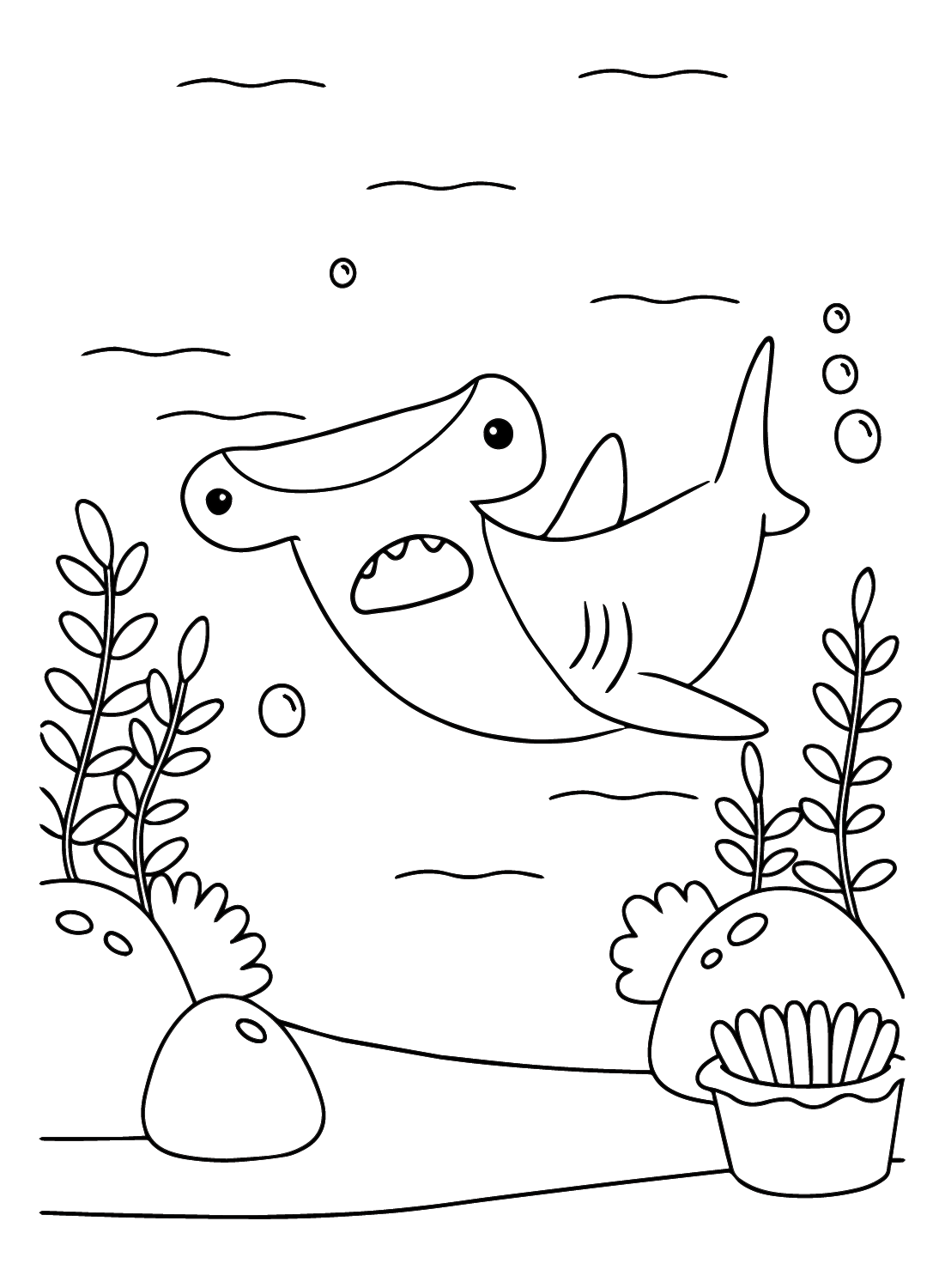
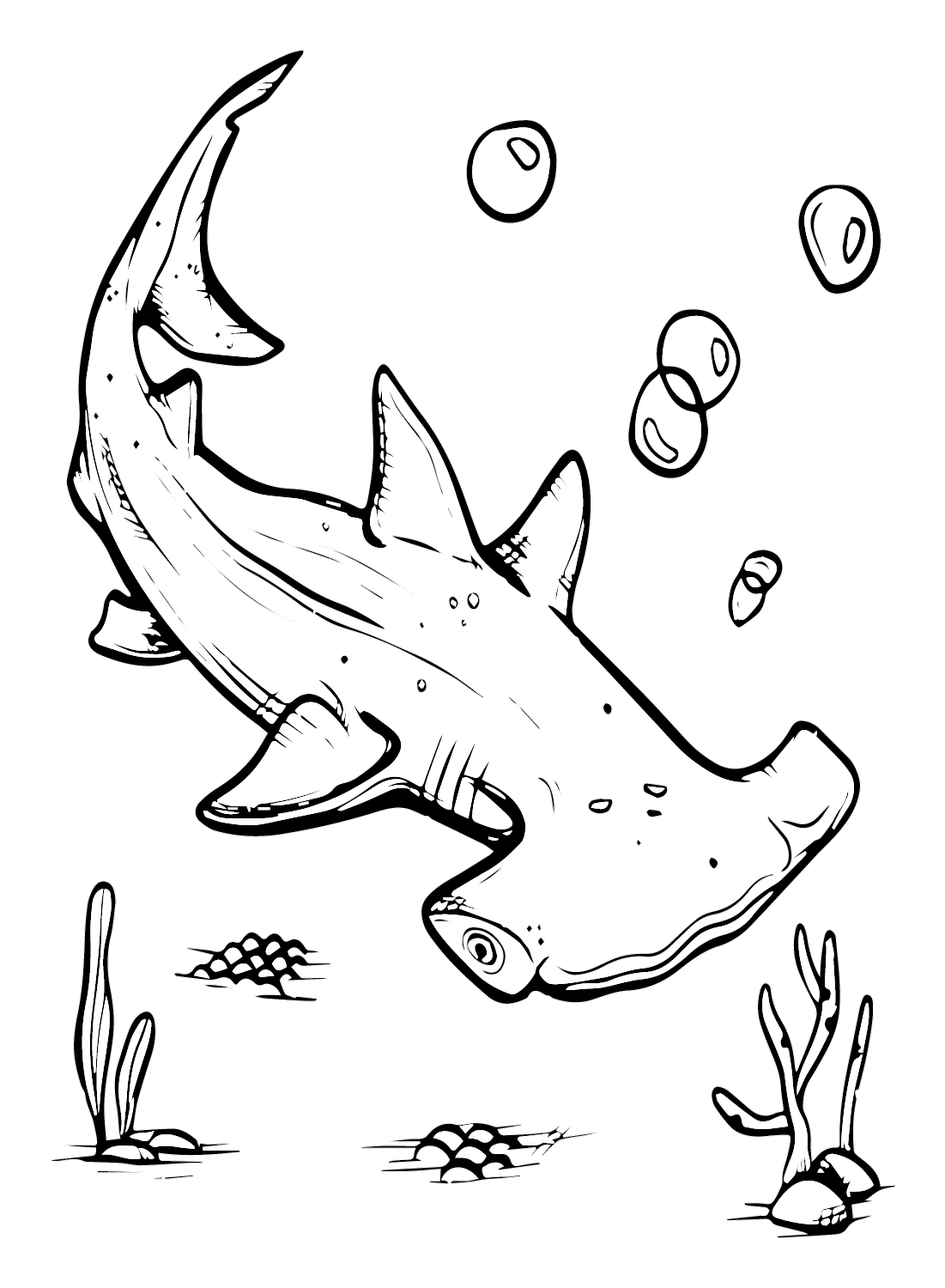
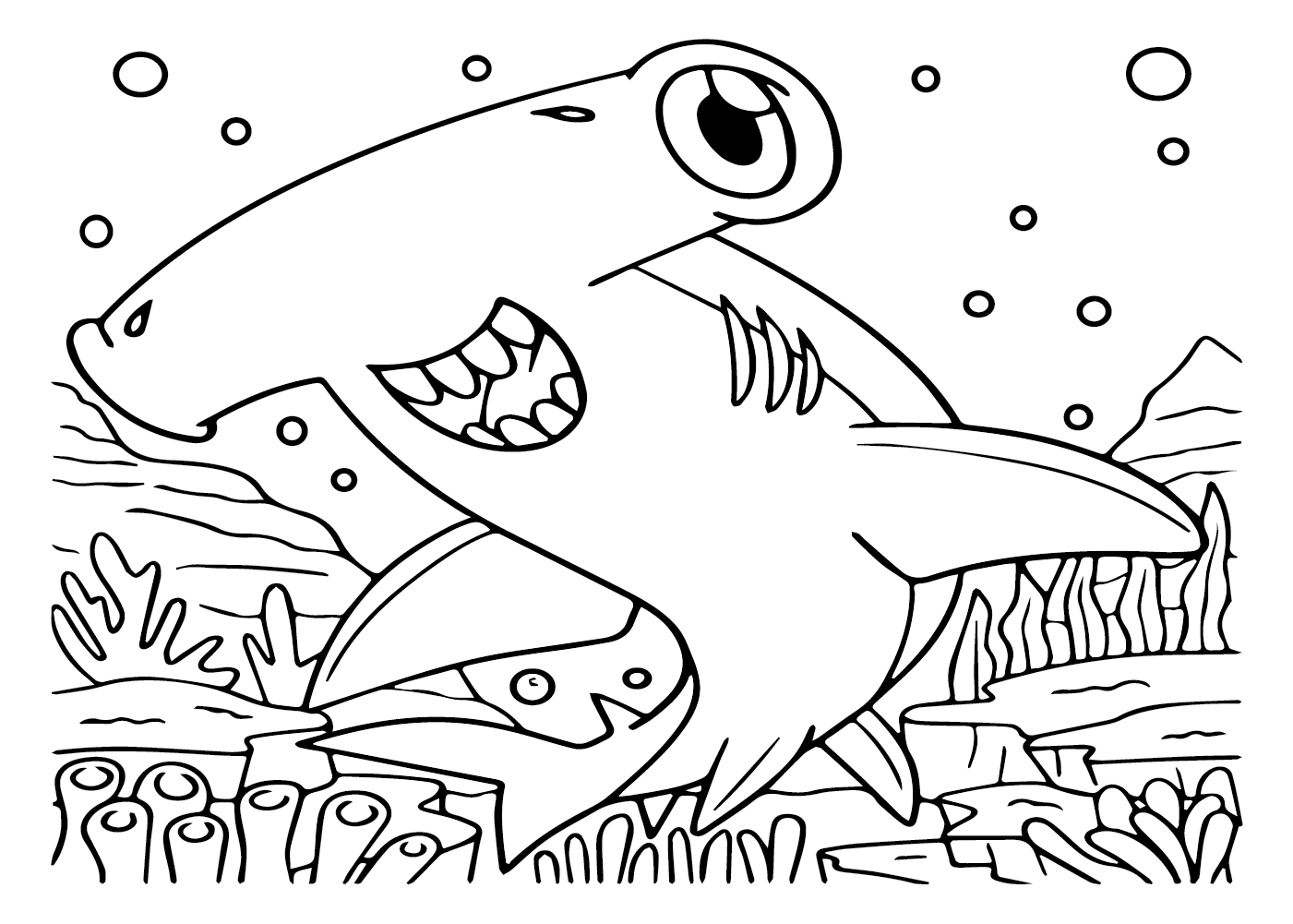
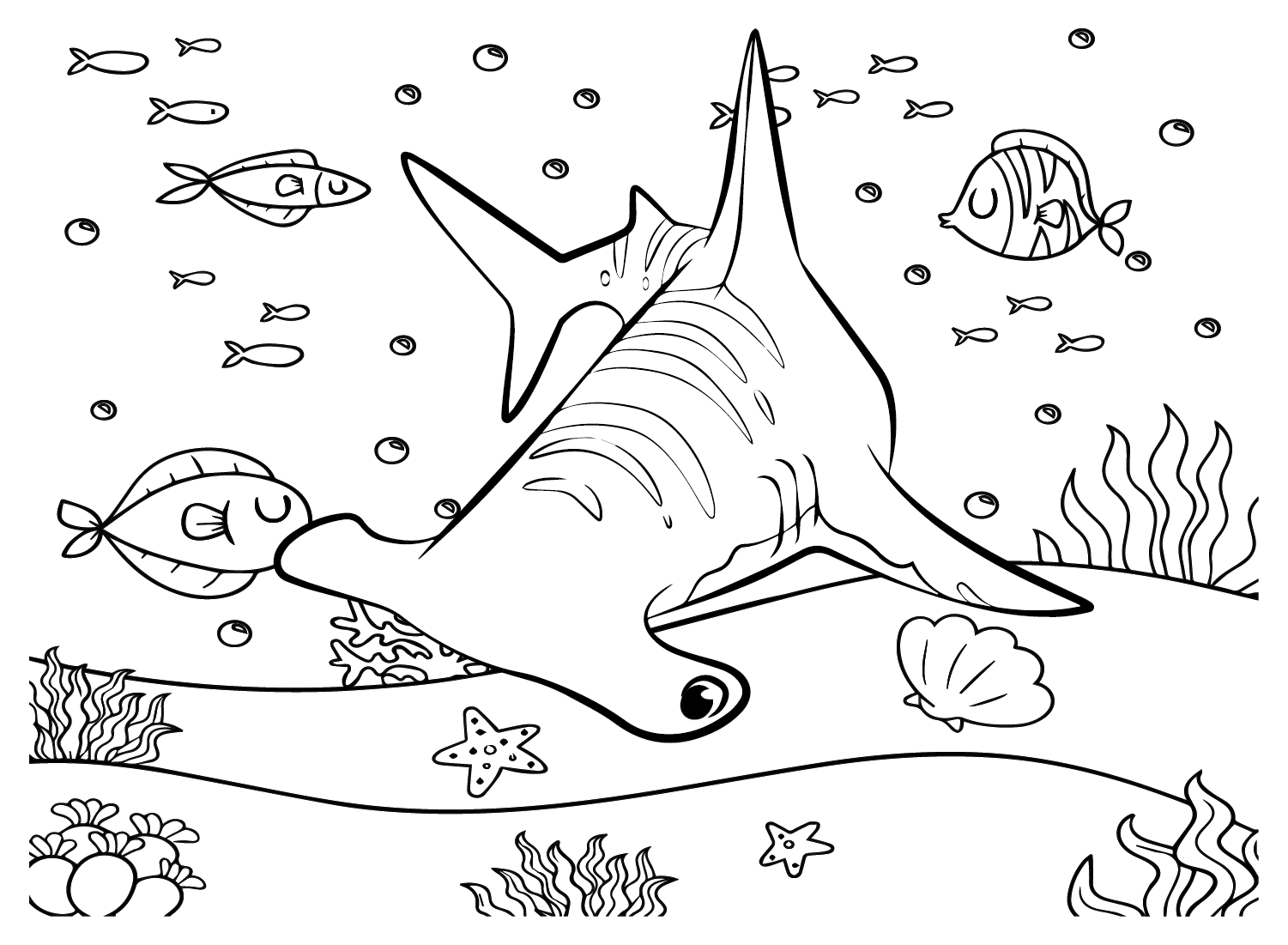
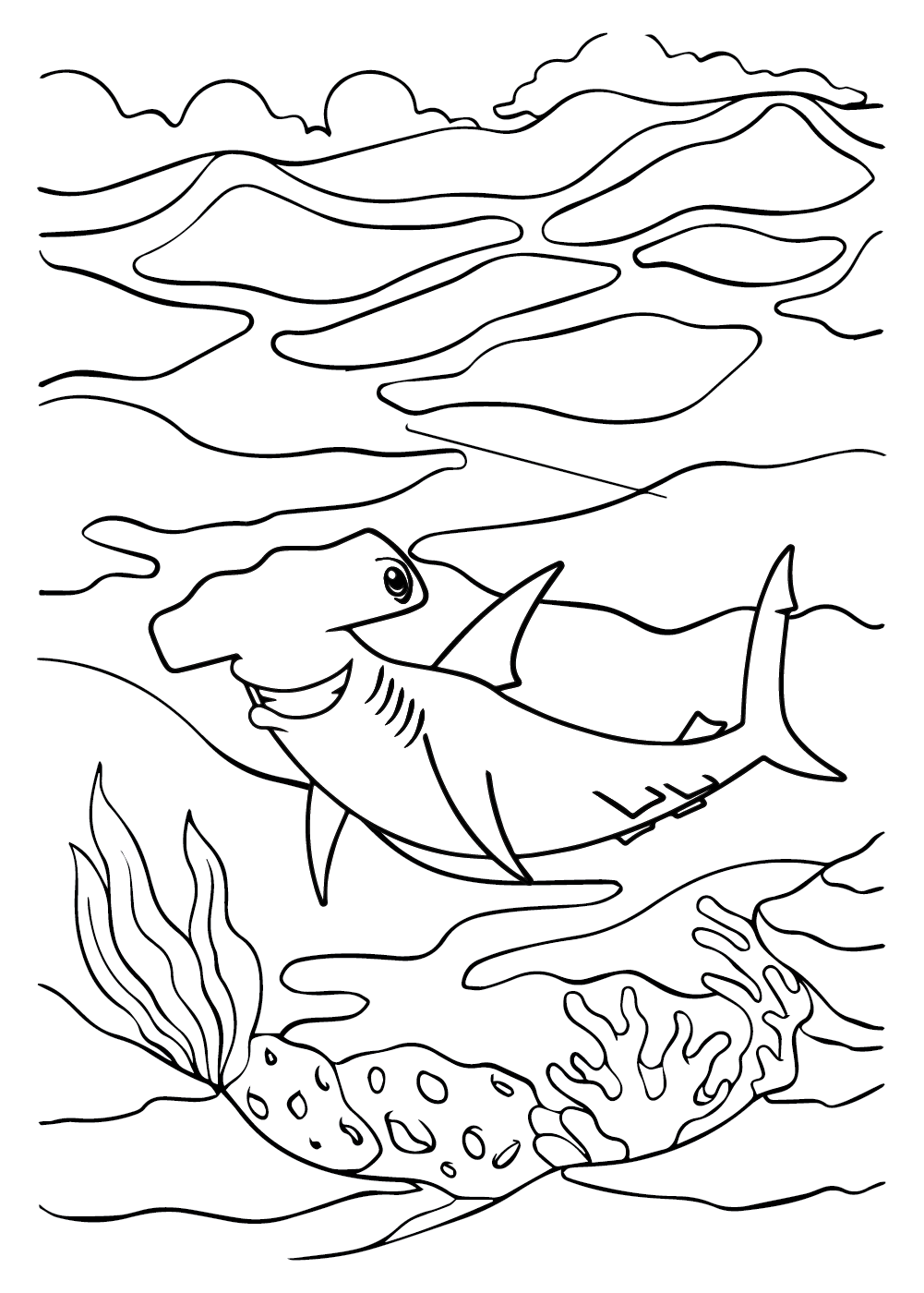
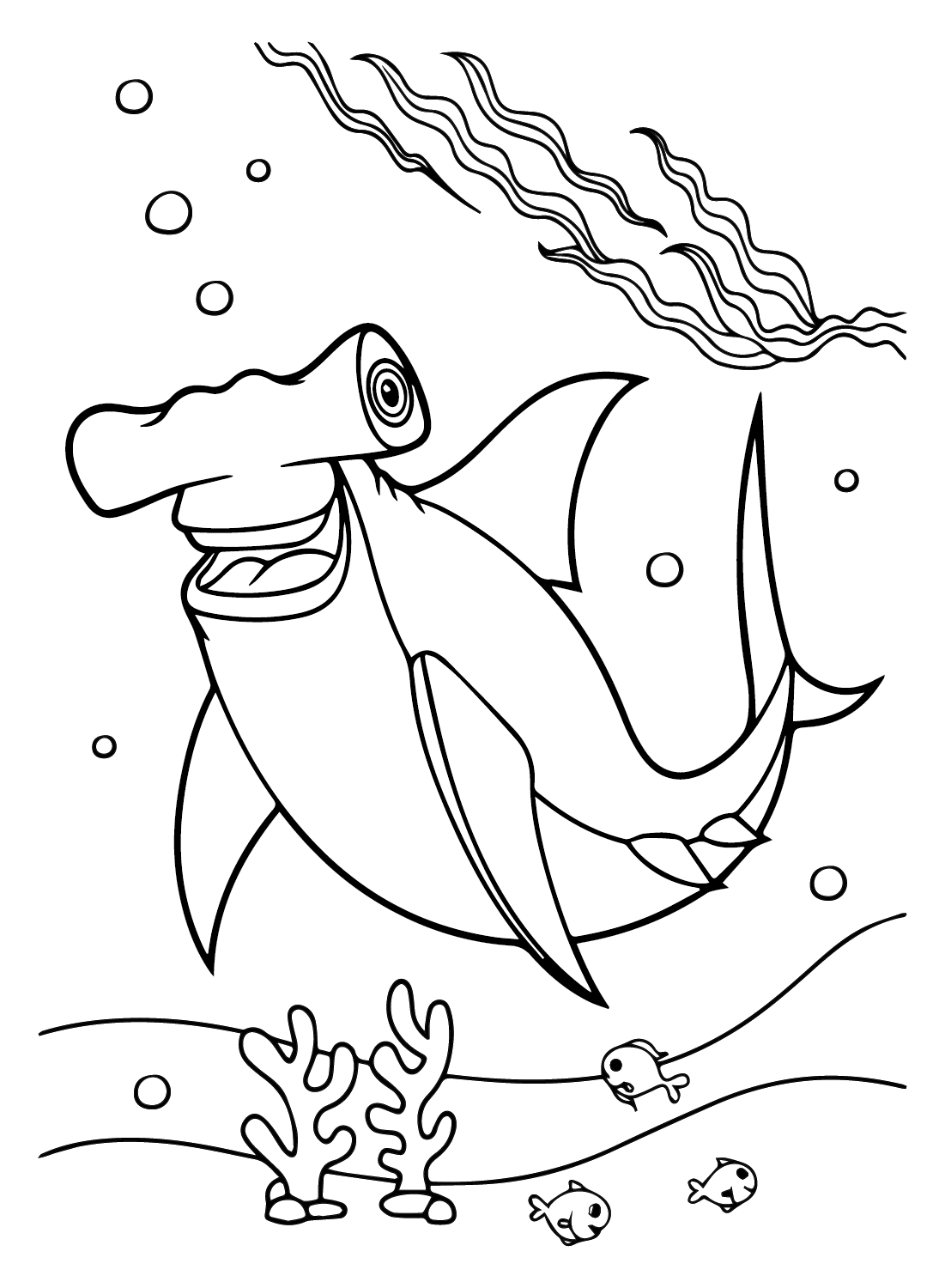
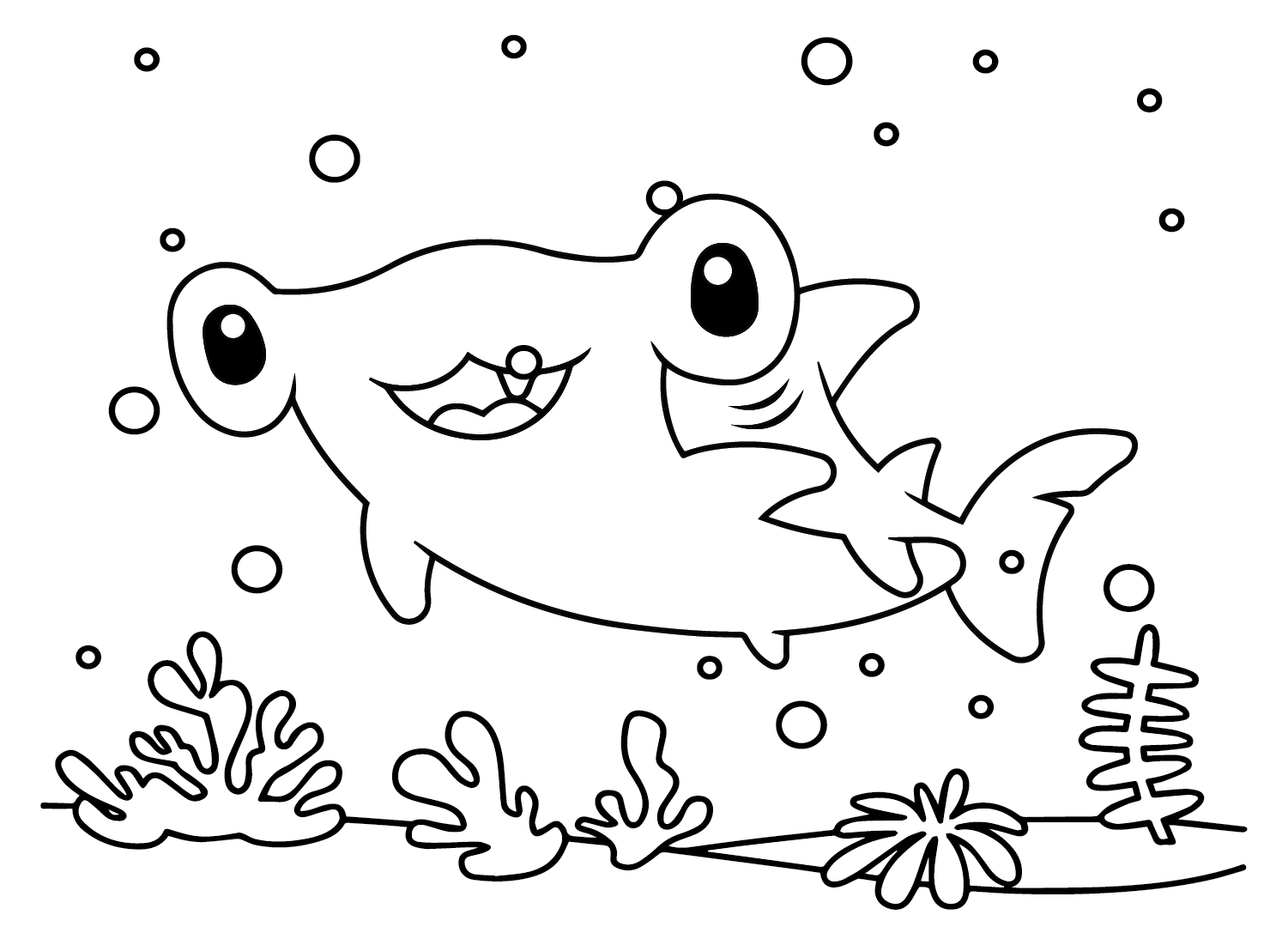
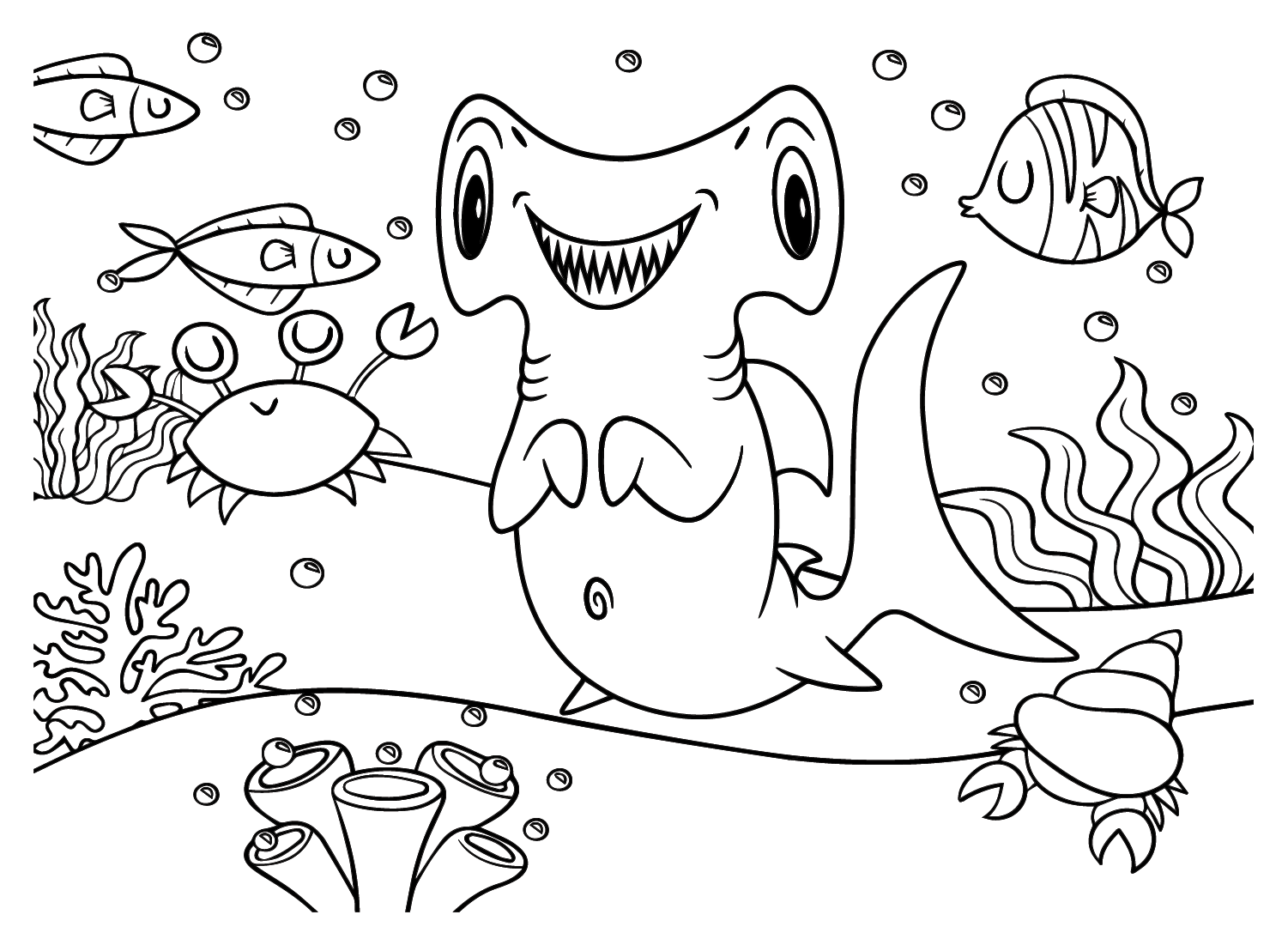
What Is Inside This Collection
This collection groups its 24 pages by realism and setting, since a named real species, an ocean scene, and a cute cartoon shark each call for a different coloring approach.
Real Hammerhead Species Portraits
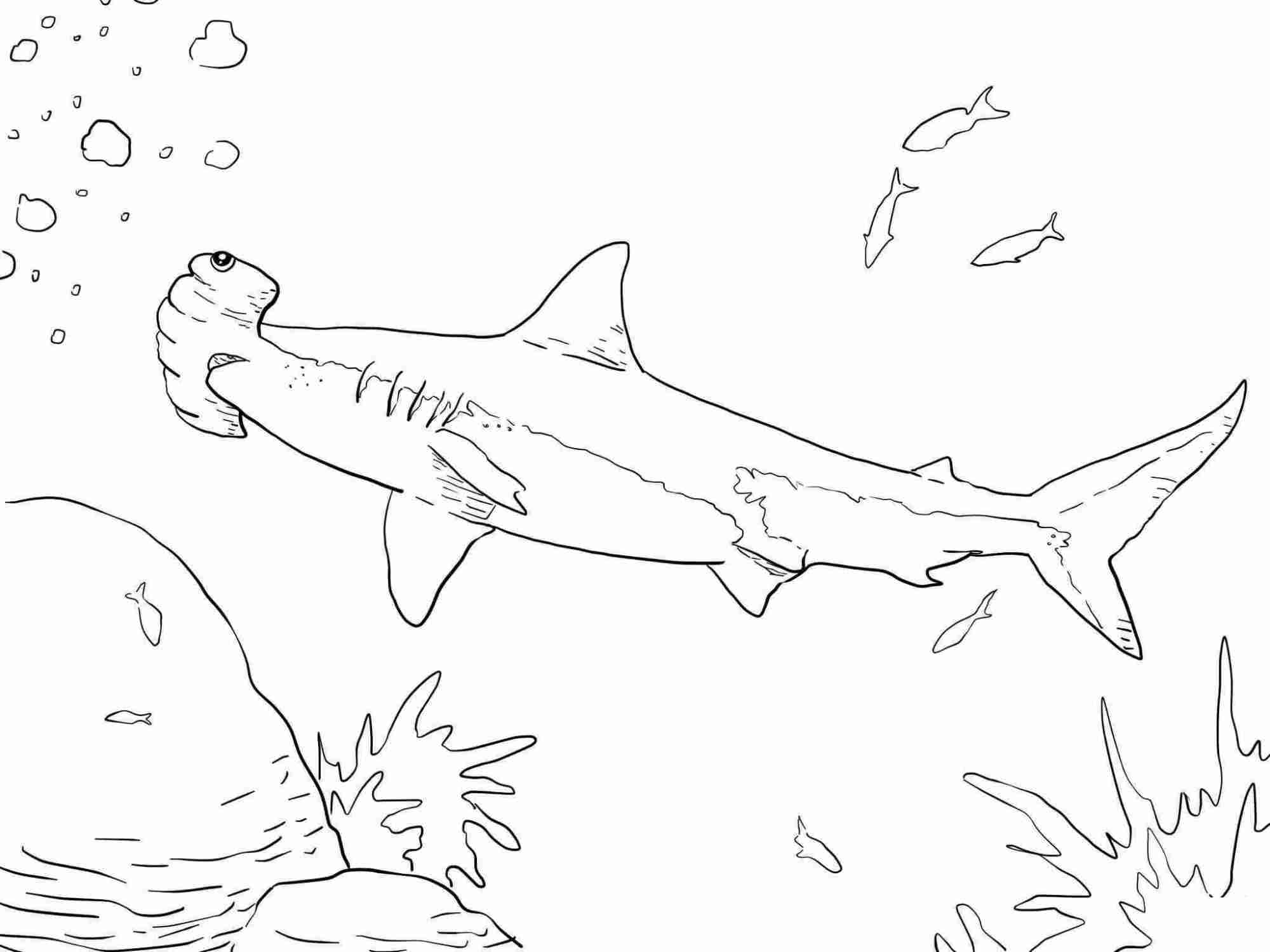
Four pages focus on real, named hammerhead species: the great hammerhead, distinguished by its long, serrated teeth, and the scalloped hammerhead, named for the notched front edge of its head. Great hammerheads run gray on top, fading to white underneath, while scalloped hammerheads have a distinctly grayish-brown or bronze tone, so checking the species name on the page before choosing a color keeps these details accurate.
Hammerhead Sharks in Their Ocean Habitat
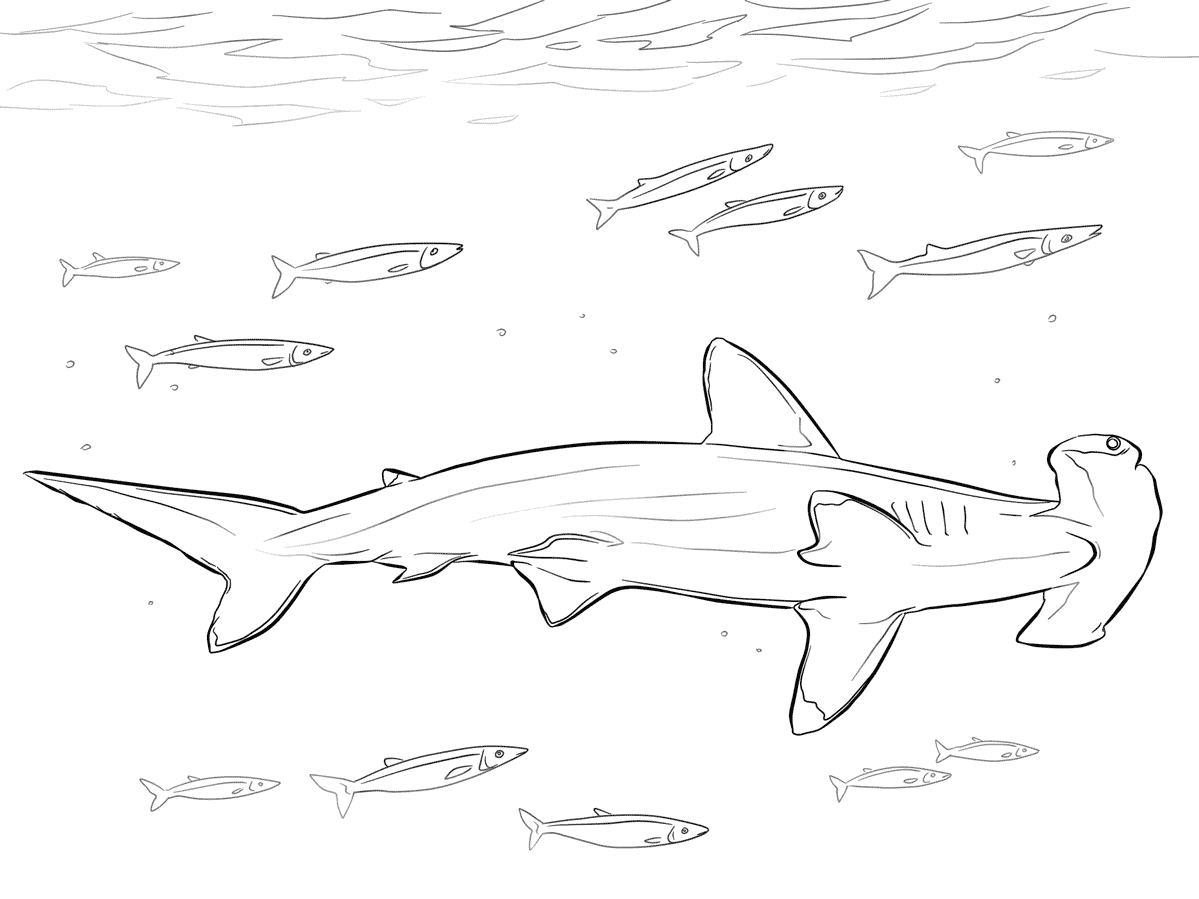
Four pages place a hammerhead shark in a full ocean scene, hunting, swimming with pilot fish, or set against open water. Real hammerheads swim near schools of smaller fish fairly often, so keeping those companion fish a contrasting silver or gold against the shark’s gray body helps the scene read clearly.
Cute and Cartoon Hammerheads
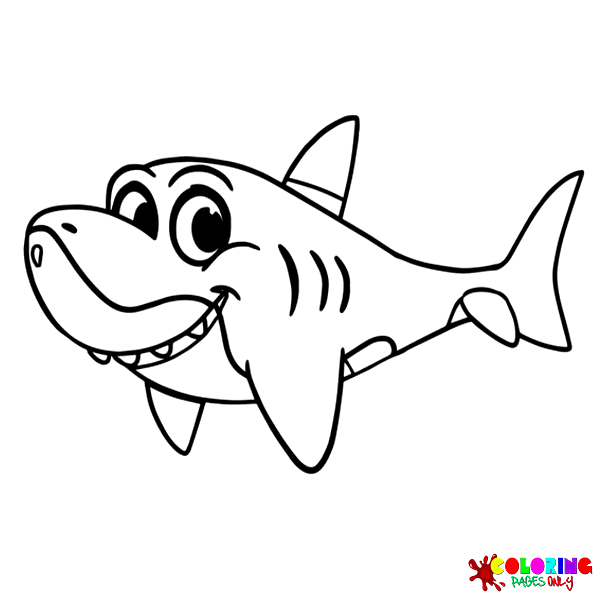
Seven pages take a softer, friendlier approach: kawaii-style faces, happy expressions, and a baby hammerhead. These pages can take brighter, less realistic colors than the species-accurate portraits, since the goal here is personality rather than biological accuracy.
Simple and Solo Portraits
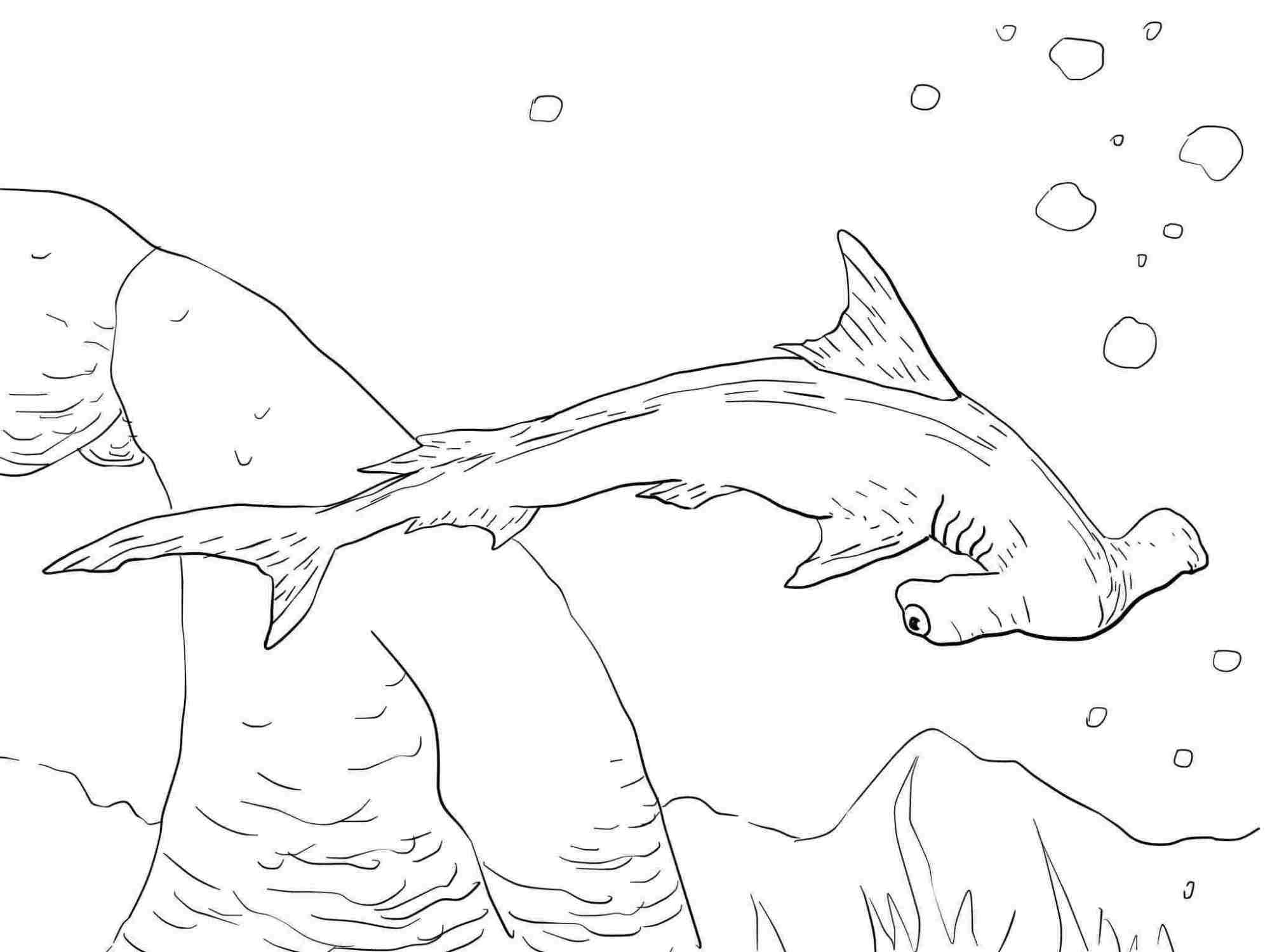
Nine pages keep to a plain or simple hammerhead outline without a full scene or species label. These work well as a first shark page for a younger colorist, and they’re also a good place to practice the shark’s most distinctive feature: the wide, flattened head called a cephalofoil, which should stay noticeably broader and flatter than the rest of the body.
What Hammerhead Shark Coloring Pages Do
A wide head rewards a careful hand. The flattened, evenly proportioned cephalofoil takes steadier, more deliberate lines than a simple rounded shark shape would, and the American Academy of Pediatrics names exactly this kind of structured coloring, done between ages 2 and 7, as a clear path to fine motor skill development. The simple solo portraits offer an easier version of that same practice before a page with a full ocean scene.
One head, several jobs. The cephalofoil isn’t just a strange shape; it spreads out the shark’s electric sense over a wider area and may help it turn sharply in the water, which makes coloring it a small opportunity to talk about how one unusual body part can serve more than one purpose at once.
Calm through repetition. A 2005 Art Therapy Journal study found a measurable drop in anxiety after coloring sessions built around a defined structure. The smooth, repeating curves of a shark’s body and fins are about as calm and structured as a coloring page gets.
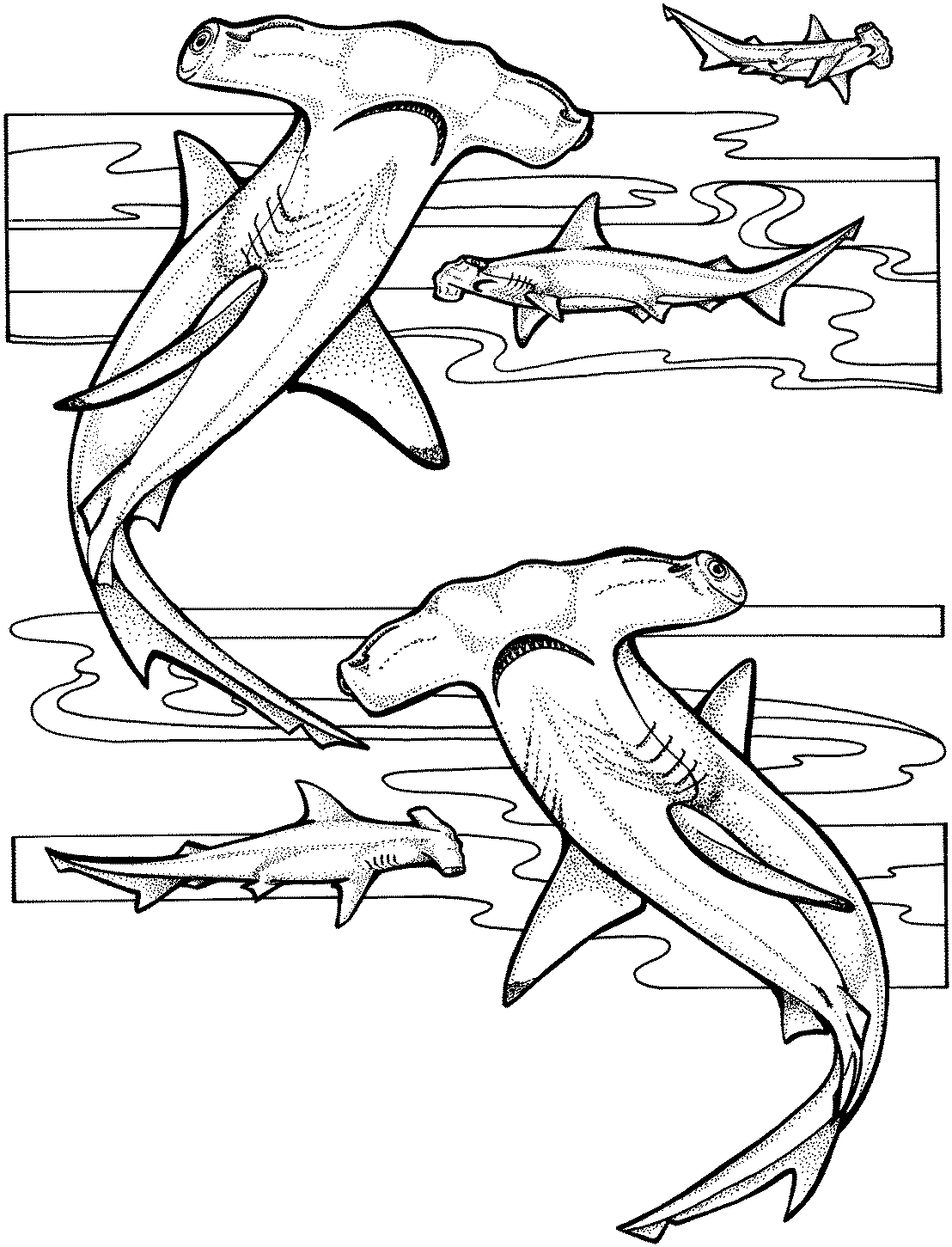
Not every hammerhead is the same. Comparing the great hammerhead and scalloped hammerhead pages side by side is a concrete reminder that “hammerhead shark” isn’t a single animal but a family of about ten different species, each shaped a little differently for the way it actually hunts.
How to Color Hammerhead Shark Pages Well
- Great hammerhead: Use Gray on the dorsal side, fading to White underneath, keeping the cephalofoil wide and nearly straight-edged.
- Scalloped hammerhead: Use a grayish-brown or Bronze tone, with small notches along the front edge of the head picked out in a slightly darker shade.
- Bonnethead-style rounder heads: Keep the cephalofoil more rounded and shovel-shaped rather than wide and straight, since this species’ head shape is genuinely different from its larger relatives.
- Eyes: Place them at the outer edges of the cephalofoil, not the front of the face, since that’s where a real hammerhead’s eyes actually sit.
- Ocean scenes: Use Turquoise Blue or Sea Green for open water, with Silver or Goldenrod for any companion fish swimming alongside the shark.
- Cute and cartoon hammerheads: Brighter, less realistic colors work well here, Sky Blue or Turquoise for the body, since these pages prioritize personality over species accuracy.
5 Creative Craft Ideas With Hammerhead Shark Coloring Pages
1. Species Fact Cards. Color the named-species pages, then write one real fact, like the great hammerhead’s stingray hunting habit, on the back of each card. A small stack makes a simple, reusable set for a marine biology lesson.
2. Cephalofoil Close-Up Poster. Color several hammerhead heads at a larger size, then label the different head shapes across species: wide and straight, notched, or rounded. It’s a quick way to show how much variety exists within one shark family.
3. Ocean Scene Diorama. Color one of the habitat scenes, cut it out, and place it inside a shoebox decorated as a simple ocean backdrop with paper coral or seaweed. It turns a flat page into a small underwater display.
4. Cute vs. Real Comparison. Color one of the cartoon hammerheads and one of the realistic species pages, then display them side by side. It’s a natural way to talk about the difference between a friendly cartoon version and the real animal.
5. Shark Bookmark Set. Color a few small hammerhead portraits, cut them into narrow bookmark strips, and cover each with clear contact paper. A set featuring a few different species makes a fun, shark-themed gift.
Frequently Asked Questions
What are Hammerhead Shark coloring pages?
Hammerhead Shark coloring pages are free printable and browser-colorable designs of hammerhead sharks, from realistic named species to cute cartoon versions. This collection has 24 pages, available as PDF downloads or through the online coloring tool.
What is a cephalofoil, and what is it for?
A cephalofoil is the flattened, hammer-shaped head unique to hammerhead sharks. It spreads the shark’s electroreceptors over a wider area for detecting hidden prey and may also improve the shark’s ability to turn sharply while swimming.
How many hammerhead shark species are there?
There are about ten recognized hammerhead shark species in the family Sphyrnidae, ranging from the small bonnethead to the much larger great hammerhead.
Is it true that a hammerhead shark eats plants?
Yes, in one species. The bonnethead shark is the only shark scientifically confirmed to be omnivorous, since it can digest seagrass, which can make up more than half its diet in some habitats.
What is the biggest hammerhead shark species?
The great hammerhead is the largest hammerhead species, growing over 20 feet long. It’s also known for specializing in hunting stingrays.
Do hammerhead sharks swim in groups?
Some do. Scalloped hammerheads are known for forming large daytime schools, sometimes hundreds of individuals, near seamounts and islands, which is unusual behavior for sharks, most of which are solitary.
Are Hammerhead Shark coloring pages suitable for young children?
Yes, with the right page. The simple solo portraits and cute cartoon pages suit younger children, while the realistic, species-labeled pages suit older kids studying marine biology.
Are hammerhead sharks dangerous to humans?
Hammerhead sharks are generally not considered a significant danger to humans. Most species feed on fish, crustaceans, and rays, and unprovoked hammerhead attacks are rare compared to some other shark species.
Start Coloring
Download any design by clicking it. No account, email, or payment is required to color or print. Every page opens in the online coloring tool for on-screen use or downloads as a full-resolution PDF for printing. Share a finished hammerhead shark page using the Facebook or Pinterest buttons at the top of the page.