Whirligig Coloring Pages
 By:
Jennifer Thoa - Content Editor & Designer
Updated:
By:
Jennifer Thoa - Content Editor & Designer
Updated:
Free Whirligig Coloring Pages: 28 printable PDF designs of the classic spinning, wind-powered toy and yard decoration. Every page downloads as a free PDF or opens for online coloring, with no account needed for either.
The word “whirligig” dates back to the 14th century, combining the Middle English words for “to whirl” and “top,” the name for a spinning toy. As a wind-driven decoration, the whirligig became a genuine American folk art form by the 19th century, especially in the Appalachian region, where artisans carved wooden figures, wood choppers, sailors, and soldiers, whose arms would spin and move with the wind. Washington Irving even described one in his 1820 story “The Legend of Sleepy Hollow,” and George Washington himself reportedly brought a whirligig home from the Revolutionary War.
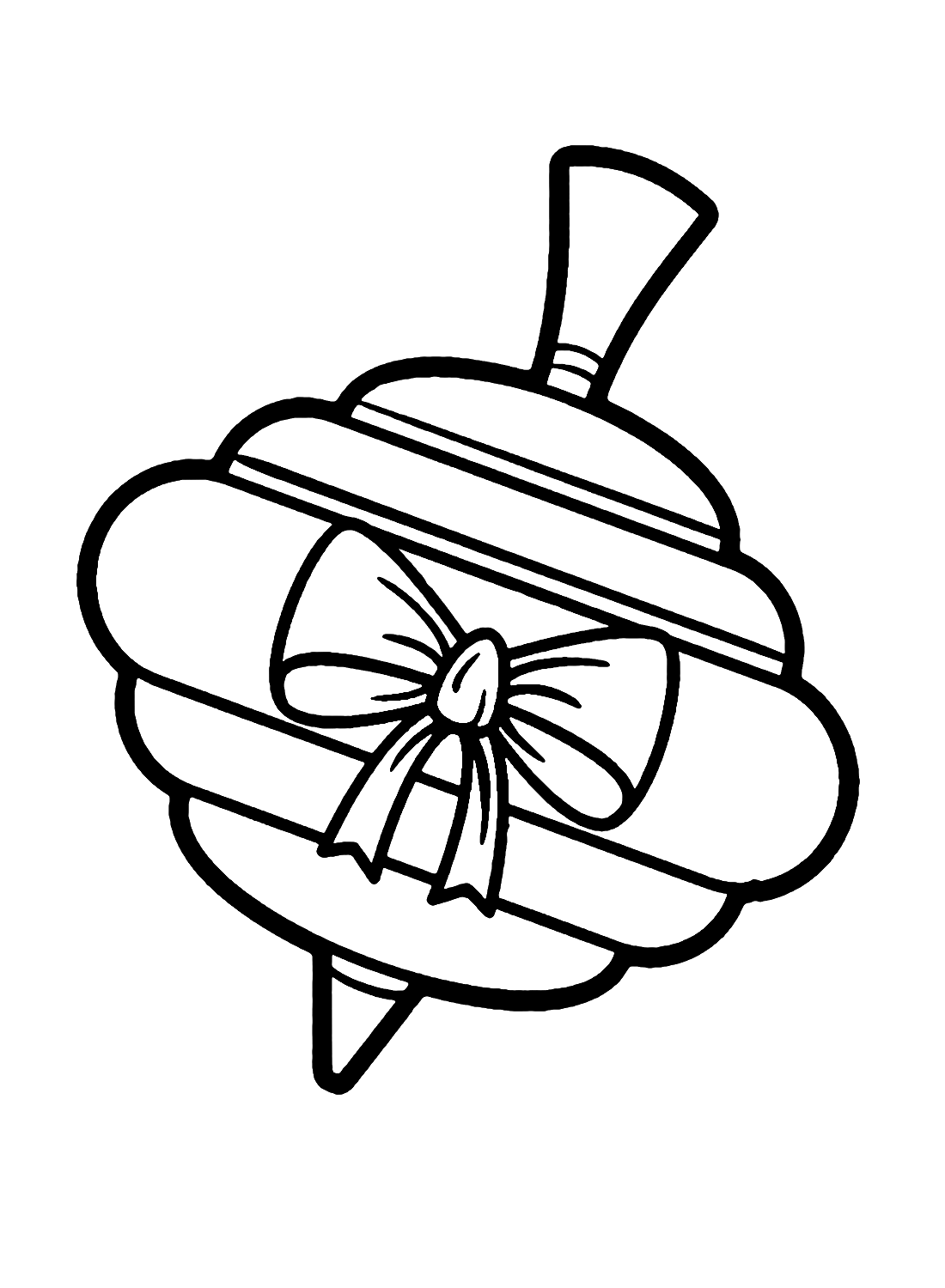
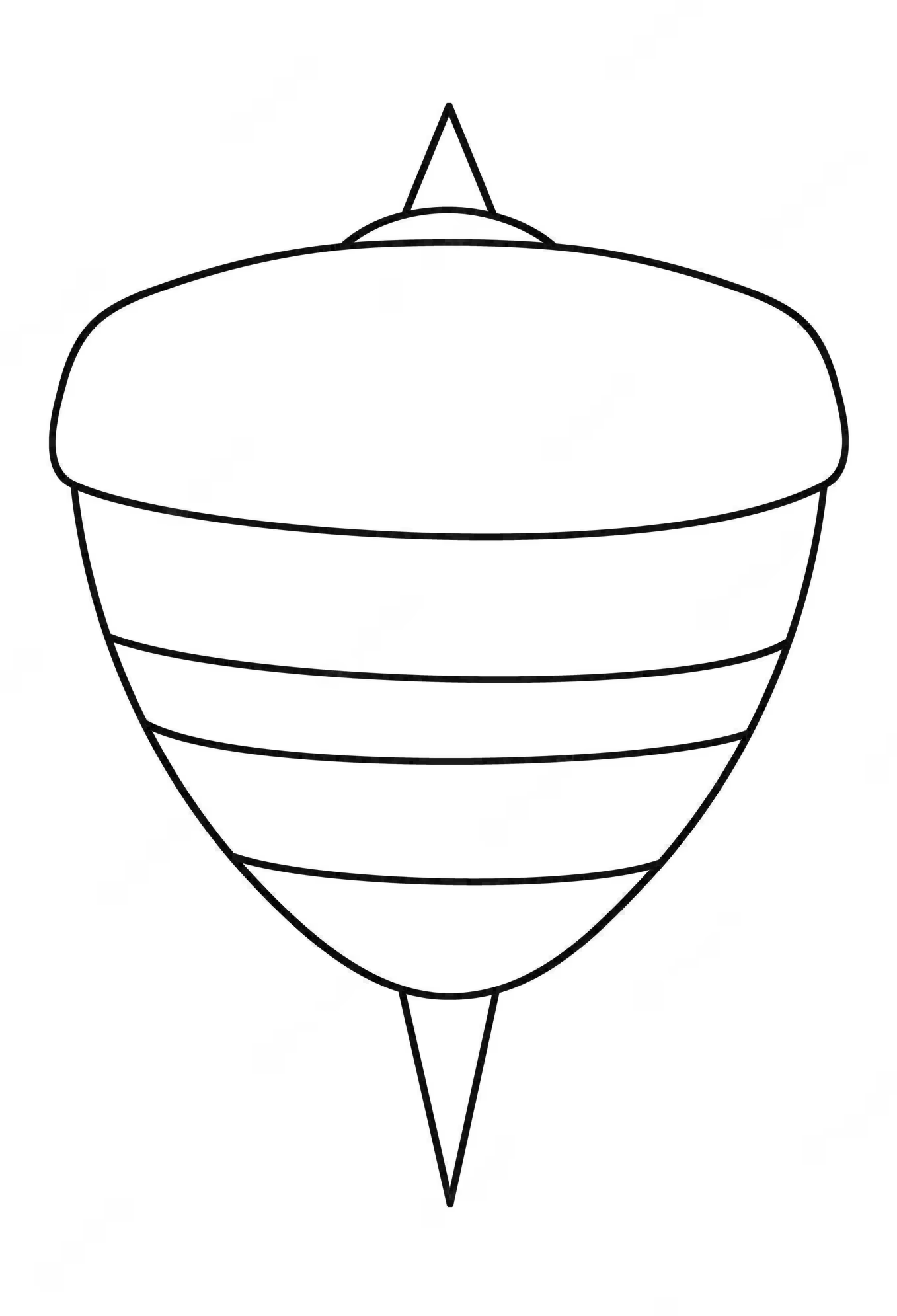
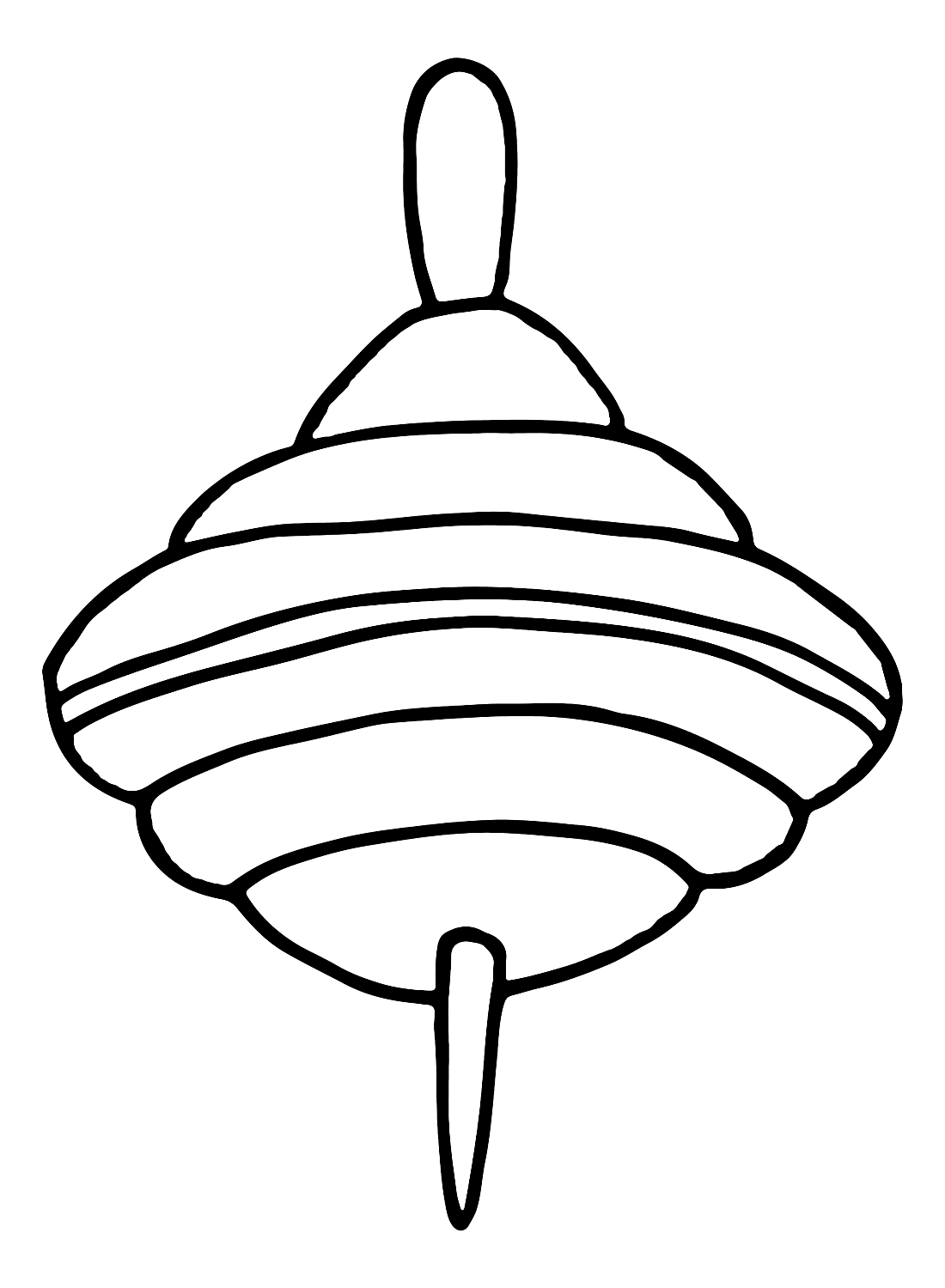
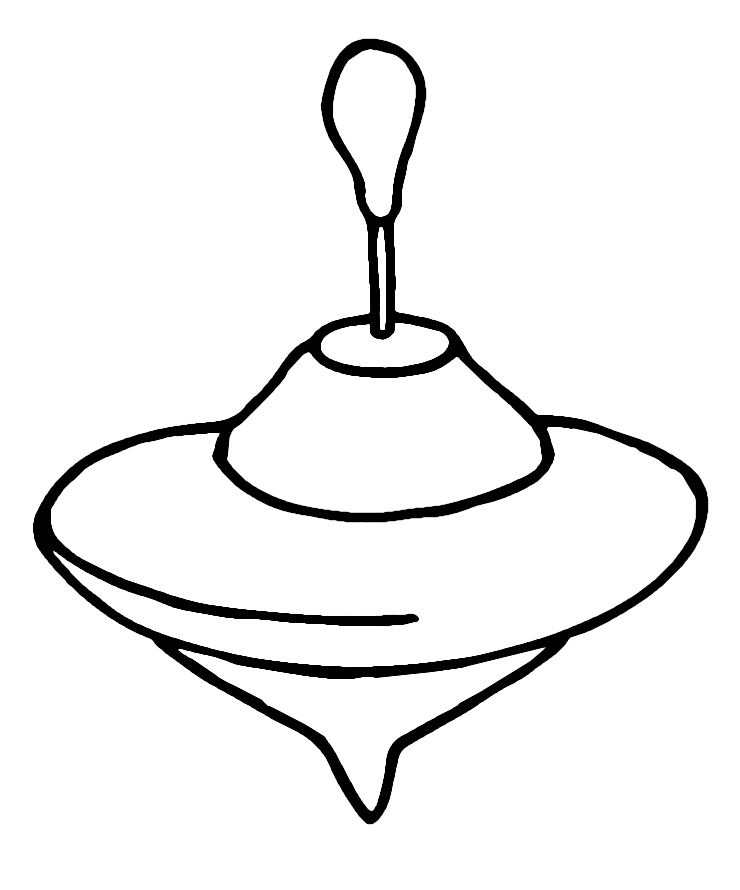
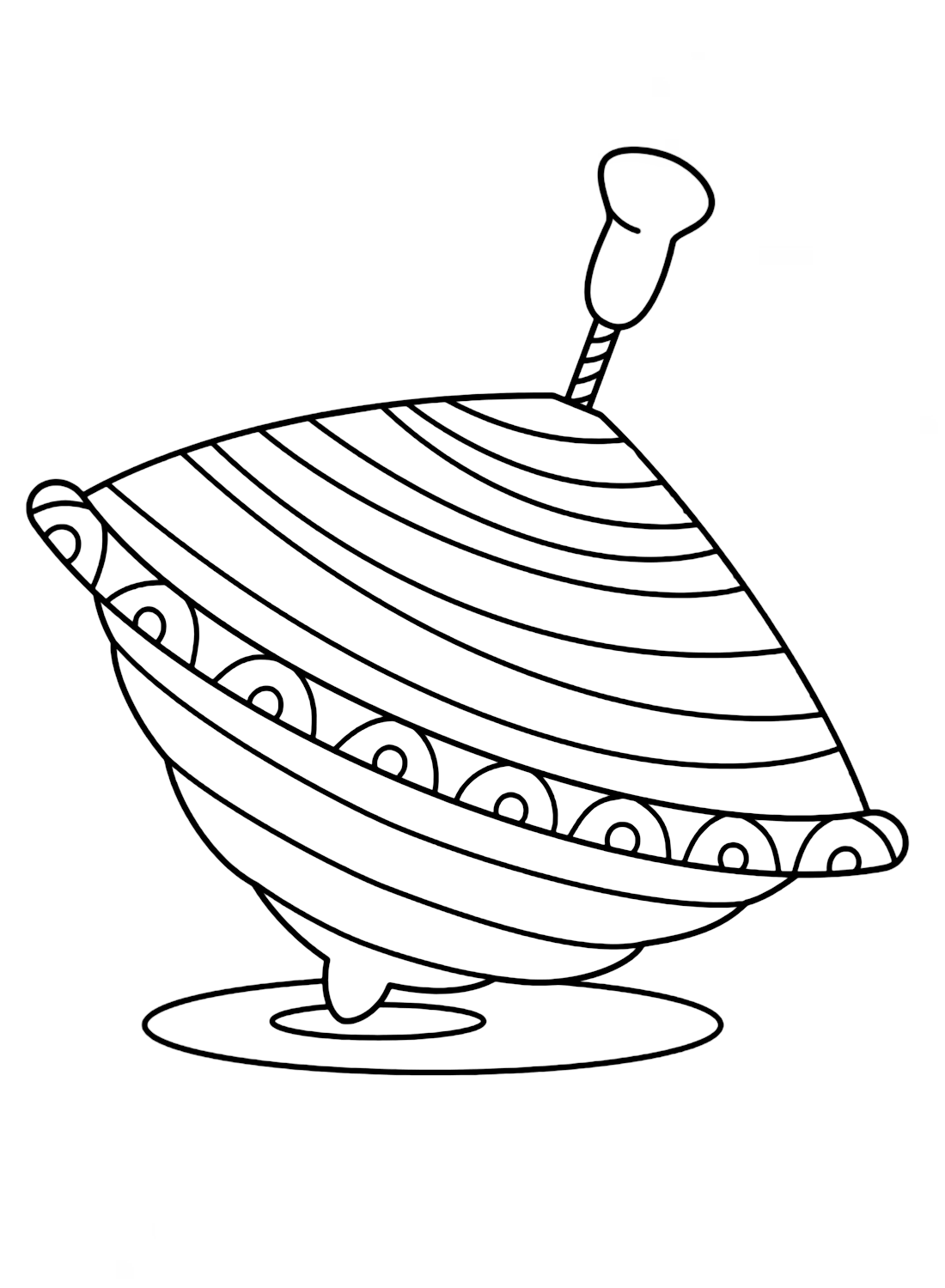
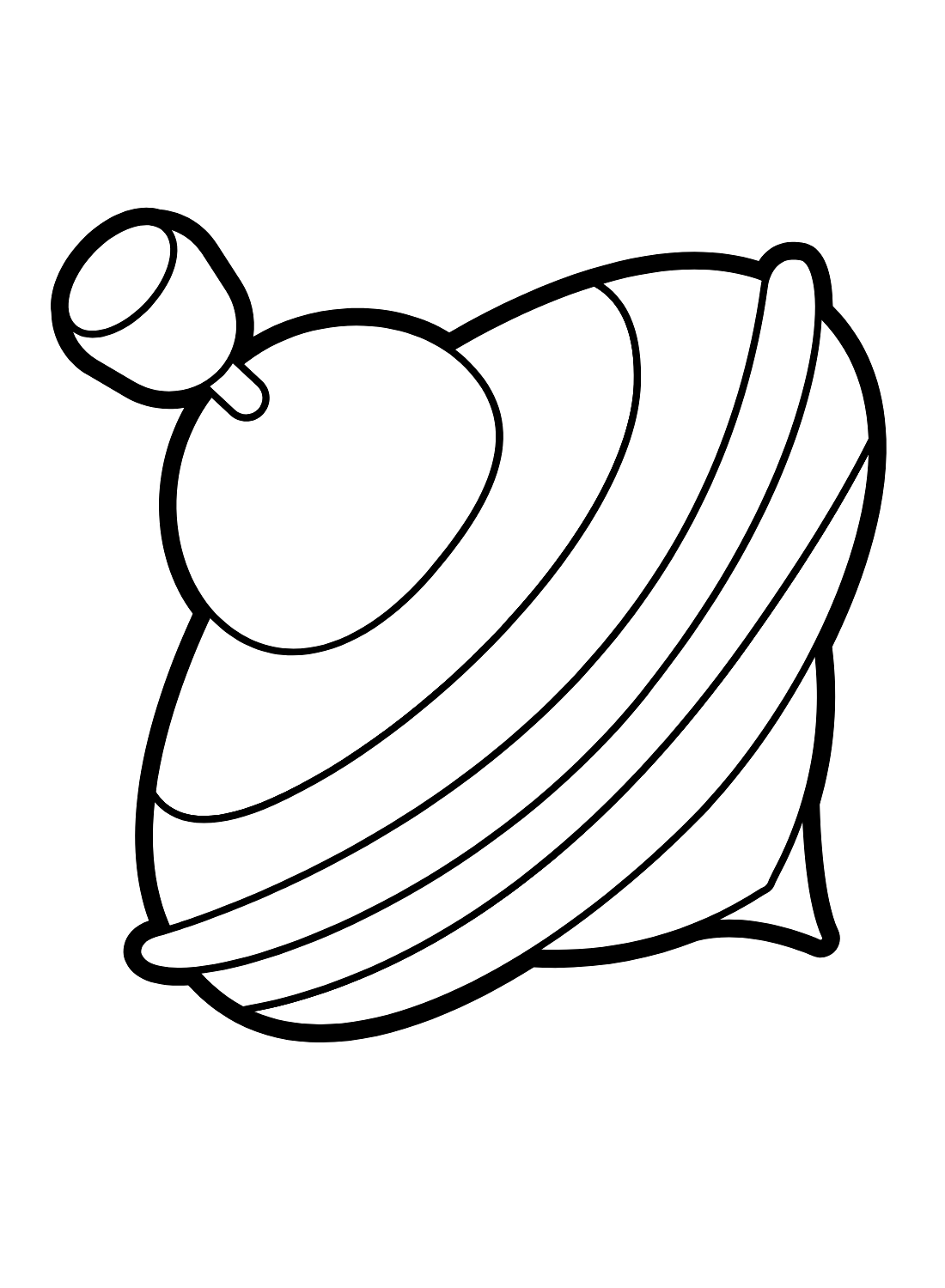
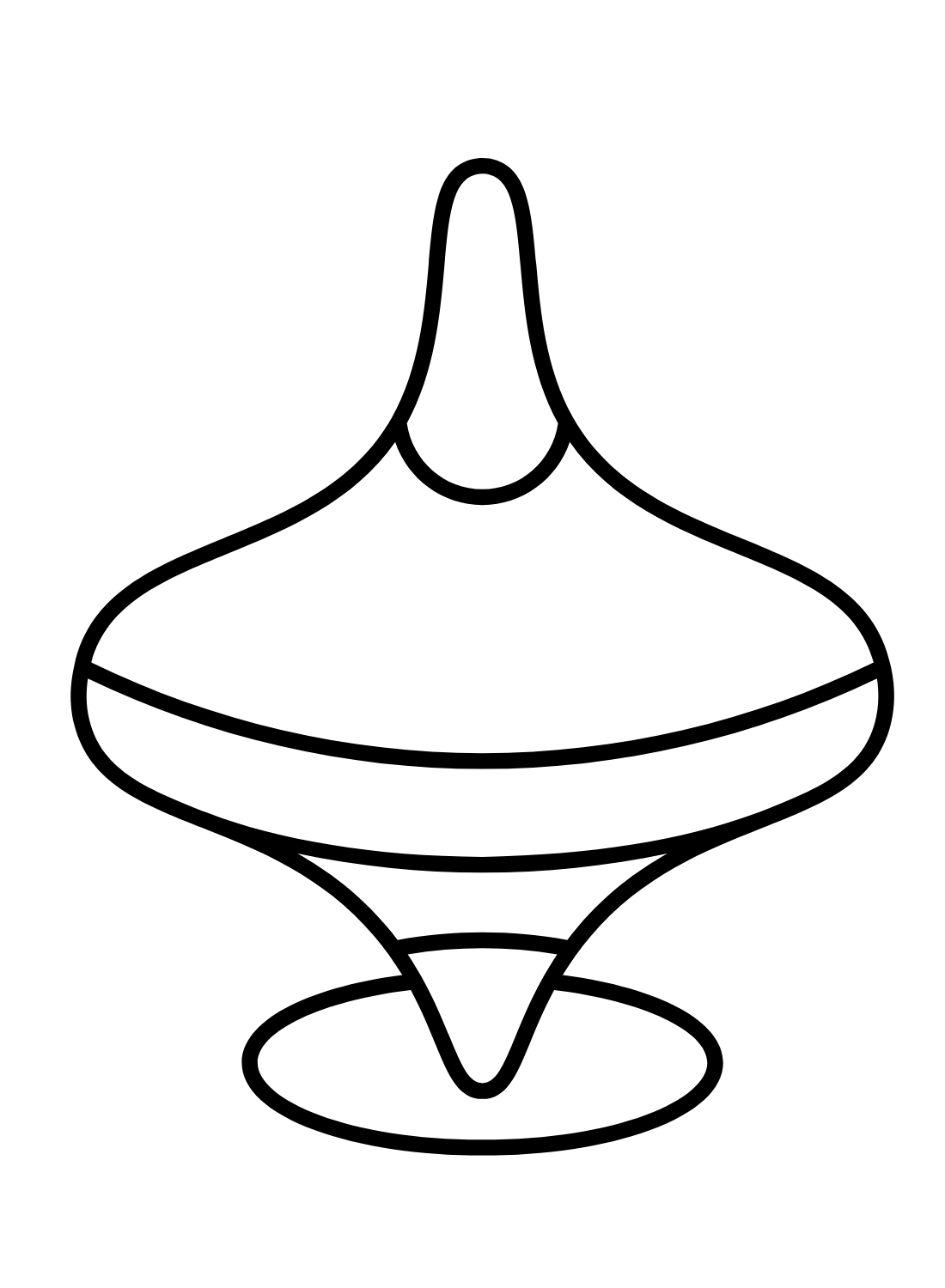
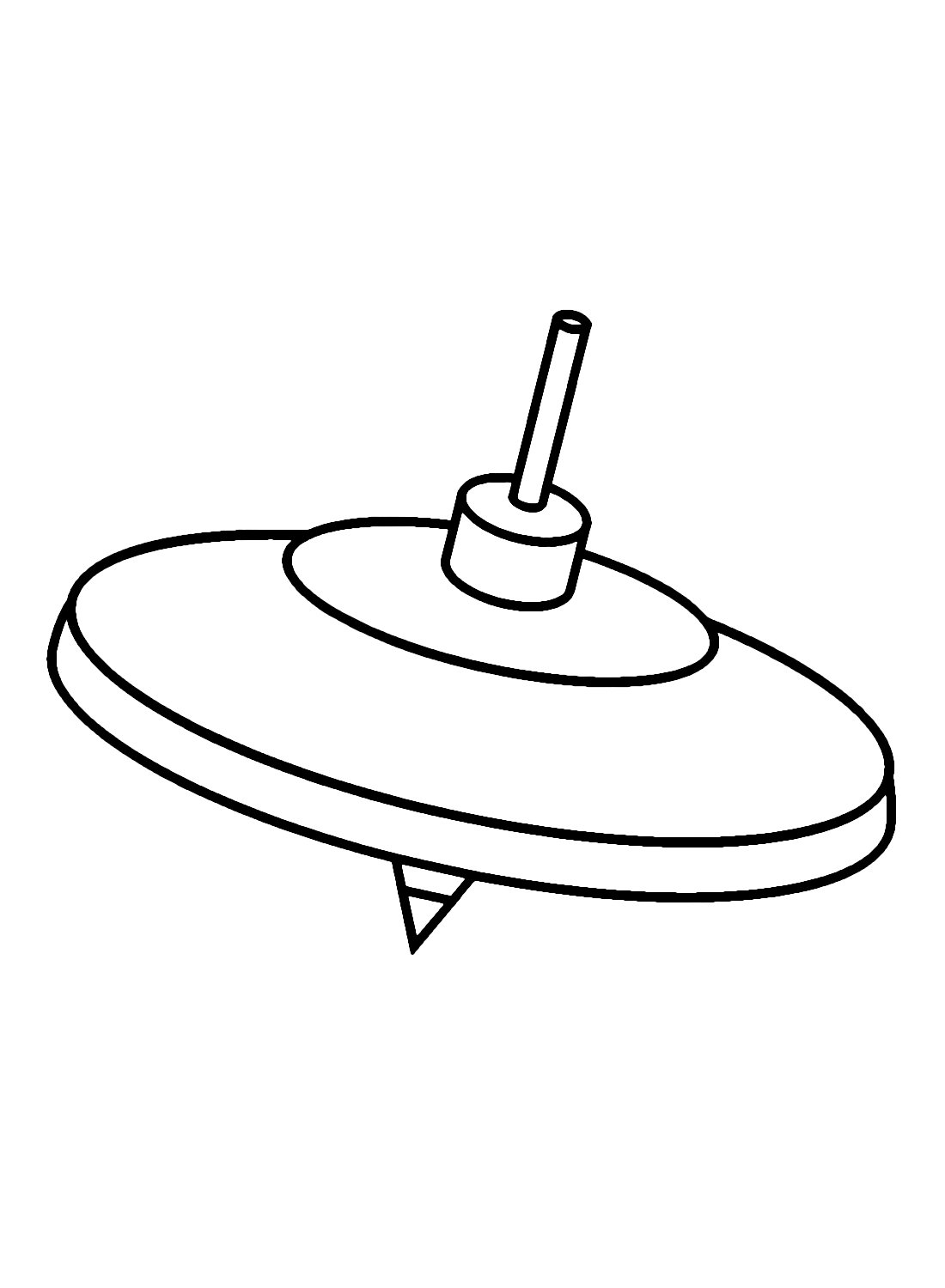
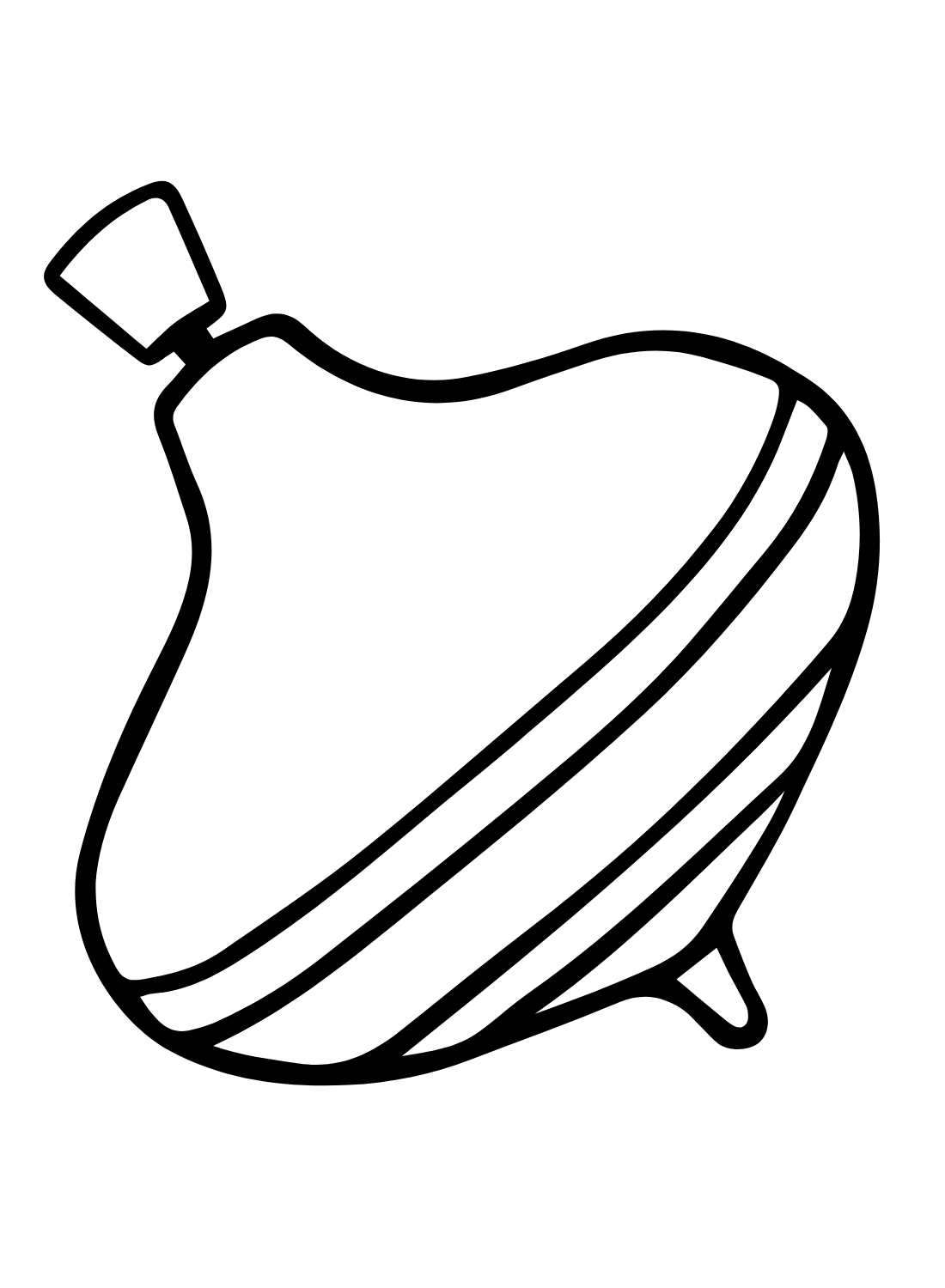
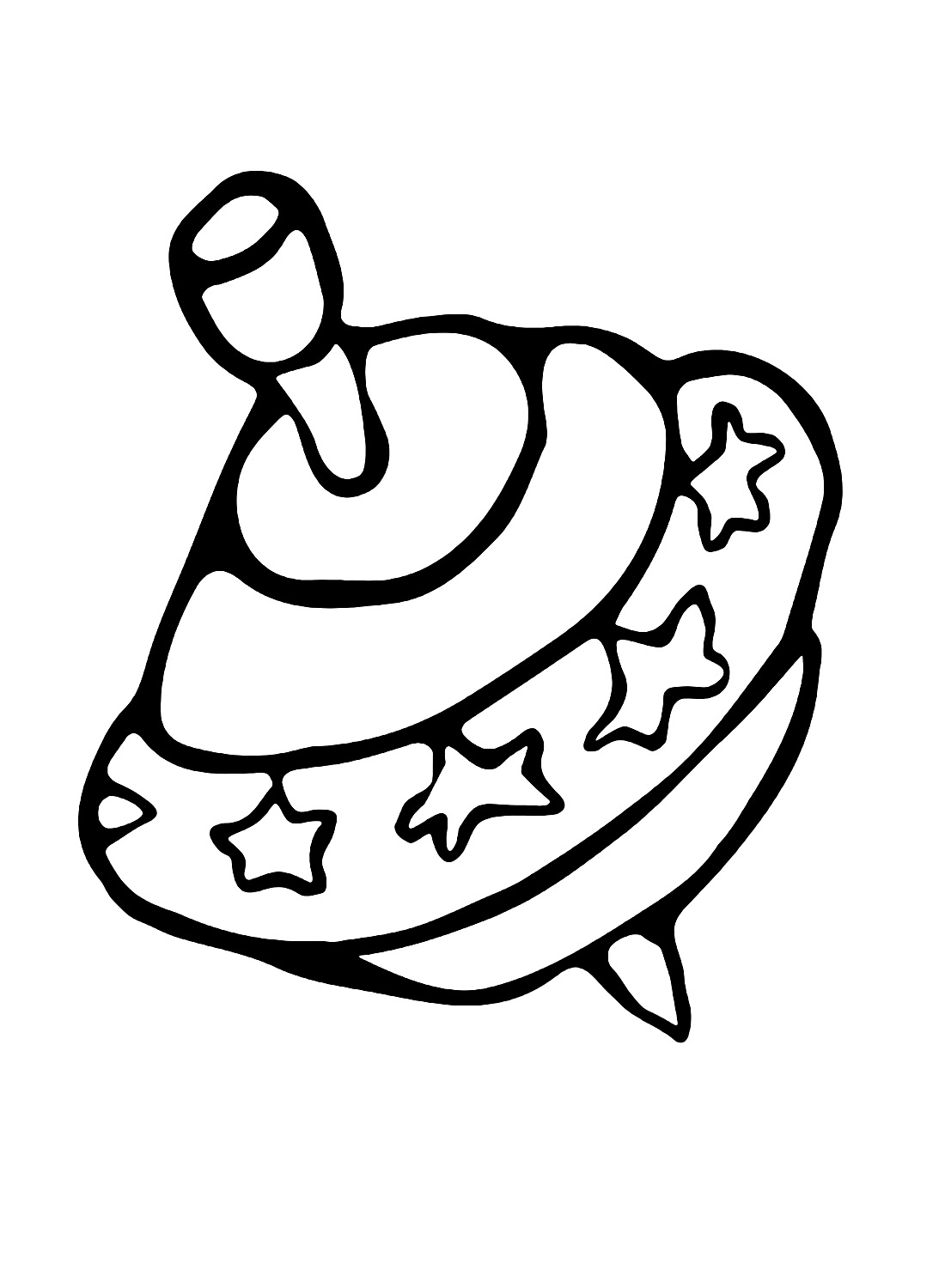
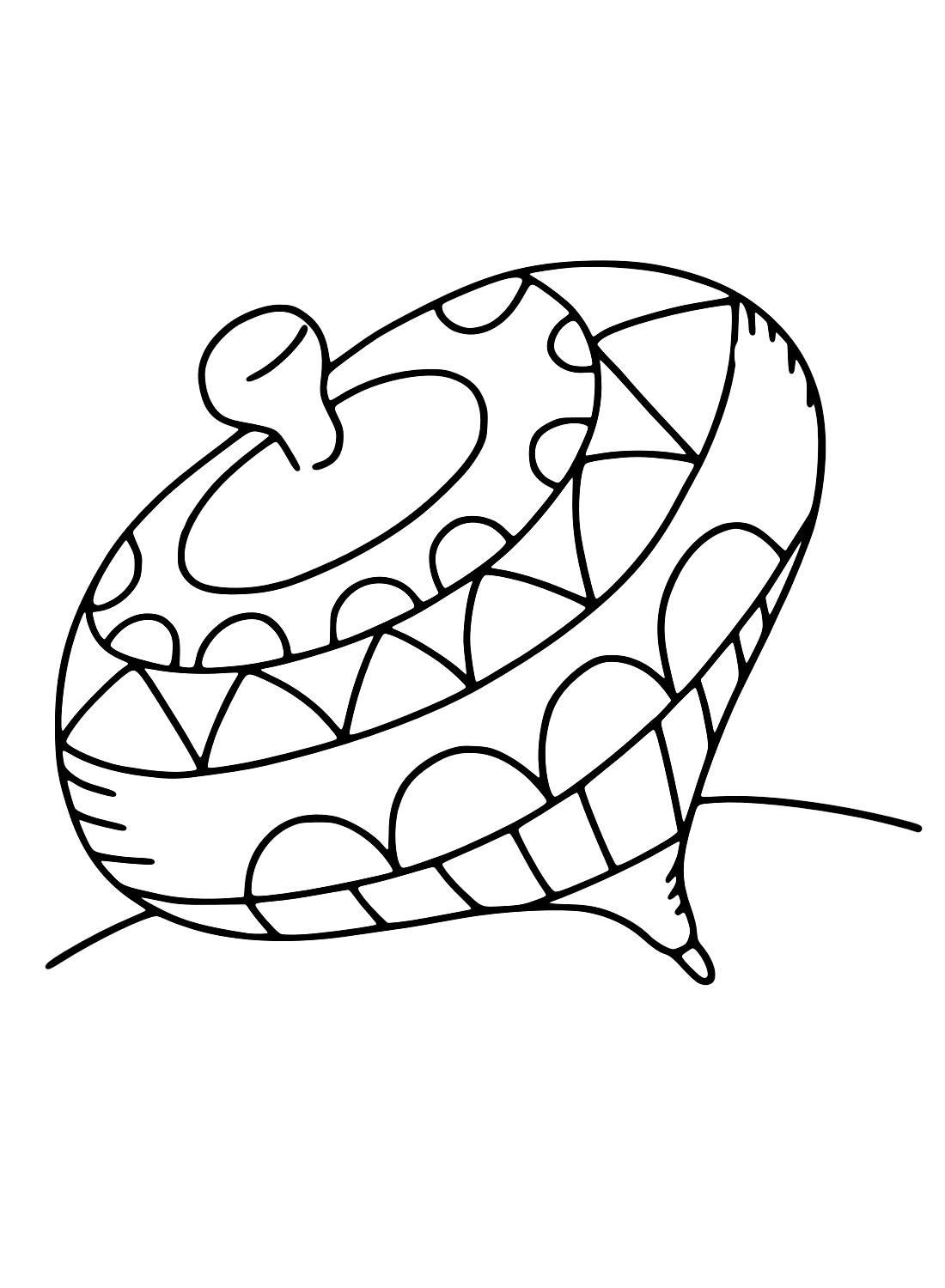
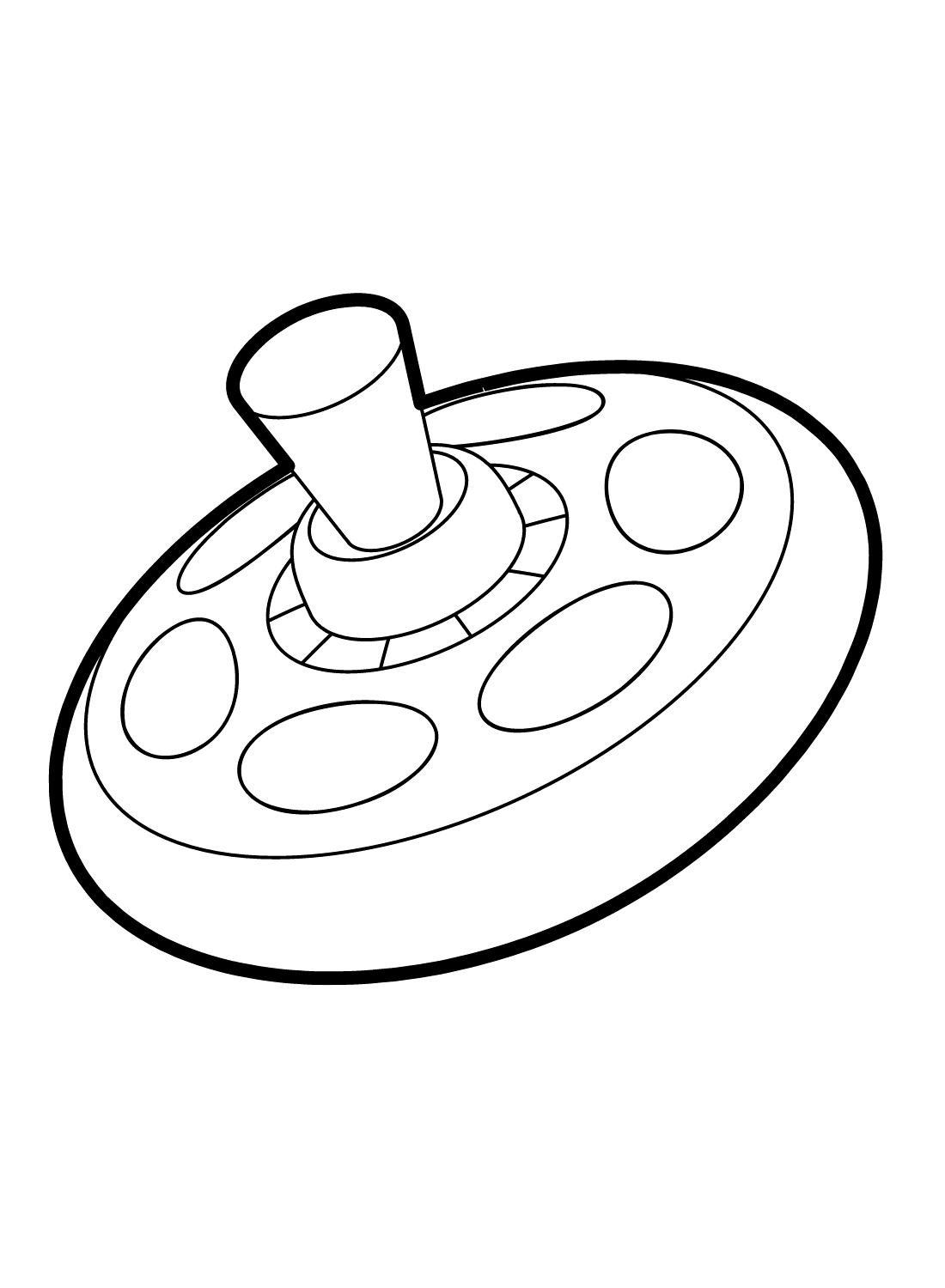
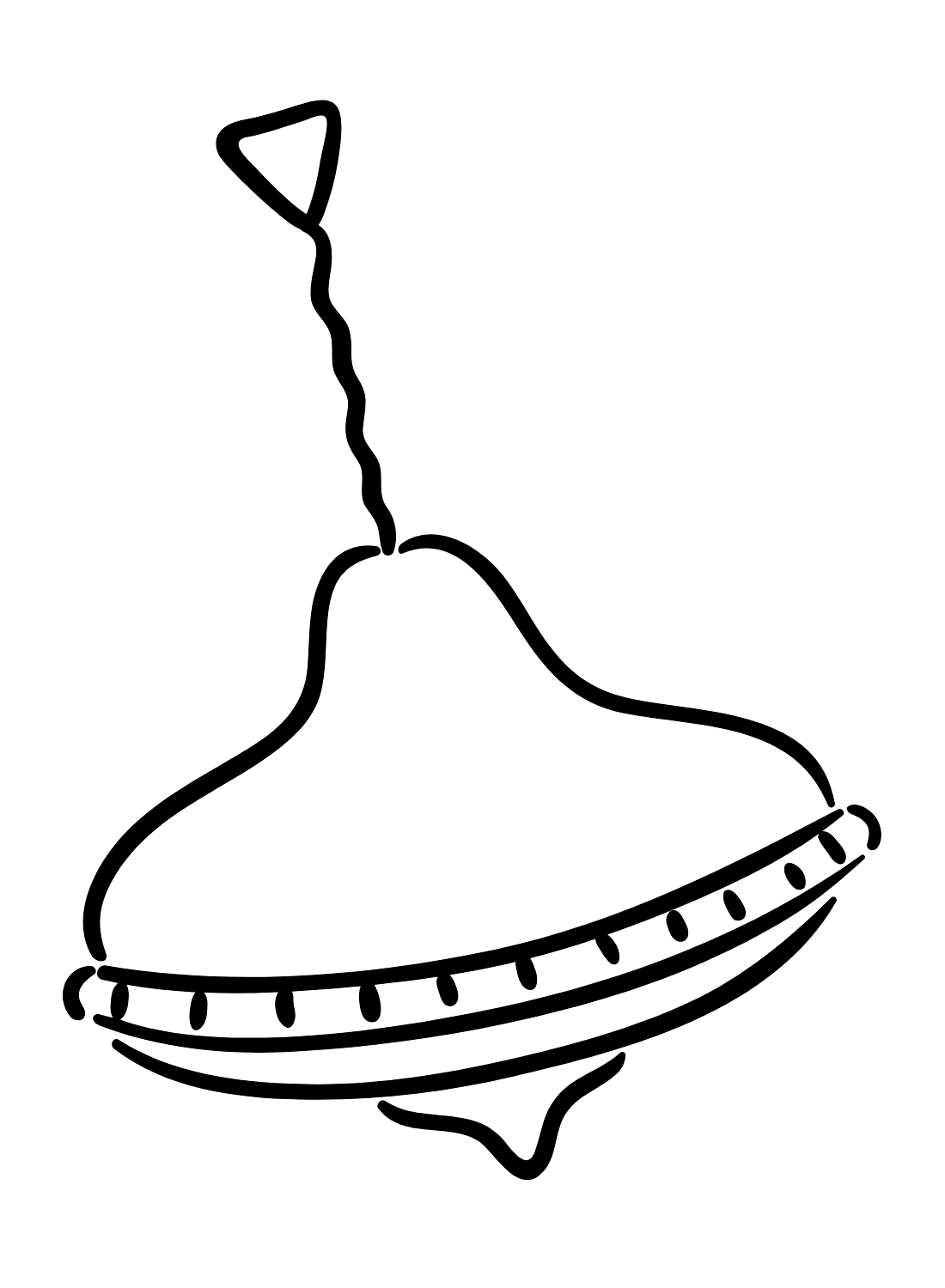
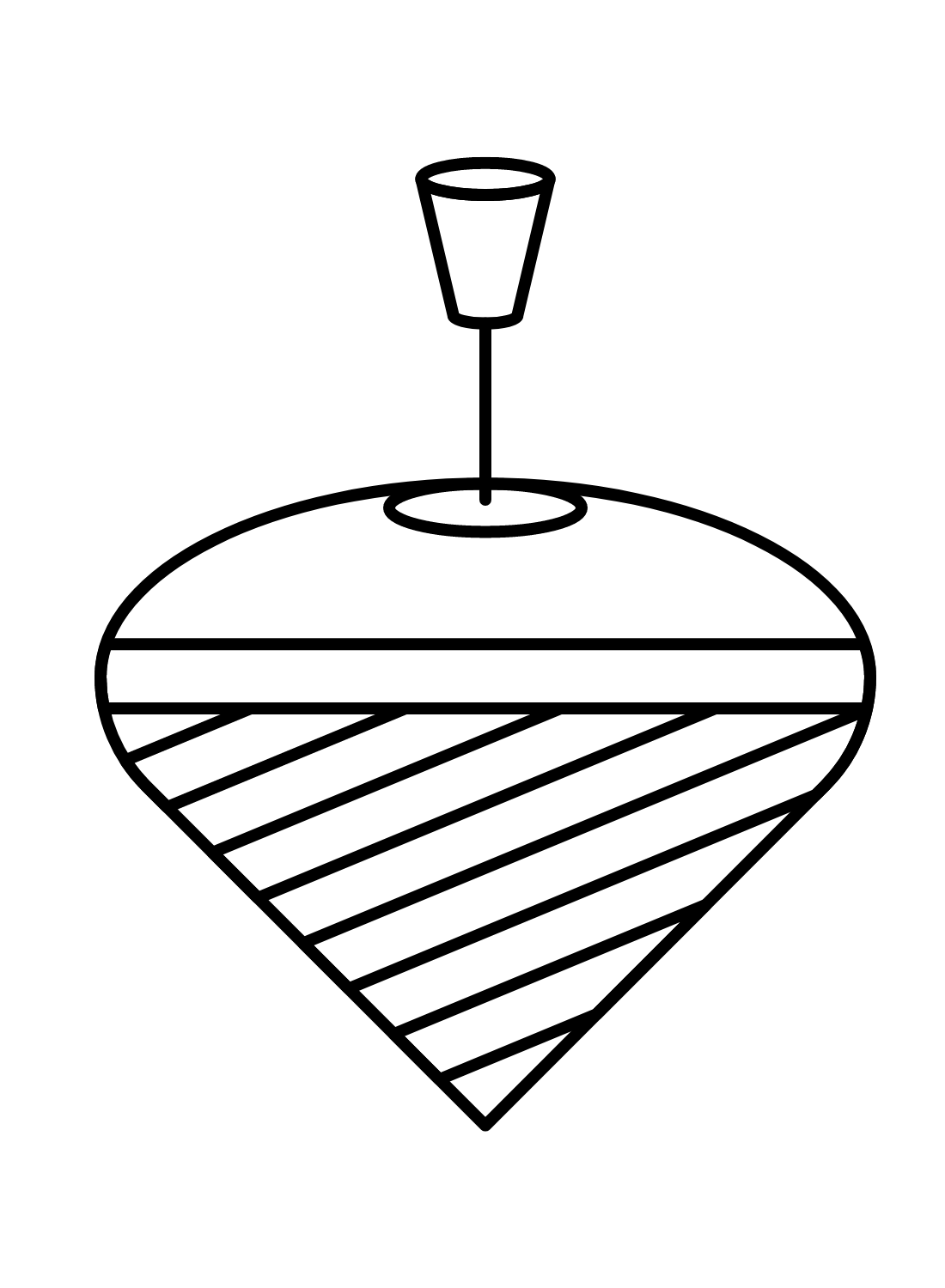
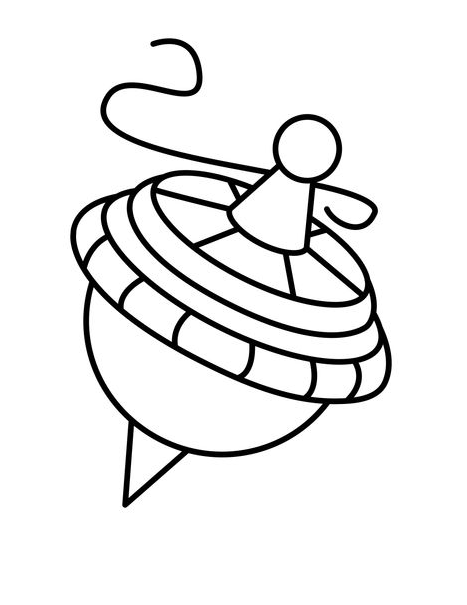
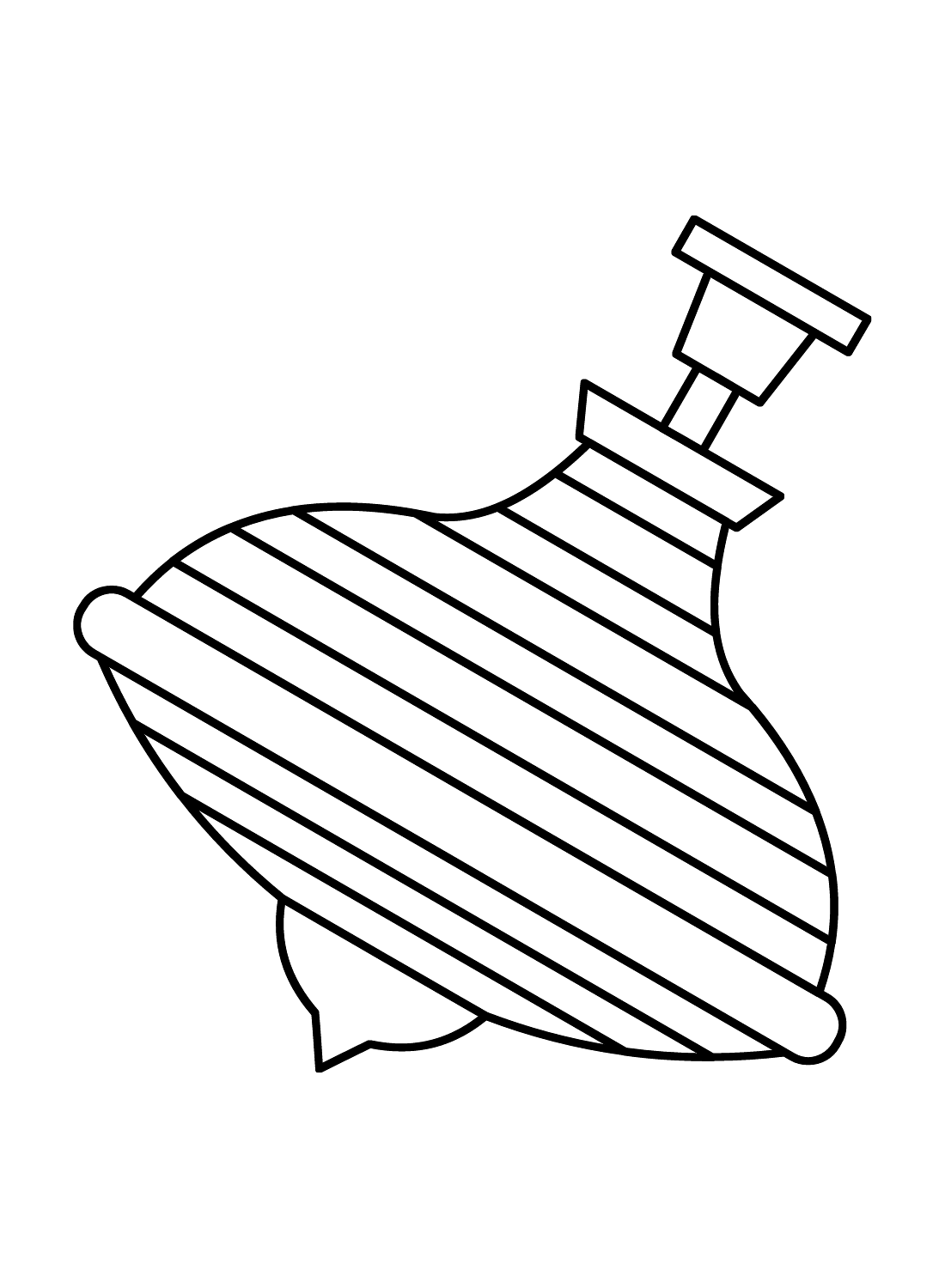
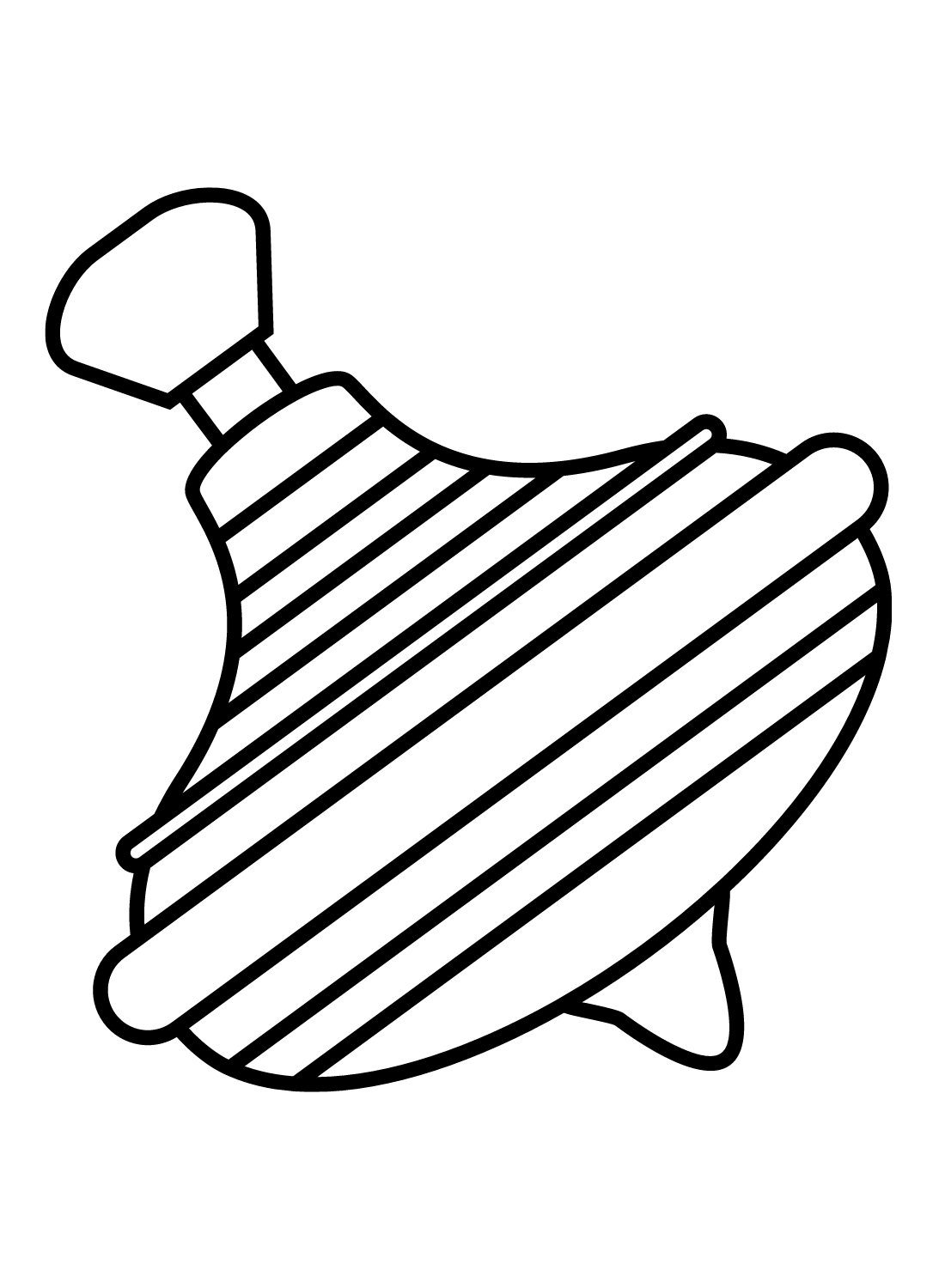
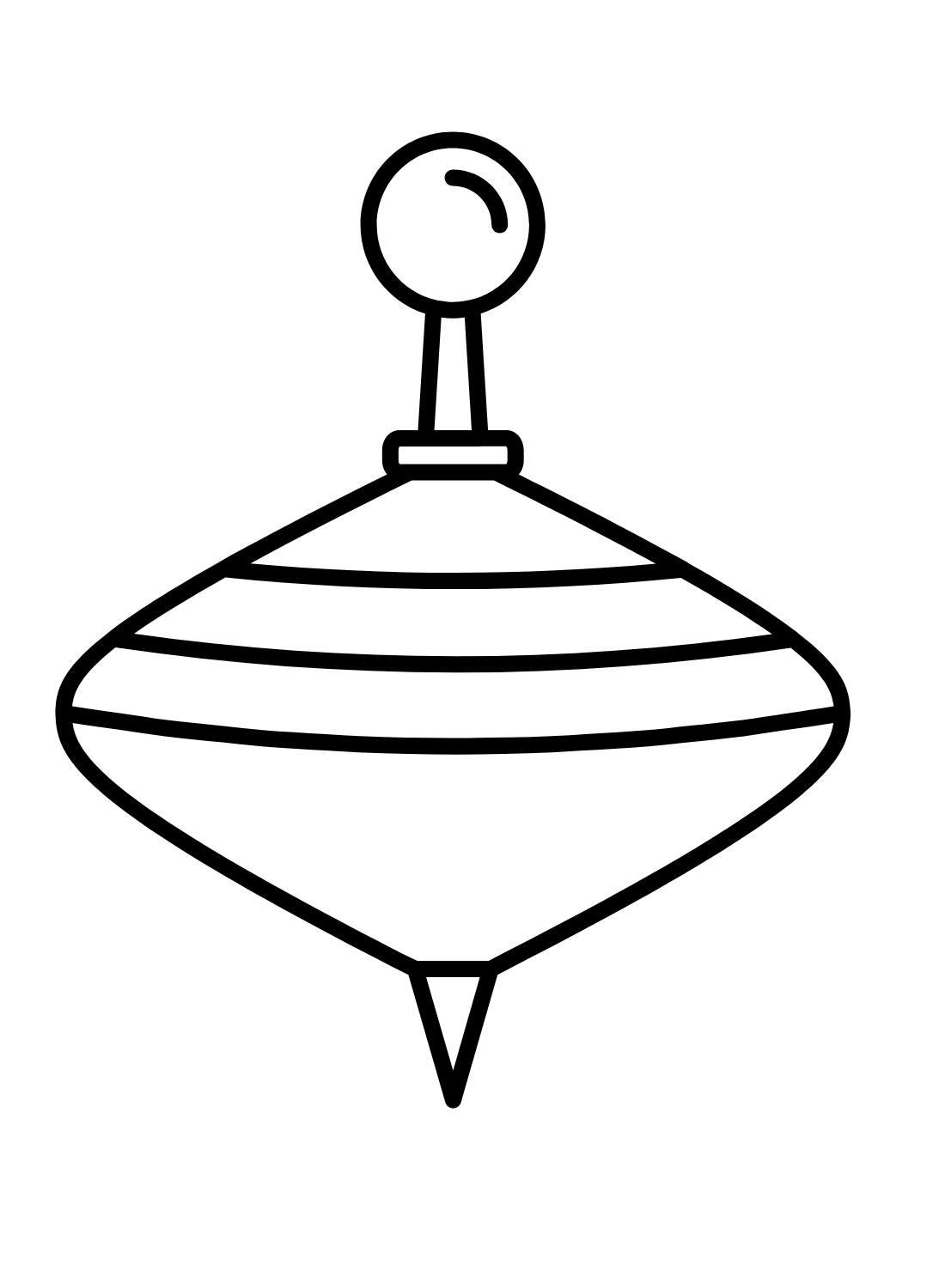
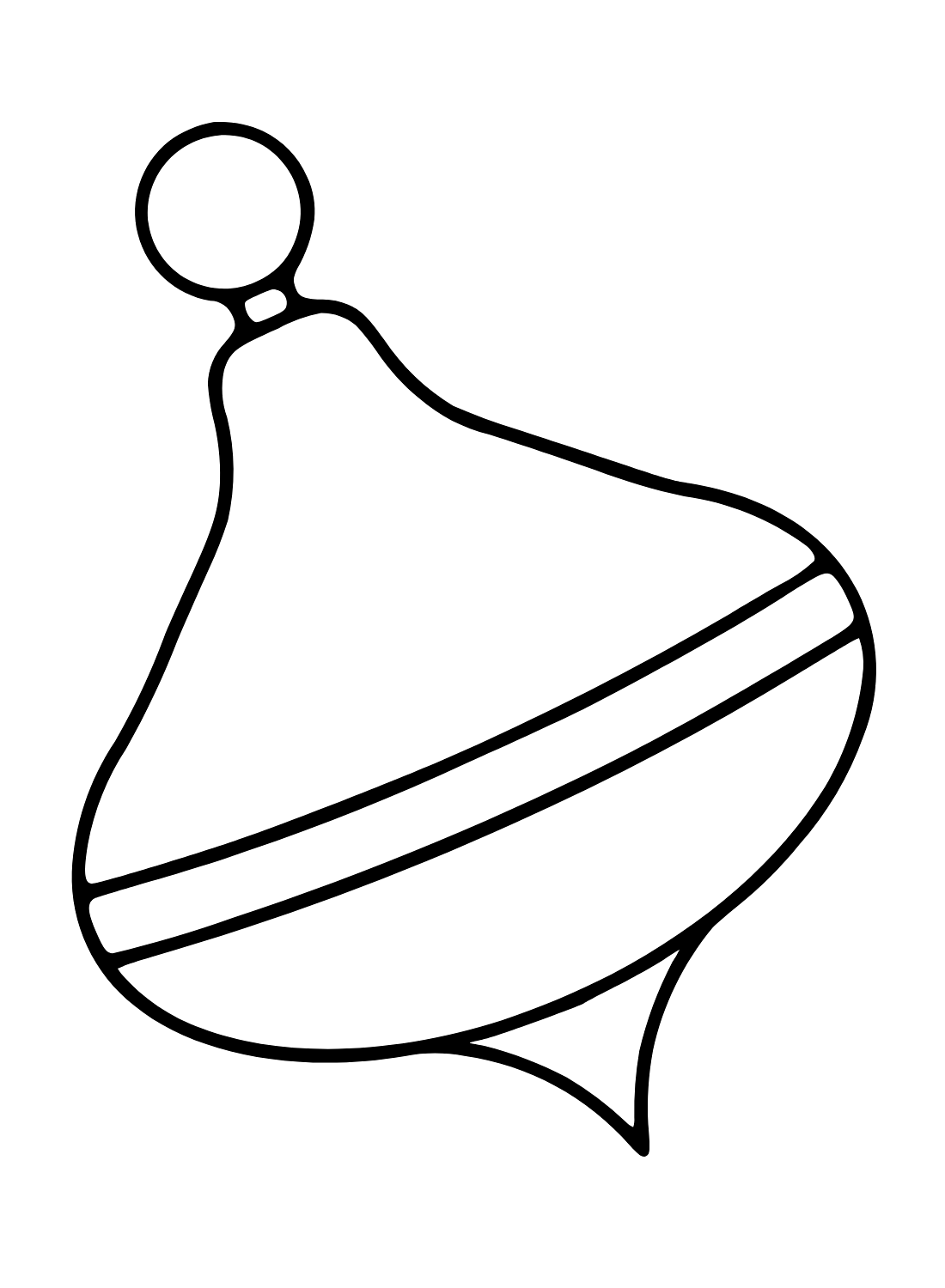
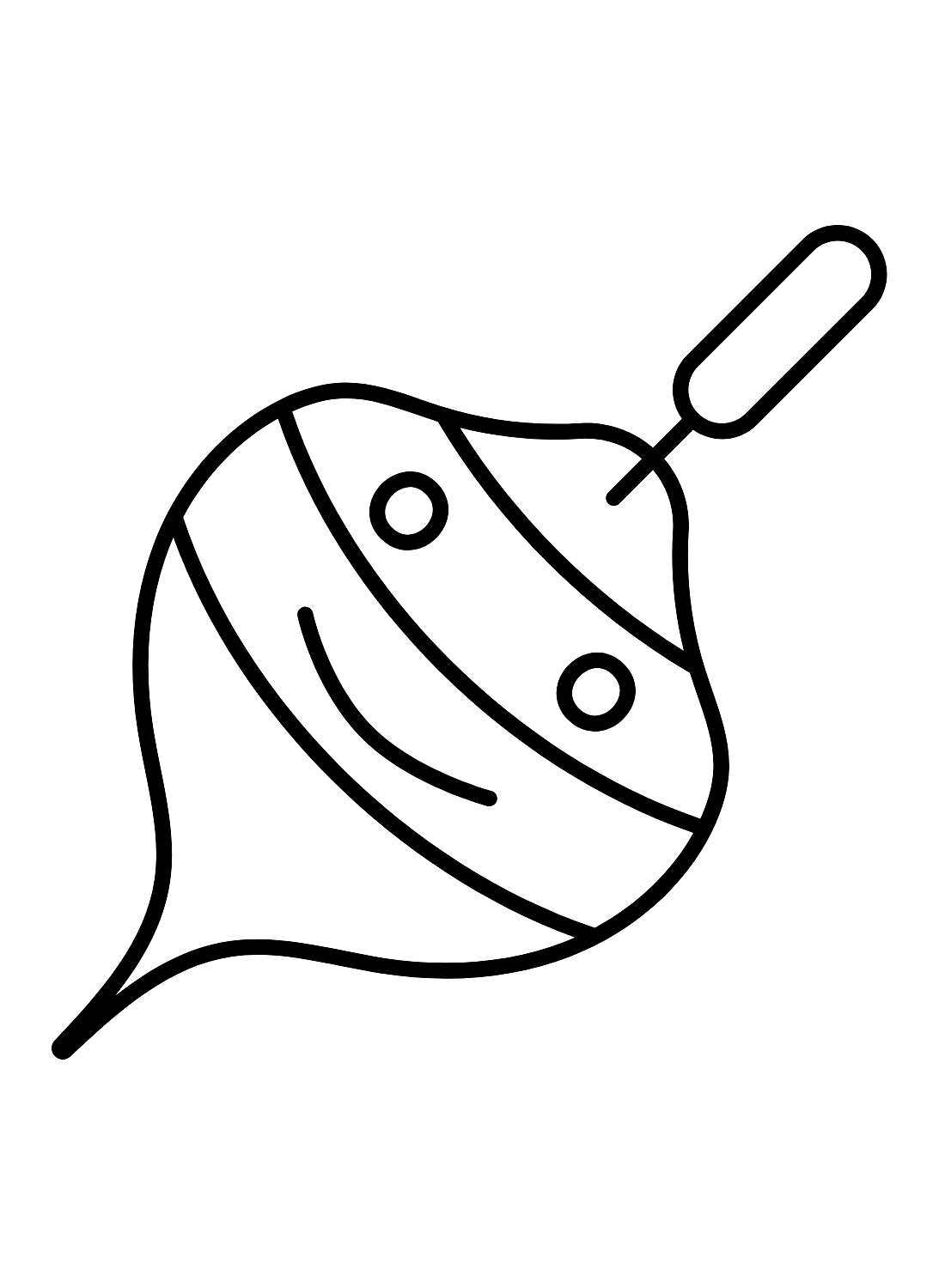
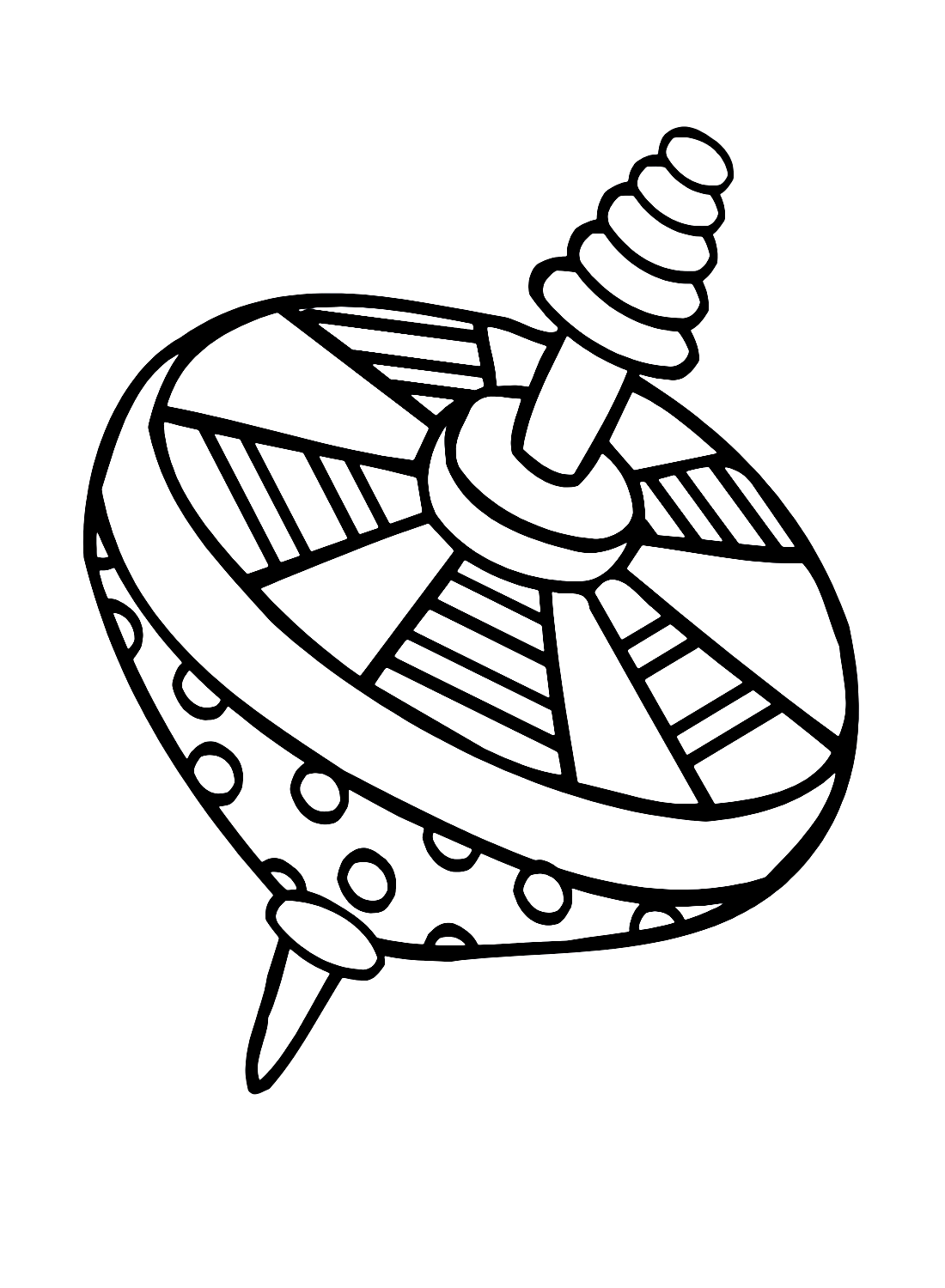
Twenty-seven of the 28 pages are solo portraits distinguished mostly by file name, and one stands apart with an added decorative bow. Since a whirligig’s basic pinwheel shape stays fairly consistent, the main coloring decisions come down to blade color and pattern.
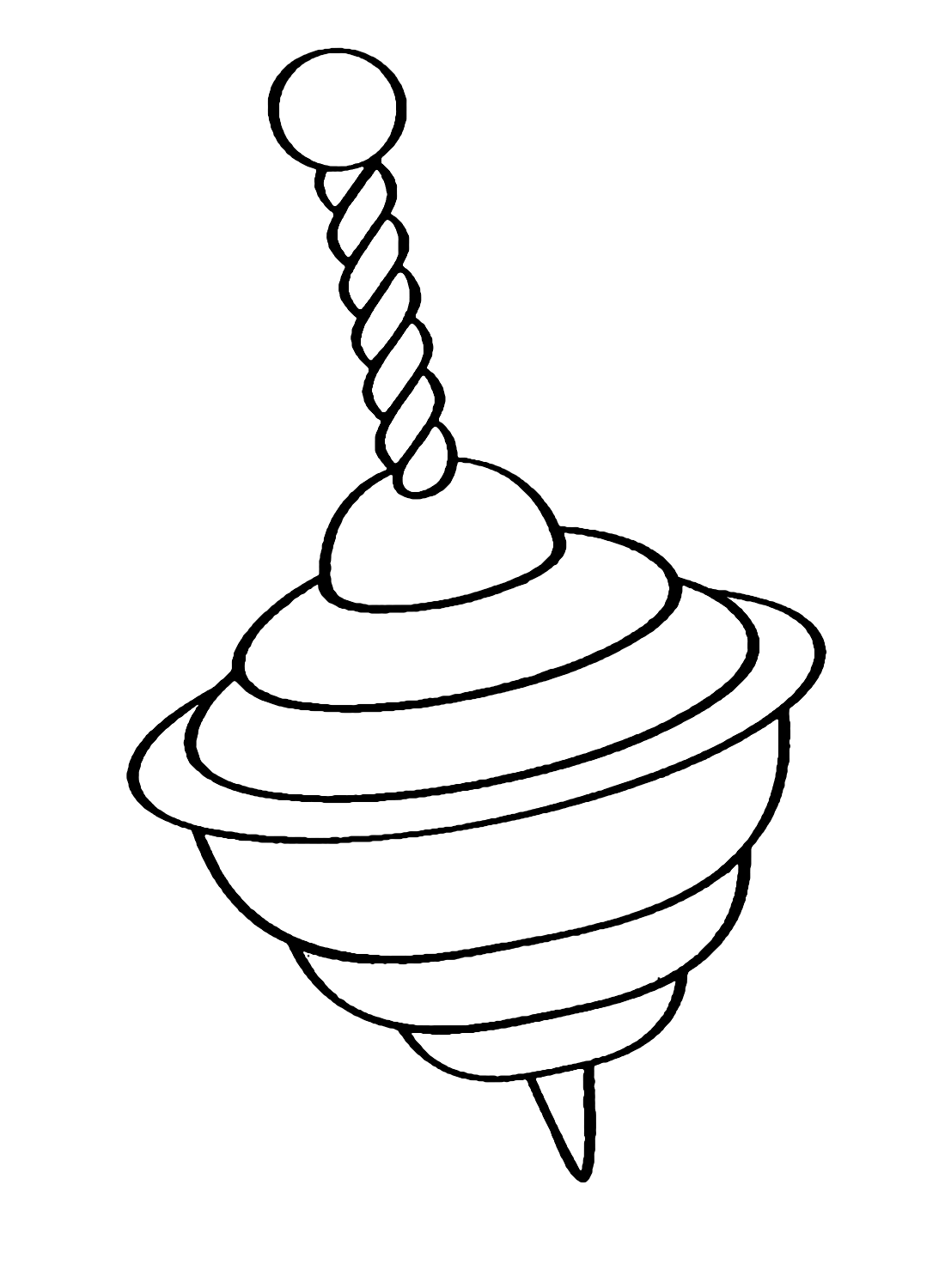
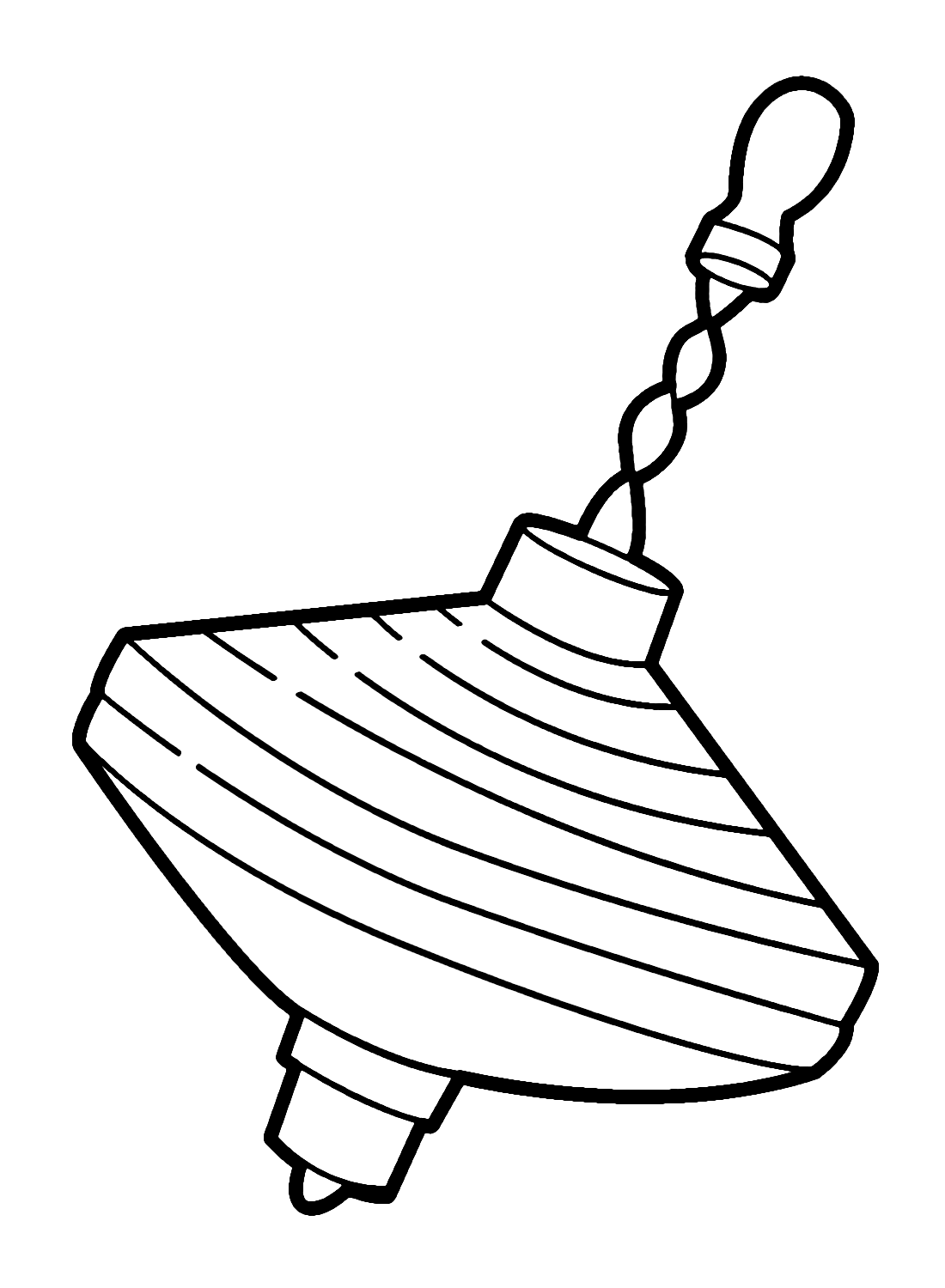
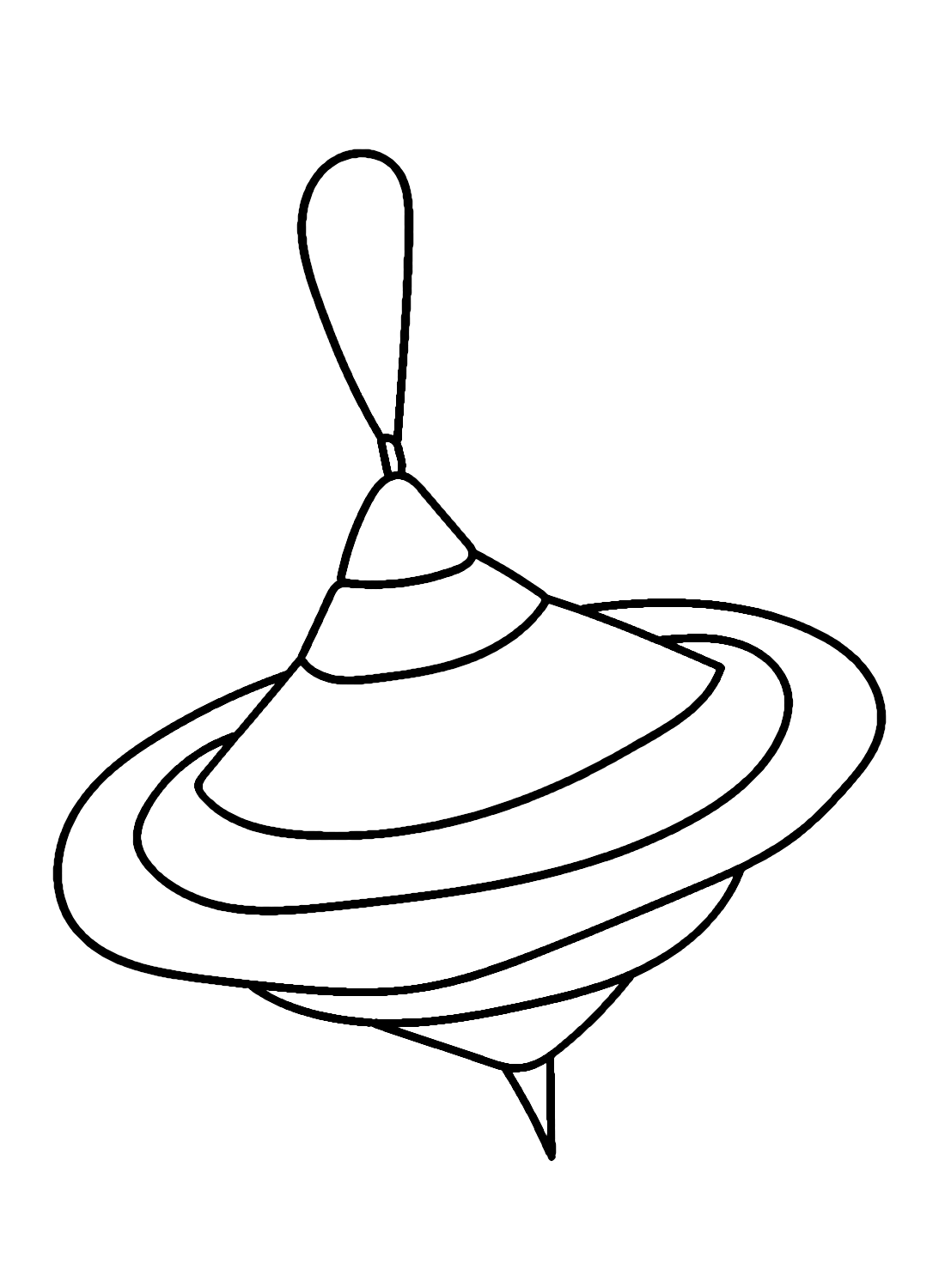

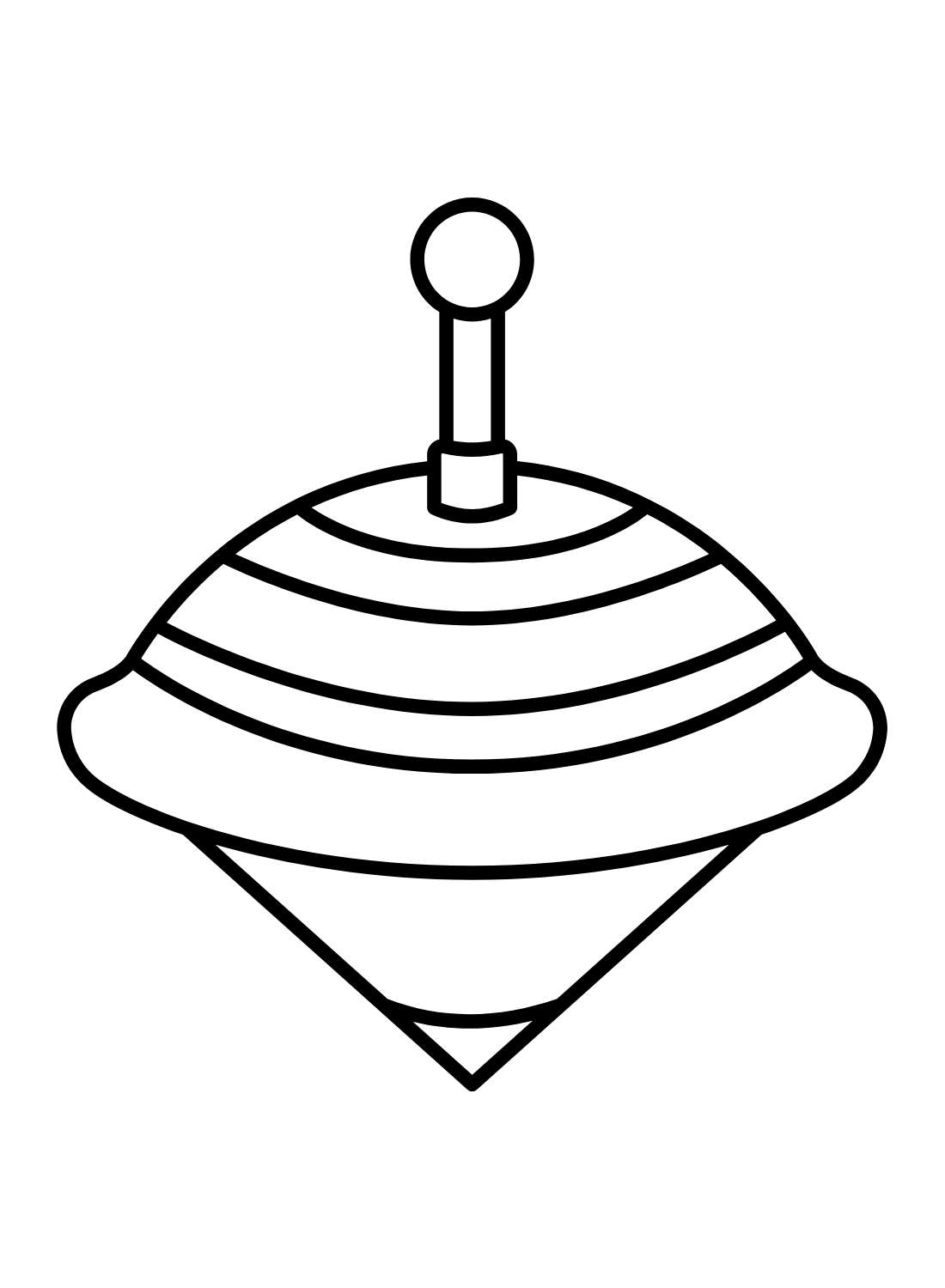

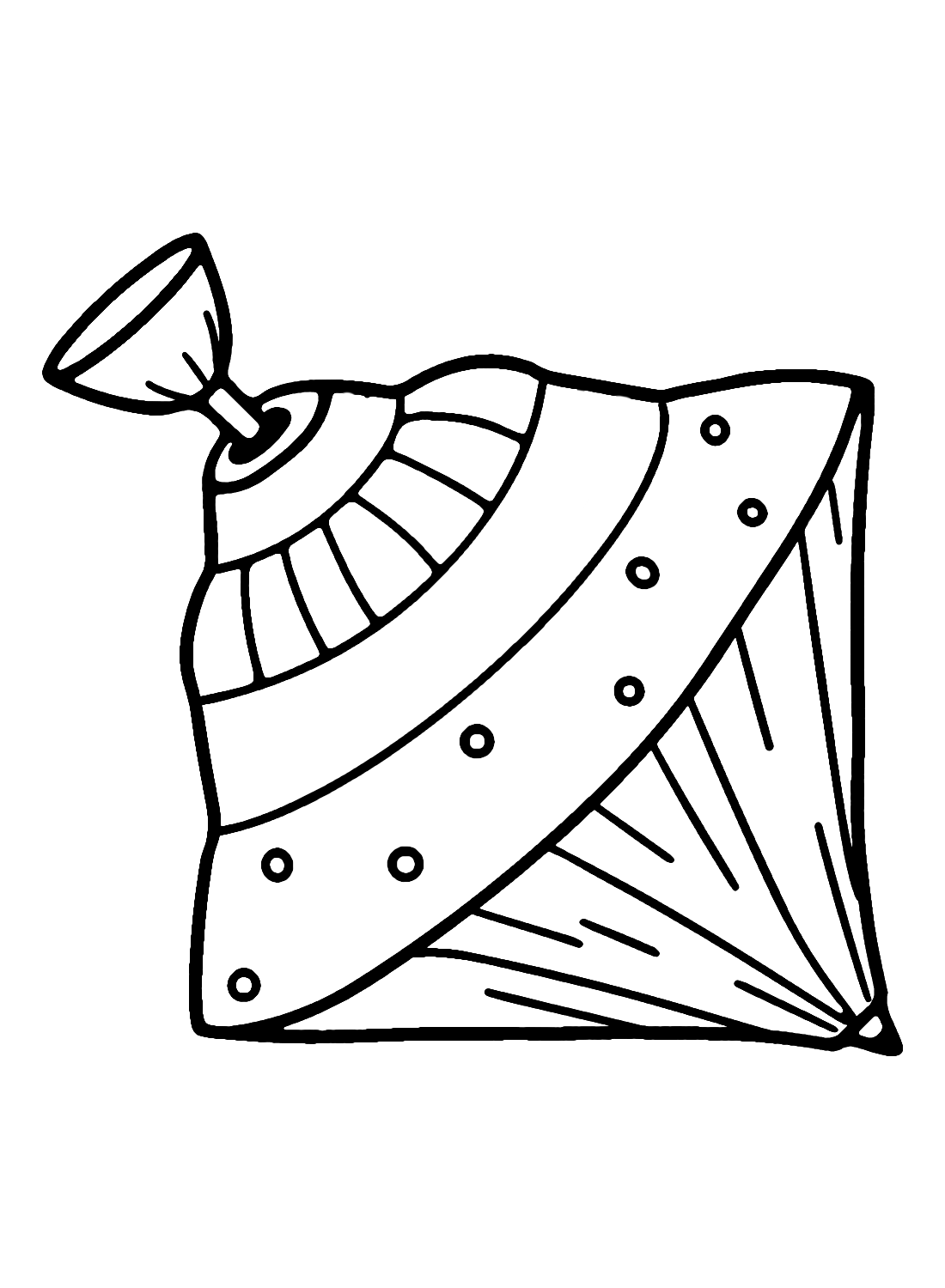
What Is Inside This Collection
Solo Portraits
The vast majority of this collection shows a whirligig alone, repeated across many pages under different file names rather than genuinely different designs. Coloring suggestion: Use the repetition to try a different color combination on each blade, since real whirligigs are often painted in bright, contrasting colors to make their spinning motion more visible.
Decorative Variant
One page adds a decorative bow to the classic whirligig shape. Coloring suggestion: give the bow its own distinct color from the spinning blades so the added decoration stands out clearly.
What Whirligig Coloring Pages Do
Radiating blades, precise symmetry. A whirligig’s blades radiate outward from a central point in a repeating, symmetrical pattern, and coloring each blade with careful attention to that symmetry takes real fine motor precision, the kind the American Academy of Pediatrics associates with structured coloring in children ages two through seven.
A word five centuries older than the toy on this page. “Whirligig” has been used since the 14th century, combining Middle English words for “to whirl” and “top,” making it one of the older toy names still in common use today.
A folk art built from scrap and patience. Rural whittlers once built elaborate whirligigs largely from scrap materials, working patiently to create a mechanism that produced motion and sound purely from the wind. There’s a fitting echo of that same patient, hands-on craft in a slow, careful coloring session, the kind of unhurried, structured activity a 2005 Art Therapy Journal study linked to reduced anxiety.
A wind-powered sculpture forty feet tall. Folk artist Vollis Simpson, working in Wilson, North Carolina, built massive wind-driven whirligig sculptures reaching up to 40 feet, turning a simple children’s spinning toy into large-scale outdoor art.
How to Color Whirligig Pages Well
- Blades: Use bright, contrasting colors for each blade so the spinning motion reads clearly even in a still image.
- Center hub: Use a neutral color like brown or gray to distinguish it clearly from the more colorful spinning blades.
- Decorative bow: give it its own distinct color from the blades so the added decoration stands out.
- Background: keep it simple or blank, since the whirligig shape itself is the clear focal point of every page.
- Pattern experimentation: Use the repeated solo portraits to try stripes, gradients, or alternating colors on different pages.
- Outline: Use a bold black or dark outline to keep each blade section clearly separated from its neighbors.
5 Creative Craft Ideas With Whirligig Coloring Pages
1. Whirligig History Fact Card
Color a page and write the fact that the word “whirligig” dates back to the 14th century on the back.
2. DIY Paper Spinner
Color a whirligig page, cut it out, glue it to cardstock, and attach a straw or stick through the center to make it spin.
3. Wind-Powered Yard Decoration
Color and cut out a whirligig, attach it to a wooden skewer, and place it outside to watch it turn in the wind.
4. Whirligig Bookmark
Color a smaller portrait, cut it into a bookmark shape, and cover it with clear tape for a durable reading marker.
5. Hanging Mobile
Color several whirligig pages, cut them out, and attach them to a hanger or embroidery hoop with string for a spinning display.
Frequently Asked Questions
What are Whirligig coloring pages?
A free set of 28 printable designs of the classic spinning, wind-powered toy and yard decoration. Every page downloads as a PDF or opens in the online coloring tool without an account.
Where does the word “whirligig” come from?
It dates back to the 14th century, combining the Middle English words for “to whirl” and “top,” the name for a spinning toy.
Are whirligigs actually a form of folk art?
Yes. Whirligigs became a recognized American folk art form by the 19th century, especially in Appalachia, where artisans carved wind-driven wooden figures by hand.
Did any historical figures own a whirligig?
According to historical accounts, George Washington brought one home from the Revolutionary War, and author Washington Irving described one in his 1820 story “The Legend of Sleepy Hollow.”
How big can a whirligig actually get?
Quite large. Folk artist Vollis Simpson built wind-driven whirligig sculptures reaching up to 40 feet tall in Wilson, North Carolina.
Can these pages be colored without printing them?
Yes. Every page in the set opens directly in the site’s browser-based coloring tool, so a page can be finished on screen before deciding whether to print it.
Are Whirligig coloring pages suitable for young children?
Yes. The simple, repeating pinwheel shape works well for a wide age range, including young children just starting to color.
Why do so many pages show the same basic whirligig shape?
Most of the collection uses one core design with different file names rather than a wide variety of scenes, with the bow-decorated page offering the set’s one real visual variation.
Start Coloring
A toy that’s been spinning since the 14th century, waiting for a few new colors: pick a design above, download the PDF, or color it online, free and without an account. Share the finished piece through the Facebook or Pinterest buttons at the top of the design.