
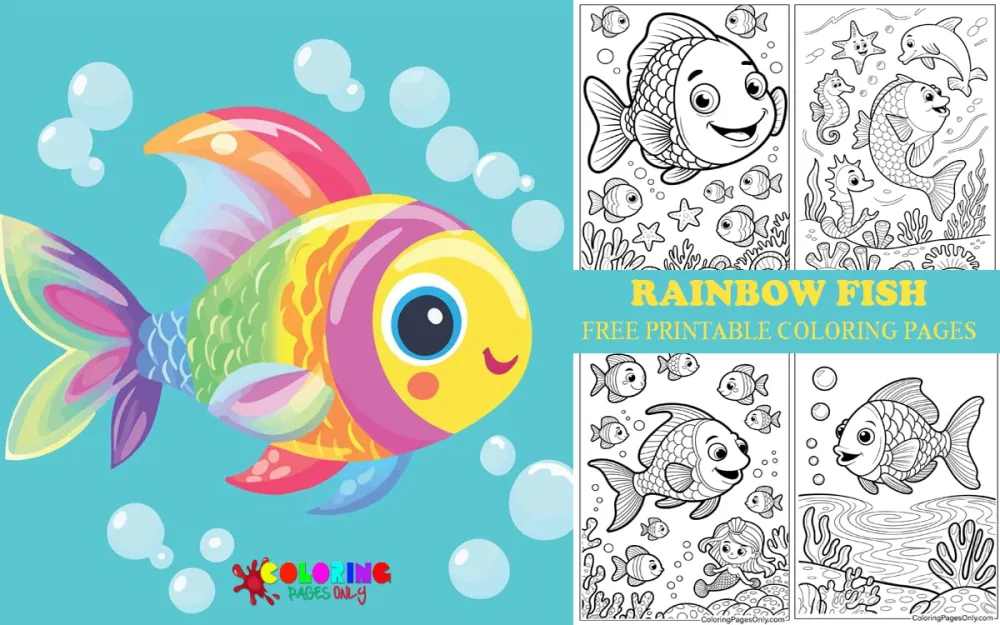
Free Rainbow Fish Coloring Pages: 39 printable PDF designs inspired by Marcus Pfister’s picture book, featuring the fish’s shimmering scales, ocean friends, and underwater scenes. Each design comes as a downloadable PDF, with an online coloring option available for anyone who wants to skip printing altogether.
Marcus Pfister wrote and illustrated the original book in Switzerland in 1992, and its most distinctive feature, foil-stamped scales that catch the light on the printed page, is not something a black-and-white coloring sheet can reproduce, so these pages give colorists a chance to invent their own version of that shimmer with metallic pencils or gel pens. Fewer than a third of the collection ties directly to specific moments from the book; most pages place the fish in a broader ocean setting or a simple solo pose.
The 39 designs divide into five groups, ranging from scenes lifted from the book’s plot to plain solo portraits with only the file name changed between them. Because the character’s design stays simple, a round body with a rainbow gradient of scales, the coloring decisions here are less about detail work and more about choosing a full spread of colors rather than just one or two.
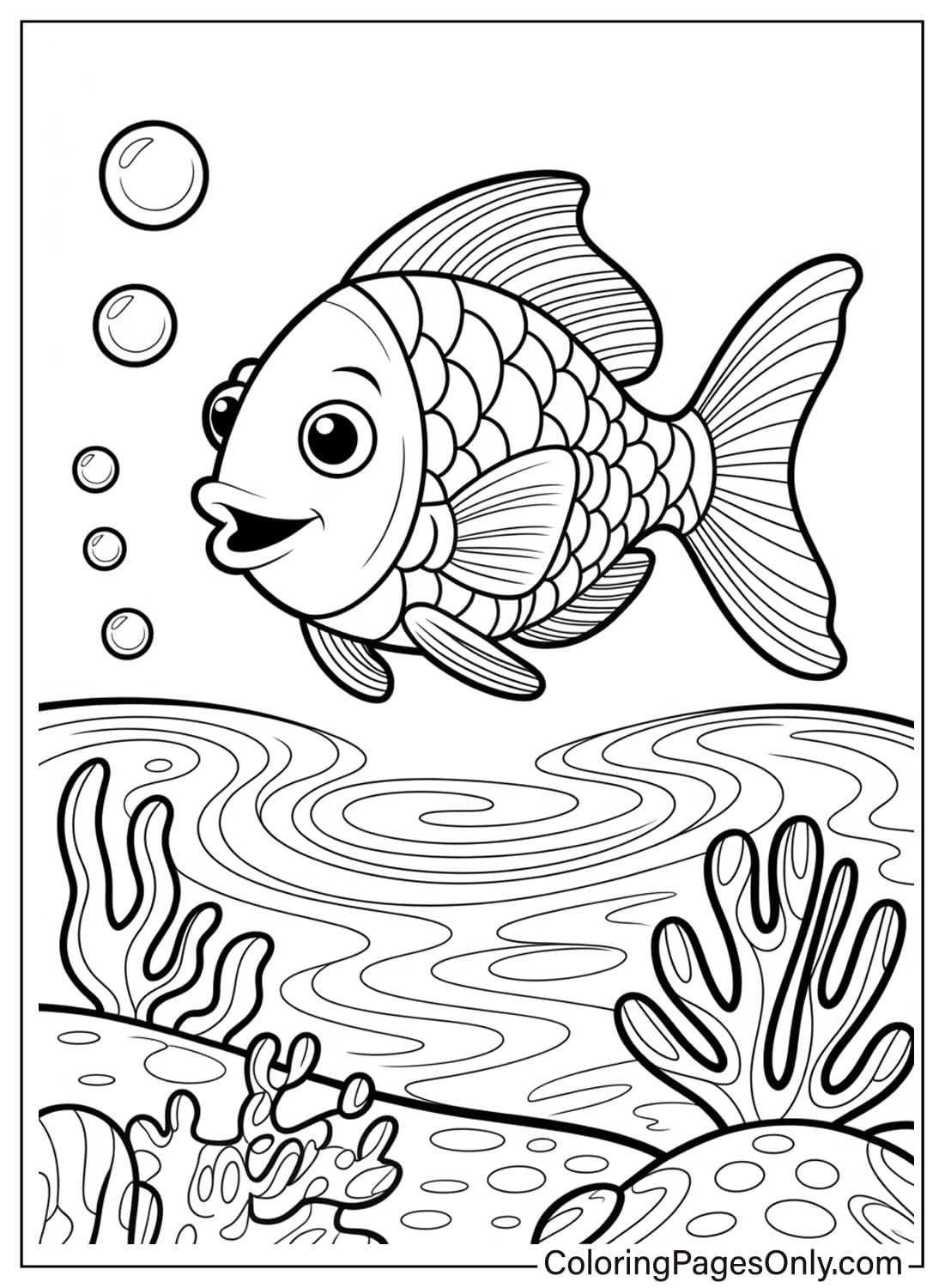
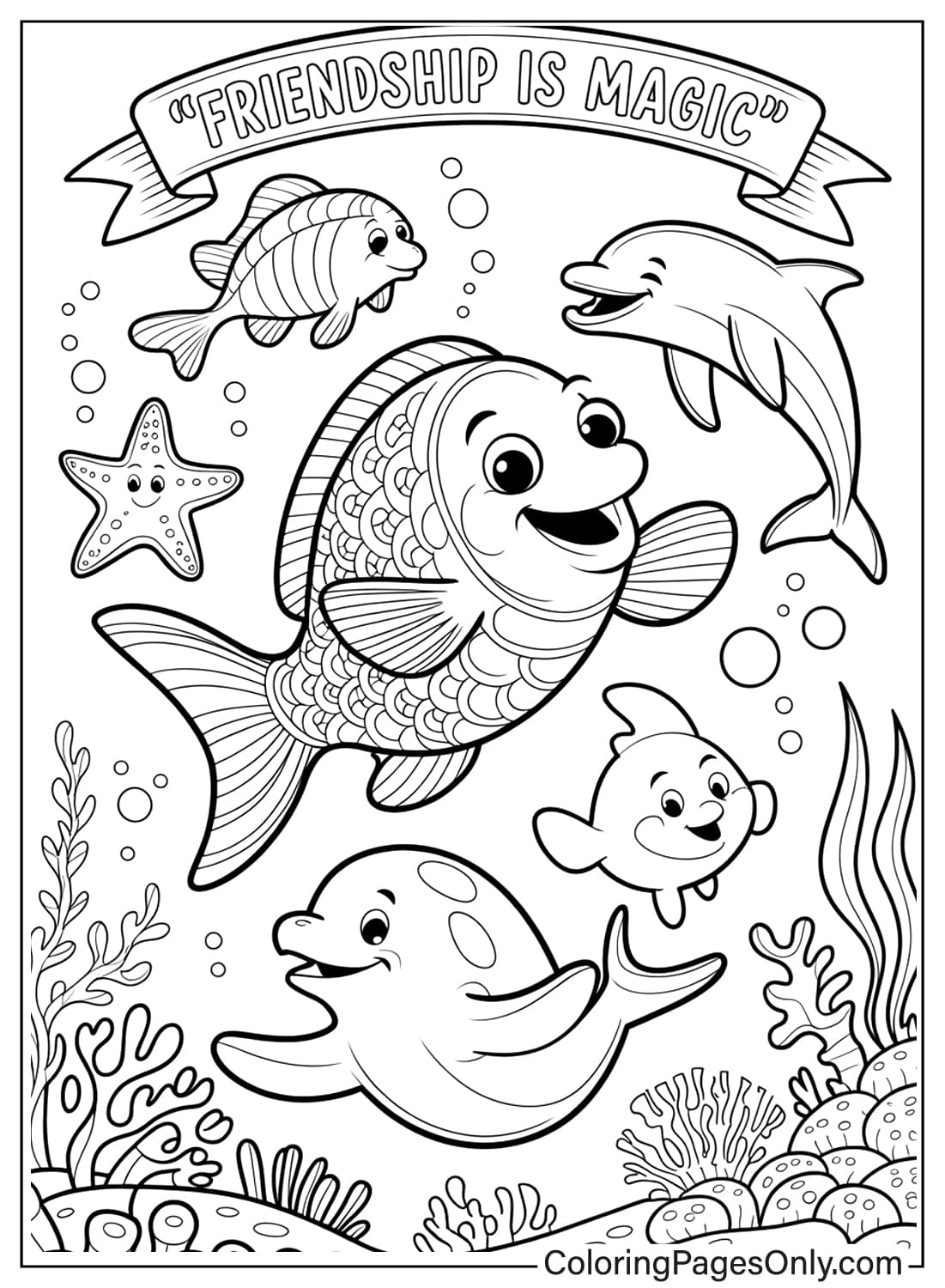
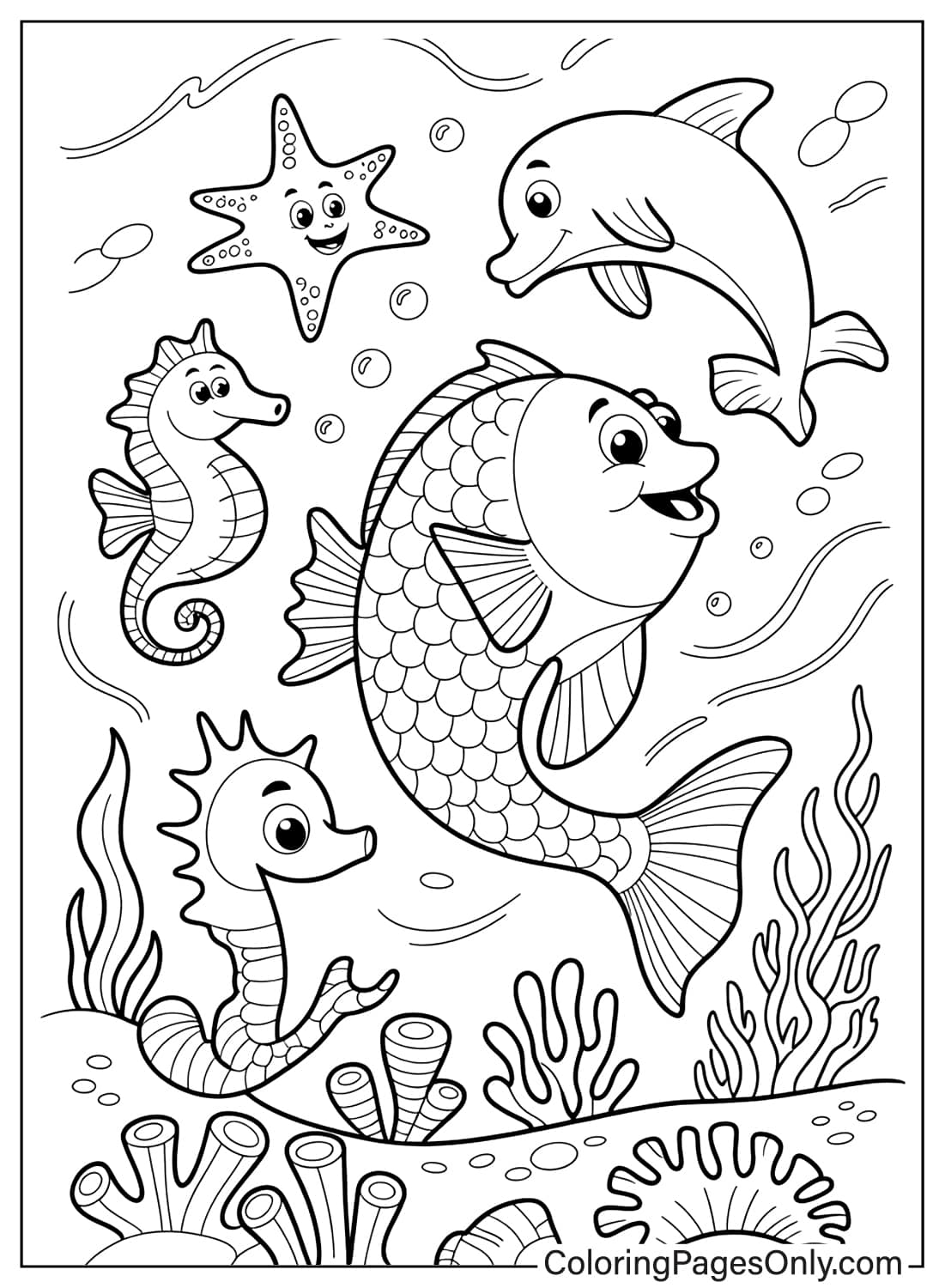
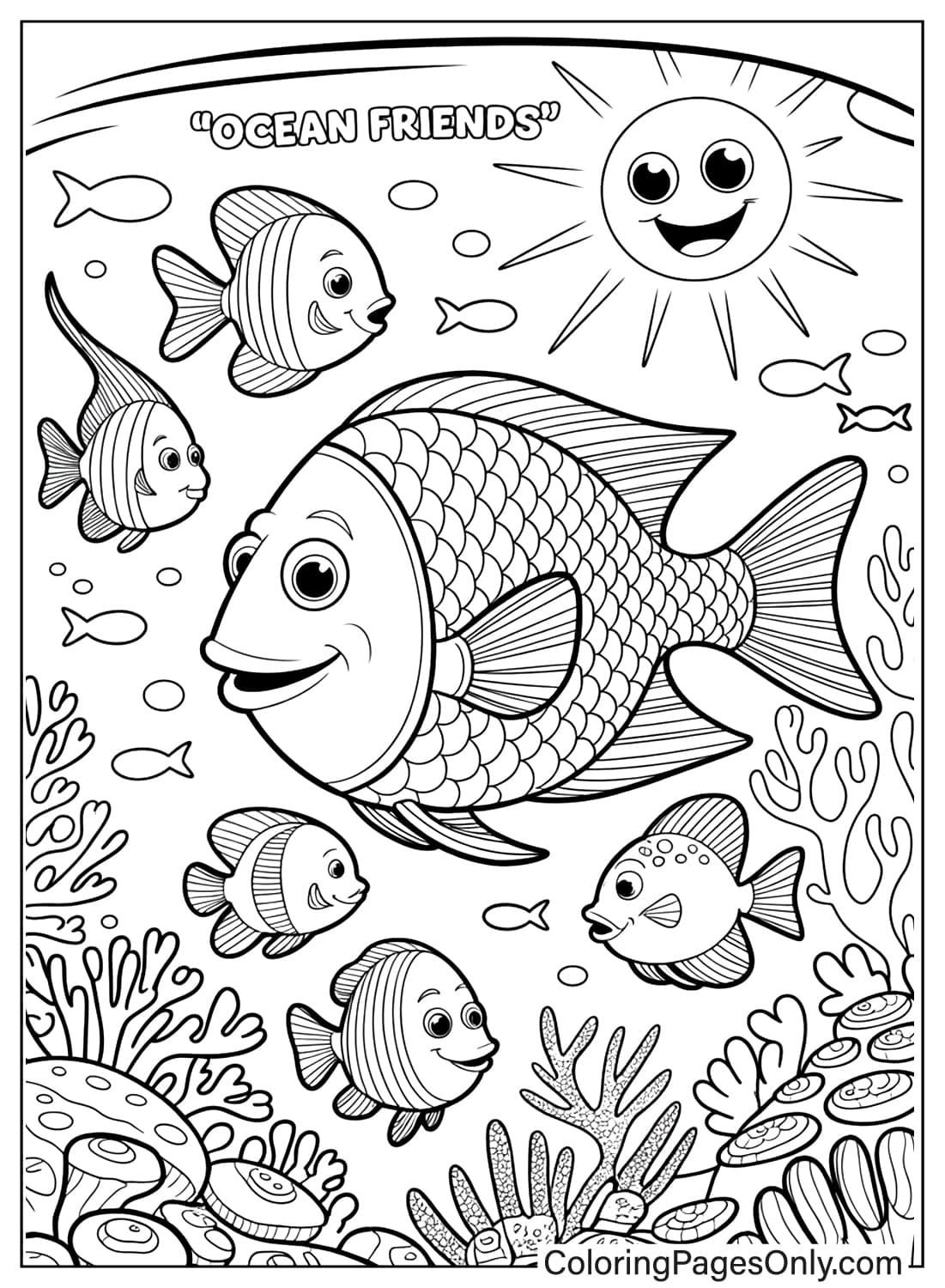
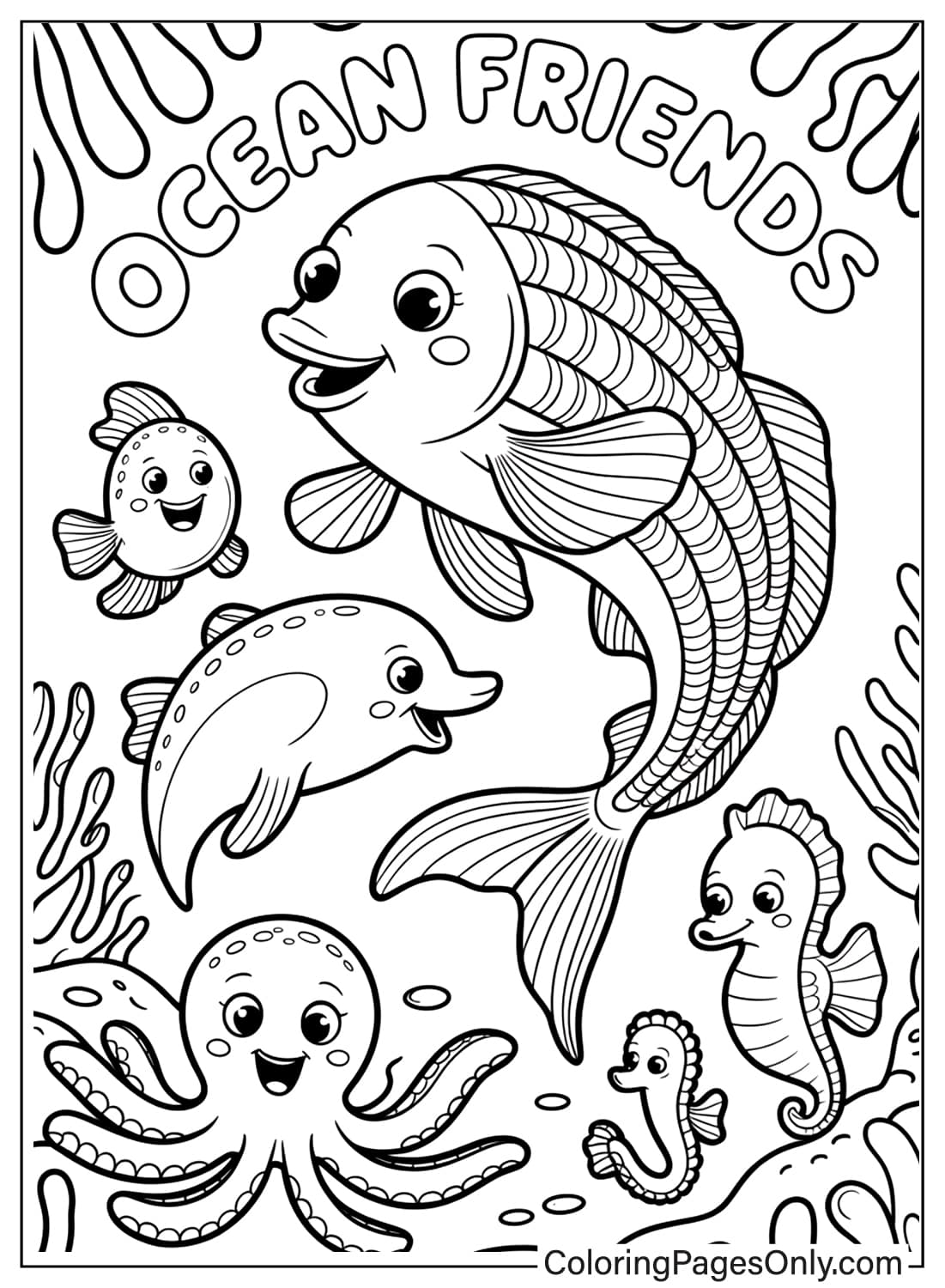
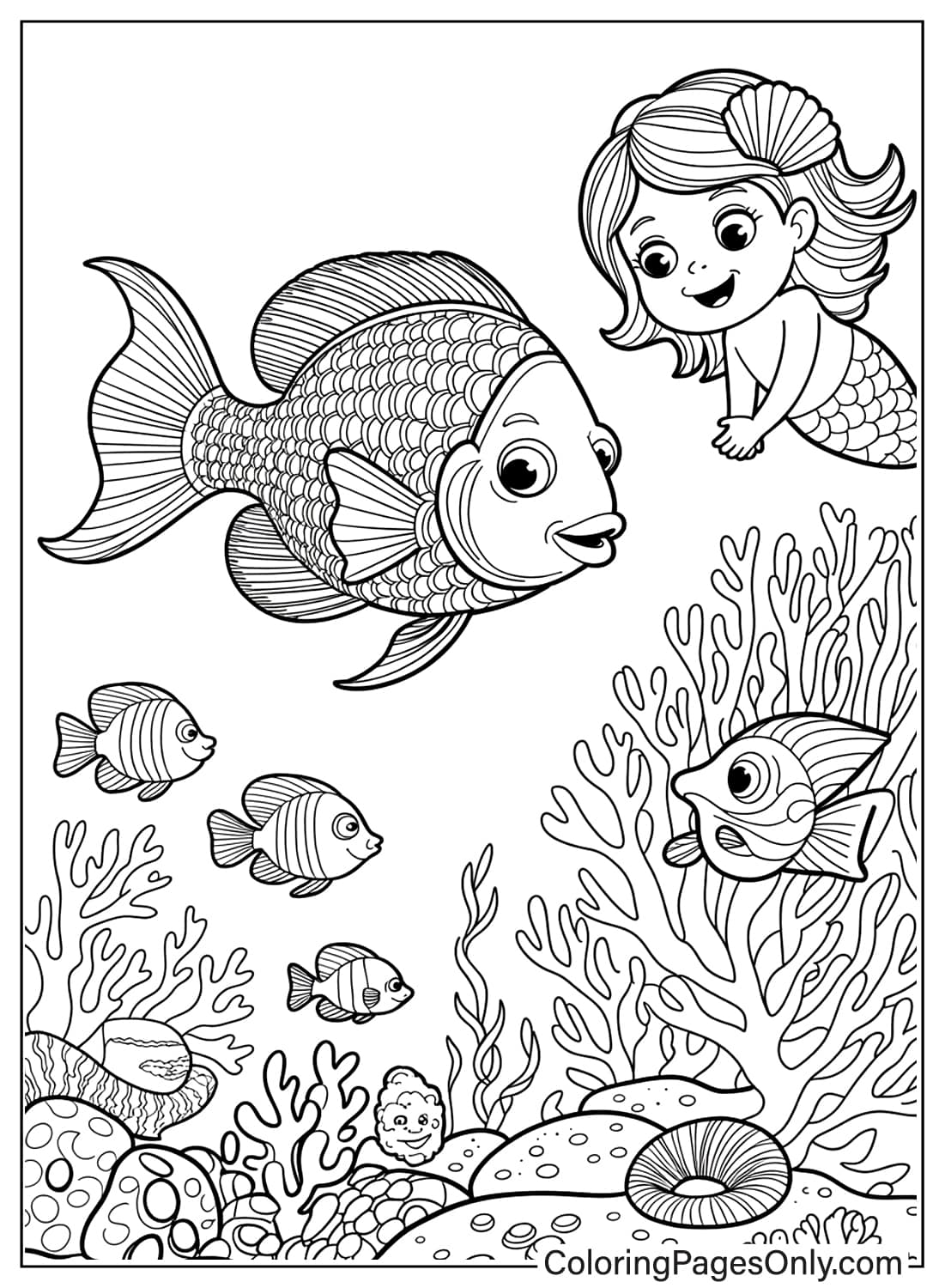
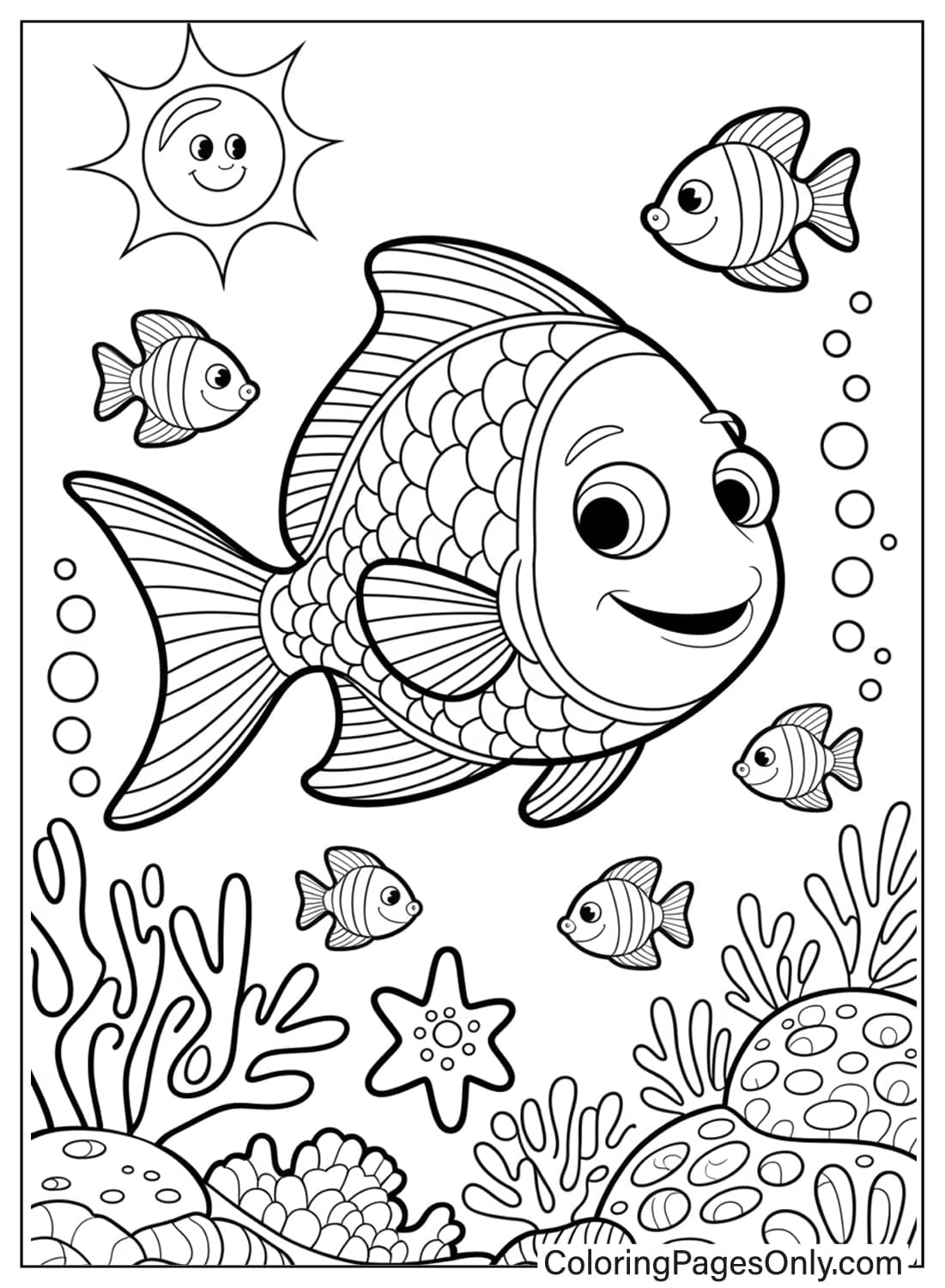
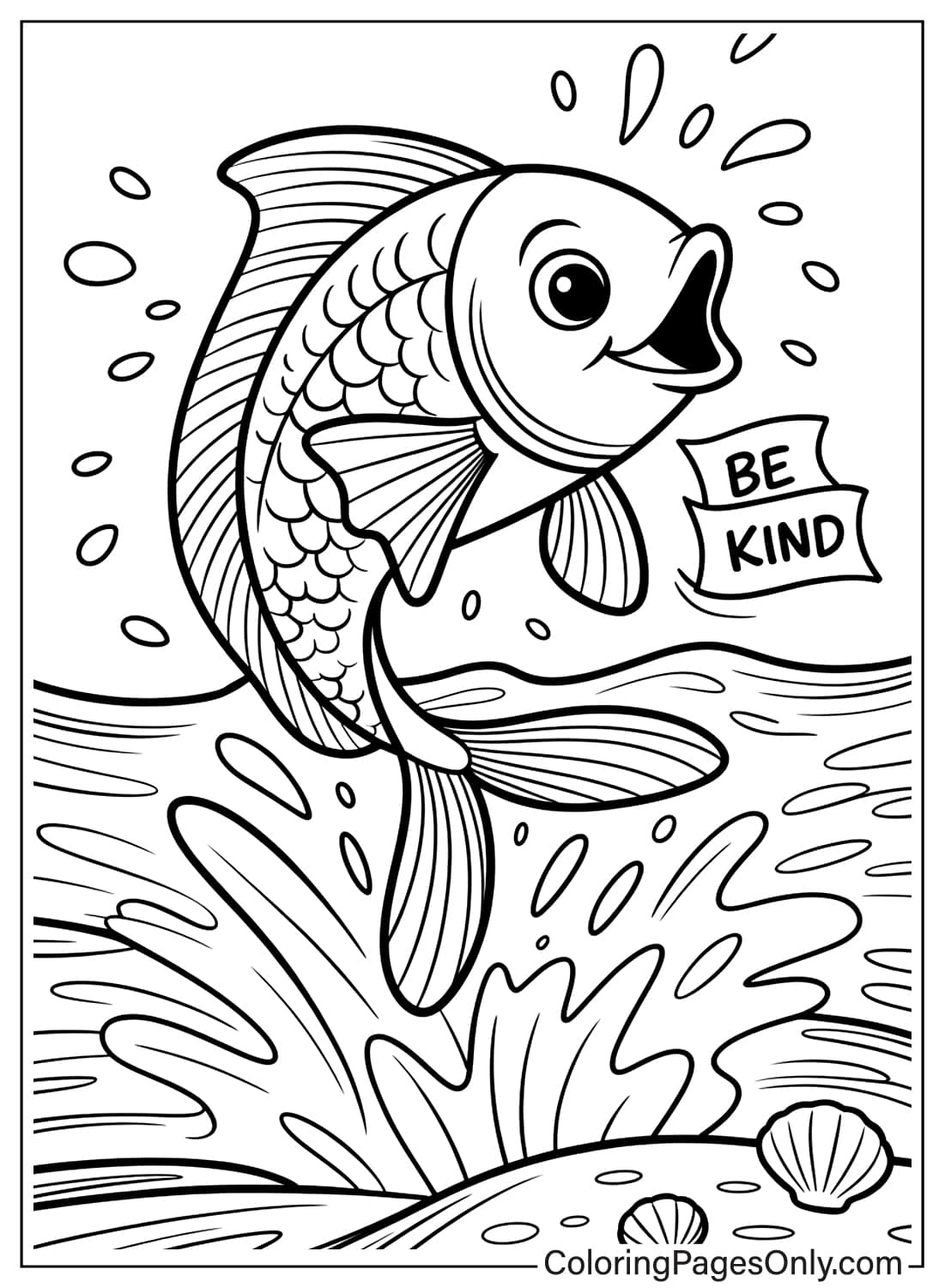
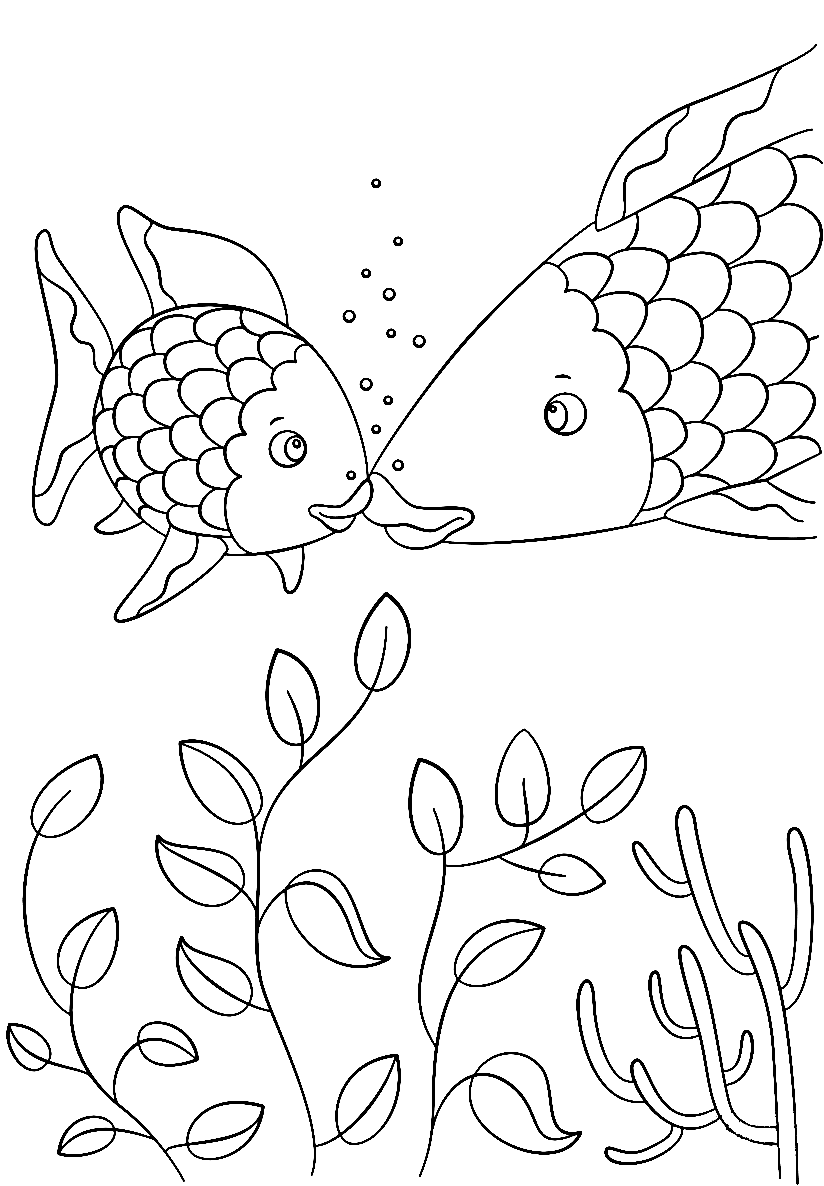
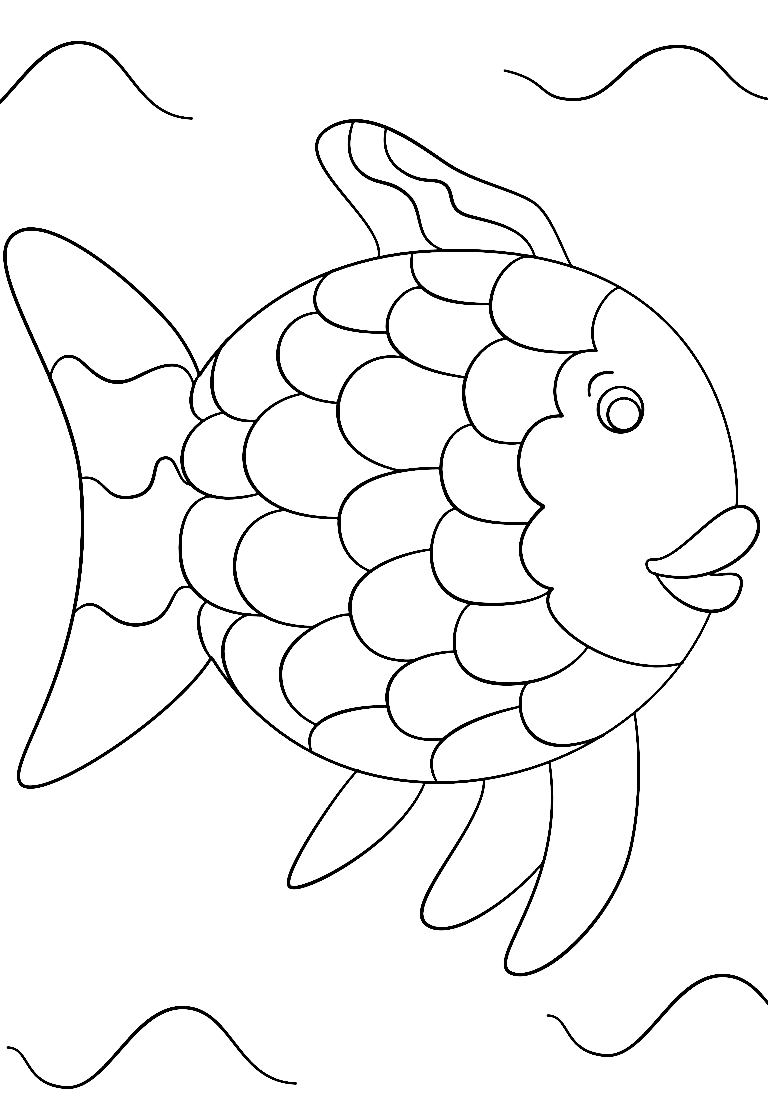
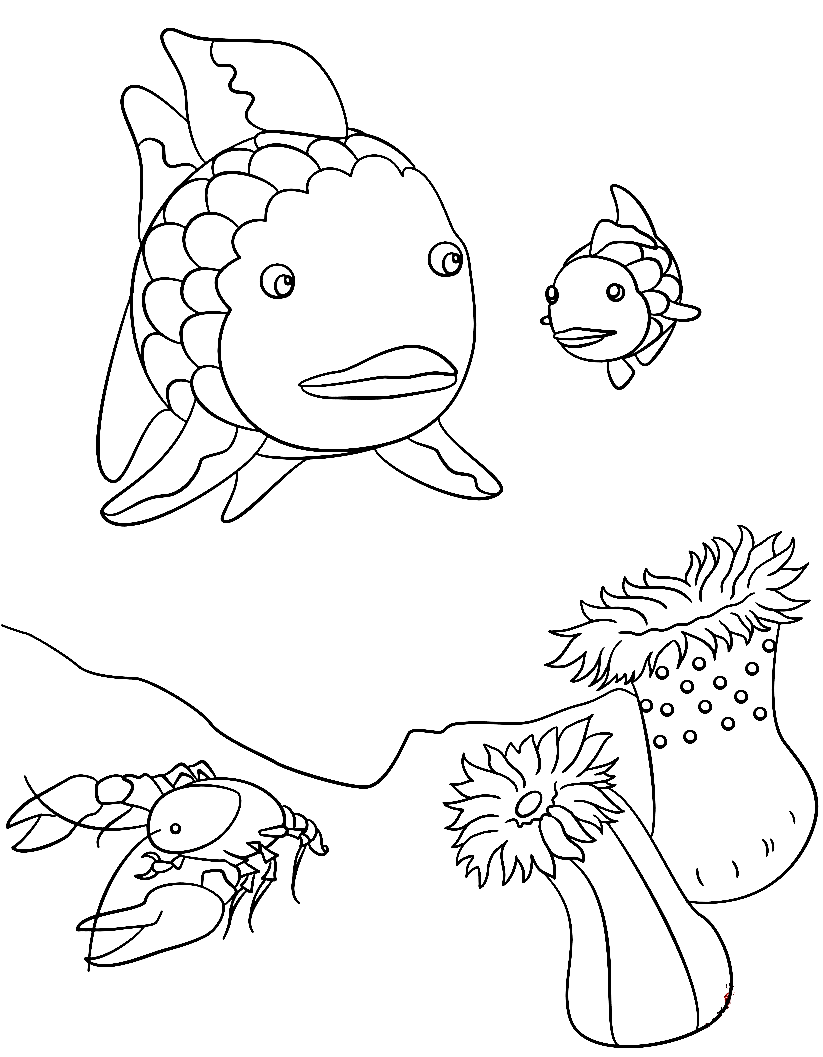
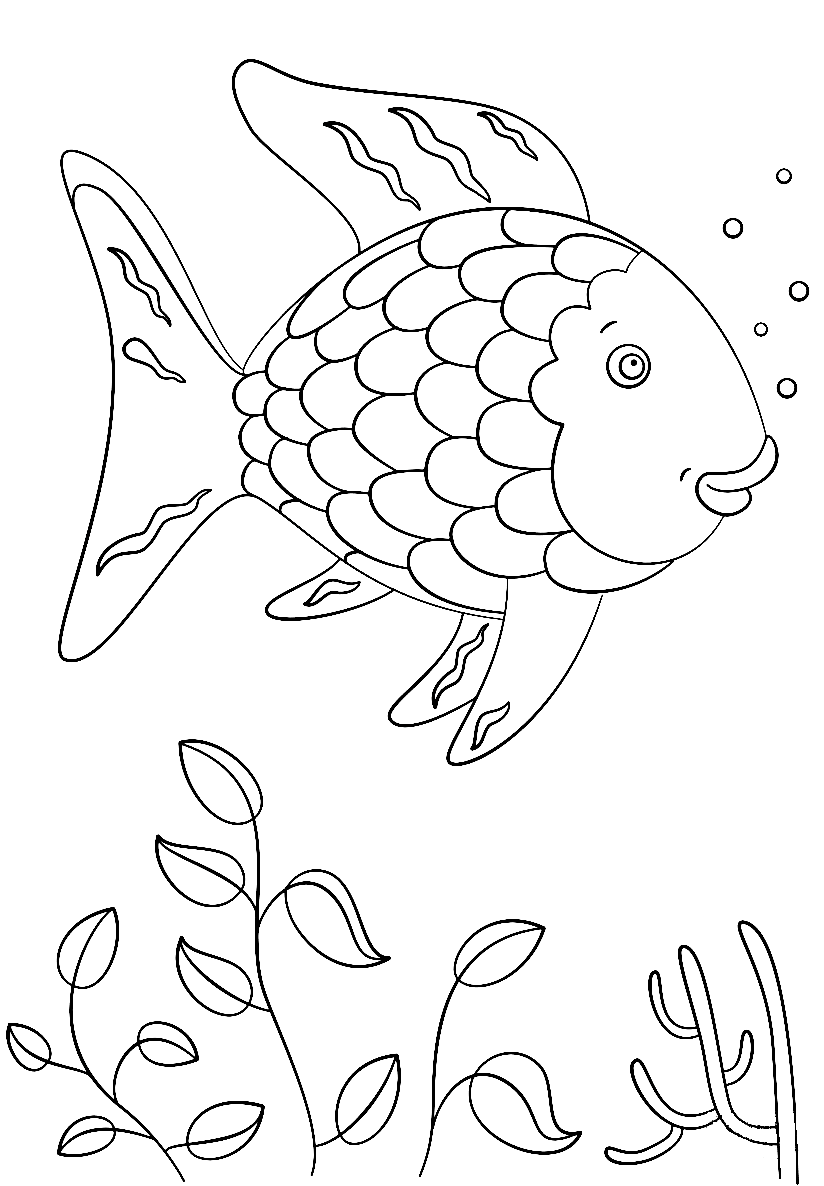
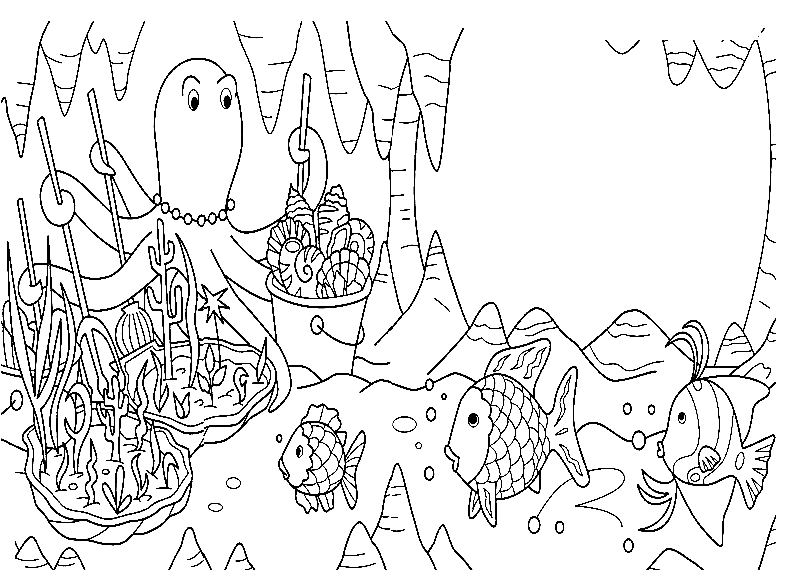
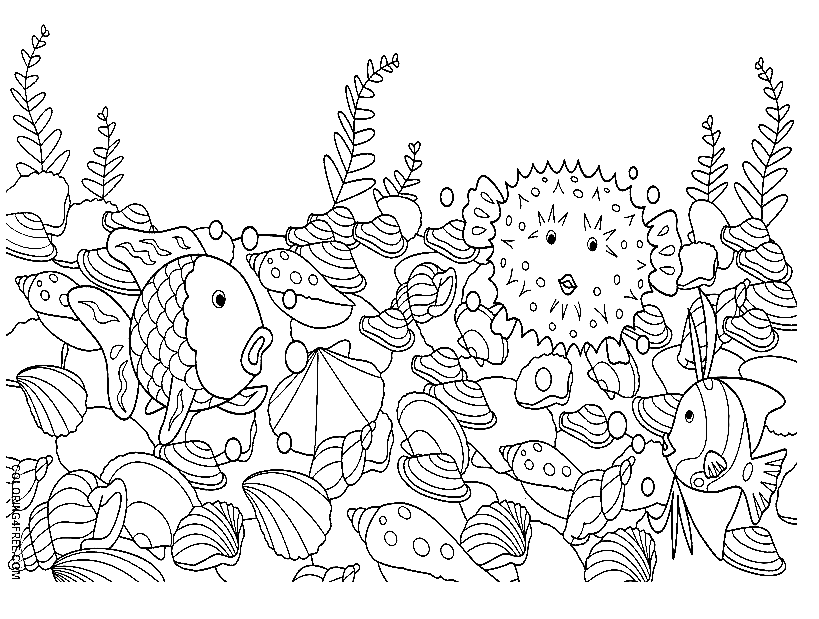
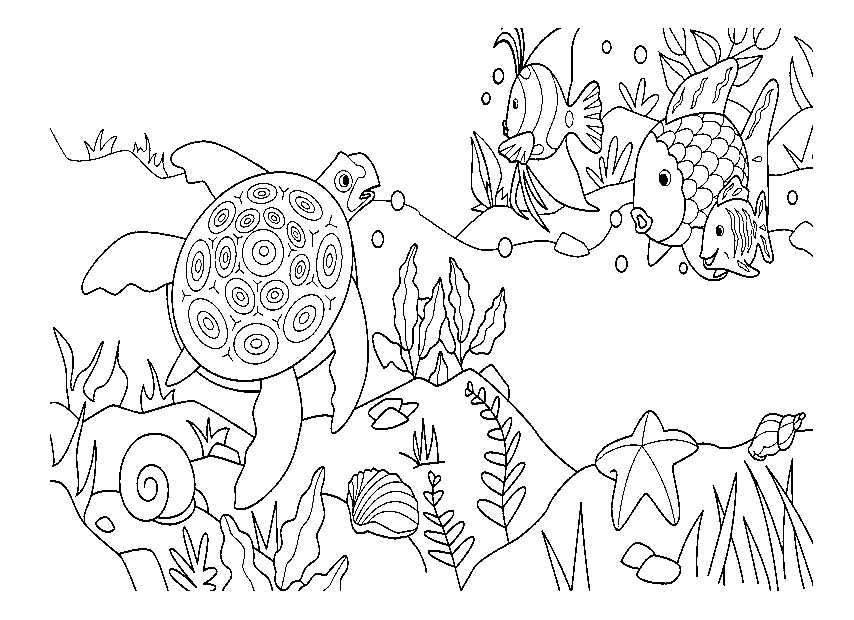
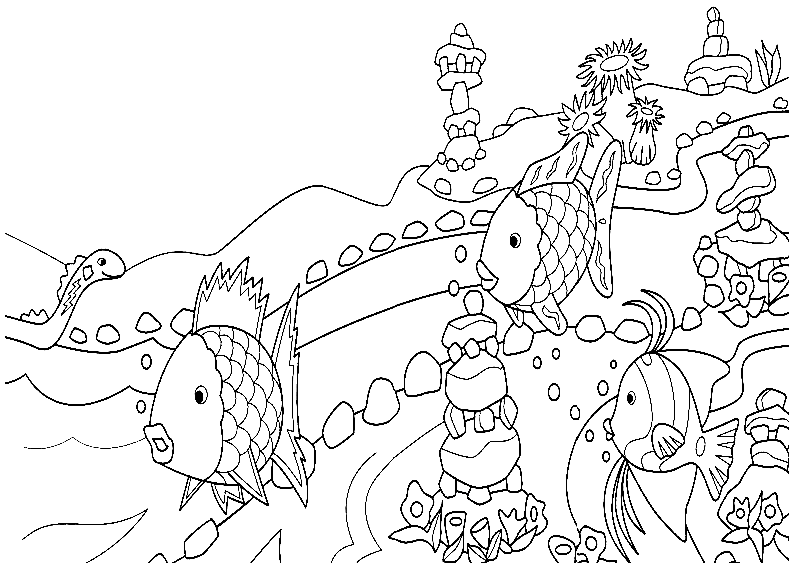
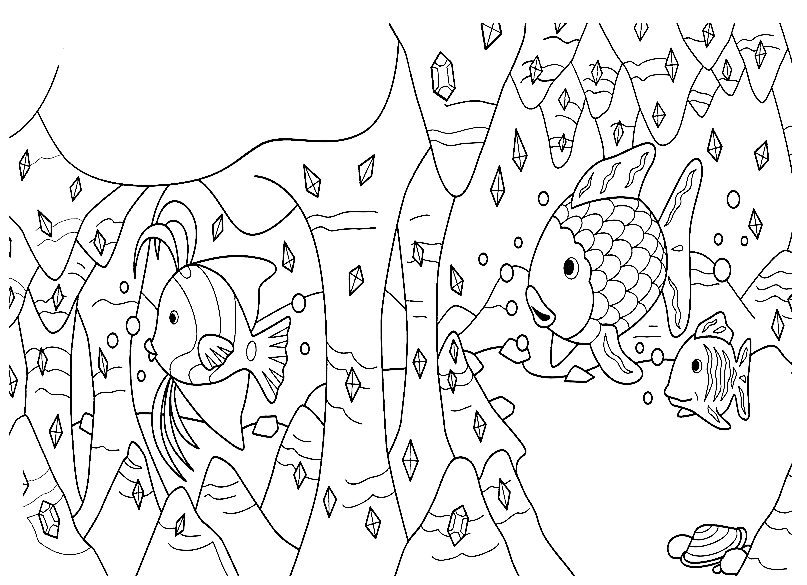
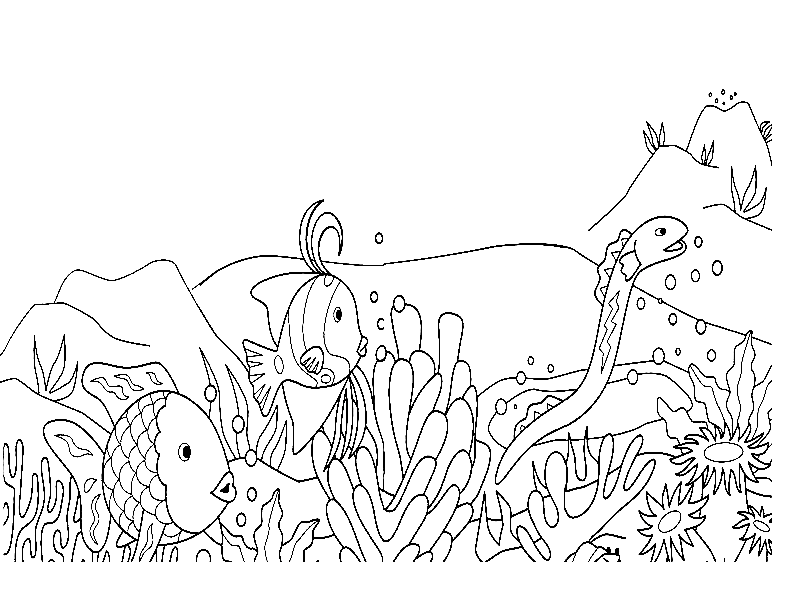
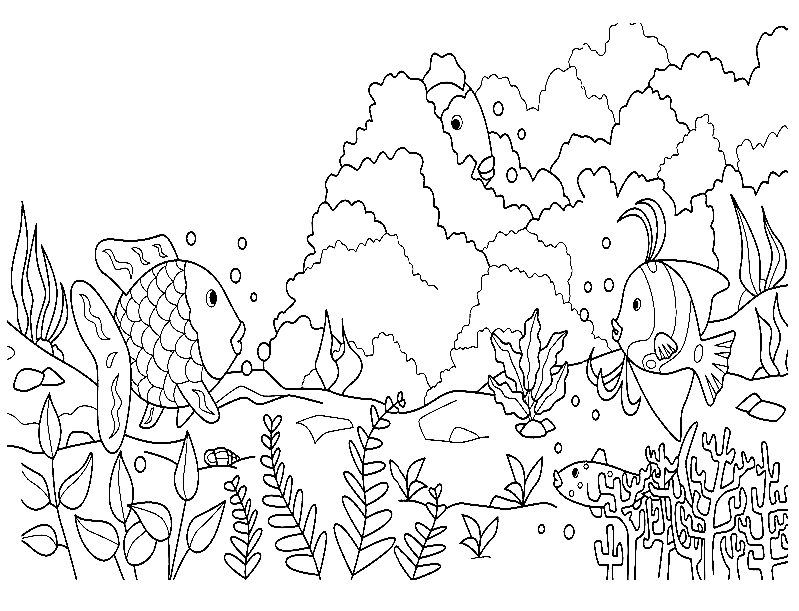
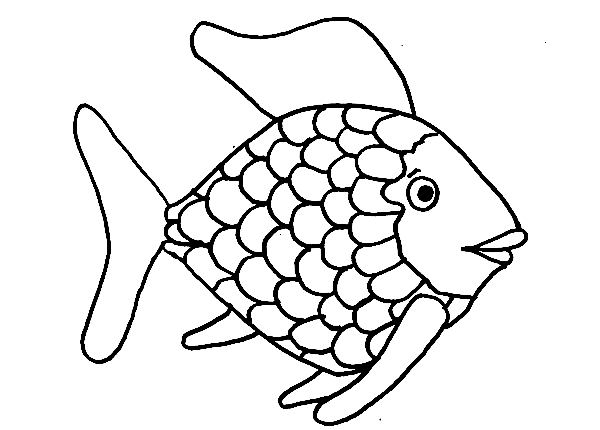
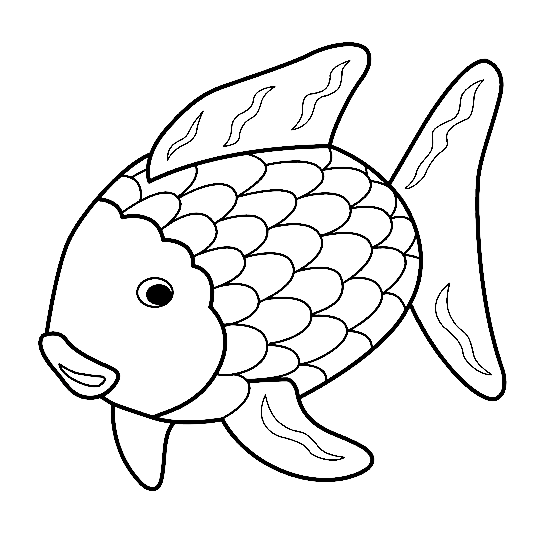
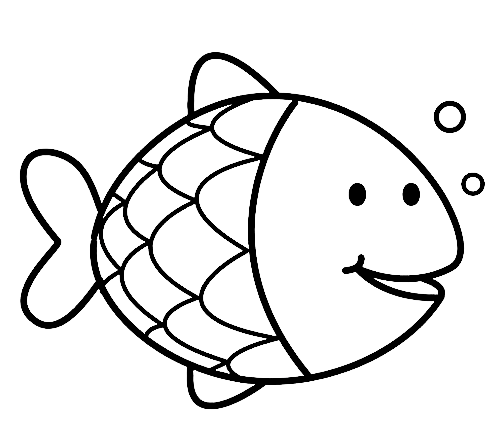
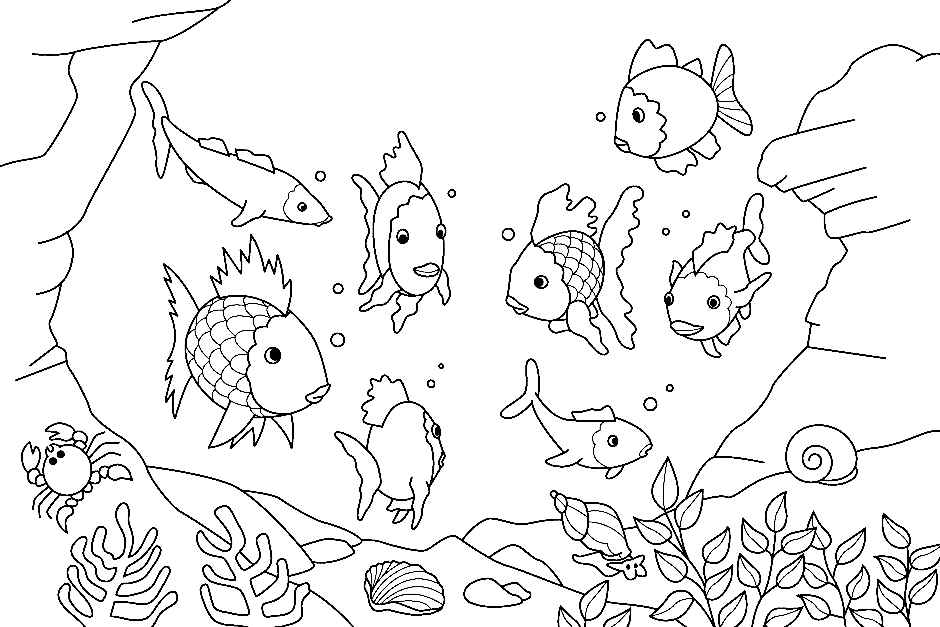
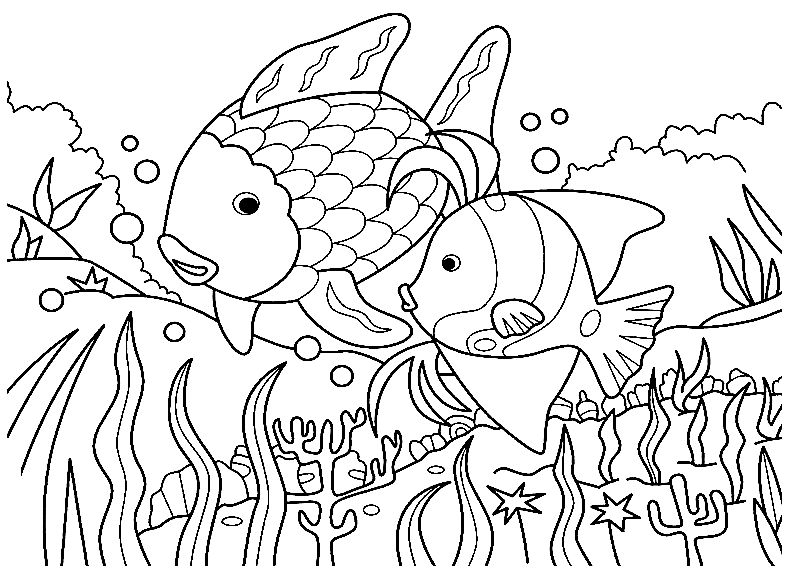
What Is Inside This Collection
This collection ranges from pages tied closely to the book’s story to plain repeated portraits, and the five groups below reflect that full spread rather than an even split.
Story-Inspired Scenes
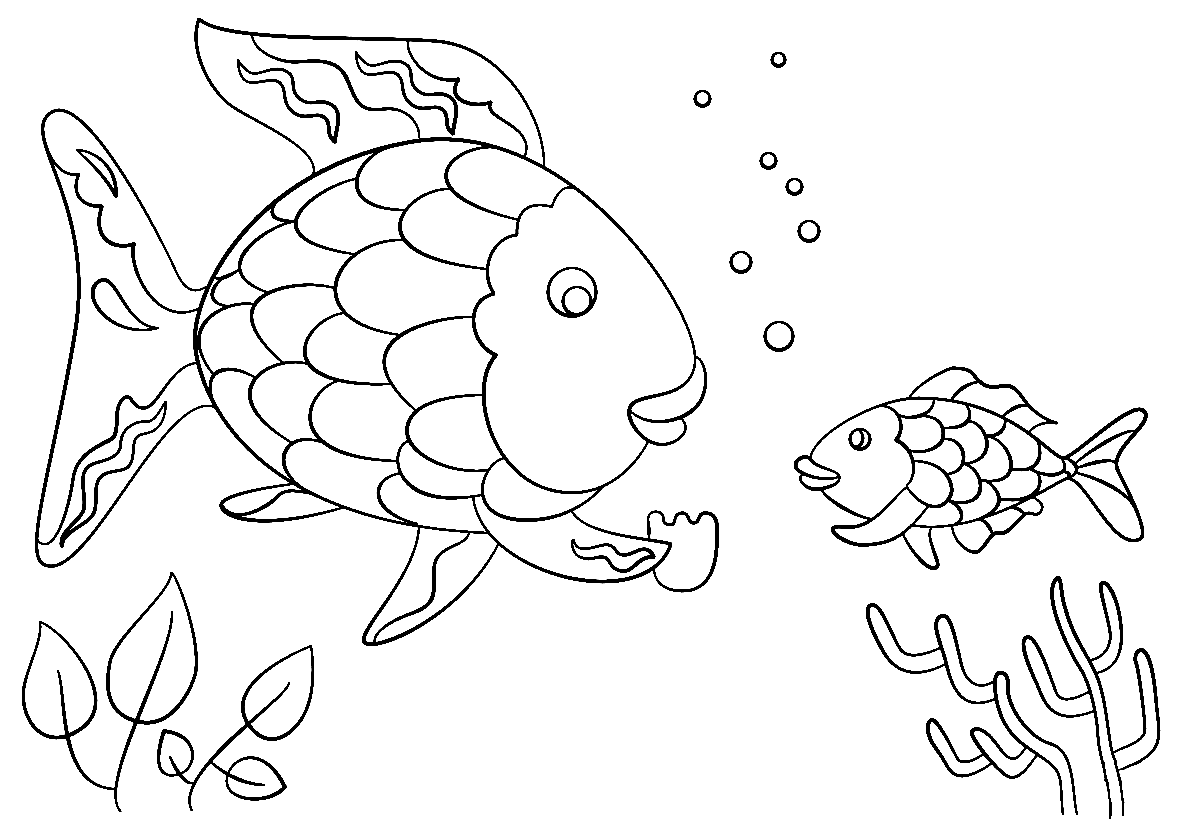
A small group ties directly to the book’s plot: a small fish asking for a scale, an octopus offering advice, and the moment Rainbow Fish gives away his first scale. Coloring suggestion: save the most saturated, varied colors for Rainbow Fish’s scales specifically, and keep every other fish in the scene a single plain color so the gift stands out visually.
Ocean Friends and Sea Creatures
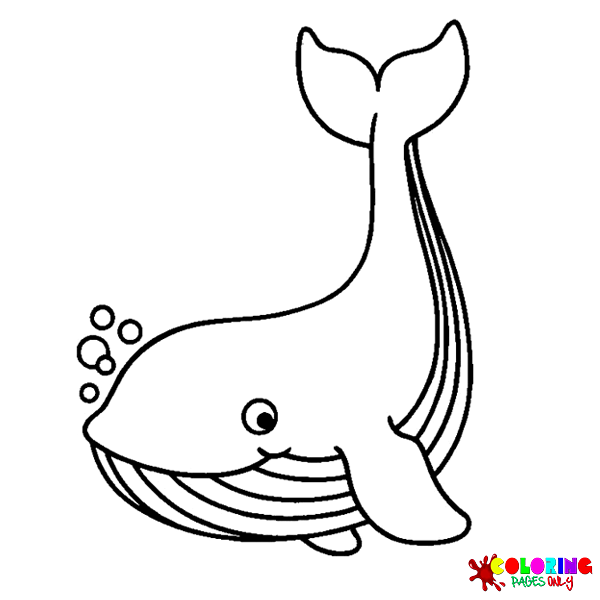
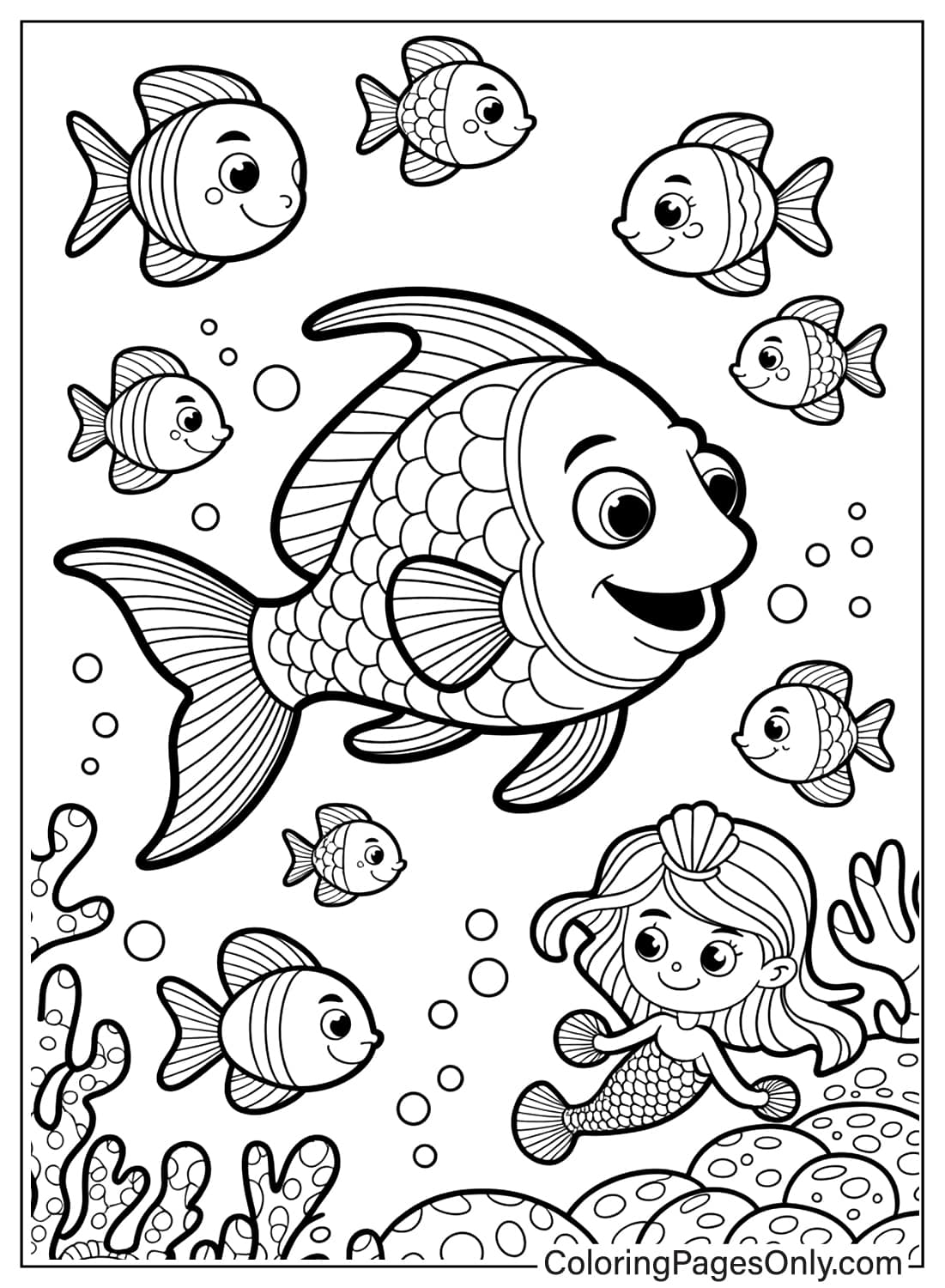
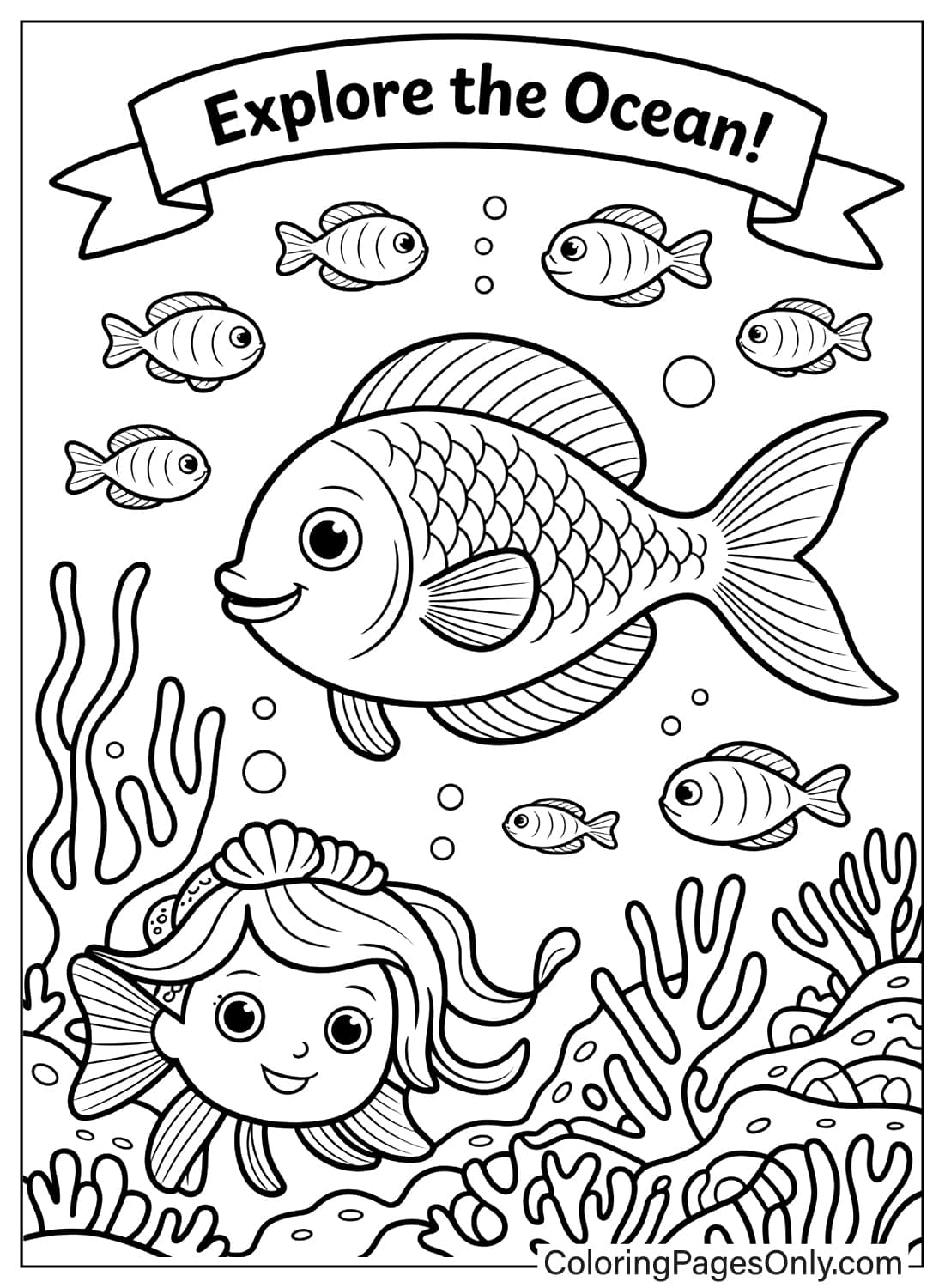
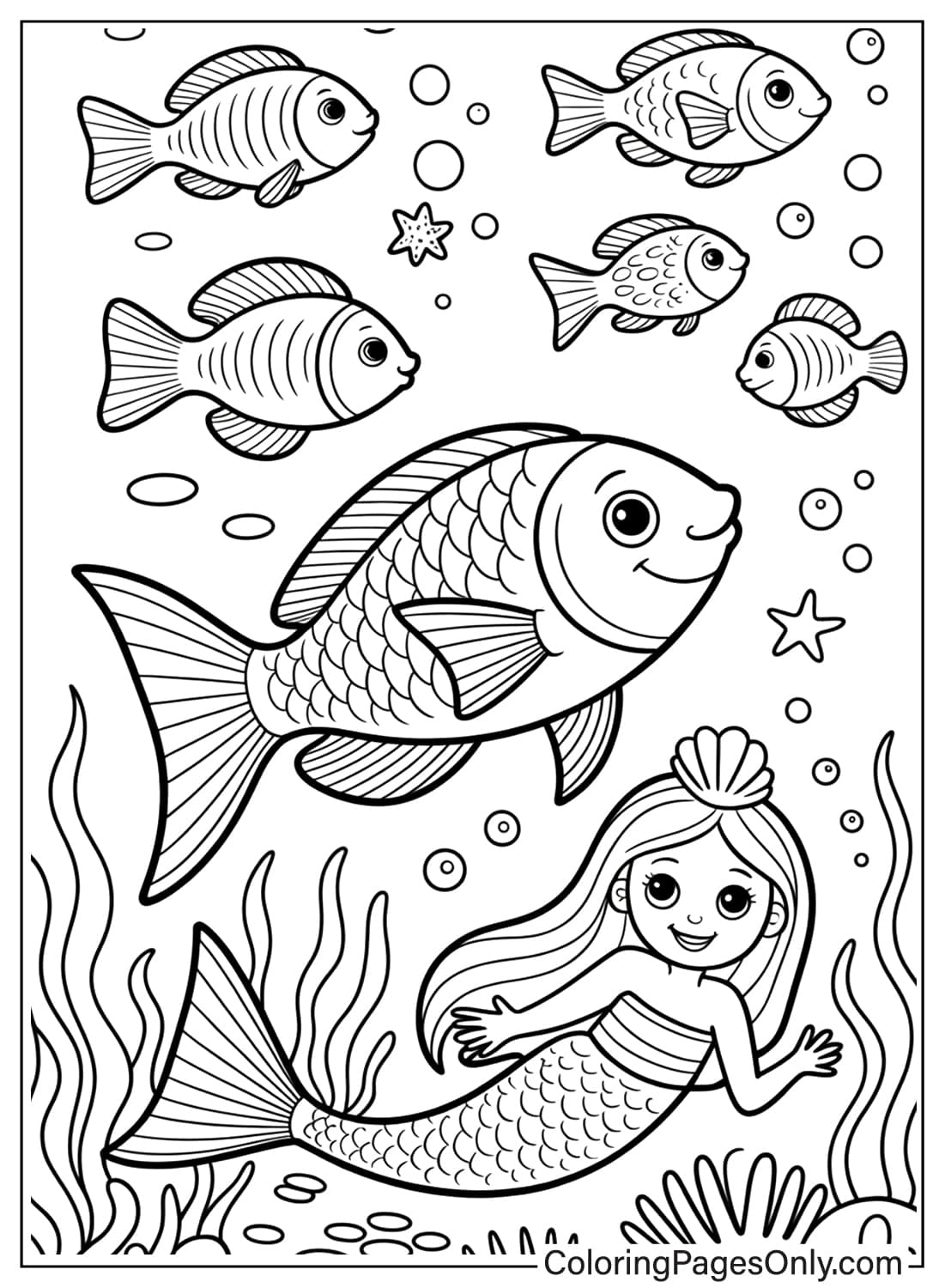
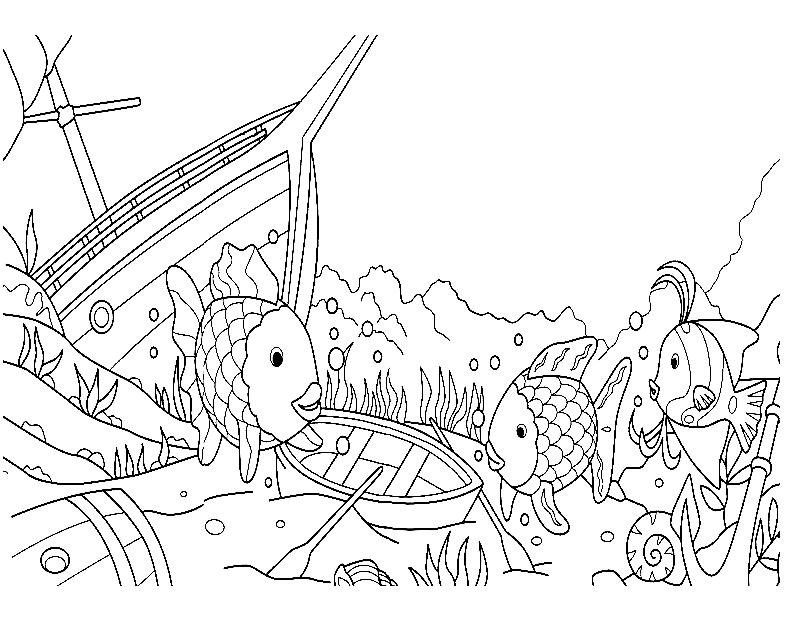
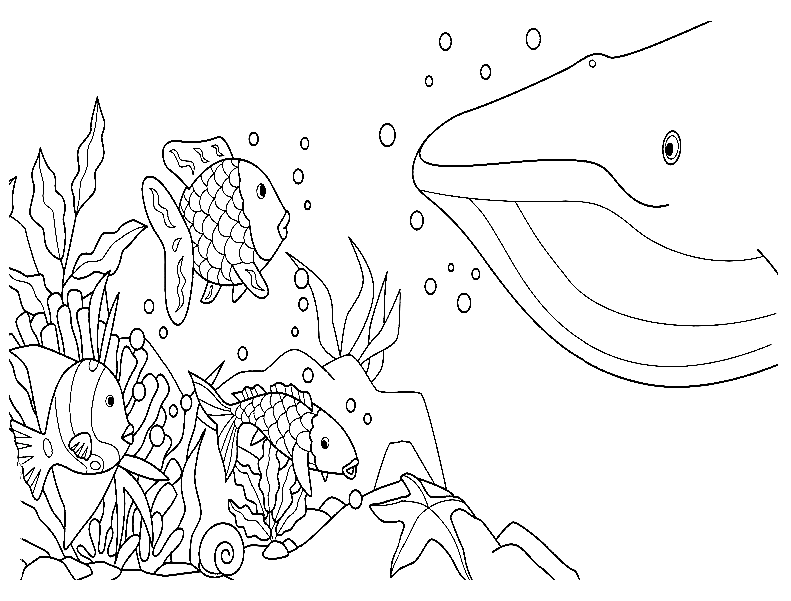
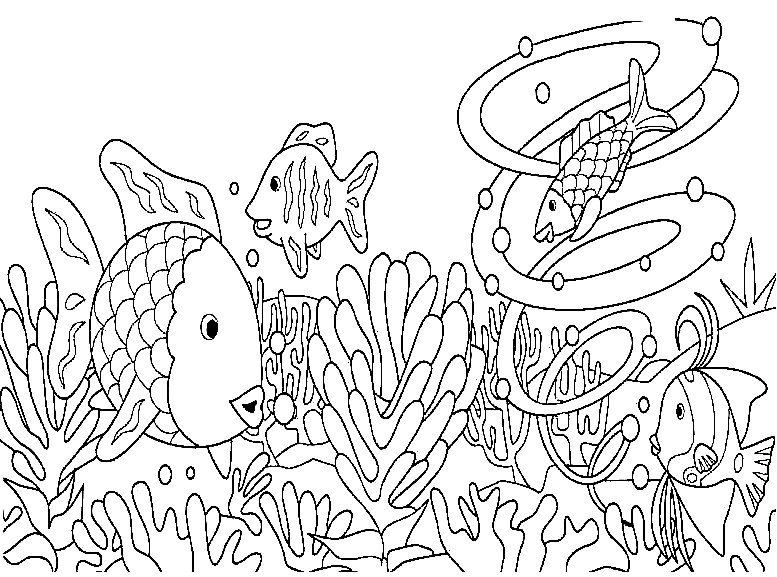
This is the largest thematic group, pairing Rainbow Fish with mermaids, a sea turtle, a pufferfish, a starfish, and a large blue whale rather than following the book’s specific cast. Coloring suggestion: give each species its own realistic base color first, then add Rainbow Fish’s rainbow scales last so his palette reads as the odd one out among more naturally colored sea life.
Underwater Settings and Scenery
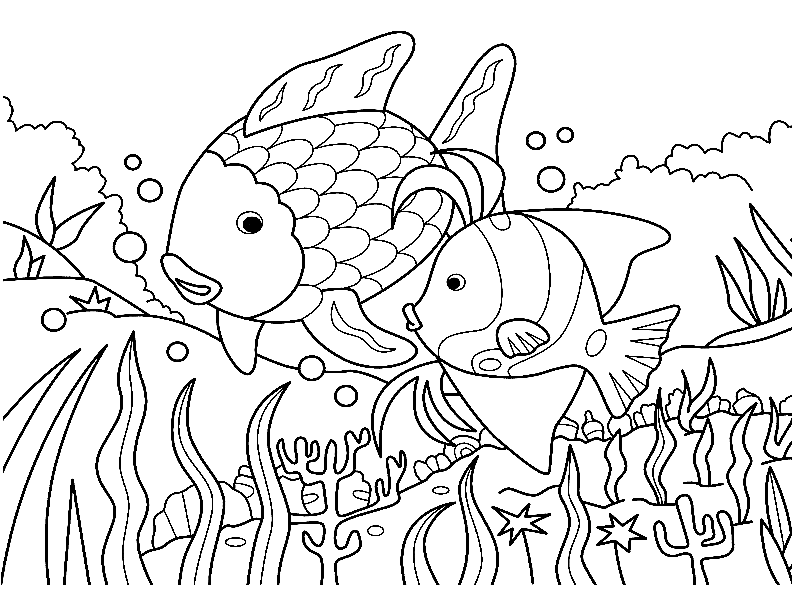
These pages move the fish through different backdrops: a sunny beach, a shipwreck, a deep, glowing seabed, and open ocean water. Coloring suggestion: shift the water itself from a light Crayola Turquoise Blue near the surface to a deeper Crayola Navy Blue in the shipwreck and deep-sea pages, which helps each setting read as a different depth rather than the same background repeated.
Playful Poses
A handful of pages show Rainbow Fish dancing, hiding, or simply looking happy or amused, without any specific scene or other characters. Coloring suggestion: these poses work well as a place to experiment with an unusual scale pattern, since there’s no story moment or other character color to stay consistent with here.
Simple Solo Portraits
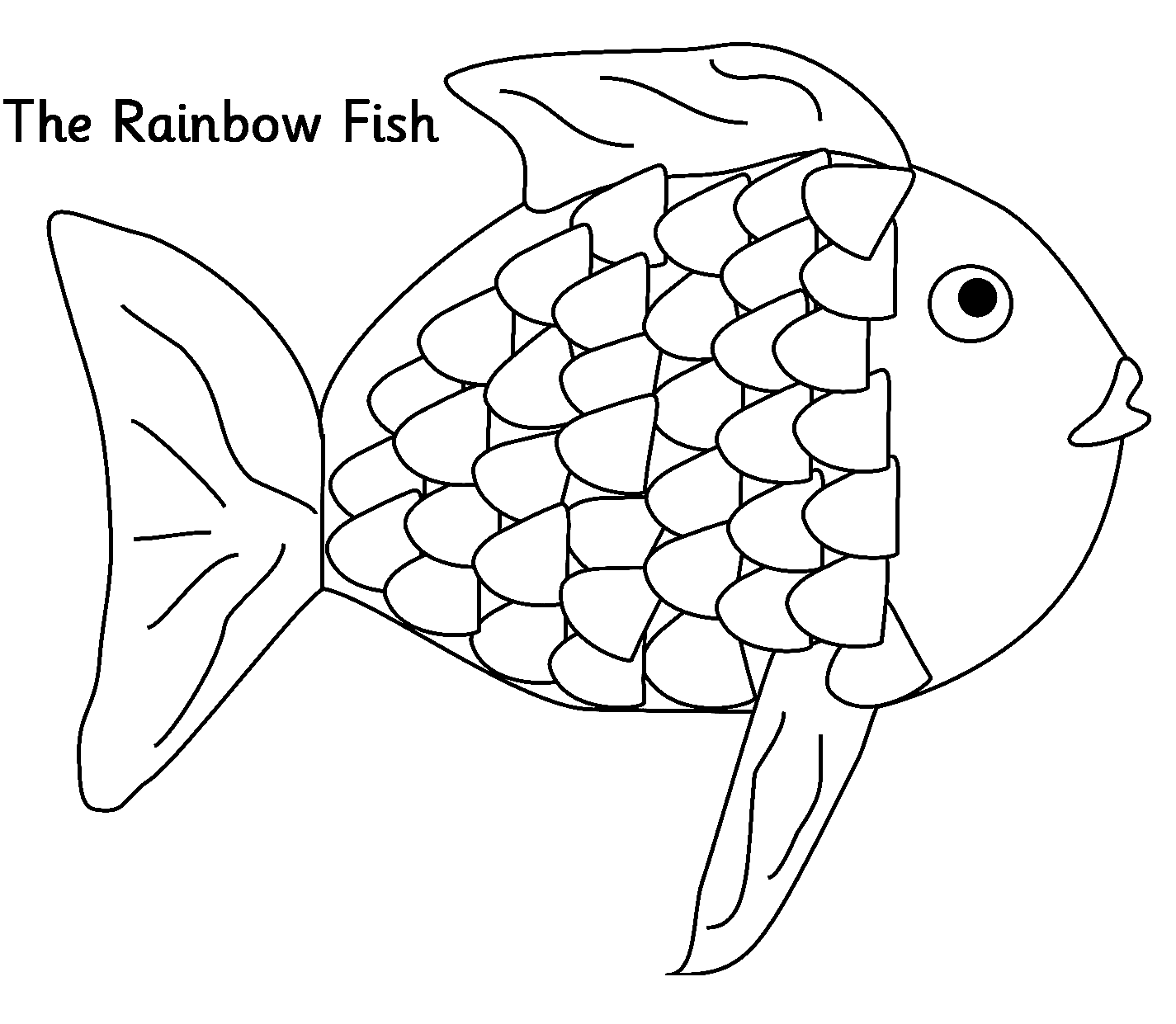
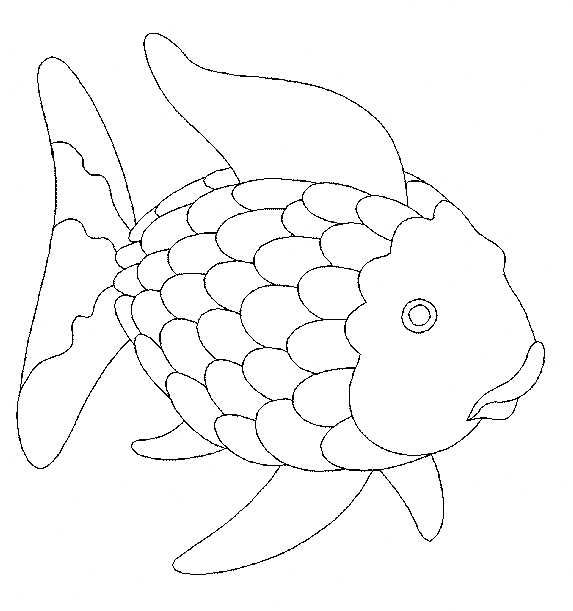
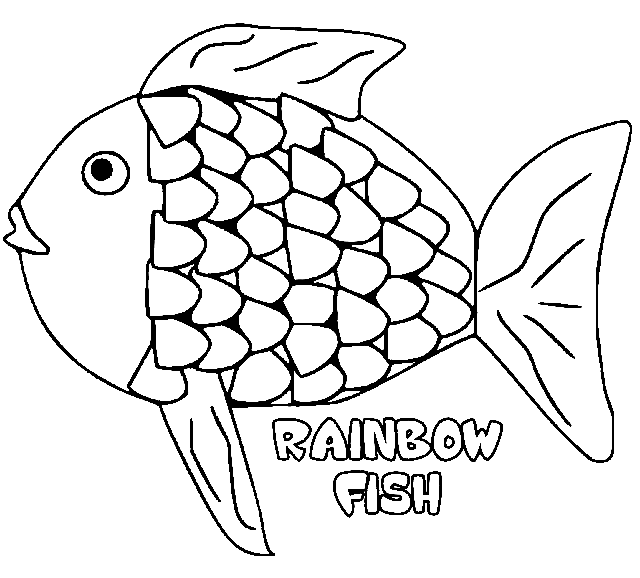
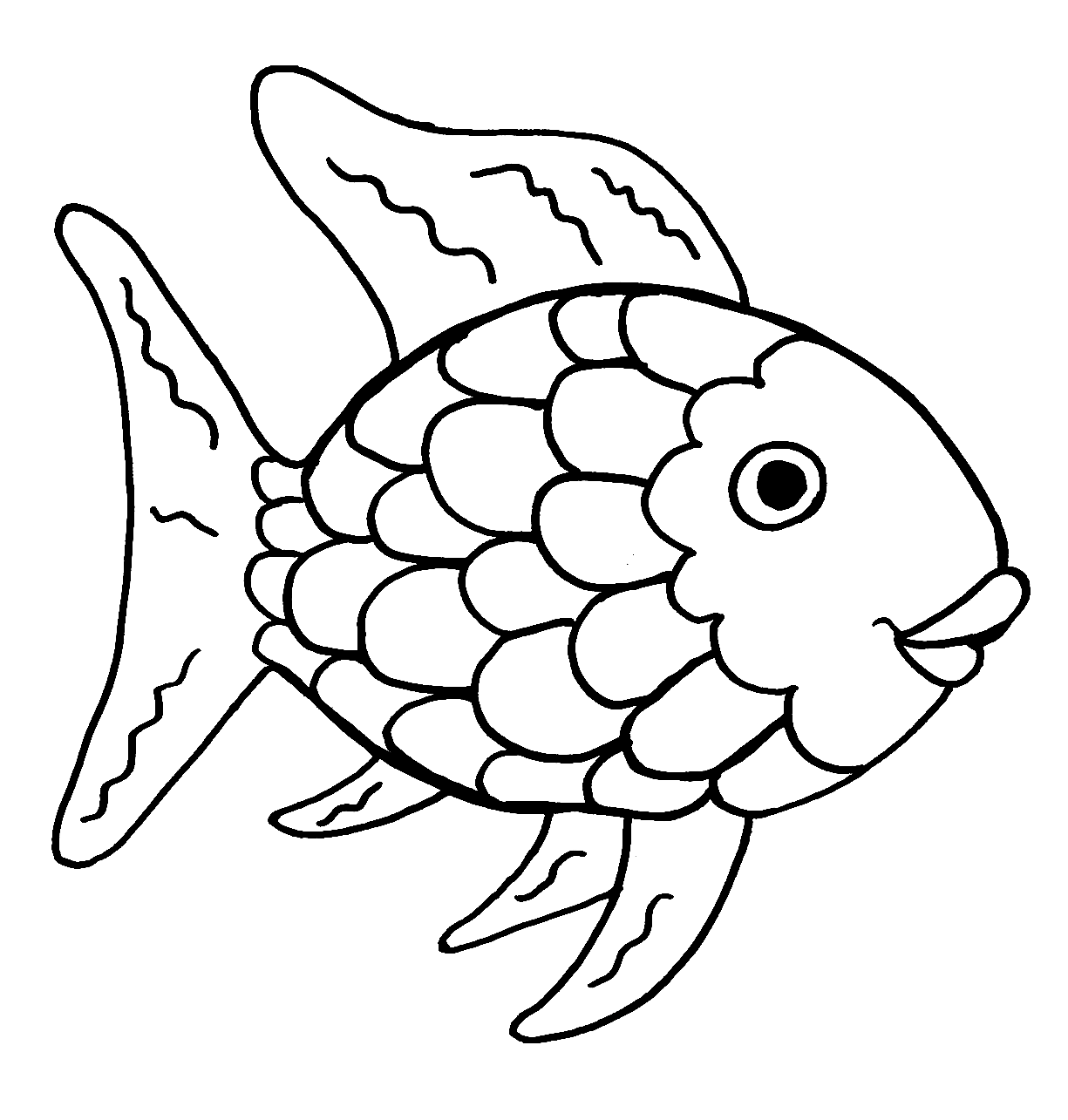
The largest group by page count is also the least varied: these are similar poses of Rainbow Fish under different file names, including several labeled for toddlers, preschoolers, or general printing use. Coloring suggestion: this group is the easiest place to practice a consistent scale-color pattern, since a technique that works on one plain portrait transfers directly to the rest.
What Rainbow Fish Coloring Pages Do
Small scales, careful strokes. Filling in dozens of small individual scales, rather than one broad body shape, is closer to the fine, controlled stroke work the American Academy of Pediatrics links to motor skill gains in children ages two through seven, which makes the scale pattern itself the most useful part of this collection for that purpose.
A hands-on version of the book’s own lesson. In the story, Rainbow Fish becomes less lonely only after giving his best scales away to other fish rather than keeping them to himself, and a coloring page offers a small, literal parallel: deciding which fish in a group scene gets which color is its own tiny act of sharing out something that started as one fish’s alone.
A finding the story arrives at from a different direction. The book’s own resolution, that Rainbow Fish feels better once he stops hoarding and starts sharing, has a loose echo in a 2005 Art Therapy Journal study, which found that structured coloring sessions measurably reduced anxiety in adult participants; both point to the same basic idea that giving something focused, unhurried attention tends to settle a mind rather than stir it up.
An opening for a harder conversation than just sharing. Reviewers have described the original book as a caution against vanity as much as a lesson about generosity, since Rainbow Fish’s loneliness comes from being proud of his looks, not just from having something others want. A parent or teacher coloring alongside a child has a natural moment to ask why the fish felt alone in the first place, a slightly more complicated question than “sharing is nice.”
How to Color Rainbow Fish Pages Well
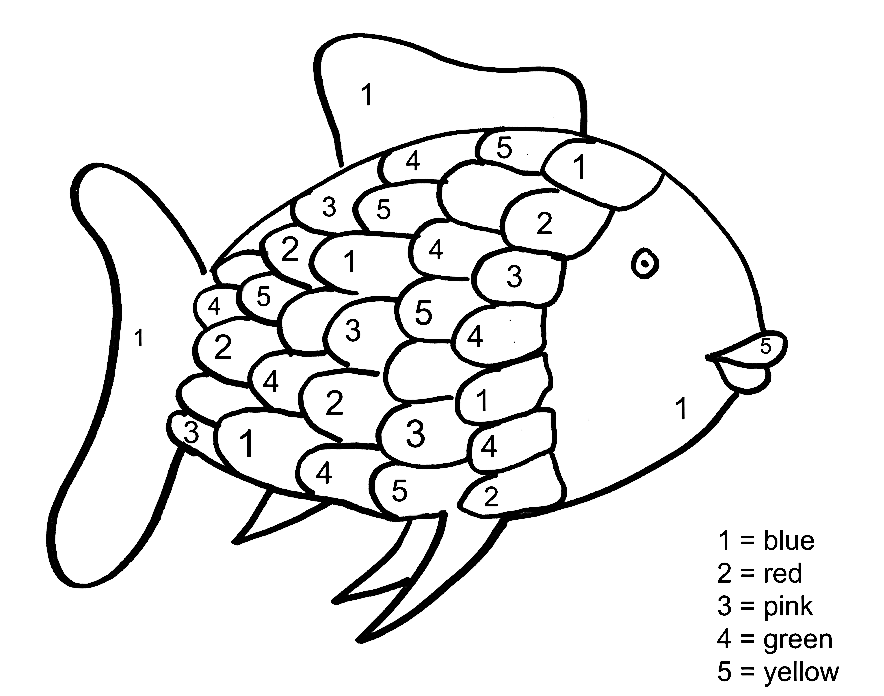
- Scale pattern: build Rainbow Fish’s signature scales in a repeating sequence. Crayola Blue Violet, Sky Blue, and Silver work well together, and keep that same three-or four-color pattern consistent across every page for a recognizable look.
- Body base: color the fish’s body in a pale Crayola Periwinkle or light blue-grey before adding the scale pattern on top, so the scales stand out against a calmer background color rather than blending in.
- Ocean water: shift water color by scene, lighter Crayola Turquoise Blue for beach and surface pages, deeper Crayola Navy Blue for shipwreck and deep-sea pages, to help each setting read as a different part of the ocean.
- Other fish and sea creatures: keep supporting characters like the small fish, turtle, and pufferfish in single, realistic colors rather than rainbow patterns, so Rainbow Fish’s multicolor scales remain the one standout feature in any group scene.
- Octopus pages: Use a warm Crayola Red, Orange, or Mahogany for the octopus rather than a cool blue, which helps her read as a separate, older character rather than just another background figure.
- Simple portrait pages: since many pages in this set repeat the same basic pose, try a different scale-color combination on each one rather than the same three colors every time, which turns a repetitive group of pages into a small color-experiment set.
5 Creative Craft Ideas With Rainbow Fish Coloring Pages
1. Shiny Scale Collage
Color a Rainbow Fish page, then glue small pieces of foil paper or sequins over a few of the printed scales for a homemade version of the book’s signature shimmer.
2. Give-a-Scale Sharing Game
Color several small fish pages and one Rainbow Fish page, then let a child hand a colored “scale” cutout to a sibling or classmate as a small, literal retelling of the story’s ending.
3. Ocean Scene Bulletin Board
Color a handful of the underwater setting pages and arrange them together on a board with blue paper as the shared background, building one continuous ocean out of separate pages.
4. Rainbow Fish Mobile
Color two or three fish and creature pages, cut them out, and hang them from a wire hanger or paper plate rim with string at different lengths for a simple hanging mobile.
5. Color Pattern Matching Cards
Color pairs of the simple portrait pages using the same scale-color pattern on each pair, then mix them up and use them as a homemade matching game.
Frequently Asked Questions
What are Rainbow Fish coloring pages?
A free set of printable designs based on Marcus Pfister’s picture book, featuring the fish’s rainbow scales alongside ocean friends, underwater settings, and a few scenes from the book’s story. Every page downloads as a PDF or opens in the online coloring tool without an account.
Who wrote The Rainbow Fish, and when was it published?
Marcus Pfister wrote and illustrated The Rainbow Fish in Switzerland, and it was first published in 1992 with distinctive foil-stamped scales that were unusual for a children’s book at the time.
What is The Rainbow Fish actually about?
The story follows a fish with beautiful, shimmering scales who becomes increasingly lonely because he refuses to share them with the other fish. He eventually gives his scales away one by one and finds that this, not his beauty, is what brings him friendship.
Do the coloring pages recreate the book’s shiny foil scales?
No. A printed coloring page can’t reproduce foil stamping, so these designs leave the scales as plain outlines for a child to fill in with their own colors; metallic pencils or gel pens can approximate the shimmer if desired.
Which other characters from the book appear in this collection?
A small fish who asks for a scale and an octopus who offers advice both appear on a few pages, alongside other sea creatures like mermaids, a sea turtle, and a whale that aren’t part of the original book’s cast.
Can these pages be colored without printing them?
Yes. Every page in the set opens directly in the site’s browser-based coloring tool, so a page can be finished on screen before deciding whether to print it.
Are Rainbow Fish coloring pages suitable for young children?
Because the fish’s body stays simple across nearly every page, age suitability here comes down to the scale pattern rather than the scene: a toddler can fill in three or four large scale shapes, while an older child might attempt a more detailed, repeating pattern across dozens of smaller ones.
Is The Rainbow Fish only about sharing, or is there more to it?
Sharing is the most commonly cited lesson, but some reviewers describe the book as a caution against vanity and pride as much as a story about generosity, since the fish’s loneliness stems from valuing his looks over his relationships in the first place.
Start Coloring
Each page above is free to open, whether that means saving the PDF for printing or coloring it directly online, with no account required either way. Share a finished Rainbow Fish page using the Facebook or Pinterest buttons at the top of the design.