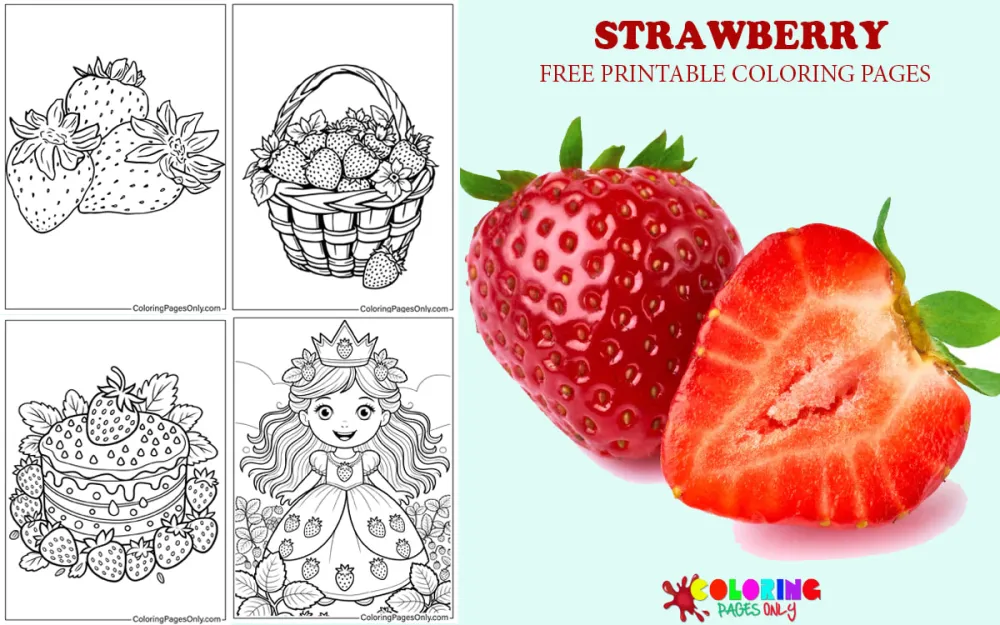
Free Strawberry coloring pages: 43 printable PDF designs spanning cute character-style strawberries, animals enjoying the fruit, desserts, garden scenes, and plain standalone illustrations. Every page downloads as a PDF ready to print, and the same artwork loads in the online coloring tool for anyone coloring on a screen instead.
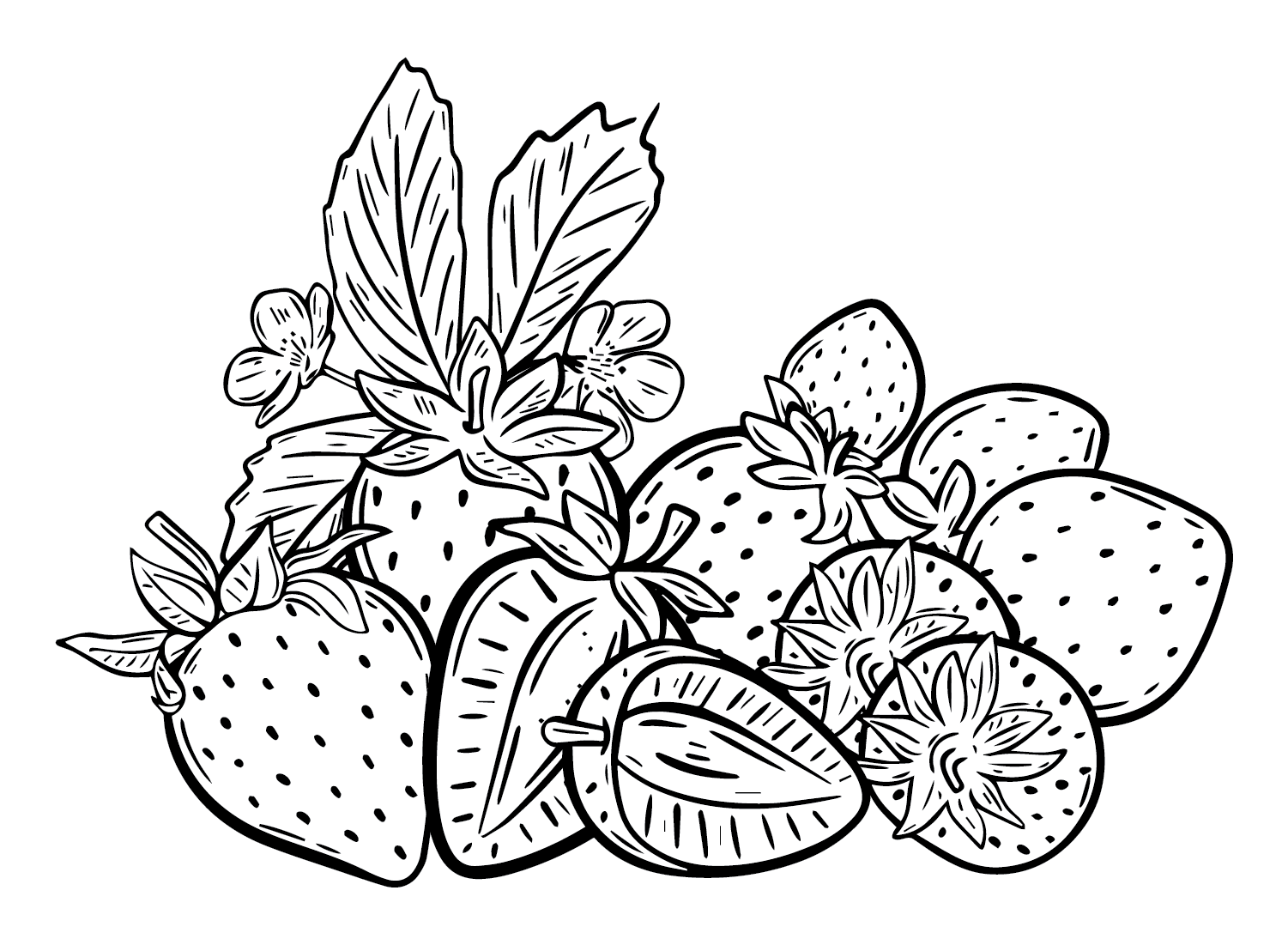
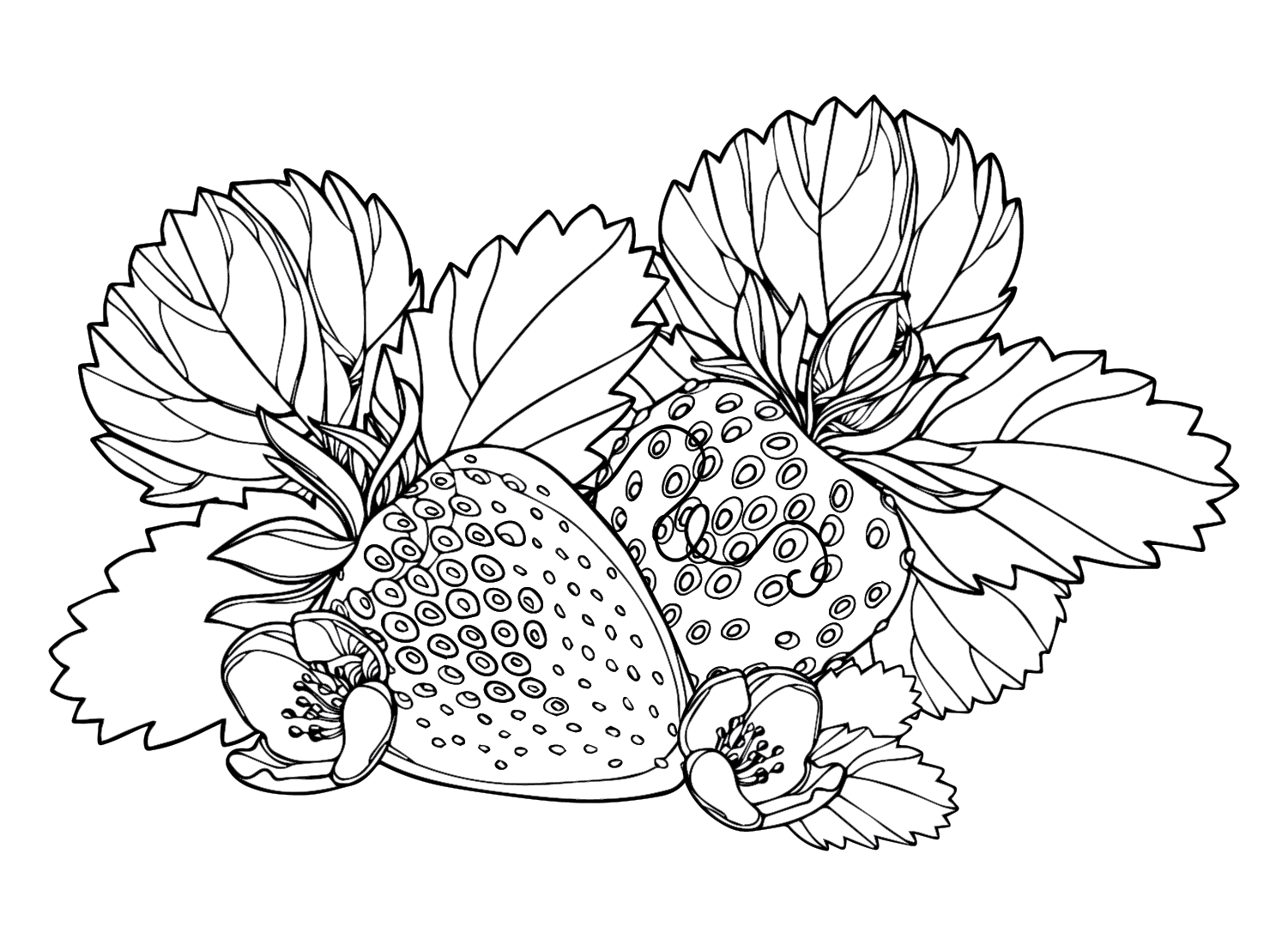
Character-style strawberries make up the largest single group in this set, with the rest split between animals, desserts, garden scenes, and plain standalone fruit designs. Botanically, a strawberry is not a true berry at all. It belongs to the genus Fragaria and is classified as an aggregate accessory fruit, meaning the fleshy red part grows from the flower’s receptacle rather than from an ovary. What looks like tiny seeds scattered across the surface are actually achenes, each one a separate miniature fruit with its own seed inside, a small fact that gives this fruit-themed set a genuine science hook alongside the coloring.
Forty-three pages built around one fruit shown in several different styles give this set enough range to serve as a full activity book on its own.
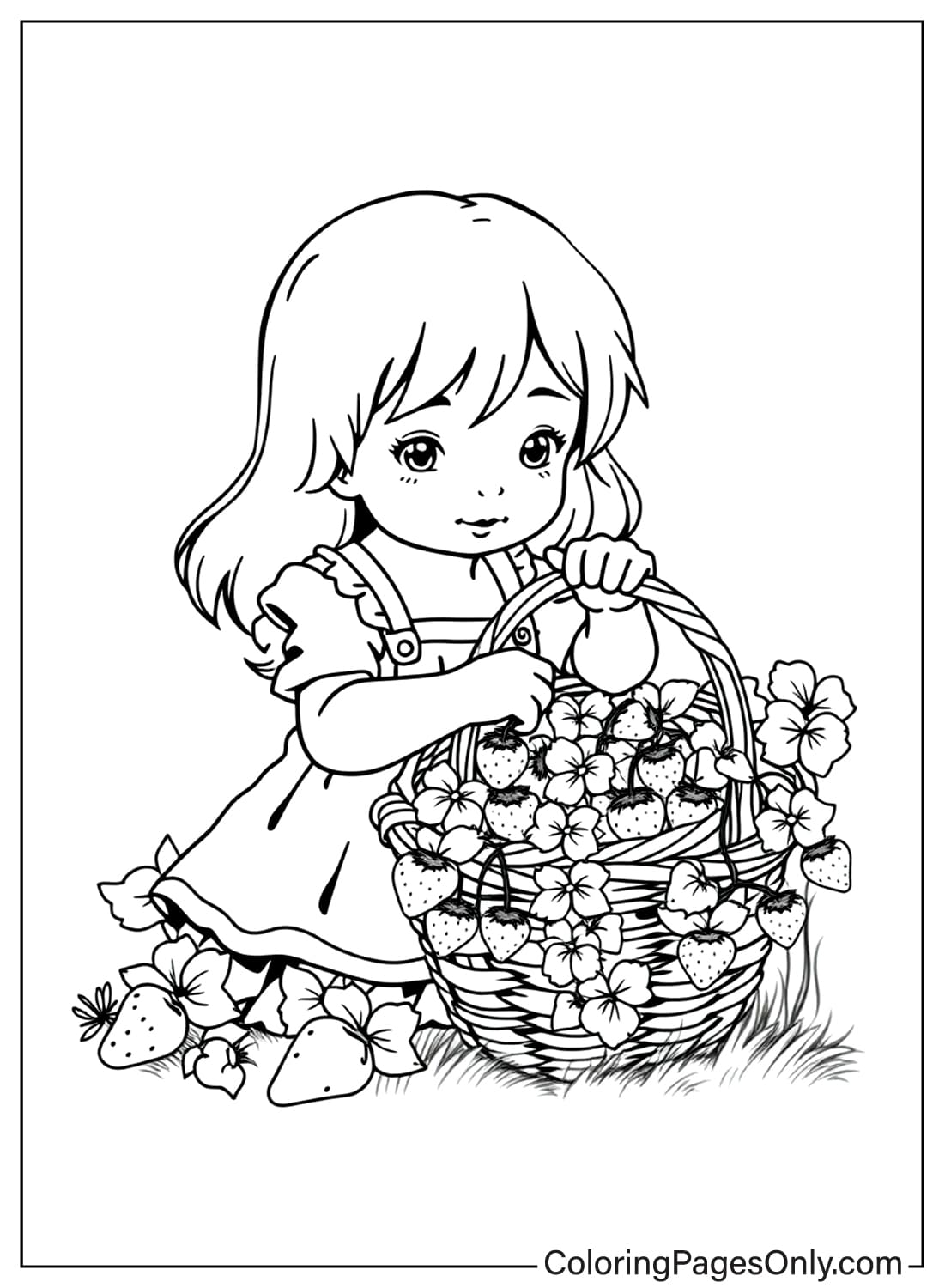
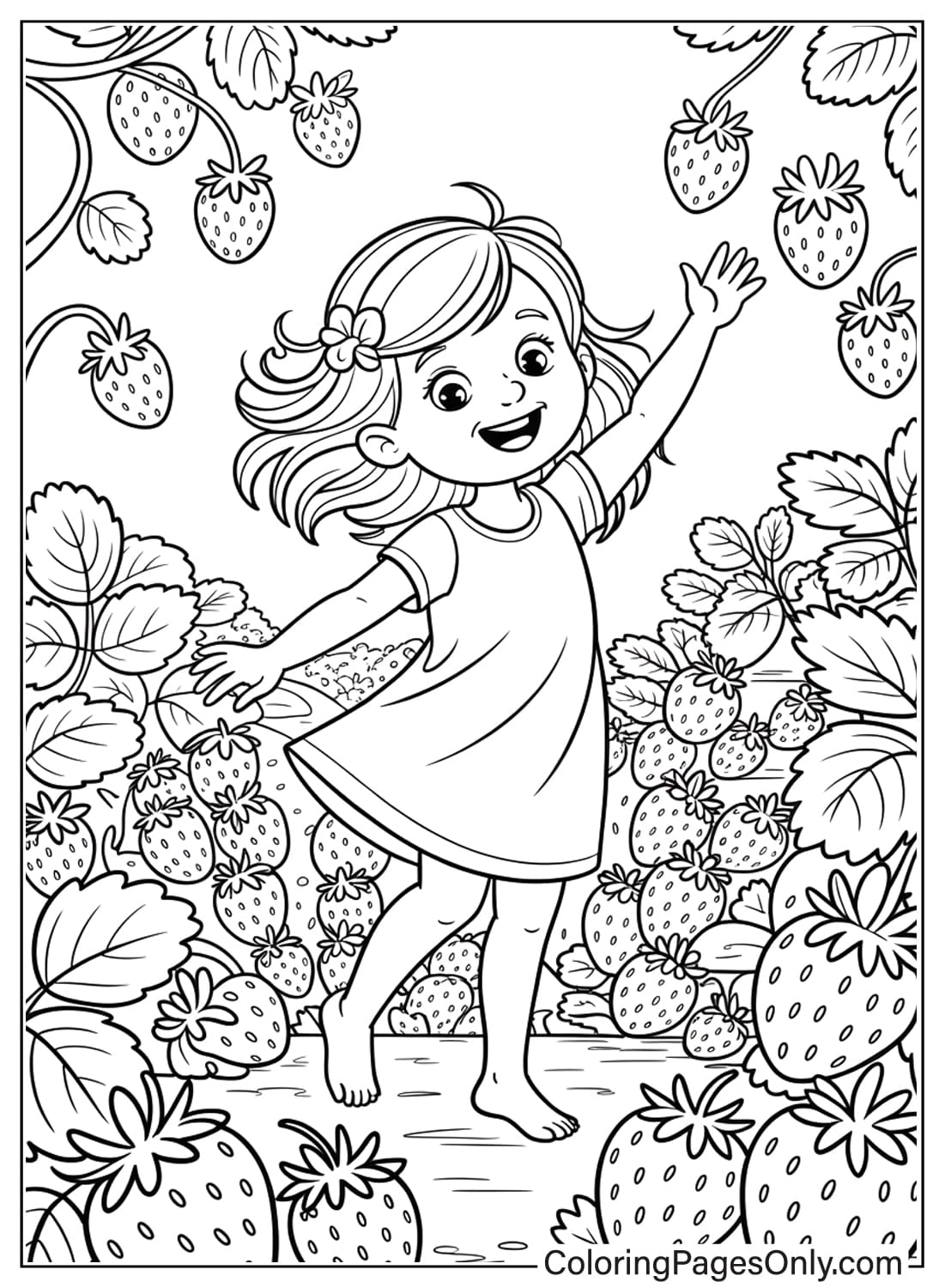
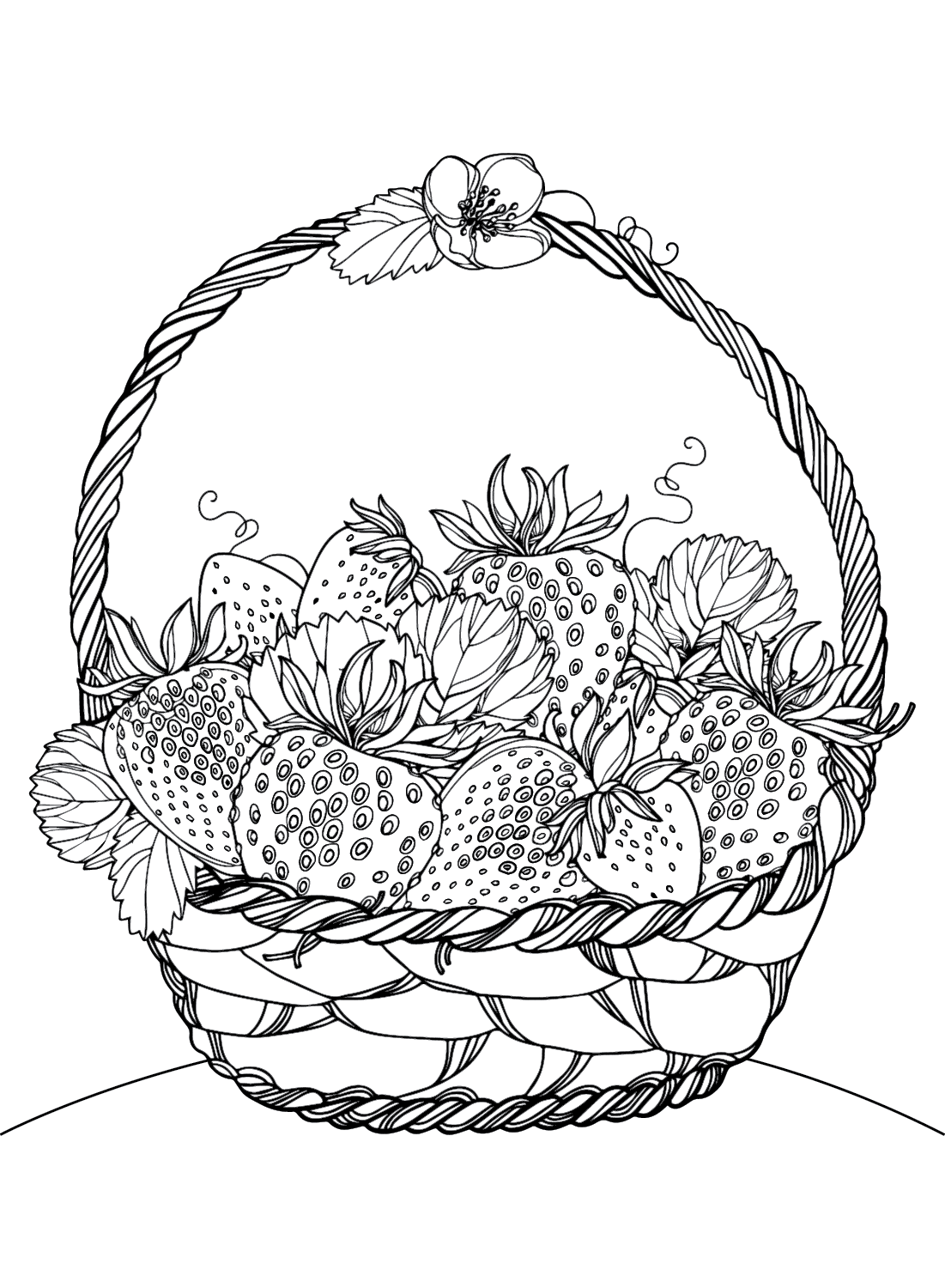
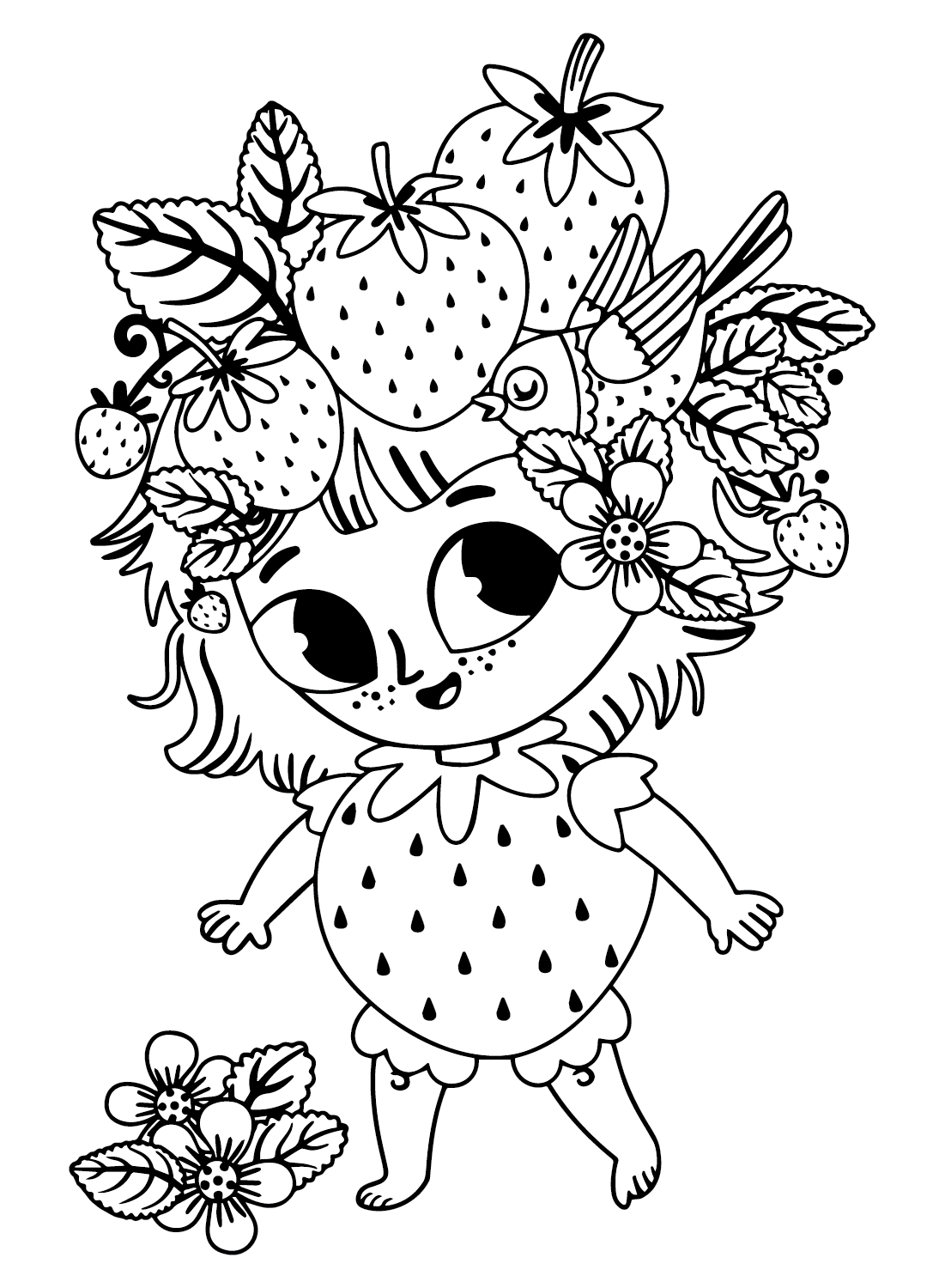
What Is Inside This Collection
Character and Kawaii Strawberries
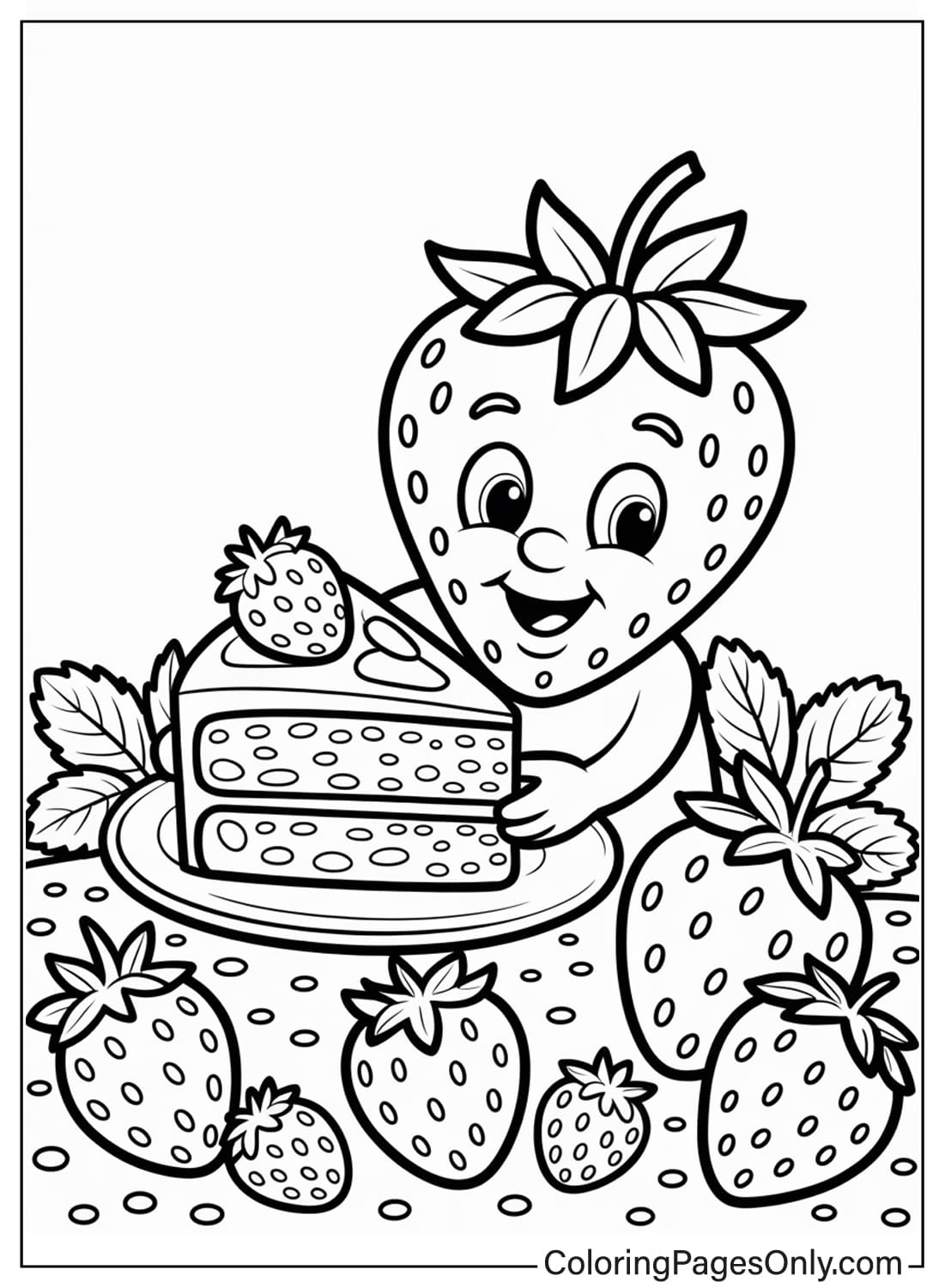
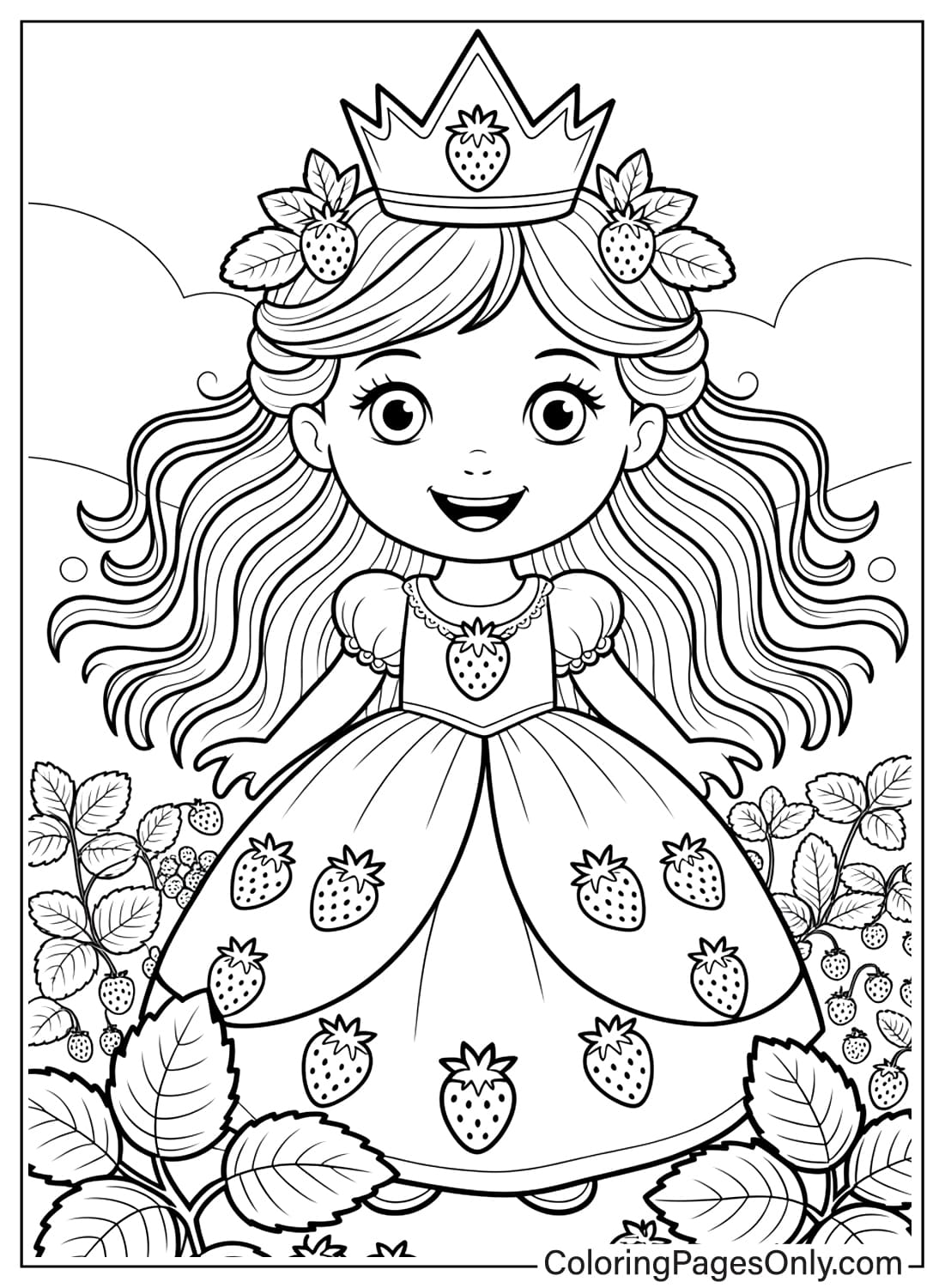
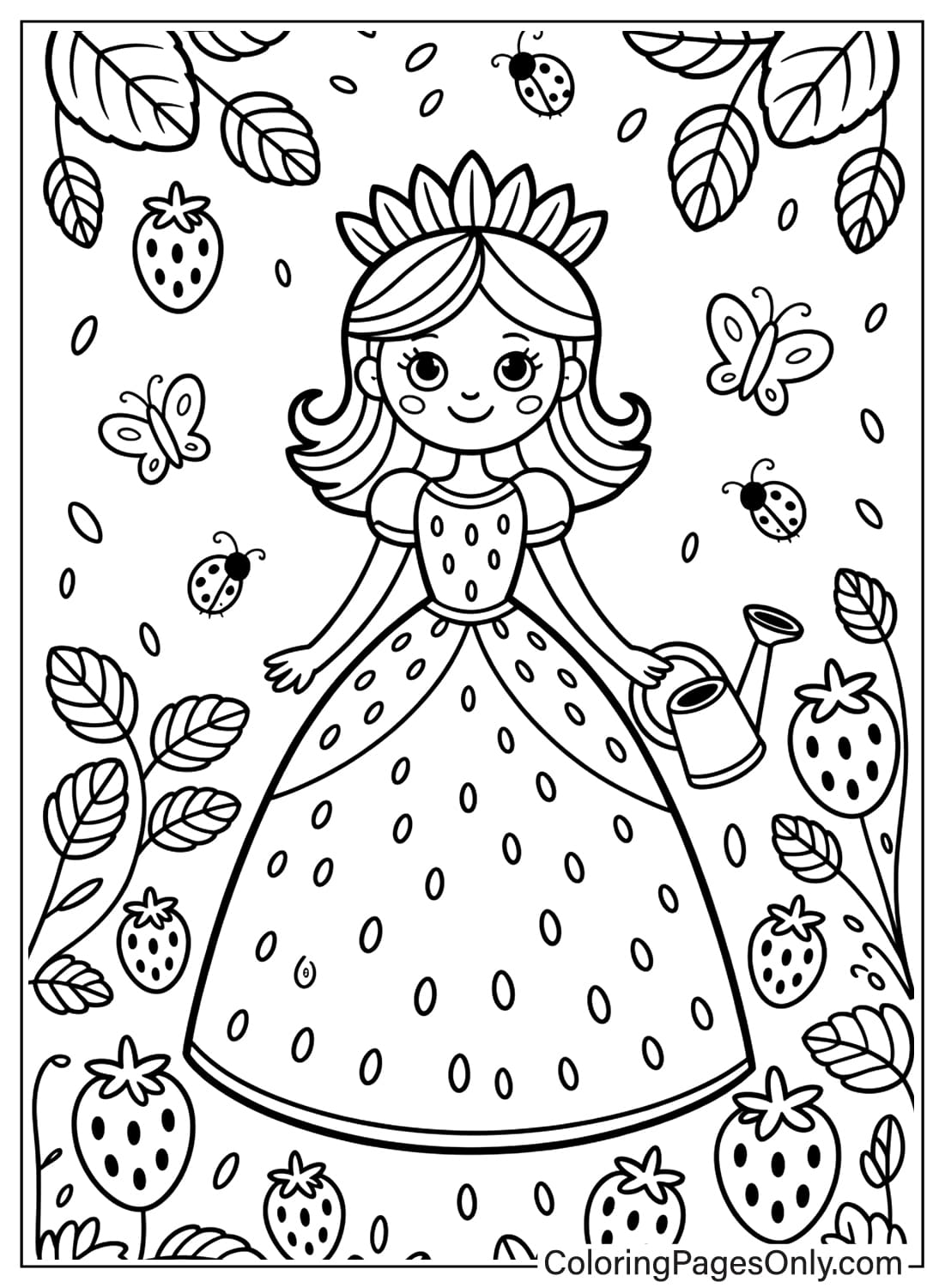
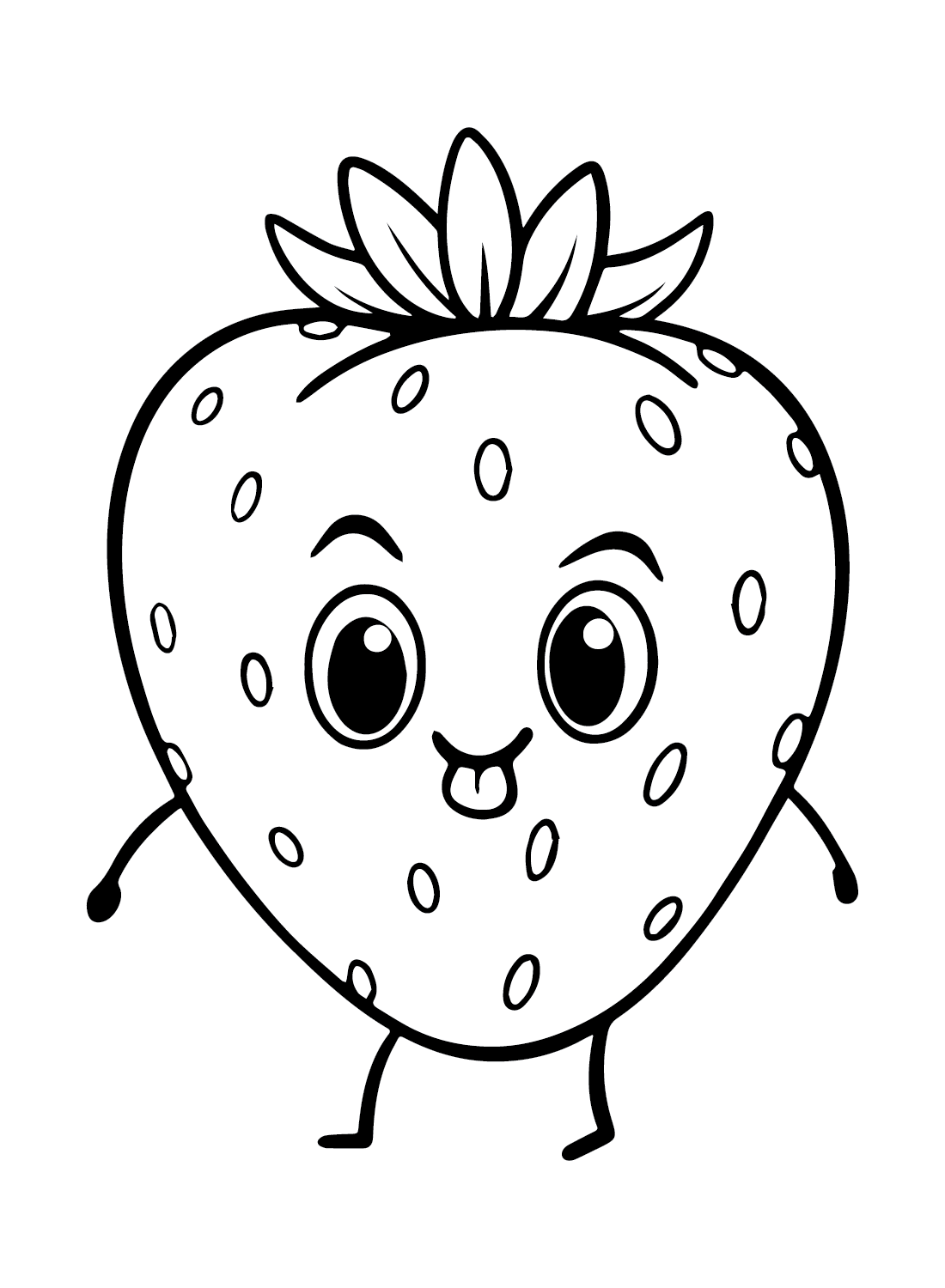
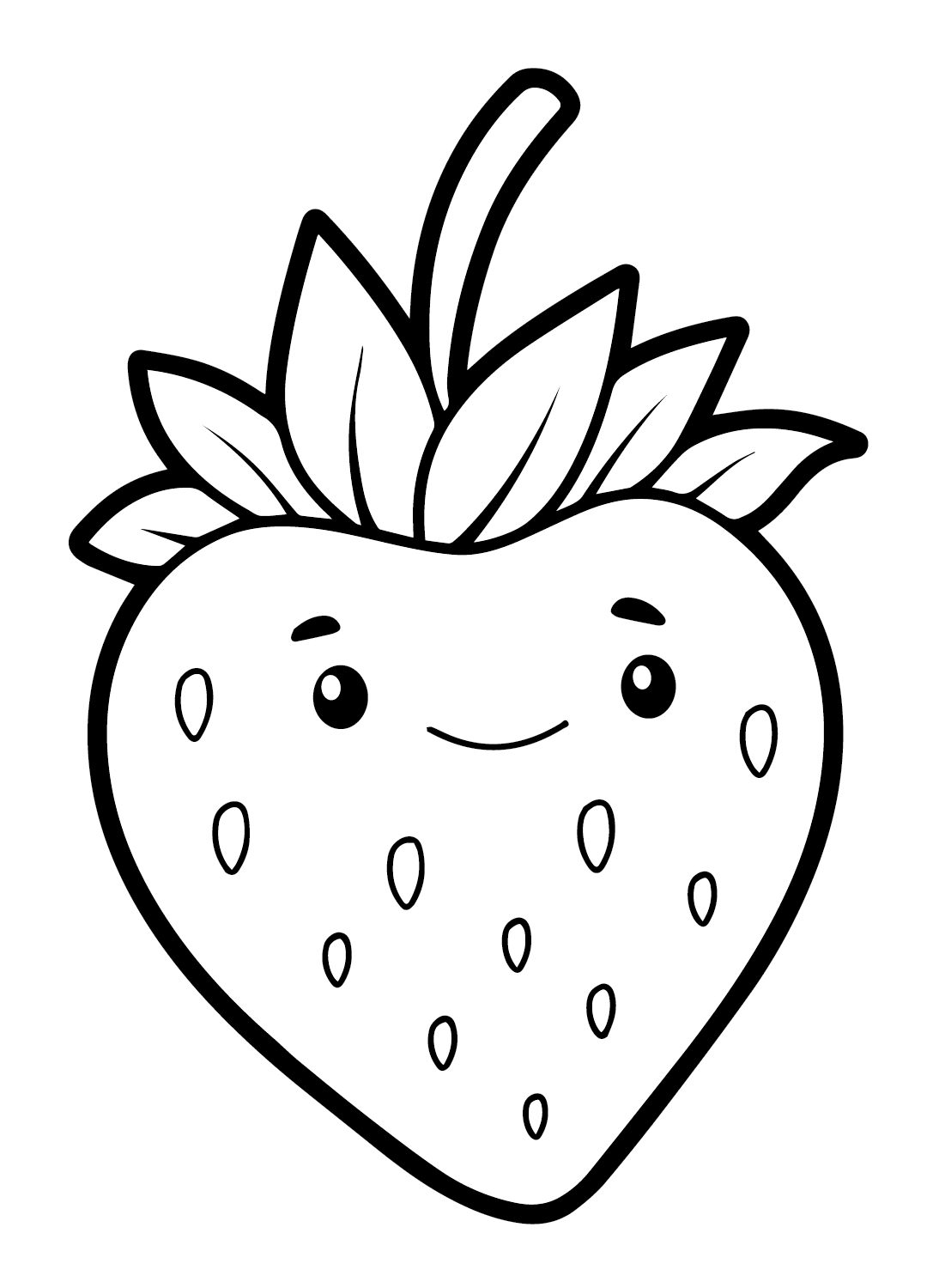
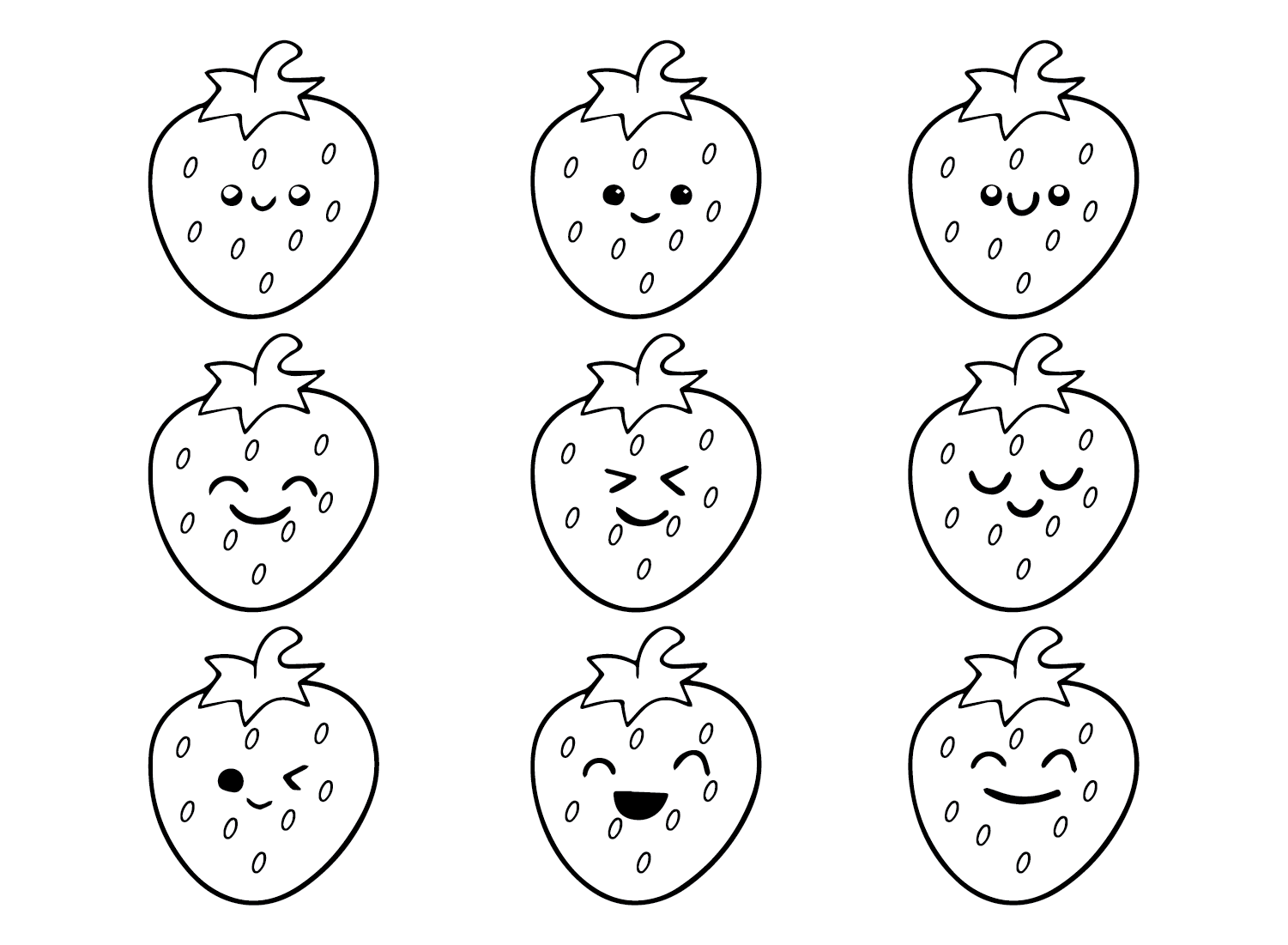
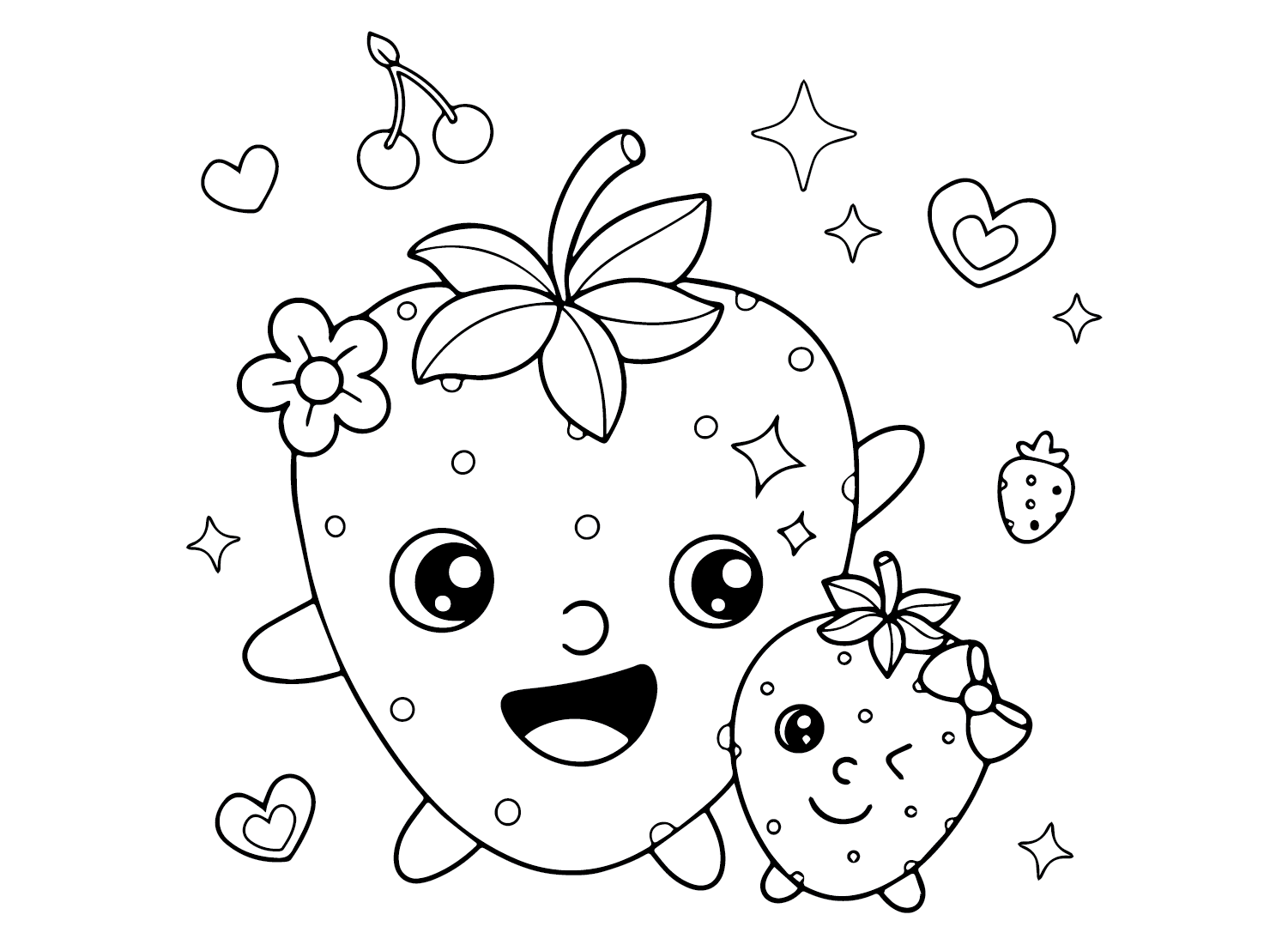
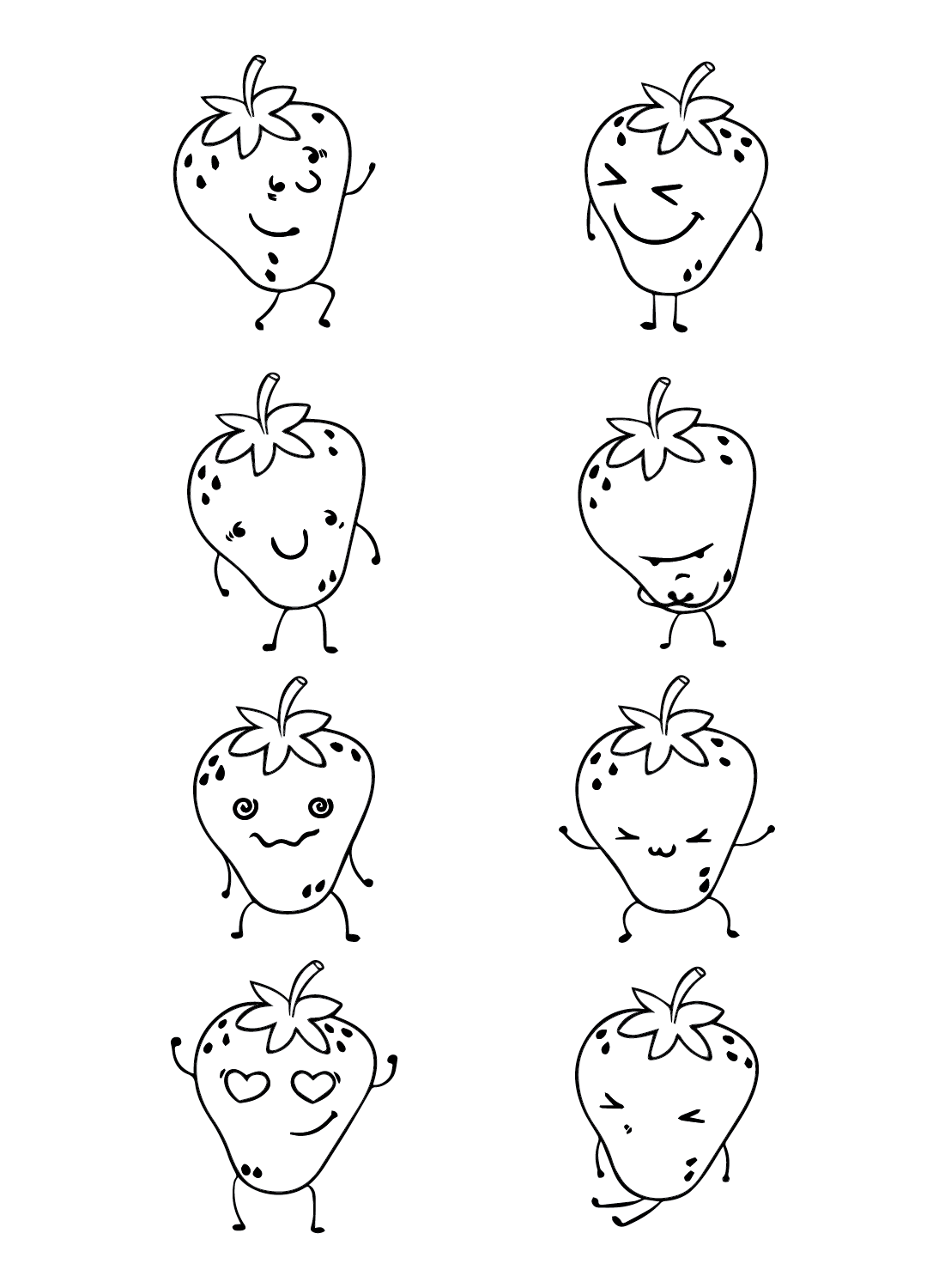
The largest group gives strawberries a face and personality, ranging from simple cartoon styling to kawaii-inspired designs with expressive features.
Strawberries Paired with Animals
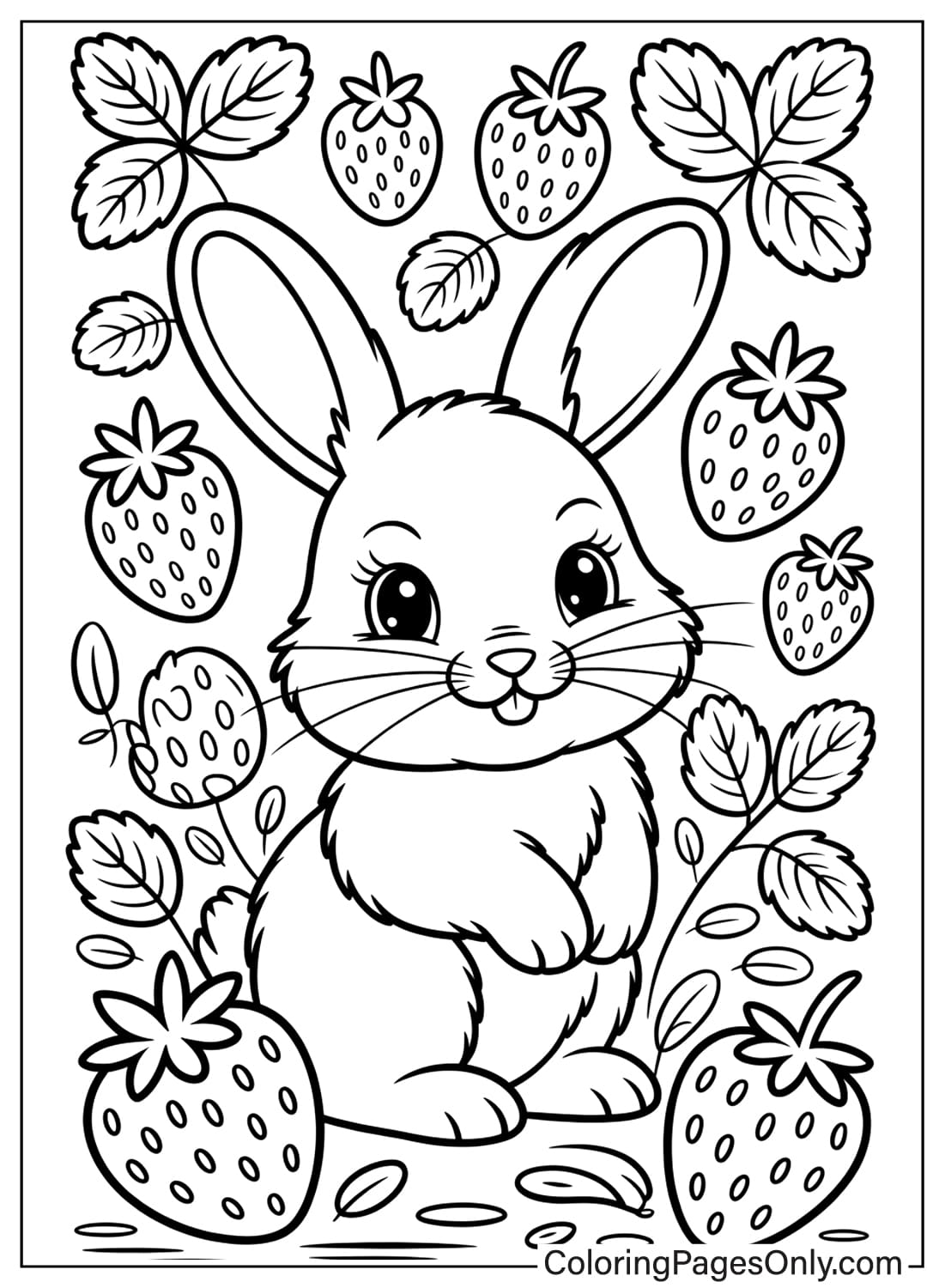
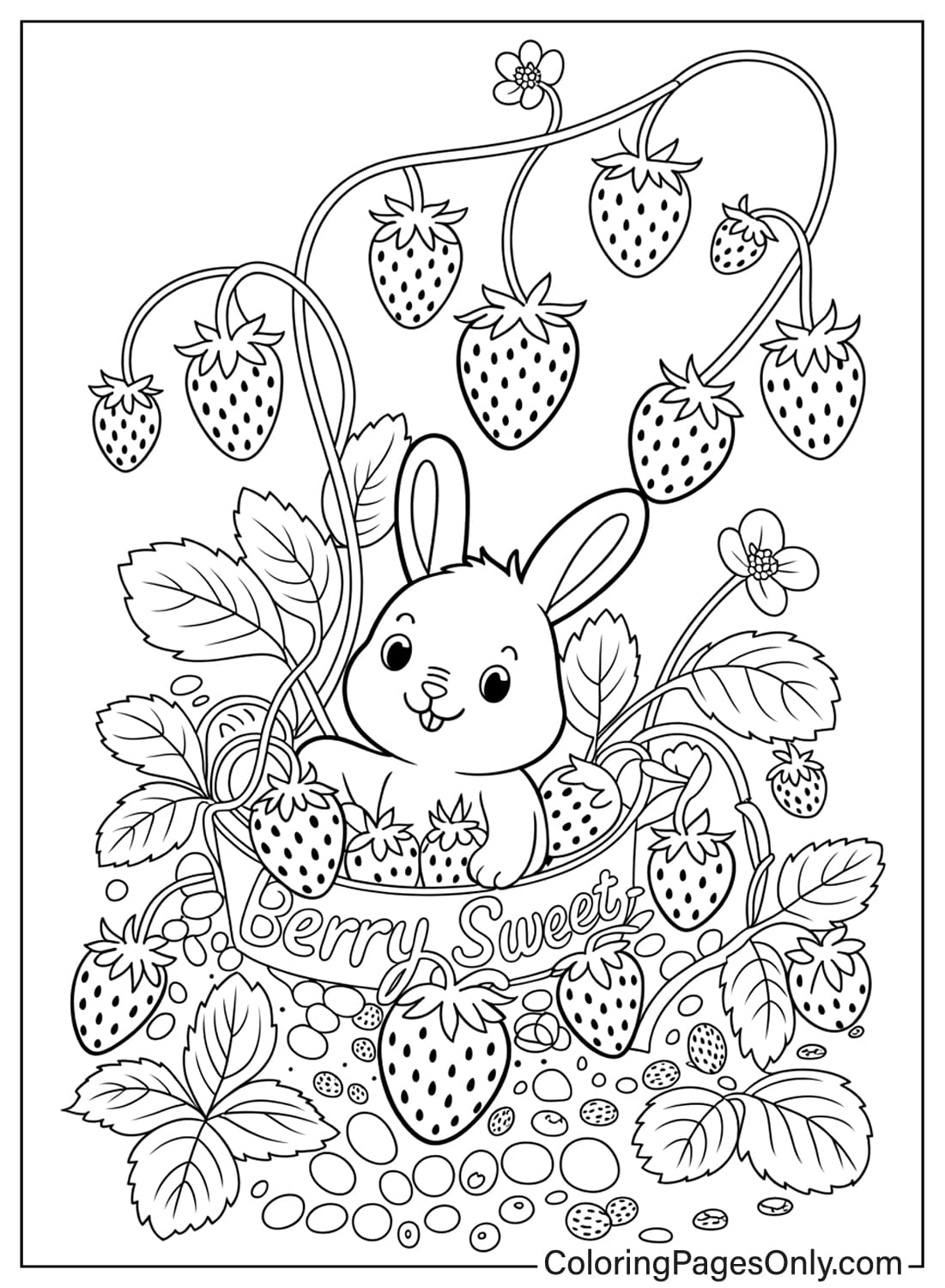
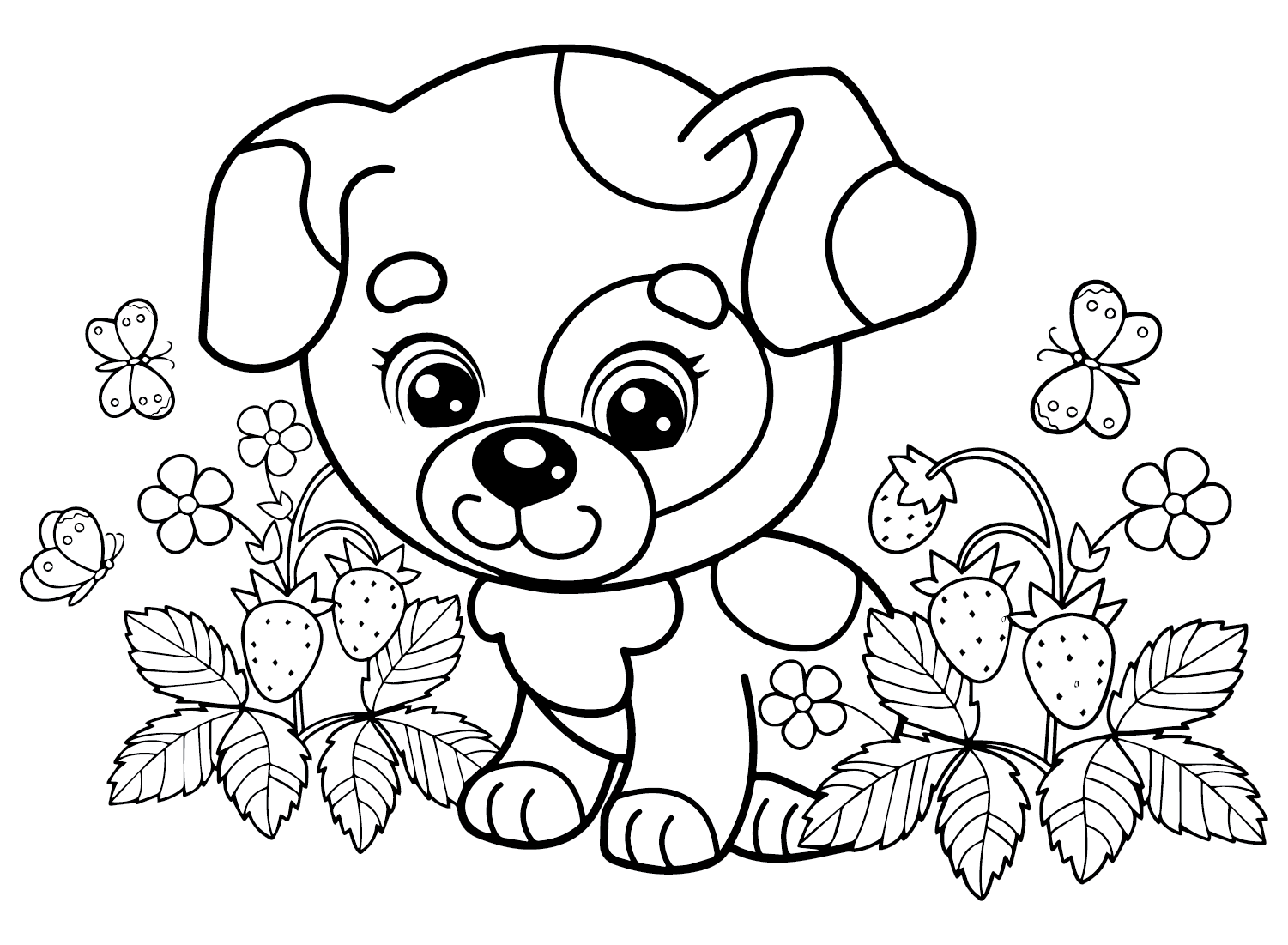
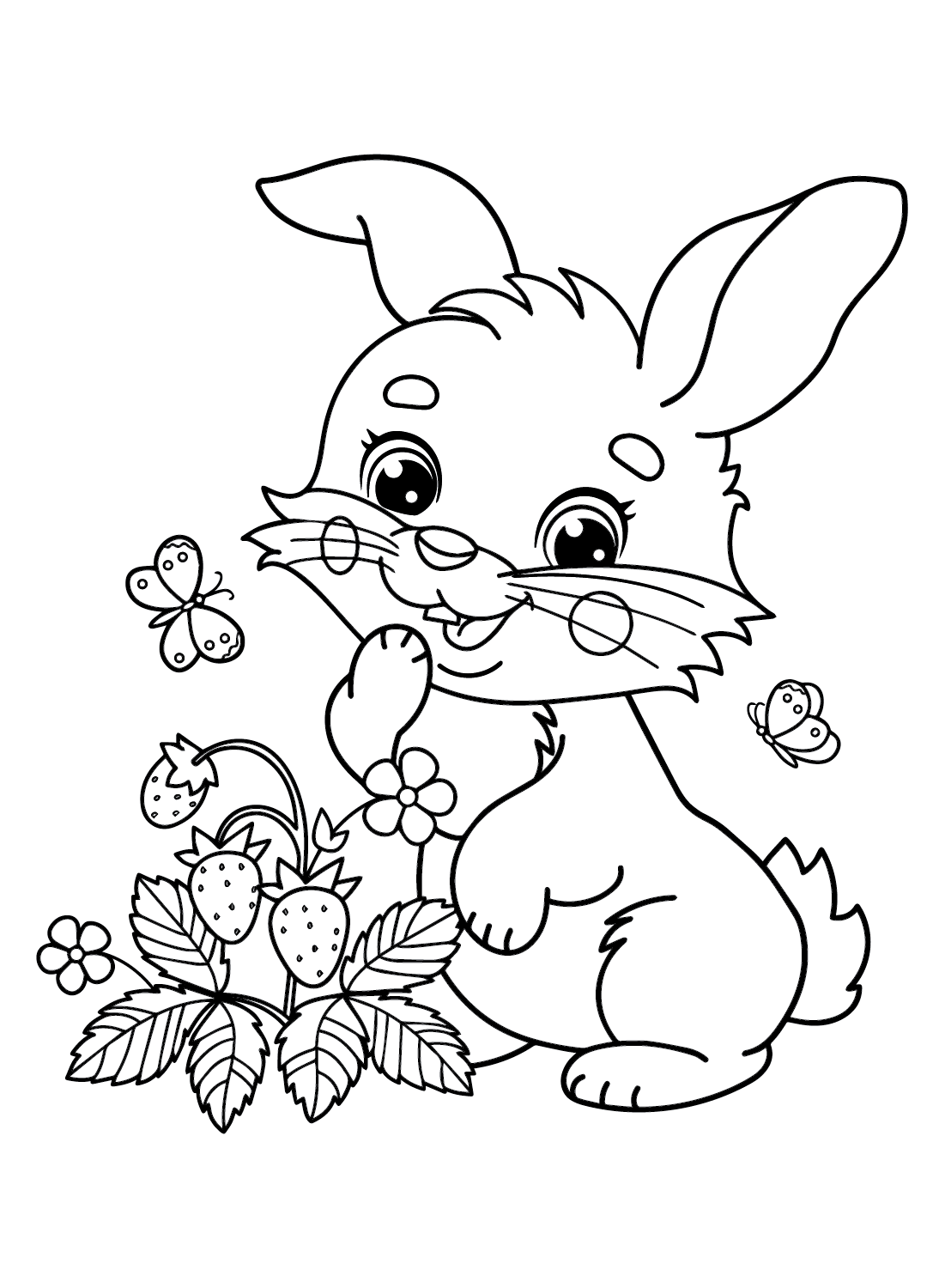
Several pages show an animal, a bunny, a rabbit, or a dog, interacting with a strawberry, eating it, or simply sitting alongside it.
Strawberry Treats and Desserts
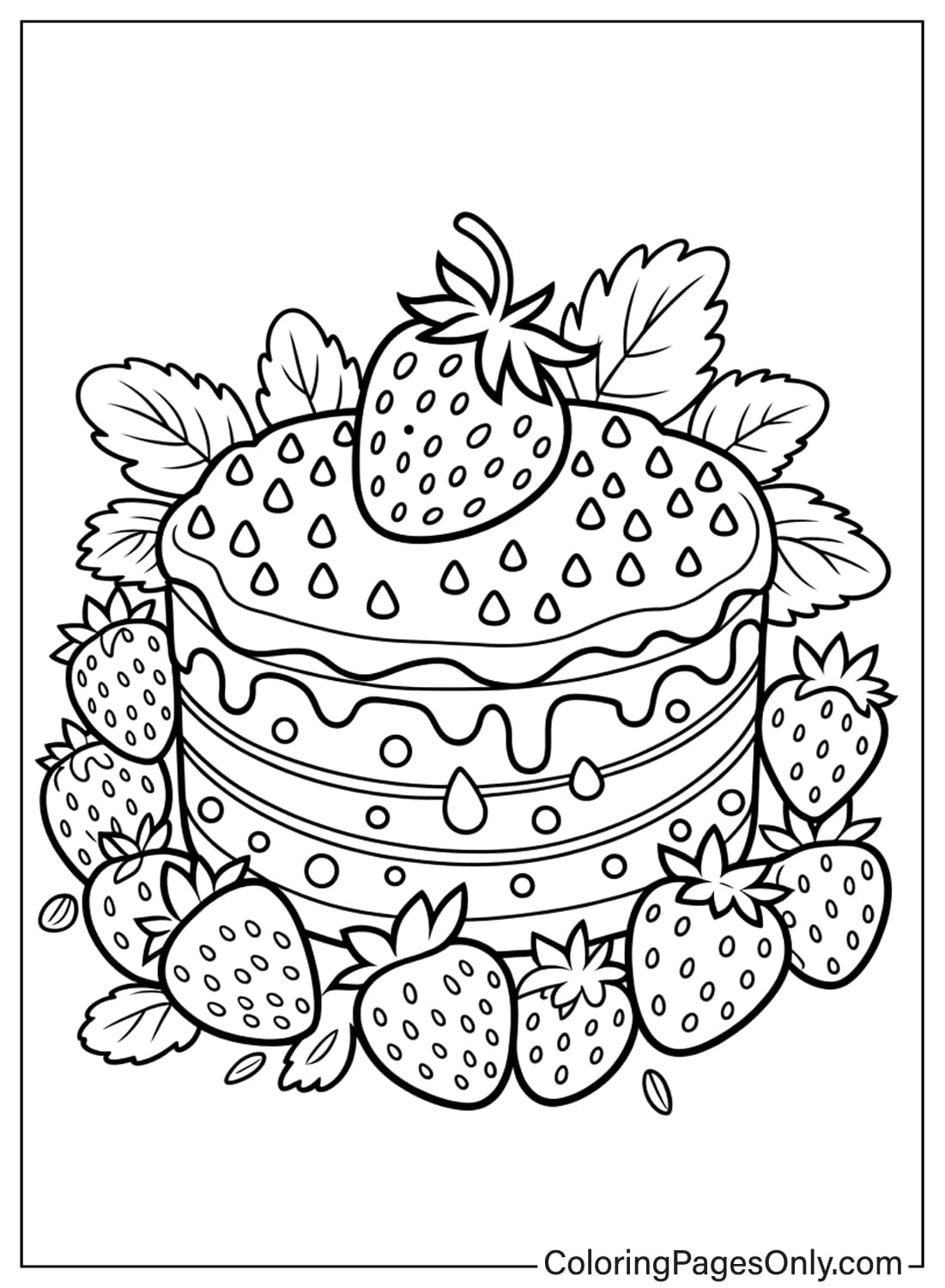
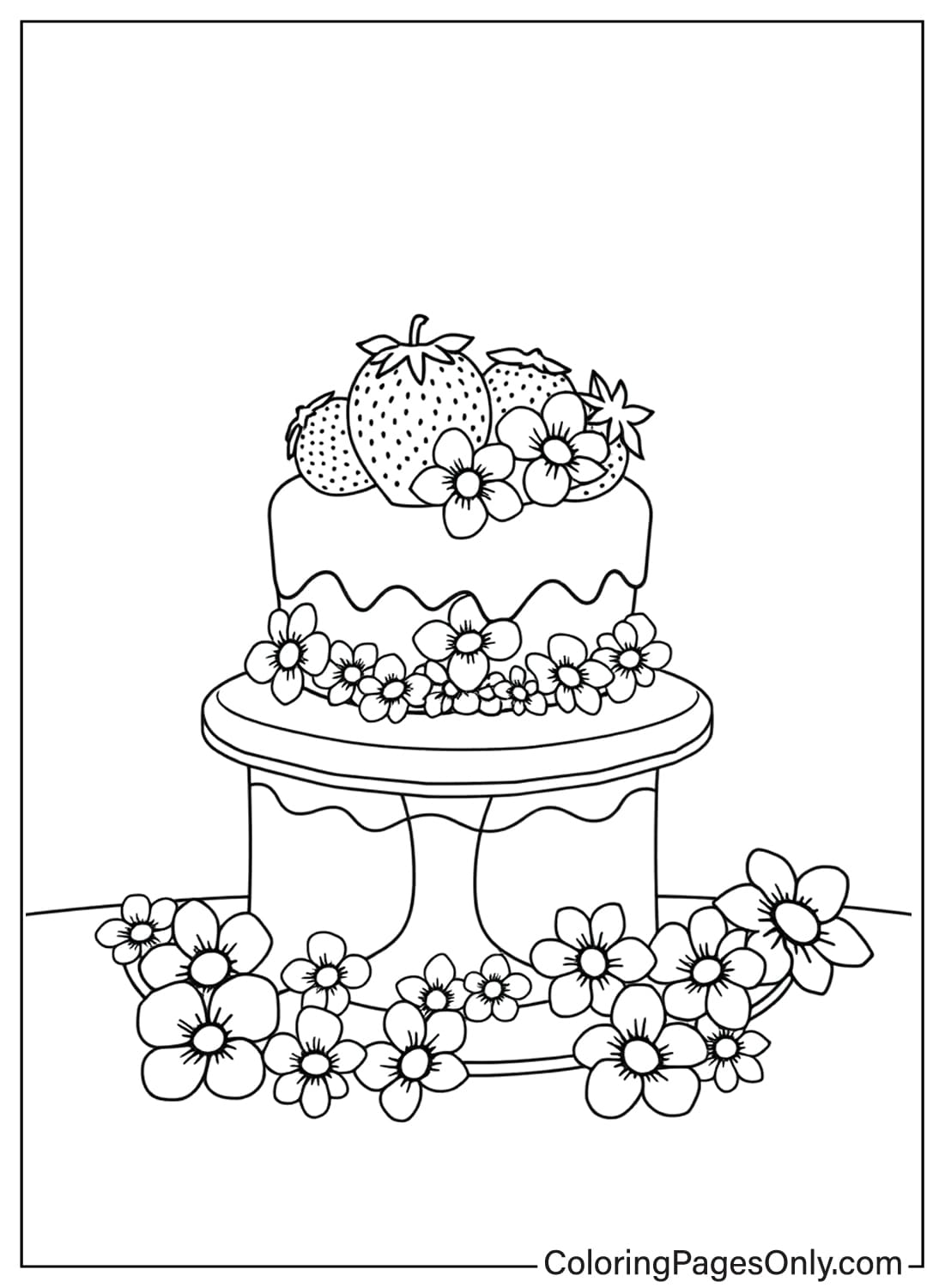
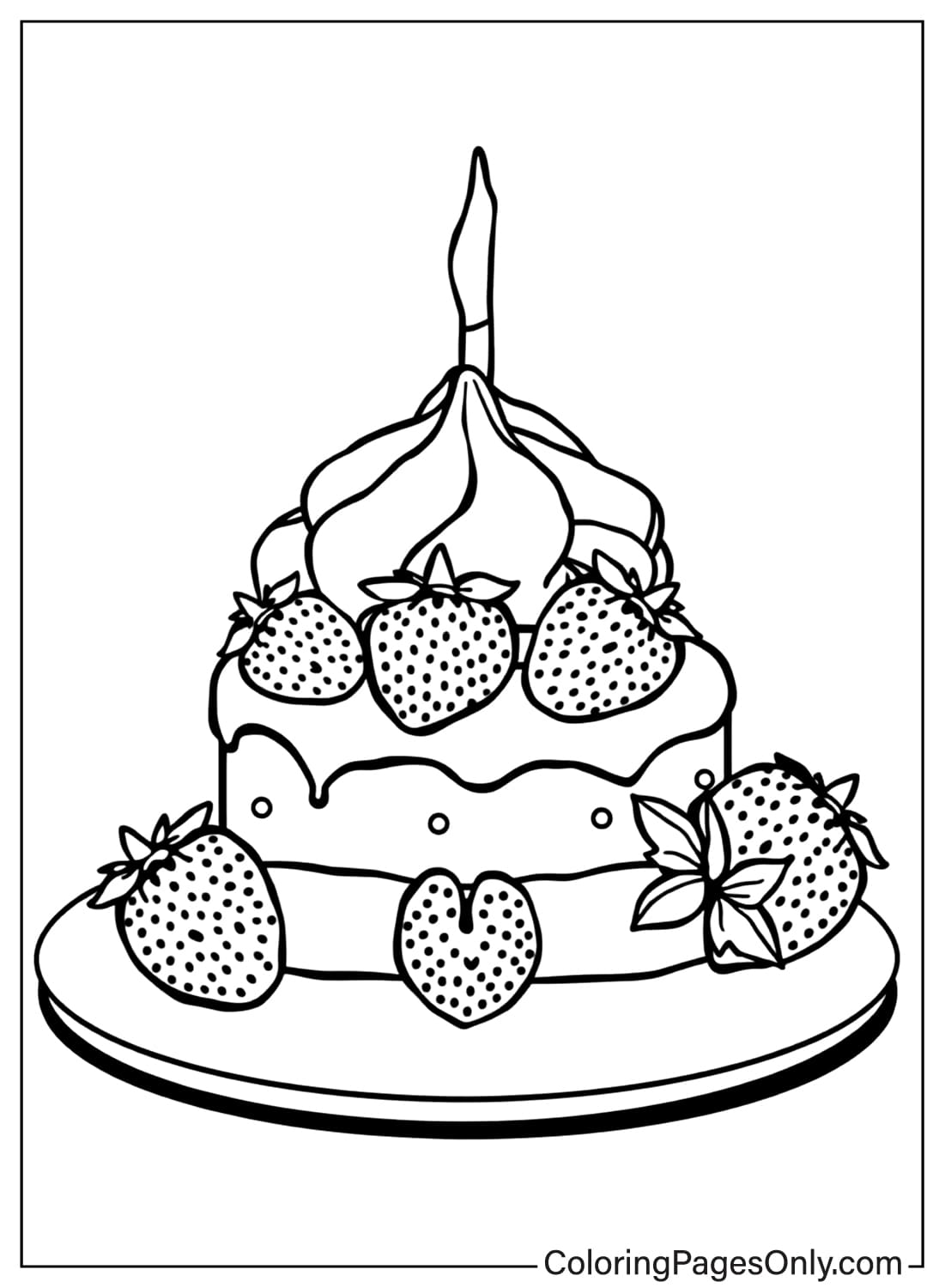
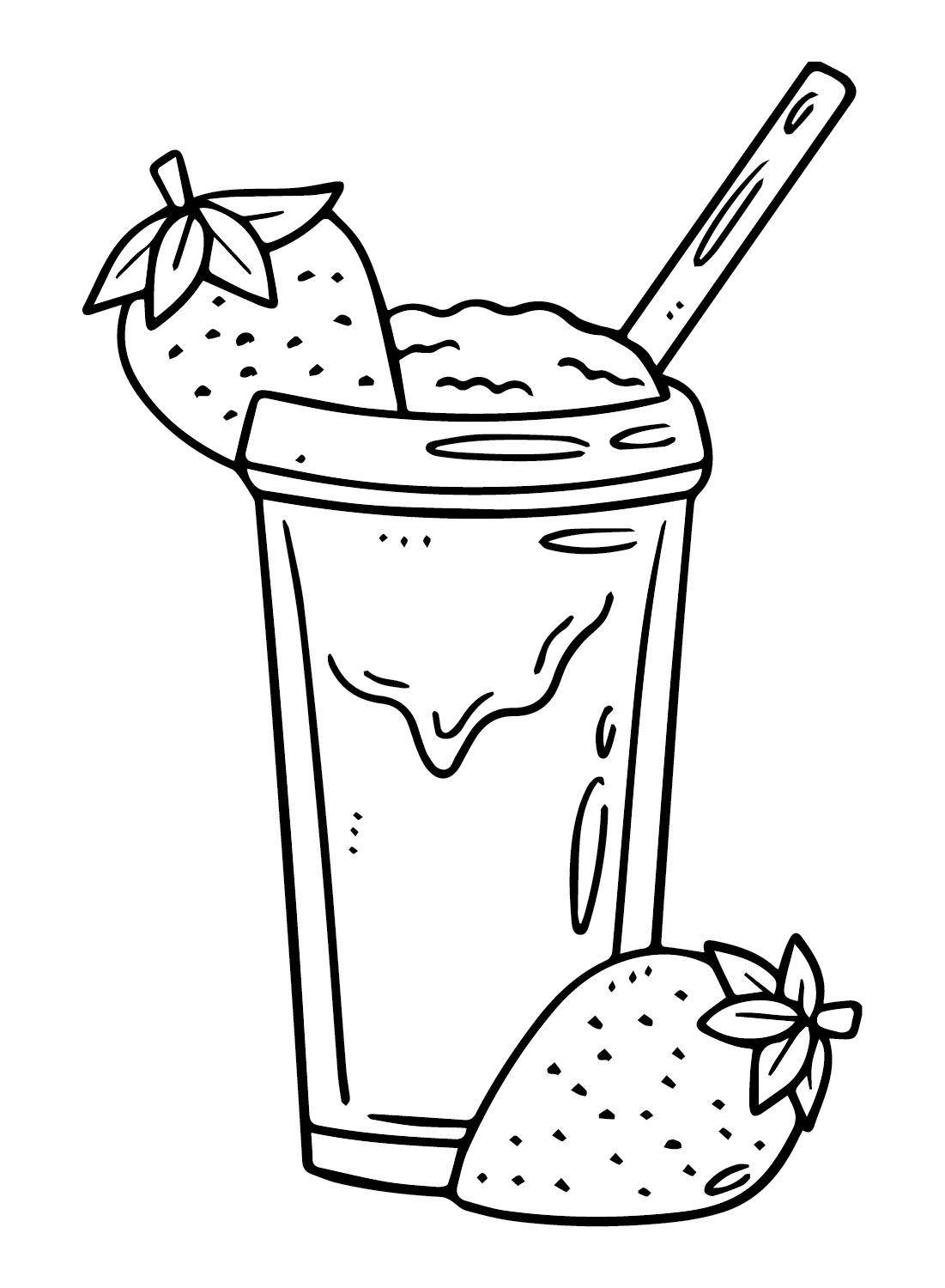
A smaller group turns strawberries into food, cakes, a birthday cake, and a glass of juice built around the fruit as the main ingredient.
Strawberries in Gardens and Nature
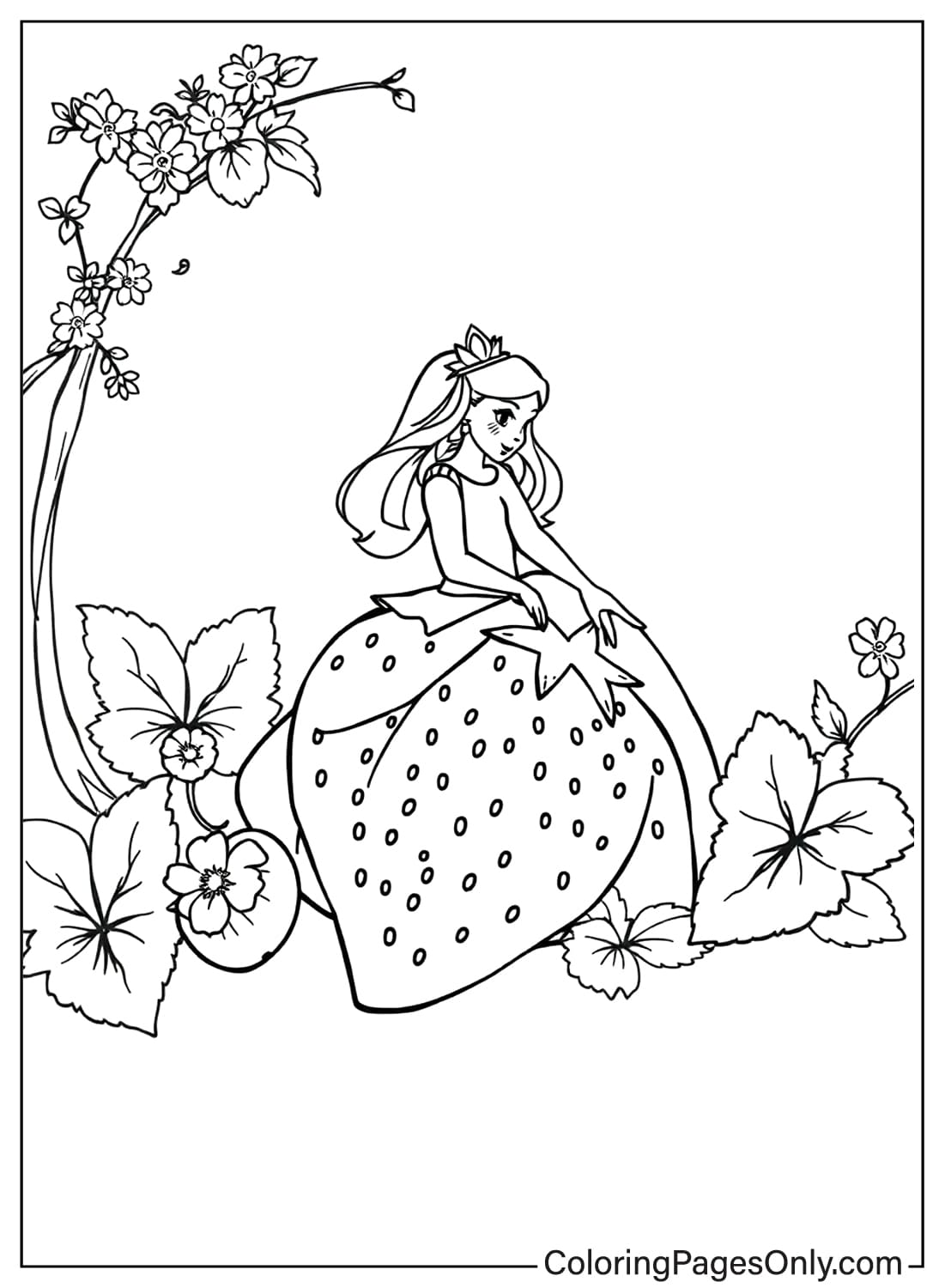
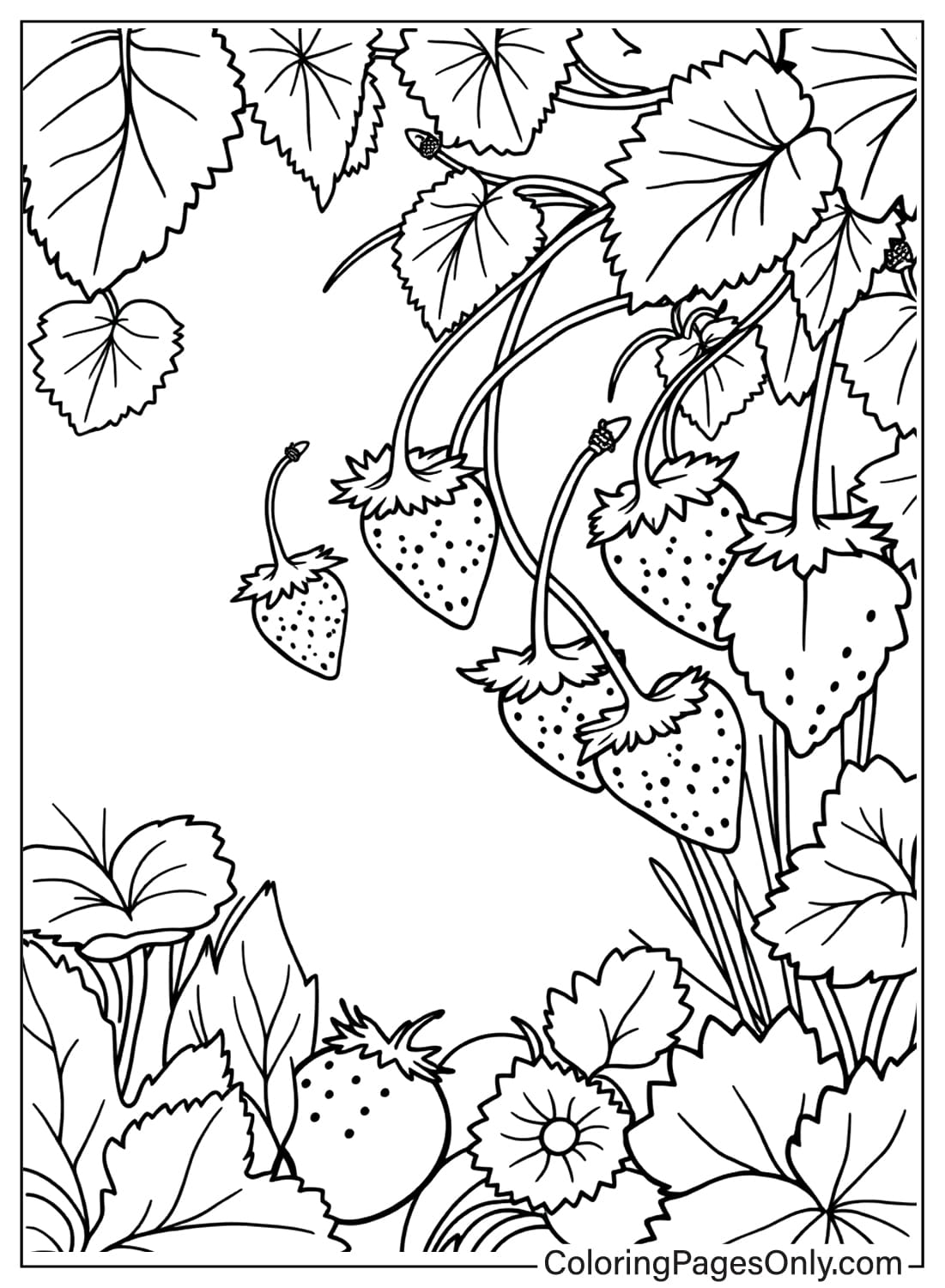
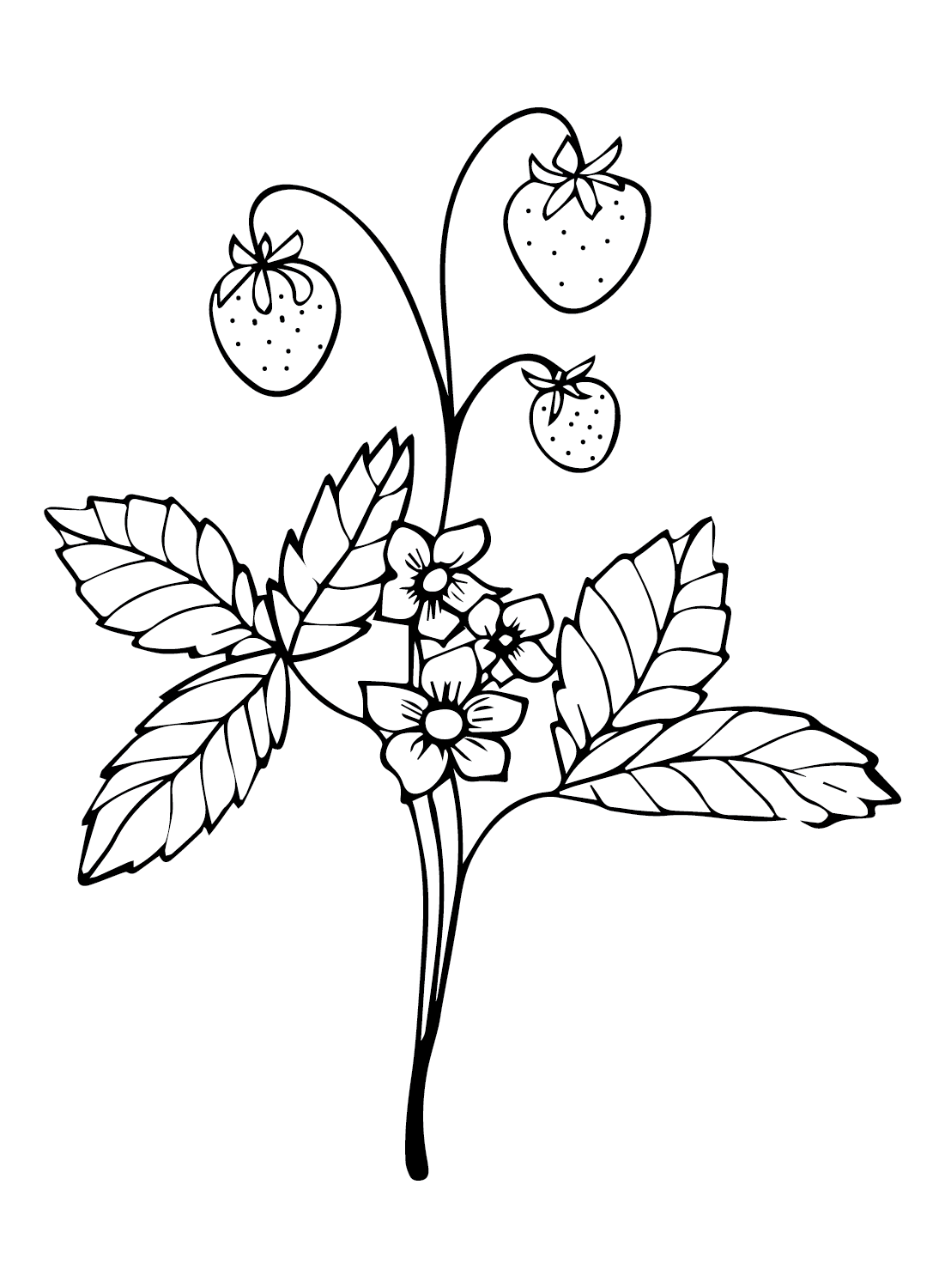
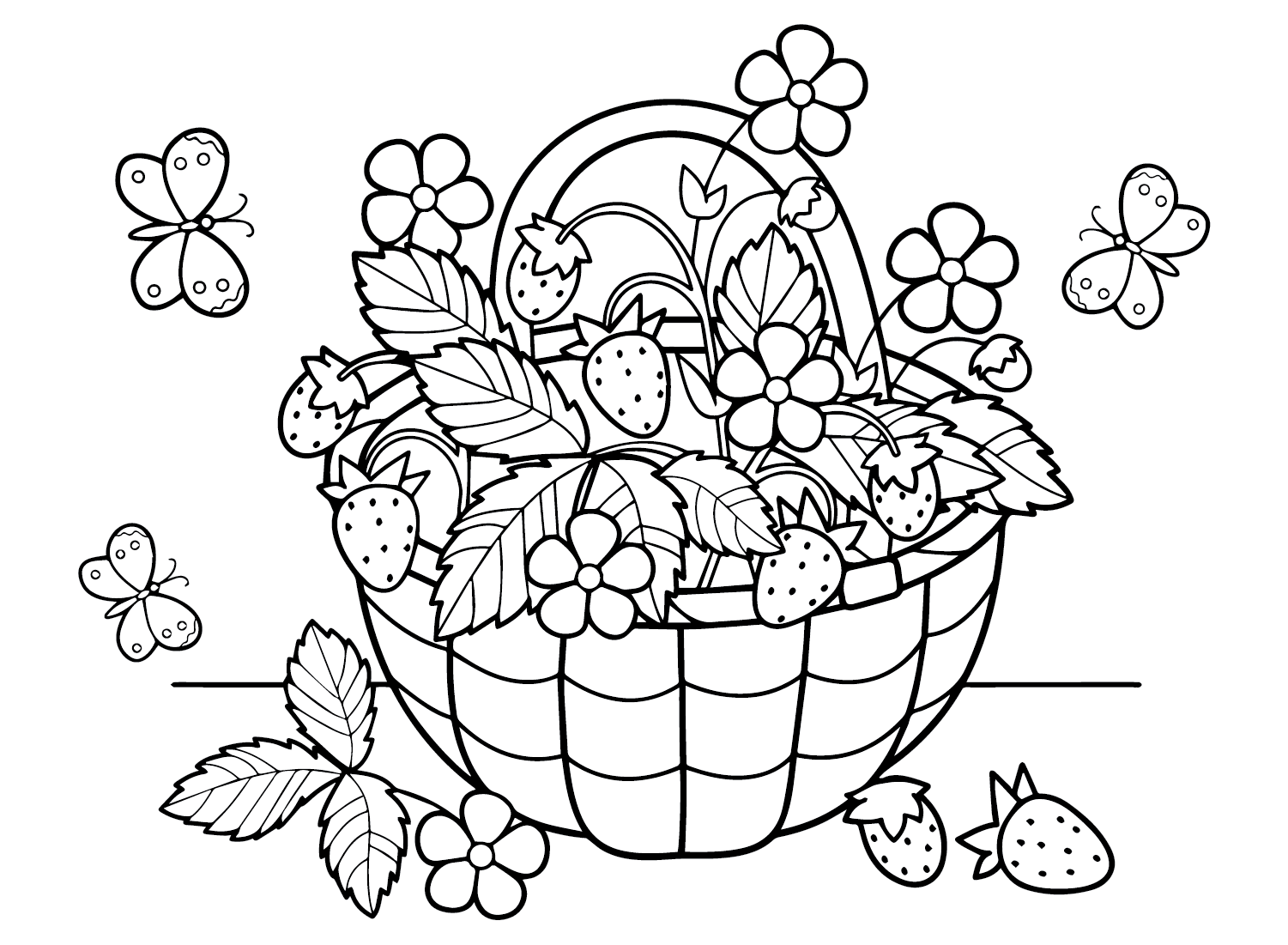
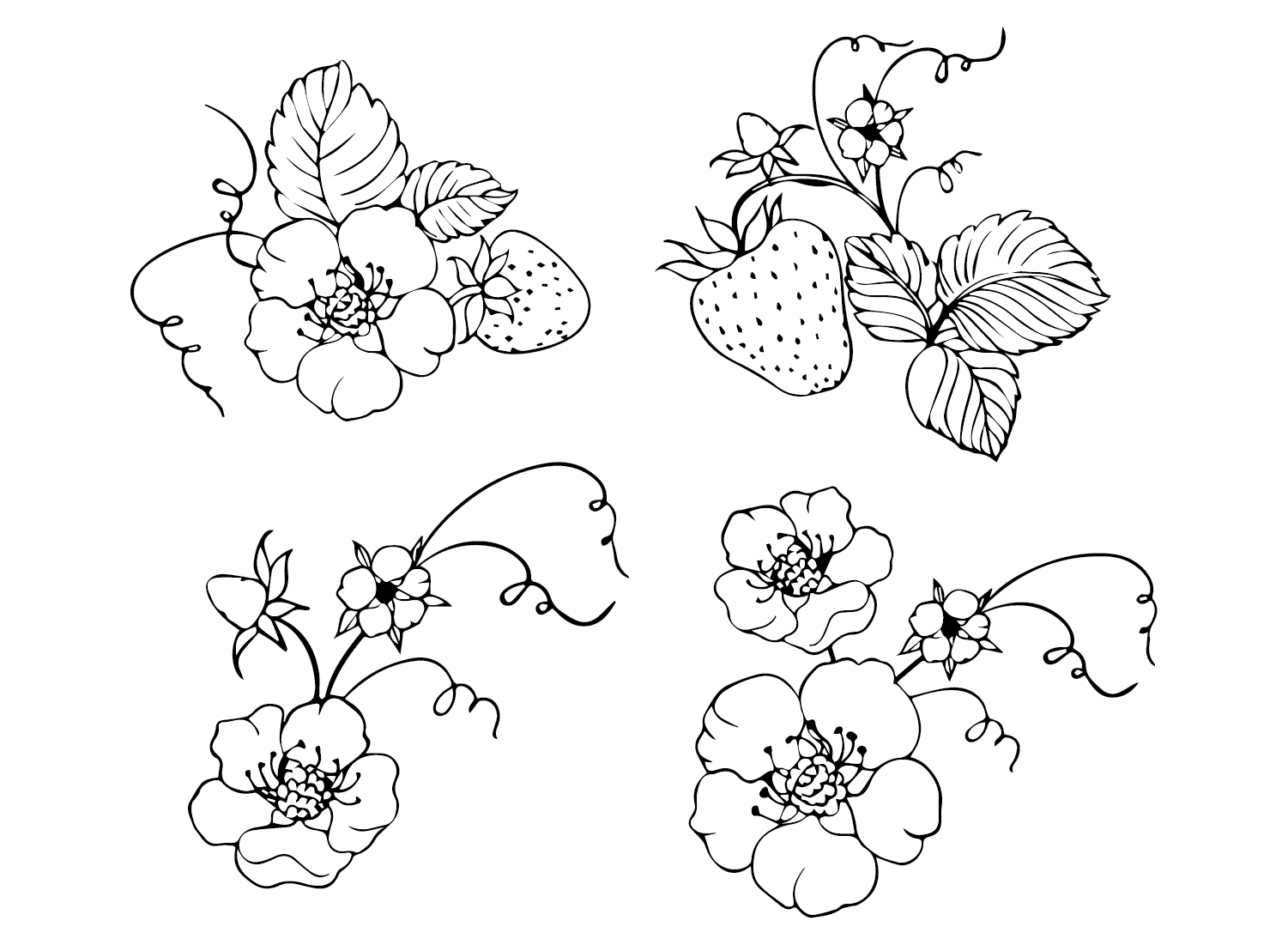
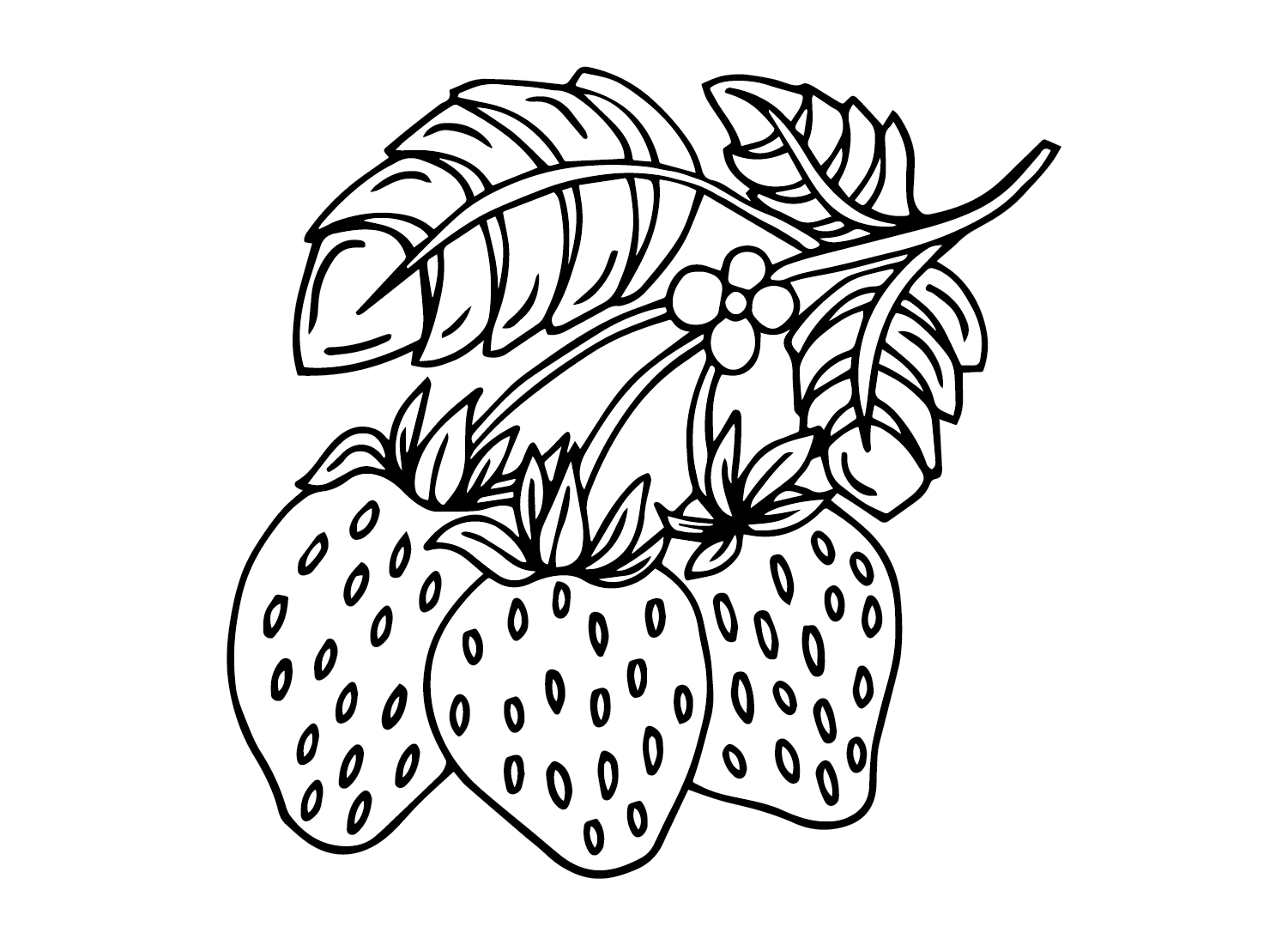
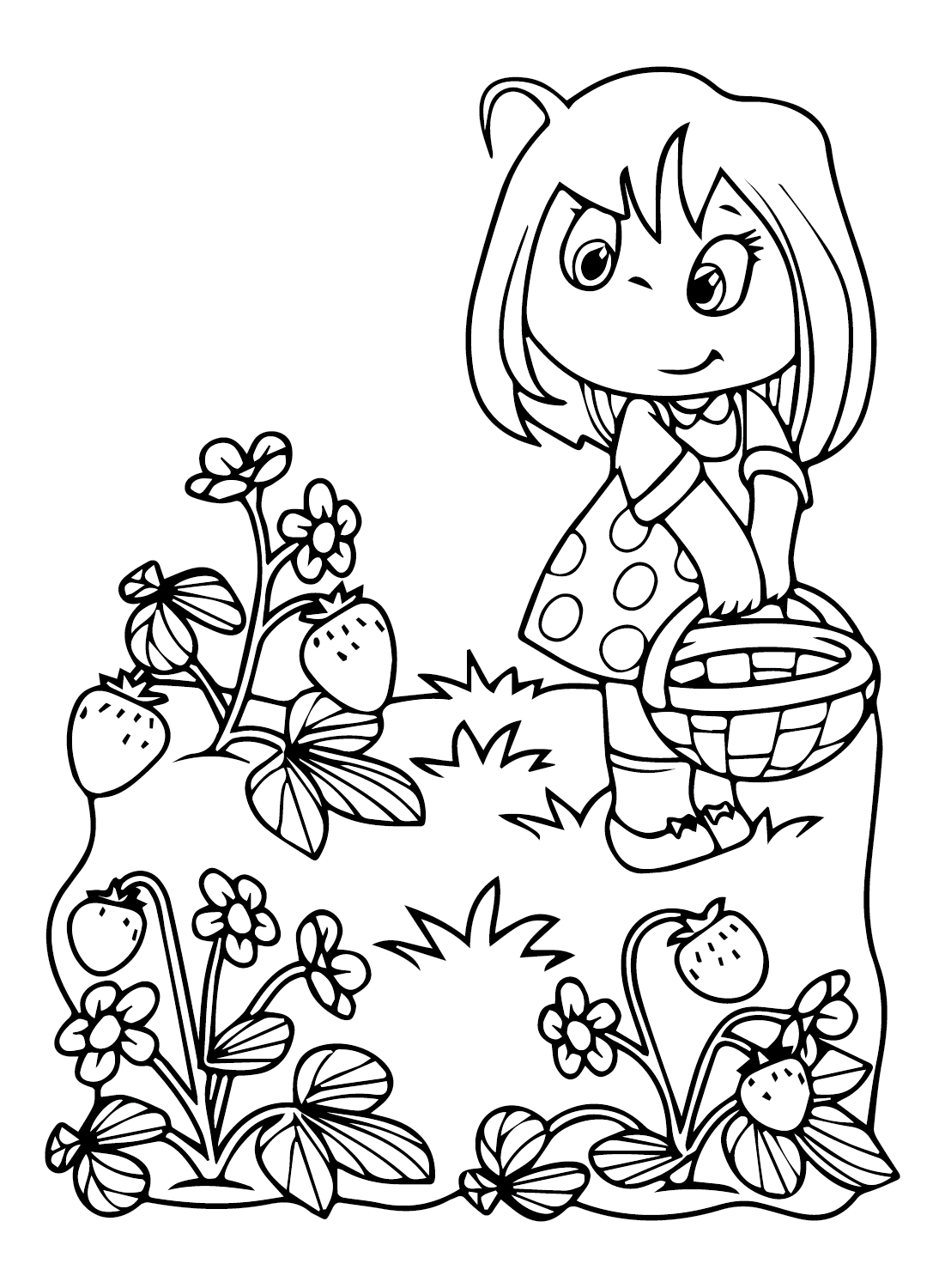
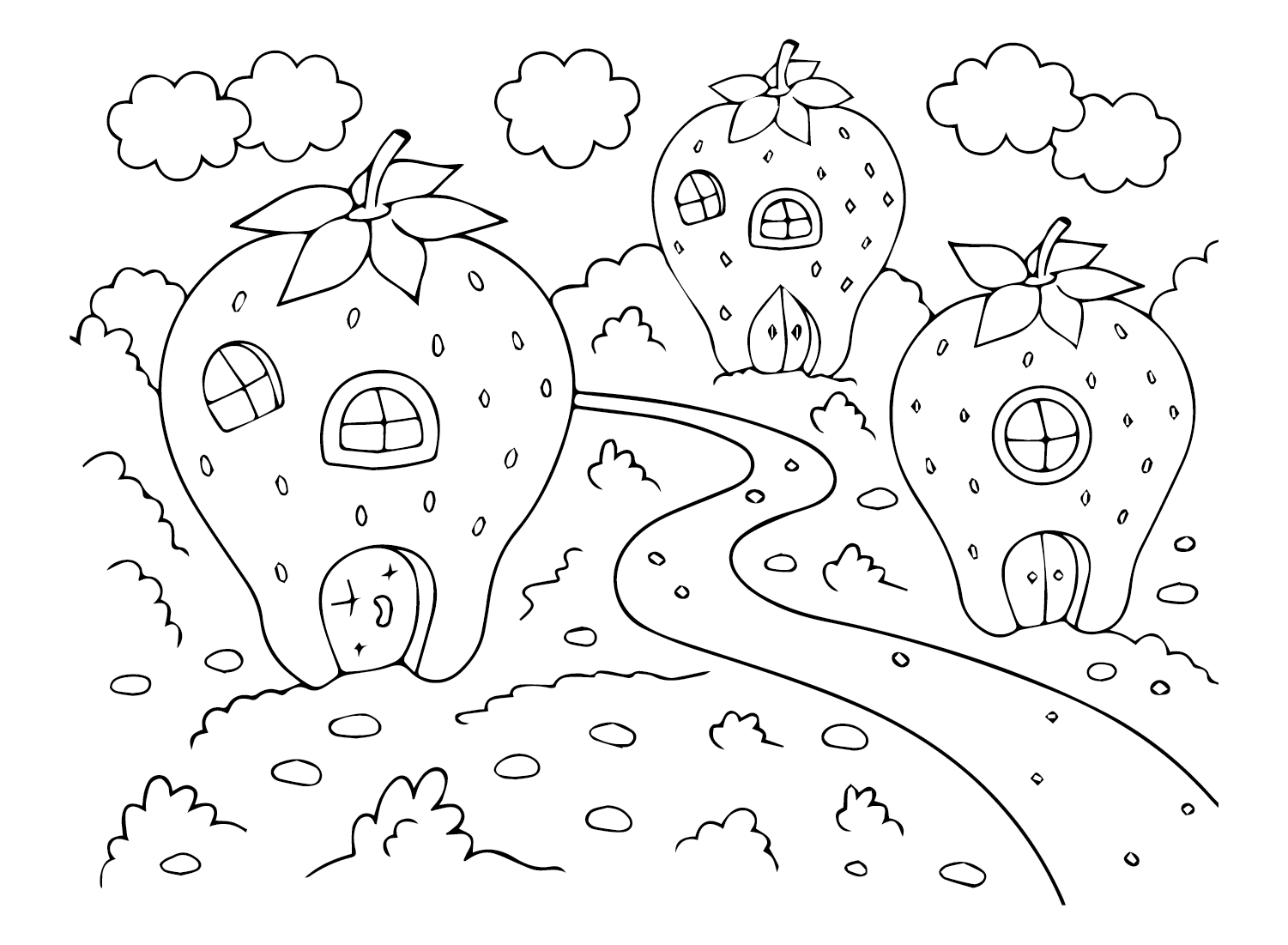
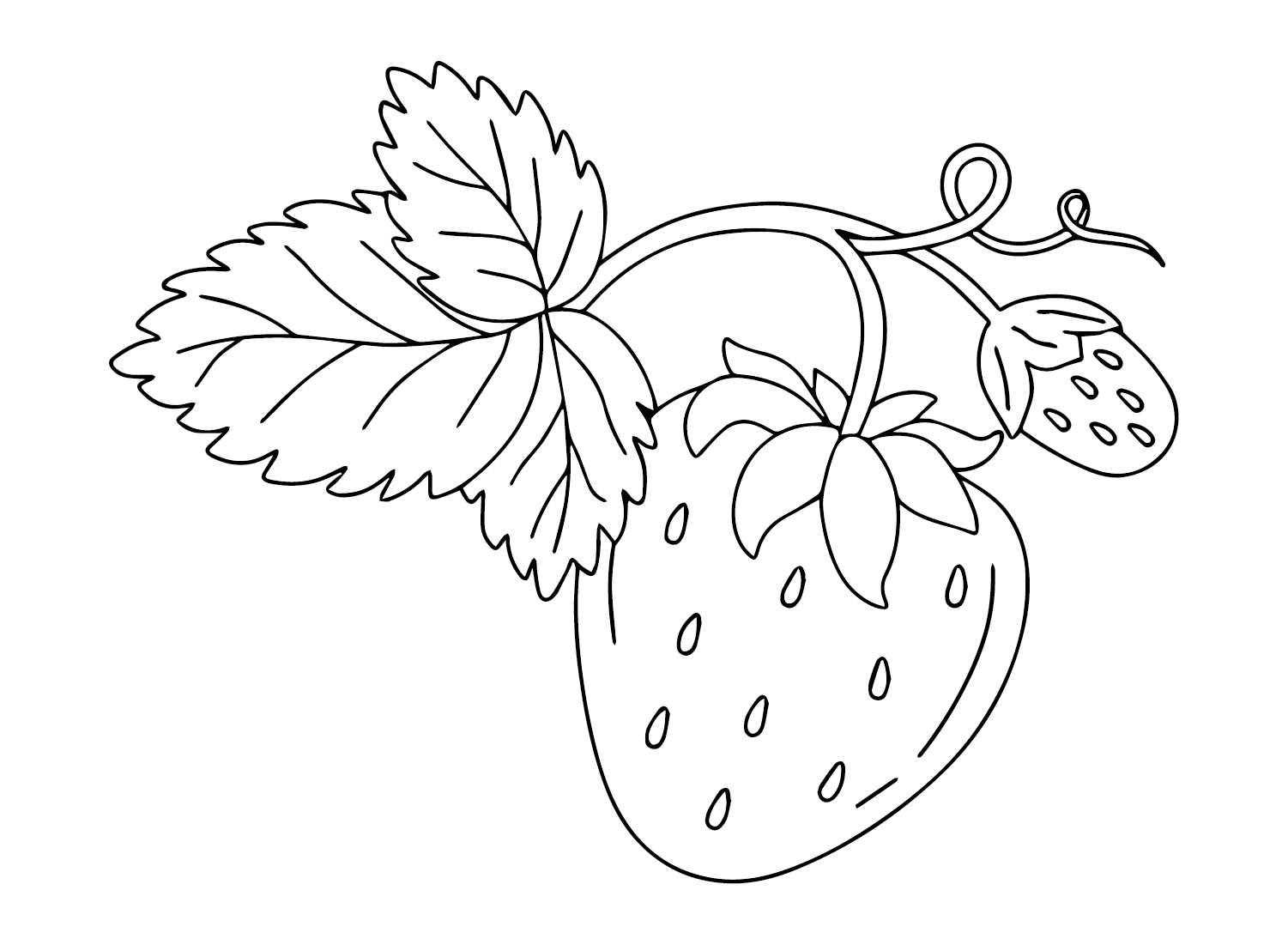
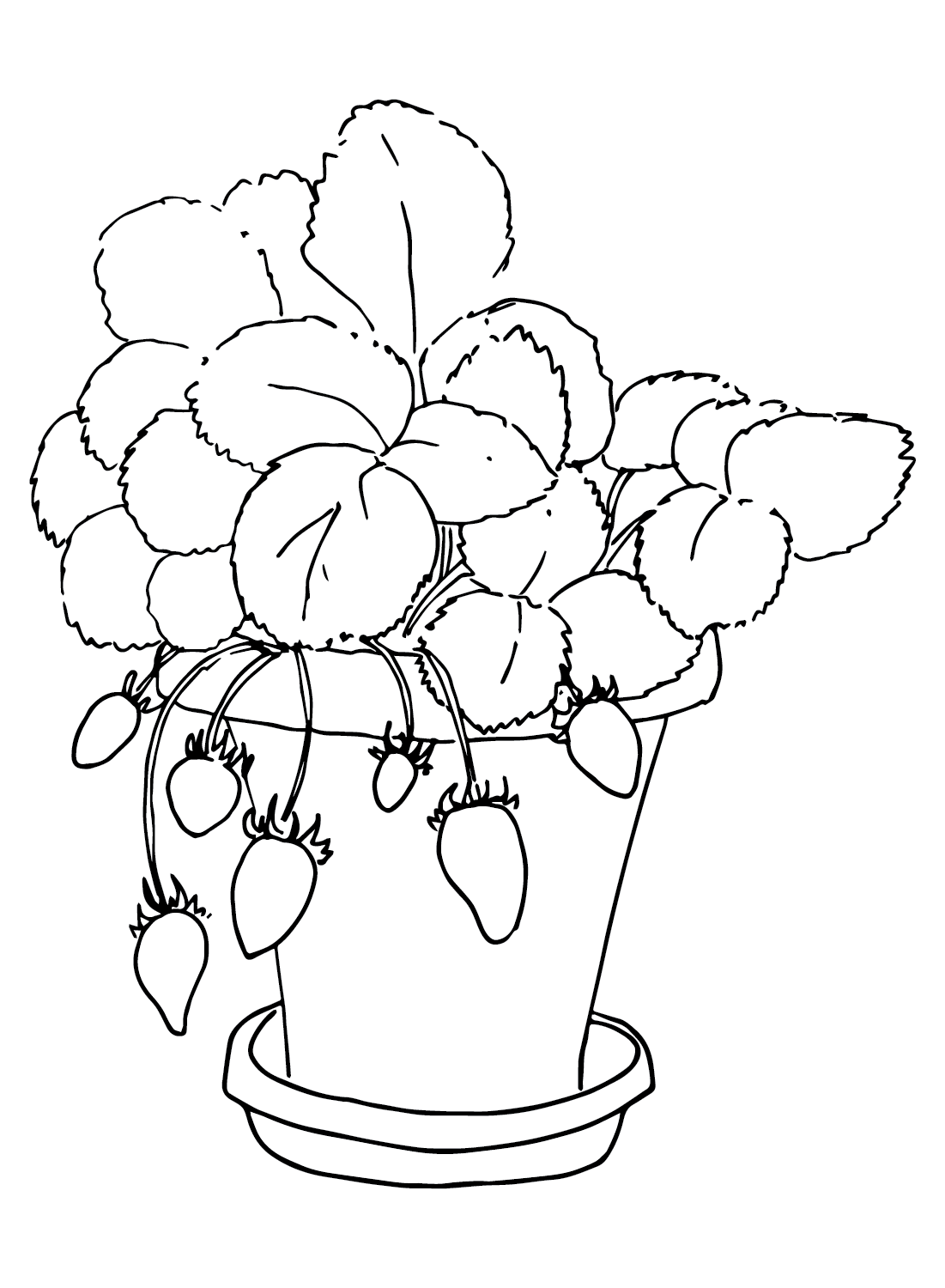
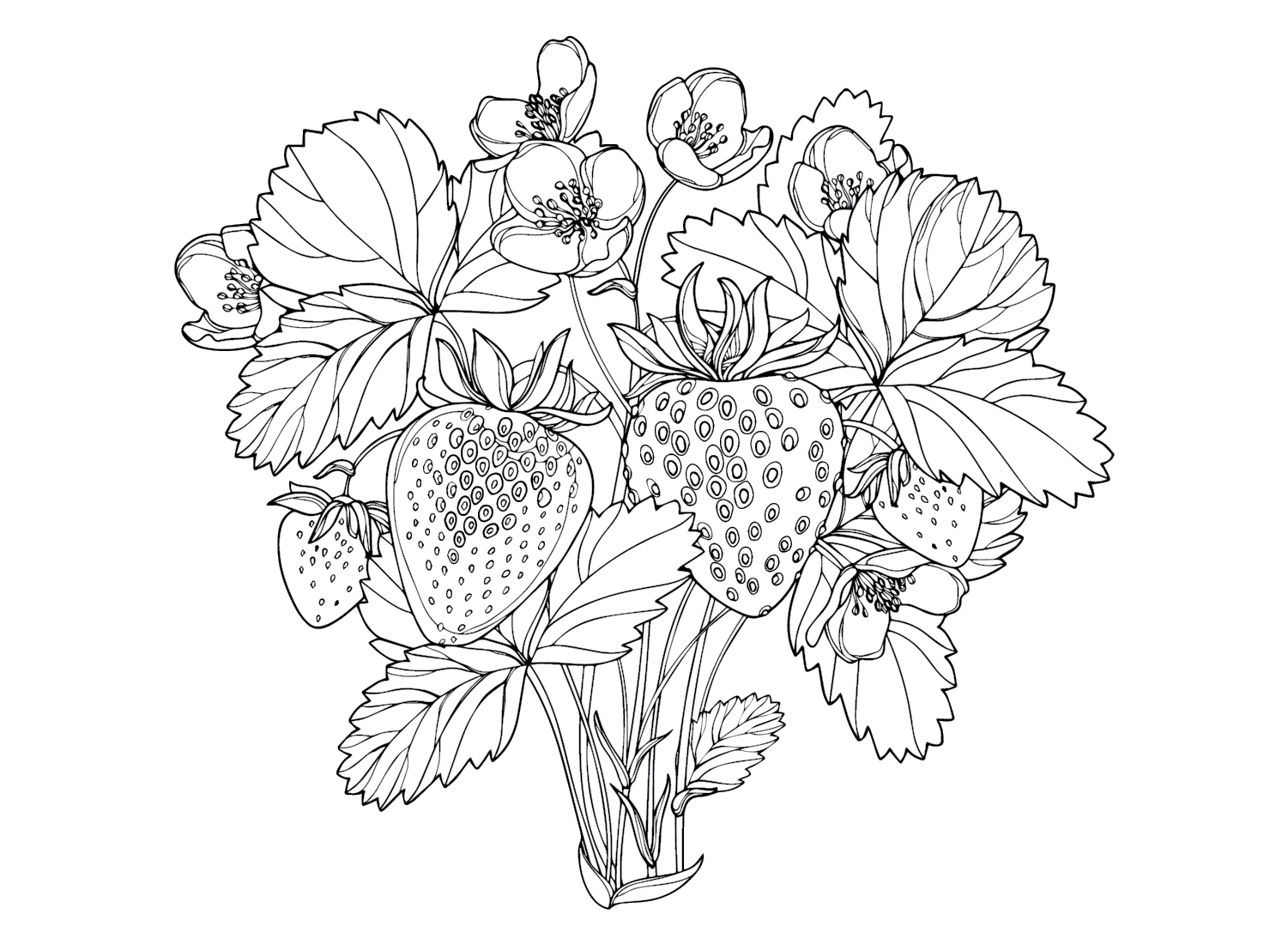
Another group shows strawberries growing on a branch, in a garden setting, or styled into a small tree or house shape.
Simple Standalone Strawberry Designs
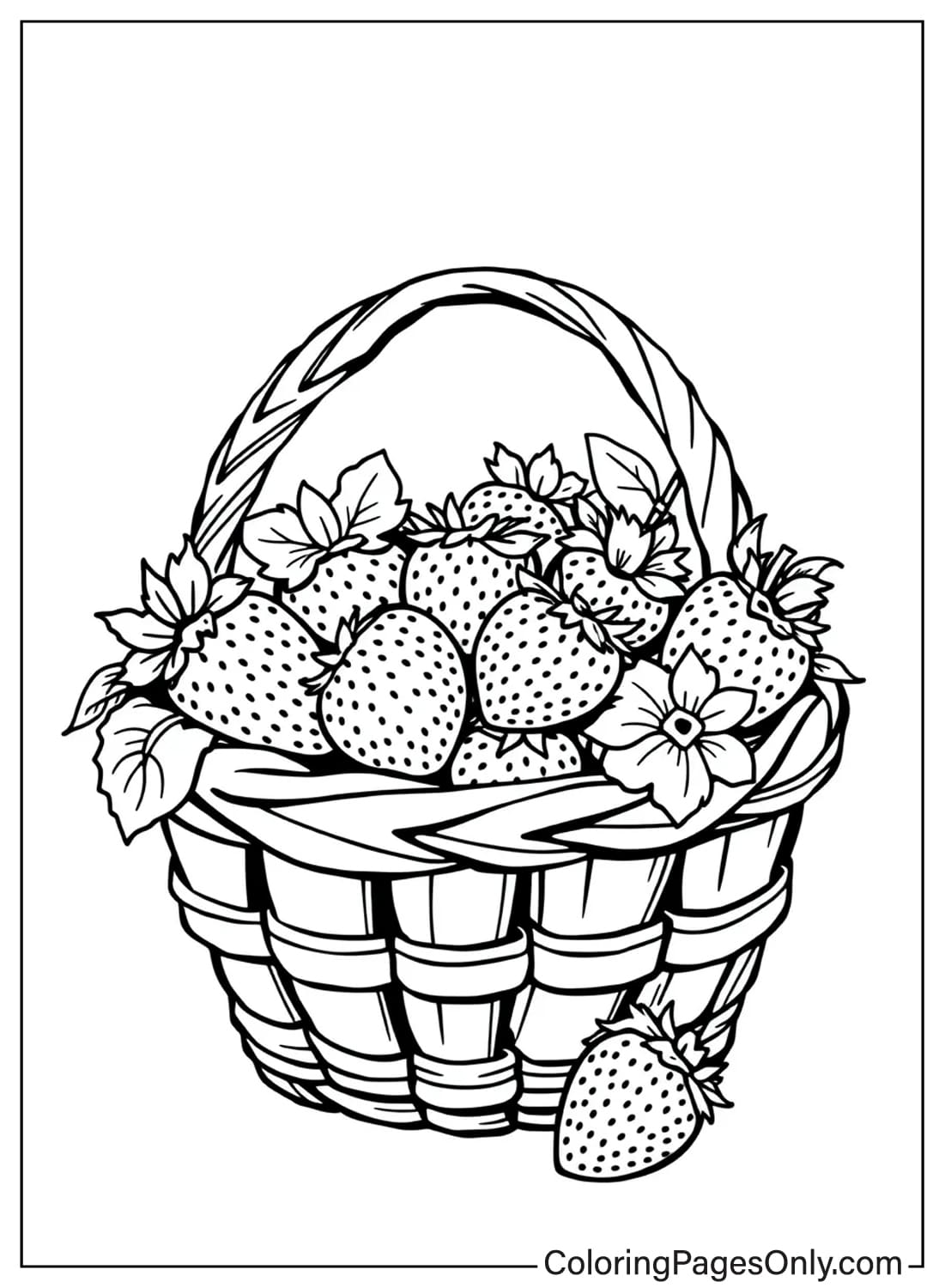
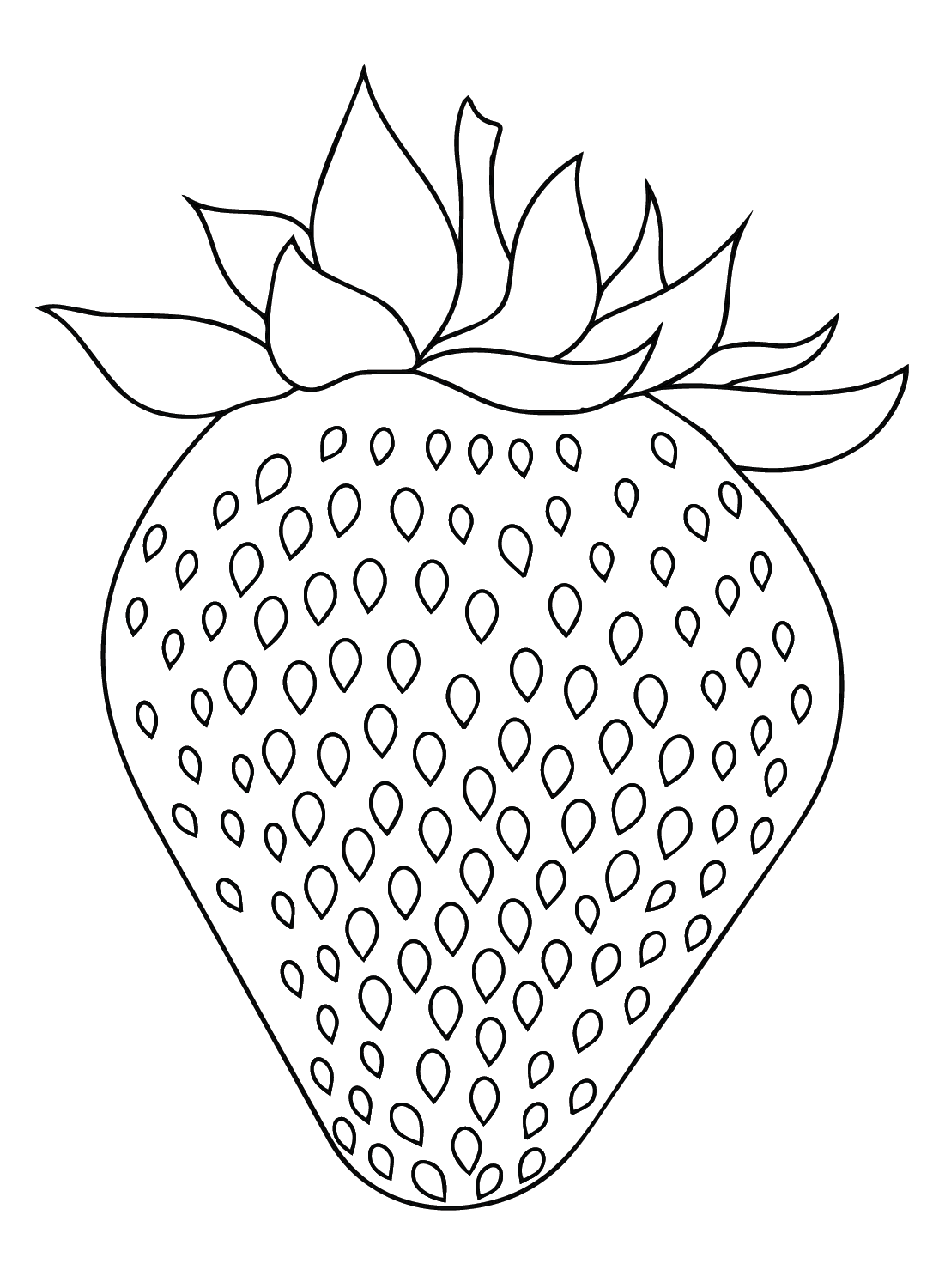
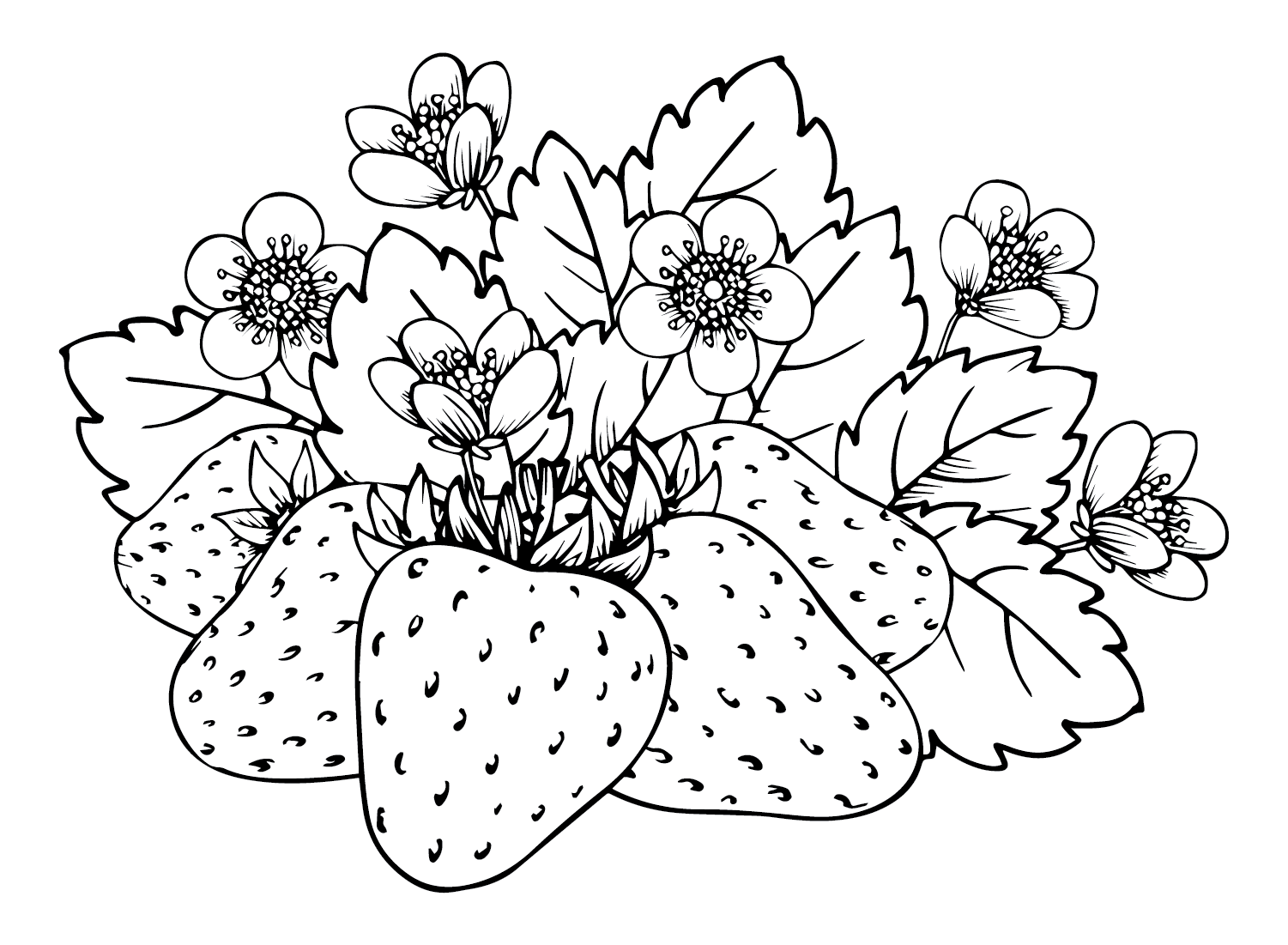
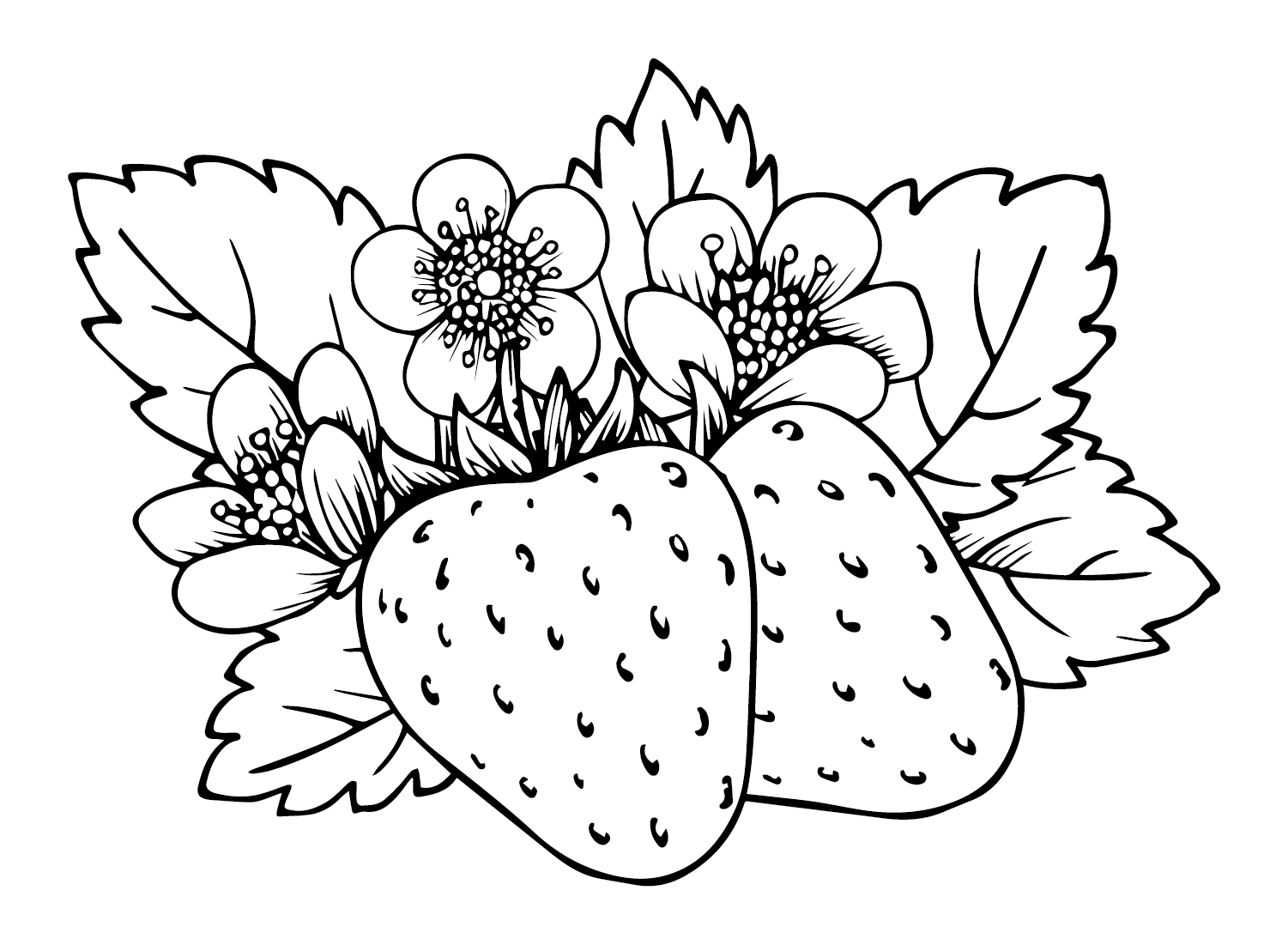
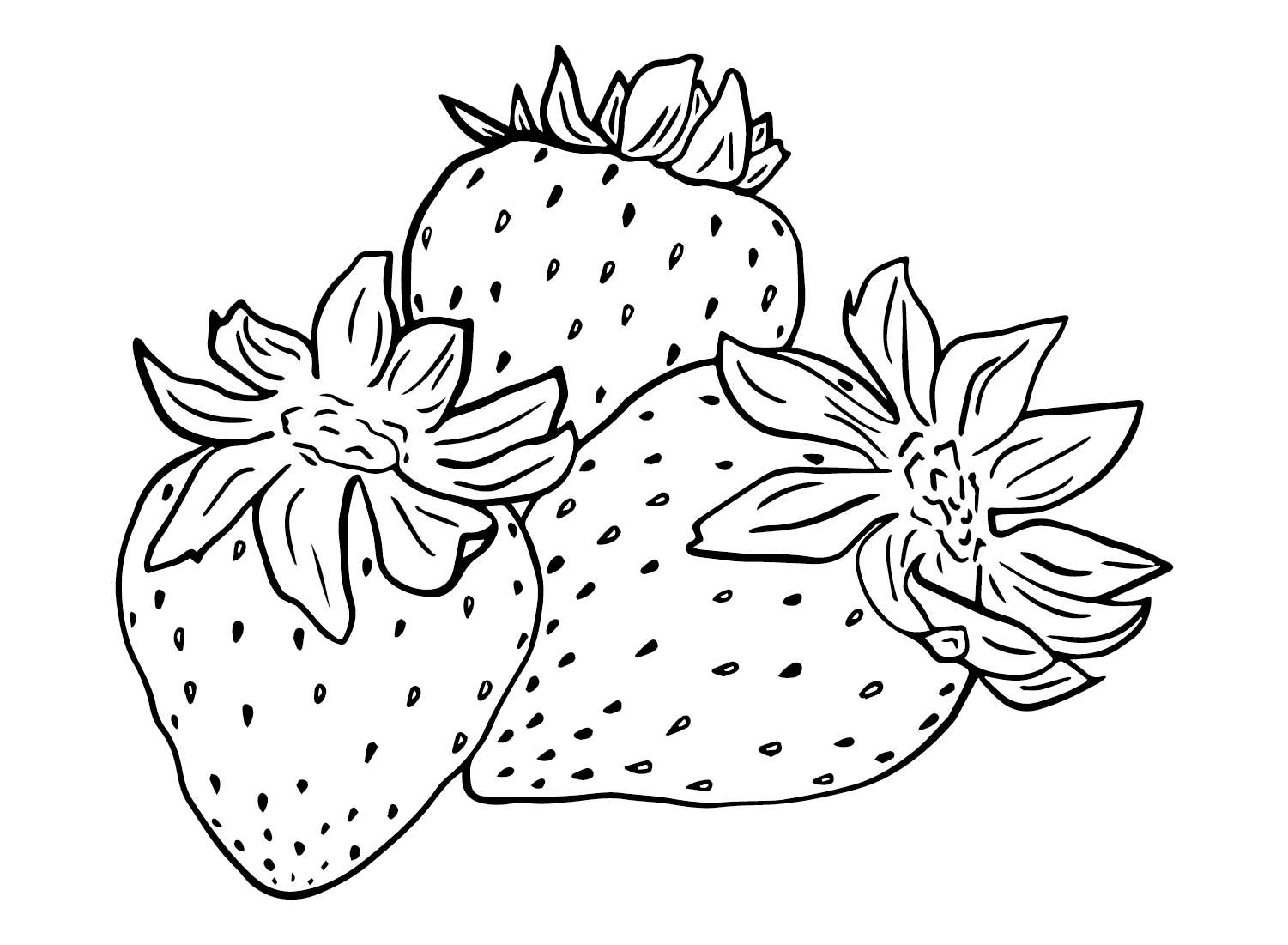
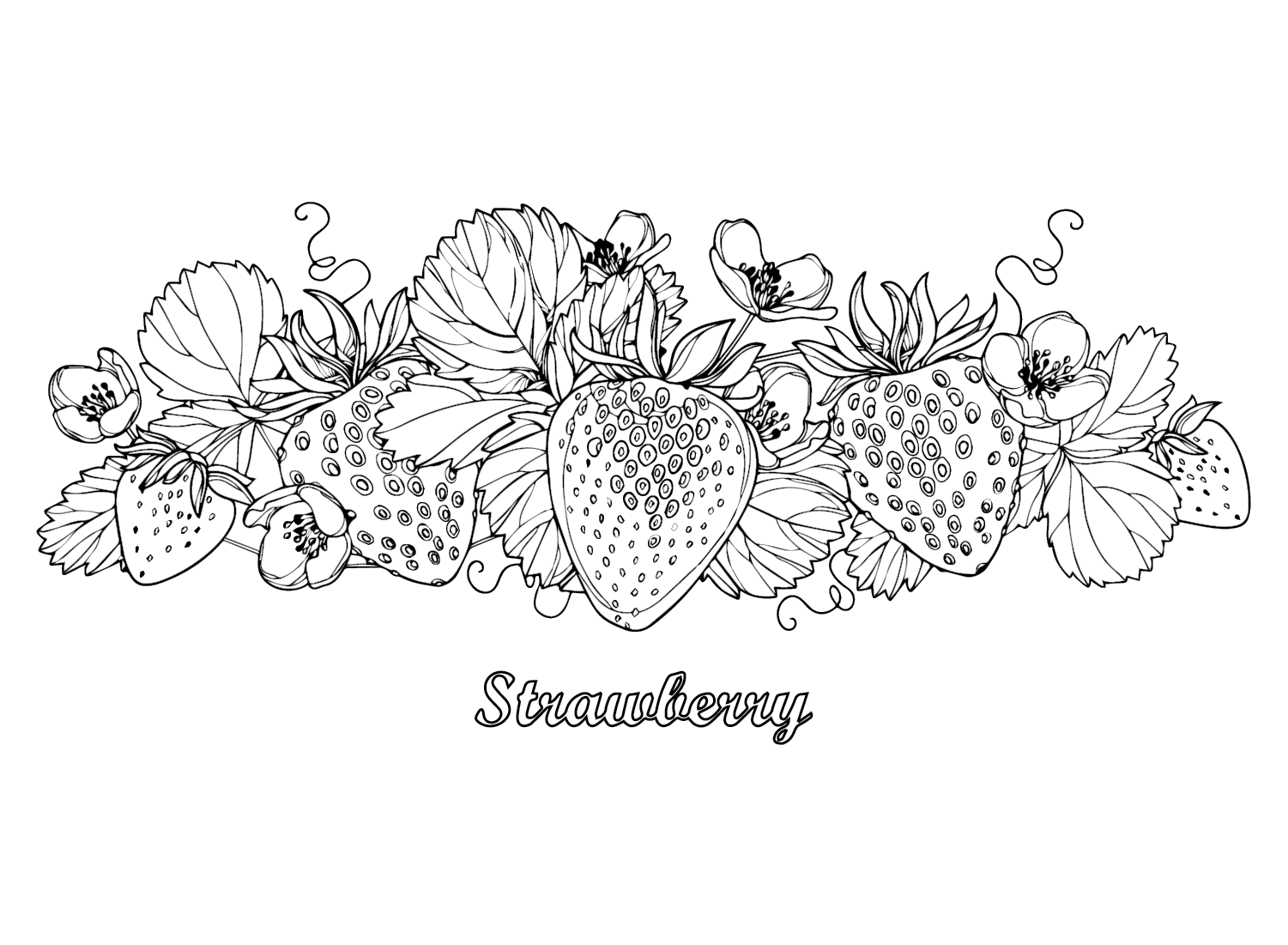
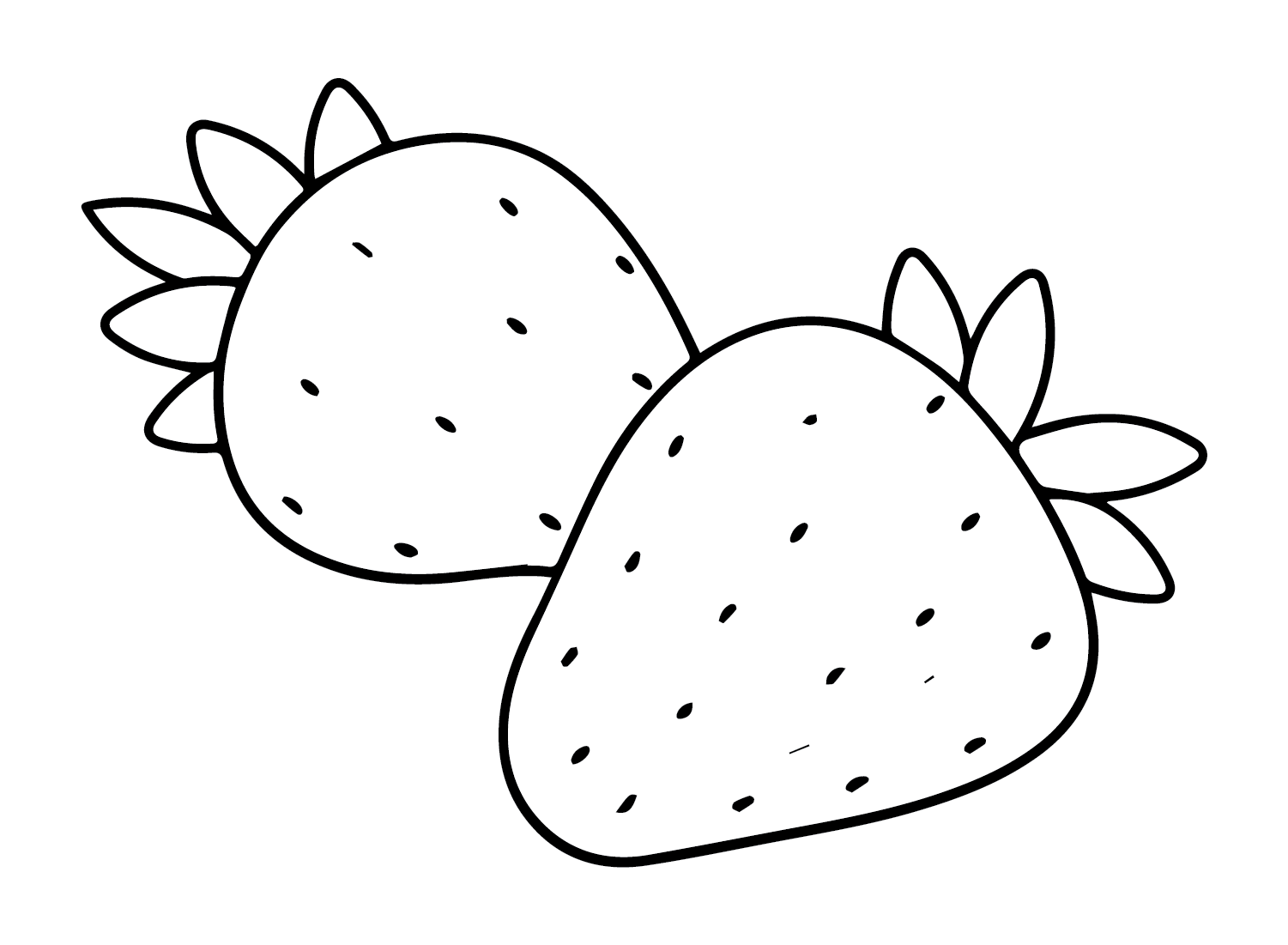
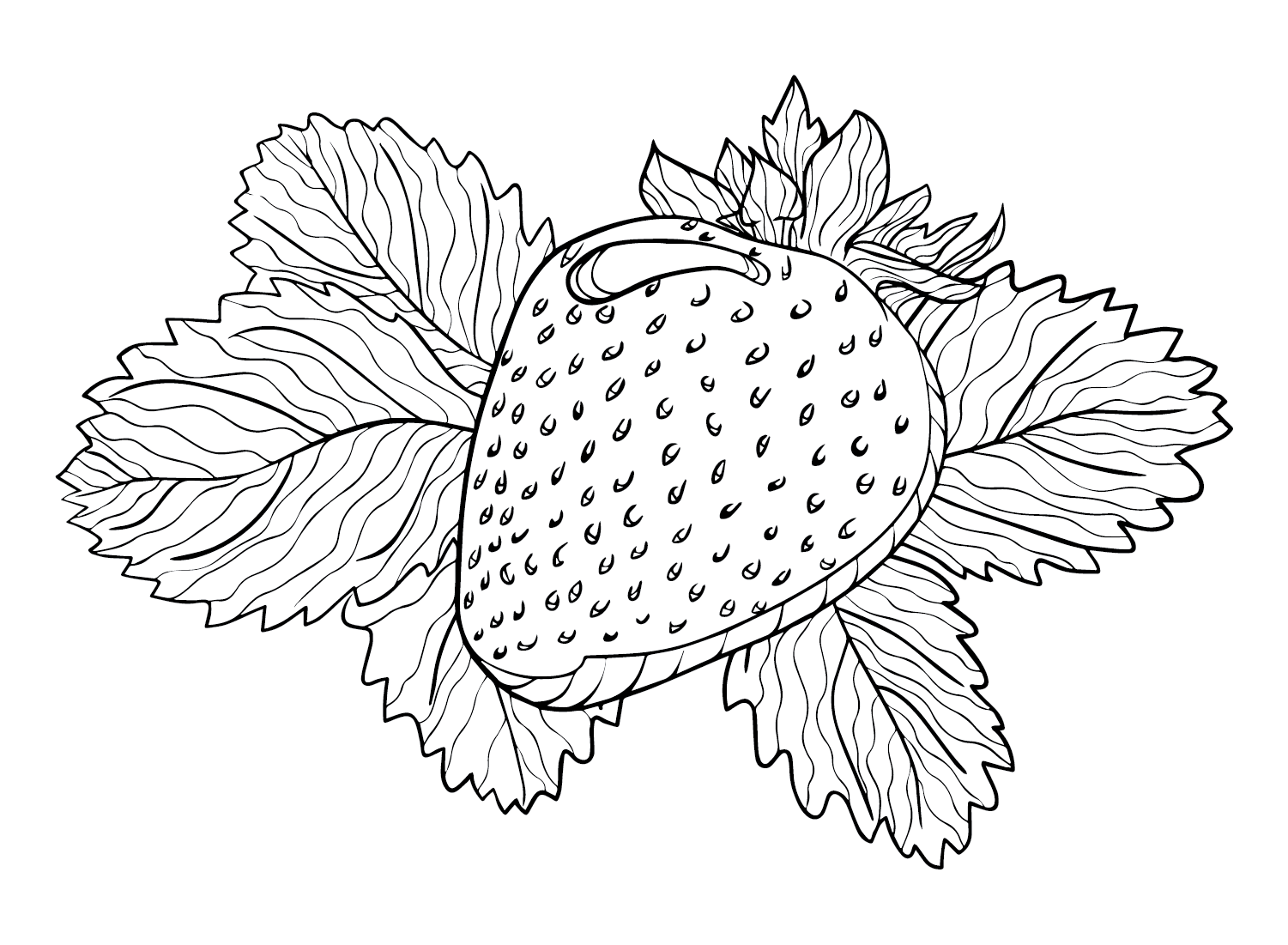
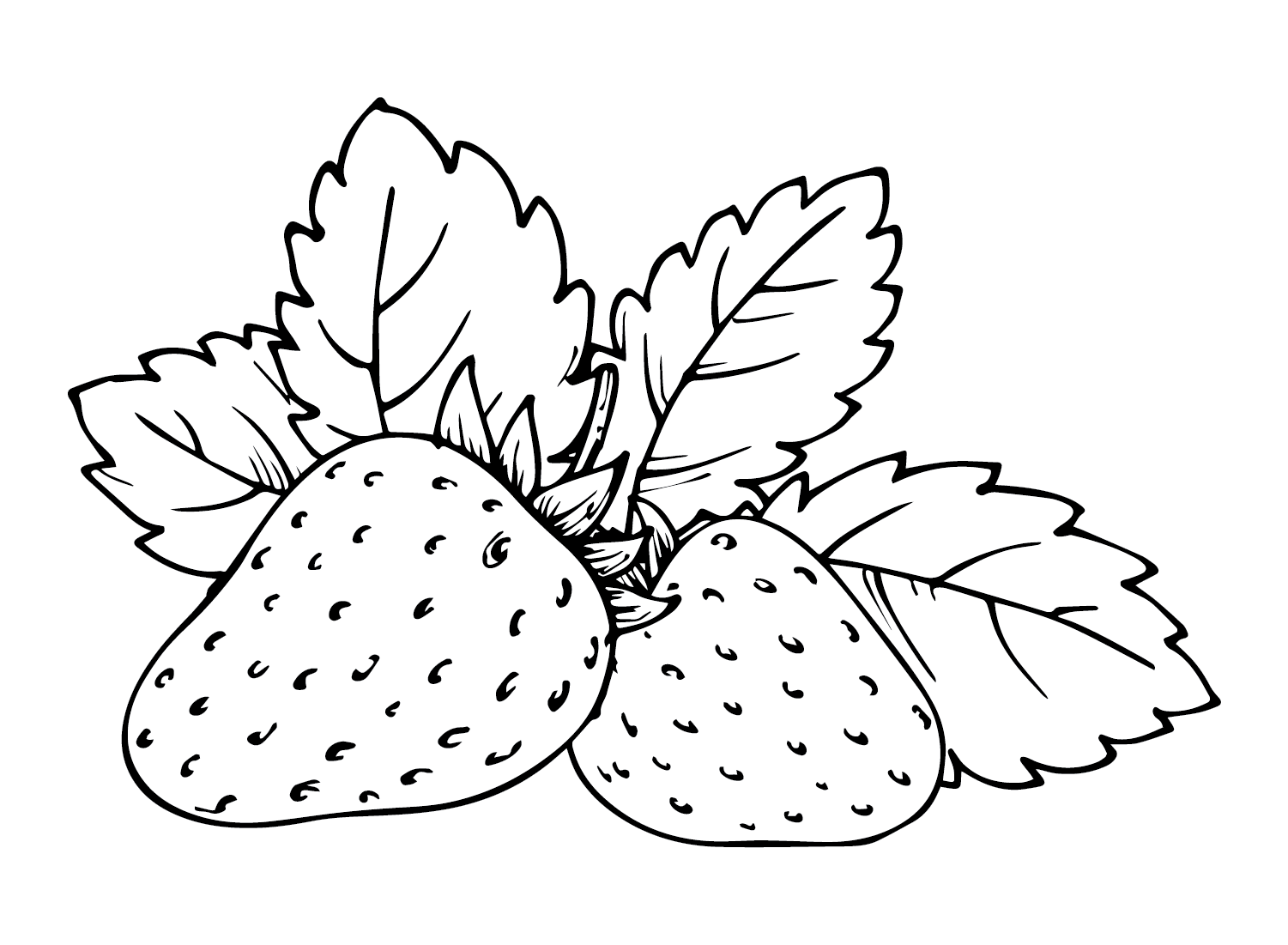
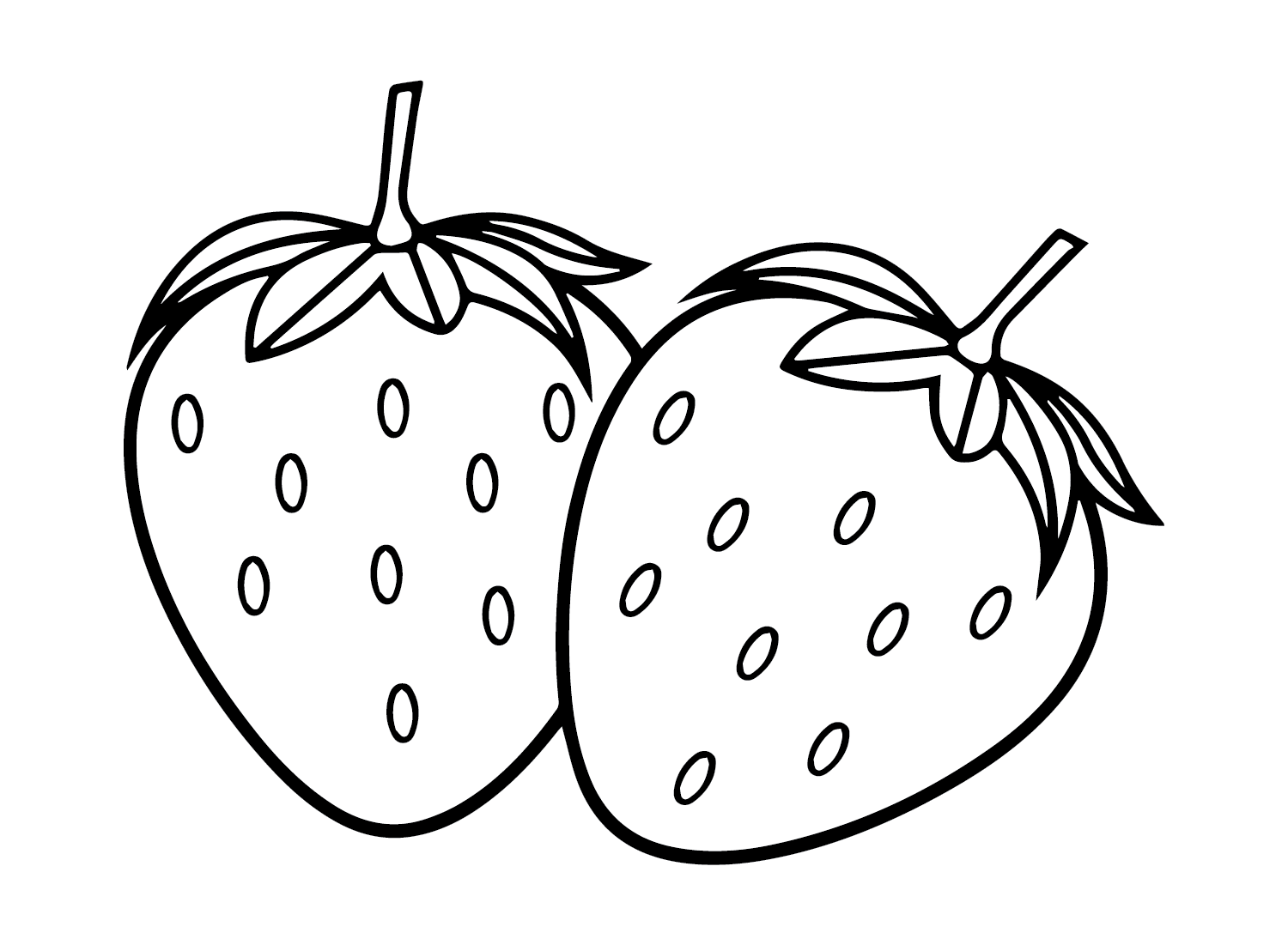
The remaining pages present the fruit plainly on its own, without a character, animal, or scene, suited to a colorer who wants a straightforward single subject.
What Strawberry Coloring Pages Do
Fine motor development. The American Academy of Pediatrics identifies fine motor skill growth as a benefit of structured coloring for children ages 2 through 7, and the small seed dots and curved leaf shapes on a strawberry give a young hand a naturally detailed pattern to trace.
A concrete science fact to share. Explaining that a strawberry’s true fruits are the tiny seed-like specks on its surface gives a parent or teacher a genuinely surprising, verifiable fact to pair with the coloring activity.
Anxiety reduction through focus. Structured coloring produced a measurable drop in anxiety in a 2005 Art Therapy Journal study, and a bright, single-fruit subject like a strawberry keeps that calming activity simple without needing a busy scene to sustain interest.
Everyday fruit recognition. Coloring a realistic strawberry alongside its more stylized, character-based versions helps a young child connect a familiar snack food to a range of artistic representations of it.
How to Color Strawberry Pages Well
- The strawberry body: Use Crayola Scarlet or Red as the base color, then add a touch of Crayola Mahogany near the bottom tip, where a real strawberry darkens slightly as it ripens.
- The seeds (achenes): Dot the surface in Crayola Yellow or Goldenrod rather than plain white, since real strawberry seeds have a pale yellow-tan tone rather than being fully white.
- The leafy cap: Color the leaves and stem in Crayola Forest Green with a lighter Crayola Yellow Green highlight along the center of each leaf to avoid one flat green shape.
- Character and kawaii faces: Keep facial features simple and dark, Crayola Black or Sepia, so expressions stay clear and readable against the bright red body.
- Animal characters: Color rabbits and bunnies in Crayola White or Gray and dogs in Crayola Tan or Brown, keeping their coloring distinct from the strawberry’s red so the two subjects don’t blend visually.
- Dessert pages: Use Crayola Apricot or Tan for the cake, and use the same Scarlet from the strawberries themselves for any icing or garnish, tying the dessert visually back to the fruit it features.
5 Creative Craft Ideas With Strawberry Coloring Pages
1. Strawberry Fact Card
Color one of the standalone strawberry pages and mount it on a sheet of paper. Write a short, real fact underneath, such as how the seeds on the outside are actually tiny individual fruits. The finished card pairs the coloring activity with a small science lesson.
2. Strawberry Garland
Color four or five of the simpler standalone strawberry pages and cut around each one. String them together with twine at even intervals. The finished garland works well as a light, seasonal decoration for a room or a classroom.
3. Strawberry Gift Tags
Color a few of the smaller strawberry designs and cut each into a small tag shape. Punch a hole and attach with ribbon to a wrapped gift. The tags add a bright, fruity touch to any gift.
4. Strawberry Bookmark
Color one of the characters or standalone pages and cut it into a narrow bookmark shape. Laminate or cover with clear contact paper for durability. The finished bookmark makes an easy, small gift for another young reader.
5. Strawberry Snack Placemat
Color a full strawberry scene and cover both sides with clear contact paper to make a durable placemat. Use the placemat at snack time to talk about fruit as a healthy option. The lamination lets it hold up to repeated use.
Frequently Asked Questions
What are Strawberry coloring pages?
A free set of 43 printable designs featuring strawberries in several styles, including cute characters, animals paired with the fruit, desserts, garden scenes, and plain standalone illustrations.
What makes a strawberry botanically unique?
A strawberry is not actually a berry. It is classified as an aggregate accessory fruit, and the specks on its surface, often mistaken for seeds, are achenes, each one a separate small fruit with a seed inside.
What kinds of designs appear in the collection?
The set includes character and kawaii-style strawberries, strawberries paired with animals like bunnies and dogs, strawberry desserts, garden and nature scenes, and simple, standalone fruit illustrations.
Which animals appear paired with strawberries?
Rabbits, bunnies, and a dog each appear in separate pages, interacting with a strawberry, either eating it or sitting nearby.
What colors work best for coloring a strawberry?
A base of Crayola Scarlet with Mahogany shading near the tip, Yellow or Goldenrod for the seeds, and Forest Green for the leafy cap captures a strawberry’s natural coloring accurately.
Can these pages be colored online instead of being printed?
Yes. Every design in the set opens in the browser-based coloring tool, so a page can be finished on a tablet or computer without printing anything first.
Are Strawberry coloring pages suitable for young children?
A plain, single strawberry with large, simple shapes suits a child around age three, just learning to stay inside the lines. The character and dessert pages carry more small details and work better for a child around five or six.
Can this set be used for a fruit or healthy-eating lesson?
Yes. Pairing a colored strawberry page with a short explanation of its unique botanical structure gives a teacher or parent both a nutrition talking point and a genuinely interesting science fact.
Start Coloring
Opening a page costs nothing and requires no account, just a click on the design itself. The online coloring tool is available for anyone who wants to color without printing at all. A finished page reaches Facebook or Pinterest through the share buttons above it.