Tracing Coloring Pages
 By:
Jennifer Thoa - Content Editor & Designer
Updated:
By:
Jennifer Thoa - Content Editor & Designer
Updated:
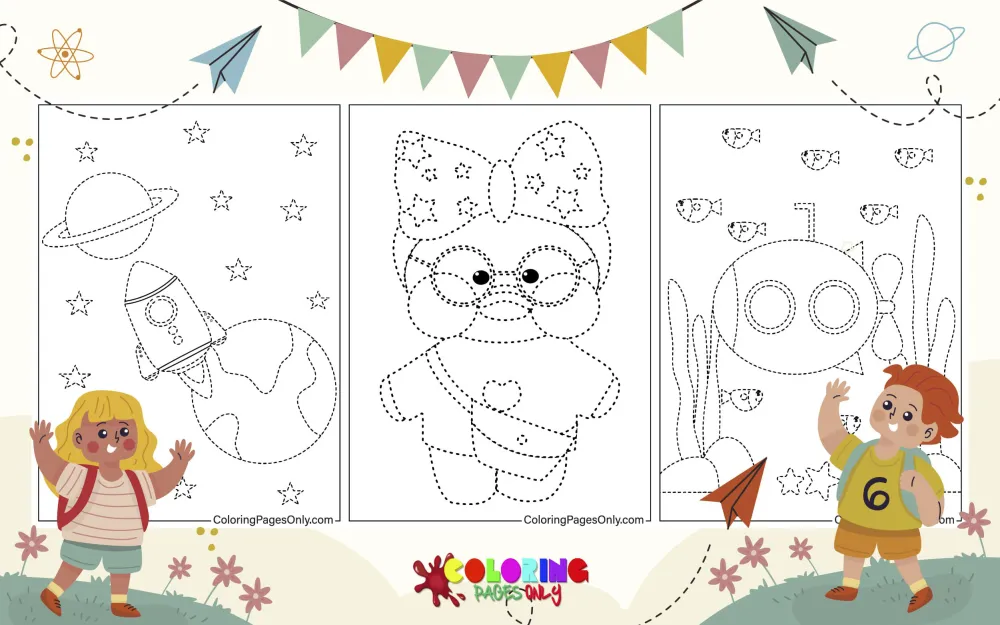
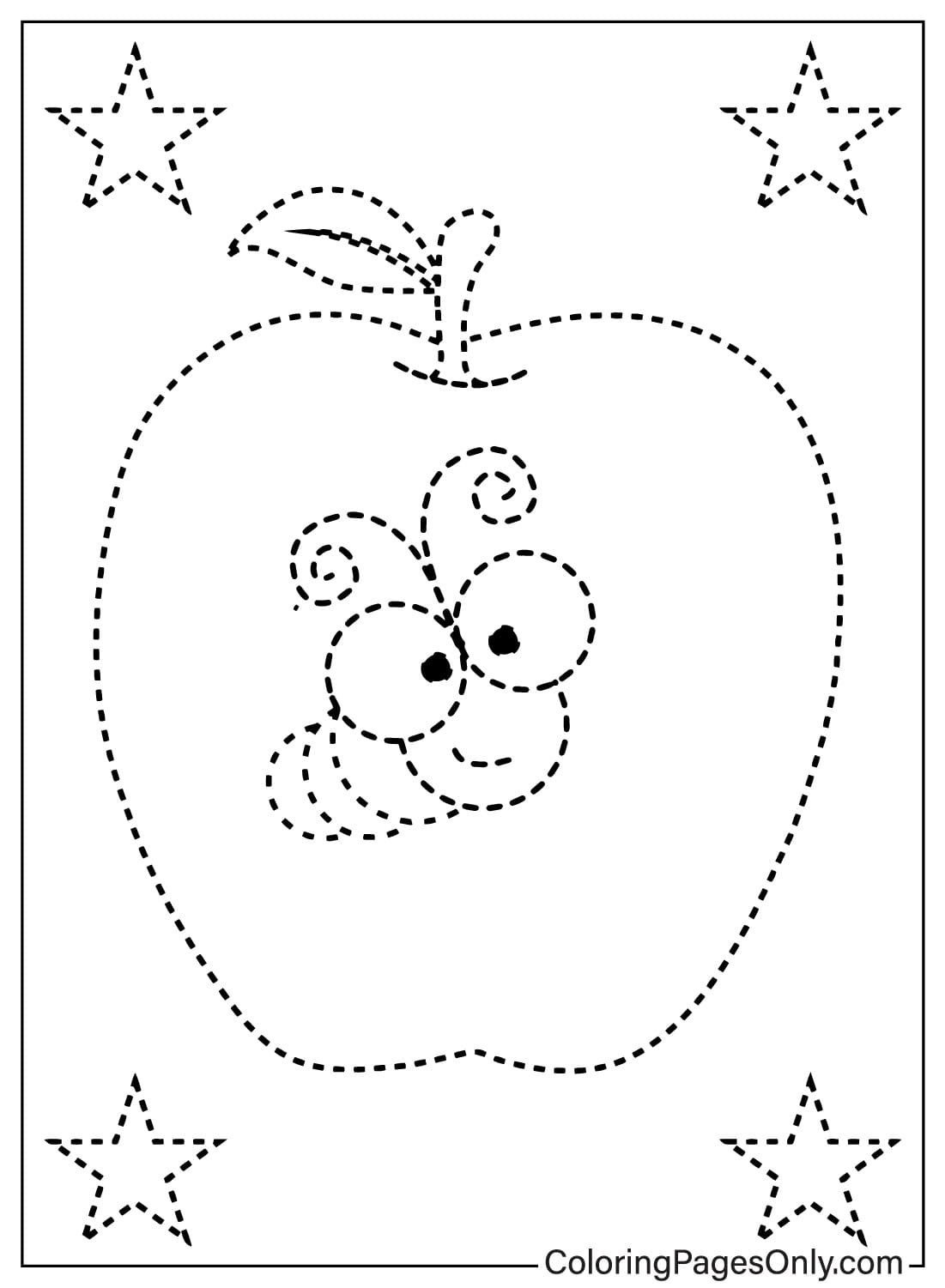
Tracing coloring pages: 50 printable PDF worksheets that pair a dotted-line tracing guide with a picture to color, covering animals, vehicles, food, and everyday objects. Each page can be downloaded as a PDF to print or colored online in the browser.
Tracing isn’t just practice for tracing’s own sake; occupational therapists track a specific, well-documented order in which children learn to control a pencil. Vertical and horizontal lines and a circle typically come first, mastered by around age 3, followed by a cross shape around age 4, then diagonal lines, and finally an X and a triangle by around age 5. Every one of those basic strokes is also a building block of actual letters and numbers, which is why a page that looks like simple picture tracing is doing real preparatory work for handwriting later on. This collection leans mostly on pictures rather than pure line-and-shape drills, animals, vehicles, food, and everyday objects. Hence, a child gets that stroke practice inside a picture they recognize rather than a blank geometric exercise.
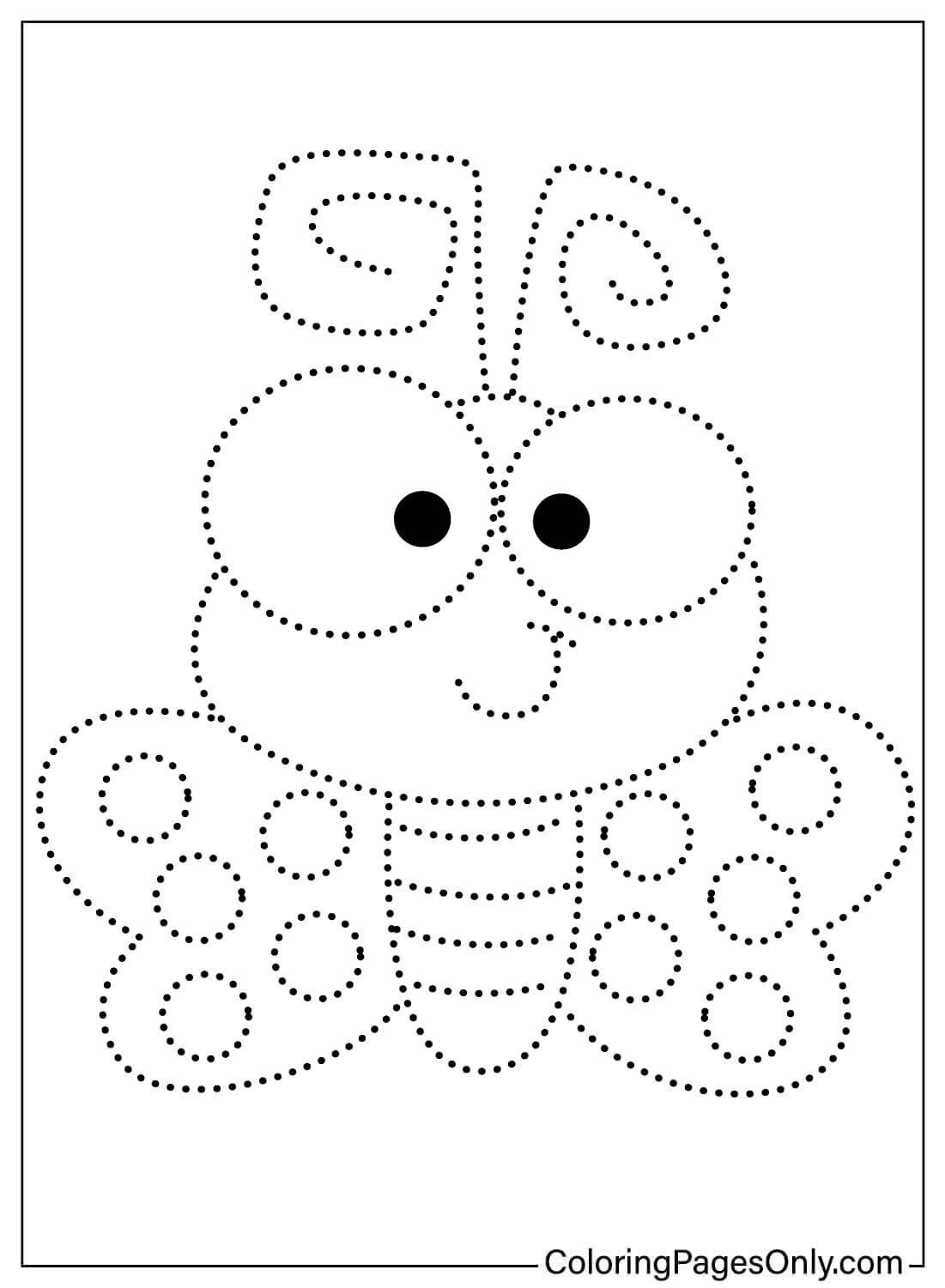
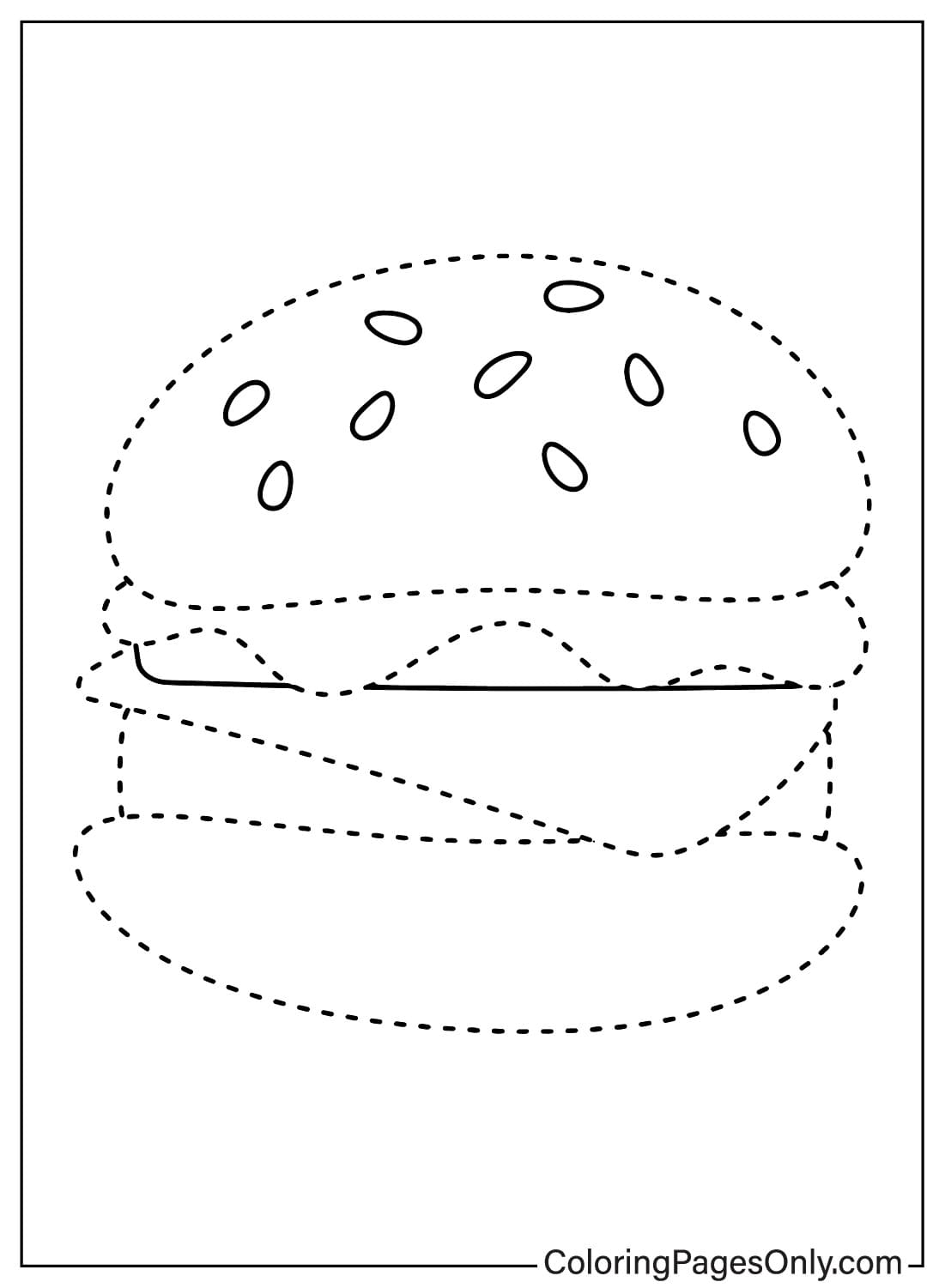
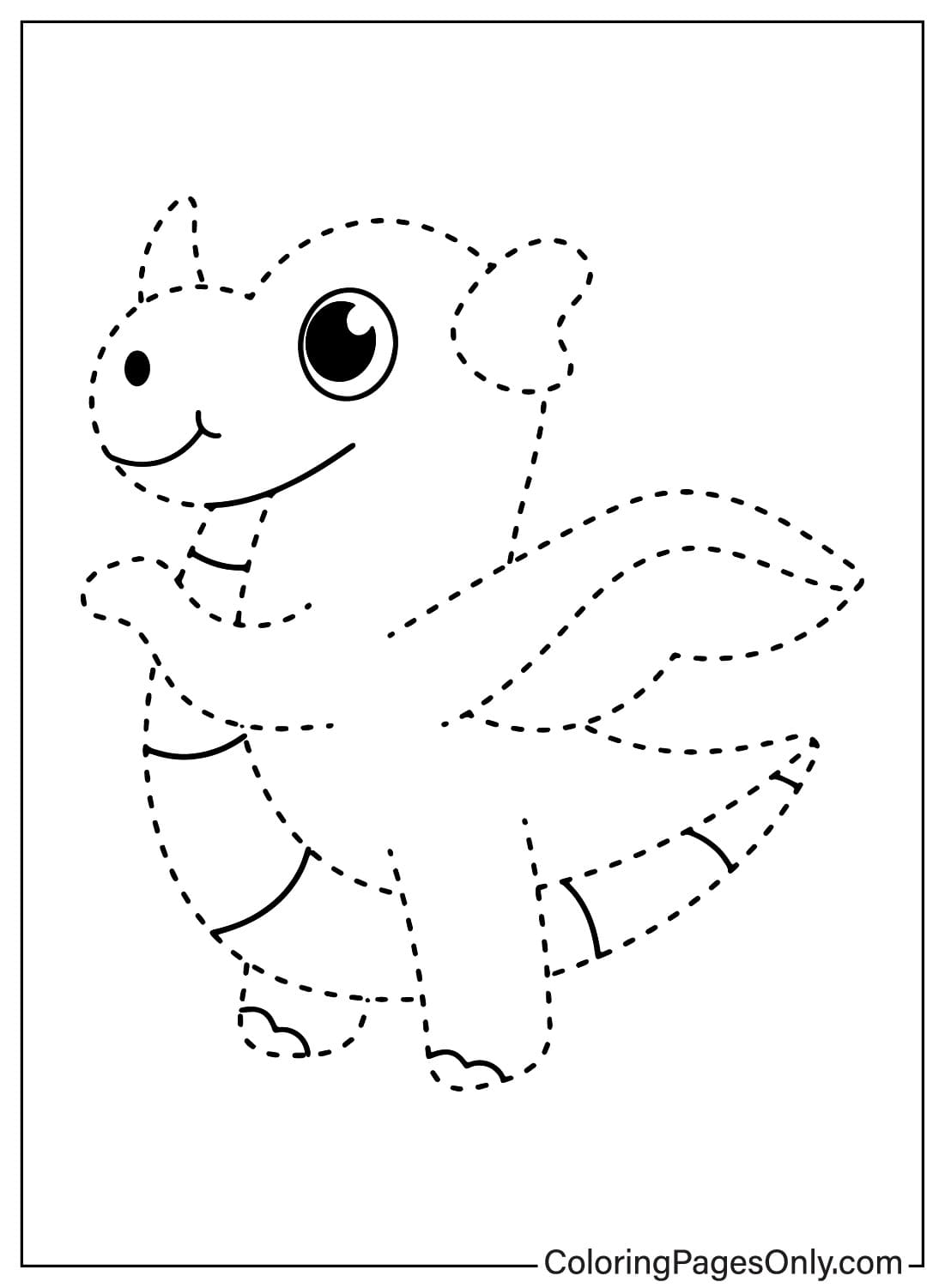
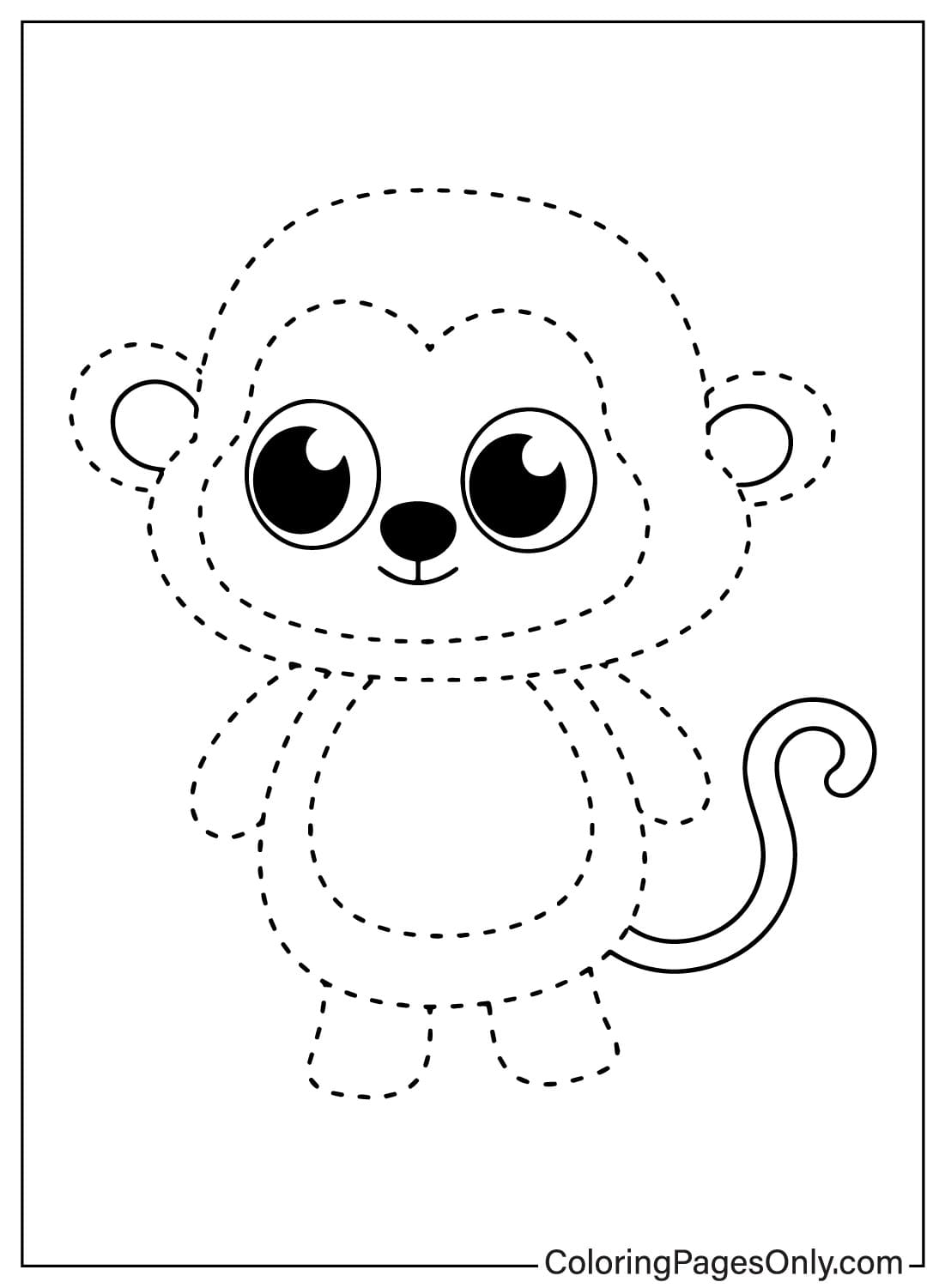
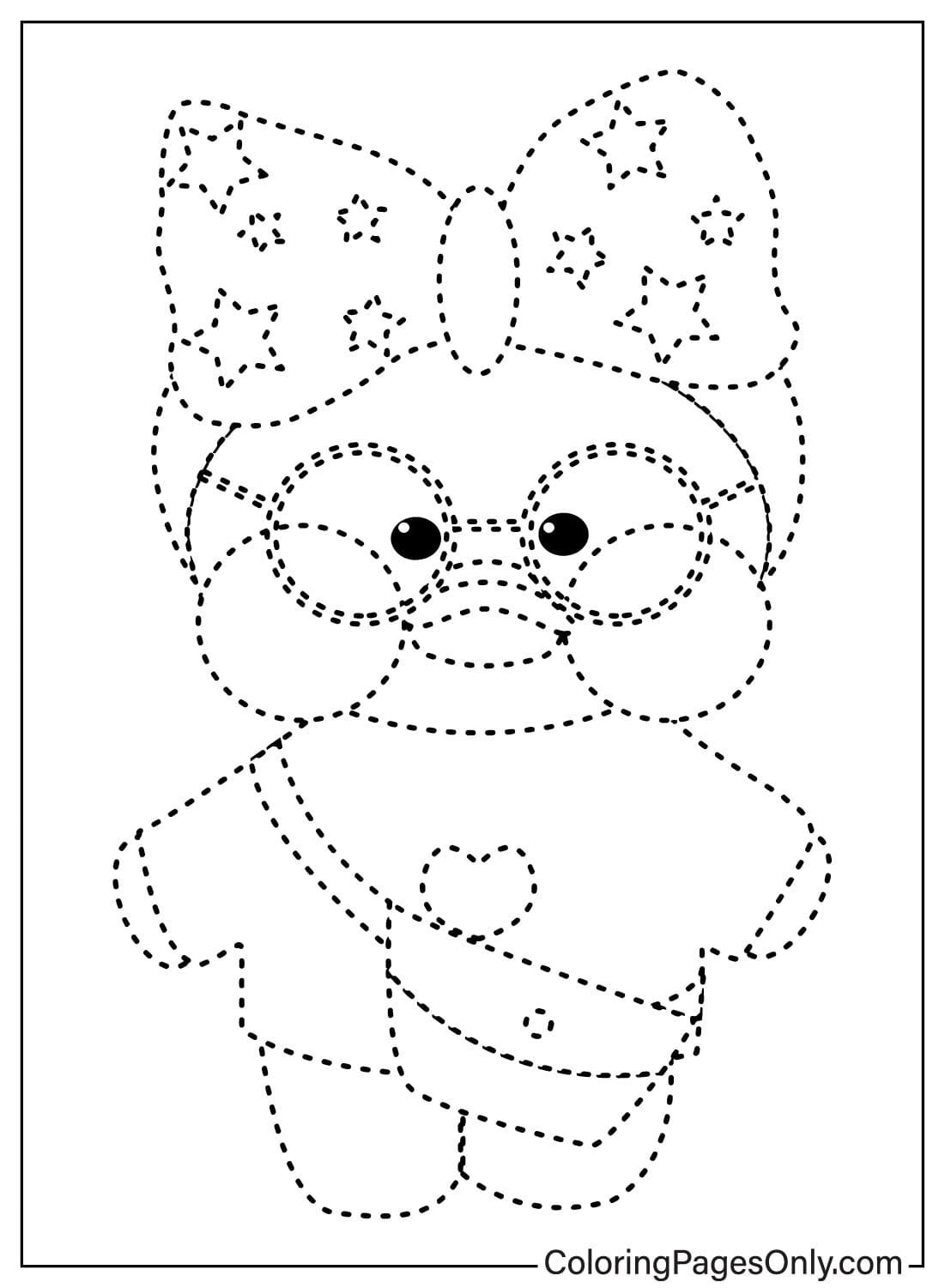
With 50 pages split between animals, vehicles, and objects, food and seasonal scenes, and a larger set of additional designs, the set works as a quick daily tracing warm-up and as a longer session covering a wide range of subjects.
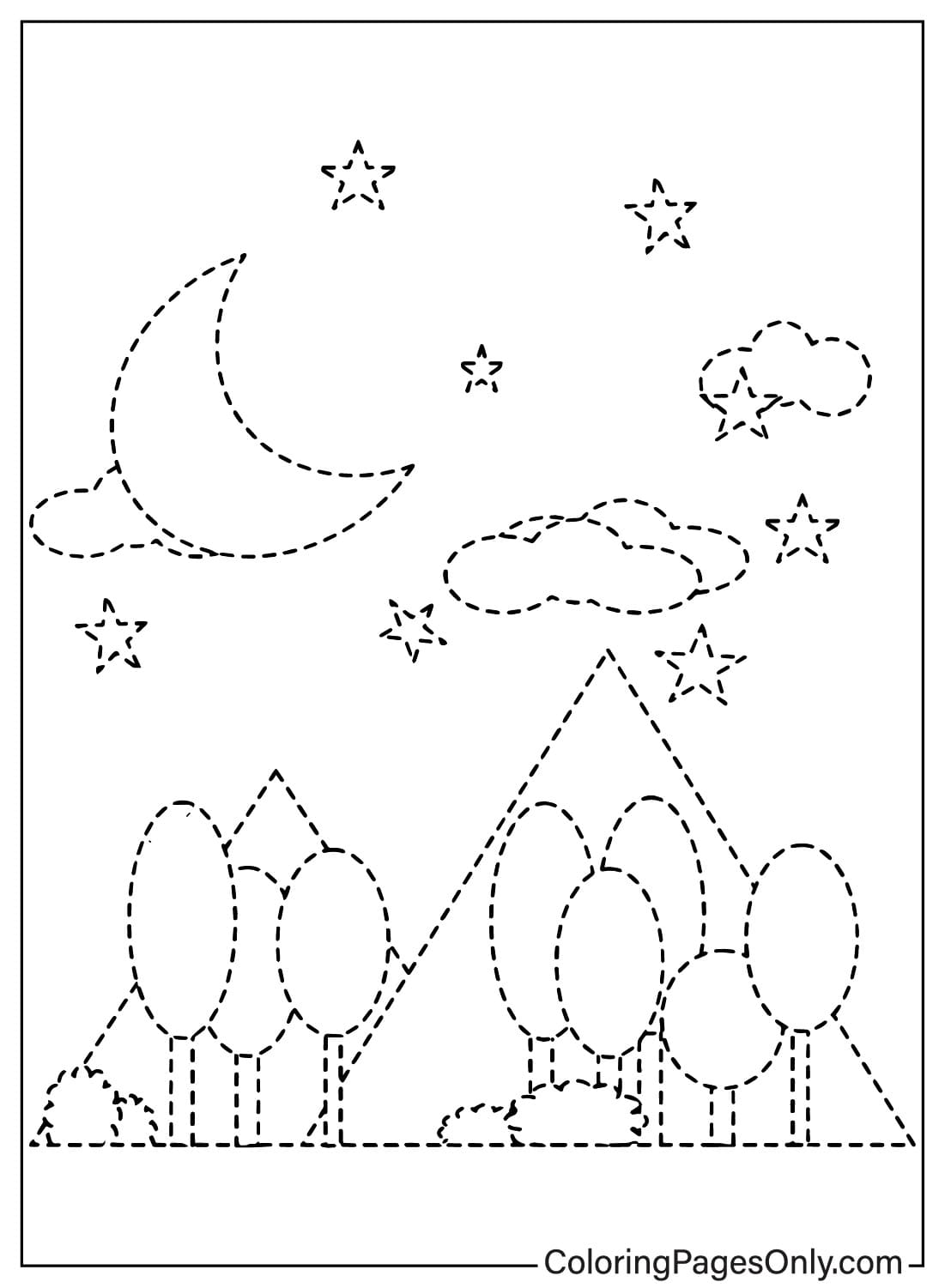
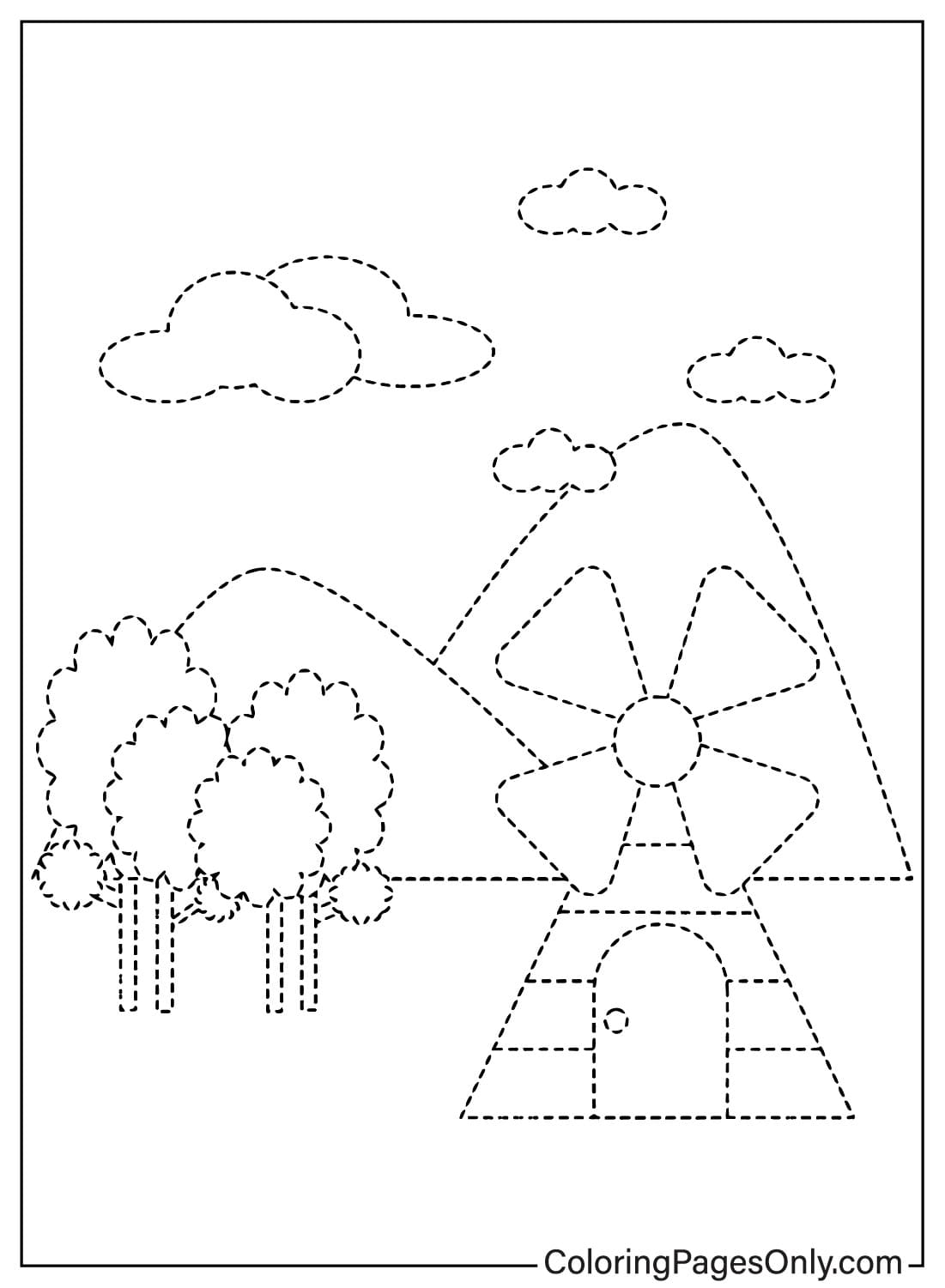
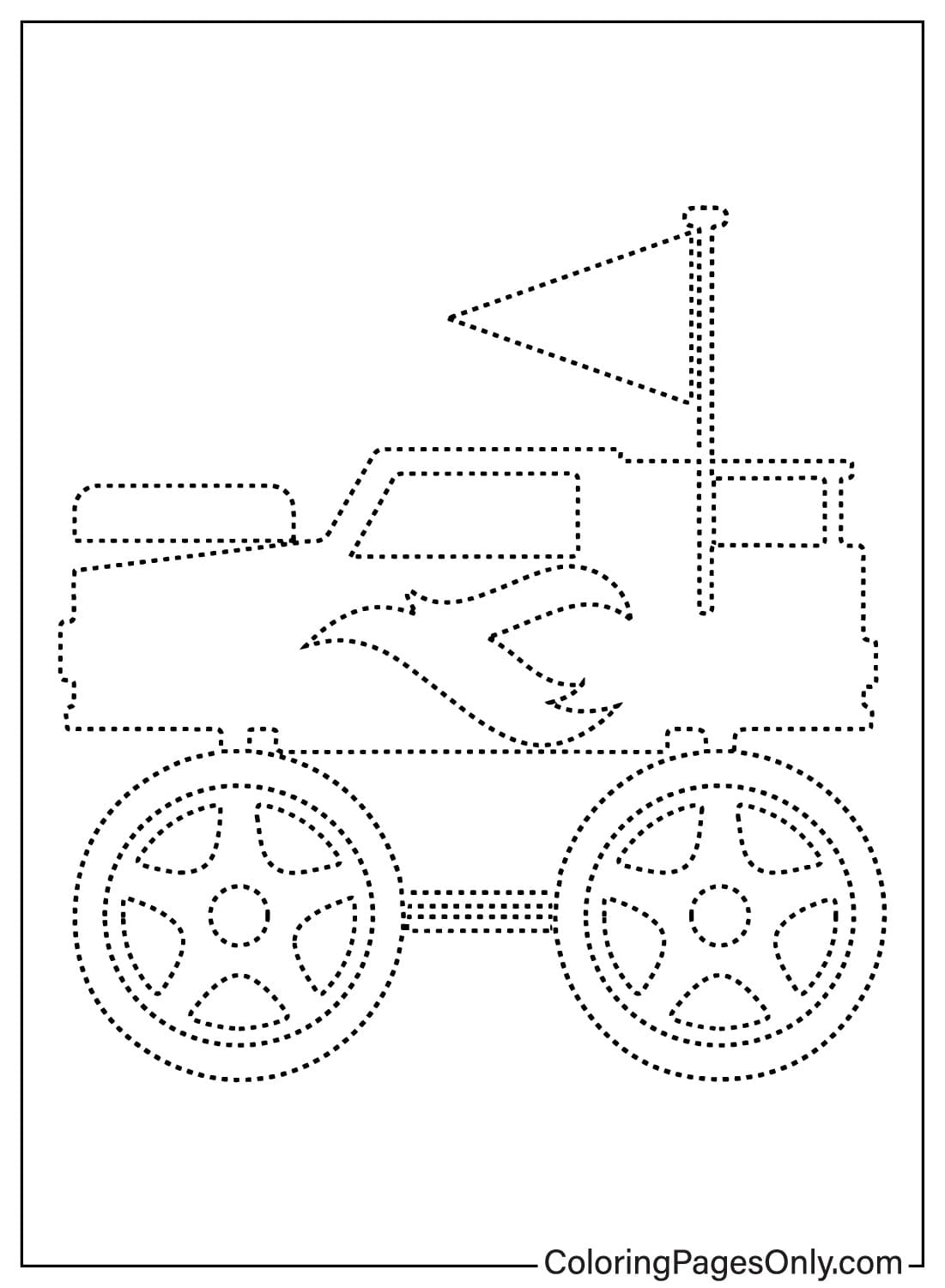
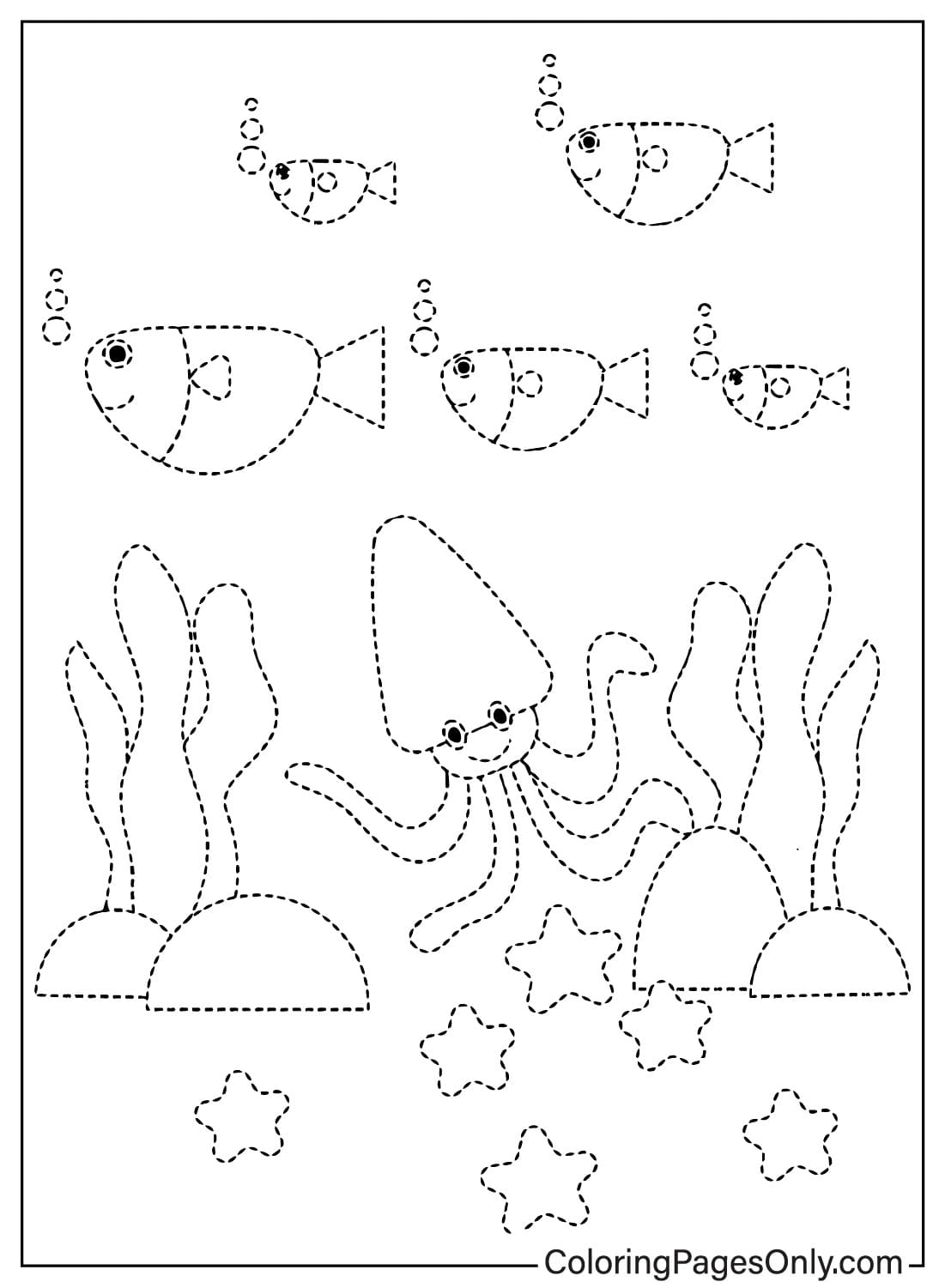
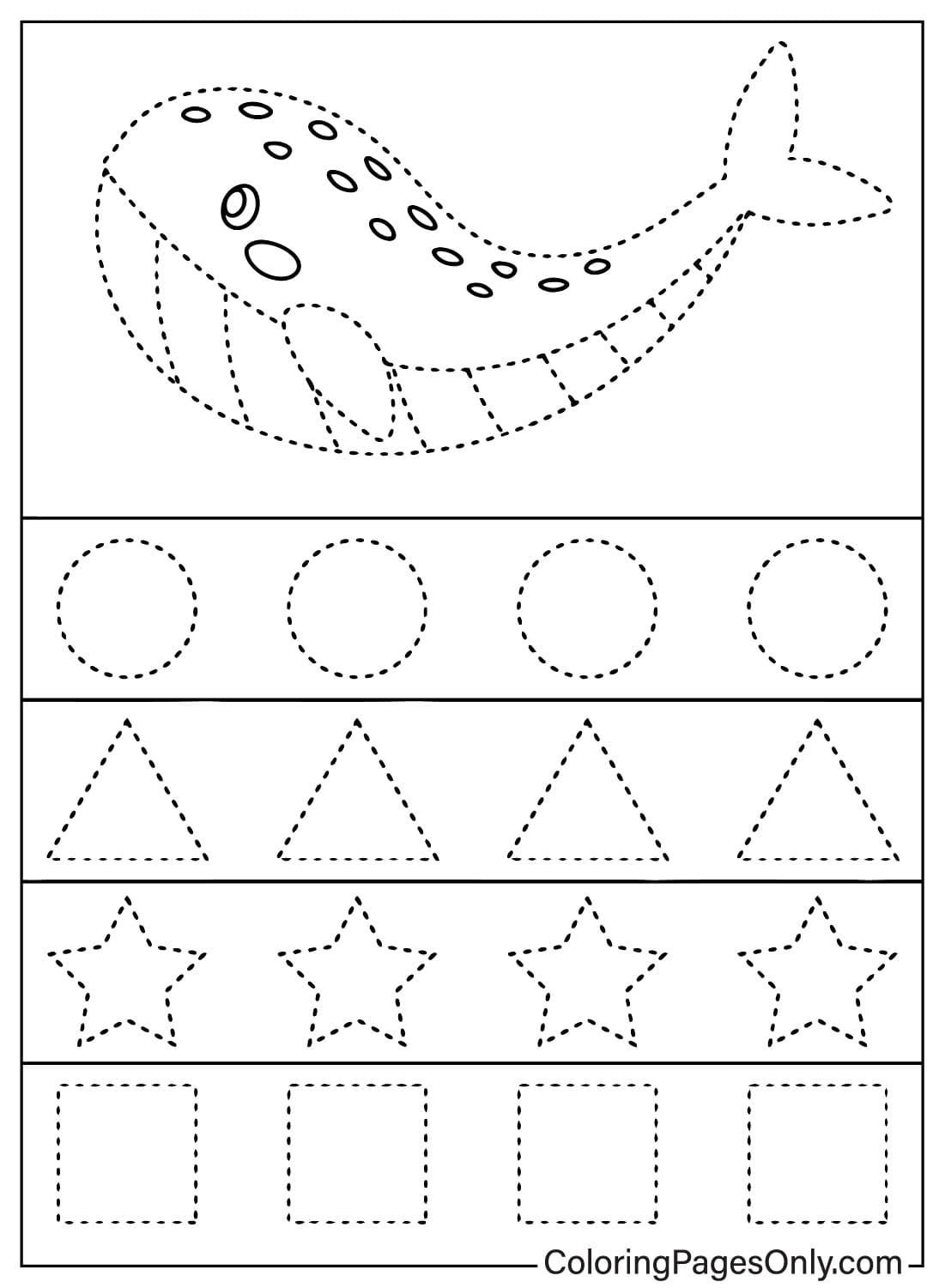
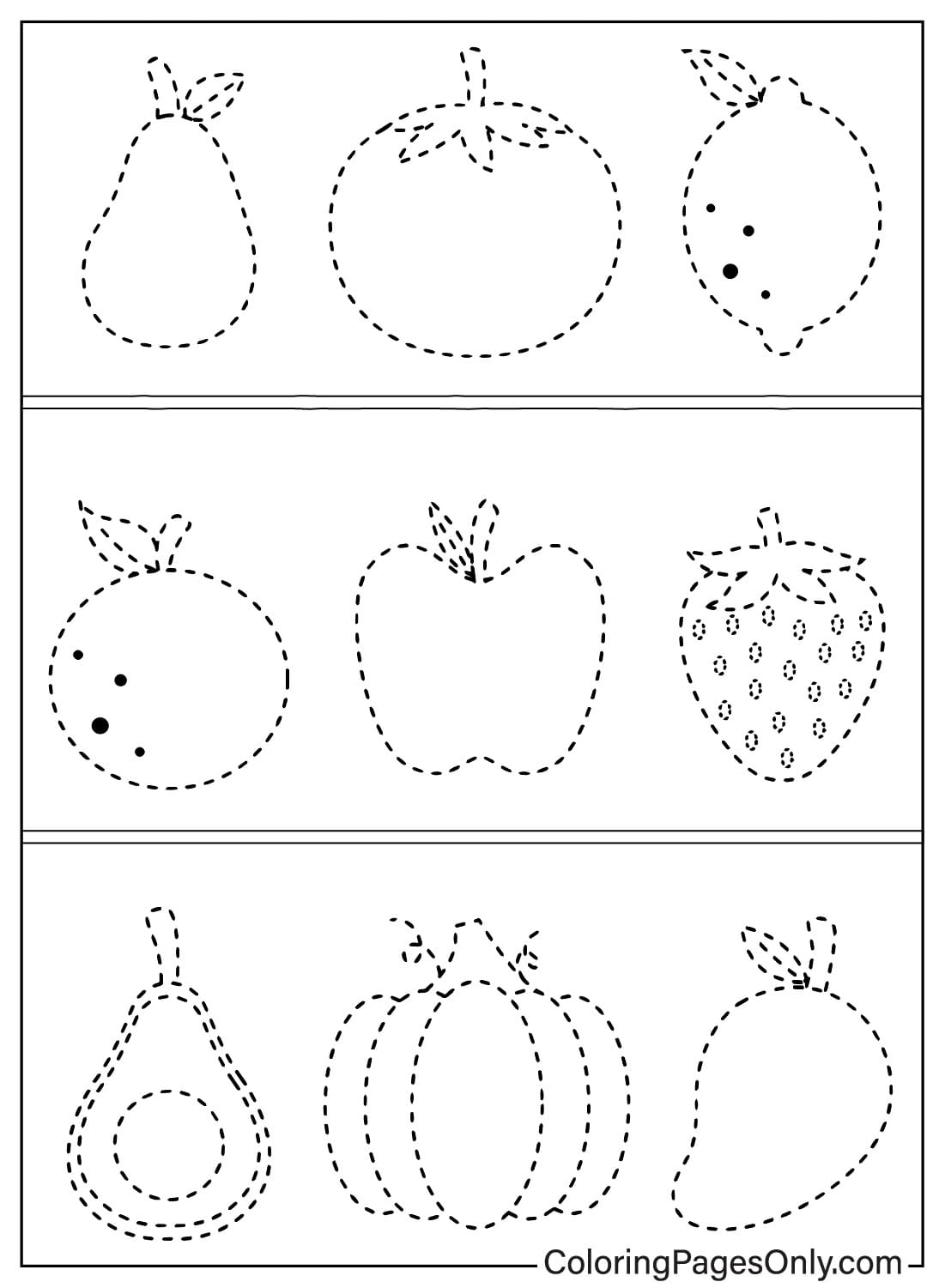
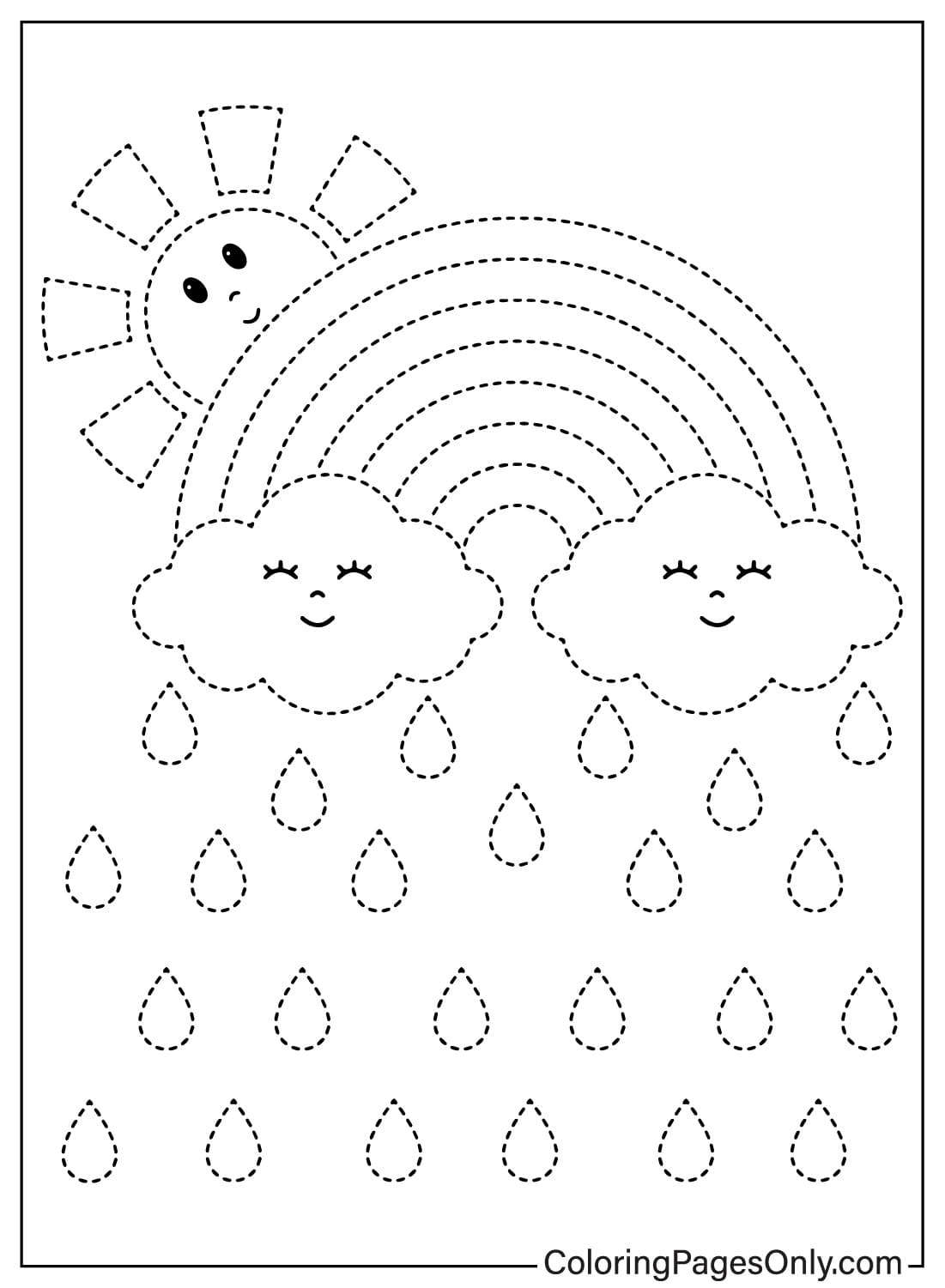
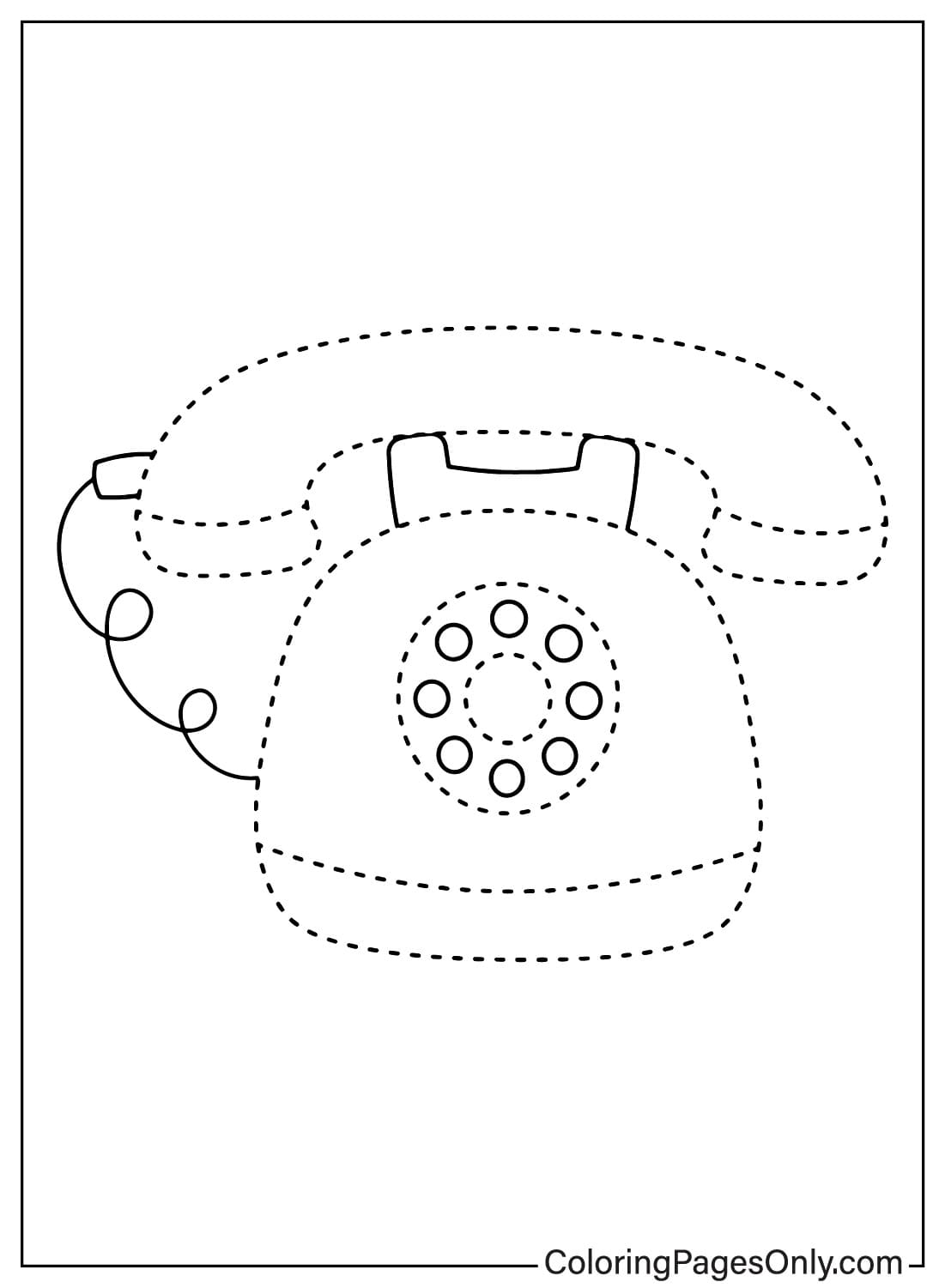
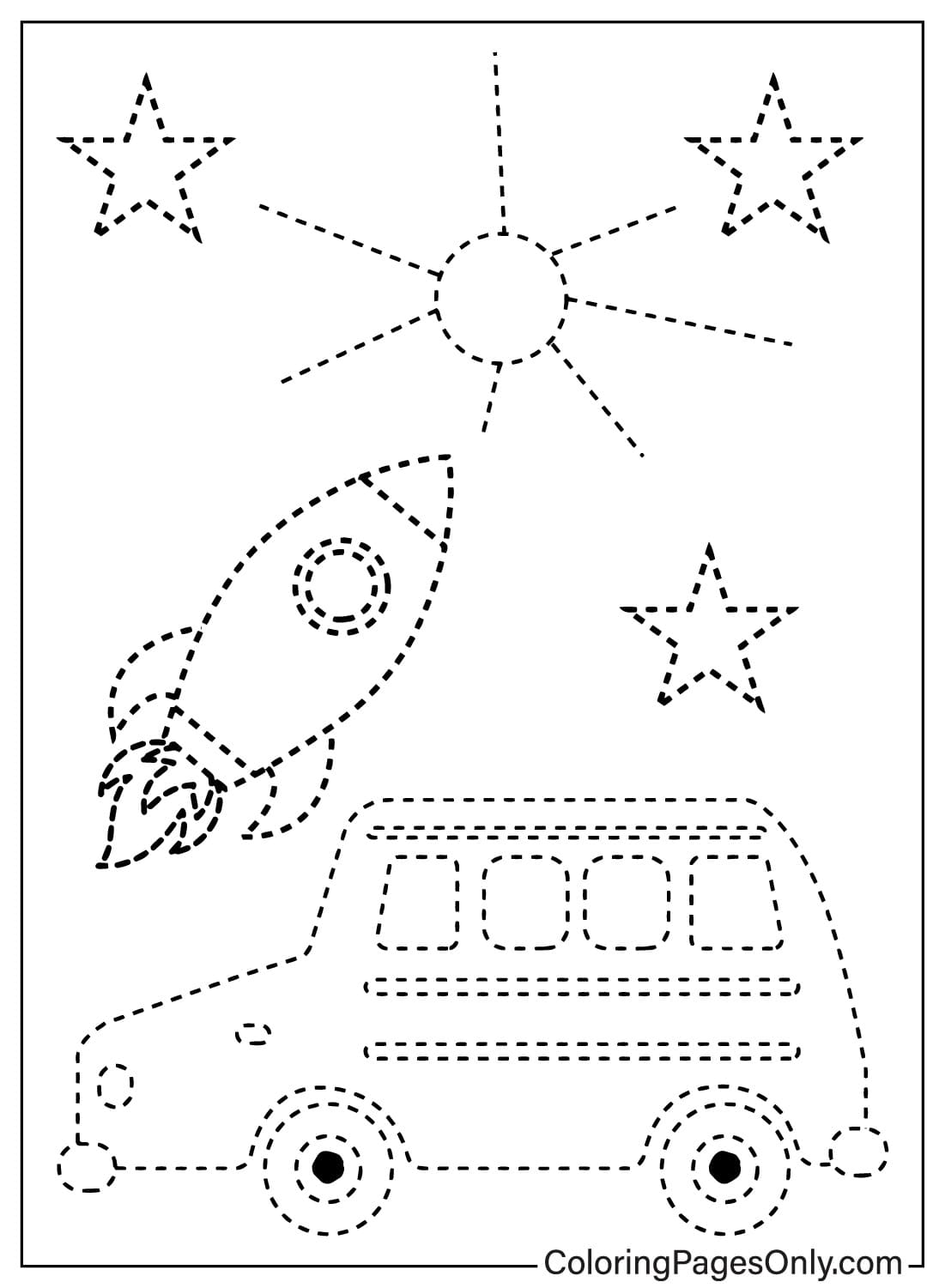
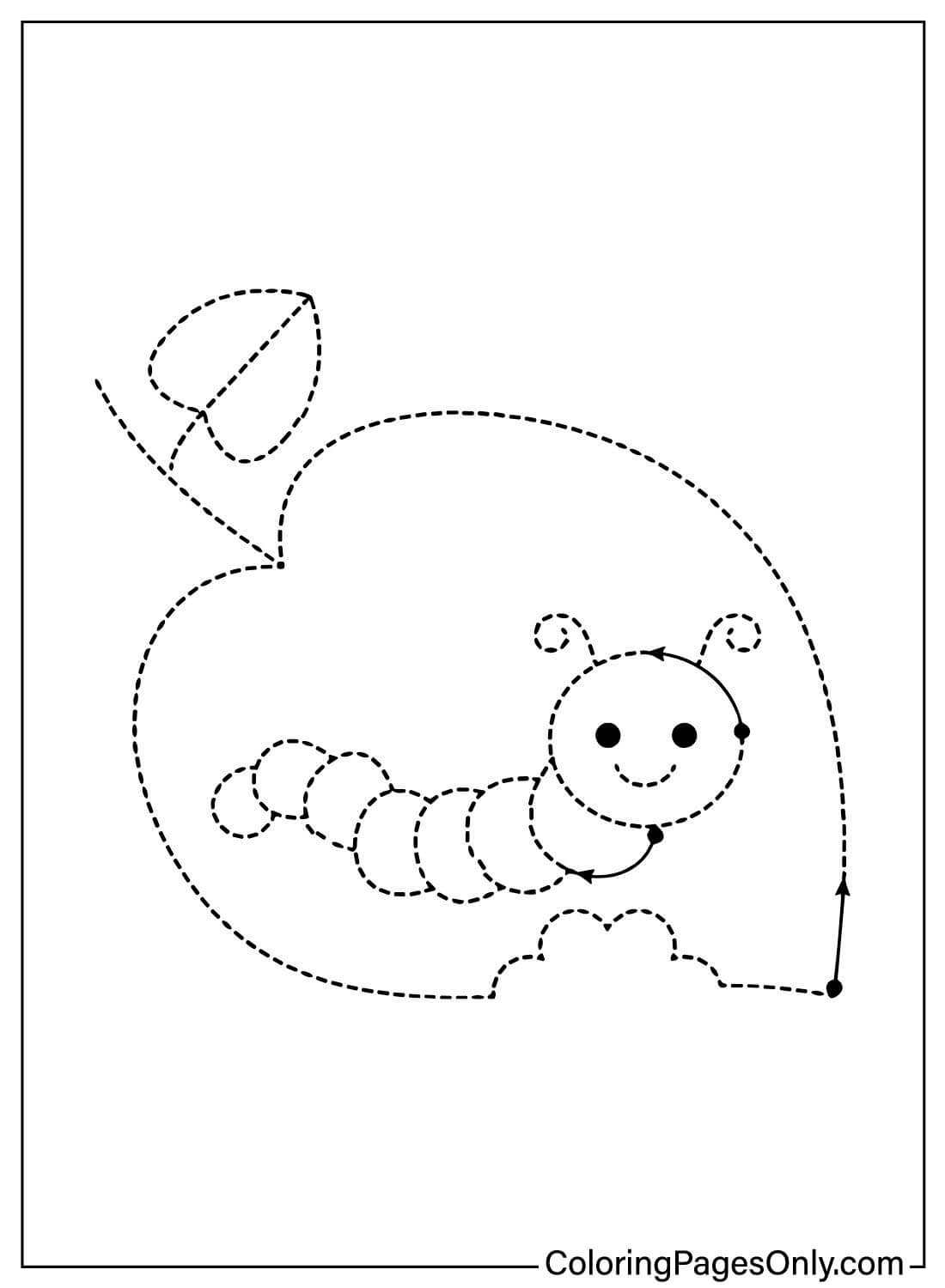
What Is Inside This Collection
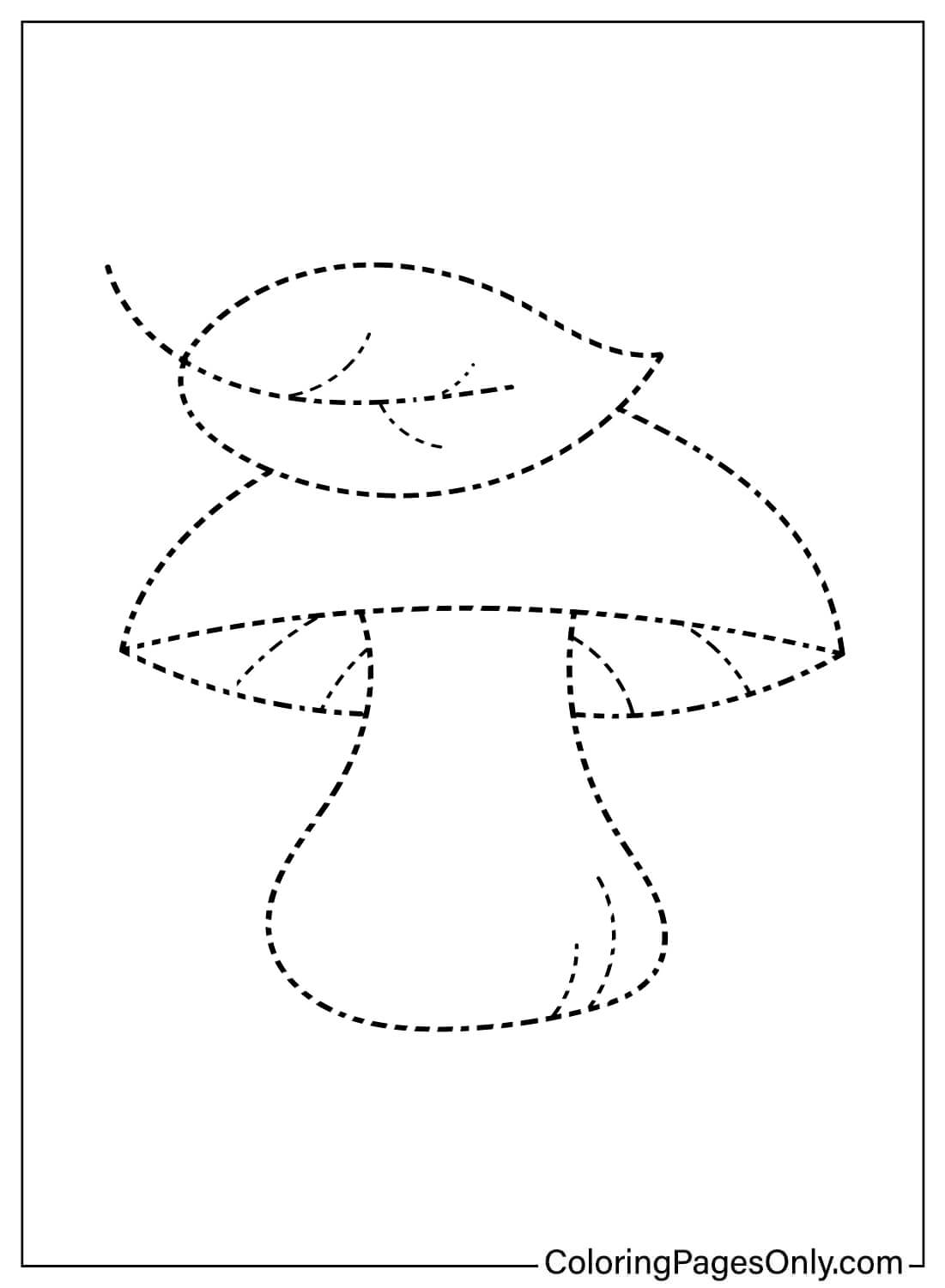
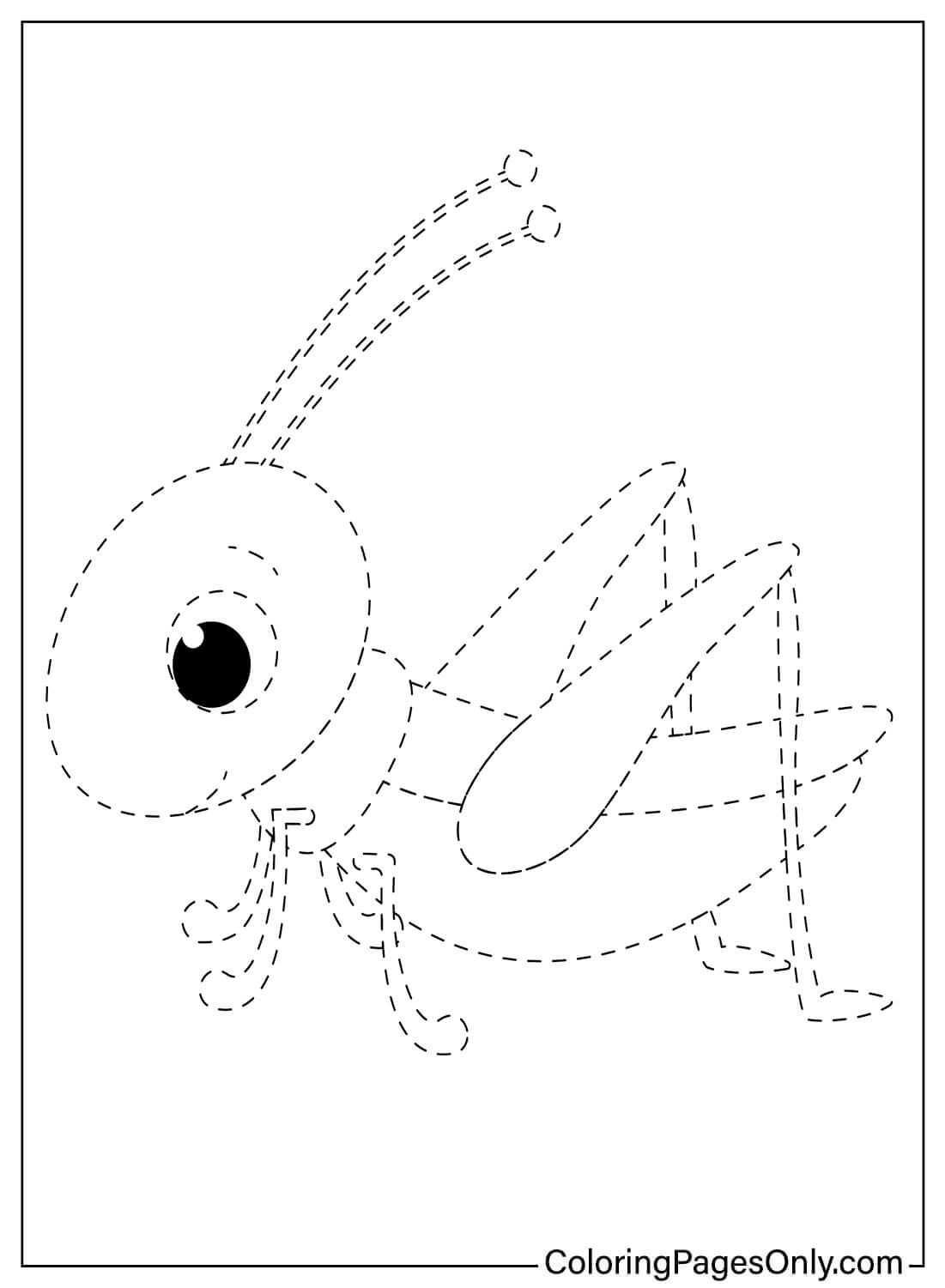
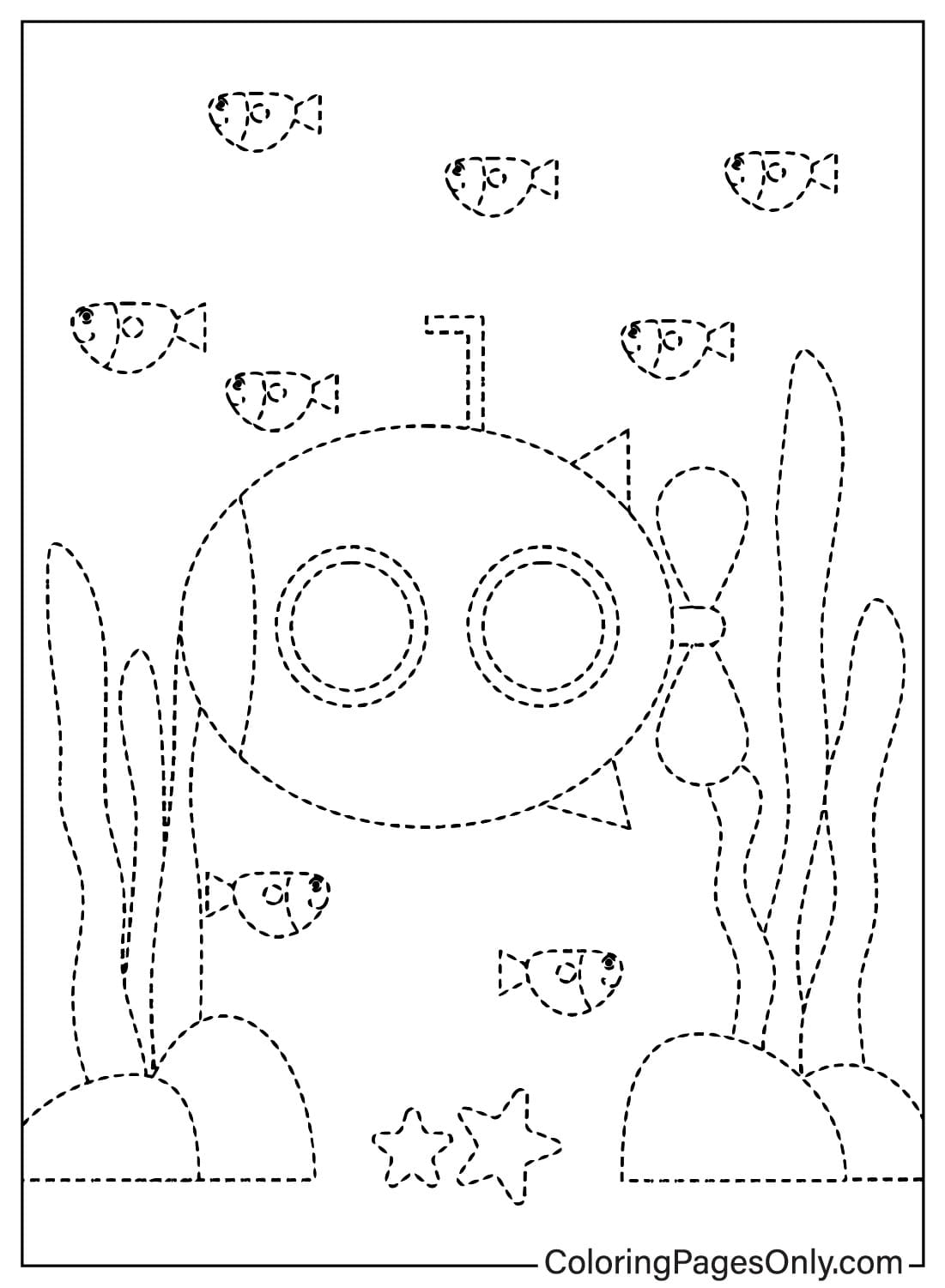
This collection groups its 50 pages by subject, since an animal, a vehicle, and a piece of fruit each pair the tracing guide with a different kind of picture.
Animal Tracing Pages
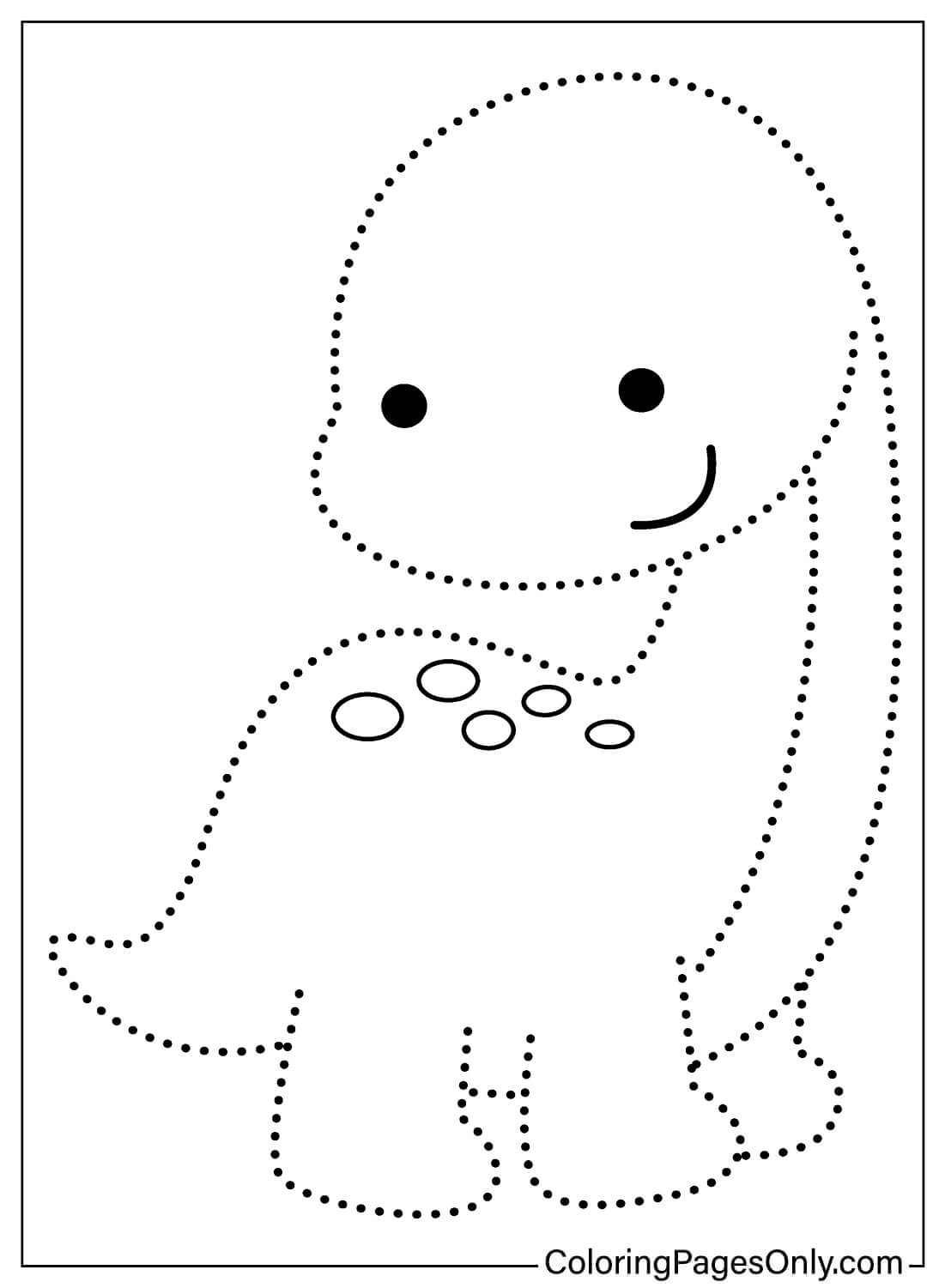
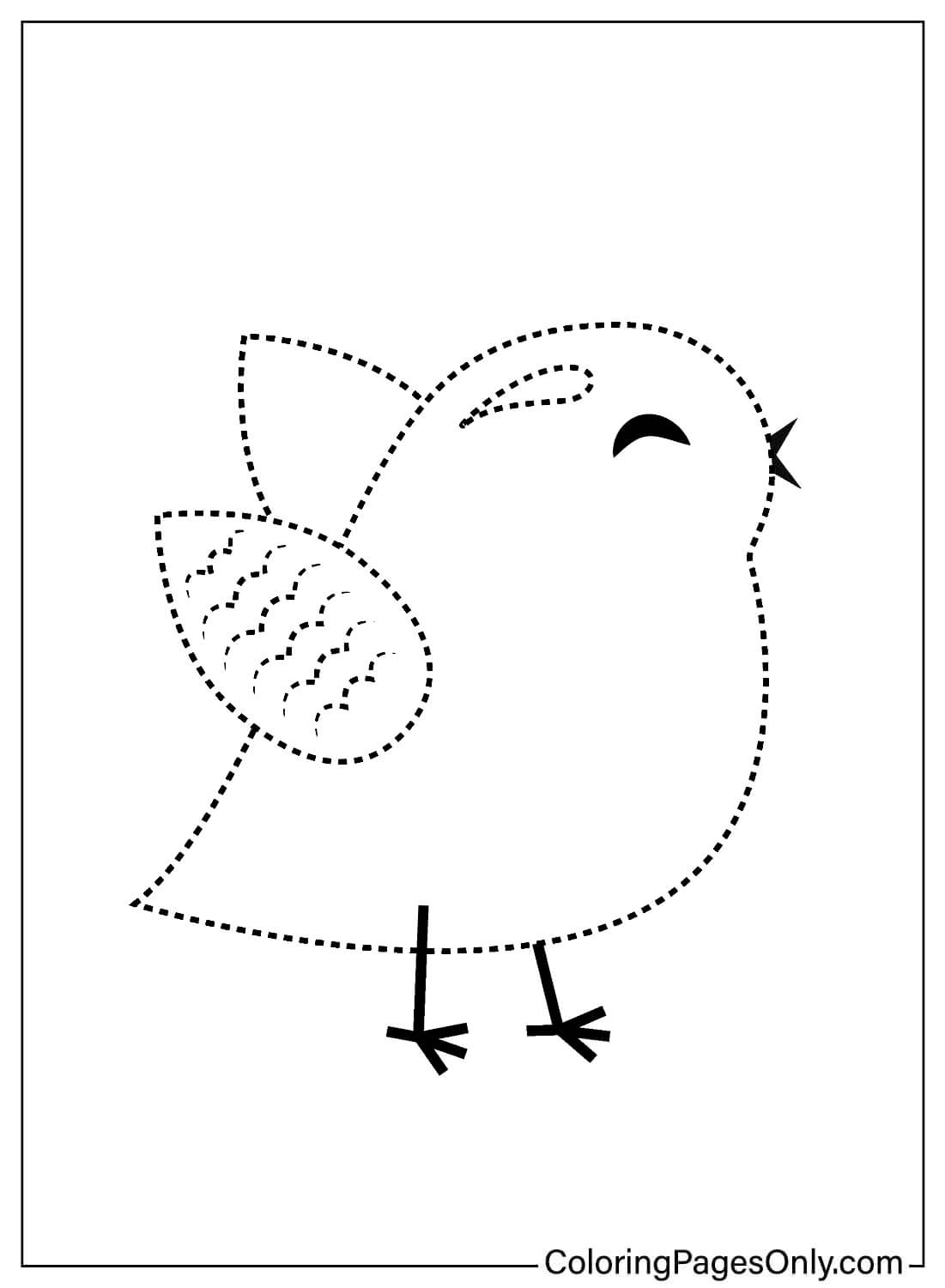
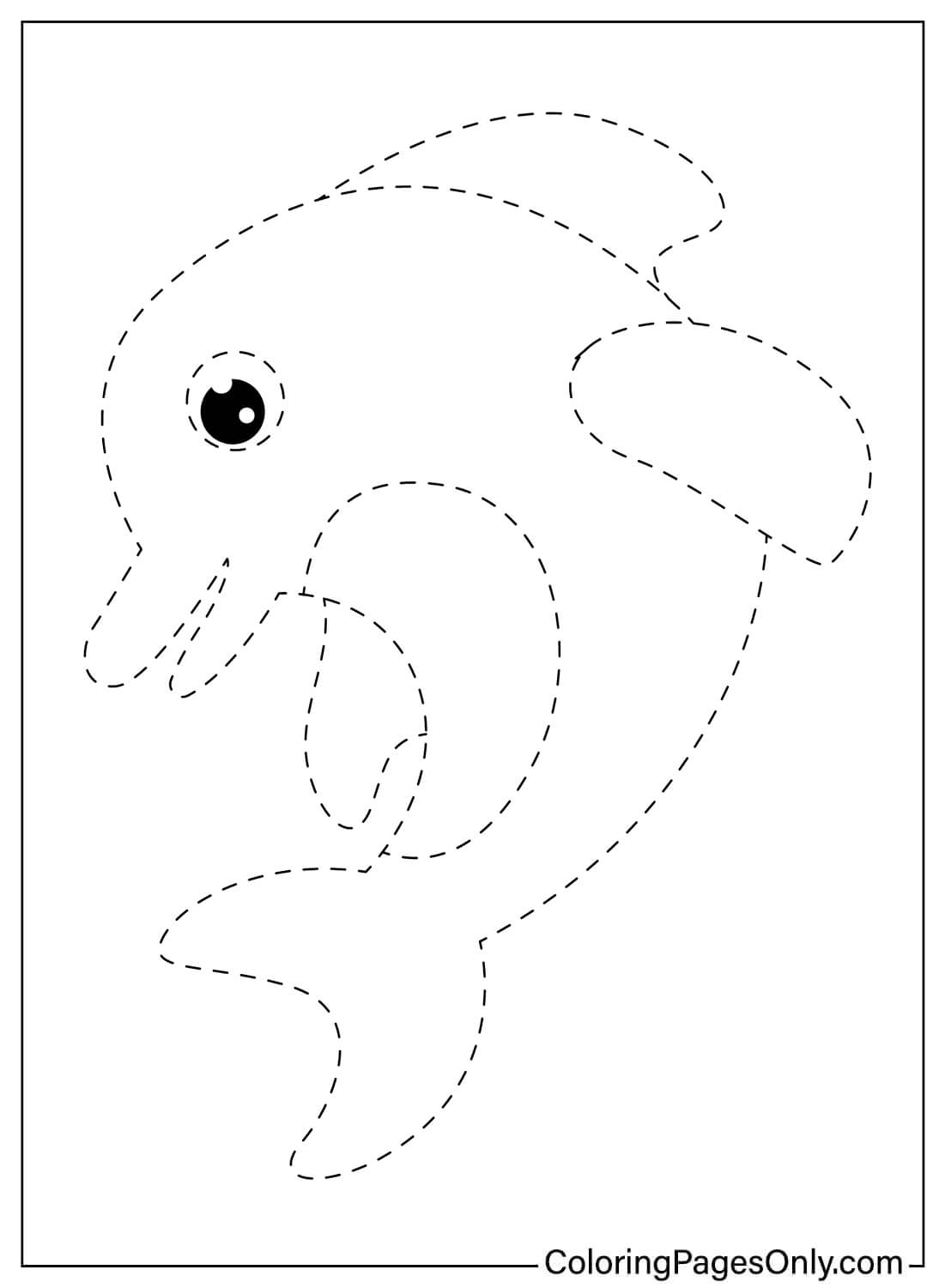
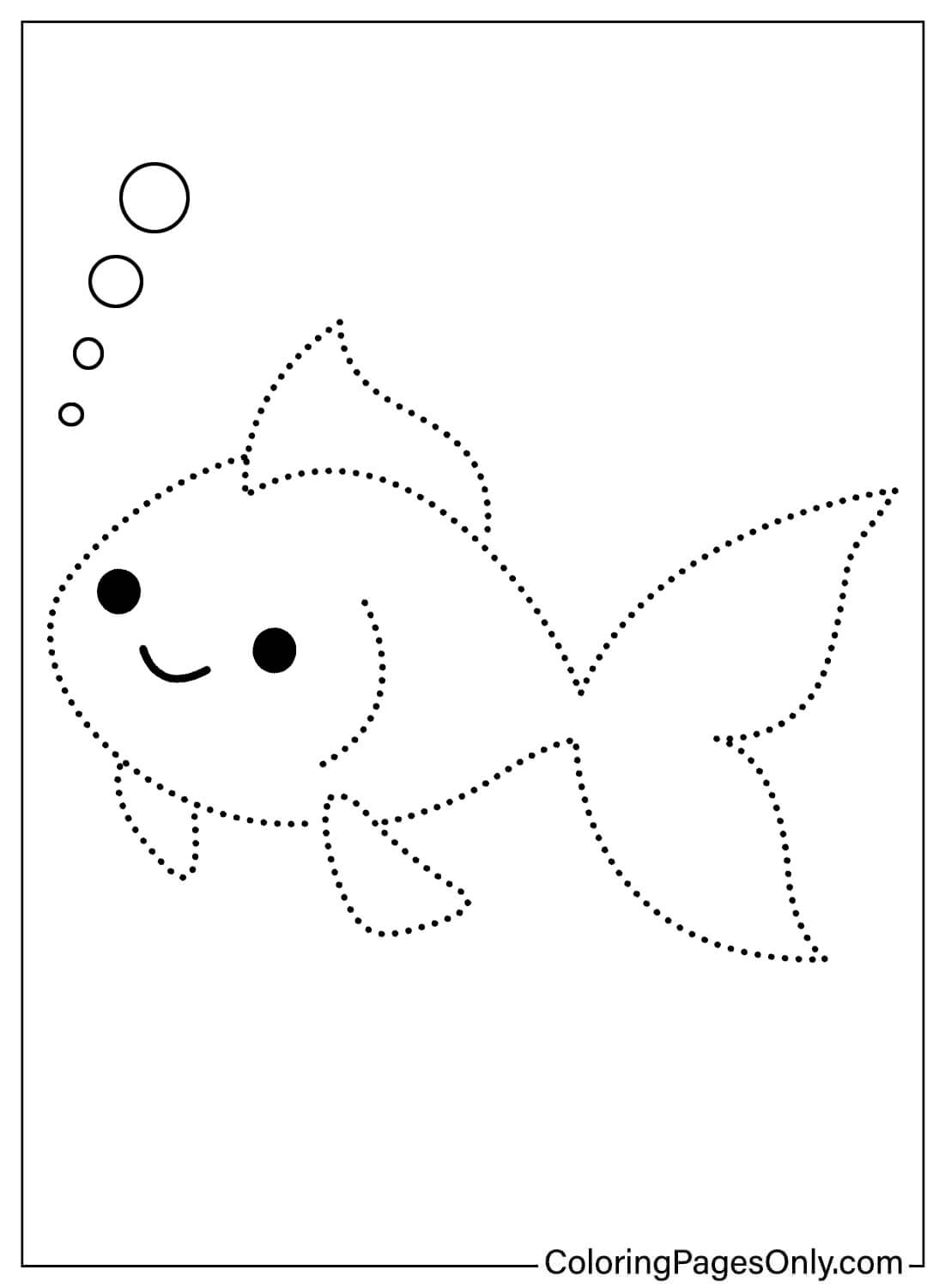
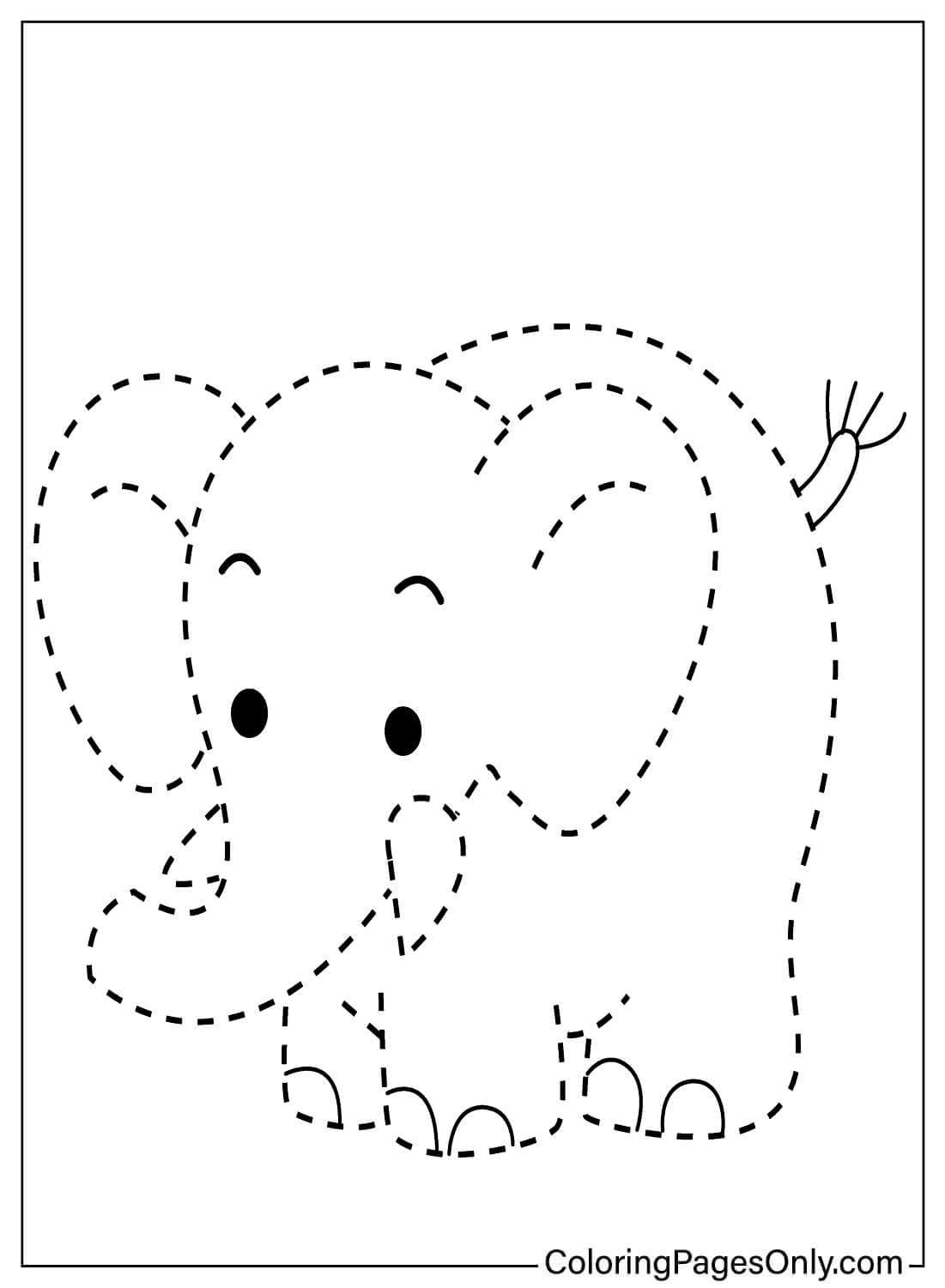
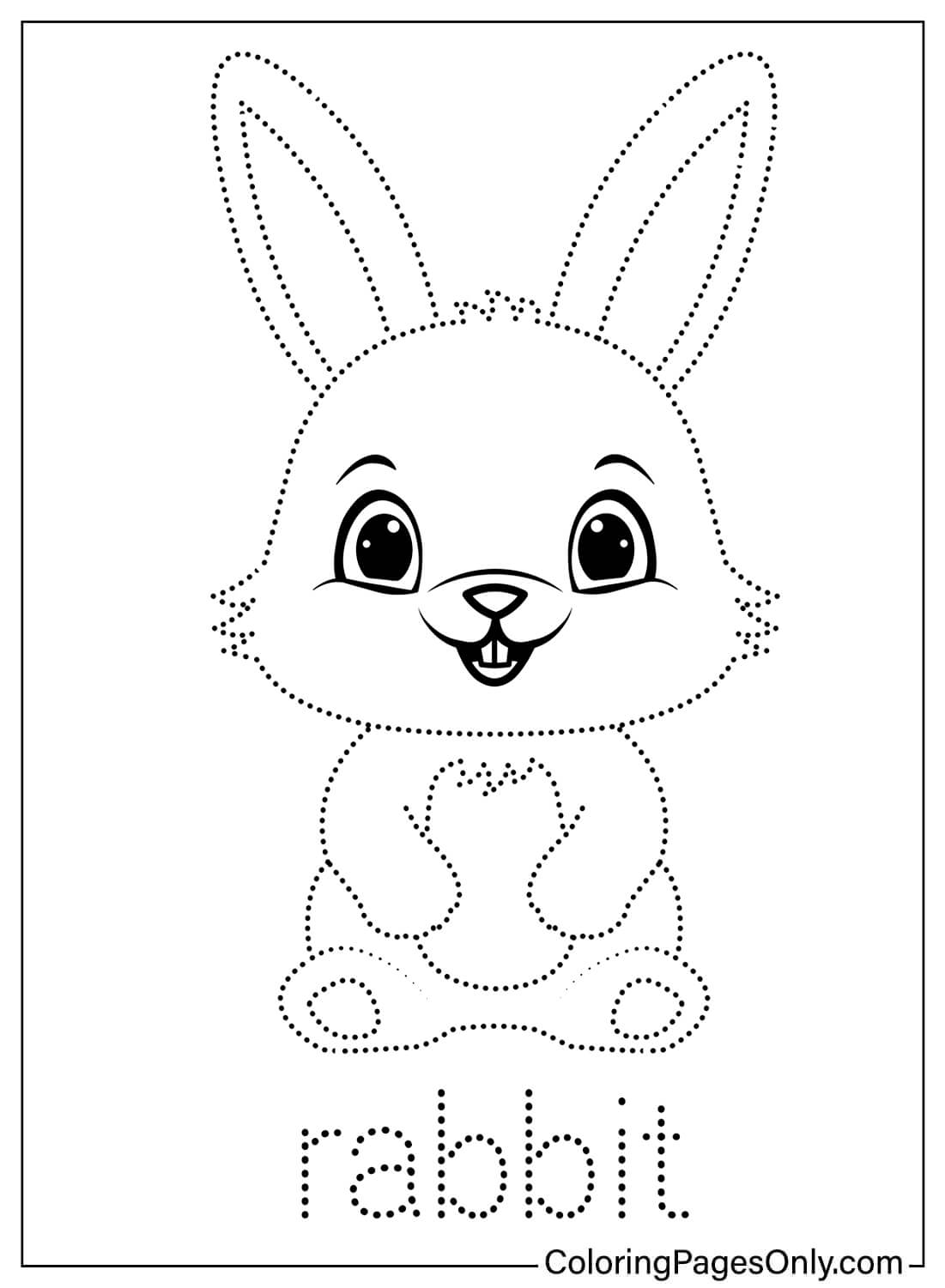
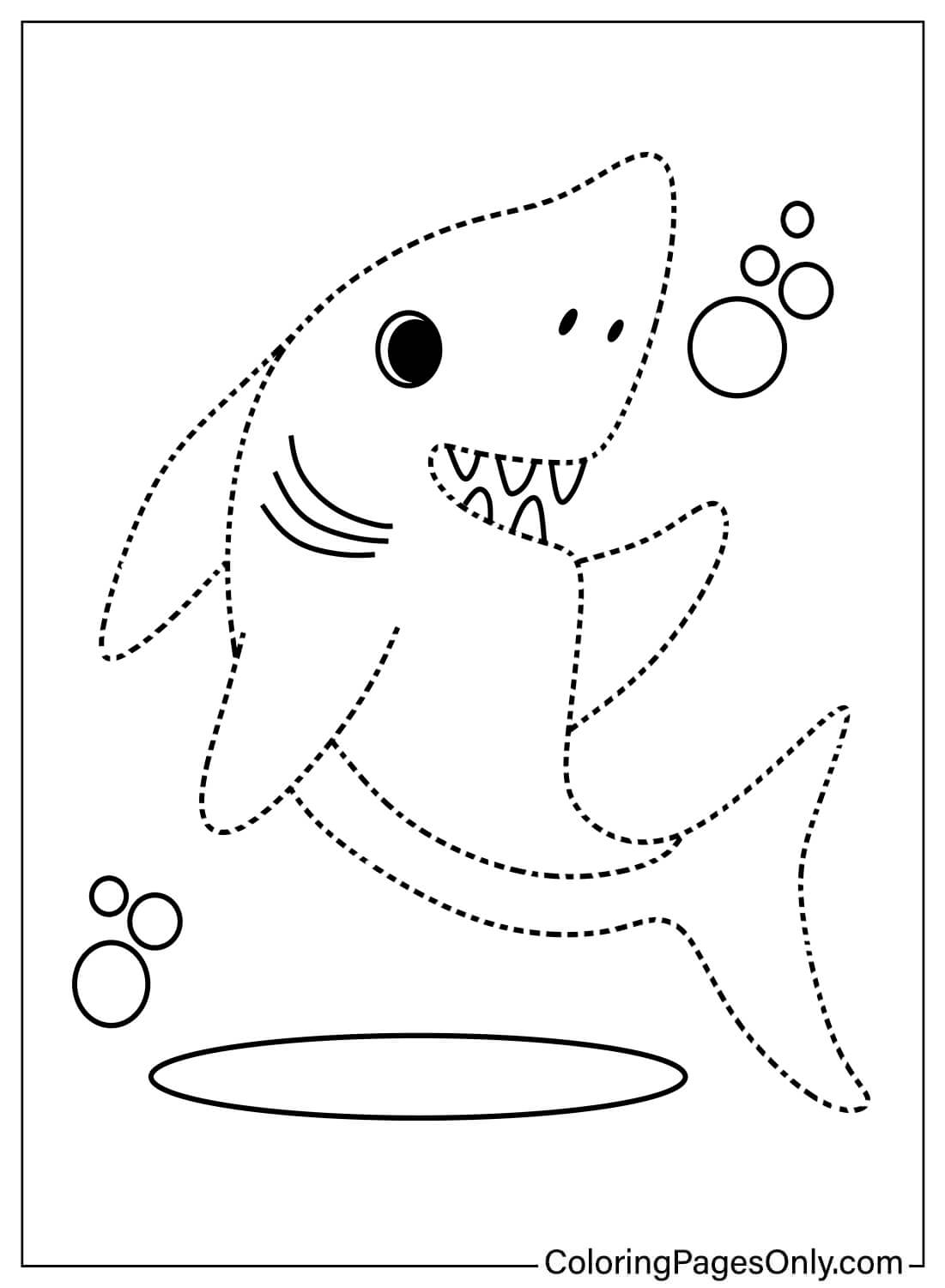
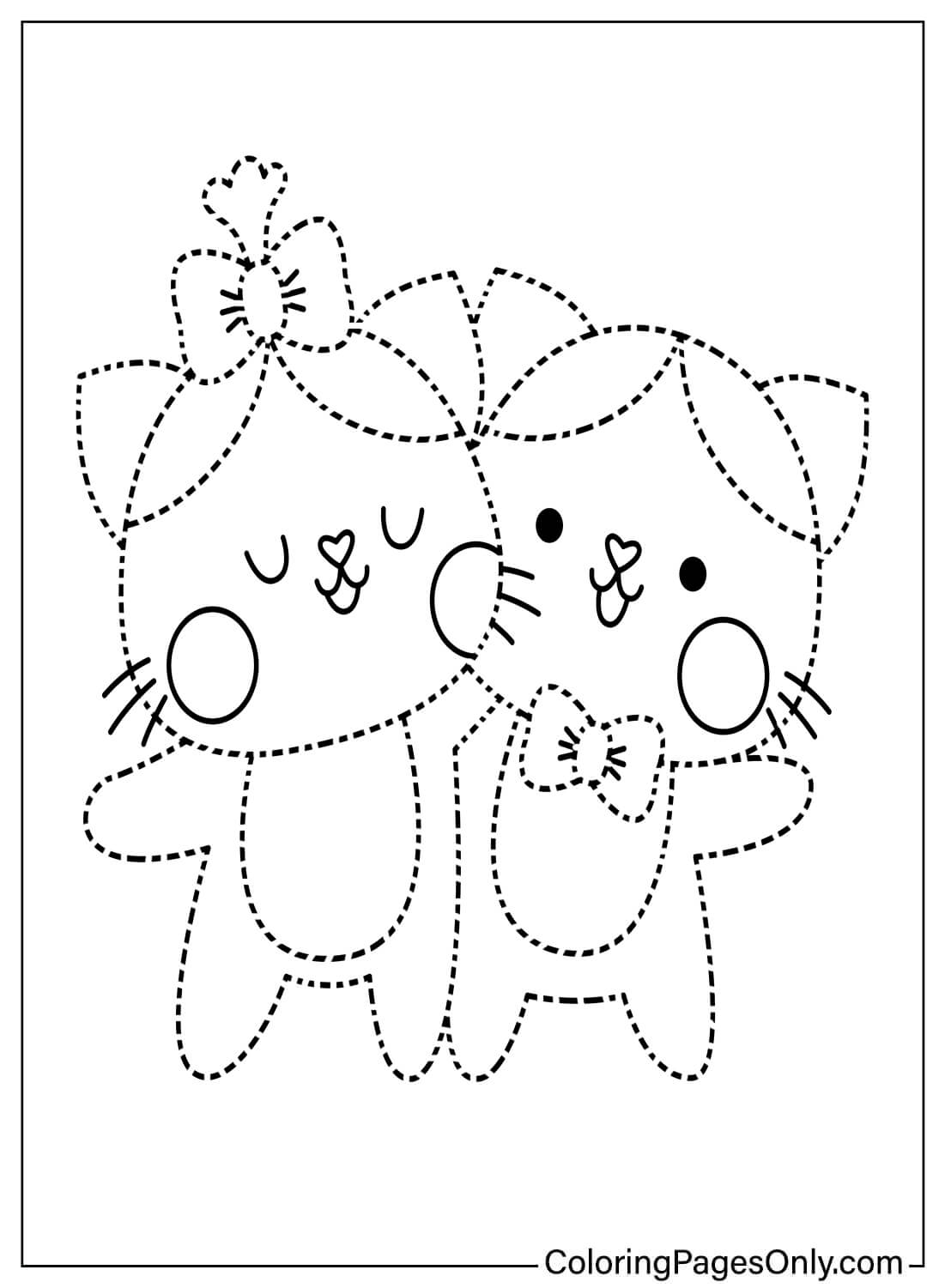
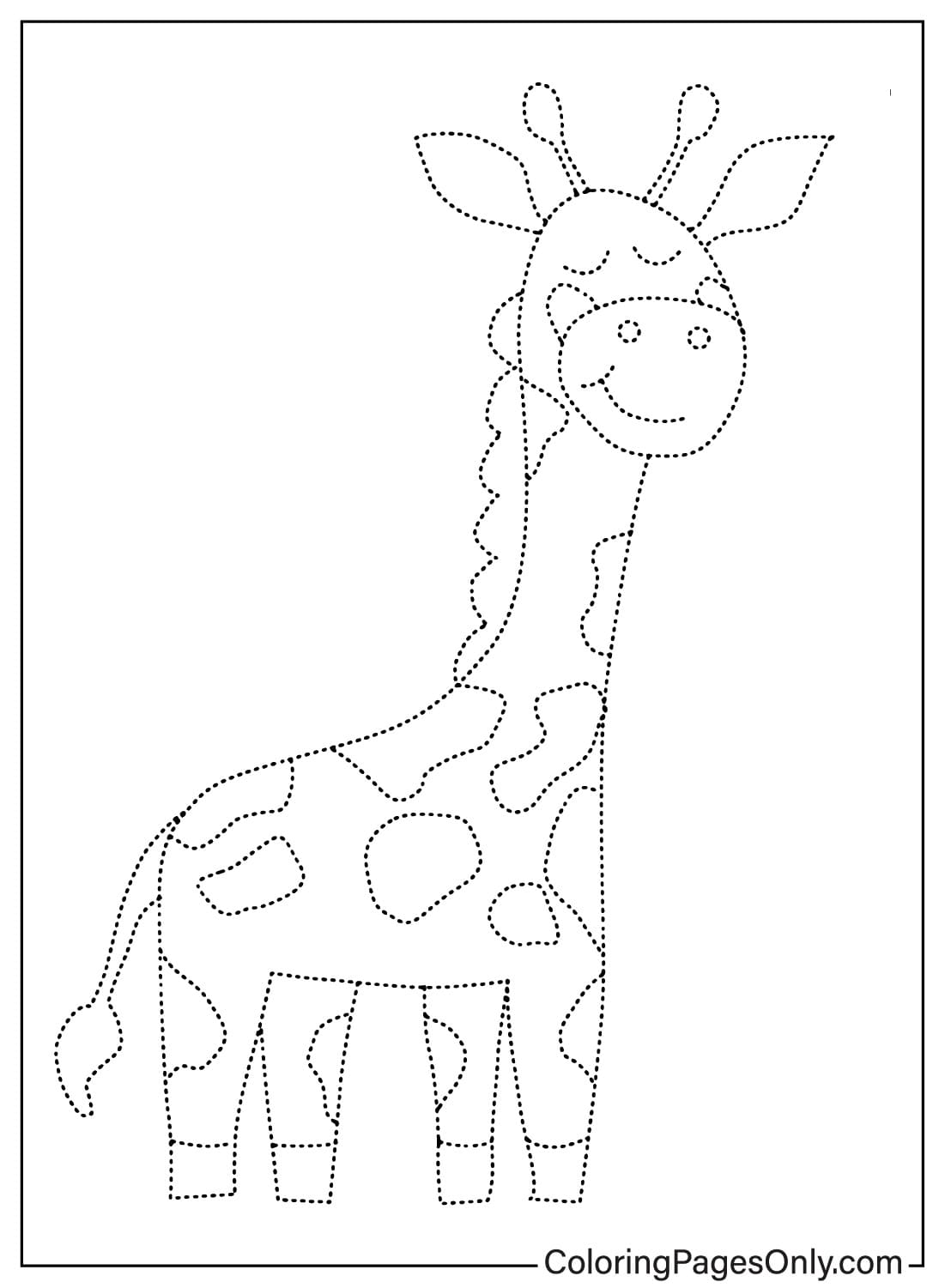
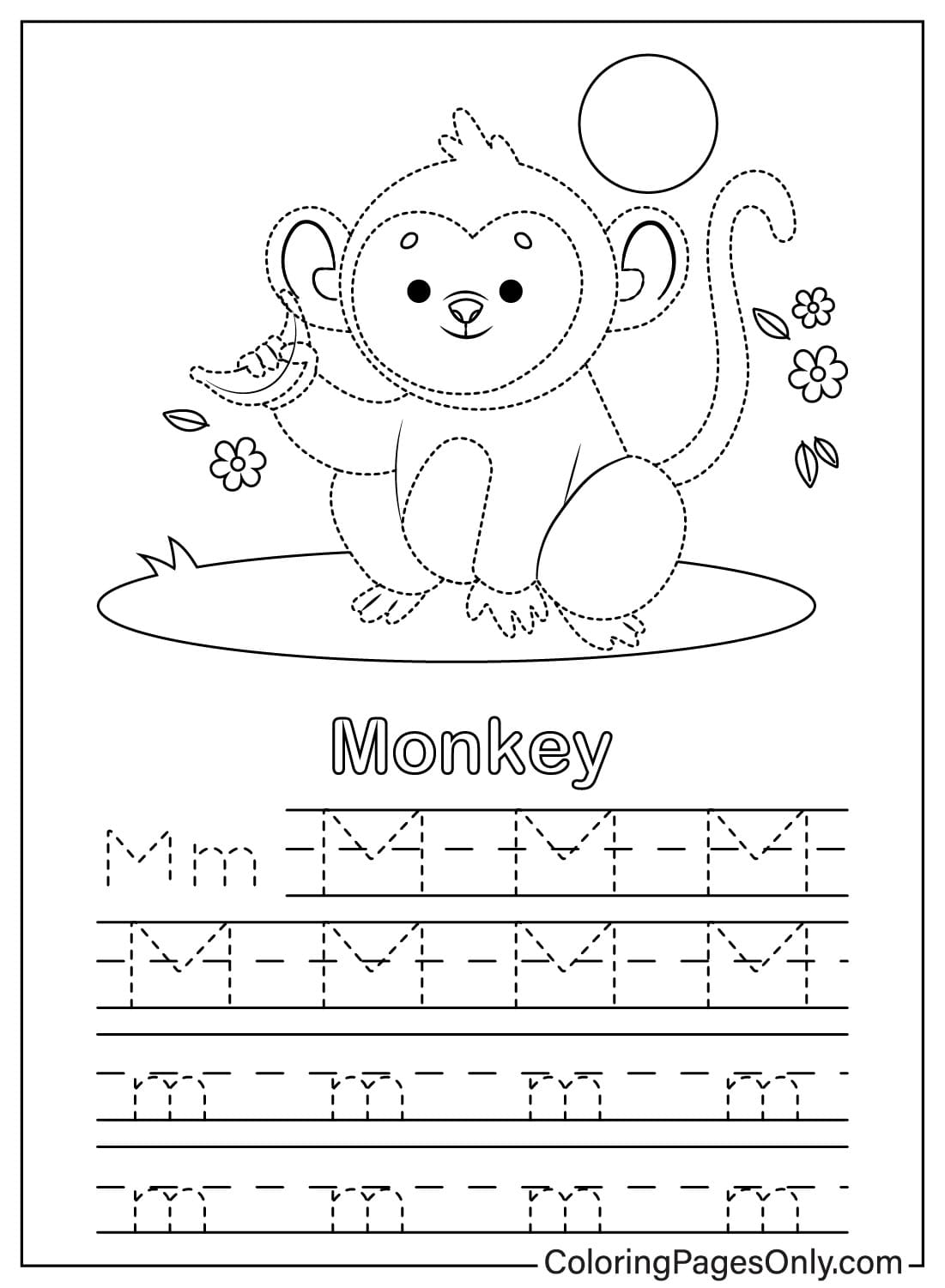
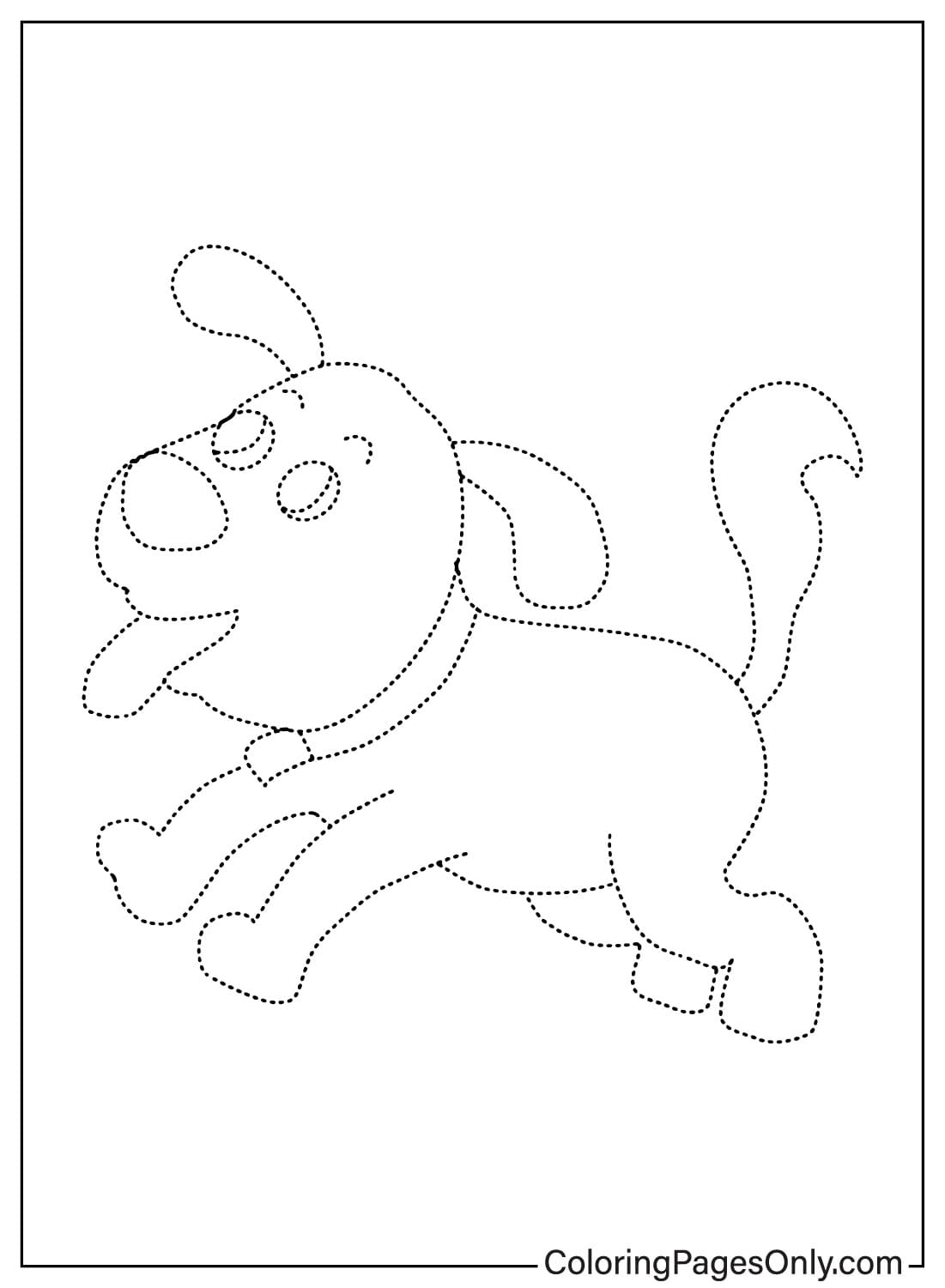
Sixteen pages combine a tracing guide with an animal outline, covering pets, farm animals, sea creatures, and a dinosaur. Natural, familiar colors, brown or black for a dog, orange for a tiger-striped cat, blue for a dolphin or shark, help a young child connect the traced shape to the real animal it represents.
Vehicles, Objects, and Letters
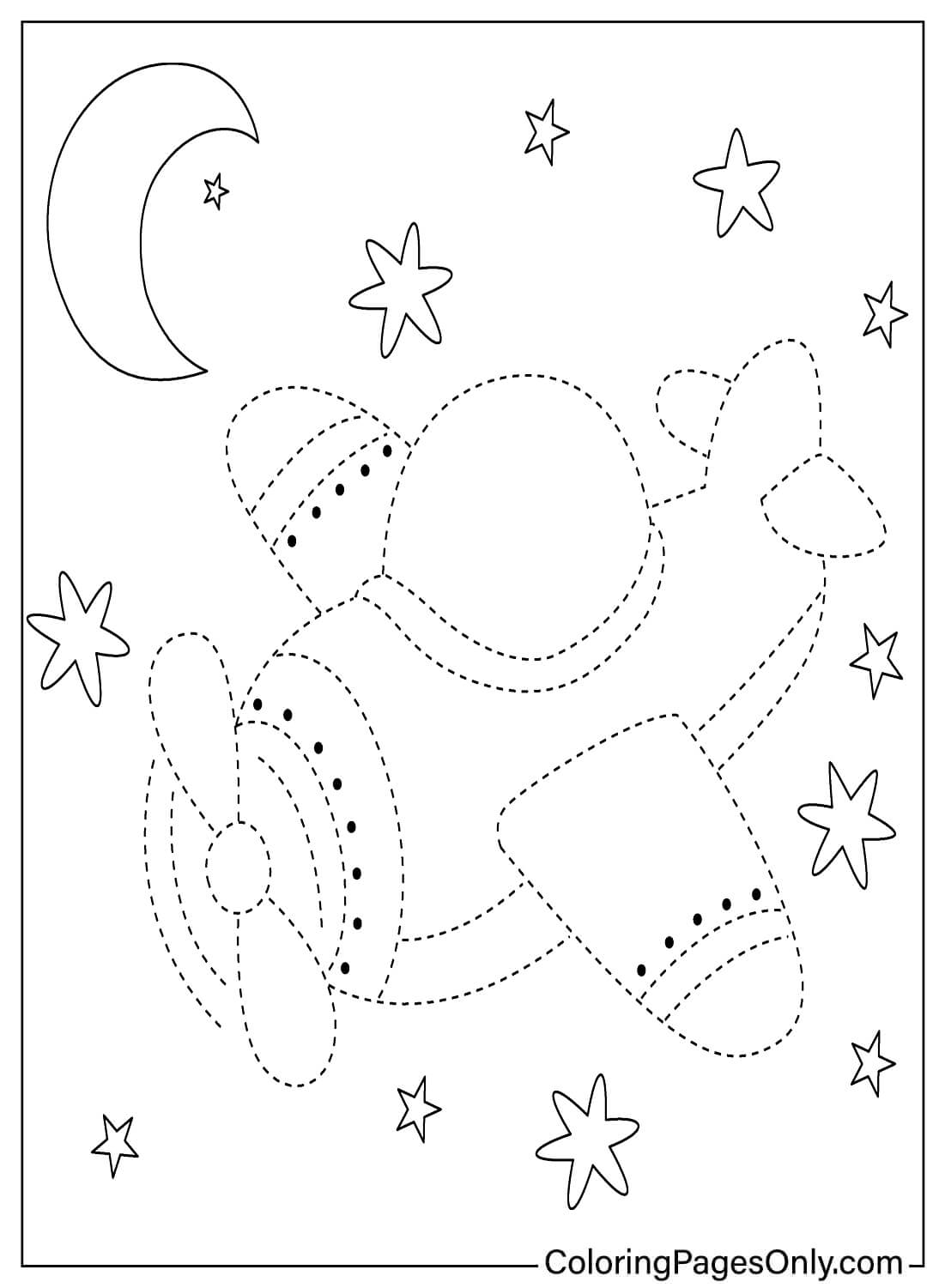
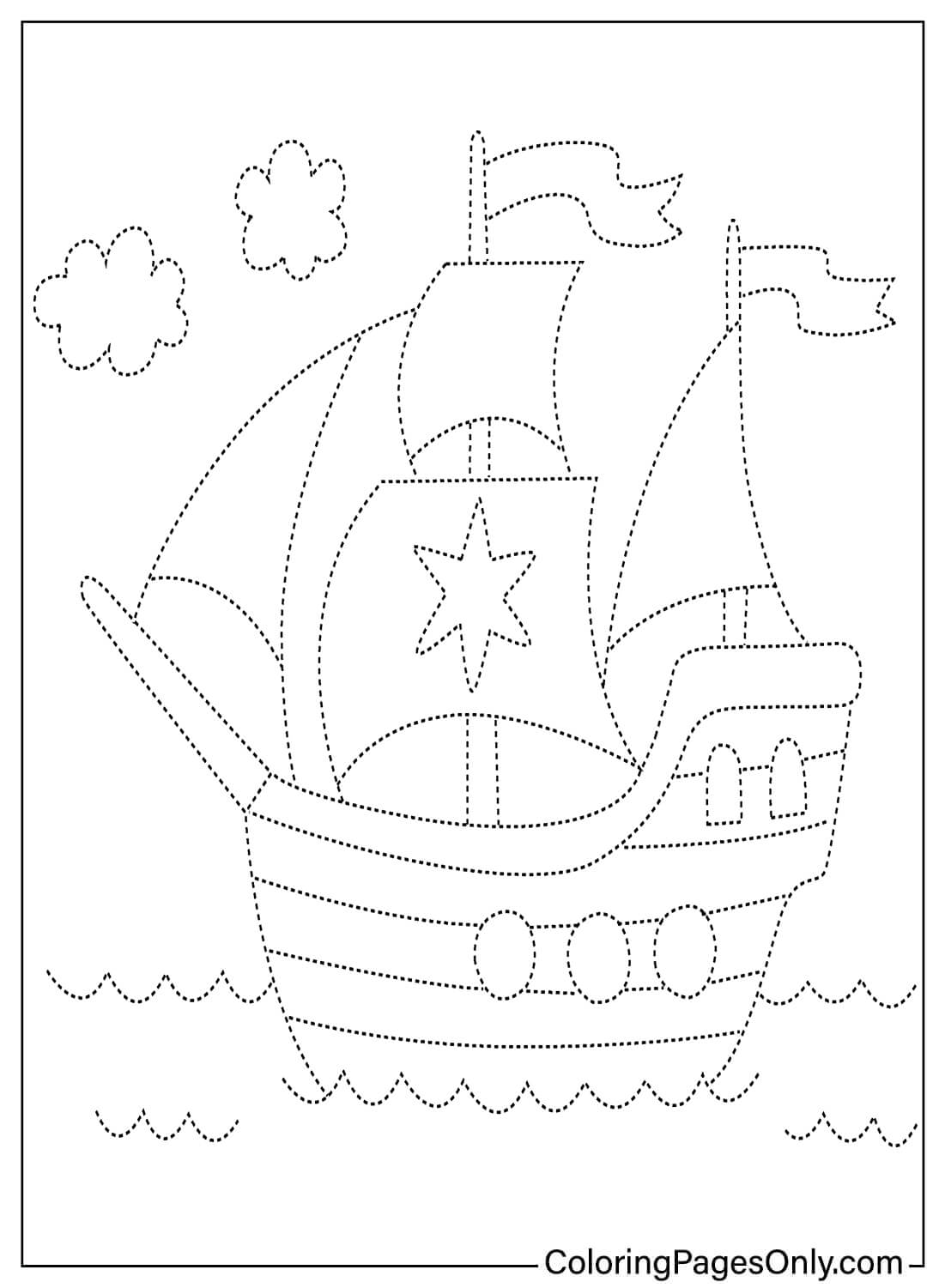
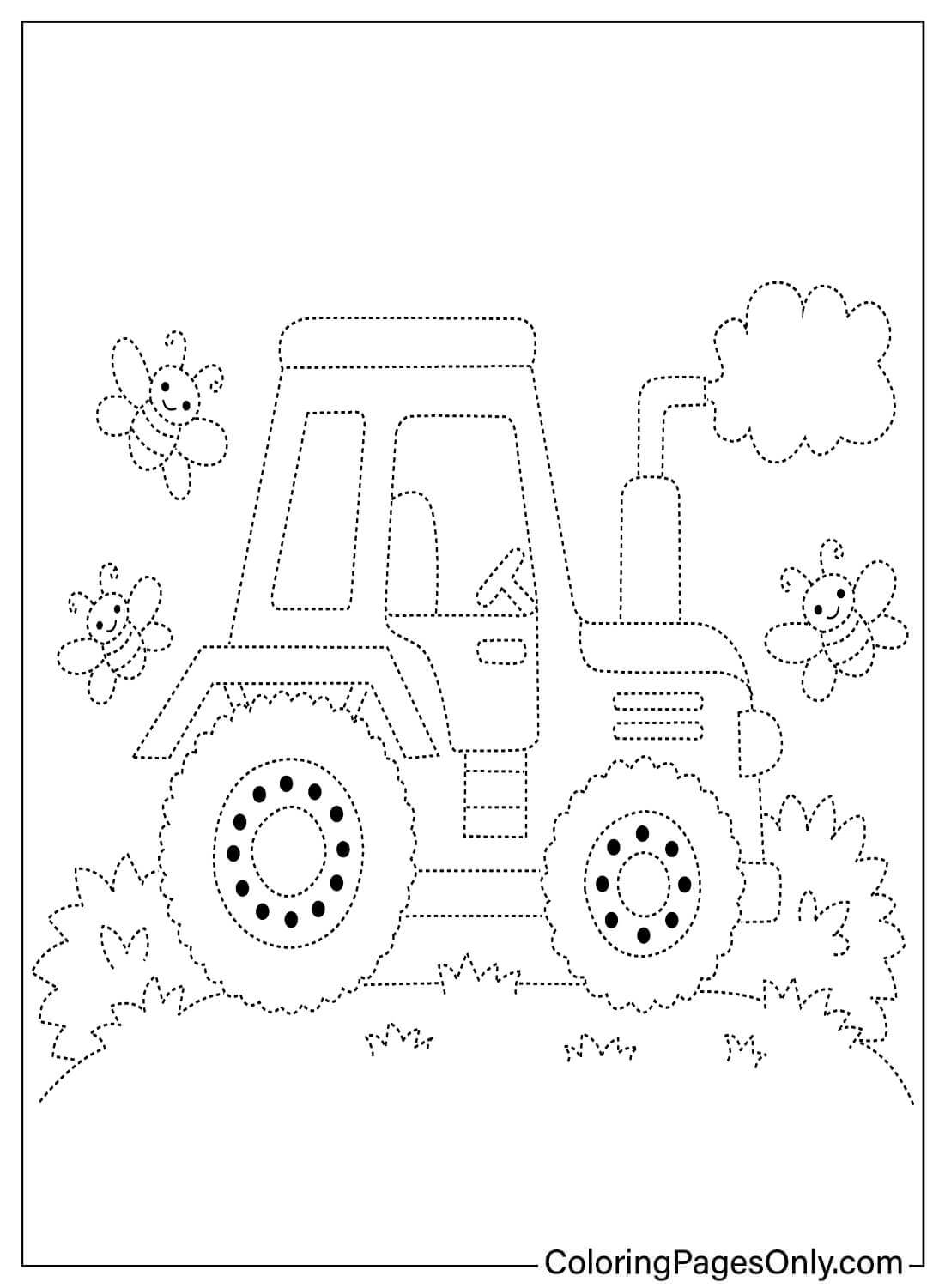
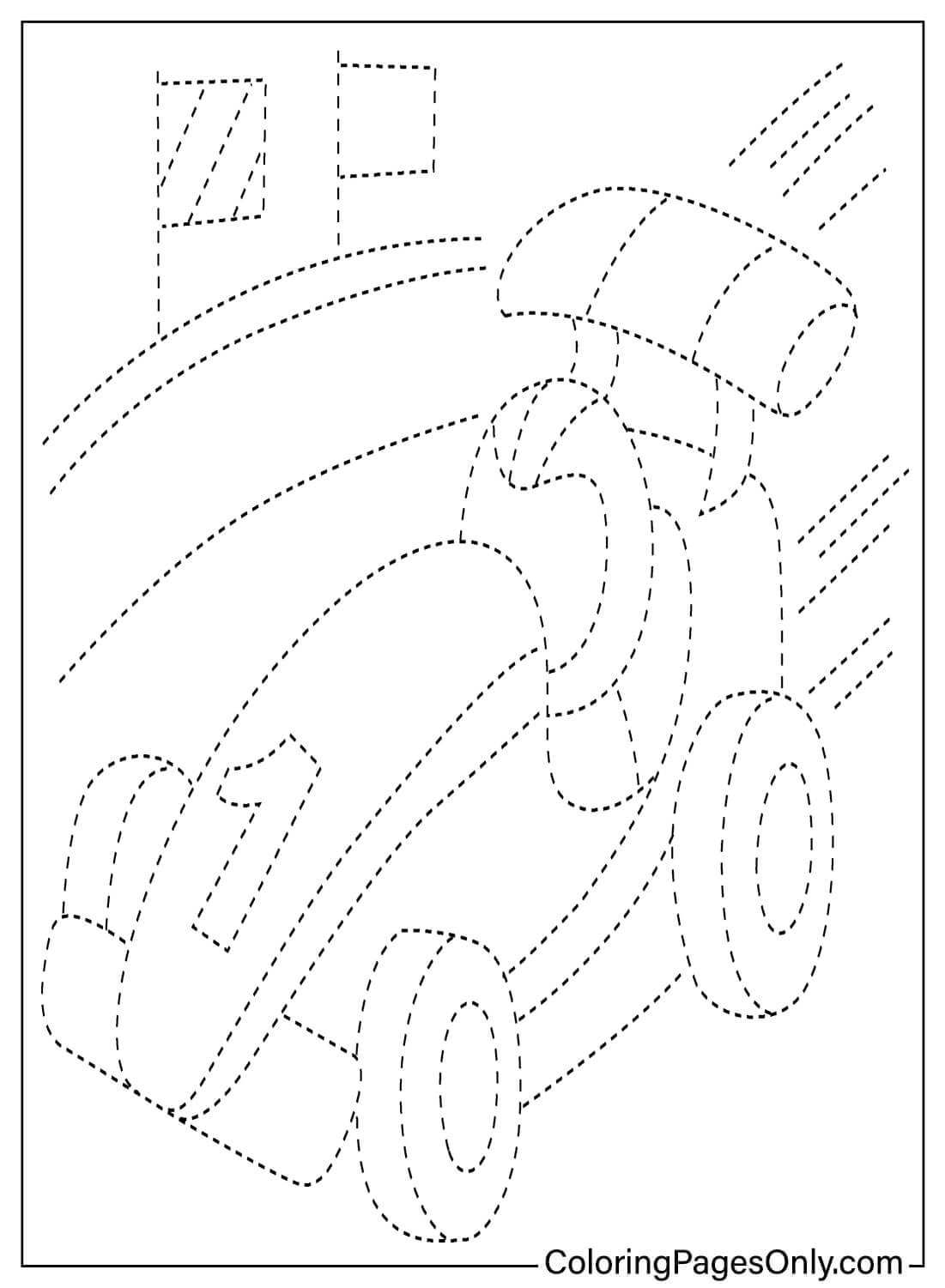
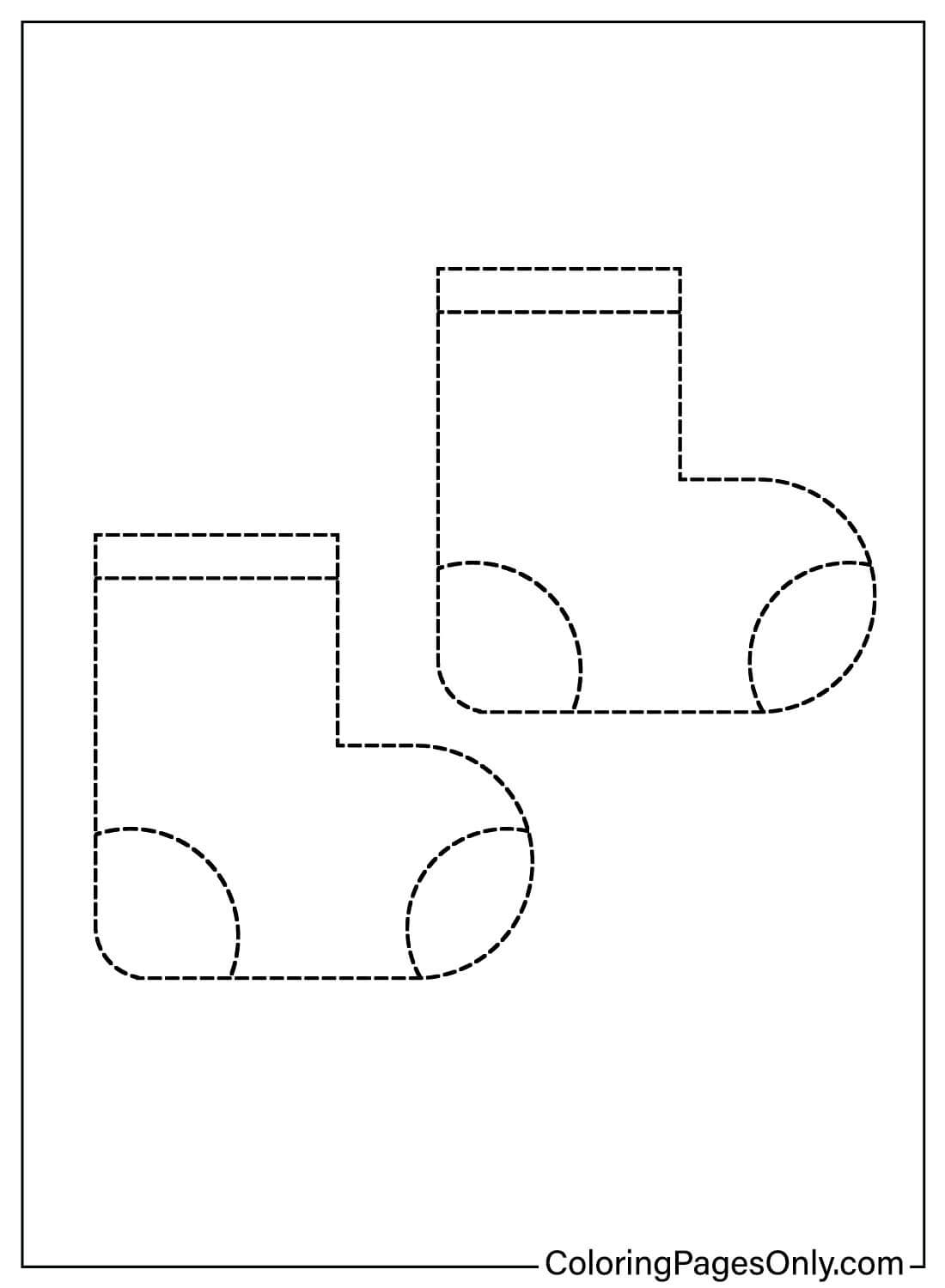
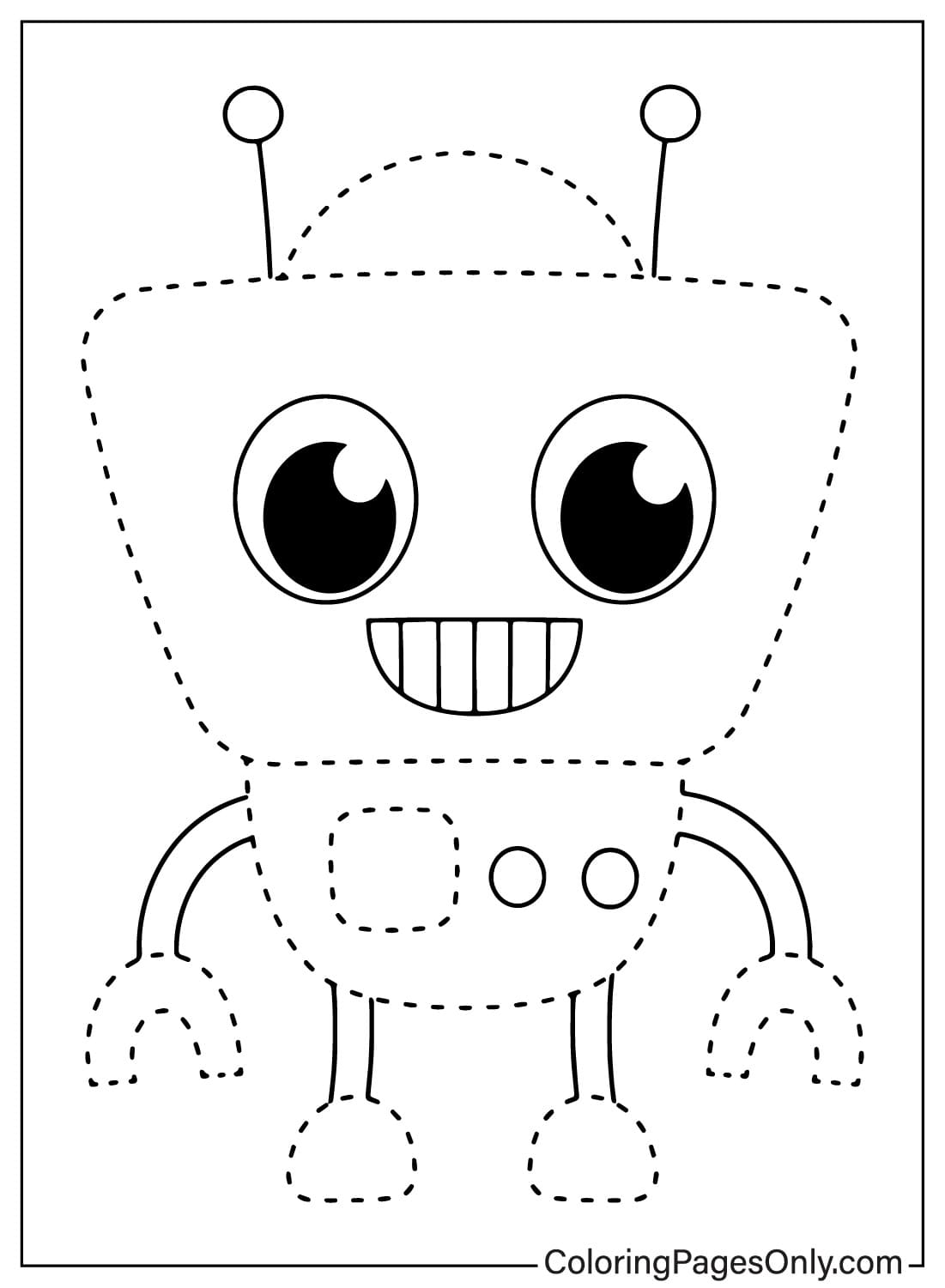
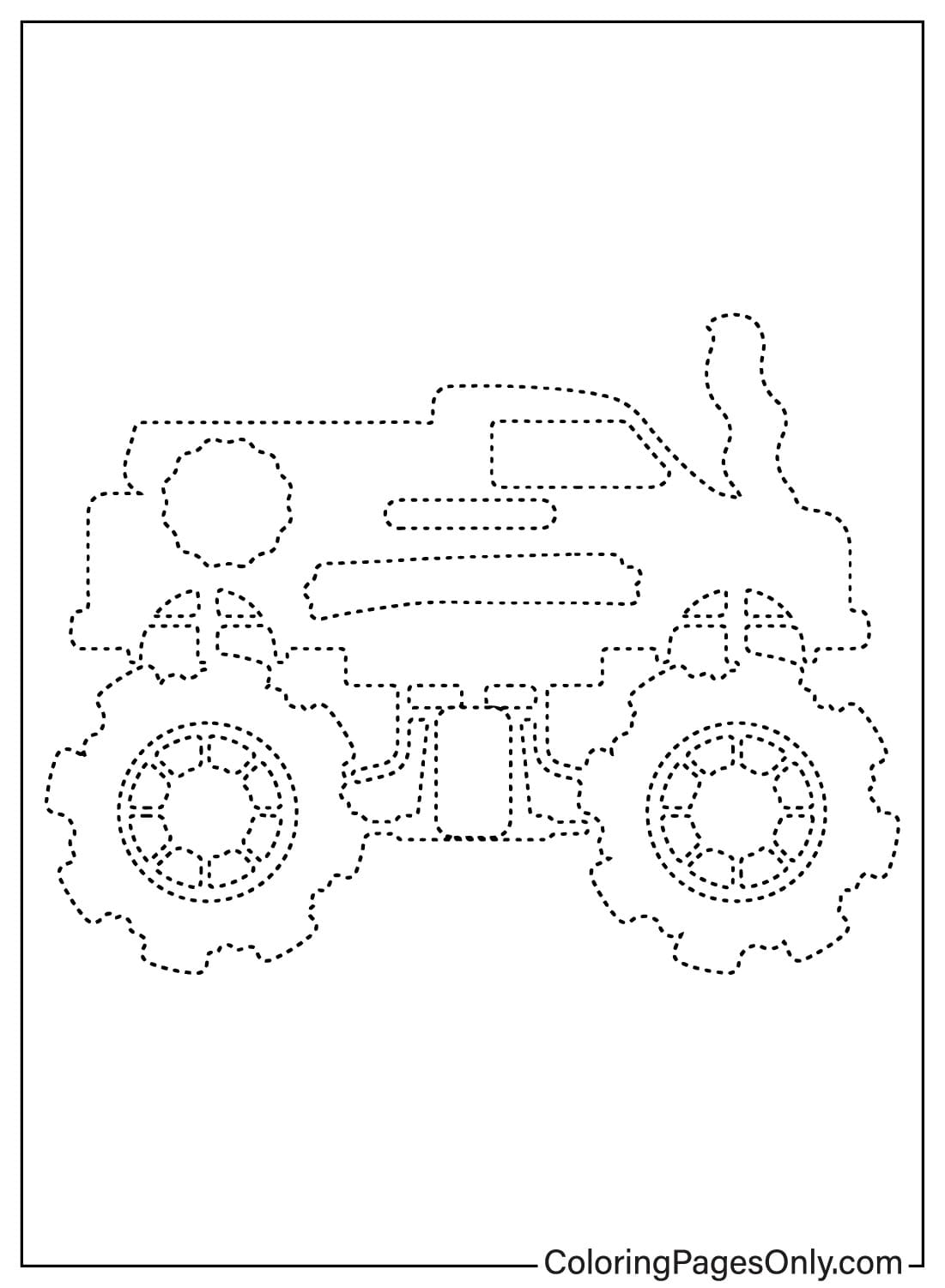
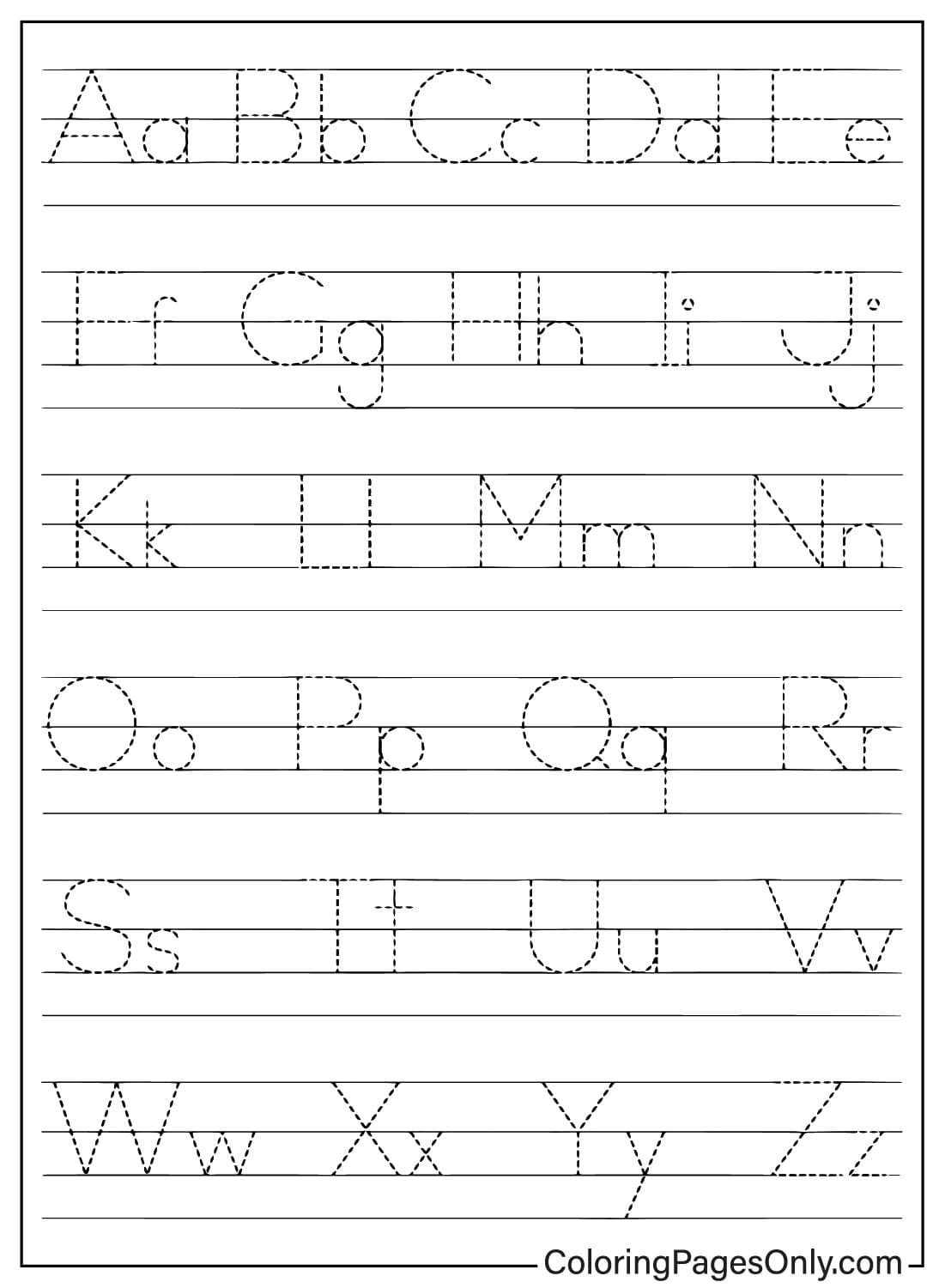
Nine pages cover vehicles like a tractor, airplane, and race car, everyday objects like socks and a robot, and an alphabet tracing sheet. Bold, primary colors, red, blue, and yellow, work well here, since these pages are more about recognizing a familiar shape than matching a real-world color exactly.
Food, Nature, and Seasonal Tracing
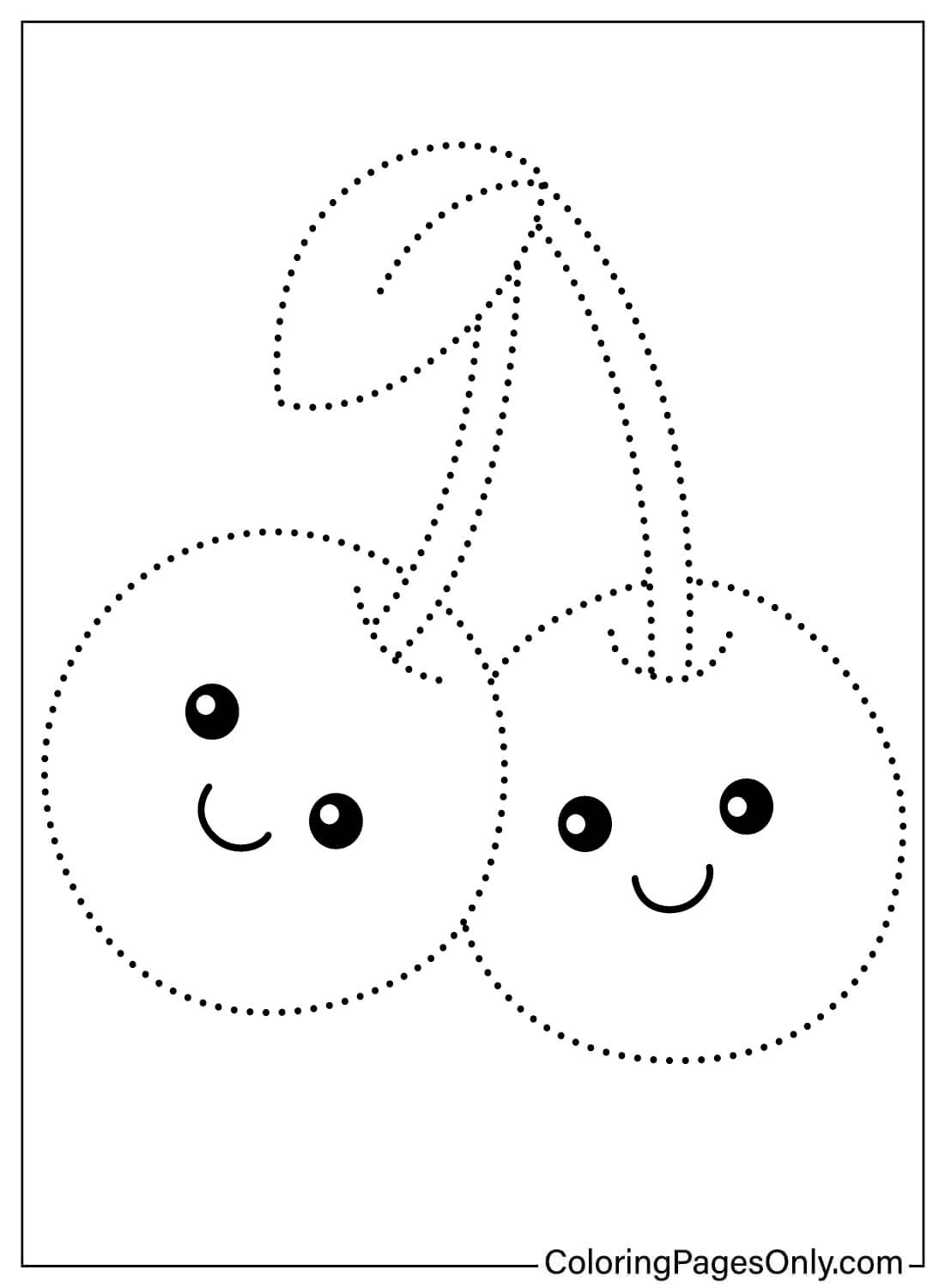
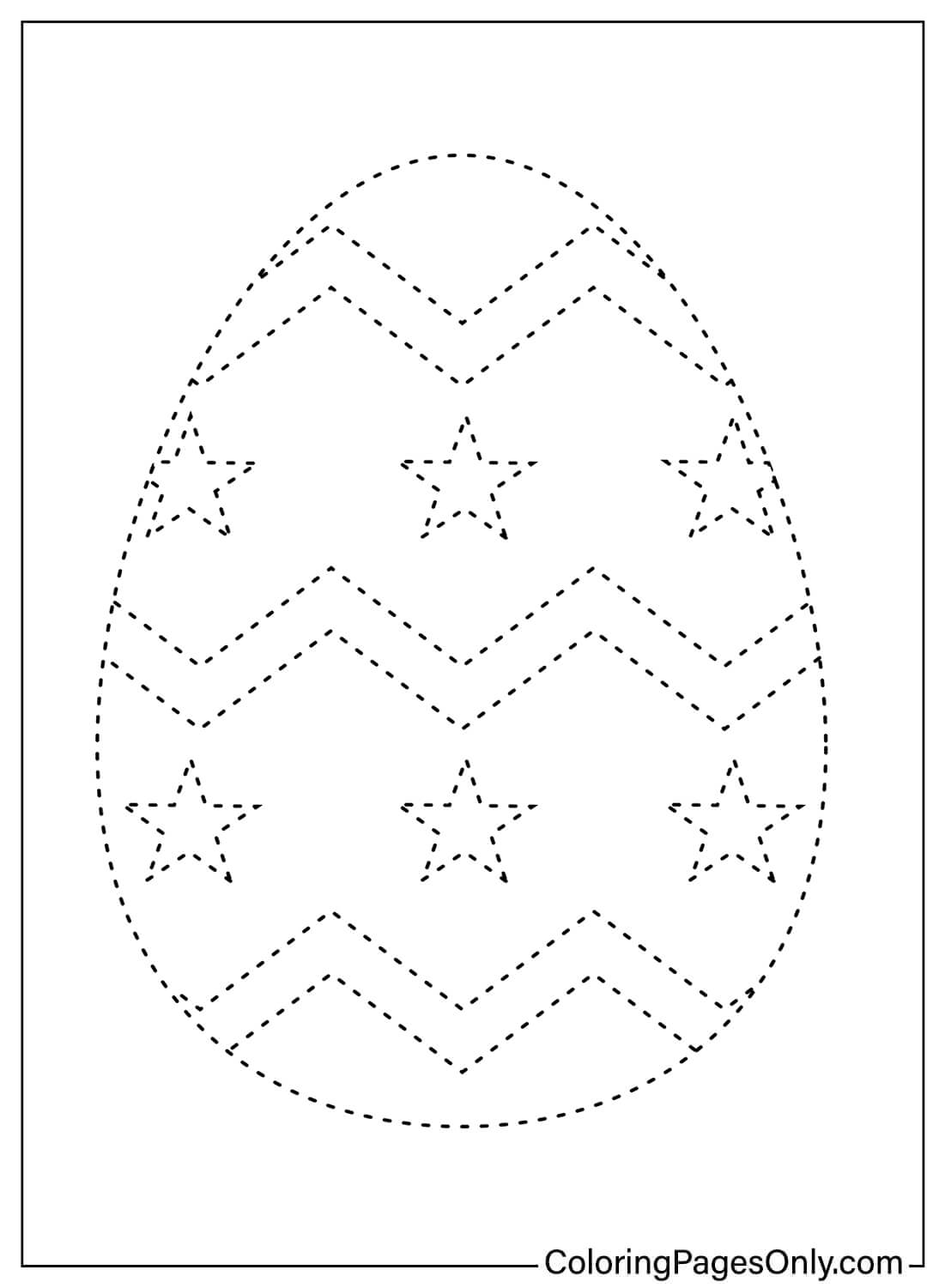
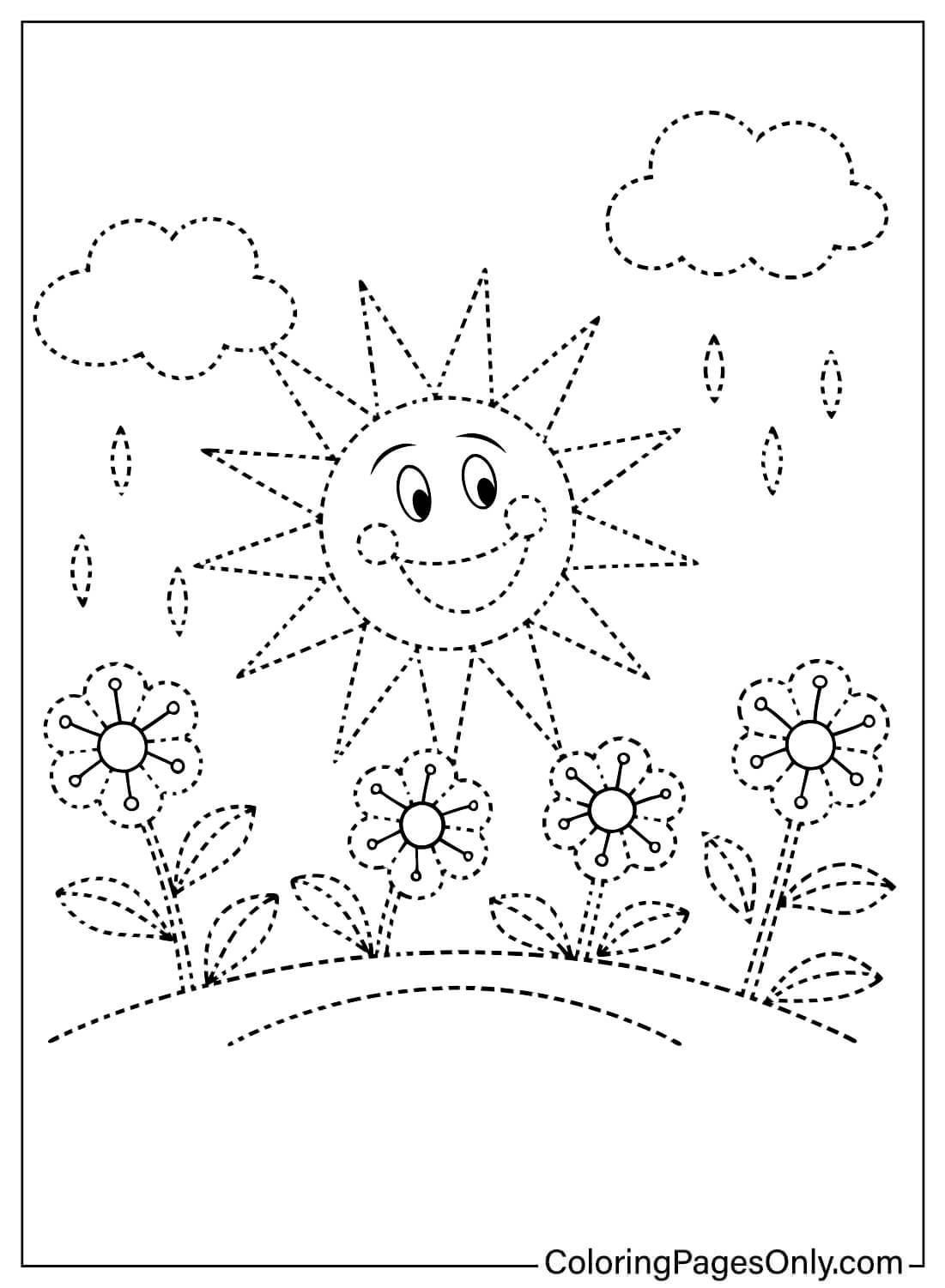
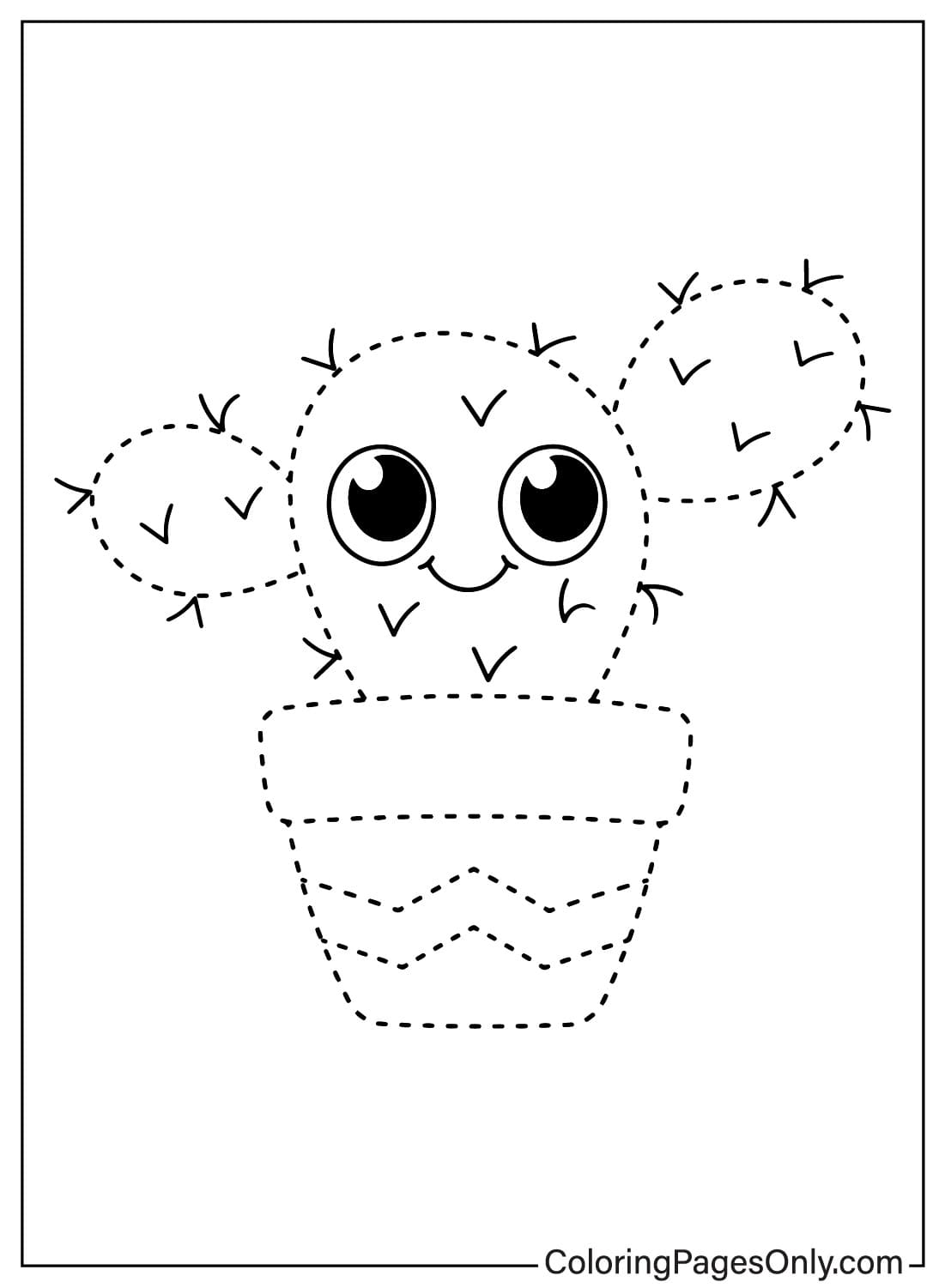
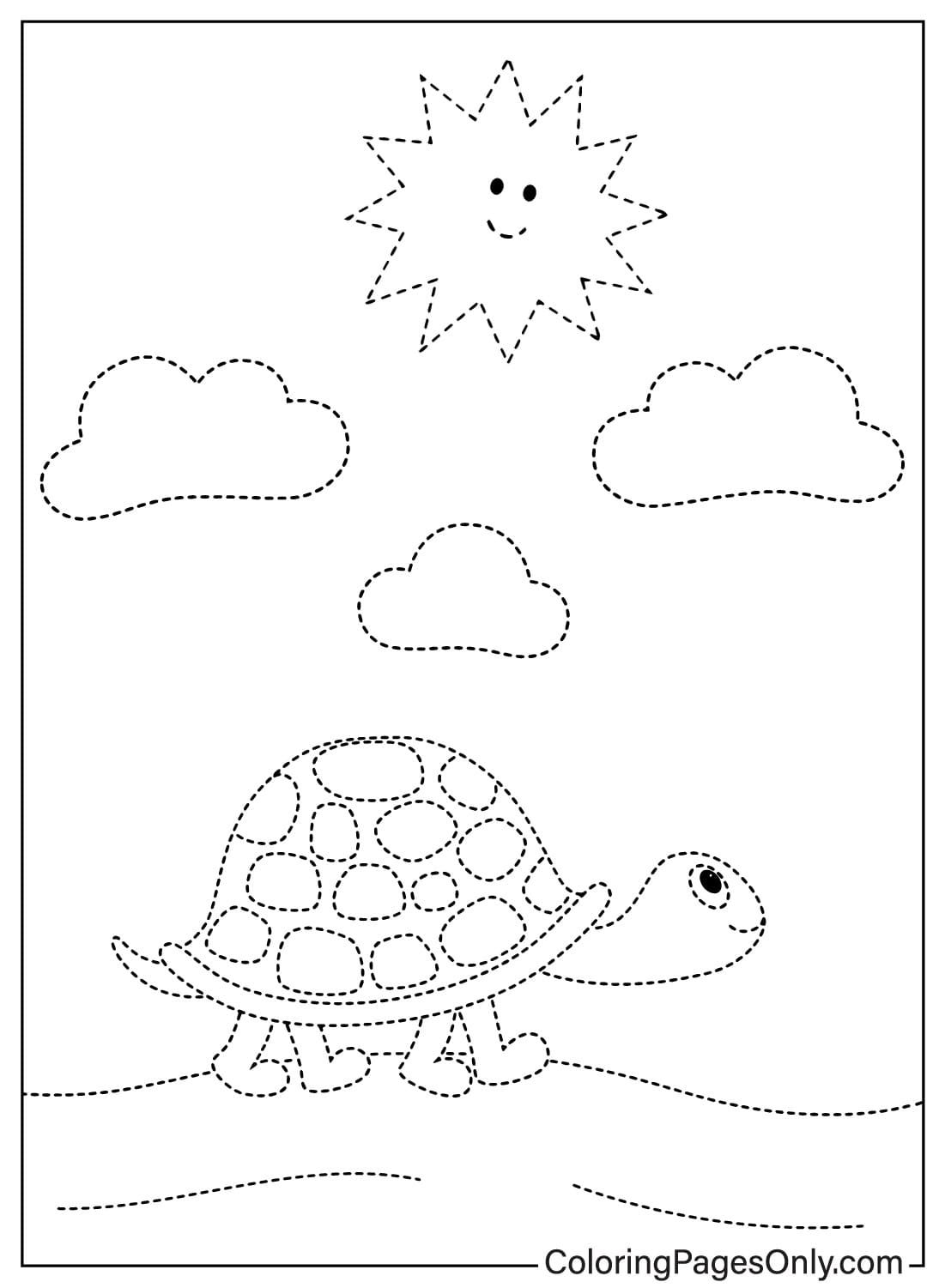
Six pages cover fruit, an Easter egg, a smiling sun with rain clouds, and a cactus. These pages pair naturally with a seasons or weather lesson, since the sun-and-clouds page in particular gives a young child a reason to talk about the weather outside that day.
Additional Tracing Designs
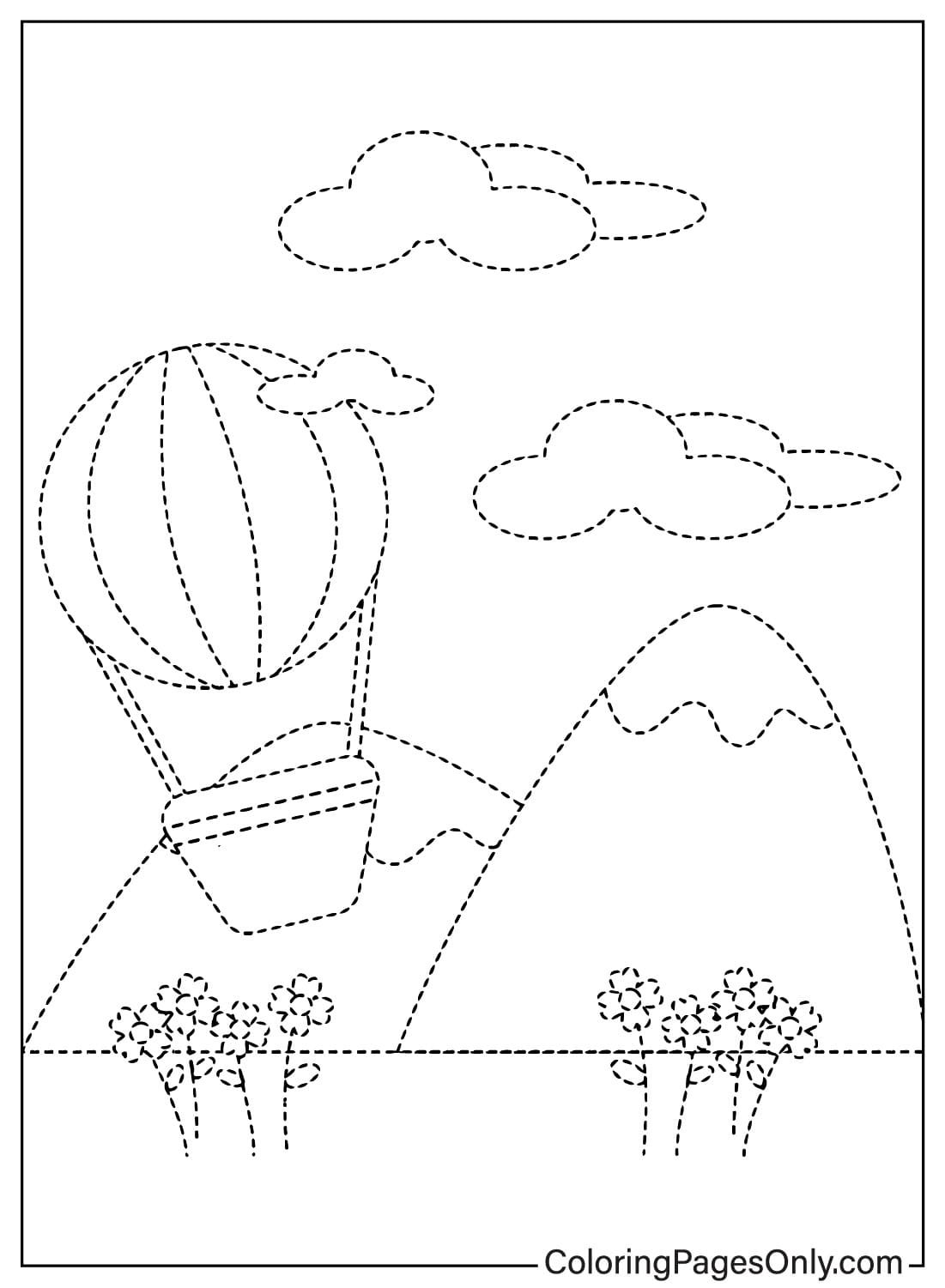
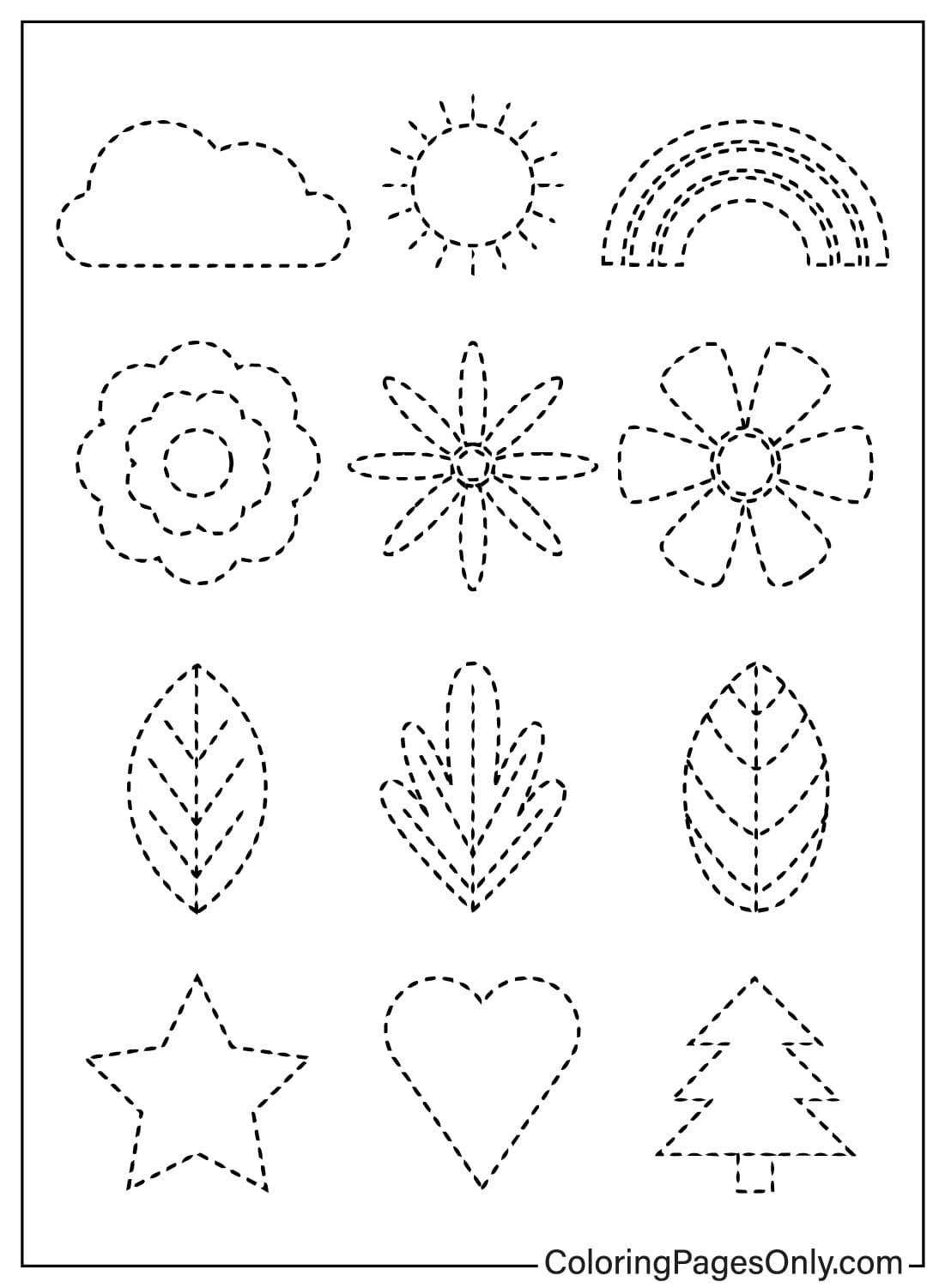
Nineteen pages round out the collection with additional tracing practice, though their file names on the site don’t specify the exact subject of each design the way the rest of the collection does. These are still full tracing-and-coloring worksheets, just without a descriptive title to preview the picture; clicking through to the online coloring tool or PDF shows the actual design before printing.
What Tracing Coloring Pages Do
The dotted line comes before the letter. Occupational therapists track pre-writing strokes in a fairly predictable order: vertical and horizontal lines and a circle by around age 3, a cross shape by around age 4, then diagonal lines, and an X and triangle by around age 5. Every one of these traced pictures asks a child to practice some combination of those exact strokes, which makes tracing a direct rehearsal for the letters and numbers that come next.
Two skills on one page. A tracing page asks for pencil control first and color choice second, which means it builds handwriting readiness and the fine motor skills the American Academy of Pediatrics links to coloring, done between ages 2 and 7, in a single sitting rather than two separate activities.
Calm through repetition. A 2005 Art Therapy Journal study found a measurable drop in anxiety after coloring sessions built around a defined structure. A dotted line to follow is about as structured as an activity gets, which makes tracing pages a particularly steady, low-pressure starting point.
A picture is worth naming out loud. Since most of these pages pair the tracing practice with a recognizable animal, vehicle, or object, saying the object’s name while tracing it links the physical motion to a word, reinforcing vocabulary at the same time as pencil control.
How to Color Tracing Pages Well
- Trace before you color: Have the child trace the dotted lines first, ideally in pencil, before picking up crayons, so the pencil-control practice isn’t skipped in favor of jumping straight to coloring.
- Grip and tools: A thick, short crayon, like a Crayola Jumbo, is easier for a young child’s grip to control along a traced line than a thin marker.
- Animal pages: Use real-world colors, Brown or Burnt Sienna for a dog, Sea Green or Turquoise Blue for a dolphin or shark, so the finished picture reads accurately.
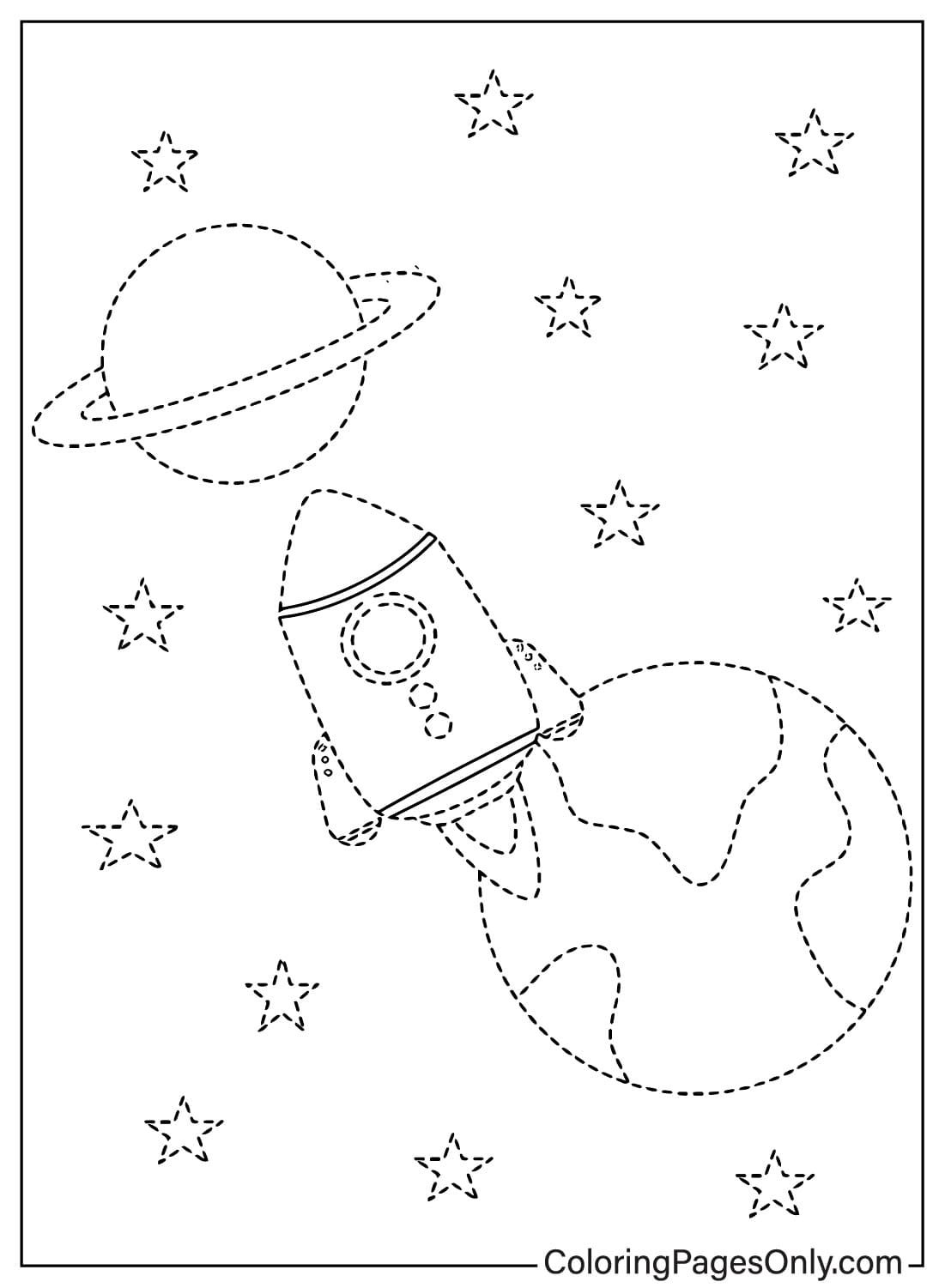
- Vehicle and object pages: Bold primary colors like Scarlet, Blue, and Sunglow work well, since recognition matters more than realism here.
- Sun, weather, and nature pages: Use Sunglow or Dandelion for the sun, Sky Blue for the sky and rain clouds, and Sea Green for a cactus.
- Direction matters: Start each traced line from the same point shown by any arrow or dot on the page, since starting in the correct spot and direction is part of what builds correct letter-formation habits later.
5 Creative Craft Ideas With Tracing Coloring Pages
1. Trace-and-Tell Story Cards. Trace and color a few animal or object pages, then make up a one-sentence story using each object out loud. It builds vocabulary alongside the pencil-control practice.
2. Stroke Practice Wall Chart. After tracing several pages, have the child practice the same basic stroke, a line, or a circle, freehand on a blank sheet, and display the traced page and the freehand attempt side by side. Watching the freehand version improve over a few weeks makes real progress visible.
3. Sorting by Category. Color a mix of pages, animals, vehicles, and food, then sort the finished pages into piles by category. It turns a stack of separate worksheets into a simple classification game.
4. Tracing Progress Folder. Keep a folder of completed tracing pages dated across a few weeks or months. Looking back at the earliest pages next to the most recent ones shows how much a child’s line control has improved.
5. Tracing Bookmark Set. Color a few of the smaller object pages, cut them into narrow bookmark strips, and cover each with clear contact paper. It gives a finished tracing page a second life as something useful.
Frequently Asked Questions
What are tracing coloring pages?
Tracing coloring pages are free printable and browser-colorable worksheets that combine a dotted-line tracing guide with a picture to color. This collection has 50 pages, available as PDF downloads or through the online coloring tool.
What age are tracing pages appropriate for?
Most tracing pages suit children roughly 2 to 5 years old, the age range in which occupational therapists track the typical development of basic pre-writing strokes like lines, circles, and crosses.
What skills does tracing actually build?
Tracing builds the specific pencil control that later becomes handwriting, along with the fine motor skills, hand-eye coordination, and pencil grip that support many other early childhood tasks.
In what order do children typically learn to trace different shapes?
Children typically master vertical and horizontal lines and a circle by around age 3, a cross shape by around age 4, then diagonal lines, and finally an X and a triangle by around age 5, according to occupational therapy research.
Should a child trace with a pencil or go straight to crayons?
Tracing with a pencil first, before switching to crayons for coloring, keeps the focus on pencil control during the tracing step itself. Coloring can follow once the tracing is done.
Why do some pages in this collection have generic titles instead of naming the picture?
A number of pages in this collection carry generic file names rather than naming the picture directly. They’re still complete tracing-and-coloring worksheets; clicking through to preview or Download shows the actual design.
How is tracing different from regular coloring?
Regular coloring pages ask a child to fill in a shape with color. Tracing pages add a step before that: following a dotted-line guide with a pencil to practice controlled hand movement, the same motion needed for writing.
Are tracing coloring pages suitable for children who aren’t writing yet?
Yes. Tracing pages are appropriate before a child starts writing, since the strokes they practice, lines, circles, and simple shapes, are the physical building blocks from which handwriting is built later on.
Start Coloring
Download any design by clicking it. No account, email, or payment is required to color or print. Every page opens in the online coloring tool for on-screen use or downloads as a full-resolution PDF for printing. Share a finished tracing page using the Facebook or Pinterest buttons at the top of the page.