Dolphin Coloring Pages
 By:
Jennifer Thoa - Content Editor & Designer
Updated:
By:
Jennifer Thoa - Content Editor & Designer
Updated:
Free Dolphin Coloring Pages: 70+ pages featuring jumping dolphins, baby dolphins, dolphin families, dolphins swimming through waves, coral reef scenes, tropical fish, sea turtles, mermaids, sunset backgrounds, beach settings, underwater worlds, cute cartoon dolphins, realistic dolphin poses, dolphin pods, ocean splashes, and peaceful marine-life designs. All free, printable PDFs and online coloring pages are ready for home, classroom, ocean units, marine animal lessons, summer activities, beach crafts, and relaxing creative time.
Dolphins are marine mammals known for smooth, streamlined bodies, curved dorsal fins, powerful tail flukes, social behavior, and graceful movement through the ocean. They breathe air through a blowhole, live and travel in social groups often called pods, communicate with clicks and whistles, and use echolocation to sense objects underwater. These real traits make dolphins strong subjects for coloring pages because children can recognize their arched jumps, rounded foreheads, long beaks, flippers, tails, waves, bubbles, and open-ocean settings quickly.
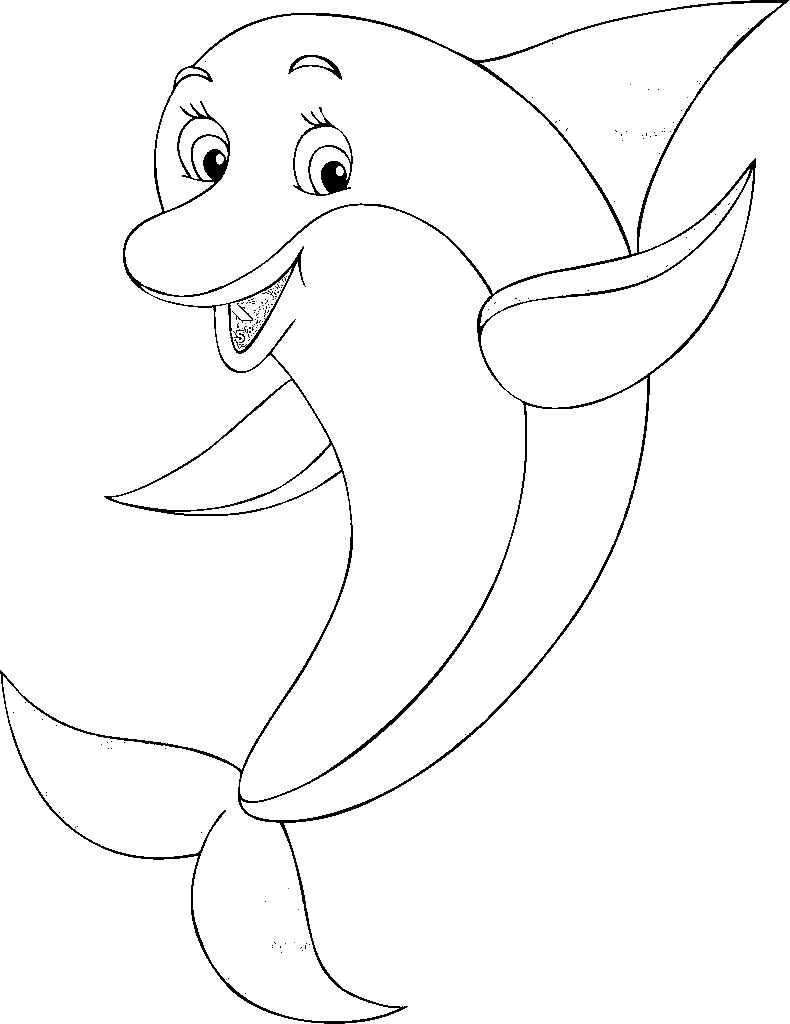
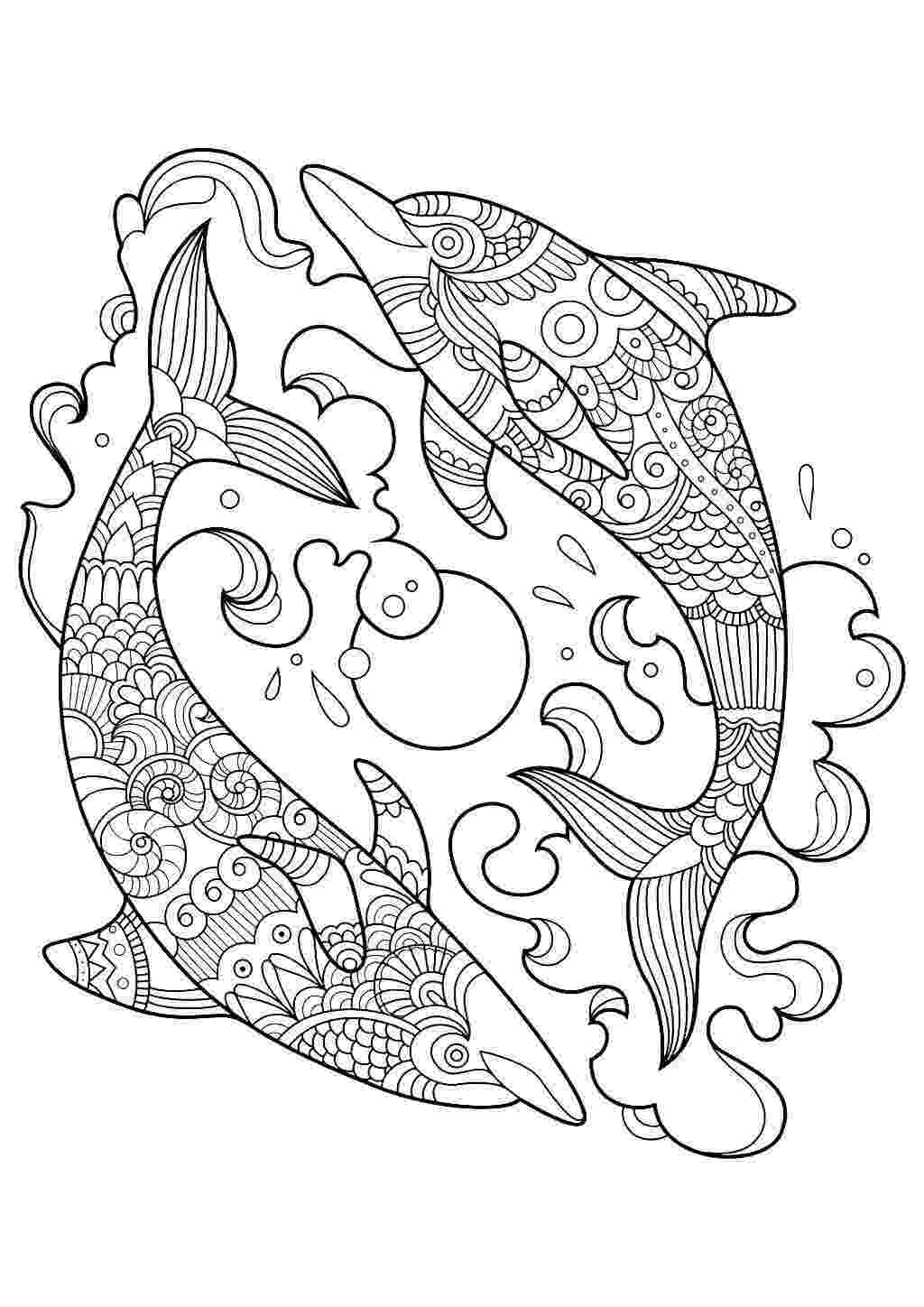
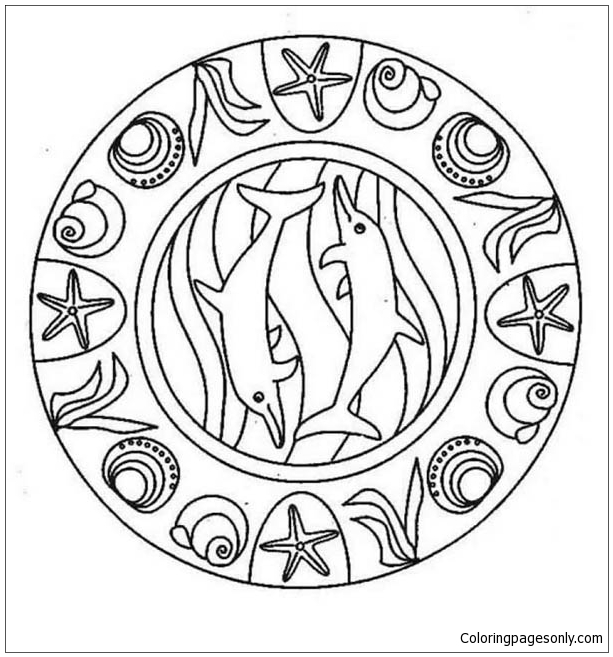
This collection gives younger colorists simple dolphin outlines, cute baby dolphins, smiling cartoon dolphins, and large wave shapes. At the same time, older children can work on realistic dolphin anatomy, reef backgrounds, dolphin families, sunset jumps, mermaid scenes, pod posters, and detailed underwater compositions. These 70+ free pages at ColoringPagesOnly.com cover dolphins, baby dolphins, dolphin pods, waves, coral reefs, ocean animals, beach scenes, mermaids, and playful underwater designs. All free, PDF or PNG, print or color online.



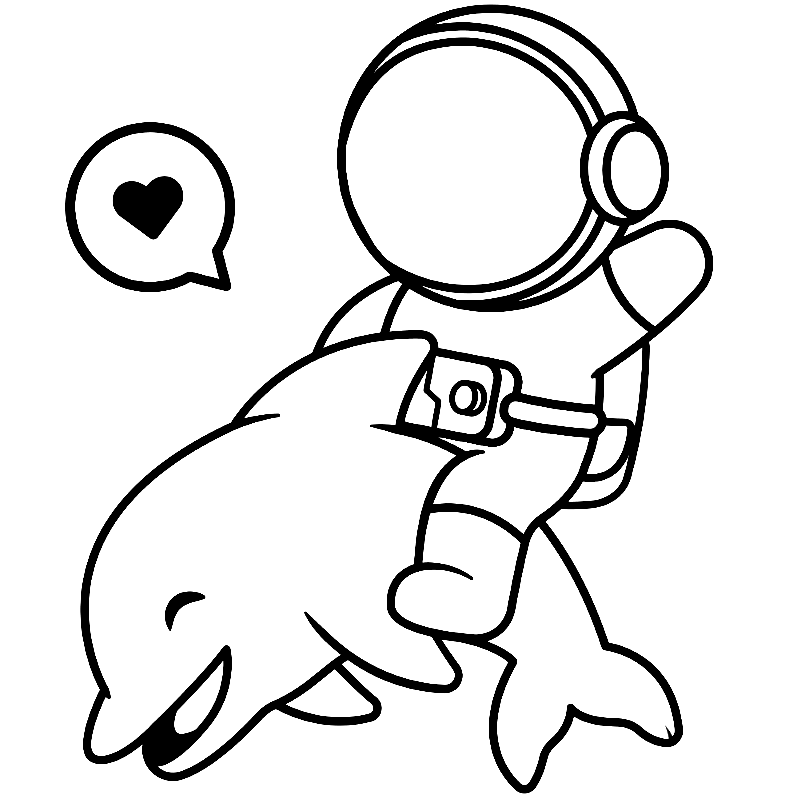
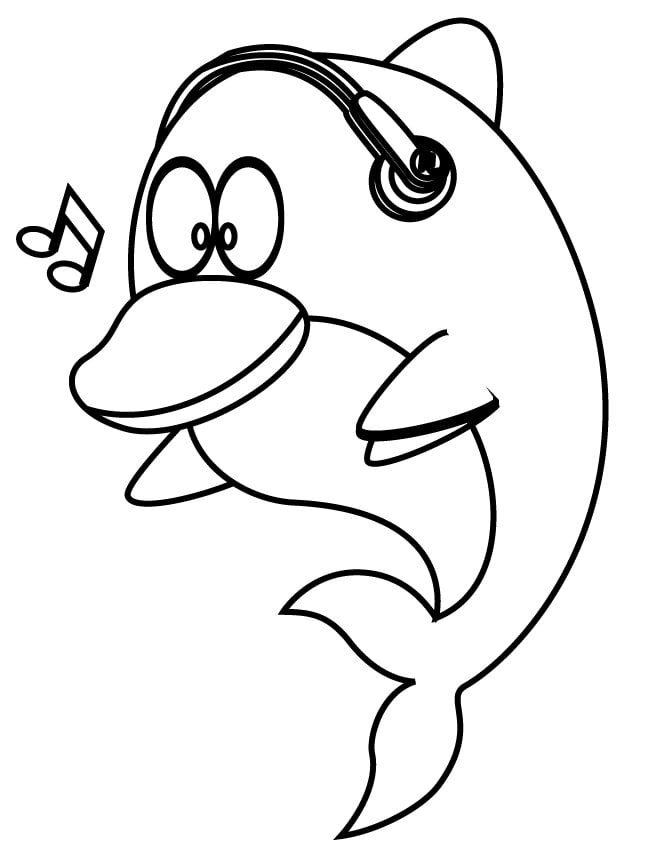
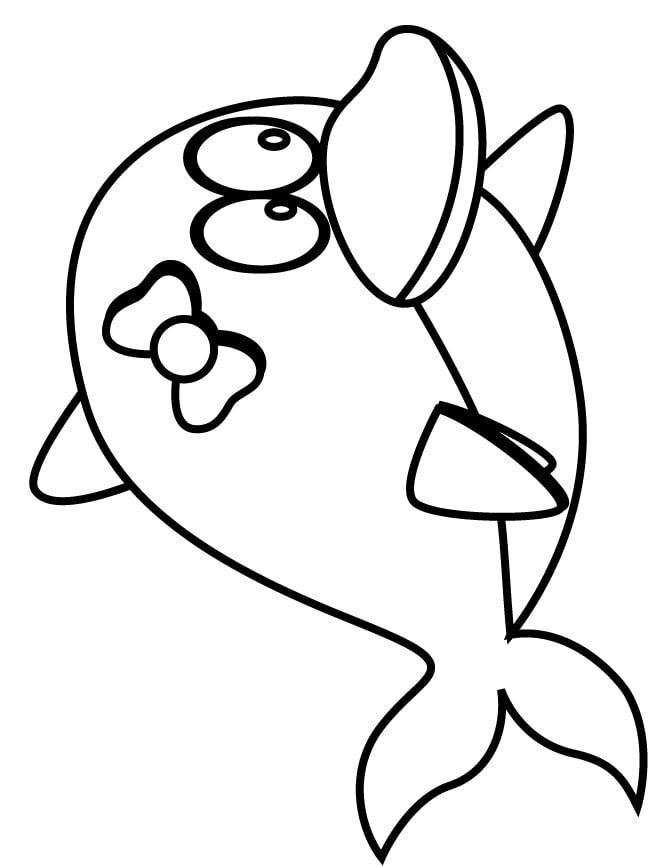
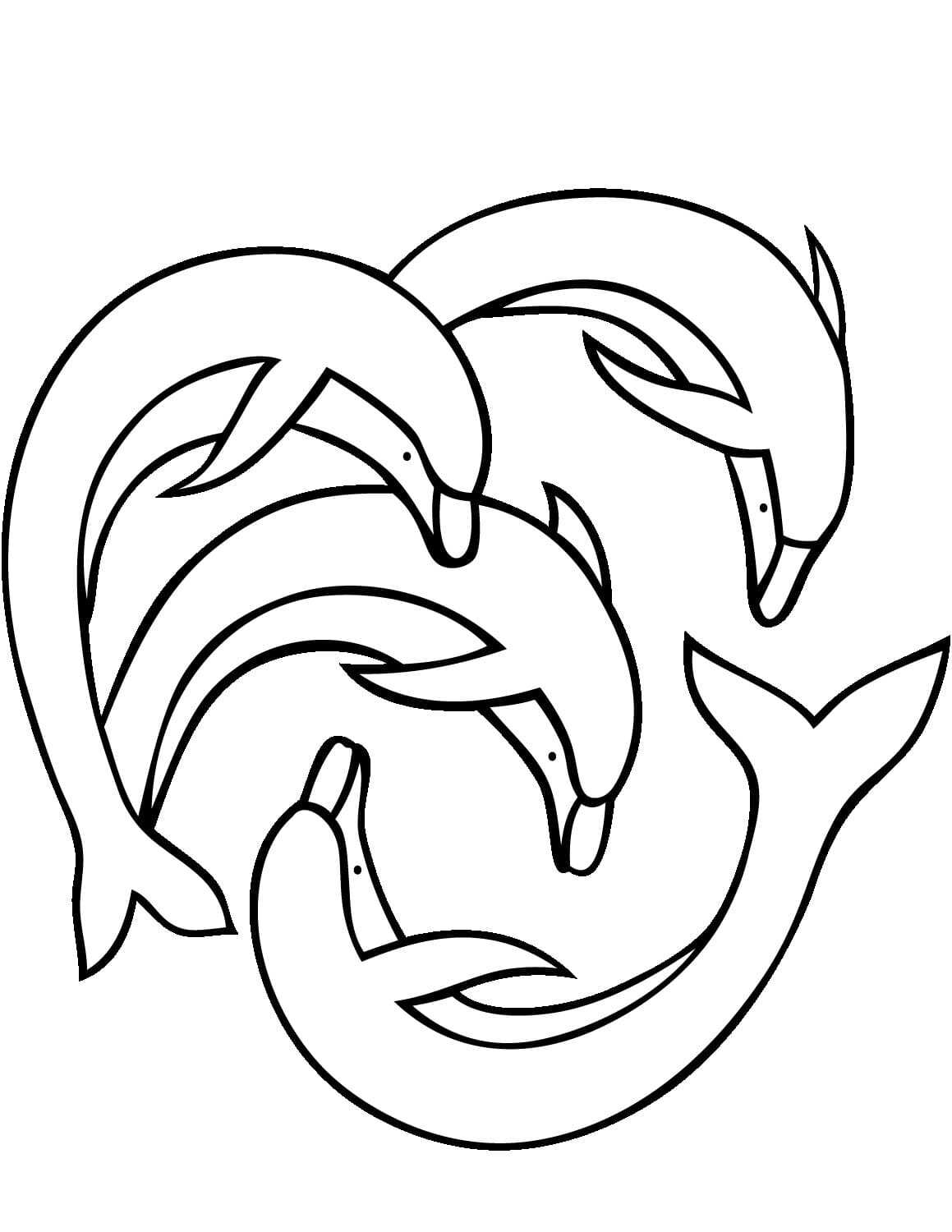


What’s Inside
Jumping Dolphins and Ocean Wave Pages
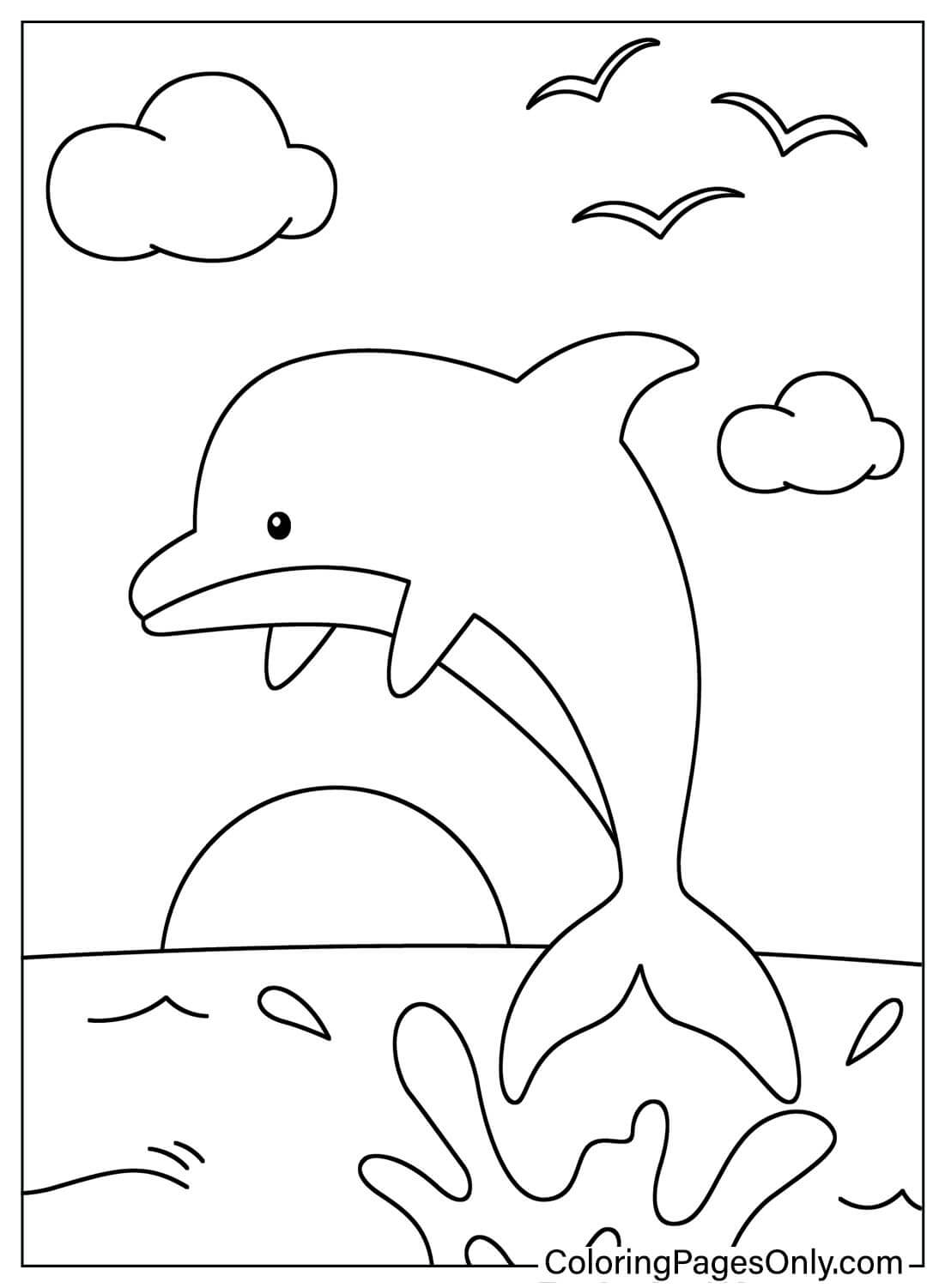
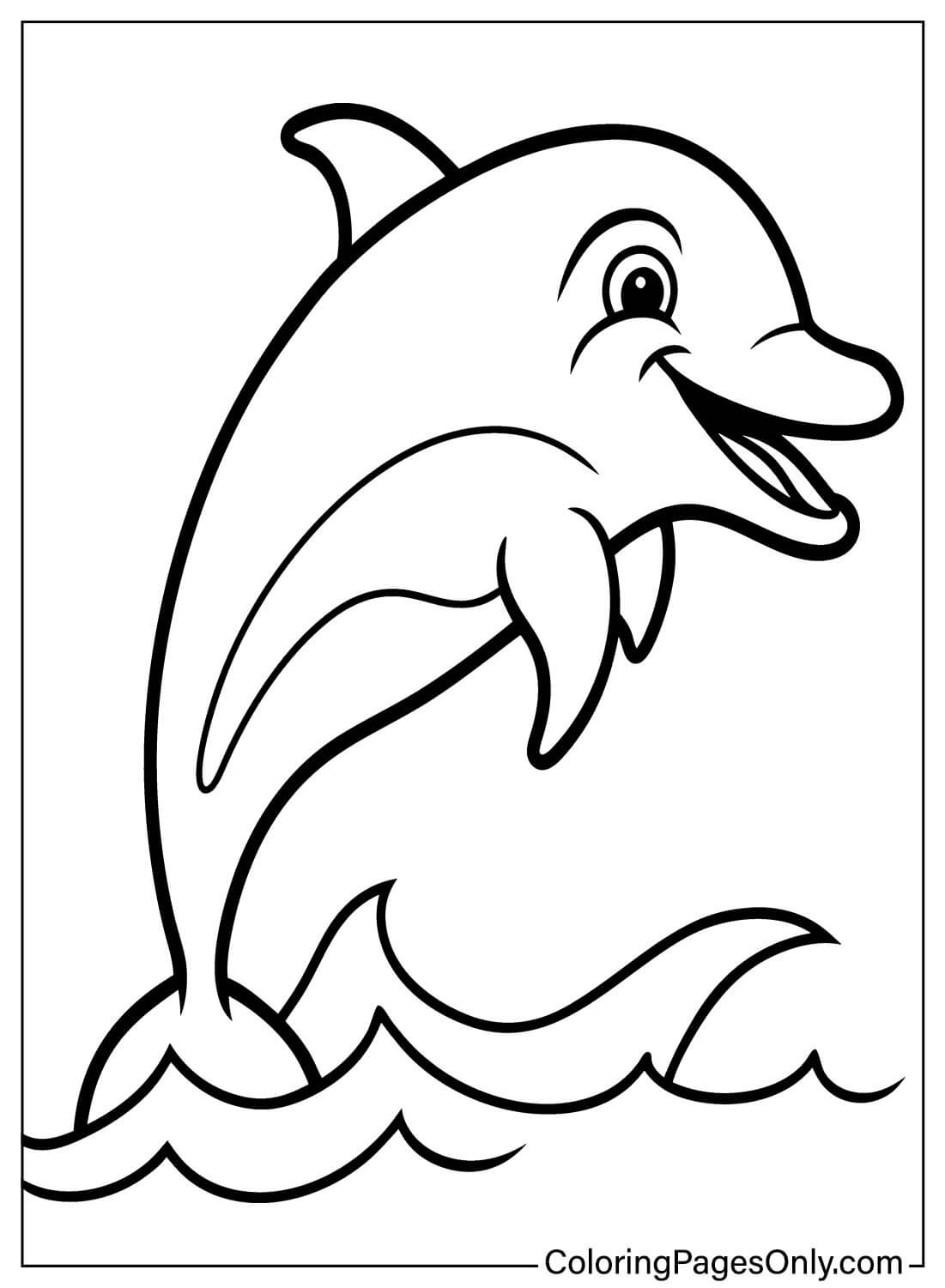
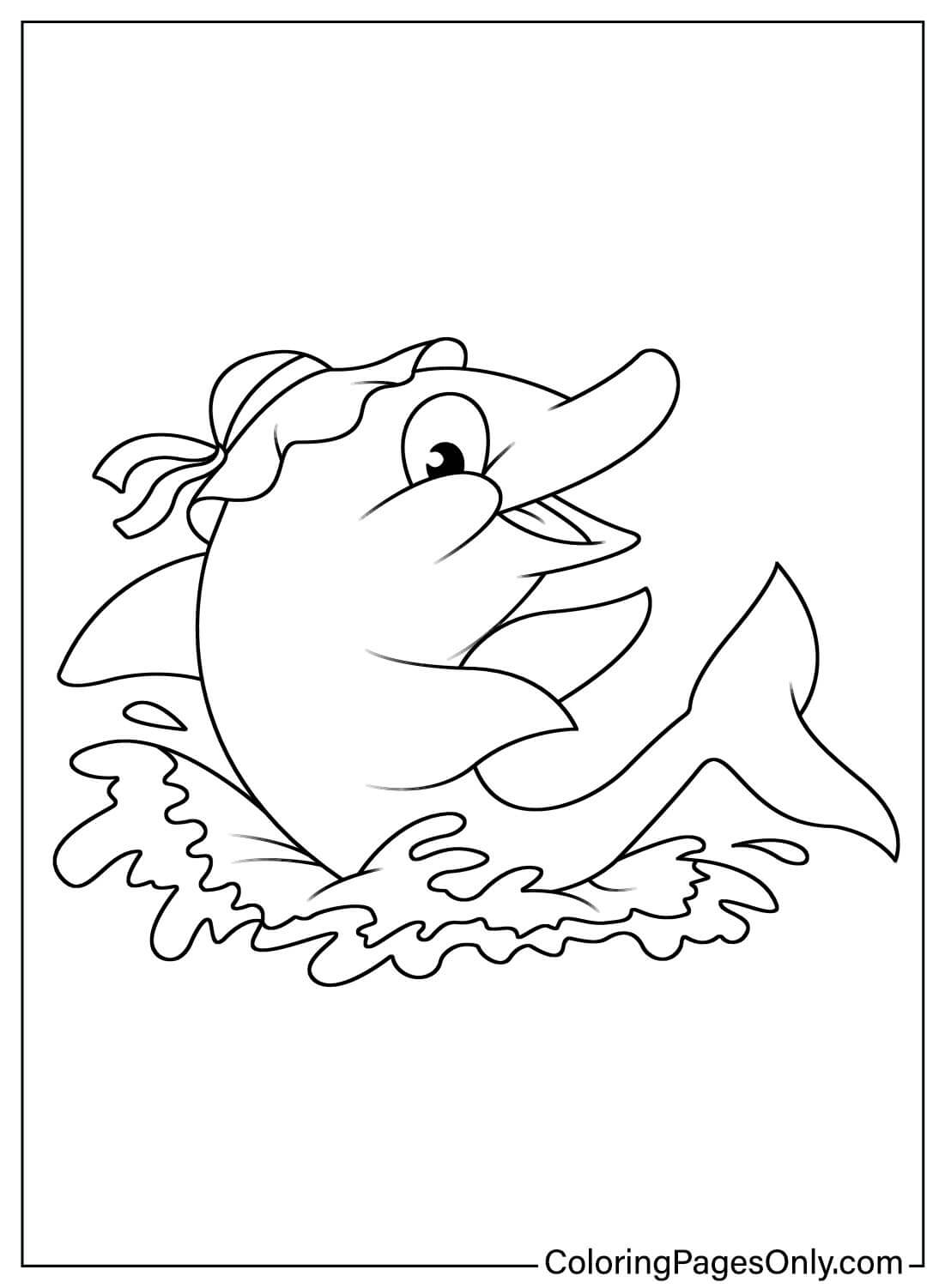
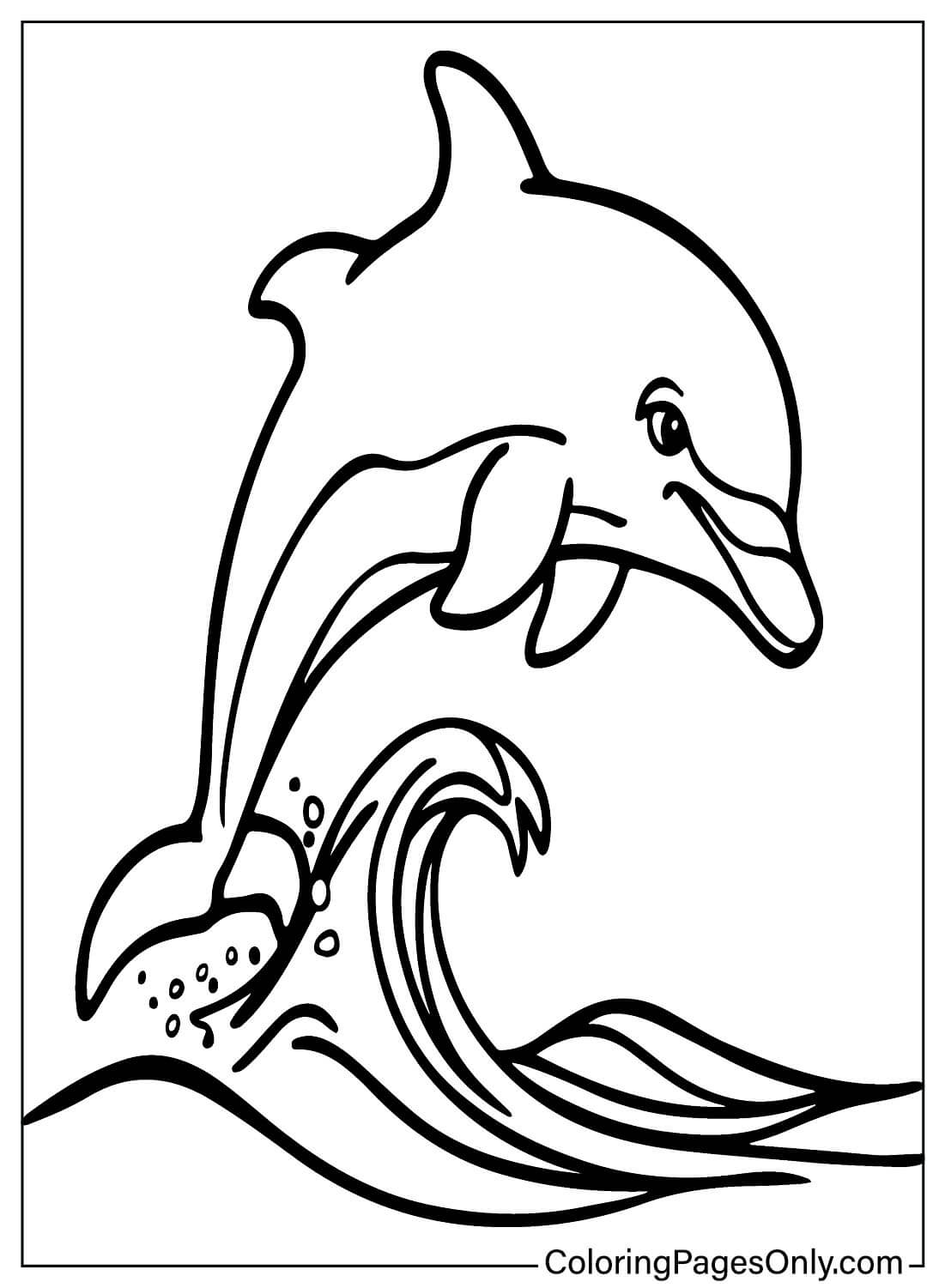
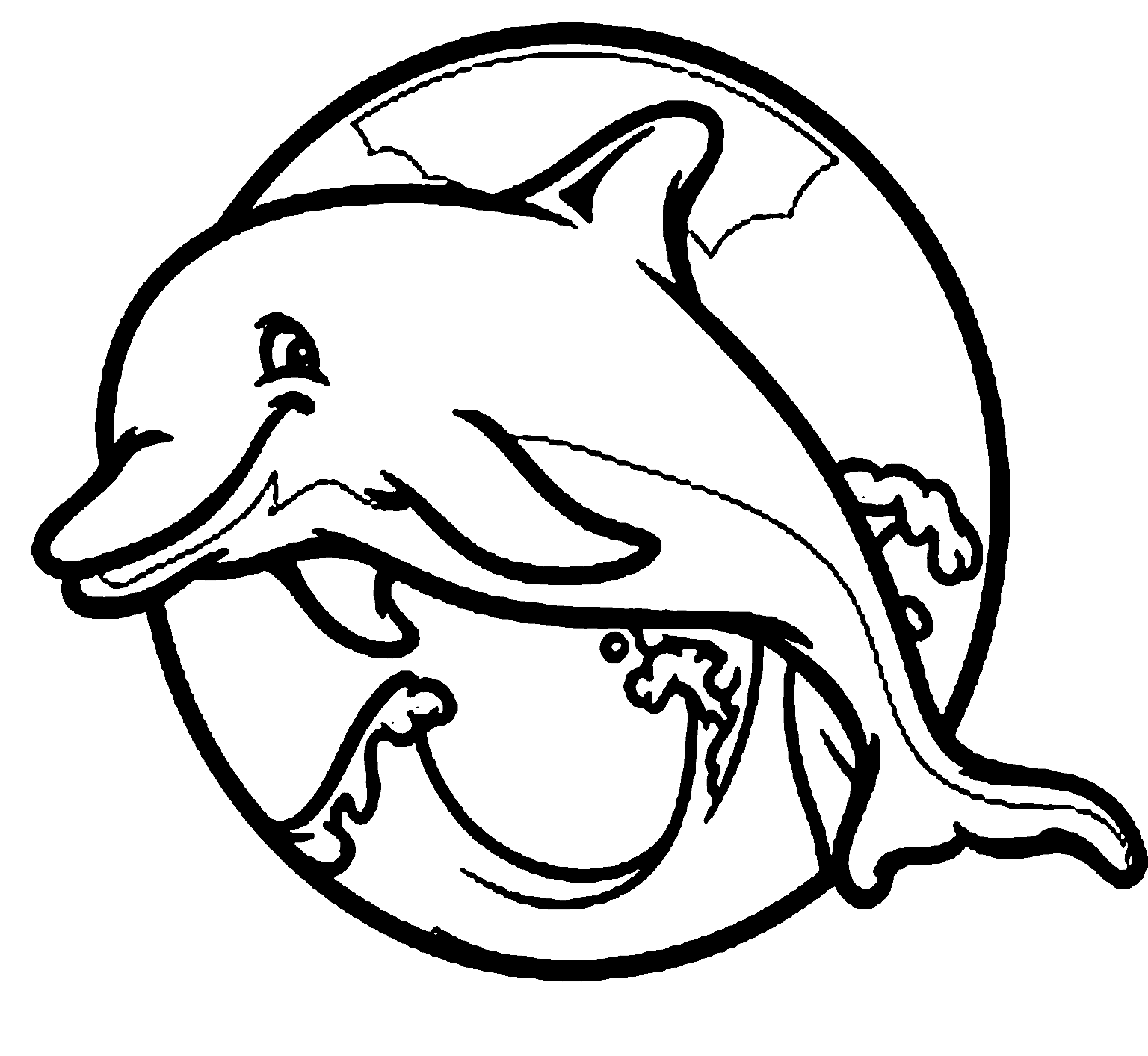
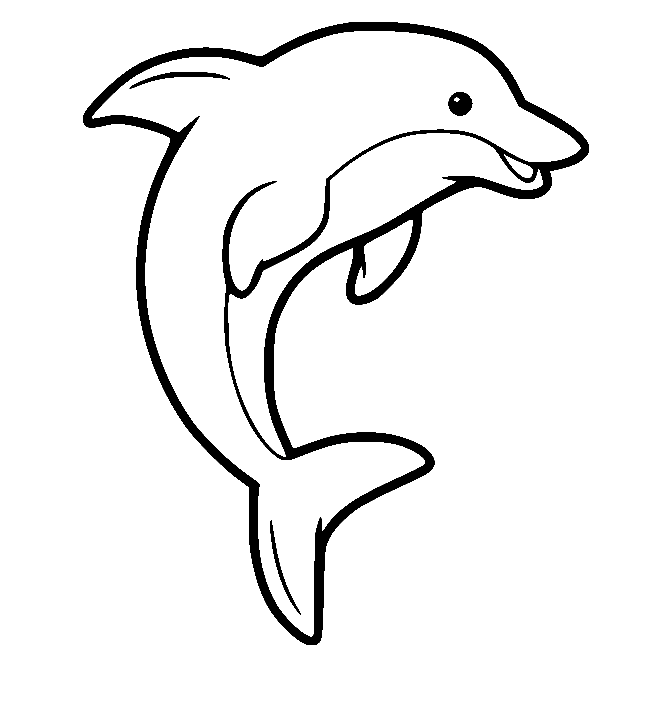
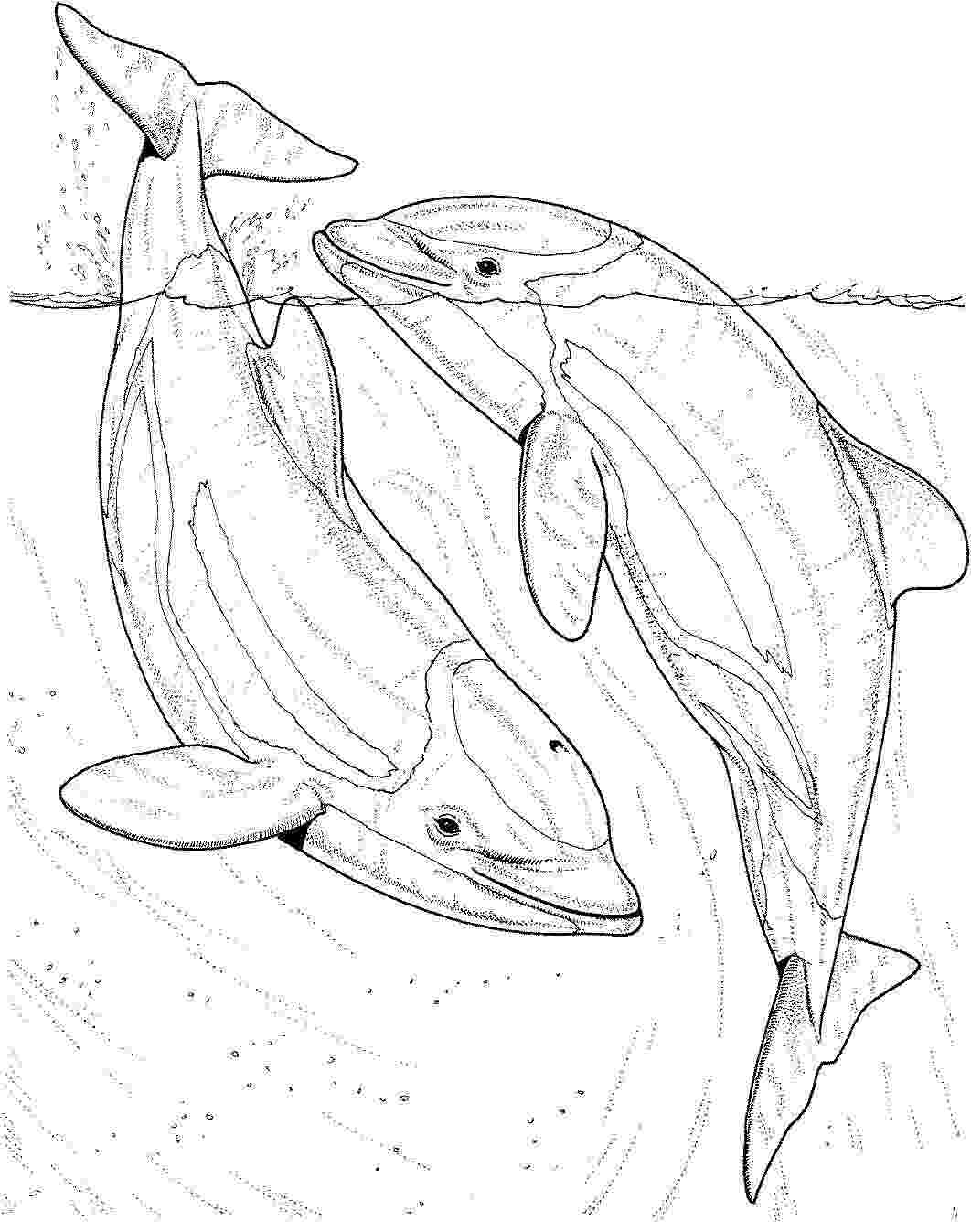
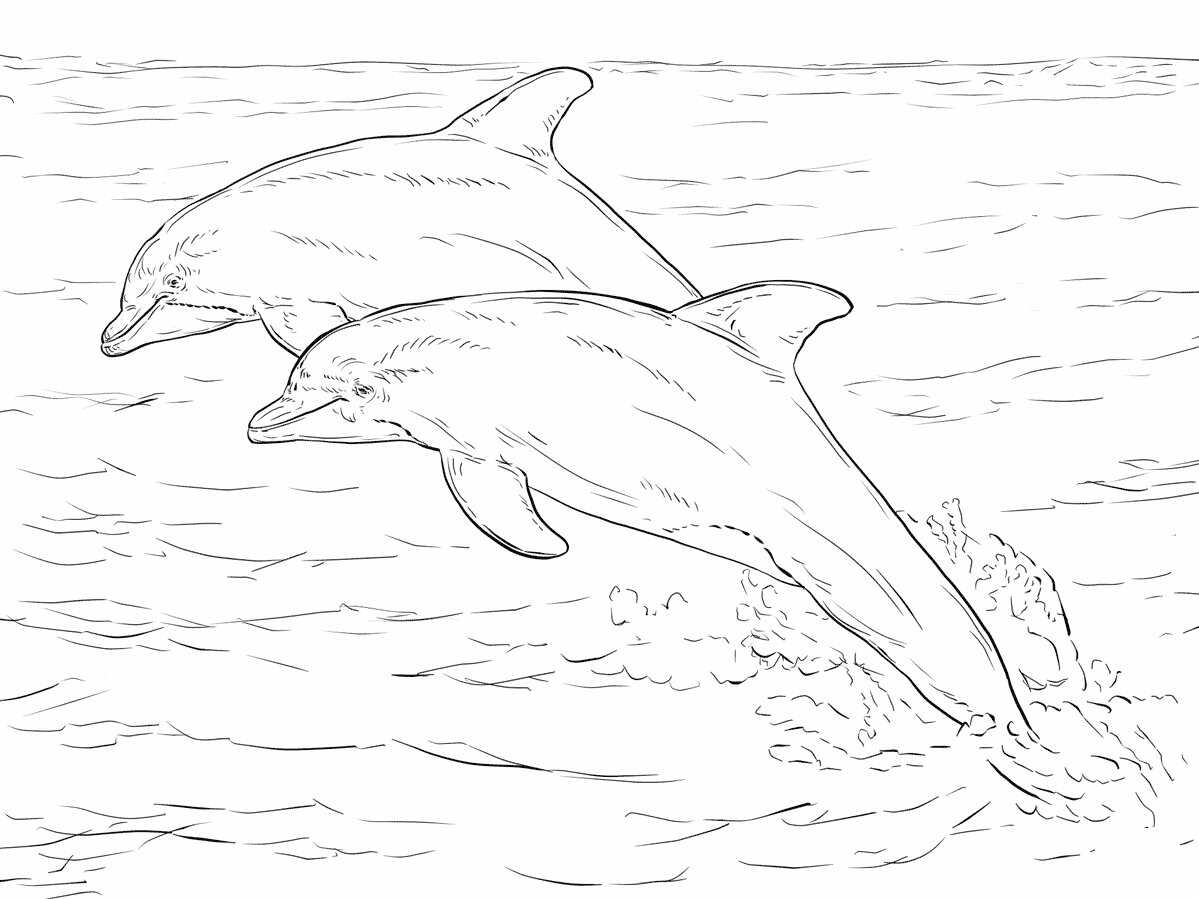
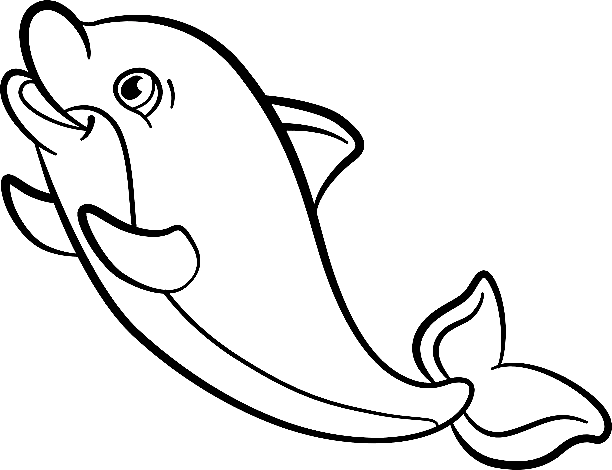
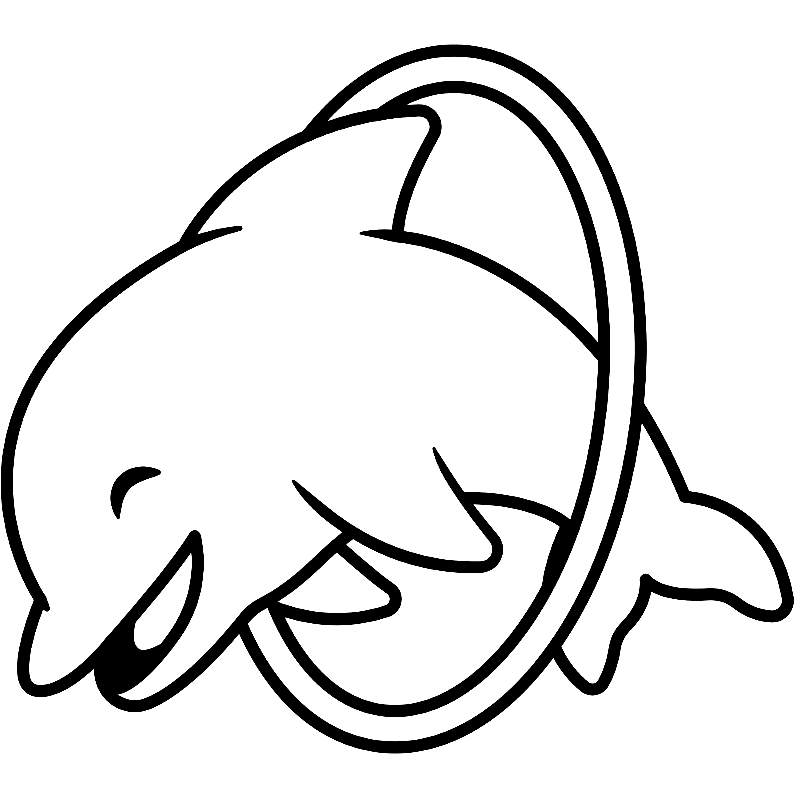
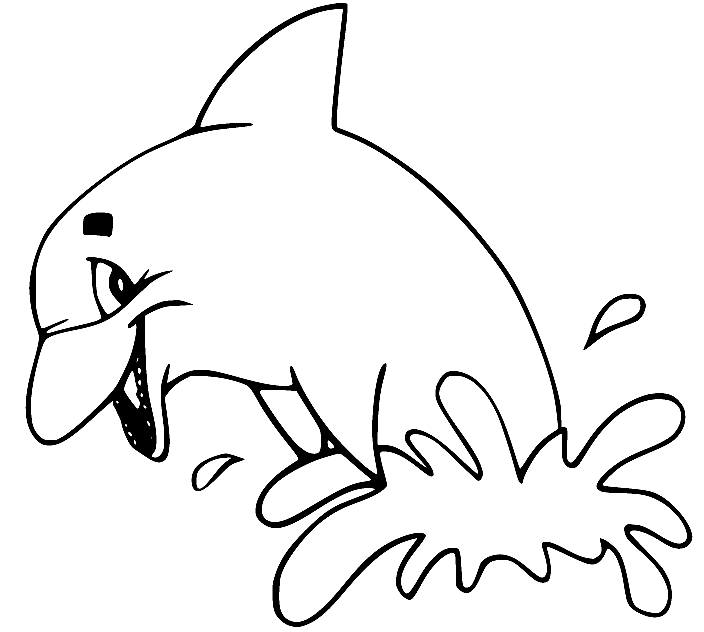
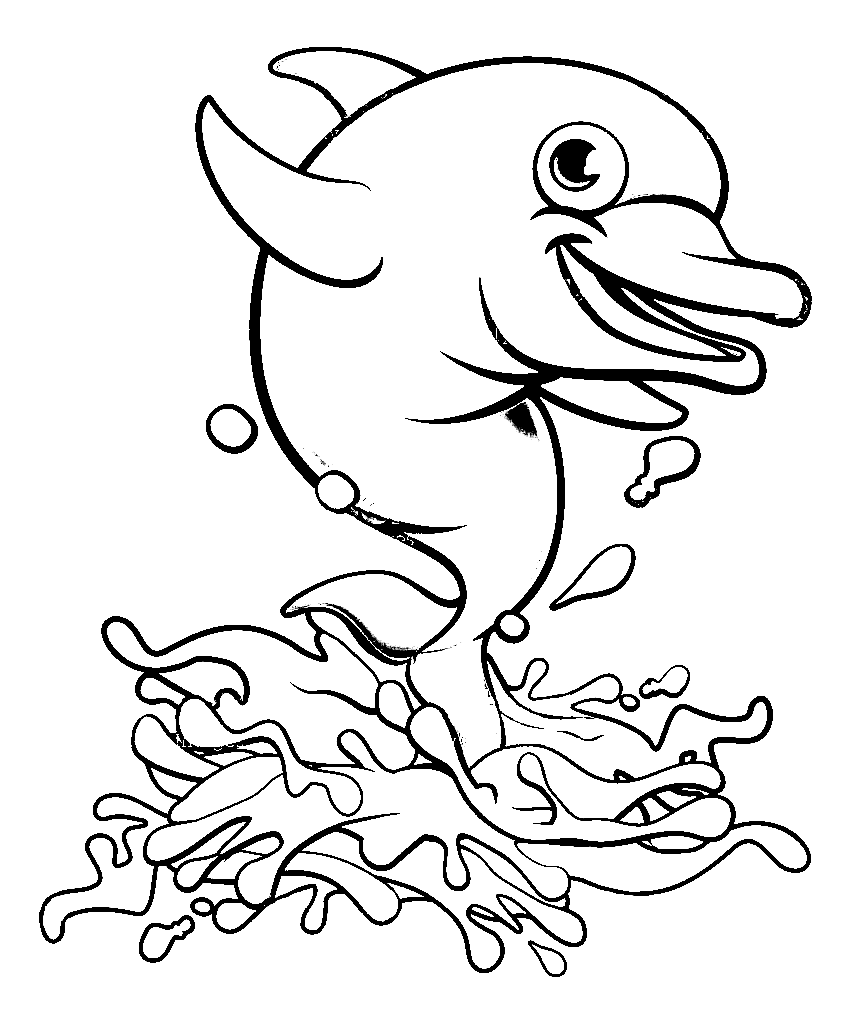
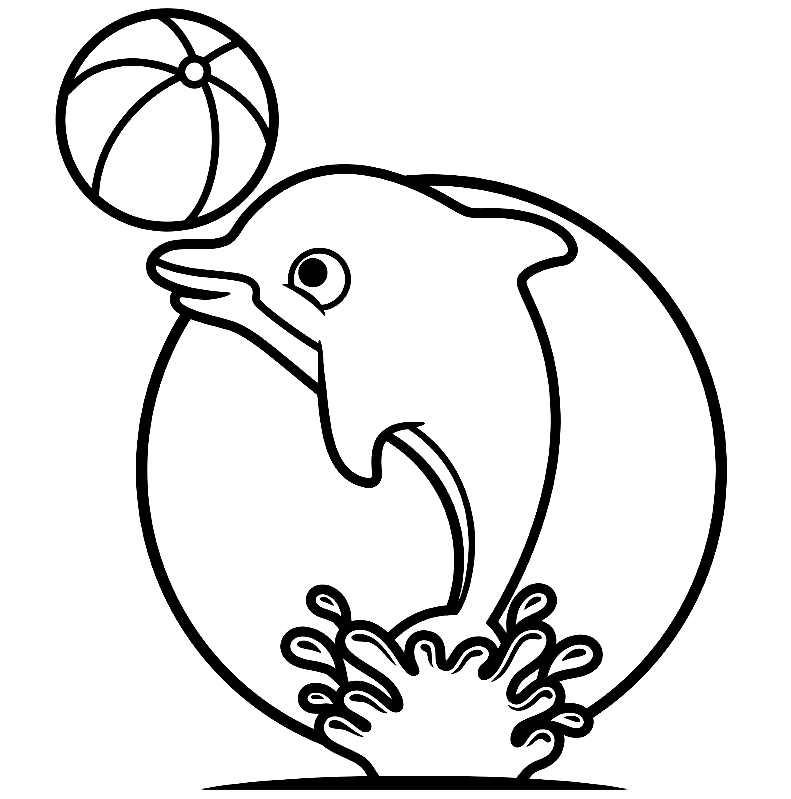
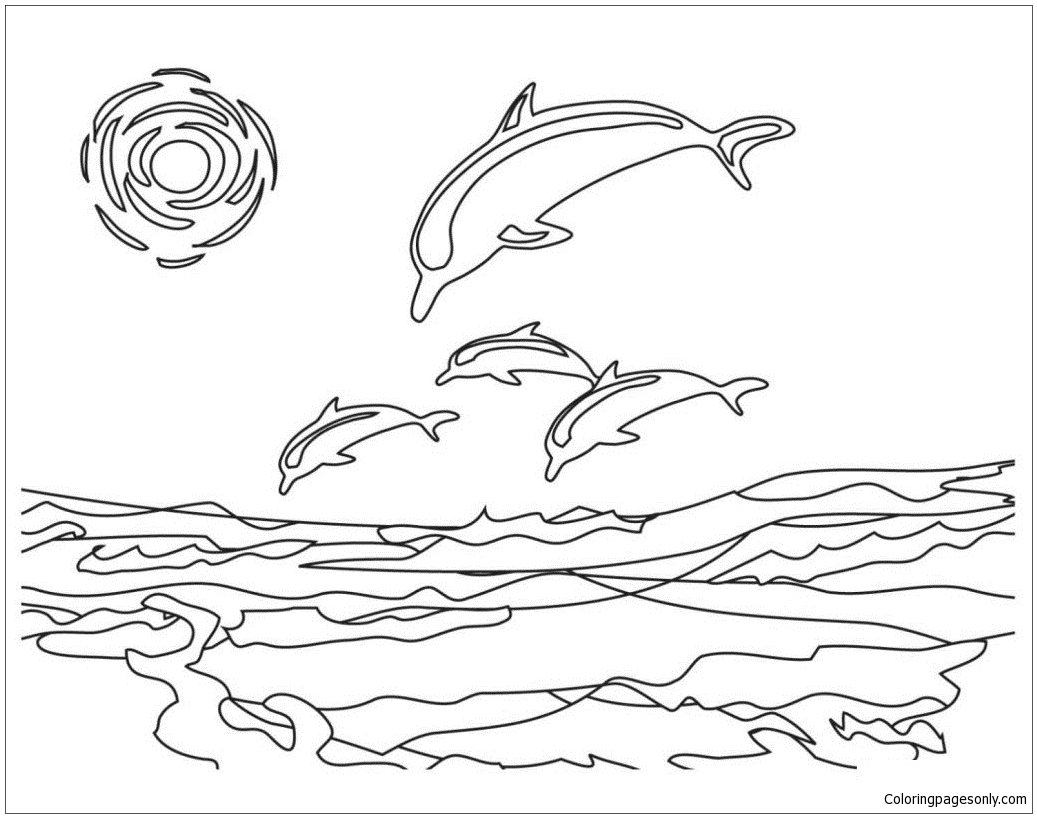
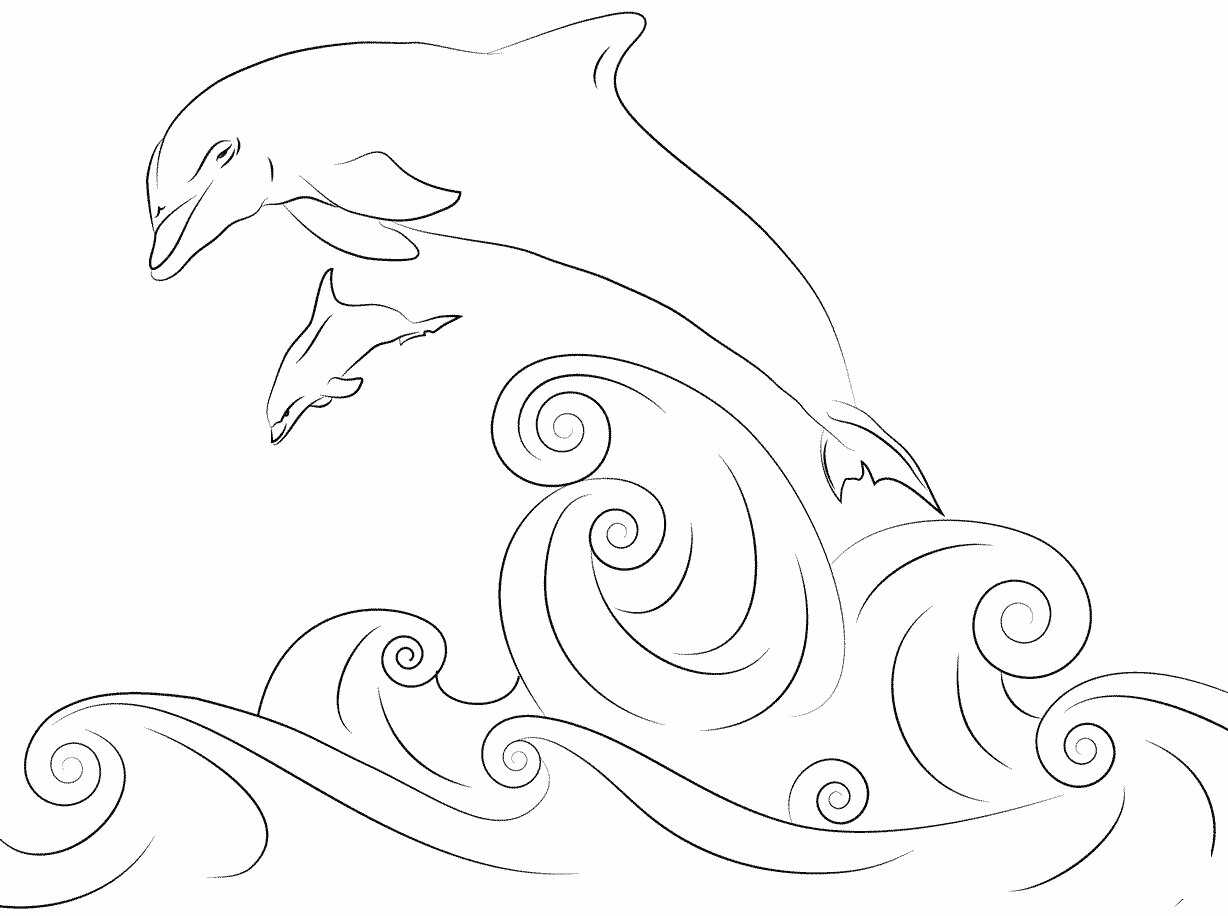
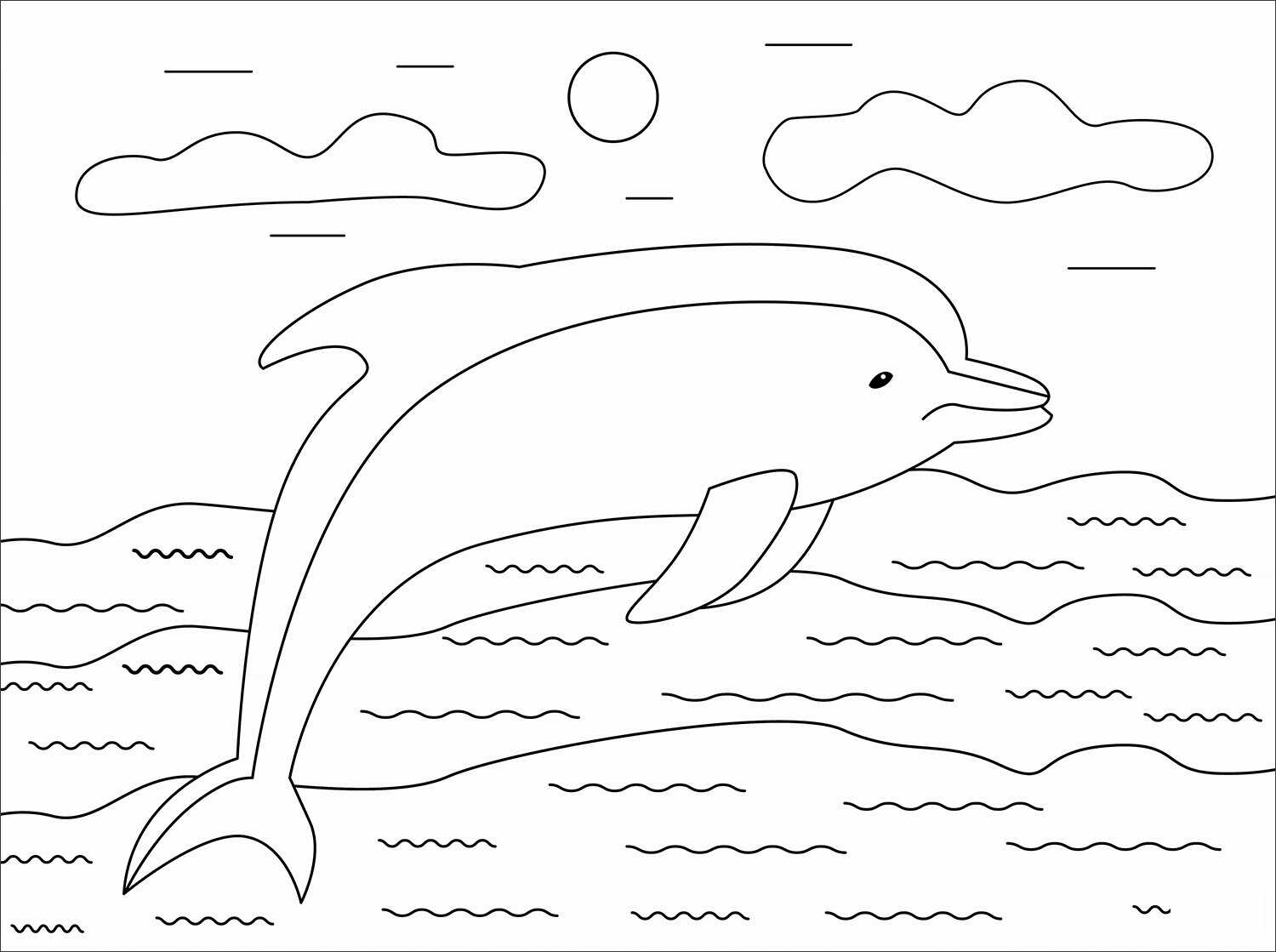
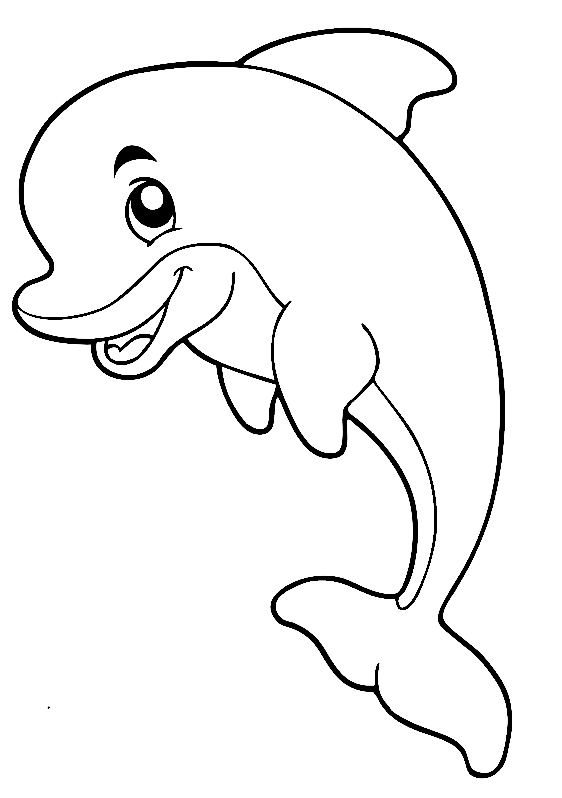
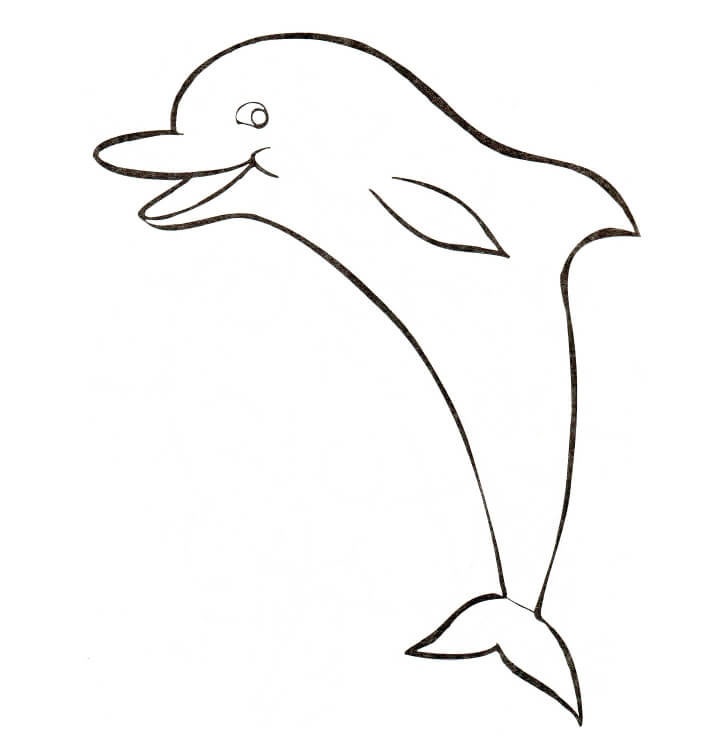
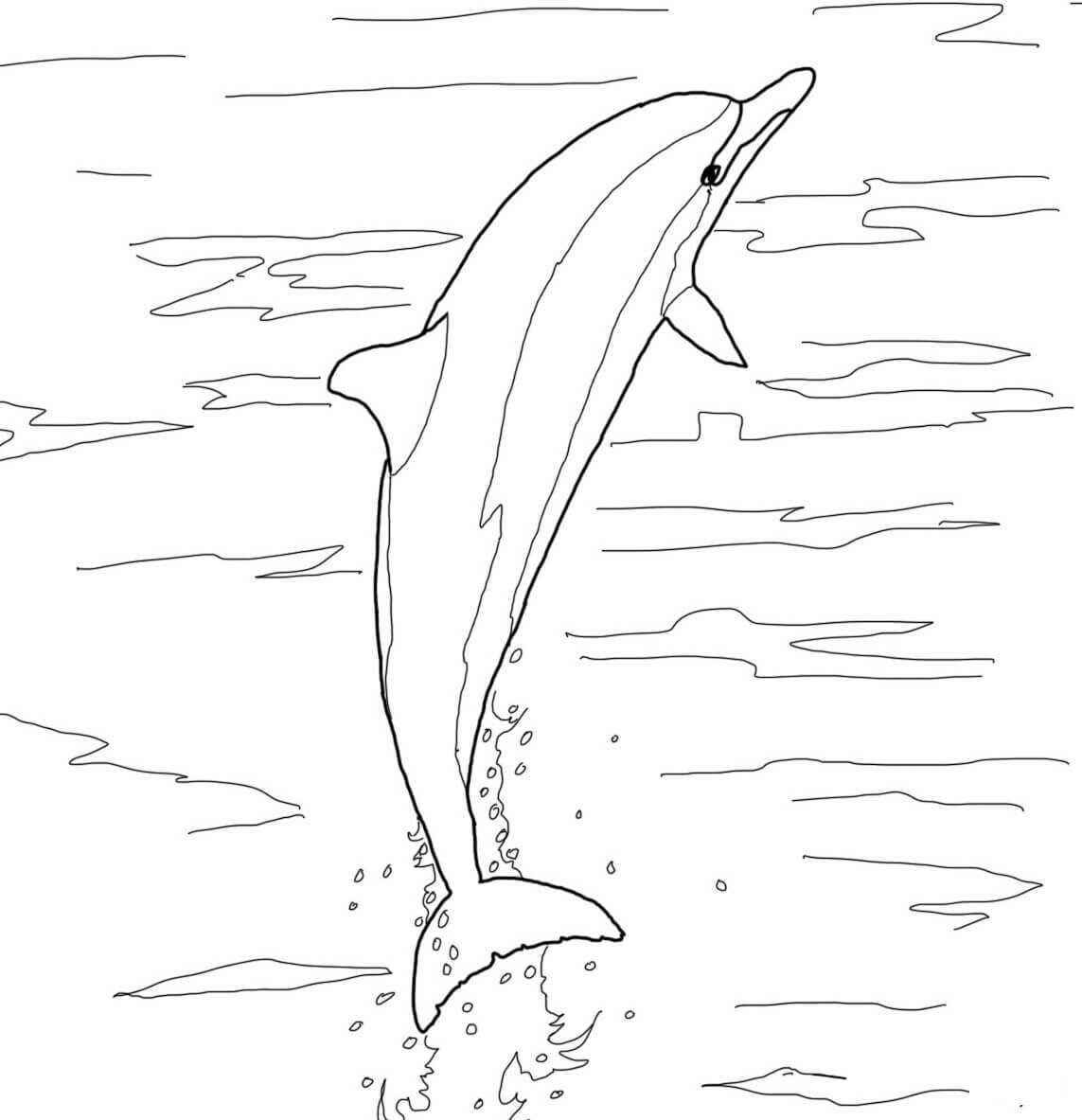
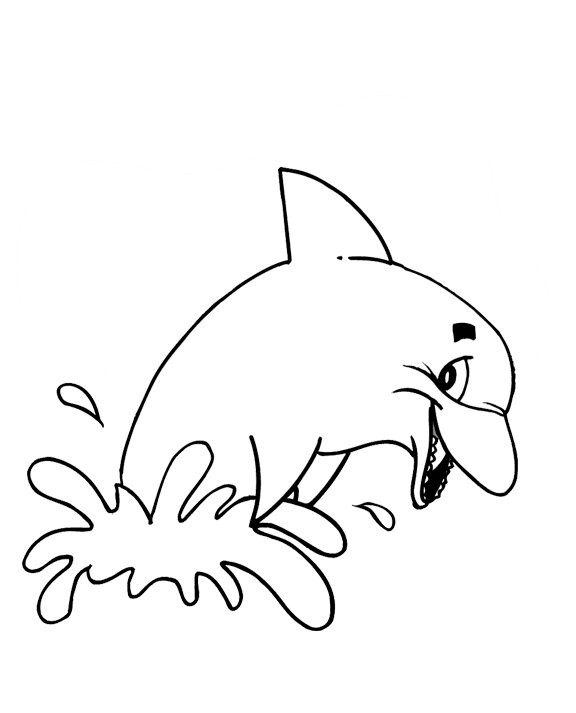
Jumping dolphin pages are some of the clearest and most exciting designs in the collection. A dolphin leaping above the water creates a strong arc from beak to tail, with splash foam, curved waves, and open space around the body. These pages help children notice key dolphin features such as the rounded forehead, long beak, dorsal fin, flippers, smooth back, and tail flukes. They also work well for coloring action because the water can stay light while the dolphin becomes the main shape.
Coloring jumping dolphins: Use blue-grey, slate grey, soft silver, ocean blue, seafoam green, and white for splash highlights. Color the dolphin body first, then add lighter blue around the splash and darker blue only under the waves. The common mistake is making the whole ocean too dark; leave white spaces near foam, splash tips, and bubbles so the jump feels bright and fast.
Baby Dolphins, Dolphin Families, and Cute Cartoon Dolphins
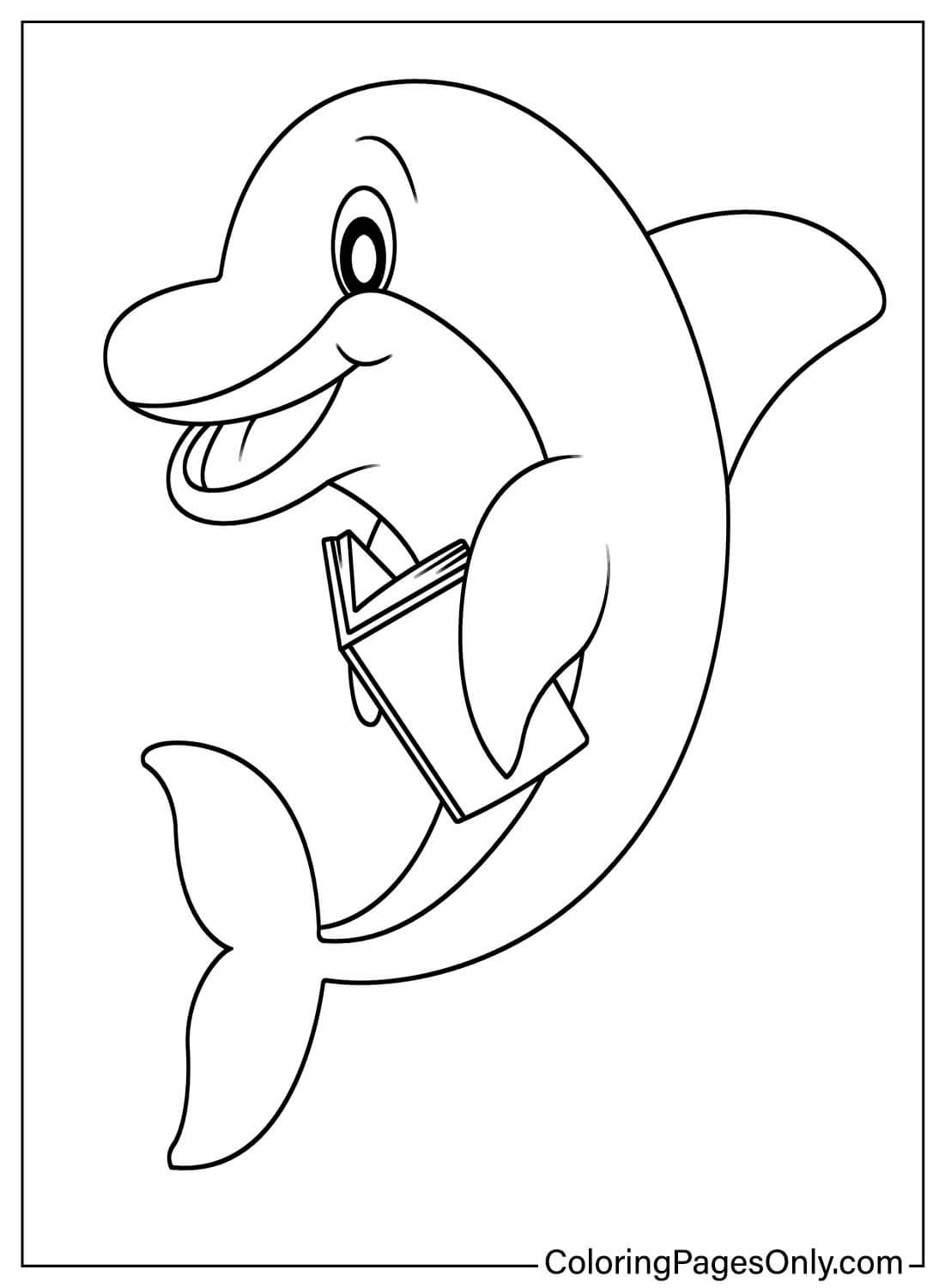
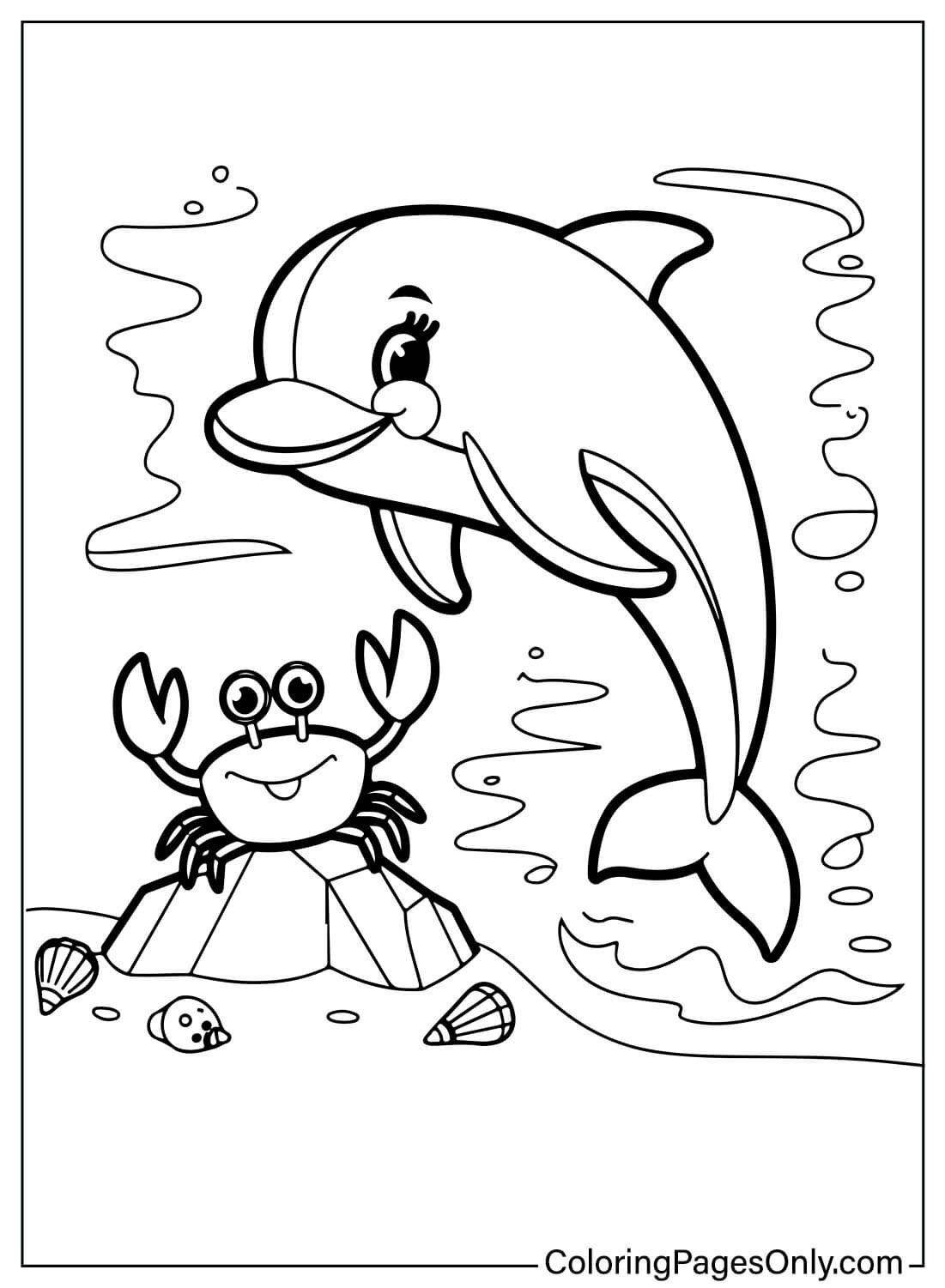
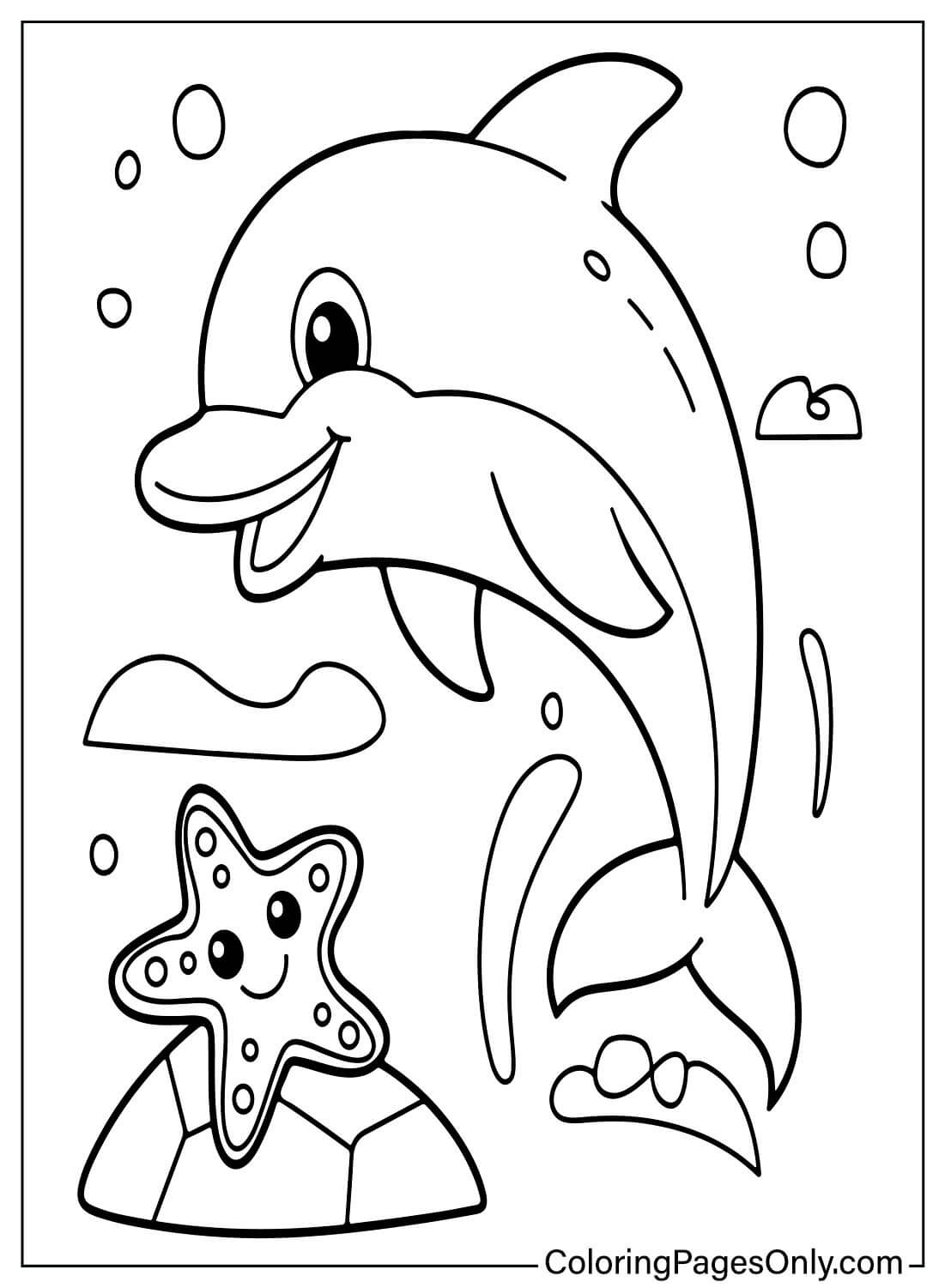
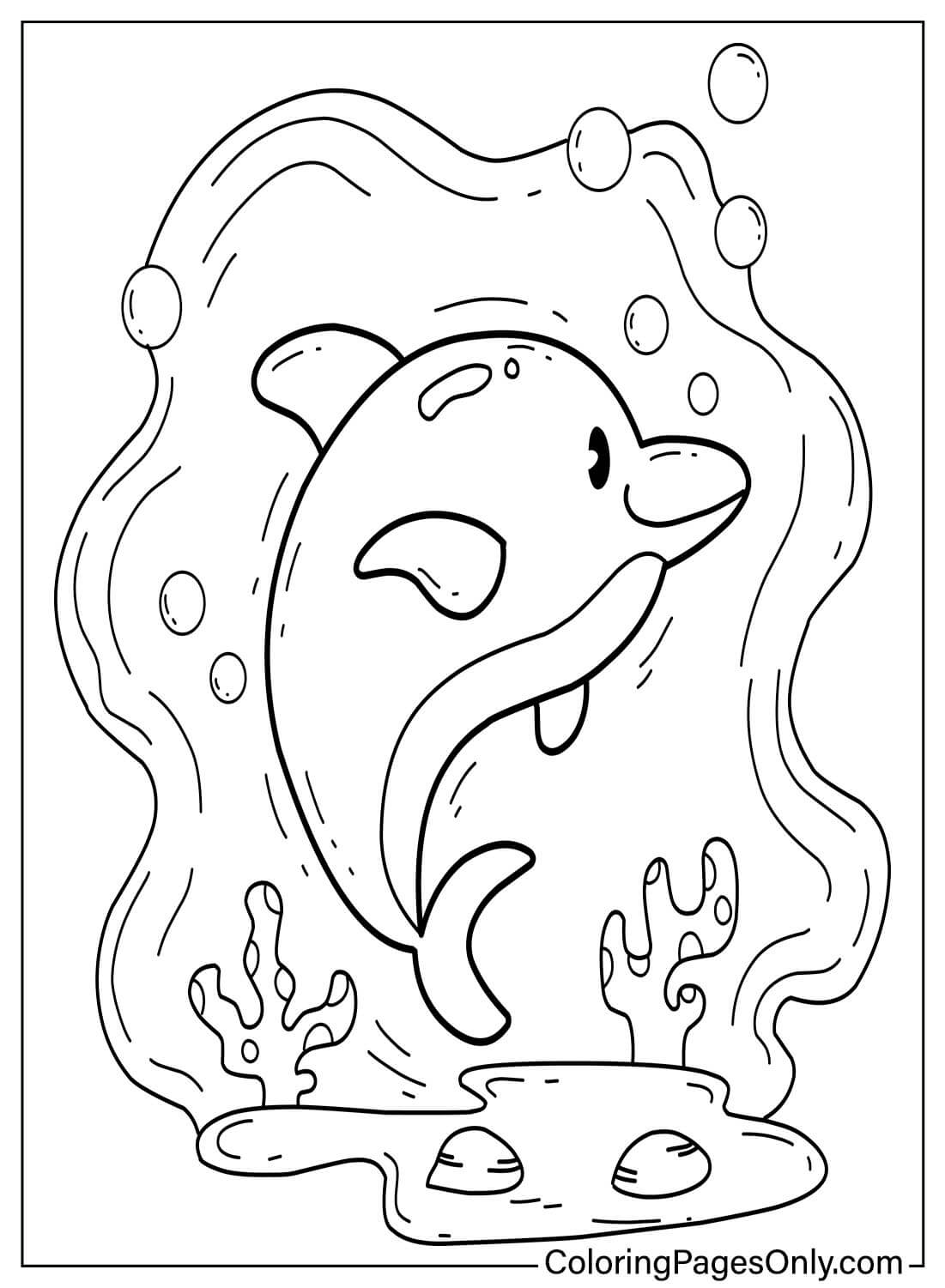
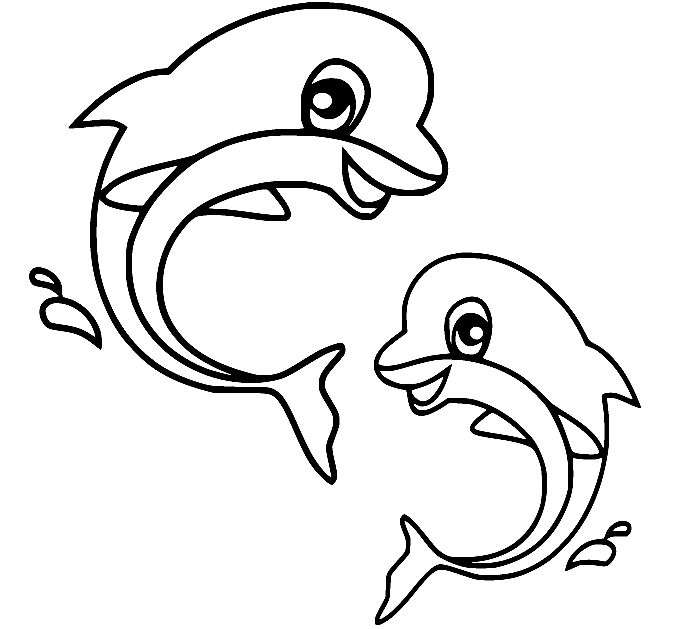
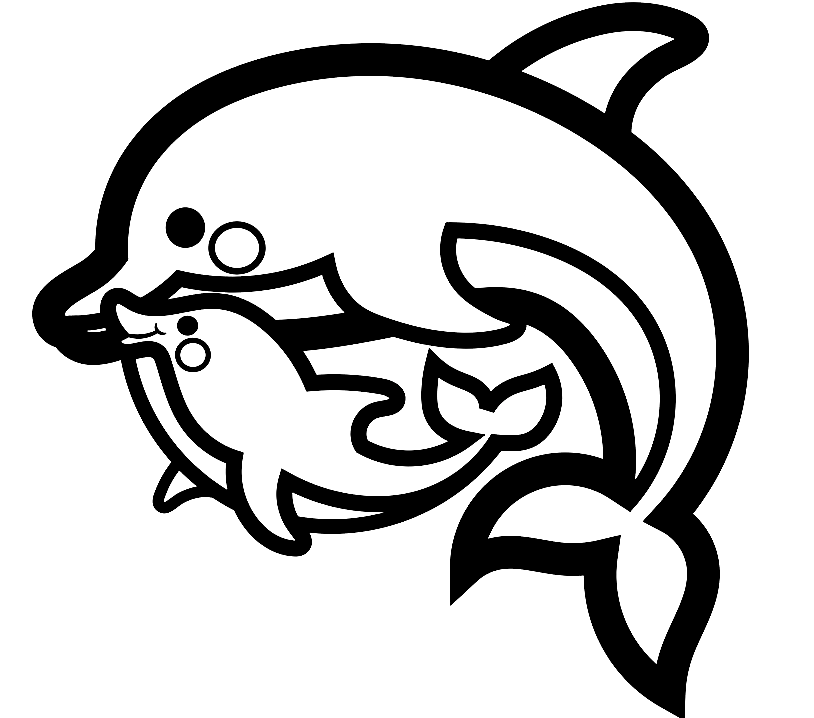
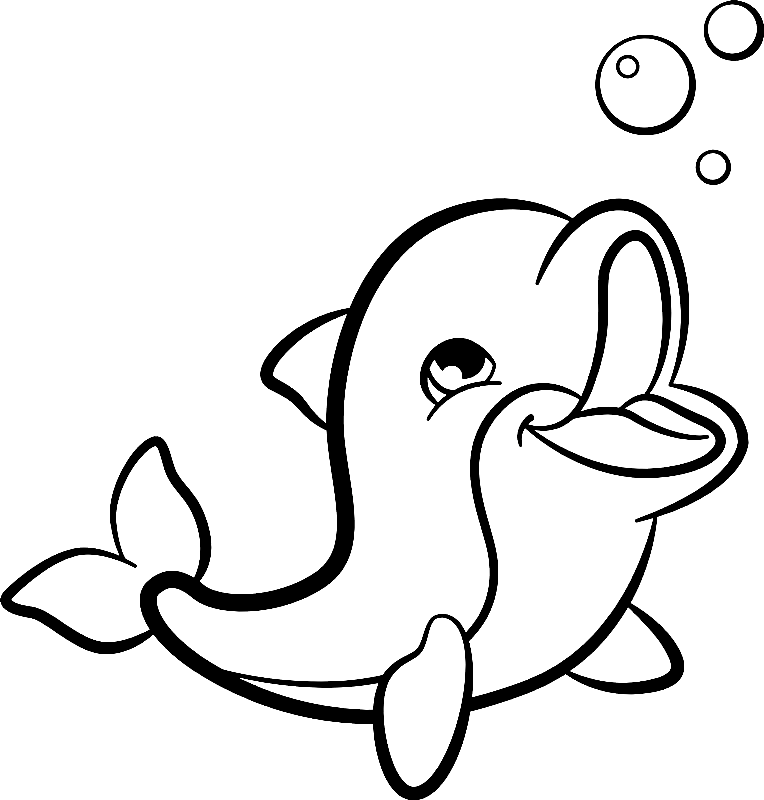
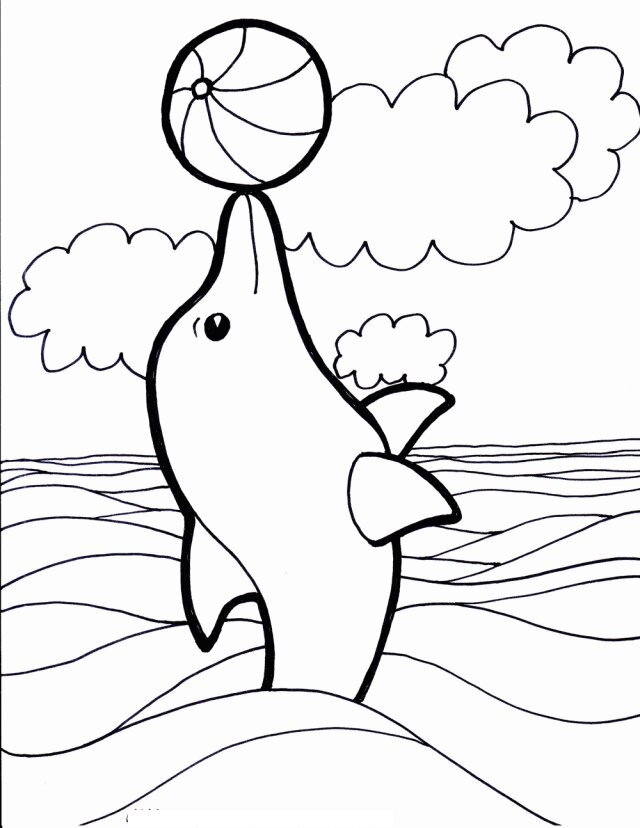
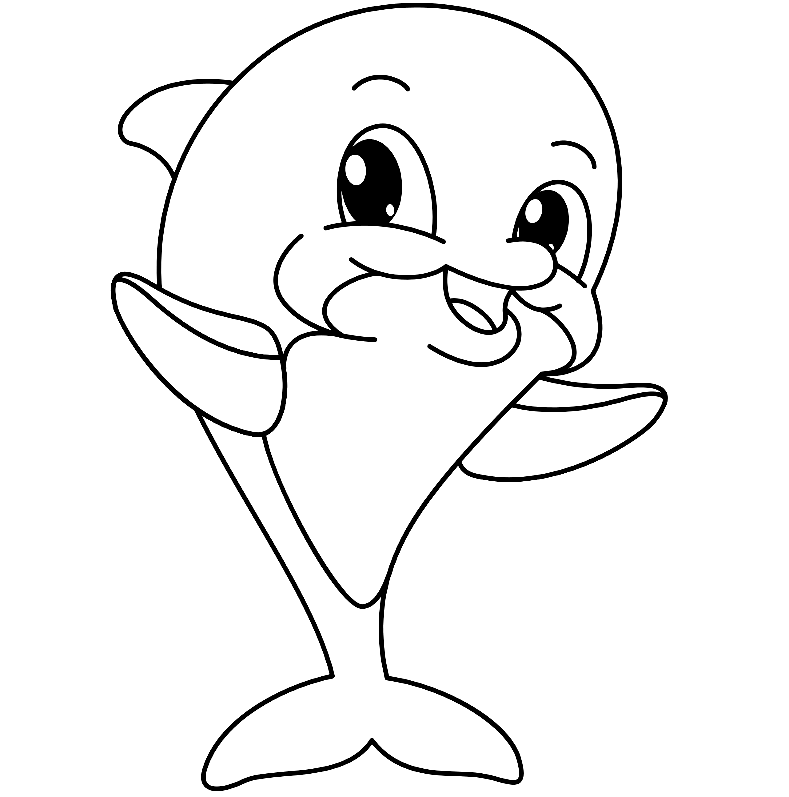
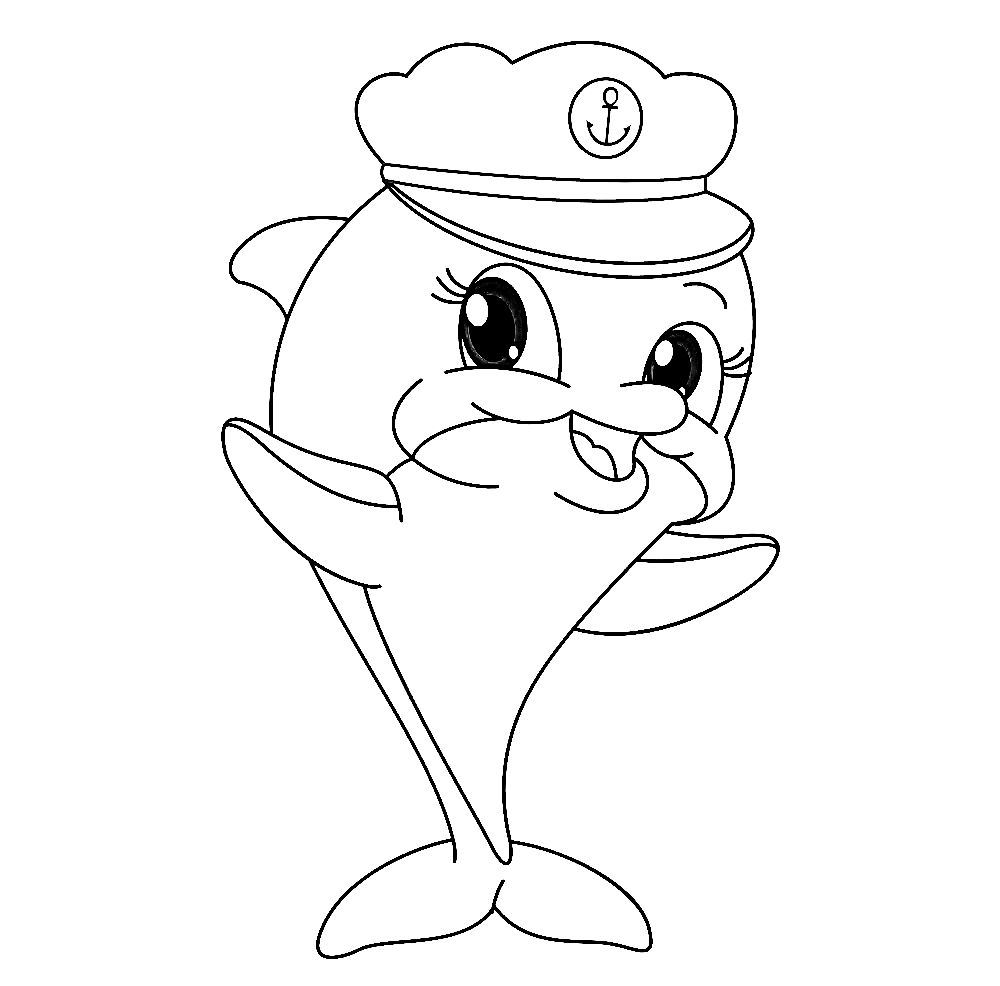
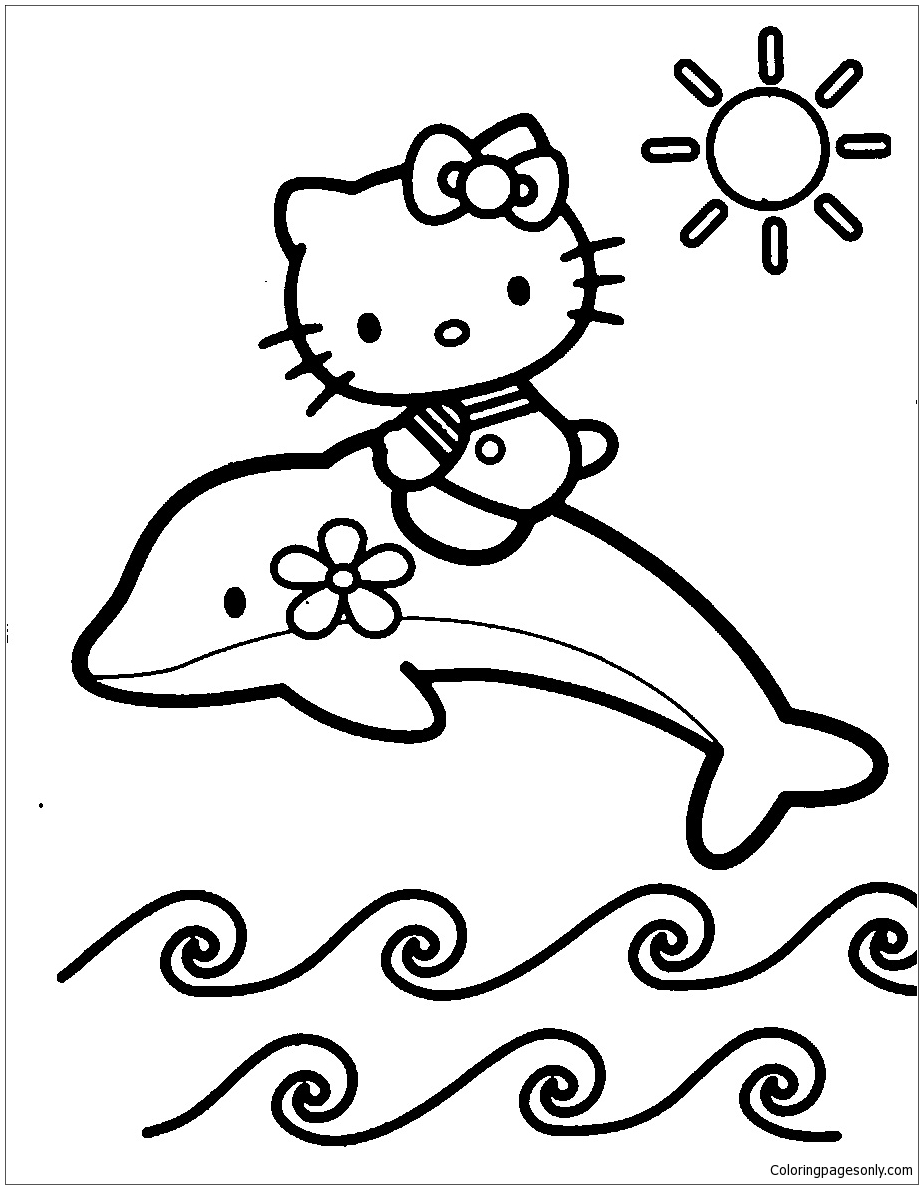
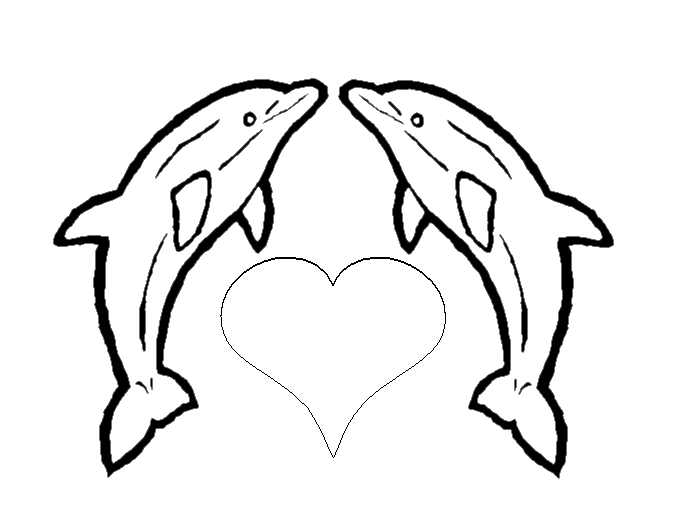
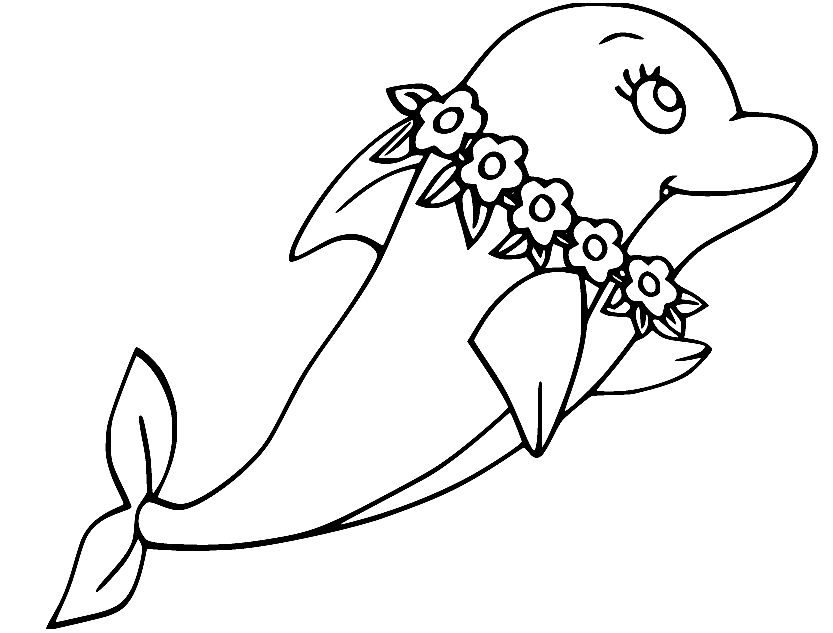
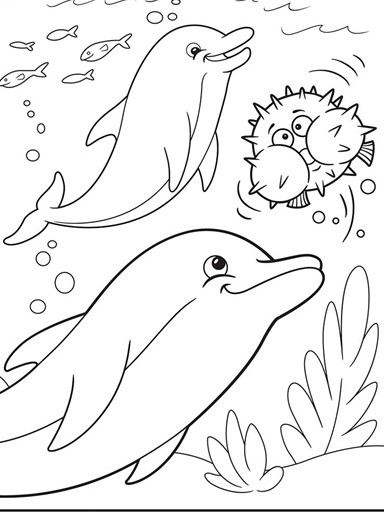
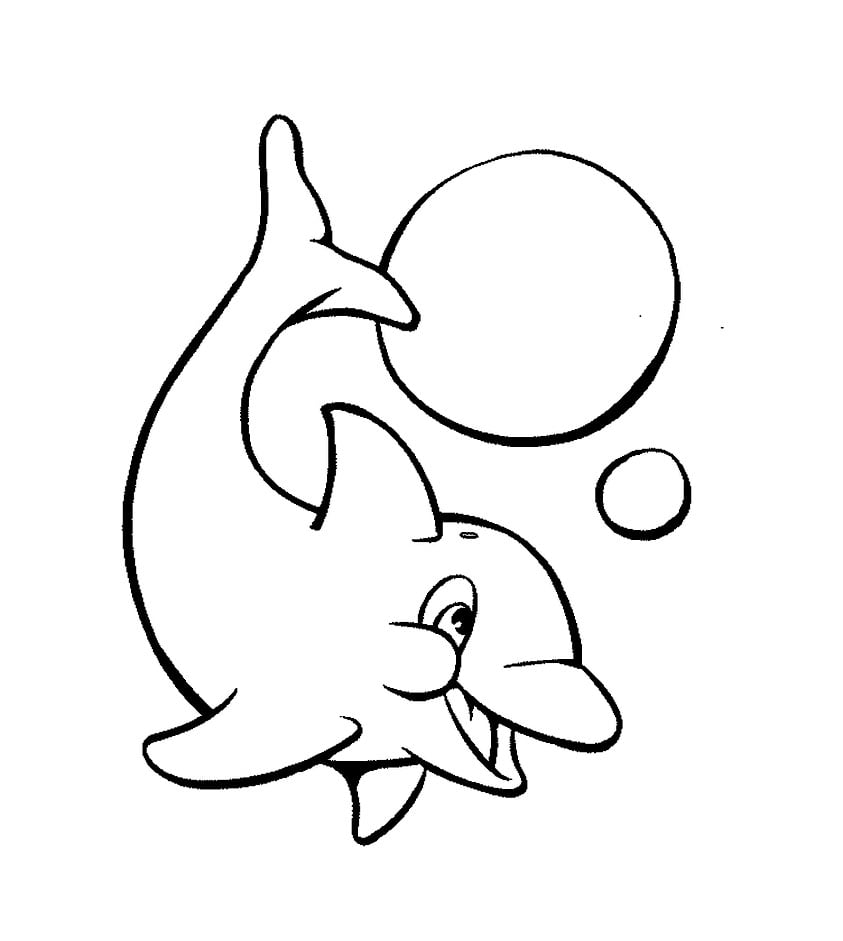
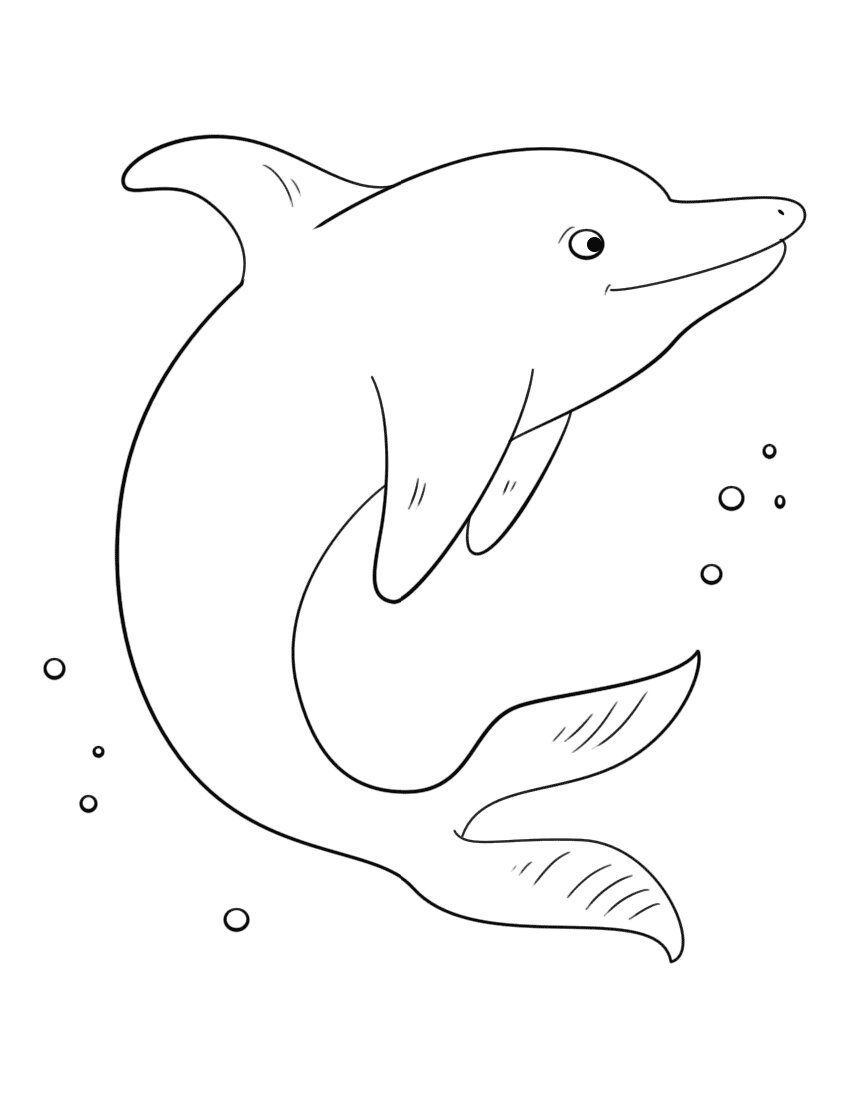
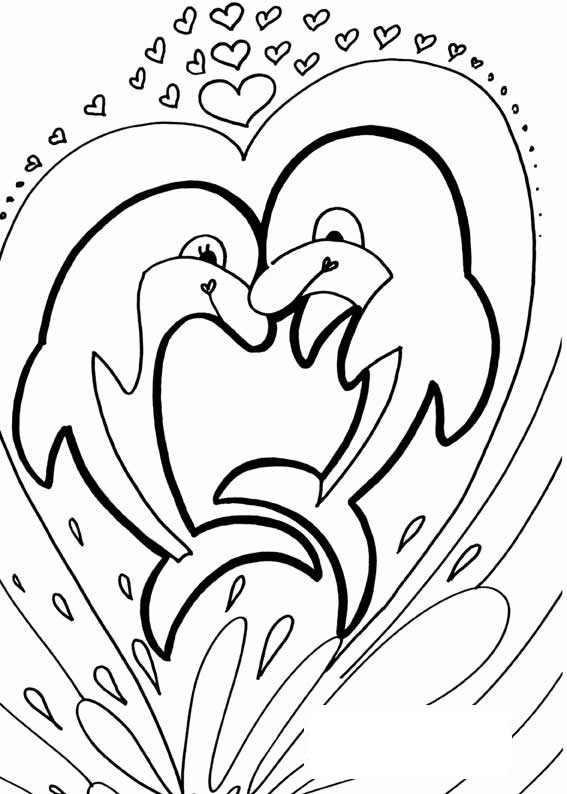
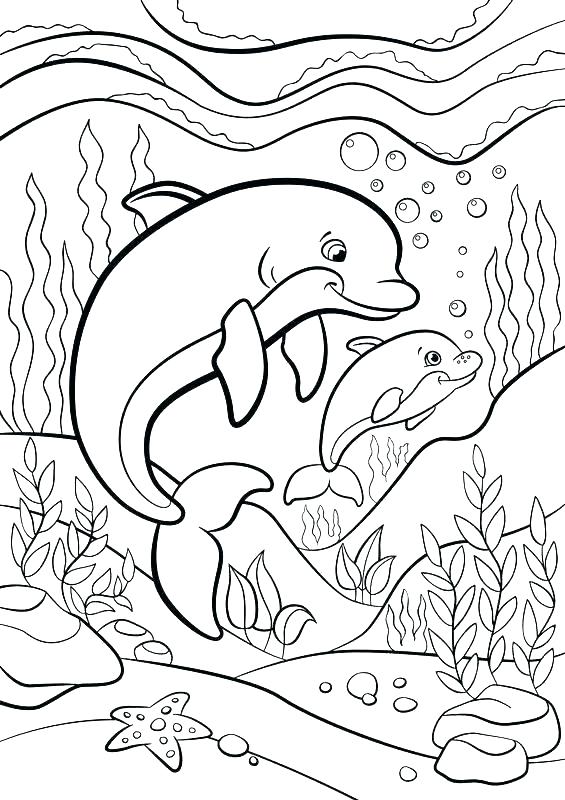
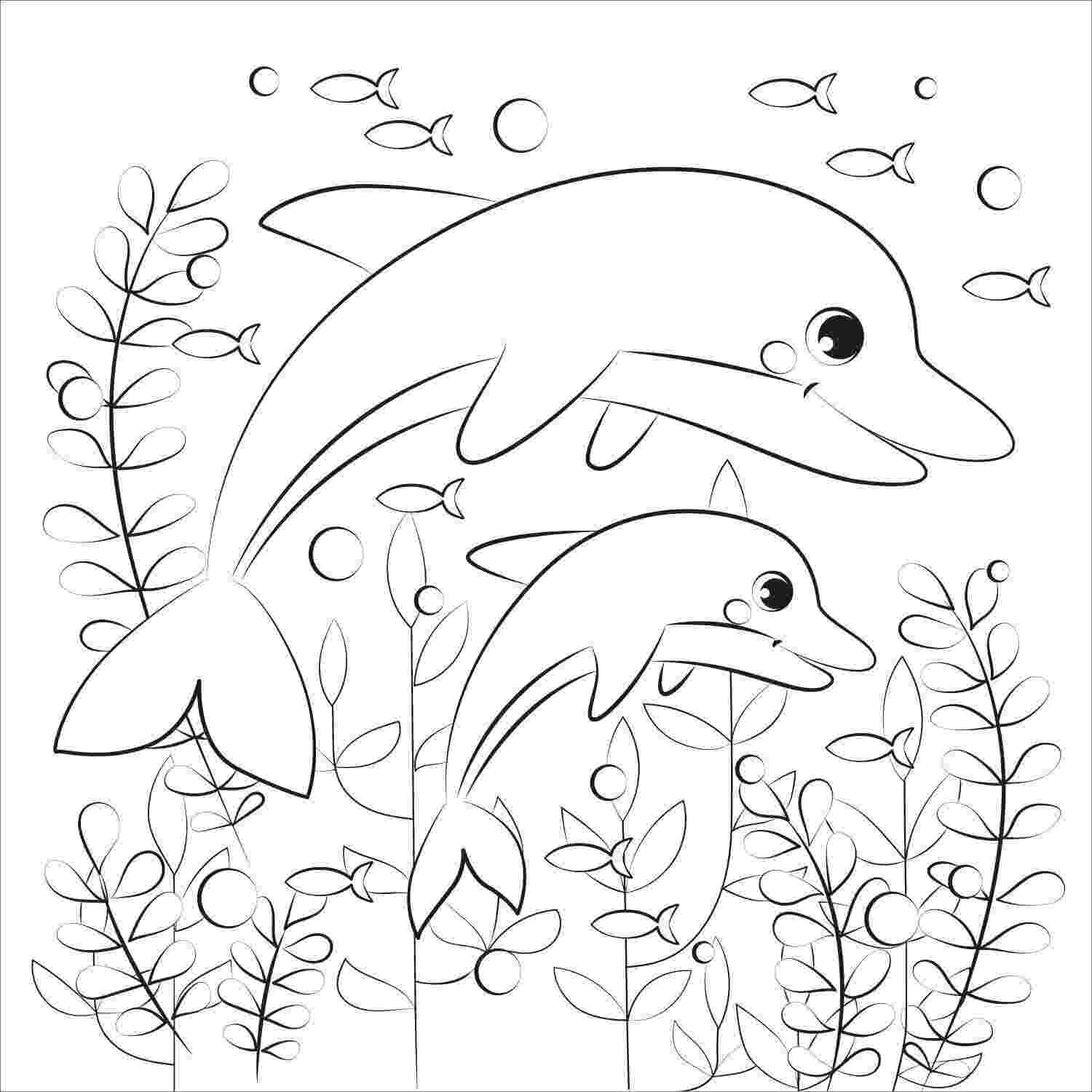
Baby dolphin pages feel gentle when the calf stays close to an adult dolphin or swims with a small pod. This group includes baby dolphins, parent-and-calf scenes, dolphin pairs, smiling cartoon dolphins, and simple, friendly designs. Younger colorists can enjoy the larger outlines and soft expressions. At the same time, older children can use the scenes to talk about dolphin families, social behavior, and how dolphins often move together in groups.
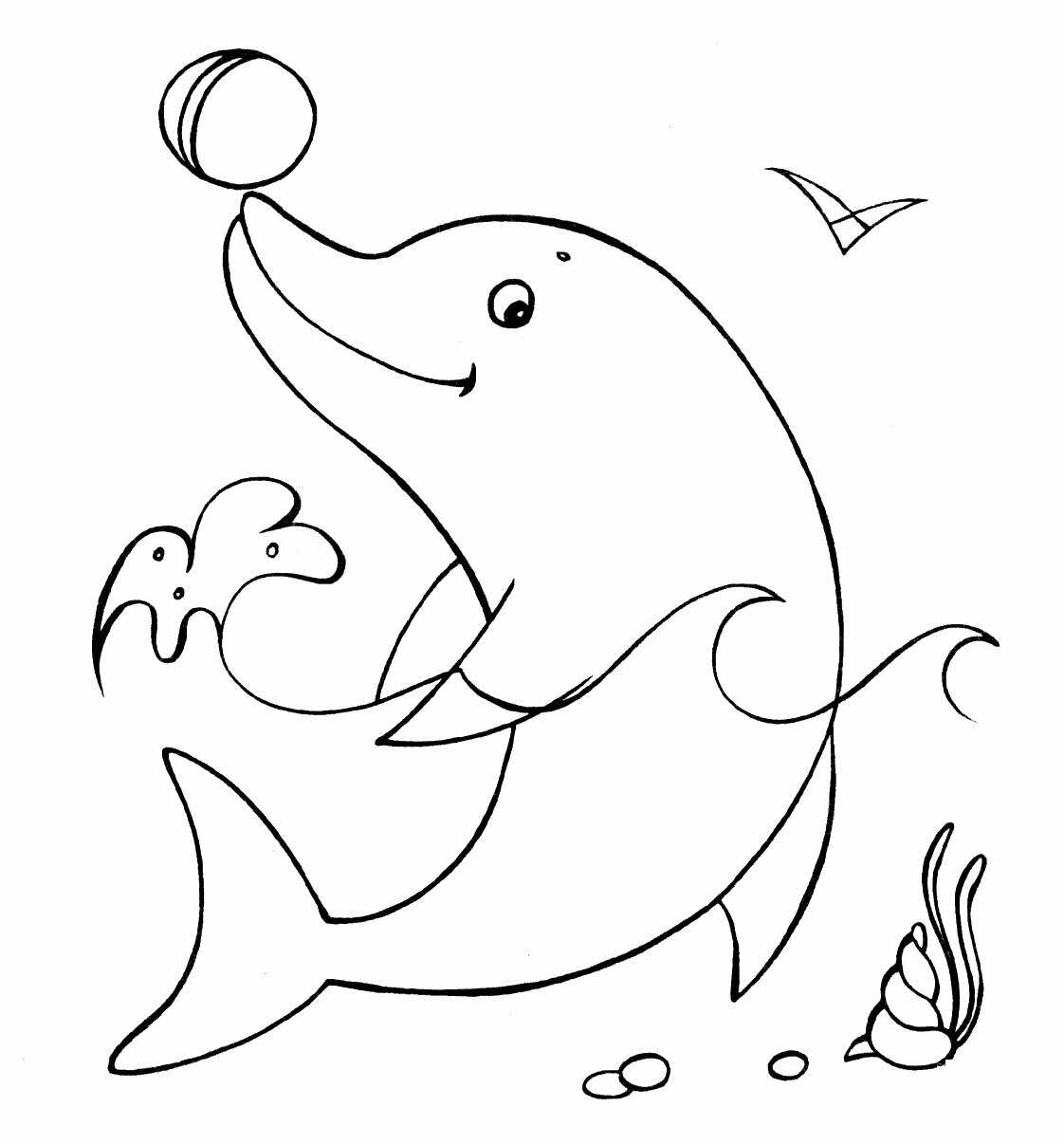
Coloring cute dolphin pages: Use soft blue-grey for adult dolphins, pale sky blue or light silver for baby dolphins, blush pink for tiny cheeks on cartoon pages, and clear ocean blue for the background. Keep the eyes and mouth clean by coloring around them slowly. The common mistake is using heavy black or dark blue on the face; a lighter dolphin body keeps the expression friendly.
Coral Reefs, Fish, and Underwater Scenes
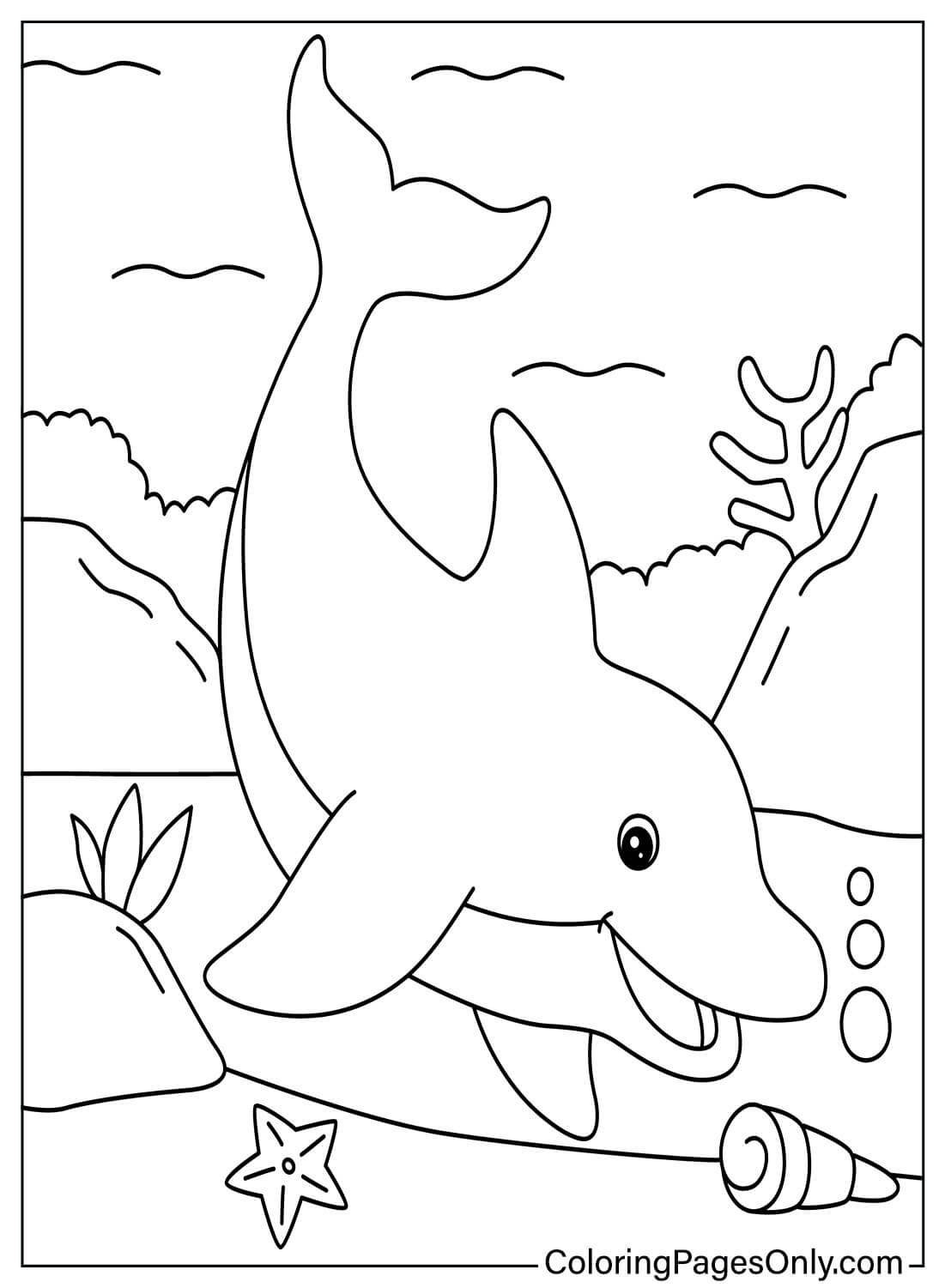
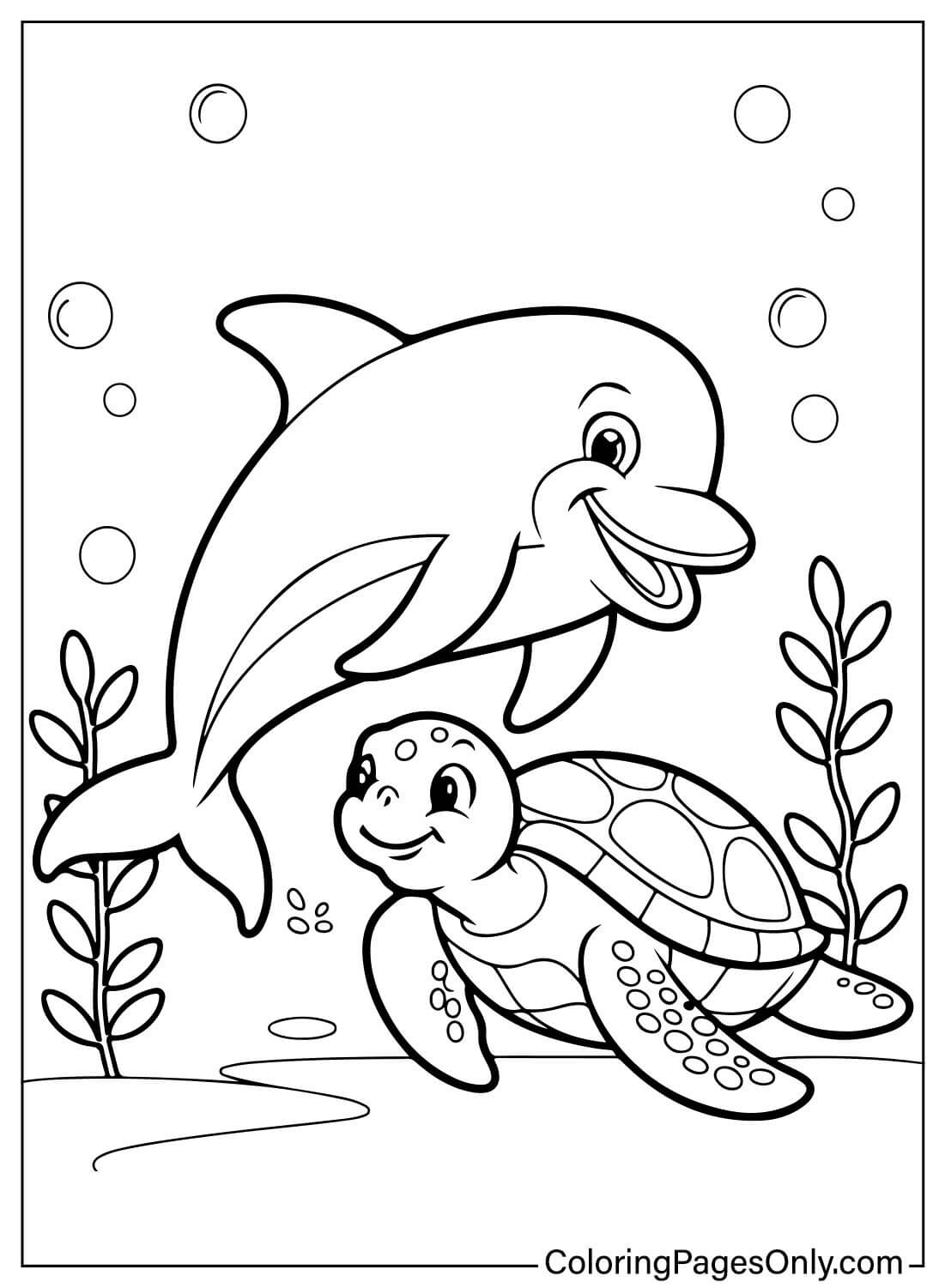
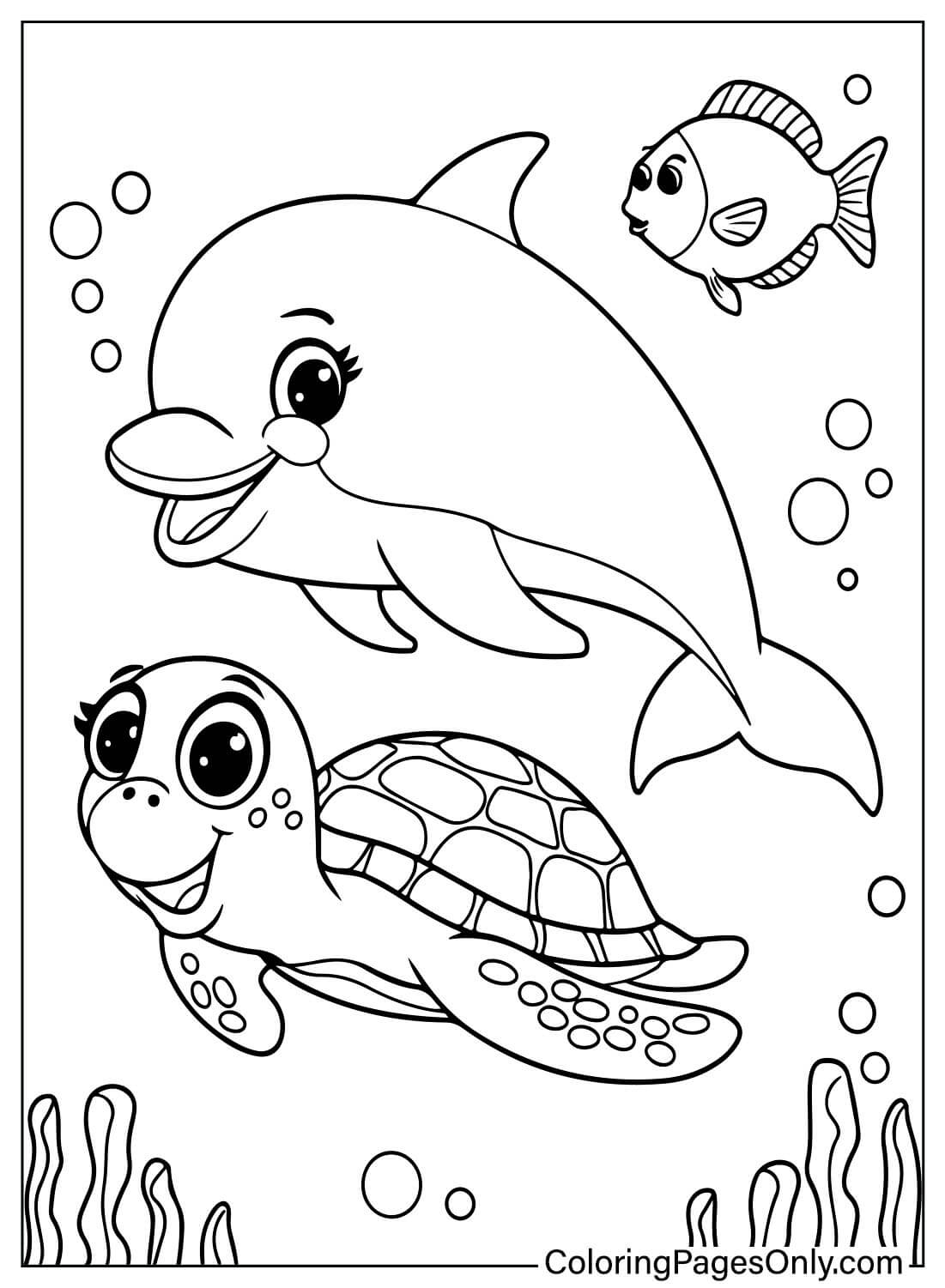
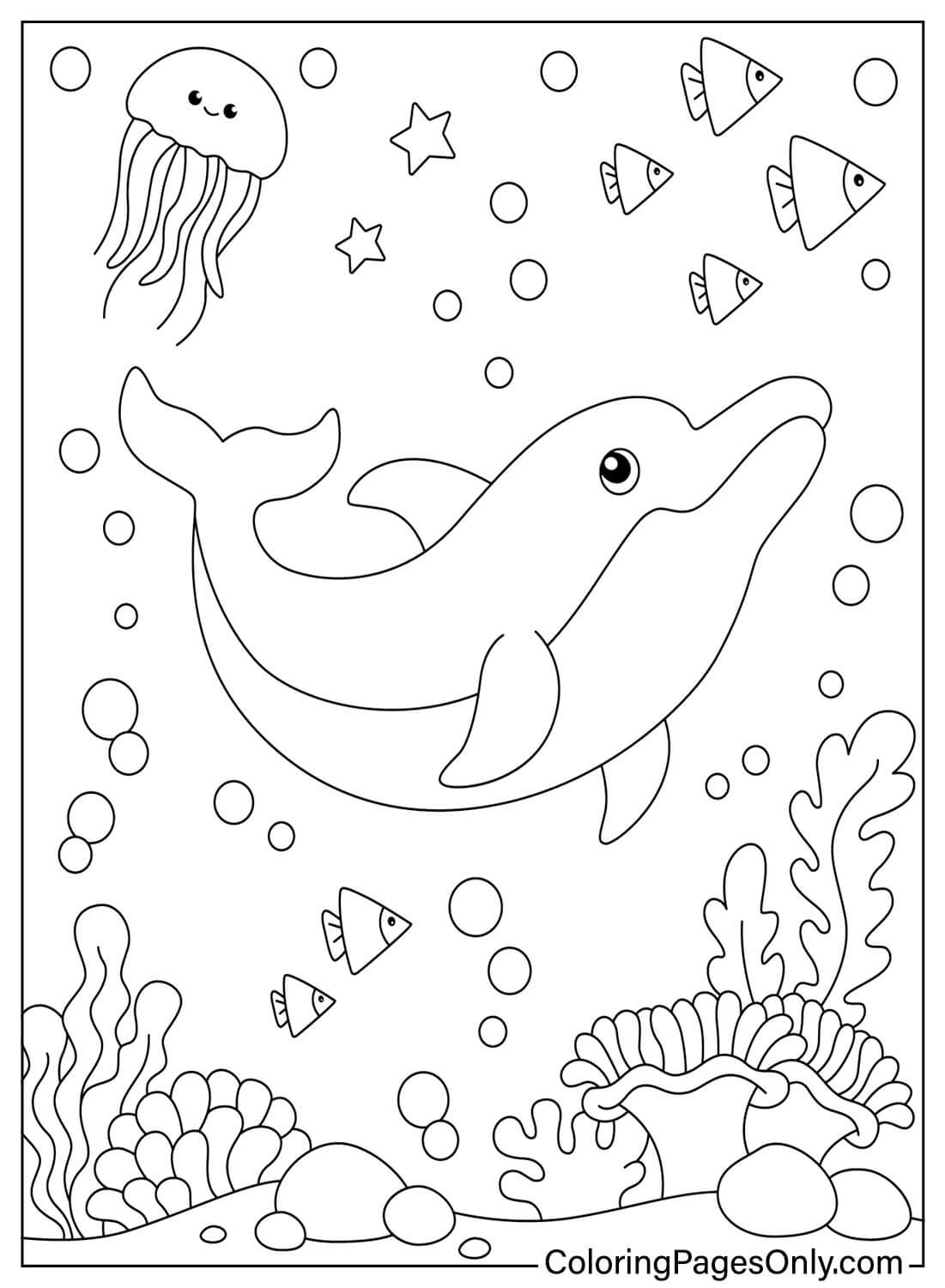
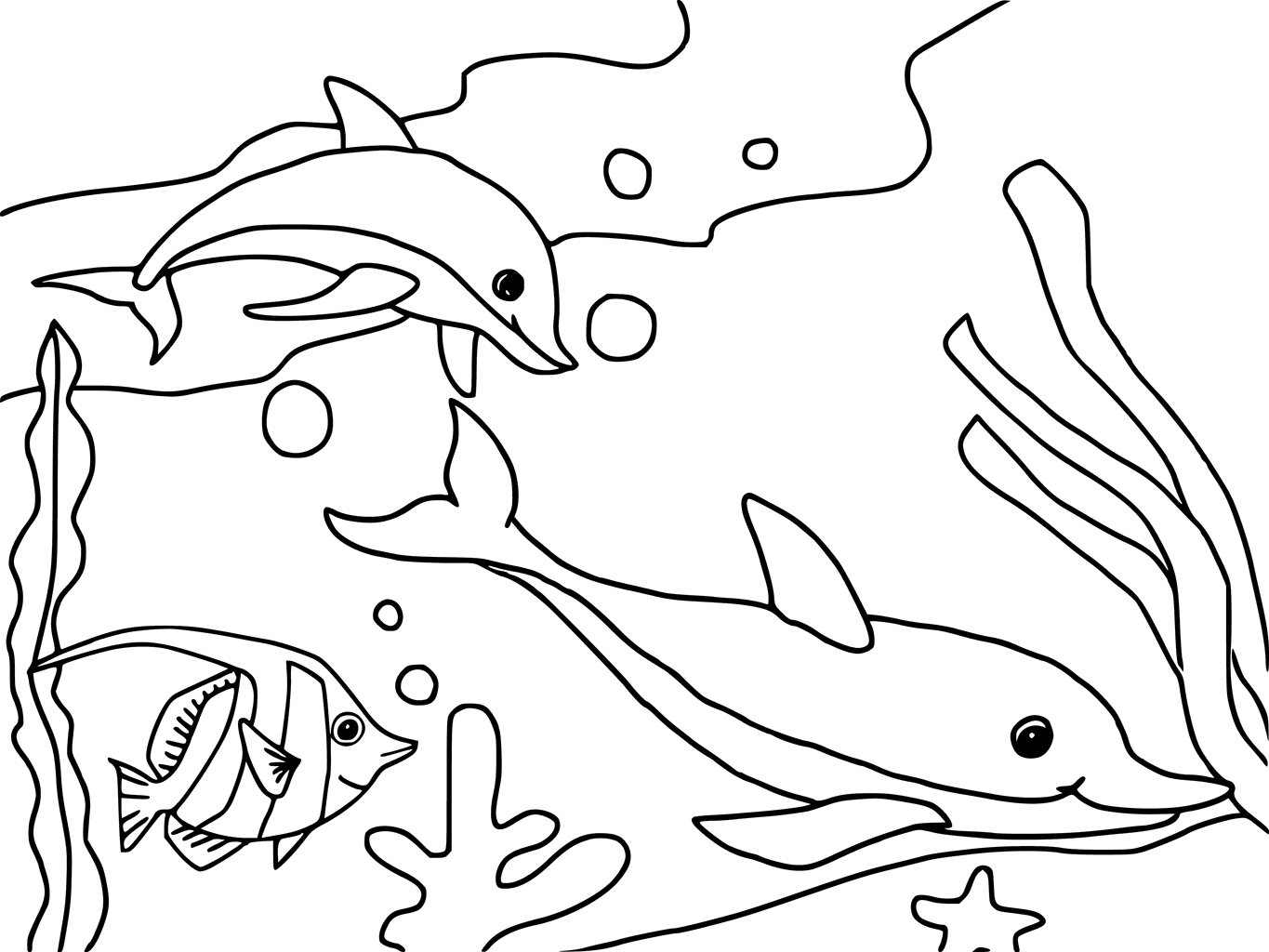
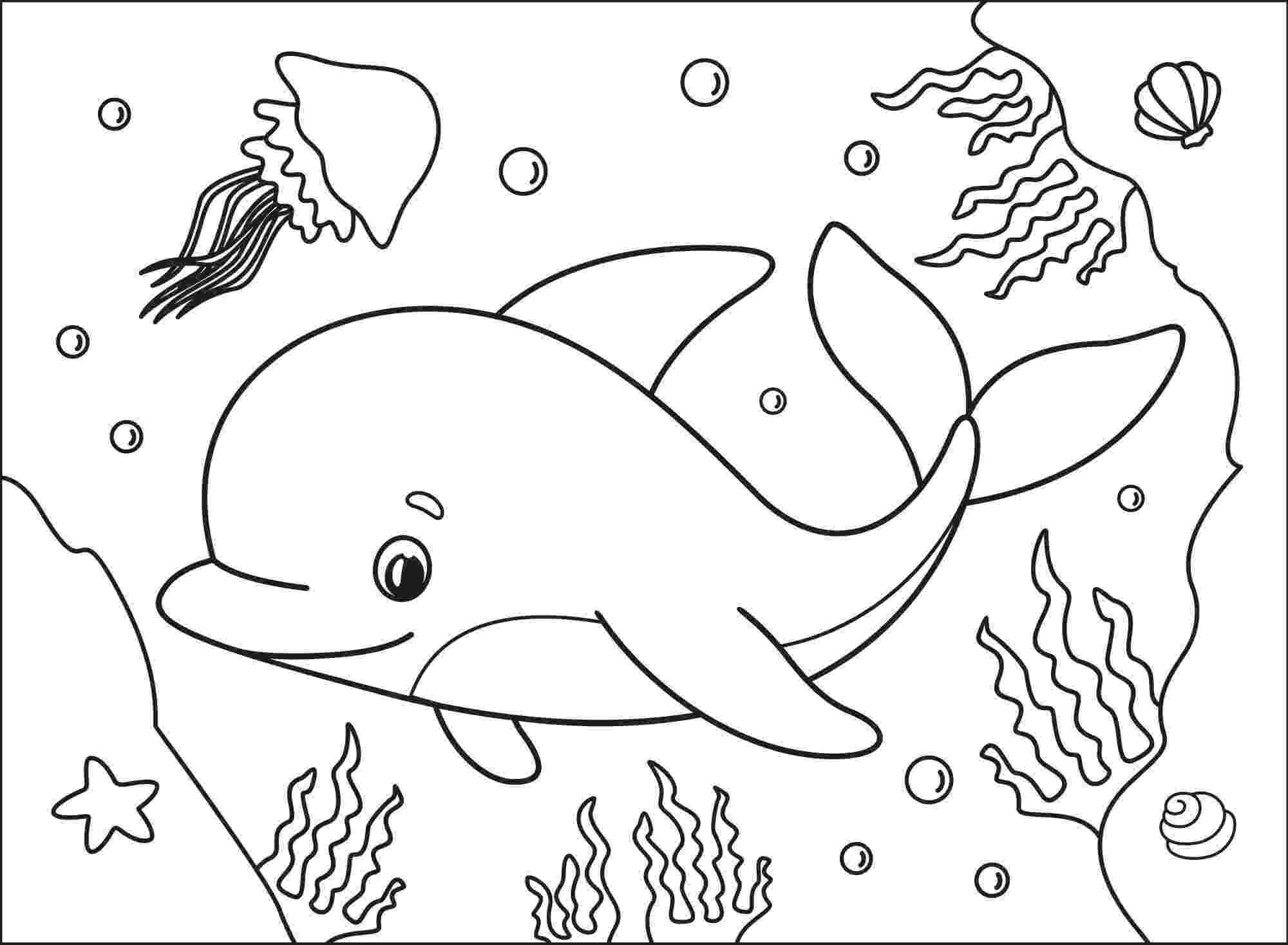
Underwater dolphin pages include coral reefs, tropical fish, sea plants, bubbles, shells, sea turtles, and ocean-floor details. These pages give older children more to explore because the dolphin is surrounded by habitat details rather than floating alone. Reef layers, fish schools, seaweed trails, bubble rows, and coral branches create repeated patterns while still allowing the dolphin to remain the main subject.
Coloring reef dolphin scenes: Use coral pink, salmon orange, sea-glass green, turquoise, deep teal, lemon yellow, and fish orange for reef details. Color the dolphin first, then add coral and fish as accents, keeping the background water lighter than the main animal. The common mistake is making every reef detail equally bright; choose one or two colorful areas and keep the rest softer.
Dolphins with Mermaids and Fantasy Ocean Pages
Some pages place dolphins beside mermaids, shell details, underwater castles, magical waves, or storybook-style sea backgrounds. These fantasy pages give children more room for imagination while still keeping the dolphin’s real body shape visible. They are useful for storytelling, ocean crafts, and decorative coloring because hair, tails, shells, pearls, waves, and sea plants all add visual variety.
Coloring fantasy dolphin pages: Use soft lavender, pearl pink, seafoam green, ocean blue, shell cream, and silver grey for a gentle fantasy palette. Keep the dolphin in natural blue-grey or silver so it does not disappear beside the mermaid or background. The common mistake is using too many bright fantasy colors at once; let the dolphin stay calm and clear.
Realistic Dolphins and Marine-Life Learning Pages
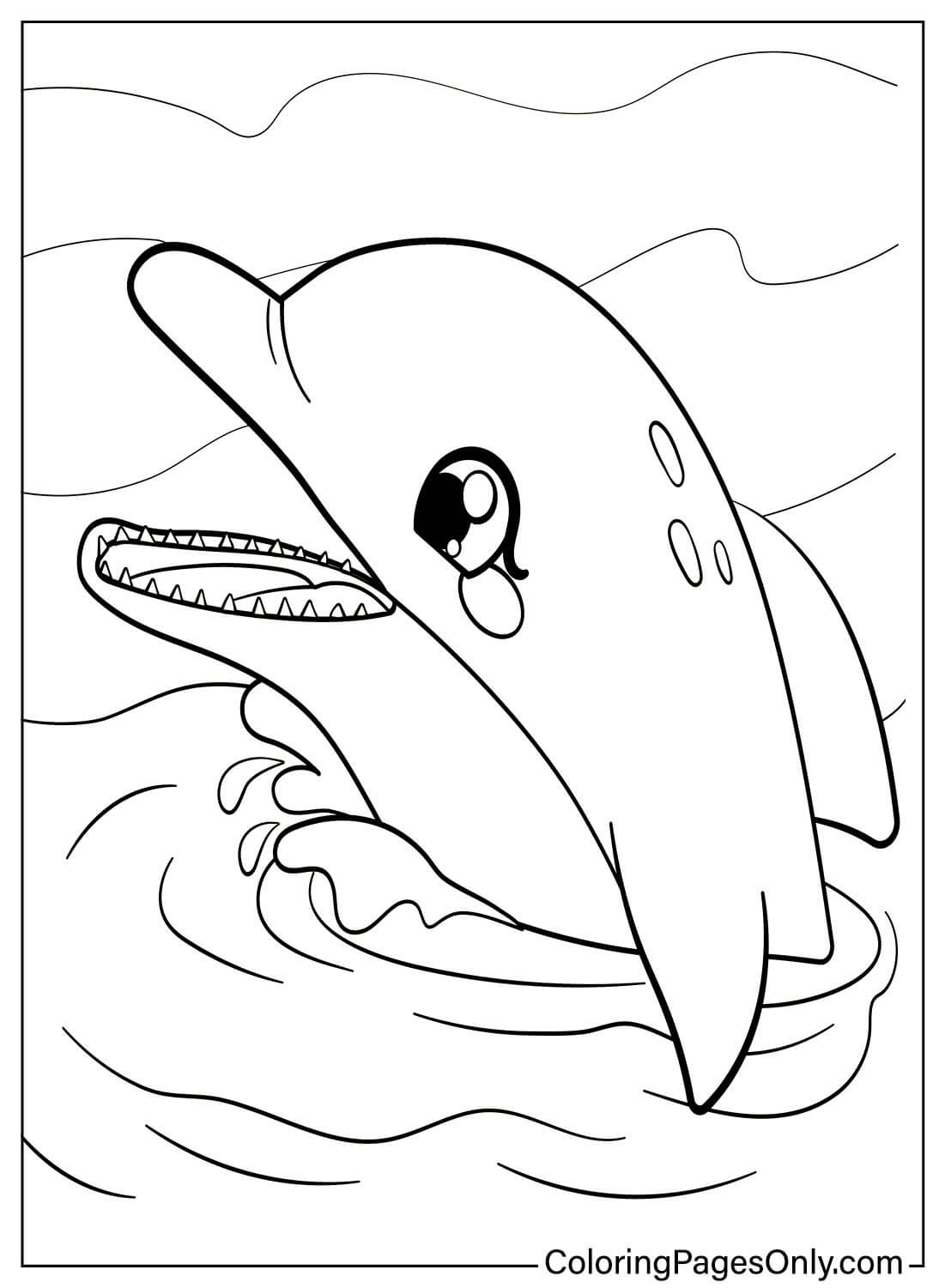
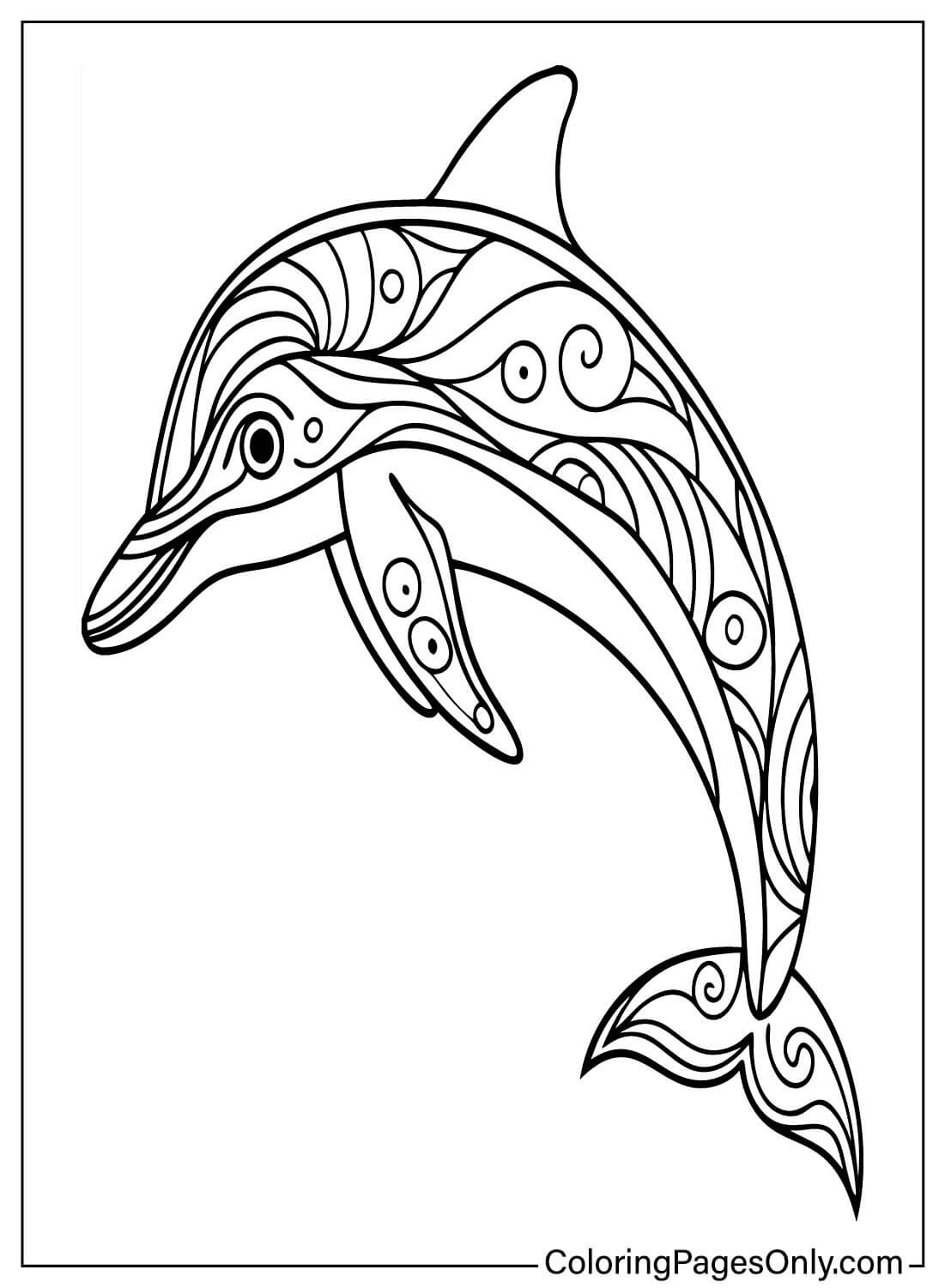
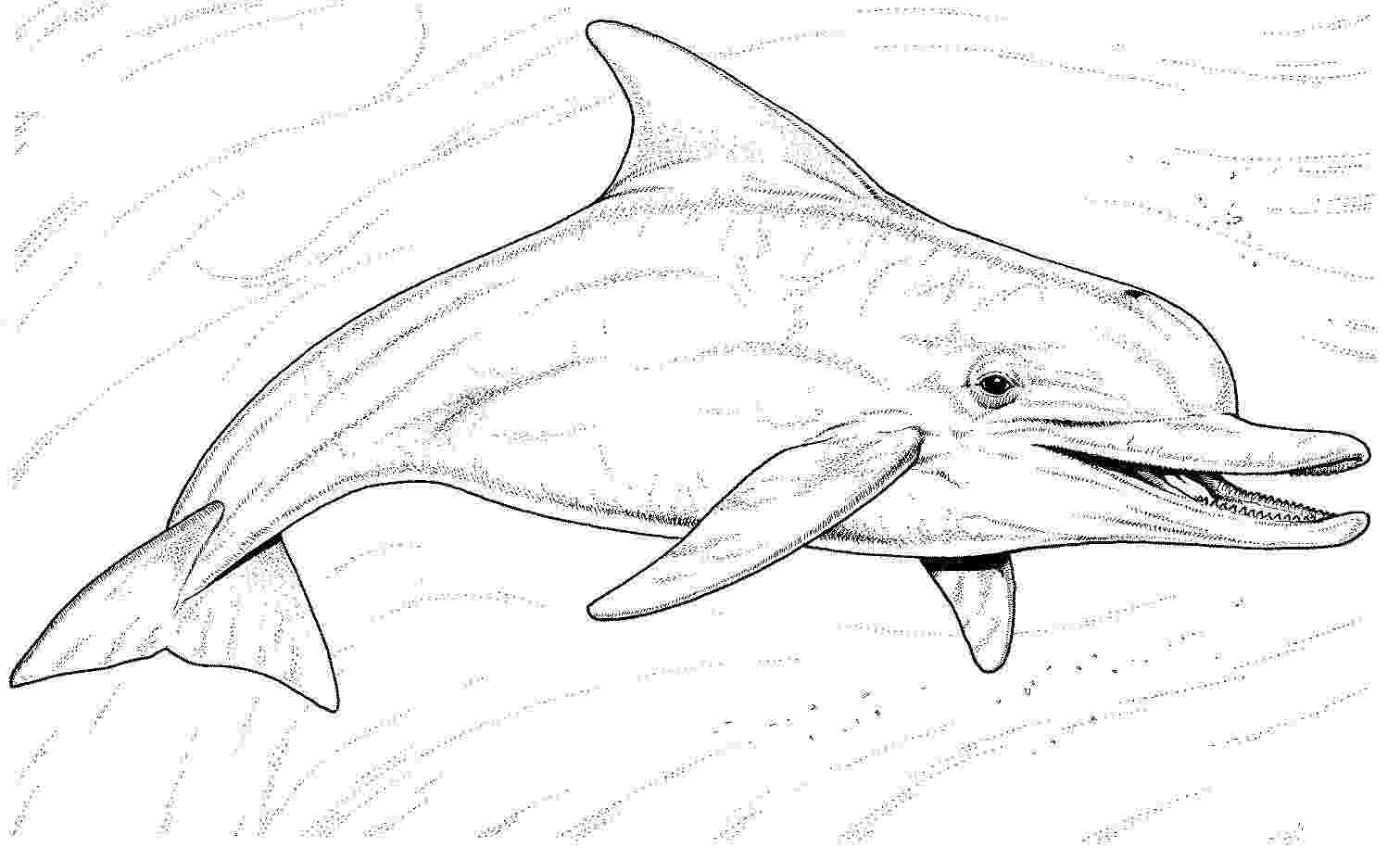
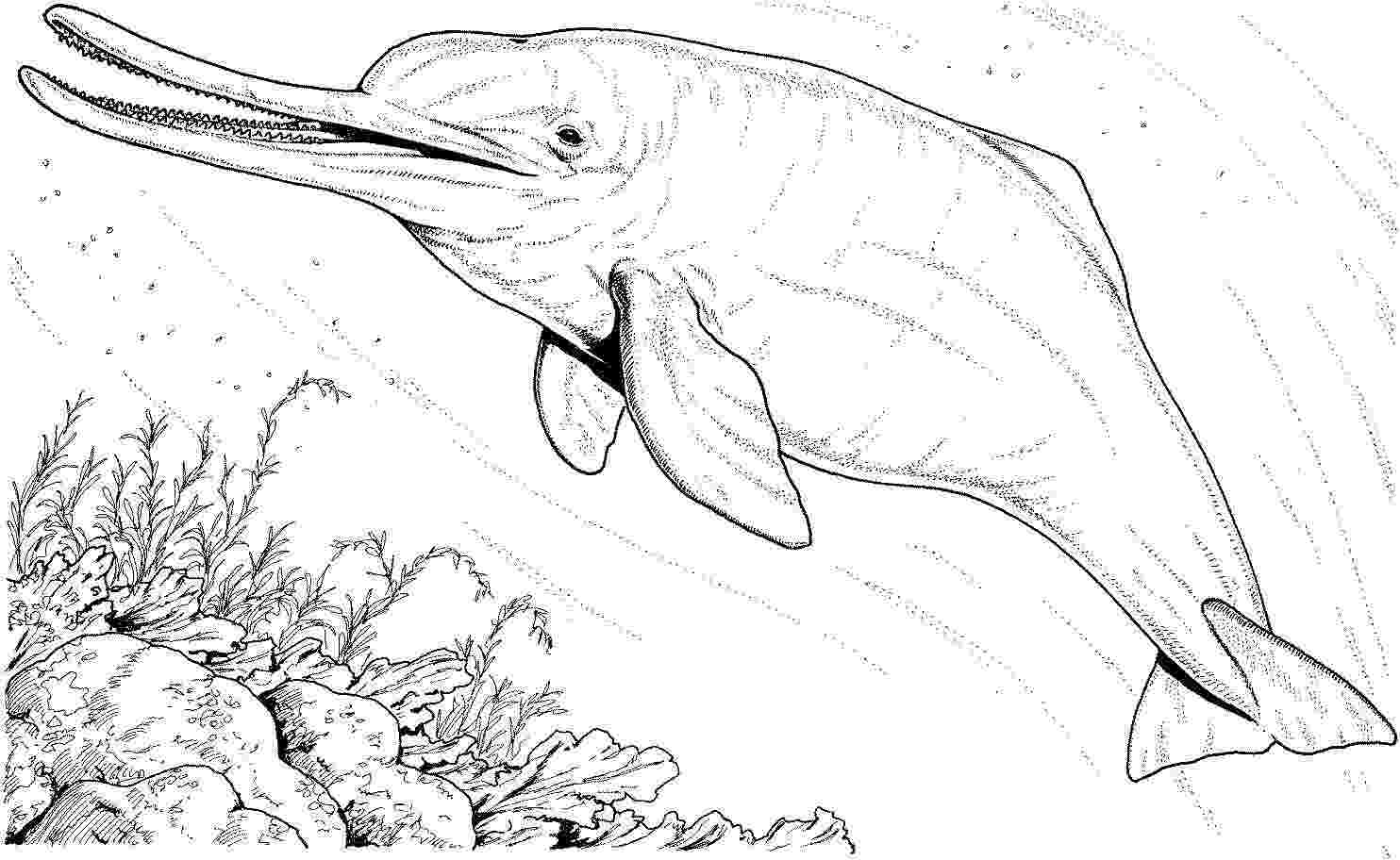
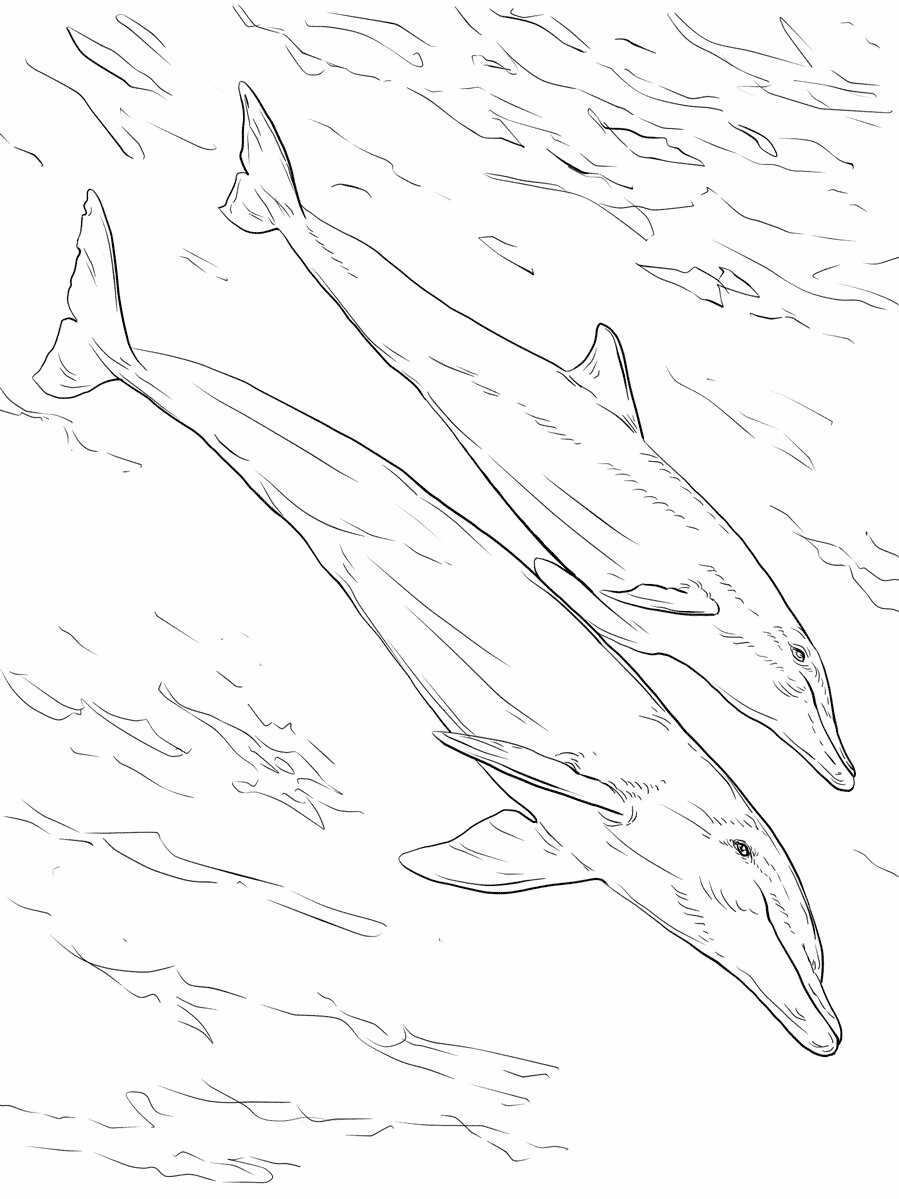
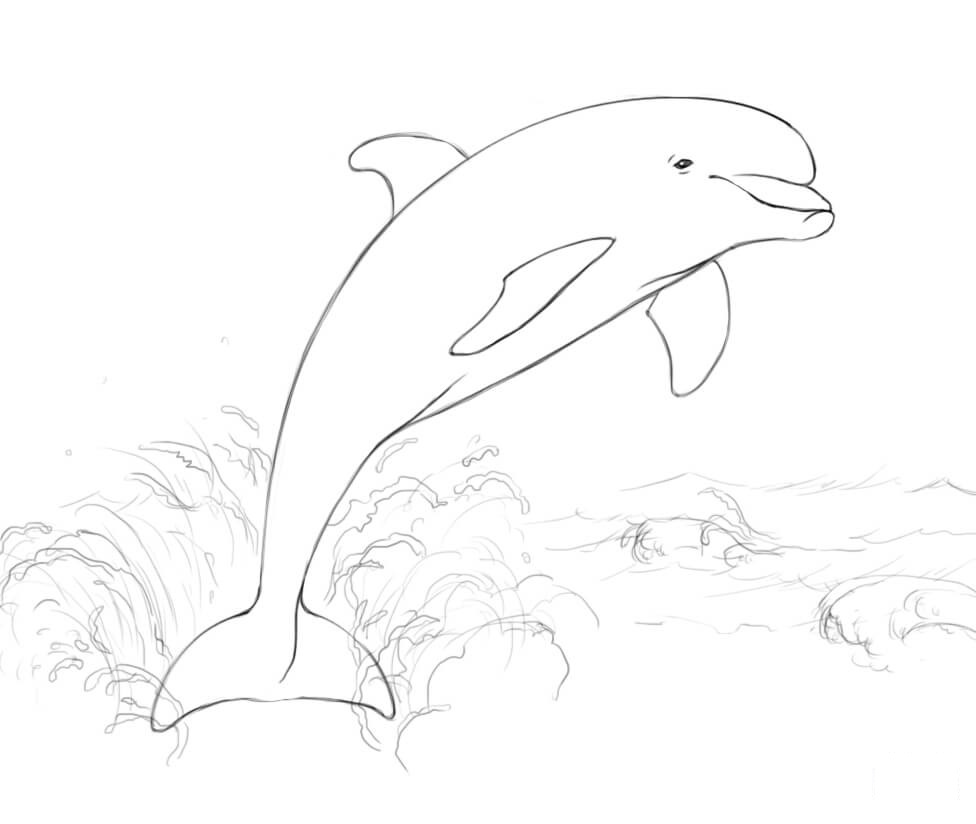
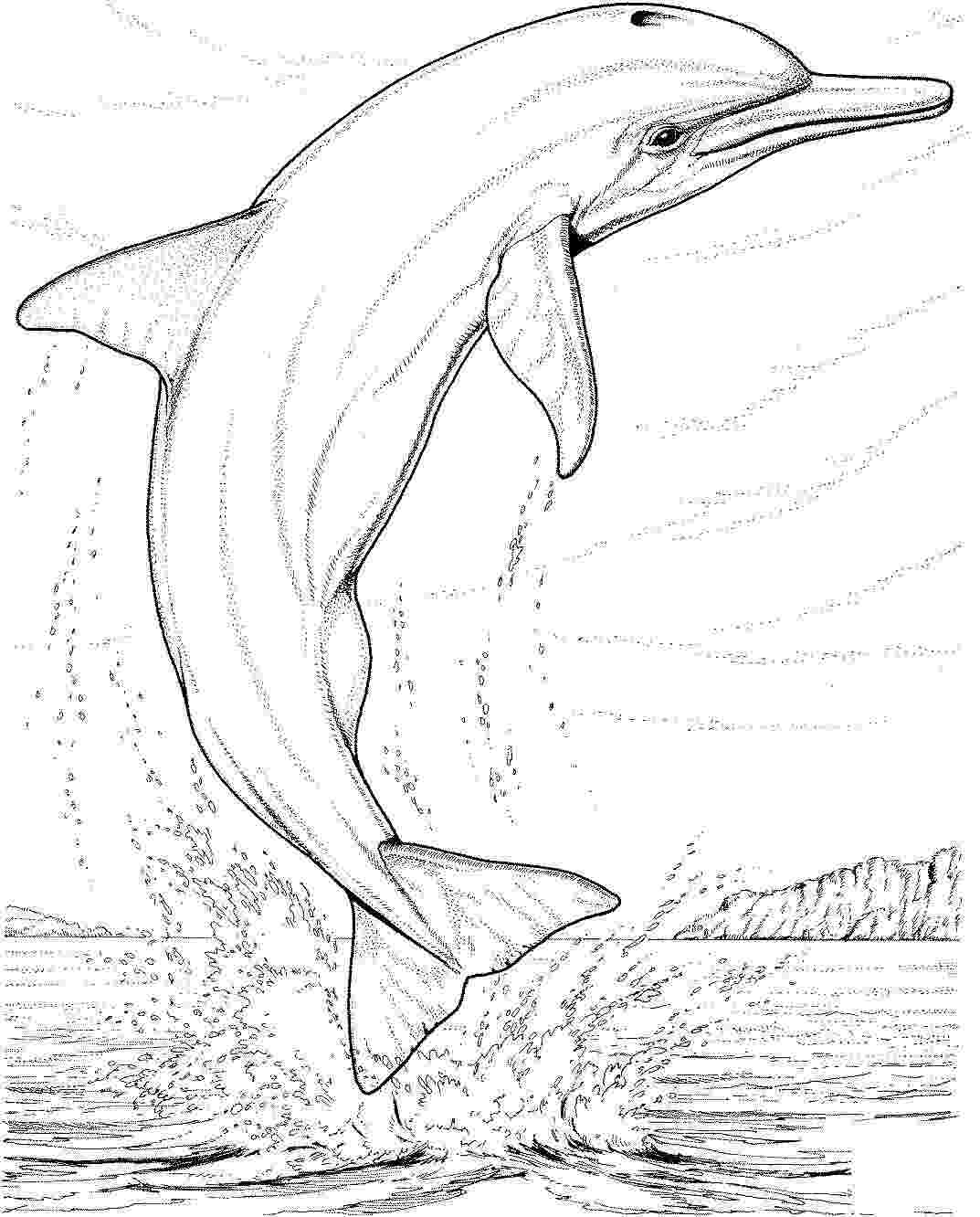
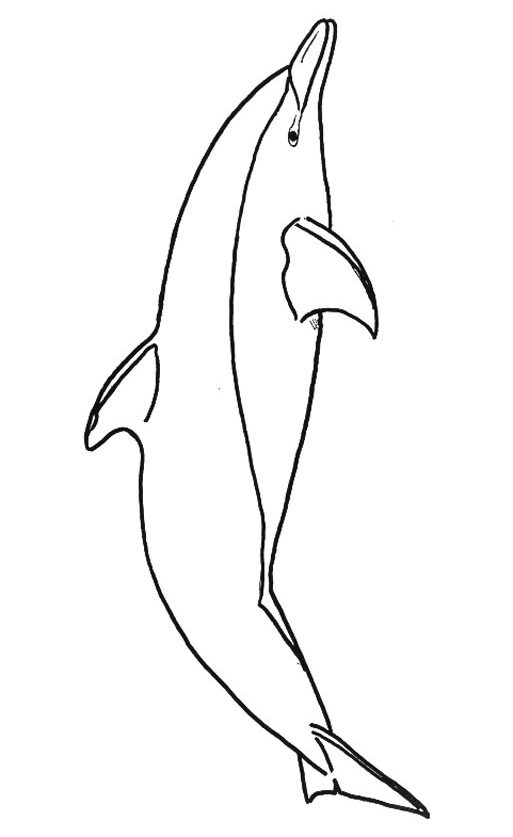
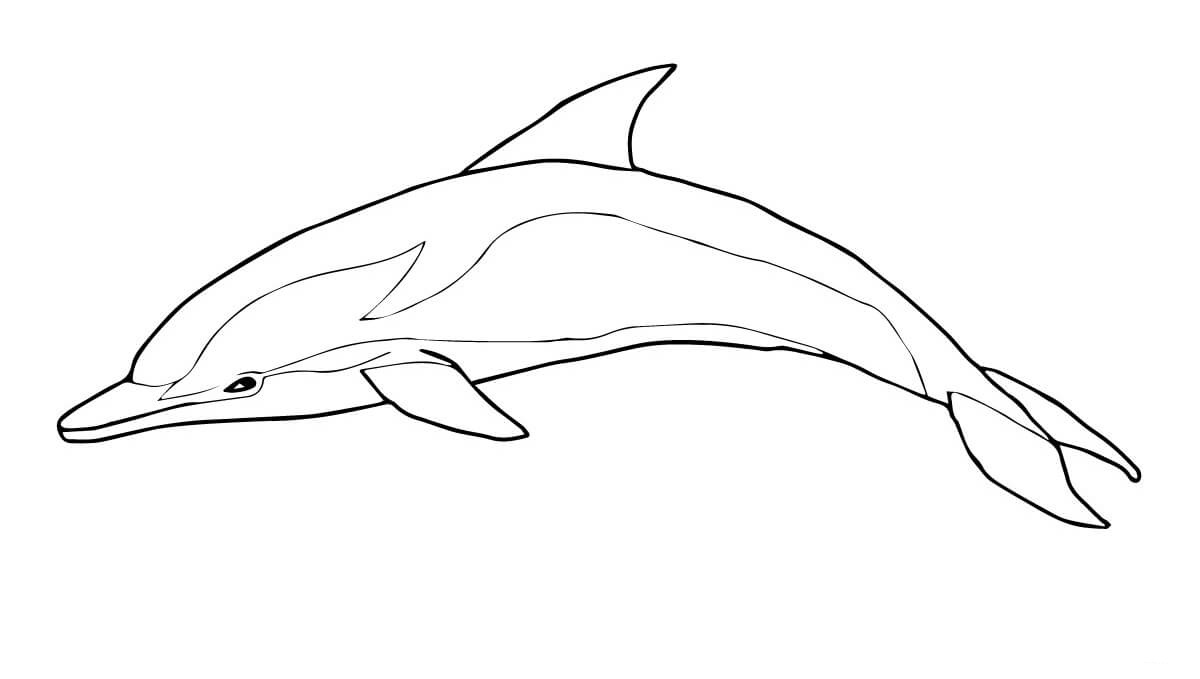
Realistic dolphin pages focus on body shape, swimming position, dorsal fin angle, flippers, blowhole placement, tail flukes, and natural movement. These pages are useful for classroom ocean units because children can notice dolphin anatomy while coloring. They can also learn a simple visual idea called countershading: many dolphins look darker on top and lighter underneath, which helps their bodies blend with light and water in the ocean.
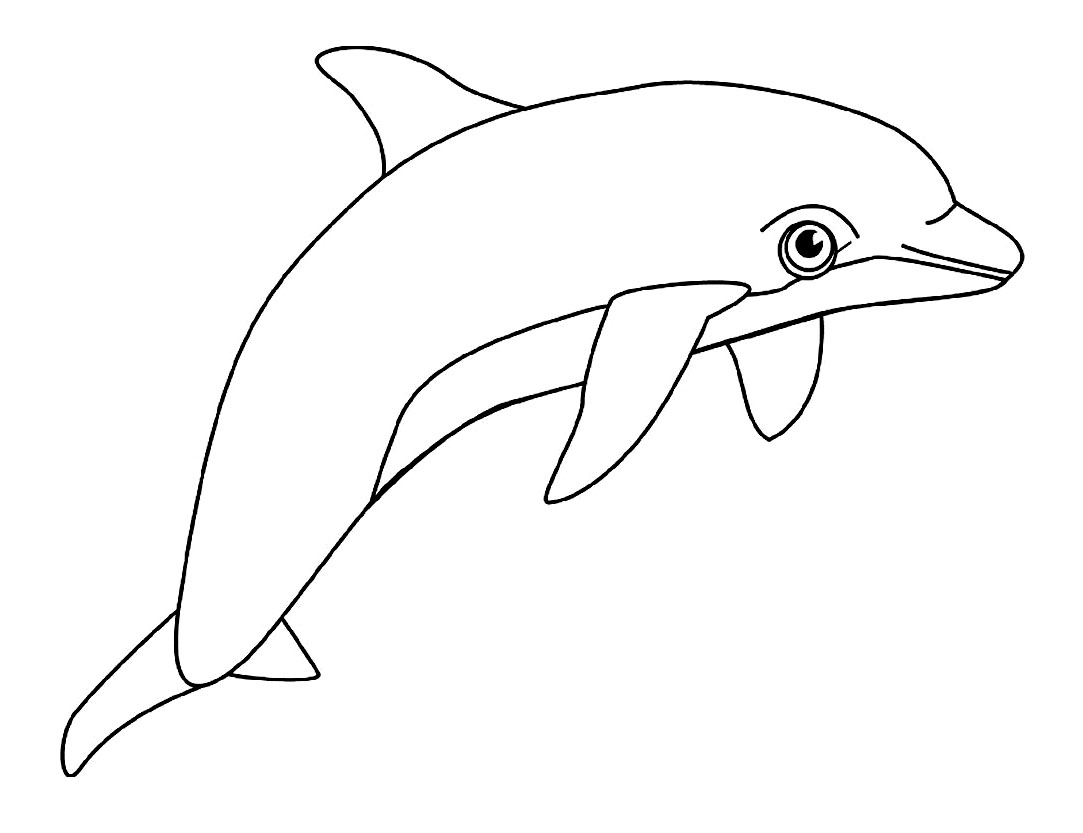
Coloring realistic dolphins: Use layered blue-grey, cool grey, soft silver, and a little white along the belly. Add darker shading along the back, below the dorsal fin, under the body, and near the tail base, while keeping the belly lighter. The common mistake is outlining every body part too heavily; realistic dolphins look smoother when shading follows the body curve.
What These Pages Do
Dolphin coloring pages connect children to ocean life through an animal that is familiar, graceful, and scientifically interesting. Dolphins are marine mammals, not fish, and they breathe air through a blowhole. A coloring page can gently introduce words such as flipper, dorsal fin, tail fluke, blowhole, calf, pod, wave, reef, countershading, and echolocation.
These pages also teach design through movement, curve, contrast, and water texture. A jumping dolphin page uses a strong arc from nose to tail. A baby dolphin page uses softer, rounded shapes. A reef page uses repeated bubbles, coral branches, fish, and sea plants around the main animal. A realistic dolphin page teaches smooth shading by using a darker back and lighter belly. These visual structures help children practice composition and controlled coloring while keeping the subject easy to recognize.
The American Academy of Pediatrics identifies fine motor skill development as a key milestone throughout early childhood. HealthyChildren.org, the parenting site from the American Academy of Pediatrics, lists coloring with crayons or chalk among quiet-time activities that can help improve a 3-year-old child’s hand abilities. Dolphin pages support that development through curved body outlines, flippers, tail flukes, wave lines, bubbles, coral branches, fish shapes, and small ocean details.
The 2005 Art Therapy Journal study on structured coloring and anxiety reduction applies well to dolphin pages with repeated ocean patterns. Waves, bubbles, coral branches, fish scales, reef shapes, and curved water lines give colorists organized spaces to complete. This kind of structured coloring can feel calm and focused because the subject suggests movement, water, open space, and gentle ocean rhythm.
Dolphin pages can also support a respectful interest in wild marine life. Children can enjoy coloring dolphins while learning that real dolphins belong in oceans and coastal waters, travel in social groups, and depend on healthy marine habitats. That makes the collection useful for both creative coloring and simple ocean awareness.
How to Color These Pages Well
Keep the dolphin body smooth and simple. Start with soft blue-grey, cool grey, or light silver. Add darker shading only under the body, along the back, near the dorsal fin, and around the tail base. The common mistake is using too many colors on the dolphin itself; the animal looks better when the body stays clean and streamlined.
Use a darker back and lighter belly for realistic dolphins. Many dolphin pages look more natural when the top of the body is slightly darker, and the underside is lighter. Use slate grey or blue-grey along the back, then blend into pale silver or white near the belly. This countershading effect helps the dolphin look smooth, rounded, and ocean-like.
Use white space for splashes and waves. Ocean water does not need to be fully colored. Use ocean blue and turquoise around the wave shapes, but leave narrow white areas near foam, splash tips, and bubbles. That makes jumping dolphin pages look brighter and more active.
Make baby dolphins lighter than adult dolphins. Baby dolphin pages look gentle when the calf is colored with pale blue-grey, soft sky blue, or light silver. Adult dolphins can use slightly deeper slate grey or blue-grey. The common mistake is making both dolphins the same tone; a small value difference helps children see the family relationship.
Color coral reefs as accents, not the main subject. Coral pink, salmon orange, lemon yellow, sea-glass green, and deep teal work well for reef details. Keep the reef colorful but lighter around the dolphin’s body. If every coral branch is bright, the dolphin may no longer stand out.
Separate sky, ocean, and underwater backgrounds. For sunset scenes, use peach, lavender, pale yellow, and soft blue in the sky. For underwater scenes, use seafoam green, turquoise, and deep teal. Test similar blues on scrap paper first so the dolphin does not blend into the ocean.
5 Creative Craft Ideas
Dolphin Ocean Motion Wheel
Use jumping dolphin and wave pages to create a simple paper motion wheel. Materials include a printed dolphin page, two paper plates or cardstock circles, crayons, scissors, a brass fastener, and glue. Children color a dolphin, cut it out, and attach it to a rotating circle with waves drawn around it. When the wheel turns, the dolphin appears to jump through the water. This craft works best for ages 6-10 because it combines coloring, cutting, and simple movement. It also helps children understand that dolphins move through curves, jumps, and swimming arcs.
Dolphin Pod and Anatomy Poster
Use dolphin family, baby dolphin, and open-ocean pages to create a classroom poster about dolphin groups and body parts. Materials include printed dolphin pages, poster board, crayons, scissors, glue, and small labels. Children color several dolphins, cut them out, and arrange them together as a pod. Add labels such as “calf,” “adult dolphin,” “dorsal fin,” “flipper,” “tail fluke,” and “blowhole.” This project works well for ages 7-12 because it combines art, ocean vocabulary, and simple marine mammal learning. The finished poster can support an ocean unit or a sea animals display.
Coral Reef Dolphin Diorama
Turn dolphin, coral, fish, and bubble pages into a small 3D reef scene. Materials include a shoebox lid, printed coloring pages, crayons or colored pencils, scissors, glue, folded paper tabs, and blue background paper. Children color a dolphin, fish, sea plants, coral, and bubbles, then cut out selected pieces and stand them inside the box. Arrange the dolphin in the center and the reef around it. This craft is best for ages 7-12 because it requires planning, layering, and arranging objects in space. The finished diorama looks like a small underwater habitat.
Dolphin Echolocation Sound Waves Card
Use a dolphin page with open water to make a simple echolocation craft. Materials include a printed dolphin page, cardstock, crayons, markers, scissors, and glue. Children color the dolphin first, then draw curved sound-wave lines moving outward from the dolphin’s head. Add small objects such as fish, bubbles, or a shell where the sound waves “bounce back.” This craft works well for ages 8-12 because it connects coloring with a real dolphin’s behavior. It gives teachers a simple way to explain that dolphins use sound to sense objects underwater.
Sunset Dolphin Window Art
Use jumping dolphin or dolphin-at-sunset pages to make a bright window display. Materials include printed pages, crayons or colored pencils, translucent paper or tissue paper, scissors, glue, and tape. Children color the dolphin in blue-grey or silver, then add a sunset background with peach, lavender, pale yellow, and soft blue. Cut or layer the page onto translucent paper so light can shine through the ocean and sky. This craft works well for ages 5-9 and makes a calm beach-themed decoration for classrooms, bedrooms, or summer displays.
Frequently Asked Questions
What is a dolphin?
A dolphin is a marine mammal that lives in the ocean or, for some species, in rivers and coastal waters. Dolphins breathe air through a blowhole, have smooth, streamlined bodies, and swim using powerful tail movements. They are known for social behavior, sound communication, and graceful movement. In coloring pages, dolphins usually appear jumping, swimming, playing, or moving through waves and reefs.
Are dolphins fish or mammals?
Dolphins are mammals, not fish. They breathe air, give birth to live young, and nurse their calves. Fish use gills to take oxygen from water, but dolphins must surface to breathe through a blowhole. This difference makes dolphin pages useful for gentle science lessons about marine mammals.
What is a dolphin pod?
A dolphin pod is a social group of dolphins that travel, communicate, and often hunt or move together. Pod scenes are useful in coloring pages because children can color several dolphins at different sizes and positions. A pod may include adult dolphins and calves, which makes the page good for learning words such as family, calf, adult, and group. These pages also help children understand that dolphins are social animals.
Why do dolphins jump out of the water?
Dolphins may jump or leap for several reasons, including movement, play, communication, or removing parasites. In coloring pages, jumping dolphins create strong action shapes because the body forms a clear arc above the waves. Children can color the dolphin, splash, and water movement separately. These pages are especially good for practicing curved lines and wave highlights.
What is echolocation?
Echolocation is a way dolphins use sound to sense objects underwater. Dolphins produce clicks, and the returning echoes help them understand the location and shape of things around them. In a coloring activity, children can show echolocation by drawing curved sound waves from the dolphin toward fish, shells, or bubbles. That turns a science fact into a simple visual craft.
What colors work best for Dolphin Coloring Pages?
Natural dolphin colors include blue-grey, slate grey, cool grey, soft silver, and white belly highlights. Ocean backgrounds work well with turquoise, seafoam green, ocean blue, deep teal, and pale sky blue. Coral reef pages can include coral pink, salmon orange, lemon yellow, and sea-glass green. For sunset pages, peach, lavender, pale yellow, and soft blue make the scene warmer.
What age group are these Dolphin Coloring Pages best suited for?
The simplest dolphin outlines, baby dolphins, and cartoon dolphin pages can work from about age 3 or 4 with thick crayons and adult supervision. Pages with coral reefs, mermaids, sunset scenes, dolphin families, and realistic anatomy are better for ages 6–10 because they include more details. Older children, teens, and adults may enjoy reef scenes, realistic swimming poses, pod scenes, and ocean shading practice. The best page depends on the detail level and the child’s patience.
Can these pages be used for ocean or marine animal lessons?
Yes. Dolphin coloring pages can support lessons about marine mammals, ocean habitats, echolocation, dolphin anatomy, pods, coral reefs, and sea animal vocabulary. A dolphin pod poster can help children label body parts and family groups. An echolocation card can show how dolphins use sound underwater. These pages work especially well when art is paired with simple observation and science discussion.
Dolphin coloring pages carry the movement of the ocean: a leap above the waves, a calf swimming beside its mother, a pod traveling through blue water, or a smooth silver body cutting across a coral reef. Each page gives children a chance to color both an animal and the world around it.
Browse the full collection at ColoringPagesOnly.com. All 70+ pages free, no sign-up, PDF or PNG, print at home or color online.
These pages fit many creative moments: an ocean science lesson, a summer craft table, a beach-themed classroom display, a marine animal unit, or a calm coloring break at home. They also give colorists a useful challenge because dolphins look best when their bodies stay smooth, their highlights stay clean, and the water around them feels open.
For the final pass, keep the dolphin body simple, use a darker back and lighter belly, leave splash lines white, and use stronger blues only where the water needs depth. A few light spaces can make the whole ocean scene feel brighter and more natural.
Share your work on Facebook and Pinterest and tag #Coloringpagesonly. We especially want to see your Coral Reef Dolphin Diorama and Dolphin Echolocation Sound Waves Card.
Smooth waves/silver arcs/ocean joy in color.