Elephant Coloring Pages
 By:
Jennifer Thoa - Content Editor & Designer
Updated:
By:
Jennifer Thoa - Content Editor & Designer
Updated:
Free Elephant Coloring Pages: 120 printable PDF designs featuring baby elephants, mother-and-baby pairs, jungle and savanna scenes, and a range of playful, whimsical poses. Each page can be downloaded as a PDF to print or colored online in the browser.
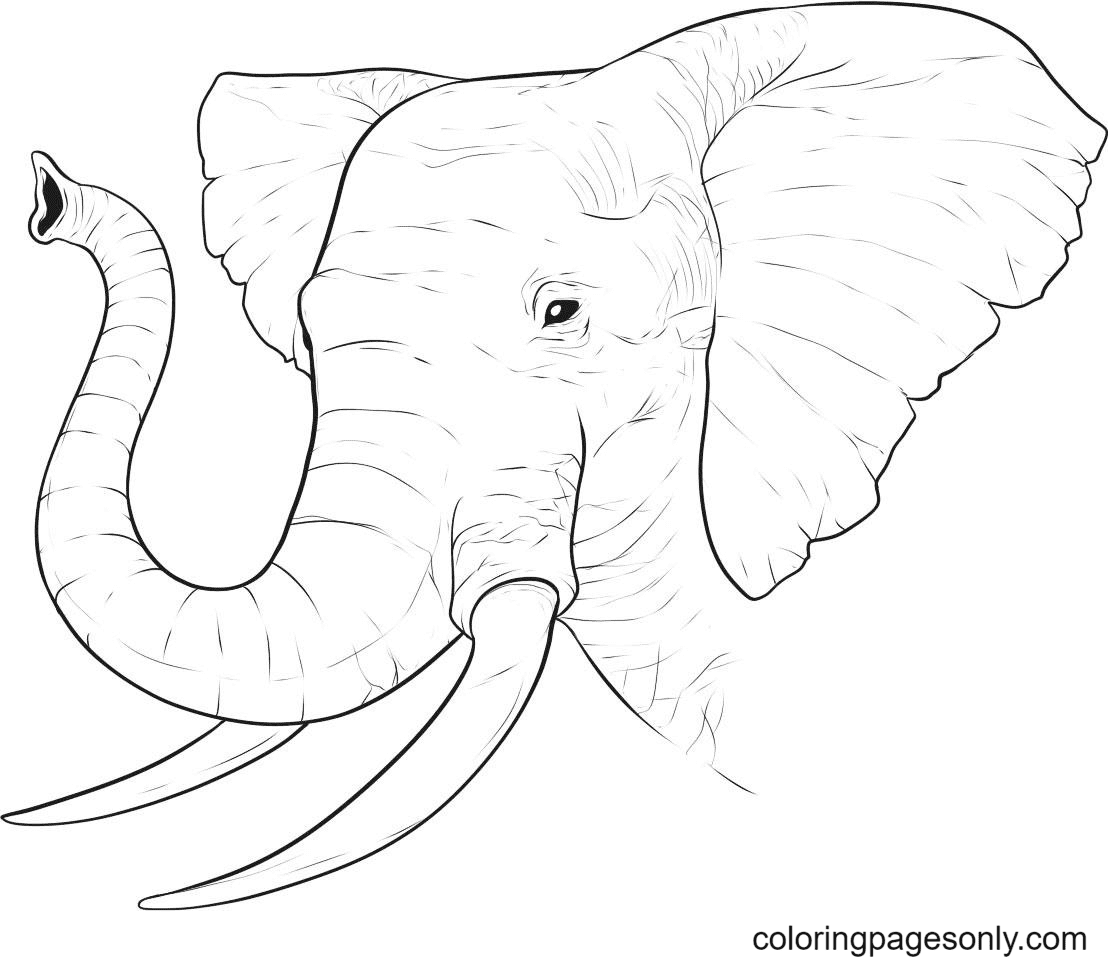
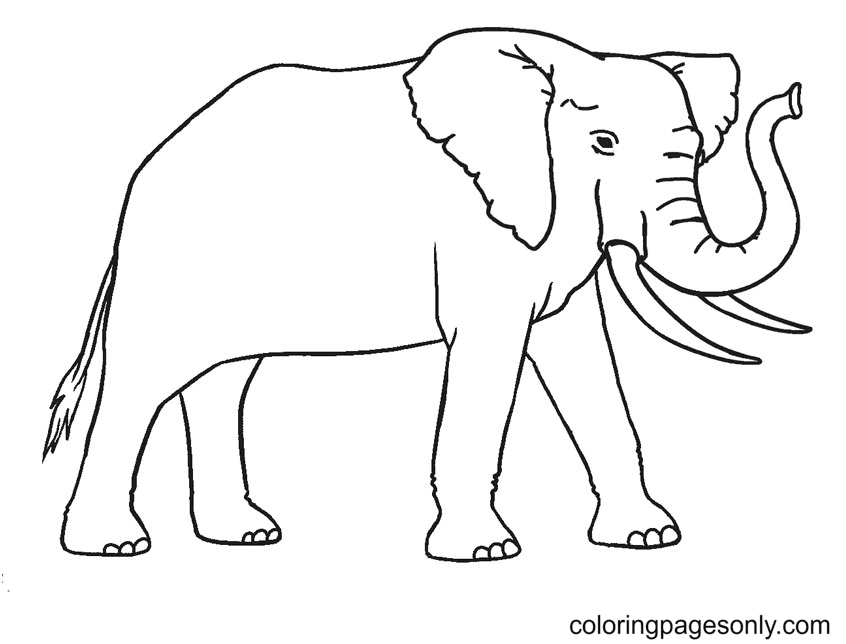
The elephant is the largest living land animal, and its two African and Asian species are easy to tell apart once you know what to look for: African elephants have noticeably larger ears shaped roughly like the African continent, while Asian elephants have smaller, more rounded ears and a more arched back. A newborn elephant already weighs around 200 pounds and can stand within about 20 minutes of birth, though it typically stays close to its mother for several years afterward. This collection colors the same animal across realistic poses, playful scenes, and a few purely imaginative designs.
This set works across a wide range of ages and interests: the simple, rounded solo elephants suit a child just starting to color a large, friendly shape, while the detailed mandala-style and busier scene pages give an older child or an adult more pattern work and shading to do. It also gives a natural opening to talk about the real differences between African and Asian elephants, since most people picture only one version of the animal.





What Is Inside This Collection
The 120 pages fall into a few clear groups, based on how realistic or how playful each design is.
Classic Solo Elephants
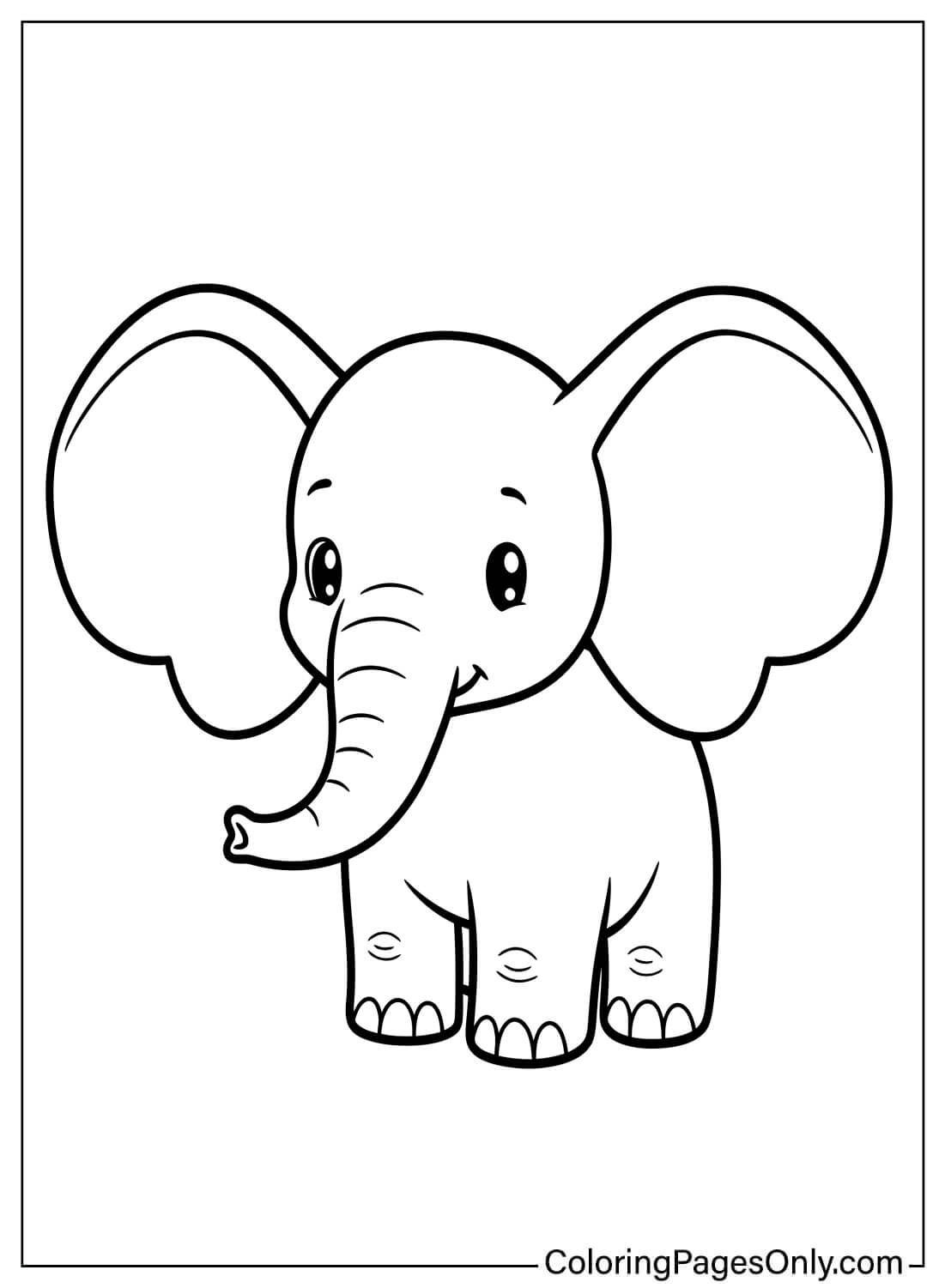
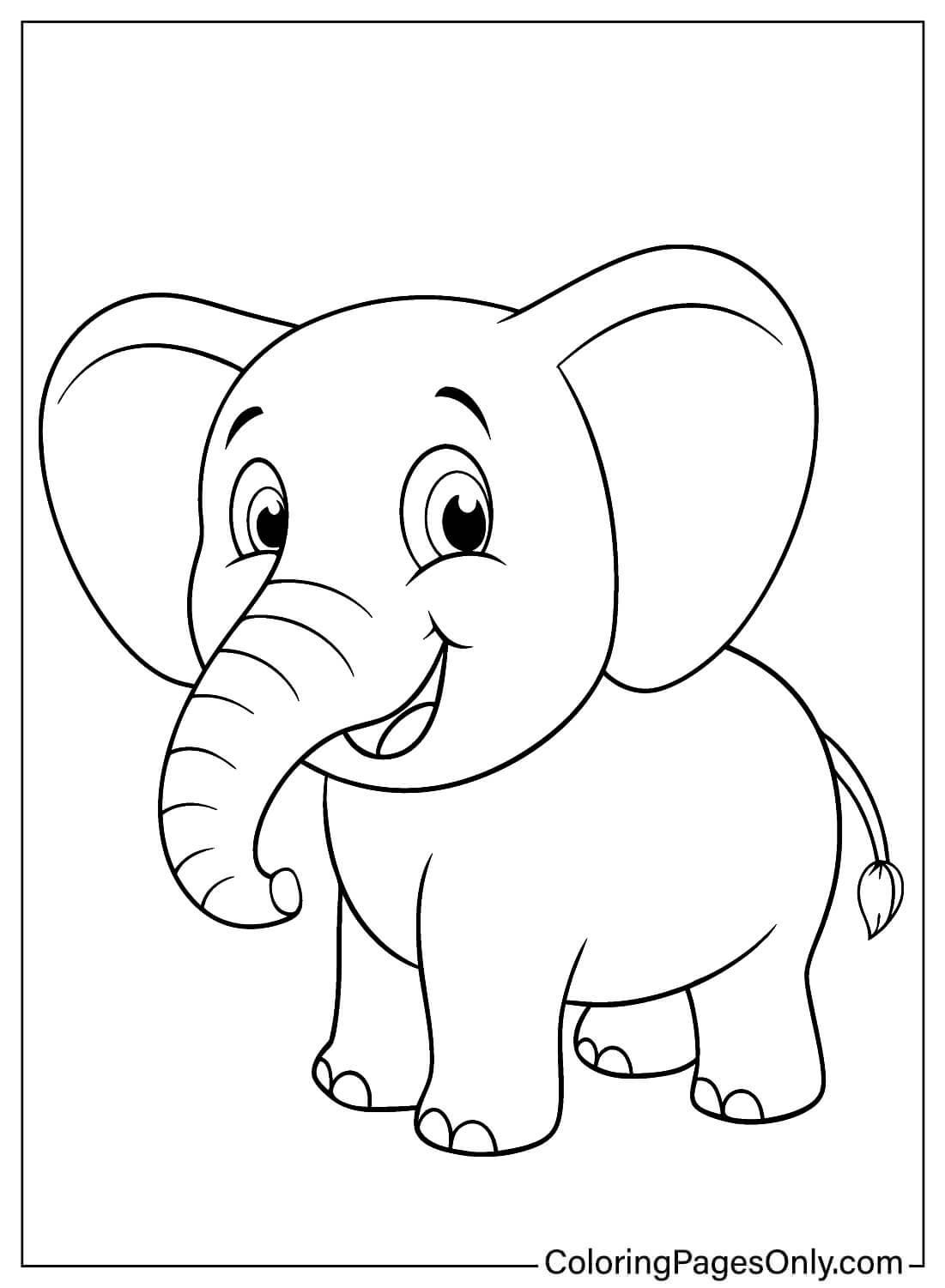
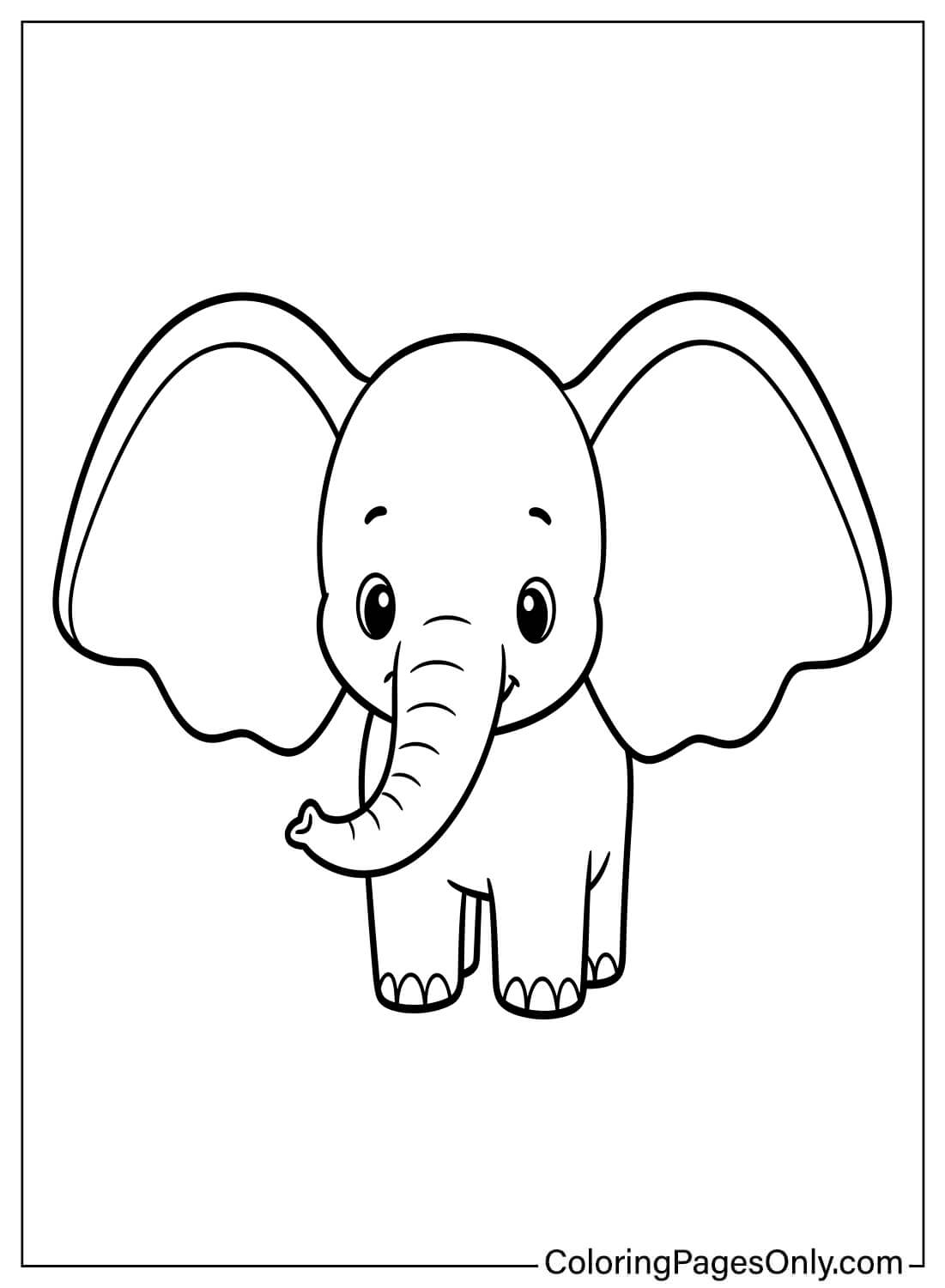
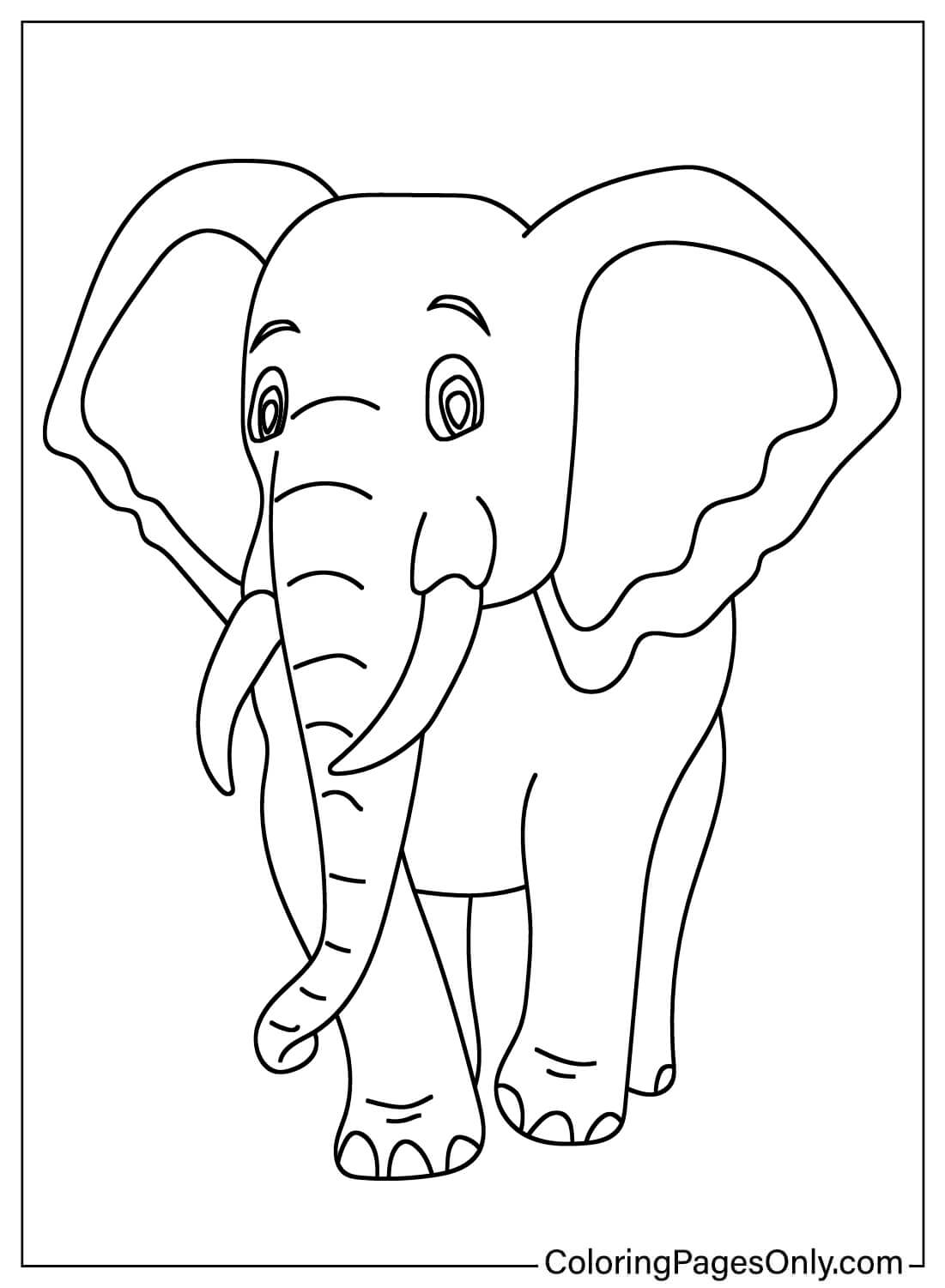
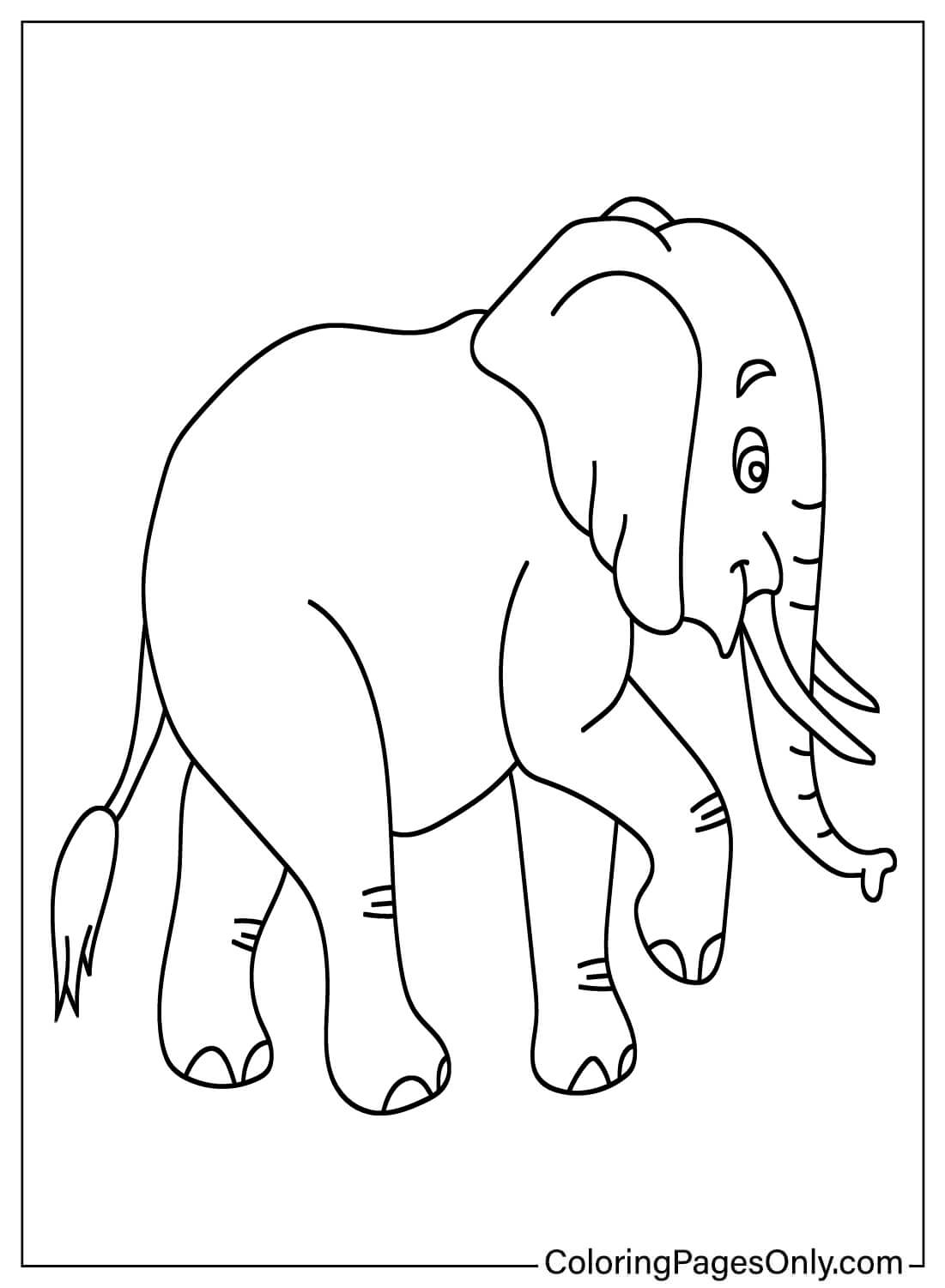
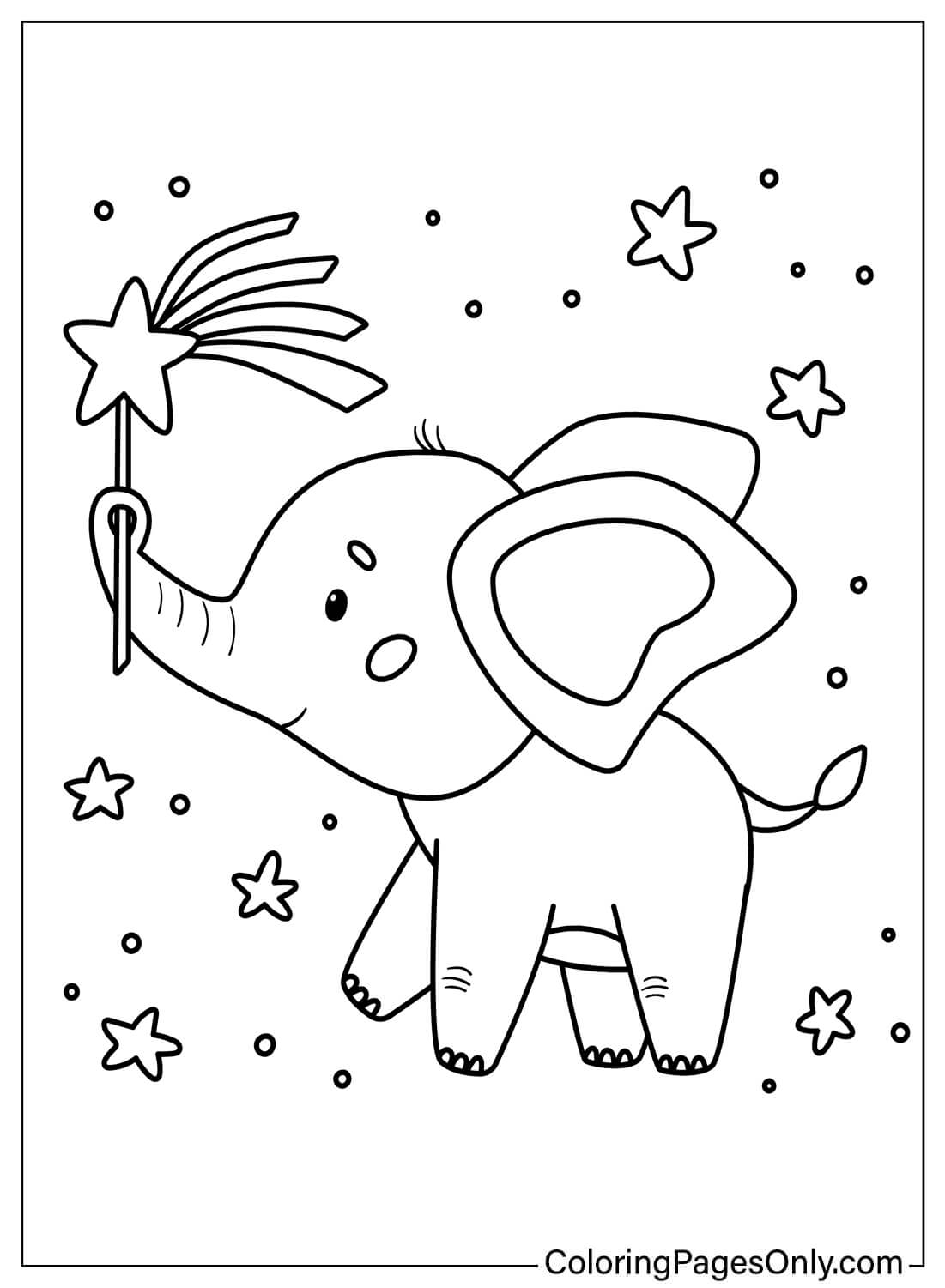
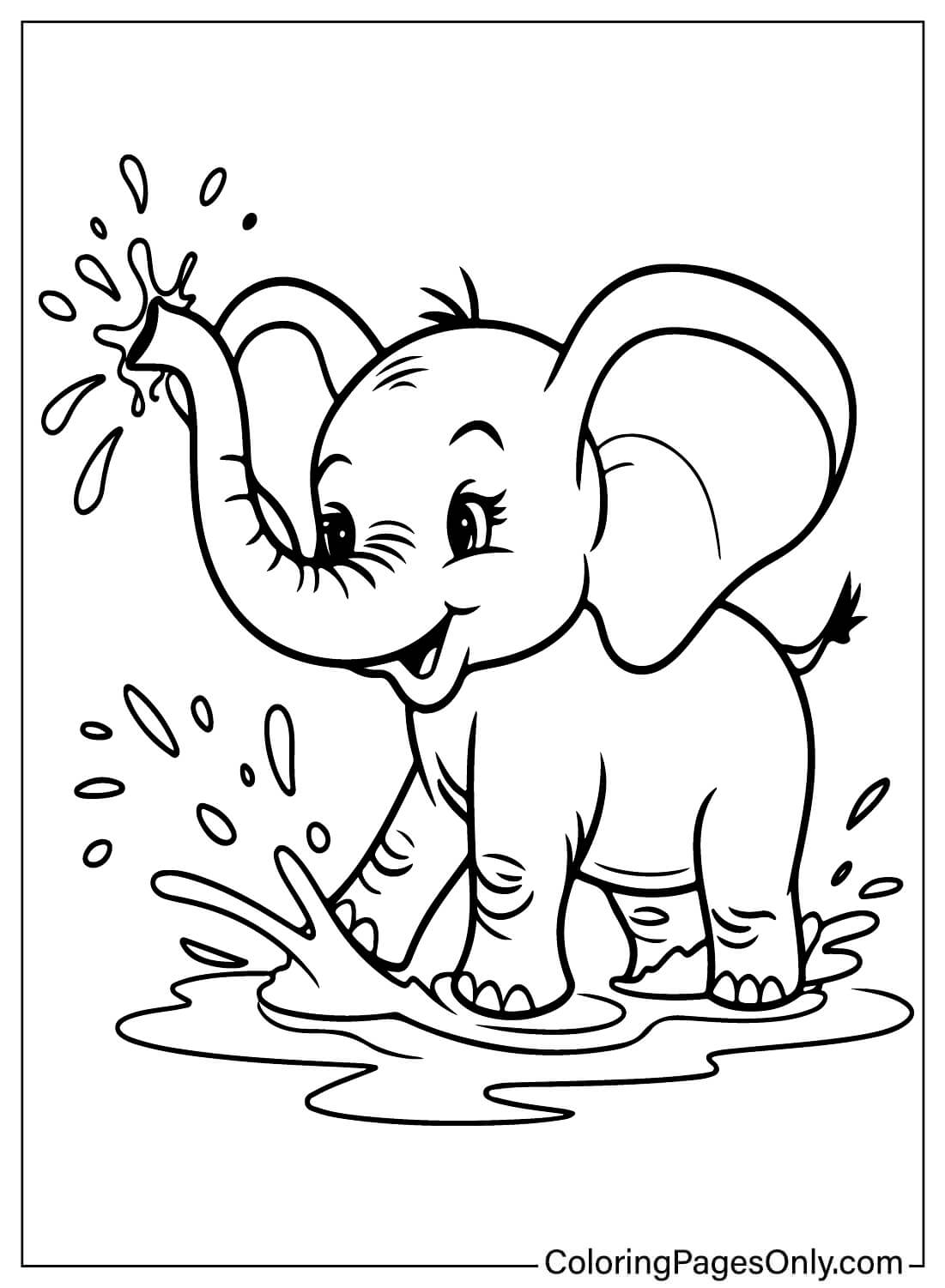
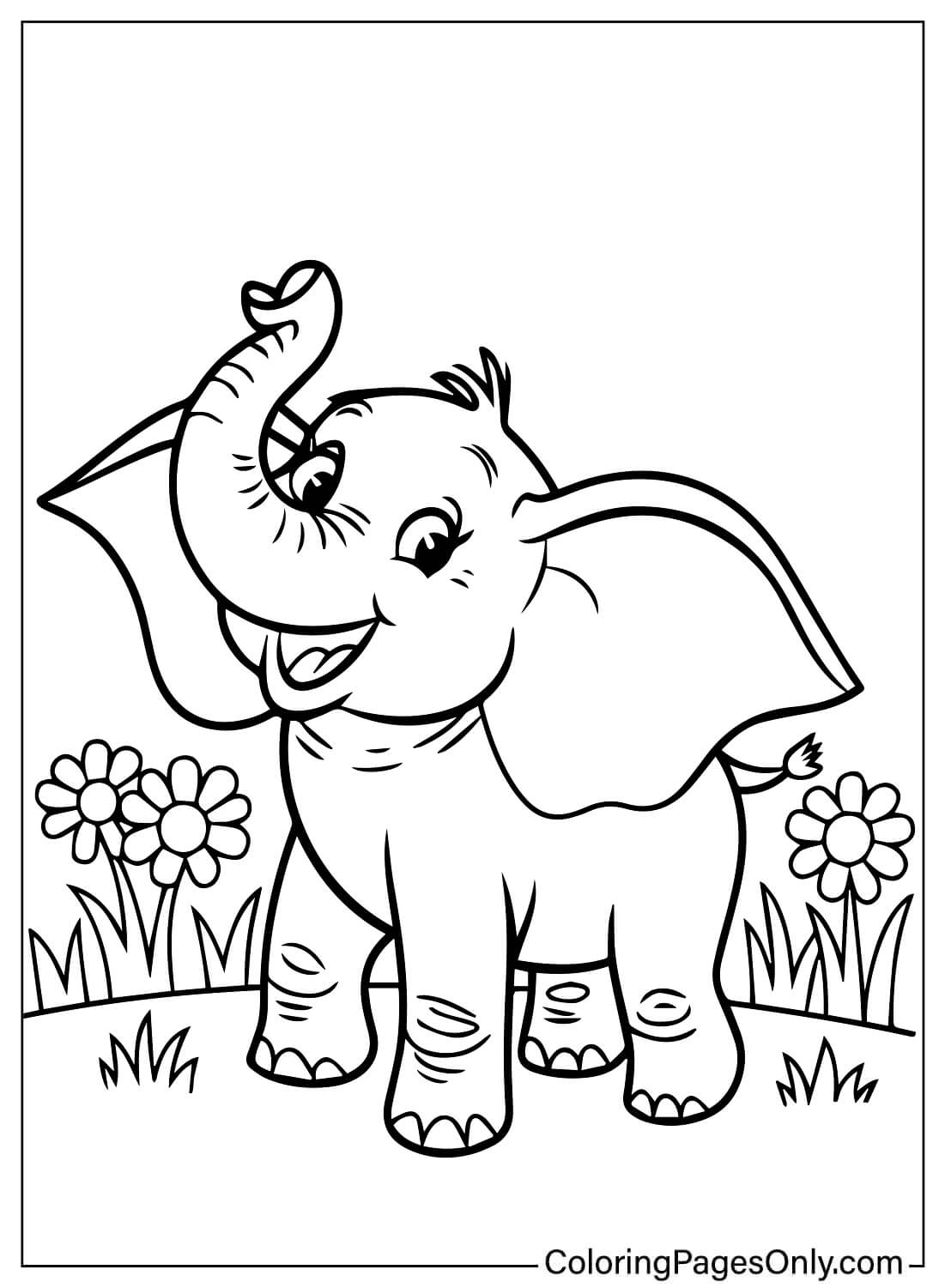
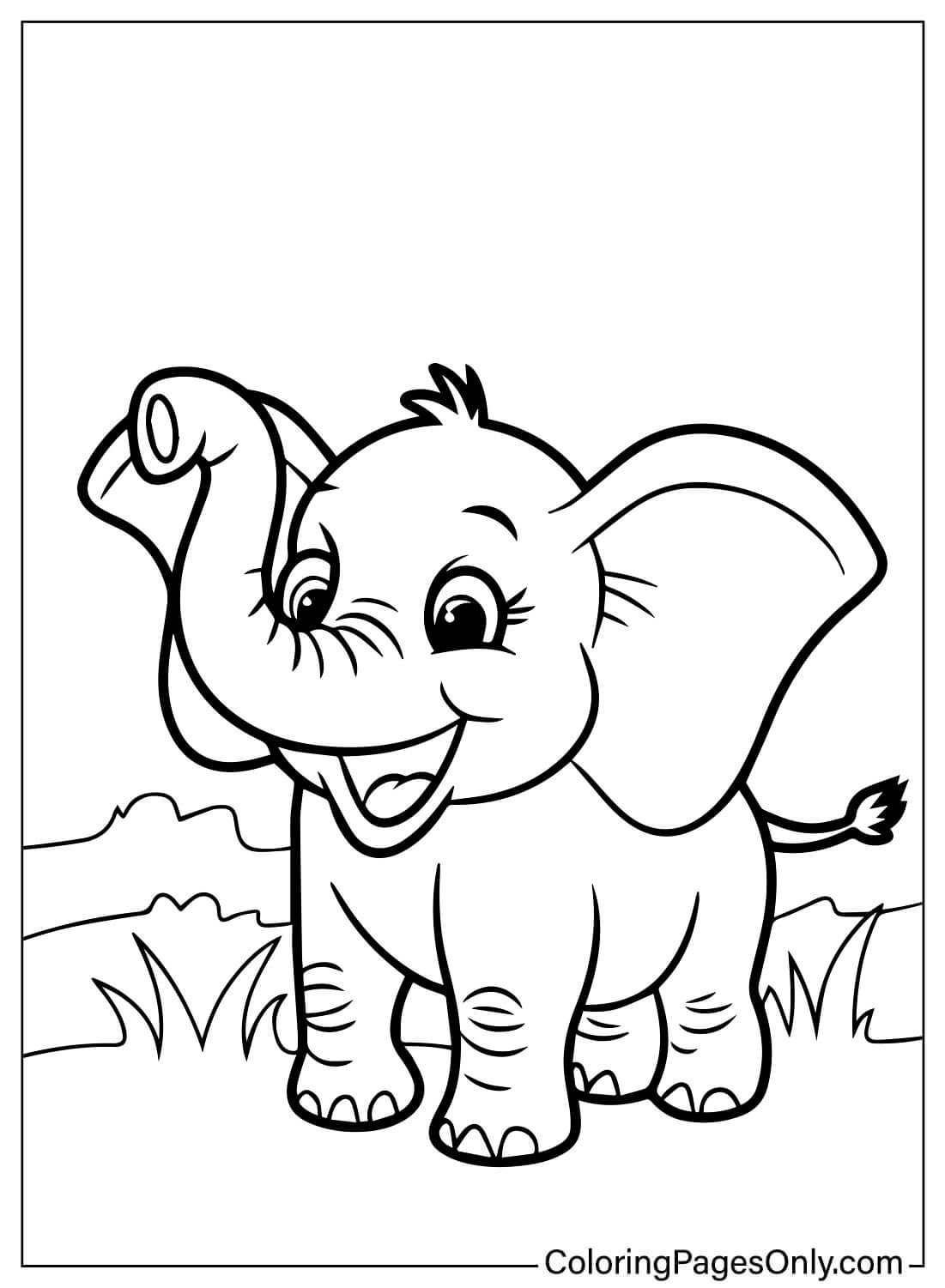
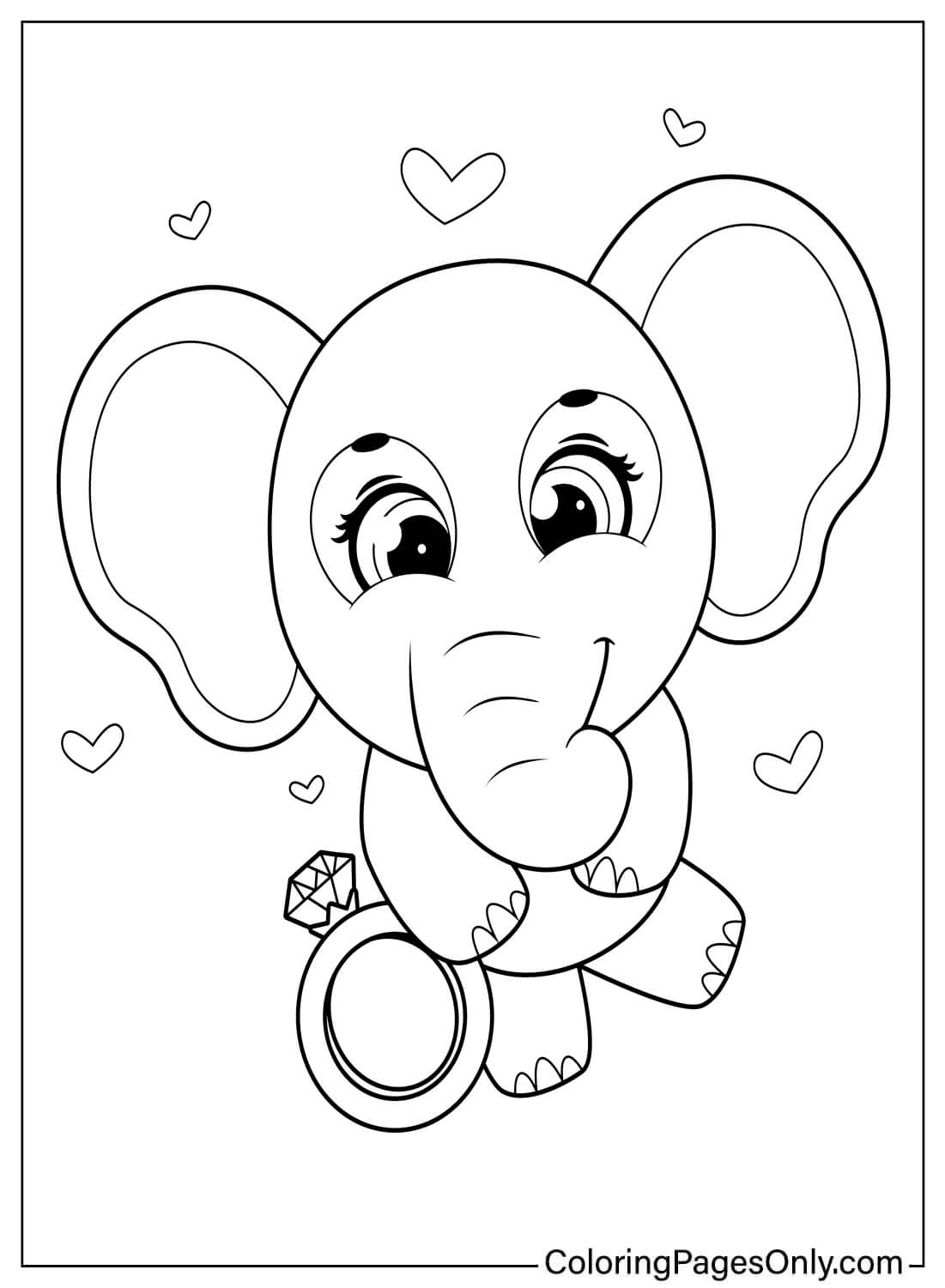
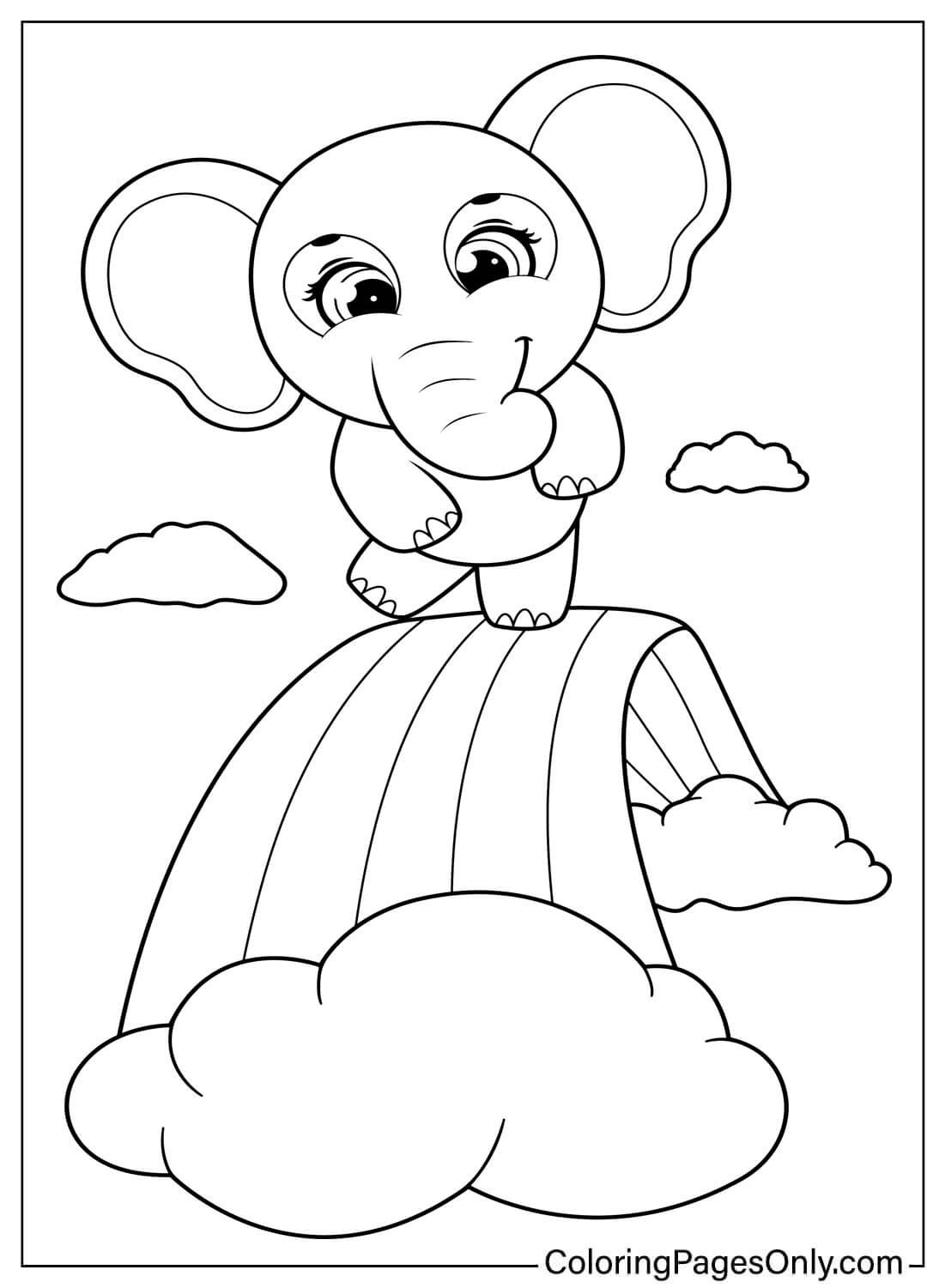
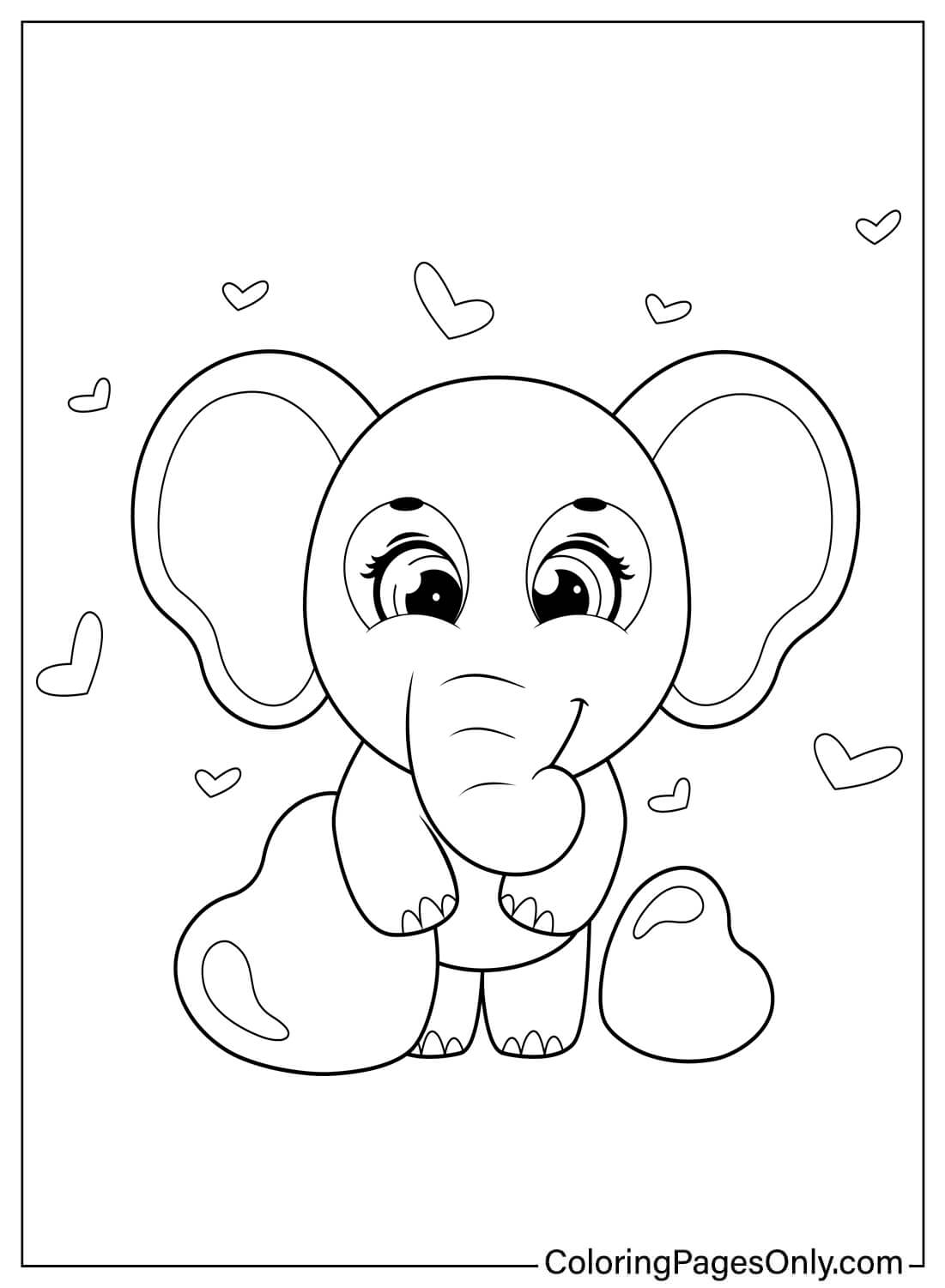
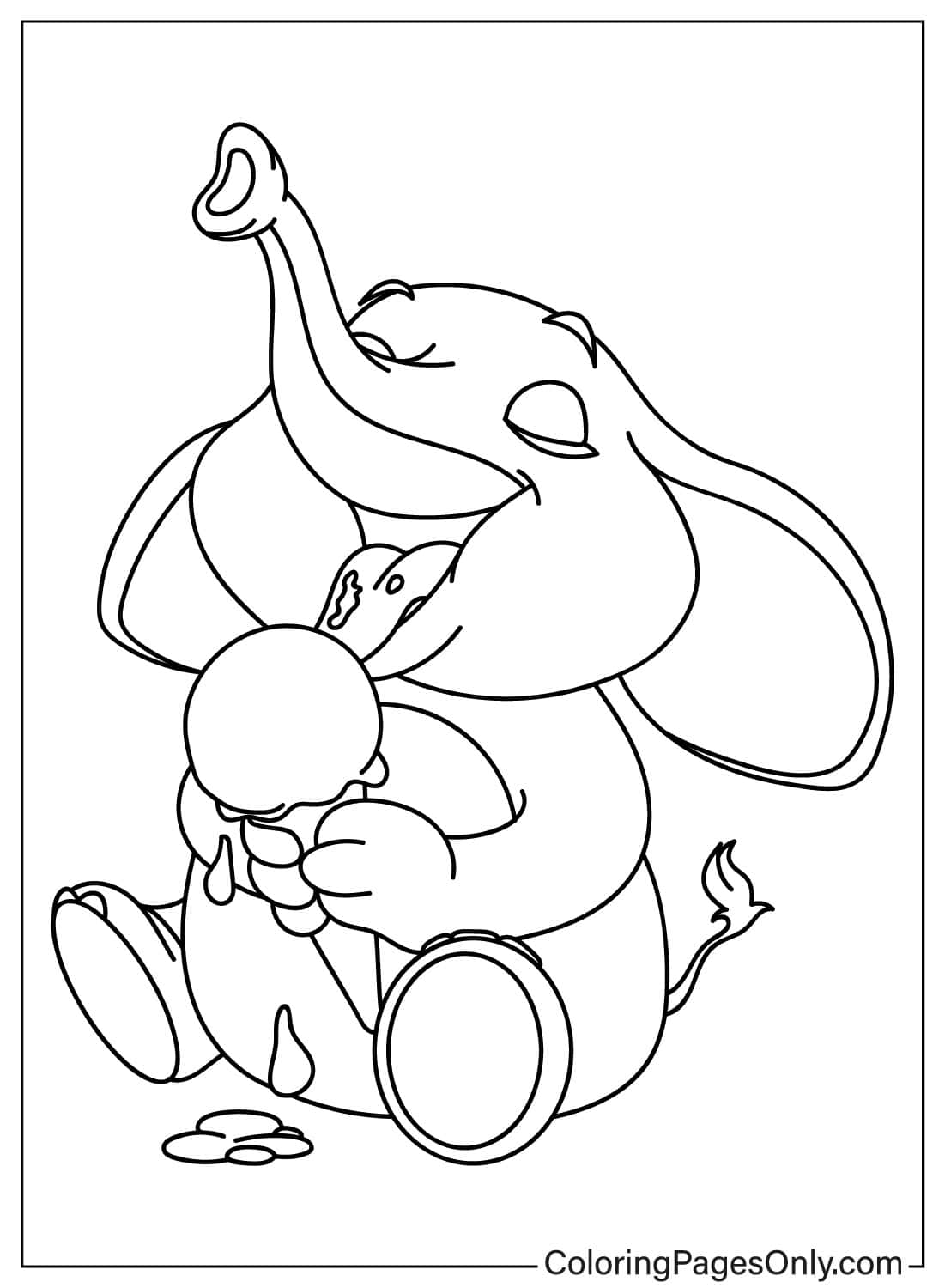
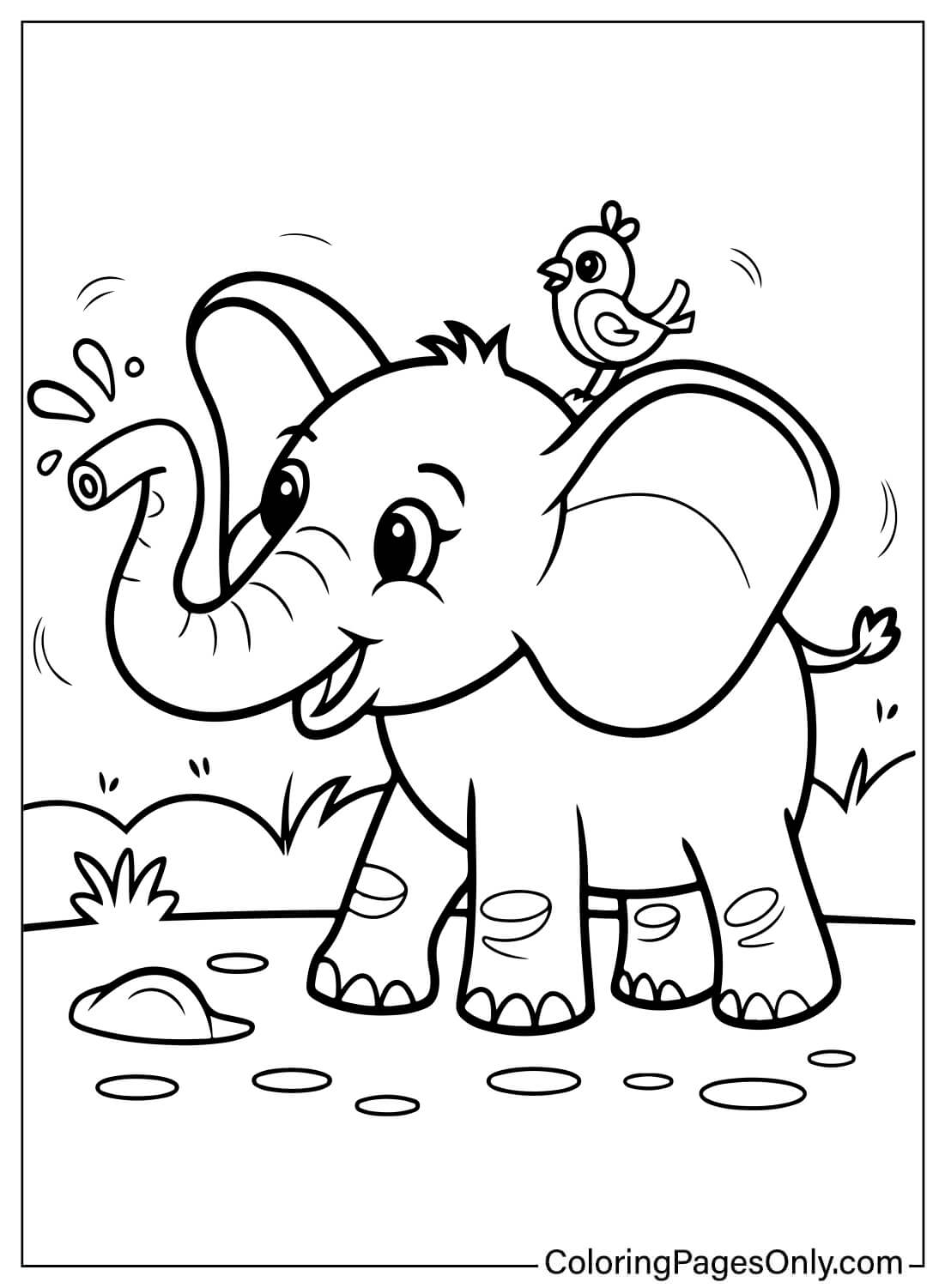
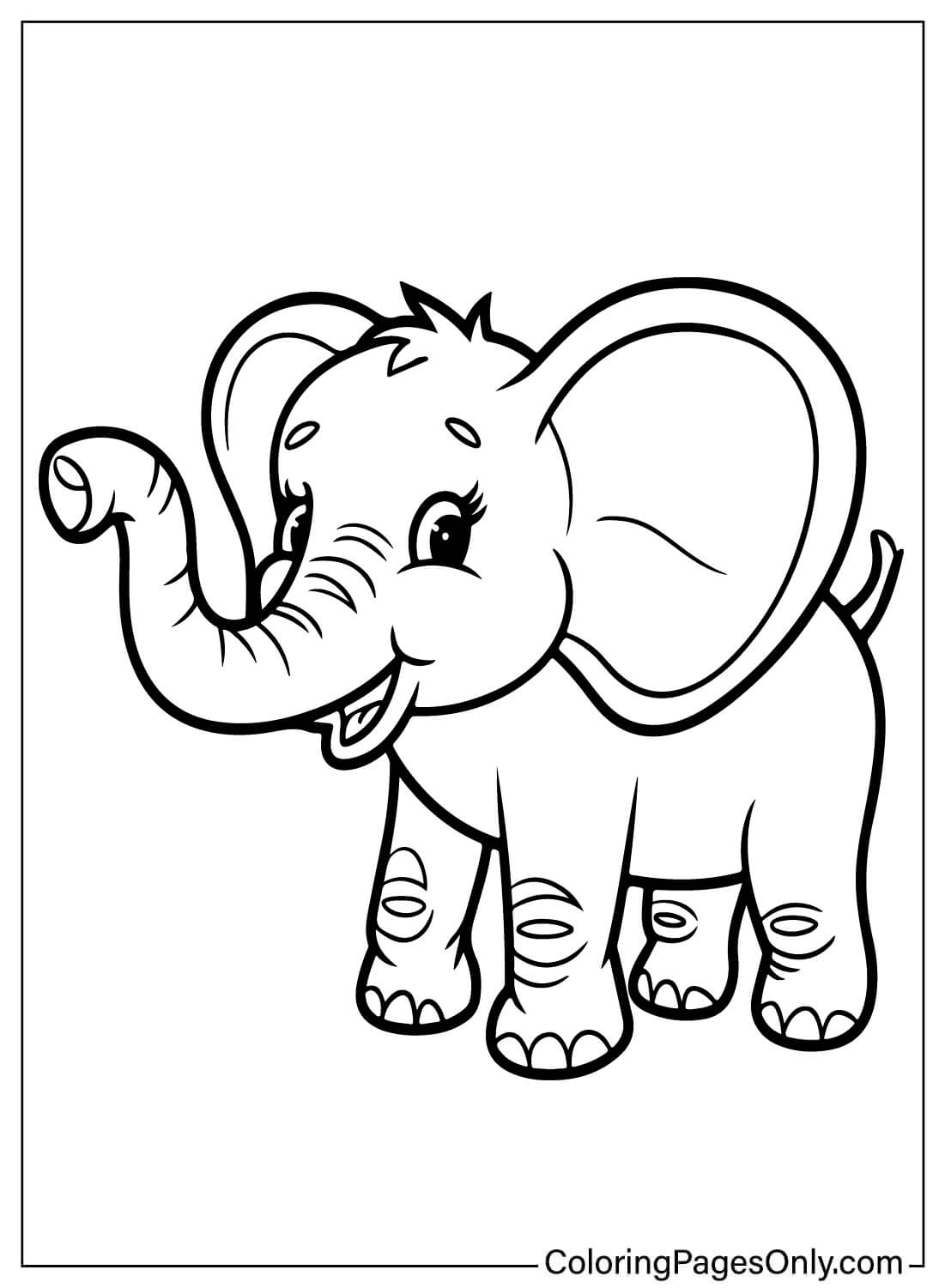
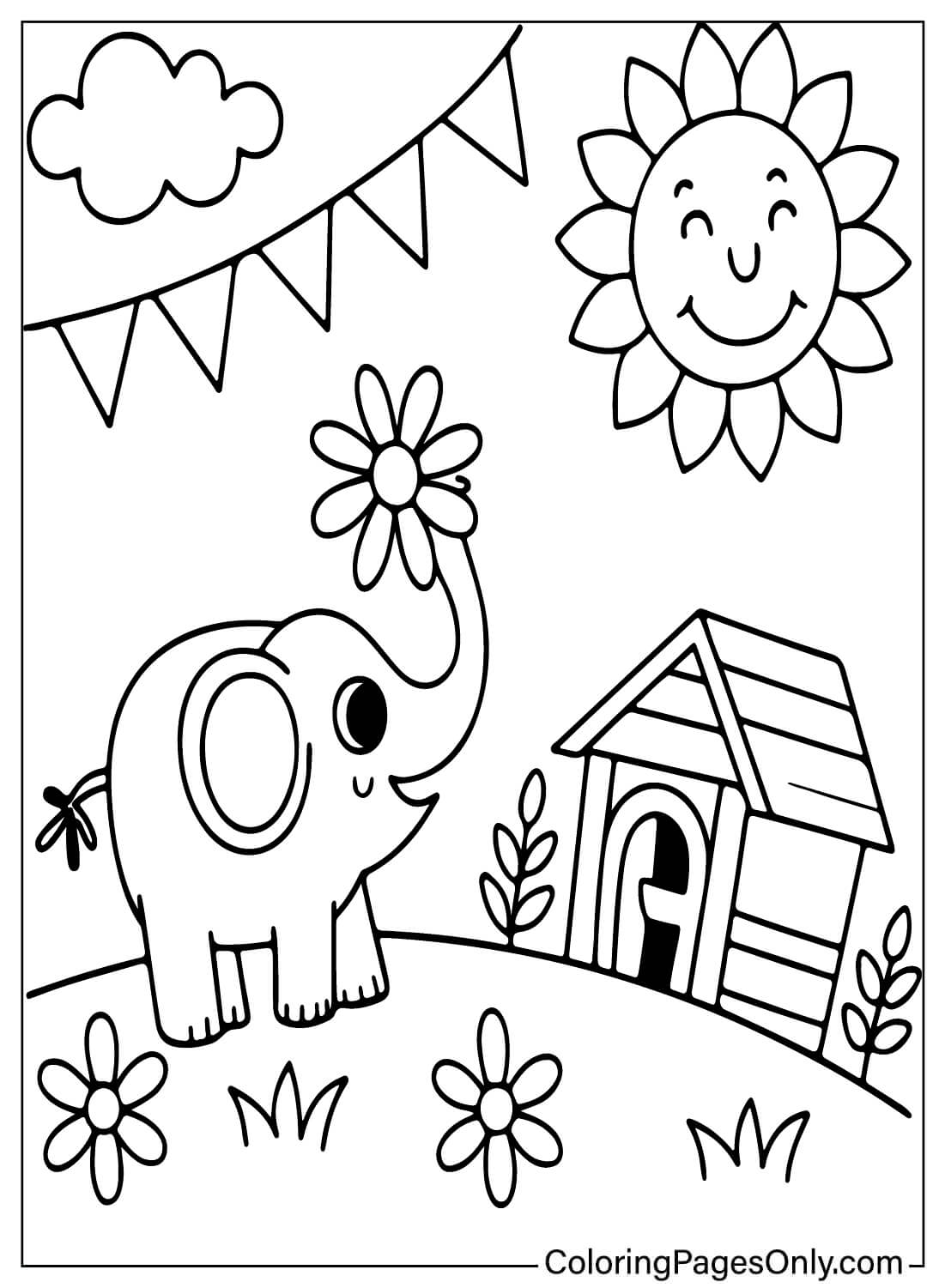
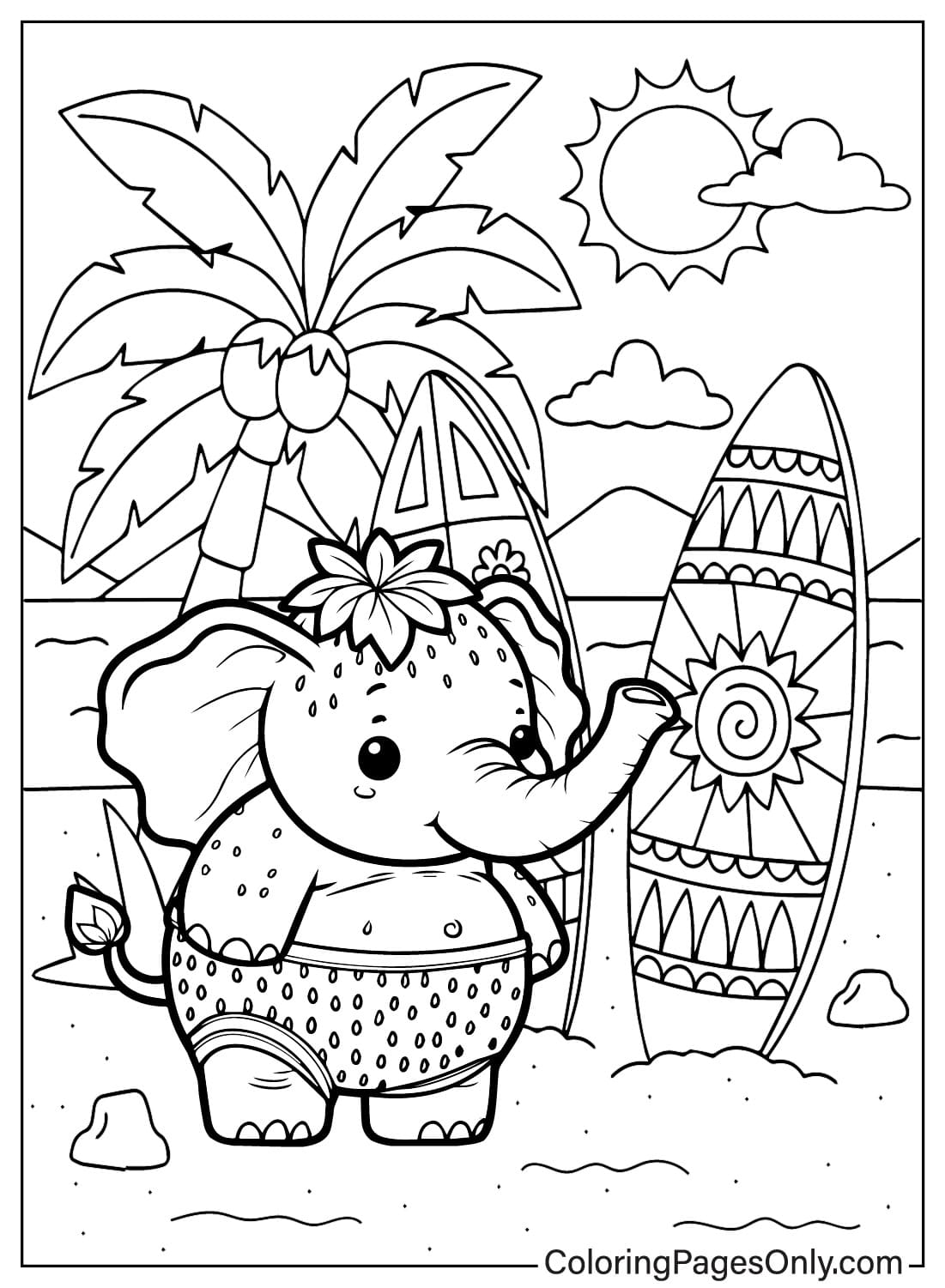
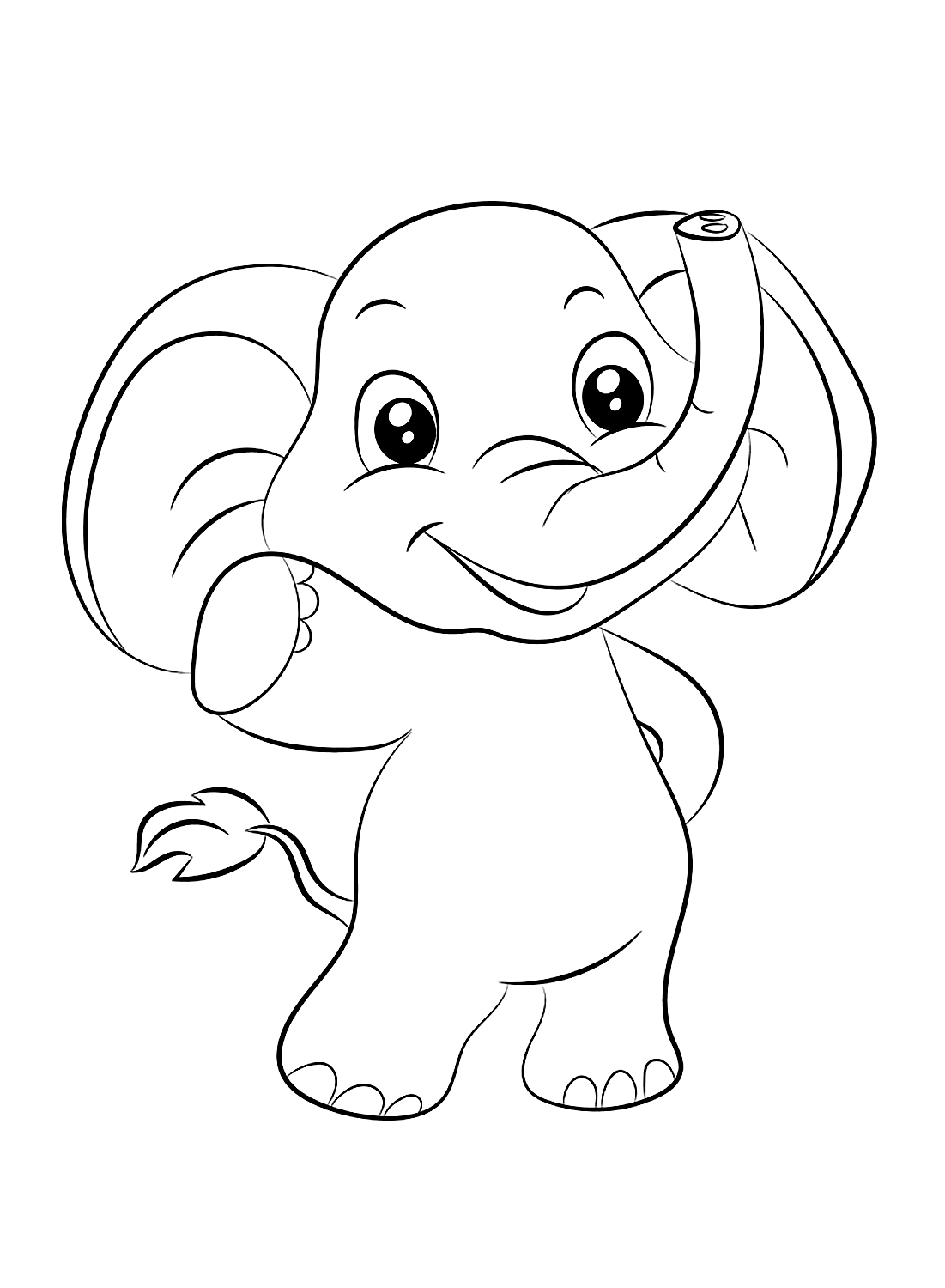
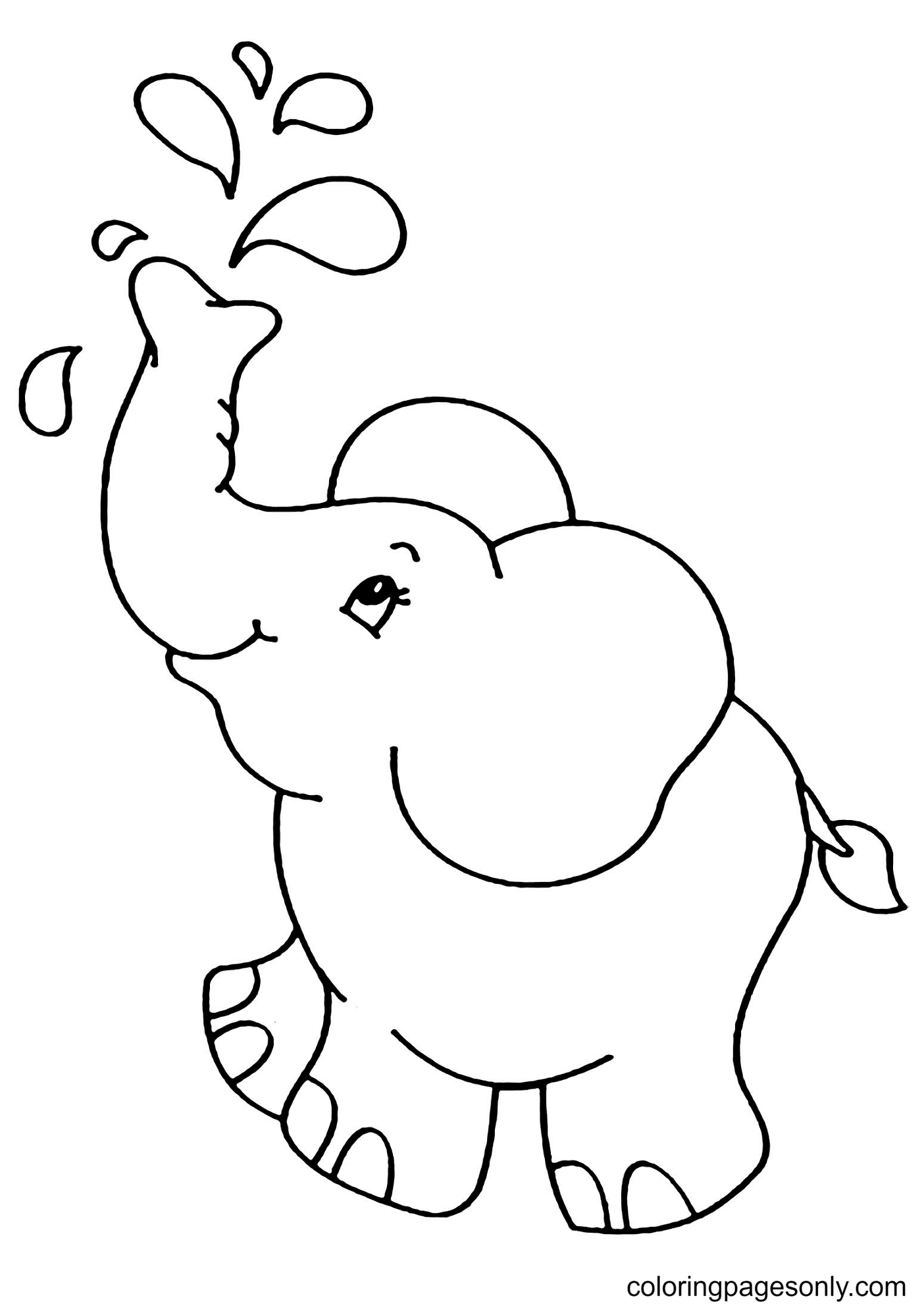
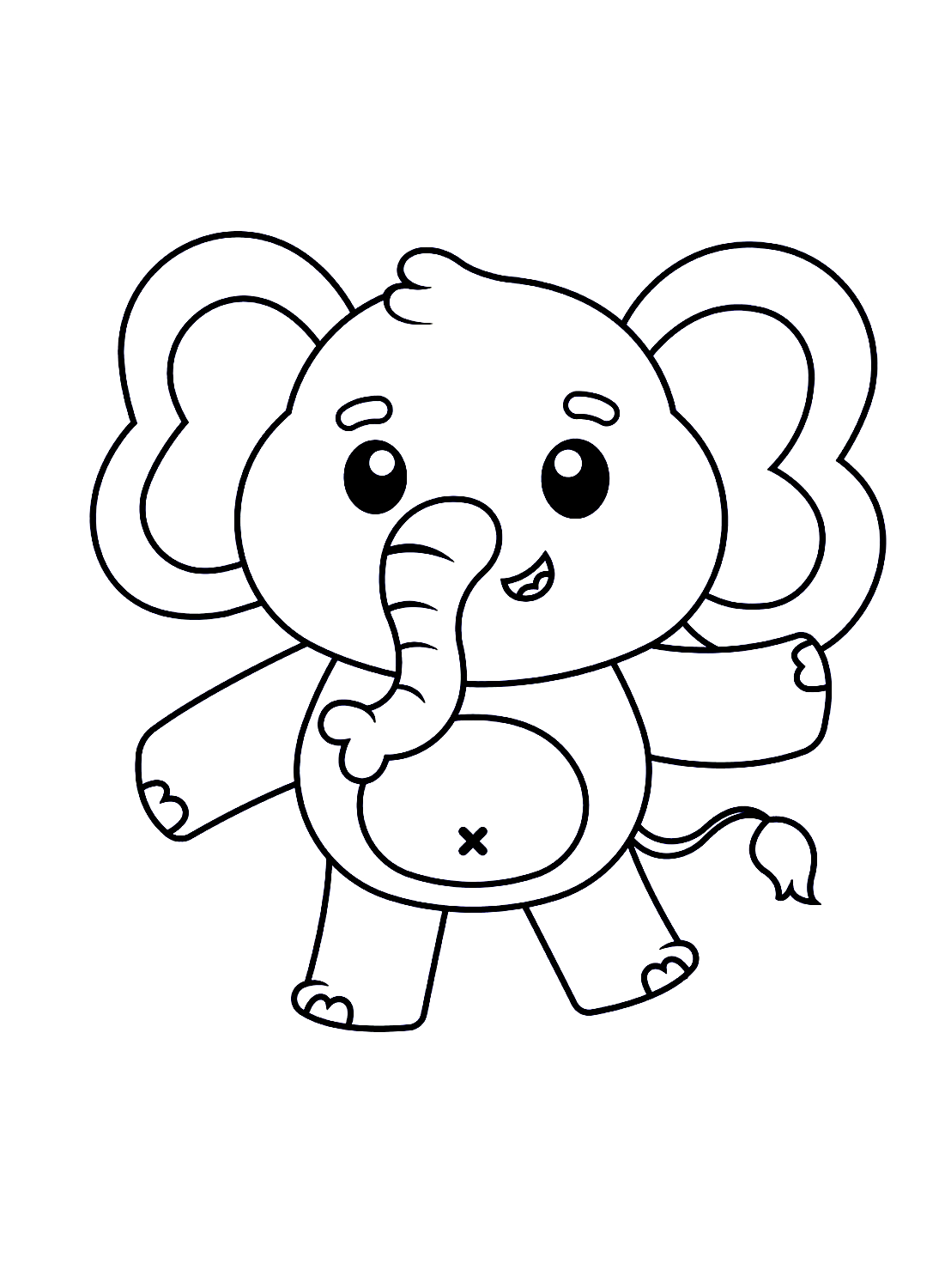
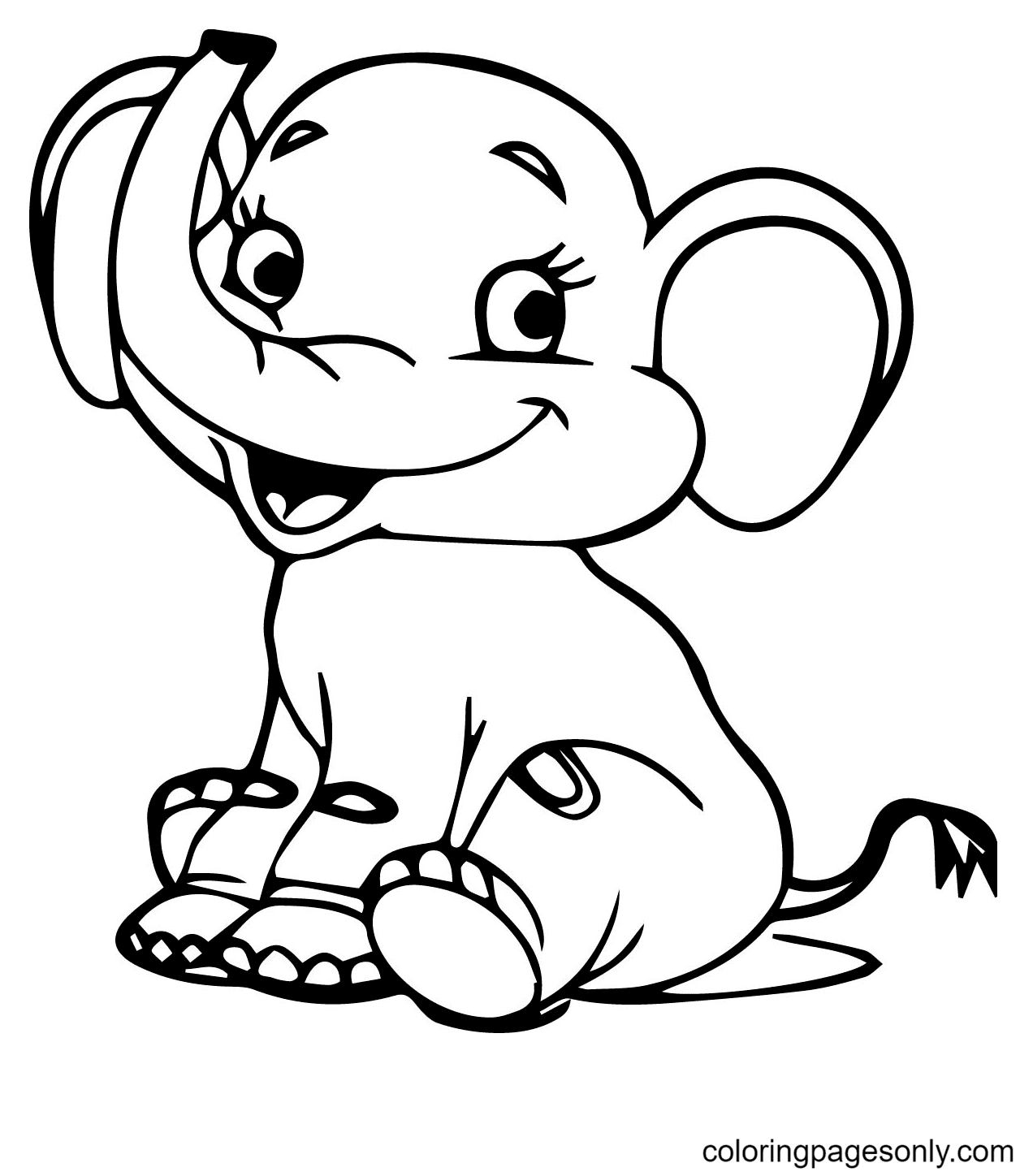
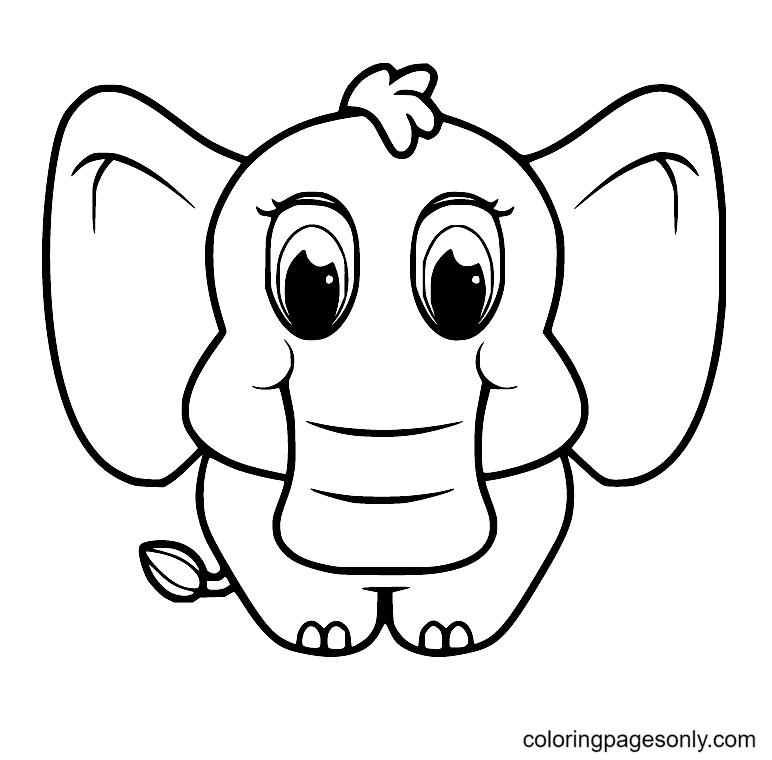
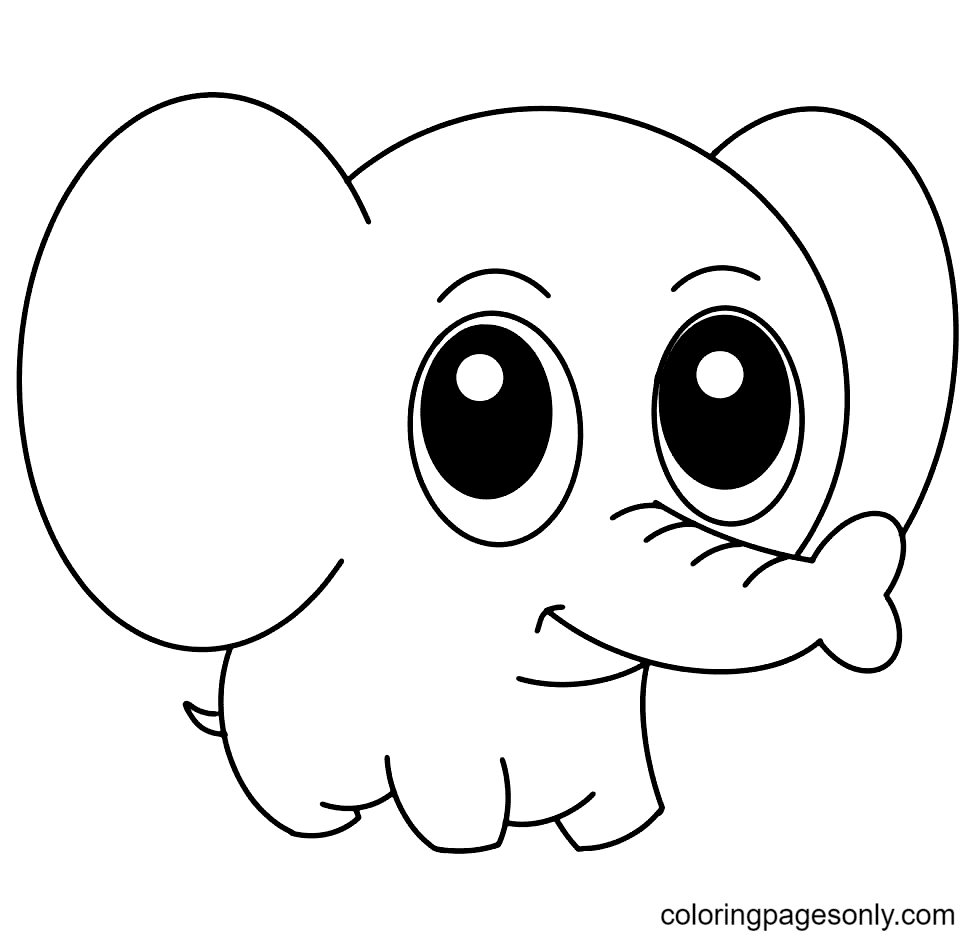
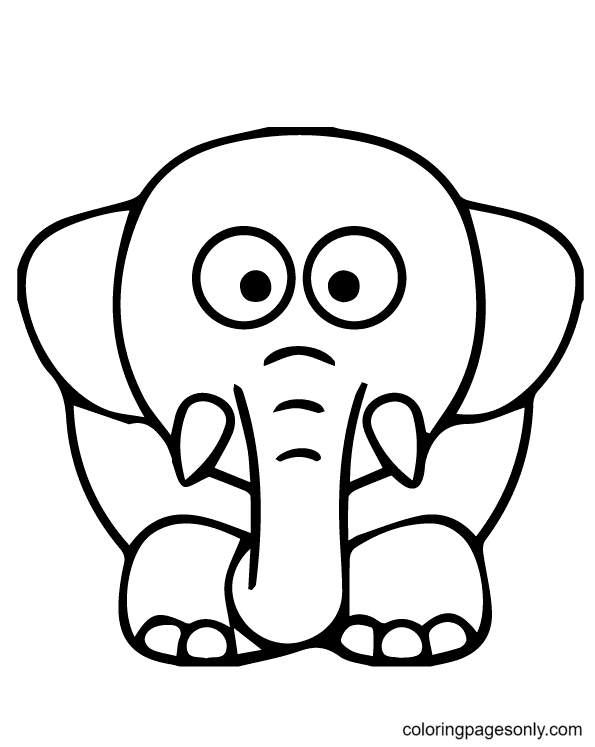
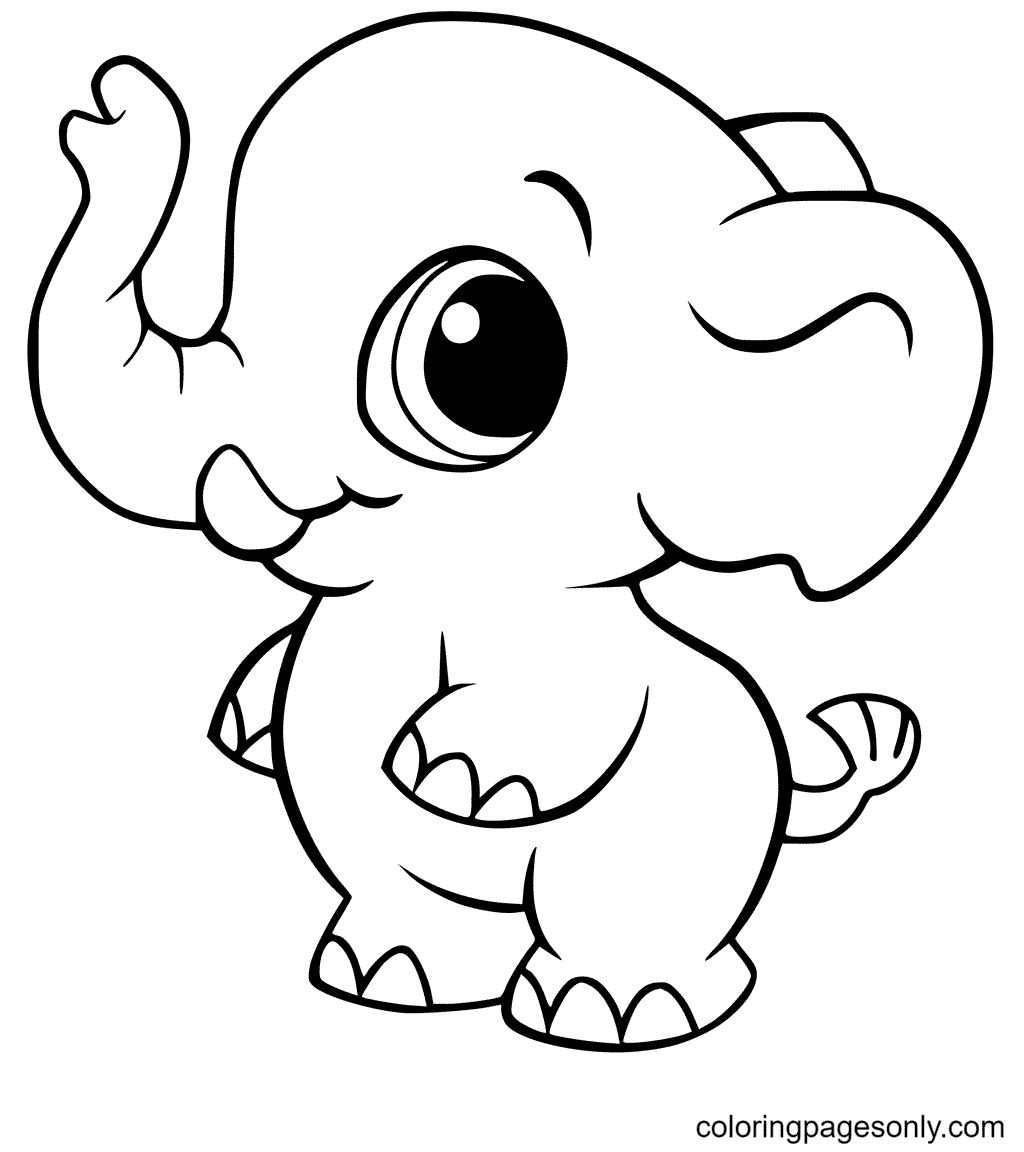
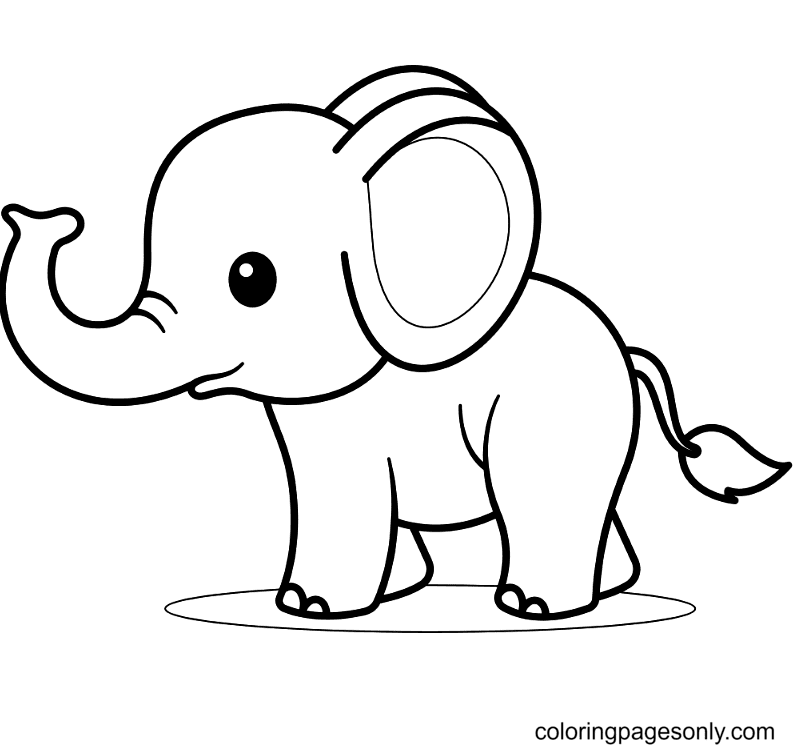
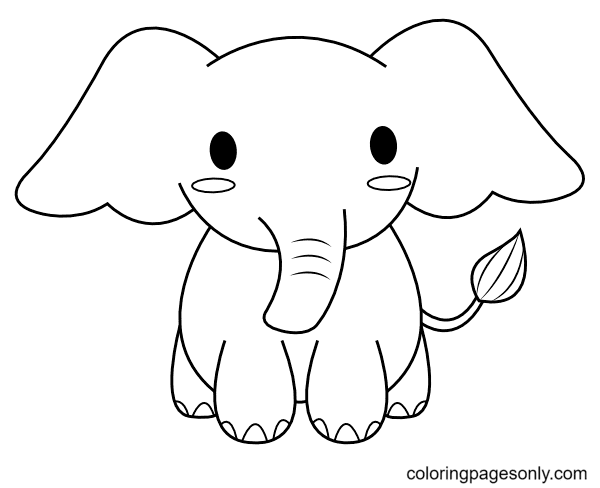
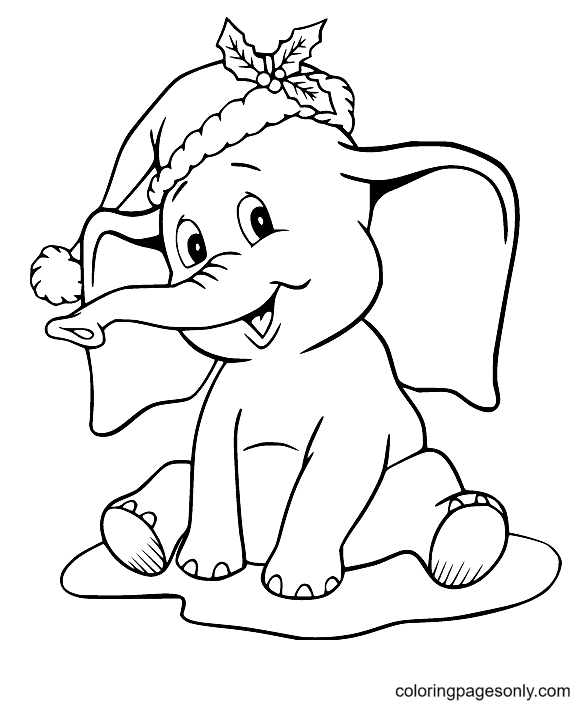
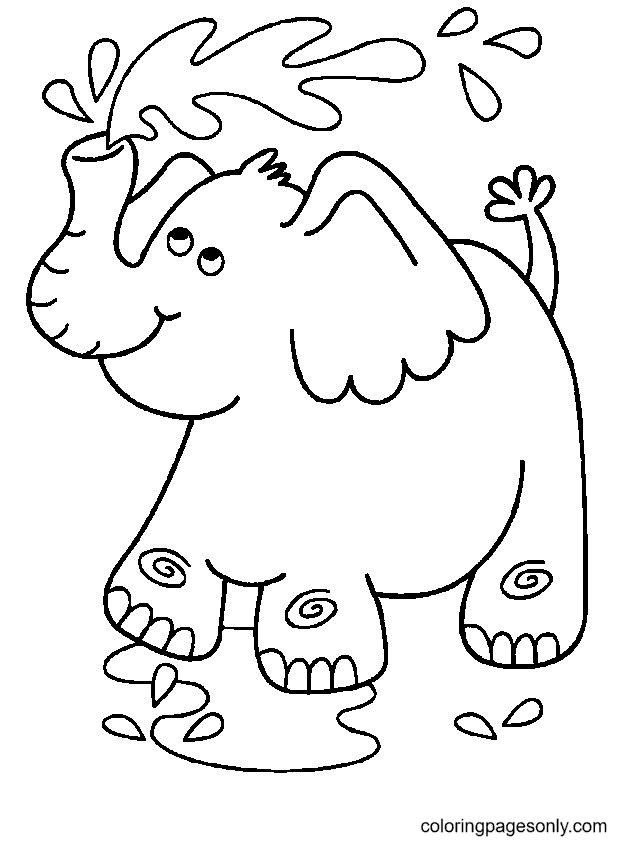
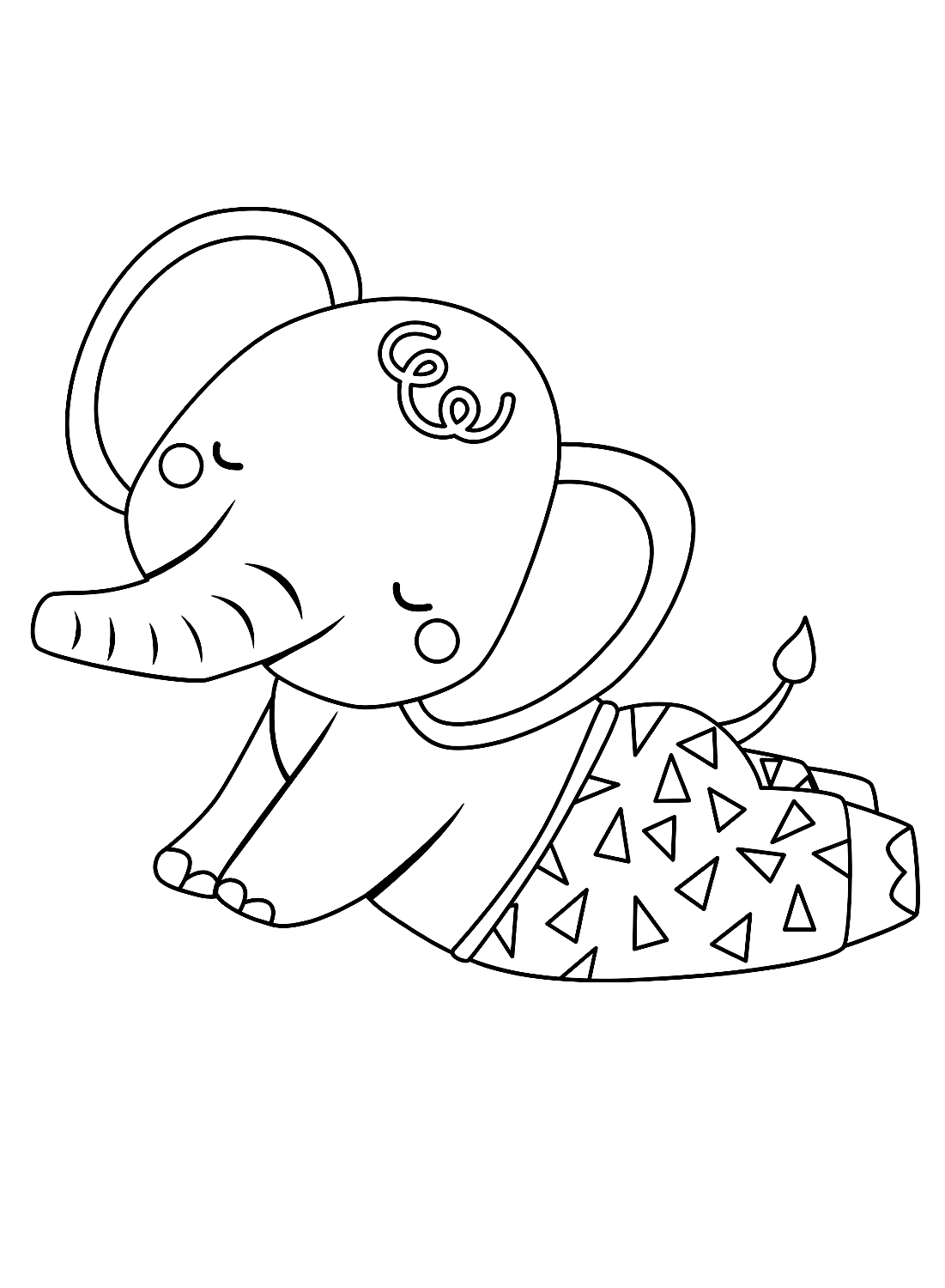
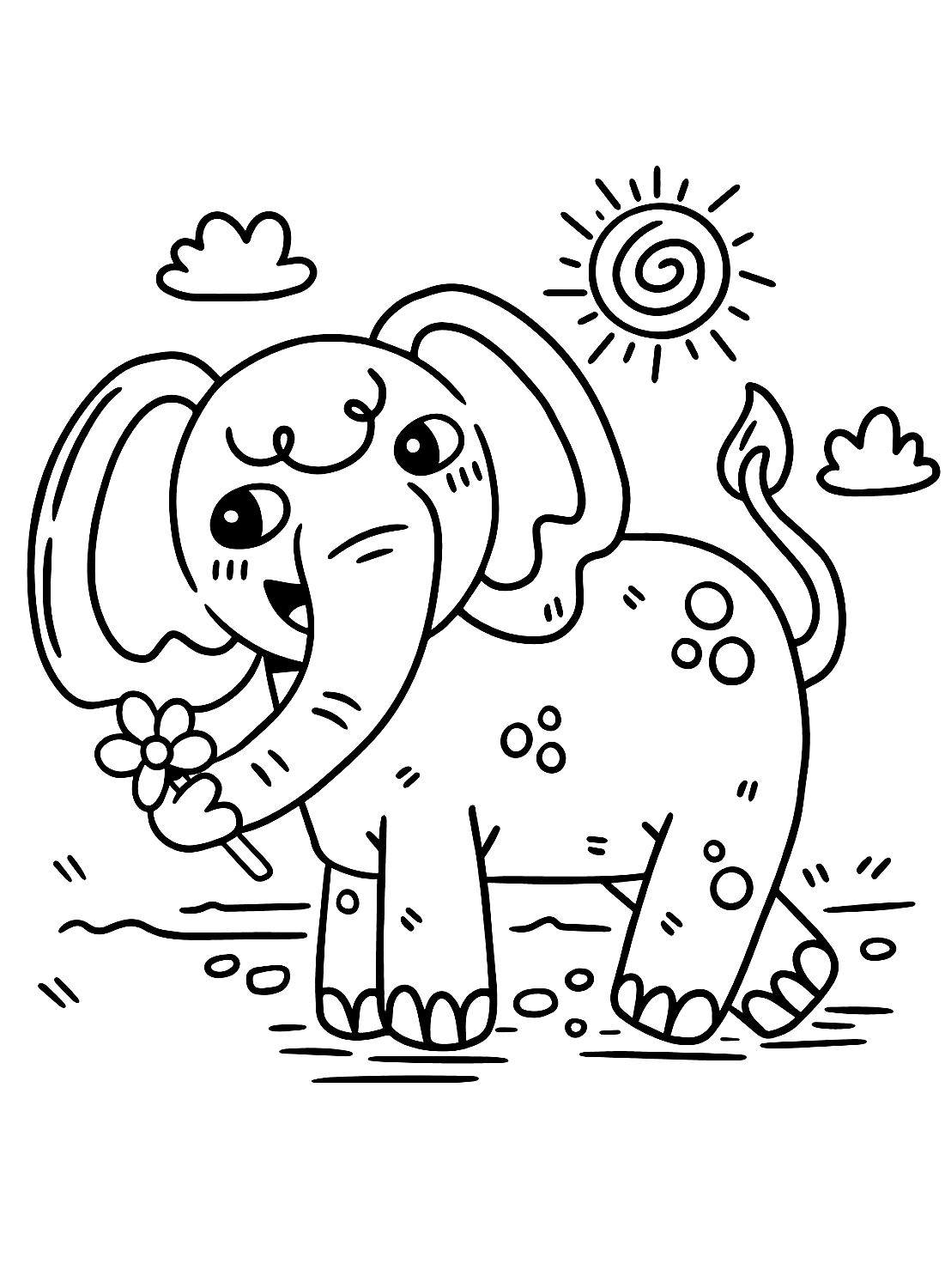
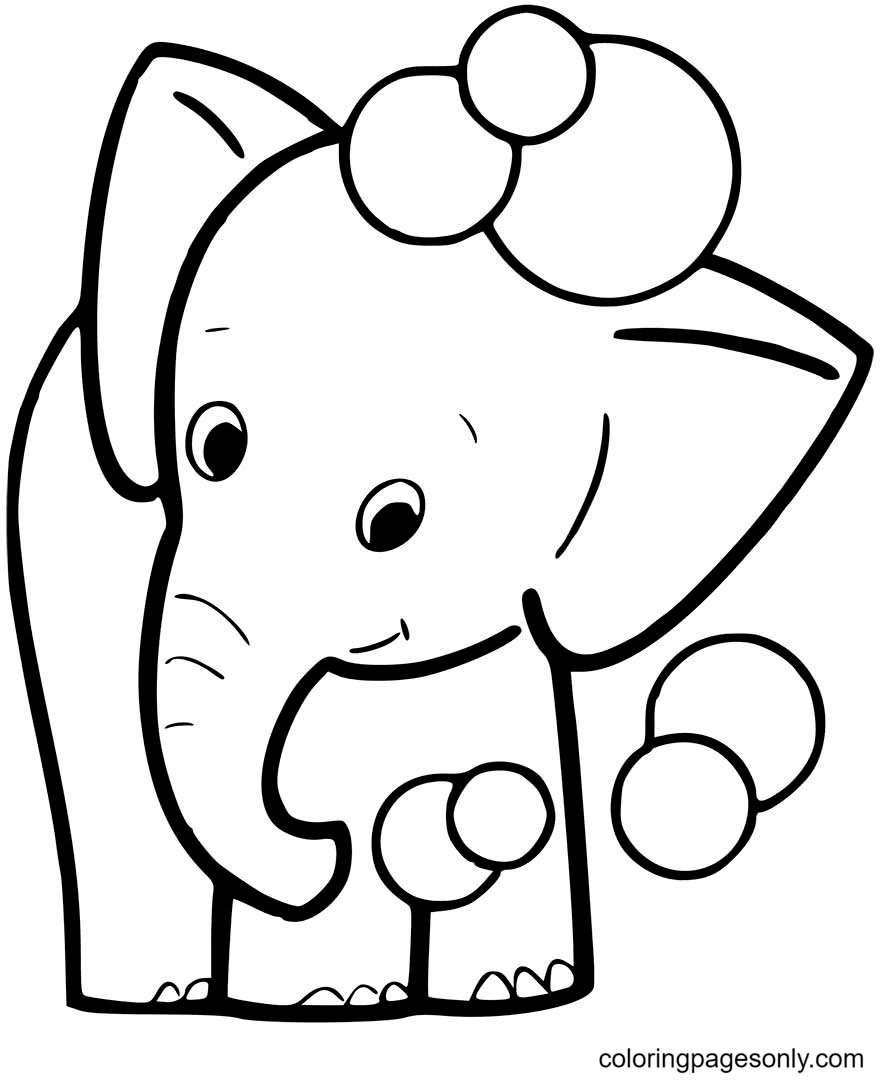
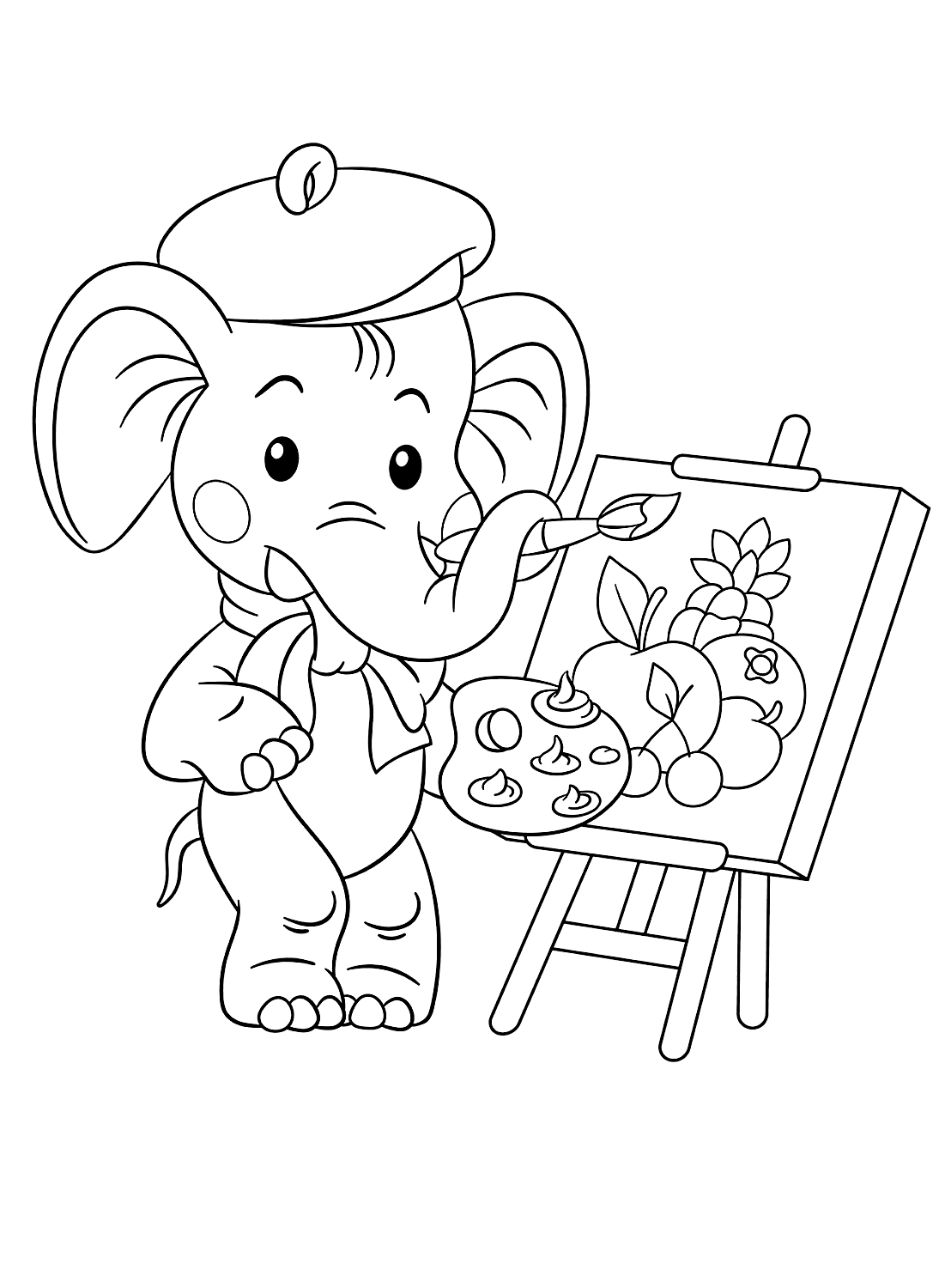
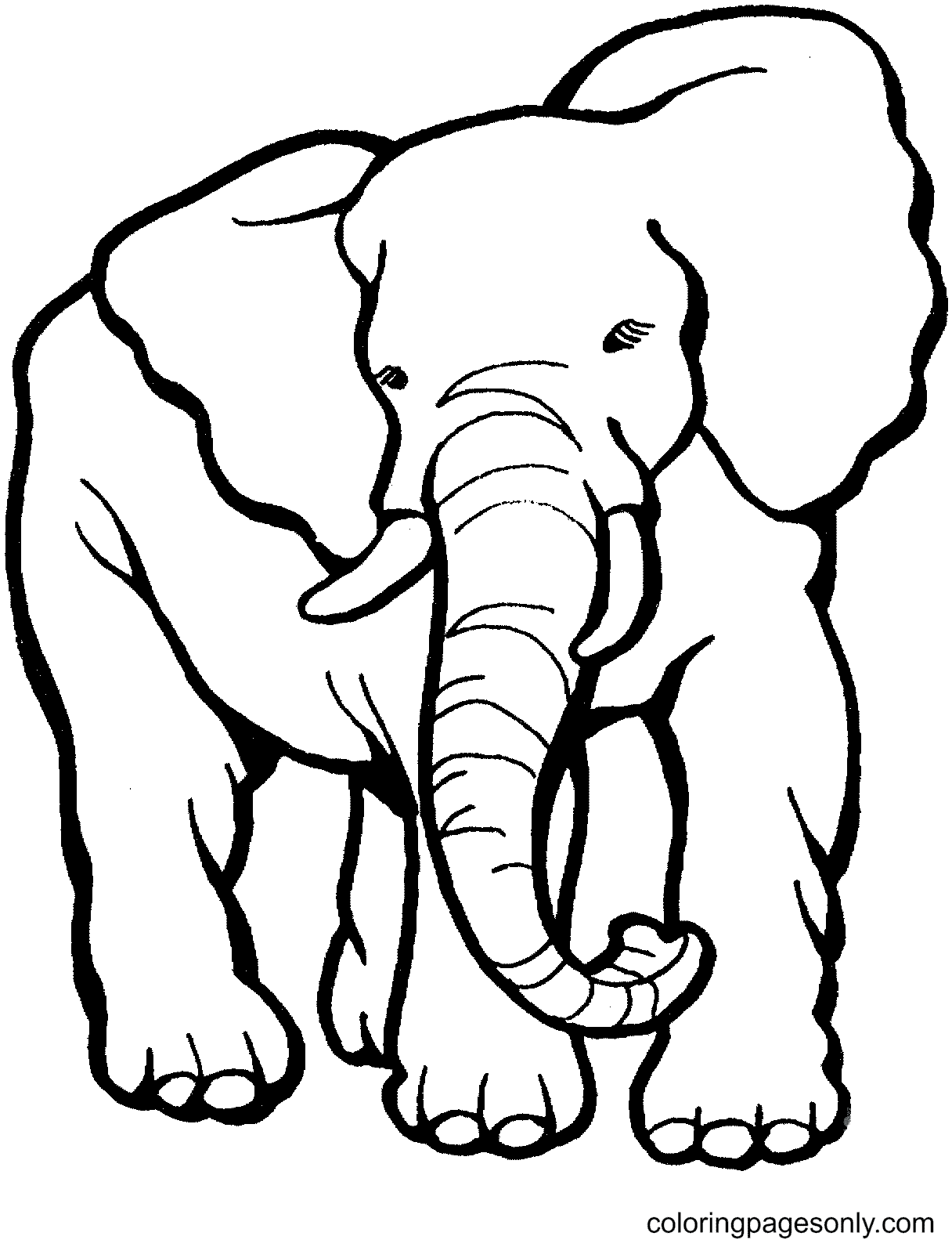
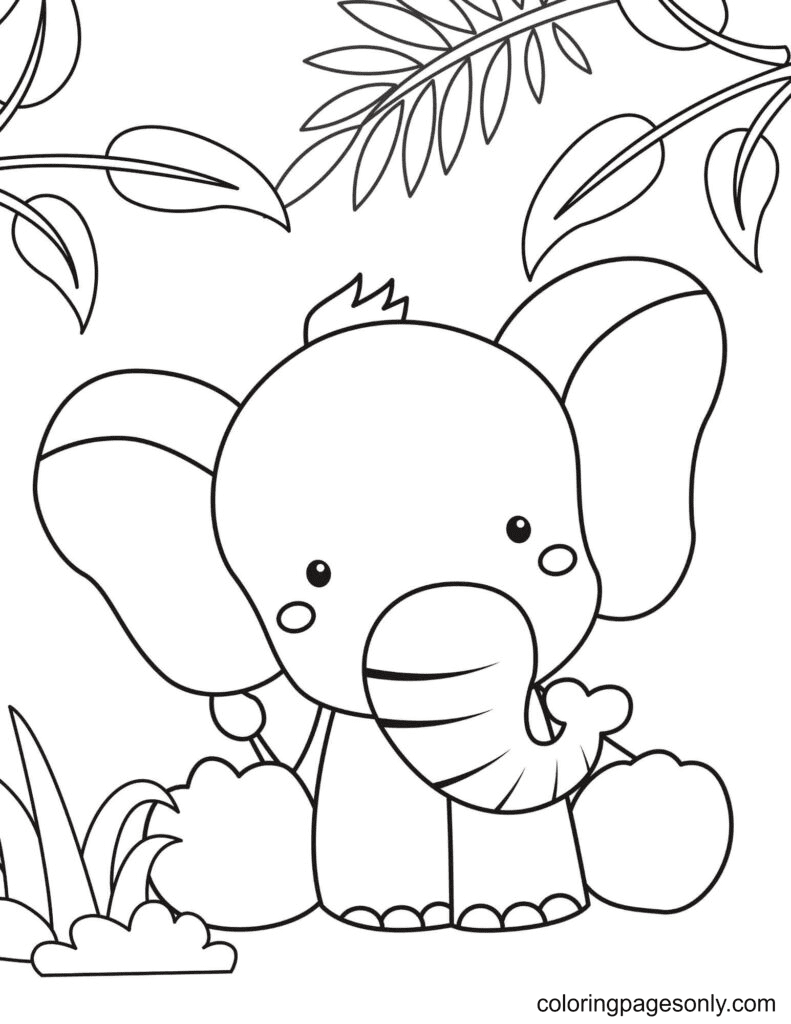
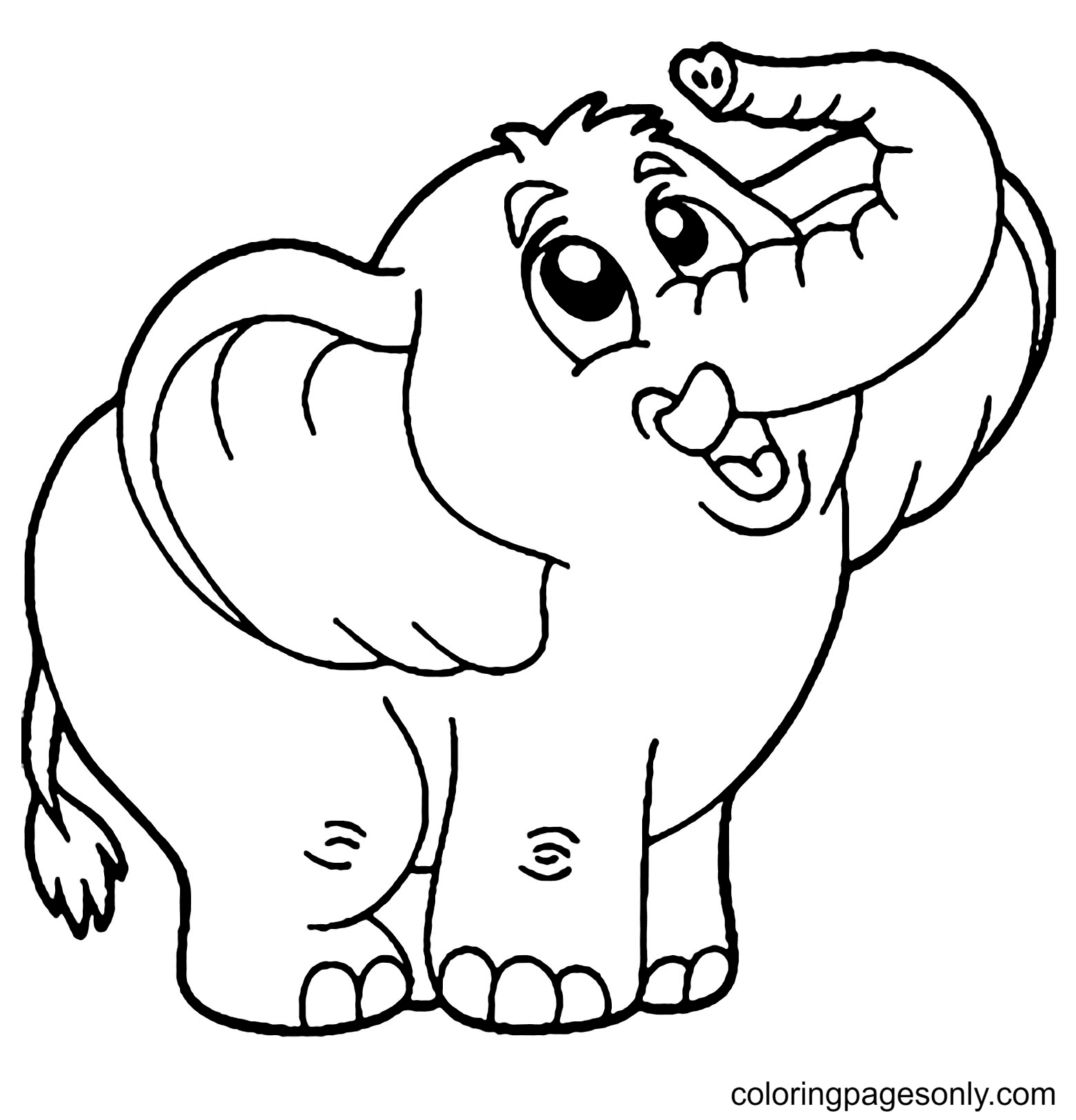
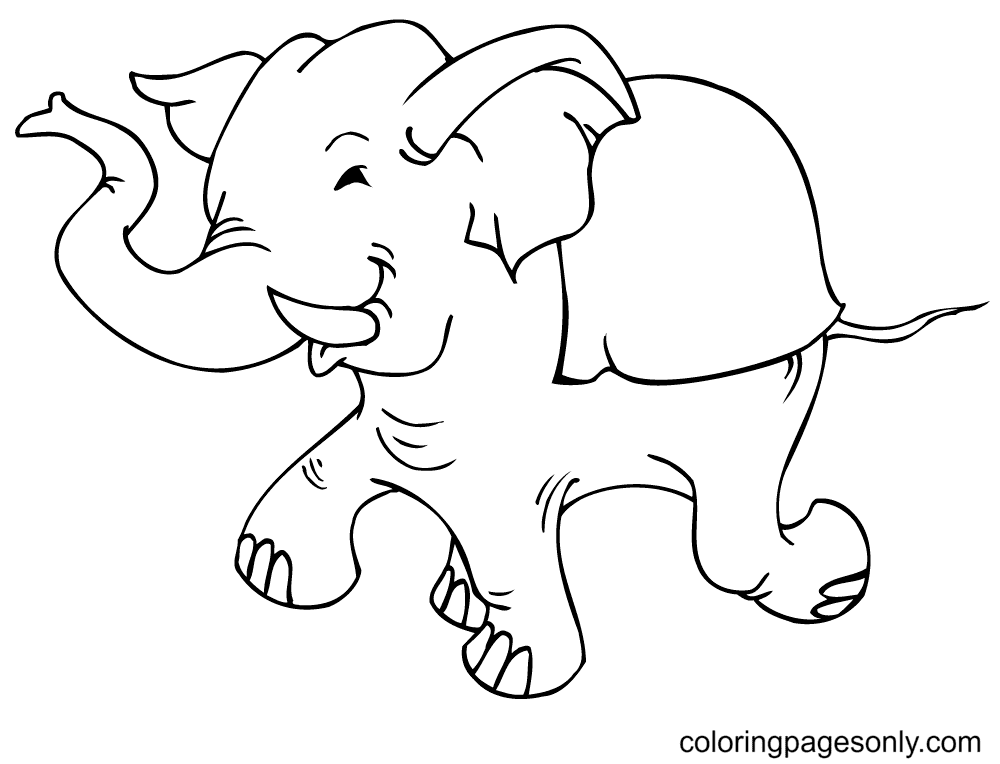
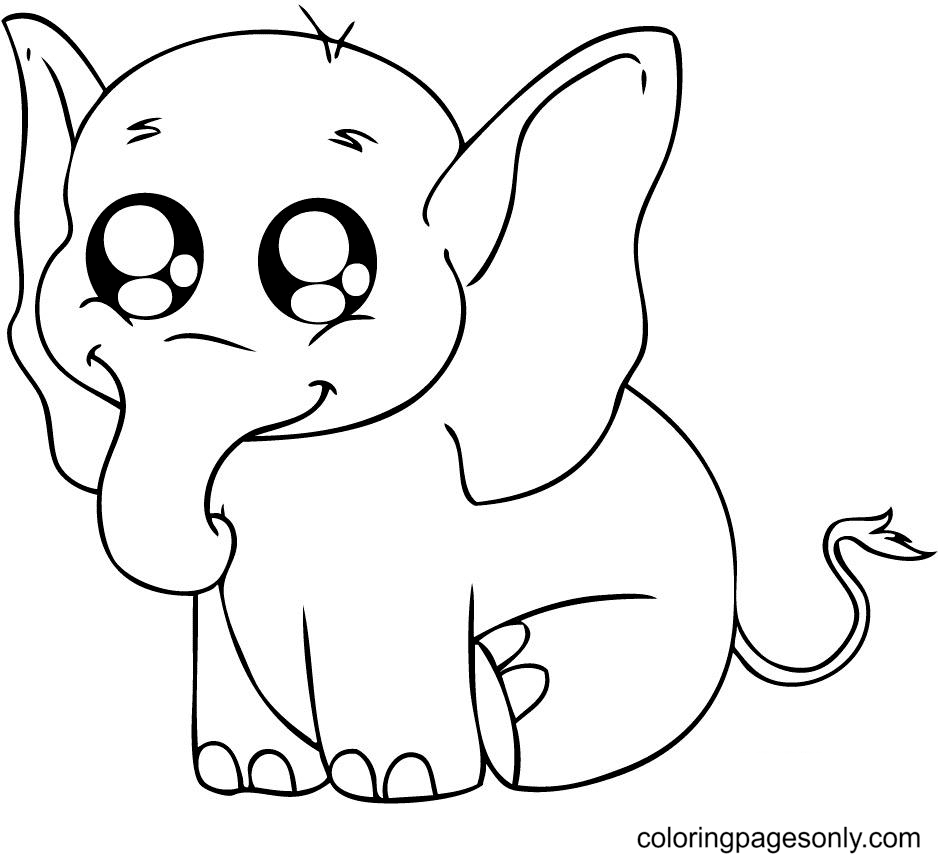
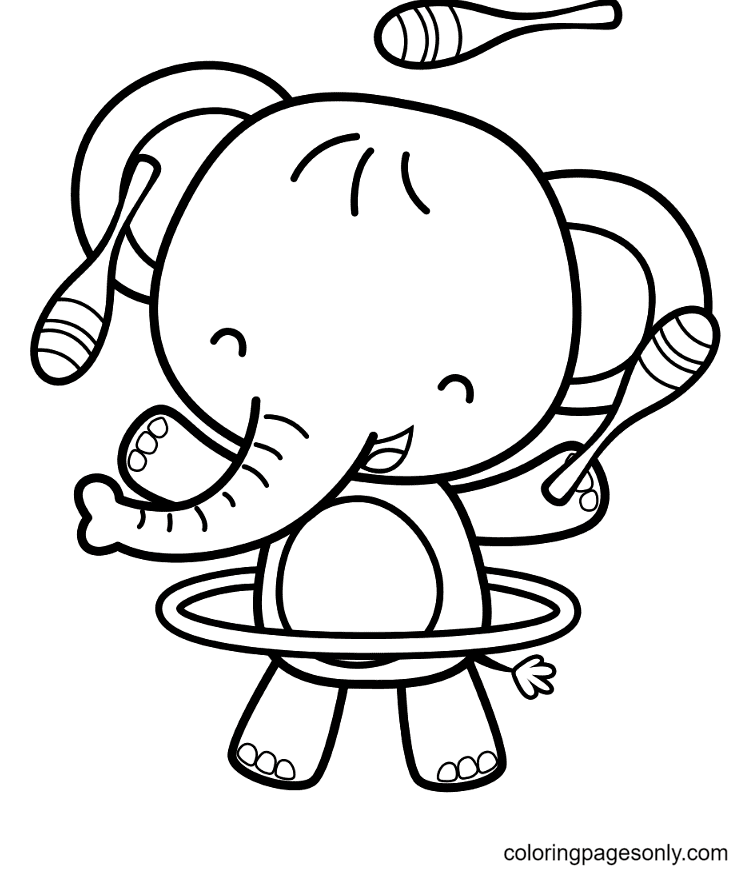
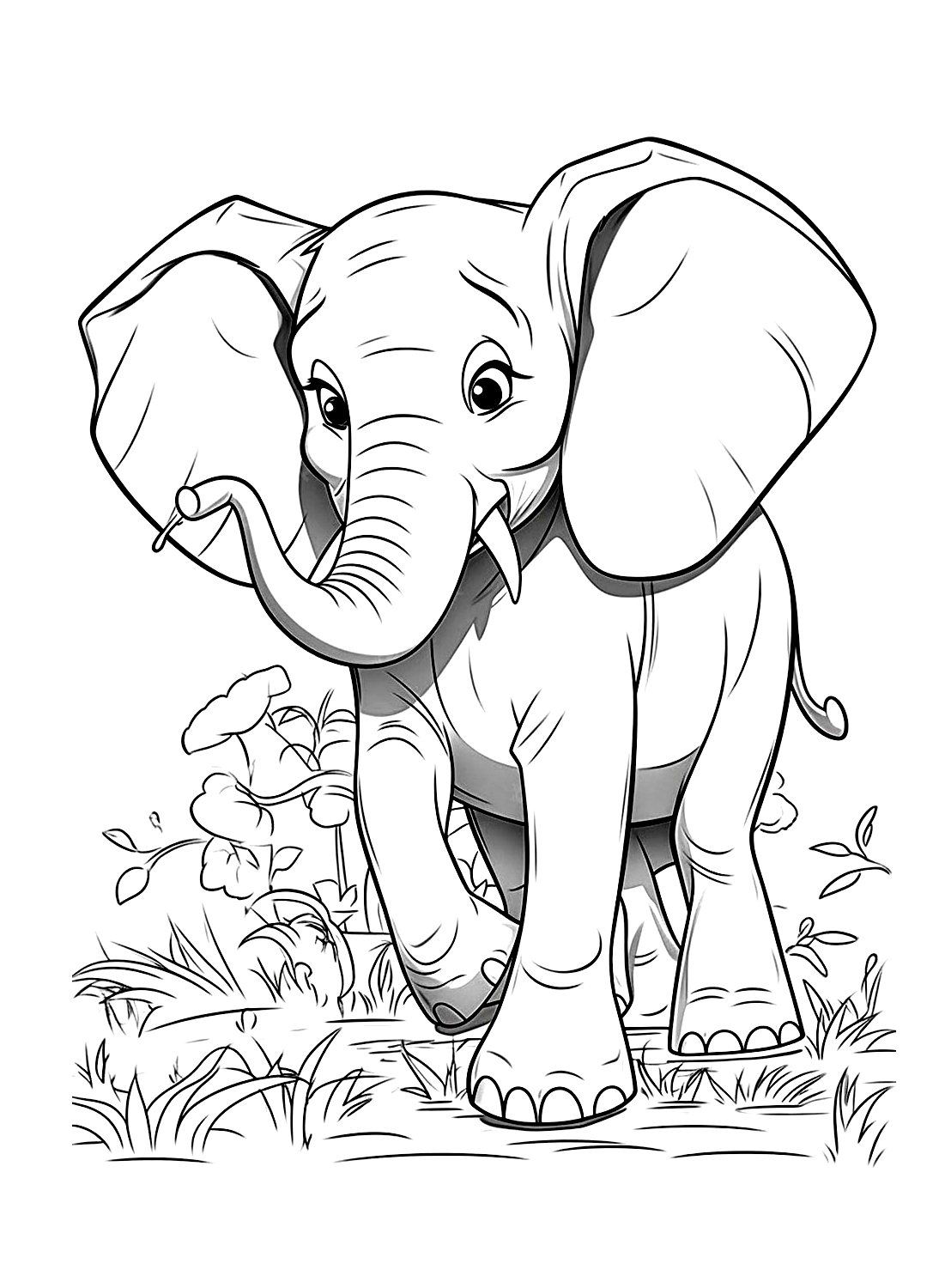
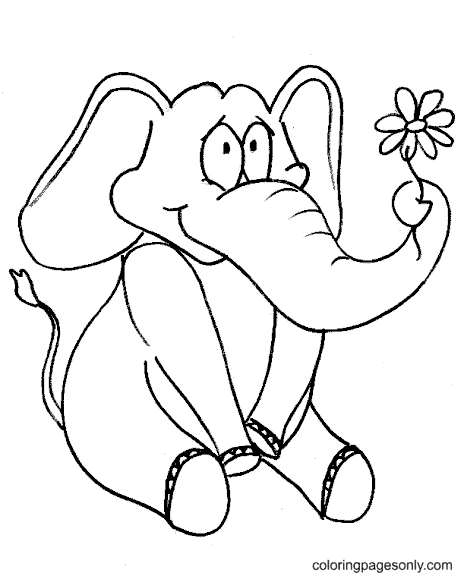
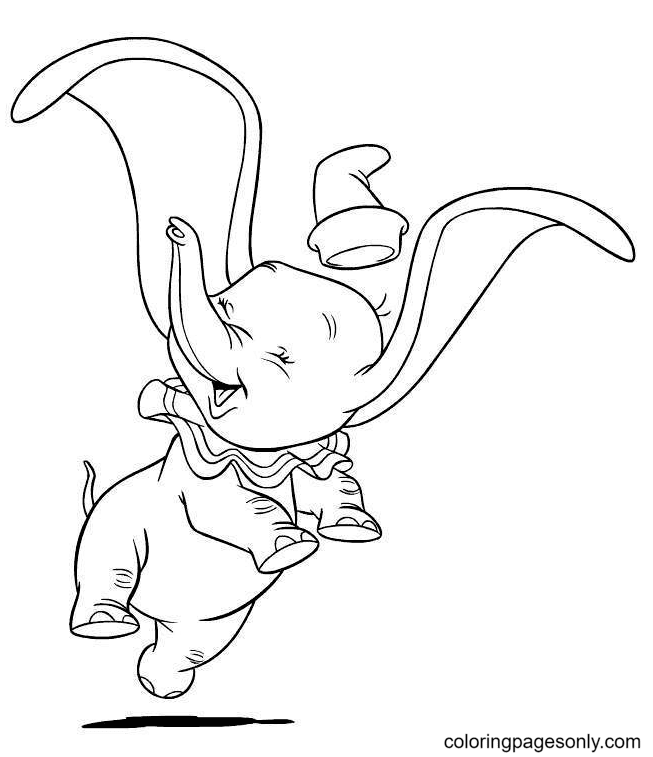
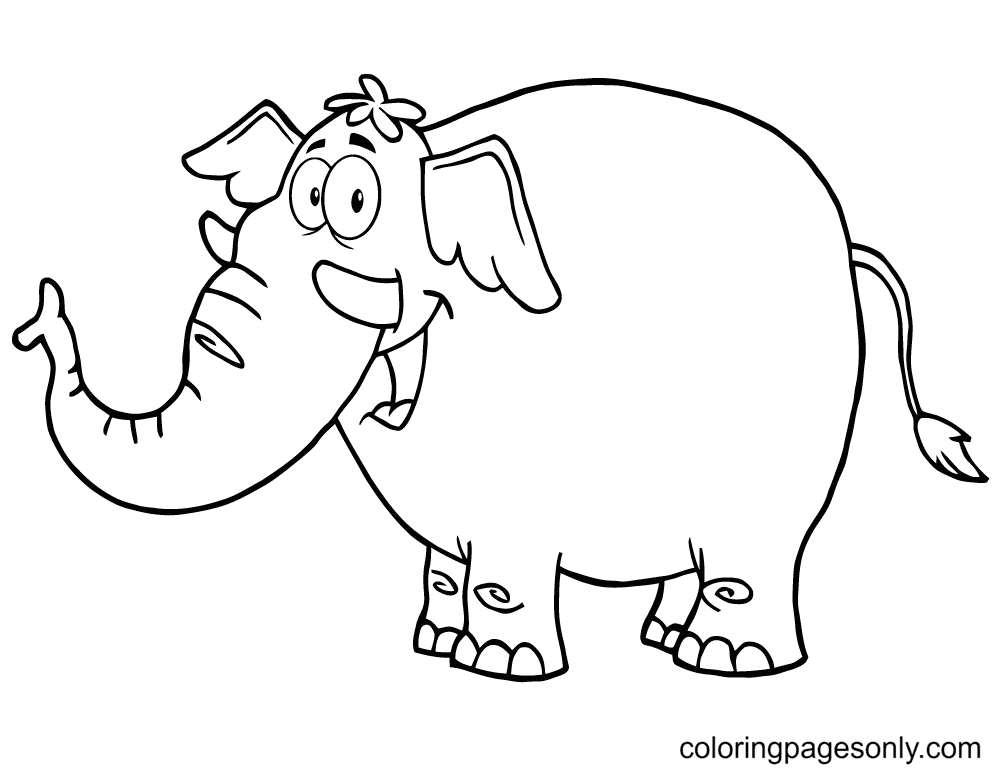
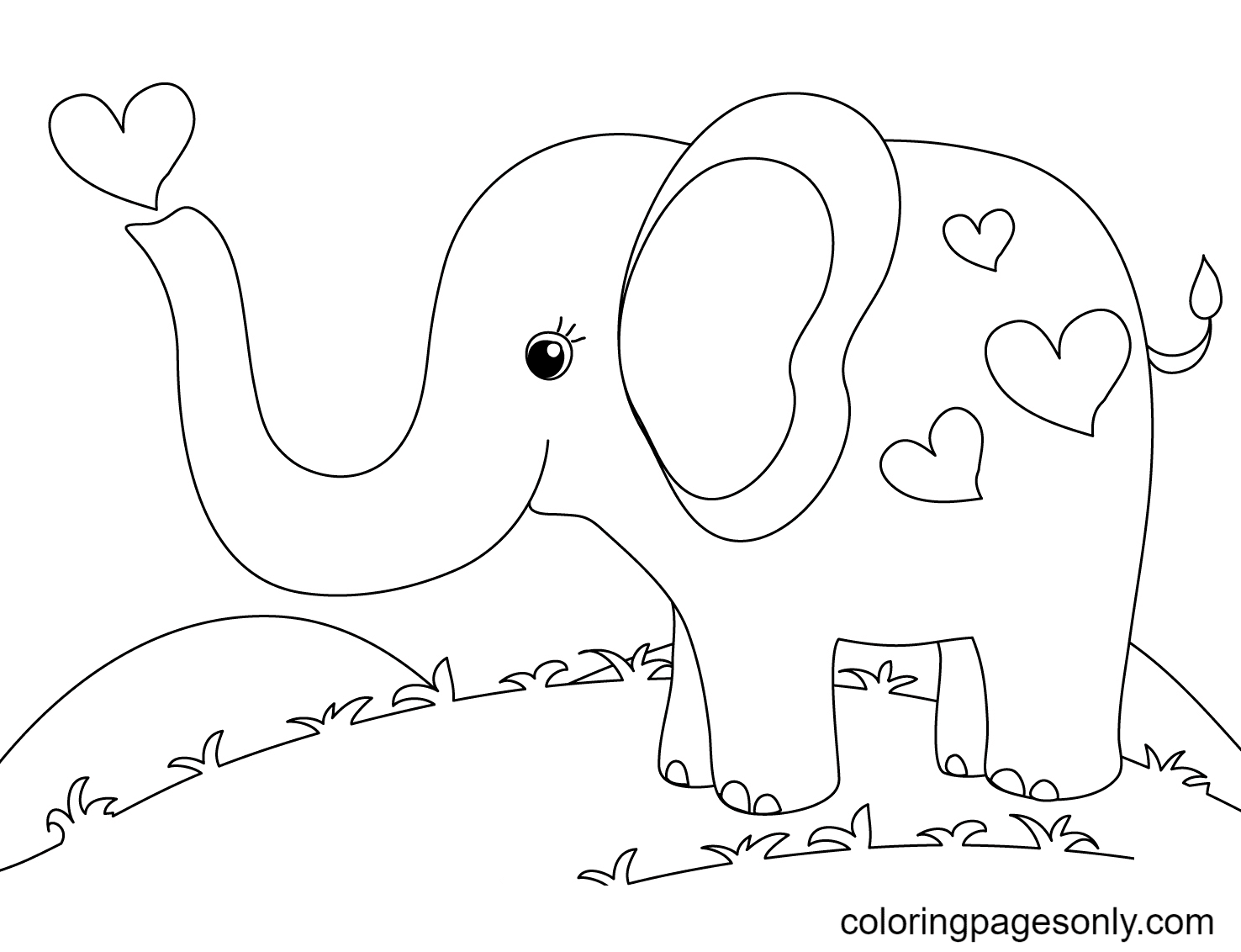
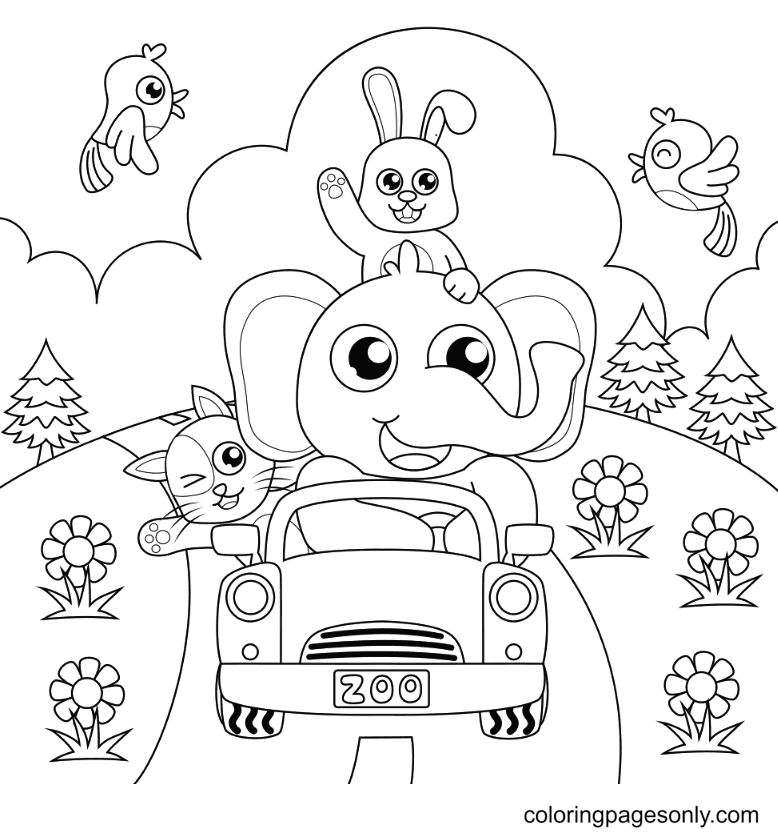
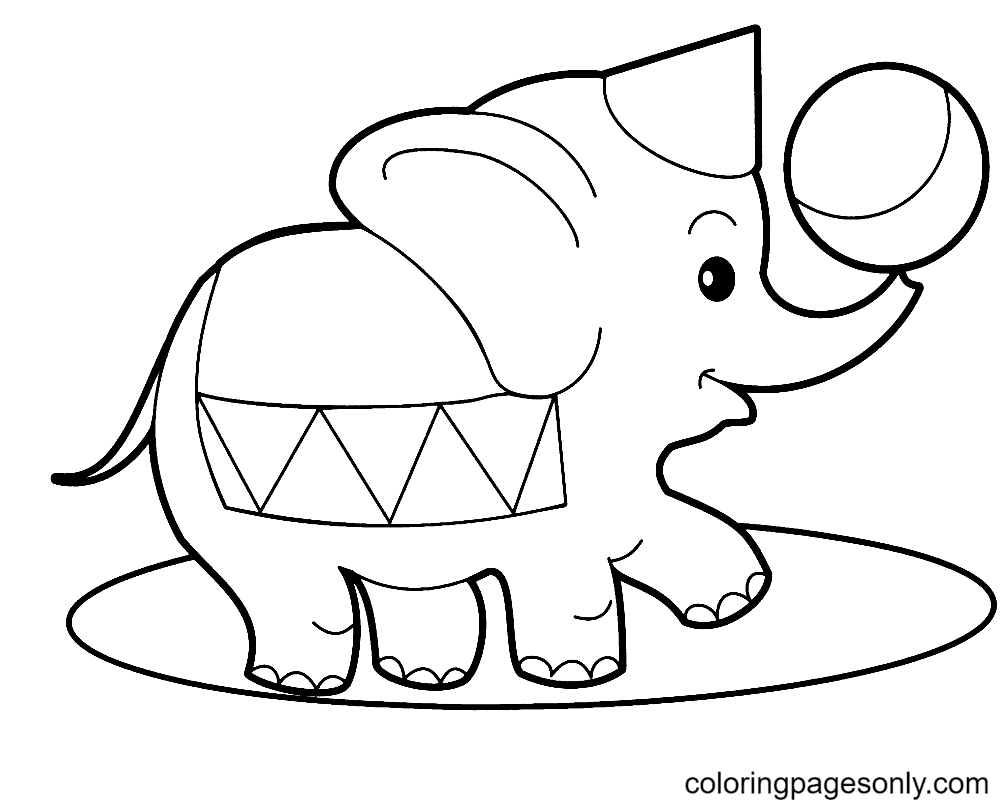
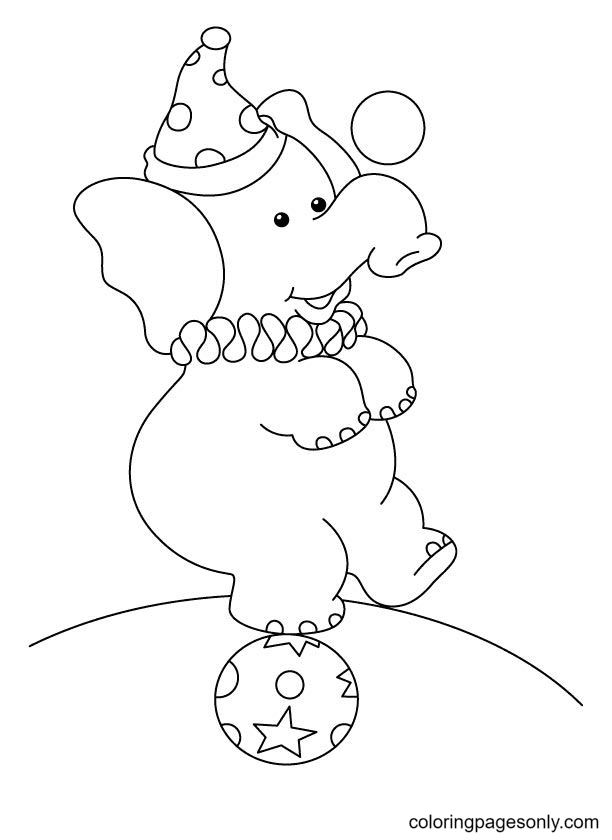
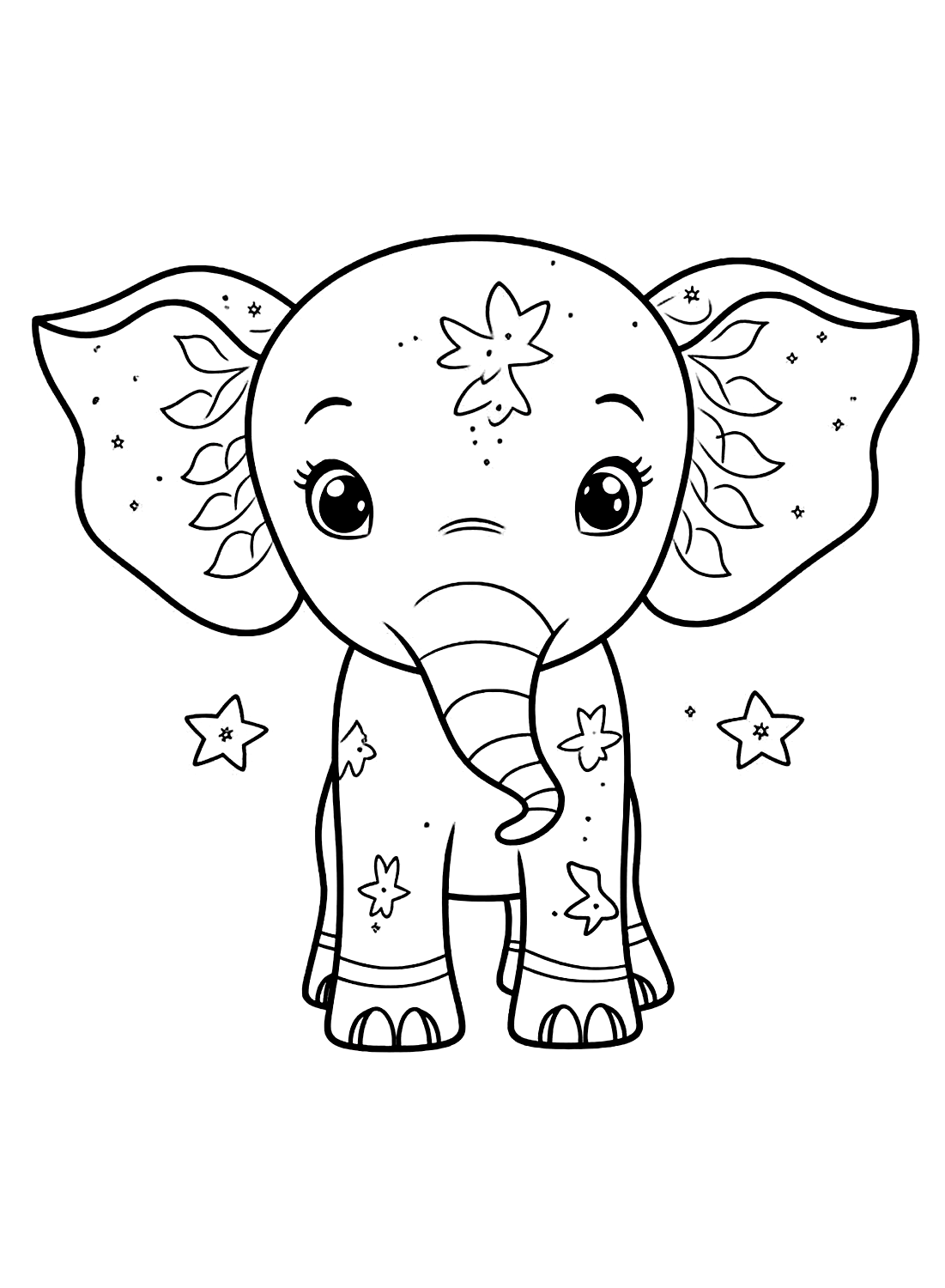
The largest share of the collection is single elephants shown standing, walking, or sitting, drawn in a simple, rounded cartoon style. Color the body a soft Gray, the inside of the ears a lighter Pink or Gray, and the tusks a pale Ivory, the same basic palette that works across nearly every page in this group.
Baby and Mother-and-Baby Scenes
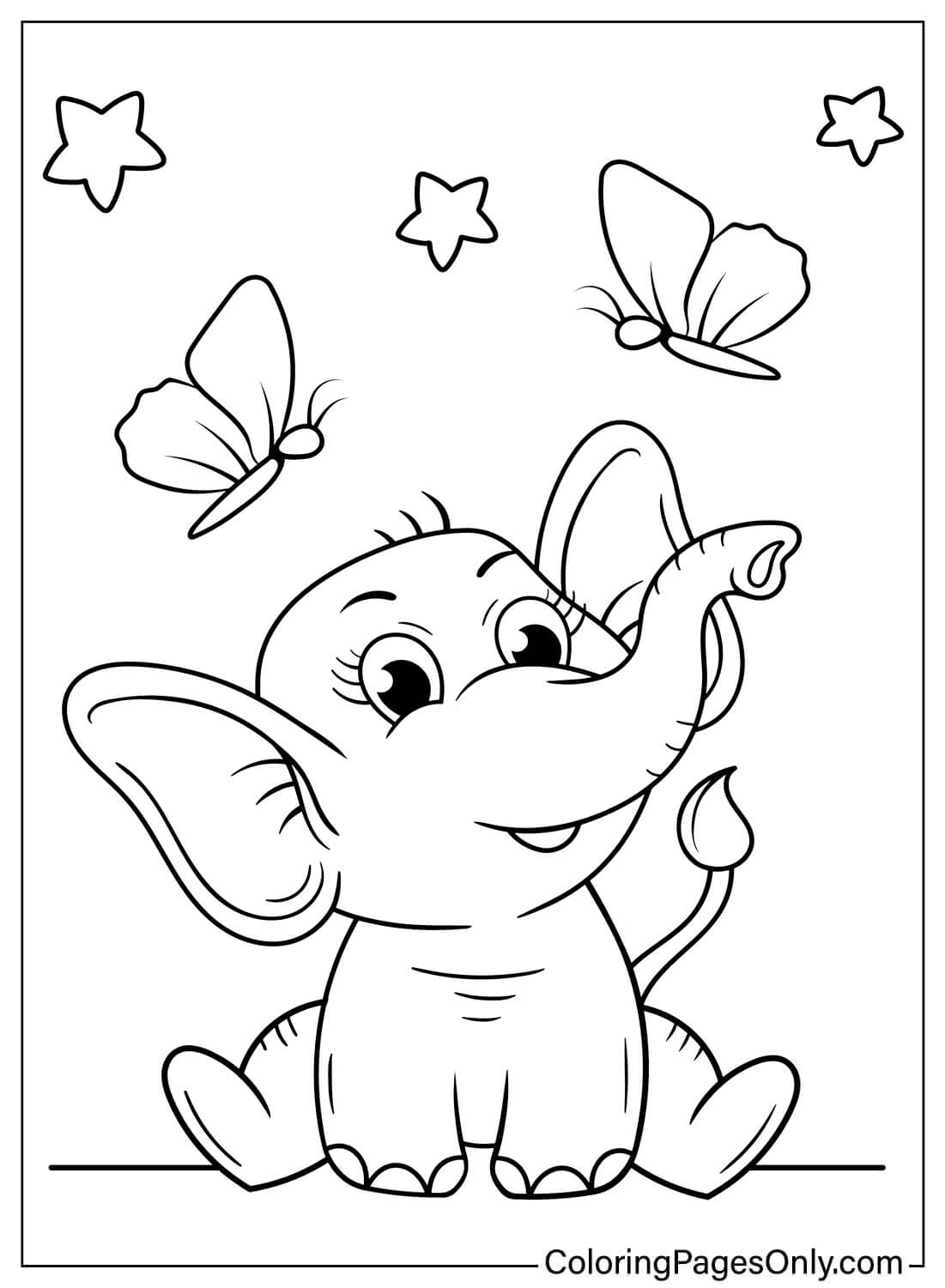
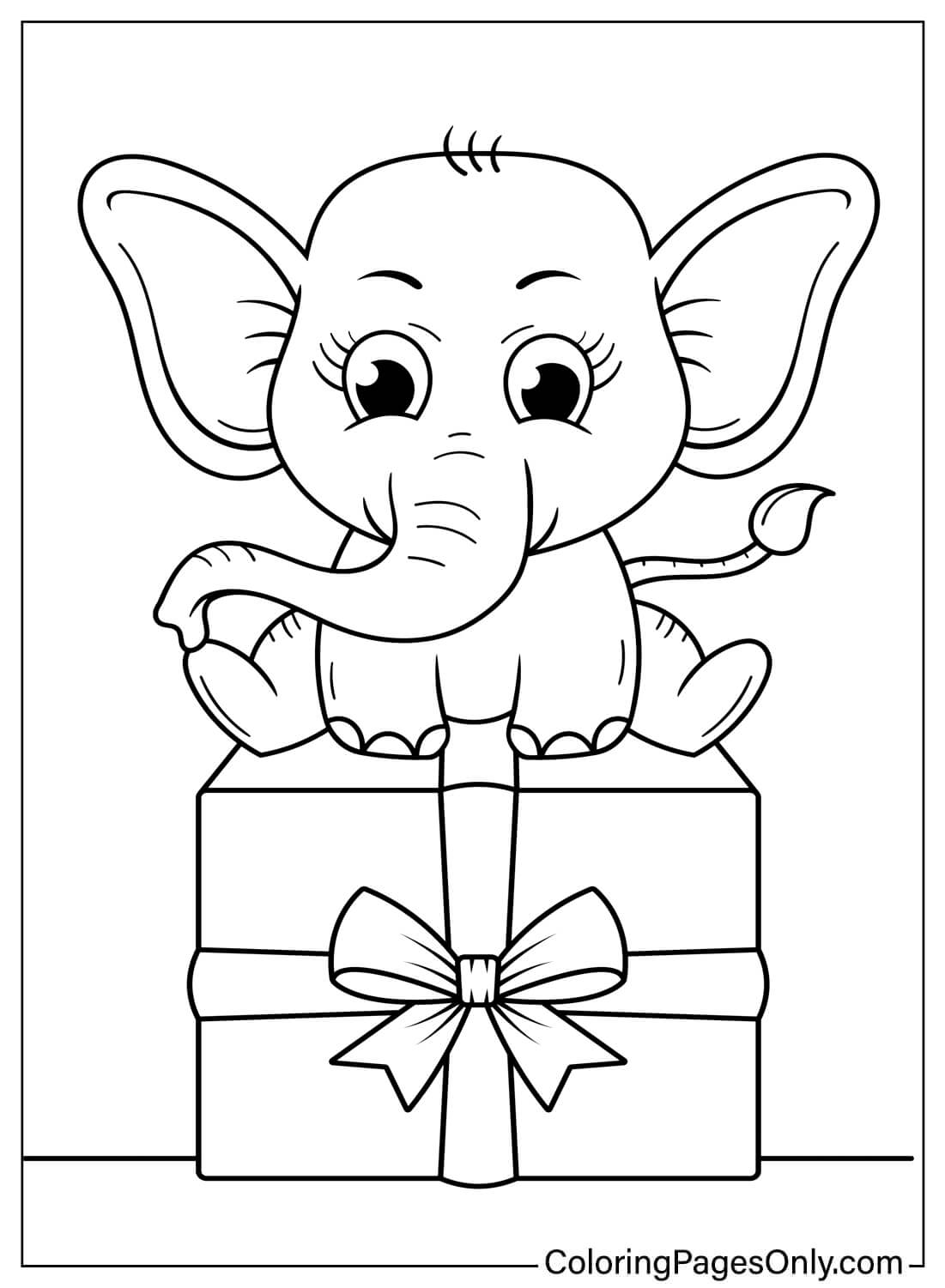
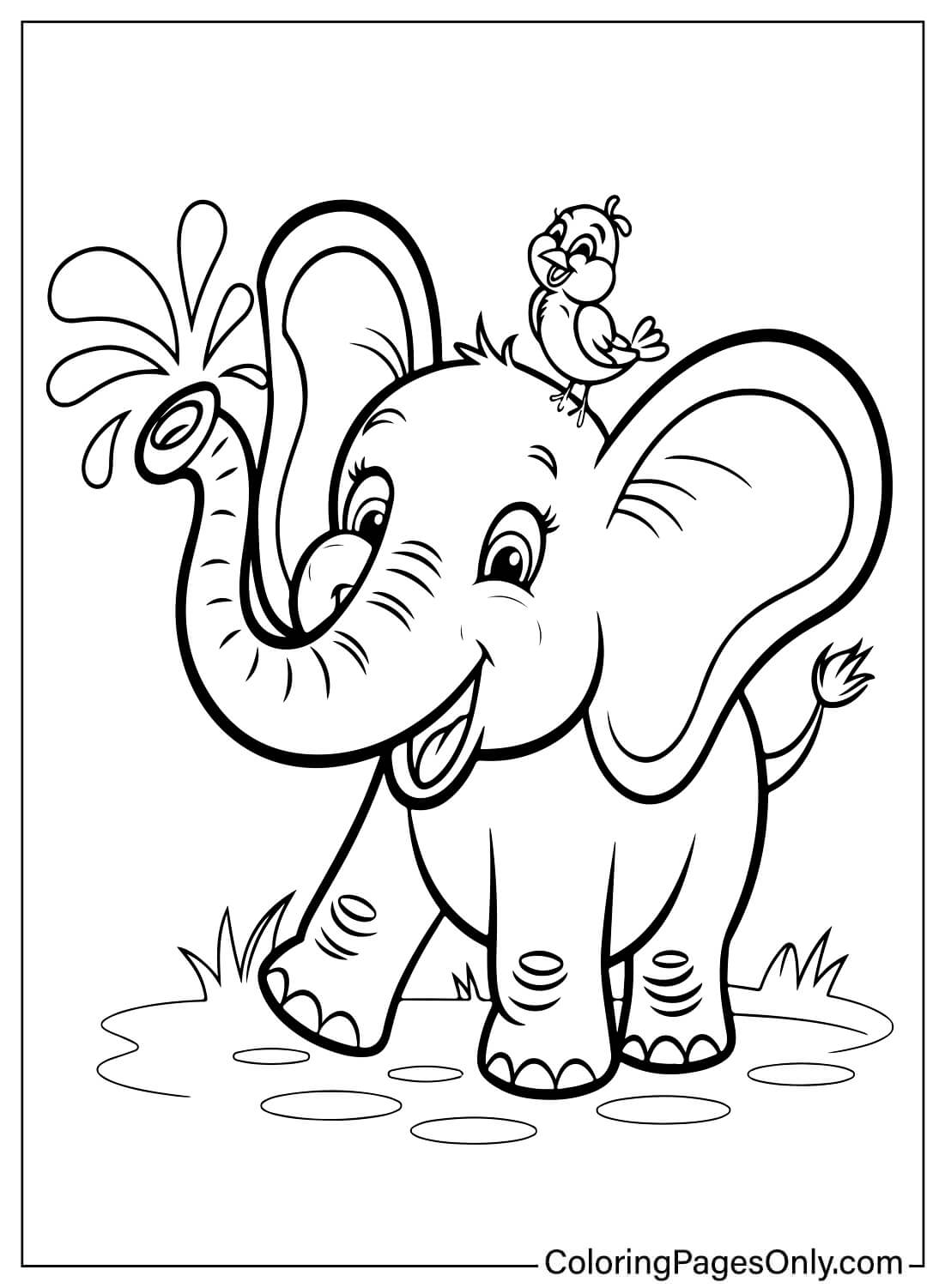
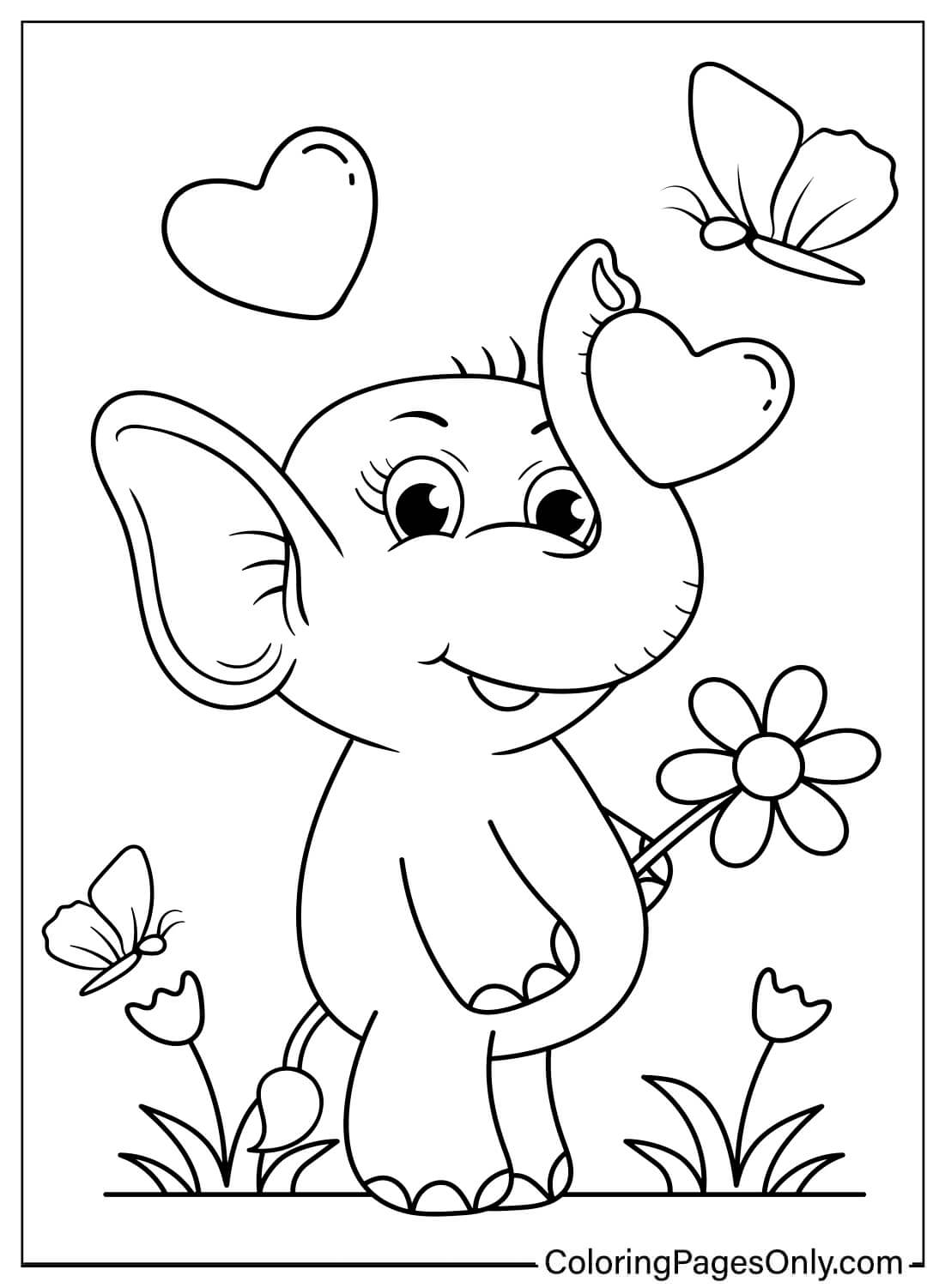
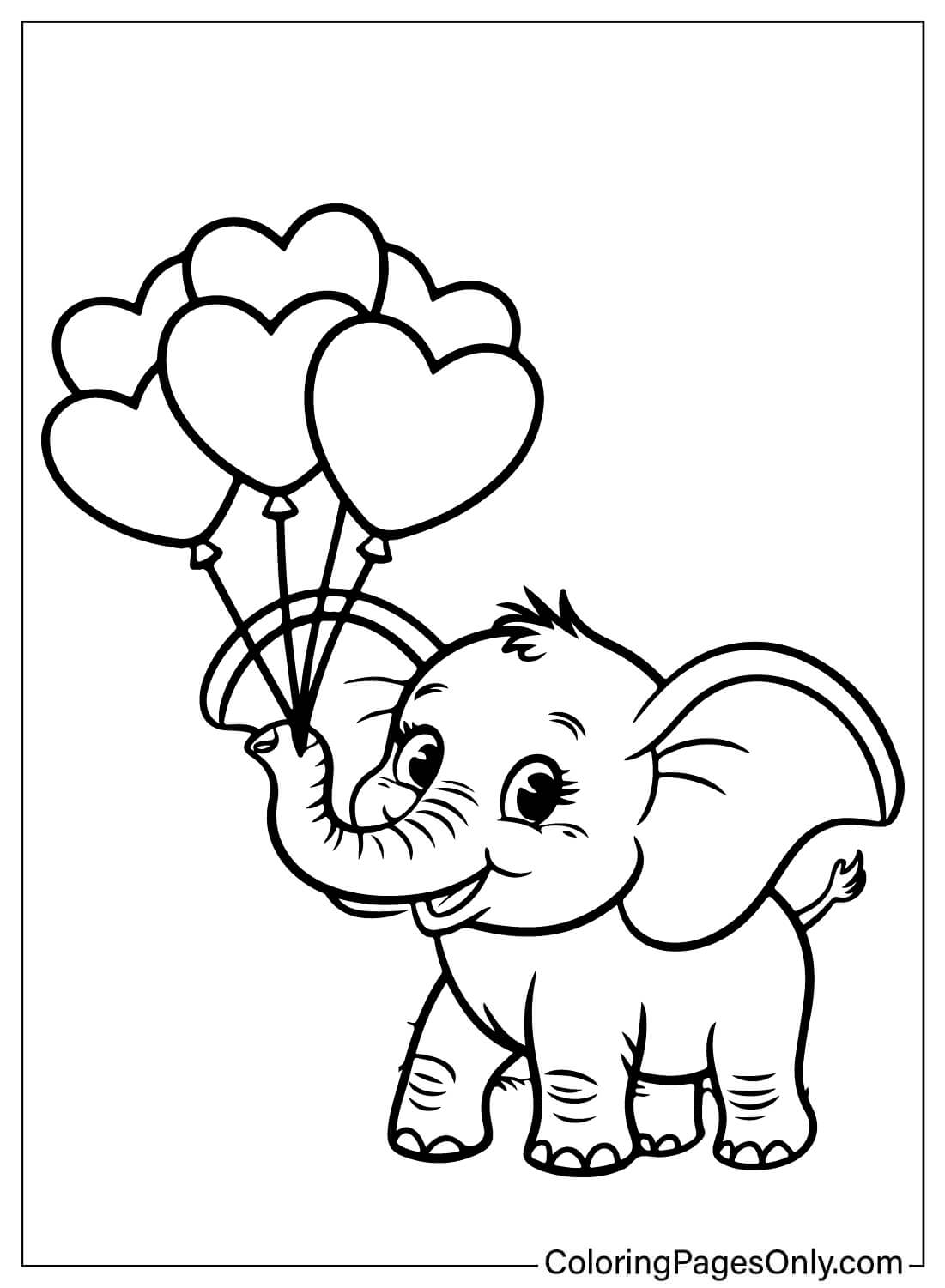
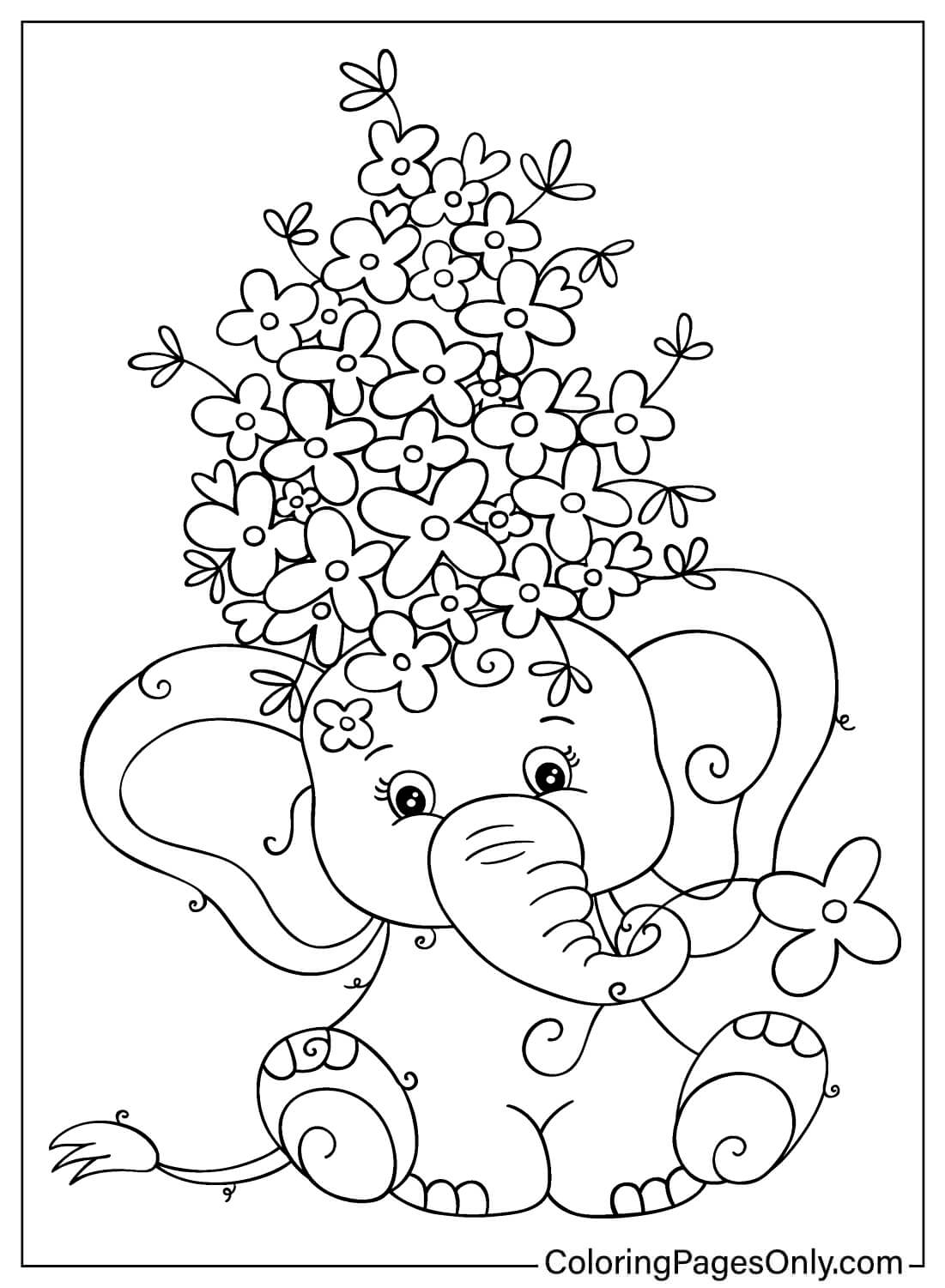
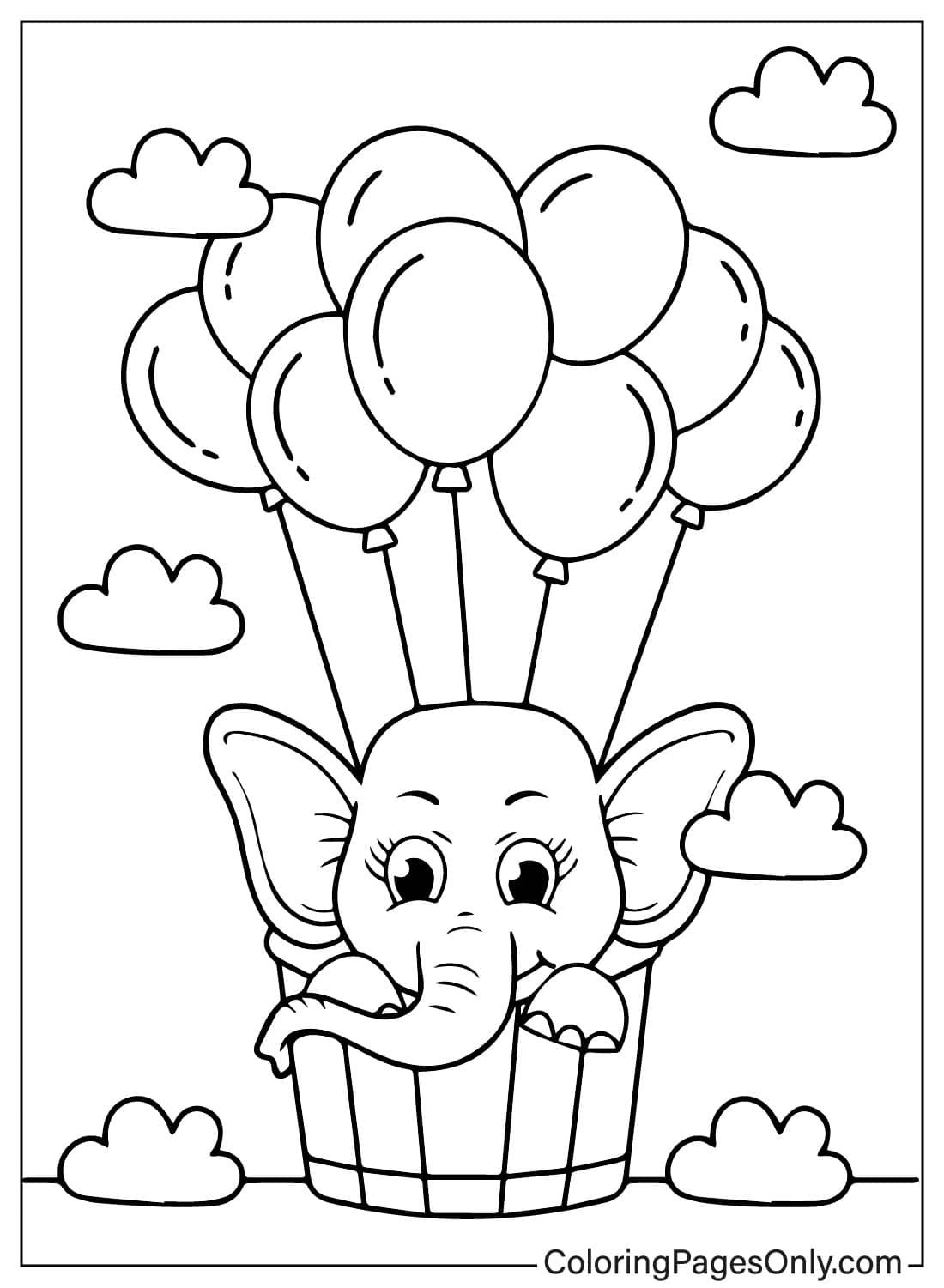
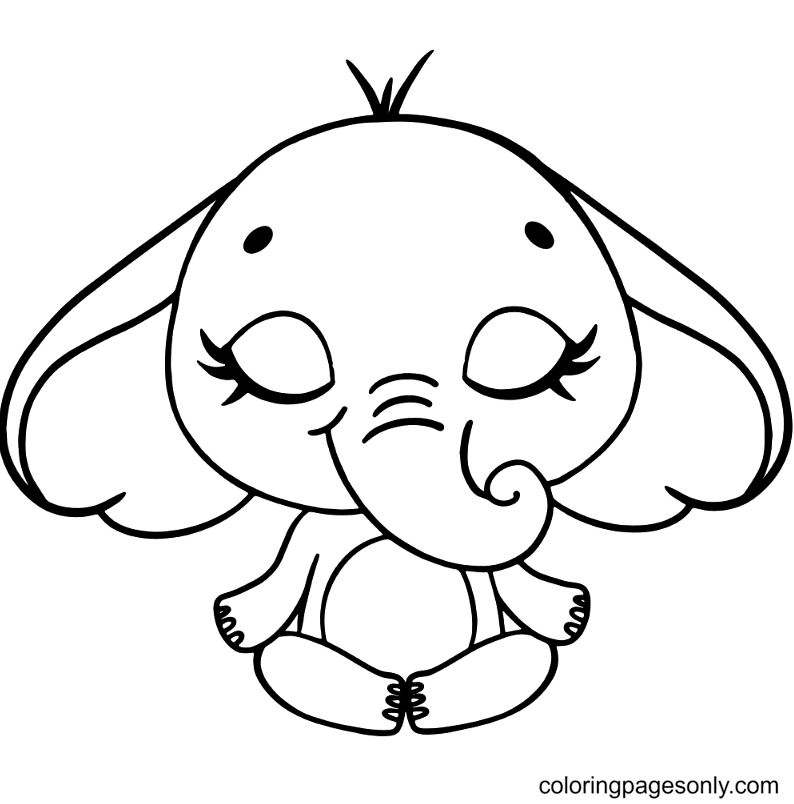
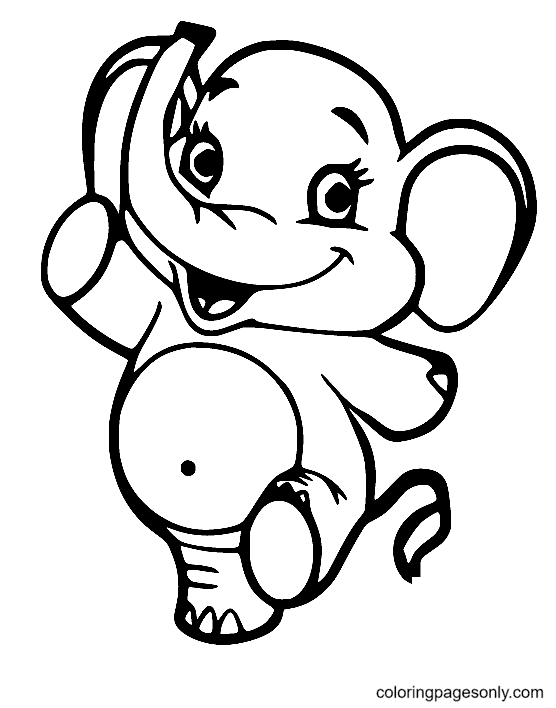
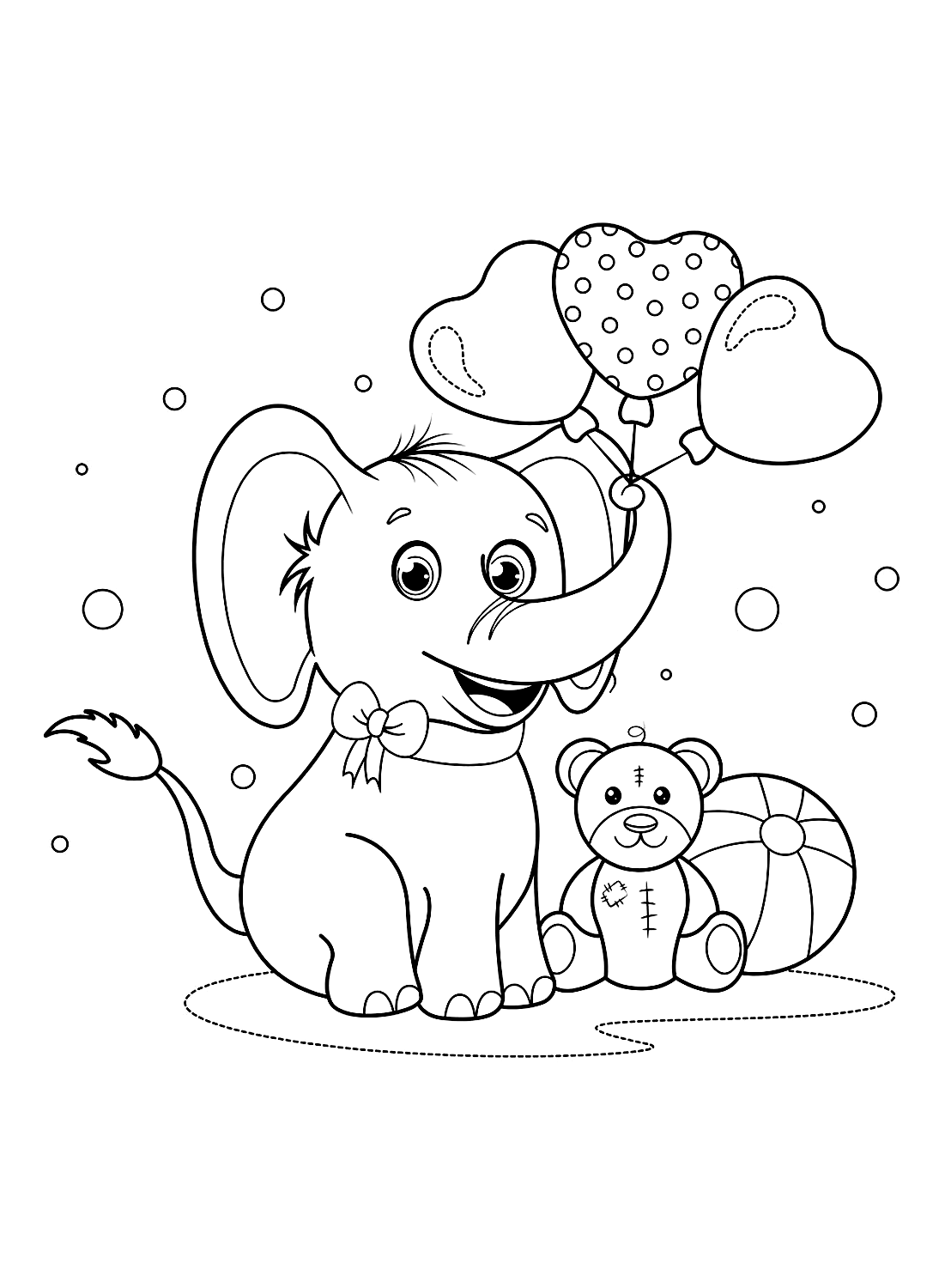
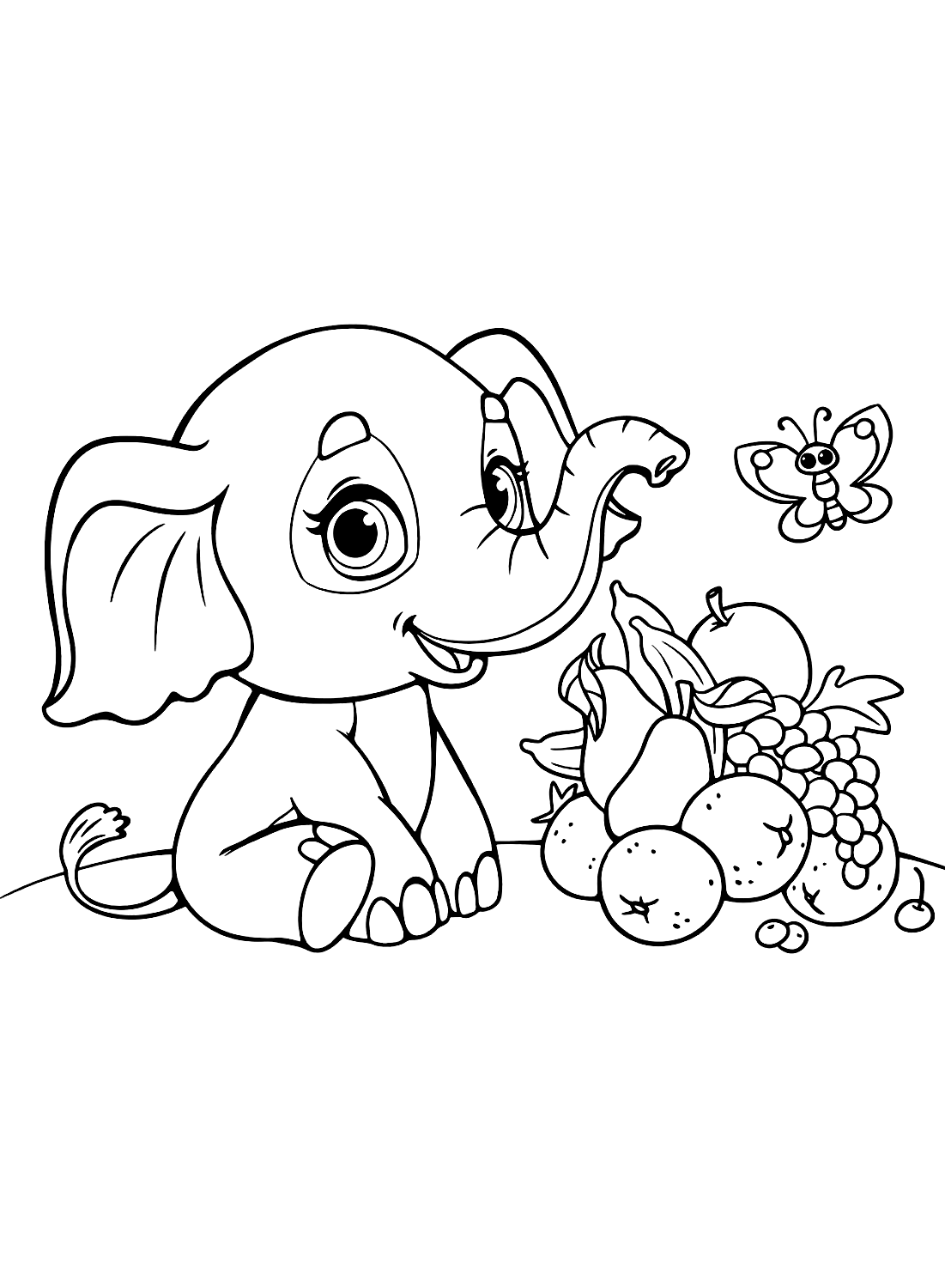
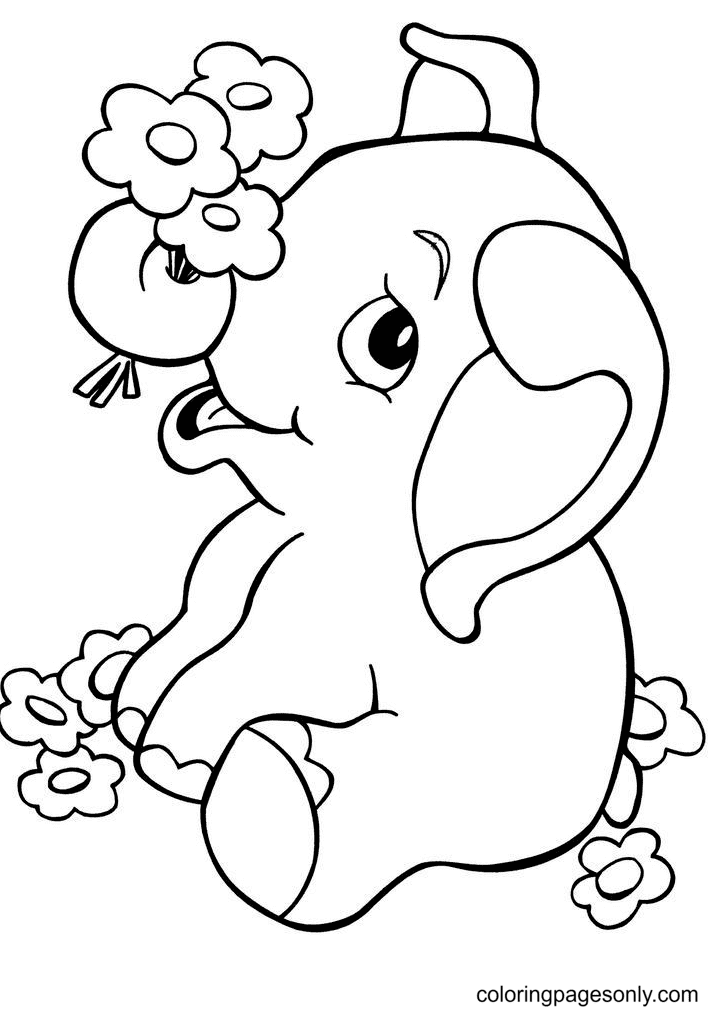
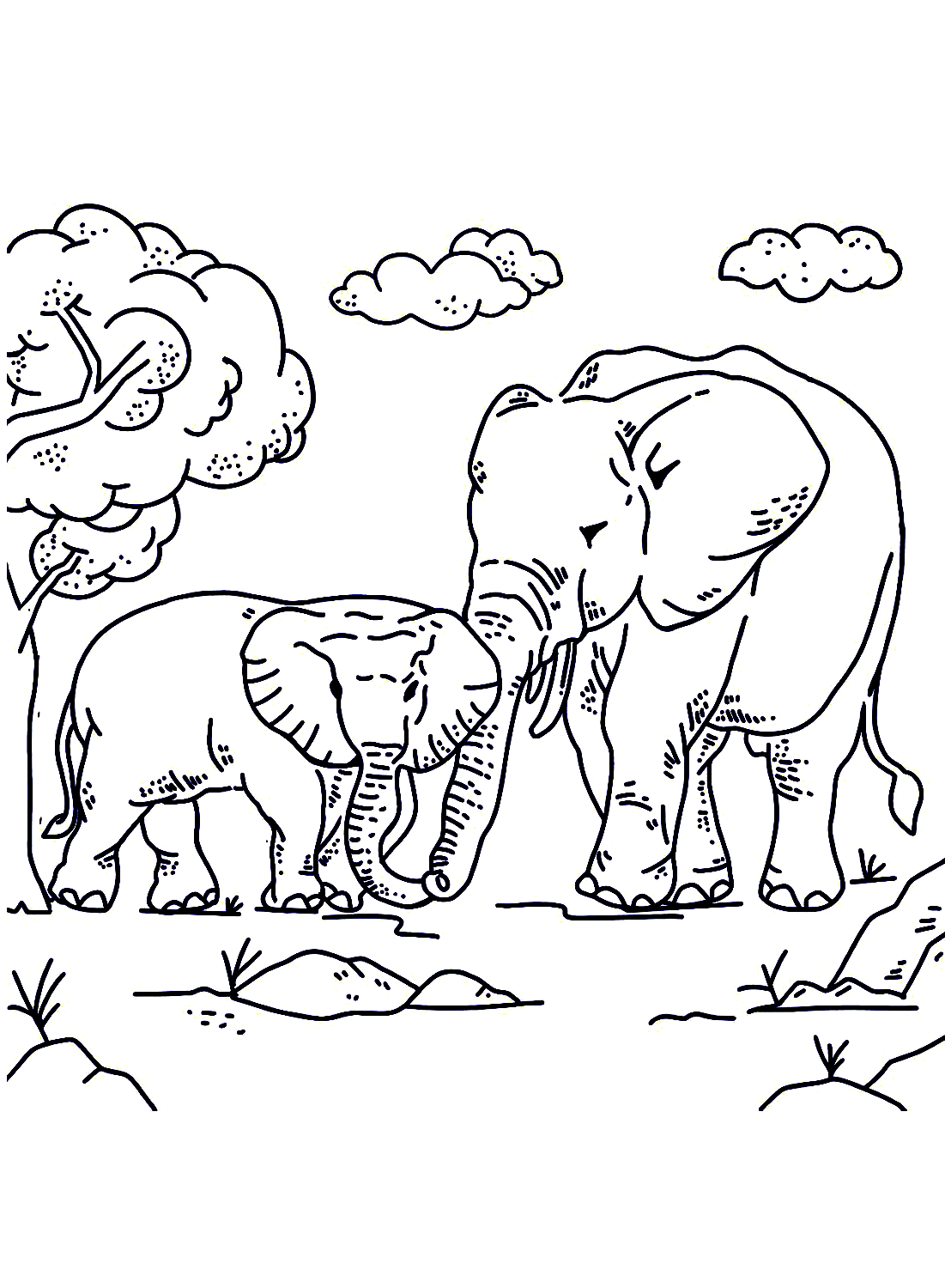
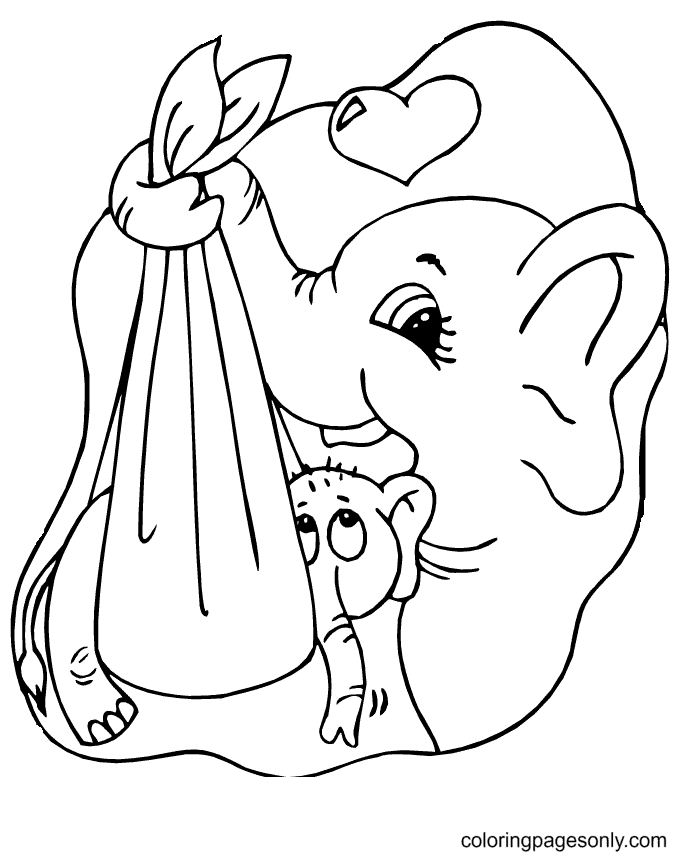
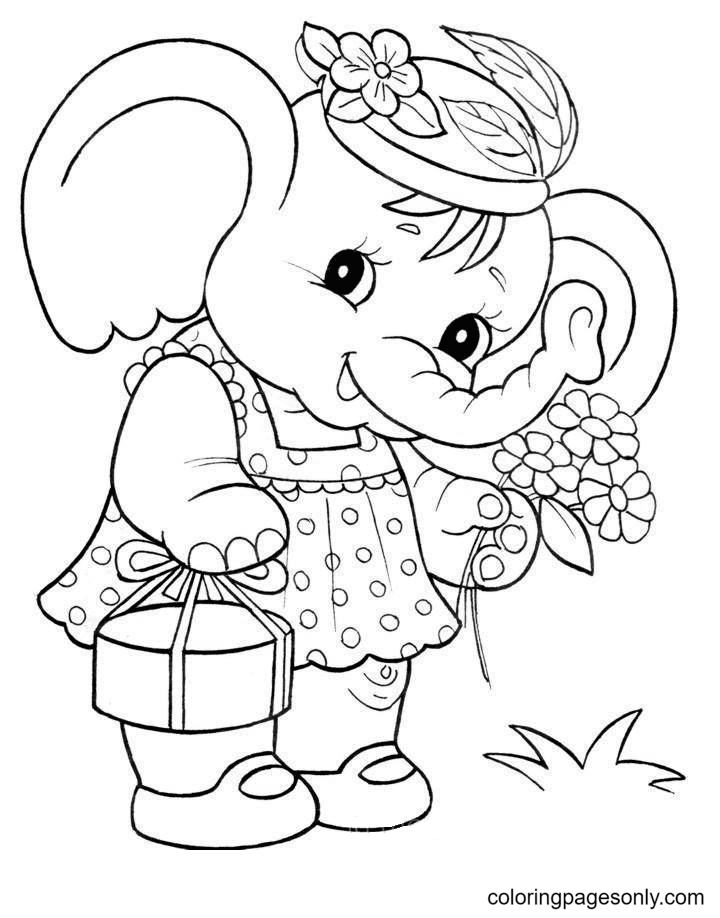
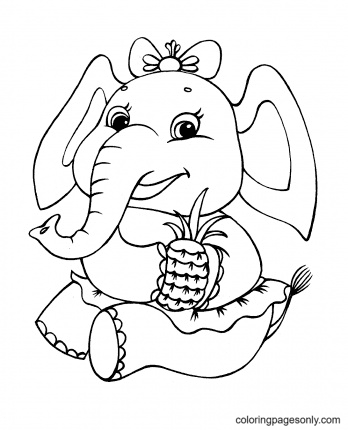
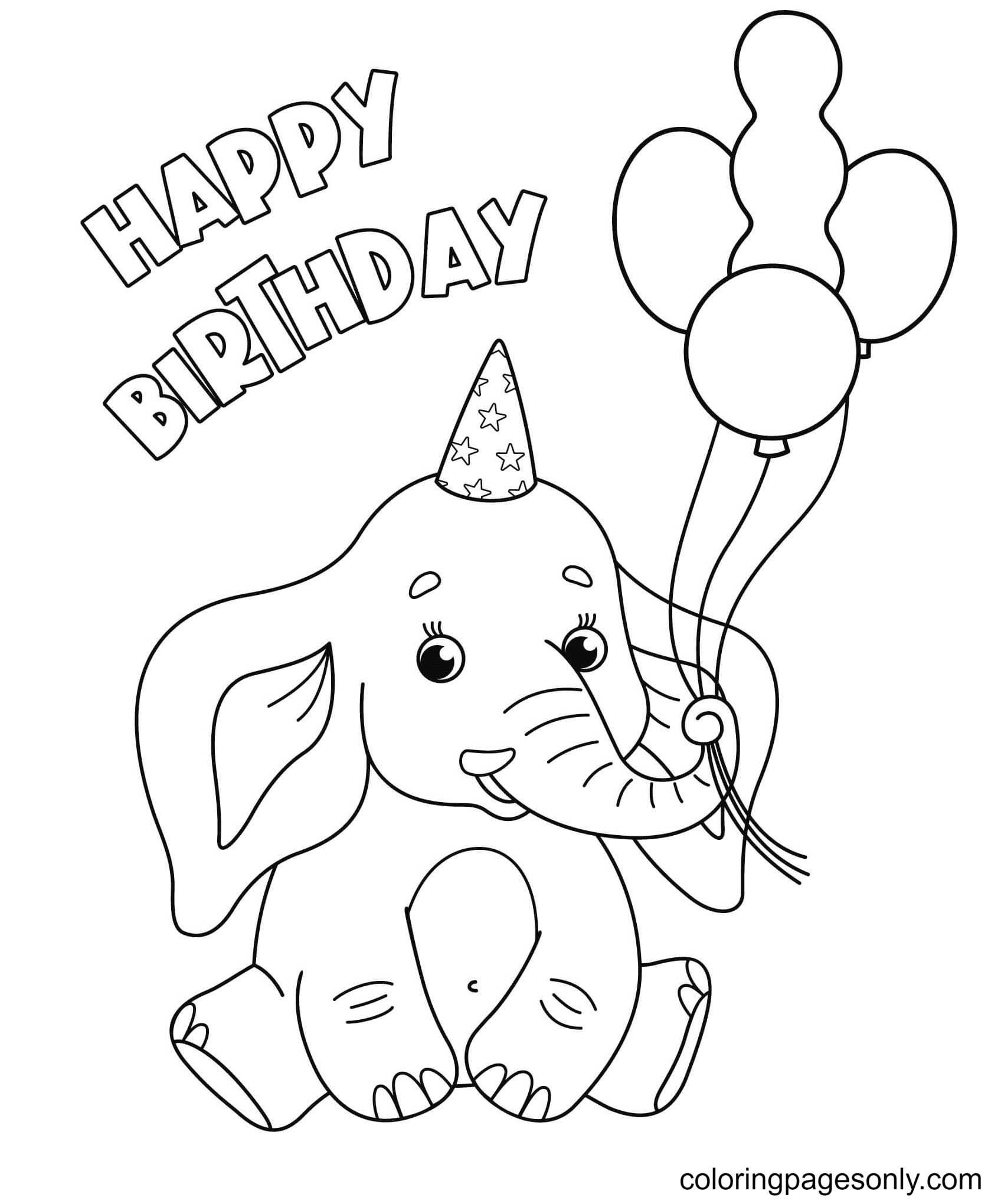
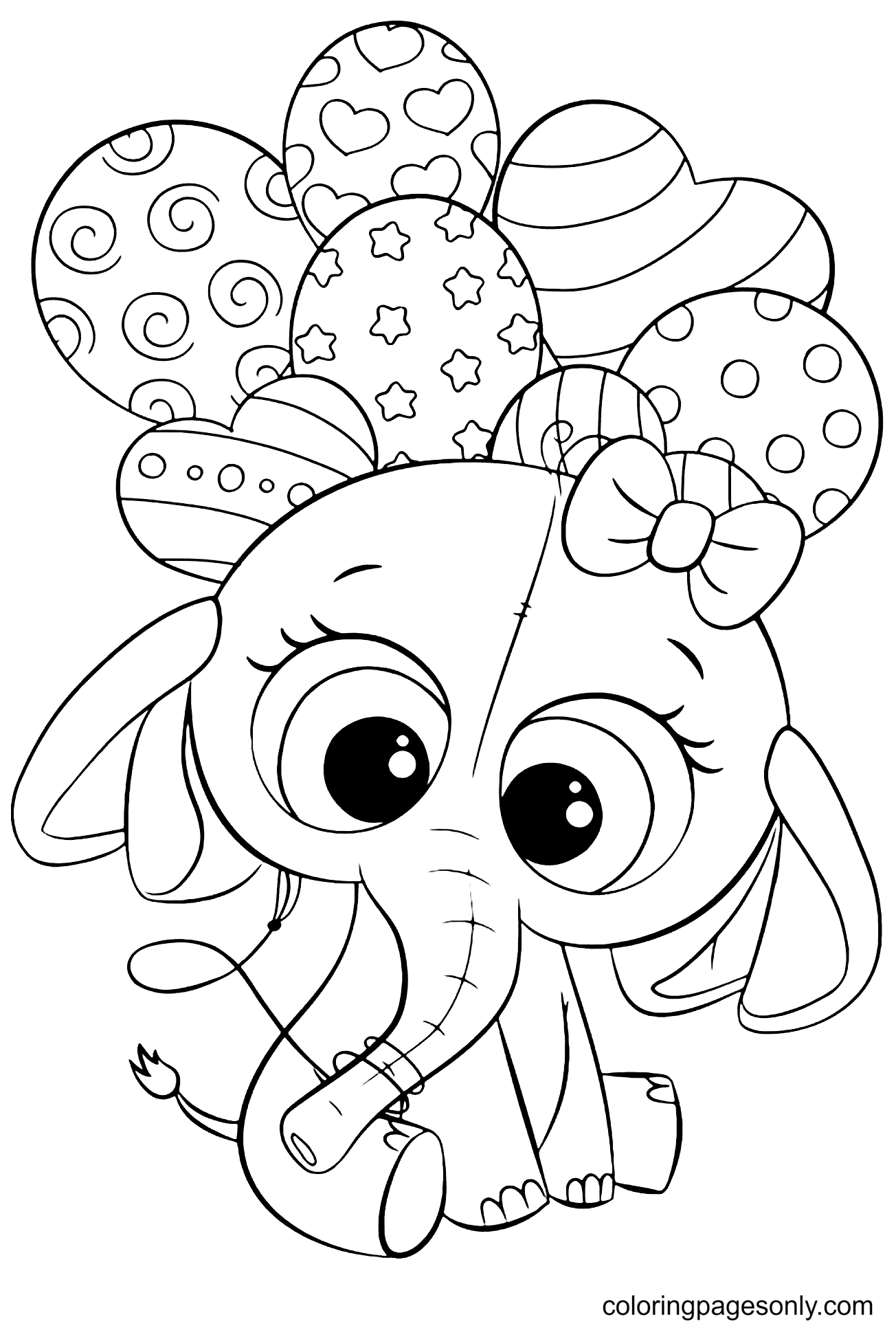
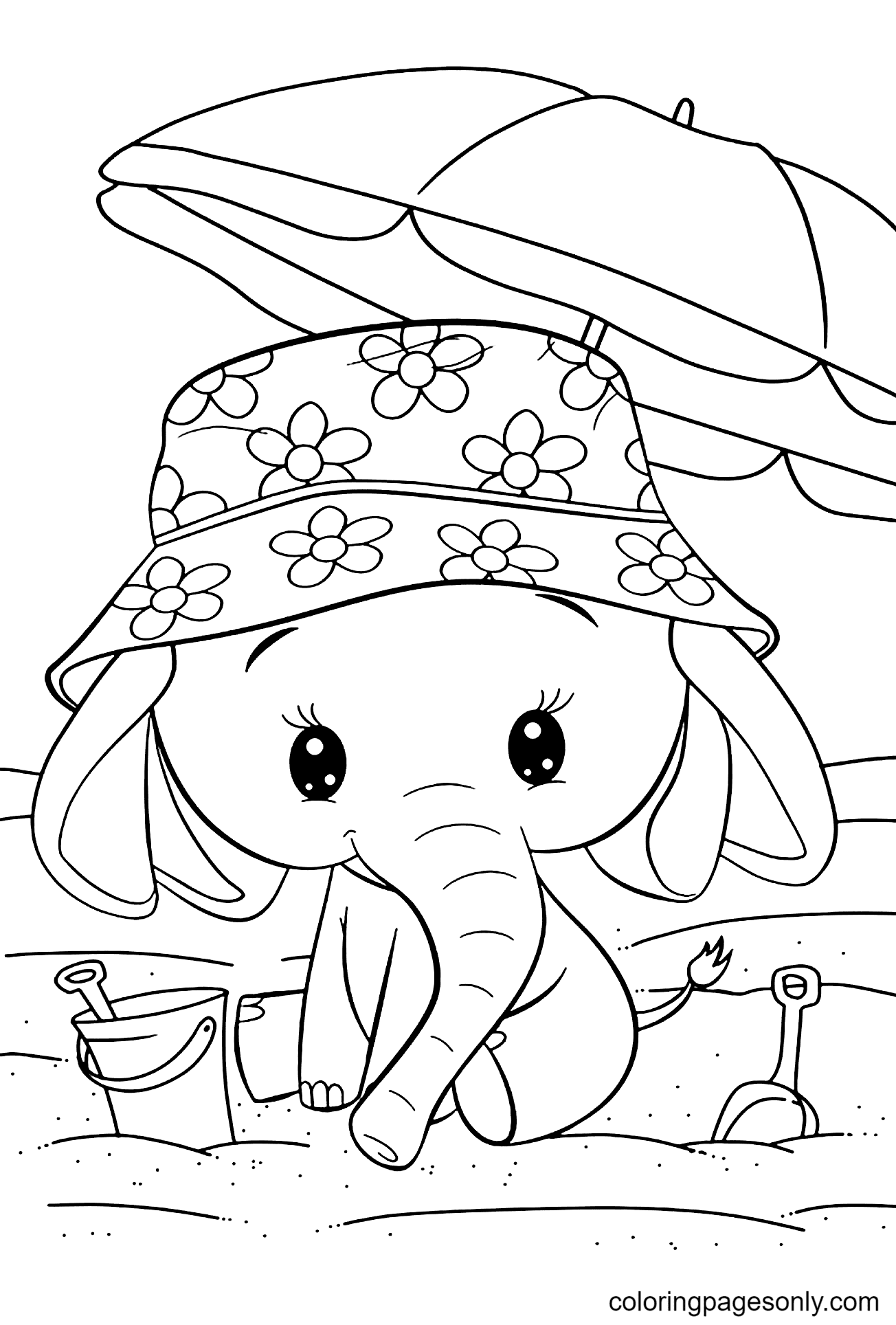
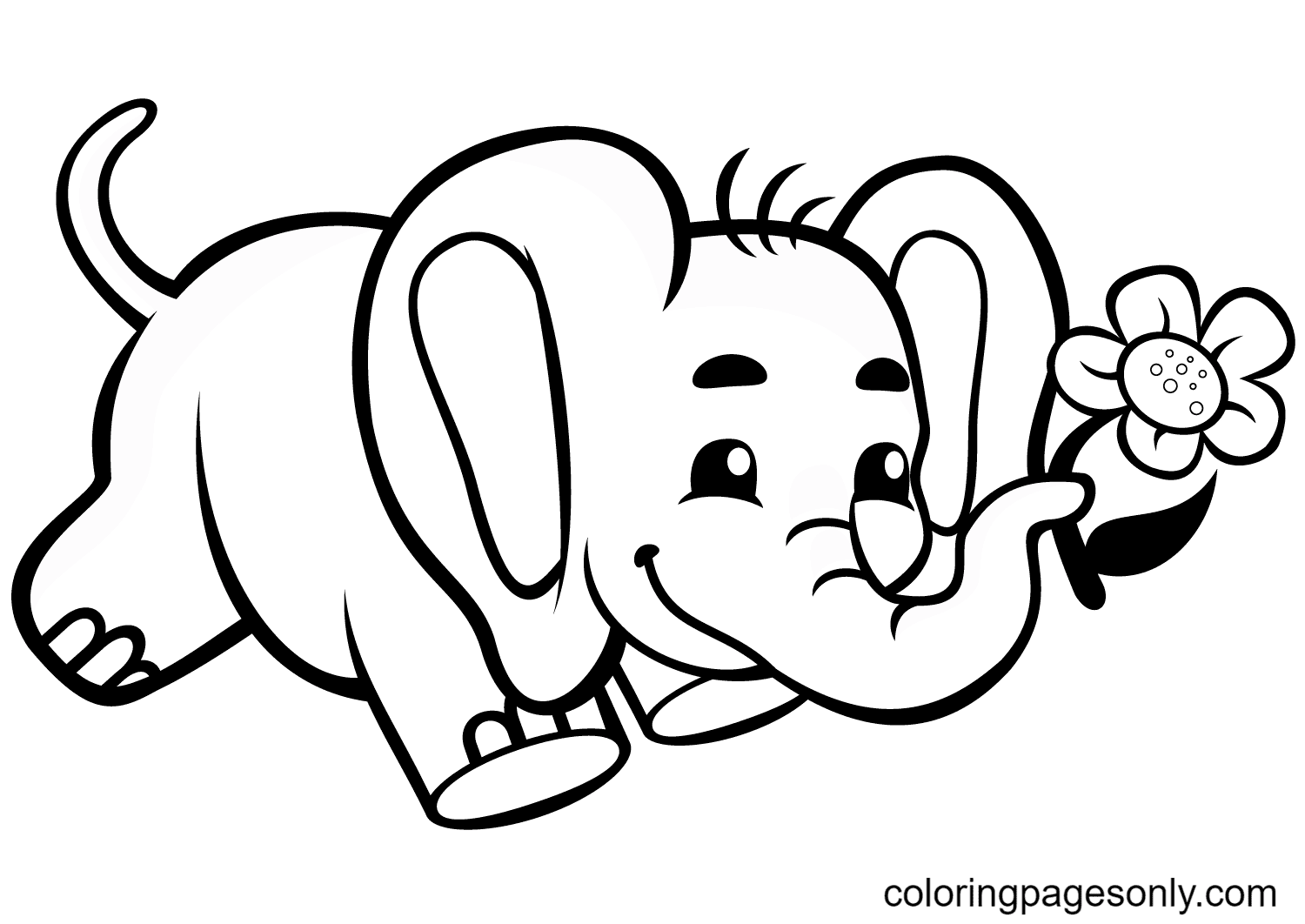
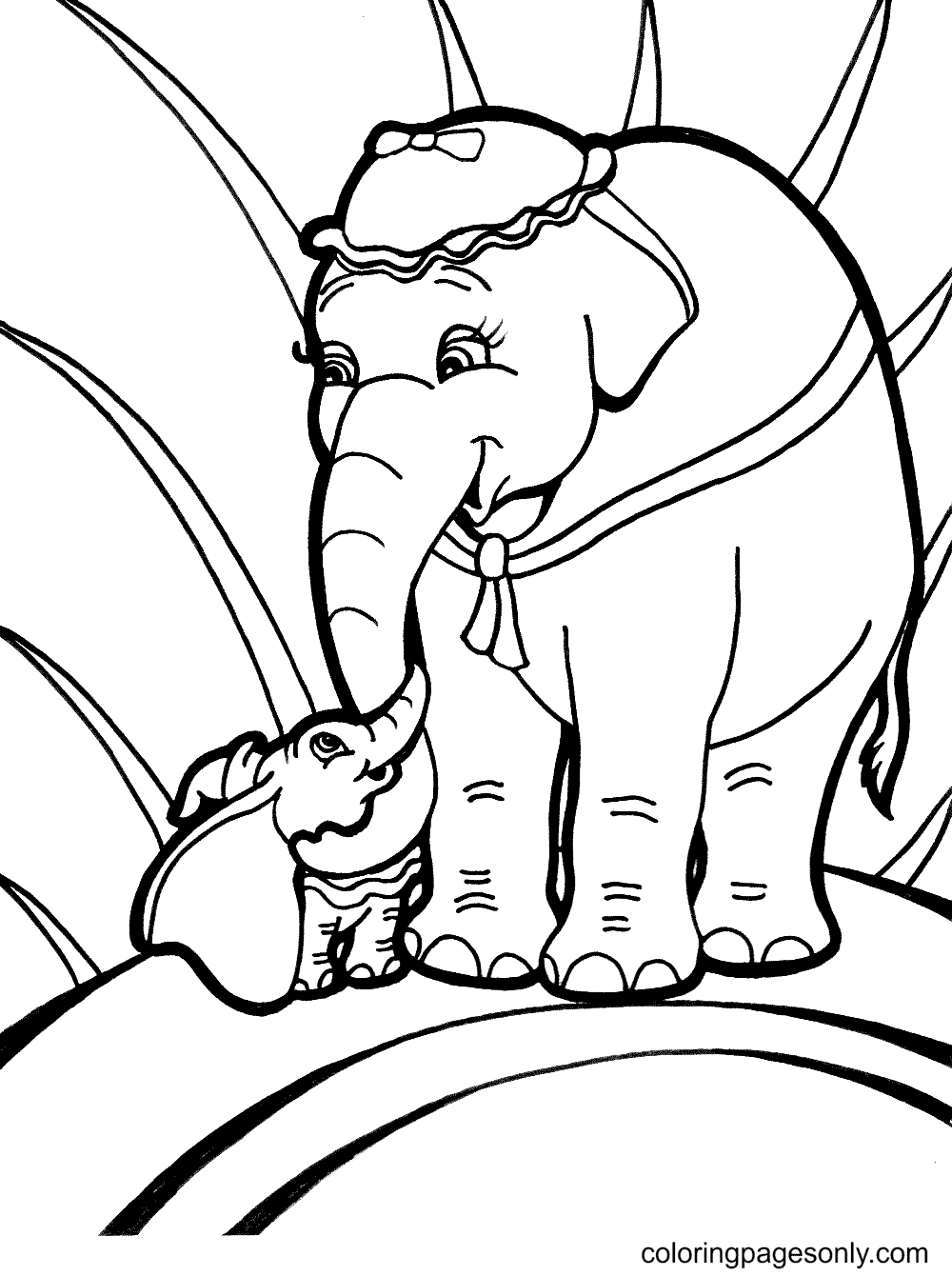
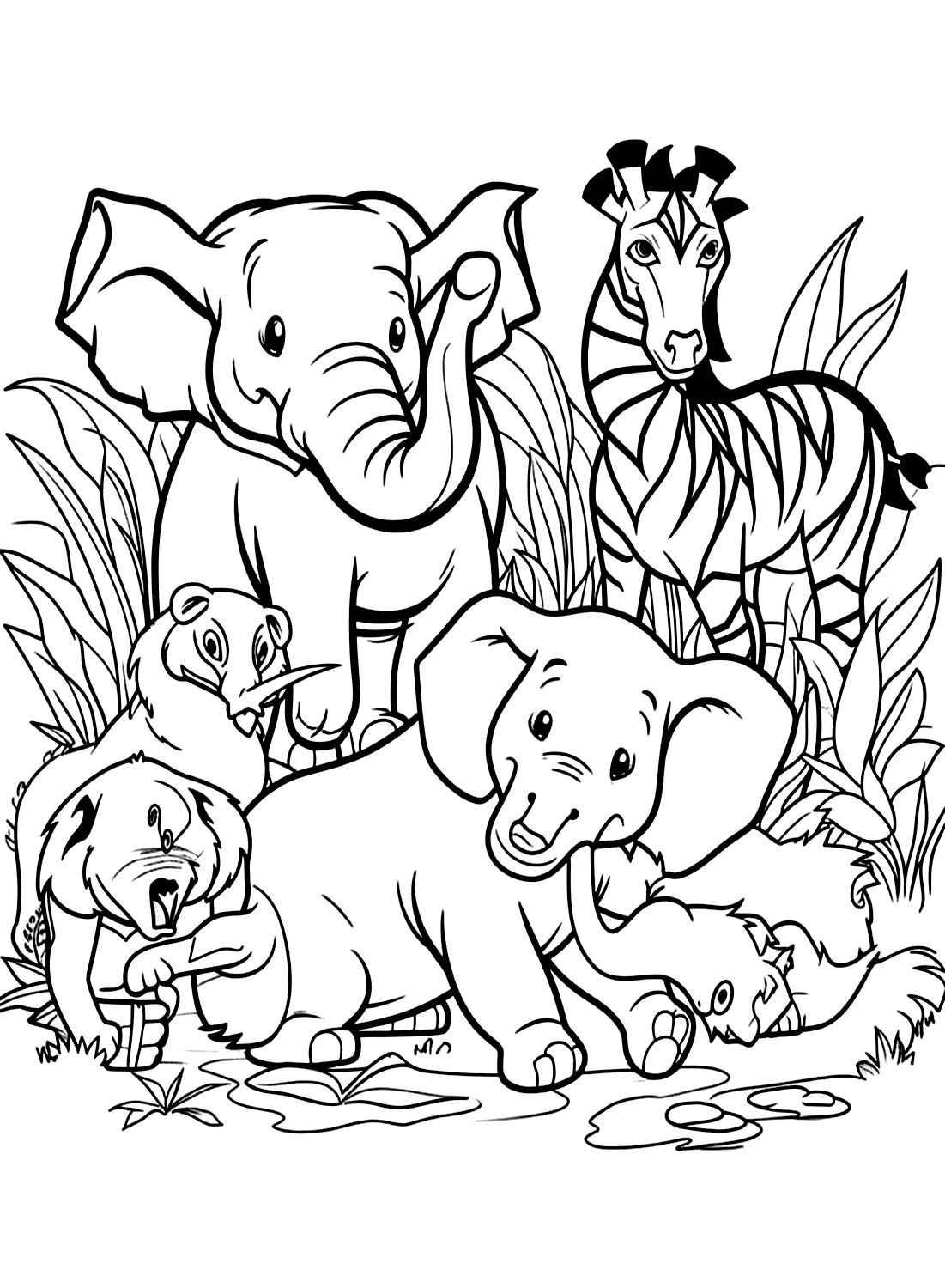
A second group focuses on baby elephants alone or paired with a mother elephant. Keep the baby’s proportions rounder and its Gray a shade lighter than the mother’s, and add a small color accent, a bow, a balloon, a flower, to mark which figure is the baby at a glance.
Jungle, Savanna, and Water Scenes
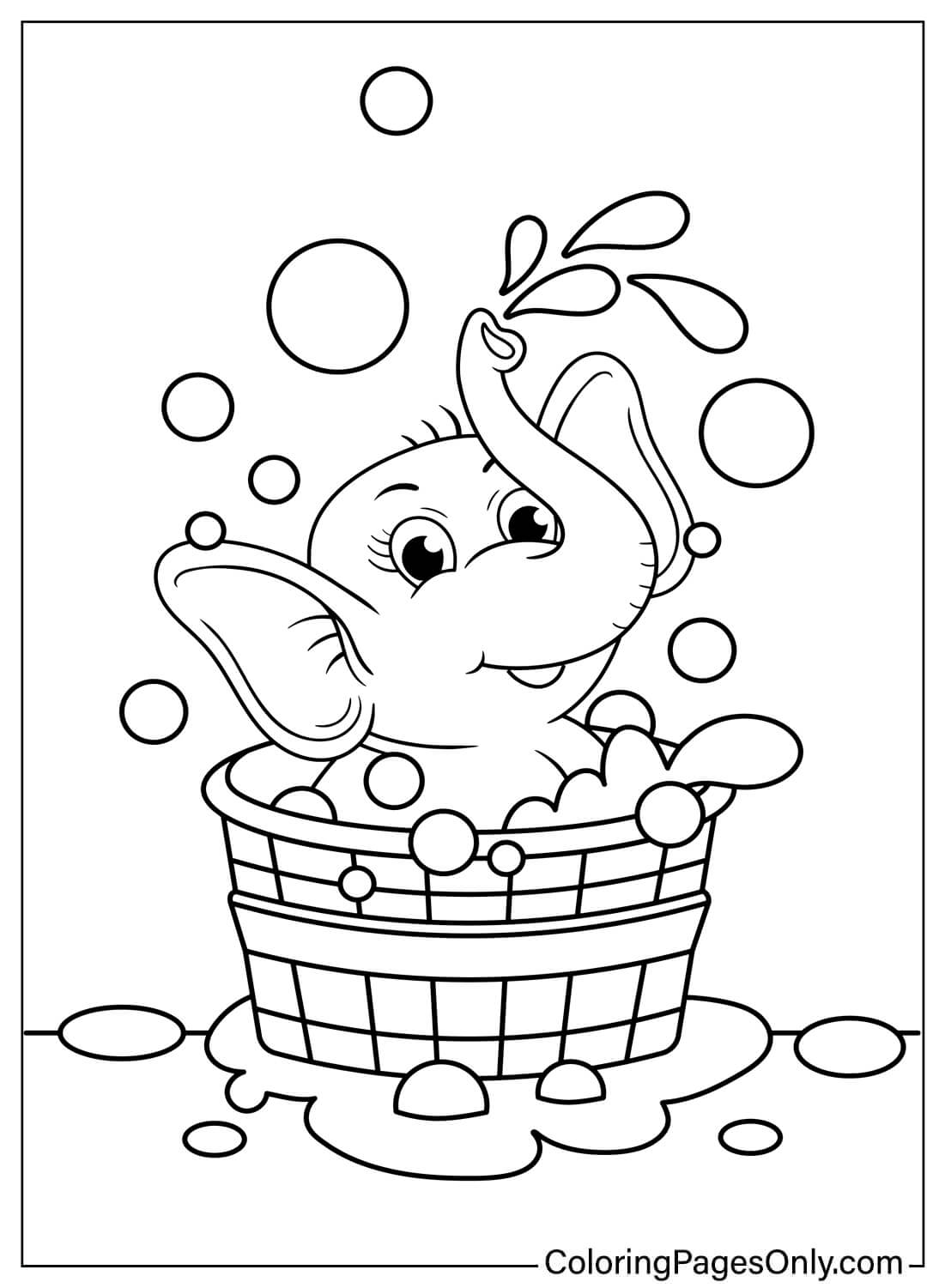
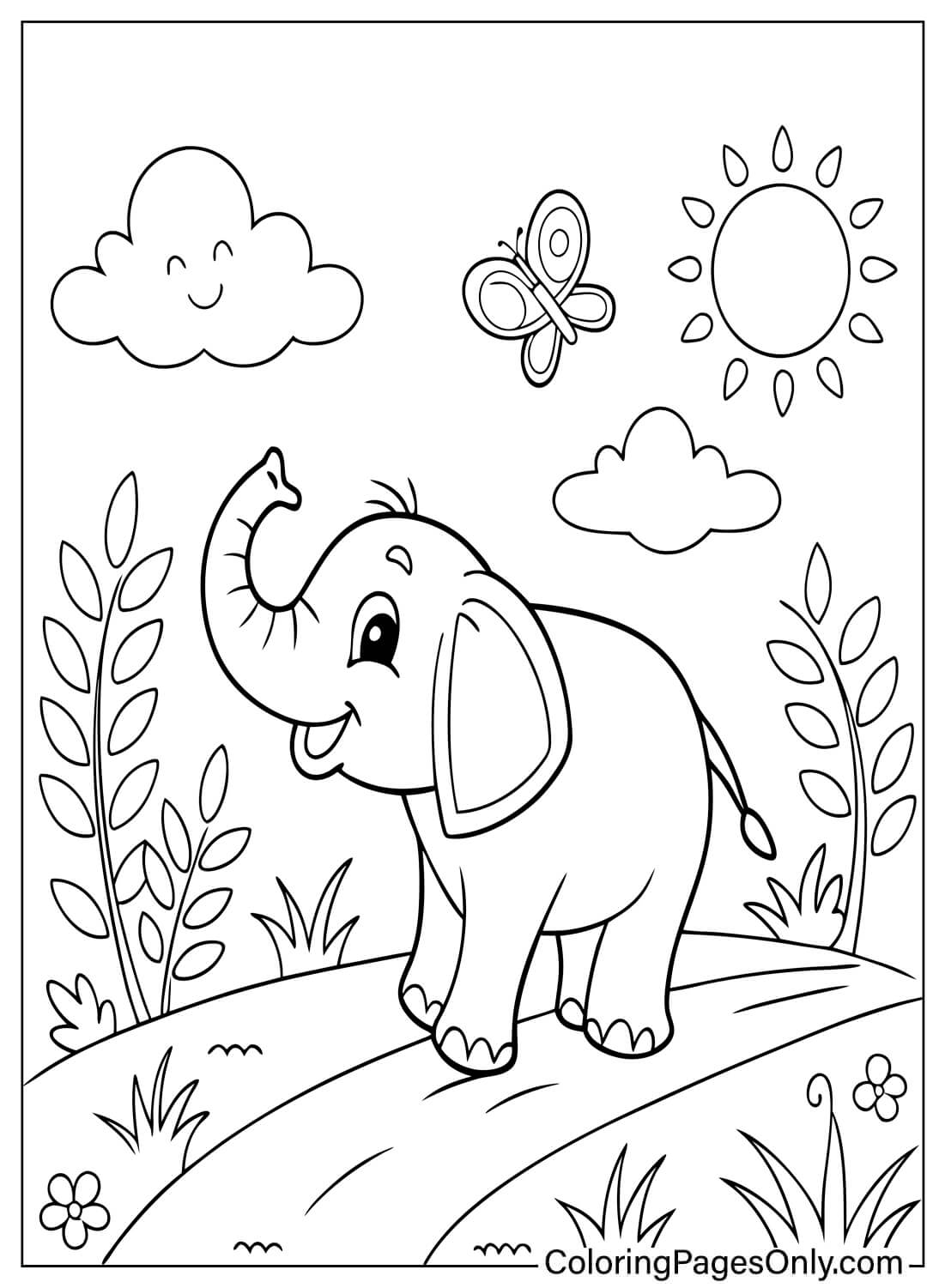
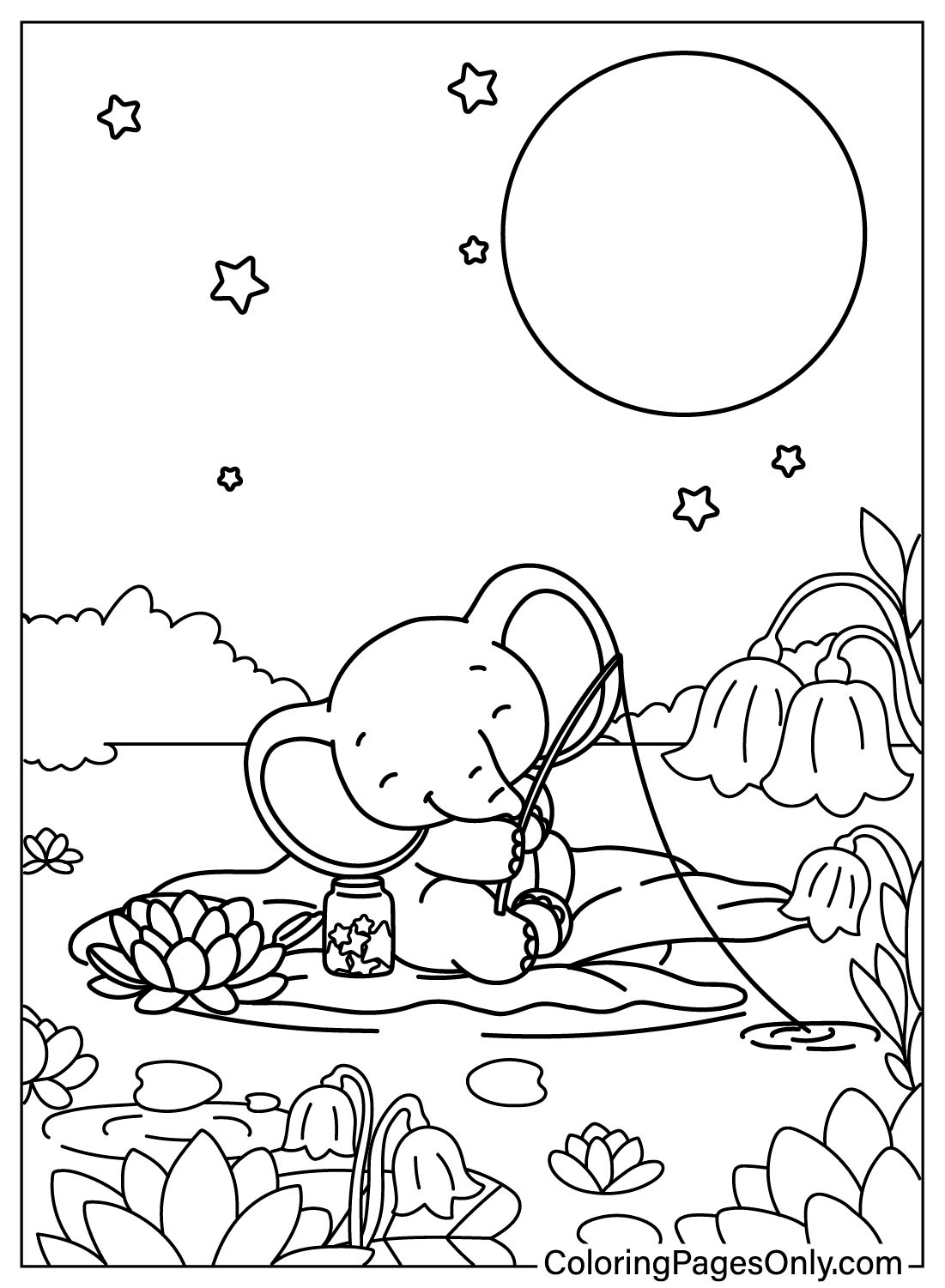
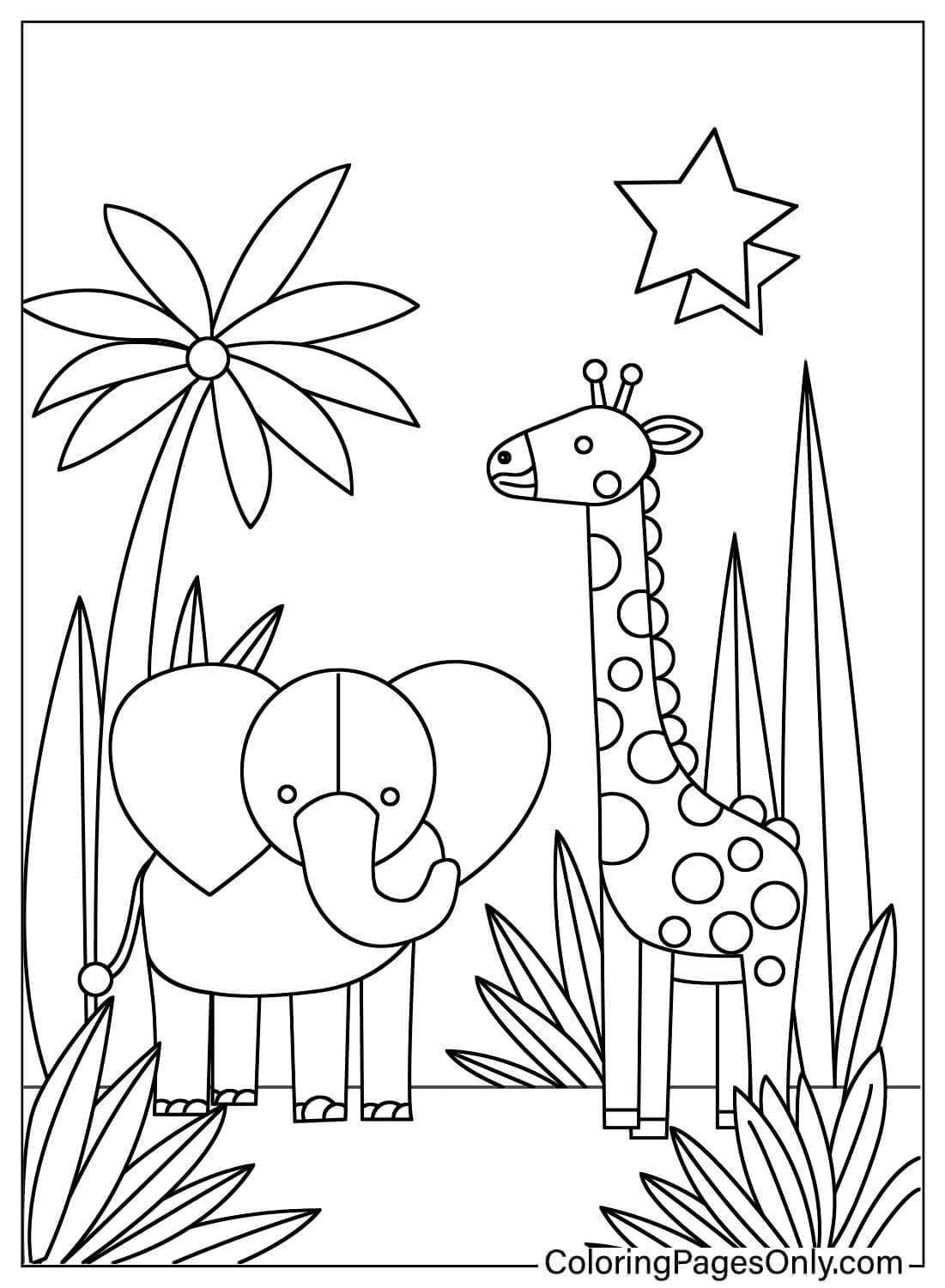
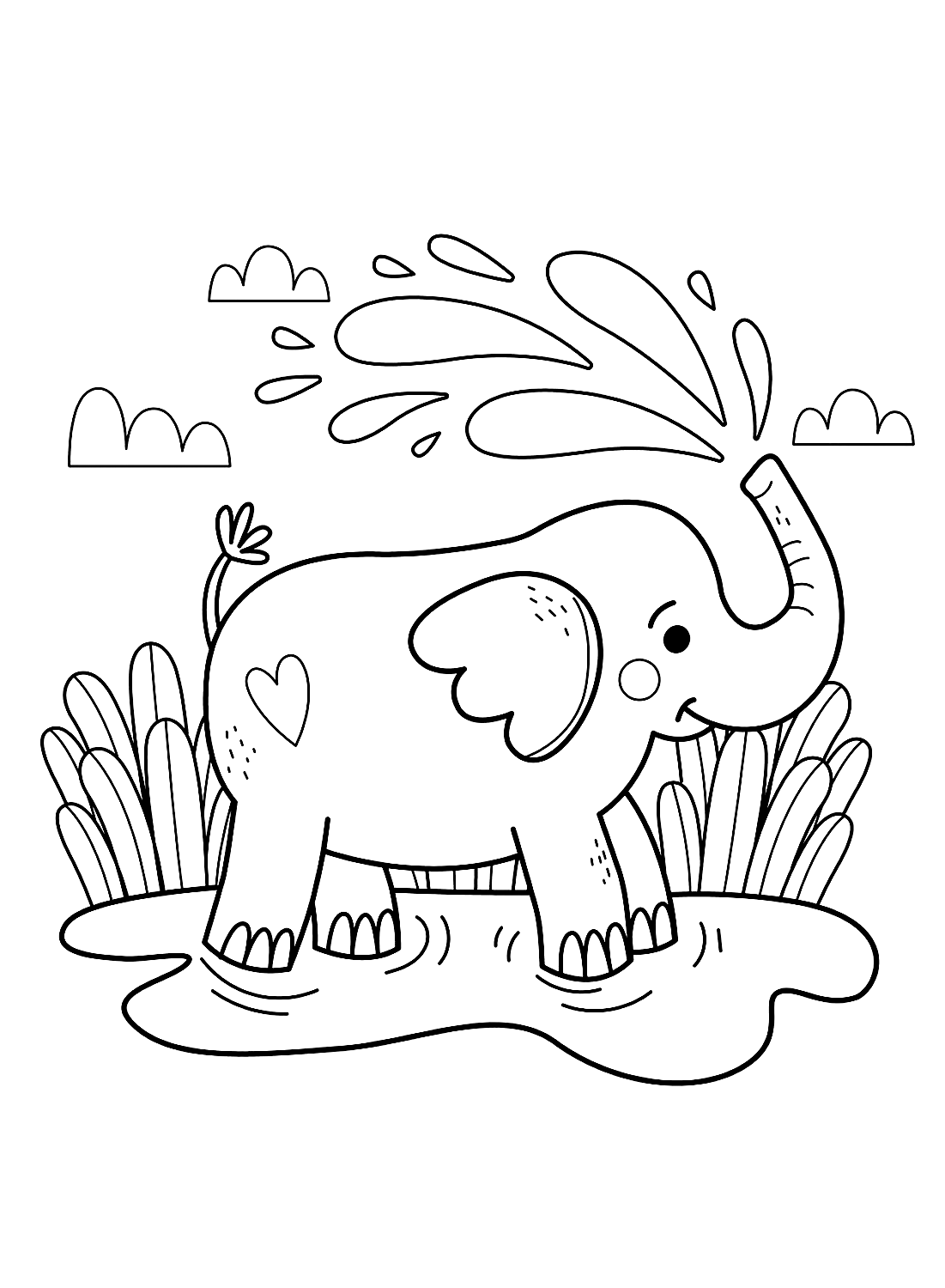
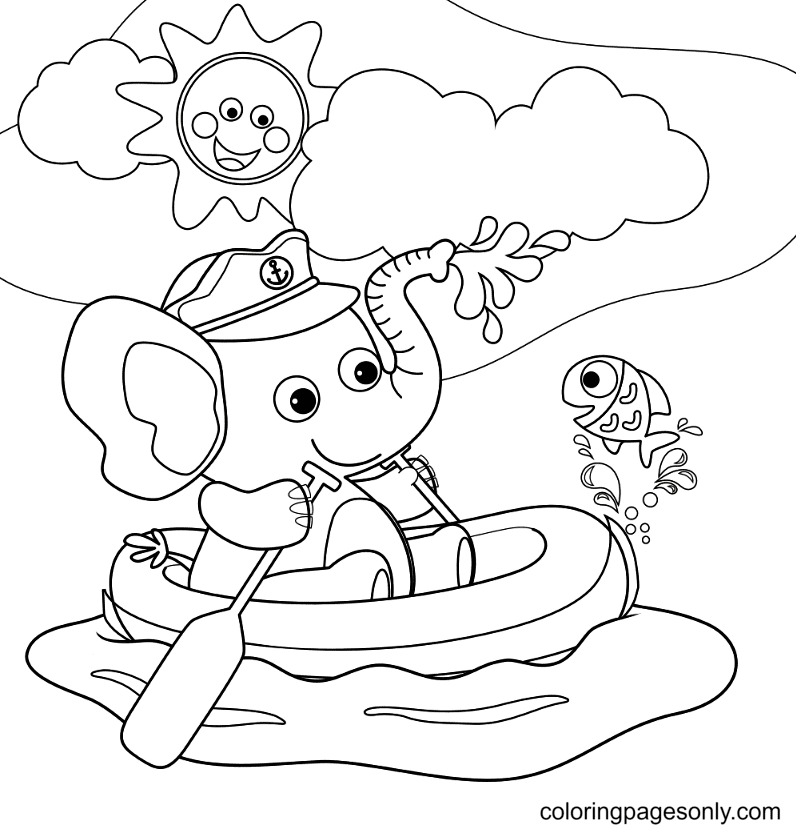
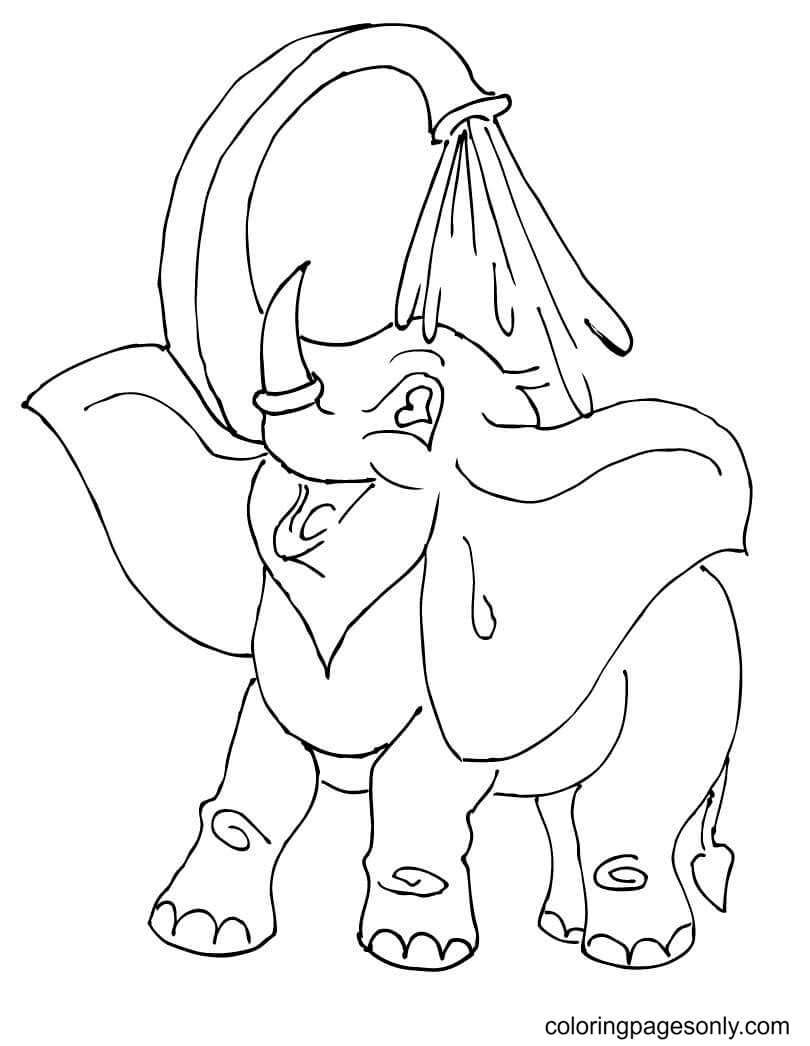
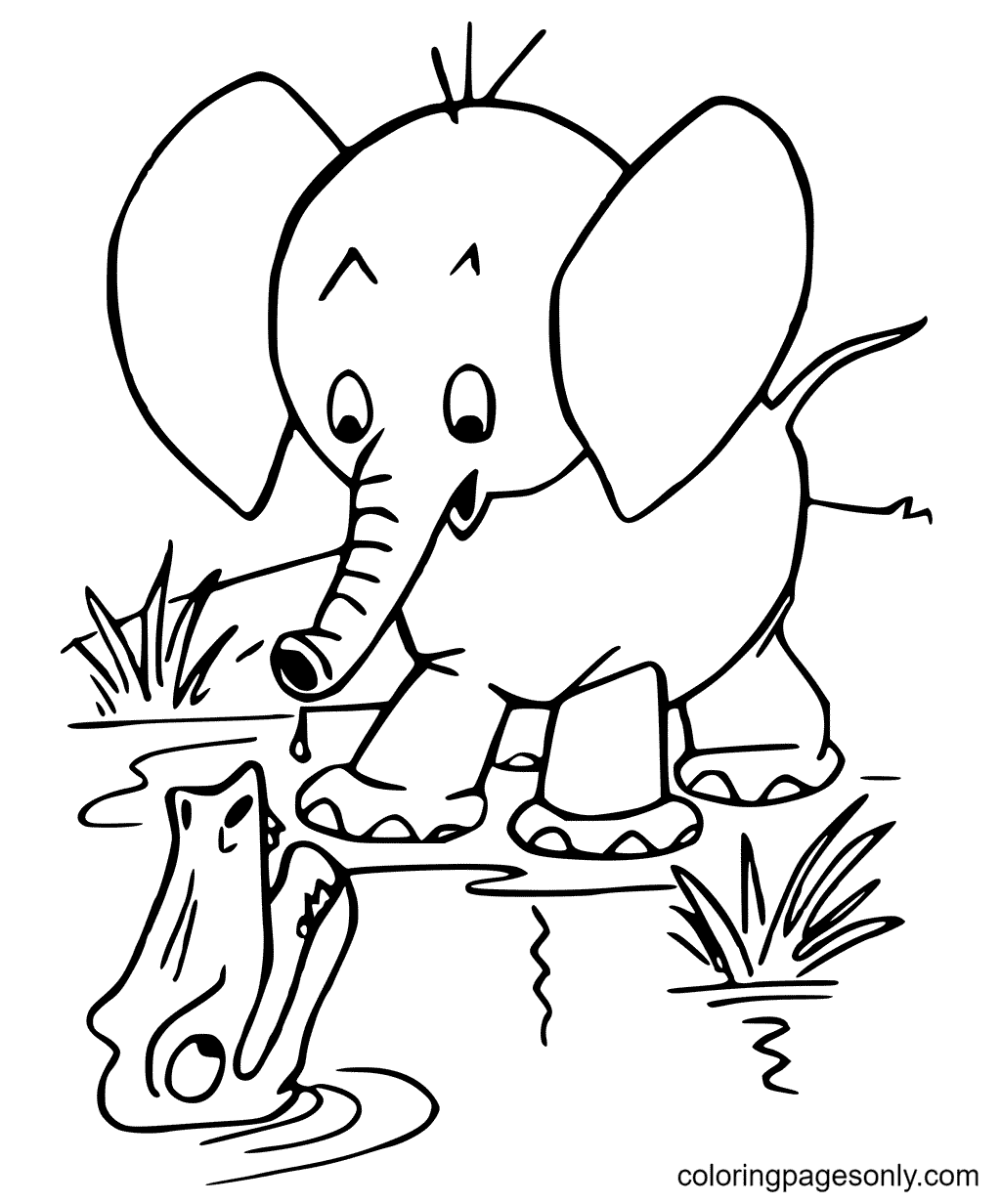
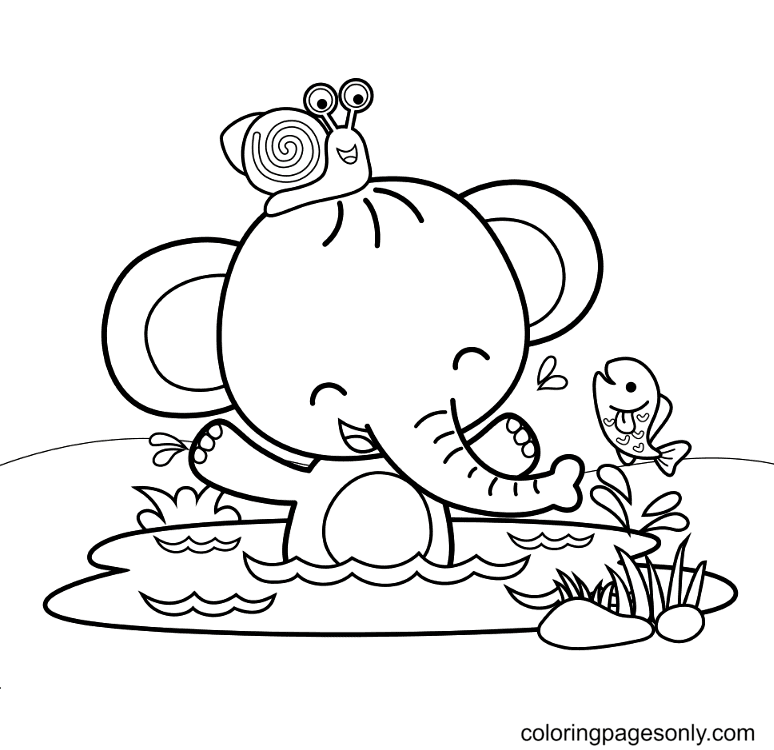
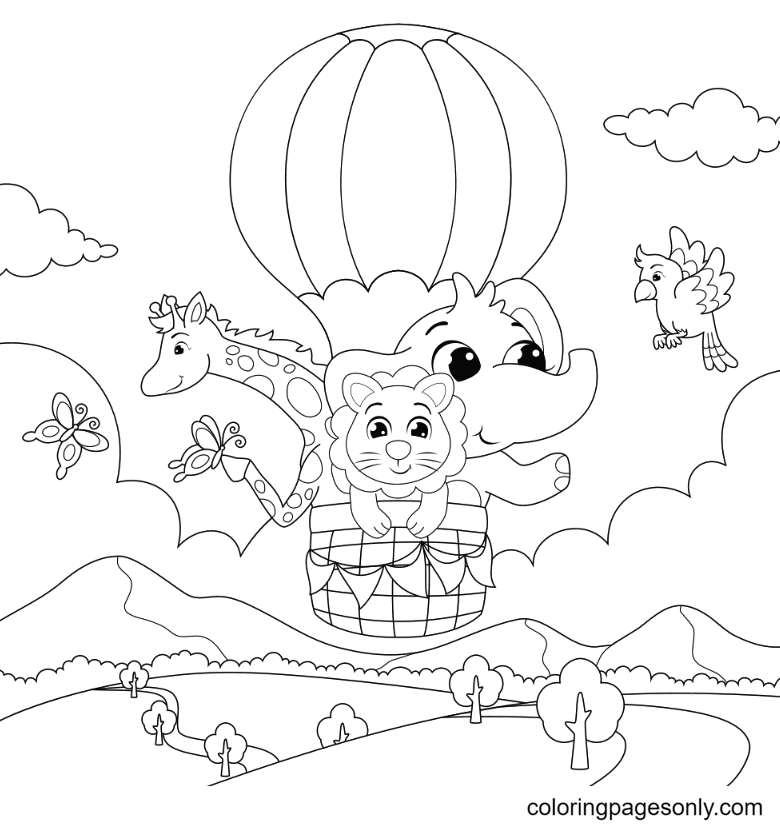
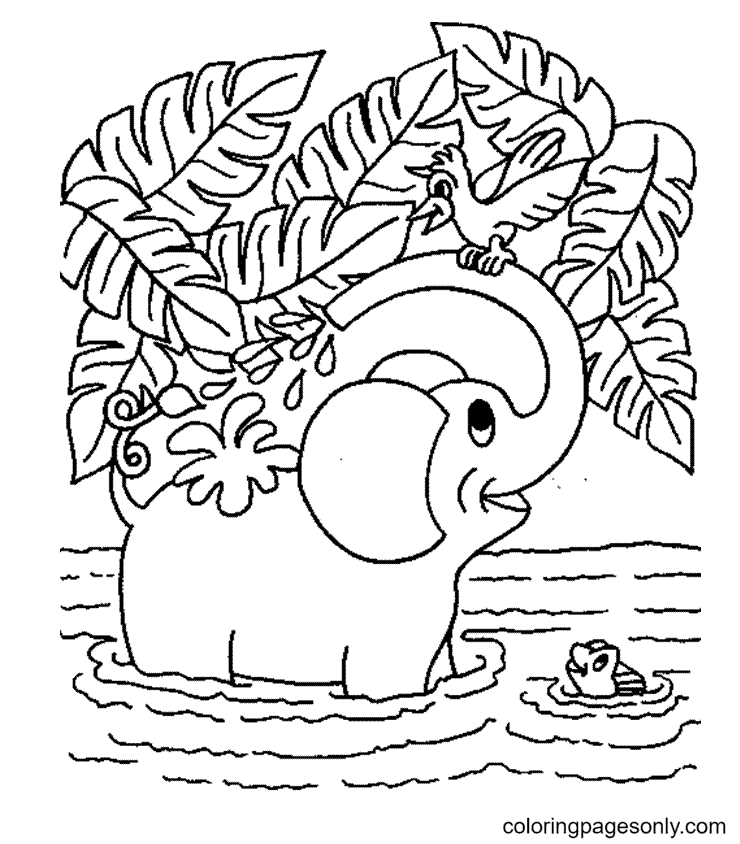
Several pages place an elephant in a natural setting: tall grass, a watering hole, a puddle, or a lotus-covered lake. Use warm Tan and Green for the savanna or jungle background, and Blue or Teal for any water, keeping the elephant’s own Gray as the most neutral color on the page so the setting reads clearly around it.
Playful and Whimsical Designs
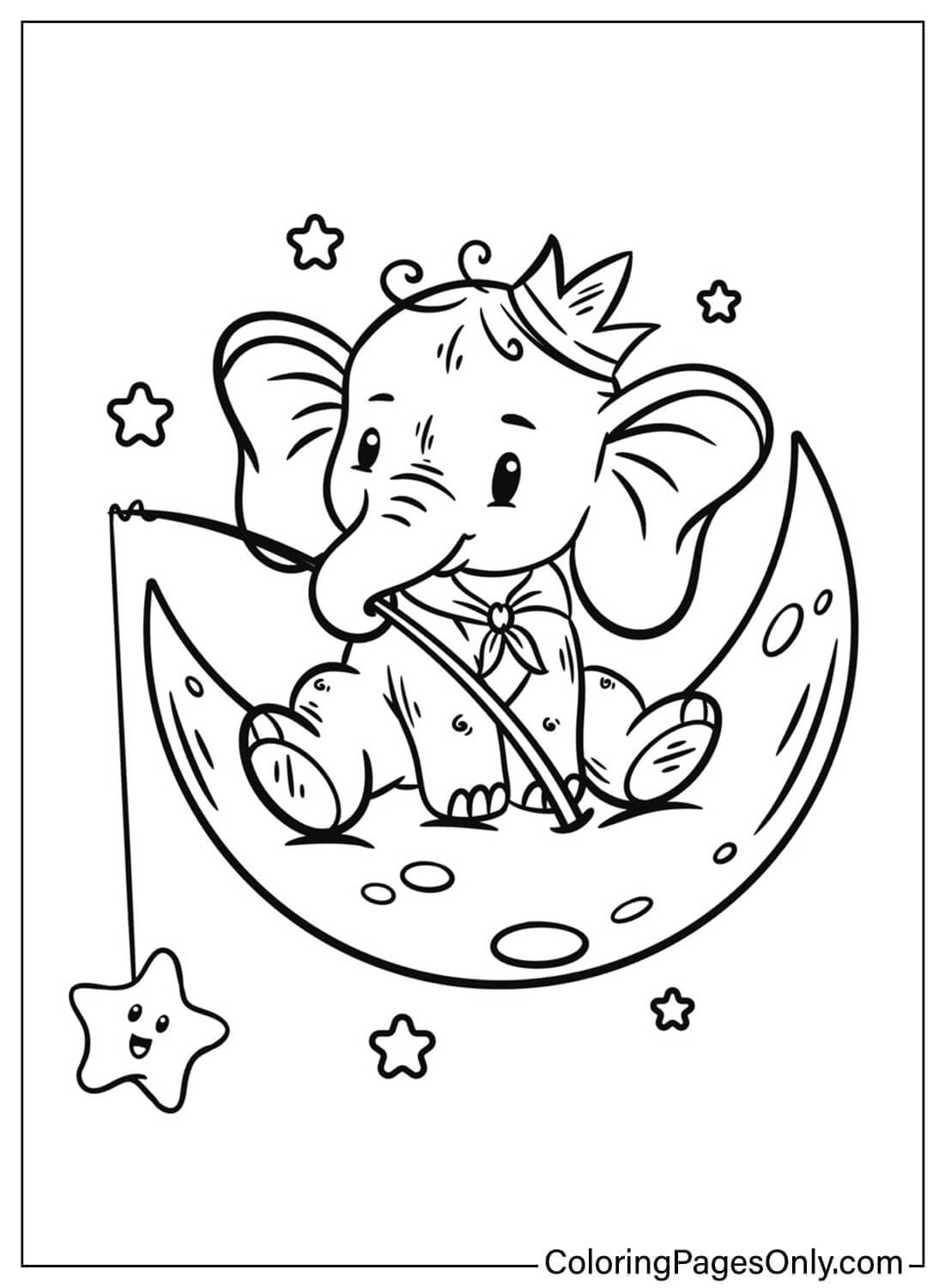
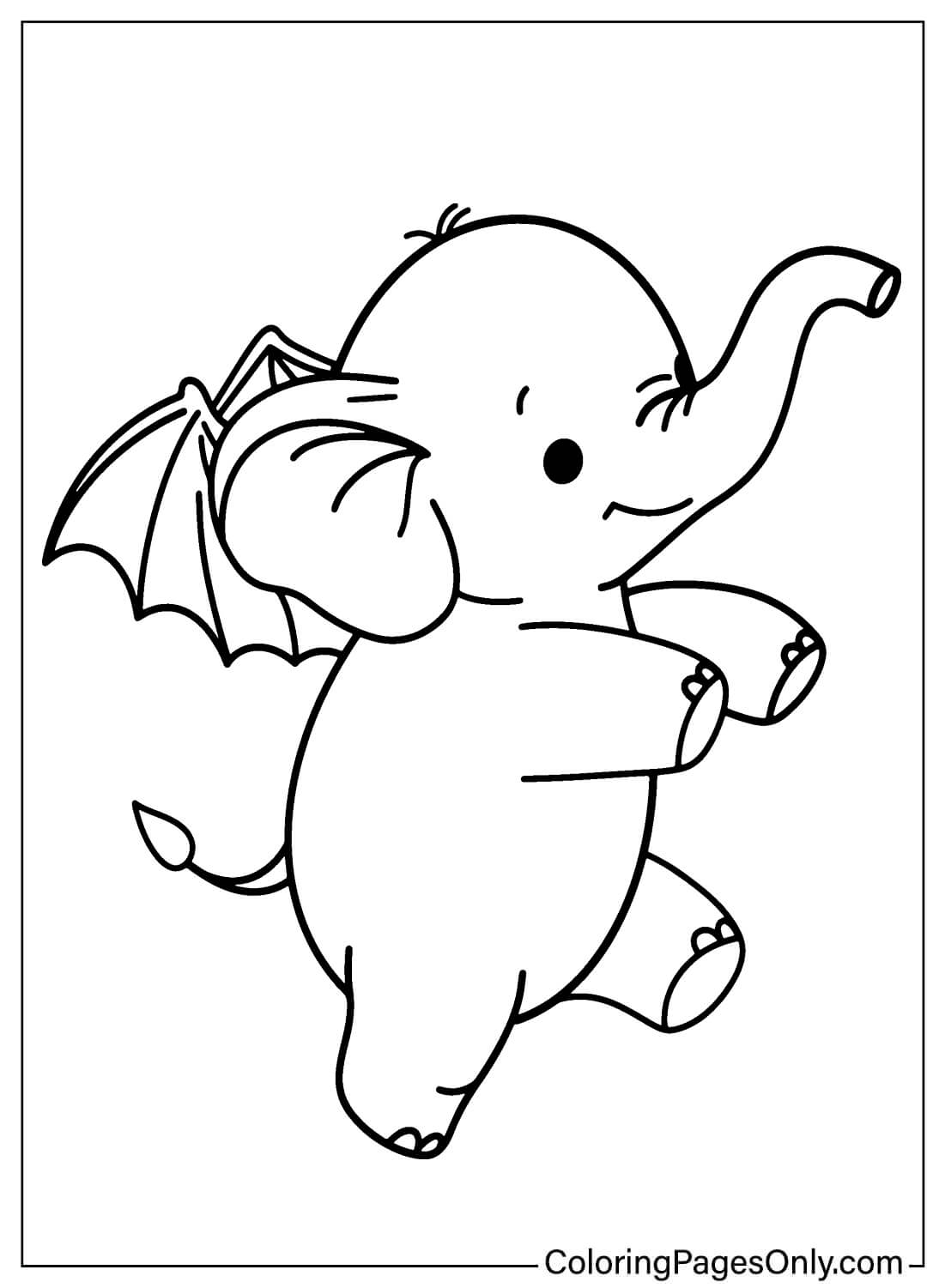
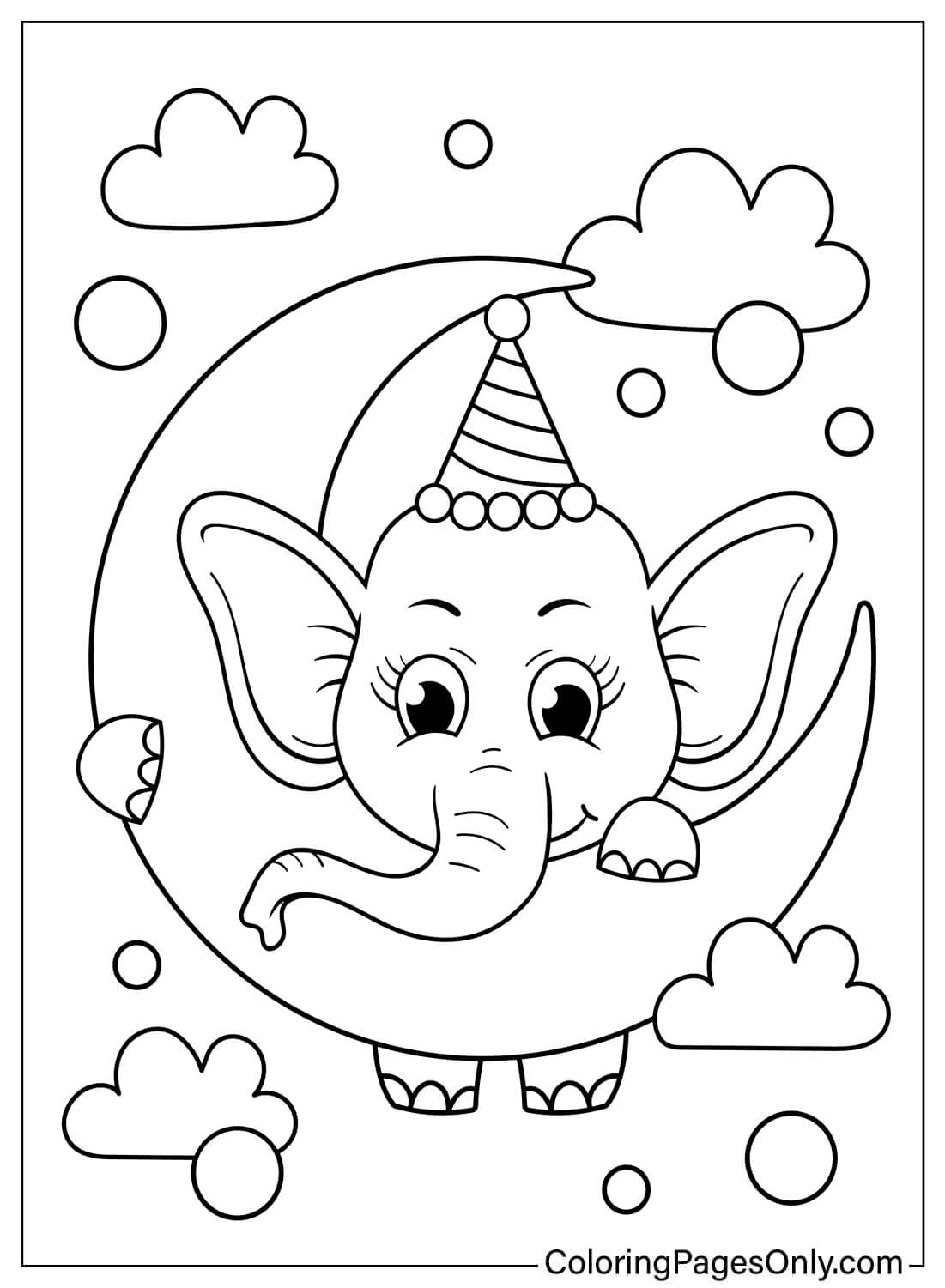
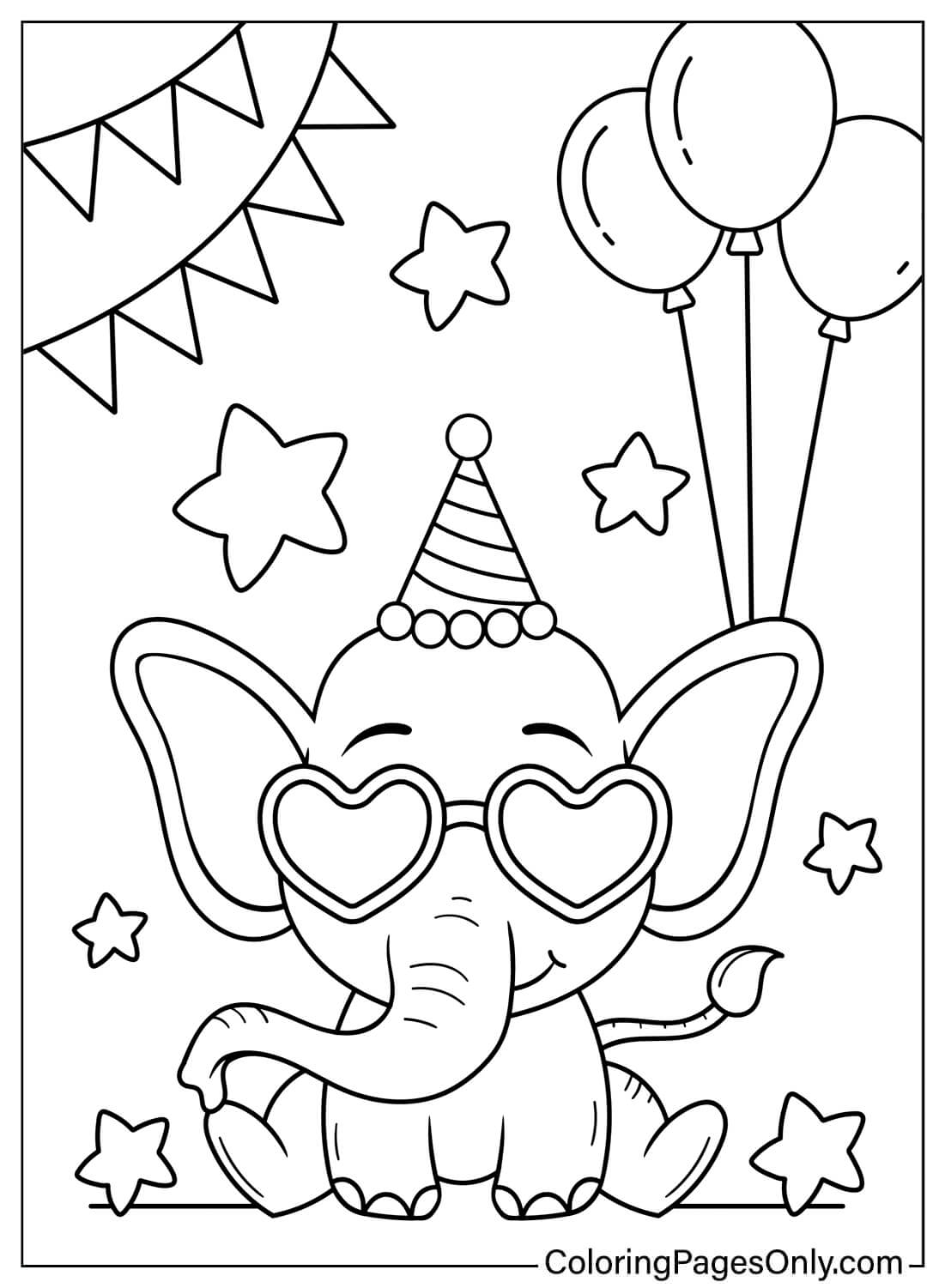
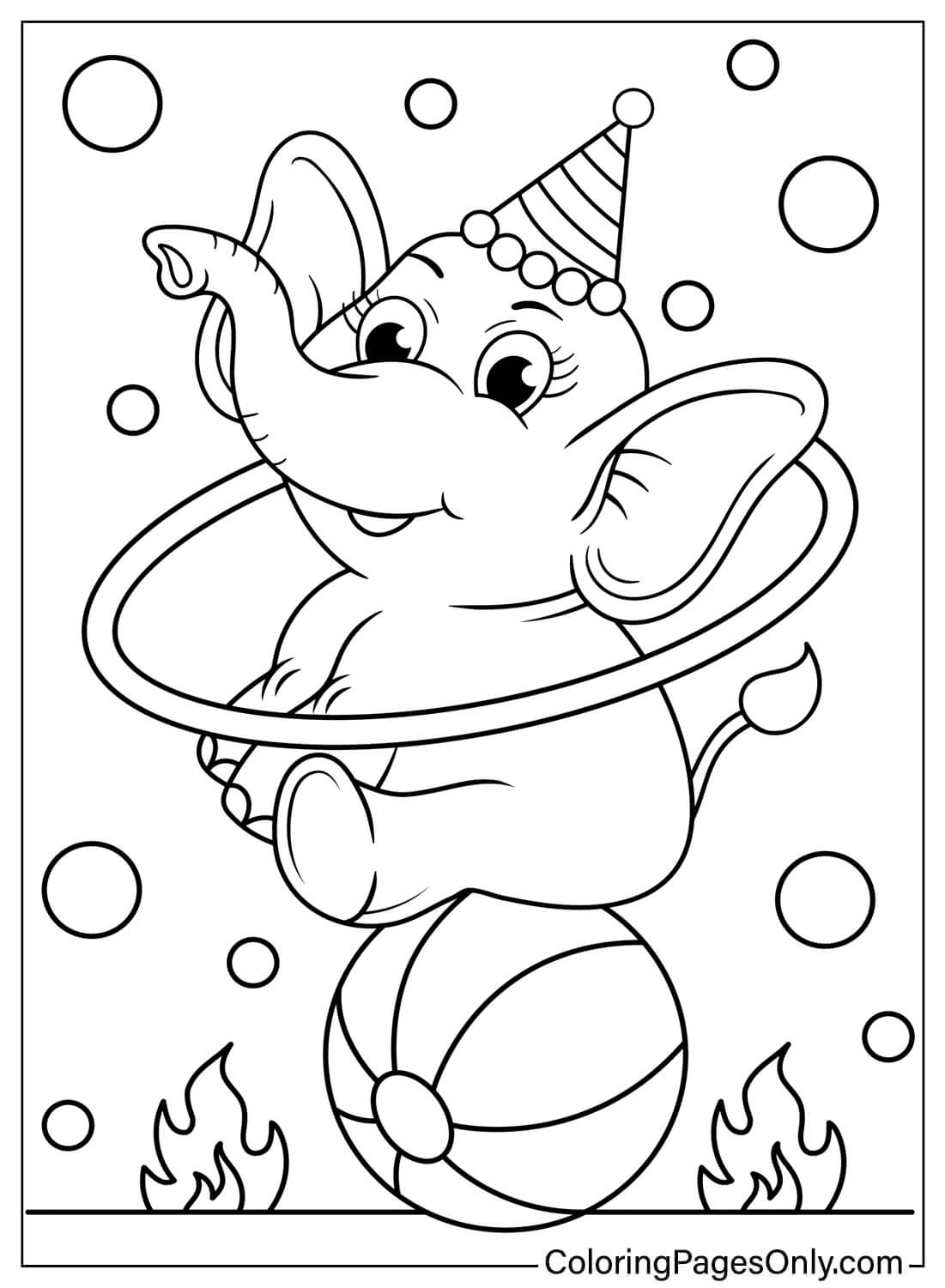
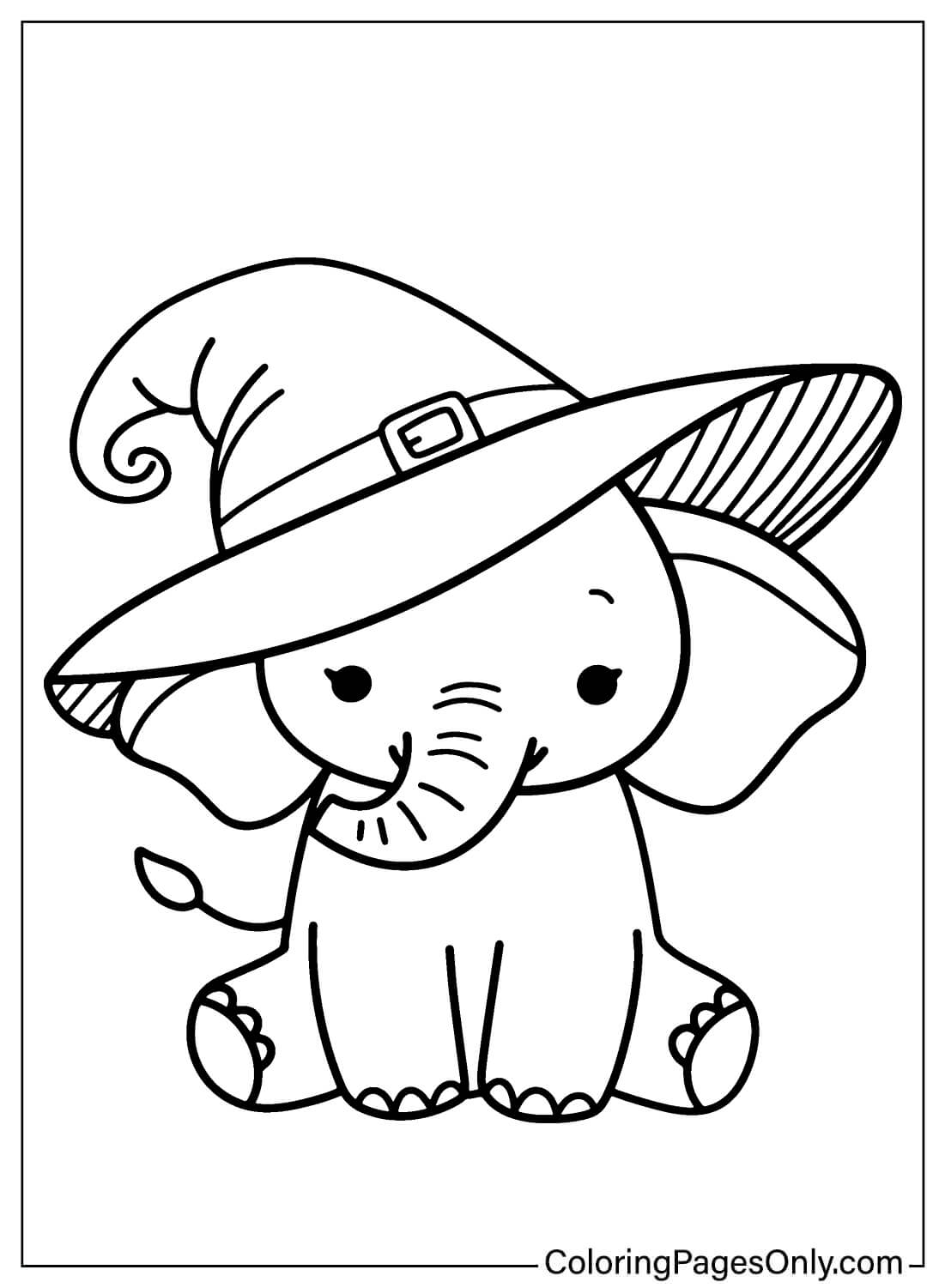
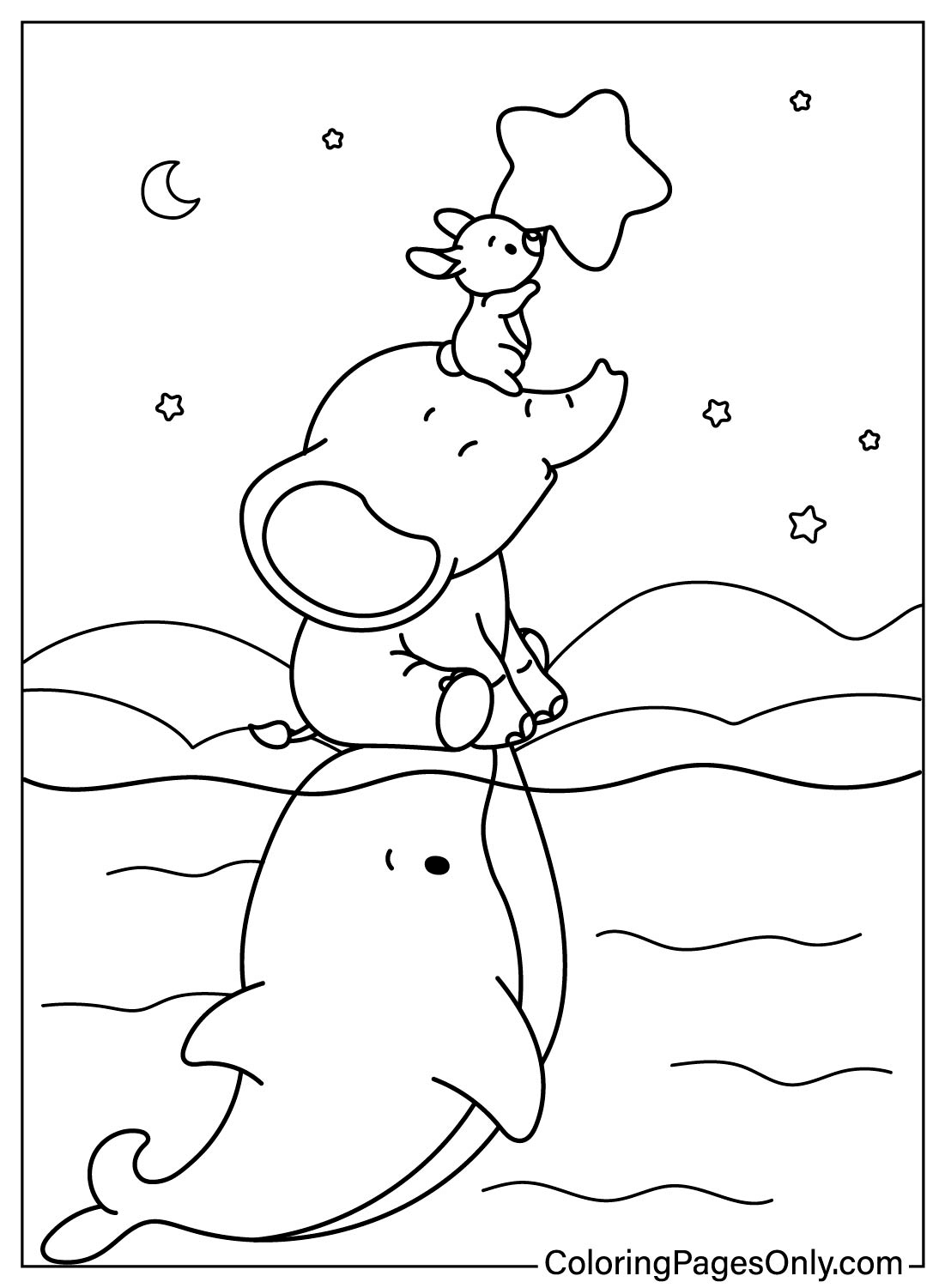
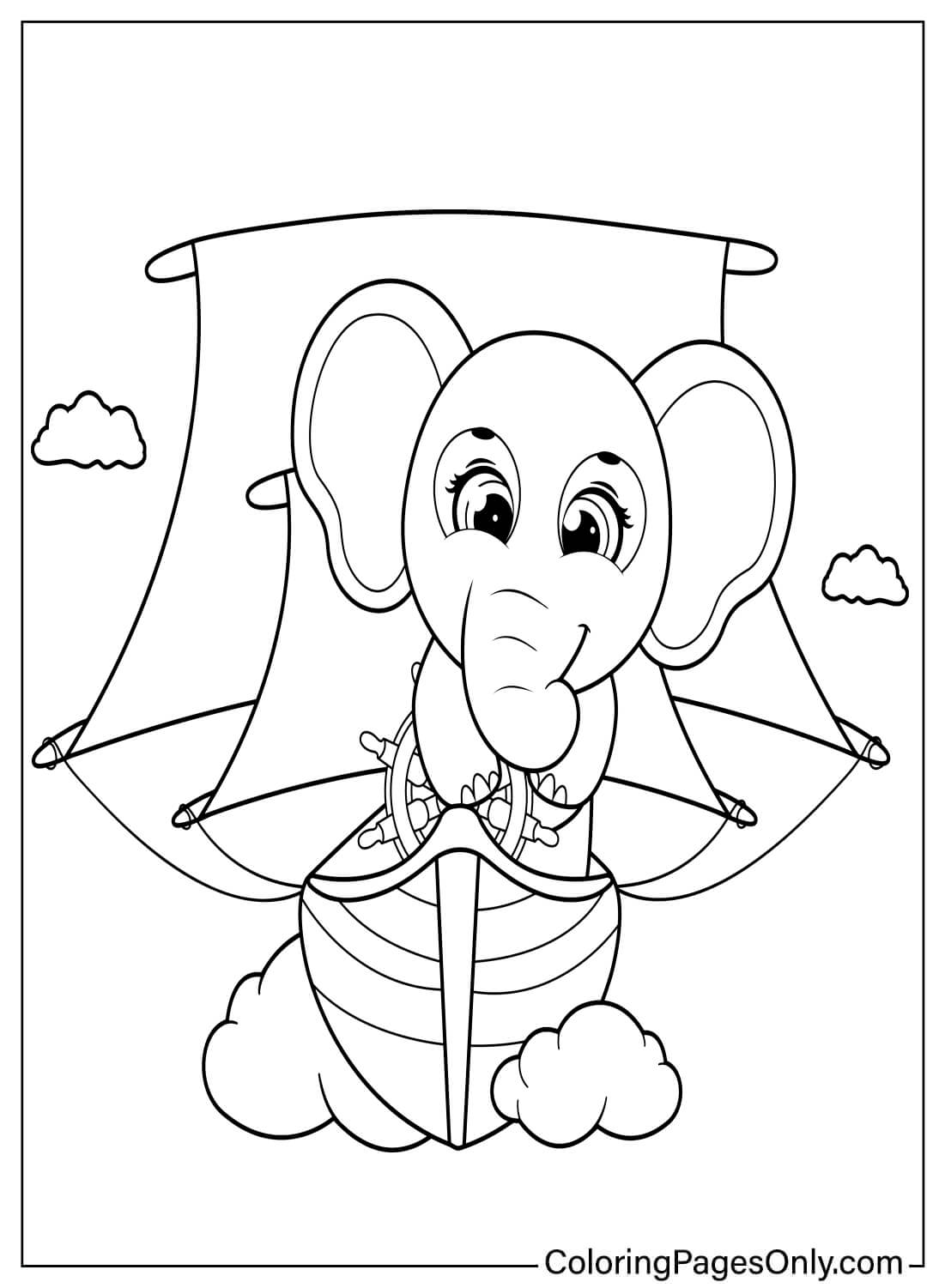
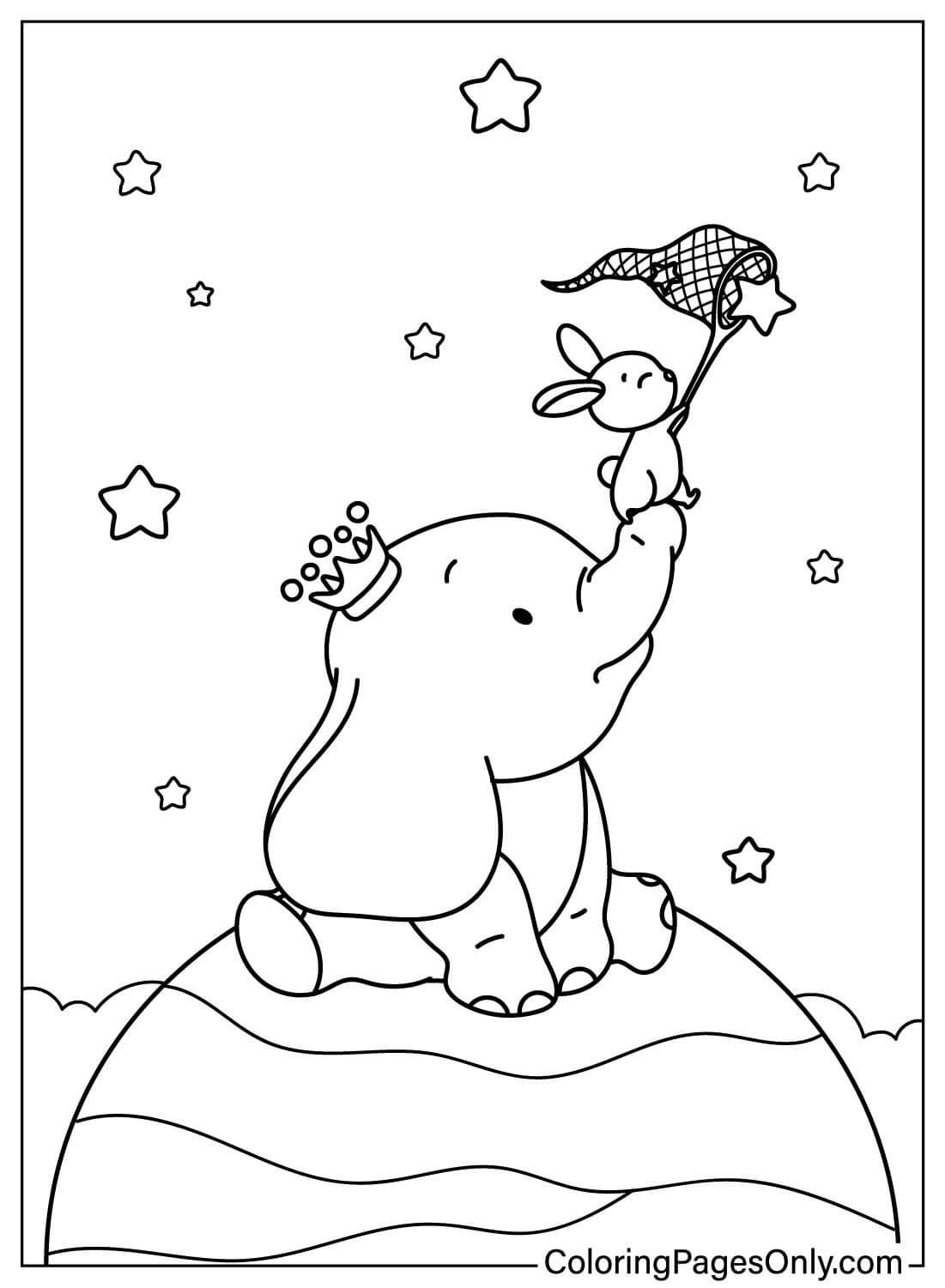
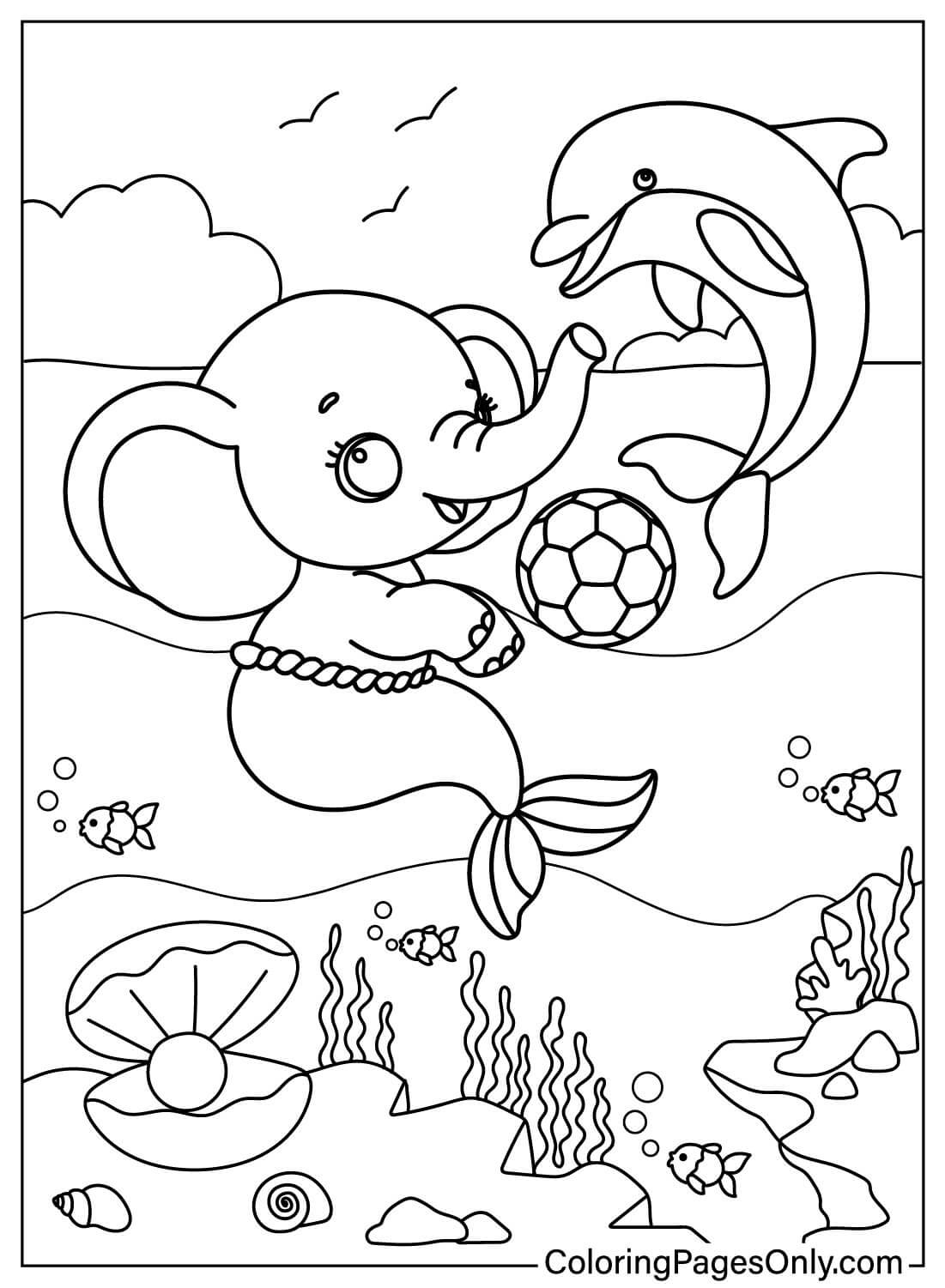
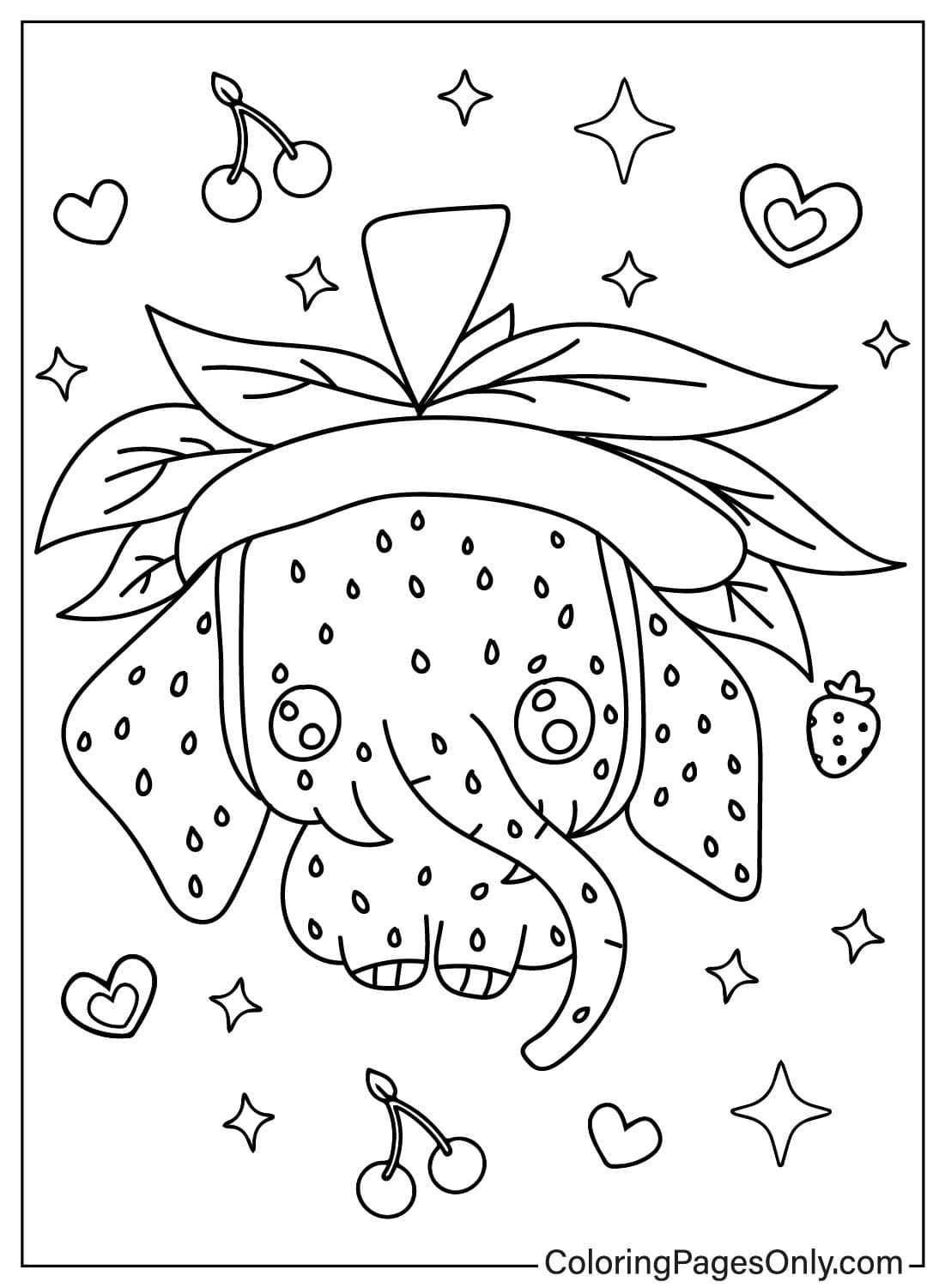
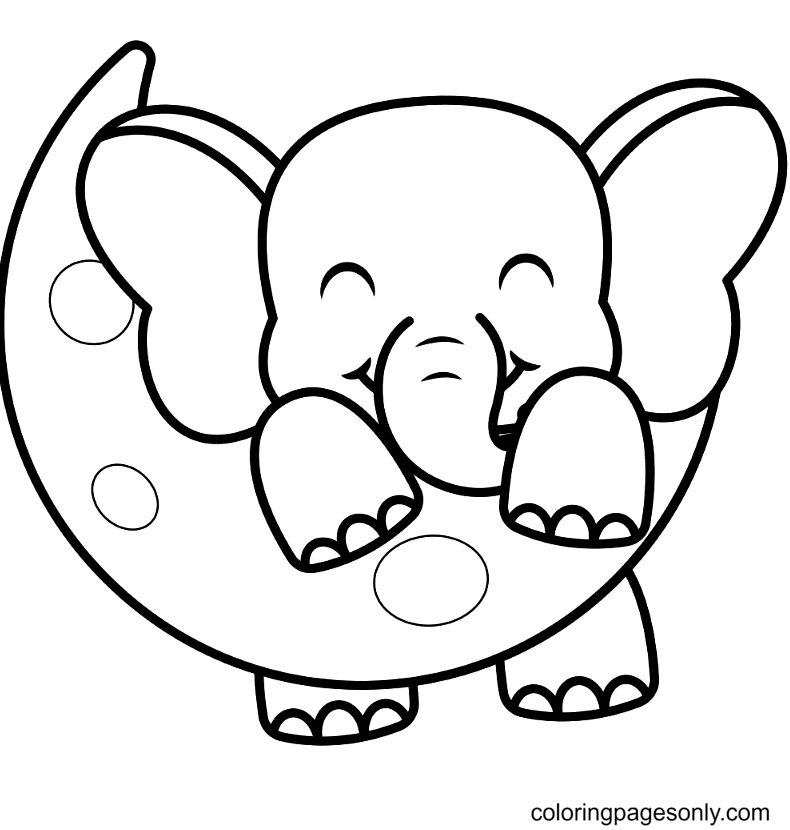
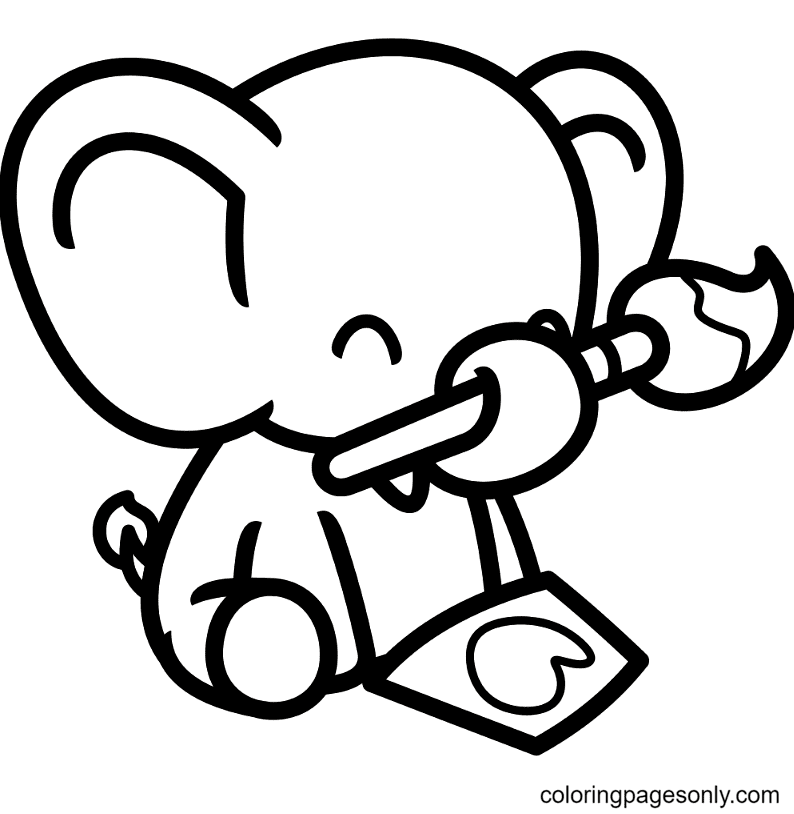
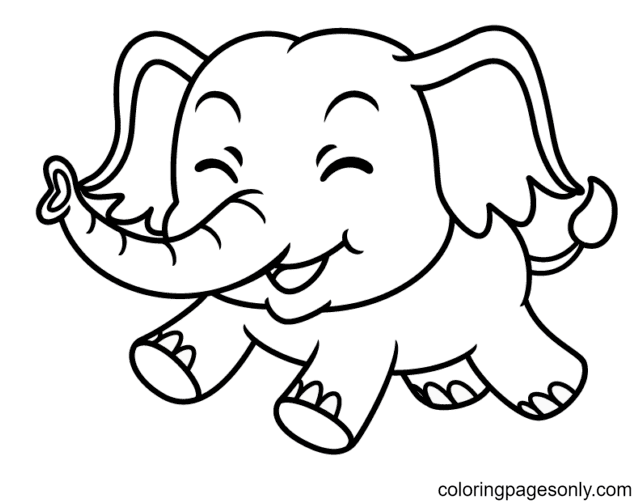
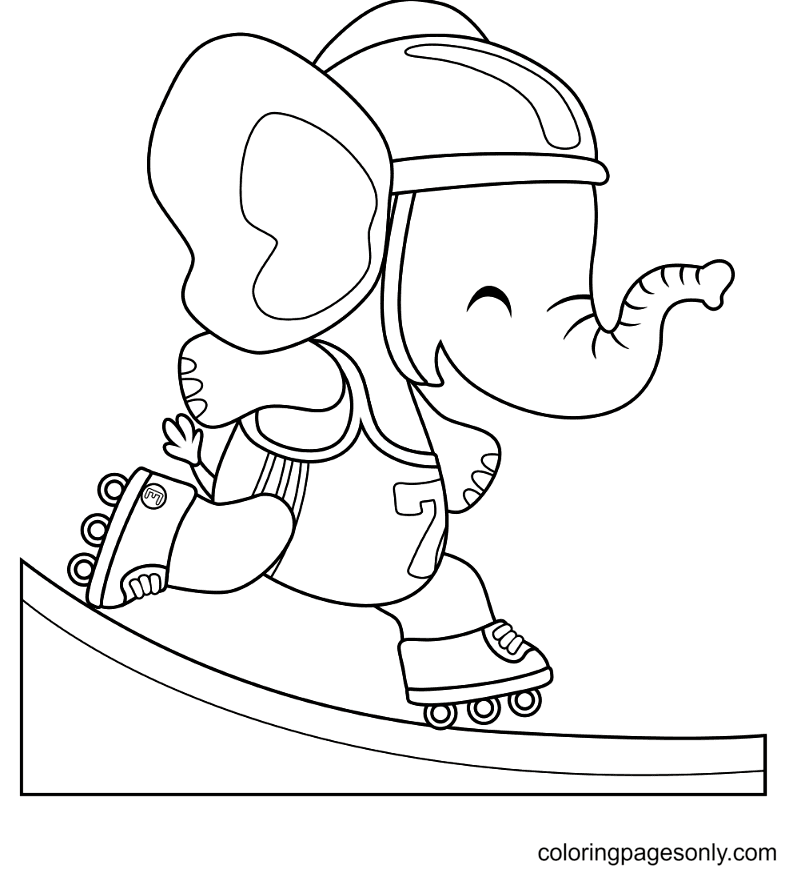
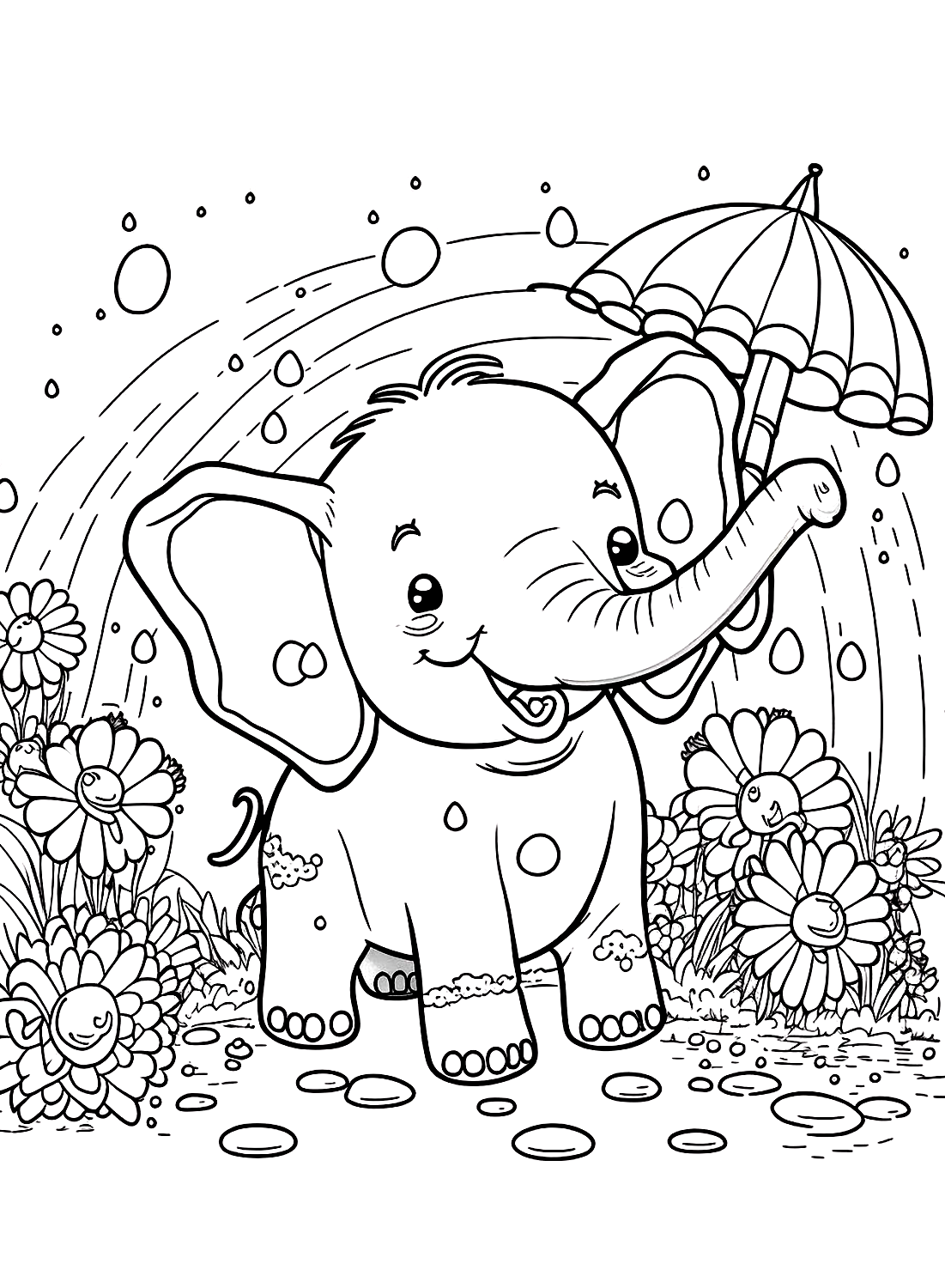
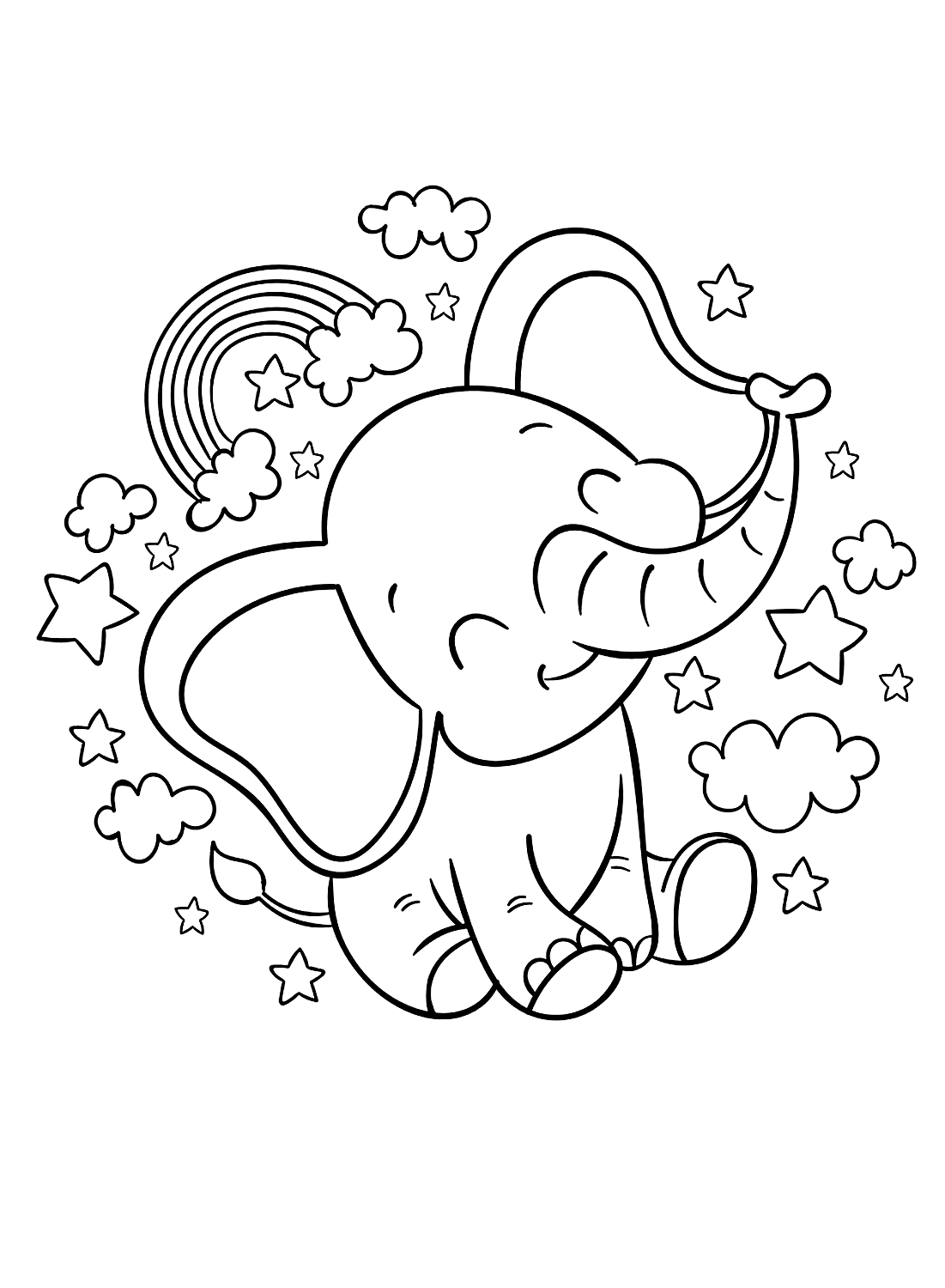
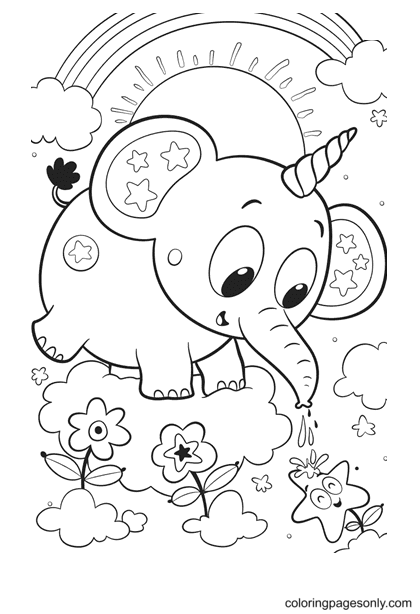
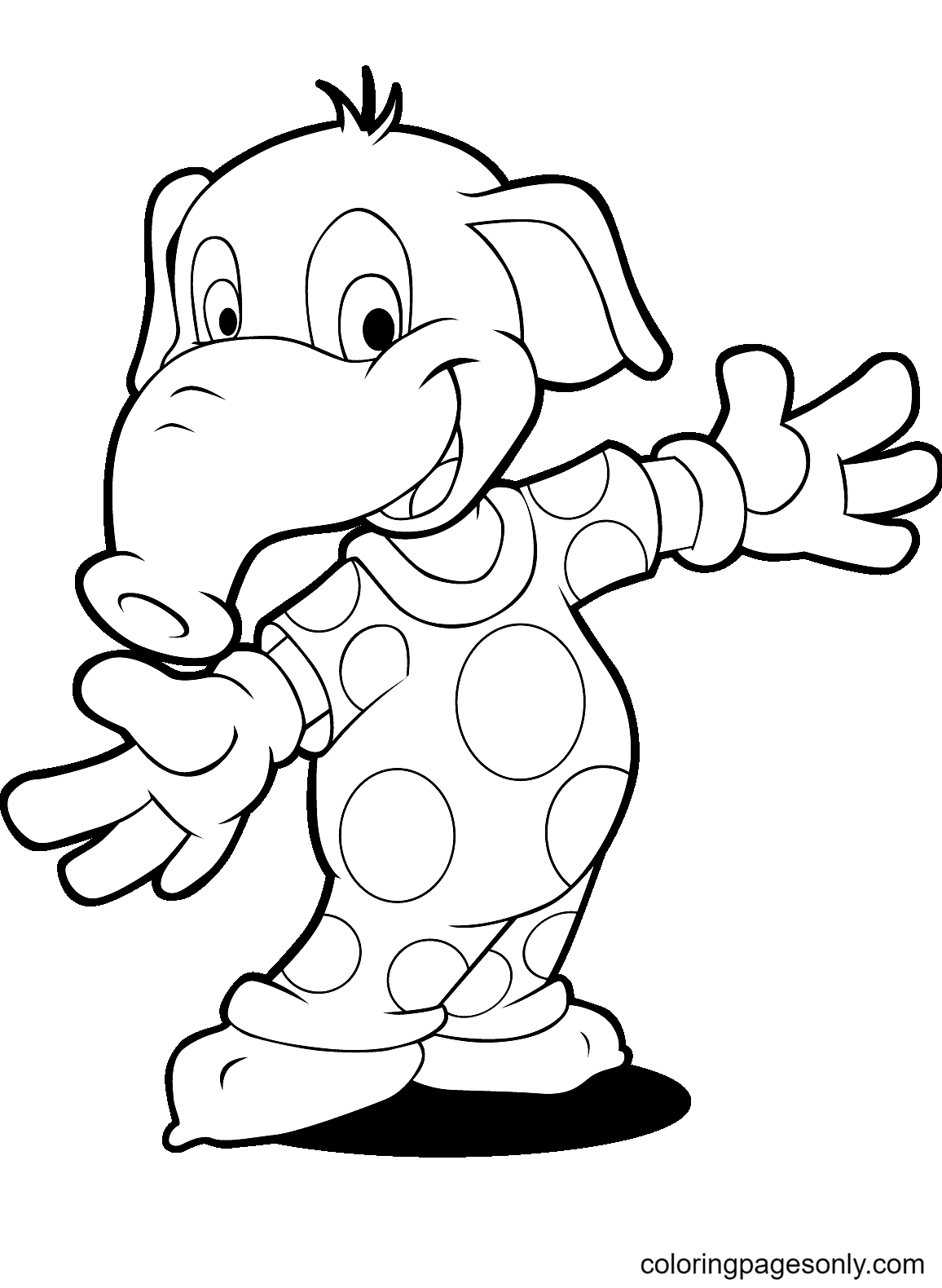
A large group takes the elephant somewhere purely imaginative: sitting on the moon, wearing a witch hat, holding an umbrella, or paired with a mermaid tail. Keep the elephant’s core Gray consistent even on these pages, and let the added prop or costume carry its own separate, brighter color so the elephant still reads as the same animal underneath.
Detailed and Patterned Designs
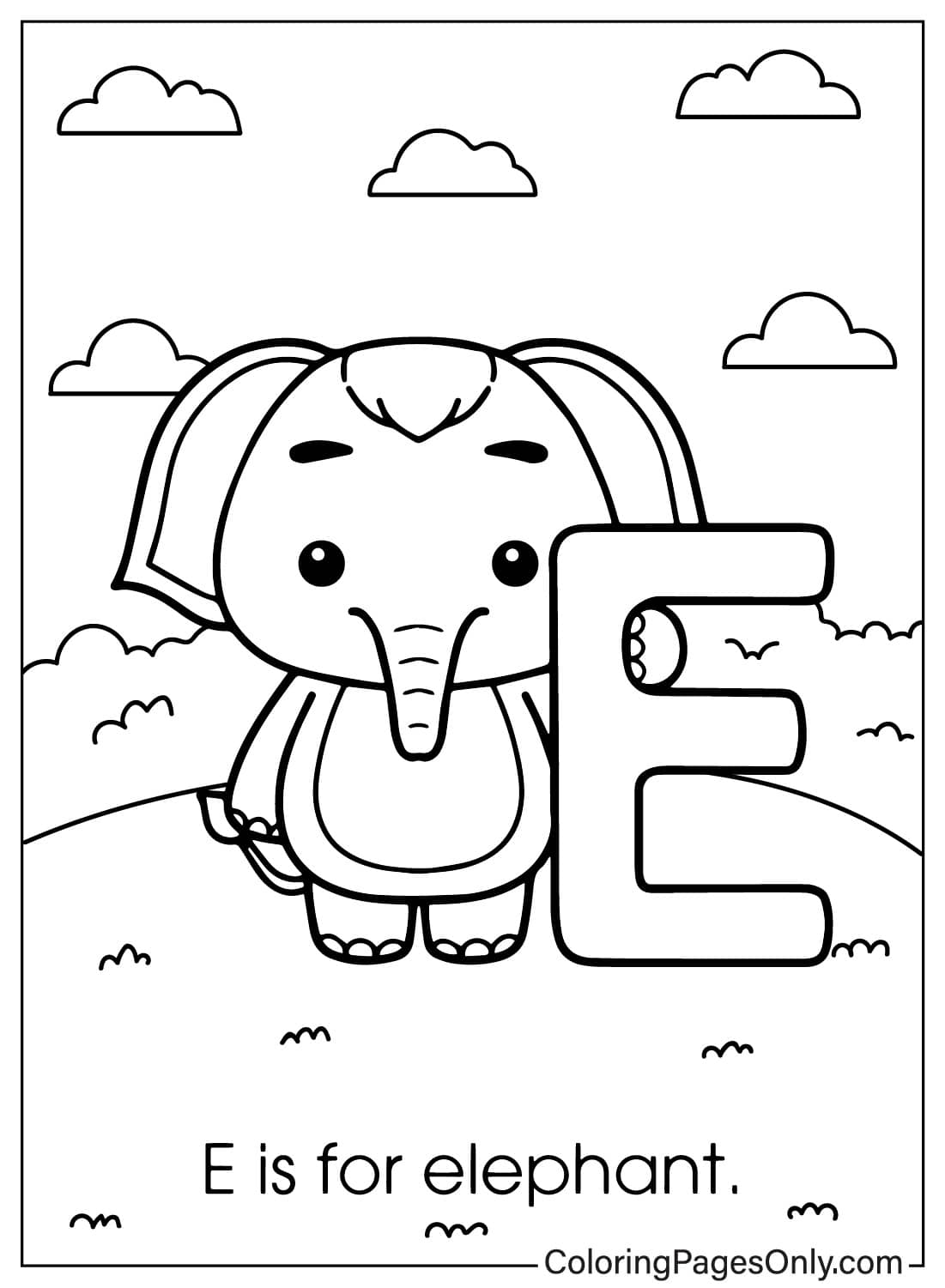
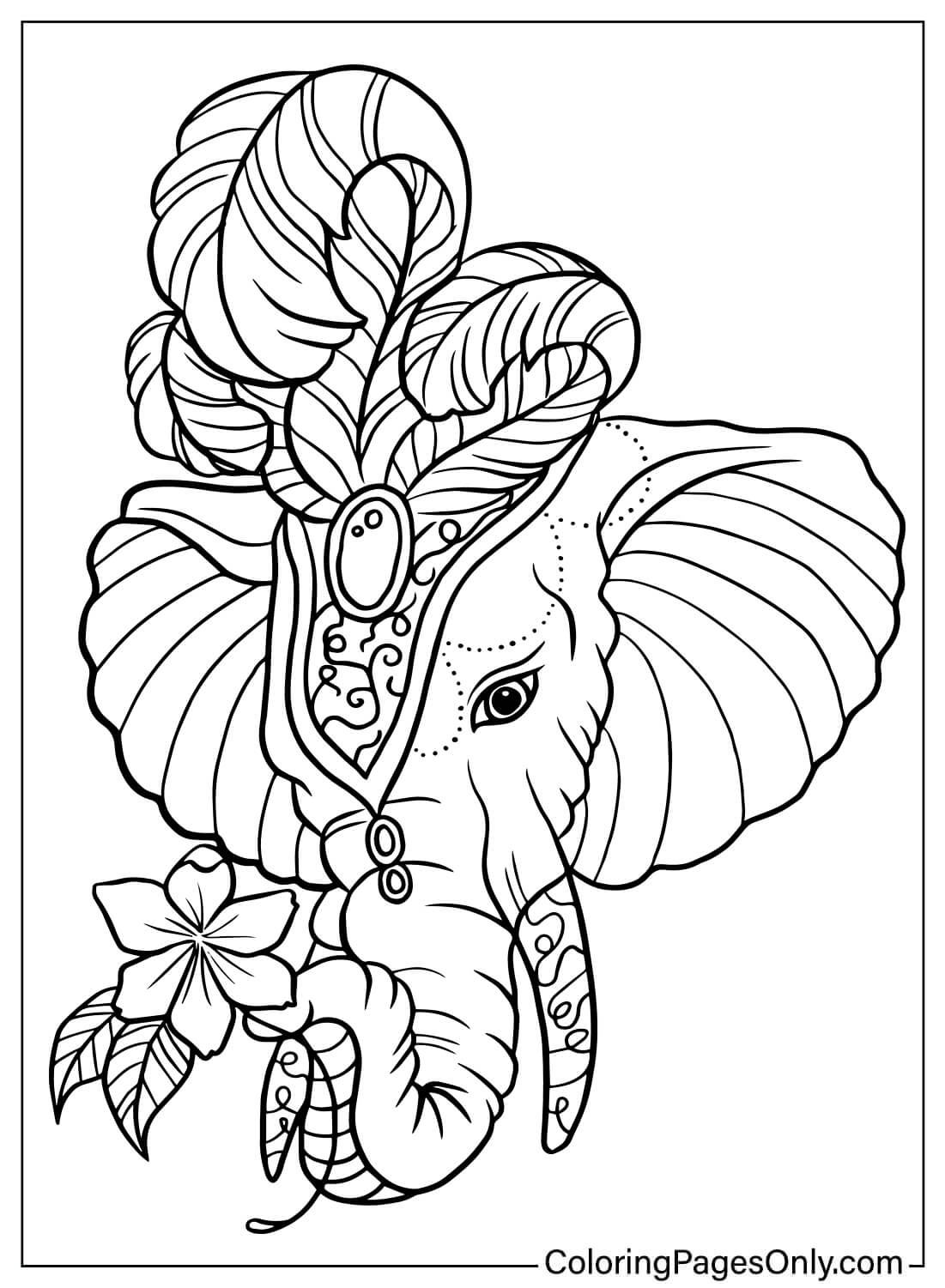
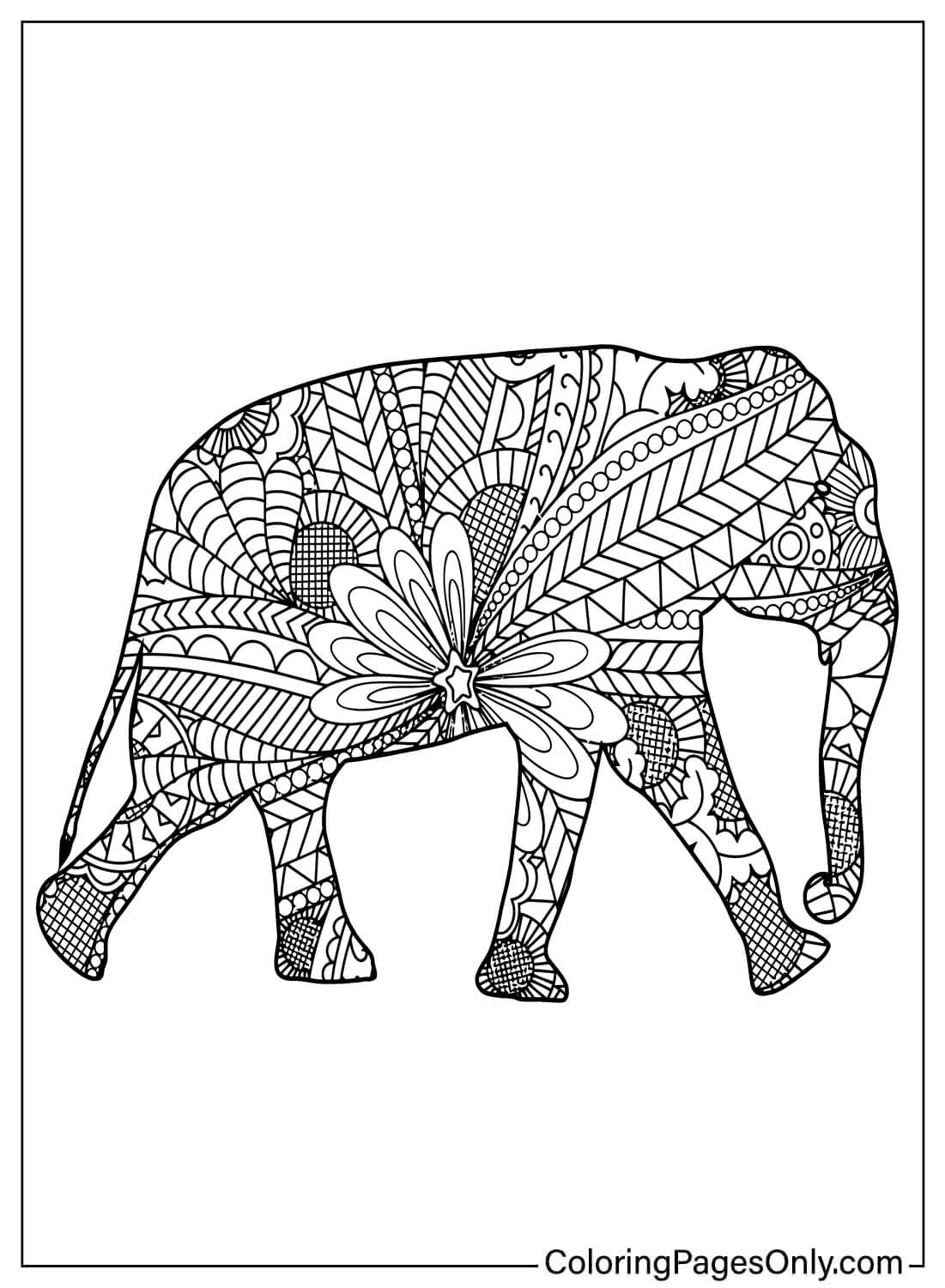
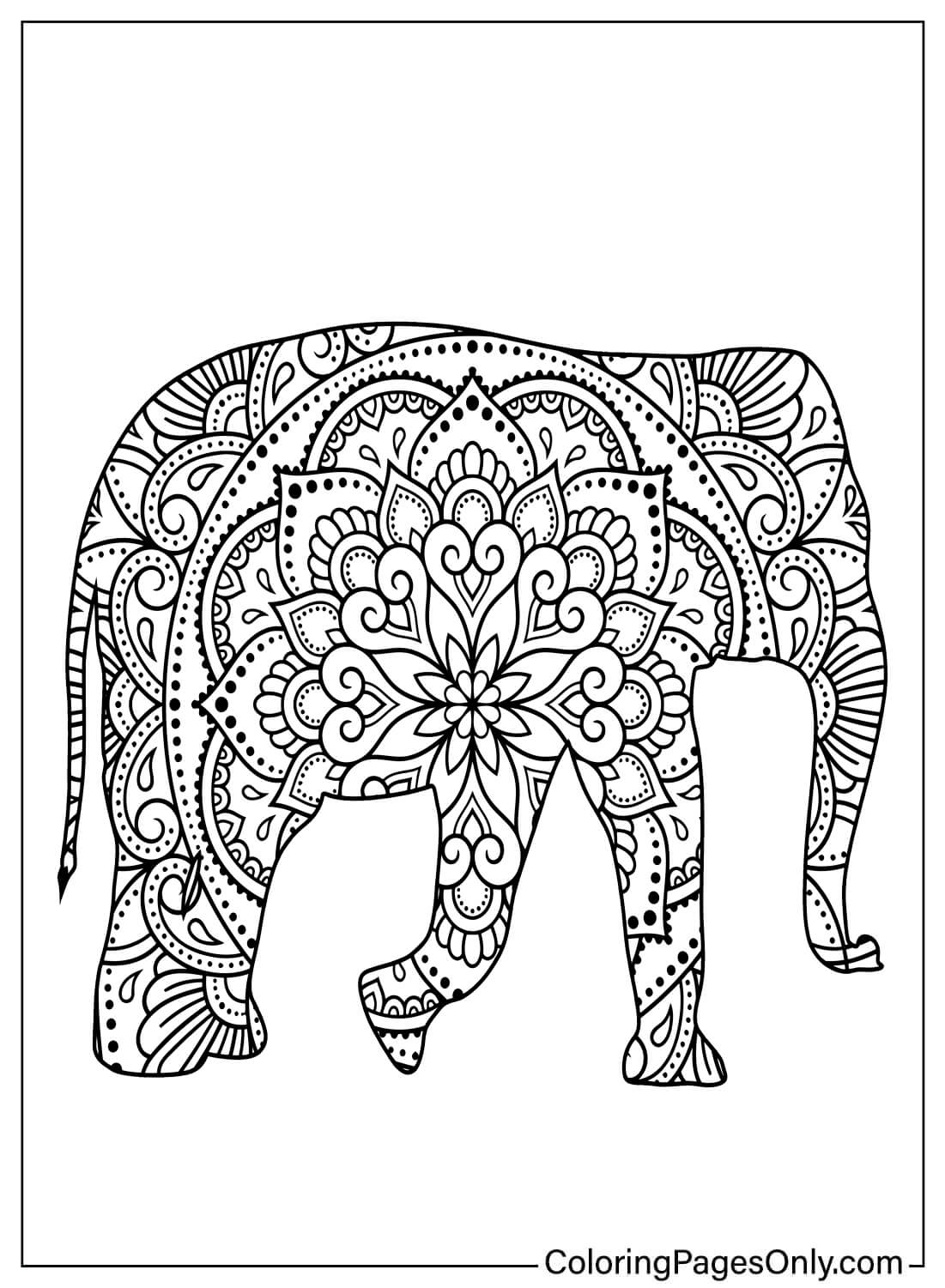
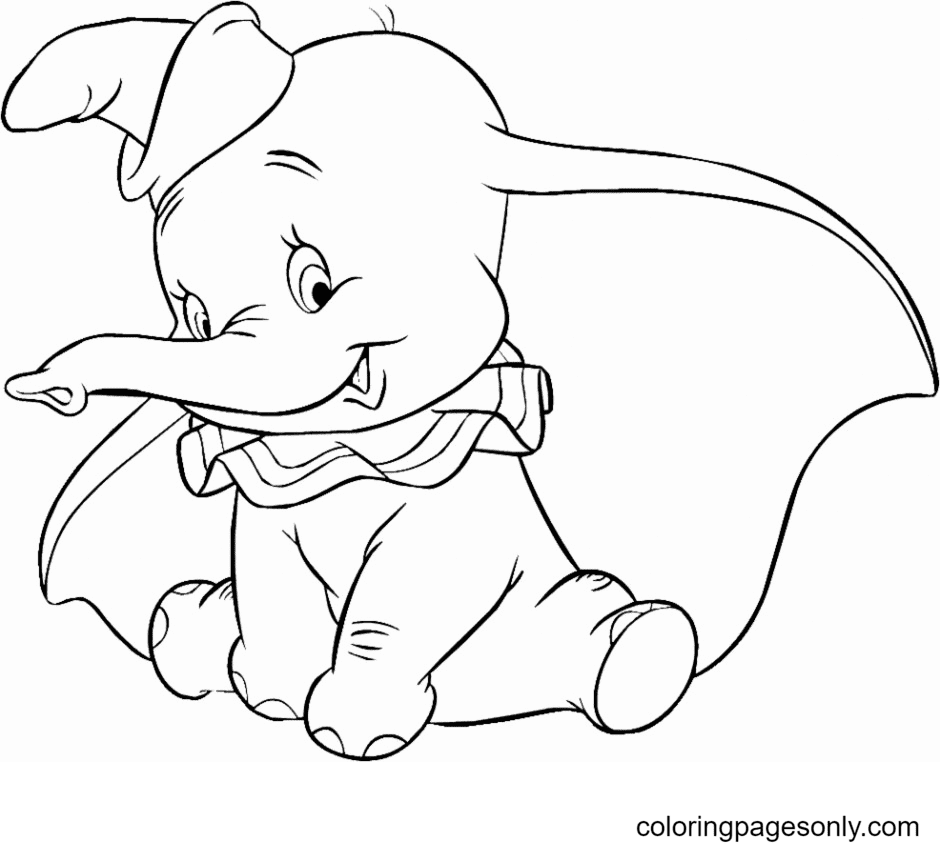
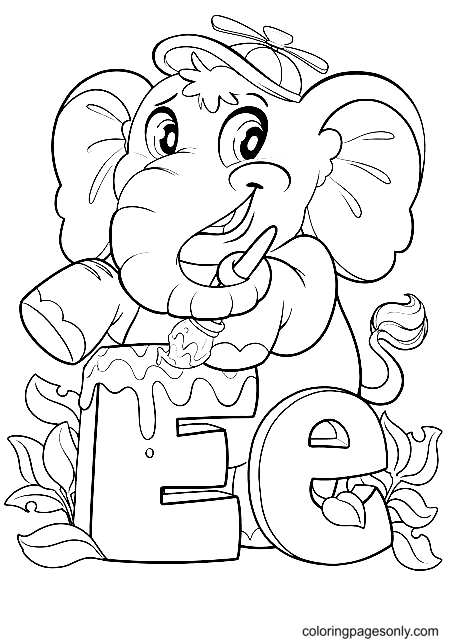
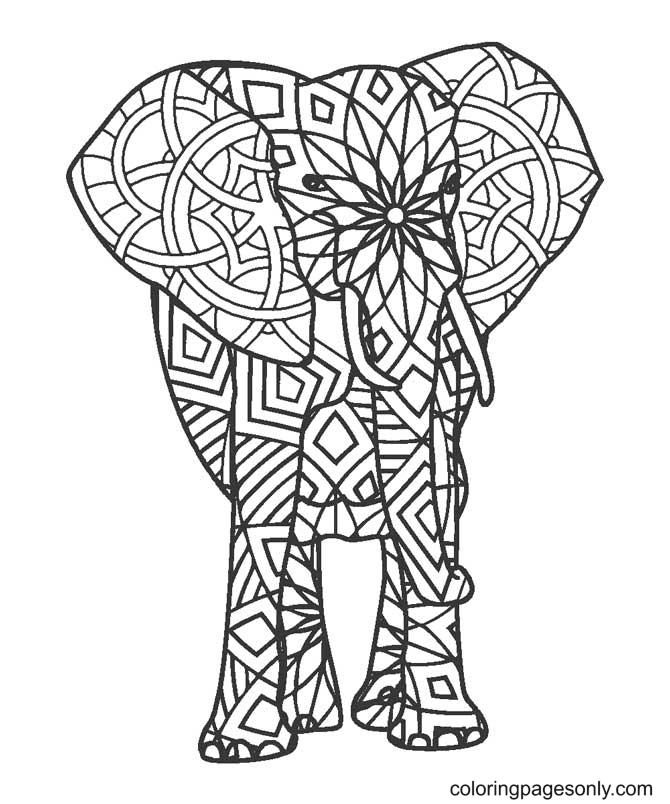
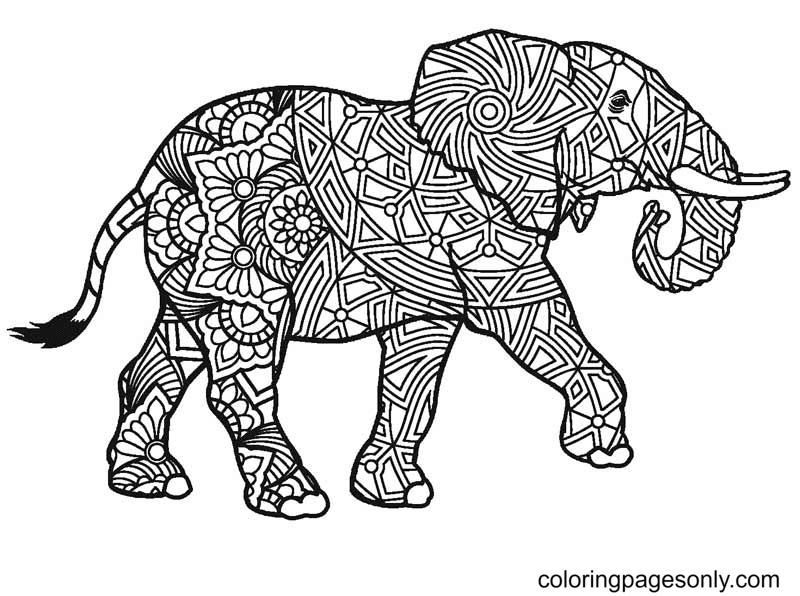
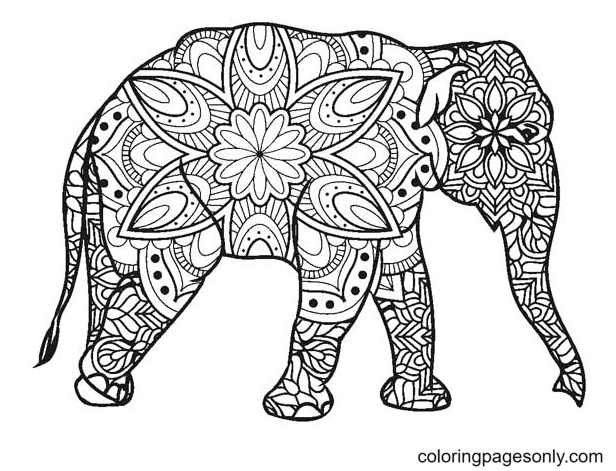
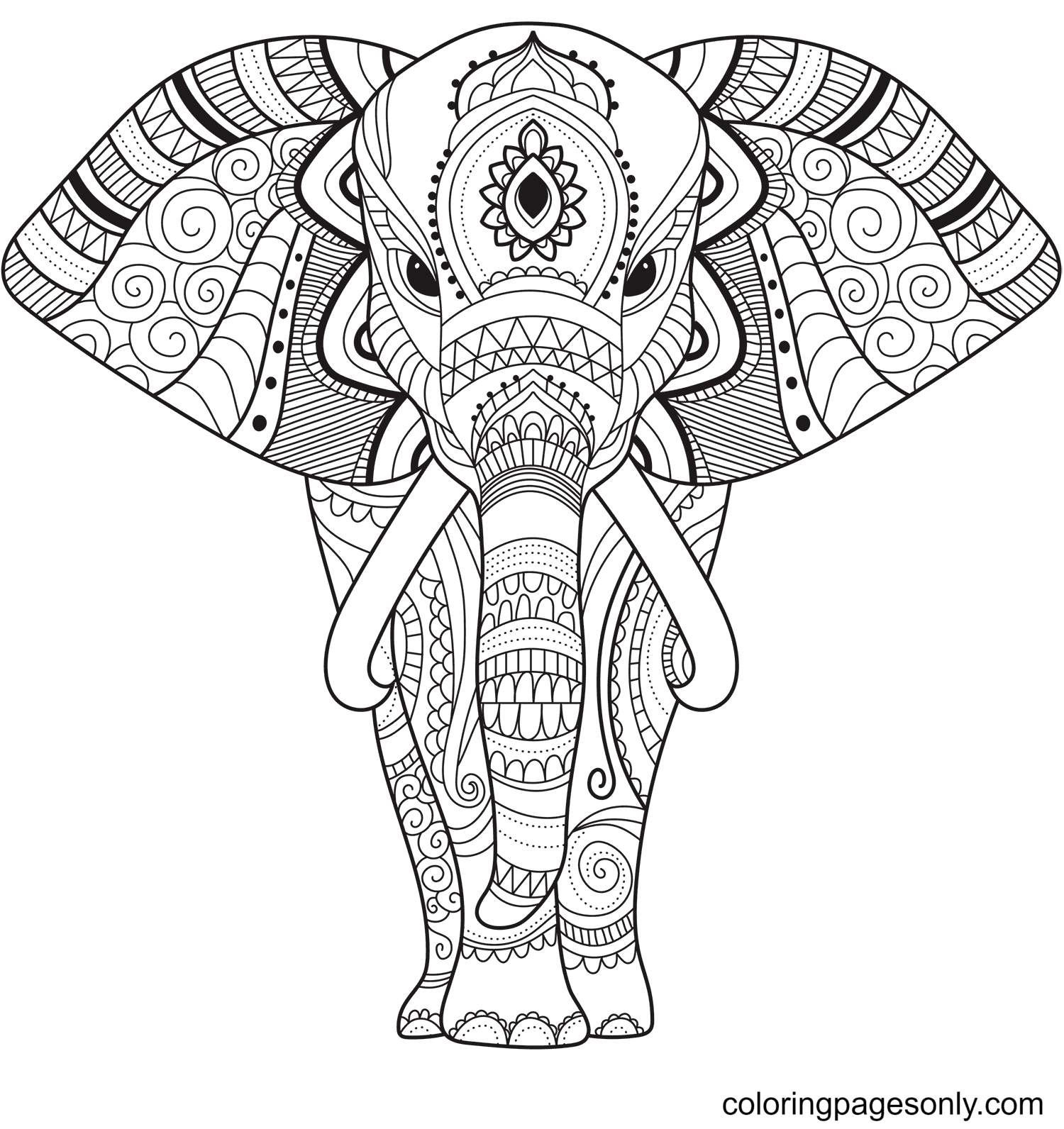
The remaining pages include a mandala-style elephant, an alphabet letter page, and a couple of pages featuring familiar characters. Mandala pages suit alternating jewel-tone colors section by section, while character pages should keep that character in its own familiar colors rather than the collection’s standard elephant Gray.
What Elephant Coloring Pages Do
One big shape, several small demanding details. An elephant page is mostly a few large, rounded fill-in areas, the body, the head, the legs, alongside a few small, precise details like the eye, the tusks, and the folds of the ear. The American Academy of Pediatrics identifies fine motor skill development as one of the benefits of structured coloring in early childhood, and a shape that mixes large open areas with a few small controlled details gives a colorer practice at both within a single page.
A body built entirely around a single working part. An elephant’s trunk does the work of a hand, a hose, and a snorkel, strong enough to lift a log and precise enough to pick up a single blade of grass, which makes it one of the more genuinely unusual body parts a child will color all year—pointing that out while coloring turns a familiar animal into a small anatomy lesson about what one flexible muscle can actually do.
A calming task with research to back it up. A 2005 study in the Art Therapy Journal found that people who colored within a defined outline reported less anxiety afterward than those who drew freely. The mandala-style and detailed jungle-scene pages here, built from small repeating sections, suit that same slow, contained kind of task.
Two very different elephants share one name. African and Asian elephants are different species with different-sized ears, different back shapes, and different tusk patterns between males and females, yet most coloring pages, including many in this collection, default to a single generic look. Coloring a page is a good moment to ask which kind of elephant it is, and to look up the real answer together.
How to Color Elephant Pages Well
- Body: Use a soft Gray as the base, with a slightly darker Charcoal Gray for shadowed folds around the legs and ears.
- Ears: color the outer edge to match the body, with a lighter Pink or pale Gray on the inner ear for contrast.
- Tusks: use a pale Ivory or Cream rather than pure White, with a thin, darker line at the base where the tusk meets the skin.
- Baby elephants: keep the same Gray family as the adult, but a shade lighter, with rounder proportions and a small colored accent to mark it as the baby in the scene.
- Jungle and savanna backgrounds: use warm Tan and Green for grass and foliage, Blue or Teal for any water, kept lighter than the elephant so the animal stays the focal point.
- Costumes and whimsical props: let hats, wings, or accessories carry their own bright, separate color rather than matching the elephant’s Gray, so the added element reads clearly as a costume.
5 Creative Craft Ideas With Elephant Coloring Pages
- Elephant Trunk Puzzle. Materials: a colored elephant page, scissors, cardboard backing, and glue. Glue the colored page to the cardboard, cut it into a few large puzzle pieces, and mix them up to reassemble.
- Mother-and-Baby Card. Materials: a colored mother-and-baby elephant page, a blank folded card, scissors, and glue. Cut out the colored scene and glue it to the card front, then write a message inside for a new baby or family occasion.
- Elephant Garland. Materials: several colored solo elephant pages, scissors, and a length of string. Cut out each colored elephant and string them along the twine spaced a few inches apart to hang across a nursery wall or window.
- Savanna Diorama. Materials: a colored elephant and jungle-scene page, scissors, a small box, and glue. Mount the colored pages inside the box to build a small savanna or jungle scene.
- Elephant Bookmark. Materials: a colored solo elephant page, scissors, and clear contact paper or a laminate sheet. Cut a narrow strip around the colored figure, cover both sides with the contact paper or laminate, and use it as a bookmark.
Frequently Asked Questions
What are Elephant coloring pages?
Printable designs featuring baby elephants, mother-and-baby pairs, jungle and savanna scenes, and a range of playful, whimsical poses. This collection offers 120 free designs as printable PDFs or online coloring pages.
What is the difference between African and Asian elephants?
African elephants have larger, continent-shaped ears and a more sloped back, while Asian elephants have smaller, rounded ears and a more arched back. Both African males and females can grow tusks, while typically only some Asian males do.
How big is a newborn elephant?
A newborn elephant weighs around 200 pounds and can stand within about 20 minutes of birth, though it stays close to its mother for several years afterward.
Why is an elephant’s trunk so important?
The trunk works as a combined hand, hose, and snorkel, strong enough to lift heavy objects and precise enough to pick up small items, which makes it one of the most versatile body parts in the animal kingdom.
Are any of these pages based on a specific character?
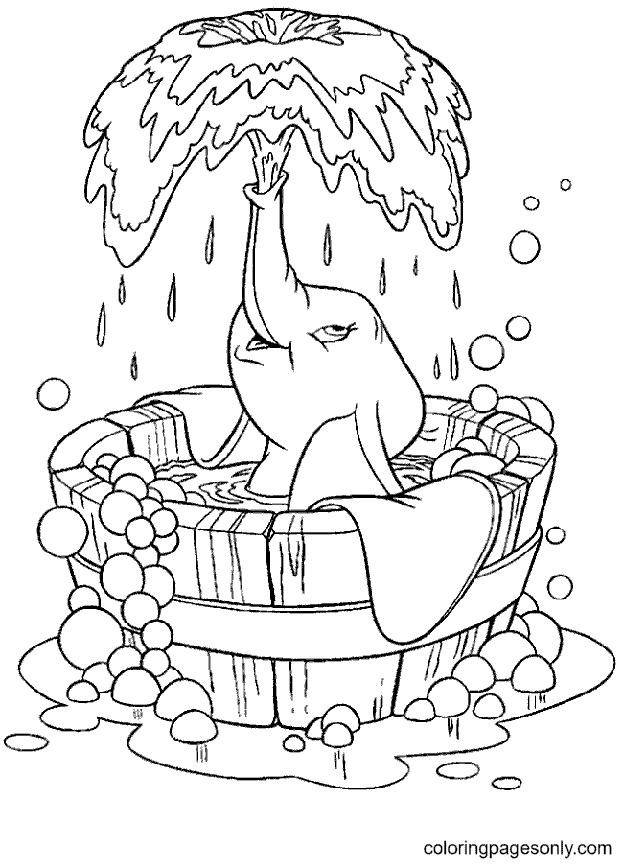
A couple of pages feature a familiar elephant character from film, alongside the collection’s original designs, which make up most of the set.
Are Elephant coloring pages suitable for young children?
Yes. The simple, rounded solo elephants suit ages 2 and up, while the detailed mandala and scene pages suit ages 7 and up or an adult looking for more detail.
Can these pages be used for a lesson about animals or habitats?
Yes. The collection pairs well with a conversation about African versus Asian elephants, savanna and jungle habitats, or how a mother elephant cares for her young.
Why are so many pages whimsical rather than realistic?
The collection mixes realistic poses and settings with playful, imaginative scenes, an elephant on the moon or in a witch hat, so that children can choose between a nature-focused page and a purely fun one depending on their mood.
Start Coloring
Download any page by clicking the design. No account, email, or payment is required. Pages print directly from the browser at full resolution or open in the online coloring tool for screen use. Share finished pages on Facebook or Pinterest with the share buttons at the top of each design page.