Nursery Rhymes Coloring Pages
 By:
Jennifer Thoa - Content Editor & Designer
Updated:
By:
Jennifer Thoa - Content Editor & Designer
Updated:
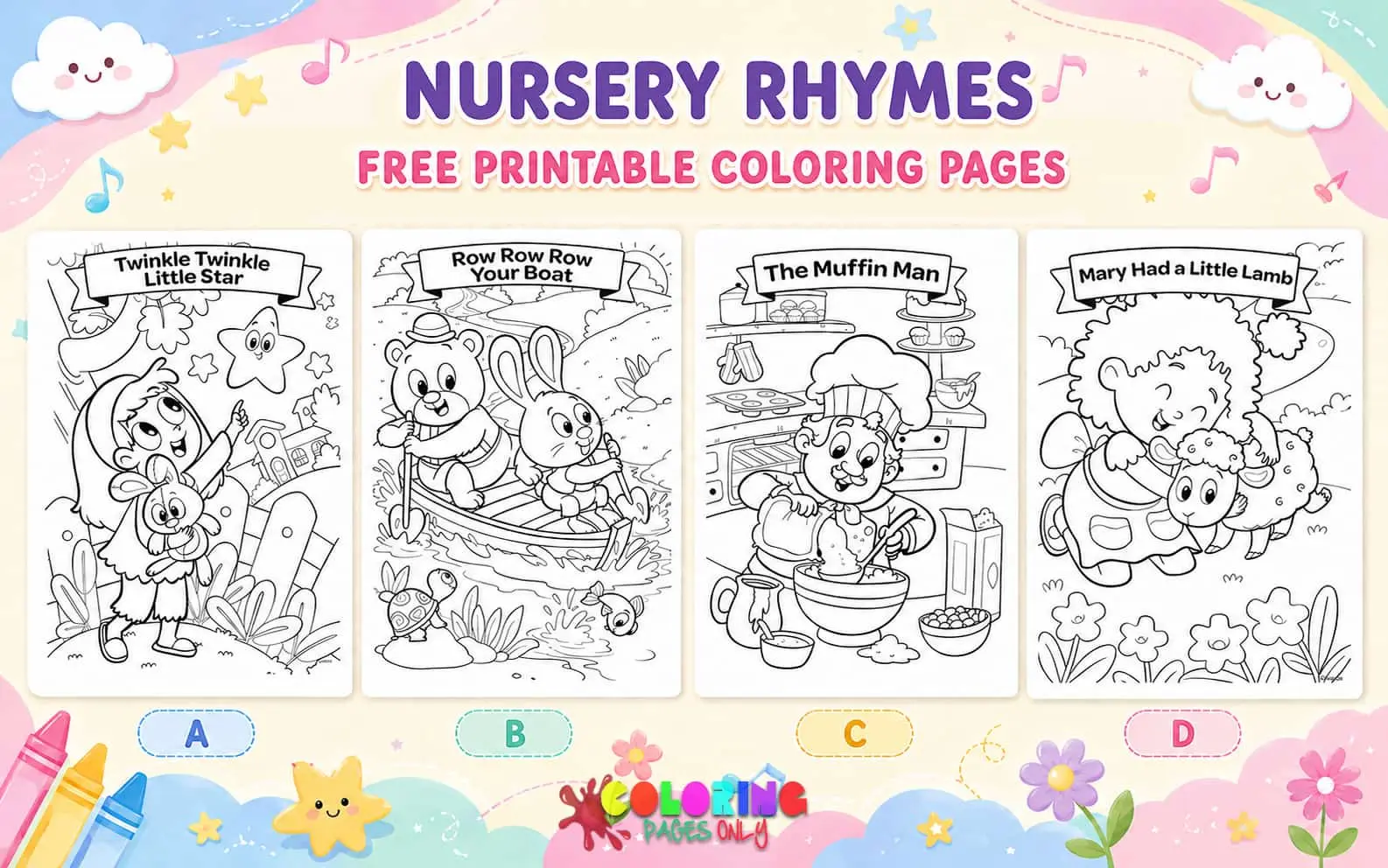
Free Nursery Rhymes Coloring Pages: 40+ printable PDF pages featuring classic nursery rhyme characters, short rhyme scenes, song-inspired pictures, animal rhymes, bedtime rhymes, weather pages, story moments, and rhyme-with-words designs. These coloring sheets are great for preschoolers, kindergarten students, parents, teachers, homeschool lessons, early literacy practice, rhyme recognition, storytelling, classroom centers, fine motor work, and screen-free creative time. All free, download PDF to print, or color online.
Nursery rhymes are short traditional songs, chants, or poems for young children. They often use simple words, repeated sounds, rhythm, rhyme, and memorable characters to help children listen, repeat, remember, and tell small stories. That is why nursery rhymes are often used in preschool, kindergarten, story time, and early literacy activities.
Nursery Rhymes coloring pages are special because they connect pictures with rhythm, rhyme, sound, memory, and simple storytelling. A child can color a falling egg character, a spider climbing a waterspout, a lamb following a girl, a boat on the water, a clock with a mouse, or a starry bedtime scene while also hearing or remembering a familiar rhyme.
Unlike general preschool coloring pages, Nursery Rhymes coloring pages bring pictures and language together. Children are not only filling shapes with color; they are connecting images with songs, repeated sounds, story order, characters, actions, and simple words. This makes the collection useful for home coloring, preschool lessons, kindergarten literacy centers, rhyme practice, reading readiness, story sequencing, and classroom display projects.

What’s Inside
Classic Nursery Rhyme Character Coloring Pages
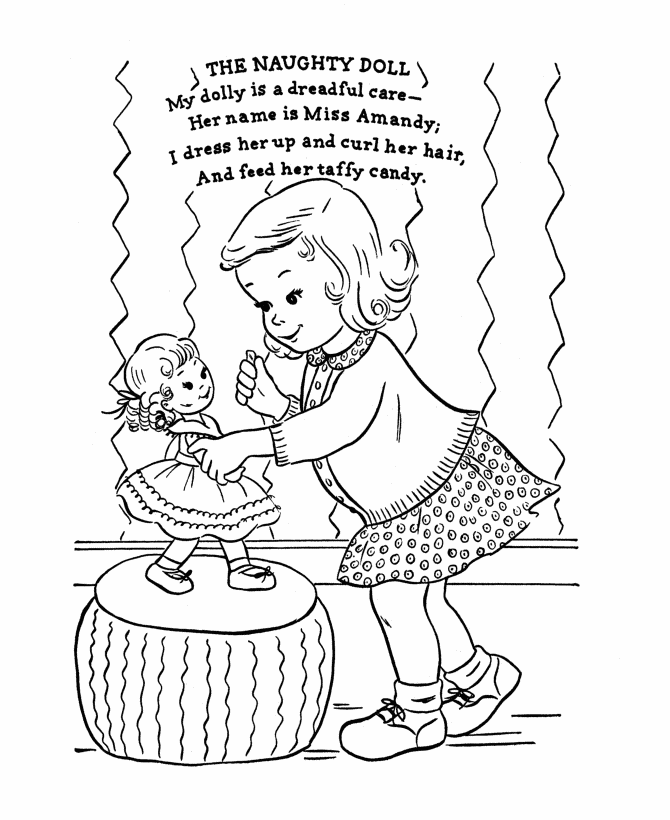
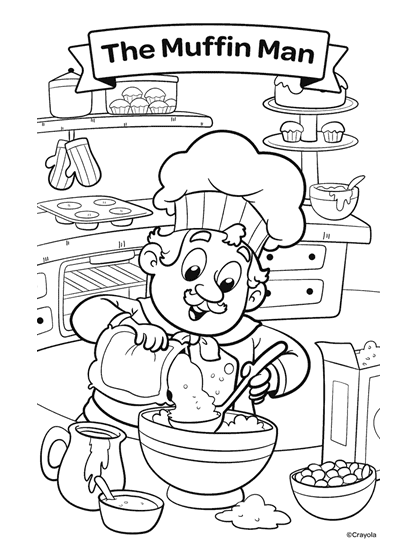
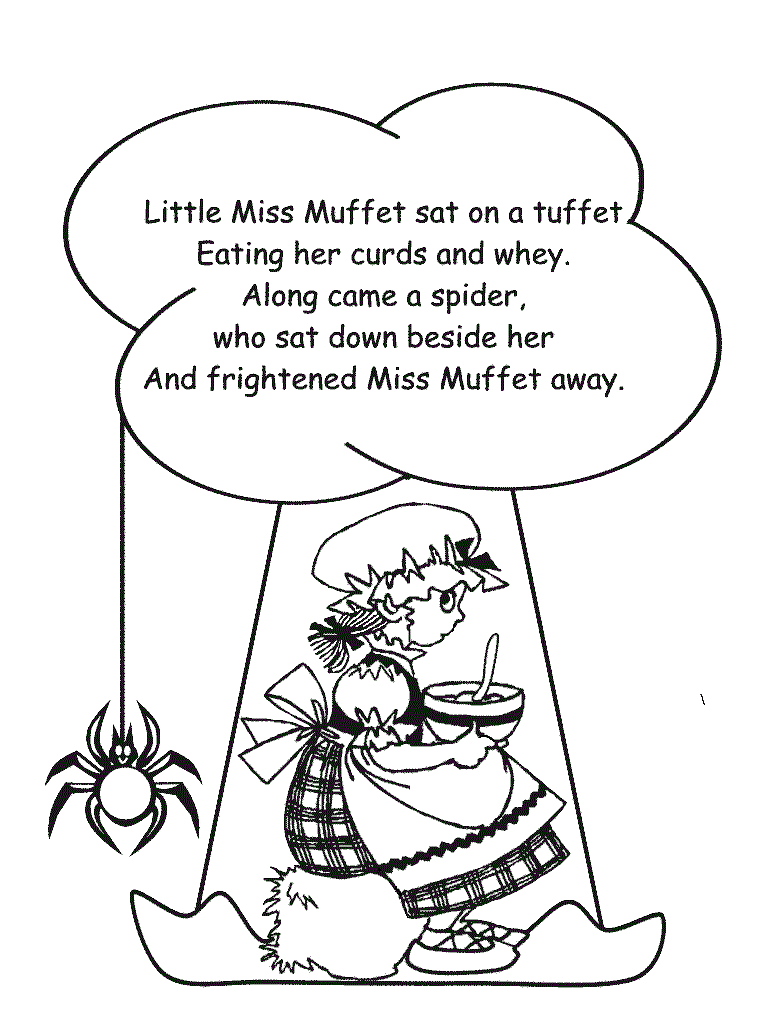
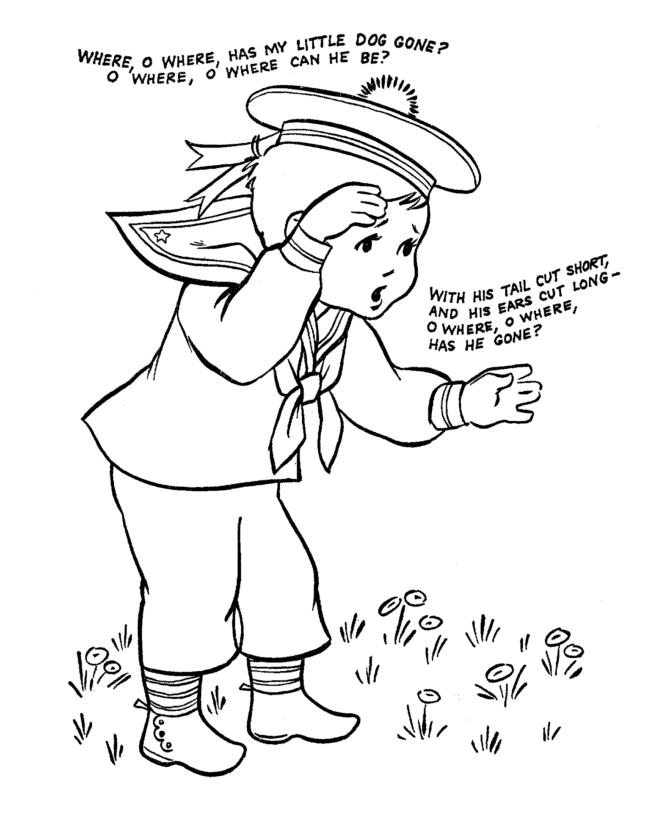
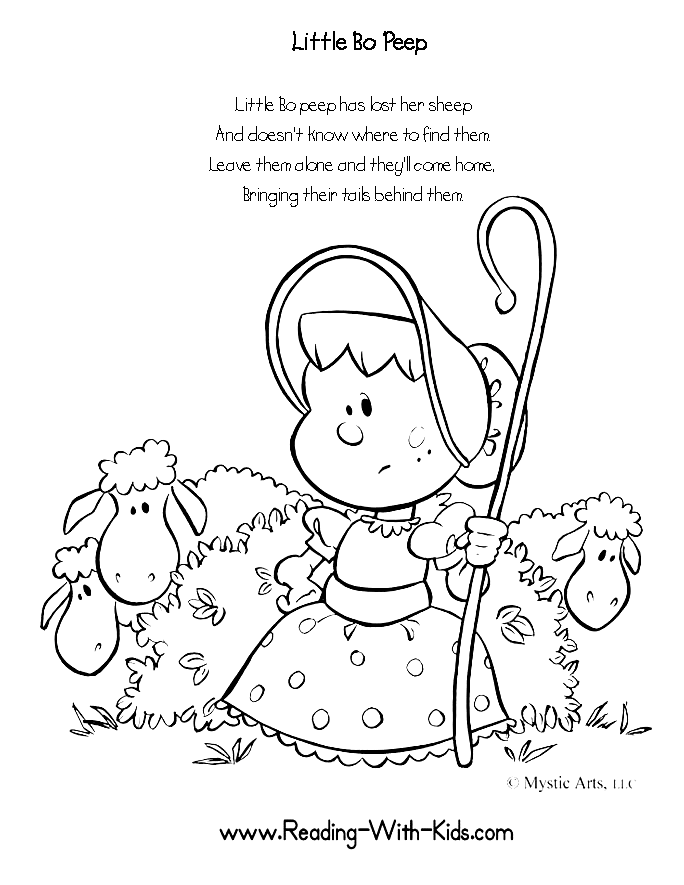
Classic character pages are the heart of this collection. These pages may include Humpty Dumpty, Jack and Jill, Little Bo Peep, Little Miss Muffet, Mary Mary Quite Contrary, The Muffin Man, The Old Woman Who Lived in a Shoe, Little Boy Blue, and other well-known nursery rhyme figures.
These designs work well because children can connect a familiar character with a simple picture. A character page can become a short storytelling prompt: Who is in the scene? What is happening? What might happen next?
Classic character pages are also useful for teachers because they support recall and discussion. Children can color the page, name the character, and retell the rhyme in their own words.
Coloring classic nursery rhyme pages: Use bright, friendly colors for clothing and backgrounds. Add simple details such as grass, clouds, flowers, stars, paths, baskets, shoes, or story labels to make the page easier to understand.
Humpty Dumpty and Story Moment Coloring Pages
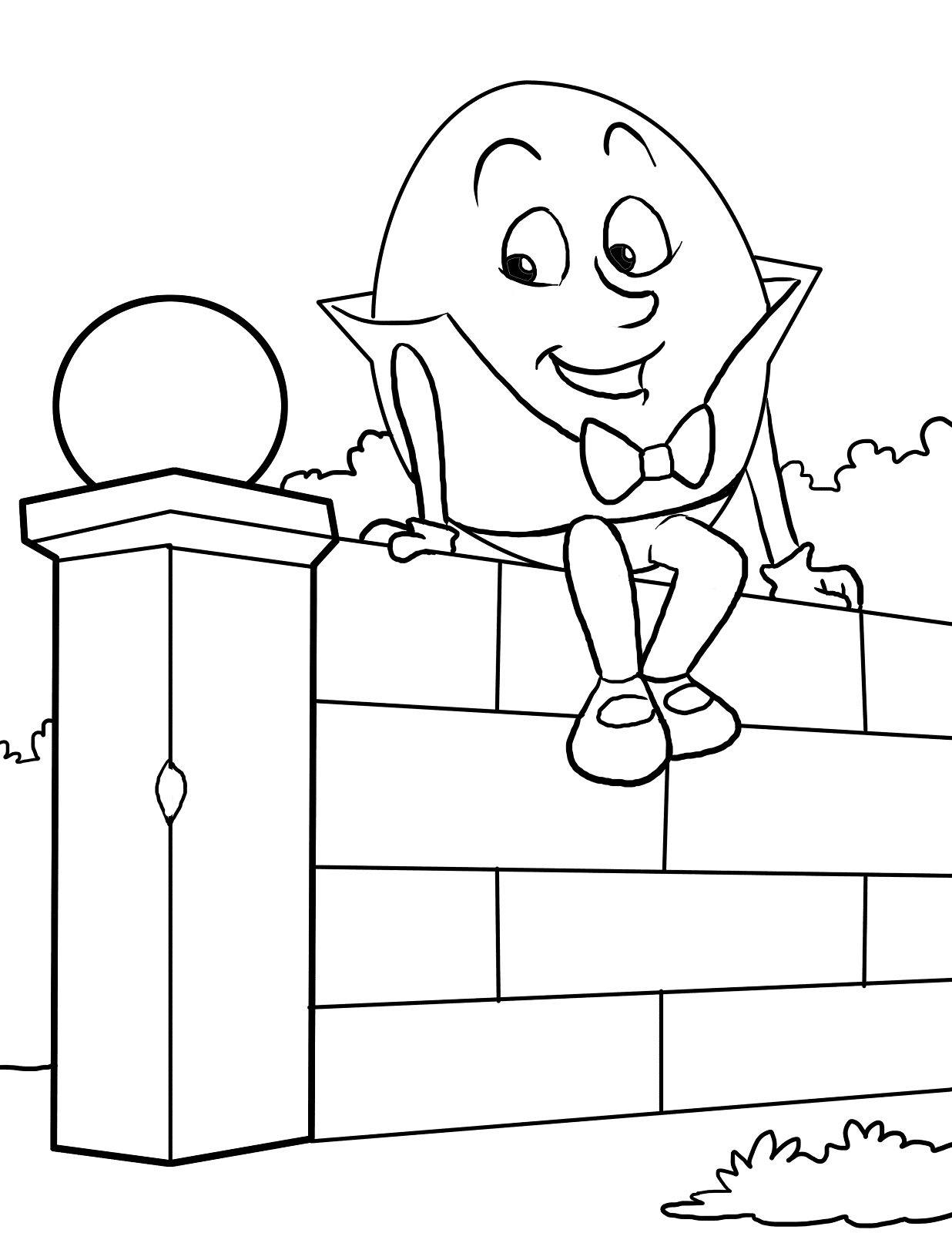
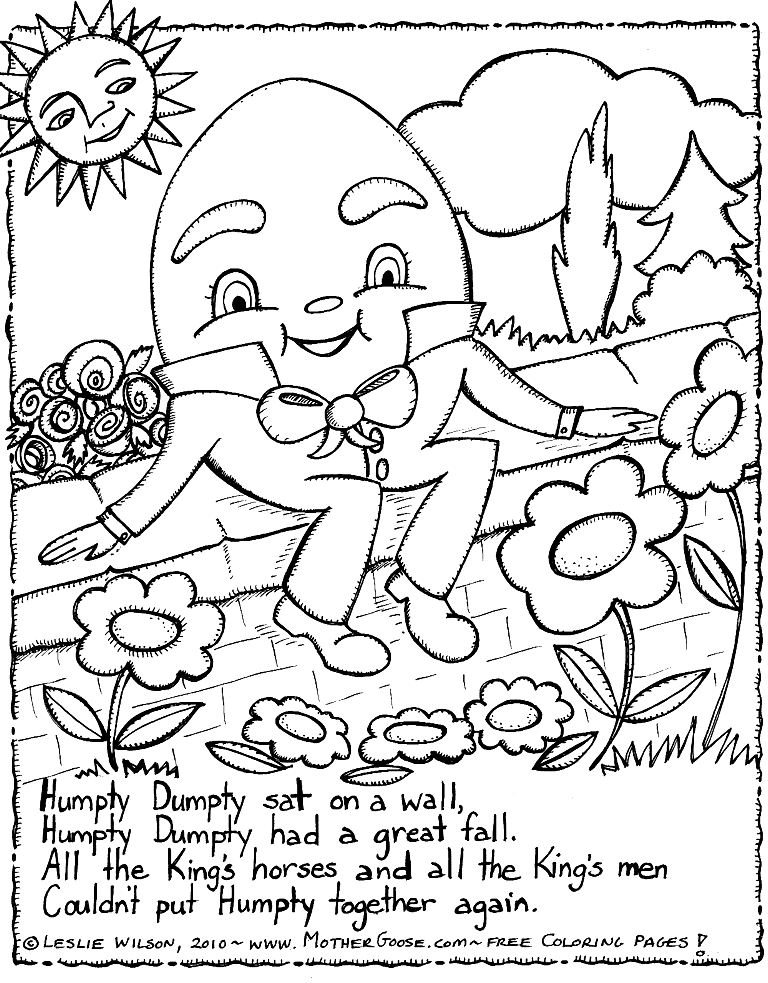
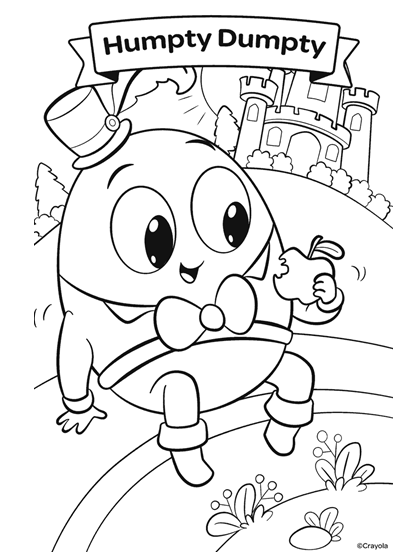
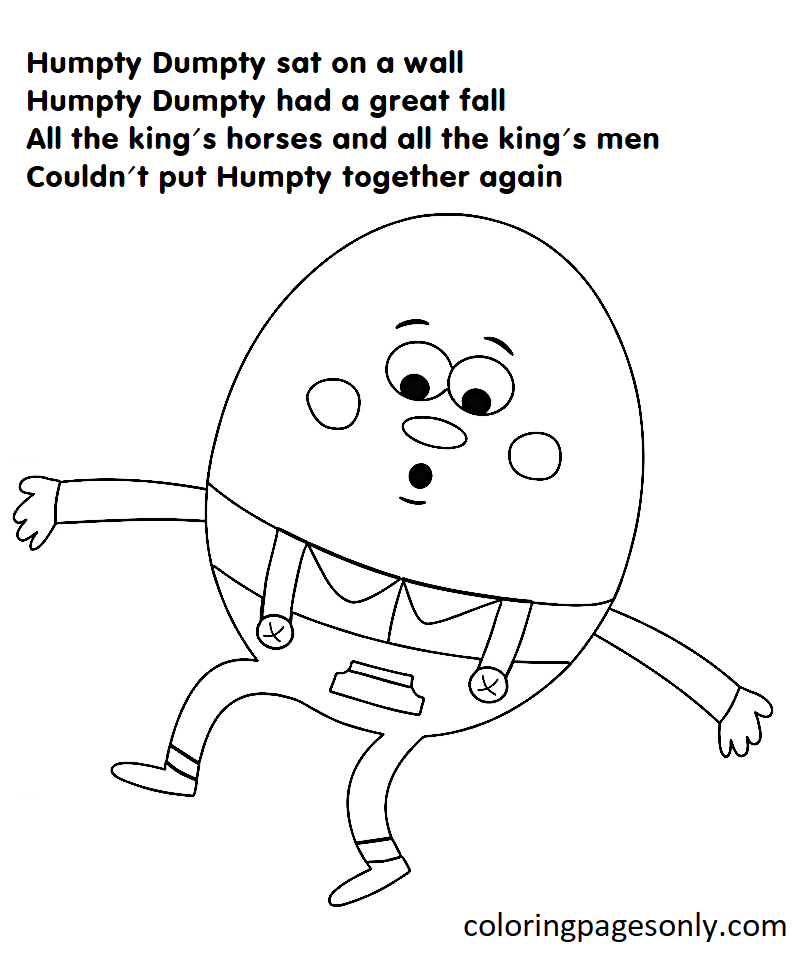
Humpty Dumpty pages are among the most recognizable nursery rhyme designs. They may show Humpty Dumpty sitting on a wall, falling, smiling, or appearing in a printable rhyme scene.
These pages are useful for story sequencing. Children can color one scene, then talk about the beginning, middle, and ending. This helps them practice order, cause and effect, and simple storytelling language.
Humpty Dumpty pages also work well for crafts because the character shape is bold and easy to cut out. Finished pages can become wall displays, story cards, or mini-book pages.
Coloring Humpty Dumpty pages: Use soft cream or white for the egg shape, bright colors for clothing, brown or gray for the wall, and blue for the sky. Add cracks, bricks, grass, or a simple sun for extra detail.
Animal Nursery Rhyme Coloring Pages
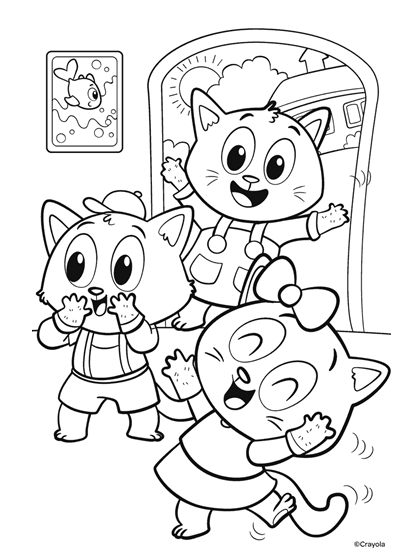
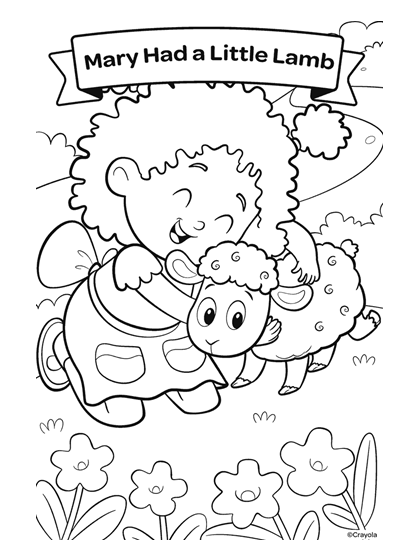
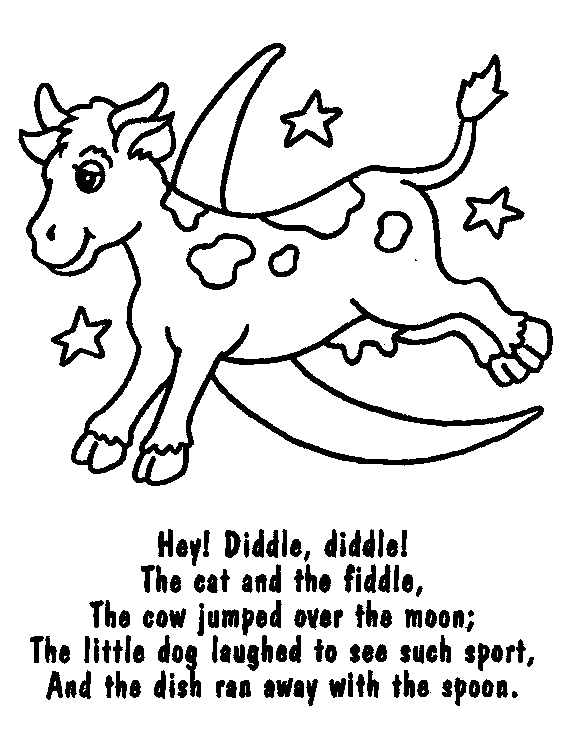
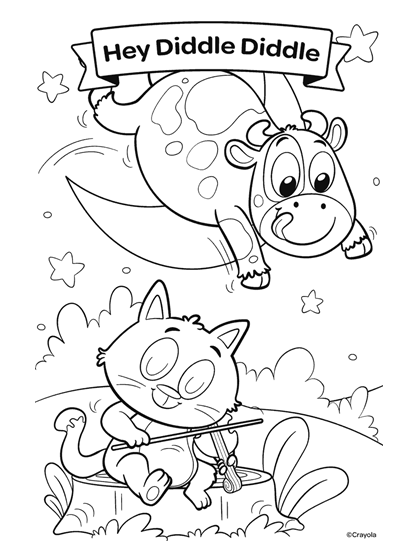
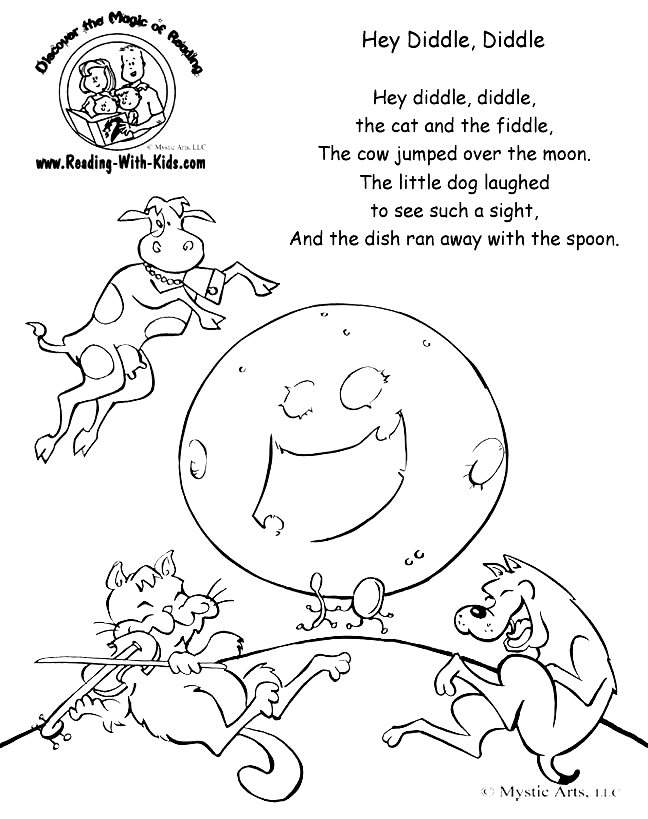
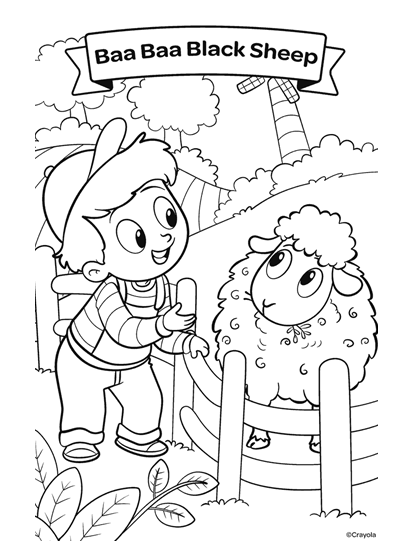
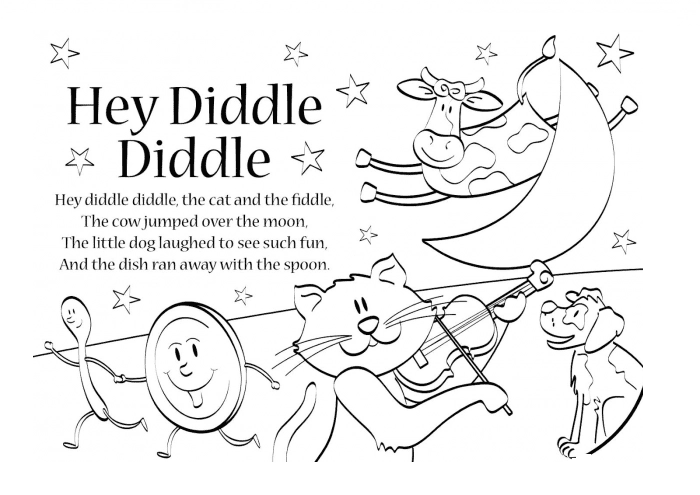
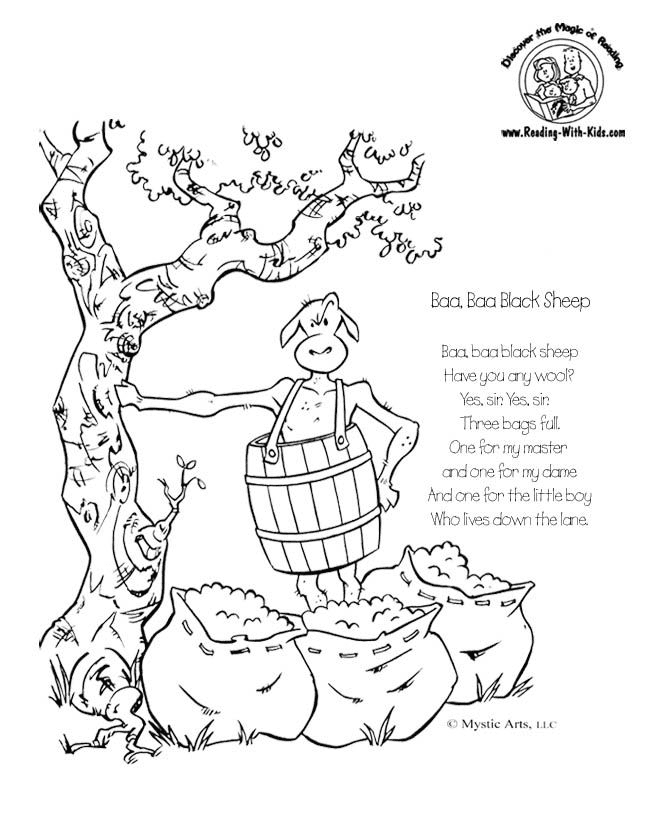
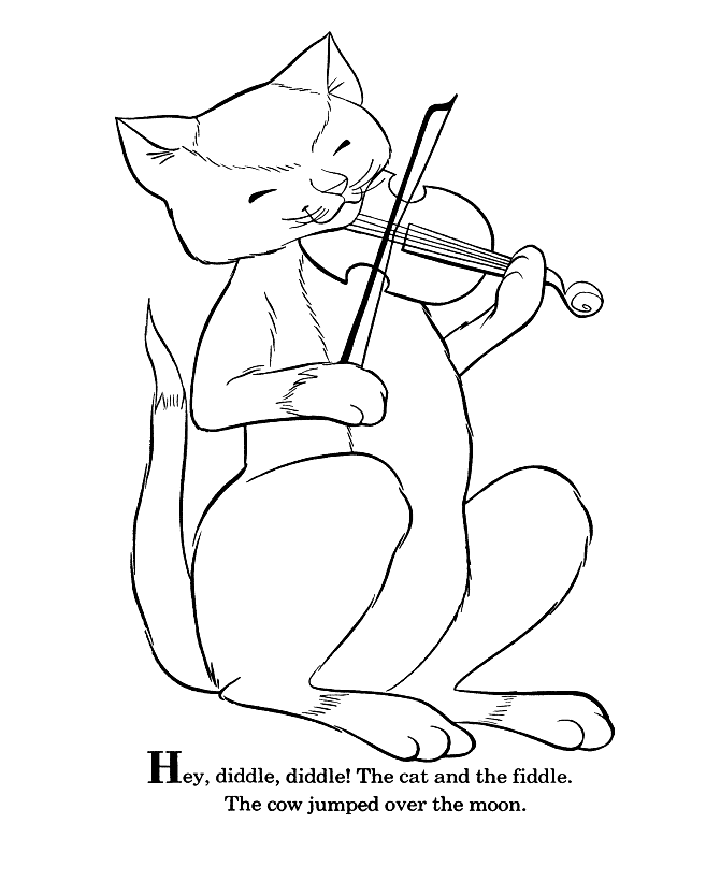
Animal rhyme pages include designs inspired by Baa Baa Black Sheep, Mary Had a Little Lamb, Three Little Kittens, Hey Diddle Diddle, Little Bo Peep, and other animal-based nursery rhyme scenes.
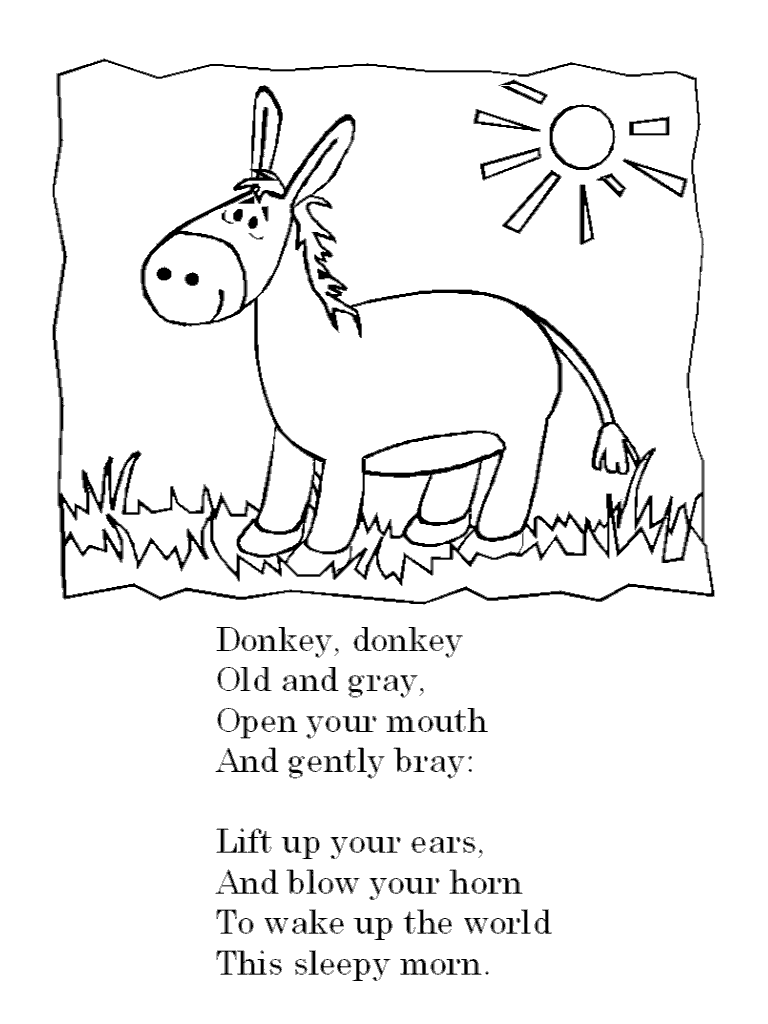
These pages are excellent for young children because animals are easy to recognize and fun to color. Children can color sheep, lambs, kittens, cats, cows, dogs, and other friendly characters while learning animal names, sounds, and simple story words.
Animal nursery rhyme pages can also support vocabulary. Teachers can ask children to describe the animal, count animals, name body parts, or match the picture with a rhyme title.
Coloring animal rhyme pages: Use soft wool colors for sheep and lambs, playful colors for kittens, warm browns for farm animals, and bright backgrounds for story scenes. Add flowers, grass, fences, clouds, stars, or simple farm details.
Music, Song, and Bedtime Rhyme Coloring Pages
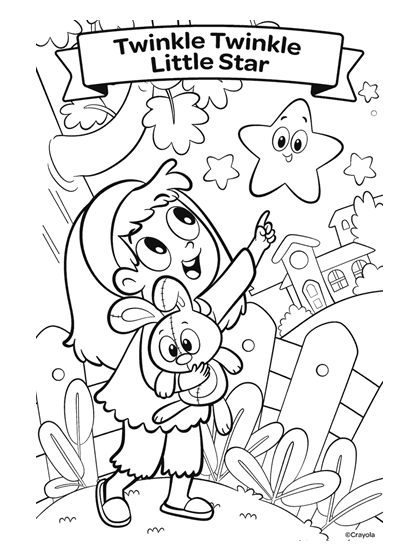
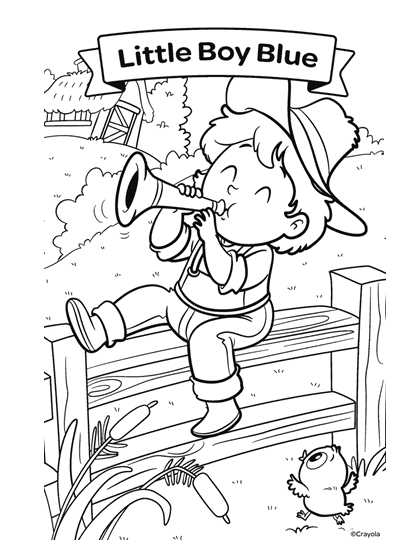
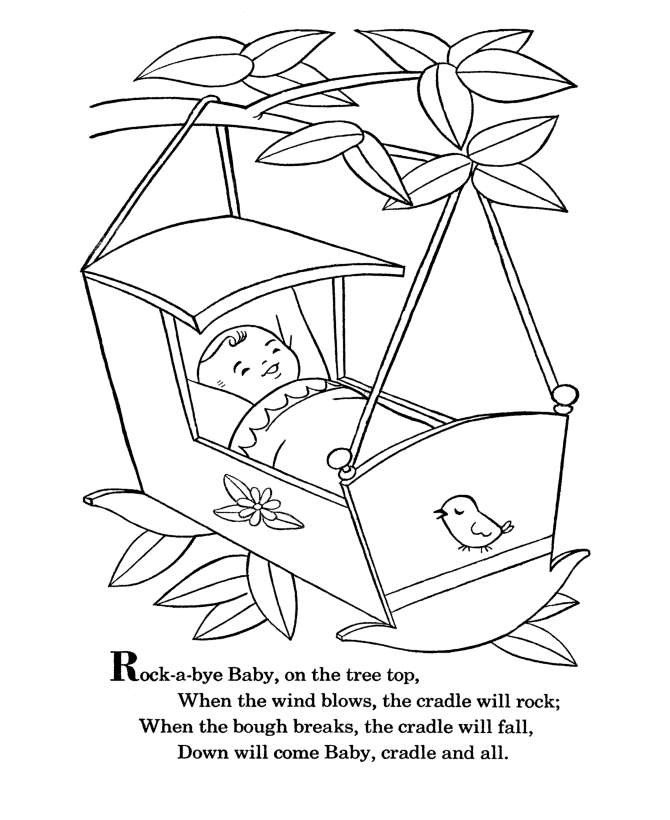
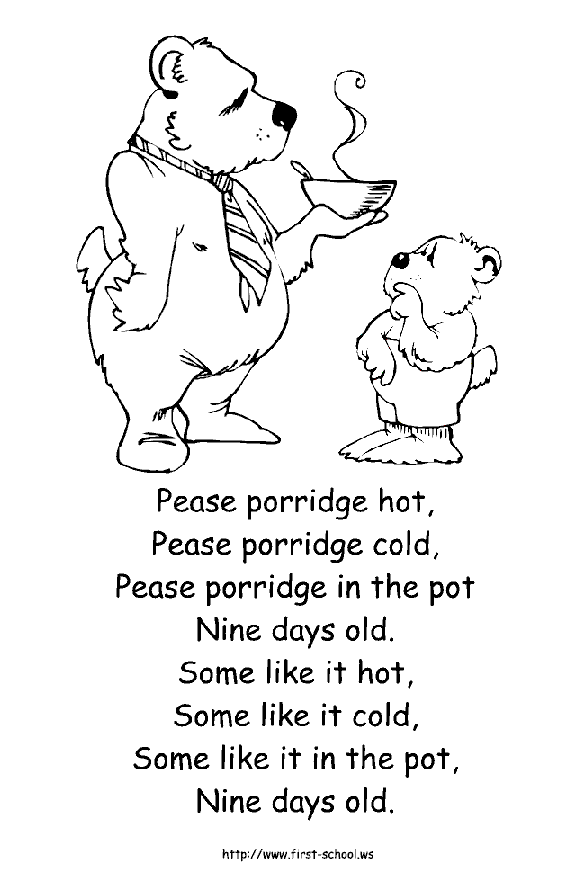
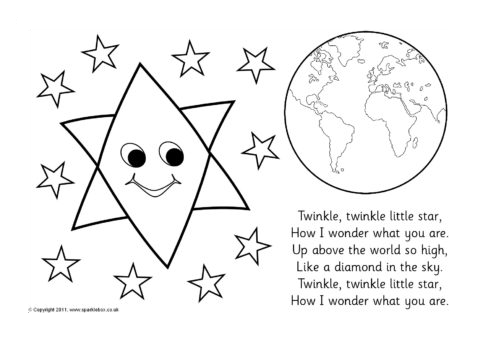
Some nursery rhyme pages feel musical or calm. These may include Twinkle Twinkle Little Star, Rock a Bye Baby, Little Boy Blue, The Muffin Man, Pease Porridge Hot, and other song-like or bedtime-style designs.
This group is useful because it connects coloring with rhythm and melody. Children can color quietly while listening to a rhyme, humming a tune, or talking about sounds such as stars, horns, bells, songs, and gentle bedtime scenes.
Bedtime and music pages are also good for calm activities. They work well for quiet corners, rest time, family reading time, or early childhood classrooms.
Coloring music and bedtime rhyme pages: Use soft blues, yellows, lavender, cream, and gentle pastel colors. Add stars, moons, soft blankets, music notes, sleepy clouds, or warm kitchen colors, depending on the rhyme scene.
Action and Adventure Nursery Rhyme Coloring Pages
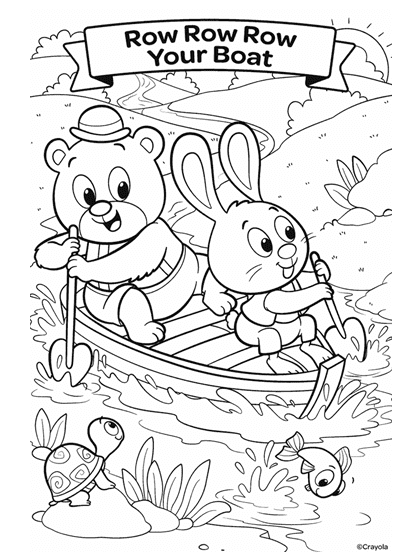
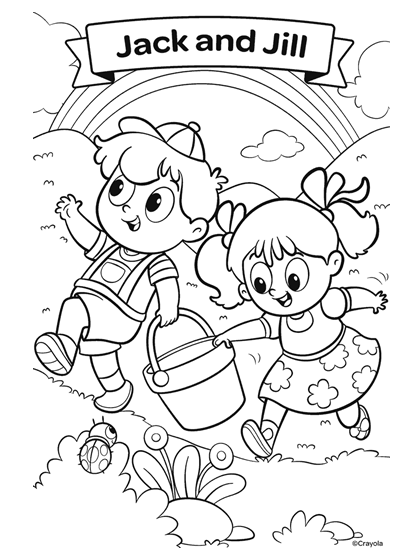
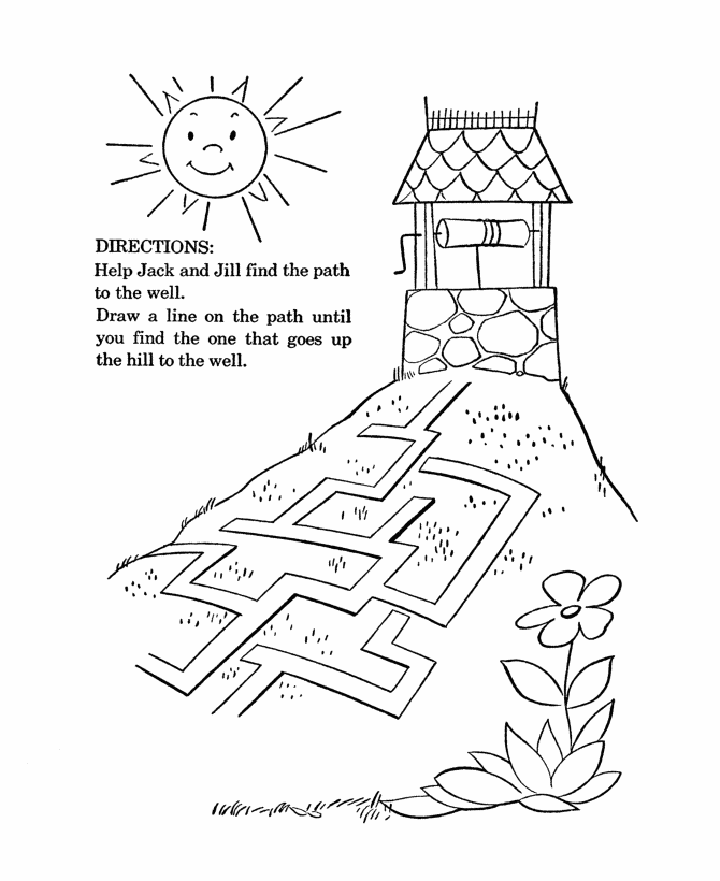
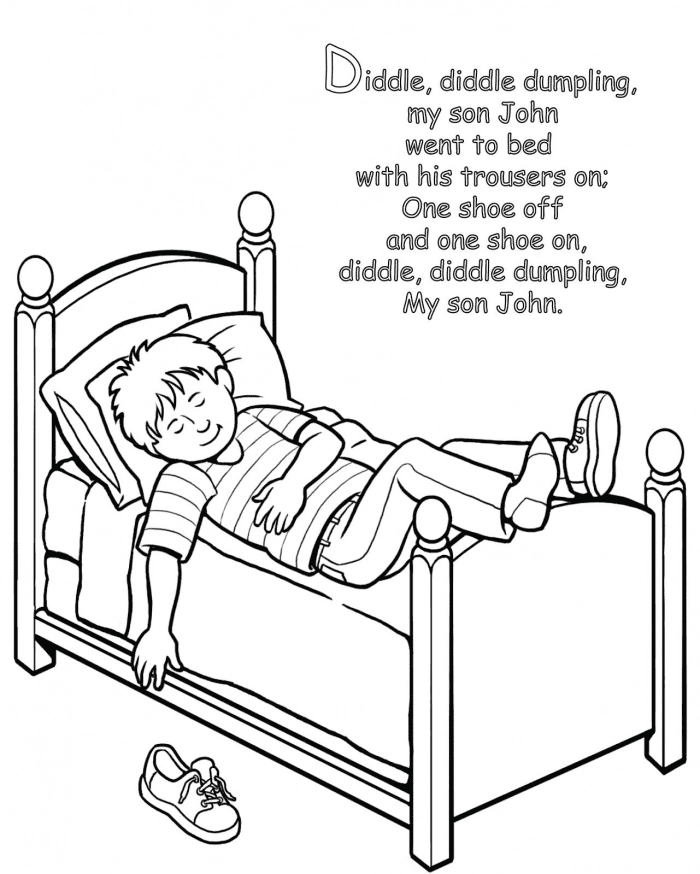
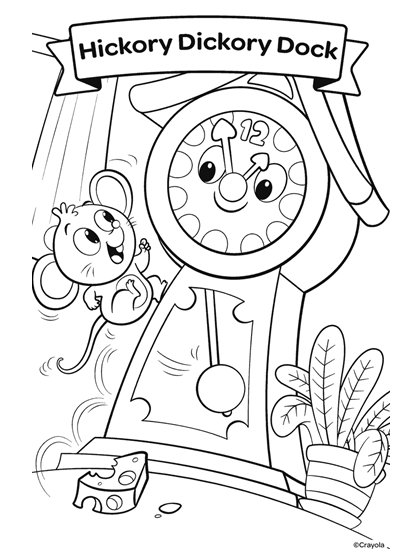
Action pages include Jack and Jill, Row Row Row Your Boat, Hickory Dickory Dock, Diddle Diddle Dumpling, and other rhymes with movement or a clear event.
These pages are great for children who like active scenes. A boat can move across water, a mouse can run up a clock, children can walk up a hill, and a character can move through a funny or memorable story moment.
Action rhyme pages also support sequencing and verbs. Children can talk about going, climbing, rowing, running, jumping, riding, falling, or looking. This makes coloring useful for language development.
Coloring action rhyme pages: Use movement, colors, and background details. Add blue waves for boat scenes, green hills for walking scenes, tall clocks, road lines, clouds, and arrows that show direction.
Garden, Weather, and Nature Rhyme Coloring Pages
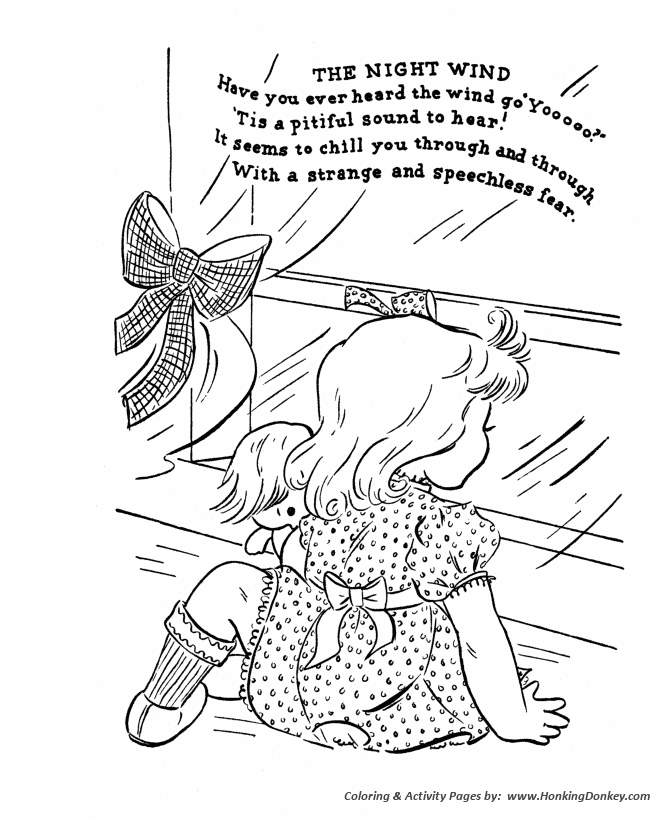
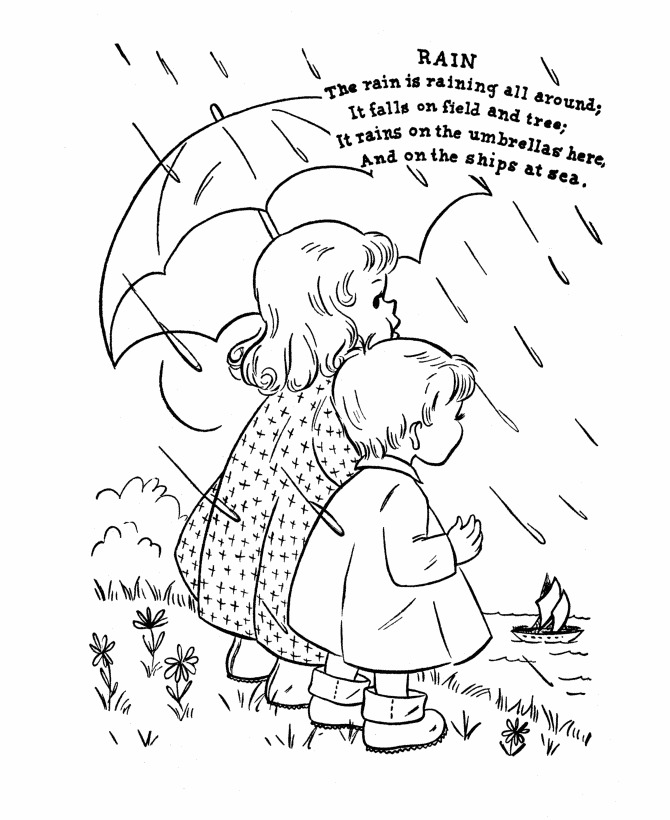
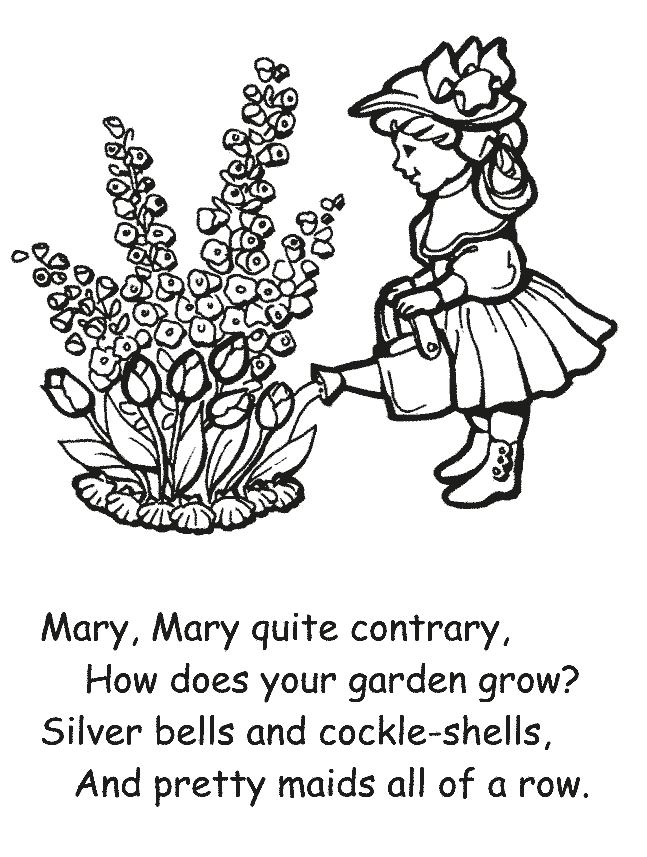
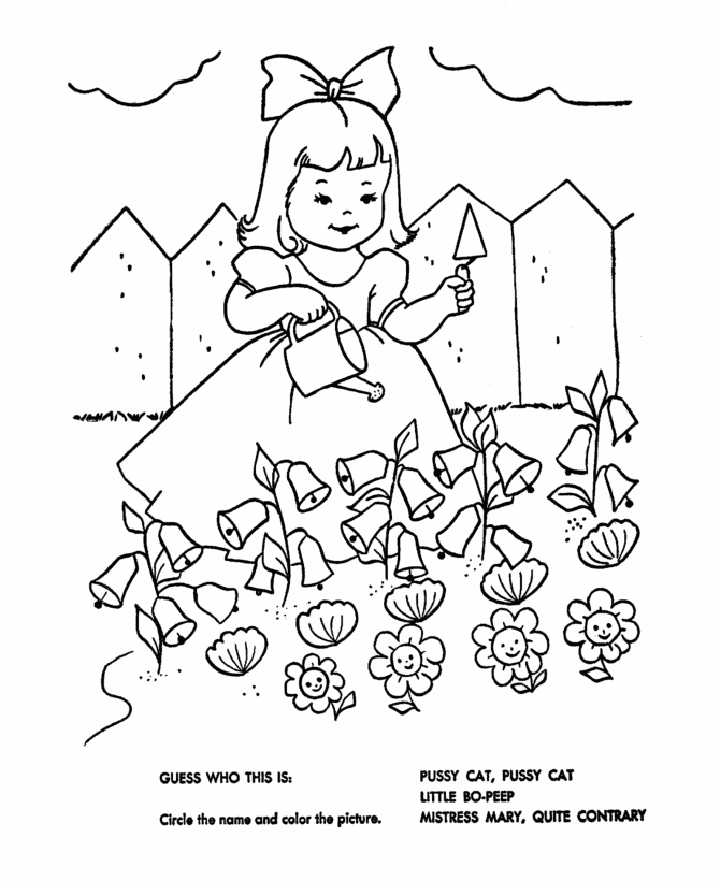
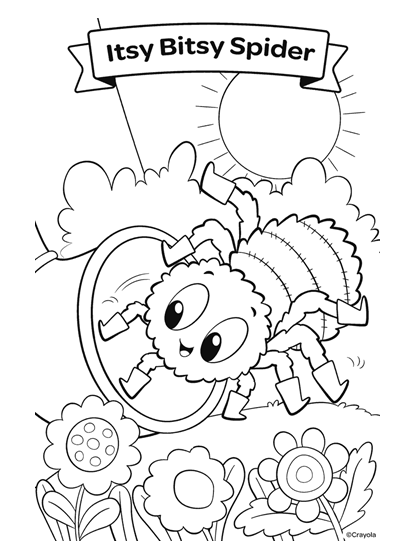
Nature-themed rhyme pages may include Rain Nursery Rhyme, The Night Wind, Mary Mary Quite Contrary, Itsy Bitsy Spider, and outdoor scenes with flowers, skies, water, gardens, webs, or weather.
These pages help children connect rhymes with the natural world. They can color rain, clouds, flowers, spiders, gardens, grass, wind, and sunshine while learning simple nature words.
Nature pages are also useful for science and seasonal classroom themes. Teachers can pair them with lessons about weather, plants, insects, water, and outdoor observation.
Coloring garden and weather rhyme pages: Use blue for rain and sky, green for grass and leaves, bright colors for flowers, gray or purple for windy clouds, and brown for soil or tree trunks. Add raindrops, petals, webs, or sunshine.
Nursery Rhymes with Words Coloring Pages
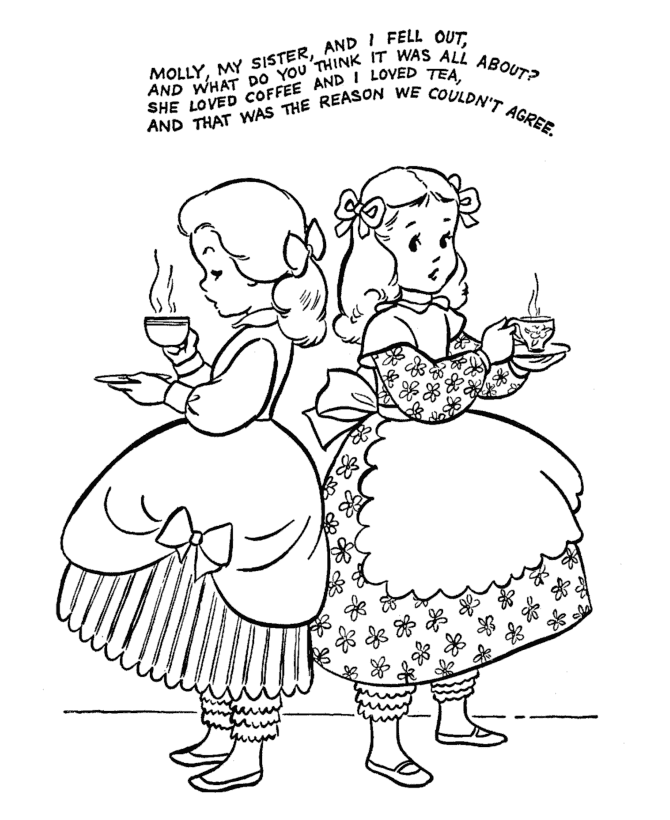
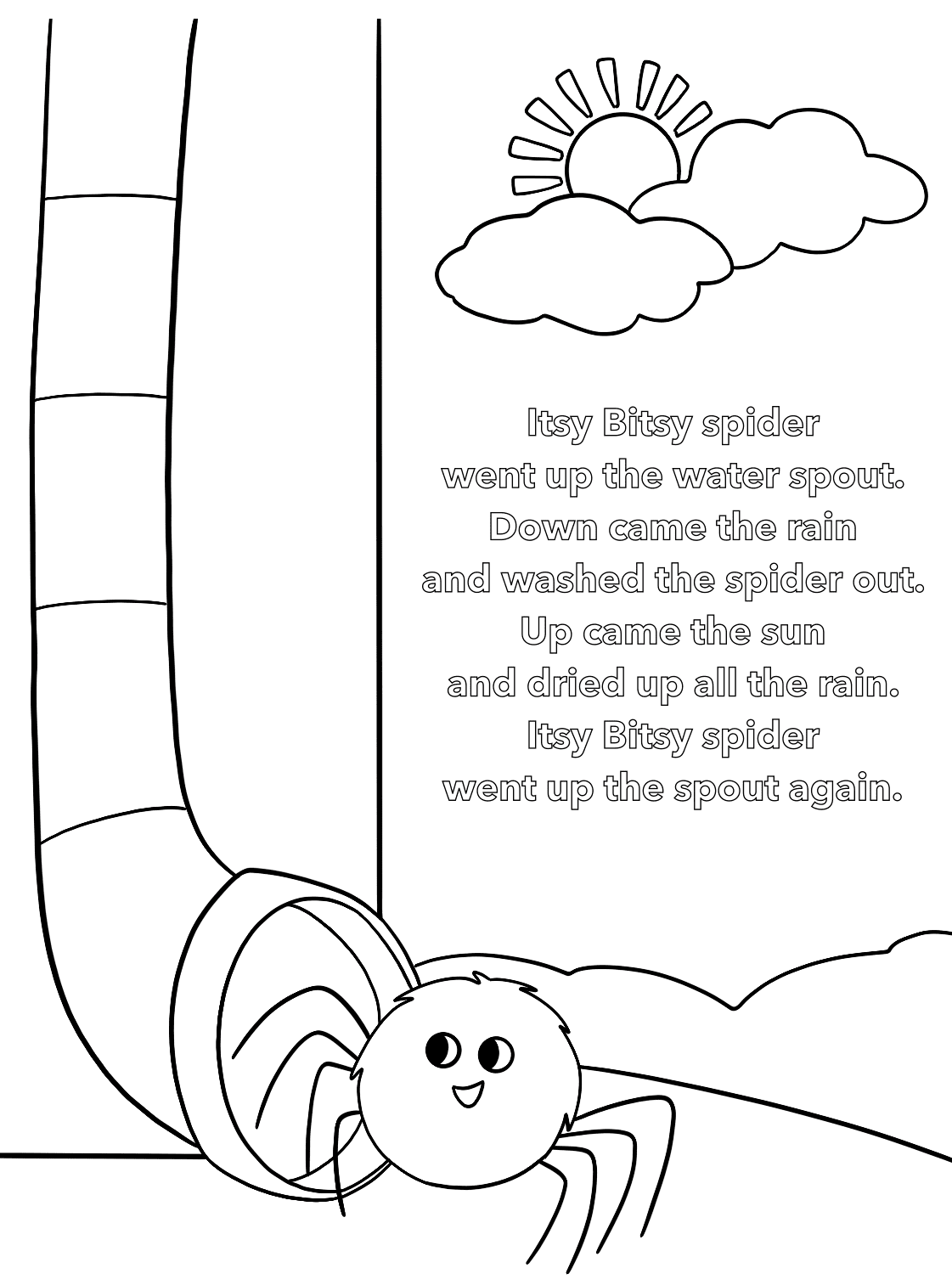
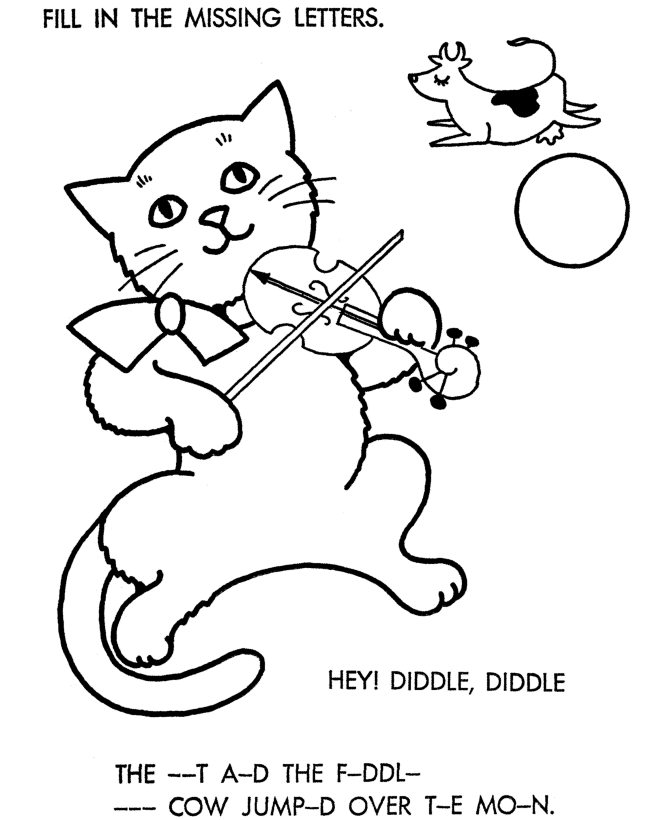
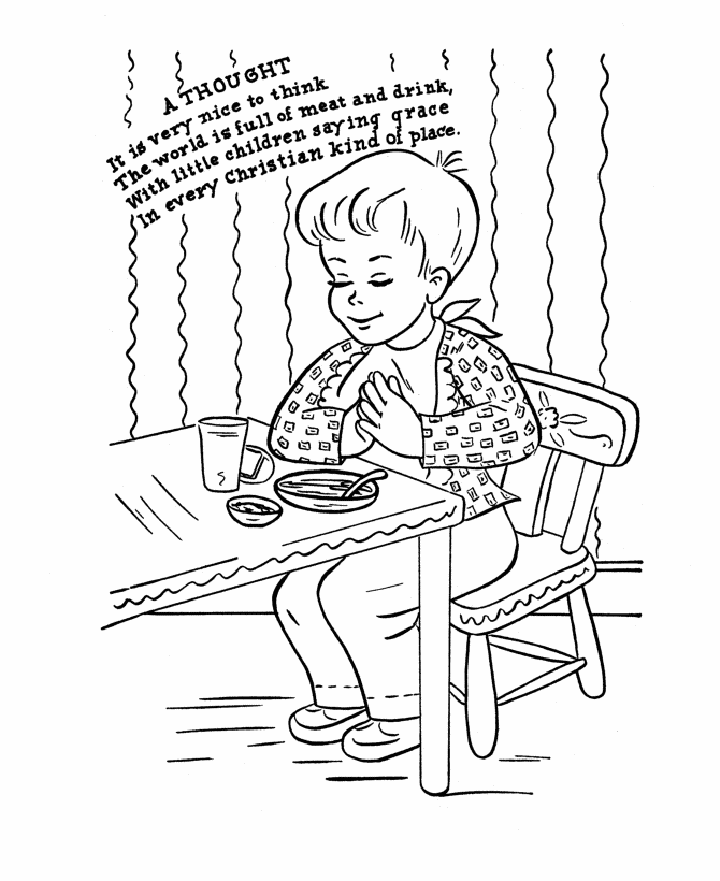
Some pages include rhyme words, titles, or text areas. These designs are especially useful for early literacy because children can look at letters while coloring the picture.
Rhyme-with-words pages help connect print and image. Children can point to words, identify beginning letters, trace large words, or color title letters before coloring the scene.
These pages work well for preschool, kindergarten, and homeschool activities. They can be placed in literacy folders, reading centers, or take-home practice packets.
Coloring nursery rhyme pages with words: Color the title letters first with bold colors. Then color the picture. Children can underline a familiar word, circle a beginning letter, or add one short label such as “star,” “lamb,” “boat,” or “spider.”
Preschool and Kindergarten Learning Coloring Pages
Nursery Rhymes coloring pages are a strong fit for preschool and kindergarten because they combine simple pictures, repeated sounds, familiar characters, and short story patterns.
Young children can practice fine motor control while coloring large shapes. They can also practice listening, repeating, naming, counting, and describing. A simple rhyme page can become a whole learning activity.
These pages are useful for morning work, literacy centers, quiet time, homeschool lessons, story time follow-up, and classroom display walls.
Coloring preschool nursery rhyme pages: Choose pages with clear outlines and fewer small details. Use crayons or washable markers. Let children color freely, then ask them to name the character, object, animal, or action.
Printable PDF and Online Nursery Rhymes Coloring Pages
This collection is easy to use at home or in class. You can download the PDF when you want to print a clean paper page. You can also color online if you prefer a digital activity.
Printable PDF pages are best for classroom packets, mini books, literacy folders, bulletin boards, craft projects, and take-home activities. Online coloring is useful for quick digital play or testing colors before printing.
Because the collection includes characters, animals, songs, weather, action scenes, and rhyme-with-words pages, users can choose designs for many learning goals.
Using printable and online nursery rhyme pages: Print PDF pages for classroom work, crafts, and reading centers. Use online coloring for quick digital coloring. Choose simple pages for preschoolers and more detailed story pages for older children.
What These Pages Do
Nursery Rhymes coloring pages help users quickly find printable PDF and online coloring sheets based on classic rhymes, short rhyme scenes, familiar characters, song-inspired pages, animal rhymes, weather rhymes, action rhymes, bedtime pages, and rhyme-with-words designs. Parents can use them for quiet coloring and story time. Teachers can use them for preschool literacy, kindergarten centers, phonological awareness activities, storytelling, sequencing, and early vocabulary practice.
The strongest value of this collection is rhyme-to-picture literacy coloring. Children see a picture, hear or remember a rhyme, and connect the image with sound, rhythm, characters, and story meaning. This makes the page more useful than a regular coloring sheet because it supports both creative expression and early language development.
These pages also support phonological awareness and rhyme recognition. Nursery rhymes often use repeated sounds, predictable rhythm, and simple language patterns. When children color a rhyme page and say the title, repeat a phrase, clap the rhythm, or listen for matching sounds, they are building early skills that support reading readiness.
Nursery Rhymes coloring pages are also useful for story sequencing and oral language. Pages like Humpty Dumpty, Jack and Jill, Hickory Dickory Dock, Row Row Row Your Boat, and Itsy Bitsy Spider naturally invite children to talk about what happens first, next, and last. This supports memory, speaking, listening, and narrative thinking.
For children, Nursery Rhymes pages can work like a “color, chant, and tell the story” creative prompt. The American Academy of Pediatrics emphasizes that play supports children’s social-emotional, cognitive, language, and self-regulation development. In this collection, that idea connects naturally to rhyme play: a child can color a character, name an animal, repeat a rhythm, point to a word, describe an action, and retell a familiar scene. While coloring, children can practice vocabulary, sequencing, attention, patience, confidence, and expressive language.
These pages can also offer a calm, structured creative break during preschool lessons, reading time, or home activities. Research published in Art Therapy has discussed how coloring organized designs with clear boundaries and repeated forms may help reduce short-term anxiety more than fully open-ended drawing. Nursery Rhymes coloring pages should not be presented as therapy, but their clear characters, animals, stars, boats, clocks, flowers, rain, words, and story objects give children a clear path to follow with color. That structure can support a quieter, focused, screen-free moment at home, in class, or during a reading lesson.
Coloring also supports fine motor practice. Children work on letters, stars, sheep wool, spider legs, clocks, boats, hills, flowers, rain, clothing, animal faces, baskets, shoes, and small background details. These areas help build hand control, pencil pressure, patience, and attention to small shapes.
When choosing a page, match the design to the child’s age and learning goal. For preschoolers, start with simple characters, animals, stars, boats, and large word pages. For kindergarten students, choose rhyme-with-words pages, Humpty Dumpty, Jack and Jill, Little Bo Peep, Mary Had a Little Lamb, and Itsy Bitsy Spider. For older children, choose detailed story scenes, sequencing crafts, character cards, and classroom mini-book projects.
Nursery Rhymes coloring pages are especially useful because they combine coloring, rhythm, rhyme, early reading, story order, oral language, classroom literacy, fine motor skills, printable PDF convenience, and online coloring. That makes the collection practical for home learning, preschool classrooms, kindergarten reading centers, homeschool units, quiet time, rainy-day play, and screen-free creative fun.
How to Color Nursery Rhymes Coloring Pages
Start with the rhyme title. Read or say the title before coloring. This helps children connect the picture with the rhyme, character, or action.
Choose colors that match the story’s mood. Use soft bedtime colors for calm pages, bright colors for cheerful pages, and natural colors for animals, gardens, and weather scenes.
Make characters easy to recognize. Use clear colors for clothing, faces, hair, hats, animals, and story objects so each nursery rhyme scene is easy to understand.
Use soft colors for bedtime rhymes. Try pale blue, lavender, cream, yellow, gray, and light pink for star, moon, baby, or nighttime pages.
Use natural colors for garden and weather pages. Use blue for rain, green for leaves, yellow for sunshine, brown for soil, and bright colors for flowers.
Use animal colors or fantasy colors. Sheep, lambs, kittens, cats, dogs, and cows can be colored naturally or in playful storybook colors.
Highlight the words. If the page has a title or short text, color the letters first. Children can trace the words with a finger before coloring the picture.
Add story details. Draw extra stars, waves, flowers, clouds, music notes, spider webs, clocks, hills, baskets, shoes, or simple labels to make the page more personal.
Use crayons for simple pages. Crayons are good for preschoolers and large shapes. Washable markers can work well for bold letters and simple characters.
Use colored pencils for detailed scenes. Colored pencils are best for small animals, clocks, garden details, clothing, facial features, and word outlines.
5 Creative Craft Ideas with Nursery Rhymes Coloring Pages
Nursery Rhyme Mini Book
Print several Nursery Rhymes coloring pages, such as Humpty Dumpty, Jack and Jill, Little Bo Peep, Mary Had a Little Lamb, and Itsy Bitsy Spider. Let children color each page.
Staple the pages together to make a mini book. Children can add a title page, write one short sentence under each picture, or draw a small symbol that reminds them of the rhyme.
Humpty Dumpty Story Sequencing Wall
Print two or three Humpty Dumpty pages or choose one page and divide a poster into beginning, middle, and ending sections.
Children color the page, cut out the character or scene, and place it on the sequencing wall. Add simple labels such as “first,” “next,” and “last.” This craft turns coloring into story order practice.
Rhyme Picture and Word Cards
Print pages with clear characters or objects, such as a star, a lamb, a boat, a spider, a sheep, a clock, a kitten, a flower, or a shoe. Color and cut out the pictures.
Glue each picture onto a card and write one matching word below it. Use the cards for matching games, vocabulary review, beginning sound practice, or classroom word walls.
Nursery Rhyme Puppet Theater
Choose character pages such as Little Bo Peep, Little Miss Muffet, Humpty Dumpty, The Muffin Man, The Old Woman Who Lived in a Shoe, or Mary Had a Little Lamb. Color and cut out the main characters.
Glue the cutouts onto craft sticks. Children can use the puppets to retell the rhyme, act out a short scene, or create a new ending in their own words.
Classroom Rhyme and Rhythm Poster
Print a rhyme-with-words page or a favorite nursery rhyme scene. Color the picture and glue it onto the poster board.
Around the page, add clapping marks, simple rhythm dots, repeated sounds, or small picture labels. Children can clap the rhythm, point to words, and explain the picture to the class.
FAQ About Nursery Rhymes Coloring Pages
Are these Nursery Rhymes coloring pages free to print?
Yes. These Nursery Rhymes coloring pages are free to download and print as PDF pages. You can print one favorite rhyme page or several designs for preschool, kindergarten, homeschool, story time, or classroom literacy activities.
Can I color Nursery Rhymes pages online?
Yes. Online coloring is available if you do not want to print. This is useful for quick digital coloring, color testing, or screen-based learning activities.
What kinds of nursery rhyme designs are included?
The collection includes classic rhyme scenes, Humpty Dumpty, Jack and Jill, Little Bo Peep, Little Miss Muffet, Mary Had a Little Lamb, Baa Baa Black Sheep, Itsy Bitsy Spider, Hickory Dickory Dock, Twinkle Twinkle Little Star, Row Row Row Your Boat, The Old Woman Who Lived in a Shoe, and rhyme-with-words pages.
What format should I use for printing?
Use the PDF version for printing. PDF keeps the coloring page layout clean and stable on paper, making it the best choice for classroom packets, craft projects, literacy folders, and take-home activities.
Are nursery rhyme coloring pages good for preschoolers?
Yes. Nursery rhyme pages are especially useful for preschoolers because the scenes are familiar, simple, and language-rich. Choose pages with large shapes, clear characters, animals, stars, boats, flowers, or short words.
Can teachers use nursery rhyme coloring pages in class?
Yes. Teachers can use these pages for story time follow-up, rhyme recognition, phonological awareness, vocabulary practice, sequencing, fine motor work, classroom centers, bulletin boards, and take-home reading activities.
Can Nursery Rhymes coloring pages support early literacy?
Yes. These pages can support early literacy when children connect pictures with rhymes, say the title, repeat sounds, identify characters, point to words, and retell the story in order.
What colors should I use for Nursery Rhymes pages?
Use bright storybook colors for characters, soft pastels for bedtime scenes, natural colors for animals and gardens, and bold colors for title words. Children can also use fantasy colors to make the page more playful.
What crafts can I make with Nursery Rhymes coloring pages?
You can make a nursery rhyme mini book, Humpty Dumpty story sequencing wall, rhyme picture cards, puppet theater, classroom rhythm poster, literacy folder cover, story wheel, or take-home rhyme booklet.
How can I make a nursery rhyme coloring page more educational?
Add labels, beginning letters, story order words, simple captions, clapping marks, or picture-word cards. Children can color the page, say the title, identify objects, and retell what happens in the rhyme.
Browse the full collection at ColoringPagesOnly.com. All 40+ pages are free, available as printable PDF pages, ready to print from PDF or color online.
These Nursery Rhymes pages are created for personal, classroom, preschool, kindergarten, homeschool, early literacy, and story time coloring use. They fit many moments: rhyme practice, phonological awareness activities, story sequencing, morning work, reading centers, quiet time, classroom displays, and screen-free creative fun.
For the final pass, keep each page simple, bright, and story-friendly. Add words, labels, stars, flowers, rain, waves, clocks, animals, baskets, shoes, or small background details to make each picture feel connected to the rhyme.
Share your work on Facebook and Pinterest and tag #ColoringPagesOnly. We especially want to see your Nursery Rhyme Mini Book, Humpty Dumpty Story Sequencing Wall, and Rhyme Picture and Word Cards.