Locust Coloring Pages
 By:
Jennifer Thoa - Content Editor & Designer
Updated:
By:
Jennifer Thoa - Content Editor & Designer
Updated:
Free Locust coloring pages: 32 printable PDF designs featuring these transformative insects in portrait, ready-to-print, and nature-scene styles. Each page can be downloaded as a PDF to print or colored online in the browser.
A locust is not actually a separate type of insect. It is a specific behavioral phase that certain short-horned grasshopper species can shift into under the right conditions, meaning a locust and an ordinary solitary grasshopper can technically be the very same species. Most of the time, these insects live quiet, solitary lives, blending into their surroundings in muted greens and browns. But when populations grow crowded, something remarkable happens: rising levels of a brain chemical called serotonin trigger a genuine transformation known as phase polyphenism, changing the insect’s body shape, muscle strength, and color, often shifting it toward brighter, more vivid tones, while also making it seek out the company of others instead of avoiding them. Locusts that have shifted into this gregarious phase can gather into enormous, coordinated swarms, sometimes numbering in the tens of millions, capable of traveling long distances and consuming huge amounts of vegetation and crops along the way. Their powerful hind legs, shared with all grasshoppers, let them leap many times their own body length to escape danger or launch into flight. Not every grasshopper species can undergo this shift, which is part of what makes true locust behavior such an unusual and striking adaptation.
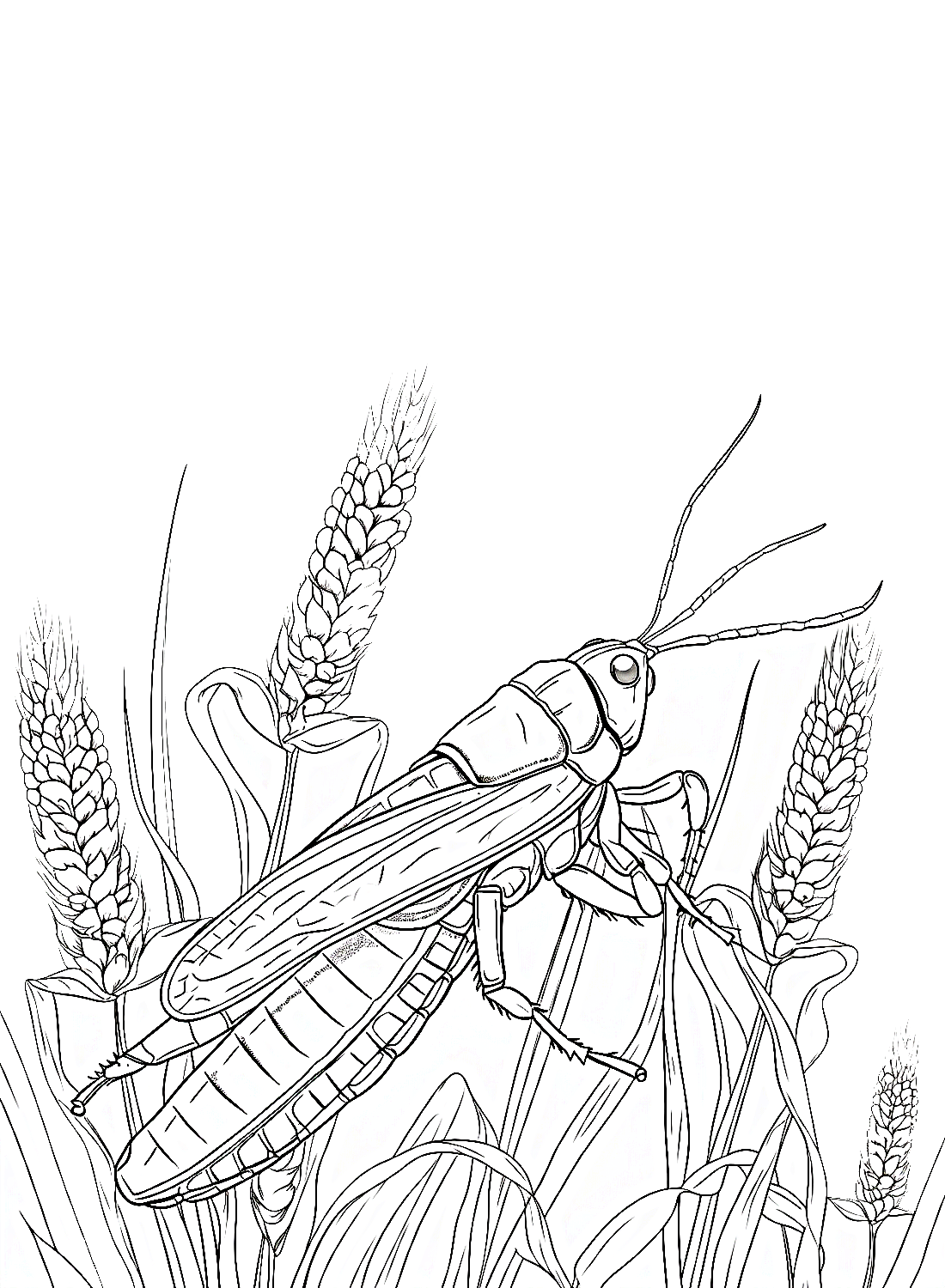
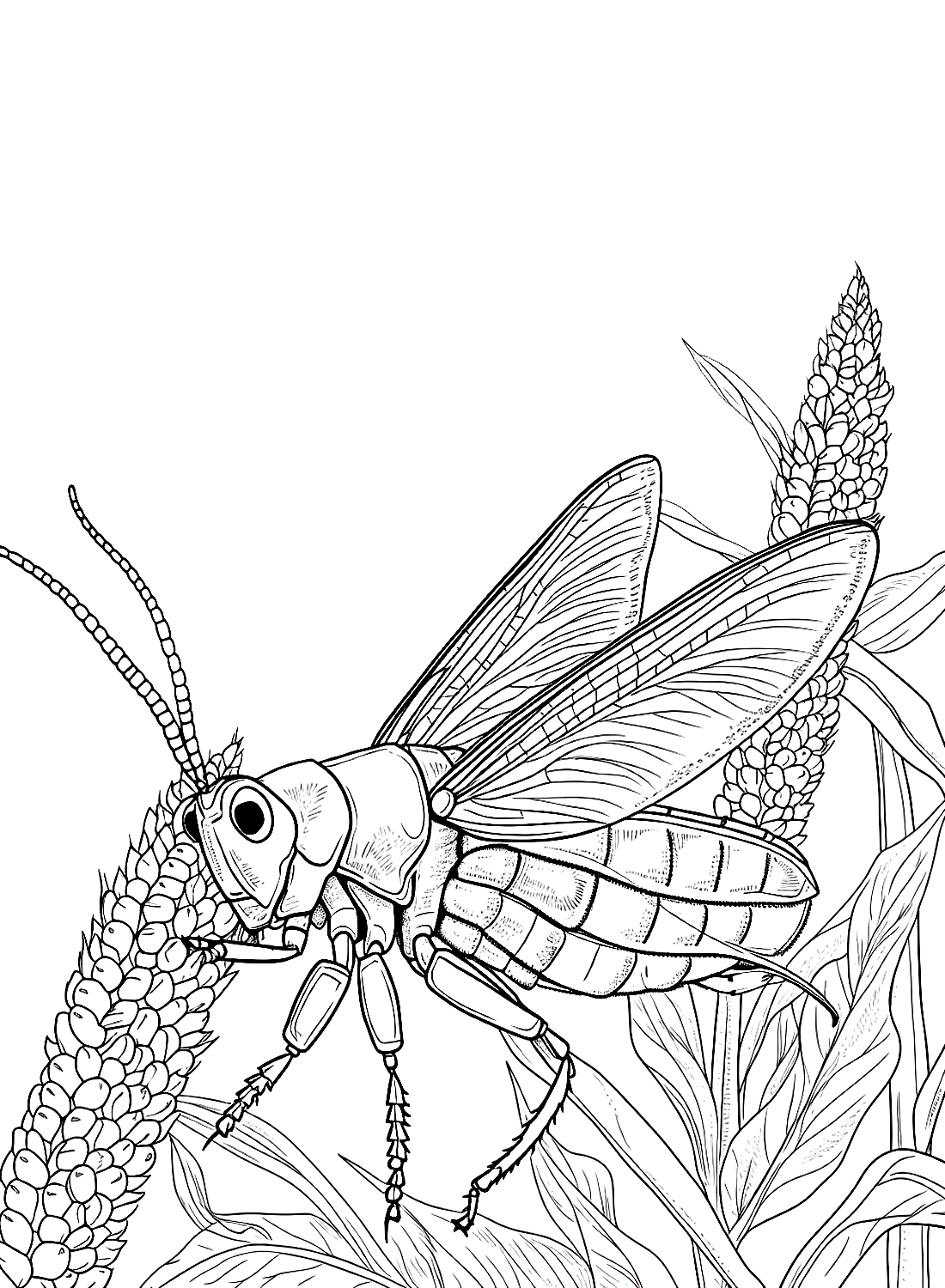
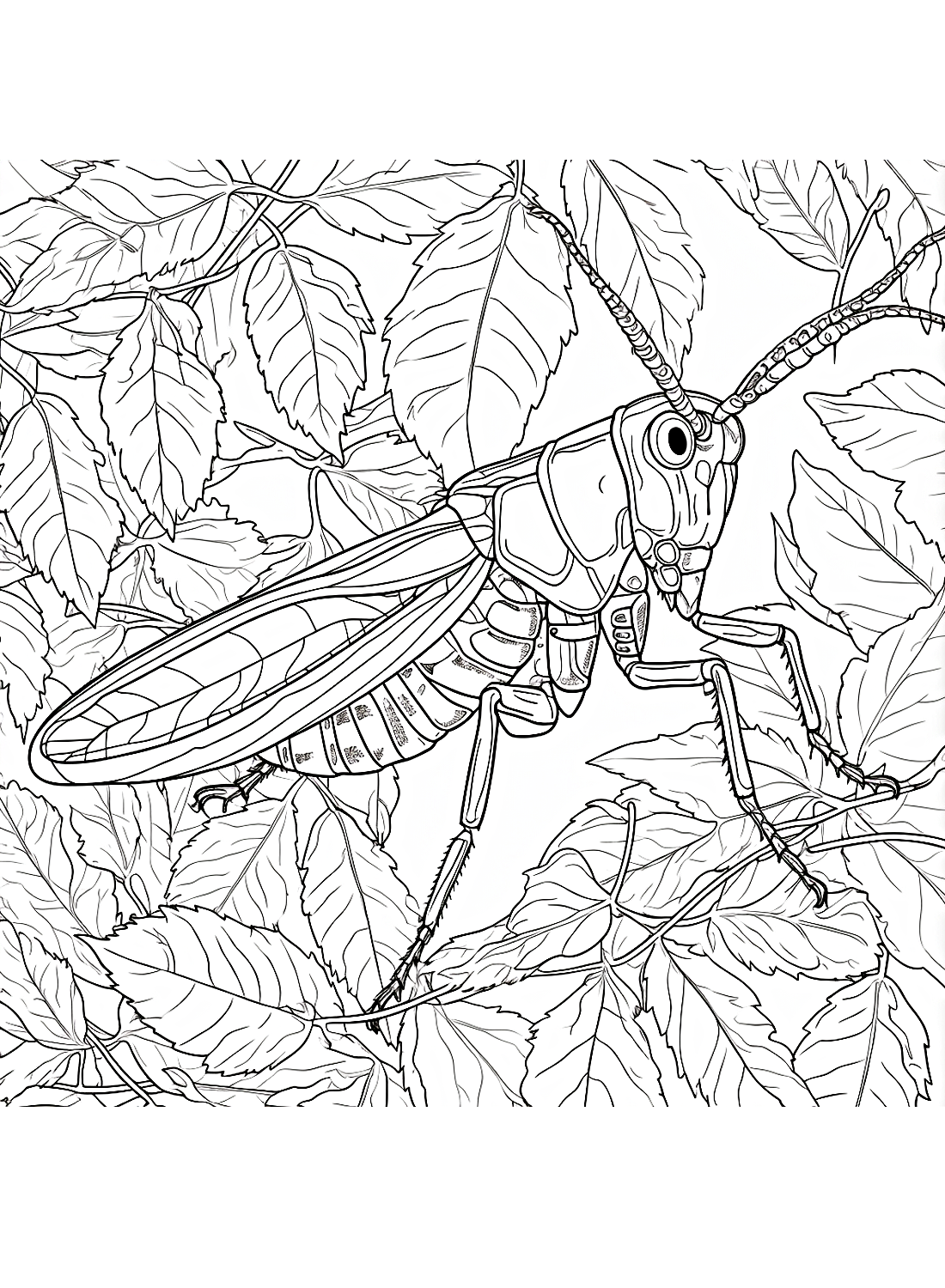
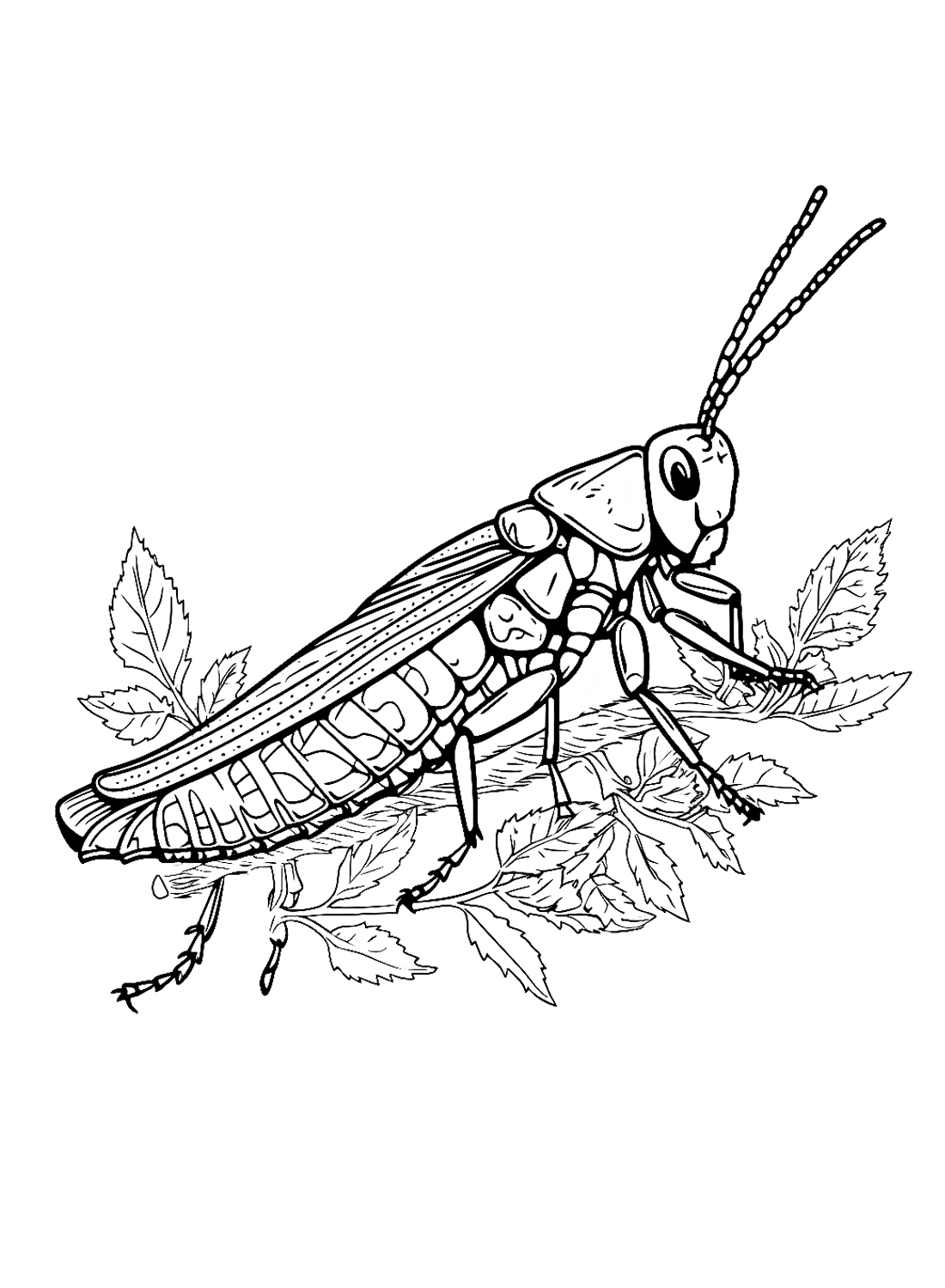
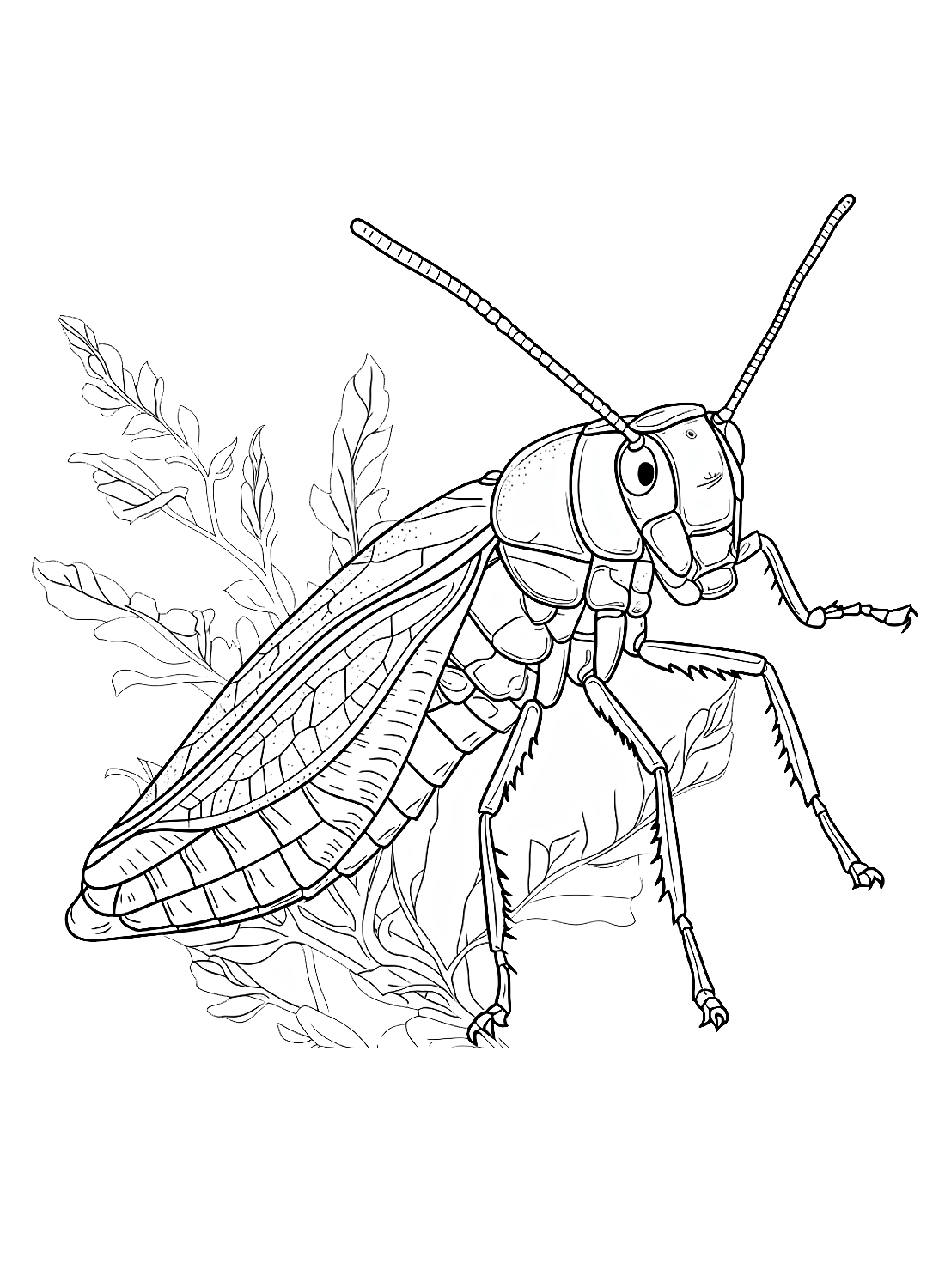
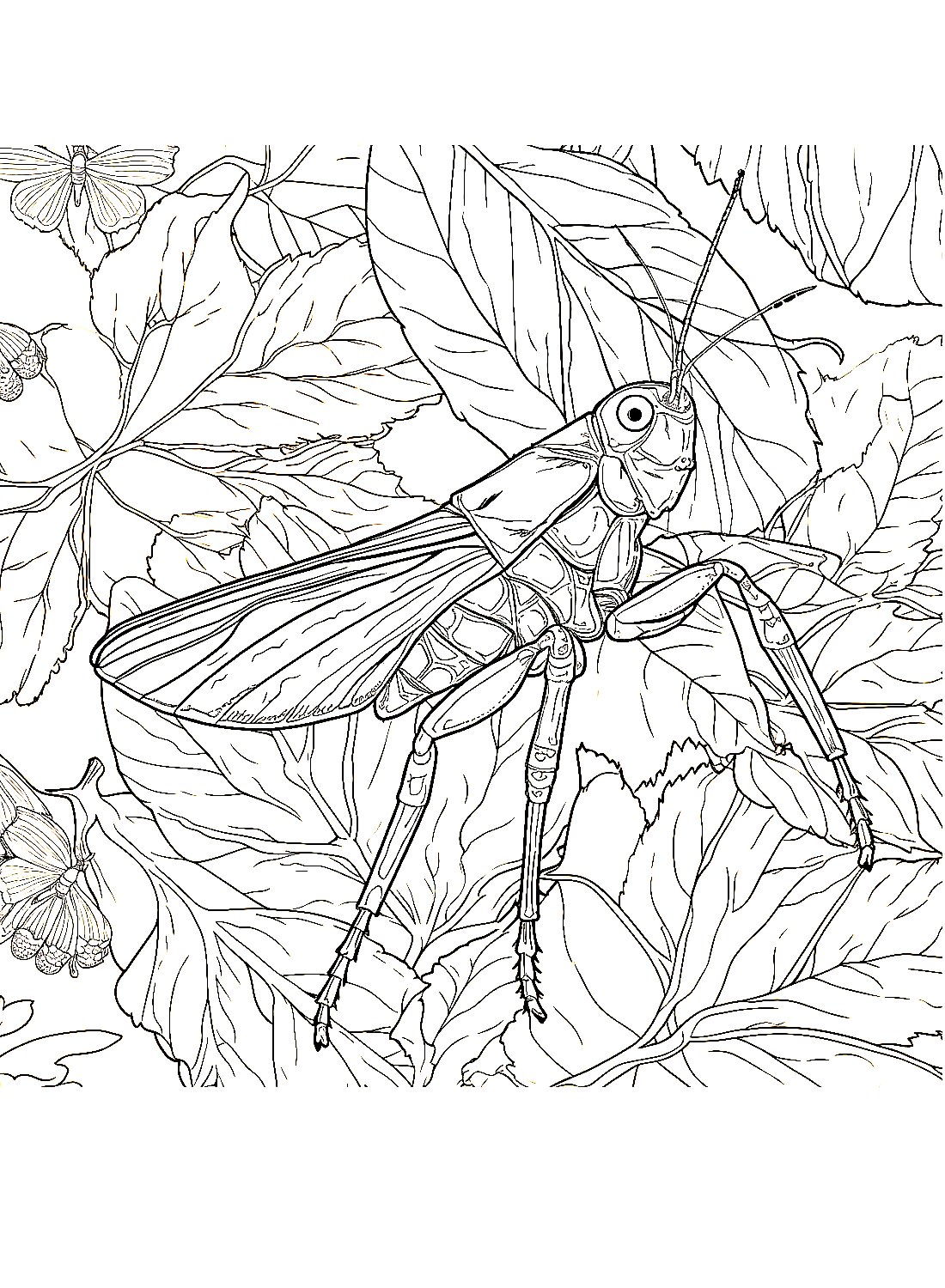
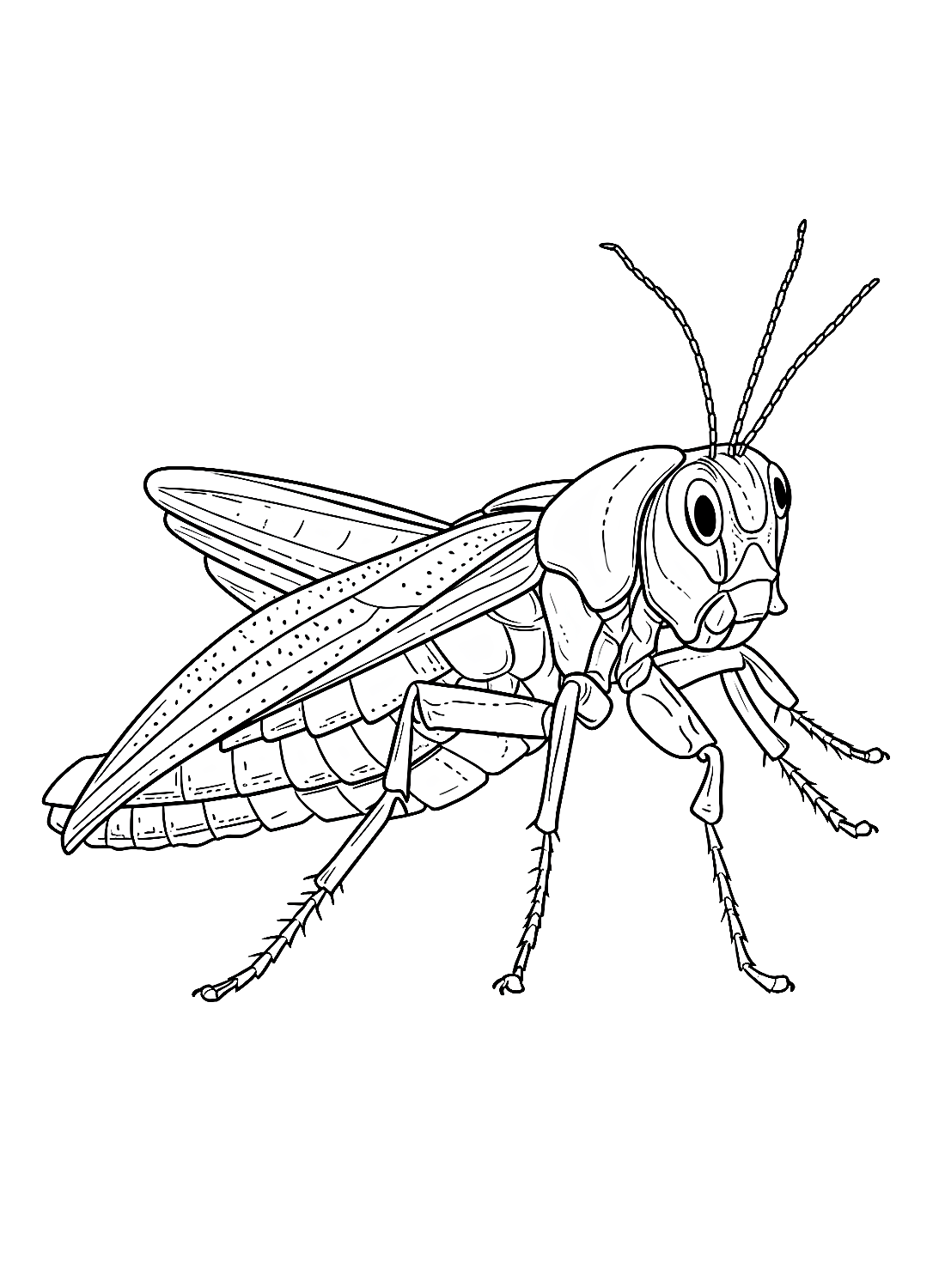
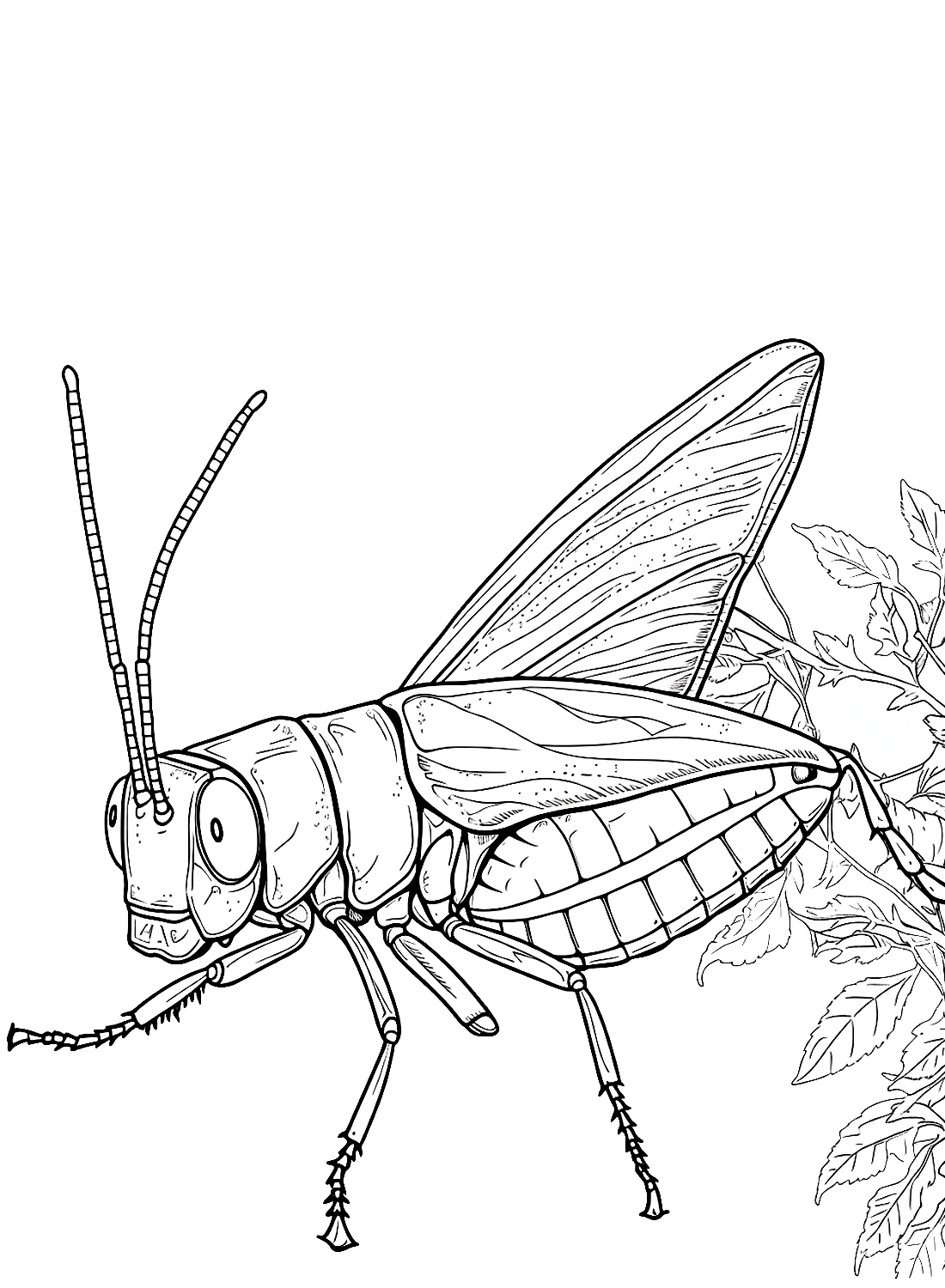
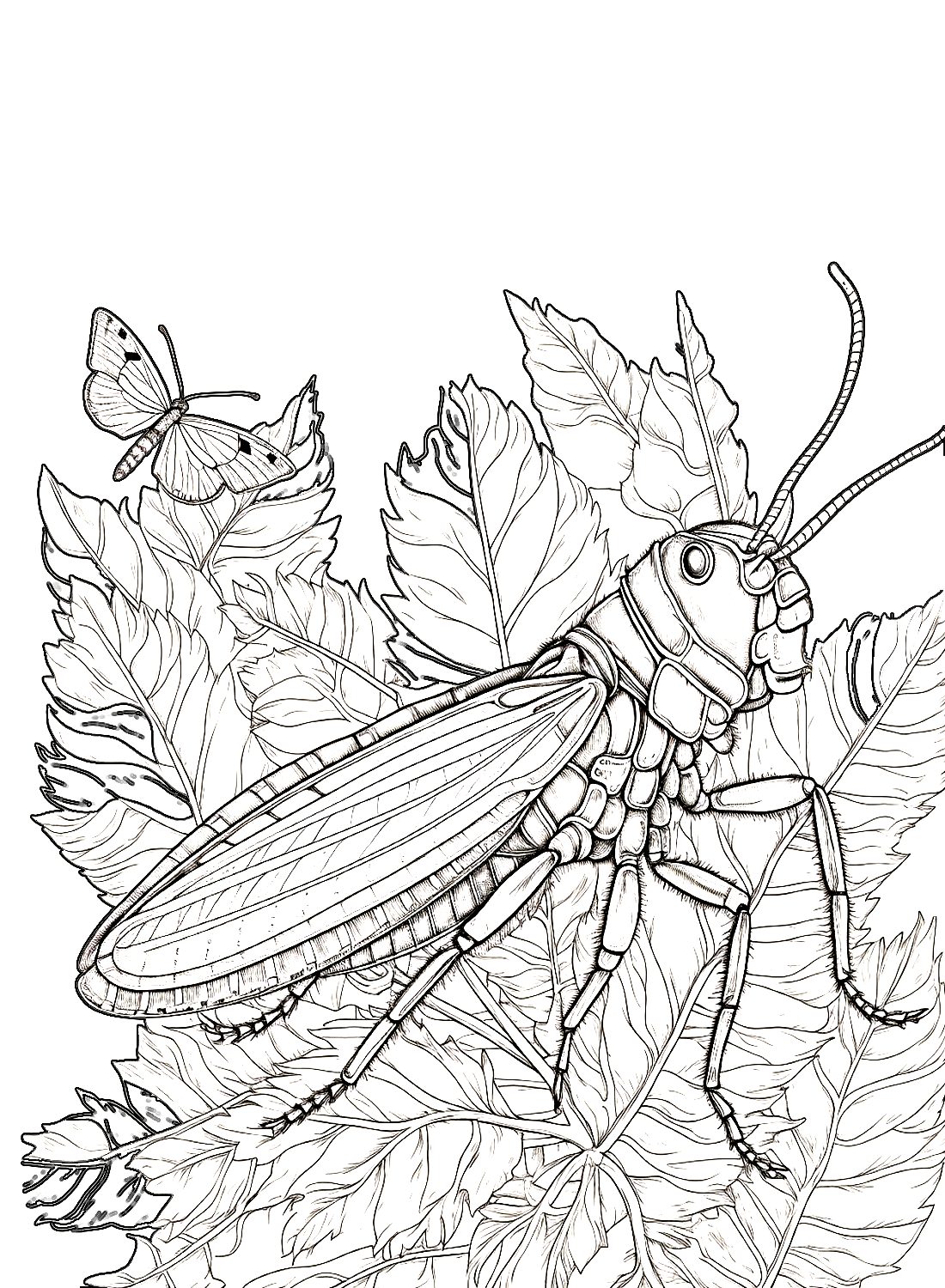
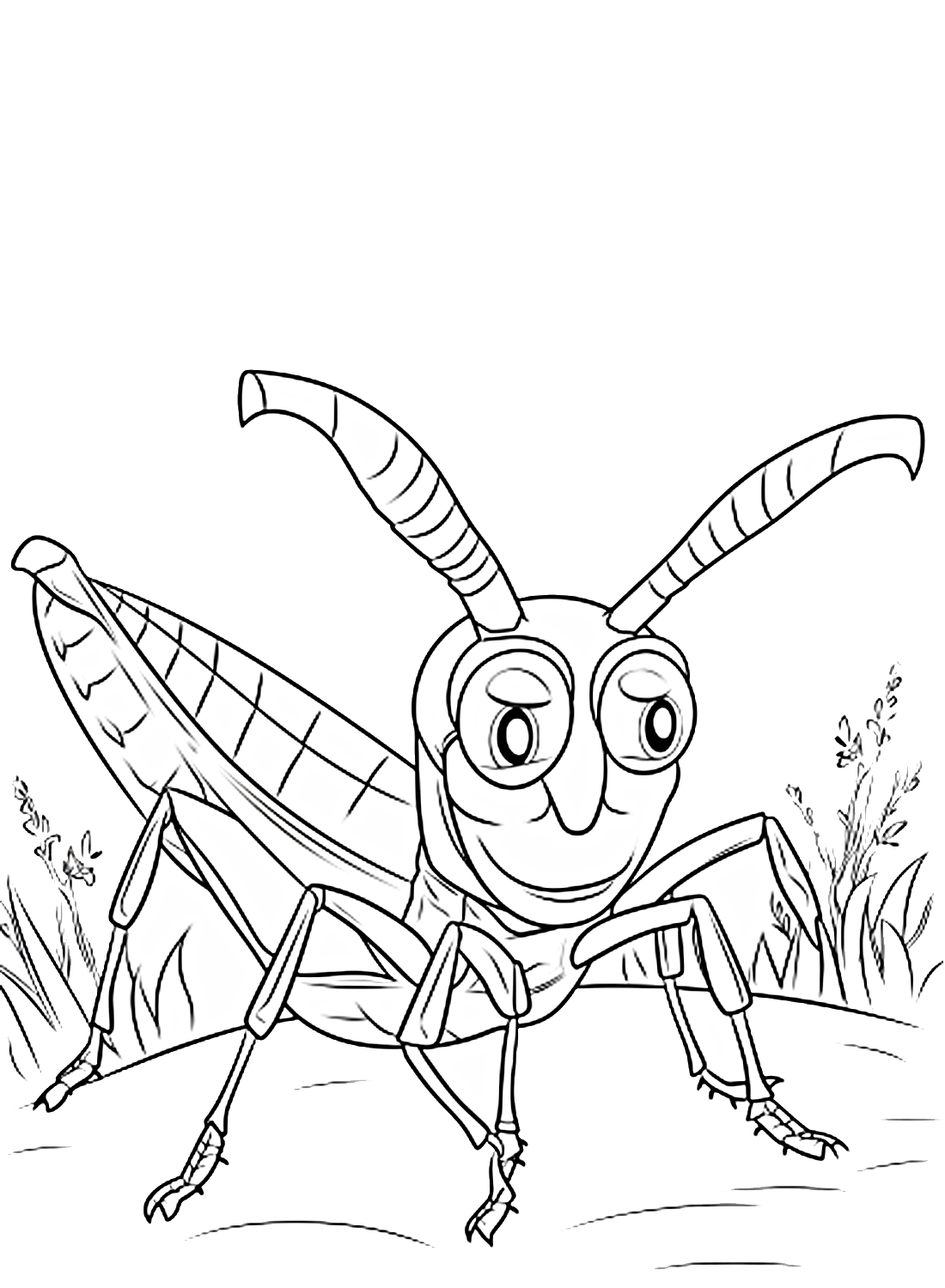
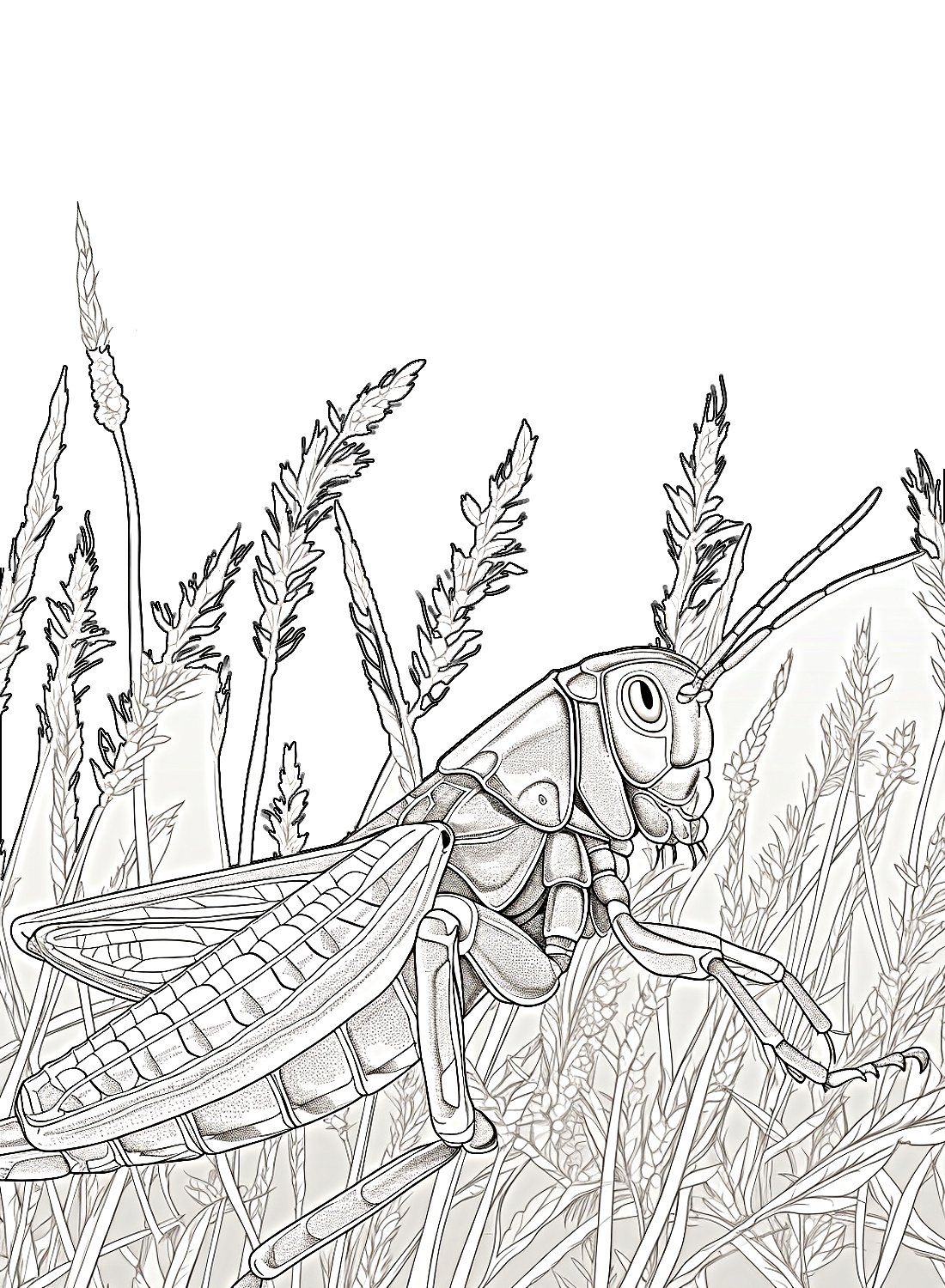
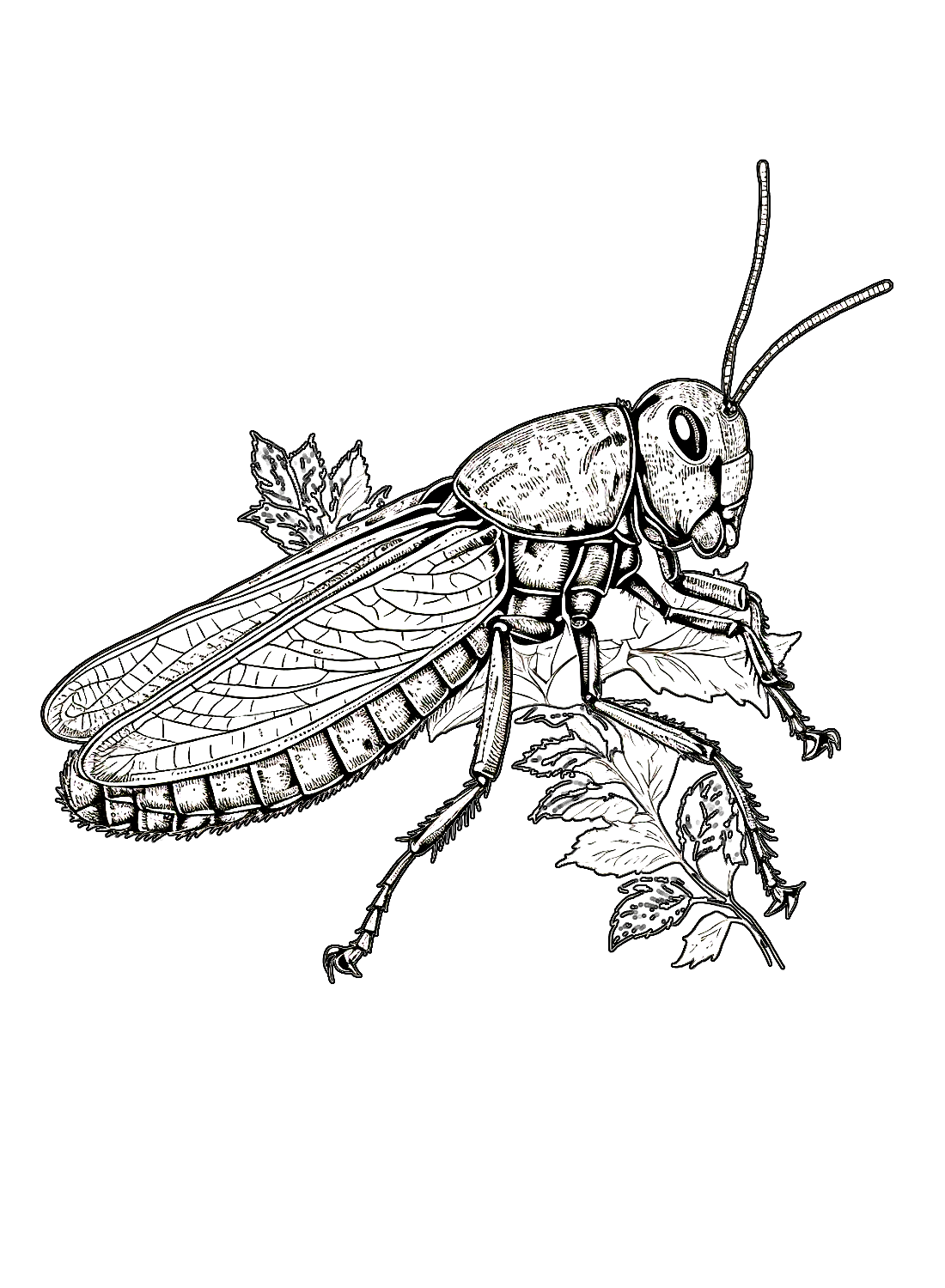
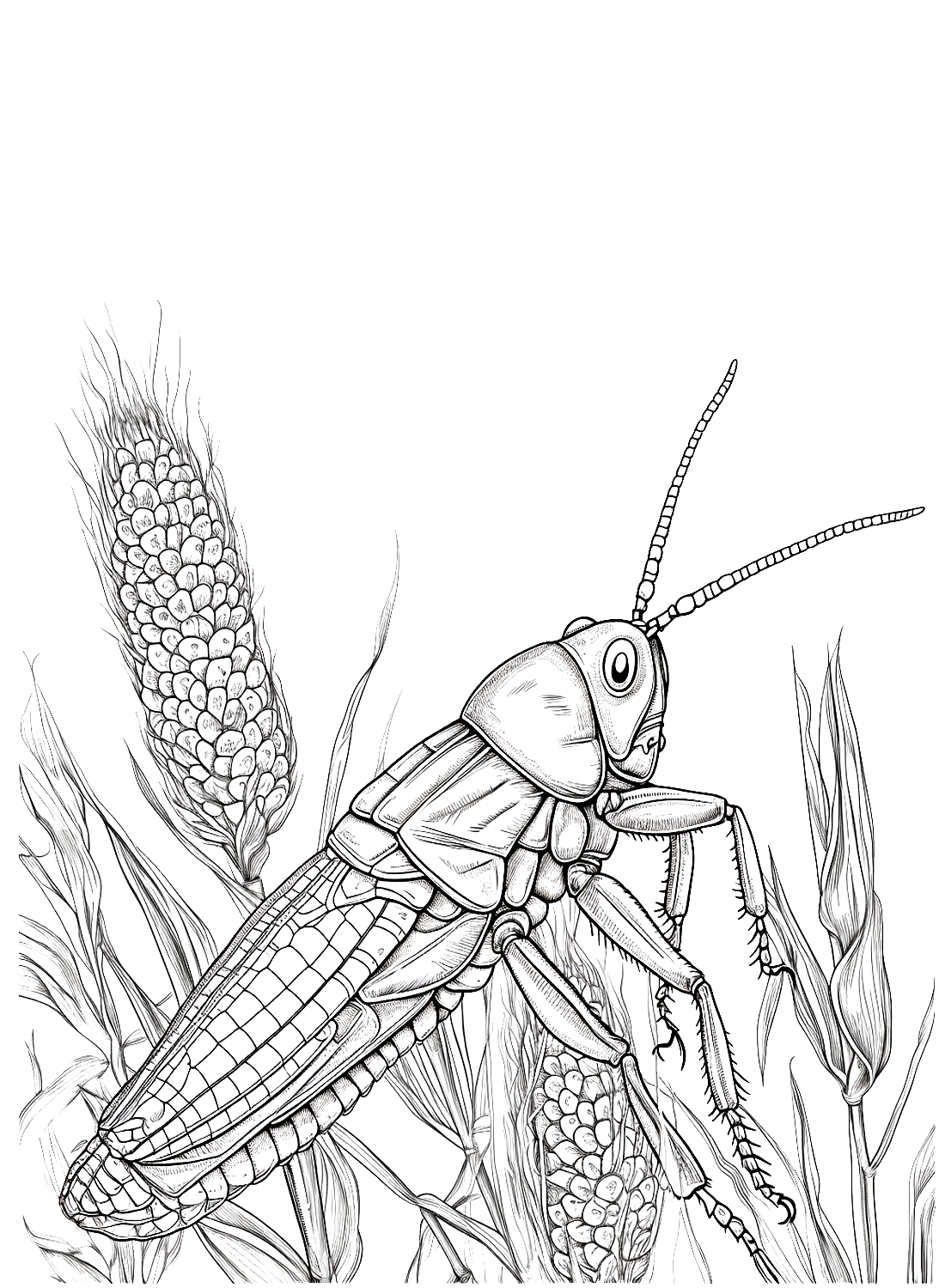
This collection groups its 32 designs into classic portraits, ready-to-print pages, cute and stylized takes, locusts feeding on crops and gardens, and locusts in nature and playful scenes, giving colorists several ways to bring these shape-shifting insects to life.
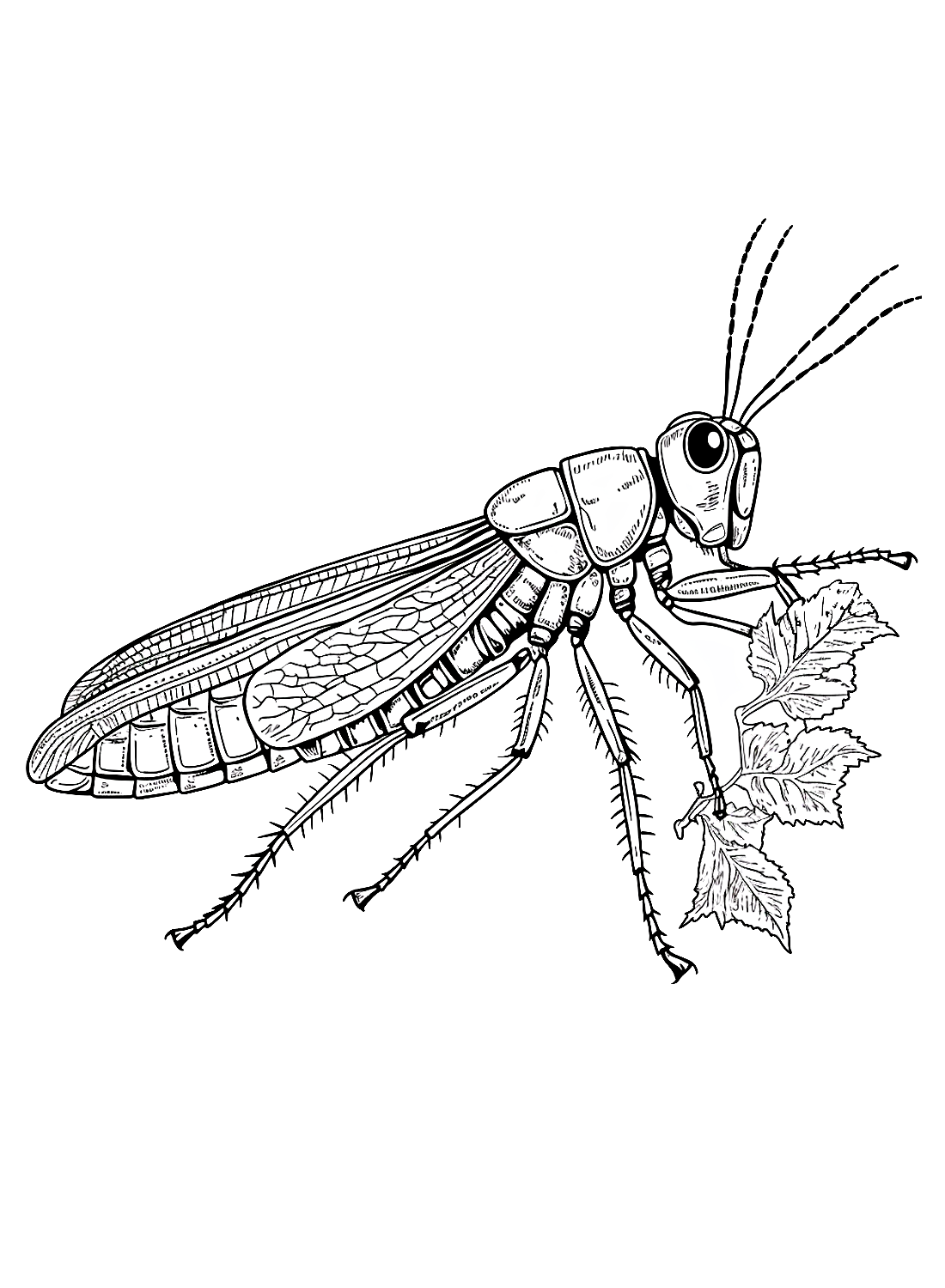
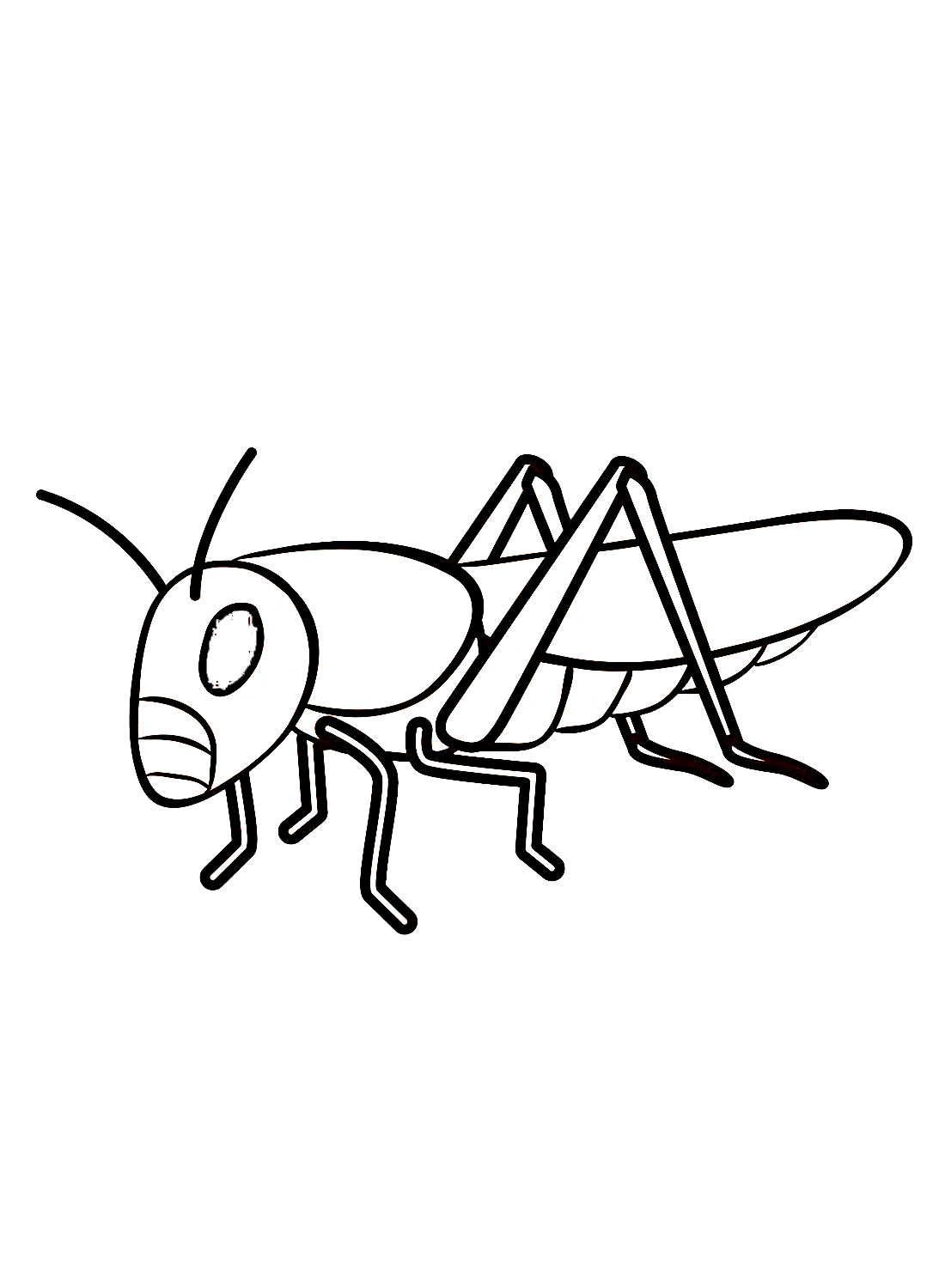
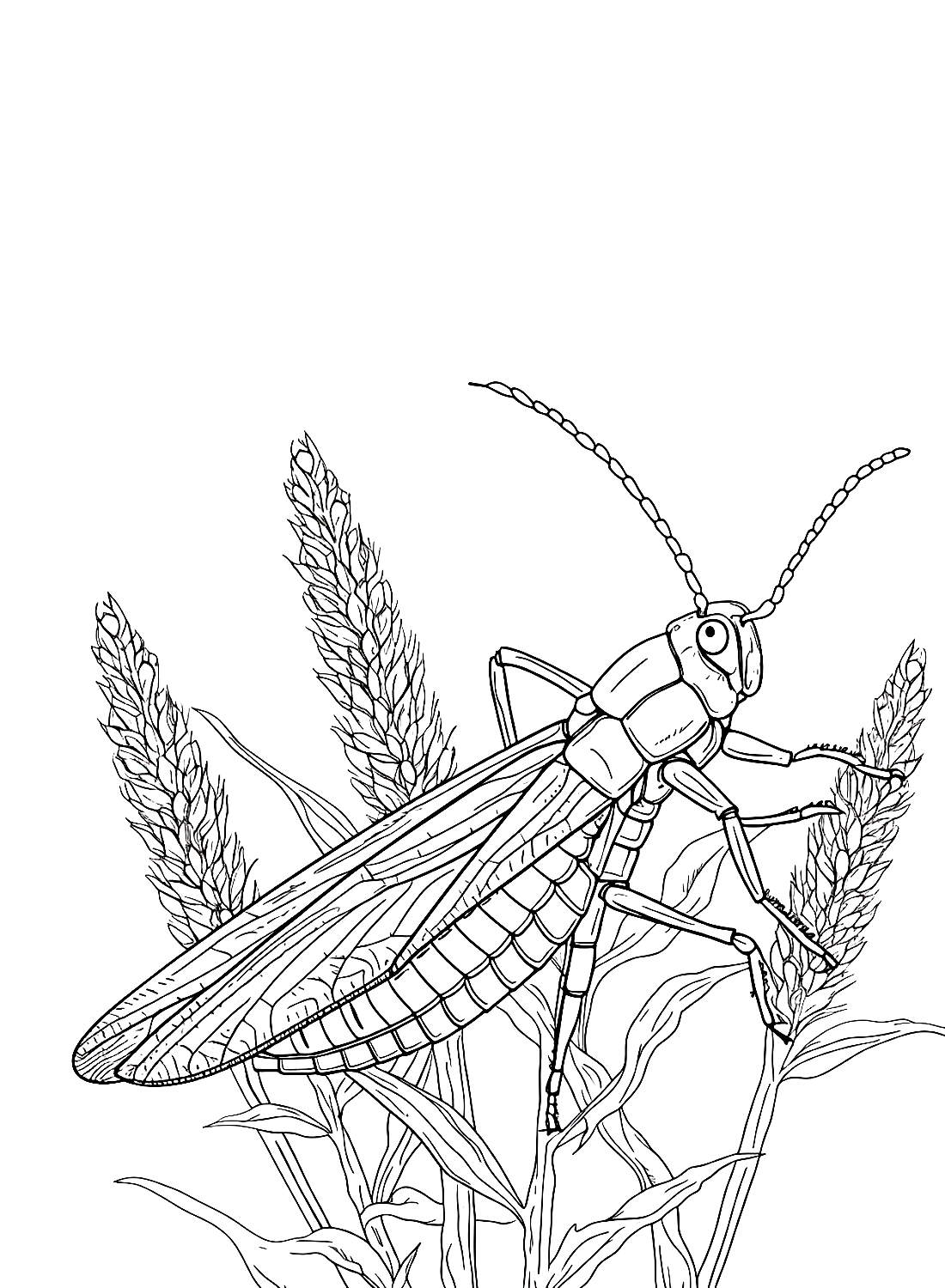
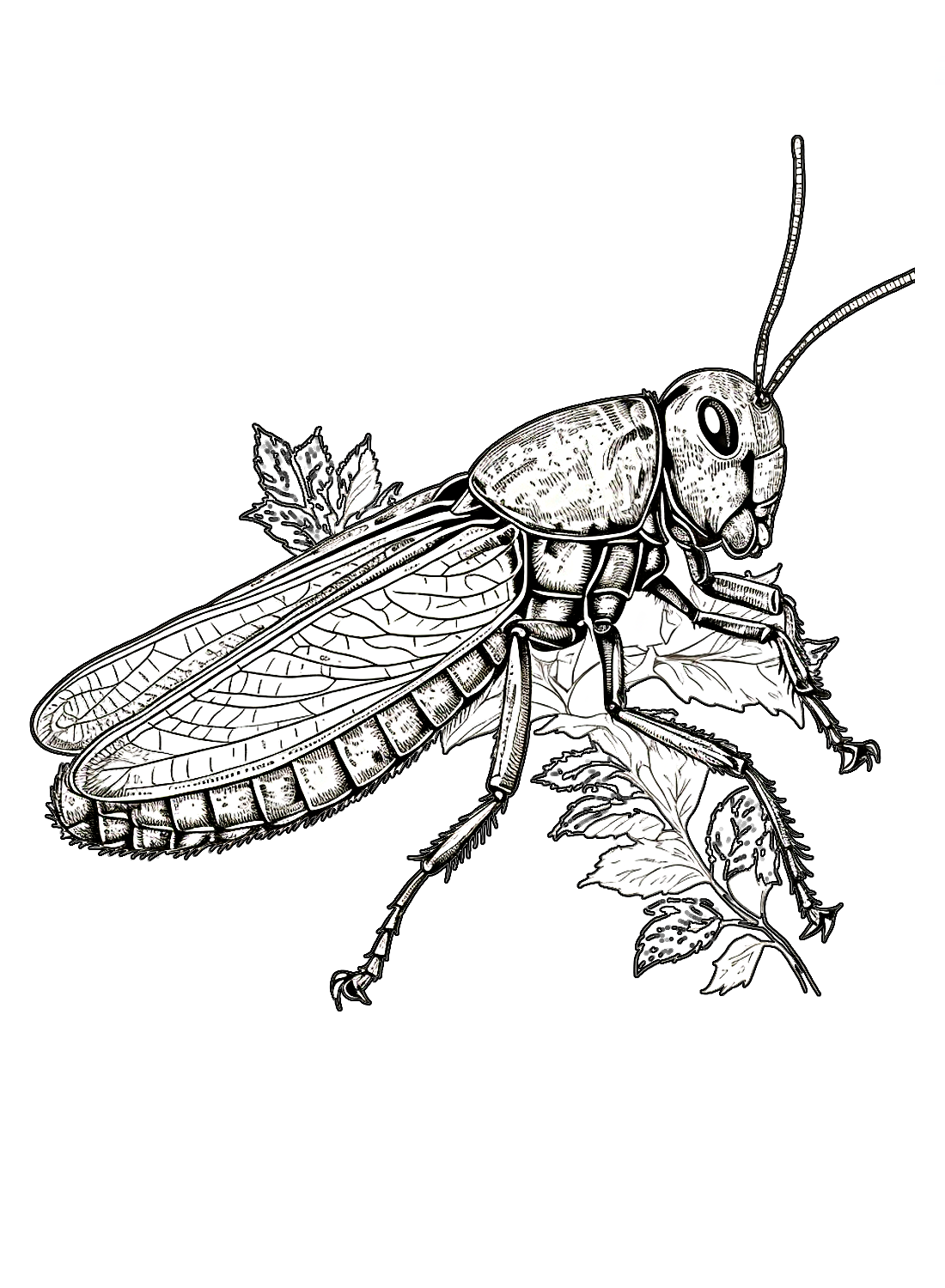
What Is Inside This Collection
The 32 Locust pages are split into five natural groups based on pose and setting.
Classic Portraits
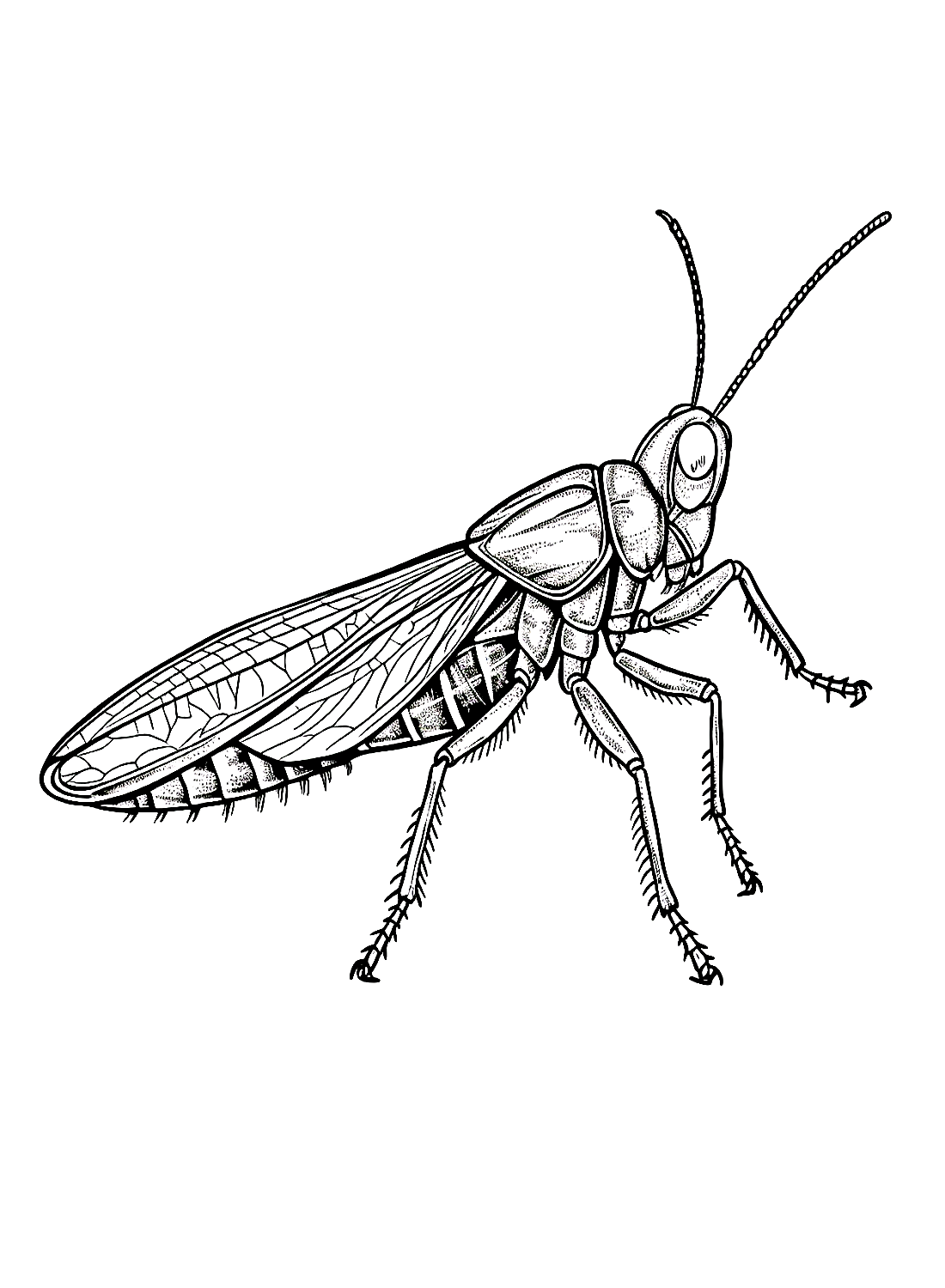
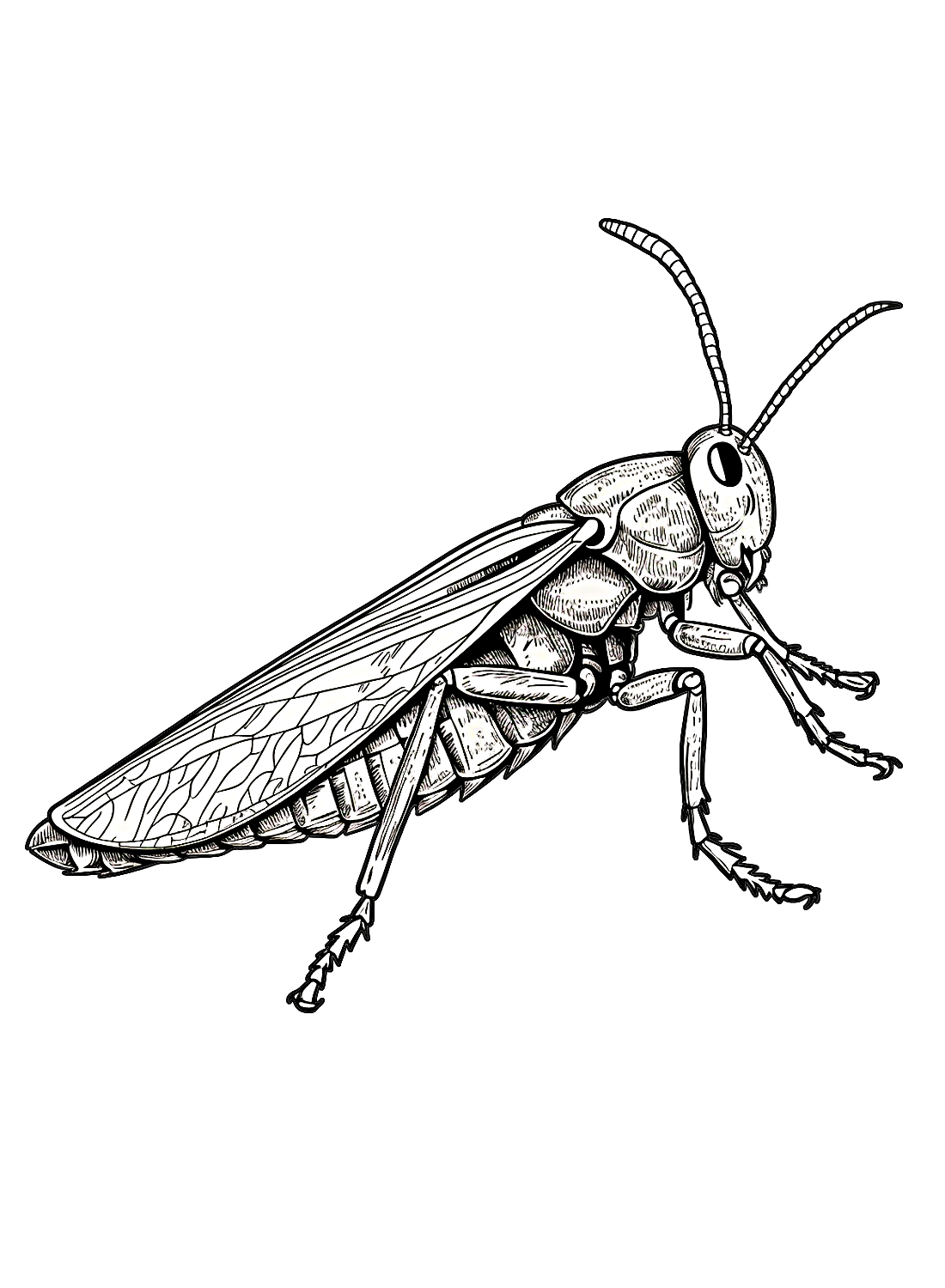
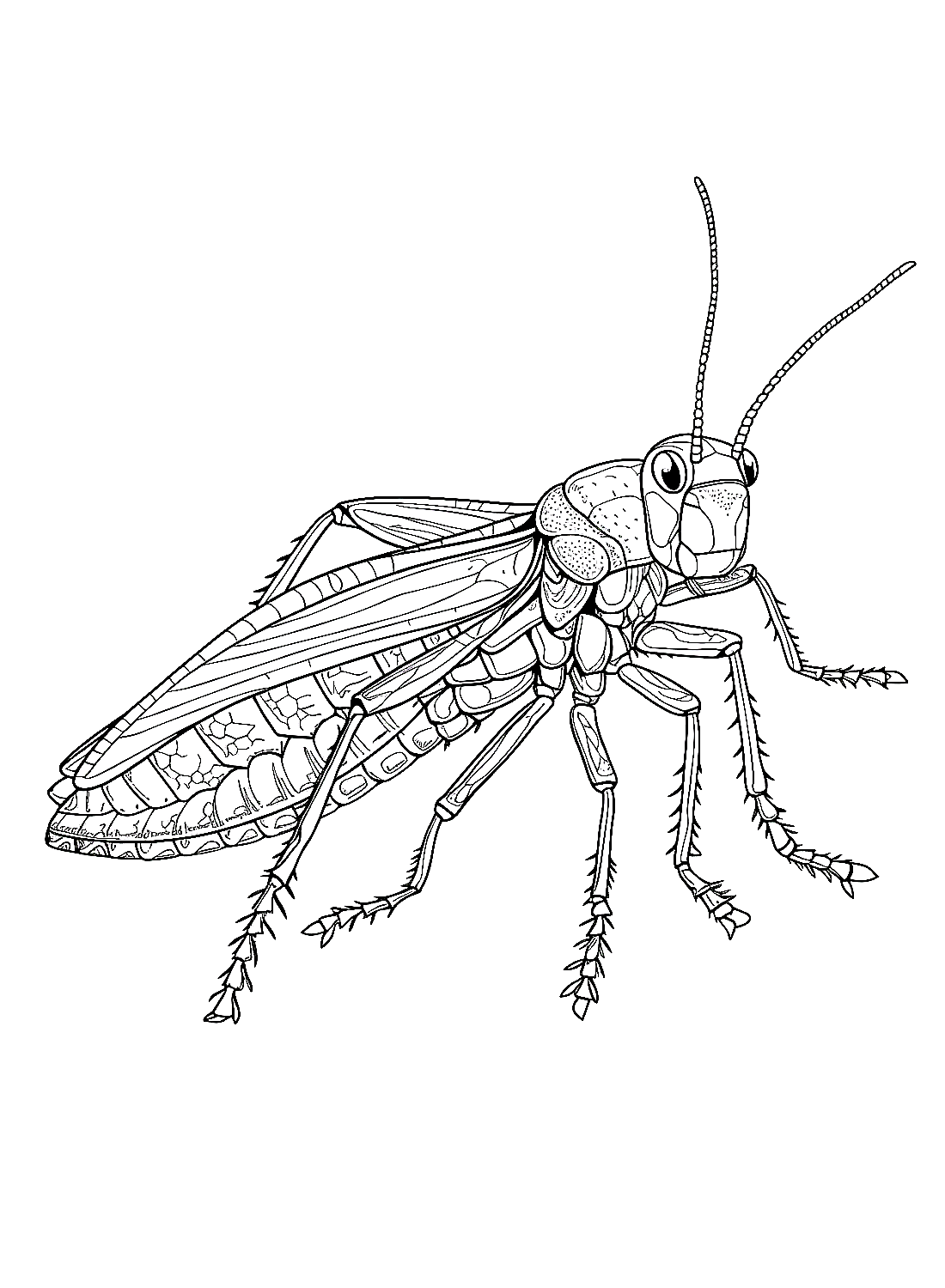
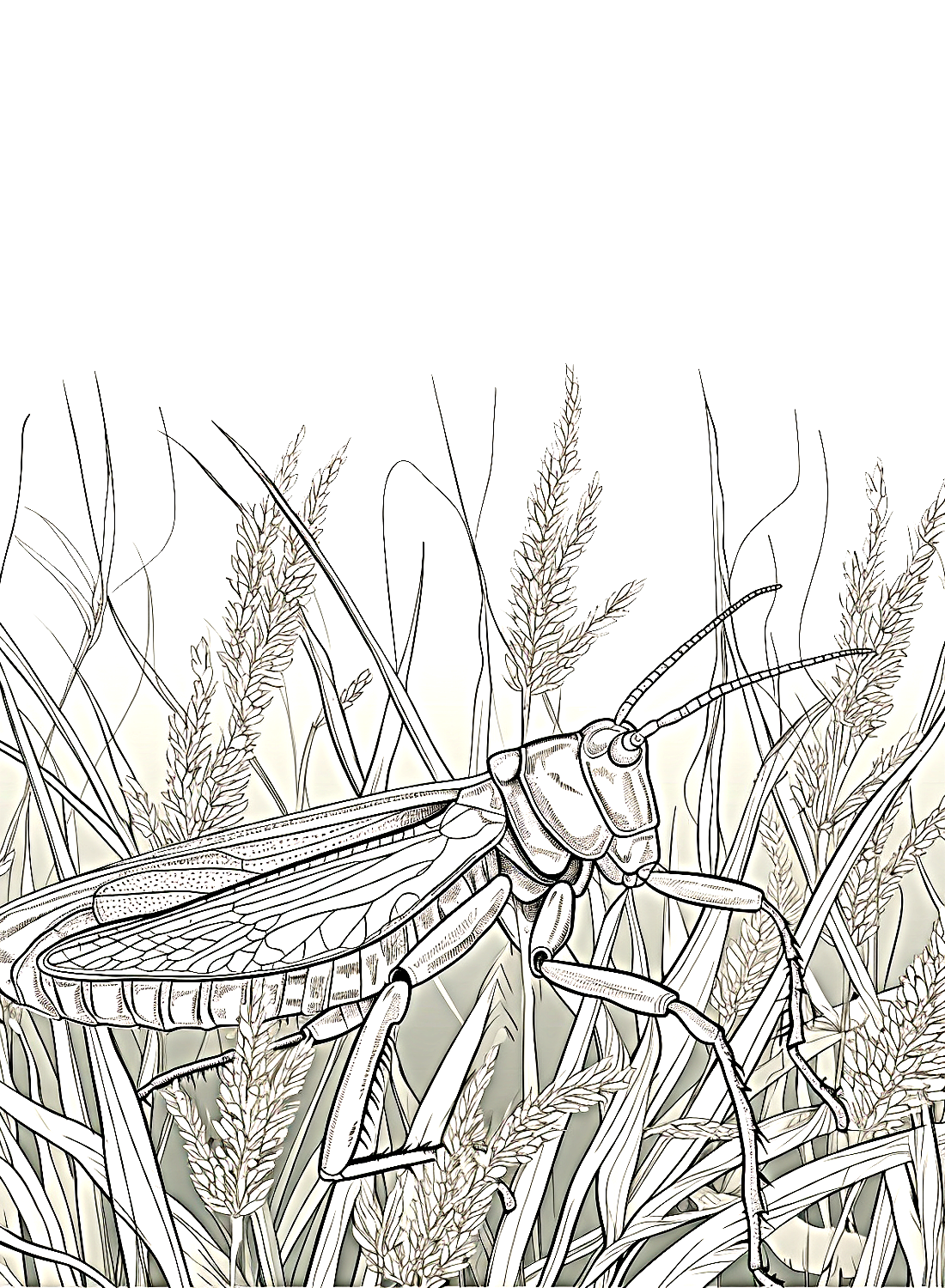
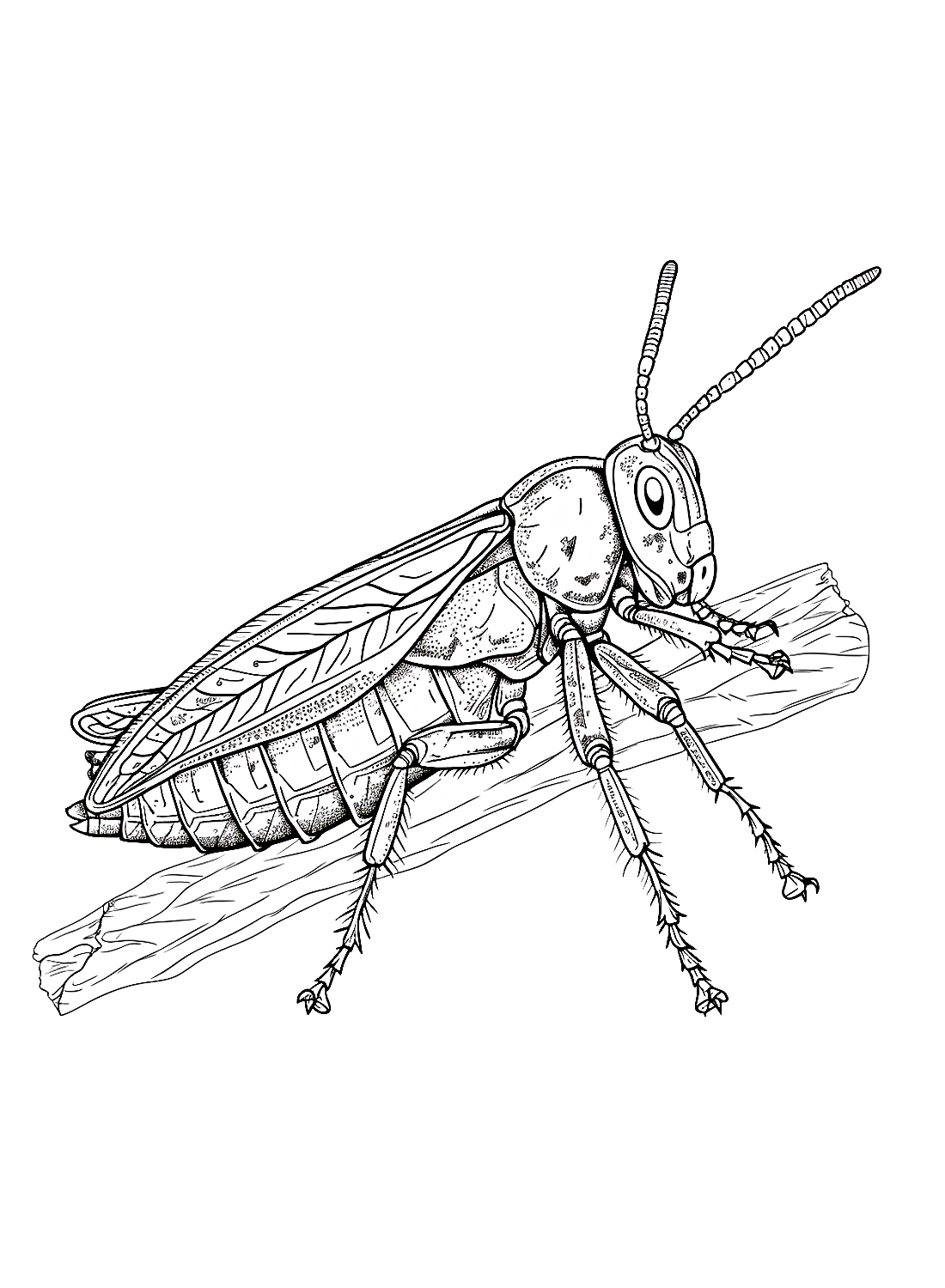
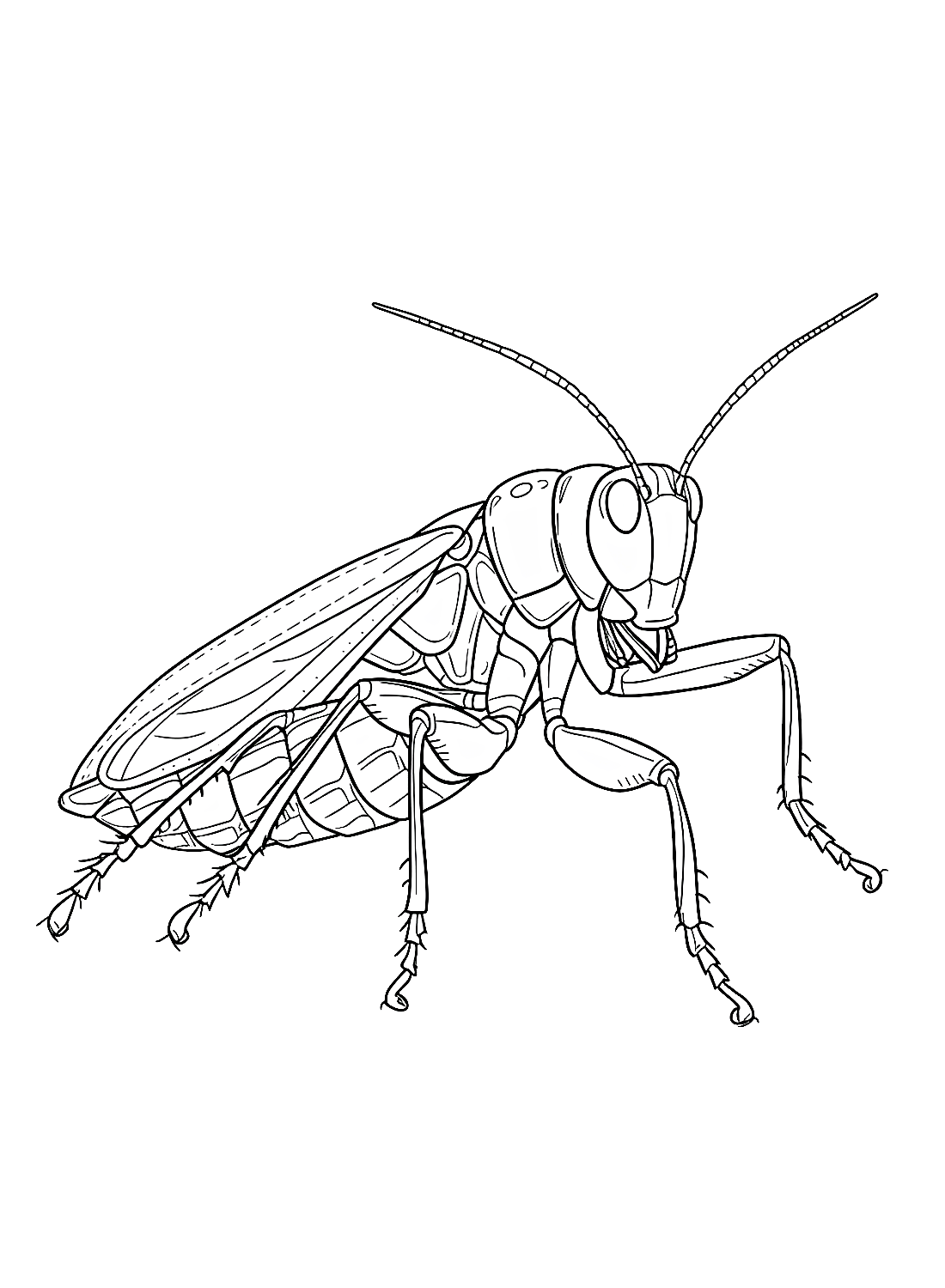
This group covers straightforward, realistic locust poses, including a couple of pages focused on the desert locust, one of the most well-known swarming species. A muted green or brown base for the body pairs well with a slightly darker shade for the powerful hind legs.
Ready-to-Print Pages
These are the simplified, larger-outline designs built for quick printing sessions. Bigger body shapes and fewer fine details make this group especially suited to younger colorists.
Cute and Stylized Takes
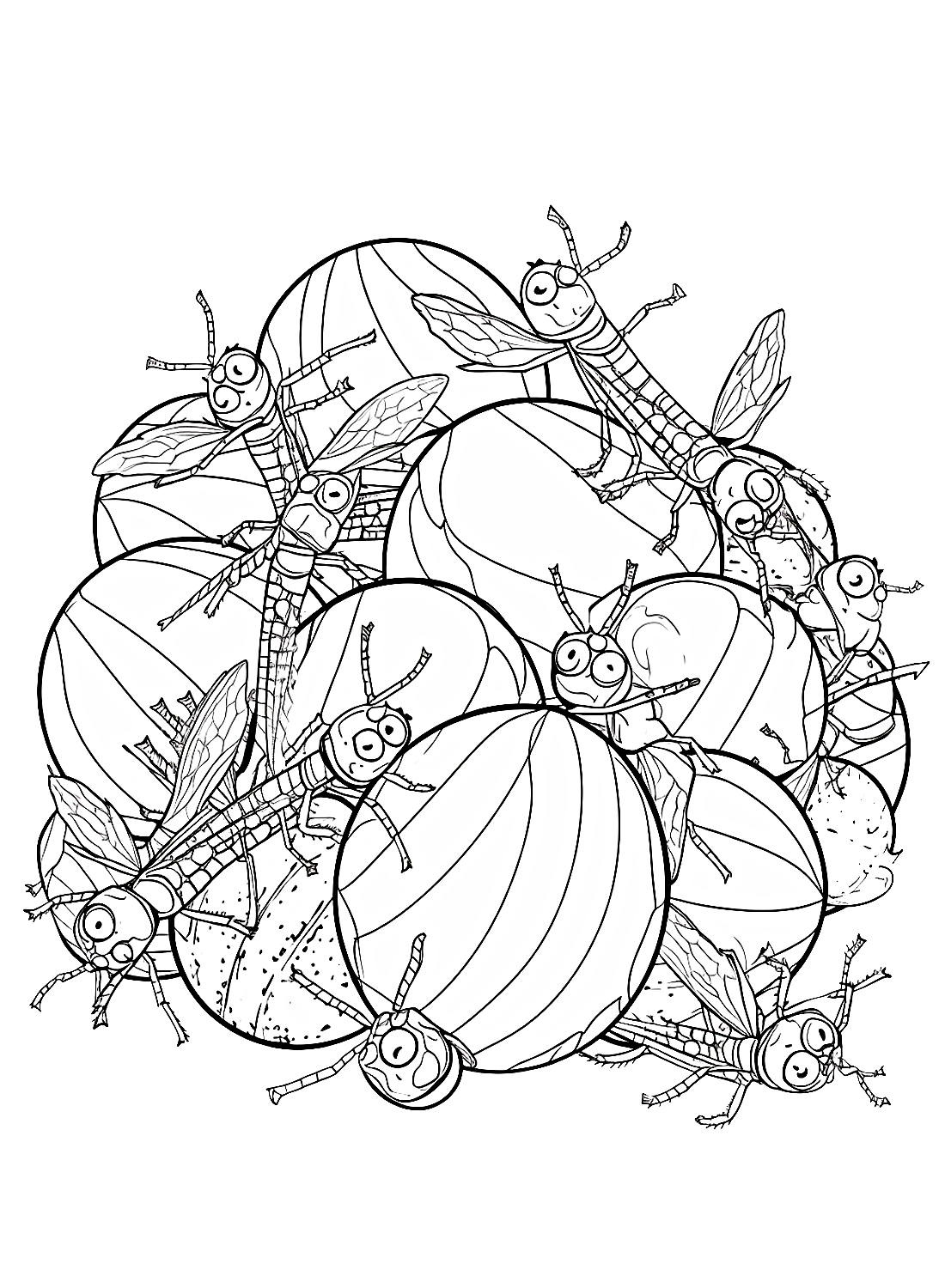
This set leans into softer, rounder proportions and playful expressions. These pages trade some of the locust’s sharper, more insect-like detail for a friendlier, more approachable look.
Locusts Feeding on Crops and Gardens
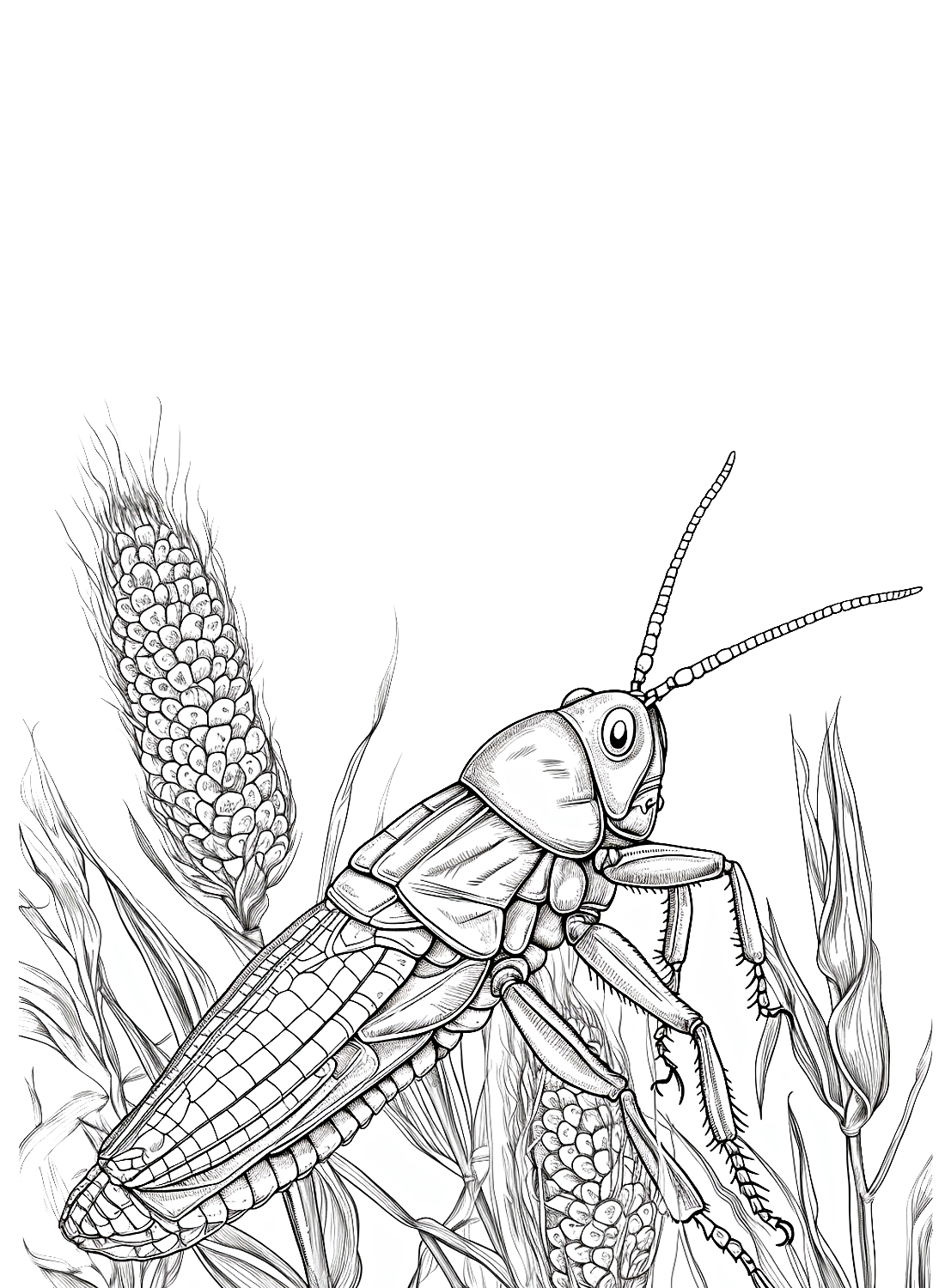
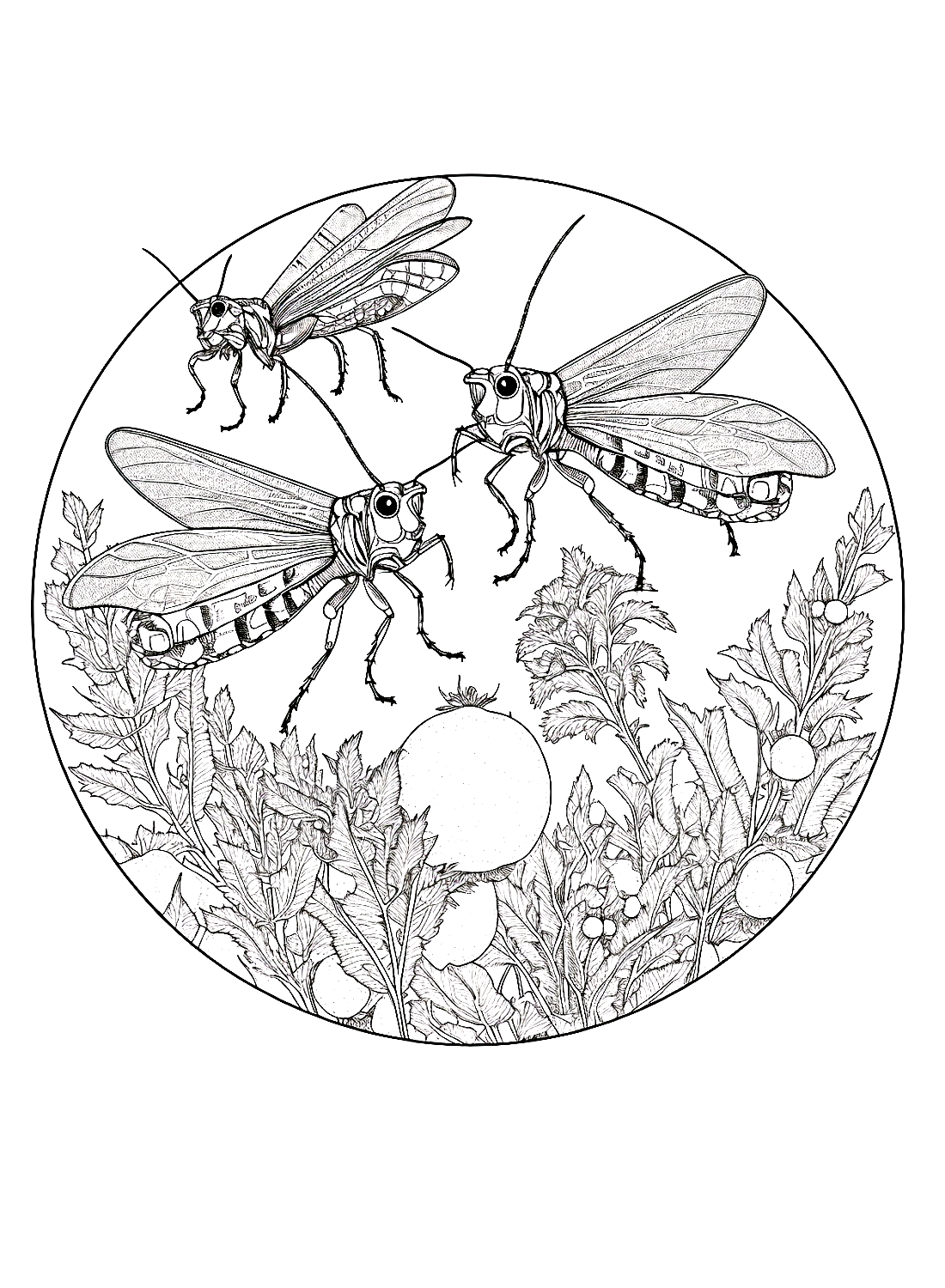
This group shows locusts eating corn, leaves, and garden plants, tying directly into their real reputation for consuming large amounts of vegetation, particularly during a swarm.
Locusts in Nature and Playful Scenes
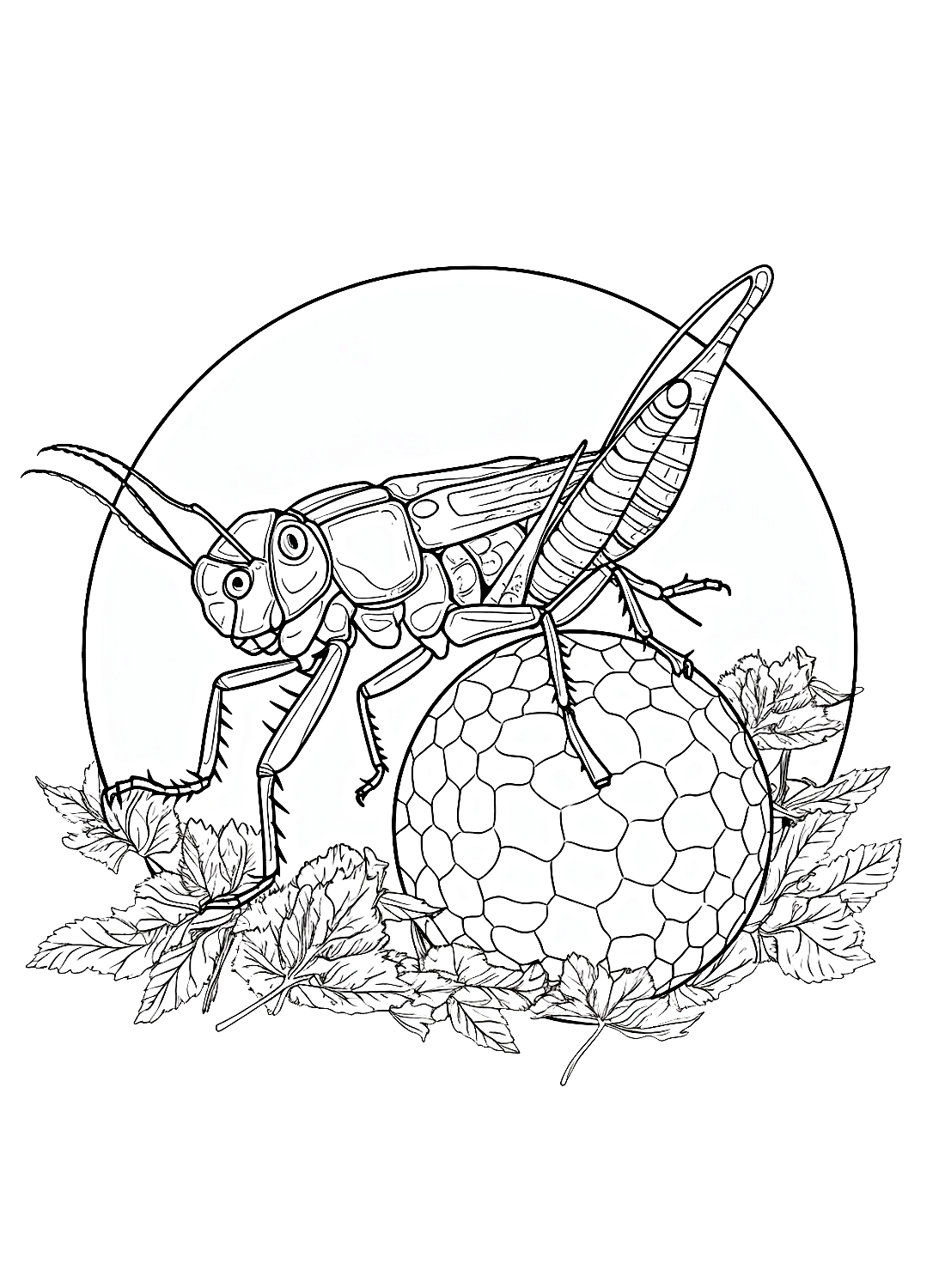
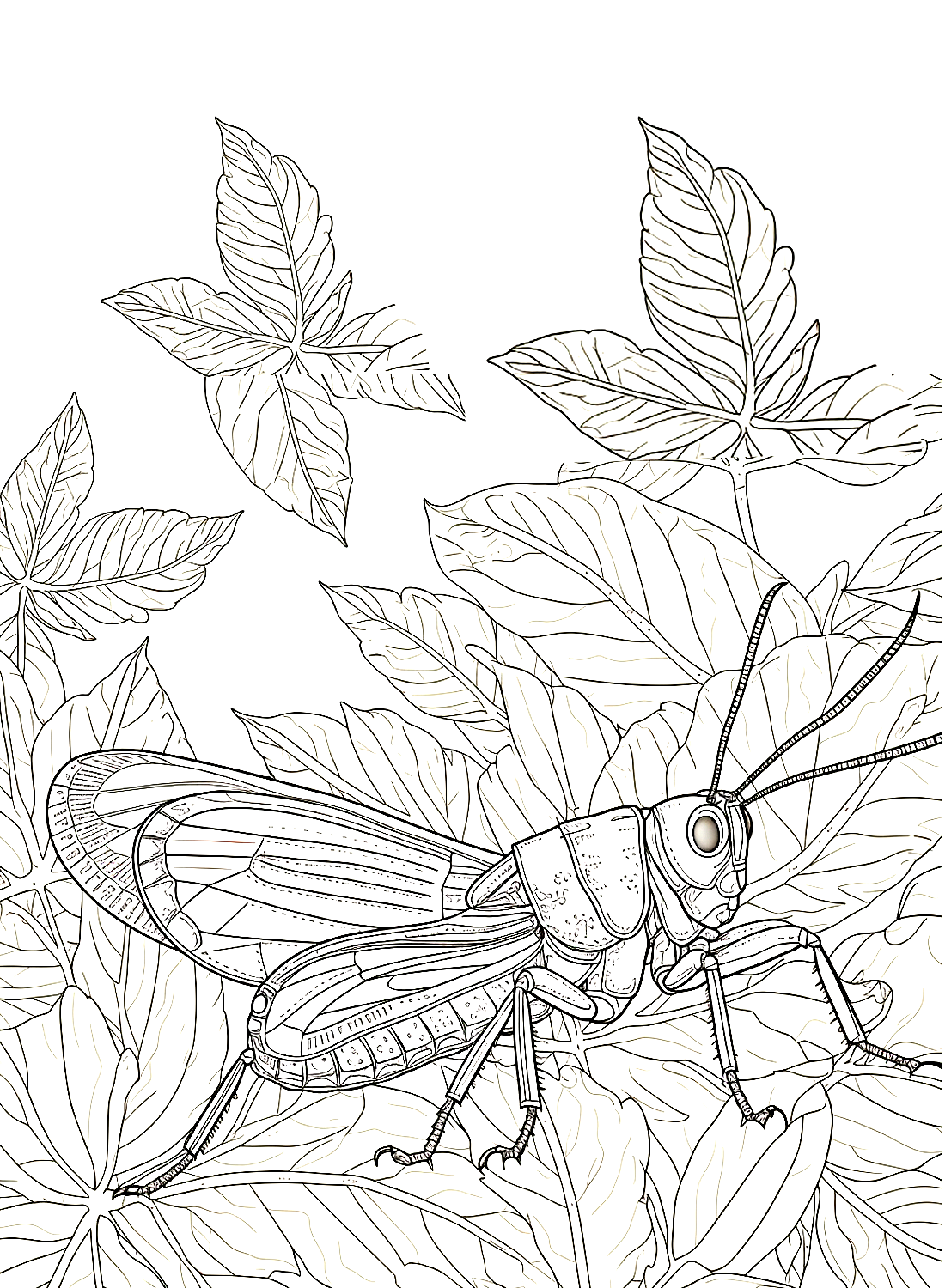
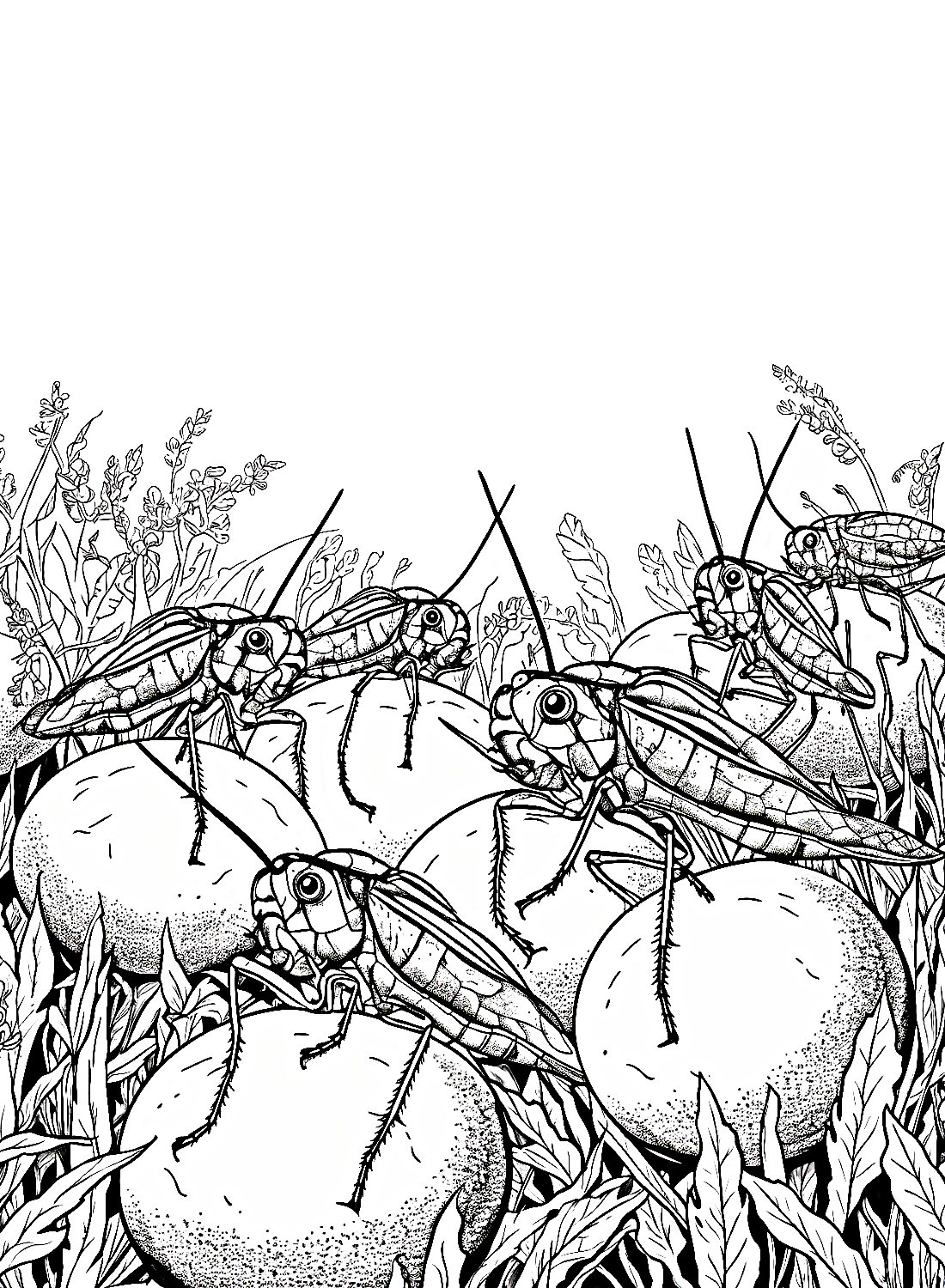
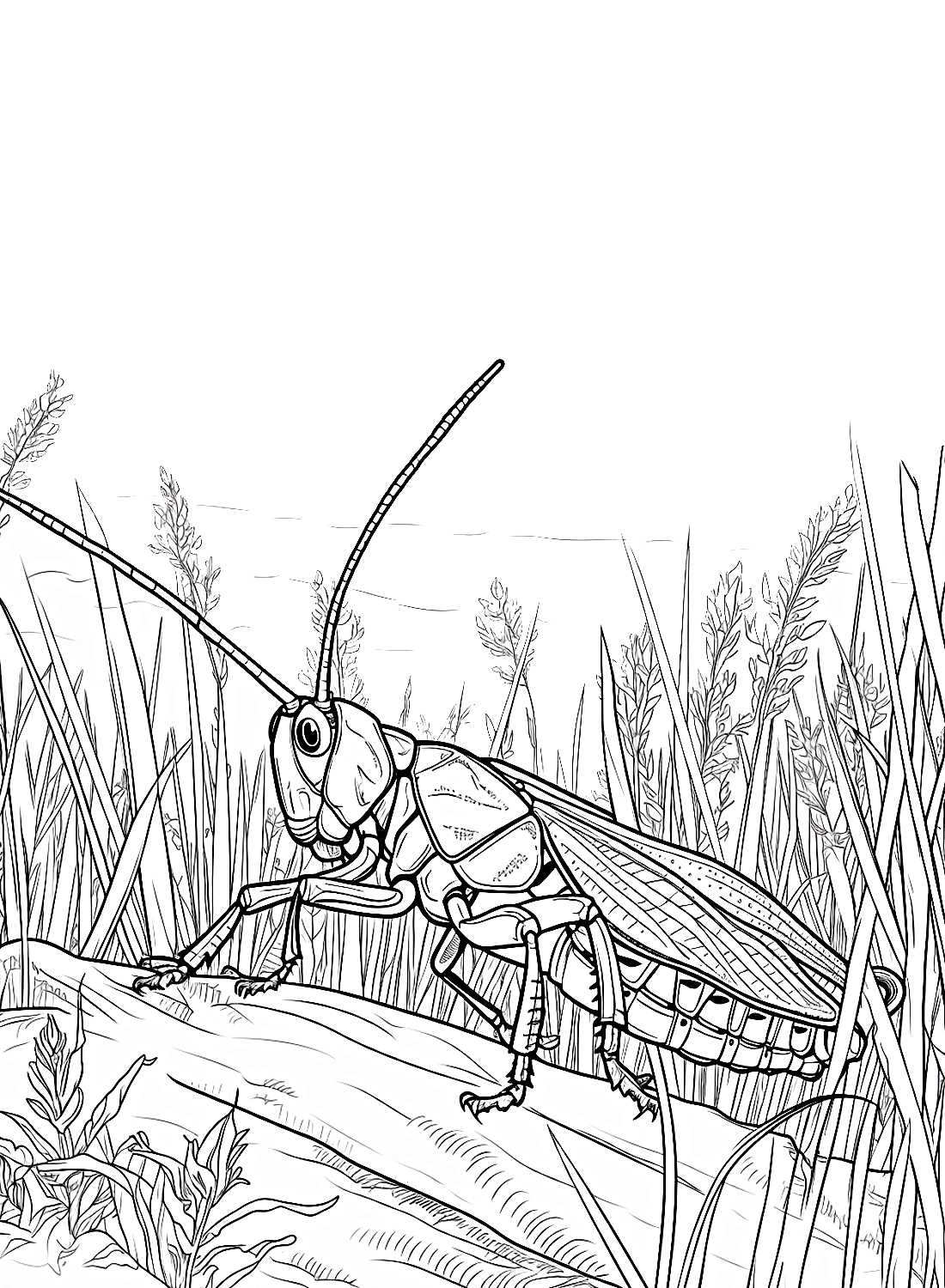
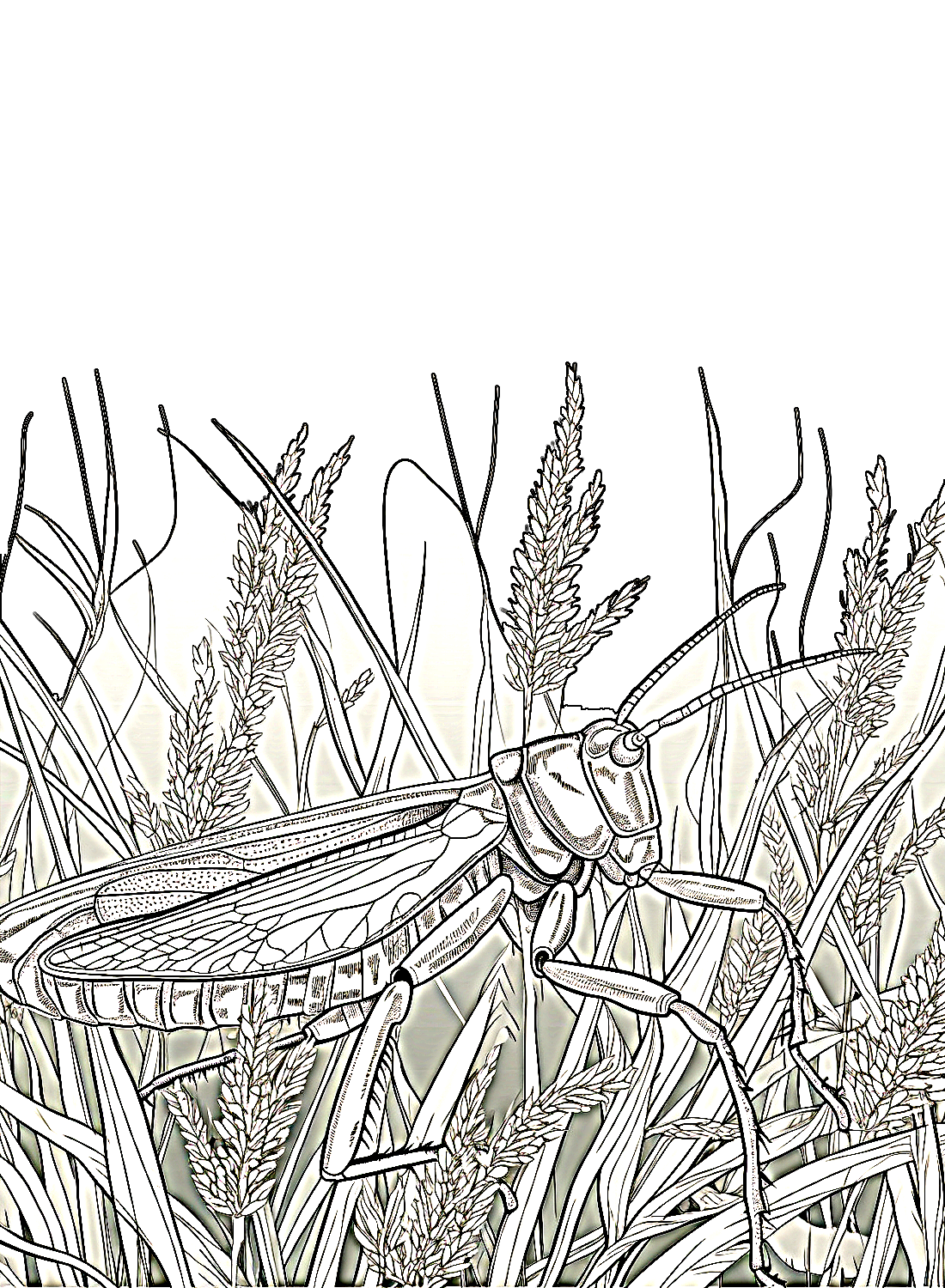
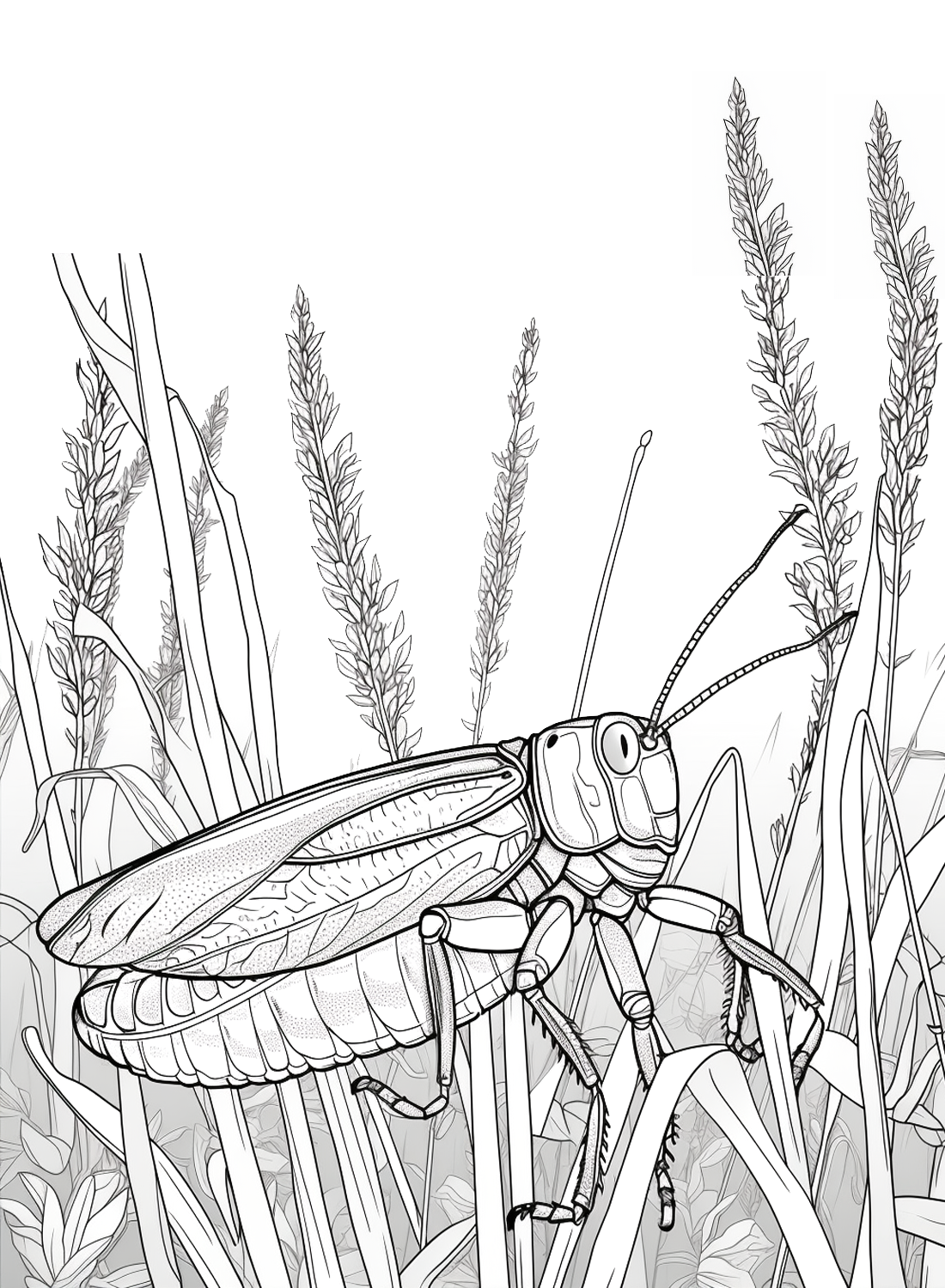
This is the largest group, placing locusts among trees, grass, flowers, and forest settings, along with a couple of whimsical pages featuring balloons and eggs. These pages give colorists room to build out a full outdoor scene around the insect itself.
What Locust Coloring Pages Do
A genuinely surprising science lesson. Many people assume locusts and grasshoppers are entirely different insects, when a locust is really just a grasshopper in a specific, crowd-triggered phase. Coloring a locust page gives a parent or teacher a natural, engaging way to introduce this real scientific concept, one that often surprises adults as much as children.
Practicing detail on a genuinely powerful build. The American Academy of Pediatrics identifies fine motor skill development as a core benefit of structured coloring for children ages 2 through 7, and a locust’s long, muscular hind legs and layered wings give children practice with more angular, structured shapes than a simpler, rounded insect design would require.
Understanding how crowding changes behavior. A locust’s shift from solitary to swarming behavior is directly tied to how many other locusts are nearby. That detail offers a concrete, real-world example of how an environment, not just an individual choice, can shape behavior, a useful idea well beyond insects.
A steady, engaged focus. A 2005 study in the Art Therapy Journal documented measurable reductions in anxiety following structured coloring sessions. The detailed wings and legs found across many of these pages offer a naturally engaging, structured coloring task well suited to that calming, focused benefit.
How to Color Locust Pages Well
- Body: Base the body in a muted Green or Brown for solitary-phase locusts, since this coloring helps them blend into grasses and plants.
- Swarming-phase pages: On pages meant to show a locust in its gregarious, swarming form, try brighter yellows or oranges instead, reflecting the real color shift that happens during phase polyphenism.
- Wings: Color the long, folded wings a slightly translucent tan or light brown, adding thin, darker lines to suggest wing veins.
- Hind legs: Shade the powerful, bent hind legs a deeper tone than the body, since these are the locust’s most distinctive feature and the source of its impressive jumping ability.
- Eyes: Use a dark brown or black for the large compound eyes, keeping them proportionally big compared to the head.
- Nature-scene pages: On pages with trees, grass, or gardens, use a range of greens for the background so the locust’s body color still stands out clearly against its surroundings.
5 Creative Craft Ideas With Locust Coloring Pages
1. Solitary-to-swarm color study
Color two copies of the same locust page, one in muted green or brown and one in bright yellow, to illustrate the real color change that happens during phase polyphenism.
2. Grasshopper-or-locust sorting game
Pair a colored locust page with a picture of an ordinary grasshopper and talk through why they can actually be the very same species in different phases.
3. Jump-distance measuring activity
Measure out several times a colored locust’s own body length on the floor with tape or string to give a hands-on sense of how far a locust’s powerful legs can actually launch it.
4. Nature scene bookmark
Cut out a colored classic portrait page, glue it to cardstock, and trim close to the outline for a durable bookmark.
5. Crop-and-garden fact card
Pair a colored locust-and-corn or locust-and-garden page with a simple fact about why large locust swarms can affect crops, for a gentle introduction to real agricultural science.
Frequently Asked Questions
What are Locust coloring pages?
Locust coloring pages are free printable and online designs featuring these transformative insects in different poses and settings, including classic portraits, ready-to-print pages, cute and stylized takes, feeding scenes, and nature scenes. This collection includes 32 designs that can be downloaded as PDFs or colored directly in the browser.
Is a locust a different insect from a grasshopper?
Not exactly. A locust is a specific behavioral phase that certain grasshopper species can shift into under crowded conditions, meaning a locust and a solitary grasshopper can be the same species in different states, rather than two entirely separate kinds of insects.
Why do locusts change color?
When locust populations become crowded, rising levels of a brain chemical called serotonin trigger a transformation known as phase polyphenism, which can shift the insect’s coloring from muted greens and browns toward brighter yellows and oranges, along with changes in body shape and behavior.
How far can a locust jump?
Locusts have powerful hind legs, shared with all grasshoppers, that let them leap many times their own body length, helping them escape predators quickly or launch into flight.
Why do locust swarms damage crops?
When locusts shift into their gregarious, swarming phase, they can gather in enormous, coordinated groups that travel long distances together, consuming large amounts of vegetation, including crops, as they move.
Are Locust coloring pages suitable for young children?
Yes. The simplified, ready-to-print pages and cute, stylized designs work well for toddlers and young children, while the classic portraits and detailed nature scenes give older kids and insect enthusiasts more to work with.
How many Locust coloring pages are available to download?
This collection includes 32 designs, covering classic portraits, ready-to-print pages, cute and stylized takes, feeding scenes, and nature and playful scenes. Every page can be downloaded as a free PDF or colored online.
Do all grasshoppers turn into locusts?
No. Only certain grasshopper species are capable of this crowding-triggered transformation. Most grasshopper species remain solitary regardless of population density and never develop true swarming, locust-like behavior.
Start Coloring
Download any page by clicking the design. No account, email, or payment is required. Pages print directly from the browser at full resolution or open in the online coloring tool for screen use. Share finished pages on Facebook or Pinterest with the share buttons at the top of each design page.