Free Ultraman coloring pages – 16 pages featuring the original hero, Ultraman Rising, Ultraman Nexus, Ultraman Ribut, action scenes, the mask, city battles, and the Ultraman: Rising Netflix film characters Kenji Sato and Emi – free printable PDF and online coloring for children and adult fans.
July 17, 1966. Tsuburaya Productions broadcast the first episode of Ultraman on TBS in Japan. The show had already aired a predecessor series – Ultra Q – in January of the same year, establishing the format of giant monsters (kaiju) threatening Japan before Ultraman himself arrived as the response. The original show ran for 39 episodes, ended in April 1967, and generated a franchise that has now been continuously producing new series, films, and characters for nearly 60 years without interruption.
Ultraman is a giant alien hero from Nebula M78 – the Land of Light – who merges with a human host to defend Earth against kaiju. The Color Timer on his chest blinks red when his energy is running low from operating in Earth’s atmosphere. When it goes out, he must either defeat the monster or face serious consequences. That three-minute countdown, ticking against every giant monster fight, is one of tokusatsu television’s most effective dramatic devices and has been a feature of the franchise since the beginning.
These 16 free pages at ColoringPagesOnly.com span the original hero through the 2024 Netflix film. All free, PDF or PNG, print at home or color online. Let’s fight.
What’s Inside
The Original Ultraman – Classic Pages
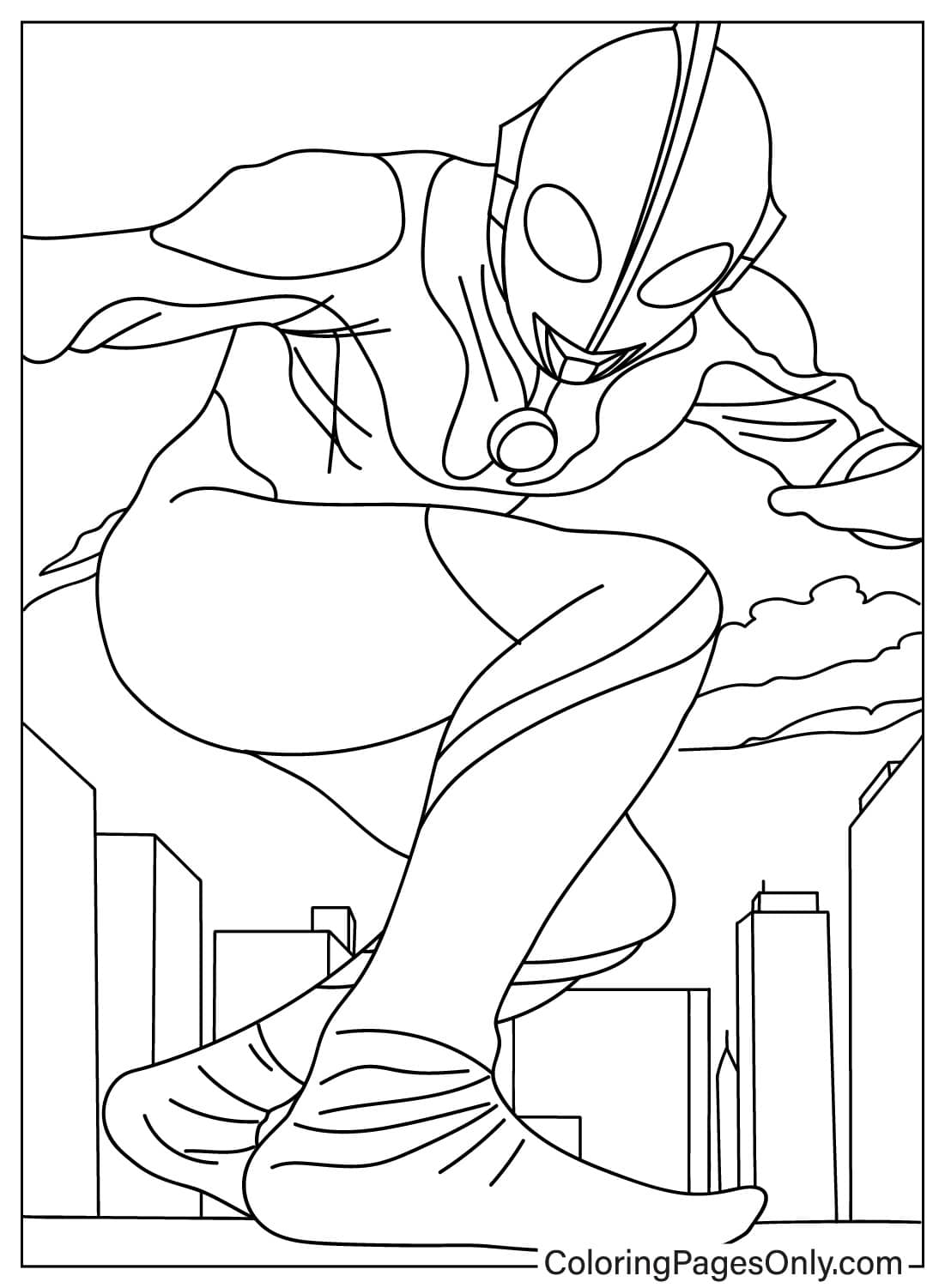
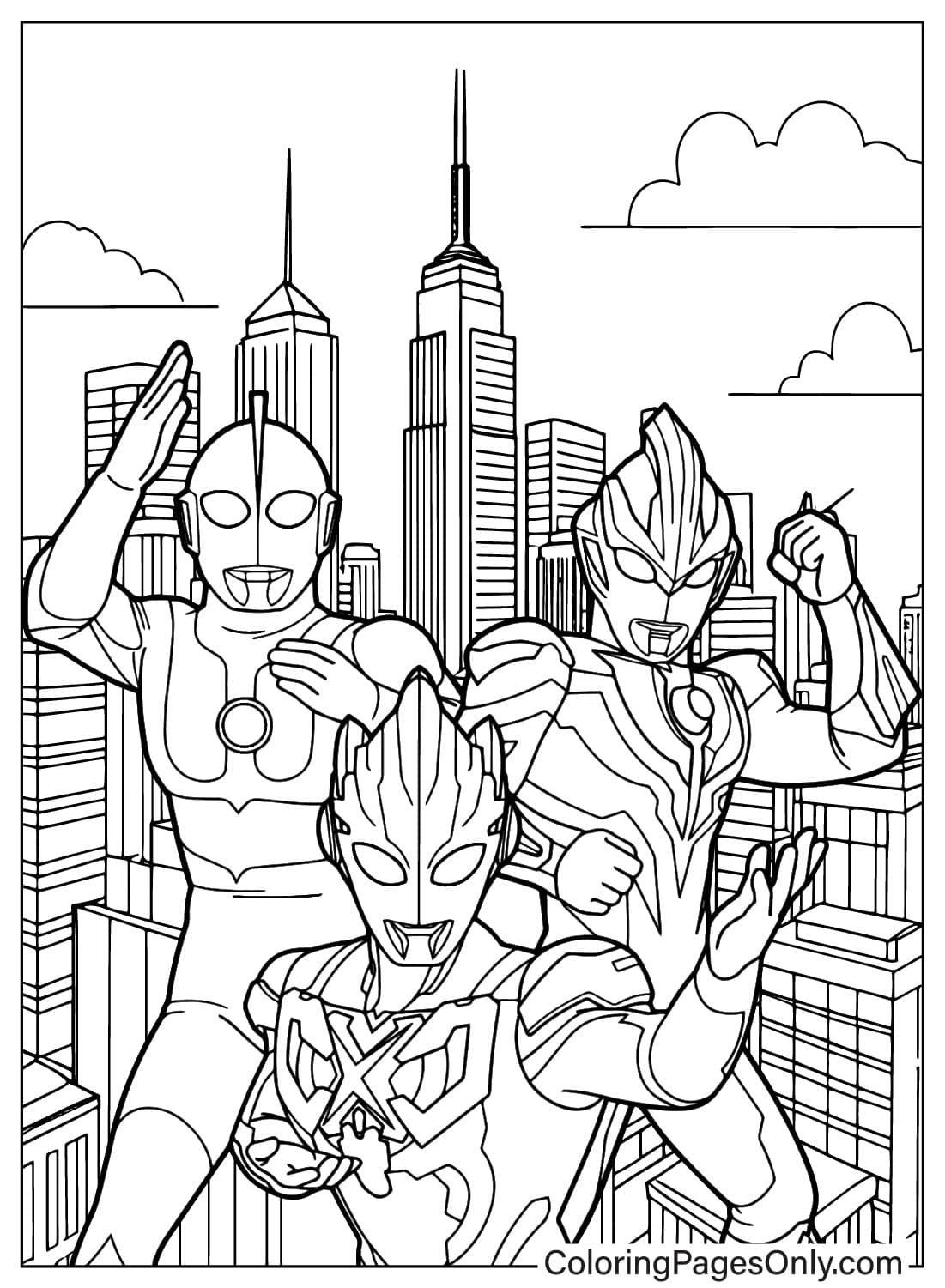
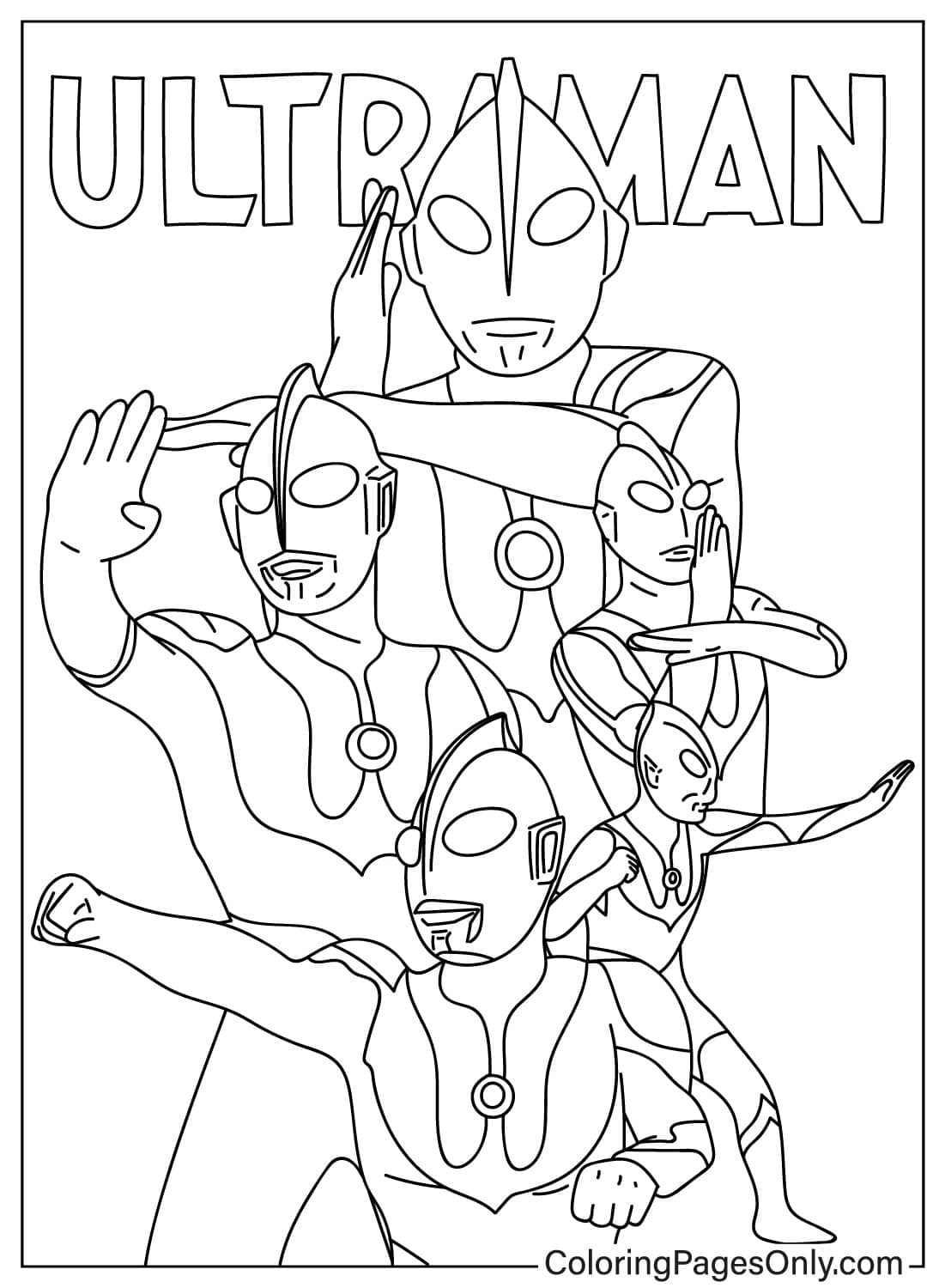
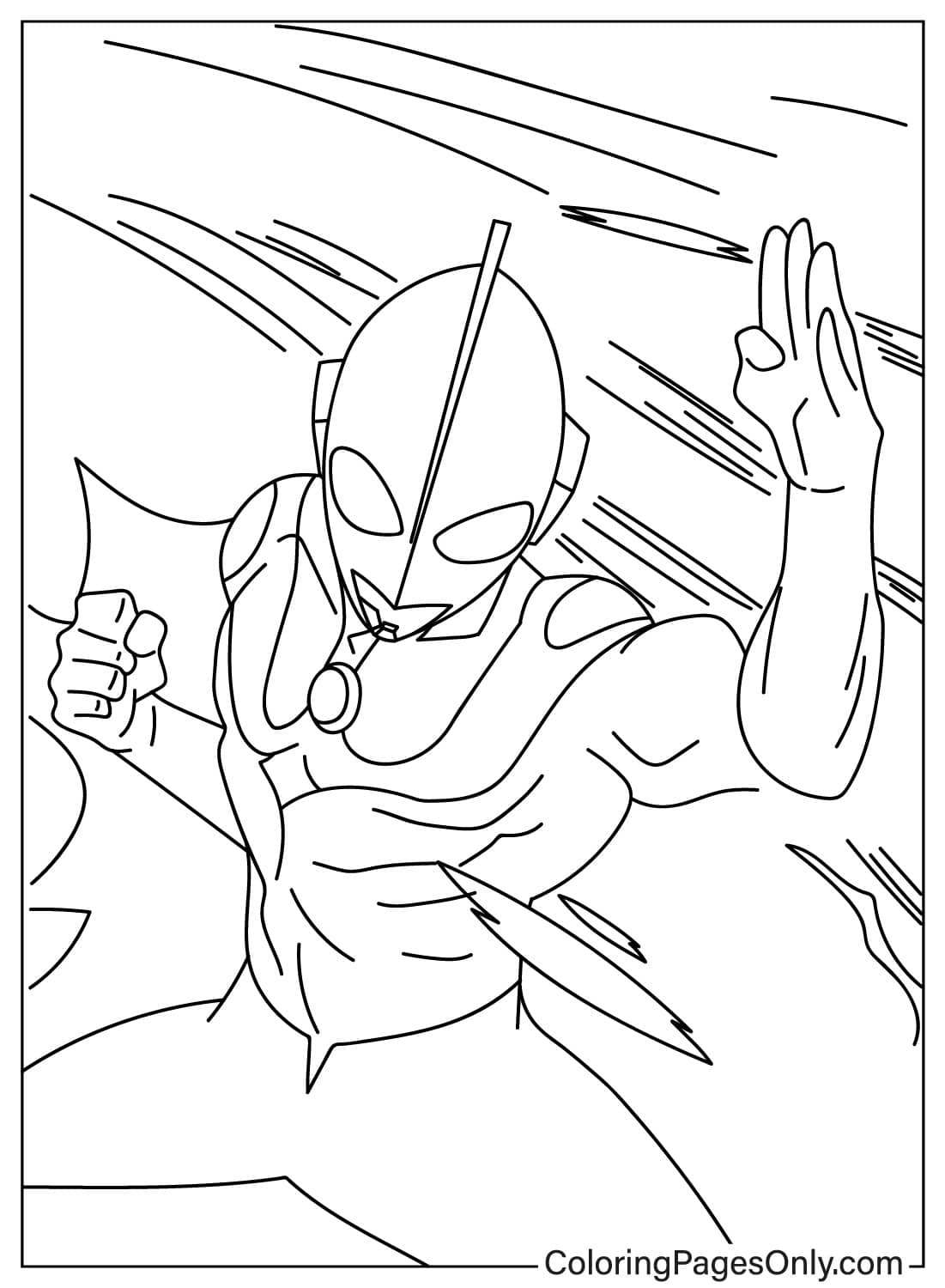
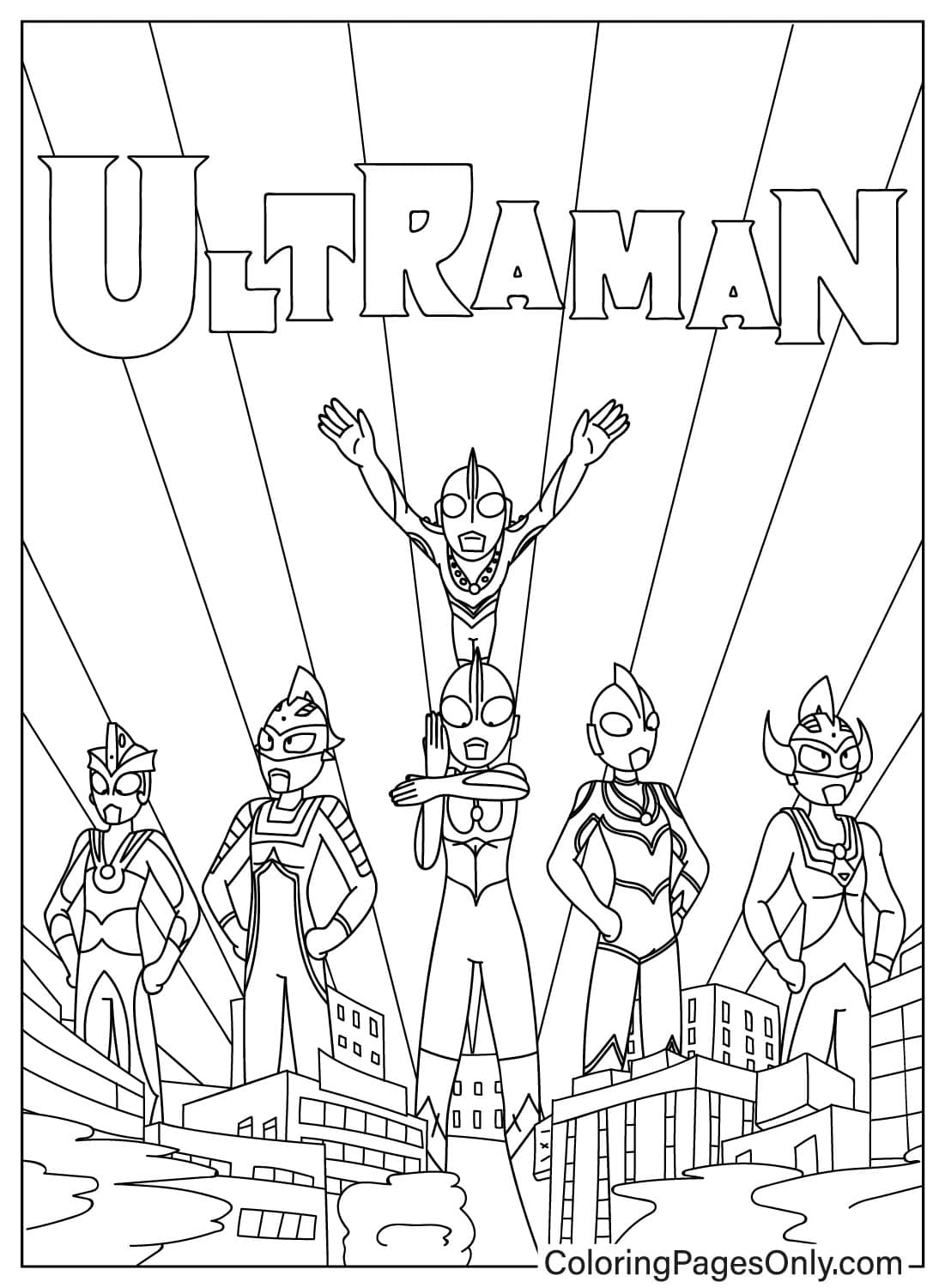
Strong Ultraman, The Giant Superhero Ultraman, The Ultraman, Ultraman Fight, Ultraman Ready to Fight, Ultraman Punch, Ultraman in the City, and Ultraman Art form the collection’s classic core – pages depicting the original hero in the visual style that has defined the franchise for nearly six decades.
The original Ultraman design – conceived by Tohl Narita, who served as the show’s designer – is one of the most immediately recognizable visual designs in all of science fiction. The smooth, silver-and-red body, the oval compound eyes, the elongated head crest, and the Specium Ray cross-arm pose have become as culturally iconic in Japan as Superman’s cape and S-shield are in the West. Narita drew extensively from the aesthetics of ancient Jōmon period pottery and Buddhist imagery in developing Ultraman’s face and form, which is why the character reads simultaneously as futuristic and deeply traditional.
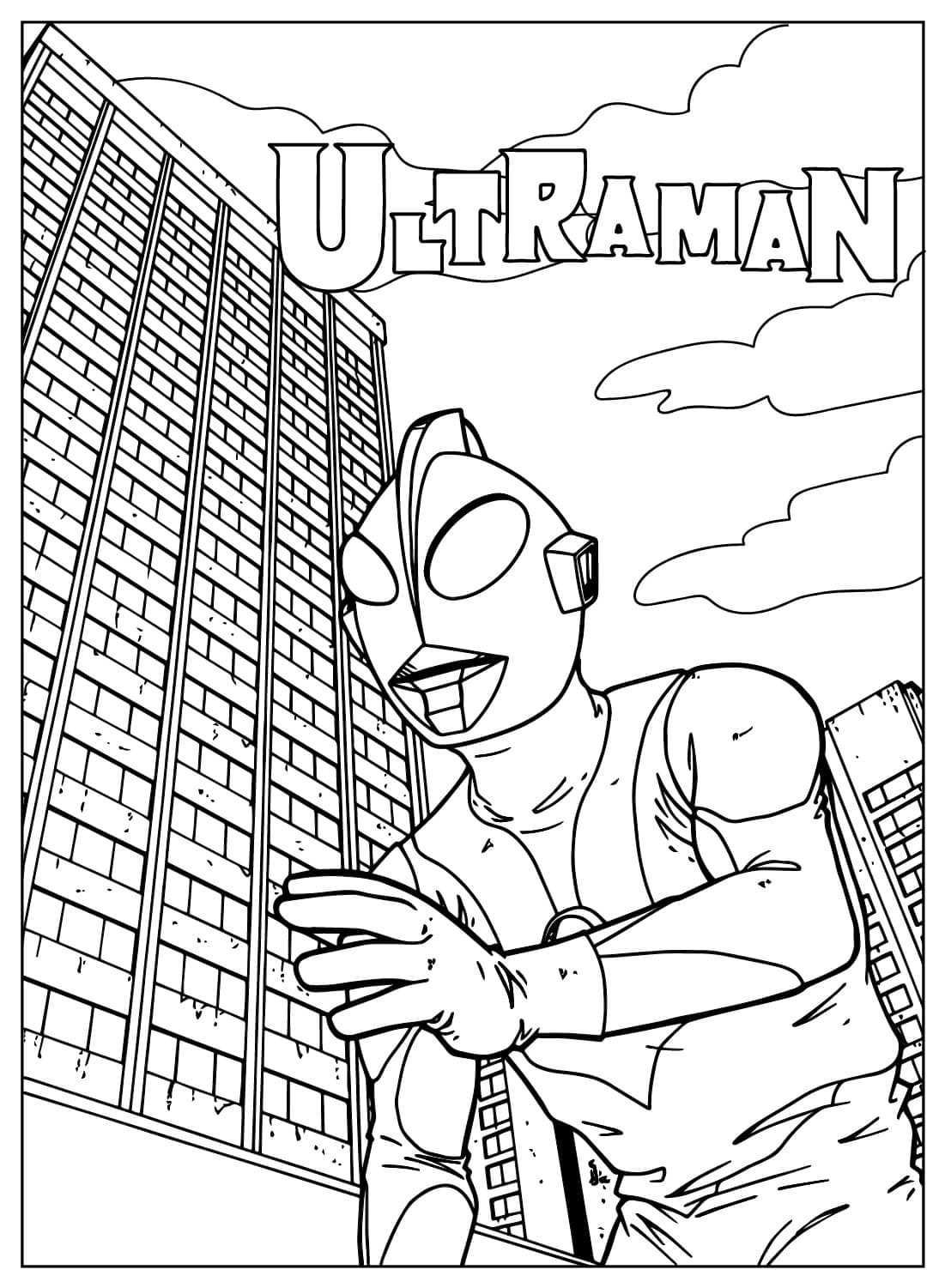
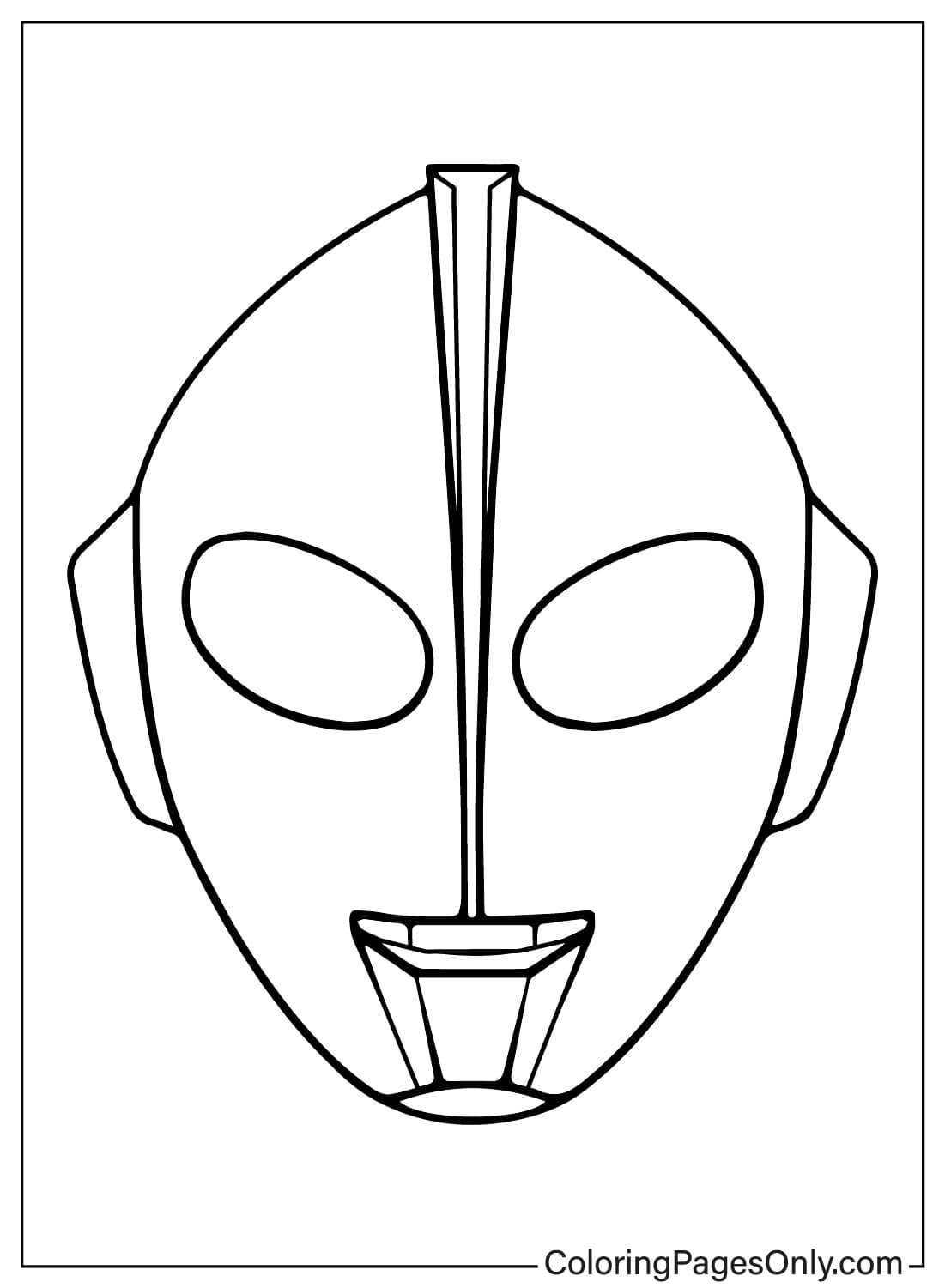
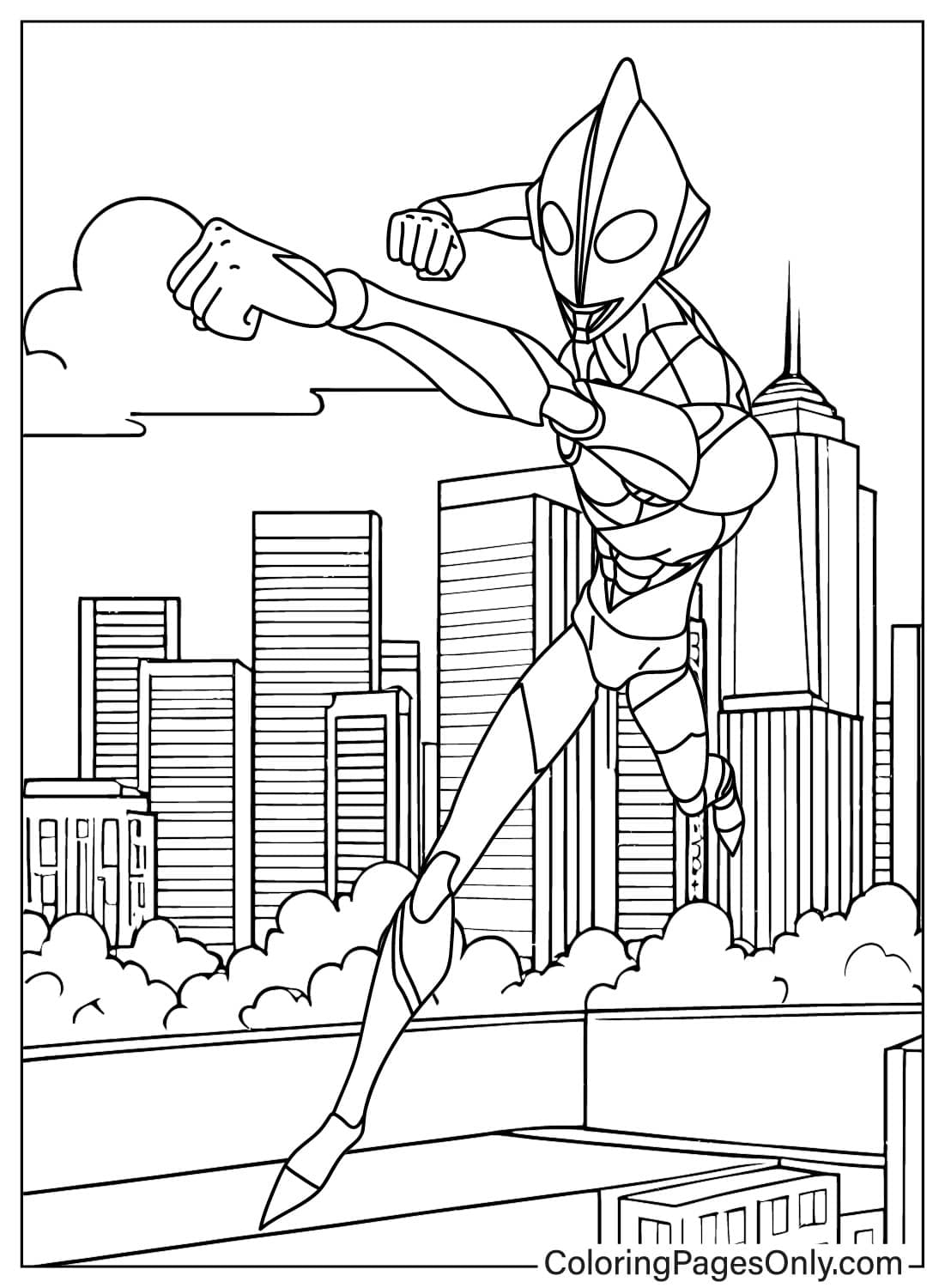
The Ultraman in the City page captures the franchise’s defining visual grammar: the hero standing at skyscraper scale among city buildings, towers reaching only to his waist, the scale of the threat communicated entirely through environmental contrast. Ultraman Fight and Ultraman Punch depict the physical combat sequences that made the series revolutionary in Japanese television production – director Eiji Tsuburaya pioneered the tokusatsu (special effects) filming techniques used to make actors in suits appear to be giant, methods that influenced decades of subsequent genre filmmaking. Ultraman Ready to Fight captures the pre-battle stance that children across Asia have been imitating since 1966. Ultraman Mask isolates the most recognizable element of the design – the head and face – as a standalone coloring subject.
Ultraman Nexus
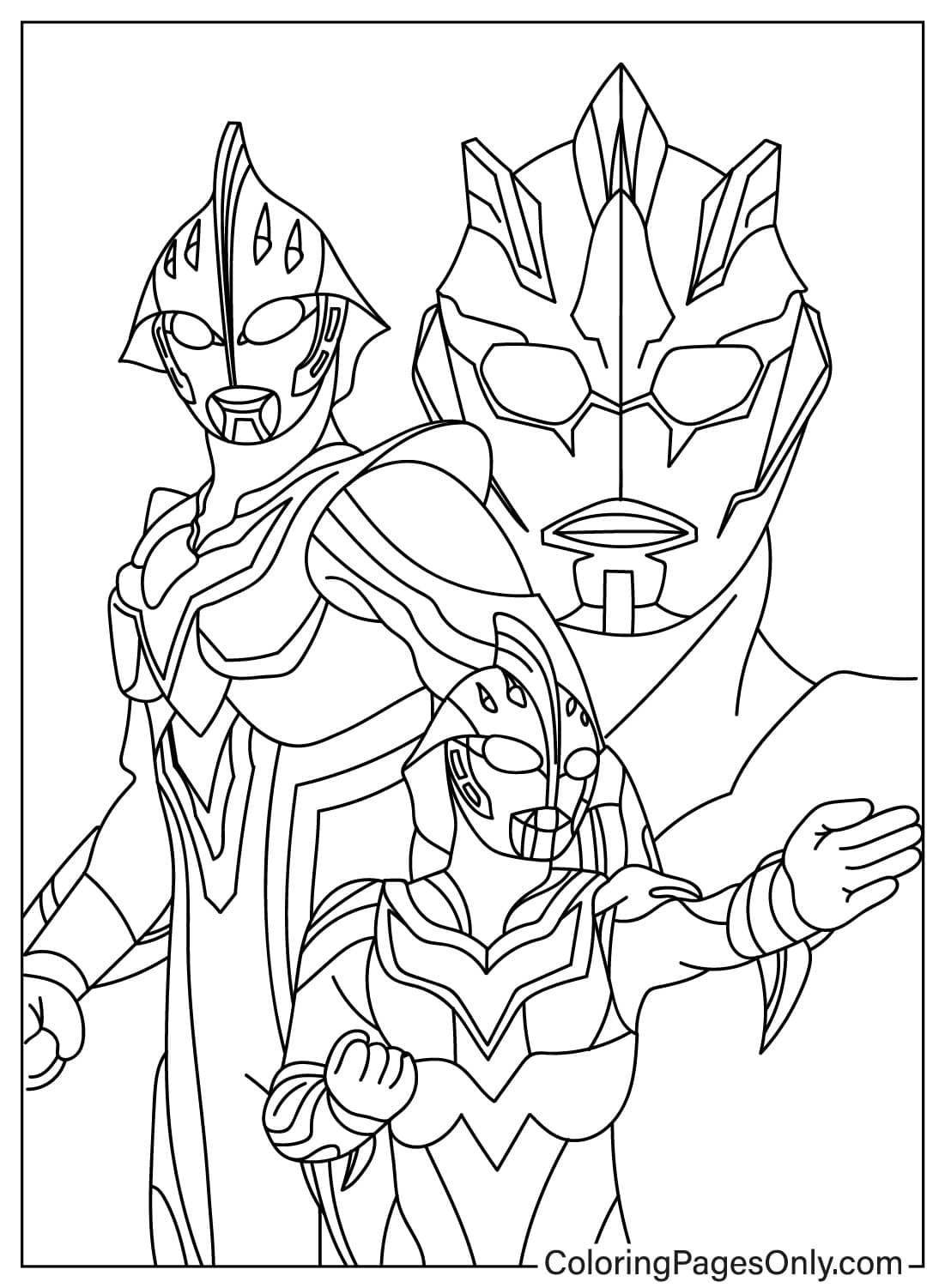
Ultraman Nexus represents one of the Ultraman franchise’s most dramatically ambitious entries. Ultraman Nexus aired in 2004–2005 on TBS as a single-season story – 37 episodes – that departed significantly from the episodic monster-of-the-week format of most Ultraman series. It told a continuous serialized narrative focused on psychological depth, the human cost of alien invasion, and the emotional burden carried by those who bond with Ultraman. The series was aimed at an older audience than the franchise typically targeted and is widely regarded within the tokusatsu fandom as one of the most creatively ambitious Ultraman productions.
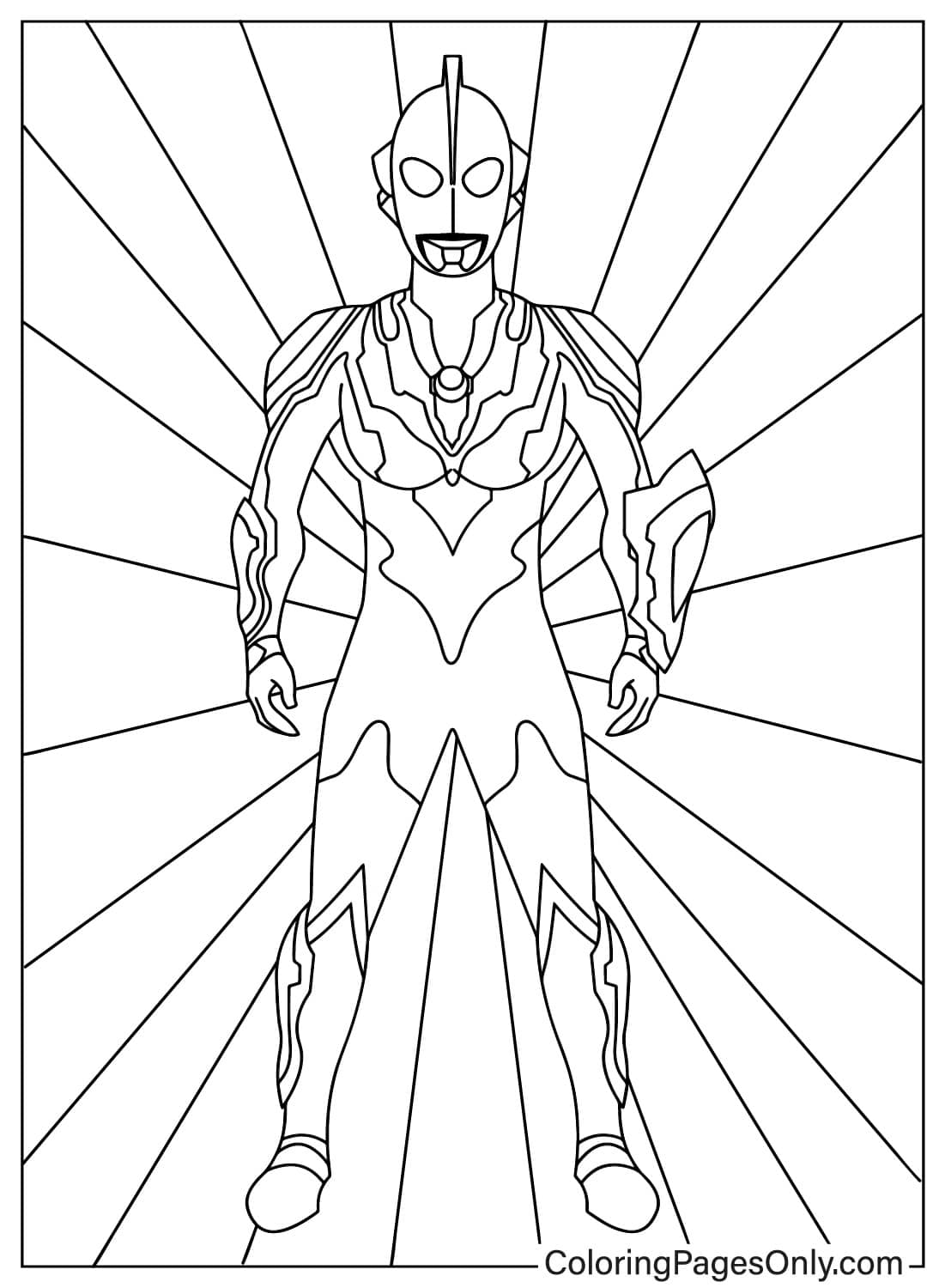
Nexus’s design reflects this tonal shift: darker, more angular than the classic Ultraman, with a color scheme that uses deep blue and silver against a more streamlined silhouette. When coloring the Nexus page, a darker, cooler palette – deeper blue than the classic Ultraman’s red, with silver rather than warm white accents – more faithfully captures his visual identity.
Ultraman Ribut
Ultraman Ribut is a Malaysian Ultra Hero – the first Ultraman character created specifically to represent Malaysia in the franchise. He first appeared in Ultraman Ginga S in 2014 and became increasingly prominent in subsequent series. Ribut means “storm” in Malay, and his design incorporates wind and storm motifs throughout. His color scheme uses deep blue, white, and silver.
Ribut’s inclusion in the franchise represents a significant moment in Ultraman’s international development. Tsuburaya Productions has actively collaborated with producers in Malaysia, Thailand, and other Southeast Asian countries to develop Ultraman entries that reflect regional cultures and audiences – a strategy that has significantly expanded the franchise’s reach across the region. In countries like Malaysia, Indonesia, and Thailand, Ultraman has a cultural presence comparable to its status in Japan, with multiple generations of fans who grew up with the franchise.
Ultraman Rising – The Netflix Film Pages
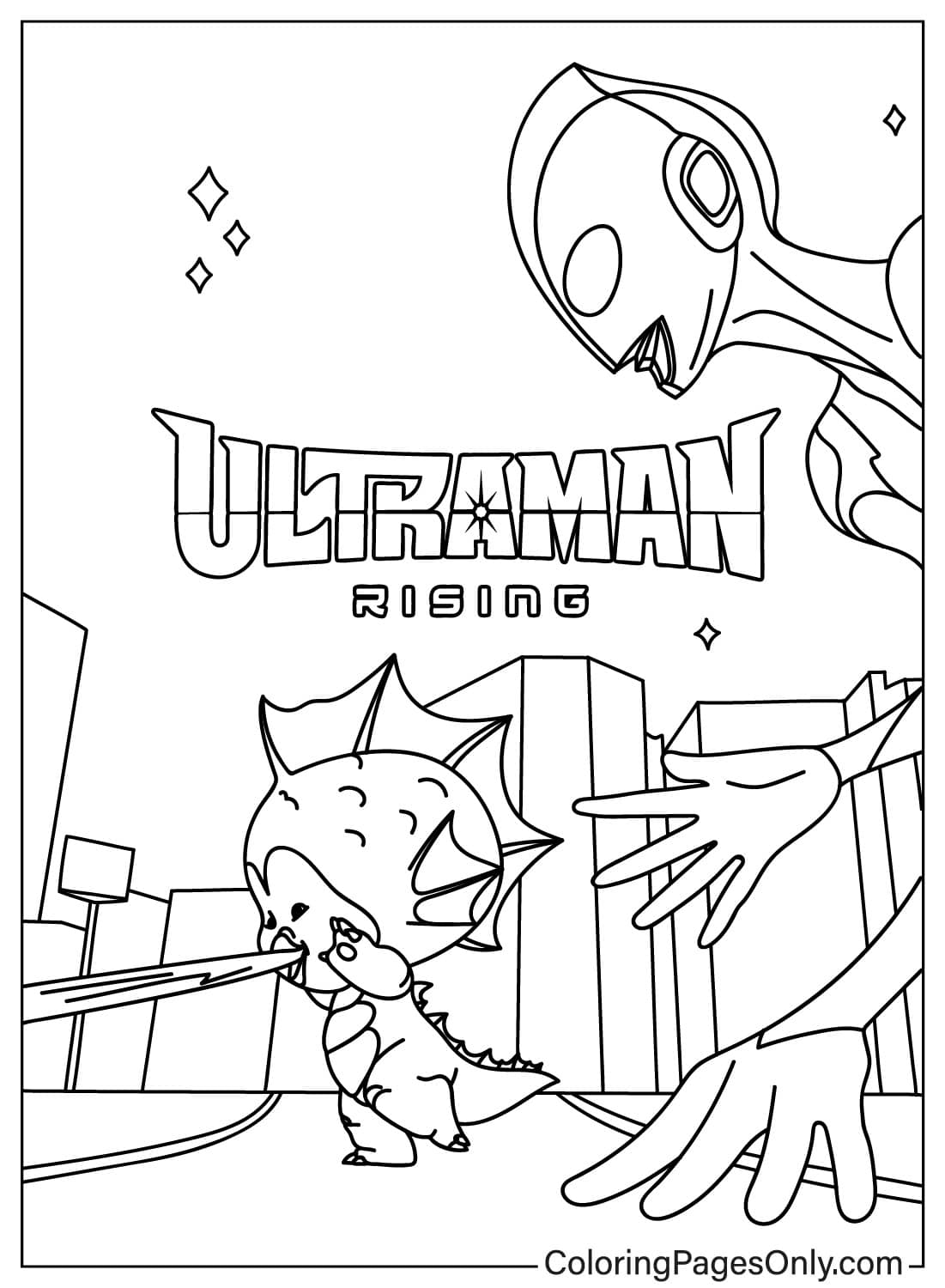
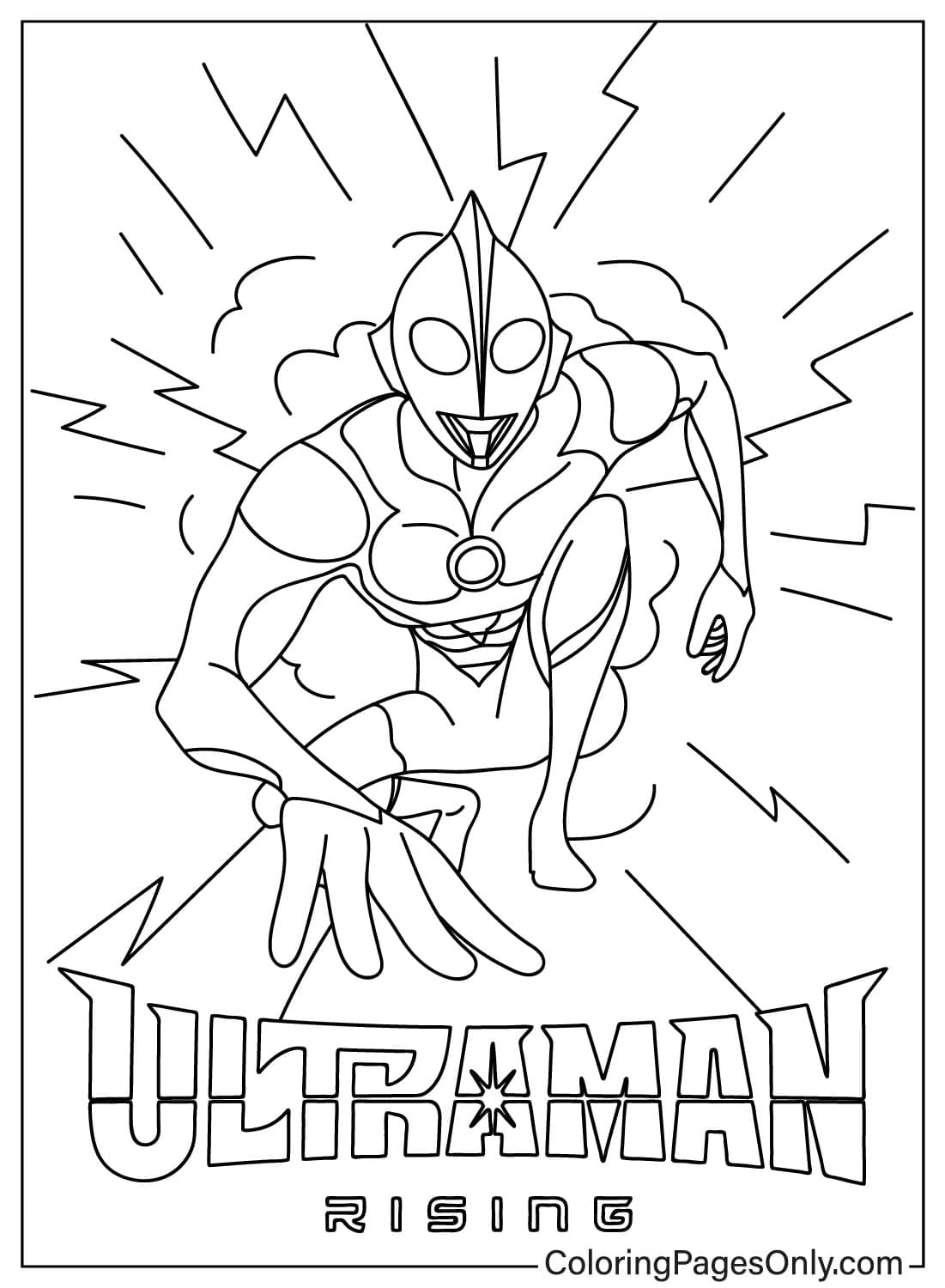
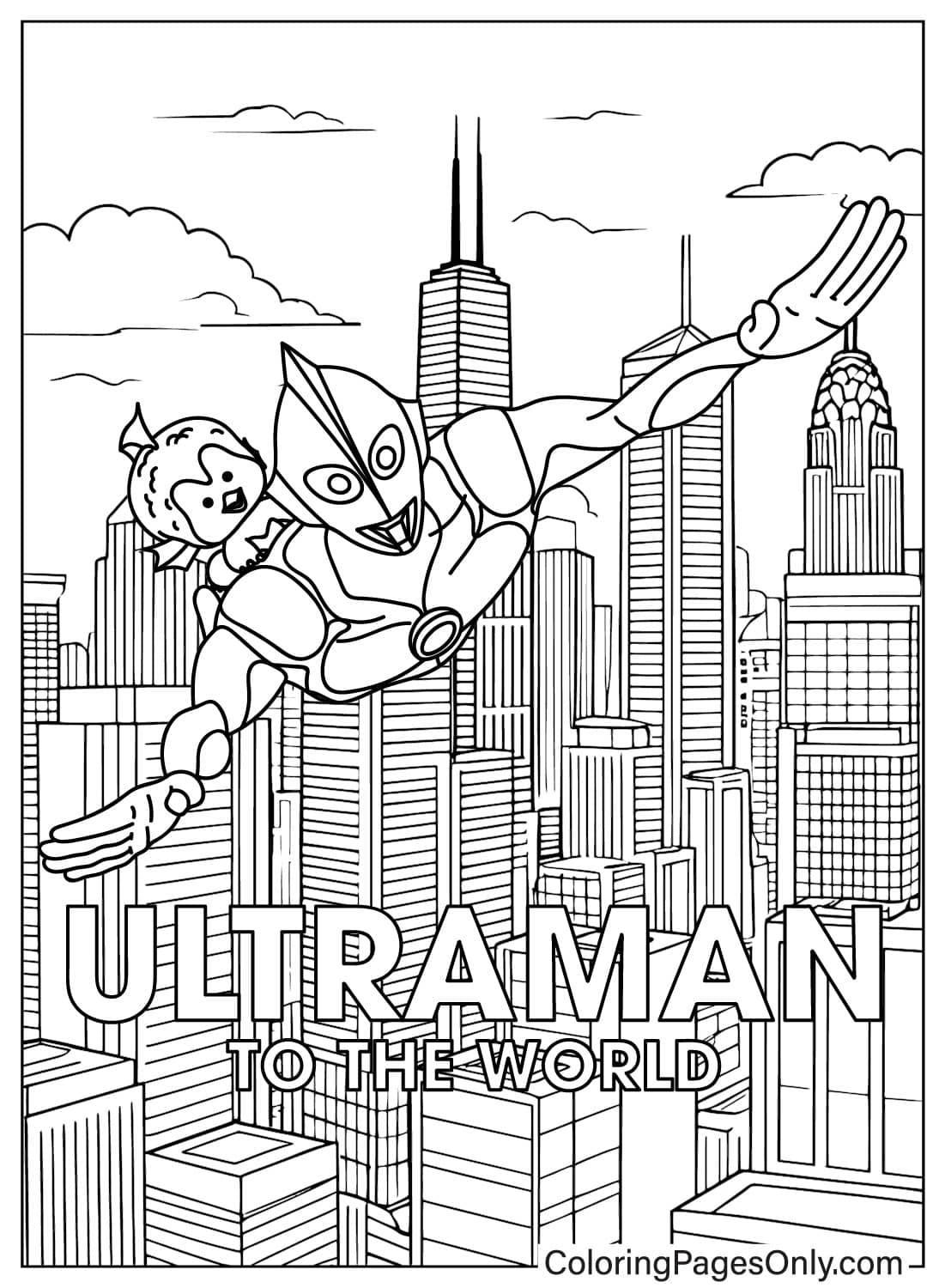
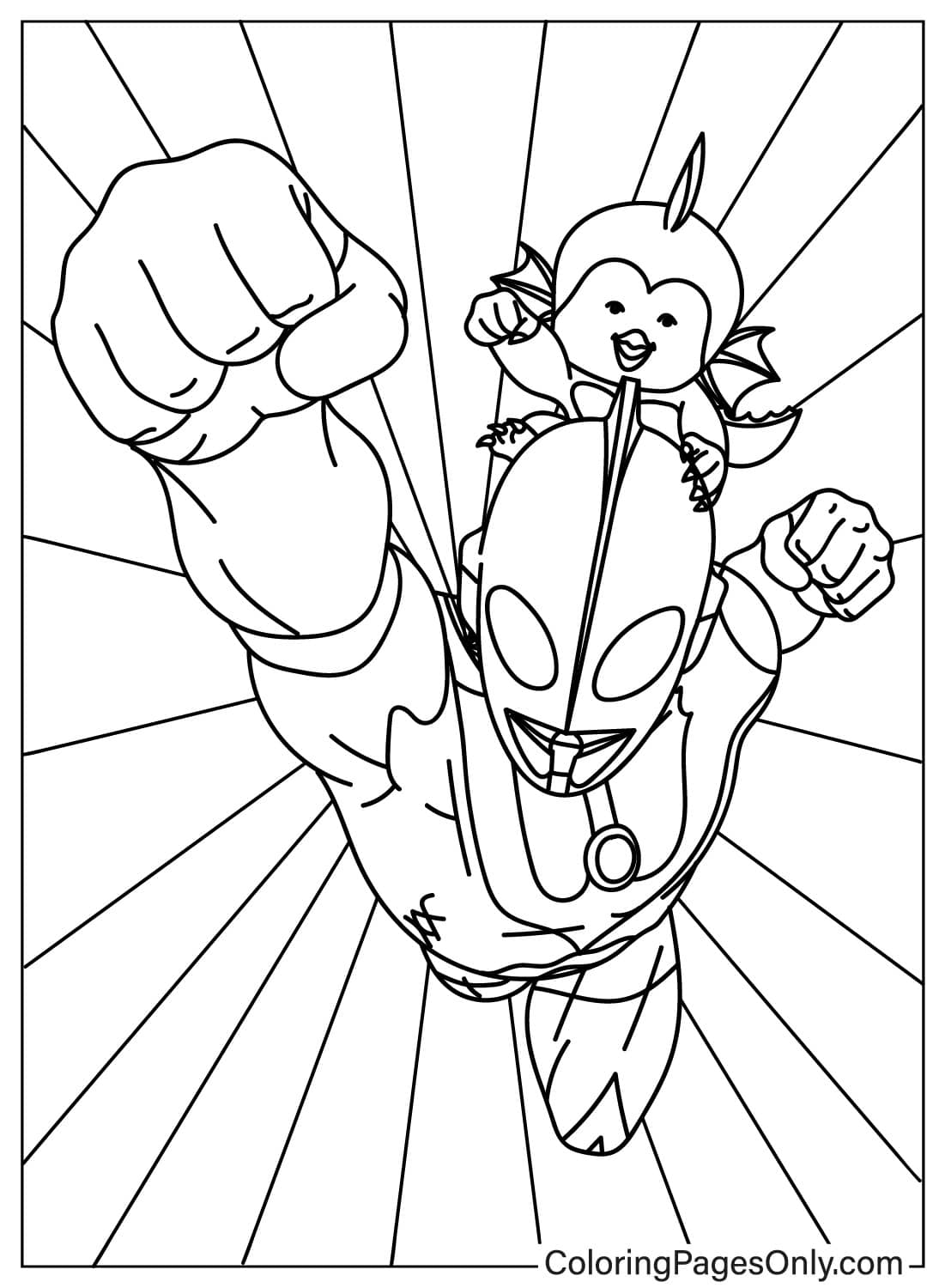
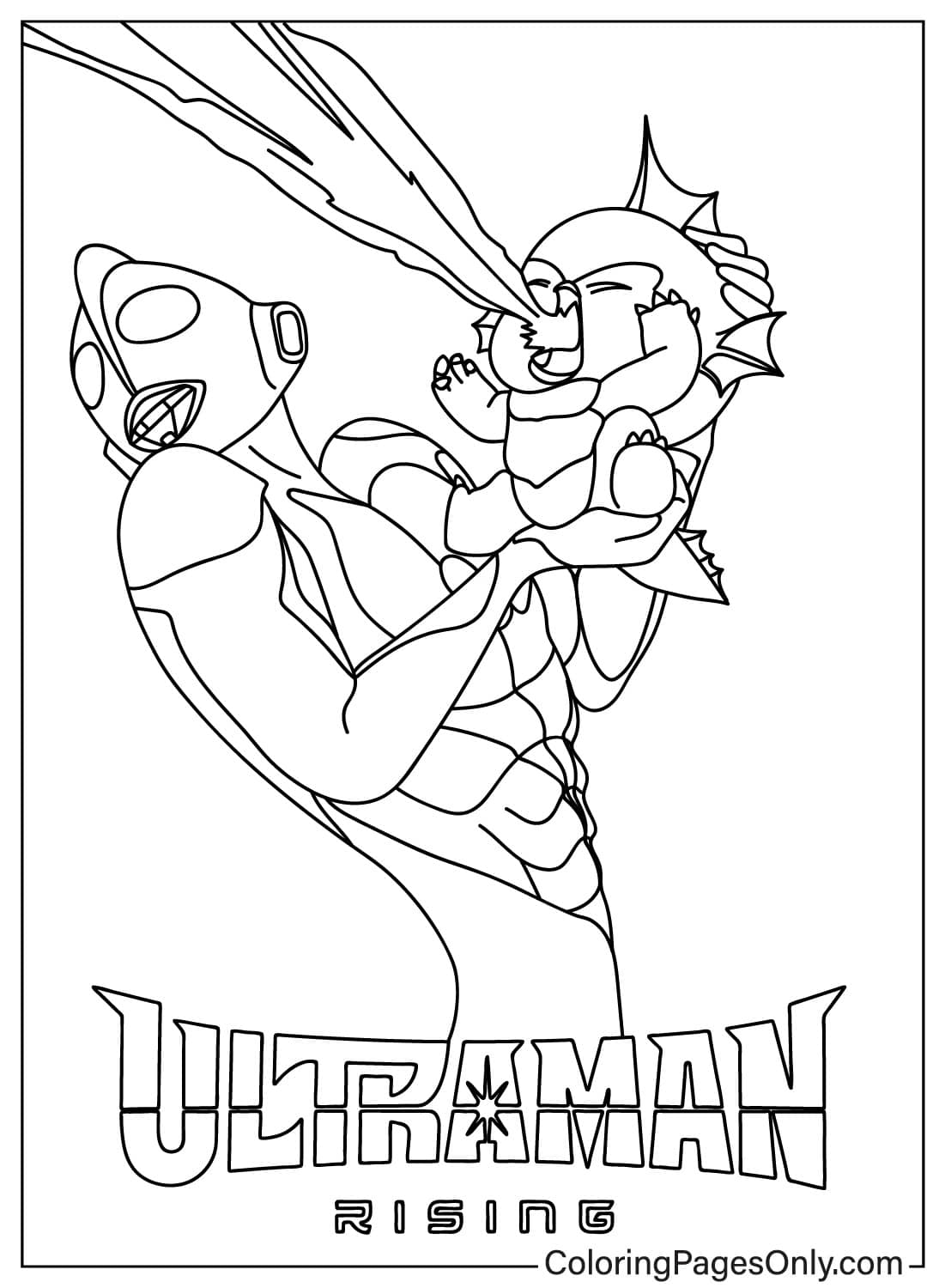
Ultraman Rising, Poster Ultraman Rising, Kenji Sato, and Ultraman and Emi and Ultraman and Emi Fly in the Sky cover the 2024 Netflix animated film Ultraman: Rising – one of the most significant new entries in the franchise’s international expansion.
Ultraman: Rising was released on Netflix on June 14, 2024, produced by Industrial Light & Magic and directed by Shannon Tindle and John Aoshima. The film is set in Japan and follows Ken Sato (called Kenji Sato in the collection) – a Japanese-American baseball player who returns to Japan to play for the Tokyo Giants and reluctantly inherits the role of Ultraman from his father. The story’s central emotional relationship is between Ken and Emi, a baby kaiju he finds and raises after her mother is killed. The film’s conceit – Ultraman as a reluctant single parent to a baby monster – generated significant international attention and made it one of Netflix’s most-watched animated films in its debut period.
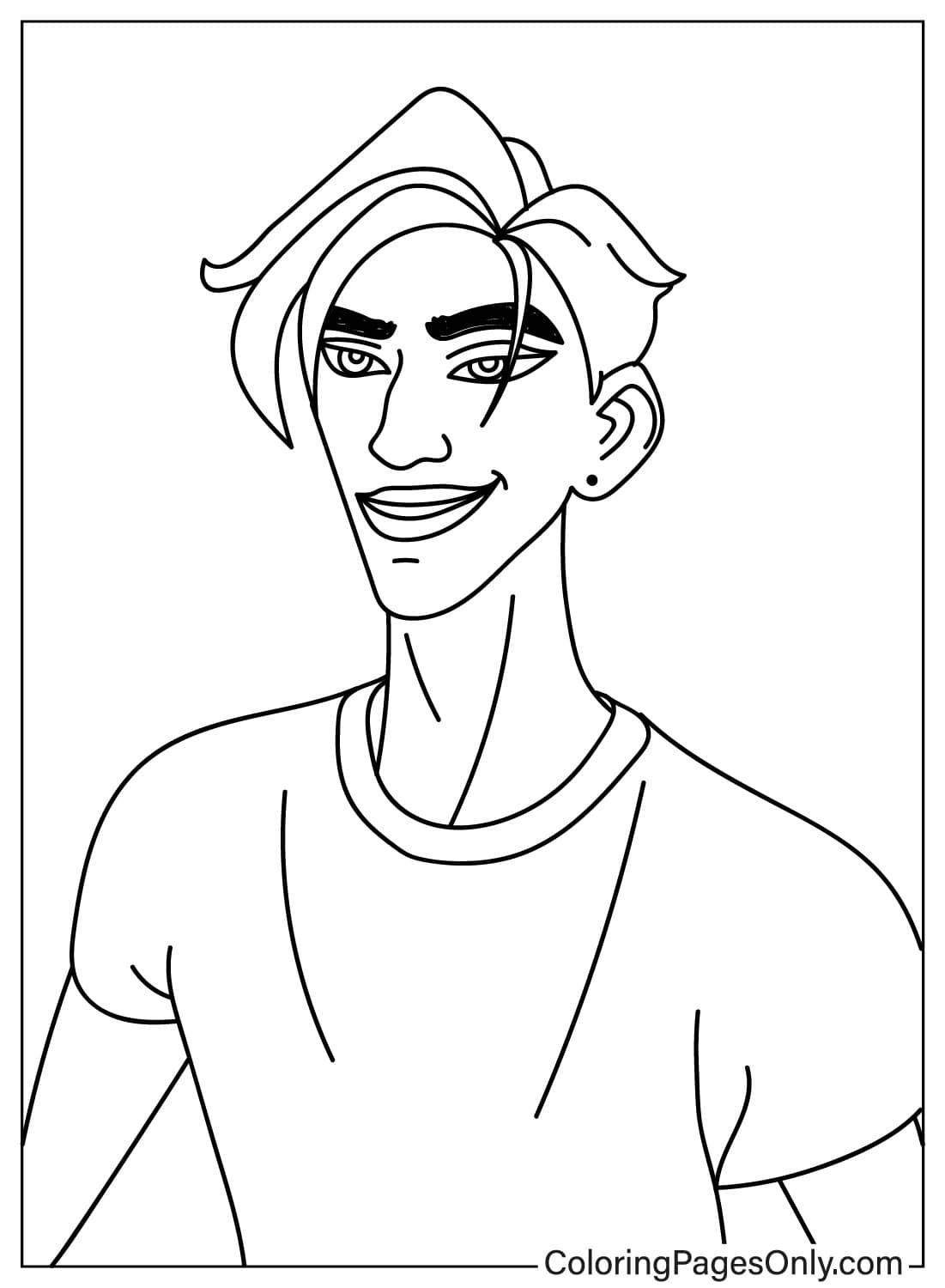
Kenji Sato, as a page, depicts the human host character in his baseball player civilian identity – a deliberate visual contrast to the alien hero form. Ultraman and Emi and Ultraman and Emi Fly in the Sky capture the emotional core of the film: the giant hero holding a baby kaiju, a combination of scale and tenderness that the film uses as its primary visual argument that not all monsters are enemies.
The film received an 82% approval rating on Rotten Tomatoes and significant praise for its emotional depth, visual quality, and its positioning of the Ultraman mythology within a context accessible to international audiences who had no prior familiarity with the franchise.
The Franchise – What Makes Ultraman Different
Ultraman is not a single character – it is a franchise of over 40 distinct Ultraman heroes, each with their own series, design, powers, and human host. Tsuburaya Productions has managed this expanding canon through the concept of the Ultra Series, in which all Ultraman heroes share an origin in the Land of Light in Nebula M78 (with some exceptions and variants across different continuities). The franchise as a whole has generated estimated merchandise revenues exceeding $7.4 billion USD as of the mid-2020s, making it one of the most commercially successful tokusatsu properties in history.
The original series aired during a period of intense Japanese national investment in science and technology following the postwar economic recovery – the same cultural moment that produced the bullet train (1964) and Tokyo hosting the Summer Olympics (1964). Ultraman, with his combination of alien technology, human partnership, and the recurring threat of giant monsters, reflected anxieties about nuclear power, industrialization, and Japan’s complicated relationship with the kaiju genre that Godzilla had established in 1954.
Each Ultraman series introduces a new human host who discovers they can transform – typically using a transformation device called a Henshin item – into the giant hero when a kaiju threat appears. The host must then manage a double life: their civilian identity and their responsibility as Earth’s giant protector. The three-minute time limit imposed by Earth’s atmosphere on the hero’s power – signaled by the Color Timer – creates dramatic stakes in every episode.
How to Color These Pages Well
The classic Ultraman palette is red and silver, not red and white. The original Ultraman’s body is a metallic silver – warm, slightly reflective, distinctly different from flat white. When coloring the classic pages, use a warm light grey as the base silver tone and add a slightly darker cool grey in shadow areas to suggest the reflective metallic surface. The red elements – the stripes on the arms, the Color Timer panel on the chest, and the facial accents – are a clean, vivid red. The eyes are white with a slight warm tint. Getting the distinction between the silver body and white eye area right is the key technical challenge in these pages.
The Color Timer deserves specific attention. The circular device on Ultraman’s chest is the franchise’s most narratively significant visual element – it glows blue when all is well, and begins flashing red when his energy is critical. For the coloring pages, the timer can be rendered in two ways: blue (safe) or red/flashing (critical). Both are correct interpretations. Rendering it red creates more visual drama; rendering it blue suggests a hero at full power. The choice communicates something about the moment you’re depicting, which is more interesting than it sounds.
Ultraman Nexus wants a darker, cooler approach. Where the classic Ultraman is warm silver and vivid red, Nexus uses deep blue and cool silver. His overall design is more angular and less rounded than the original, which rewards slightly harder-edged coloring technique – more defined shadow areas, less blending, and more deliberate contrasts between light and dark surface sections.
The city background on Ultraman in the City. The buildings behind the hero should be rendered in muted, cool tones – grey, beige, the typical colors of urban architecture – to create maximum contrast with Ultraman’s warm red and silver in the foreground. The scale illusion depends on the background buildings looking normal in color and proportion, while the hero in front of them reads as enormous.
For Ultraman and Emi pages, Emi’s color matters. Emi is the baby kaiju from Ultraman: Rising – in the film, she is rendered in warm blue-green tones with lighter patches, designed to read as creature-like but not threatening. When coloring the pages featuring both characters, maintaining the size contrast (Emi is large but clearly smaller than Ultraman) and the warm-cool tension between Ultraman’s red/silver and Emi’s blue-green creates the visual relationship the film’s design intends.
Kenji Sato’s baseball context. The human host pages show him in baseball player attire – the Tokyo Giants, for whom he plays in the film’s story. The Giants’ colors are orange and black (their home whites are white with orange and black trim). If the illustration shows his uniform, orange and black against white is the canonical choice.
5 Creative Craft Ideas
Ultraman Mask
The Ultraman Mask page in the collection was designed for exactly this purpose, and it works better than improvised alternatives. Print on the heaviest cardstock your printer handles. Color carefully – the oval compound eyes in white with a warm tint, the silver face plate in warm grey, the red facial accent lines precise and clean. Allow all coloring to dry completely.
Cut out the mask along its outer edge. Use a craft knife or small scissors to carefully cut out the eye openings – these need clean edges to read correctly when worn. On each side of the mask at eye level, punch a small hole with a single-hole punch. Thread the elastic cord through both holes and tie off at a length that fits the wearer’s head comfortably.
For extra rigidity – essential if the mask will be worn rather than just displayed – apply a second sheet of cardstock to the back of the colored page with PVA glue before cutting. Allow to dry flat under a heavy book for at least 30 minutes. The resulting double-thickness mask holds its shape through extended play and looks significantly more finished than a single-layer version.

Ultraman Hero Profile Book
This is the craft most suited for children who want to learn about the franchise as well as color its characters. Print all 16 pages at full size. Color each one carefully. For each Ultraman variant – original, Nexus, Ribut, Rising – create a profile page: a folded A5 sheet with the colored figure on the front cover and a hand-written character profile inside.
Profile content for each: hero name, home world or origin, first appearance (year and series name), signature ability or weapon, Color Timer status (blue or red on the page). For Kenji Sato, the profile covers the human host side: profession, relationship to the Ultraman role, and key story arc from the 2024 film.
Bind all profile pages together with a binder ring or staple along the left edge. Add a hand-lettered cover page: “The Ultra Series – My Collection.” The finished book works both as a creative portfolio and as a reference guide that demonstrates genuine knowledge of the franchise – the kind of project that parents find impressive, and children are proud to show teachers.
Ultraman Birthday Decoration Set
Print multiple pages at various sizes – full size for wall banners, 50% for bunting, 25% for cupcake toppers. Color all of them with a consistent palette: the classic Ultraman pages in canonical red and silver, the Rising film pages in their warmer, more expressive film-style tones.
Cut out the figures and arrange them across three different crafts: mount the full-size pages on black poster board for wall display, trim the medium-size figures into pennant shapes and hang them on ribbon as bunting, and attach the small figures to toothpicks with a bead of hot glue for cupcake toppers.
The combination of three scale levels – wall posters, hanging bunting, and individual cupcake toppers – creates a coherent Ultraman party environment from the same source material. The consistency of the palette across all three elements makes the decoration look intentional and coordinated rather than assembled from different sources.
Ultraman Coloring Pages and Decorating a Birthday
Ultraman Sticker Set
Print all 16 pages at approximately 35% of full size – the reduction brings each design to a sticker-appropriate scale where the distinctive Ultraman silhouette reads clearly on a laptop, notebook, water bottle, or phone case. Color each one carefully with fine-tip markers (colored pencils can lose crispness at this scale). The key colors to get right at a small size: the red accent lines on classic Ultraman stay clean and sharp rather than bleeding, and the silver body tone maintains enough contrast against the white paper background.
Cut each design out along its outline. Apply clear contact paper (sticky side down) over the colored page before cutting – this provides both a protective laminate and the subtle transparent border that makes handmade stickers look finished rather than rough. Add double-sided tape to the back before use.
A complete set – classic Ultraman poses, Nexus, Ribut, Rising film characters – applied to a laptop lid or clustered on the cover of a journal creates a fan collection that no commercial sticker manufacturer produces, because it spans the full range of what’s in this specific collection.

Ultraman vs. Kaiju Scene Diorama
This craft extends the coloring pages into a three-dimensional scene. Print the Ultraman in the City and Ultraman Fight pages at full size. Color both. Print a separate page of city buildings (simple rectangles in grey and beige – these can be drawn by hand or found as free printable templates online) at various heights.
Cut out all the elements. Score and fold the building pages along their bases to create tabs that allow them to stand upright. Arrange the buildings on a large sheet of grey or green cardstock as the base, varying heights and depths to suggest a city street. Place the colored Ultraman figure behind the buildings so his scale is clear – his body rising above the building tops.
Add a kaiju if desired (a simple monster shape drawn and colored by hand, or from another kaiju coloring page source). The finished diorama works as a bedroom display that tells the story of the show in three-dimensional miniature – a scene rather than a single character, with genuine depth and scale contrast.

Frequently Asked Questions
When did the original Ultraman first air and who created it? Ultraman first aired on July 17, 1966, on the Tokyo Broadcasting System (TBS) in Japan. It was created by Eiji Tsuburaya – co-creator of the original Godzilla (1954) film and founder of Tsuburaya Productions – and produced as the follow-up to Ultra Q, which had aired earlier in 1966. The series ran for 39 episodes until April 1967. Tsuburaya pioneered the tokusatsu (special effects) filming techniques used throughout the franchise – including the use of miniature city sets and actors in rubber suits filmed at speed to appear larger – that influenced decades of subsequent genre filmmaking in Japan and worldwide.
What is Nebula M78 and why does it matter? Nebula M78, also called the Land of Light, is the home planet of Ultraman and most other Ultra Heroes in the franchise’s primary continuity. It is described as a civilization of alien beings – the Ultras – who evolved to harness solar energy and developed advanced technology and powers. The real Nebula M78 exists: it is a reflection nebula in the constellation Orion, located approximately 1,600 light-years from Earth. Eiji Tsuburaya named Ultraman’s home after it. The connection between the fictional origin story and the real astronomical object gives the franchise an interesting relationship to actual astronomy that educators and science communicators have occasionally leveraged.
Who is Ultraman Ribut, and why was he created? Ultraman Ribut is a Malaysian Ultra Hero – the first Ultraman character created to represent Malaysia in the franchise. He was developed through a collaboration between Tsuburaya Productions and Malaysian broadcaster Media Prima, first appearing in Ultraman Ginga S in 2014. His name means “storm” in Malay. His creation reflects Tsuburaya Productions’ deliberate strategy of expanding the Ultraman franchise into Southeast Asian markets by developing region-specific characters with cultural resonance for local audiences. He has since become one of the most popular Ultra Heroes in Malaysia and other Southeast Asian countries.
What is Ultraman: Rising, and how does it connect to the franchise? Ultraman: Rising is a 2024 Netflix animated film produced by Industrial Light & Magic (the effects company founded by George Lucas) and directed by Shannon Tindle and John Aoshima. It was released on June 14, 2024. The film follows Ken Sato, a Japanese-American baseball player who inherits the Ultraman role from his father and must simultaneously protect Tokyo from kaiju and raise an orphaned baby kaiju named Emi. The film is set within its own continuity, separate from the main Ultra Series TV franchise, though it references and respects the core mythology of the original. It is widely credited with introducing the Ultraman franchise to a significant new international audience unfamiliar with the Japanese television series.
What is the Color Timer, and why does it blink red? The Color Timer is the circular device on Ultraman’s chest – introduced in the original 1966 series and maintained as a standard feature across most subsequent Ultra Heroes. It glows blue when Ultraman is operating normally. It begins flashing red when his energy is critically low – typically after approximately three minutes of operating in Earth’s atmosphere, which is insufficient to support an Ultra Hero at full power indefinitely. When the Color Timer goes out completely, Ultraman loses his giant form and must return to his human host. The three-minute dramatic constraint this creates – every monster fight becomes a race against the timer – is one of the franchise’s most effective and enduring storytelling devices.
How many different Ultraman series and heroes exist? As of 2025, the Ultraman franchise includes over 40 distinct Ultraman heroes across more than 30 television series, multiple theatrical films, and several animated productions. The franchise is managed by Tsuburaya Productions and maintains a complex continuity structure – some series share the same universe, others are independent continuities. Major Ultra Heroes include the original Ultraman, Ultraseven, Ultraman Ace, Ultraman Taro, Ultraman 80, Ultraman Gaia, Ultraman Cosmos, Ultraman Nexus, Ultraman Mebius, Ultraman Zero, Ultraman Ginga, Ultraman Orb, Ultraman Geed, Ultraman Z, Ultraman Trigger, Ultraman Decker, and Ultraman Blazar, among others. The franchise has been in continuous production since 1966 – nearly 60 years without a significant production gap.
What age group are these coloring pages best for? The classic action pages – Ultraman punch, fight, ready to fight, and the city scene – work well from age 4 upward for children who respond to superhero imagery. The Ultraman Mask page is particularly popular with ages 5–9 who want to make and wear the finished product. The Ultraman Nexus page and the detailed suit design pages reward the patience and fine motor control that develops from around age 7–8. The Ultraman: Rising film pages (Kenji Sato, Ultraman, and Emi) appeal strongly to children and families who saw the Netflix film, which has a broader and younger demographic than the traditional Japanese tokusatsu fanbase. Adults who grew up with the franchise in Japan or Southeast Asia will find the full collection meaningful, particularly the classic series pages.
Browse the full collection at ColoringPagesOnly.com. All 16 pages free, no sign-up, PDF or PNG, print at home or color online directly in your browser.
Ultraman has been fighting giant monsters on behalf of humanity since 1966. Nearly 60 years later, the Color Timer is still blinking, new heroes are still merging with human hosts in moments of crisis, and children who have never seen a single episode of the original series are watching Ultraman hold a baby kaiju on Netflix and feeling something real about it. The franchise found the thing at its center – protection, transformation, the cost of heroism, the three-minute clock – and has been telling variations of that story for six decades without running out of ways to tell it.
Pick up your silver and red. Start the Color Timer. Let’s go.
Share your work on Facebook and Pinterest and tag #Coloringpagesonly. We especially want to see the masks, the city dioramas, and the Ultraman and Emi pages.
Color the hero. Watch the timer. Protect the Earth.