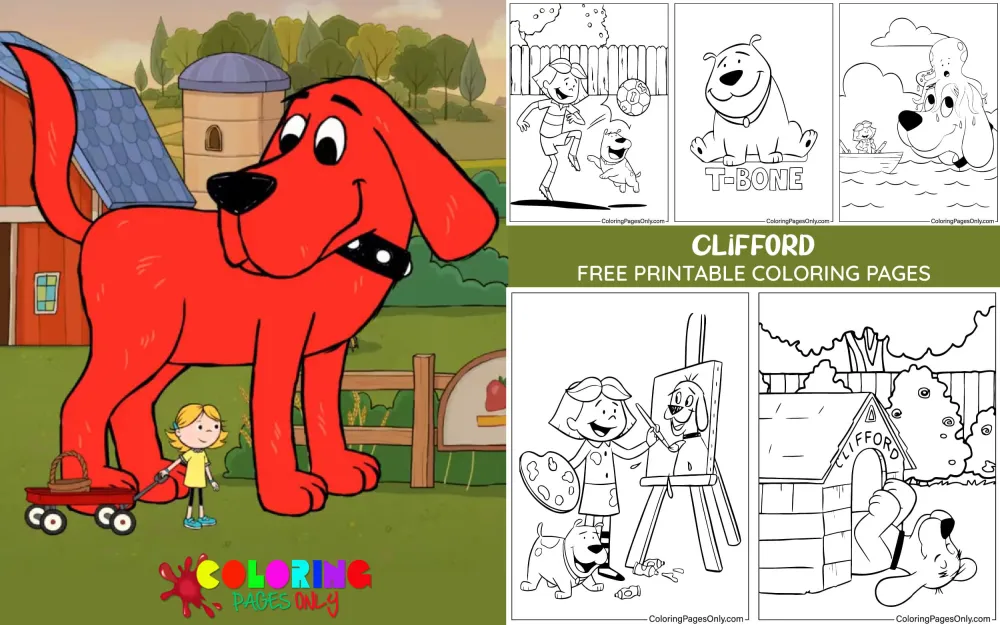
Free Clifford coloring pages: 56 printable PDF designs of the Big Red Dog, his owner Emily Elizabeth, and the friends who fill his world. Every page can be downloaded as a PDF to print or colored online in the browser.
Clifford’s name almost didn’t happen. Author Norman Bridwell originally planned to call his giant red dog “Tiny,” a joke name for such an enormous character. Still, his wife, Norma, thought it was boring and suggested naming him after her own childhood imaginary friend, Clifford, instead. Emily Elizabeth, Clifford’s owner, was named after the Bridwells’ real daughter, and the fictional Birdwell Island, on which the stories are set, echoes both the family’s surname and their real home on Martha’s Vineyard. After several publishers turned the manuscript down, Scholastic published Clifford the Big Red Dog in 1963, and the character has remained the company’s official mascot ever since.
This collection reflects that world: Clifford’s bond with Emily Elizabeth, his circle of animal friends, and the everyday adventures that have defined the series for more than sixty years.

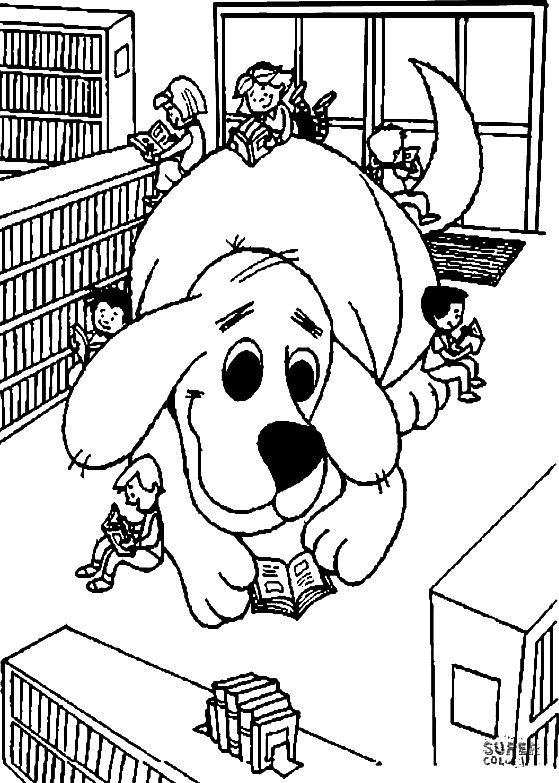
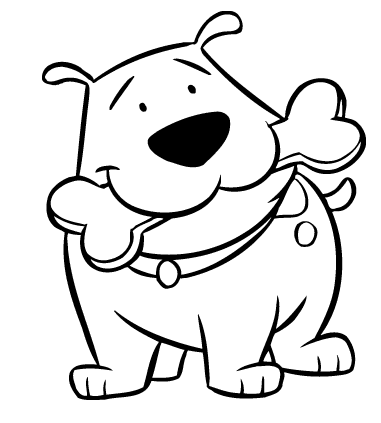
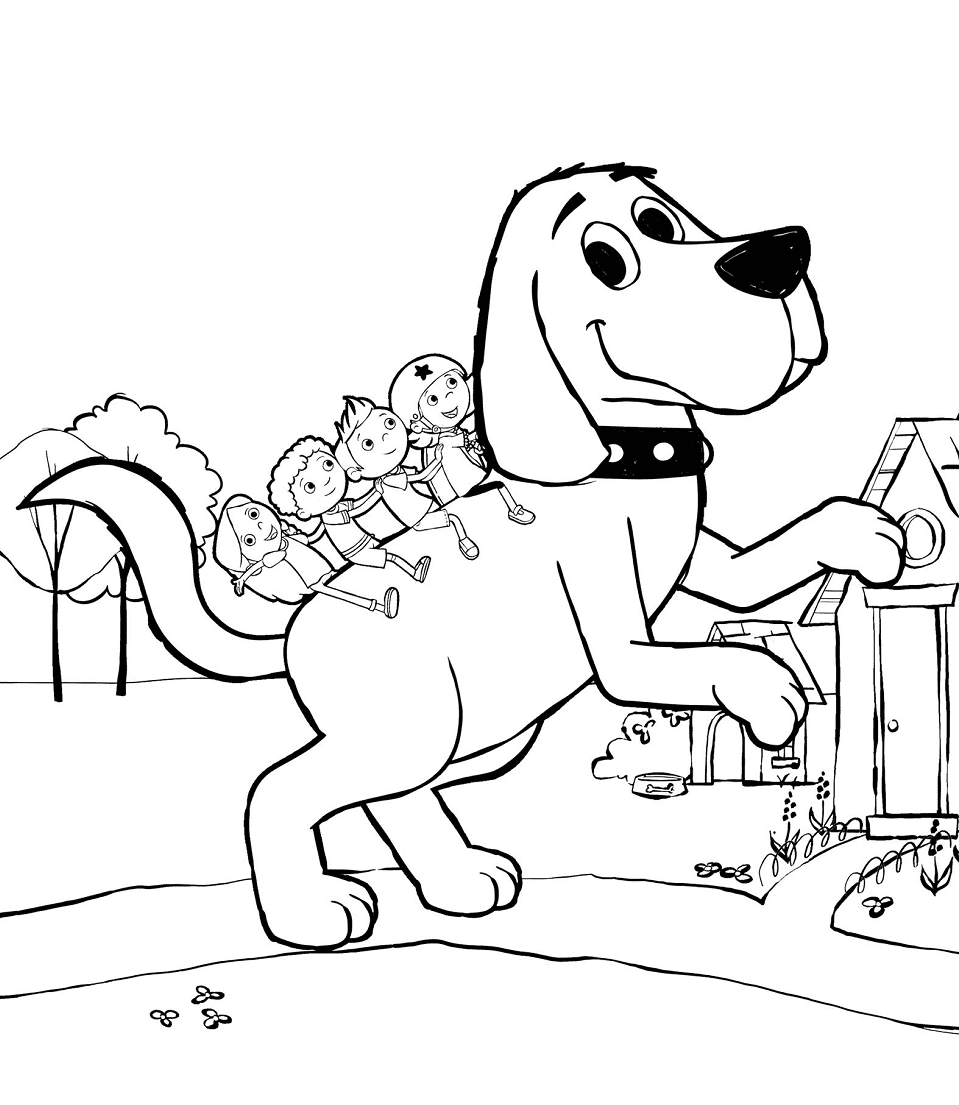
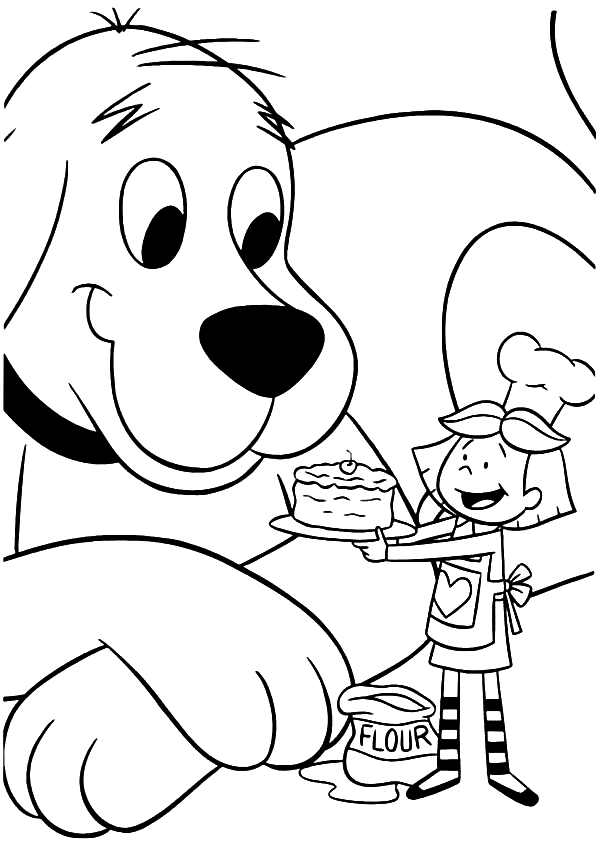

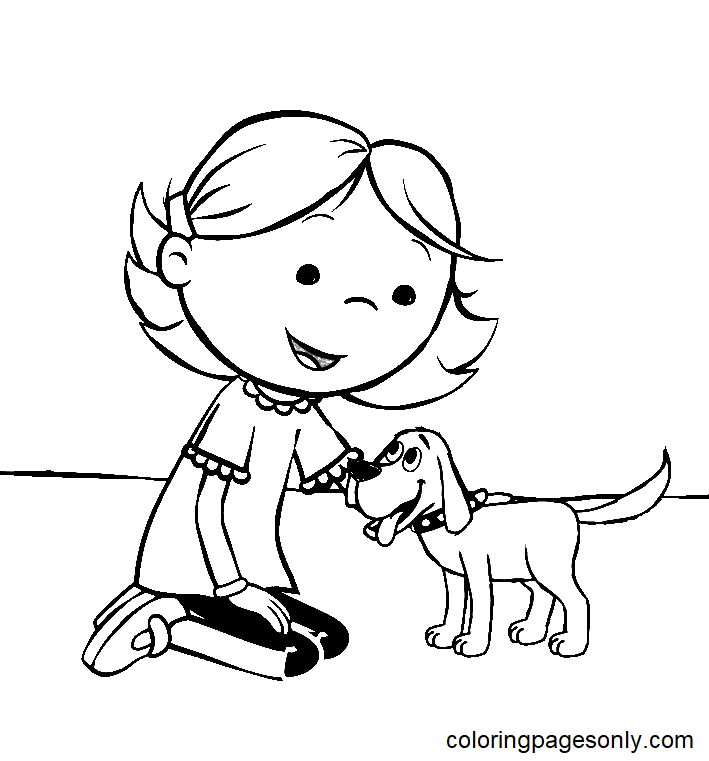
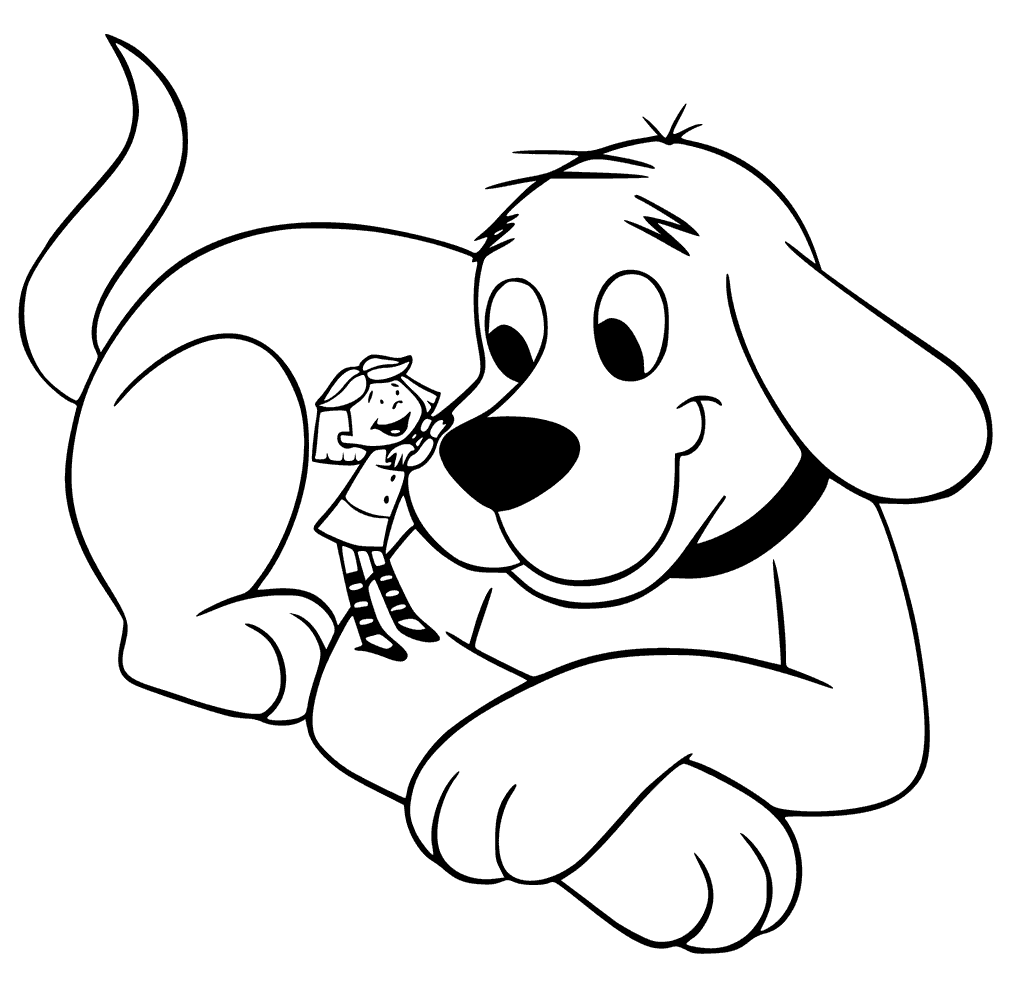
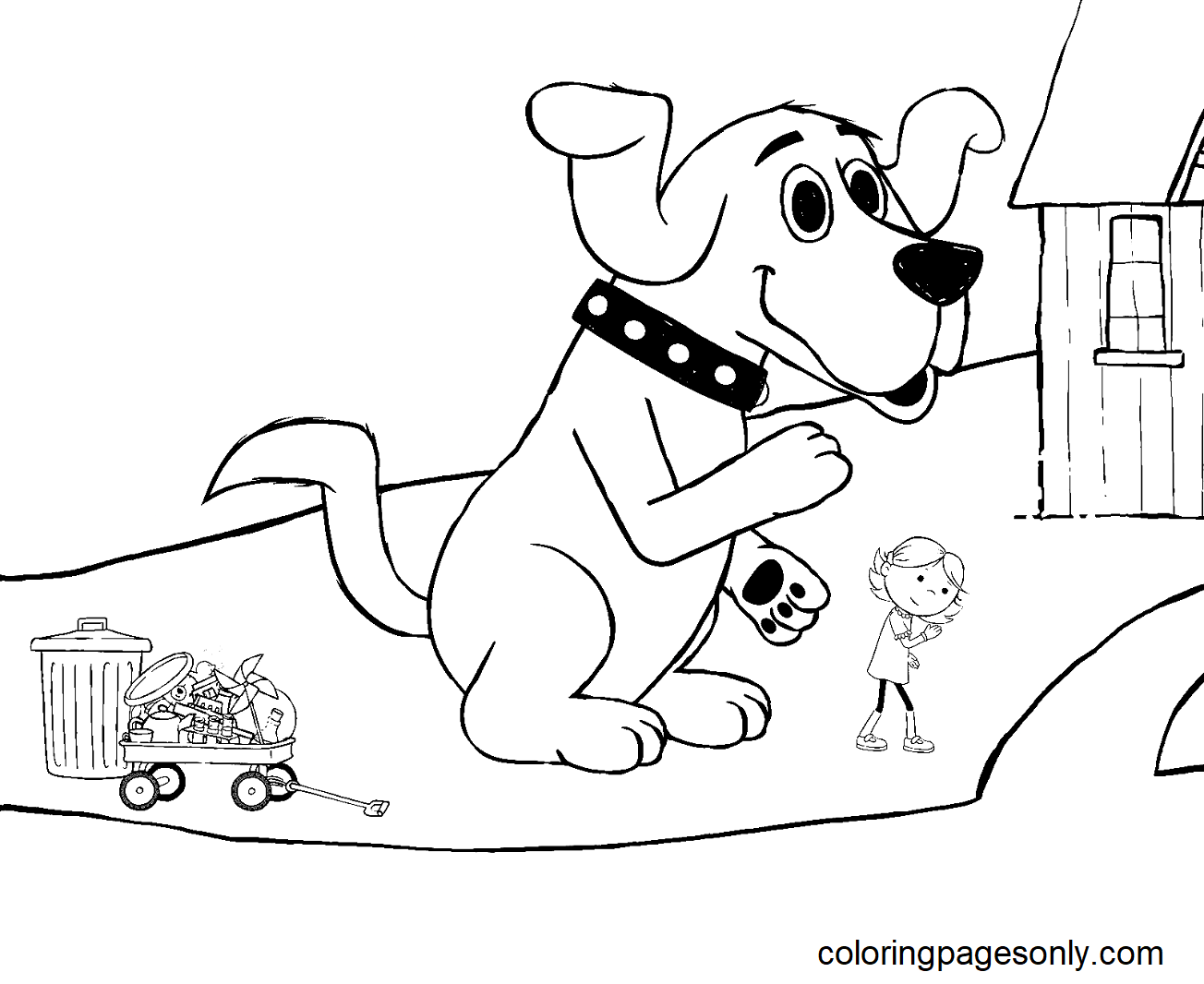
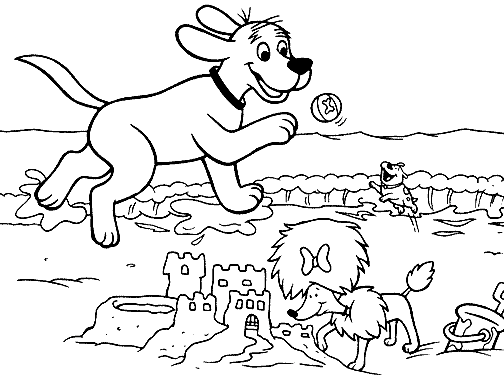
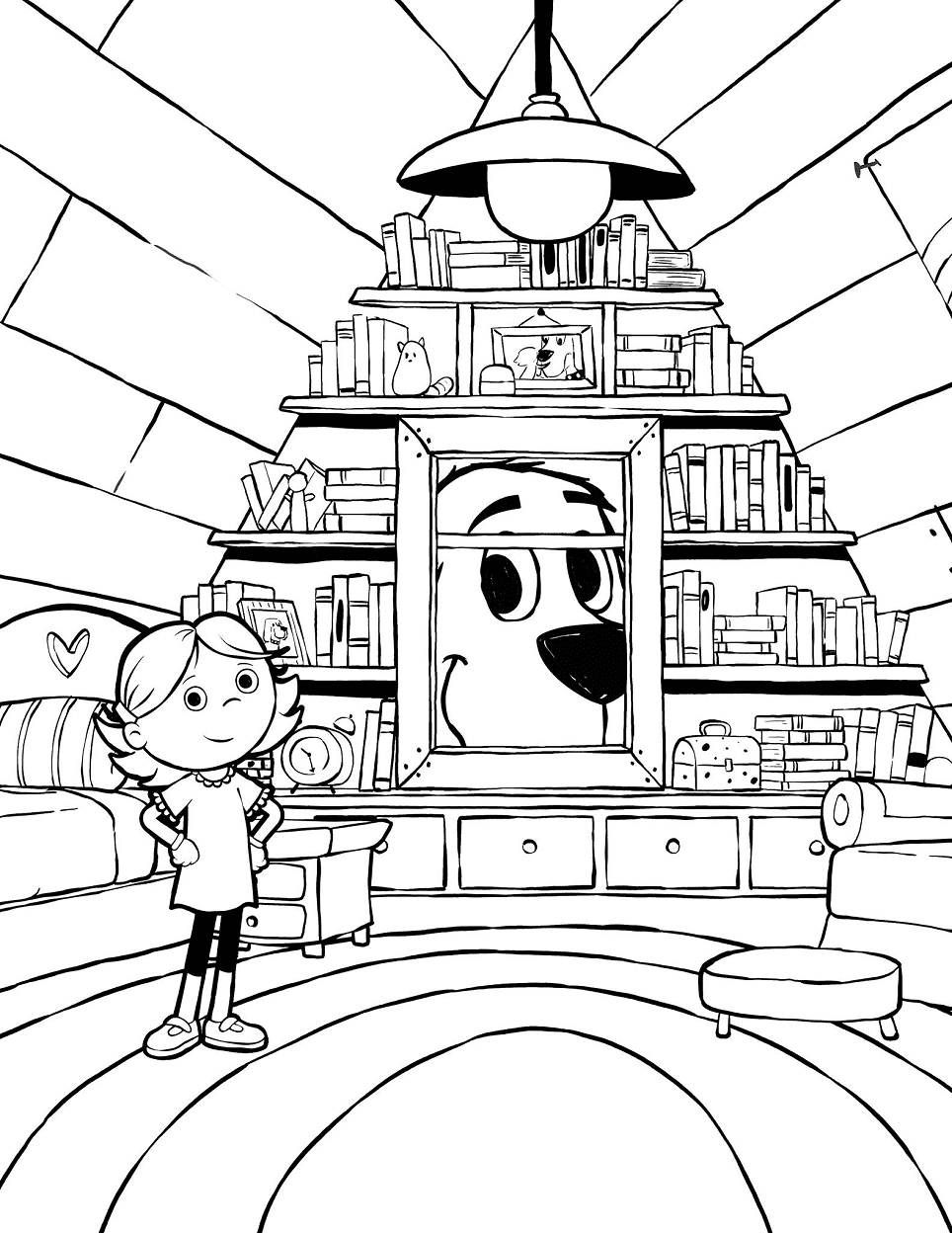
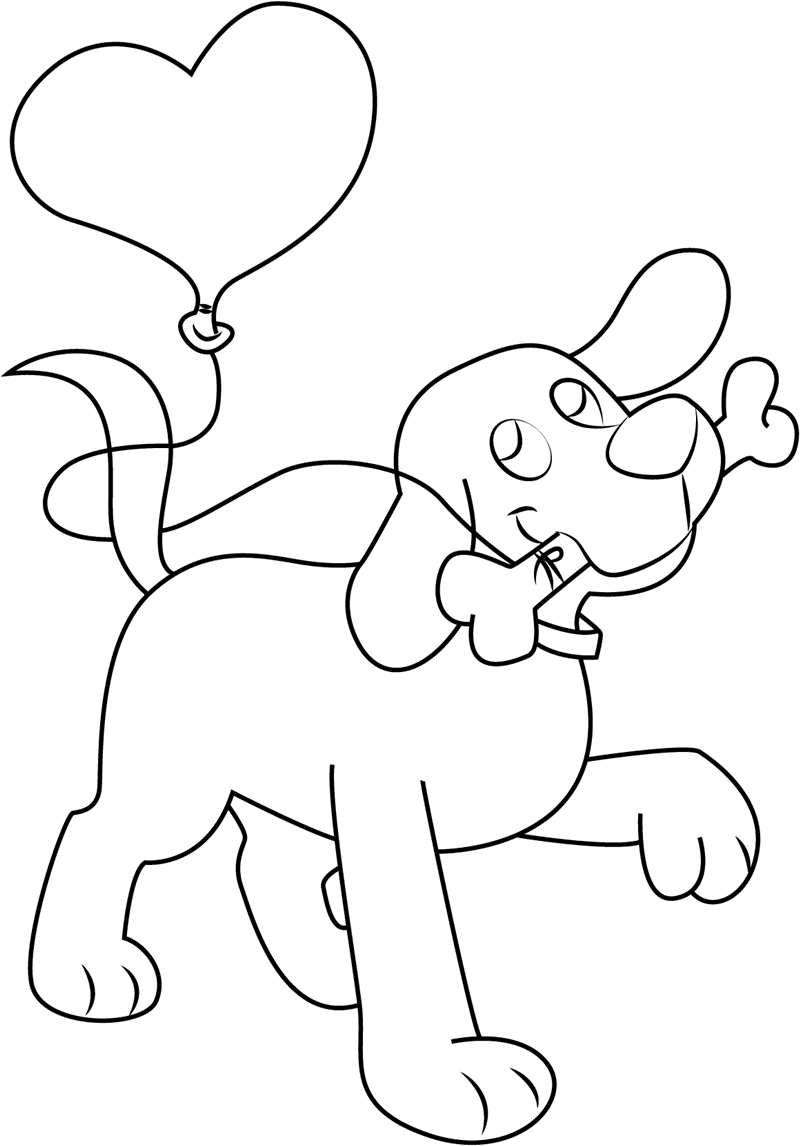
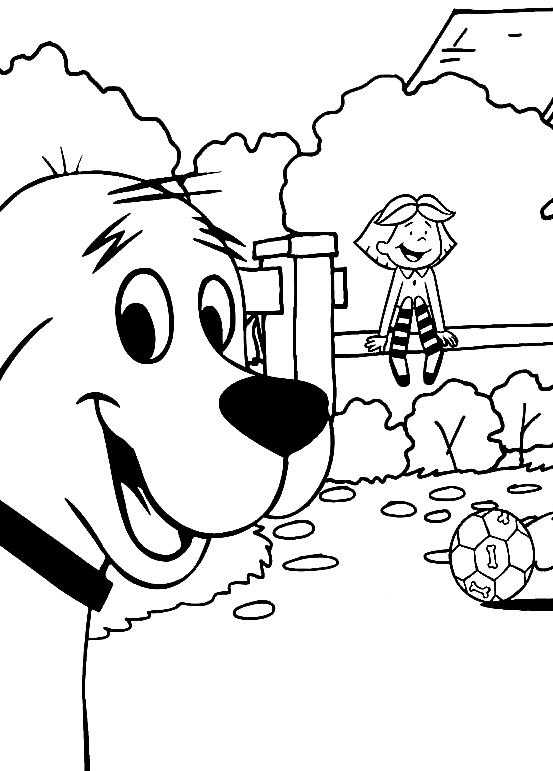
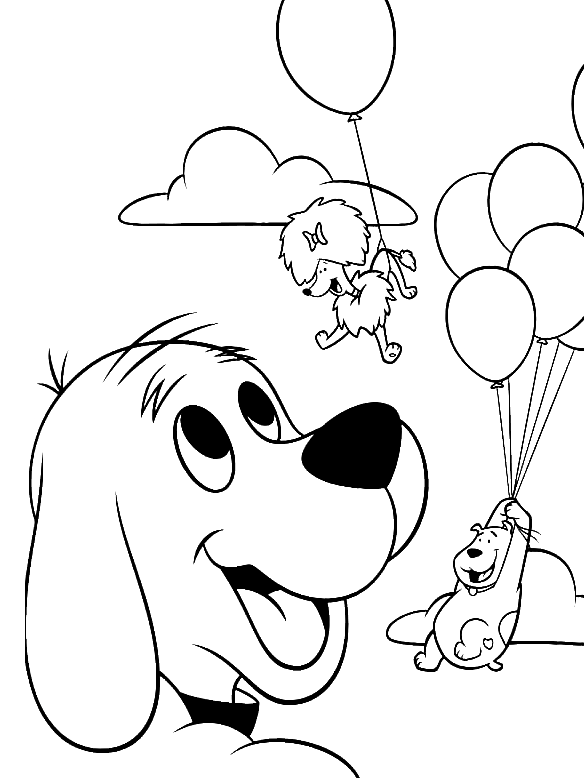
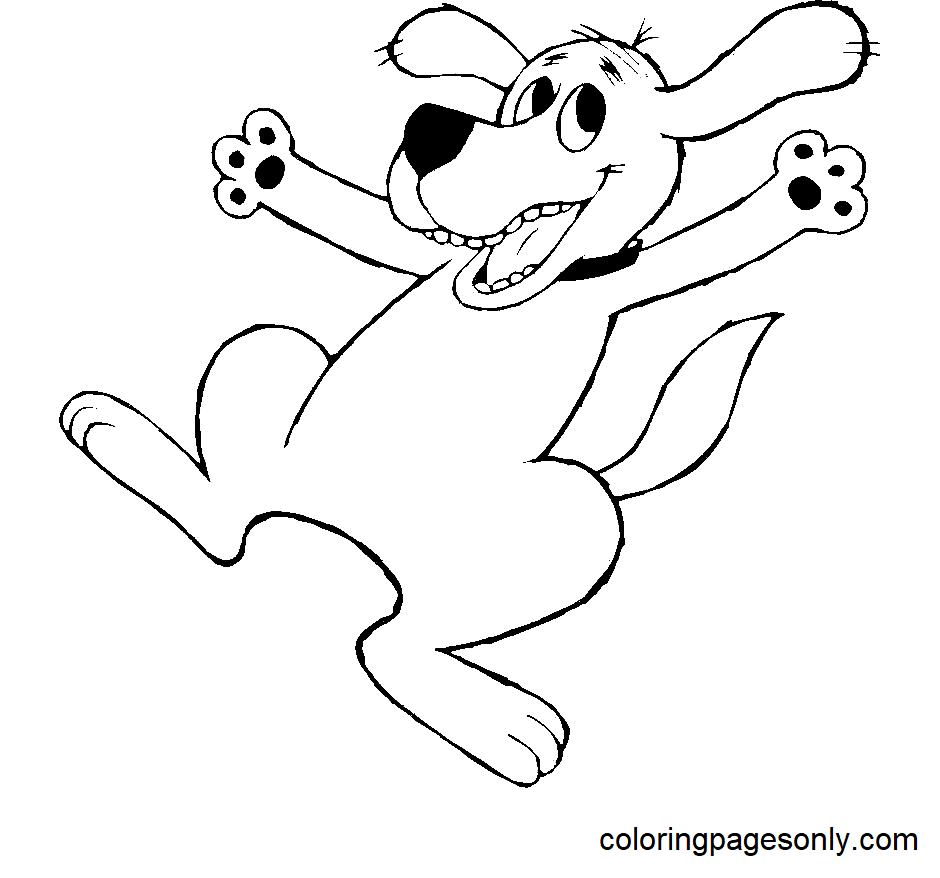
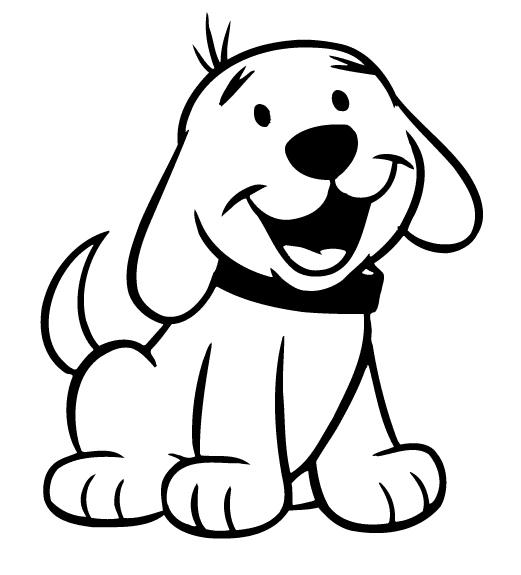
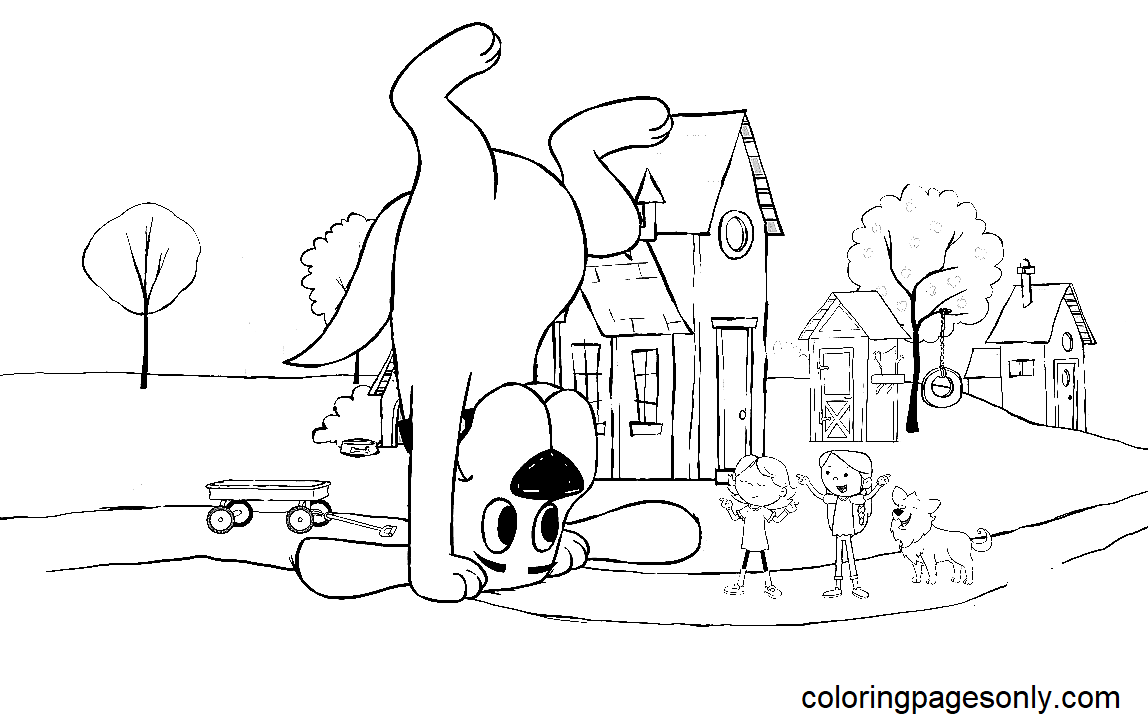
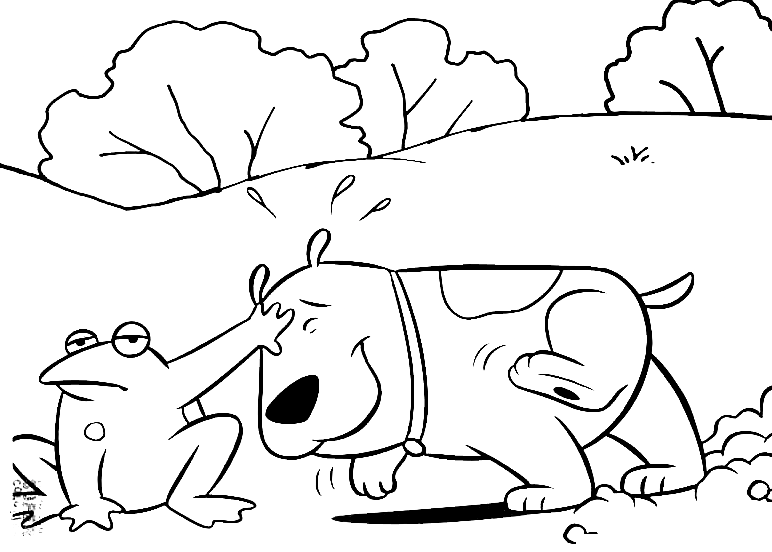






What Is Inside This Collection
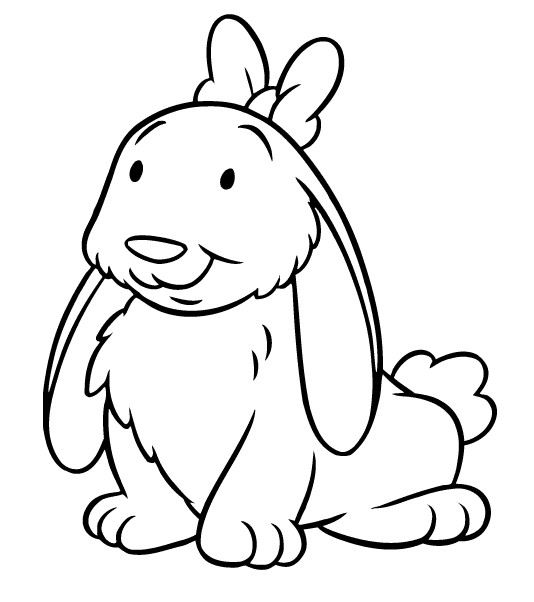
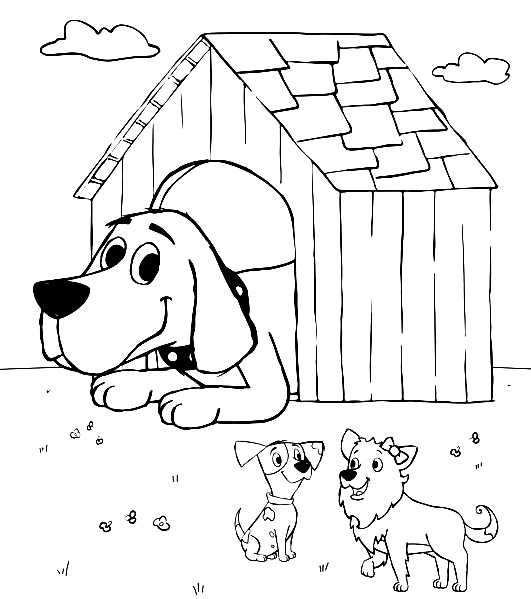
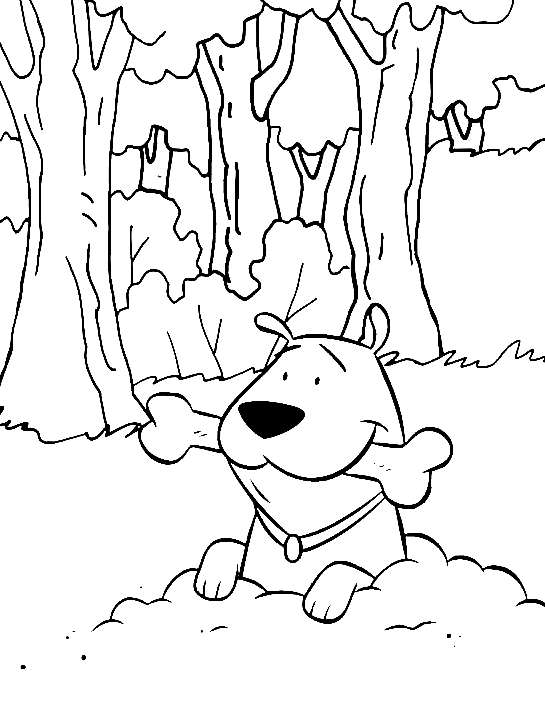
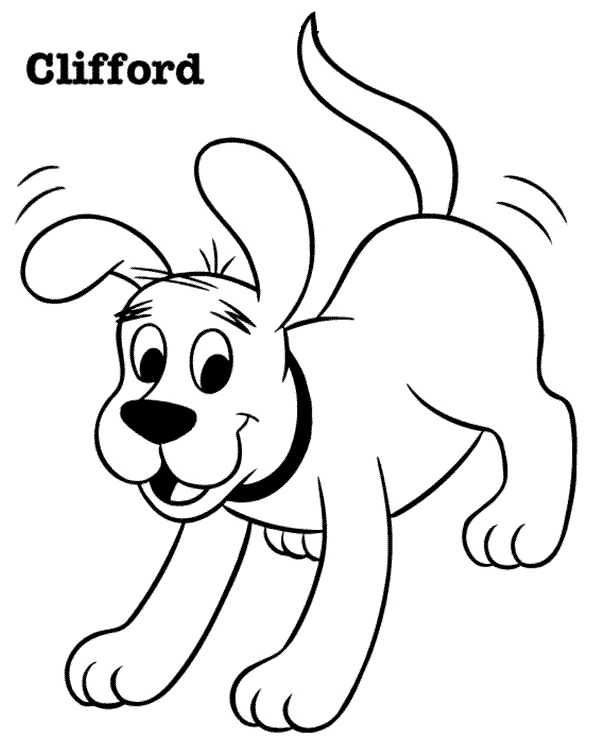
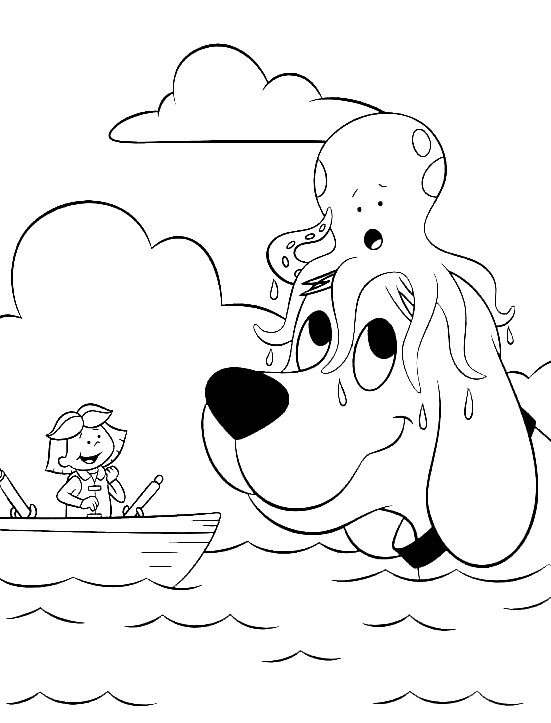
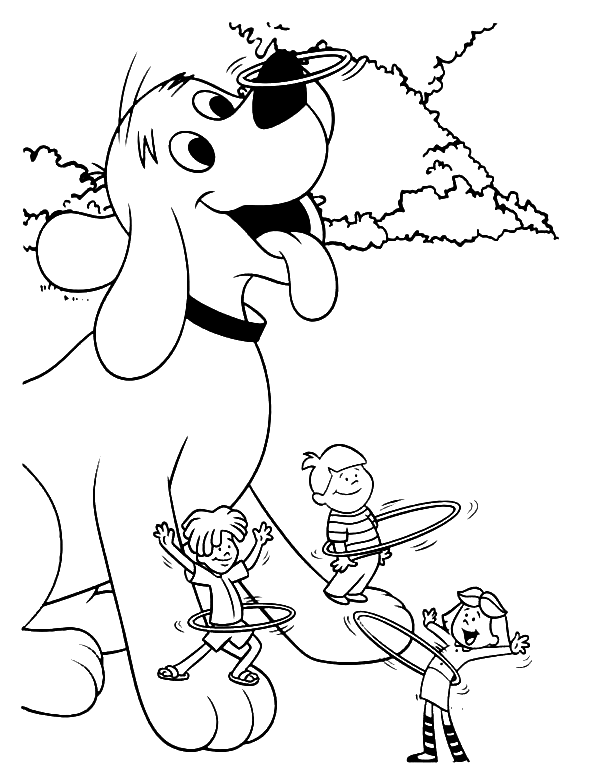
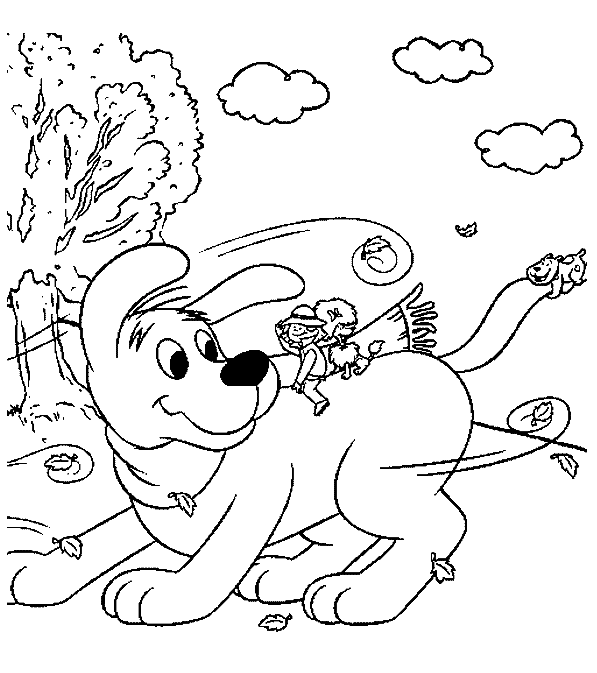
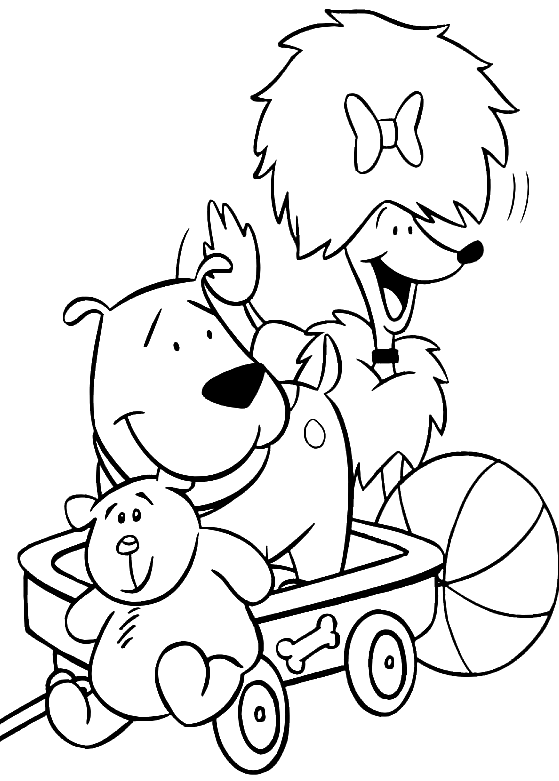
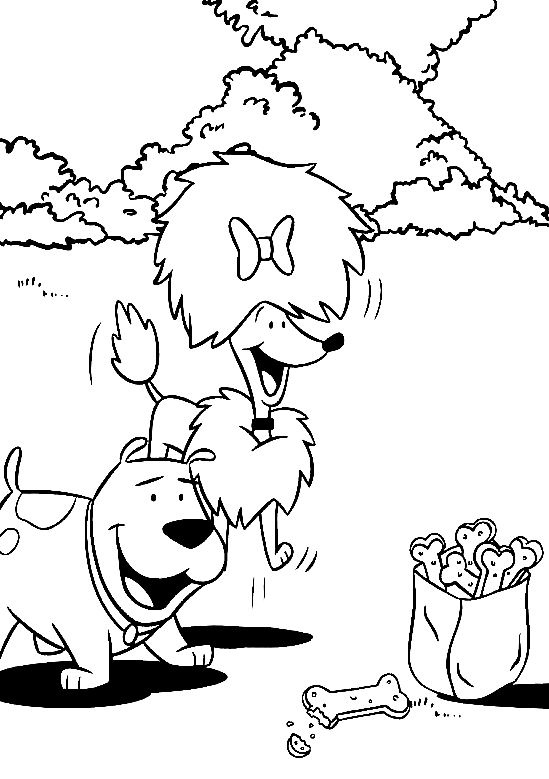
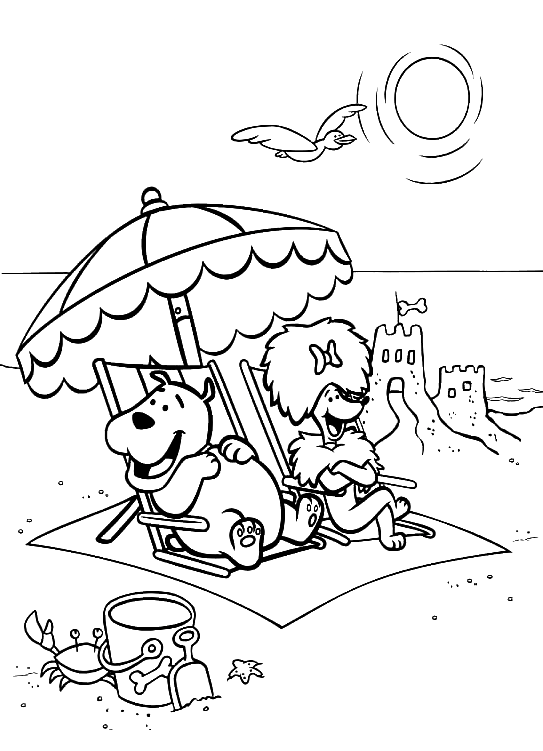
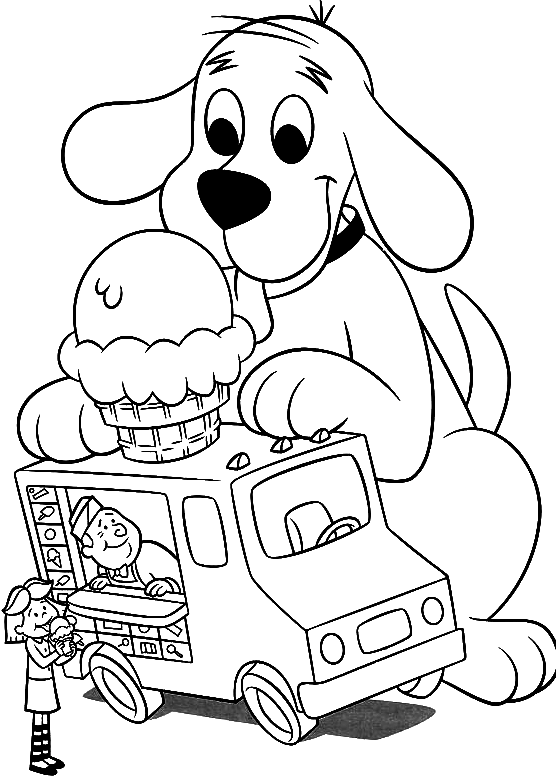
The 56 pages are divided into four groups: Clifford and Emily Elizabeth, Clifford’s circle of friends, everyday adventures, and general portraits.
Clifford and Emily Elizabeth
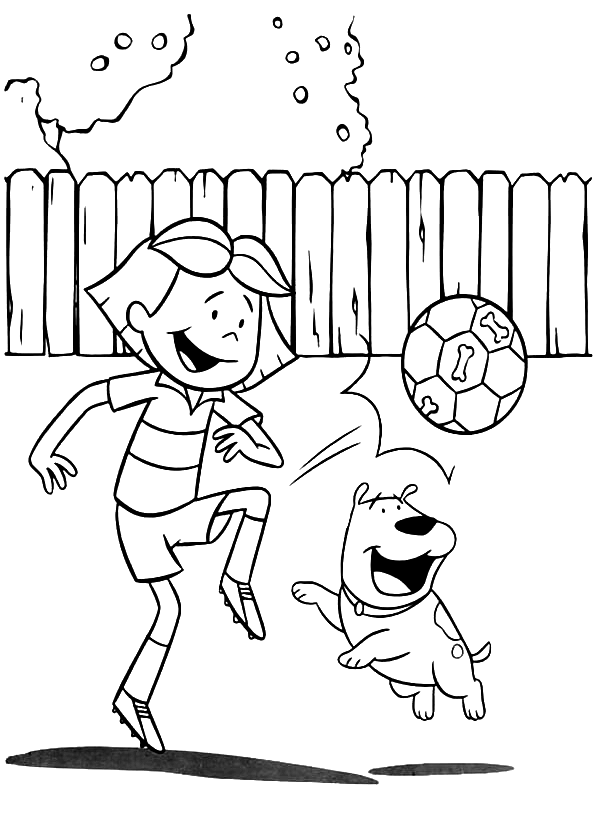
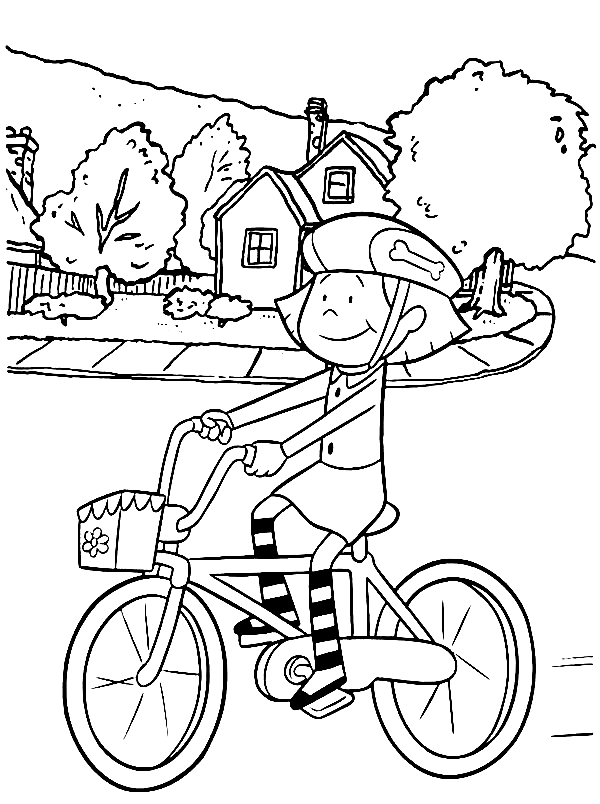
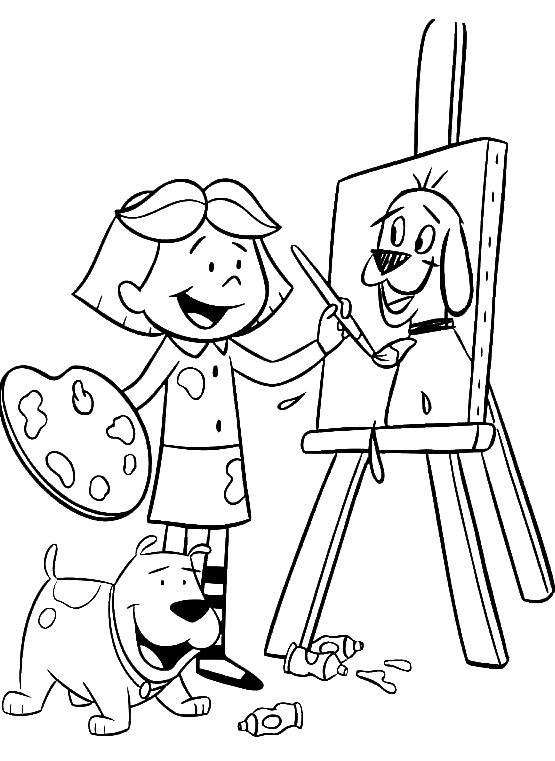
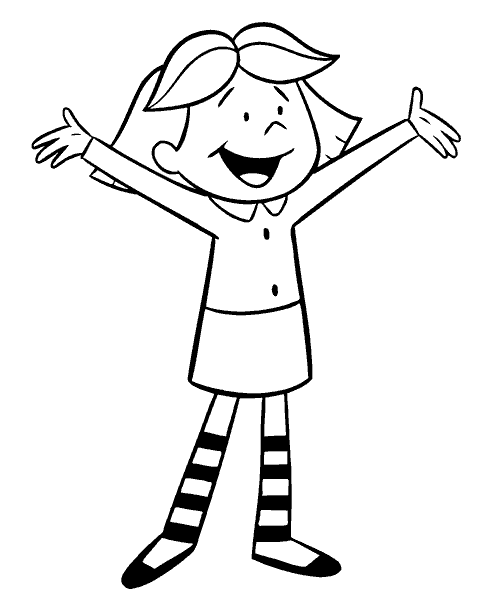
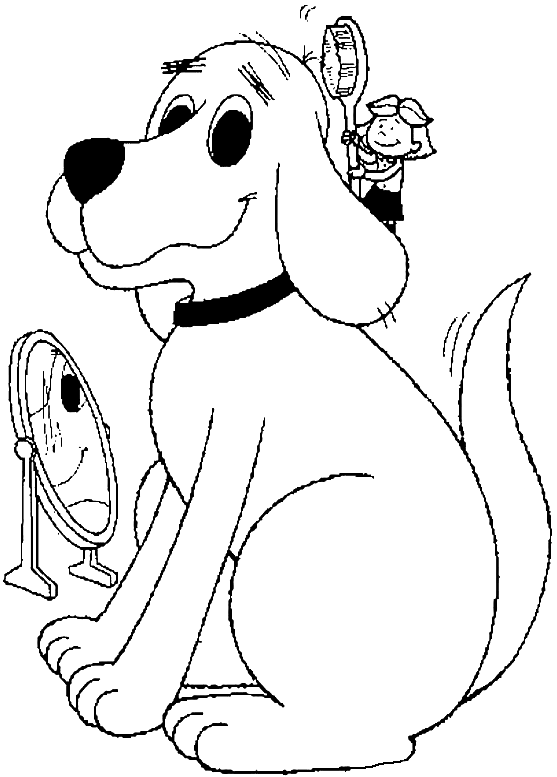
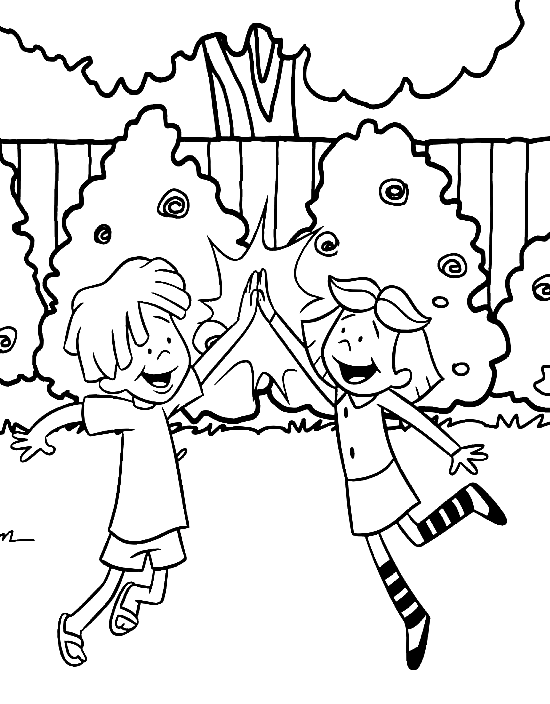
A large group focuses on Clifford’s relationship with his owner, painting together, riding bikes, playing ball, and simply spending time side by side. These pages capture the core relationship the entire series is built around, and several use Emily Elizabeth’s full name, a detail tied directly to Bridwell’s real daughter and worth pointing out to a fan who only knows her as “Emily.”
Clifford’s Circle of Friends
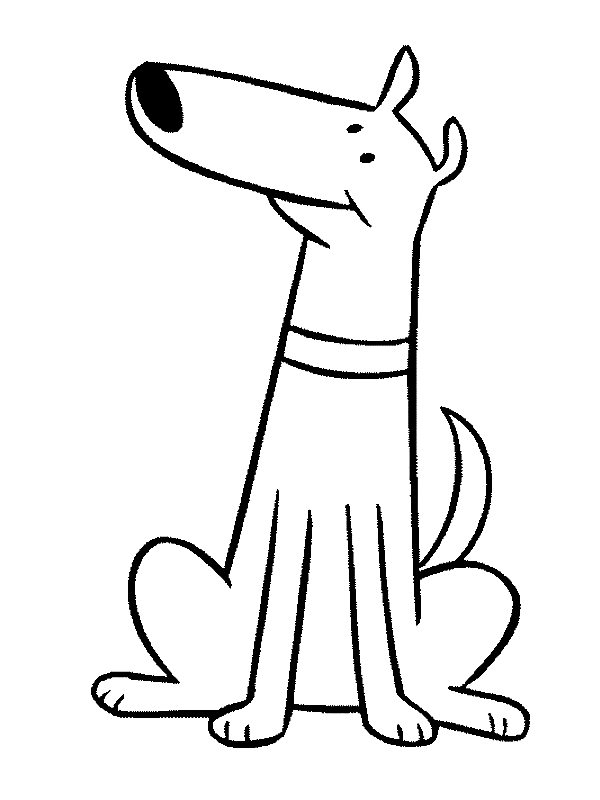
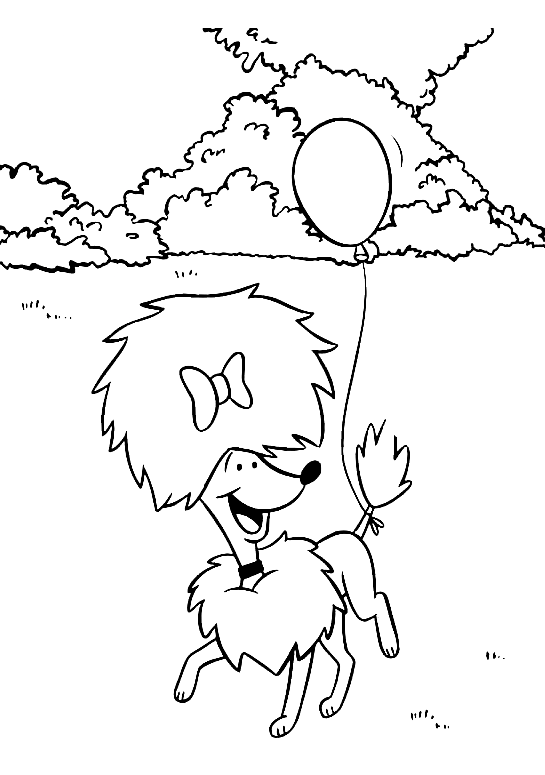
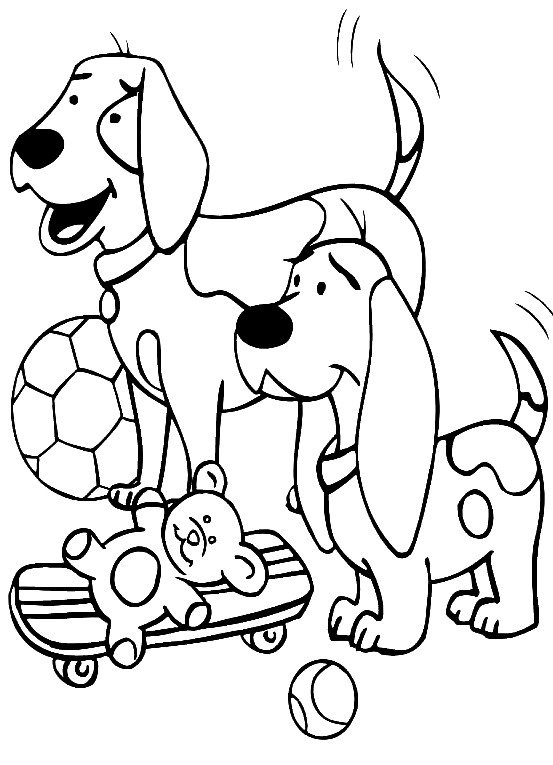
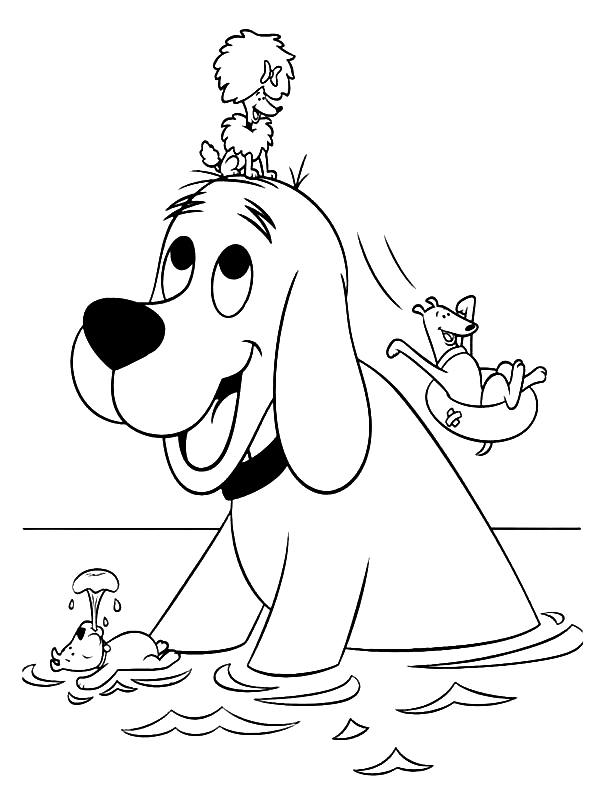
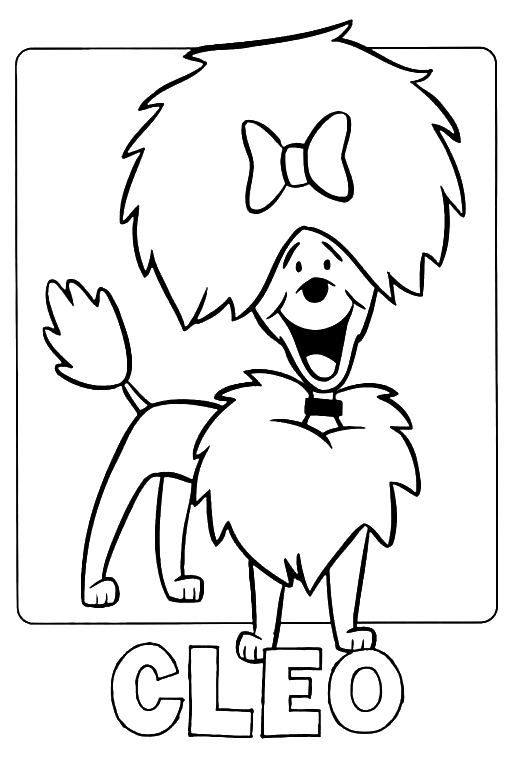
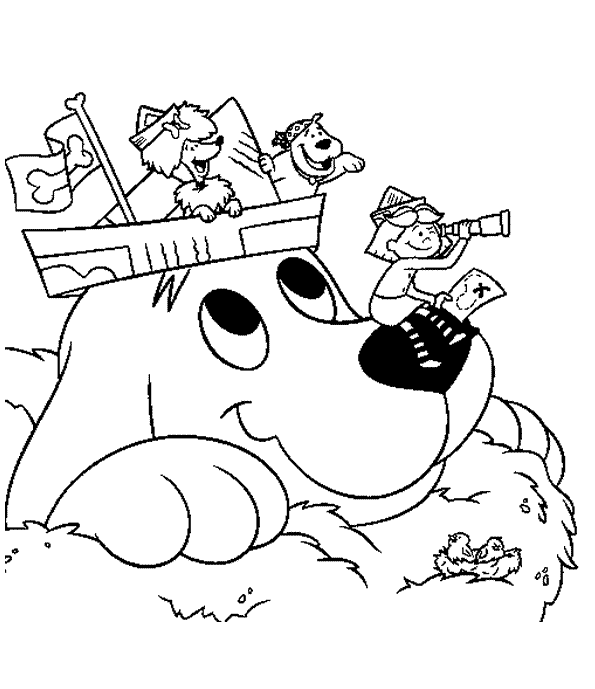
Several pages introduce Clifford’s animal friends, including T-Bone and Cleo, along with group scenes showing the whole circle together. These pages give a colorist familiar with the wider cast a chance to look beyond Clifford and Emily Elizabeth alone, and work well for a fan who wants to color the full Birdwell Island cast rather than just the title character.
Everyday Adventures
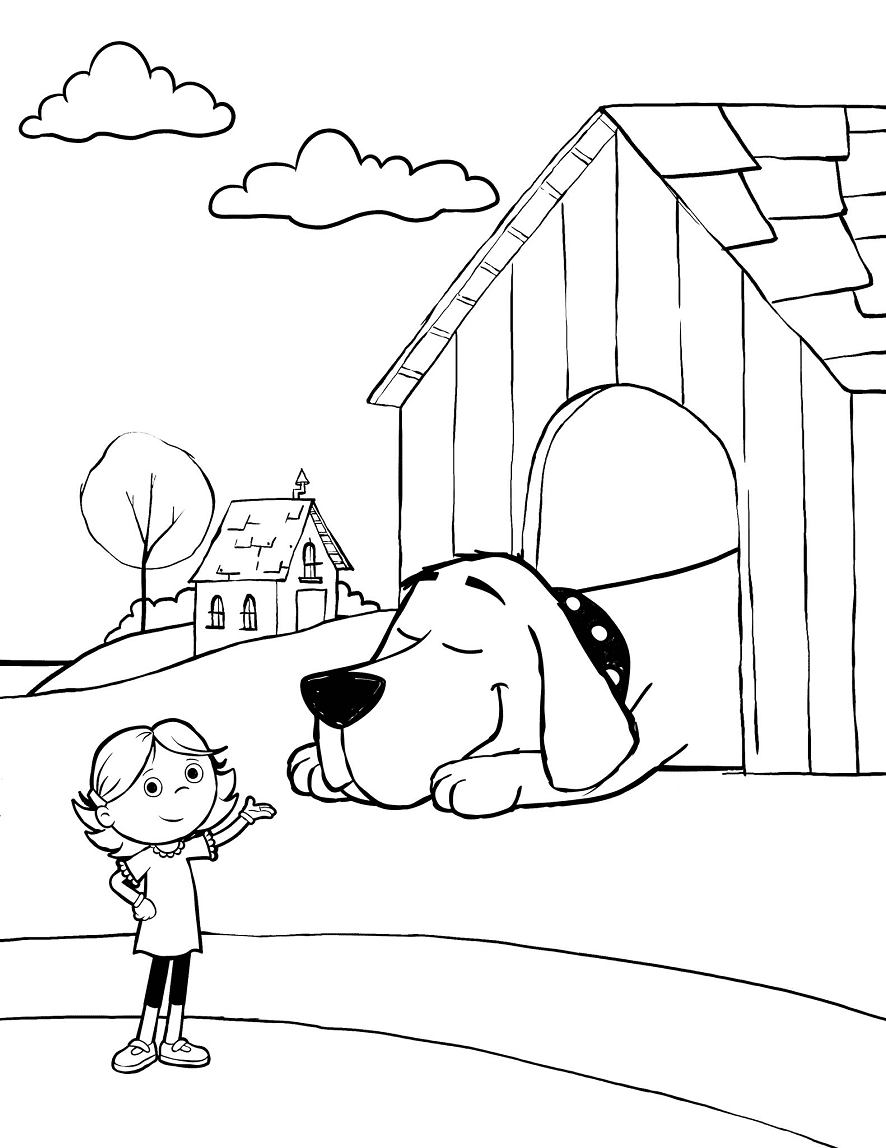
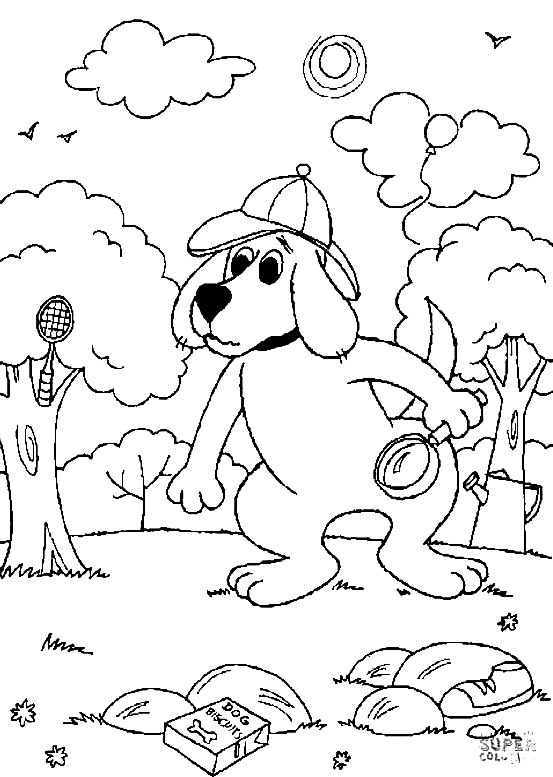
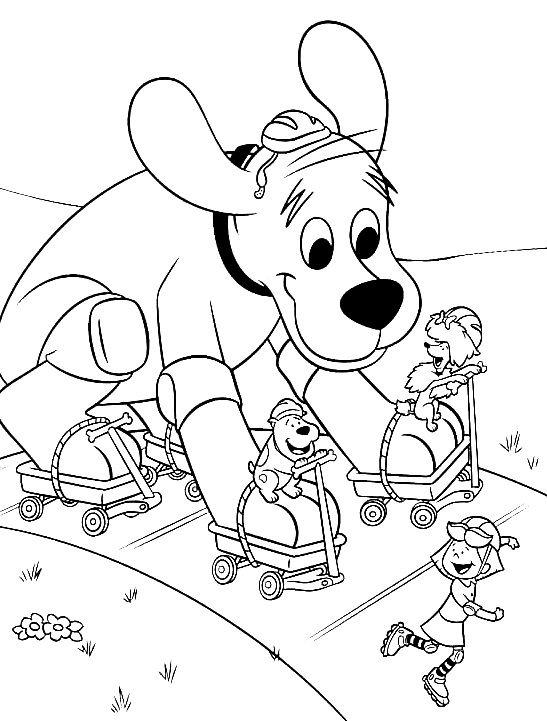
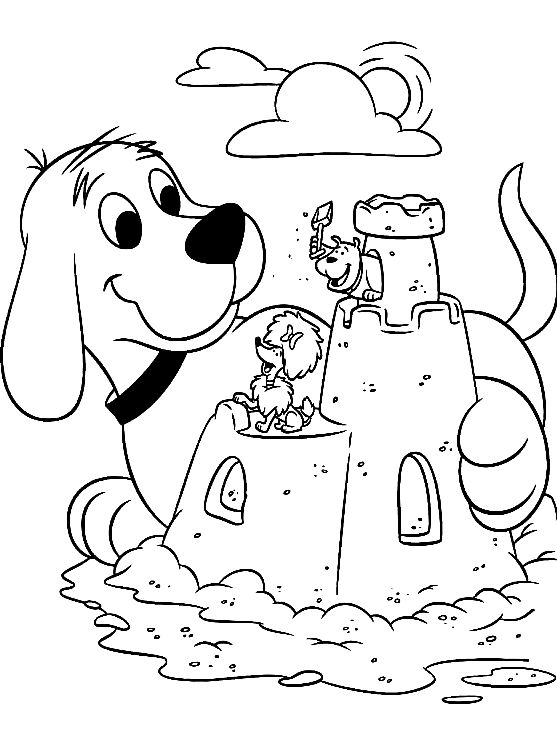
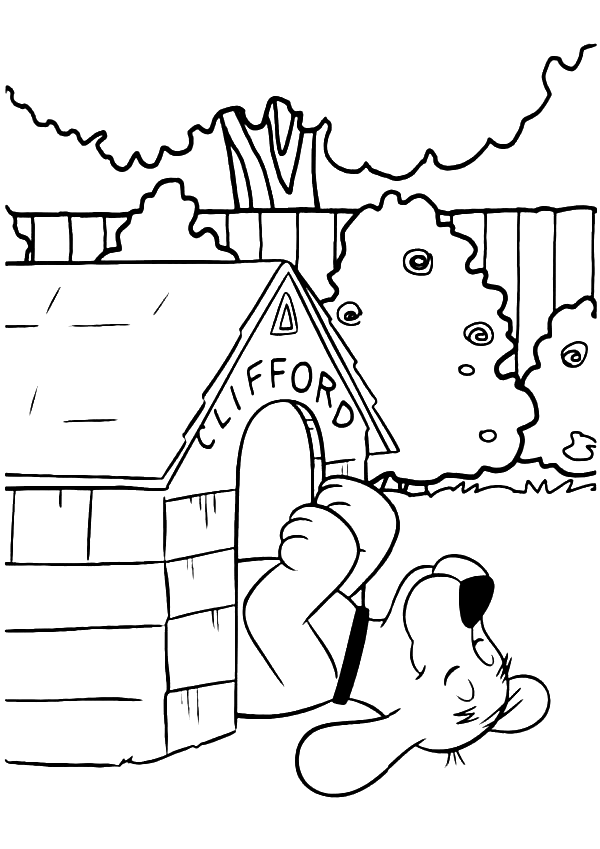
The largest group shows Clifford in specific activities and situations: playing basketball, roller blading, digging in the sand, solving a mystery as a detective, or simply sleeping in his doghouse. These pages capture the same gentle, everyday tone that has defined the books since 1963, favoring small, relatable moments over dramatic storylines.
General Portraits
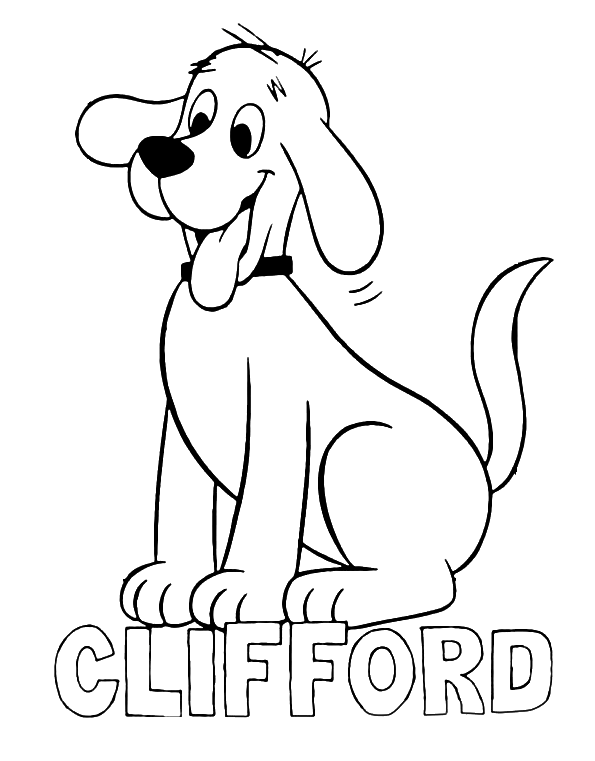
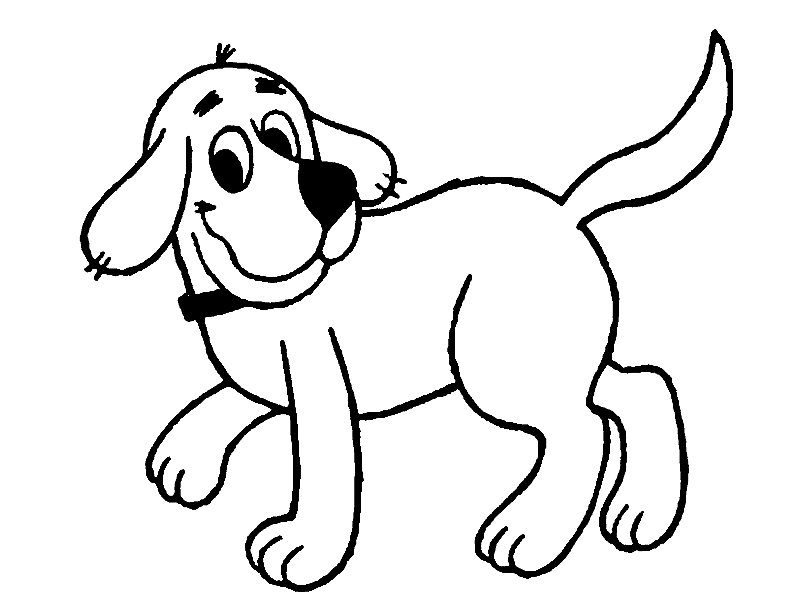
The remaining pages are general Clifford portraits with page titles that differ more than the actual layouts in several cases, offering straightforward, printable options for a colorist who wants a simple standalone page.
What Clifford Coloring Pages Do
A big, simple shape for small hands. Clifford’s rounded body and short fur give a young child large, forgiving areas to color, the kind of approachable subject that helps build the fine motor control the American Academy of Pediatrics associates with early coloring practice.
A real story about how characters get their names. Because Clifford himself was almost named something completely different, coloring one of these pages is a natural opening to talk about how authors make creative decisions, and how a small suggestion from a family member can change a story forever.
A calm, familiar character to settle into. A 2005 study in the Art Therapy Journal found that structured coloring lowered anxiety more than unstructured drawing, and a gentle, long-running character like Clifford suits that kind of quiet, low-pressure coloring session well.
Friendship and belonging themes. Because so many pages show Clifford alongside Emily Elizabeth or his animal friends, this collection pairs naturally with a simple conversation about loyalty and friendship, themes the books have centered on for over sixty years.
How to Color Clifford Coloring Pages Well
- Clifford’s coat: Use a bright, warm Fire Engine Red as the base, with a slightly deeper red for shadowed areas like under the belly or around the paws.
- Emily Elizabeth: keep her outfit simple and classic, since most illustrations favor plain, solid colors like Yellow or Blue rather than busy patterns, in keeping with the series’ straightforward art style.
- T-Bone and Cleo: use a light Tan or Cream for T-Bone and a soft Gray for Cleo, keeping both clearly distinct from Clifford’s bold red.
- Doghouse and outdoor scenes: use warm Browns for wood and Sky Blue for backgrounds, keeping the palette bright and cheerful to match the series’ consistently gentle tone.
- Balloons and props: Use bold primary colors for balloons, bones, and toys, which helps small objects stand out clearly against Clifford’s much larger red form.
Creative Craft Ideas With Clifford Coloring Pages
1. Clifford Standee. Color a solo Clifford page, glue it to cardboard or a cereal box, and cut around the outline to make a standing figure for a shelf or desk.
2. Birdwell Island Map. Color a background of houses, a beach, and a park, then place cutouts of Clifford and his friends around it to build a simple map of his island home.
3. Friendship Bookmark Set. Color small pages of Clifford, Emily Elizabeth, T-Bone, and Cleo, trim each into a bookmark shape, and laminate or tape them for a set.
4. Author’s Choice Card. Color a Clifford page, then write down what name the child would have picked instead of “Tiny” or “Clifford,” turning the real naming story into a small creative writing exercise.
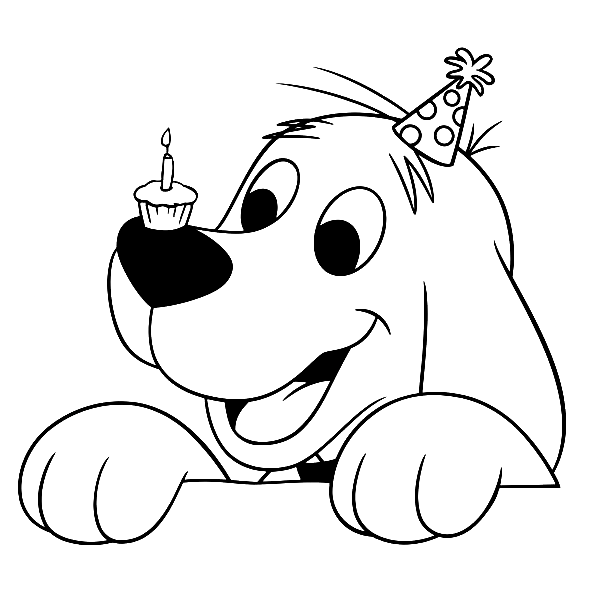
5. Birthday Card. Color one of the celebratory pages, fold a piece of cardstock in half, and glue the design to the front for a birthday card for a young Clifford fan.
Frequently Asked Questions
What are Clifford coloring pages?
A free set of 56 printable PDFs and online coloring sheets showing Clifford the Big Red Dog, Emily Elizabeth, and his circle of friends.
Who created Clifford the Big Red Dog?
Norman Bridwell created Clifford, and the first book, Clifford the Big Red Dog, was published by Scholastic in 1963 after being turned down by several other publishers.
Was Clifford always going to be named Clifford?
No. Bridwell originally planned to name the dog “Tiny,” but his wife, Norma, suggested Clifford instead, after her own childhood imaginary friend.
Is Emily Elizabeth based on a real person?
Yes, she was named after Norman Bridwell’s real daughter, Emily Elizabeth.
Who are Clifford’s friends, T-Bone and Cleo?
T-Bone and Cleo are two of Clifford’s closest animal friends who appear regularly throughout the books and shows.
Are these pages suitable for young children?
Yes. Clifford’s simple, rounded design and the series’ gentle tone make this collection especially well-suited to young children.
Is Clifford connected to a real place?
The fictional Birdwell Island echoes both the Birdwell family name and their real home on Martha’s Vineyard.
Are these free to download and print?
Yes. Every page is free, with no account, email, or payment required, and can be downloaded as a PDF or colored online in the browser.
Start Coloring
Download any page by clicking the design. No account, email, or payment is required. Pages print directly from the browser at full resolution or open in the online coloring tool for screen use. Share finished pages on Facebook or Pinterest with the share buttons at the top of each design page.