
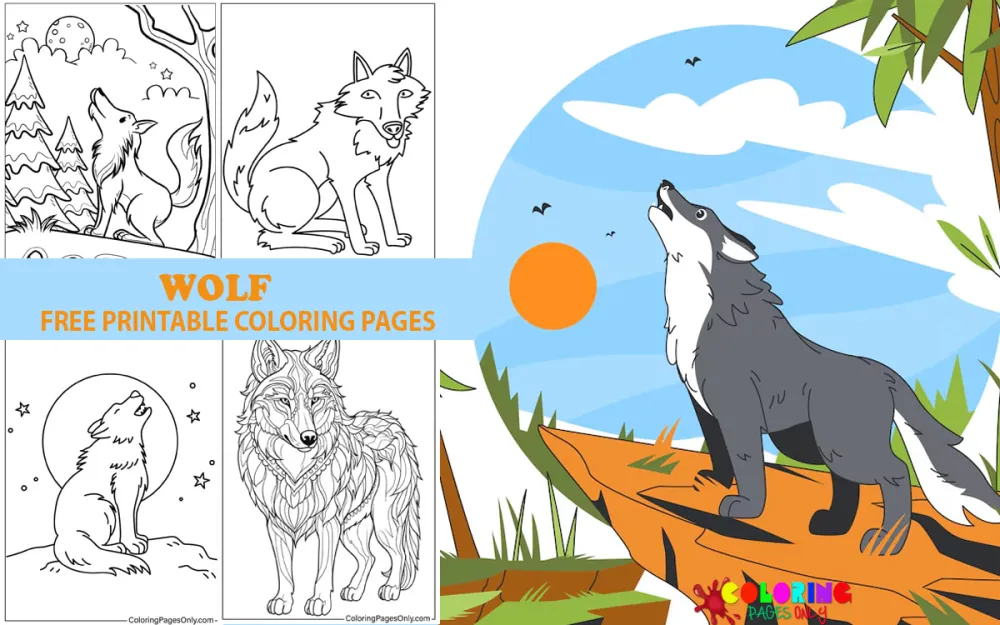
Free Wolf Coloring Pages: 73 printable PDF designs of real wolf subspecies, howling scenes, and family packs. Every page can be downloaded as a PDF or filled in through the online coloring tool, both free and without an account.
The idea of a dominant “alpha wolf” fighting its way to the top of the pack is a genuine scientific myth. It traces back to a 1947 study of captive, unrelated wolves forced to live together, which produced an artificial dominance hierarchy. Decades of research on wild wolves by biologist L. David Mech, who had actually helped popularize the term “alpha” in a 1970 book, later showed that real wild wolf packs are simply families, usually a breeding pair and their young, led the same way a human family is led by its parents rather than through fights for dominance.
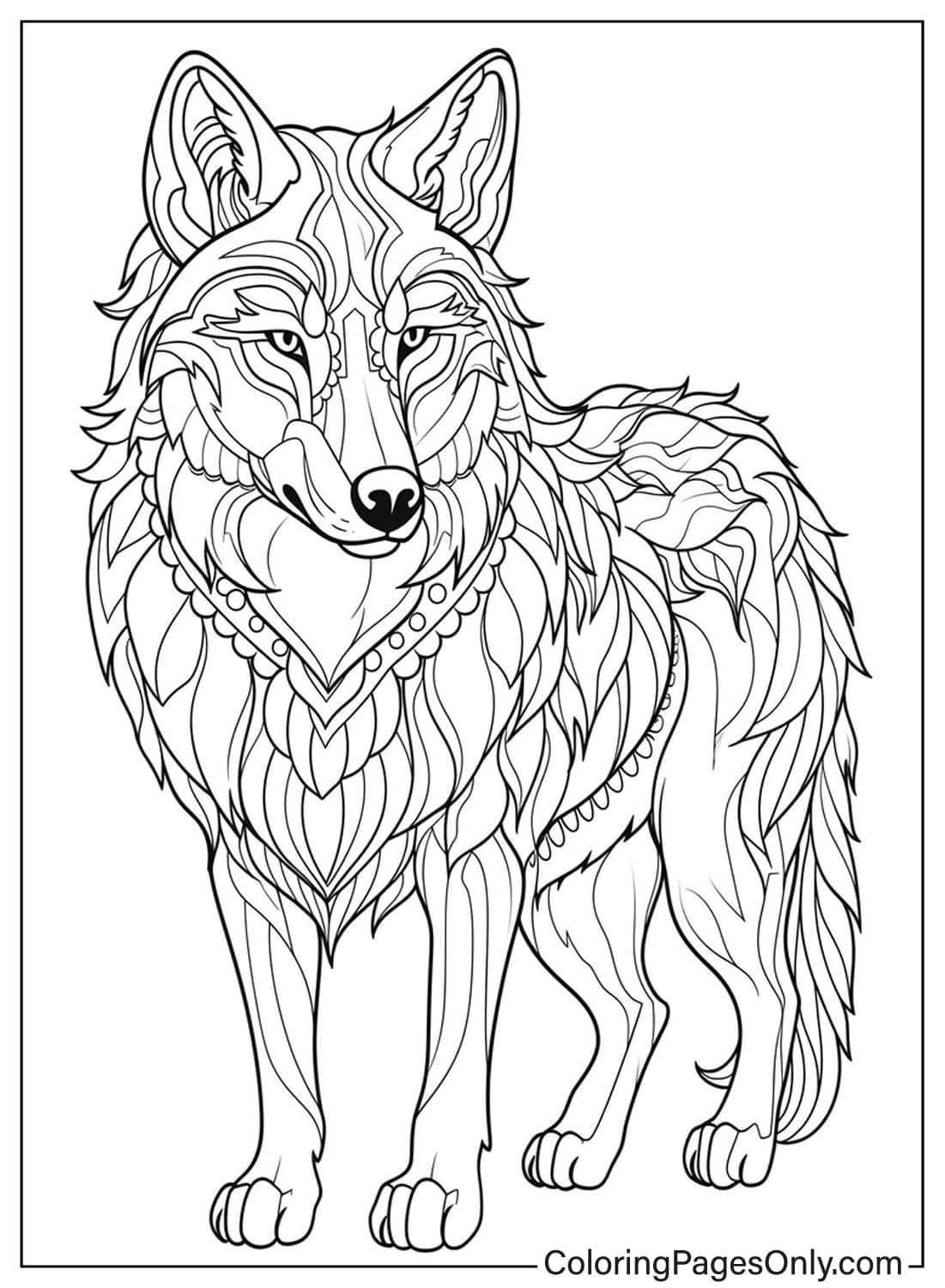
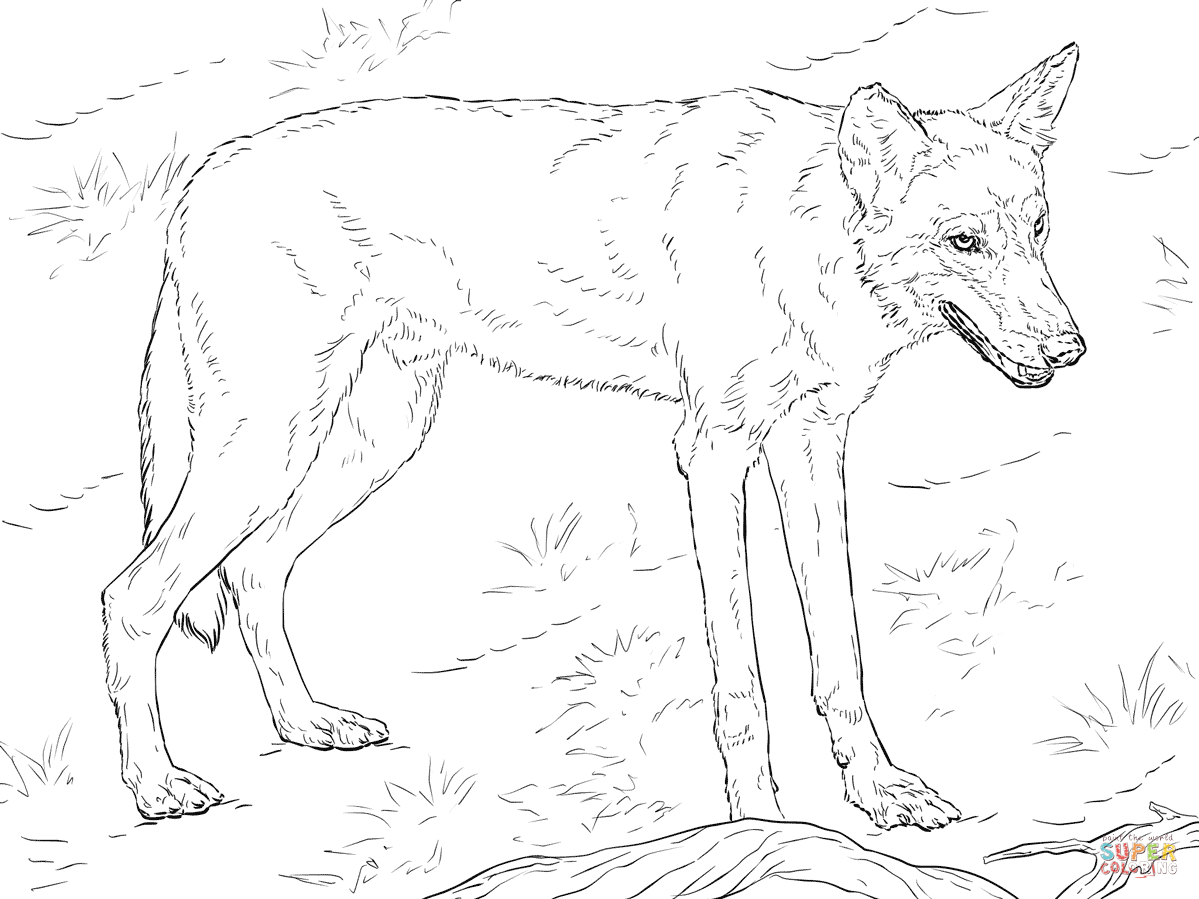
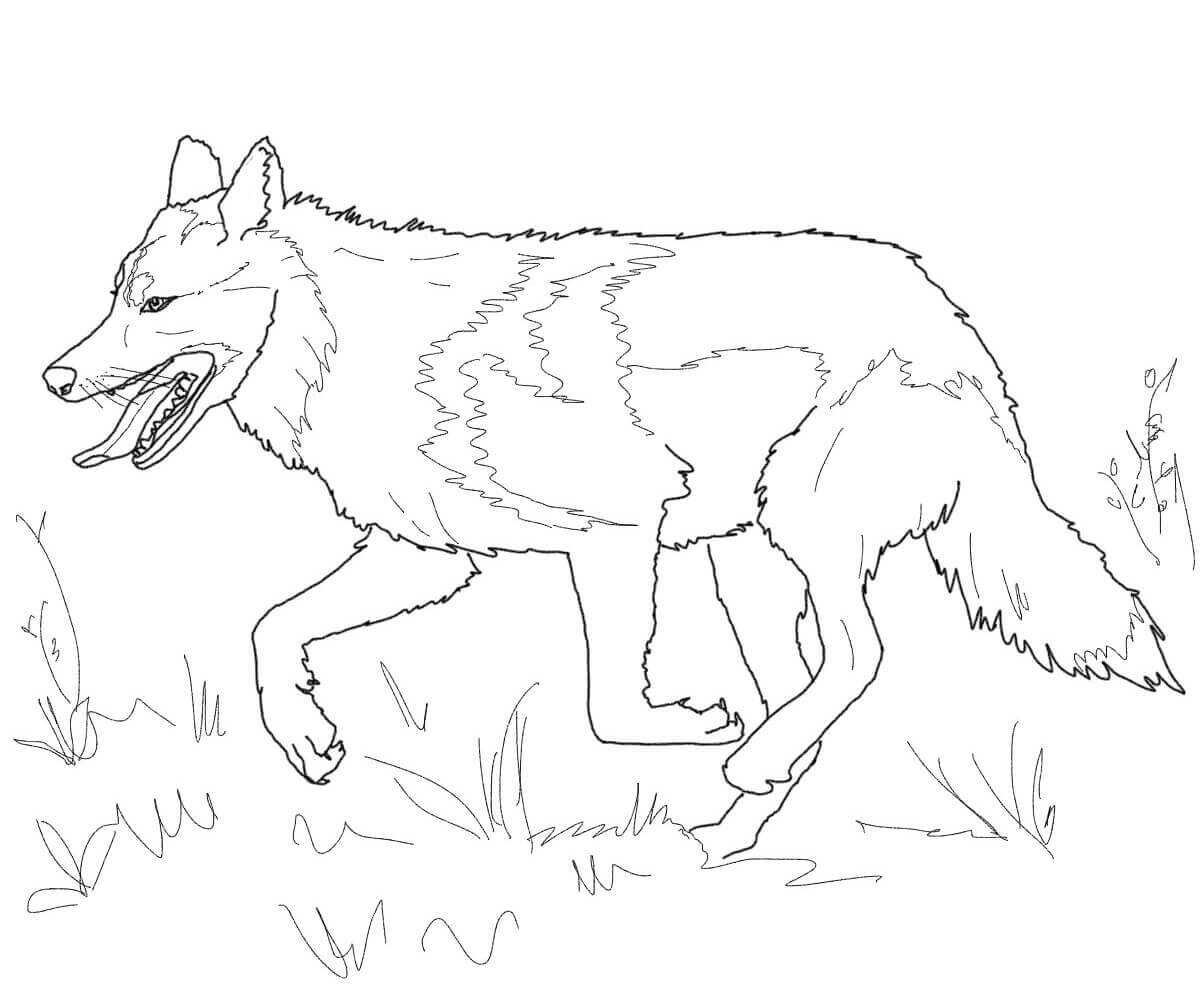
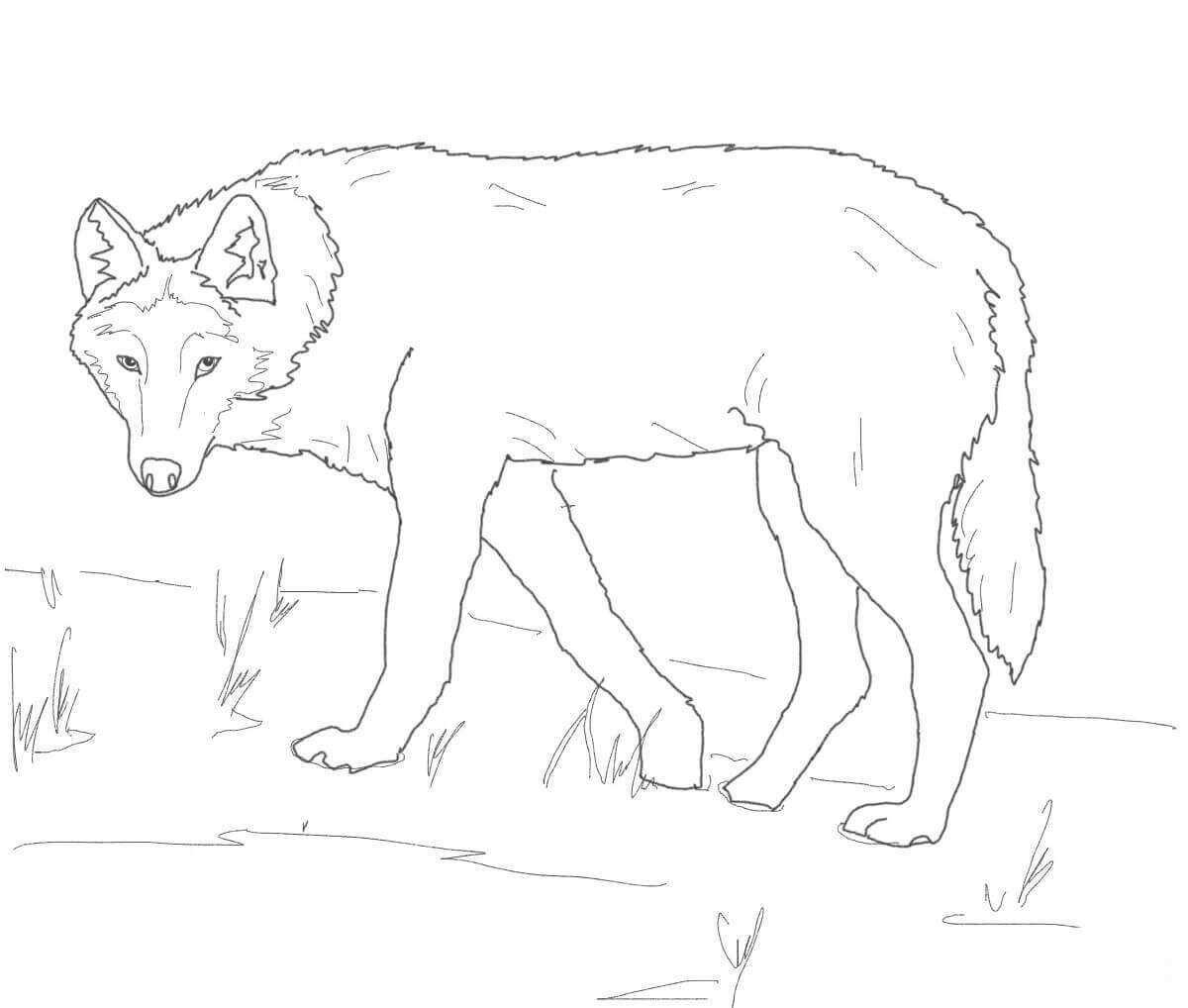
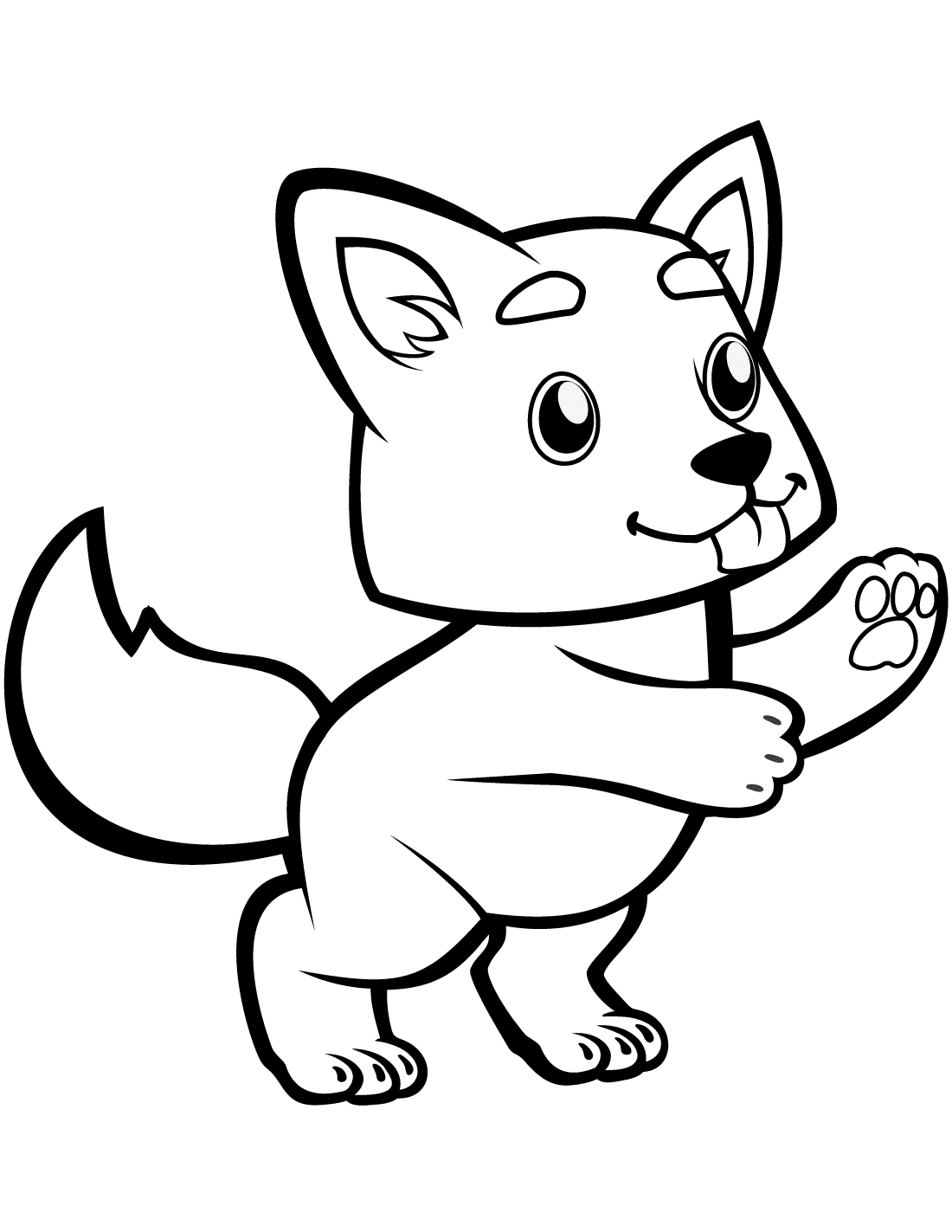
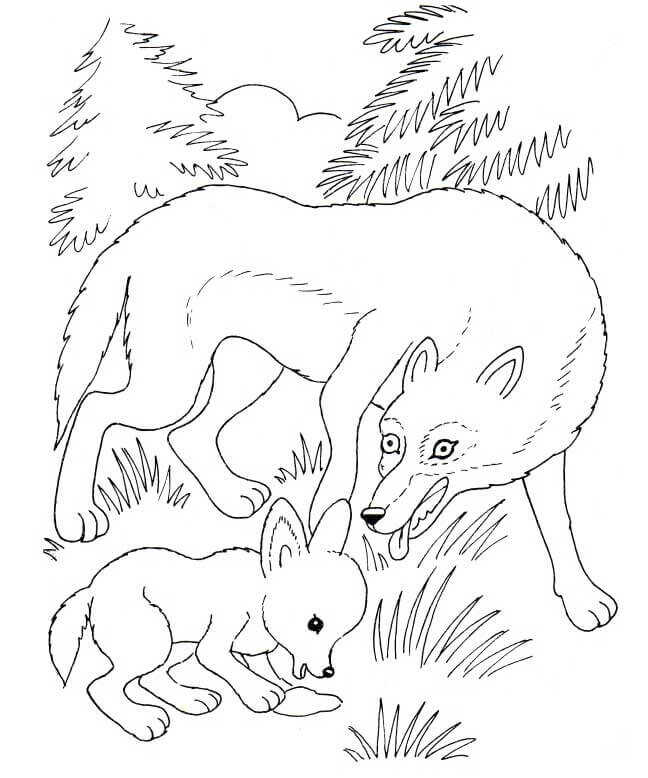
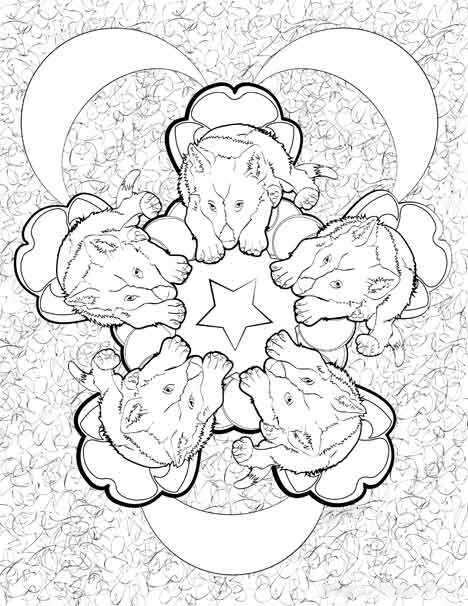
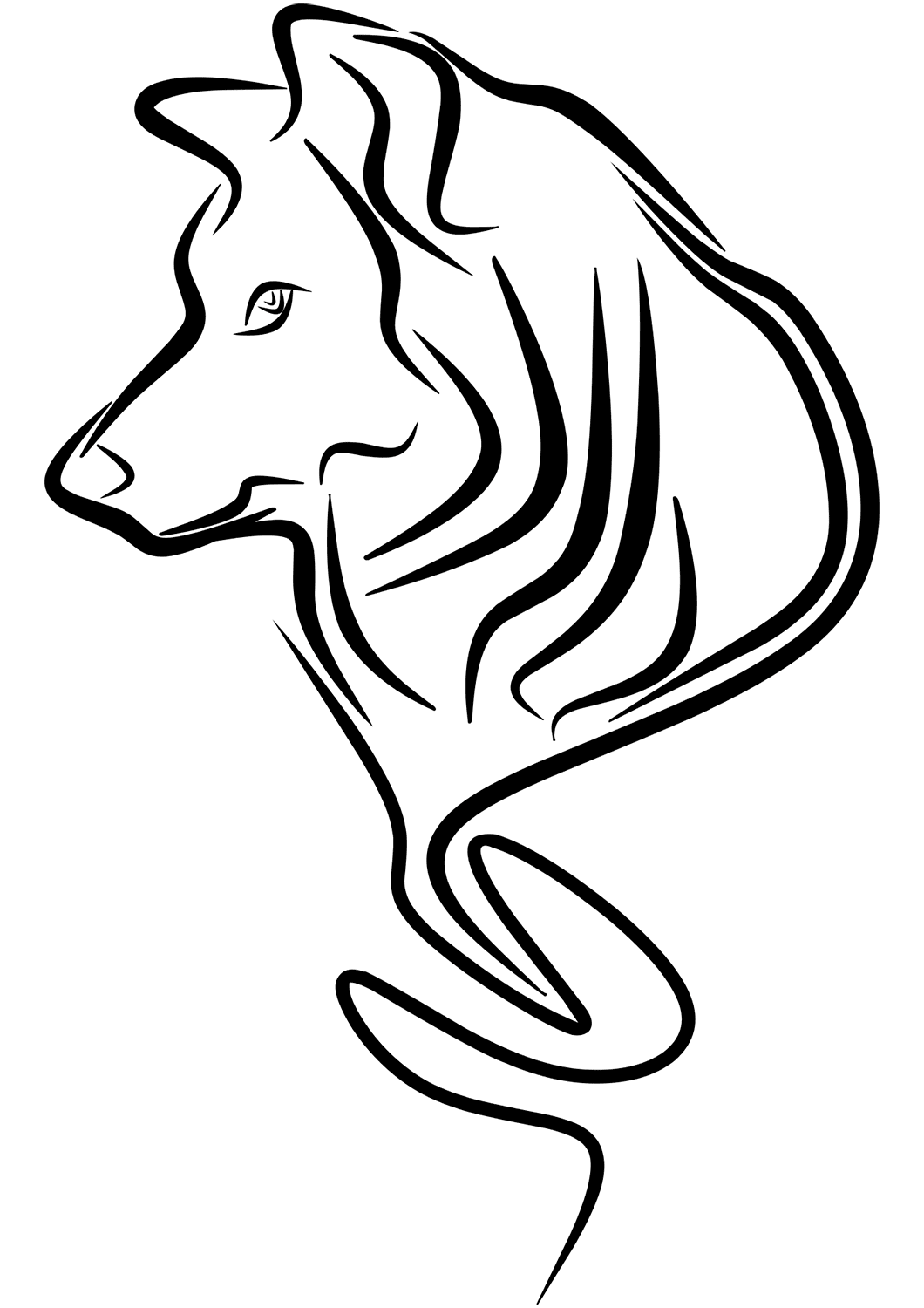
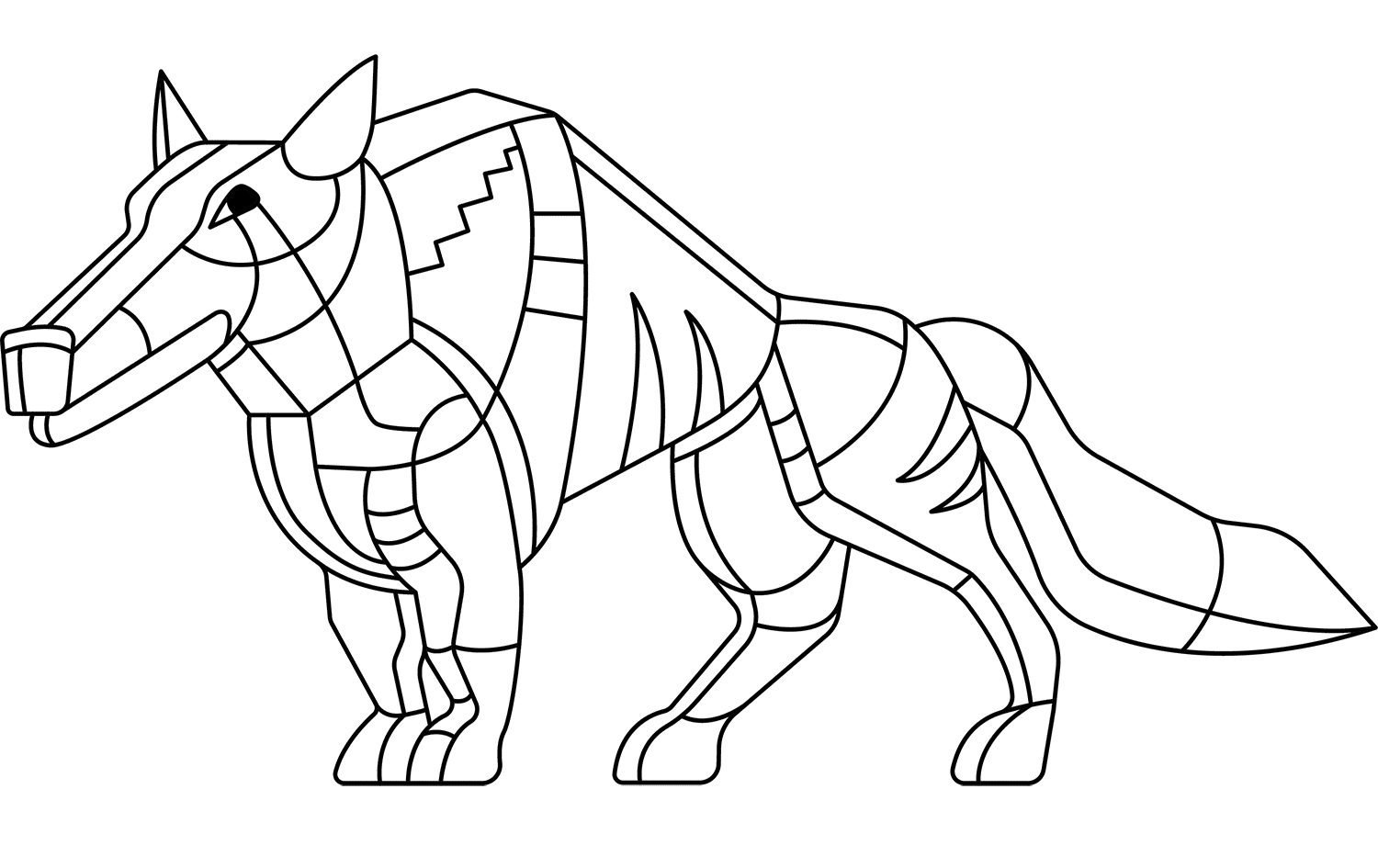
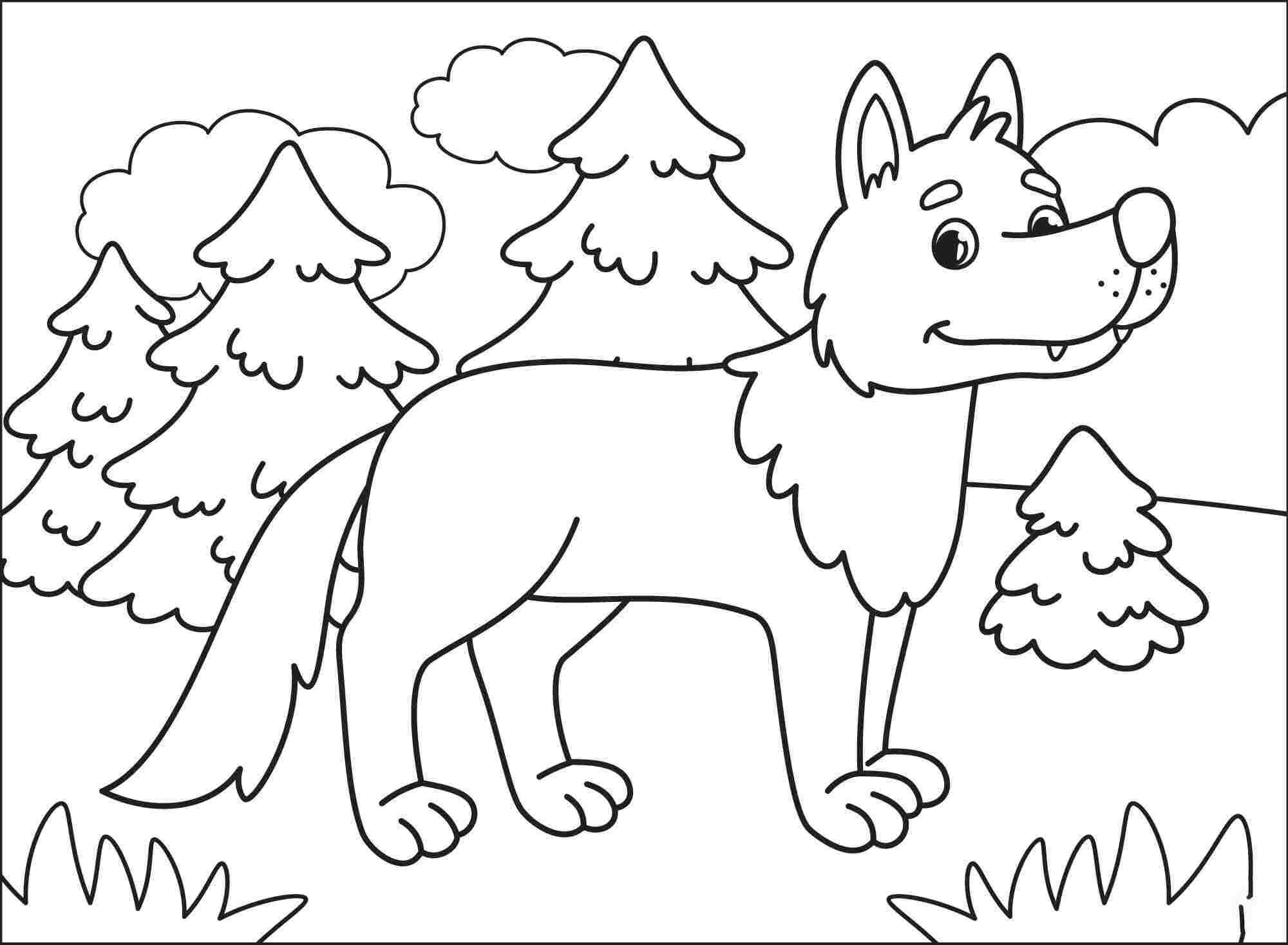
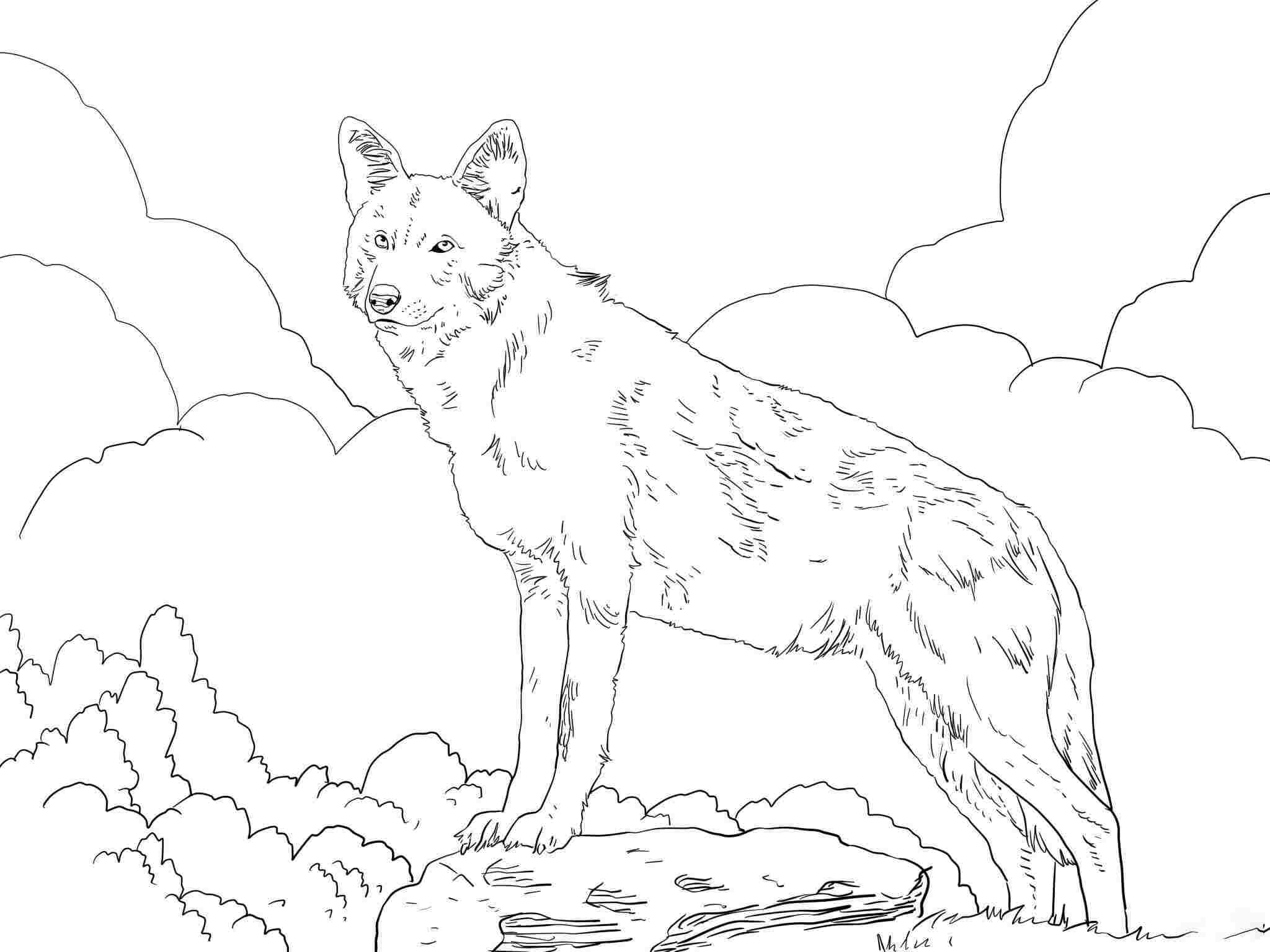
The 73 pages are split into several groups: simple solo portraits, real wolf subspecies from around the world, howling and moon scenes, family and pack scenes, behavior and action scenes, darker or scary-themed pages, and decorative or artistic designs. A small handful of tiles appear to be mismatched content unrelated to wolves, flagged below.
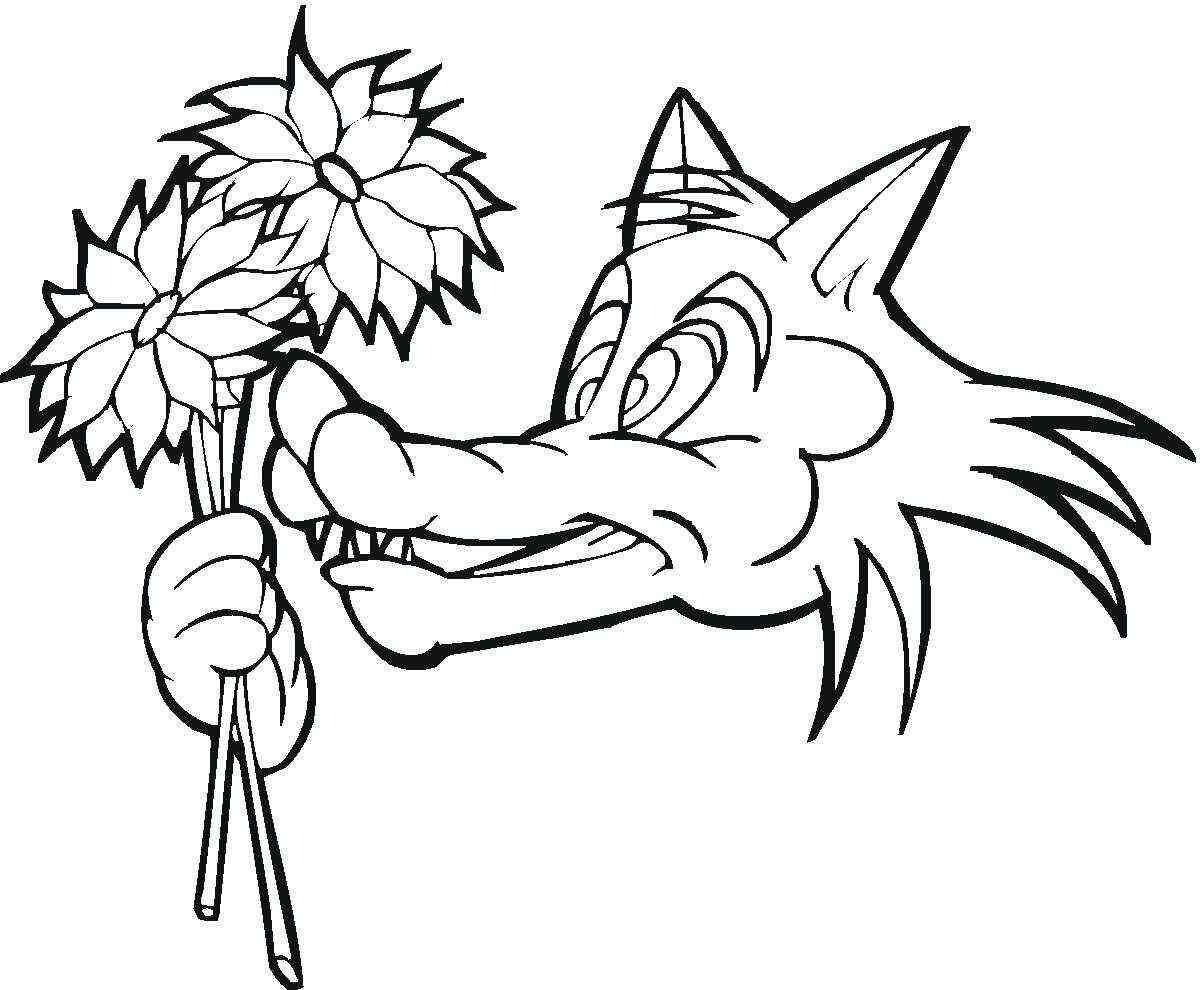
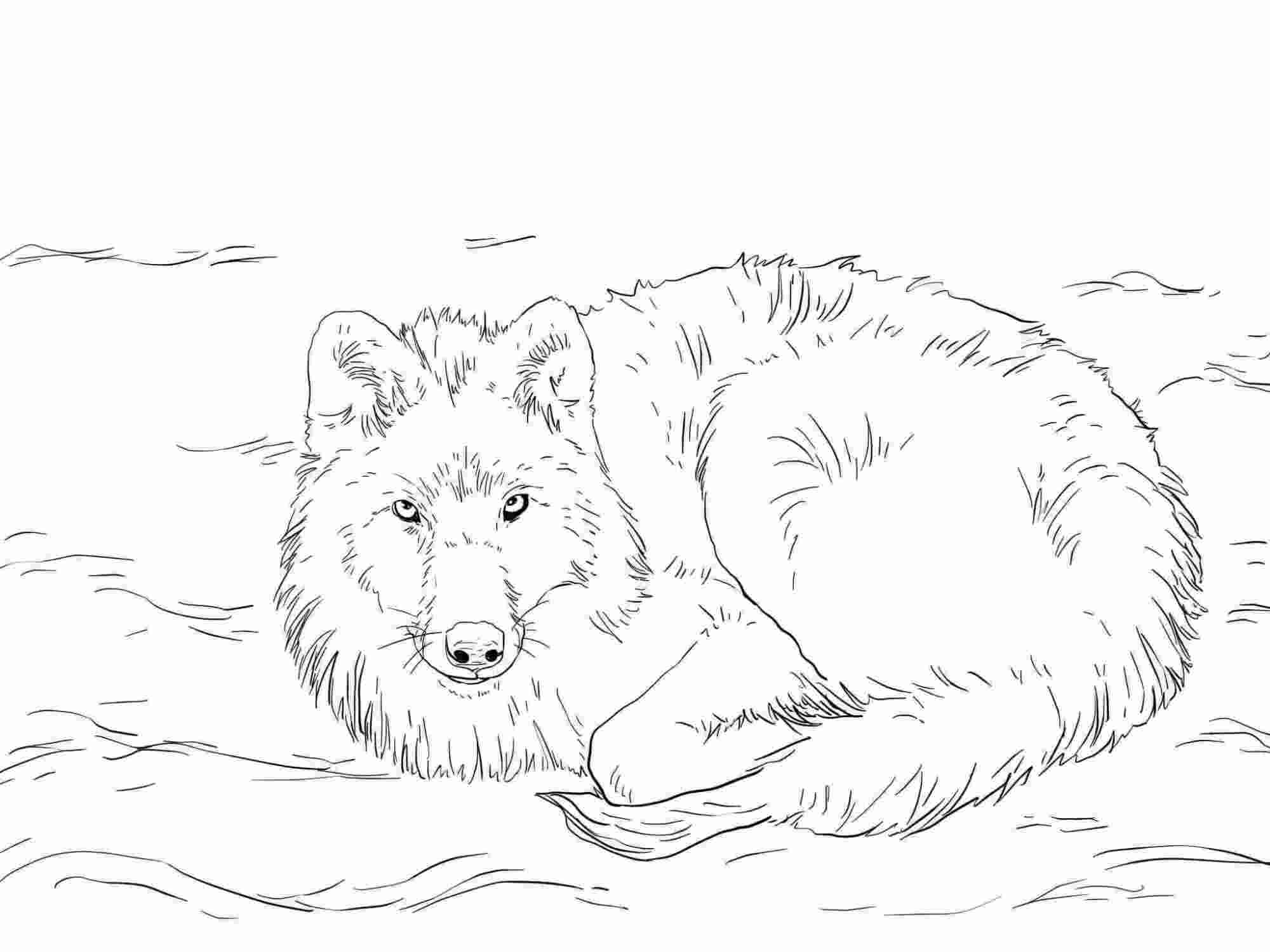
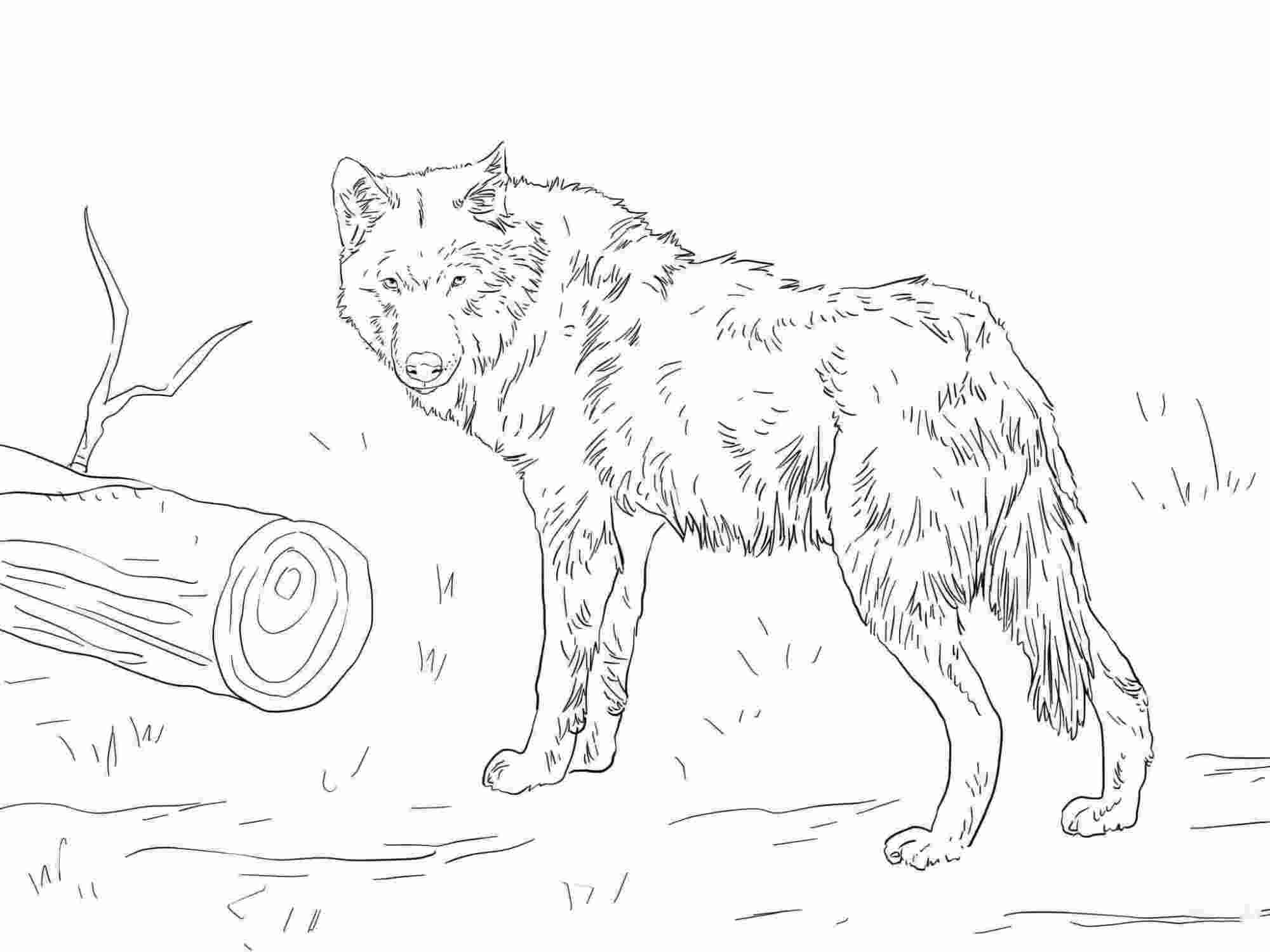
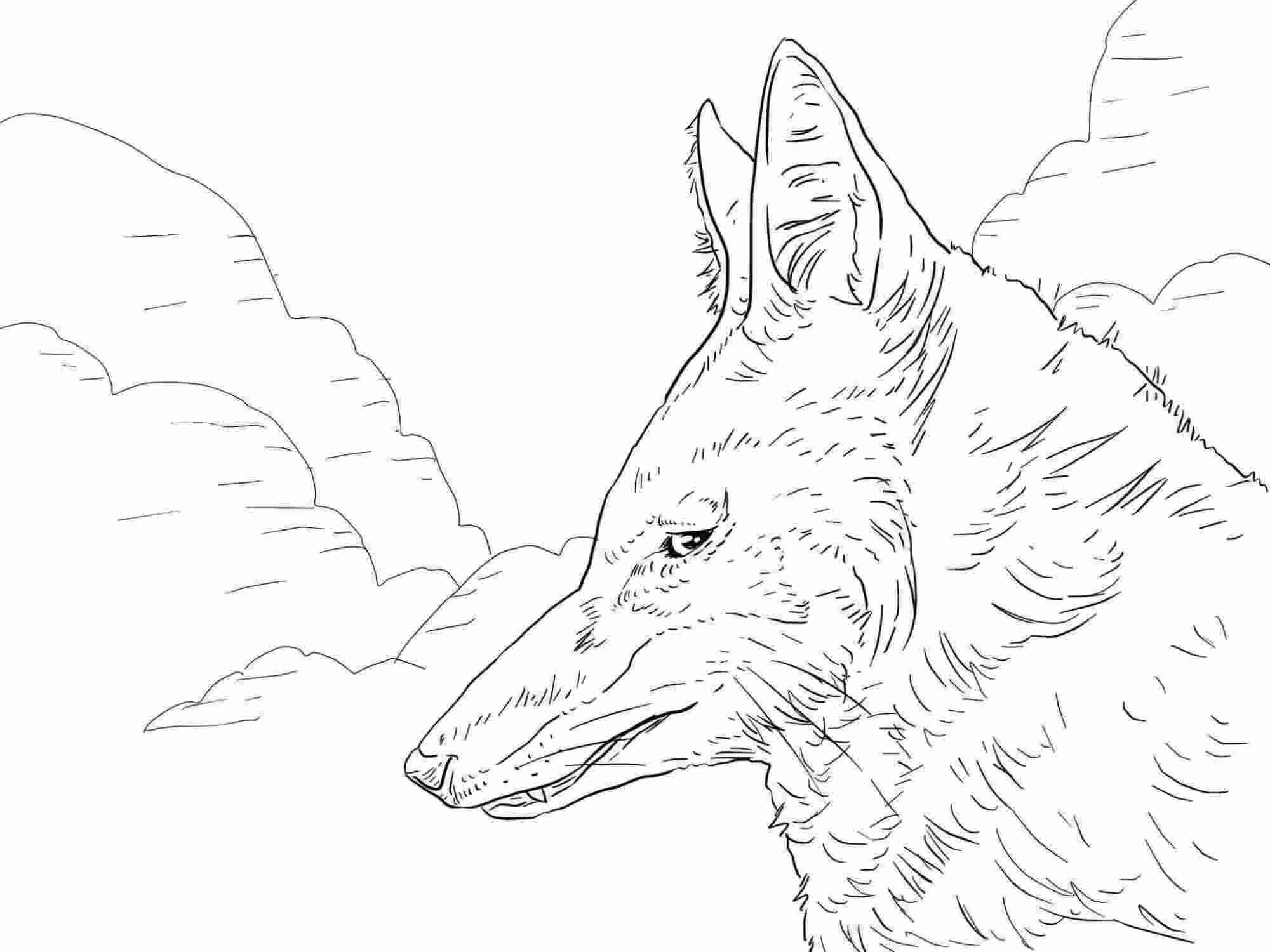
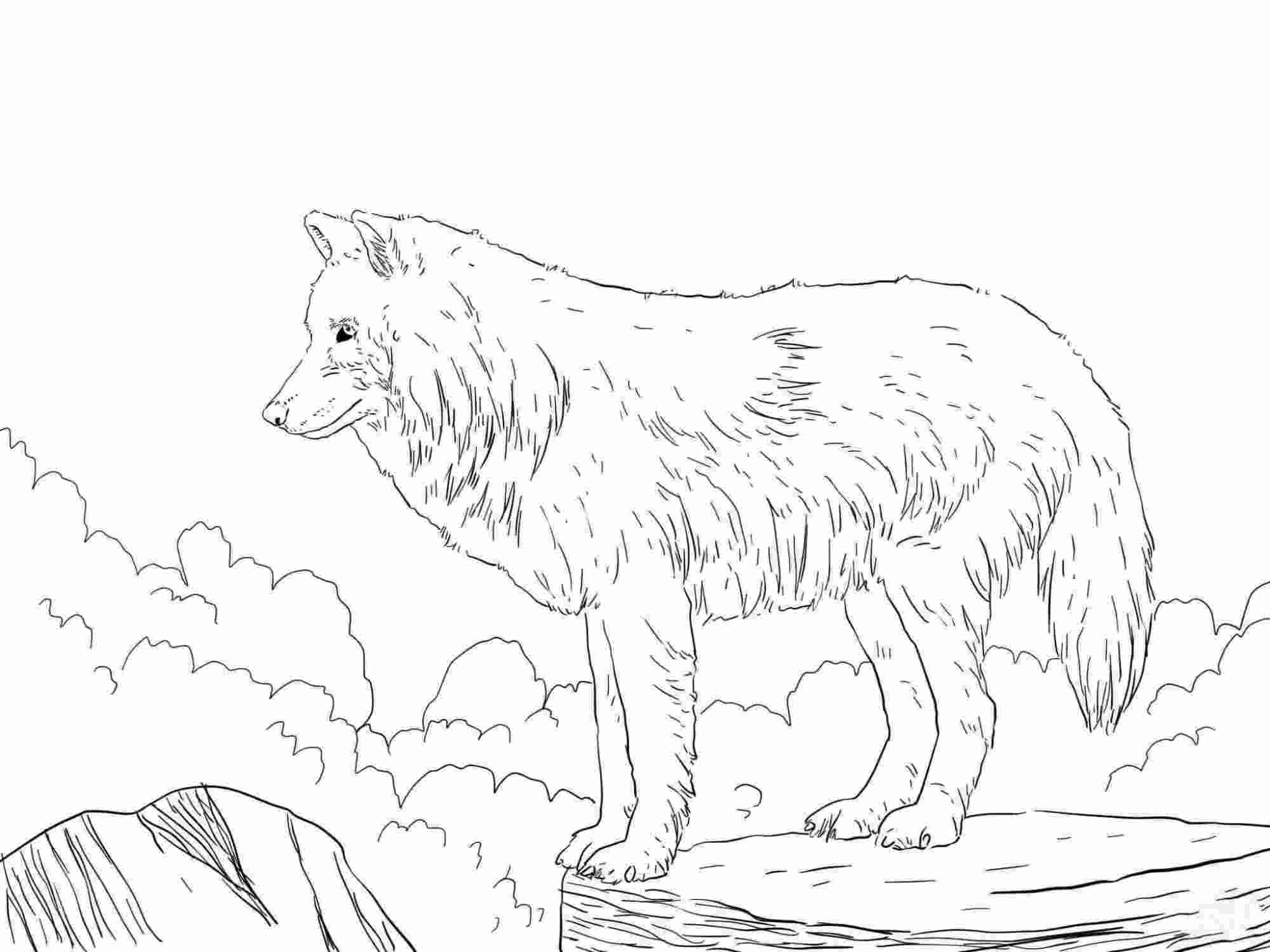
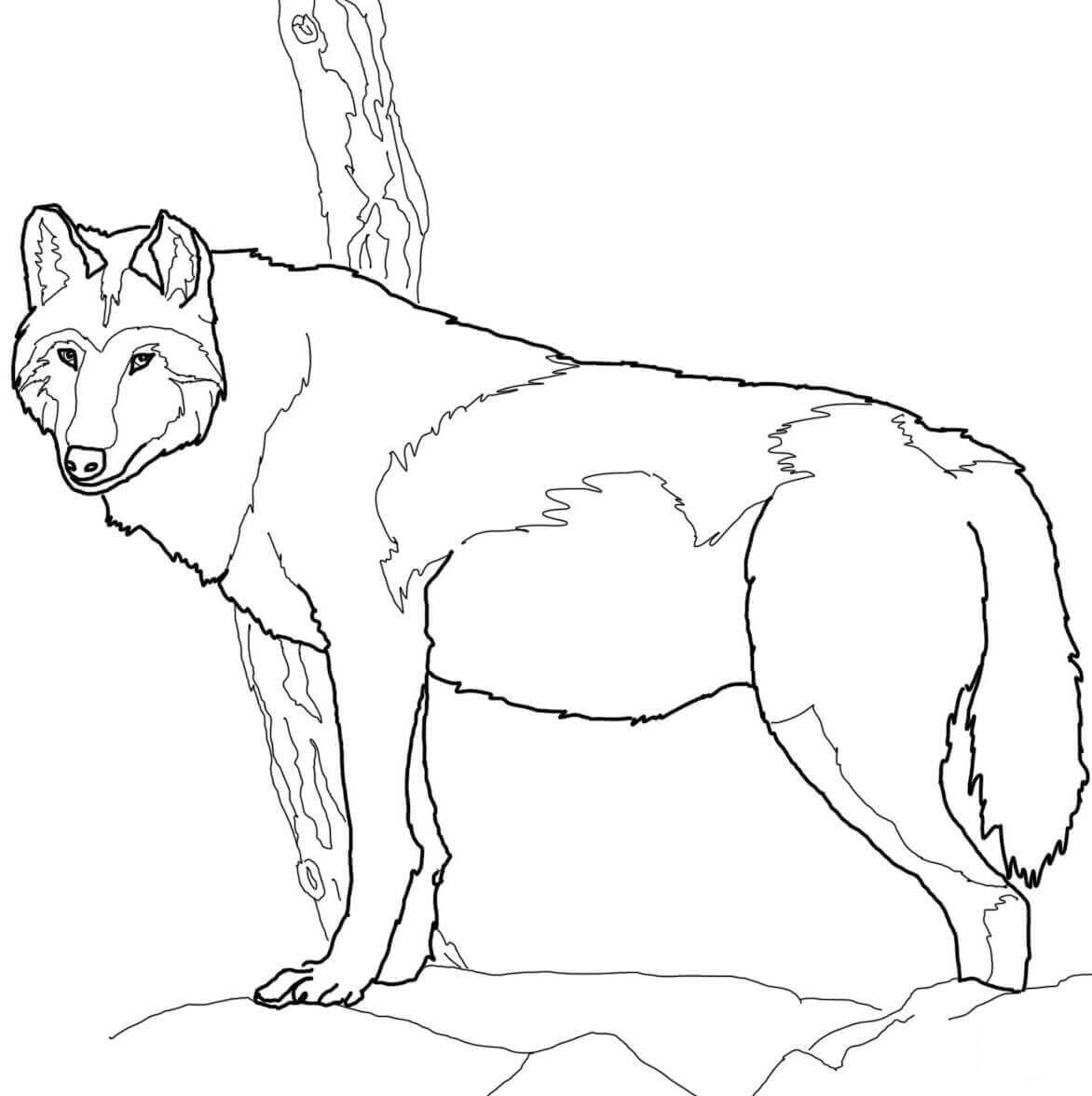
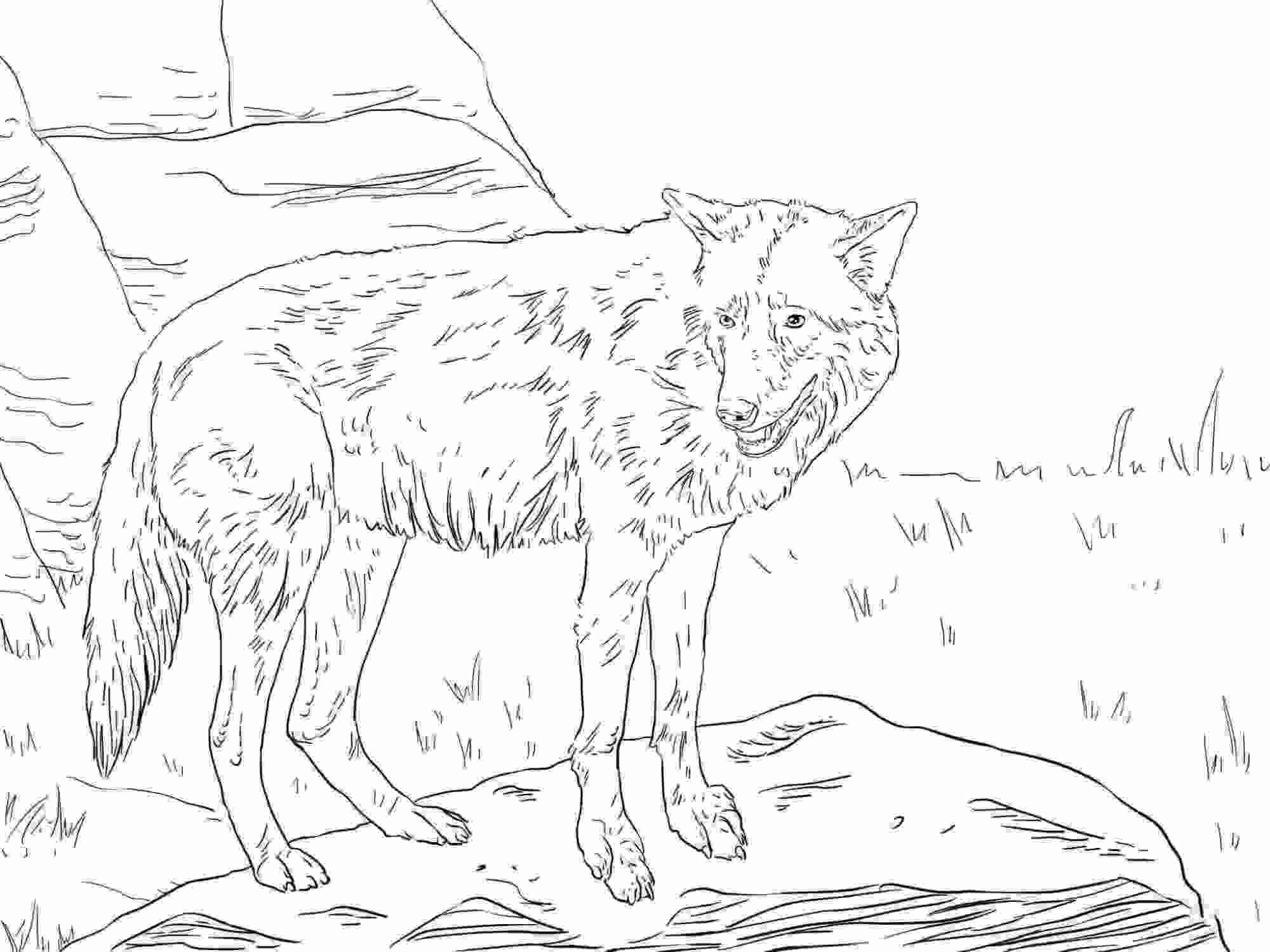
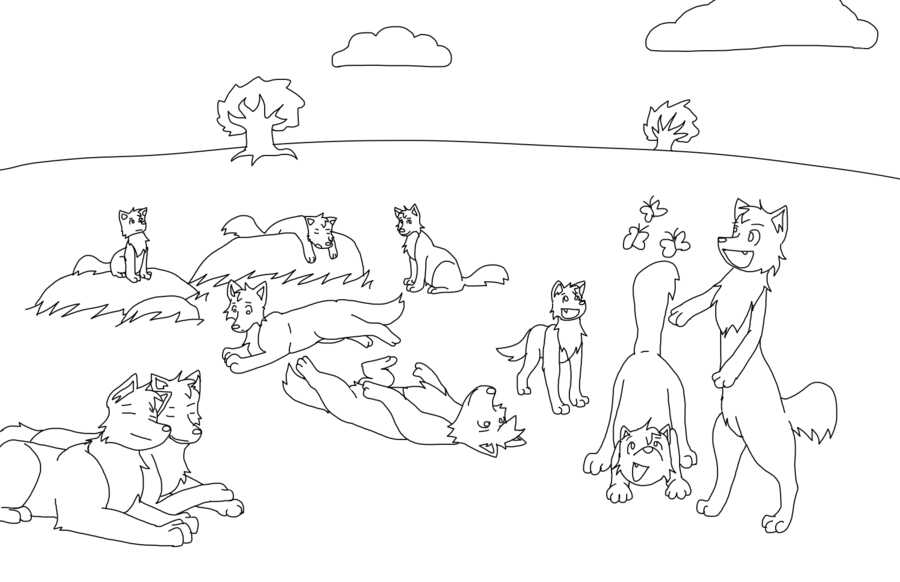
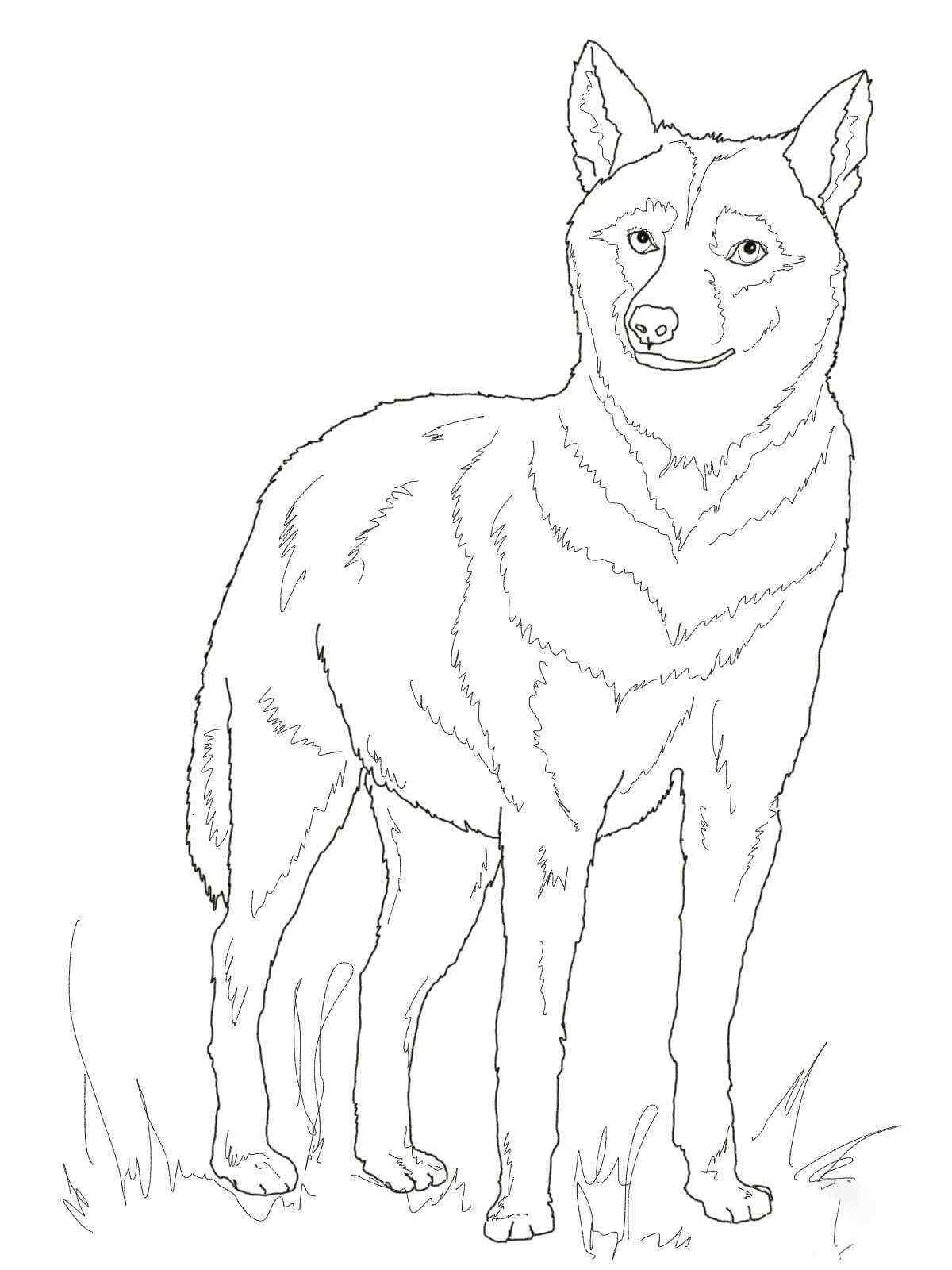
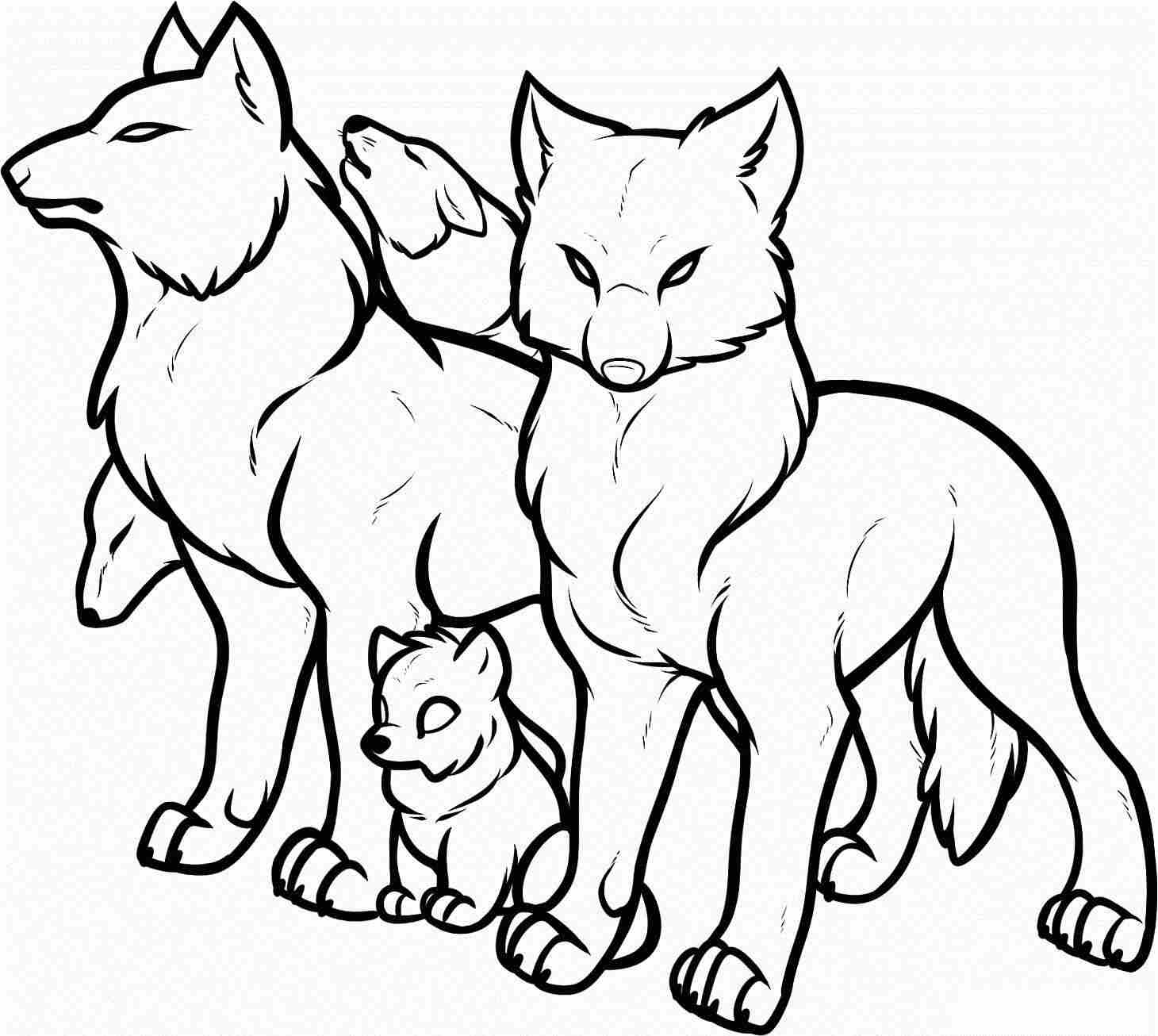
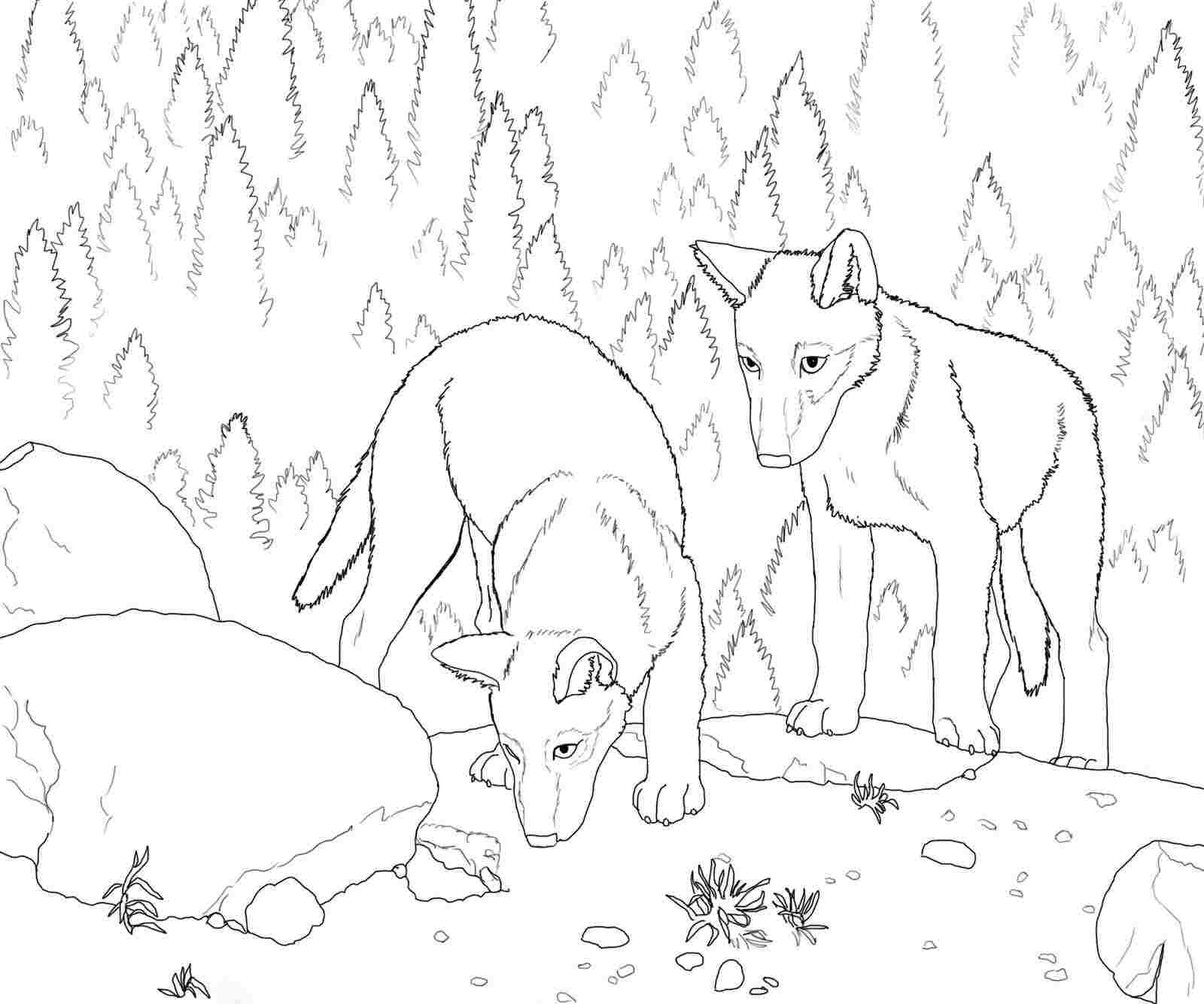
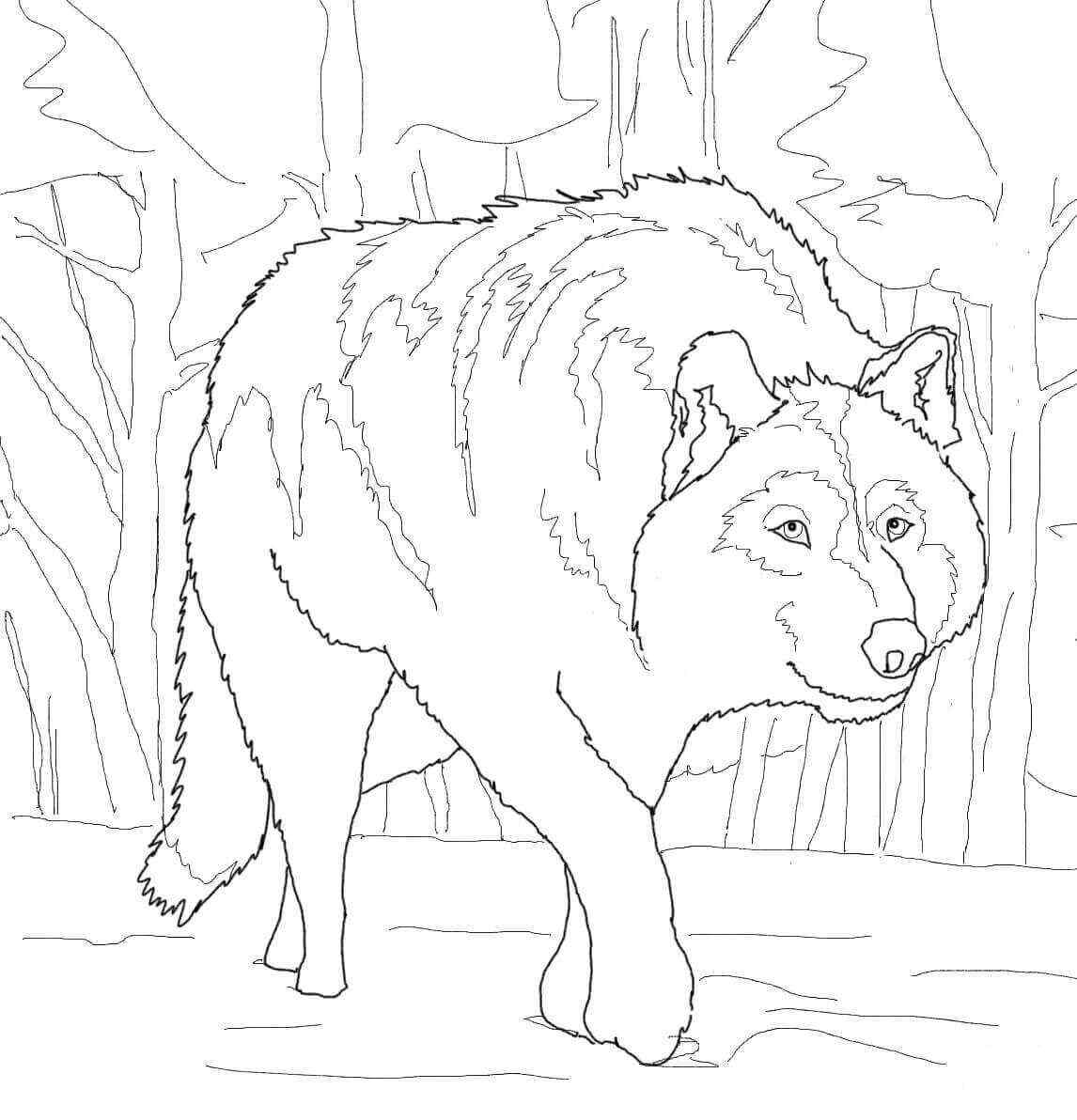








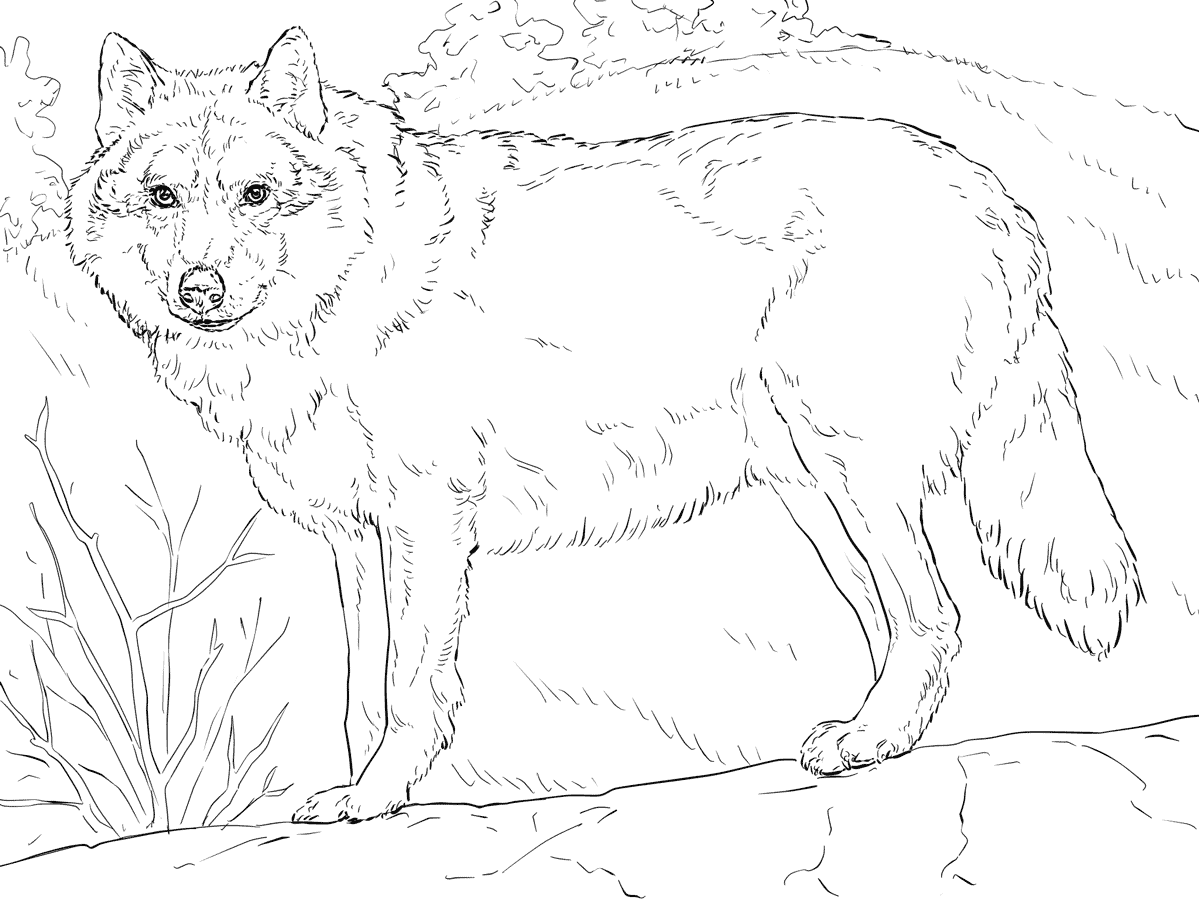
What Is Inside This Collection
Several groups organize the 73 pages, moving from a plain solo wolf to real subspecies, family scenes, and decorative art.
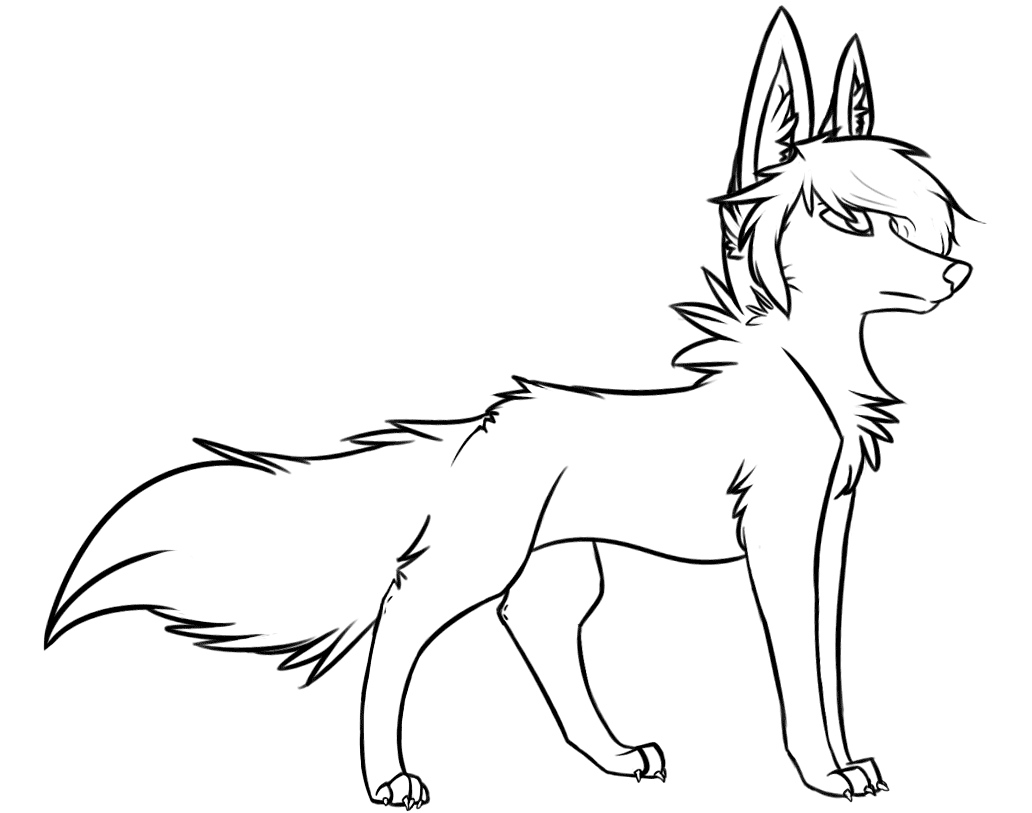
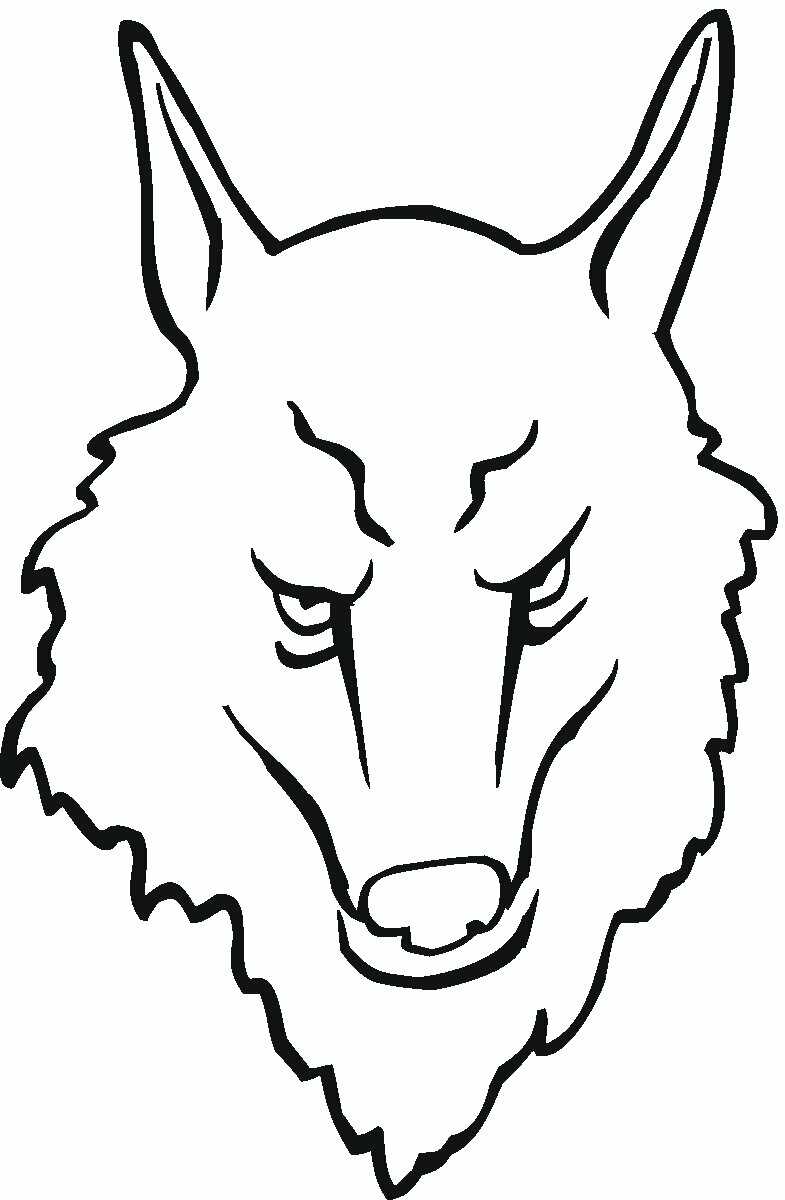
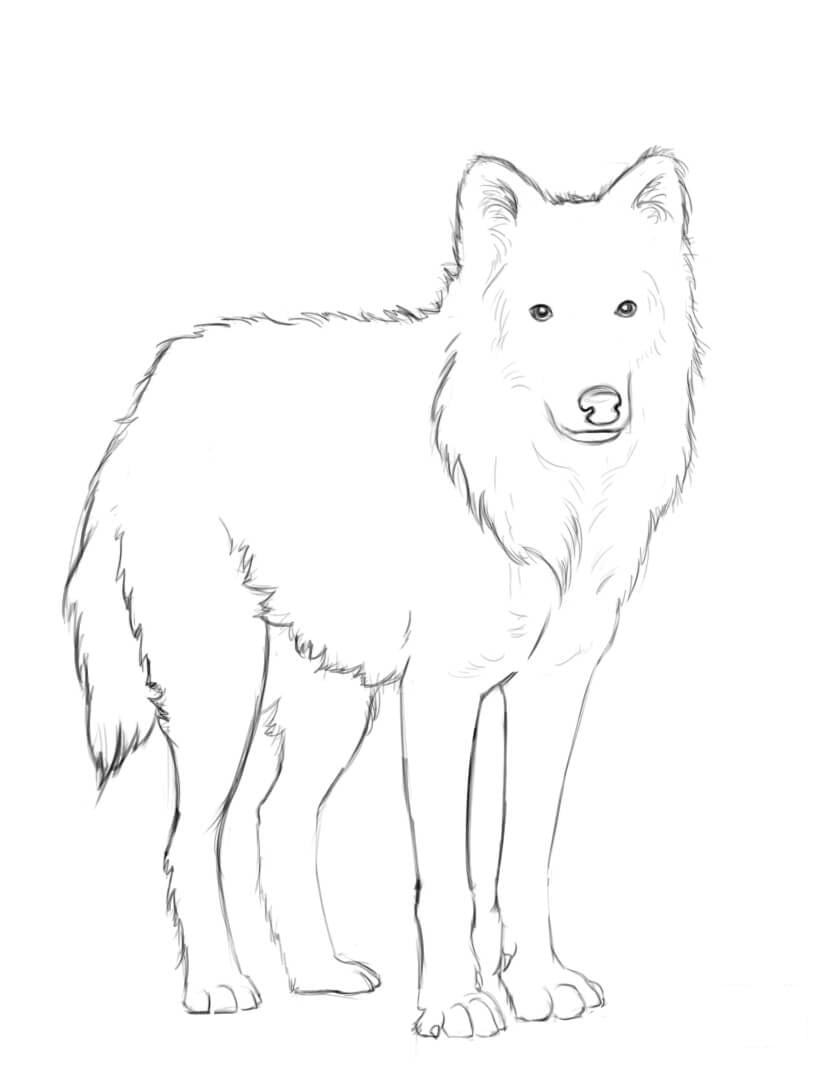
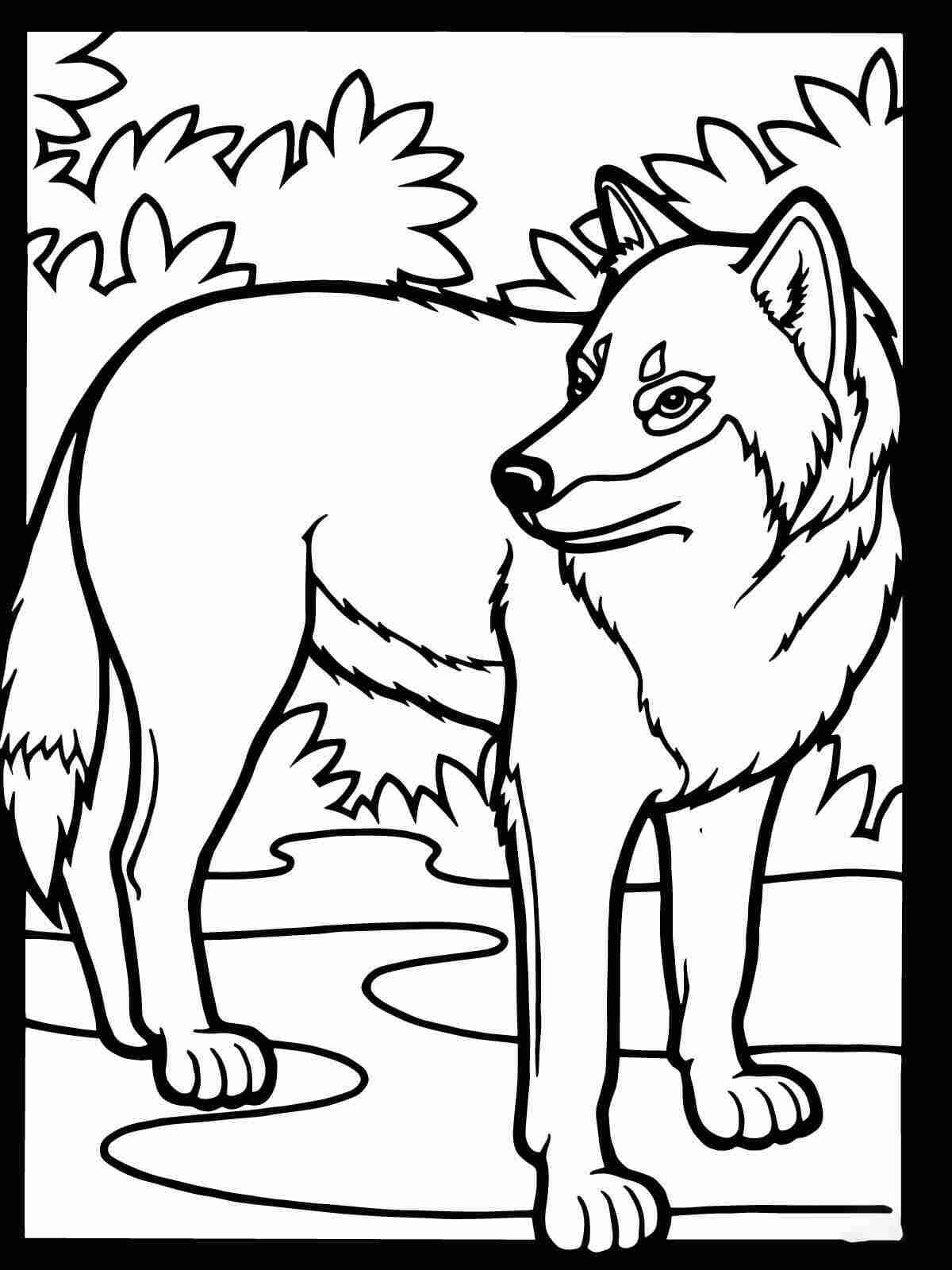
Simple Solo Portraits
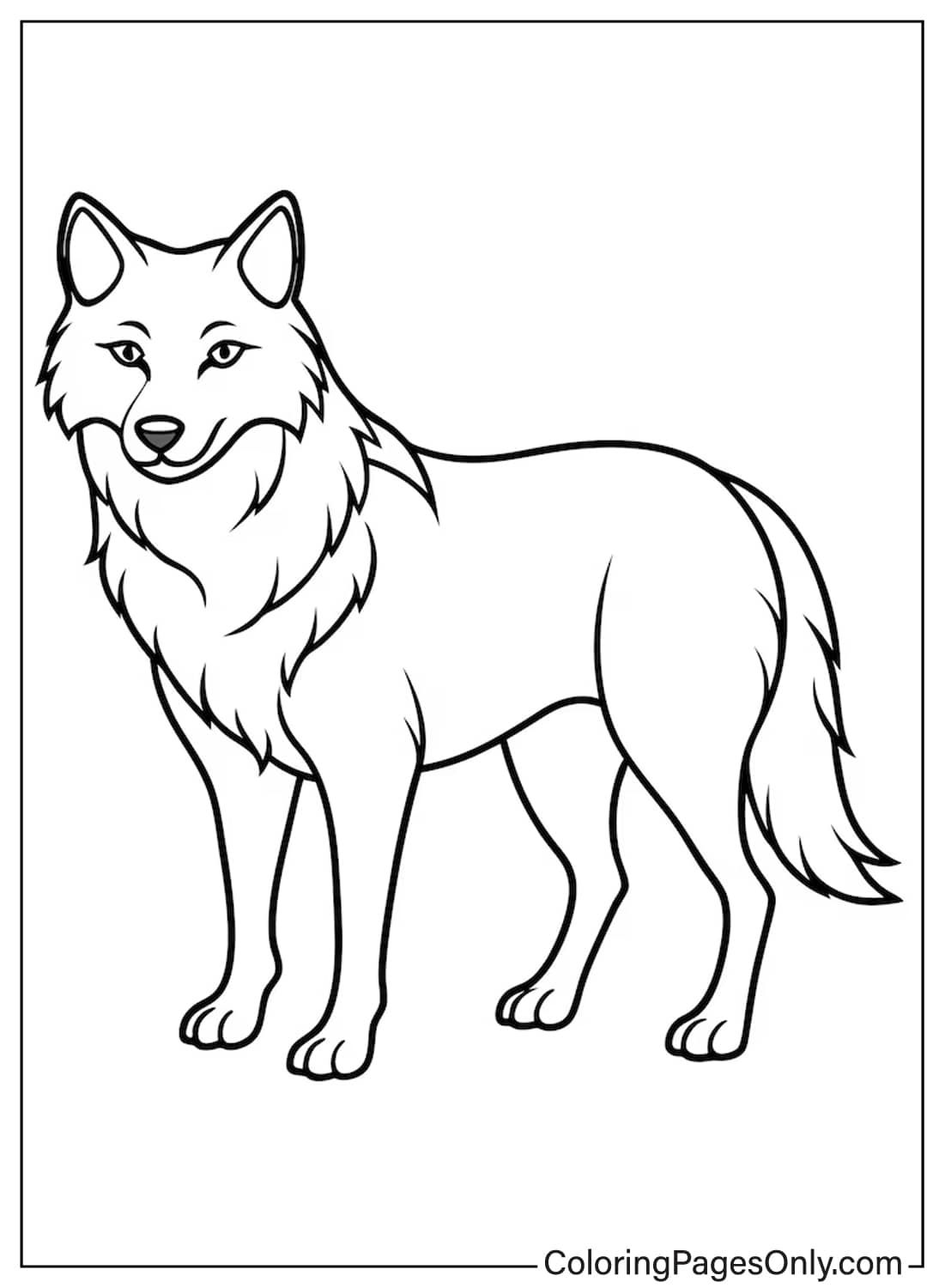
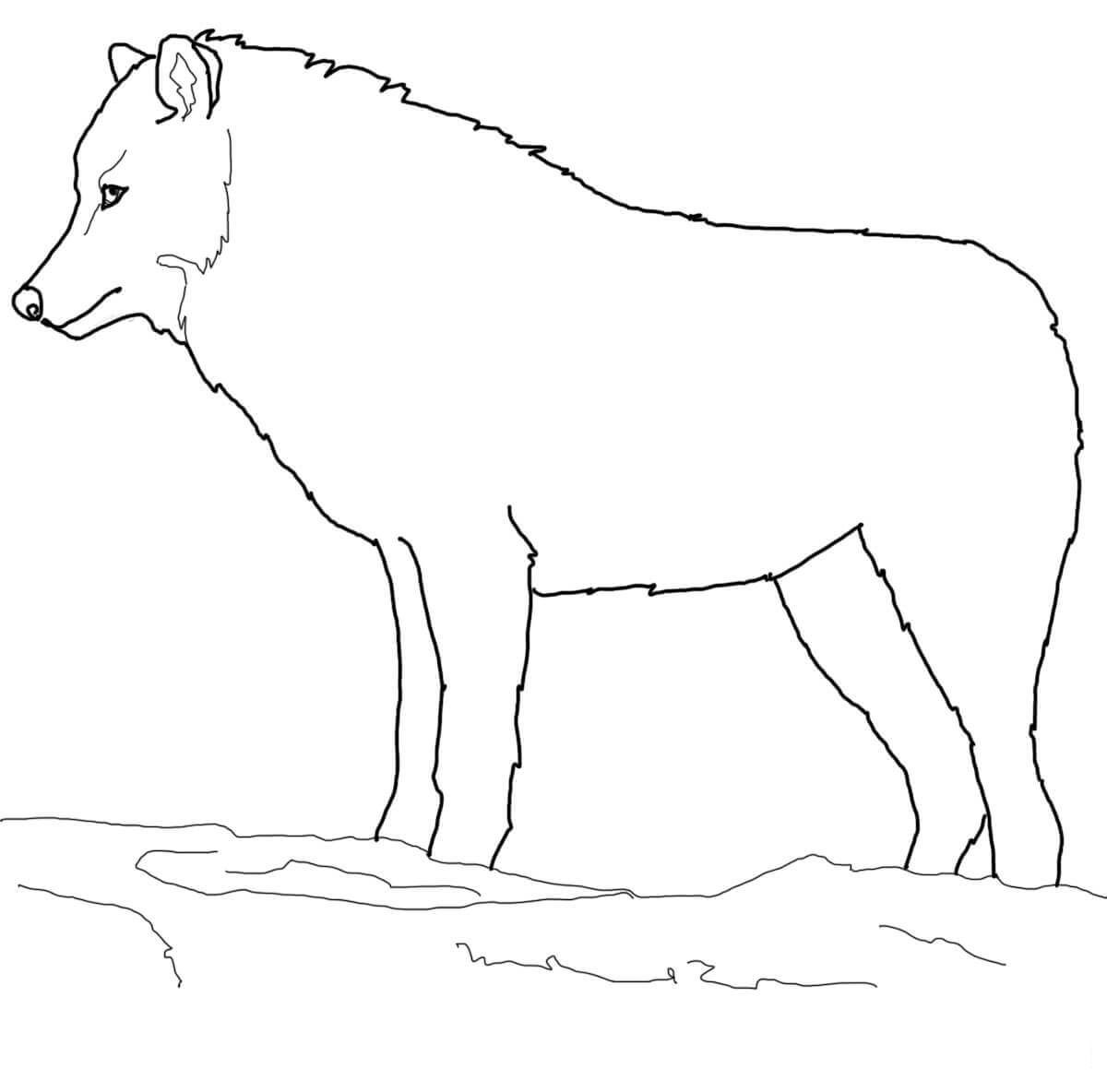
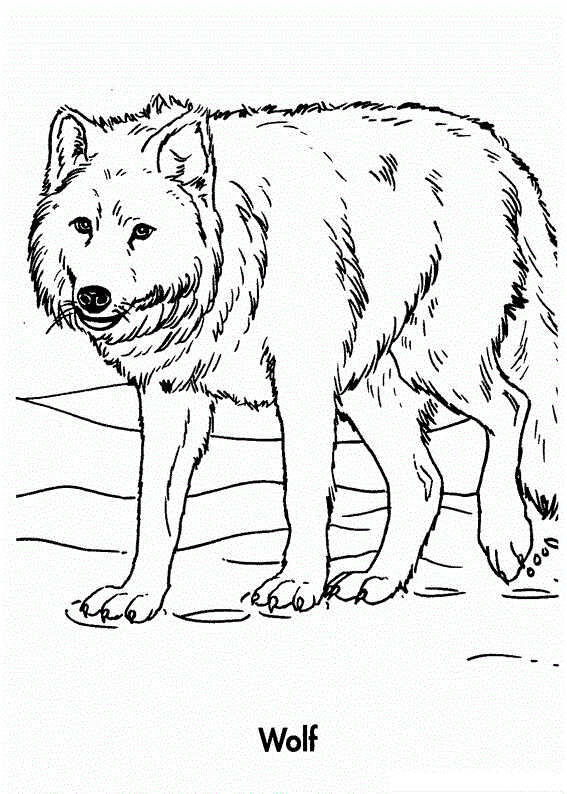
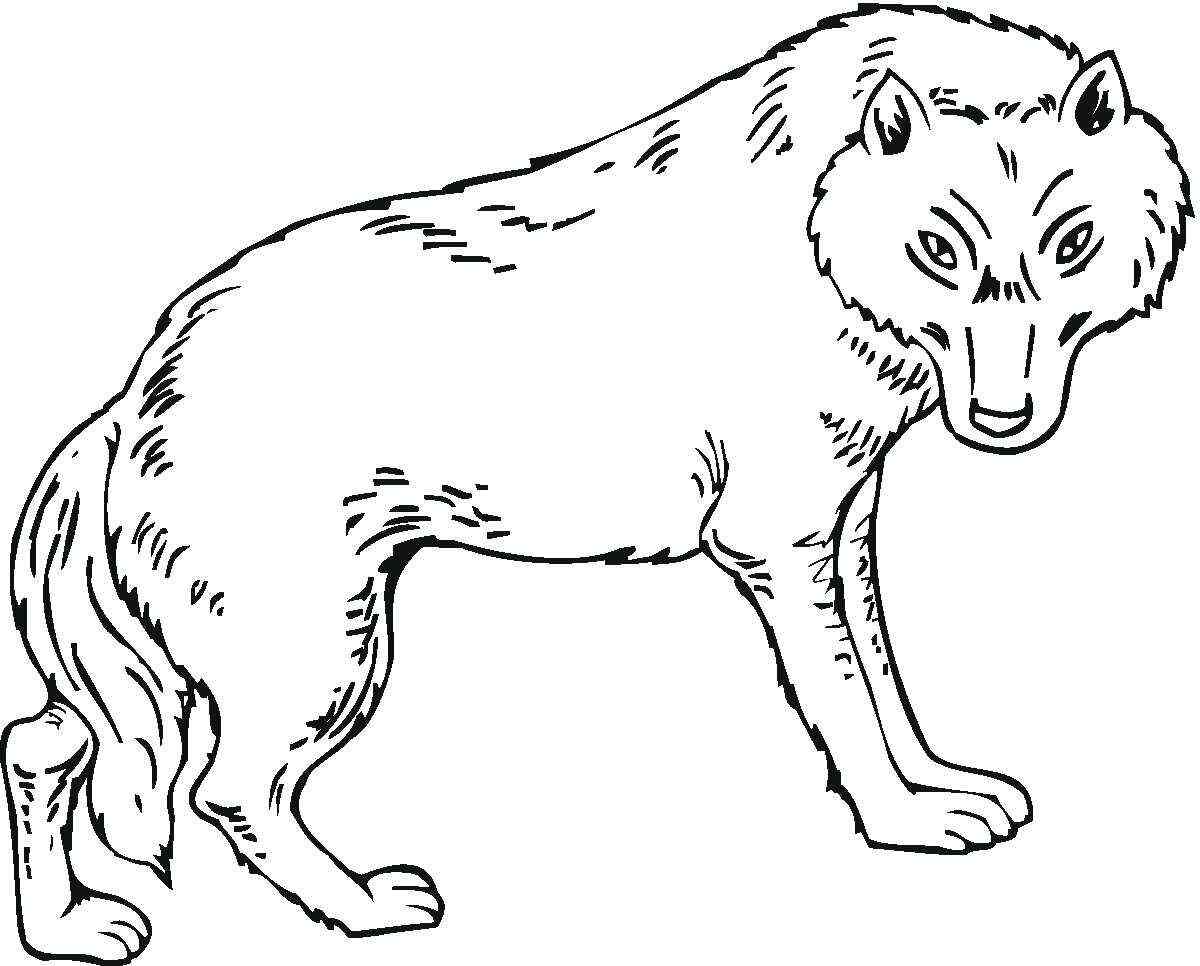
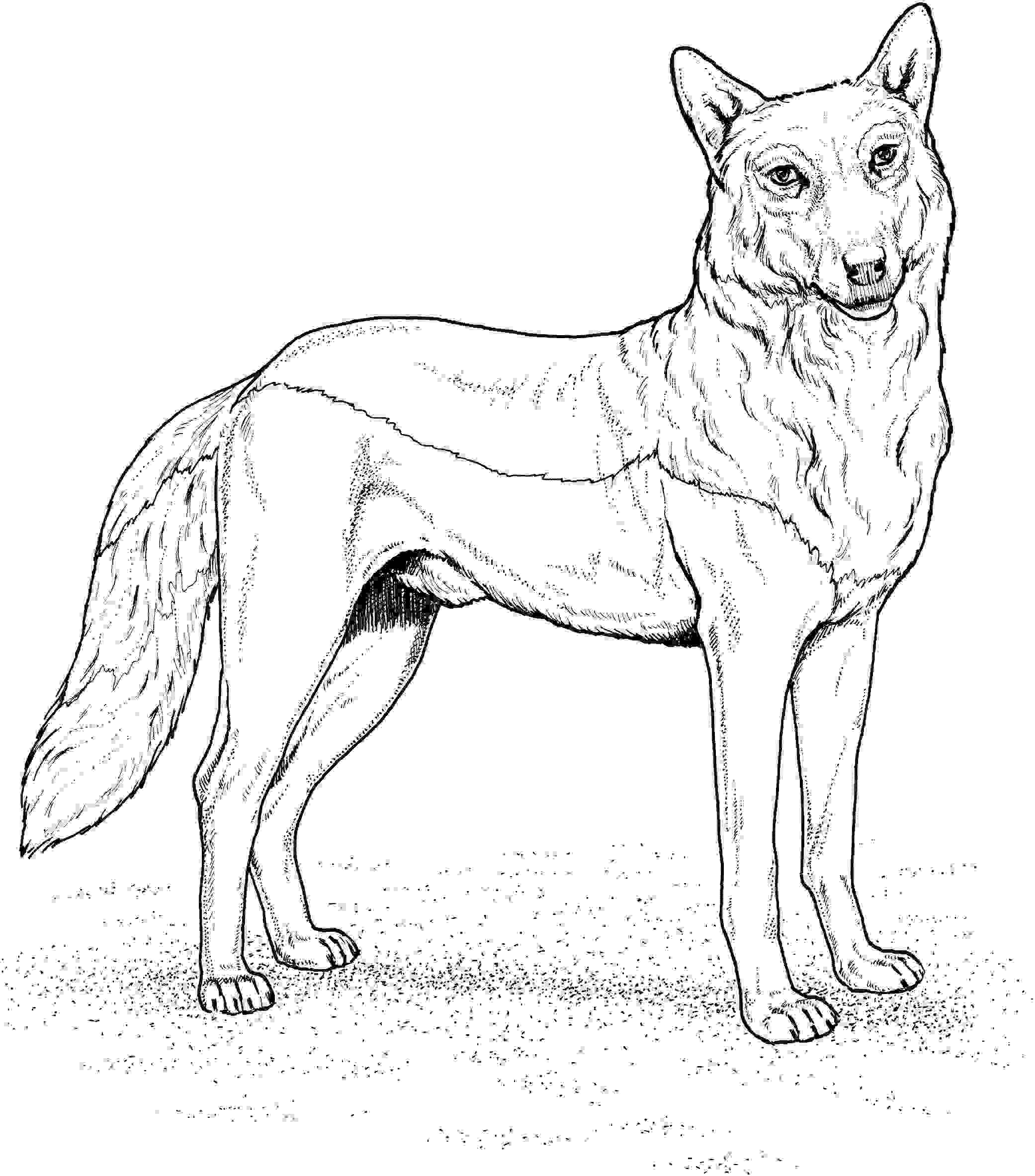
A group of pages shows one wolf alone in a basic pose, repeated under different file names. Coloring suggestion: Use this repetition to try slightly different fur pattern styles, since real wolf coats vary quite a bit between individuals and subspecies.
Real Wolf Subspecies
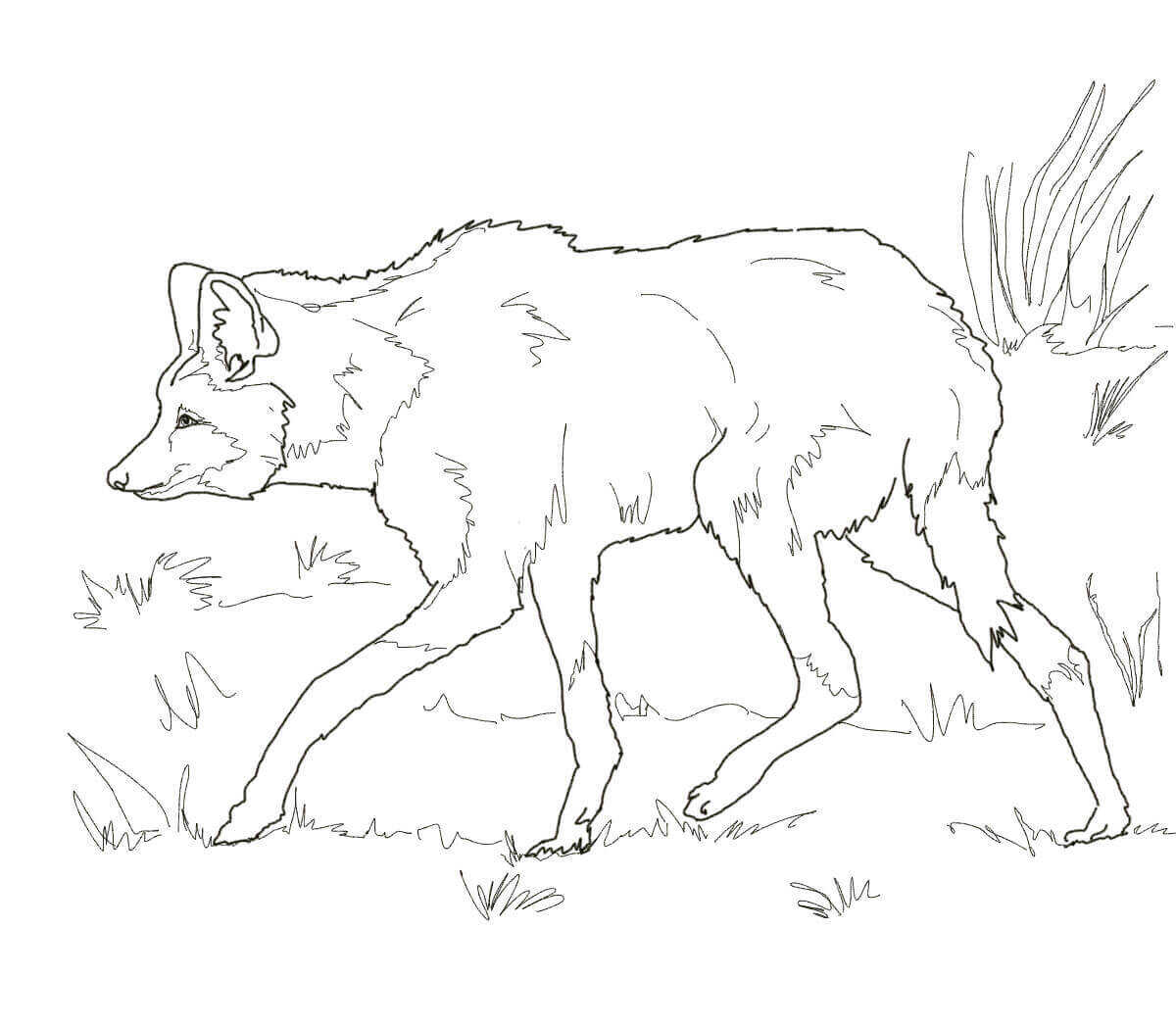
A large, genuinely educational group covers real subspecies and regional wolf populations, including Arctic, Ethiopian, Eastern, Italian, Iberian, Eurasian, Mexican gray, Red, Maned, and North American wolves. Coloring suggestion: research each specific subspecies before coloring, since real coat colors and markings vary meaningfully between an Arctic wolf’s near-white coat and a Maned wolf’s reddish, fox-like fur.
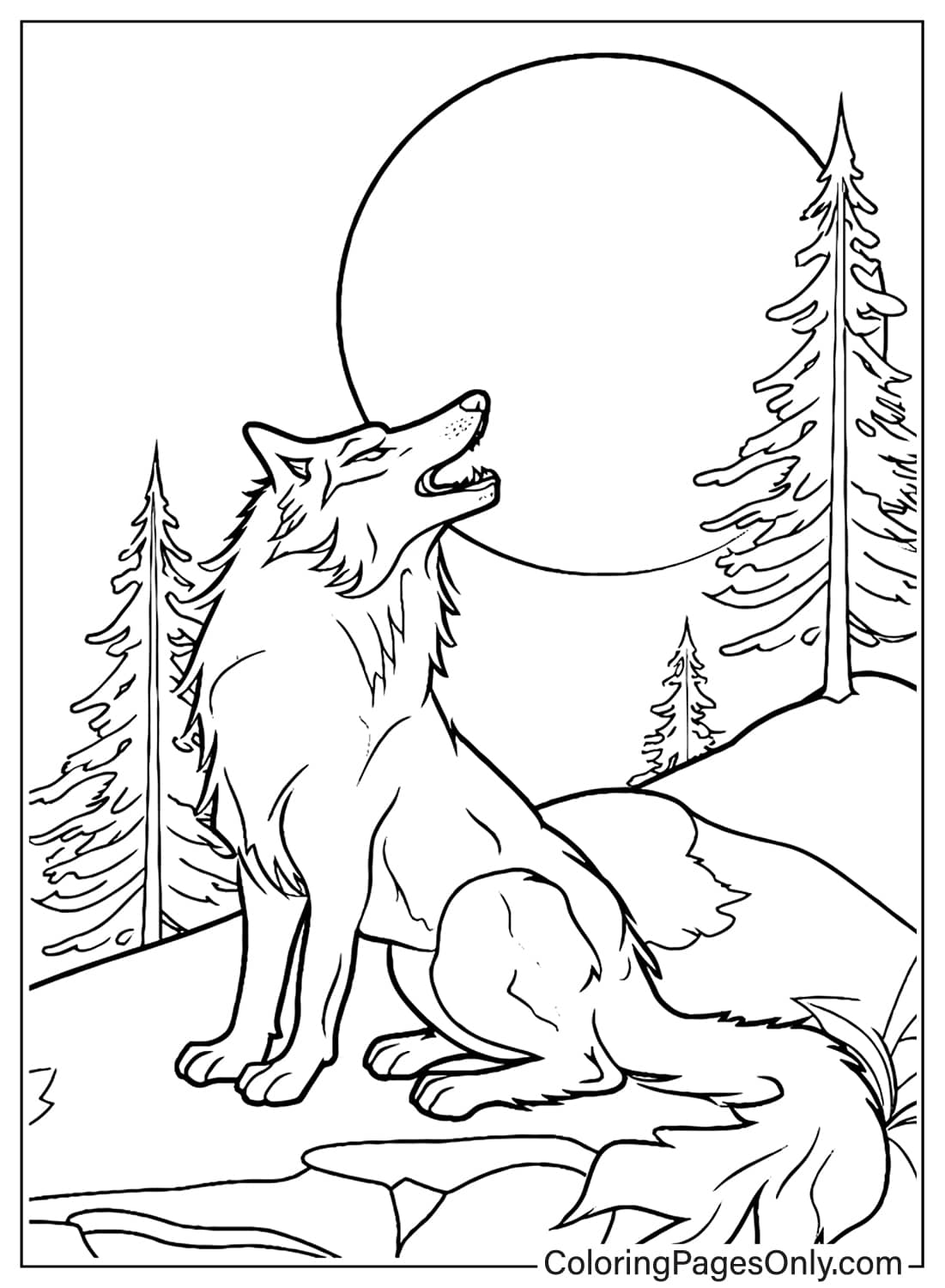
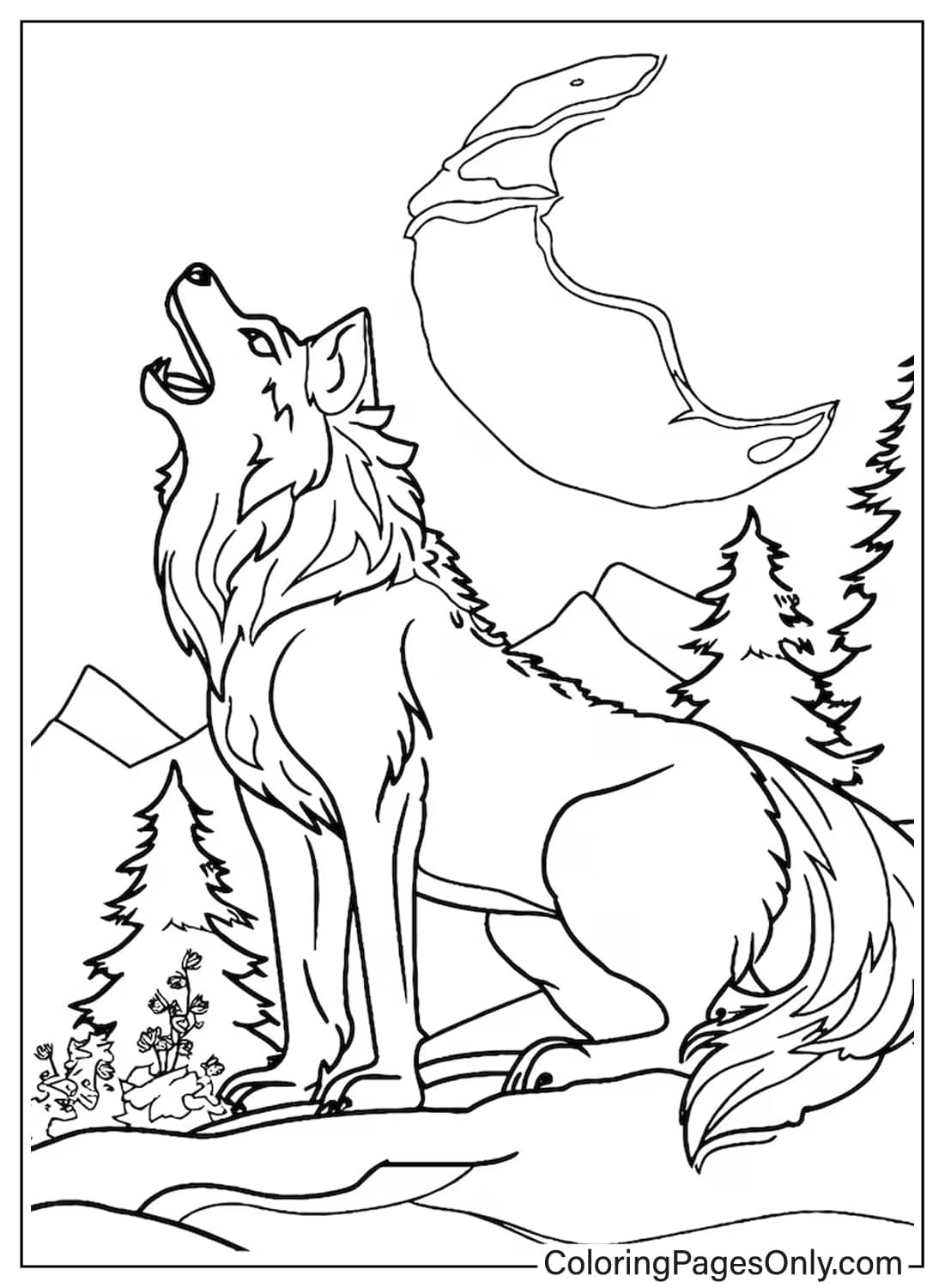
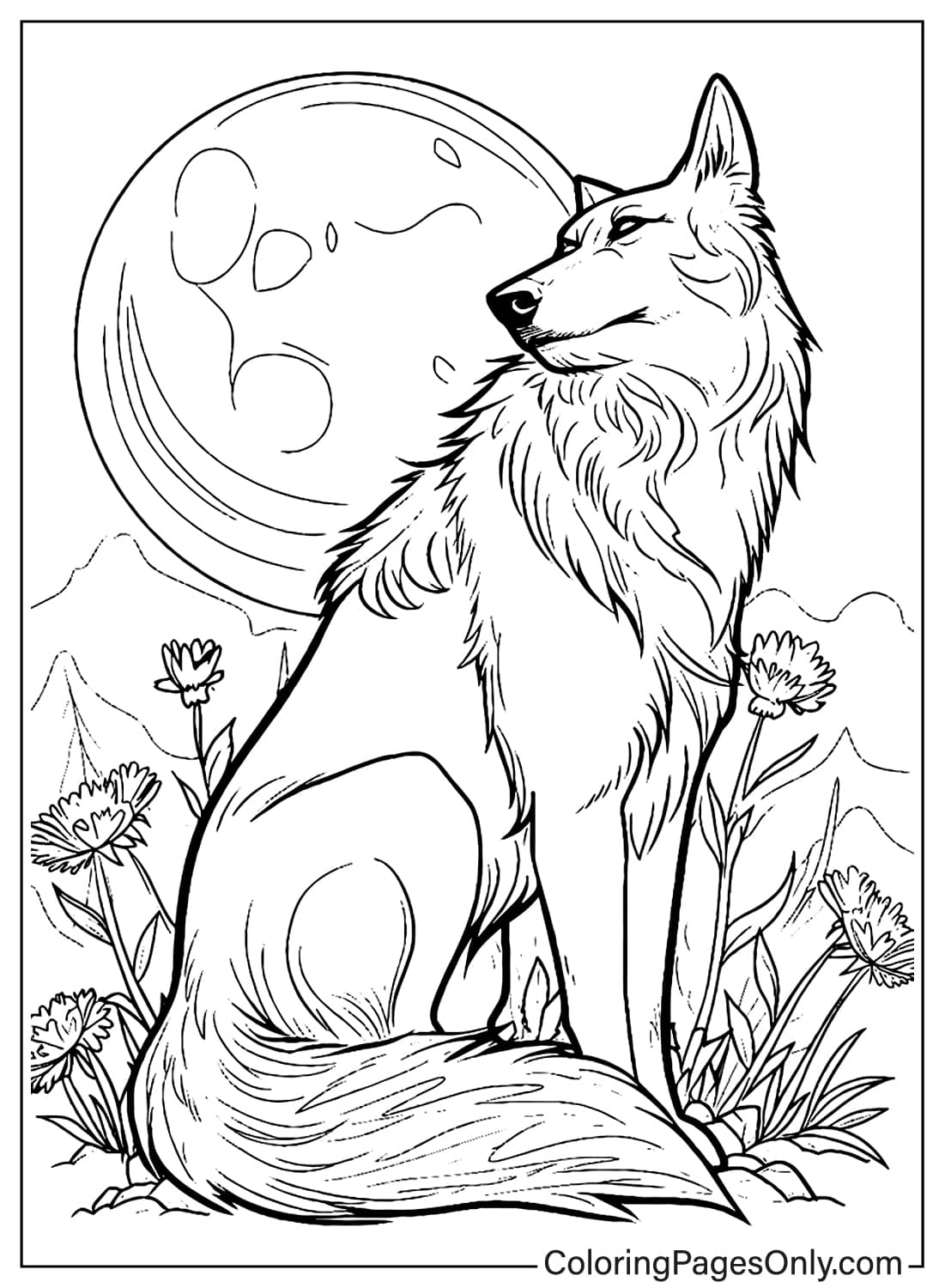
Howling and Moon Scenes
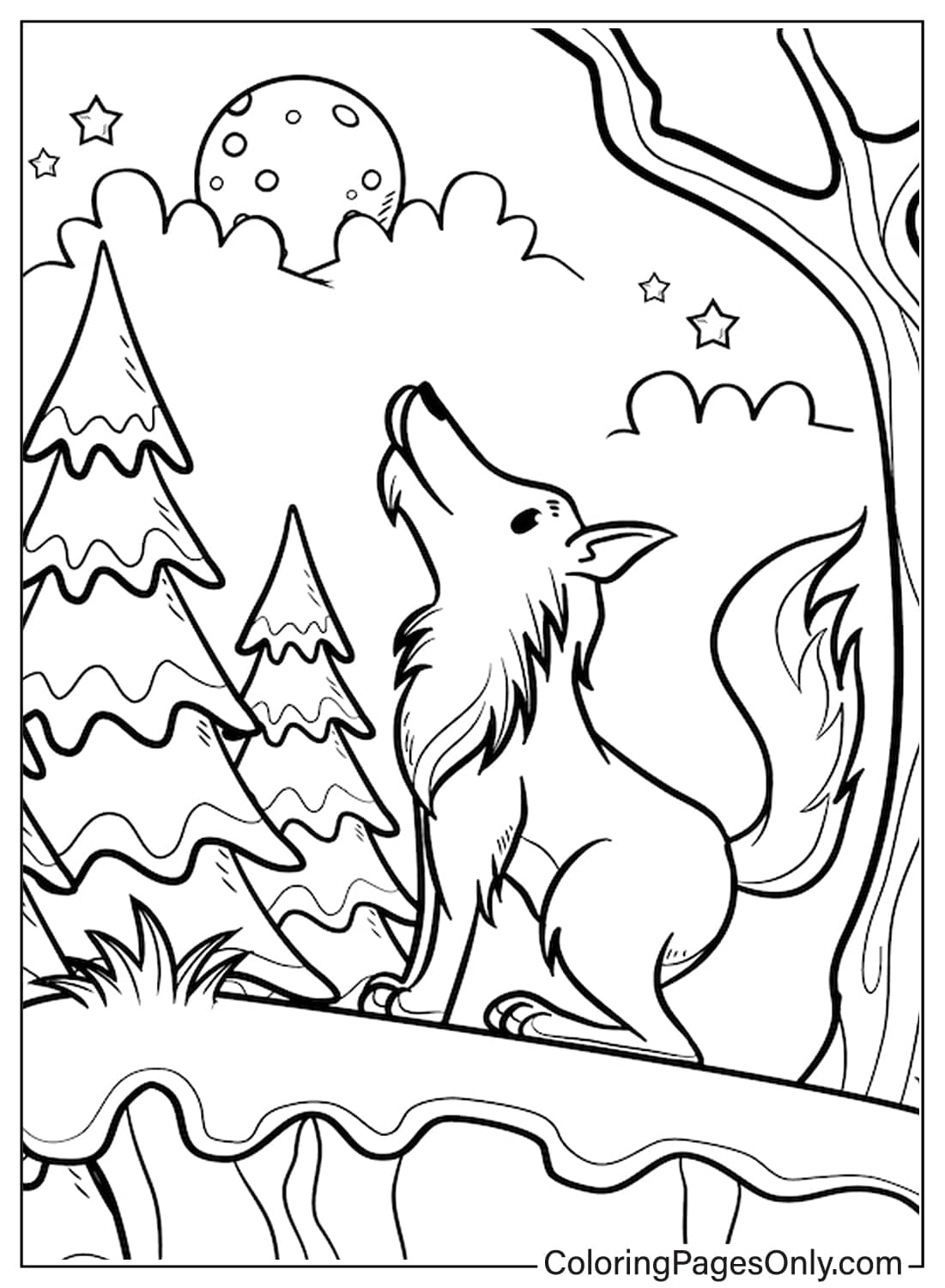
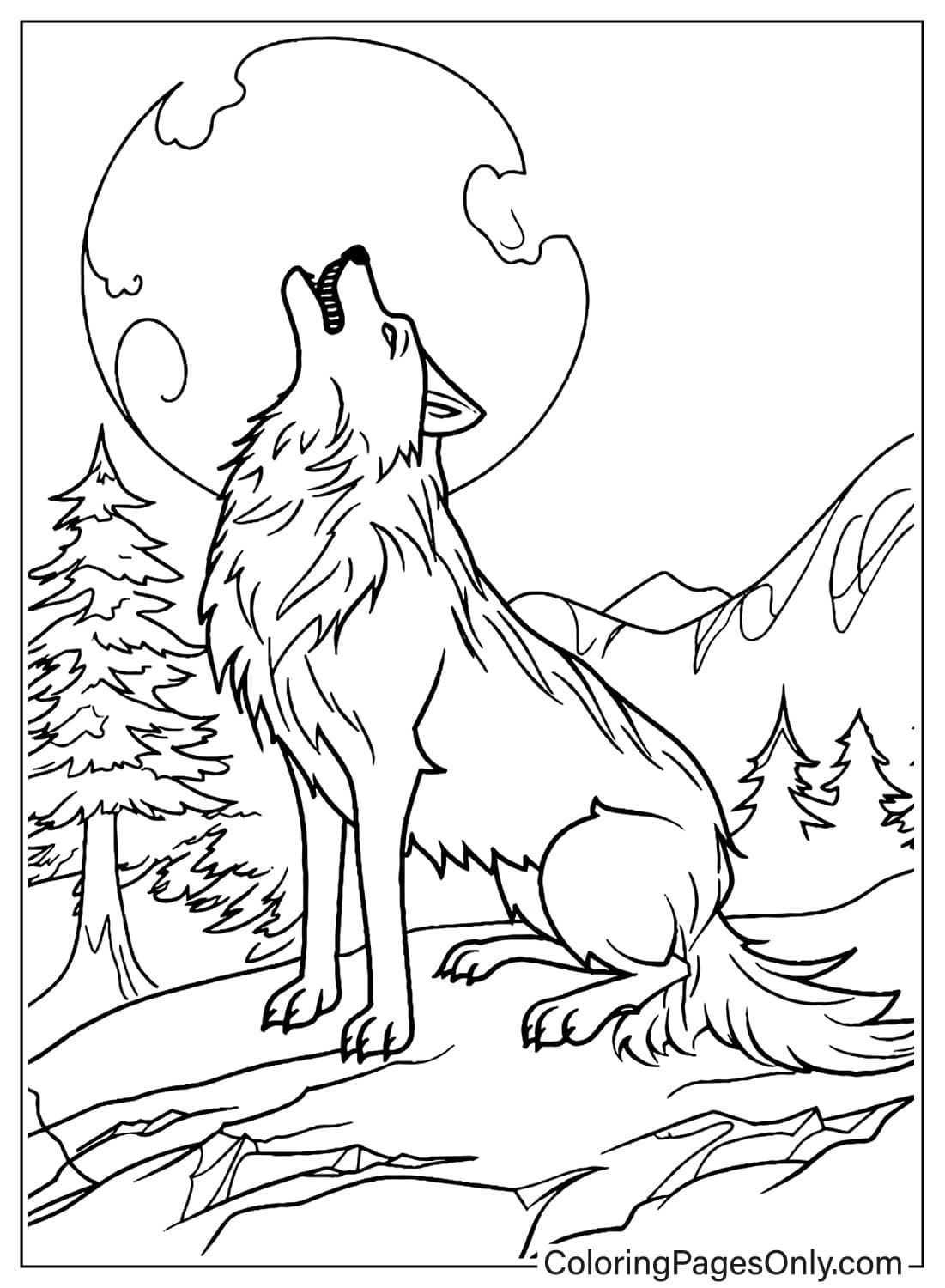
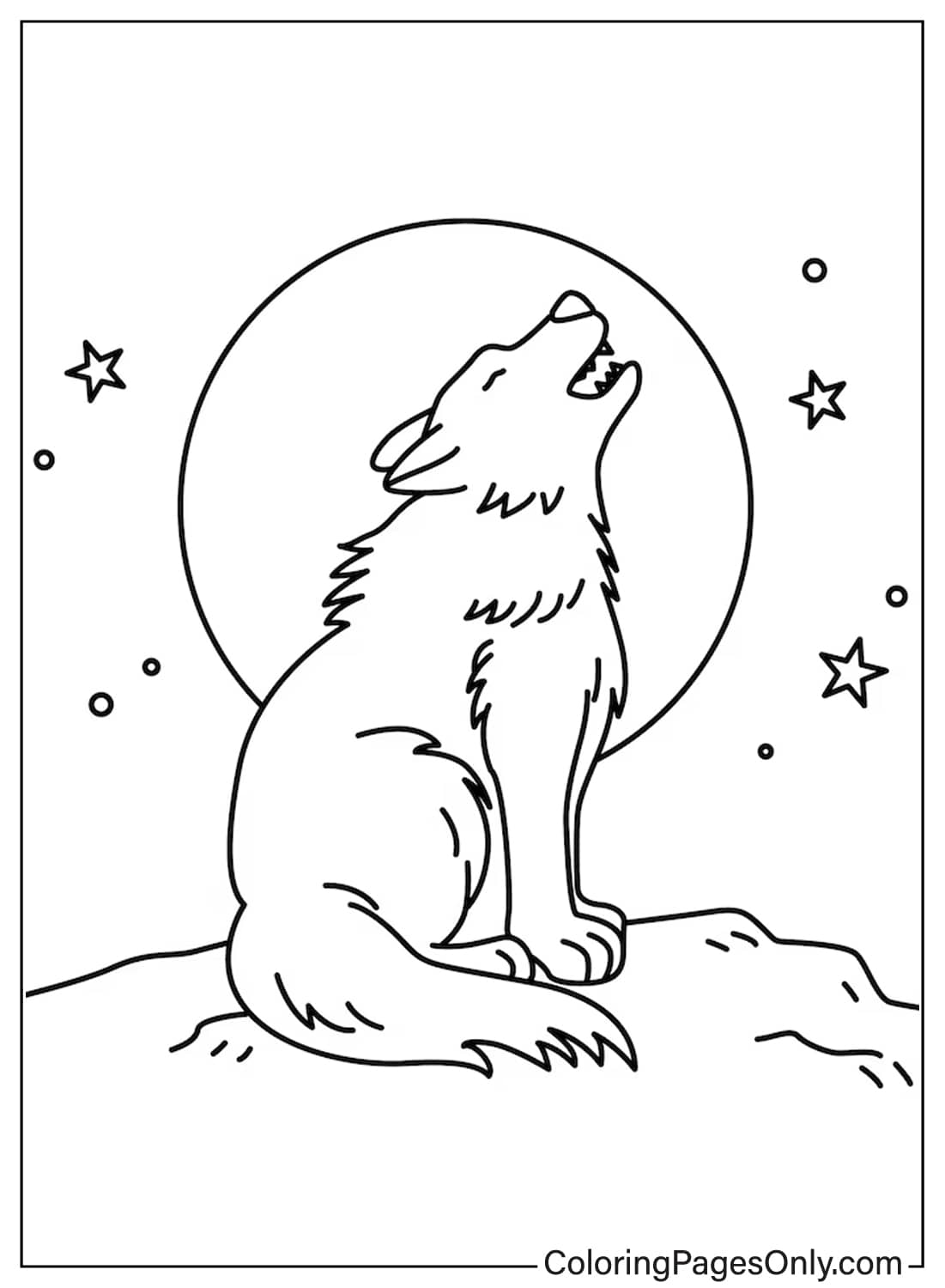
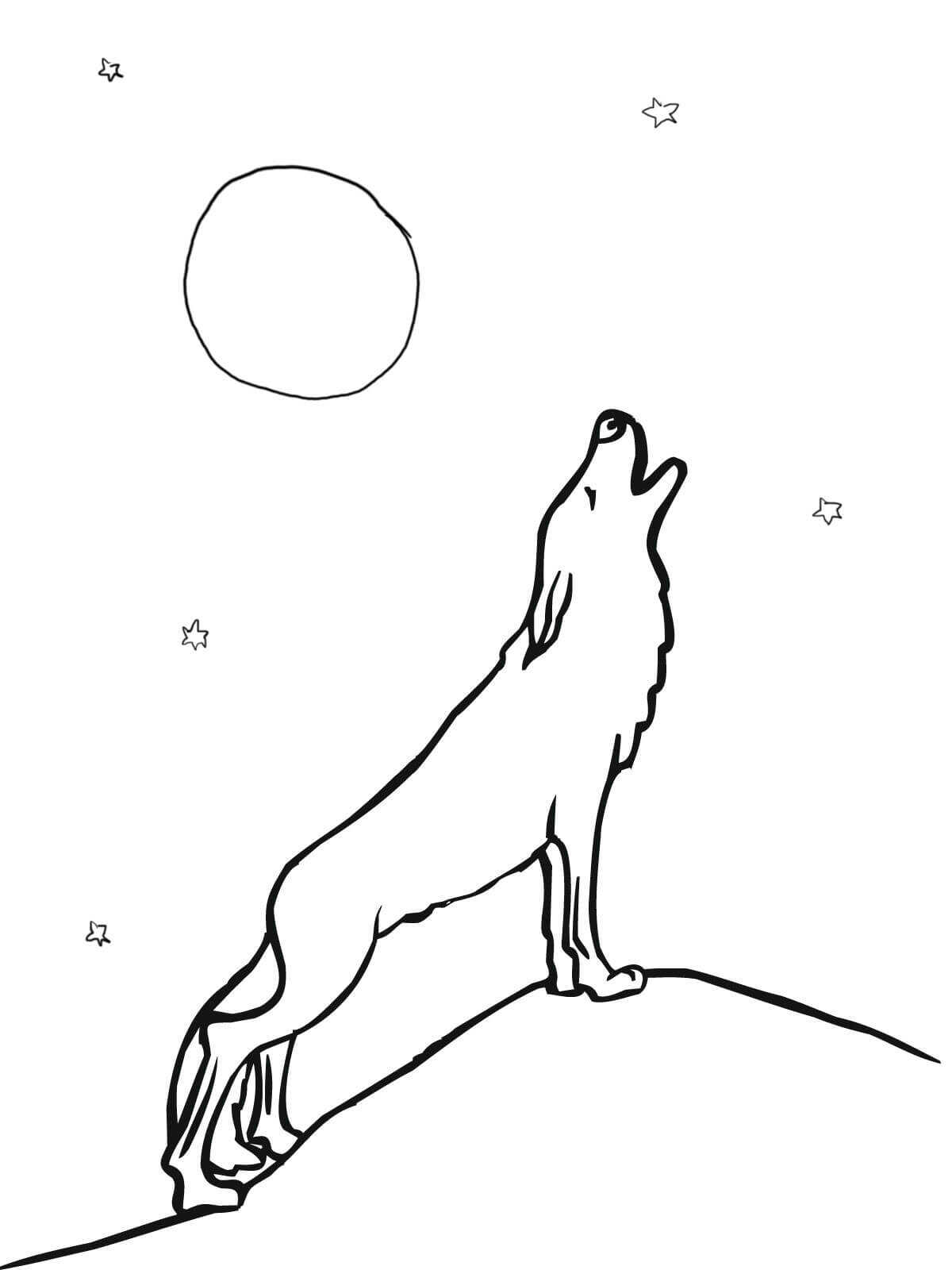
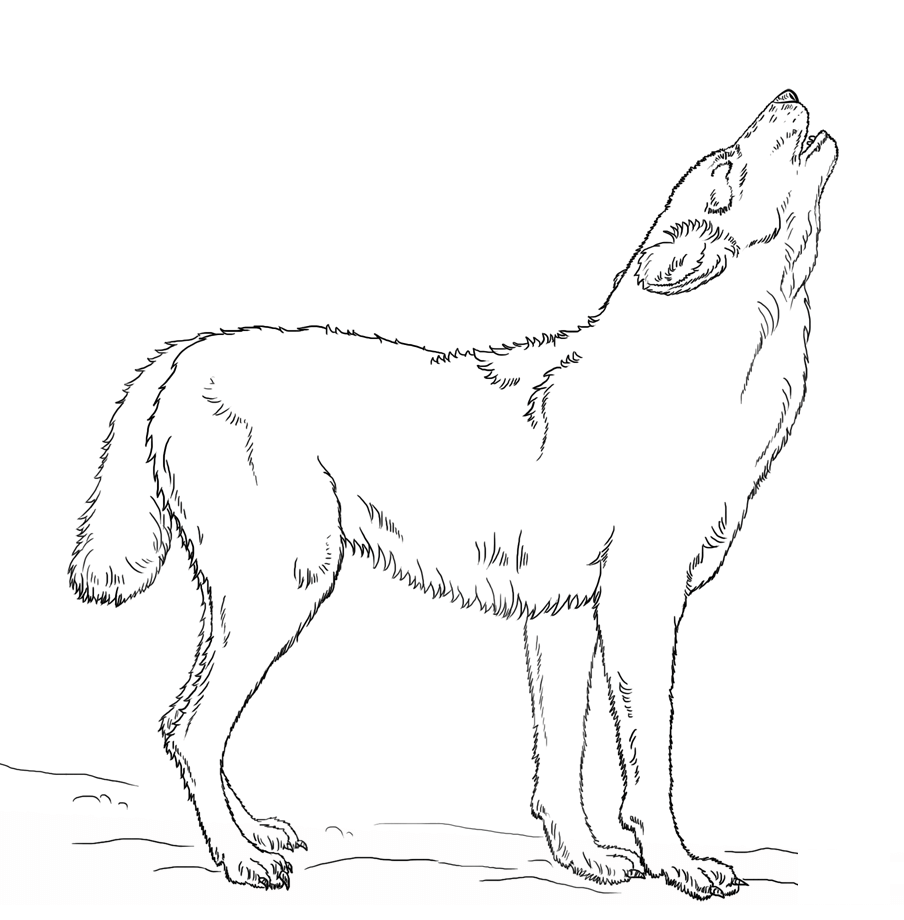
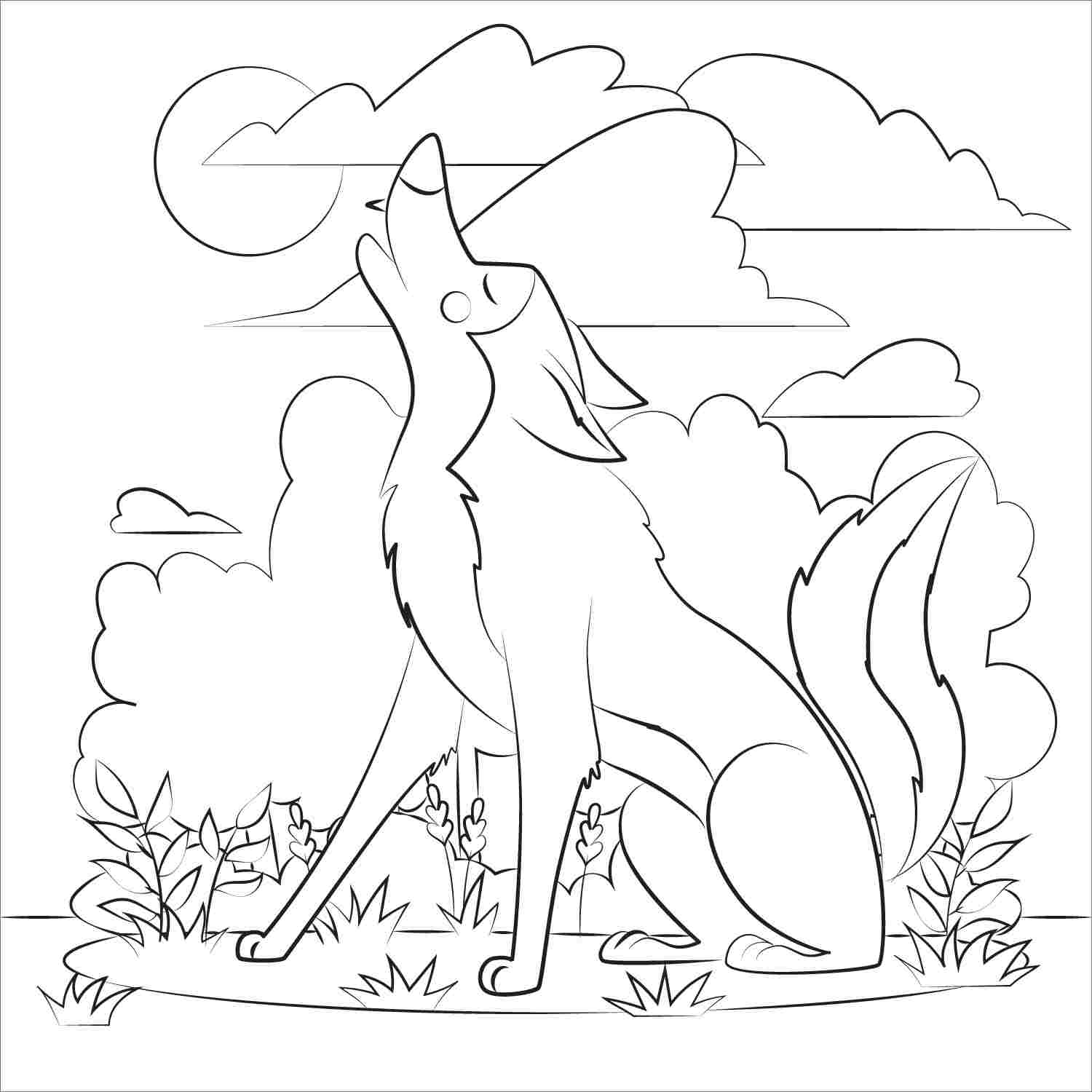
These pages show a wolf howling, often paired with a night sky or full moon. Coloring suggestion: use cool blues and purples for night skies, keeping the moon a soft, glowing white or pale yellow.
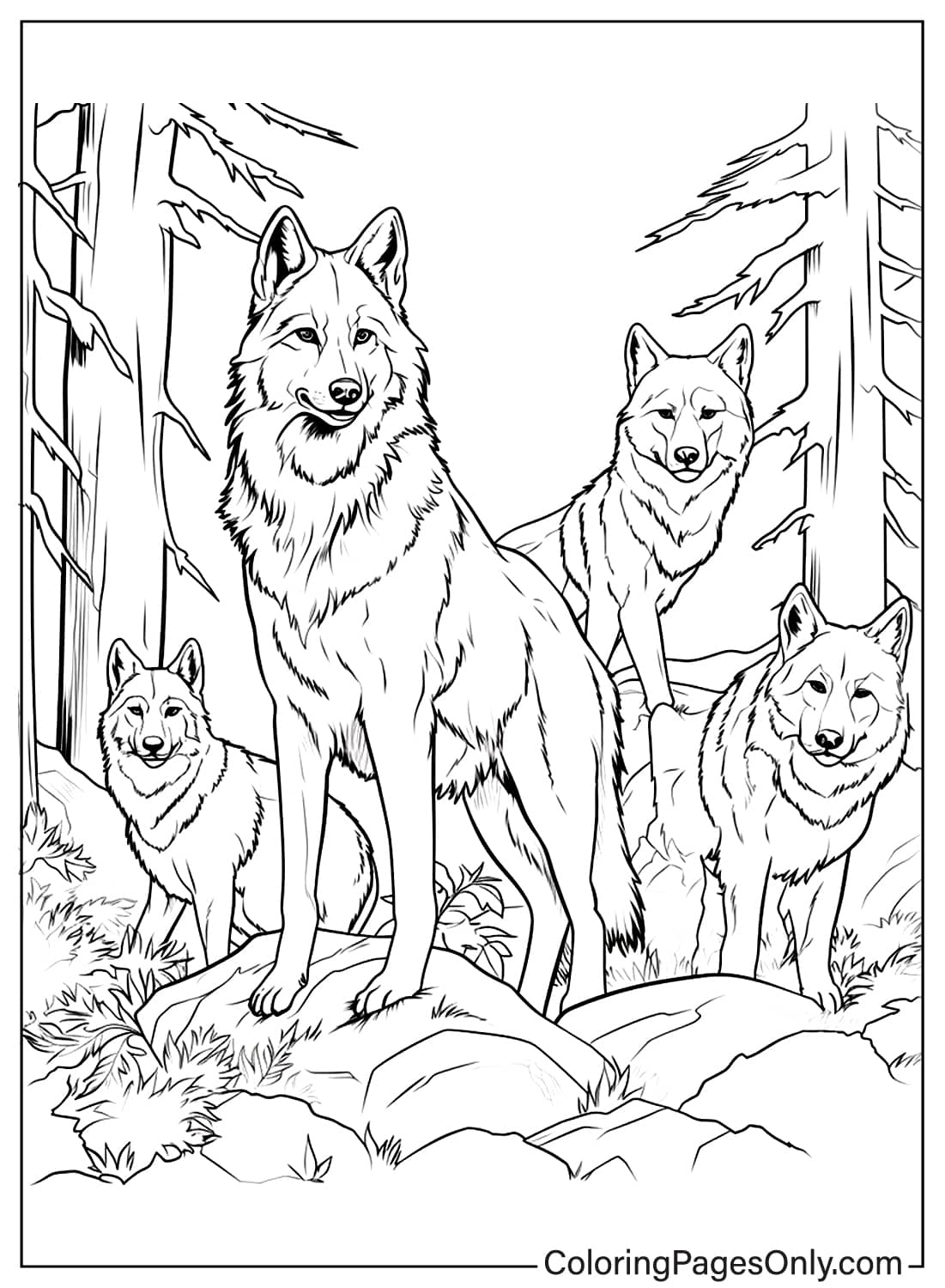
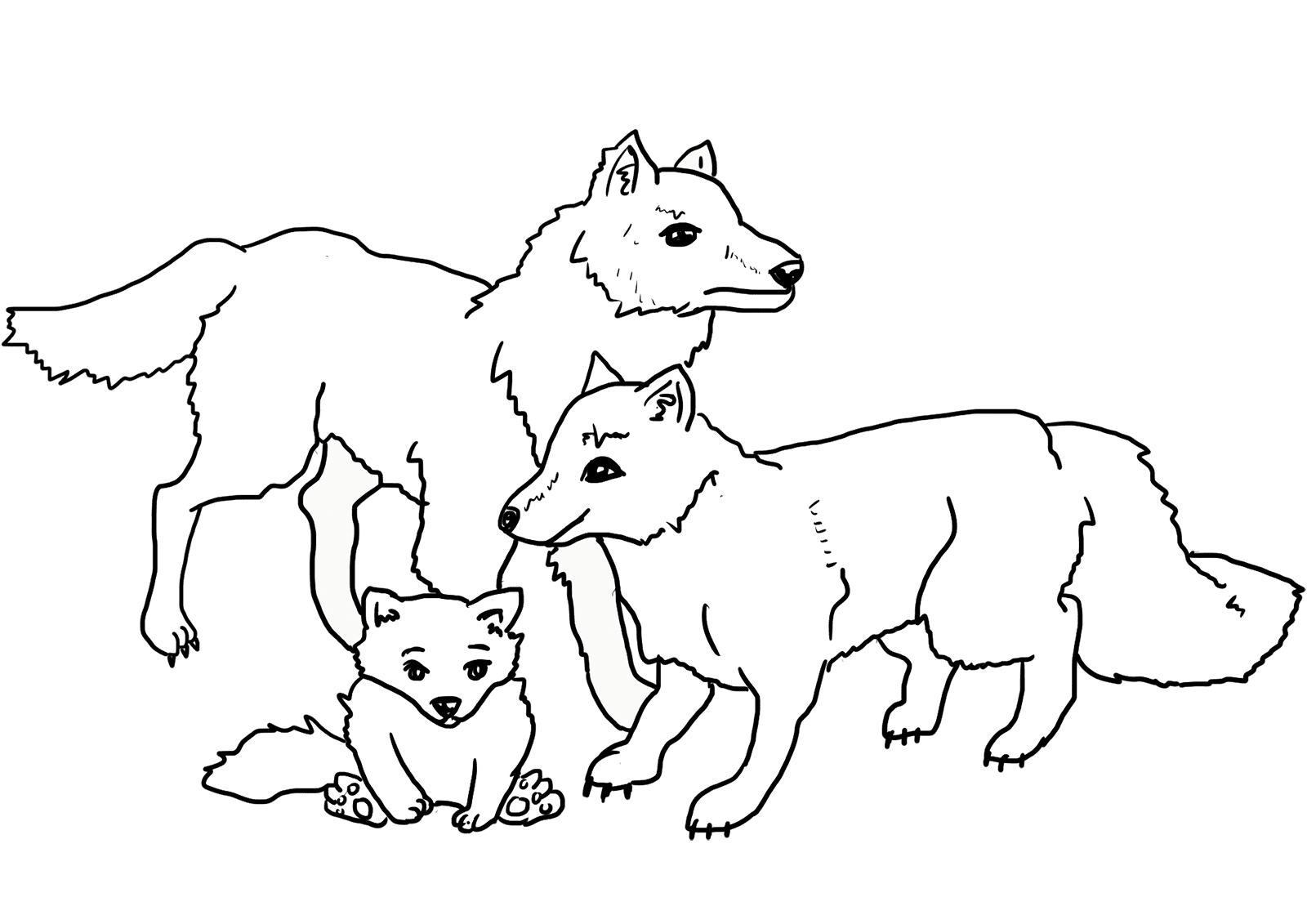
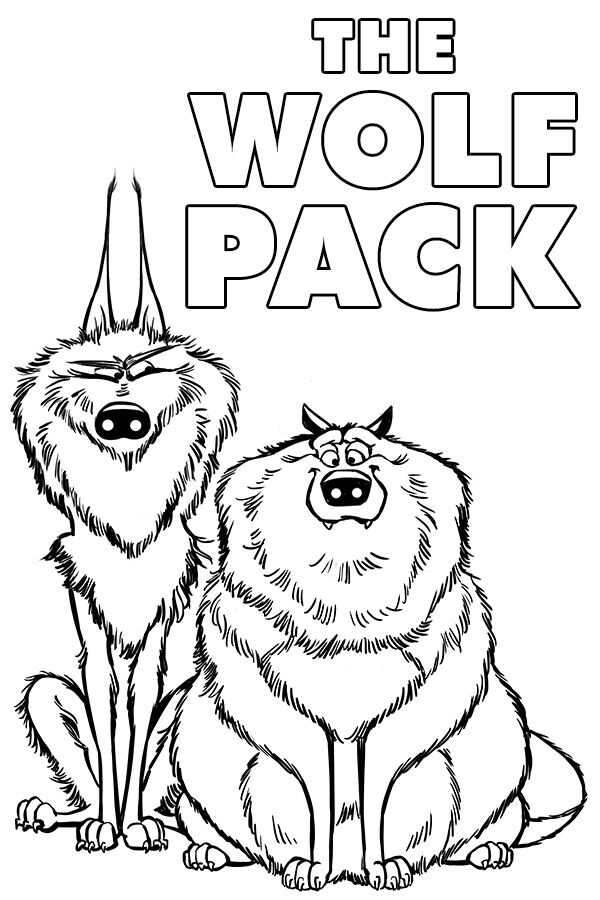
Family and Pack Scenes
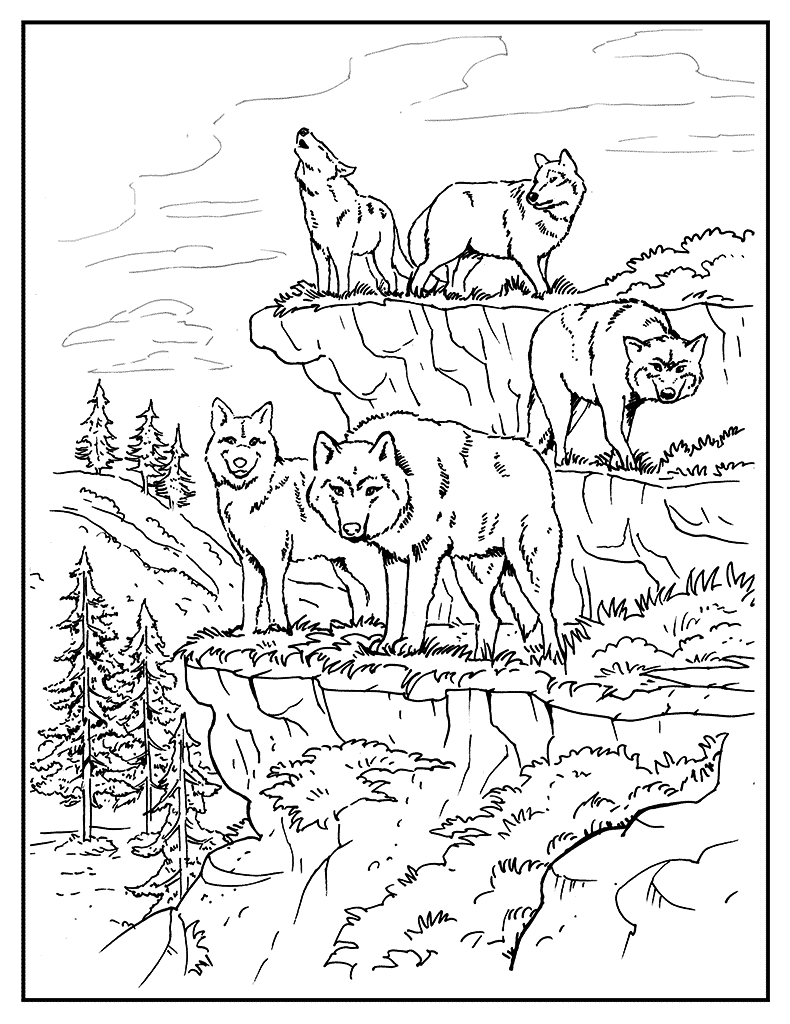
This group shows wolf parents, cubs, and full packs together, hunting, playing, or resting. Coloring suggestion: give cubs a slightly lighter, softer coat color than the adults, since wolf pups are typically born with fuzzier, less defined coloring.
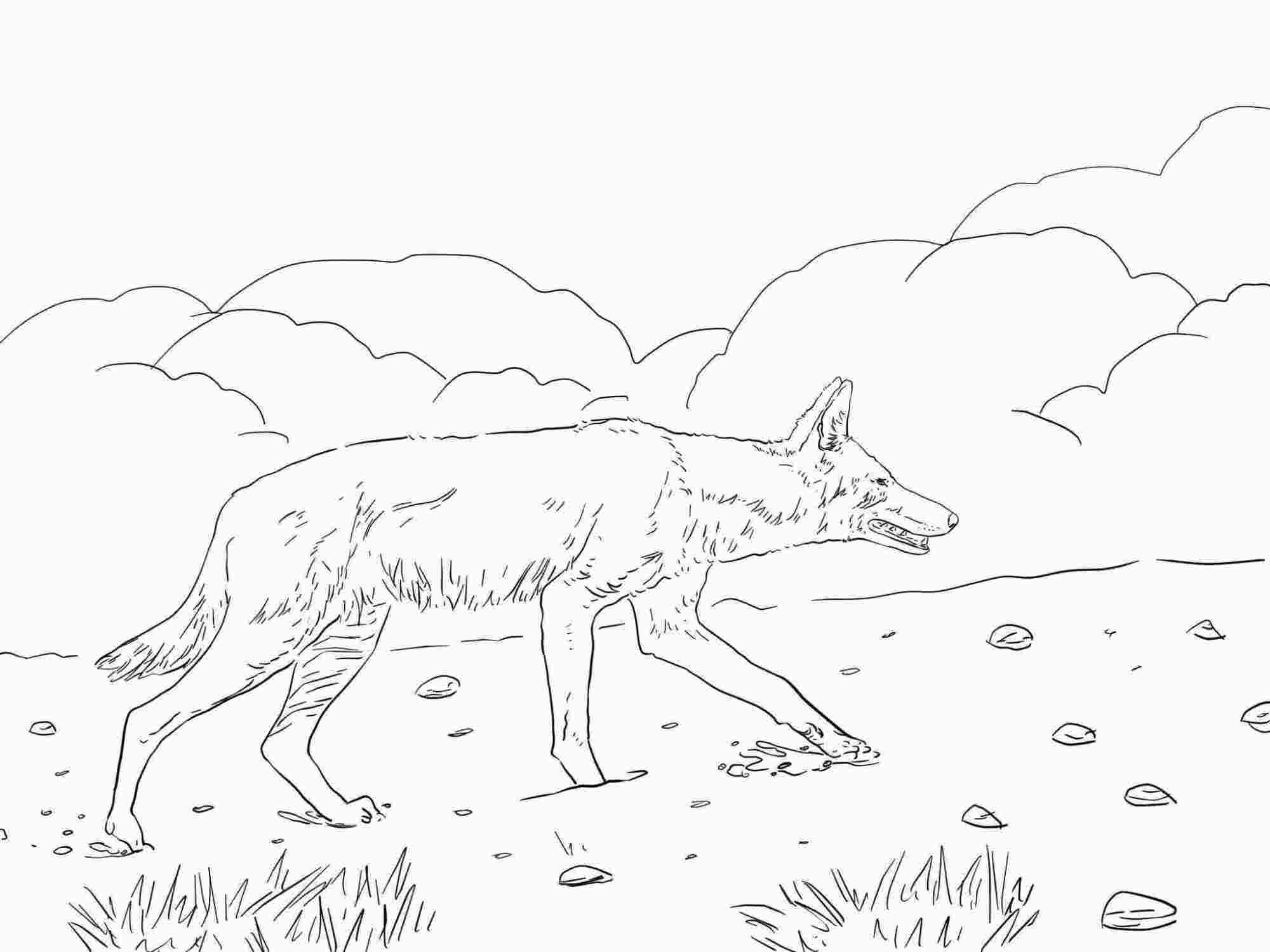
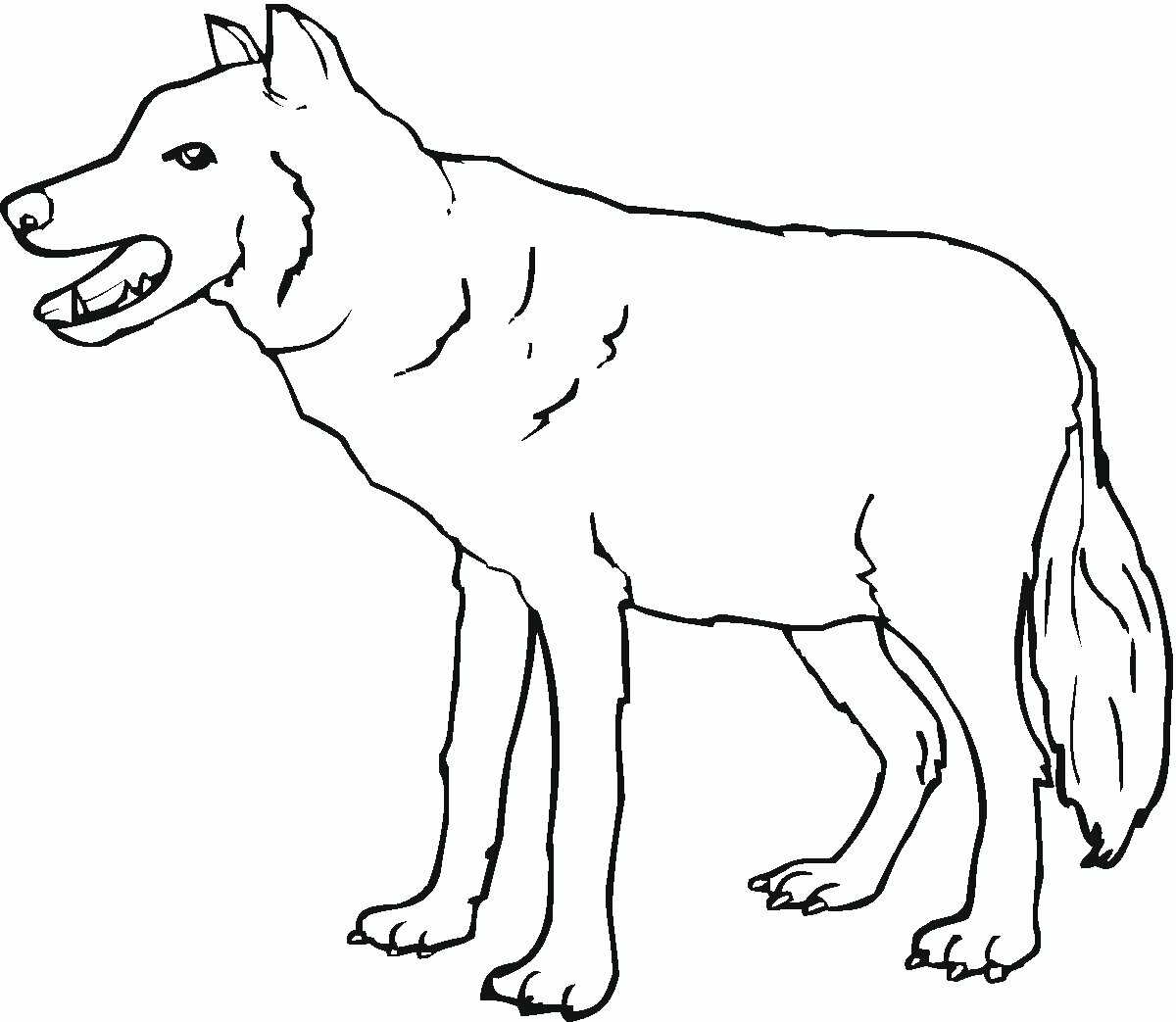
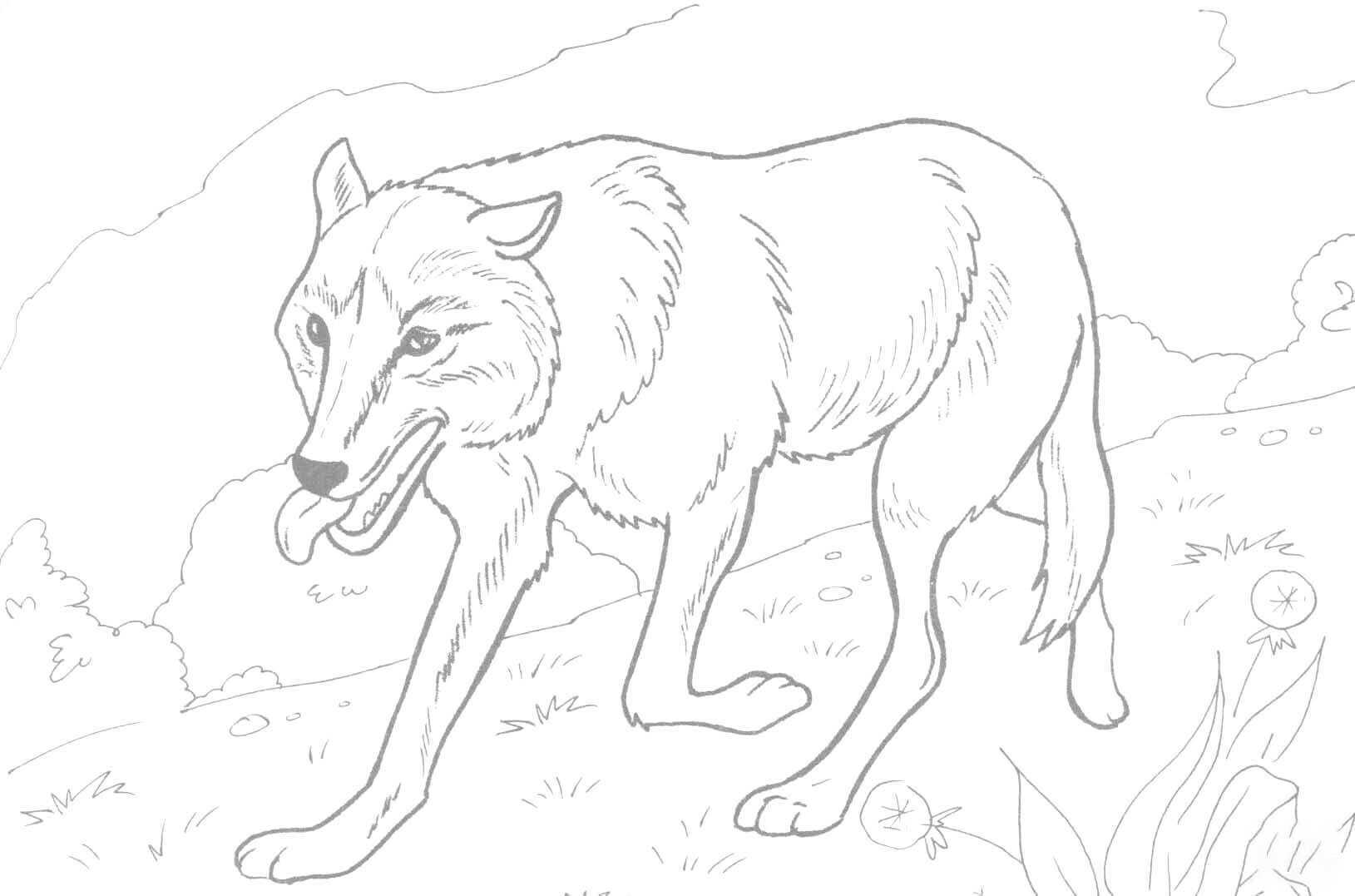
Behavior and Action Scenes
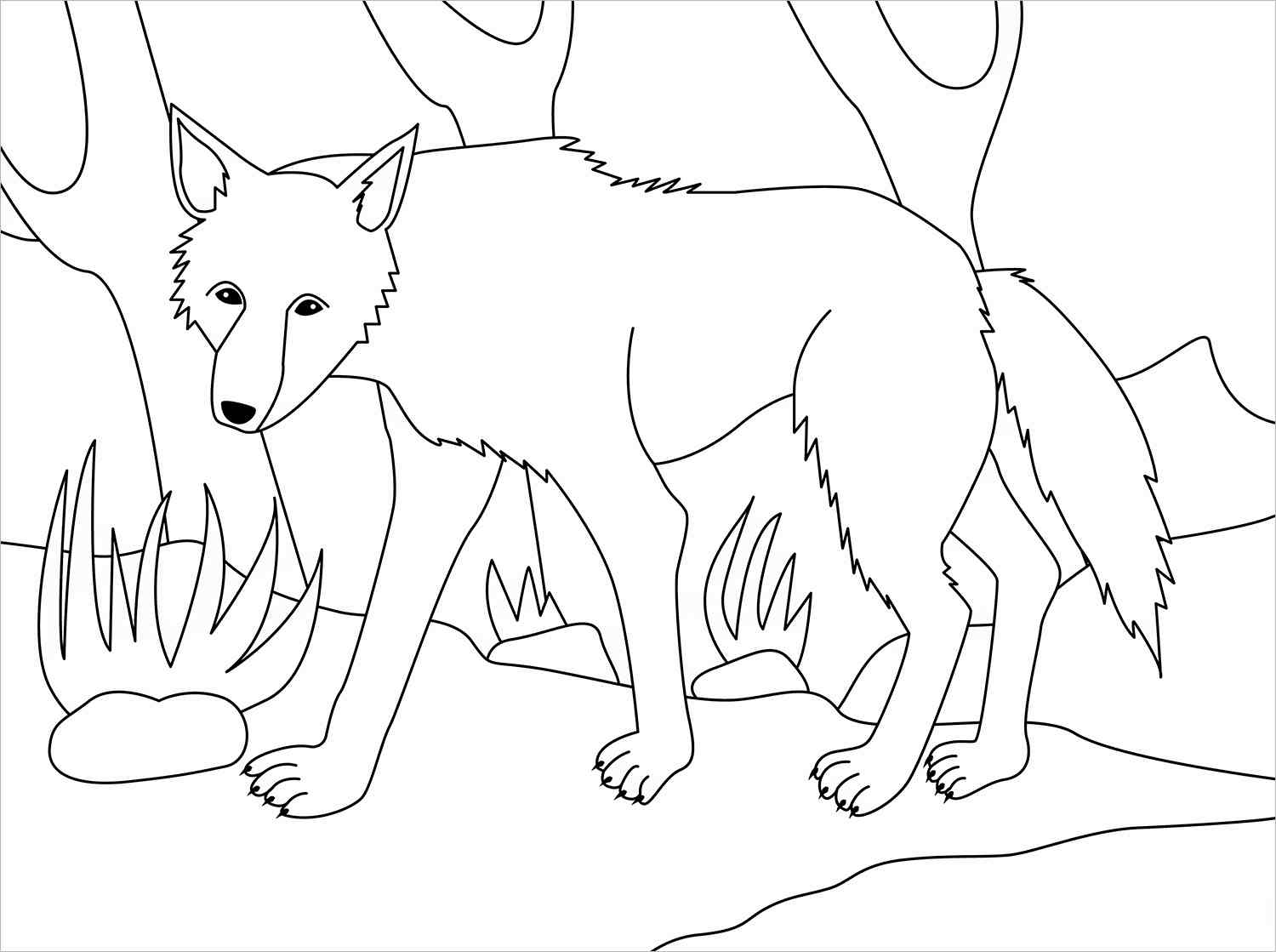
These pages capture a wolf in a specific moment: alert, crouching, growling, or wandering through a forest. Coloring suggestion: let the wolf’s posture guide the mood, since these pages are built around a specific action or expression rather than a flat portrait.
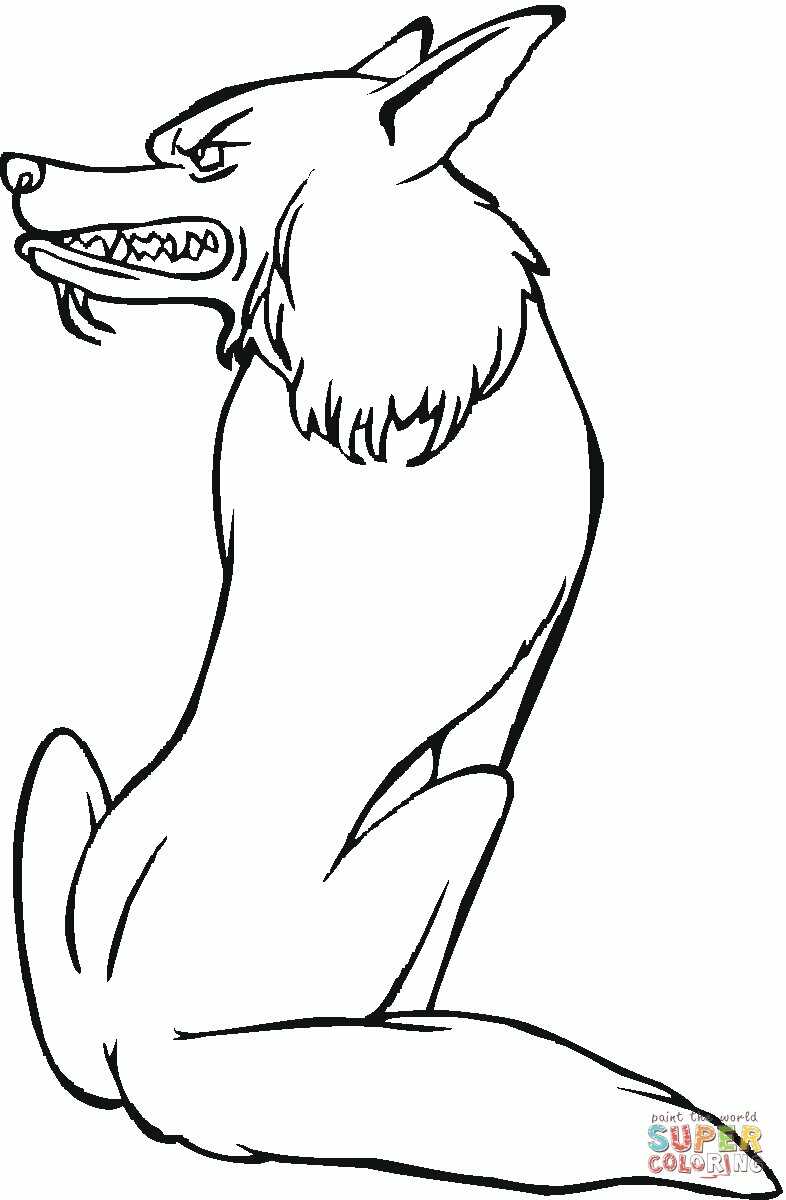
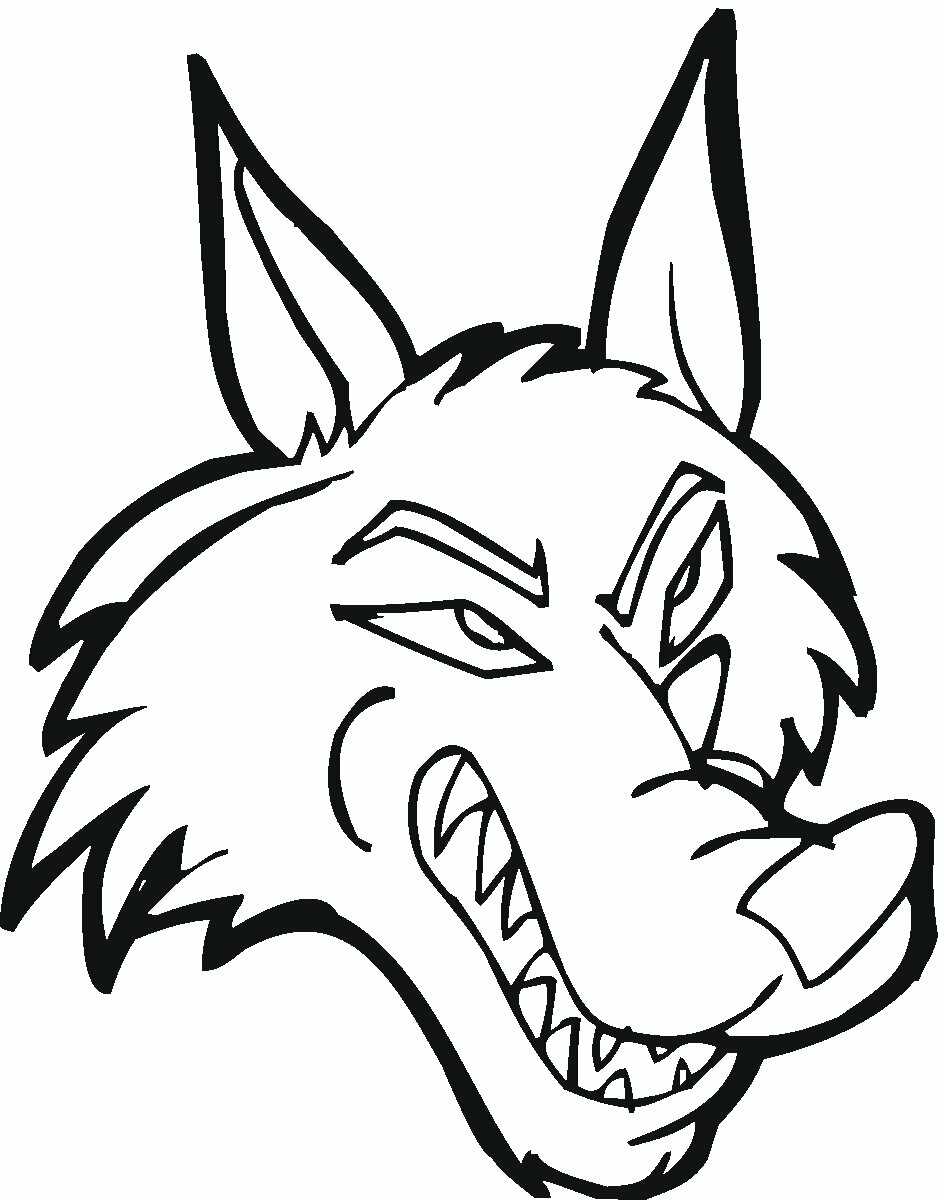
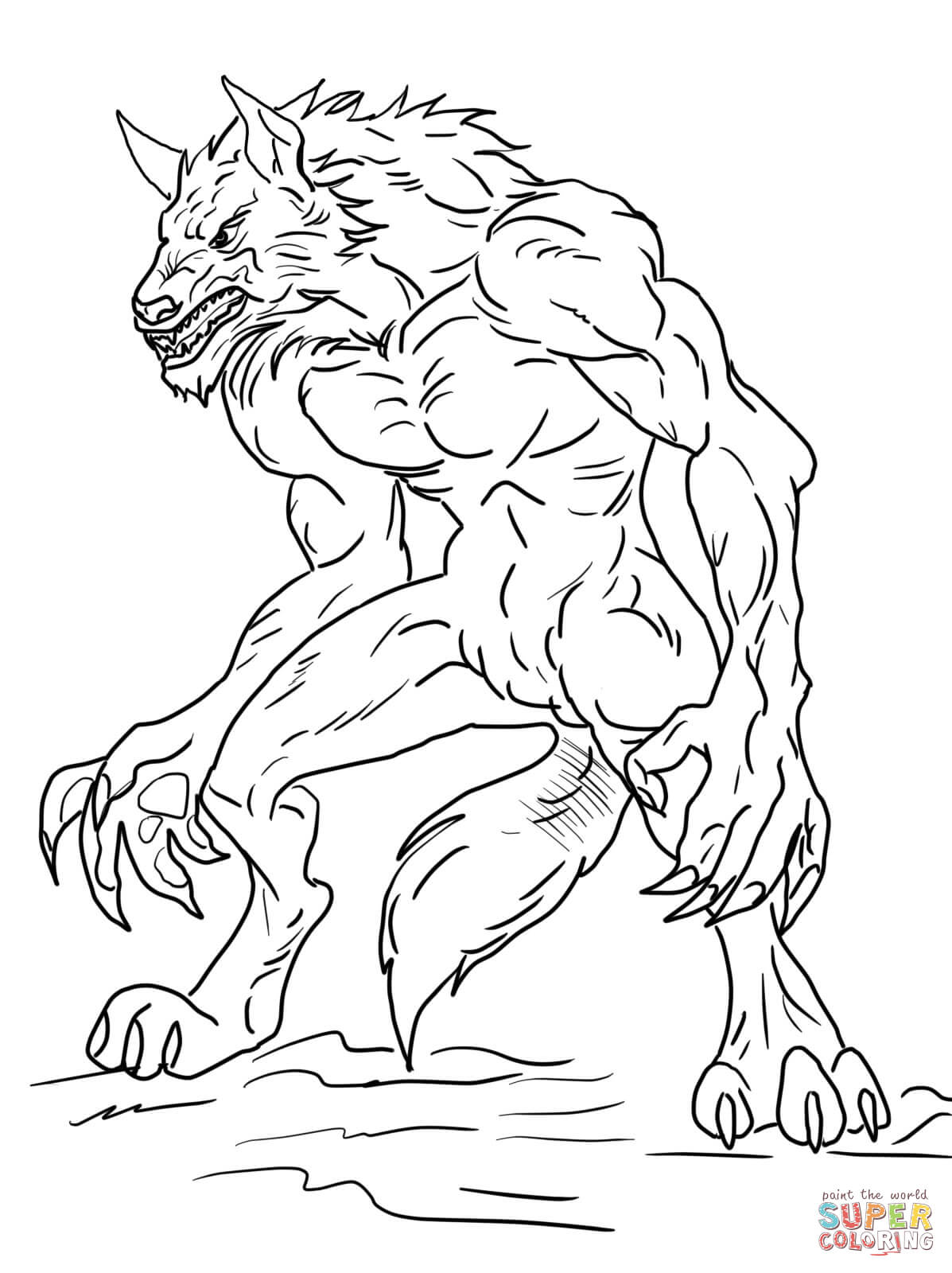
Darker and Scary-Themed Pages
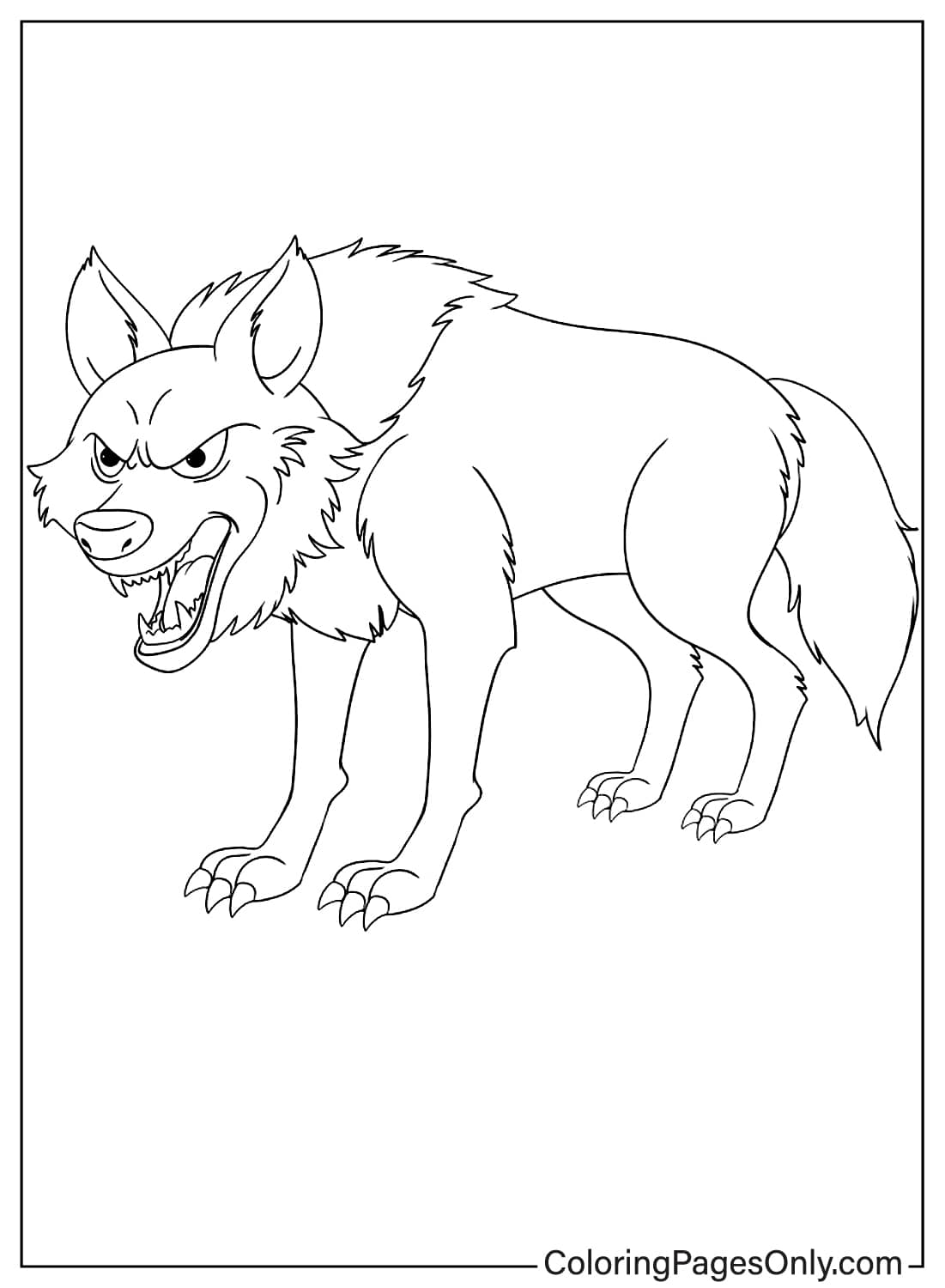
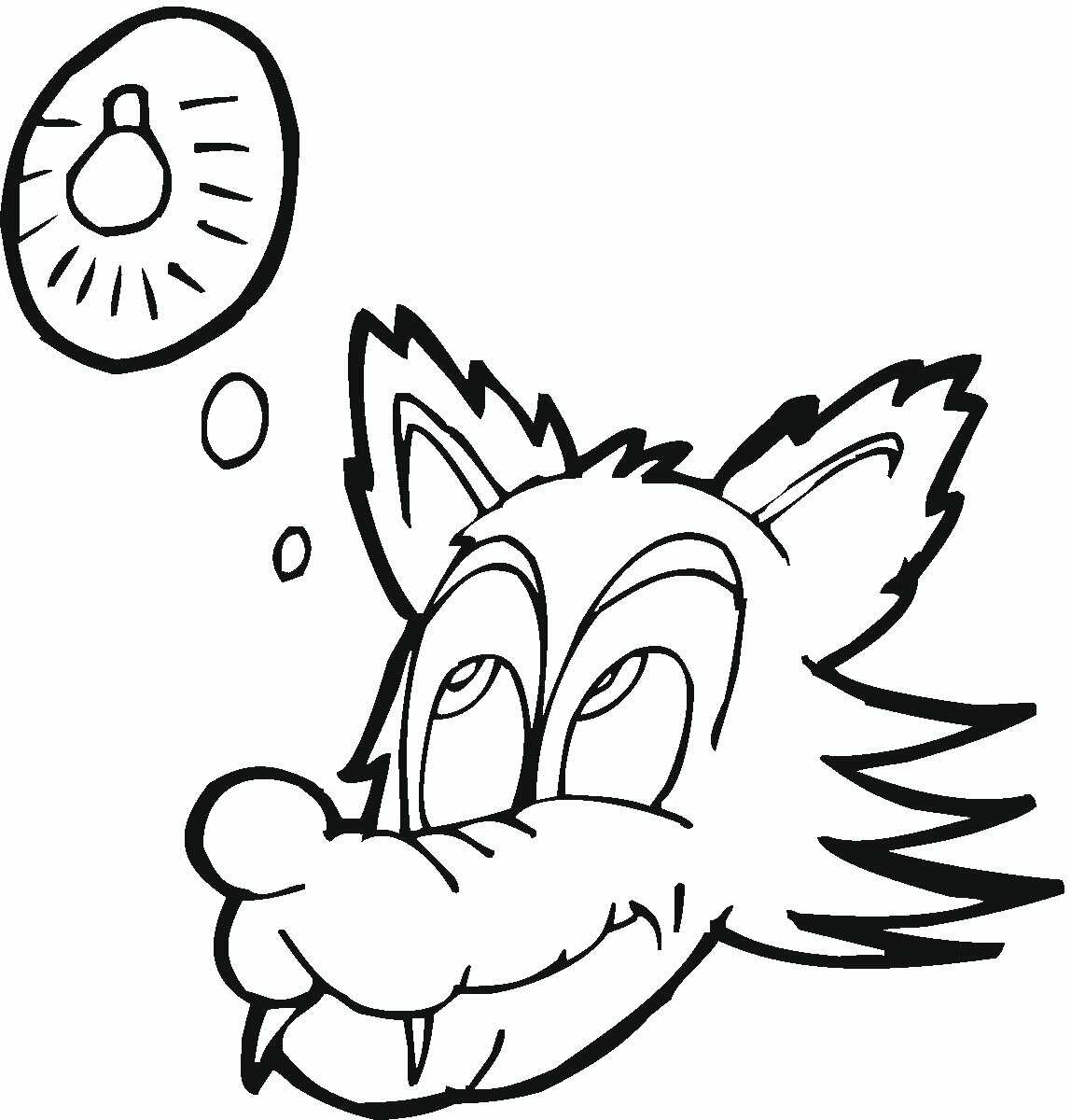
A smaller group leans into a more intense, “scary wolf” mood with exaggerated eyes or expressions. Coloring suggestion: keep this group’s palette in deep, saturated tones to match the more dramatic style.
Decorative and Artistic Designs
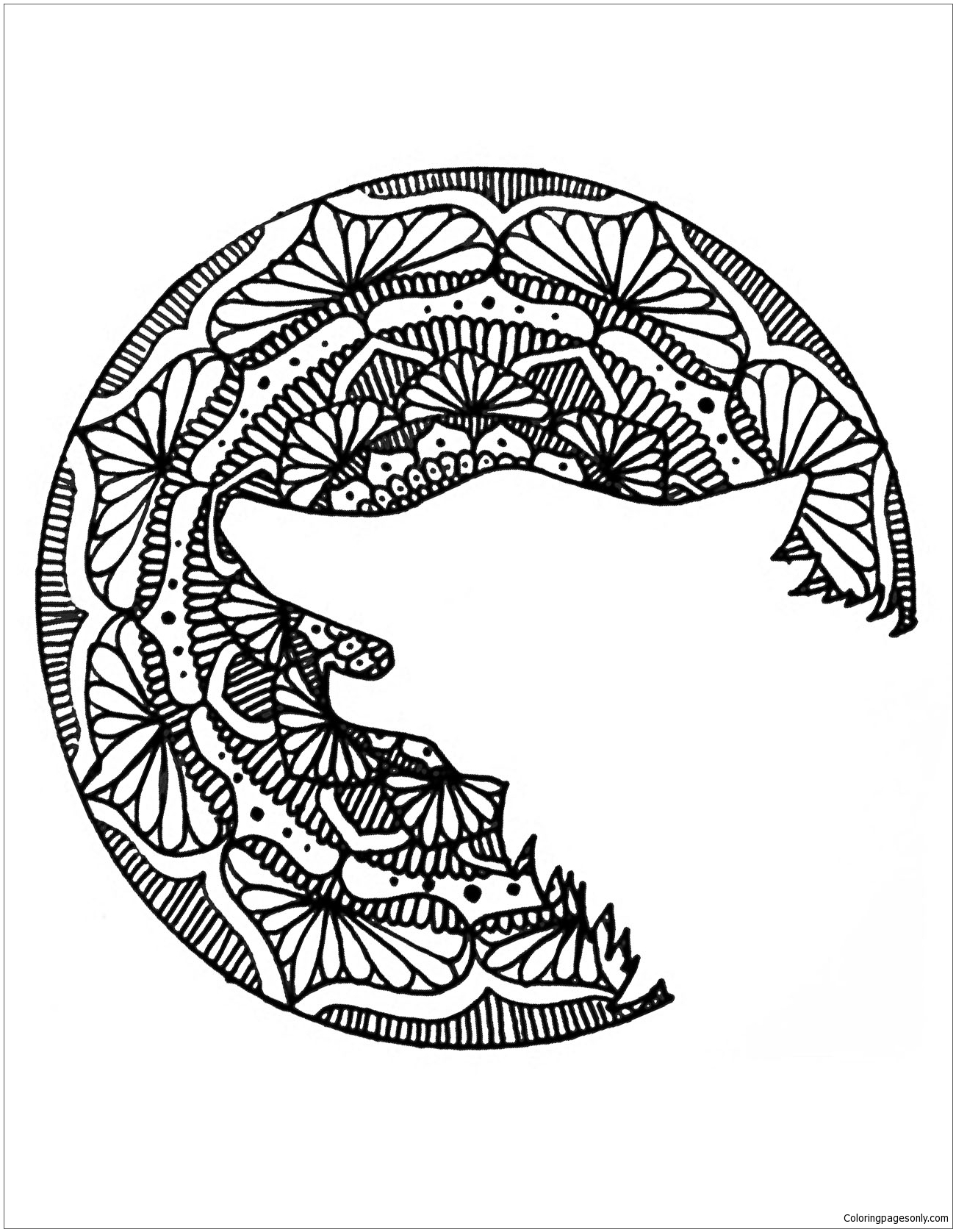
These pages include abstract wolf art, a tattoo-style design, and detailed mandala patterns. Coloring suggestion: Use a small, consistent color palette on the mandala pages, since a cohesive pattern reads better than many competing colors.
What Wolf Coloring Pages Do
Layered fur, careful shading. A wolf’s coat is made up of many layered, textured strokes rather than one flat color, and building that texture with short, controlled marks takes real fine motor practice, the kind the American Academy of Pediatrics associates with structured coloring in children ages two through seven.
A myth built on the wrong wolves. The “alpha wolf” concept came from studying captive wolves that had been forced together as strangers, not how wolves actually organize themselves when left alone in the wild, a reminder that where and how an animal is studied can seriously distort what we think we know about it.
A family, not a fight for the top. Real wild wolf packs are family units led by a breeding pair rather than an animal that fought its way to dominance, and coloring through a whole pack of pages offers its own kind of calm, non-competitive structure, the same kind of steady, unhurried activity a 2005 Art Therapy Journal study linked to reduced anxiety.
Debunked by the same person who popularized it. Biologist L. David Mech helped make the term “alpha wolf” famous in a 1970 book, then spent much of his later career pushing back against it as more research came in, eventually getting that same book taken out of print in 2022.
How to Color Wolf Pages Well
- Fur: layer at least two or three shades of gray, brown, or white for a realistic coat, using short, textured strokes rather than one flat fill.
- Subspecies pages: research each wolf’s real coloring before starting, since Arctic, Red, and Maned wolves in particular look quite different from a standard gray wolf.
- Eyes: Use a warm amber or yellow for a realistic look, saving more intense colors for the darker, scarier-themed pages specifically.
- Howling and moon scenes: use cool blues and purples for the night sky, keeping the moon soft and glowing.
- Family scenes: give cubs a lighter, softer version of the adult coat color to reflect real pup coloring.
- Mandala and pattern pages: stick to a small, repeating color set for a cohesive, unified design.
5 Creative Craft Ideas With Wolf Coloring Pages
1. Alpha Myth Fact Card
Color a family or pack page and write the fact that wild wolf packs are led by parents, not a fighting “alpha,” on the back.
2. Subspecies Identification Chart
Color a few of the real subspecies pages and label each one with its actual name and native region.
3. Wolf Pack Poster
Color several wolves and arrange them together on a poster to represent a full family pack.
4. Howling Night Scene
Color a howling wolf page and add glow-in-the-dark accents to the moon for a nighttime display.
5. Wolf Bookmark
Color a smaller solo portrait, cut it into a bookmark shape, and cover it with clear tape for a durable reading marker.
Frequently Asked Questions
What are Wolf coloring pages?
A free set of 73 printable designs of wolves, including real subspecies, family scenes, howling scenes, and decorative art. Every page downloads as a PDF or opens in the online coloring tool without an account.
Is the “alpha wolf” idea actually true?
No. It’s a well-documented myth that traces back to a study of captive, unrelated wolves. Wild wolf packs are simply families led by a breeding pair, not a dominant animal that fought its way to the top.
Who originally popularized the alpha wolf term, and did they change their mind?
Biologist L. David Mech helped popularize the term in a 1970 book, but later spent much of his career correcting the misconception based on decades of wild wolf research, eventually having the book taken out of print in 2022.
What real wolf subspecies are included in this collection?
The set includes Arctic, Ethiopian, Eastern, Italian, Iberian, Eurasian, Mexican gray, Red, Maned, and North American wolves, among others.
Does this collection include any pages unrelated to wolves?
A small number of tiles appear to be mismatched, including at least one unrelated to animals entirely. These have not been described in this rewrite and are flagged separately for review.
Can these pages be colored without printing them?
Yes. Every page in the set opens directly in the site’s browser-based coloring tool, so a page can be finished on screen before deciding whether to print it.
Are Wolf coloring pages suitable for young children?
The simple solo portraits work well for a young child. The darker, scary-themed pages and detailed subspecies portraits suit an older child or adult with more coloring experience.
Why do wolves howl?
Wolves howl to communicate across long distances, coordinate with pack members, and mark territory, not specifically because of the moon, despite the popular association between the two.
Start Coloring
A pack led by parents, not a fighter who clawed to the top: pick a page above, download the PDF, or color it online, free and without an account. Share the finished piece through the Facebook or Pinterest buttons at the top of the design.