Fox Coloring Pages
 By:
Jennifer Thoa - Content Editor & Designer
Updated:
By:
Jennifer Thoa - Content Editor & Designer
Updated:
Free Fox Coloring Pages: 100 printable PDF designs featuring baby foxes, forest scenes, playful character poses, and detailed mandala patterns. Each page can be downloaded and printed for free, with no account or sign-up required, or colored online in the browser.
The red fox is the most widely distributed carnivore in the world, found across the entire Northern Hemisphere from forests to deserts to city suburbs. Unlike most members of the dog family, foxes have vertical, cat-like pupils rather than round ones, which gives them sharper night vision and a hunting style that behaves more like a cat’s stalk-and-pounce than a wolf’s chase. The fennec fox, the smallest fox species and the star of several pages in this collection, carries ears that can grow to nearly half its body length, an adaptation for shedding heat in the desert rather than for hunting. This collection colors the same animal across quiet forest scenes, playful poses, and detailed, patterned designs.
This set works across a wide range of ages: the simple solo fox outlines suit a child just starting to color an animal shape, while the detailed mandala patterns and layered forest scenes give an older child or an adult more shading and pattern work to do. It also gives a natural opening to talk about how a fox’s eyes and hunting style actually have more in common with a cat’s than a dog’s, despite belonging to the same family as wolves and domestic dogs.
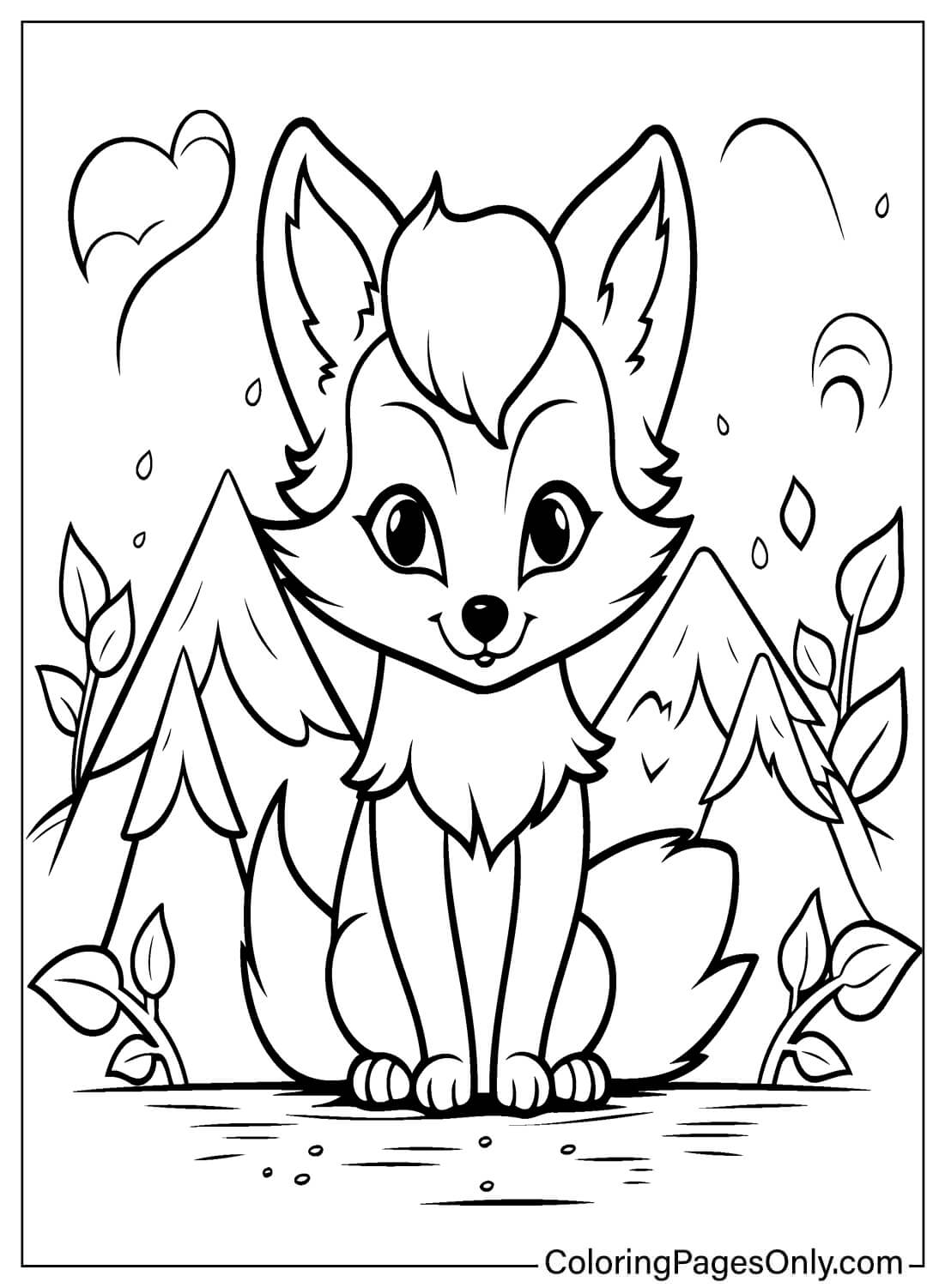
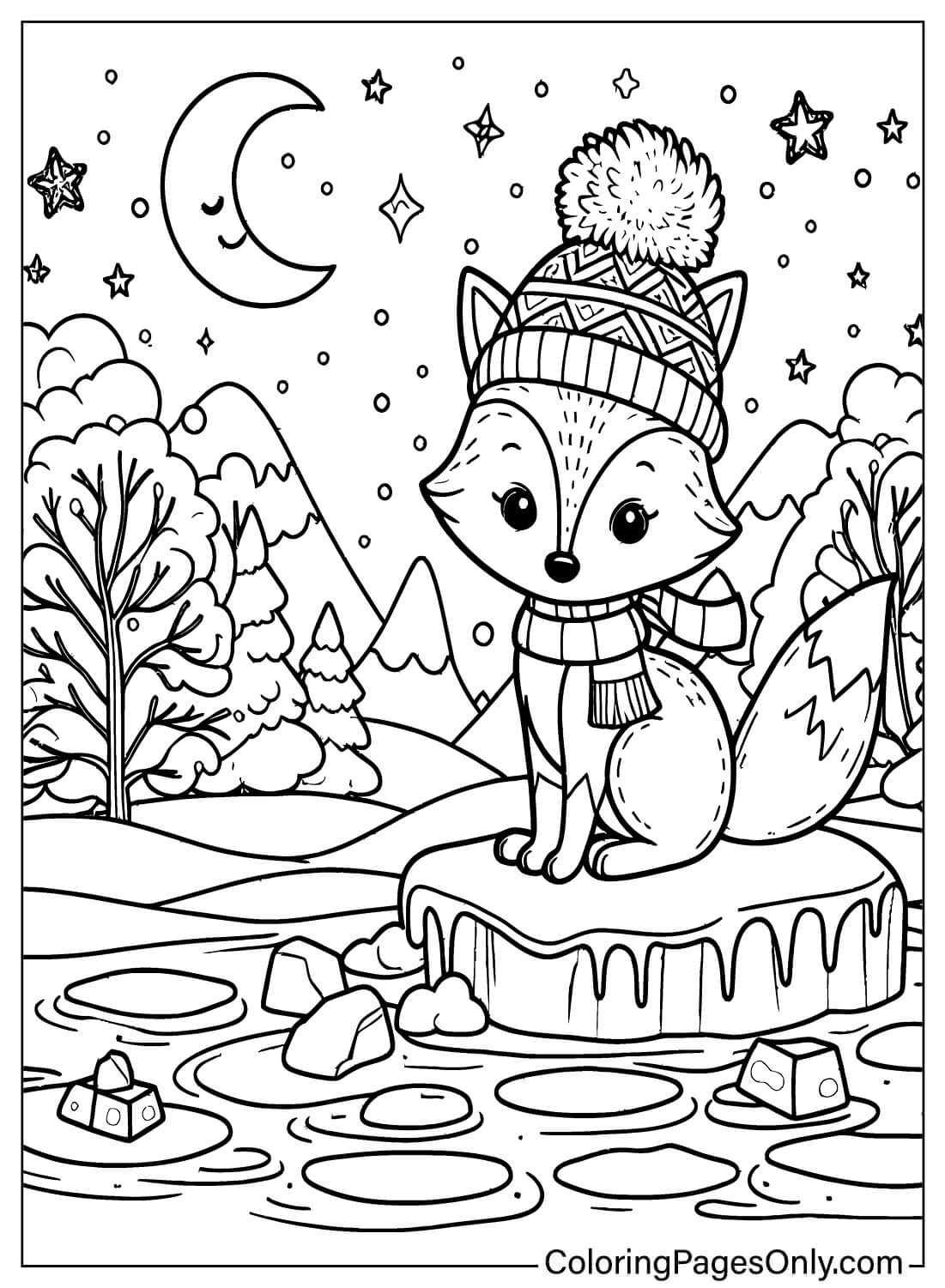
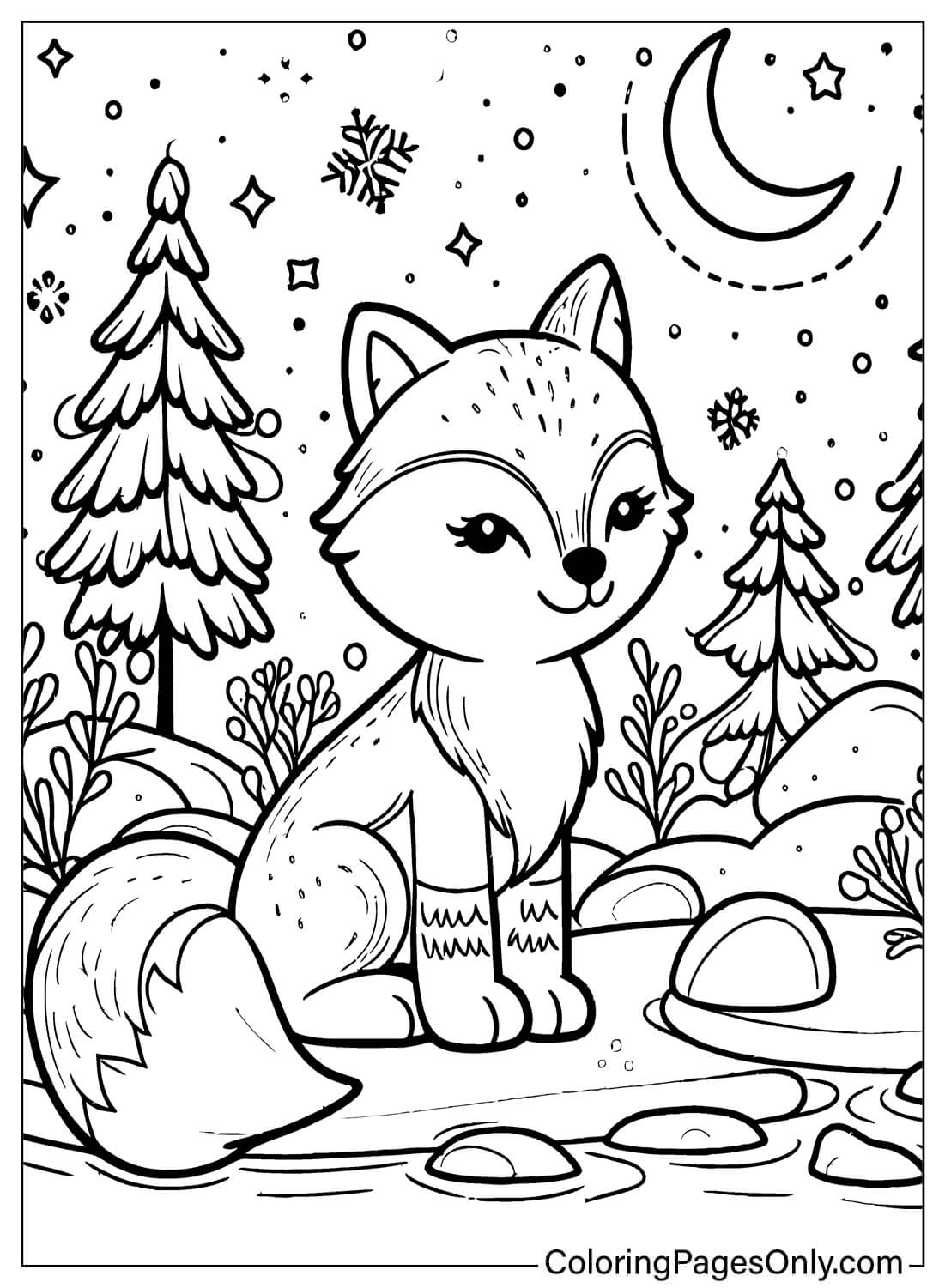
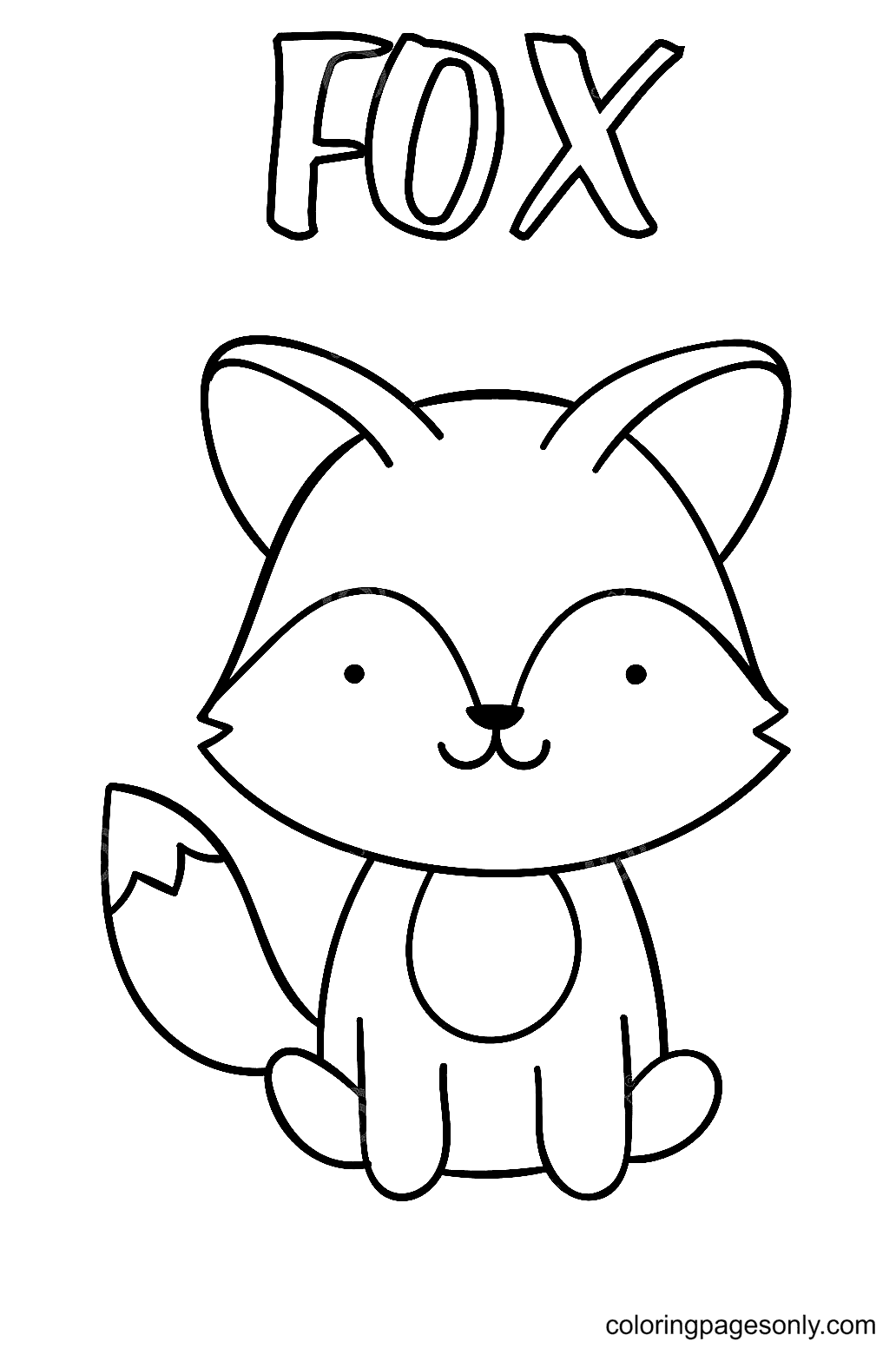
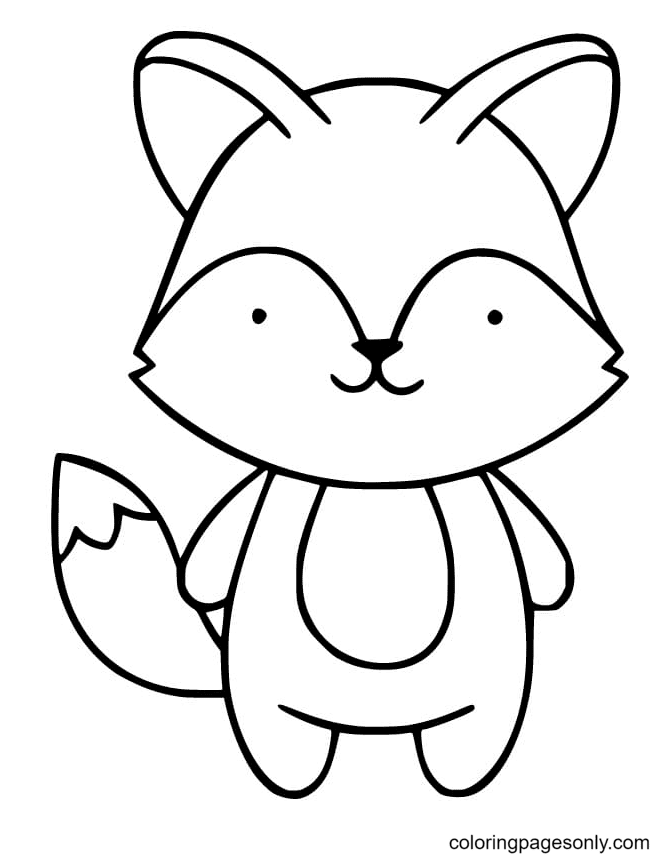
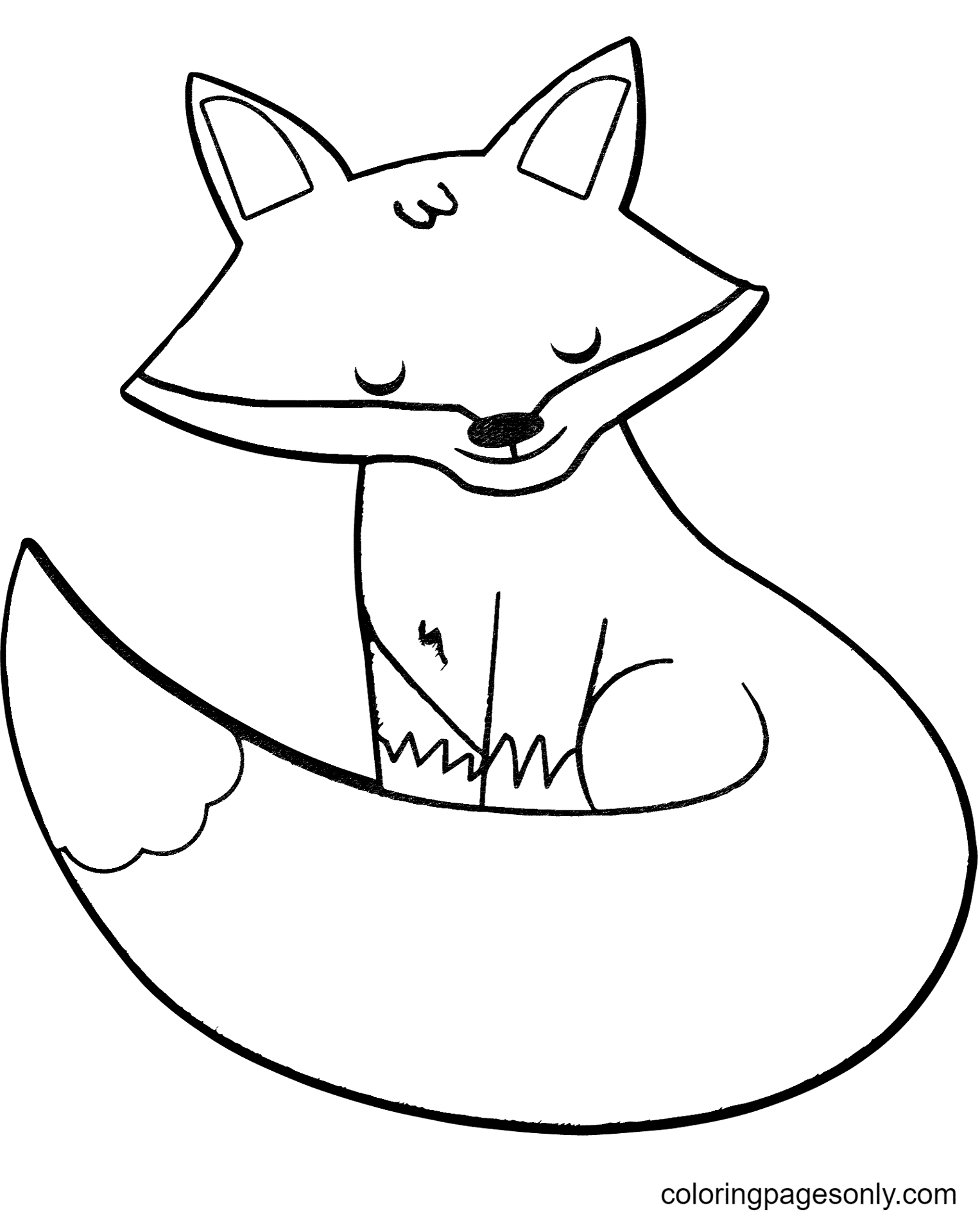
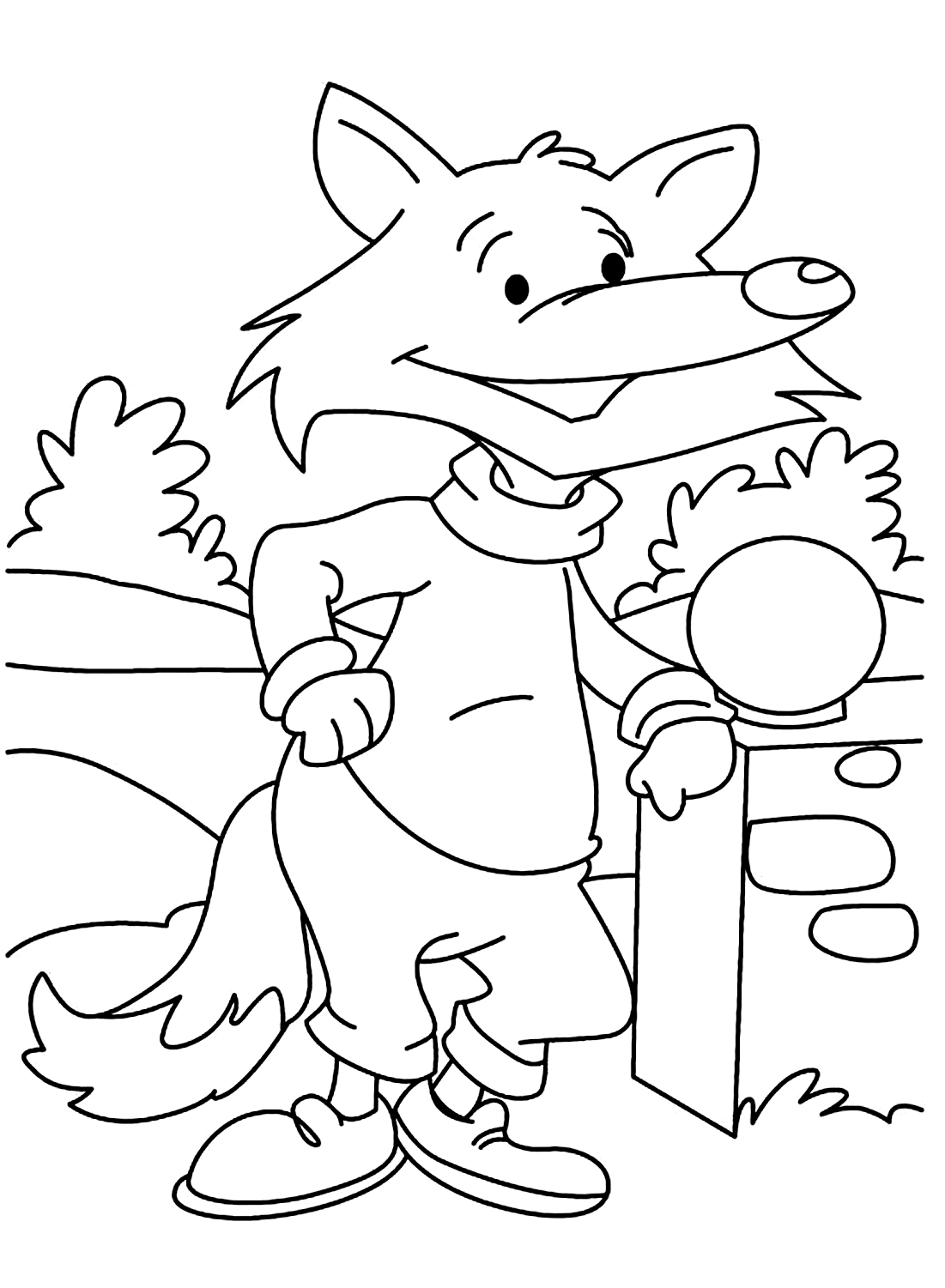
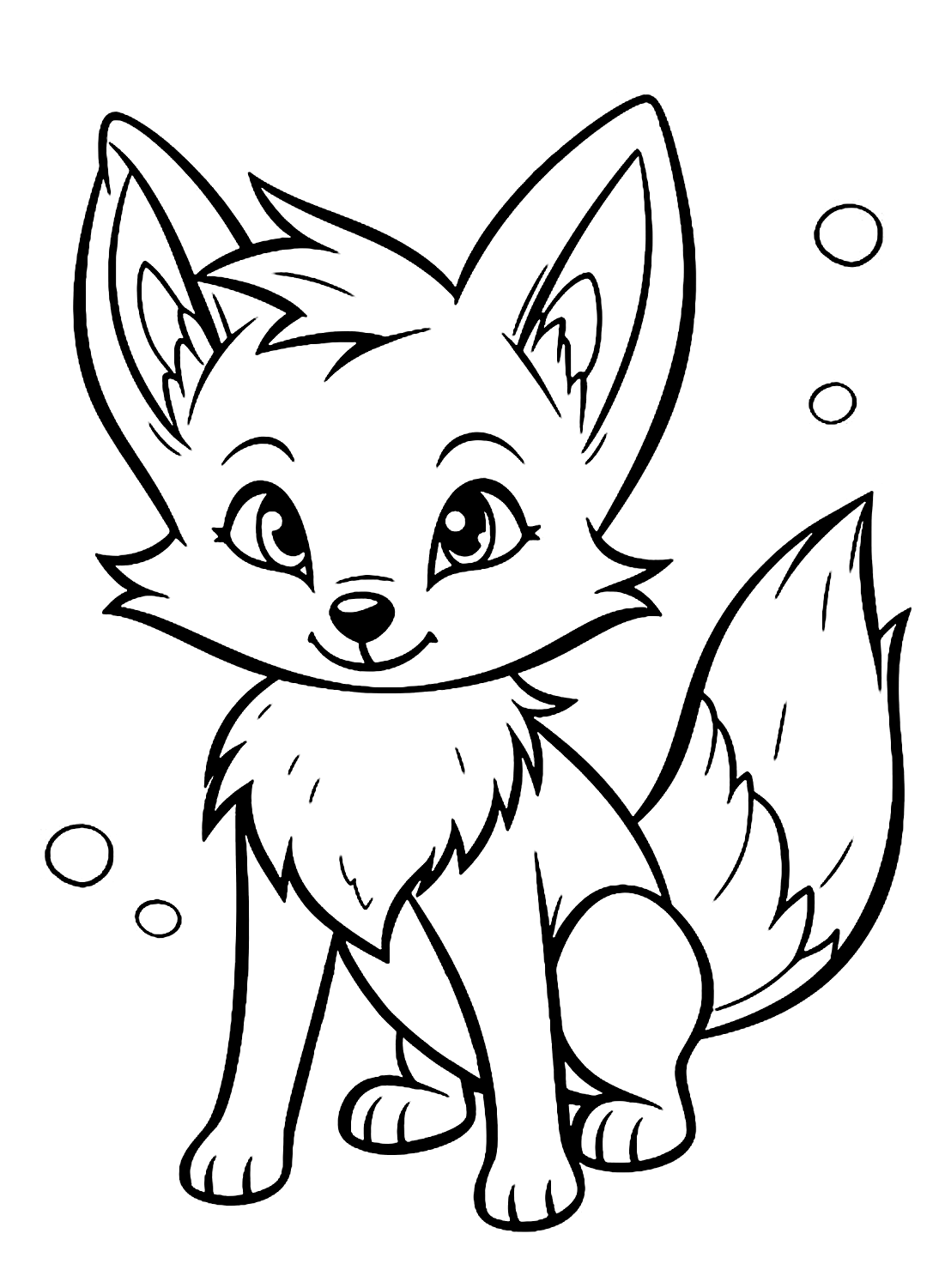
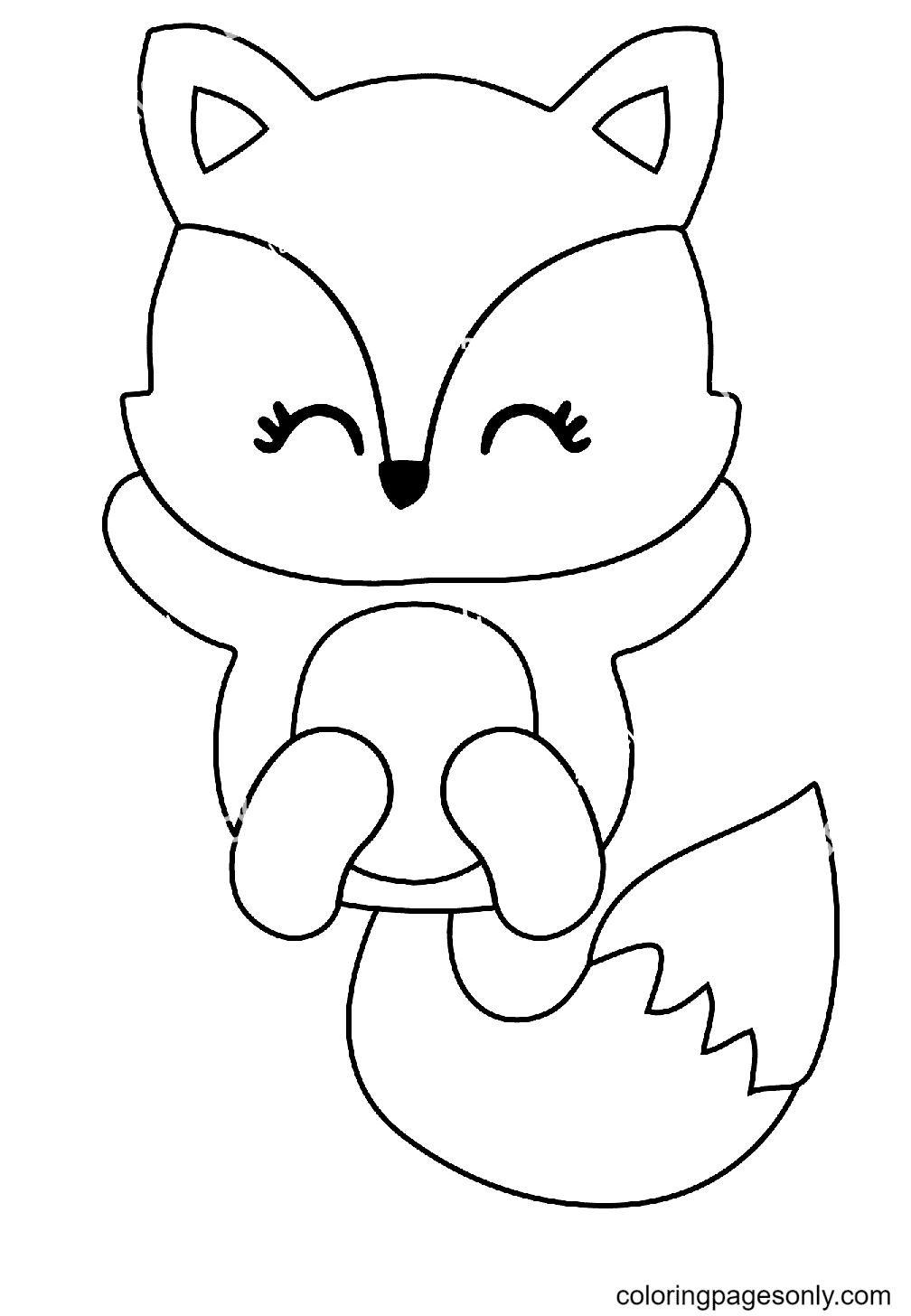
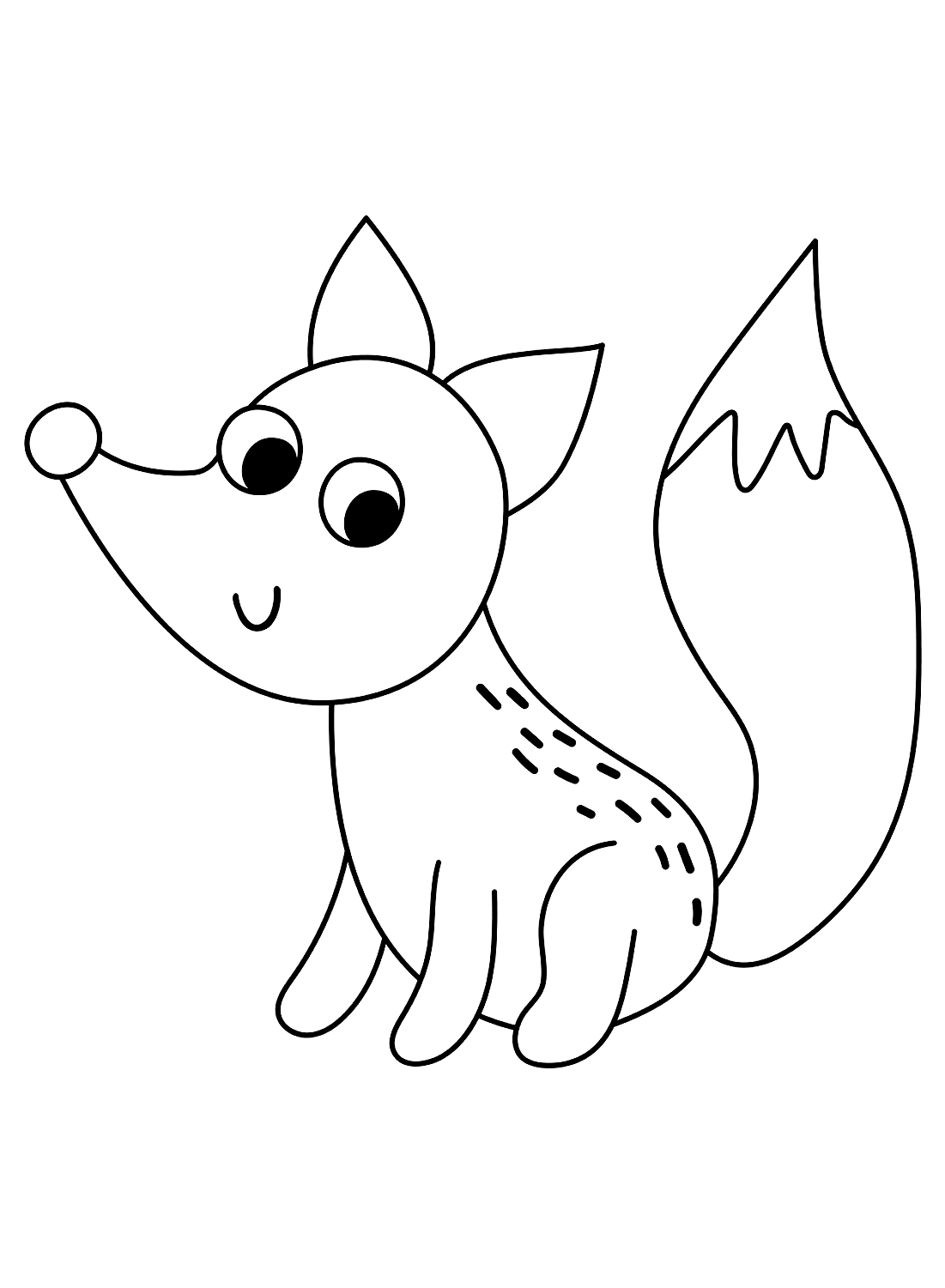
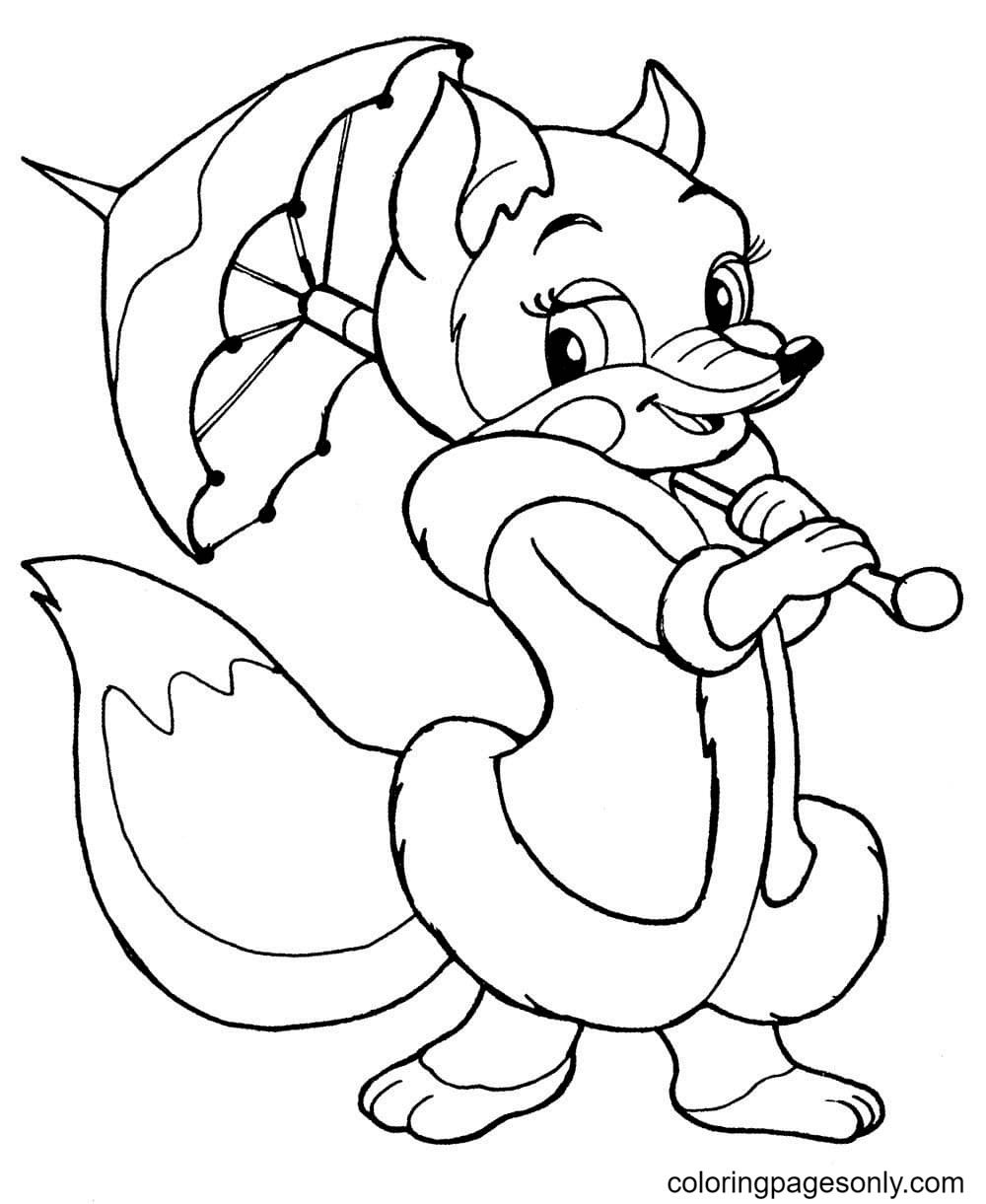
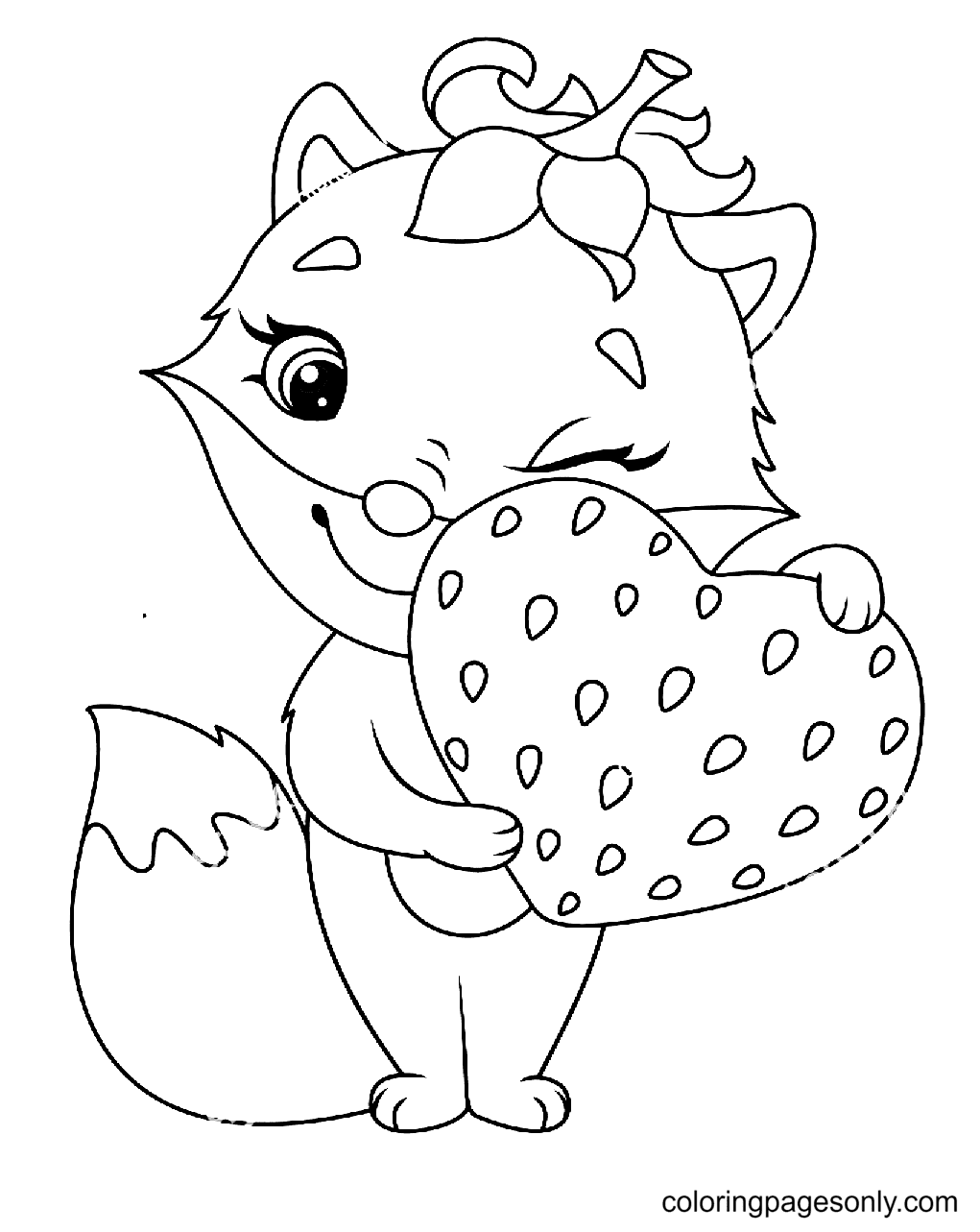
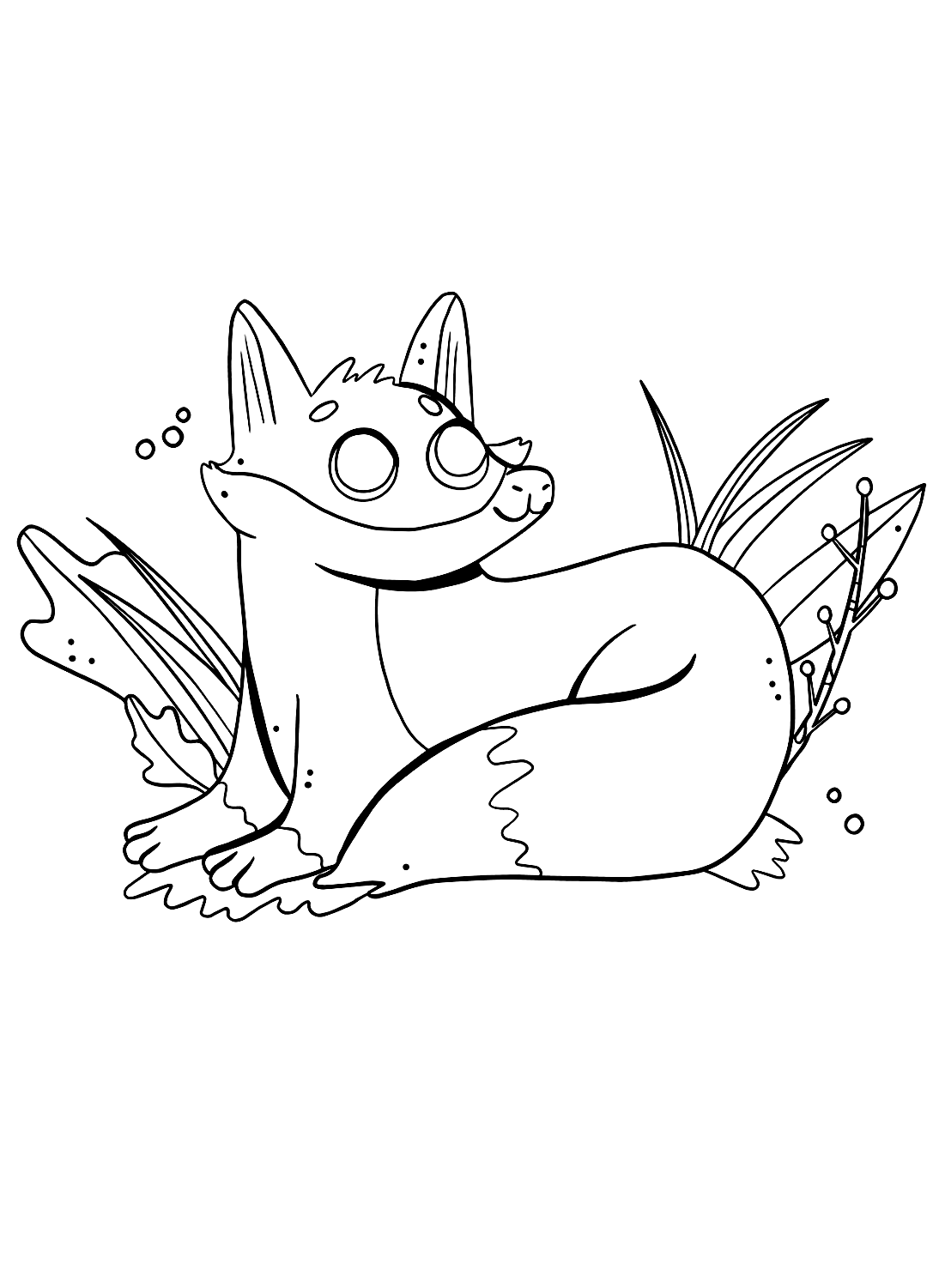
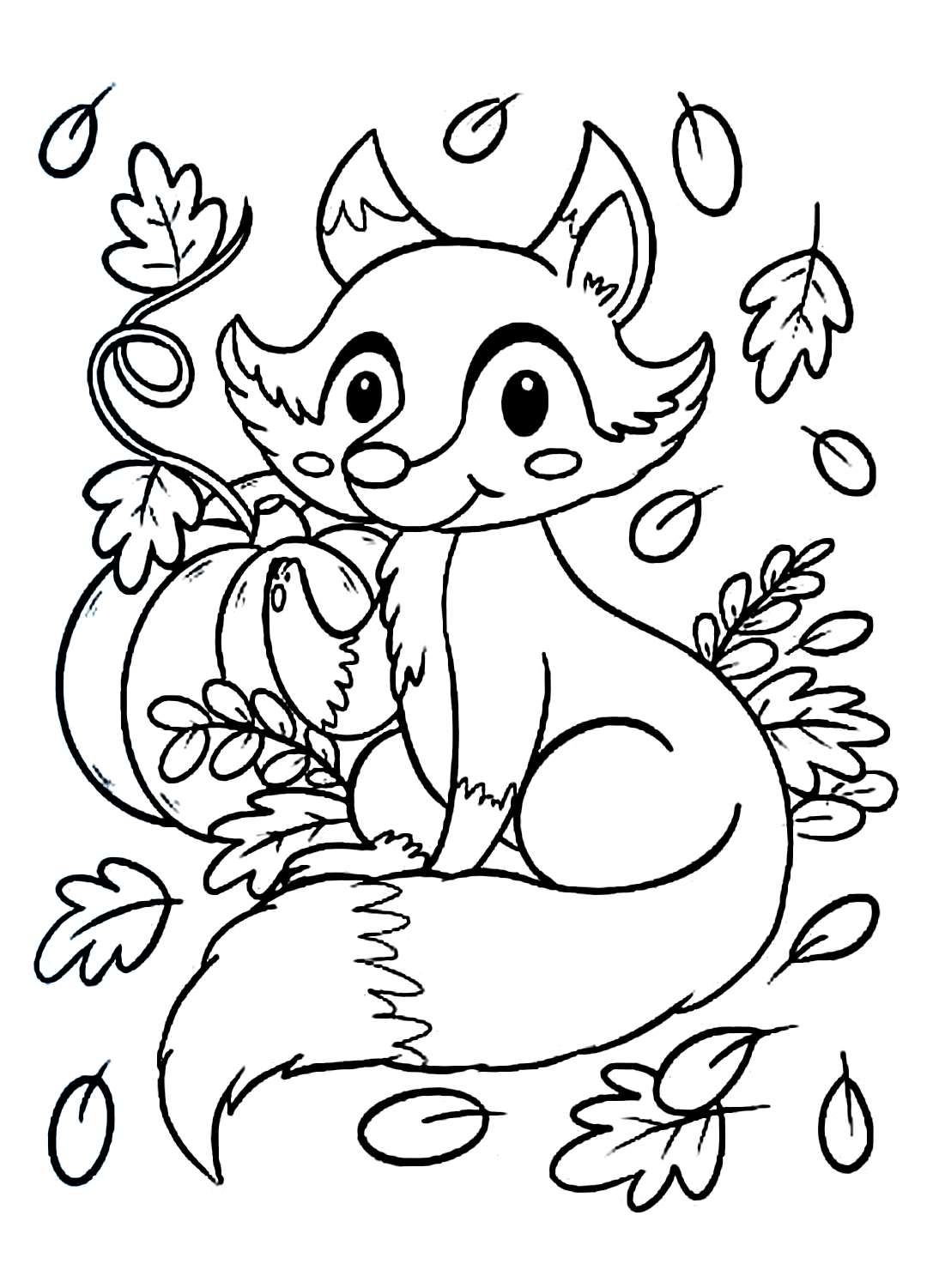
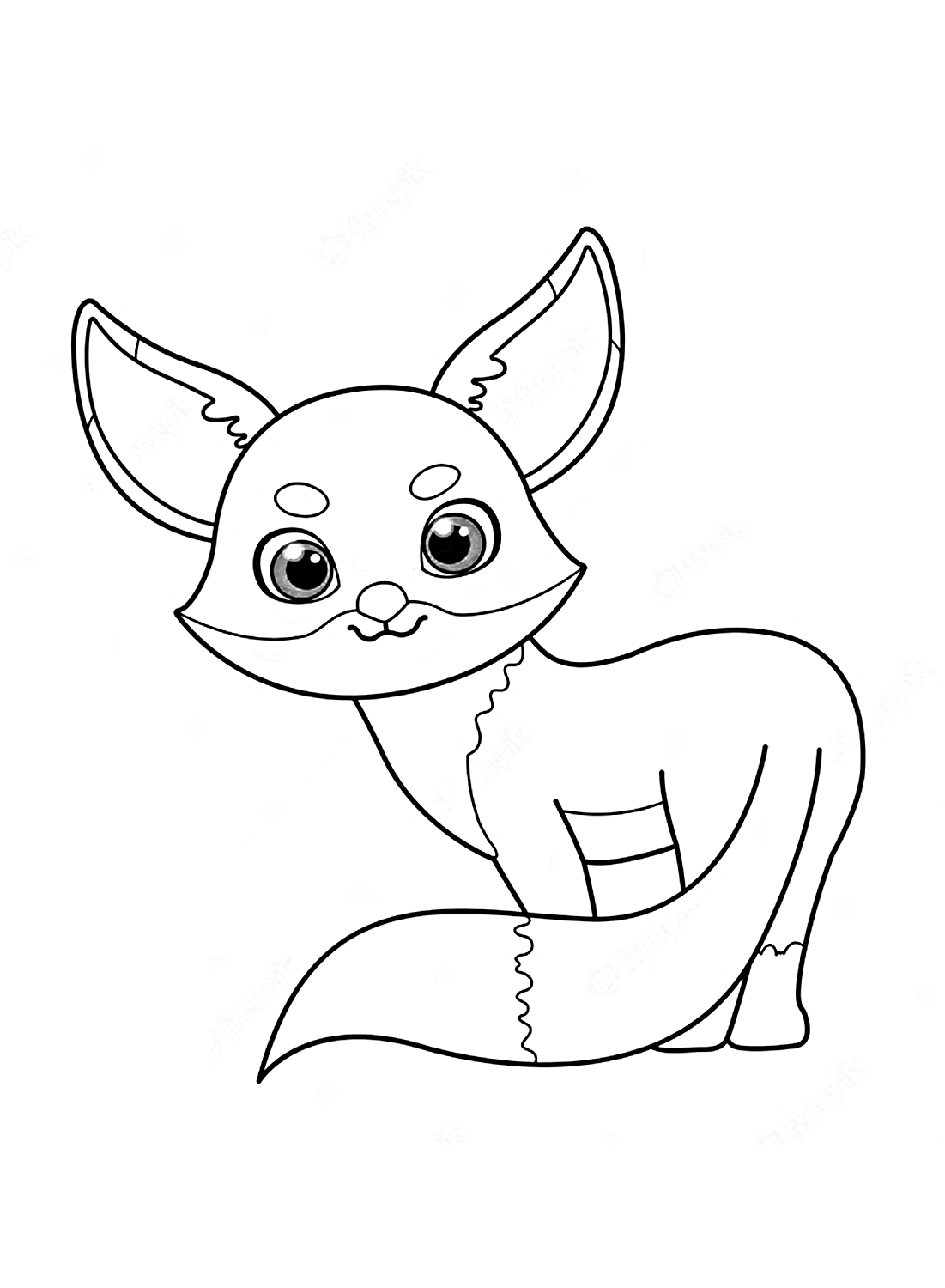
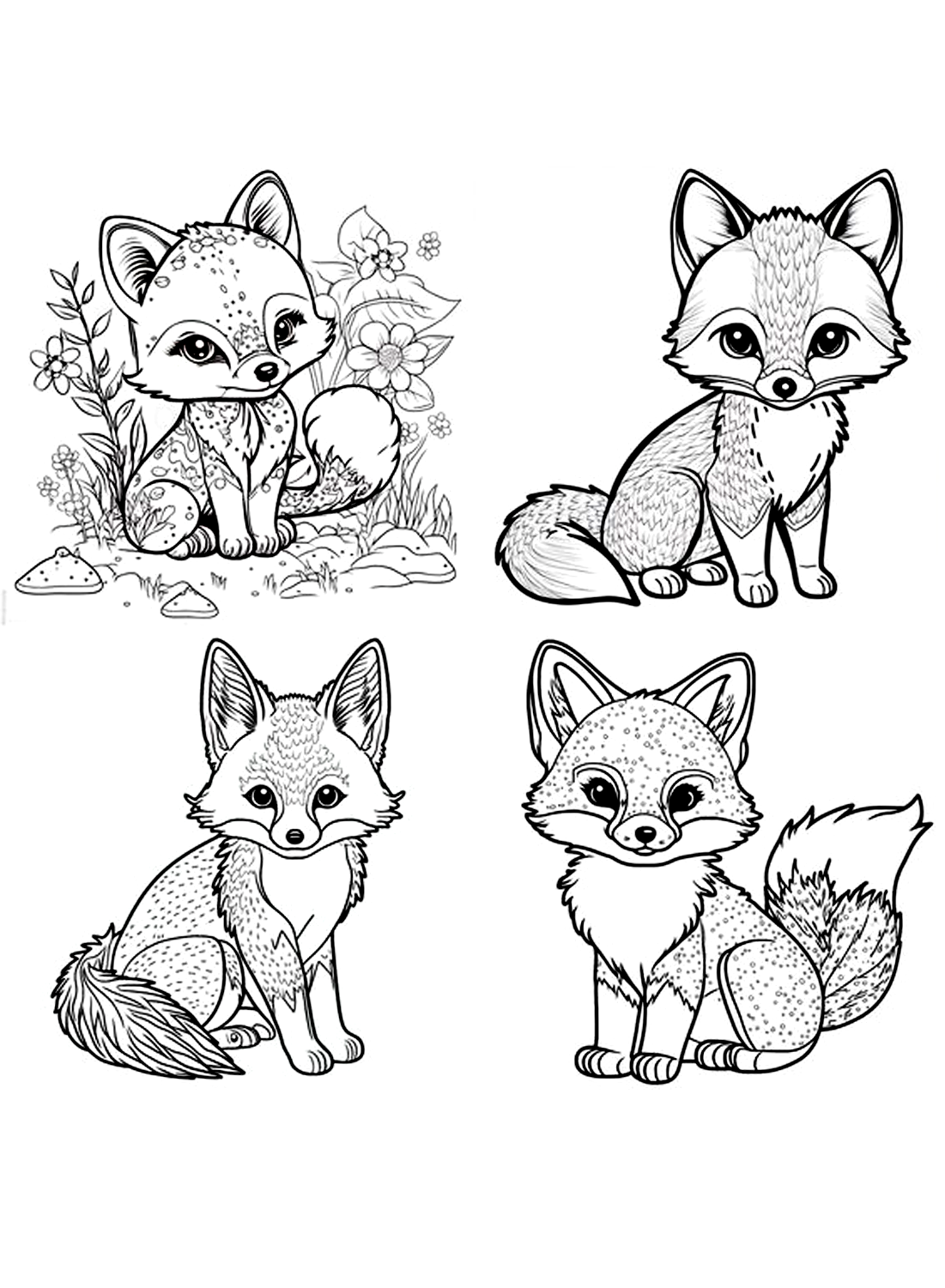









What Is Inside This Collection
The 100 pages fall into a few clear groups, based on how the fox is shown and what surrounds it.
Classic Solo Fox Portraits
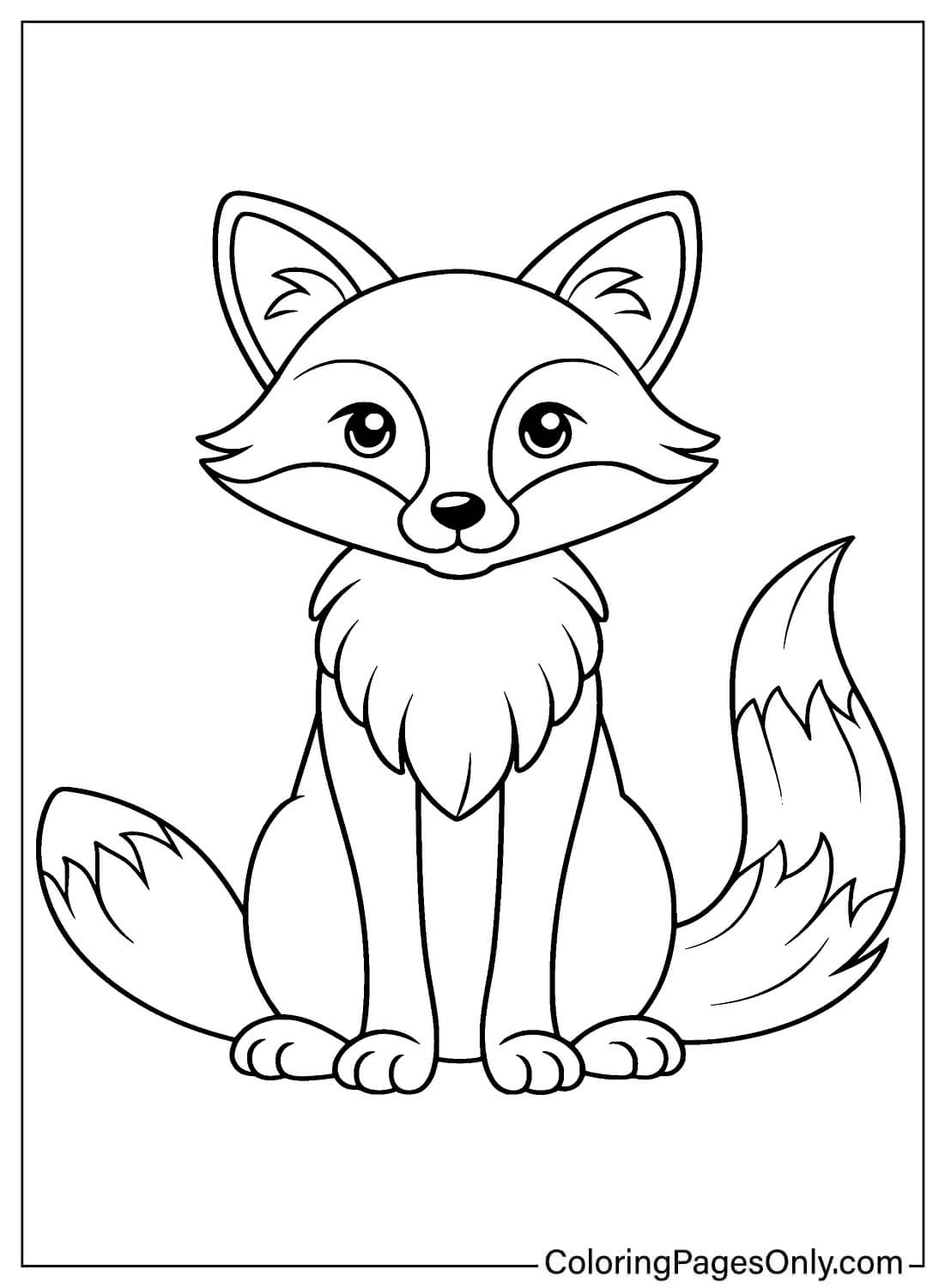
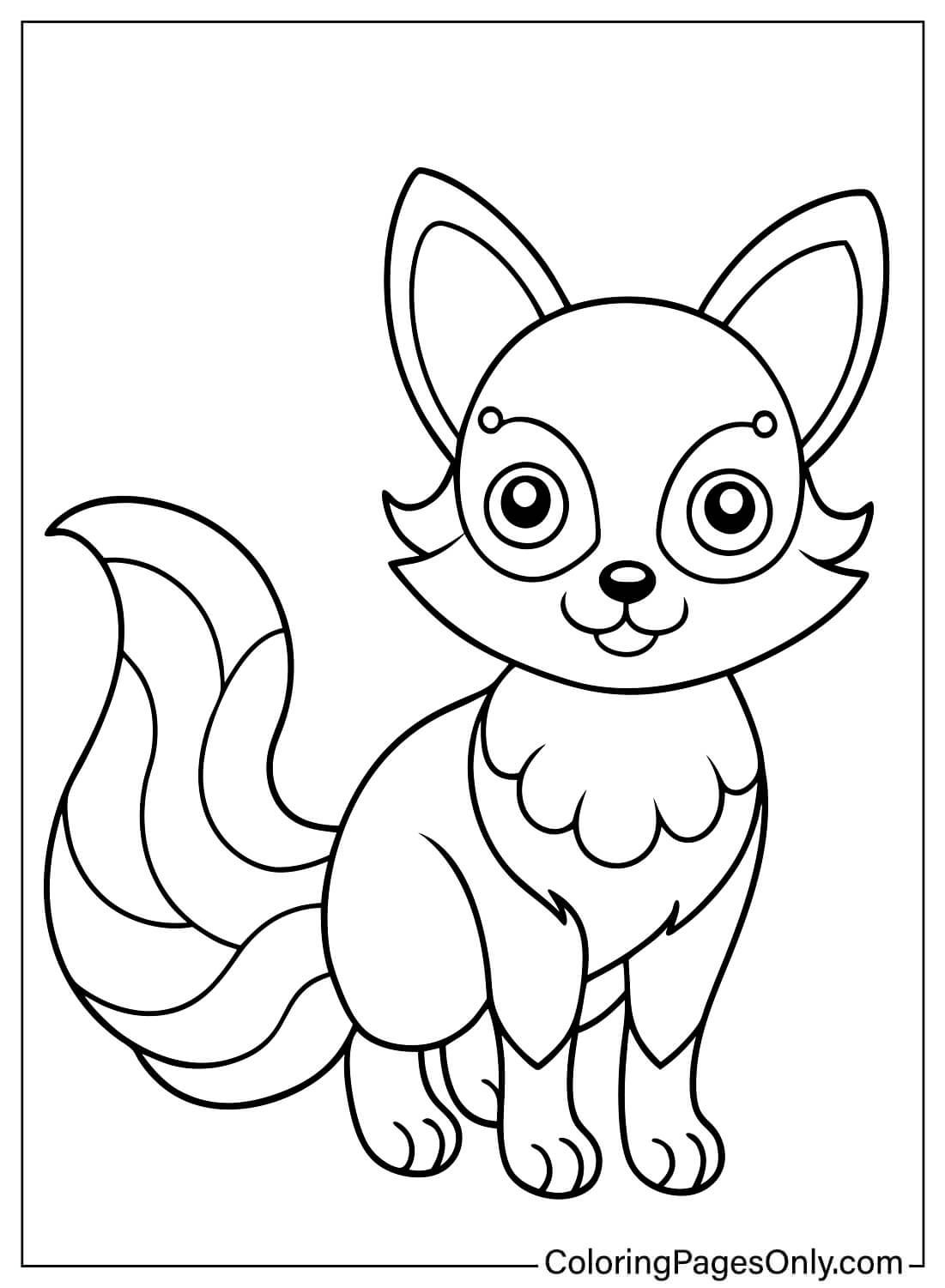
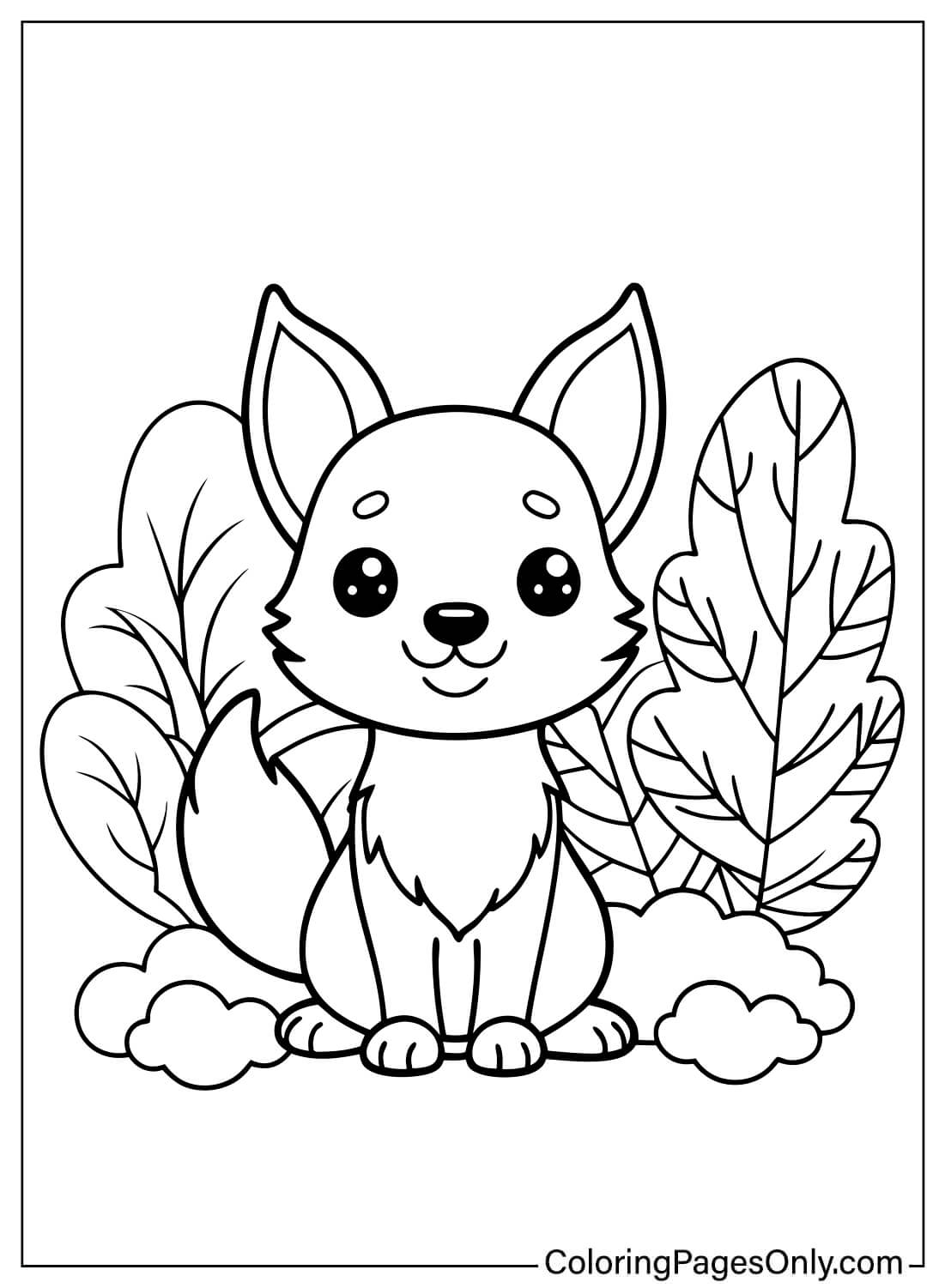
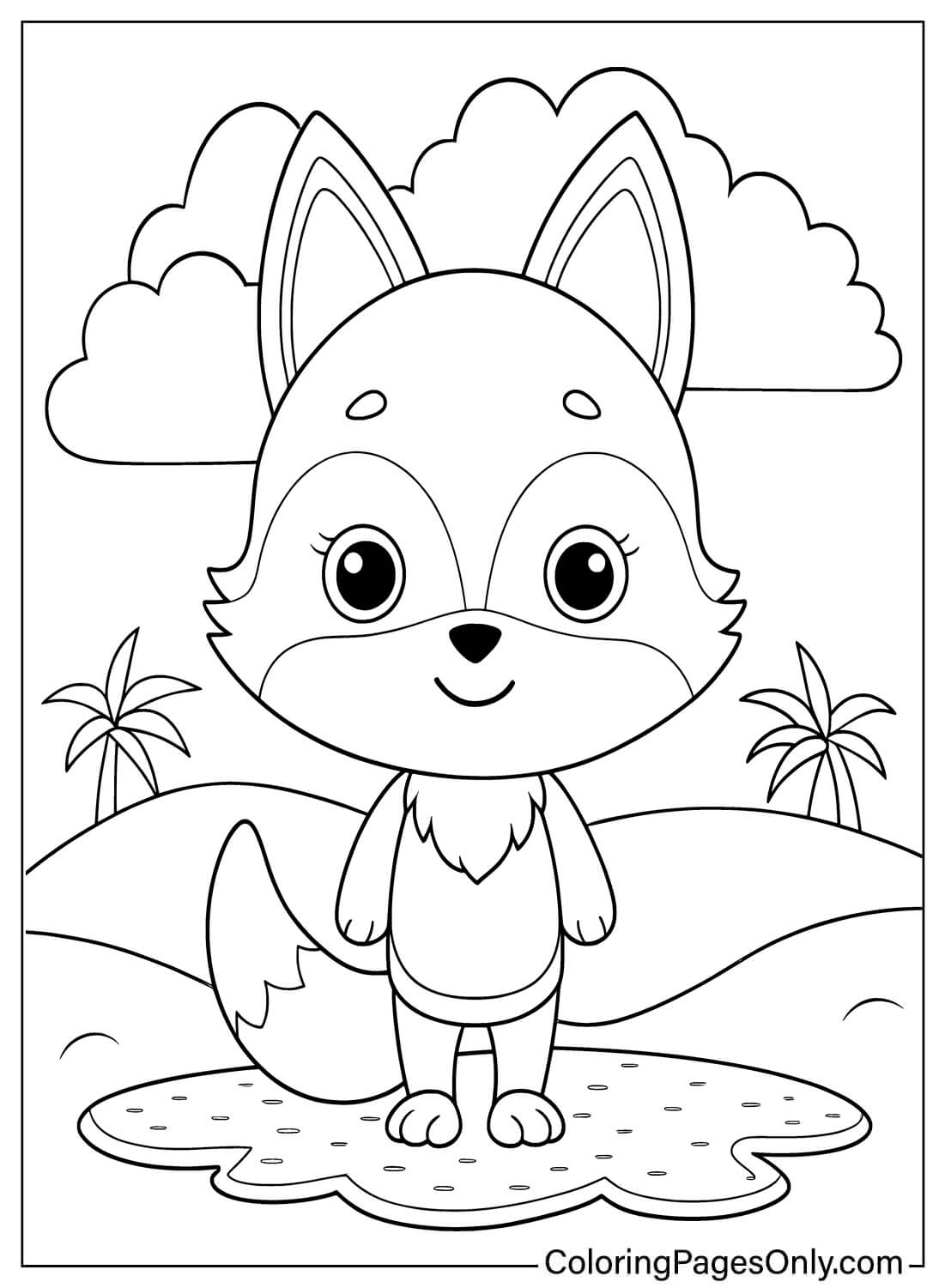
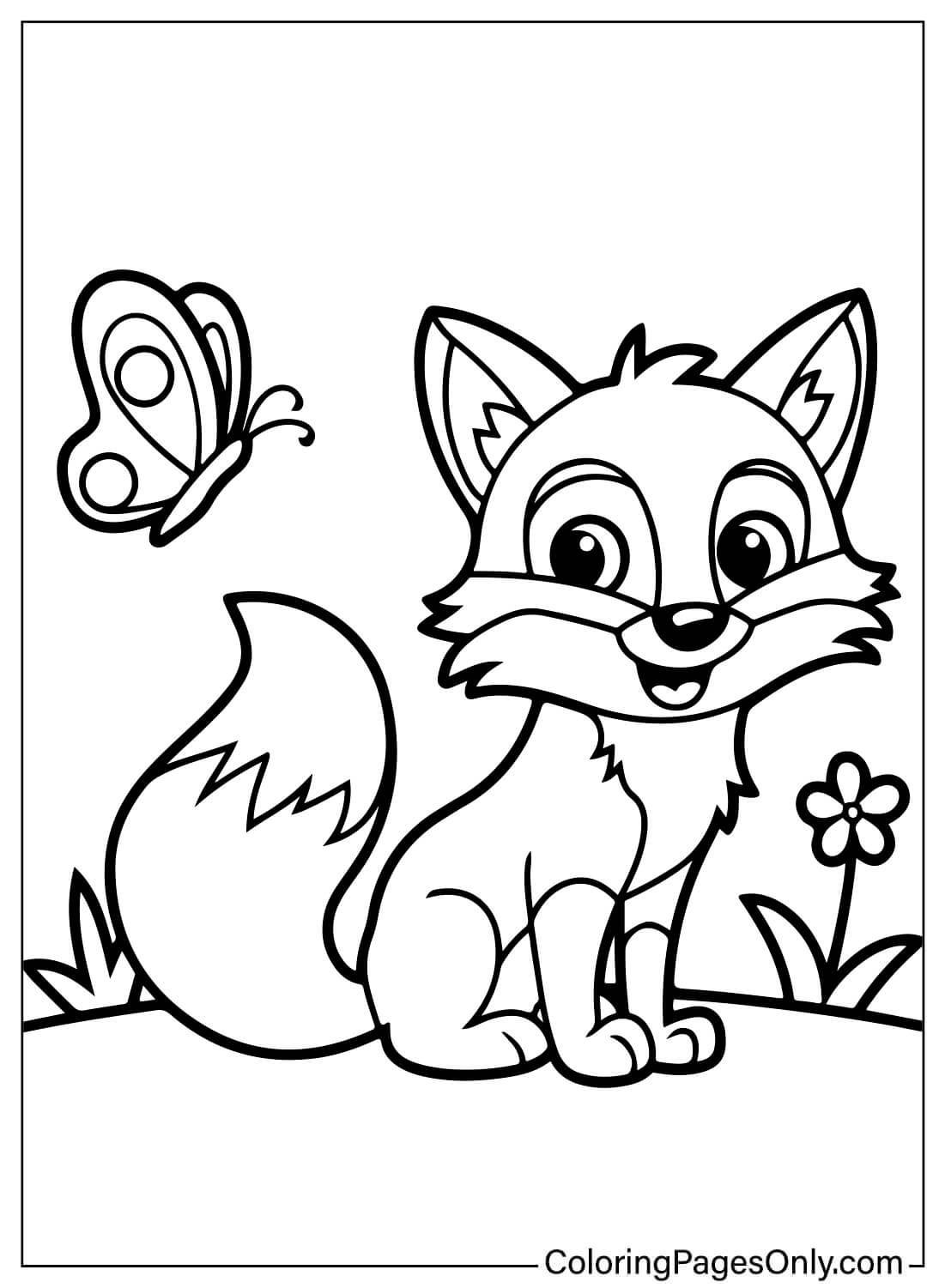
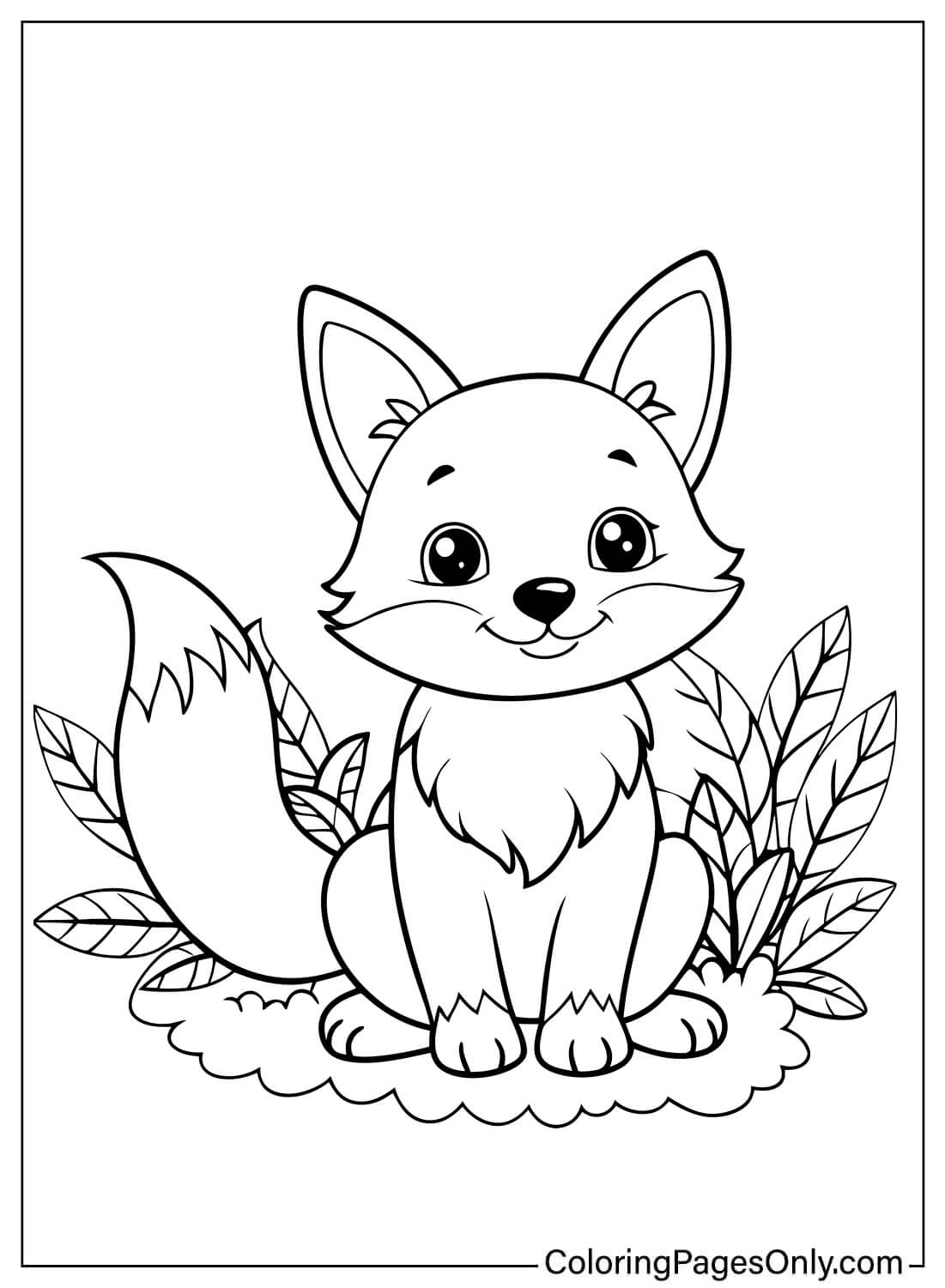
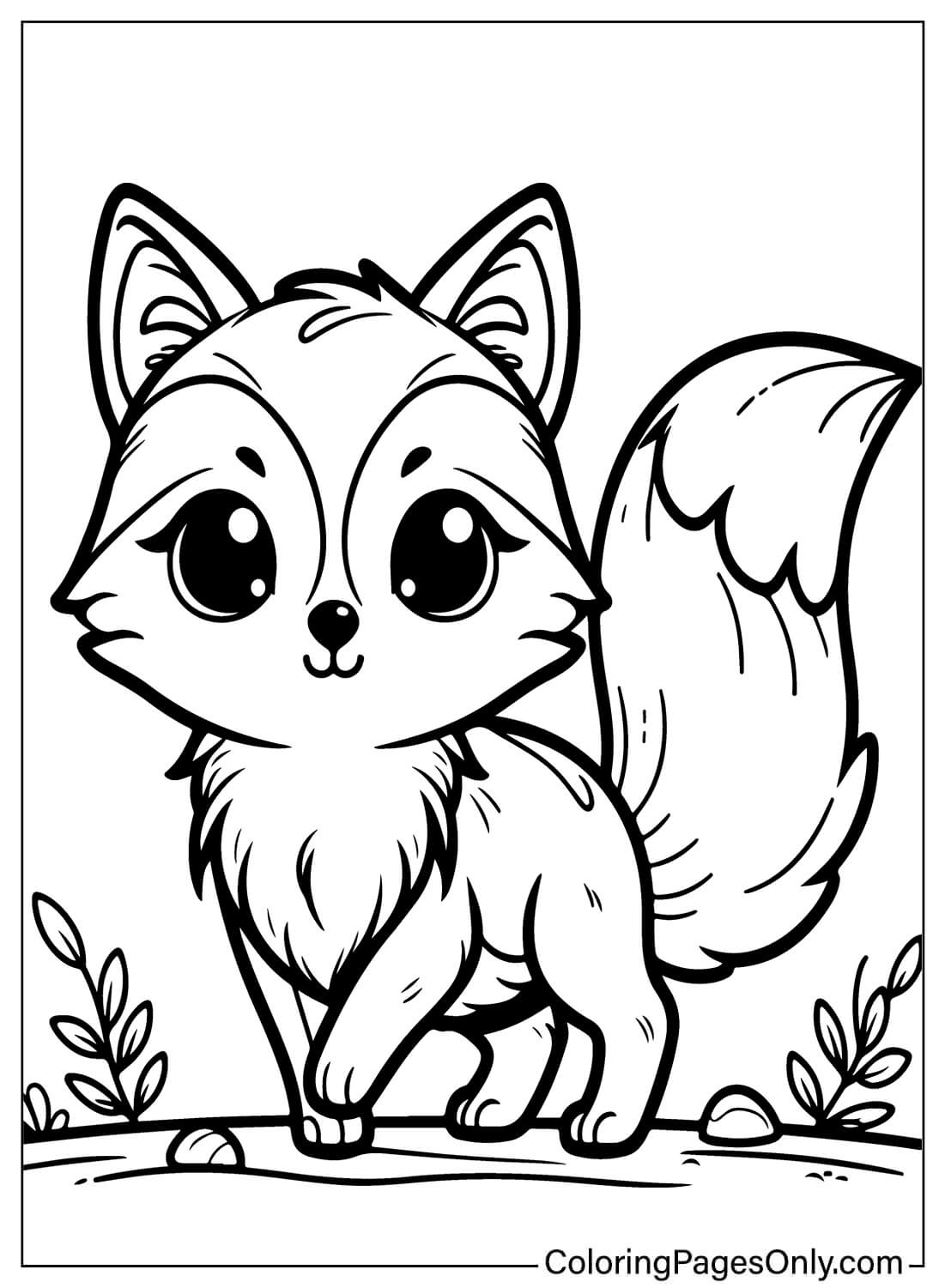
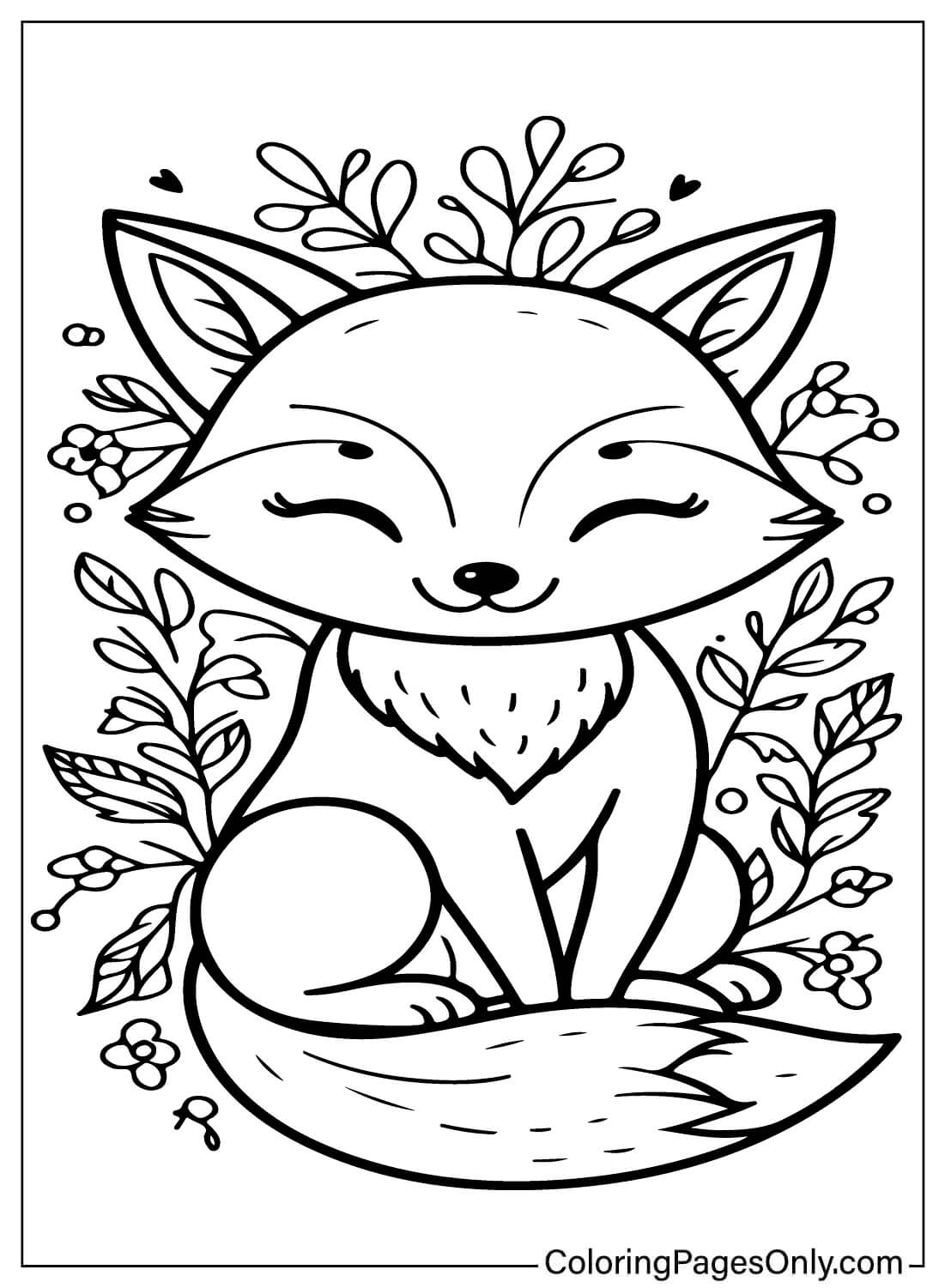
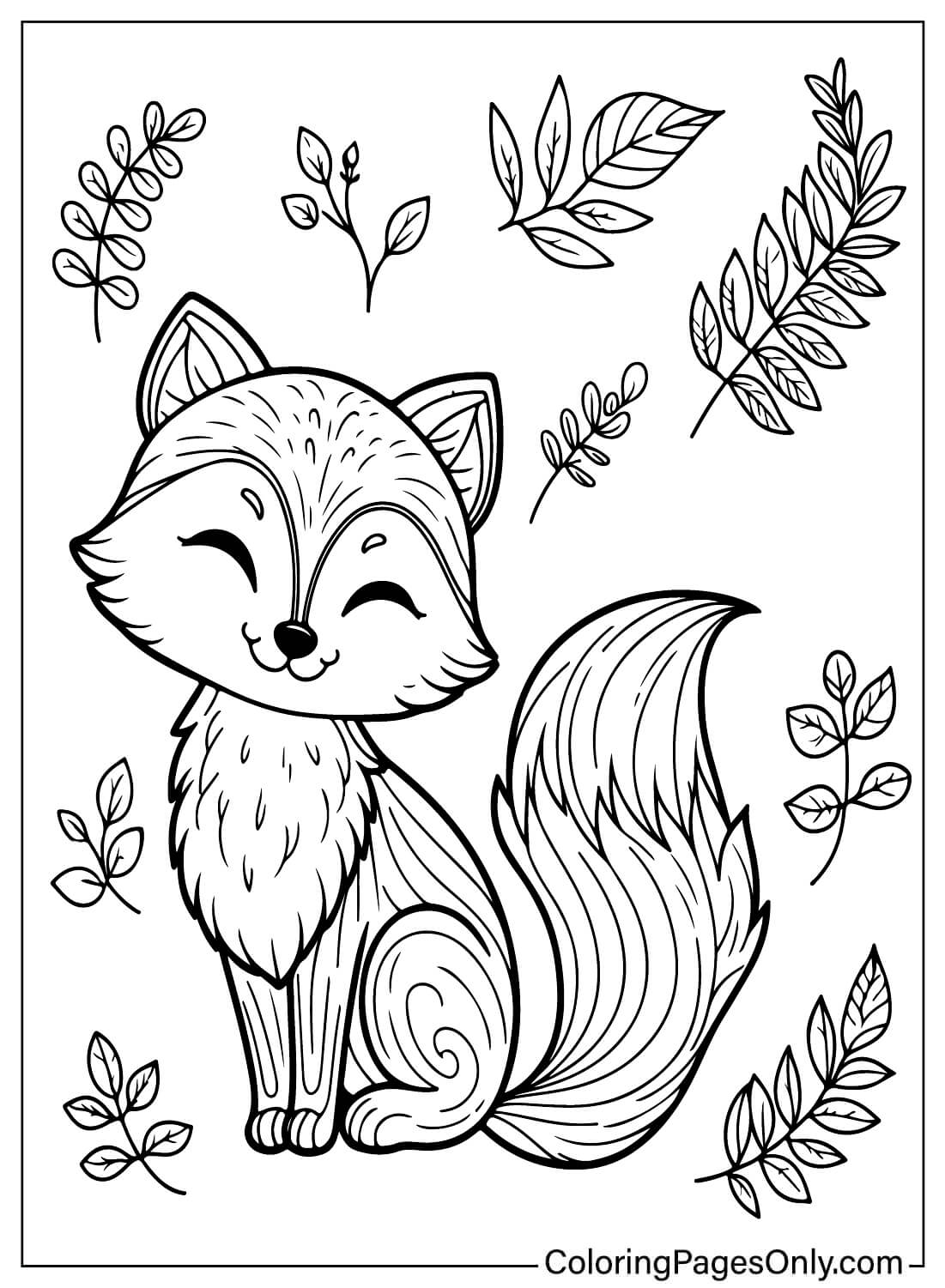
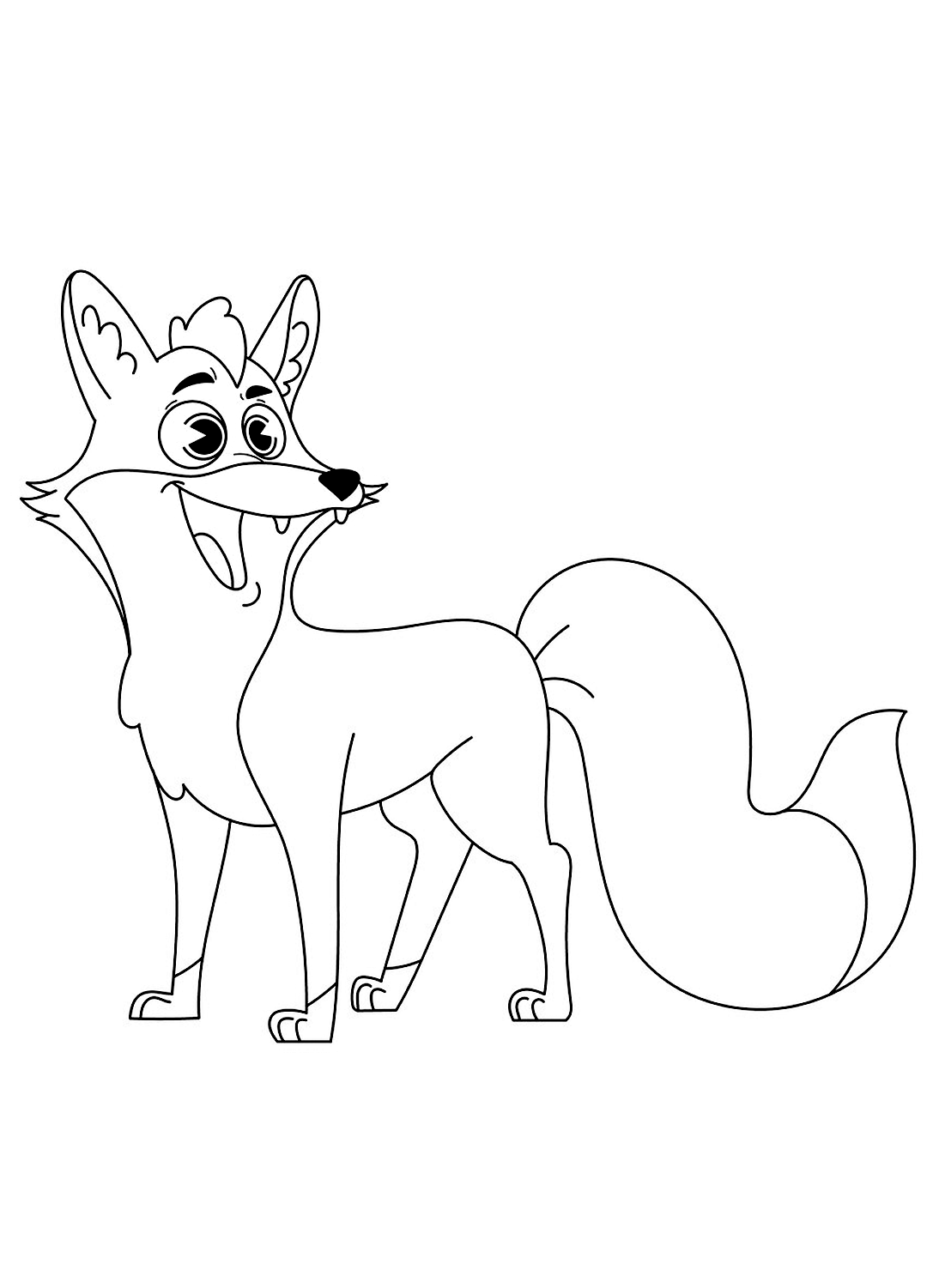
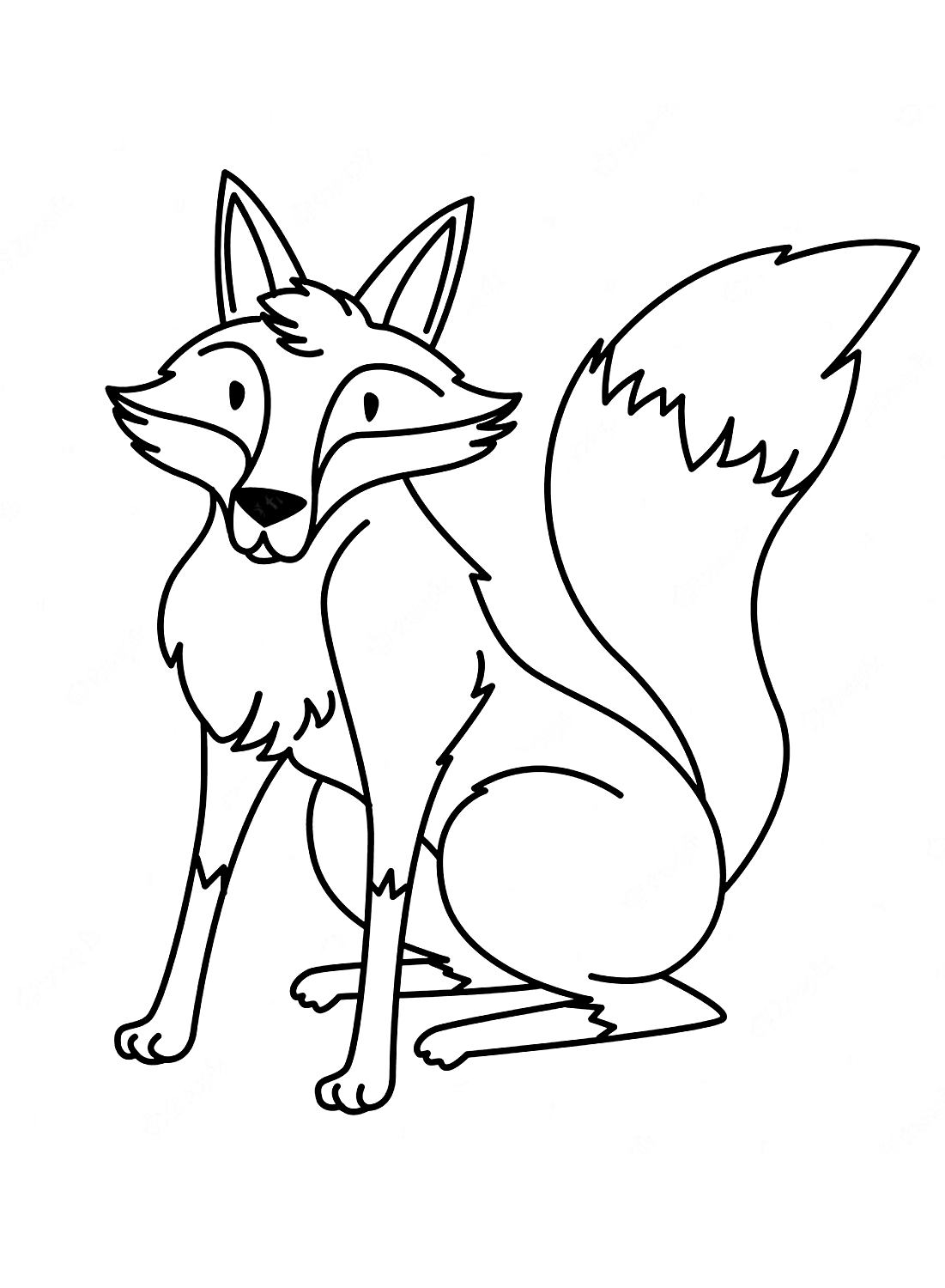
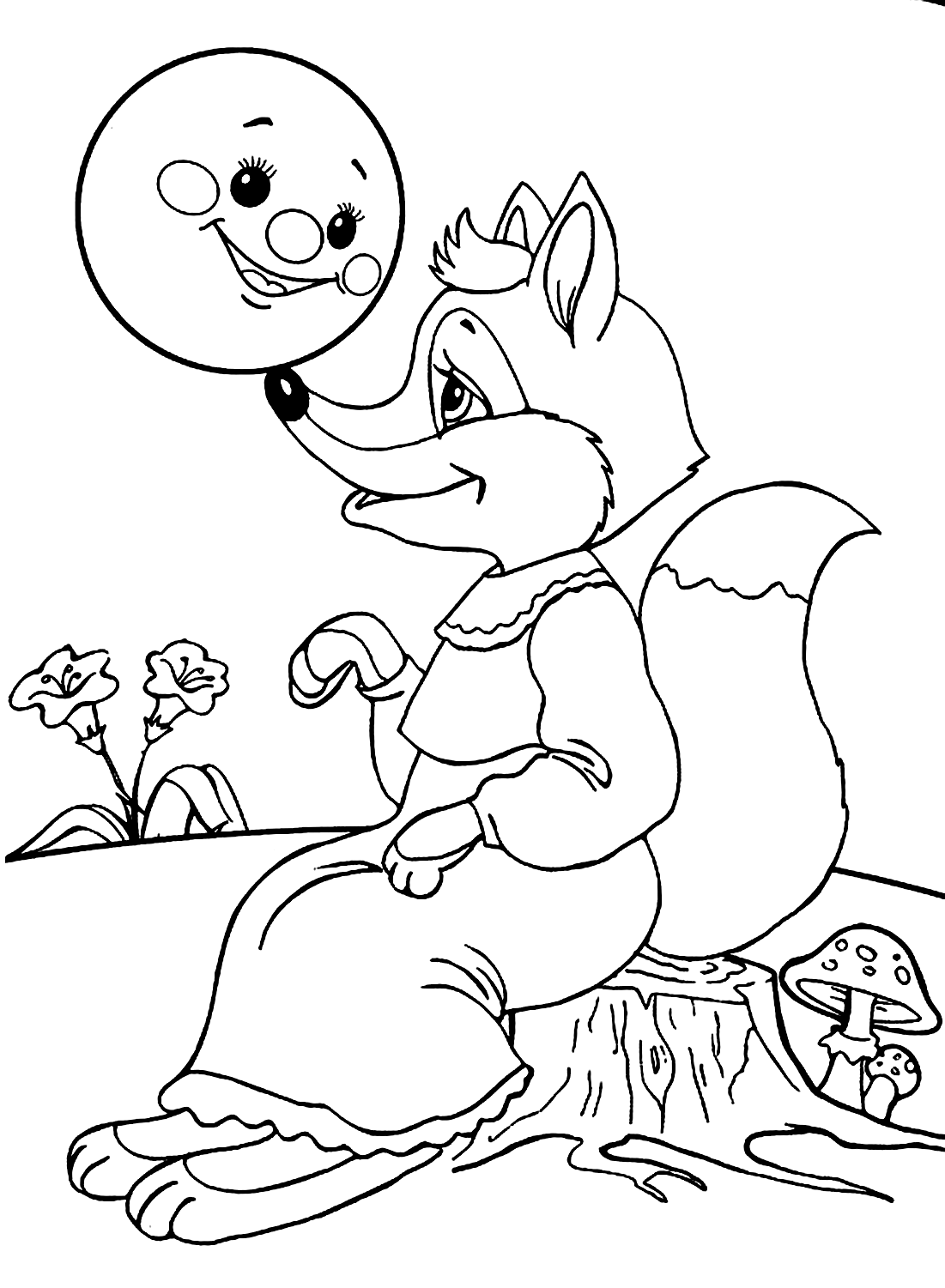
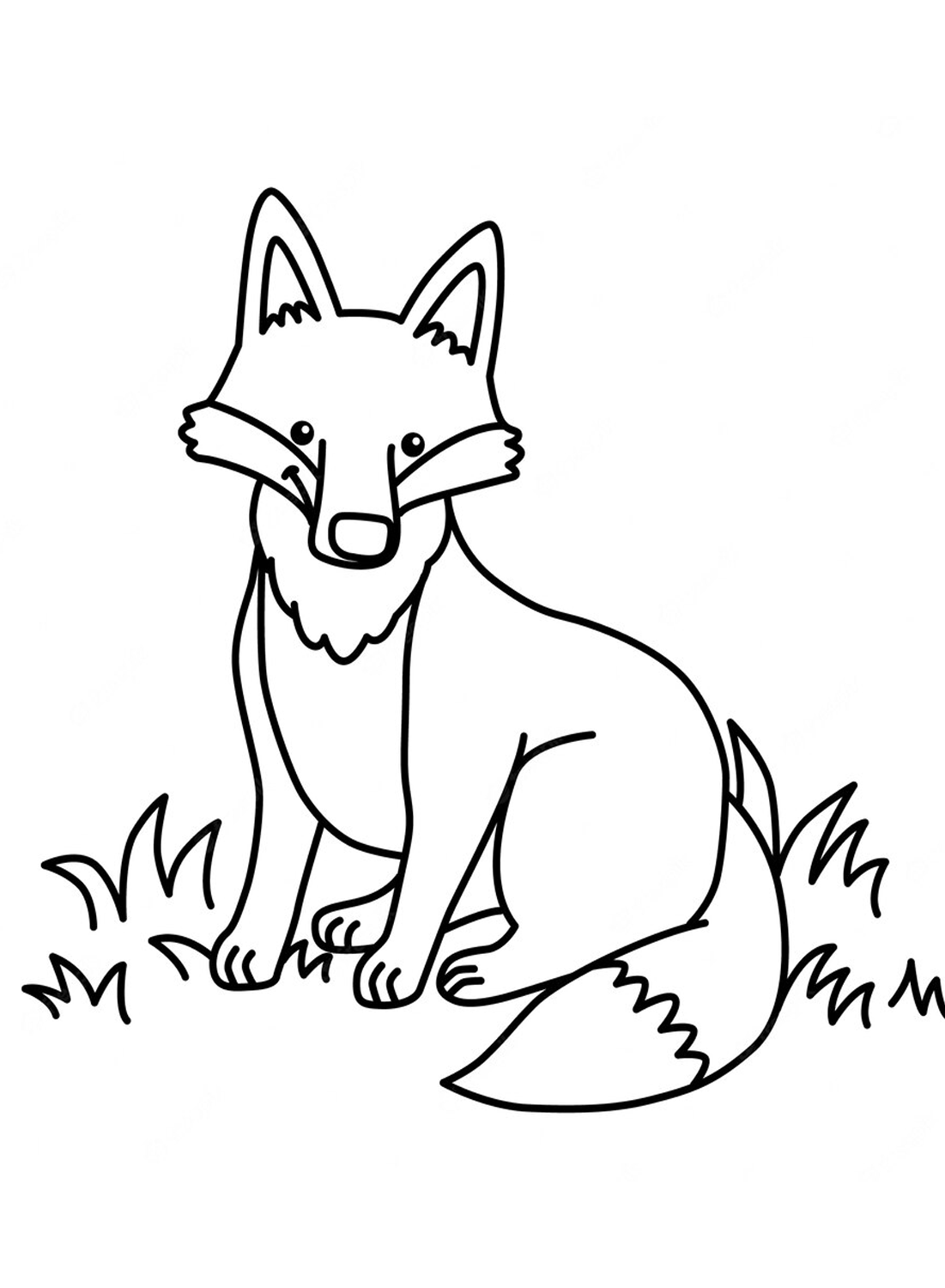
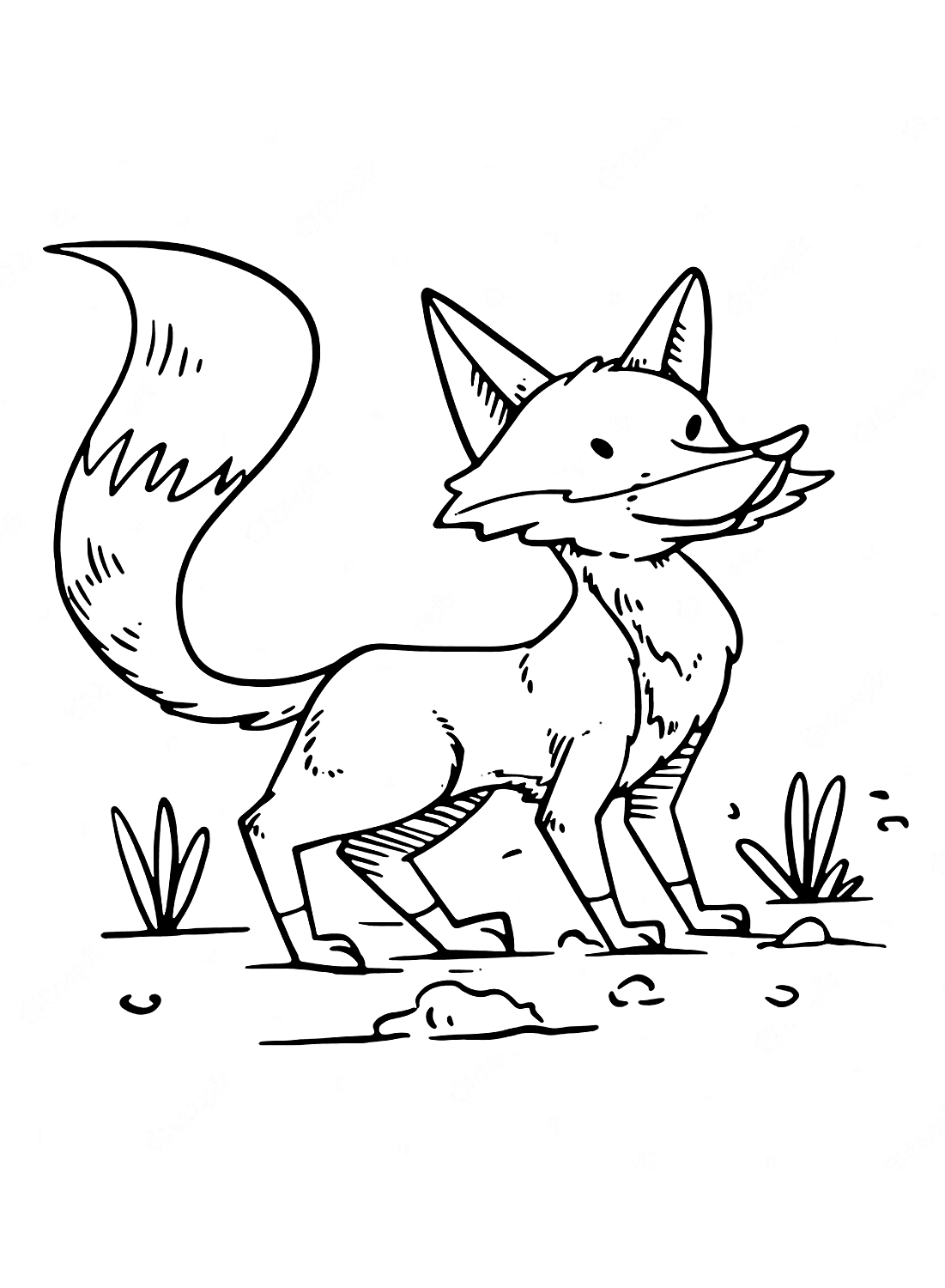
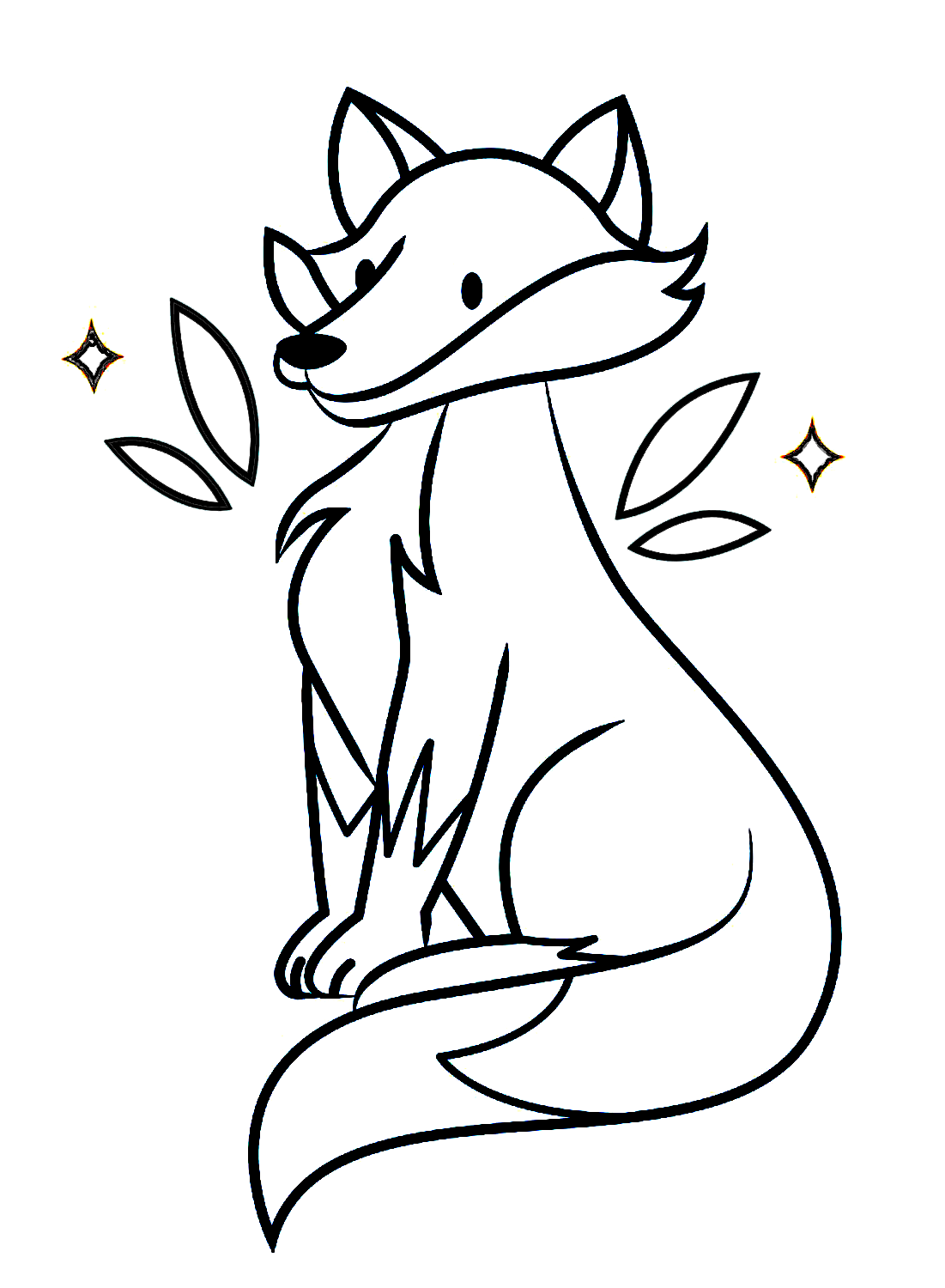
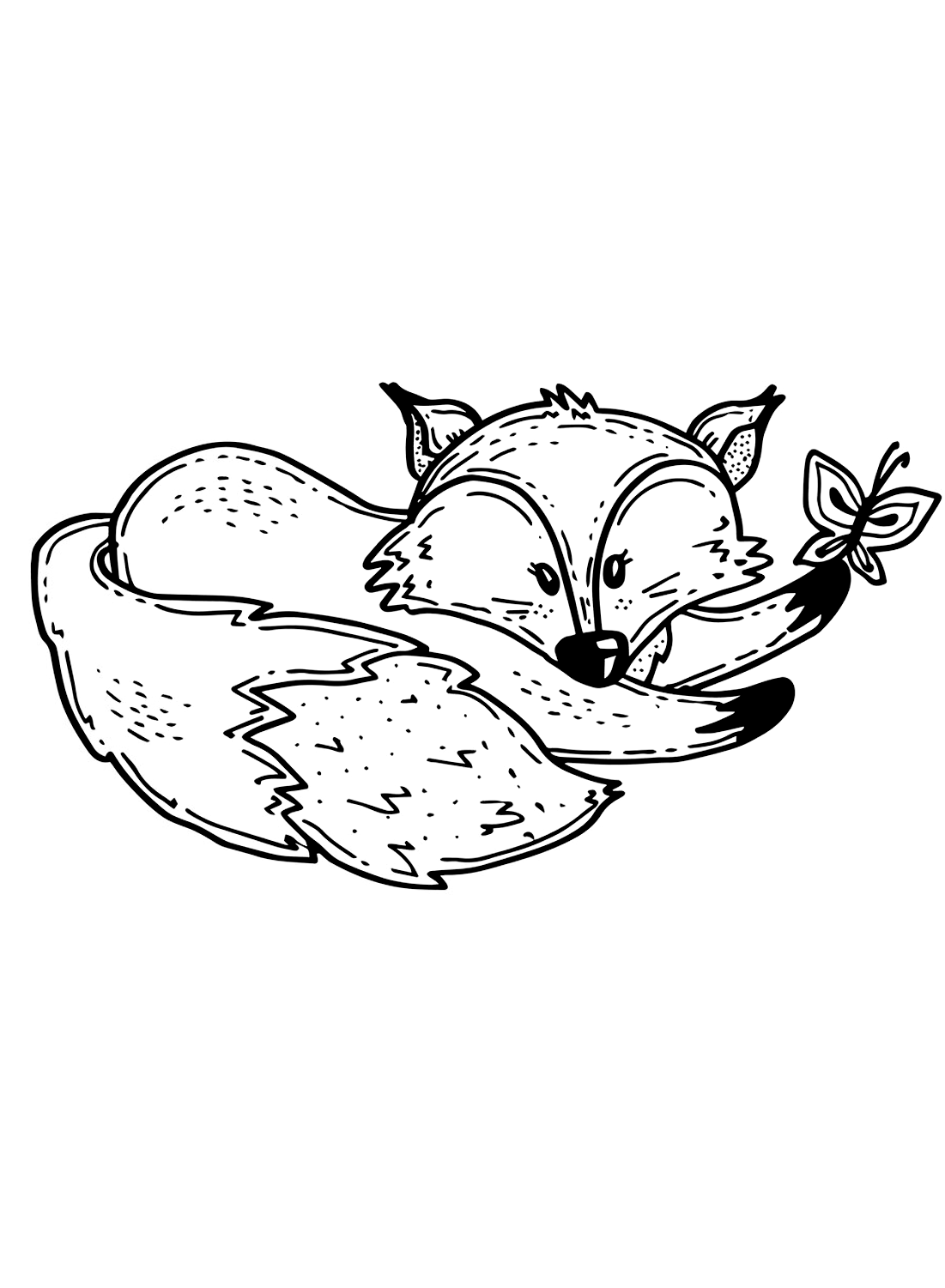
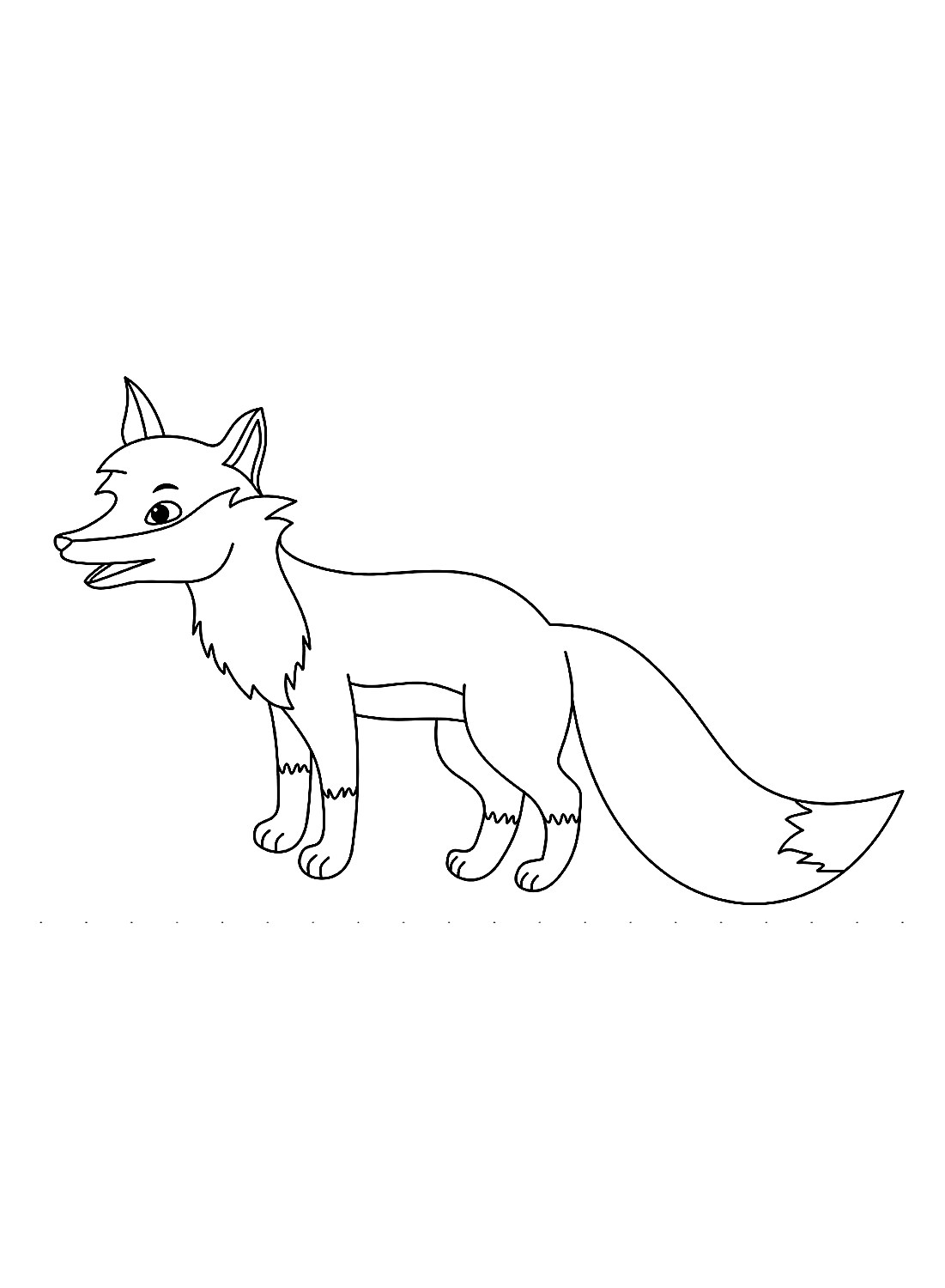
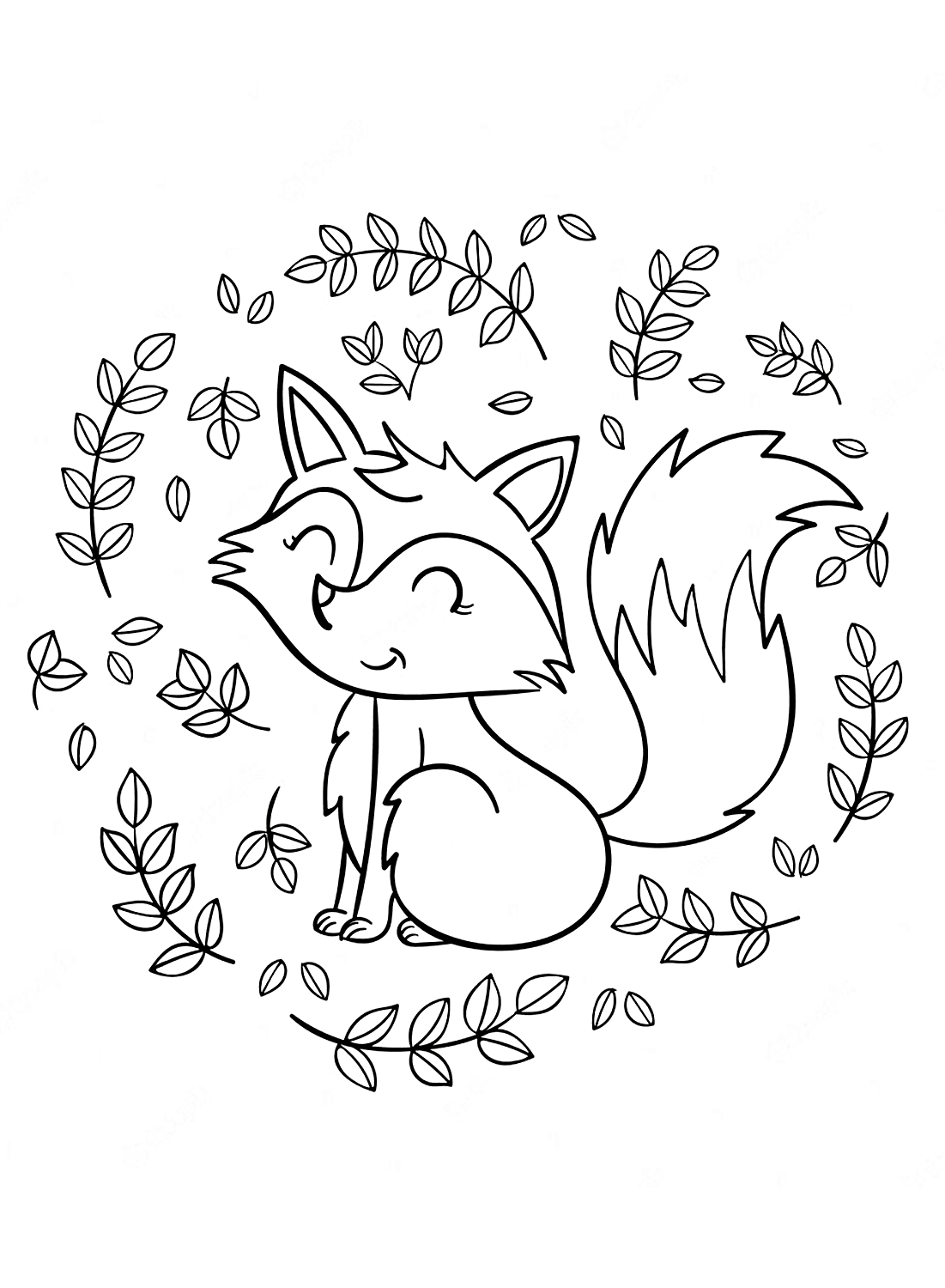
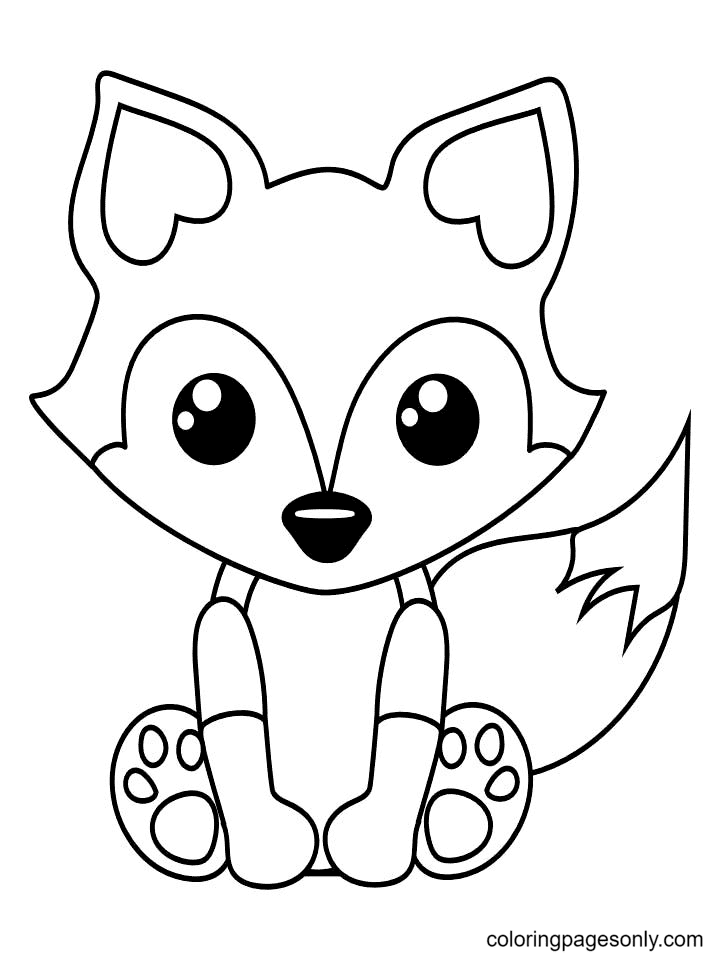
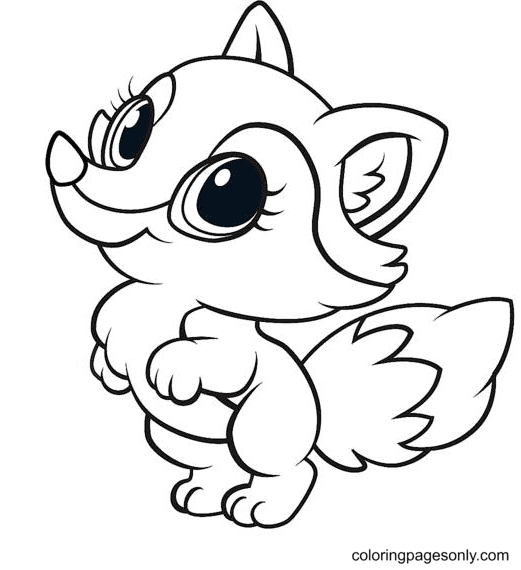
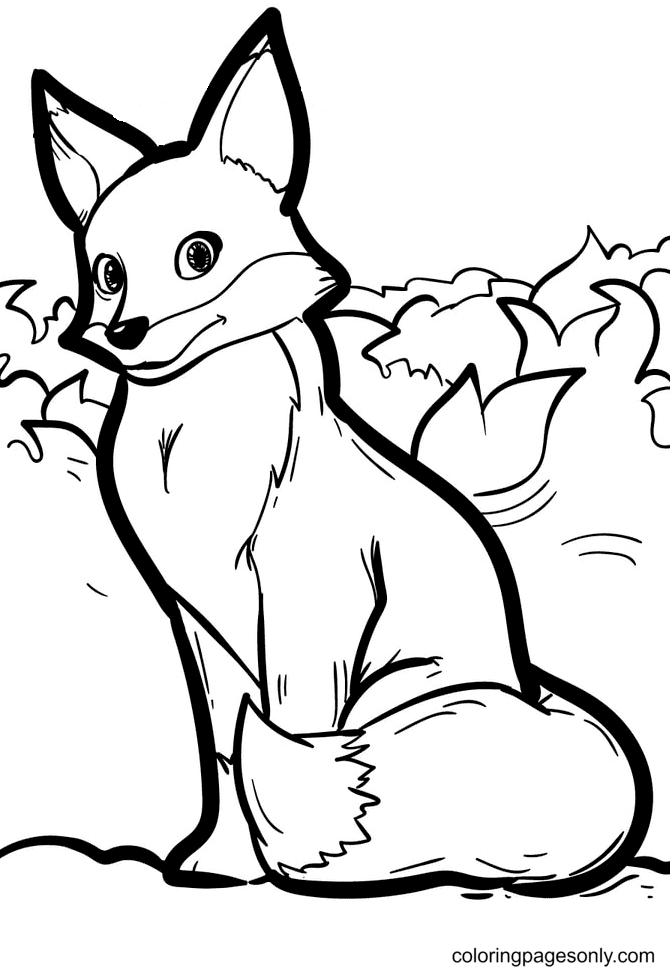
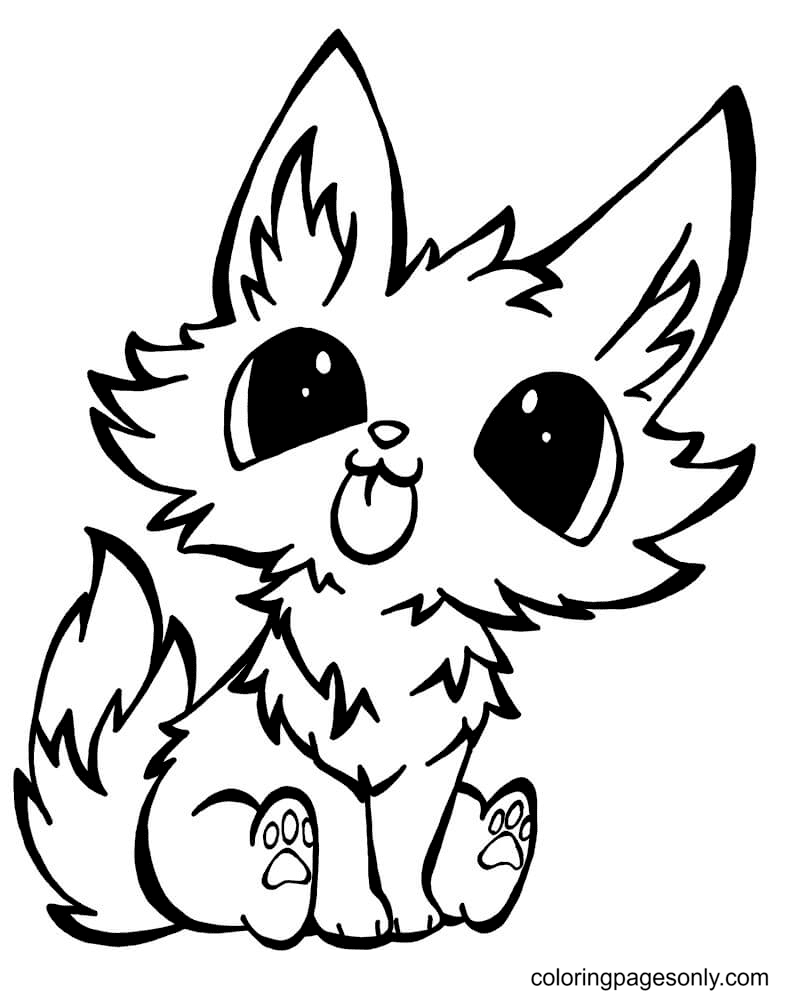
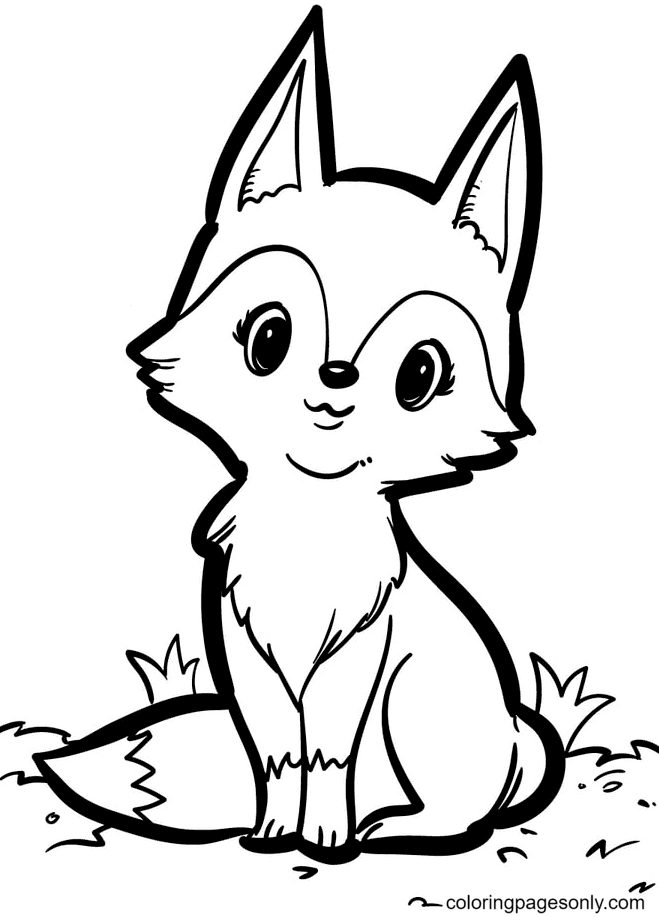
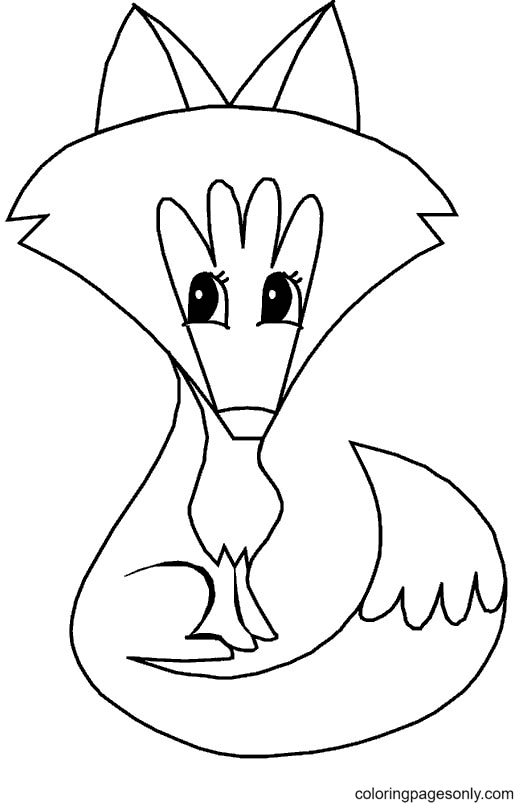
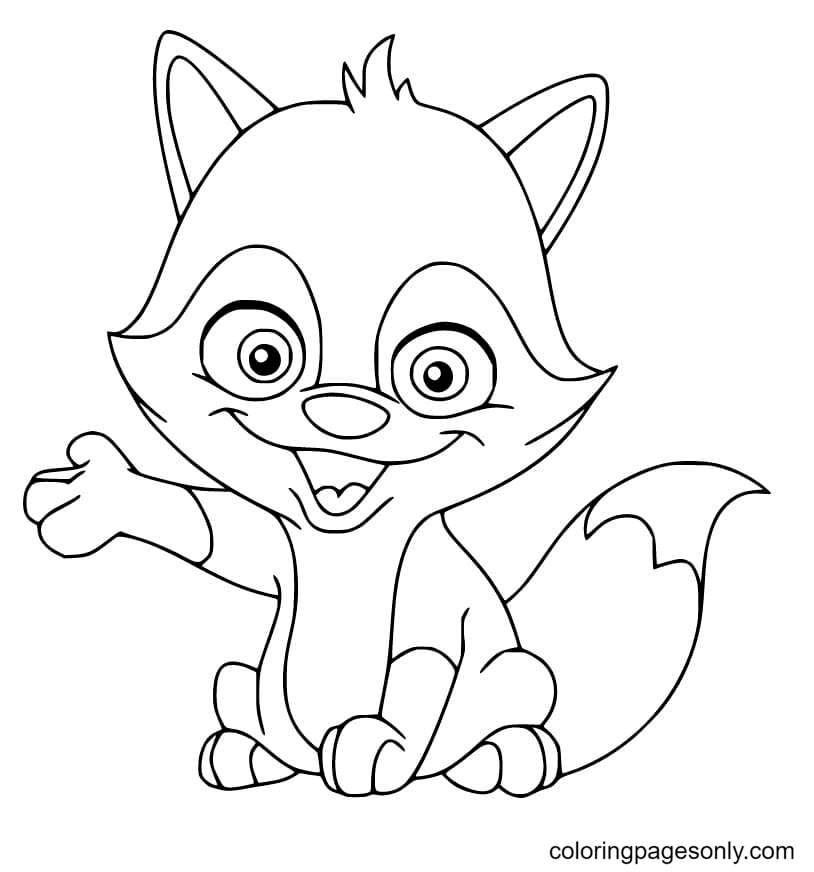
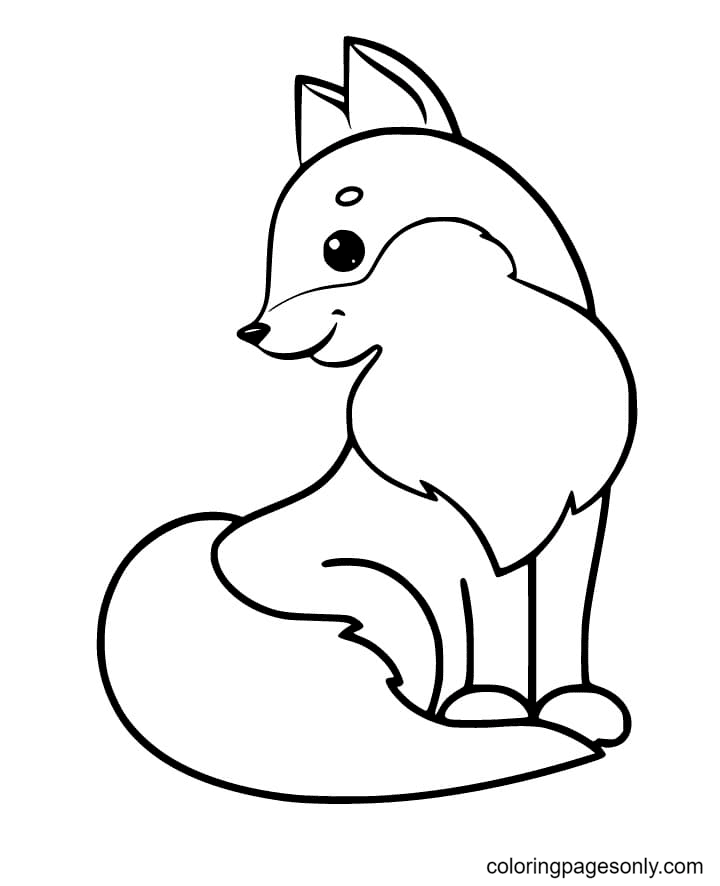
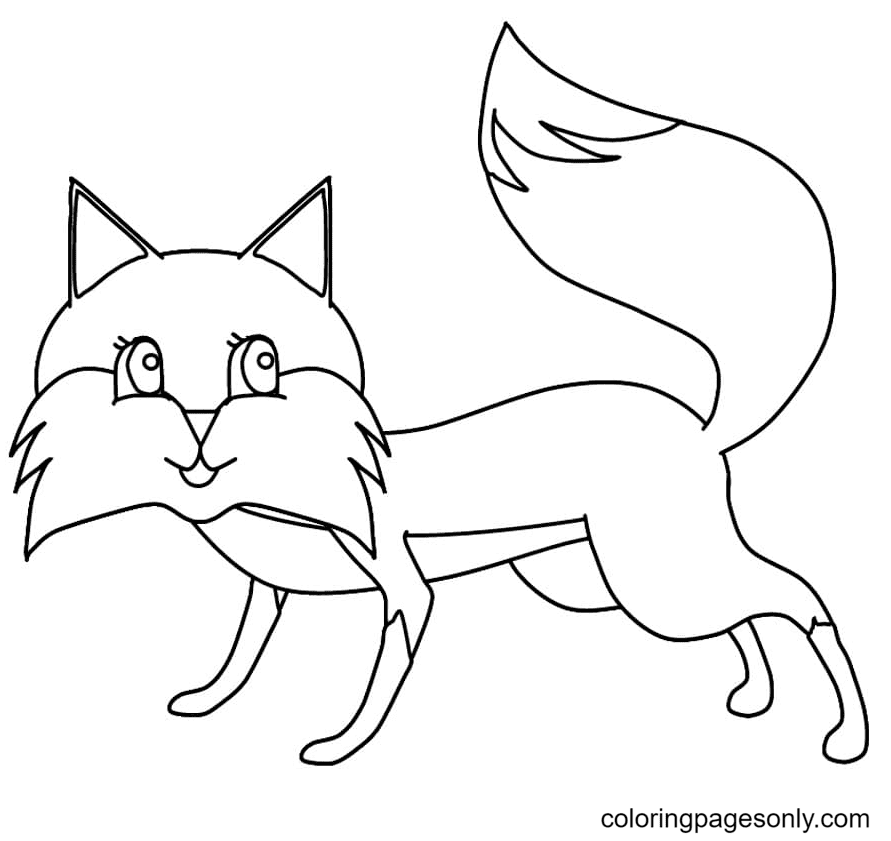
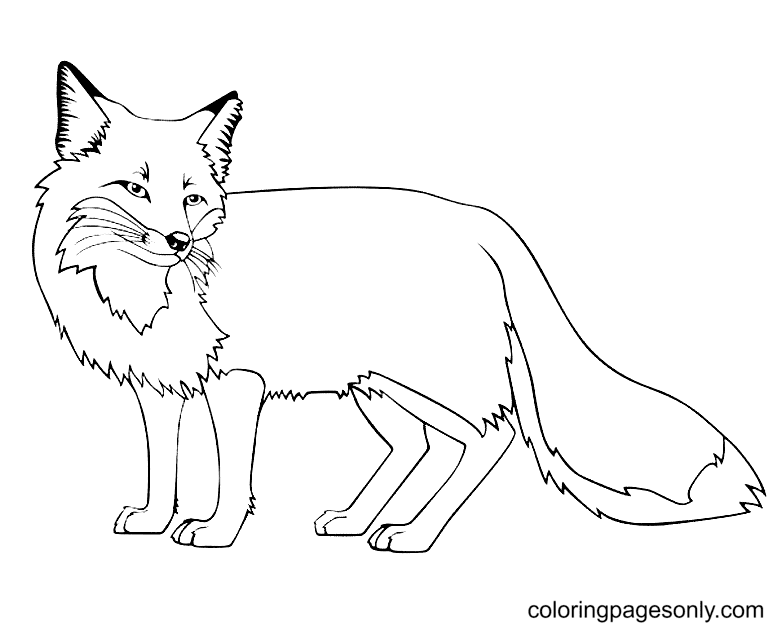
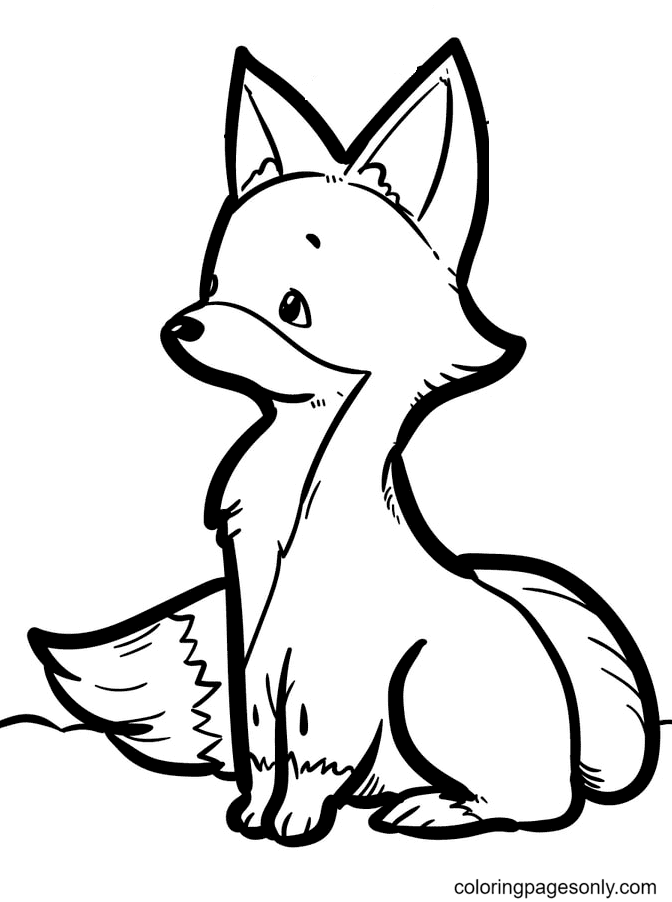
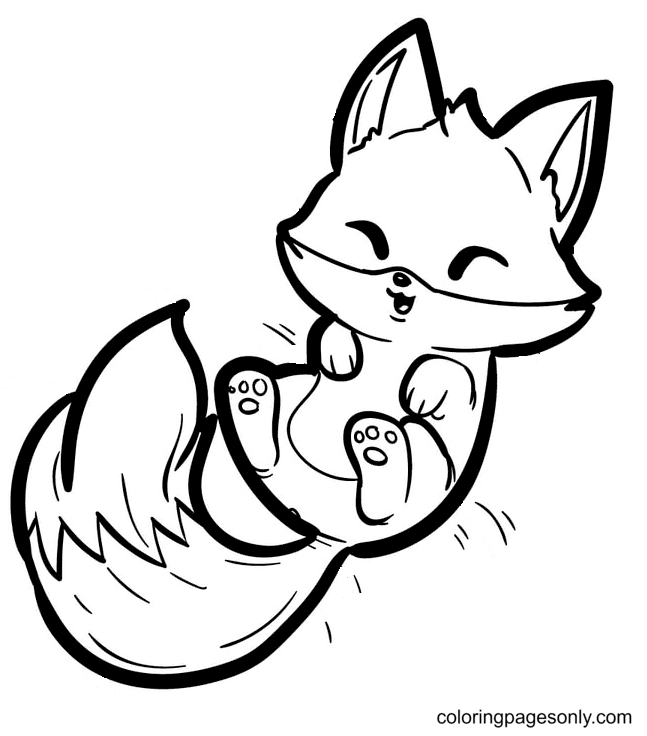
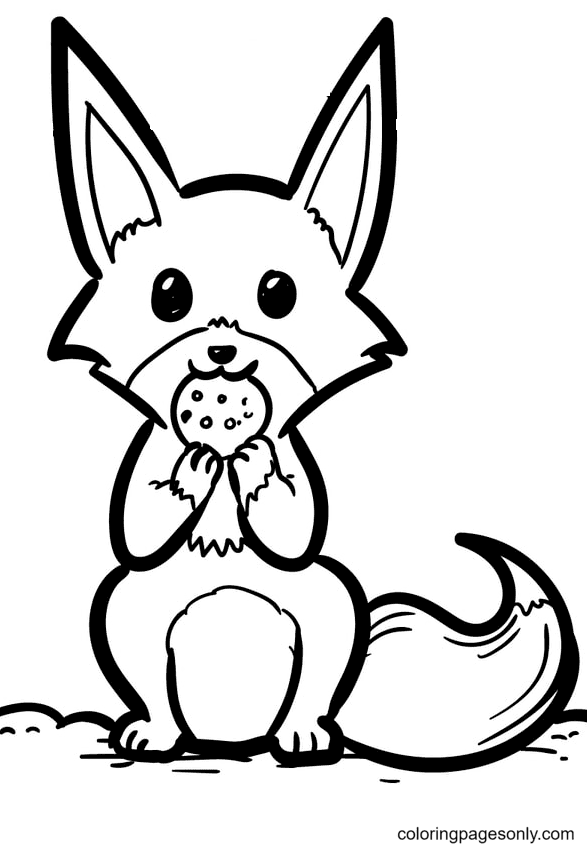
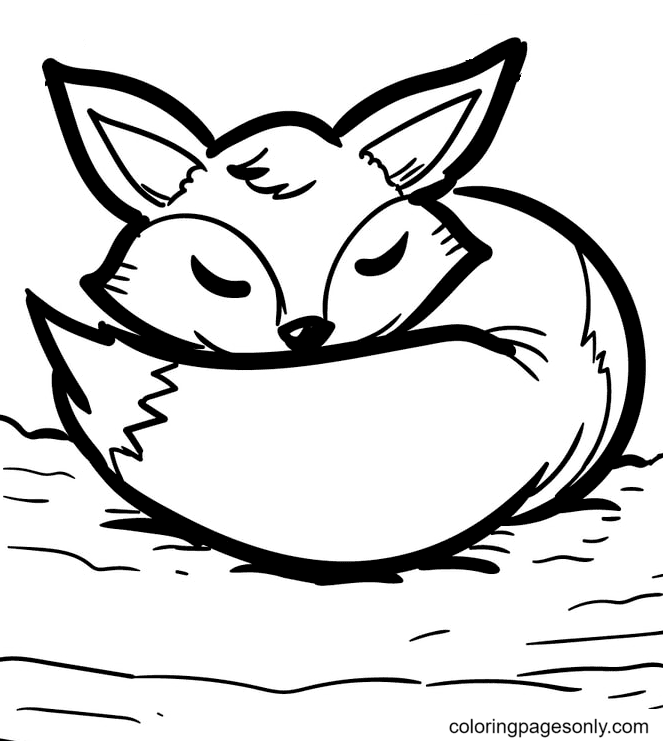
The largest share of the collection is single foxes shown sitting, standing, or curled up, drawn in a simple, rounded style. Color the body a warm Red-Orange, the chest and tail tip White, and the ear tips and paws Black, the classic three-tone pattern that makes a fox instantly recognizable.
Baby Foxes and Fox Families
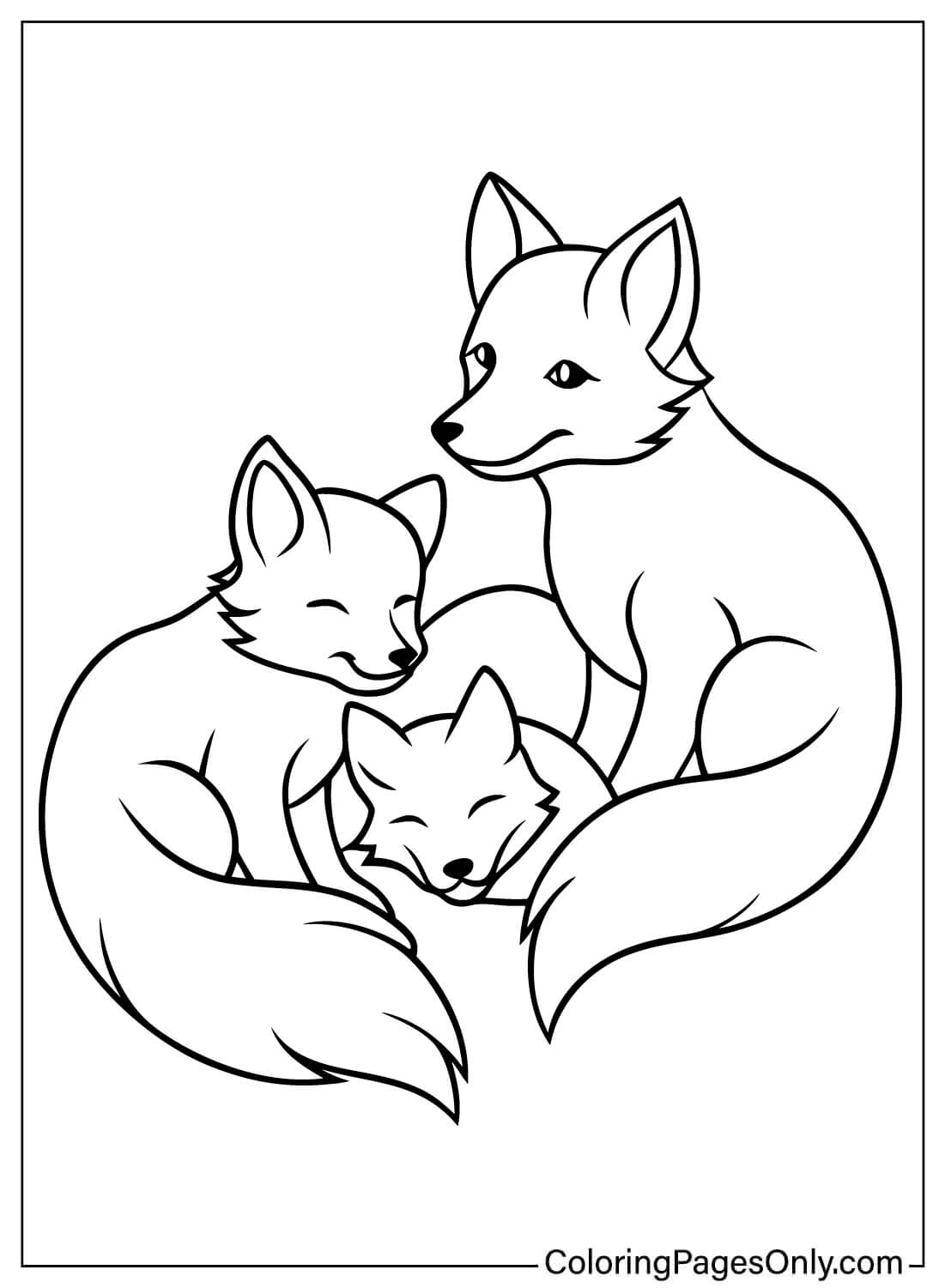
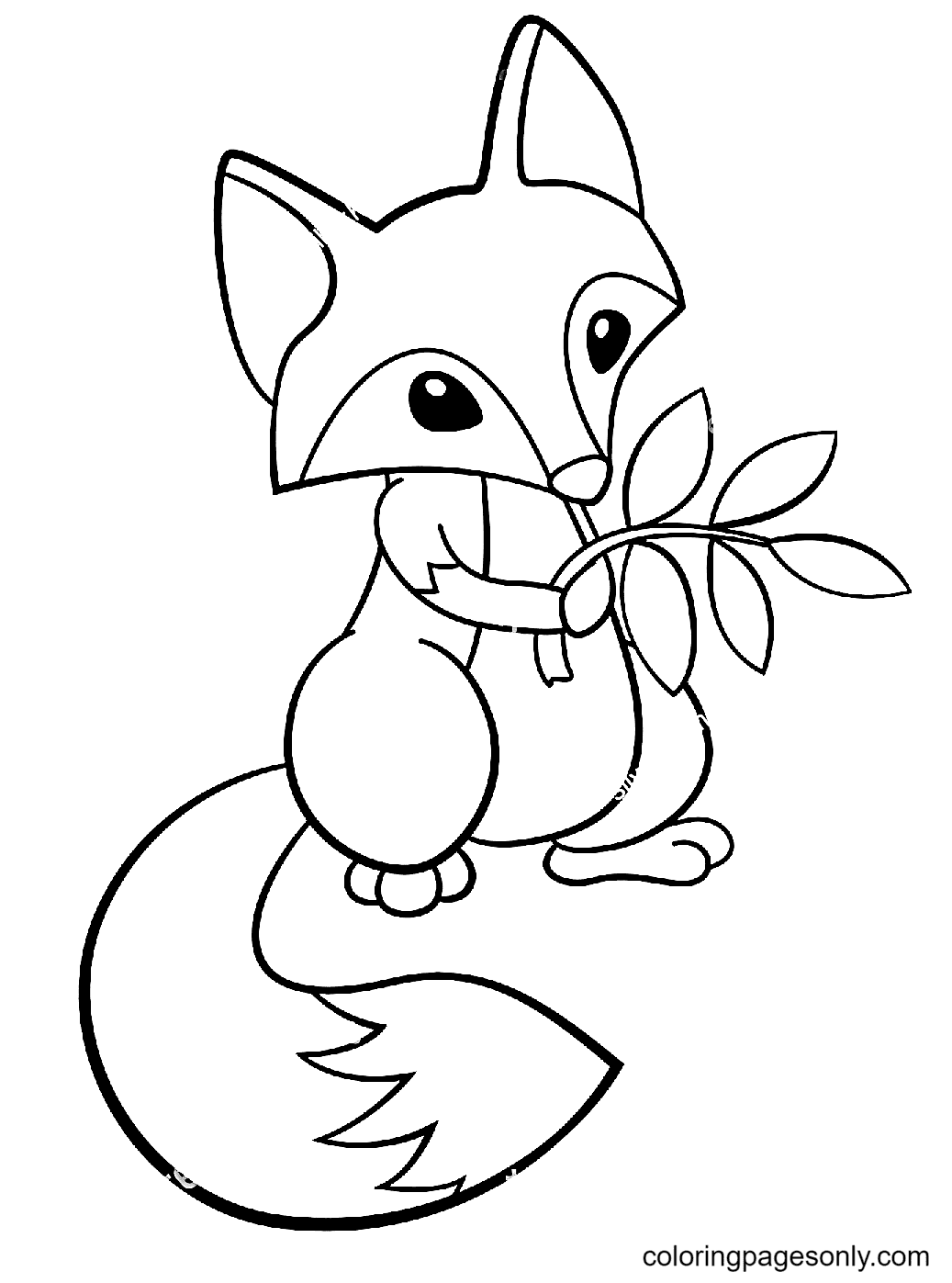
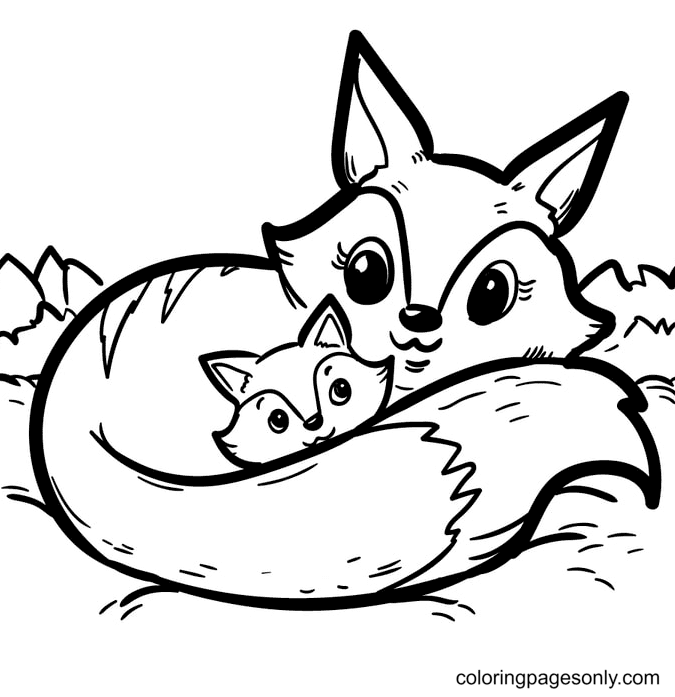
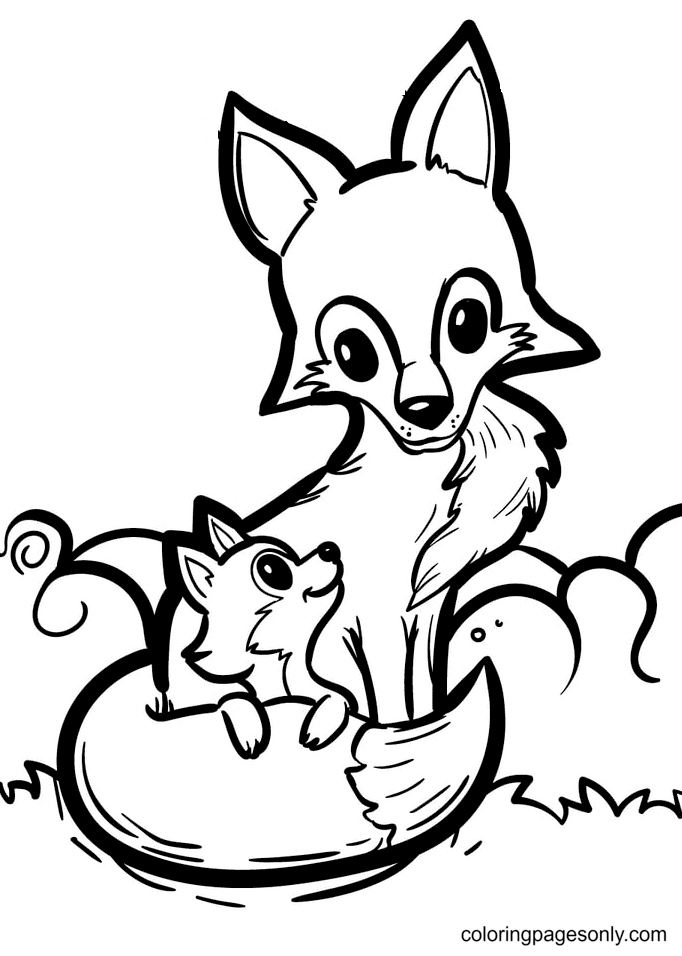
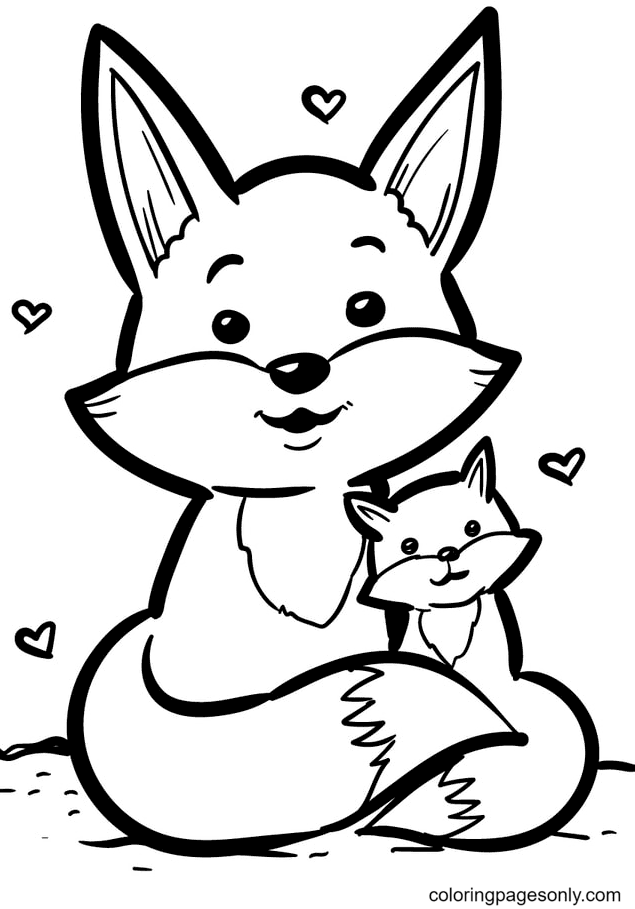
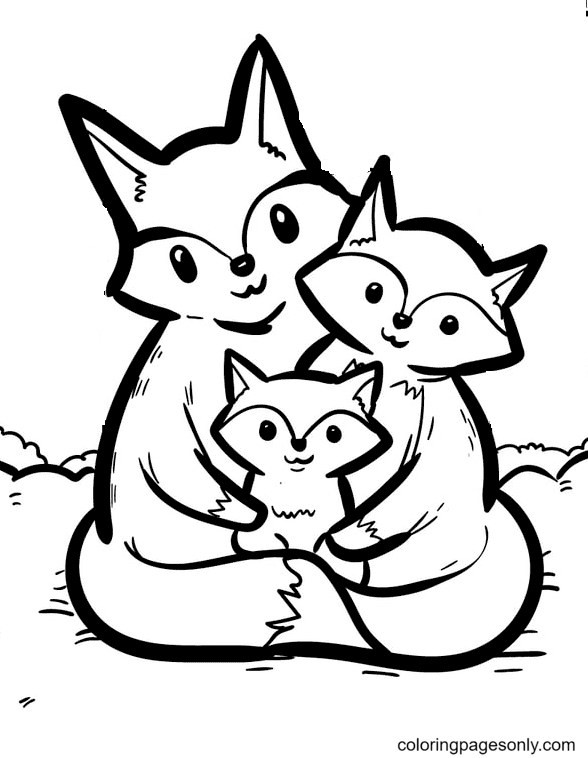
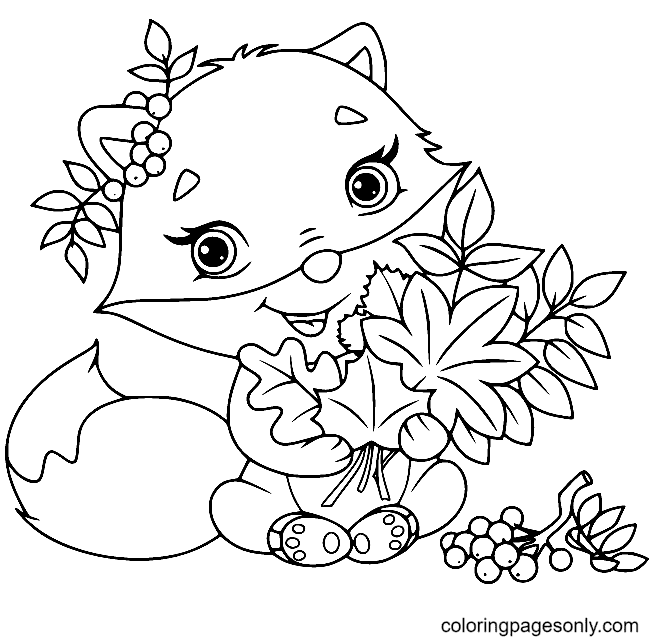
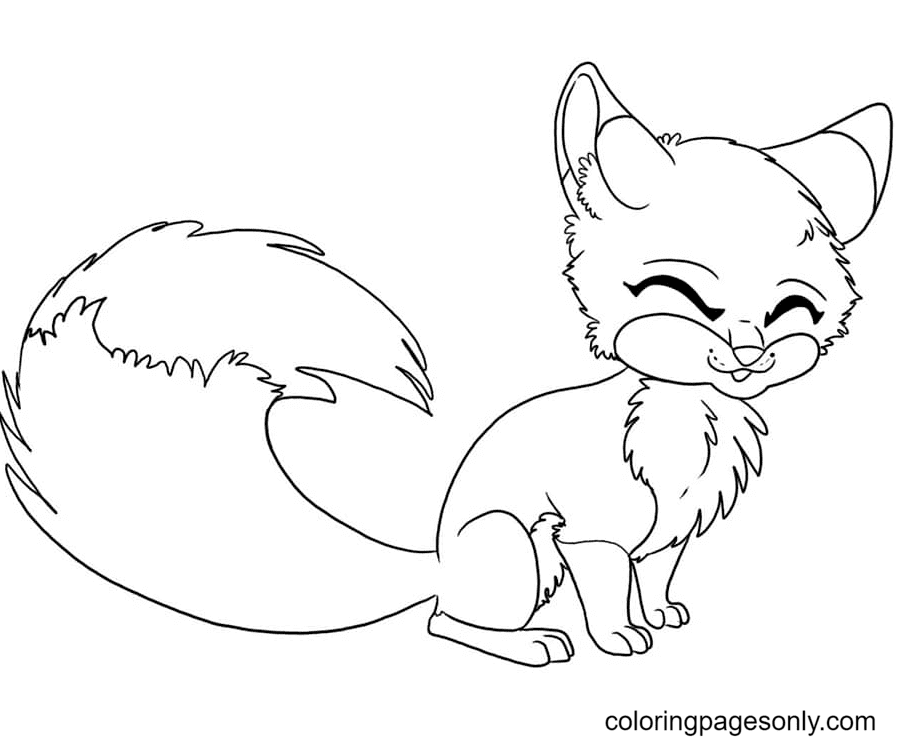
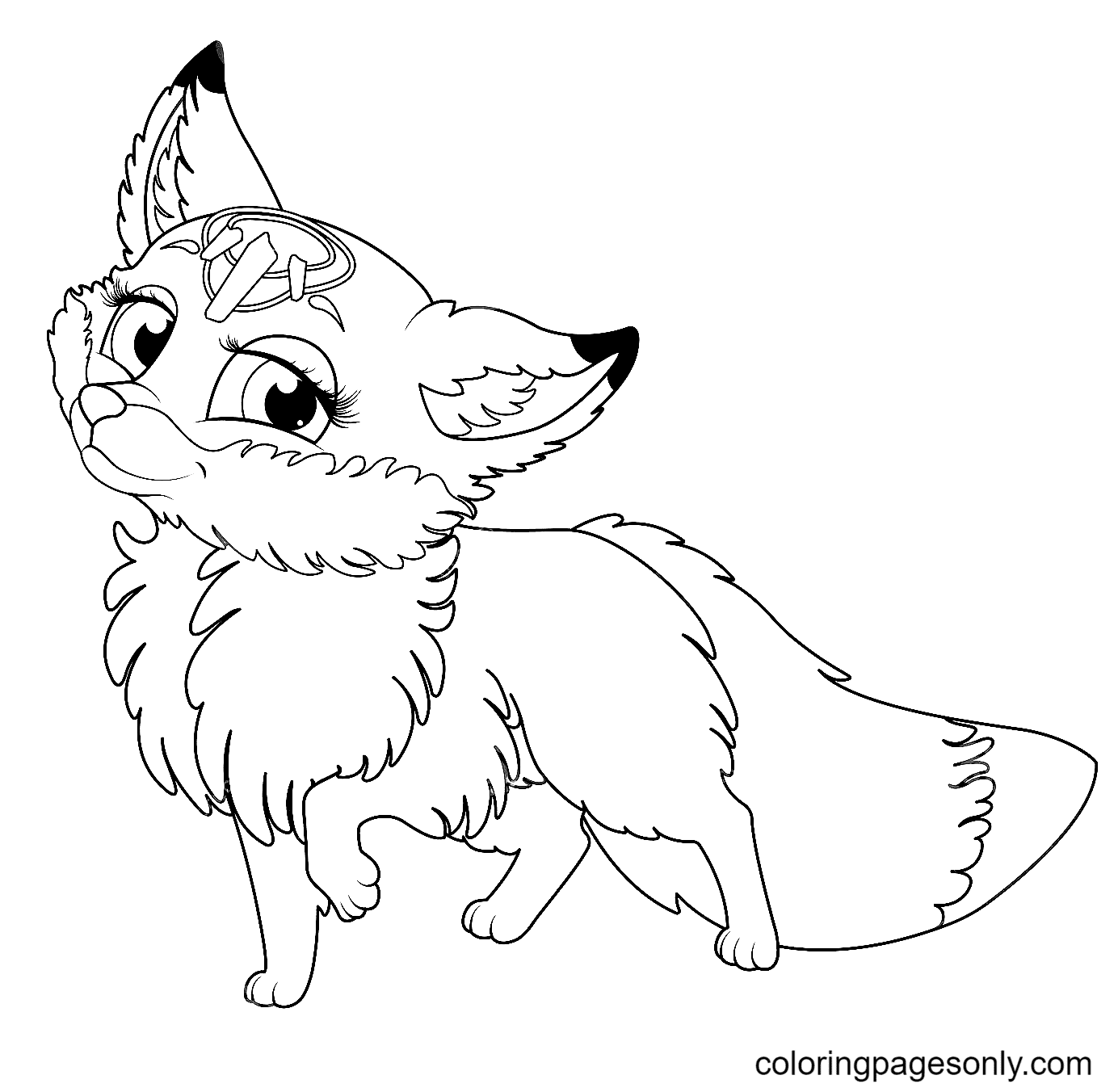
A large group shows baby foxes alone or with a parent, including a mother wrapping her tail protectively around a kit. Keep the baby’s coloring a shade softer and lighter than the adult’s, since young foxes are typically born darker and lighten as they mature, and use the same Red-Orange and White palette across the whole family so they read as related.
Foxes in Nature Scenes
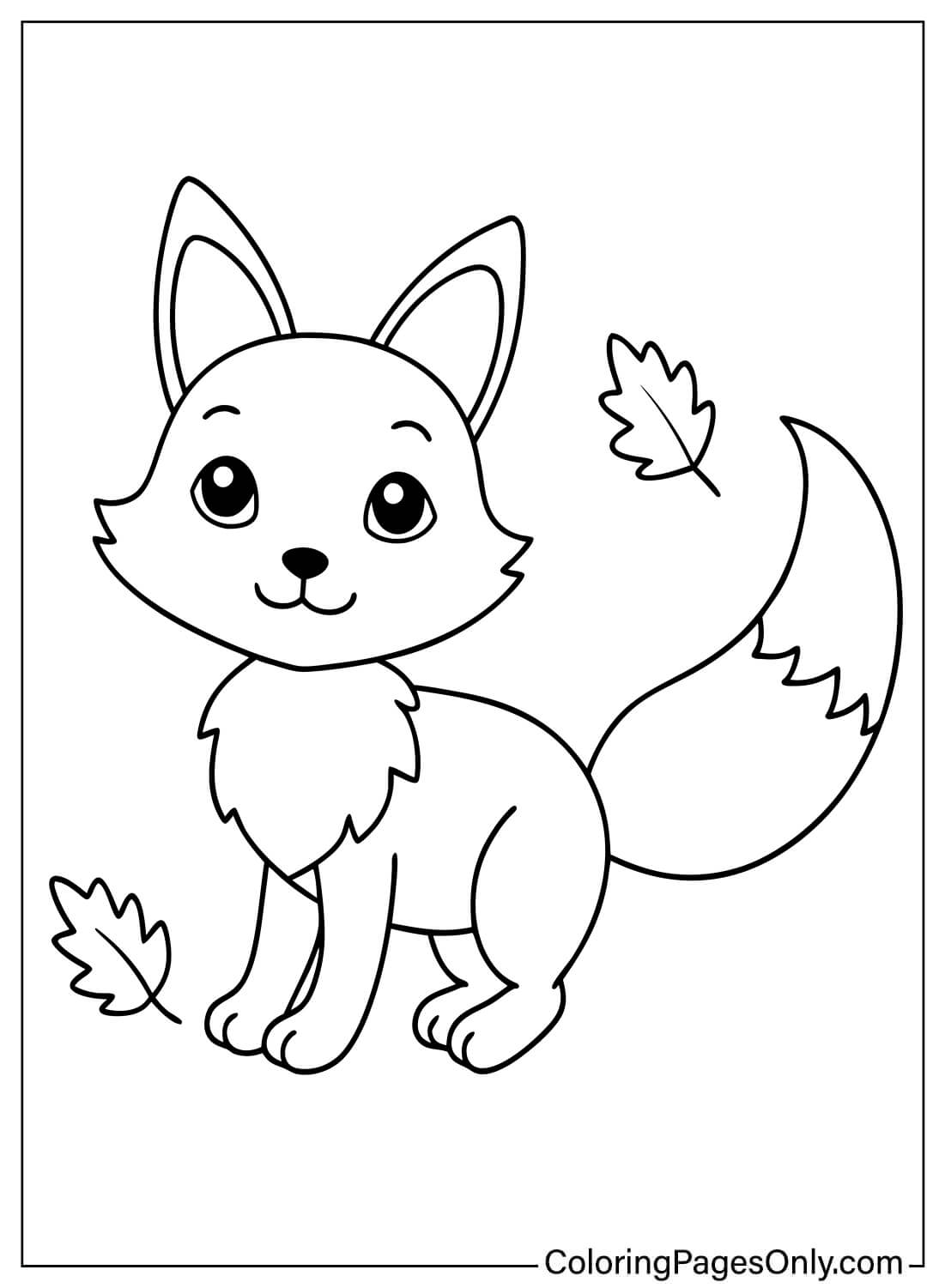
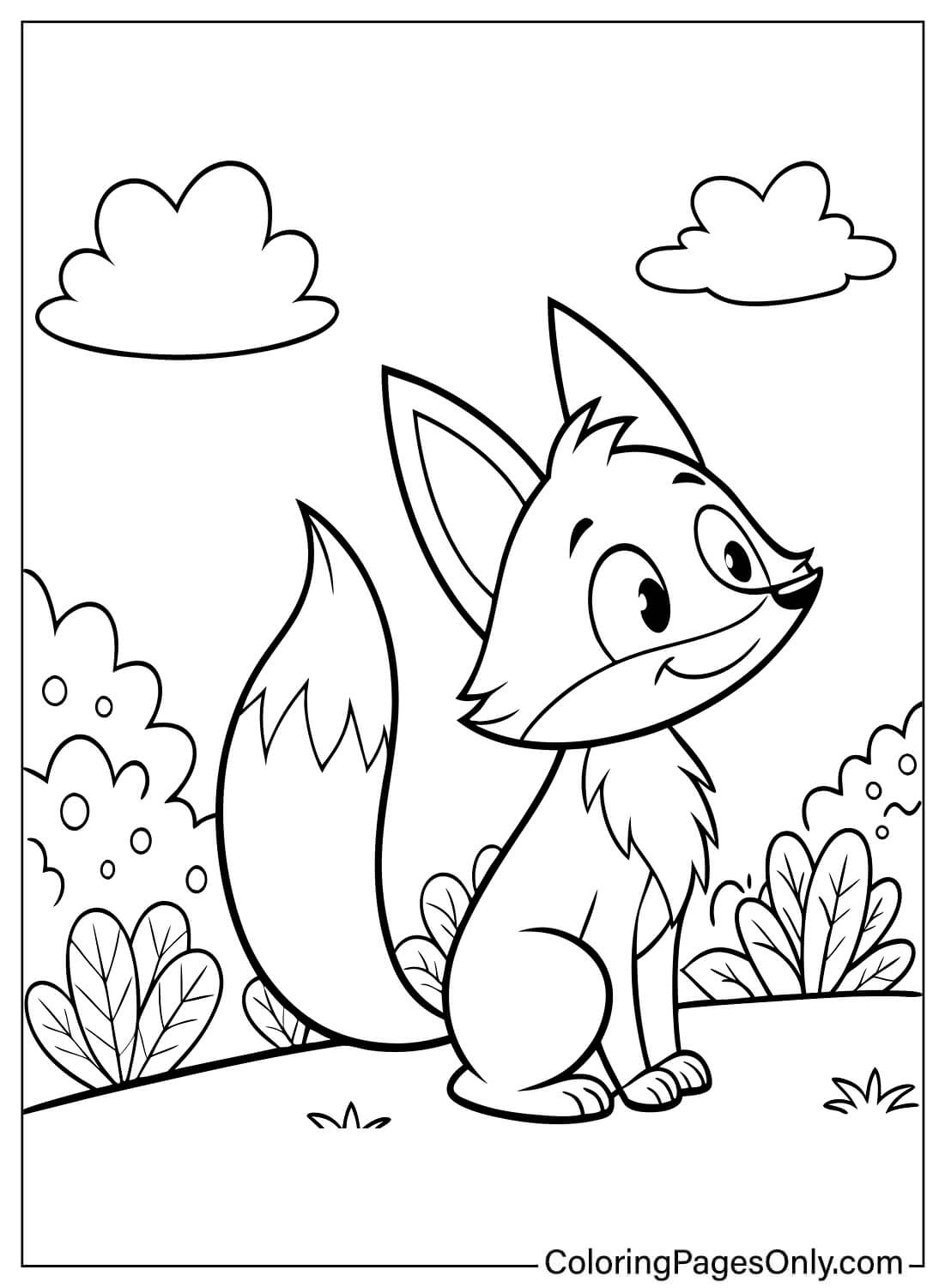
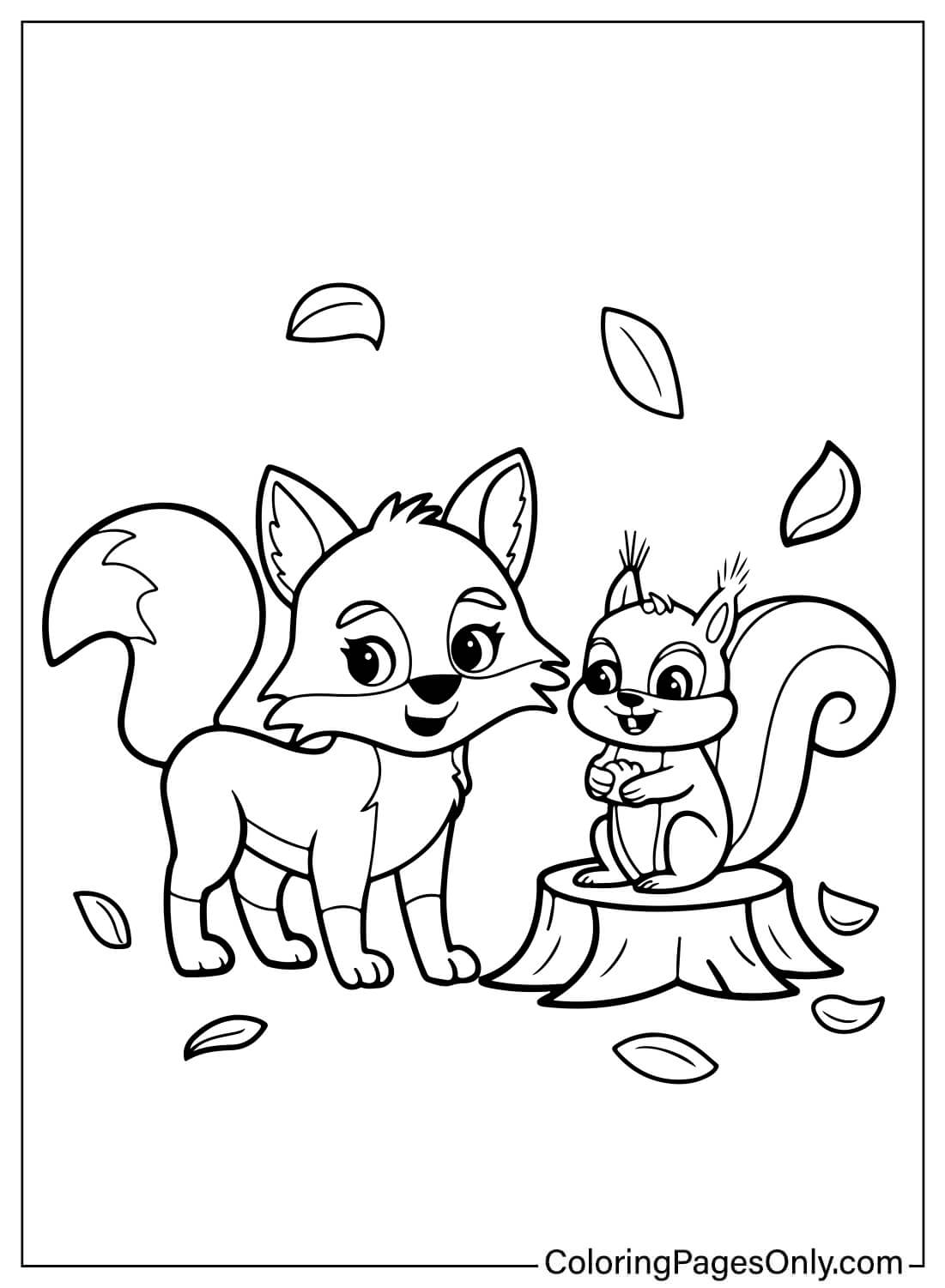
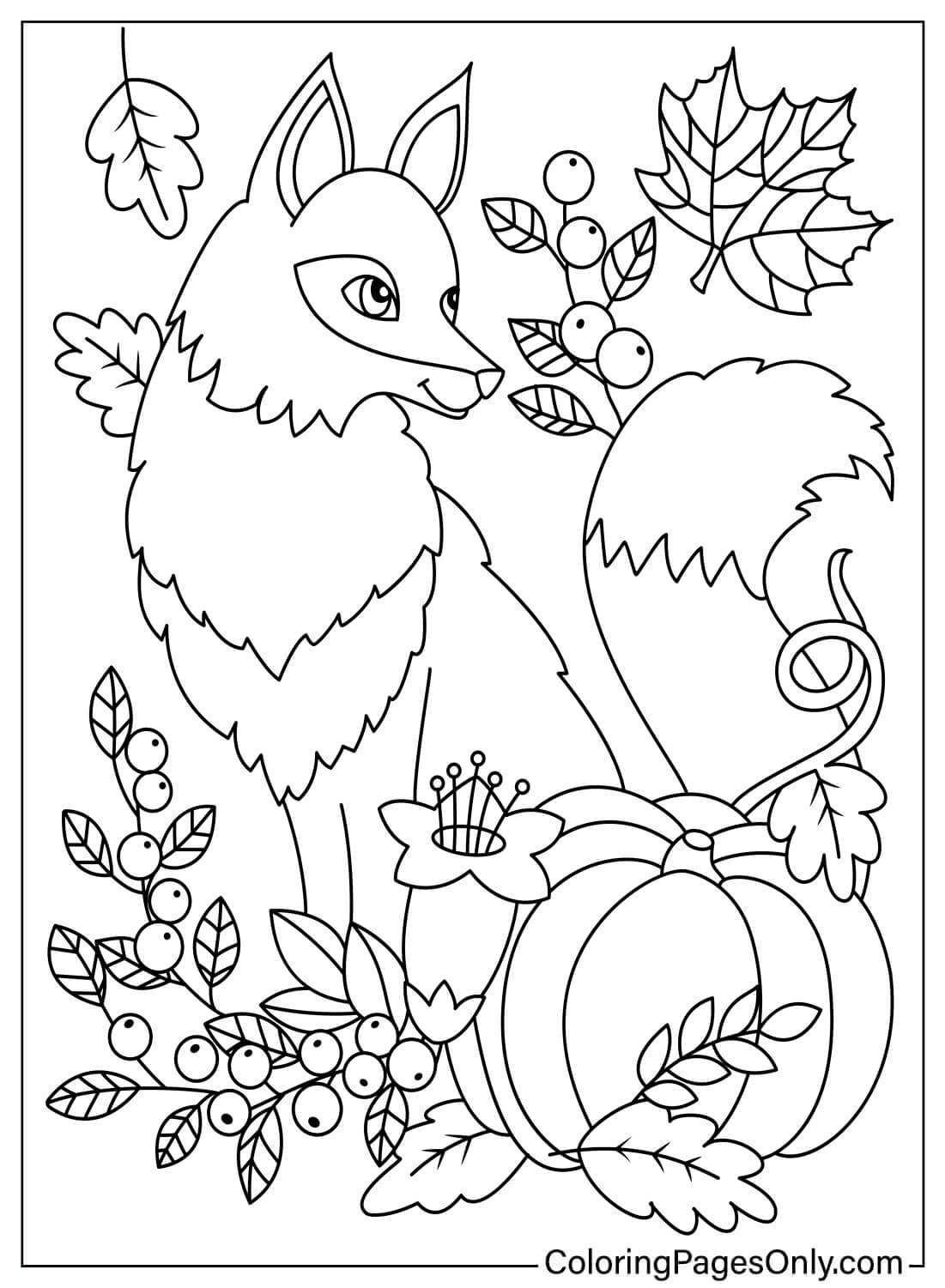
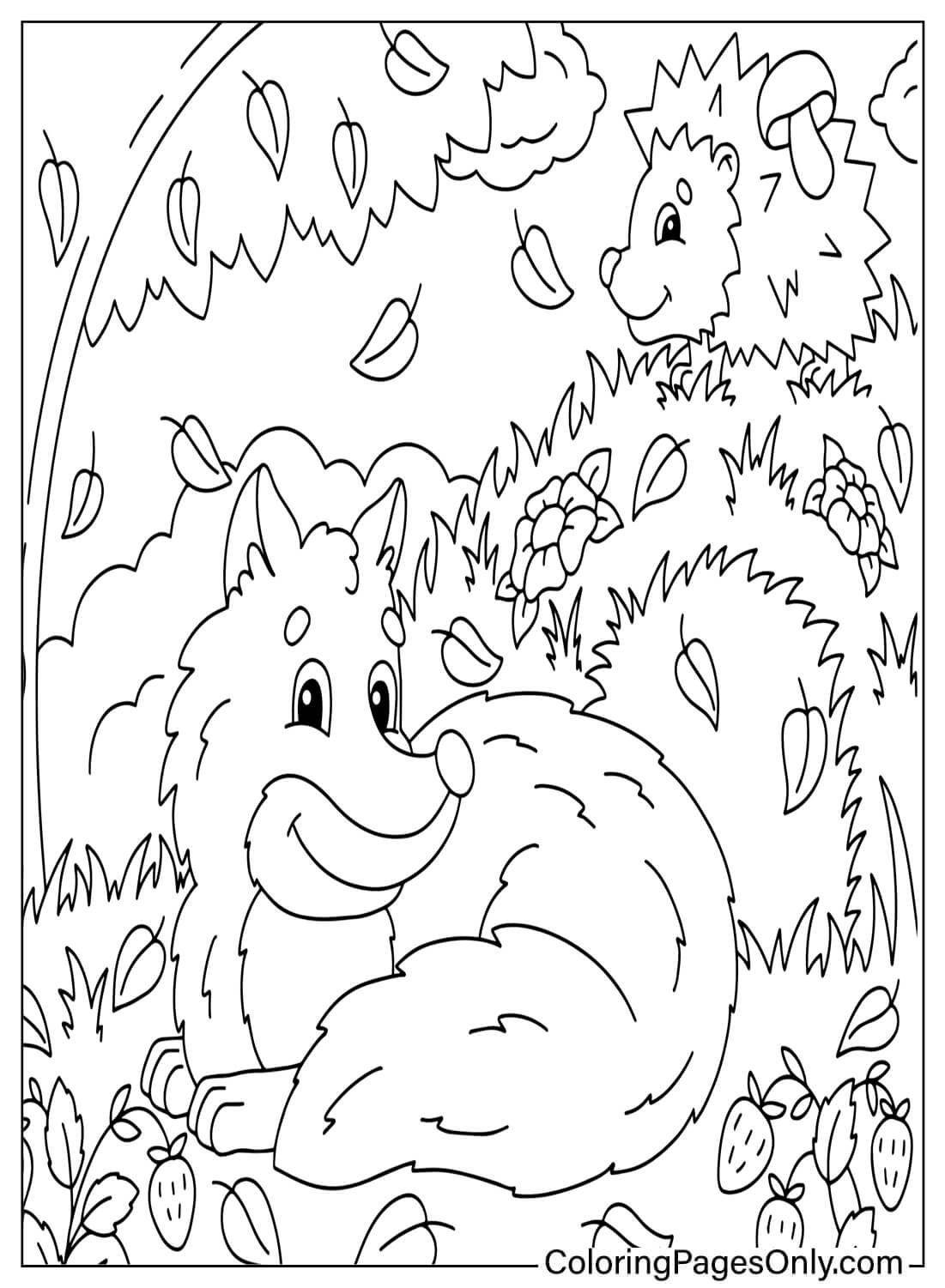
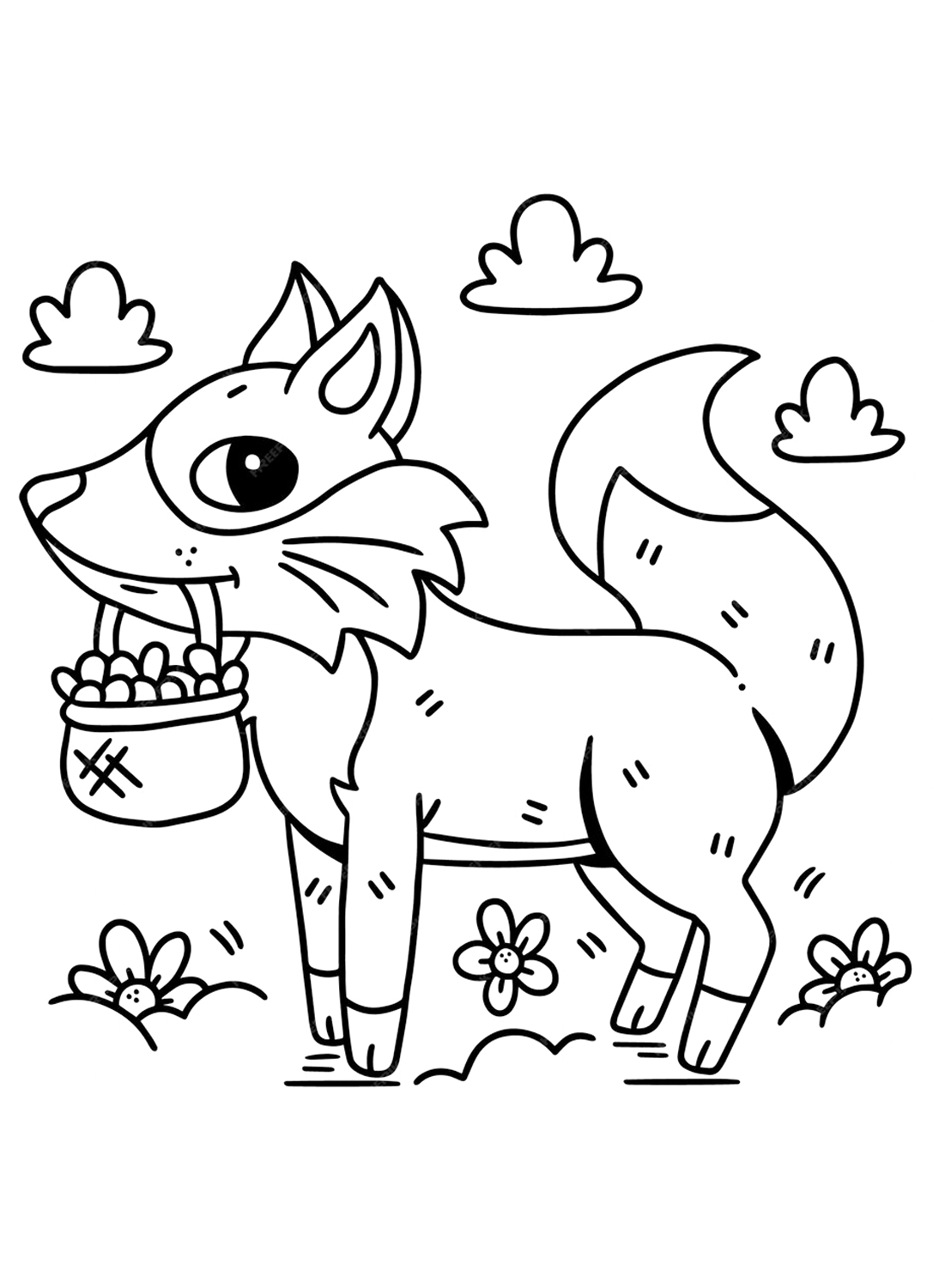
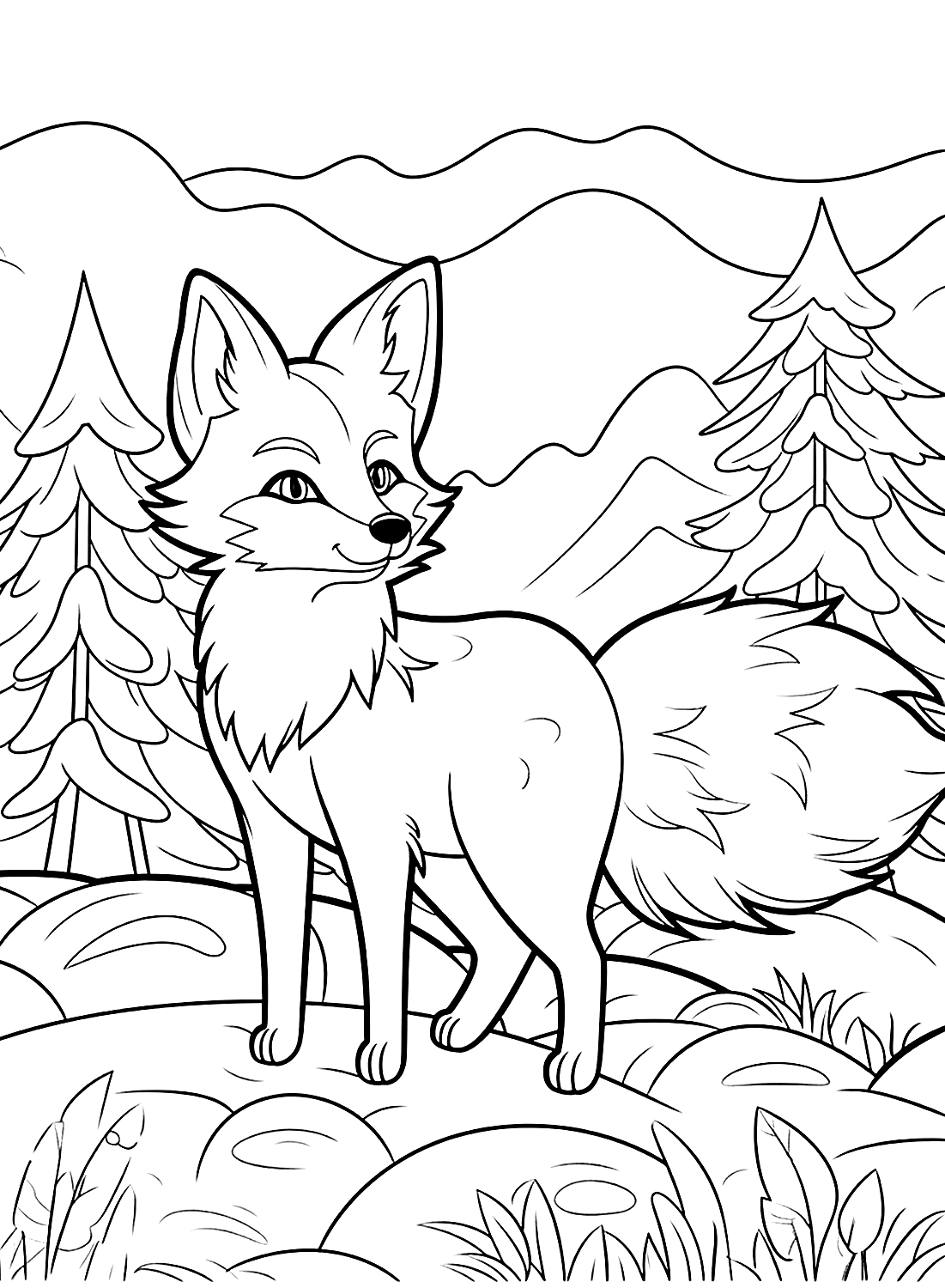
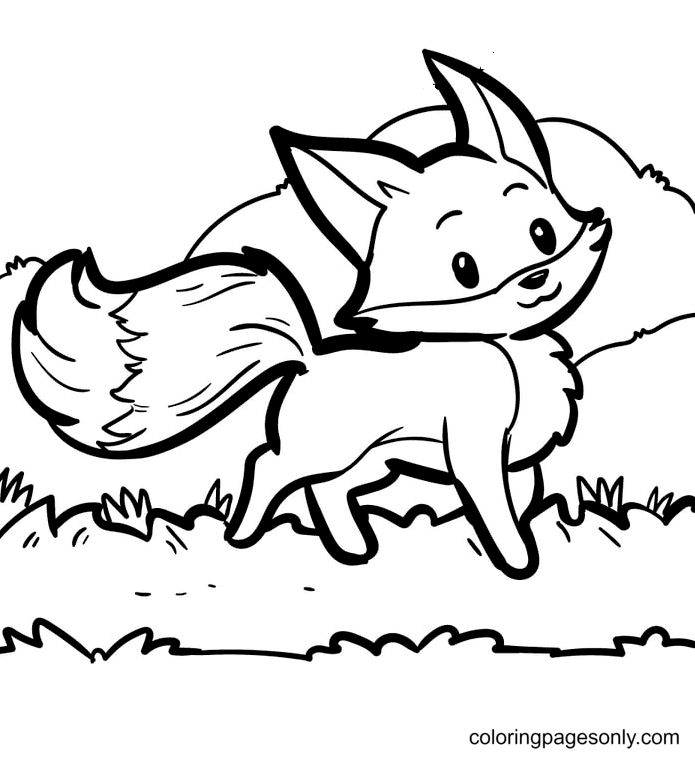
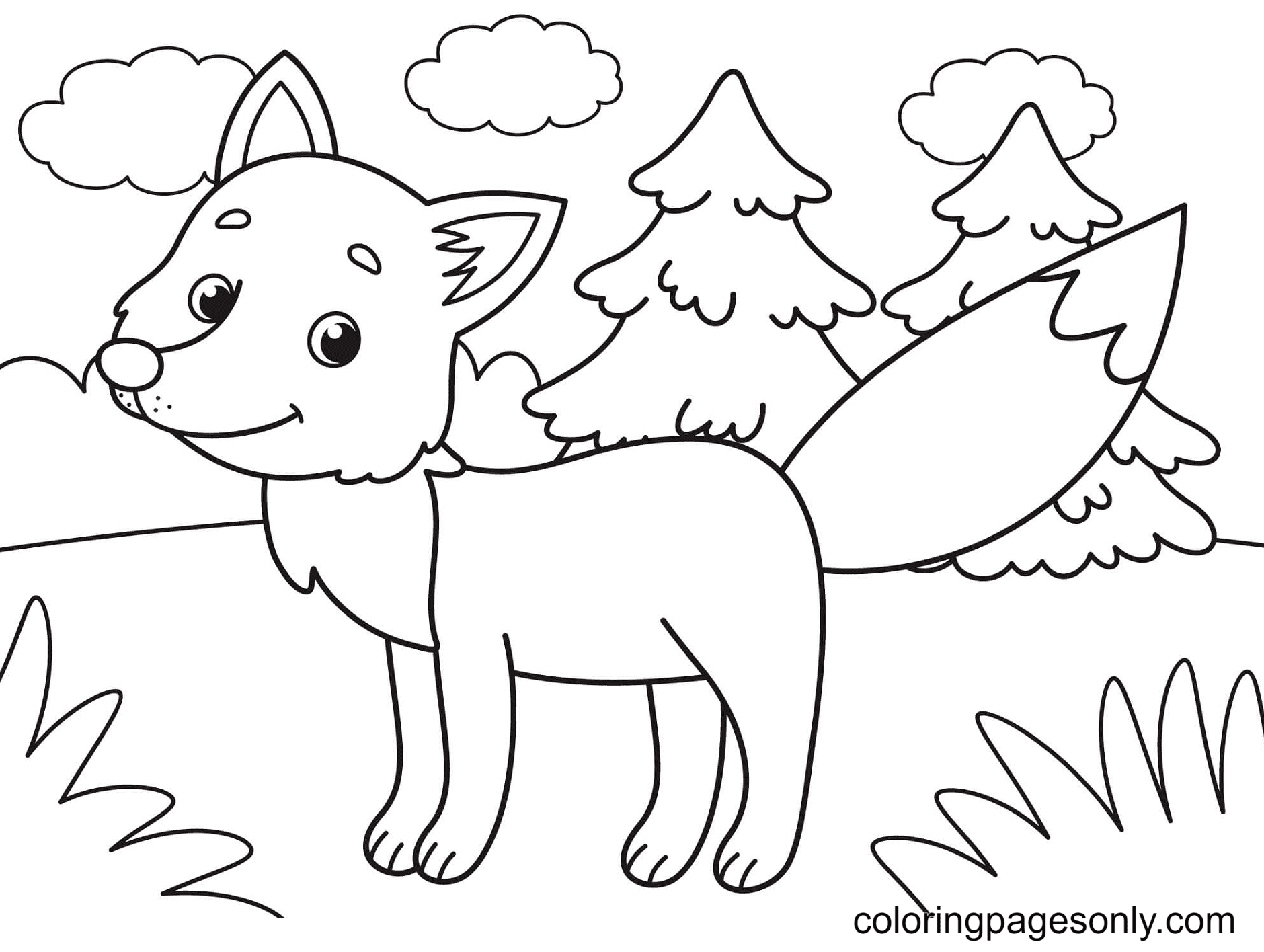
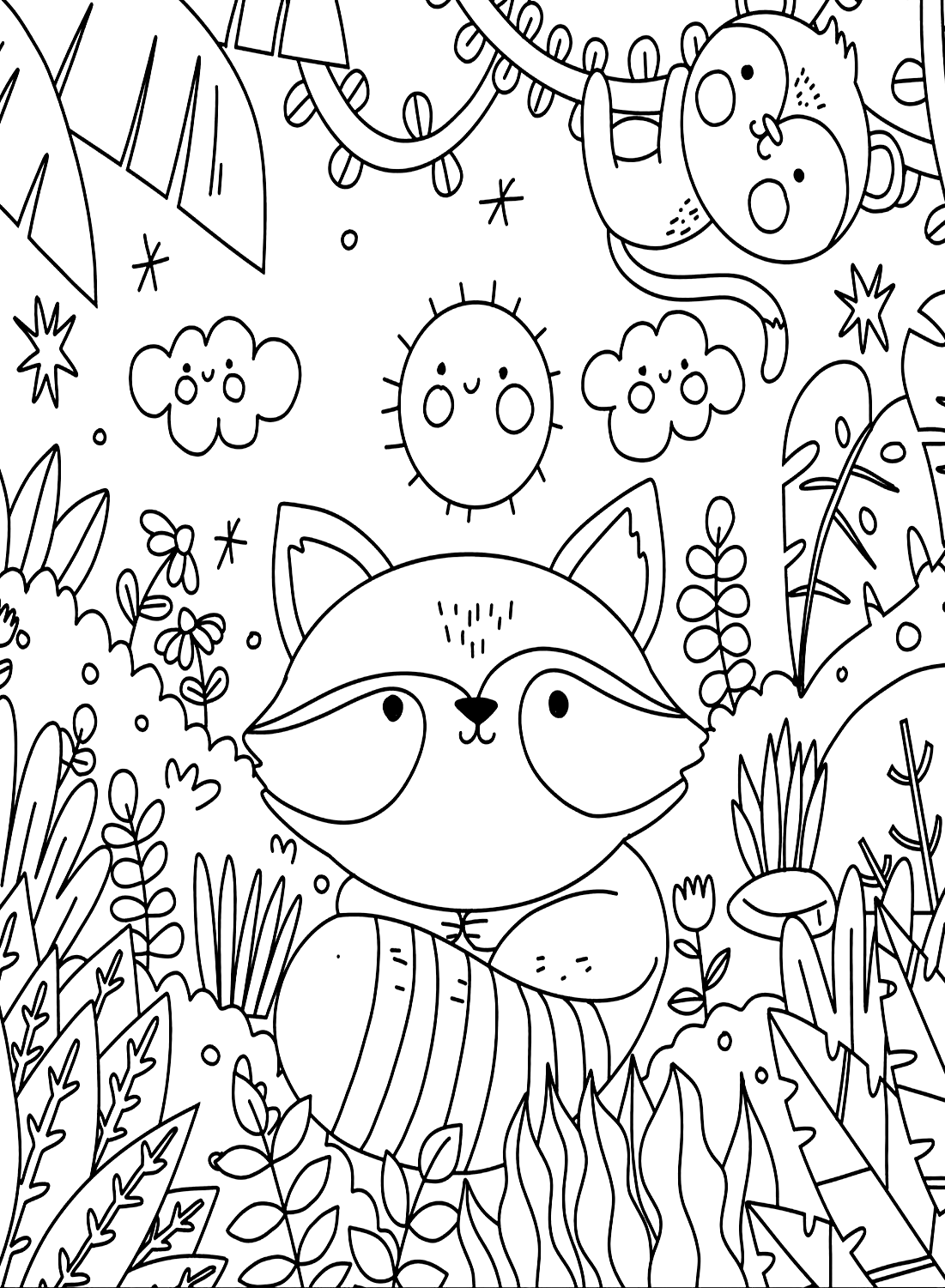
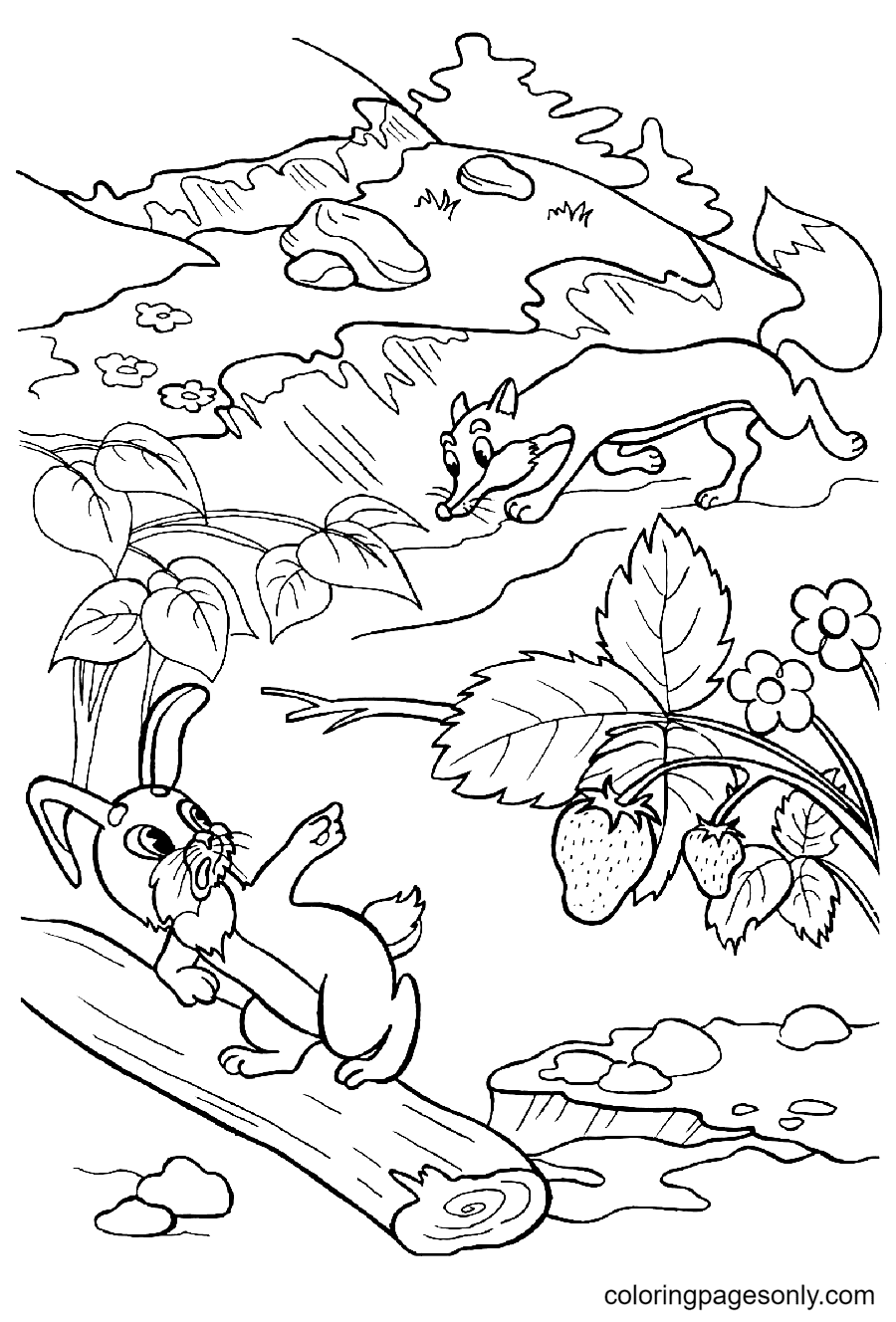
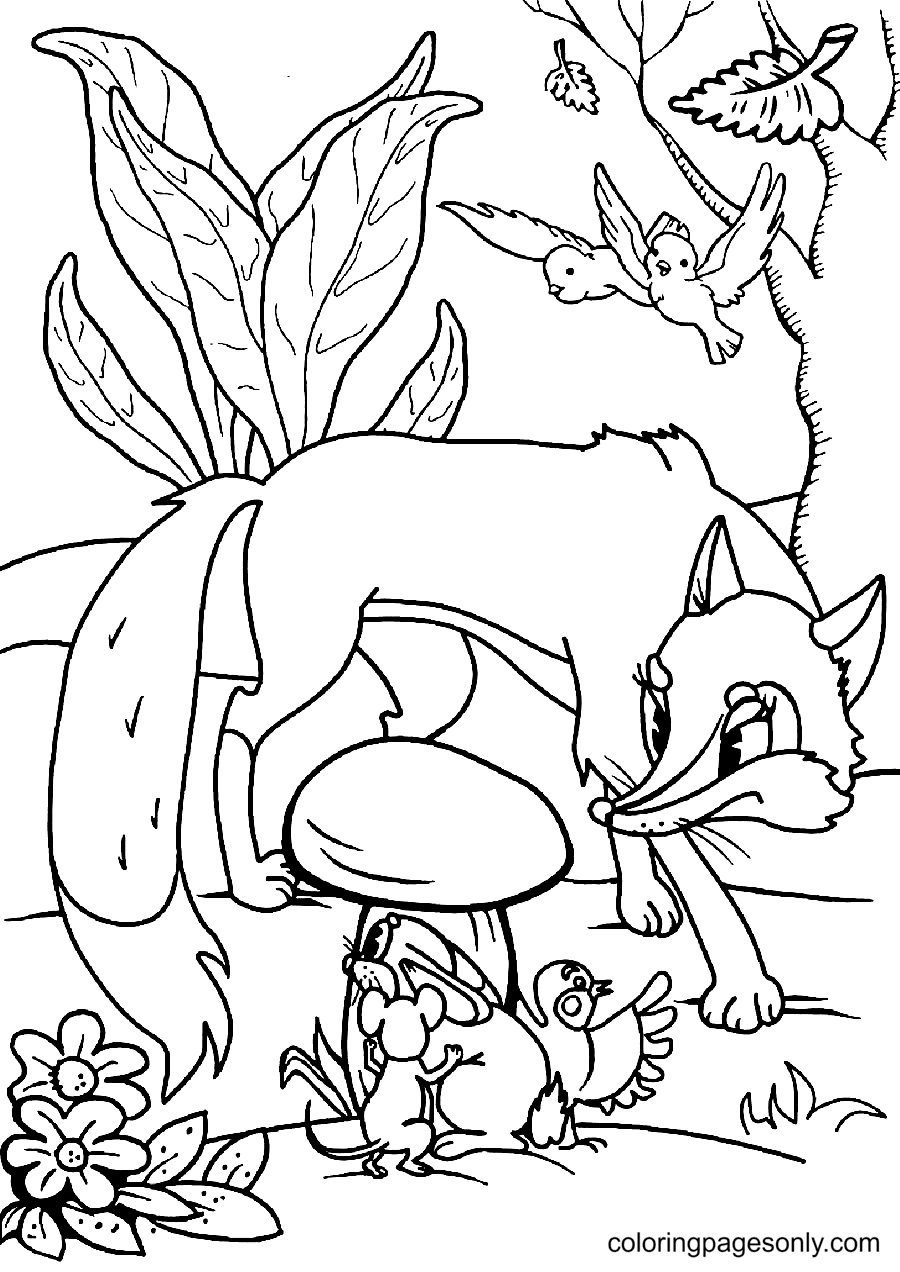
Several pages place a fox in a wider setting: a winter forest, alongside a hedgehog or squirrel, or under a mountain backdrop. Use cool Blues and Whites for winter scenes and warm Greens and Browns for forest scenes, keeping the fox’s own Red-Orange as the warmest color on the page so it stands out against its surroundings.
Playful and Whimsical Foxes
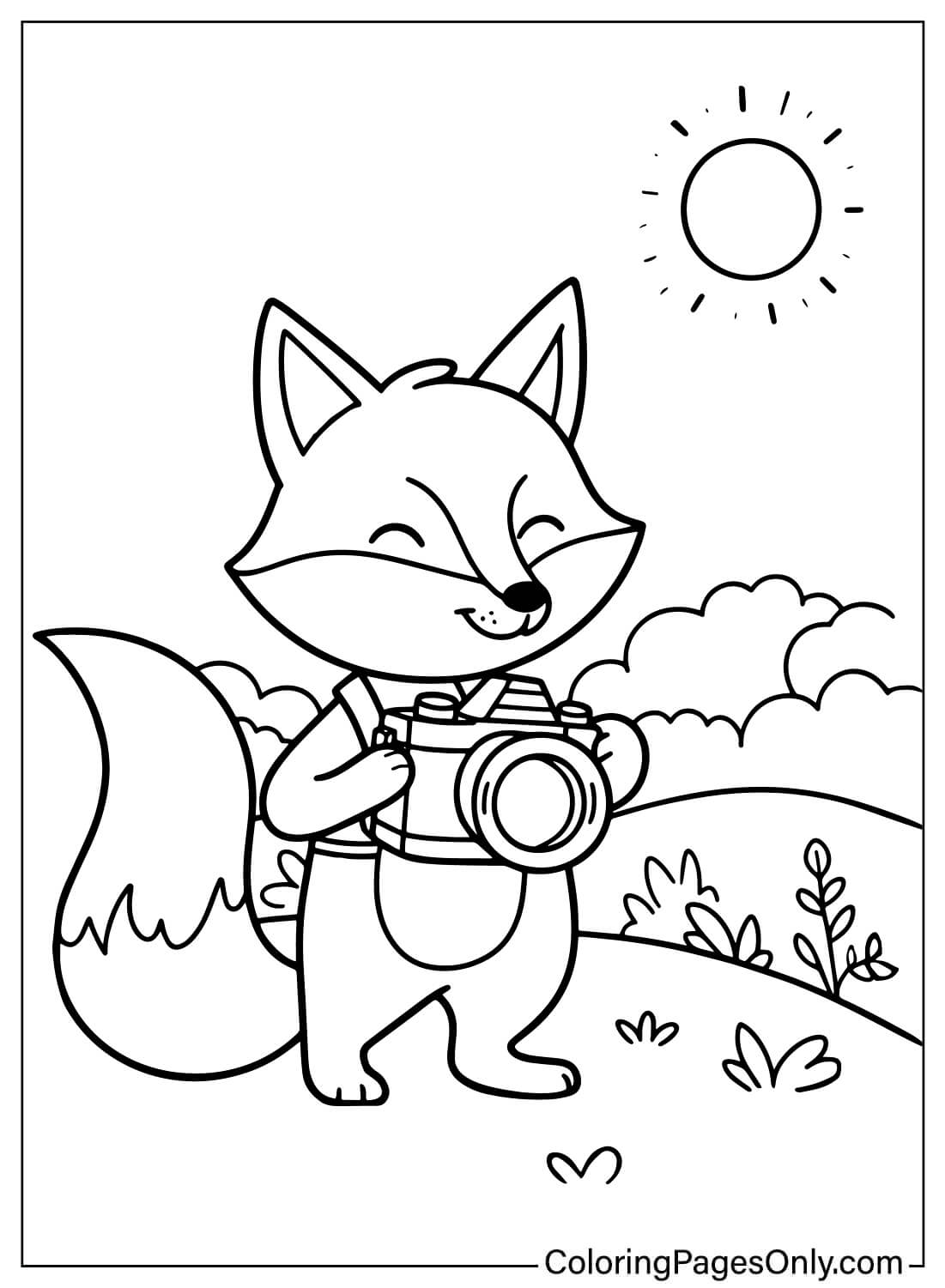
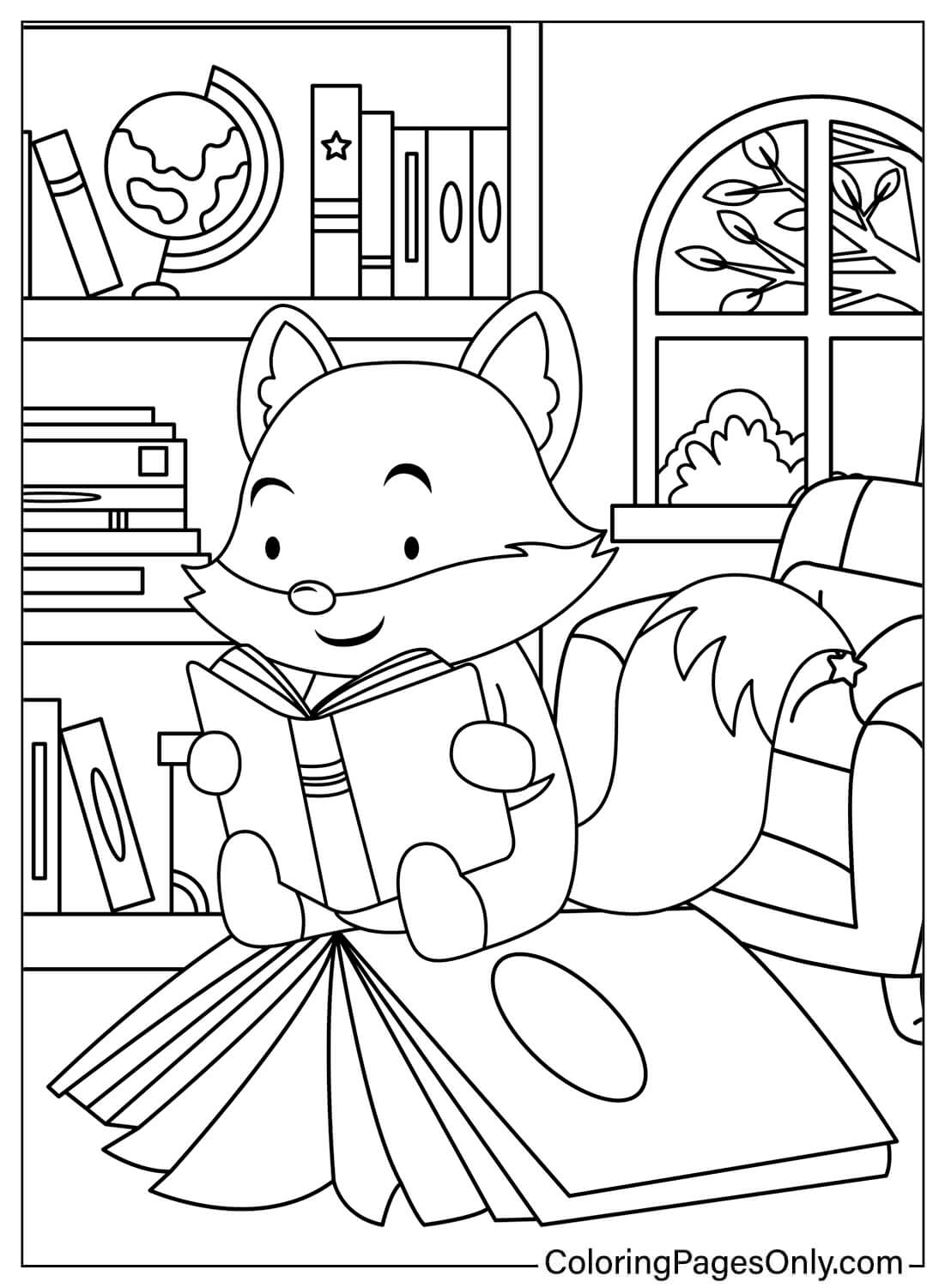
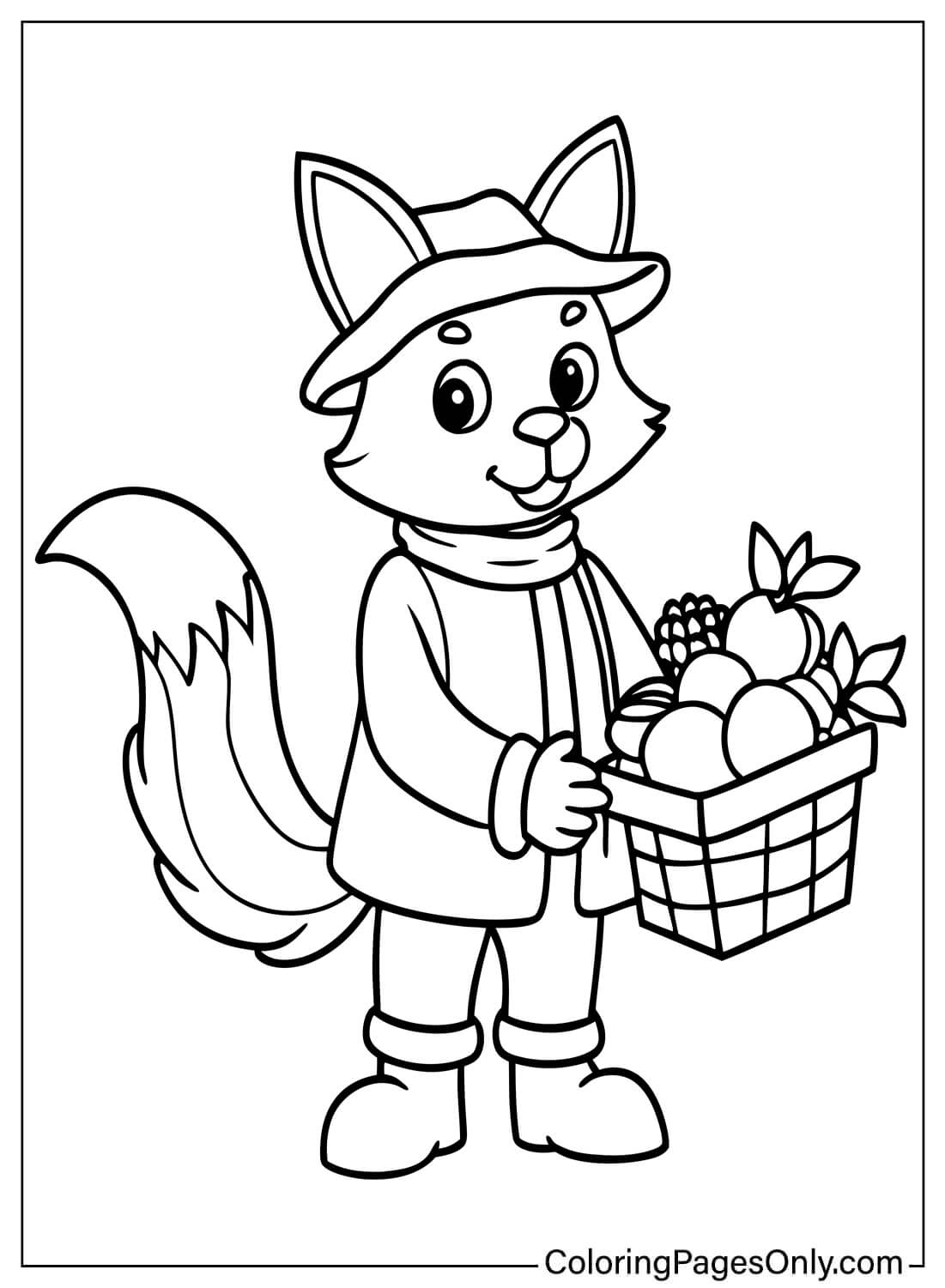
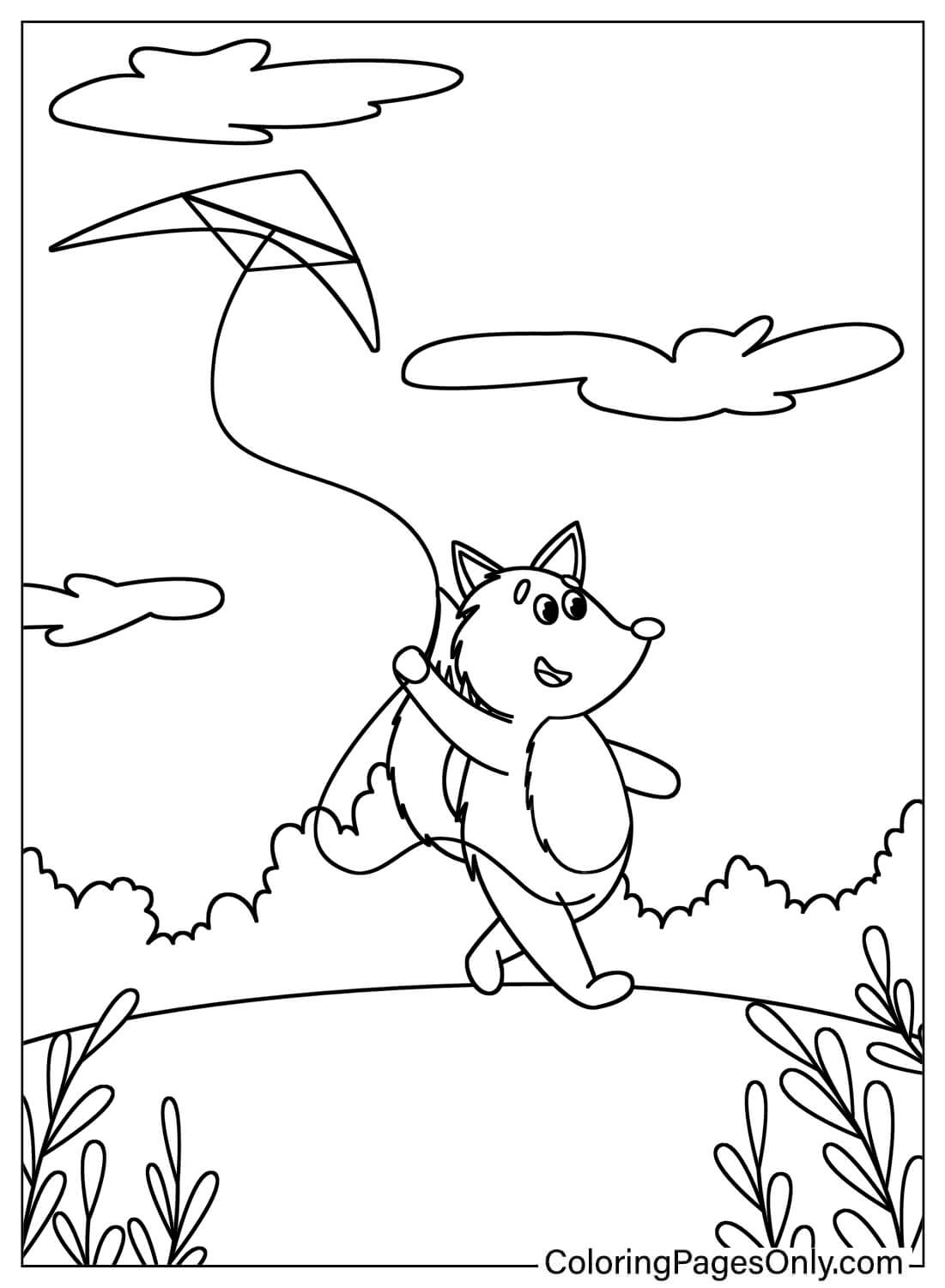
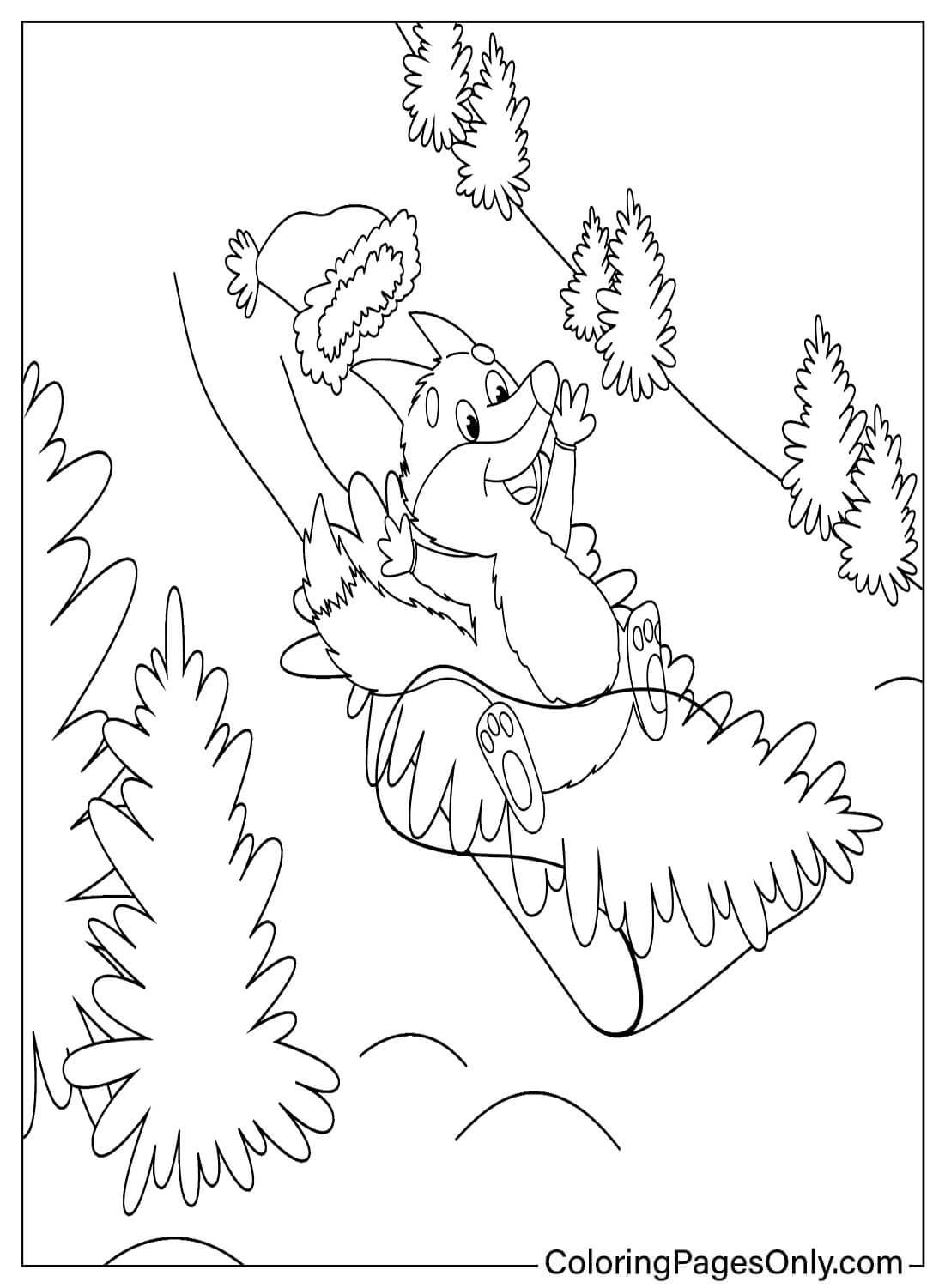
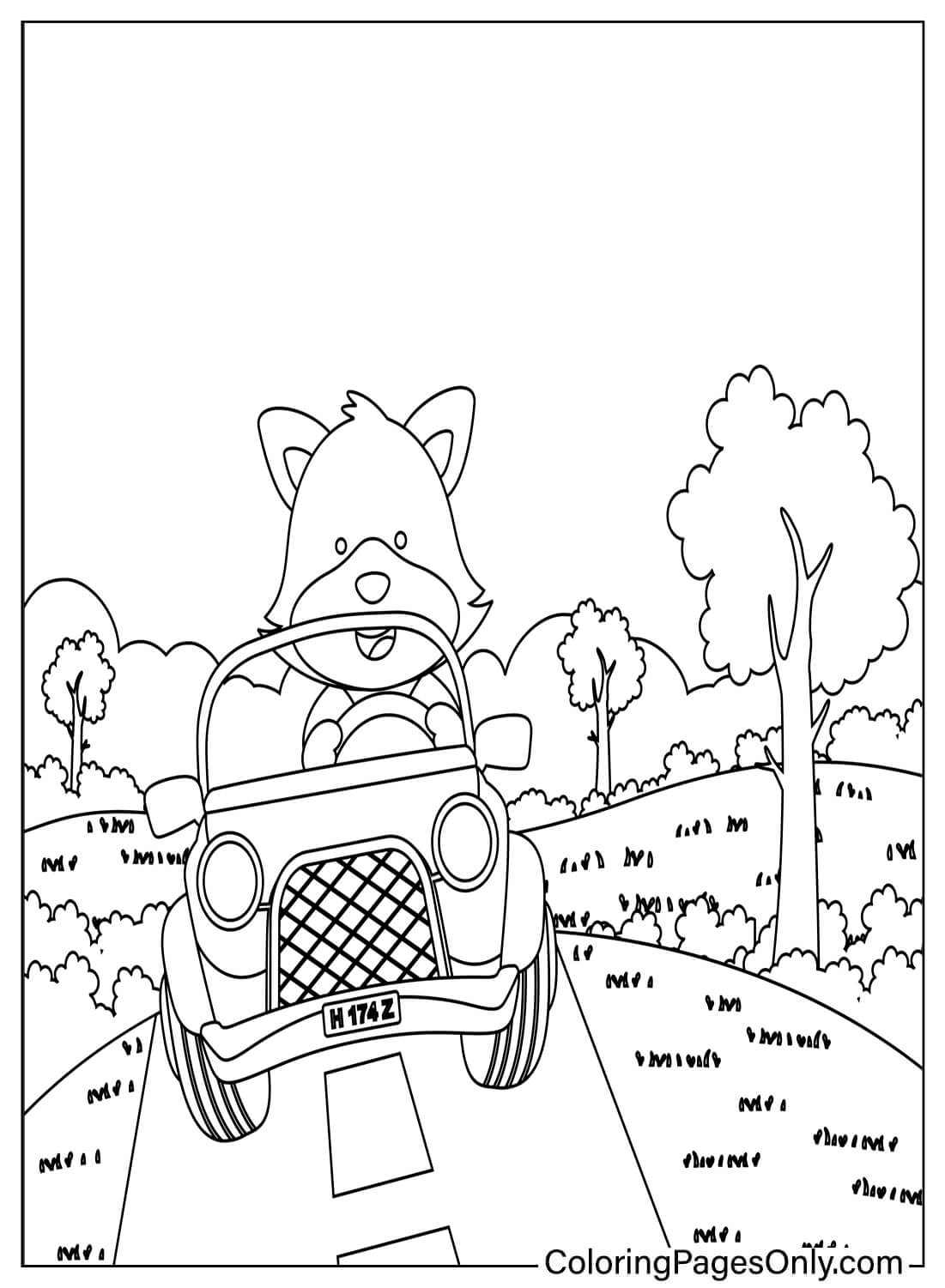
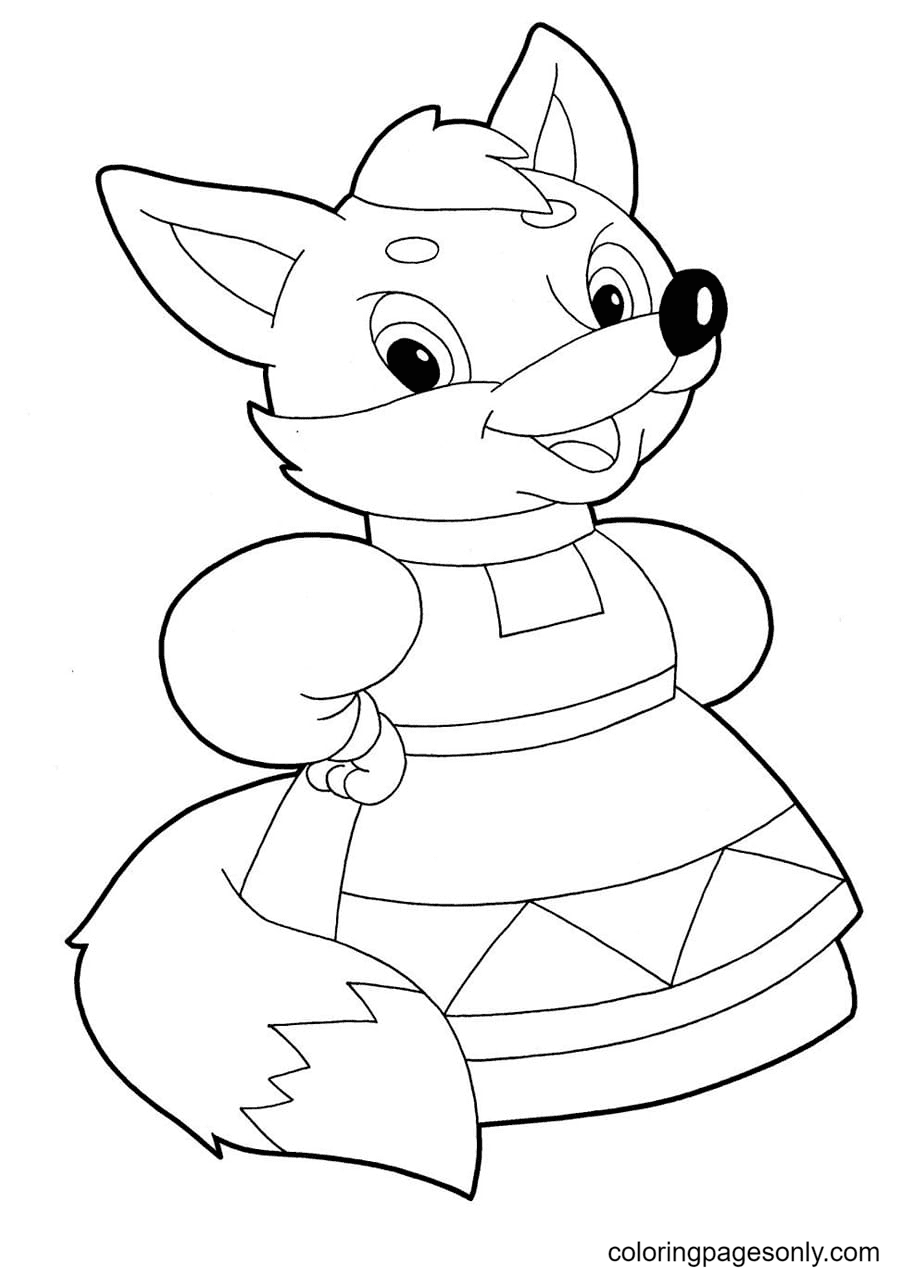
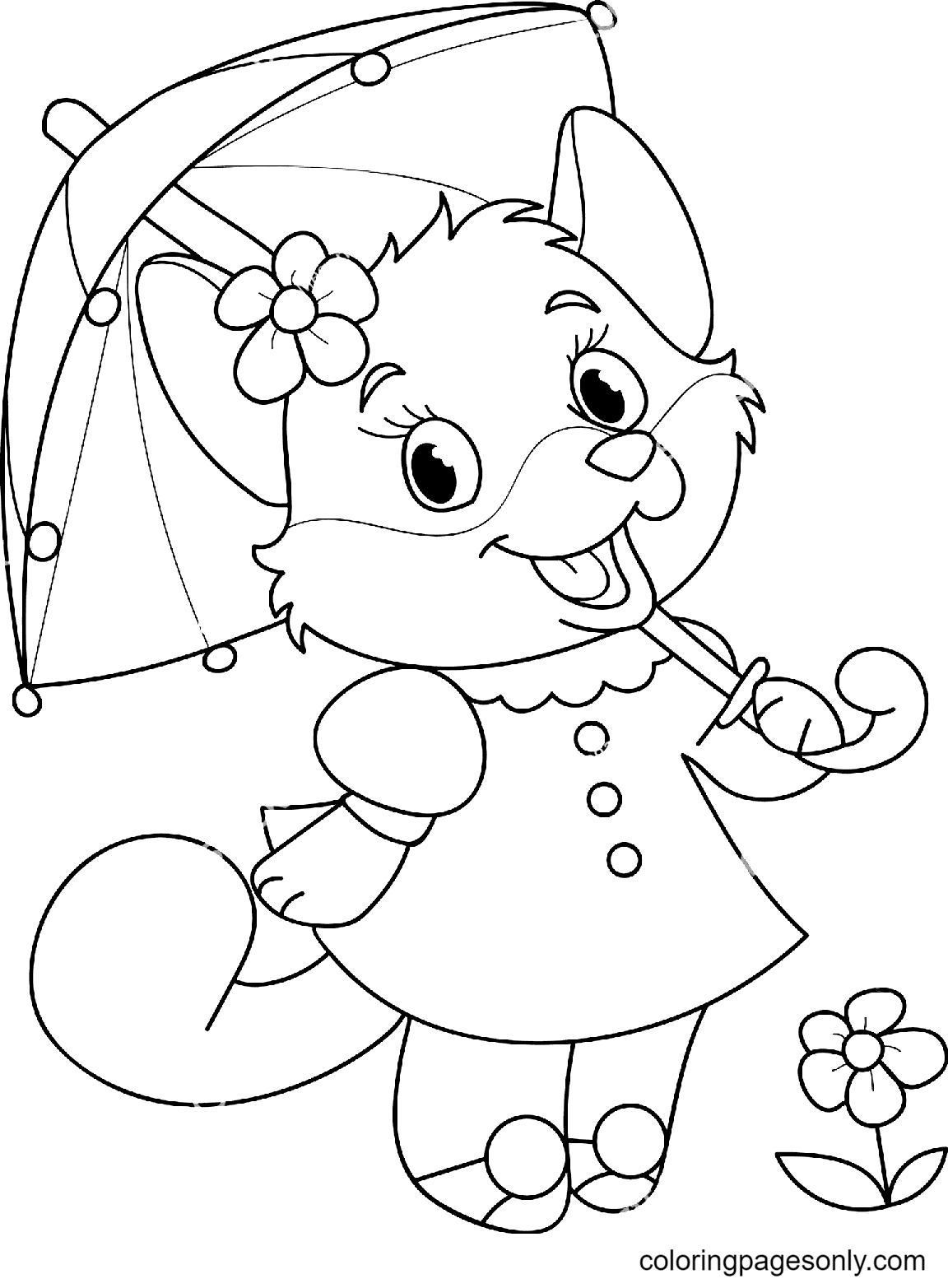
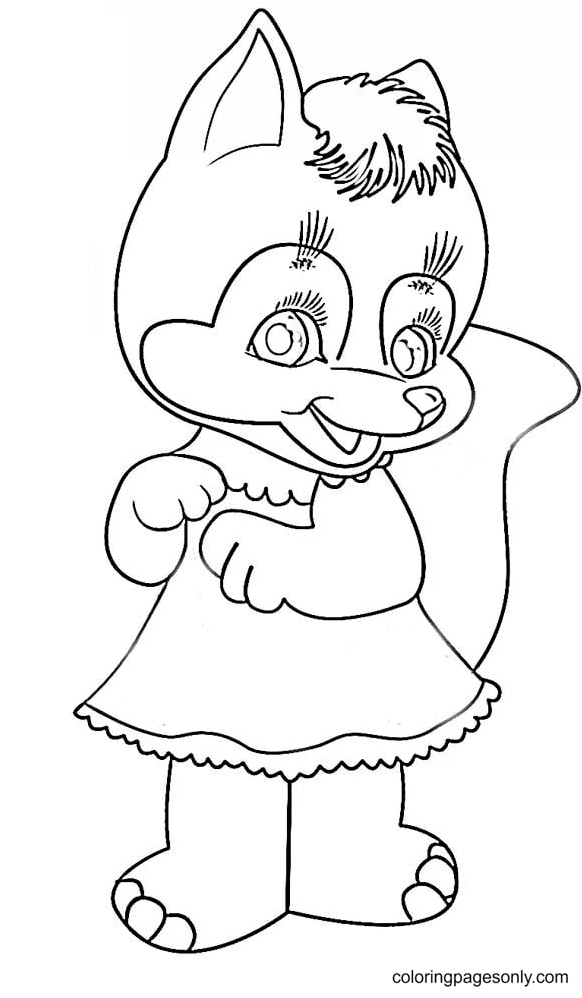
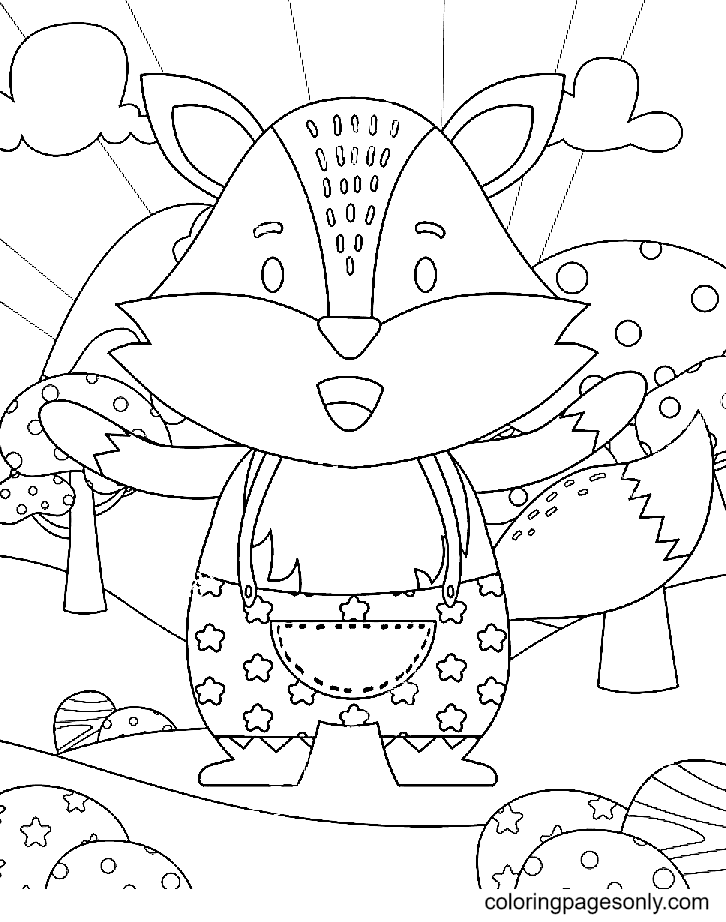
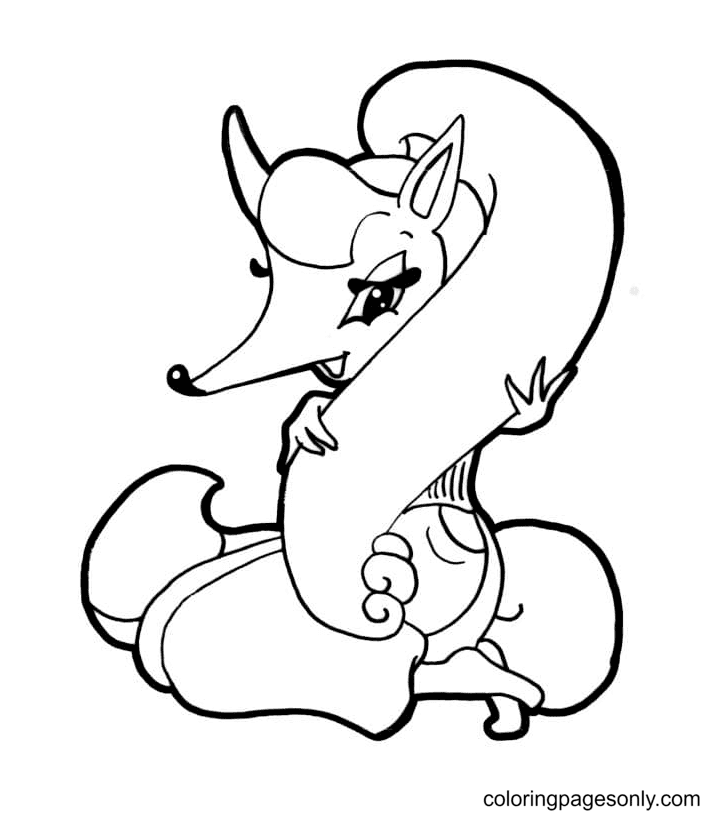
A group of pages shows a fox taking on a very human activity: reading, playing guitar, driving, or selling fruit. Keep the fox’s own coloring consistent with the rest of the set, and give any clothing, instrument, or vehicle its own separate color so the two elements don’t compete.
Detailed Patterns and Mandala Designs
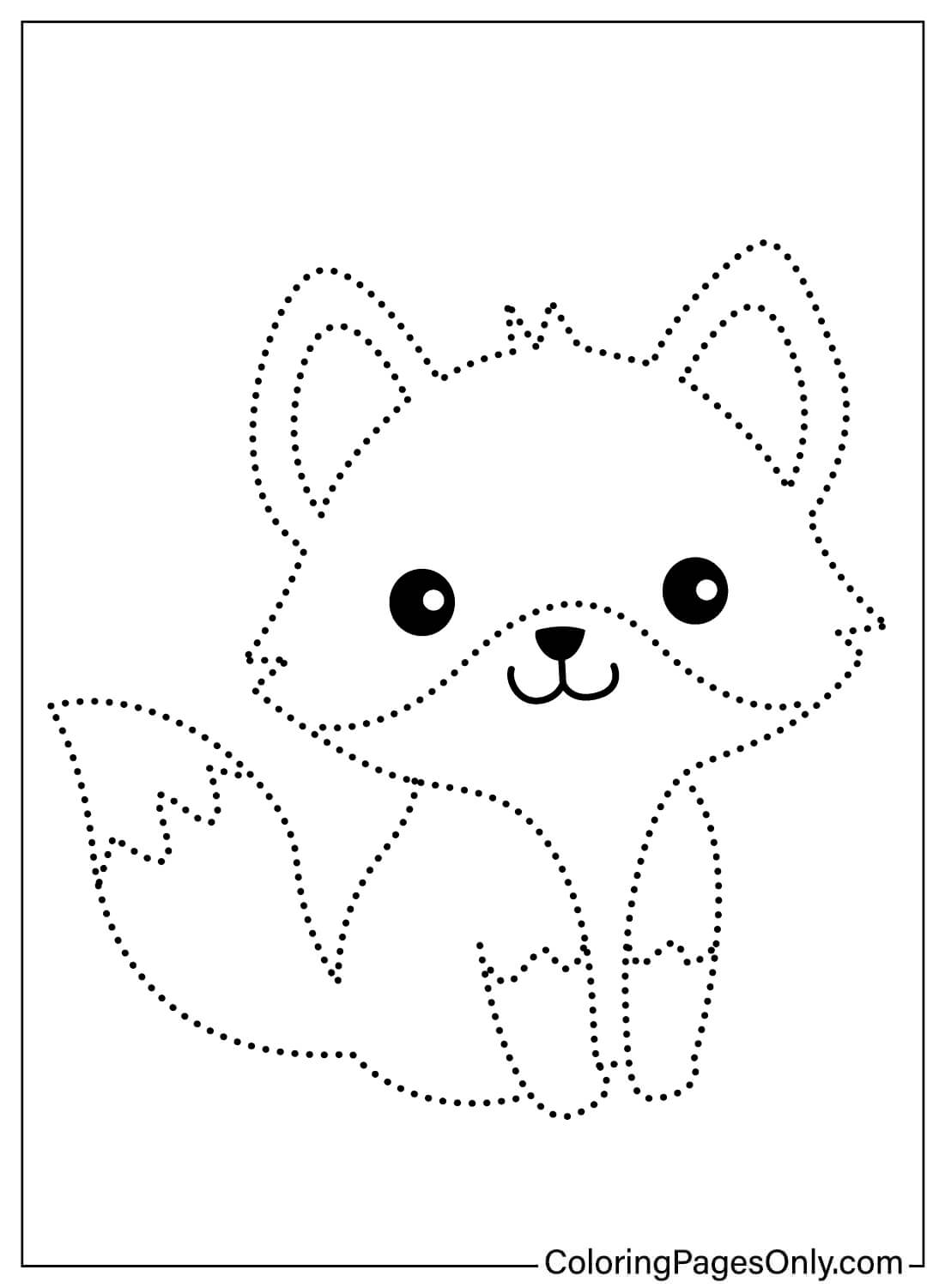
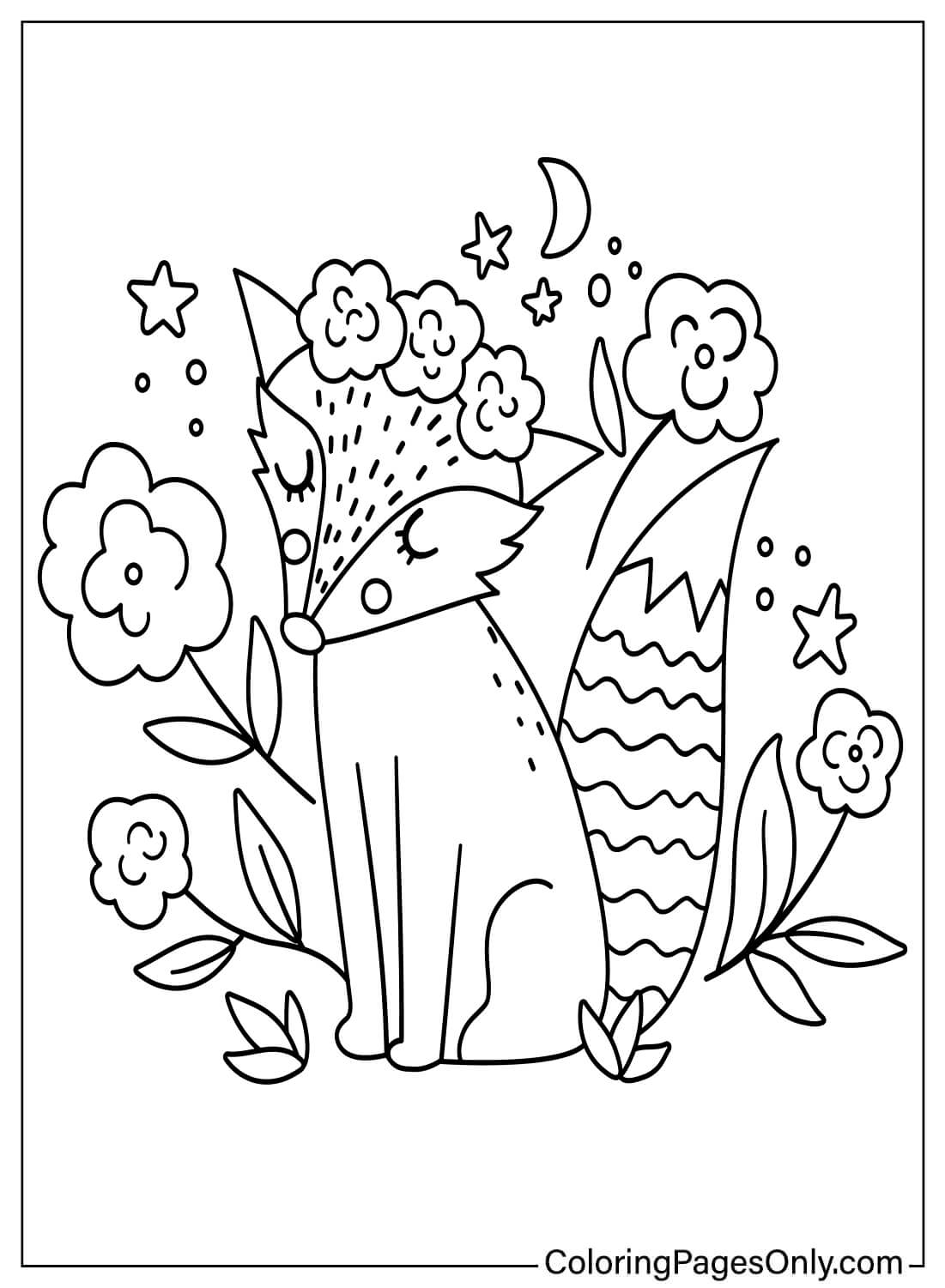
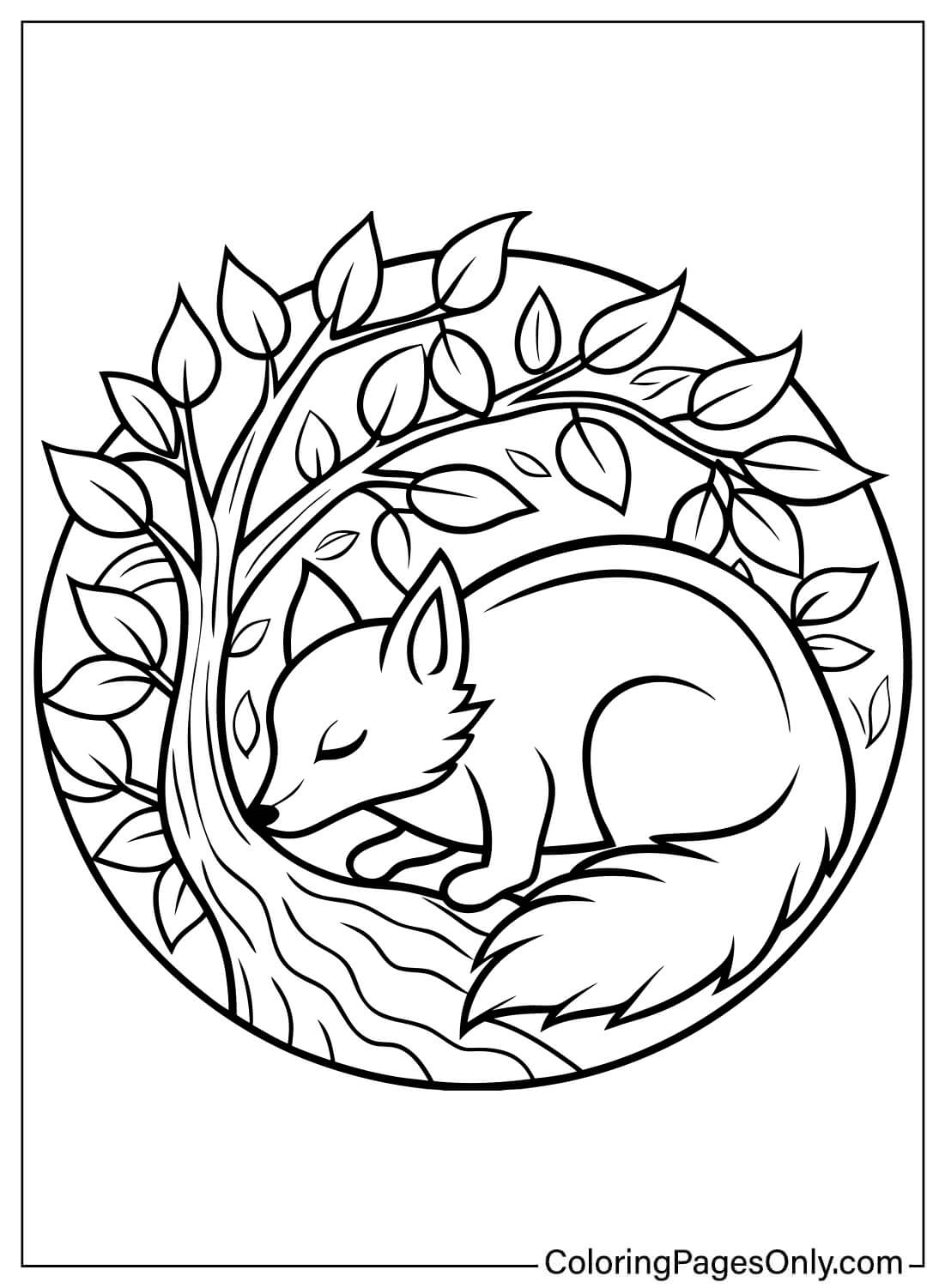
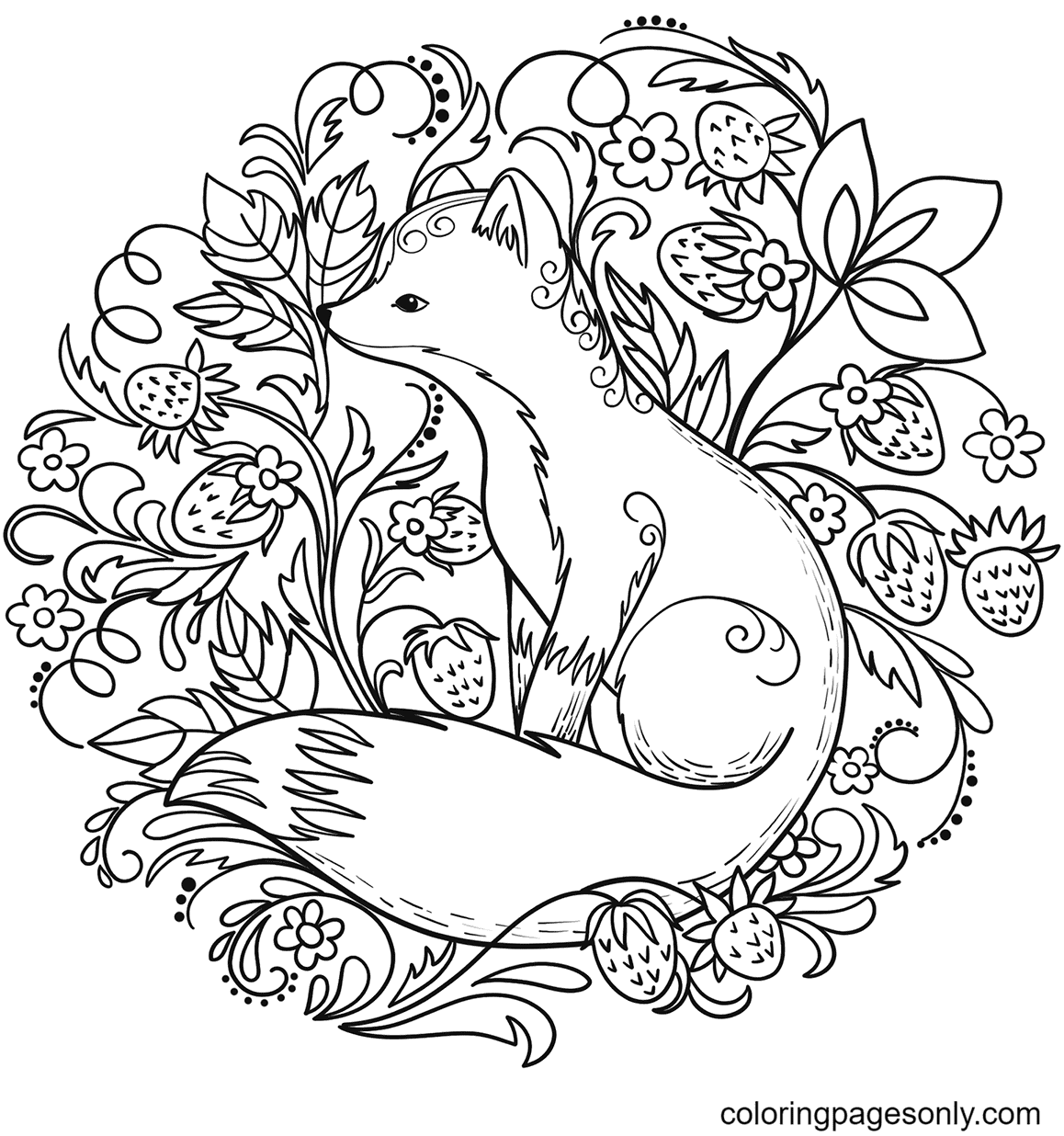
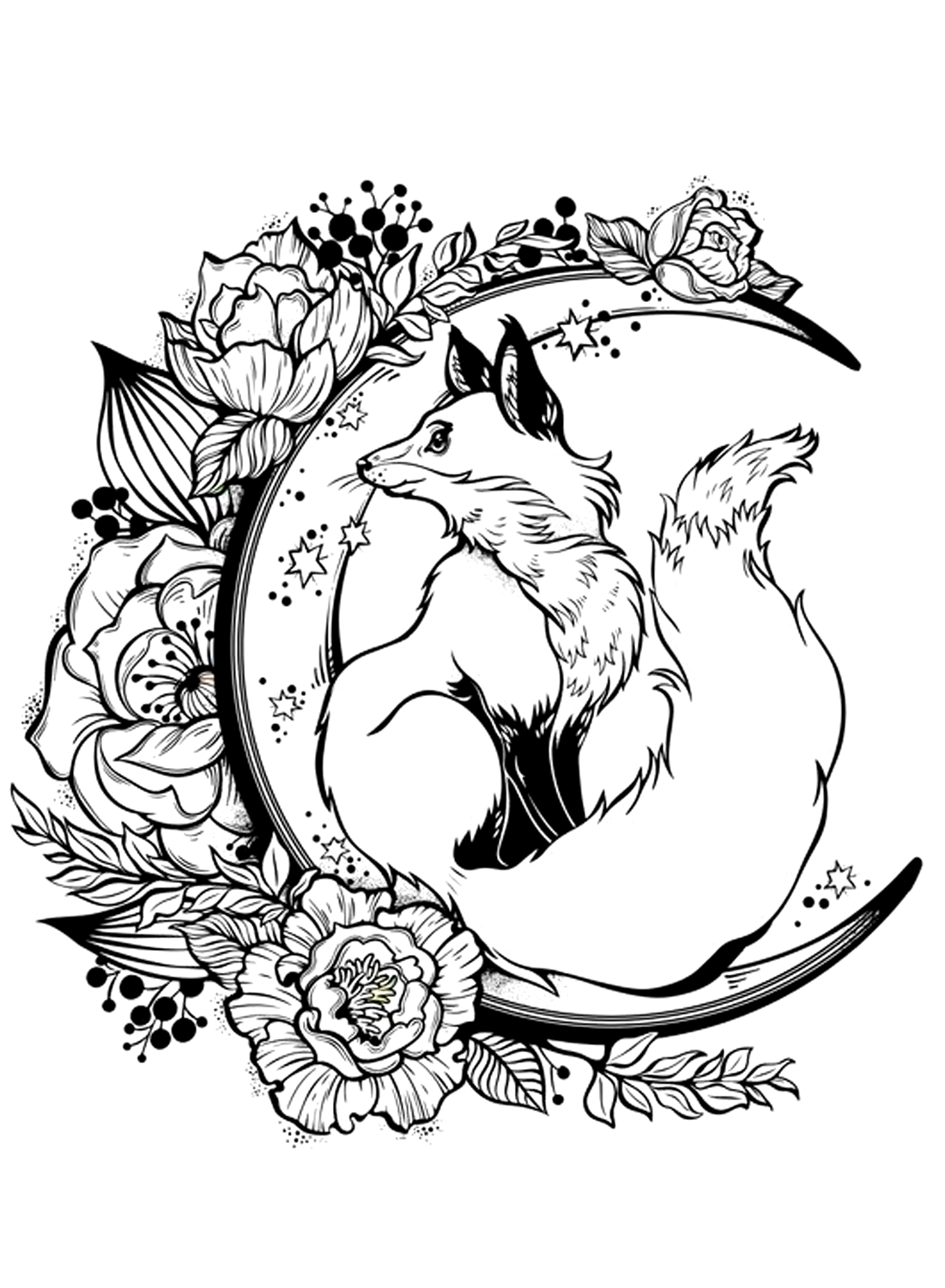
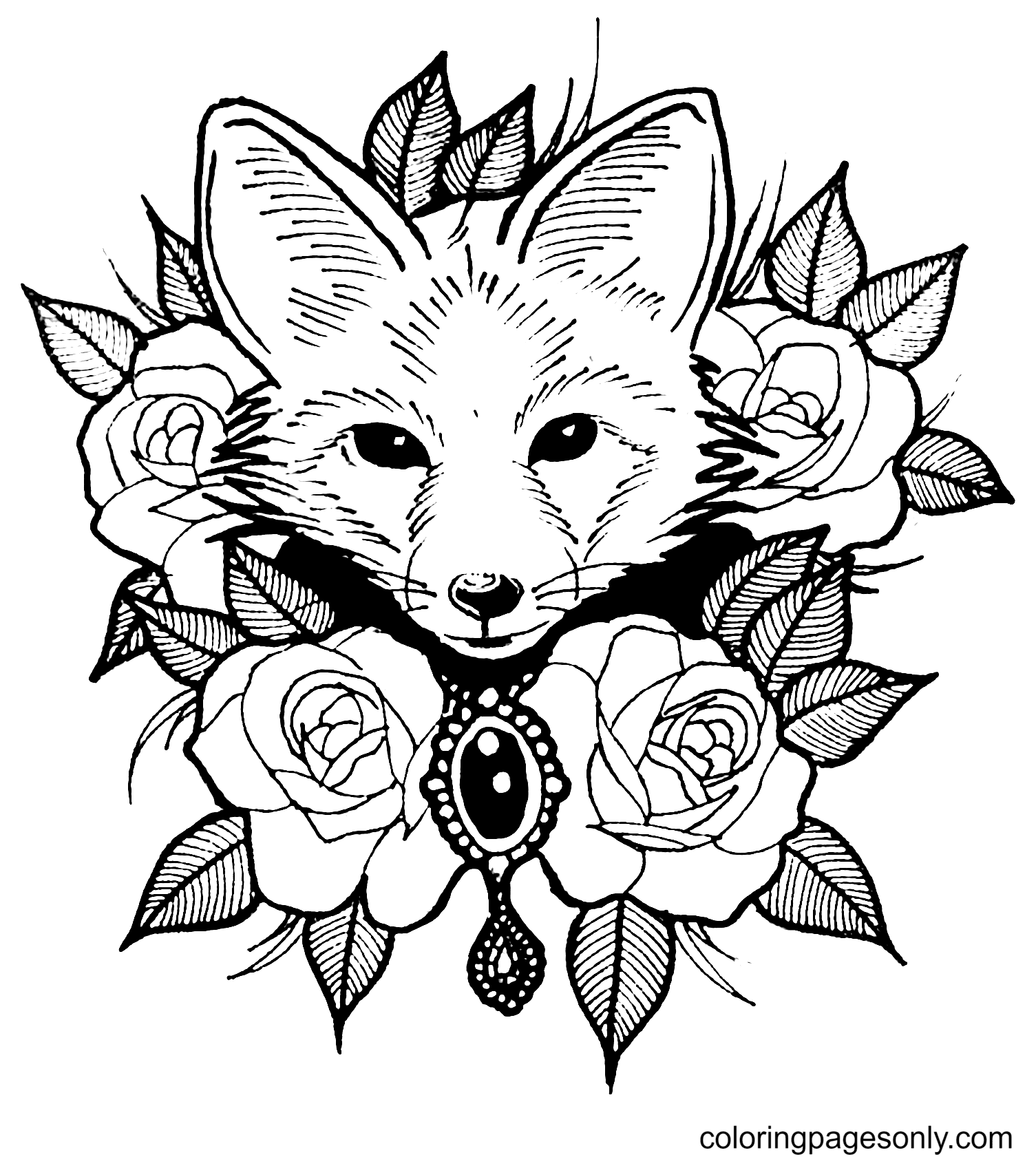
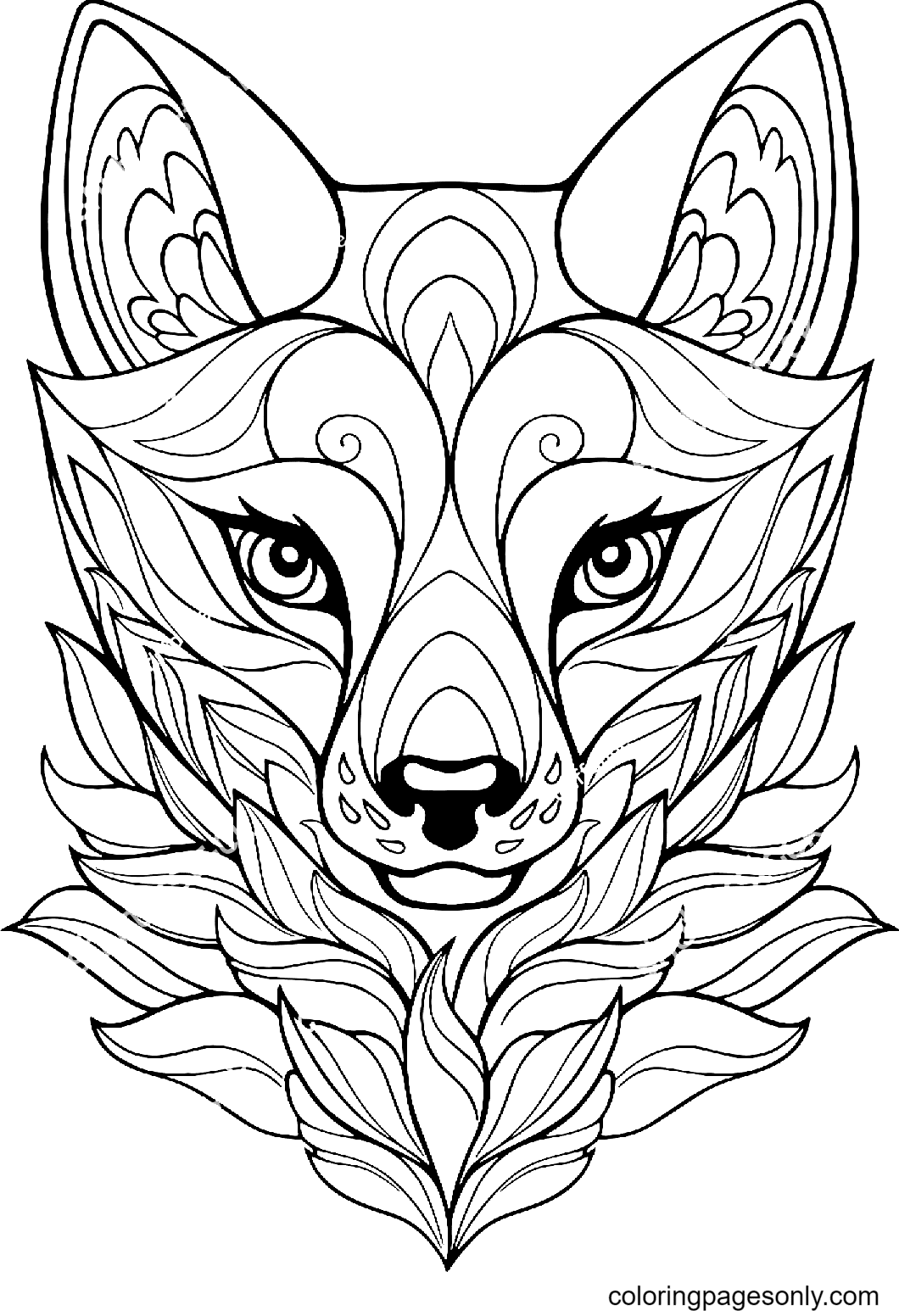
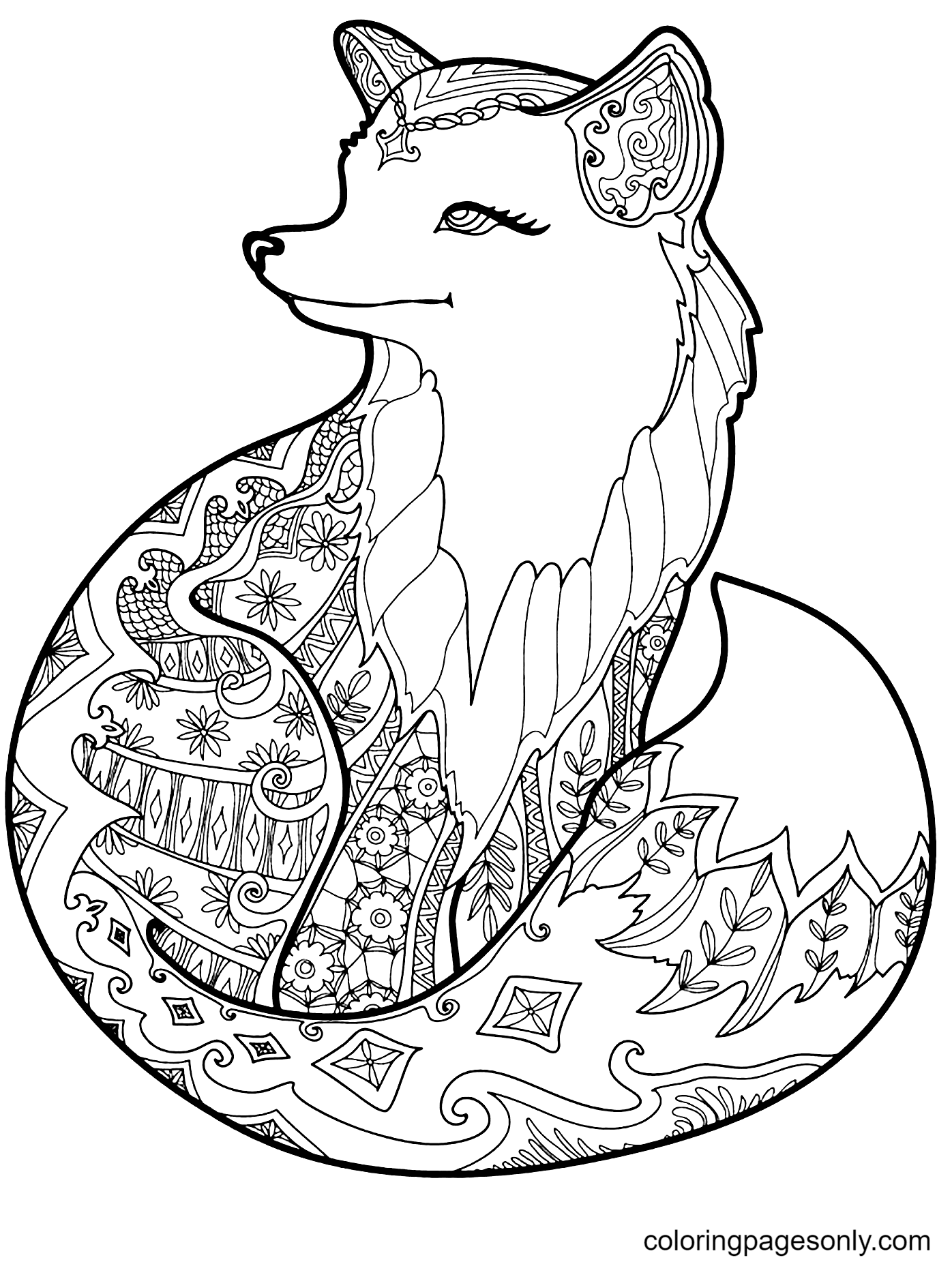
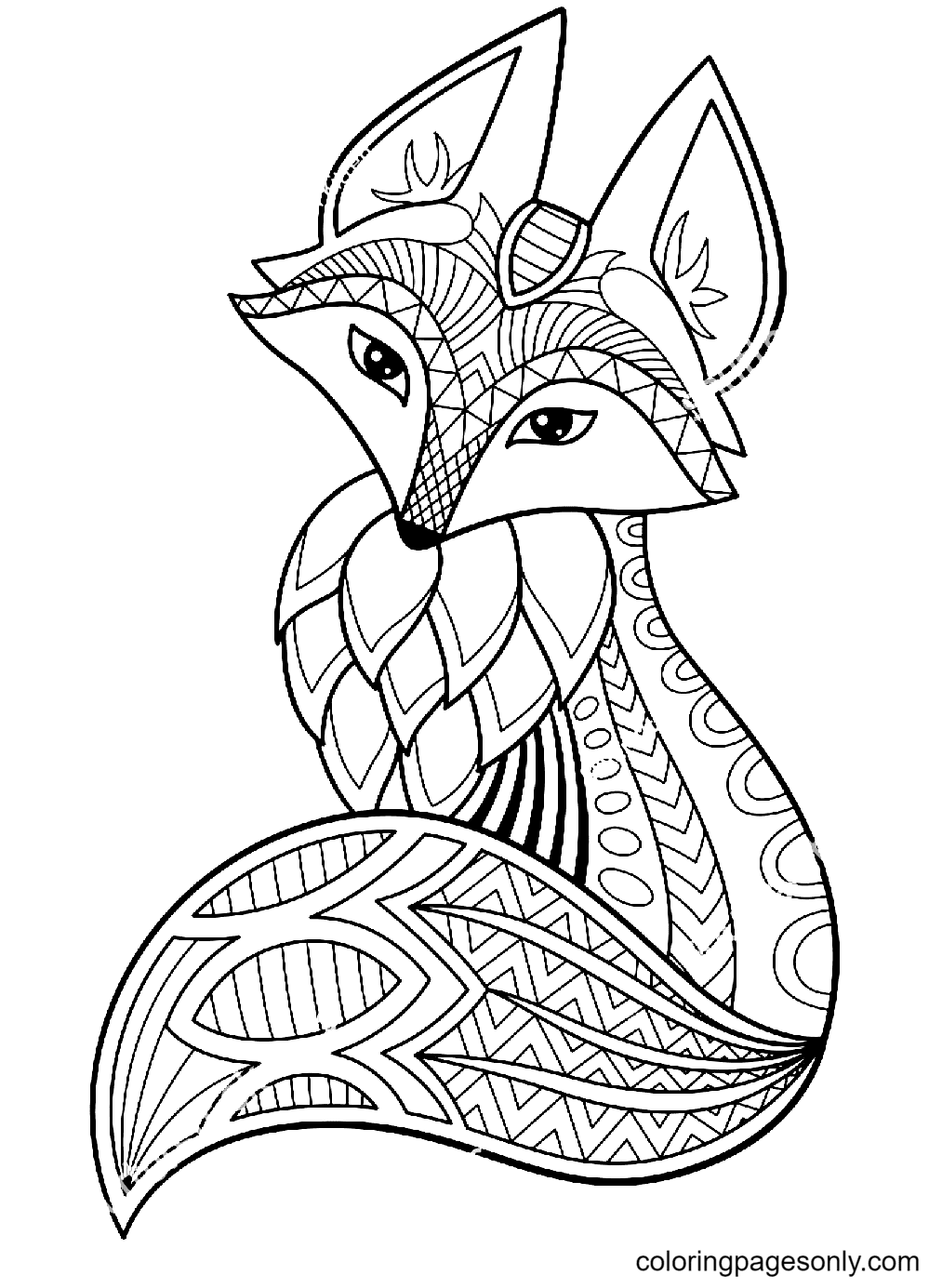
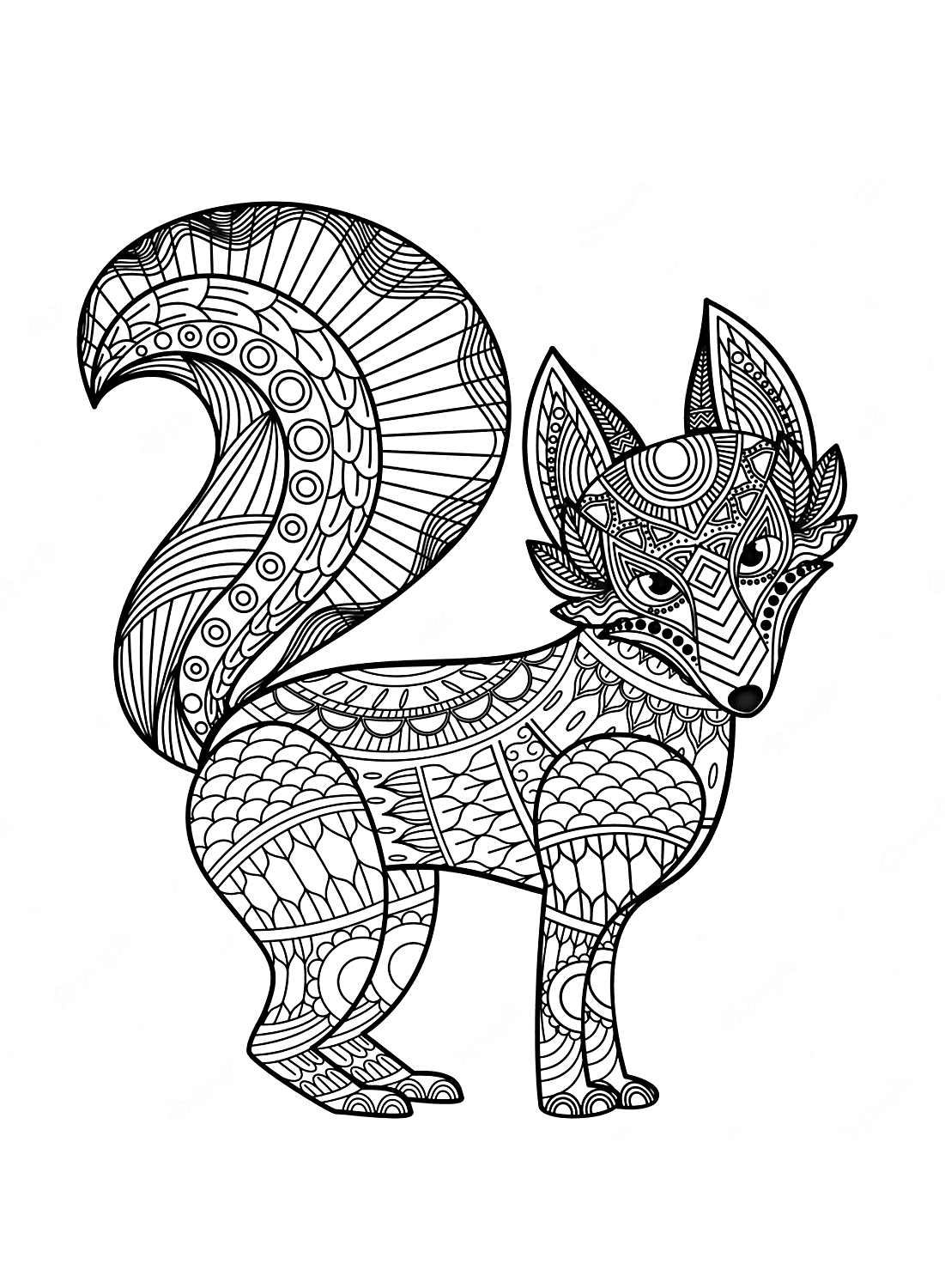
The remaining pages lean decorative: a mandala-style fox, a fox built from repeating floral patterns, and a simple line-art fox head. Alternate two or three colors section by section in the patterned areas rather than filling the whole page with one color, since the pattern only reads clearly when neighboring sections contrast.
What Fox Coloring Pages Do
A coat pattern that depends on clean boundaries. A fox’s signature look comes from three colors meeting in specific places: the Red-Orange body, the White chest and tail tip, and the Black ear tips and paws, which means the coloring has to stay controlled right at each color boundary rather than blending freely. The American Academy of Pediatrics identifies fine motor skill development as one of the benefits of structured coloring in early childhood, and holding a clean line between three different colors on the same small shape is a more demanding version of that skill than filling in one solid color.
An animal that hunts more like a cat than a dog. Foxes are members of the dog family, but unlike almost every other canid, they have vertical, slit-shaped pupils instead of round ones, the same feature that gives cats sharp night vision. That single trait lines up with how a fox actually hunts, stalking and pouncing on prey rather than chasing it down the way a wolf or a domestic dog would. Coloring a fox’s eyes is a small chance to talk about why a member of the dog family behaves so much like a cat.
A calming task worth pairing with the more detailed pages. A 2005 study in the Art Therapy Journal found that people who colored within a defined outline reported lower anxiety afterward than those who drew freely. The mandala-style and patterned fox pages here, built from small repeating sections, suit that same slow, contained focus.
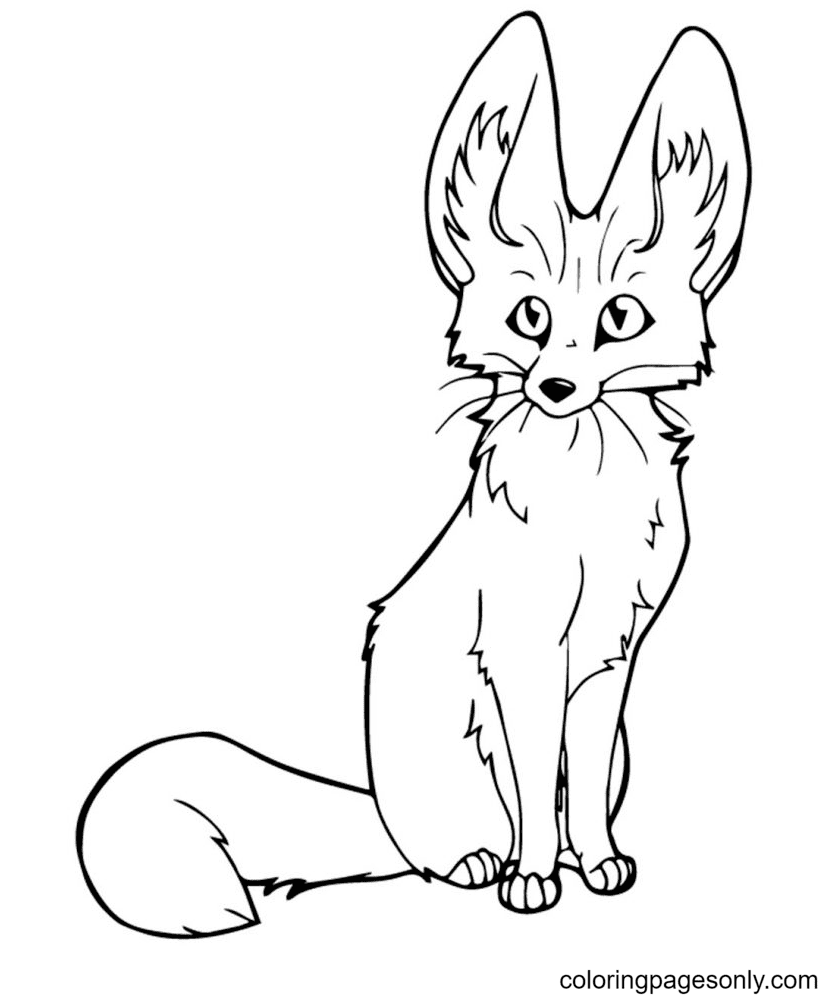
Ears built for cooling, not hunting. The fennec fox, the smallest fox species and featured on several pages in this set, has ears that can reach nearly half the length of its own body, an adaptation for releasing heat in the Sahara Desert rather than for better hearing. It is one of the more unusual body parts a child will color all year, and a reminder that not every oversized animal feature exists for the reason it first seems to.
How to Color Fox Pages Well
- Body: use Red-Orange or Rust, with a slightly darker Mahogany along the back for shading.
- Chest, belly, and tail tip: color these White or Cream, kept clearly separated from the Red-Orange body.
- Ear tips and lower legs: Black, a small but essential detail that completes the classic fox look.
- Eyes: a warm Amber or Gold, with a narrow vertical pupil rather than a round one.
- Fennec and desert fox pages: use pale Sand or Cream fur instead of Red-Orange, since desert foxes are lighter to match their surroundings.
- Mandala and patterned pages: alternate two or three colors section by section, such as Turquoise, Coral, and Gold, rather than one flat color throughout.
5 Creative Craft Ideas With Fox Coloring Pages
- Fox Ears Headband. Materials: a colored fox page, scissors, glue, and a paper headband strip. Cut out the colored ear shapes and glue them onto the headband strip for simple dress-up play.
- Fox Bookmark. Materials: a colored solo fox page, scissors, and clear contact paper or a laminate sheet. Cut a narrow strip around the colored fox, cover both sides with the contact paper or laminate, and use it as a bookmark.
- Fox Family Garland. Materials: several colored baby and adult fox pages, scissors, and a length of string. Cut out each colored fox and string them along the twine spaced a few inches apart to hang across a window or wall.
- Forest Diorama. Materials: a colored fox page, a colored nature scene page, scissors, a small box, and glue. Mount the colored pages inside the box to build a small forest scene.
- Fox Greeting Card. Materials: a colored fox page, a blank folded card, scissors, and glue. Cut out the colored figure and glue it to the card front, then write a message inside.
Frequently Asked Questions
What are Fox coloring pages?
Printable designs featuring baby foxes, forest scenes, playful character poses, and detailed mandala patterns. This collection offers 100 free designs as printable PDFs or online coloring pages, with no account or sign-up required.
Where do foxes live?
The red fox, the most widely distributed carnivore in the world, is found across the entire Northern Hemisphere in forests, deserts, mountains, and even city suburbs.
Why do foxes have vertical pupils like cats?
Vertical pupils improve night vision and are unusual among the dog family, which most other canids don’t have. This feature also lines up with a fox’s stalk-and-pounce hunting style, closer to a cat’s than a wolf’s.
Why does the fennec fox have such big ears?
A fennec fox’s oversized ears, which can reach nearly half its body length, help release heat and keep the animal cool in its desert habitat, rather than being primarily for hearing.
What colors make a fox look realistic?
A Red-Orange or Rust body, White chest and tail tip, and Black ear tips and lower legs form the classic look, with pale Sand or Cream tones used instead for desert species like the fennec fox.
What is the difference between a baby fox and an adult fox?
Baby foxes, called kits, are typically born with darker fur that lightens as they mature, so coloring pages featuring kits often use a softer, lighter shade of the same palette as the adult fox.
Are Fox coloring pages suitable for young children?
Yes. The simple solo fox portraits suit ages 3 and up, while the detailed mandala and nature scene pages suit ages 7 and up or an adult looking for more detail.
Can these pages be used for a lesson about animals?
Yes. The collection pairs well with a conversation about how foxes differ from other members of the dog family, or how different fox species adapt to their specific habitats.
Start Coloring
Download any page by clicking the design. No account, email, or payment is required. Pages print directly from the browser at full resolution or open in the online coloring tool for screen use. Share finished pages on Facebook or Pinterest with the share buttons at the top of each design page.