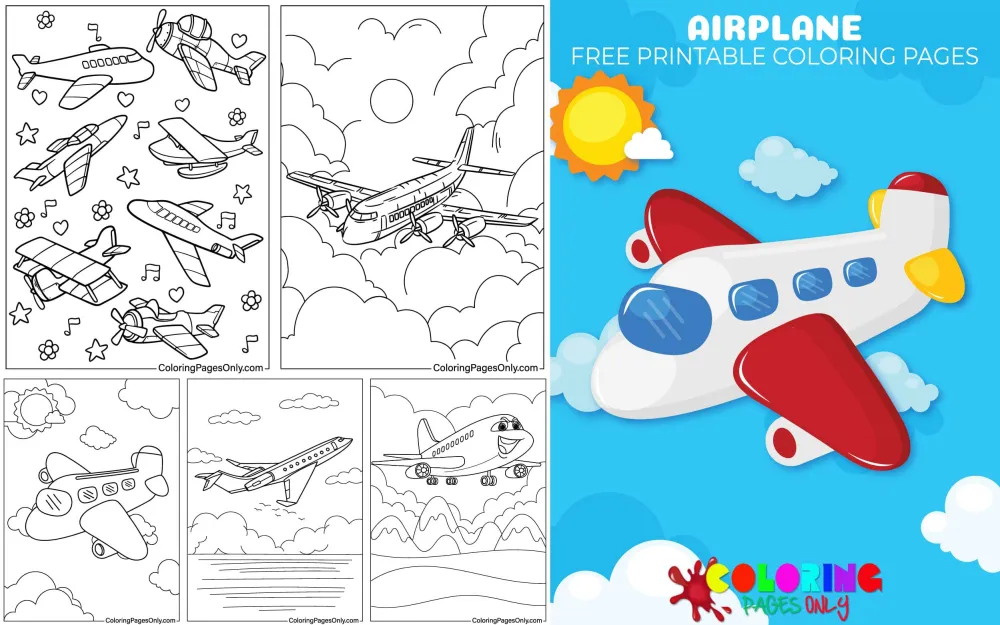
Airplane Coloring Pages are not just fun-they are an educational journey through the world of flight, engineering, and creative storytelling. This collection includes over forty pages designed for preschoolers, elementary students, and older children, offering progressive complexity to match each age and skill level.
When children color airplanes, they engage fine motor skills, spatial reasoning, observation, and imagination. They can picture a jet soaring above mountain peaks, a biplane looping through the sky, or a paper airplane gliding across a classroom desk. Coloring transforms abstract ideas about flight into tangible experiences, blending STEM principles with creative play. By combining education and imagination, children learn to observe, analyze, and create in a seamless, engaging process.
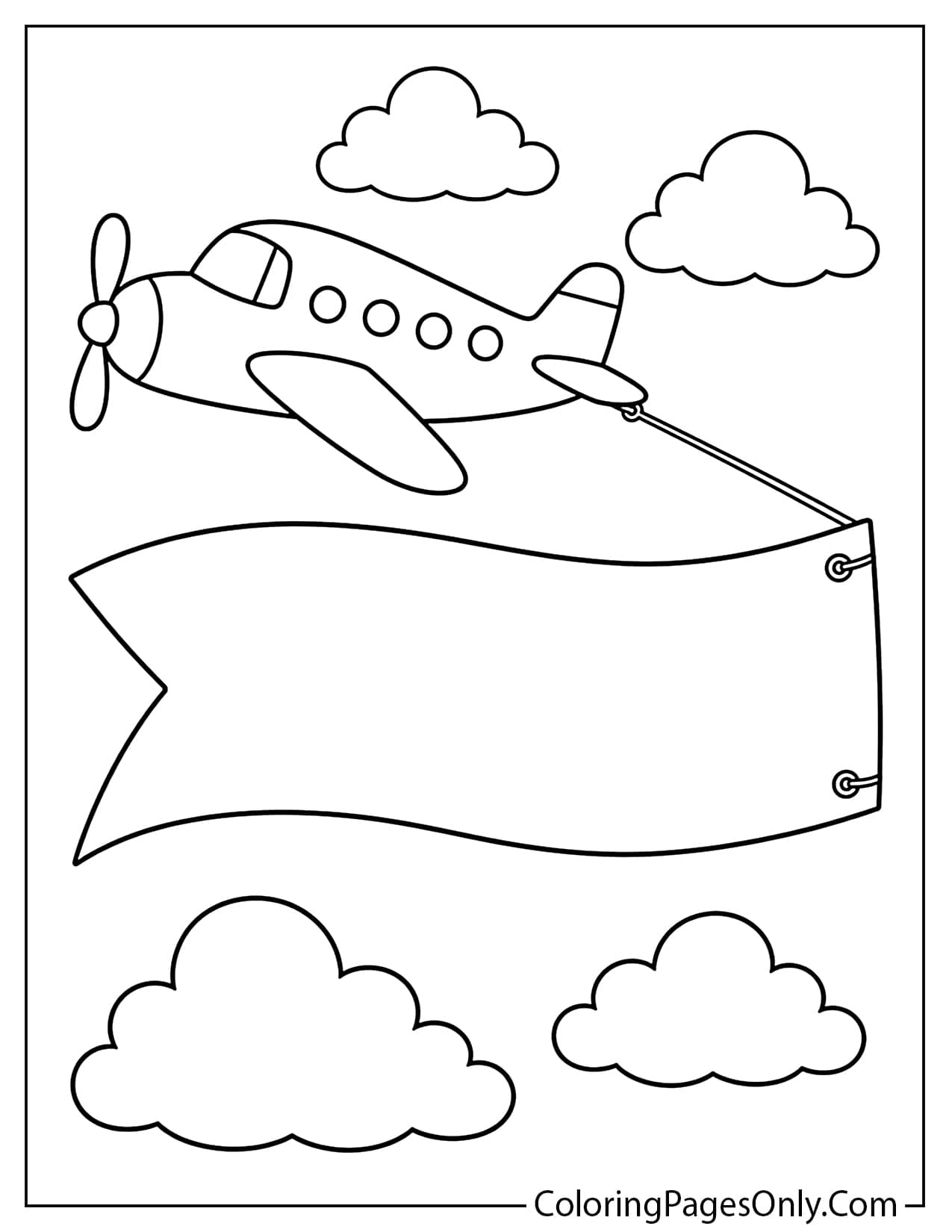
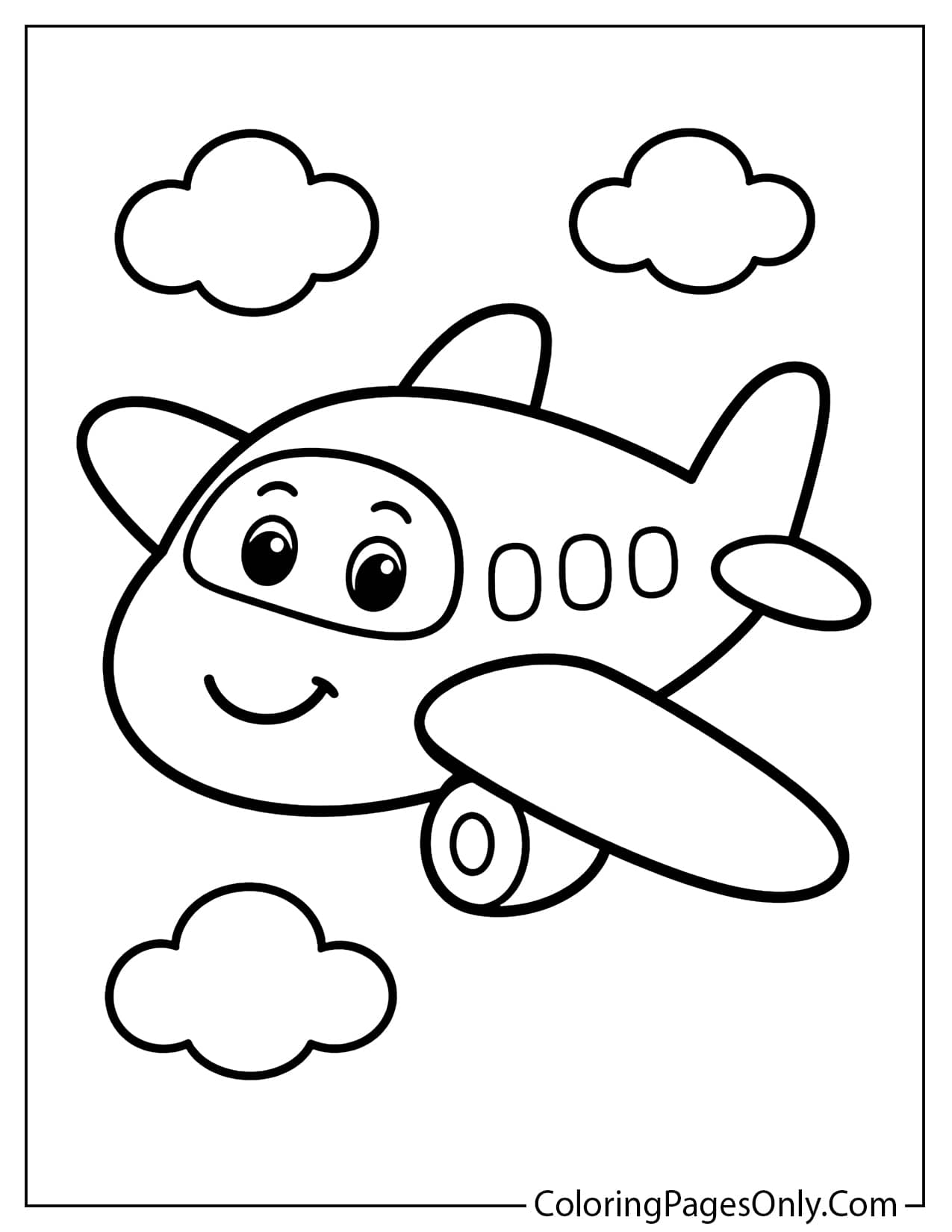
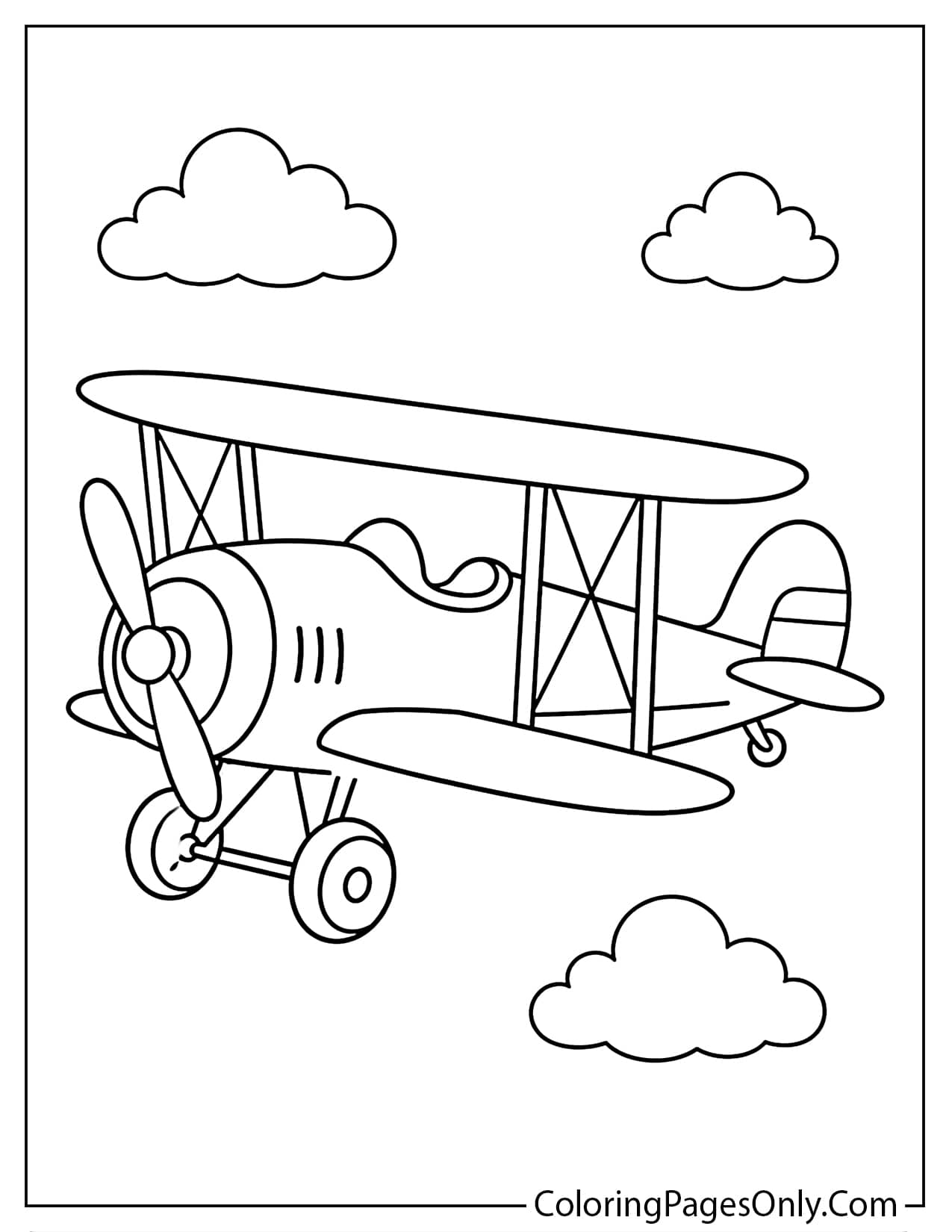
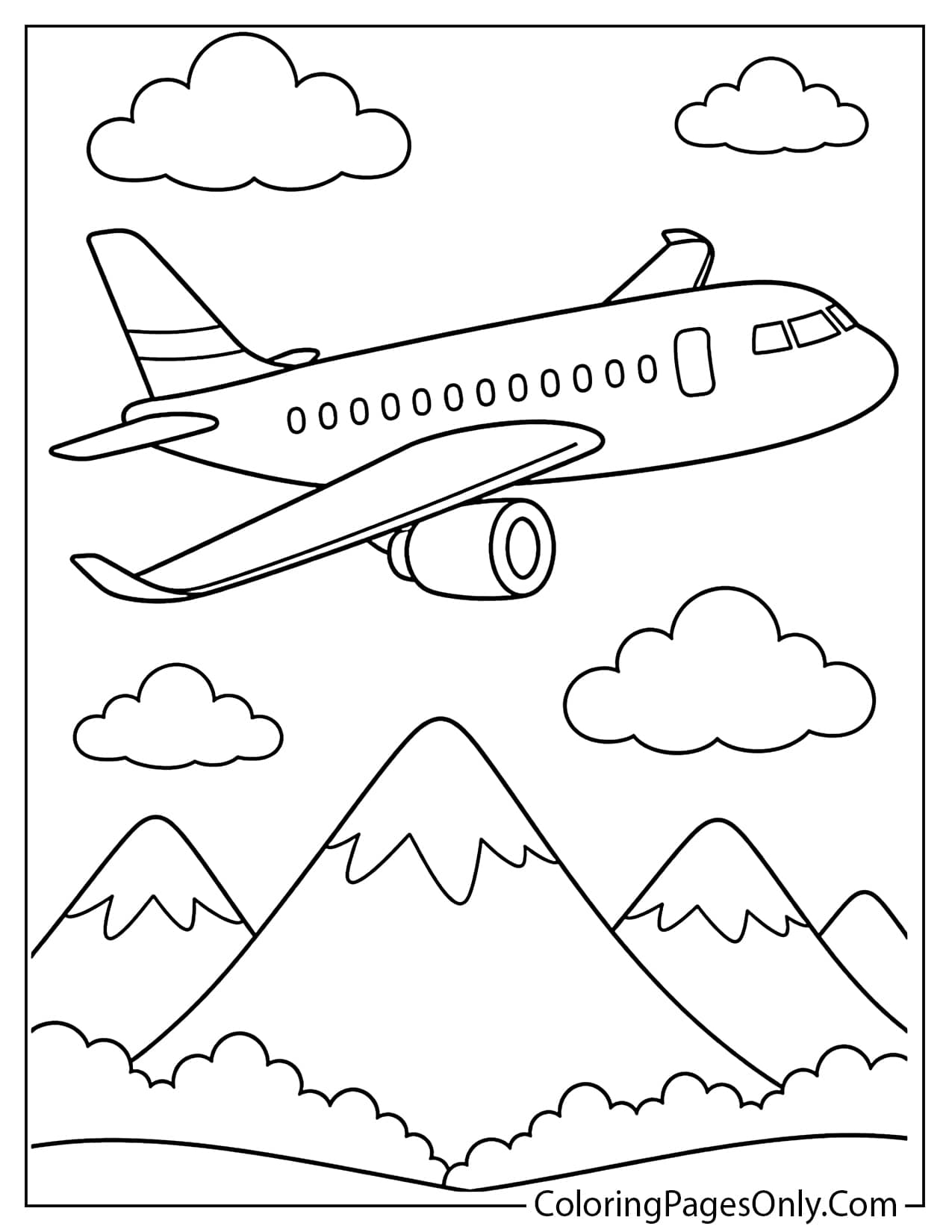
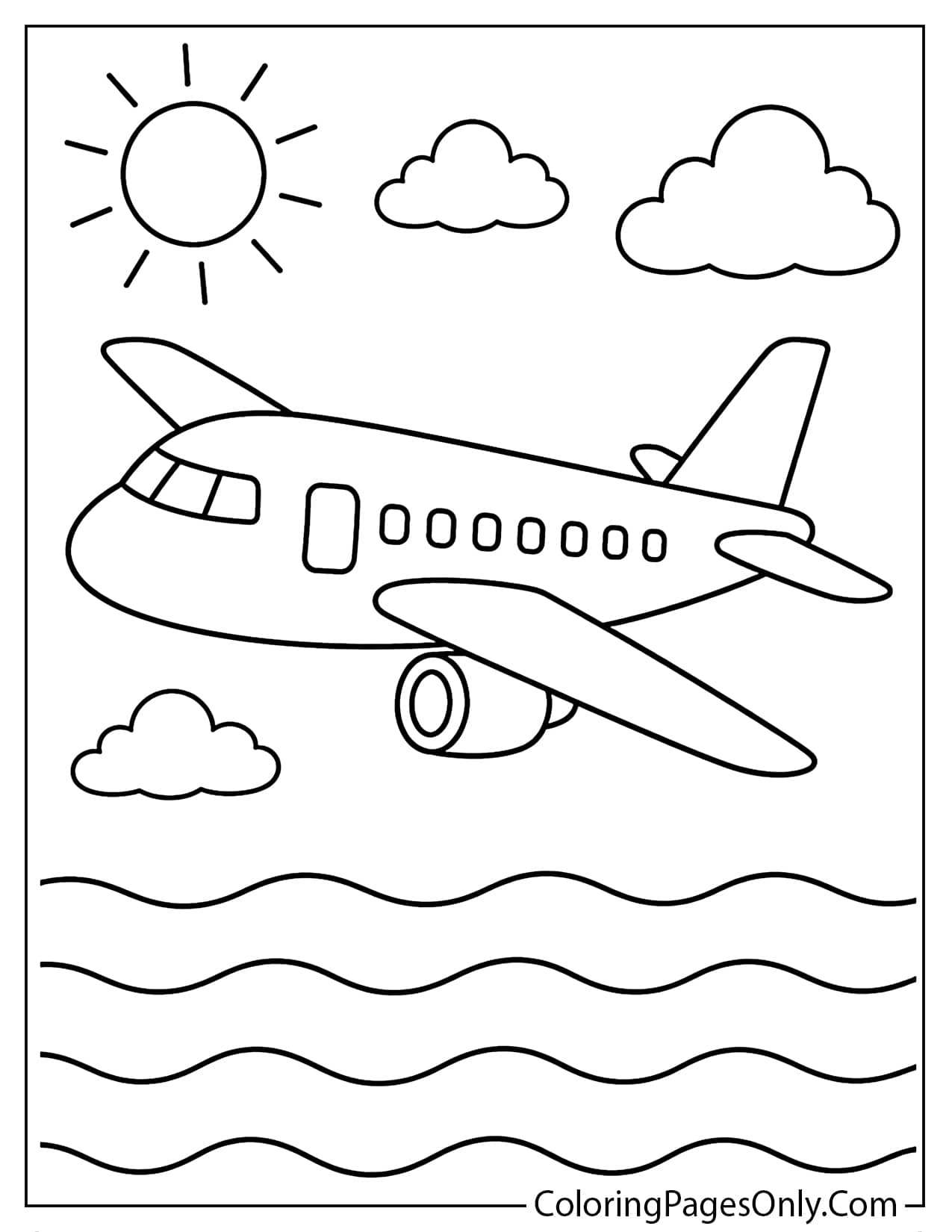
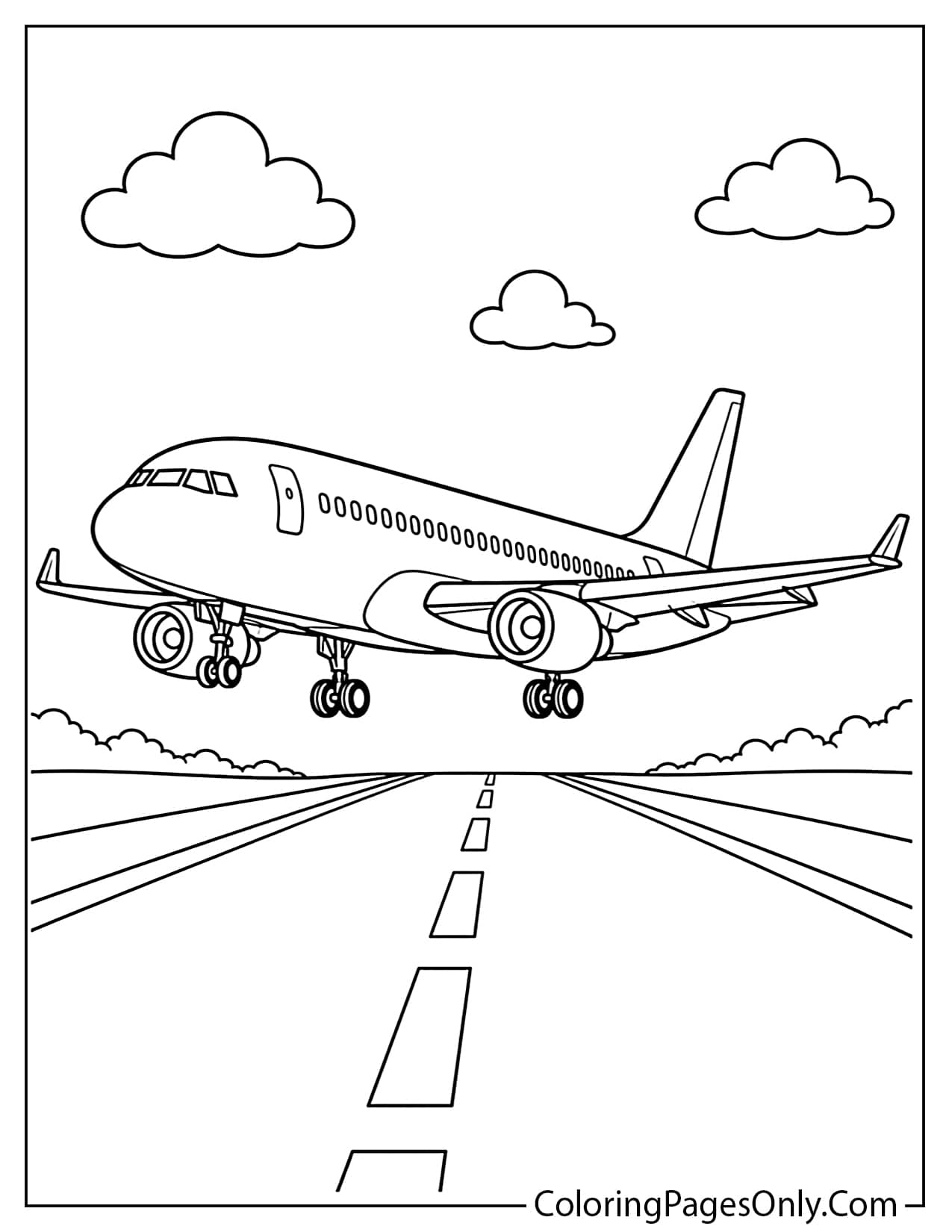
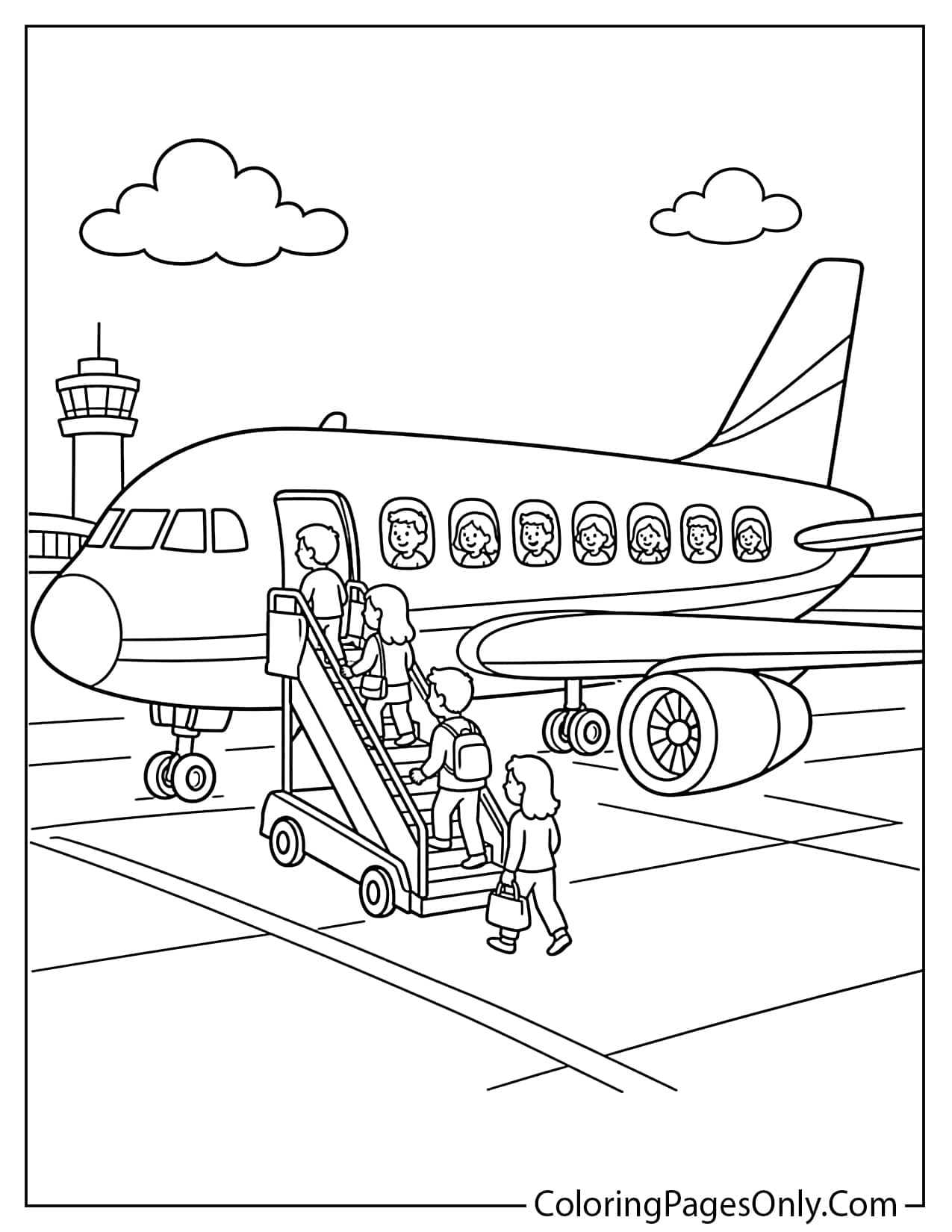
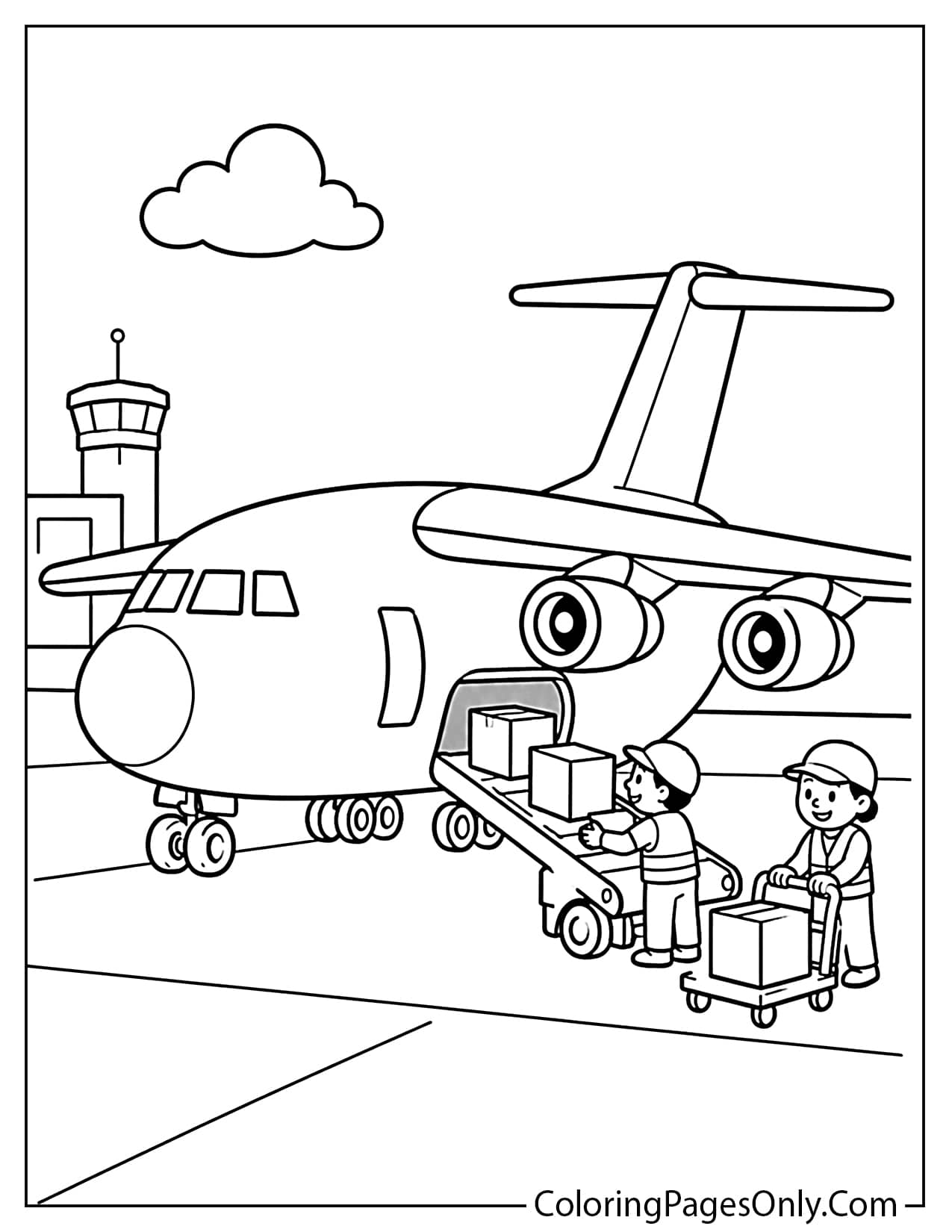
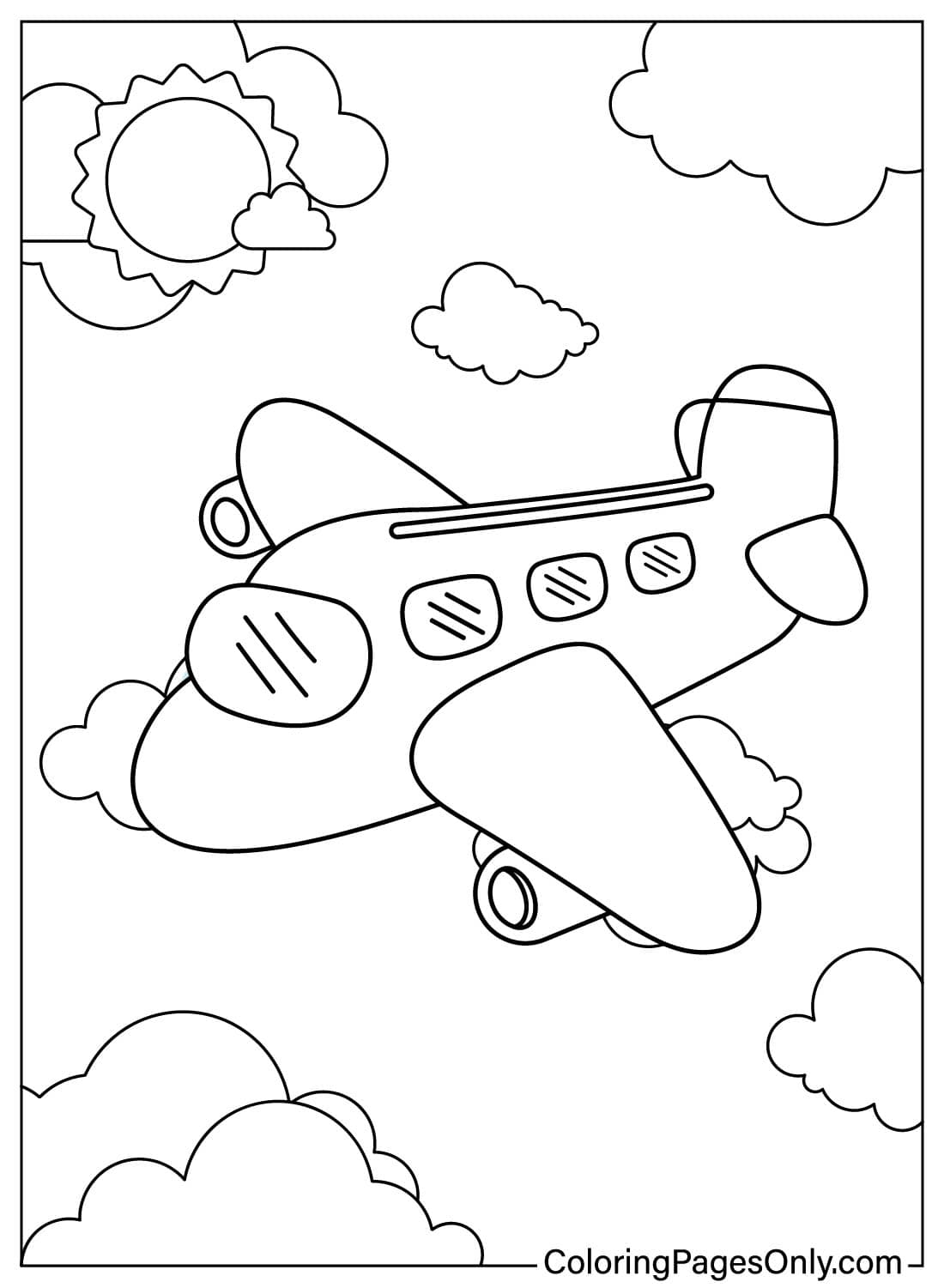
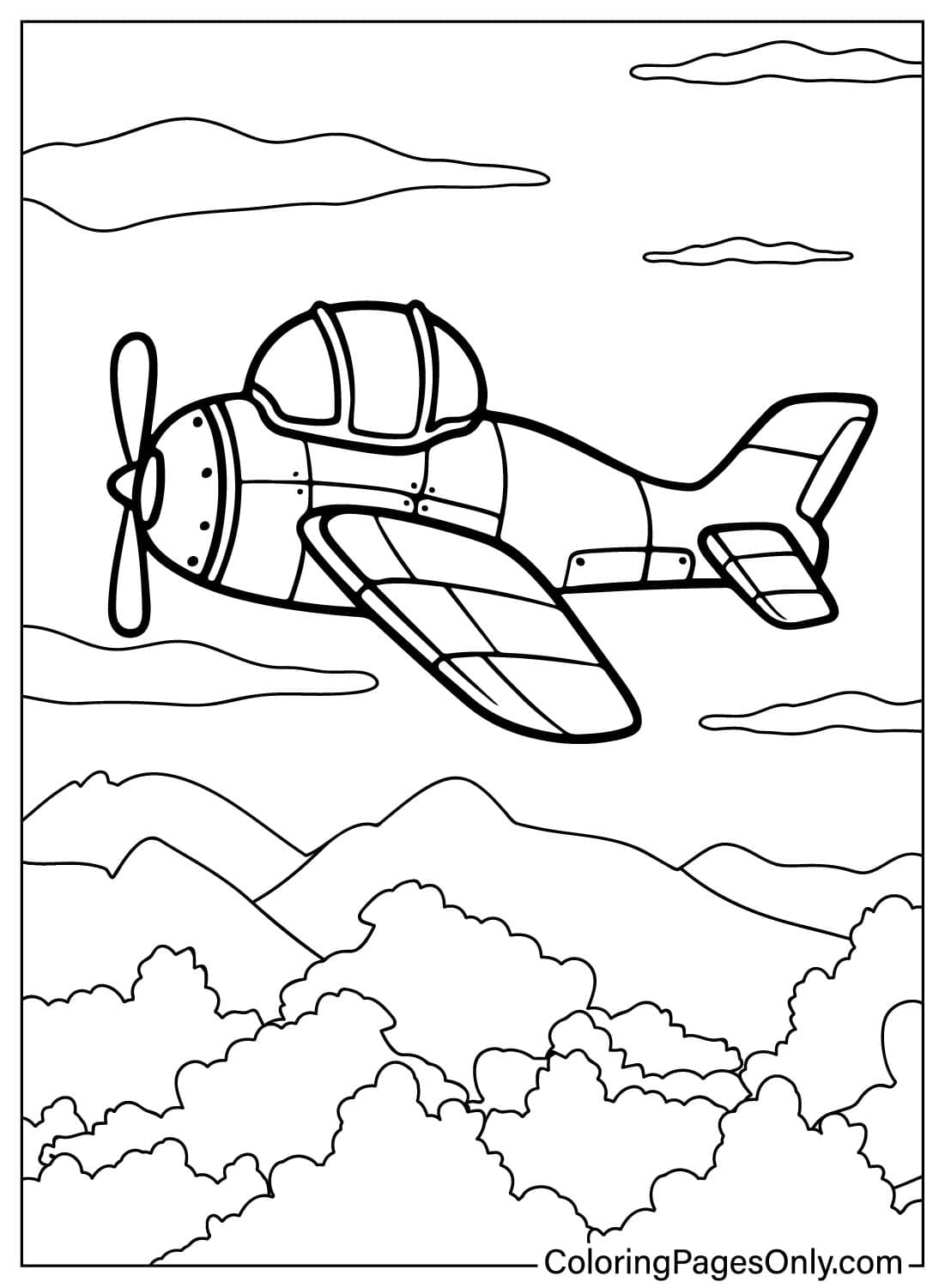
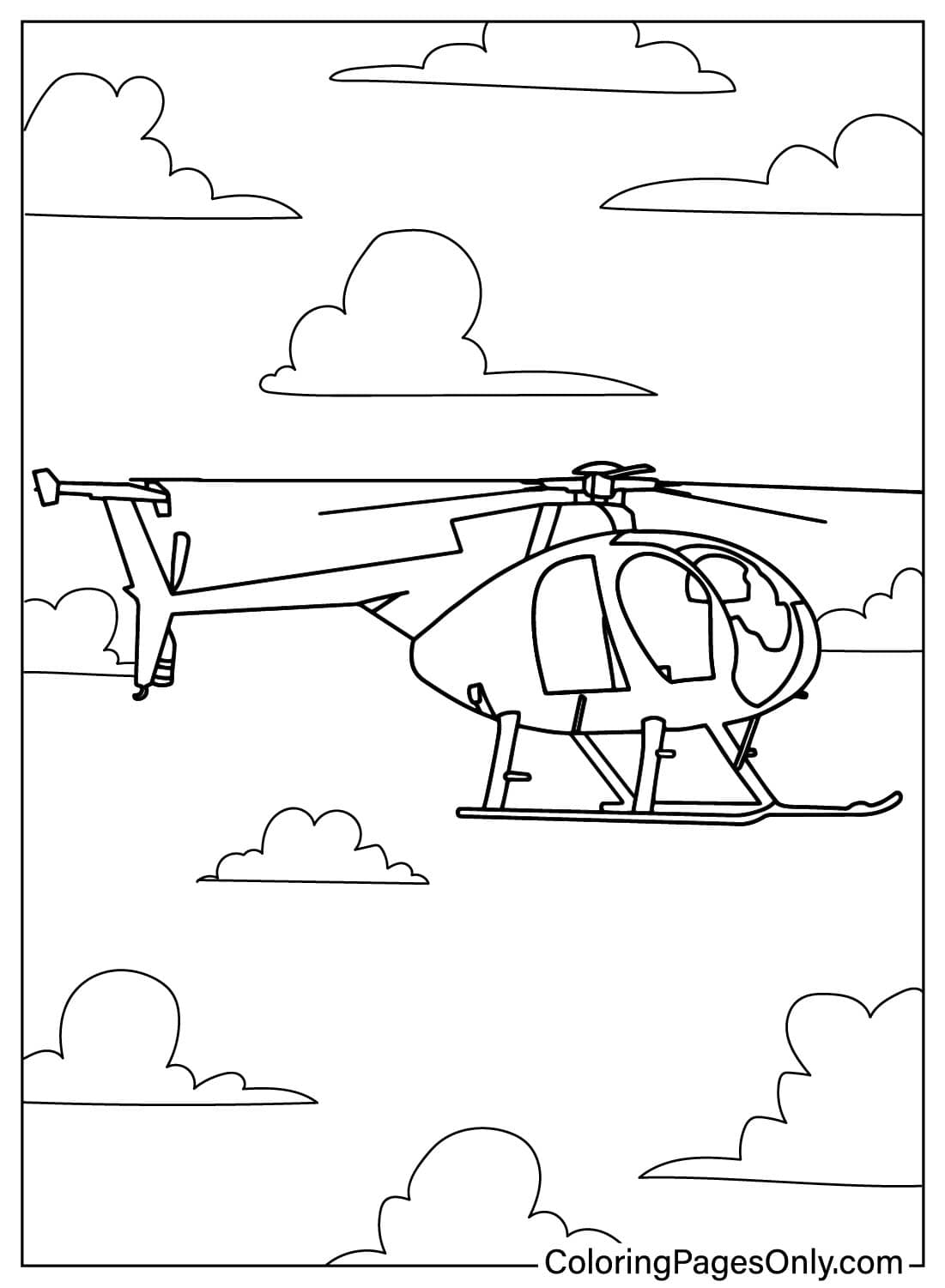
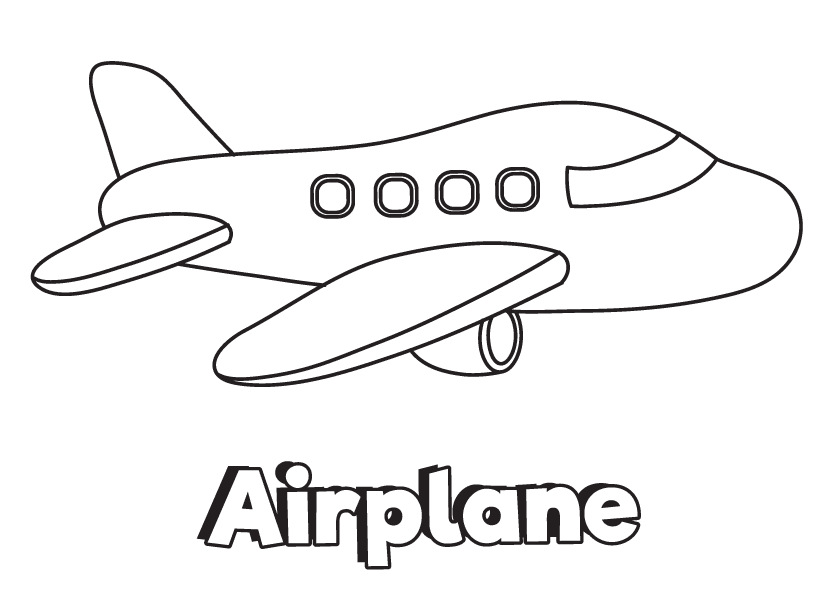
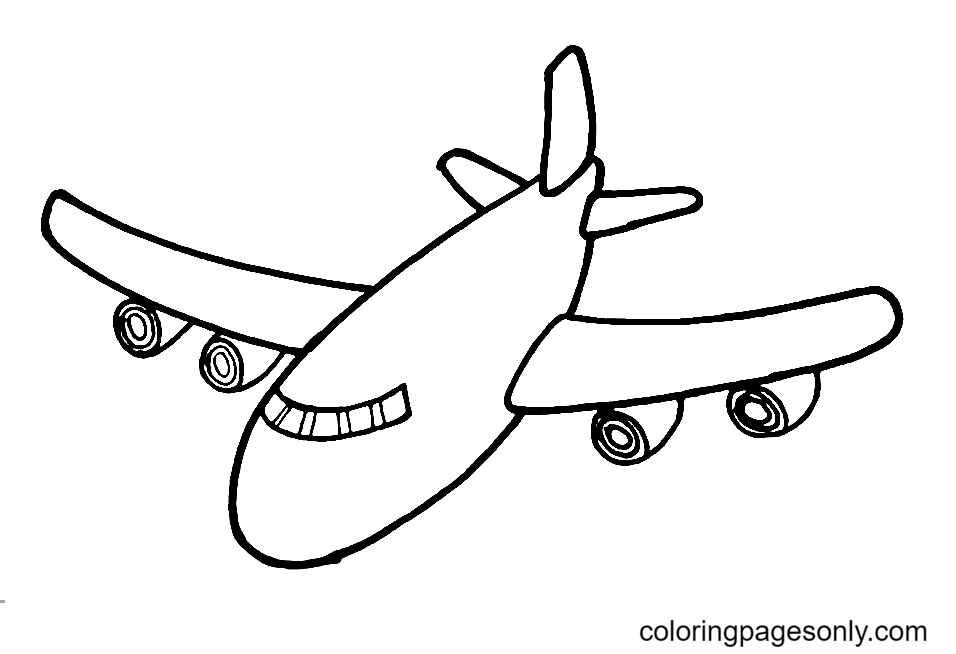
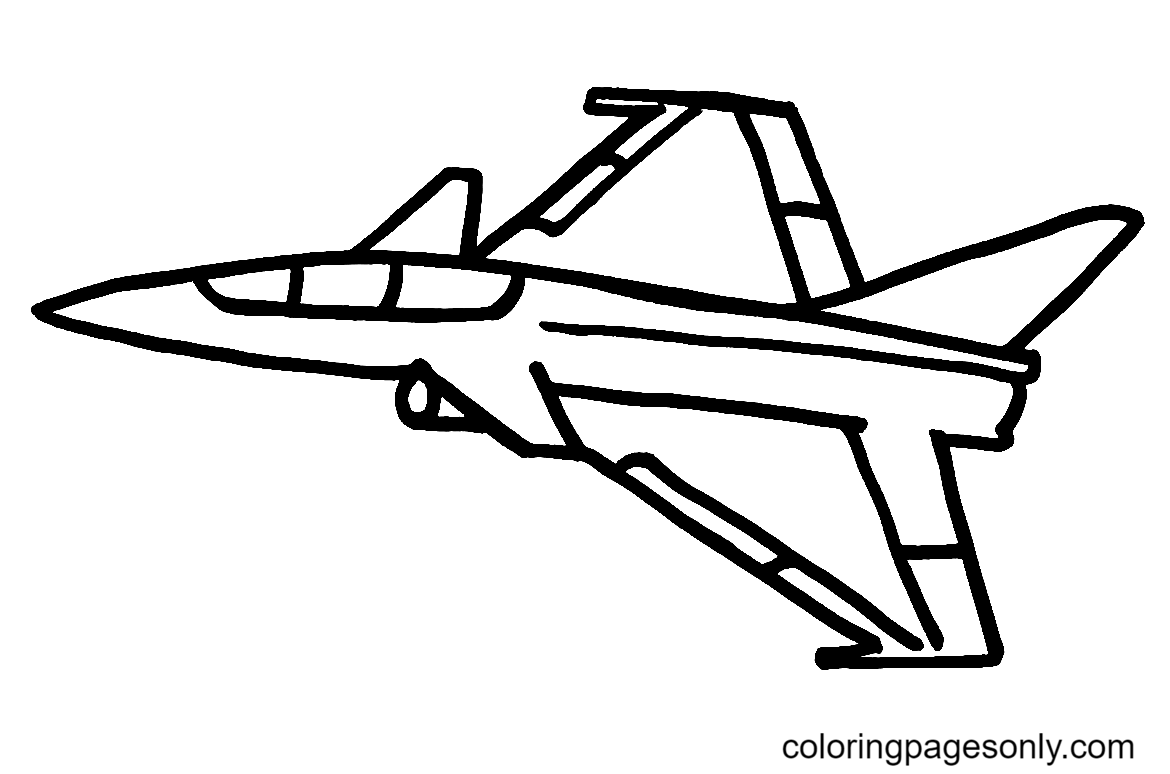
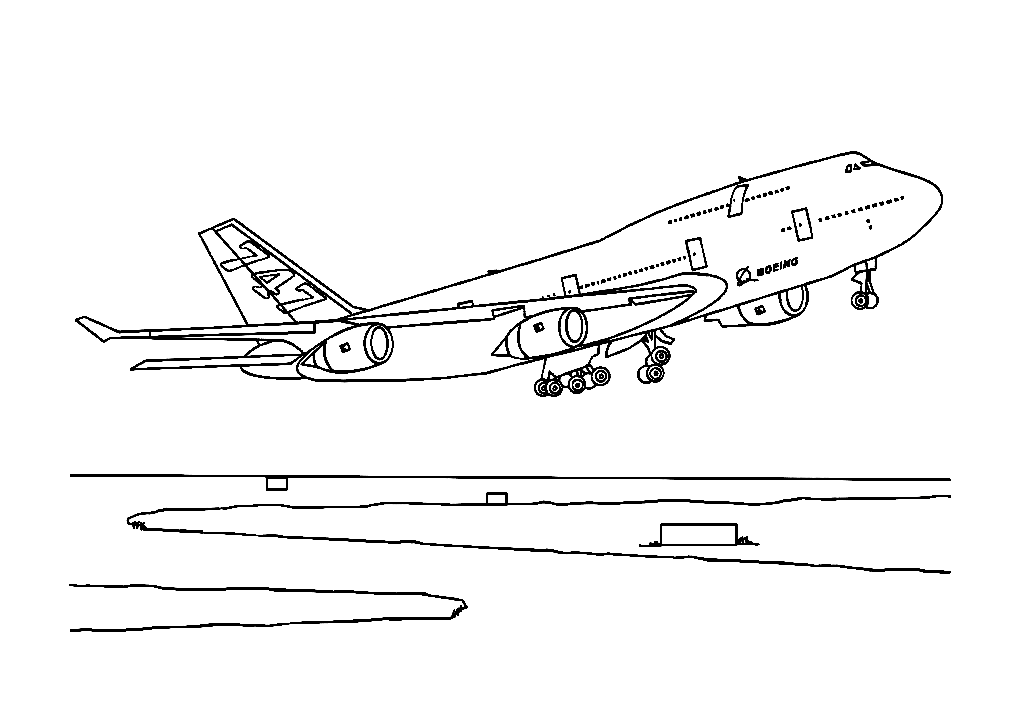
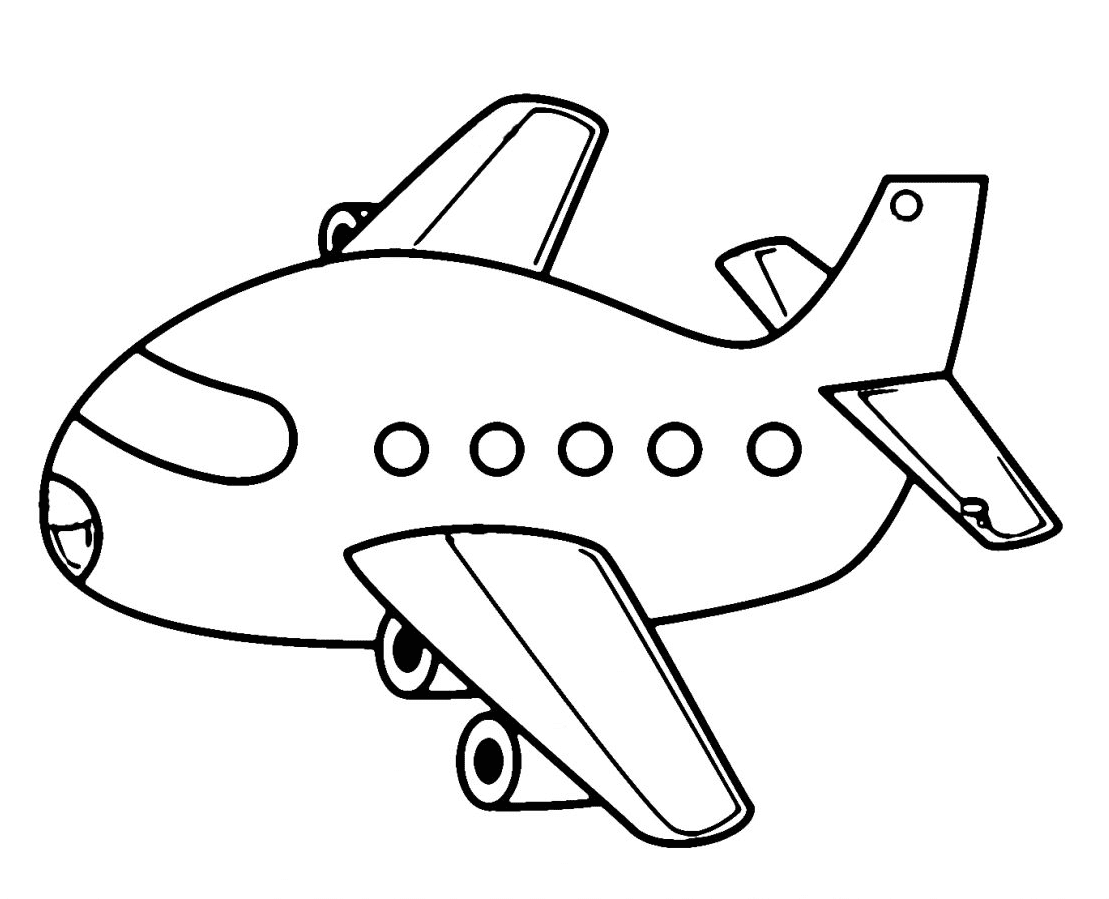
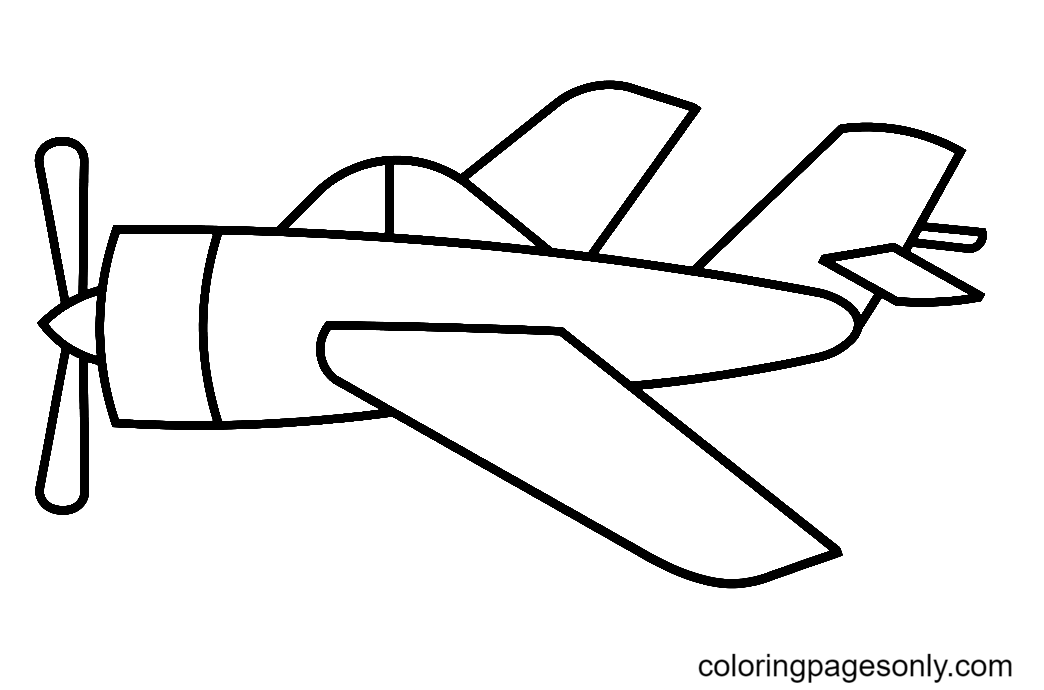
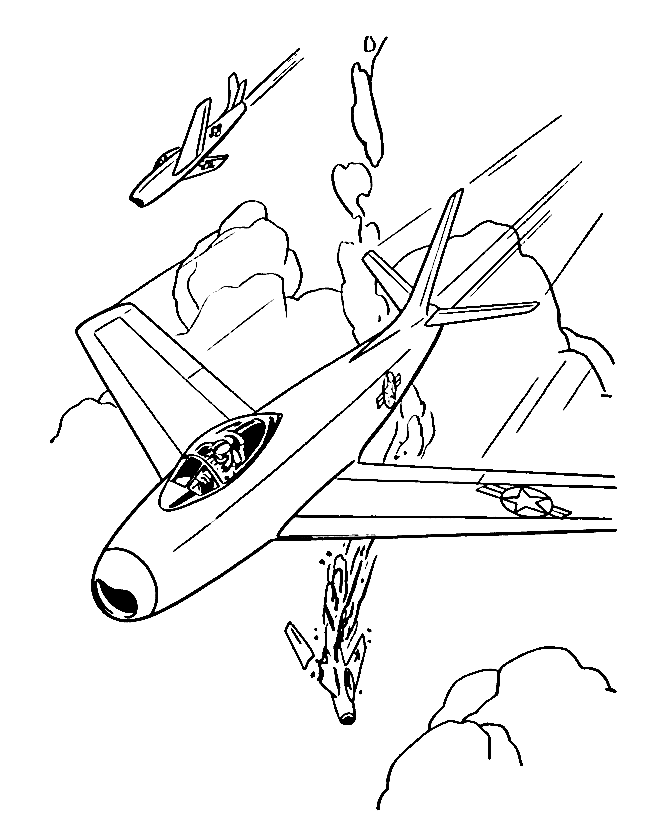
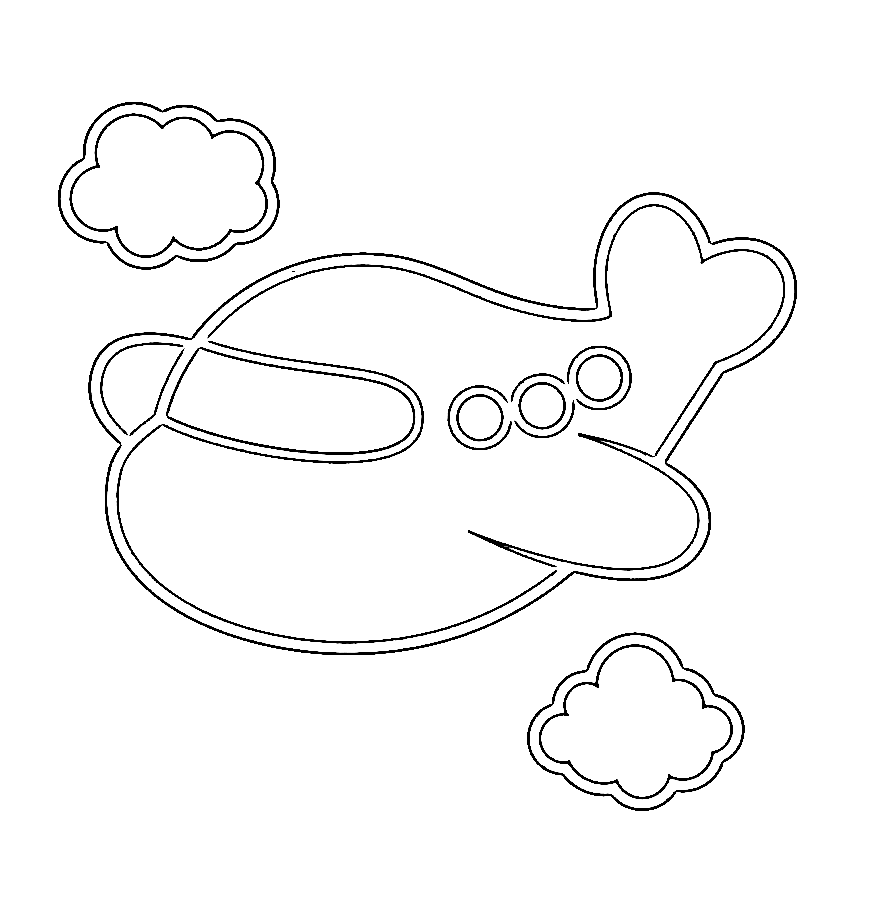
Understanding Airplanes: Knowledge and Flight
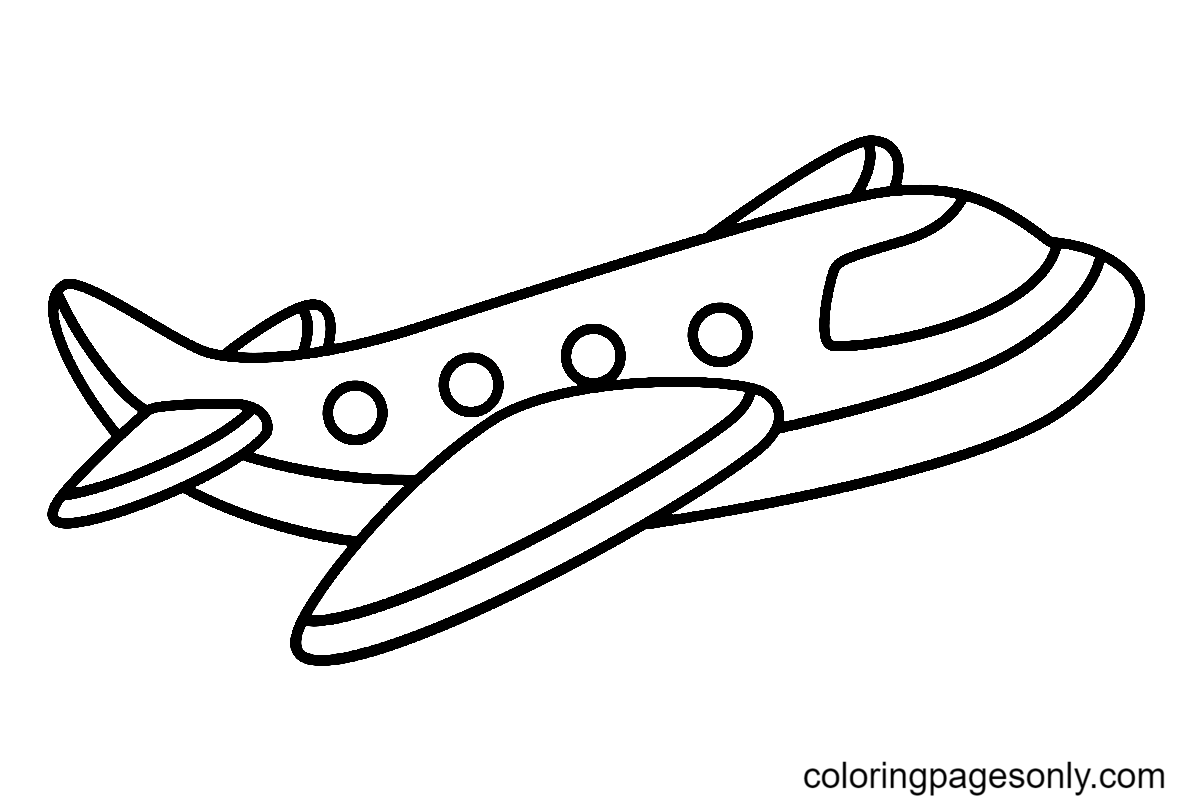
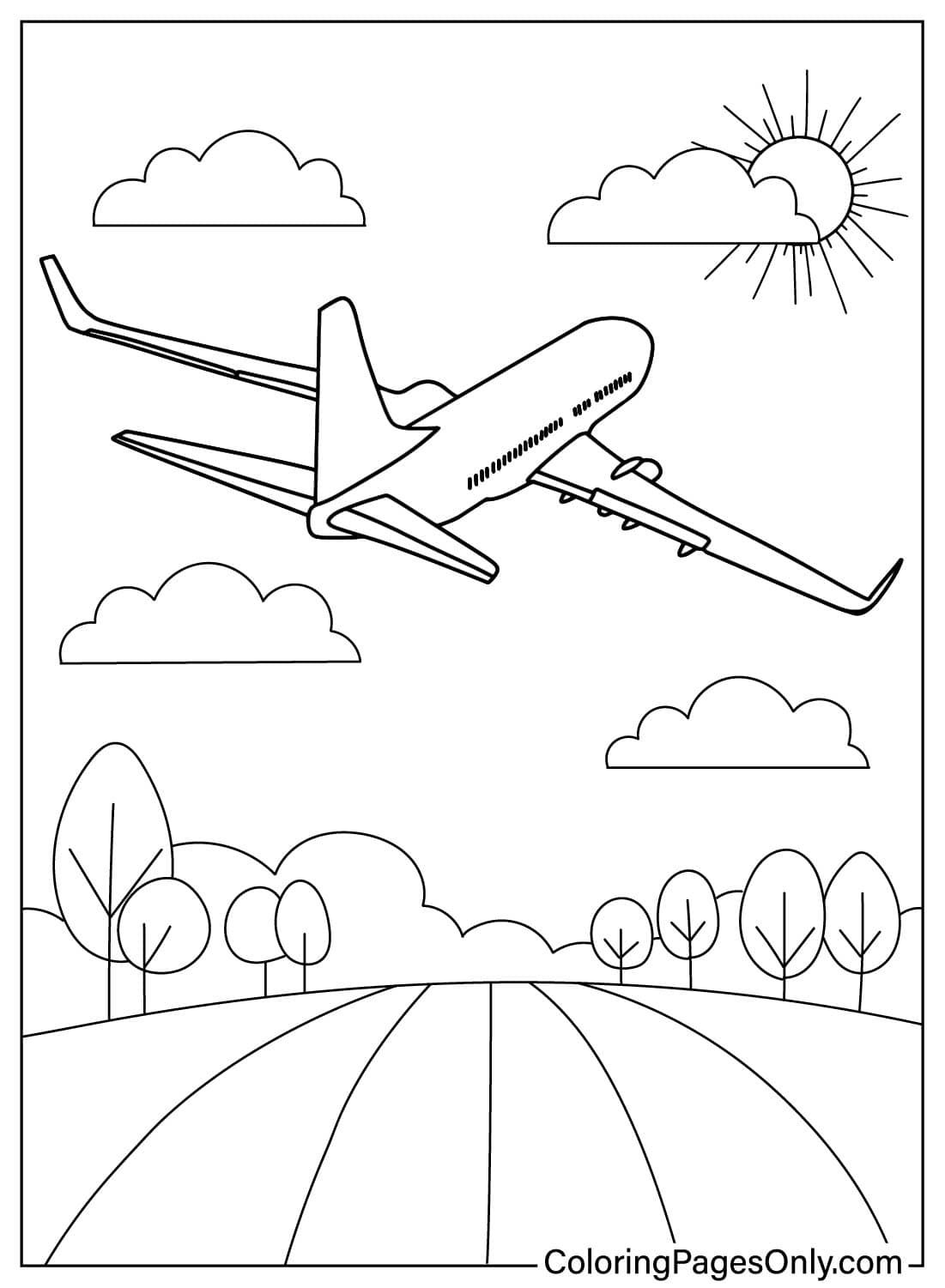
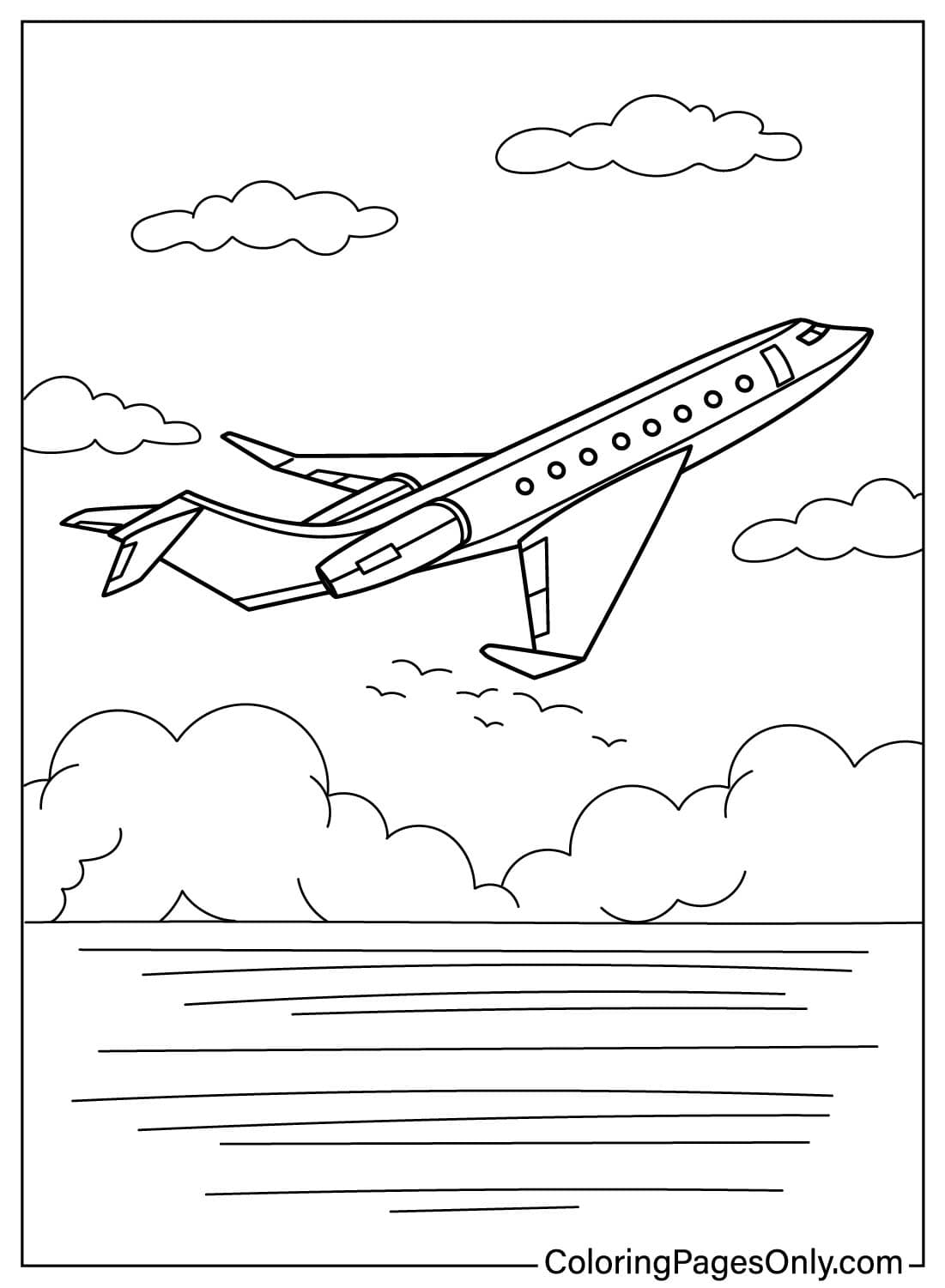
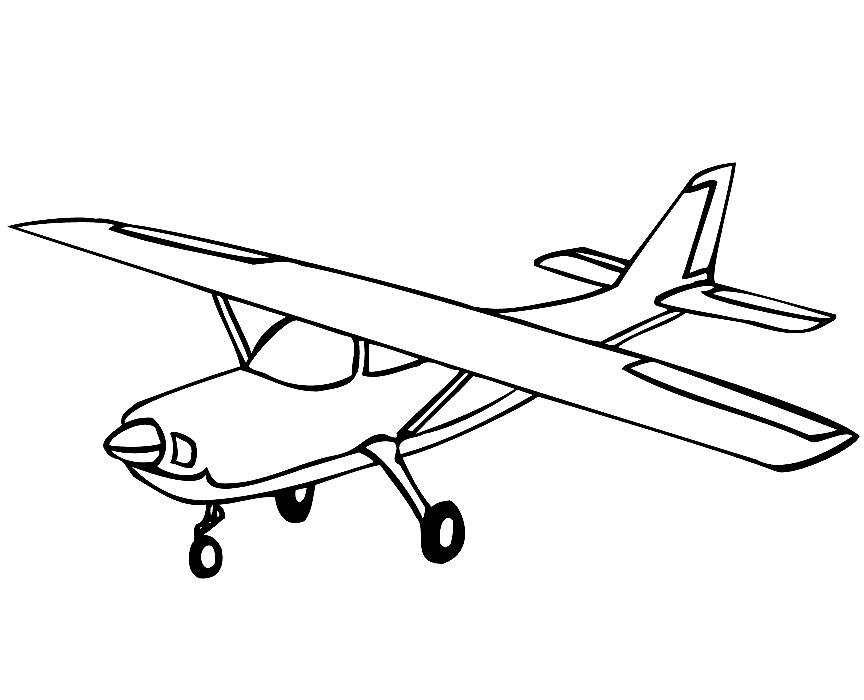
Airplanes are marvels of engineering, designed to soar through the sky and connect the world. Each airplane includes a fuselage to carry passengers or cargo, wings generating lift, engines producing thrust, landing gear for takeoff and landing, and a cockpit where pilots control flight.
Airplanes serve diverse purposes: passenger transport, cargo logistics, rescue operations, firefighting, military defense, and even educational or playful designs for children. Coloring these planes allows children to see how each component works together, providing both educational and imaginative engagement.
Fun Facts:
- NASA’s X-15 remains the fastest manned airplane, reaching 4,520 mph, illustrating extreme engineering.
- The Curtiss Model D biplane from 1911 is still flying today, demonstrating early aviation history.
- Some cargo planes transport over 250,000 pounds of goods, showing the scale of aviation logistics.
- Paper airplanes can glide up to 226 feet, teaching basic flight physics in play.
Who Can Use Airplane Coloring Pages
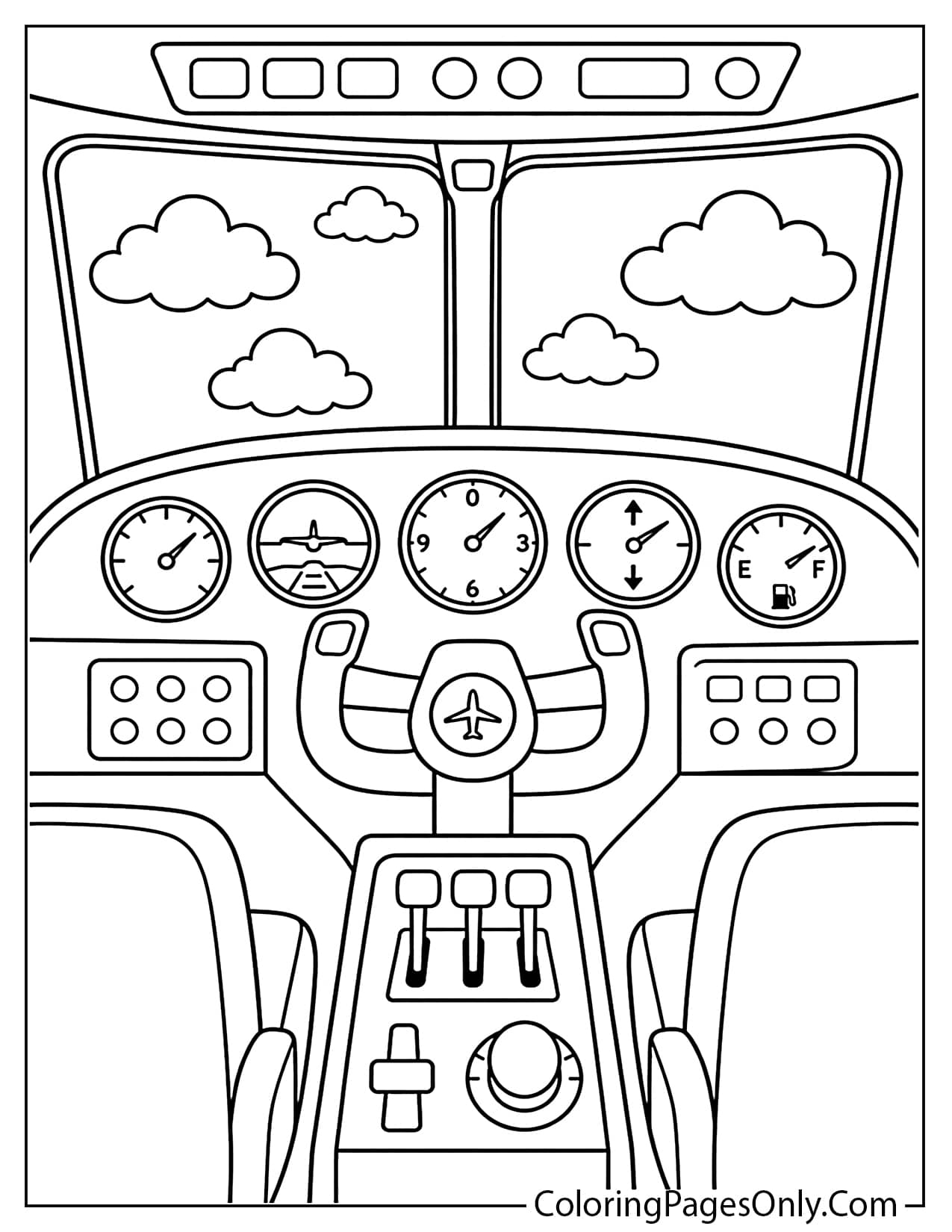
This collection is suitable for children of all ages and skill levels. Preschoolers start with paper airplanes and cartoon planes, which develop hand-eye coordination and basic narrative skills. Elementary students explore jets, biplanes, and scenic flights, refining observational abilities and storytelling. Older children or STEM-focused learners can tackle fighter jets, cargo planes, and cockpit diagrams, integrating coloring with principles of aerodynamics and flight engineering.
Parents and educators can integrate these pages into lesson plans, classroom projects, or at-home activities, ensuring each child engages at a level matching their skill while connecting coloring with real-world aviation knowledge.
Why Children Are Drawn to Airplanes
Airplanes inspire adventure, curiosity, and imaginative thinking. The diversity of airplane types-from realistic jets to whimsical cartoon planes-allows children to experiment with colors, create stories, and imagine scenarios.
Children can imagine piloting a passenger jet across mountains, navigating busy airports, performing stunts at airshows, or delivering aid on rescue missions. This combination of visual engagement and imaginative freedom strengthens focus, creativity, and understanding, which is why airplanes consistently remain a favorite subject.
Coloring Pages as a Creative and Educational Experience
The coloring pages integrate knowledge, imagination, and STEM learning.
Jets & Passenger Airplanes (Airport Scene)
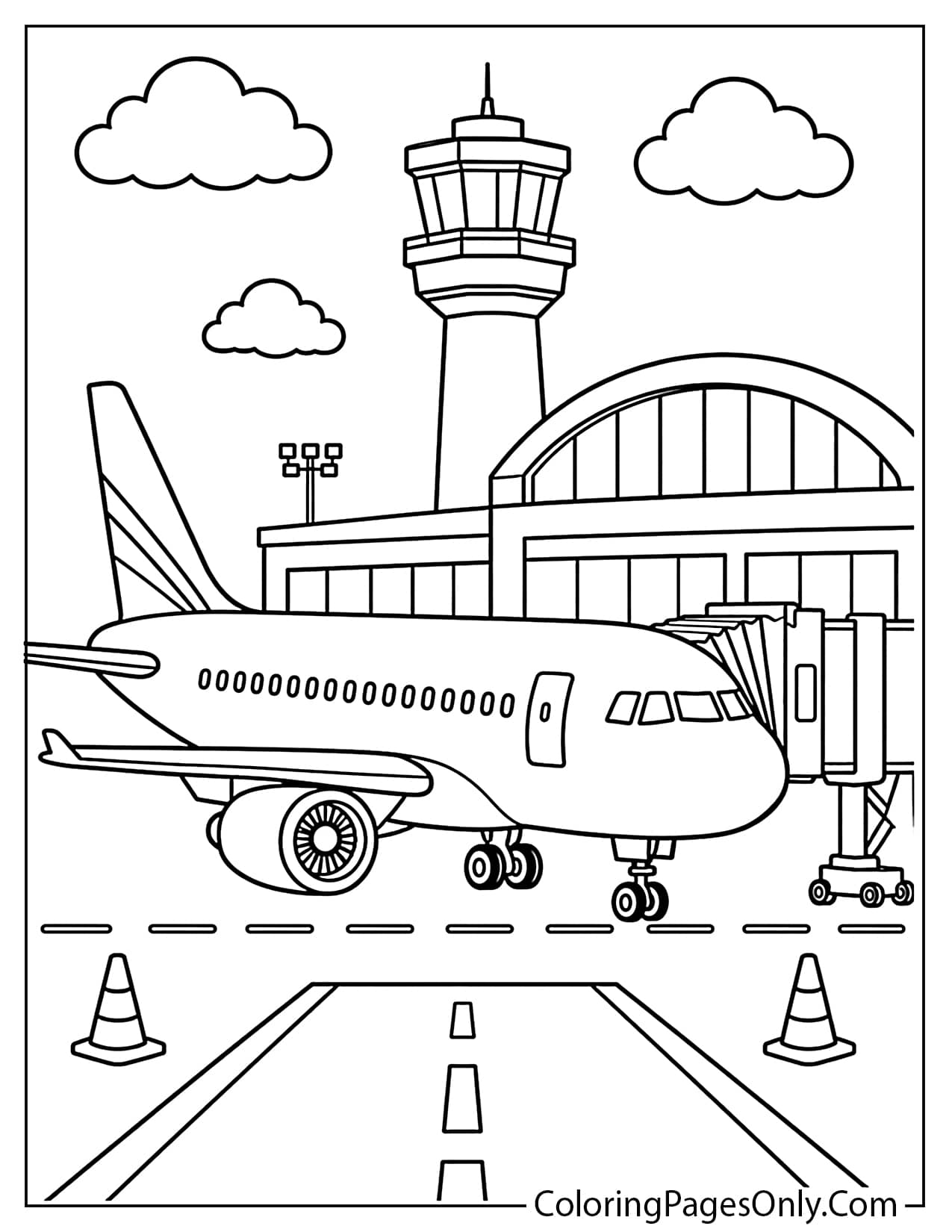
Children can color jets landing at busy airports, including runway markings, control towers, and luggage carts. Shading engines and fuselage develop an understanding of movement and perspective. Crafts can include 3D paper jets and mini airport dioramas, connecting coloring with spatial reasoning.
Biplanes (Airshow Scene)
Biplanes performing aerobatics teach history and flight physics. Children can create storyboards of airshows, linking narrative skills with aviation observation. Coloring and craft help children visualize complex flight paths and stunts.
Cargo & Rescue Planes (Ocean/Mountain Scene)
Pages depicting rescue or cargo missions allow children to understand practical aviation applications. Folded paper planes or small rescue mission dioramas let children simulate logistics and problem-solving scenarios.
Paper & Cartoon Airplanes (Home/Classroom Scene)
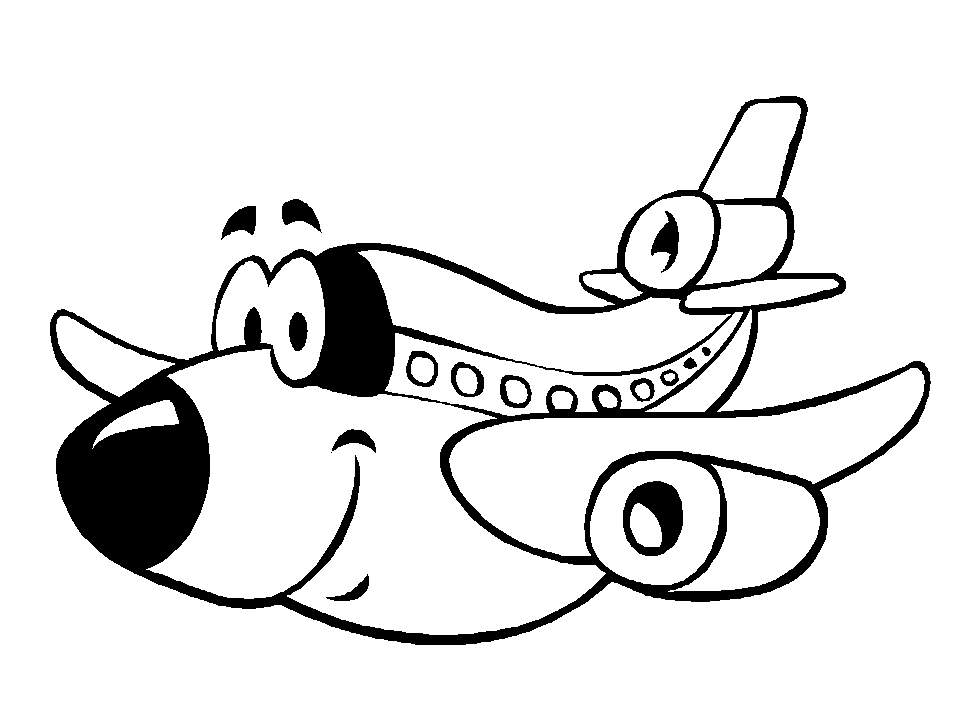
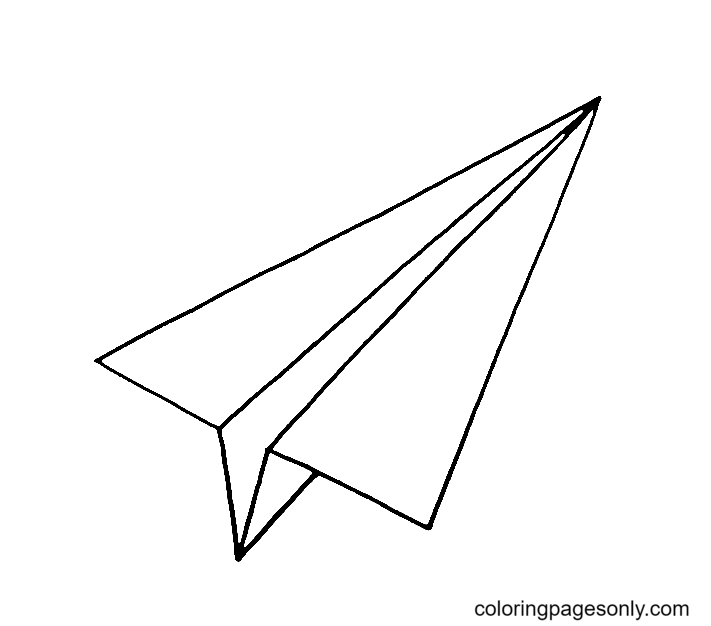
Preschoolers can color and fold paper airplanes, exploring flight principles hands-on. Cartoon designs encourage creative expression, while simple shapes support early fine motor development.
Creative Ideas, Tips, and Activities
When children engage with airplane coloring pages, the experience can extend far beyond filling in colors. Encourage them to study each airplane carefully, noticing how the wings curve, how engines are placed, and how the tail stabilizes the flight. As they add color, they can experiment with blending, shading, and imagining skies filled with clouds, sunsets, or storms, learning to represent depth, motion, and perspective visually.
Coloring can naturally evolve into interactive play and hands-on activities. Children may fold a colored paper airplane and test how far it glides, observing how different shapes and weights affect flight. Coloring a biplane performing aerial stunts can spark a story: a local airshow where spectators cheer, while the child imagines every loop and roll. Rescue and cargo planes allow children to invent missions-delivering supplies to mountains or rescuing stranded hikers-blending STEM thinking with storytelling.
At home or in classrooms, children can arrange their colored planes in mini airport displays, mountainous landscapes, or ocean scenes, creating an immersive environment. This type of experience encourages pride, reflection, and curiosity, transforming coloring into exploration, discovery, and imaginative learning, where art, science, and narrative combine seamlessly.
Expanding the Experience Through Related Pages
For children who enjoy airplane coloring, exploring other aviation and transport pages can further expand their understanding and creativity. Helicopter Coloring Pages teach about rotorcraft and vertical flight mechanics, Rocket Coloring Pages introduce the thrill of space exploration and STEM concepts, and Paper Airplane Coloring Pages provide preschool-friendly craft opportunities. The Transport Coloring Pages Hub offers a broader view of vehicles and movement. Engaging with these related pages allows children to connect concepts across flight and transportation, deepening both learning and imagination.
Frequently Asked Questions About Airplane Coloring Pages
What is an airplane and how does it work?
Airplanes travel through the air using wings for lift, engines for thrust, and a fuselage for carrying passengers or cargo. Landing gear allows safe takeoffs and landings, and the cockpit enables pilots to control flight. Coloring pages help children visualize components and understand flight mechanics.
What age is suitable for airplane coloring pages?
The pages are suitable for preschoolers, elementary-aged children, and beginner learners. Detailed sheets are ideal for older children or STEM-focused learners.
Can I print these pages at home?
Yes, all pages are formatted for US Letter paper and free to download, making home or classroom printing easy.
How can children use coloring pages for crafts?
Children can fold colored sheets into paper airplanes, create bookmarks or classroom displays, or use pages in storyboards, combining creative play with hands-on learning.
What types of airplanes are included?
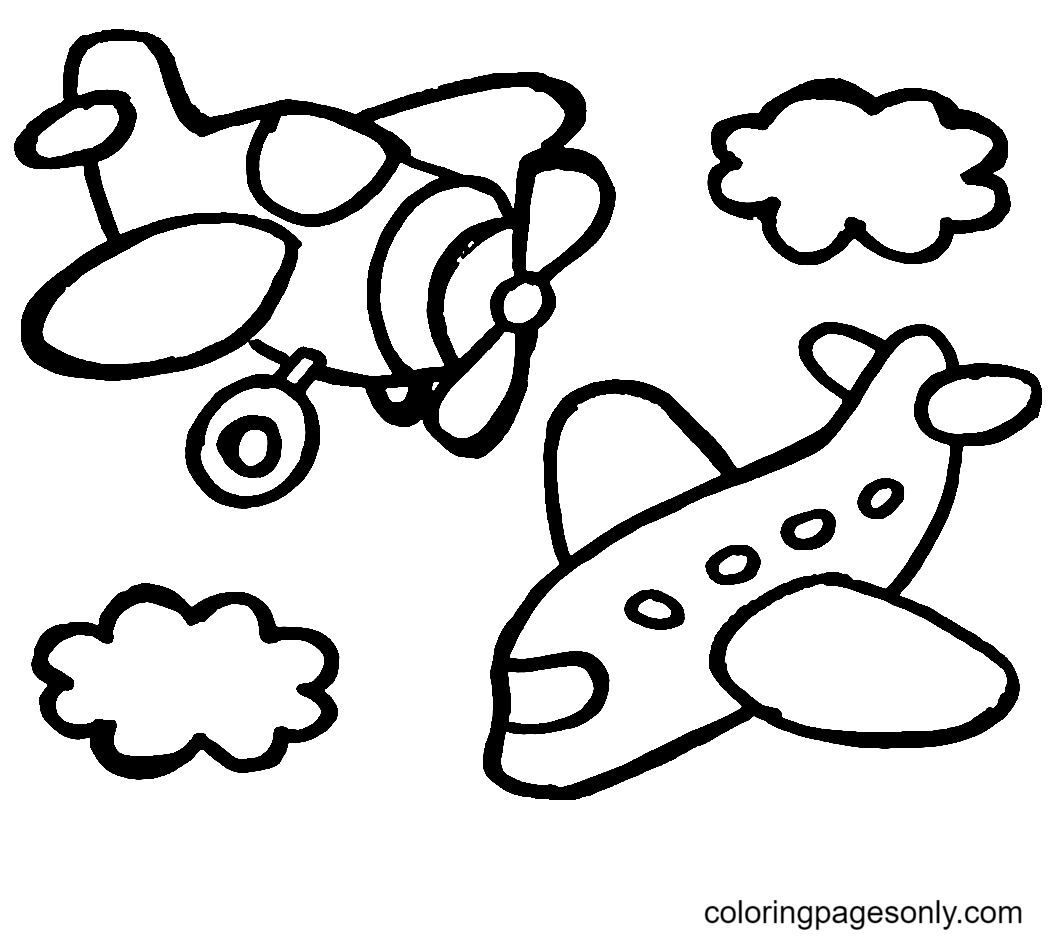
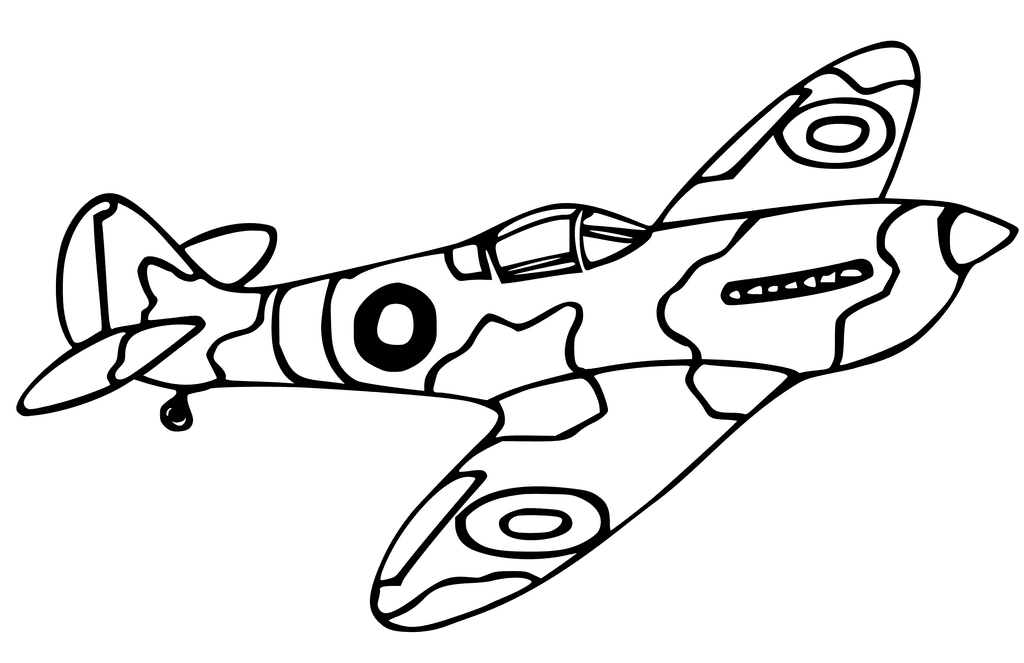
The collection features jets, propeller planes, biplanes, cargo planes, passenger airplanes, rescue/firefighting planes, and cartoon-style airplanes, suitable for a wide range of ages and skill levels.