
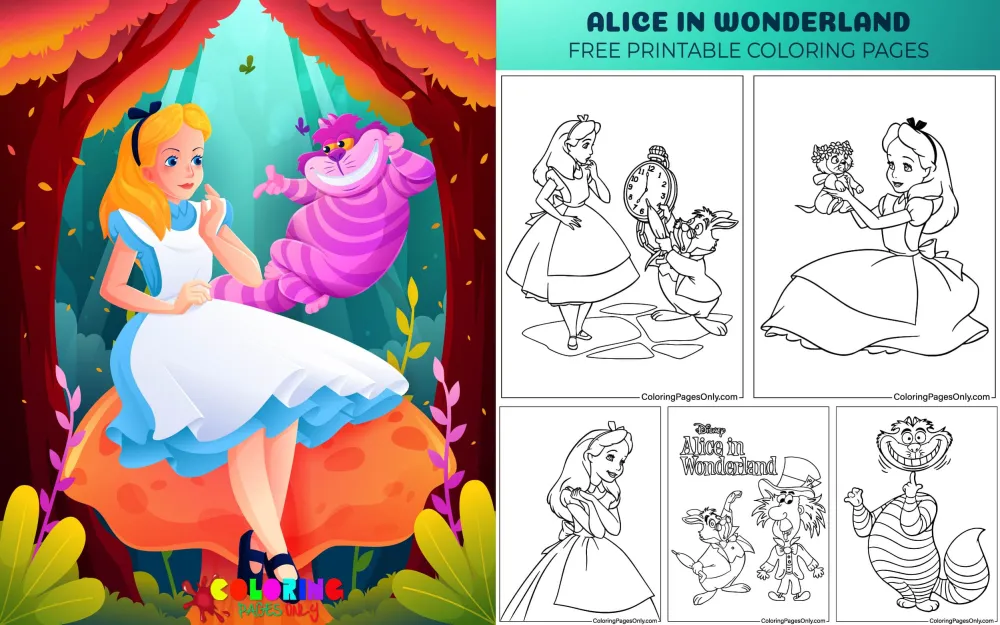
Free Alice in Wonderland coloring pages: 35 printable PDF designs, for kids and adults. Each page can be downloaded as a PDF to print or colored online in the browser.
Lewis Carroll published Alice’s Adventures in Wonderland in 1865, illustrated by John Tenniel, with its sequel, Through the Looking-Glass, following in 1871. Most of the character designs in this collection, Alice’s blue dress and white pinafore, the wide, toothy Cheshire Cat grin, follow Walt Disney’s 1951 animated film rather than Tenniel’s original illustrations. The Disney film itself blends the two books: Tweedledee and Tweedledum, and the talking flowers, both represented in this collection, actually come from the second book, Through the Looking-Glass, and never appear in the original Wonderland story at all. This is a fan-made collection built around that familiar Disney-style look of the characters, not officially licensed movie artwork.
With 35 pages split into four groups: solo Alice portraits, Alice paired with other characters, standalone character pages, and tea-party and scene pages, the set works for a quiet coloring session, a read-aloud pairing, or a Wonderland-themed party.
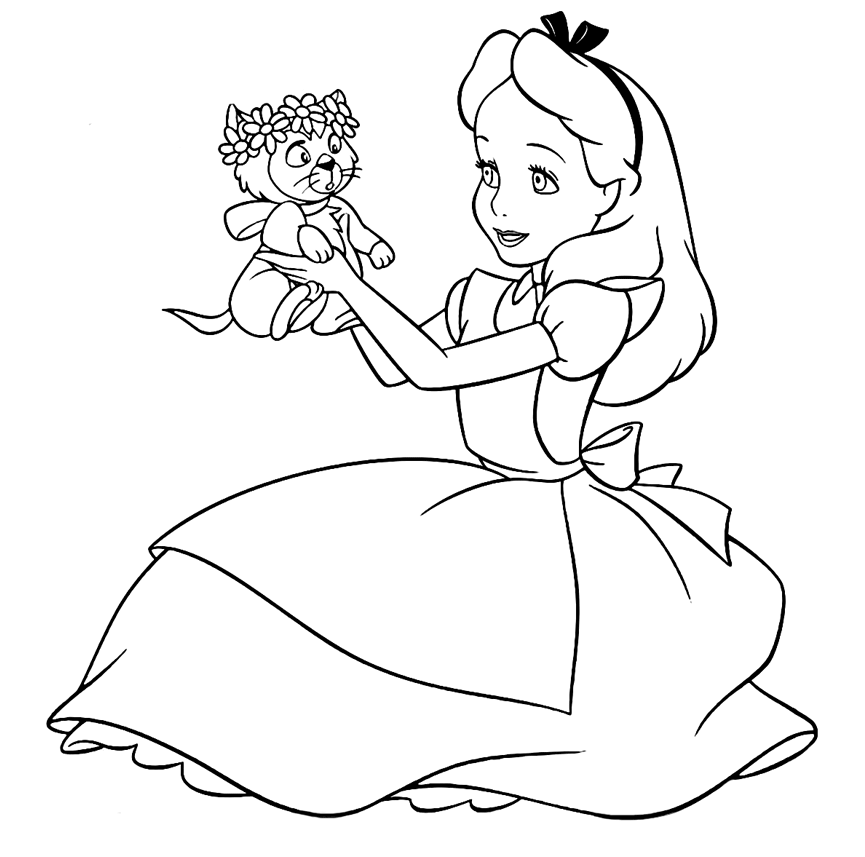
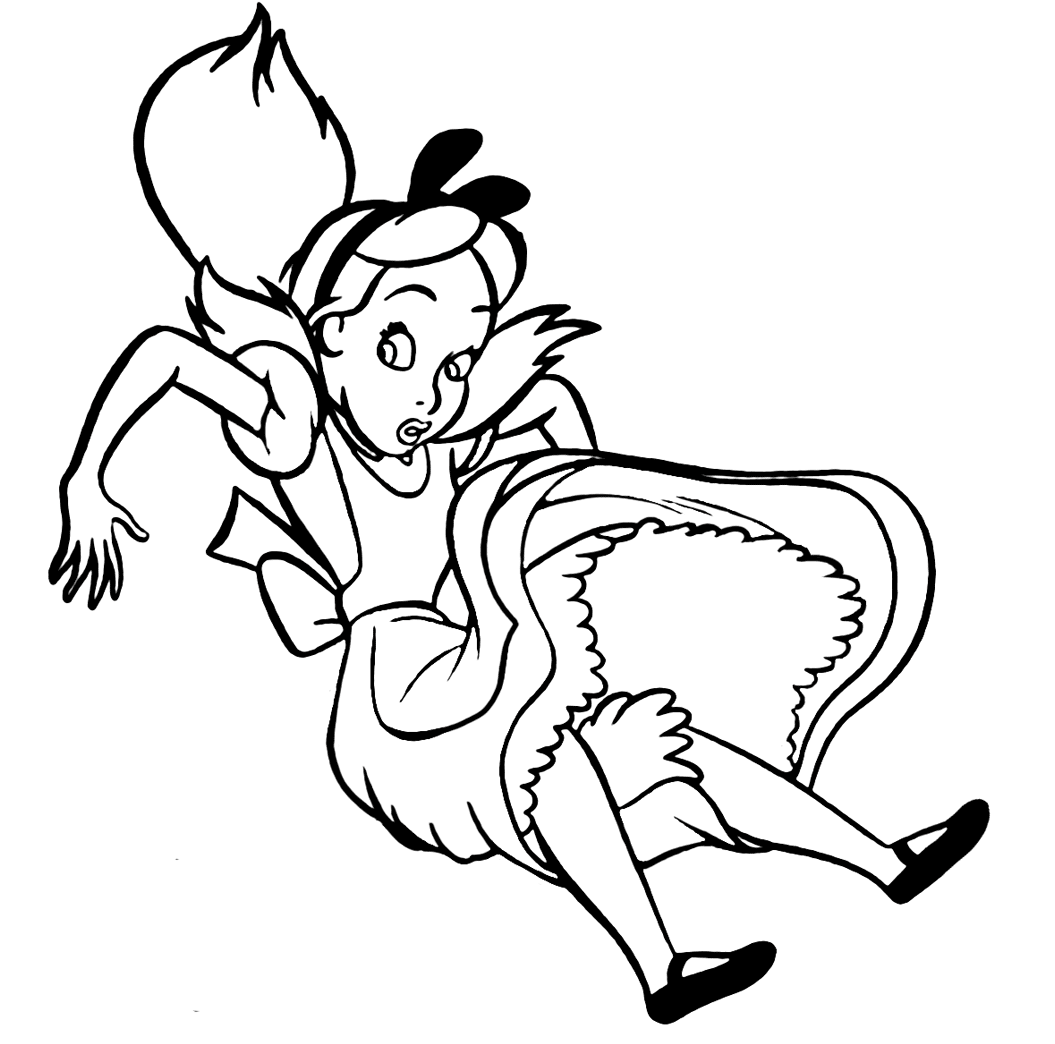
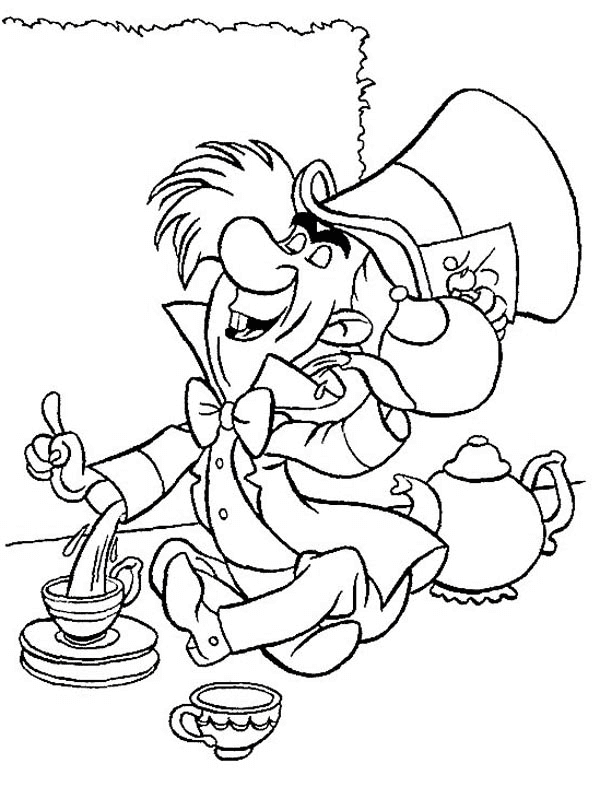
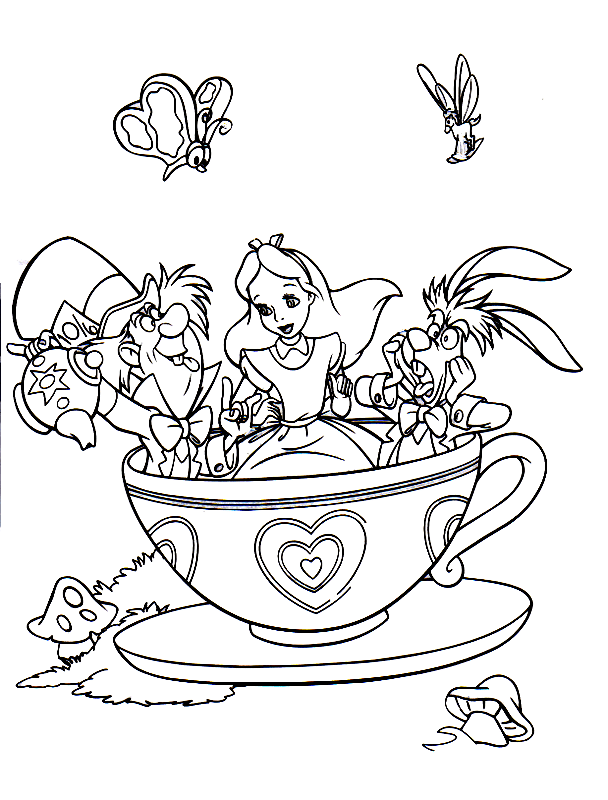
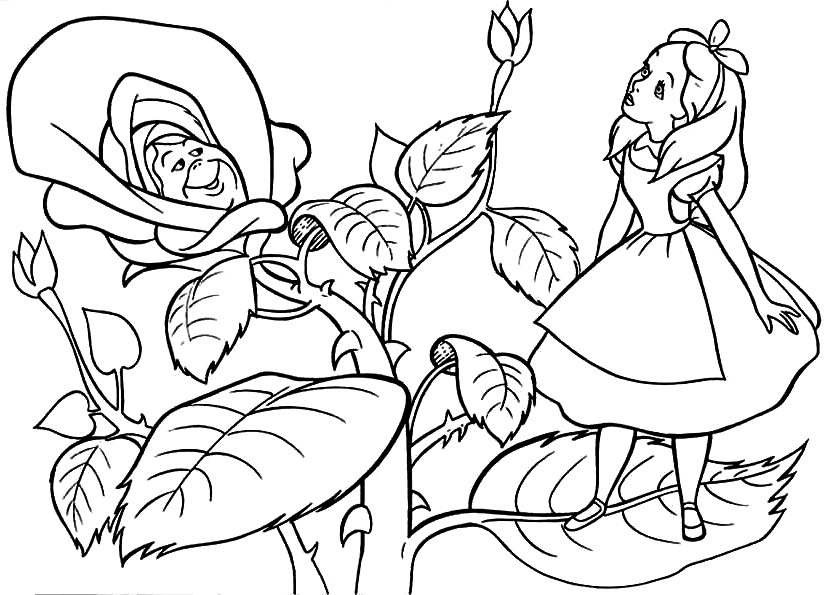
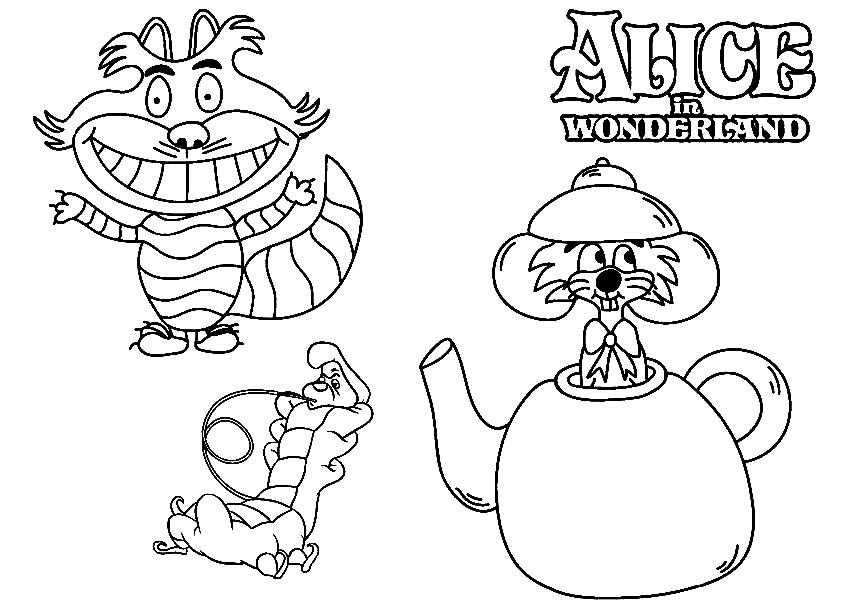
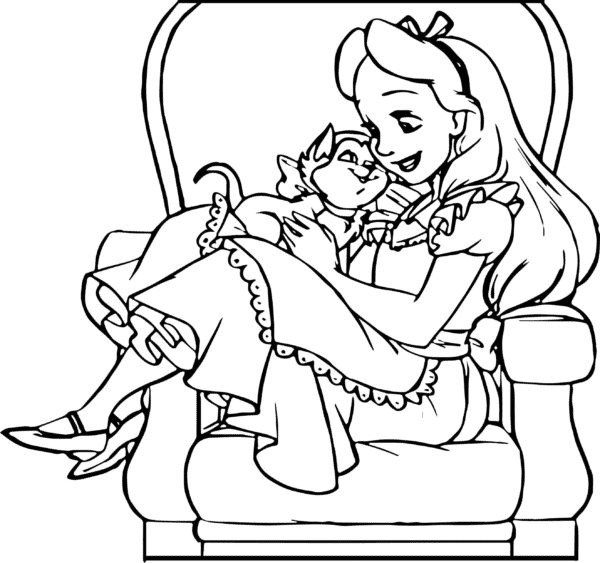
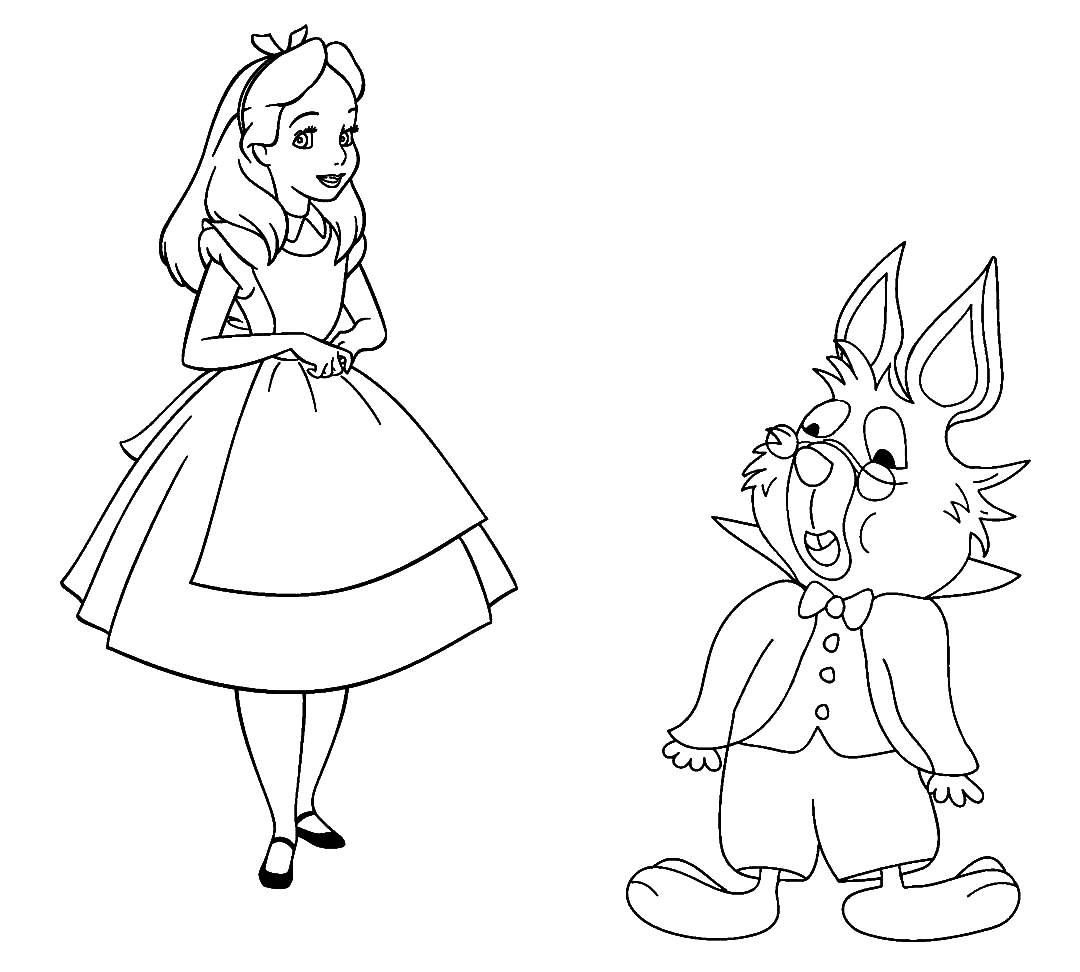
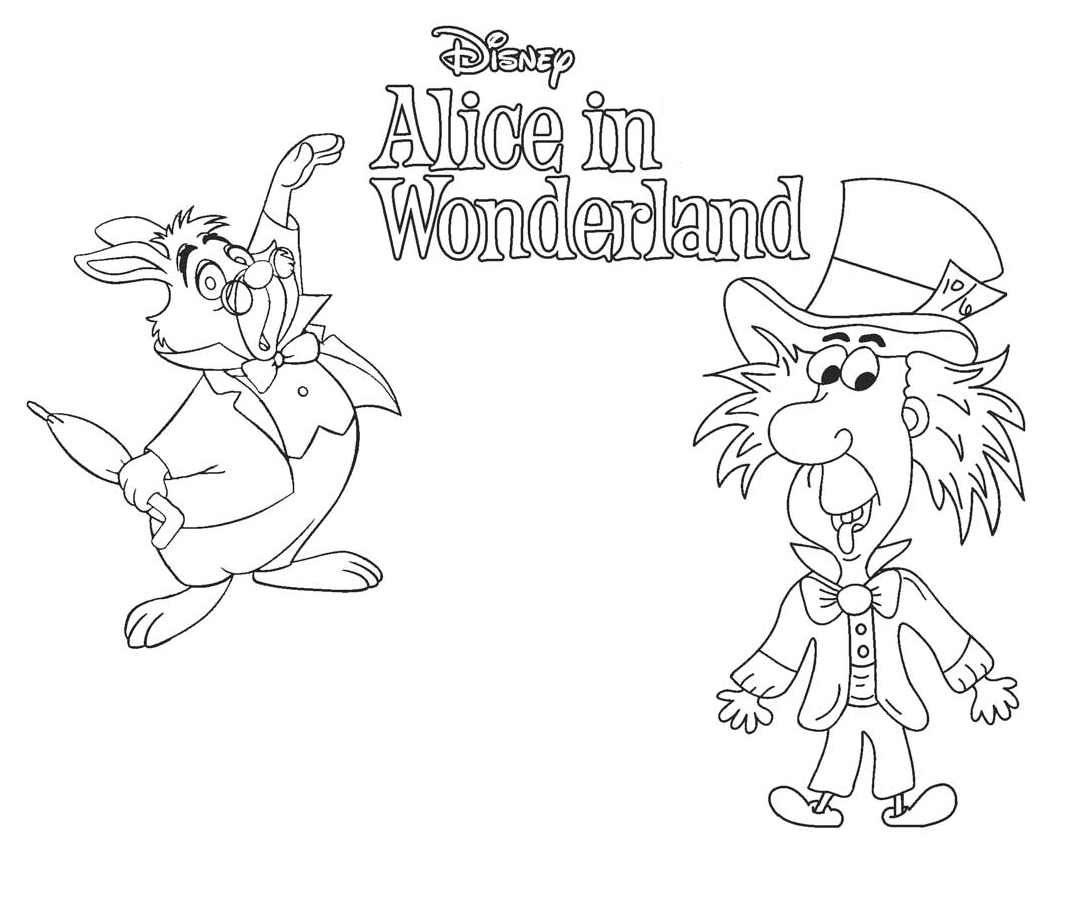
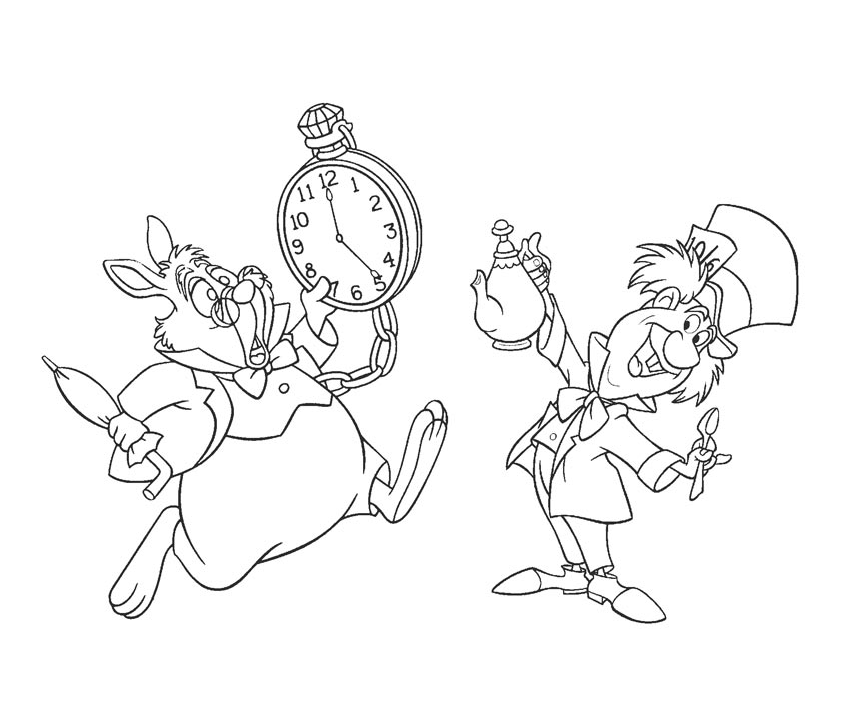

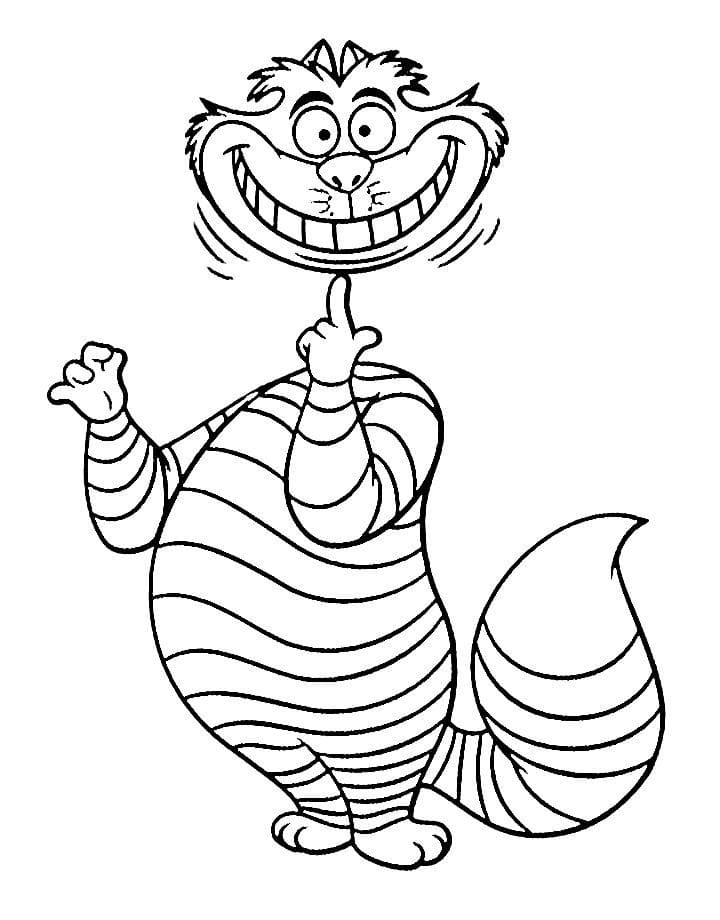
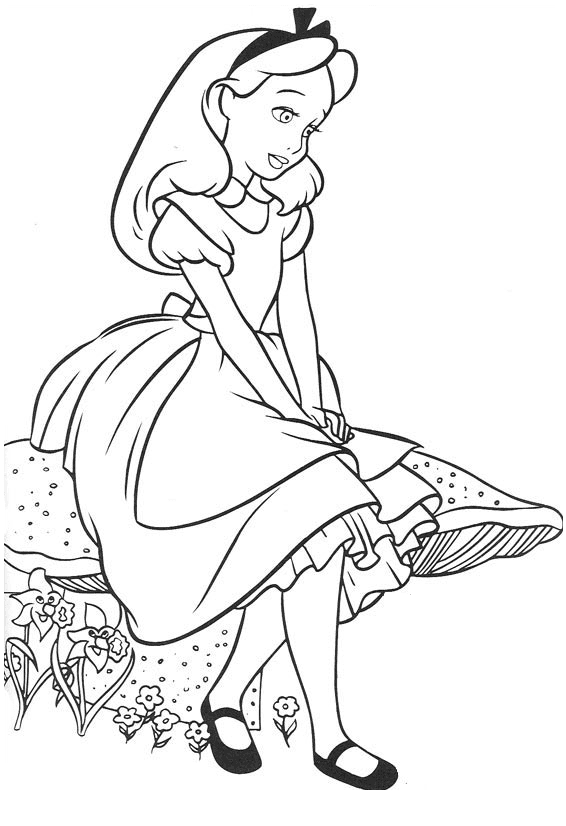
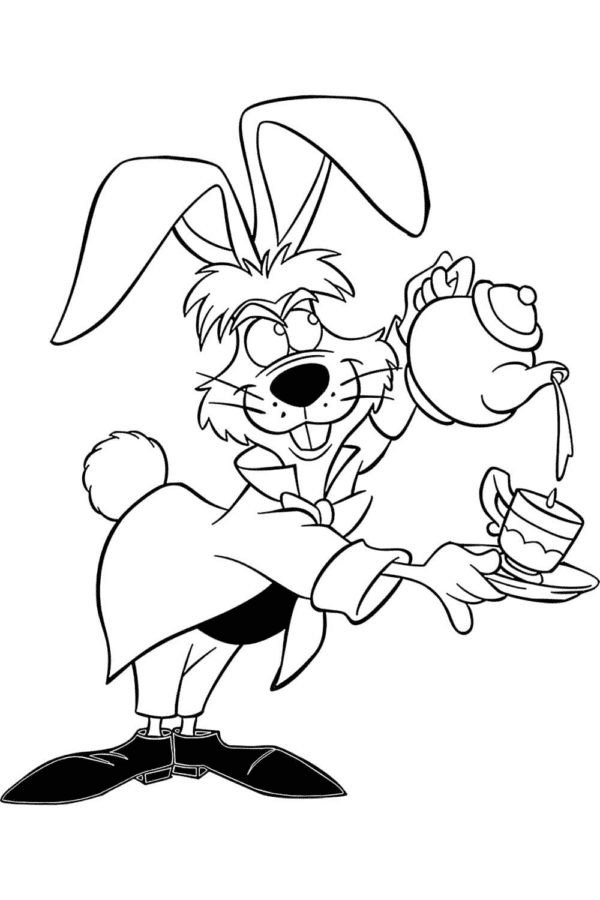
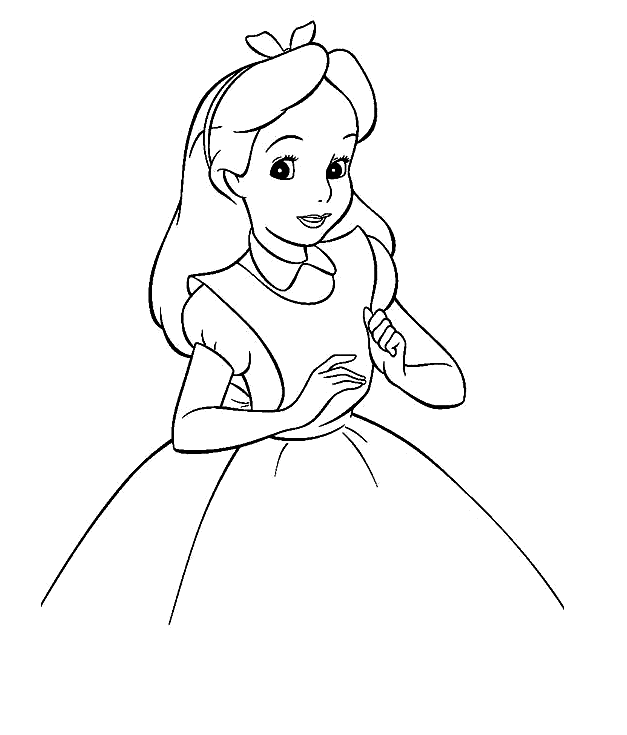

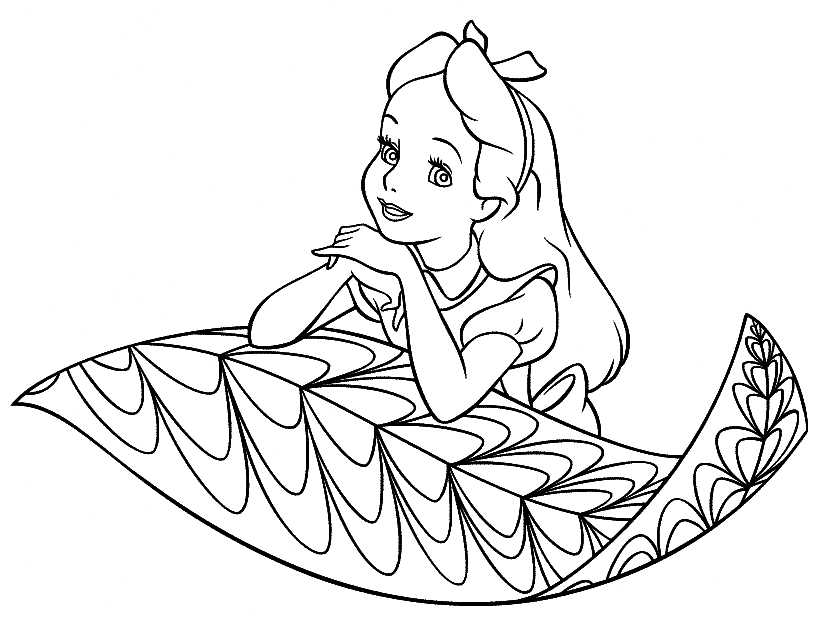
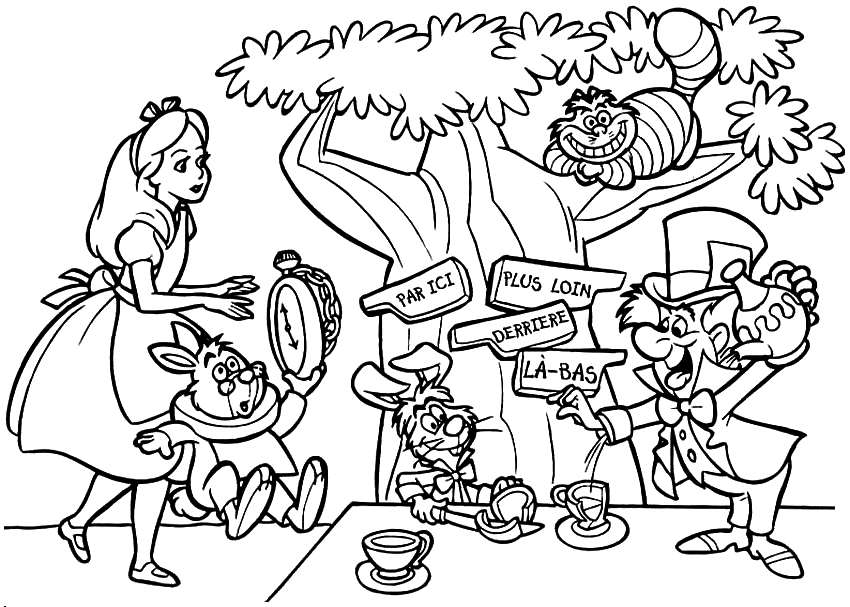
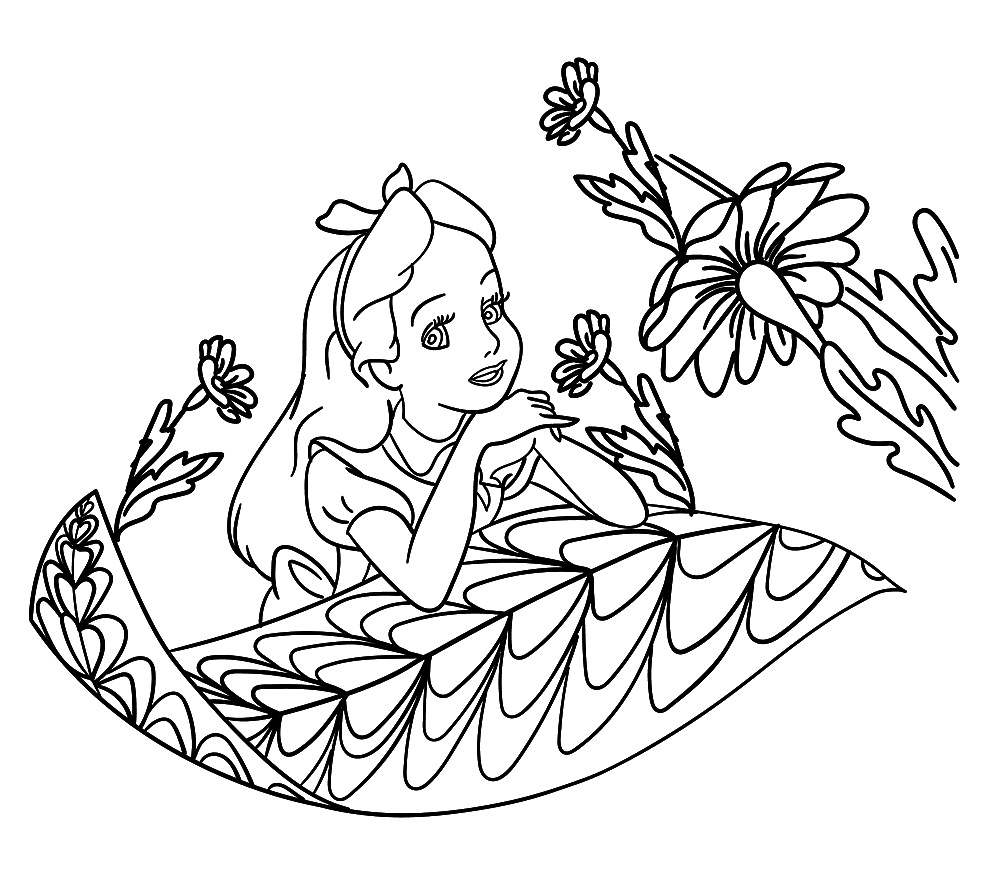
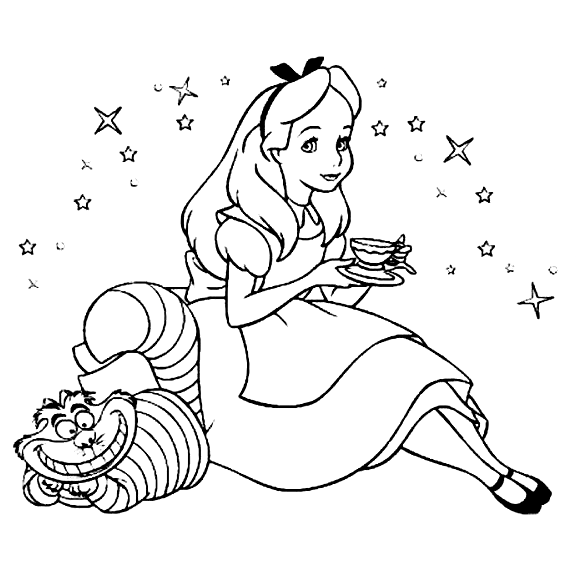
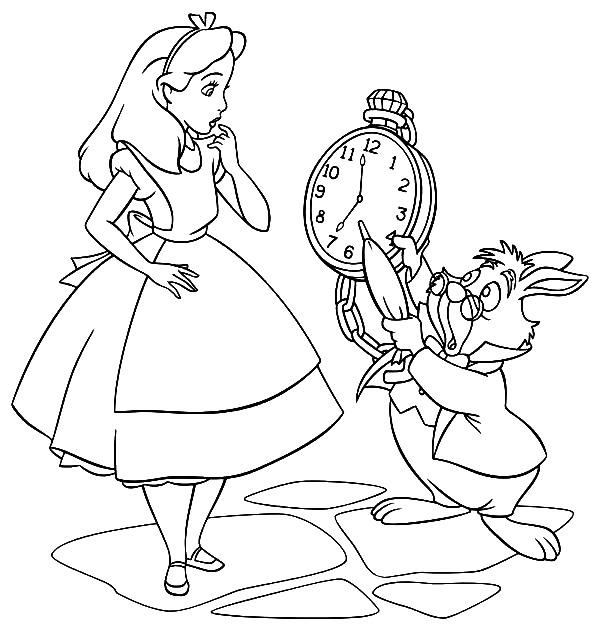
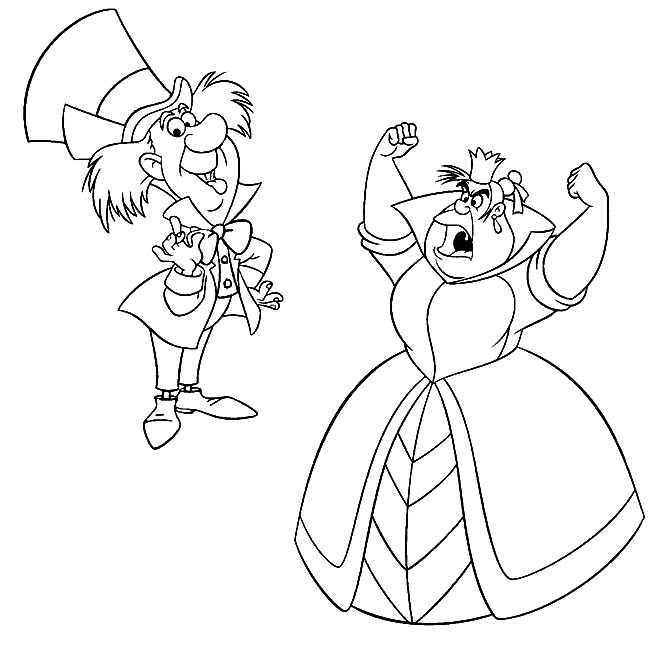
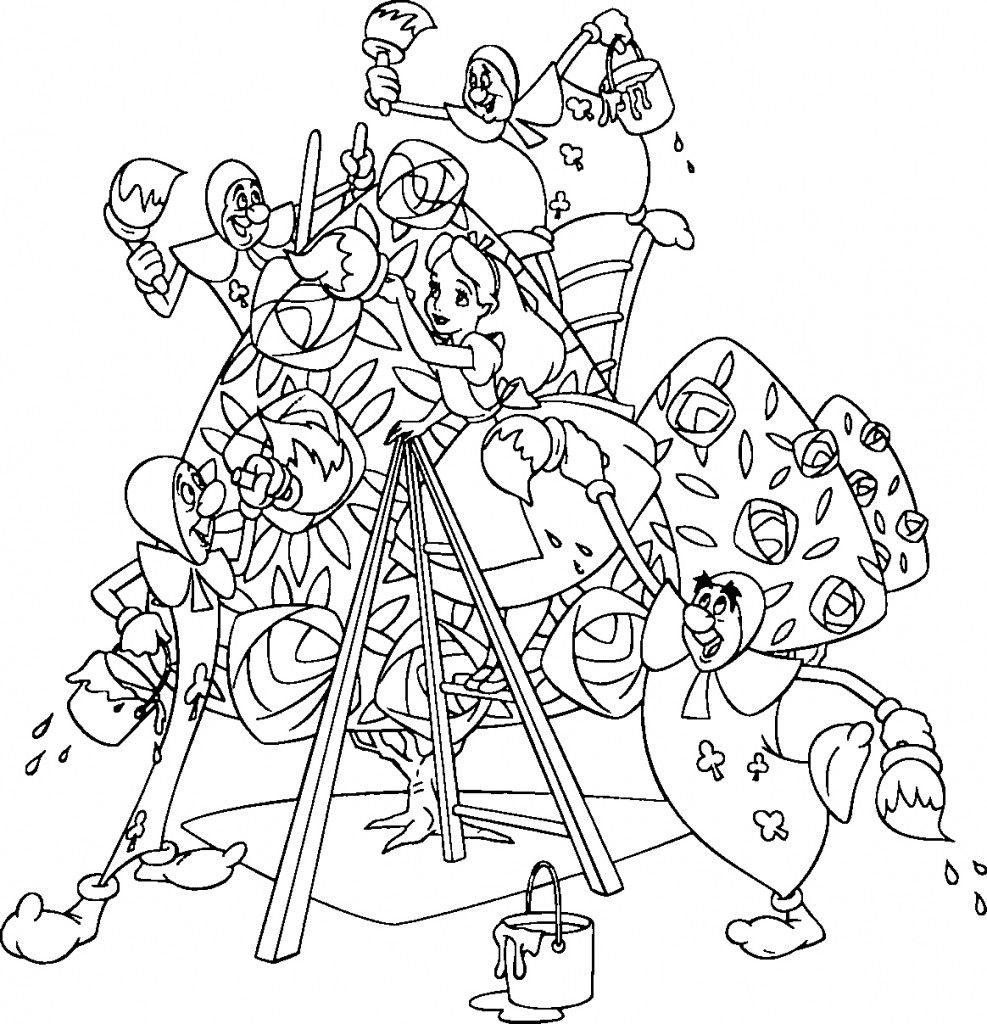
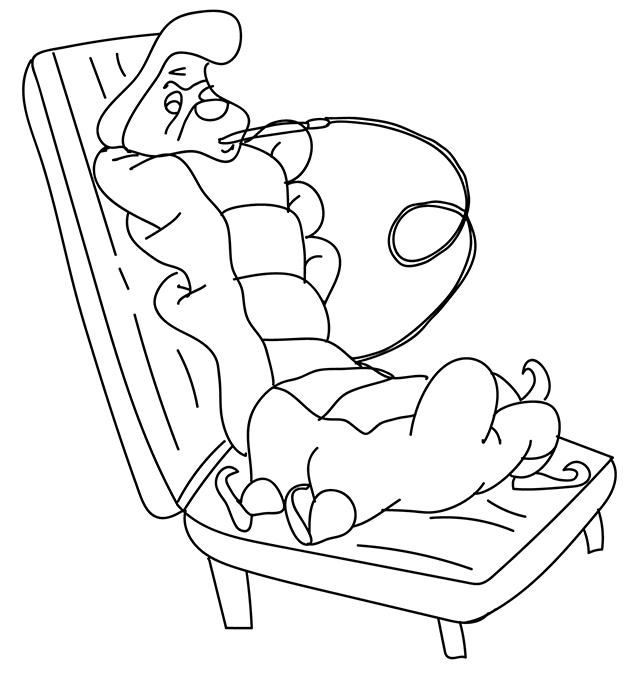
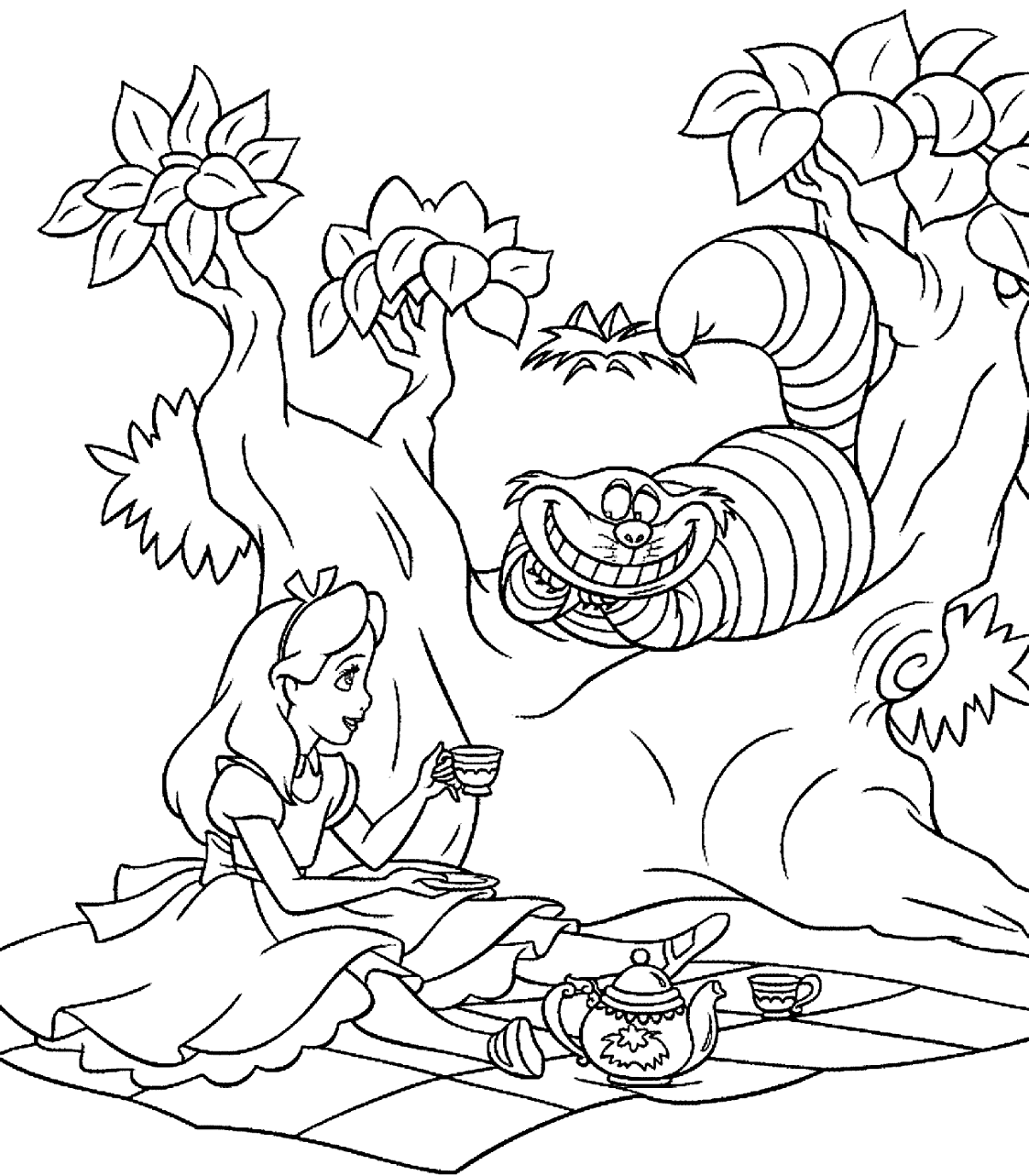
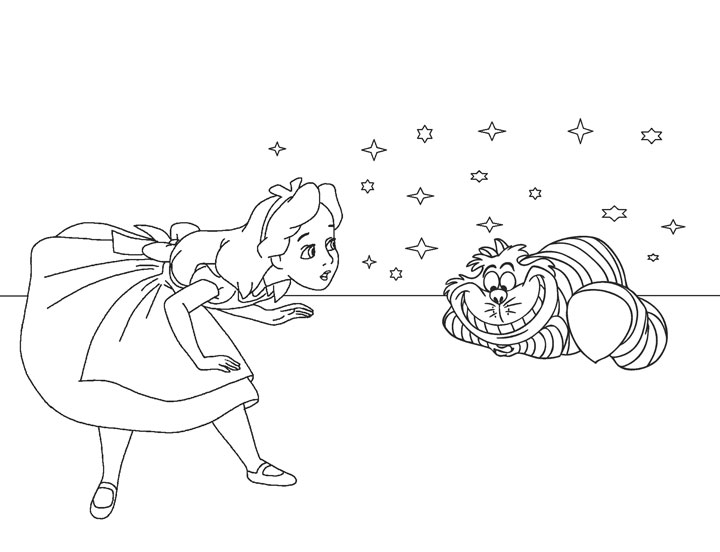
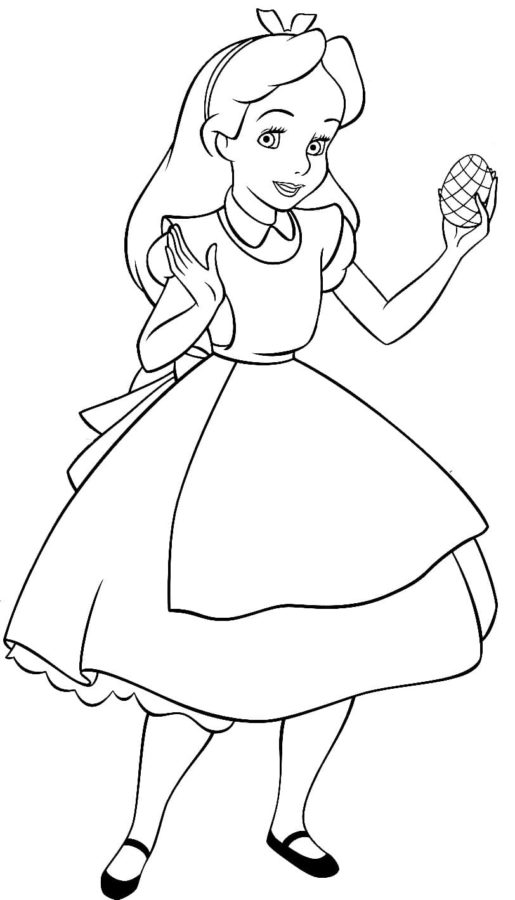
What Is Inside This Collection
The 35 pages fall into four groups, based on who appears on the page and how.
Solo Alice Portraits
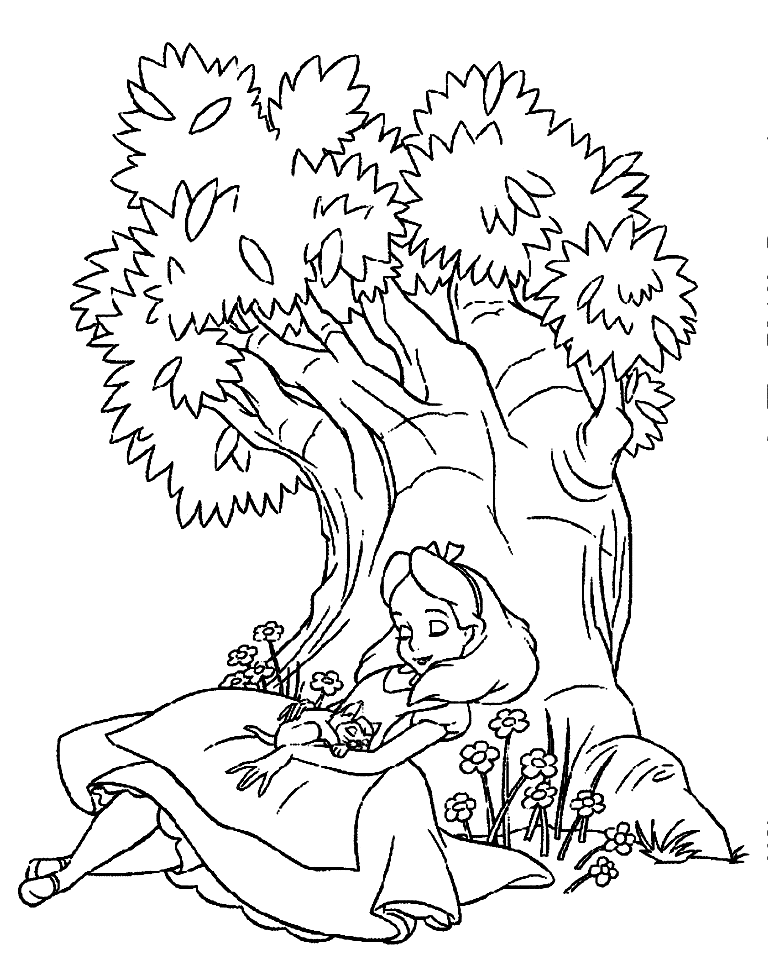
12 pages showing Alice alone, in a range of poses and moods, sleeping, falling down the rabbit hole, or simply standing in her signature dress. These work well as a starting point for anyone new to the collection.
Alice Paired With Other Characters
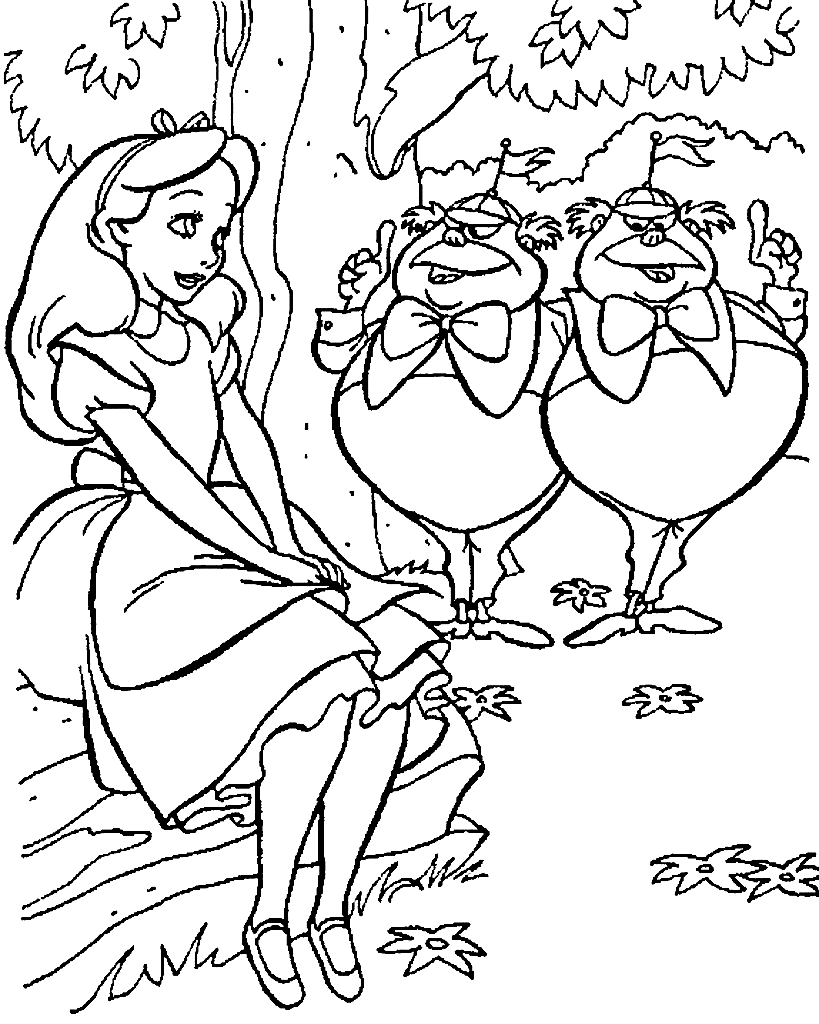
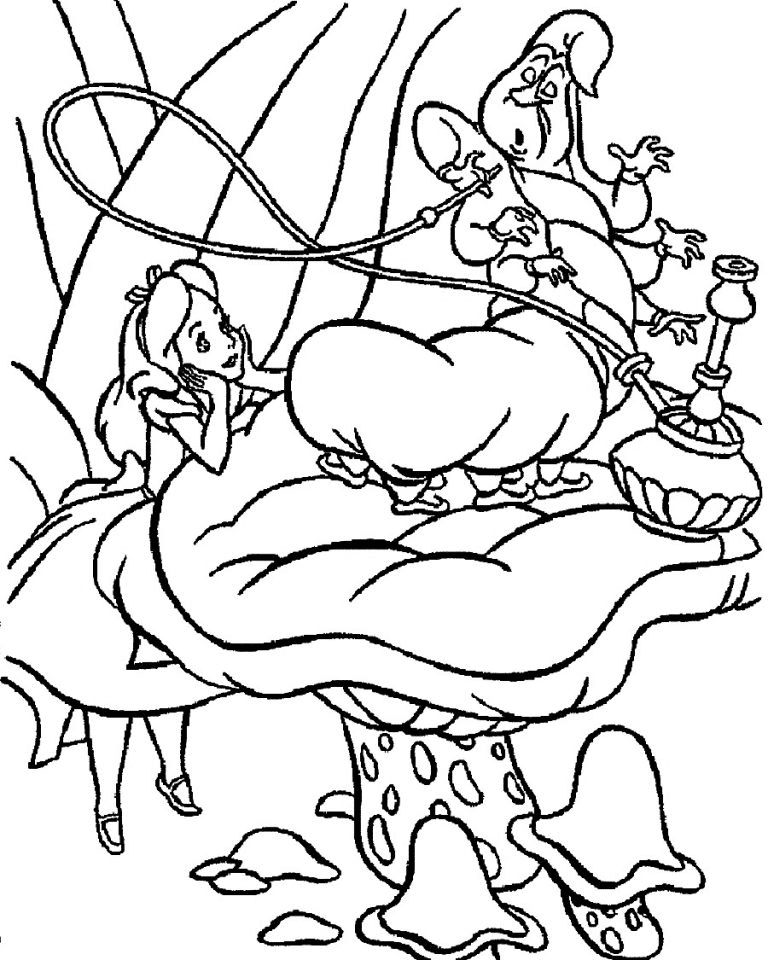
8 pages showing Alice alongside one other named character: the White Rabbit, Tweedledee and Tweedledum, her cat Dinah, or the Cheshire Cat.
Standalone Character Pages
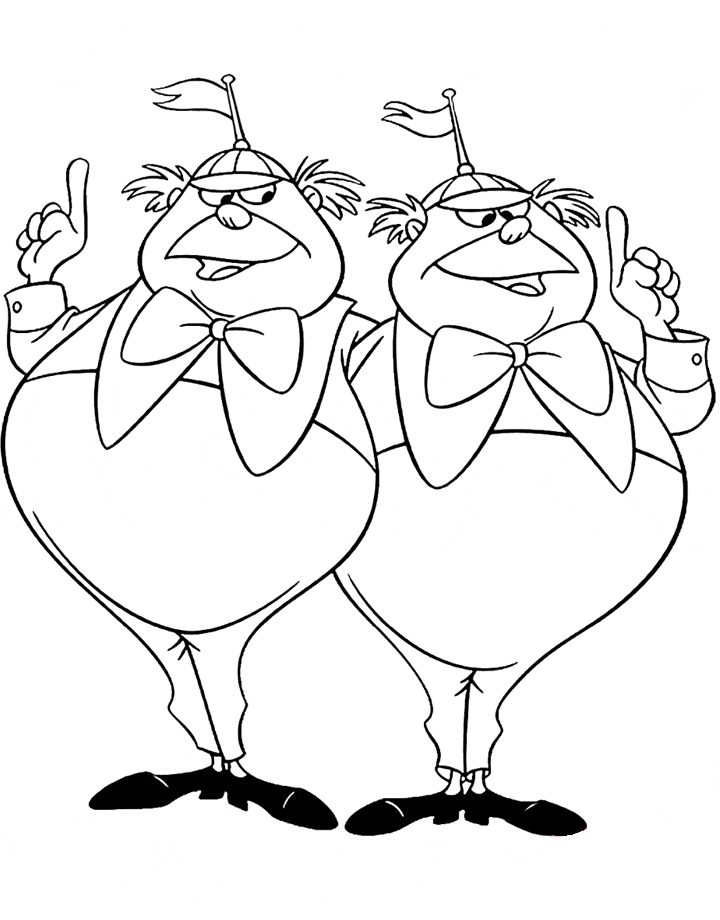
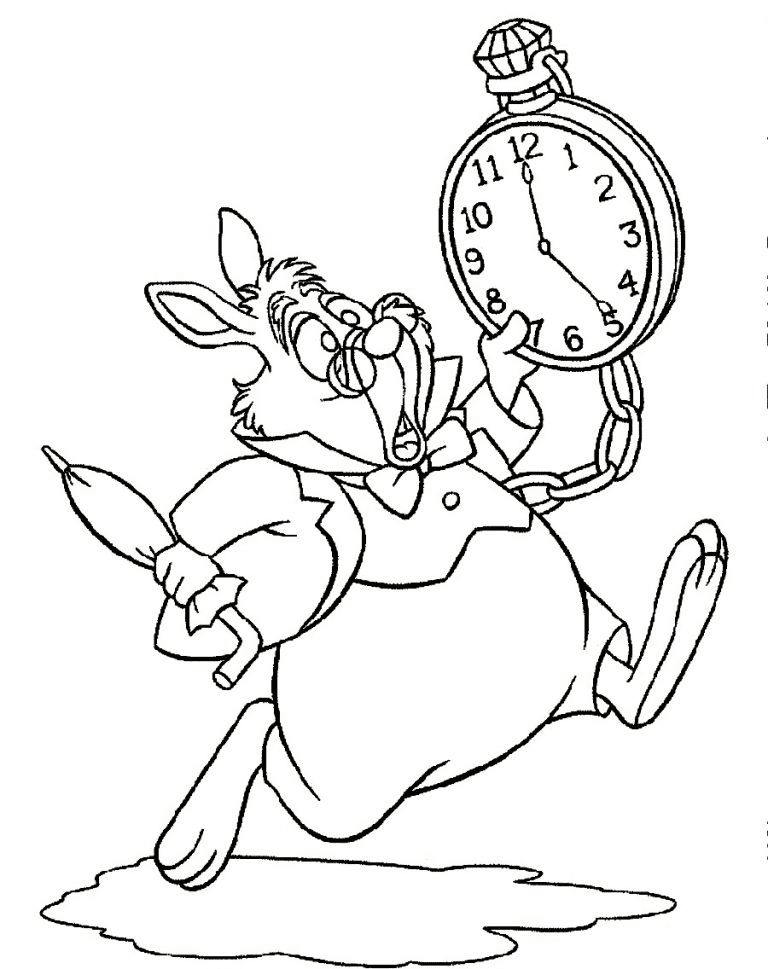
9 pages featuring a Wonderland character without Alice: the Mad Hatter and Queen of Hearts together, the Cheshire Cat, the White Rabbit, Tweedledee and Tweedledum as a pair, the March Hare, and the Caterpillar.
Tea-Party and Scene Pages
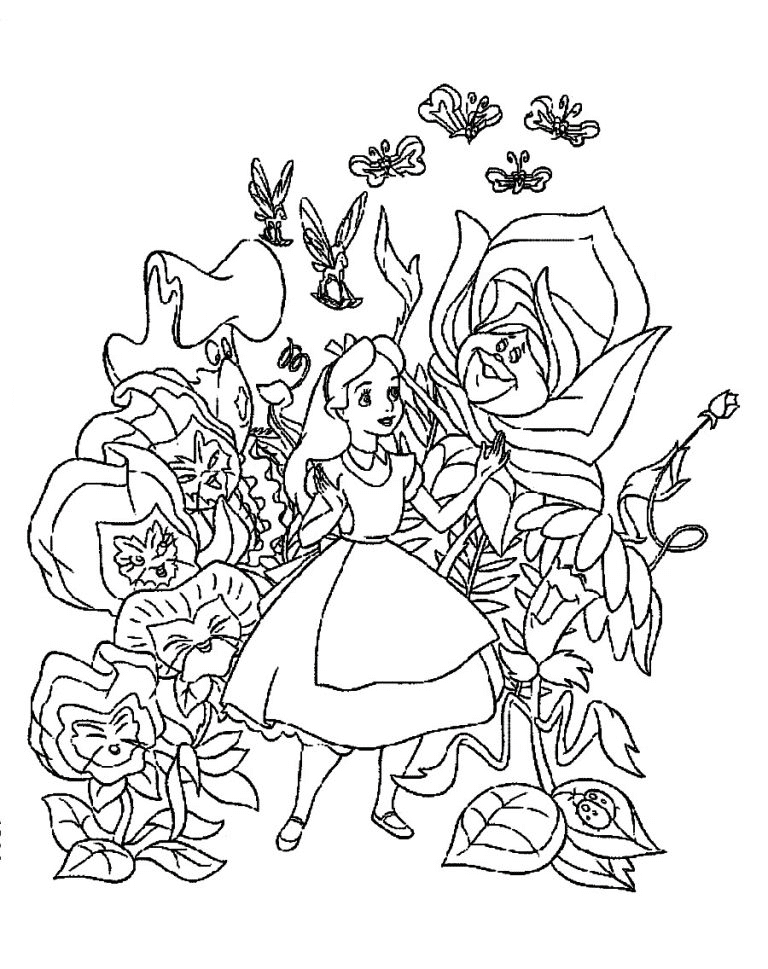
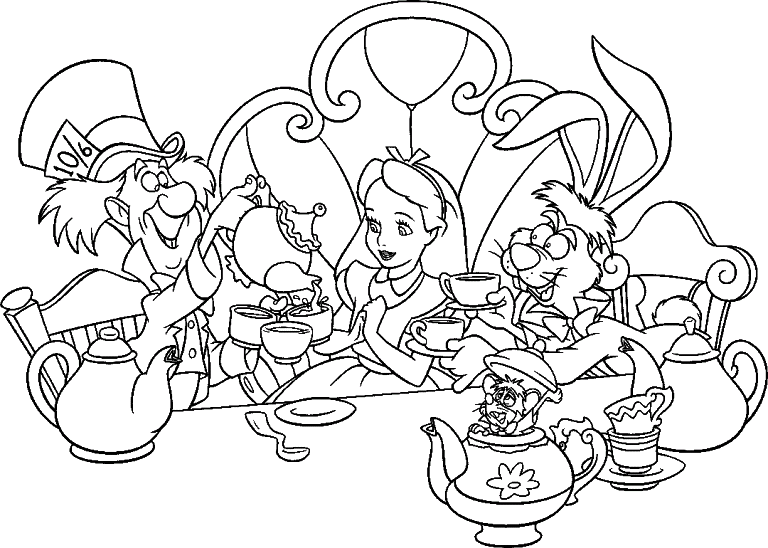
6 pages built around a setting or object rather than a single character: the Mad Hatter’s tea party, the talking flowers, and other Wonderland scenery.
What These Alice in Wonderland Coloring Pages Do
Fine motor practice in small, curved shapes. Coloring inside a small, curved shape, a teacup handle, a cat’s curled tail, calls on the same fine motor skills the American Academy of Pediatrics lists among the benefits of structured coloring for young children.
A hands-on companion to a very old story. For a child encountering Wonderland for the first time, these pages work well alongside a read-aloud of Carroll’s original book. Pausing to color the Caterpillar or the White Rabbit at the point each one appears in the text gives a 19th-century story a hands-on anchor a young reader can hold onto.
A calm, unhurried task. A 2005 Art Therapy Journal study found that structured, repetitive coloring sessions were associated with a measurable dip in anxiety, the same calm headspace Alice herself occupies for most of her own strange afternoon in Wonderland.
Permission to ignore the usual coloring rules. Because Wonderland’s whole premise is that logic doesn’t apply, these pages give a child explicit permission to break from realistic color choices. A pink Cheshire Cat or a green rabbit fits the story’s own logic better than an accurate one would.
How to Color Alice in Wonderland Coloring Pages Well
- Alice’s dress: The familiar look pairs Cerulean or Blue Bell for the dress with White or Timberwolf for the pinafore and a Black hair ribbon, the palette introduced by Disney’s 1951 film, rather than a detail from the original book.
- The Cheshire Cat: Alternate Purple Mountains’ Majesty and Carnation Pink or Magenta for the striped fur, and keep the grin White or bright so it stands out against the stripes, since the grin is the character’s most identifiable feature.
- The Mad Hatter: Use Forest Green or Fern for the frock coat, an Orange or Burnt Orange bow tie, and a contrasting Turquoise or Robin’s Egg Blue hatband for the oversized top hat.
- The White Rabbit: Keep the fur White or Timberwolf, with Salmon or Melon for the waistcoat lining and Goldenrod for the pocket watch he’s always checking.
- Tweedledee and Tweedledum: These two are identical twins in matching schoolboy outfits, so use the same palette for both rather than giving each one a different color scheme; the joke is that they’re meant to look alike.
- The Queen of Hearts: Her gown and playing-card motif call for Scarlet or Red paired with Black, since the card suit is part of her identity and one of the more fixed color choices in the set.
5 Creative Craft Ideas With Alice in Wonderland Coloring Pages
1. Wonderland Card Deck. Color a few of the character pages, trim them down to playing-card size, and use them for a simple matching or memory game.
2. Down-the-Rabbit-Hole Storybook. Color the pages in story order: Alice, the White Rabbit, the Caterpillar, the tea party, the Cheshire Cat, the Queen of Hearts, and bind them into a simple retelling booklet.
3. Mad Hatter Tea Party Placemats. Color a couple of the tea-party pages and use them as placemats for an actual small tea party or snack time.
4. Cheshire Cat Fade Effect. Color the Cheshire Cat page with a gradient, fully colored at the head and gradually fading toward the tail, to echo the character’s famous disappearing trick.
5. Wonderland Wall Display. Color and mount four or five different character pages side by side to build a small gallery of the Wonderland cast.
Frequently Asked Questions
What are Alice in Wonderland coloring pages?
Printable designs featuring Alice and the cast of Wonderland, split between solo Alice portraits, Alice paired with other characters, standalone character pages, and tea-party and scene pages. This collection has 35 pages, free to download as a PDF or color directly online.
Who wrote the original Alice in Wonderland story?
English author Lewis Carroll, the pen name of Charles Dodgson, wrote Alice’s Adventures in Wonderland, published in 1865, followed by its sequel, Through the Looking-Glass, in 1871. Both books are now in the public domain.
Are Tweedledee and Tweedledum actually from the first Alice book?
No. Tweedledee and Tweedledum, along with the talking flowers, first appear in Carroll’s second book, Through the Looking-Glass, not the original Wonderland story. Disney’s 1951 film combined characters from both books into one adaptation, which is why they’re grouped here.
Are these official Disney coloring pages?
No. These are fan-made designs inspired by the familiar Disney-style look of the characters, created independently rather than sourced from official studio artwork, and are not affiliated with, licensed by, or endorsed by Disney or the Lewis Carroll estate.
Why does Alice wear a blue dress in most of these pages?
Alice’s blue dress with a white pinafore is the design popularized by Disney’s 1951 animated film rather than a detail from Carroll’s original text or John Tenniel’s illustrations, which left the dress a more plainly described, unspecified color.
What is the Cheshire Cat known for?
The Cheshire Cat is best known for its wide, permanent grin and its ability to disappear gradually, sometimes leaving only the grin behind after the rest of the cat has vanished, a detail from Carroll’s original book that Disney kept in the film.
Are Alice in Wonderland coloring pages suitable for young children?
Yes, though the details vary by page. The simpler solo Alice portraits work well for children as young as 3 or 4. The character-pair and tea-party scenes carry more detail and suit older children or adults better.
Can these pages be used alongside reading the book?
Yes. Coloring a character’s page around the point they appear in a read-aloud gives the story a hands-on anchor, which is especially useful since several pages, like Tweedledee and Tweedledum, depict characters that only appear in the sequel rather than the first book.
Start Coloring
Download any page by clicking the design. No account, email, or payment is required. Pages print directly from the browser at full resolution or open in the online coloring tool for screen use. Share finished pages on Facebook or Pinterest with the share buttons at the top of each design page.