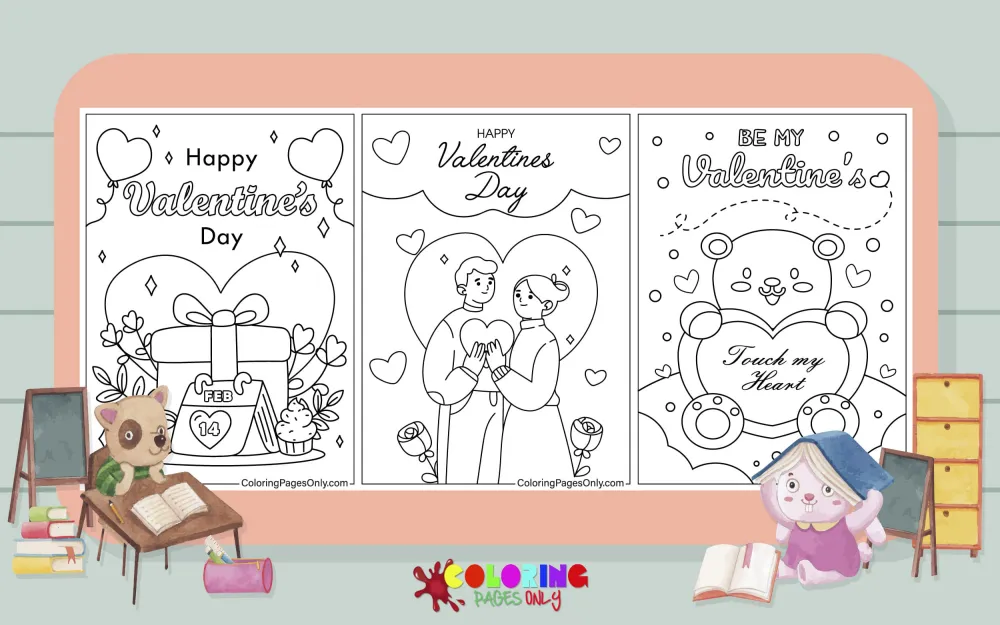
Free Valentine’s Day cards coloring pages: 31 printable PDF designs to color and turn into real handmade cards, for kids and adults. Each page can be downloaded as a PDF to print or colored online in the browser.
Valentine’s Day cards are one of the few coloring subjects meant to become a finished, functional object rather than a picture to display. In the United States alone, roughly 145 million Valentine’s Day cards are exchanged each year, making it the second-largest card-sending holiday after Christmas, according to the Greeting Card Association, part of why a set built around actual, mailable cards rather than single character portraits earns its own page. This collection includes a newer batch of pages added together as a single update, alongside an older set that mixes a handful of descriptively named designs with a larger group of generic, format-named titles.
With 31 pages split into three groups, the newest update batch, descriptive variants from the original set, and generic format-named pages, the set works well for someone who wants a specific mood, cute, funny, kid-friendly, as well as anyone who needs a quick card template.
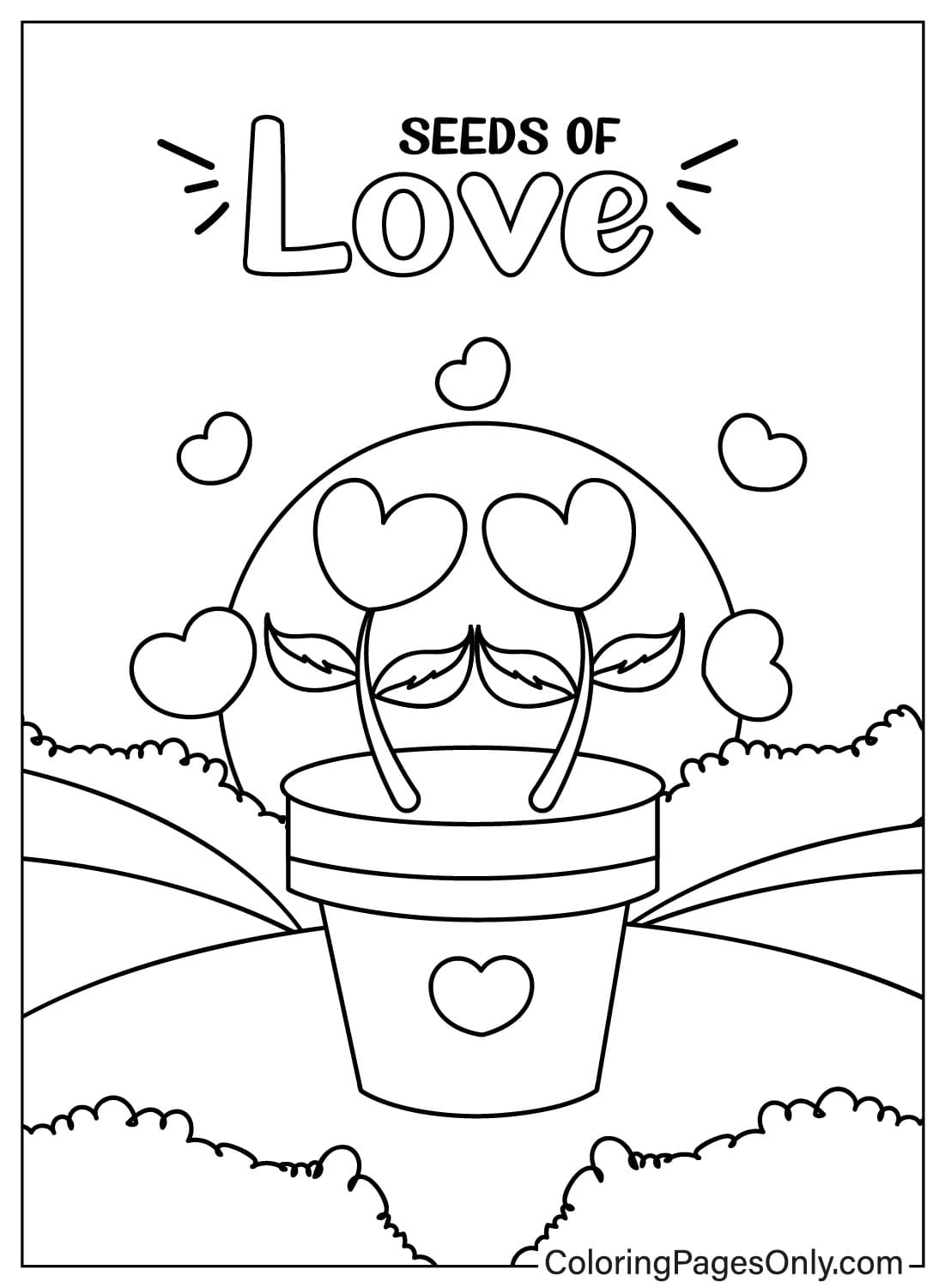
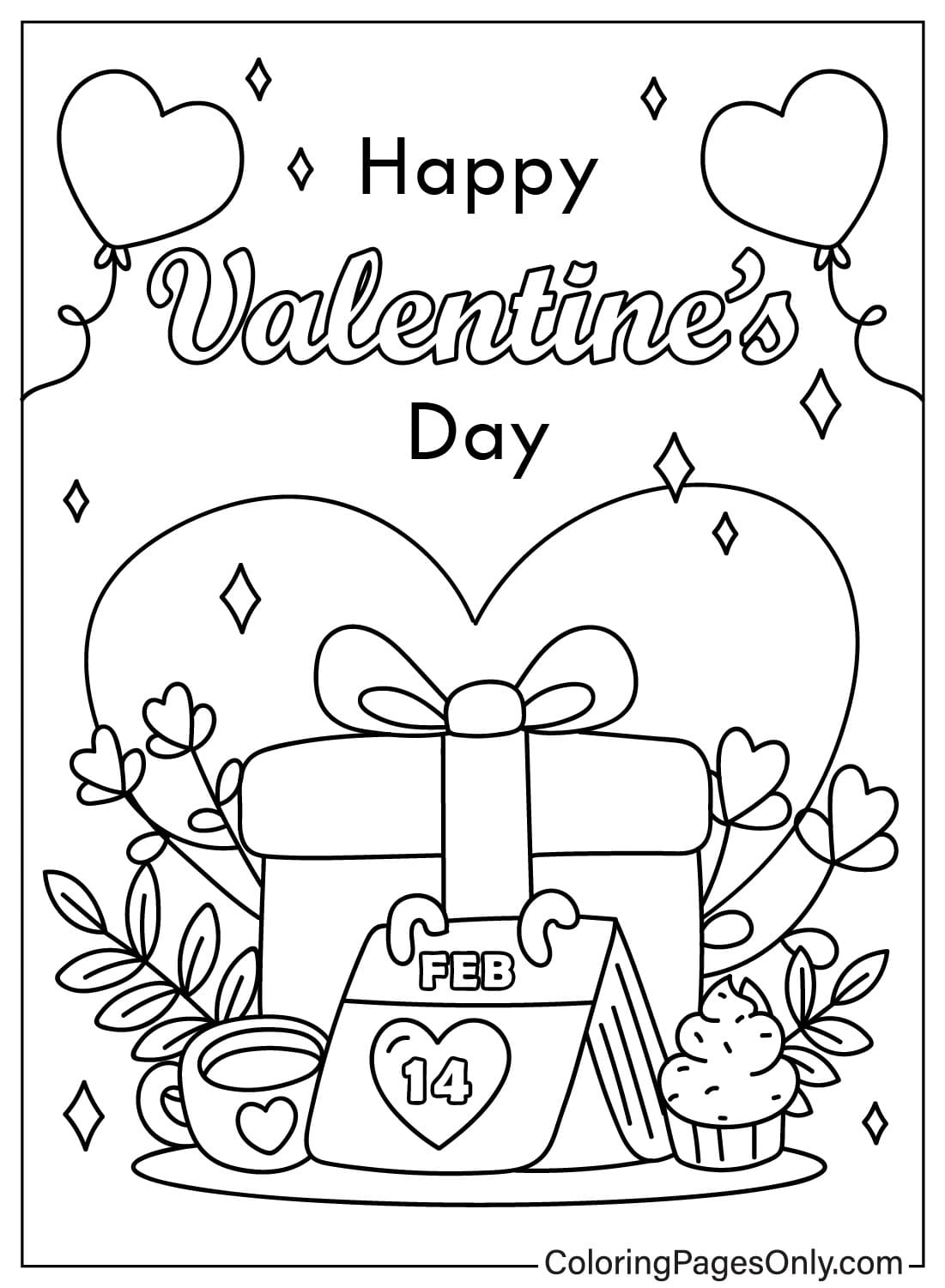
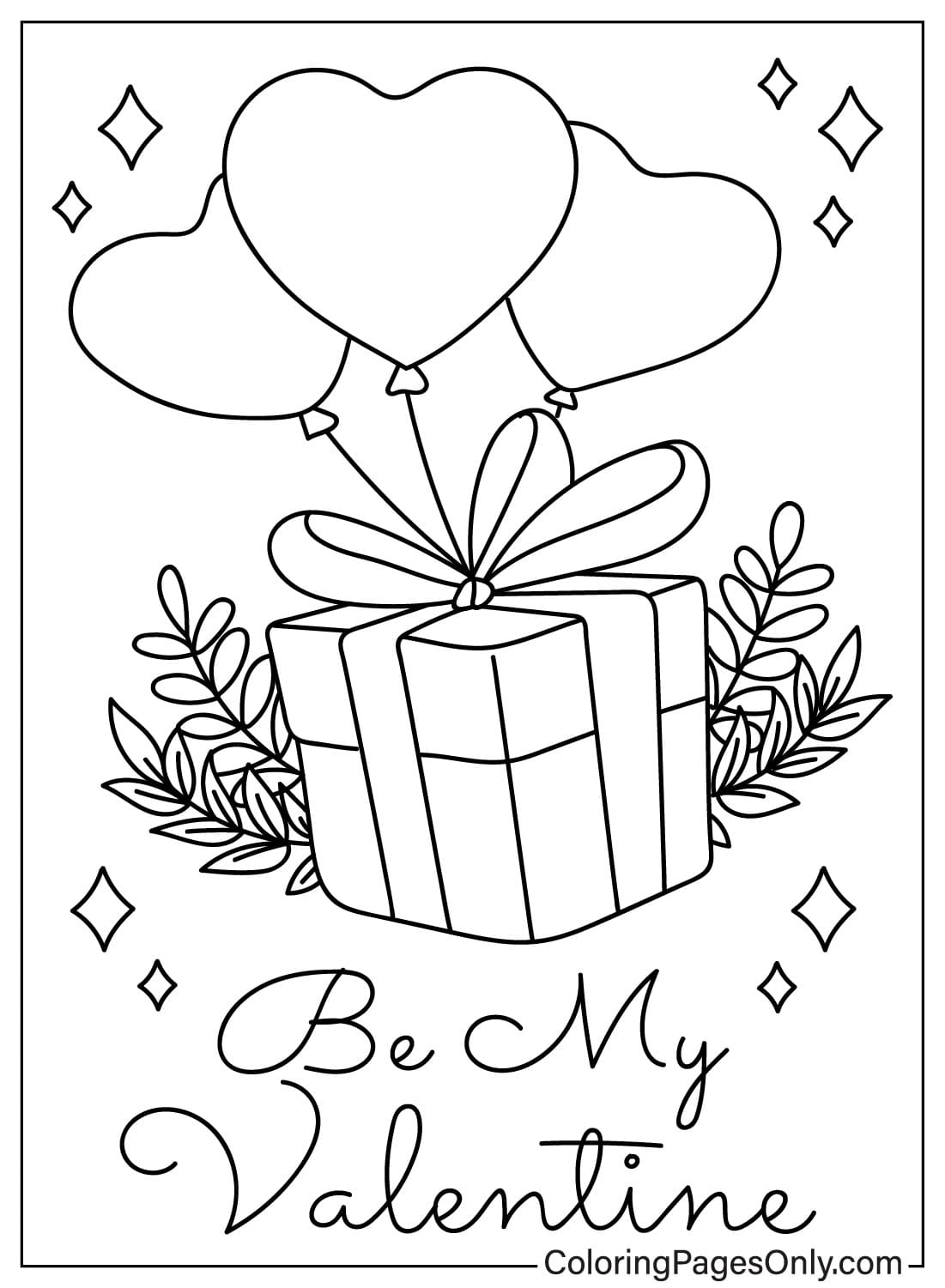
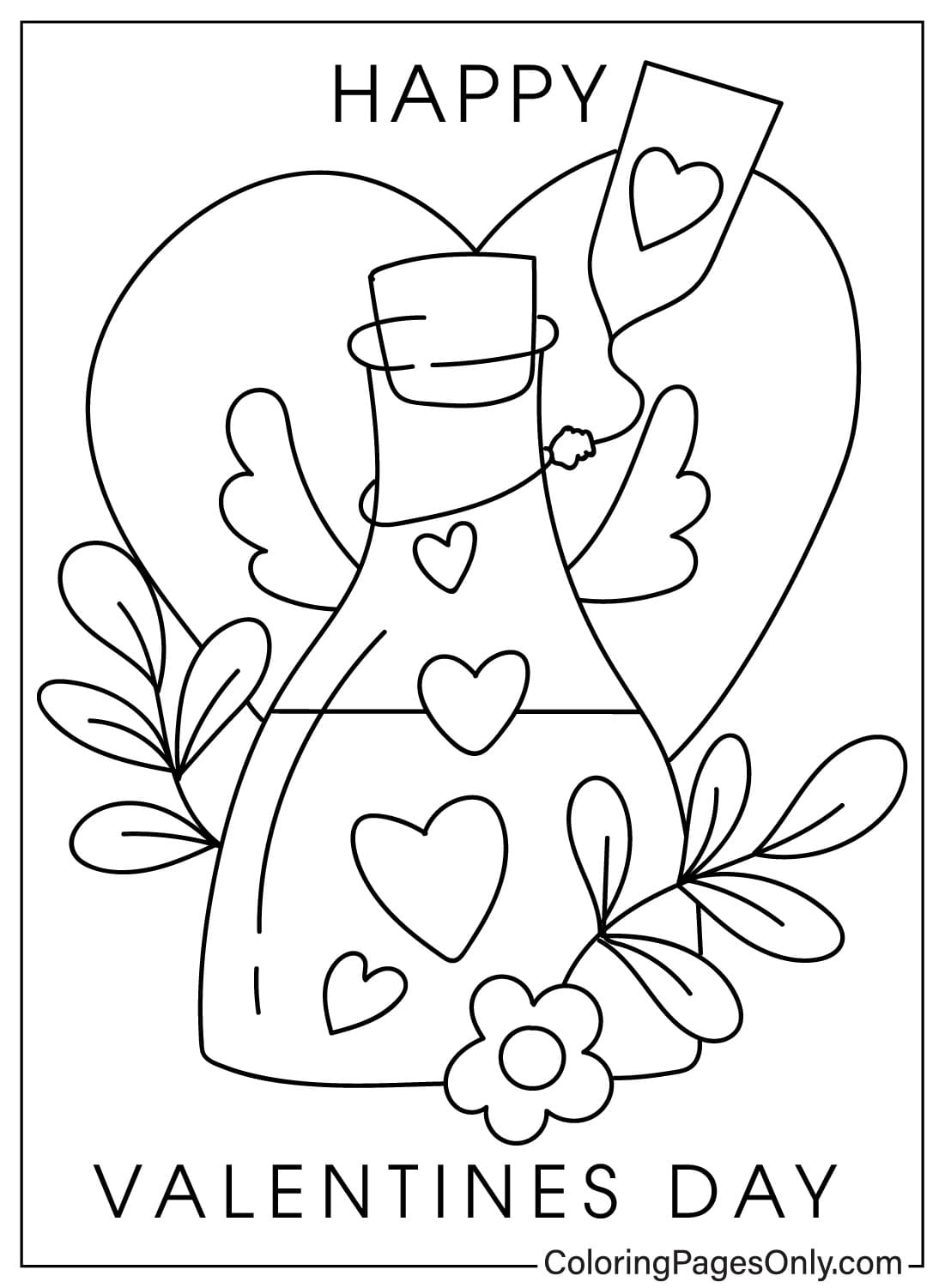

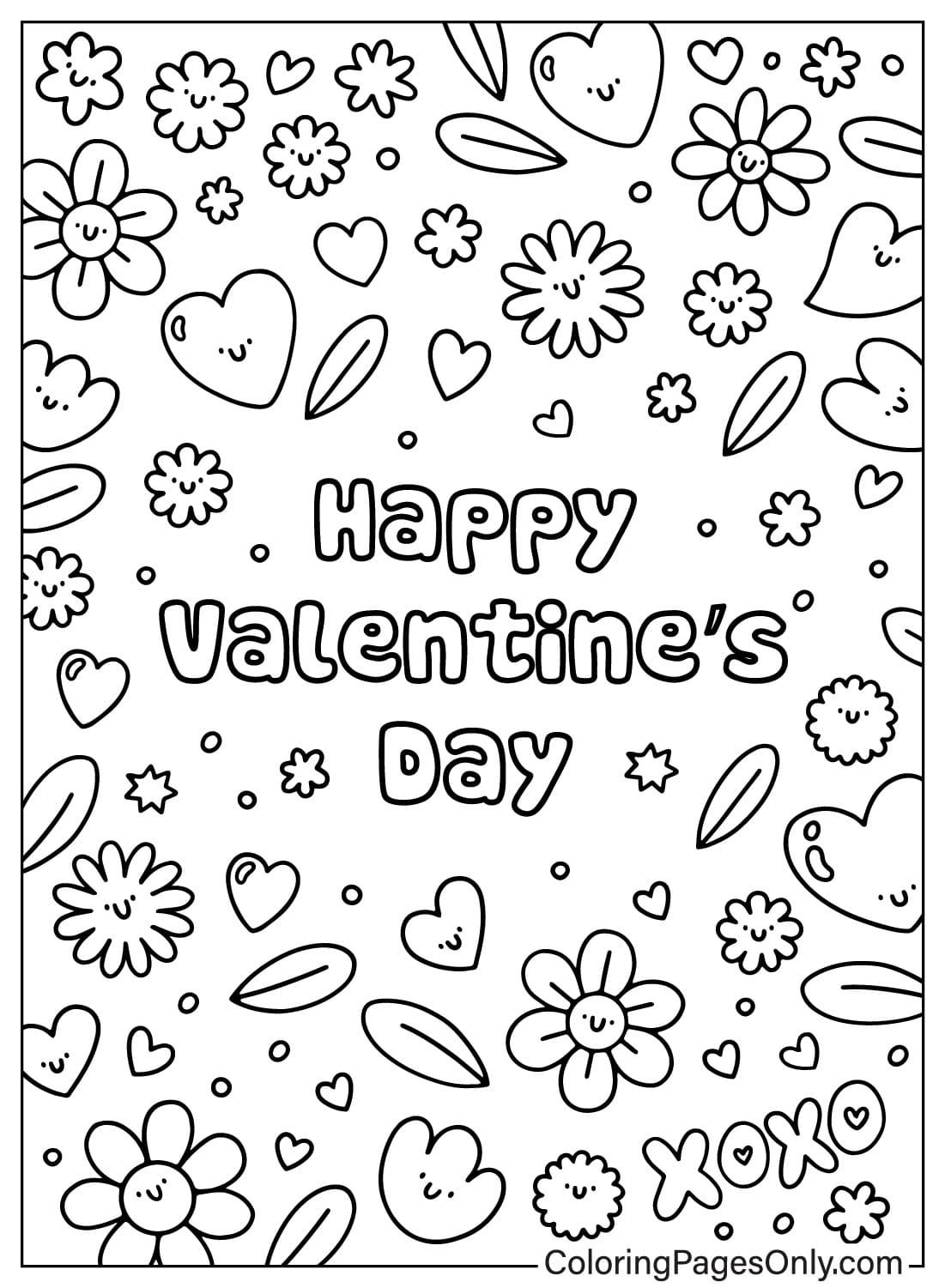
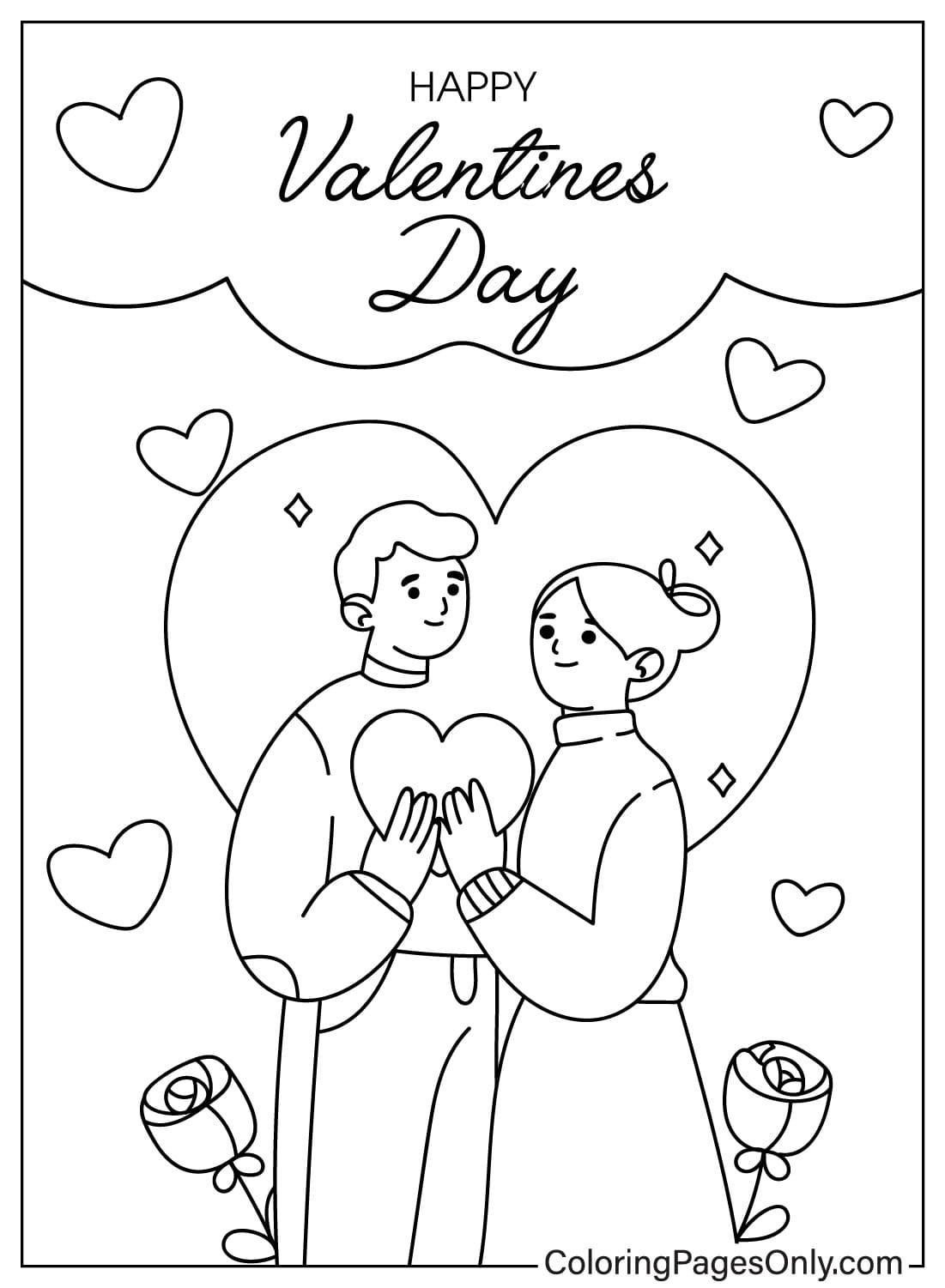
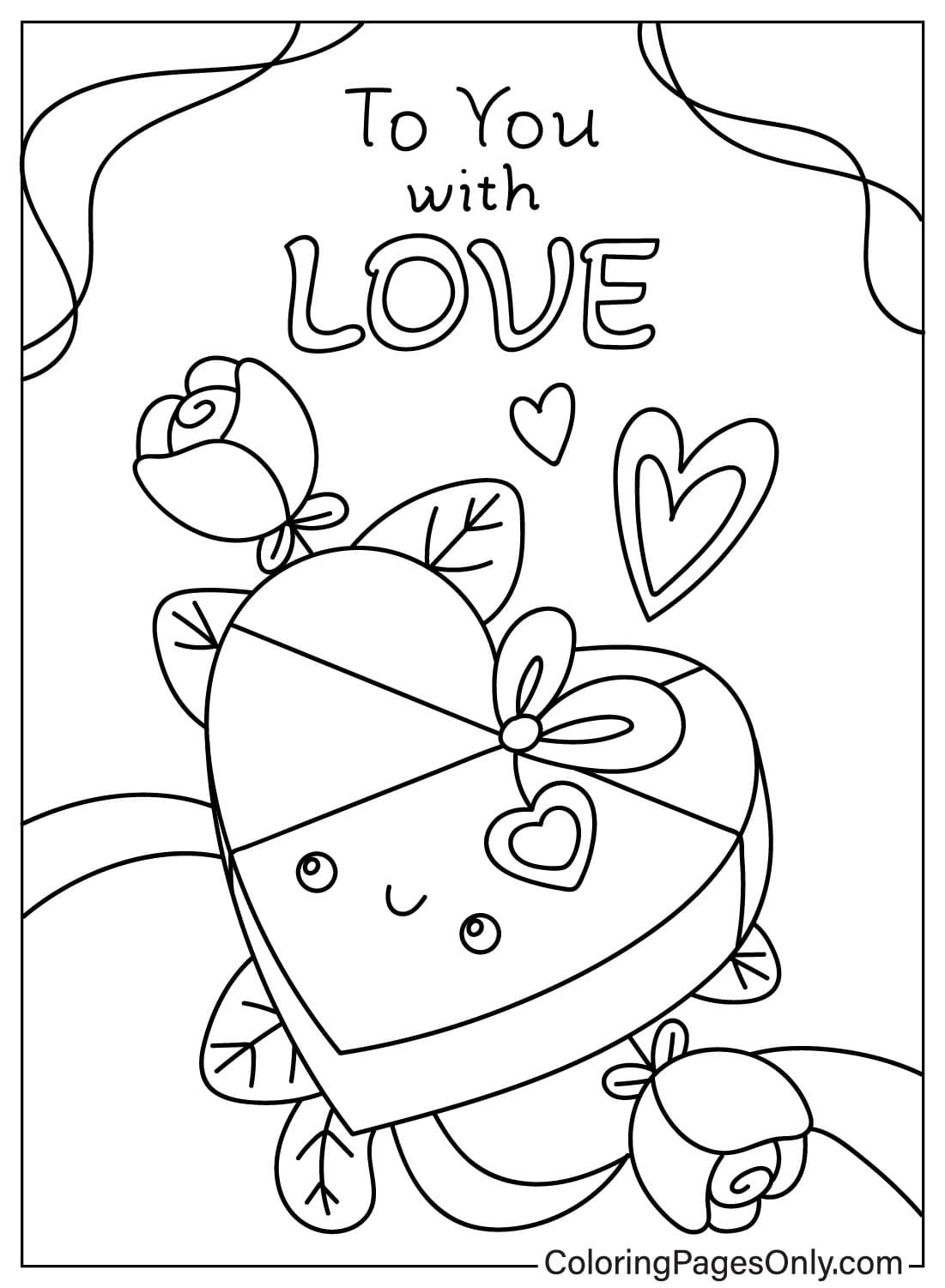
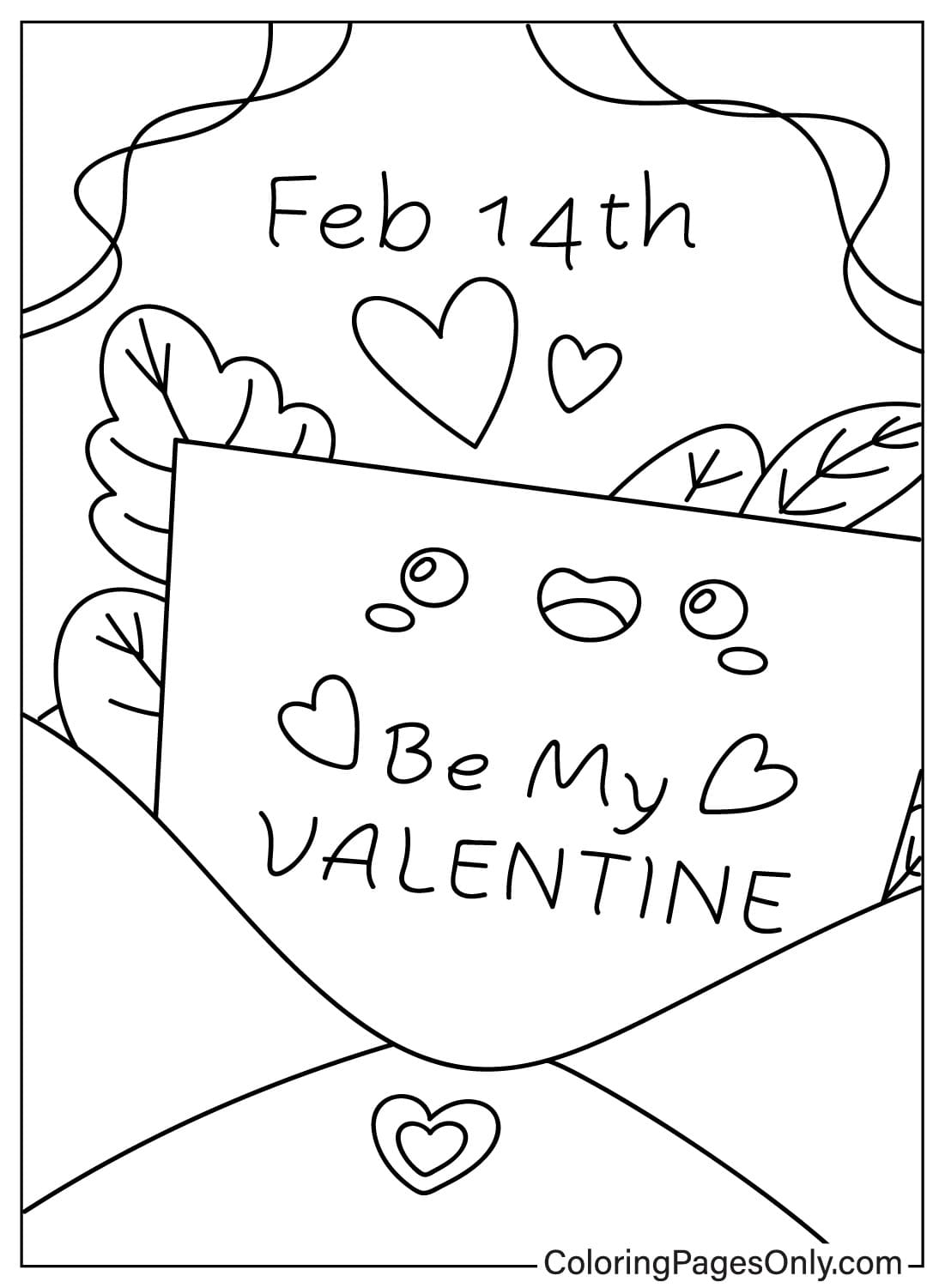
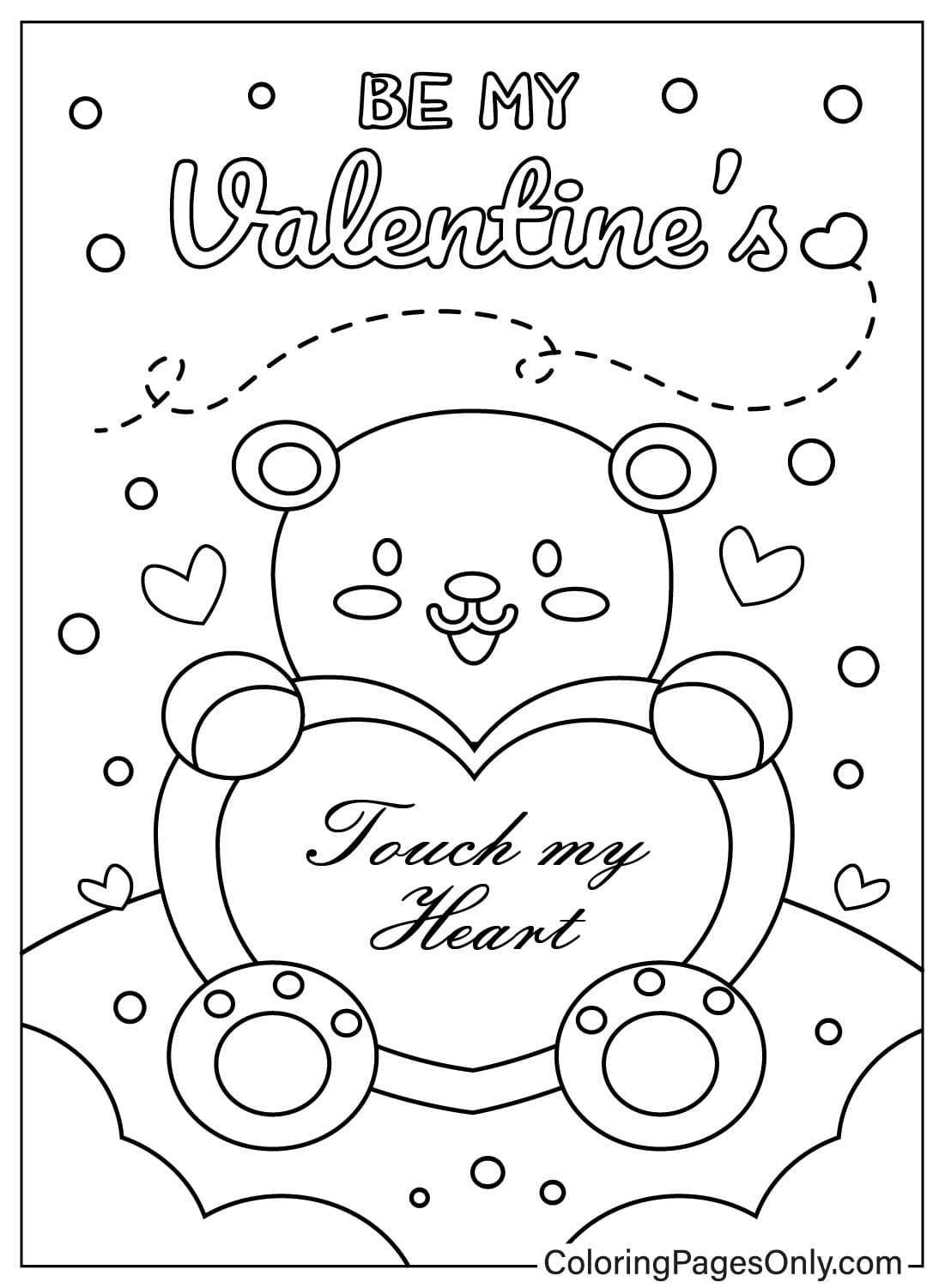
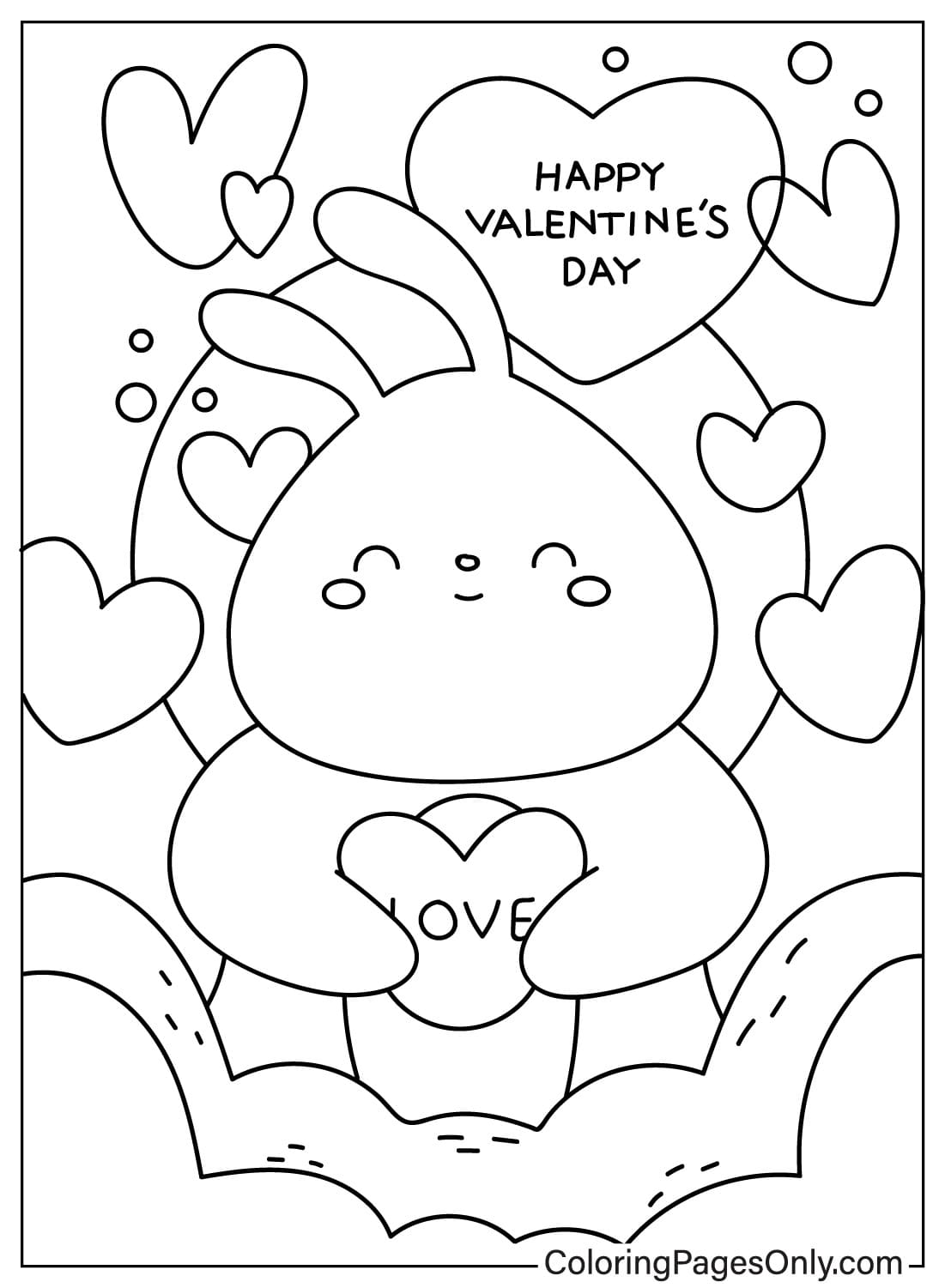
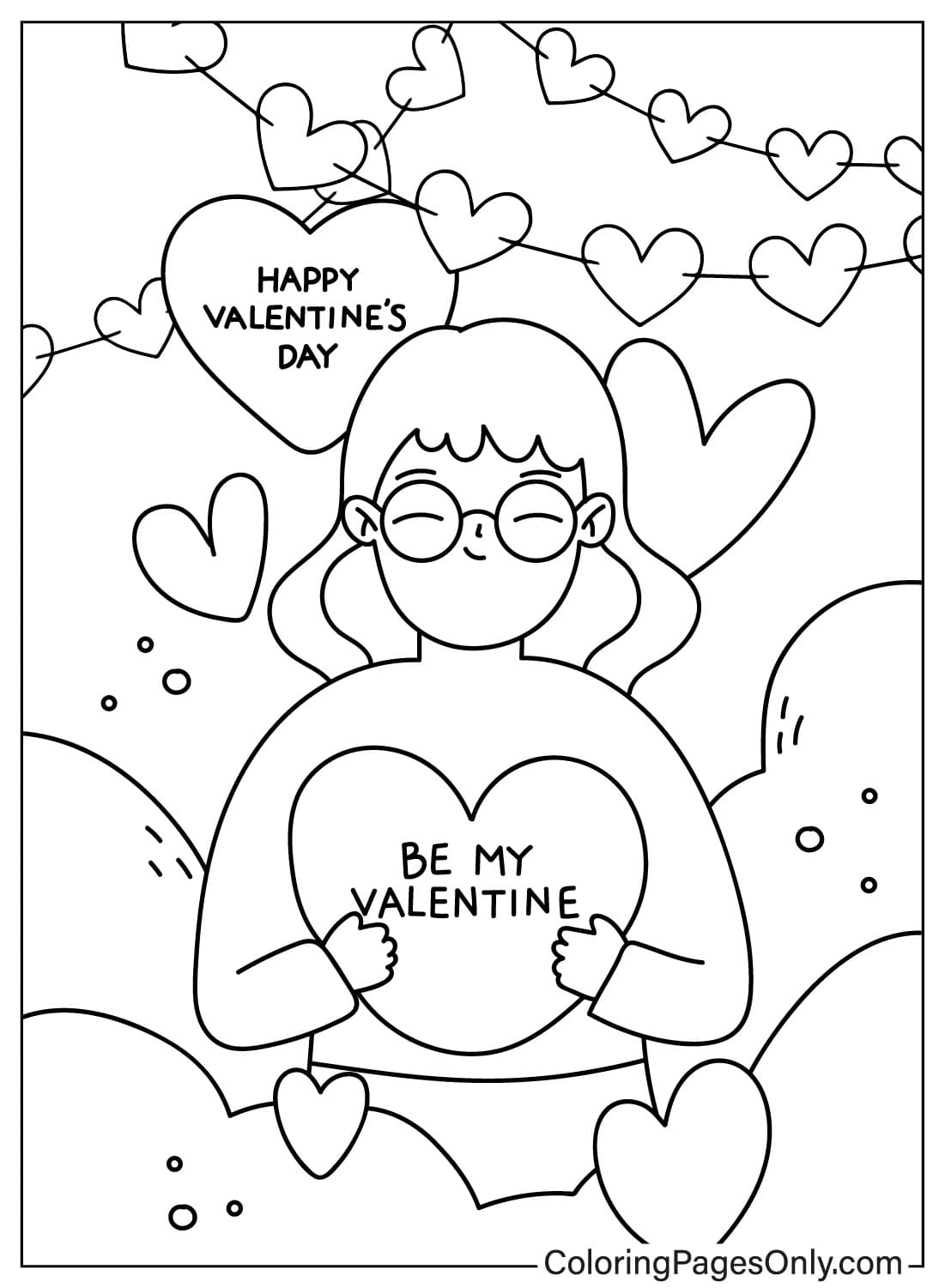
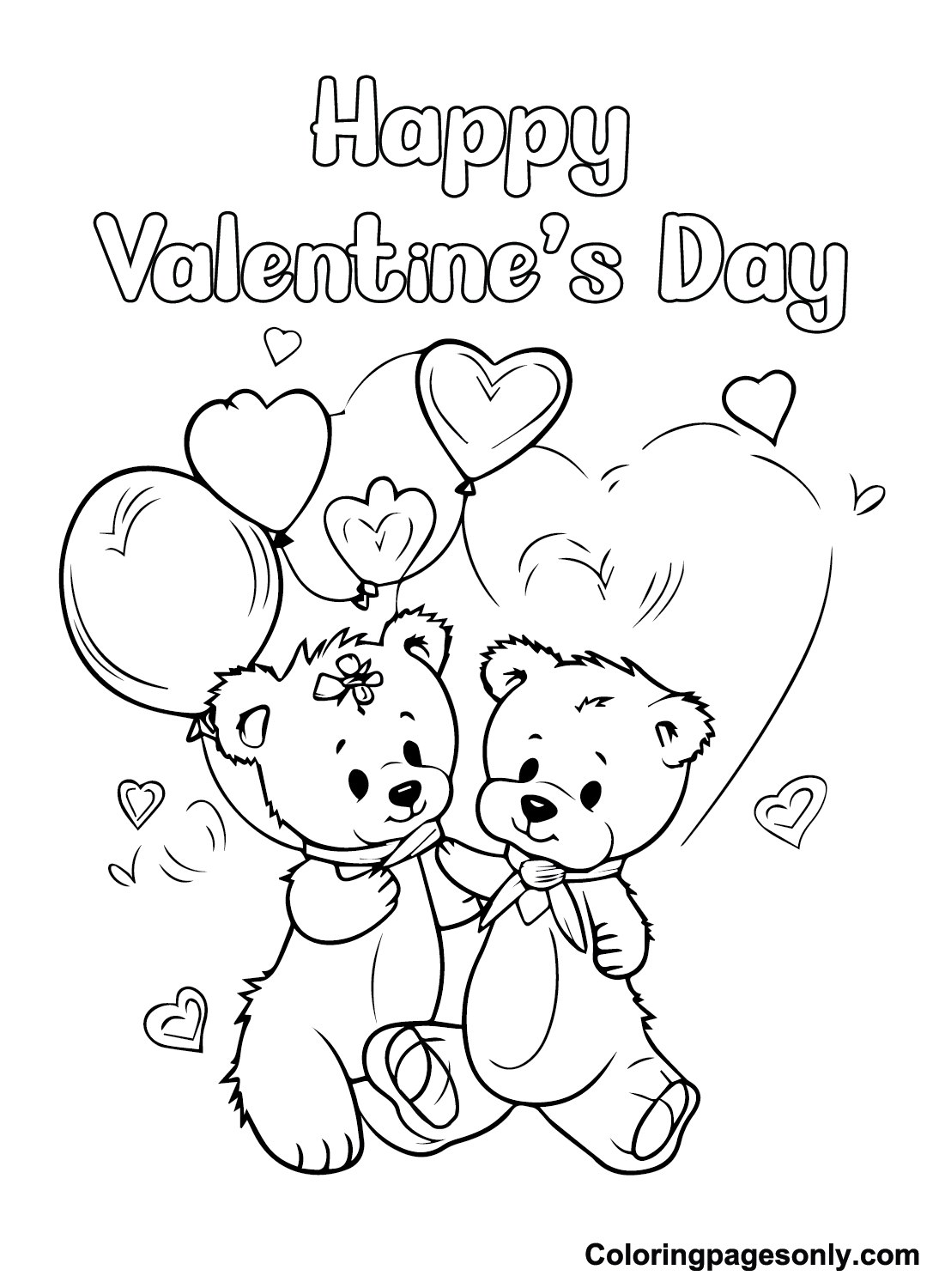
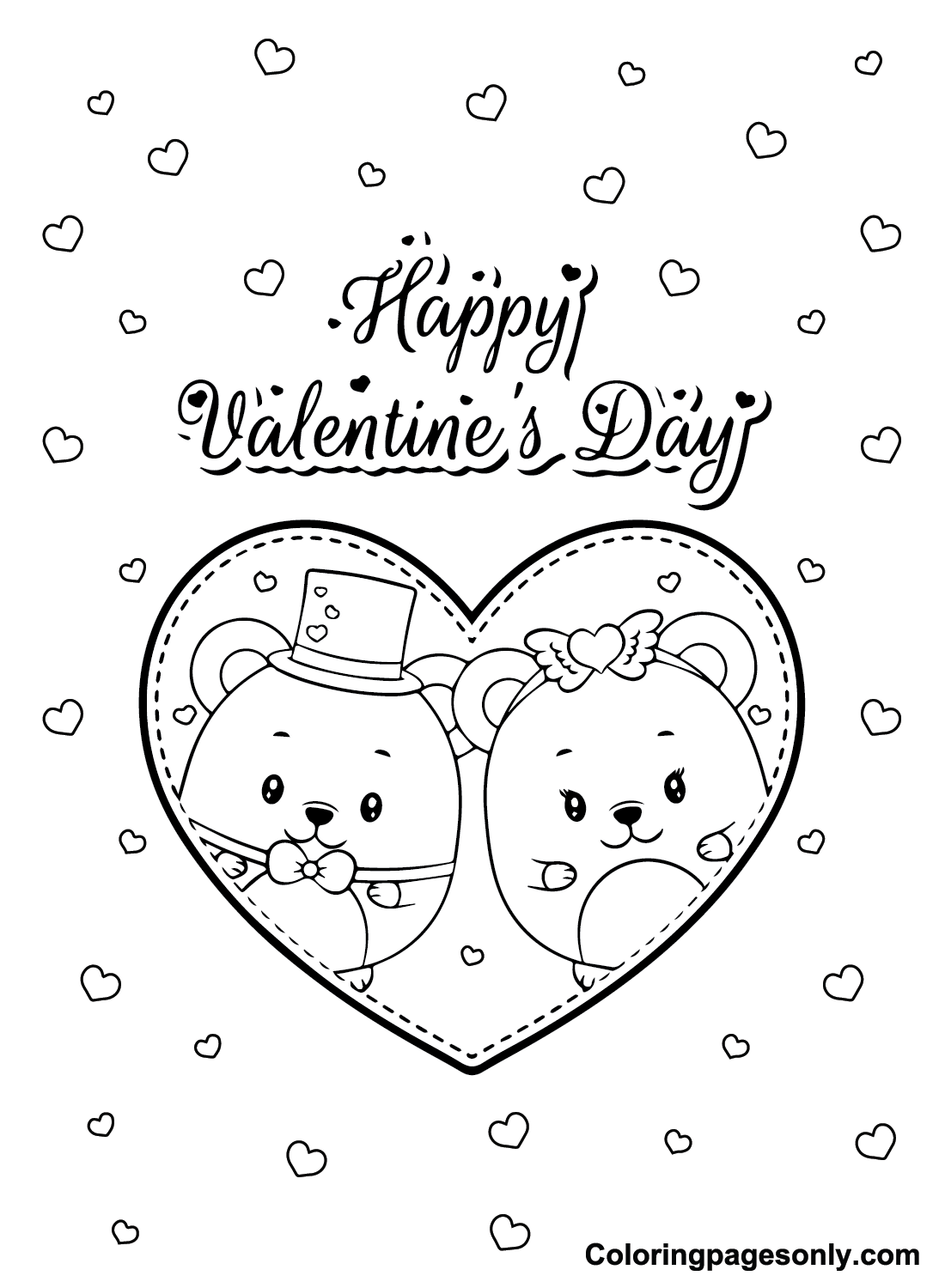
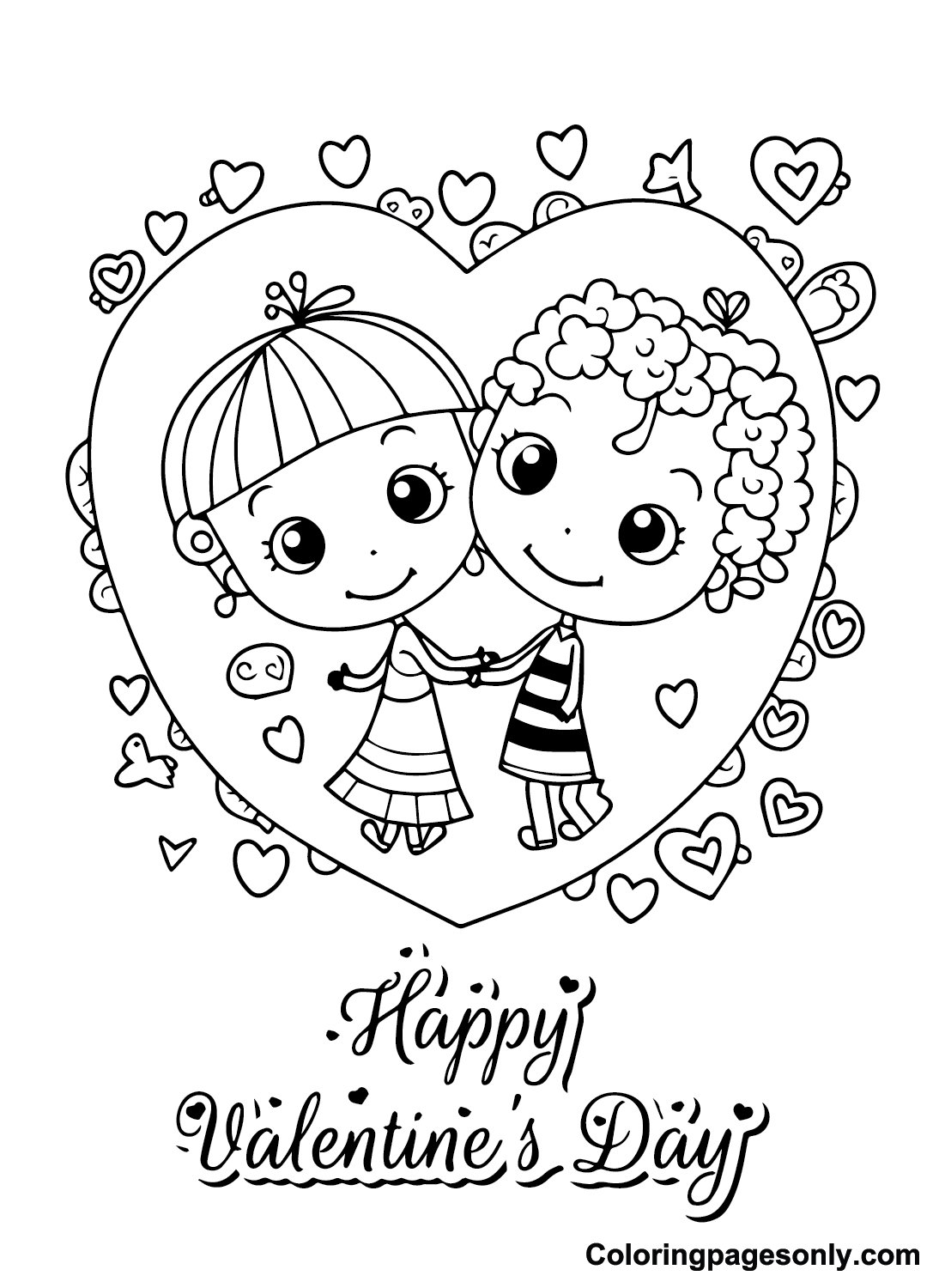
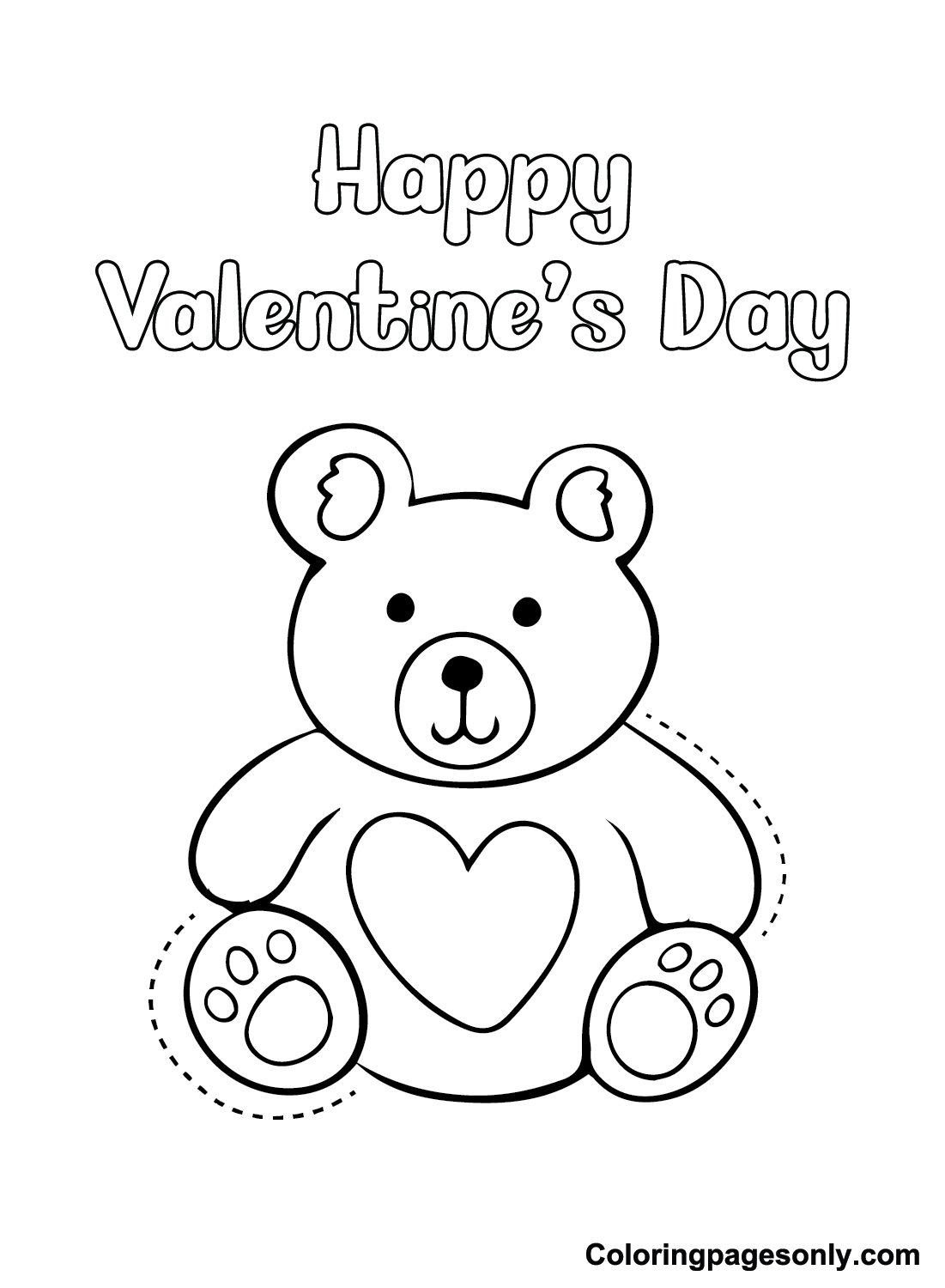
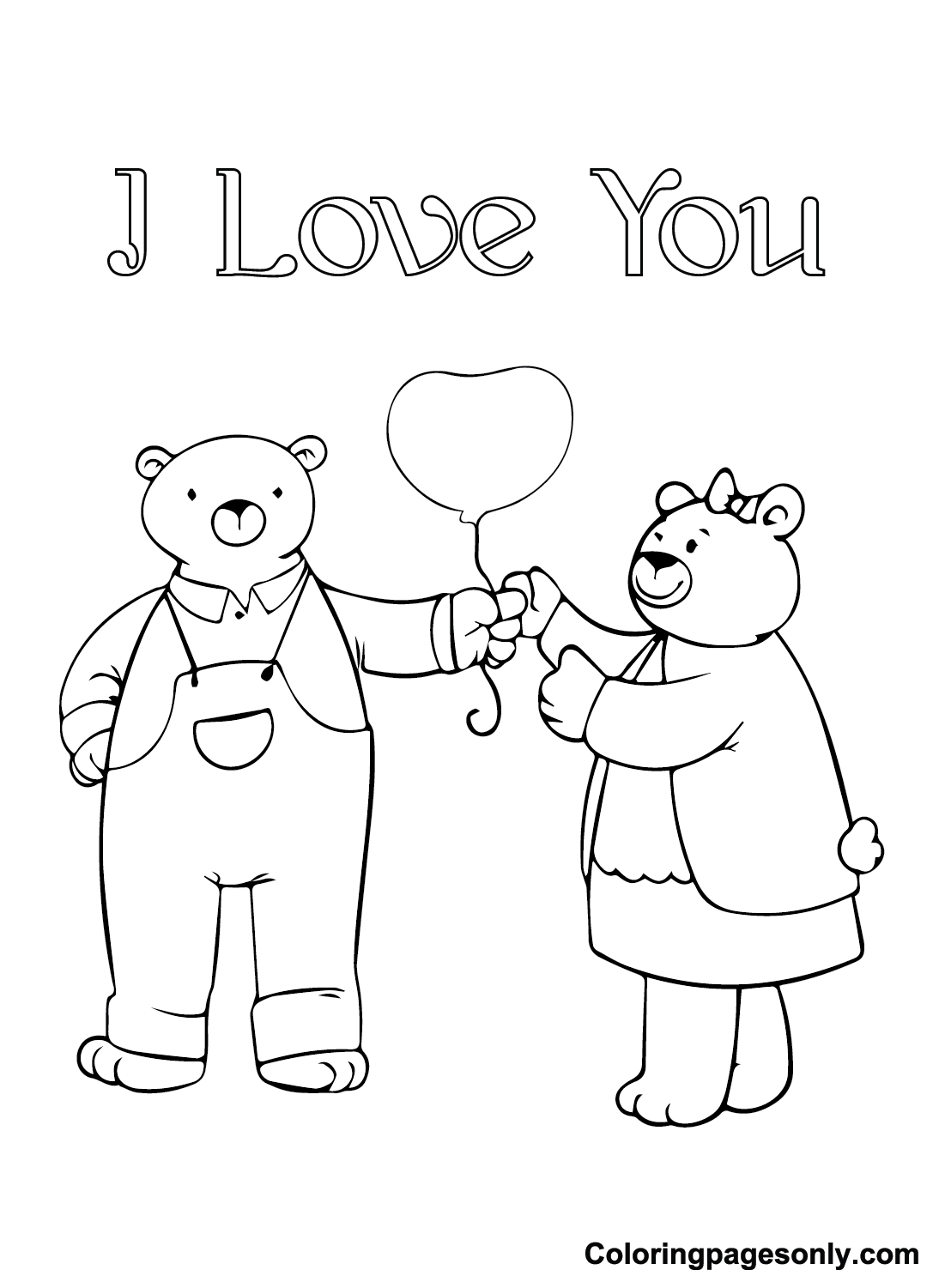

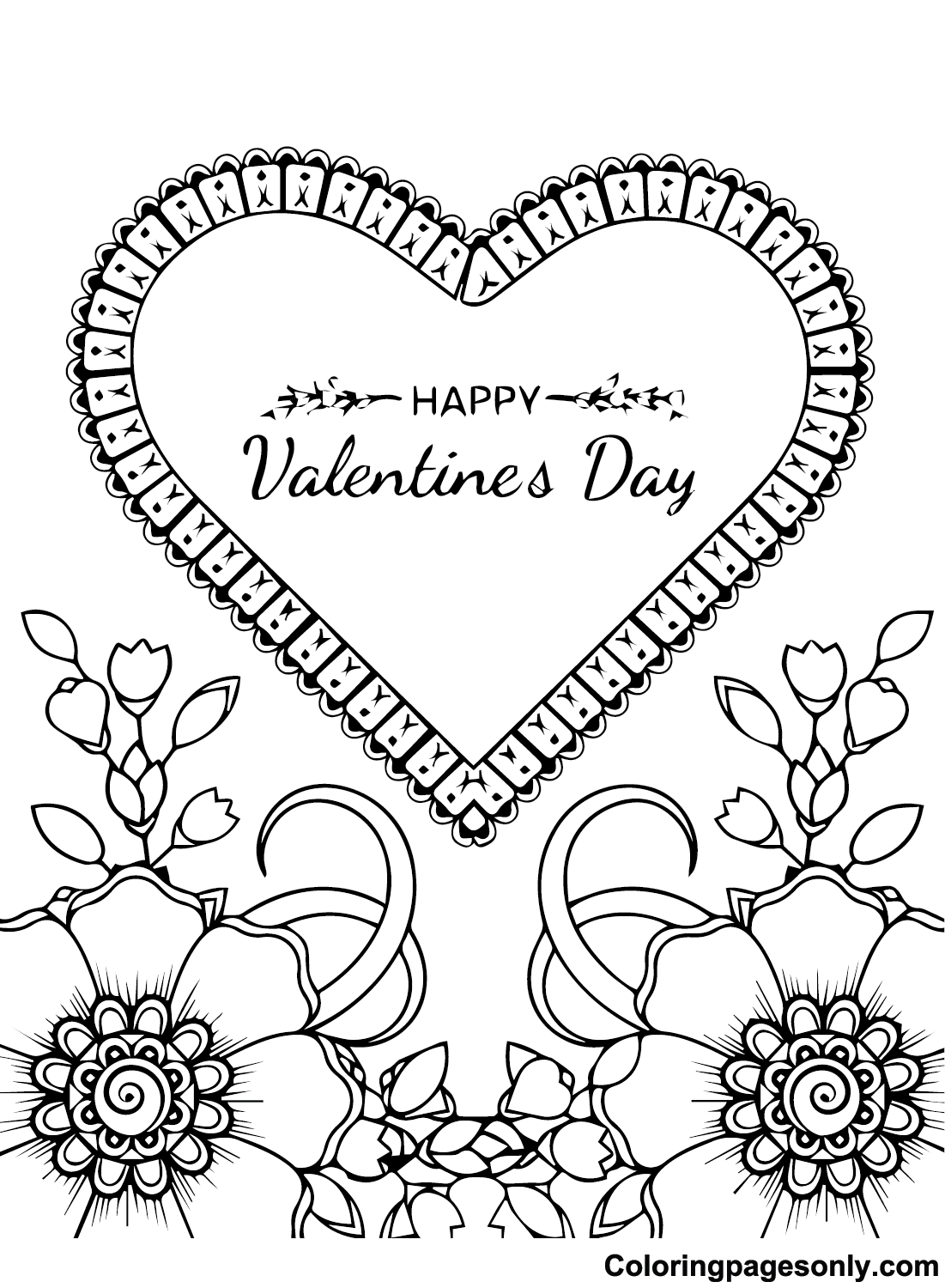
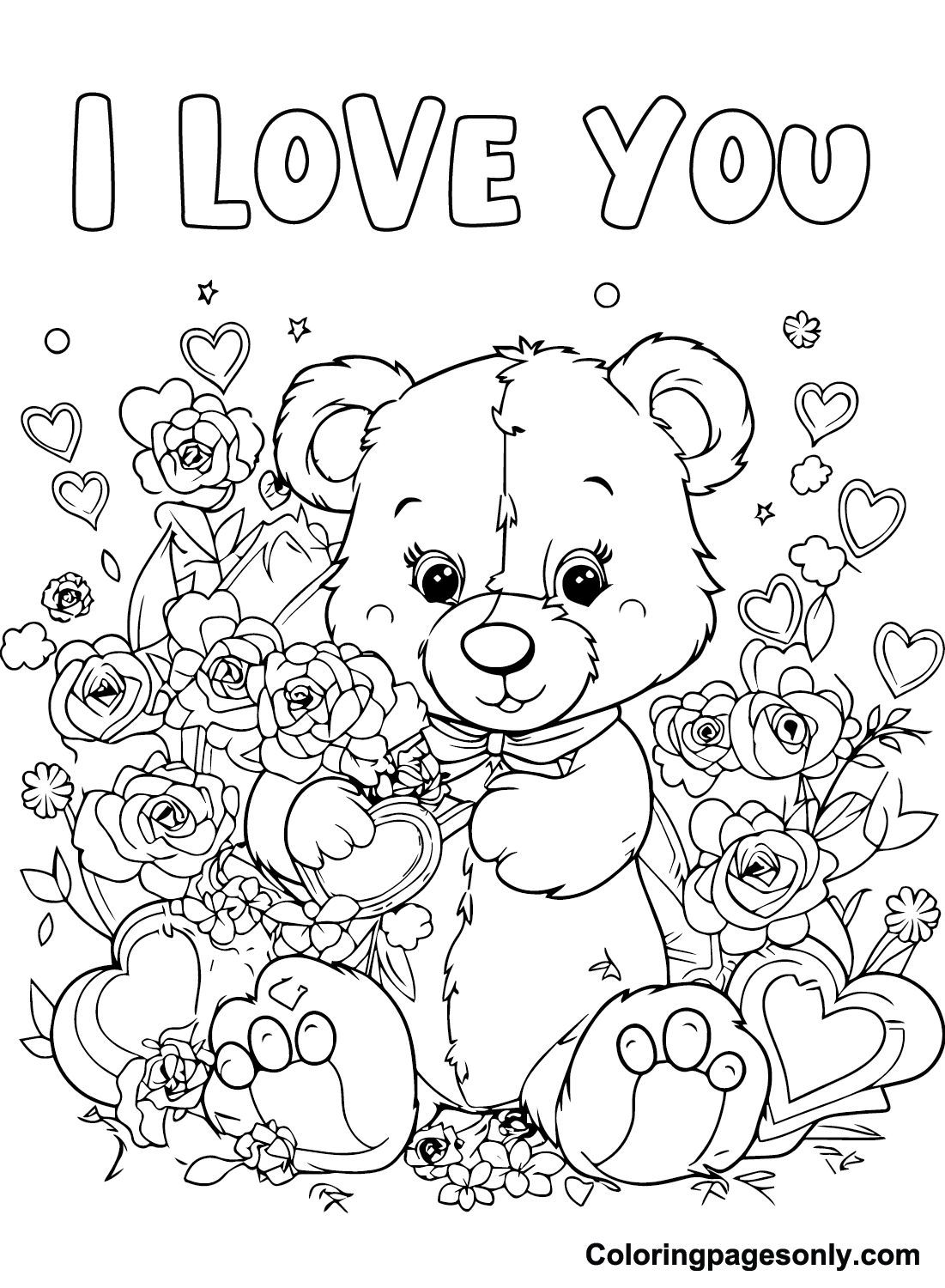
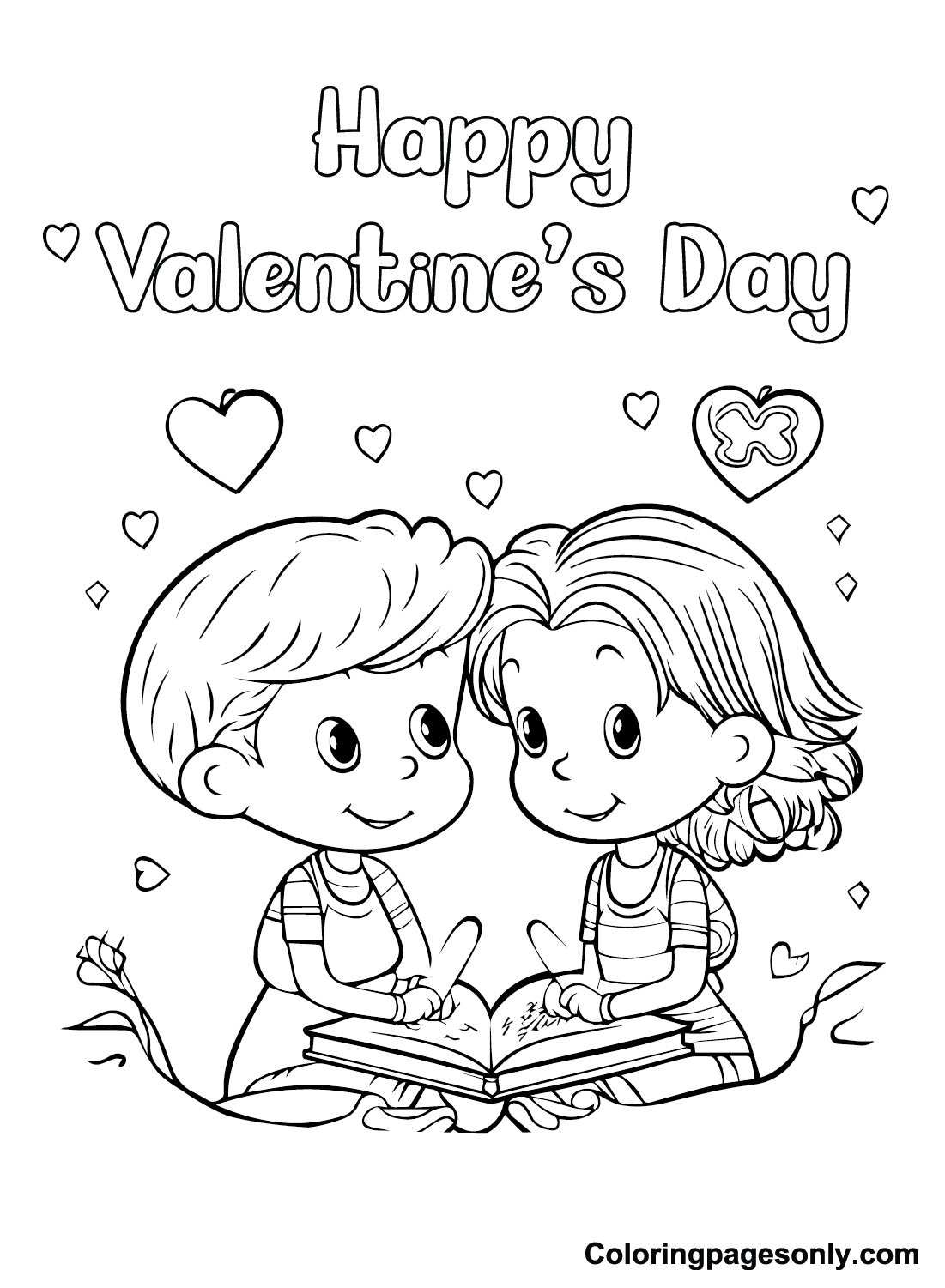
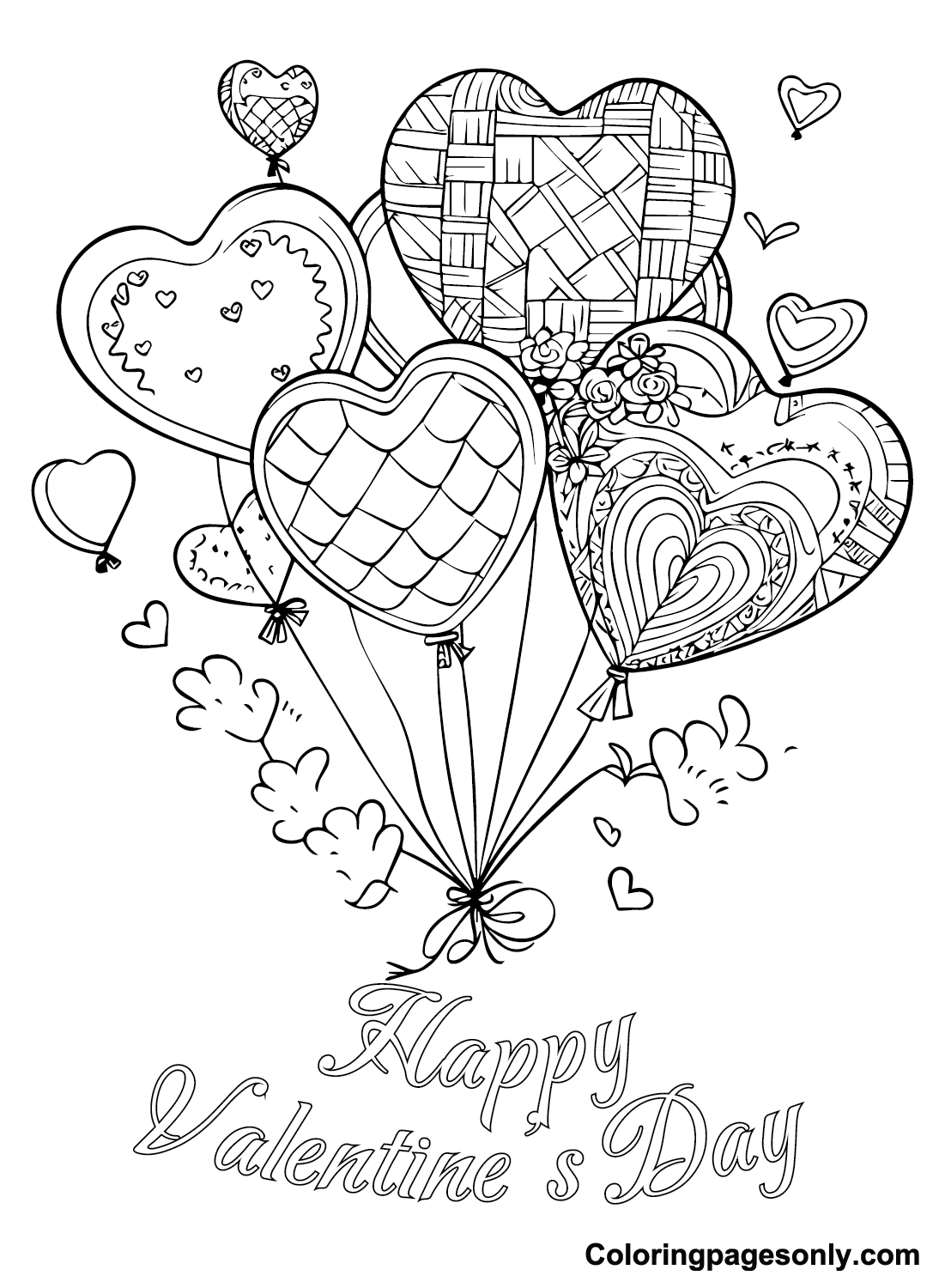
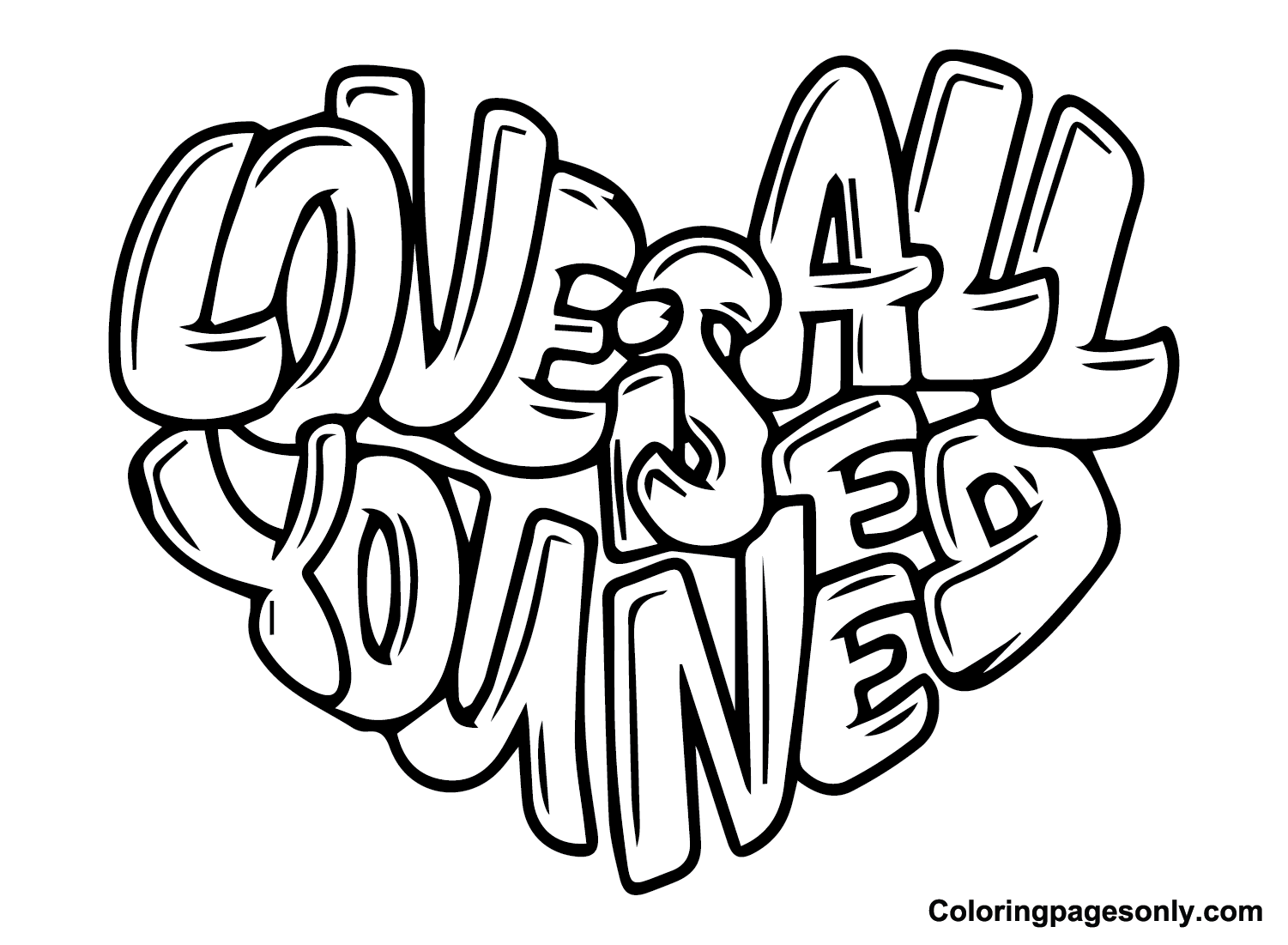
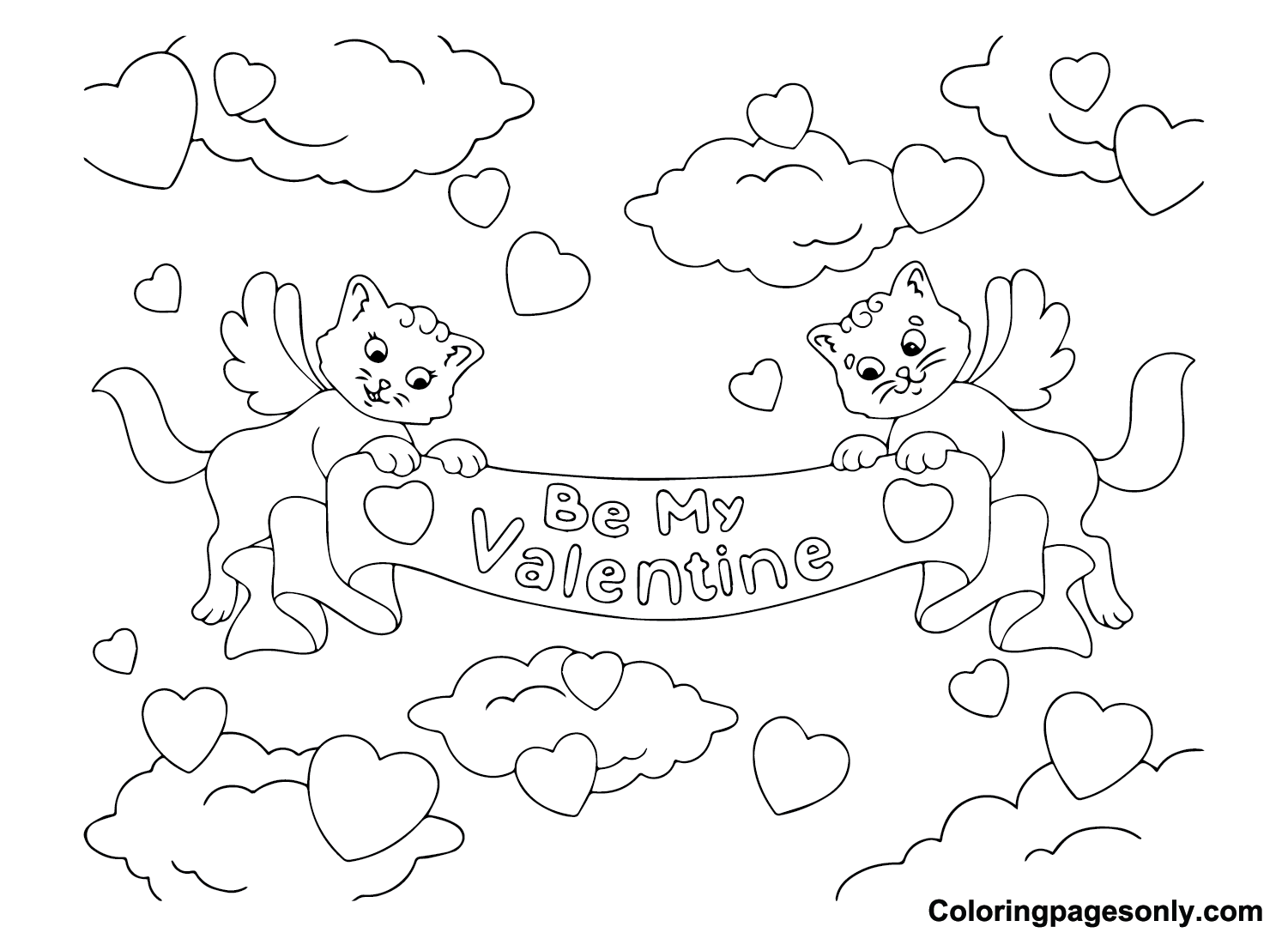
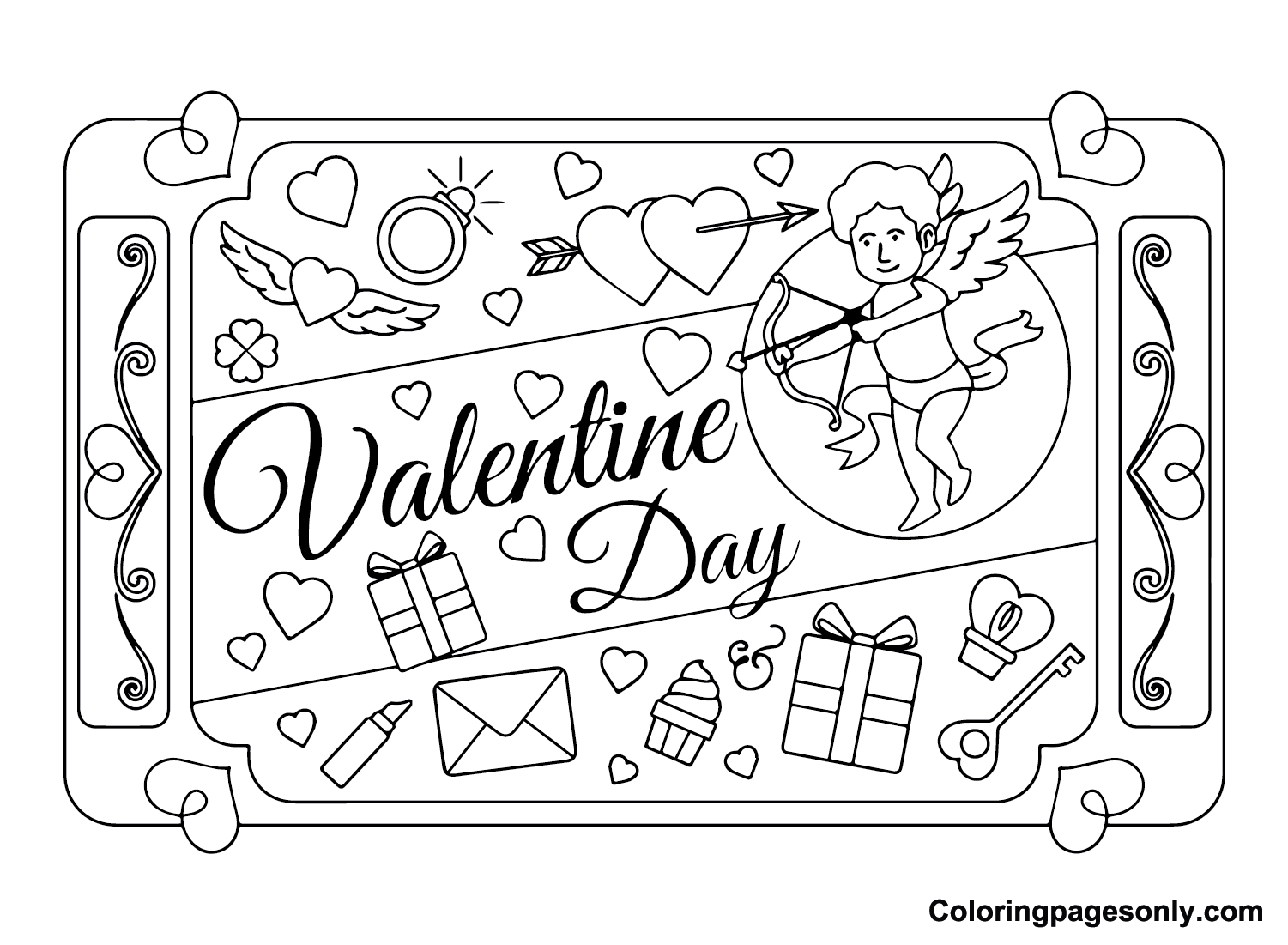
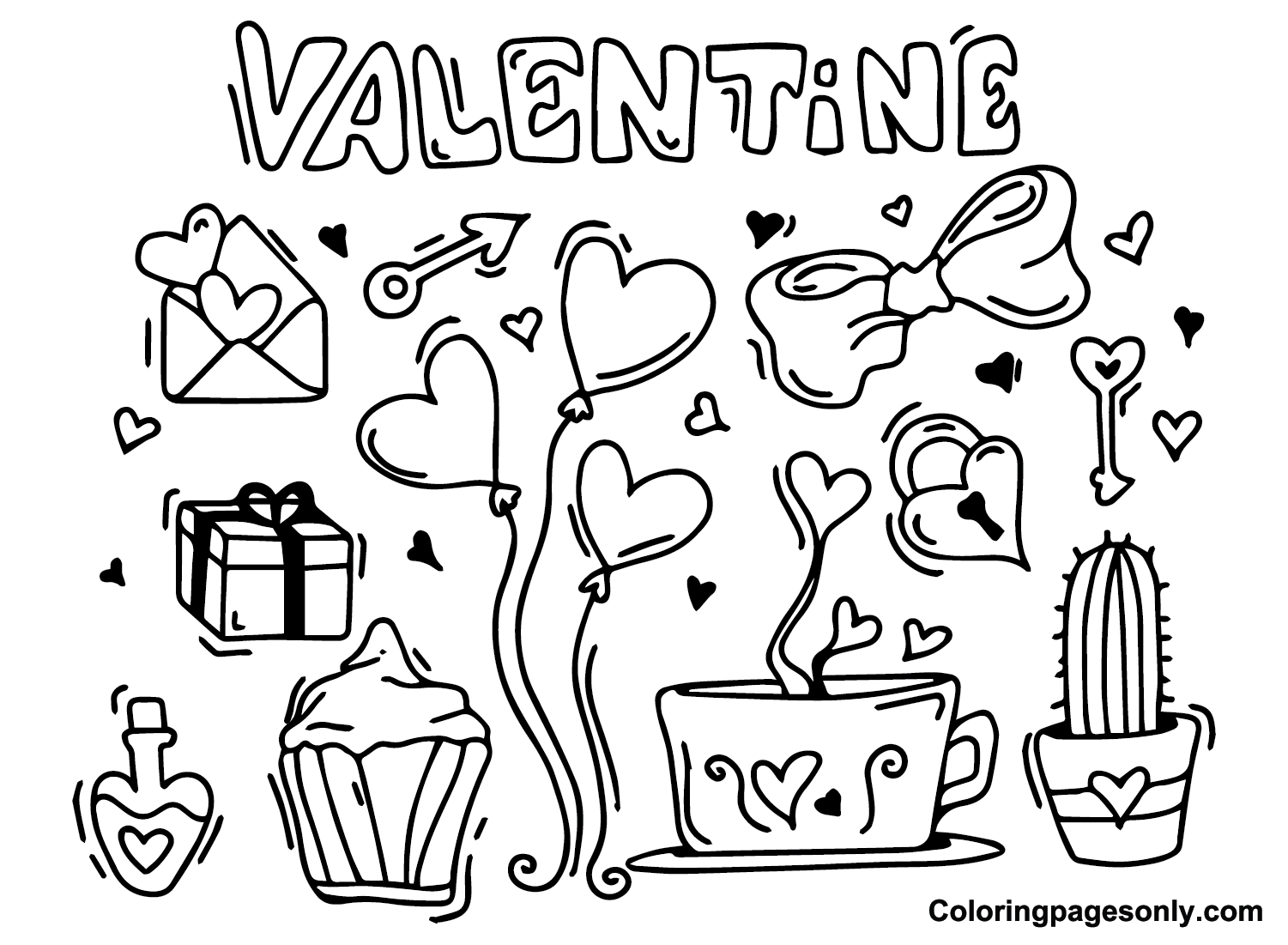
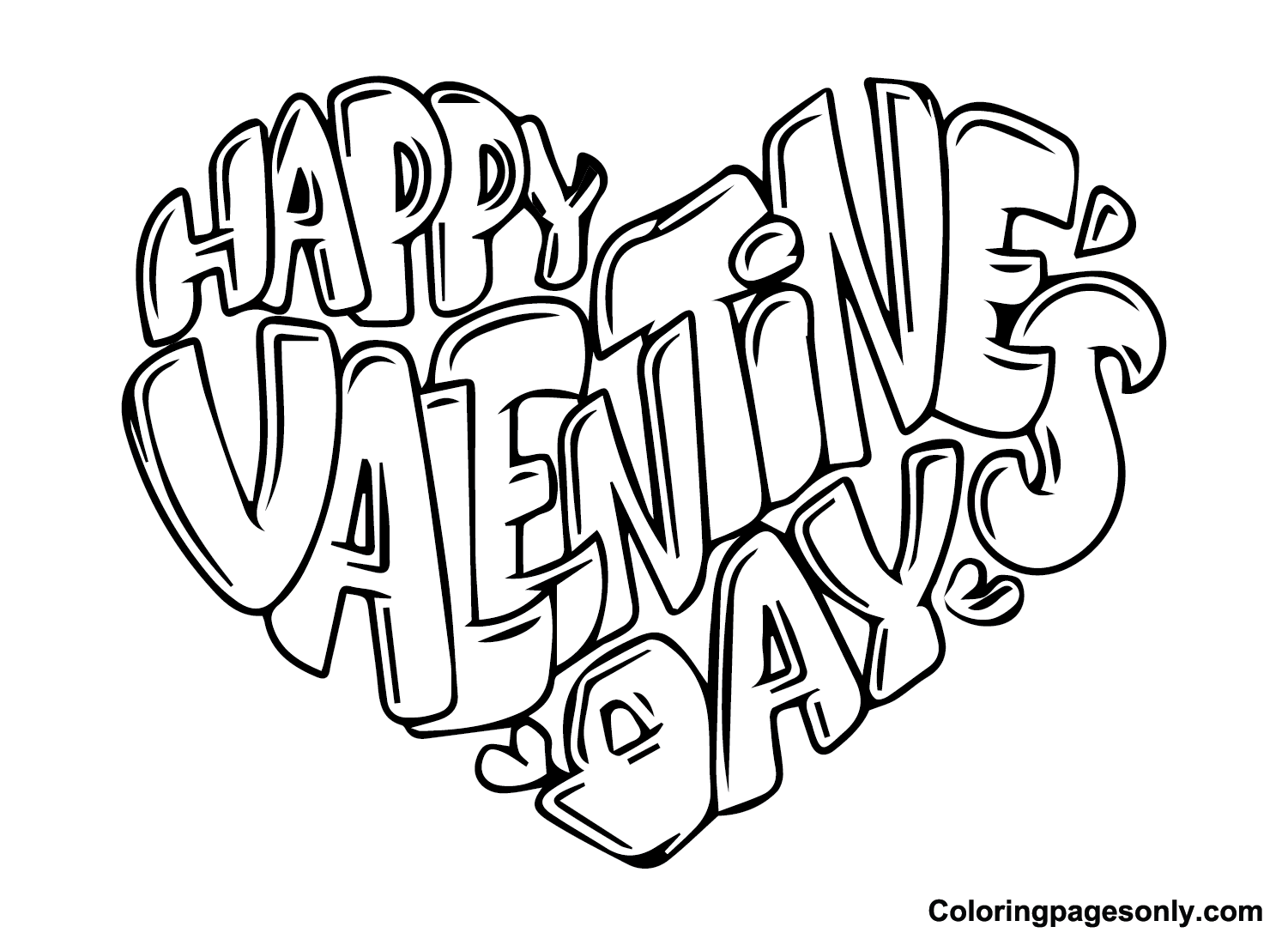

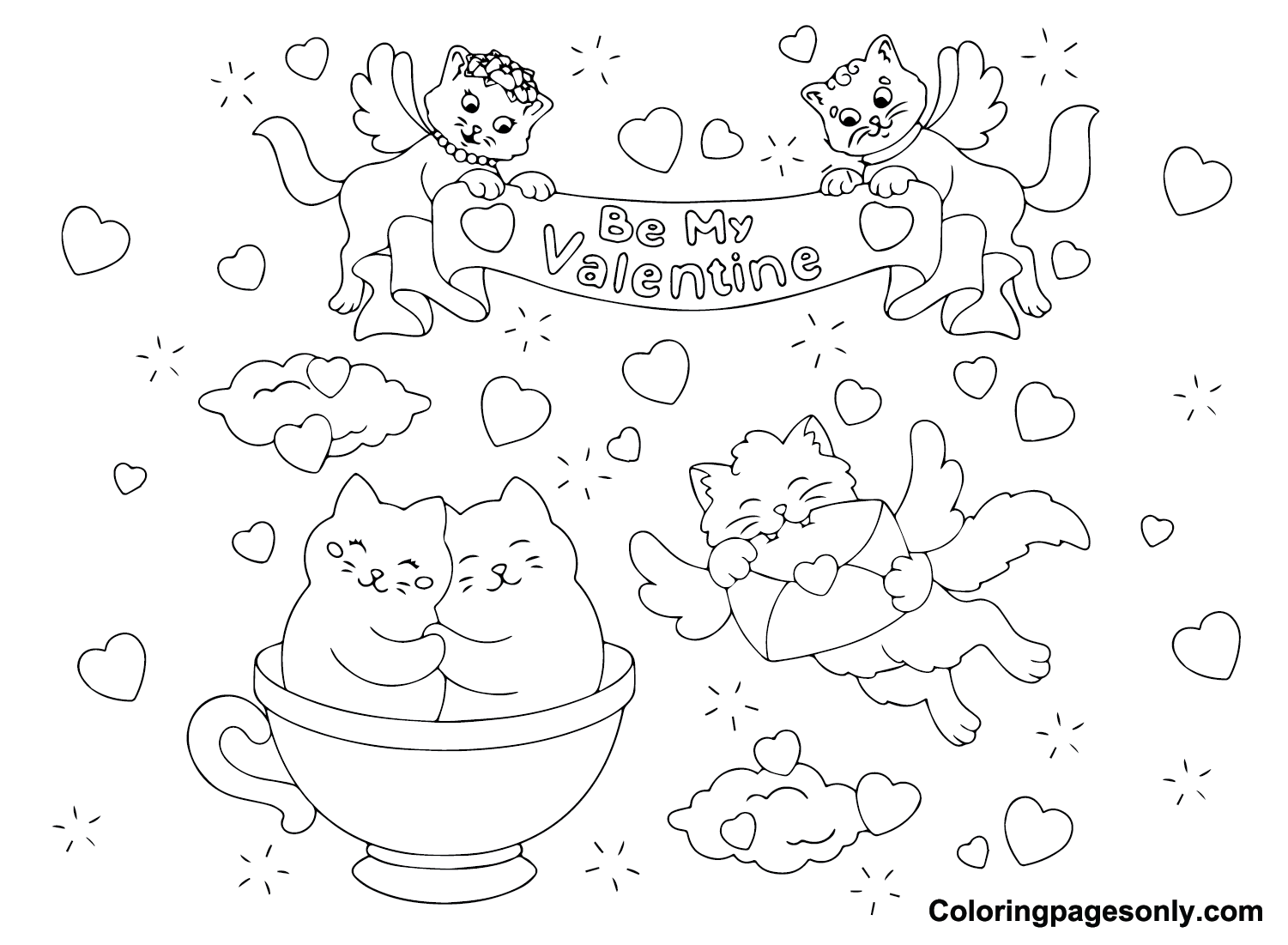
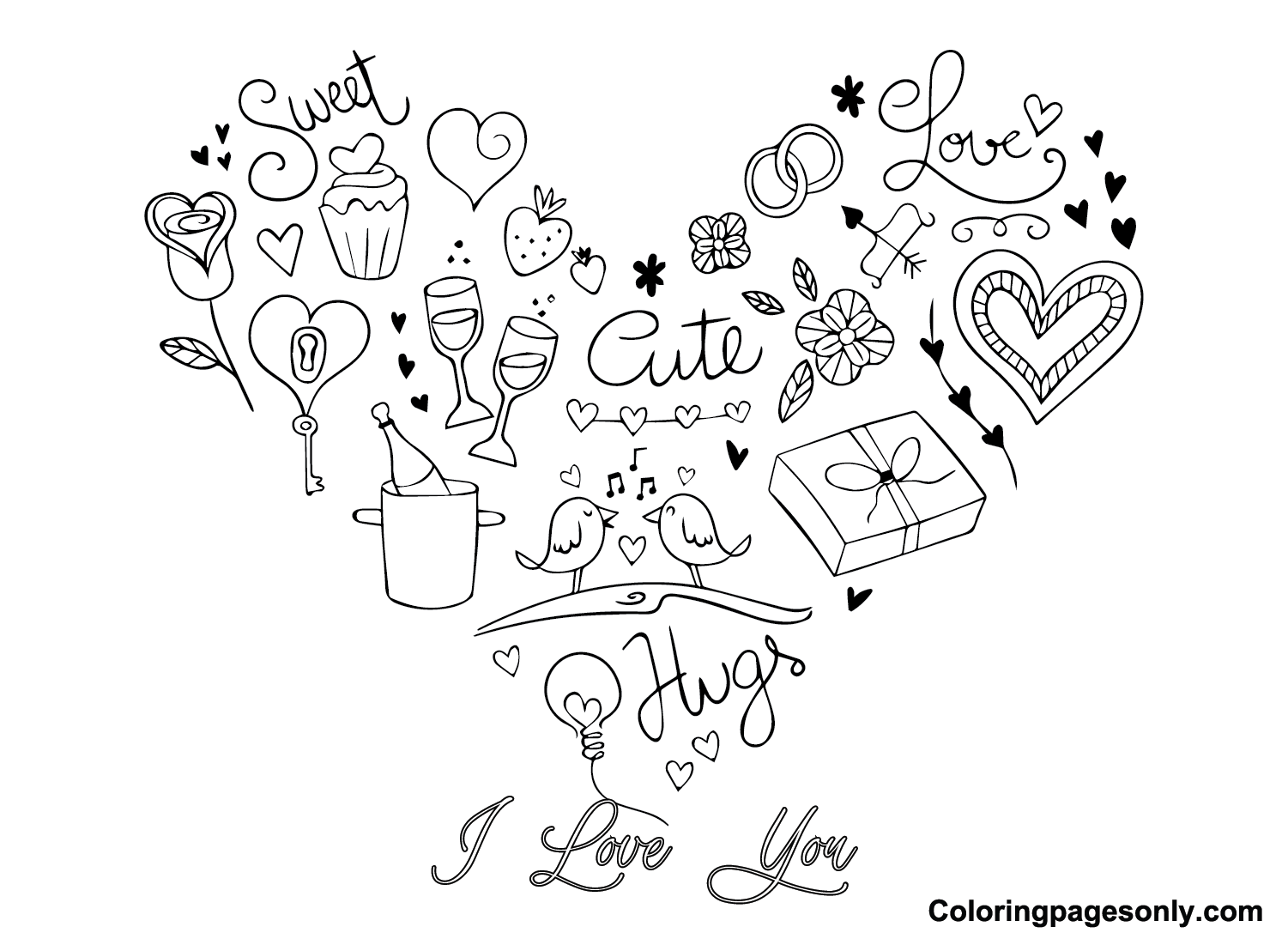
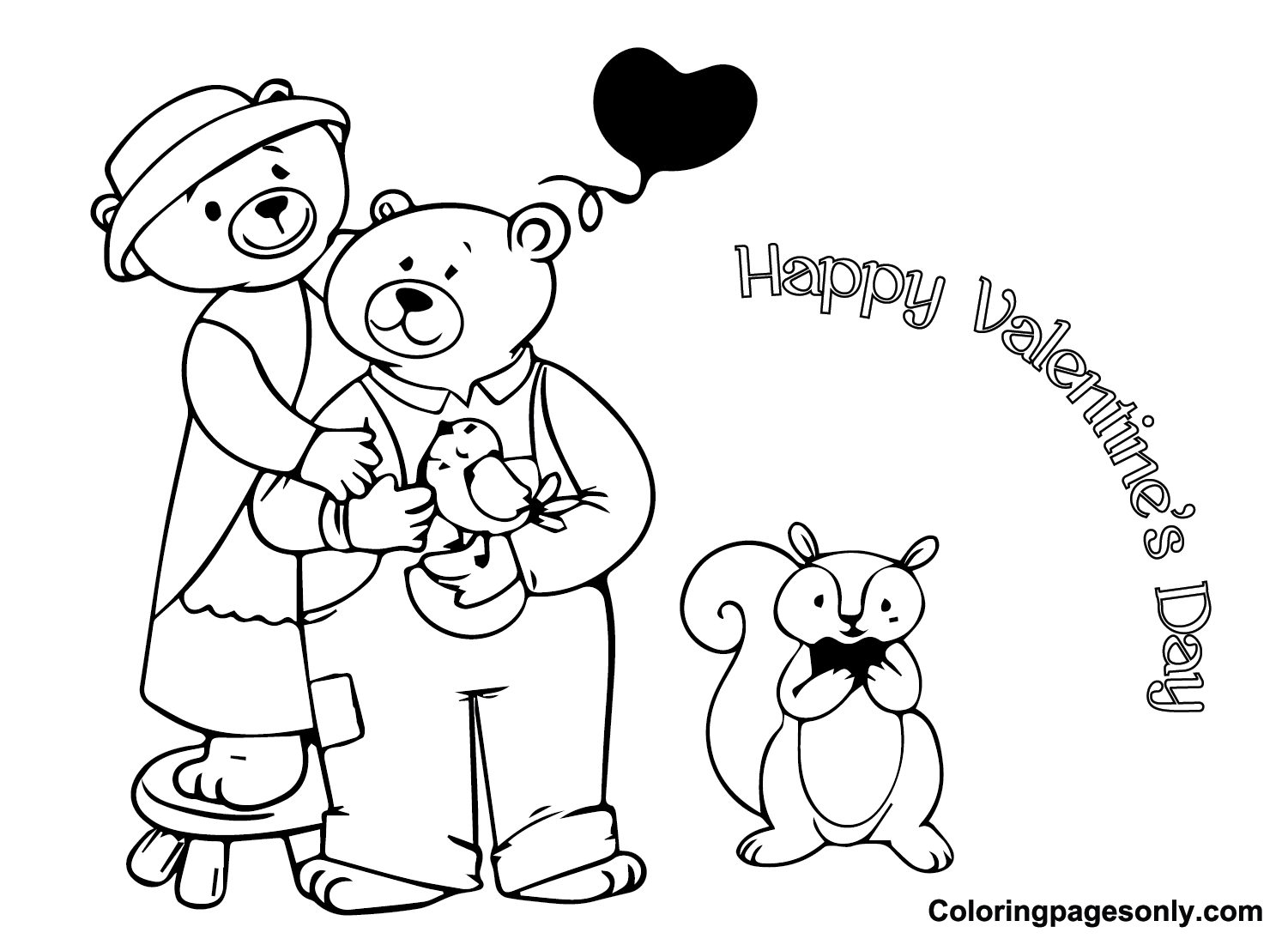
What Is Inside This Collection
The 31 pages fall into three groups, based on when each page was added and whether its title describes something distinct.
The Newest Update Batch
12 pages added together as a single update, all sharing a similar naming pattern built around the phrase “Valentine’s Day Cards Coloring Page” plus a format word like Printable, Free, or Images. Scarlet and Carnation Pink hearts, with Fern Green accents kept minimal, work well as a default across this batch.
Descriptive Variants From the Original Set
7 pages from the older, original batch that carry an actual distinguishing word rather than a repeated format label: Cute, Funny, Happy, Friends, for Kids, and Ideas. Bright, playful colors, Sunglow, Turquoise Blue, Wild Strawberry, suit the Cute and Funny designs, while the Friends and for Kids pages read well in a simpler two- or three-color palette.
Generic Format-Named Pages
12 pages, also from the original batch, filed under repeated utility titles like Valentine’s Day Cards Printable, Valentine’s Day Cards Images, or Valentine’s Day Card Free Print. Since these carry no built-in theme, a classic Scarlet-and-Pink heart palette is a safe, easy default.
What These Valentine’s Day Cards Coloring Pages Do
Fine motor practice in a small, foldable format. Staying inside the compact heart shapes and border details typical of a card design, smaller than a full-page scene, calls on the kind of precise, controlled coloring the American Academy of Pediatrics highlights as a benefit of structured activities for young children.
A finished object, not just a colored page. Unlike a portrait or scene meant to be displayed as-is, a card page is designed to be folded, written in, and handed to somebody, giving a child a reason to finish carefully because the result has a specific recipient in mind.
A calm task with a clear stopping point. A 2005 Art Therapy Journal study associated structured coloring with a measurable drop in anxiety, and a card-sized page, with a defined border and a natural endpoint, offers a shorter, more contained version of that same structured activity.
Practice writing alongside coloring. Because the finished product is a real card, these pages naturally pair coloring with handwriting a short message, combining two different skills in a single activity rather than coloring being the only task.
How to Color Valentine’s Day Cards Well
- Hearts: Use Scarlet or Red as the base with a Wild Strawberry or Magenta highlight along one edge to avoid a flat, single-tone heart, especially on cards where the heart is the main focal shape.
- Borders and lace-style trim: Keep border patterns in a single accent color, Carnation Pink or Mahogany, rather than switching colors every few inches, so the trim reads as a frame rather than competing with the card’s center.
- “Cute” and character-style cards: Bright, saturated colors work best, Sunglow, Turquoise Blue, Wild Strawberry, since these designs are meant to look playful rather than elegant.
- “Funny” cards: A slightly more muted or mismatched palette can actually help sell the joke on a funny card, since overly polished coloring can undercut a design that’s meant to look silly on purpose.
- Fold lines: If a page includes a visible center fold line, leave a thin strip along that line uncolored or very lightly shaded, since heavy color right on the fold tends to crack or flake once the card is actually folded.
- Message space: Leave any blank area clearly meant for writing uncolored, or color it in a very pale tint only, so a handwritten message stays legible once the card is finished.
5 Creative Craft Ideas With Valentine’s Day Cards Coloring Pages
1. Real Mailable Card. Color a page, fold it along its center line, write a message inside, and put it in an envelope to actually send rather than just displaying it.
2. Classroom Card Exchange. Print and color several copies of the same simple design for an entire class, so each child has a matching card to personalize and hand out.
3. Card Bingo. Color several different pages, cut them into individual images, and use them as calling cards for a simple Valentine ‘s-themed Bingo game.
4. Framed Wall Art. Color a card page without folding it, trim it to fit a small frame, and hang it as a piece of Valentine ‘s-themed wall art instead of mailing it.
5. Card Garland. Color several small card pages, punch a hole in the corner of each, and string them along a ribbon to hang as a simple Valentine’s Day garland.
Frequently Asked Questions
What are Valentine’s Day cards and coloring pages?
Printable card-shaped designs meant to be colored and then folded, written in, and given as an actual Valentine’s Day card. This collection has 31 pages, free to download as a PDF or color directly online.
How many of these pages are actually different from each other?
Meaningfully fewer than 31. 12 pages share a near-identical 2024 naming pattern, and 12 more from the older batch are generic, format-named duplicates. Only about 19 pages in total carry any real distinguishing detail in their title.
How many Valentine’s Day cards do people actually send each year?
In the United States alone, roughly 145 million Valentine’s Day cards are exchanged annually, according to the Greeting Card Association, making it the second-largest card-sending holiday of the year after Christmas.
Can these pages actually be used as real cards?
Yes. Several designs include a visible fold line and a blank area for a written message, meant to be printed, colored, folded, and handed or mailed to someone rather than only displayed as a finished picture.
Are these Valentine’s Day cards suitable for a classroom exchange?
Yes. Printing several copies of the same simple design works well for a classroom-wide card exchange, since every student can personalize an identical base design rather than needing 31 different templates.
Are these pages good for young children?
Yes, though the details vary. The simpler heart and border designs suit children as young as 4 or 5. Cards with finer trim or lettering work better for older children who can color inside smaller spaces.
What’s the difference between the “Cute” and “Funny” pages?
The Cute-labeled designs lean toward bright, polished, character-style artwork, while the Funny-labeled design uses a more playful, joke-oriented look. Both are part of the smaller group of pages with an actual descriptive title rather than a generic one.
Can adults use these pages too?
Yes. The heart and border-focused designs work as a quick, low-pressure coloring activity for adults, making a card for a partner, friend, or family member, not only as a children’s classroom activity.
Start Coloring
Download any page by clicking the design. No account, email, or payment is required. Pages print directly from the browser at full resolution or open in the online coloring tool for screen use. Share finished pages on Facebook or Pinterest with the share buttons at the top of each design page.