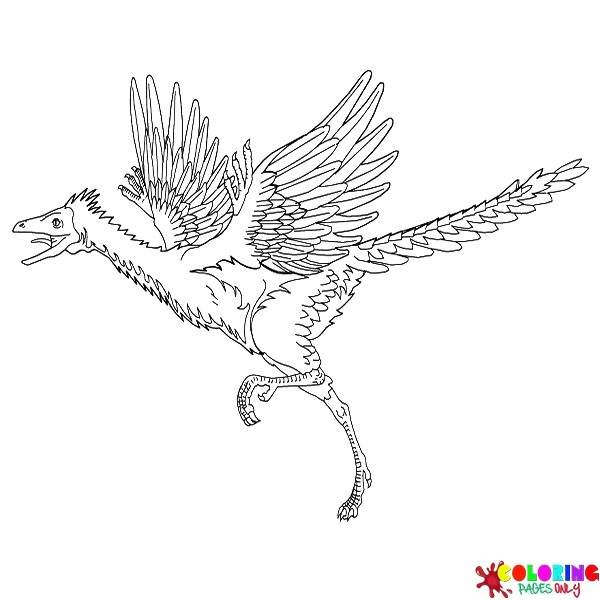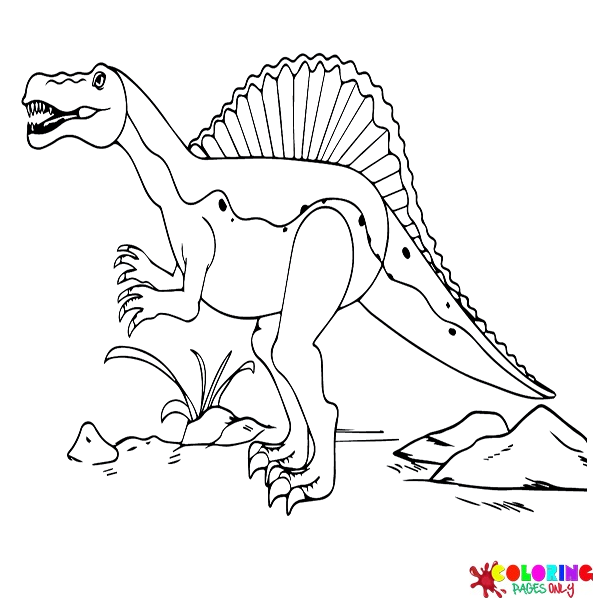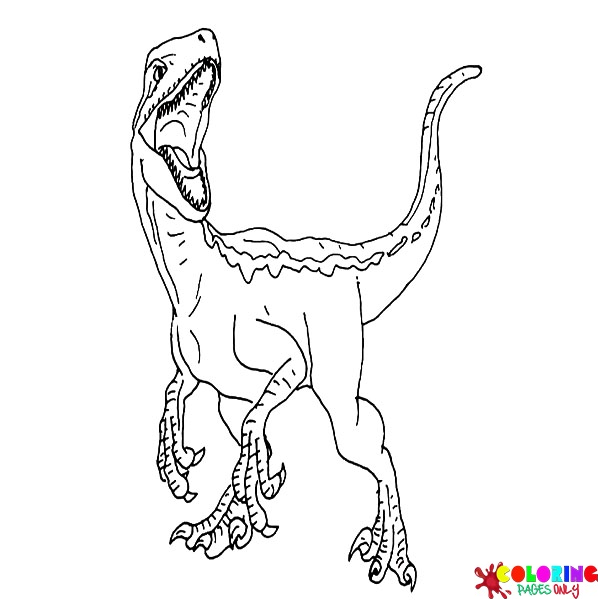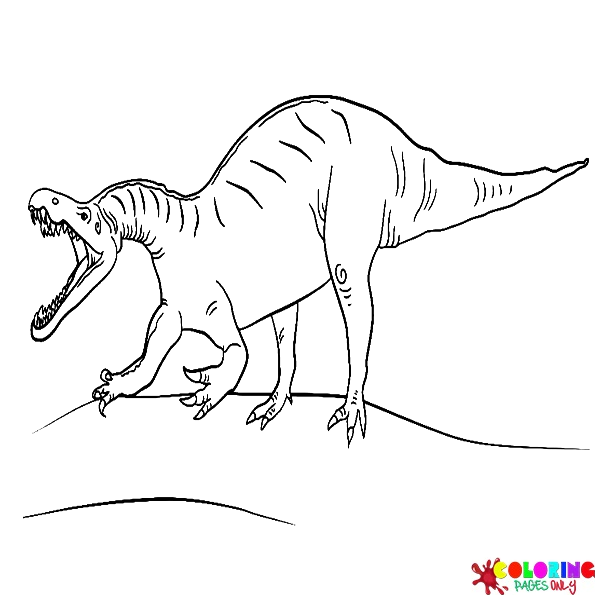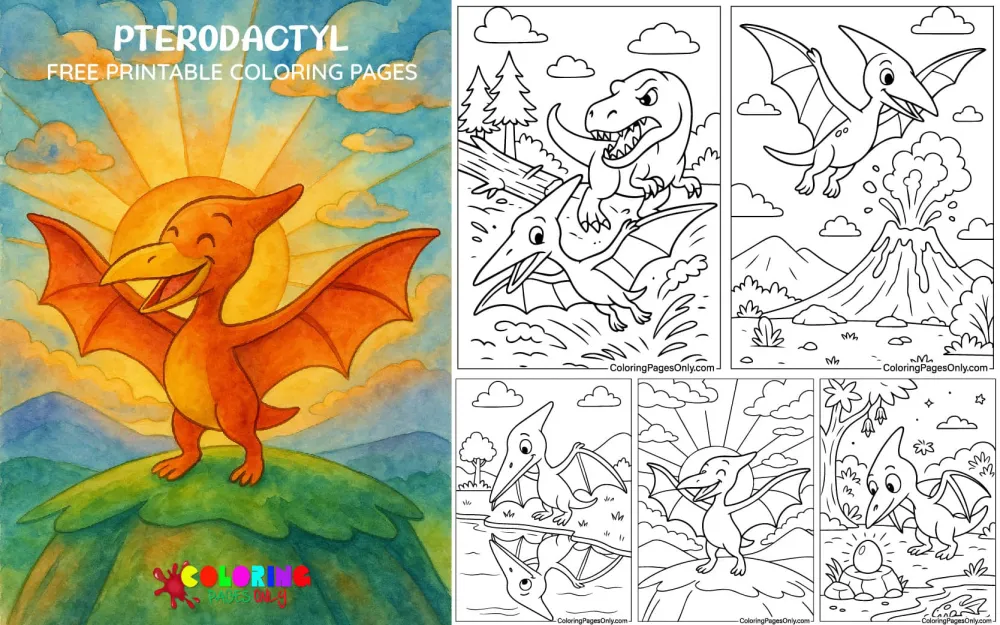
Free pterodactyl coloring pages: 43 printable PDF designs featuring real pterosaur genera, prehistoric scenes, and cartoon-style designs, for kids of all ages. Each page can be downloaded as a PDF to print or colored online in the browser.
Despite the name and despite this collection being filed under the site’s Dinosaurs category, pterosaurs, the group that includes Pterodactylus and its relatives, were not dinosaurs. They were a separate group of flying reptiles that lived alongside dinosaurs during the same era. This collection includes several pages named after real pterosaur genera, Pterodactylus, the very first pterosaur species ever formally described in 1809, Quetzalcoatlus, one of the largest flying animals known to have existed, Rhamphorhynchus, and Dimorphodon, alongside a page labeled Tarbosaurus Pterosaur, though Tarbosaurus was actually a large, ground-dwelling tyrannosaurid dinosaur closely related to T. rex, not a flying reptile at all.
With 43 pages split into four groups, real named pterosaur genera, prehistoric scenes, and action poses, cute and cartoon-style designs, and simple generic pages, the set works for a prehistoric-life lesson as well as a purely playful coloring session.
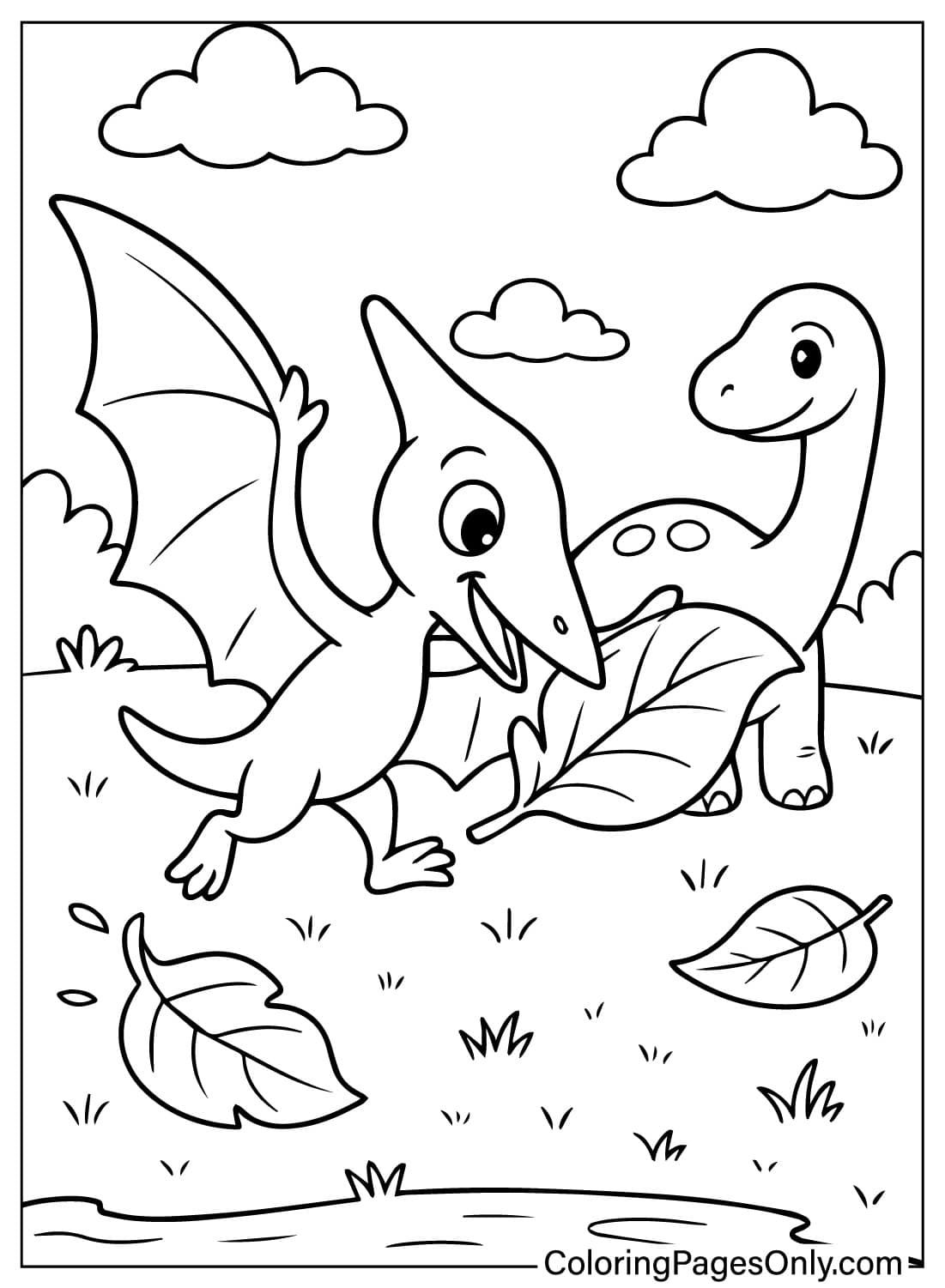
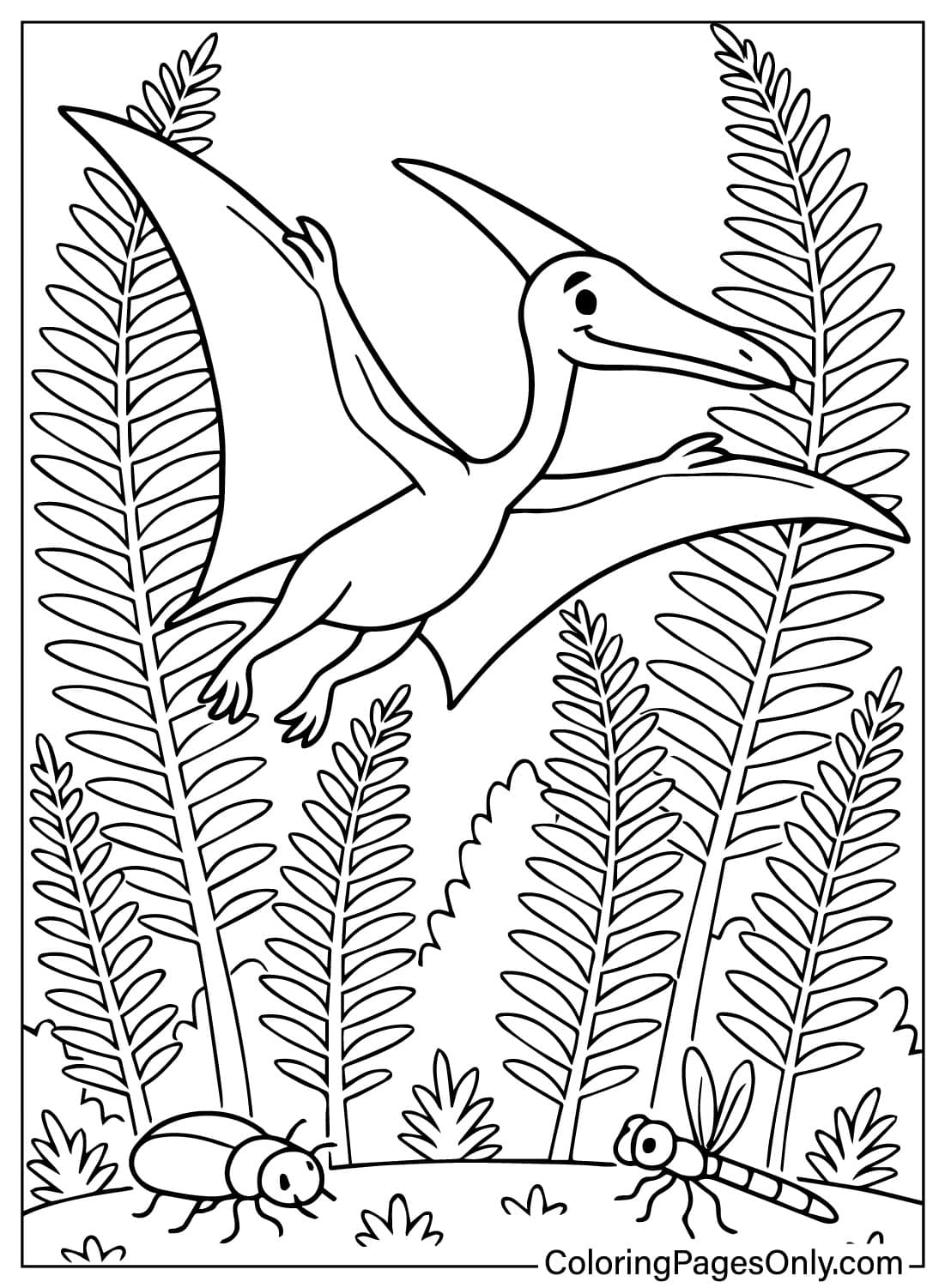
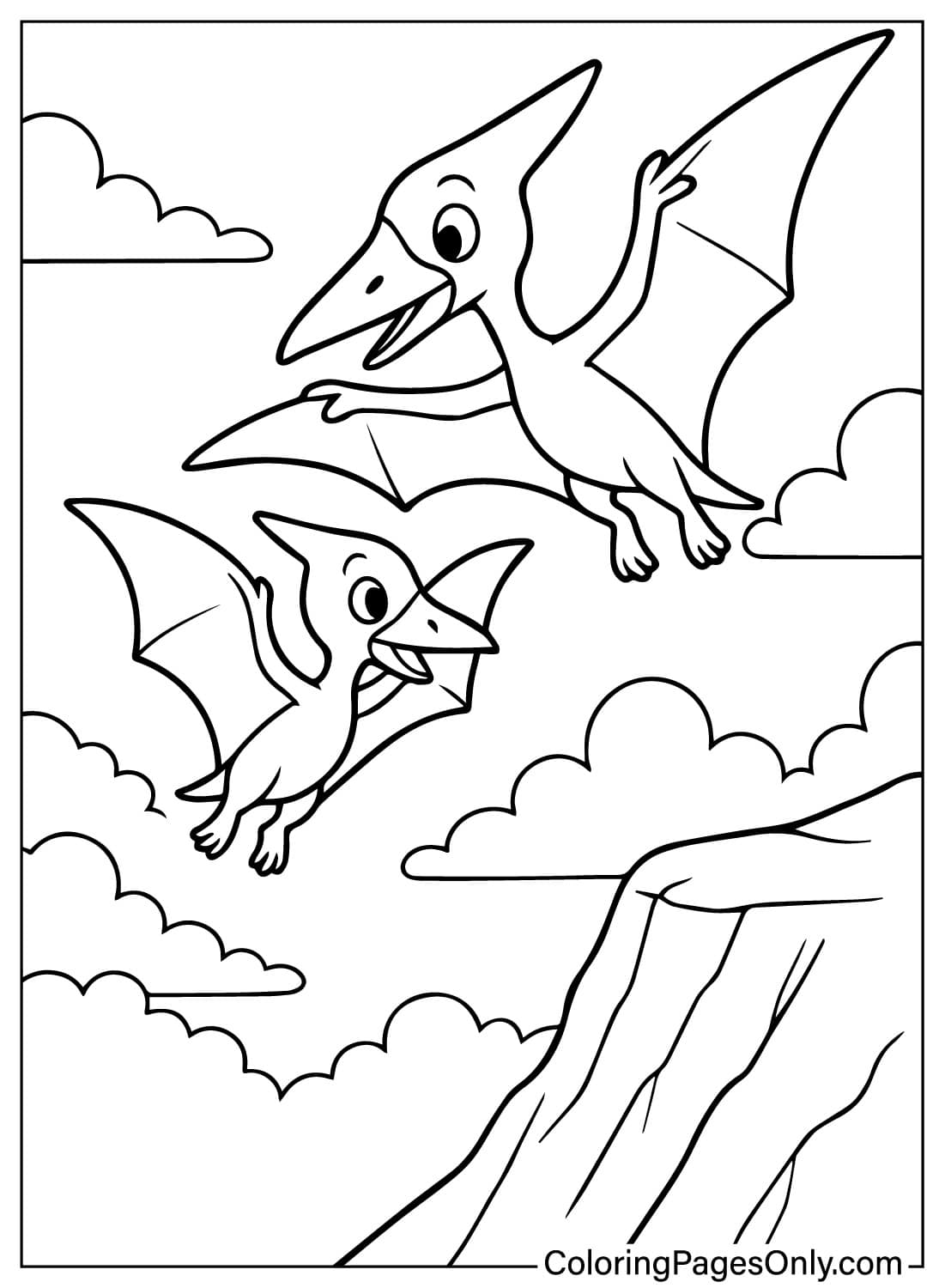
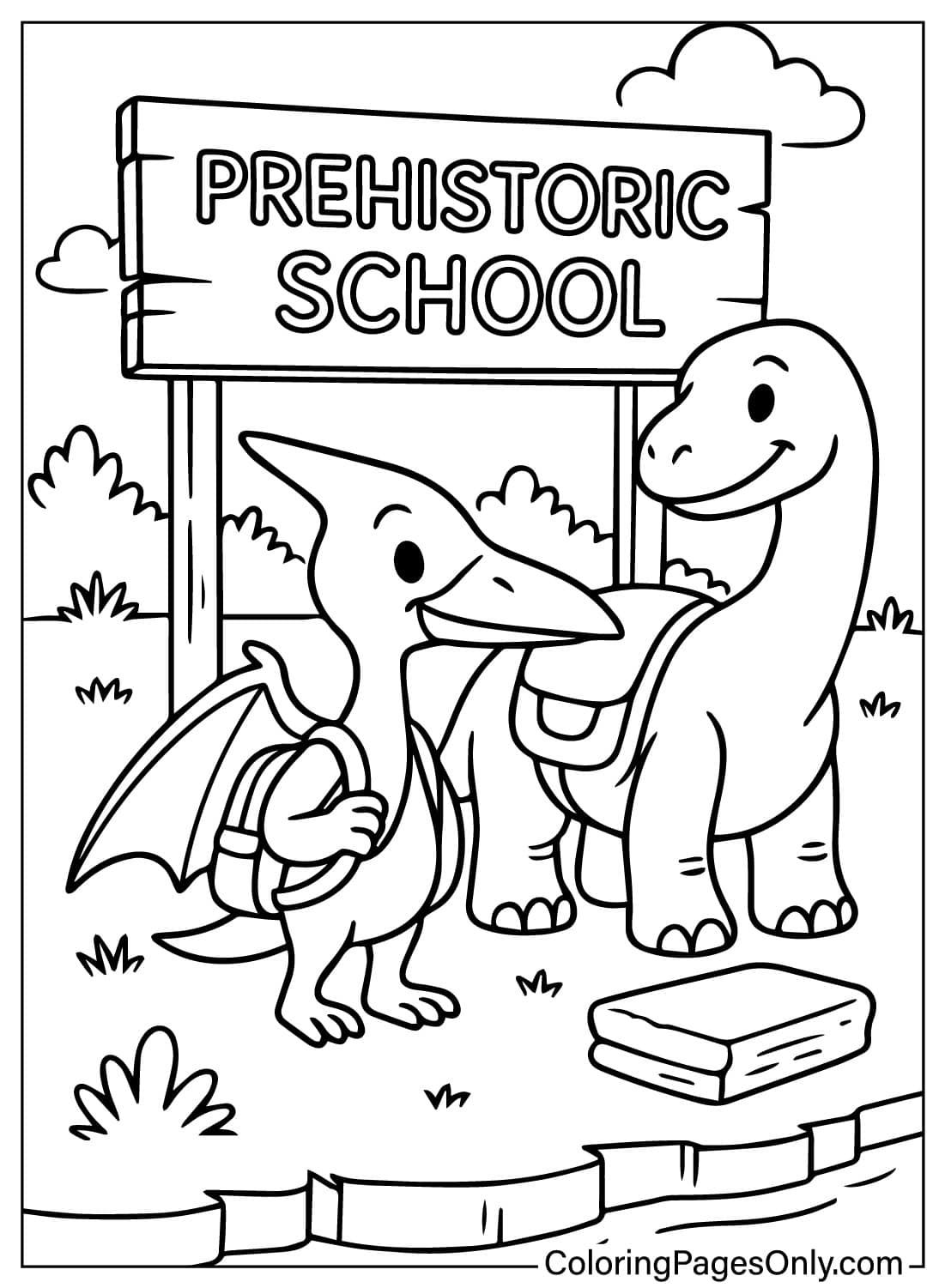
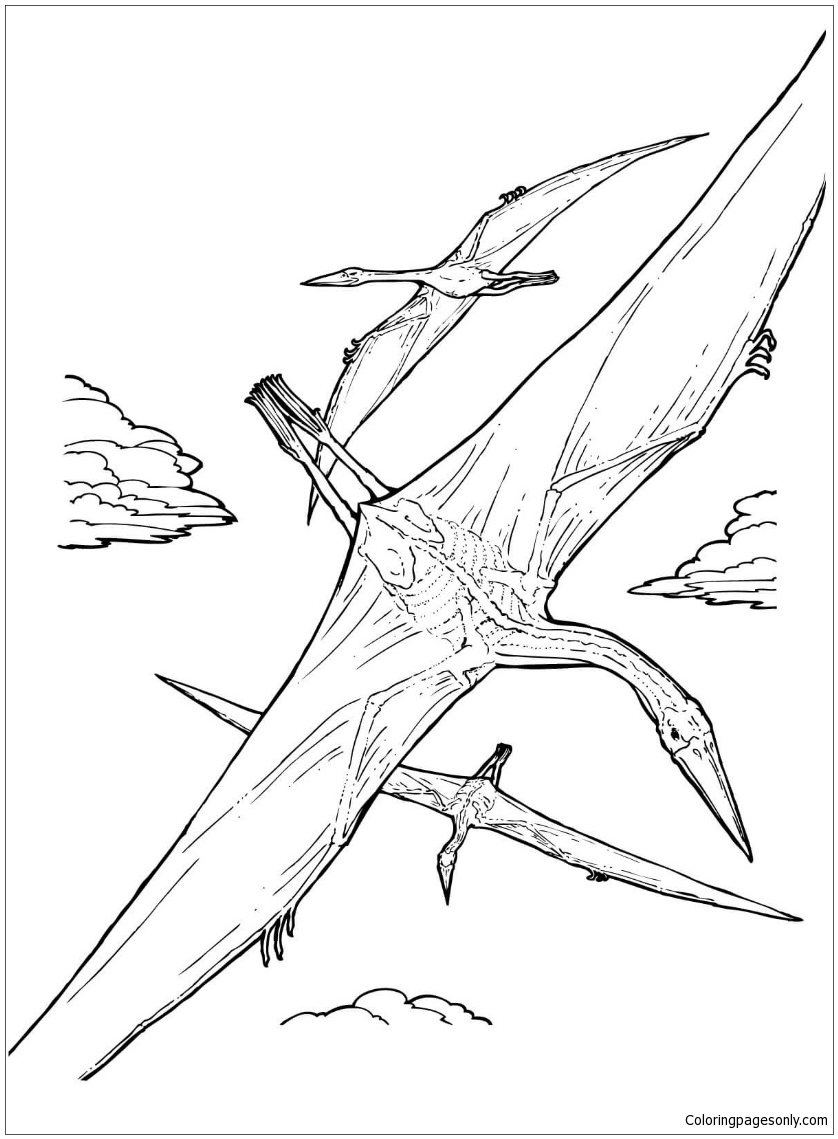
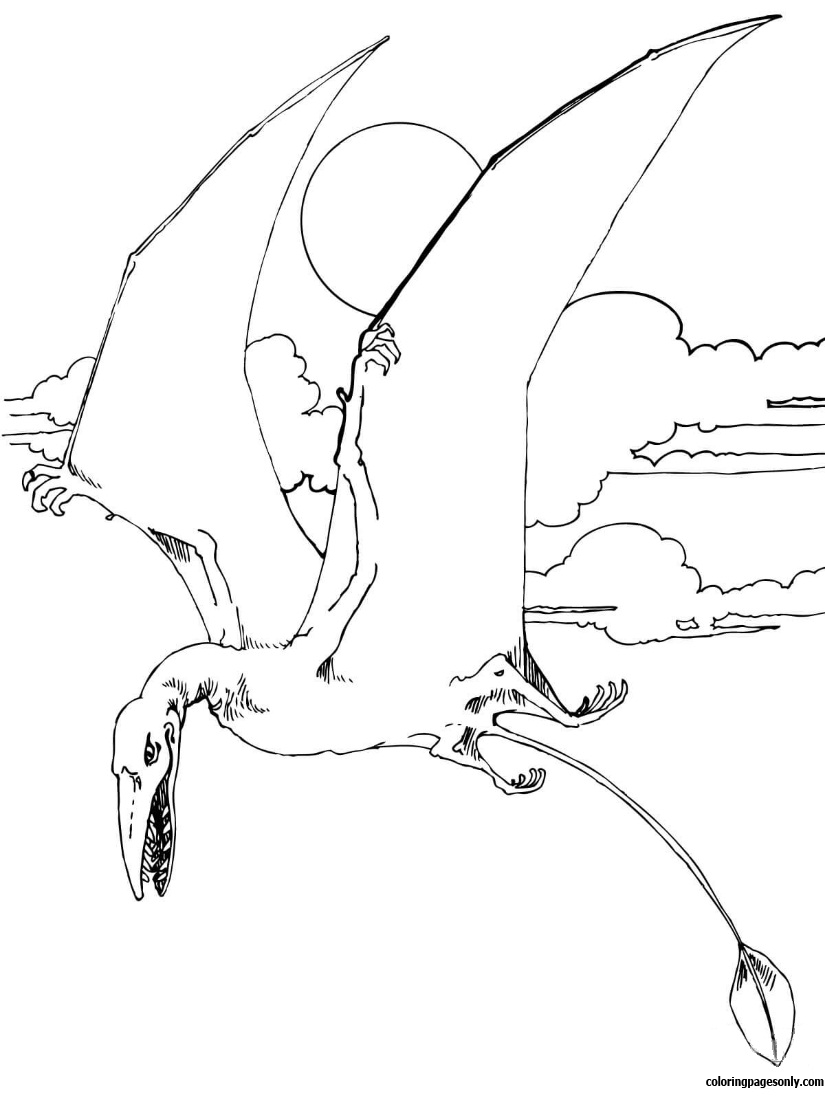
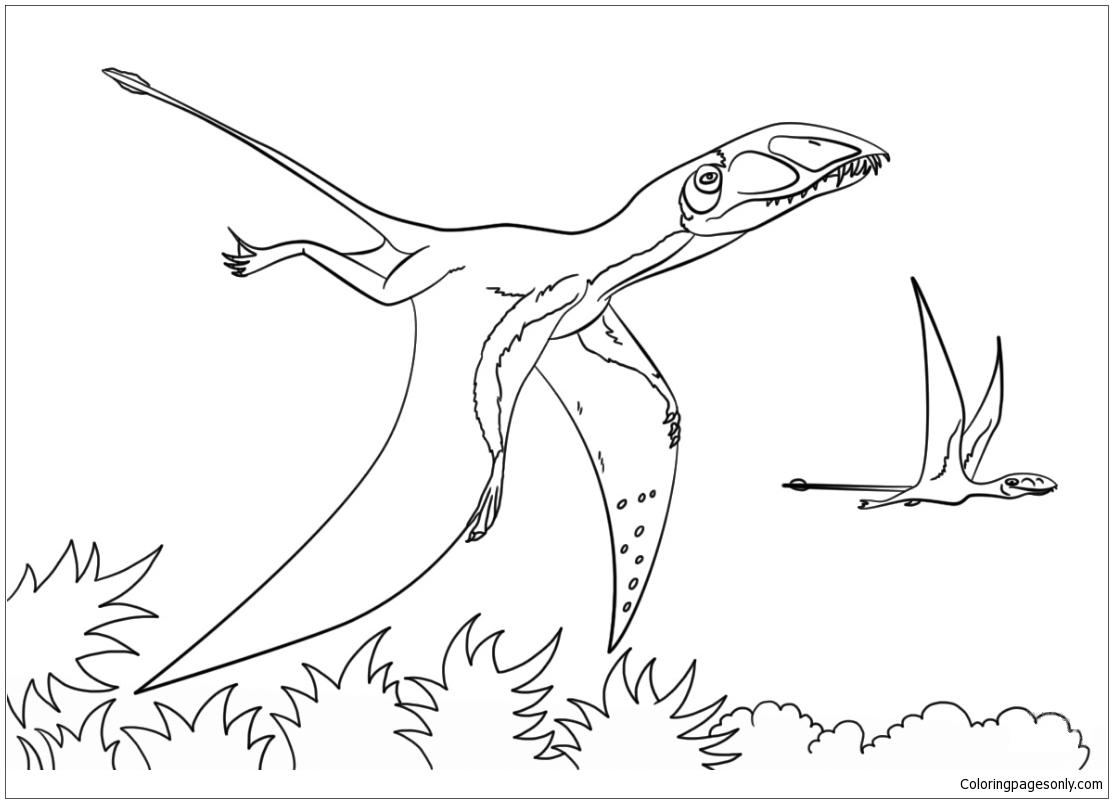
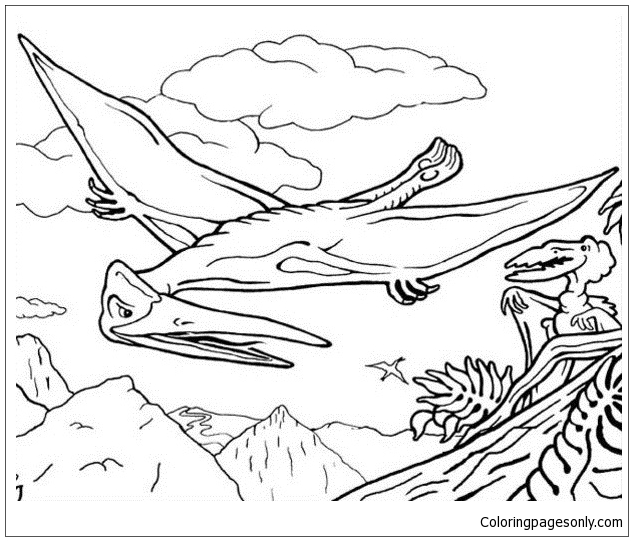
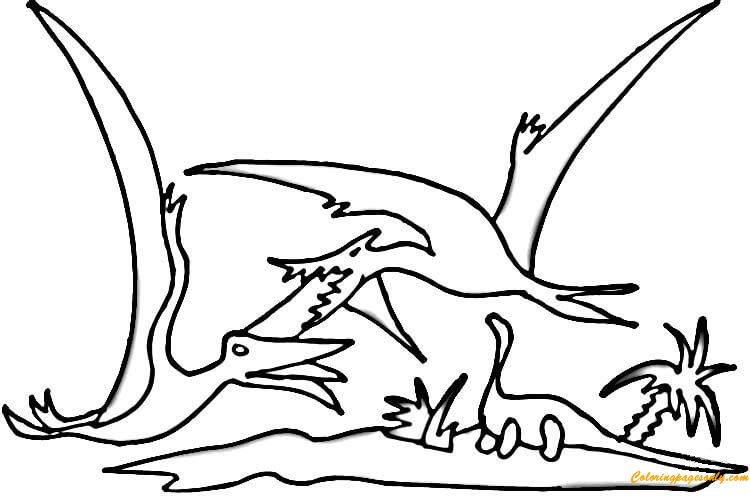
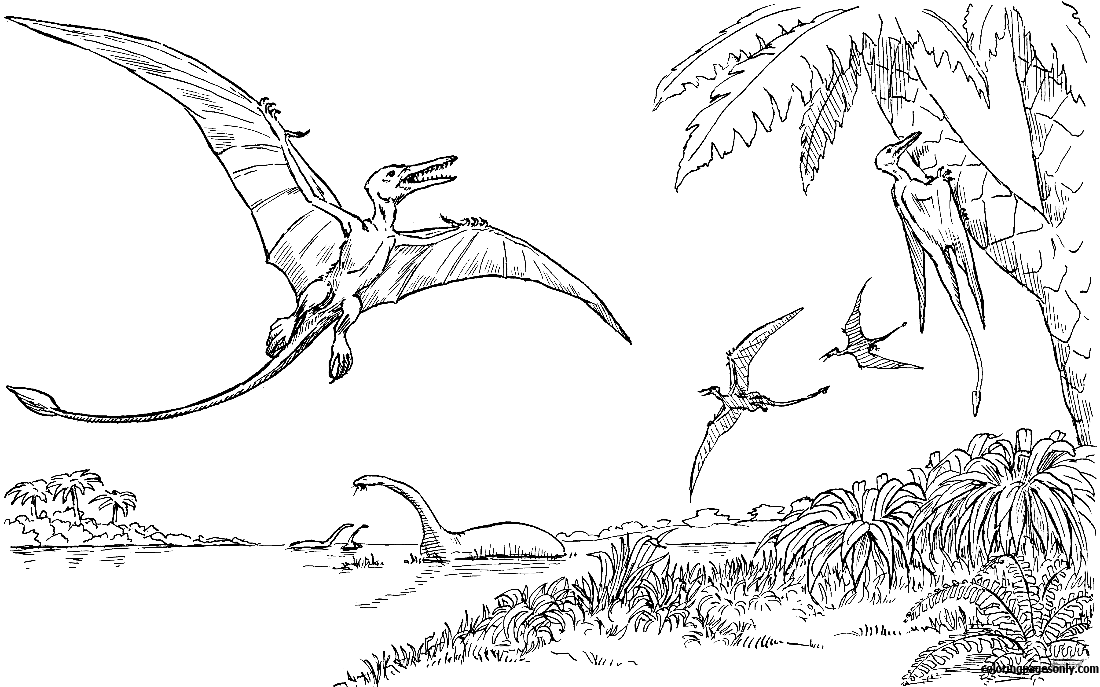
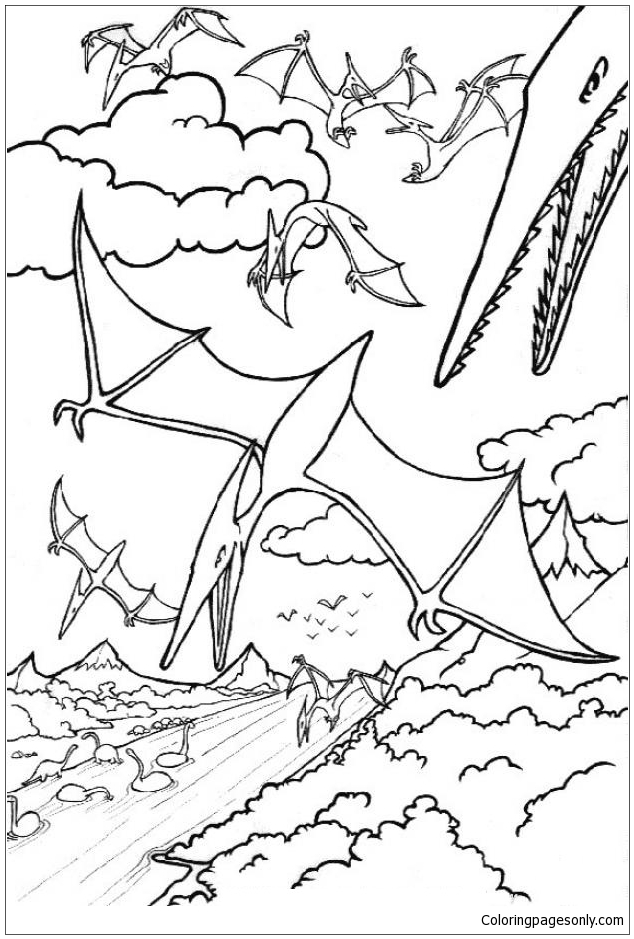
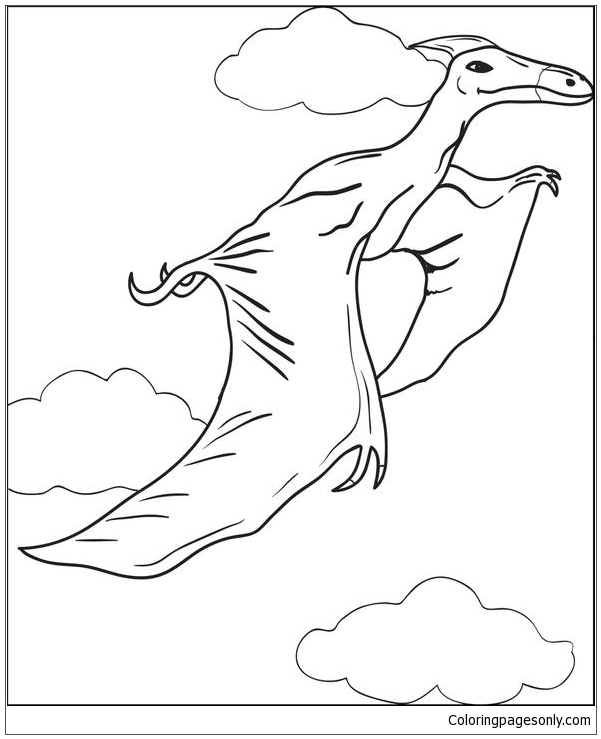
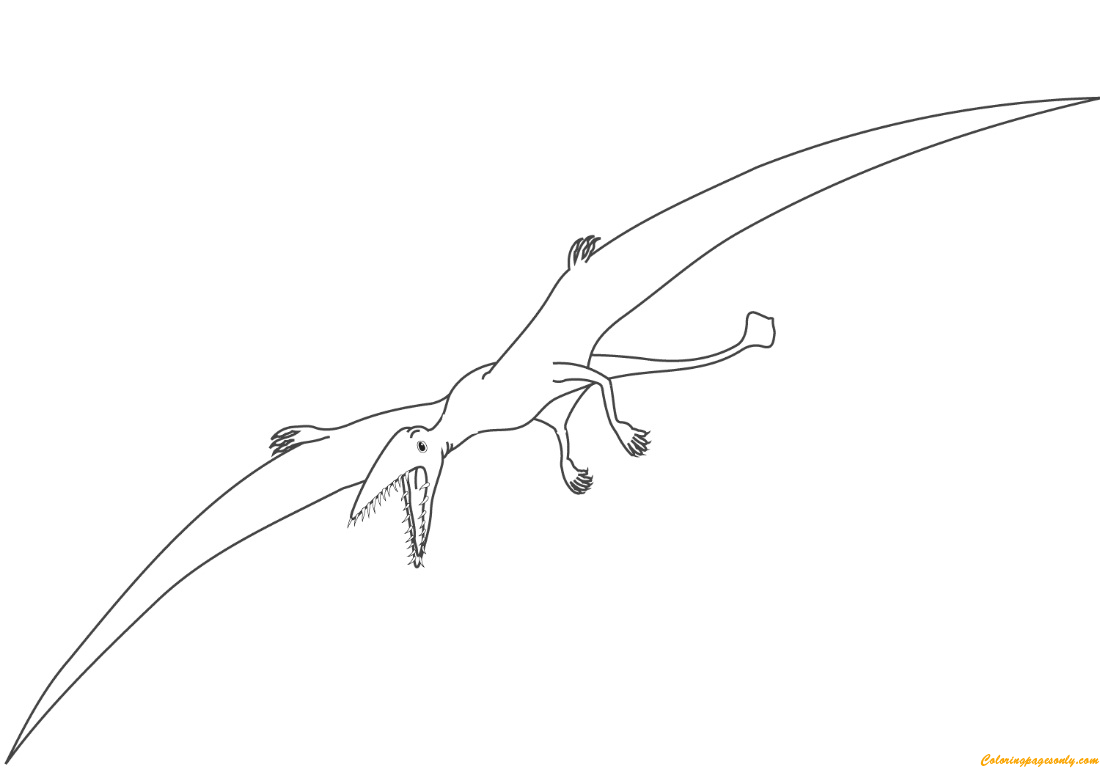
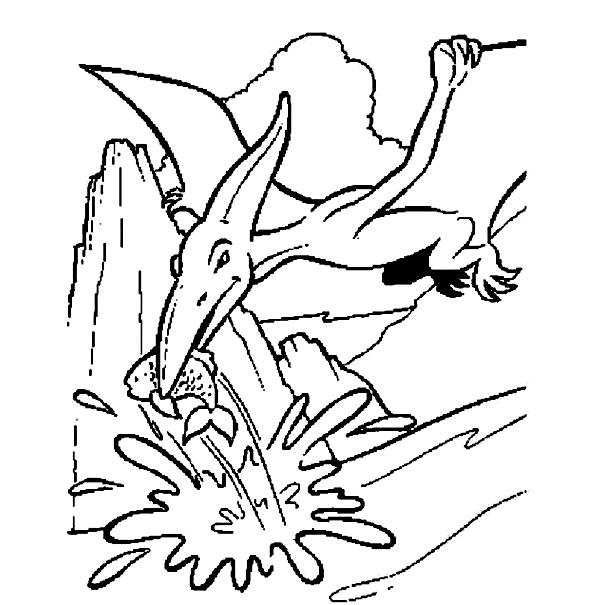
What Is Inside This Collection
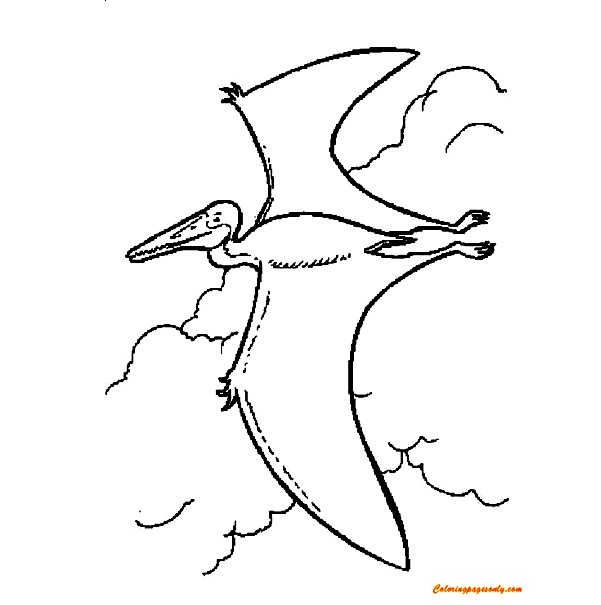
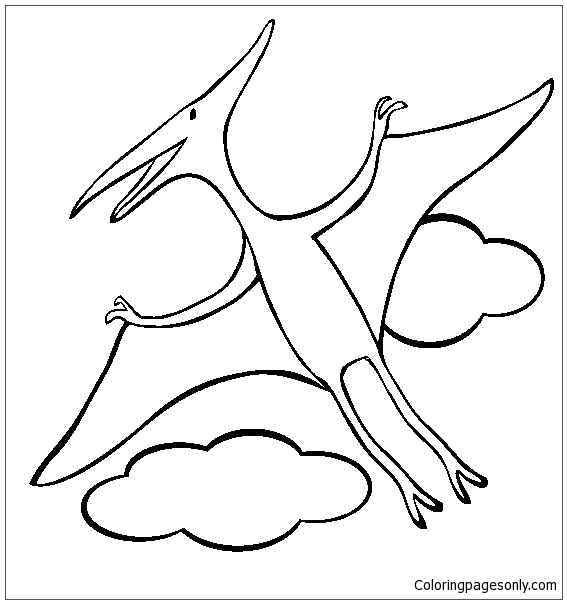
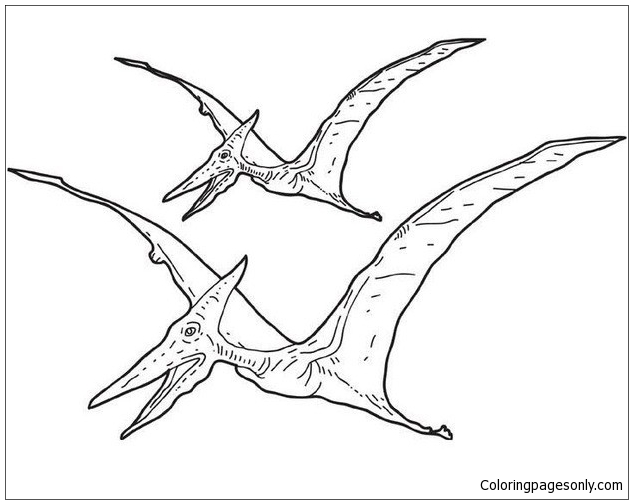
The 43 pages fall into four groups, based on whether a real genus, a scene, or a simplified cartoon character is shown.
Real Named Pterosaur Genera
7 pages named after or based on actual pterosaur genera: Pterodactylus, Dimorphodon, Quetzalcoatlus, and Rhamphorhynchus, along with the mislabeled Tarbosaurus page. Warm Brown or Tan tones suit Pterodactylus, since fossil evidence points to a hair-like covering rather than feathers or scales. At the same time, a contrasting color on Rhamphorhynchus’s diamond-shaped tail vane highlights that species’ most distinctive feature.
Prehistoric Scenes and Action Poses
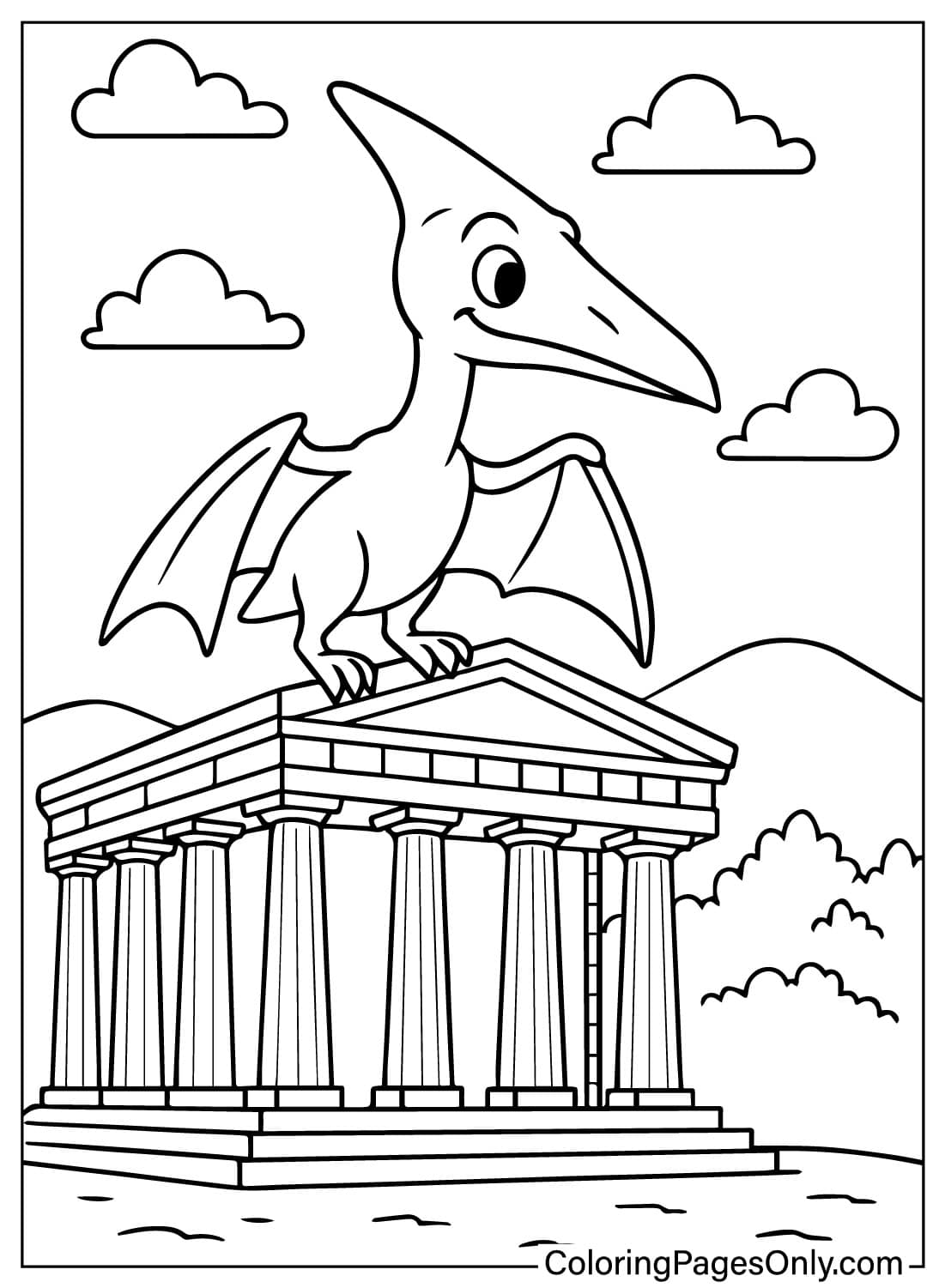
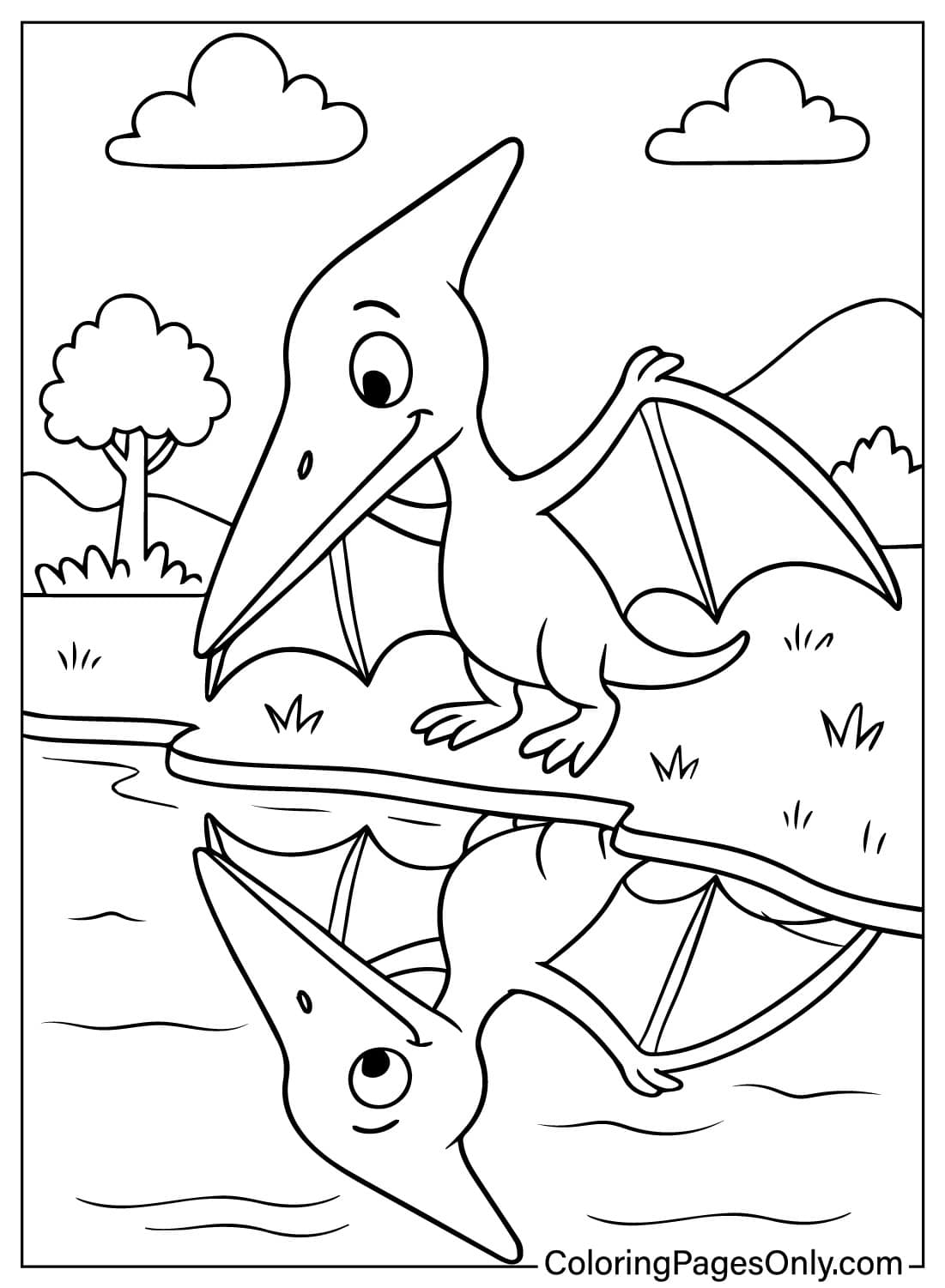
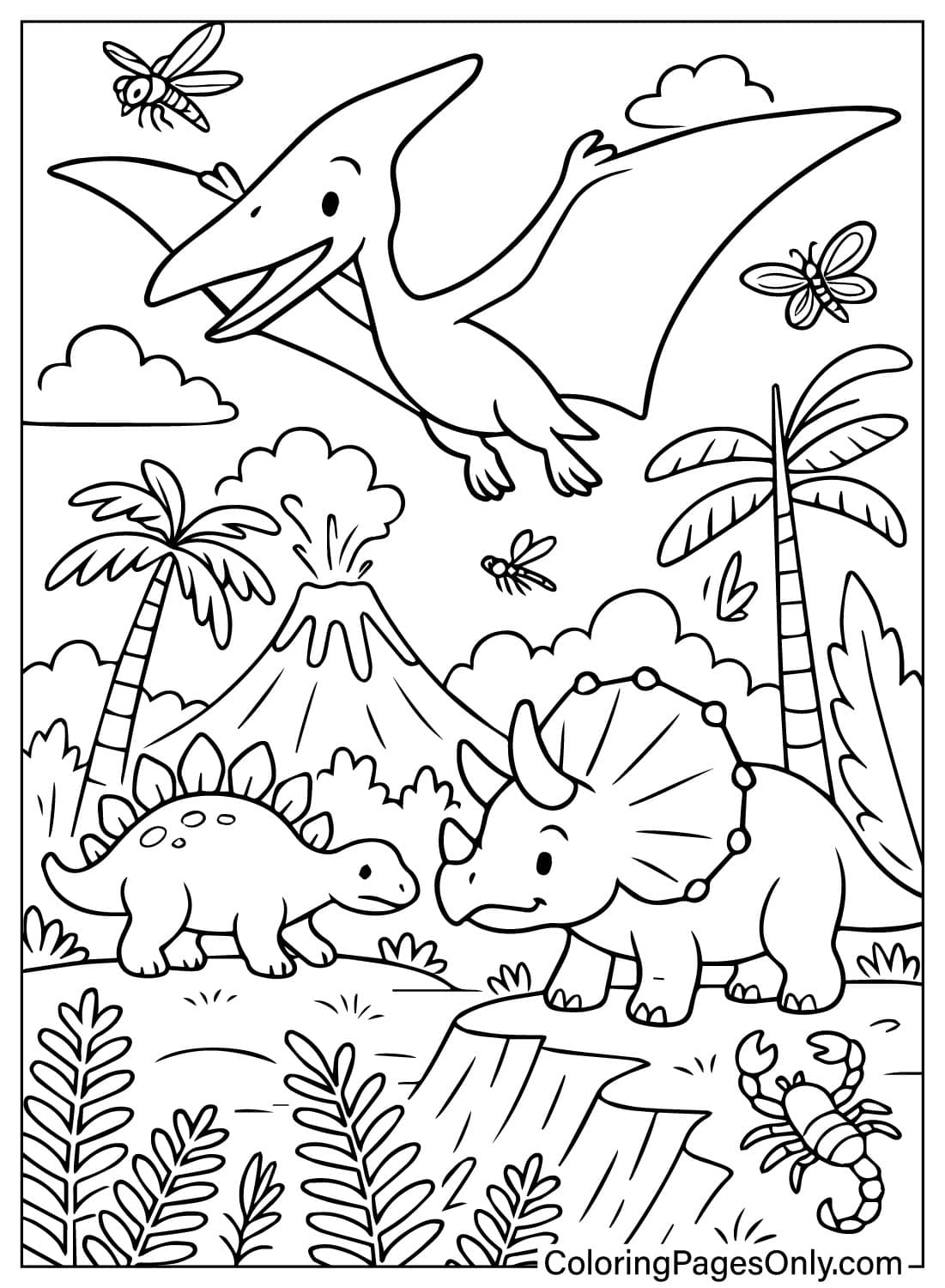
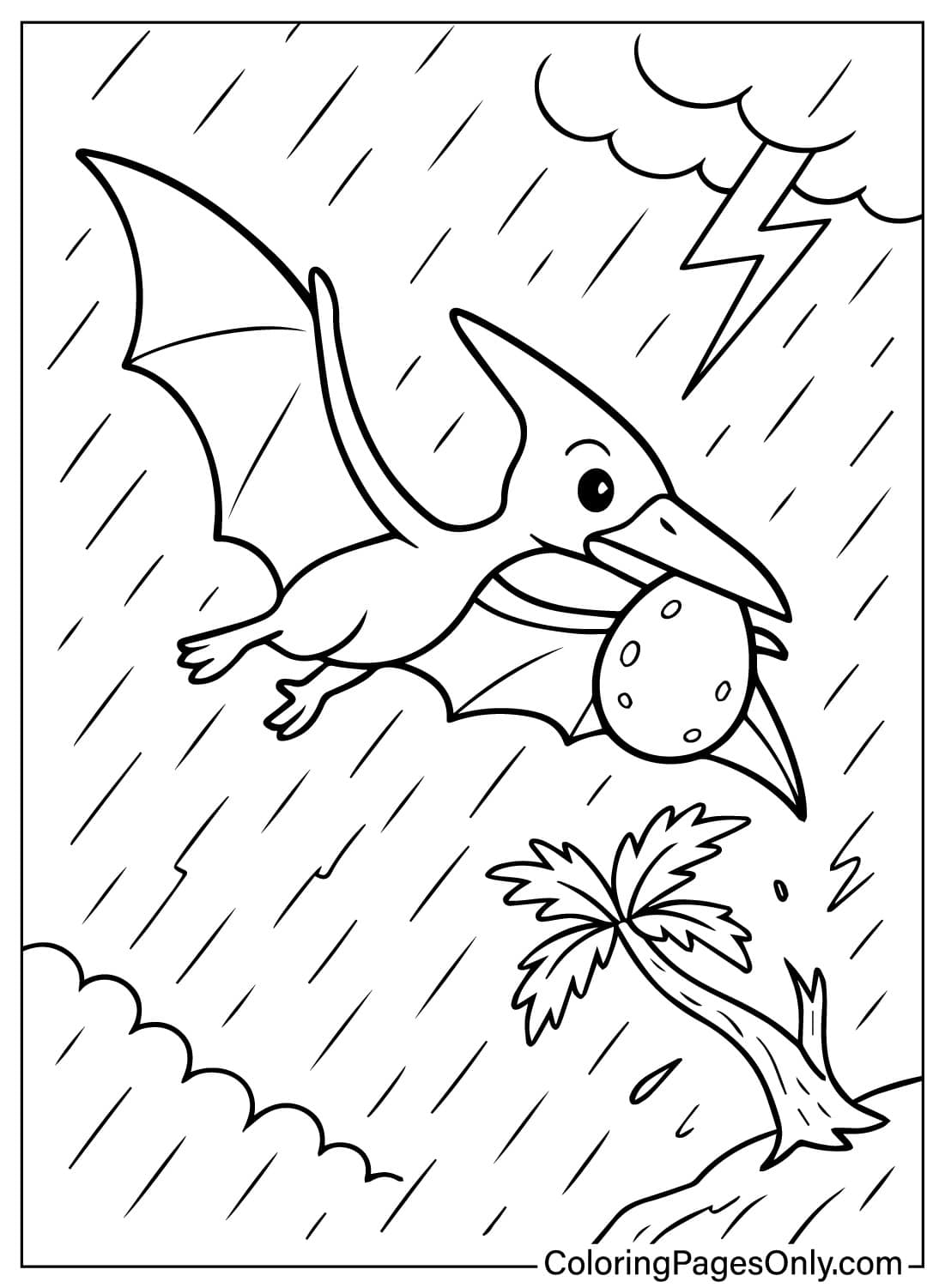
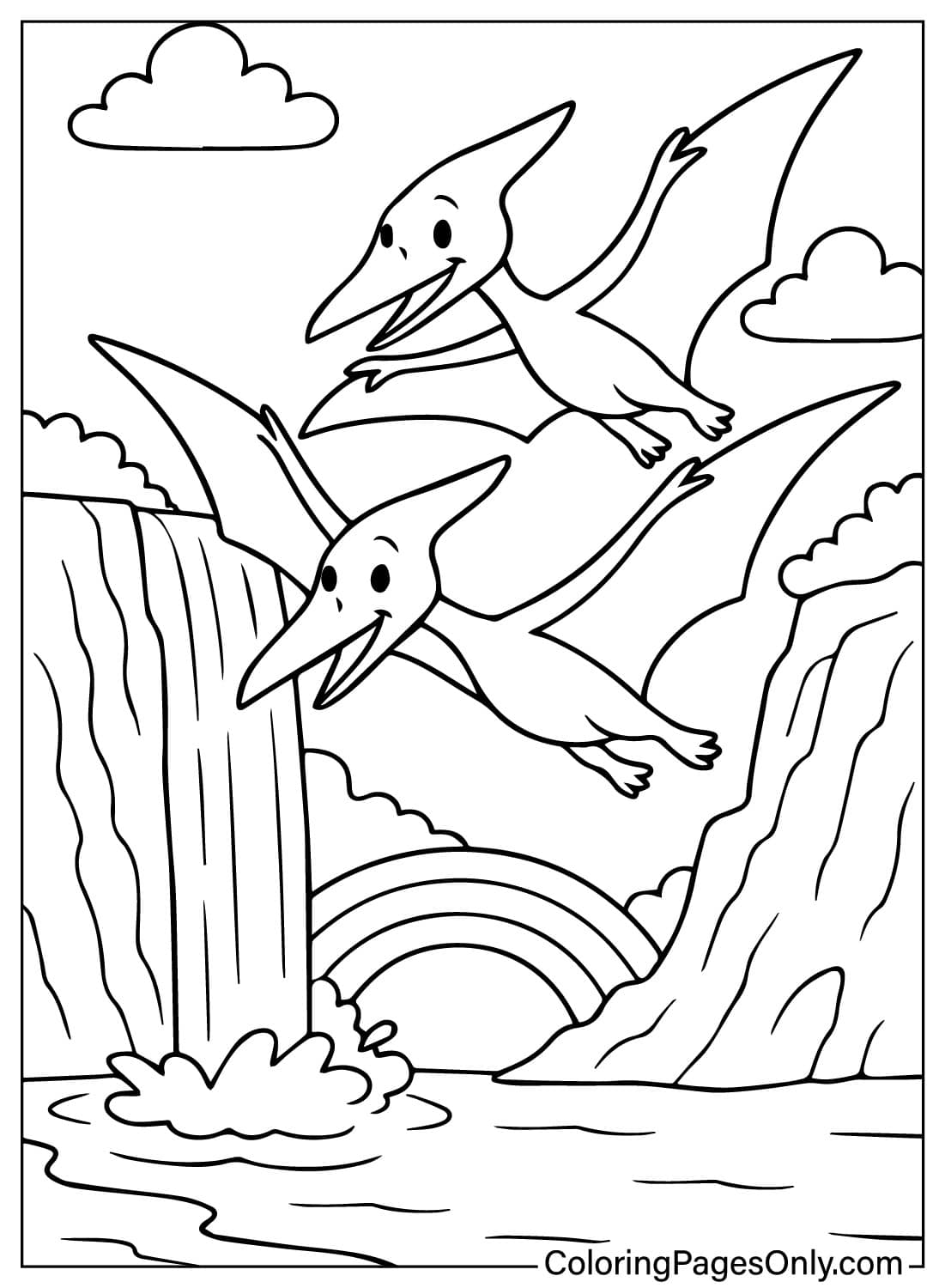
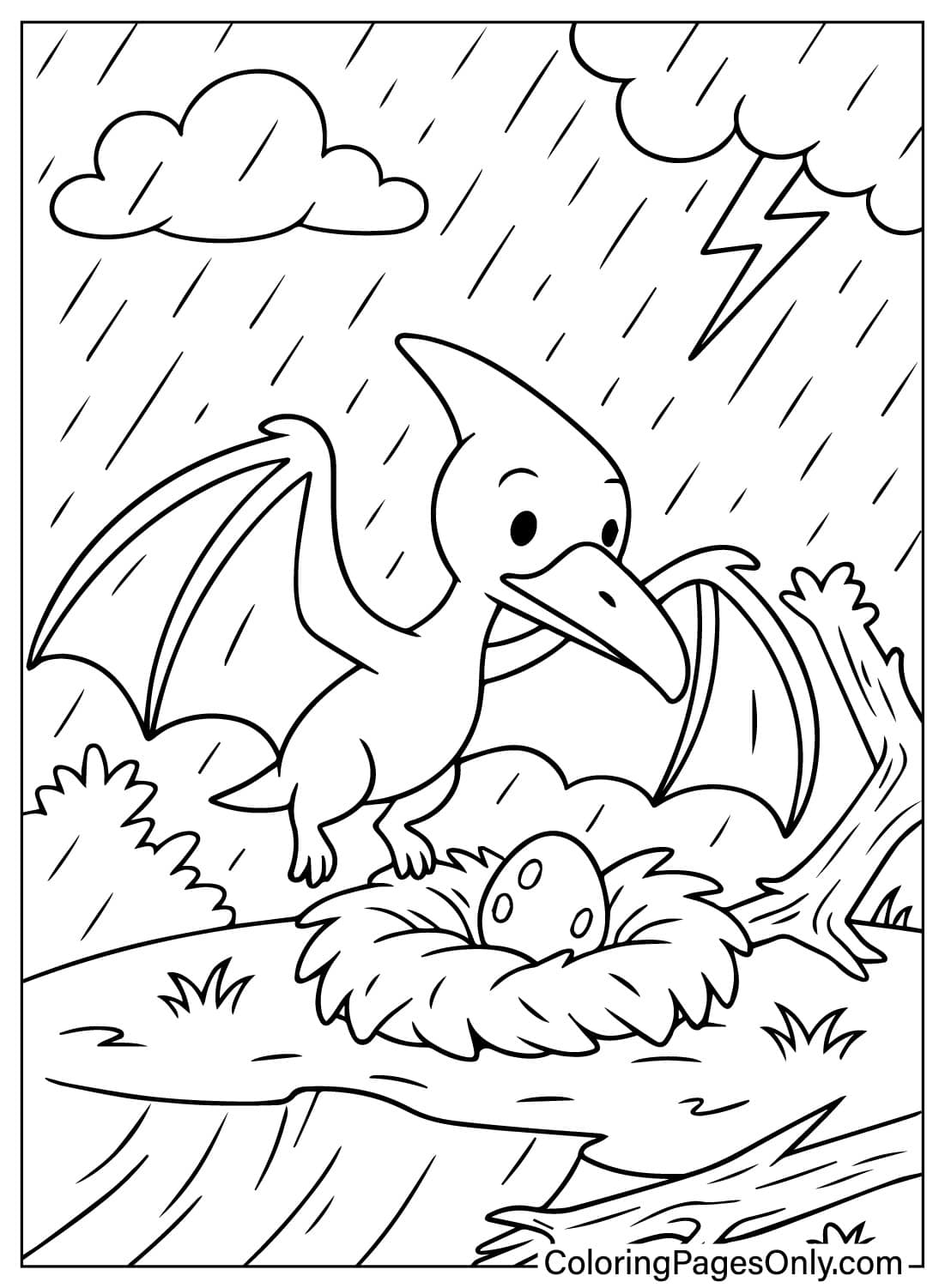
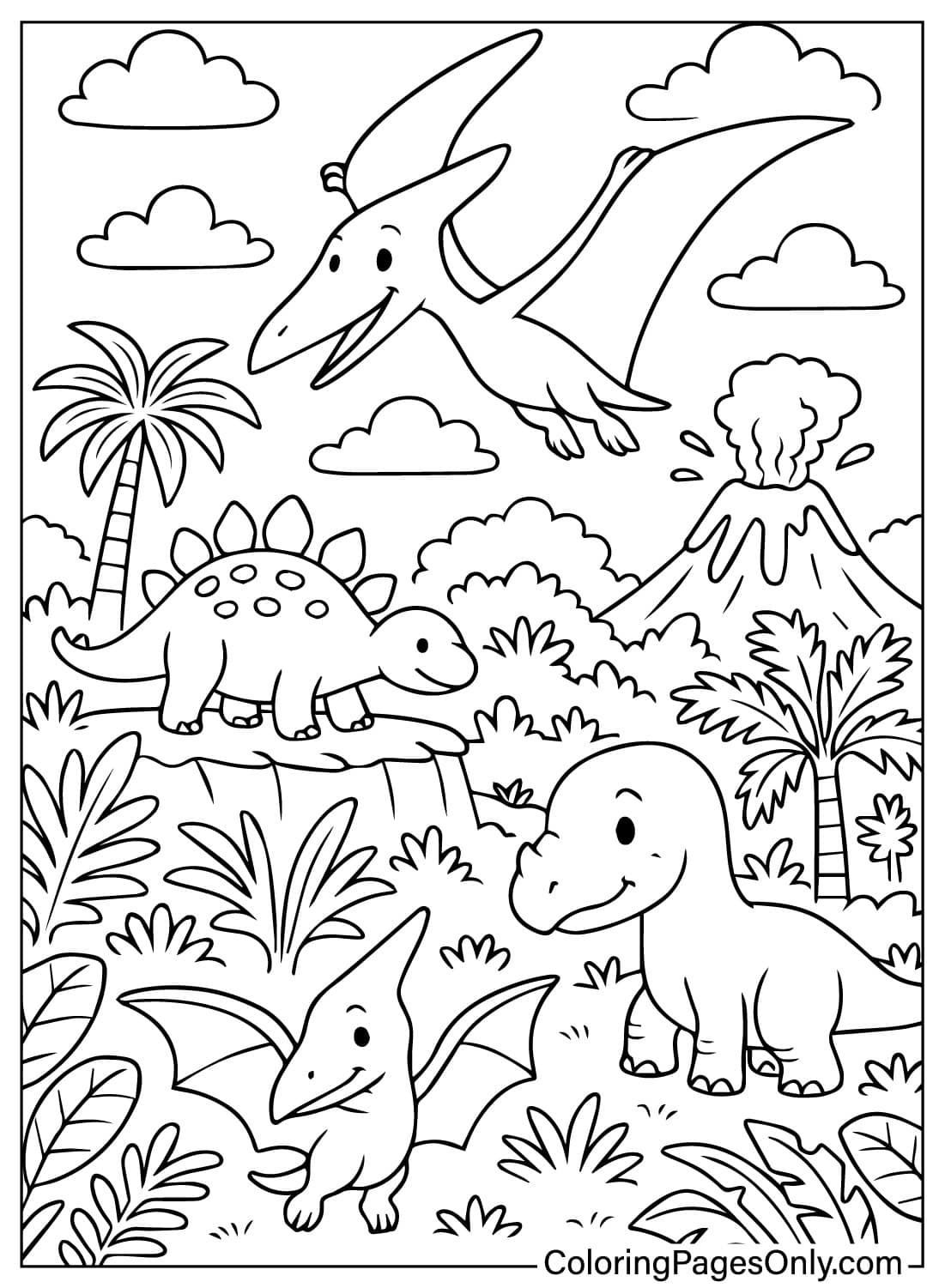
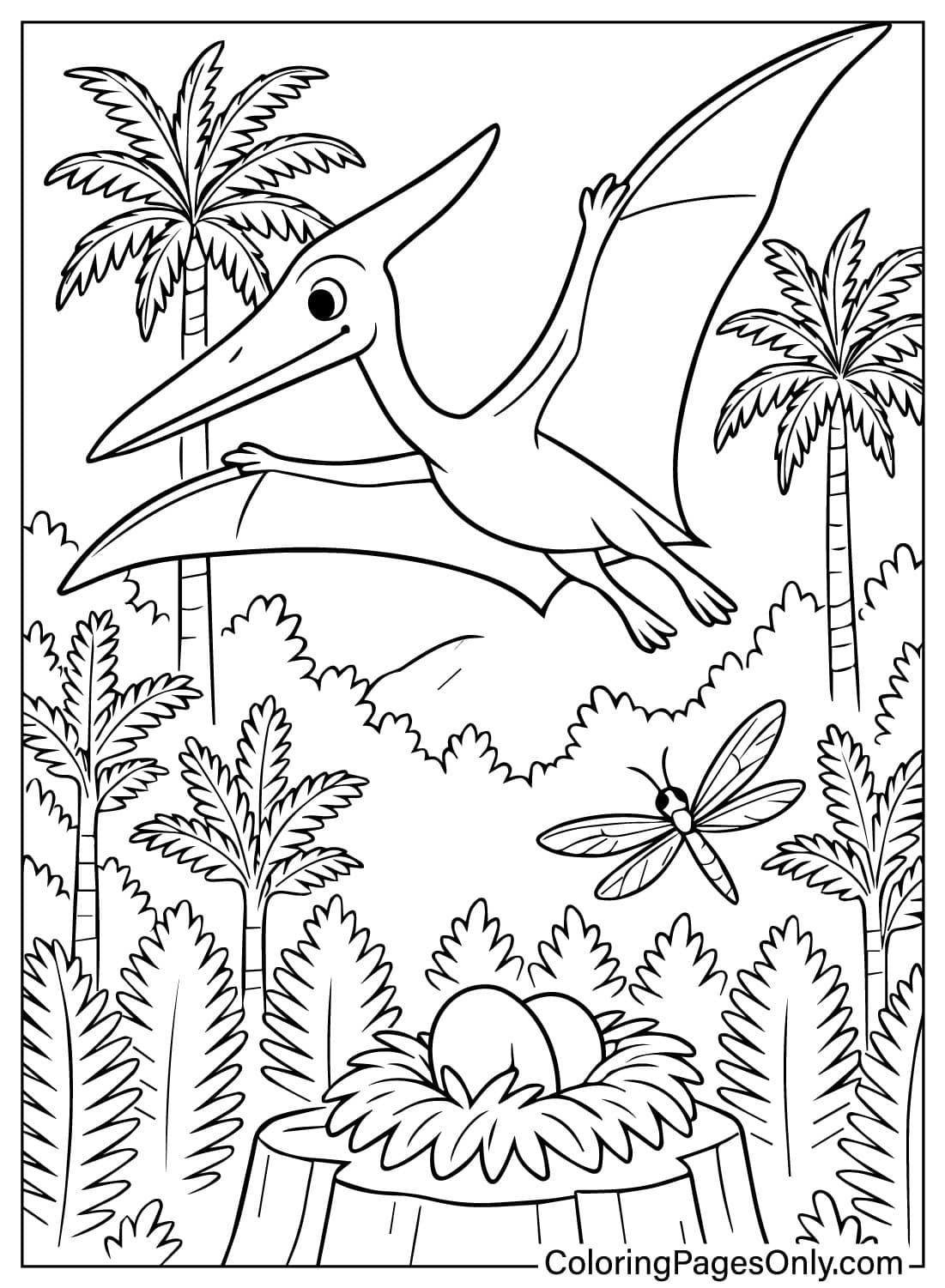
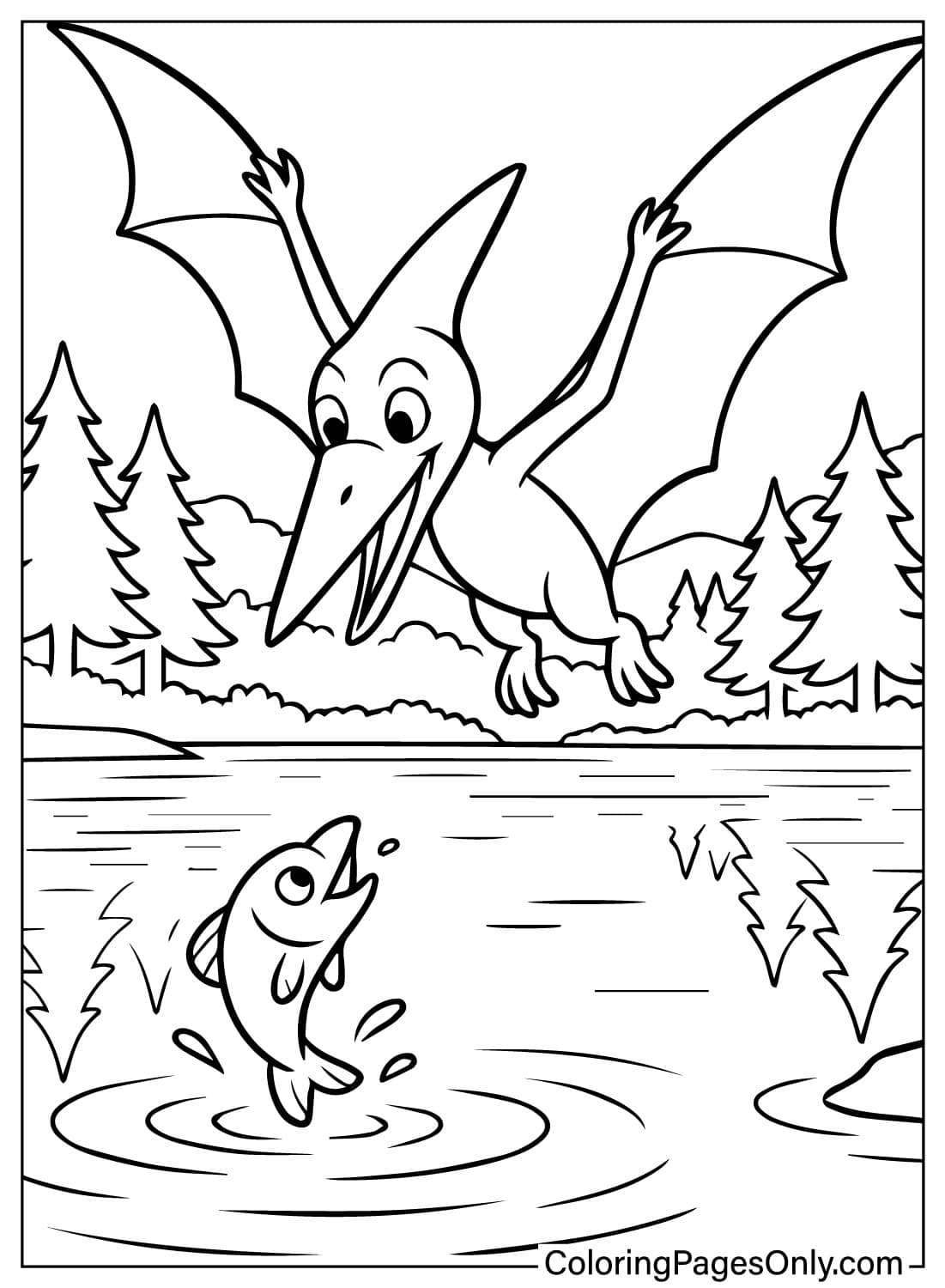
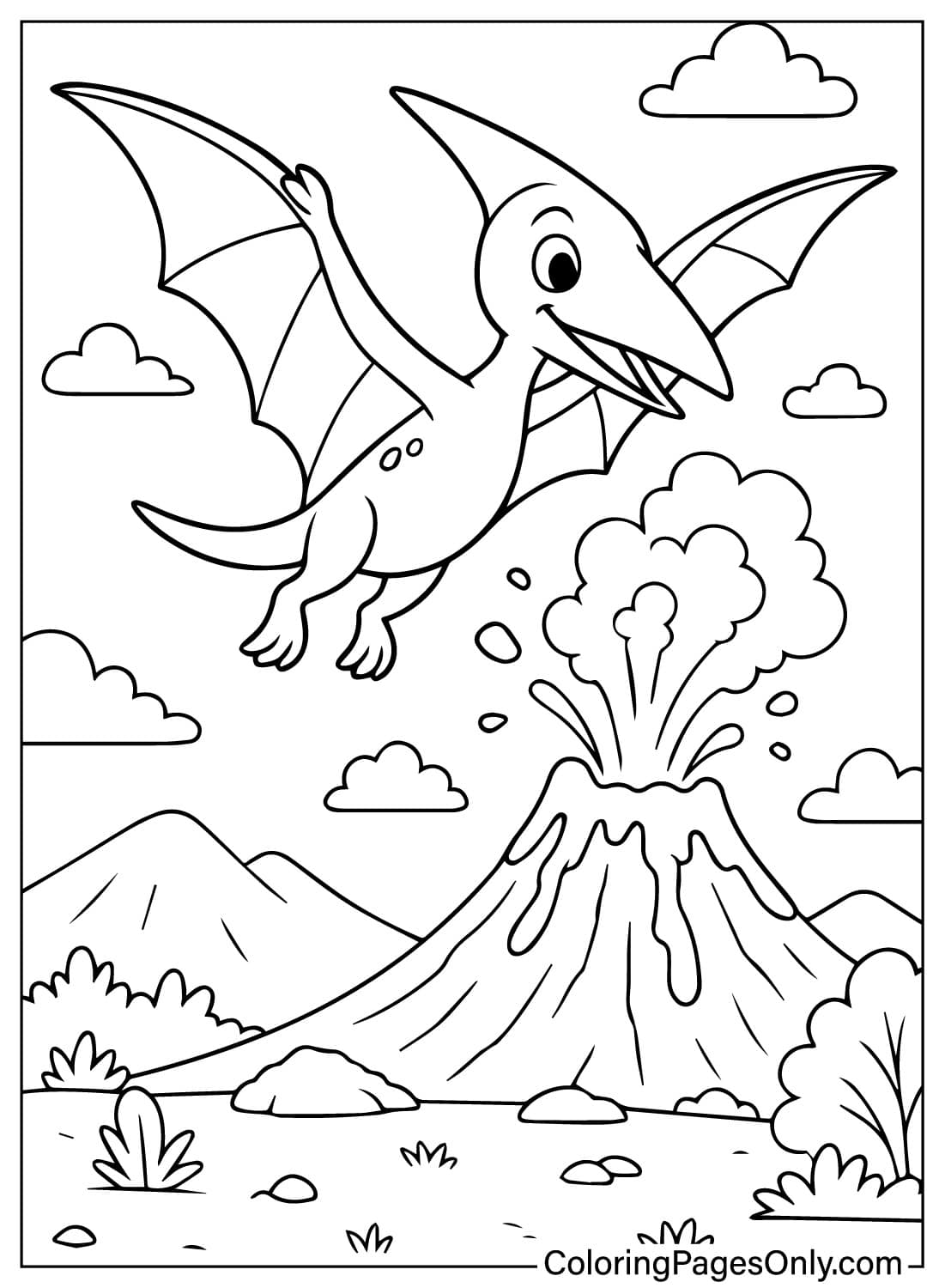
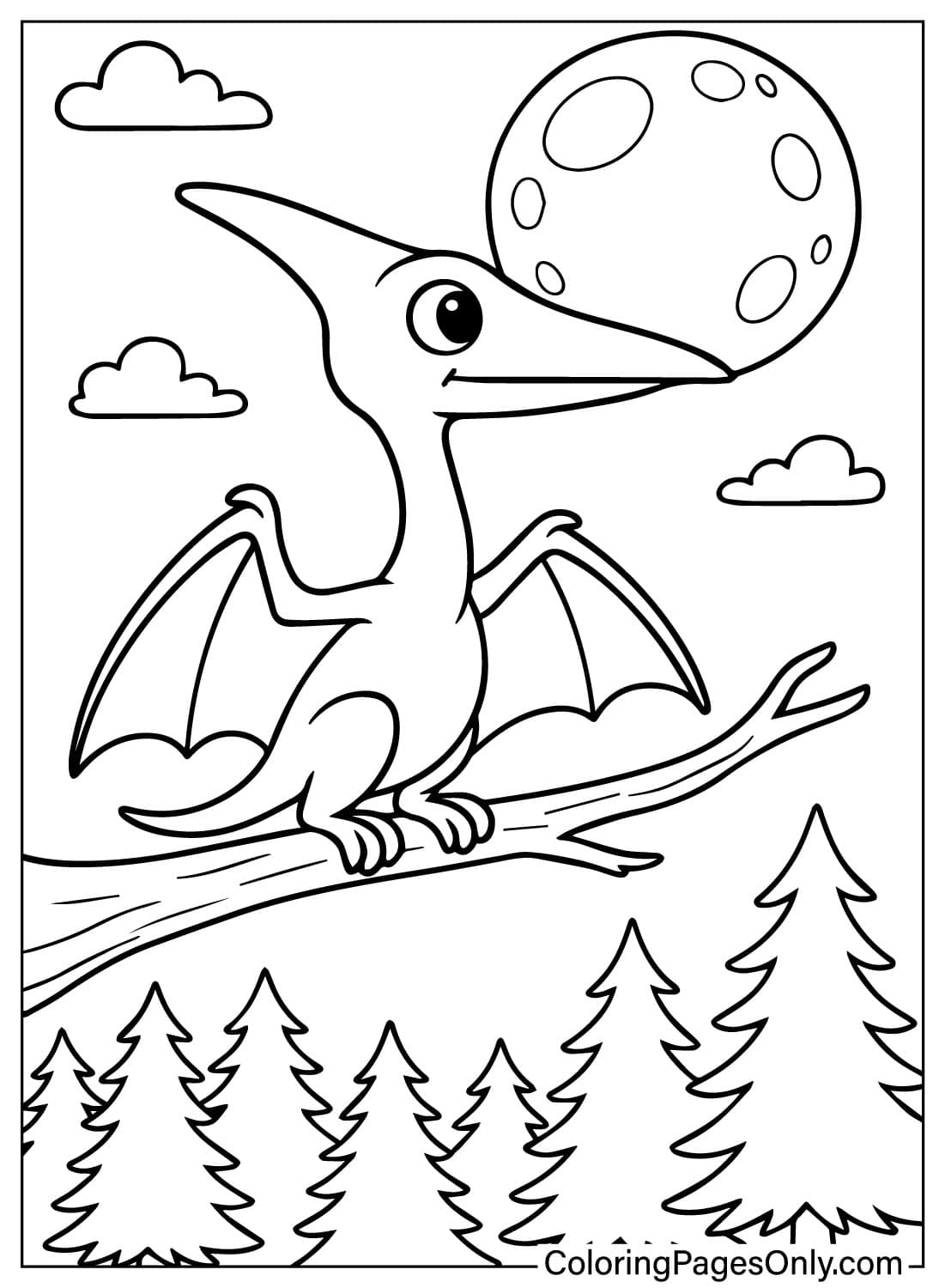
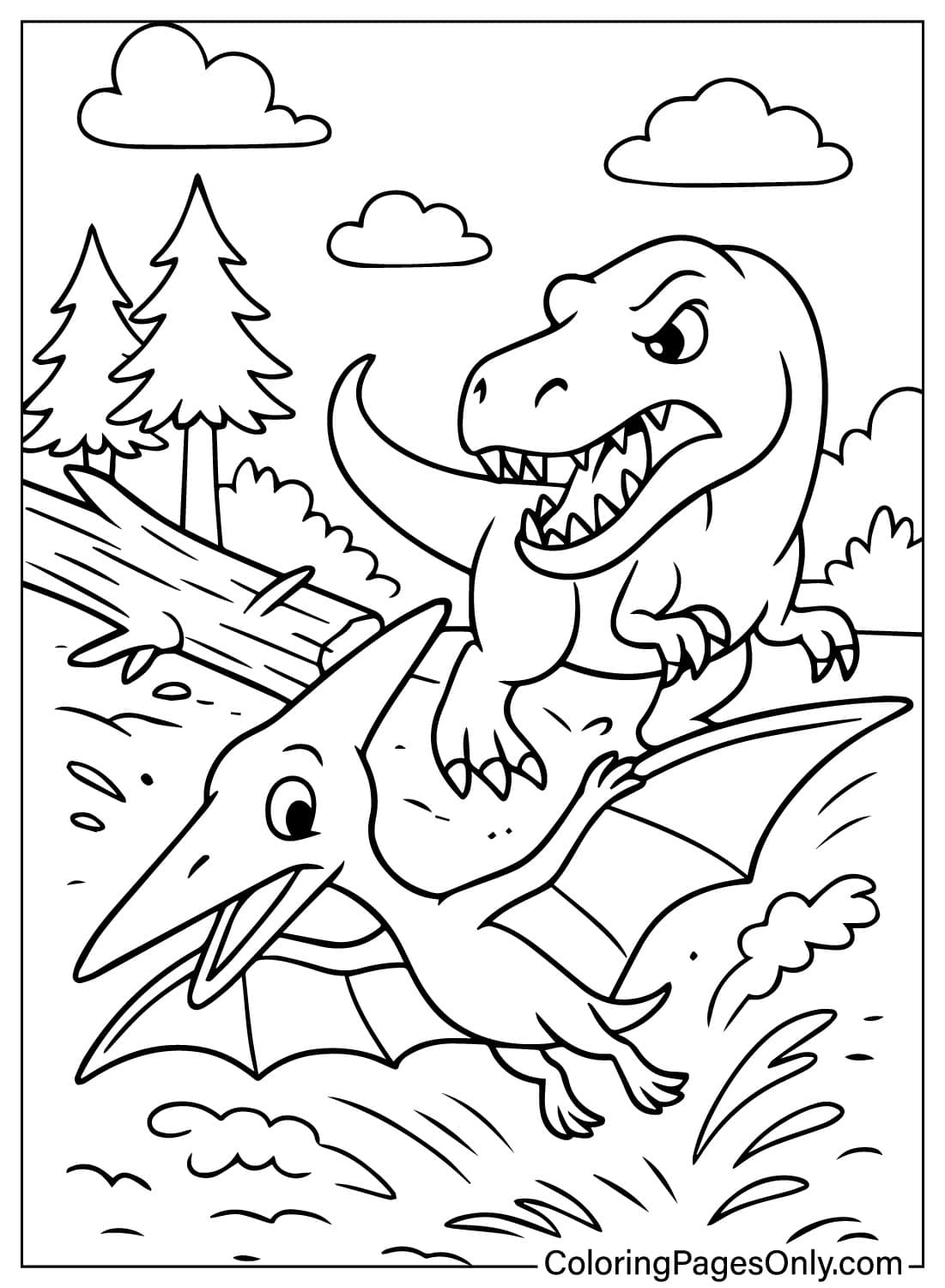
20 pages showing a generic pterodactyl in a specific setting or activity, flying through rain, catching a fish, or soaring over an erupting volcano. Match the setting itself: Scarlet and Orange for volcano scenes, Turquoise Blue for waterfall and lake scenes, Fern Green for forest scenes.
Cute and Cartoon-Style Designs
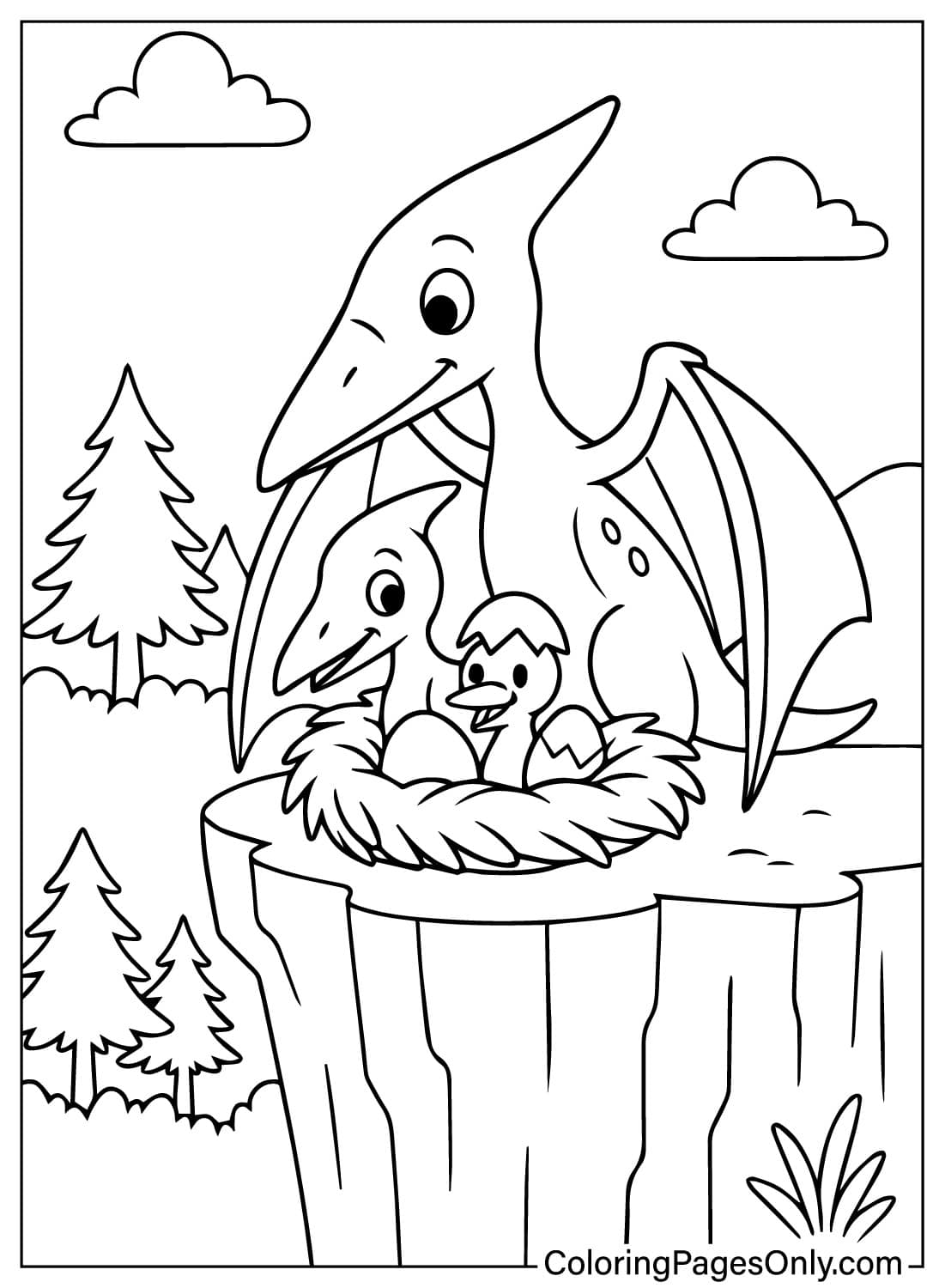
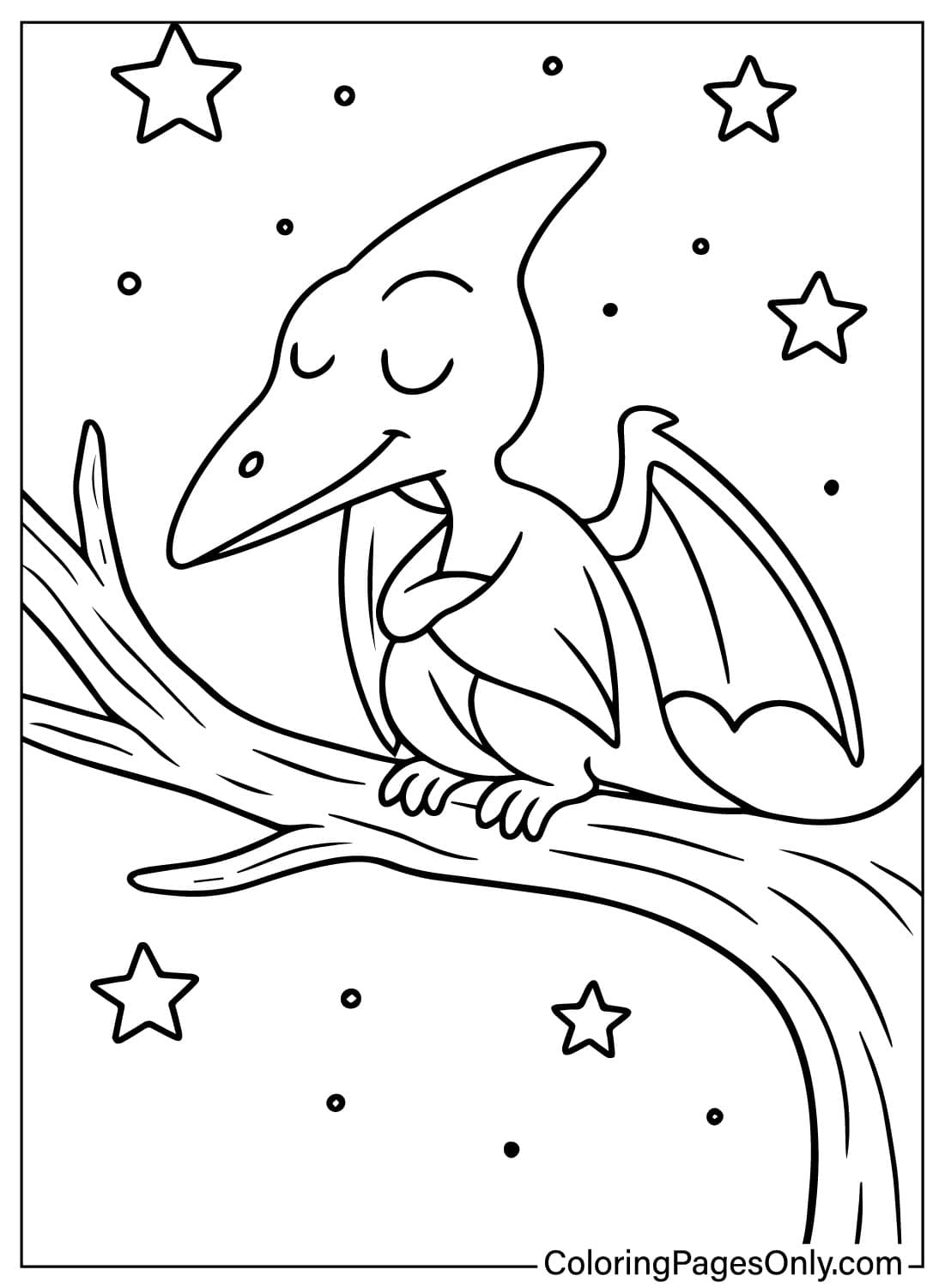
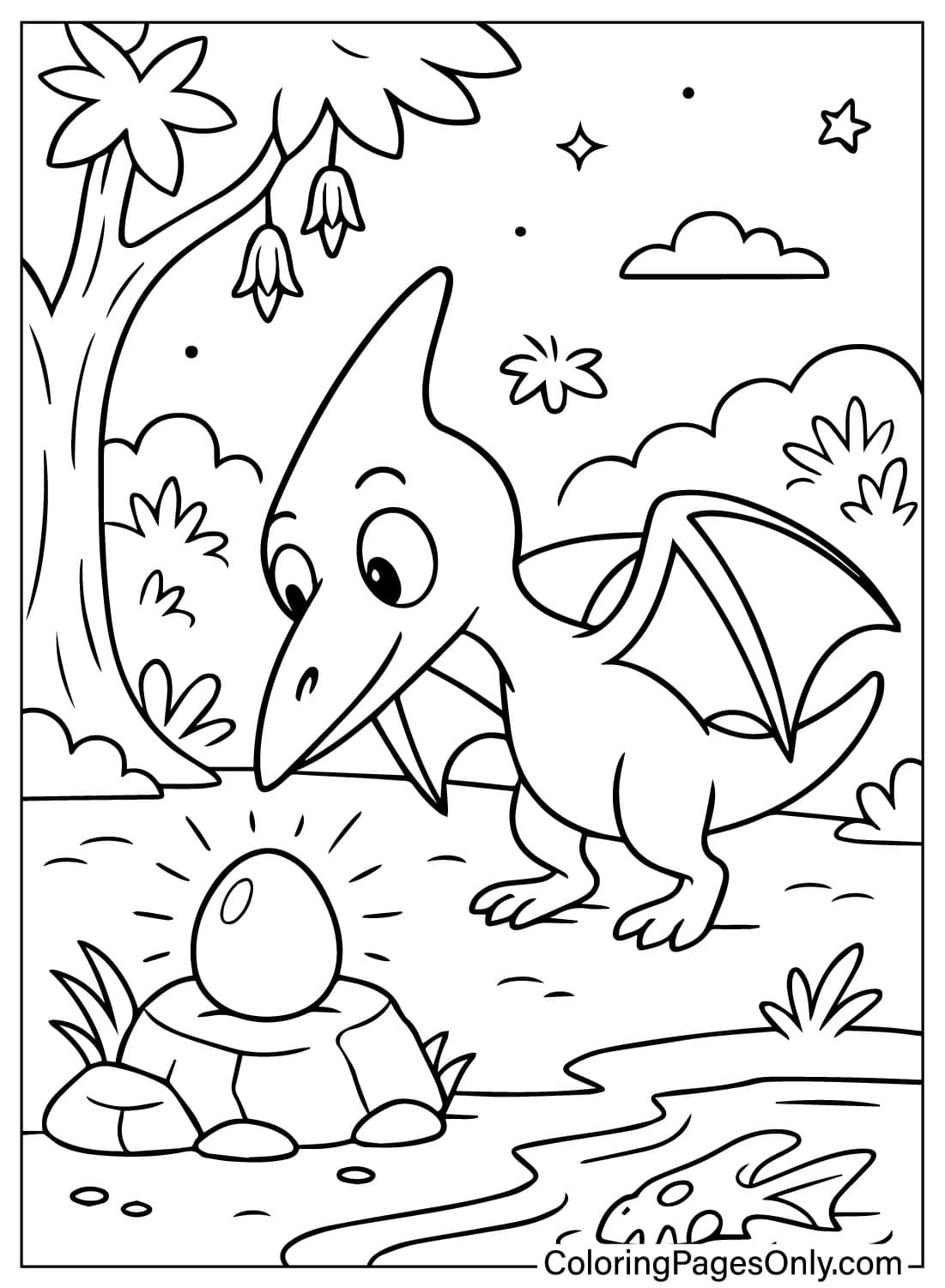
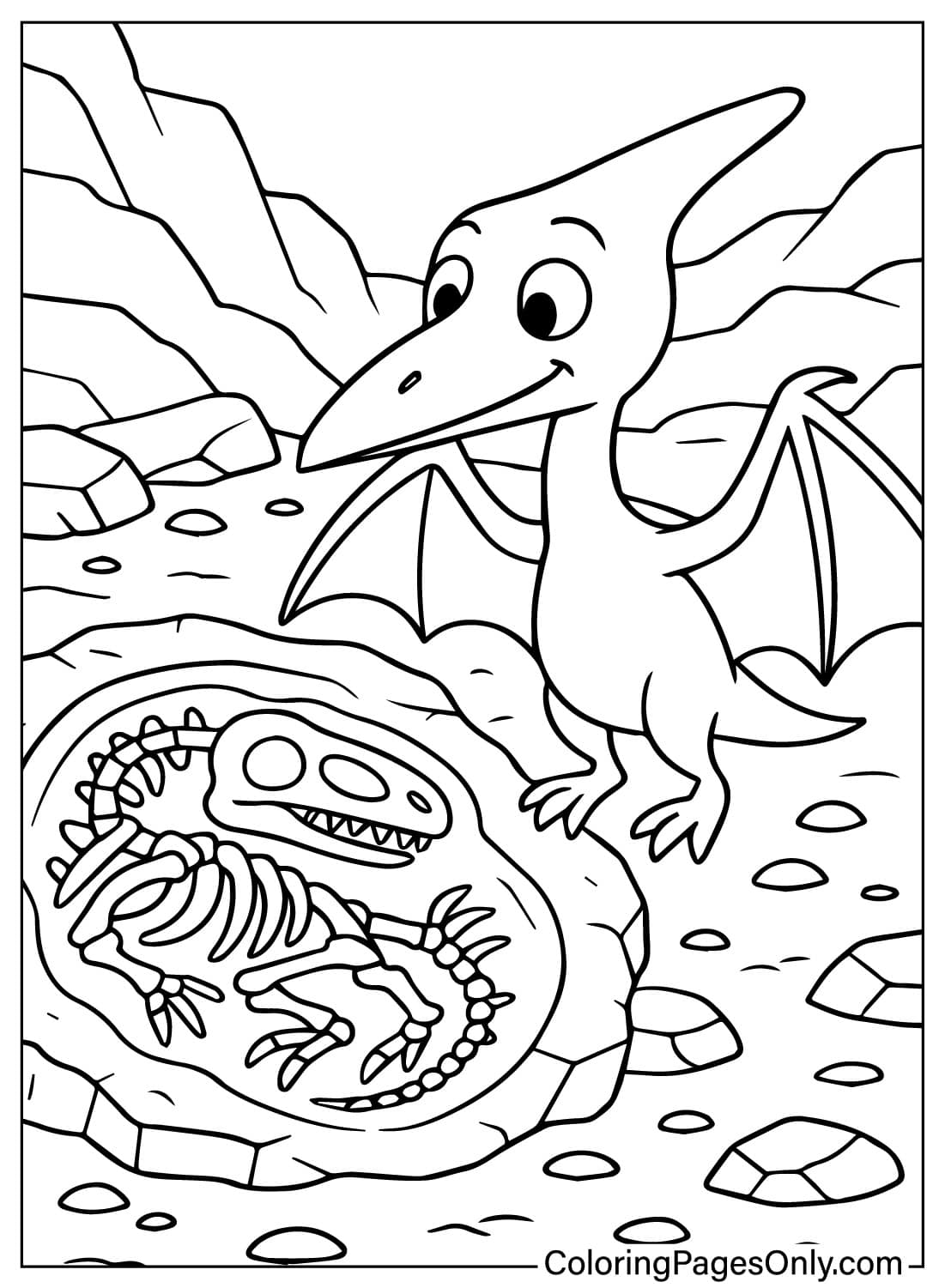
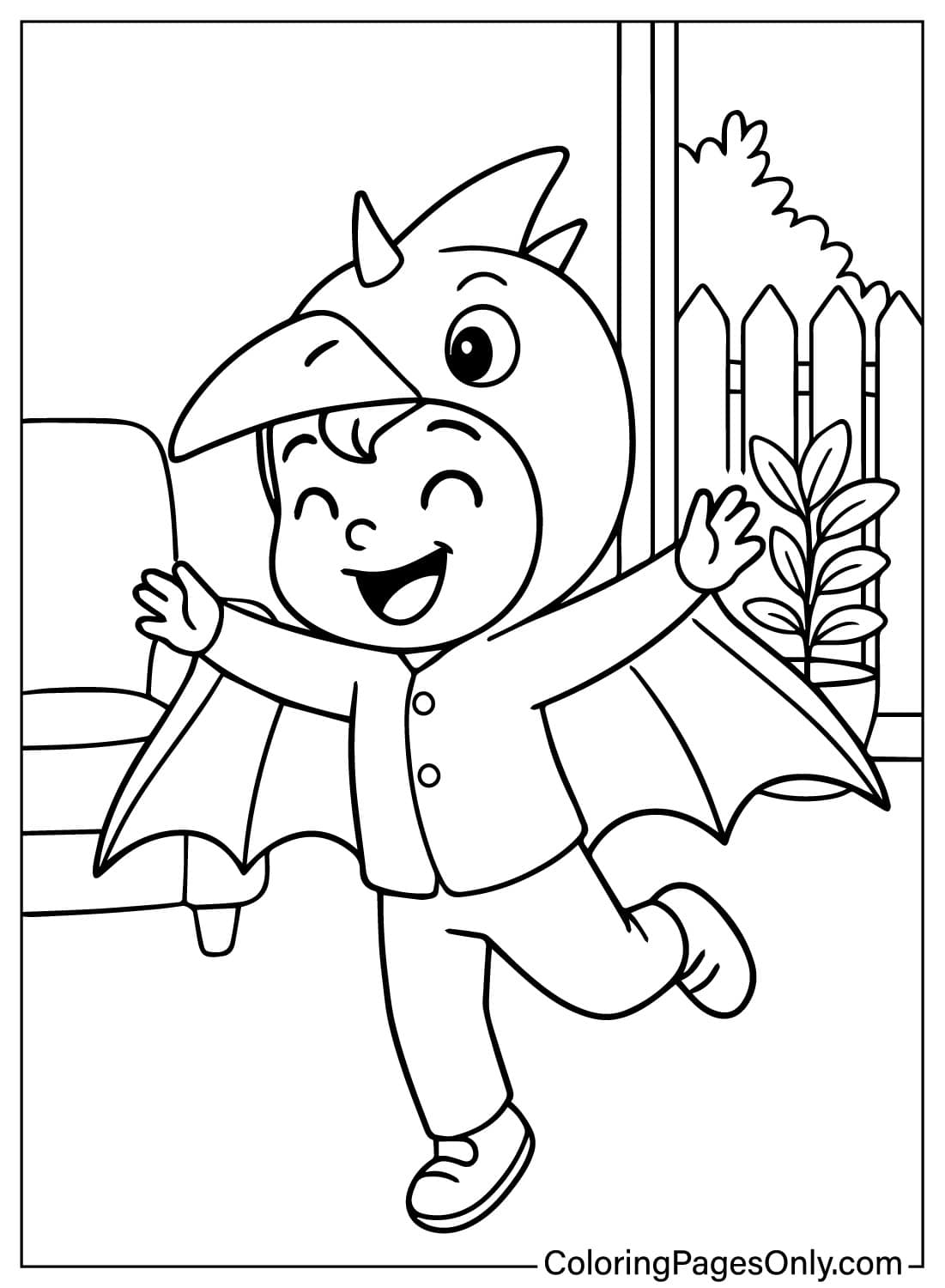
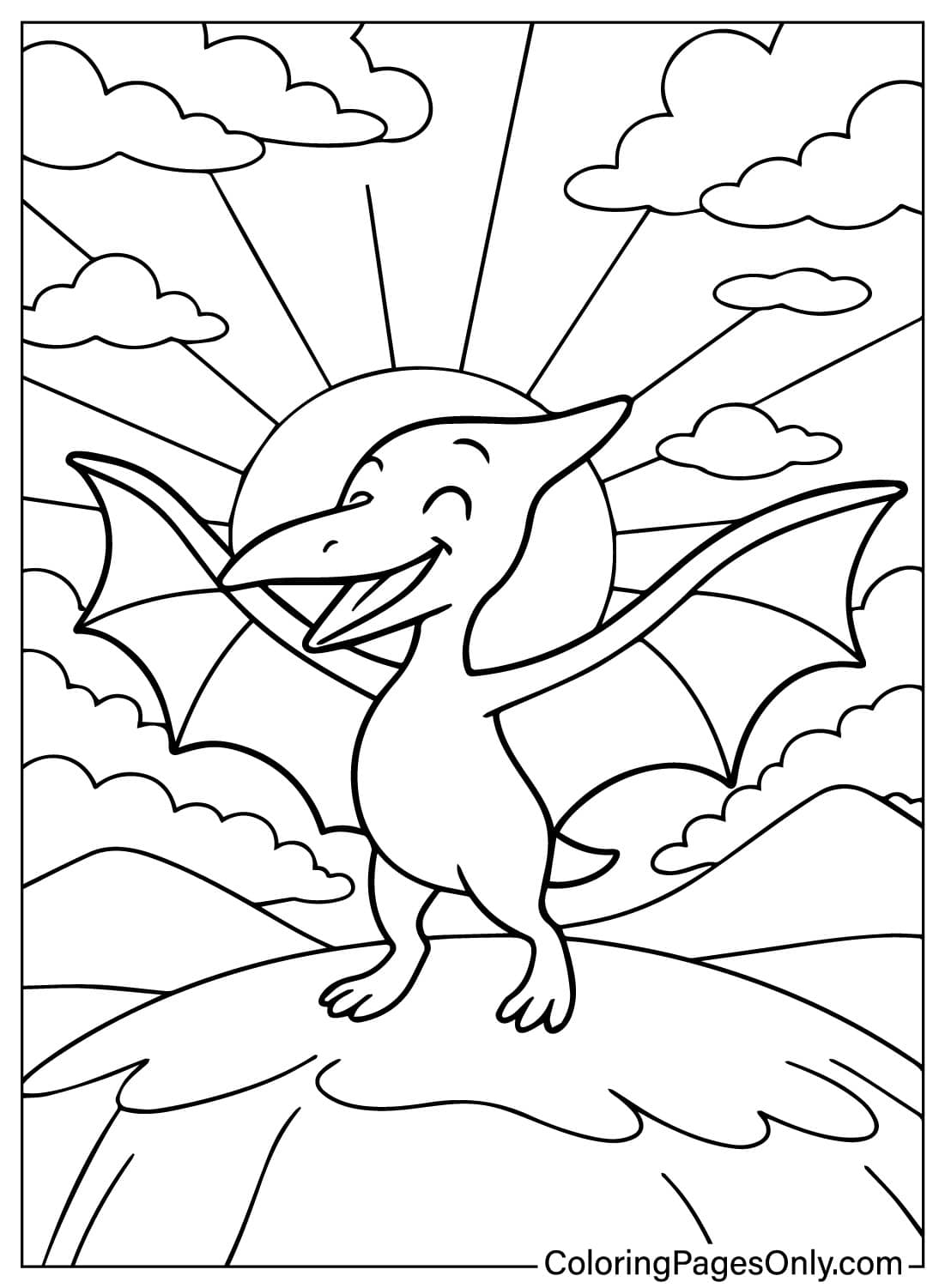
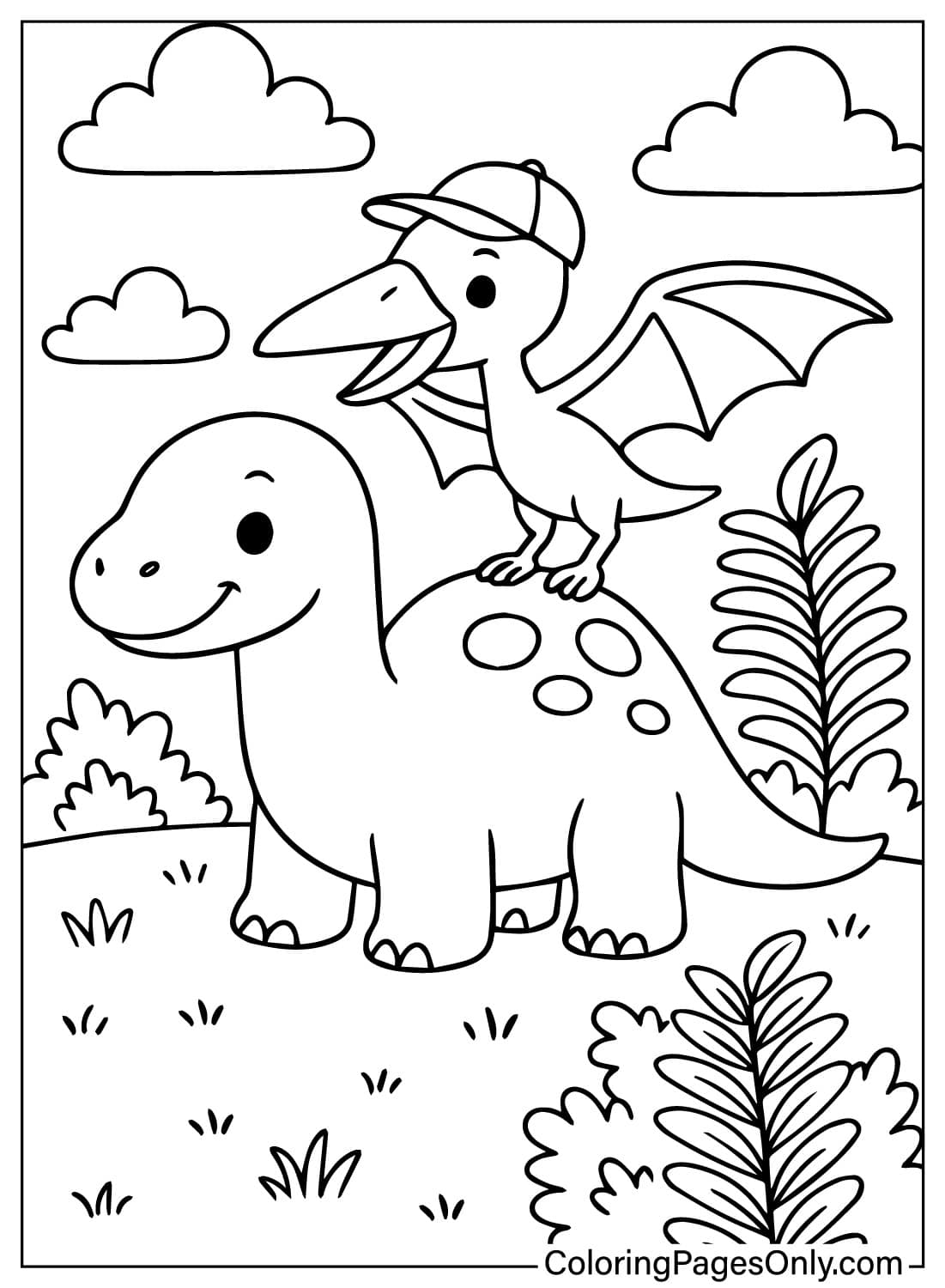
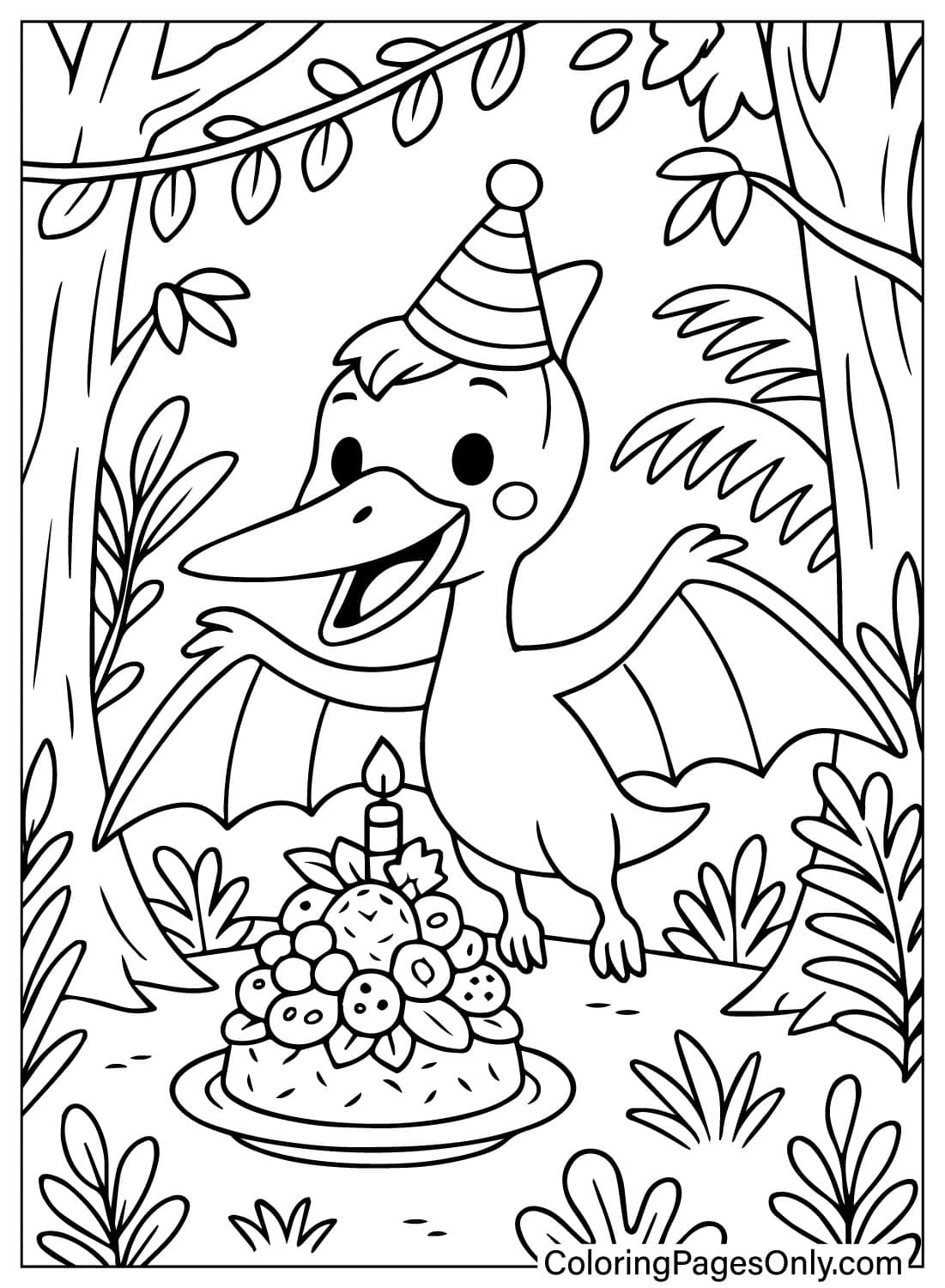
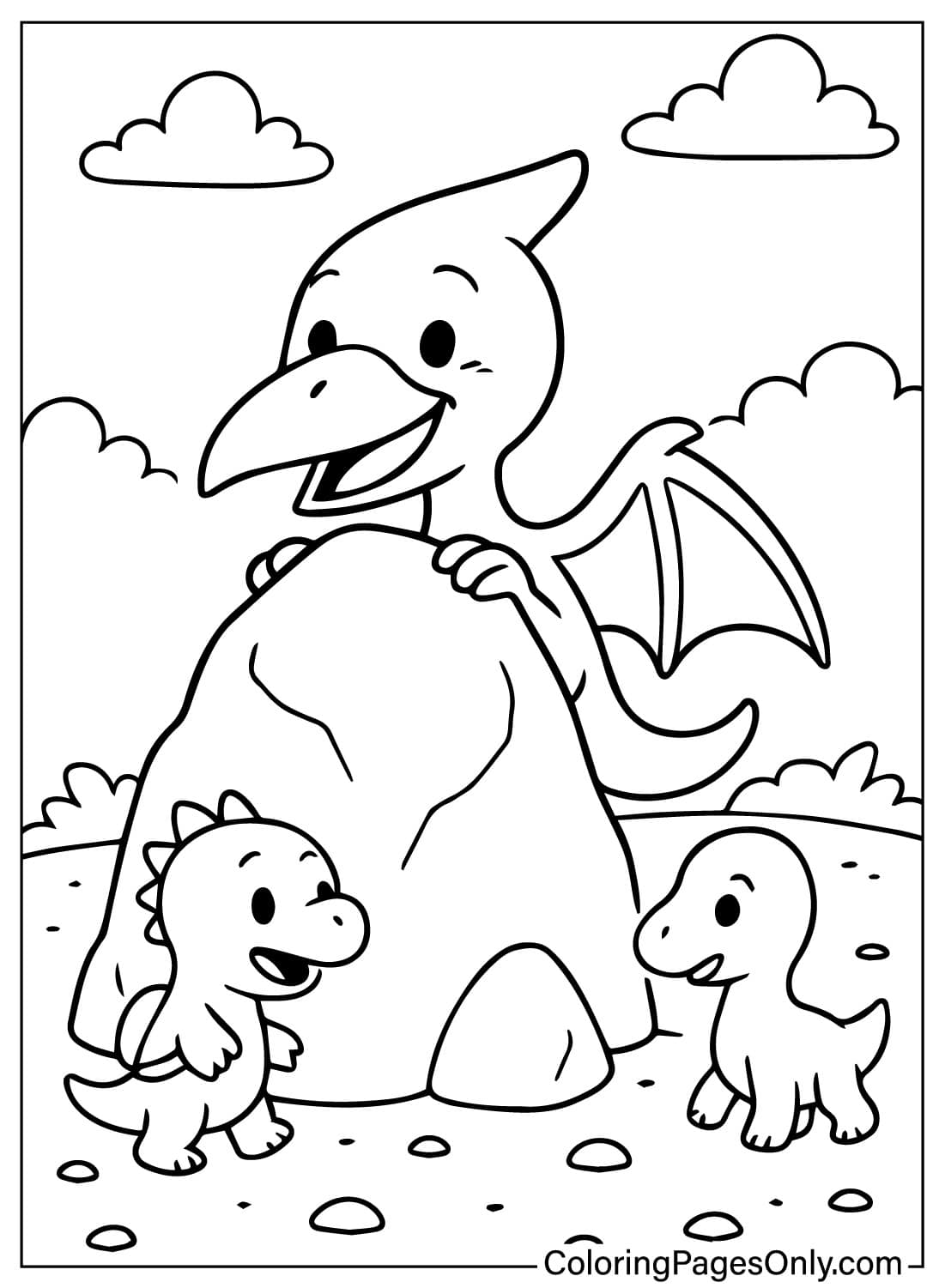
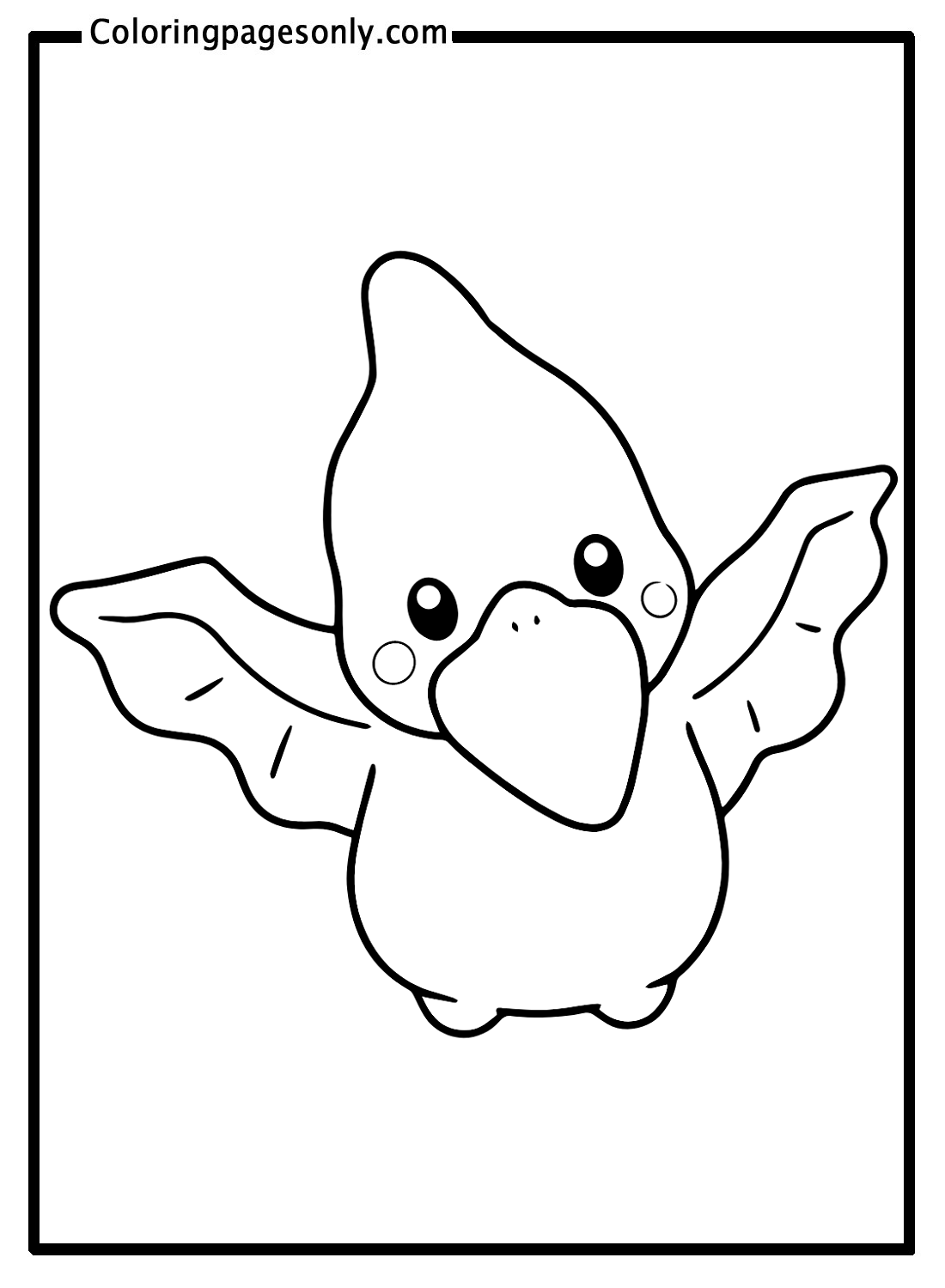
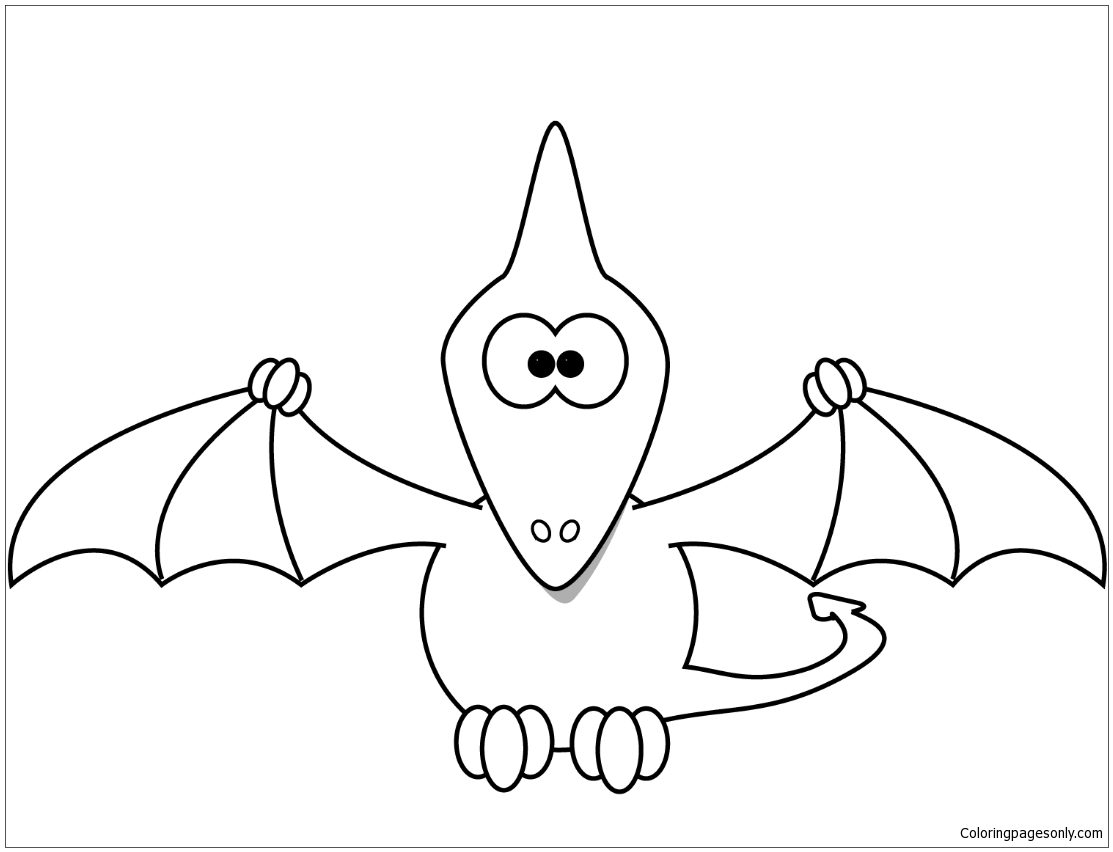
12 pages using a simplified, friendly art style rather than a scientific or dramatic tone, a pterodactyl going to school or celebrating a birthday among them. Bright, playful colors work well here without needing to match any real-world reference.
Simple Generic Pages
4 pages filed under plain, repeated titles without a specific scene or genus attached. Default to the same earthy Brown and Tan palette used for the realistic genus pages when there’s no other guidance.
What These Pterodactyl Coloring Pages Do
Fine motor practice in a distinctive wing structure. Coloring the long, thin wing membrane stretched along a pterosaur’s extended fourth finger, a structure completely different from a bird’s feathered wing, asks for the same careful, controlled linework the American Academy of Pediatrics credits to the fine motor benefits of structured coloring.
A small, correctable moment of scientific accuracy. Because pterosaurs are commonly, and incorrectly, grouped in with dinosaurs, including on this very page, coloring a real, named pterosaur genus alongside a conversation about what actually makes something a dinosaur offers a small, correctable moment of scientific accuracy.
A calm, structured task. A 2005 Art Therapy Journal study linked structured coloring to a measurable drop in anxiety, and a single, large winged figure against an open sky, without a crowded scene to plan around, offers a calm, contained version of that same structured task.
A reminder that a specific-sounding label can still be wrong. One page in this collection, labeled Tarbosaurus Pterosaur, actually depicts a large ground-dwelling dinosaur rather than a flying reptile, since Tarbosaurus was a tyrannosaurid closely related to T. rex; it’s a good example of how even a specific-sounding label can turn out to be inaccurate, worth checking rather than assuming.
How to Color Pterodactyl Coloring Pages Well
- Pterodactylus: Warm Brown or Tan tones for the body, since fossil evidence suggests a covering of hair-like pycnofibers rather than feathers or scales.
- Quetzalcoatlus: Muted Gray and Tan, in keeping with modern scientific reconstructions of one of the largest flying animals known to have existed.
- Rhamphorhynchus: Highlight the distinctive diamond-shaped vane at the end of its long tail in a contrasting color so it stands out from the rest of the body.
- Dimorphodon: This pterosaur had an unusually large, puffin-like head; a bold color block on the beak, separate from the body color, echoes that real feature.
- The mislabeled Tarbosaurus page: Since this actually depicts a ground-dwelling dinosaur rather than a flying reptile, plain Gray or Brown scaly tones suit it better than a typical winged pterosaur palette.
- Prehistoric scene pages: Match the setting, Scarlet and Orange for volcano scenes, Turquoise Blue for waterfall and lake scenes, Fern Green for forest scenes.
5 Creative Craft Ideas With Pterodactyl Coloring Pages
1. Pterosaur vs. Dinosaur Sorting Game. Color several pages, including the real genera ones, then sort them into “pterosaur” and “dinosaur” piles to practice the distinction.
2. Flying Pterodactyl Mobile. Color a page, cut it out, and hang it with a string for a simple flying display.
3. Prehistoric Scene Diorama. Build a 3D scene using a colored page, a shoebox, and simple props like cotton clouds or paper rocks.
4. Genus Name Flashcards. Color the real-genera pages and write each one’s name on the back as a simple flashcard set.
5. Wingspan Comparison Chart. Color a few pterosaur pages at different sizes and arrange them in a row to compare real wingspans. Quetzalcoatlus is far larger than Pterodactylus.
Frequently Asked Questions
What are pterodactyl coloring pages?
Printable designs featuring pterosaurs, split between real named genera, prehistoric scenes, action poses, cute and cartoon-style designs, and simple generic pages. This collection has 43 pages, free to download as a PDF or color directly online.
Are pterodactyls actually dinosaurs?
No. Pterosaurs, the group that includes Pterodactylus, were a separate group of flying reptiles that lived alongside dinosaurs during the same era, not dinosaurs themselves, despite the common assumption and this collection’s placement under the site’s Dinosaurs category.
What is Pterodactylus, and why is it significant?
Pterodactylus was the first pterosaur species ever formally described, named in 1809 based on fossils found in Bavaria’s Solnhofen limestone. Its name is where the popular term “pterodactyl” comes from, even though it technically refers to just this one genus.
Is the “Tarbosaurus Pterosaur” page really a pterosaur?
No, not accurately. Tarbosaurus was actually a large, ground-dwelling tyrannosaurid dinosaur closely related to T. rex, found in Mongolia, rather than a flying reptile. The page’s title appears to be a labeling error.
How big was Quetzalcoatlus?
Quetzalcoatlus is considered one of the largest flying animals known to have existed, with wingspan estimates commonly cited around 10 to 11 meters, roughly 33 to 36 feet, in the largest individuals.
Are pterodactyl coloring pages suitable for young children?
Yes, though the details vary. The cute and cartoon-style pages suit children as young as 3 or 4. The real genera and detailed prehistoric scene pages work better for older children interested in paleontology specifically.
Can this collection be used for a classroom lesson on prehistoric life?
Yes. The real named genera work especially well alongside a lesson distinguishing pterosaurs from dinosaurs, while the prehistoric scene pages support a broader lesson on the era both groups lived in.
What’s the difference between the real-genera pages and the cartoon-style pages?
The real-genera pages are named after and loosely based on actual pterosaur species with real scientific names. In contrast, the cartoon-style pages use an invented, simplified pterodactyl character without reference to a specific real species.
Start Coloring
Download any page by clicking the design. No account, email, or payment is required. Pages print directly from the browser at full resolution or open in the online coloring tool for screen use. Share finished pages on Facebook or Pinterest with the share buttons at the top of each design page.