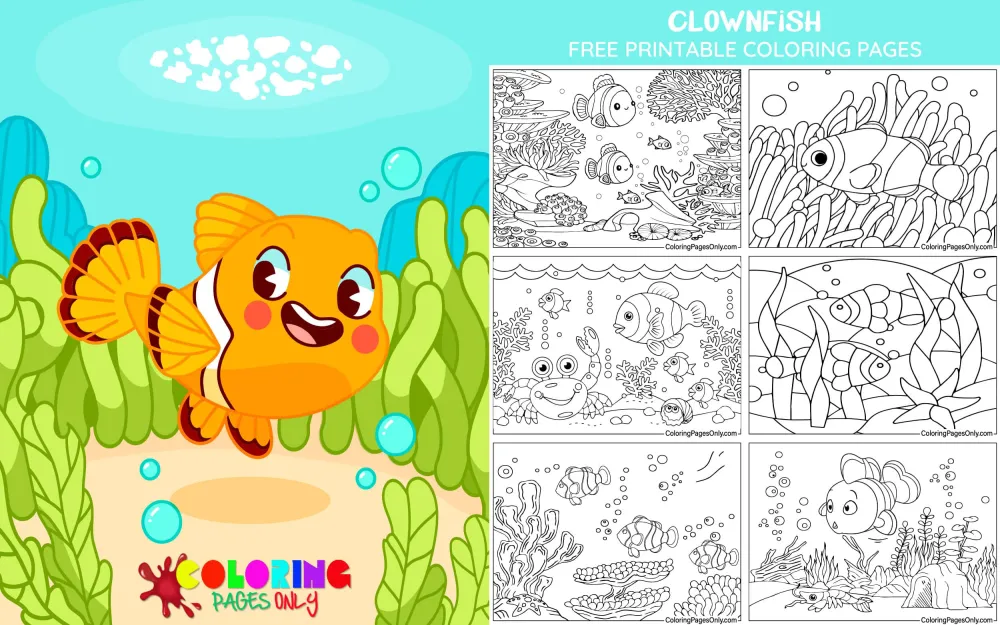
Free Clownfish Coloring Pages: 30+ pages featuring cute clownfish, cartoon clownfish, kawaii clownfish, smiling clownfish, two clownfish, clownfish in the sea, clownfish in water, clownfish with sea anemones, clownfish with coral reefs, clownfish with crabs, clownfish with turtles, clownfish tank scenes, mandala clownfish, printable clownfish outlines, and bright underwater reef designs. All free, printable PDFs and online coloring pages are ready for home, classroom, ocean units, fish lessons, reef habitat activities, marine animal crafts, summer projects, and relaxing creative time.
Clownfish, also called anemonefish, are small reef fish known for bright orange bodies, bold white bars, and thin black stripe edges. They live in warm tropical waters and are closely linked with sea anemones, where they find shelter among tentacles that would sting many other animals. This relationship is called mutualism because both animals benefit: the clownfish gains protection, while the anemone can receive cleaning, nutrients, and defense from certain intruders. The clownfish can live among anemone tentacles because a protective mucus layer helps reduce the sting response. These real reef details make clownfish coloring pages especially useful because children can color the fish and its habitat together: stripes, fins, anemone tentacles, coral branches, bubbles, sand, sea plants, and nearby ocean animals.
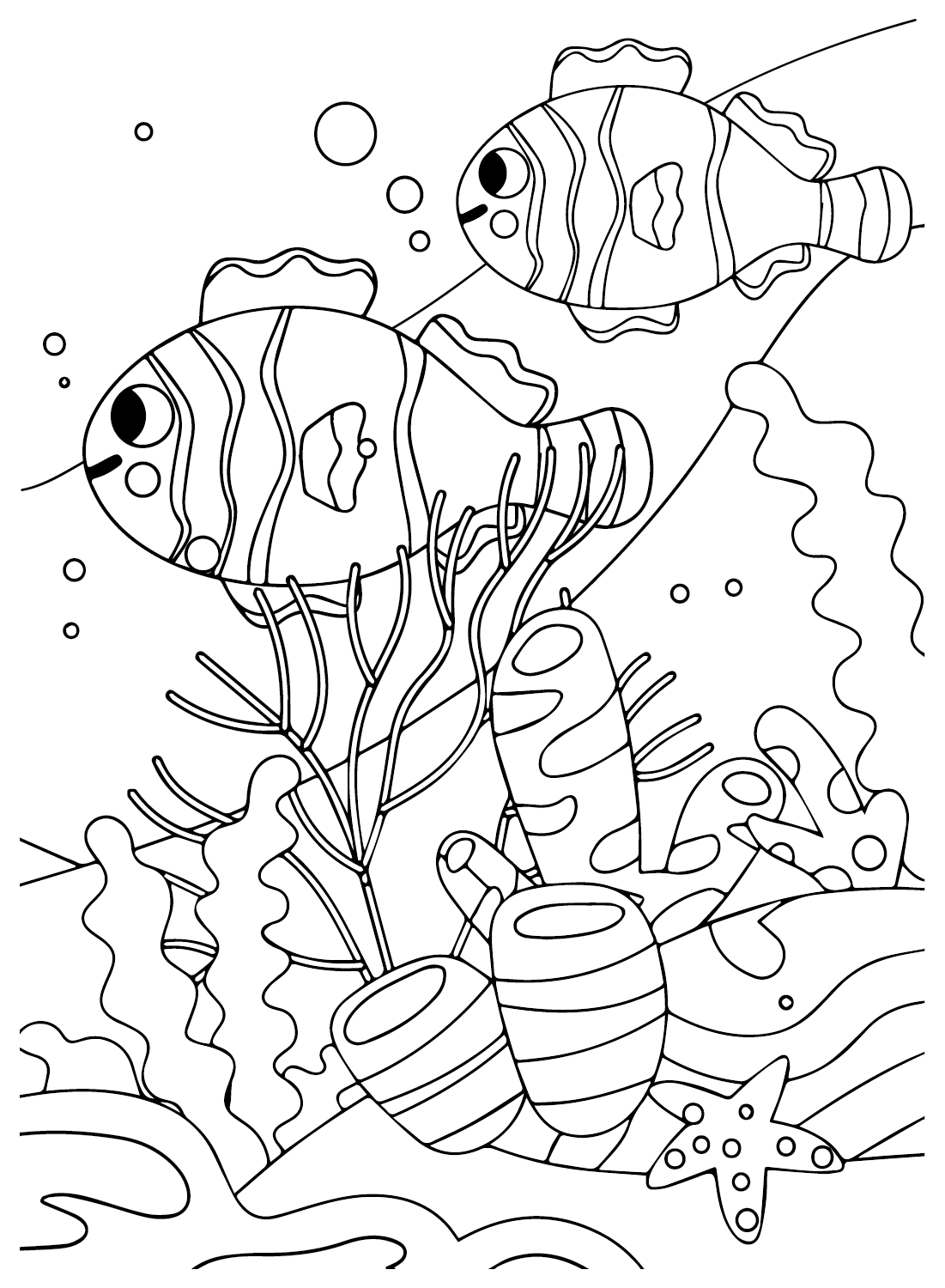
This collection gives younger colorists simple clownfish outlines, happy cartoon faces, and easy orange-and-white stripe patterns. At the same time, older children, teens, and adults can work on anemone scenes, reef backgrounds, mandala designs, fish pairs, turtles, crabs, and detailed underwater compositions. These 30+ free pages at ColoringPagesOnly.com cover clownfish, anemonefish, sea anemones, coral reefs, ocean animals, cute fish characters, printable outlines, and underwater reef scenes. All free, PDF or PNG, print or color online.
What’s Inside
Simple Clownfish Outlines and Easy Fish Pages
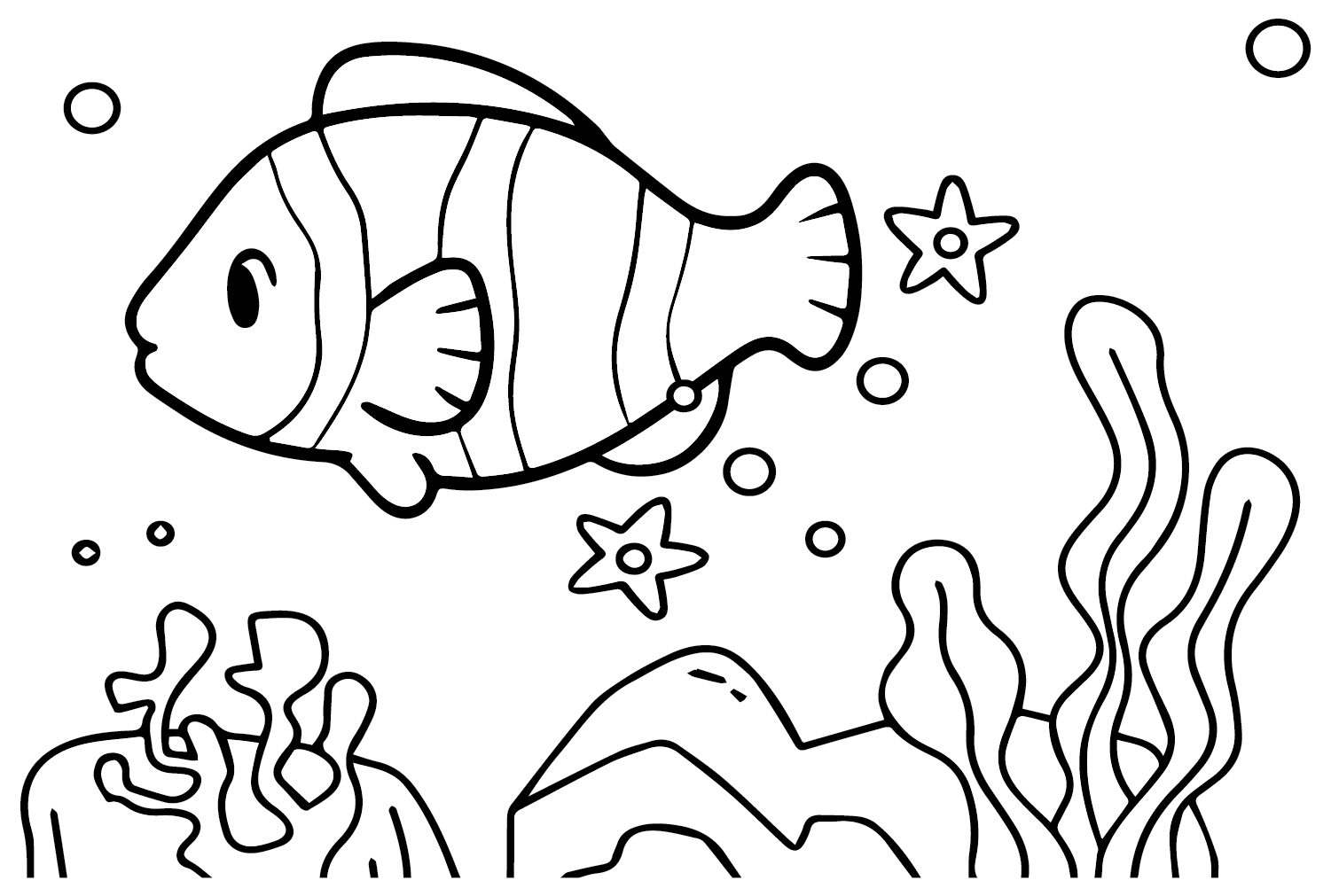
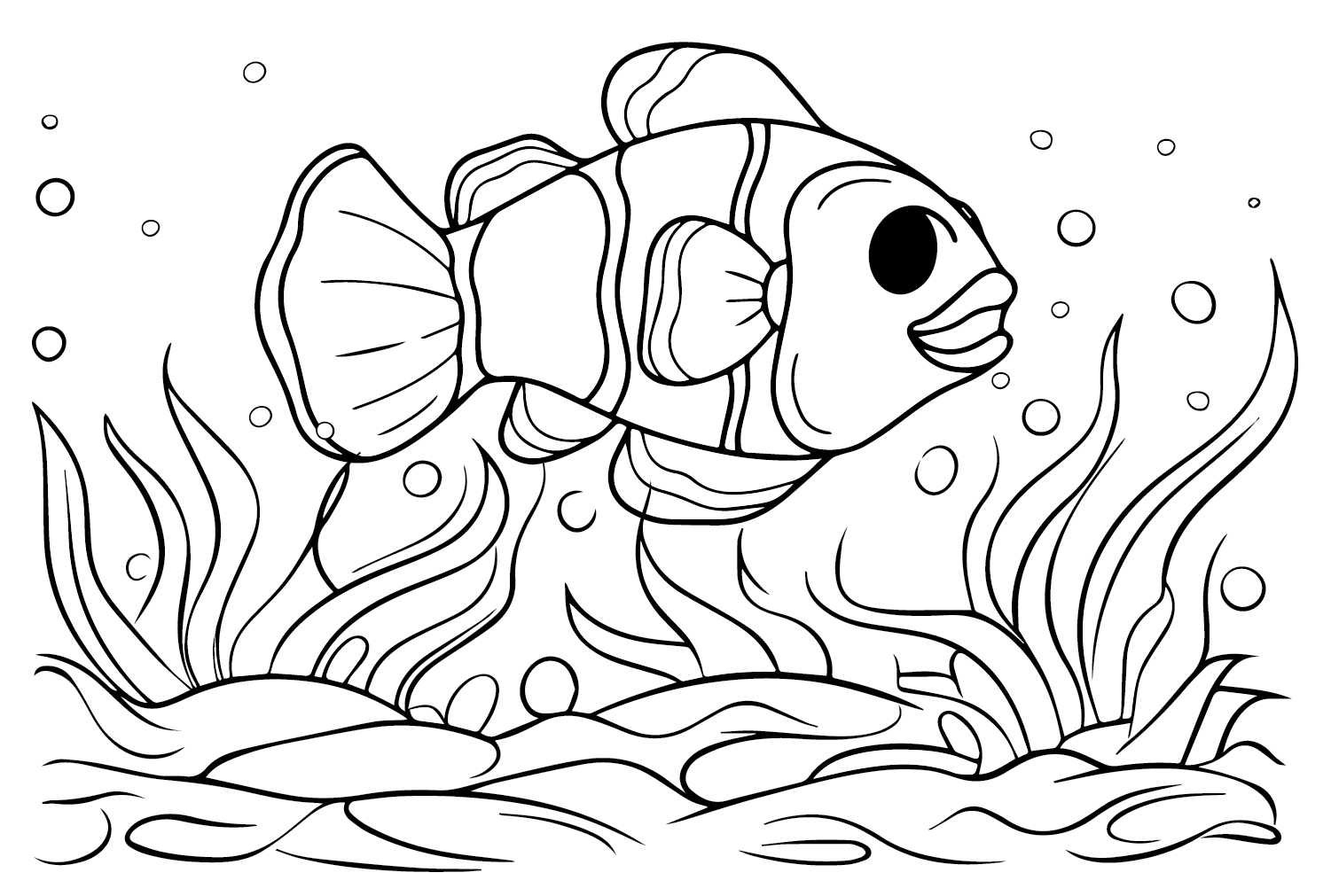
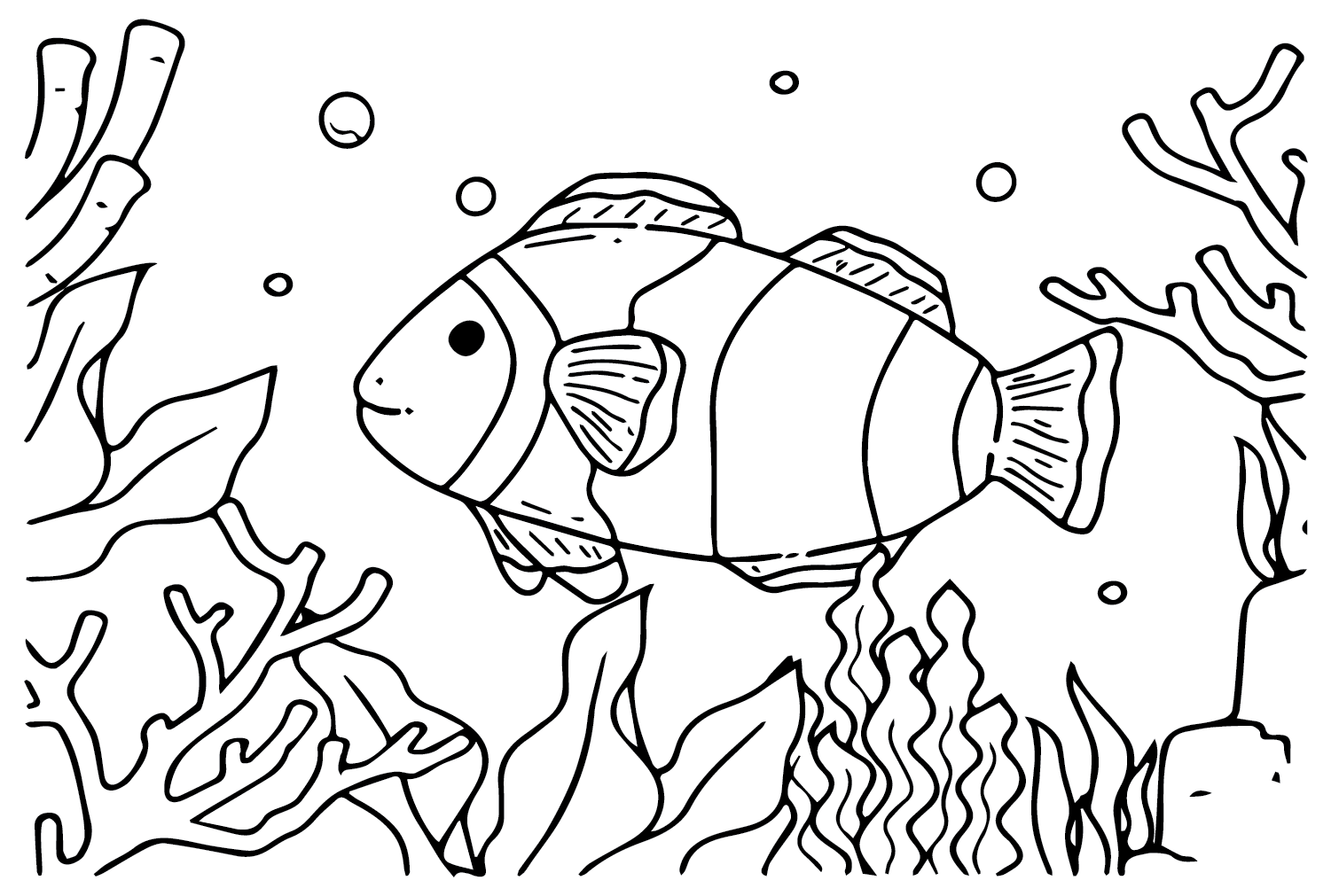
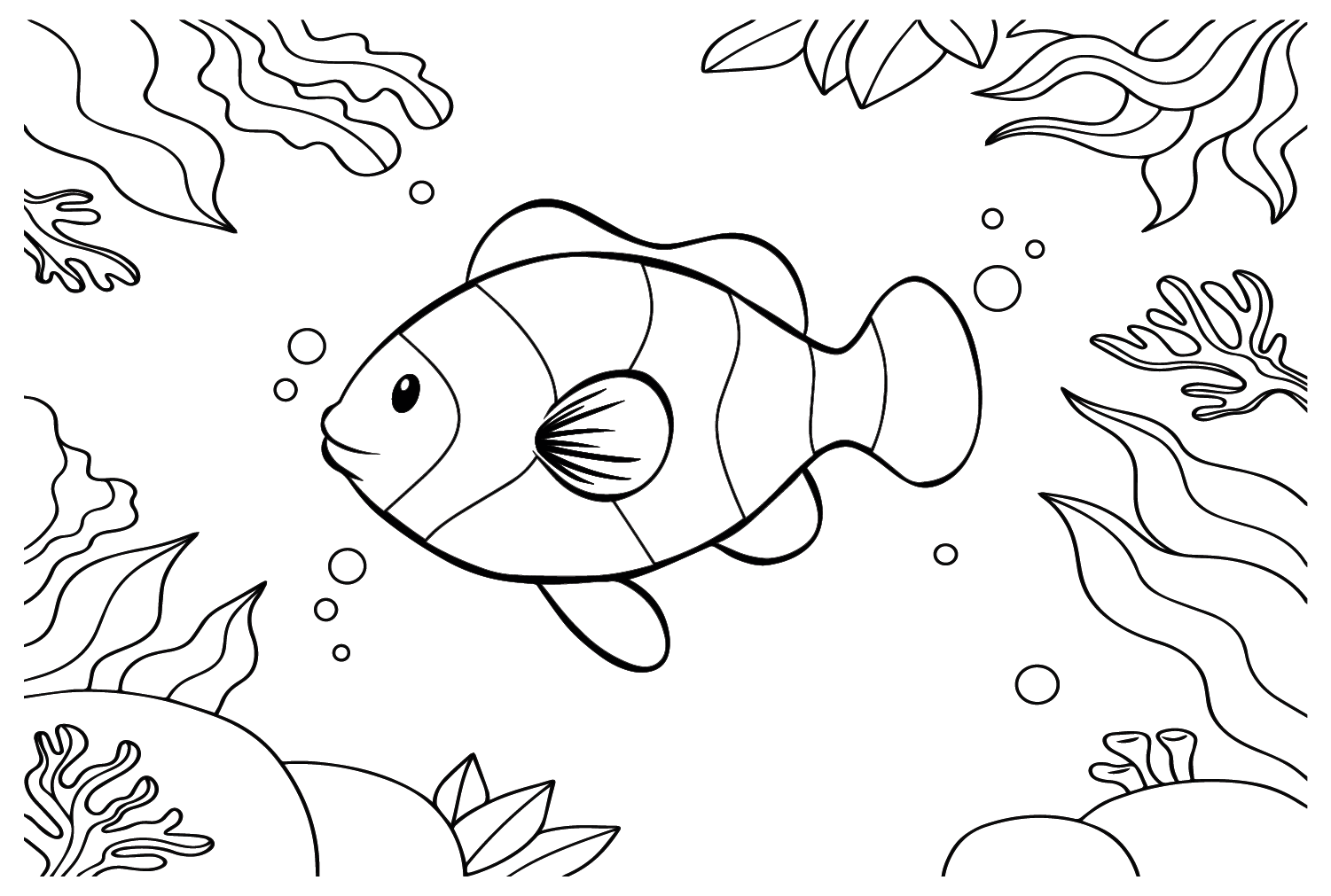
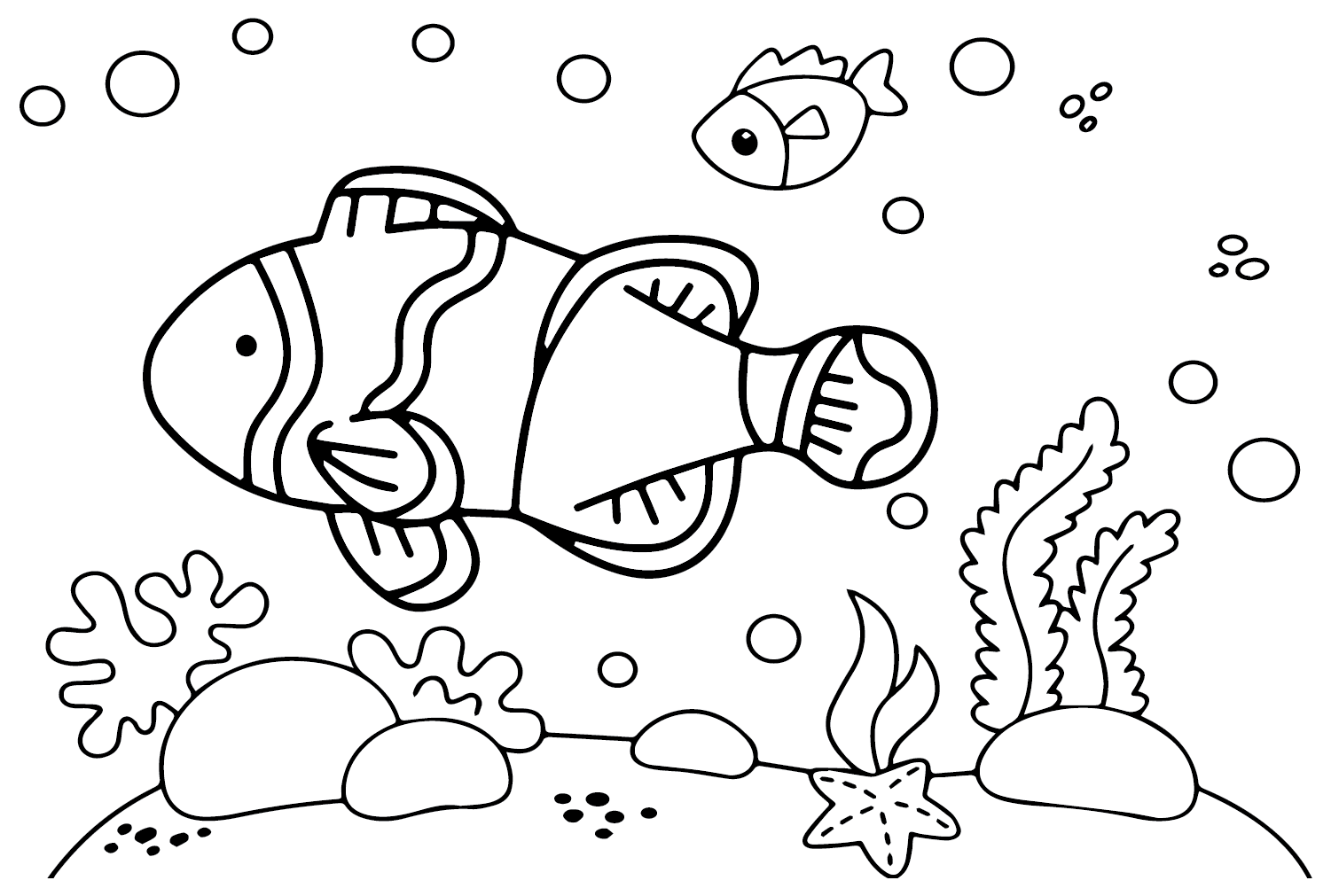
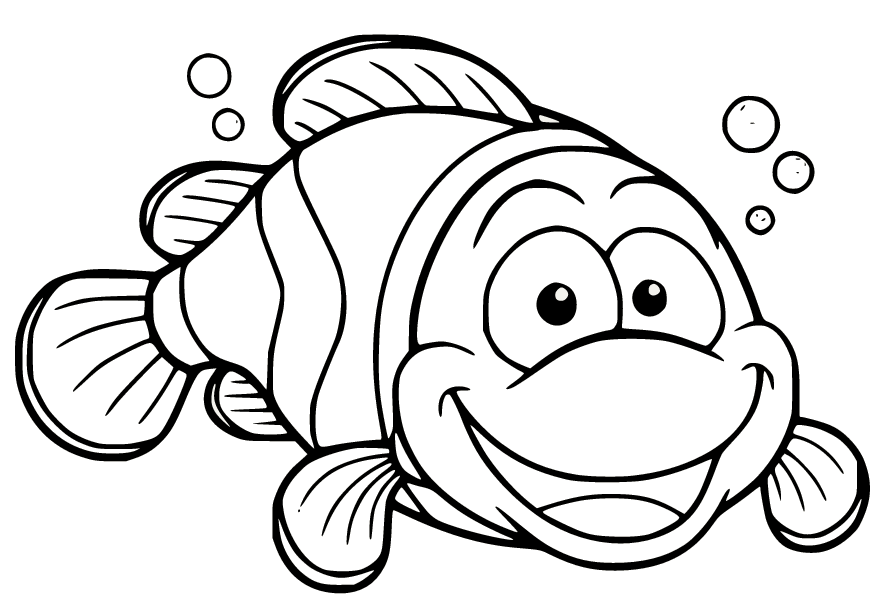
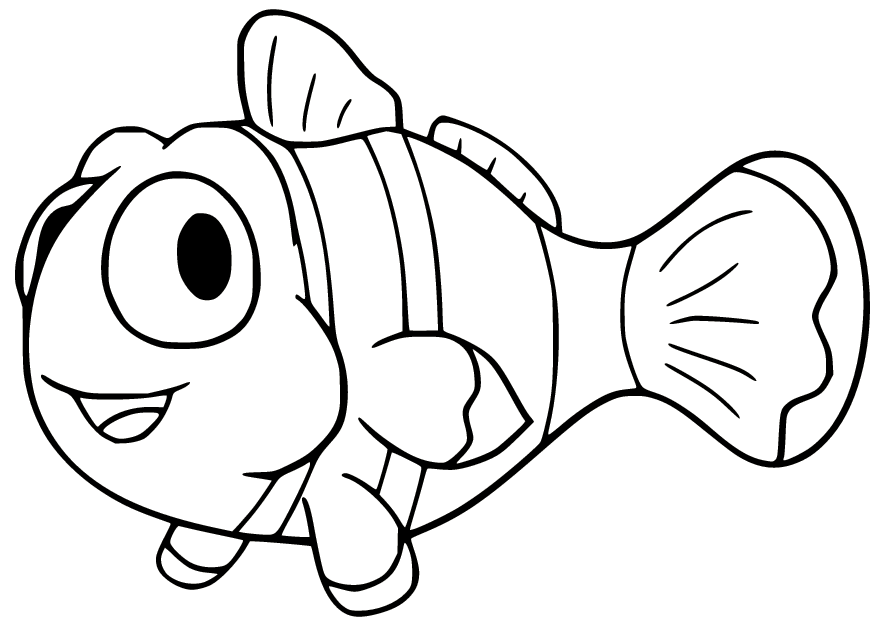
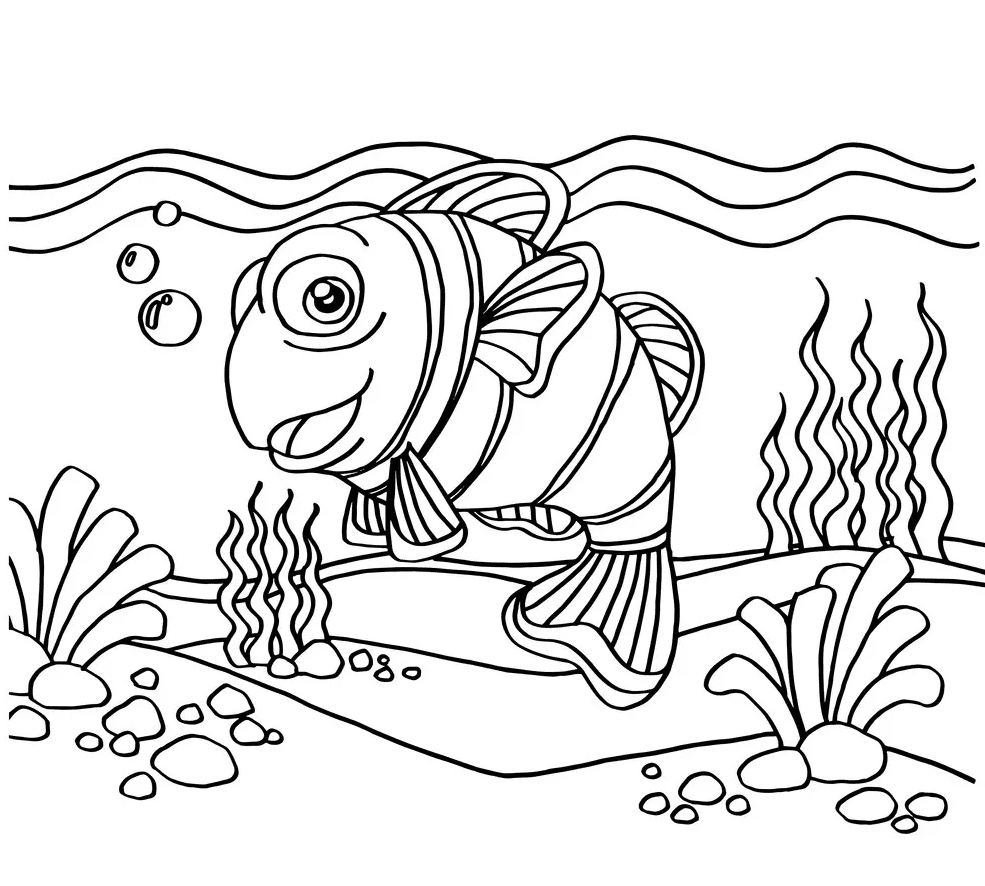
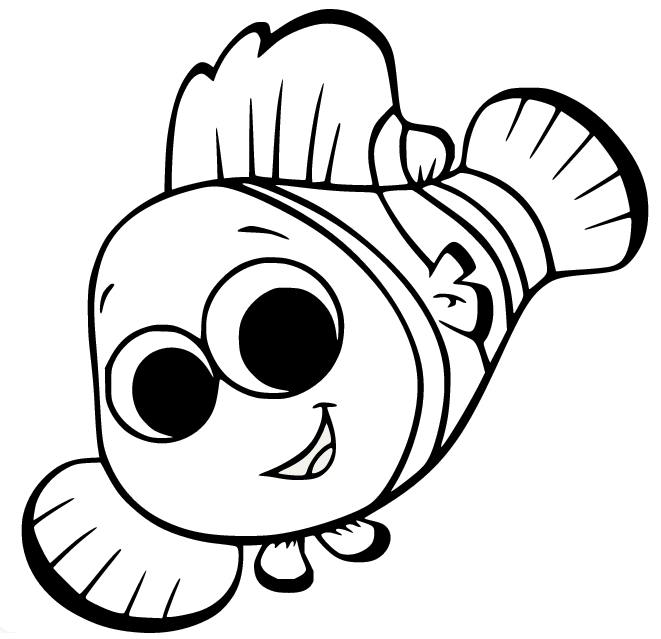
The easiest pages focus on one clownfish with a clean body shape, large fins, a rounded face, and clear stripe sections. These designs are useful for younger children because the main pattern is easy to understand: orange body, white bars, dark stripe edges, fins, tail, and a simple ocean background. Printable clownfish outlines also work well for cutting, matching activities, classroom fish displays, and beginner coloring practice.
Coloring simple clownfish pages: Use bright orange, warm yellow-orange, white, and soft black for the main fish pattern. Color the orange body first, leave the white bars clean, then add thin dark edges around the stripes and fins. The common mistake is coloring over the white bars too early; keep those spaces white until the end so the clownfish pattern stays sharp.
Cute, Cartoon, and Kawaii Clownfish
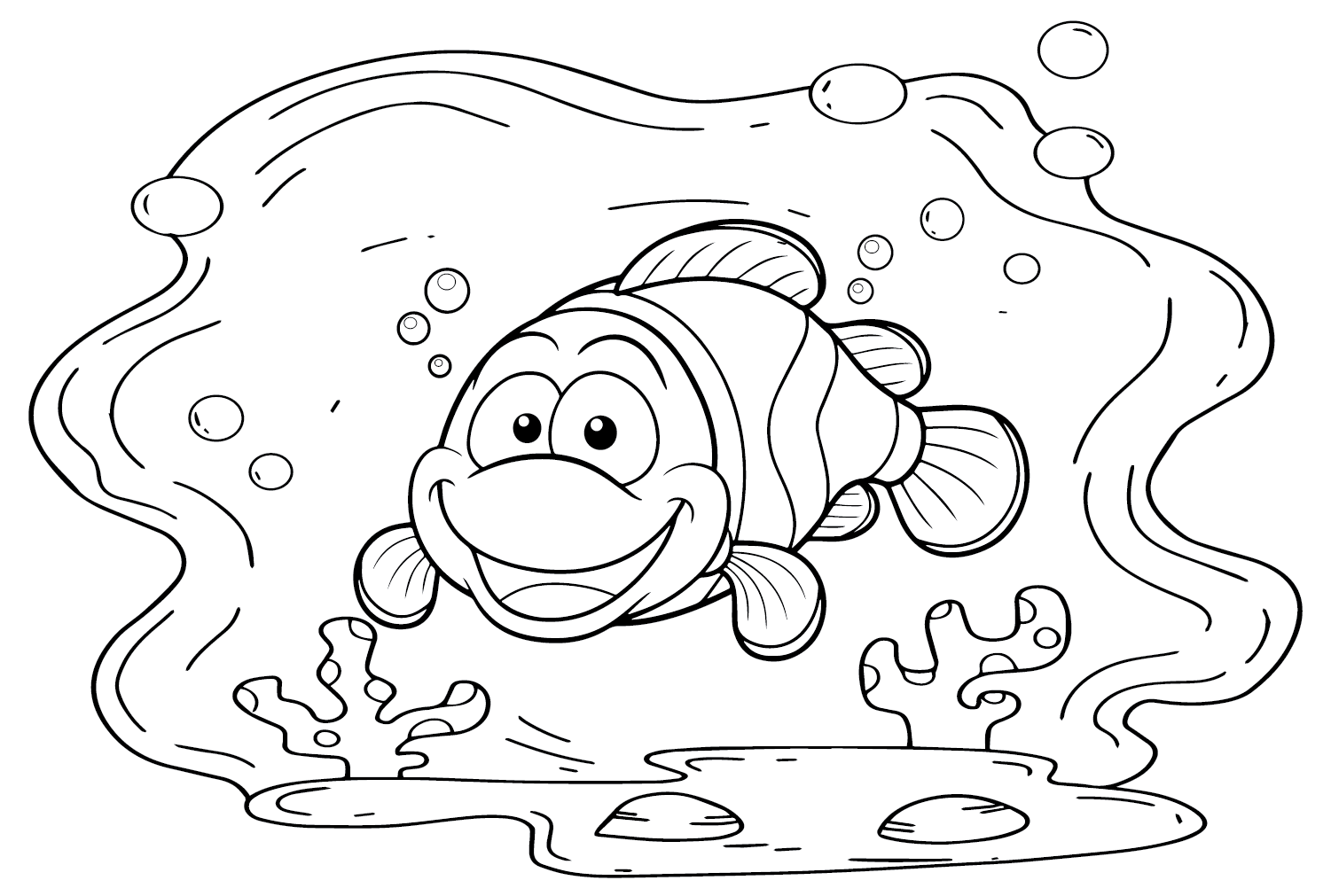
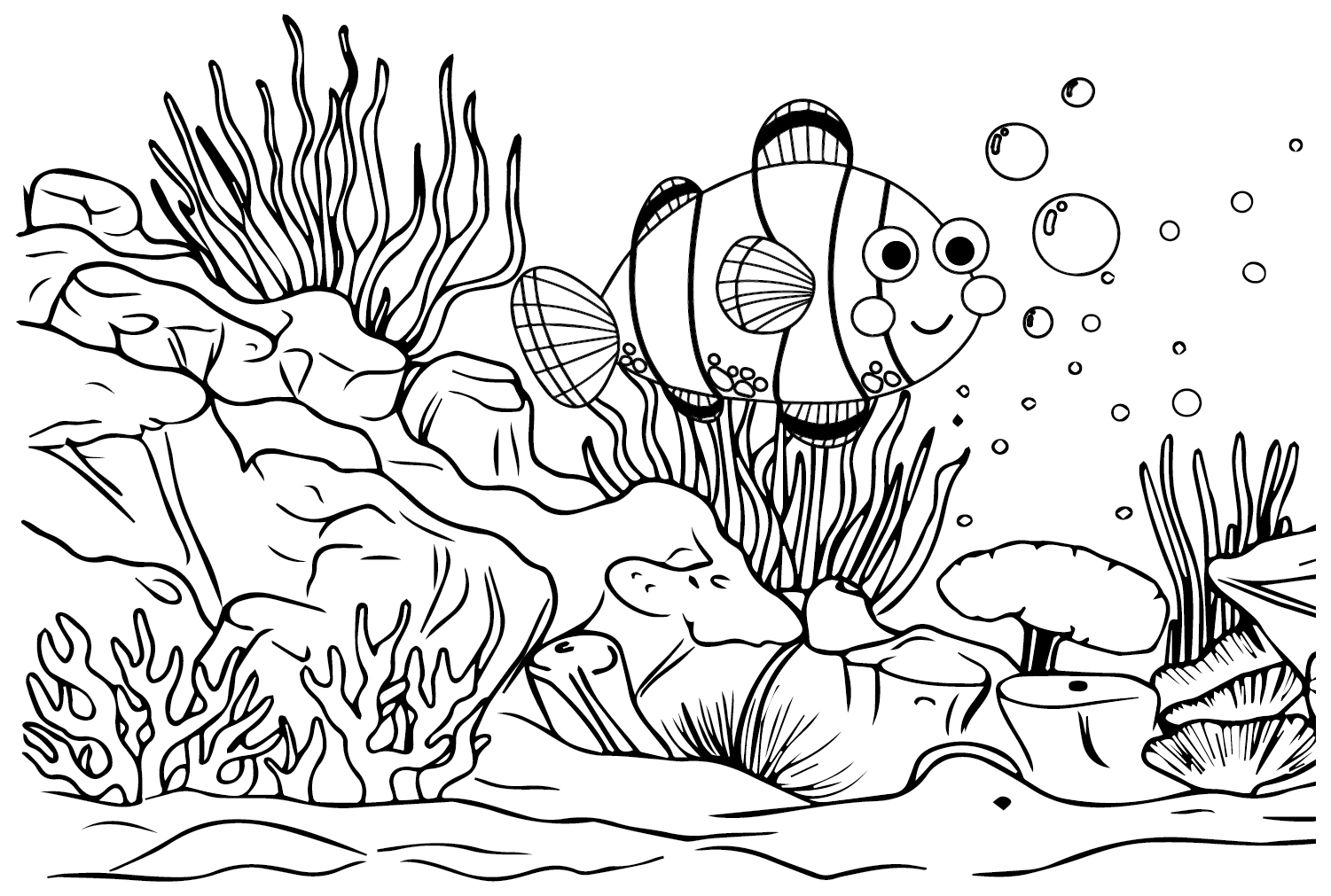
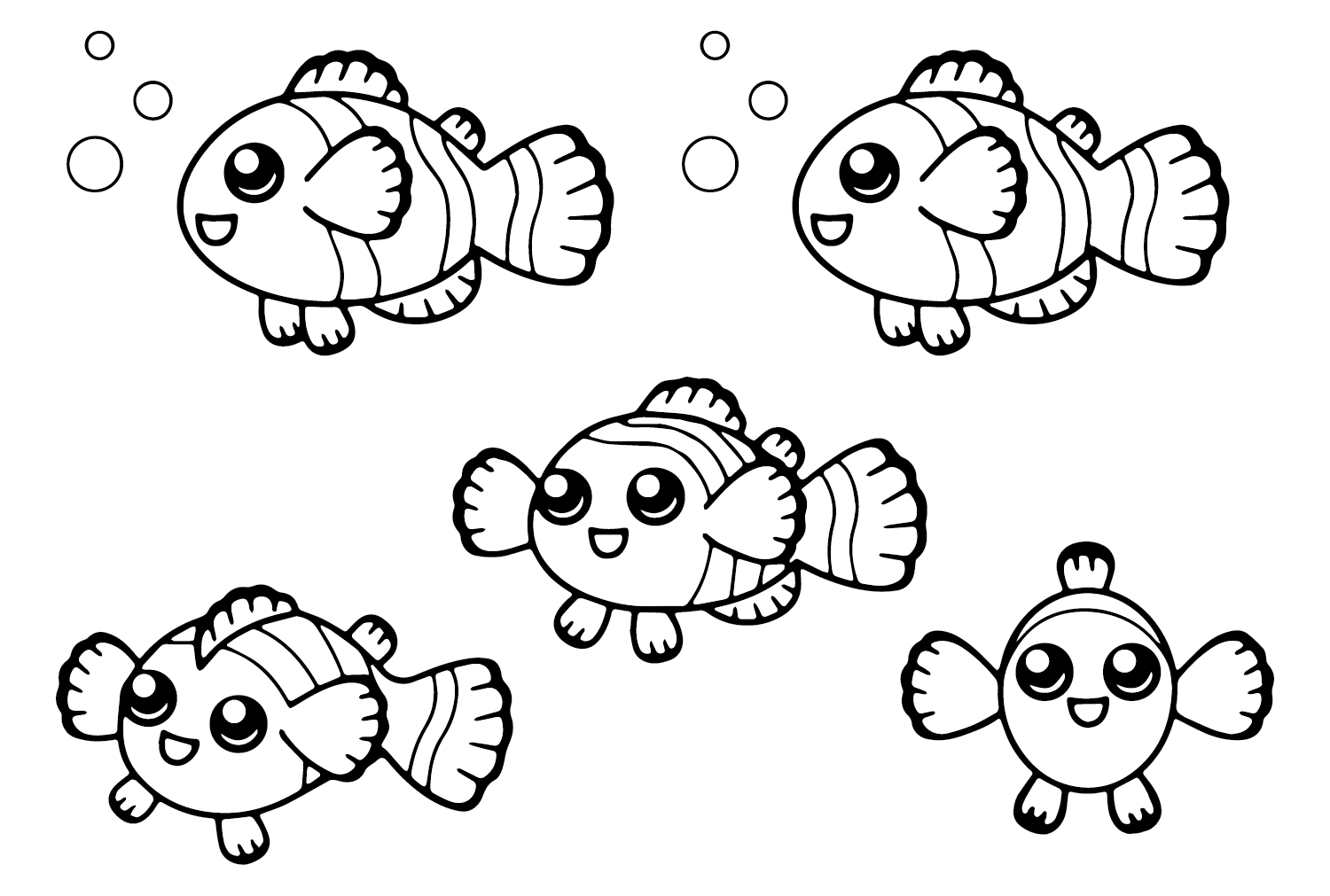
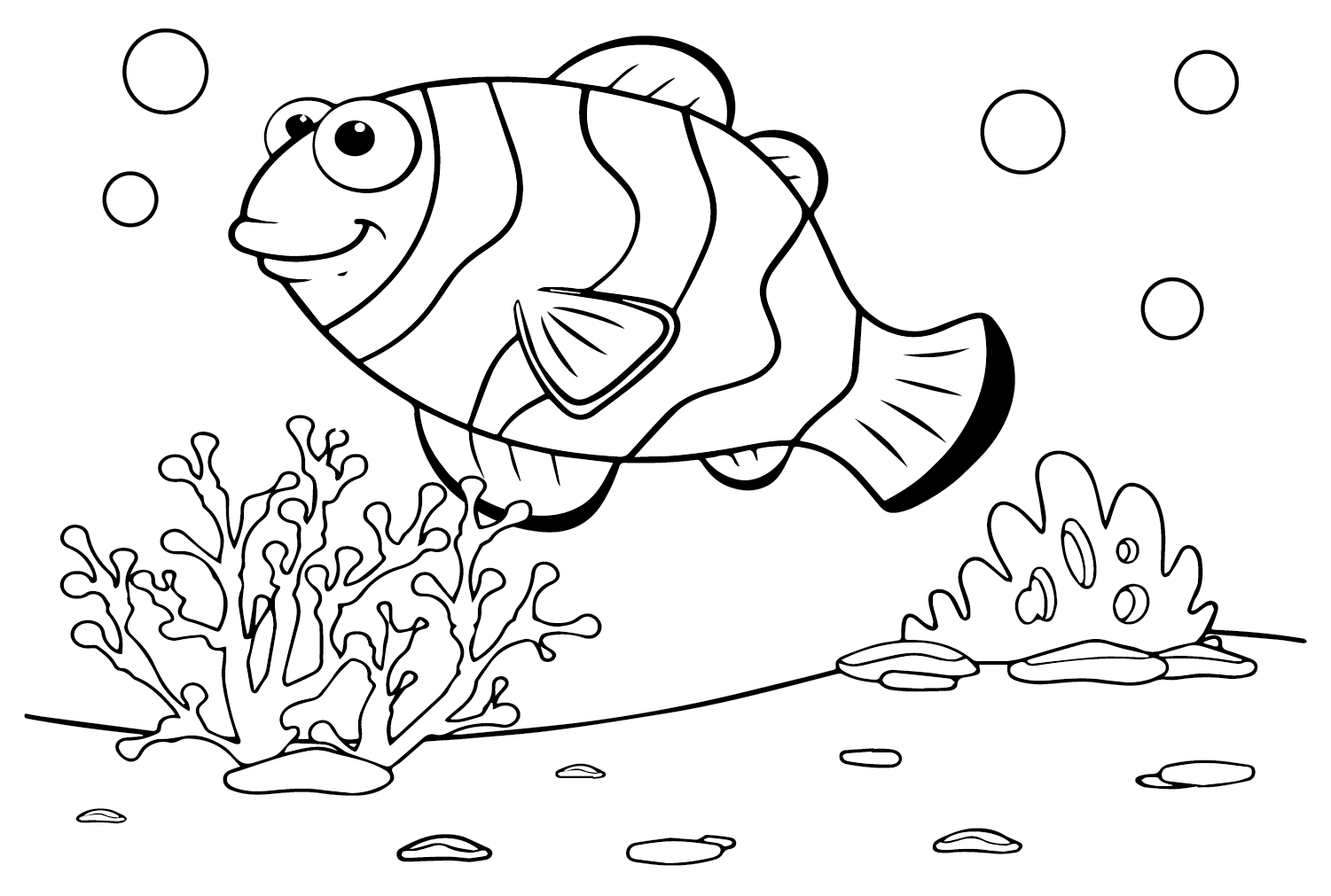
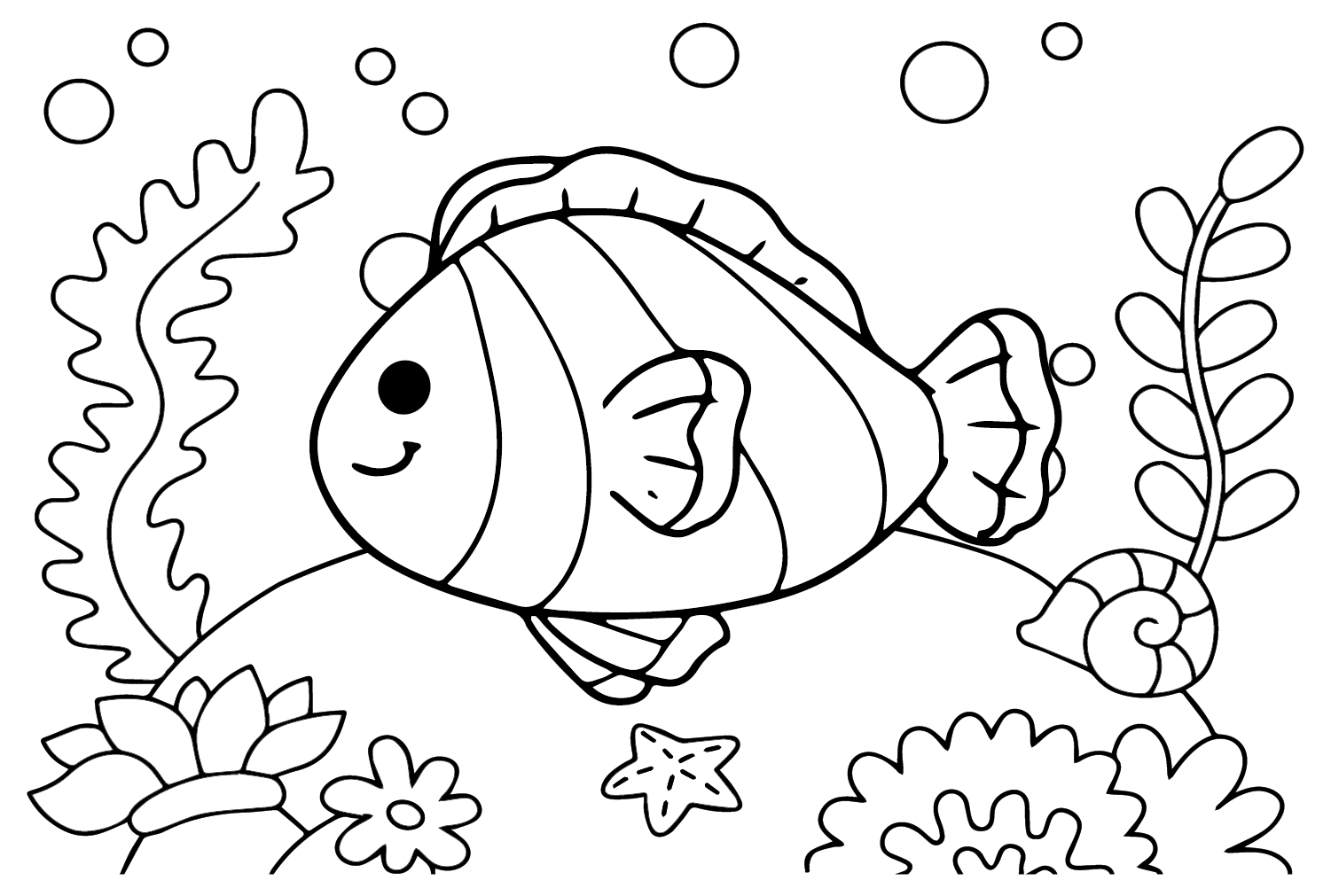
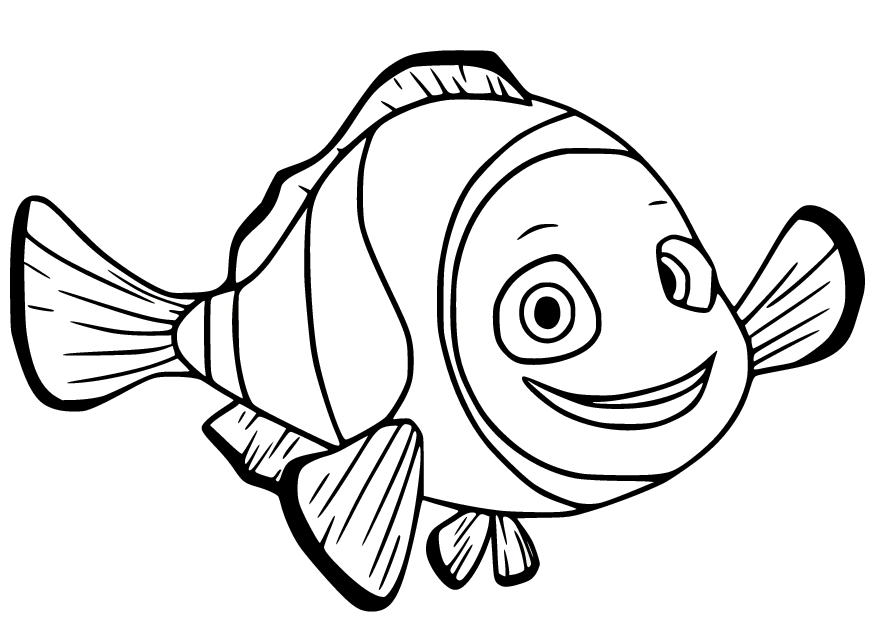
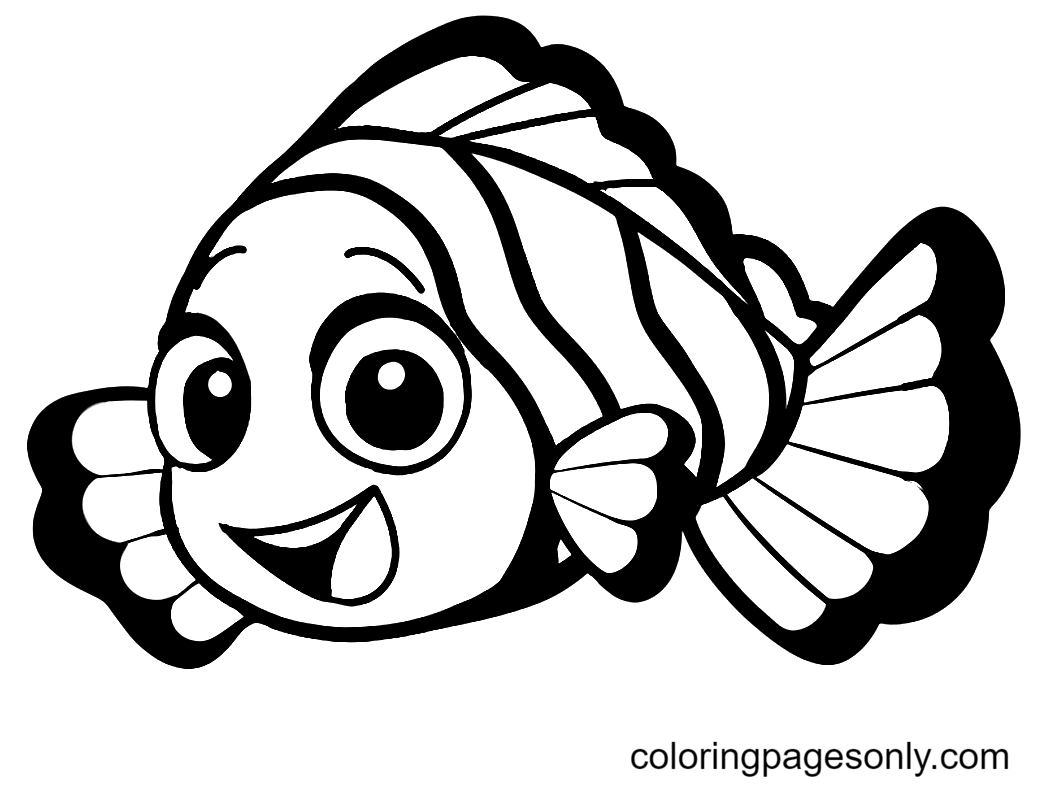
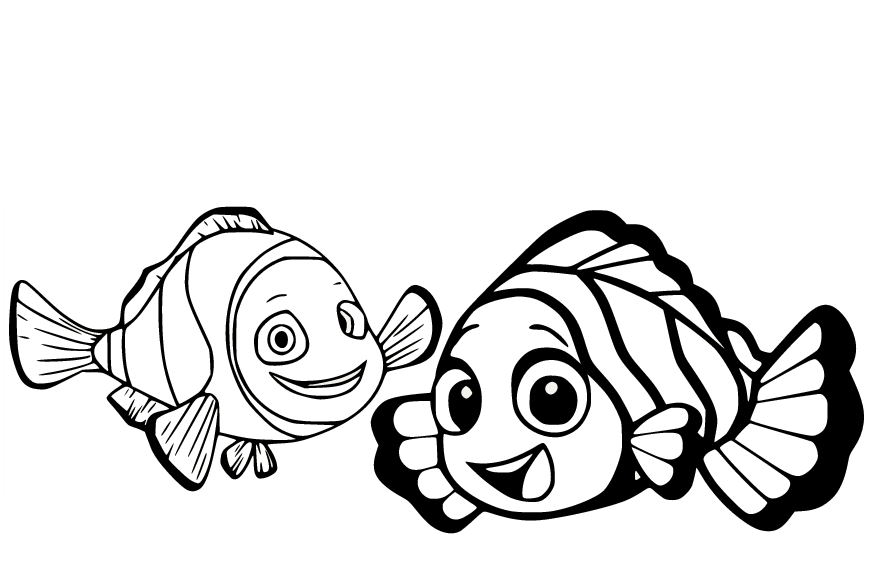
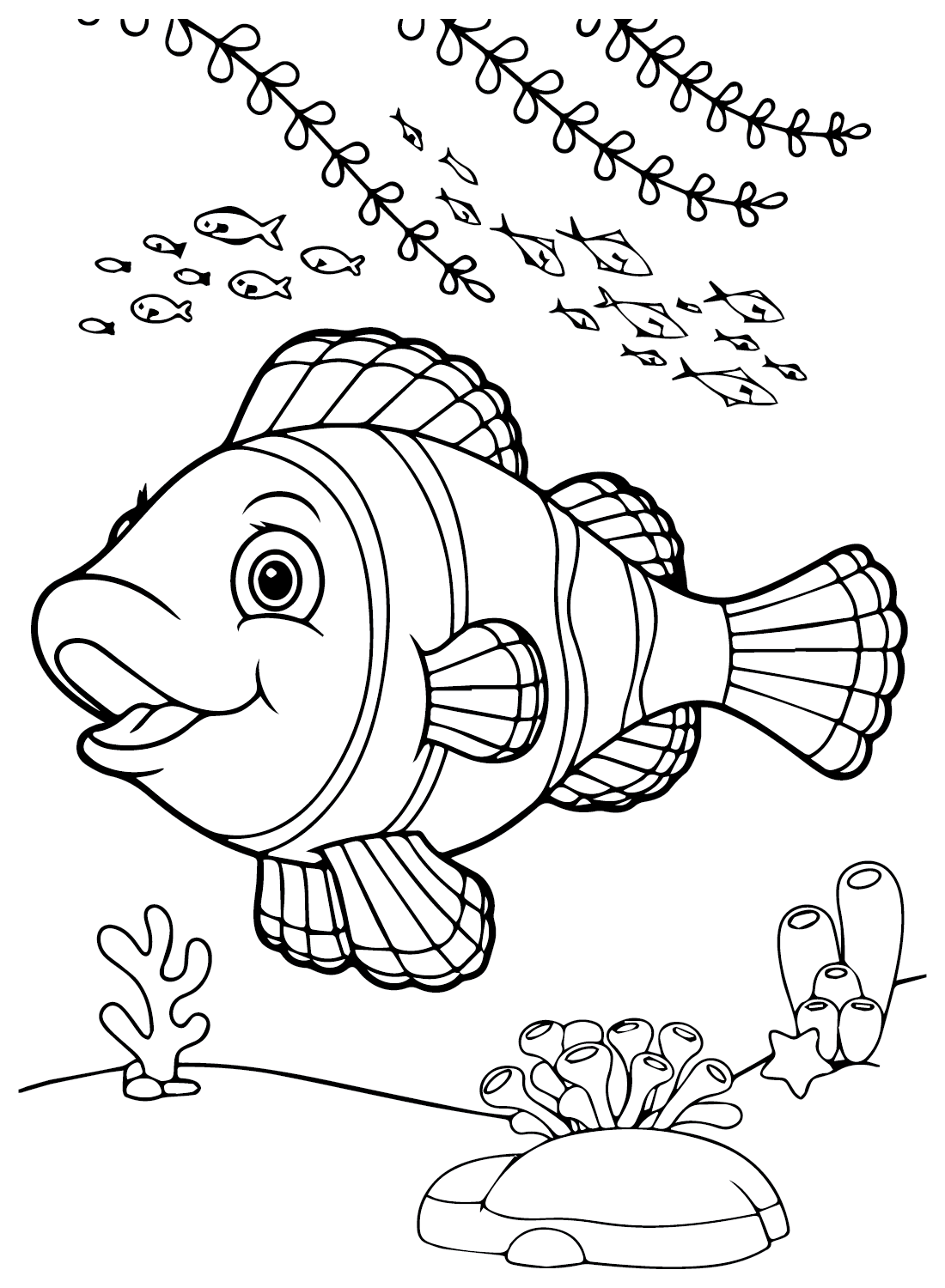
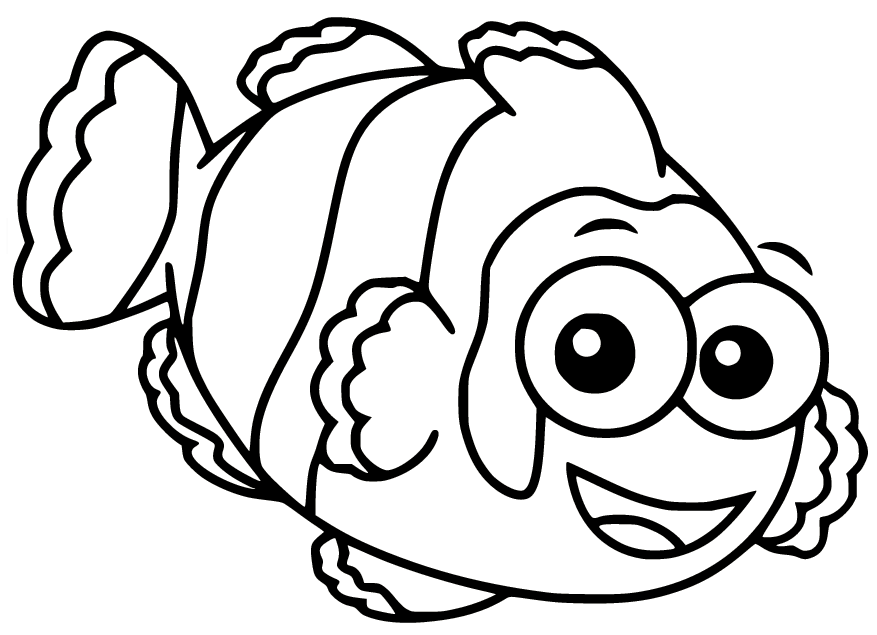
Cute clownfish pages work best when the fish keeps its real stripe pattern but has a softer expression: big eyes, rounded fins, a smiling mouth, and sometimes small blush cheeks. This group includes happy clownfish, laughing clownfish, kawaii fish, simple smiling designs, and friendly cartoon pages. These pages are especially good for younger colorists because the expressions are easy to read and the orange-and-white pattern gives them a clear coloring plan.
Coloring cute clownfish characters: Use orange for the body, white for the stripes, black or dark charcoal for stripe edges, and blush pink only on cartoon cheeks if the design includes them. Keep the eye and mouth area clean so the expression stays easy to see. The common mistake is making the whole face too dark; a bright orange face with clean white bars looks friendlier.
Clownfish in Sea Anemones
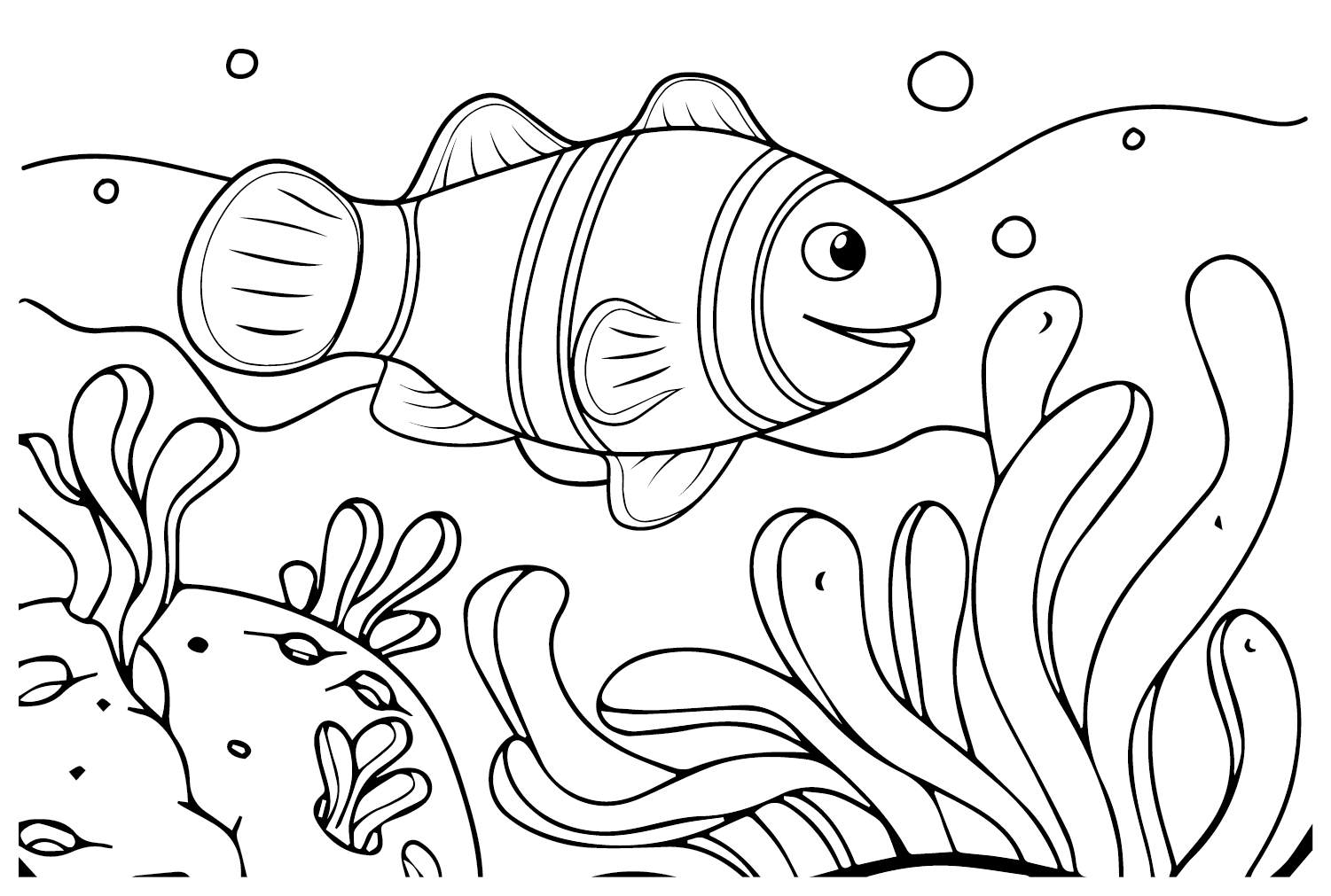
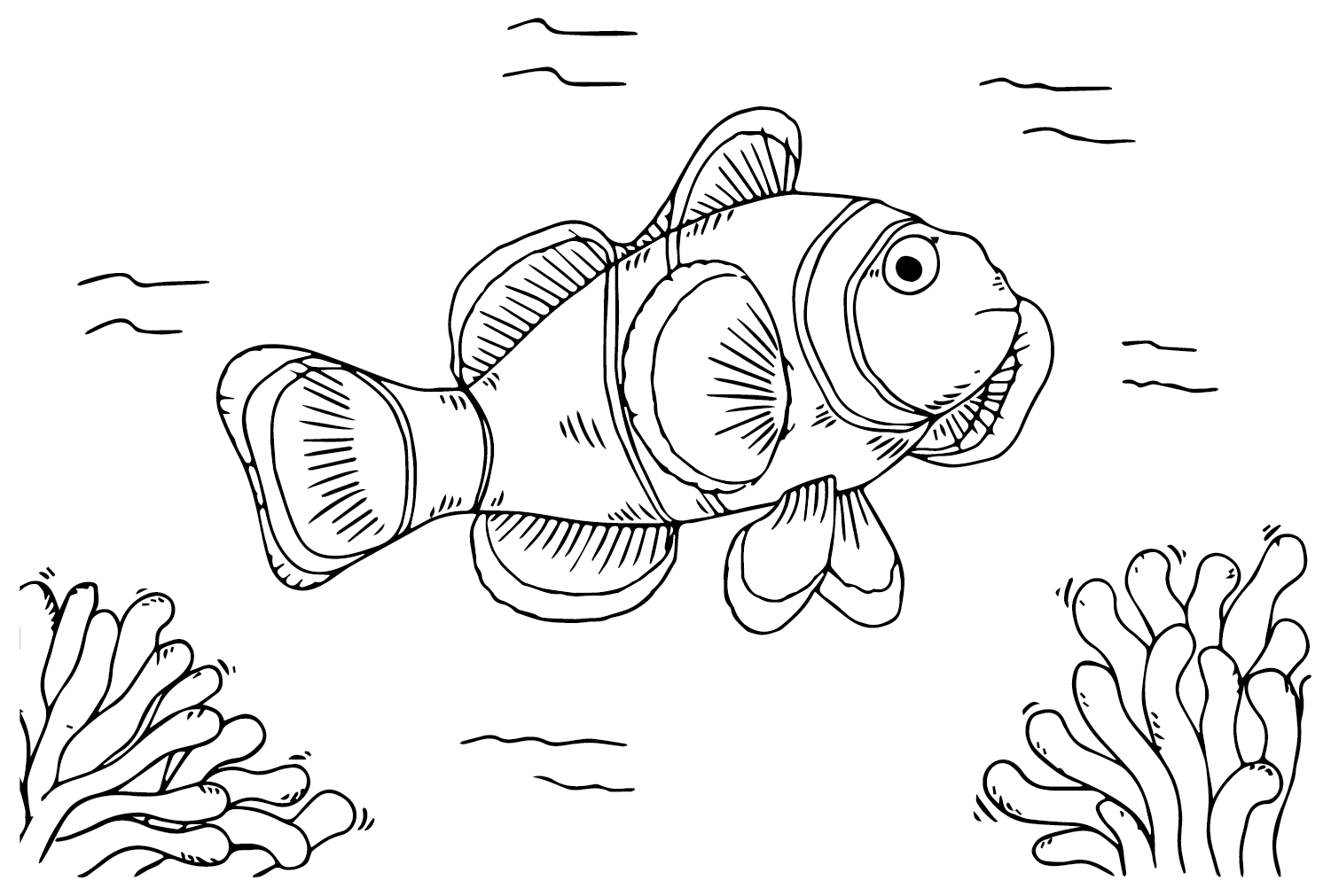
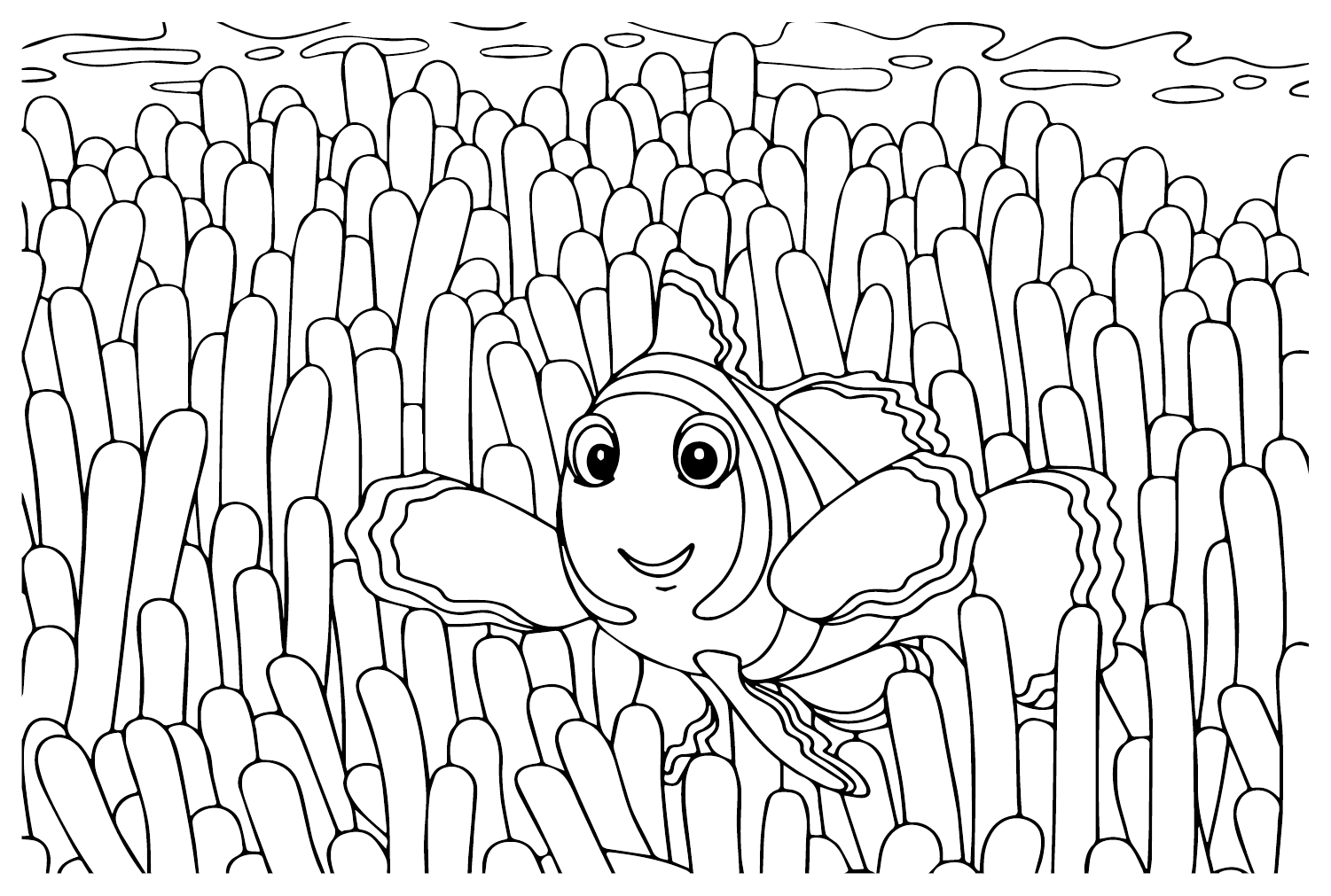
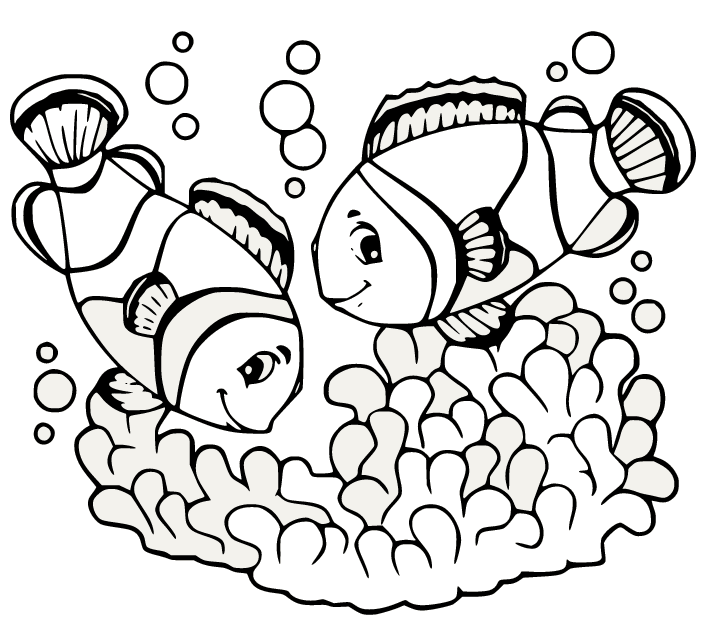
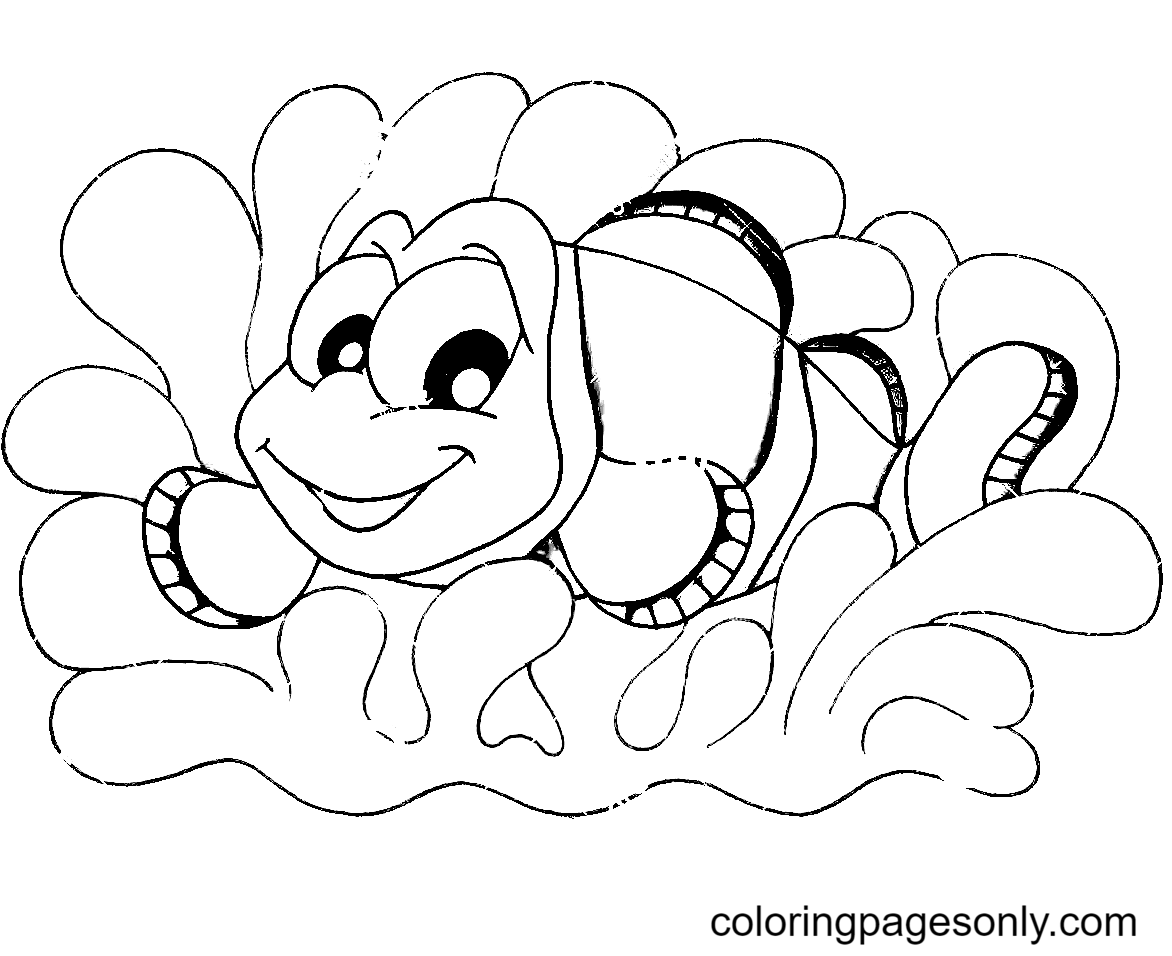
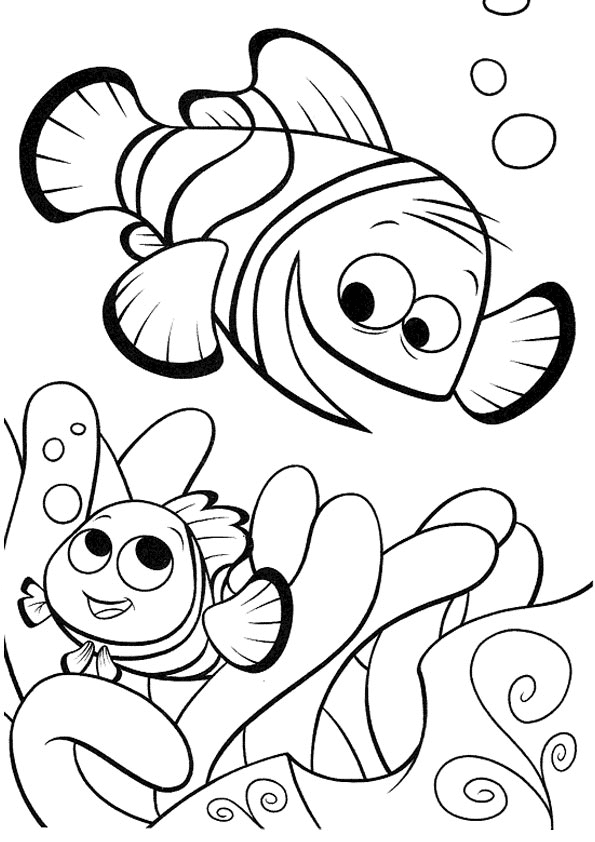
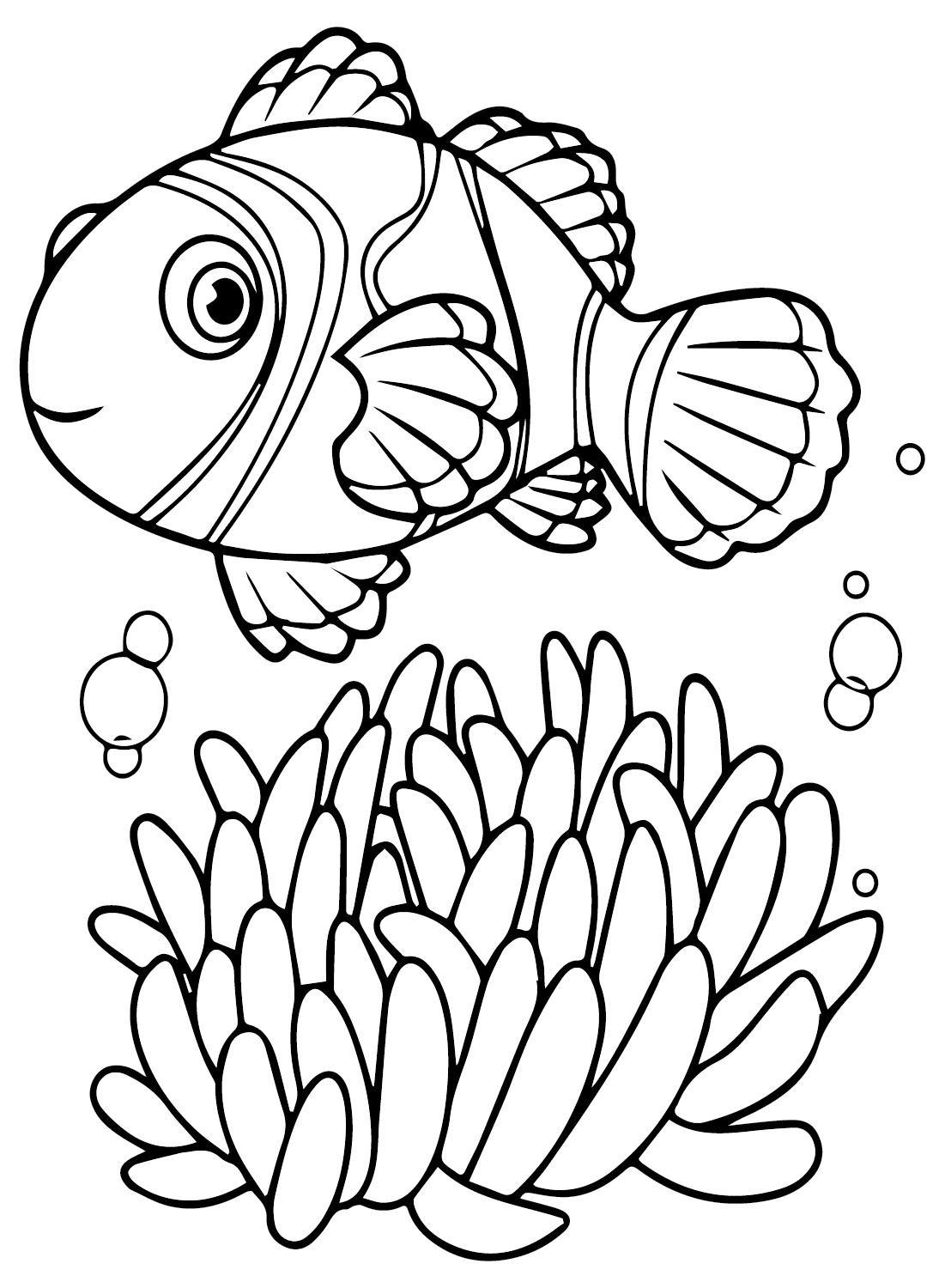
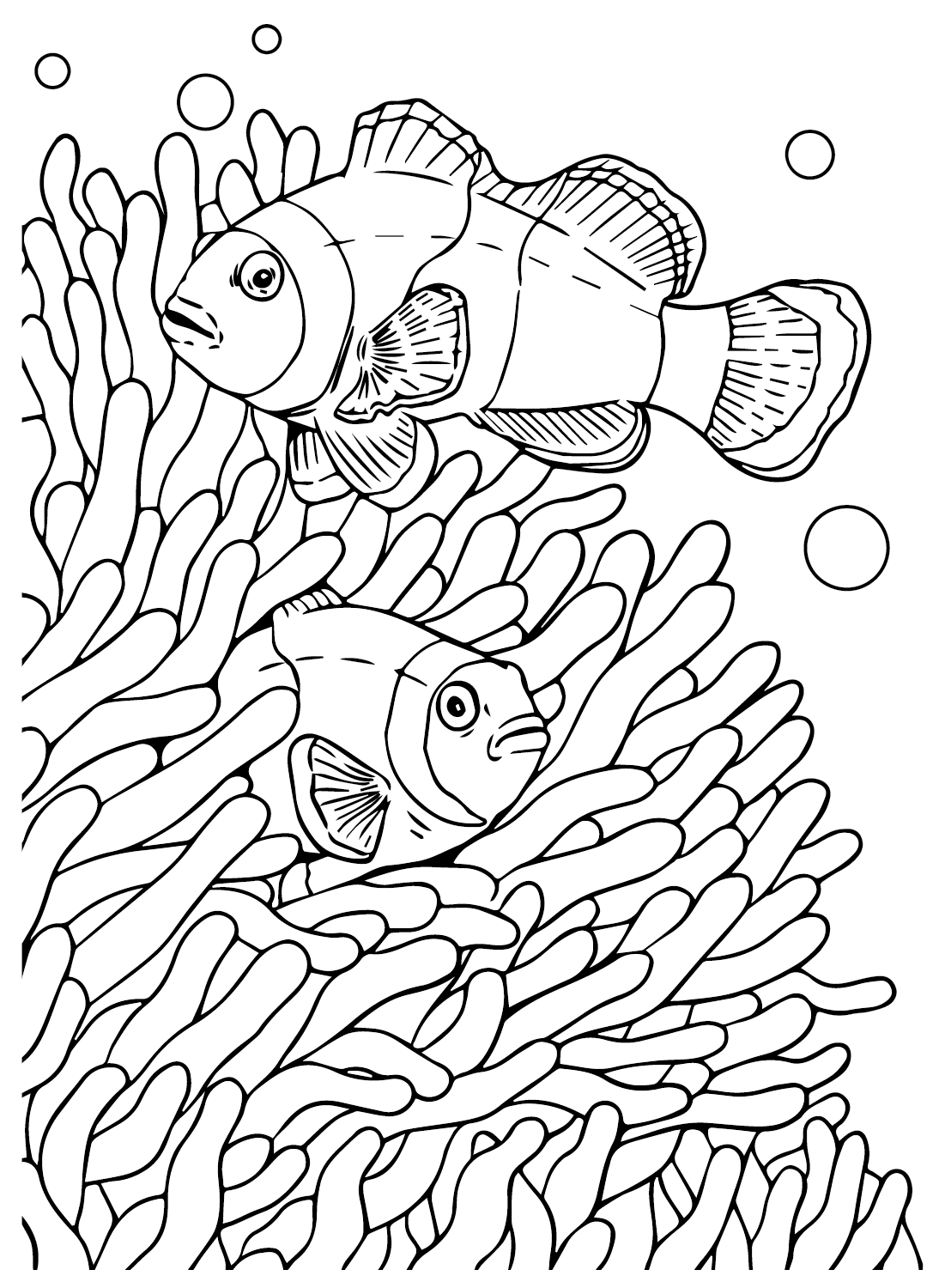
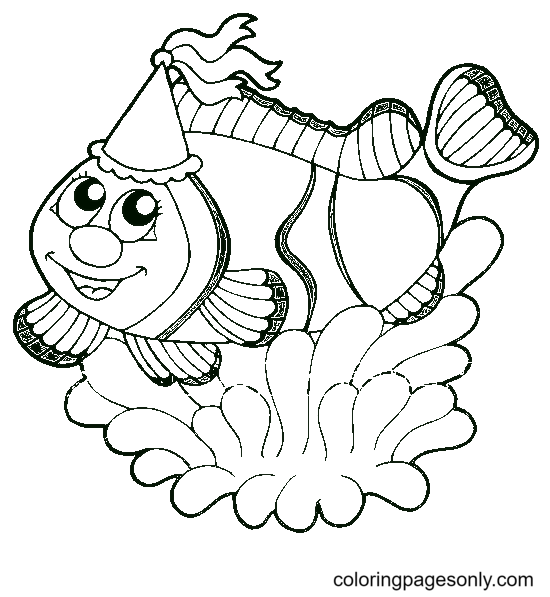
The strongest science-based pages show clownfish swimming, hiding, or peeking out among sea anemone tentacles. These pages explain the most important real-life feature of clownfish: their close relationship with anemones. The anemone can look like a soft field of waving arms around the fish, creating both a habitat and a frame. These designs are useful for reef lessons because they show shelter, protection, animal partnership, and underwater movement in one picture.
Coloring clownfish and anemones: Color the clownfish first so its orange-and-white stripes remain the focal point. Use soft pink, lavender, pale purple, seafoam green, or light tan for the anemone tentacles, then add darker shading only at the base. The common mistake is making the anemone brighter than the fish; the anemone should frame the clownfish, not overpower it.
Coral Reefs, Crabs, Turtles, and Ocean Friends
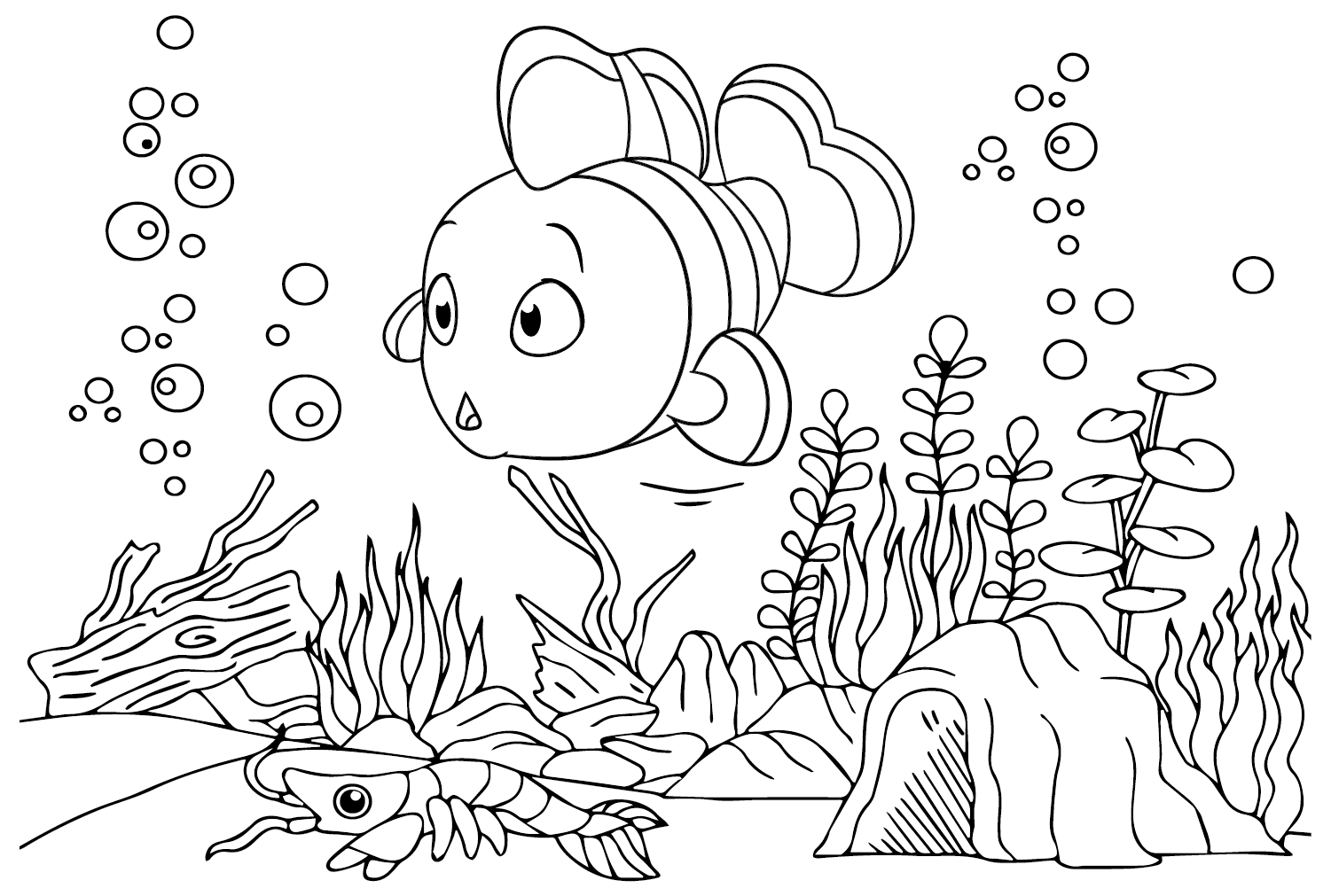
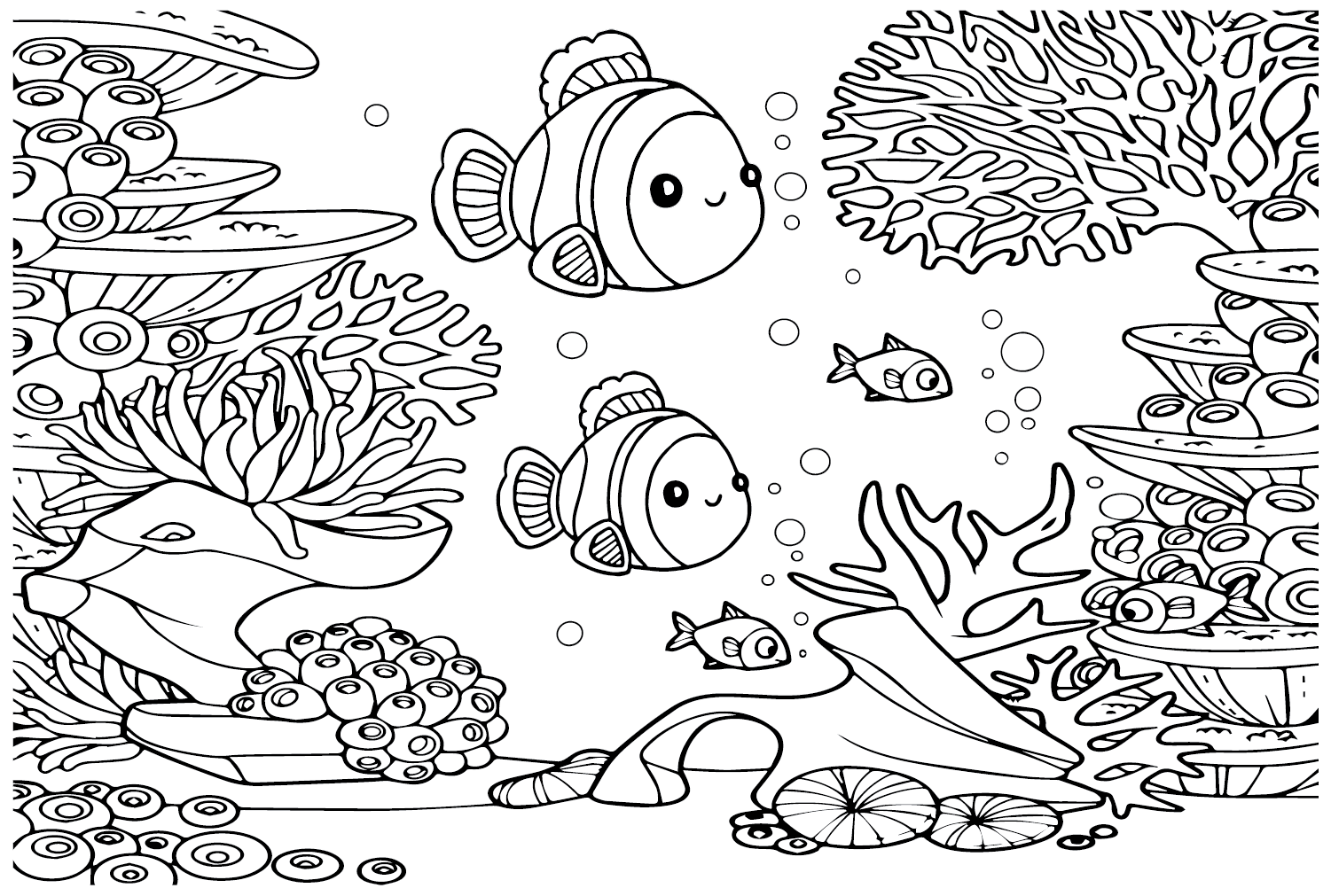
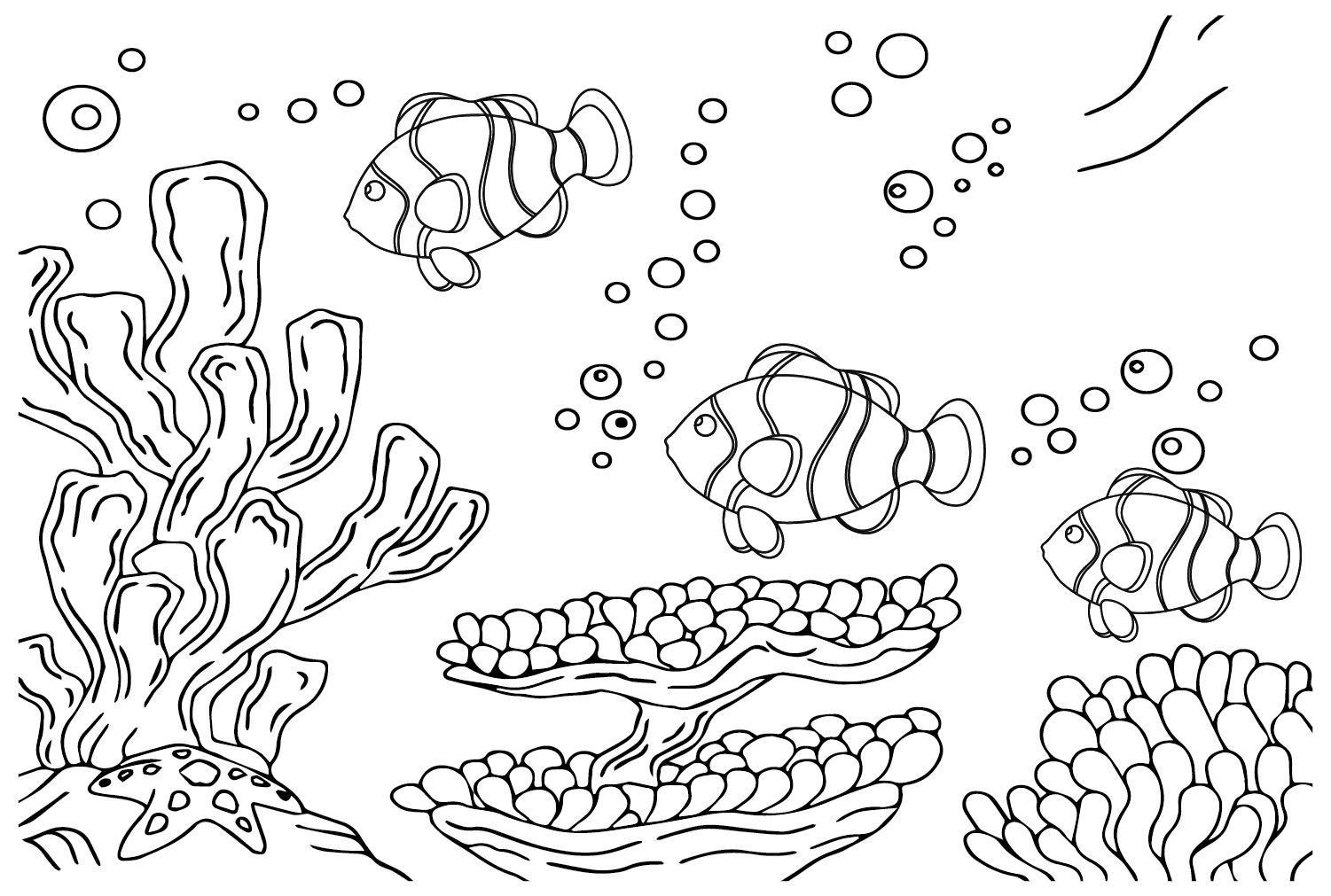
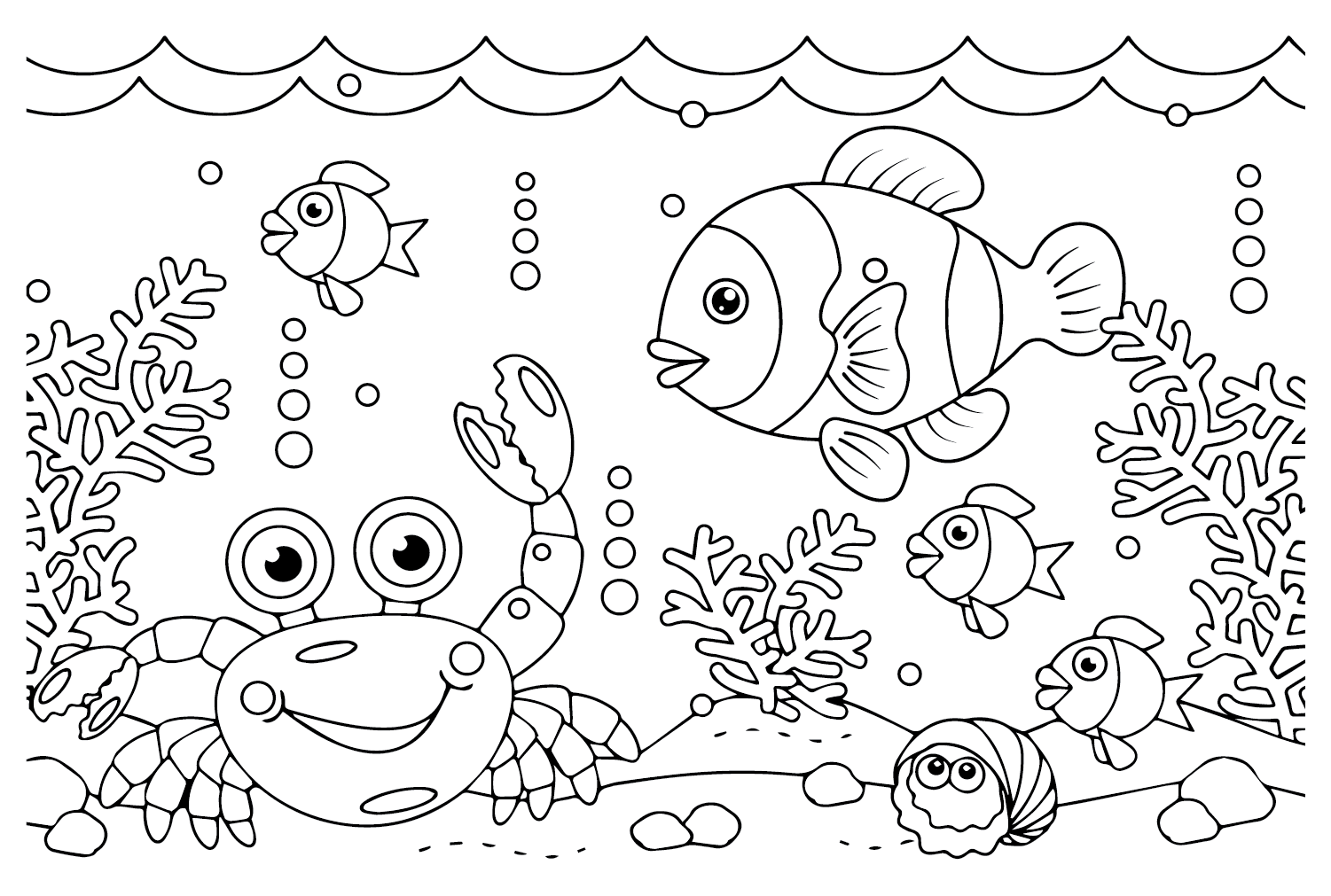
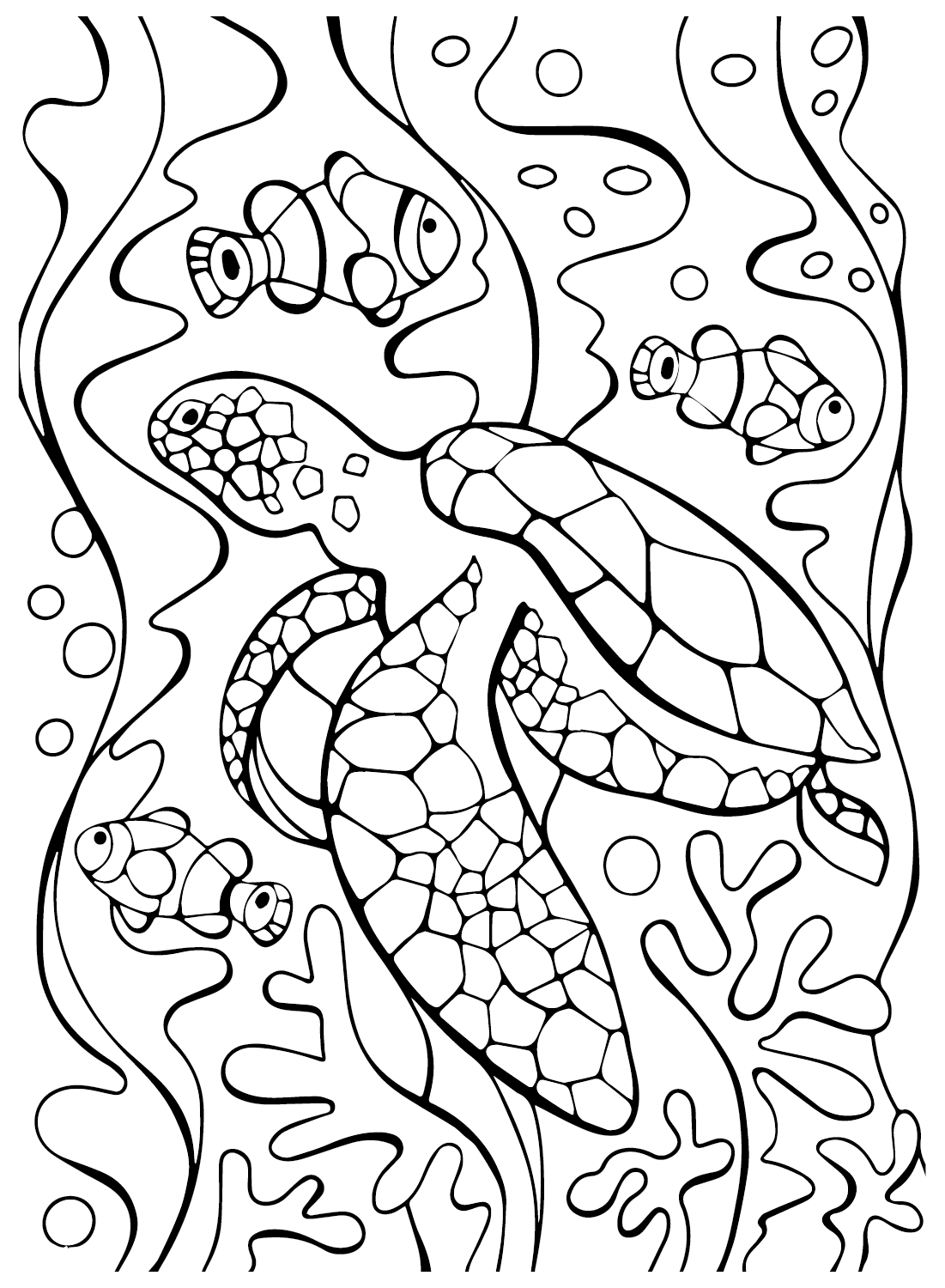
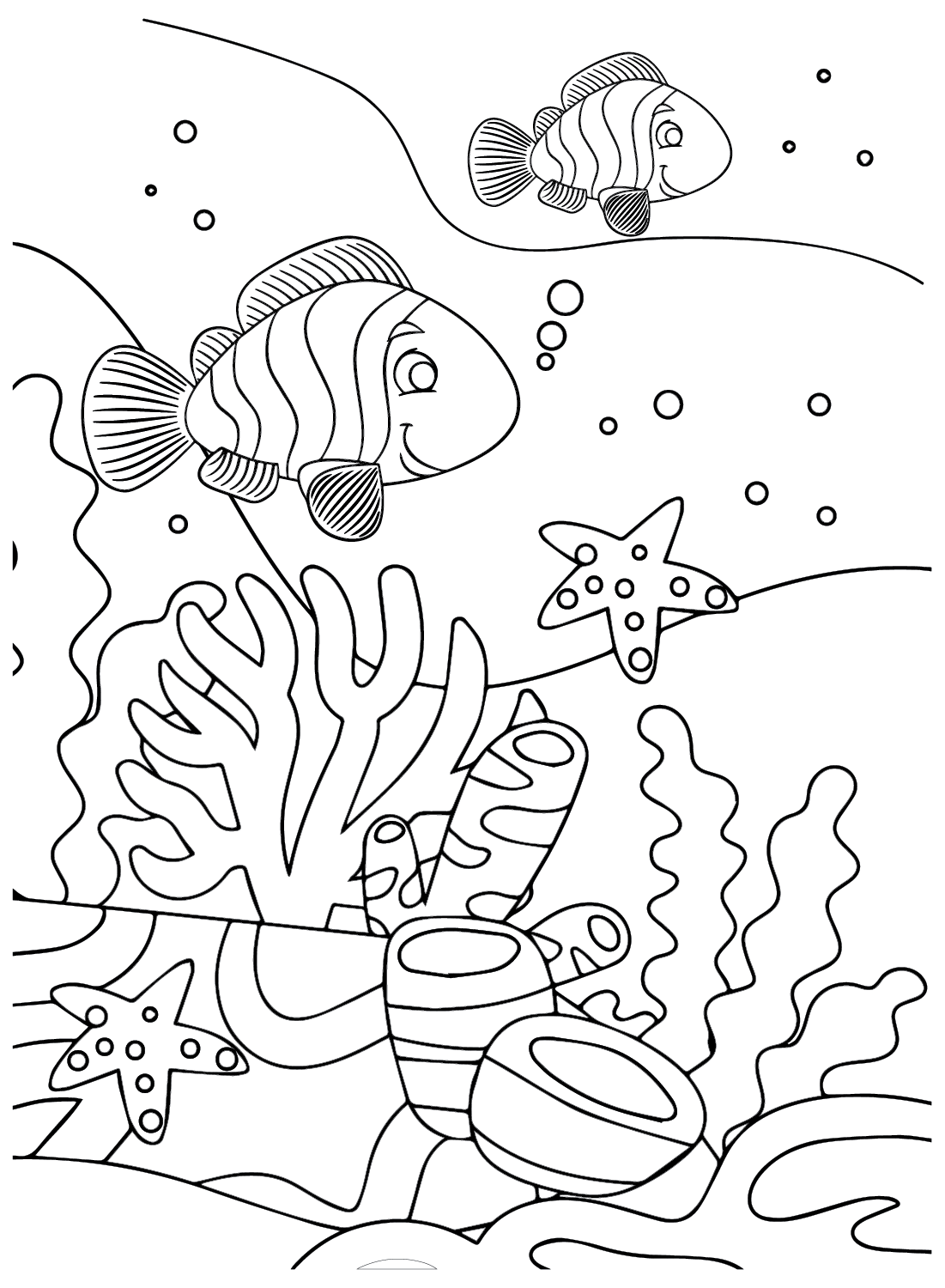
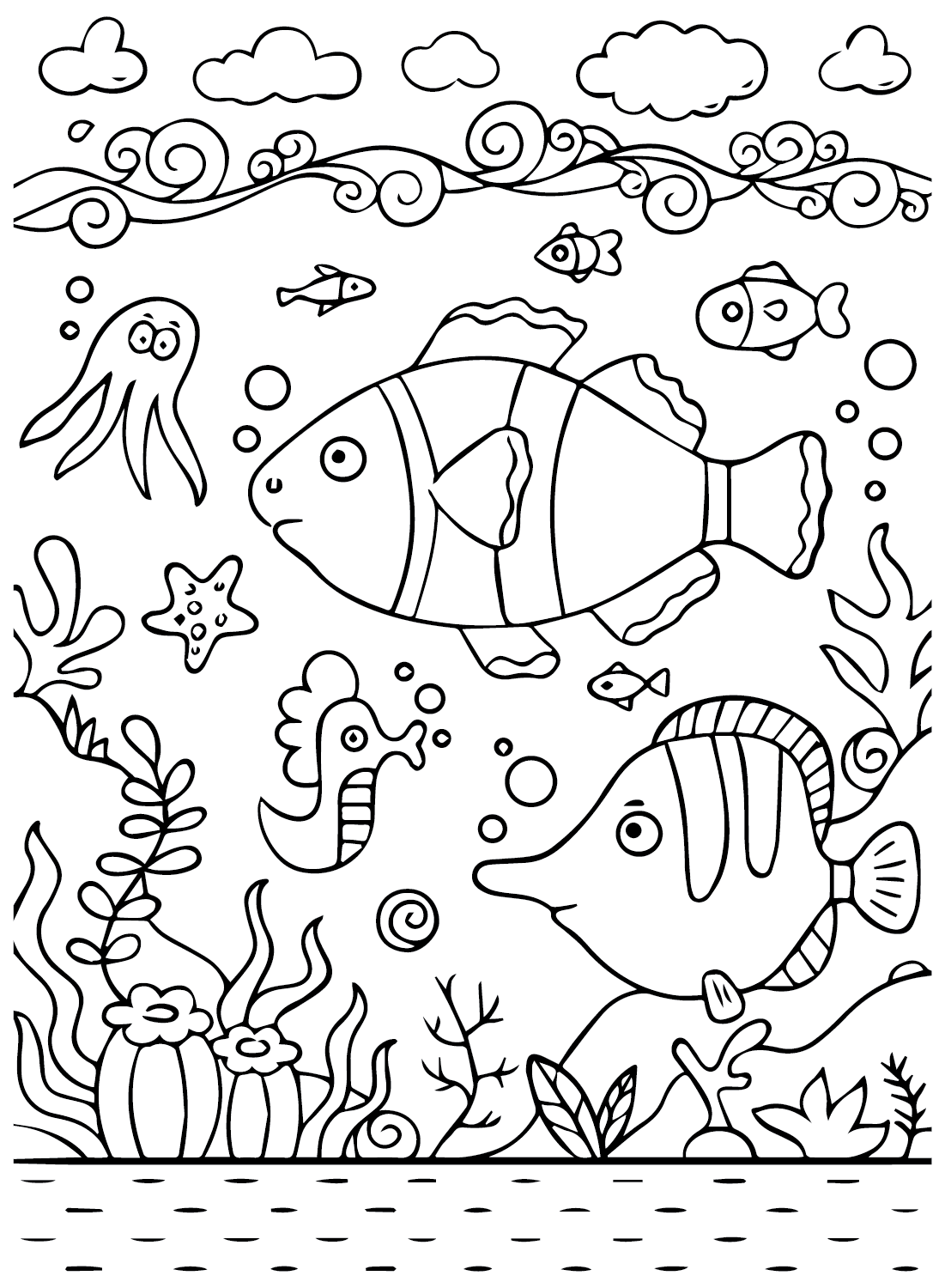
Reef scenes give the clownfish a home: coral branches behind it, a turtle moving past, a crab near the sand, sea plants waving below, and bubbles rising through the water. These pages show clownfish as part of a reef environment rather than a fish floating alone. Turtle shell patterns, crab claws, coral shapes, sand patches, reef layers, and bubble rows give older colorists more areas to plan while keeping the clownfish as the main subject.
Coloring reef clownfish scenes: Use coral pink, salmon orange, sea-glass green, turquoise, deep teal, turtle green, crab red, and sand beige for the habitat. Keep the clownfish colors bold and clean, then make the coral and background details slightly softer. The common mistake is making every reef object equally bright; choose the clownfish as the focus and let the reef support the scene.
Two Clownfish, Mandala Clownfish, and Detailed Designs
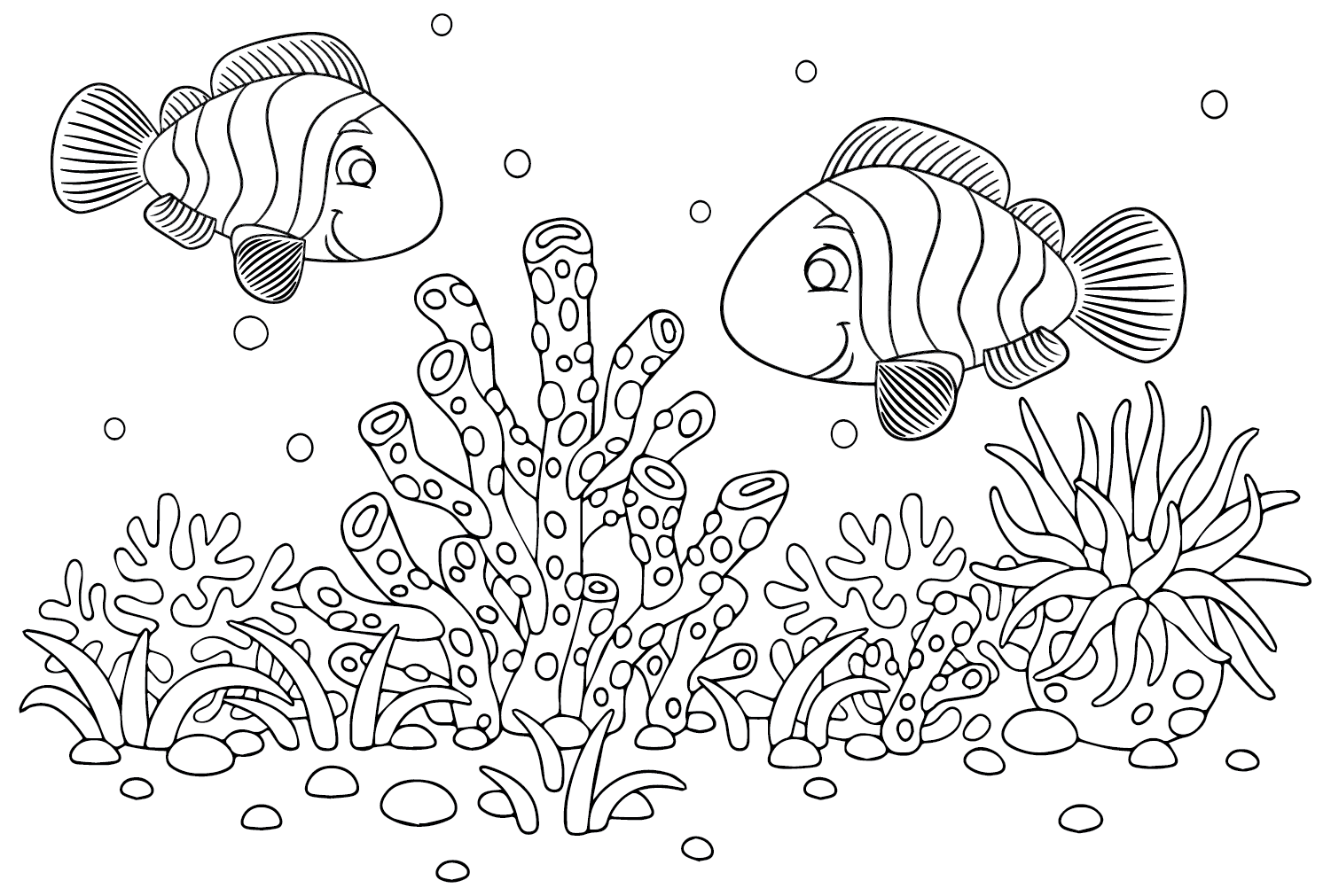
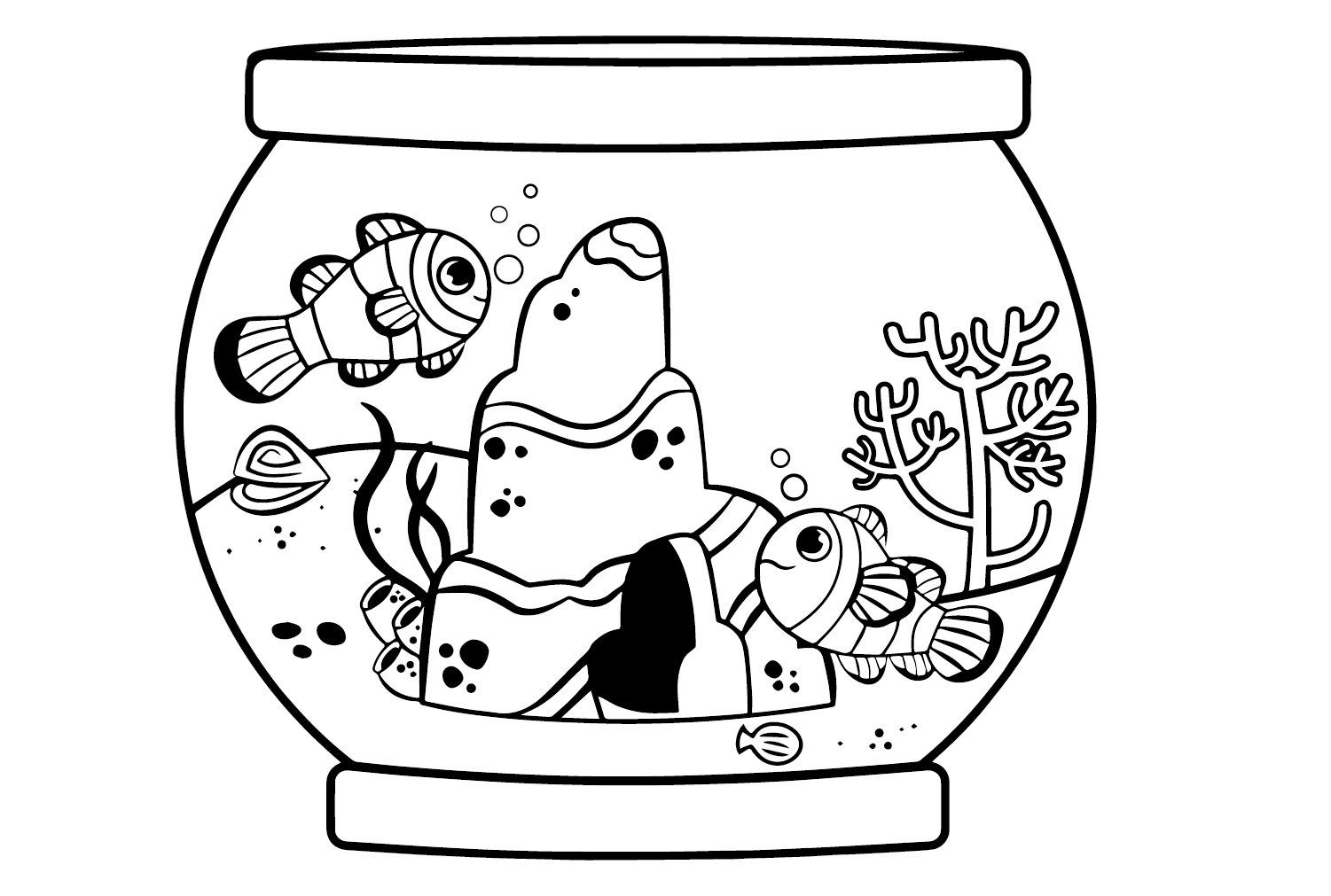
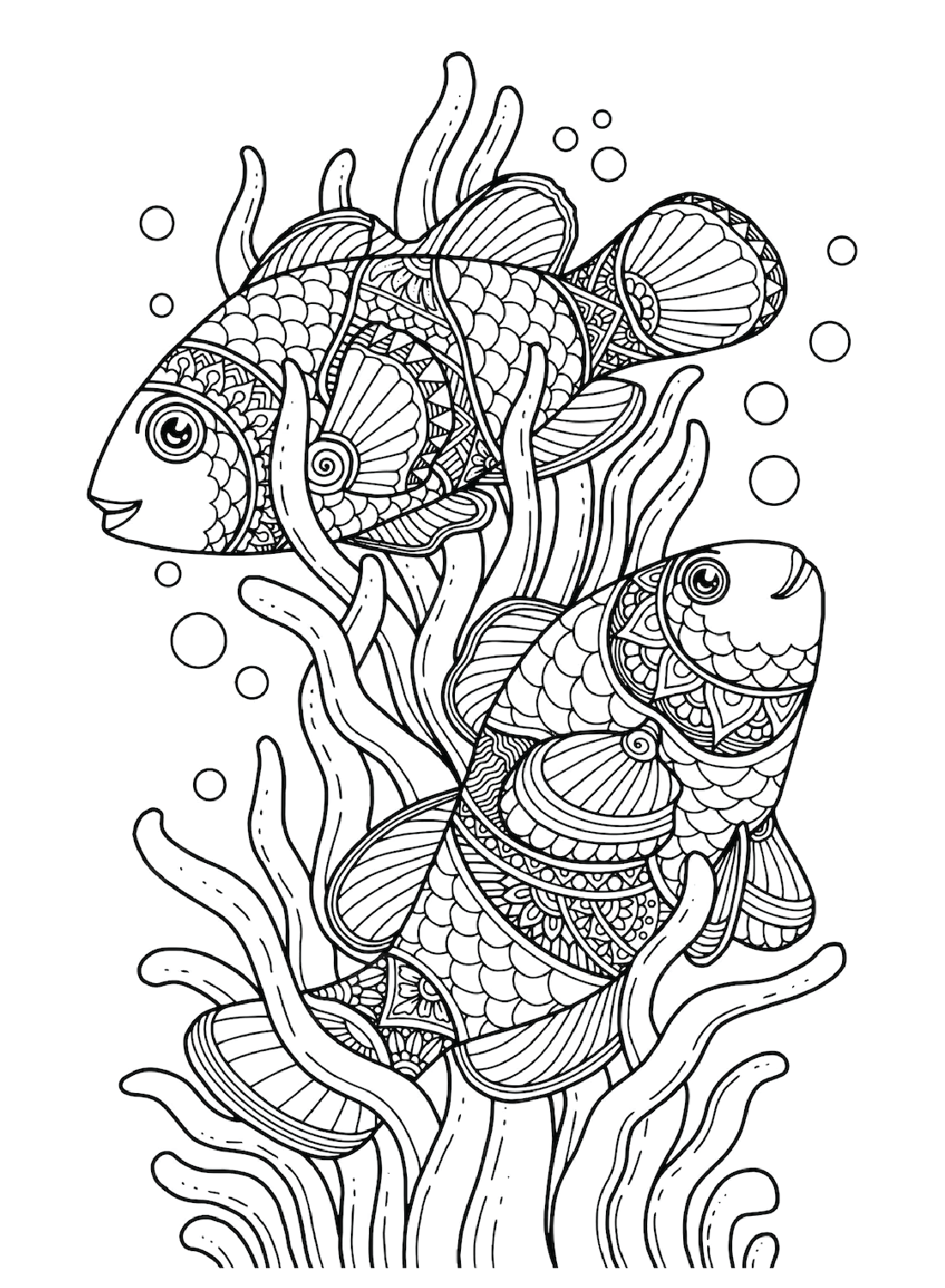
The more detailed pages include two clownfish, clownfish pairs near coral, mandala clownfish, patterned fish bodies, and decorative underwater scenes. These pages are better for older children, teens, and adults because they require more careful color planning. A pair of clownfish can show size differences, movement, direction, and spacing. Mandala clownfish designs let colorists practice symmetry, repeated fins, balanced stripe placement, and controlled warm-cool contrast.
Coloring detailed clownfish pages: Choose a controlled palette before starting: orange, white, black, turquoise, coral pink, and seafoam green are enough for most pages. For mandala designs, repeat the same accent colors across matching shapes so the fish looks balanced. The common mistake is using too many unrelated colors; detailed pages look cleaner when the clownfish pattern stays recognizable.
What These Pages Do
Clownfish coloring pages connect children to ocean life through a fish that is easy to recognize and visually memorable. The orange body, white bars, dark stripe edges, rounded fins, and reef setting give children clear shapes to color. At the same time, the pages can introduce real marine vocabulary such as clownfish, anemonefish, sea anemone, reef, coral, fin, tail, stripe, tentacle, symbiosis, mutualism, and habitat.
These pages also teach visual design through contrast, pattern, and habitat layering. A clownfish page is not only about filling a fish shape with orange. The white bars must stay clean, the dark stripe edges must remain thin, the fins need lighter highlights, and the surrounding anemone or coral should support the main subject. The warm orange fish against cool blue water also gives children a simple way to understand color contrast. That helps colorists plan before they start and notice how a bright animal stands out inside a busy reef environment.
The American Academy of Pediatrics identifies fine motor skill development as a key milestone throughout early childhood. HealthyChildren.org, the parenting site from the American Academy of Pediatrics, lists coloring with crayons or chalk among quiet-time activities that can help improve a 3-year-old child’s hand abilities. Clownfish pages support that development through stripe borders, small fins, tail shapes, bubble circles, coral branches, anemone tentacles, crab claws, turtle shells, and repeated mandala sections.
The 2005 Art Therapy Journal study on structured coloring and anxiety reduction applies well to clownfish pages because many designs include repeated stripes, bubbles, coral branches, tentacle lines, fish scales, and wave patterns. A clownfish has a strong central pattern, while the reef around it gives organized, smaller spaces to finish. This kind of structured coloring can feel calm and focused because children can complete one section at a time: fish, stripes, fins, anemone, coral, water, and bubbles.
Clownfish pages can also support reef awareness. Children can enjoy the familiar orange fish while learning that real clownfish depend on healthy reef habitats and close relationships with sea anemones. That keeps the activity creative but also meaningful, especially for ocean units, classroom displays, fish lessons, and marine animal projects.
How to Color These Pages Well
Keep the white bars clean. Start by identifying the white stripe areas before coloring the orange body. Leave those sections blank, then add a thin black or dark charcoal outline along the edges. The common mistake is coloring the whole fish orange first and trying to fix the stripes later; clean white bars make the clownfish recognizable.
Build the orange body in layers. Use bright orange as the base, then add yellow-orange highlights near the face, back, and fins. Add a small amount of deeper orange or red-orange under the belly and near the tail base. Layering keeps the fish bright without making it flat.
Use black edges carefully. Clownfish stripes often have dark edges, but those lines should stay thin and controlled. Use a sharp colored pencil or fine-tip marker only after the orange and white areas are clear. The common mistake is making the black bands too thick, which can hide the white bars and make the fish look heavy.
Keep fins slightly lighter than the body. Fins can use yellow-orange, pale orange, or light coral so they stay visible against the main body. Add a tiny highlight near the fin edge and a slightly darker line where the fin meets the body. This small value change helps the fish look cleaner and easier to read.
Make the anemone soft, not distracting. Sea anemone tentacles can be pale pink, lavender, cream, light purple, or seafoam green. Color the tentacles lightly, then shade the base with a darker version of the same color. The clownfish should remain the brightest subject in the scene.
Separate coral, sand, and water. Use turquoise, ocean blue, or deep teal for water; sand beige for the ocean floor; coral pink or salmon orange for reef shapes; and seaweed green for plants. If the background is too close to the clownfish’s color, the fish may disappear. Test strong oranges and blues on scrap paper before filling large areas.
Use a controlled palette for mandala clownfish. Pick three main colors and two accents before starting. Keep the fish pattern orange, white, and black, then use turquoise, coral pink, or seafoam green for decorative sections. Repeating the same colors across matching shapes makes mandala pages look cleaner.
5 Creative Craft Ideas
Underwater Wall Decor
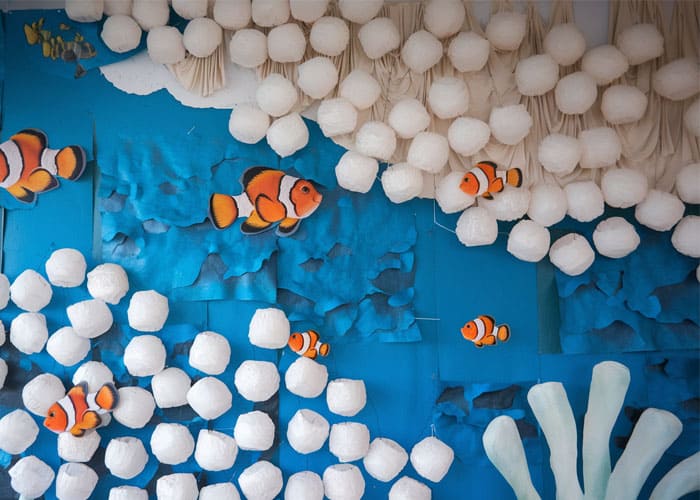
Use several clownfish coloring pages to create a bright underwater wall display for a bedroom, classroom, or ocean unit. Materials include printed clownfish pages, crayons or colored pencils, scissors, glue, blue poster board, and extra paper for coral, seaweed, bubbles, and sea anemones. Children color each clownfish with a clear orange body, clean white bars, and thin black stripe edges, then cut them out carefully. On the blue poster board, draw a reef background with soft anemone tentacles, coral branches, sand, and rising bubbles. Arrange the clownfish at different heights so they look like they are swimming through the reef. This craft works well for ages 6-11 because it teaches layout, color contrast, and habitat awareness. The finished mural shows that clownfish are not just bright fish; they belong inside a reef world.
Ocean Adventure Greeting Cards
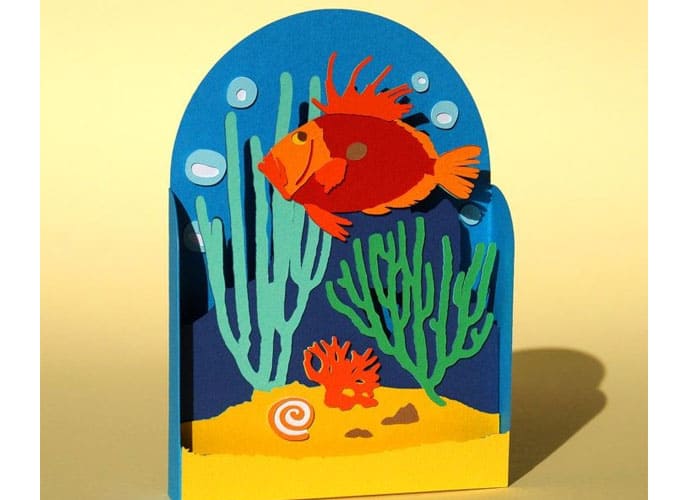
Turn a finished clownfish coloring page into a handmade ocean-themed greeting card. Materials include printed clownfish pages, folded cardstock, crayons or colored pencils, scissors, glue, and optional stickers or paper bubbles. Children color one clownfish first, keeping the orange body bright, the white bars clean, and the black stripe edges thin. After cutting out the fish, glue it to the front of a folded card with a simple blue water background. Add small details such as bubbles, coral, a sea anemone, or a short message like “Have a bright day” or “Sending ocean smiles.” This craft works well for ages 5-10 because it combines coloring, cutting, writing, and personal expression. The finished card can be used for birthdays, classroom notes, thank-you messages, or summer activities.
Clownfish Puppets
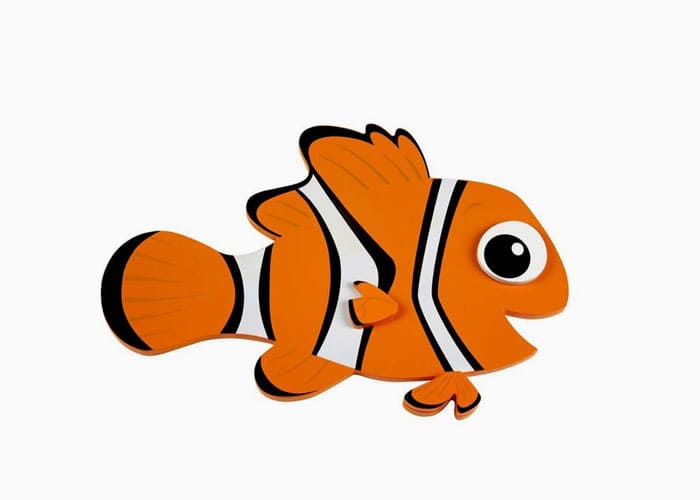
Use cute, cartoon, or kawaii clownfish pages to make simple reef story puppets. Materials include printed clownfish pages, crayons, scissors, glue or tape, popsicle sticks or paper straws, and a blue paper background. Children color one or more clownfish, then cut them out and attach each fish to a stick. To make the puppet play more meaningful, create a small reef stage with paper sea anemones, coral, seaweed, and bubbles. Younger children can move the clownfish between the anemone and the coral while telling a simple ocean story. Older children can add vocabulary words such as “reef,” “anemone,” “shelter,” “stripes,” “mutualism,” and “habitat.” This craft works best for ages 4-8 because it supports coloring, speaking, storytelling, and imaginative play
DIY Clownfish Mobile
Create a hanging clownfish mobile that looks like a small school of fish swimming through blue water. Materials include several printed clownfish pages, crayons or colored pencils, scissors, string, tape or glue, and a circular frame such as an embroidery hoop, paper plate ring, or cardboard circle. Children color multiple clownfish, keeping the stripe pattern consistent: orange body, white bars, and thin black edges. Cut out the fish and attach each one to a string at a different length. Add small paper bubbles, coral shapes, or seaweed strips for more movement. Hang the strings from the frame so the clownfish appear to float at different depths. This craft works well for ages 6-11 because it teaches pattern repetition, spatial arrangement, and balance. The finished mobile is ideal for a classroom ocean corner, a child’s room, or a summer display.
Shoebox Diorama
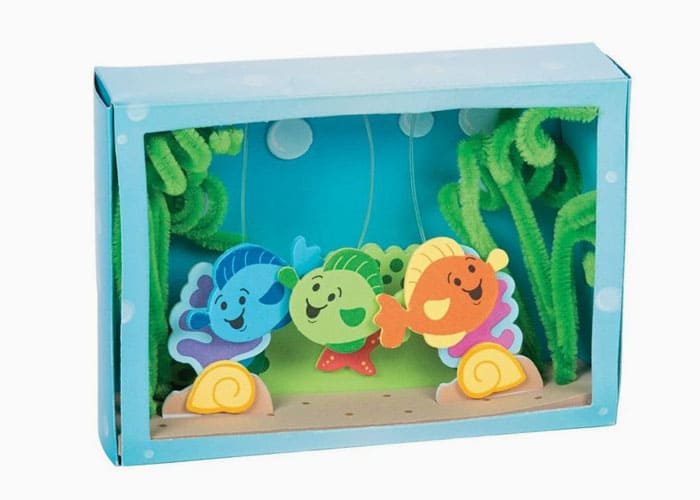
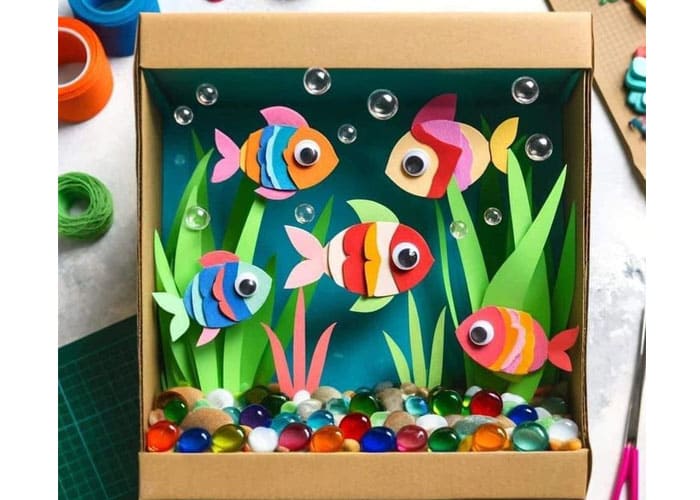
Build a 3D clownfish reef habitat inside a shoebox. Materials include a shoebox or shoebox lid, printed clownfish pages, crayons or colored pencils, scissors, glue, folded paper tabs, blue background paper, and extra paper for coral, sand, anemones, and bubbles. Children color the clownfish first, so the orange-and-white pattern remains the focal point. Then they color or draw anemone tentacles, coral branches, sea plants, and small ocean animals. Glue some pieces flat against the back of the box and stand others upright with folded tabs to create depth. Place the clownfish close to the anemone to show its shelter and reef habitat. This project works best for ages 7-12 because it requires planning, layering, cutting, and understanding how the animal fits into its environment. The finished diorama becomes a small reef scene for classroom display or home decoration.
Frequently Asked Questions
What is a clownfish?
A clownfish, also called an anemonefish, is a small reef fish known for bright colors and bold white bars. Many clownfish are orange with white stripes edged in black, though some species can be yellow, red, brown, or darker. They live in warm ocean habitats and are closely associated with sea anemones. In coloring pages, clownfish usually appear swimming, smiling, hiding in anemones, or moving through coral reef scenes.
Why are clownfish called anemonefish?
Clownfish are often called anemonefish because they live closely with sea anemones. The anemone’s tentacles provide shelter and protection from many predators. Clownfish pages often show the fish inside or beside waving anemone tentacles because this is the animal’s most recognizable habitat relationship. The name helps children connect the fish with the place it lives.
Why can clownfish live in sea anemones?
Clownfish can live among sea anemone tentacles because a protective mucus layer helps keep the anemone from stinging them the way it would sting many other animals. That allows the clownfish to use the anemone as a shelter. In coloring pages, the anemone can be colored as a soft frame around the fish. That makes the scene both visually interesting and scientifically meaningful.
What is mutualism between clownfish and sea anemones?
Mutualism is a relationship where both living things benefit. In the clownfish-anemone relationship, the clownfish gains shelter and protection, while the anemone may benefit from cleaning, nutrients, and defense against some intruders. That makes clownfish coloring pages useful for simple ecology lessons. A child can color the fish, the anemone, and the reef while learning how animals can depend on each other.
What colors should a clownfish be?
The most familiar clownfish pattern uses bright orange, white bars, and black stripe edges. A good coloring approach is to fill the orange body first, leave the white bars clean, and add thin black edges last. Coral reef scenes can use turquoise, seafoam green, coral pink, lavender, and sandy beige. Cartoon clownfish can include blush cheeks or softer shades, but the orange-and-white pattern should stay recognizable.
What kinds of Clownfish Coloring Pages are included?
The collection includes simple clownfish outlines, cute clownfish, cartoon clownfish, kawaii clownfish, smiling clownfish, two clownfish, clownfish in the sea, clownfish in water, clownfish with coral, clownfish with crabs, clownfish with turtles, clownfish in sea anemones, clownfish tank scenes, mandala clownfish, and printable clownfish designs. Some pages are easy for younger children, while others include reef backgrounds or detailed patterns for older colorists. This range makes the collection useful for home, classroom, summer crafts, and ocean lessons.
What age group are these Clownfish Coloring Pages best suited for?
The simplest clownfish outlines, cute faces, and large stripe patterns can work from about age 3 or 4 with thick crayons and adult supervision. Pages with sea anemones, coral reefs, crabs, turtles, mandala details, and more underwater objects are better for ages 6–10 because they include smaller sections. Older children, teens, and adults may enjoy mandala clownfish, reef compositions, and careful orange-white-black shading. The best page depends on the detail level and the child’s patience.
Are clownfish good pages for learning color contrast?
Yes. Clownfish are excellent for contrast because their bright orange bodies sit next to white bars and black stripe edges. Children can practice keeping light and dark areas separate, using clean outlines, and making the main subject stand out from the ocean background. Reef pages also teach contrast between warm fish colors and cool water colors. That makes clownfish pages useful for both beginner coloring and more advanced design practice.
Clownfish coloring pages bring a bright reef animal into a clear, friendly activity: an orange fish with white bars, a soft anemone home, bubbles rising through blue water, or a coral reef full of small ocean friends. Each page gives colorists a chance to explore pattern, contrast, habitat, and marine life through color.
Browse the full collection at ColoringPagesOnly.com. All 30+ pages free, no sign-up, PDF or PNG, print at home or color online.
These pages fit many creative moments: an ocean science lesson, a reef habitat activity, a summer craft table, a fish vocabulary unit, or a calm coloring break at home. They also give children a useful challenge because clownfish look best when the white bars stay clean, the black edges stay thin, and the orange body stays bright.
For the final pass, check the stripe pattern before coloring the background. Keep the anemone soft, add coral only as an accent, and leave small white highlights on bubbles or fins. A few clean spaces can make the whole reef scene feel brighter and more natural.
Share your work on Facebook and Pinterest and tag #Coloringpagesonly. We especially want to see your Underwater Wall Decor and Shoebox Diorama.
Bright stripes / soft anemones/reef stories in color.