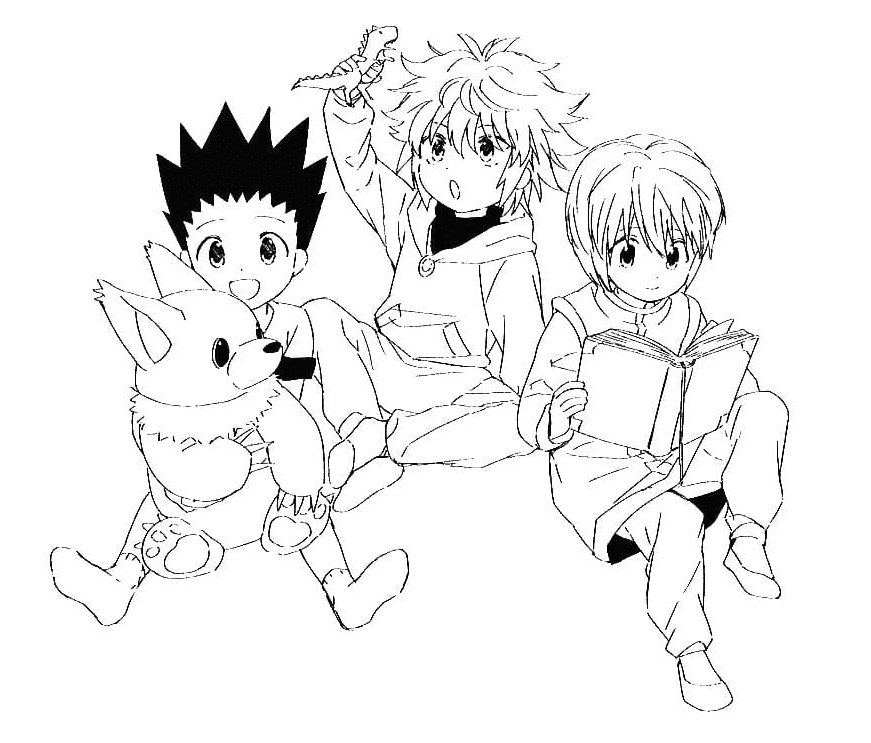
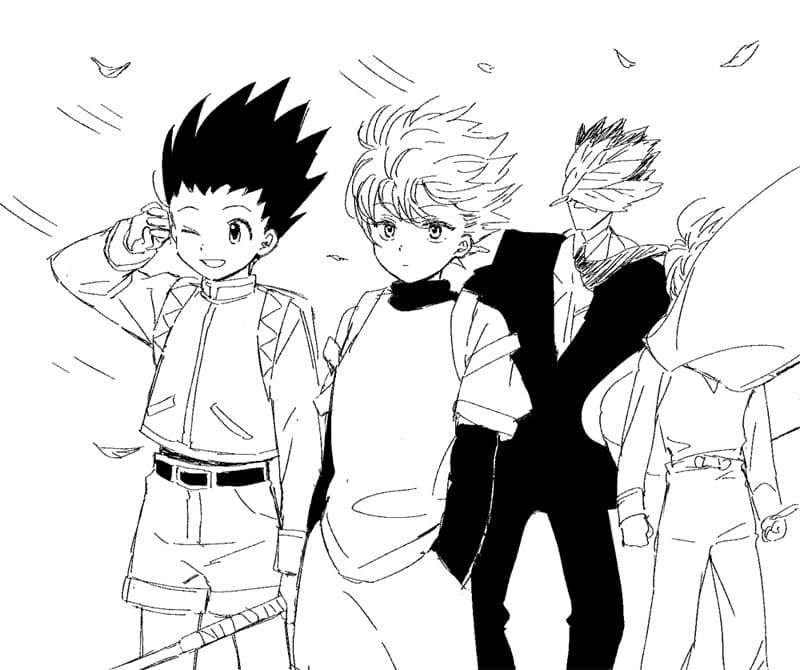
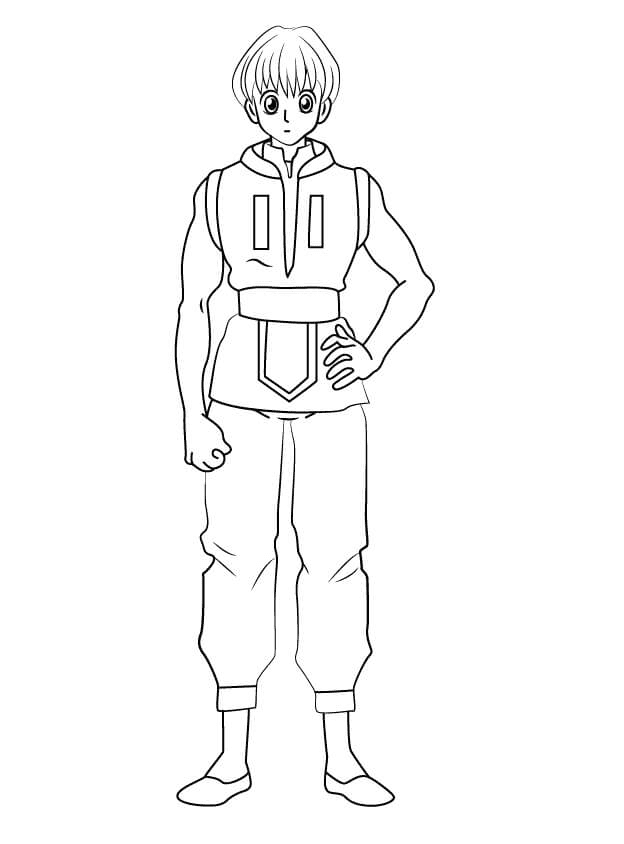
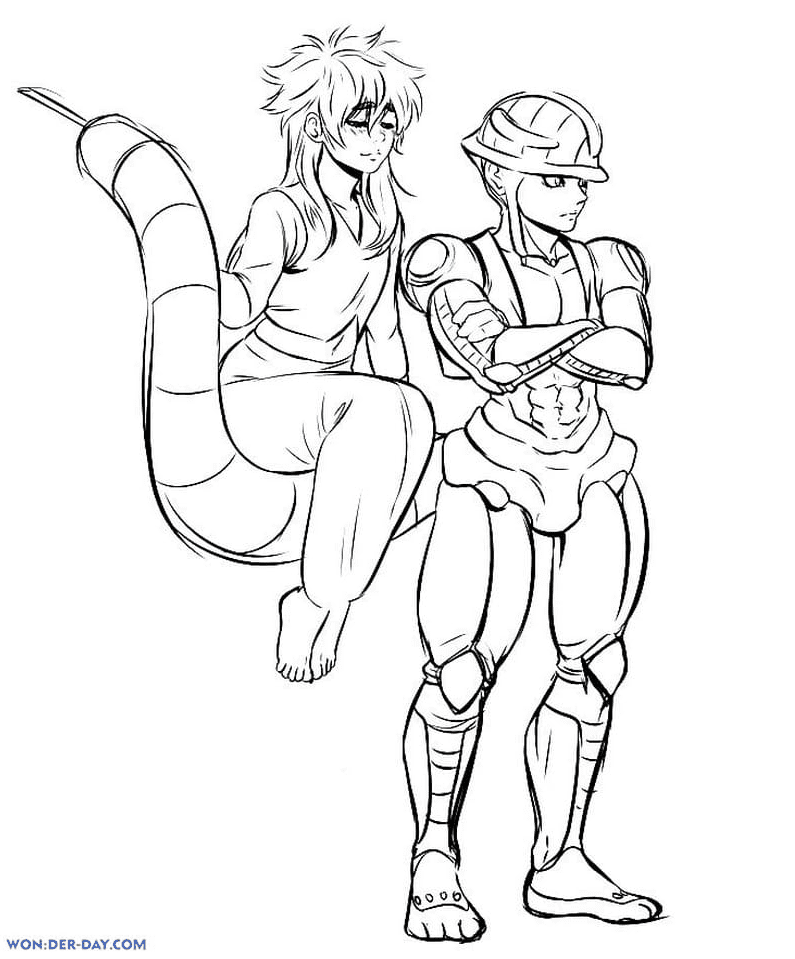
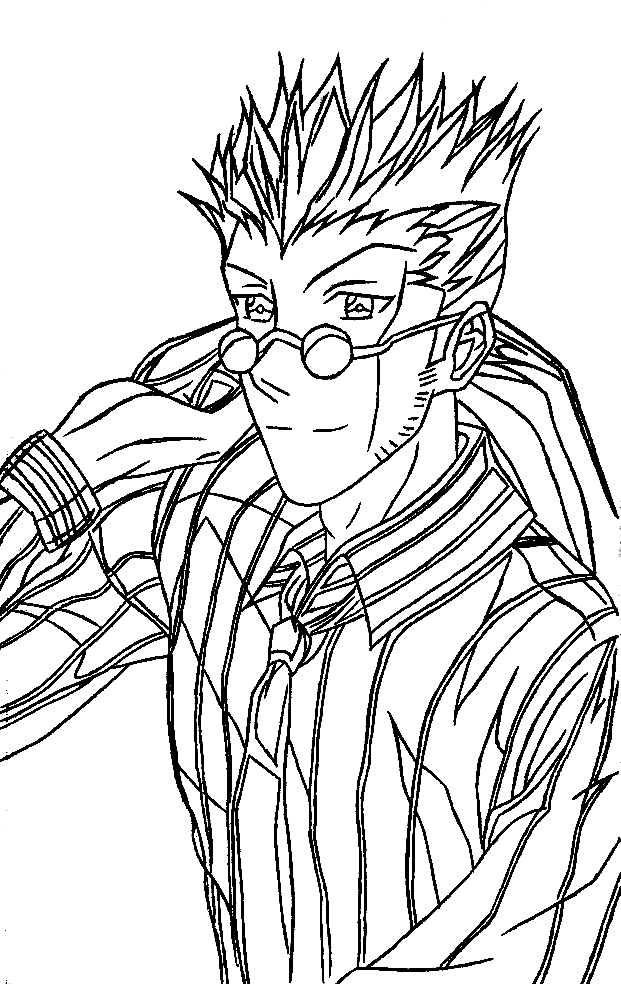
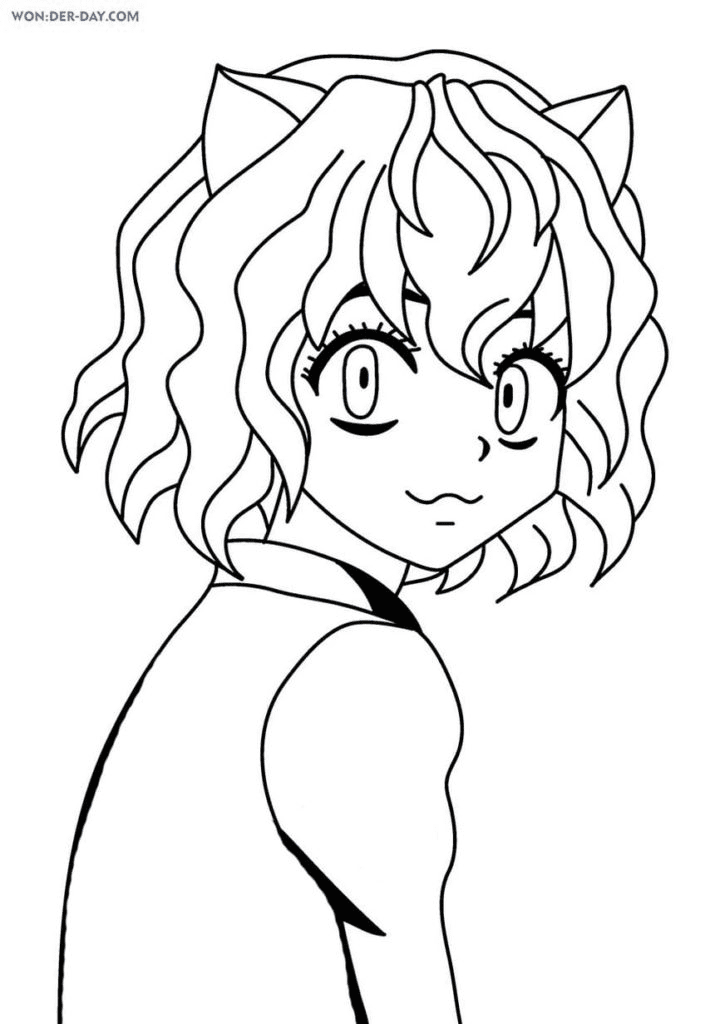
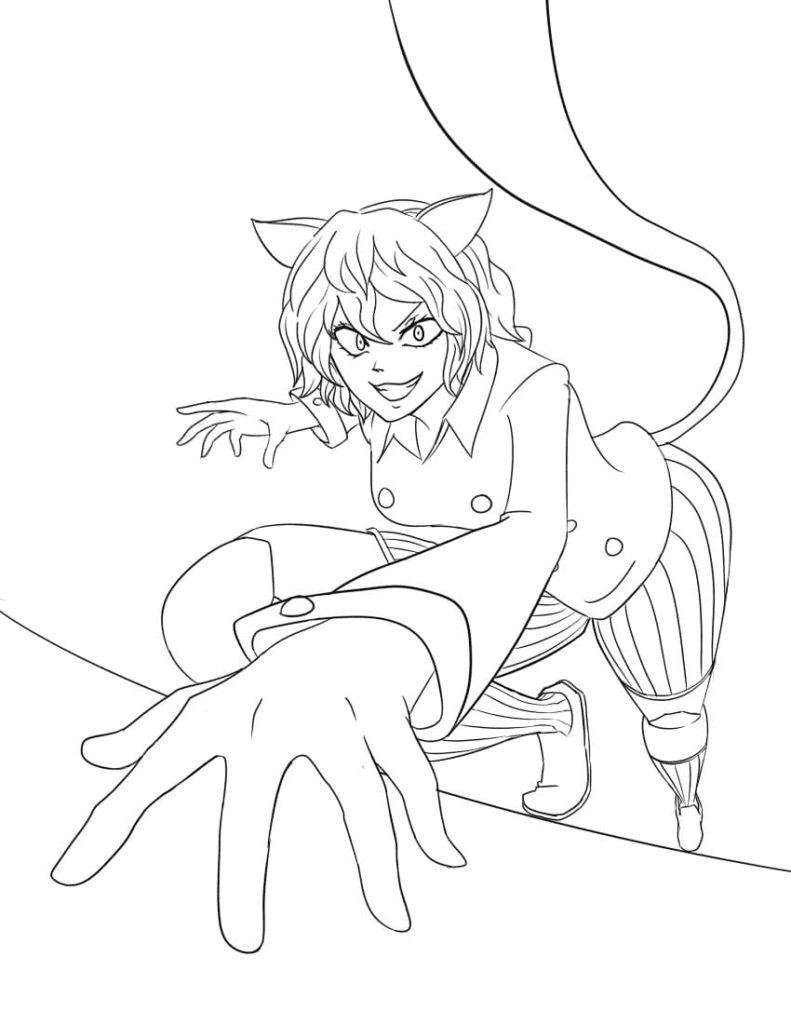
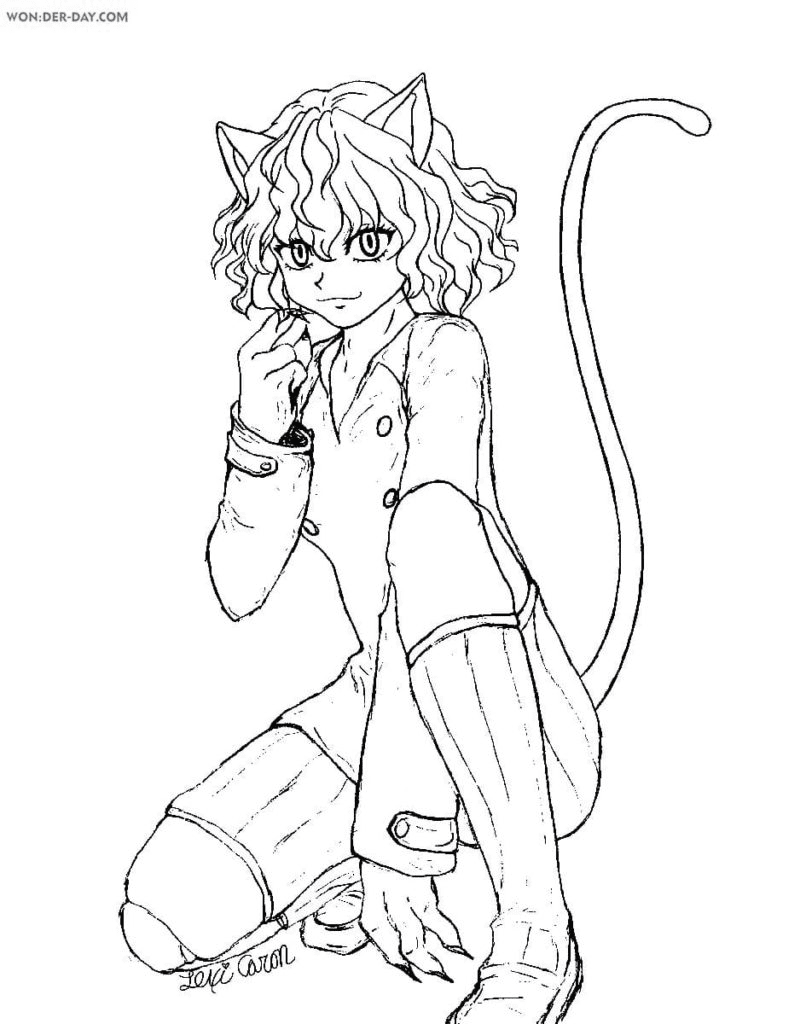
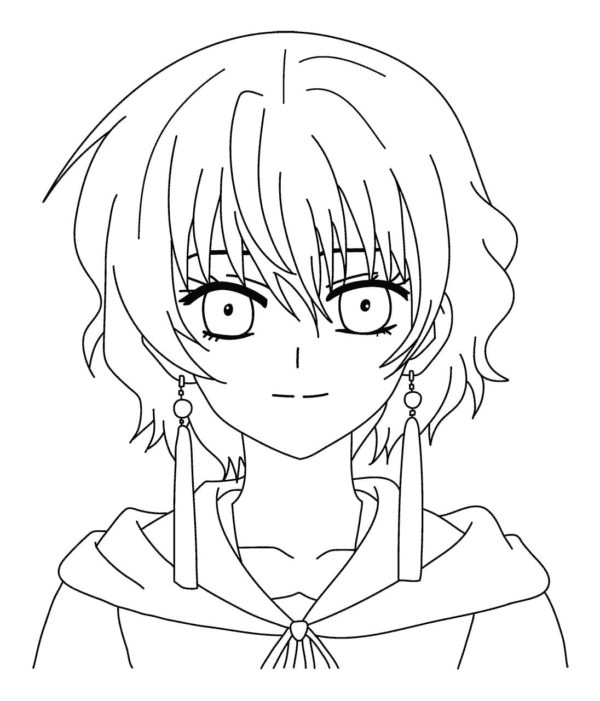
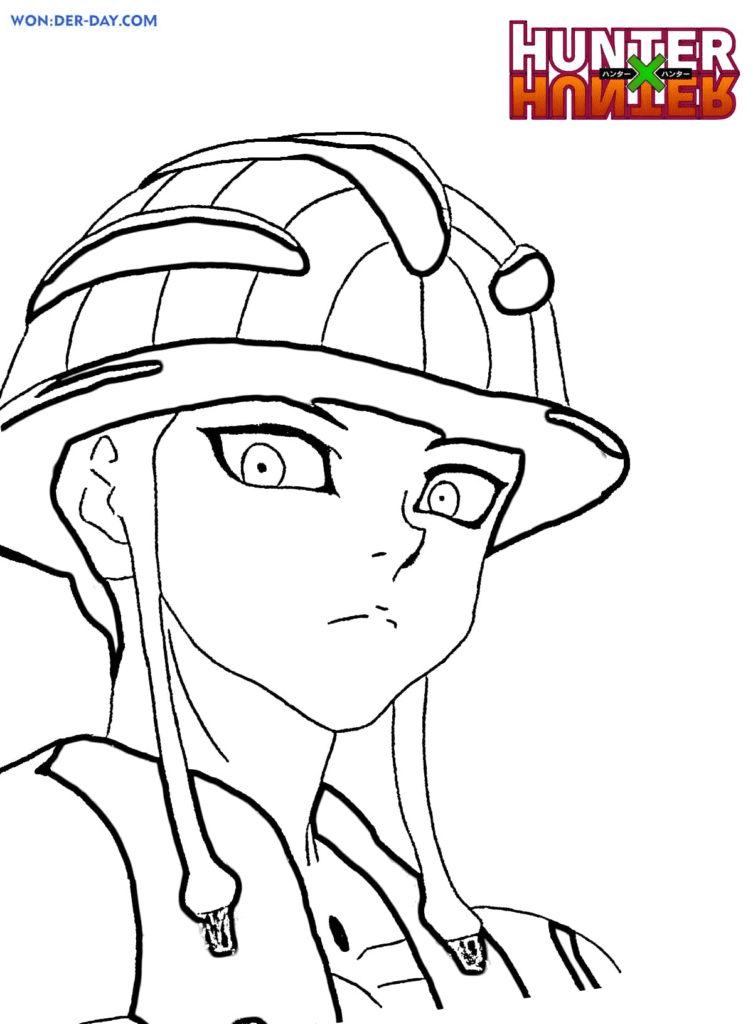
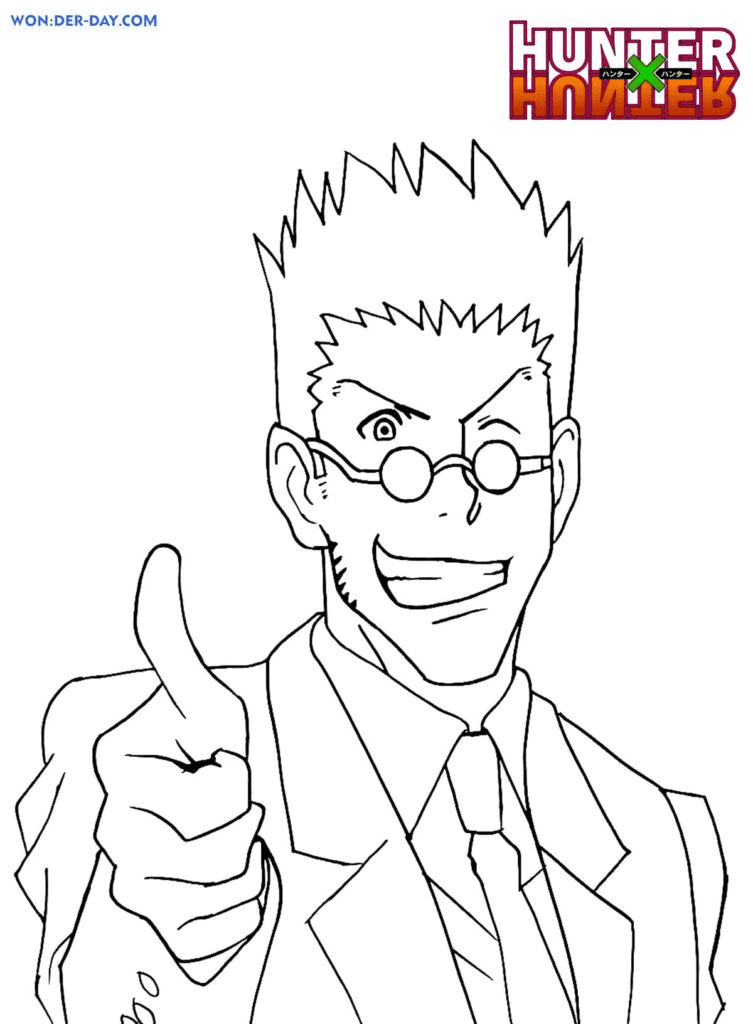
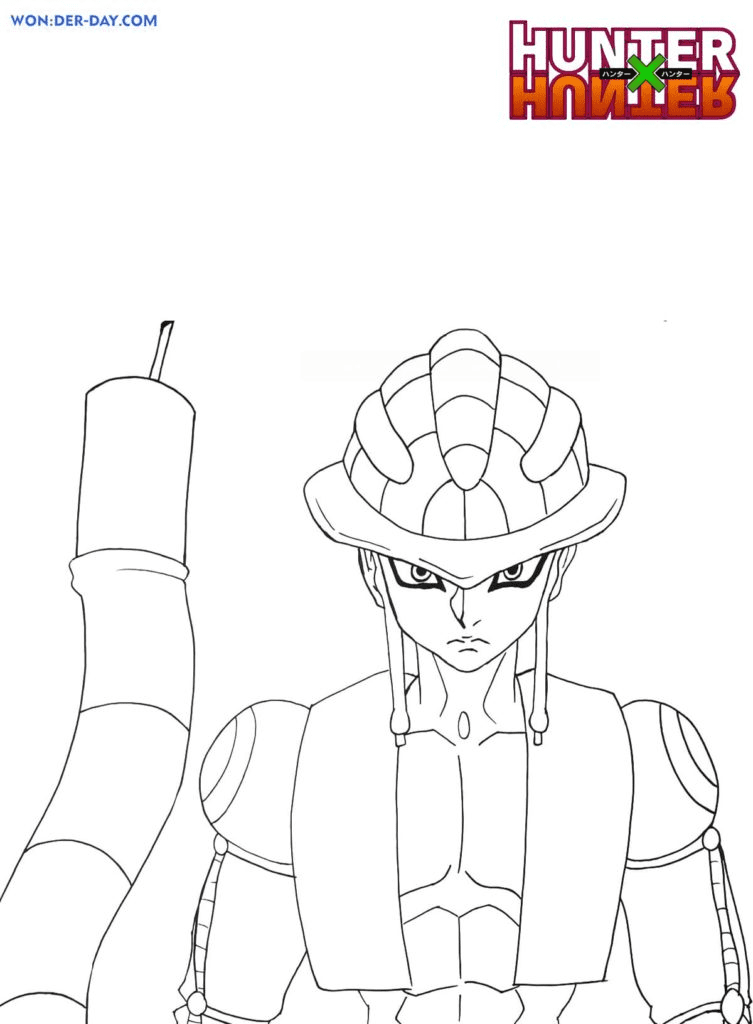
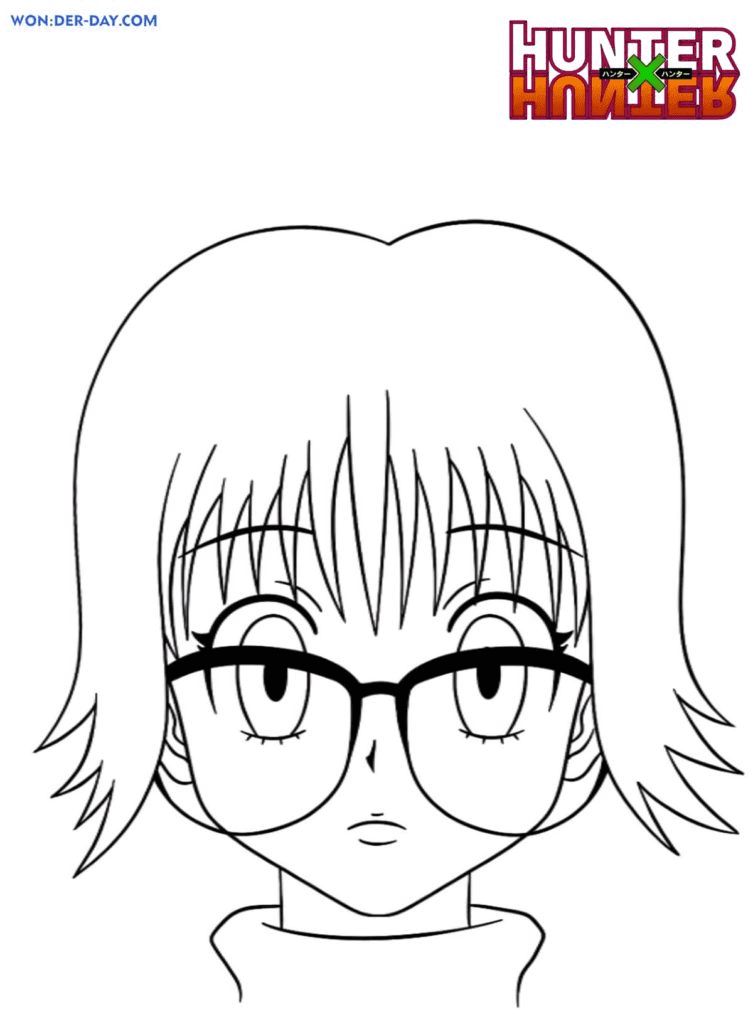
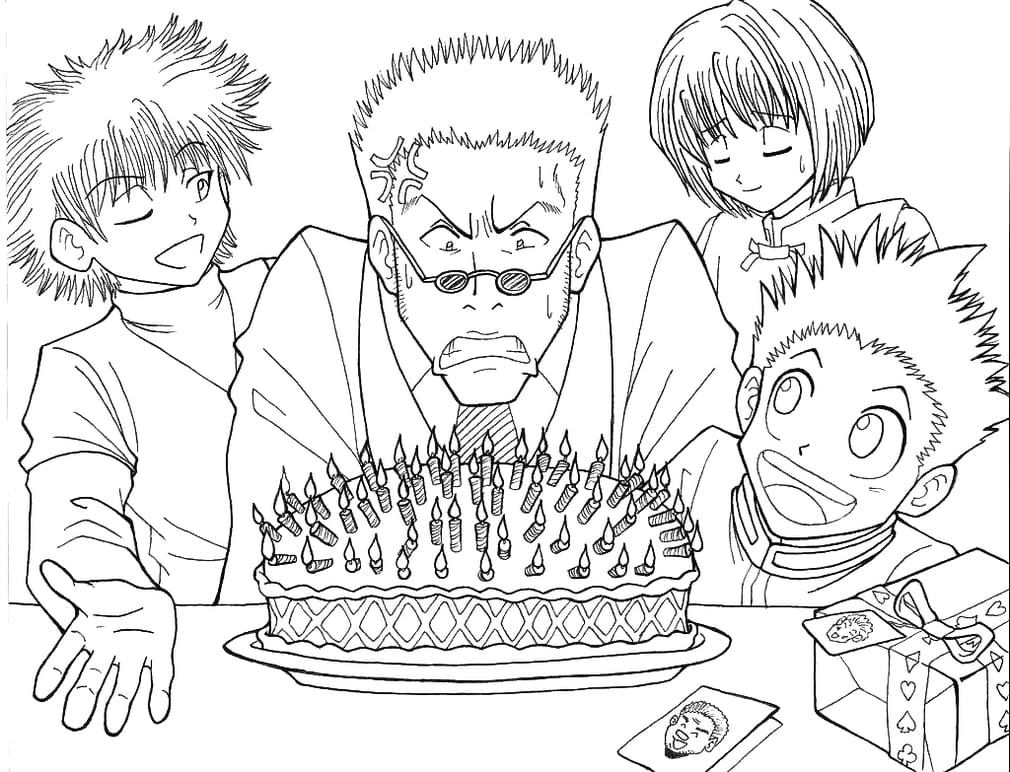
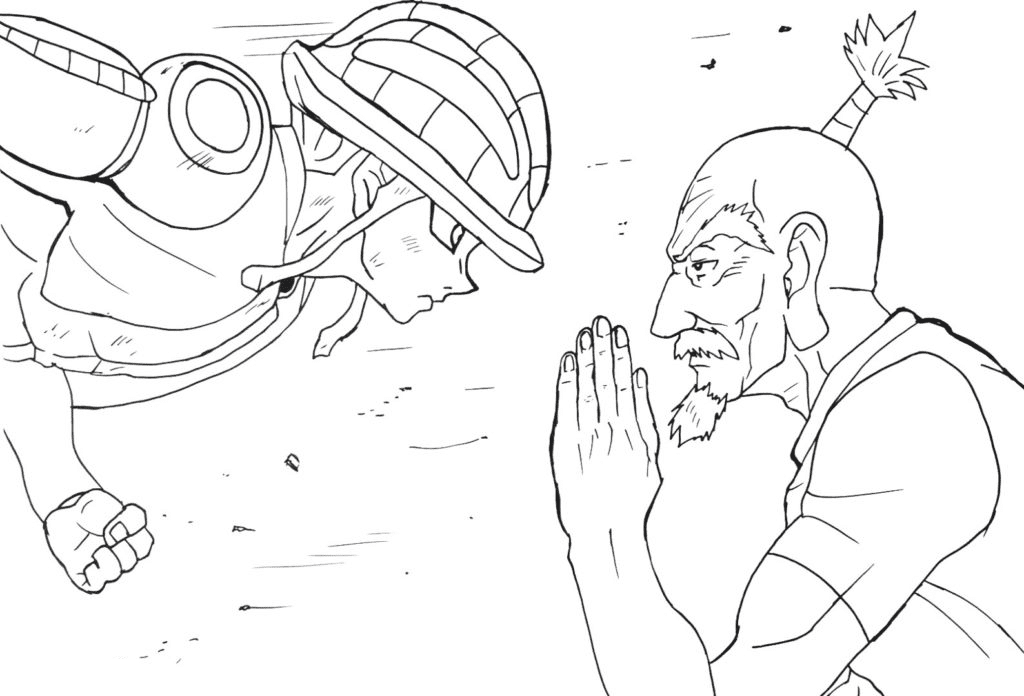
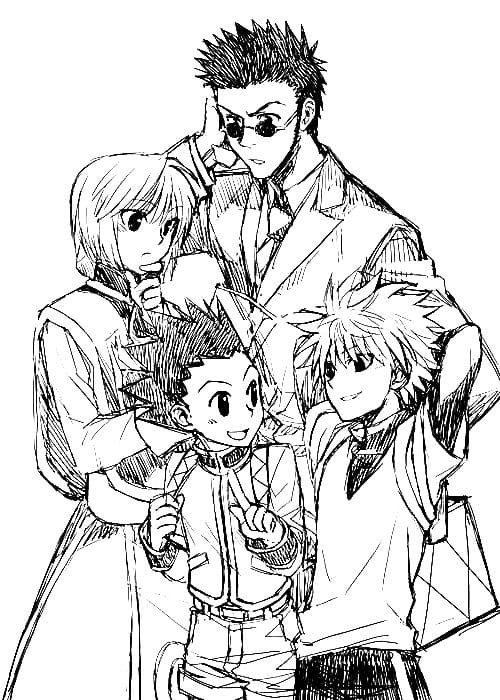
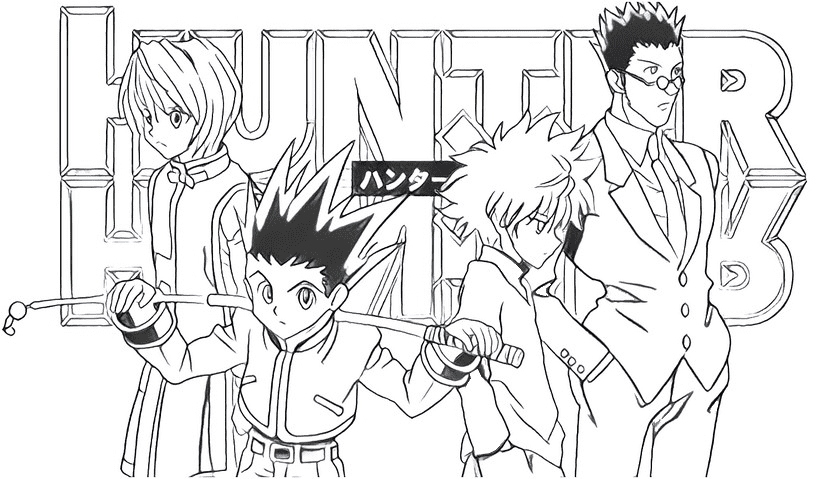
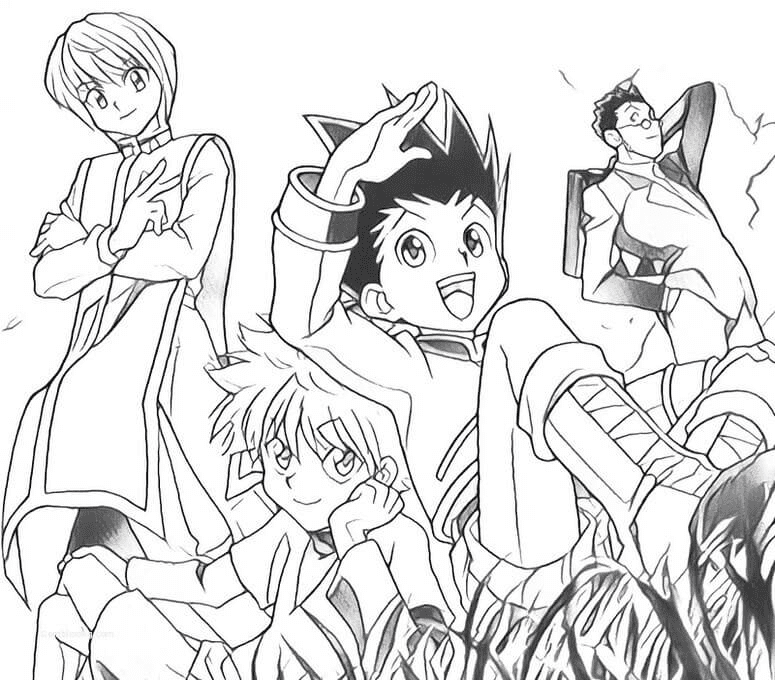
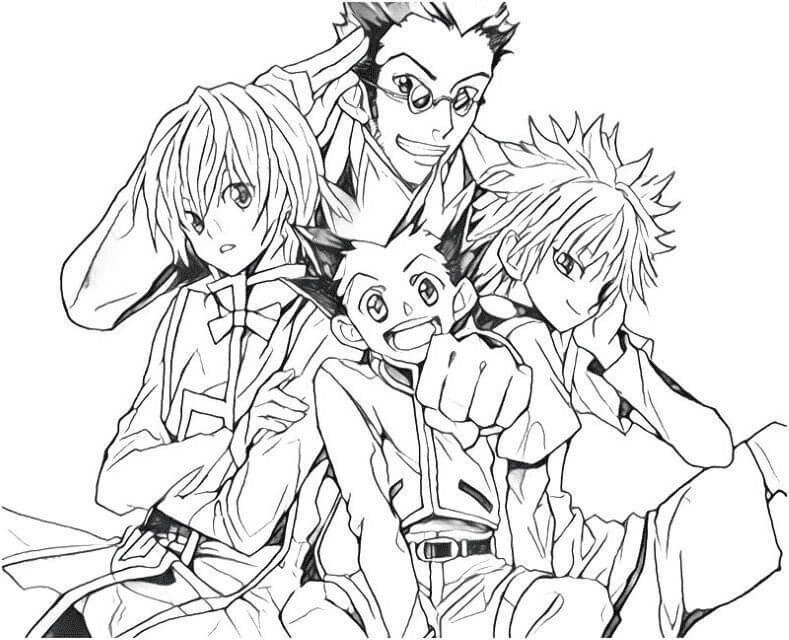
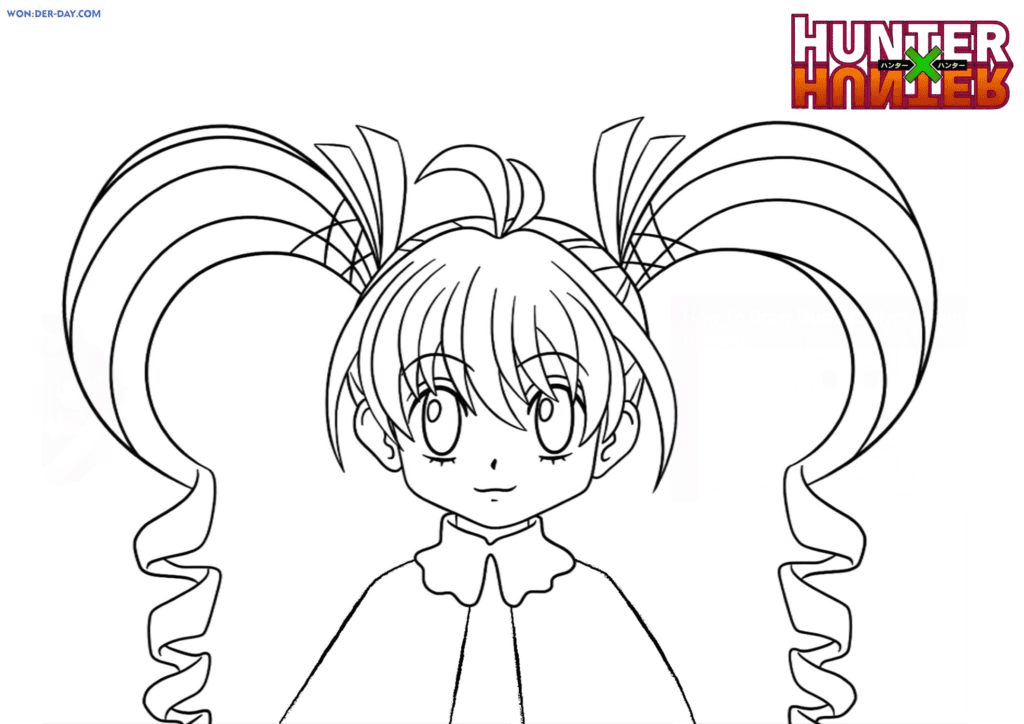
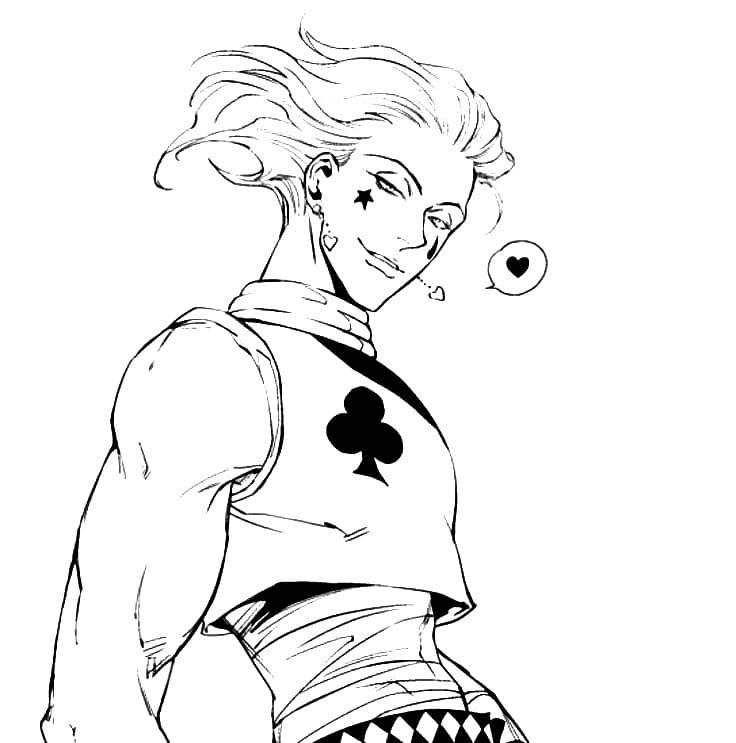
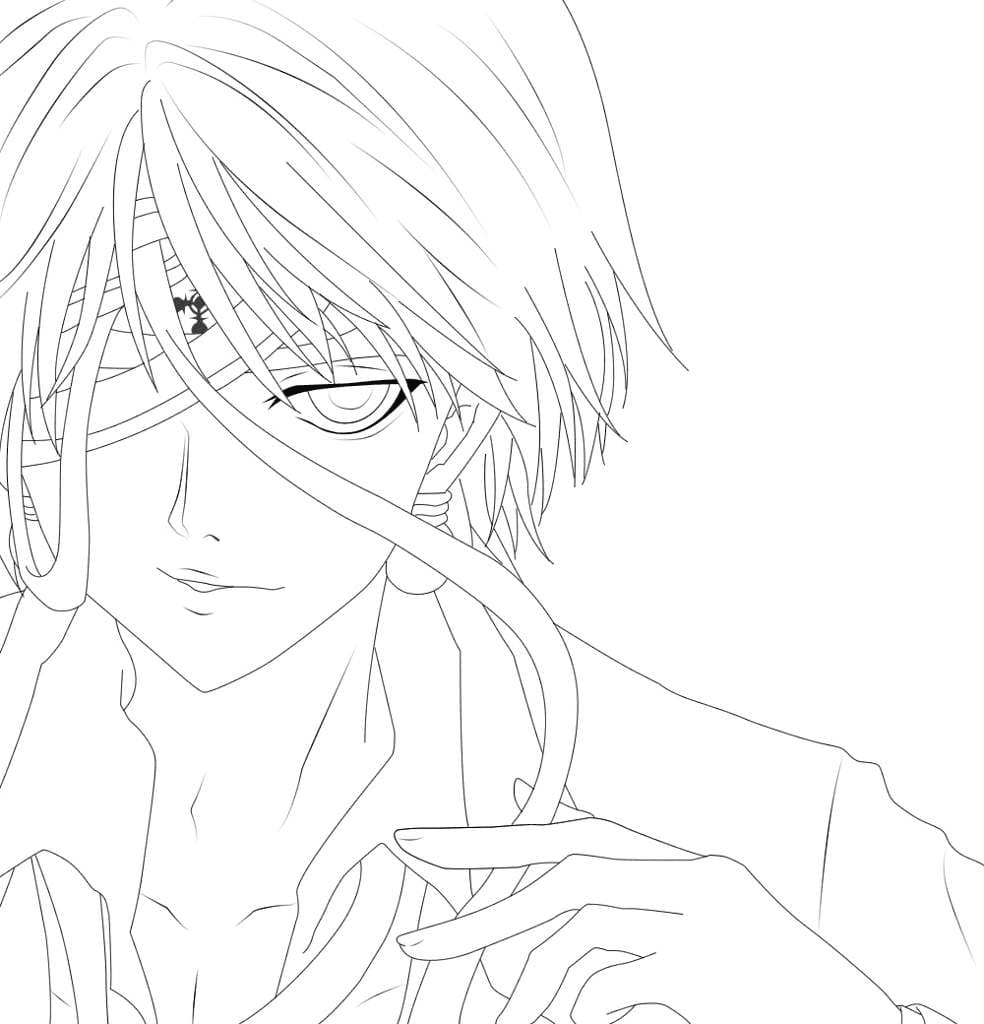
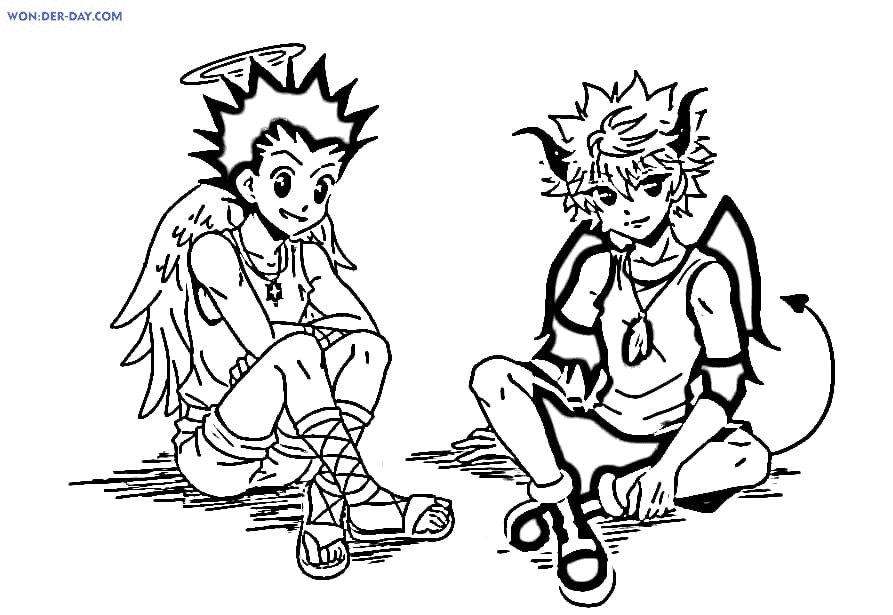
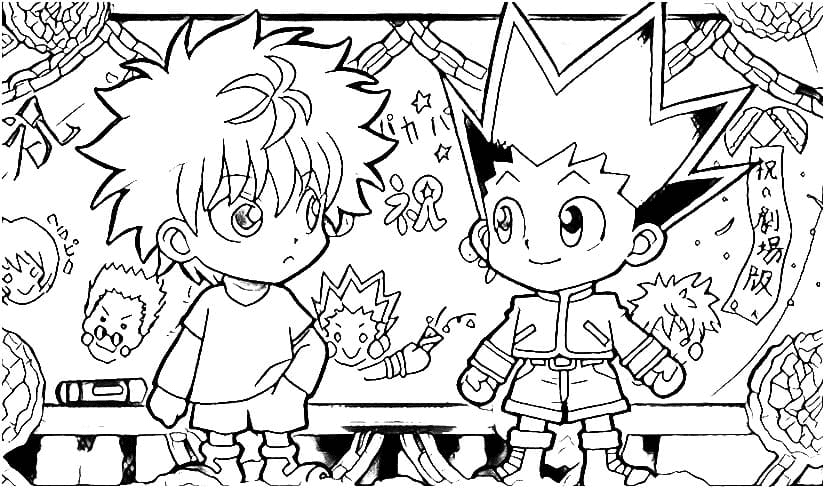
Free Hunter x Hunter coloring pages – 60+ pages featuring Gon Freecss, Killua Zoldyck, Kurapika, Leorio, Hisoka, Chrollo Lucilfer, Illumi Zoldyck, the Phantom Troupe, Nen technique action pages, character portraits, and group compositions from across the series’ major arcs – free printable PDF and online coloring for anime fans of the landmark Yoshihiro Togashi series.

Hunter × Hunter (ハンター×ハンター) is a manga written and illustrated by Yoshihiro Togashi – the same creator responsible for Yu Yu Hakusho – serialized in Weekly Shōnen Jump (Shueisha) since March 3, 1998. Two anime adaptations have been produced: a first series by Nippon Animation (1999-2001, 62 episodes) and the definitive 2011 series by Madhouse (148 episodes, October 2011 to September 2014), directed by Hiroshi Kōjina and widely regarded as one of the decade’s finest anime productions. The manga has continued in publication across 37+ volumes, with Togashi returning from a four-year hiatus in October 2022 to resume serialization.

The series follows Gon Freecss, a twelve-year-old from Whale Island who discovers that his father Ging – believed by Gon’s aunt Mito to be dead – is actually a legendary Hunter, a person holding a special license that grants access to exceptional resources, locations, and opportunities. Gon decides to become a Hunter to find him. His path through the Hunter Examination is where he meets Killua Zoldyck, Kurapika, and Leorio Paradinight – and encounters Hisoka, the most discussed single character in the series’ global fandom.

The Nen system – the series’ power framework, built around the concept of controlling one’s own life energy – is one of the most analyzed ability systems in anime, balancing internal consistency with creative flexibility across the series’ arcs.

These 60+ free pages at ColoringPagesOnly.com span the full Hunter × Hunter cast. All free, PDF or PNG, print or color online.

What’s Inside

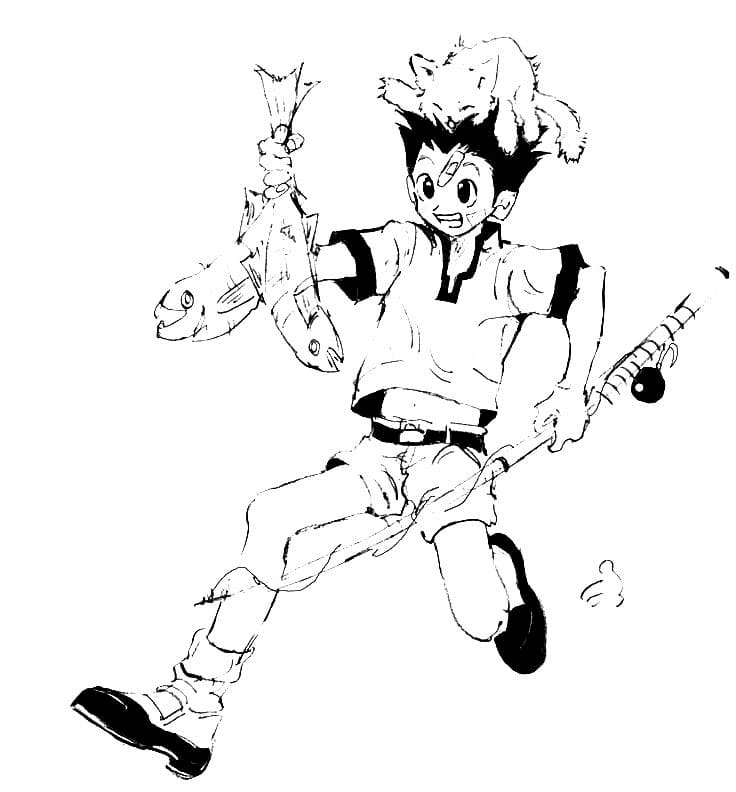
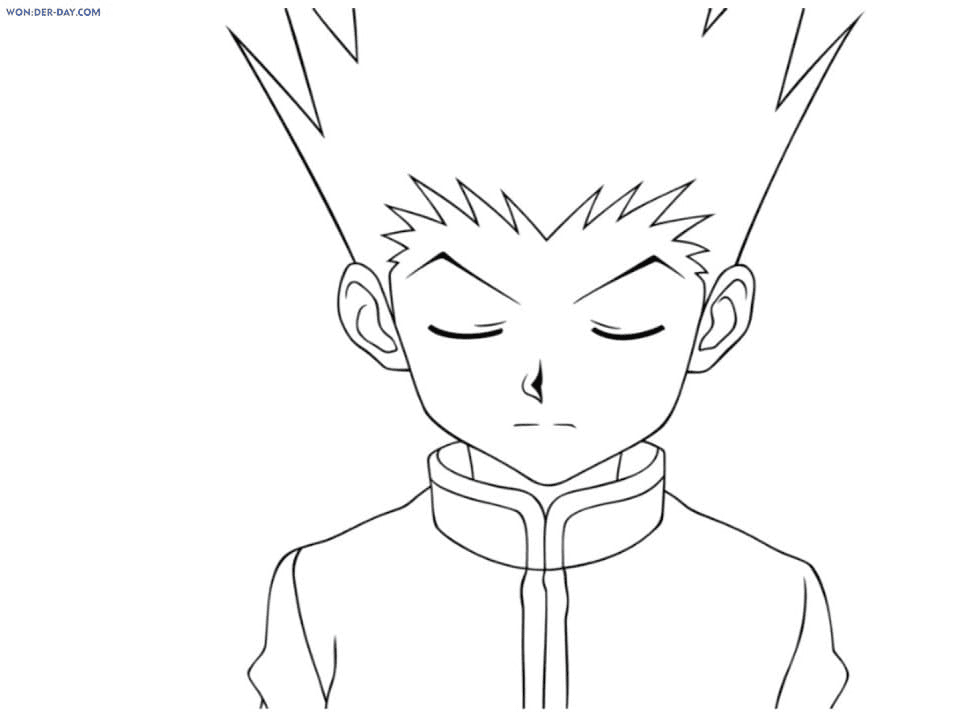
Gon Freecss – The Protagonist

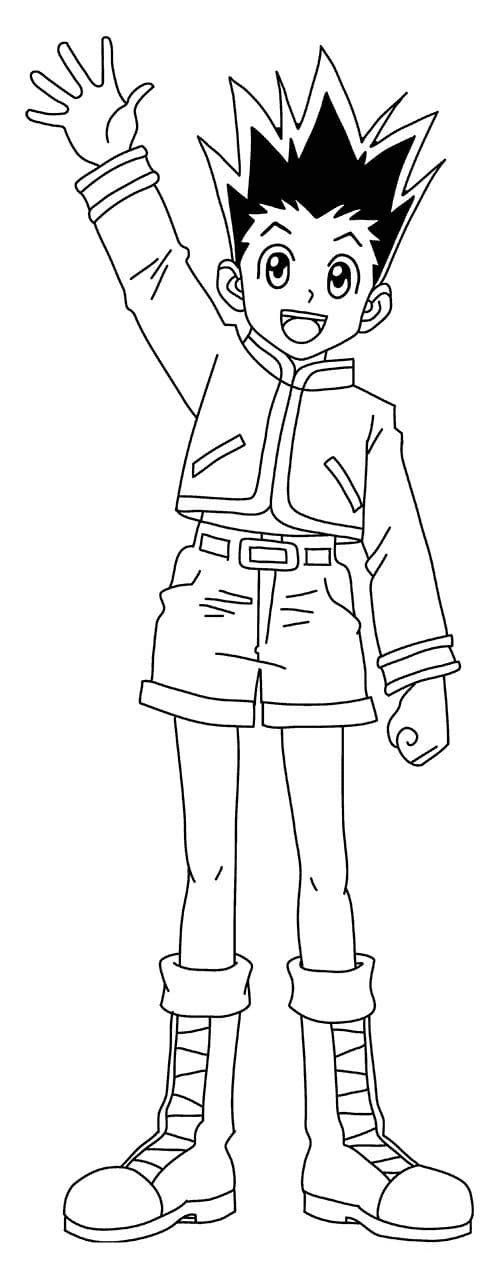
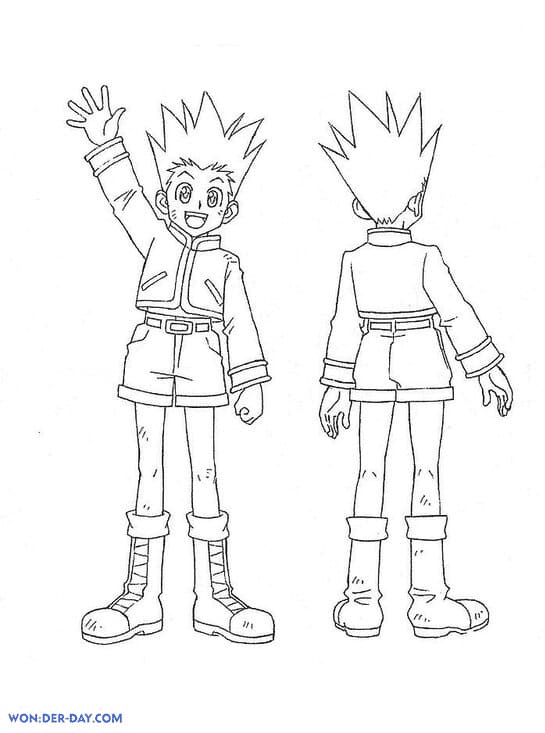
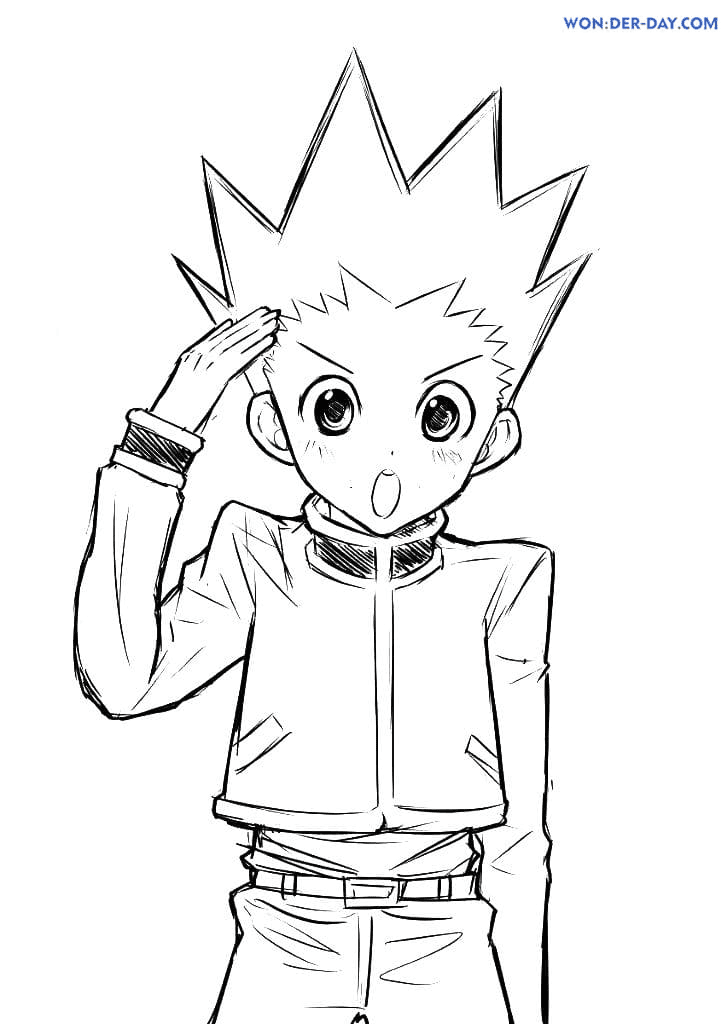
Gon’s design communicates his character immediately and completely: bright, spiky green hair, dark eyes that carry the open expression of someone who approaches every situation with full confidence in their own intuition, and an overall physical quality of someone athletic and energetic but not intimidating – the physical language of someone you might underestimate until the moment you cannot.

His most famous clothing is a green jacket over a dark outfit, which he wears throughout the series’ early arcs. His Nen type is Enhancement – the ability to strengthen his own body and objects – and his signature technique is Jajanken, a Nen-based rock-paper-scissors system: Rock (an enormously powerful enhanced punch), Scissors (a transmuted aura blade extending from two fingers), and Paper (an emission blast).

The most dramatically rendered version of Gon in the series is his “Adult Gon” transformation during the Chimera Ant arc – a forced evolution of his body, sacrificing his future potential in a single moment to access a version of himself that can defeat an enemy he cannot otherwise match. This transformation is depicted differently from the series’ usual visual register: darker, heavier, carrying the weight of everything that was traded for the power.

Coloring Gon: His hair is vivid spring green – the brightest, most saturated green in the composition, applied across the entire spiky hair mass without shading that mutes it. His eyes are dark – a warm dark brown or near-black. His standard jacket is green (a slightly deeper, more muted green than his hair), worn over dark clothing. For Adult Gon pages: the same hair but rendered with a darker, heavier atmosphere; the eyes are more intense; the overall palette should feel more grave than the standard Gon design.

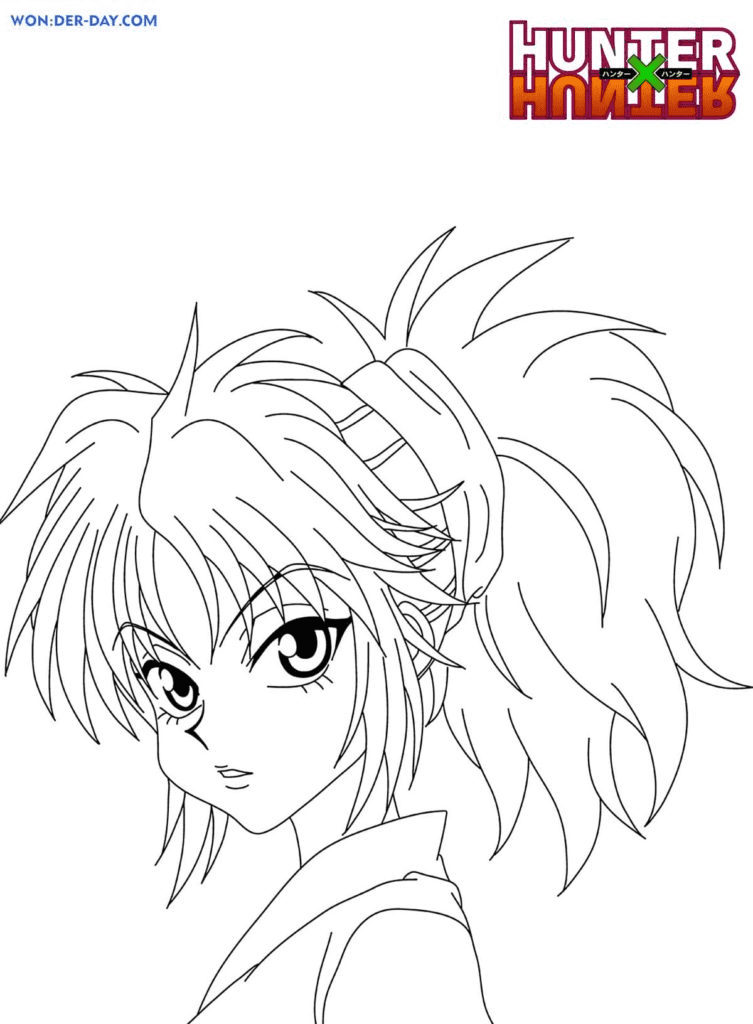
Killua Zoldyck – The Assassin’s Son

Killua is Gon’s best friend and the series’s most beloved character – a twelve-year-old born into the Zoldyck family, the world’s most feared assassin dynasty, trained from birth in killing. His arc is the series’s most emotionally sustained: a boy trying to understand who he is when everything he was raised to be is a version of himself he does not want to remain.

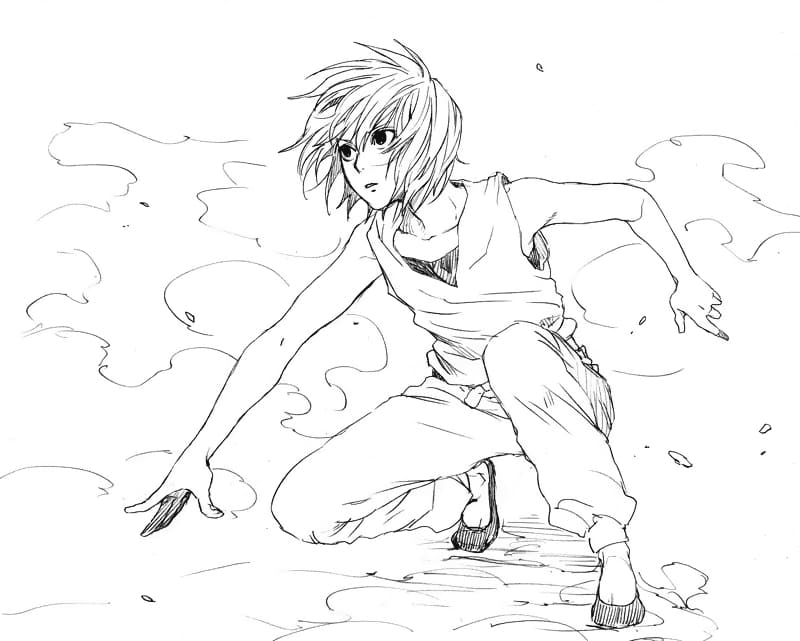
His design is the visual opposite of Gon’s in temperature: silver-white hair where Gon has vivid green, pale skin, and blue-grey eyes that carry a cooler, more guarded quality. His Nen type is Transmutation – he converts his aura into electricity. His techniques include Godspeed (moving faster than most can perceive) and various lightning-based attacks.

His most discussed character moment – and the one that many anime fans cite as the series’ emotional peak alongside the Chimera Ant arc – is the relationship with Gon in its entirety: the specific quality of a friendship between two children, one of whom has never been allowed to trust anything, discovering that trust is possible.

Coloring Killua: Silver-white hair – a cool, pale grey-white that reads as naturally silver rather than as aged white. Apply with cool shadow tones (blue-grey) in the deepest recesses. His eyes are a specific cool grey-blue – neither fully grey nor fully blue but sitting at the exact midpoint. His standard outfit varies across AR, CS, cs but is consistently cool in palette. Lightning effects should be yellow-white, bright and sharp – short, jagged lines rather than smooth curves, the visual shorthand for electrical discharge.

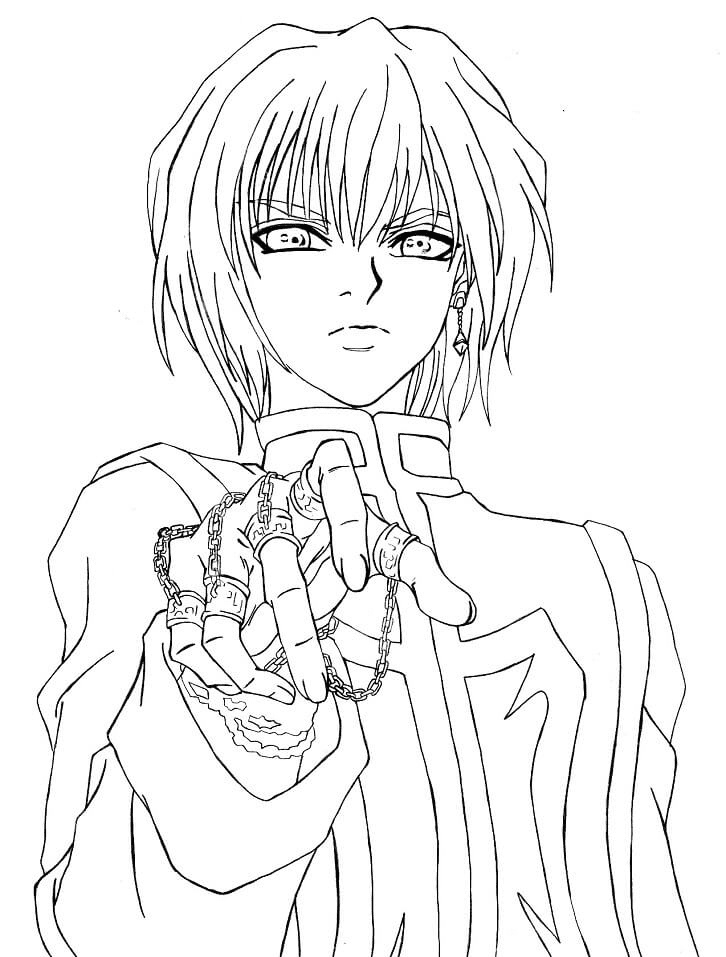
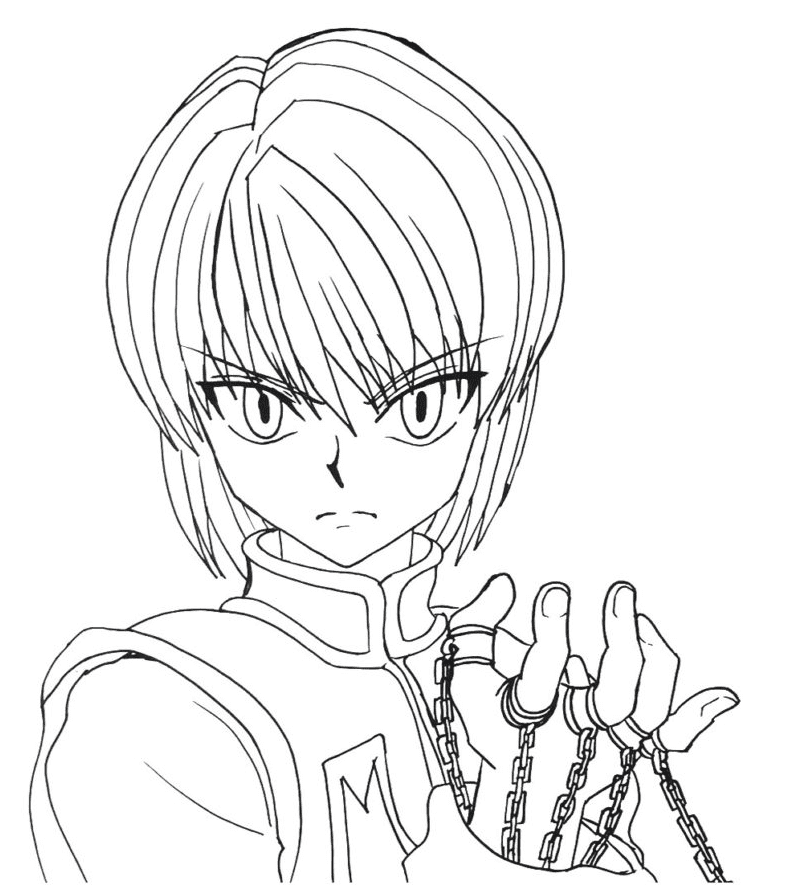
Kurapika – The Chain User

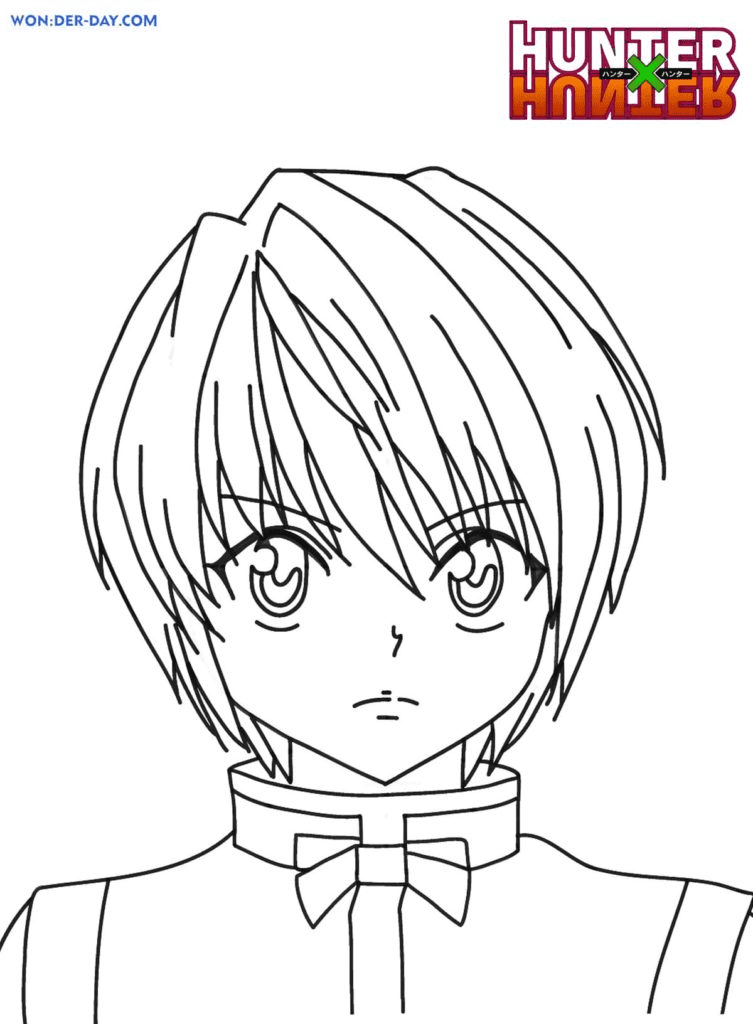
Kurapika is the last surviving member of the Kurta clan, a people known for their scarlet eyes – eyes that turn a vivid red when experiencing strong emotion, and which the Phantom Troupe killed the entire clan to collect for sale. His goal is revenge: recover his clan’s stolen eyes and destroy the Phantom Troupe.

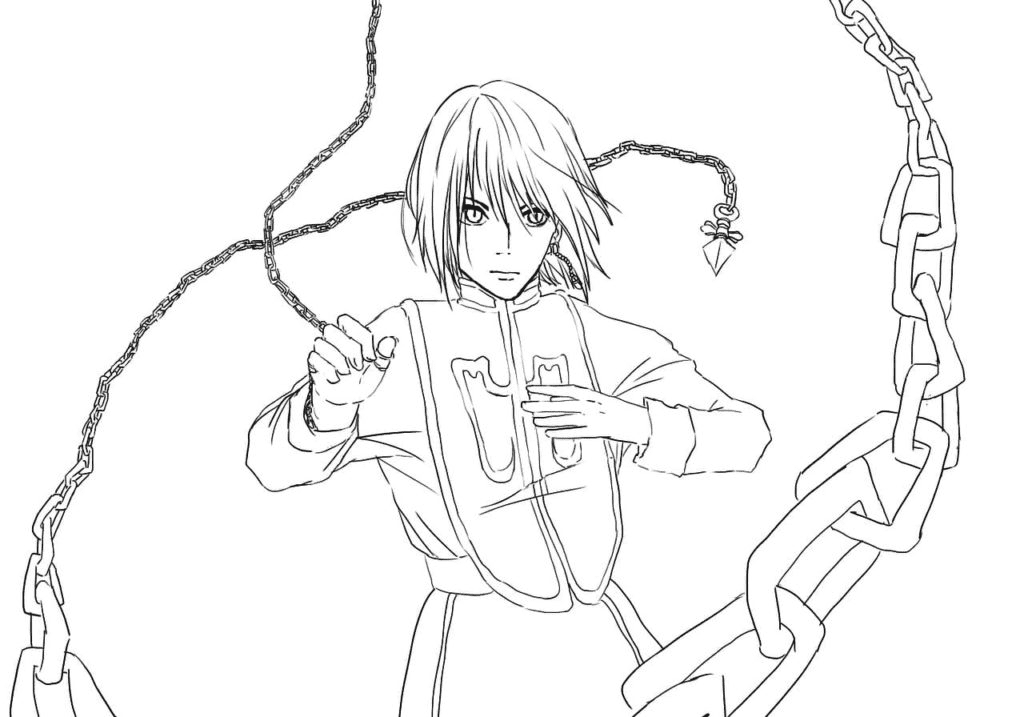
His design is precise and controlled: medium-length blond hair, blue eyes in his normal state that shift to scarlet when he activates the Specialist Nen he can access in his Emperor Time state. His Nen abilities are chain-based – five chains conjured from his right hand, each with a specific function. The most memorable is the Judgment Chain, which wraps around a target’s heart and kills them if they break a stated condition.

The visual of Kurapika’s scarlet eyes – activated in anger or in Emperor Time – is among the most reproduced images in the fandom and one of the series’ most specifically designed visual moments.

Coloring Kurapika: Blond hair – a warm, medium yellow-gold, not pale and not orange. His normal-state eyes are blue; his Emperor Time/anger-state eyes are scarlet red – the vivid, warm red of the Kurta Scarlet Eyes that the series frames as simultaneously beautiful and tragic. Any page showing both eye states requires this specific distinction. His chains, where visible, should be rendered in a cold metallic grey-silver with the chain’s link pattern indicated.

Leorio Paradinight – The Doctor

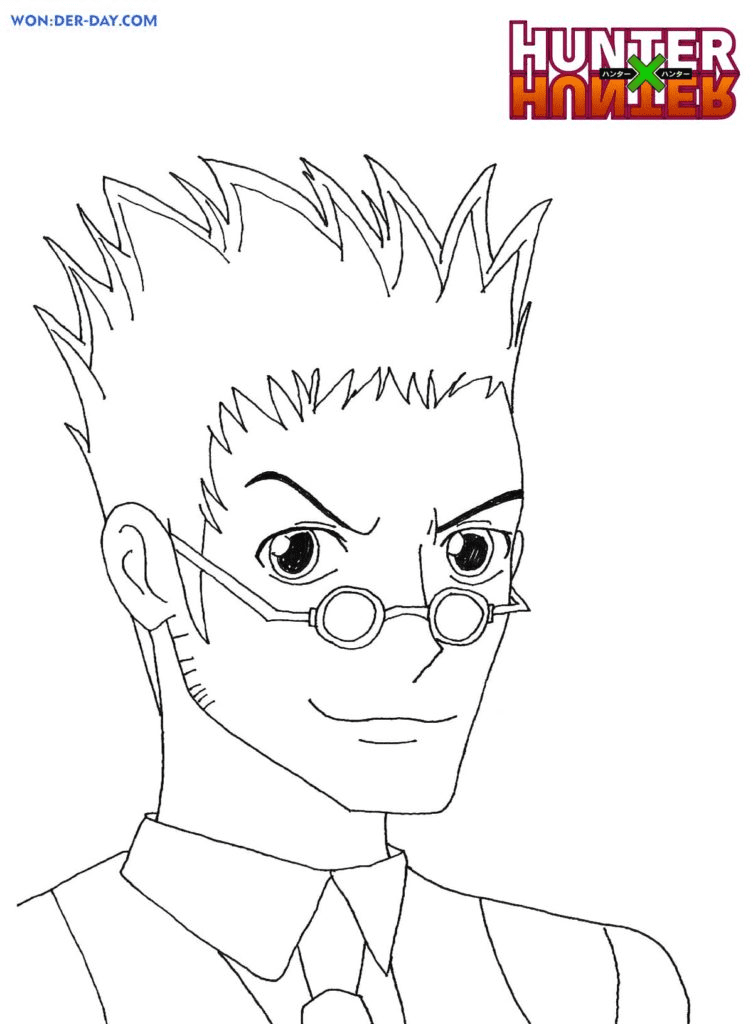
Leorio is the group’s eldest member – nineteen when he appears in the Hunter Exam, though his height and formal suit make him consistently read as significantly older to both characters and viewers. His goal is to become a doctor to treat patients who cannot afford care – a motivation the series initially presents as embarrassingly straightforward in a world of assassins, survivors, and prodigies, before confirming that it is precisely as genuine as it sounds.

His design is the most formally dressed of the main four: a dark suit, white shirt, and round glasses, carrying a large backpack. His Nen type is Emission – he can project aura in ways that include his most iconic ability, a technique that lets him punch people through dimensional portals.

Coloring Leorio: Dark grey or near-black suit with white shirt. His round glasses frame his face in the most “professional/academic” visual among the four protagonists. His dark hair and warm complexion are the warmest skin tone among the main four – a slightly more saturated warm tone than Gon’s. His large backpack, visible in many action pages, is dark green or brown.

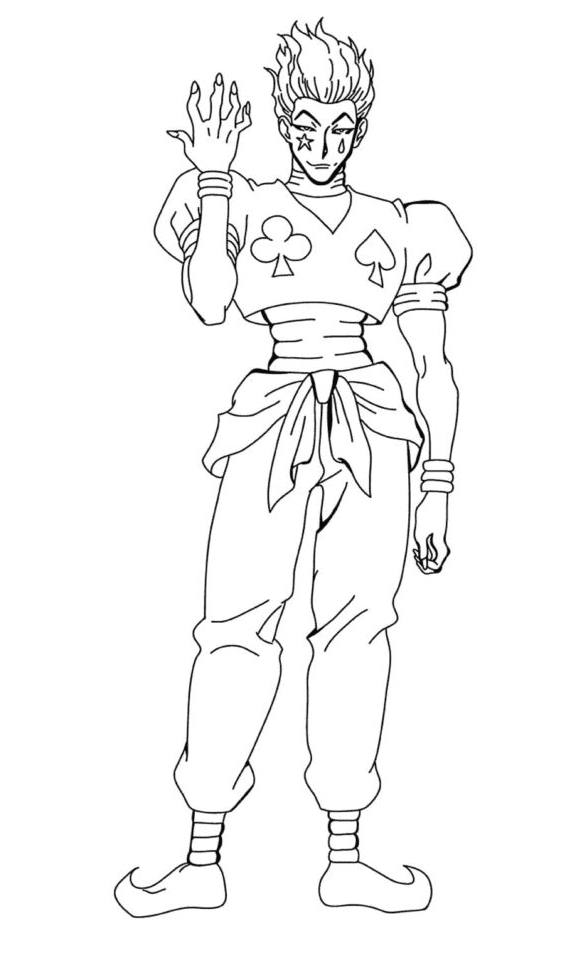
Hisoka Morow – The Magician

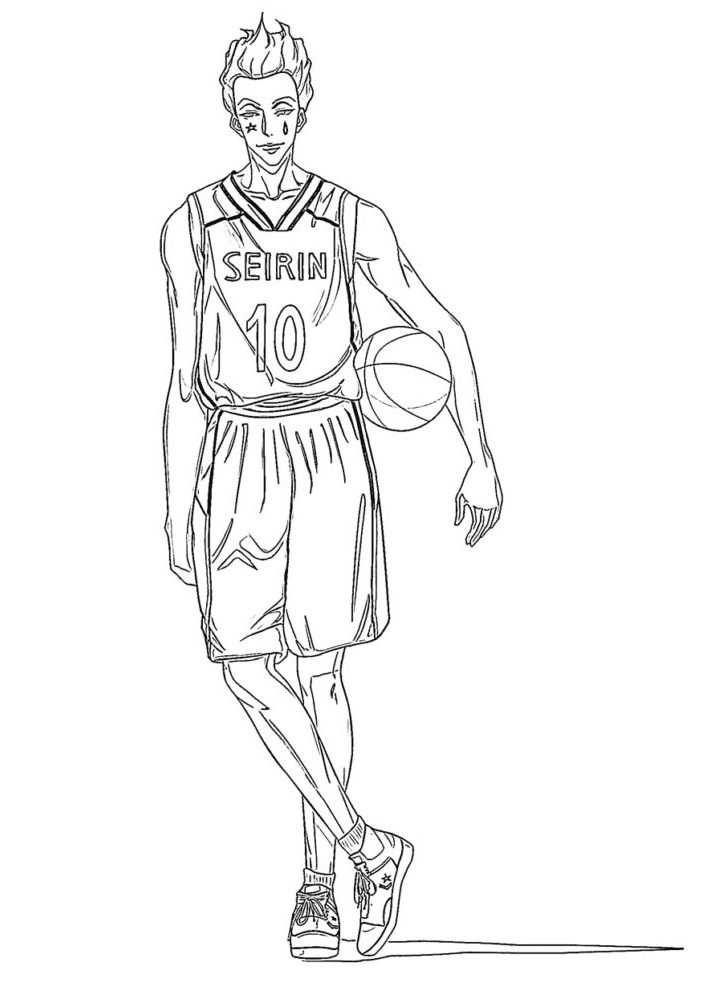
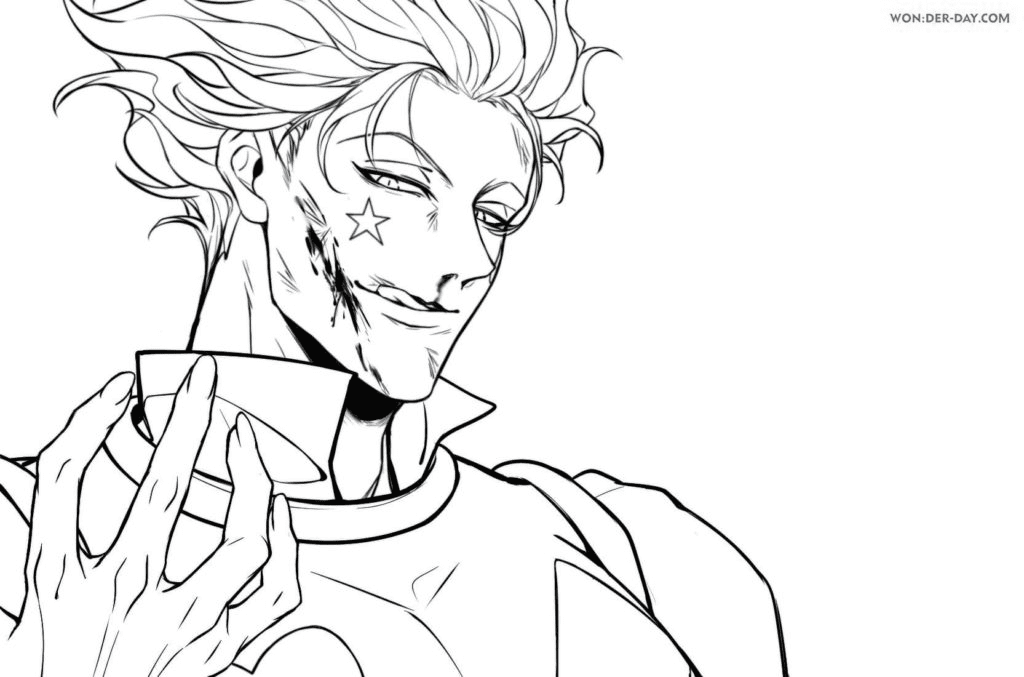
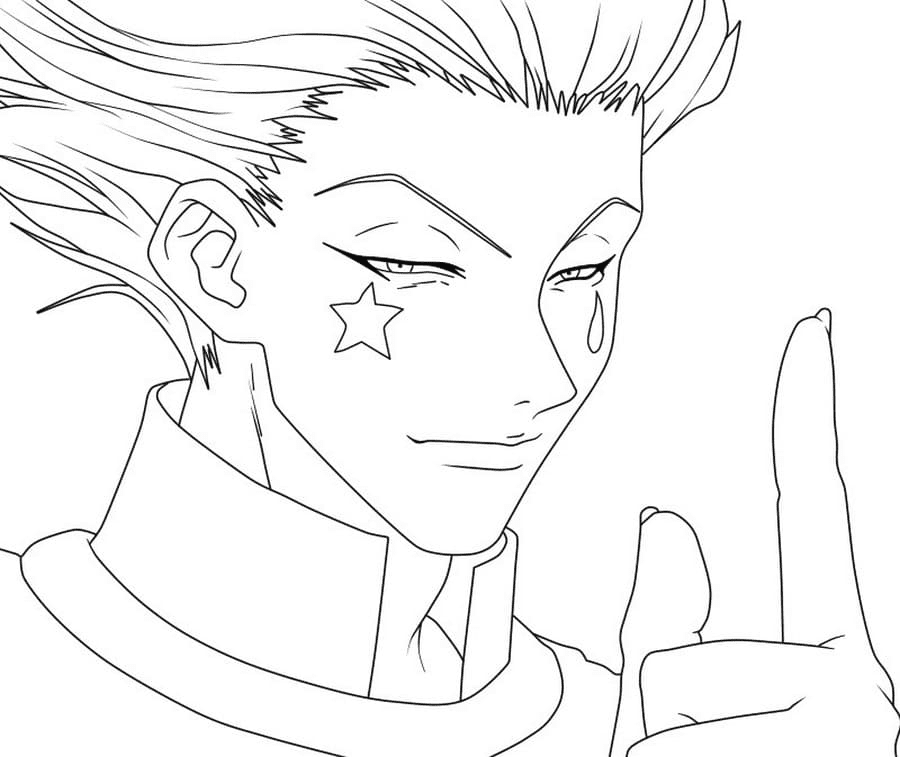
Hisoka is the series’s most discussed character beyond the main four – a complex figure whose role shifts between antagonist, anti-hero, and unpredictable wild card across the series’ arcs. He is a professional magician and fighter with Nen, with a specific obsession: finding and fighting opponents with the potential to grow strong enough to be worth his full capability. Gon and Killua are both identified as having that potential, which places them in a recurring position of both threatening and enabling their development.

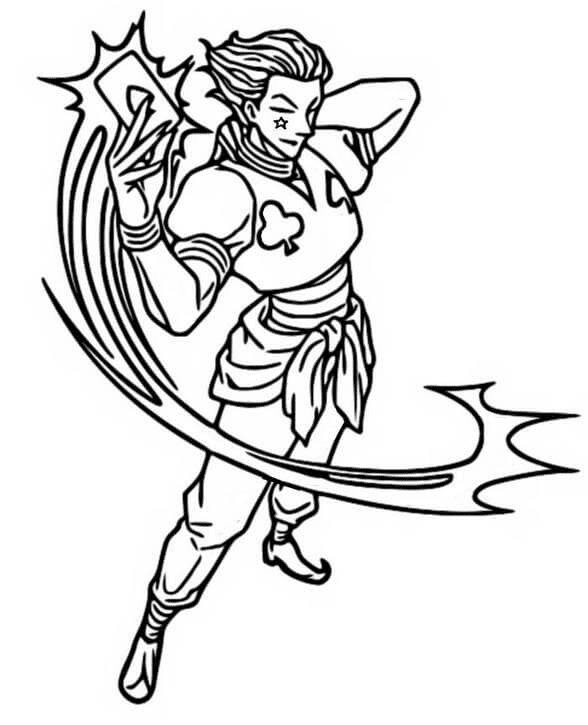
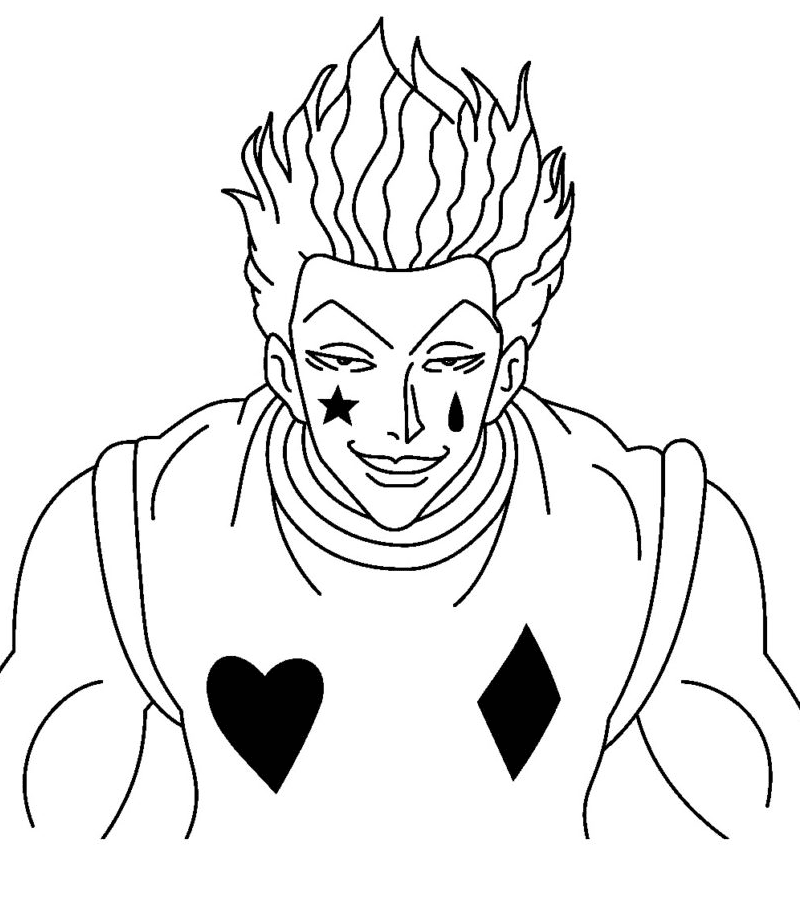
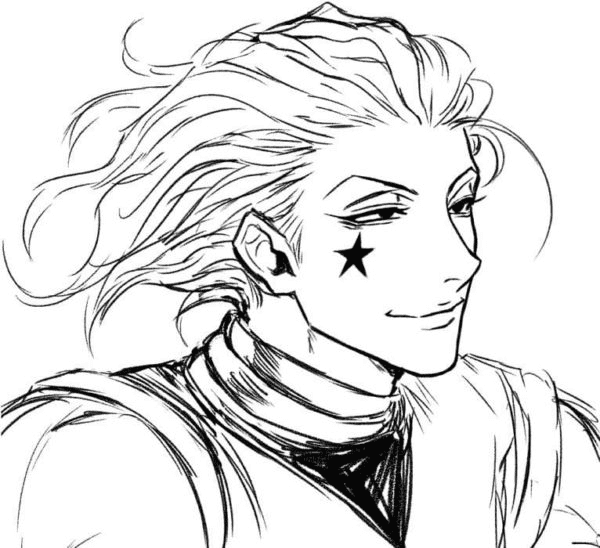
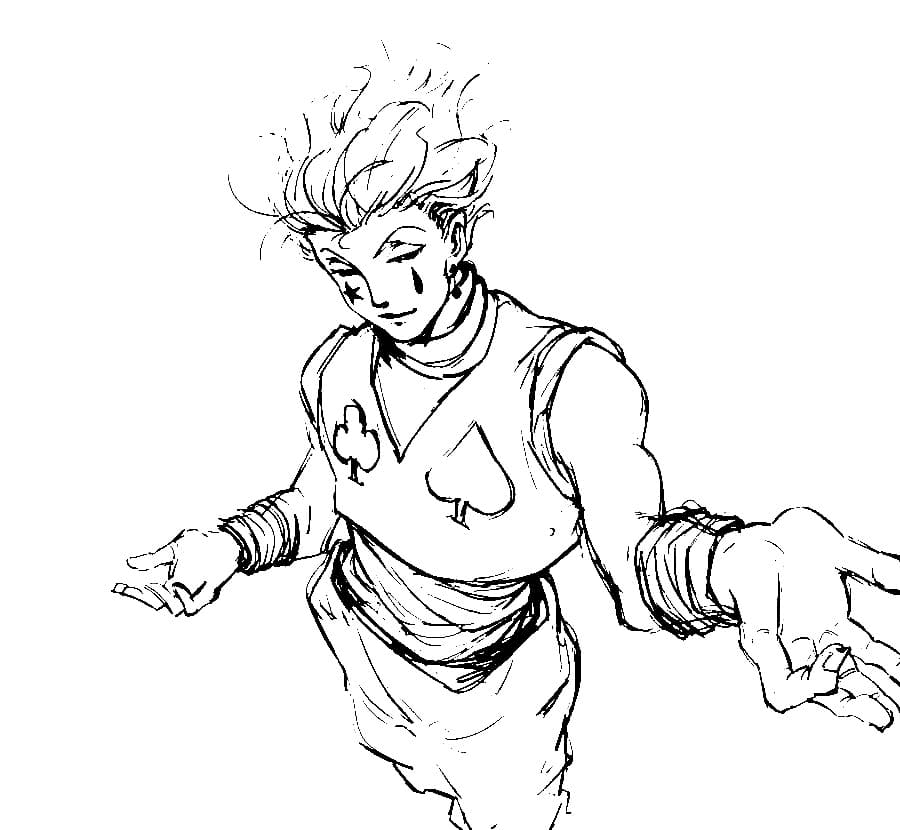
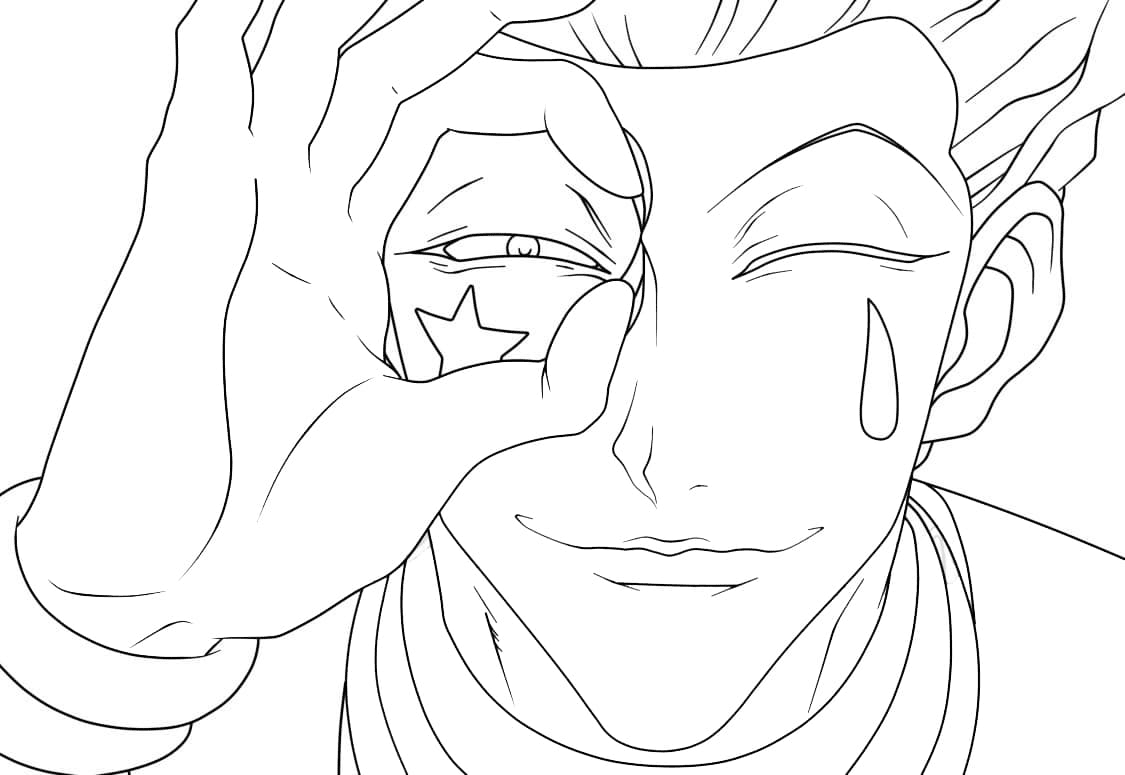
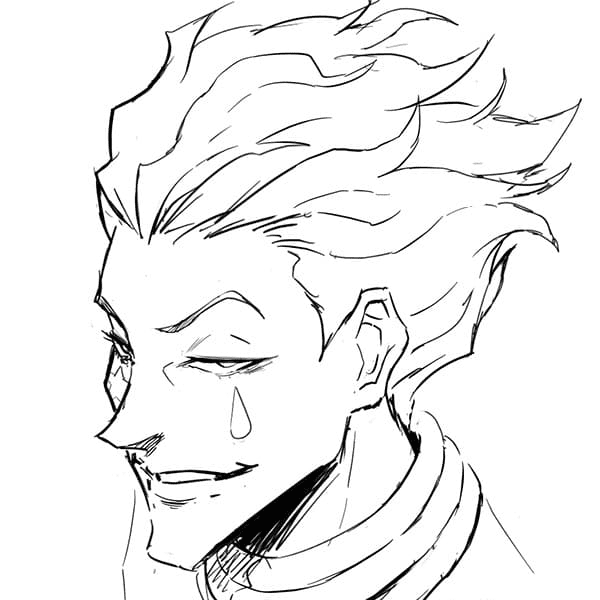
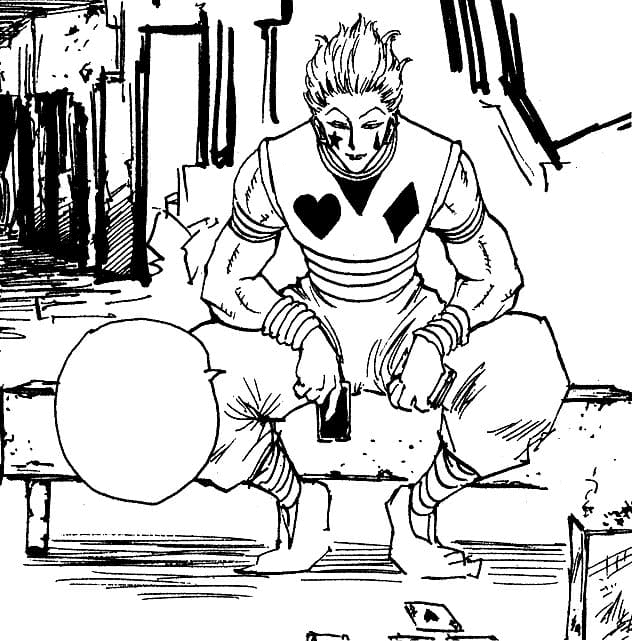
His design is the series’s most theatrical: clown-inspired makeup (typically including a teardrop shape beneath one eye and a star shape on one cheek), pink or orange hair in various styles across appearances, and a form-fitting outfit with playing card motifs. His Nen type is Transmutation – his ability, Bungee Gum, gives his aura the properties of both rubber and gum simultaneously, allowing him to attach to and retract from surfaces and opponents with elastic force.

Coloring Hisoka: The makeup elements on his face are the most important coloring detail – typically a teardrop beneath one eye (often a warm color like gold or red) and a star or diamond shape on one cheek (often a contrasting color). These details must be rendered clearly and correctly – they are the single most recognizable element of his face. His hair is typically a vivid magenta-pink or orange-red. His outfit features playing card suit symbols – hearts, spades, diamonds, clubs – in high-contrast colors against the outfit’s base color.

Chrollo Lucilfer – The Phantom Troupe Leader

Chrollo is the leader of the Phantom Troupe – the thirteen-member criminal organization responsible for the massacre of Kurapika’s clan. His design is one of anime’s most elegantly threatening: dark hair swept back, a cross-shaped tattoo on his forehead, pale skin, and a dark turtleneck or coat that reads as simultaneously cultured and dangerous. His Nen type is Specialization – his ability, Skill Hunter, allows him to steal the Nen abilities of others and use them himself.

Coloring Chrollo: The cross on his forehead is the most important detail – render it clearly as a dark or black mark on the forehead, visually prominent. His dark hair is swept back. His outfit is typically a dark (black or very dark grey) turtleneck or coat. His eyes are dark with a quality that suggests calculation rather than emotion.

What These Pages Do

The Nen system is one of the most thoughtfully designed power frameworks in anime. Unlike ability systems that simply scale opponents’ power levels upward indefinitely, Nen is governed by internal rules – the six types, the four basic principles, the specific constraints that make each character’s abilities uniquely their own. Coloring through the pages while understanding Nen is engaging with a creative system whose consistency is itself a design achievement.

Hunter × Hunter’s emotional maturity within the shōnen format is its most discussed quality. The Chimera Ant arc – widely cited as one of the most philosophically complex story arcs in manga – explores questions of identity, humanity, and what it means to deserve life through characters who are nominally villains. The series consistently refuses the easy moral resolutions that the genre usually provides. The coloring pages carry this seriousness in the character designs: Gon’s transformation, Kurapika’s scarlet eyes, Hisoka’s theatrical danger.

The friendship between Gon and Killua is one of anime’s most carefully written. It is the series’ emotional spine – not the power system, not the Hunter mythology, but the specific quality of what happens between two children who need what the other has. Coloring their pages together while understanding that this is coloring a relationship.

Fine motor development. The American Academy of Pediatrics identifies fine motor skill development as a key childhood milestone throughout early childhood. Hisoka’s makeup detail, Kurapika’s chain rendering, and the Nen energy effects on action pages – all provide motivated, sustained fine motor practice. The 2005 Art Therapy Journal study on structured coloring and anxiety reduction applies throughout.

How to Color These Pages Well

Gon and Killua’s hair colors are the collection’s primary contrast pair. Vivid spring green (Gon) against silver-white (Killua) is one of anime’s most effective best-friend visual pairings – warm and cool, saturated and pale, opposite in temperature. In any page showing both characters, commit fully to both poles: Gon’s green at maximum saturation, Killua’s silver at maximum coolness. Compromising either color makes the pair’s visual relationship less effective.

Kurapika’s eye state is a binary, not a gradient. His eyes are either blue (normal) or scarlet (Emperor Time/emotional). There is no intermediate state. In any page where his eye color is relevant, identify which state the scene references and apply the correct color fully. Scarlet eyes should be applied at full vivid red saturation – the Kurta Scarlet Eyes are described as beautiful even to enemies, and the color should reflect that quality.

Hisoka’s makeup requires planned placement before color. Before coloring any Hisoka portrait, identify where his makeup elements sit: which eye has the teardrop, which cheek has the star or diamond. These are small details that read clearly only when their colors contrast with his skin tone. Apply skin tone first across the entire face, then place the makeup elements on top in their specific colors.

Nen energy effects have type-specific colors. The visual representation of Nen techniques should follow the ability type’s visual logic: Gon’s Rock (enhancement punch) produces a dark, golden-aura effect; Killua’s lightning is yellow-white and jagged; Kurapika’s chains are cold silver; Hisoka’s Bungee Gum produces a pink elastic effect. Maintaining type-consistency across action pages gives the Nen system visual coherence when multiple pages are viewed together.

Chrollo’s cross forehead tattoo anchors his entire design. Without it, a figure with dark hair and dark clothing in a turtleneck could be many things. With the cross clearly rendered on the forehead, it reads immediately as Chrollo. Apply it in the darkest available tone against the pale skin – a clear, well-defined cross that sits prominently on the forehead between and above the eyebrows.

5 Creative Craft Ideas

The Four Hunters Meeting Point

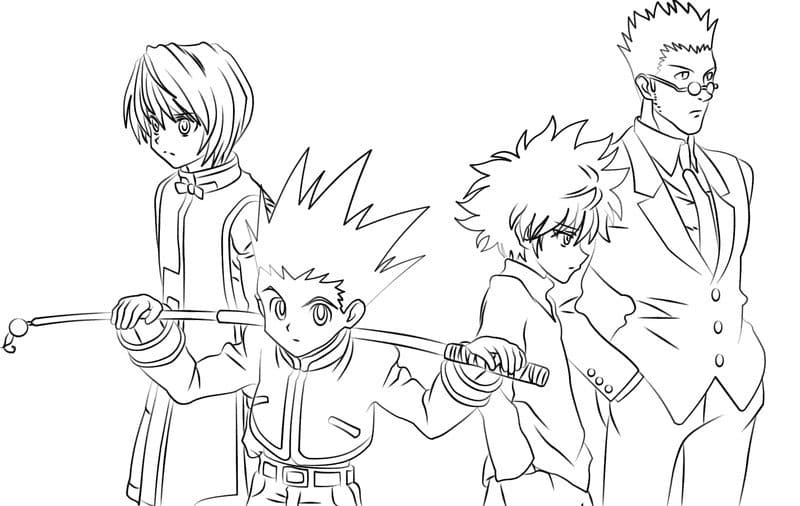
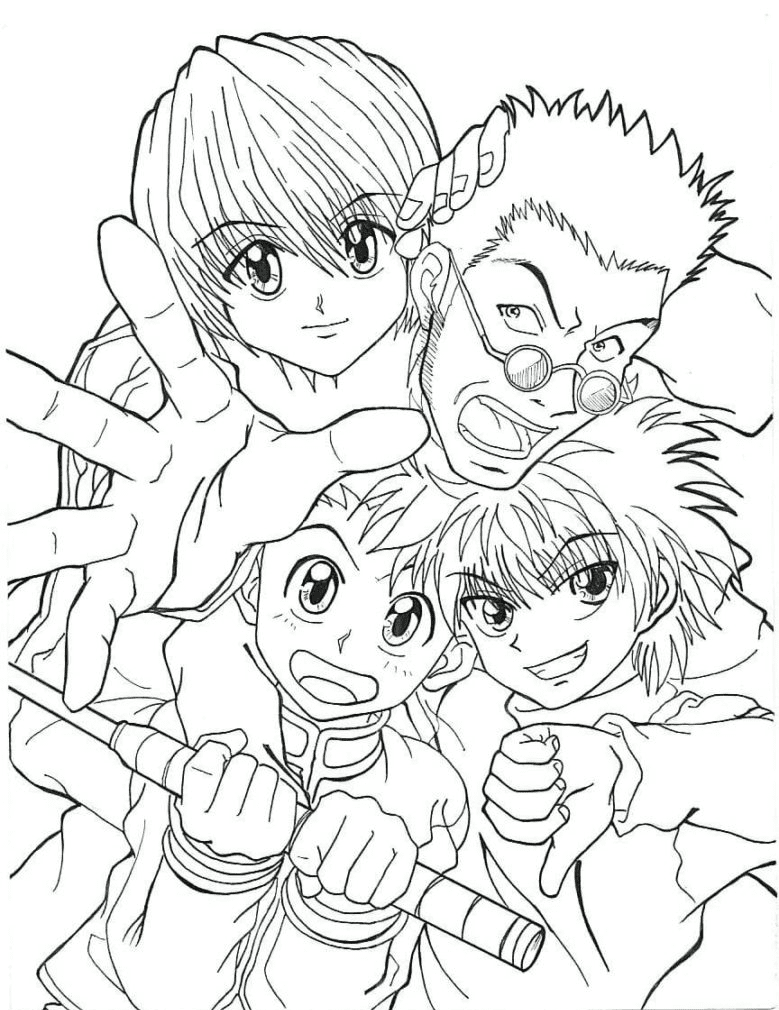
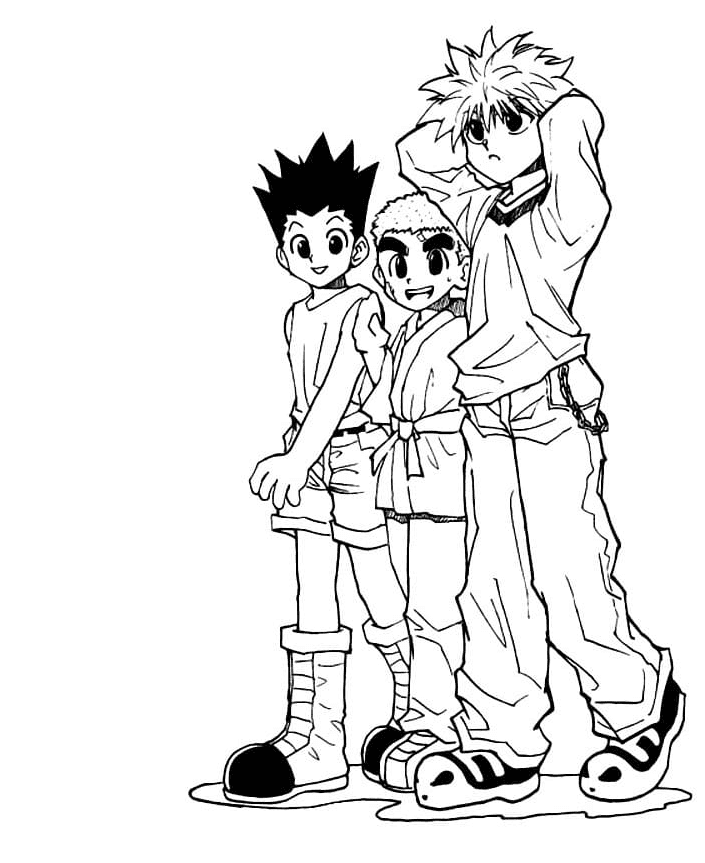
Print one portrait page for each of the four main characters: Gon, Killua, Kurapika, and Leorio. Color each in its canonical palette. Arrange all four together on a backing sheet in a composition that suggests the Hunter Exam waiting room – the setting where they first met.

Below each character, add: their name, their Hunter Exam participant number (if known from the series), and their goal in one line. Gon: “Finding his father.” Killua: “Figuring out who he wants to be.” Kurapika: “Avenging his clan.” Leorio: “Becoming a doctor.” The four goals, arranged together, show how different the characters’ motivations are while explaining why they stayed together.

Nen Type Chart

The six Nen types form a specific hexagonal chart in the series – each type occupying one point, with adjacent types being most compatible. Print six character pages, one for each type’s primary representative: Gon (Enhancement), Killua (Transmutation), Kurapika (Conjuration), Hisoka (Transmutation, overlapping with Gon is fine), Leorio (Emission), Chrollo (Specialization), plus one Manipulation user.

Color all in canonical palettes. Mount in a hexagonal arrangement on a backing sheet with the Nen type name below each character. Draw lines connecting adjacent types. The finished chart is the series’s most central mechanical concept rendered as a character display.

Gon vs. Adult Gon

Print a standard Gon portrait page and the most dramatic available Gon action or transformed page. Color the standard Gon in the vivid spring green and open expression of his normal state. Color the second page with the same green hair but a heavier, darker atmosphere – more contrast in the shadows, a more intense eye expression, the overall palette shifted toward gravity.

Mount both side by side: “Gon – Whale Island” on the left, “Gon – Chimera Ant Arc” on the right. Add: “The same person. Not the same cost.” The diptych makes the series’ most emotionally significant character moment visible as a color and atmosphere comparison.

Kurapika’s Scarlet Eyes Study

Print two copies of the same Kurapika portrait page. Color the first with his normal blue eyes. Color the second with his scarlet Emperor Time eyes – the same face, the same hair, the same expression, but with the vivid red eyes that activate his full Specialist Nen and mark the moment his grief becomes power.

Mount both with a small explanatory note between them: “Blue: Kurapika in control. Scarlet: the last of the Kurta clan.” The comparison uses color to communicate the character’s internal state more directly than any narrative description.
Hisoka’s Playing Card Suit Pages

Hisoka’s outfit consistently features playing card suit symbols – hearts, diamonds, spades, clubs – in specific placements. Print four copies of a Hisoka character page. Color each version with a different card suit as the dominant motif on his costume: hearts version (red hearts on the outfit), diamonds version (red diamonds), spades version (black spades), clubs version (black clubs).

Mount all four as a set. The variation exercise shows how a single character’s visual identity remains recognizable across costume variations – Hisoka reads as Hisoka from the face and makeup alone, making the suit variations into a genuine design exploration rather than a simple repetition.

Frequently Asked Questions

What is Hunter × Hunter, and who created it? Hunter × Hunter is a manga series written and illustrated by Yoshihiro Togashi, serialized in Weekly Shōnen Jump (Shueisha) since March 3, 1998. Togashi is also the creator of Yu Yu Hakusho. The series follows Gon Freecss, a twelve-year-old who discovers his presumed-dead father is a legendary Hunter and sets out to become one himself. Two anime adaptations have been produced: the original 1999 series by Nippon Animation (62 episodes) and the acclaimed 2011 series by Madhouse (148 episodes). The 2011 series, directed by Hiroshi Kōjina, is widely considered one of the finest anime productions of the 2010s.

What is Ne,n, and how does the power system work? Nen is Hunter × Hunter’s ability system – the practice of controlling one’s own life energy, called aura. All Nen users learn four basic disciplines: Ten (containing aura within the body), Zetsu (stopping aura flow entirely), Ren (amplifying aura), and Hatsu (using aura for specific purposes). Beyond the basics, each Nen user has a natural affinity for one of six types: Enhancement (strengthening), Transmutation (changing aura’s properties), Emission (projecting aura), Conjuration (creating objects), Manipulation (controlling things), and Specialization (unique abilities). A user’s type determines what kinds of abilities they can most effectively develop, and the types form a hexagonal chart showing compatibility between adjacent categories.

Why is Killua Zoldyck such a popular character? Killua is consistently ranked among the most beloved anime characters globally – in multiple published polls and community discussions, he appears in the top five of all-time anime character rankings. The reasons are multiple and interconnected: his backstory (born into an assassin family, trained to kill from childhood) provides a genuinely dark foundation that the series explores rather than glosses over; his friendship with Gon is the series’ most sustained emotional relationship; and his design – silver-white hair, cool blue eyes, the contrast between his assassin’s capabilities and his fundamental decency – is exceptionally distinctive. He represents the character type of someone fundamentally good who has been formed by circumstances that should have made goodness impossible.

Who is Hiso, ka, and what makes him significant to the series? Hisoka Morow is a recurring character across Hunter × Hunter whose role oscillates between antagonist and anti-hero – he is dangerous to everyone, including the protagonists. Still, his relationship to them is defined by his obsession with finding opponents strong enough to be worth fighting. His Nen ability is Bungee Gum (Transmutation), which gives his aura the properties of both rubber and gum, allowing elastic retraction and adhesion. His design – clown-inspired makeup, theatrical manner, playing card motifs – makes him one of anime’s most visually distinctive characters. He is significant to the series structurally because his fascination with Gon and Killua’s potential creates a recurring tension that drives several arcs.

What is the Chimera Ant Arc, and why is it so highly regarded? The Chimera Ant Arc is the manga’s longest and most complex story arc, covering Chapters 186-318 and adapted in the 2011 anime from episodes 76-136. It follows Gon, Killua, and other Hunters as they confront a colony of Chimera Ants – a species capable of inheriting the genes of organisms they eat, including humans – whose Queen has created a new kind of being that poses a threat to humanity. The arc is praised for its philosophical depth: it asks questions about what makes something human, whether intelligence and capability obligate compassion, and what the cost of extreme capability is. The antagonist Meruem – the Chimera Ant King – is considered one of the most complex villain characters in shōnen manga.

What is the Hunter × Hunter manga’s hiatus situation? The Hunter × Hunter manga is notorious for its extended publication hiatuses – periods of months or years during which Togashi does not produce chapters, typically attributed to serious health issues affecting his back. The manga entered an extended hiatus in 2018 and did not resume publication until October 2022, a gap of over four years. Since returning, publication has continued but at an irregular pace. The serialization pattern – extremely engaging story and deeply loyal fandom versus frequent long absences – has made Hunter × Hunter one of the most discussed cases of serialization difficulties in manga publishing history.

What age group are these pages best suited for? The simpler character portrait pages – Gon, Killua, and Kurapika in straightforward standing poses – work well from ages seven to nine for fans of the series who want to color their favorite characters with developing colored pencil control. The more complex pages – action scenes showing Nen techniques, group compositions with multiple characters, the design-intensive pages featuring Hisoka’s makeup – are most rewarding from ages nine to fourteen. The series itself carries a suggested age rating of approximately 13 and above due to violence, death, and psychologically intense content; the coloring pages present character designs without the series’ dark narrative content, making them more broadly accessible, but parents of younger fans should be aware that the source material is adult-oriented shōnen.
Browse the full collection at ColoringPagesOnly.com. All 60+ pages free, no sign-up, PDF or PNG, print or color online.

Yoshihiro Togashi began serializing Hunter × Hunter on March 3, 1998, and has continued doing so across twenty-seven years, interrupted by hiatuses that have collectively become as much a part of the series’ cultural identity as the story itself. The 2011 Madhouse anime gave the series 148 episodes of what is universally acknowledged as exceptional production quality. The Chimera Ant arc asked questions in a children’s magazine that most adult fiction avoids.

Gon’s green hair. Killua’s silver-white. Kurapika’s scarlet eyes when the moment requires them. Hisoka’s teardrop and star, painted on, carrying whatever he wants them to carry.

Pick up your spring green. Make it vivid. Gon’s hair has never been muted.

Share your work on Facebook and Pinterest and tag #Coloringpagesonly. We especially want to see the Nen type charts and the Kurapika scarlet eyes studies.

Color the Hunters. Know the Nen. The exam never really ends.

More from our anime collections:

Mantasstonys Allen – Designer

Hello! I'm Mantasstonys Allen, a web designer at Coloringpagesonly.com. My passion is bringing creativity to life through beautiful and user-friendly designs. I'm here to make your experience on our site smooth, fun, and inspiring—so you can focus on what matters most: coloring and unleashing your imagination!