
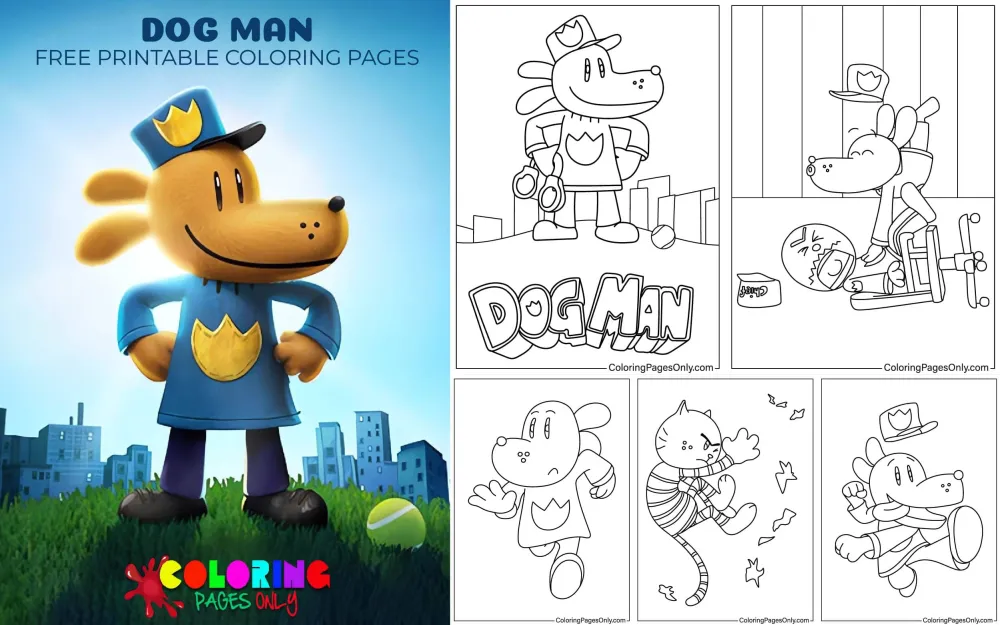
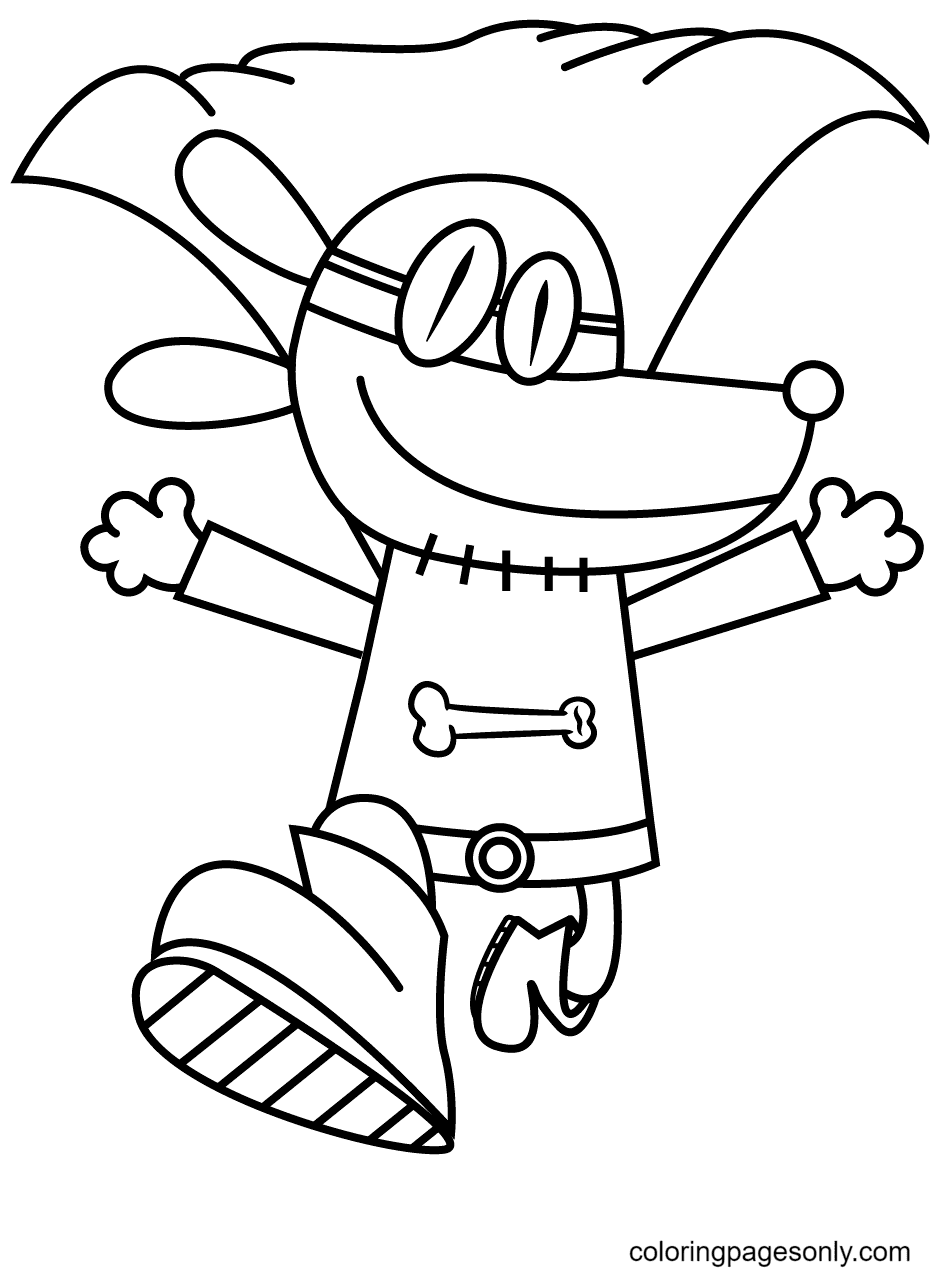
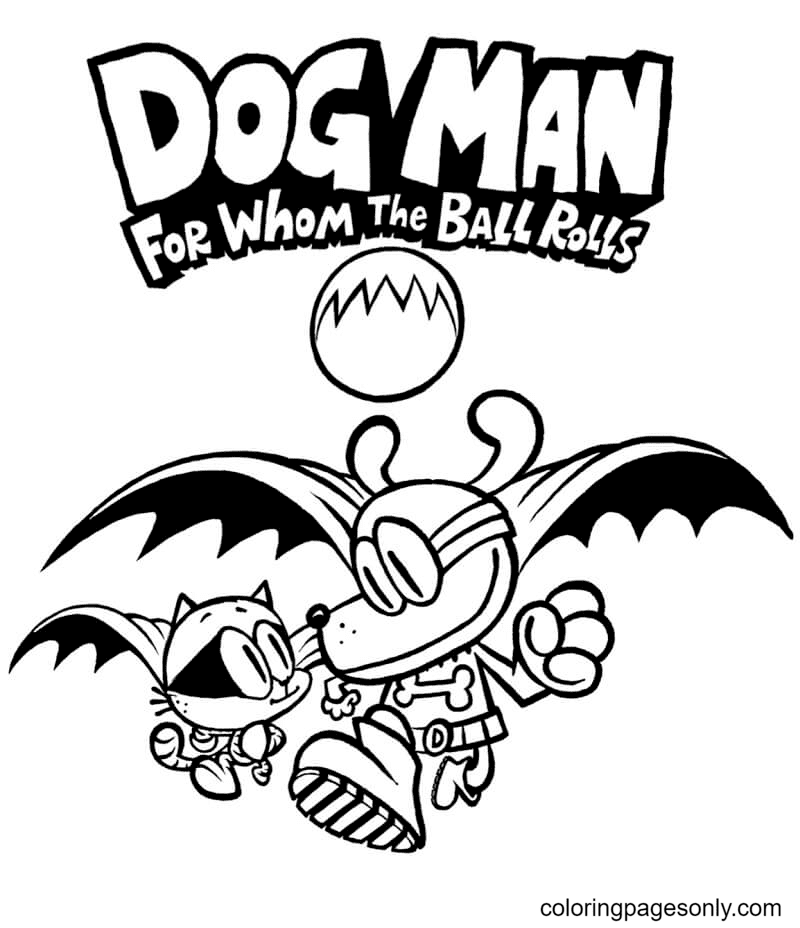
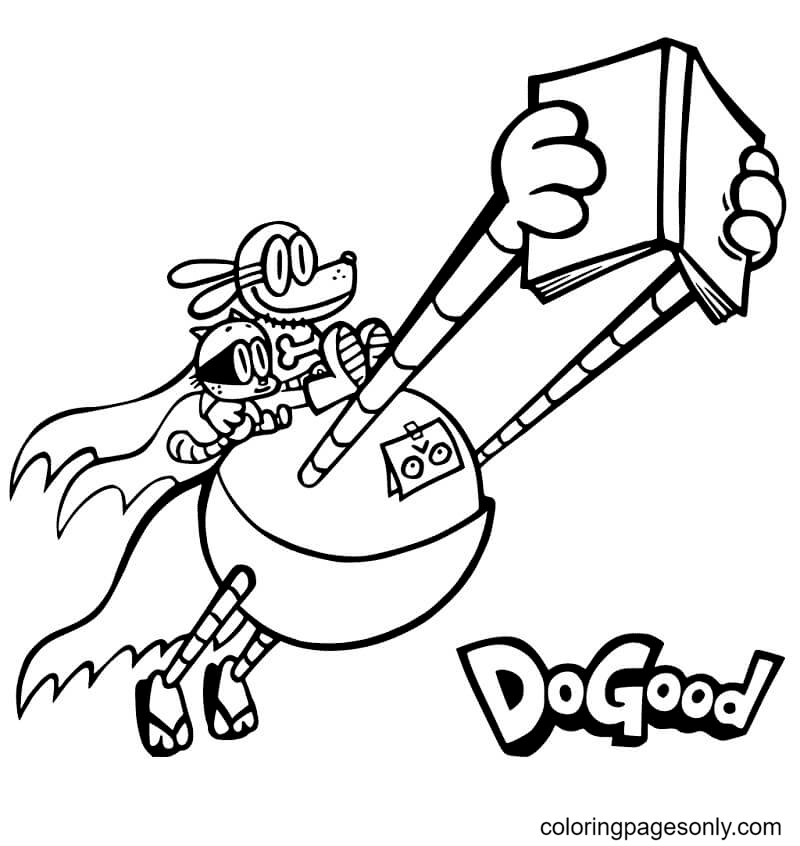
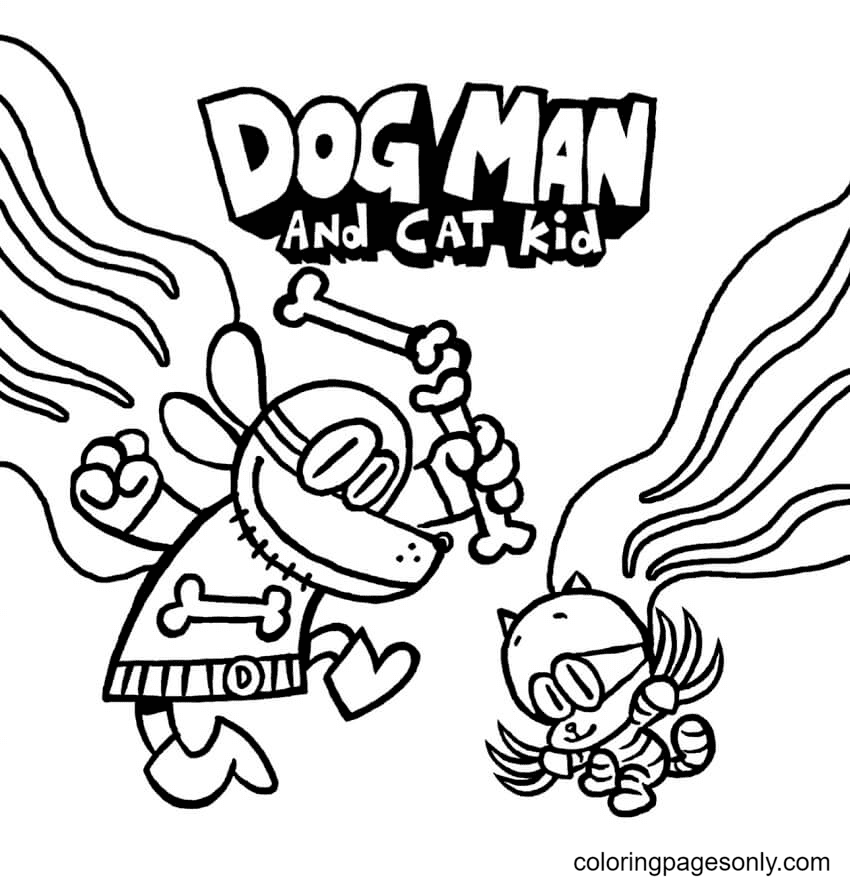
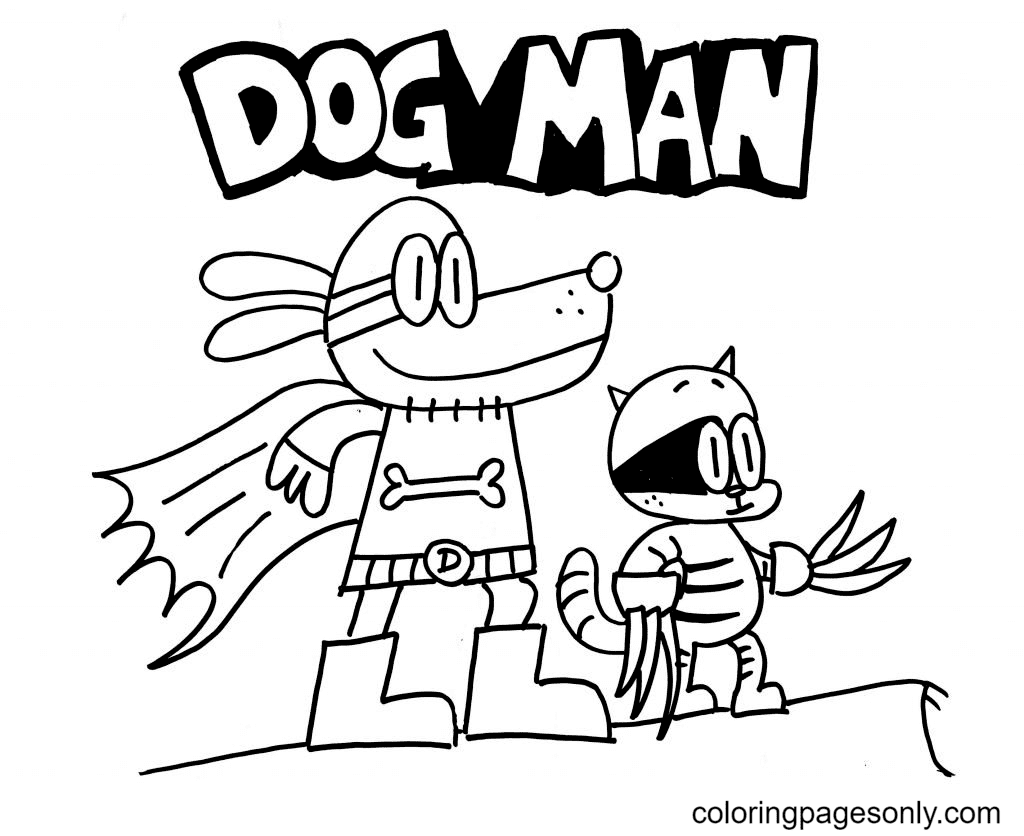
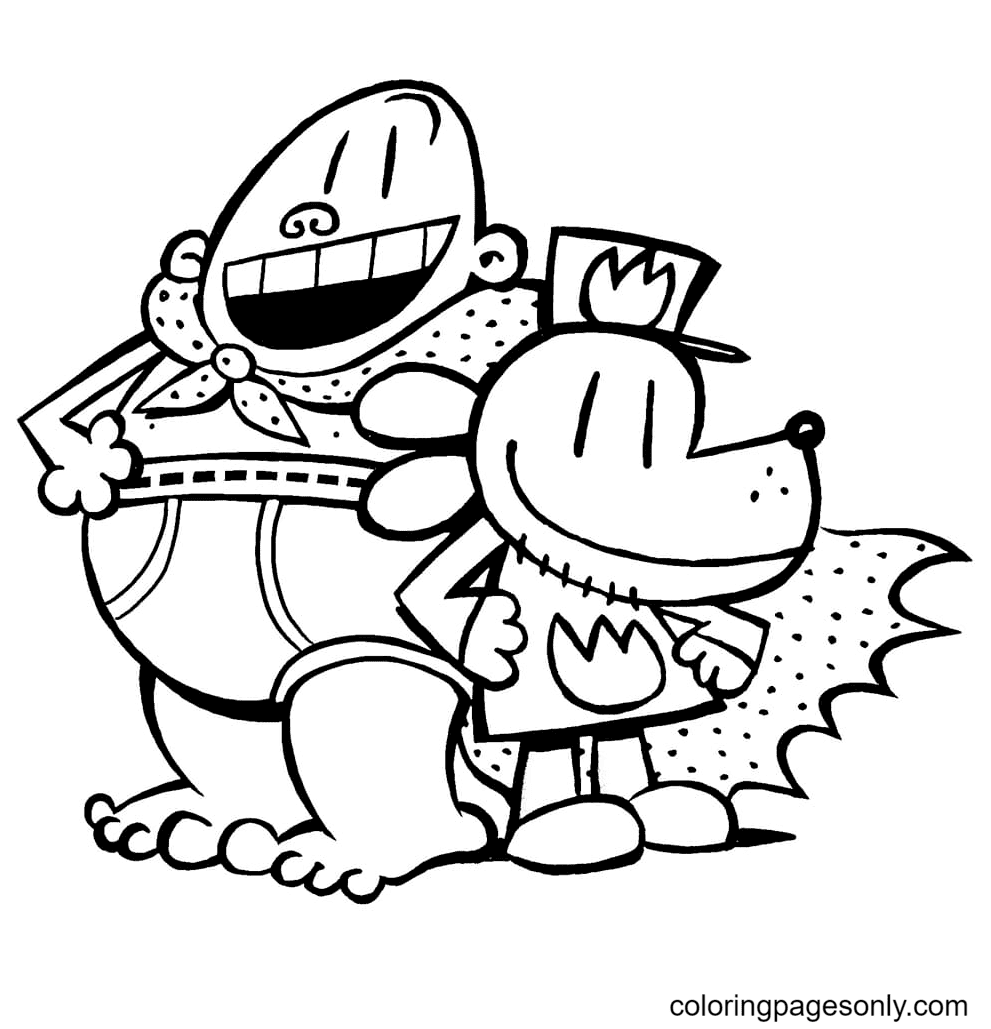
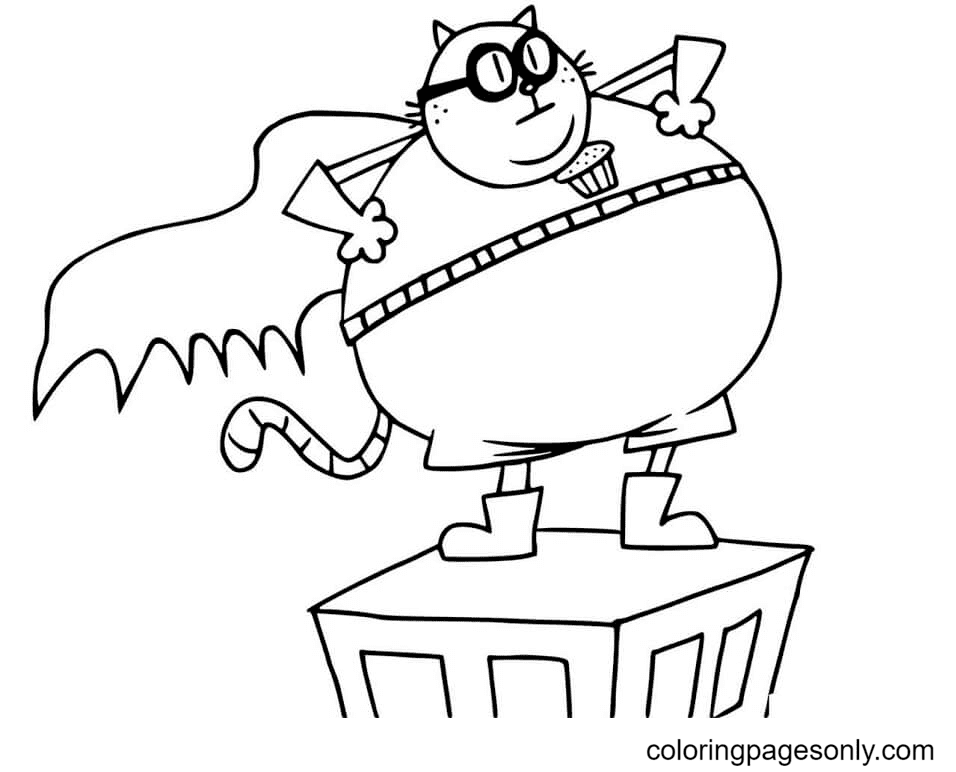
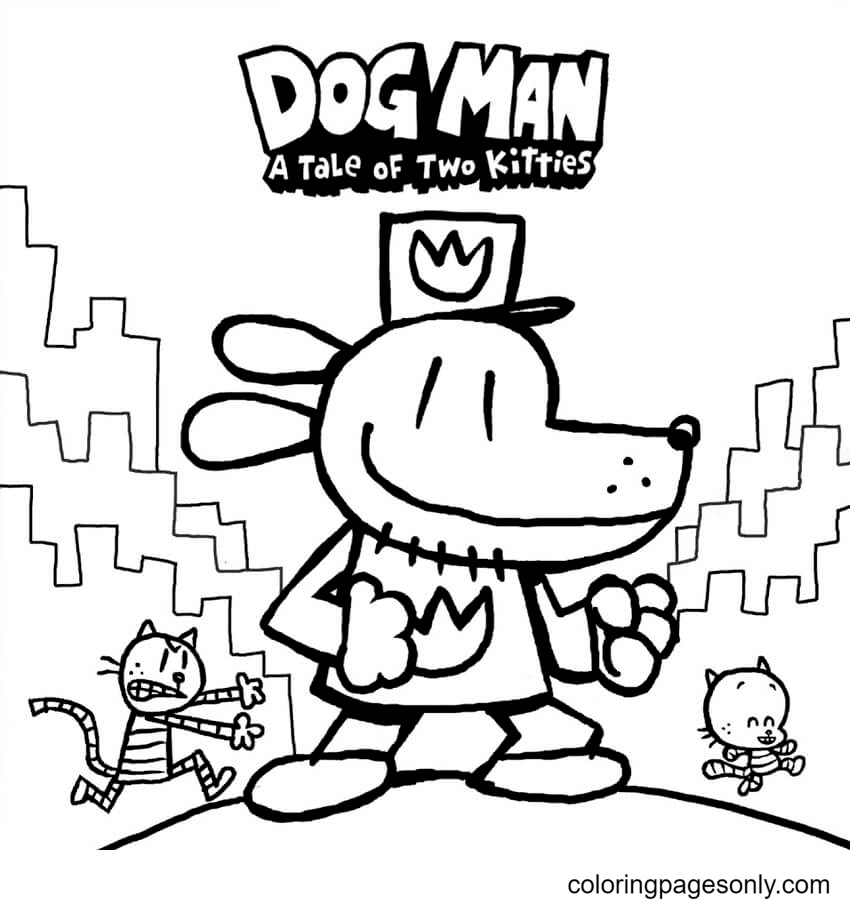
Free Dog Man coloring pages: 40+ pages featuring Dog Man in action poses and portrait close-ups, Petey the Cat in his white lab coat, Li’l Petey the kitten, 80-HD the robot puppy, the Chief, group cast compositions, action scenes from the book series, and the deliberately simple, bold, and child-friendly visual vocabulary that Dav Pilkey established across thirteen books and a 2025 DreamWorks animated film. All free, printable PDFs and online coloring for readers of all ages.
Dog Man is a graphic novel series written and illustrated by Dav Pilkey, born David Murray Pilkey Jr. on March 4, 1966, in Cleveland, Ohio. The first Dog Man book was published on August 30, 2016, by Scholastic’s Graphix imprint, as a spin-off of Pilkey’s earlier Captain Underpants series. The Dog Man character originally appeared within the Captain Underpants books as a comic strip created by the fictional schoolchildren George Beard and Harold Hutchins, before Pilkey gave the character his own standalone series.
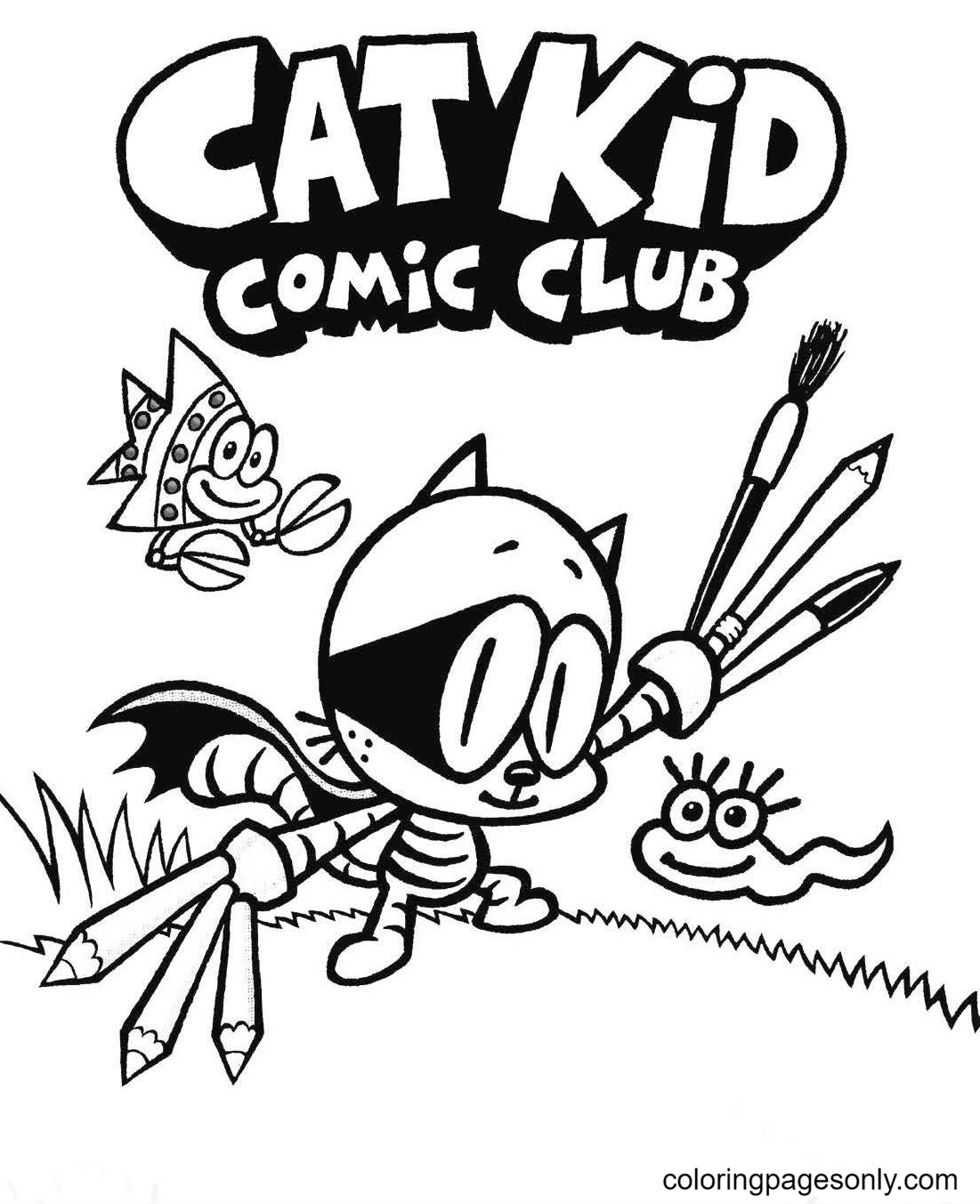
As of 2024, the Dog Man series comprises thirteen books, beginning with the first volume in 2016 and continuing through Dog Man: The Leaf Thieves (2024), along with a companion spin-off series, Cat Kid Comic Club, which launched in 2020. The books consistently appear at the top of the New York Times bestseller lists for children’s graphic novels. They are recognized by reading specialists and educators for their documented success in engaging reluctant readers, particularly children who find traditional text-heavy books inaccessible.
Pilkey has spoken publicly and extensively about his own experience with dyslexia and ADHD as a child. He was frequently removed from class and spent time in the hallway drawing comics. A teacher told him he could not spend his life making silly books about superheroes. Captain Underpants was first published in 1997. Dog Man followed in 2016. Combined, Pilkey’s books have sold over 85 million copies.
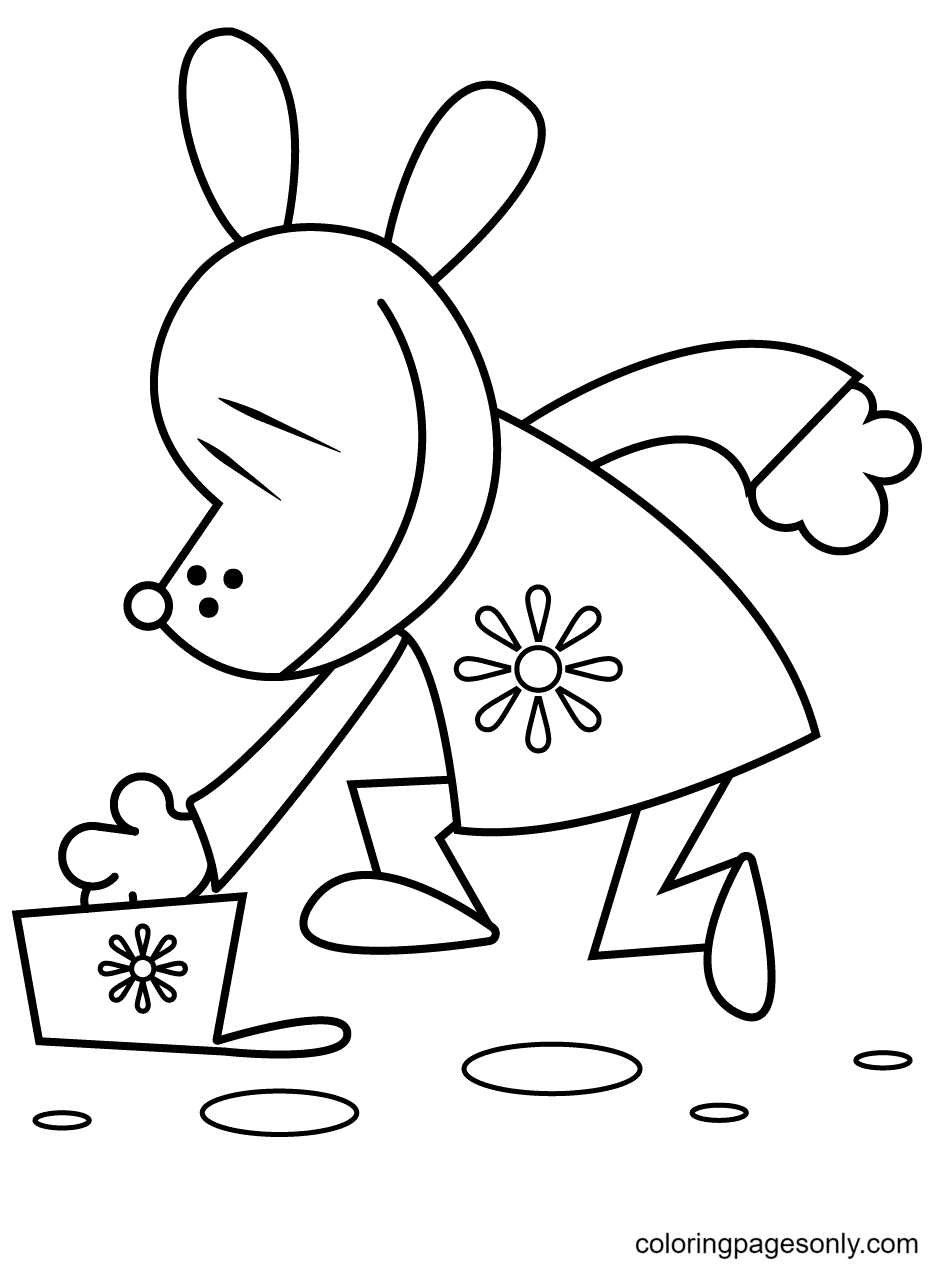
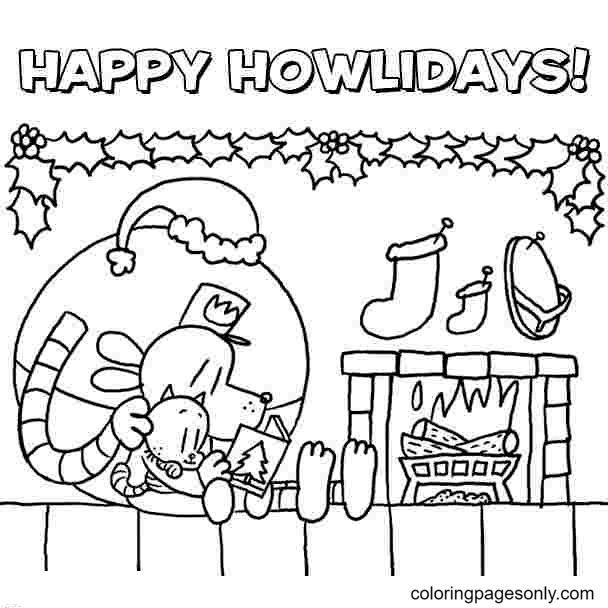
These 40+ free pages at ColoringPagesOnly.com cover the full Dog Man cast. All free, PDF or PNG, print or color online.



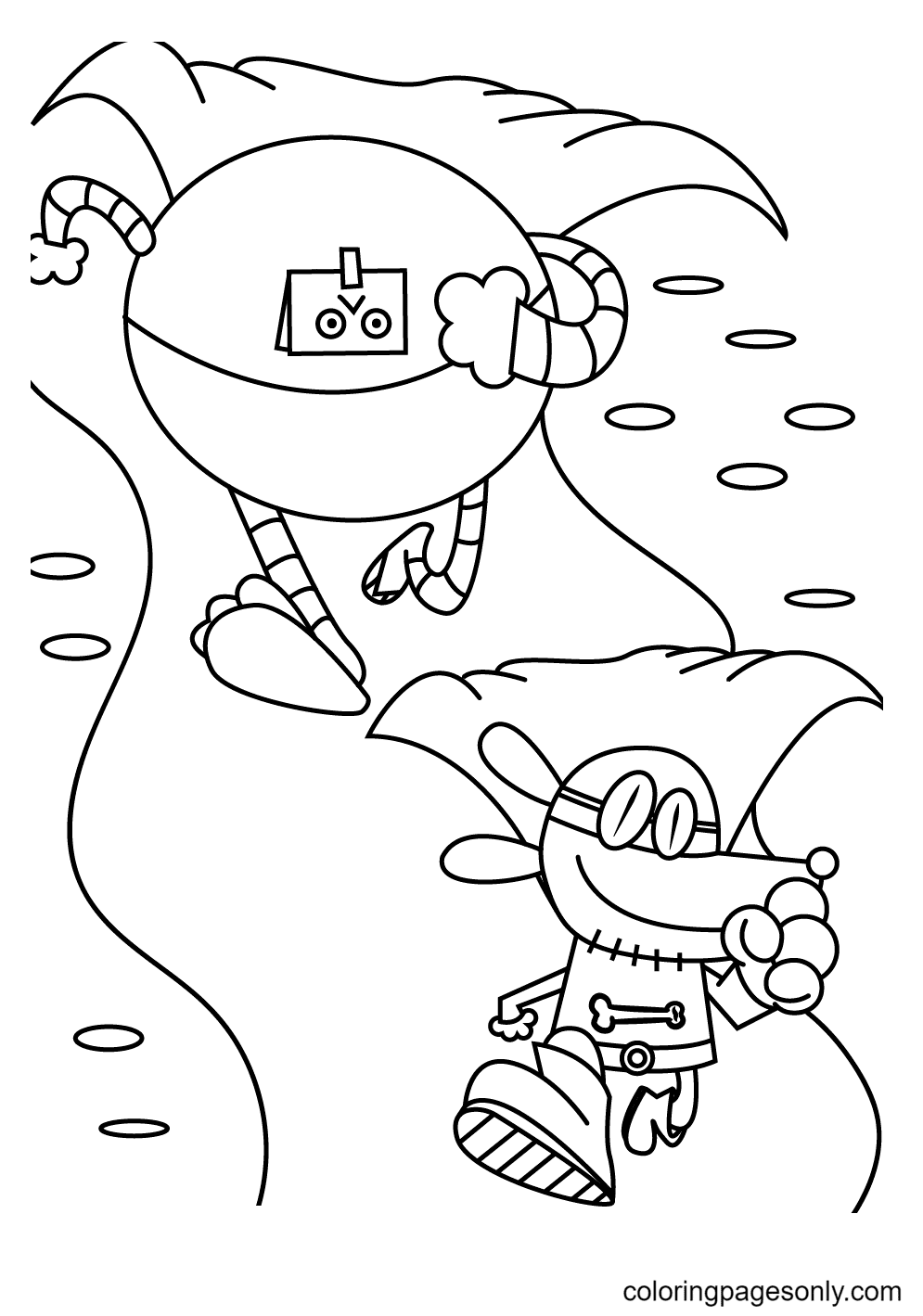
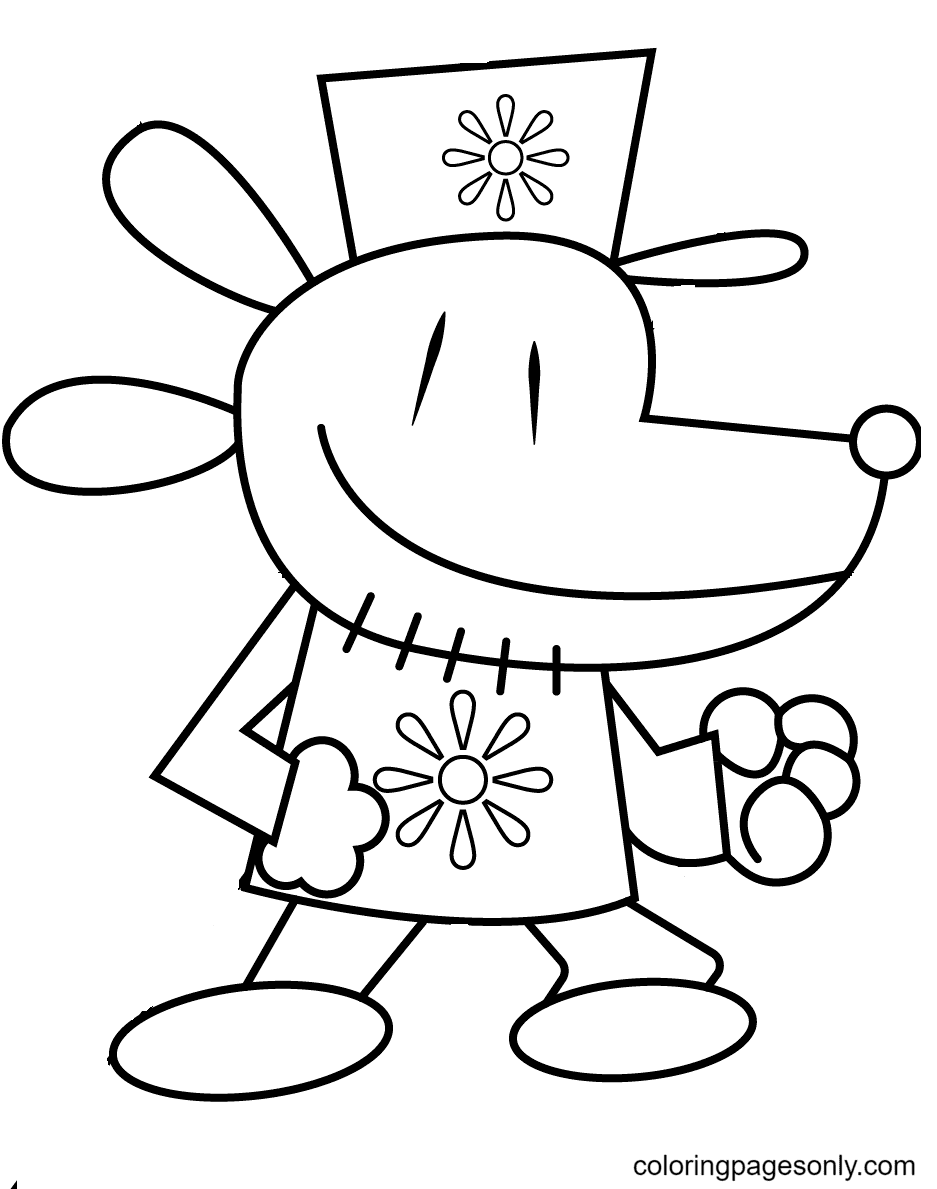
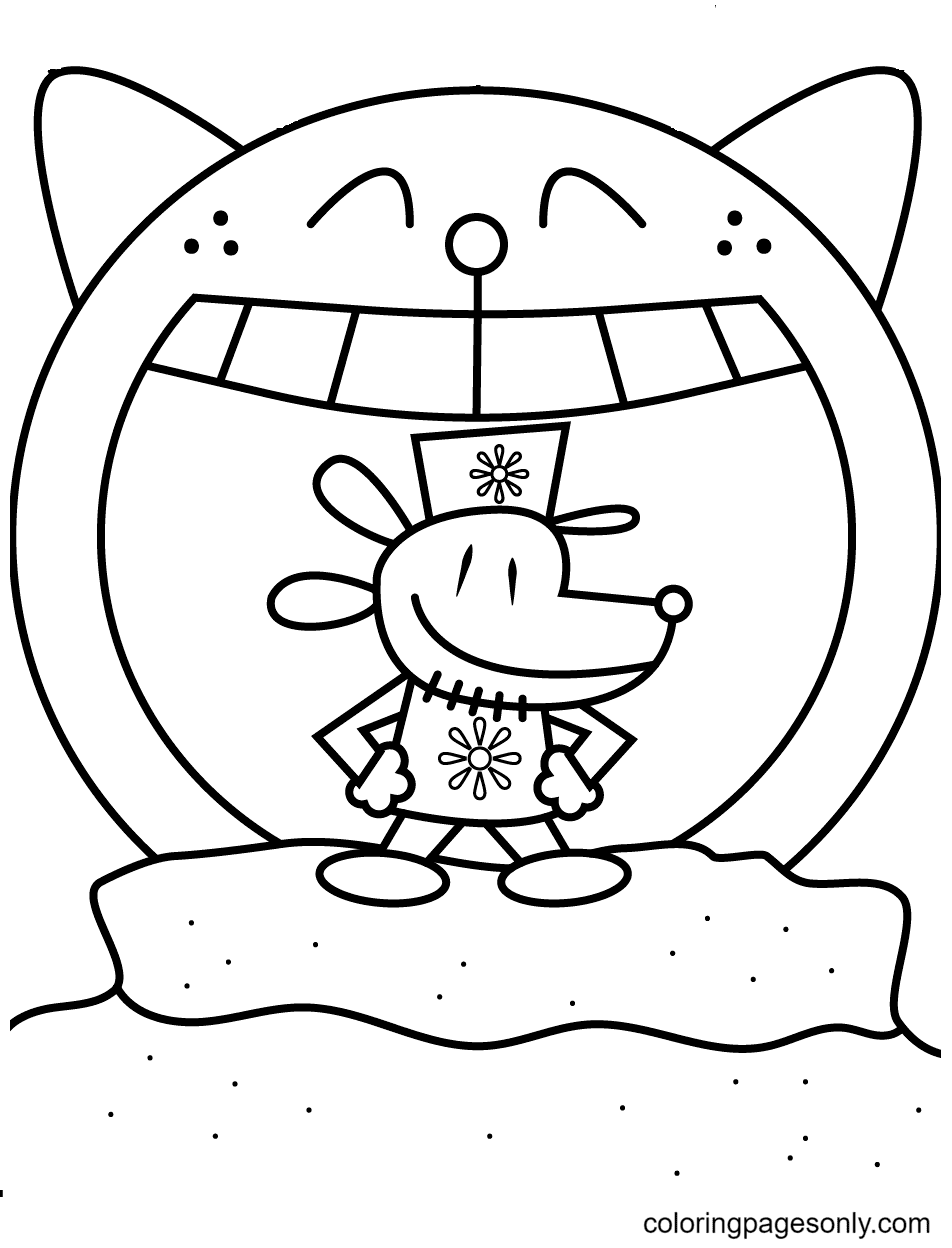


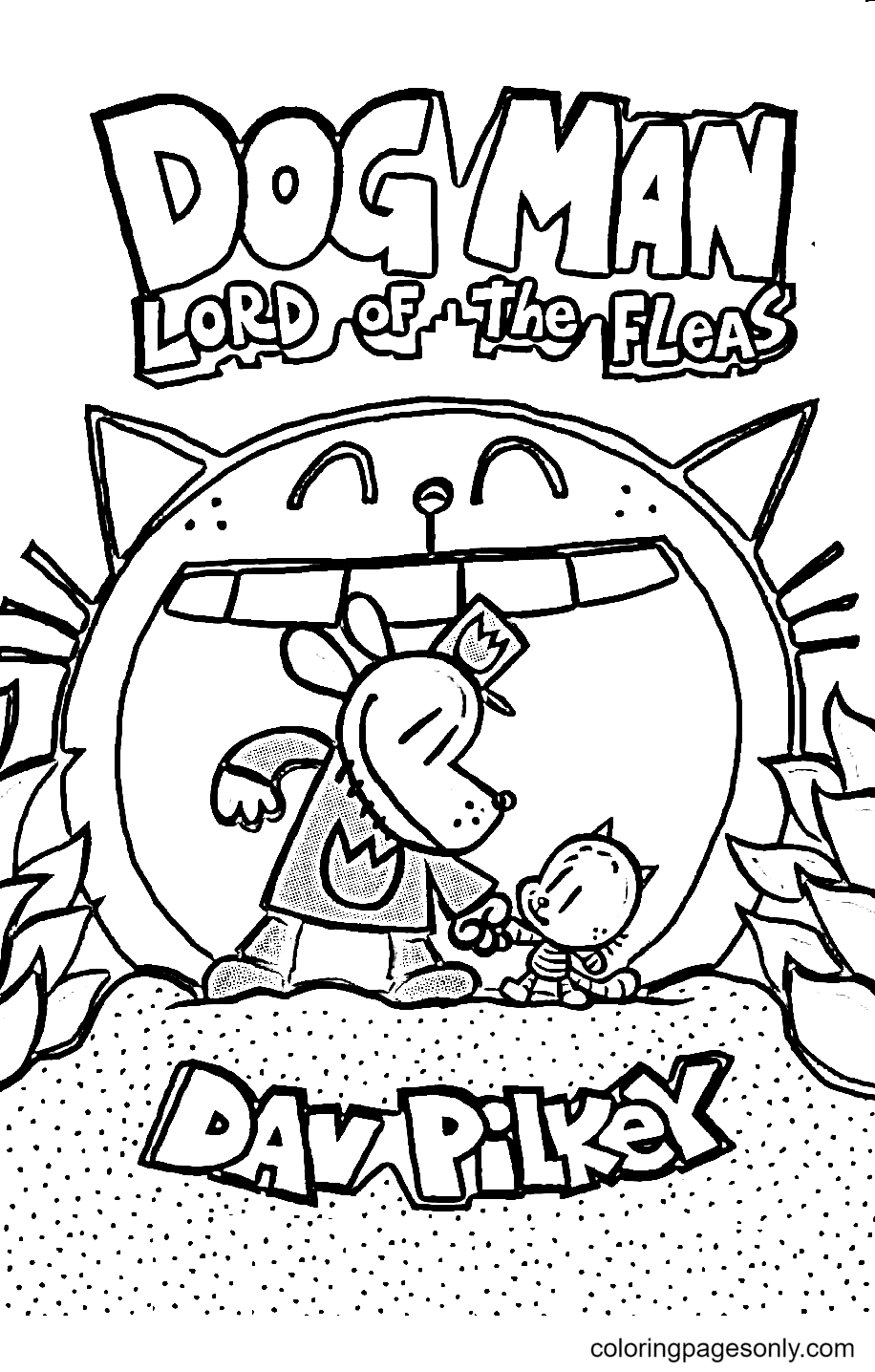


What’s Inside
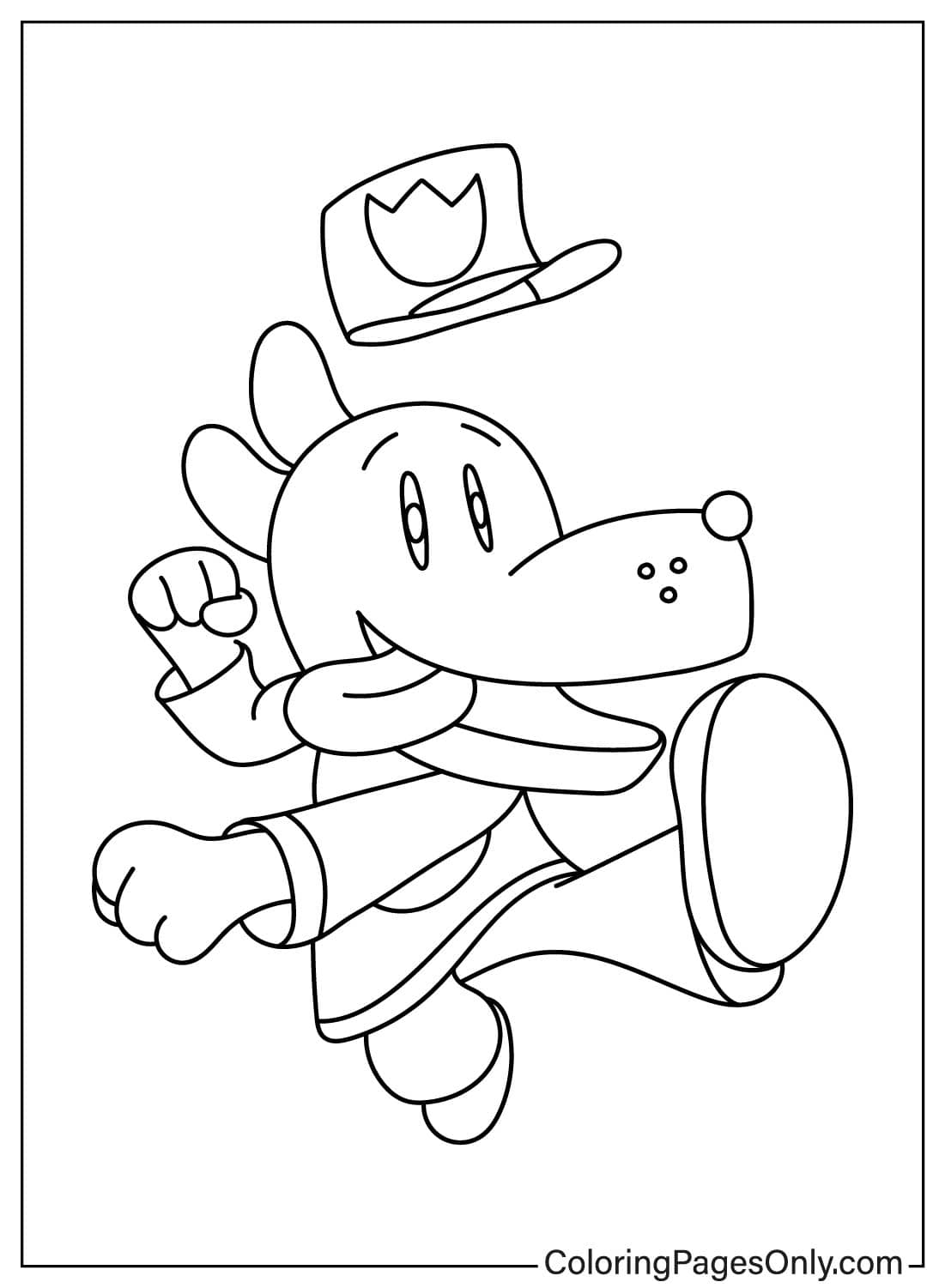
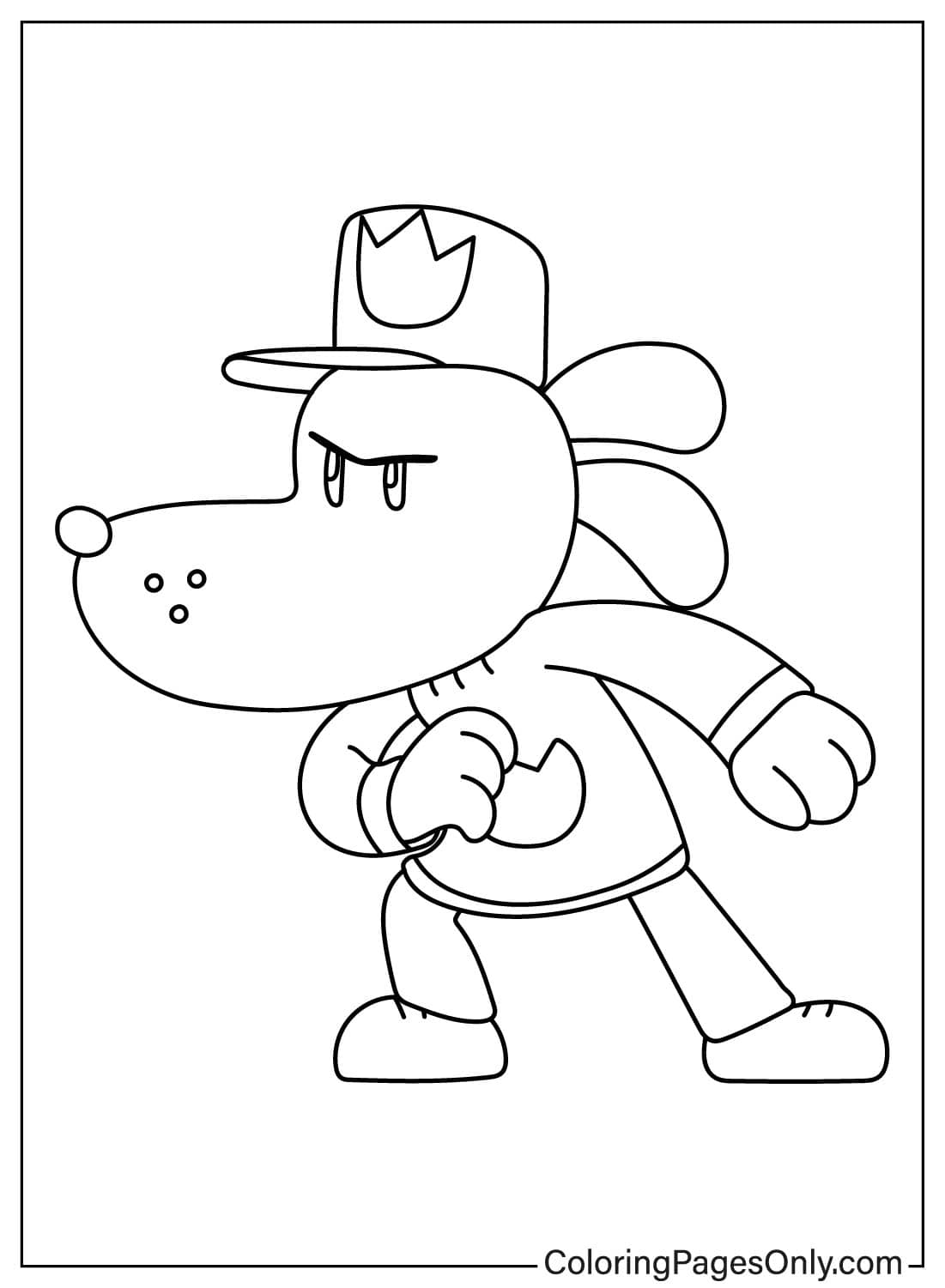
Dog Man: Portrait and Action Pages
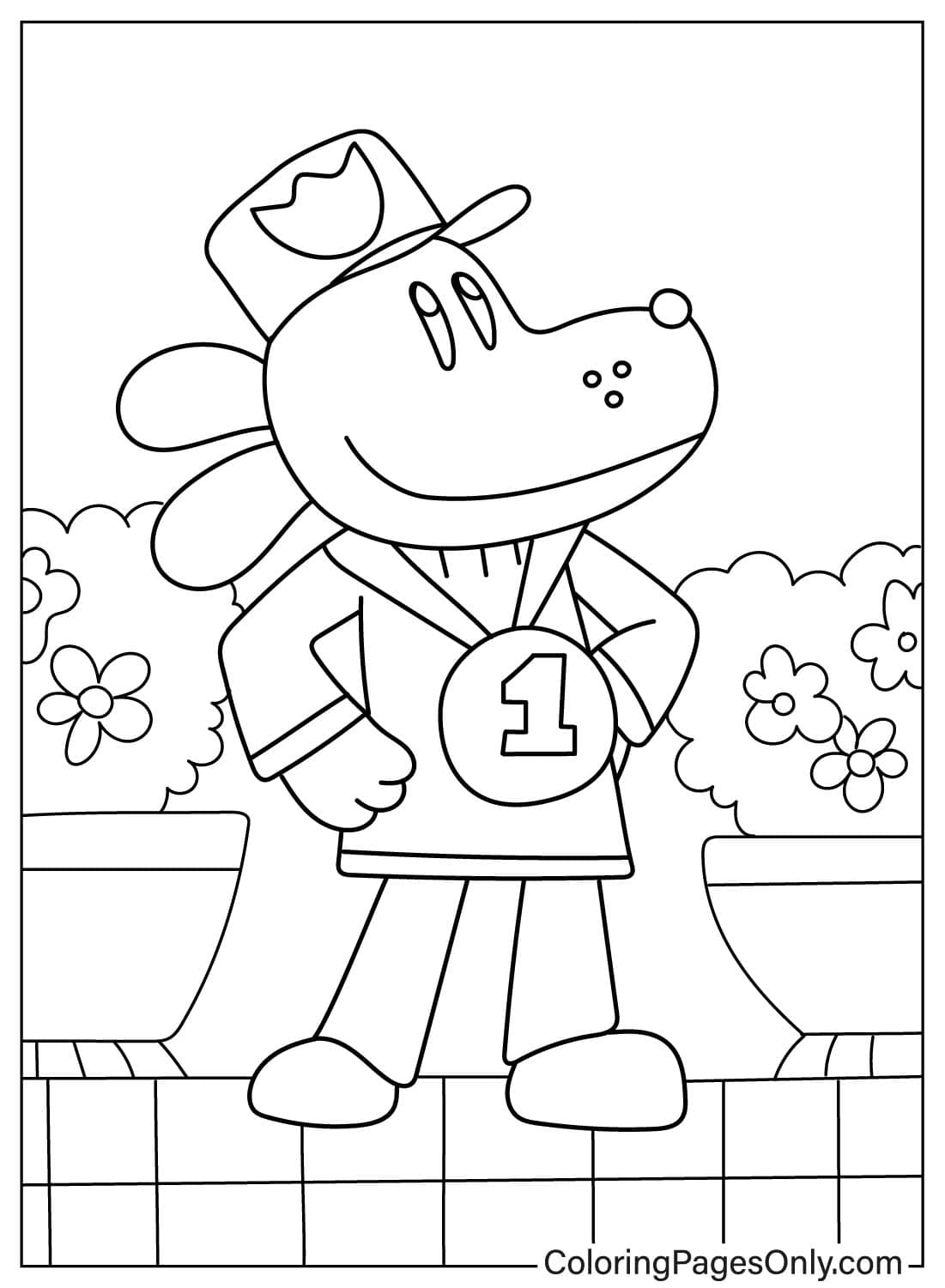
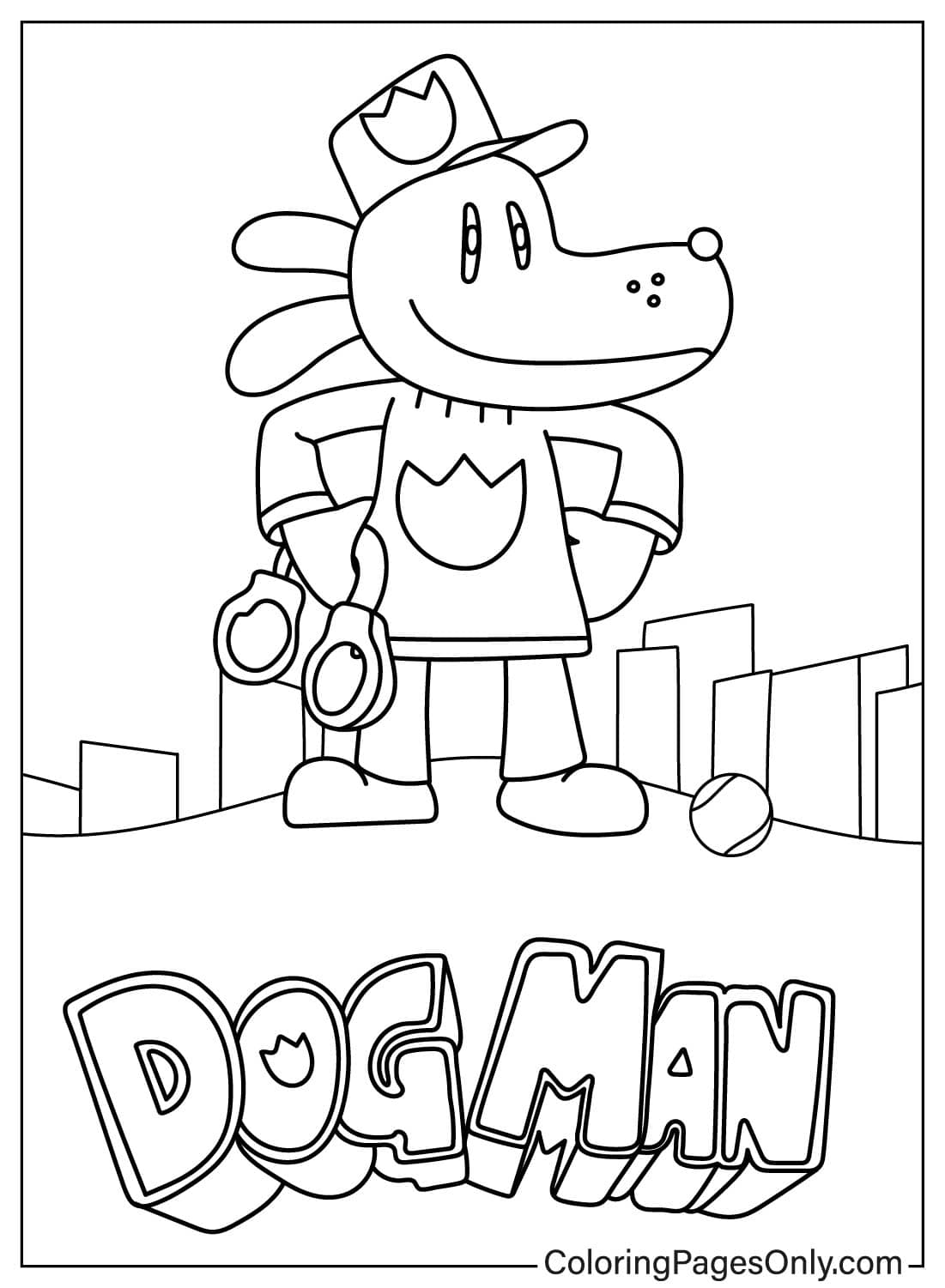
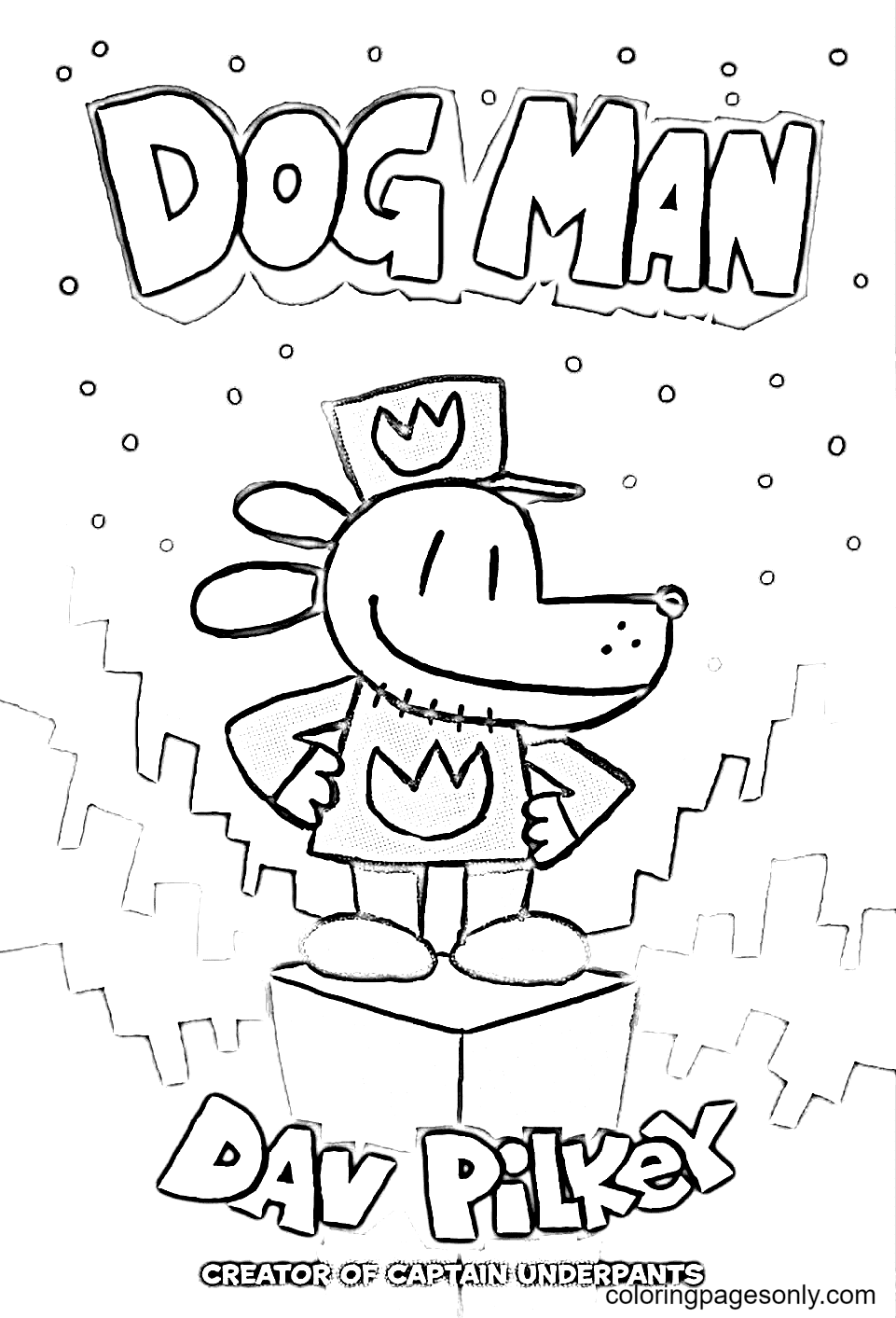
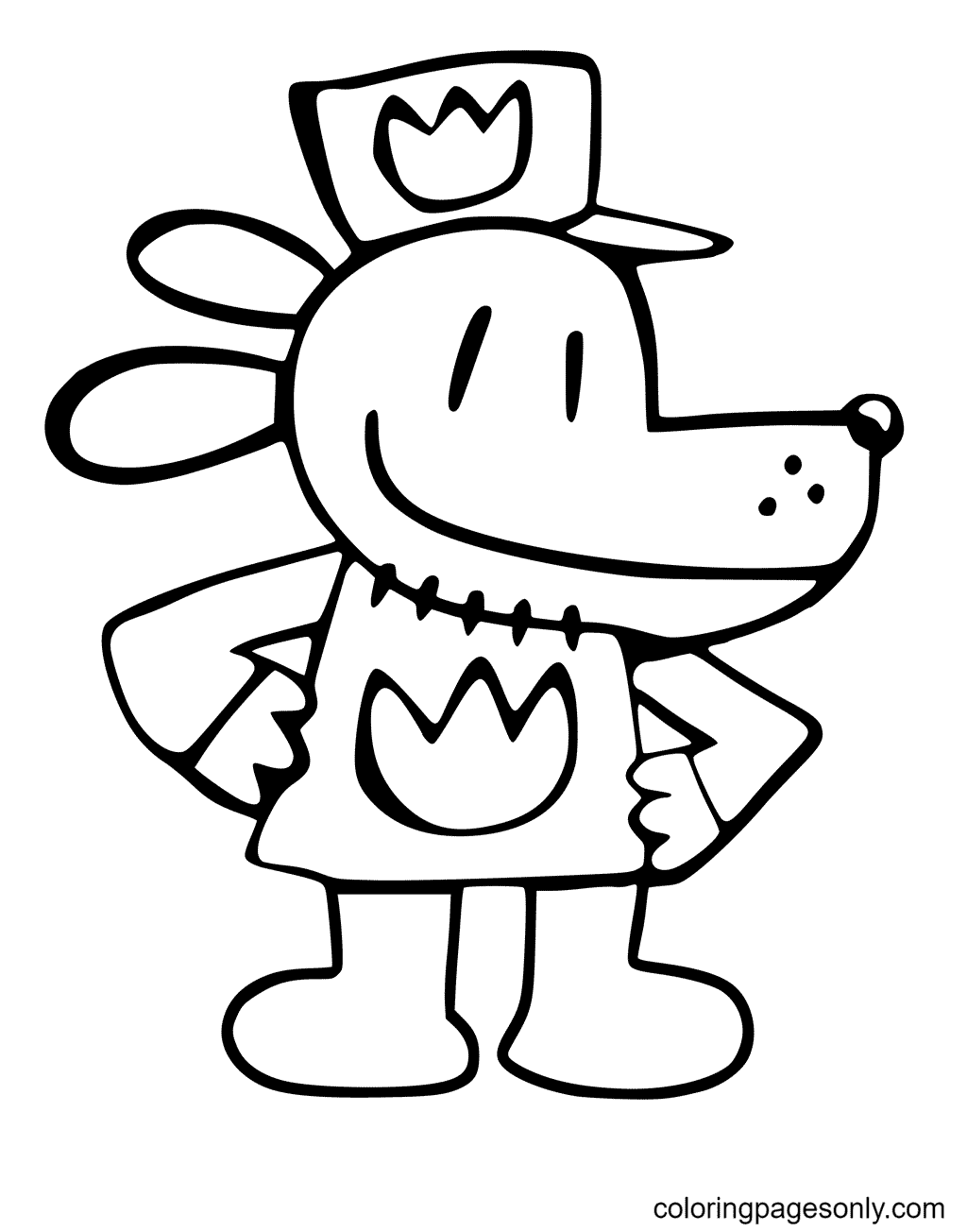
Dog Man’s origin is one of children’s literature’s more specifically memorable premise sentences: a police officer named Greg and his police dog were both severely injured in the same incident. The doctors who treated them saved both lives by attaching Greg’s body to the dog’s head. Dog Man is the result. He has a dog’s head, a police officer’s body, wears a blue police uniform with a badge and hat, and operates as the city’s primary law enforcement officer despite the complications introduced by being, neurologically, a dog.
He cannot speak, as a real dog cannot speak. He communicates through actions: fetching, sniffing, chasing balls, wagging, and occasionally doing precisely the wrong thing at the right moment in ways that happen to resolve the plot. He is brave in the direct, unironic way that dogs are brave: without calculation, without self-interest, without doubt. This quality is what makes him function as a hero and what makes the books’ humor work simultaneously with their genuine emotional warmth.
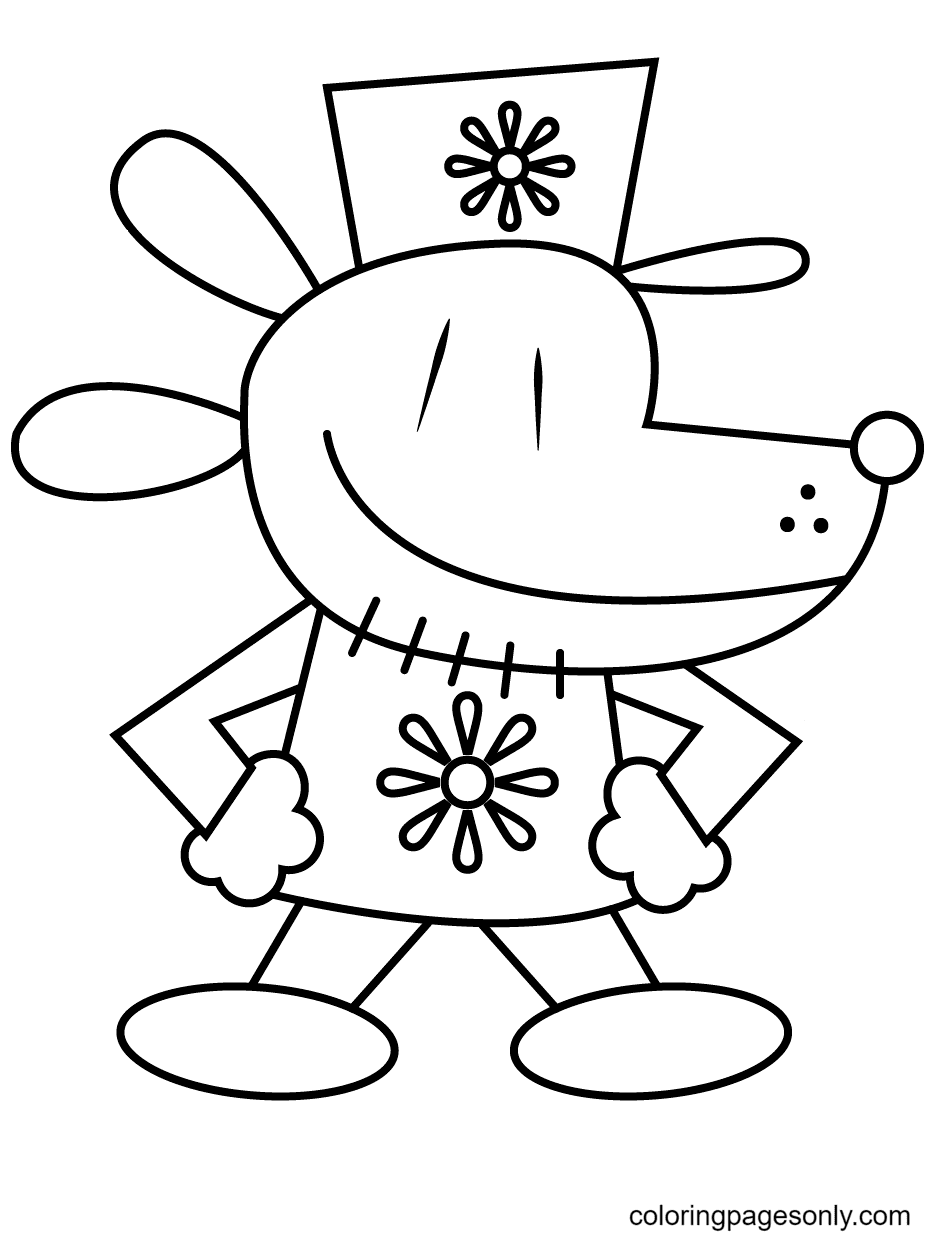
His visual design reflects the books’ origin as comics drawn by fictional children: a round, cartoony dog head on a simplified police officer’s body, drawn in the deliberately simple and somewhat inconsistent style that Pilkey uses throughout the series to simulate children’s comic art. The design is intended to look like something a creative ten-year-old might draw, which is specifically the point.
Coloring Dog Man portrait pages: His dog’s head is a warm light tan-brown with darker brown details at the ears and muzzle area. His police uniform is a medium flat blue, applied solidly across the jacket and trousers with no complex shadow gradients, consistent with the book’s flat color approach. His police badge is gold or yellow. His hat is the same blue as the uniform. The eye rendering follows the book’s simplified approach: large, round eyes with simple black pupils and white sclera, applied cleanly without complex internal detail.
Petey the Cat: The Villain Who Isn’t
Petey the Cat is the Dog Man series’ most developmentally complex character and the one whose arc across thirteen books rewards the closest reading. He begins as the straightforwardly villainous antagonist of the first book: a white anthropomorphic cat in a lab coat who commits crimes and escapes from prison repeatedly, a parody of the mad-scientist villain archetype delivered in the deadpan-absurd register that Pilkey perfected in the Captain Underpants books.
He is also a white cat in a lab coat, which means his visual design is primarily a color management challenge: white lab coat over white cat fur, differentiated only by subtle grey shading and the specific facial features that distinguish a white cat from white fabric. His face is the design’s most expressive element, shifting across the books from the rigid sneering expression of a villain to something more nuanced as his relationship with Li’l Petey changes him.
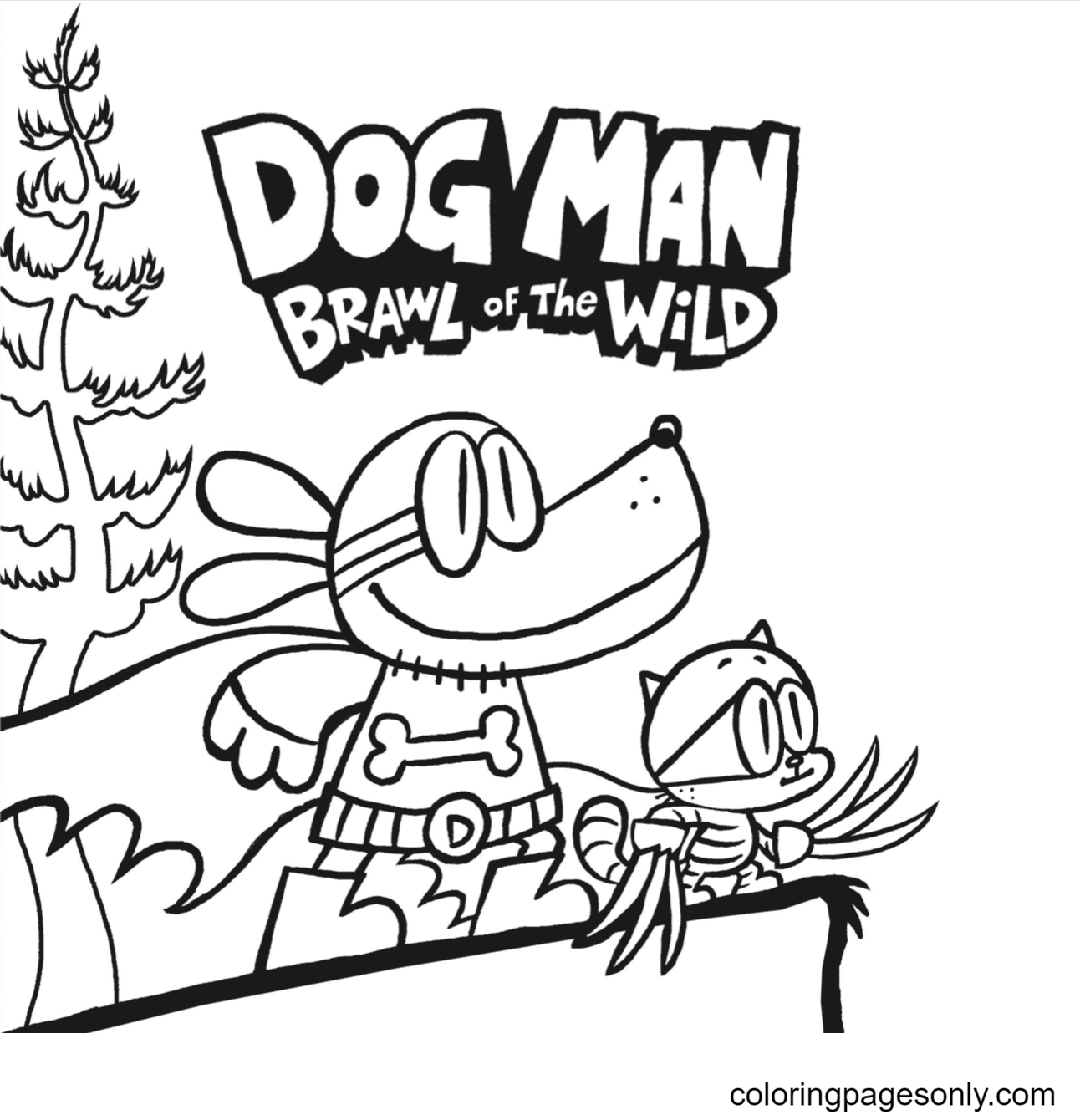
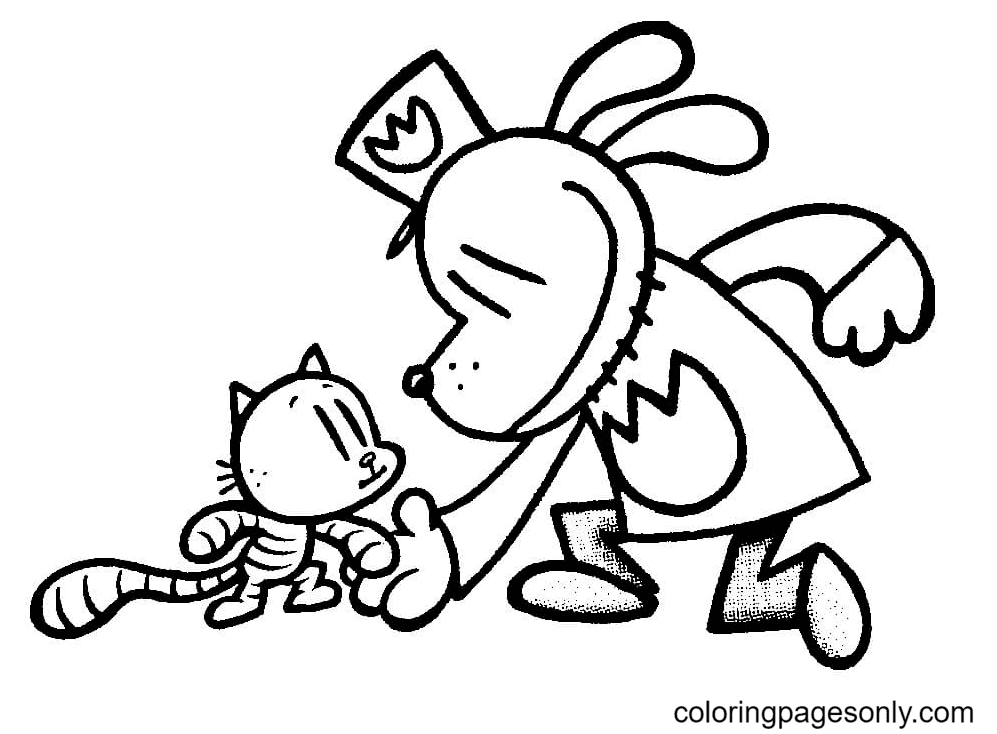
Li’l Petey is Petey’s son (or clone, depending on the specific book’s premise). This kitten arrived with an apparently innate and uncorruptible goodness that Petey finds baffling, inconvenient, and ultimately transformative. The father-and-son dynamic that develops across the series is the emotional center of the books in a way that is not always immediately obvious but becomes very clear by the later volumes.
Coloring Petey pages: His fur is white or very pale cream, differentiated from the white lab coat by applying slightly different pressure and a very subtle warm cream undertone to the fur versus a cooler, cleaner white for the lab coat fabric. His eyes are the design’s primary vivid color: typically yellow-green or vivid green. His nose is a small pink triangle. Any expression details (the raised eyebrow, the sneer, the reluctant half-smile of his later-series character development) should be applied carefully, as they are the most character-communicating elements on the page.
Li’l Petey and 80-HD: The Kitten and the Robot
Li’l Petey and 80-HD together constitute the Dog Man series’ second emotional pairing, distinct from and parallel to the Dog Man and Petey dynamic. Li’l Petey is a kitten who is small, kind, and genuinely good in the specific way that children in stories are genuinely good: not naively, but with the specific clarity of someone who has not yet learned to distrust their own instincts toward kindness.
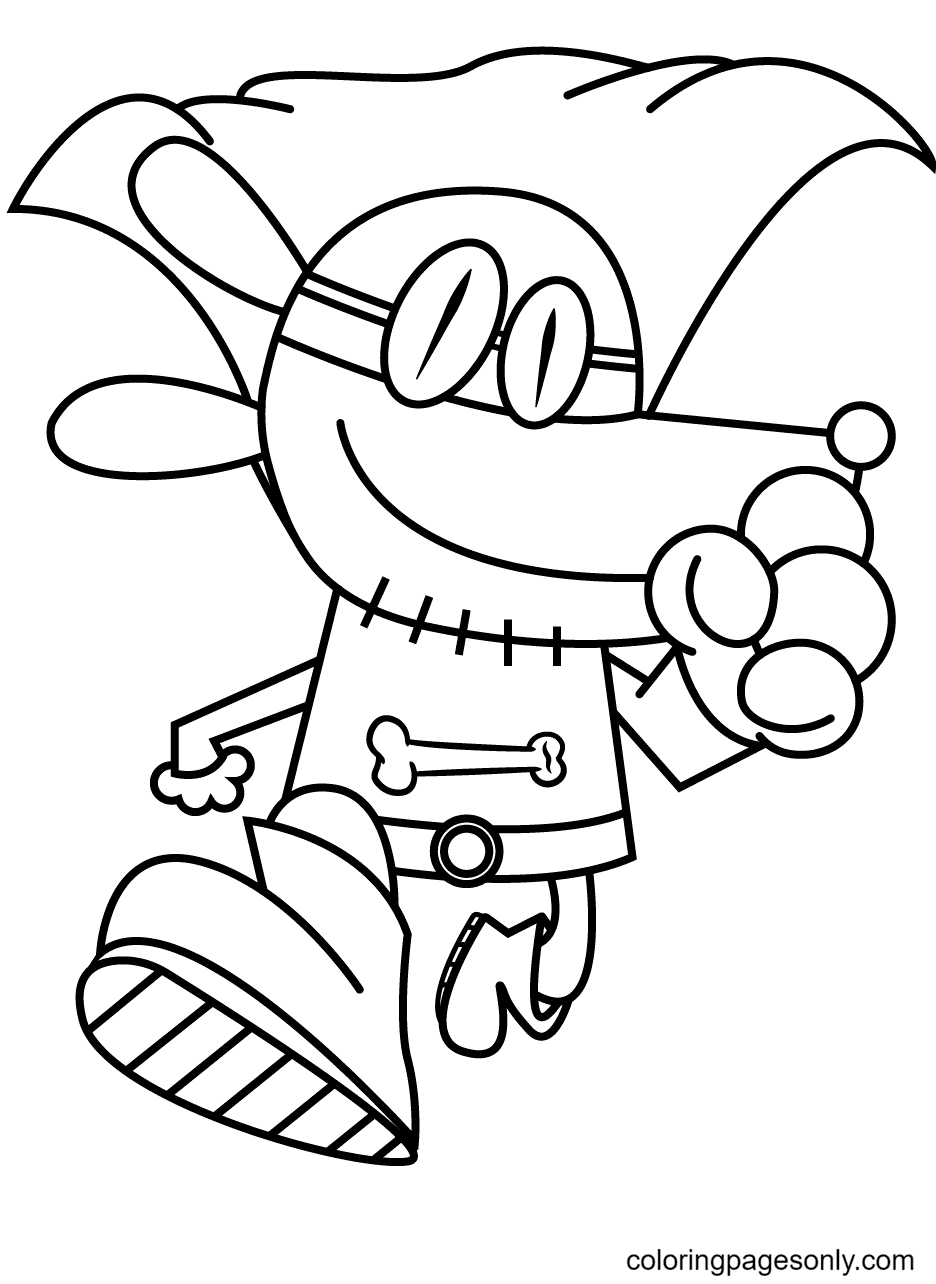
80-HD is a robot puppy that Dog Man constructs from spare parts, whose name is a deliberate reference to ADHD, one of Dav Pilkey’s own diagnosed conditions. 80-HD has a heart, literally: a mechanical heart that drives his behavior and his connection to the other characters. The robot-who-has-heart character type is one of children’s literature’s most durable emotional constructs, and Pilkey deploys it with his characteristic lack of cynicism: 80-HD has a heart because Dog Man gave him one, and that is genuinely the point.
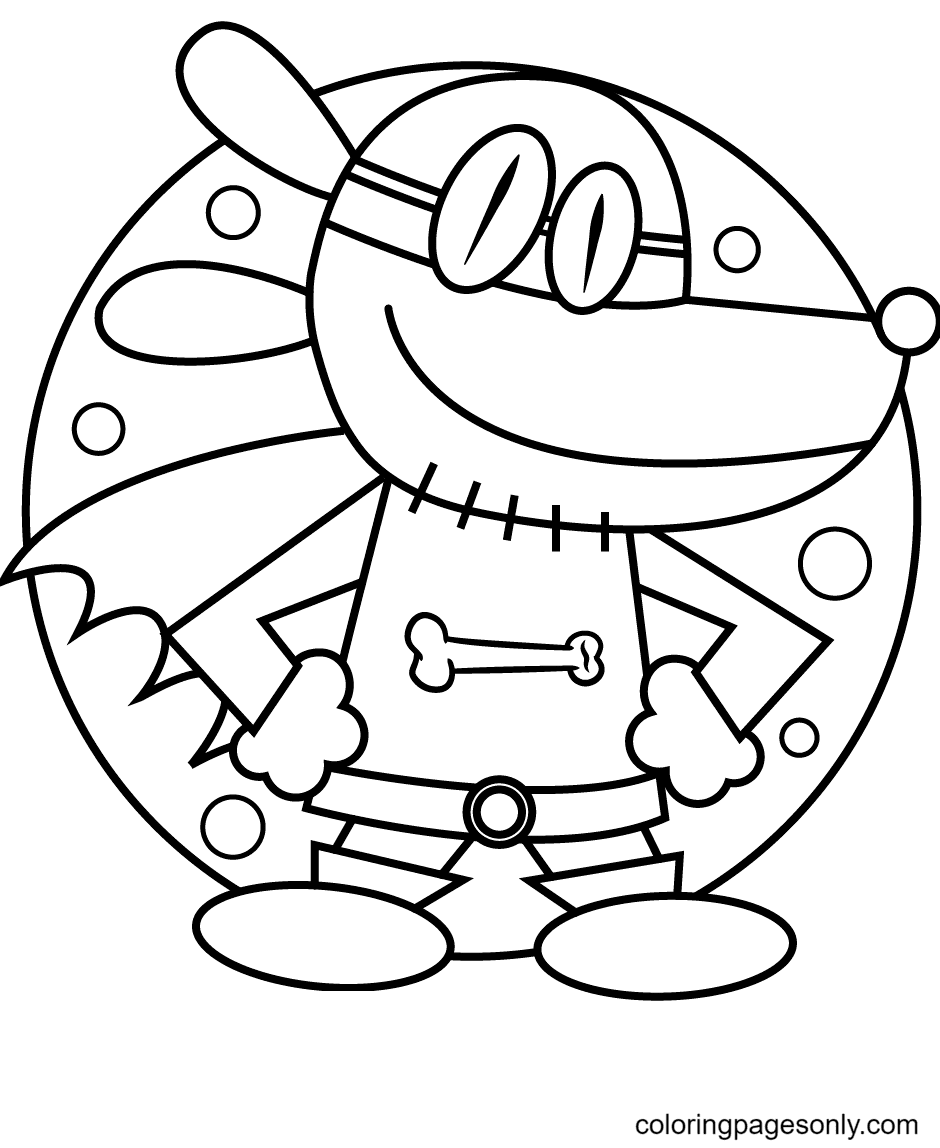
Coloring Li’l Petey pages: The kitten is white or very pale cream like his father, but smaller in proportion and with rounder, more kitten-like features. His facial expression is typically open and warm rather than the guardedly complex expression of Petey’s arc. In later books, he wears a small superhero cape: vivid red with a yellow or gold accent, the most vivid color on his otherwise pale figure.
Coloring 80-HD pages: 80-HD is rendered in grey metallic tones: the same three-zone metallic technique (lighter at top-facing surfaces, mid-tone on vertical faces, darkest at recesses between panels) applied to a small robot dog’s round body. Any visible heart element or light-up detail should be rendered in the most vivid warm pink or red available, contrasting with the cool grey metallic body.
The Chief: Perpetual Exasperation
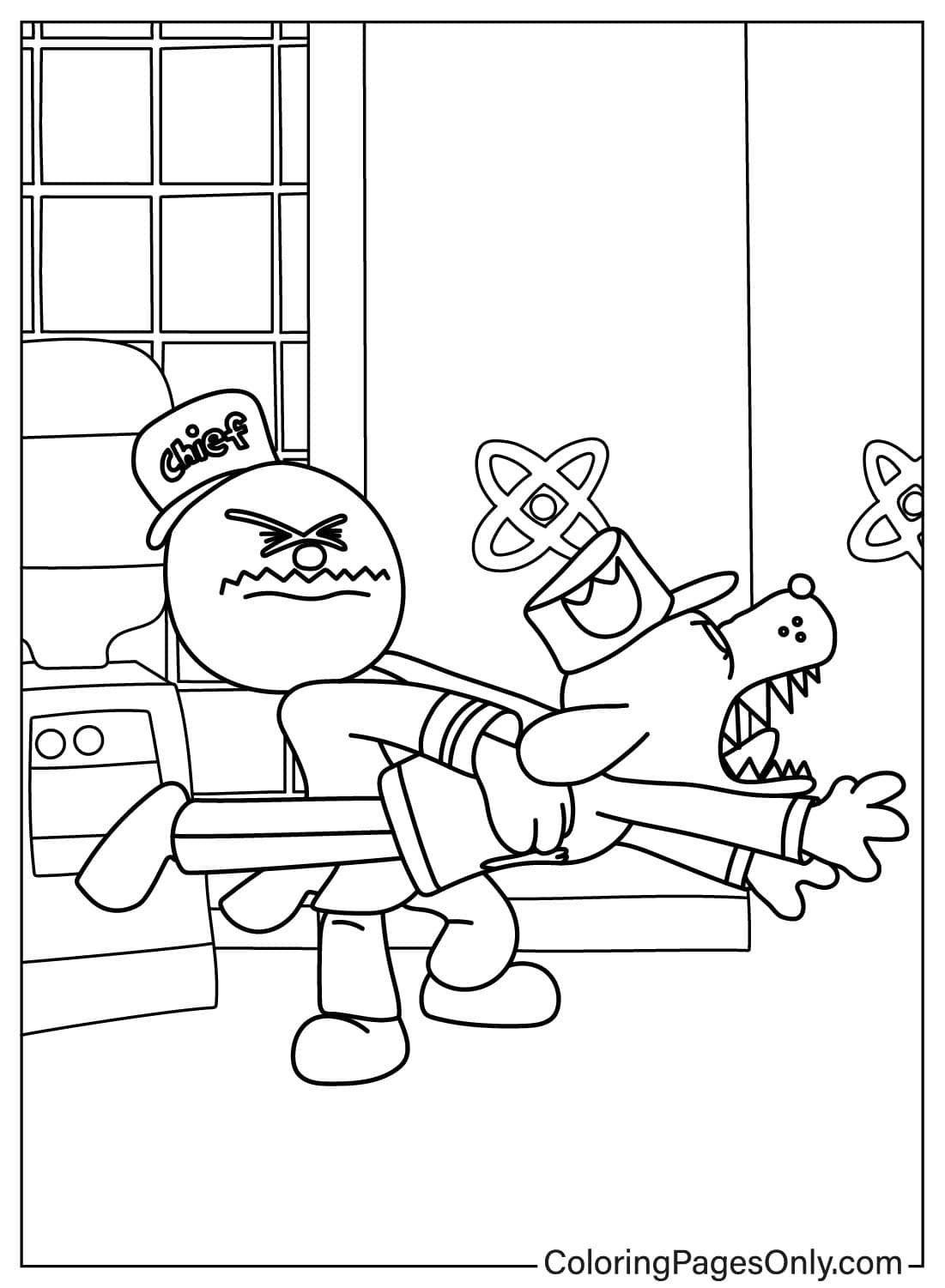
The Chief, Dog Man’s police chief and supervisor, occupies one of fiction’s oldest supporting character roles: the authority figure who is perpetually frustrated by the hero’s unorthodox methods but cannot deny that the unorthodox methods produce results. He is round, grumpy, and visually designed to communicate mild permanent frustration, which is appropriate given that his primary law enforcement officer is a dog who communicates by fetching and sniffing things.
He wears a police chief’s uniform, rounder and more formal than Dog Man’s, with the slightly officious quality of someone who cares about how things are supposed to work and is professionally obligated to employ someone for whom things work in entirely different ways.
Coloring Chief pages: His police uniform matches Dog Man’s medium flat blue. His face is the page’s primary expressive element: the specific combination of eyebrows, eye shape, and mouth position that communicates his permanent state of resigned exasperation should be applied carefully. His larger, rounder proportions compared to Dog Man make him the most geometrically simple figure to color in any group page.
Group and Action Scene Pages
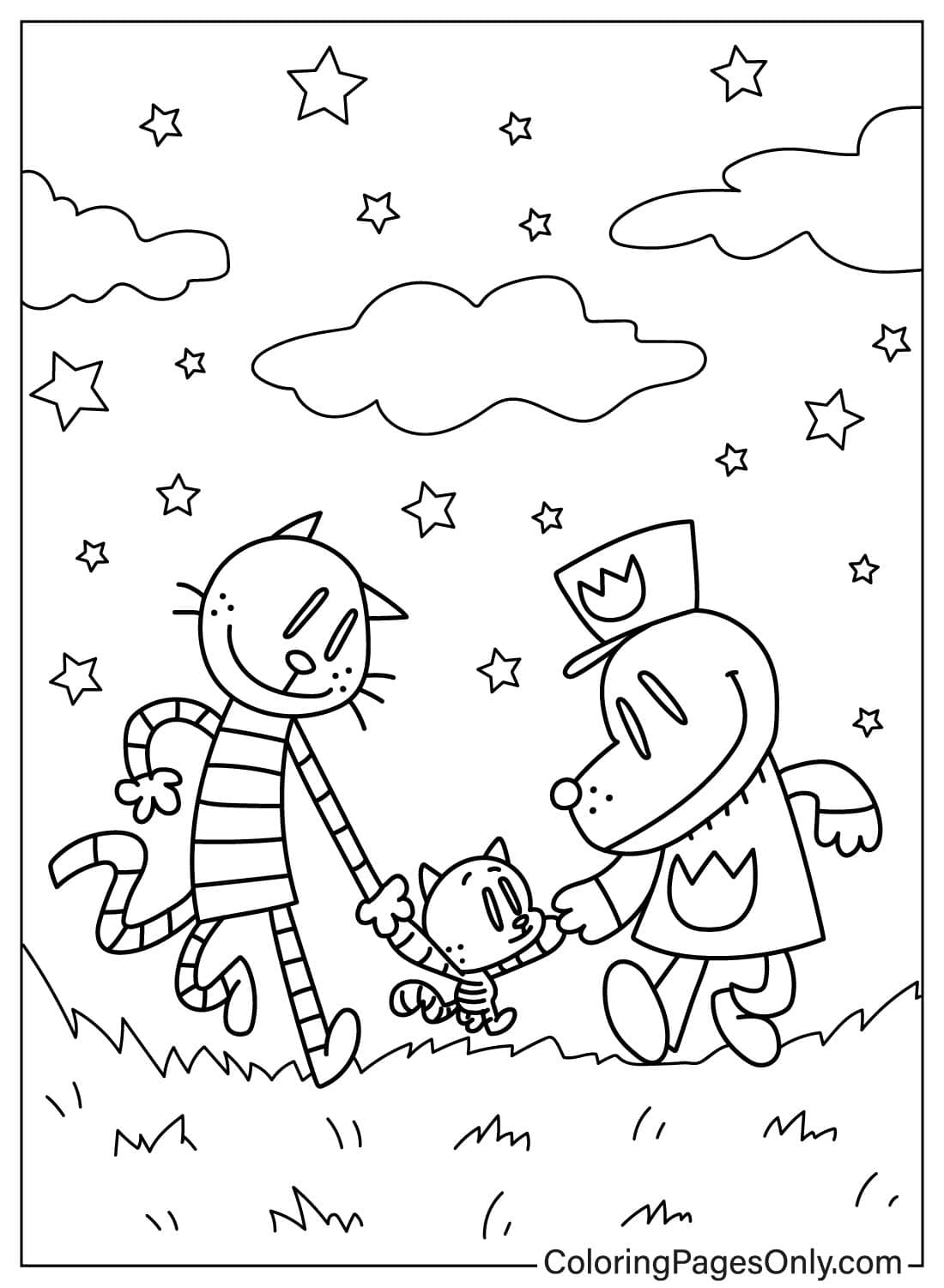
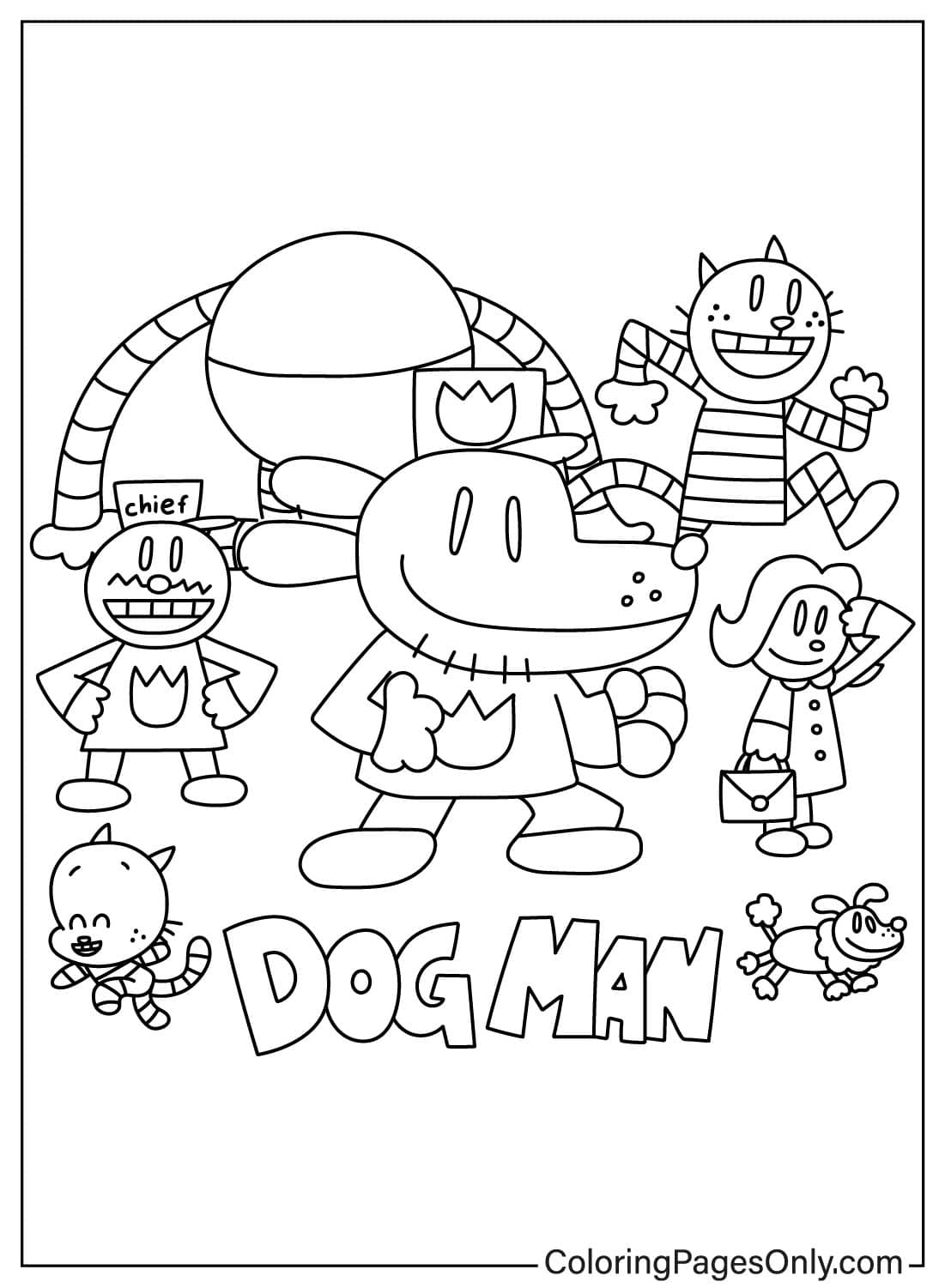
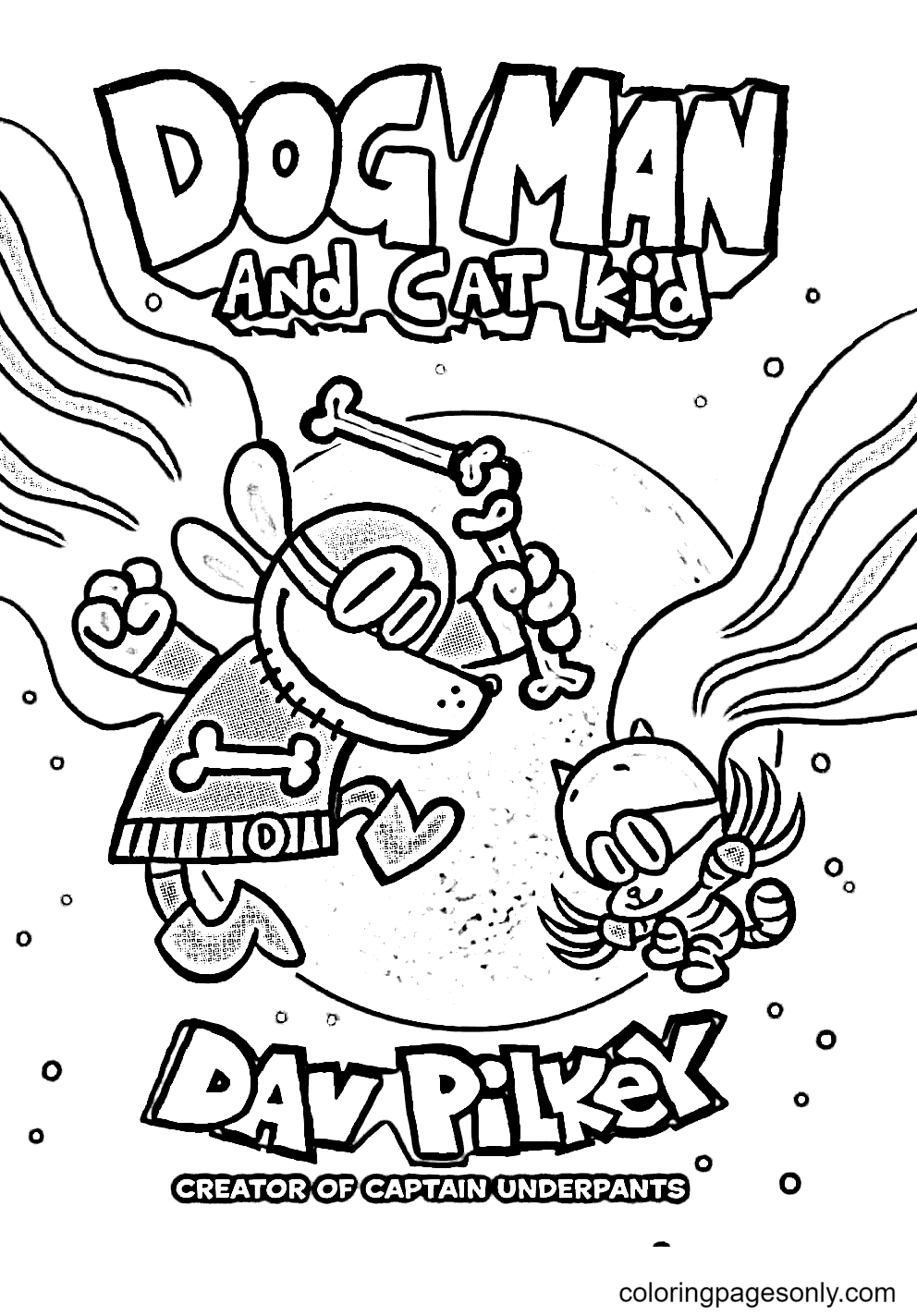
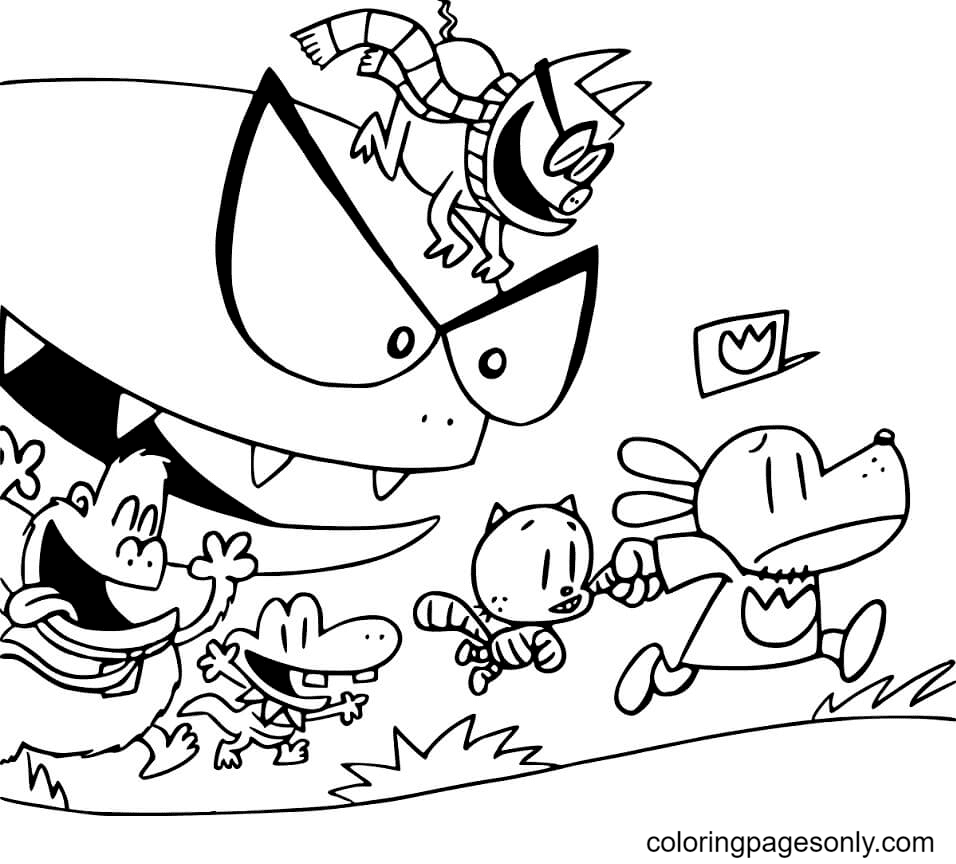
Group pages showing Dog Man, Petey, Li’l Petey, 80-HD, and the Chief together offer the collection’s most color-diverse compositions and its most character-relationship-communicating arrangements. The physical positioning of the characters relative to each other in group scenes reflects their relationships: Dog Man in an action-hero pose, Petey slightly apart with folded arms and a reluctant expression, Li’l Petey close to Petey, showing the warmth Petey pretends to resist.
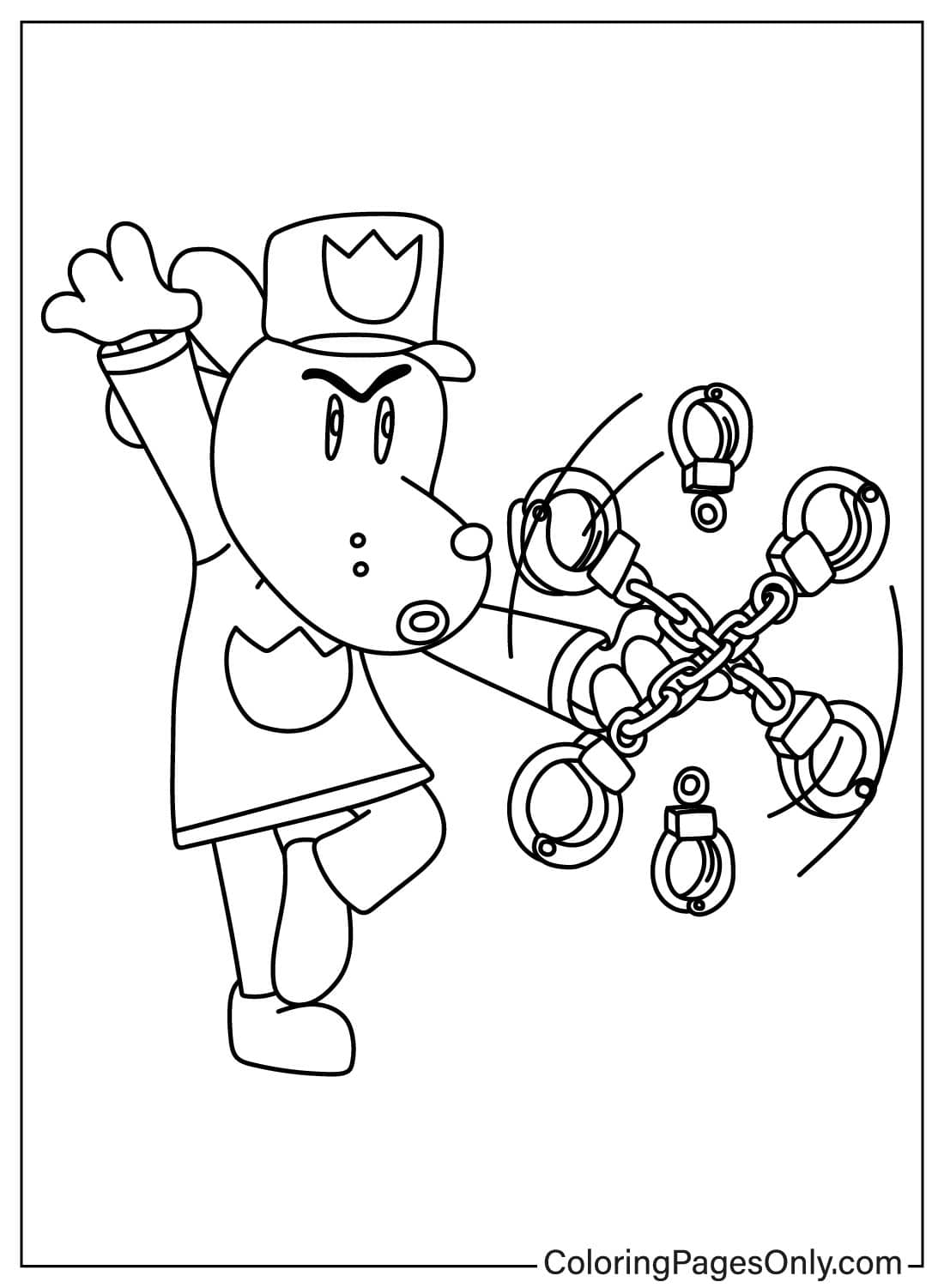
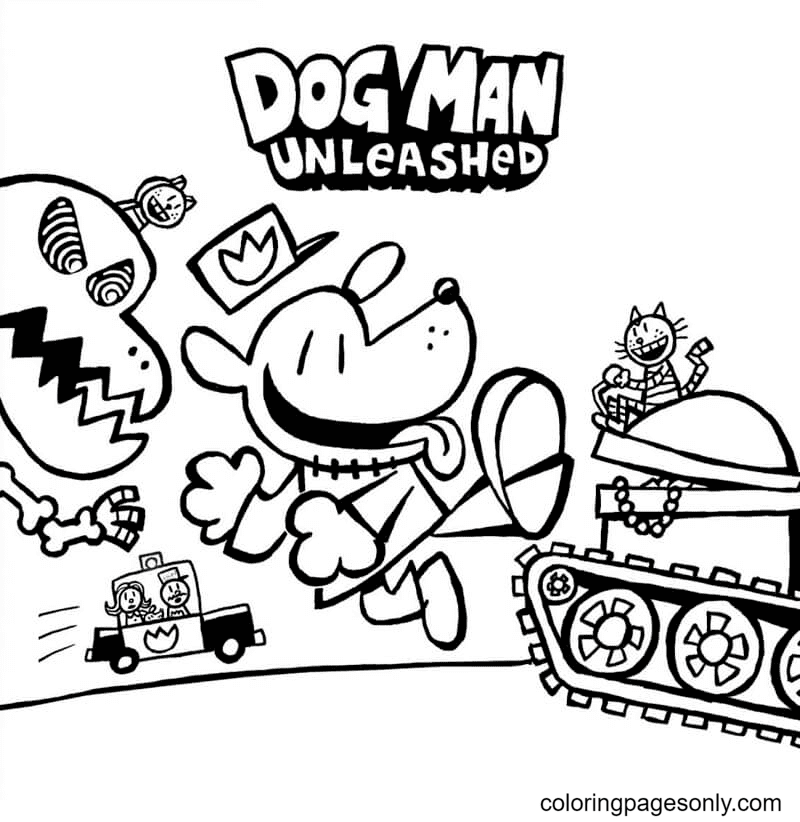
Action pages reference the high-energy sequences from the books: Dog Man in full running sprint, action effects flying, the visual of a dog-headed superhero police officer in full commitment to the mission of stopping whatever Petey or the current villain has been up to.
Coloring action pages: Flat, fully saturated colors at full pressure throughout, consistent with the books’ color approach. Action effects (speed lines, impact bursts, motion blur elements) should be applied very lightly in pale blue-grey or left close to paper white, ensuring they read as motion rather than as solid shapes competing with the character.
What These Pages Do
Dav Pilkey has given multiple documented interviews about the experience of having dyslexia and ADHD in a school environment in the 1970s and early 1980s, and about the specific ways that experience shaped both the content and the format of his books. He was removed from class for disruptive behavior, spent time in the hallway, and drew comics. A teacher told him he needed to stop drawing silly pictures because he would never make a career of it. This biographical context gives the Dog Man books a specific relationship to the audience of children who feel marginalized within educational settings, who find traditional text-heavy books inaccessible, and who have been told that the things they love (comics, drawing, humor) are not serious or worthwhile.
The graphic novel format itself is a specific intervention in children’s literacy. Research published in the Reading Teacher journal and by the American Library Association has documented the “gateway” effect: children who find text-heavy books inaccessible or unappealing will frequently engage enthusiastically with graphic novels and comics, and that engagement transfers over time to more text-heavy reading. The Dog Man books are among the most widely documented examples of this effect among reluctant readers, particularly boys in the 6-10 age range.
The American Academy of Pediatrics identifies fine motor skill development as a key childhood milestone throughout early childhood. The Dog Man books’ deliberately simple drawing style is itself pedagogical: Pilkey consistently includes instructions and encouragement for readers to draw the characters themselves. The coloring pages in this collection extend that invitation: the simple, clean outlines of Pilkey’s style are specifically designed to be accessible and reproducible. The 2005 Art Therapy Journal study on structured coloring and anxiety reduction applies throughout.
The 80-HD character’s name references ADHD directly, connecting the books’ universe to Pilkey’s own diagnosed experience in a way that is completely accessible to child readers (a robot with a heart named 80-HD) while also communicating something specific to parents, teachers, and children who share that diagnosis.
How to Color These Pages Well
Flat, bold, fully saturated colors without complex gradients are the correct approach for Dog Man pages. The books use flat color throughout: no subtle shading, no realistic lighting logic, no complex value gradients. This is a deliberate stylistic and pedagogical choice that reflects both the book’s origin as children’s comics and Pilkey’s design approach. The correct coloring technique for Dog Man pages is to apply each color at full saturation across its full area with even, full-coverage strokes. Attempting to add realistic shadow or highlight gradients will make the finished page look inconsistent with the source material’s aesthetic.
Dog Man’s tan-brown head color is the page’s primary warm tone and should be applied first. The tan-brown of Dog Man’s dog head should be the warmest, most definitively dog-colored tone available: a warm, medium tan-brown that reads immediately as dog fur rather than as generic brown. Apply it across the full head area for full coverage. The slightly darker brown at the ear tips and muzzle area can be added as a second layer after the base tan is complete.
Petey’s white fur and white lab coat are differentiated through very subtle tonal shifts. Both Petey’s fur and his lab coat are white, which presents the challenge of making two white elements visually distinct. Apply a very faint warm cream to the fur areas (using the lightest possible pressure with a cream or very pale yellow pencil over the paper white) while leaving the lab coat at closer to paper white. The warmth of the cream fur against the cooler paper-white coat creates just enough distinction to make the two elements read as different materials.
The police uniform blue should be the same, consistent, flat medium blue across all uniform elements. Dog Man’s uniform, the Chief’s uniform, and any uniform elements visible in group scenes should all use the same flat medium blue, applied at full coverage. The gold badge is the only accent element on the uniform: apply vivid warm gold in the badge shape, keeping the coverage within the badge outline. No shadow or metallic effect is needed on the badge; flat gold reads correctly in the books’ visual style.
Li’l Petey’s red cape is the most vivid element in any composition featuring him. In later books where Li’l Petey wears his small superhero cape, the cape should be the most vivid, most saturated red in the composition. Apply it at maximum pressure across the full cape area. The gold or yellow trim elements, if present, should also be at full saturation. The contrast between the vivid red cape and Li’l Petey’s white fur makes him immediately readable as the composition’s warmest and most energetically colored element.
5 Creative Craft Ideas
Draw Your Own Dog Man Comic Strip
Dav Pilkey includes instructions for drawing Dog Man characters in each of his books, specifically because he wants readers to make their own comics. Print one or two Dog Man portrait pages and color them as a character reference. Then, using a blank sheet of paper divided into four panels, create an original Dog Man comic strip.
The strip should follow a simple structure: Page 1 shows Dog Man encountering a problem. Page 2 shows the problem getting worse (or Dog Man making it worse). Page 3 shows Dog Man’s unorthodox solution. Page 4 shows the resolution, which may or may not make complete sense.
On the backing card, write: “Dav Pilkey on making comics: ‘When I was a kid, making comics was the thing that saved me. I want every kid who reads these books to know they can make comics too.'”
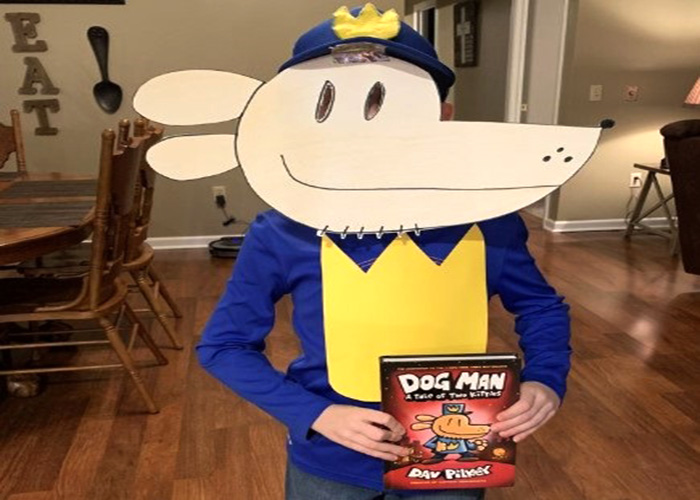
The Origin Story Page
Dog Man’s origin premise is one of children’s literature’s most memorable: a police officer and his dog, both badly injured, are saved by a surgeon who attaches the officer’s body to the dog’s head. Print the most portrait-like Dog Man page in the collection: the one that most clearly shows both the dog head and the police officer’s body together.
Color carefully in canonical flat colors. On the backing card, write in the voice of the fictional origin narrative: “Officer Greg and his dog: both critically injured. The surgeon’s solution: unconventional. The result: Dog Man. Part dog. Part police officer. All hero. Created within the Dog Man Universe by Dav Pilkey. Published August 30, 2016. Book 13 published 2024.”
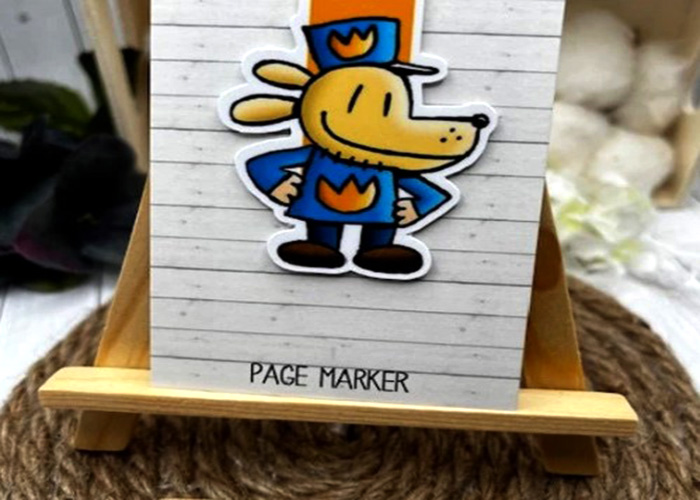
The Reluctant Villain Timeline
Petey’s arc across the thirteen Dog Man books is one of the series’ most sustained character developments: from pure villain in book one, through gradually humanized anti-hero, to reluctant good person by the later volumes. The change happens specifically because of Li’l Petey, whose simple, uncynical goodness Petey finds impossible to ignore.
Print one Petey page from a villain-heavy context (arms folded, sneering expression) and one Petey page from a later, warmer context. Color both with the same white fur and lab coat, but adjust the facial expression rendering between the two: the first with the full villain expression, the second with whatever expression the later-book page shows.
Mount both with the caption: “Petey the Cat. Book 1: The villain. Book 13: complicated. The difference: Li’l Petey. The mechanism: unconditional kindness applied consistently over thirteen books. Even a cartoon cat villain can be changed by it.”
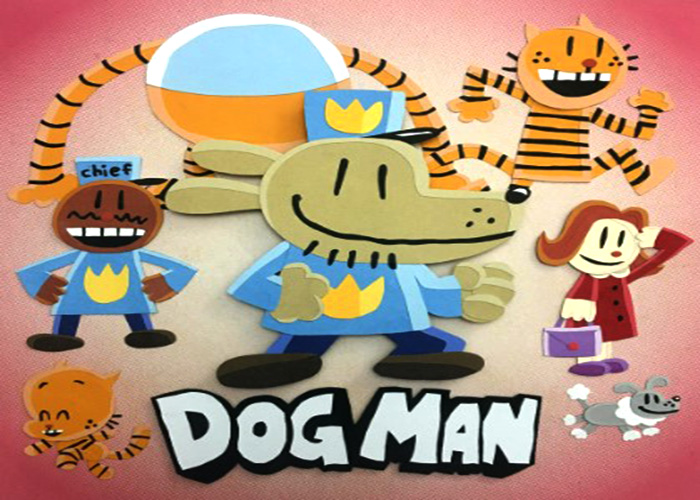
The 80-HD Heart Page
80-HD’s name is a pun on ADHD. Dav Pilkey was diagnosed with ADHD as a child. 80-HD, the robot puppy with a mechanical heart, is the book’s most direct acknowledgment of that biography.
Print an 80-HD page. Color in grey metallic tones with the three-zone technique. Apply the most vivid warm pink or red to any visible heart element on the robot’s body.
On the backing card: “80-HD. A robot puppy. Made by Dog Man from spare parts. Named for ADHD: a neurodevelopmental condition that Dav Pilkey was diagnosed with as a child. Dav Pilkey on his diagnosis: ‘I was labeled as a kid with behavior problems. But I learned that having ADHD doesn’t mean you can’t succeed. It means you might need to find your own path.’ 80-HD’s path: being a robot with a heart. Both things matter.”
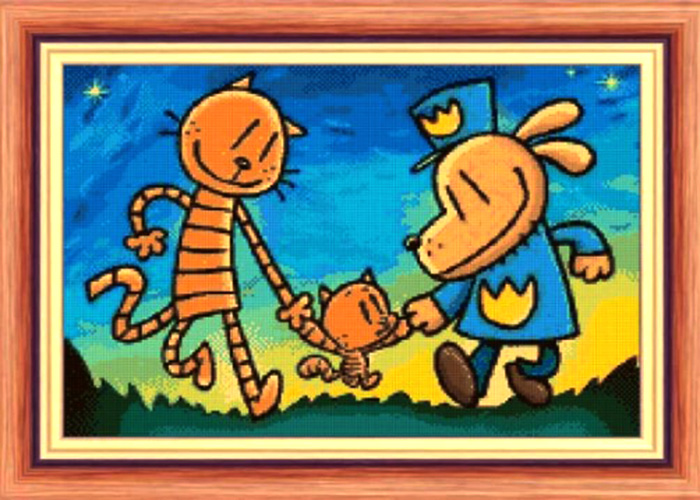
The Reluctant Reader Display
Dog Man is among the most widely documented “gateway books” for reluctant readers: children who find text-heavy books inaccessible but engage enthusiastically with graphic novels and comics. Many educators and reading specialists have documented the transfer effect, where children who begin with graphic novel formats move toward text-heavy reading over time.
Print the group cast page showing Dog Man, Petey, Li’l Petey, and 80-HD together. Color all four characters in full canonical flat colors.
On the backing card: “Dog Man by Dav Pilkey. First published August 30, 2016. Series: 13 books as of 2024. Dav Pilkey, on why he writes the way he does: ‘I write for the kid who has been told that the books he loves aren’t real reading. Comics and graphic novels are real reading. They got me through school. They might get someone else through school, too.'”
Frequently Asked Questions
What is Dog Man, and who created it? Dog Man is a graphic novel series for children written and illustrated by Dav Pilkey, born David Murray Pilkey Jr. on March 4, 1966, in Cleveland, Ohio. The first Dog Man book was published on August 30, 2016, by Scholastic’s Graphix imprint. The series follows Dog Man, a superhero who is literally half dog and half police officer: the result of a surgical procedure that attached a police officer’s body to his dog’s head after both were injured. Dog Man originated as a comic strip within Pilkey’s earlier Captain Underpants book series, where the fictional child characters George Beard and Harold Hutchins drew “Dog Man” comics. When Pilkey developed the character into a standalone series, he maintained the visual style of children’s comic art as a deliberate aesthetic and pedagogical choice.
How many Dog Man books are there? As of 2024, the main Dog Man series consists of thirteen books: Dog Man (2016), Dog Man: Unleashed (2017), Dog Man: A Tale of Two Kitties (2017), Dog Man and Cat Kid (2018), Dog Man: Lord of the Fleas (2018), Dog Man: Brawl of the Wild (2019), Dog Man: For Whom the Ball Rolls (2019), Dog Man: Fetch-22 (2020), Dog Man: Grime and Punishment (2021), Dog Man: Mothering Heights (2021), Dog Man: The Scarlet Shedder (2023), Dog Man: Twenty Thousand Fleas Under the Sea (2023), and Dog Man: The Leaf Thieves (2024). A companion spin-off series, Cat Kid Comic Club, launched in 2020 and features Li’l Petey as a recurring character. A Dog Man animated film was produced by DreamWorks Animation and released in early 2025.
Who are the main characters in Dog Man? Dog Man is the series’ hero: a police officer whose body was attached to his dog’s head after both were injured, leaving him with a dog’s instincts and a police officer’s uniform. Petey the Cat is the recurring villain who gradually becomes an anti-hero and reluctant good person across the series, driven primarily by his relationship with Li’l Petey. Li’l Petey is Petey’s son (or clone in certain book contexts), a kitten of apparently innate goodness who appears in a small superhero cape in later books. 80-HD is a robot puppy Dog Man builds from spare parts, whose name references ADHD and who has a mechanical heart. The Chief is Dog Man’s police chief, perpetually exasperated by Dog Man’s dog-like behavior but ultimately supportive of him.
What is the connection between Dog Man and Captain Underpants? Dog Man originated within the Captain Underpants book series. In the Captain Underpants books, the fictional child protagonists George Beard and Harold Hutchins regularly create comics about their own invented characters, including Dog Man. Pilkey depicted these as hand-drawn children’s comics within the Captain Underpants universe. When Dog Man became a standalone series in 2016, Pilkey framed the first book as the “official” publication of George and Harold’s Dog Man comics. Captain Underpants was first published in 1997 by Scholastic and ran for thirteen main volumes, with a DreamWorks animated film released on April 25, 2017. The shared universe means that Dog Man readers who begin with Dog Man often discover Captain Underpants, and vice versa.
Why do reading specialists recommend Dog Man books for reluctant readers? Dog Man books are specifically documented by educators, reading specialists, and the American Library Association as effective “gateway books” for reluctant readers, particularly children who find text-heavy books inaccessible or unappealing. The graphic novel format, which combines images and relatively brief text, engages visual learners and children with reading challenges more effectively than text-heavy formats. Research documented in the Reading Teacher journal and other educational publications has found that children who engage with graphic novels show increased reading confidence and frequently transfer that engagement to more text-heavy reading over time. Dog Man is among the specific series most frequently cited in this research. Pilkey’s own diagnosed dyslexia and ADHD give his work a biographical connection to the audience of children with similar challenges.
What is 80-HD, and why is the character named that? 80-HD is a robot puppy that Dog Man builds from spare parts in the Dog Man series. The name 80-HD is a deliberate pun on ADHD (Attention Deficit Hyperactivity Disorder), referencing Dav Pilkey’s own ADHD diagnosis. Pilkey has discussed publicly how his ADHD affected his experience in school: he was frequently disruptive, often removed from class, and considered a behavior problem by teachers. In the Dog Man books, 80-HD is given a mechanical heart, making him a robot who functions through genuine connection and care rather than pure programming. The character functions simultaneously as an accessible children’s character (a robot puppy with a heart) and as a specific acknowledgment of the neurodevelopmental experience that Pilkey himself had.
What age group are these pages best suited for? Dog Man coloring pages are most accessible for the core audience of the book series: children ages six to ten who are the primary readership of the graphic novels. The deliberately simple, flat, bold art style with large color areas and clear outlines makes even the most complex group pages accessible from ages five and up, where children at the beginning of their reading journey can engage with the visual content even before they are ready to read the books independently. The character complexity of Petey’s arc and the biographical context of 80-HD’s name are most fully appreciated from ages seven and up, and most deeply engaging for adult fans who have read the full series and understand the character development context. The action and adventure content is entirely age-appropriate for children of all ages.
Browse the full collection at ColoringPagesOnly.com. All 40+ pages free, no sign-up, PDF or PNG, print or color online.
Dav Pilkey was diagnosed with dyslexia and ADHD as a child in Cleveland, Ohio, in the 1970s. He was removed from class for disruptive behavior. He drew comics in the hallway. A teacher told him he could not spend his life drawing silly pictures.
Captain Underpants was first published in 1997. Dog Man followed in 2016. Combined, Pilkey’s books have sold over 85 million copies.
80-HD is a robot puppy with a mechanical heart named for ADHD. Li’l Petey is a kitten who changed a cat villain across thirteen books through consistent, uncynical kindness. Dog Man is a police officer with a dog’s head who saves the city by being exactly what dogs are: loyal, brave, and completely uncalculating about it.
Pick up your flat medium blue for the uniform. Apply at full coverage, no shadows. Pick up your warm tan-brown for the dog’s head. Apply at full coverage. The badge is gold, and it goes on last, small and precise.
Share your work on Facebook and Pinterest and tag #Coloringpagesonly. The Draw Your Own Dog Man Comic and the 80-HD Heart pages are particularly worth sharing.
Color the uniform flat blue. Apply the dog tan without shadows. Dog Man has always been exactly this simple. That is why it works.