
Autosport coloring pages: 28 free printable PDF designs covering real NASCAR drivers and stock cars, Formula 1 machines, generic race car and track scenes, and a go-kart. Every page is available as a printable PDF or to color in the browser, with no account required.
Three genuinely different vehicles share this one collection, and each has its own look for a real reason. A NASCAR stock car is covered in sponsor decals and a bold number, with the wheels tucked inside the bodywork. A Formula 1 car is low, narrow, and open-wheeled, with wings front and back doing the aerodynamic work. A go-kart strips all of that away entirely, no bodywork, no wings, just an exposed frame built for a driver’s very first taste of speed. Knowing which vehicle a page is actually showing changes the whole coloring approach before a single color gets picked.
NASCAR was founded in 1948 in Daytona Beach, Florida, by Bill France Sr. Formula 1 held its first official World Championship season two years later, in 1950. Both mark their history in this set: five real NASCAR drivers get their own portraits, alongside dedicated Formula 1 and go-kart pages.
These pages suit kids who already know a stock car from an open-wheeler, families who follow a favorite NASCAR driver, and anyone who wants speed on the page without needing to wait for an actual race.
Quick Answer
Autosport coloring pages are a free set of 28 printable PDFs and browser-based coloring sheets covering real NASCAR drivers and stock cars, Formula 1 machines, generic race scenes, and a go-kart.
Best for: children aged 3 and up, young racing fans who already follow NASCAR or Formula 1, and anyone who wants a motorsport set with real variety
Formats: printable PDF and online coloring
Popular pages: the NASCAR driver portraits, the Formula 1 car, the checkered flag finish line, and the go-kart
Creative uses: a three-vehicle comparison, a driver number board, a checkered flag finish study, and a go-kart first-race card
What’s Inside Autosport Coloring Pages
NASCAR Drivers and Stock Cars
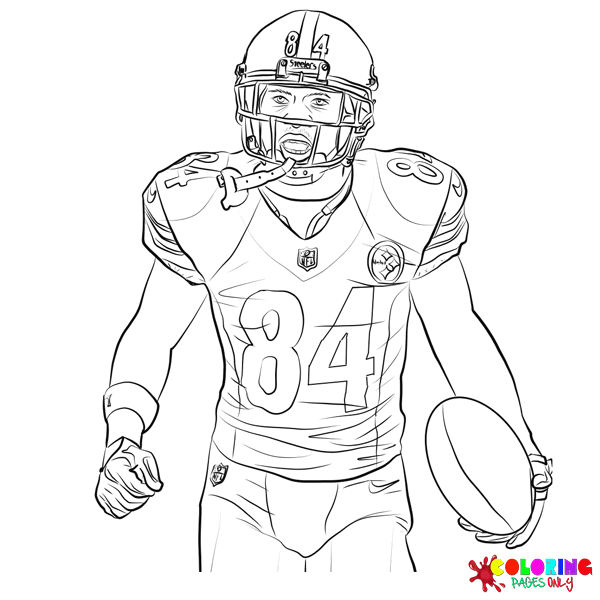
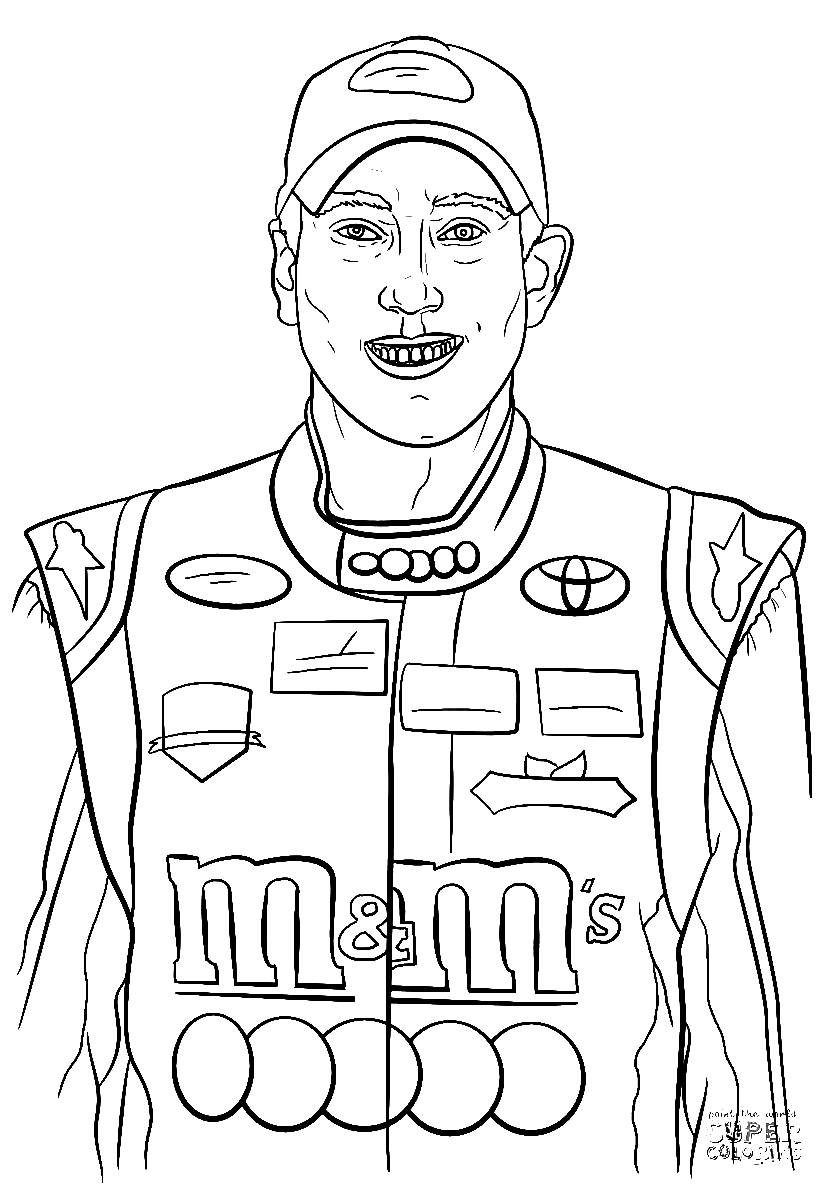
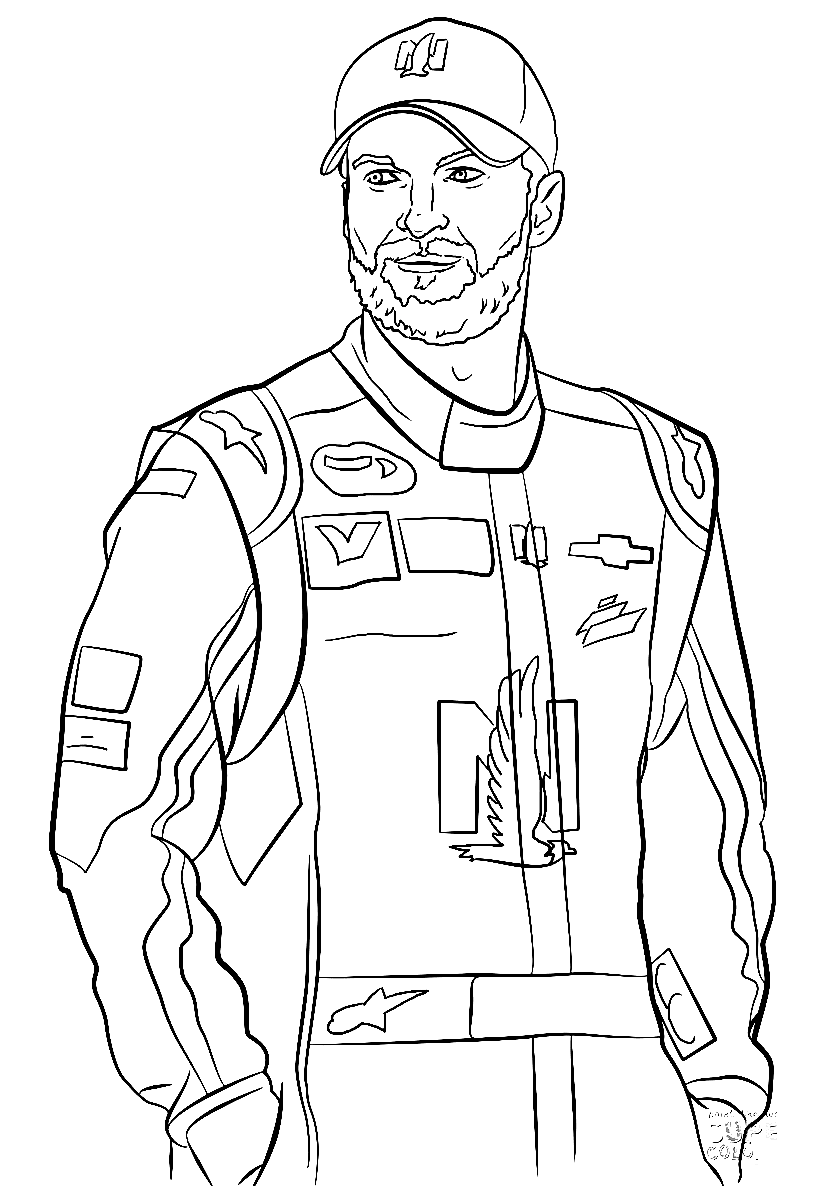
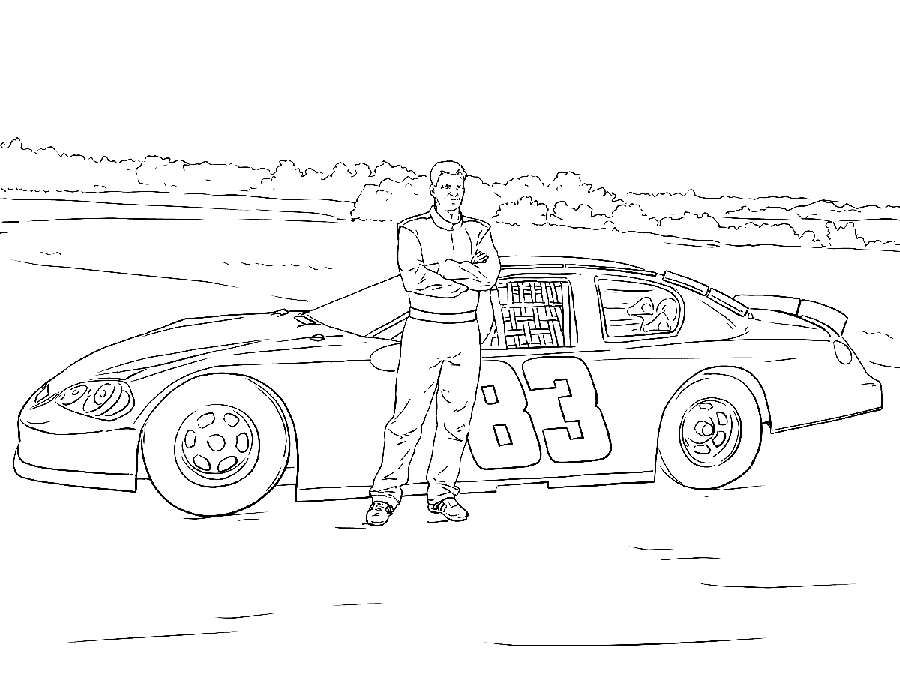
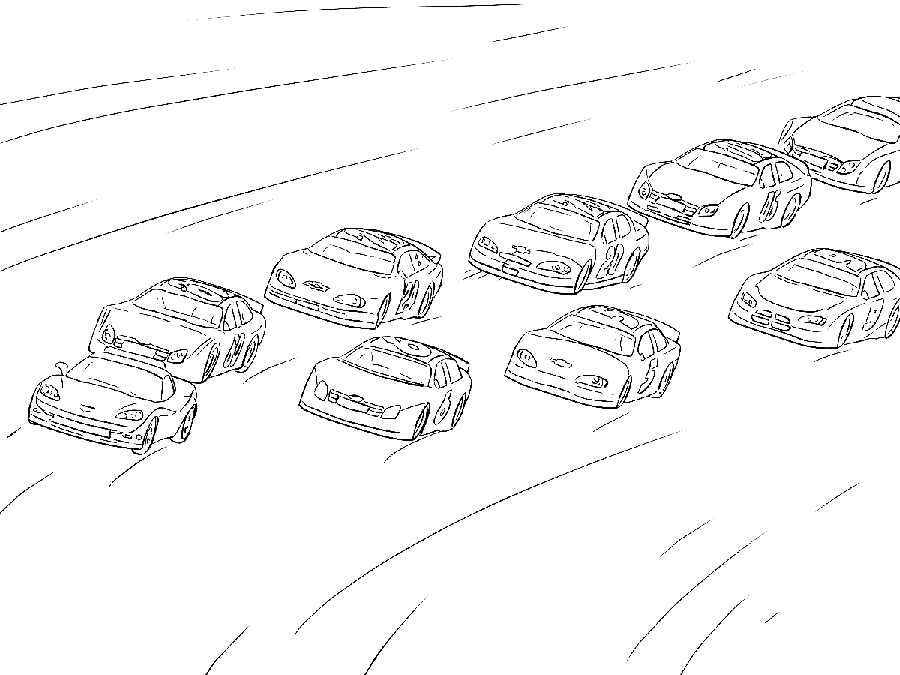
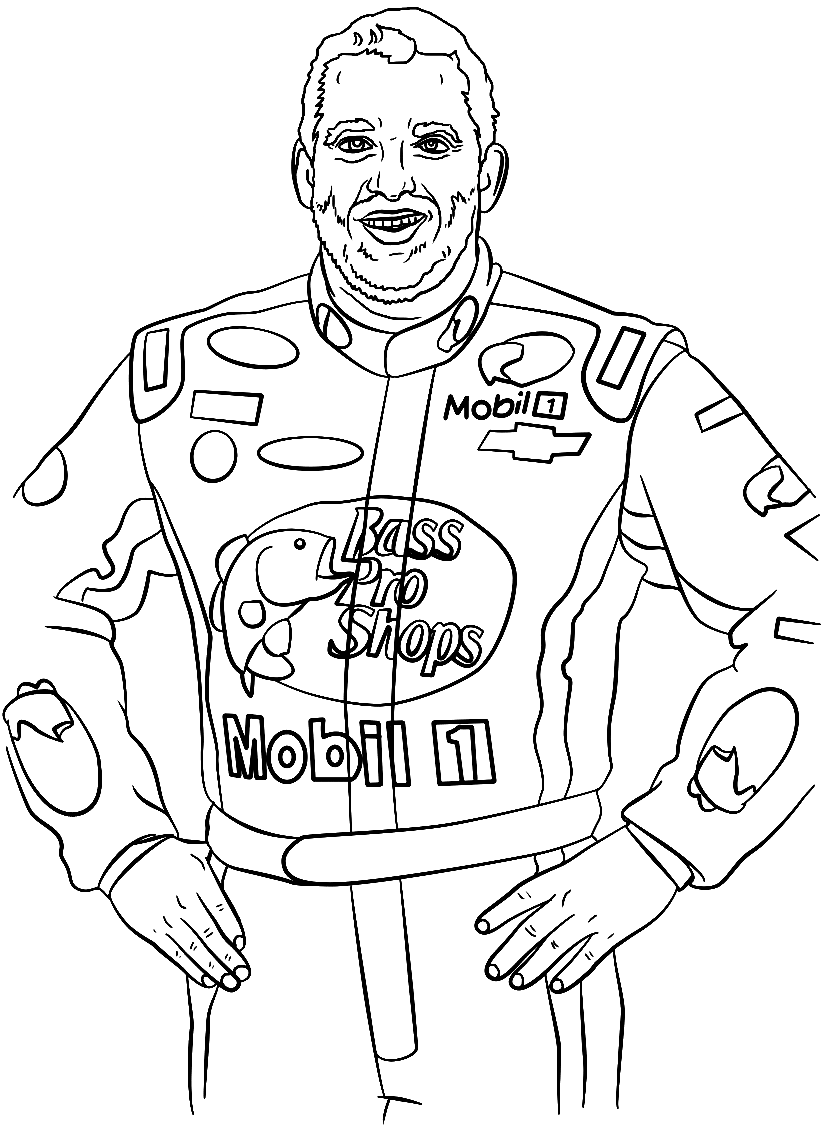
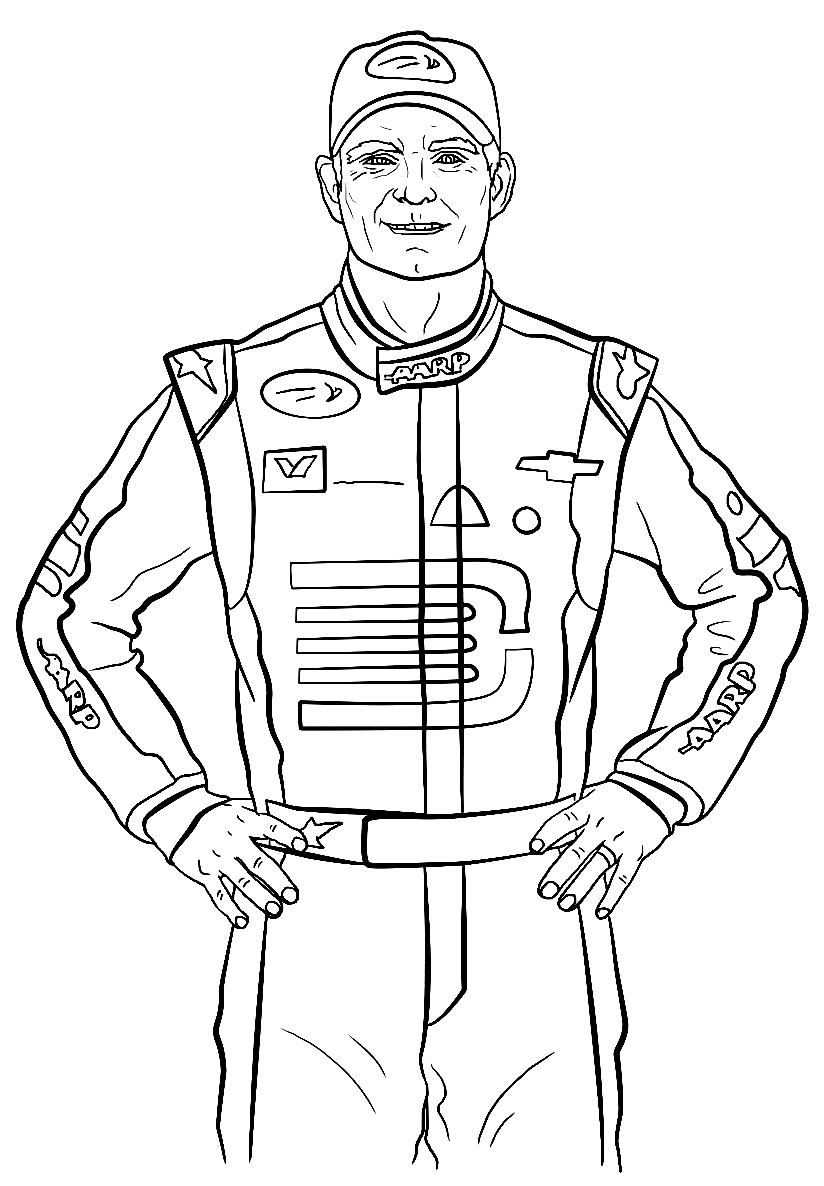
By far the largest group in the set centers on five real, well-known NASCAR champions, each with a portrait and a matching car page: Tony Stewart, Kyle Busch, Jeff Gordon, Dale Earnhardt Jr., and Matt Kenseth, alongside generic NASCAR racing and logo pages.
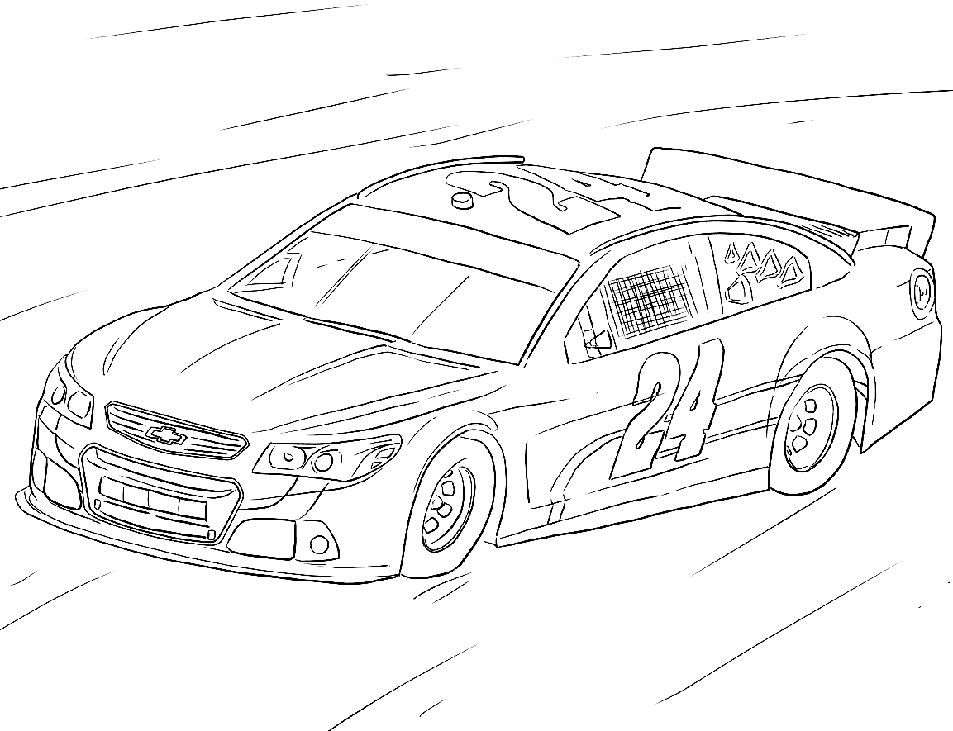
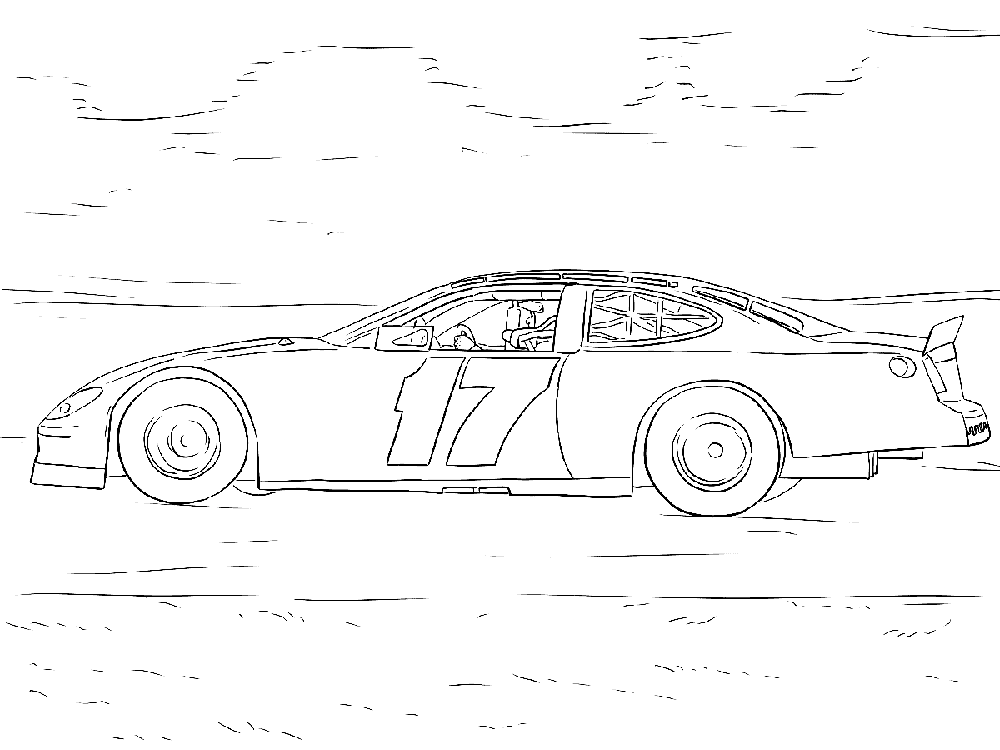
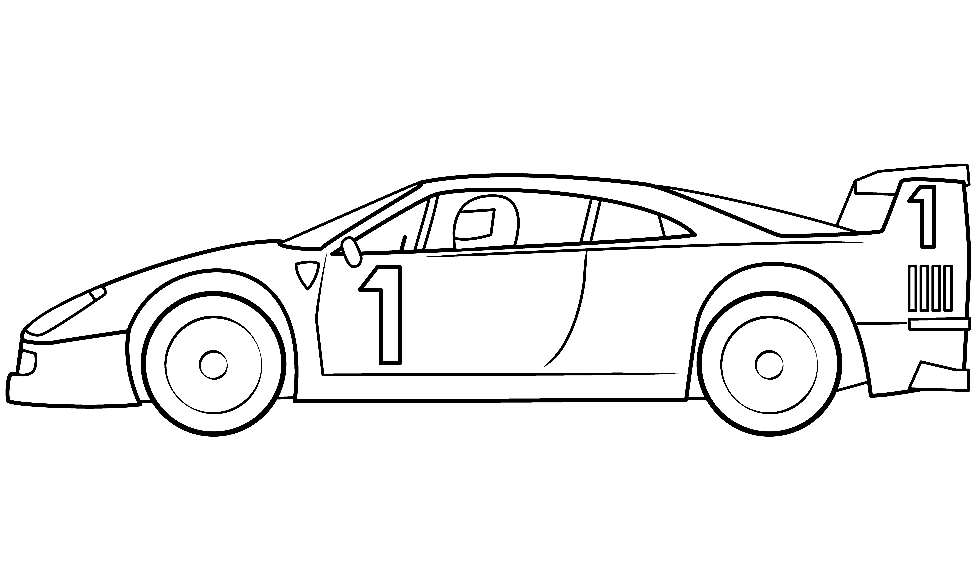
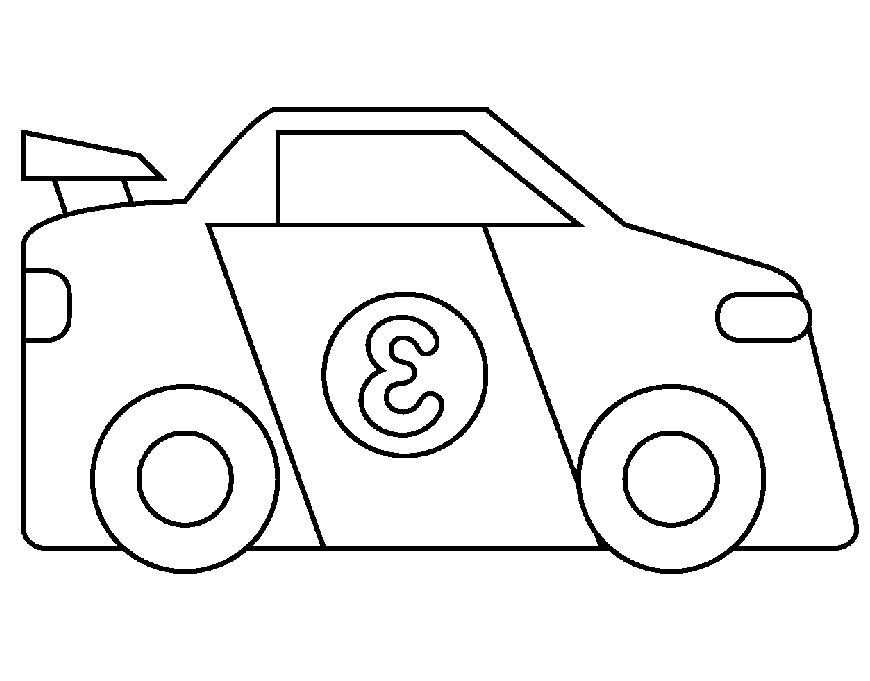
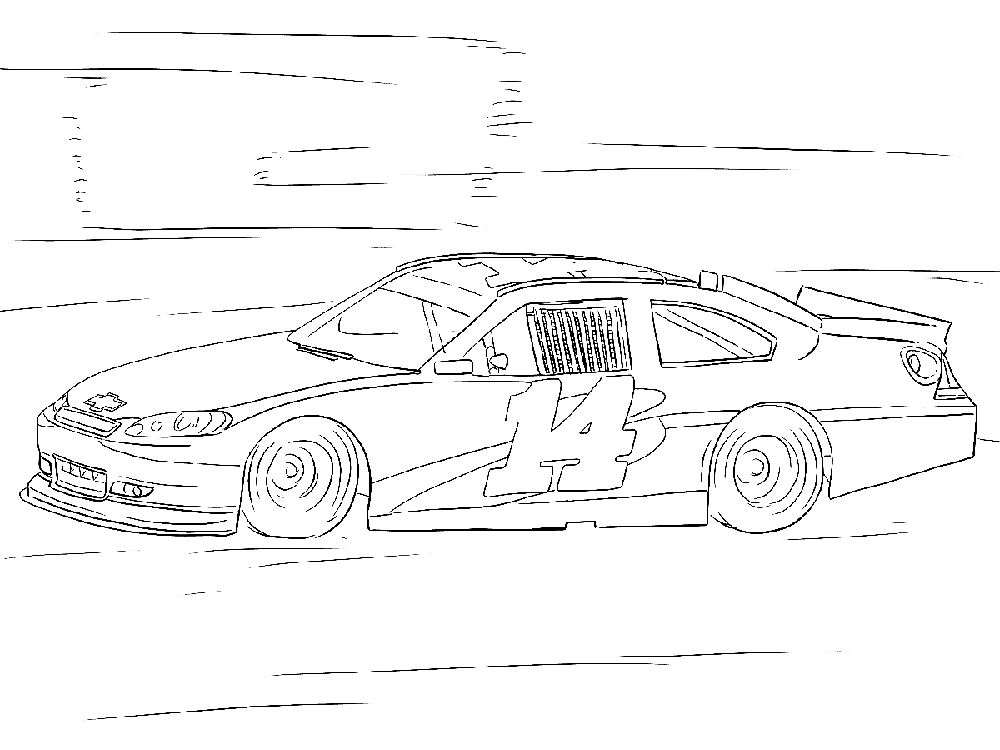
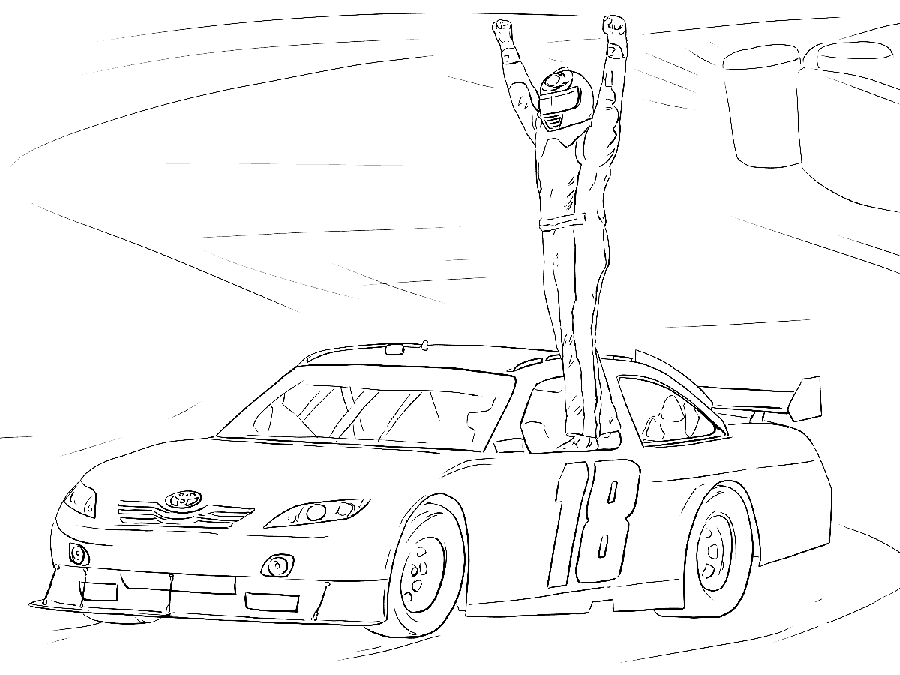
A stock car’s whole surface is basically a canvas for sponsor branding in real competition; dense patches of logos and a large, bold car number are what actually make a NASCAR page read as NASCAR rather than a generic race car. The wheels stay tucked inside the body here, unlike the other two vehicle types in this set.
Formula 1 Cars
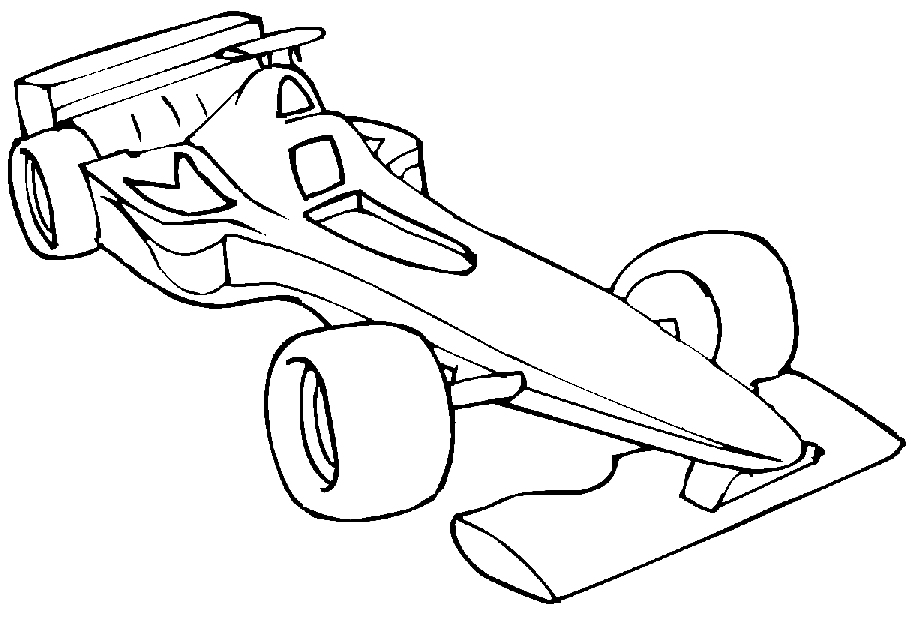
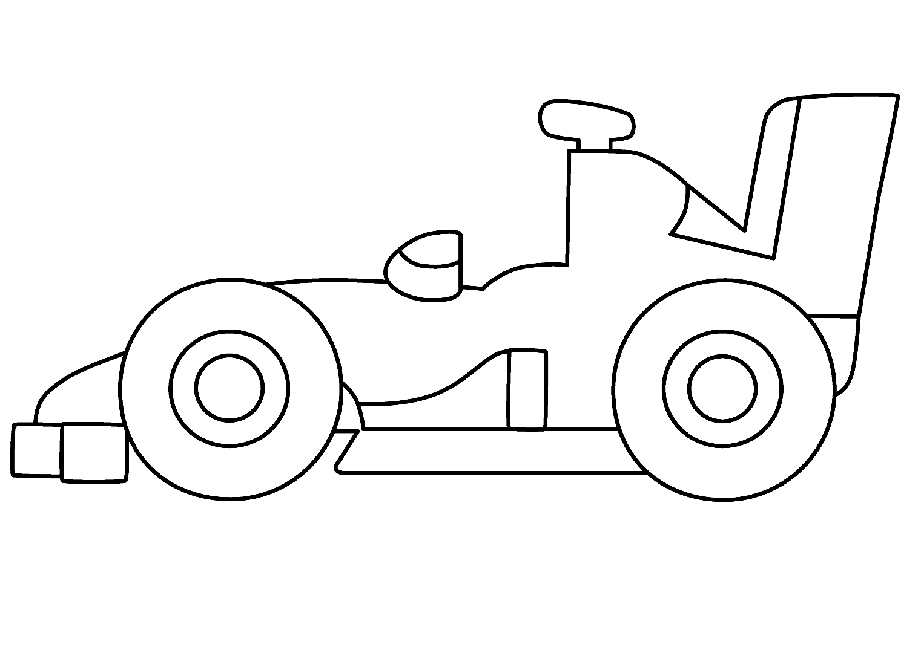
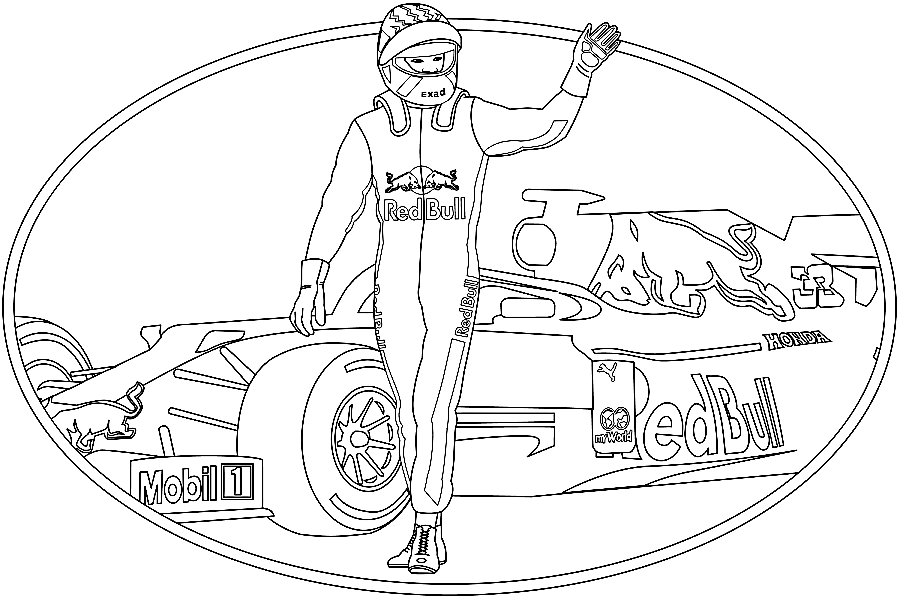
A smaller, focused group covers the open-wheel side of racing: a Formula 1 car, a winner’s portrait, and a smaller car built with younger colorists in mind.
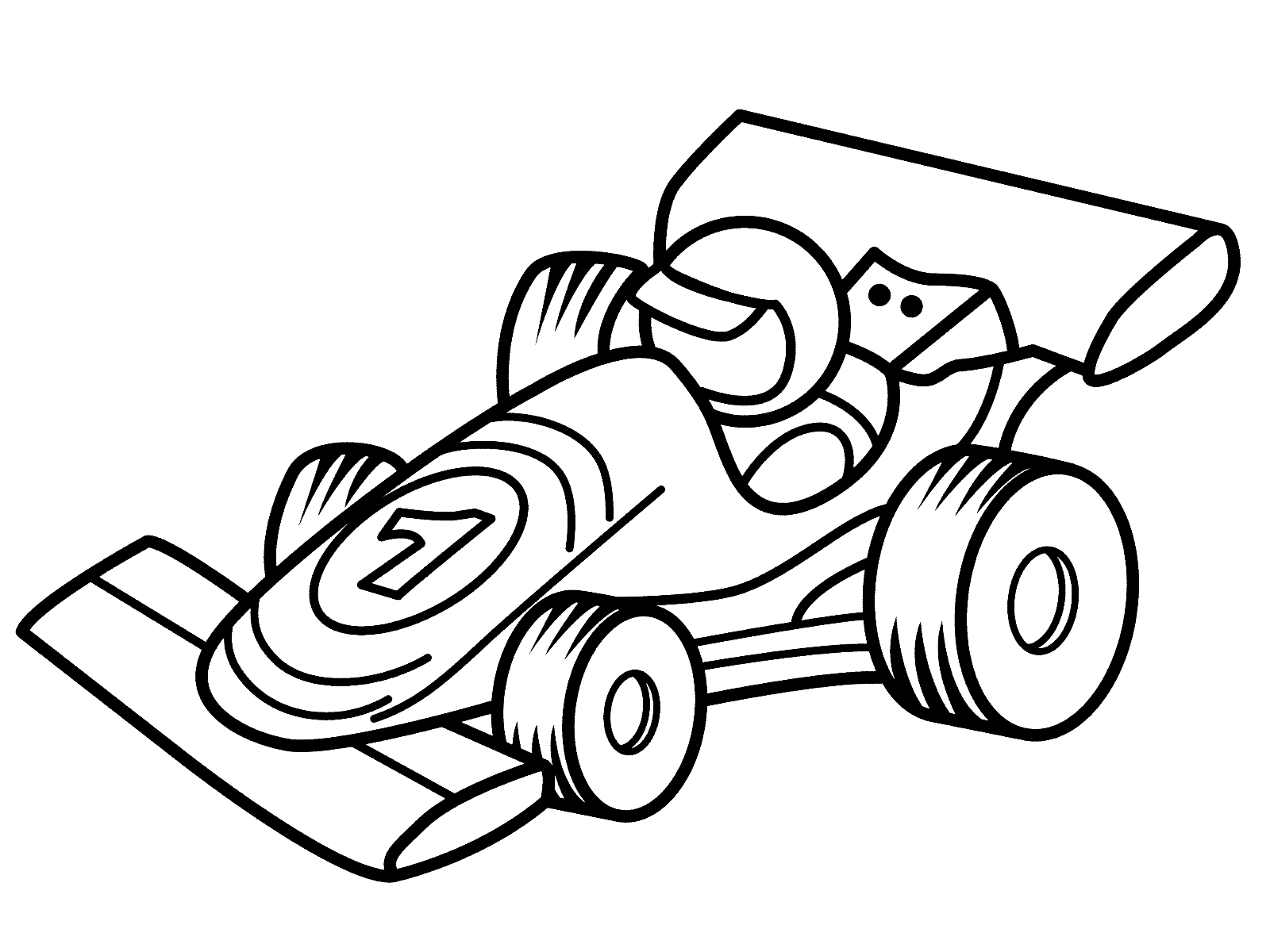
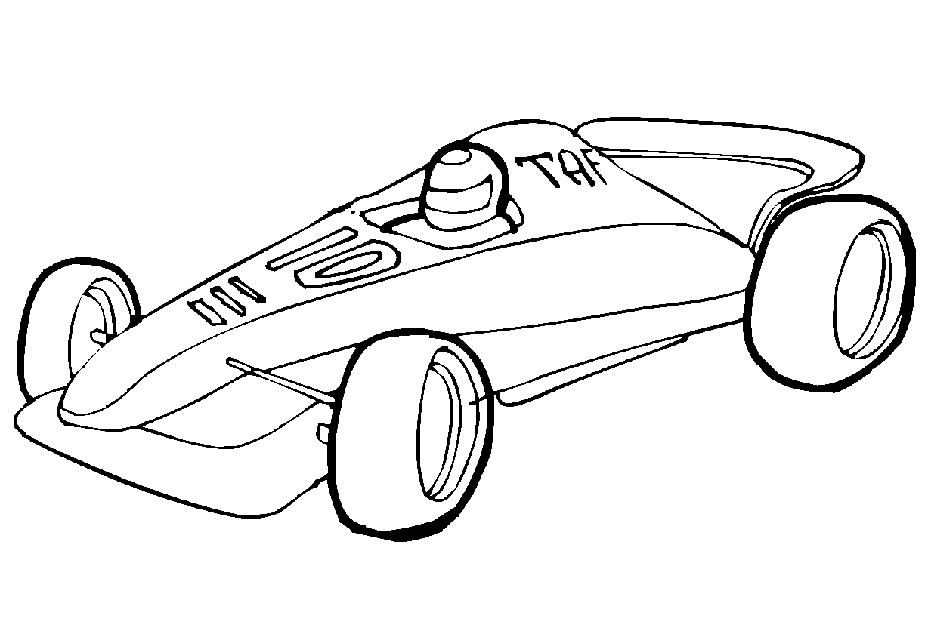
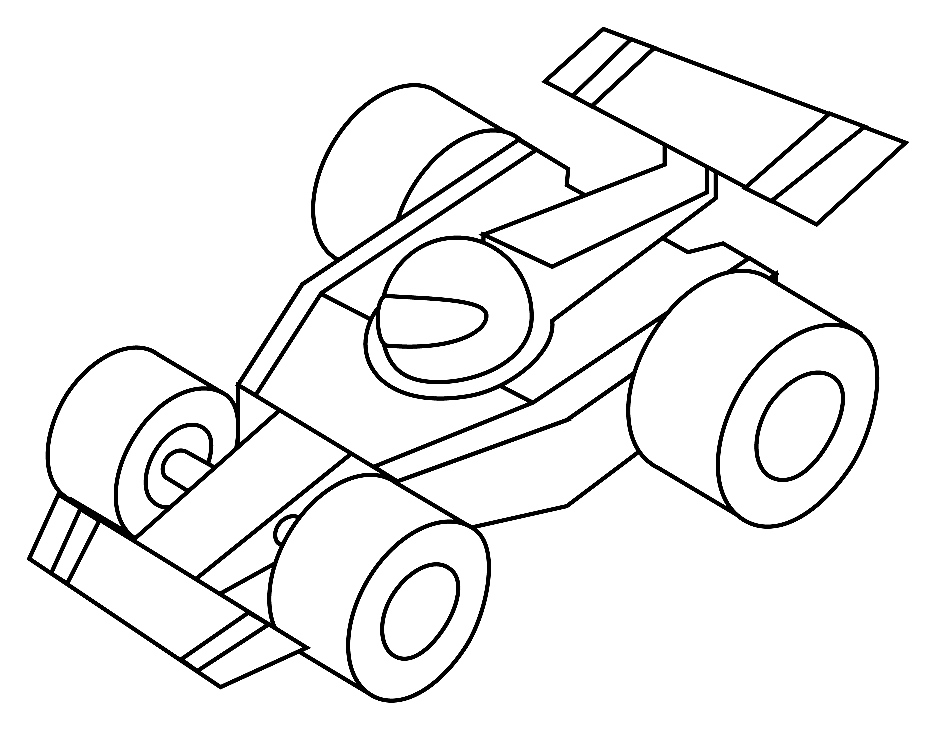
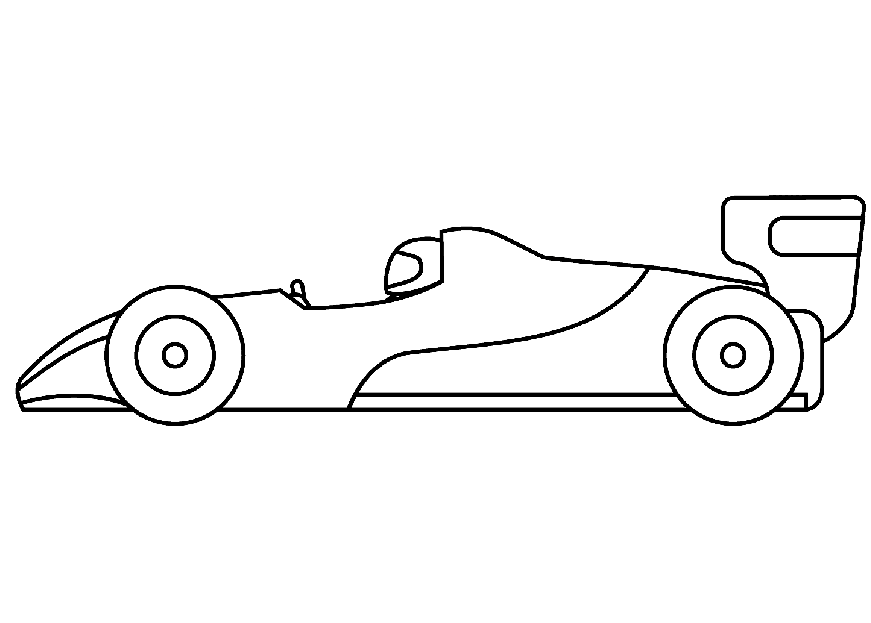
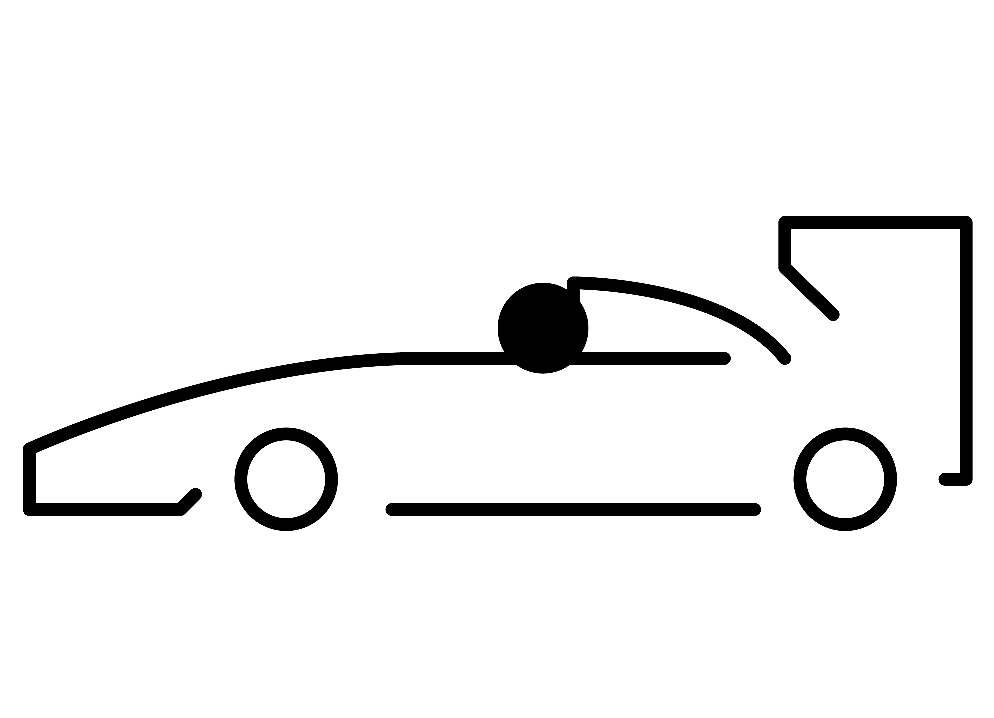
Keep the car low and narrow, and don’t tuck the wheels away this time; they sit exposed at each corner, which is the single biggest visual difference from a NASCAR stock car. Front and rear wings are worth a distinct color from the main body, since they’re functional aerodynamic parts rather than decoration.
Generic Race Cars and Track Scenes
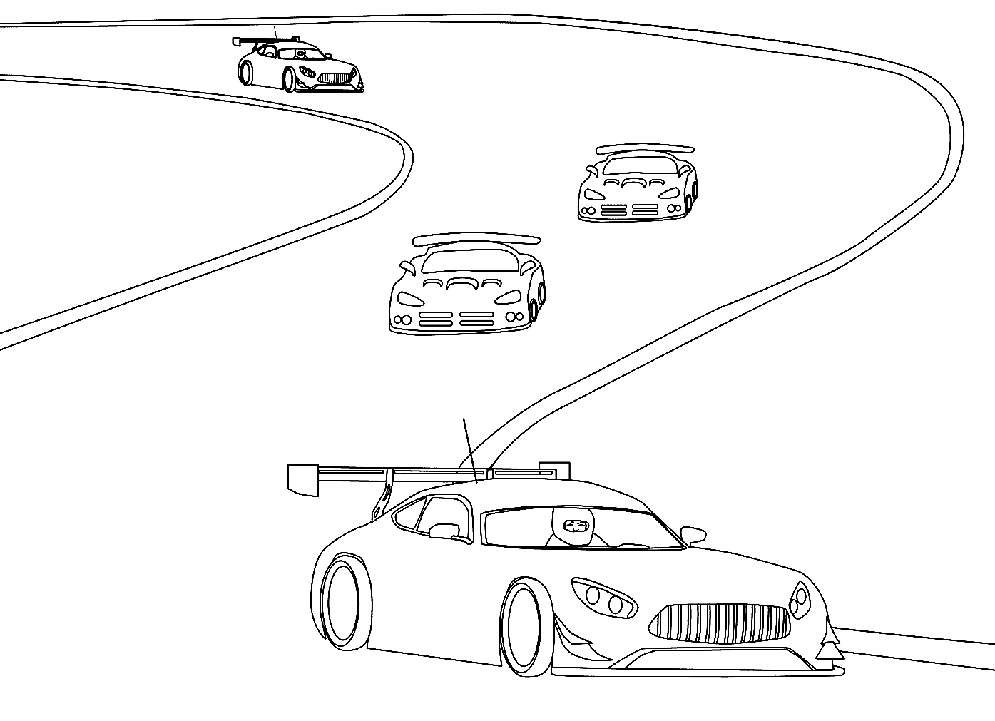
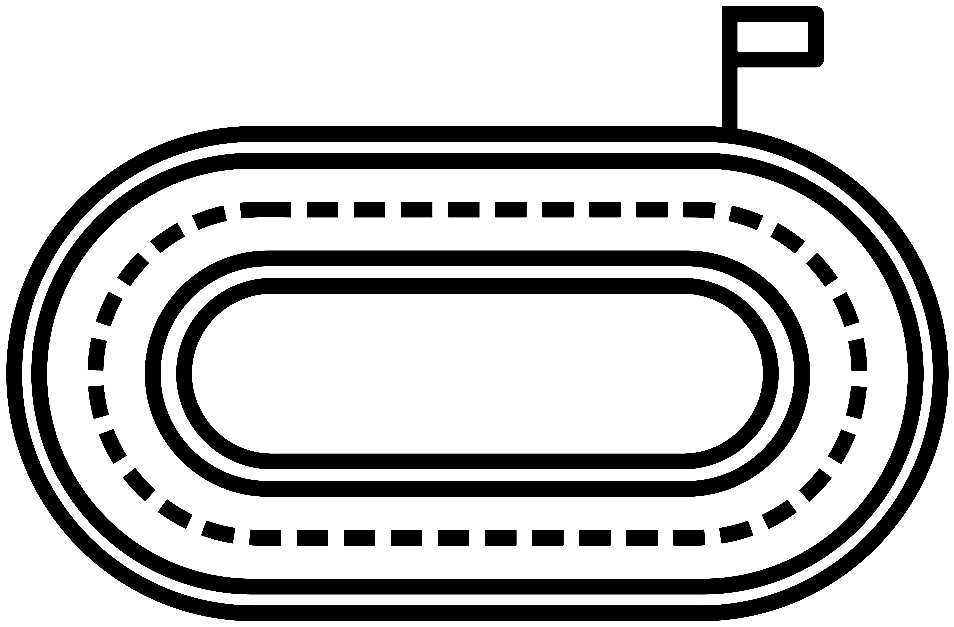
This group steps back from any single discipline: race cars built for printing and general use, a race track, a checkered-flag finish line, and a numbered racer without a specific real identity attached.
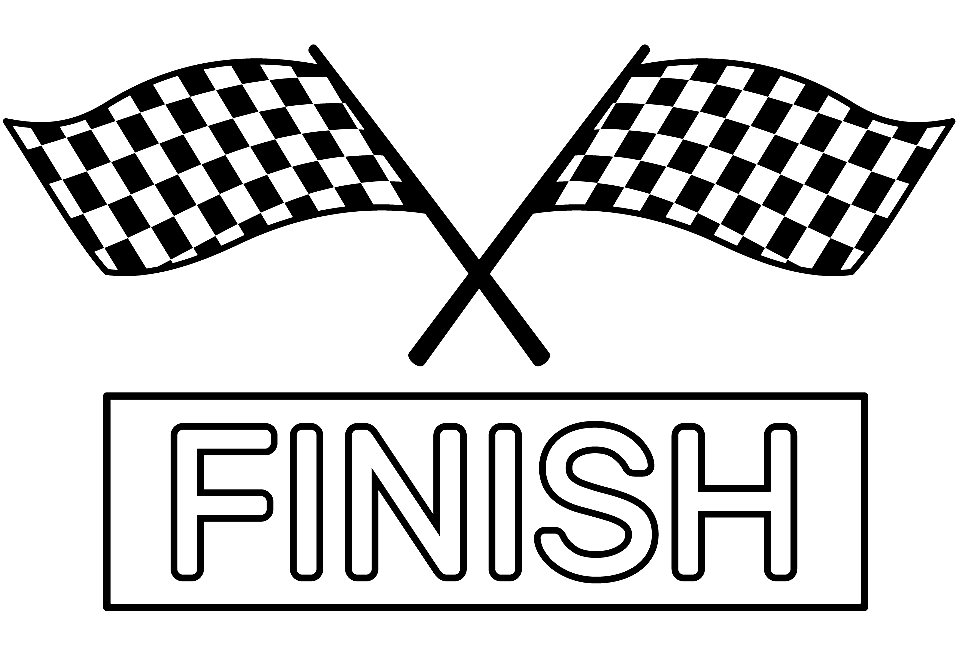
The checkered flag is worth real care if it shows up on a page. Even alternating black and white squares read as accurate; uneven or overly small squares start to look like a random pattern instead of the specific, recognizable symbol it’s meant to be.
Go-Kart
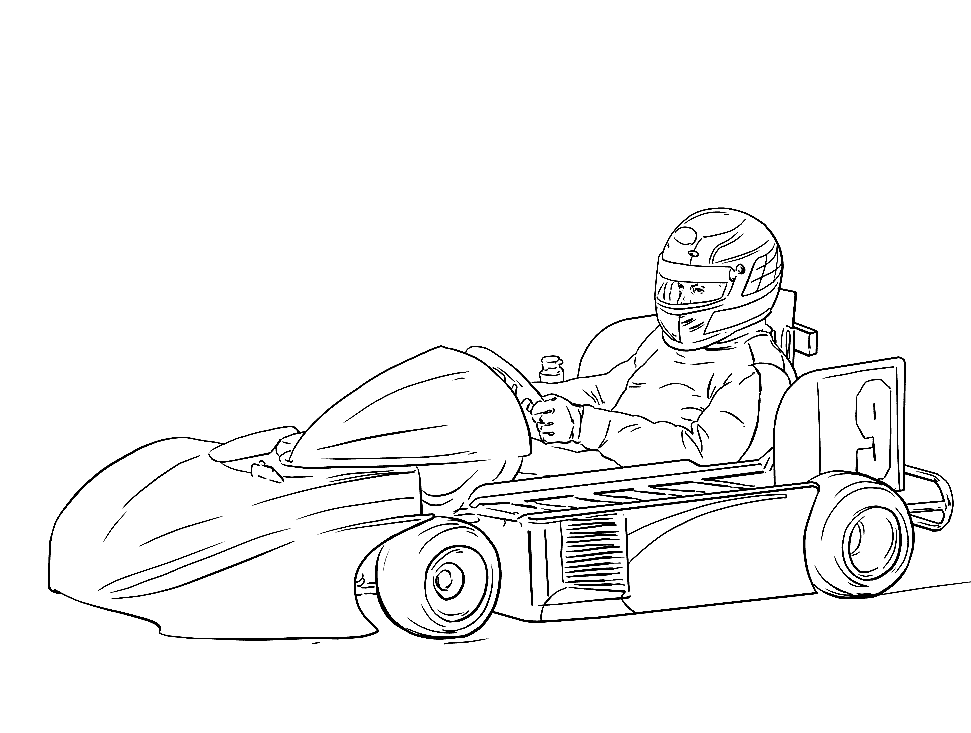
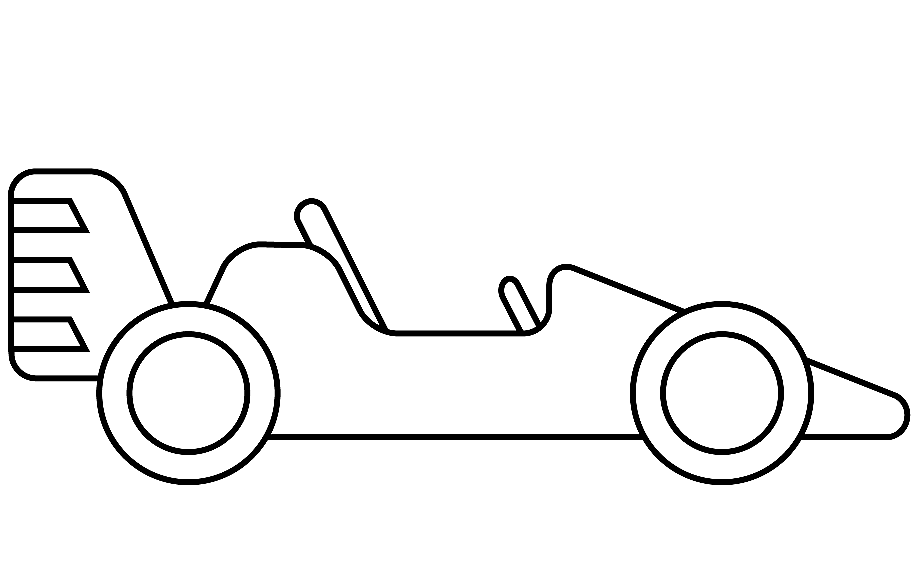
A single page represents the entry point into the entire sport: a go-kart, stripped of bodywork entirely.
There’s no sponsor branding or aerodynamic wing to worry about here, just an exposed frame, an engine, and a seat. Bright, simple, single colors suit a go-kart better than the busier detail that fits the other vehicle types, since real karts are usually more about basic paint than complex livery.
What These Pages Do
Autosport’s own history splits across two organizations most fans think of as separate worlds: NASCAR, founded in 1948 in Daytona Beach, and Formula 1, which held its first World Championship season in 1950. A single collection covering real drivers from one and open-wheel machines from the other carries more genuine motorsport history than a set built around just one discipline could.
Fine motor development gets two distinct workouts here. The American Academy of Pediatrics has pointed to structured coloring as a genuine contributor to fine motor development in children roughly between the ages of two and seven. This set’s two main vehicle types ask for two different kinds of care: a NASCAR car’s dense, overlapping sponsor patches reward small, contained strokes, while a Formula 1 car’s long, sweeping body lines reward smooth, confident ones.
There’s a specific kind of satisfaction tied to one particular image in this set. Art Therapy Practitioners have noted that coloring a clear, unambiguous symbol of finishing, a checkered flag, a finish line, tends to feel satisfying in a way that an open-ended action scene doesn’t, since it represents a definite, recognizable moment of completion rather than an ongoing effort.
Real vocabulary rides along, too. A child who can tell a stock car from an open-wheeler, or explain what a go-kart actually is, has picked up more than a generic “race car” label would have taught them.
How to Color Autosport Coloring Pages
Cover NASCAR cars in dense sponsor-style patches and a bold number. That crowded, branded look, with the wheels tucked inside the bodywork, is what separates a stock car from every other vehicle in this set.
Keep Formula 1 cars low, narrow, and open-wheeled. The tires sit exposed at each corner rather than hidden inside the body, and the front and rear wings are functional parts worth a distinct color from the main chassis.
Strip go-karts down to something simple. No sponsor decals, no aerodynamic wings, just an exposed frame in one or two bright, uncomplicated colors.
Make the checkered flag genuinely even. Alternating black and white squares of a consistent size read as the real symbol. Uneven squares look like random static.
5 Creative Craft Ideas with Autosport Coloring Pages
Three Vehicles, Three Silhouettes
Color a NASCAR car, a Formula 1 car, and the go-kart side by side, paying attention to which wheels are hidden and which are exposed on each one. About twenty minutes, and the comparison mostly speaks for itself.
Driver Number Board
Pick two or three of the real driver or car pages and give each one a bold, clearly readable number, the way an actual racing number board works. Fifteen minutes for a small, functional-looking display.
Checkered Flag Finish Study
Spend real time on just the checkered flag or finish line page, keeping every square even and consistently sized. Ten minutes, and it’s a good, smaller project for a child who wants something contained.
NASCAR Legends Gallery
Color all five real driver portraits together and display them as a small “legends” gallery. Twenty-five minutes for a genuine little tribute to five different champions.
Go-Kart First Race Card
Color the go-kart page, fold it into a card, and give it to a child marking a first real go-kart race or a racing-themed birthday – ten minutes, built around an actual first step into the sport.
FAQ About Autosport Coloring Pages
Are these Autosport coloring pages free, and can I color them online?
Yes. Every page is free, with no account, email, or payment required. Download the PDF to print at home, or open it in the online coloring tool to color on screen.
What age group are these Autosport coloring pages best suited for?
The generic race car, track, and go-kart pages work well from age 3. The NASCAR driver portraits and Formula 1 pages, with more detail in the livery and body shape, suit ages 5 and up.
What’s the actual difference between a NASCAR car and a Formula 1 car?
A NASCAR stock car has its wheels enclosed inside the bodywork and is covered in sponsor branding, built for close, high-contact racing on oval tracks. A Formula 1 car is open-wheeled, low, and narrow, with aerodynamic wings front and back, built for road and street circuits. They’re both forms of autosport, but the vehicles themselves look and behave very differently.
Are the driver portraits of Tony Stewart, Kyle Busch, Jeff Gordon, Dale Earnhardt Jr., and Matt Kenseth official products?
No. These are generic, fan-style coloring portraits inspired by real, well-known NASCAR champions. They are not official merchandise and are not licensed by or affiliated with any of the drivers, their teams, or NASCAR itself.
When was NASCAR founded, and when did Formula 1 start?
NASCAR was founded in 1948 in Daytona Beach, Florida. Formula 1 held its first official World Championship season in 1950, making the two organizations almost exactly contemporaries despite covering very different styles of racing.
Is go-karting really considered part of the same sport?
Yes. Go-karting is widely treated as the entry point into motorsport, and many professional NASCAR and Formula 1 drivers started their careers racing karts as children before moving into full-sized cars.
Are these pages based on a specific real team or brand?
No, aside from the named driver portraits noted above. The generic cars, tracks, and scenes are inspired by the sport broadly, including its real vehicle types and history, but they are not licensed by or affiliated with any specific team, series, or brand.
Can I use these pages for a racing club, birthday party, or classroom activity?
Yes. Youth karting programs use the go-kart page to mark a first race, racing-themed birthday parties use the driver and car pages as party favors, and teachers use the vehicle comparison to introduce basic motorsport vocabulary.
Start Coloring
Download any page by clicking the design. No account, email, or payment is required. Pages print directly from the browser at full resolution or open in the online coloring tool for screen use. Share finished pages on Facebook or Pinterest using the share buttons at the top of each design page.