
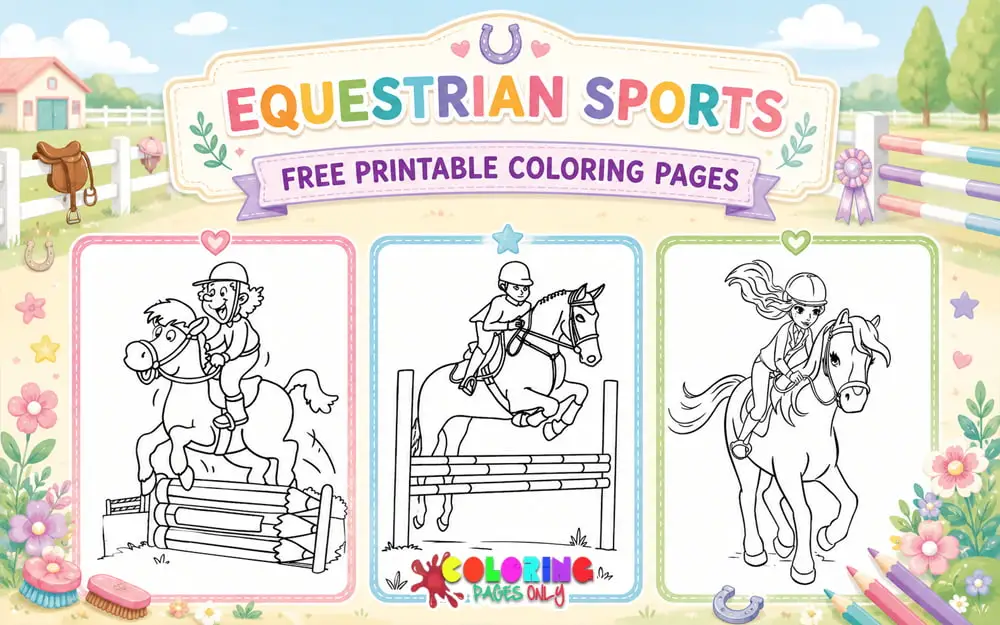
Equestrian sports coloring pages: 27 free printable PDF designs covering horse racing and jockey portraits, show jumping and obstacle scenes, general horse and rider portraits, and playful character crossovers. Every page is available as a printable PDF or to color in the browser, with no account required.
Equestrian sport holds a distinction almost no other Olympic discipline shares: men and women compete directly against each other for the same medals, rather than in separate categories. The sport’s Olympic history runs deep, too. Jumping first appeared at the 1900 Paris Games, and the modern three-discipline format of dressage, jumping, and eventing was in place by the 1912 Stockholm Games.
These pages suit young riders who have never sat on a horse, kids who already know the difference between a jockey and a dressage rider, and anyone drawn to the partnership between horse and rider.
One coloring detail that belongs only to this set: racing silks. In organized horse racing, each jockey wears a jacket and cap in colors and patterns registered to a specific horse’s owner. This real tradition lets spectators identify a horse from a distance. A racing page colored in one consistent, distinctive pattern, stripes, blocks, or a diamond check, reads as a real “owner’s colors” rather than a random paint job.
Quick Answer
Equestrian sports coloring pages are a free set of 27 printable PDFs and browser-based coloring sheets covering horse racing and jockey portraits, show jumping and obstacle scenes, general horse and rider portraits, and character crossovers.
Best for: children aged 3 and up, young riders and racing fans, and anyone who loves horses and Olympic sports
Formats: printable PDF and online coloring
Popular pages: the jockey in a horse race, the horse clearing an obstacle, the general horse and rider portrait, and the character crossover pages
Creative uses: a racing silks reference board, a coat color study, a show jumping achievement card, and a horse and rider partnership card
What’s Inside Equestrian Sports Coloring Pages
With 27 pages built around a single theme, the set is organized by scene type rather than by character, since the subject is always a horse, a rider, or both together.
Horse Racing and Jockey Portraits
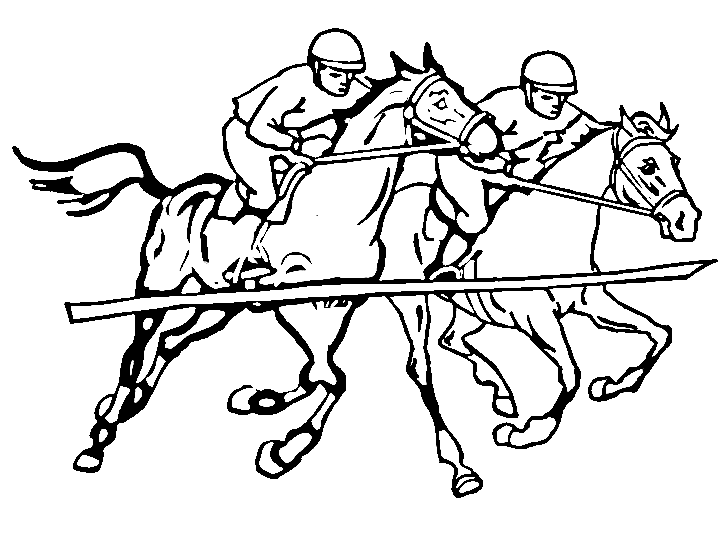
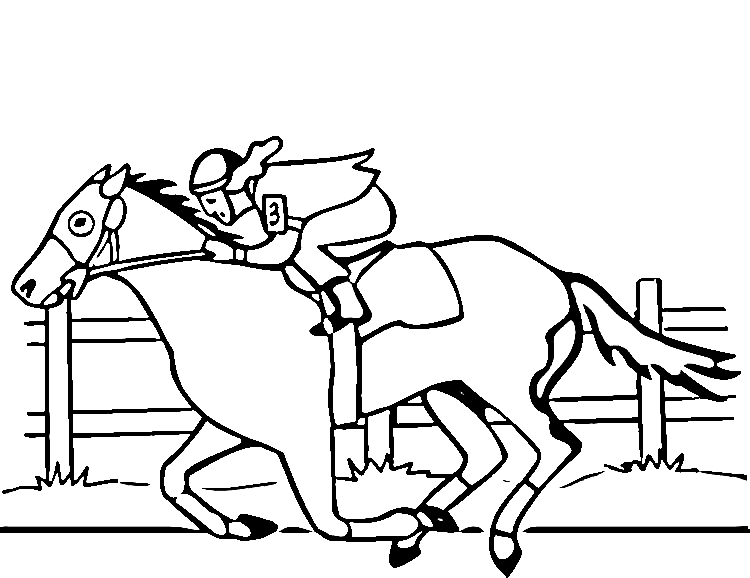
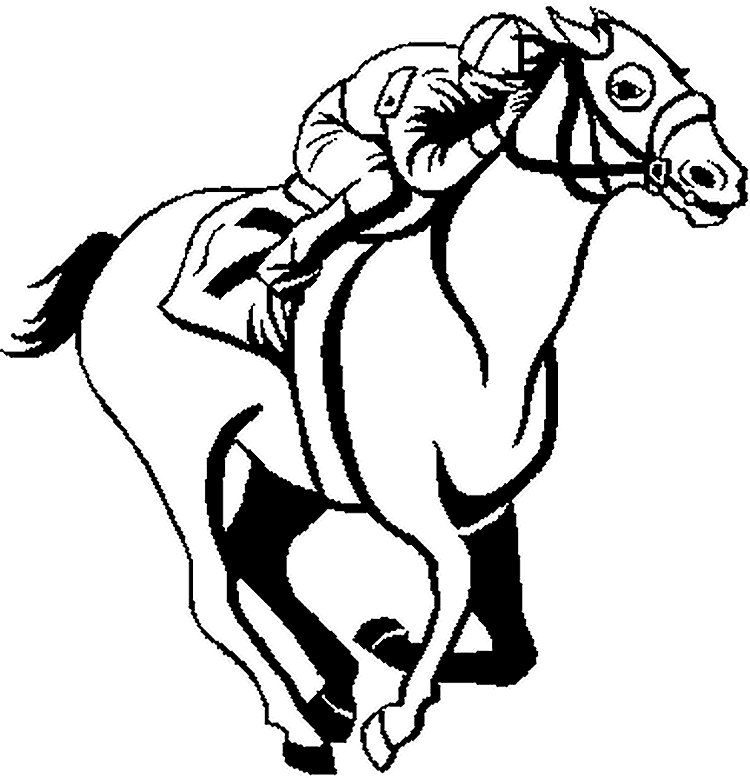
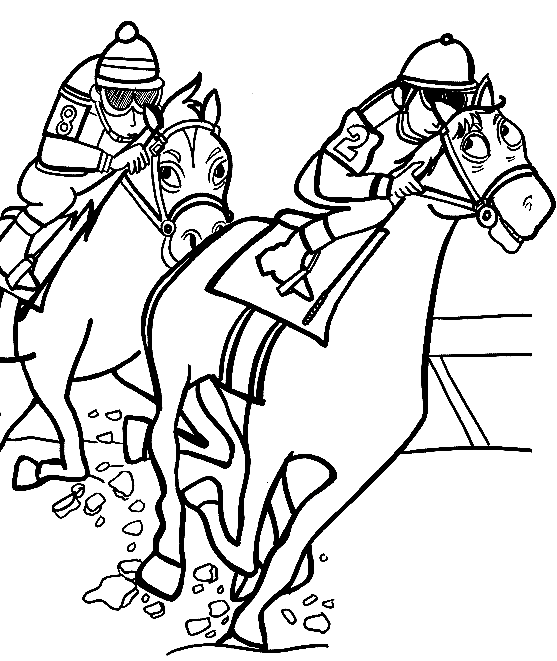
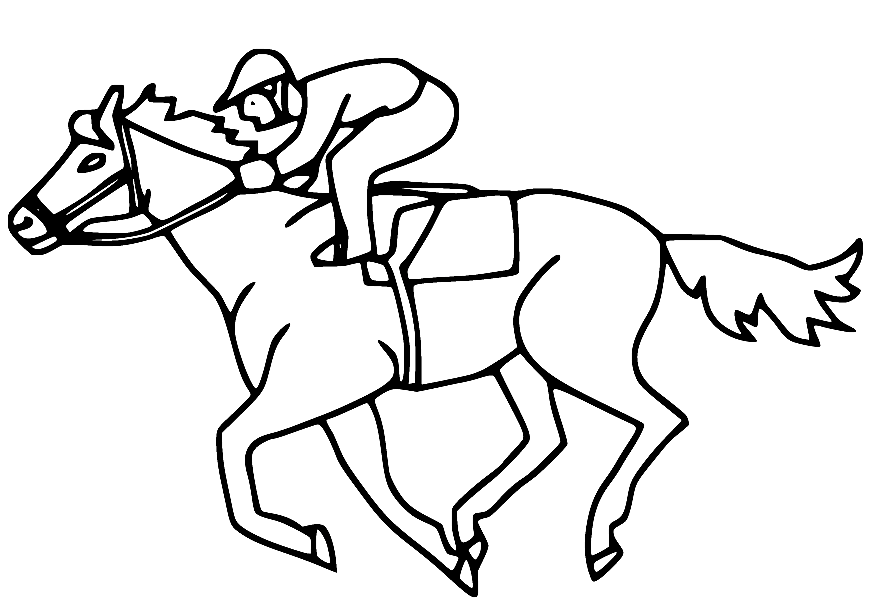
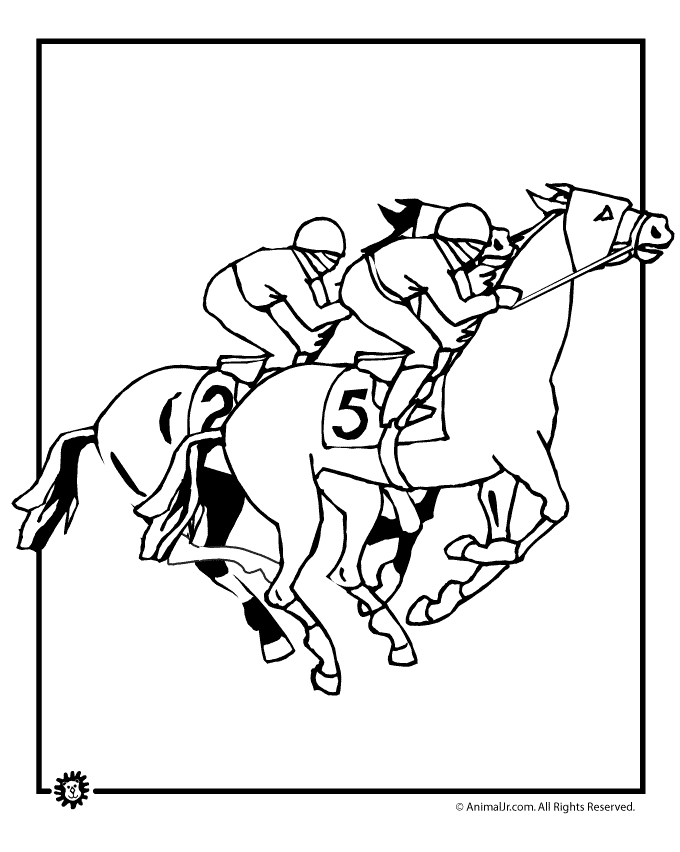
The largest group in the set covers competitive horse racing: a jockey mid-race in racing silks, a horse at full gallop, and race-day portraits built around speed rather than precision.
Coloring horse racing pages: the jockey’s silks are the biggest decision on any racing page. A bold, repeating pattern, thin stripes, wide blocks, or a diamond check, in two or three colors, reads as authentic in a way a single flat color does not. The horse’s coat deserves its own attention, too: real horses come in bay (brown body with a black mane and tail), chestnut (reddish-brown all over), gray, and black, and picking one of these rather than a generic brown makes the horse look like a specific animal rather than a placeholder.
Show Jumping and Obstacle Action
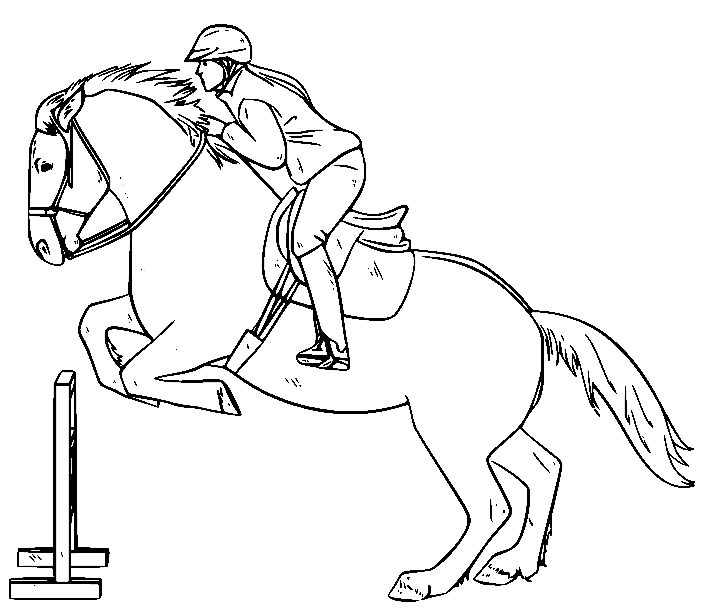
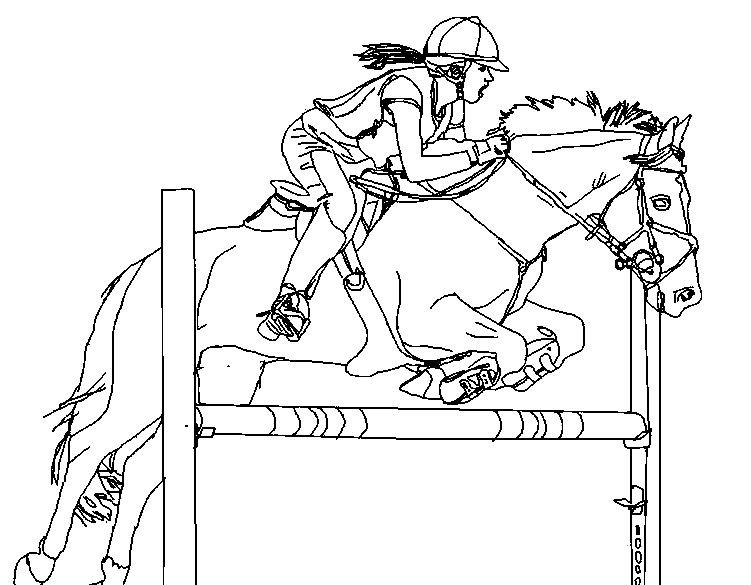
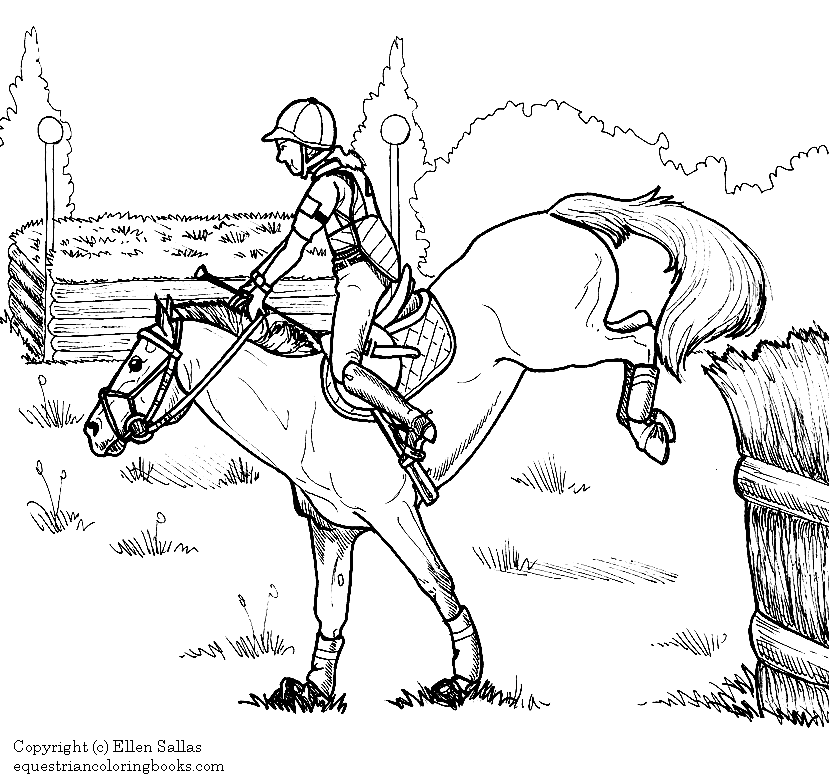
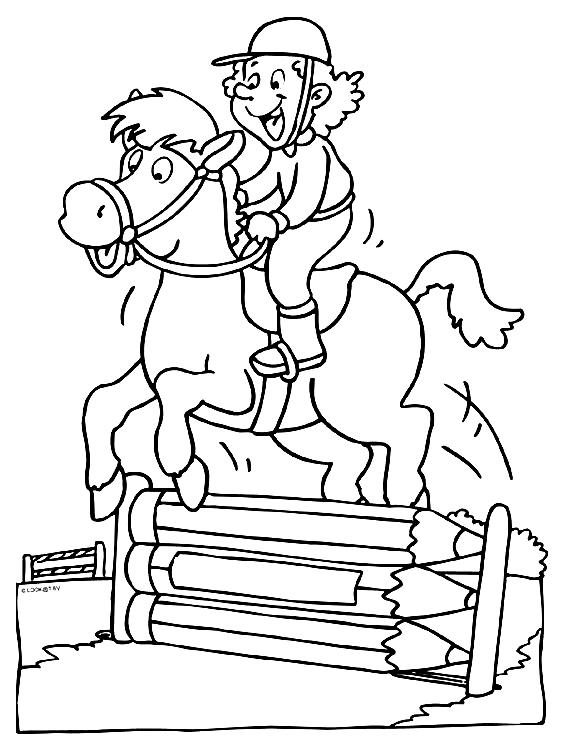
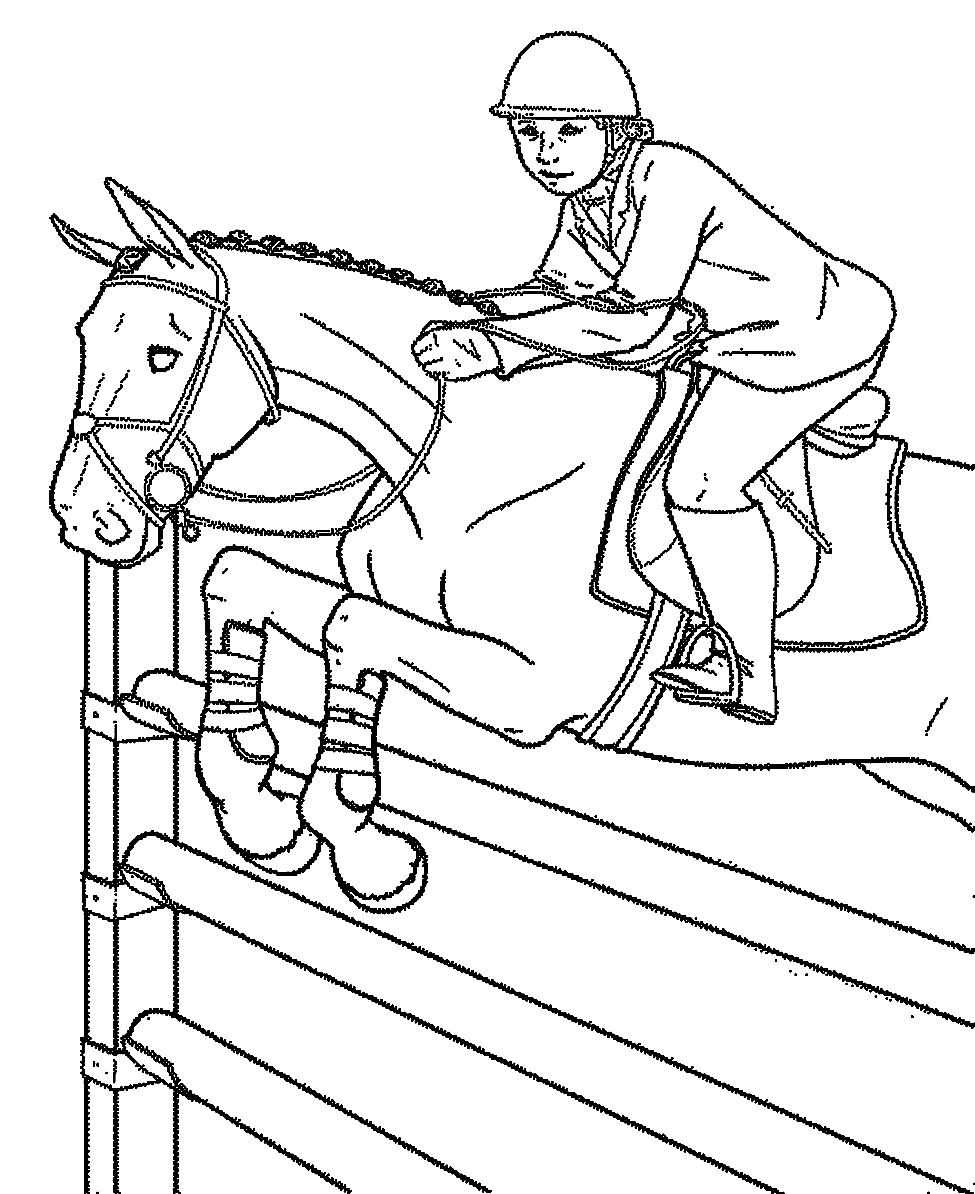
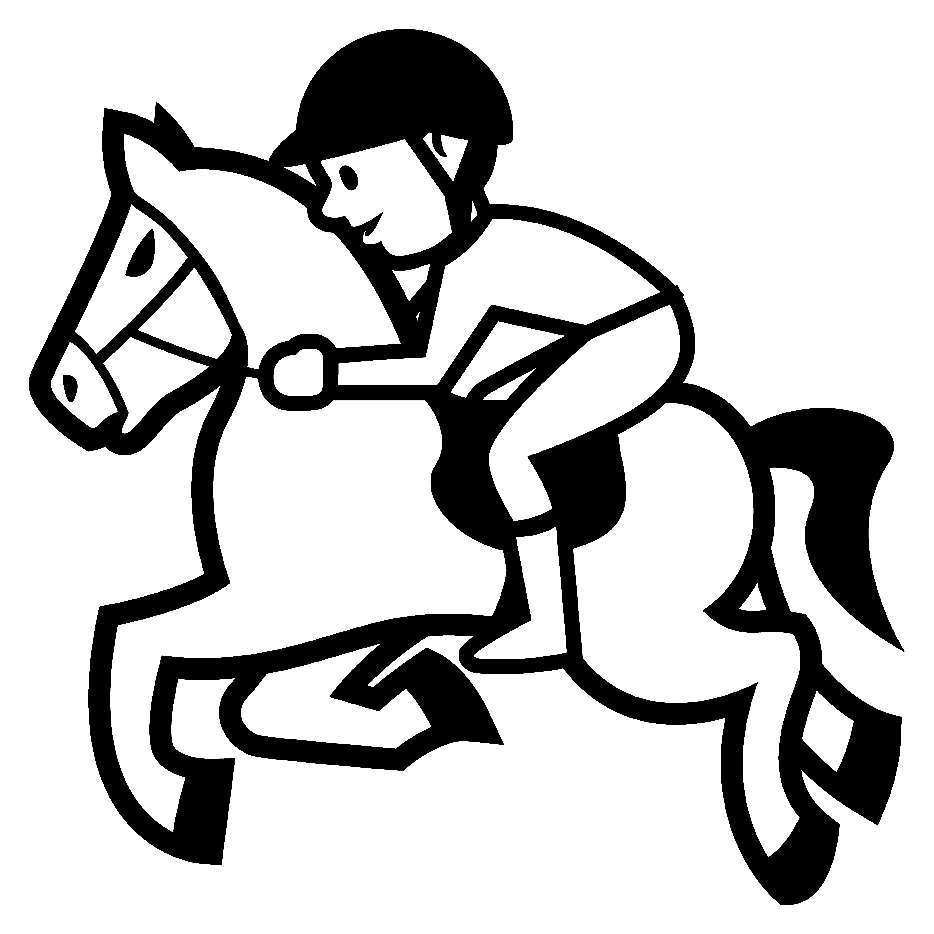
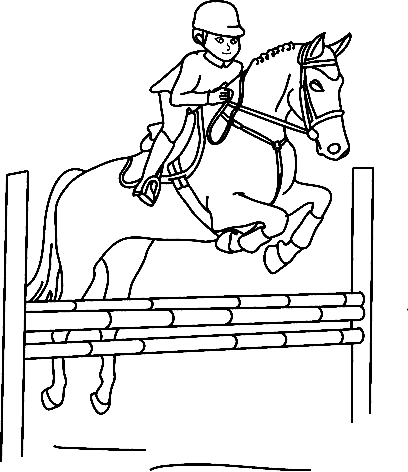
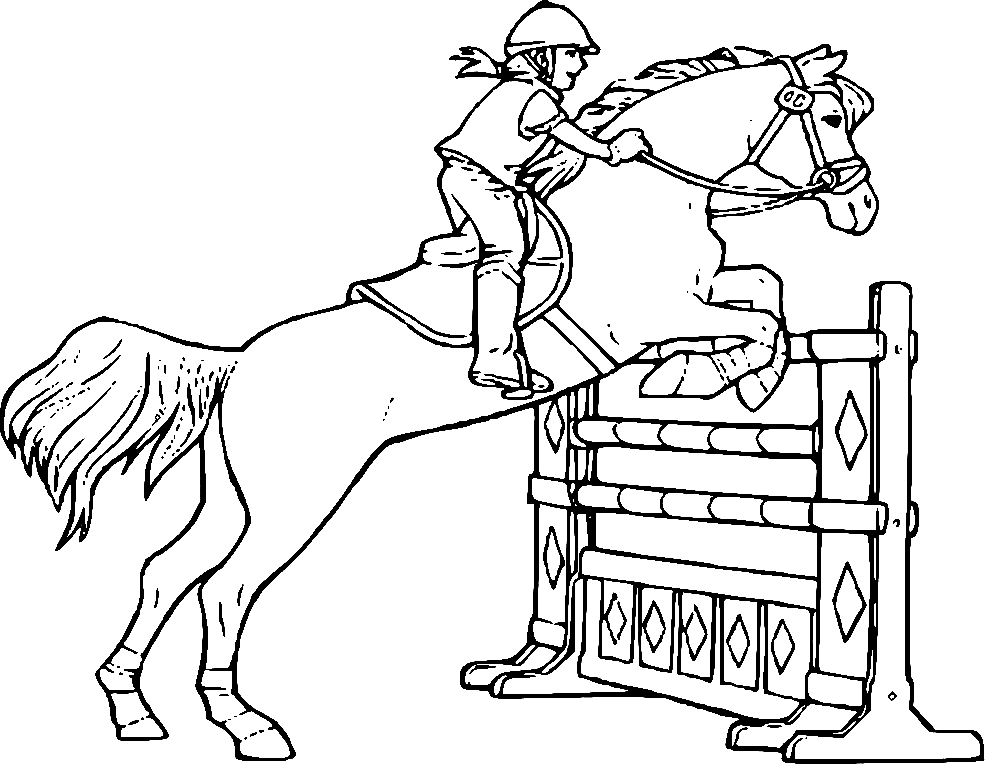
This smaller group covers the sport in motion over an obstacle: a horse and rider clearing a jump mid-air, with the horse’s legs tucked and the rider leaning forward into the motion.
Coloring show jumping pages: competitive jumping and eventing riders wear formal attire, a dark jacket in navy, black, or hunter green, white or cream breeches, and a fitted helmet, which is a useful, accurate default rather than the bright racing colors used elsewhere in the set. The jump rail itself works well in a color that contrasts with the horse, so the moment of clearing it reads clearly.
General Equestrian and Horse and Rider Portraits
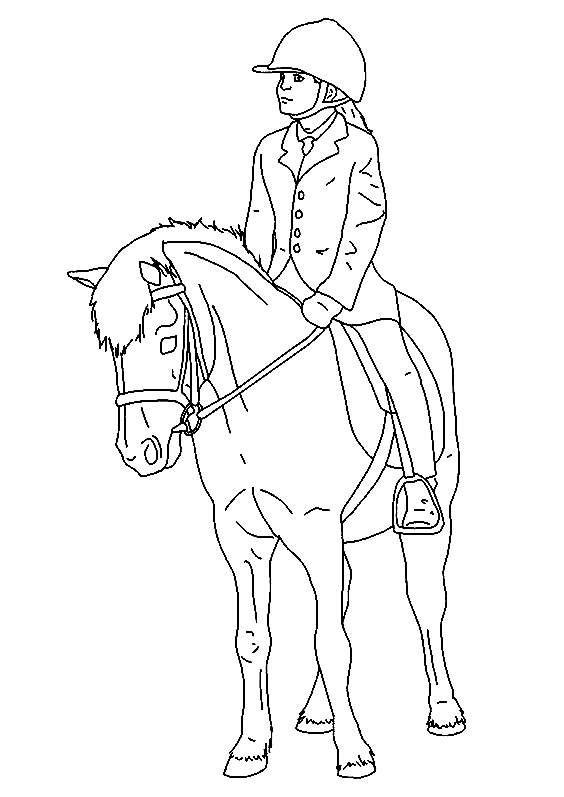
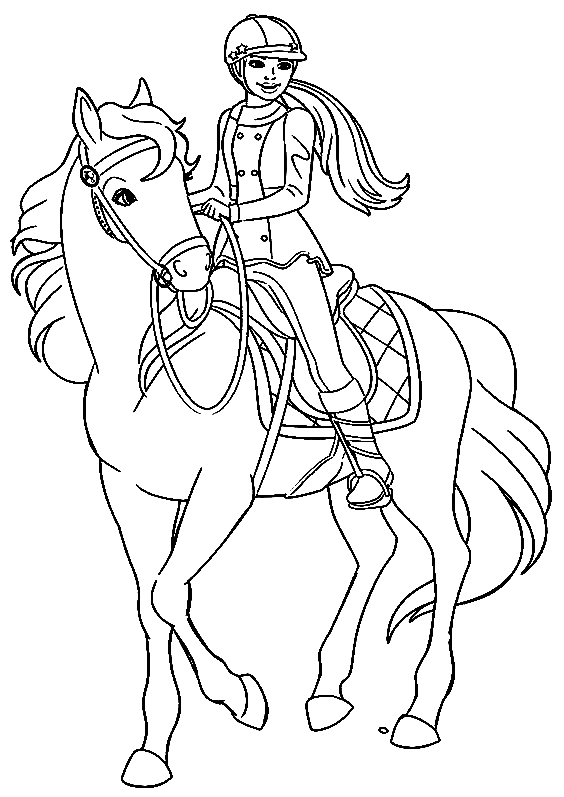
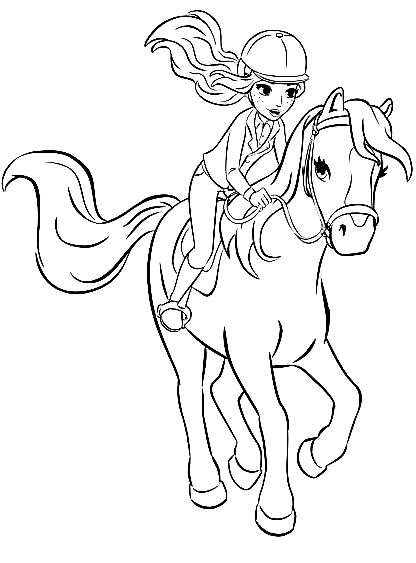
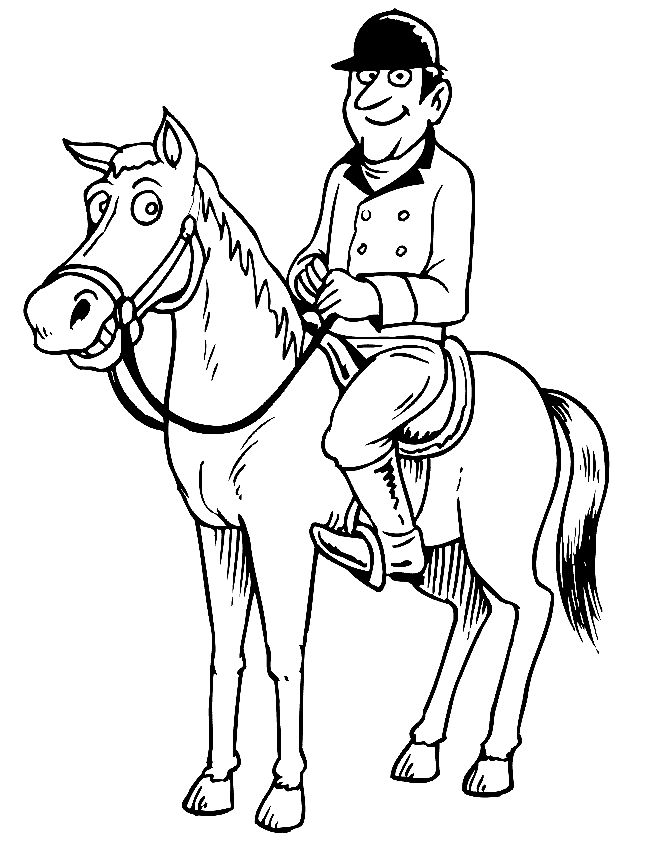
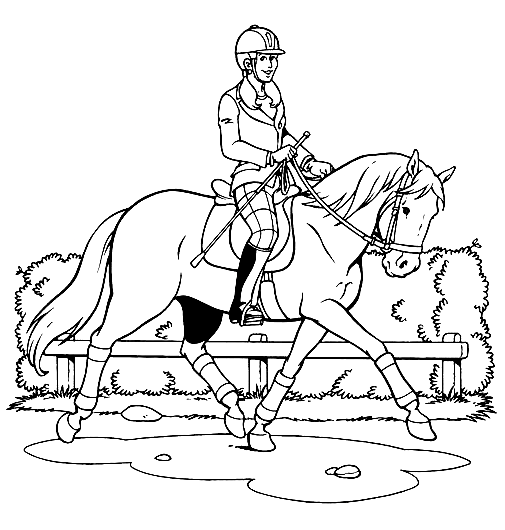
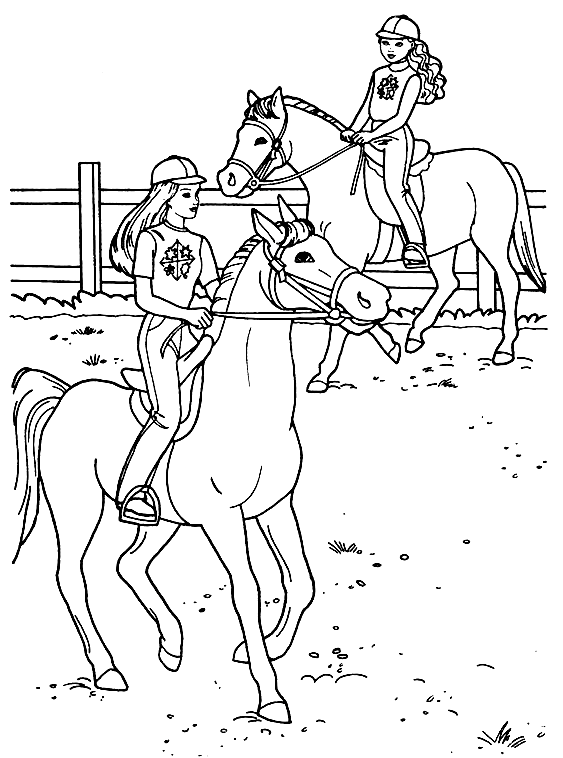
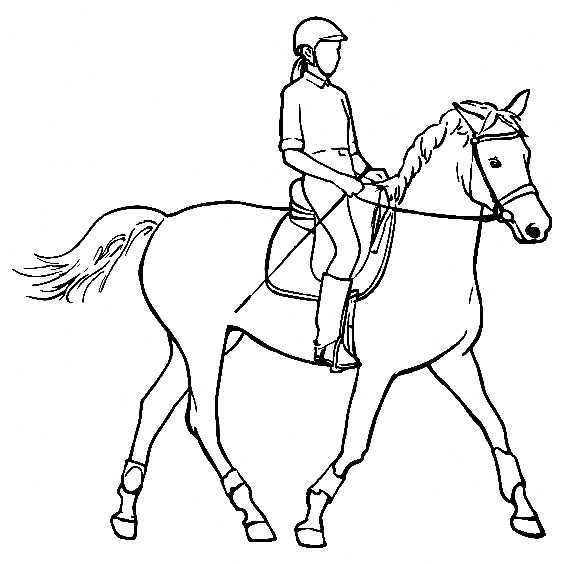
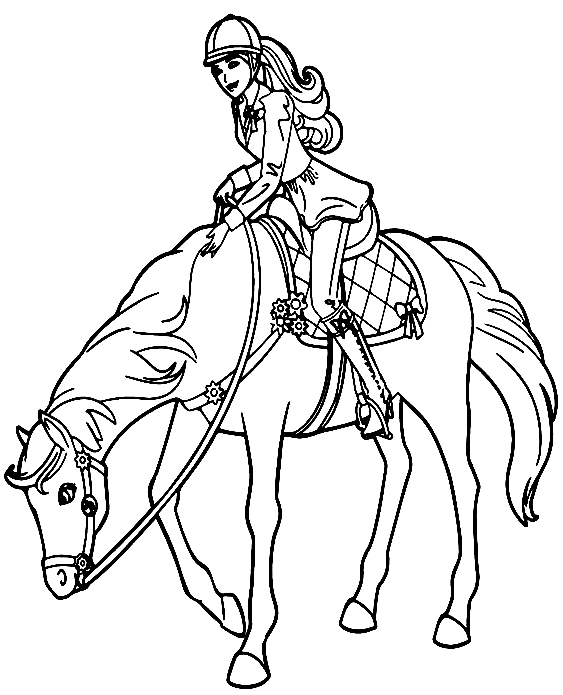
A meaningful share of the set steps away from competition entirely: a rider standing beside a horse, a child on horseback at a walk, and calm portraits built around the bond between horse and rider rather than any race or jump.
Coloring general equestrian pages: these pages are the most forgiving in the set for color choice, since there is no racing silk or formal uniform to get right. The one detail worth real attention is the mane and tail: coloring them as loose, flowing strands in a slightly different shade from the coat, rather than one flat block, gives the horse a sense of movement even standing still.
Character and Fun Equestrian Crossovers
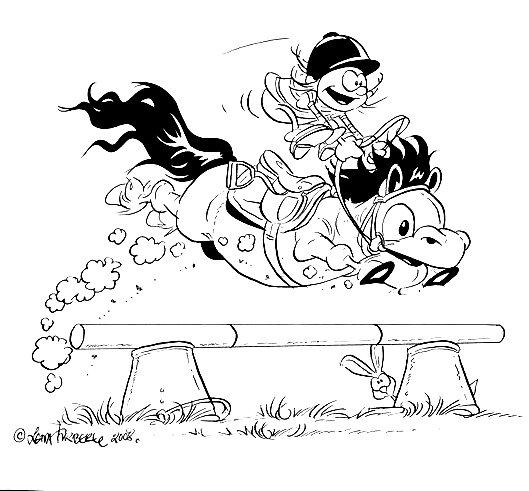
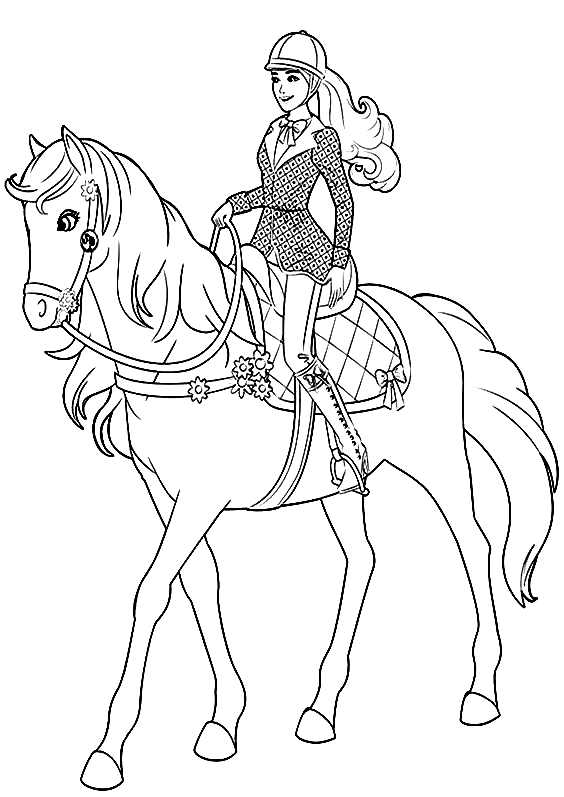
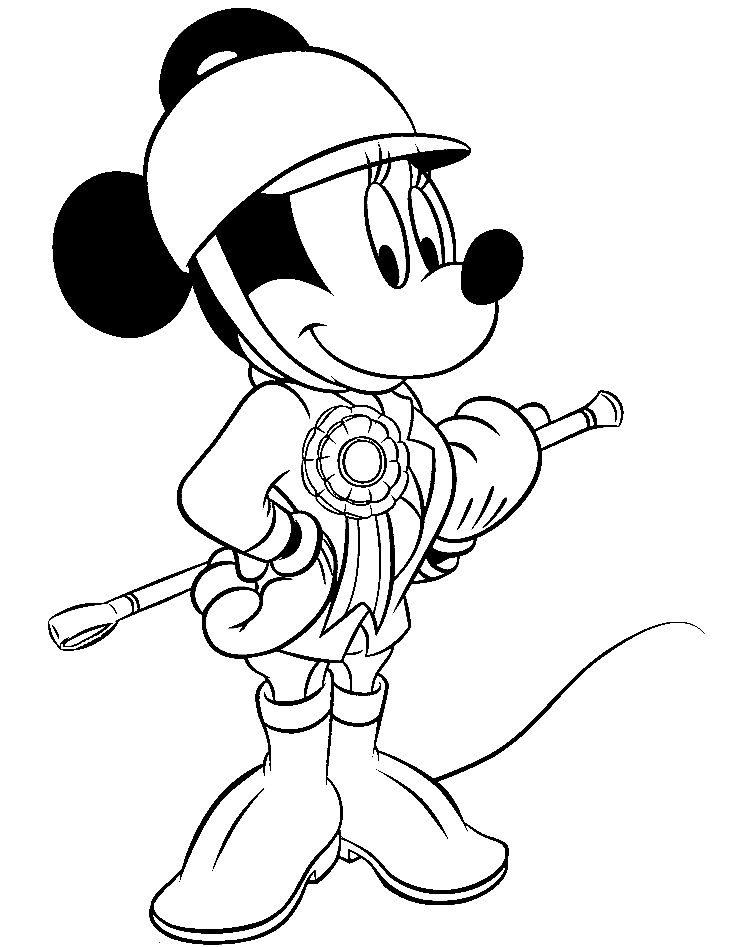
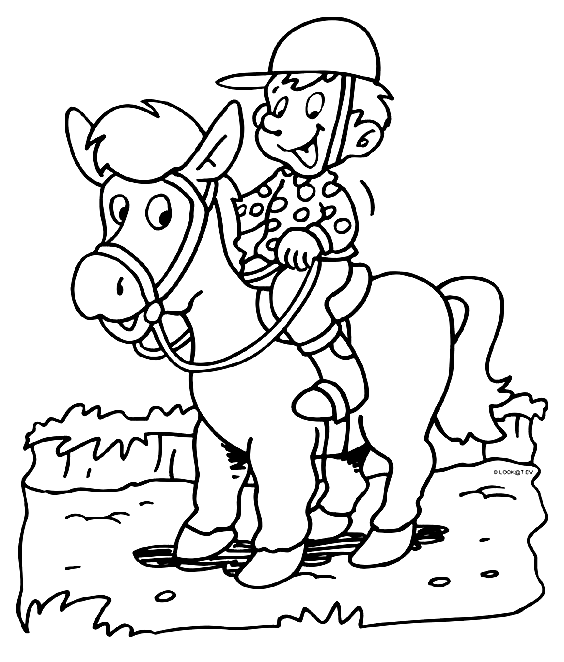
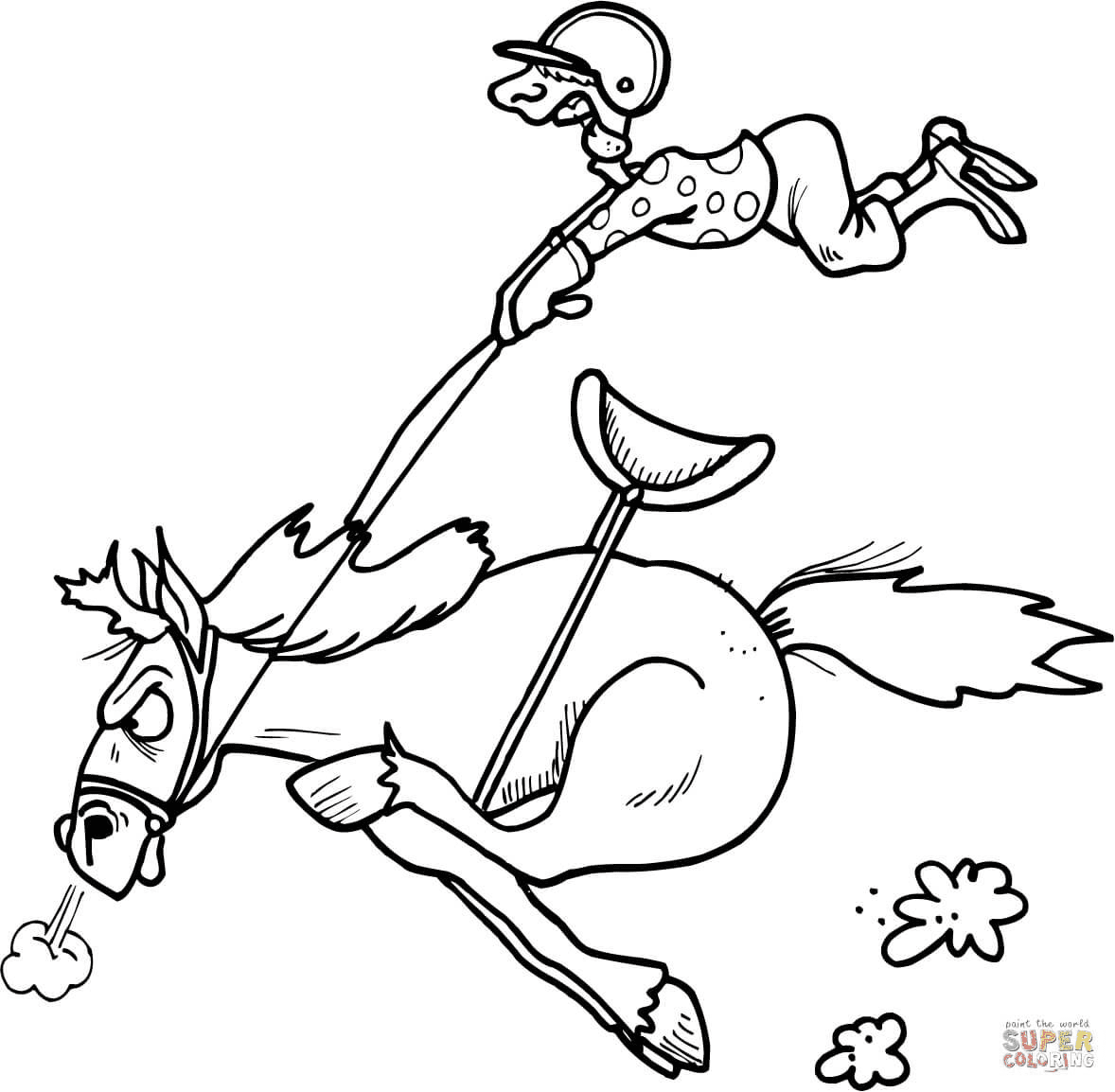
The set’s most playful pages put well-known characters on horseback for a lighter take on the theme, alongside a couple of pages built purely around humor.
Coloring crossover pages: this is where the set’s usual color rules can relax. A character page is already playful by design, so bold, personal color choices on the outfit and horse fit better here than the more accurate, restrained palettes that suit the racing and show jumping pages.
What These Pages Do
Horse racing is one of the oldest organized sports still run today, with formal rules and record-keeping in England dating back to the 1700s, and equestrian sport’s mixed-gender Olympic competition gives even a simple portrait page a genuine, unusual fact behind it that most sports on this site cannot claim.
The set also builds a specific kind of fine motor control. The American Academy of Pediatrics has pointed to structured coloring as a genuine contributor to fine motor development in children roughly between the ages of two and seven. This collection puts that practice to a distinct use: the flowing, uneven lines of a horse’s mane and tail, and the repeating pattern of a jockey’s silks, both reward the same slow, controlled hand movement that keeps a coloring line from wandering off course.
There is a calmer benefit tied to the subject itself. Art Therapy Practitioners have noted that coloring an animal shown in partnership with a person, rather than alone or in conflict, tends to feel especially calming, and the horse and rider pages in this set are built entirely around that kind of quiet partnership rather than competition or speed.
The pages also carry real vocabulary. A child coloring a jockey’s silks, a show jumping obstacle, or a dressage-style jacket is picking up the actual language that separates racing from Olympic equestrian sport, alongside the coloring practice itself.
How to Color Equestrian Sports Coloring Coloring Pages
Give the horse a real coat color, not a generic brown. Bay (brown body, black mane and tail), chestnut (reddish-brown throughout), gray, and black are the most common real coat colors, and picking one specific combination makes the horse read as an actual animal rather than a placeholder shape.
Make the racing silks one bold, repeating pattern. Stripes, blocks, or a diamond check in two or three colors look authentic. A jacket colored with several unrelated colors scattered at random reads as messy rather than deliberate.
Keep the mane and tail flowing, not flat. A few slightly darker or lighter strands running through the mane and tail, rather than one solid block of color, gives the horse a sense of movement even in a still portrait.
Save bright colors for the horse in show jumping and general scenes. Competitive jumping and dressage riders wear formal, dark attire, so the horse’s coat, mane, and any ribbons or tack are the natural place for color and personality on these particular pages.
5 Creative Craft Ideas with Equestrian Sports Coloring Pages
Racing Silks Reference Board
Color three or four horse racing pages, giving each jockey a different silk pattern, stripes, blocks, a diamond check, and a chevron, and arrange them together as a small reference board of “owner’s colors.”
A working reference built entirely from coloring pages, similar to how real racing silks are used to tell horses apart at a distance. Takes about twenty minutes.
Coat Color Study
Color the same horse and rider portrait page four times, giving the horse a different real coat color each time: bay, chestnut, gray, and black.
The same outline produces four genuinely different-looking horses, depending on nothing but coat color. Takes about twenty minutes.
Show Jumping Achievement Card
Color the horse clearing an obstacle, fold a piece of card in half, and glue the page to the front to mark a first successful jump, a competition ribbon, or the end of a riding season.
A card built around an actual milestone in learning to ride rather than a generic occasion. Takes about ten minutes.
Character Crossover Gallery
Color the character crossover pages and the purely humorous equestrian page together and display them as a lighthearted gallery next to the more realistic portraits.
A playful counterpoint that lets the set’s serious racing and jumping pages share a wall with something made just for fun. Takes about fifteen minutes.
Horse and Rider Partnership Card
Color one of the calm horse and rider portraits and fold it into a thank-you or celebration card for a riding instructor, a stable, or a horse’s own birthday.
A card built around the bond the set is named for, rather than competition. Takes about ten minutes.
FAQ About Equestrian Sports Coloring Pages
Are these equestrian sports coloring pages free, and can I color them online?
Yes. Every page is free, with no account, email, or payment required. Download the PDF to print at home, or open it in the online coloring tool to color on screen.
What age group are these equestrian sports coloring pages best suited for?
The general horse and rider portraits work well from age 3. The horse racing and show jumping pages, with more detail in the tack and motion, suit ages 5 and up. The character crossover pages work for any age, including adults looking for something lighter.
Why do the horse racing pages use such bold, patterned jackets on the riders?
Real jockeys wear racing silks, colors, and patterns registered to a specific horse’s owner so that spectators can identify a horse from a distance during a race. A bold, repeating pattern on a racing page is staying true to that real tradition rather than being decorative for its own sake.
Has equestrian sport always been part of the Olympics?
Equestrian jumping first appeared at the 1900 Paris Olympics, and the 1912 Stockholm Games established the modern three-discipline format of dressage, jumping, and eventing. It remains one of the few Olympic sports where men and women compete directly against each other for the same medals.
What’s the difference between horse racing and Olympic equestrian sport?
Horse racing is a timed speed sport judged purely by finish order, with jockeys in racing silks. Olympic equestrian sport covers dressage (precision movement), show jumping (clearing a course of fences), and eventing (a combination of both), judged on technique and accuracy rather than speed alone, with riders in formal dark attire rather than racing colors.
Are these pages based on a specific real horse, jockey, or equestrian brand?
No. The horses, riders, and racing colors shown are generic and inspired by the sport broadly, including its real silks and formal attire traditions. Still, they are not licensed by or affiliated with any specific horse, jockey, stable, or federation.
Can I use these pages for a riding lesson, stable open house, or birthday party?
Yes. Riding instructors use the general horse and rider pages to introduce basic vocabulary to new students, stables use the racing and show jumping pages for open house handouts, and the character crossover pages work well as a party activity for younger kids.
How often are new equestrian sports coloring pages added?
New pages are added periodically as the collection grows, so it is worth checking back for new poses, disciplines, and character crossovers.
Start Coloring
Download any page by clicking the design. No account, email, or payment is required. Pages print directly from the browser at full resolution or open in the online coloring tool for screen use. Share finished pages on Facebook or Pinterest using the share buttons at the top of each design page.