Bigfoot Coloring Pages
 By:
Jennifer Thoa - Content Editor & Designer
Updated:
By:
Jennifer Thoa - Content Editor & Designer
Updated:
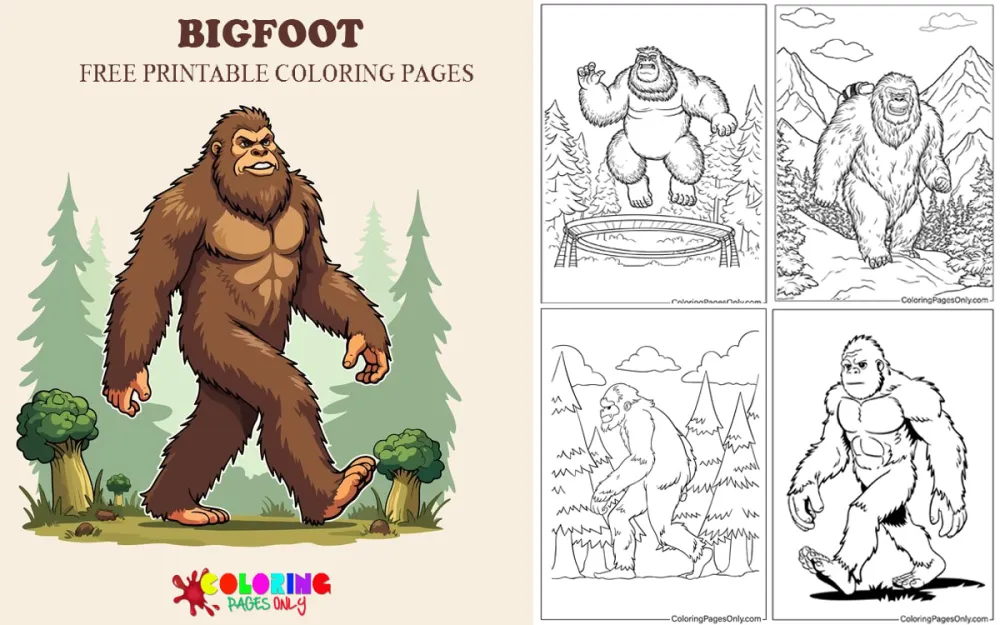
Free Bigfoot Coloring Pages: 36 printable PDF designs featuring action poses, forest scenes, mood and style variants, and classic solo portraits. Each page can be downloaded as a PDF to print or colored online in the browser.
Bigfoot, also known as Sasquatch, is a legendary ape-like creature said to inhabit forests across North America, most closely associated with the Pacific Northwest. The name Sasquatch comes from sásq’ets, a word meaning “hairy man” in the Halkomelem language of the Sts’ailes people, part of the Coast Salish First Nations of British Columbia, and entered English usage in 1929. The name Bigfoot is much newer, coined in 1958 after a road crew near Bluff Creek, California, found a trail of roughly sixteen-inch footprints, with a local newspaper printing the now-famous nickname. The most well-known piece of purported evidence remains the Patterson-Gimlin film, a brief clip shot in 1967 near the same area, which continues to be debated by researchers and skeptics alike.
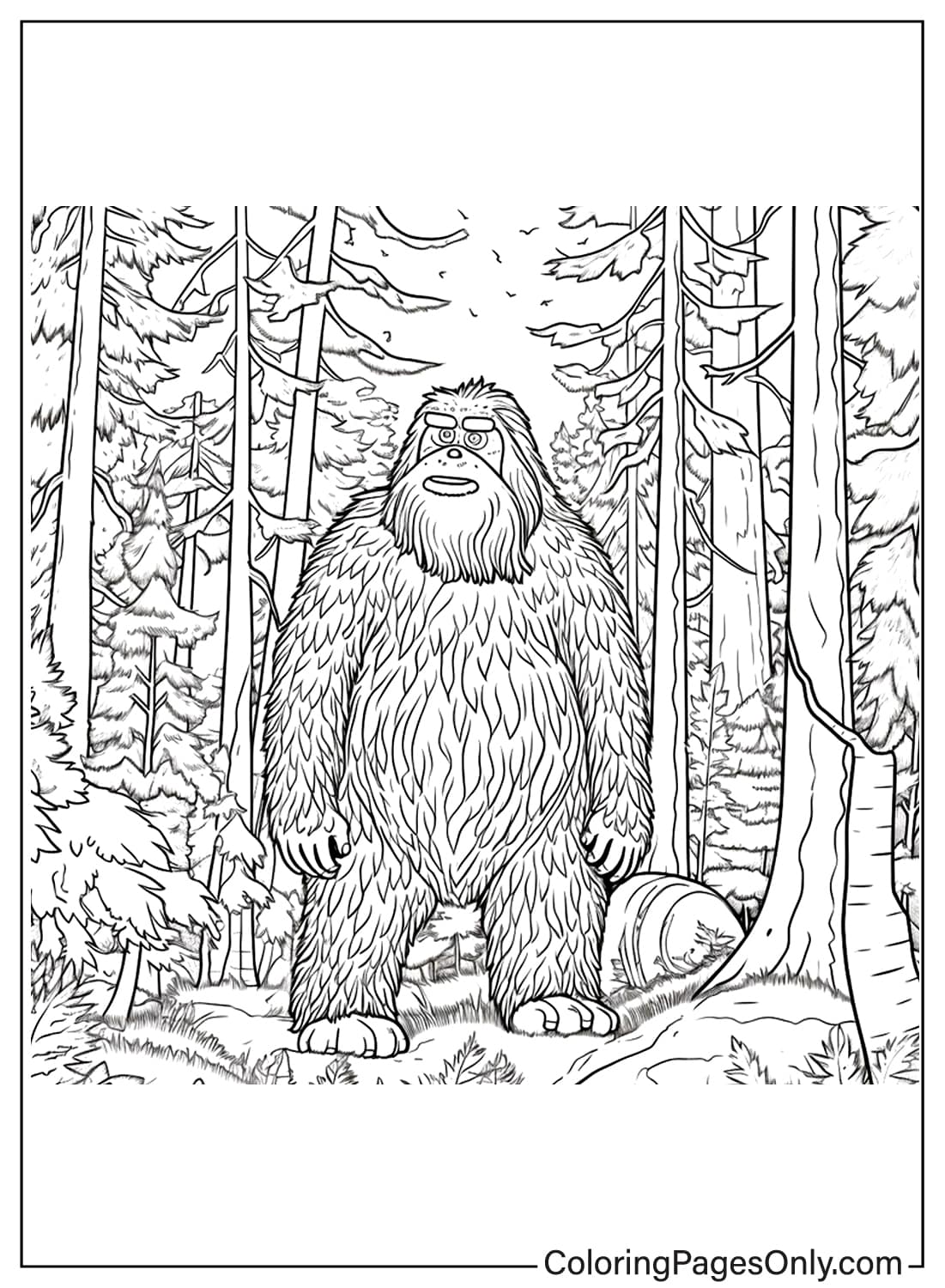
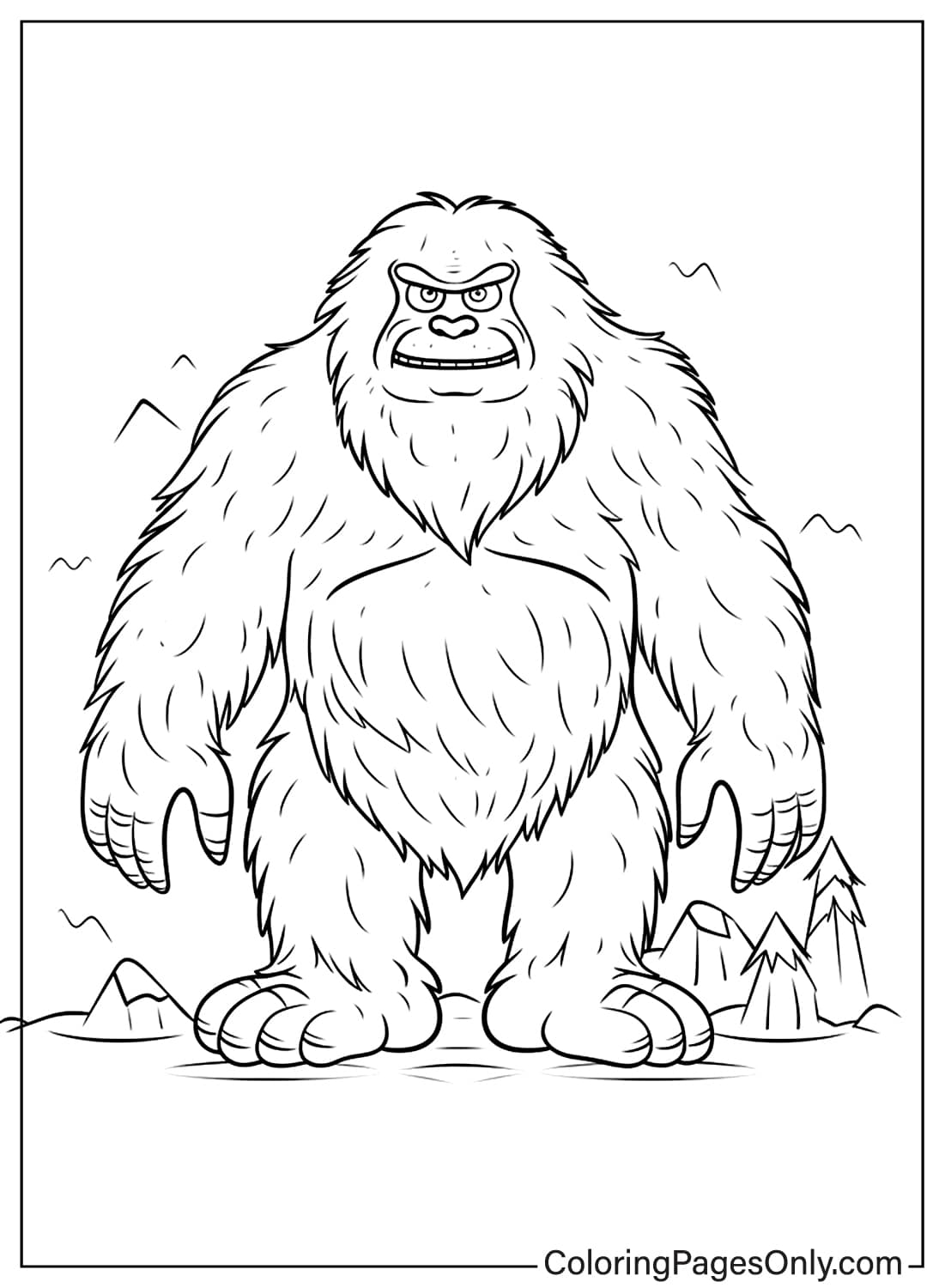
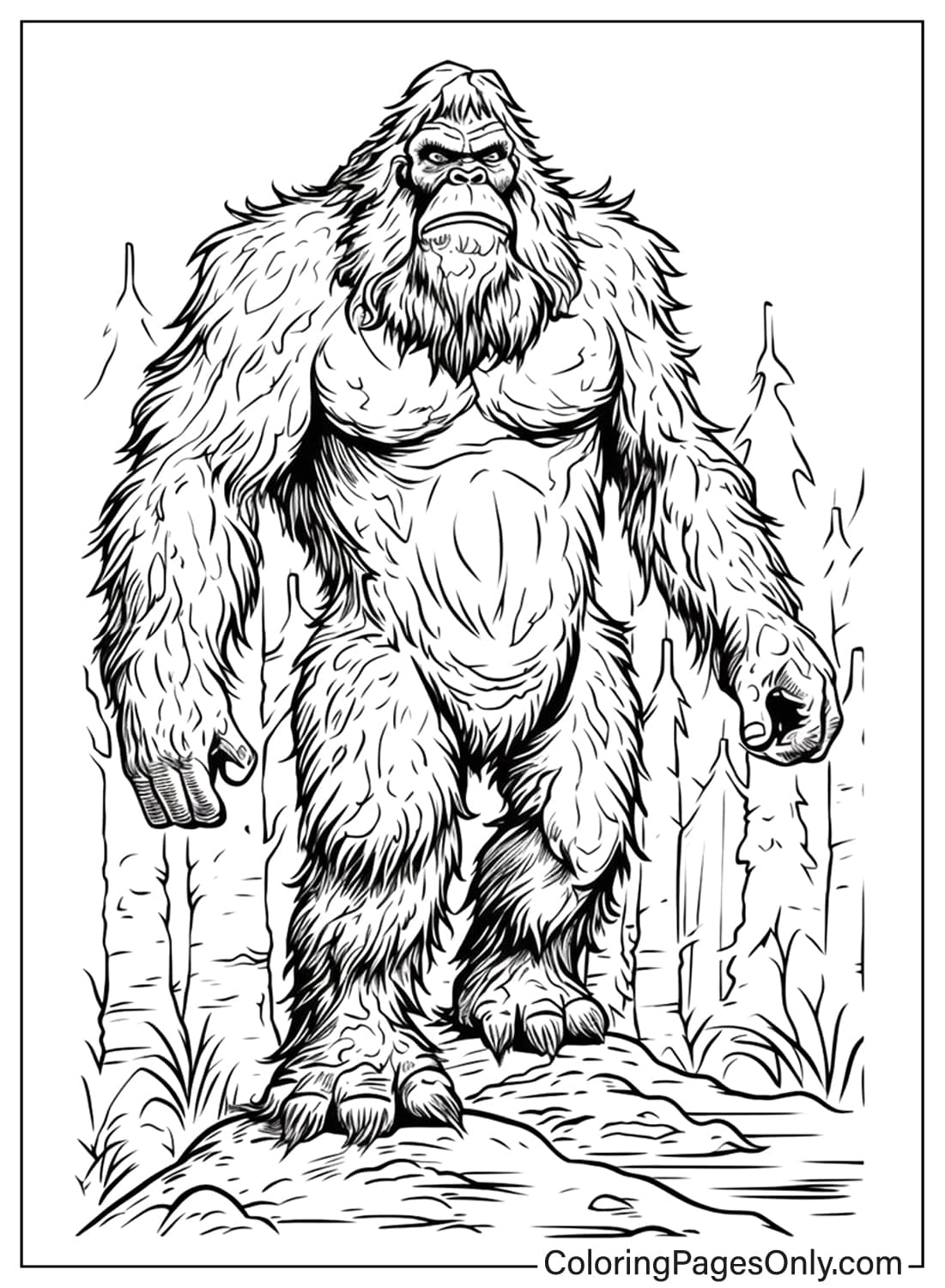
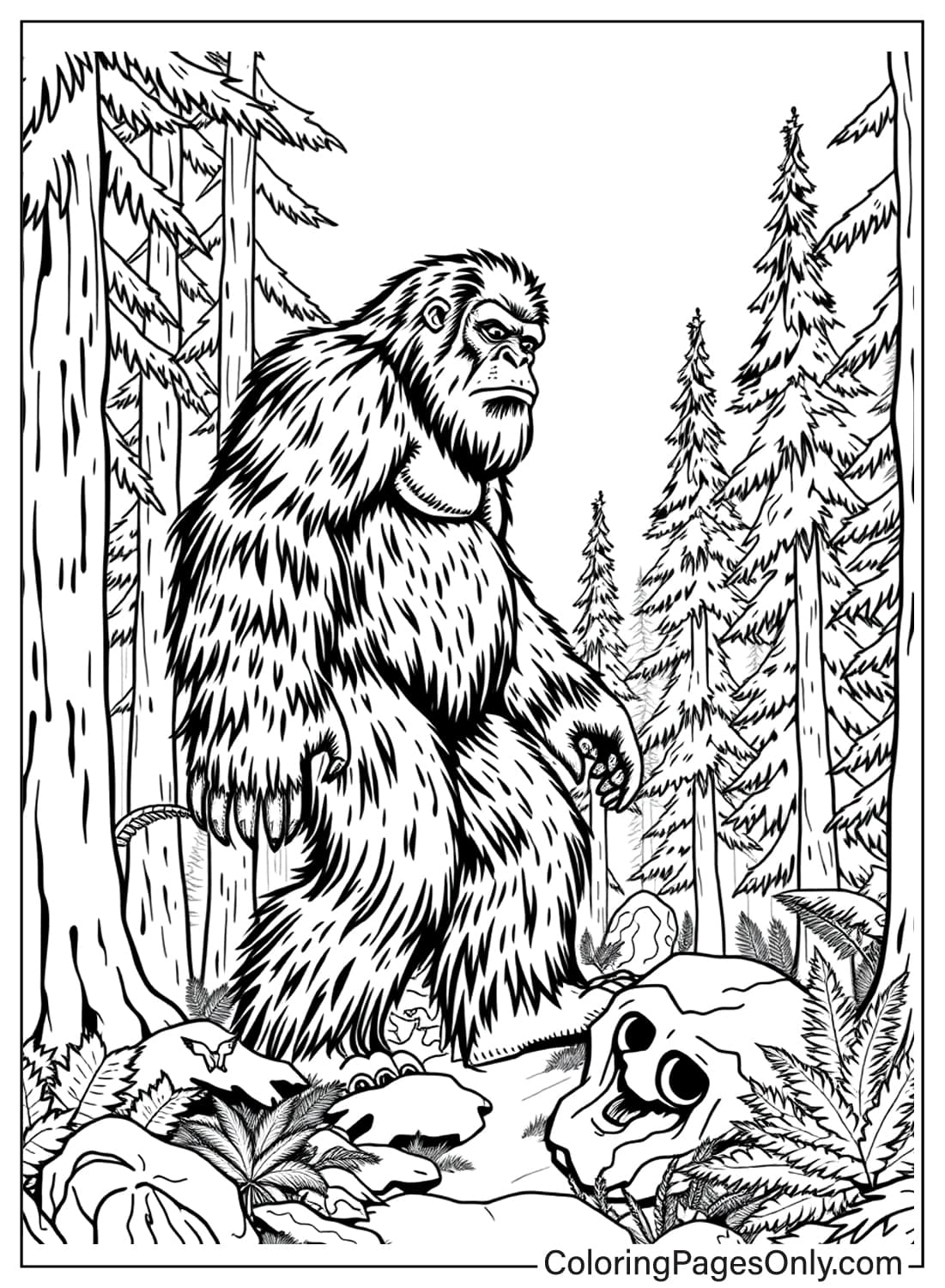
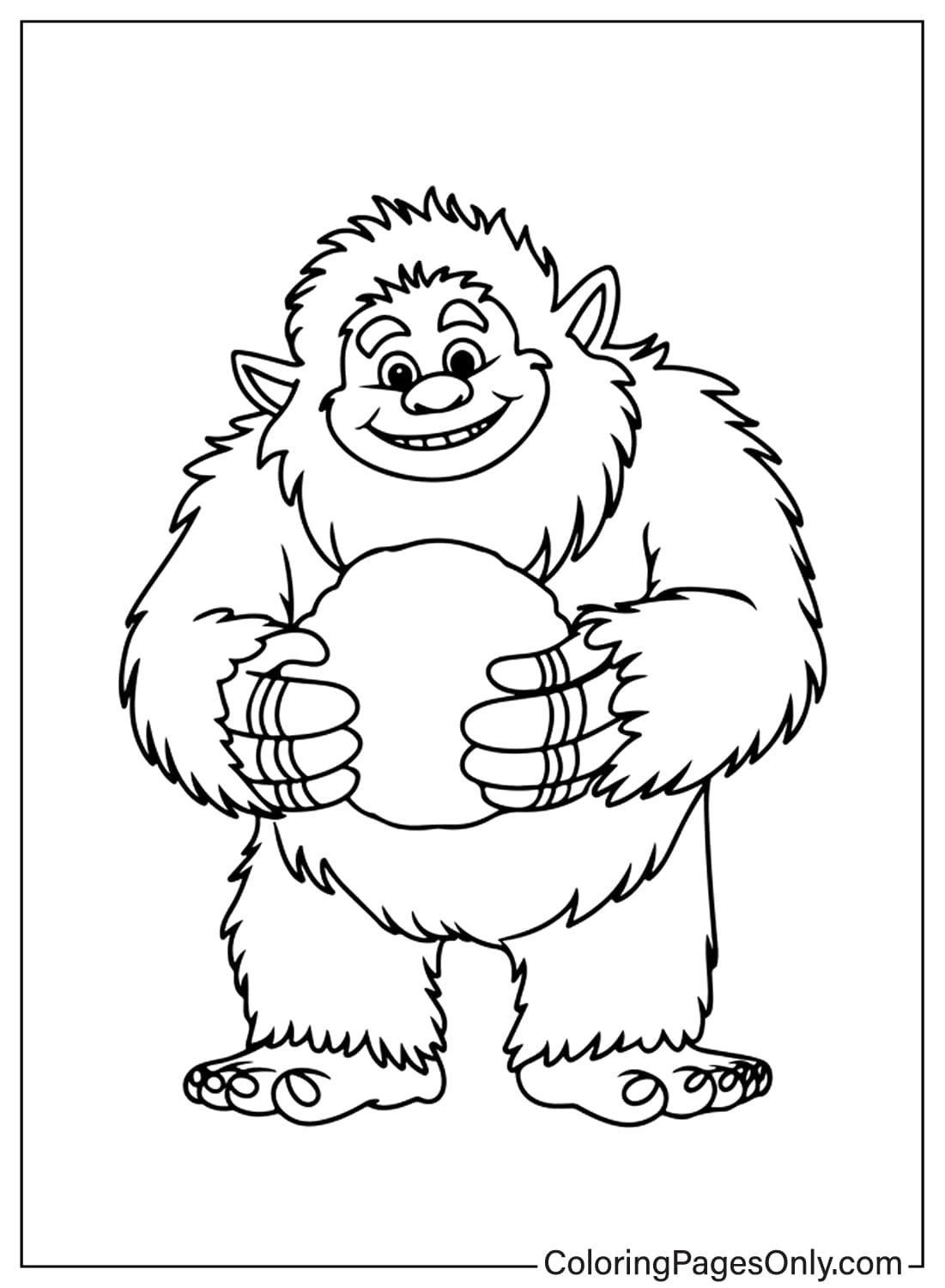
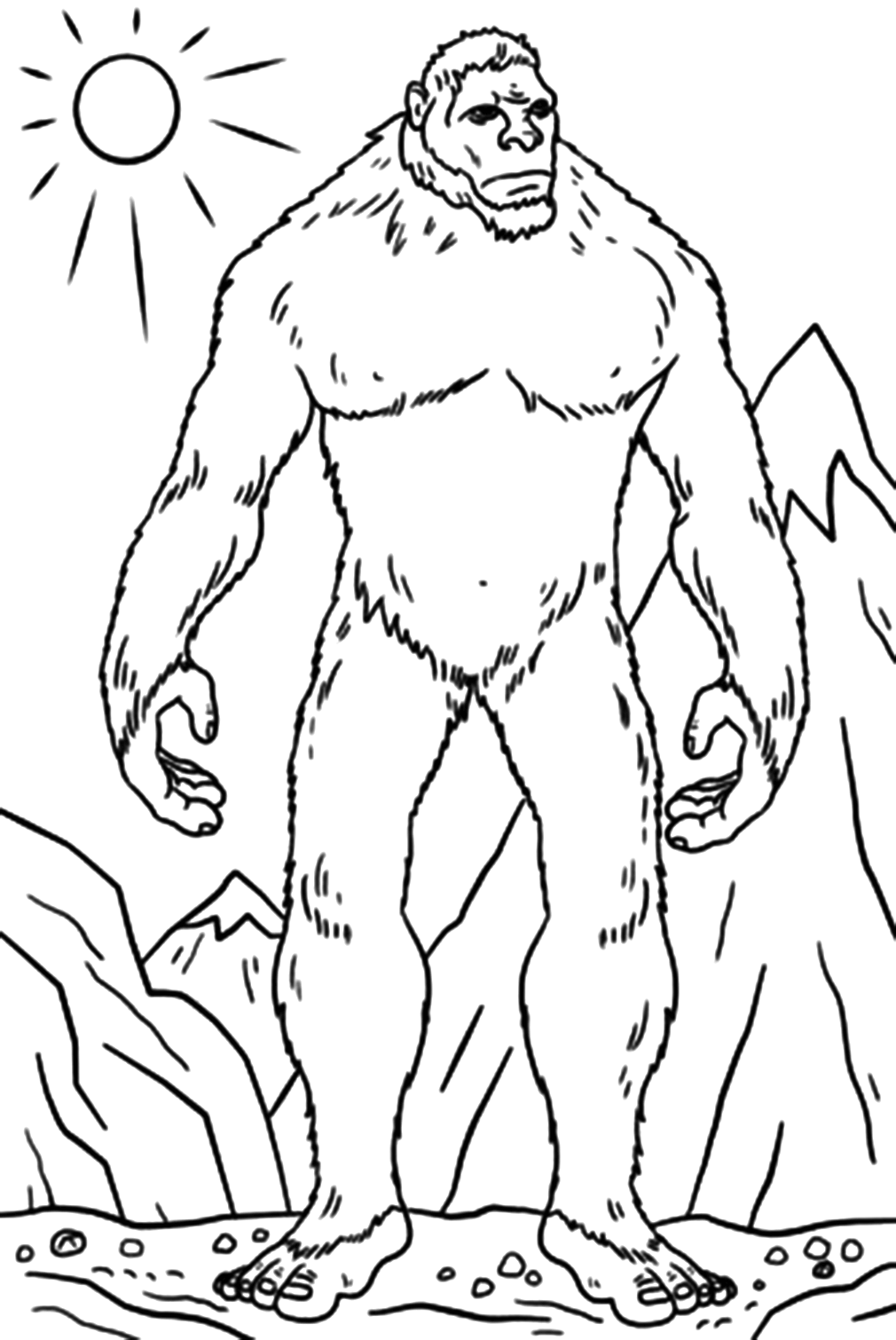
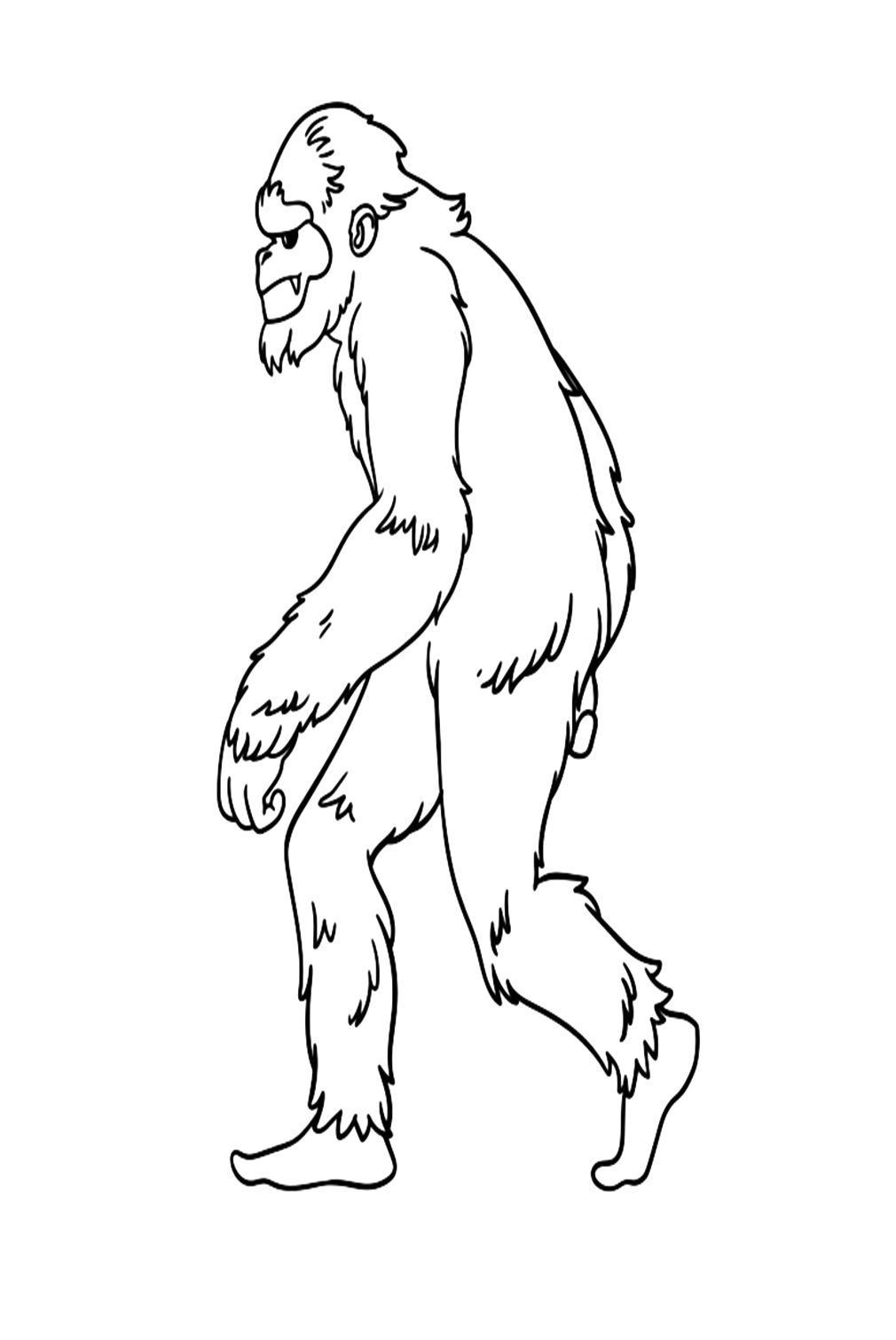
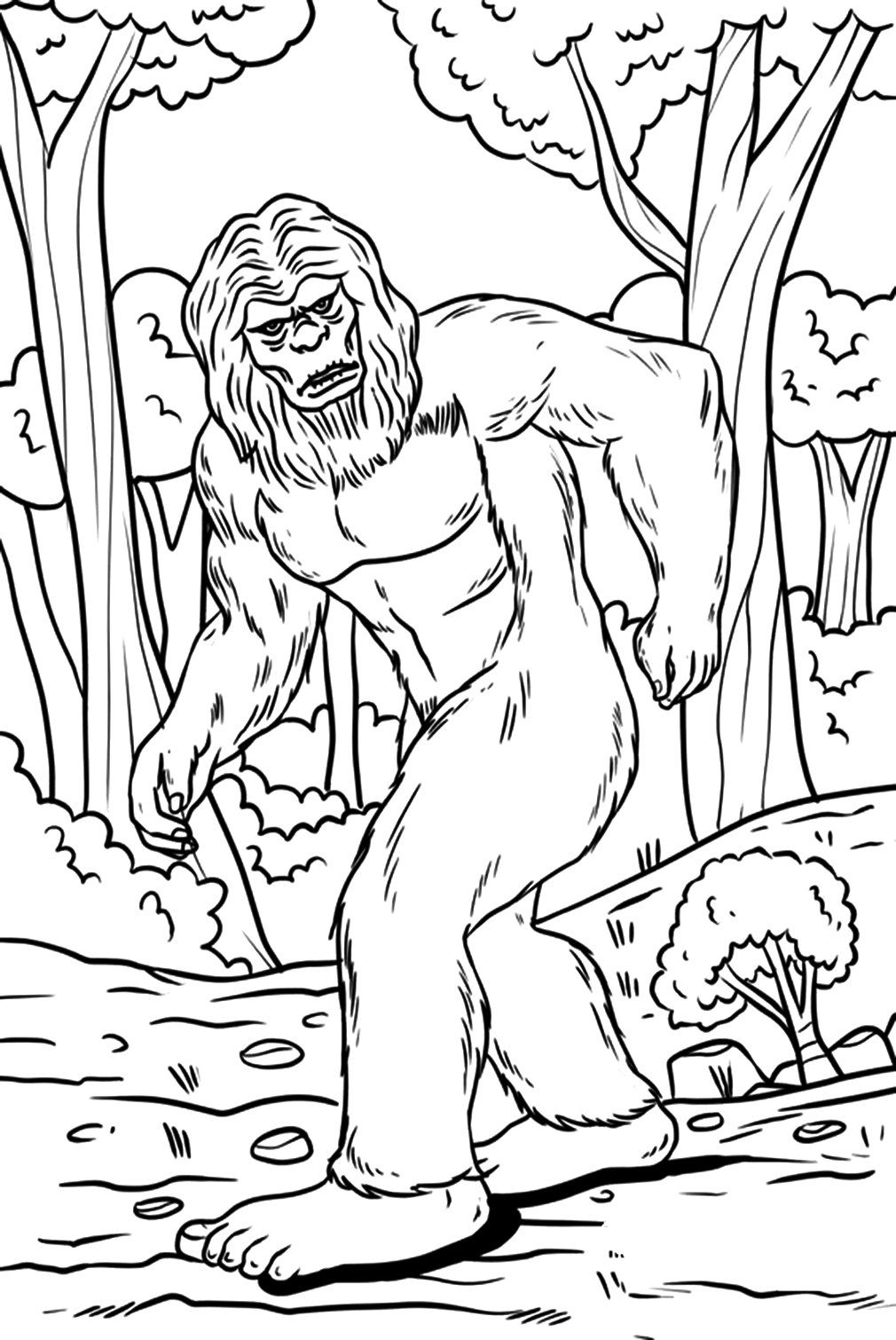
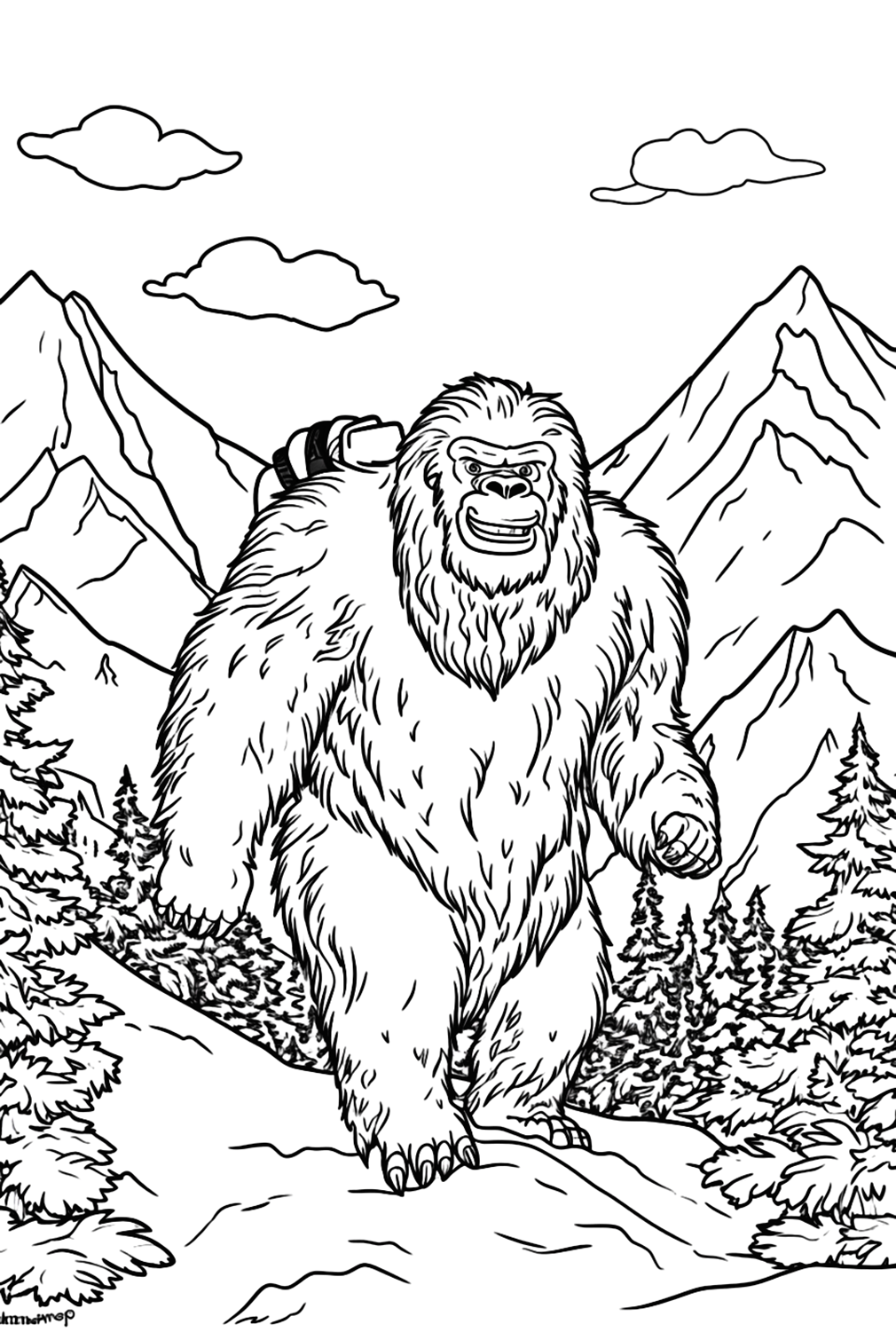
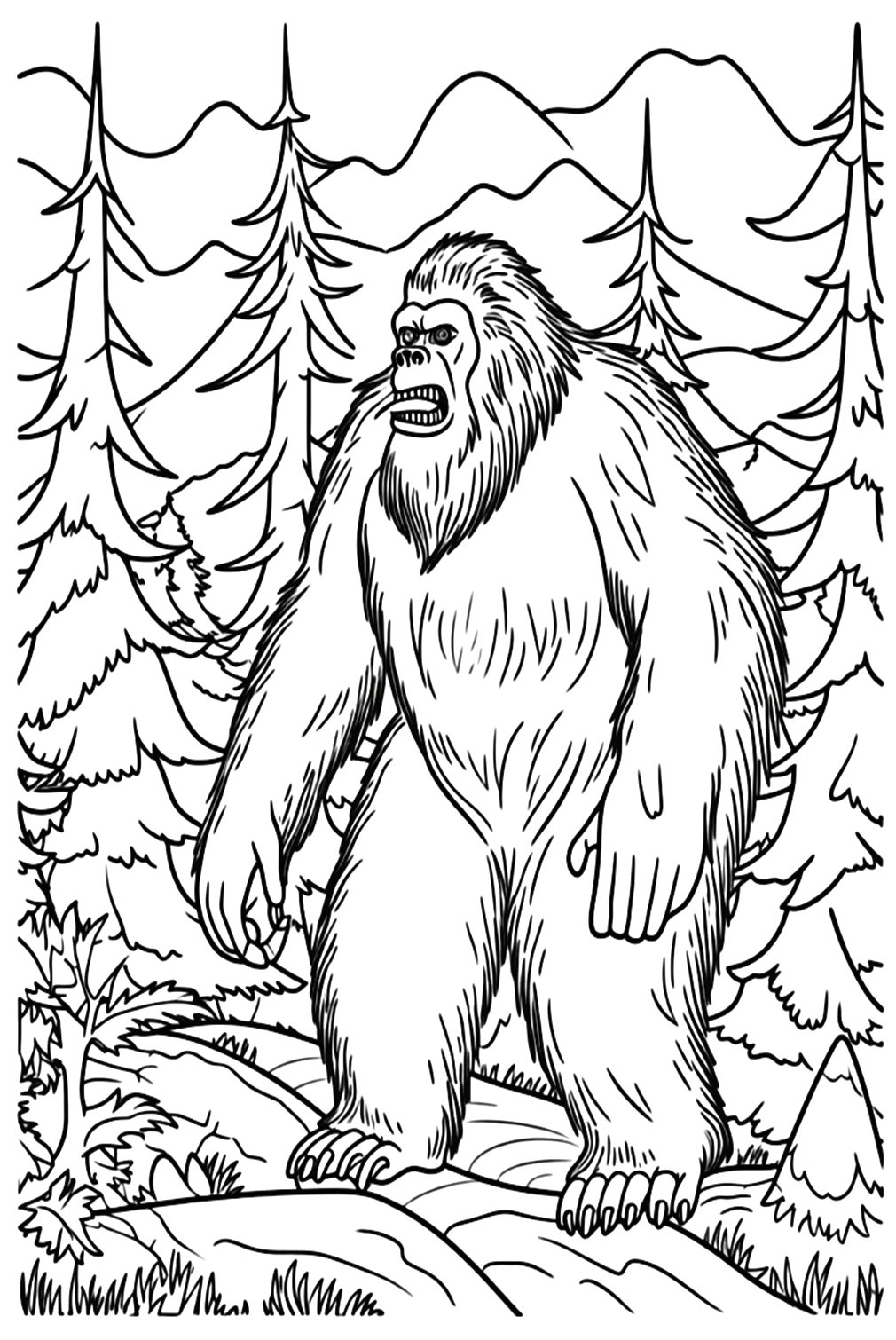
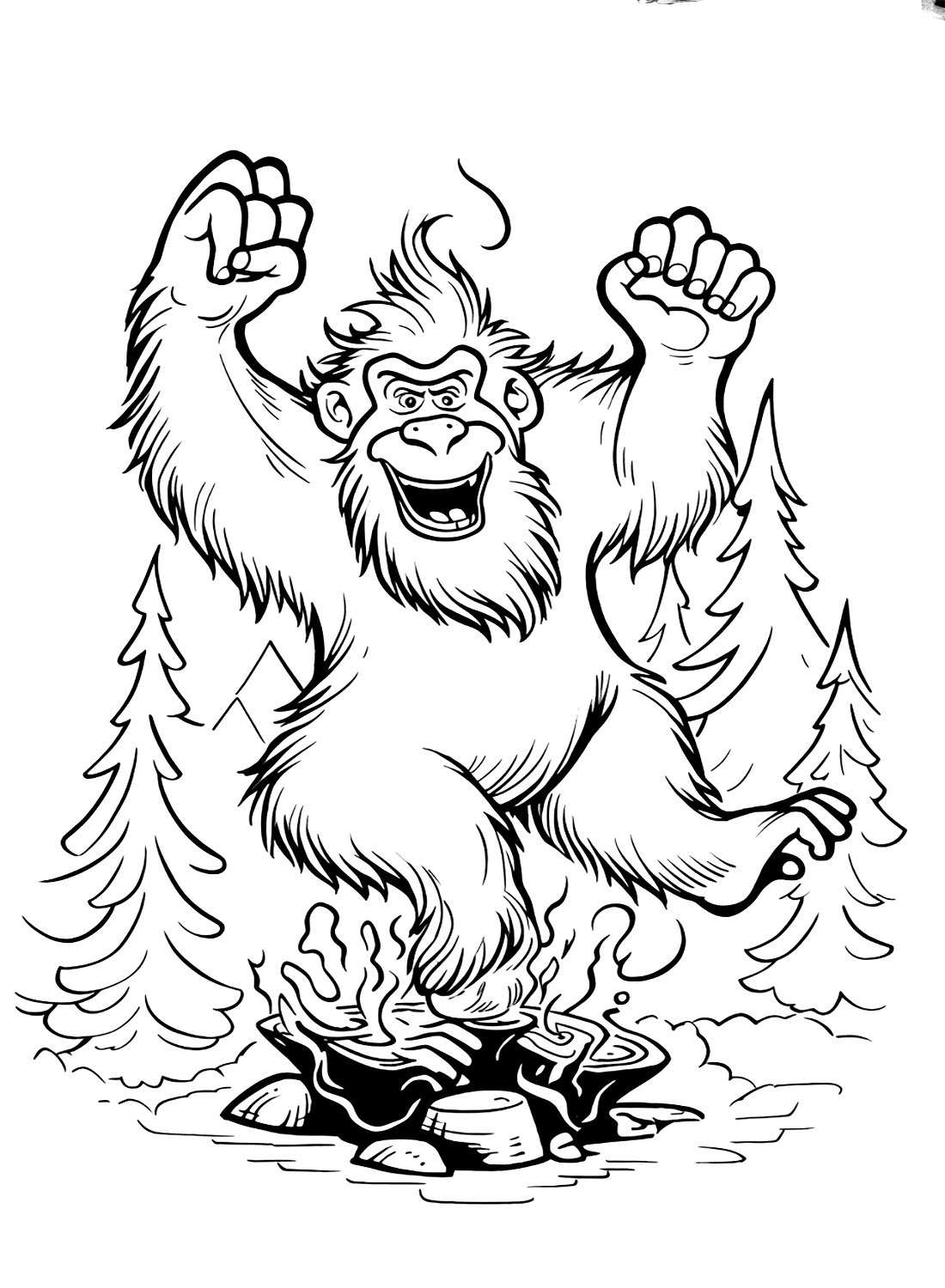
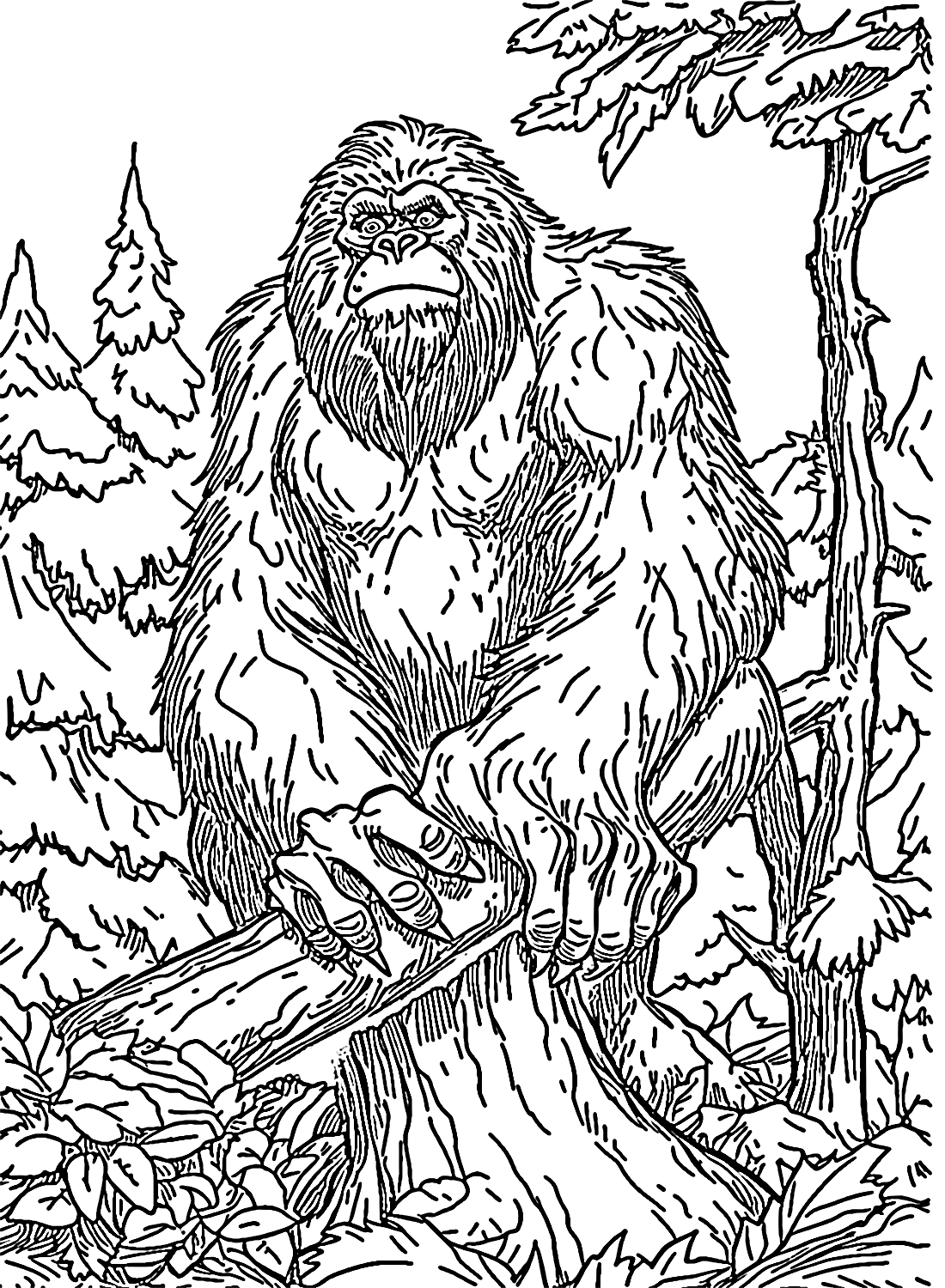
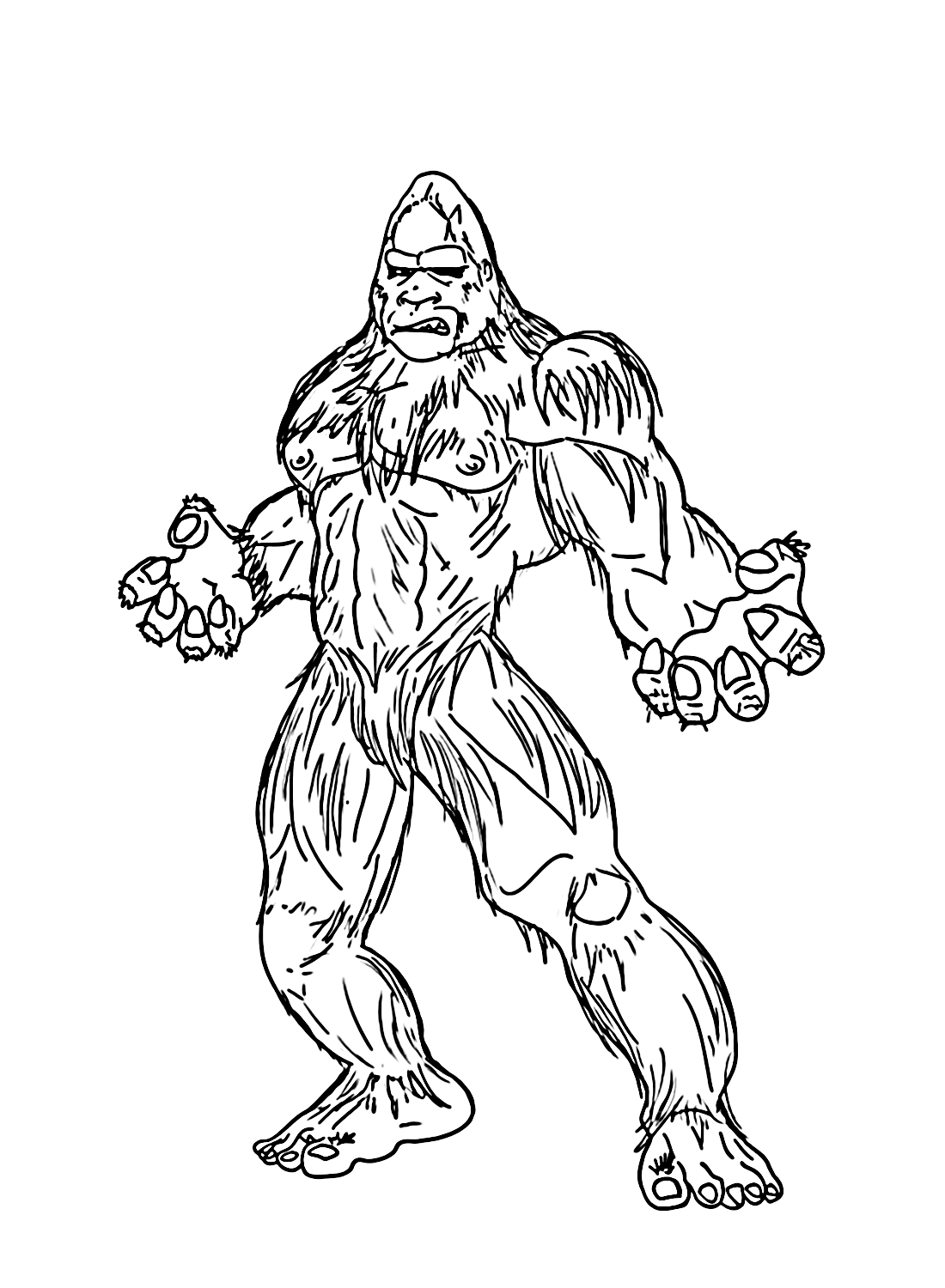
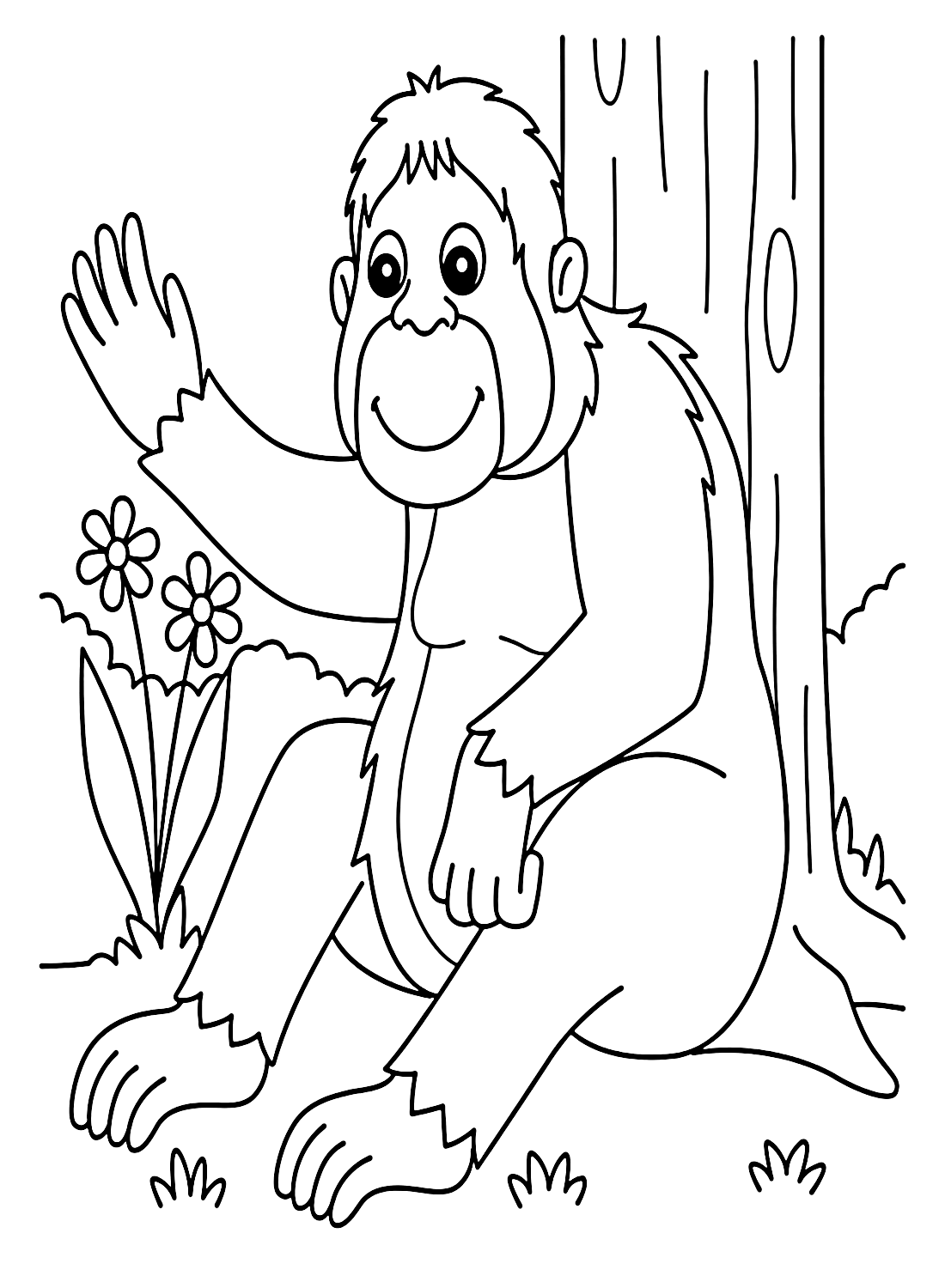
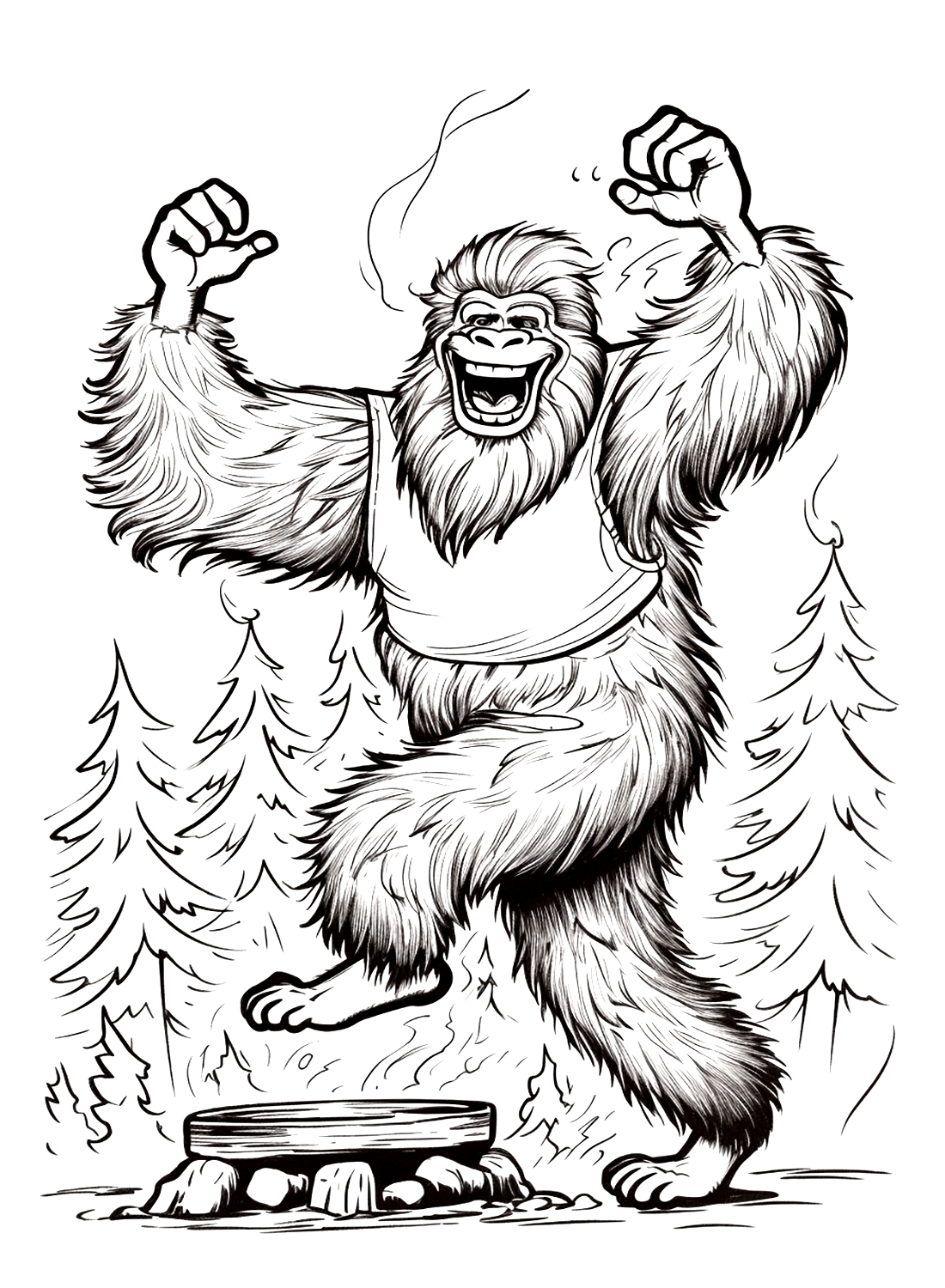
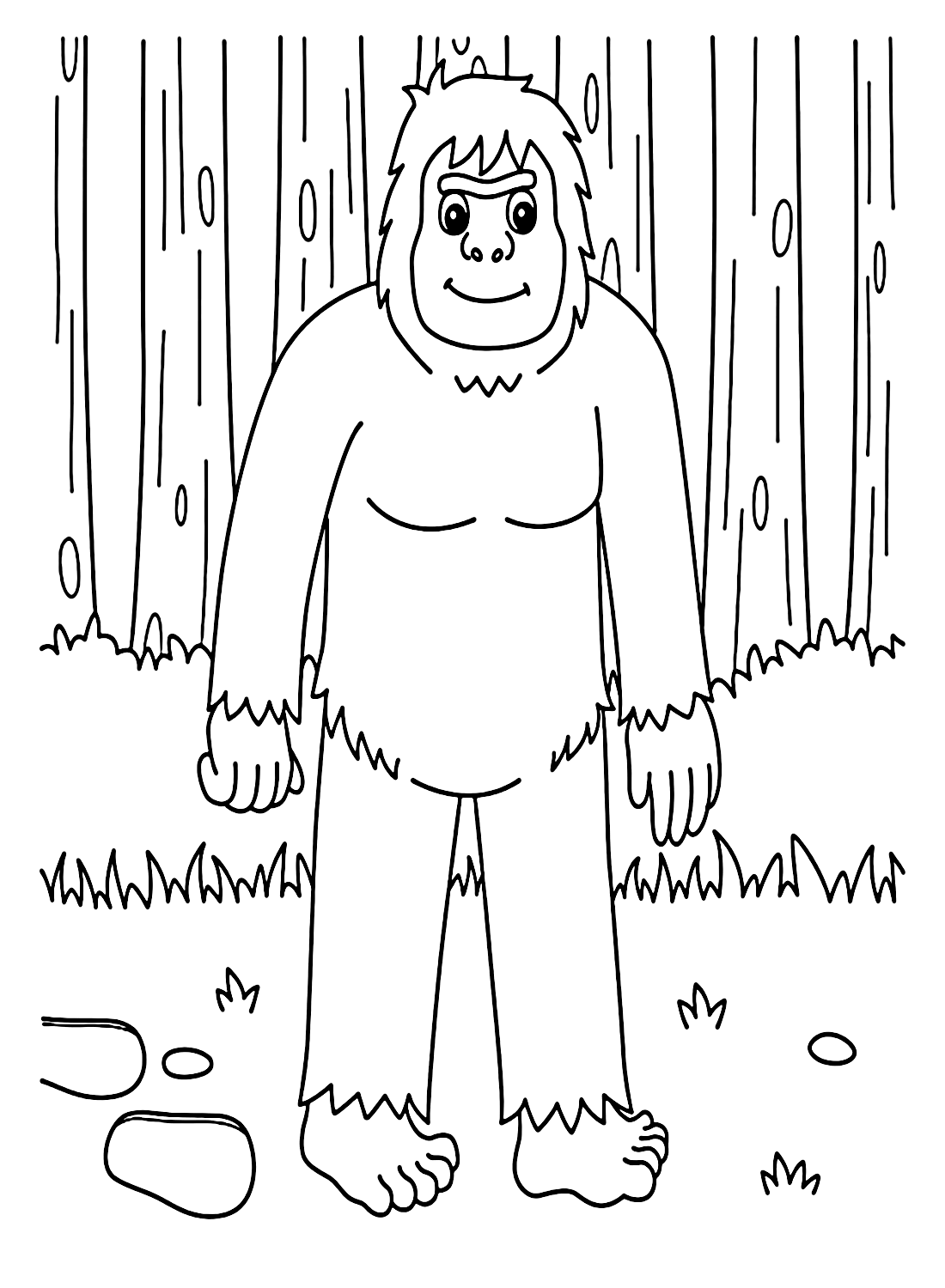
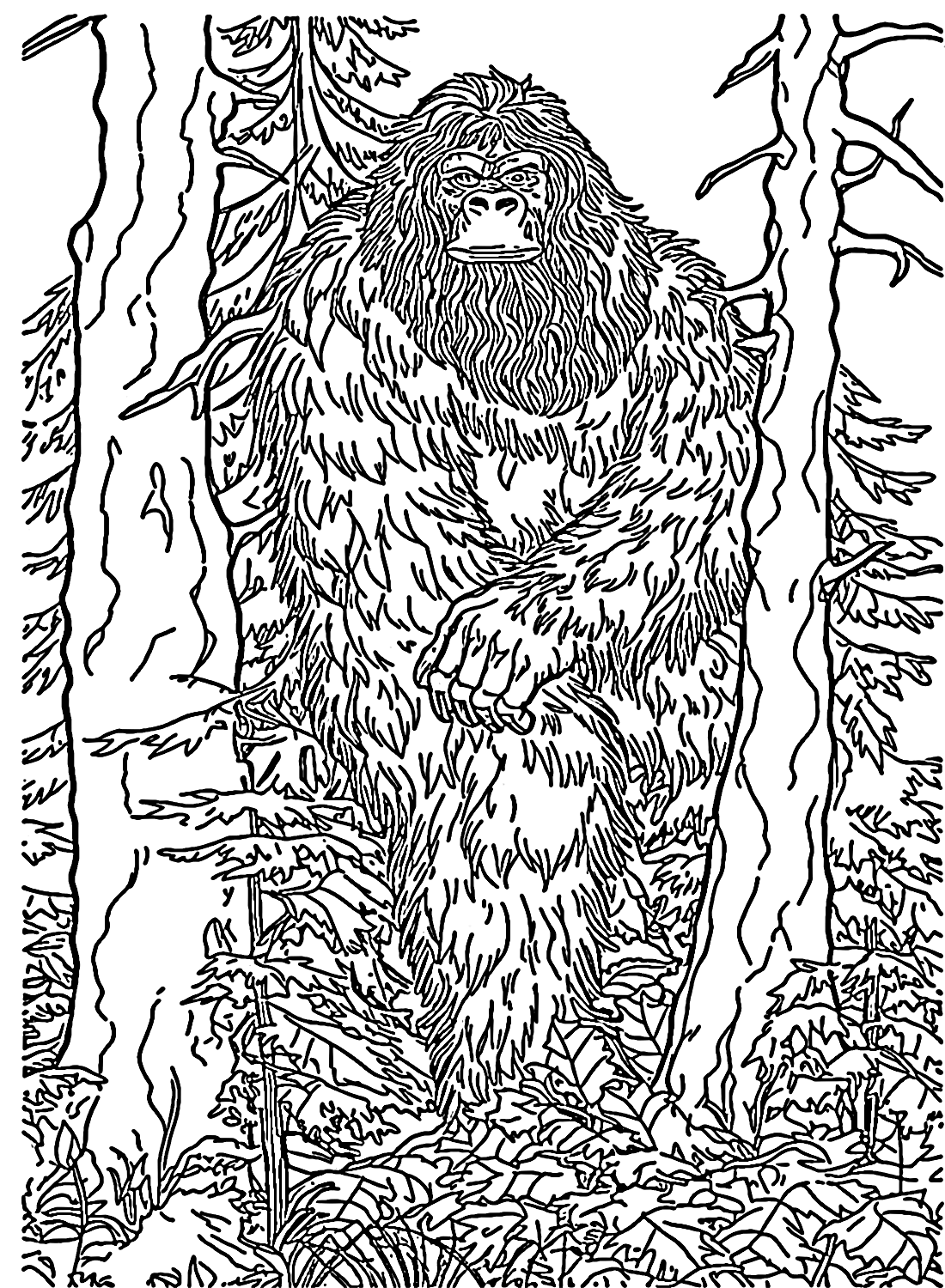
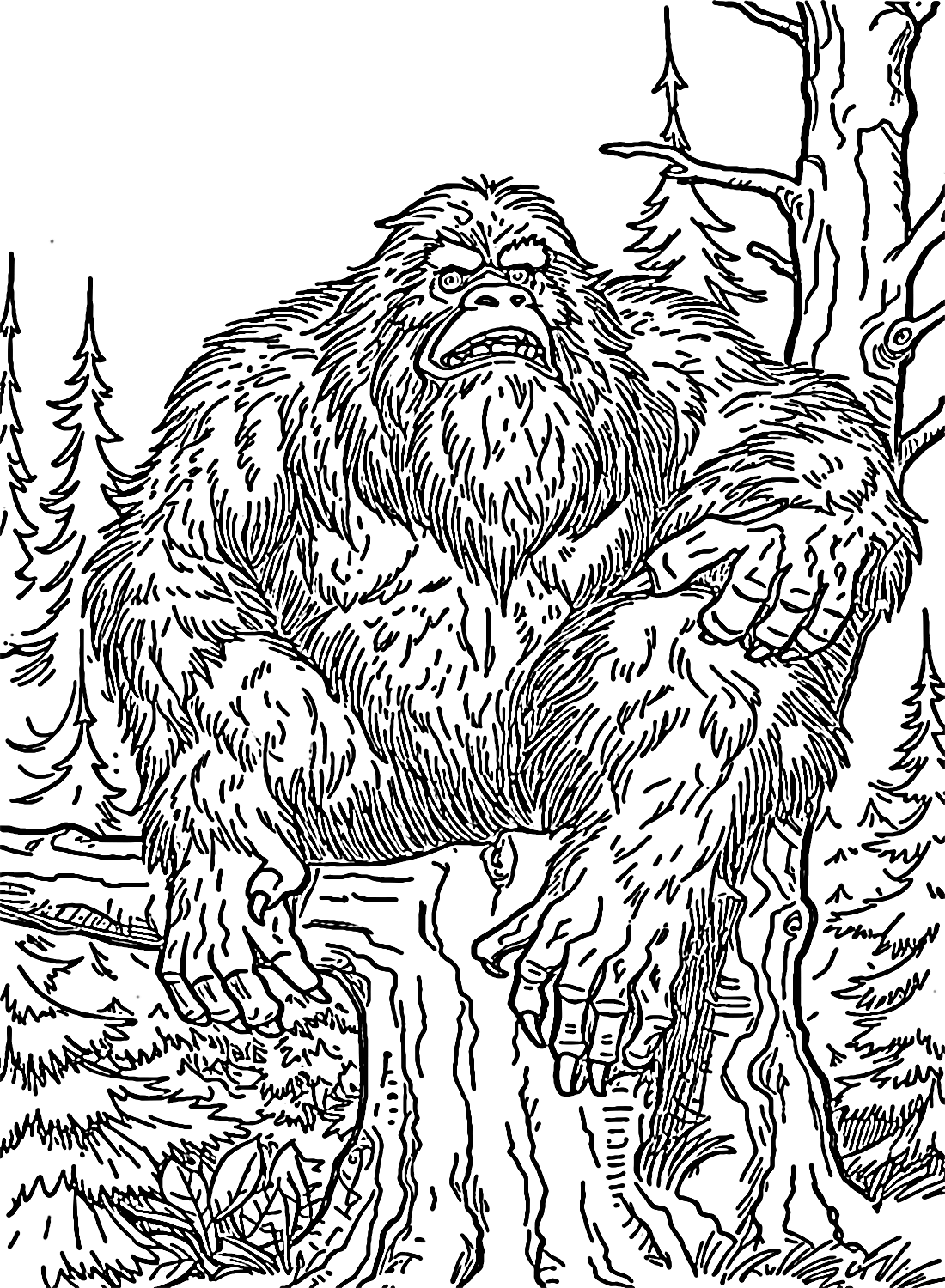
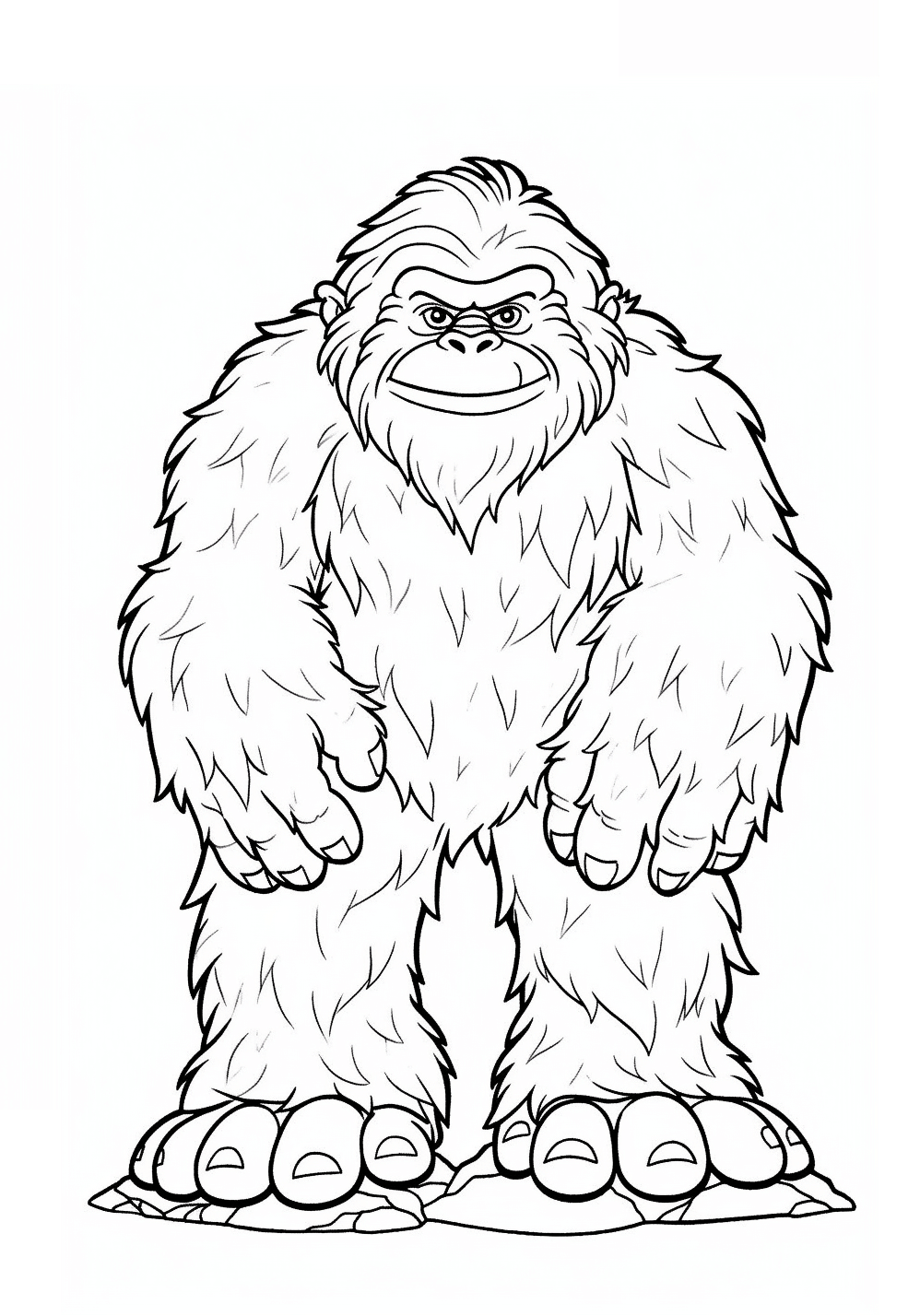
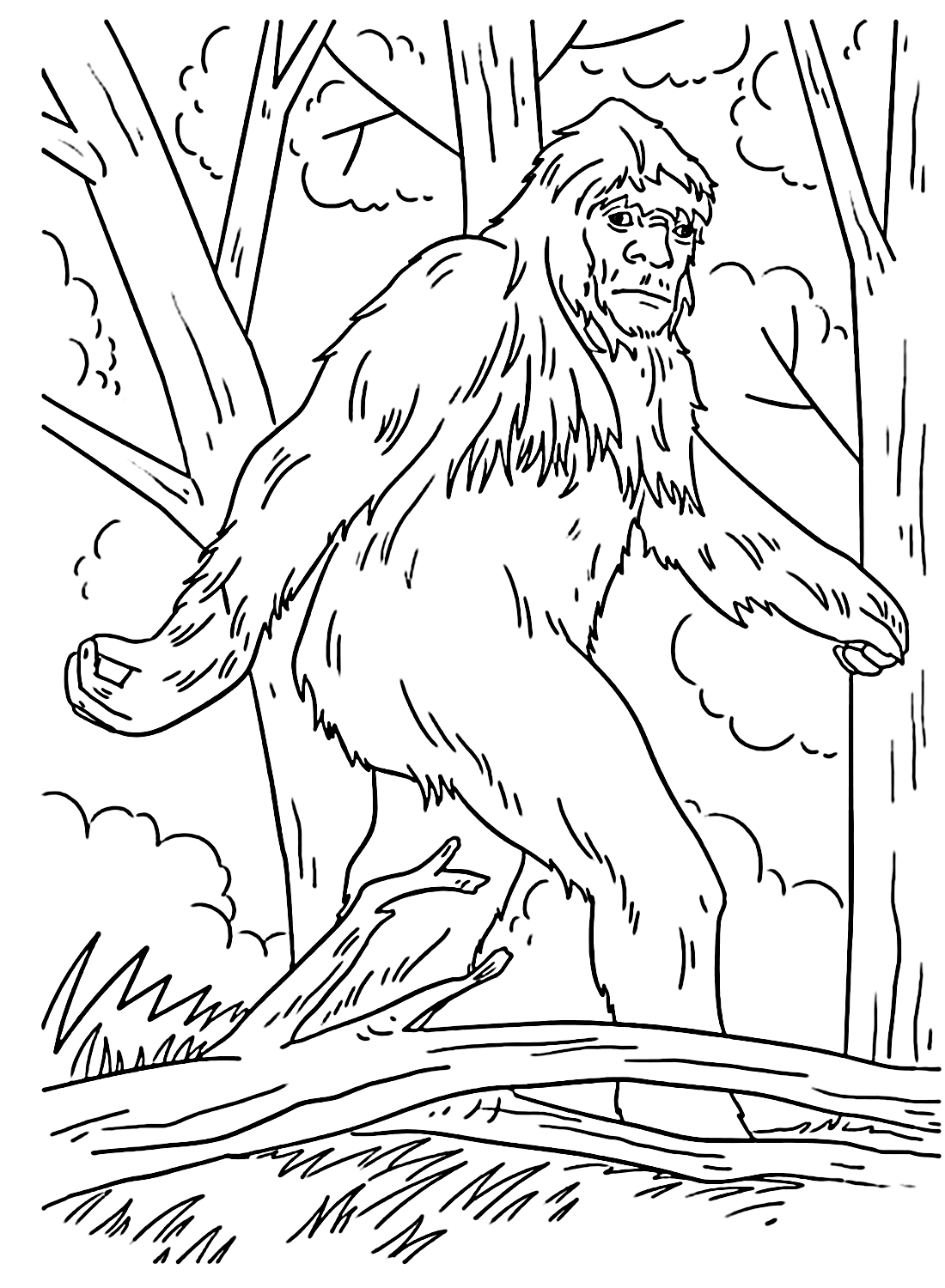
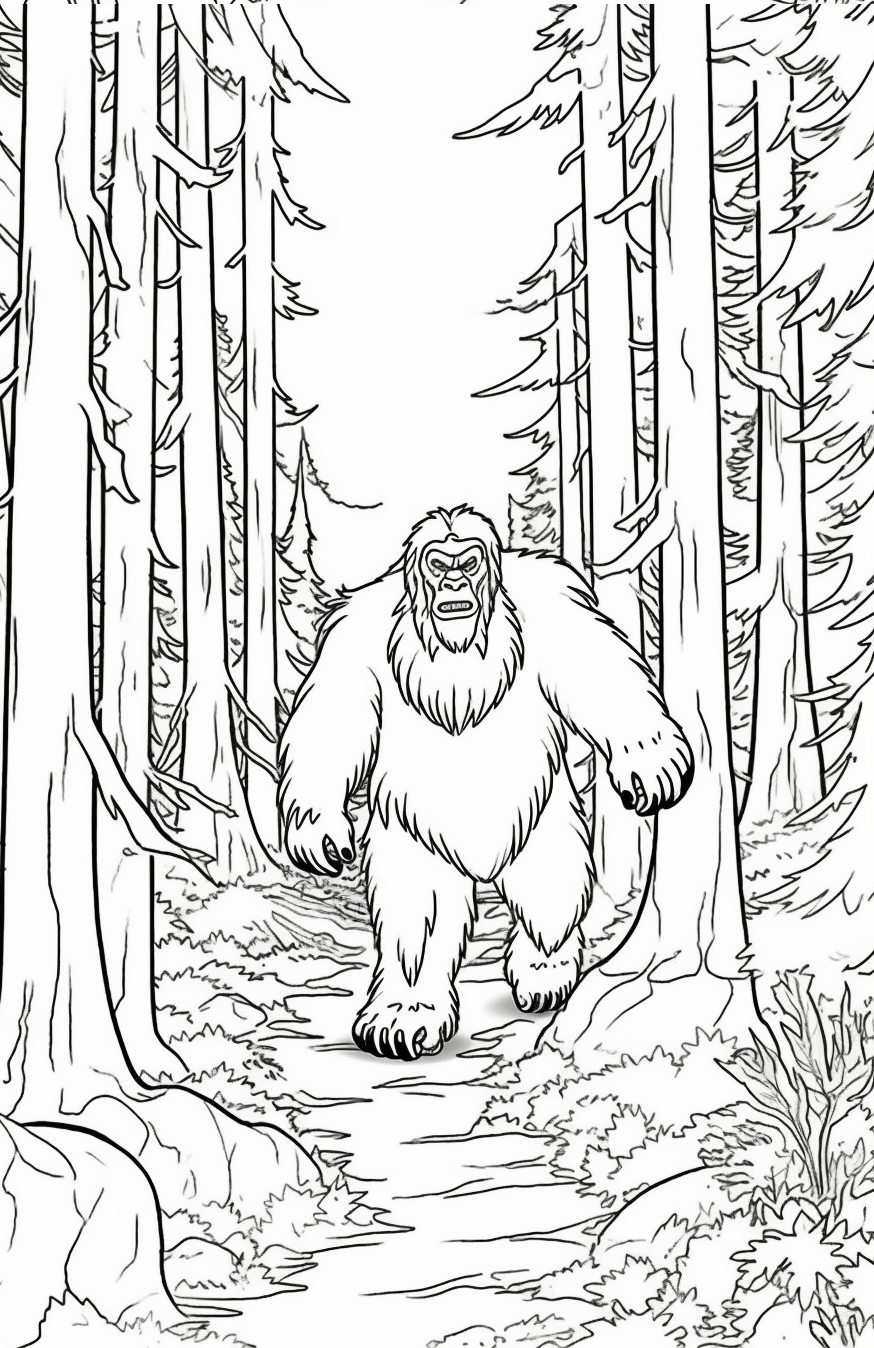
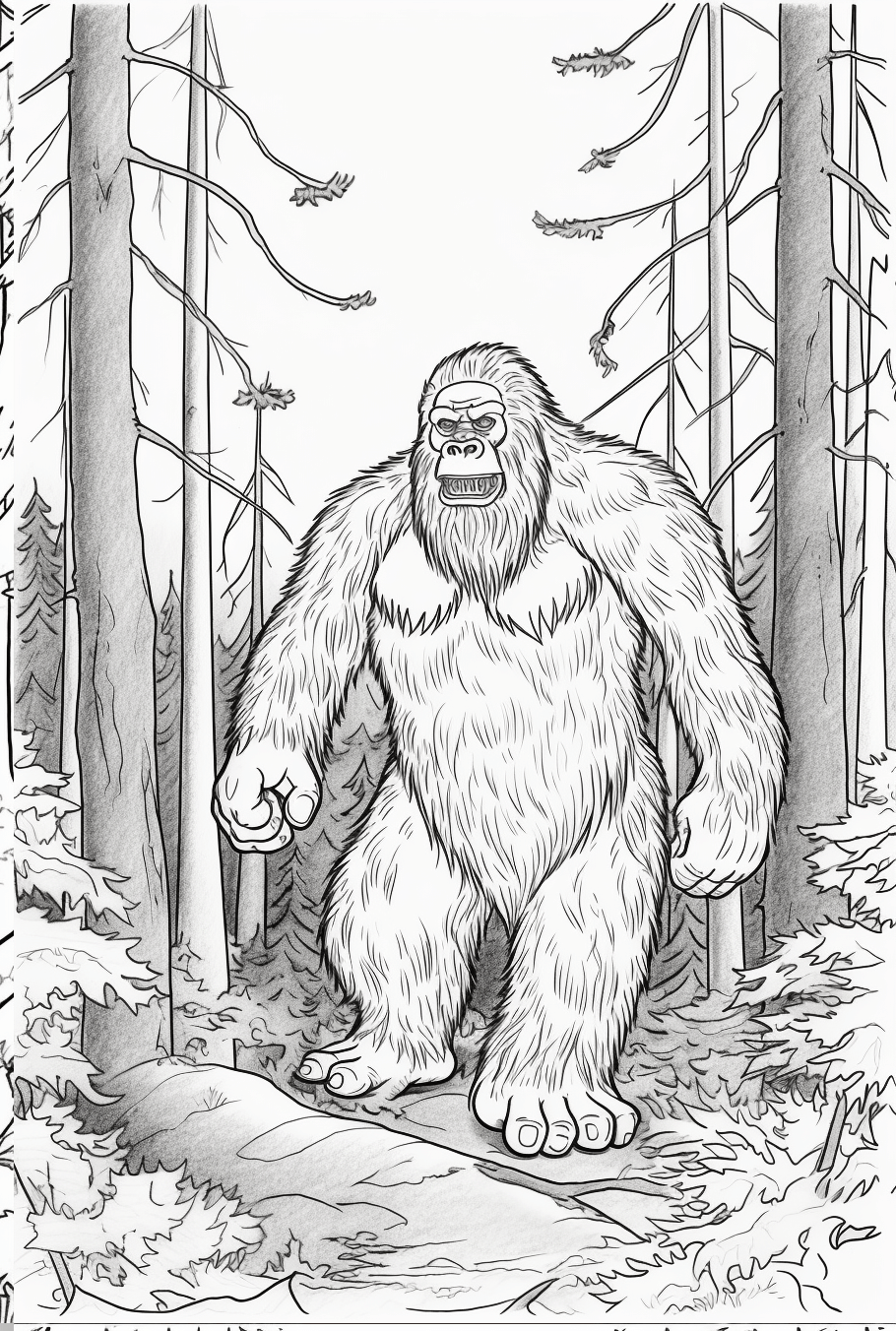
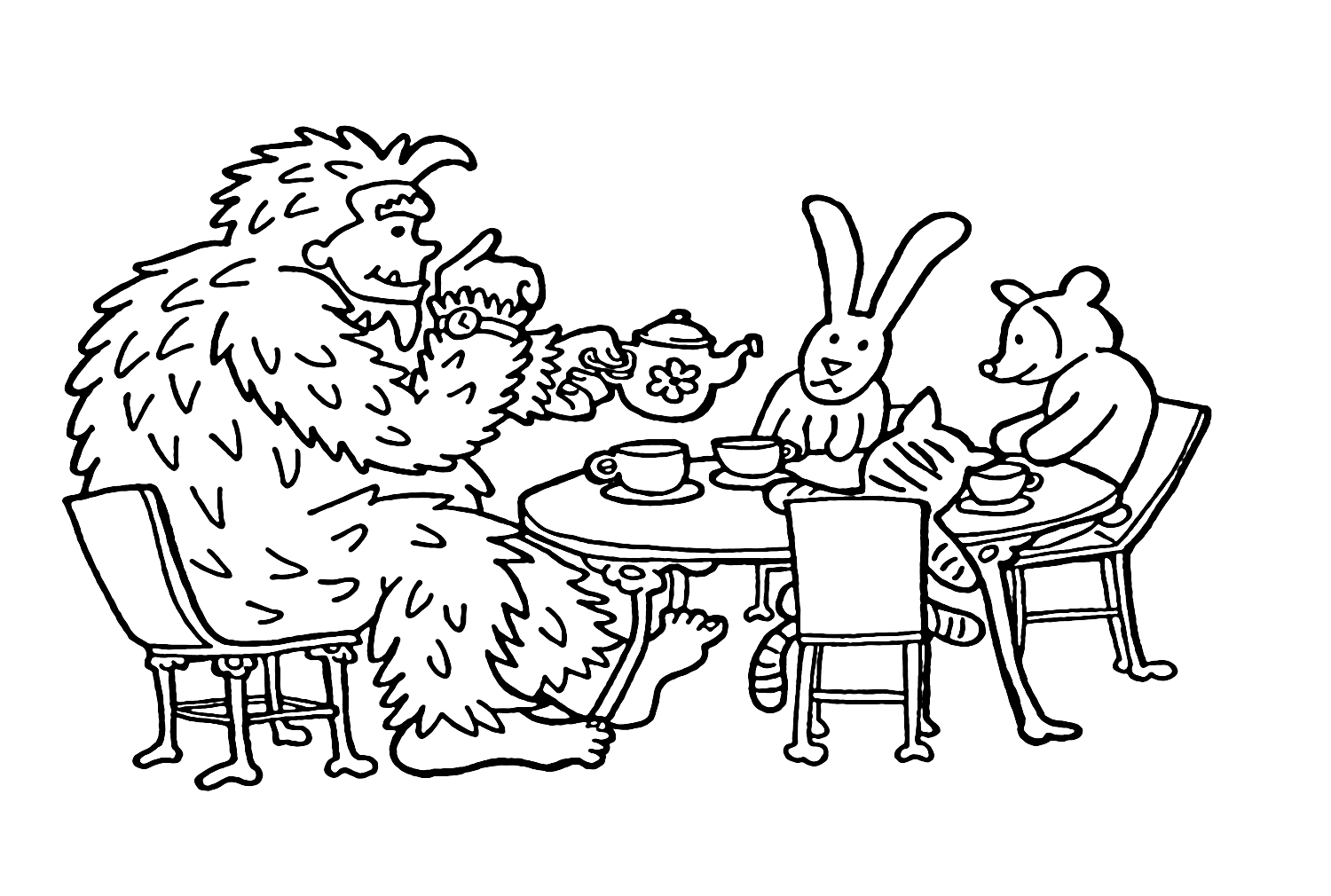
This collection reflects that mix of folklore and playful design across 36 pages: Bigfoot in action poses, forest scenes, mood and style variants, and classic solo portraits. A tall, hair-covered silhouette and a woodland setting are the throughline across nearly every page.
What Is Inside This Collection
The 36 pages are broken into four groups based on content.
Action and Movement Poses
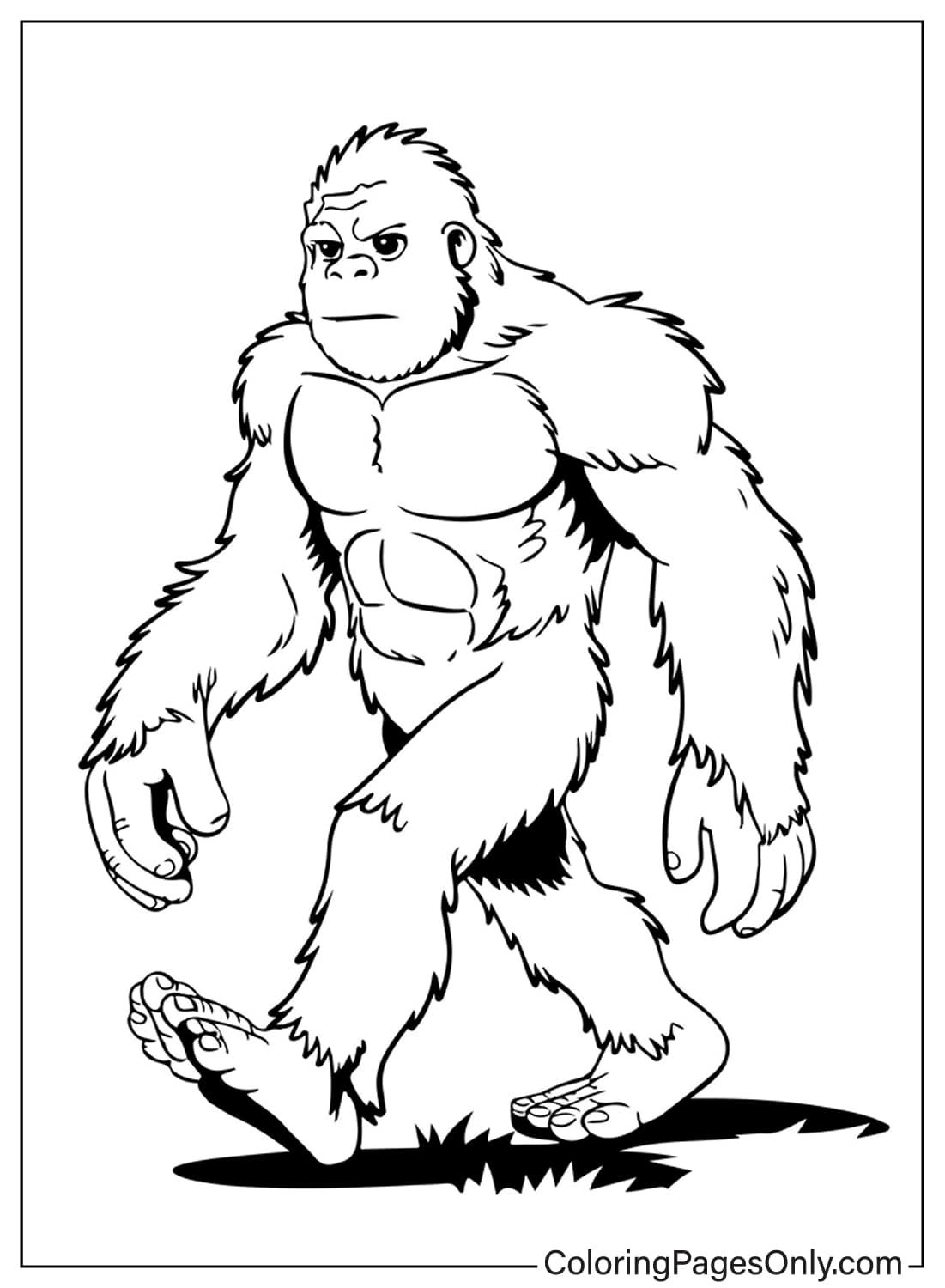
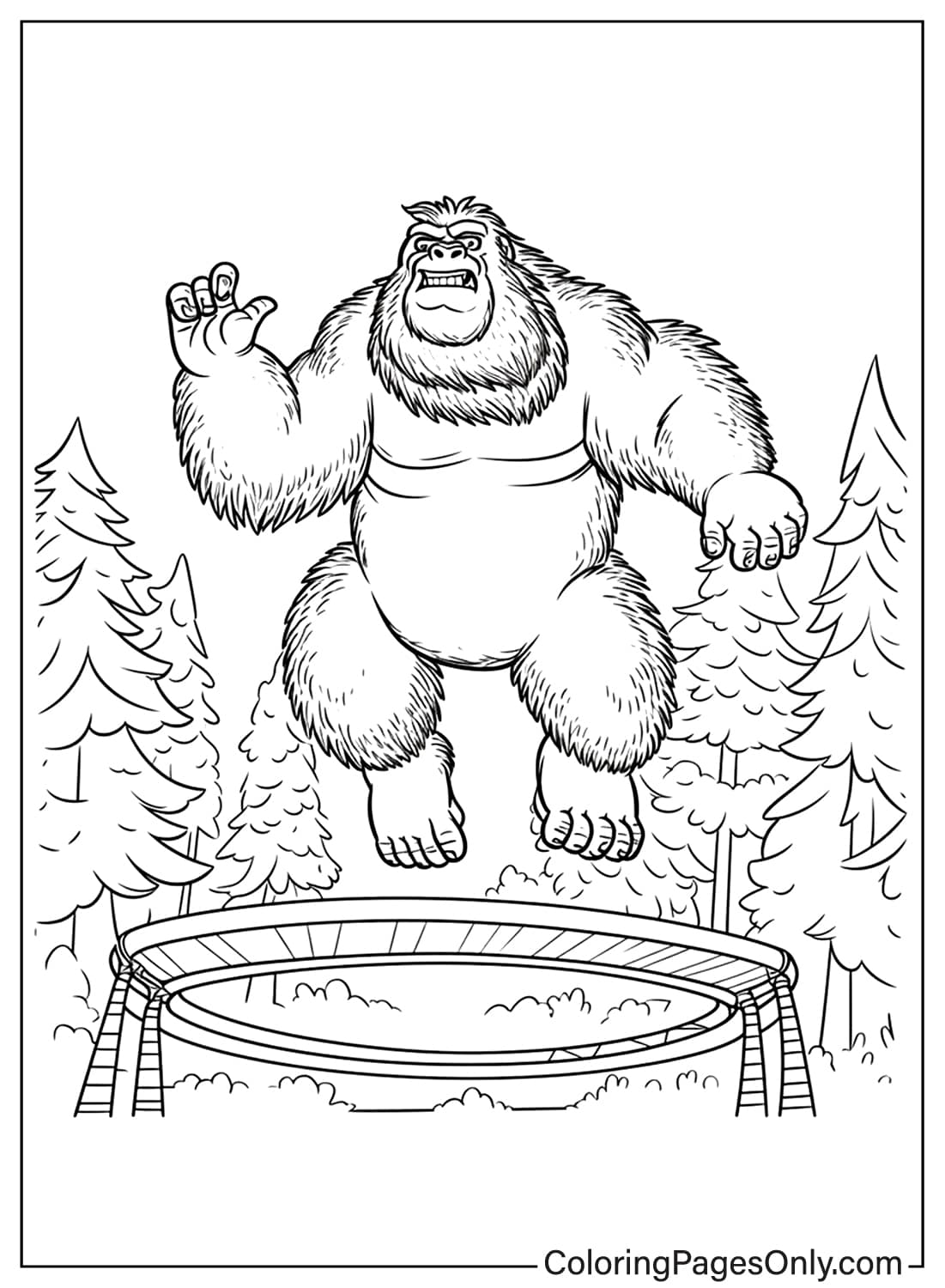
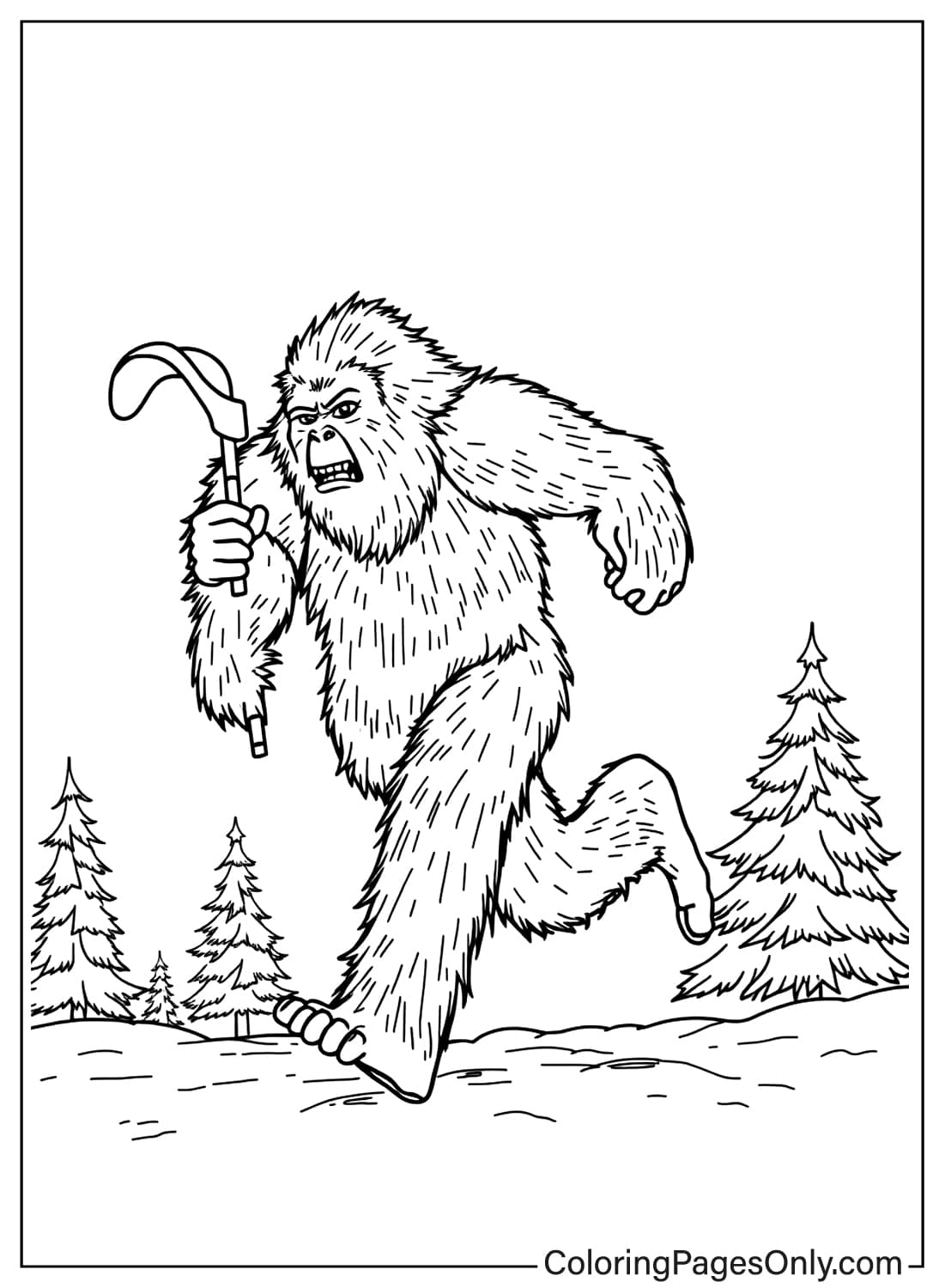
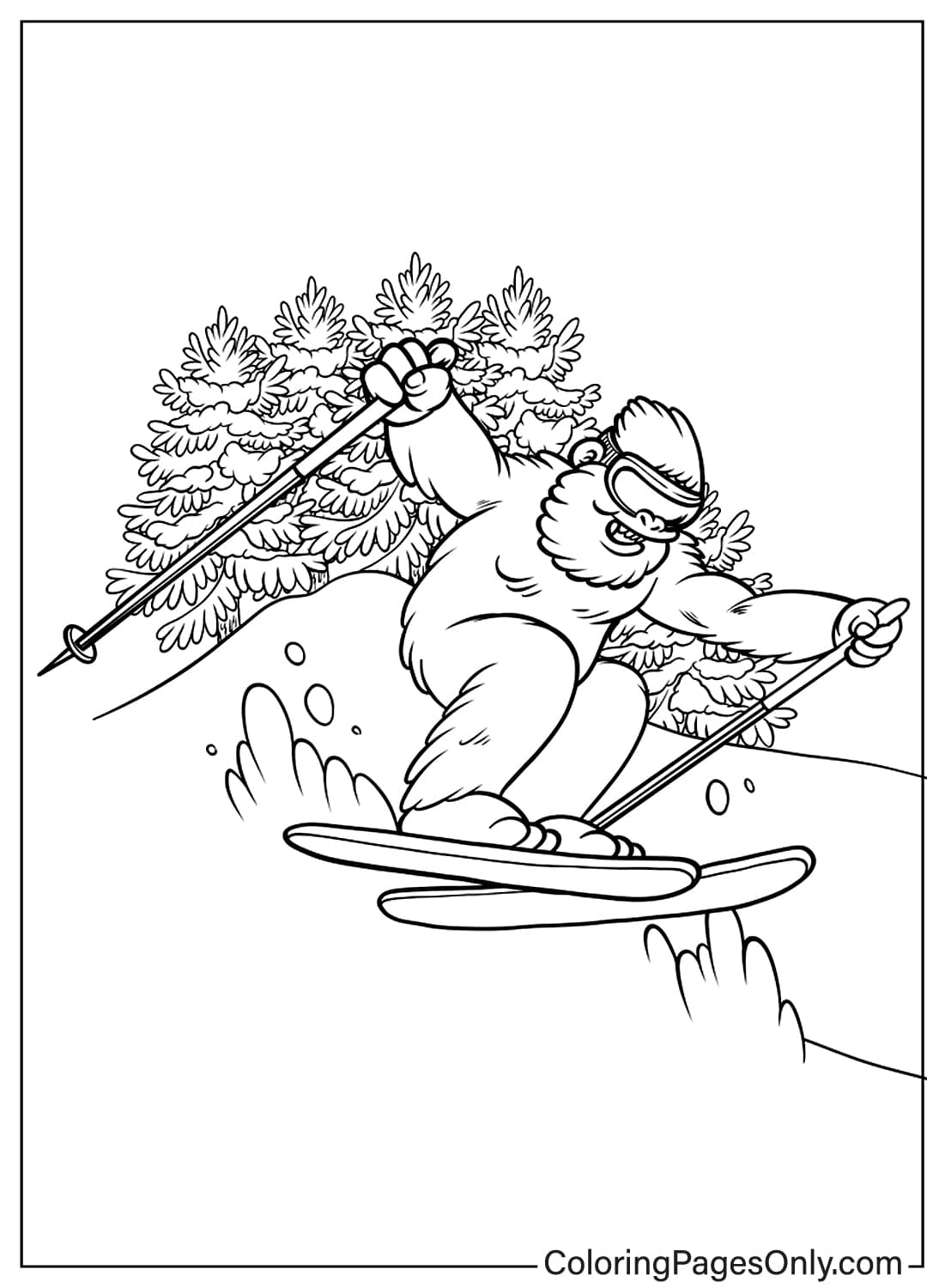
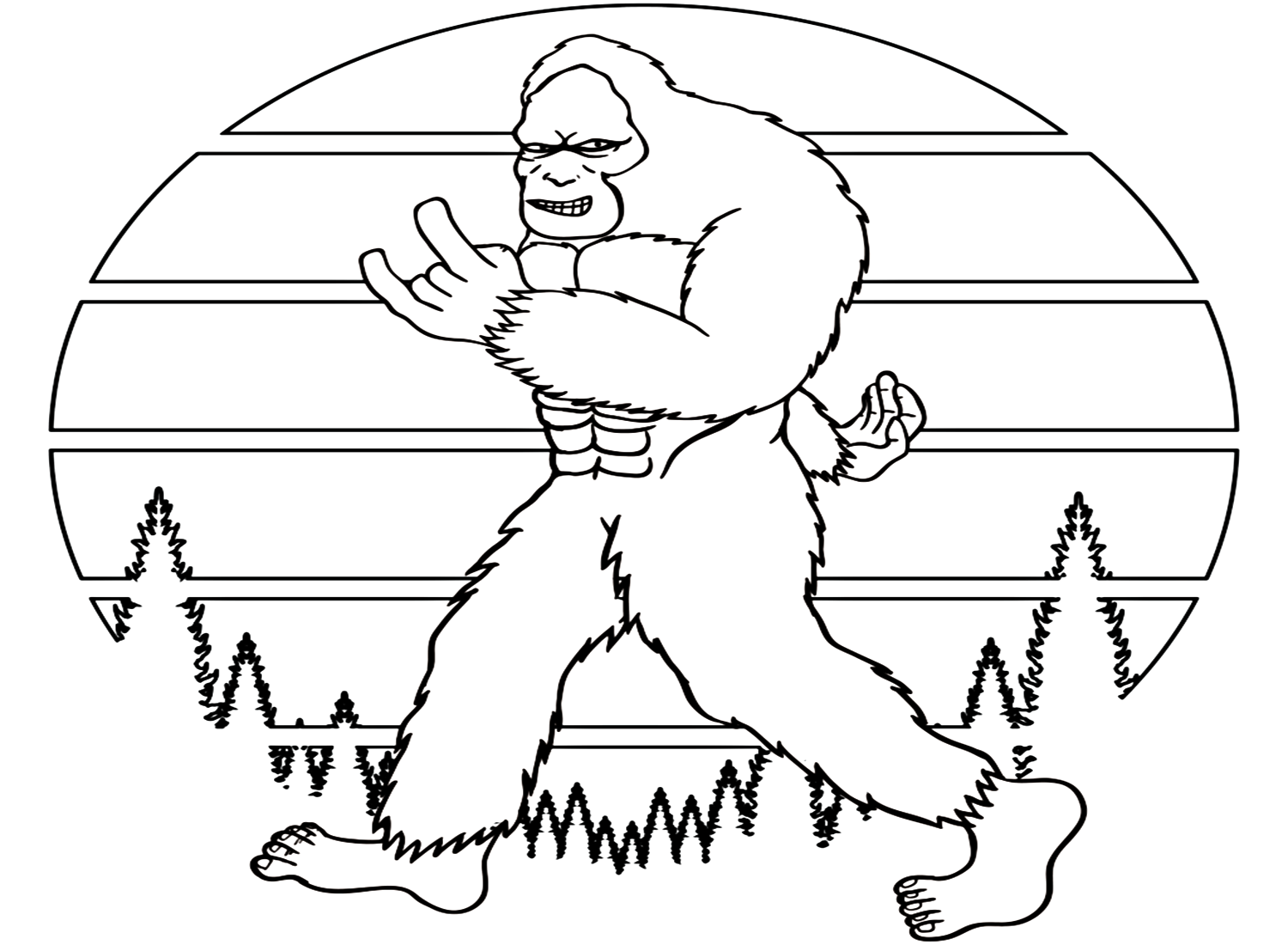
Four pages show Bigfoot in motion, including walking, jumping, running, and skiing. Color suggestion: Use a slightly darker shade along the edges of the fur to suggest movement and depth as the figure strides or leaps across the page.
Forest Scenes
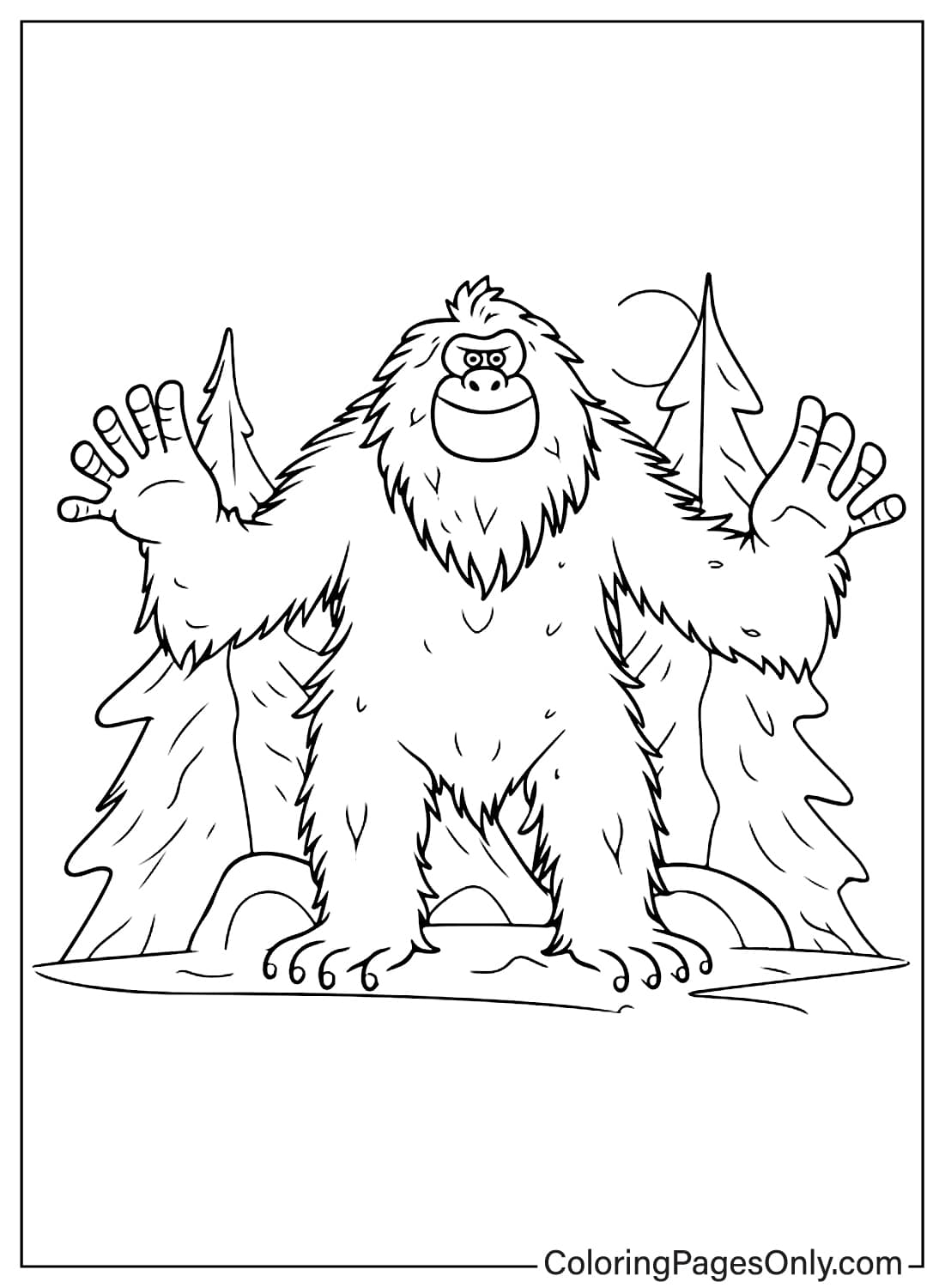
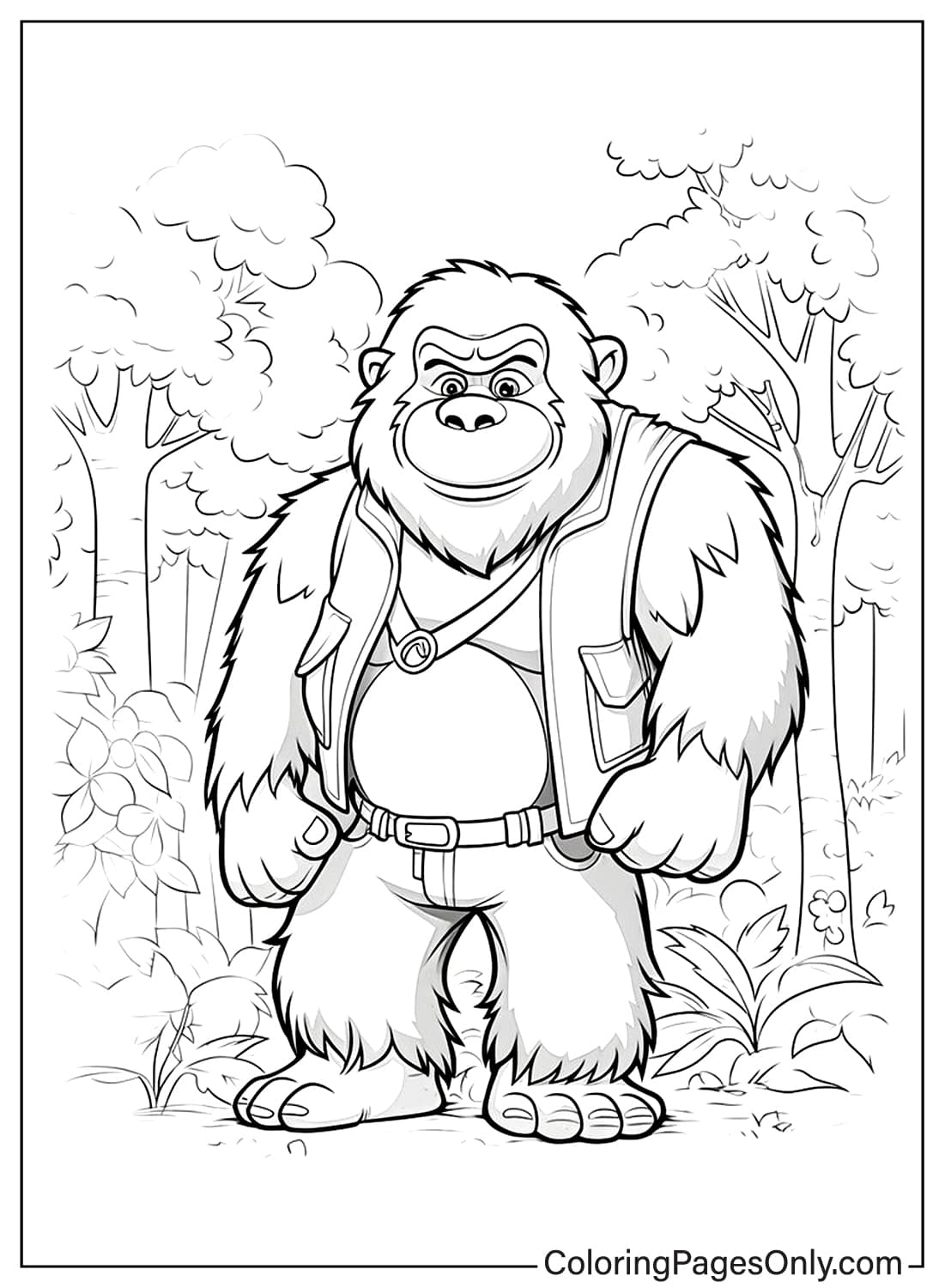
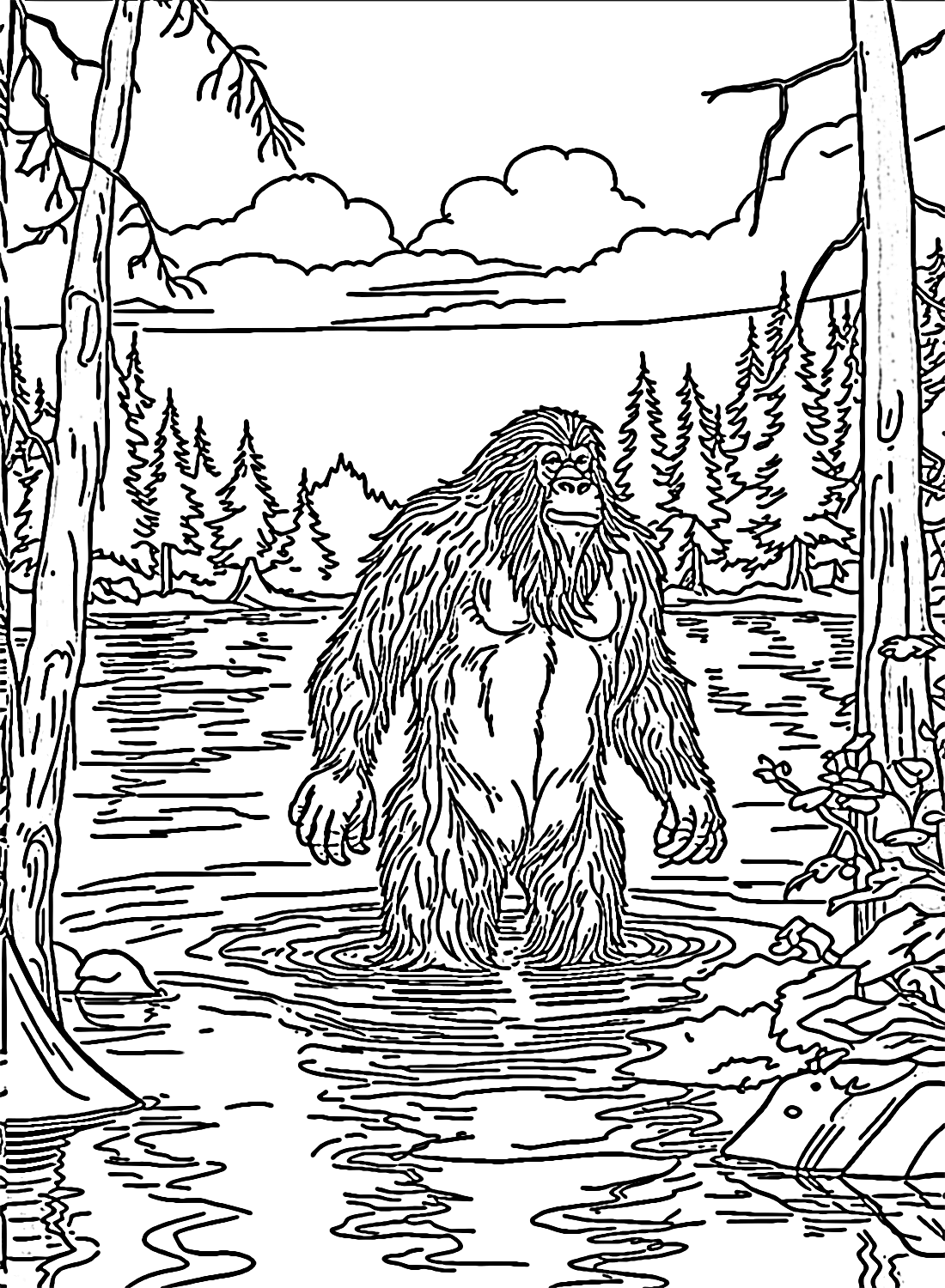
Two pages set Bigfoot directly within a wooded backdrop, tying the figure to its legendary forest habitat. Color suggestion: layer several shades of green for the trees so the forest reads as a real setting rather than a flat background.
Mood and Style Variants
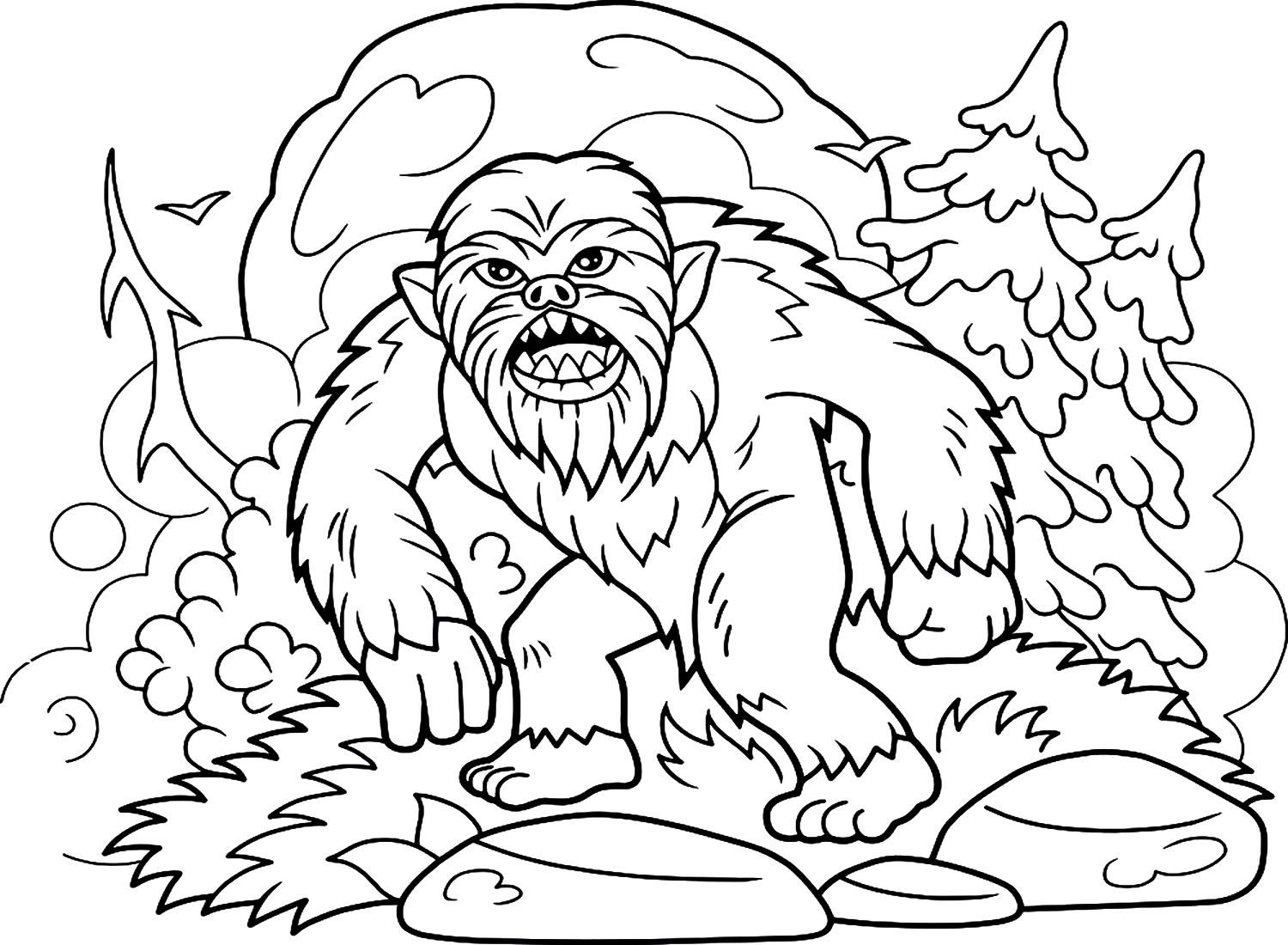
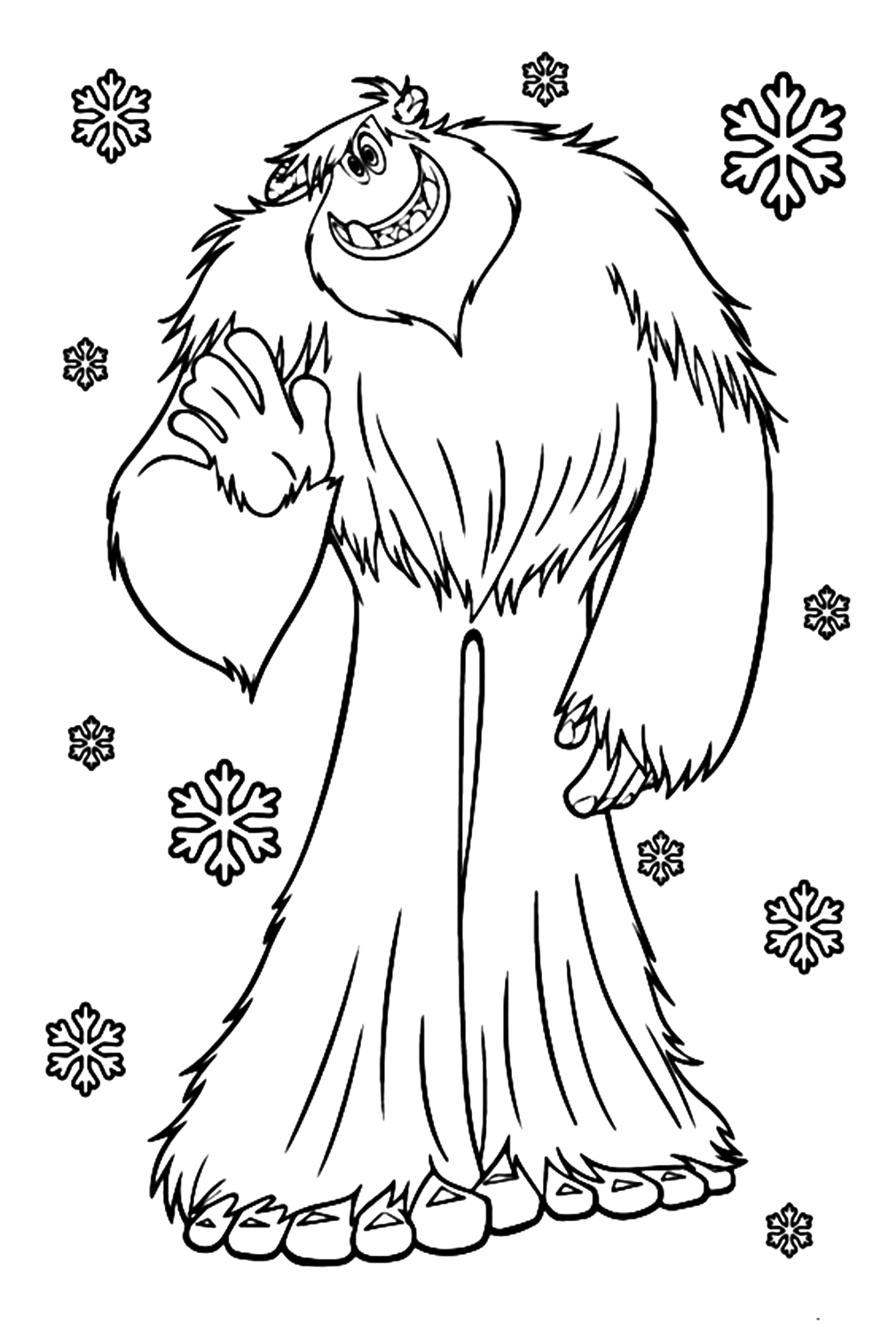
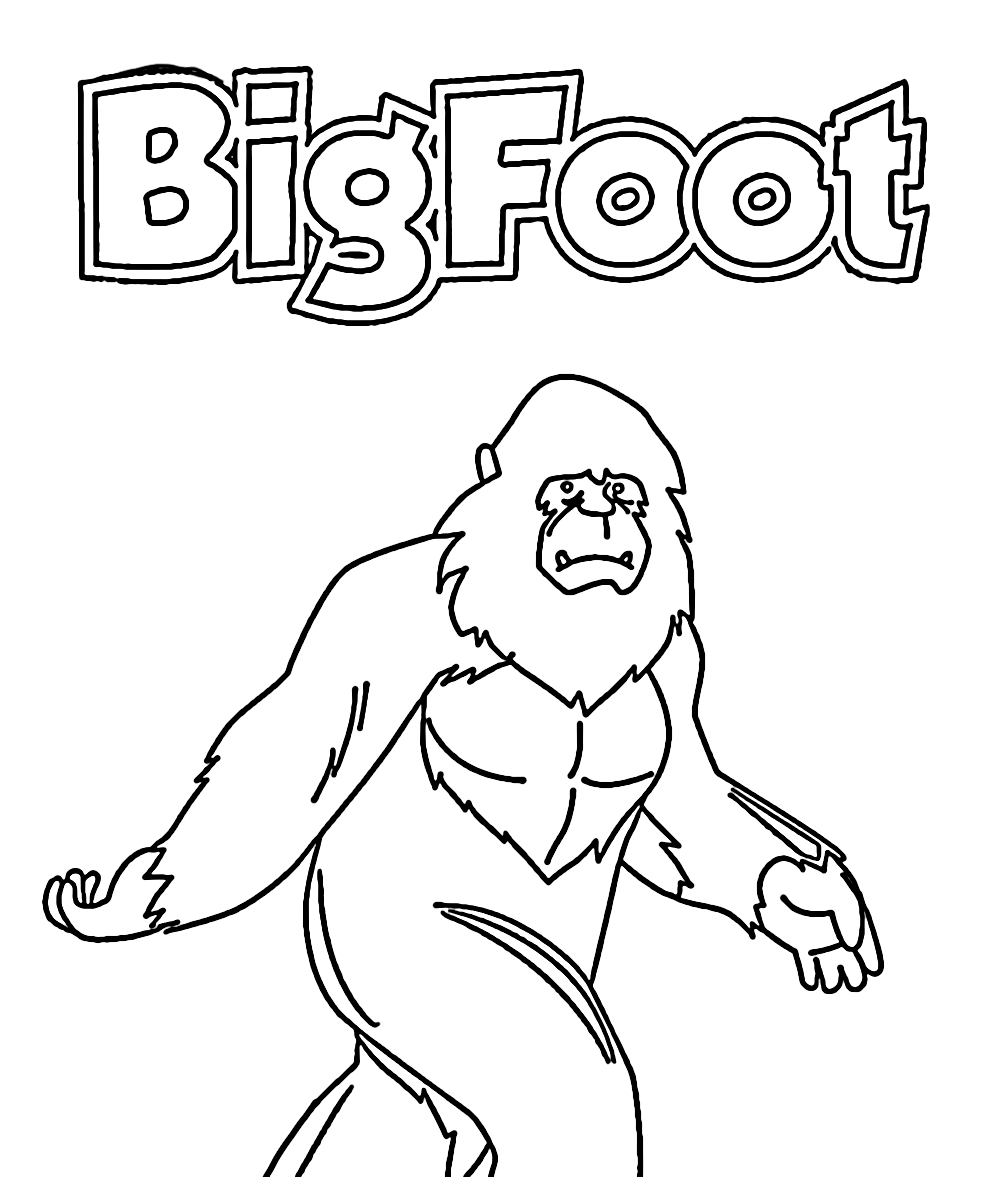
Six pages take a distinct tone or style, including a scary version, a cute version, an oversized “huge” design, and a more classic Sasquatch-style portrait. Color suggestion: let the mood guide the palette, warmer and brighter tones for the cute and happy designs, cooler and darker tones for the scarier version.
Classic Solo Portraits
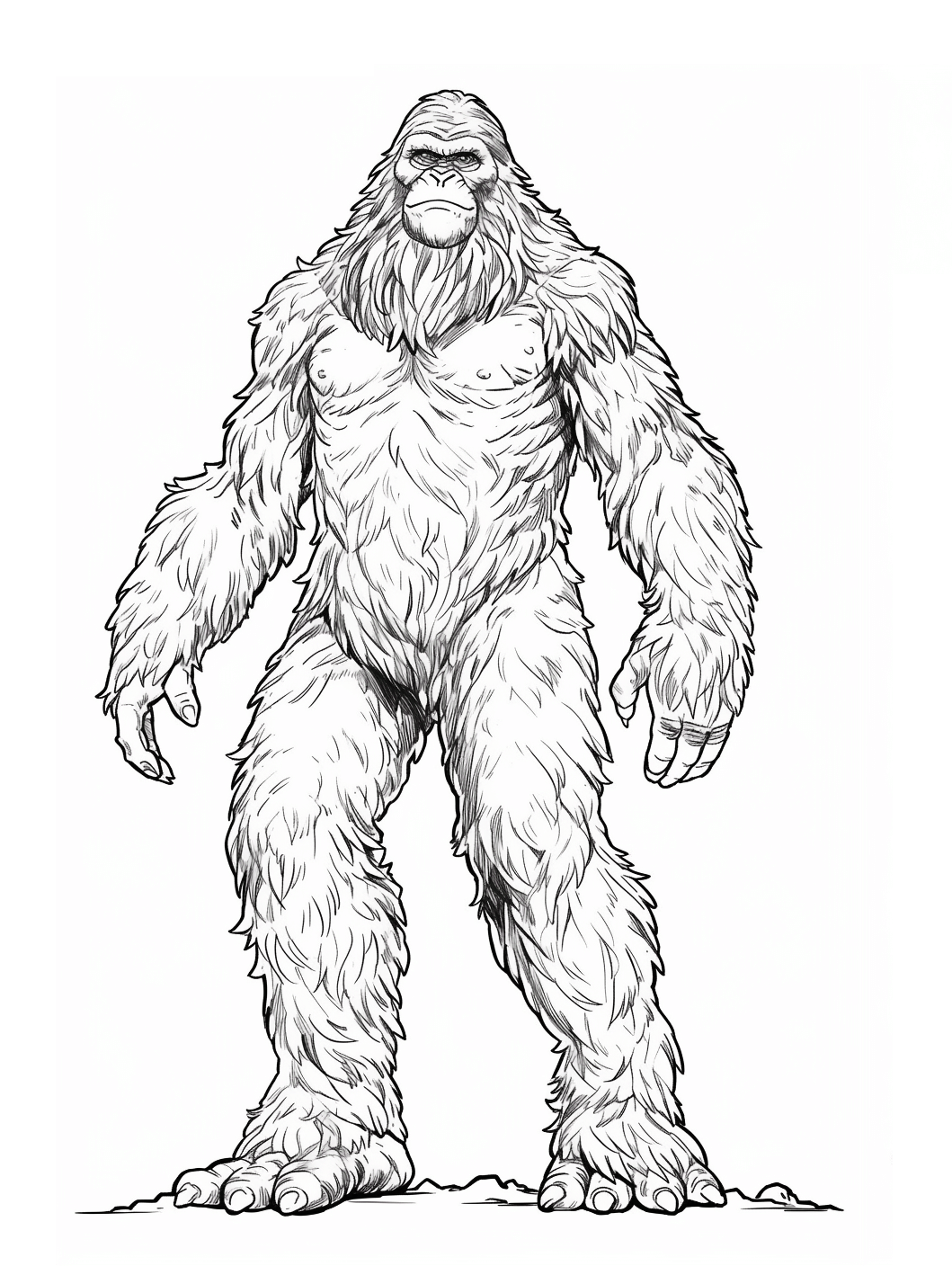
Twenty-four pages, the largest group in the set, show Bigfoot as a standalone figure in a fairly consistent style, distinguished mainly by pose and level of detail rather than by scene. Color suggestion: keep the fur color and general proportions consistent across these portraits so the set reads as one character rather than several different designs.
What Bigfoot Coloring Pages Do
An entry point into real folklore. Because Bigfoot draws on genuine regional history, from Indigenous oral tradition to a well-documented 20th-century media phenomenon, these pages give kids and adults a chance to engage with a story that has real cultural roots rather than a purely invented character.
Fine motor practice with textured fur. The American Academy of Pediatrics identifies fine motor skill development as a core benefit of structured coloring for children ages 2 through 7, and the shaggy, layered fur across most designs gives more varied practice than a smooth-bodied figure.
A natural conversation starter about evidence and skepticism. Because Bigfoot’s story includes both genuine historical documentation and later-revealed hoaxes, this set can open up an age-appropriate discussion about how to evaluate claims and evidence.
A calm, focused activity. Research published in the Art Therapy Journal in 2005 found that structured coloring sessions were associated with a measurable reduction in reported anxiety. Even a legendary, larger-than-life subject like Bigfoot makes for a calm, low-pressure coloring session when isolated to a simple character portrait.
How to Color Bigfoot Pages Well
- For base: Use Crayola Sepia or Burnt Sienna for a classic brown coat, blending in Black for shadowed areas to suggest depth and texture.
- Forest backgrounds: Layer Crayola Forest Green and Olive Green for foliage, with Sepia for tree trunks and a muted brown for the forest floor.
- Scary variant: Lean into darker, cooler tones, deep grays, and near-black fur, for a more shadowed, unsettling look.
- Cute and happy variants: Use warmer, lighter fur tones and brighter accent colors to match the friendlier, more approachable style of these pages.
- Footprints: Where a page includes footprint details, a simple Crayola Sepia or Tan works well, kept slightly darker than the surrounding ground.
- Eyes: A warm amber or deep brown adds a naturalistic touch, while a brighter red or gold can give a more mysterious, legendary feel to the mood-focused pages.
5 Creative Craft Ideas With Bigfoot Coloring Pages
1. Character Bookmark
Color a favorite portrait, trim it to a narrow strip, and cover it with clear tape or a laminate sheet to make a simple, durable bookmark.
2. Footprint Trail Display
Color one of the forest or action pages, then cut out simple paper footprint shapes and arrange them in a trail leading up to the colored page for a fun 3D display.
3. Cryptid Fact Card
Color one of the classic portraits, glue it to an index card, and add a few real facts about Bigfoot folklore on the back to make a simple fact card.
4. Greeting Card
Color one of the cute or happy variants, fold a piece of cardstock in half, and glue the colored page to the front for a lighthearted handmade card.
5. Mini Story Card Set
Color two or three of the action pages, write one sentence under each describing a short, made-up scene, and arrange them in order to build a simple picture story.
Frequently Asked Questions
What are Bigfoot coloring pages?
Free printable designs of Bigfoot, or Sasquatch, in action, forest, mood-variant, and classic portrait styles. This collection has 36 pages available as PDF downloads or online coloring, with no account required.
What is Bigfoot?
Bigfoot, also called Sasquatch, is a legendary ape-like creature said to inhabit forests across North America, most closely associated with sightings in the Pacific Northwest.
Where does the name “Sasquatch” come from?
Sasquatch comes from sásq’ets, a word meaning “hairy man” in the Halkomelem language of the Sts’ailes people, part of the Coast Salish First Nations of British Columbia.
Where does the name “Bigfoot” come from?
The name Bigfoot was coined in 1958 after a road crew near Bluff Creek, California, discovered a trail of roughly sixteen-inch footprints, and a local newspaper printed the nickname.
What is the Patterson-Gimlin film?
The Patterson-Gimlin film is a brief piece of footage shot in 1967 near Bluff Creek, showing a large, upright figure walking through the woods, and it remains the most widely discussed piece of purported Bigfoot evidence.
Is Bigfoot real?
Bigfoot’s existence has never been scientifically confirmed, and some key pieces of early evidence, including the original 1958 footprints, were later claimed by relatives of a participant to have been faked.
What age group are these pages best suited for?
Most pages suit children as young as five, with the scarier variant page working better for slightly older kids who enjoy a spookier design.
Can these pages be used for a folklore or cryptid classroom lesson?
Yes. The genuine regional history behind the Sasquatch and Bigfoot names makes this set a useful pairing with a lesson on folklore, Indigenous oral tradition, or how historical claims get evaluated over time.
Start Coloring
Download any page by clicking the design. No account, email, or payment is required. Pages print directly from the browser at full resolution or open in the online coloring tool for screen use. Share finished pages on Facebook or Pinterest using the share buttons at the top of each design page.