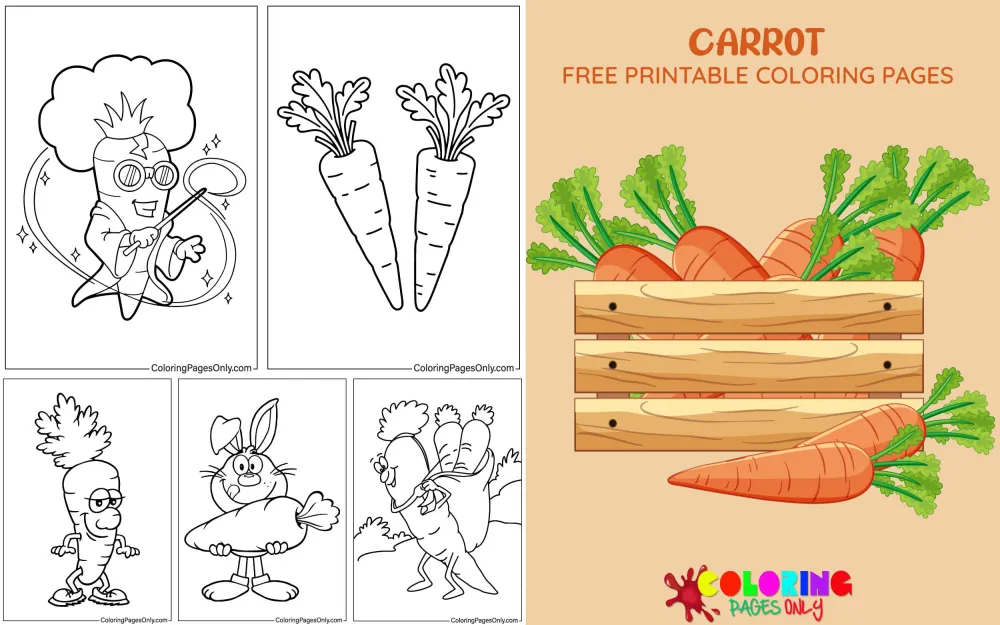
Carrot coloring pages: 57 free printable PDF designs featuring cheerful carrot portraits, rabbit and carrot pairings, playful character carrots, and garden harvest scenes. Download any page as a PDF or color it right in the browser, no account needed.
The idea that carrots help you see in the dark isn’t really about nutrition at all; it’s a real piece of World War II history. In 1940, RAF pilot John “Cat’s Eyes” Cunningham became one of the first to shoot down enemy bombers at night using secret onboard radar. To keep that technology hidden, the British government told the press his success came from eating enormous amounts of carrots instead. The story spread through posters, radio broadcasts, and even a cartoon mascot named Doctor Carrot, and the myth has stuck around ever since, even though carrots only support general eye health, not night-vision superpowers.
That real bit of wartime history sits behind a vegetable that’s remained a genuinely popular coloring subject for its own reasons. This set covers cheerful solo carrot portraits, the classic rabbit-and-carrot pairing, playful character designs, and garden harvest scenes.
Color is the detail worth thinking about carefully here. Real carrots range from deep orange to nearly red-orange, and layering a slightly darker shade near the top, closest to the green stem, gives a page more visual depth than one flat, even orange.






Quick Answer
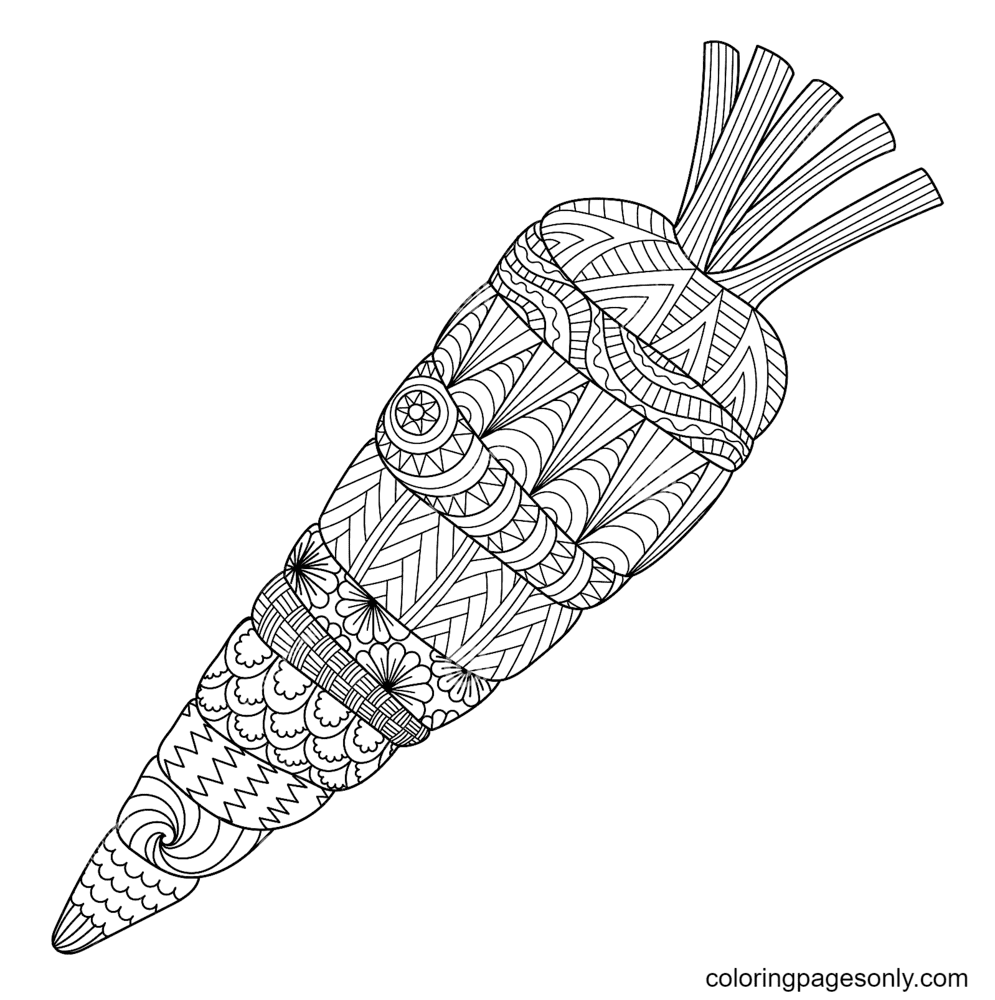
Carrot coloring pages are a free set of 57 printable PDFs and browser-based coloring sheets featuring solo carrot portraits, rabbit and carrot pairings, character designs, and garden scenes.
Best for: kids aged 3 and up, classrooms, and anyone building out a broader vegetable or garden coloring collection
Formats: printable PDF and online coloring
Popular pages: a classic carrot portrait, a rabbit holding a carrot, and a smiling character carrot
Creative uses: carrot-shaped bookmarks, a WWII history card, and carrot-themed gift tags
What’s Inside Carrot Coloring Pages
The set moves from simple portraits through rabbit pairings, character designs, and harvest scenes.
Classic Carrot Portraits
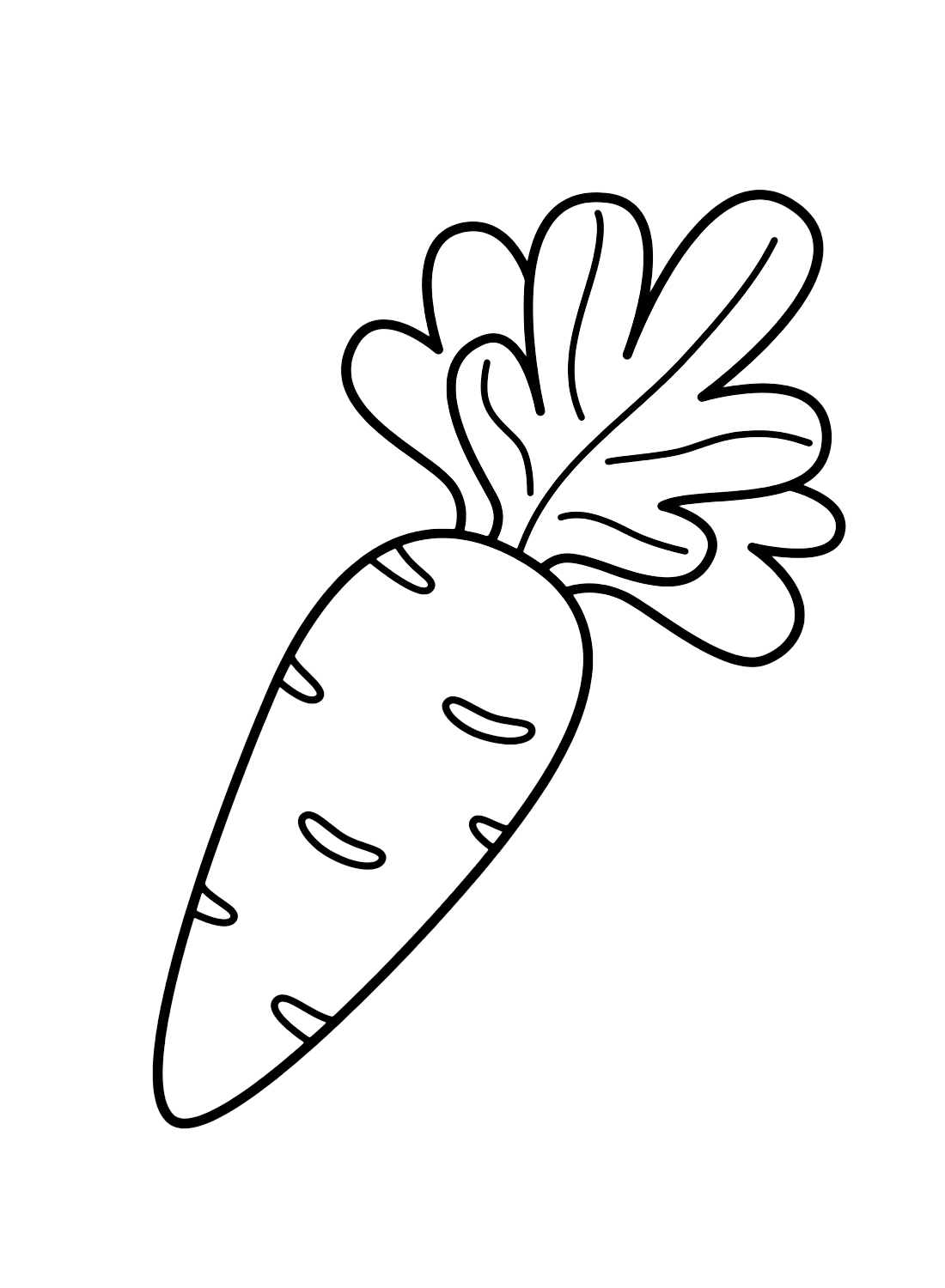
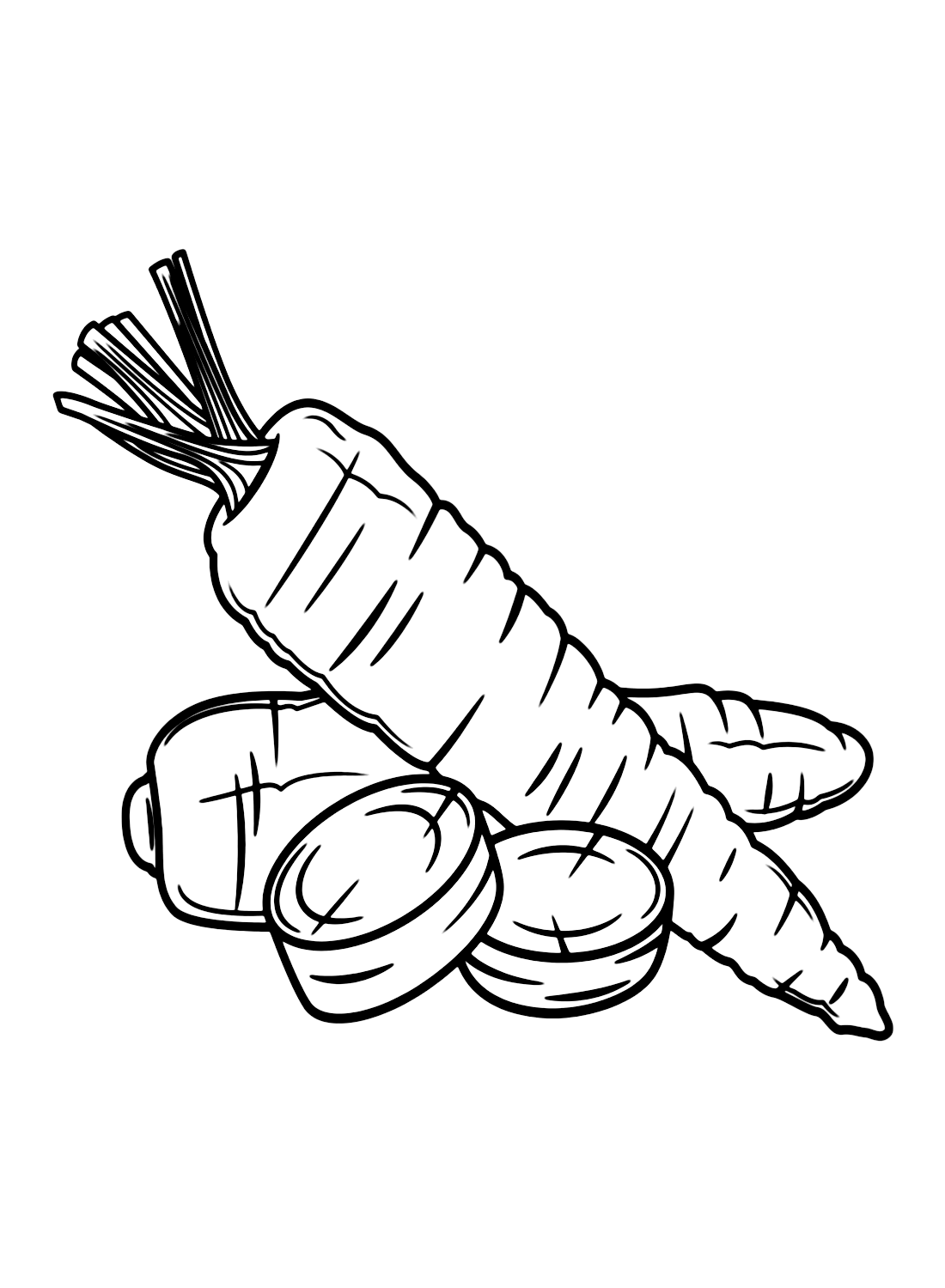
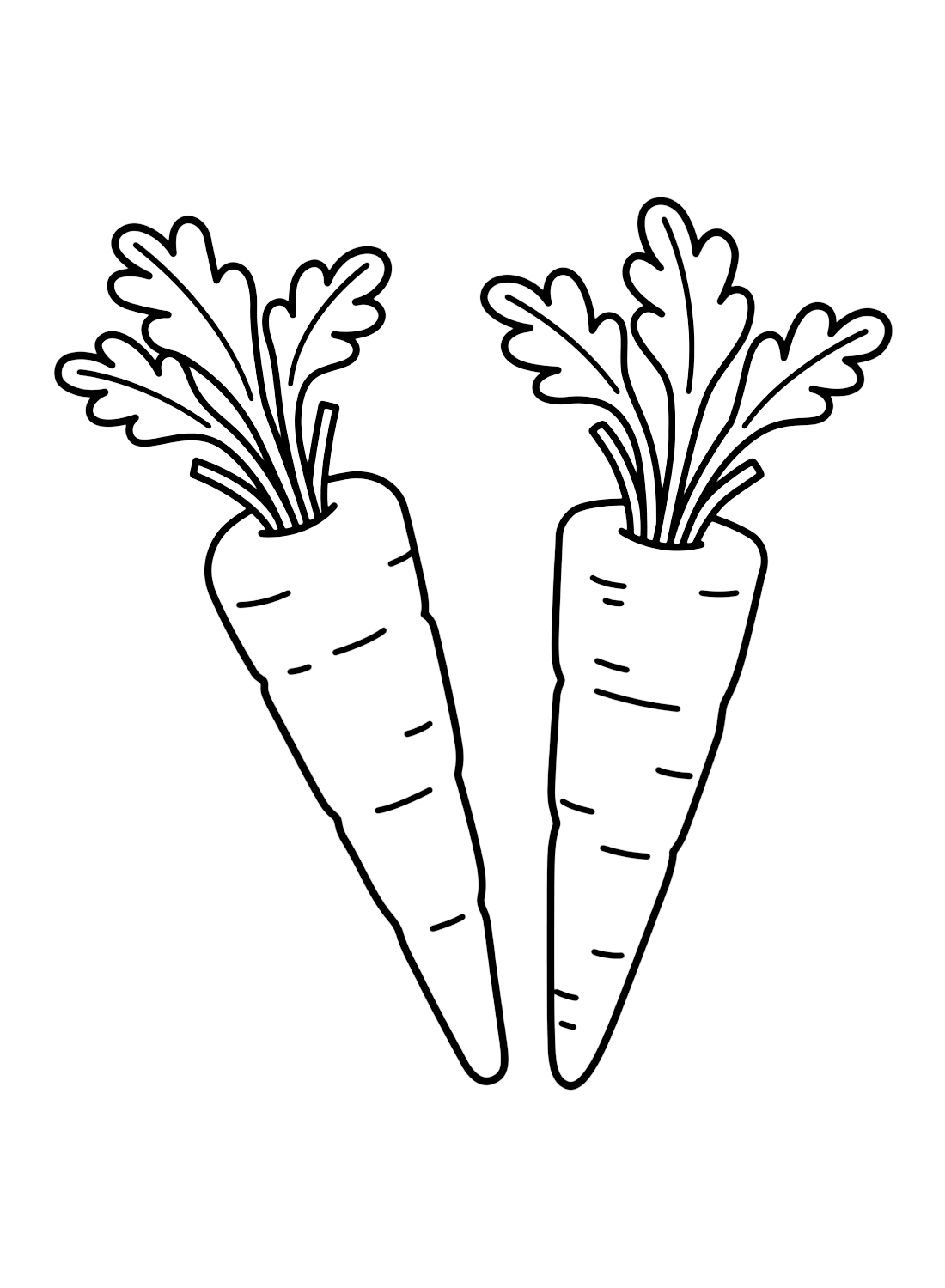
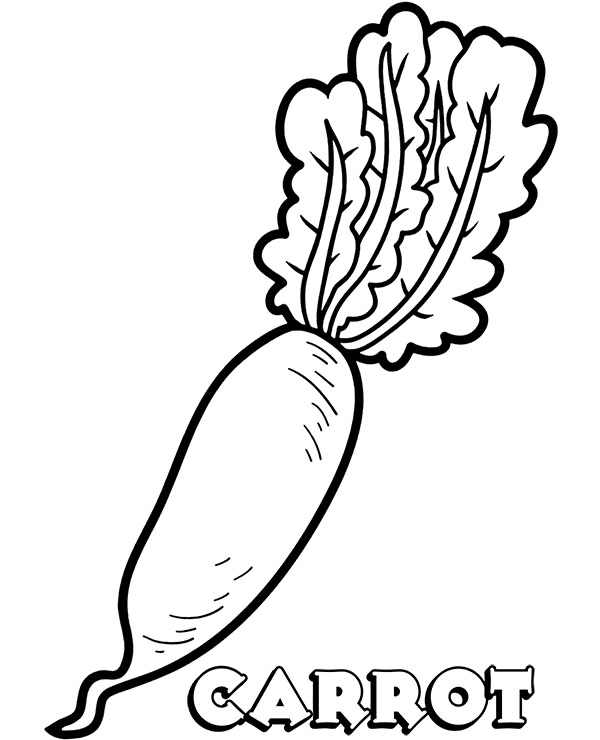
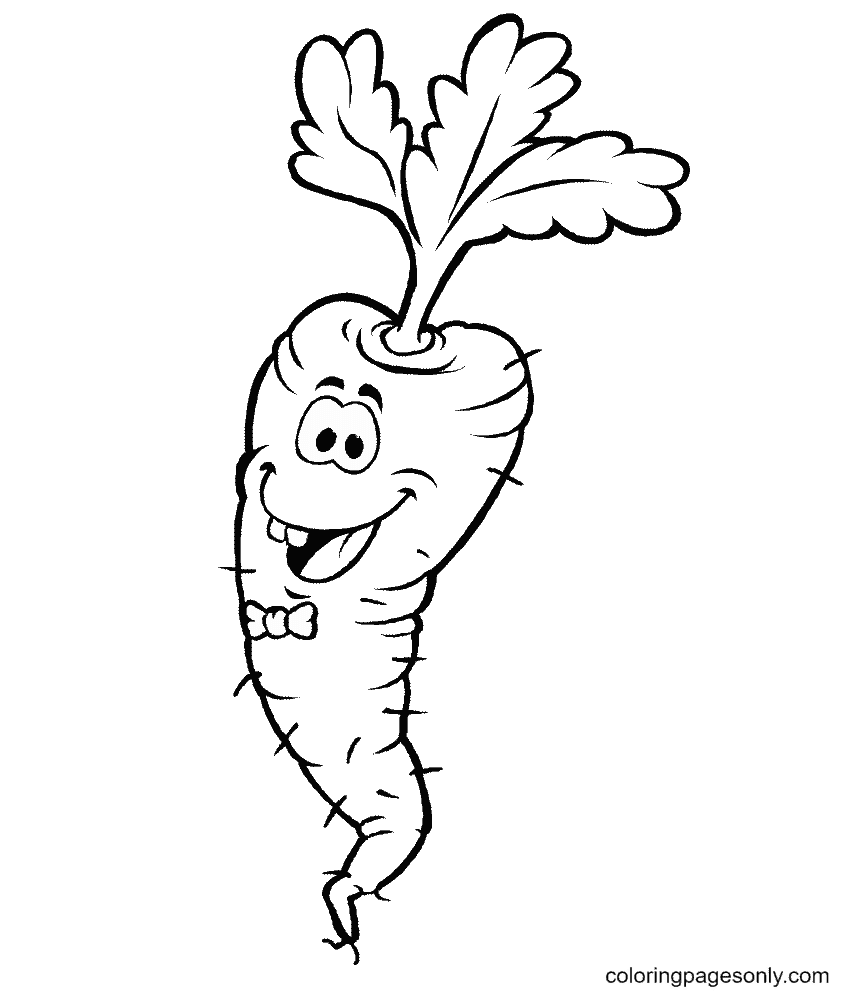
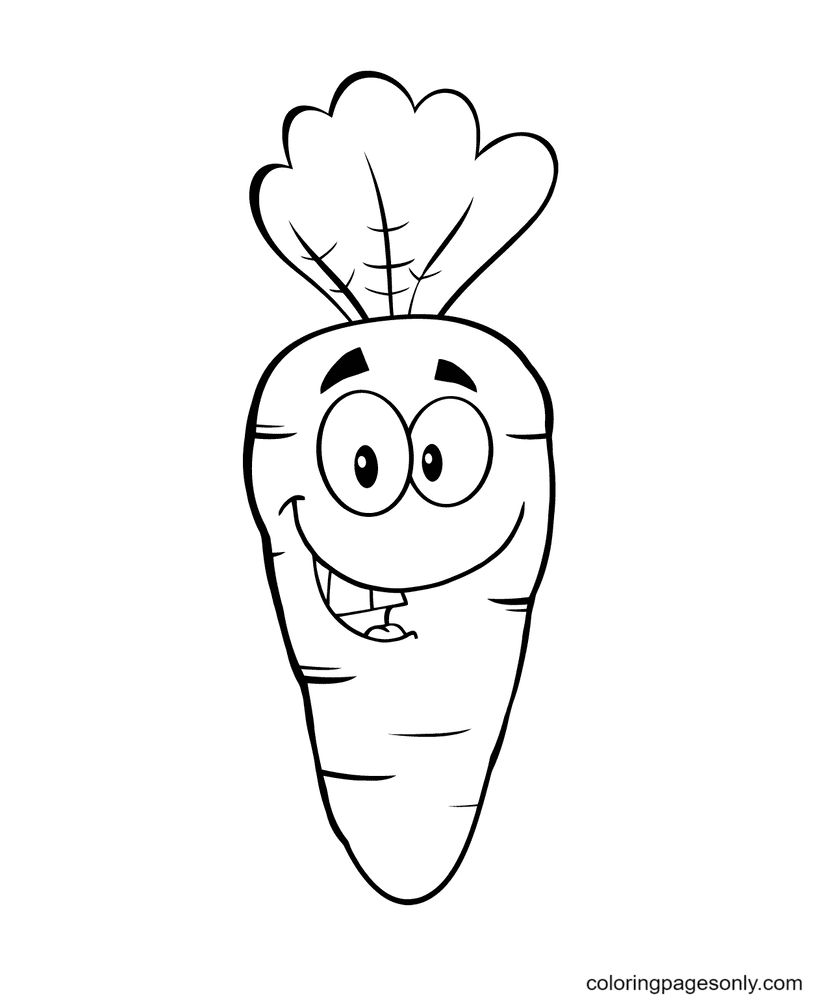
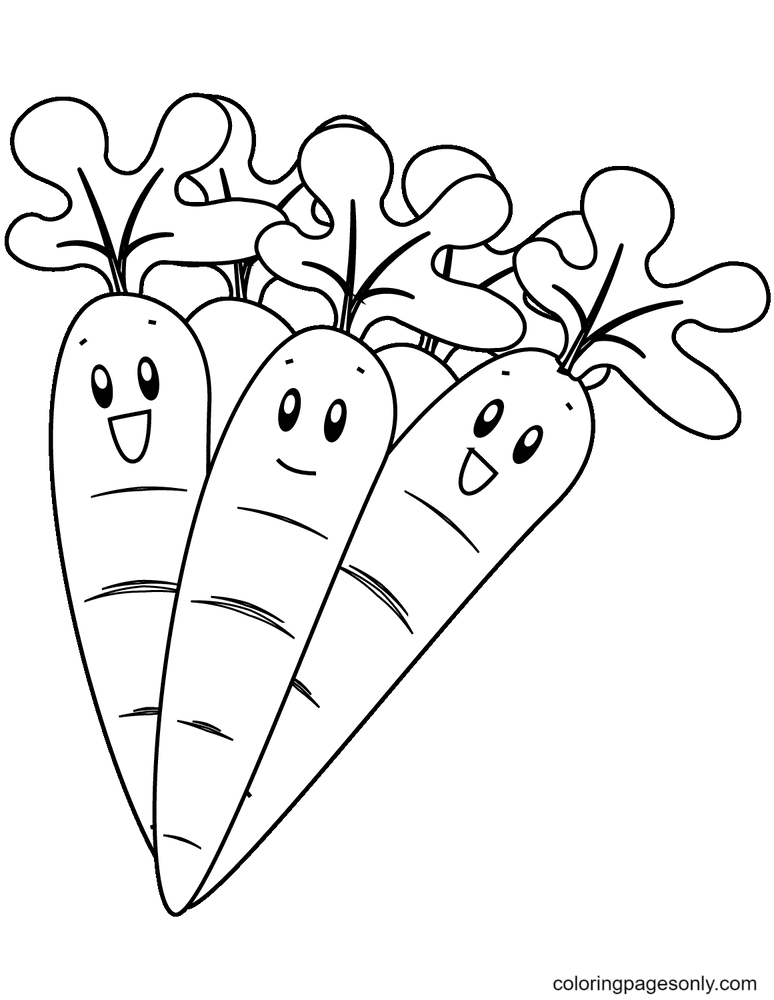
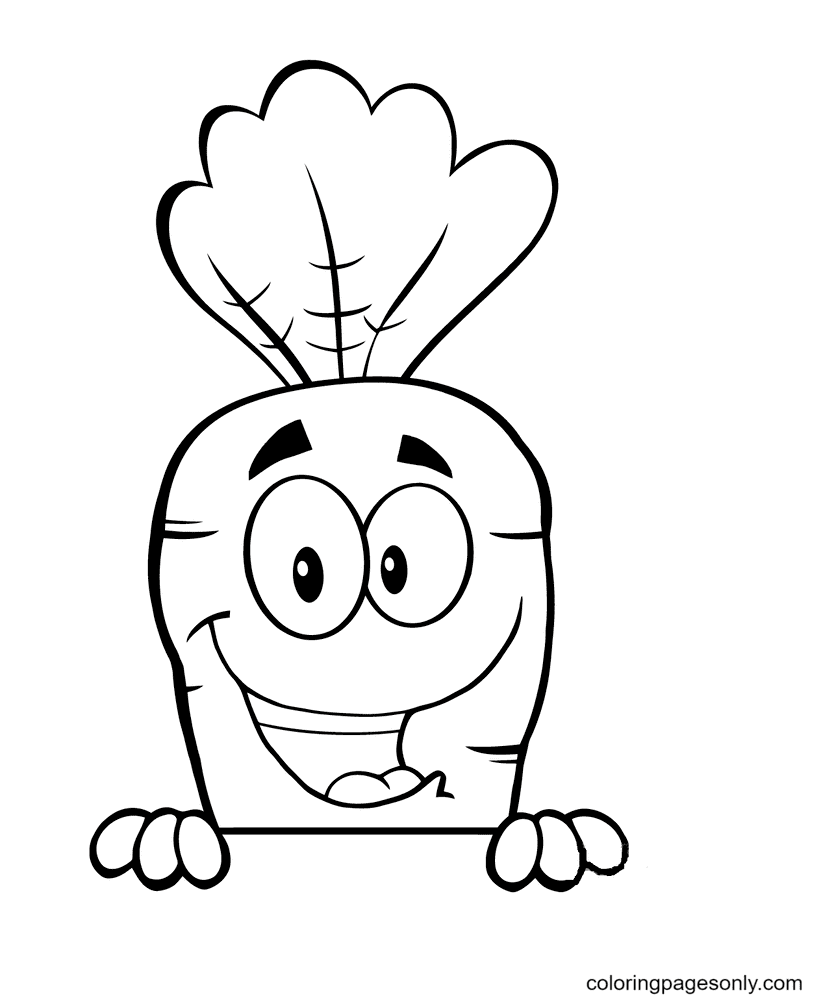
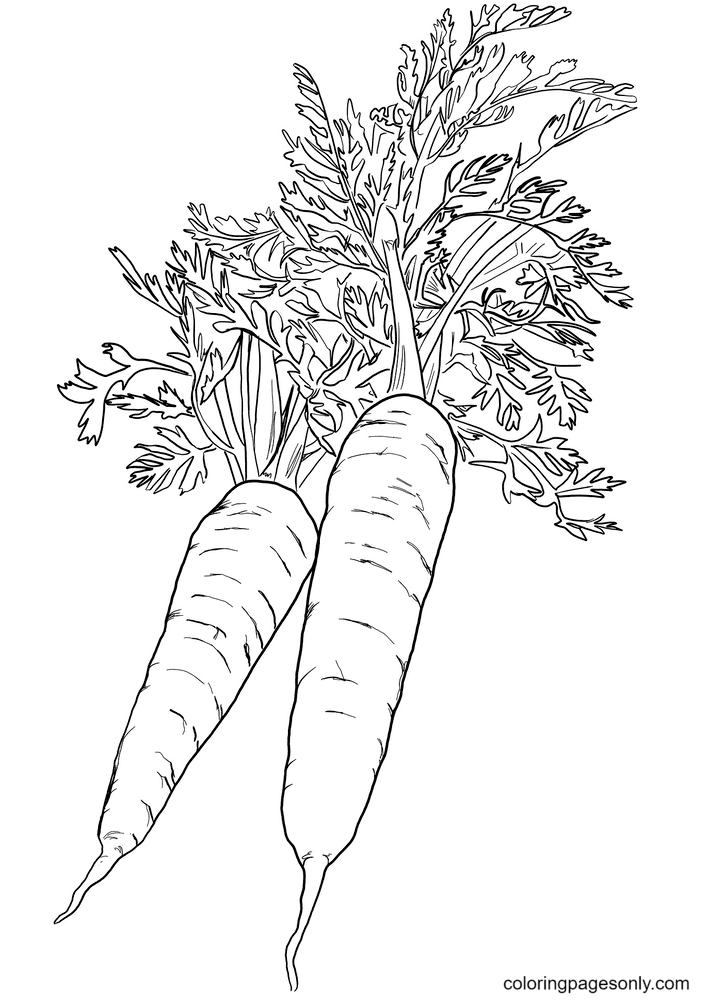
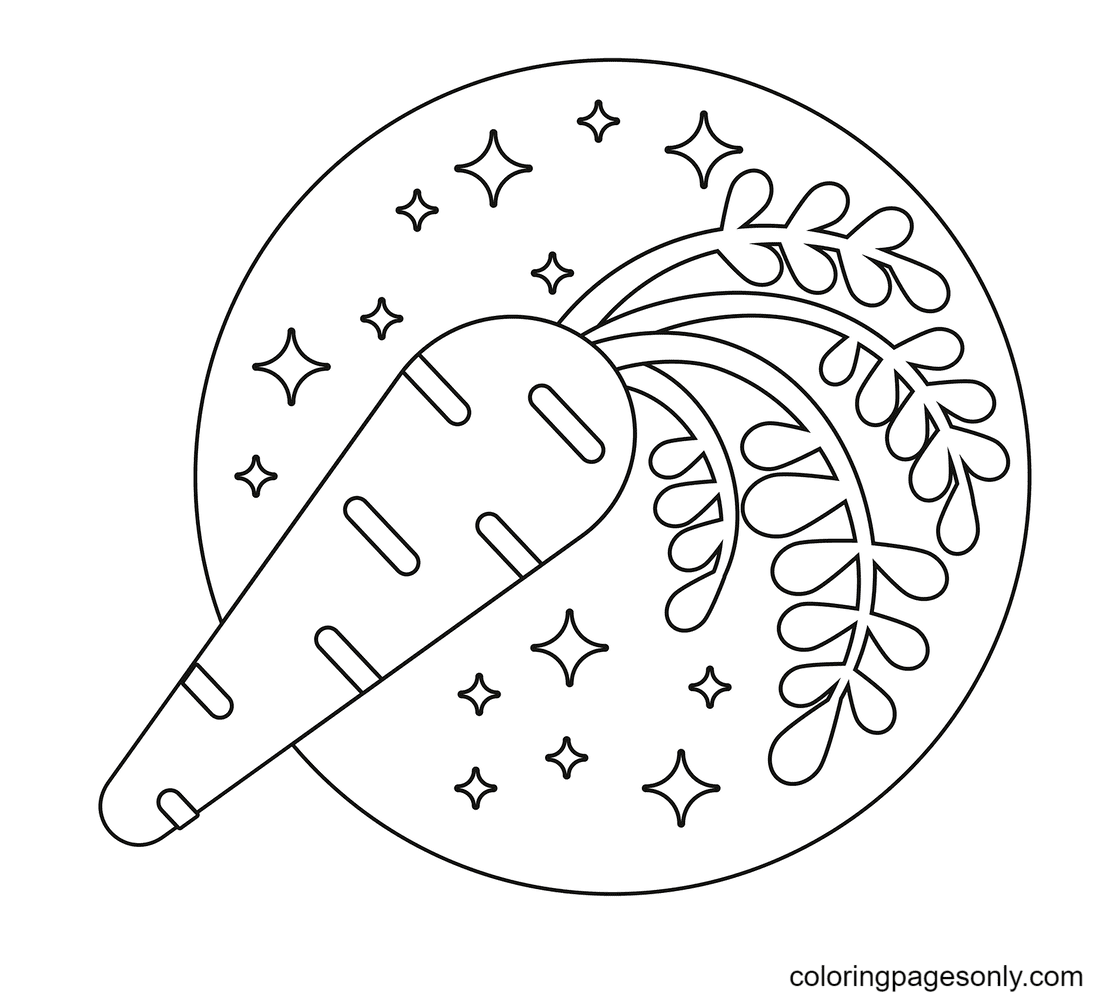
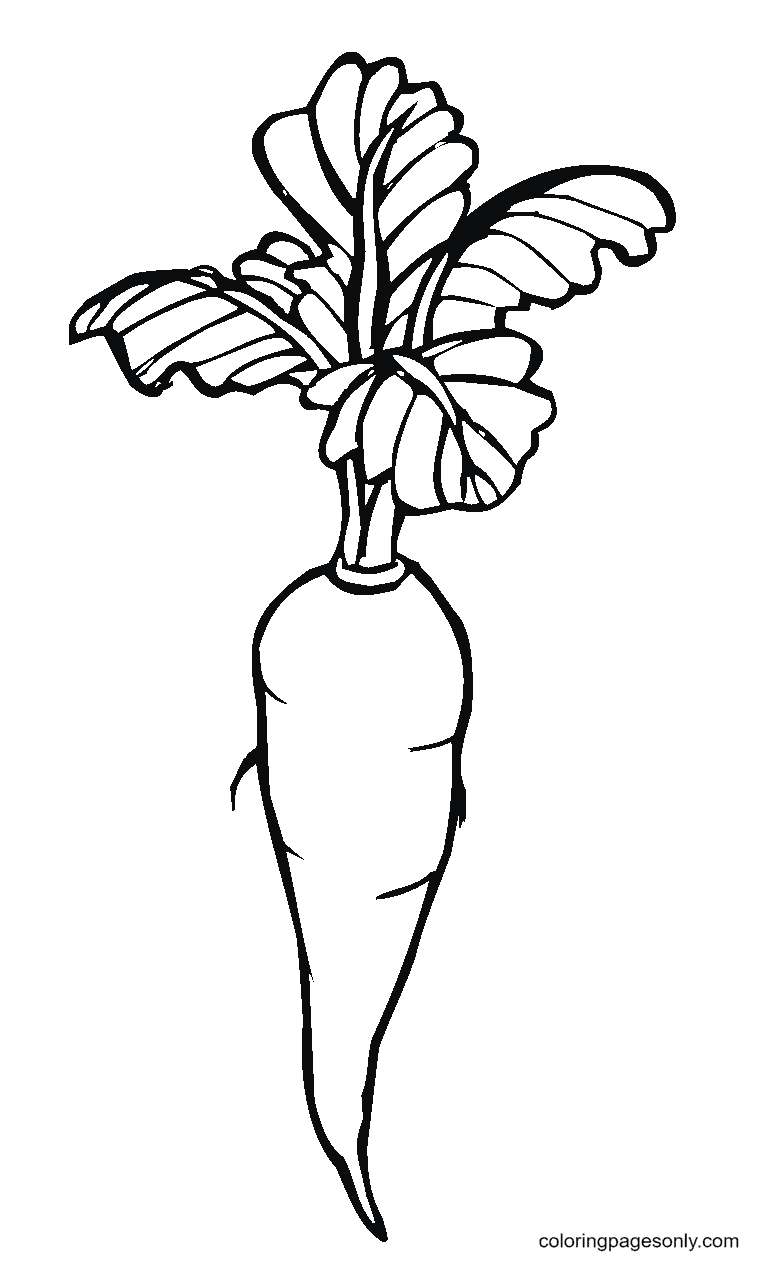
Solo pages showing a simple carrot shape with its green leafy top, sometimes with a friendly face added.
Coloring classic portraits: a warm, slightly deep orange base with a lighter highlight down one side gives the root real dimension, while the green top benefits from at least two shades to avoid looking flat.
Carrot and Rabbit Pairings
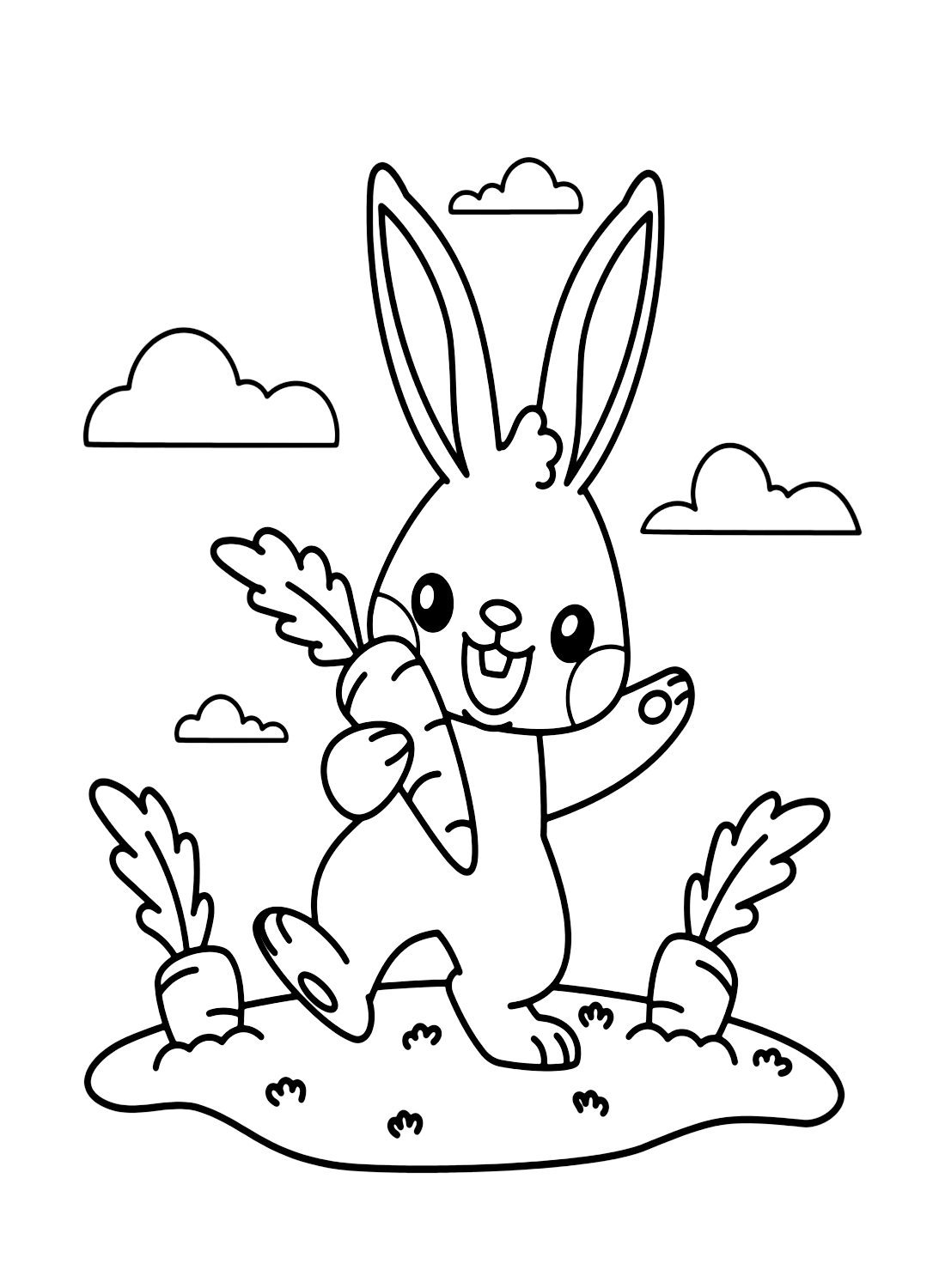
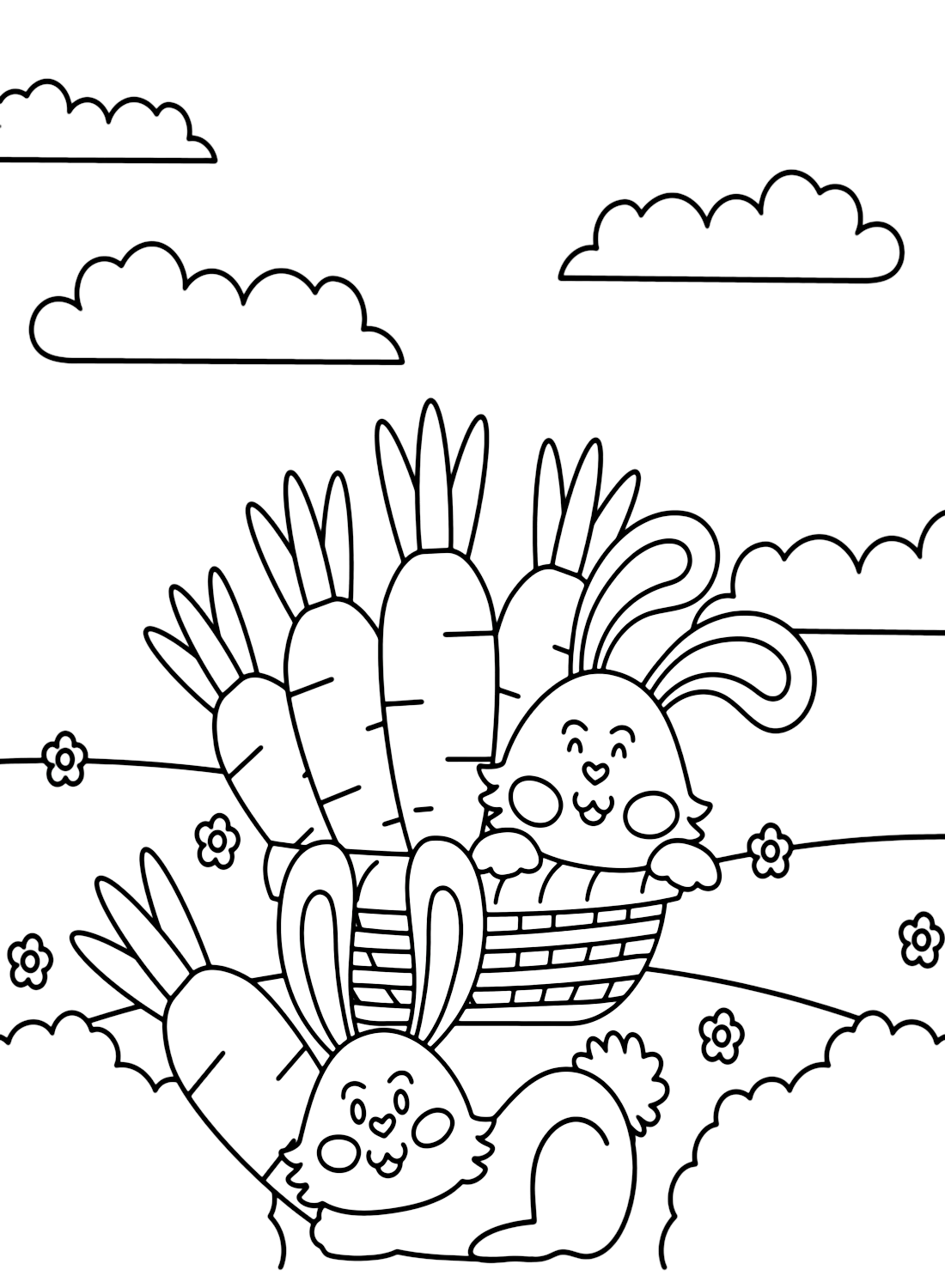
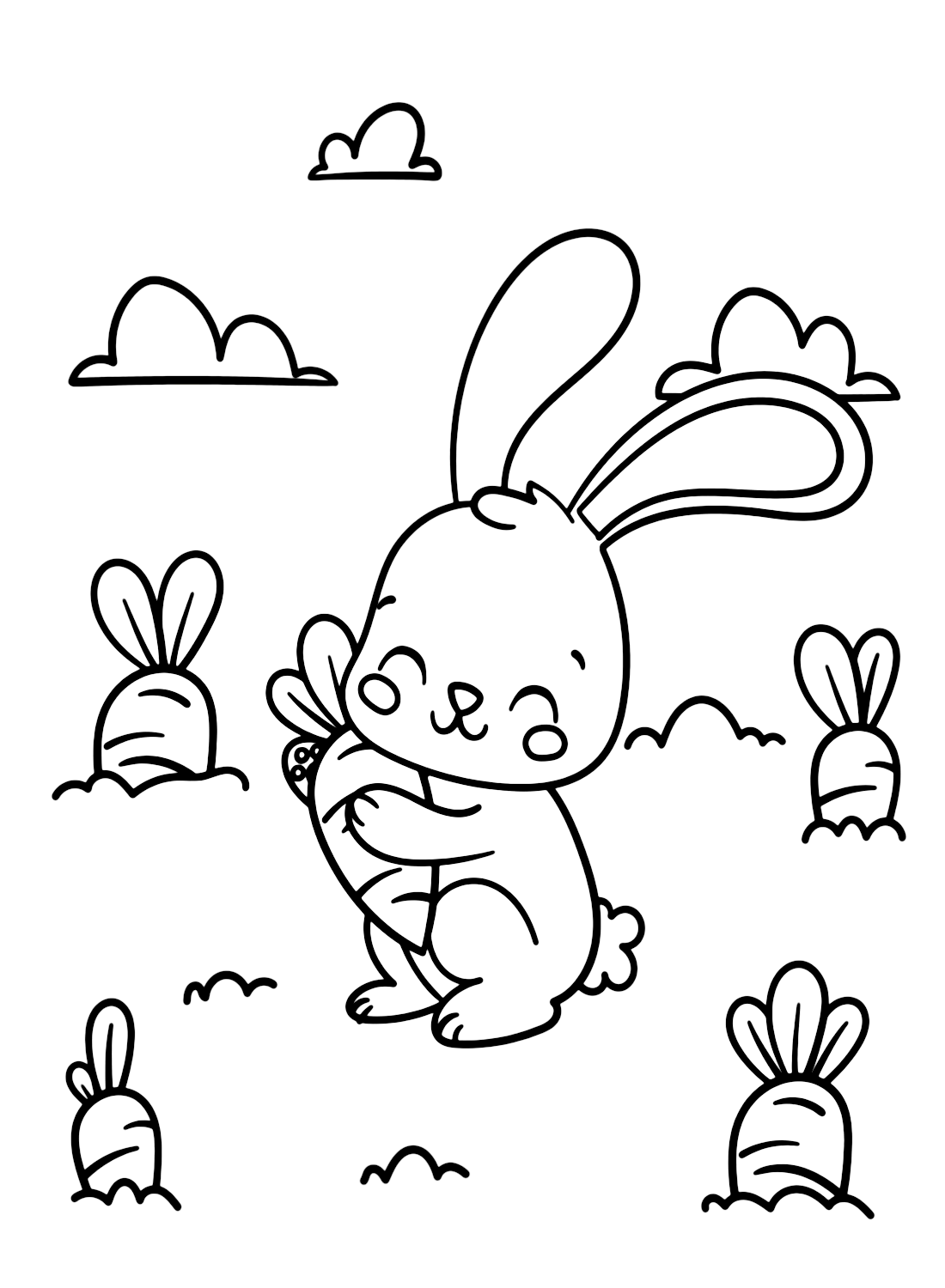
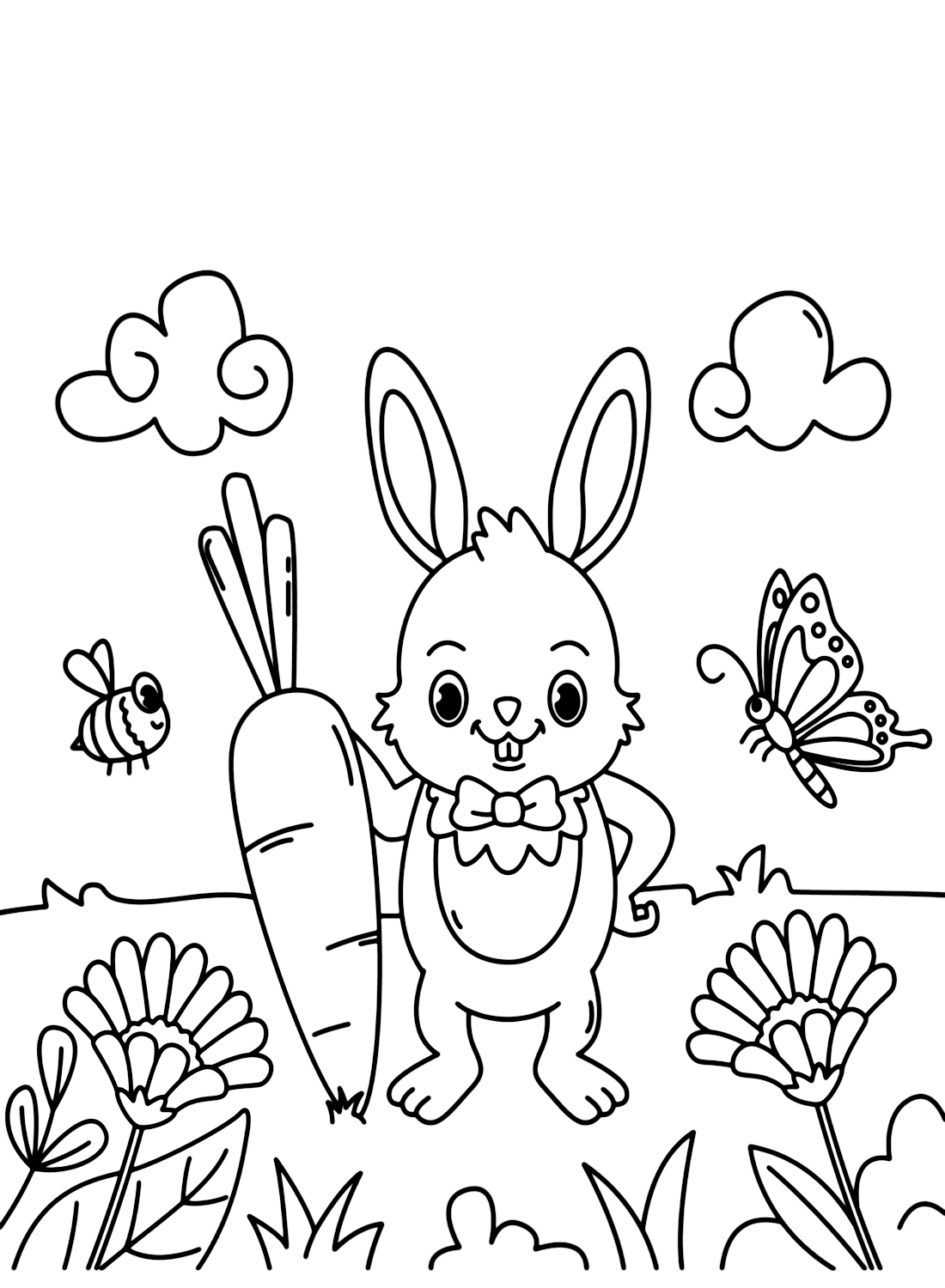
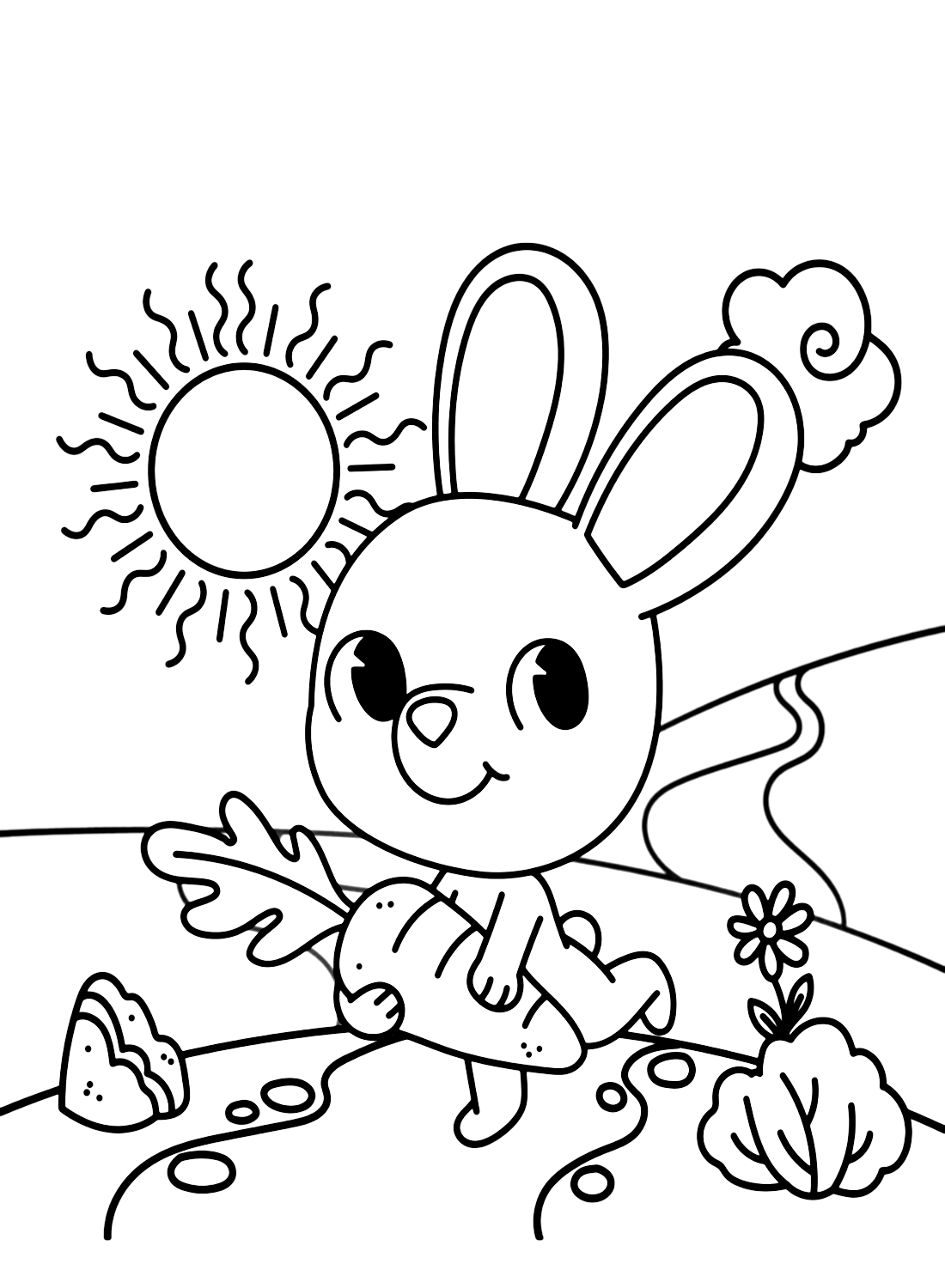
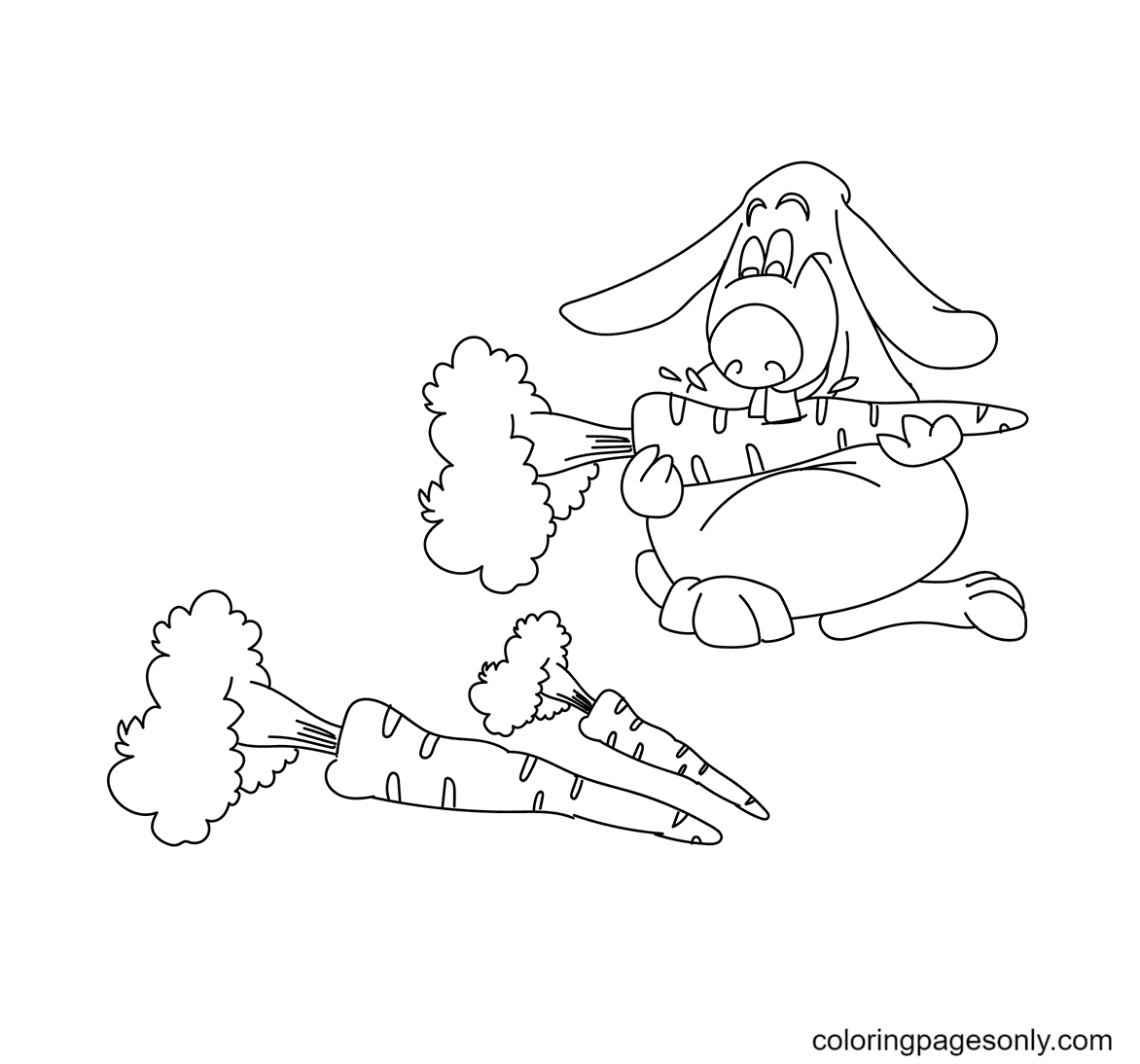
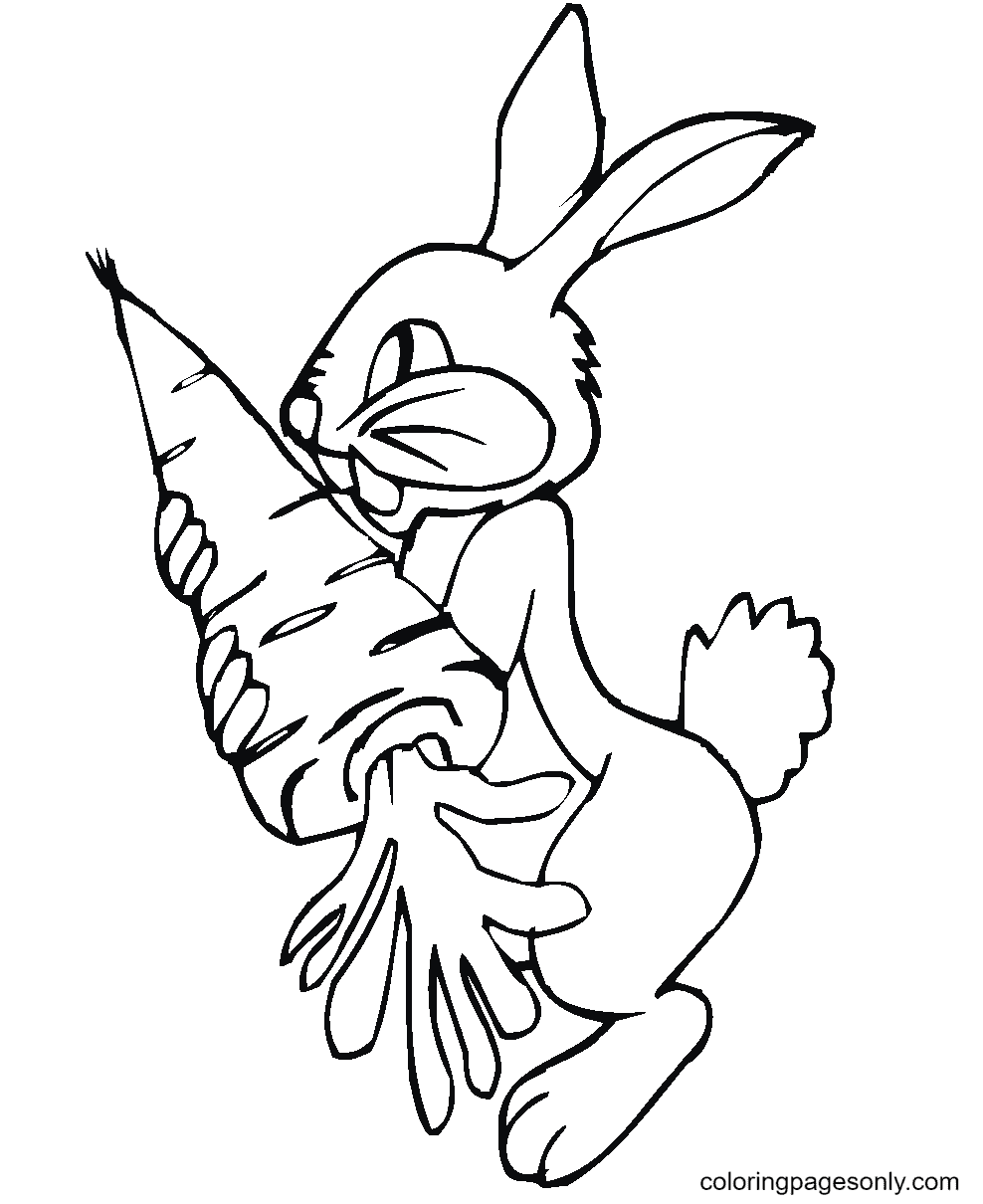
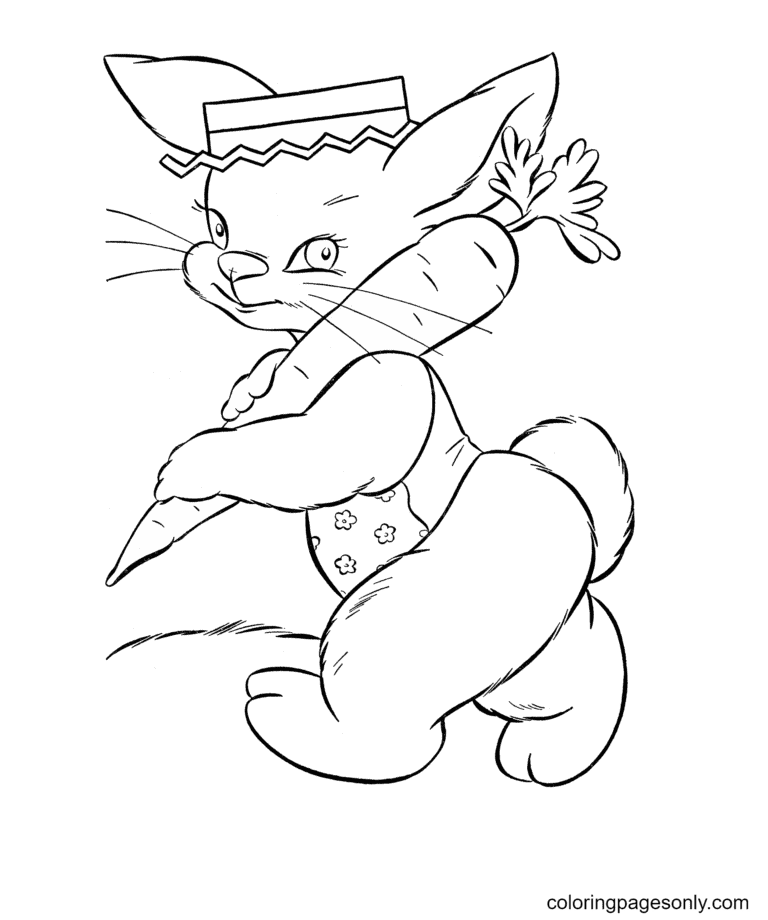
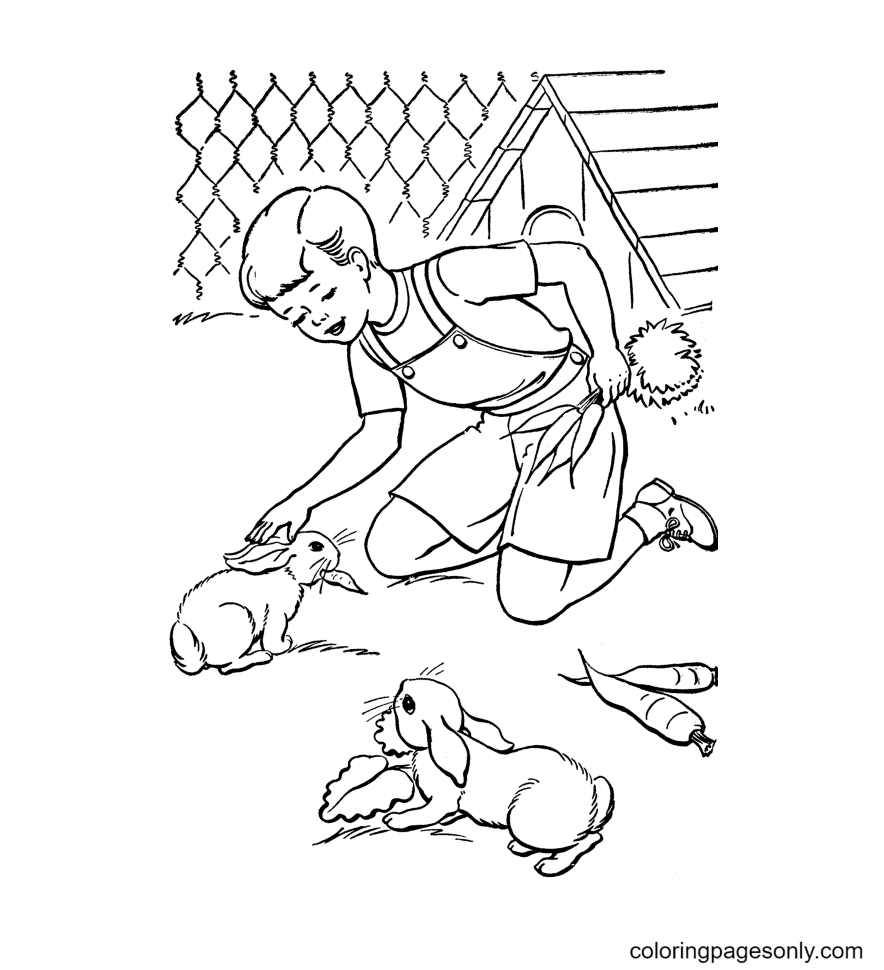
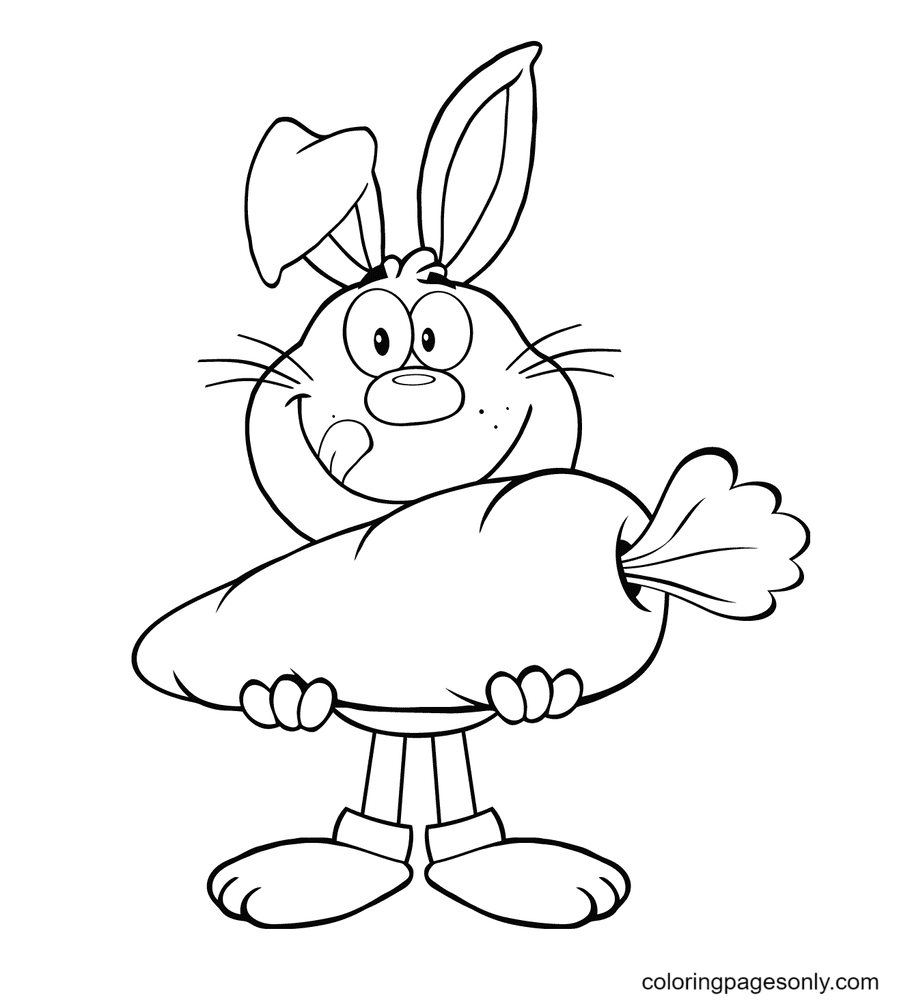
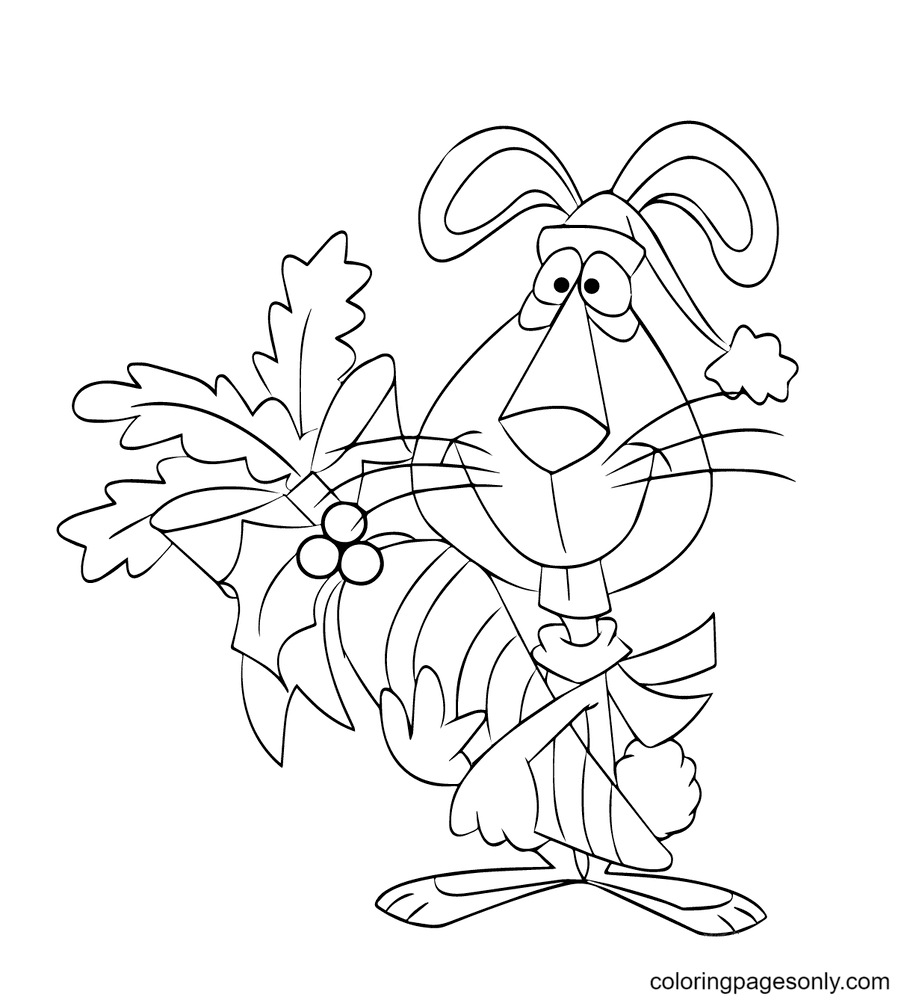
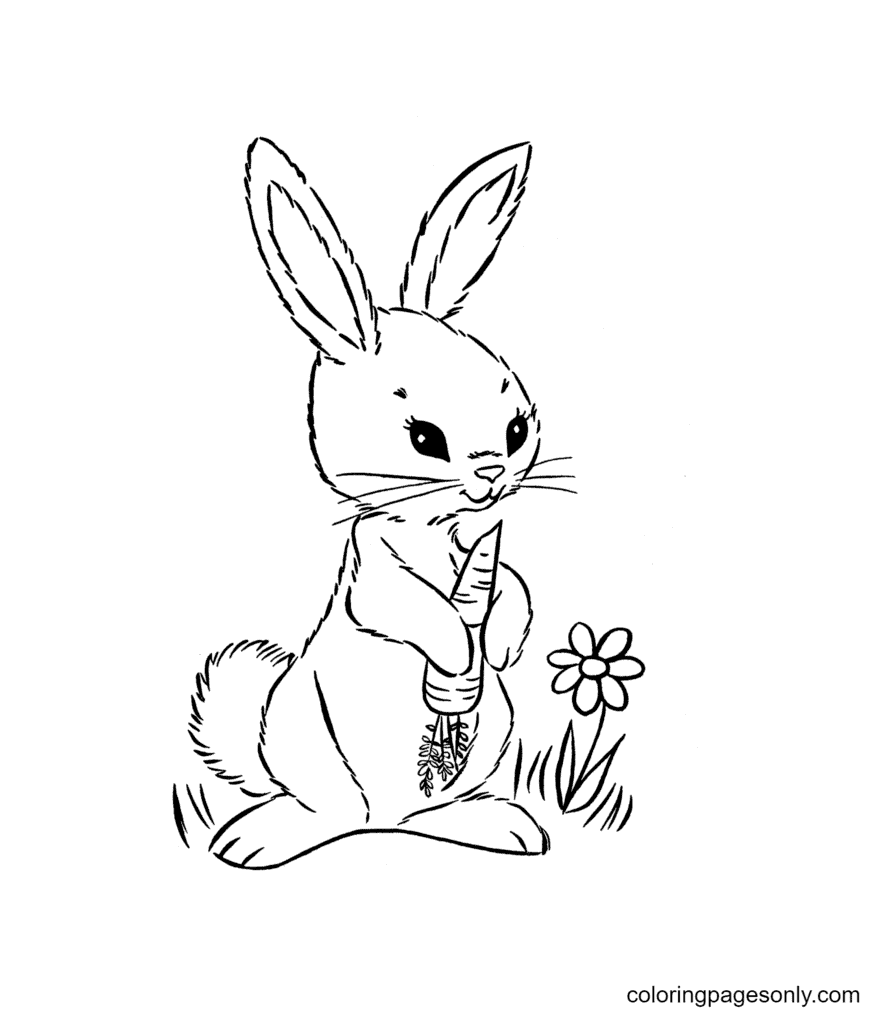
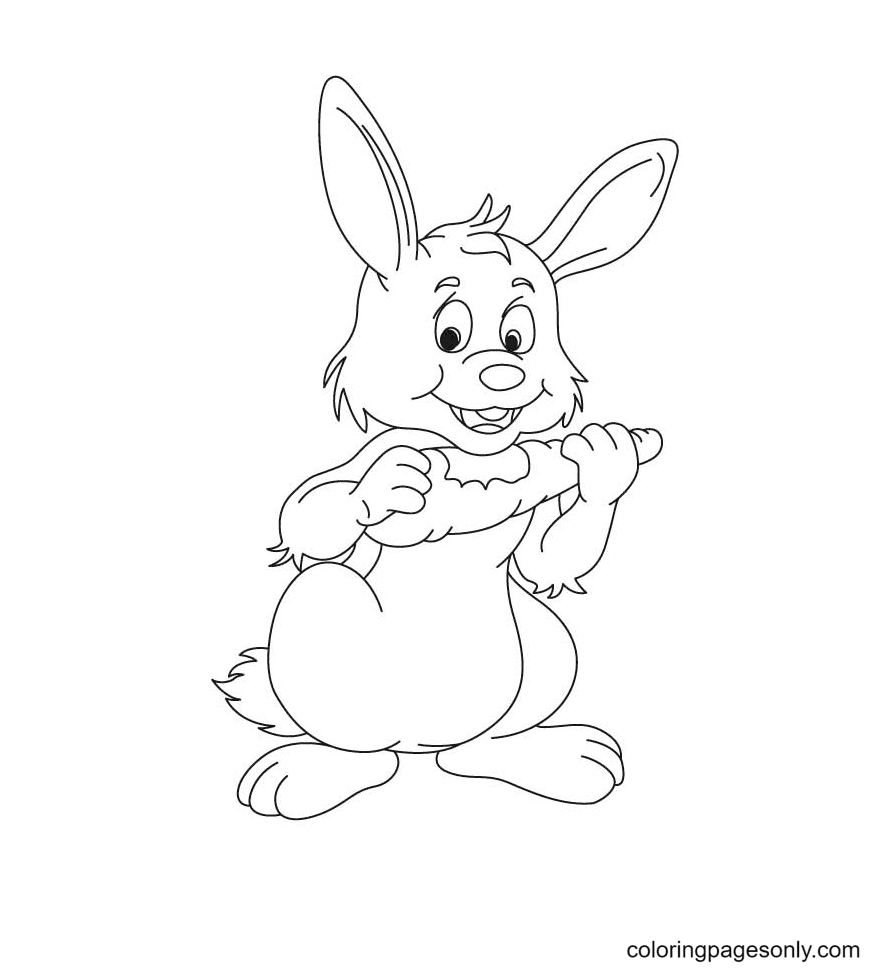
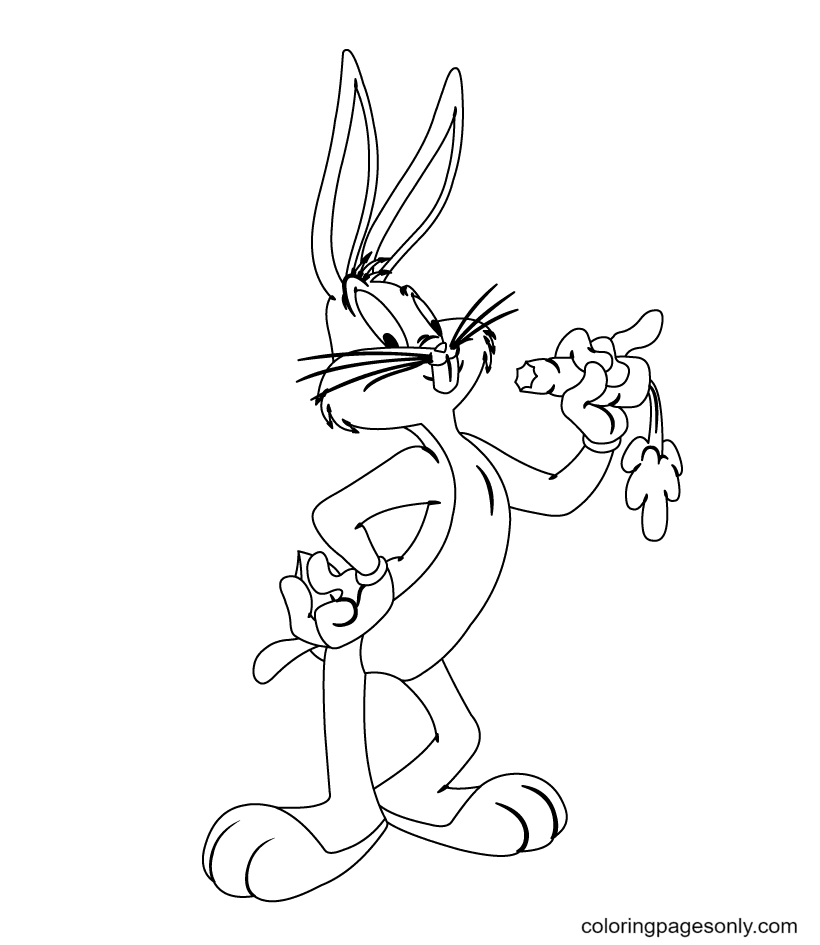
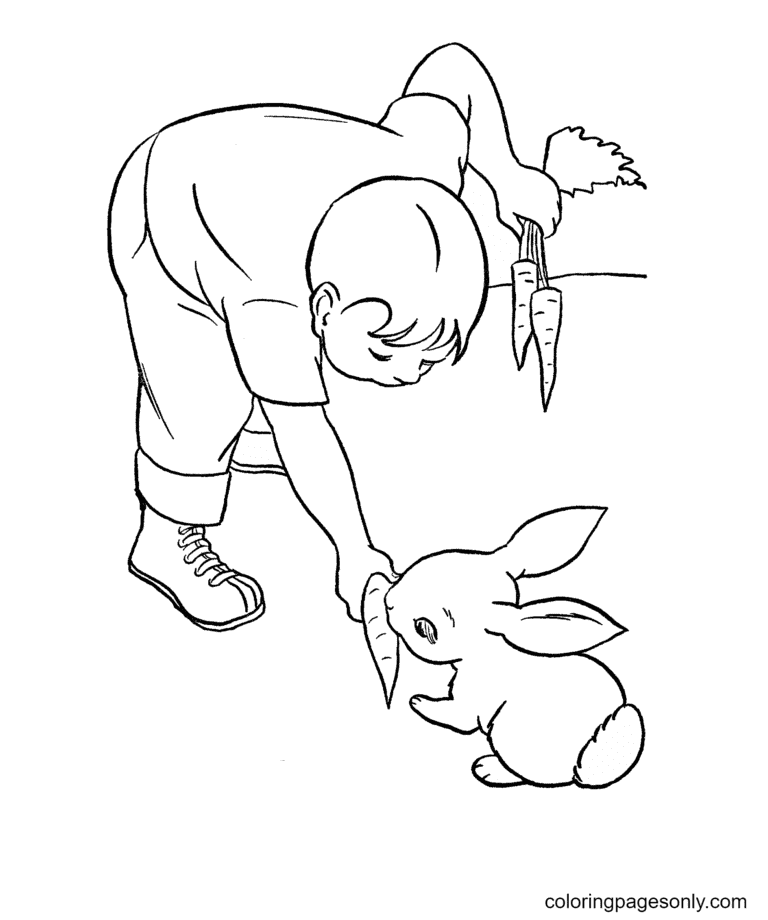
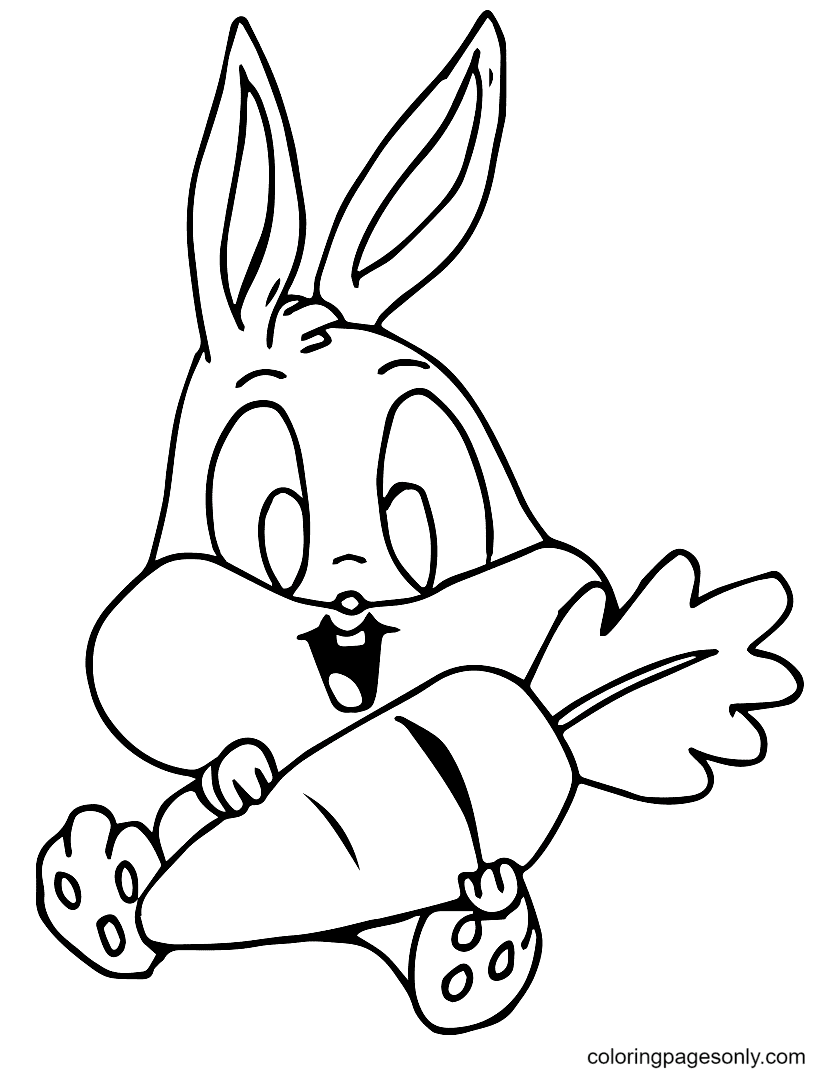
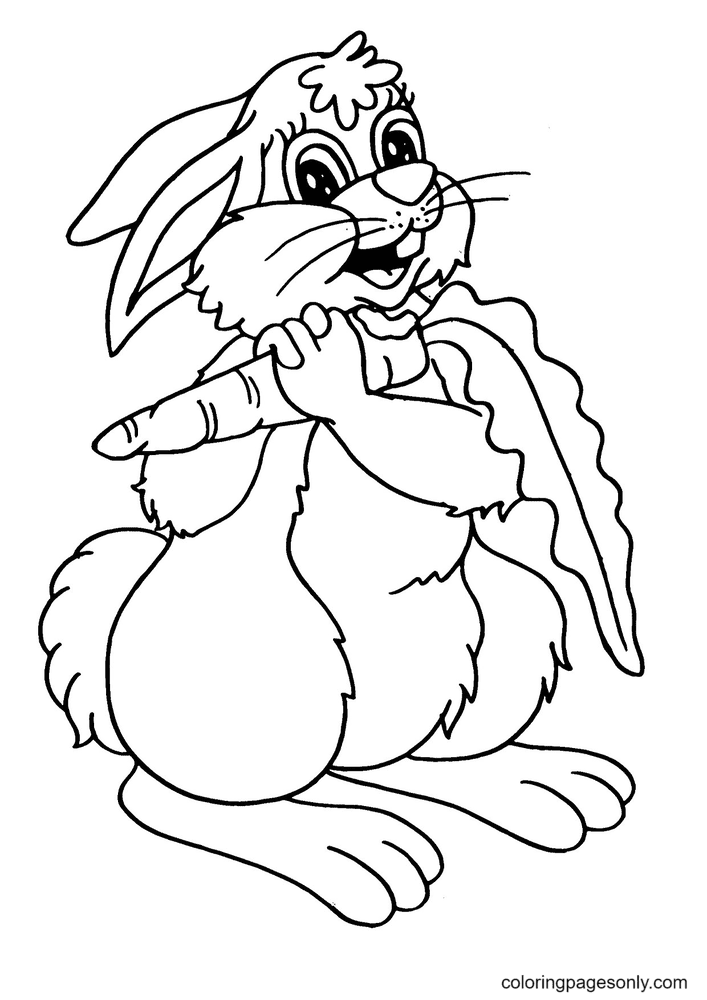
Pages showing rabbits holding, carrying, or eating carrots, reflecting one of the most familiar animal-and-food pairings in children’s media.
Coloring these pages: keeping the rabbit’s fur tone separate and distinct from the carrot’s orange helps both elements read clearly, especially on busier pages with multiple carrots.
Character Carrots
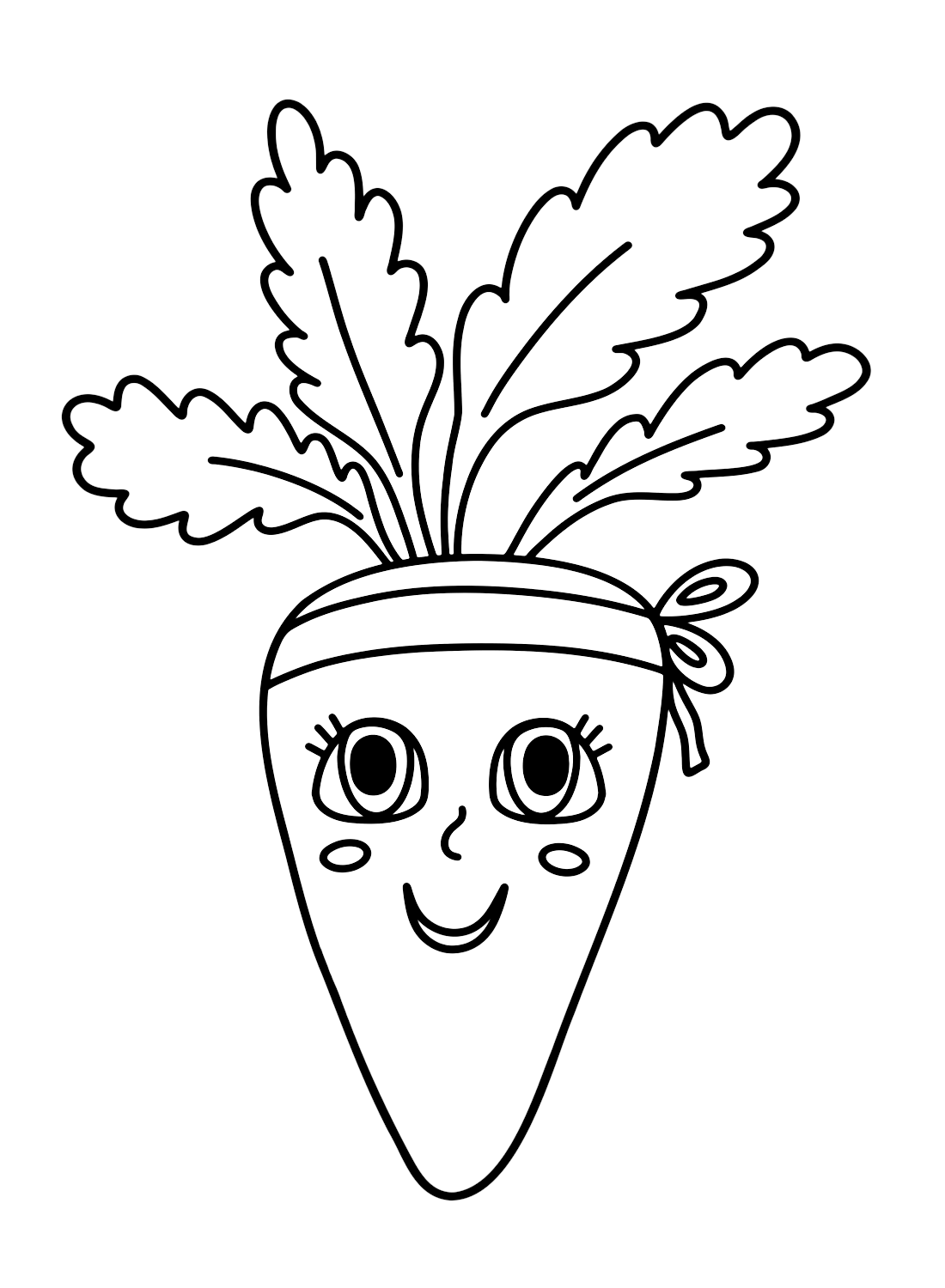
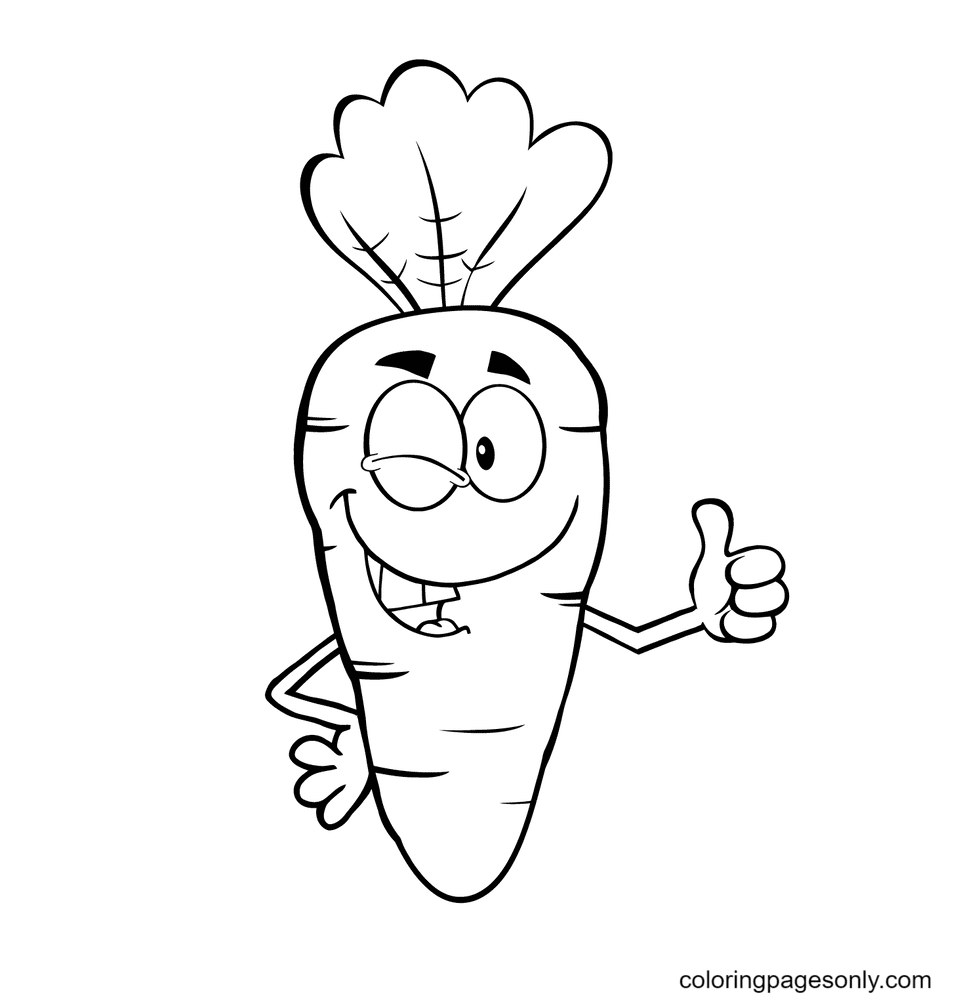
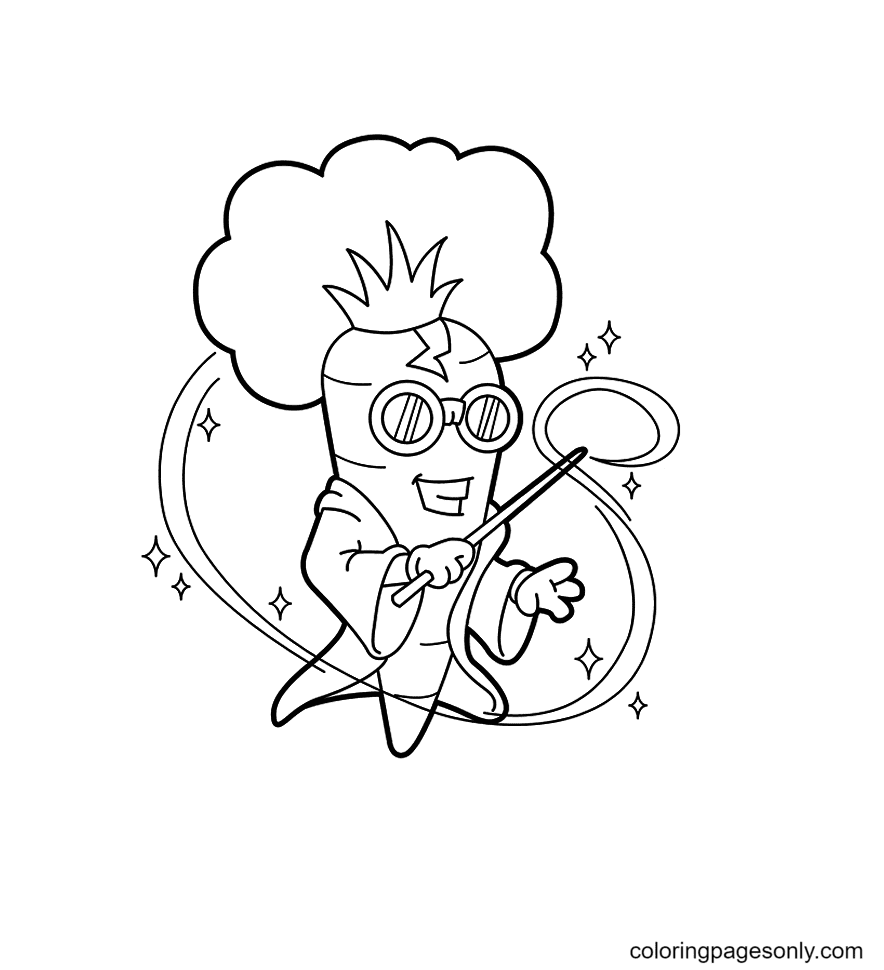
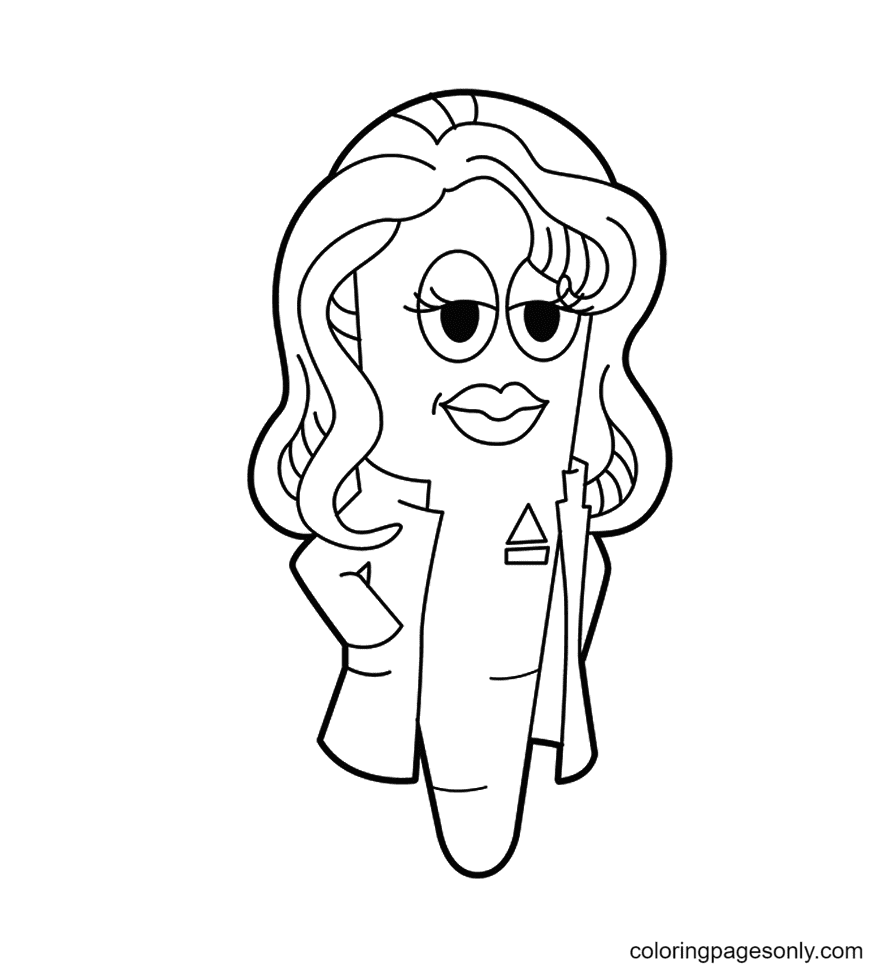
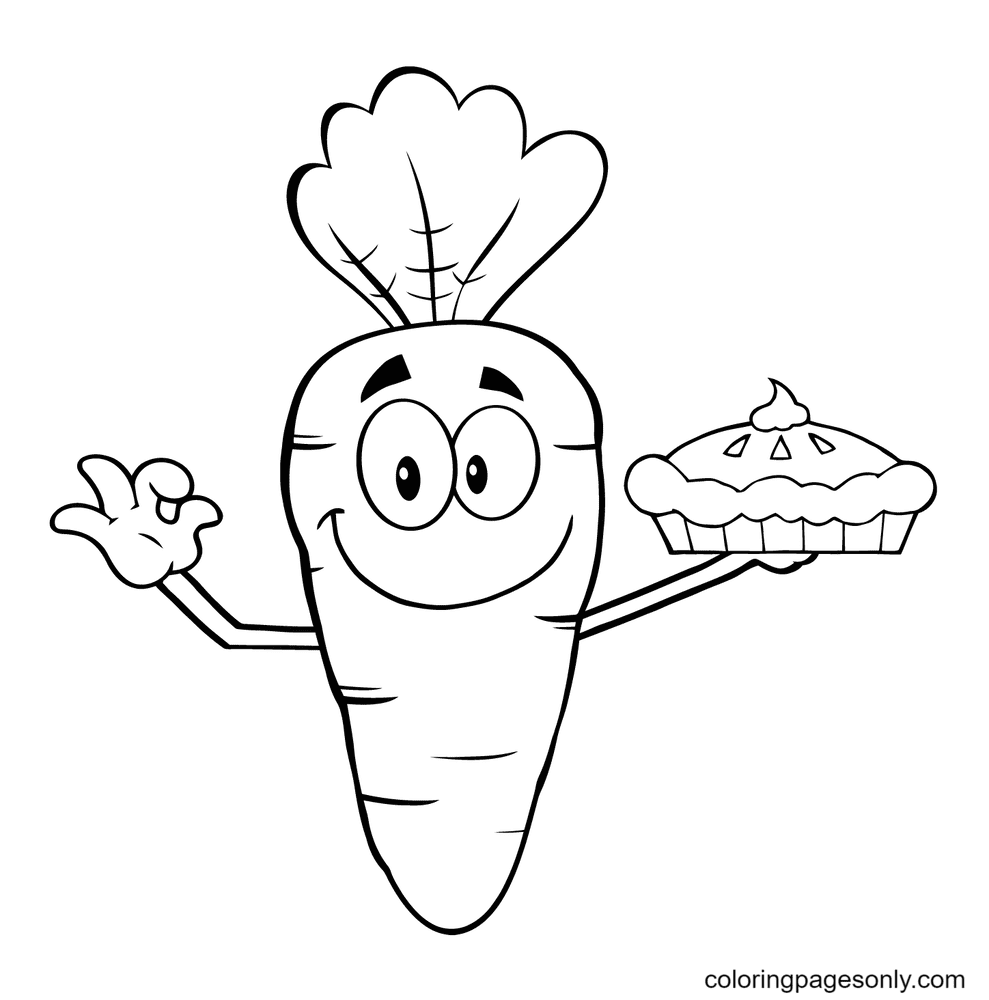
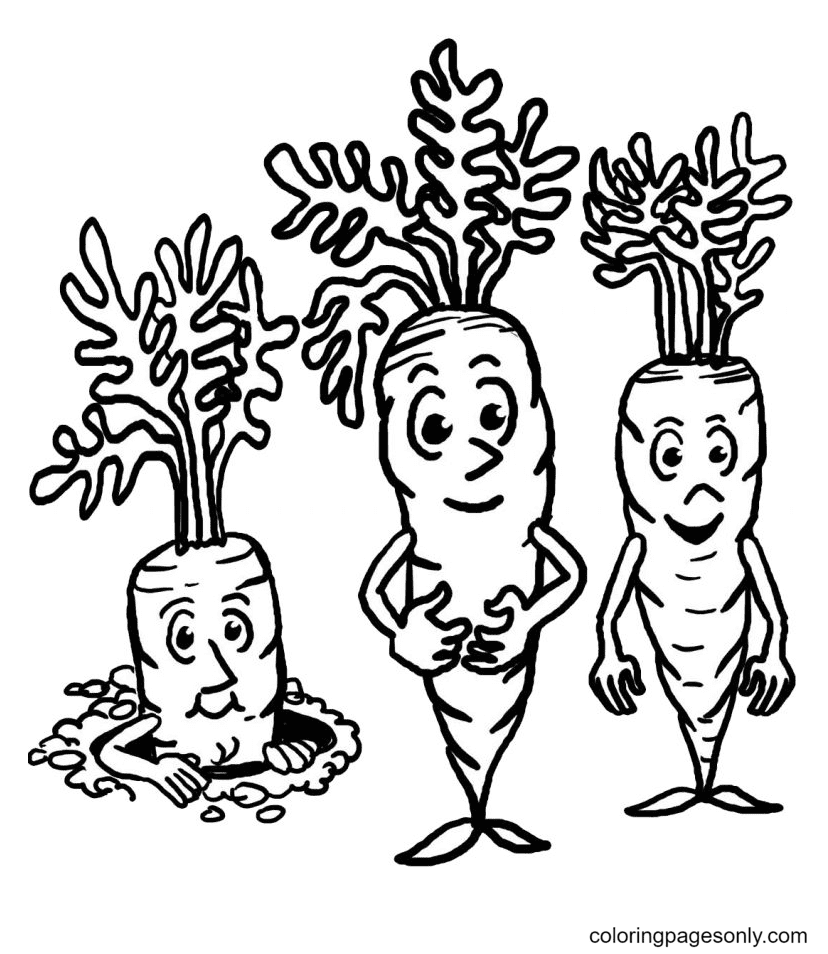
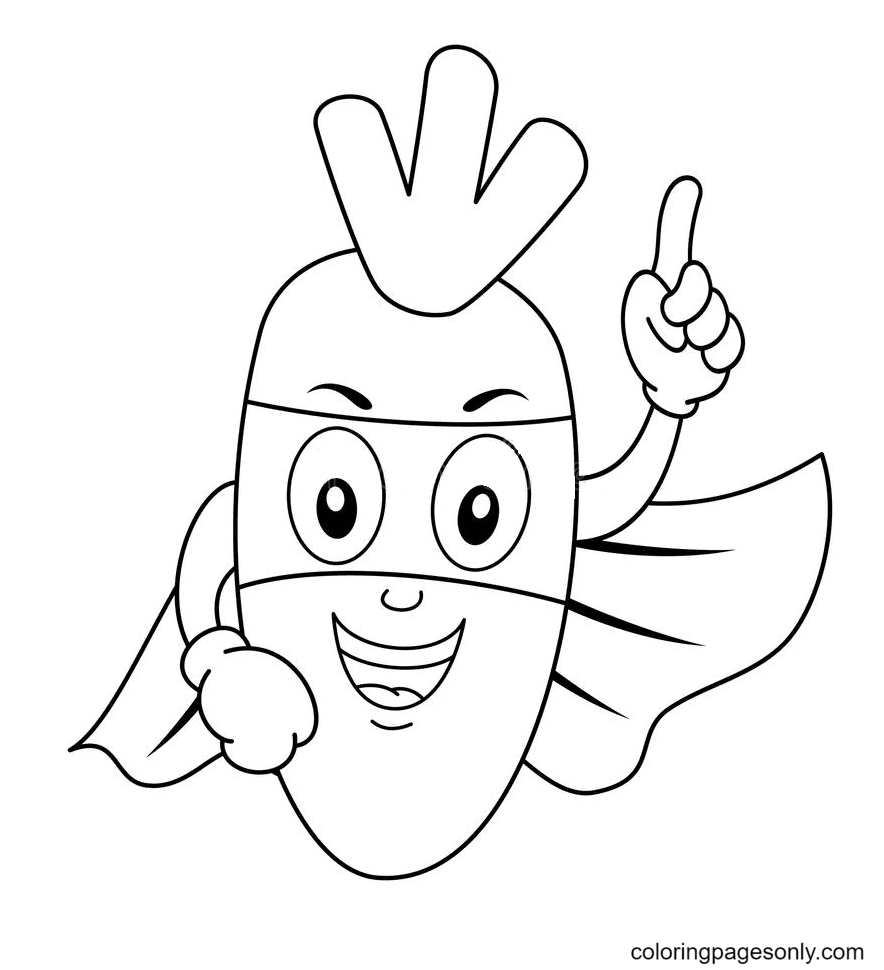
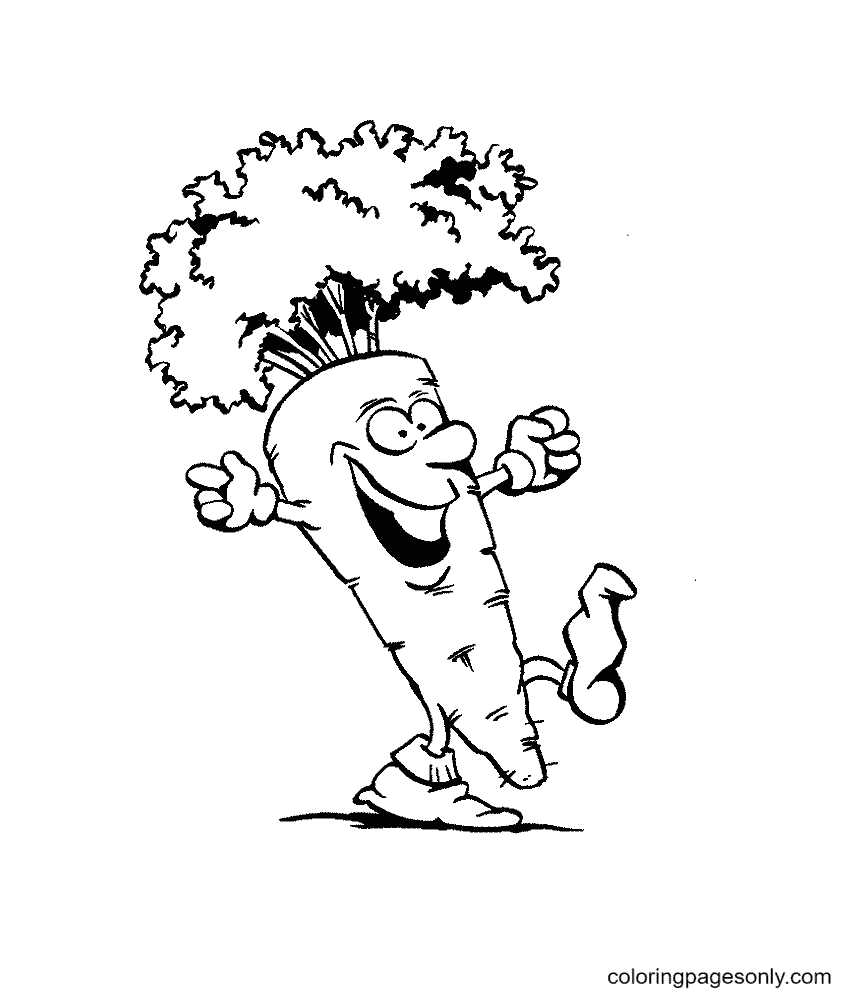
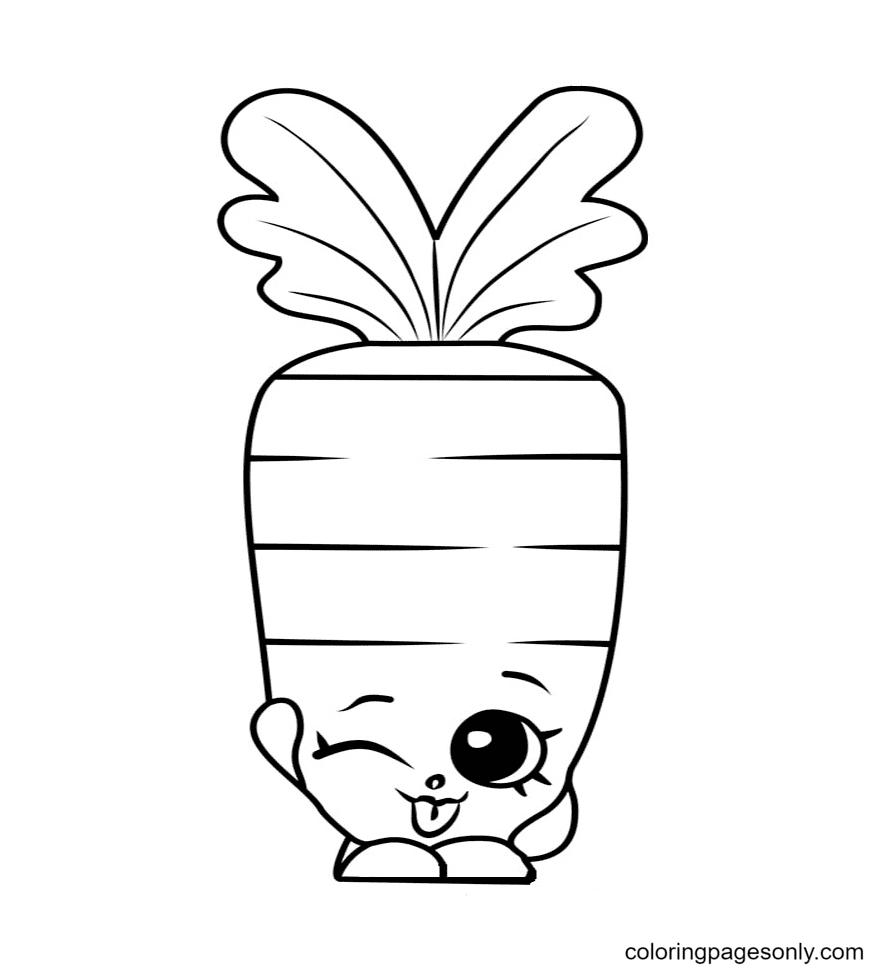
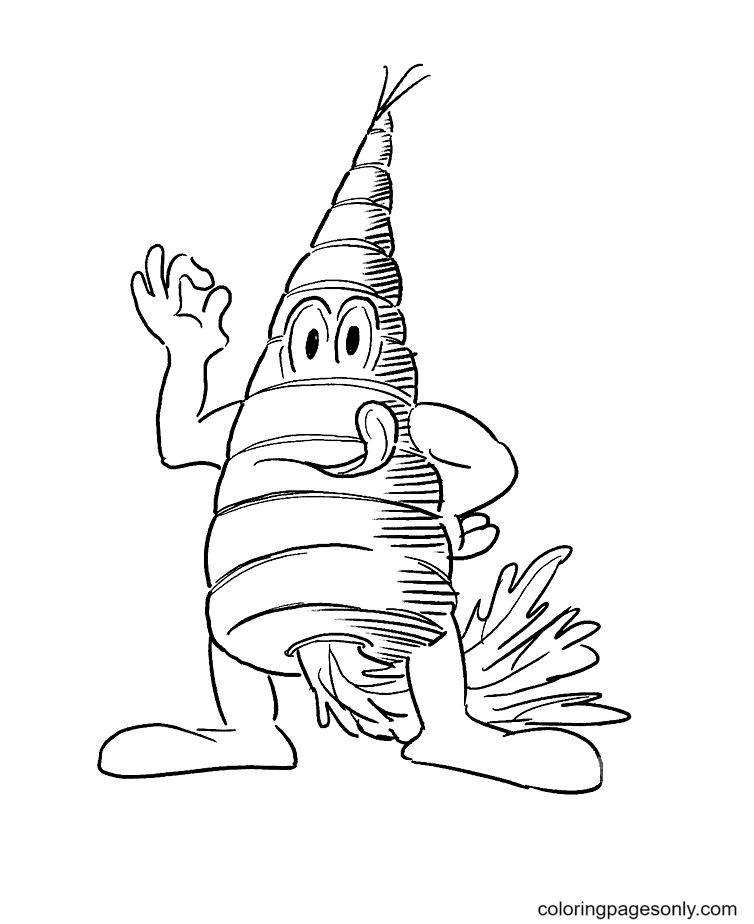
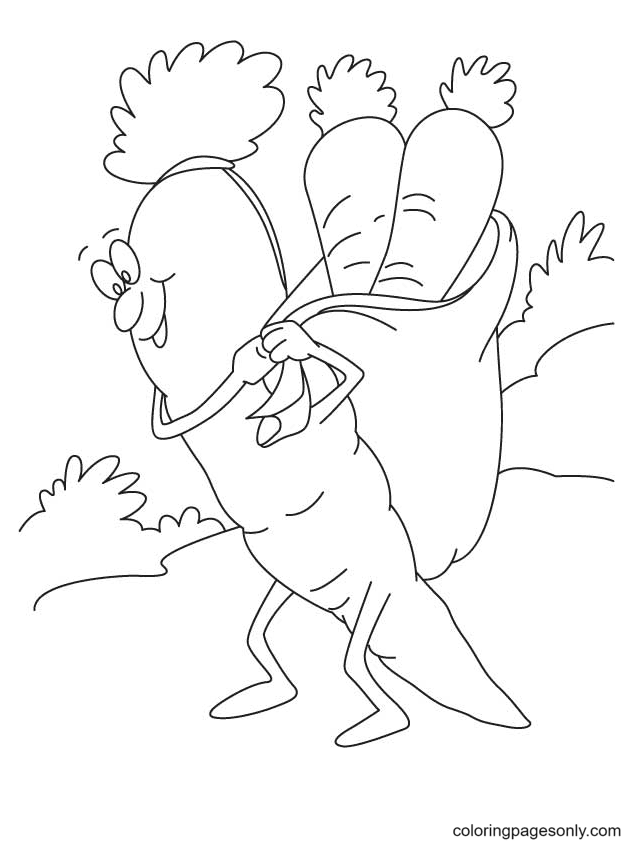
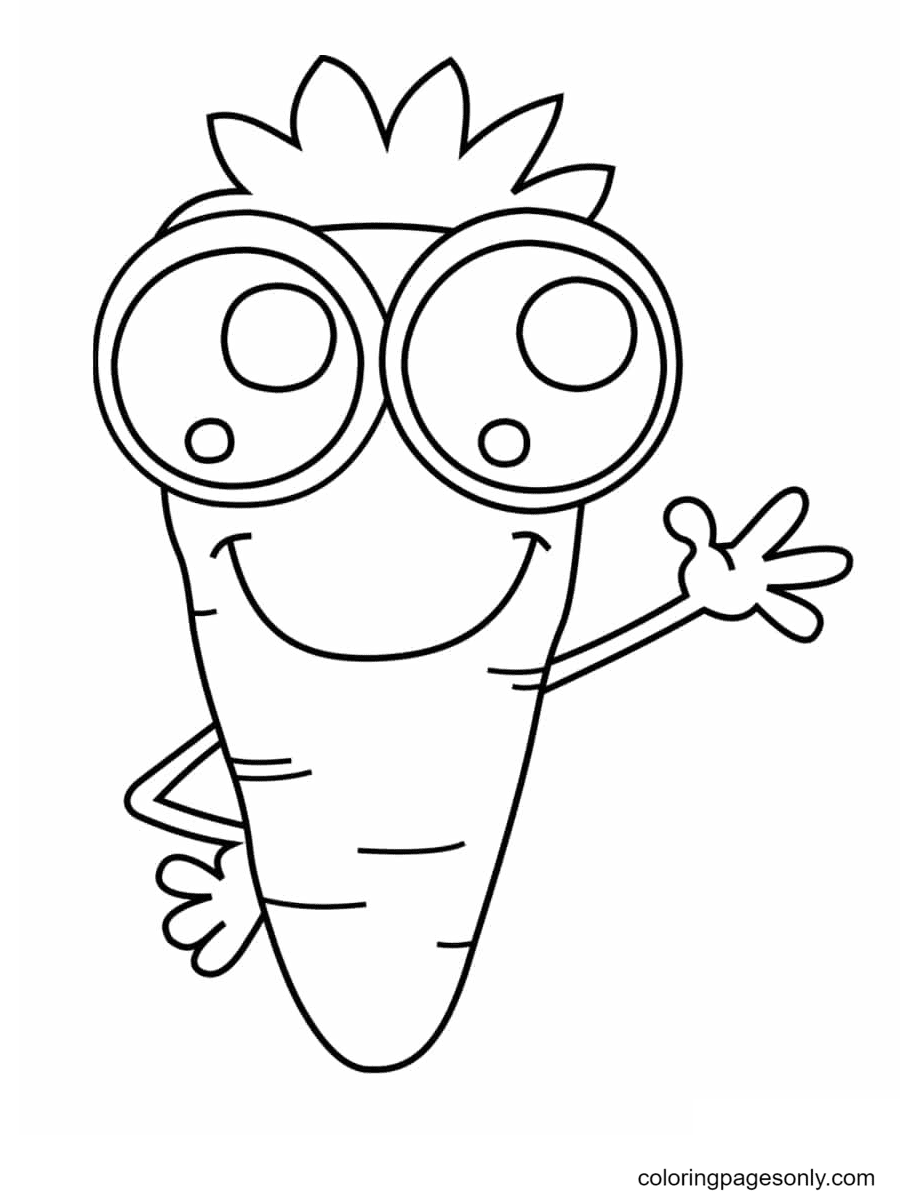
A playful cluster gives carrots faces, personalities, and costumes, from smiling cartoon carrots to a magician carrot and a superhero carrot.
Coloring character pages: these are the most forgiving pages in the set for bold, unusual color choices, since a costumed or cartoon carrot doesn’t need to match a real vegetable’s natural coloring.
Garden and Harvest Scenes
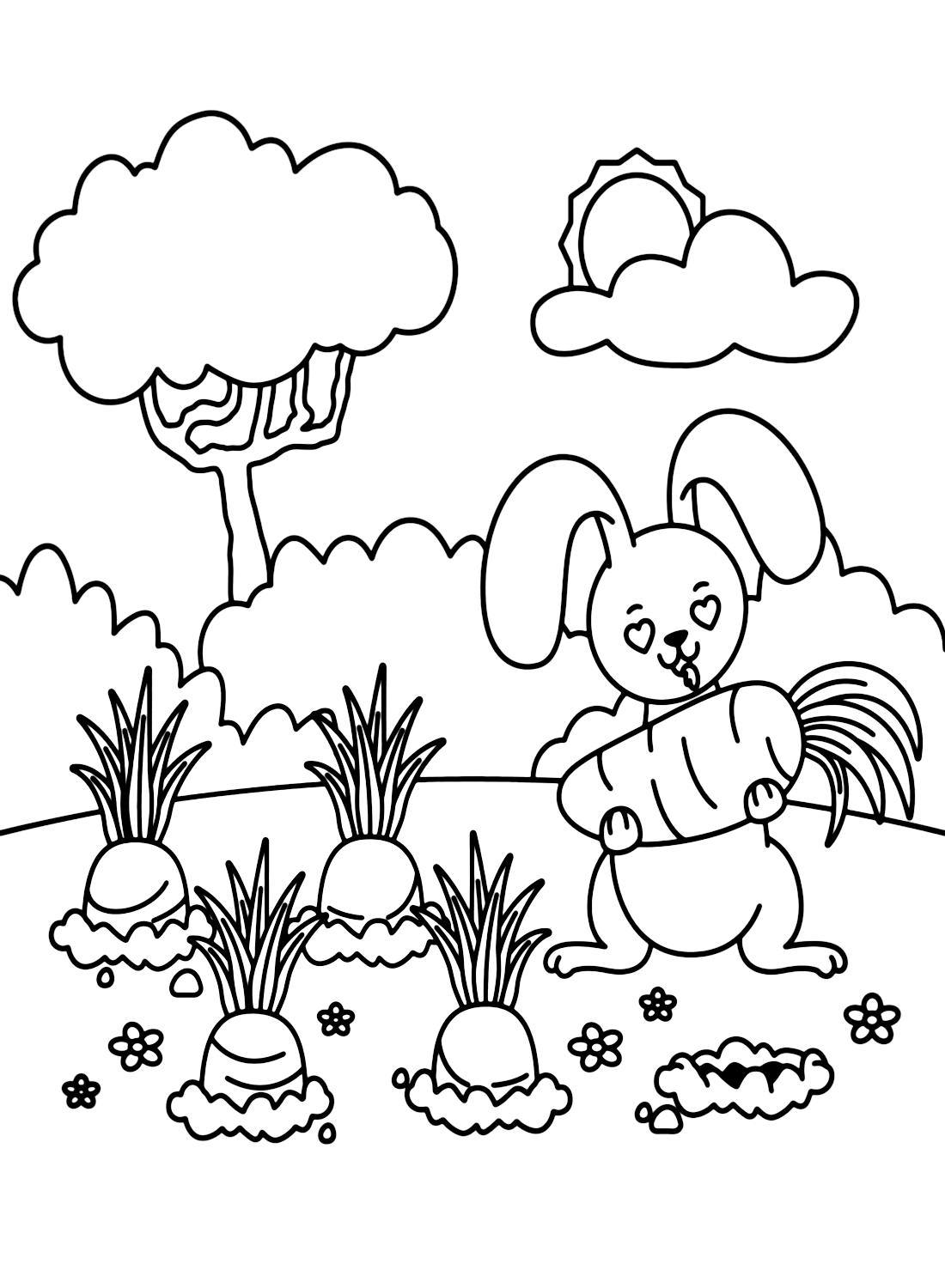
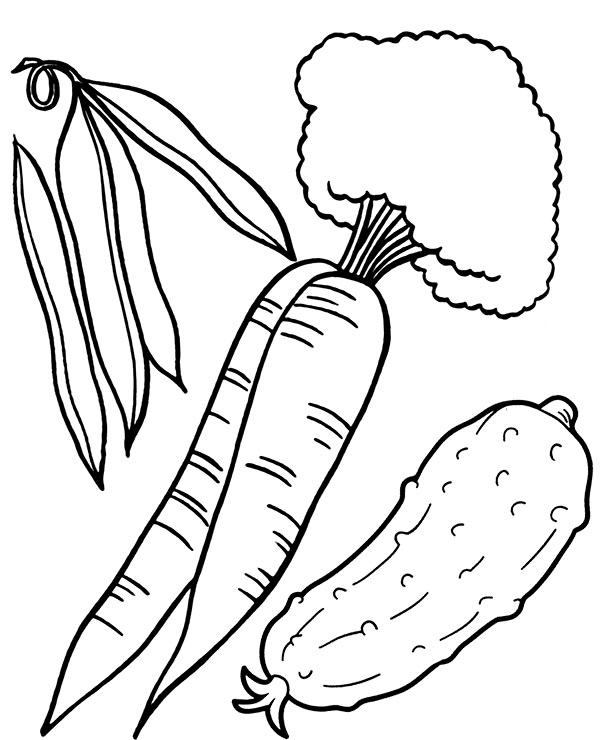
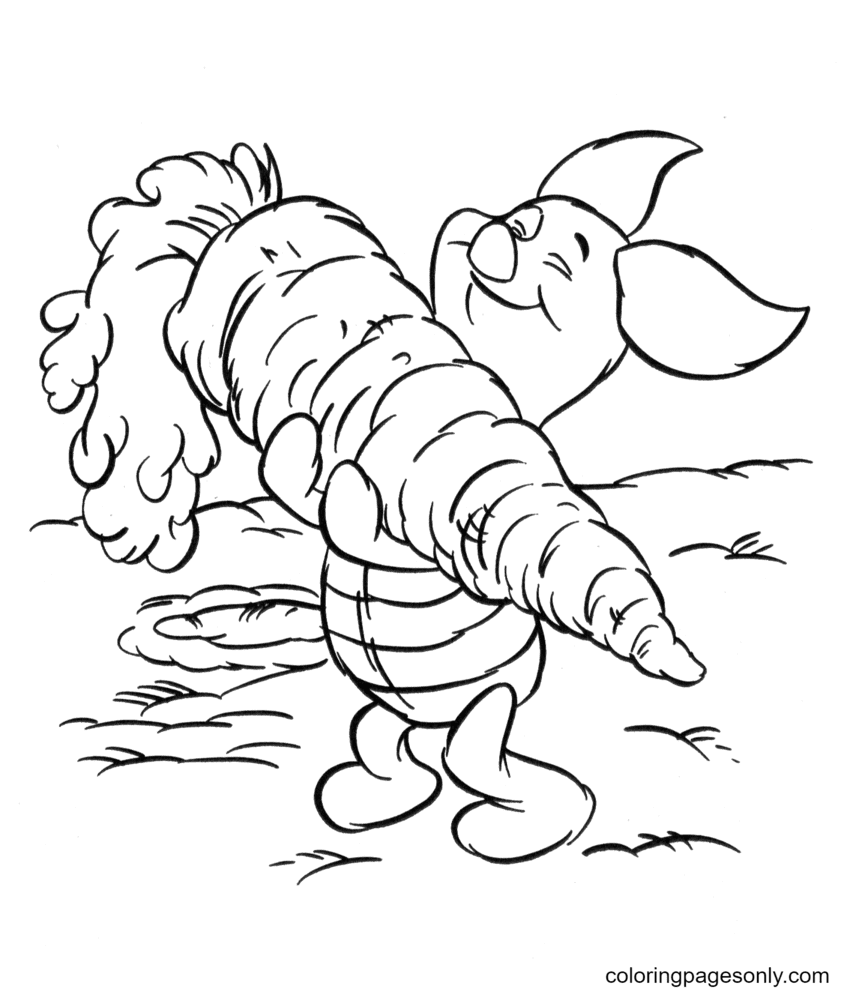
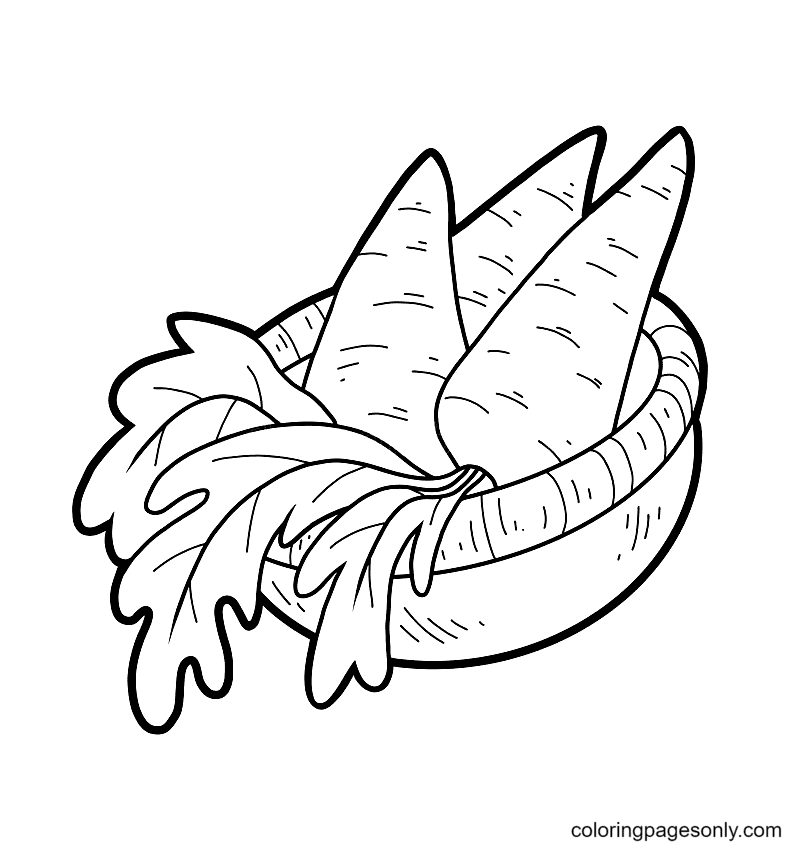
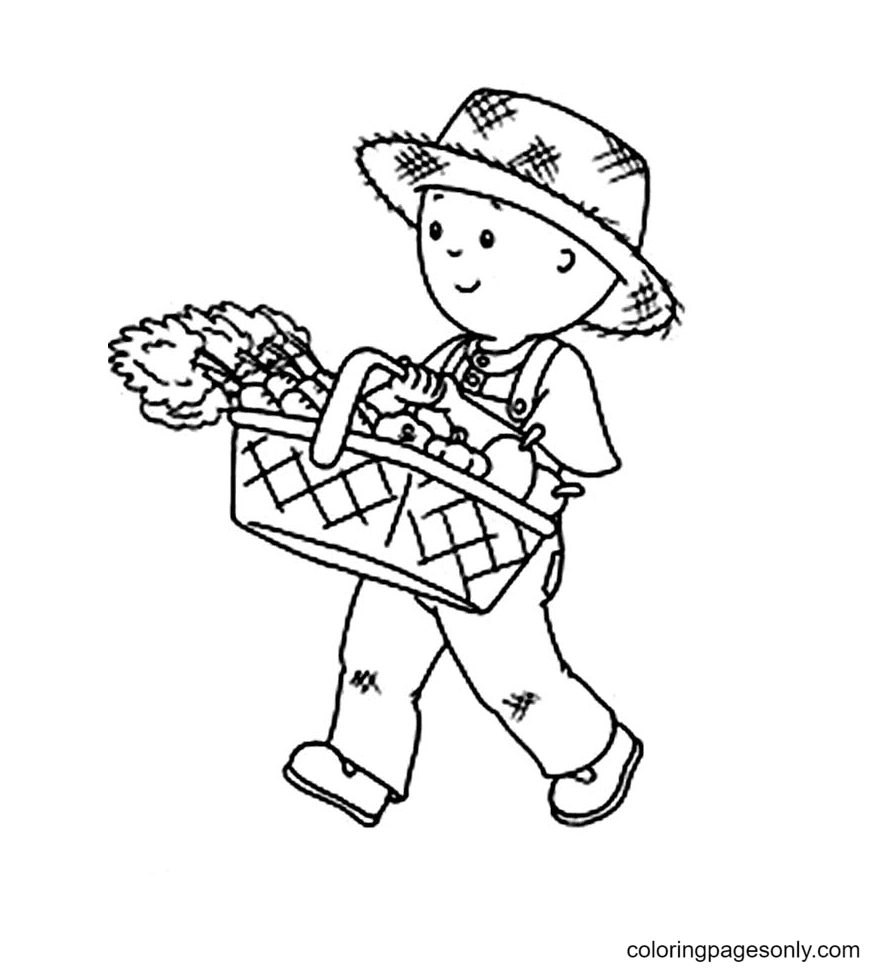
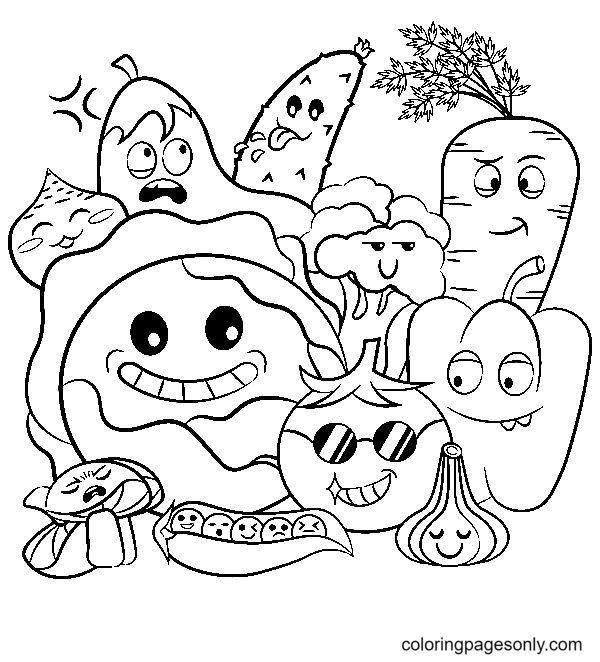
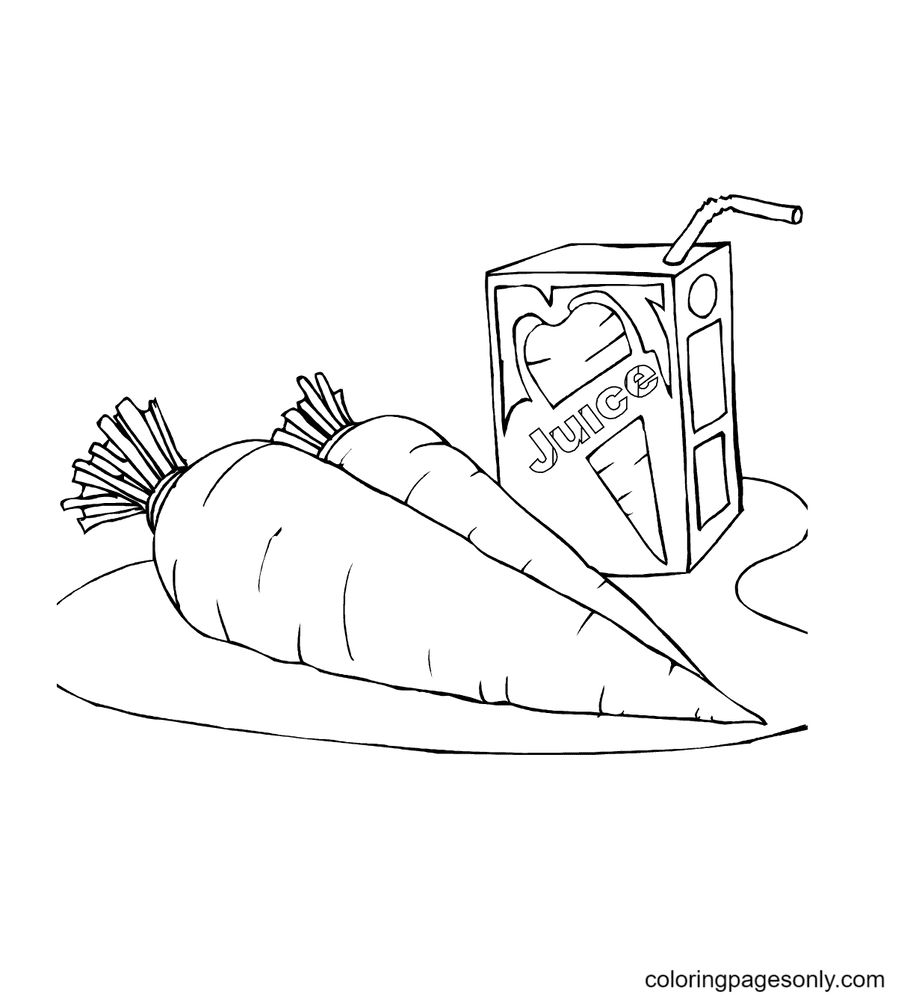
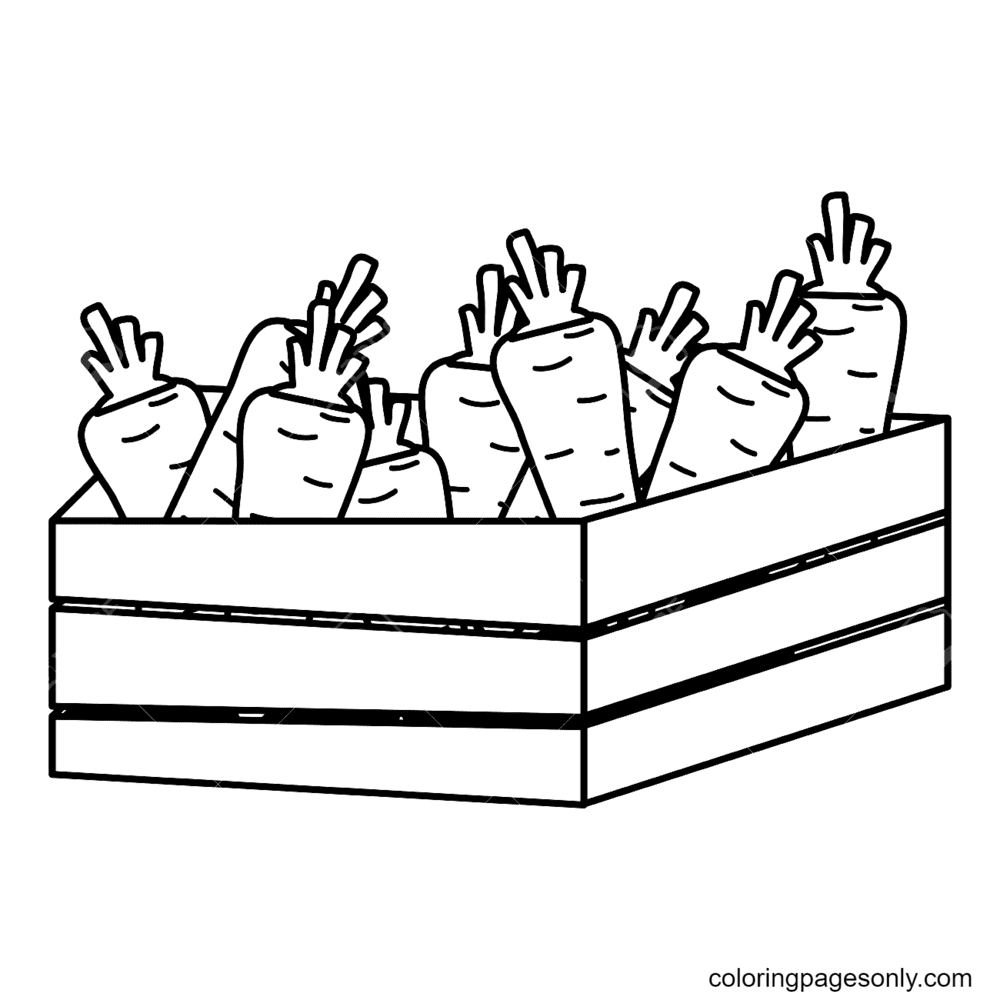
A dedicated cluster shows carrots still in the ground, in baskets, or alongside other garden vegetables.
Coloring harvest pages: rich brown soil tones paired with a few other vegetable colors, greens for peas, reds for tomatoes, give these scenes a believable garden feel.
What These Pages Do
There’s a genuinely surprising piece of history behind one of the most common things people believe about this vegetable. The idea that carrots grant sharp night vision traces directly back to a real British wartime cover story, invented to hide secret radar technology rather than reflect any actual science. Carrots do support real eye health through Vitamin A, just not the superhero-level vision the wartime posters implied.
Coloring a range of shapes and styles, simple root vegetables, fluffy rabbit fur, and costumed cartoon characters is also a genuinely useful exercise for a young colorist’s hands. The American Academy of Pediatrics points to exactly this kind of varied practice as a real contributor to fine motor skill development over time.
There’s a nice reminder here about the real power of a well-drawn character, too, worth sitting with. Much of the WWII carrot campaign worked because of accessible, appealing imagery, cheerful posters, and a memorable mascot named Doctor Carrot, rather than dense paragraphs of information. Art therapy practitioners have pointed out that a simple, appealing image can carry an idea further and longer than pages of facts ever could, which is worth remembering every time a coloring page turns a plain vegetable into something worth paying real attention to.
How to Color Carrot Coloring Pages
Layer the orange. A lighter highlight against a deeper base color gives the root real dimension instead of one flat tone.
Give the green top variety. At least two shades of green keep the leafy stem from looking flat against the orange root.
Separate rabbits from their carrots. Distinct fur and vegetable tones keep the busier pairing pages easy to read.
Let character carrots break the rules. Costumed or cartoon carrots don’t need to match real vegetable coloring, so bold, unusual choices work well here.
5 Creative Craft Ideas with Carrot Coloring Pages
WWII History Card
Color a carrot portrait, then write a short card explaining the real story of Doctor Carrot and the wartime myth about carrots and night vision.
It connects a familiar vegetable to a genuinely surprising piece of real history – about ten minutes.
Carrot-Shaped Bookmarks
Color a carrot design, cut it out, and laminate it into a sturdy bookmark, adding a ribbon through a punched hole at the top.
It turns a coloring page into something genuinely useful for everyday reading – about fifteen minutes.
Carrot-Themed Gift Tags
Color and cut out a few small carrots, then attach them to blank gift tags for a simple, seasonal wrapping touch.
It’s a light way to turn coloring pages into a practical craft project – about fifteen minutes.
Carrot Garden Diorama
Color a harvest scene, then build a small surrounding garden bed using brown paper and craft materials to represent soil and other vegetables.
It gives a flat garden scene some physical depth beyond the page, about twenty-five minutes.
Rabbit-and-Carrot Puppet Craft
Color a rabbit and a carrot separately, attach each to a craft stick, and use them together for simple, playful puppet storytelling.
It’s an easy way to extend a coloring page into imaginative play – about fifteen minutes.
FAQ About Carrot Coloring Pages
Will I need to pay or register to use these pages?
No. Every page is free to download or color online, with no account required for either option.
What are Carrot coloring pages about?
They cover a range of carrot-themed designs, including simple portraits, rabbit and carrot pairings, playful character carrots, and garden harvest scenes.
Is it true carrots don’t actually help you see in the dark?
Correct. That belief traces back to a real World War II propaganda campaign meant to hide secret British radar technology, not to any real vision-boosting property of carrots.
Why are carrots orange?
Their orange color comes from beta-carotene, a natural pigment the body converts into Vitamin A, which supports genuine eye and immune health.
Why do rabbits and carrots go together in pop culture?
The pairing has become a classic visual shorthand in children’s media and cartoons, even though real wild rabbits don’t primarily eat carrots in nature.
What nutrients are in carrots?
Carrots are a good source of Vitamin A, fiber, and antioxidants, alongside smaller amounts of several other vitamins and minerals.
Can I use these for classroom activities?
Yes. Teachers can use this set for garden-themed lessons, nutrition activities, or simply as a calming coloring break during class.
What age group are these pages best suited for?
These pages suit kids aged three and up, with simple portrait and rabbit pairing pages working especially well for younger colorists.
Start Coloring
Pick a design, save the PDF for printing, or use the online coloring tool right in the browser. Once a page is finished, the share buttons at the top of each design make it easy to post the result to Facebook or Pinterest.