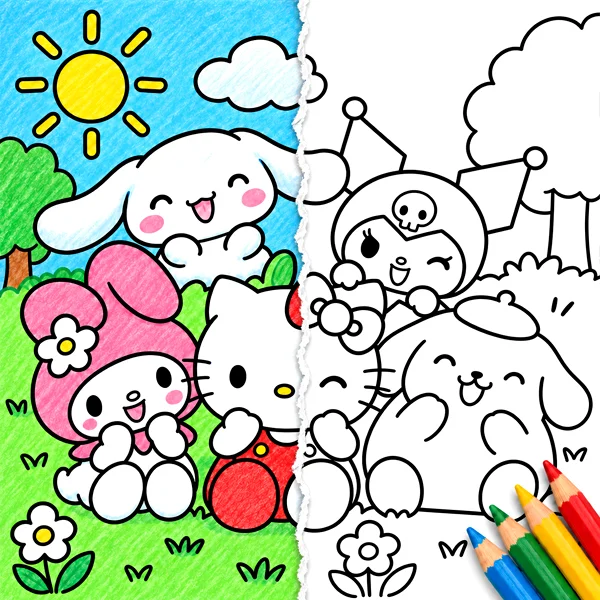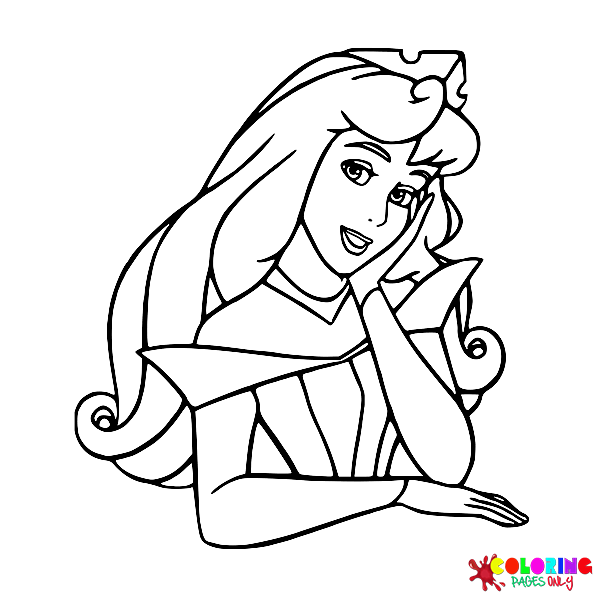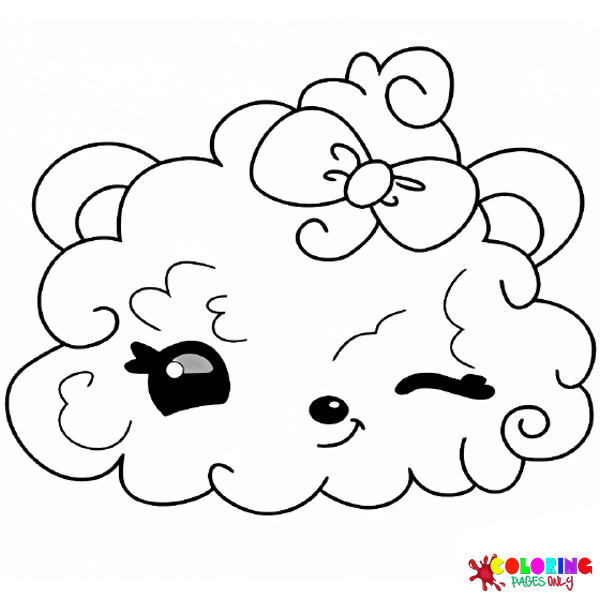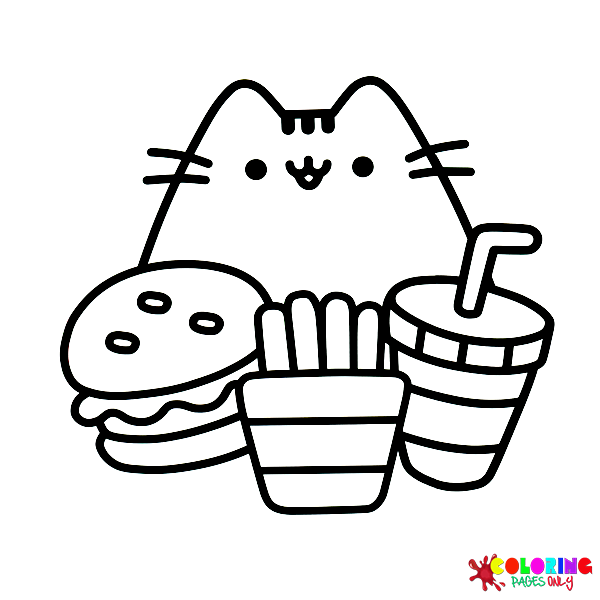

Free Chibi Coloring Pages: 57 printable PDF designs featuring franchise crossover characters, original chibi girls and cute scenes, and general printable sheets, all drawn in the exaggerated, big-eyed chibi style. Each page can be downloaded as a PDF to print or colored online in the browser.
Chibi, also known as super deformation or SD, is a Japanese art style built around oversized heads, large expressive eyes, and small, rounded bodies, with a head-to-body ratio that can run anywhere from roughly 1:1 to 4:1, far more exaggerated than the proportions used in standard anime art. The style grew out of gag panels in 1970s and 80s manga, where artists would briefly shrink a character down for a comedic beat, and it reached a wider audience in 1985 through SD Gundam toy figures. A defining moment for the style came in the 1990s with Chibi-Usa from Sailor Moon, whose popularity helped cement chibi as a recognizable character type in its own right rather than just a passing visual gag.
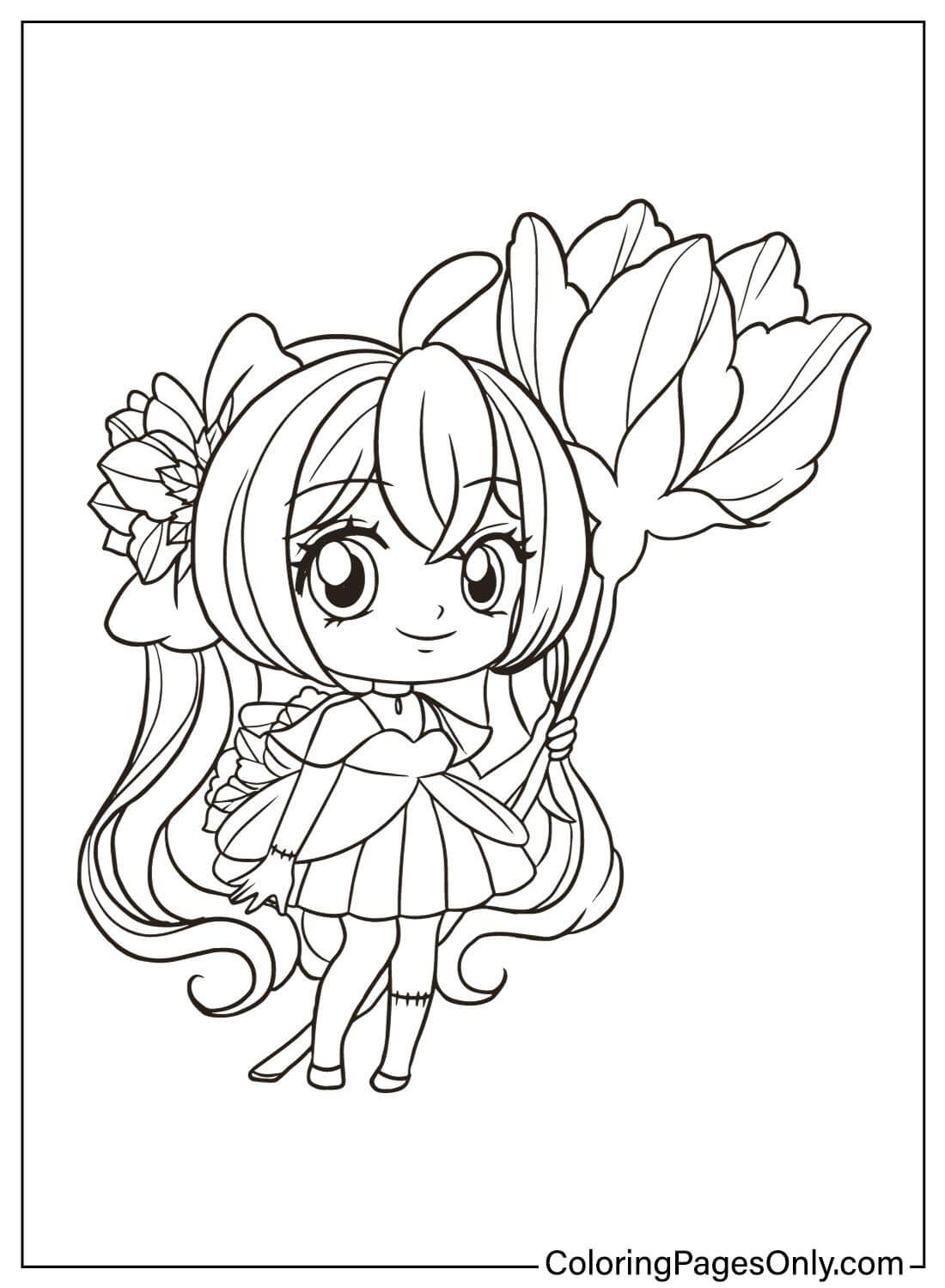
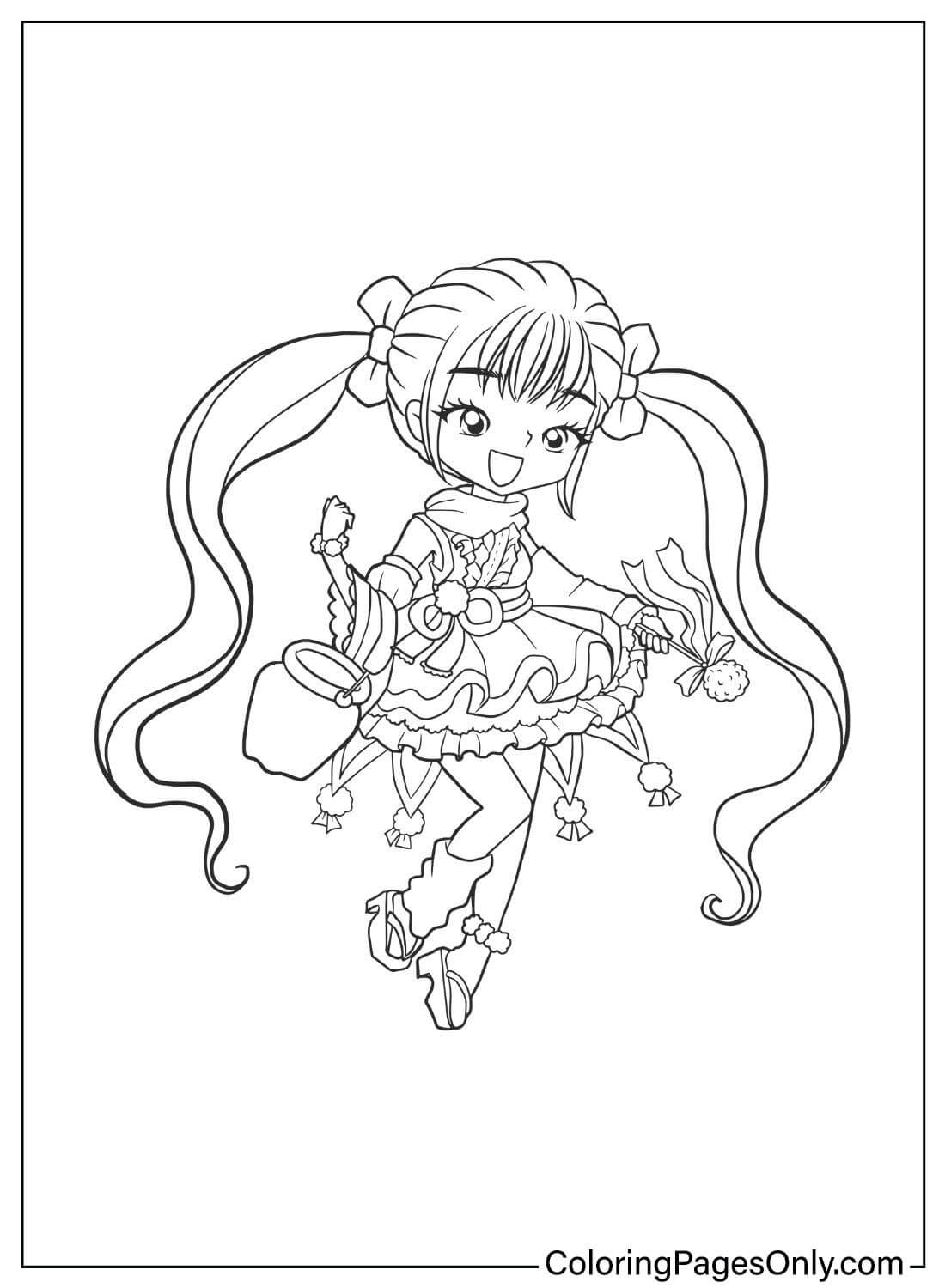
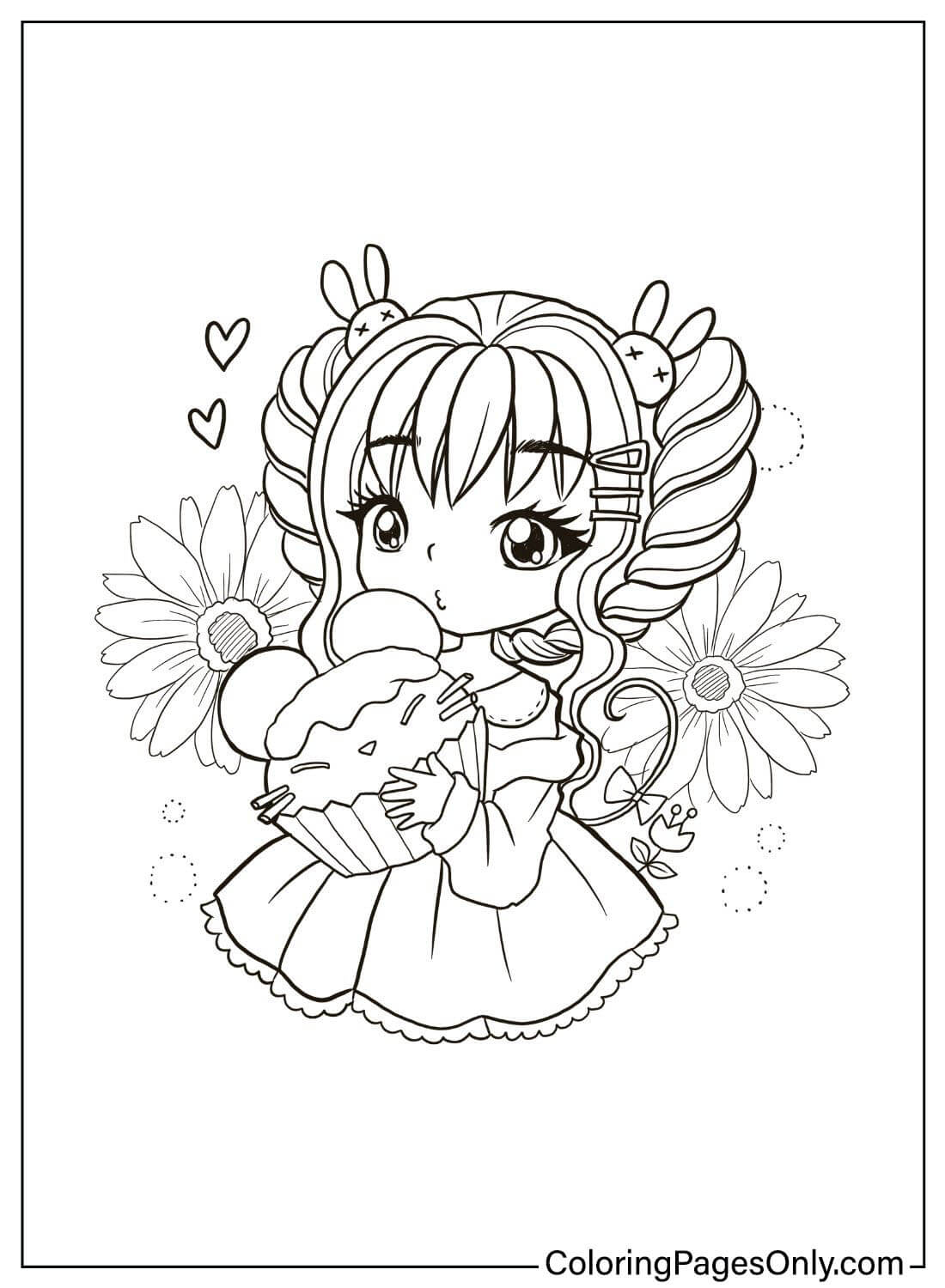
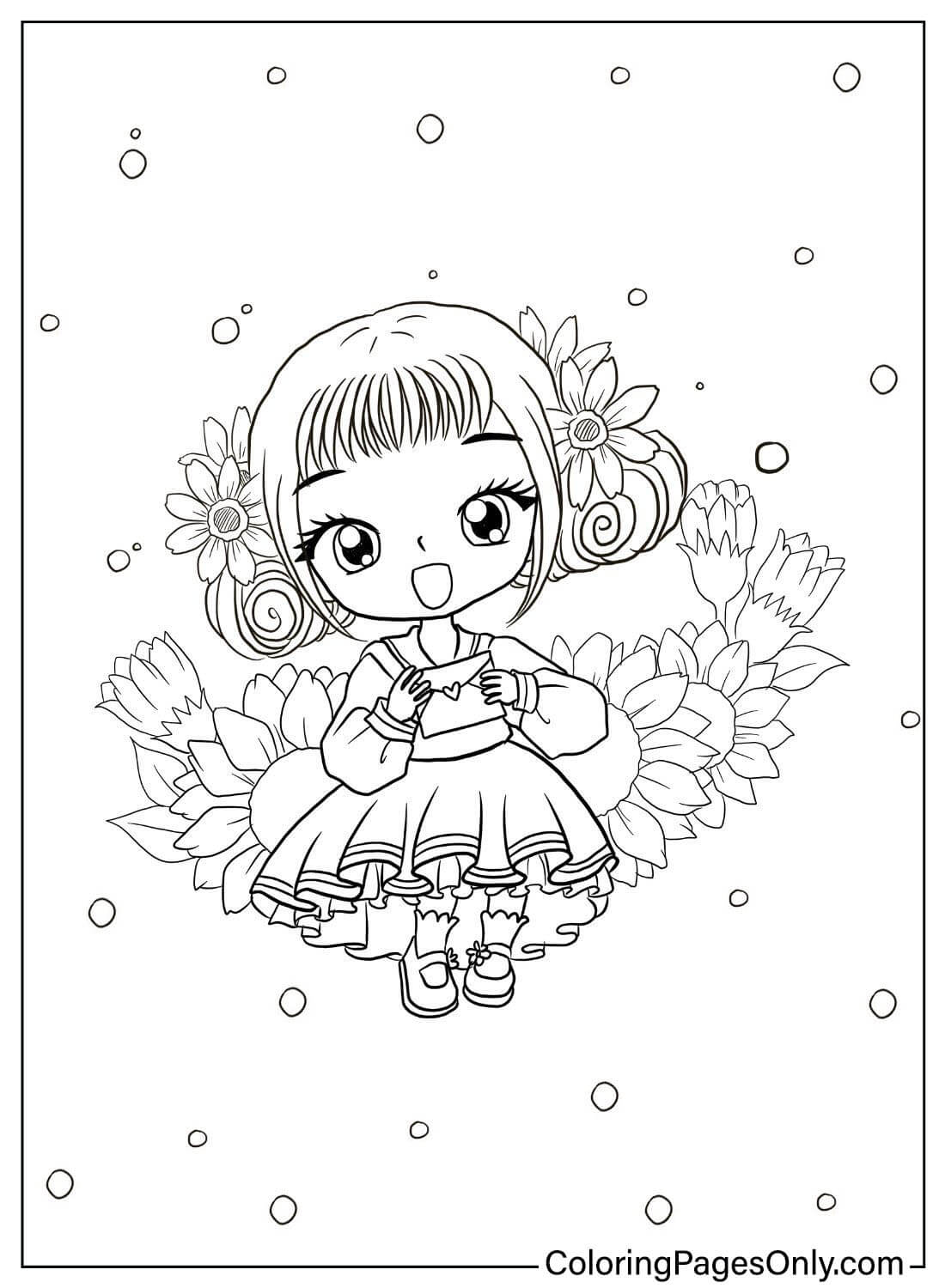
This collection spans 57 pages, split between franchise crossover characters, original chibi girls, cute scenes, and general printable sheets. The coloring angle stays soft and rounded throughout, matching the style’s signature oversized heads and simplified features.
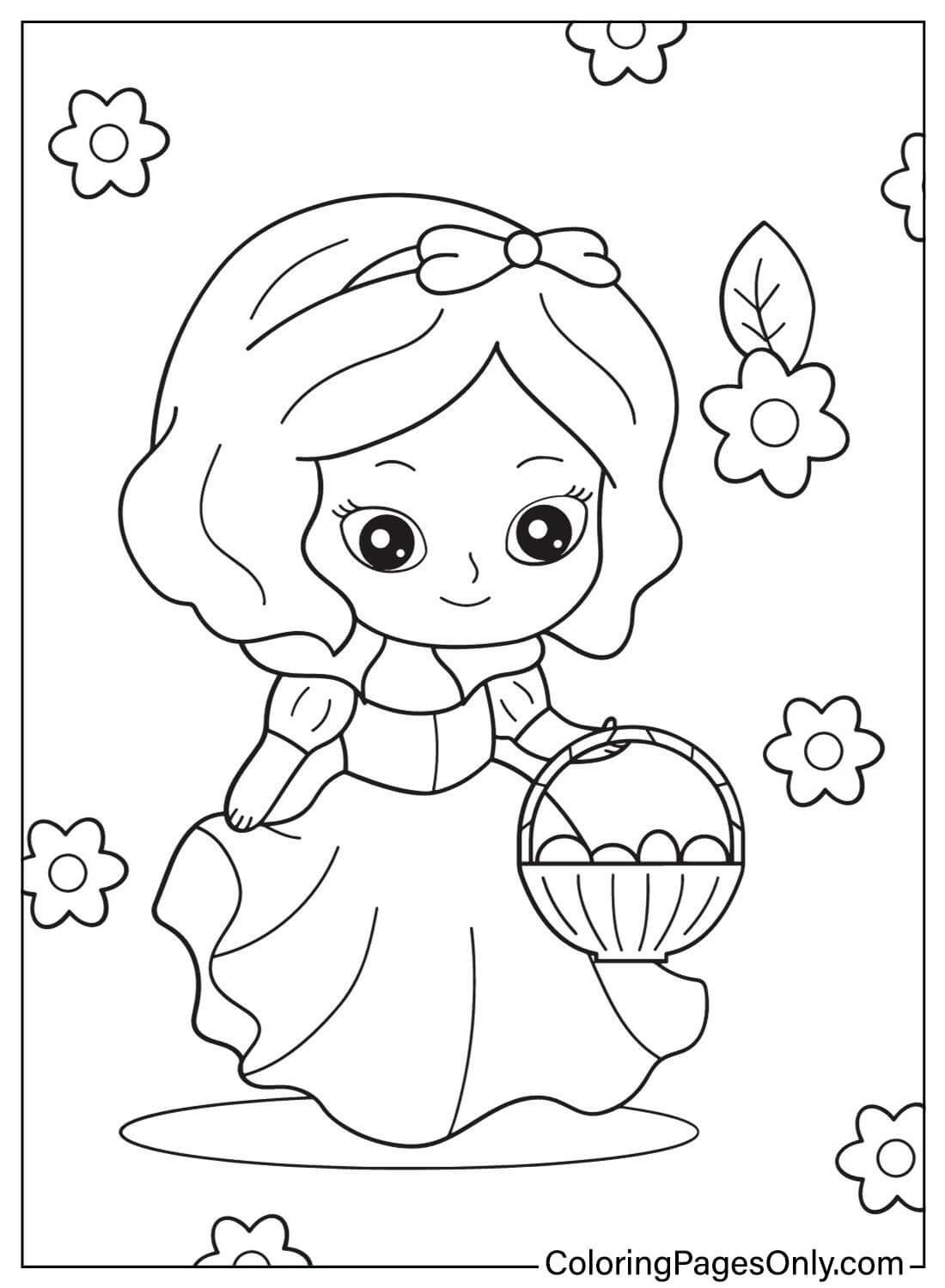
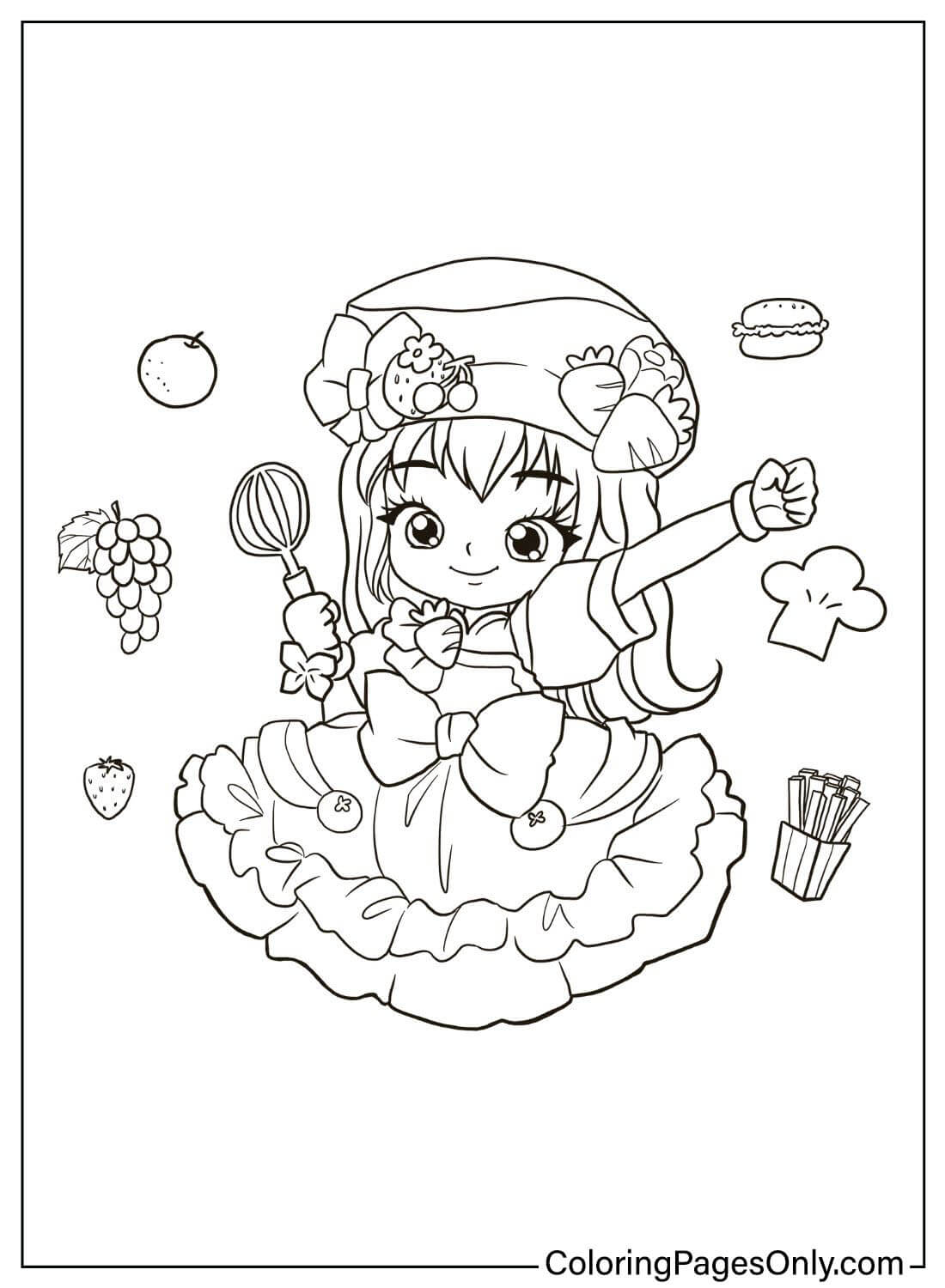
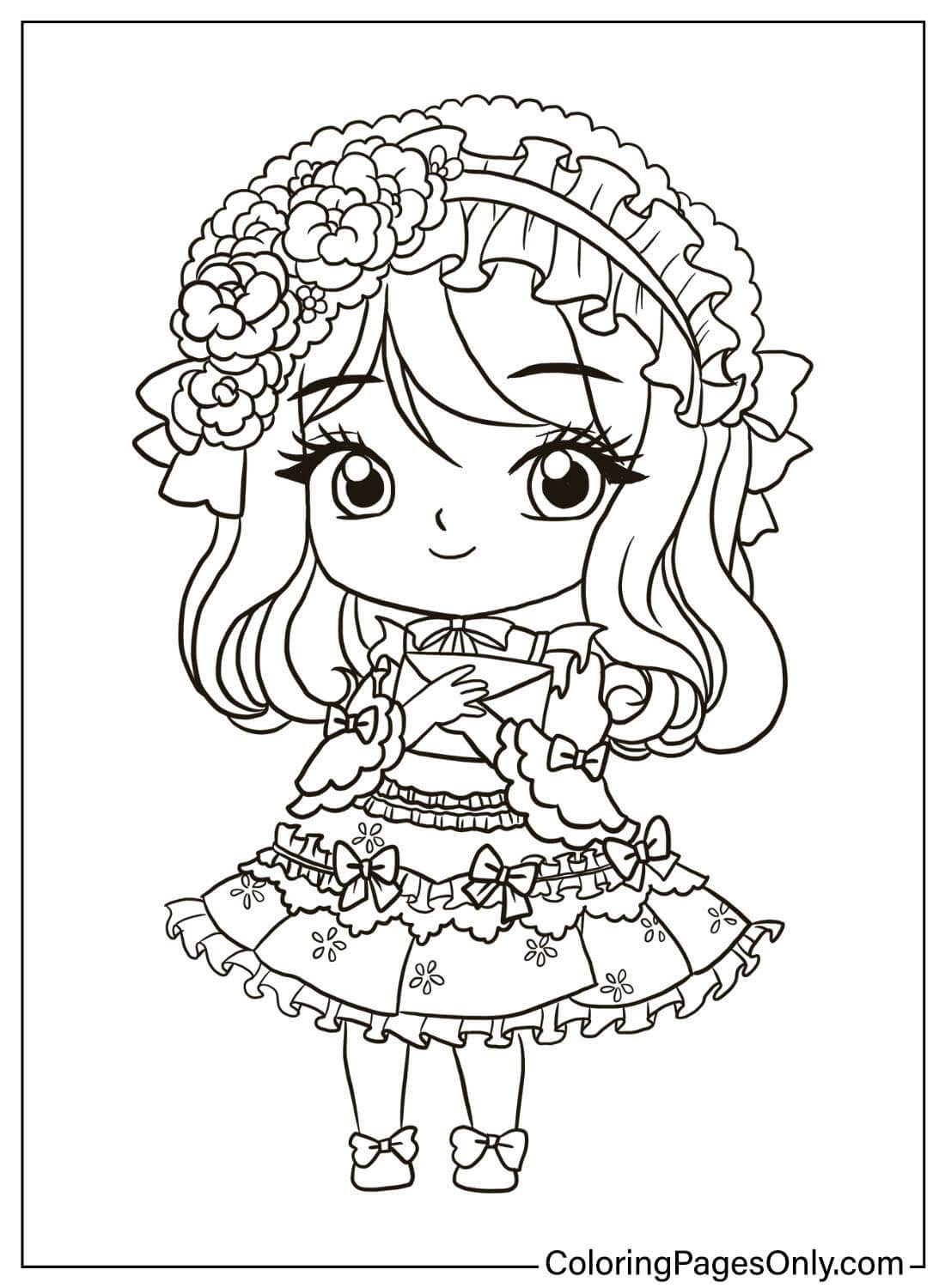
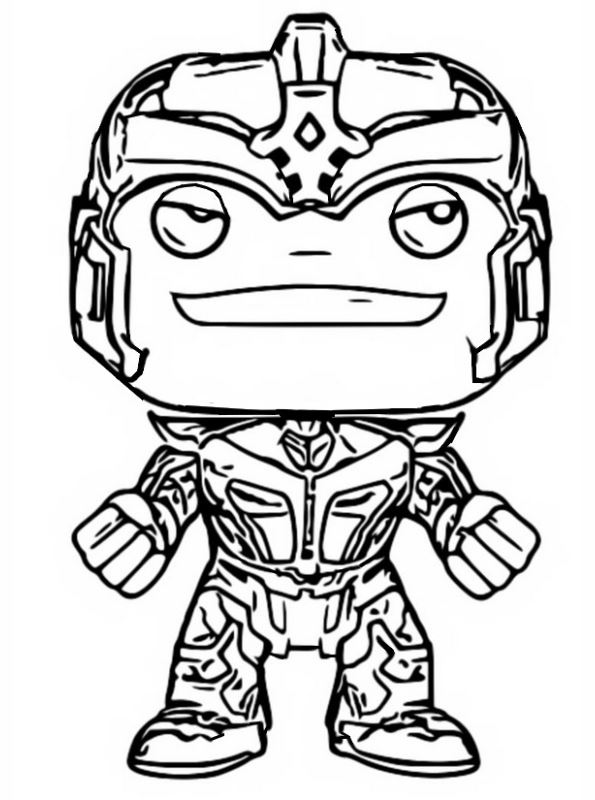
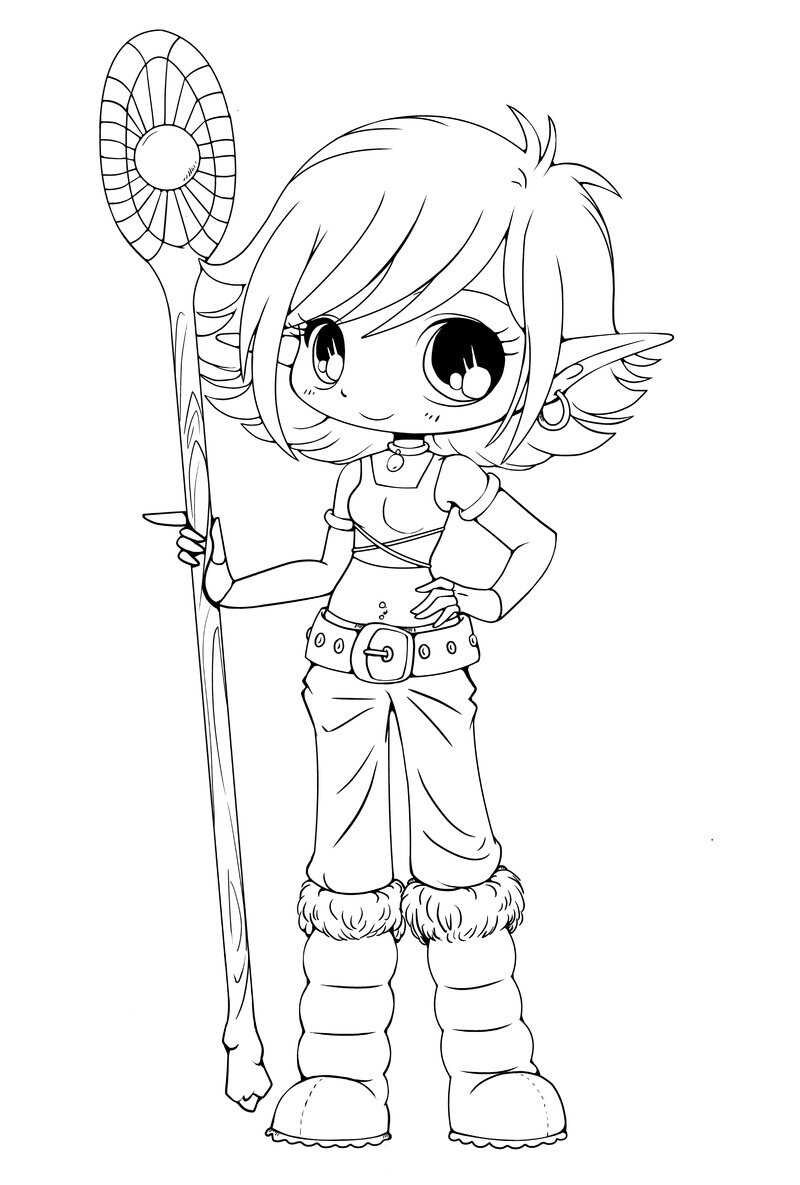
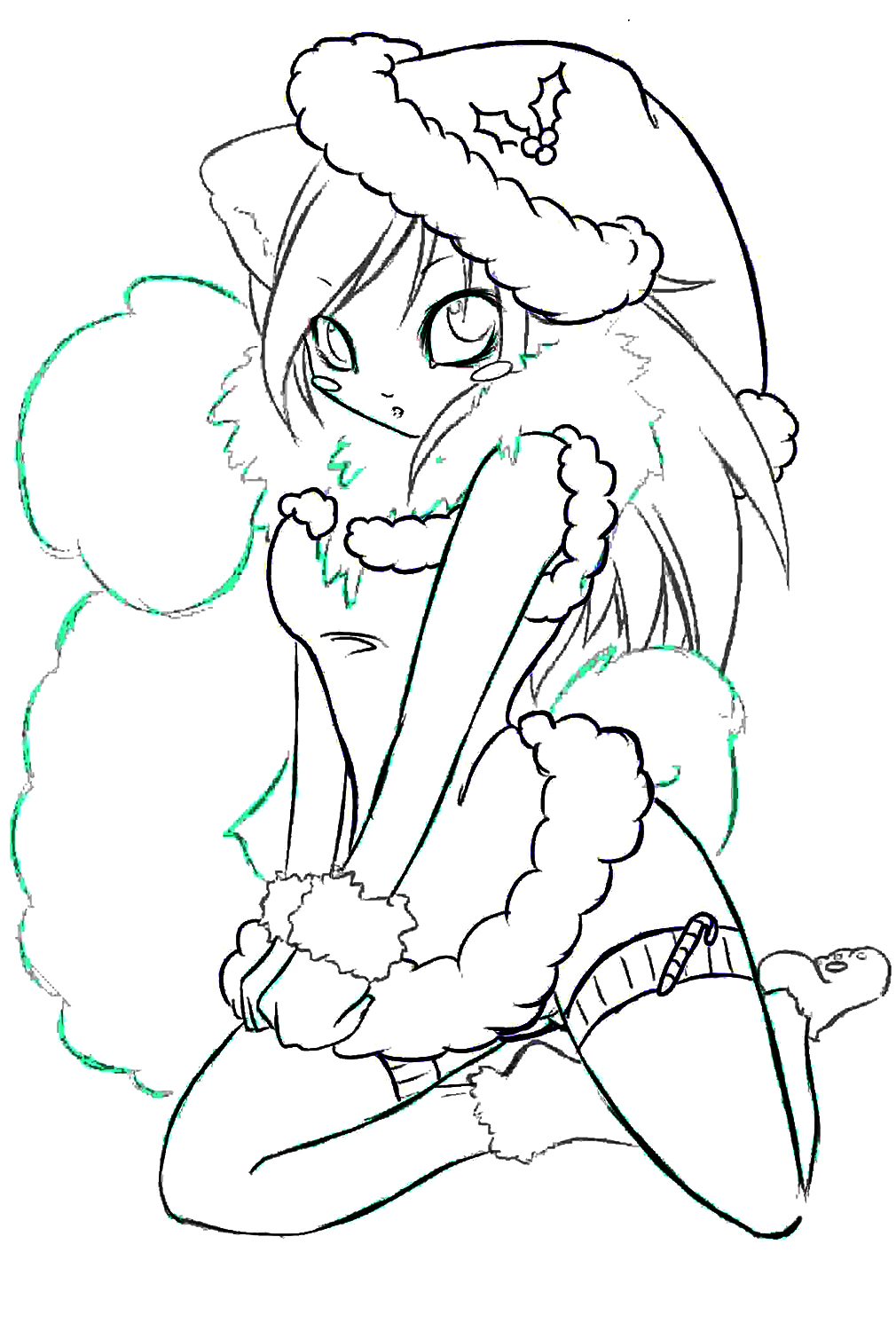
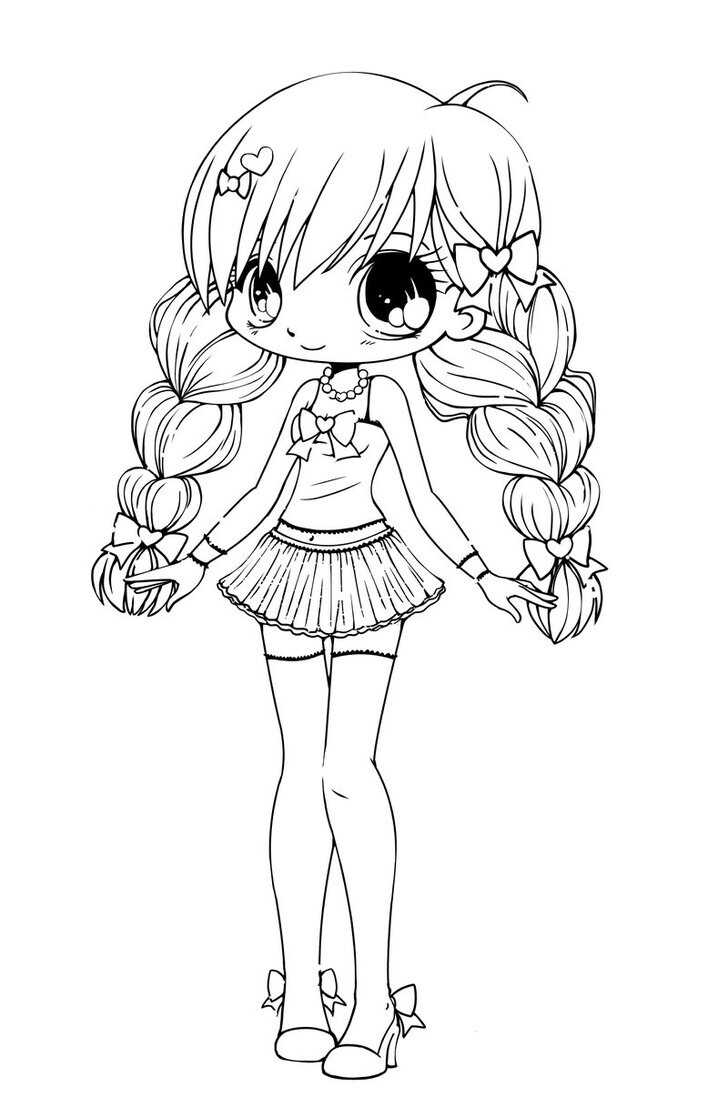
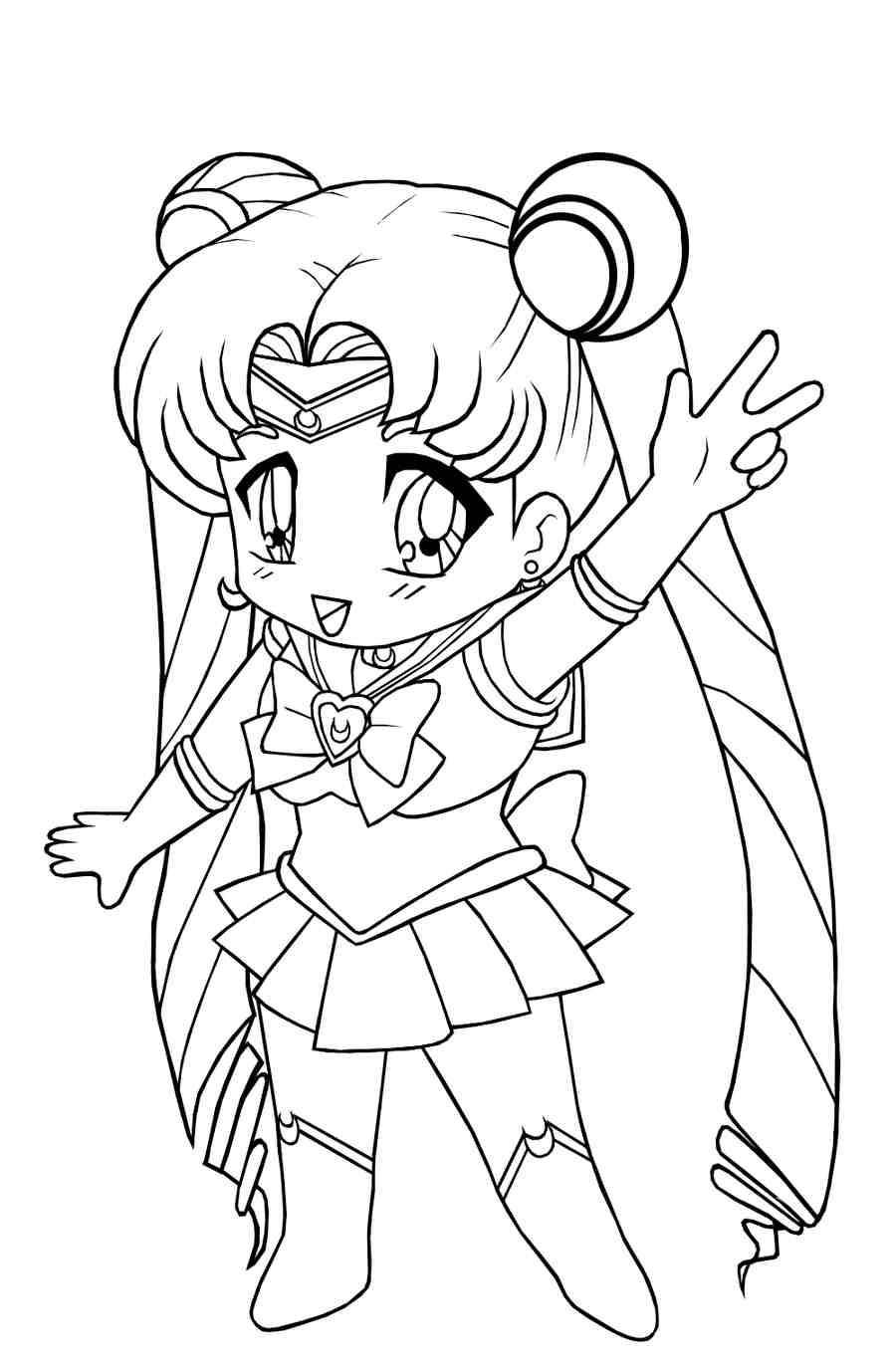
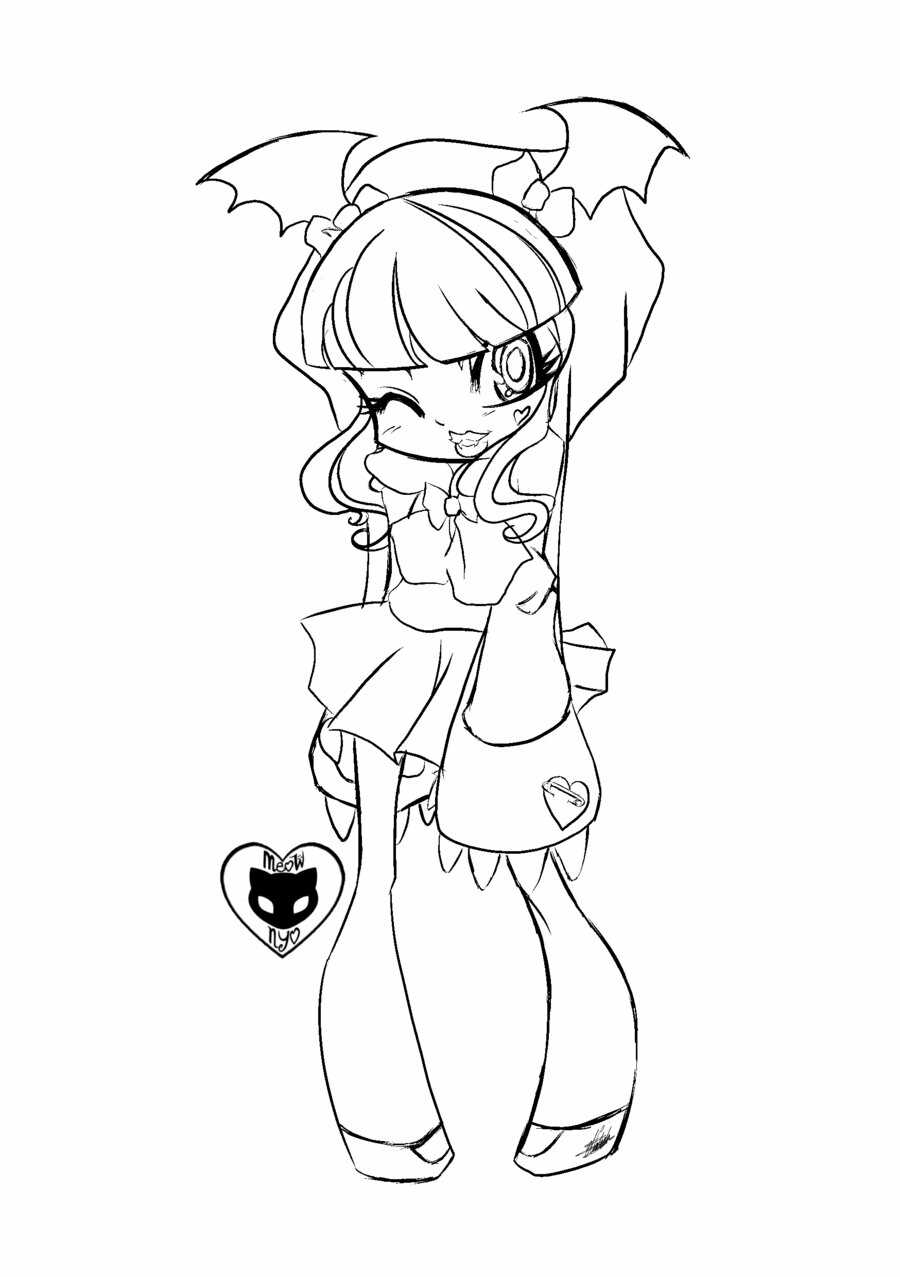
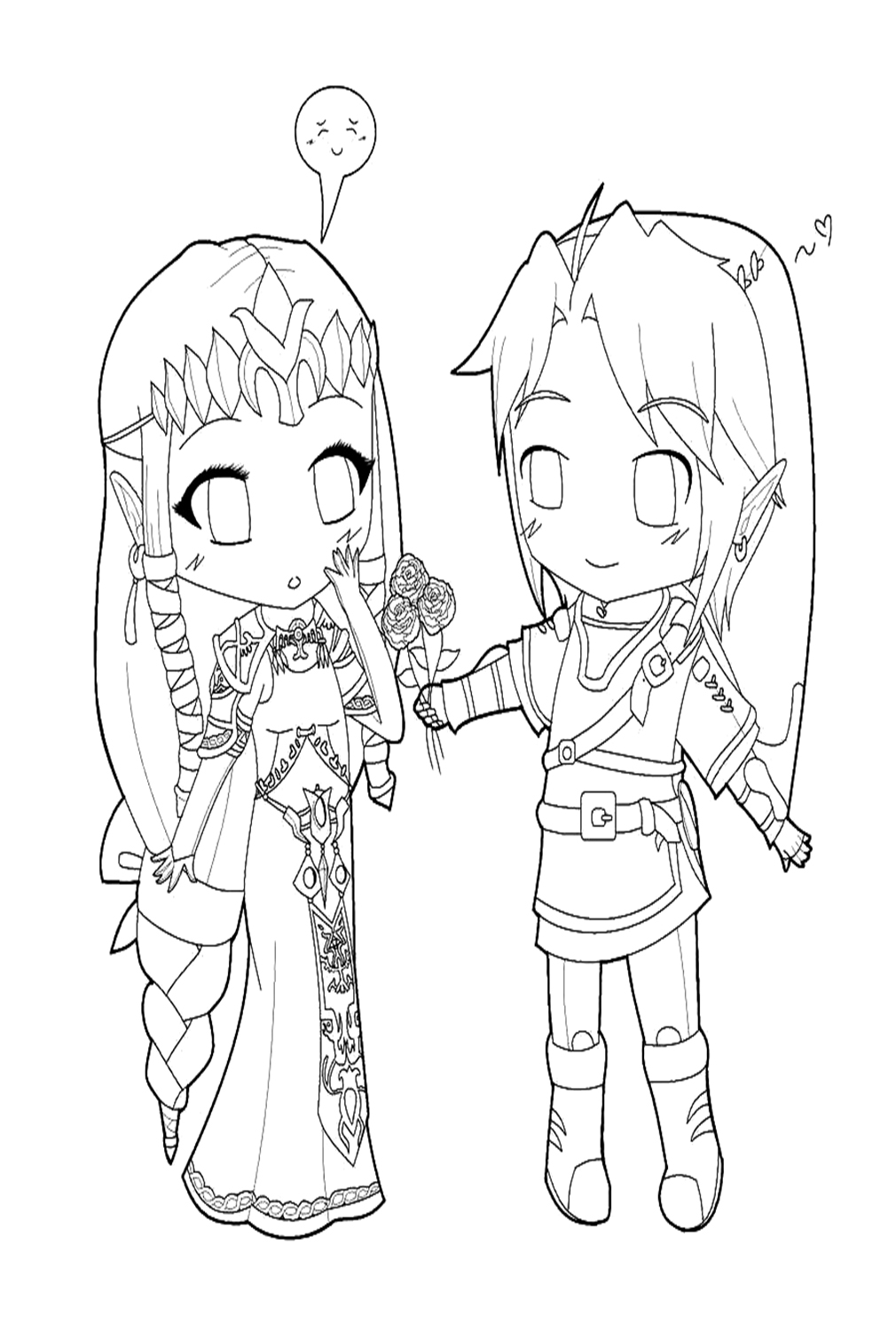
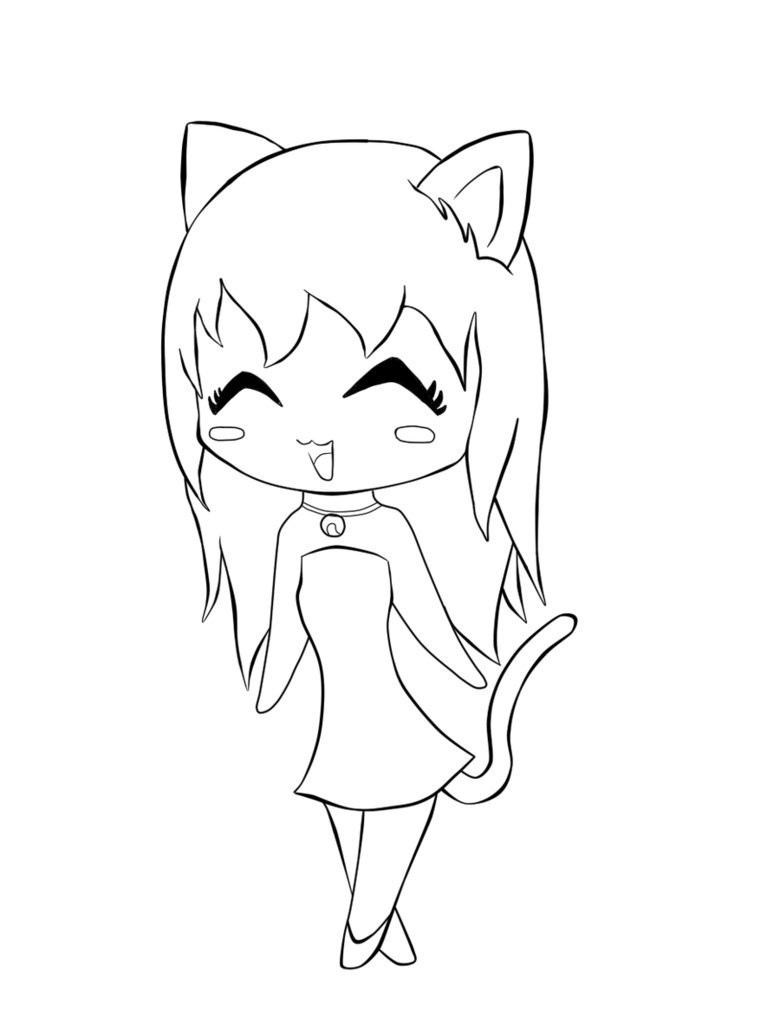


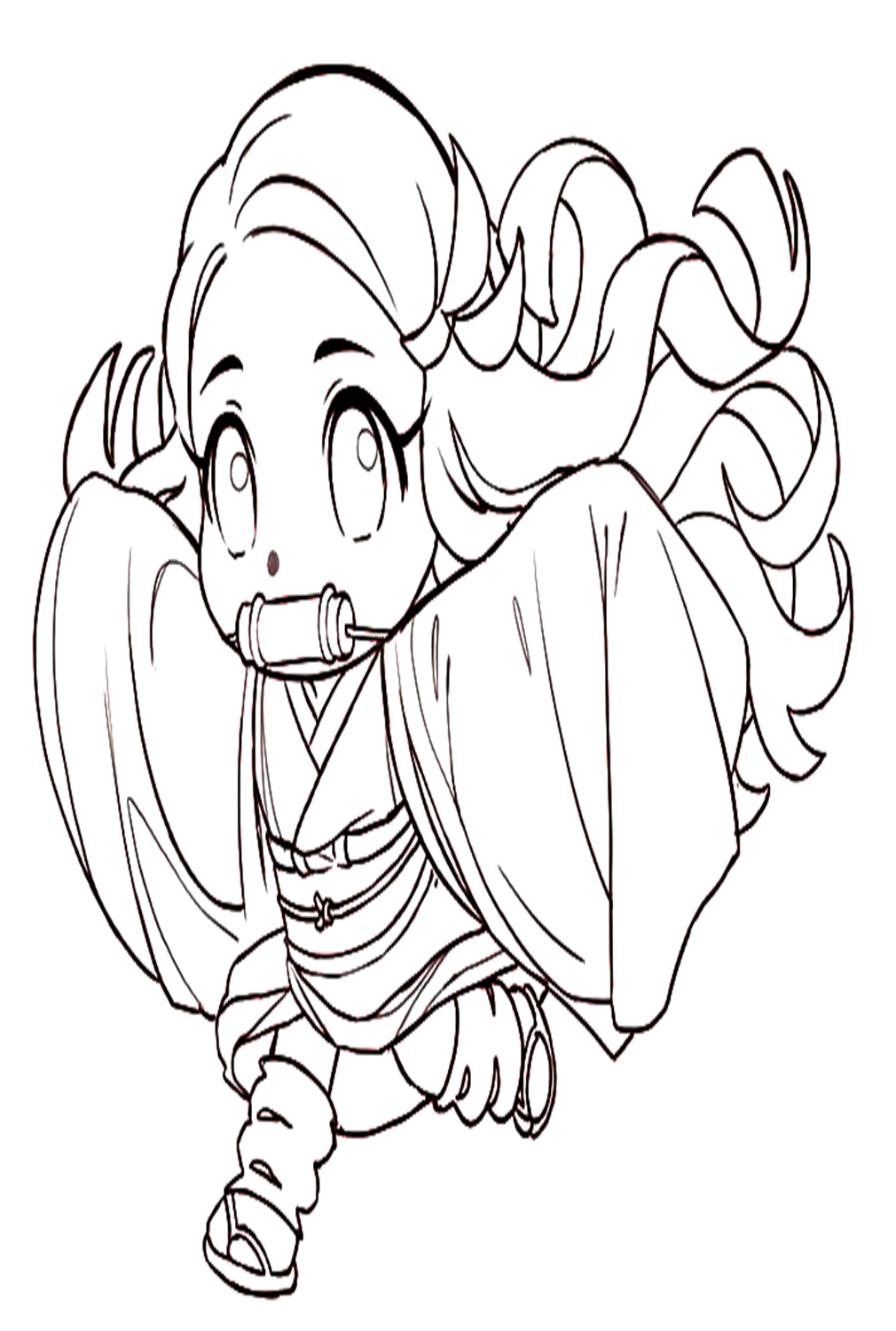
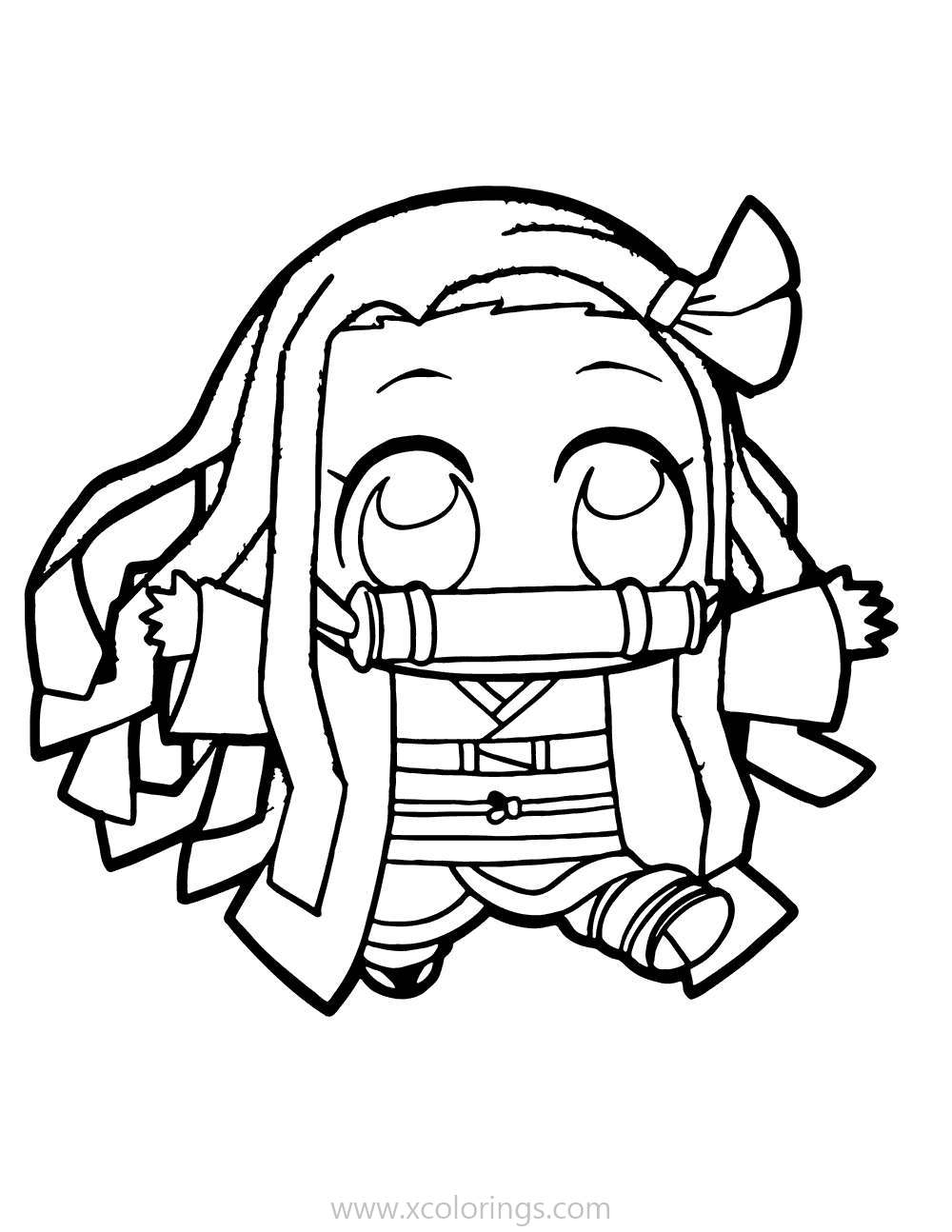
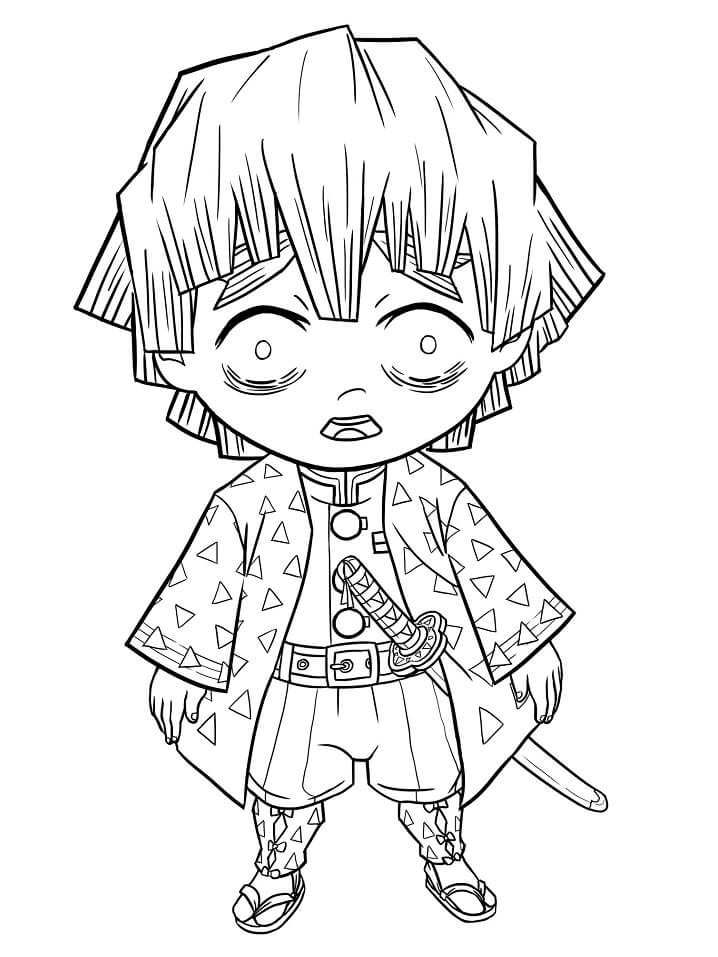
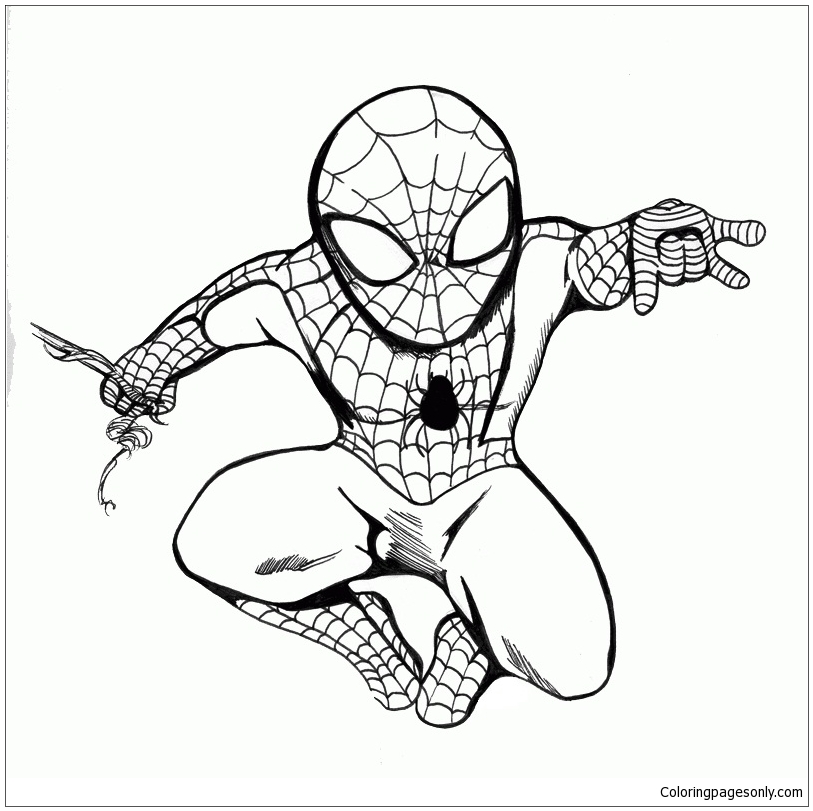
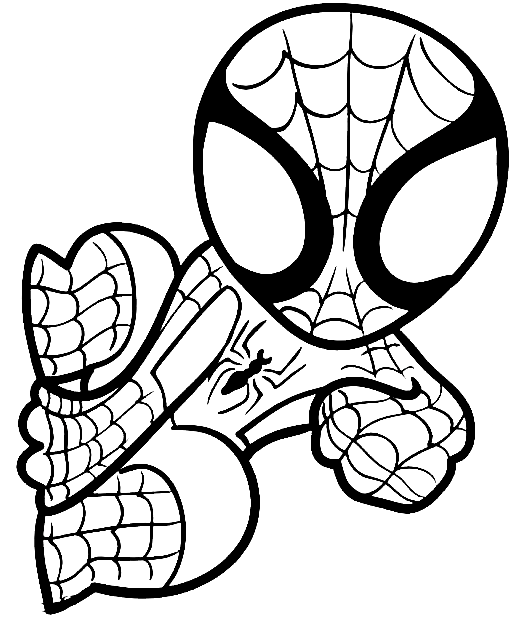
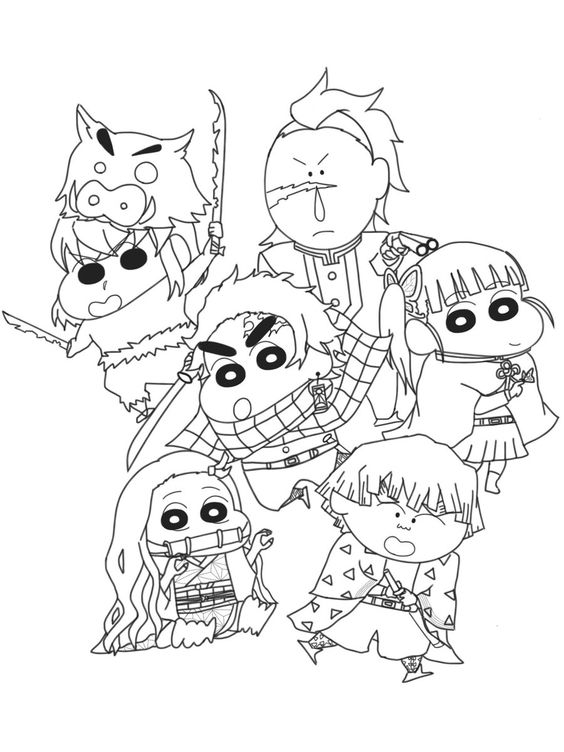
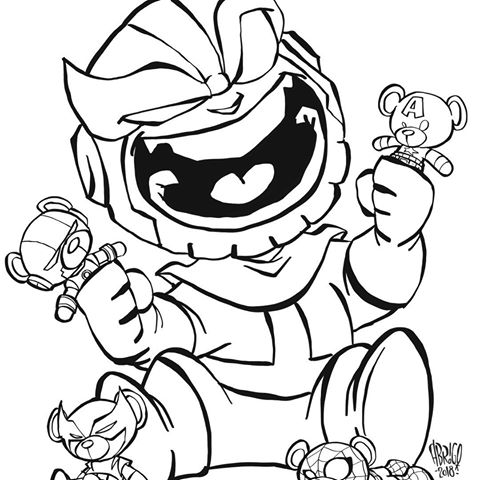
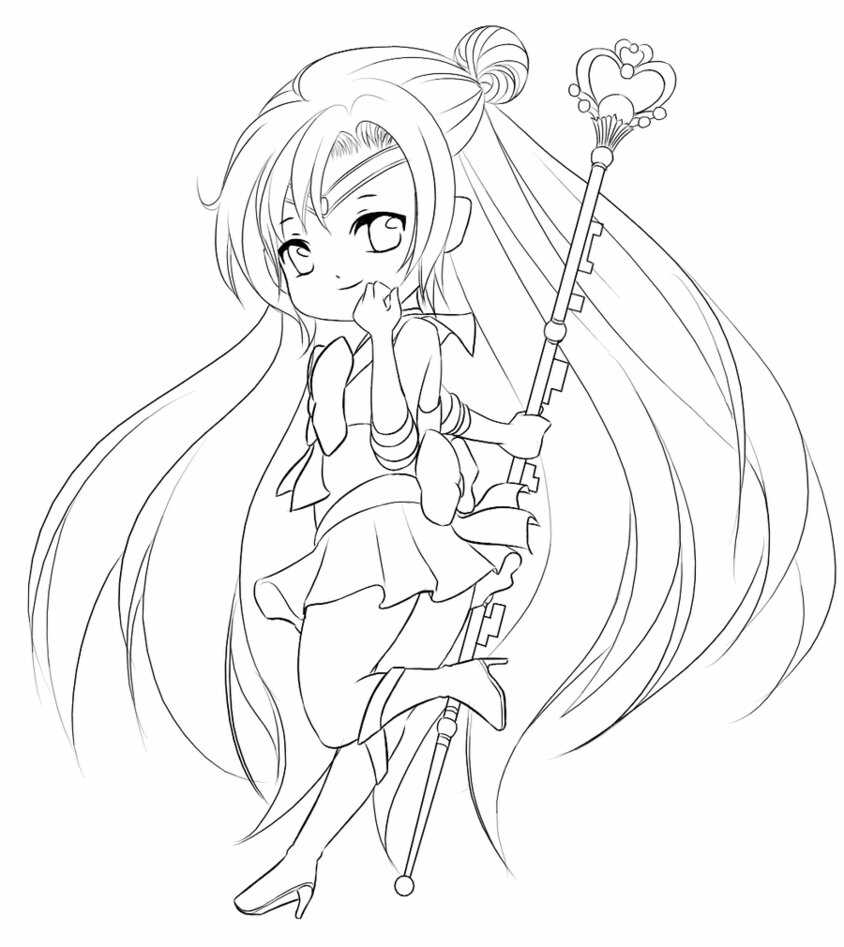
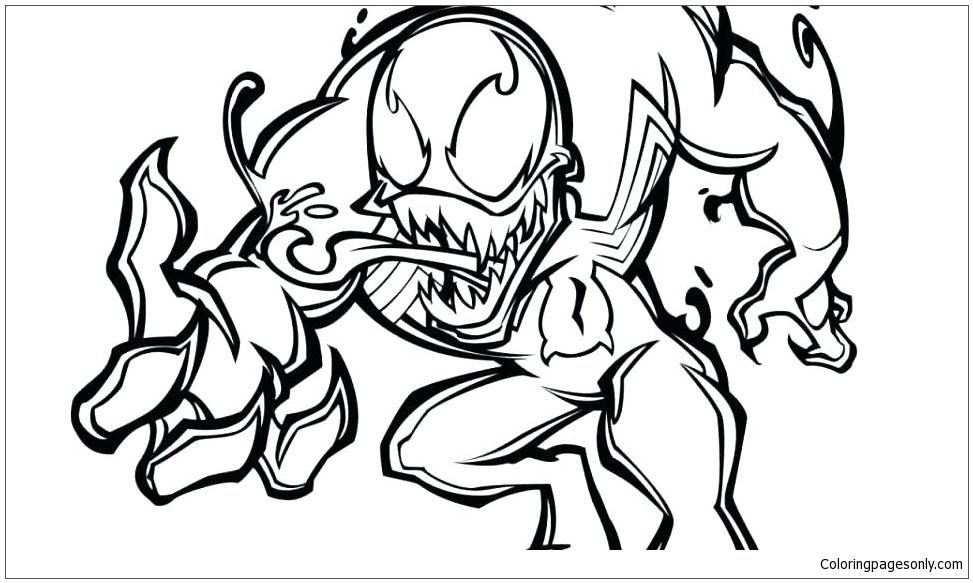
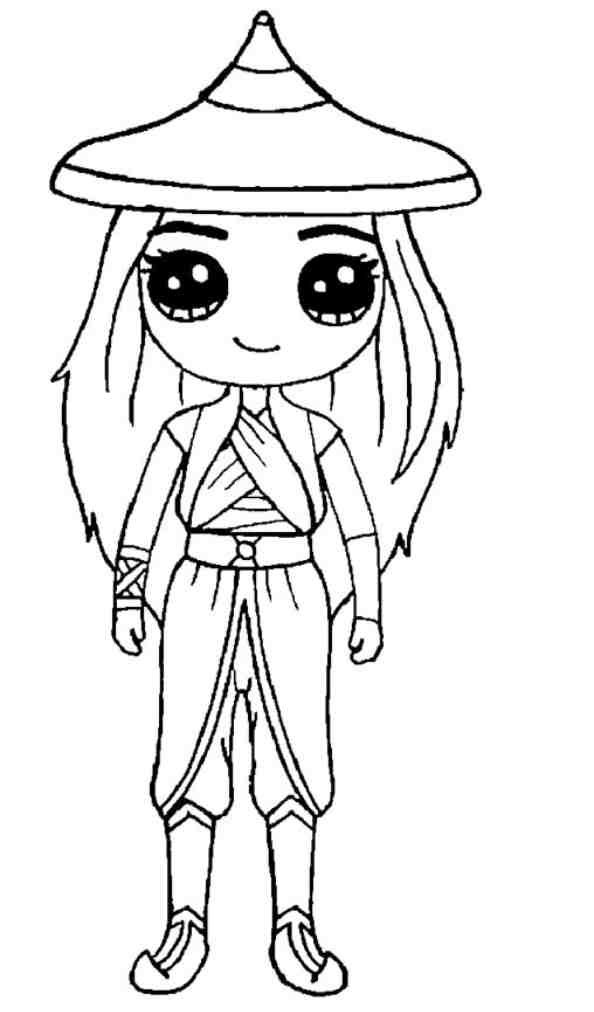
What’s Inside This Collection
The 57 designs group into three categories, from franchise crossover characters to general printable sheets.
Franchise Crossover Characters
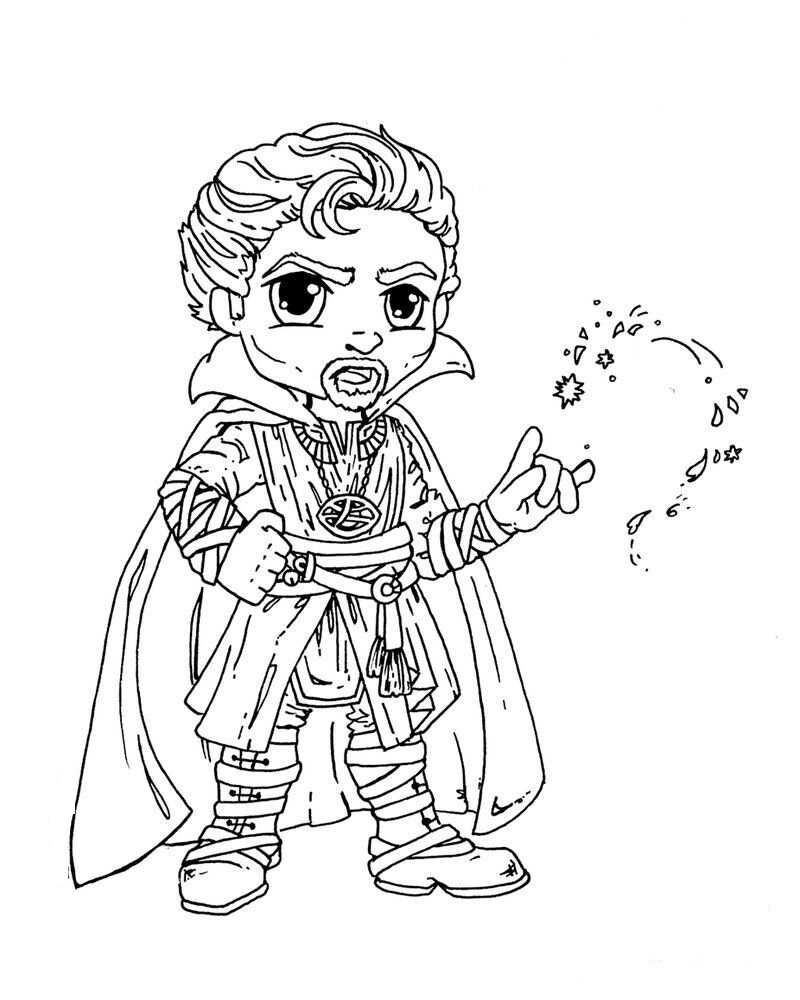
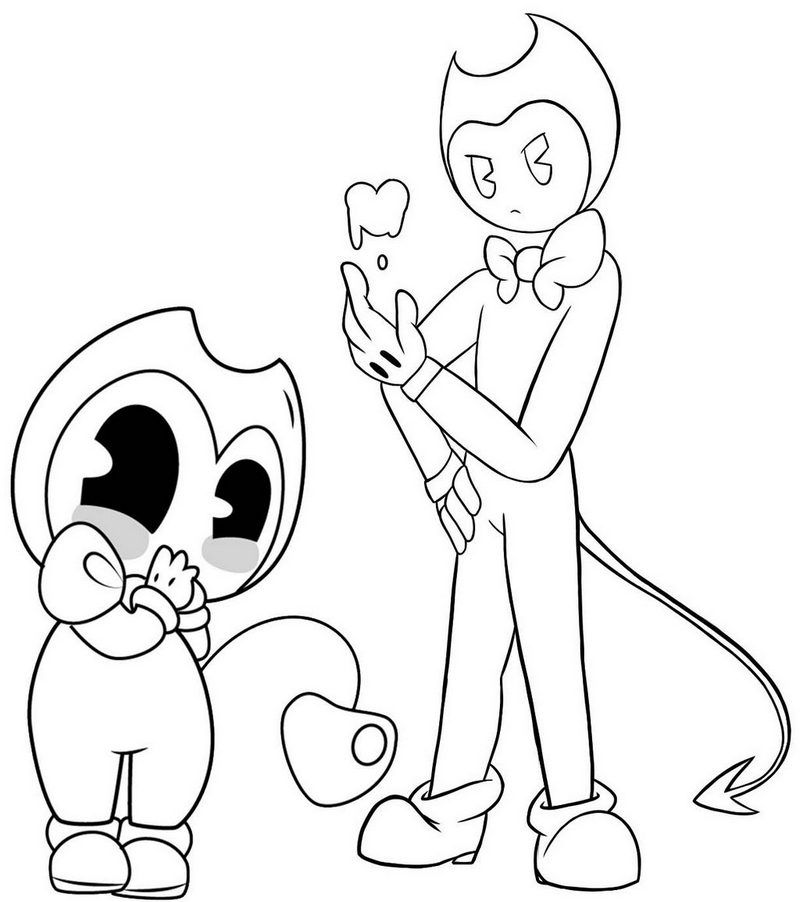
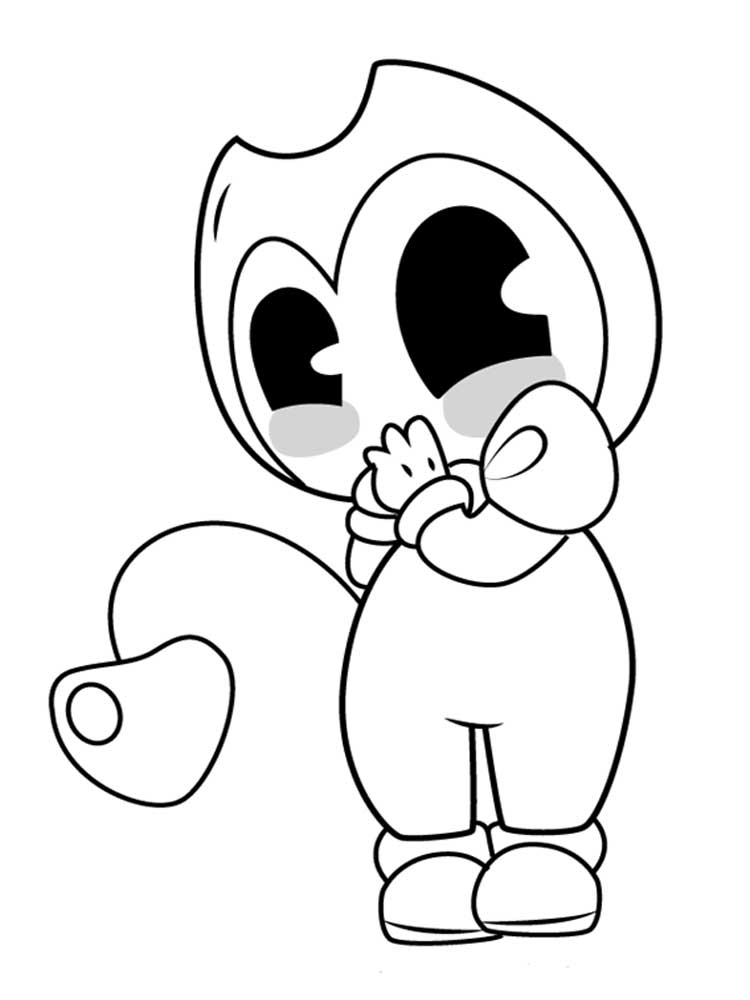
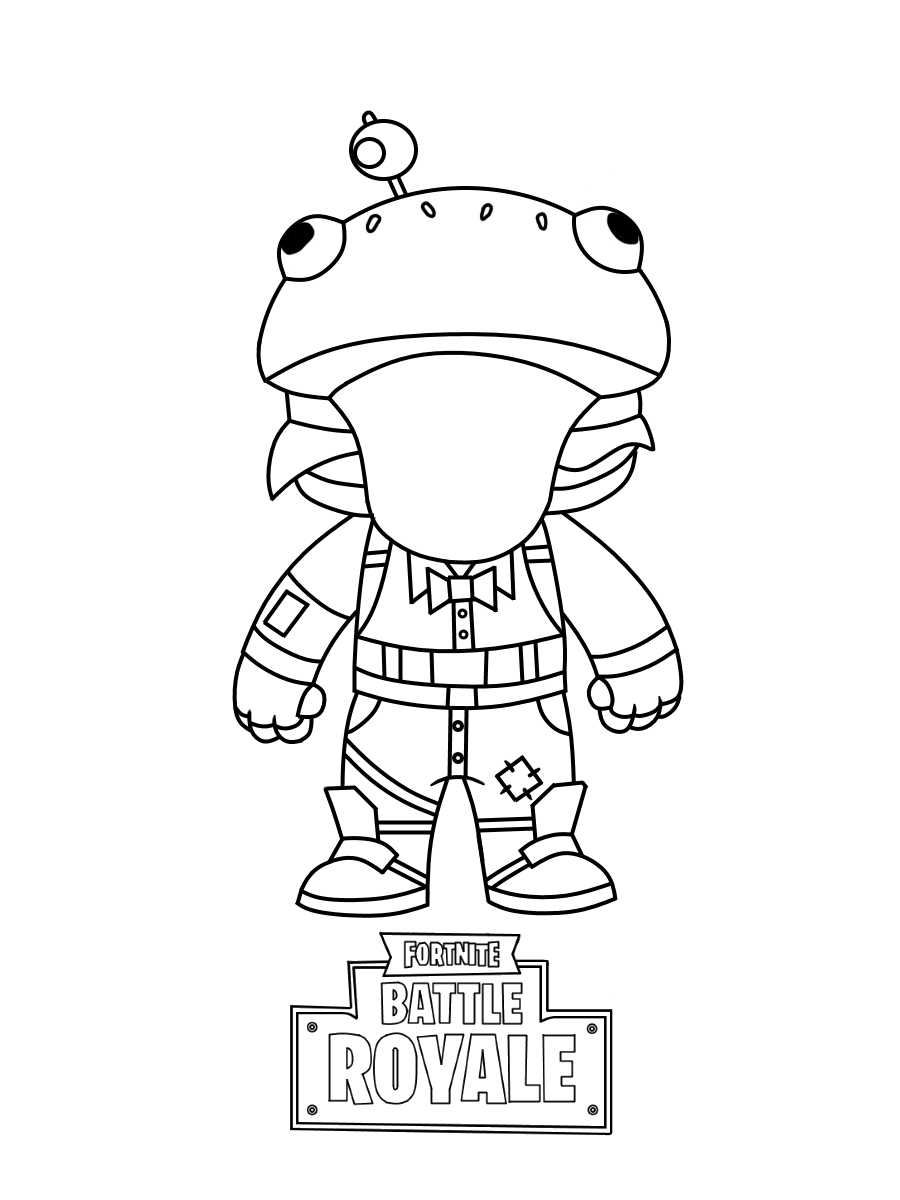
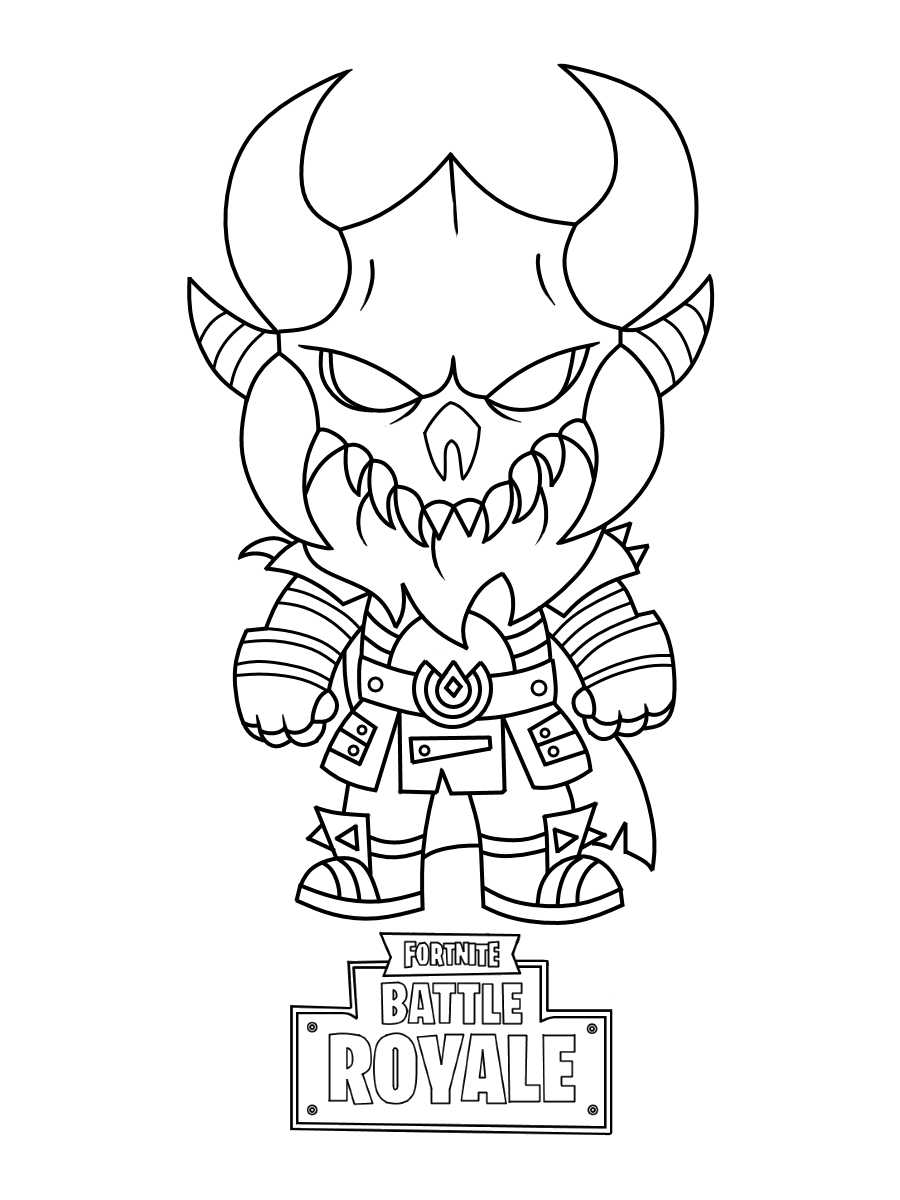
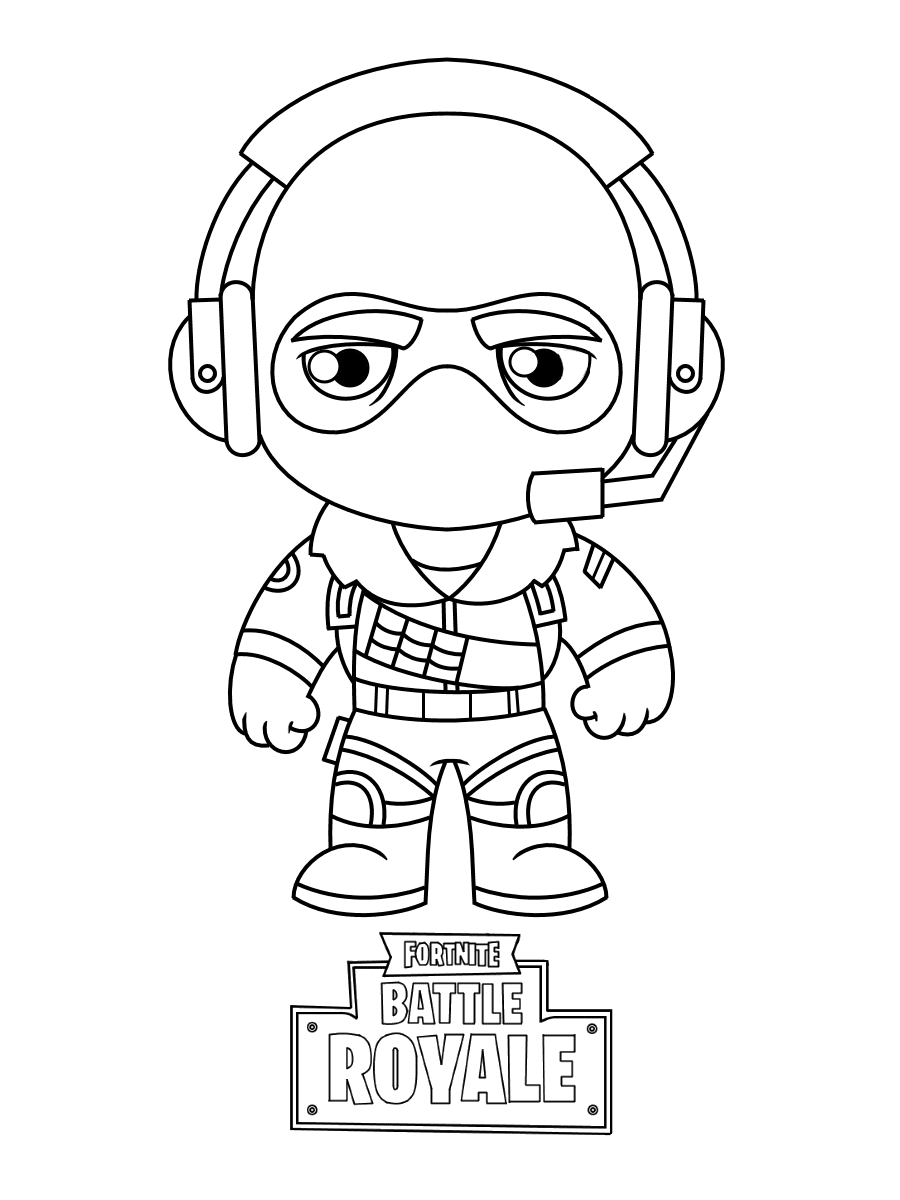
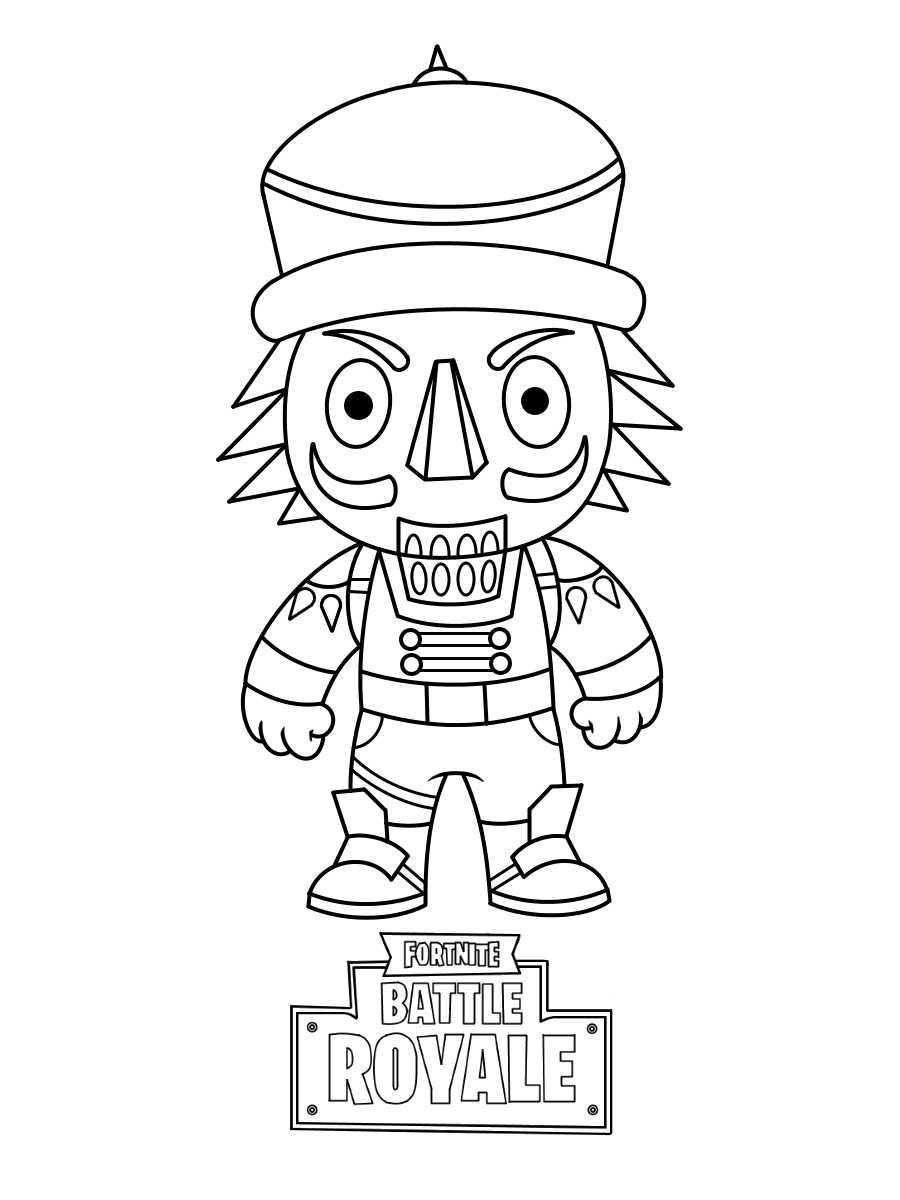
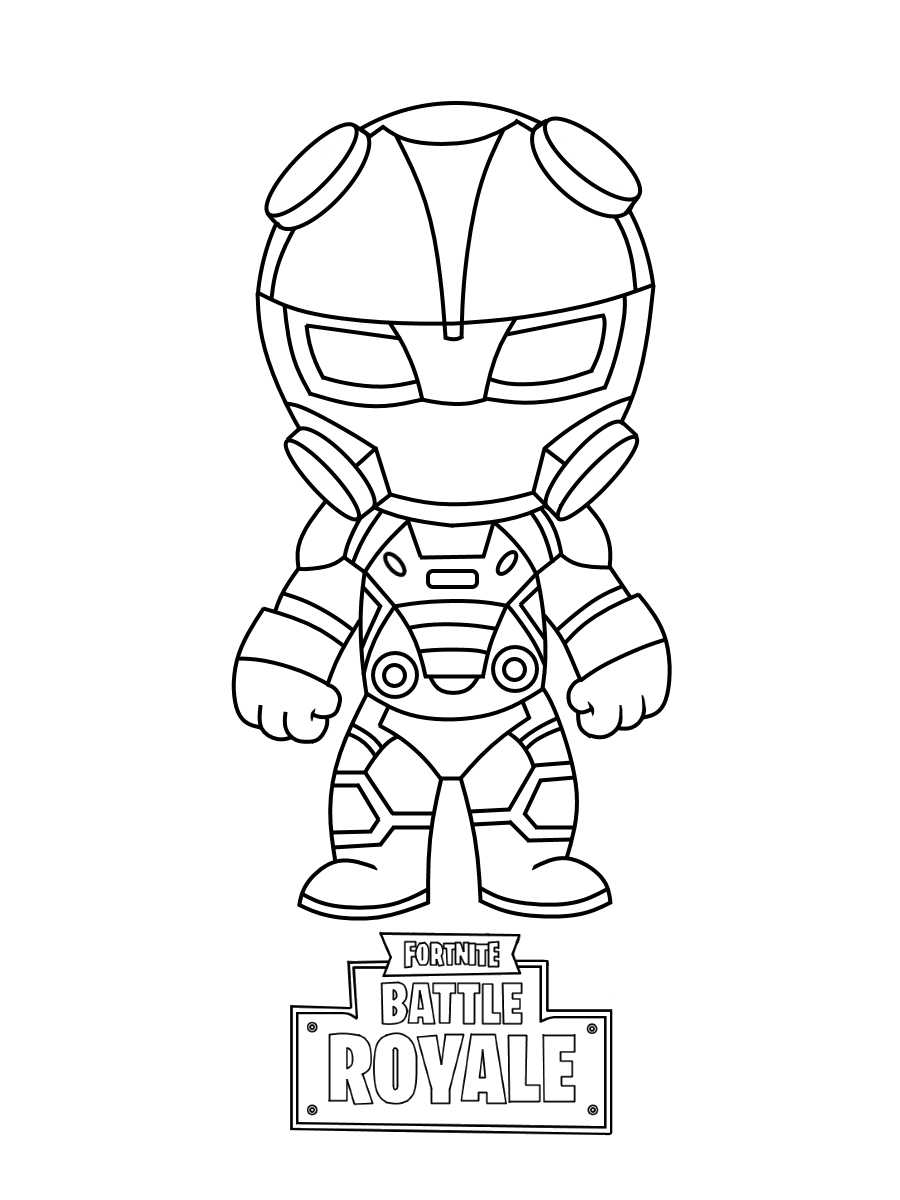
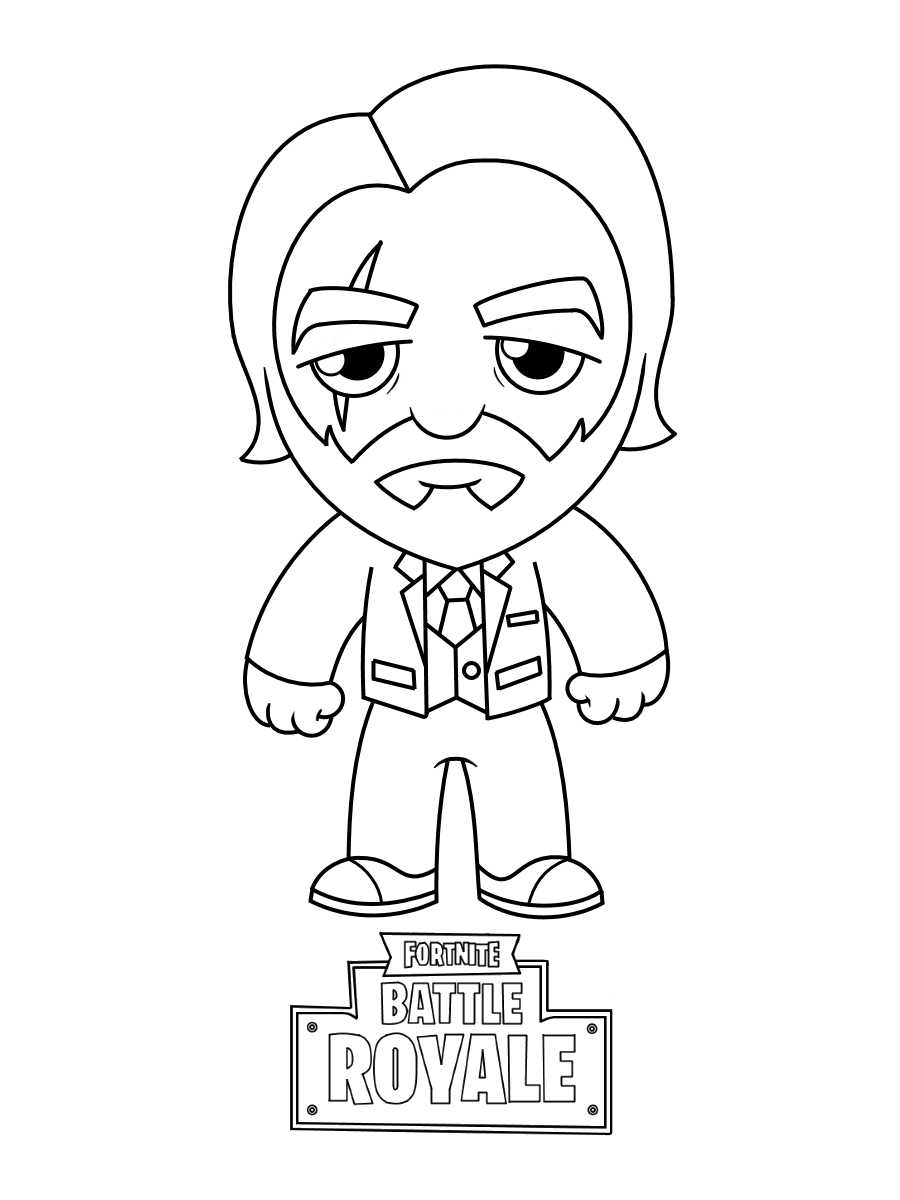
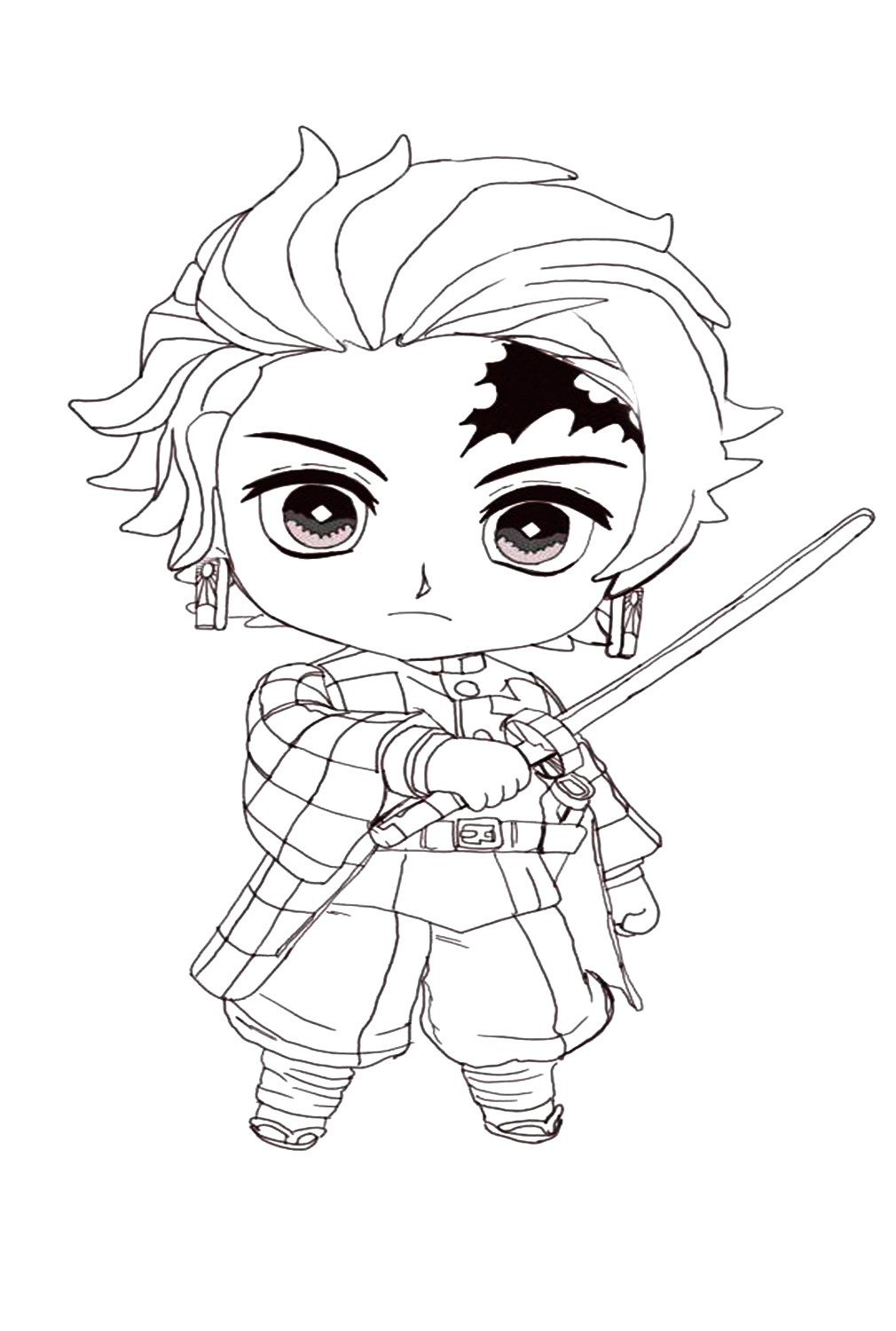
Twenty-six pages reimagine familiar characters from movies, games, and anime in chibi form, each shrunk down into the style’s signature soft, rounded proportions. Keep each character’s core color scheme recognizable, hair color, costume colors, and any signature accessory, even as the proportions shrink and round out.
Original Chibi Girls and Cute Scenes
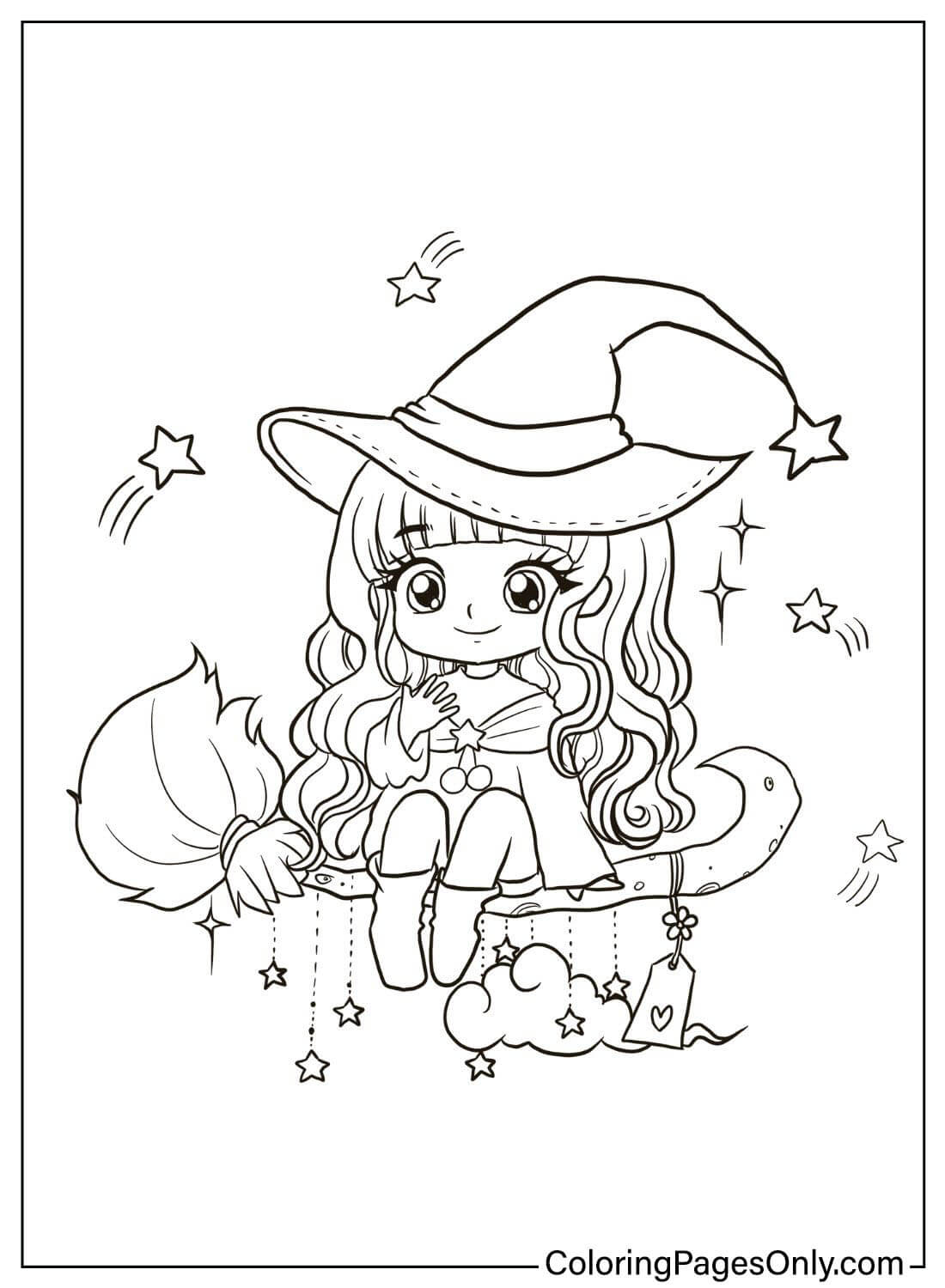
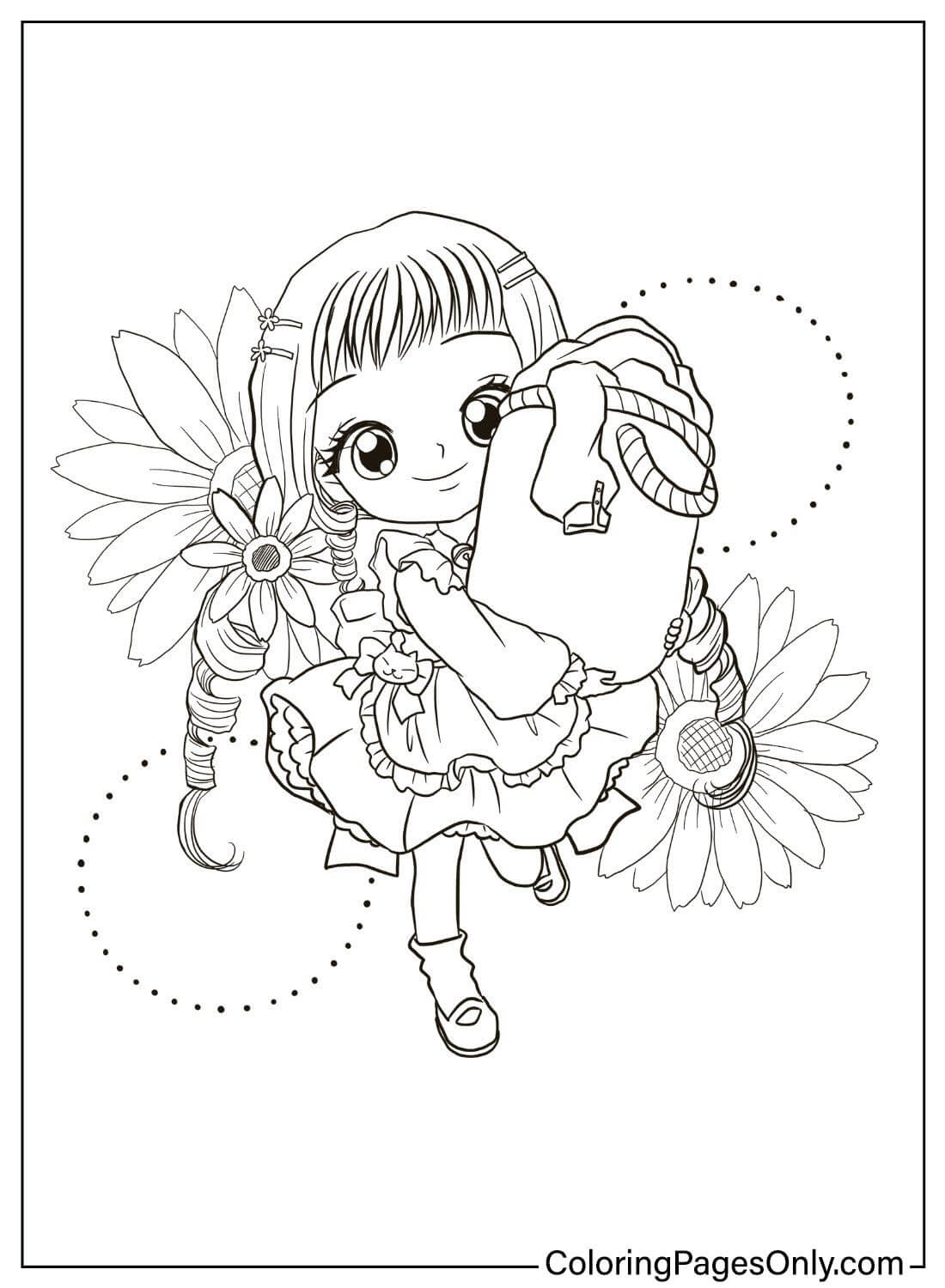
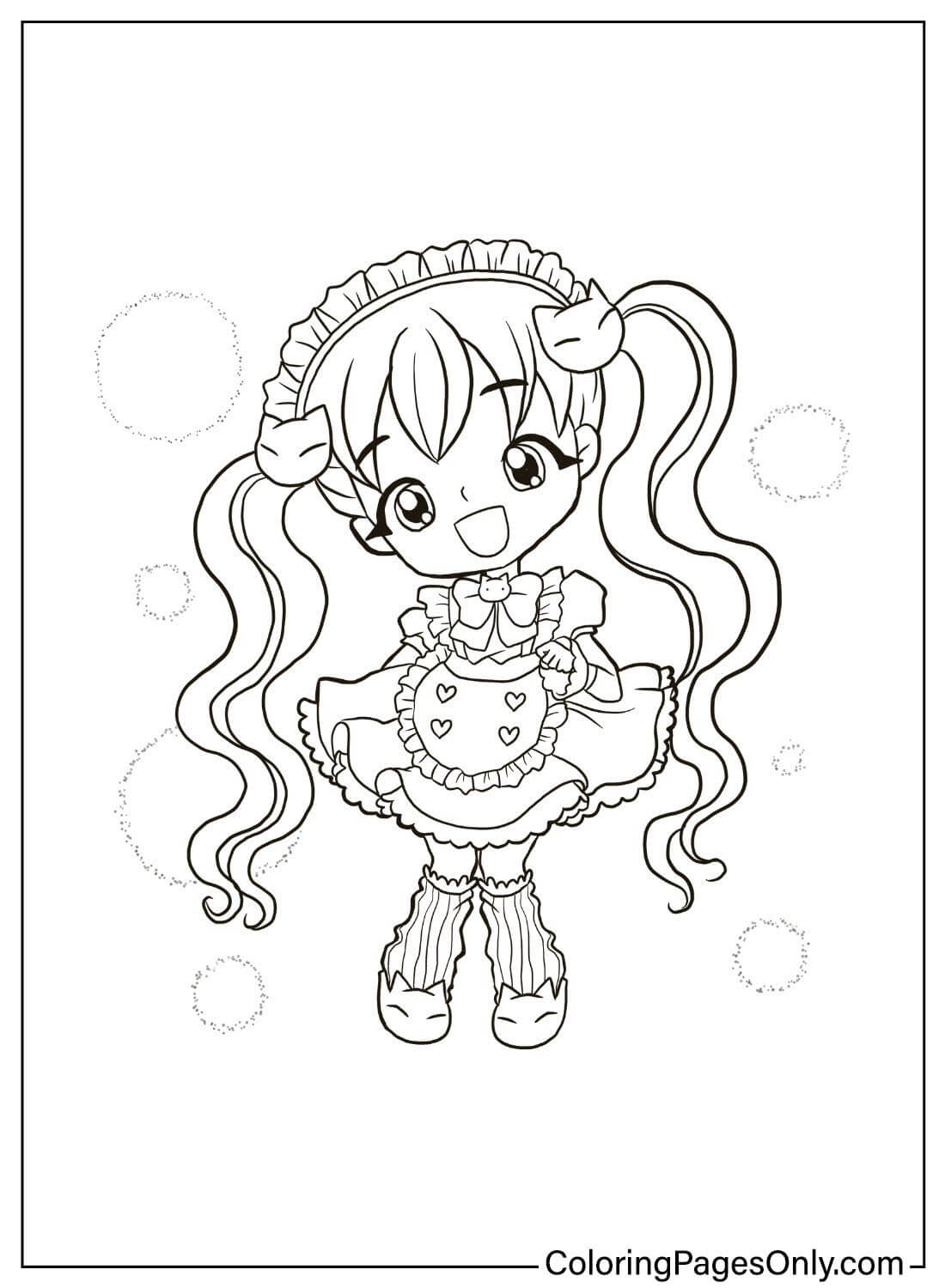
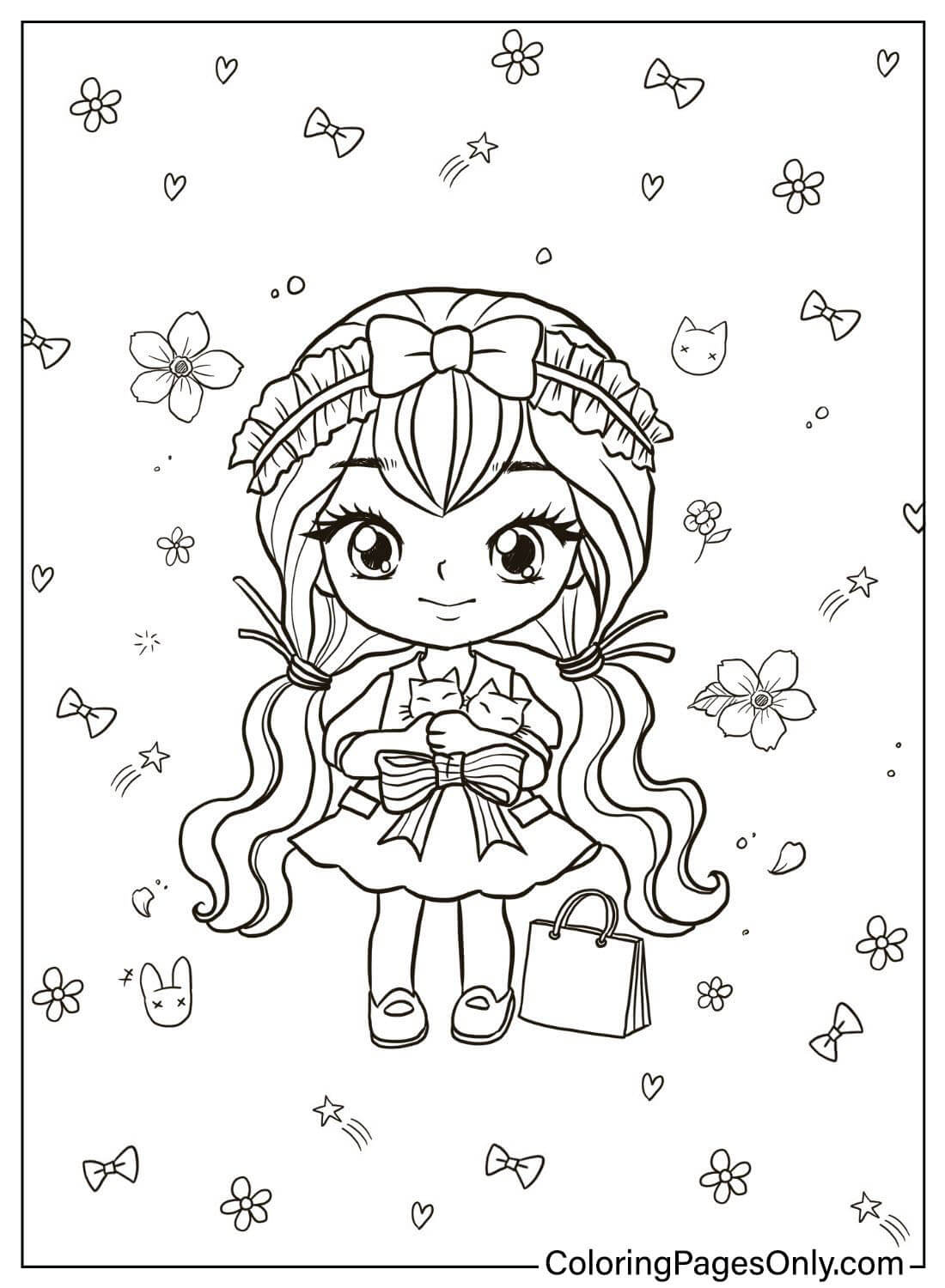
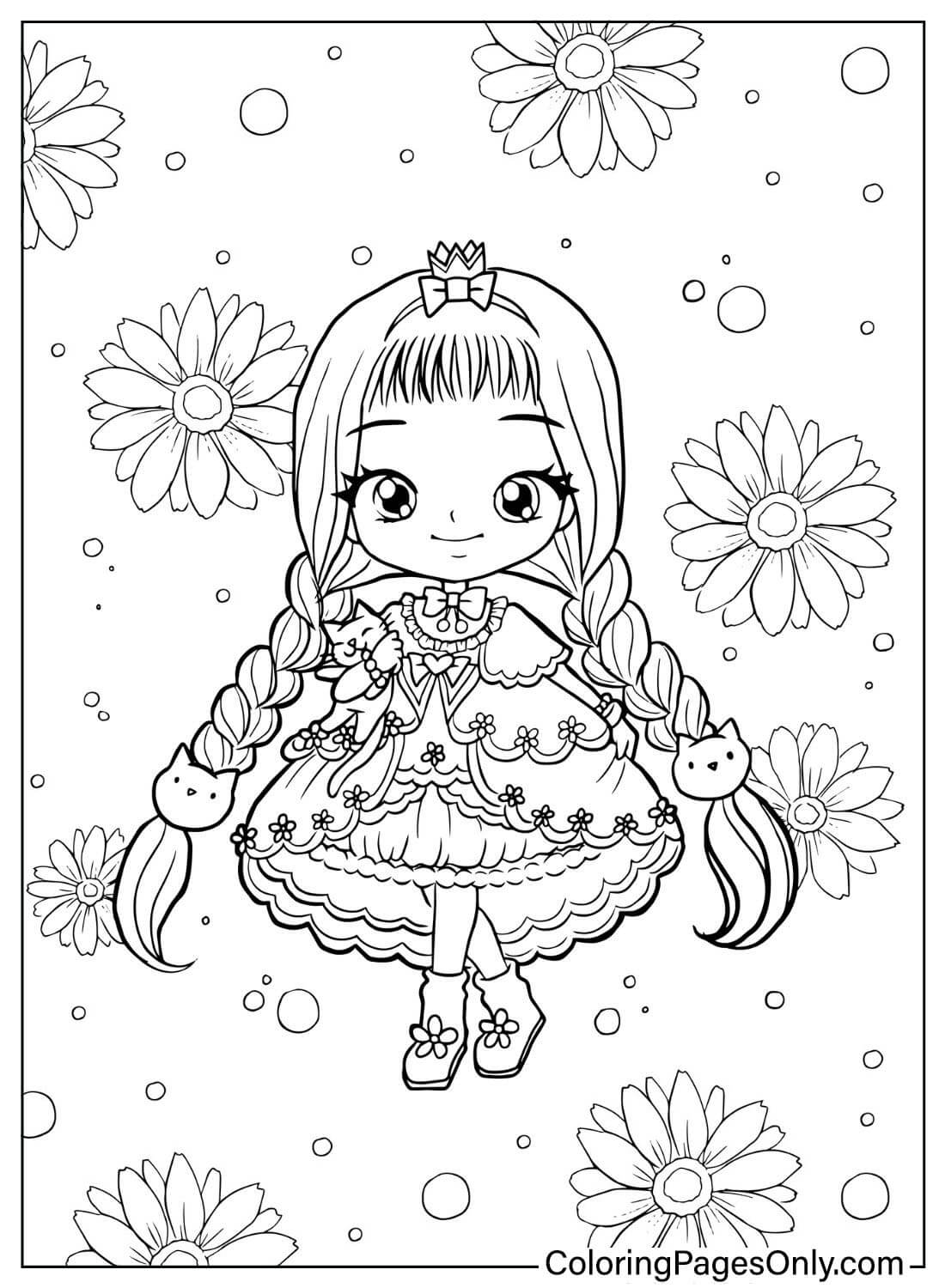
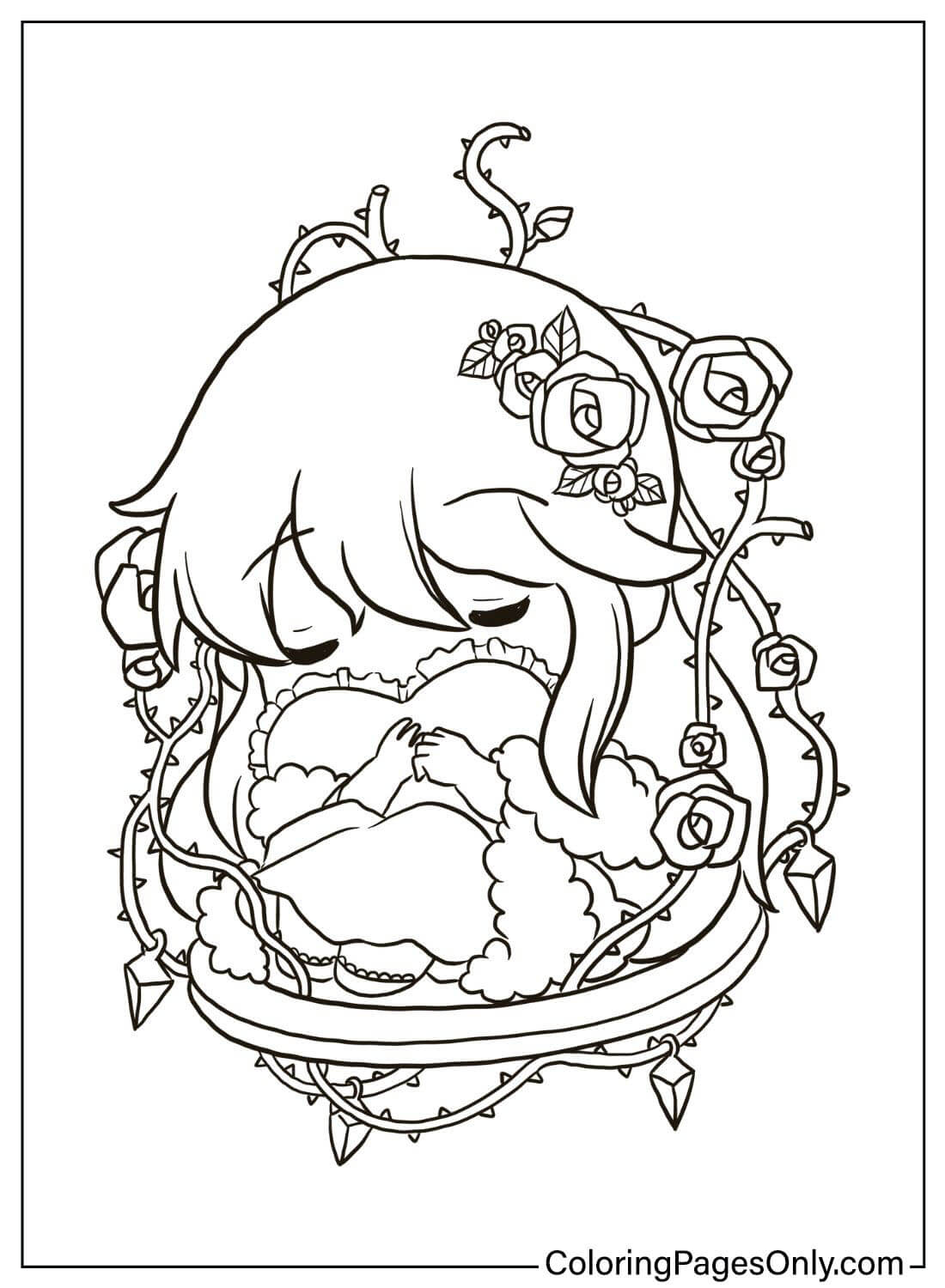
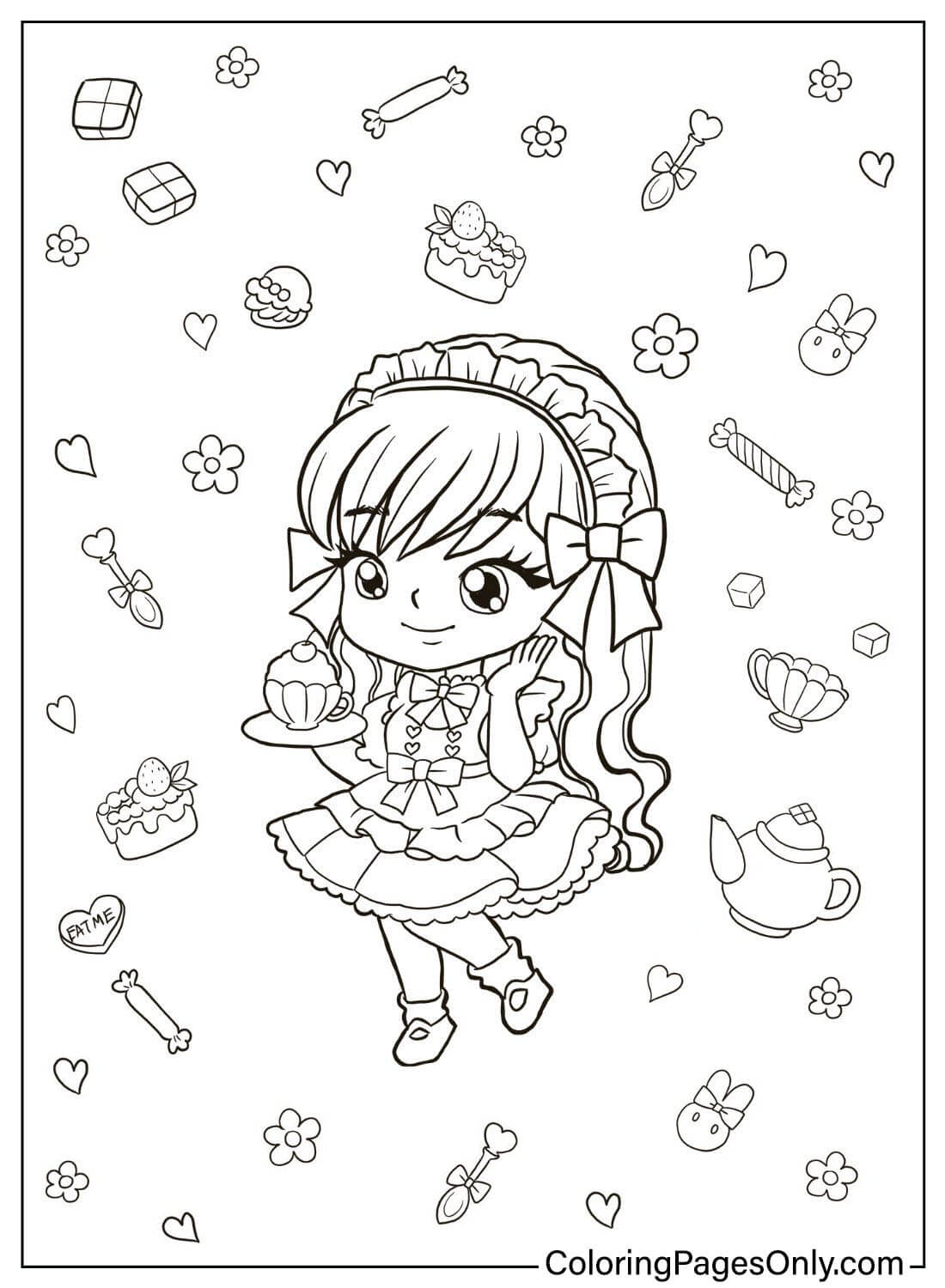
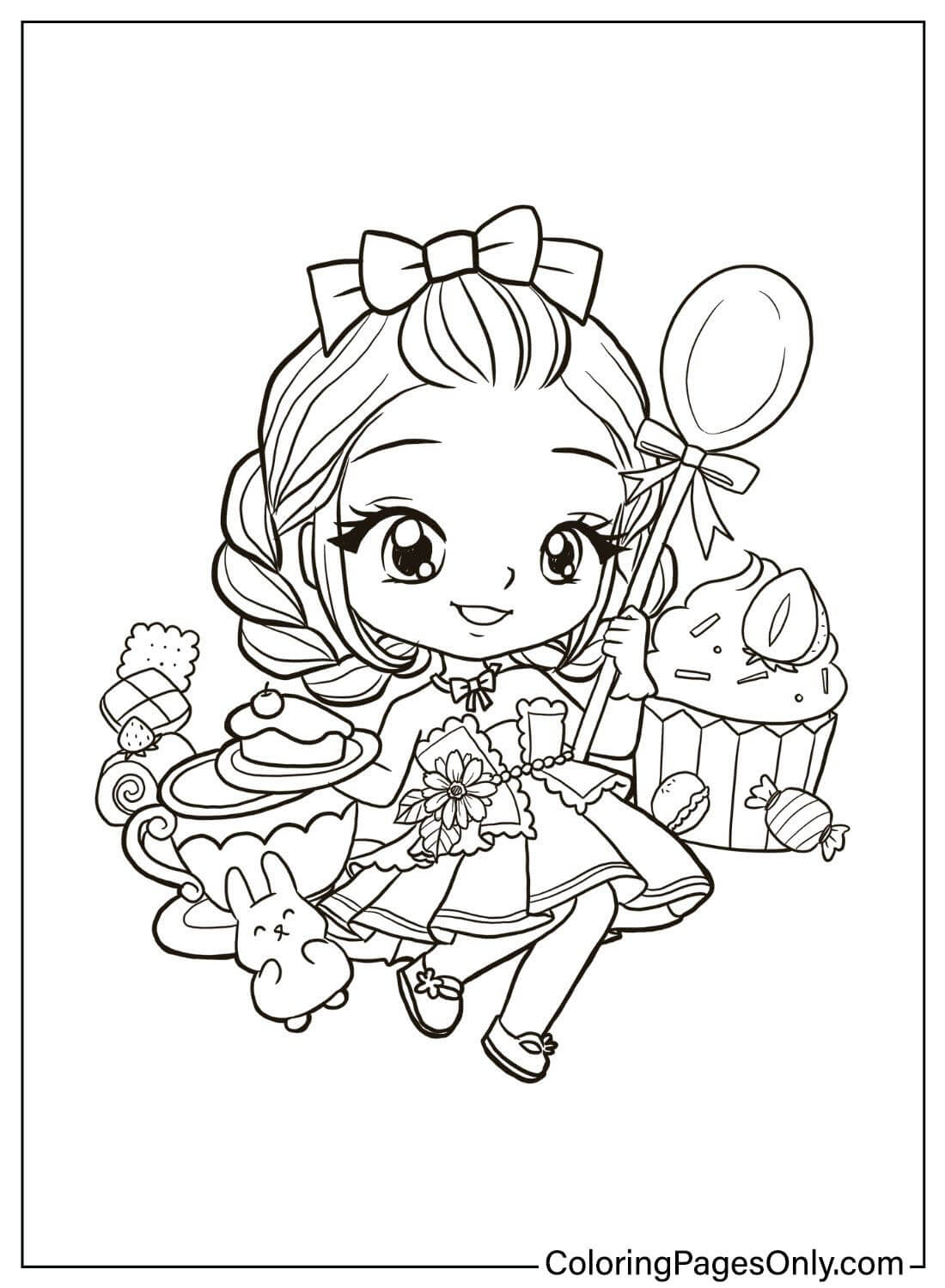
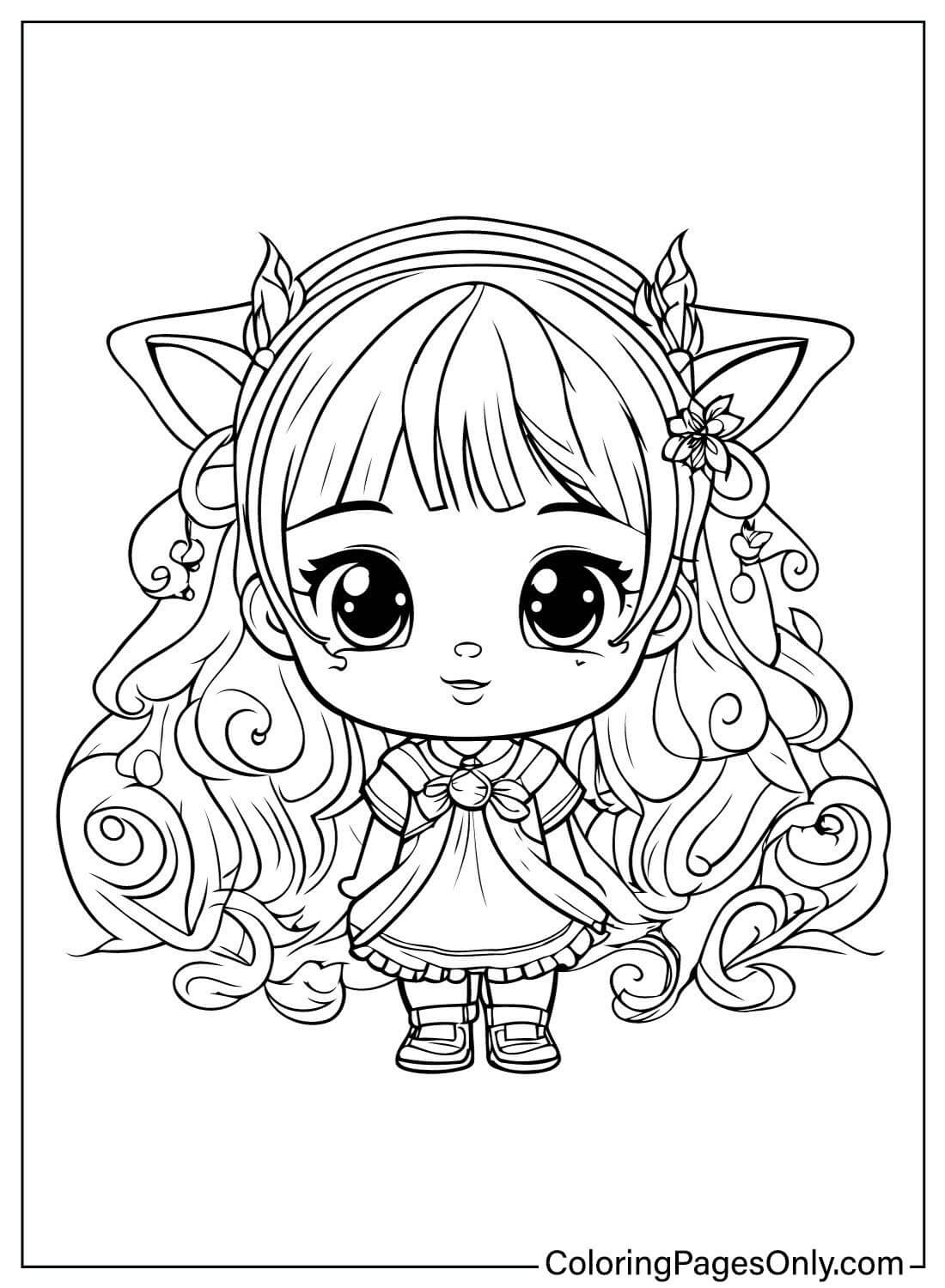
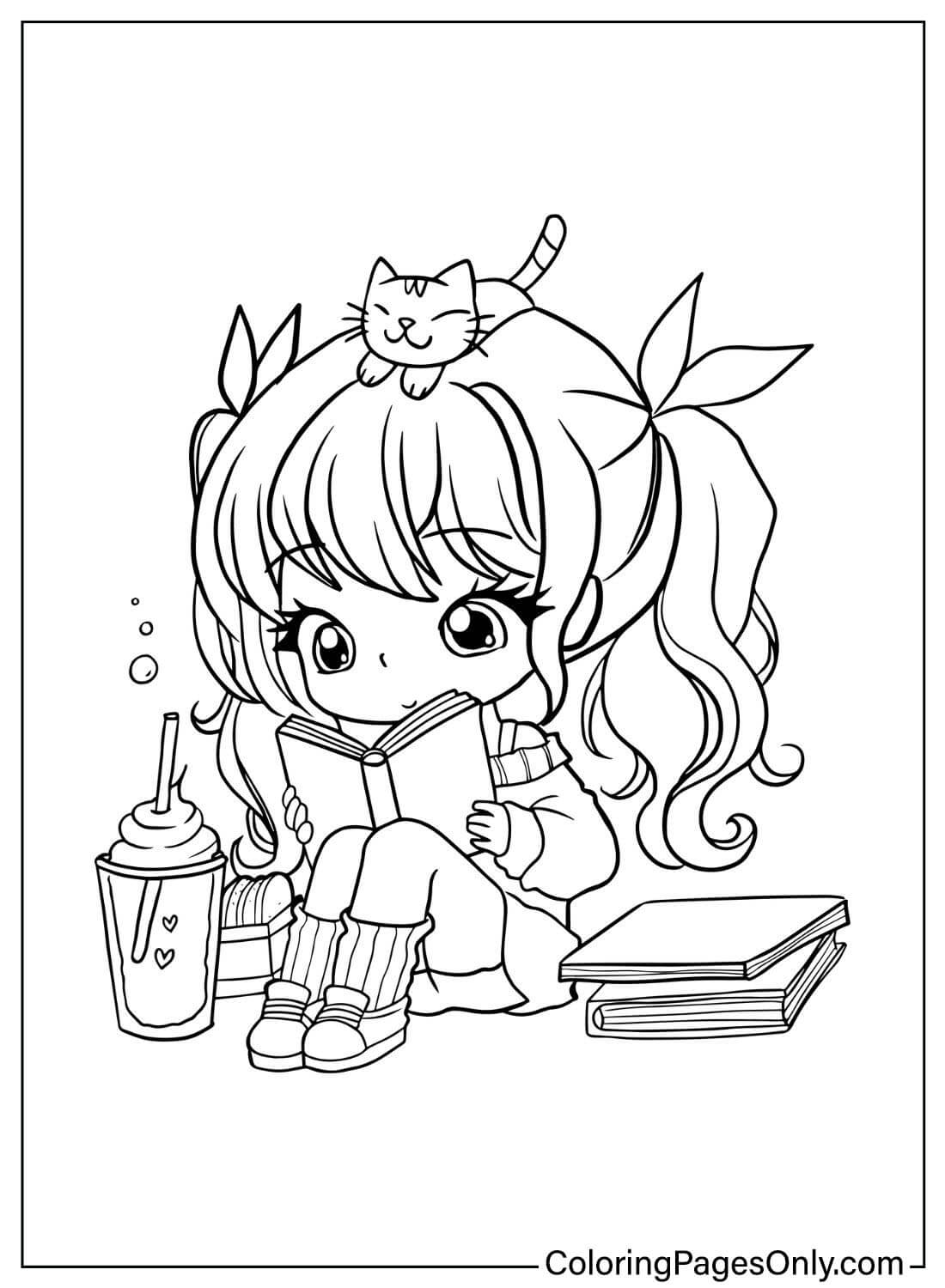
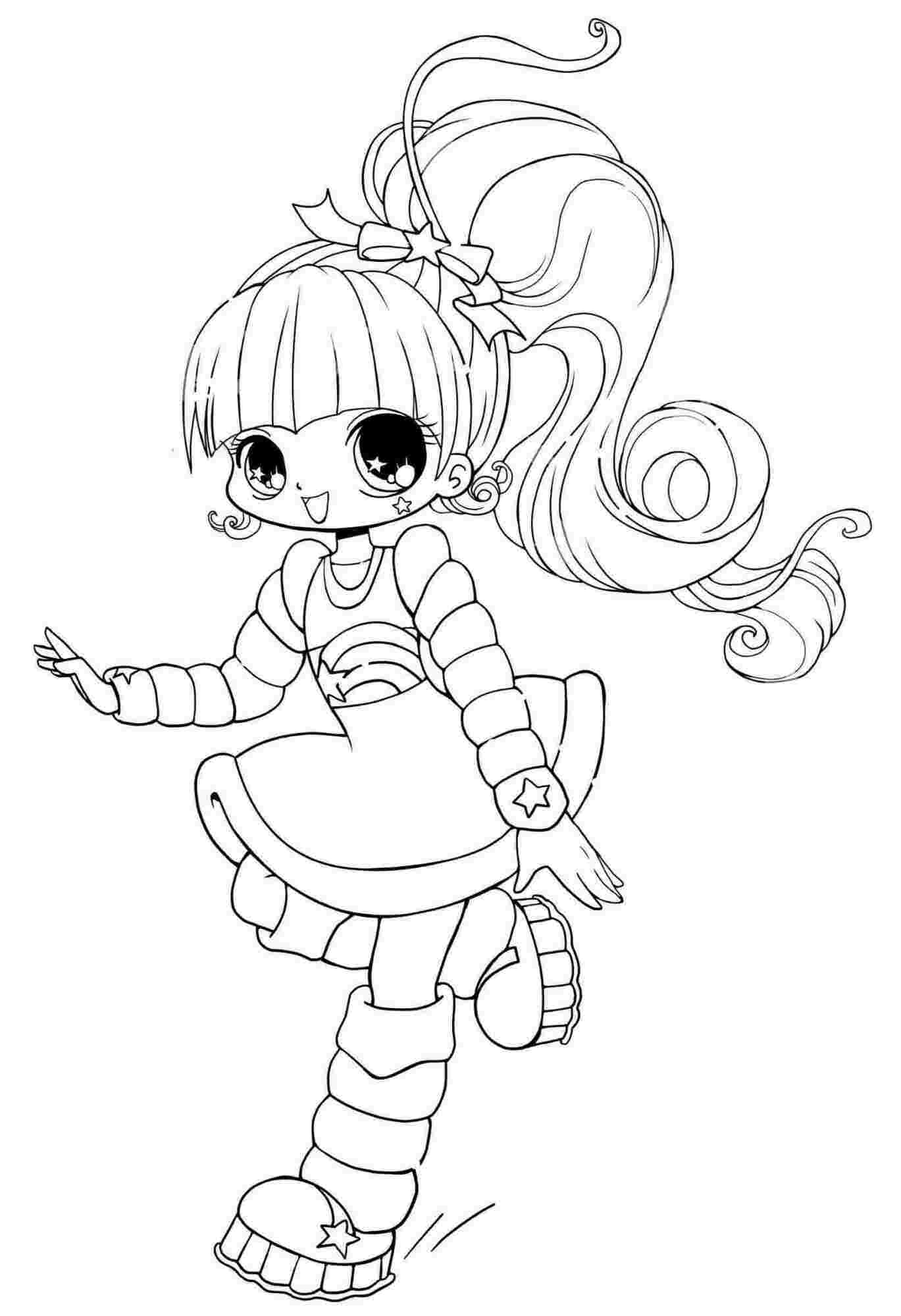
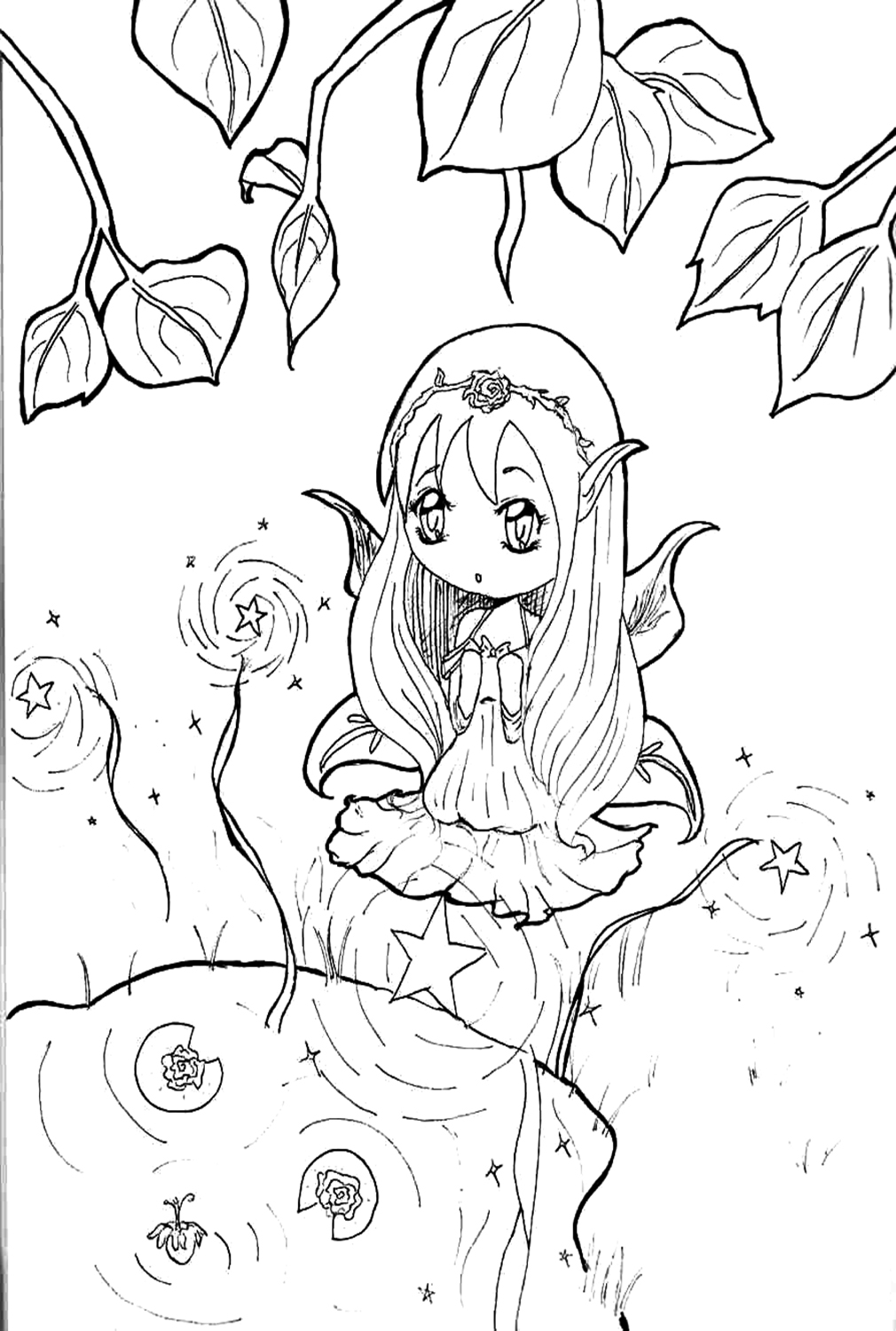
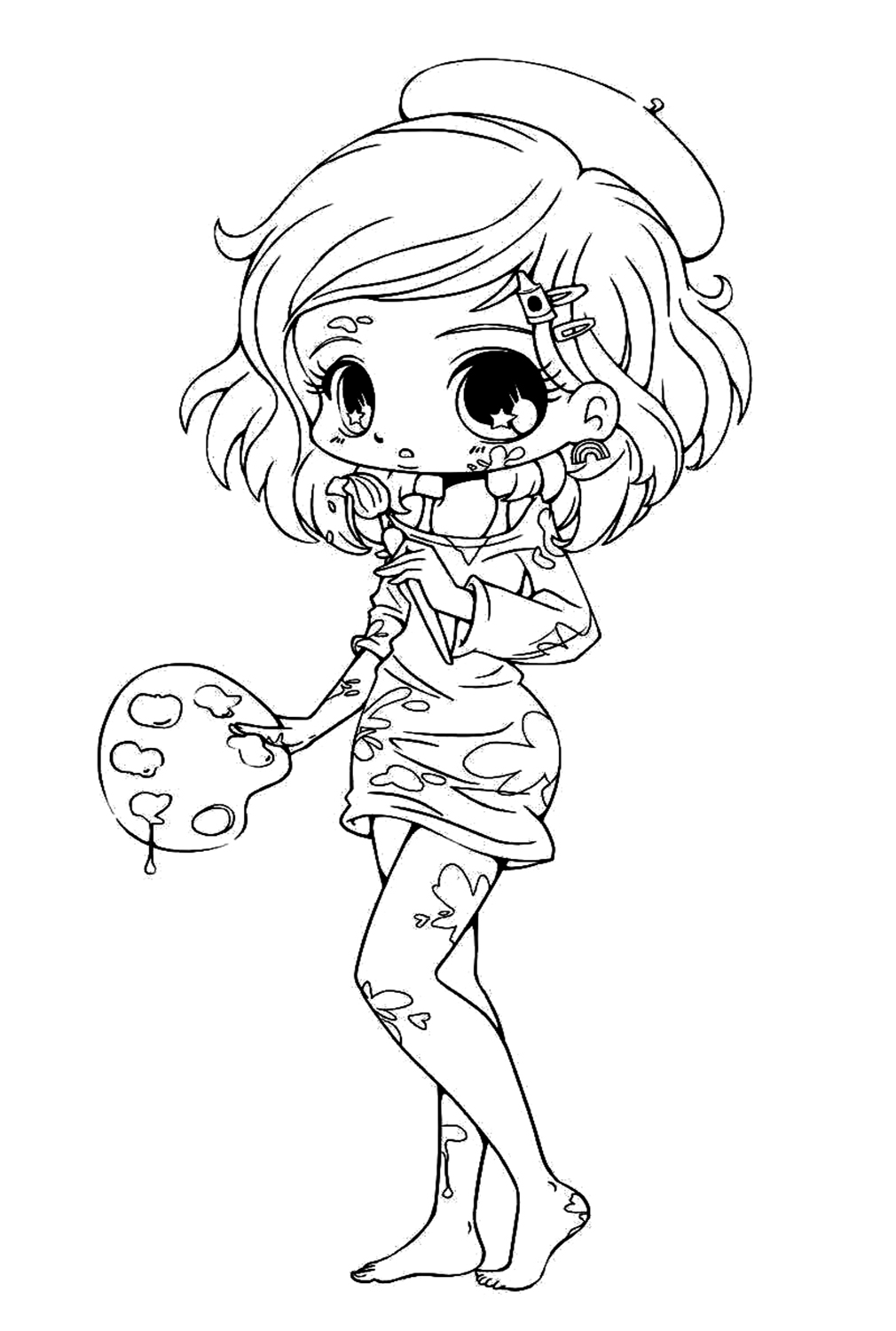
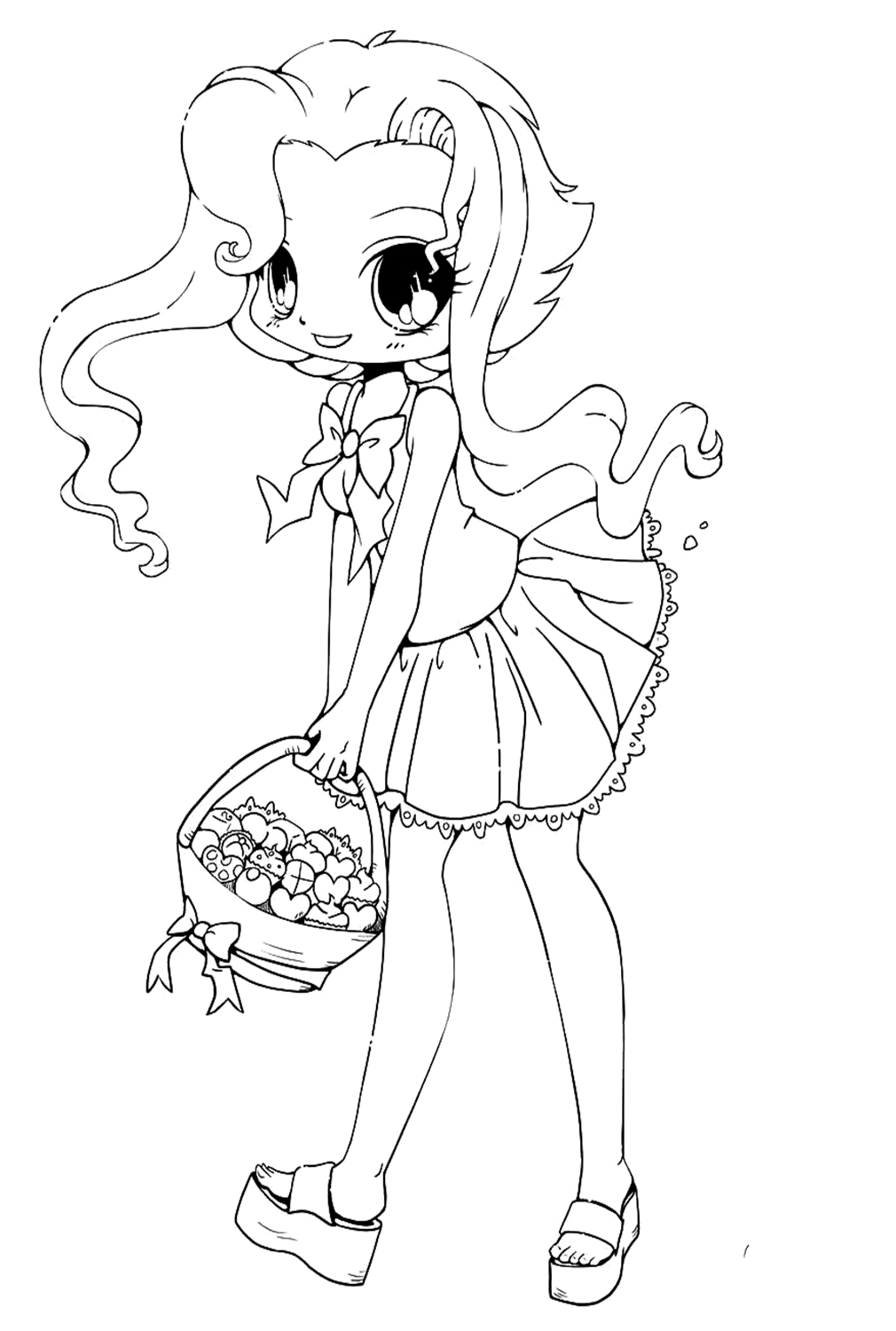
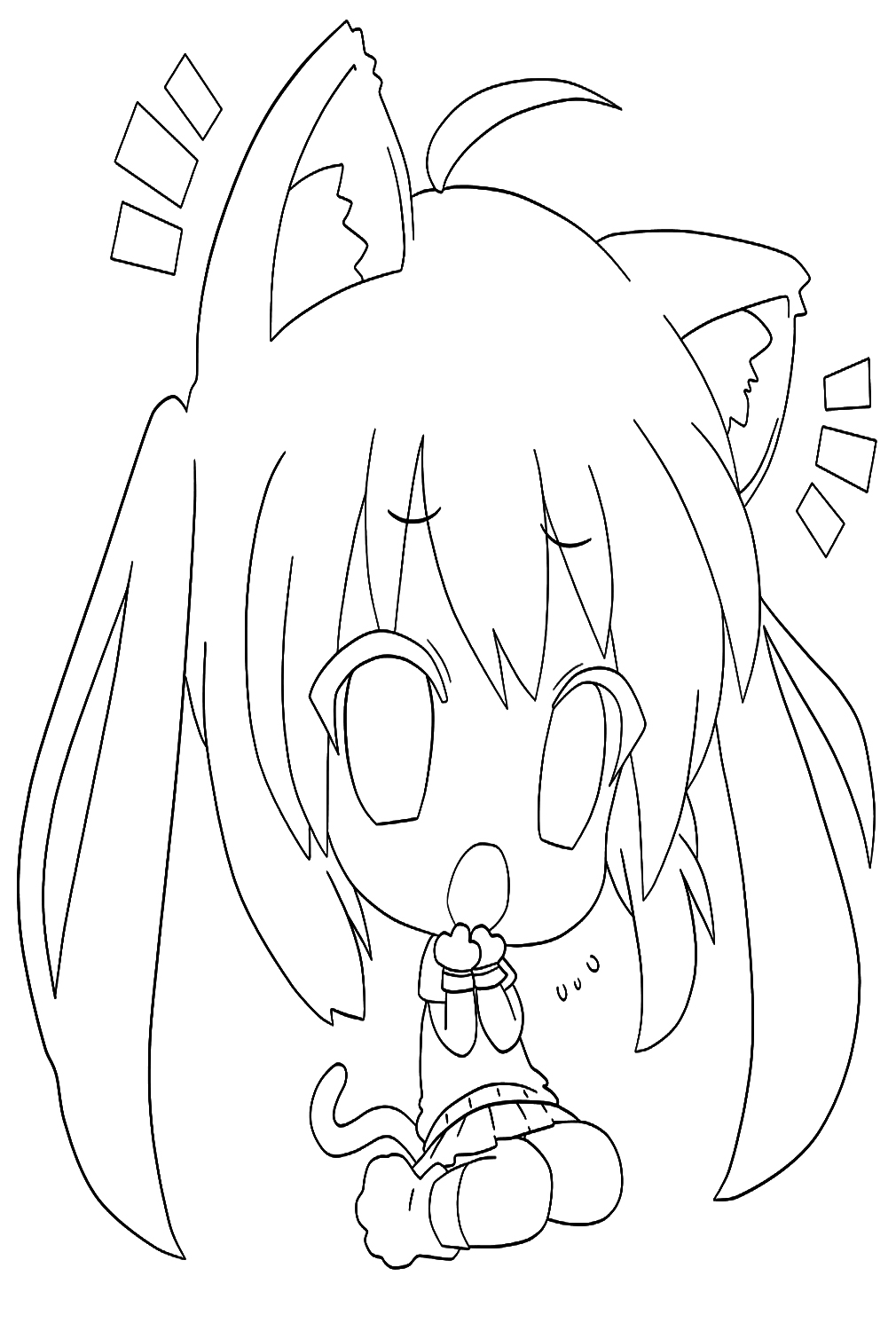
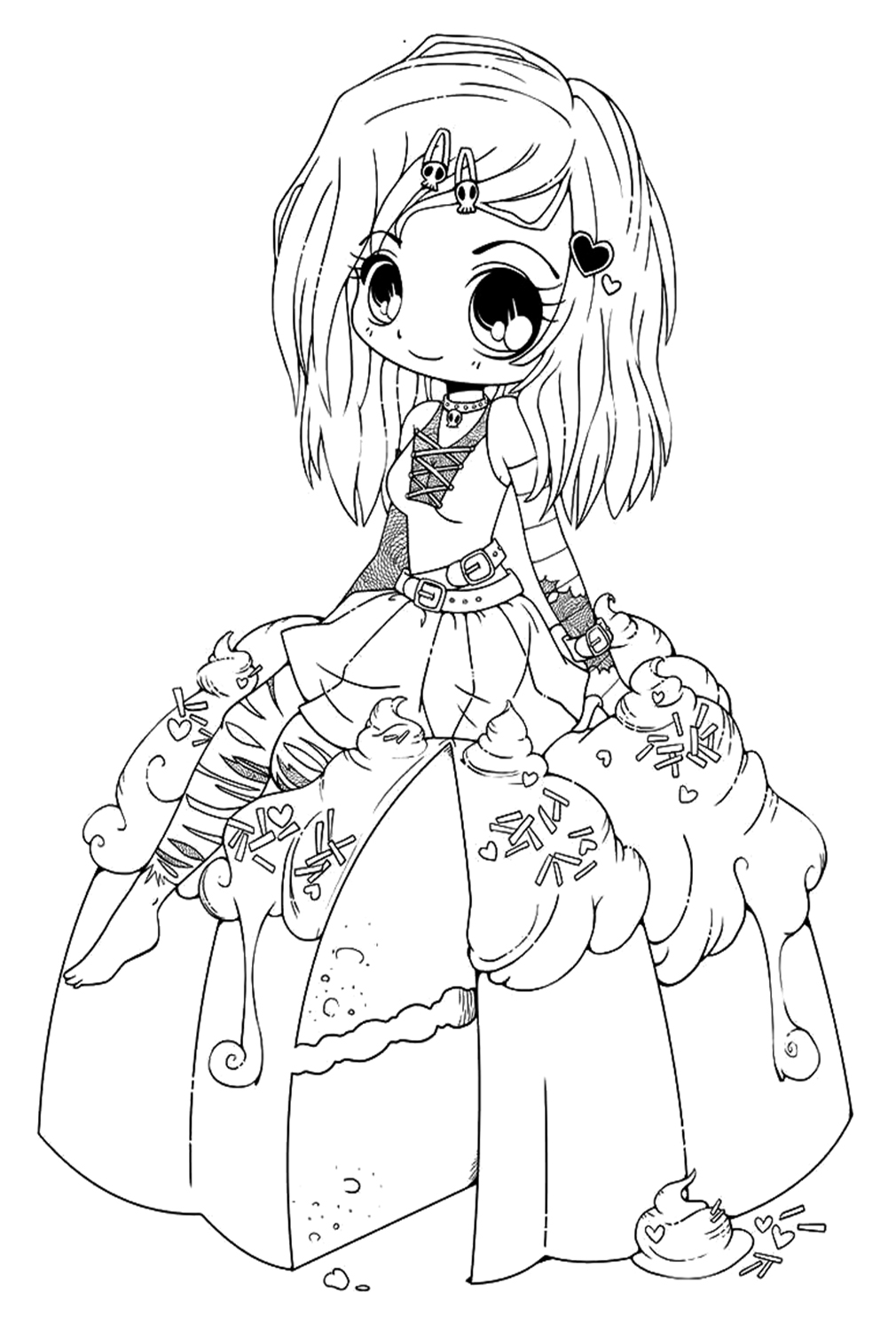
Thirteen pages feature original chibi characters in everyday and whimsical scenes, from a girl singing while running to an artist at an easel. Soft pastels and warm skin tones work well here, keeping the mood light and playful throughout.
Printable and General Sheets
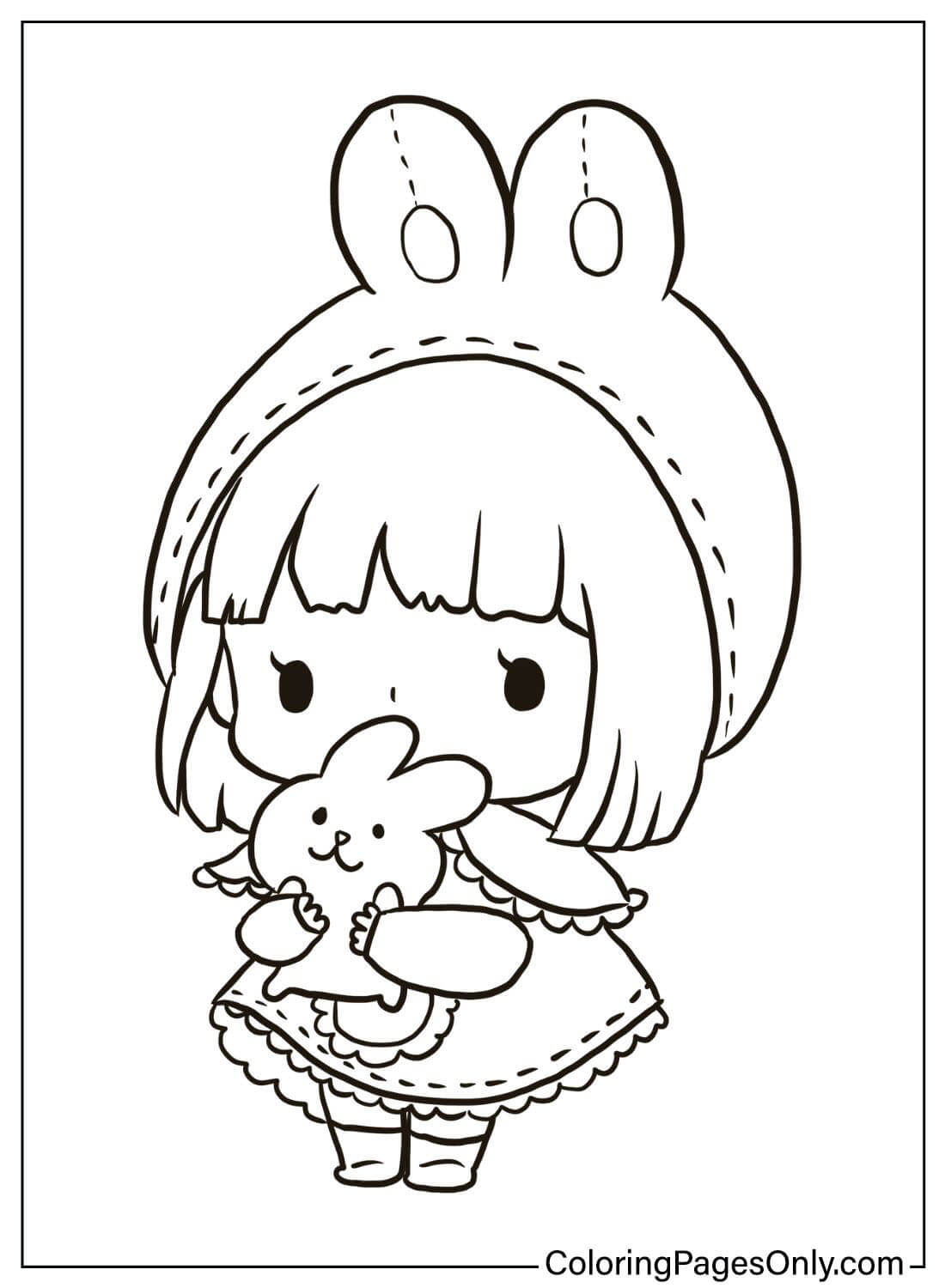
Eighteen pages are sized for a quick, single-session print, most featuring a standalone chibi character or outline. Two or three bright, cheerful colors are enough here since the outlines are simple.
What Chibi Coloring Pages Do
Careful strokes for oversized eyes and rounded proportions. Filling in a chibi character’s large eyes or the smooth curve of its oversized head without crossing the lines calls for controlled, contained pencil movement, and the American Academy of Pediatrics points to this kind of precise coloring as a way to build fine motor skills in children between ages 2 and 7.
A friendlier entry point into a character’s world. Because chibi versions soften even serious or intense characters into something round, small, and approachable, these pages can make a favorite character feel more accessible to color, especially for kids who find a character’s usual design a little intimidating.
A steady, repeatable rhythm. A 2005 study published in the Art Therapy Journal recorded measurable drops in anxiety among participants who completed structured coloring sessions, and the simple, rounded shapes throughout this collection offer that same steady, low-pressure task.
Practice with exaggerated proportion and scale. Because chibi art deliberately distorts normal body proportions for effect, coloring these pages gives young artists a clear, visual example of how changing scale and proportion changes a character’s entire mood and feel.
How to Color Chibi Coloring Pages Well
- Eyes: Use bright, saturated colors for the oversized eyes, since this is one of the style’s most defining and expressive features.
- Head and hair: Keep hair color consistent with a character’s usual look, even as the head itself grows larger and rounder than a standard design.
- Skin: A soft, even skin tone works well across the simplified, rounded face and limbs typical of the style.
- Costume and accessories: Preserve a character’s signature colors and key accessories, since these small details are often what make a chibi version instantly recognizable.
- Blush and cheeks: A light touch of pink on the cheeks adds warmth and charm, a common finishing detail in chibi art.
- Backgrounds: Keep backgrounds simple and bright, letting the character’s rounded shape and expressive face remain the clear focal point.
5 Creative Craft Ideas With Chibi Coloring Pages
1. Chibi Stickers
Color a design on sticker paper, cut it out, and peel off the backing to make a custom sticker for a notebook, laptop, or water bottle.
2. Greeting Card
Fold cardstock in half, mount a small colored chibi design on the front, and write a message inside for a birthday or celebration card.
3. Fridge Magnets
Color a design on magnetic sheet paper, cut it out, and use it to decorate a fridge or other magnetic surface.
4. Bookmark
Trim a small colored chibi design to size, laminate or cover with clear tape, and punch a hole for ribbon to make a durable reading bookmark.
5. Trading Card Set
Color several chibi designs, trim them to a small rectangle, and add notes on the back to design a custom trading card set.
Frequently Asked Questions
What are chibi coloring pages?
Chibi coloring pages are printable line-art designs featuring franchise crossover characters, original chibi girls and cute scenes, and general printable sheets, all drawn in the exaggerated, big-eyed chibi style. This collection includes 57 free designs available as PDFs or online coloring.
What does “chibi” mean?
Chibi comes from the Japanese word for something small or short. In art, it refers to a style, also called super deformation or SD, that draws characters with oversized heads, large eyes, and small, rounded bodies.
Where did the chibi art style come from?
Chibi grew out of gag panels in 1970s and 80s manga, where artists shrank characters down for a comedic beat, and it reached a wider audience in 1985 through SD Gundam toy figures before becoming firmly established through characters like Chibi-Usa from Sailor Moon in the 1990s.
How is chibi different from regular anime proportions?
Chibi characters use a much more exaggerated head-to-body ratio, sometimes as extreme as 1:1 or even larger, compared to the more realistic proportions typically used in standard anime art.
Why do artists draw serious characters in chibi style?
Chibi versions soften even intense or serious characters into something small, round, and approachable, often used for comedic relief or to make a character feel friendlier and more accessible.
Are chibi coloring pages suitable for young children?
Yes. The simple, rounded designs in this collection use bold, uncluttered outlines suited to preschool and early elementary colorists. At the same time, the more detailed crossover character pages work well for older fans.
What colors work best for chibi characters?
Bright, saturated colors for the oversized eyes paired with a character’s usual hair and costume colors create the most recognizable chibi look.
Do chibi characters always come from anime?
No. While the style originated in Japanese manga and anime, this collection includes chibi versions of characters from a wide range of movies, games, and original designs, not just anime series.
Start Coloring
Download any page by clicking the design. No account, email, or payment is required. Pages print directly from the browser at full resolution or open in the online coloring tool for screen use. Share finished pages on Facebook or Pinterest with the share buttons at the top of each design page.