McLaren Coloring Pages
 By:
Jennifer Thoa - Content Editor & Designer
Updated:
By:
Jennifer Thoa - Content Editor & Designer
Updated:
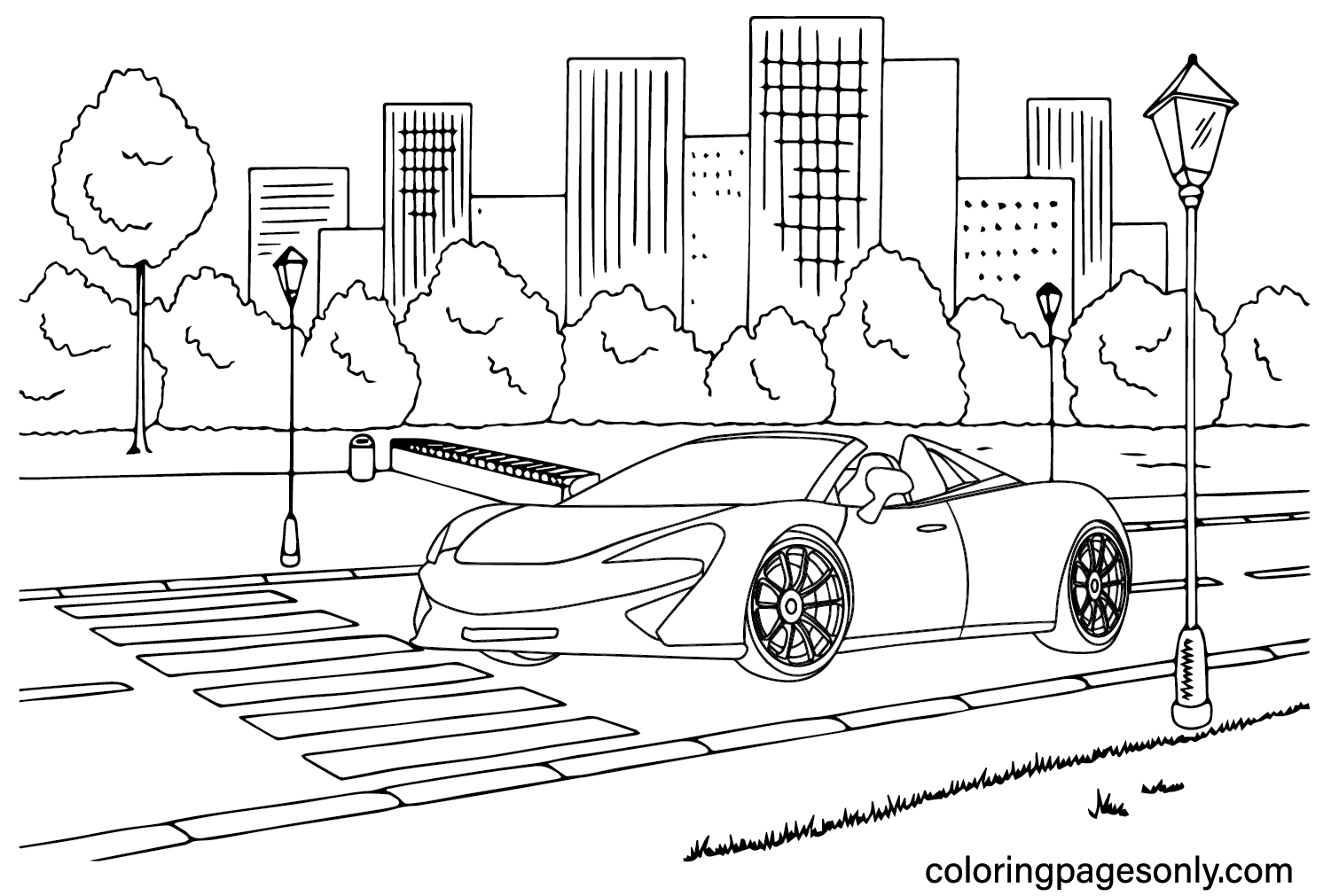
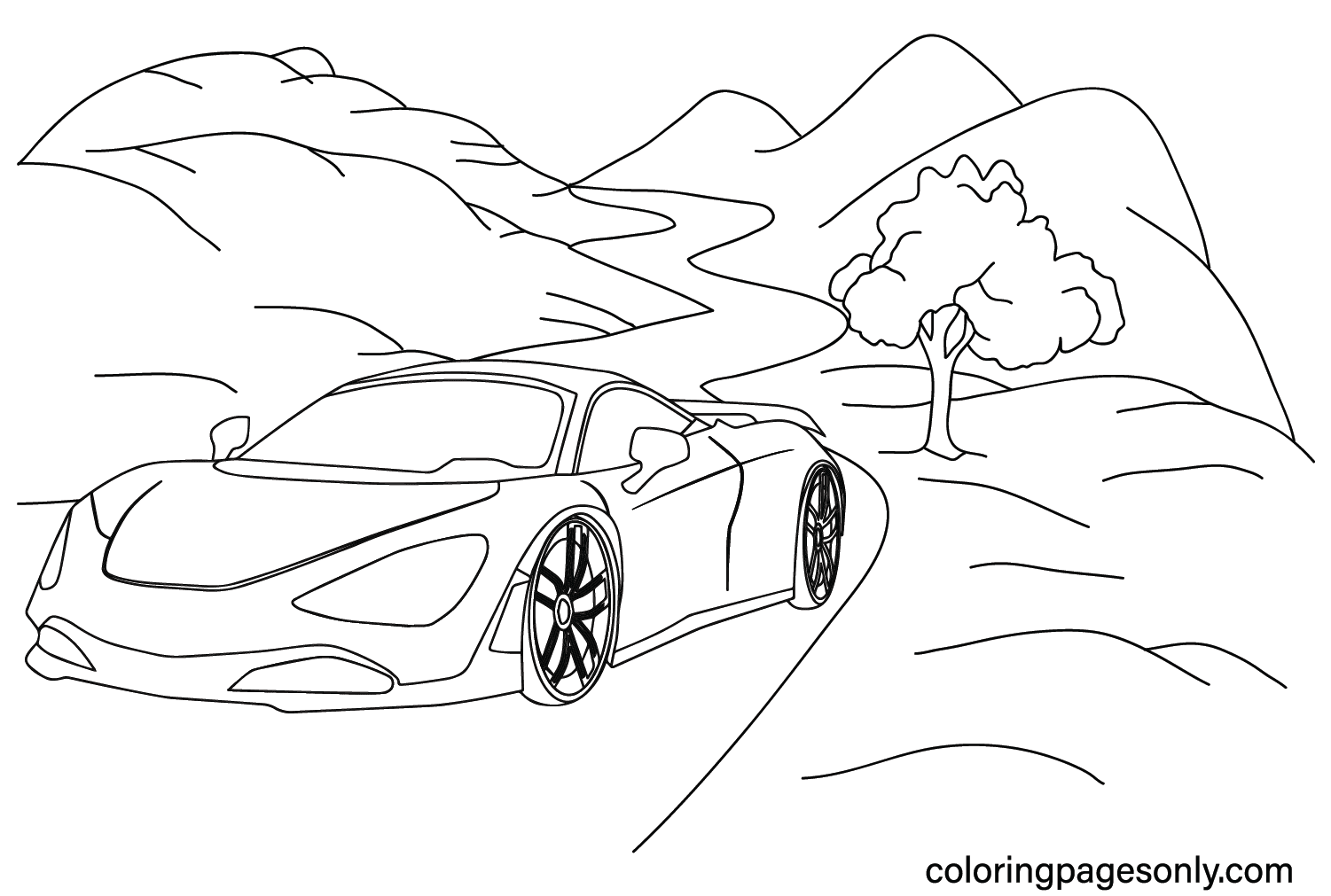
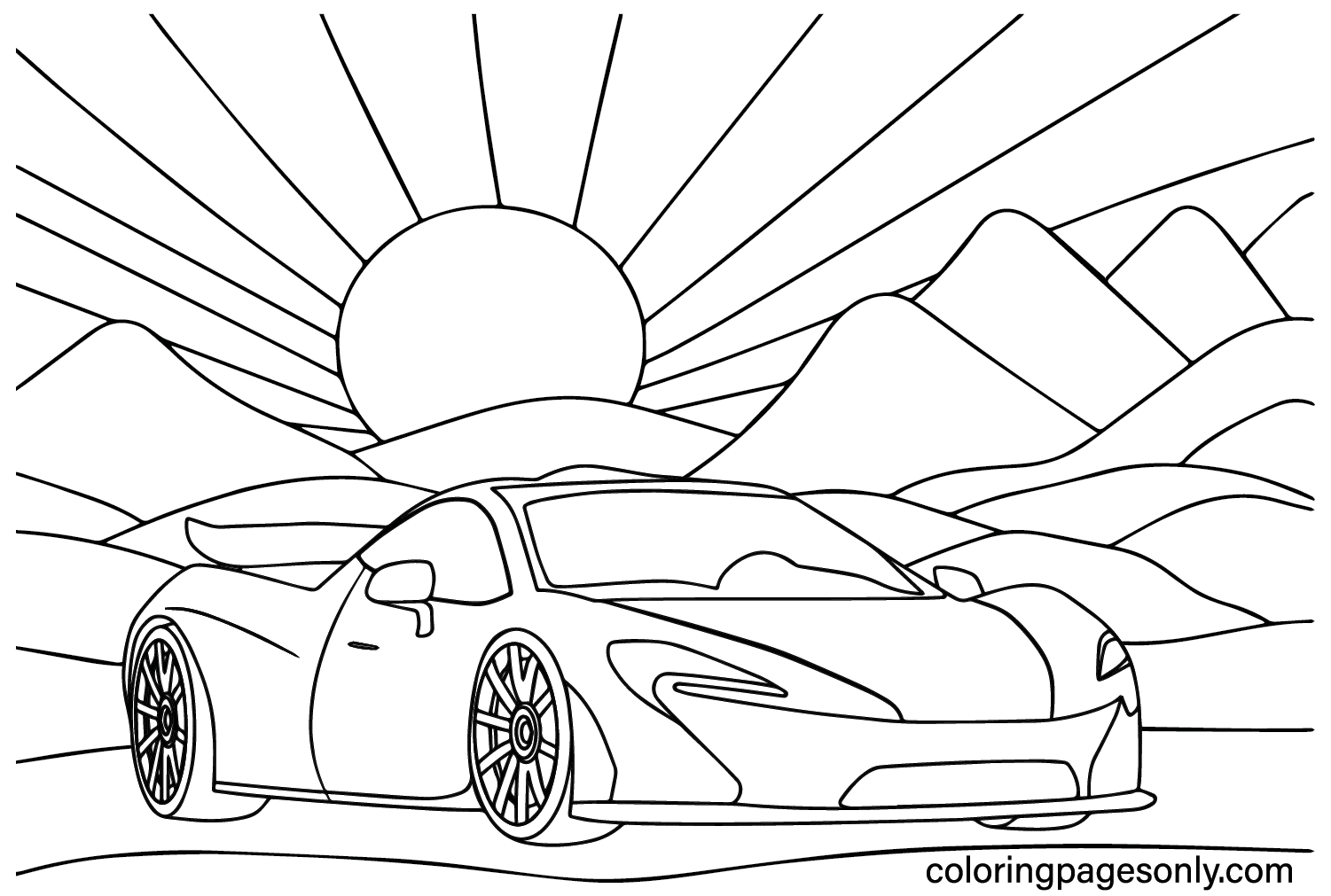
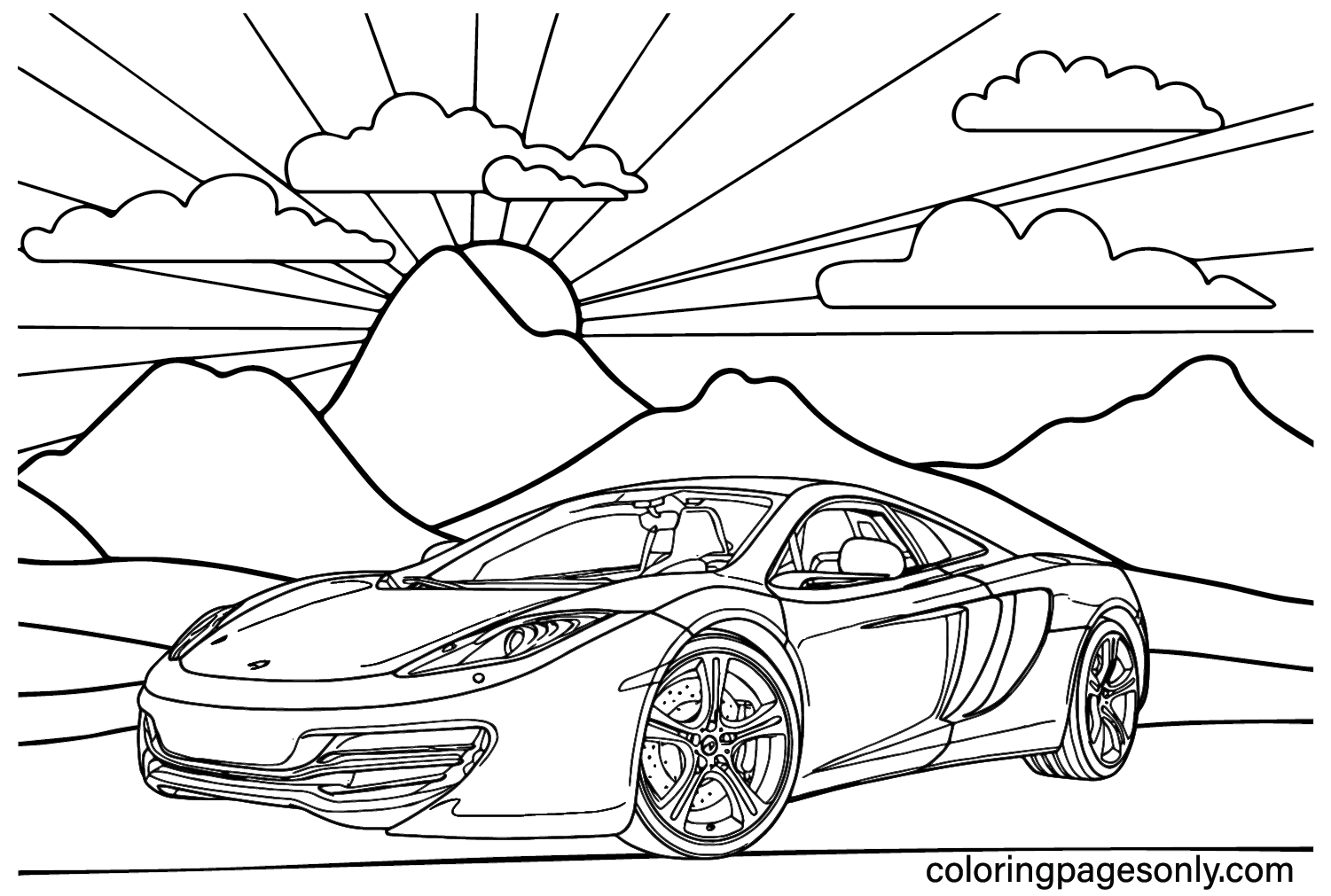
Free McLaren coloring pages: 26 printable PDF designs of Formula 1 cars, road-going supercars, and Ultimate Series hypercars. Every design opens as a print-ready PDF download or loads straight into the online coloring tool.



What’s Inside This Collection
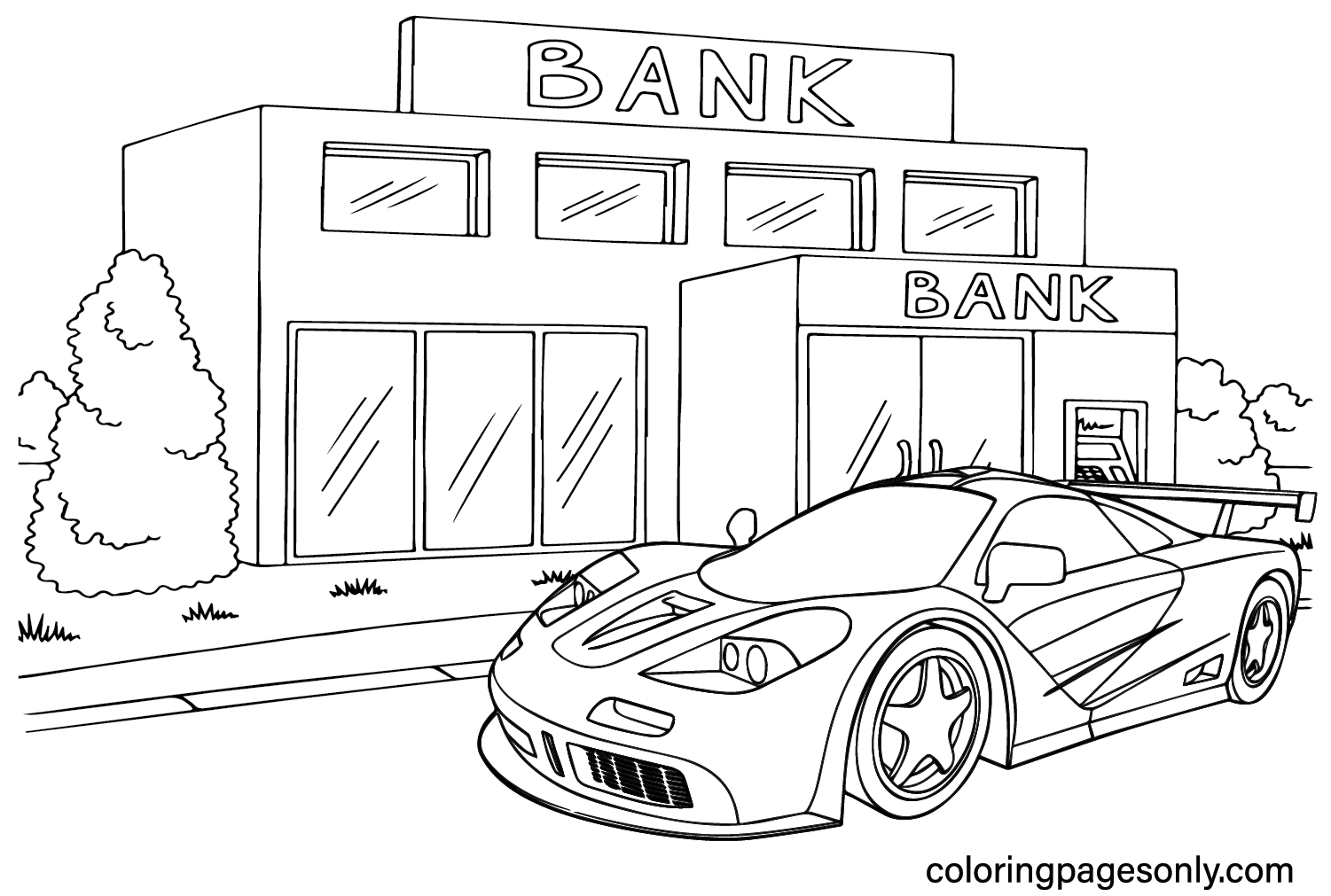
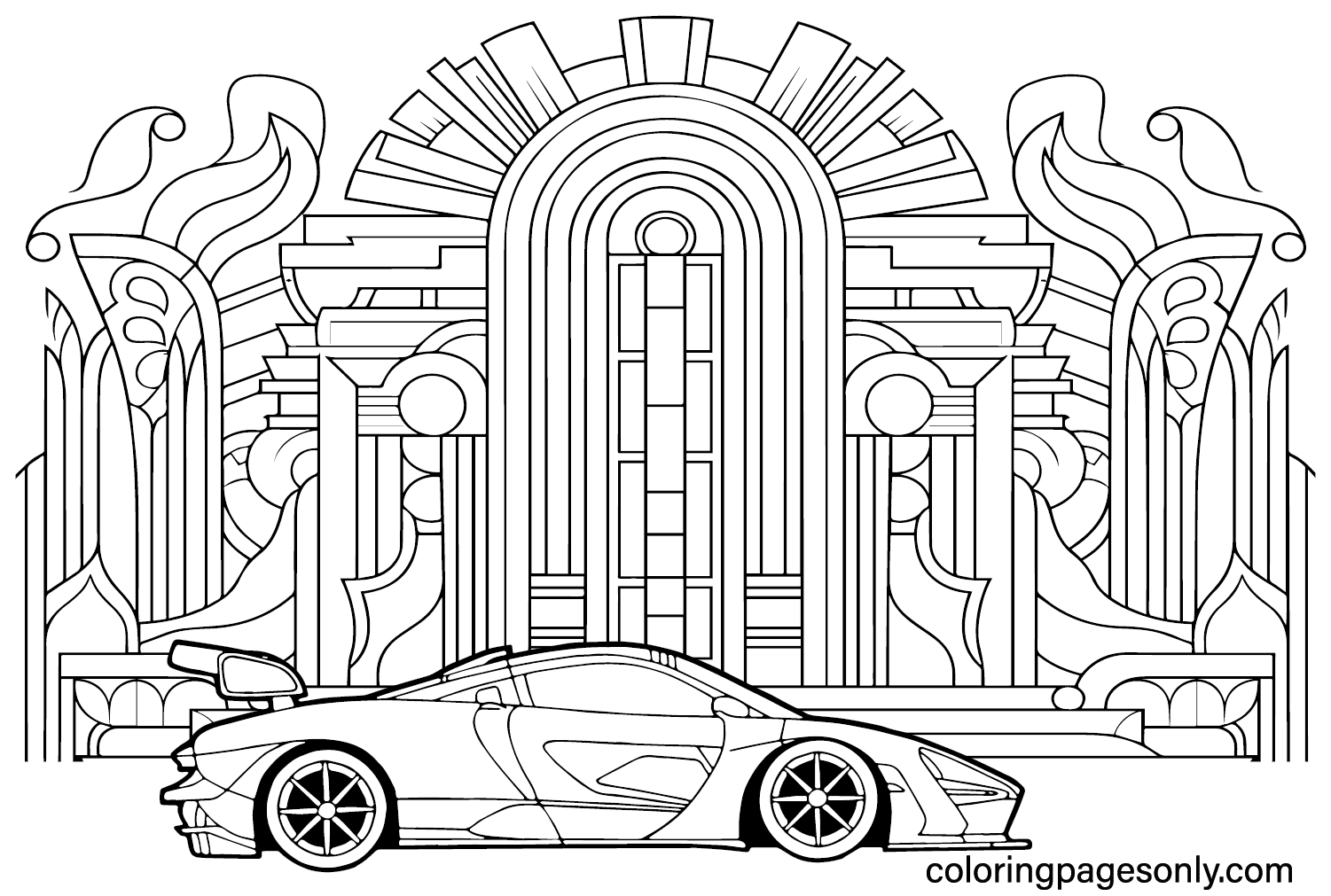
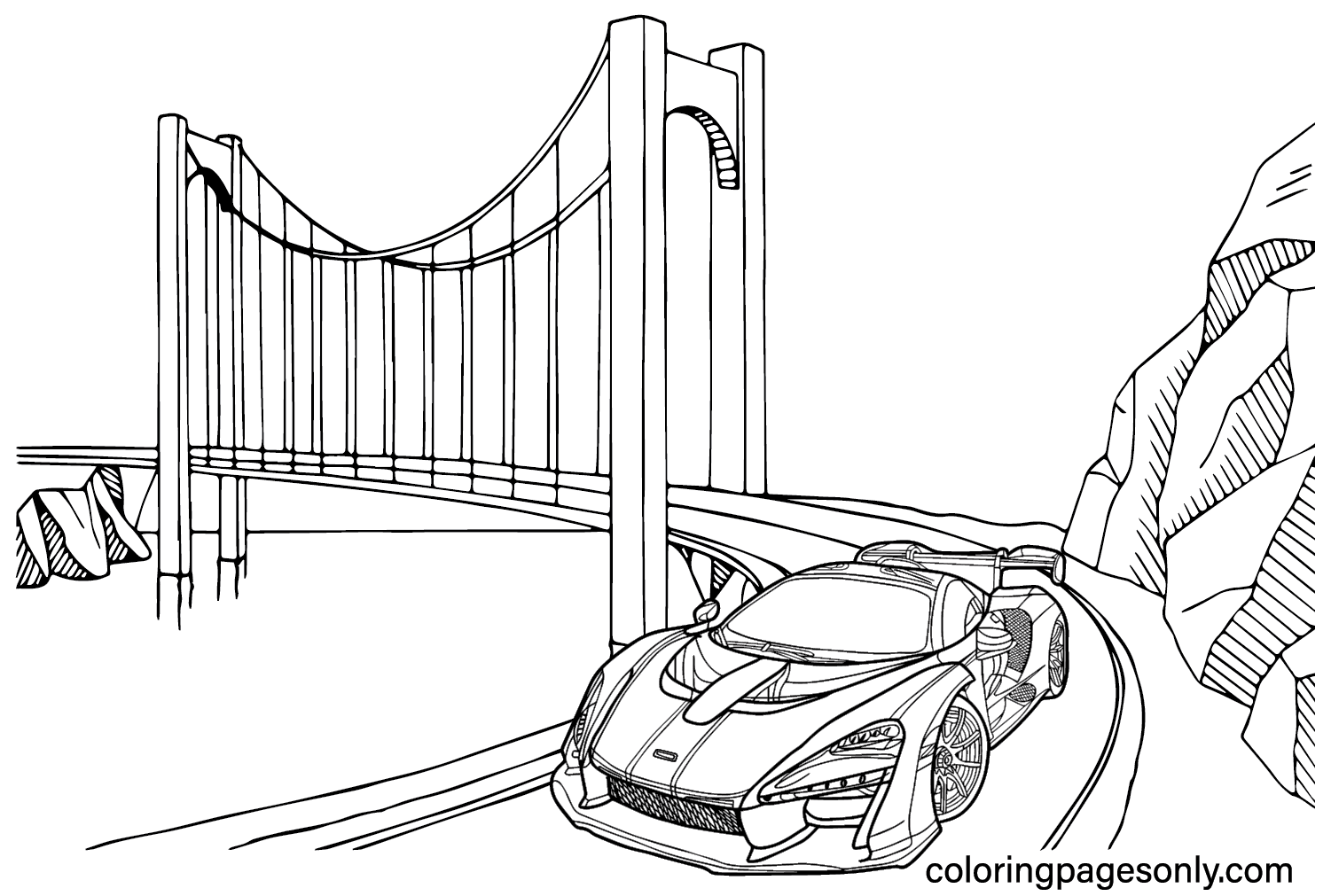
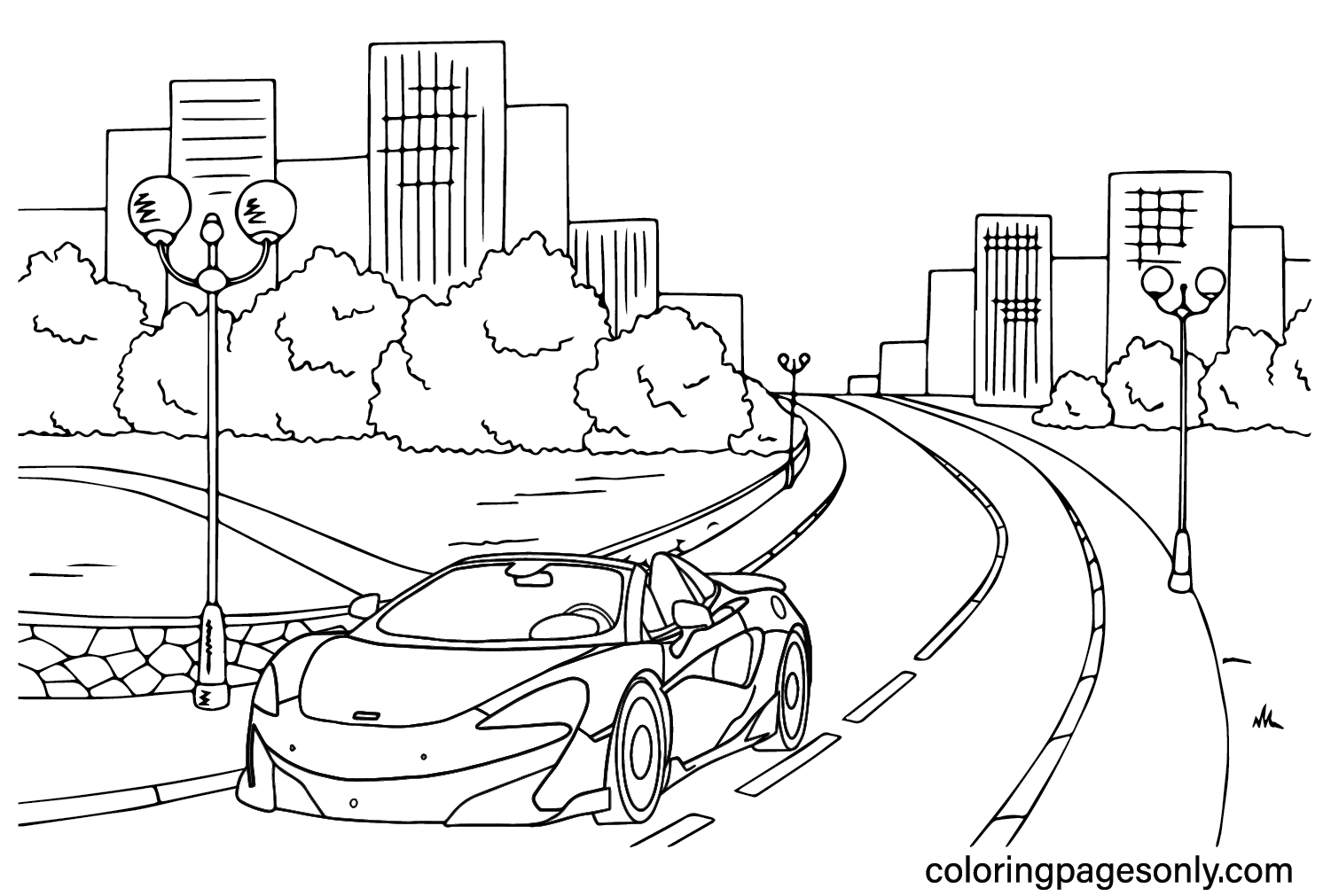
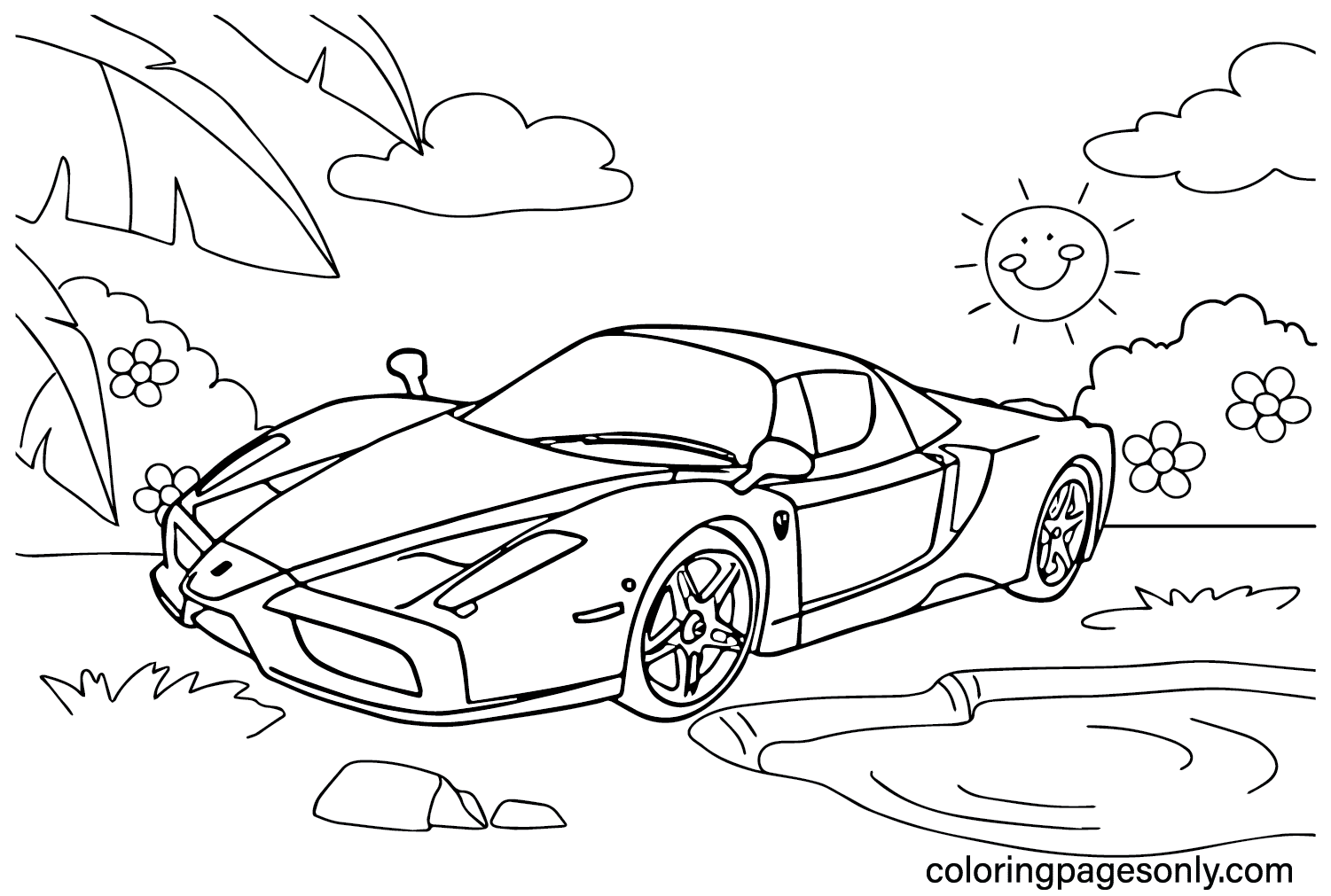
This collection groups its 26 pages by what kind of McLaren is on the page rather than by year or price, since a Formula 1 car, a hypercar, and an everyday supercar each call for a different coloring approach.
Road Cars and Supercars
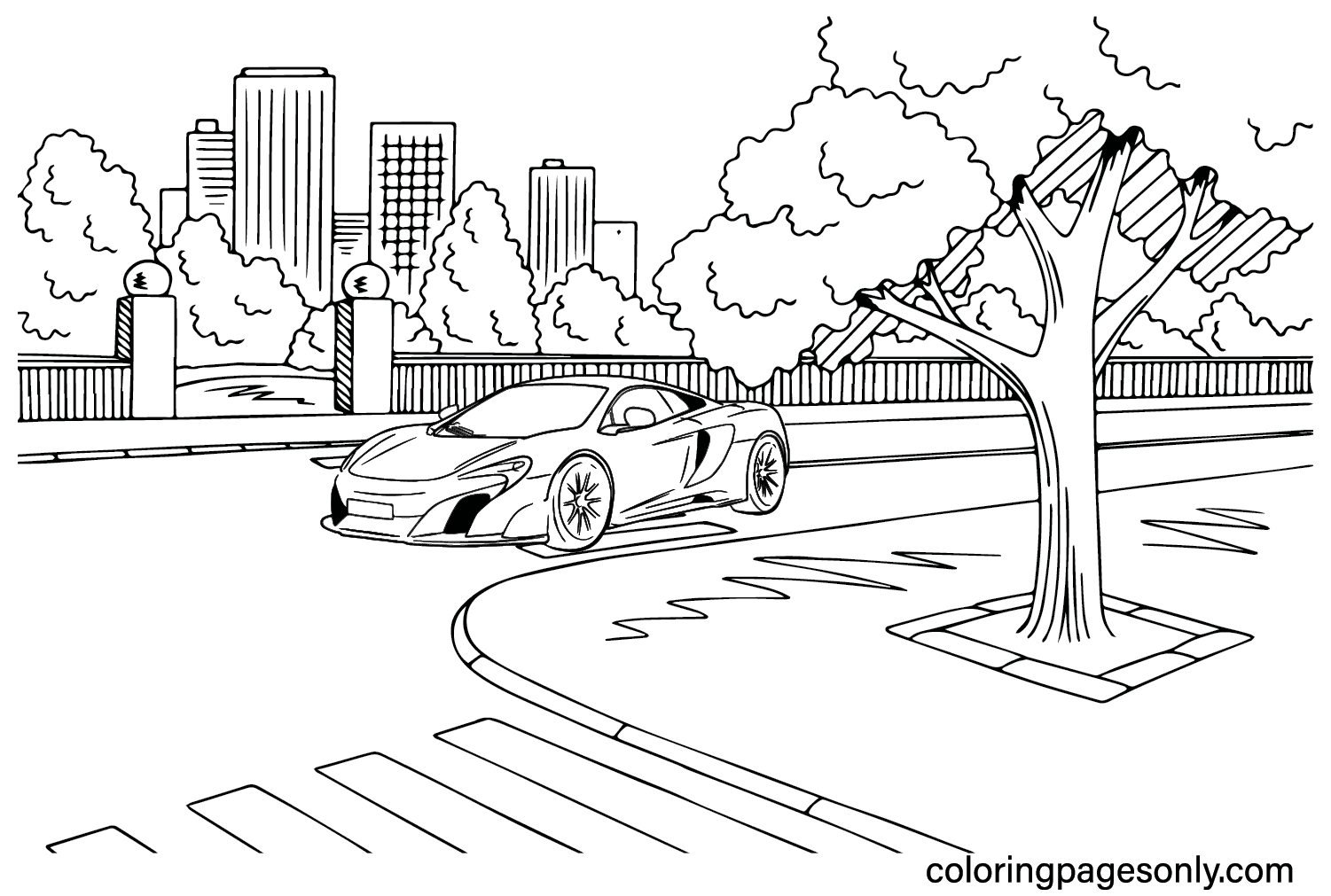
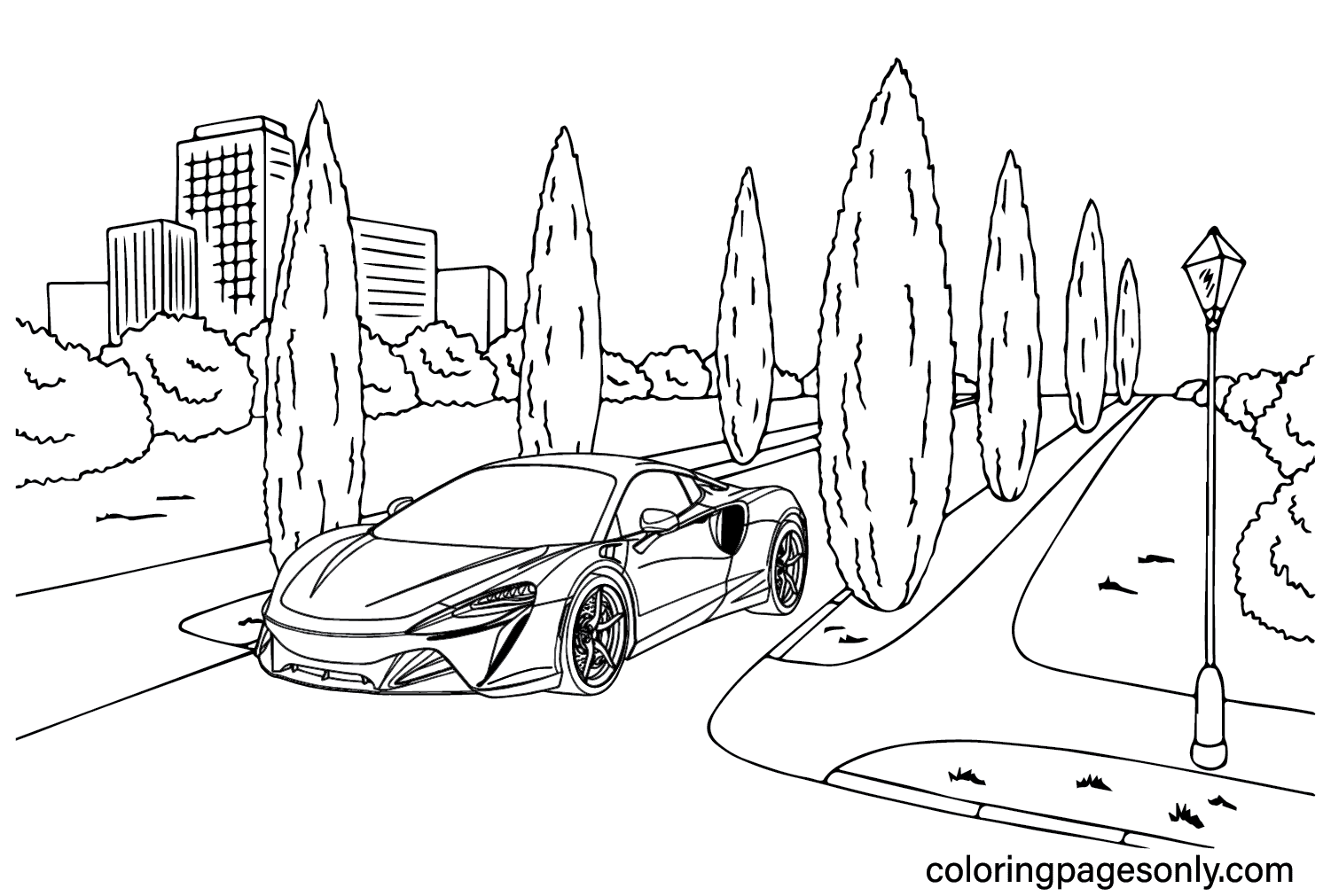
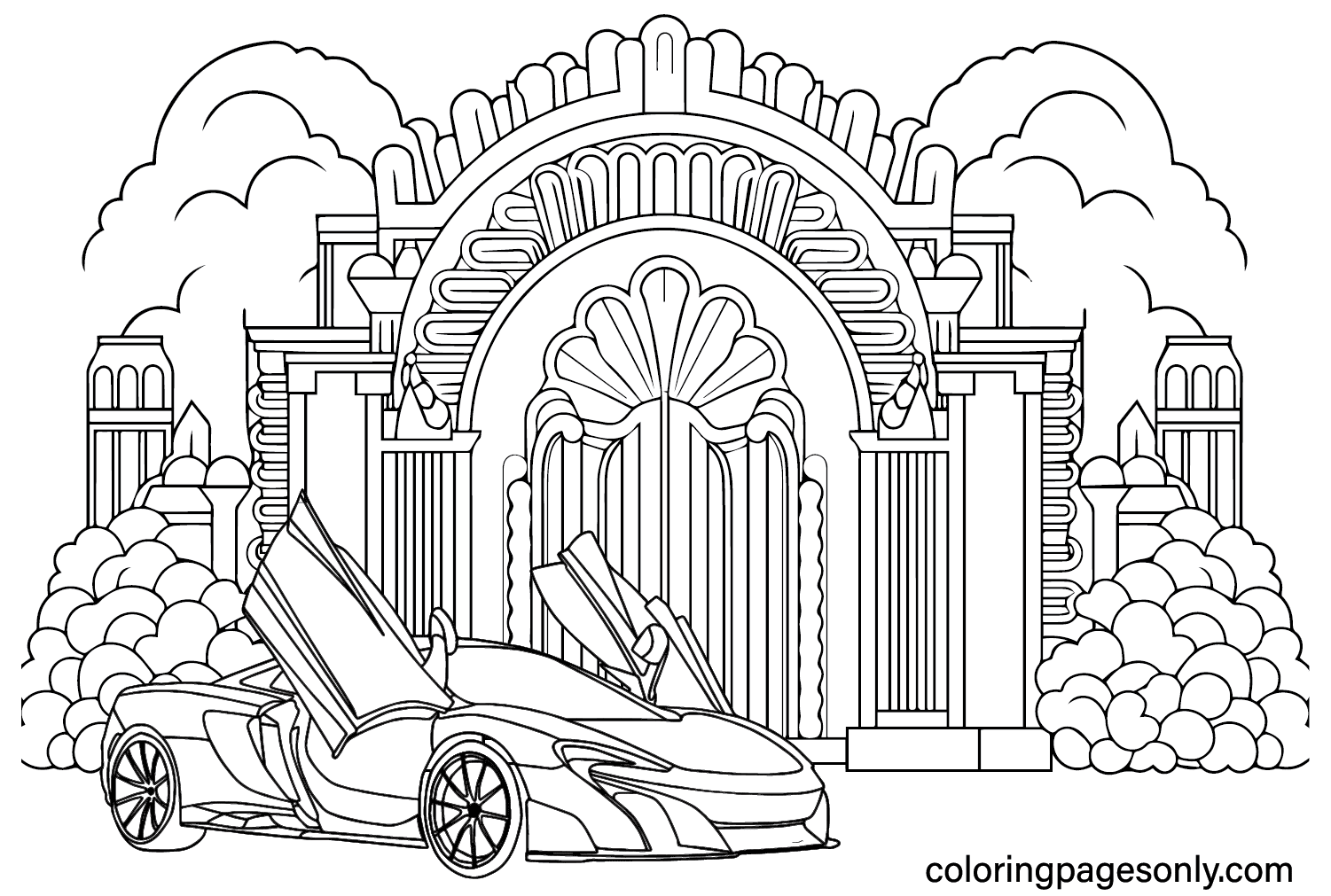
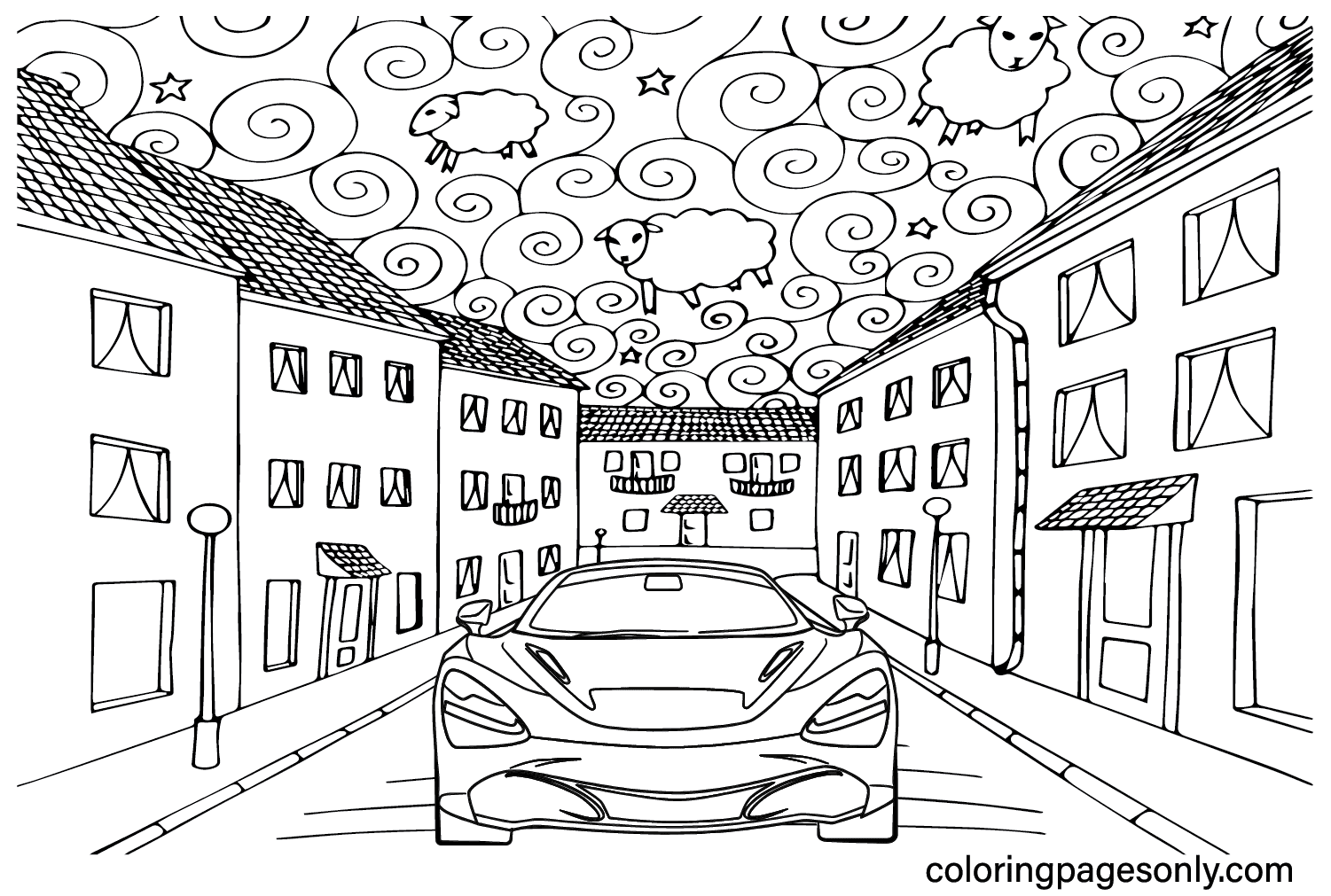
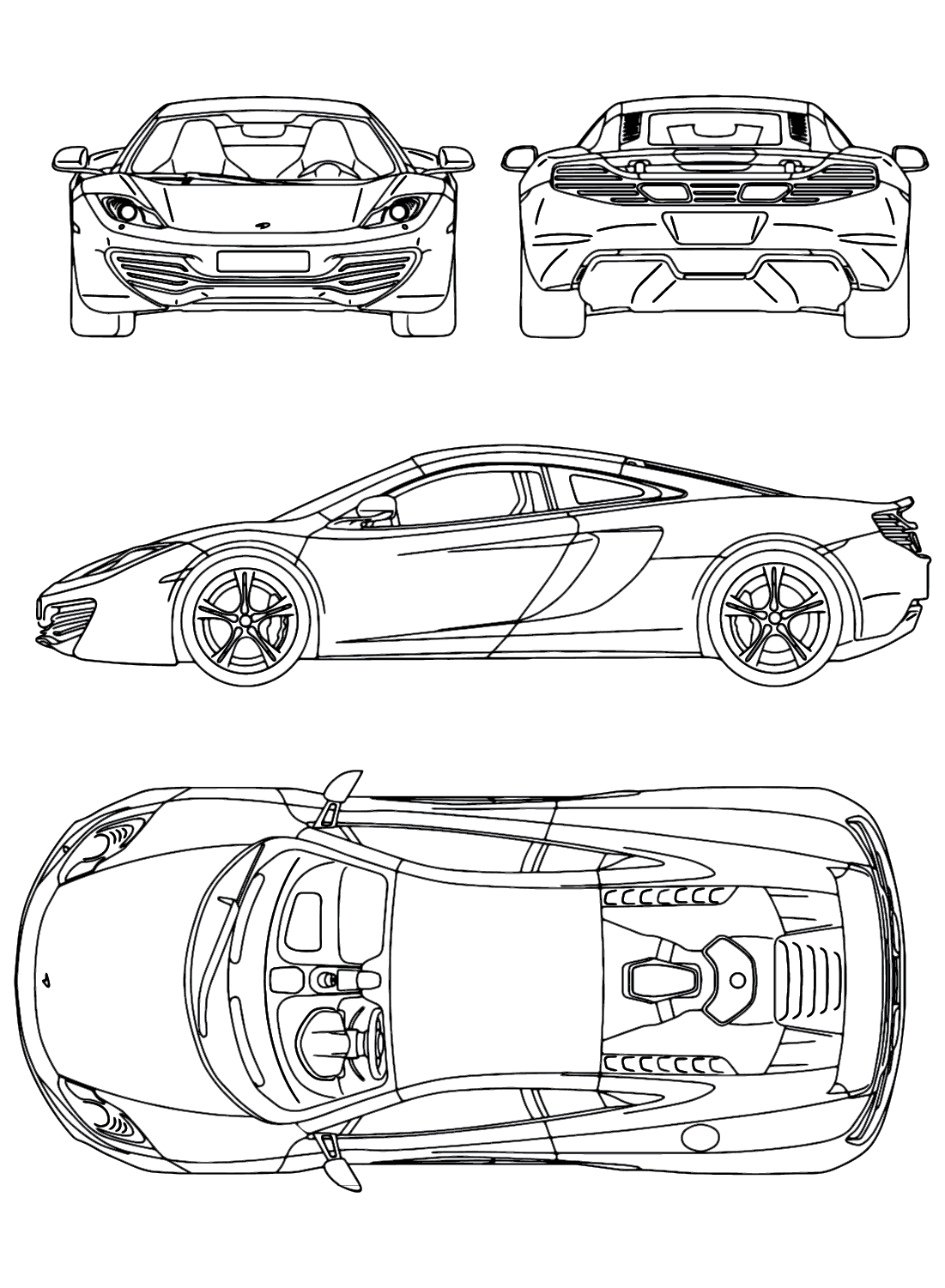
Six pages cover McLaren’s more attainable supercars: the 570S, the 600LT and 675LT Longtail variants, two 720S designs, and the MP4-12C, the model that relaunched McLaren as a road car maker in 2011. A bright but not neon orange, or a cooler tone like silver or dark green, both read as true to how these cars actually look.
Ultimate Series Hypercars
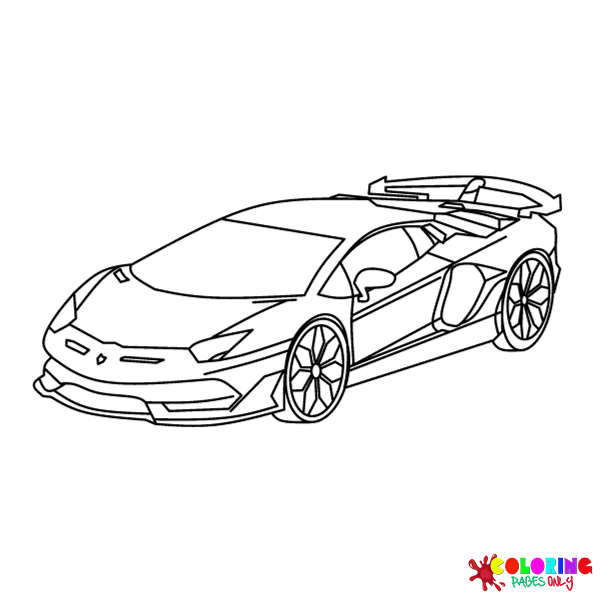
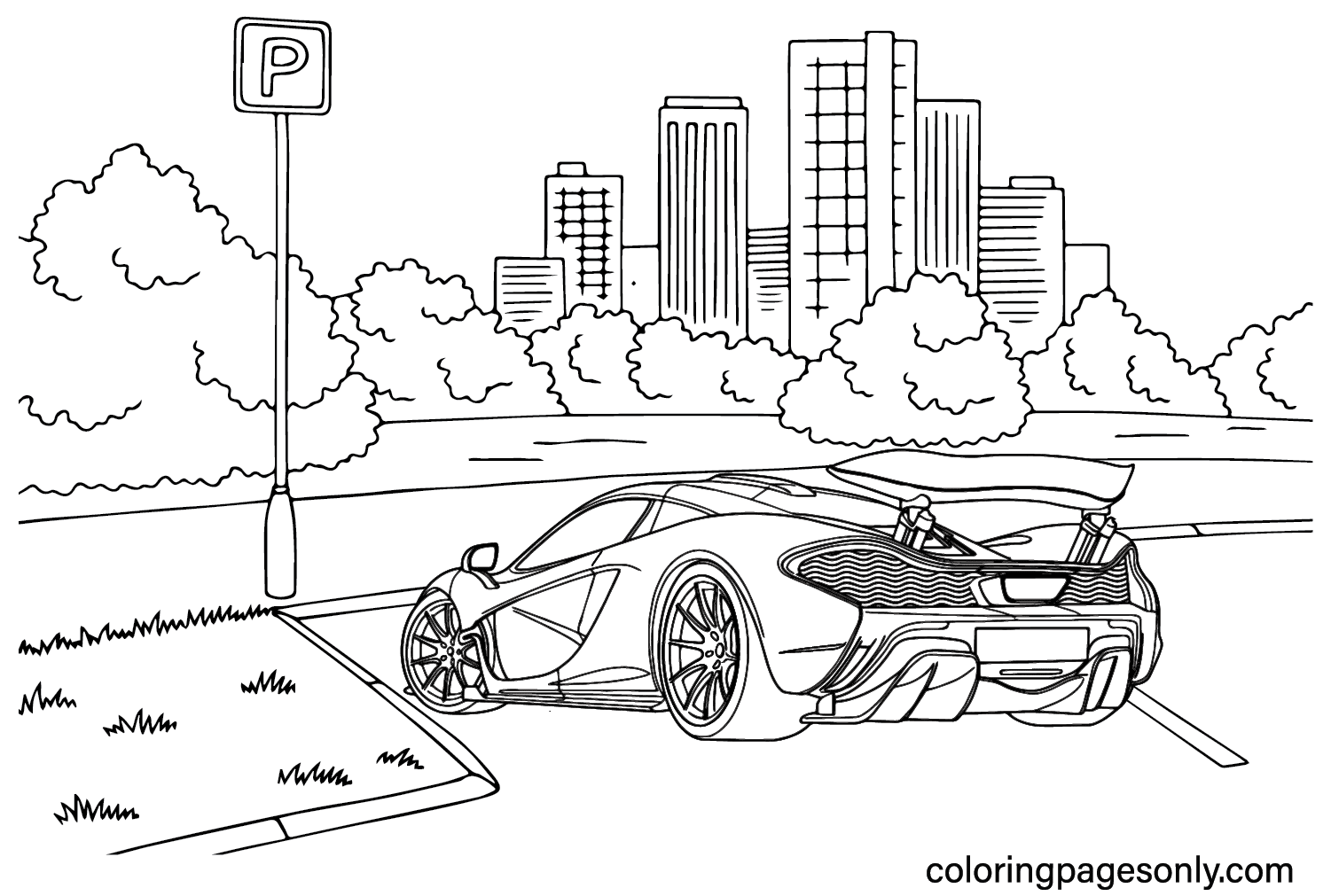
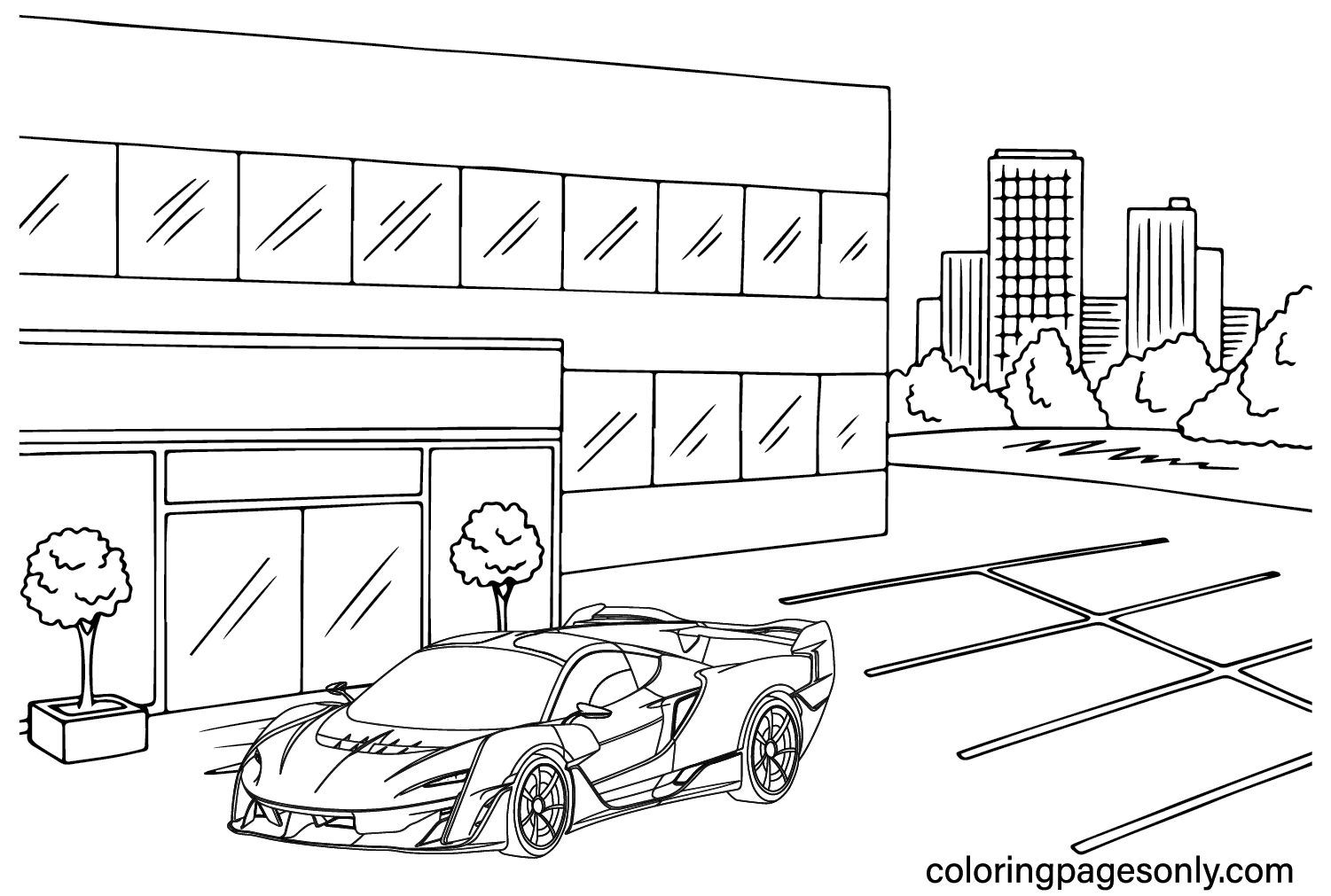
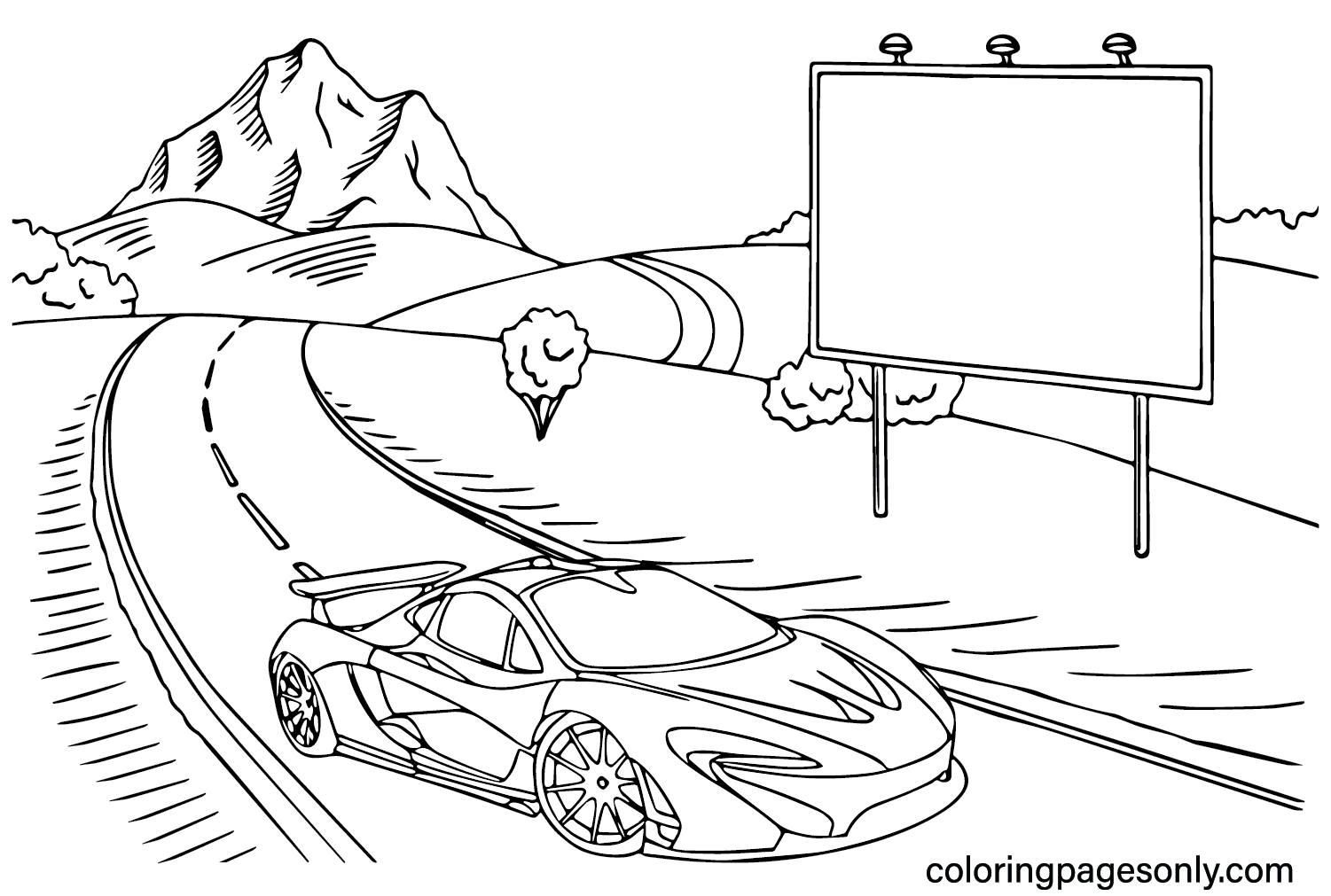
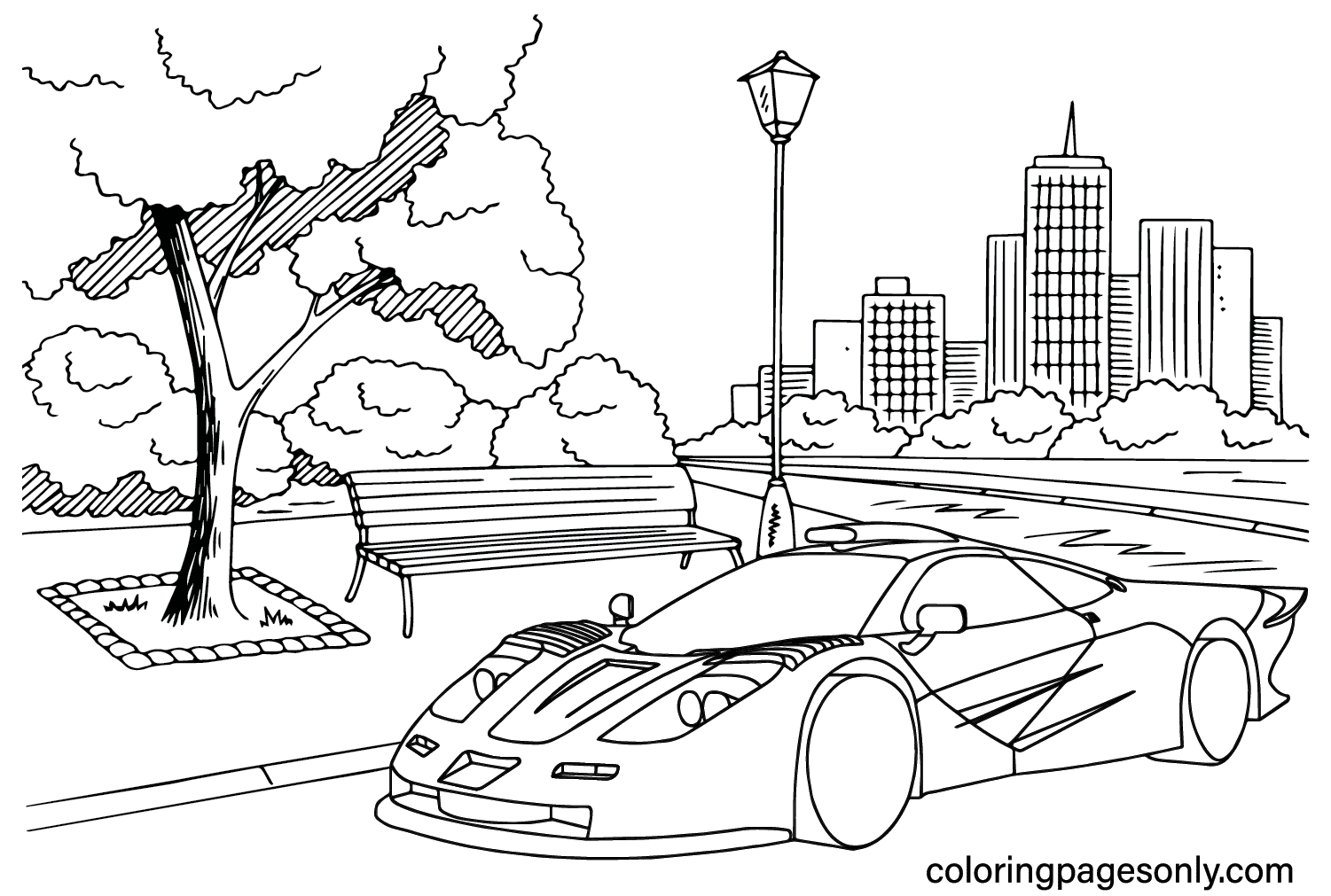
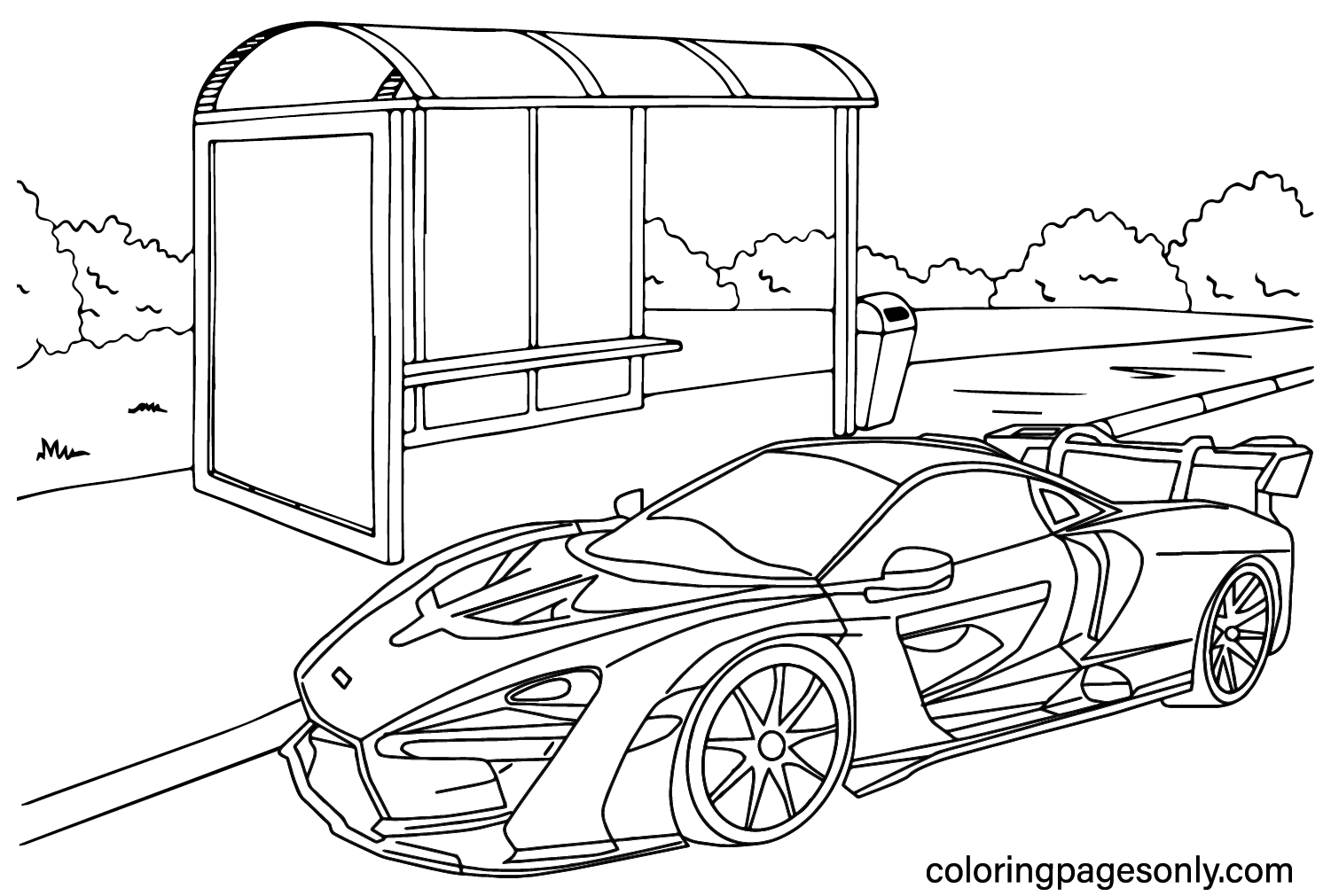
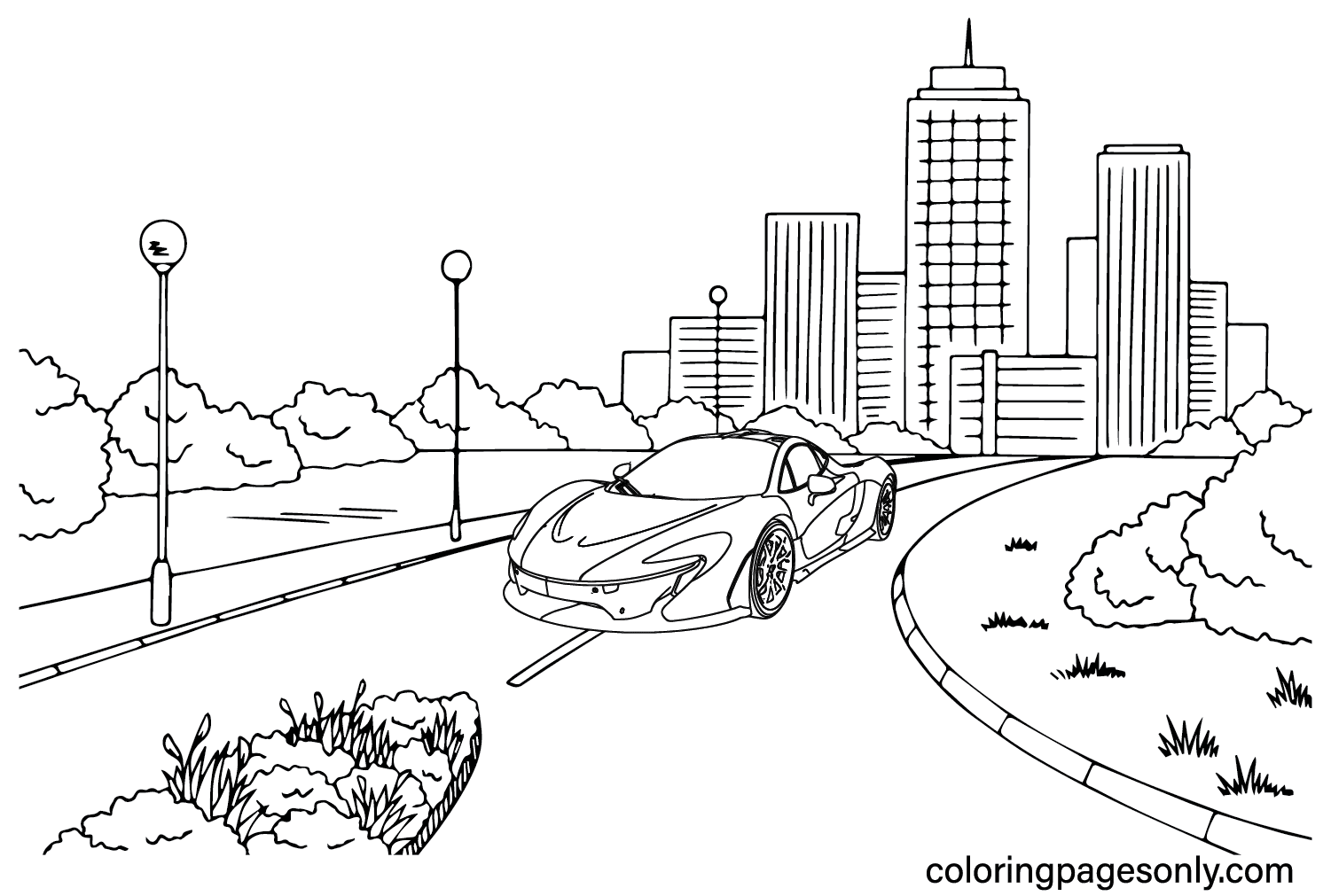
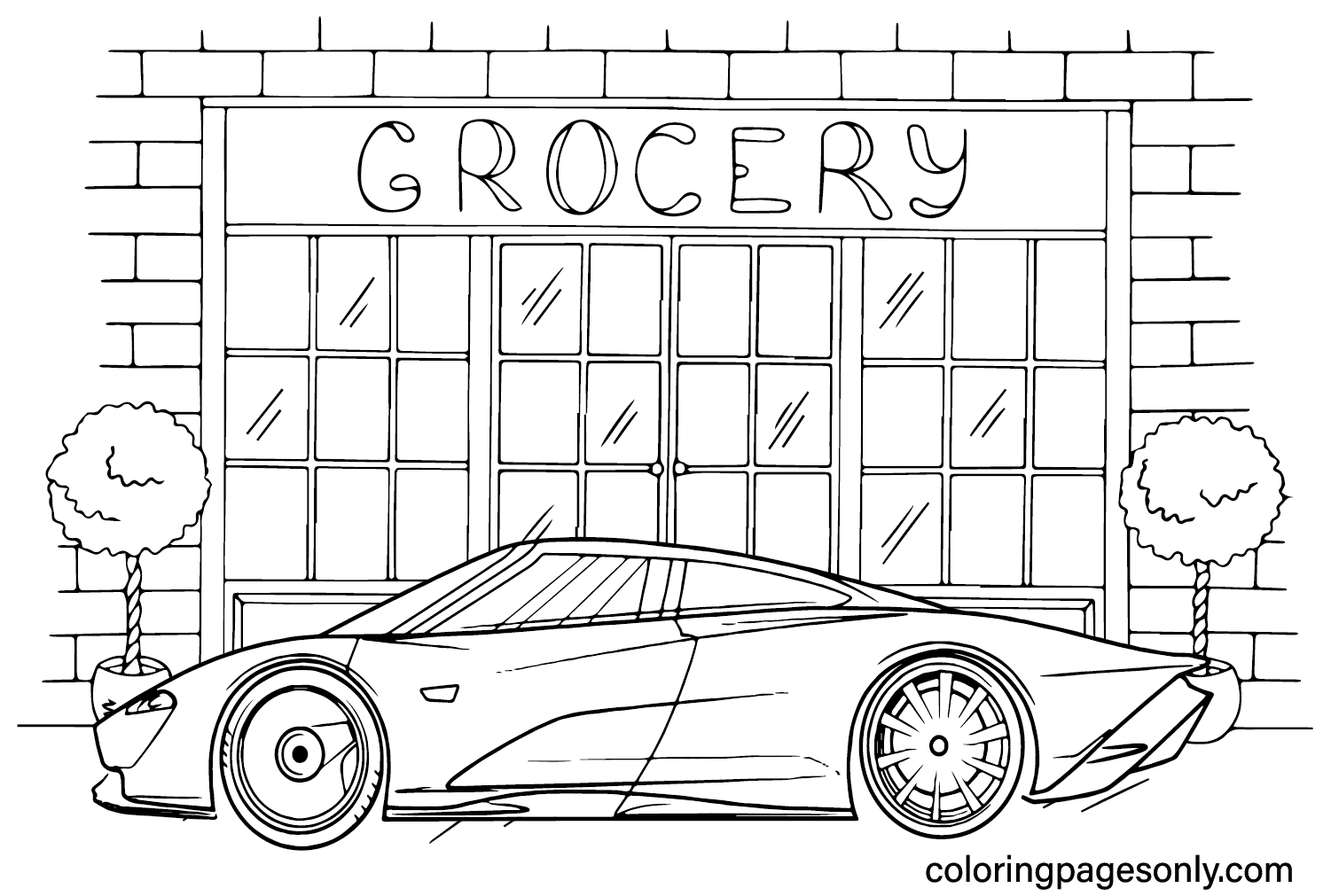
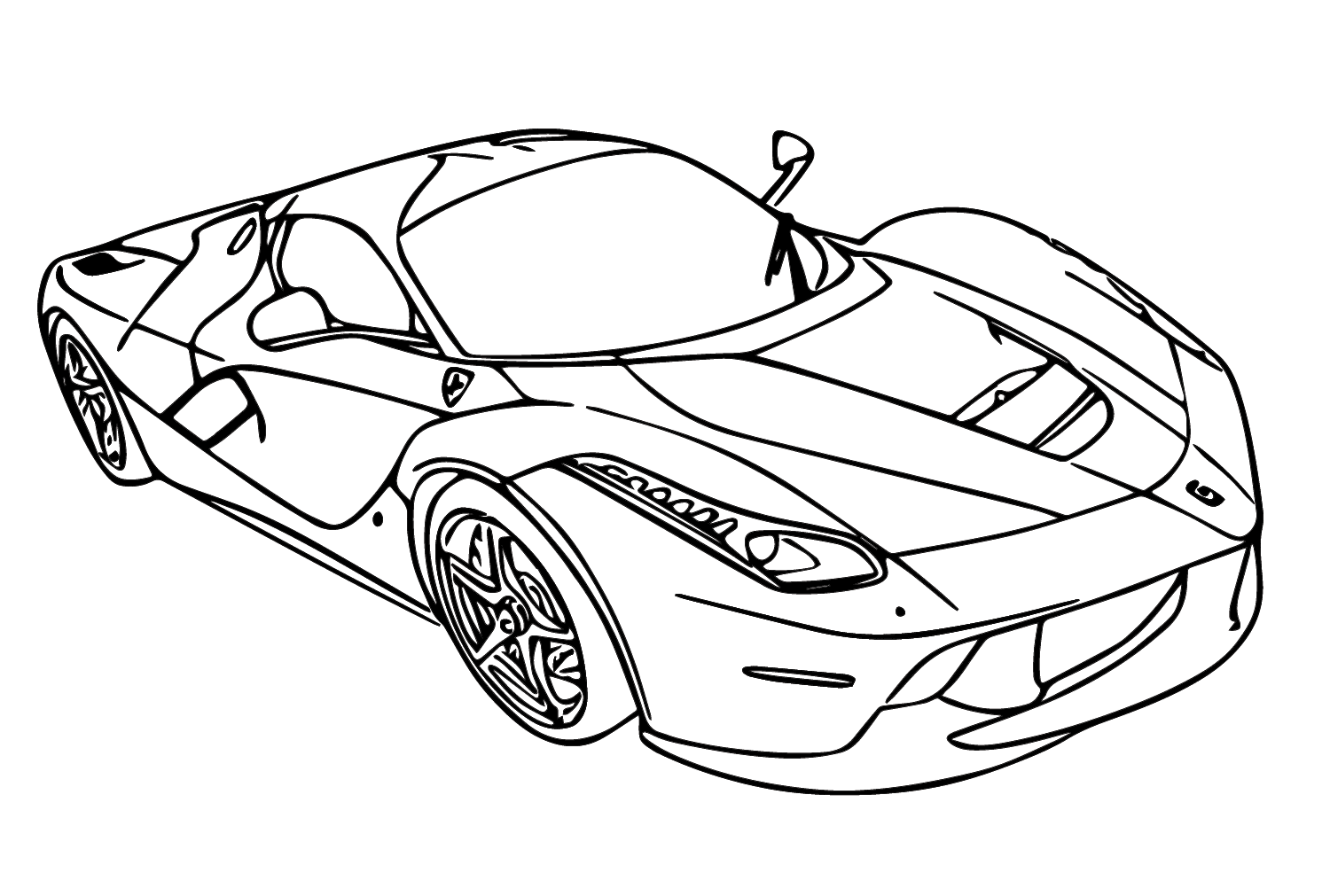
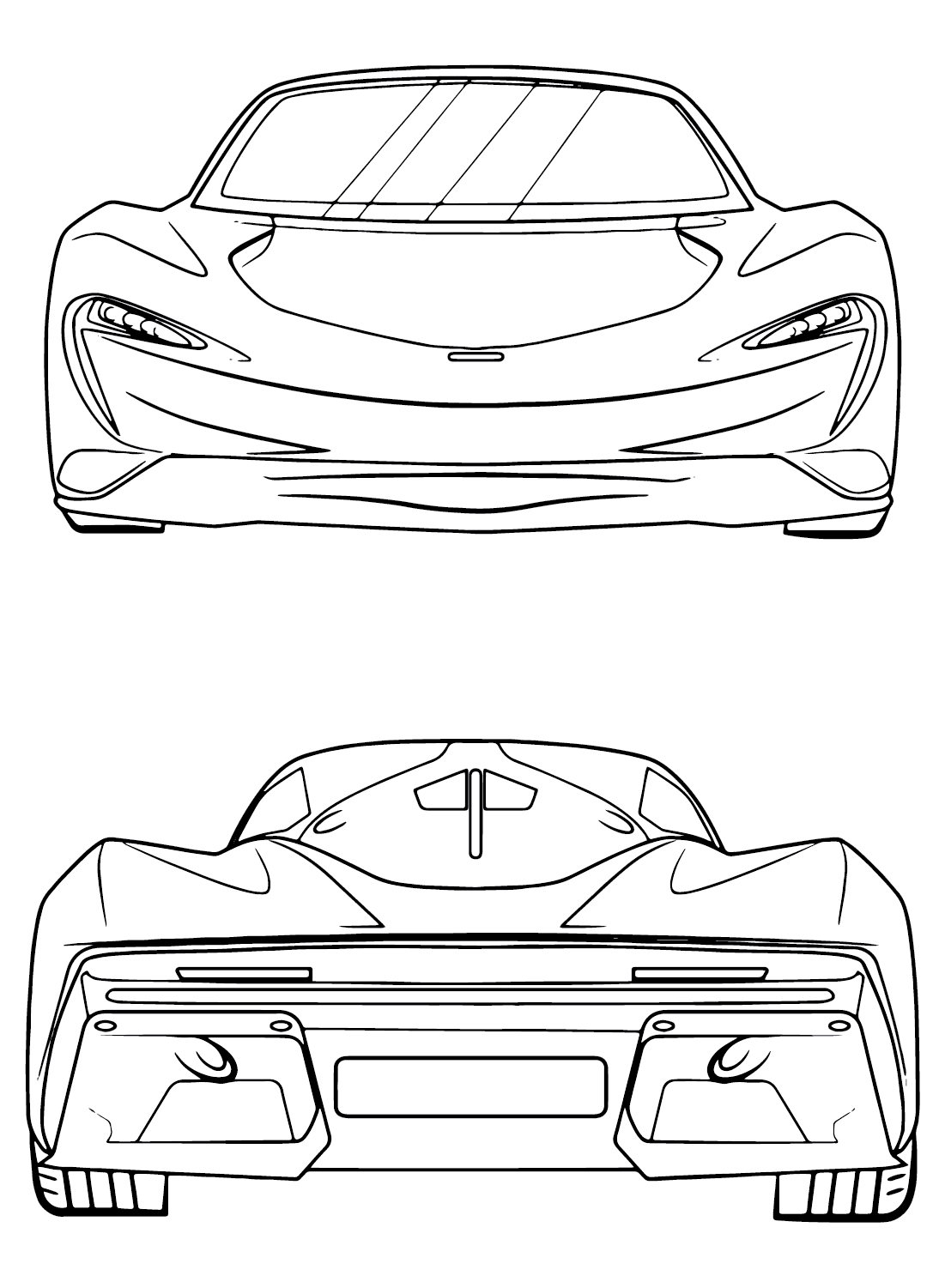
Nine pages feature McLaren’s most extreme road-legal machines: the F1 LM, the Senna and Senna GTR, the P1, two Speedtail designs, the limited-run Sabre, and two more hypercar sheets. Keep the body color simple and push the contrast into the black and silver detailing, since that’s where the visual drama actually lives.
Motorsport and Racing Liveries
Two pages step onto the racetrack: the MCL36 Formula 1 car and the MP4-12C GT3 racer, both with sponsor panels, wing endplates, and open-wheel bodywork in place of a closed cabin. Papaya orange should dominate both pages, with black reserved for the cockpit, tires, and sponsor panels.
Simple and Stylized McLaren Pages
Nine pages are built around a single car silhouette with fewer internal details, including the Coloring Sheet, Coloring Page Free, Images to Color, and LineArt designs. These work well for younger colorists or a short break. One confident color for the whole body, plus black for the wheels, is usually all they need.
What McLaren Coloring Pages Do
Precision practice, not just color practice. A car’s narrow vents, splitter edges, and wing supports are a harder target than a rounded cartoon shape, and staying inside them is the kind of fine motor skill development the American Academy of Pediatrics names as central to structured coloring for children between the ages of 2 and 7. The plainer line art pages in this set offer an easier version of the same practice for younger or newer colorists.
Engineering words with a picture attached. A spoiler, an intake, a diffuser: coloring a McLaren page is a low-pressure way to attach a real function to each of those words, since every part on the page is doing a specific job on the actual car.
Structured coloring, measured calm. There’s real research behind why a focused coloring session can feel calming: in 2005, the Art Therapy Journal published a study linking structured coloring sessions to a measurable drop in anxiety. A hypercar’s dense, repetitive linework is about as structured as a page gets, which may explain why some colorists reach for the most detailed page in the set when they want to slow down.
A reason to think about color on purpose. Most people can name McLaren’s orange without being able to say why it’s orange. Coloring these pages, deciding how bright, how red, how metallic, turns a color choice most people make automatically into one they make on purpose.
How to Color McLaren Pages Well
- Racing papaya: On Formula 1 pages like the MCL36, lay down Sunset Orange as the base fill, then run thin lines of Scarlet along panel seams and vents to suggest depth without switching to a second base color.
- Showroom orange: On road car pages such as the 720S or 600LT, reach for Outrageous Orange instead. McLaren’s factory showroom orange runs brighter and slightly more red than the racing papaya used on the F1 cars.
- Carbon fiber detailing: On hypercar pages like the Senna and Speedtail, alternate black and silver in a tight crosshatch pattern across the diffuser, splitter, and rear wing to suggest exposed carbon fiber weave.
- Wheels and brakes: Color the alloy wheels silver with Timberwolf for shading, keep the tires black, and pick out the brake calipers visible behind the spokes in Neon Carrot for a small pop of contrast color.
- Glass and headlights: Add a thin wash of Sky Blue to windshields and side windows, then leave a small uncolored highlight dot on each headlight to suggest reflected light.
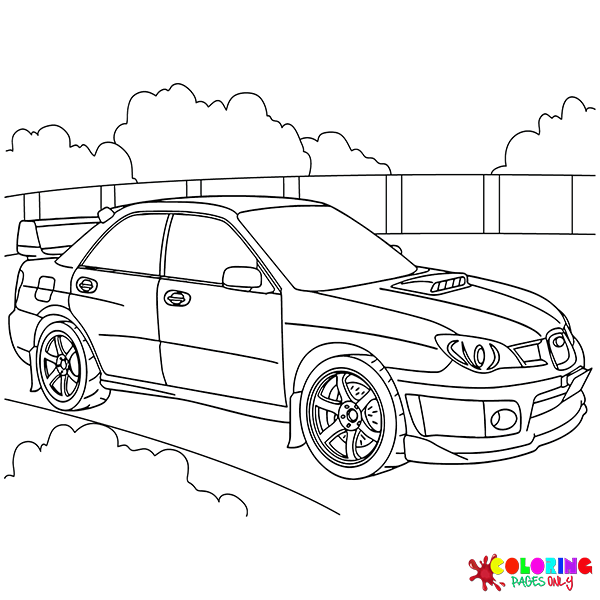
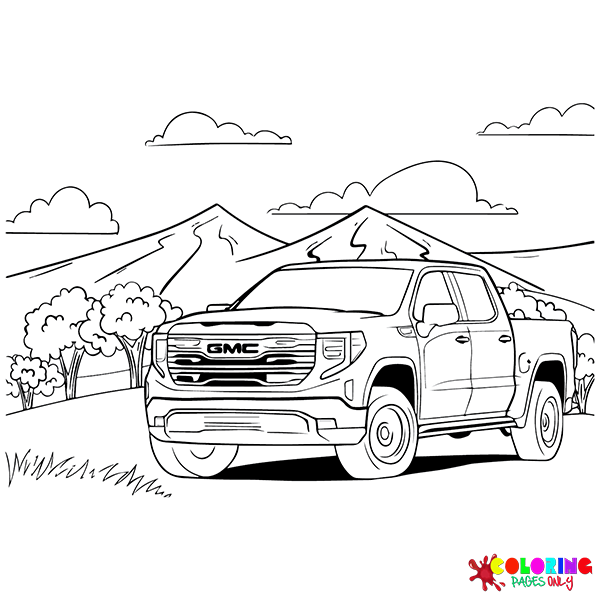
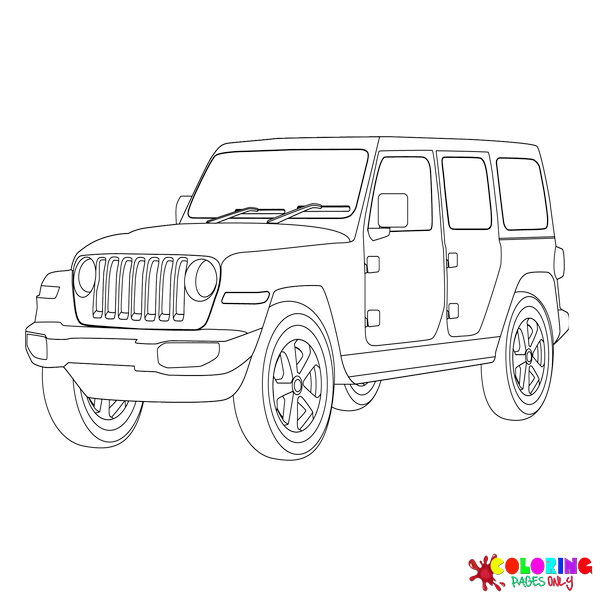
- Simple and line art pages: On plain sheets like the Car Coloring Page and LineArt Coloring Page, block in one strong color per panel instead of layering shades. A bold single-tone approach reads more clearly at this level of detail than a shaded one.
5 Creative Craft Ideas With McLaren Coloring Pages
1. Model Wall Display
Color several pages and arrange them in a grid on a bedroom wall or bulletin board, grouped by Ultimate Series, Sports Series, or motorsport, like a spec-sheet gallery. Swapping in a newly colored page every few weeks keeps the display feeling current without any extra materials.
2. Race Day Diorama
Build a simple track background from folded cardboard, then stand up cut-out colored cars along it with a checkered flag drawn at the finish line. A ruled pencil line down the middle of the track doubles as a racing line and gives the scene a bit more motion.
3. McLaren Evolution Timeline
Color the F1, MP4-12C, P1, Senna, and Speedtail pages, then arrange them in order on a poster board with each car’s release year written underneath. Lining the cars up this way makes the jump in aerodynamic detailing from one era to the next easy to see at a glance.
4. Bookmark Set
Color a few favorite pages, cut them into narrow bookmark strips, and cover each one with clear contact paper for a reusable set. A set built entirely from the Ultimate Series pages makes a themed gift for another McLaren fan.
5. Papaya Livery Greeting Card
Color the MCL36 Formula 1 car page, fold a piece of cardstock in half, glue the colored page to the front, and write a racing-themed message inside. It works especially well for a birthday card aimed at a young racing fan who already knows the McLaren papaya on sight.
Frequently Asked Questions
What are McLaren coloring pages?
McLaren coloring pages are free printable and browser-colorable designs of cars built by McLaren, including Formula 1 cars, road-going supercars, and hypercars. This collection has 26 pages, available as PDF downloads or through the online coloring tool.
Who created McLaren?
McLaren traces back to Bruce McLaren, a New Zealand racing driver who founded Bruce McLaren Motor Racing in 1963. McLaren Automotive, the road car division, launched in 2010.
What is McLaren’s signature racing color?
McLaren races and builds cars in papaya orange, first used in competition in 1968, so cars would stand out on black-and-white TV. Current road cars still offer factory orange paint descended from it.
What was the McLaren F1, and why does it matter?
The McLaren F1 was a three-seat supercar with a central driving position, built from 1992 to 1998 and designed by Gordon Murray. It set a production car speed record that stood for years.
What is the fastest McLaren ever built?
The McLaren Speedtail, a 2019 hybrid Hyper-GT with over 1,000 horsepower, holds the title with a top speed of 250 mph, edging out the original F1.
Who currently races for the McLaren Formula 1 team?
Lando Norris and Oscar Piastri currently drive for McLaren in the papaya-liveried MCL40. The team has won 10 Formula 1 Constructors’ Championships, including back-to-back titles in 2024 and 2025.
Are McLaren coloring pages suitable for young children?
Yes, with the right page. The simple line-art and generic car sheets suit children as young as three, while the Ultimate Series hypercars and Formula 1 cars suit older kids and adults.
Are these official McLaren coloring pages?
No, these are fan-made coloring sheets for personal, non-commercial use, not affiliated with, licensed by, or endorsed by McLaren Automotive, McLaren Racing, or the McLaren Group.
Download any design by clicking it. No account, email, or payment is required to color or print. Every page opens in the online coloring tool for on-screen use or downloads as a full-resolution PDF for printing. Share a finished McLaren page using the Facebook or Pinterest buttons at the top of the page.